






הלימוד החודש מוקדש ע”י מרכי גלזר לע”נ רחל אביבה בת דבורה חנה
רוצה להקדיש שיעור?

כלים
הלימוד החודש מוקדש ע”י מרכי גלזר לע”נ רחל אביבה בת דבורה חנה
עבודה זרה נ
בִּמְקוֹרָבוֹת נָמֵי, דְּאִיכָּא לְמֵימַר מִינֵּיהּ נְפַל — דִּבְרֵי הַכֹּל אֲסוּרוֹת, כִּי פְּלִיגִי — בִּמְרוּחָקוֹת.
Furthermore, everyone agrees that also in the case of stones that are near the stone pile dedicated to Mercury, with regard to which it can be said that they fell from it, they are prohibited. Rabbi Yishmael and the Rabbis disagree only when the stones are distant.
וְהָא ״בְּצַד מַרְקוּלִיס״ קָתָנֵי, מַאי ״בְּצַד״? בְּצַד אַרְבַּע אַמּוֹת דִּידֵיהּ.
The Gemara challenges: But the mishna teaches that the stones are at the side of Mercury, indicating that they are nearby. The Gemara explains: What is meant by the term: At the side of Mercury? It means at the side of its four cubits.
רַבִּי יִשְׁמָעֵאל סָבַר: עוֹשִׂין מַרְקוּלִיס קָטָן בְּצַד מַרְקוּלִיס גָּדוֹל, שָׁלֹשׁ דְּדׇמְיָין לְמַרְקוּלִיס — אֲסוּרוֹת, שְׁתַּיִם — מוּתָּרוֹת. רַבָּנַן סָבְרִי: אֵין עוֹשִׂין מַרְקוּלִיס קָטָן בְּצַד מַרְקוּלִיס גָּדוֹל, לָא שְׁנָא שָׁלֹשׁ וְלָא שְׁנָא שְׁתַּיִם, נִרְאוֹת עִמּוֹ — אֲסוּרוֹת, שֶׁאֵין נִרְאוֹת עִמּוֹ — מוּתָּרוֹת.
The Gemara clarifies the dispute: Rabbi Yishmael holds that at times, idol worshippers initially construct a small stone pile dedicated to Mercury at the side of a large stone pile dedicated to Mercury. Therefore, three stones, which resemble a complete pile dedicated to Mercury, are prohibited. Two stones, which do not resemble a stone pile dedicated to Mercury, are permitted. Conversely, the Rabbis hold that idol worshippers do not construct a small stone pile dedicated to Mercury at the side of a large stone pile dedicated to Mercury. Therefore, the halakha is not different in a case where there are three stones, and it is not different in a case where there are two stones. In both cases those stones that can be seen together with the pile dedicated to Mercury are prohibited, as they may have fallen from it, whereas those that cannot be seen together with the stone pile are permitted.
אָמַר מָר: בְּיָדוּעַ שֶׁנָּשְׁרוּ מִמֶּנּוּ — דִּבְרֵי הַכֹּל אֲסוּרוֹת. וּרְמִינְהִי: אֲבָנִים שֶׁנָּשְׁרוּ מִן הַמַּרְקוּלִיס, נִרְאוֹת עִמּוֹ — אֲסוּרוֹת, שֶׁאֵין נִרְאוֹת עִמּוֹ — מוּתָּרוֹת. וְרַבִּי יִשְׁמָעֵאל אוֹמֵר: שָׁלֹשׁ — אֲסוּרוֹת, שְׁתַּיִם — מוּתָּרוֹת. אָמַר רָבָא: לָא תֵּימָא ״שֶׁנָּשְׁרוּ״, אֶלָּא אֵימָא ״שֶׁנִּמְצְאוּ״.
§ The Master said: In a case where it is known that these stones fell from it, everyone agrees that they are prohibited. And the Gemara raises a contradiction to Rabbi Yoḥanan’s statement from his statement presented in a baraita: With regard to stones that fell from a pile dedicated to Mercury, those that can be seen together with it are prohibited; those that cannot be seen together with it are permitted. And Rabbi Yishmael says: Three stones are prohibited, but two stones are permitted. The baraita indicates that Rabbi Yishmael and the Rabbis also disagree where it is known that the stones fell from the stone pile. Rava said: Do not say in the baraita: Stones that fell from a pile. Rather, say: Stones that were found adjacent to the pile. There is no certainty that they fell from the pile.
וְסָבַר רַבִּי יִשְׁמָעֵאל שְׁתַּיִם מוּתָּרוֹת? וְהָתַנְיָא: רַבִּי יִשְׁמָעֵאל אוֹמֵר: שְׁתַּיִם בִּתְפִיסָה לוֹ אֲסוּרוֹת, שָׁלֹשׁ, אֲפִילּוּ מְרוּחָקוֹת — אֲסוּרוֹת!
The Gemara asks: And does Rabbi Yishmael actually hold that two stones that are found adjacent to the pile are permitted? But isn’t it taught in a baraita: Rabbi Yishmael says: Two stones that are found in the area of the pile dedicated to Mercury are prohibited. Three stones are prohibited, even if they are found at a distance.
אָמַר רָבָא: לָא קַשְׁיָא, כָּאן בִּתְפִיסָה אַחַת, כָּאן בִּשְׁתֵּי תְּפִיסוֹת, וְהֵיכִי דָּמֵי? דְּאִיכָּא גּוּבְהָה בֵּינֵי וּבֵינֵי.
Rava said: It is not difficult. Here, in the second baraita, it is referring to a case where both the pile and the adjacent stones are in the same area, in which case the stones are forbidden. There, in the first baraita, it is referring to a case where they are in two adjacent areas, in which case they are permitted. And what is considered two adjacent areas? This is referring to a case where there is an elevated area between them, and evidently the stones did not fall from the pile.
וּמַרְקוּלִיס כְּהַאי גַּוְונָא מִי הָוֵי? וְהָא תַּנְיָא: אֵלּוּ הֵן אַבְנֵי בֵּית קוּלִיס — אַחַת מִכָּאן וְאַחַת מִכָּאן וְאַחַת עַל גַּבֵּיהֶן! אָמַר רָבָא: כִּי תַּנְיָא הָהִיא — בְּעִיקַּר מַרְקוּלִיס.
The Gemara asks: And are stones that are merely adjacent to each other in this way considered a pile dedicated to Mercury? But isn’t it taught in a baraita: These are the stones of a place of worship dedicated to Mercury: One stone is situated on one side and one is situated on the other side, and one is situated atop of them, but not where the stones are merely adjacent to each other? Rava said: When that baraita is taught, it is with regard to the main pile of stones dedicated to Mercury, but the stones that are added to it are not necessarily arranged in this way.
בֵּי יַנַּאי מַלְכָּא חֲרוּב, אֲתוֹ גּוֹיִם אוֹקִימוּ בֵּיהּ מַרְקוּלִיס, אֲתוֹ גּוֹיִם אַחֲרִינֵי דְּלָא פָּלְחִי לְמַרְקוּלִיס שַׁקְלִינְהוּ, וְחִיפּוּ בָּהֶן דְּרָכִים וּסְטָרְטָאוֹת, אִיכָּא רַבָּנַן דְּפָרְשִׁי וְאִיכָּא רַבָּנַן דְּלָא פָּרְשִׁי.
§ The Gemara relates: The house of King Yannai was destroyed, and gentiles came and placed stones dedicated to Mercury in it. Later, other gentiles who did not worship Mercury came and took those stones and paved paths and streets with them. There were Rabbis who withdrew from these paths, and there were other Rabbis who did not withdraw from these paths.
אָמַר רַבִּי יוֹחָנָן: בְּנָן שֶׁל קְדוֹשִׁים מְהַלֵּךְ עֲלֵיהֶן, וַאֲנַן נִפְרוֹשׁ מֵהֶן? מַאן נִיהוּ ״בְּנָן שֶׁל קְדוֹשִׁים״? רַבִּי מְנַחֵם בְּרַבִּי סִימַאי, וְאַמַּאי קָרוּ לֵיהּ ״בְּנָן שֶׁל קְדוֹשִׁים״? דַּאֲפִילּוּ בְּצוּרְתָּא דְּזוּזָא לָא מִיסְתַּכַּל.
Rabbi Yoḥanan said: The son of holy ones walks on them. Should we withdraw from them? The Gemara asks: Who is the person referred to as the son of holy ones? The Gemara answers: It is Rabbi Menaḥem, son of Rabbi Simai. And why did they call him the son of holy ones? They did so because Rabbi Menaḥem would not even gaze at the form on a coin, as it was sometimes an idolatrous symbol.
מַאי טַעְמָא דְּמַאן דְּפָרֵישׁ? סָבַר לַהּ כִּי הָא דְּאָמַר רַב גִּידֵּל אָמַר רַב חִיָּיא בַּר יוֹסֵף אָמַר רַב: מִנַּיִן לְתִקְרוֹבֶת עֲבוֹדָה זָרָה שֶׁאֵין לָהּ בְּטִילָה עוֹלָמִית? שֶׁנֶּאֱמַר: ״וַיִּצָּמְדוּ לְבַעַל פְּעוֹר וַיֹּאכְלוּ זִבְחֵי מֵתִים״, מָה מֵת אֵין לוֹ בְּטִילָה לְעוֹלָם, אַף תִּקְרוֹבֶת עֲבוֹדָה זָרָה אֵין לָהּ בְּטִילָה לְעוֹלָם.
The Gemara asks: What is the reason of the one who withdraws from those paths? He holds in accordance with that which Rav Giddel says that Rav Ḥiyya bar Yosef says that Rav says: From where is it derived that with regard to an offering brought in idolatrous worship, there can never be any nullification of its prohibited status? This is derived from a verse, as it is stated: “They joined themselves to Baal of Peor, and ate the offerings to the dead” (Psalms 106:28). Just as the prohibited status of a corpse has no nullification, and it is forever prohibited to derive benefit from it, so too, the prohibited status of an offering brought in idolatrous worship has no nullification ever.
וּמַאן דְּלָא פָּרֵישׁ, אָמַר: בָּעֵינָא כְּעֵין פְּנִים, וְלֵיכָּא.
And the one who does not withdraw from those paths says: In order for idol worship to prohibit an offering I require the offering to be like those offerings sacrificed inside the Temple, and there is no parallel to this offering in the Temple service, as stones are not brought as offerings.
אָמַר רַב יוֹסֵף בַּר אַבָּא: אִיקְּלַע רַבָּה בַּר יִרְמְיָה לְאַתְרִין, וַאֲתָא וְאַיְיתִי מַתְנִיתָא בִּידֵיהּ: גּוֹי שֶׁהֵבִיא אֲבָנִים מִן הַמַּרְקוּלִיס וְחִיפָּה בָּהֶן דְּרָכִים וּסְרַטְיָאוֹת —
Rav Yosef bar Abba said: Rabba bar Yirmeya happened to come to our locale, and when he came he brought the following baraita with him: In the case of a gentile who brought stones from a pile dedicated to Mercury and paved paths and theaters with them,
מוּתָּרוֹת, יִשְׂרָאֵל שֶׁהֵבִיא אֲבָנִים מִן הַמַּרְקוּלִיס וְחִיפָּה בָּהֶן דְּרָכִים וּסְרַטְיָאוֹת — אֲסוּרוֹת, וְלֵית נַגָּר וְלָא בַּר נַגָּר דְּיִפְרְקִינַּהּ.
they are permitted, as the gentile nullified their prohibited status. In the case of a Jew who brought stones from a pile dedicated to Mercury and paved paths and streets with them, they are prohibited. And there is neither a carpenter [naggar] nor a son of a carpenter who can resolve this, i.e., no one can resolve the difficulty inherent in this statement, not a Torah scholar, and not even a scholar who is the son of a scholar.
אֲמַר רַב שֵׁשֶׁת: אֲנָא לָא נַגָּר אֲנָא וְלָא בַּר נַגָּר אֲנָא, וּפָרֵיקְנָא לֵיהּ: מַאי קוּשְׁיָא לֵיהּ? דְּרַב גִּידֵּל. בָּעֵינָא כְּעֵין פְּנִים, וְלֵיכָּא.
Rav Sheshet said: As for me, I am not a carpenter, nor am I the son of a carpenter, and yet I will resolve the difficulty. What is the difficulty that Rabba bar Yirmeya finds in the baraita? The baraita is difficult because of the statement of Rav Giddel, that the prohibited status of offerings brought in idol worship can never be revoked. This is not difficult, as in order for idol worship to prohibit an offering I require the offering to be like those offerings sacrificed inside the Temple, and there is not a parallel offering of stones in the Temple.
אָמַר רַב יוֹסֵף בַּר אַבָּא: אִיקְּלַע רַבָּה בַּר יִרְמְיָה לְאַתְרִין, וַאֲתָא וְאַיְיתִי מַתְנִיתָא בִּידֵיהּ: מַתְלִיעִין וּמְזַהֲמִין בַּשְּׁבִיעִית, וְאֵין מַתְלִיעִין וּמְזַהֲמִין בַּמּוֹעֵד.
§ Rav Yosef bar Abba said: Rabba bar Yirmeya happened to come to our locale, and when he came he brought the following baraita with him: One may remove worms from a tree and place manure on a cut in a tree during the Sabbatical Year, but one may not remove worms or place manure on a cut during the intermediate days of the Festival.
כָּאן וְכָאן אֵין מְגַזְּמִין, וְסָכִין שֶׁמֶן לִגְזוֹם, בֵּין בַּמּוֹעֵד בֵּין בַּשְּׁבִיעִית. וְלֵית נַגָּר וְלָא בַּר נַגָּר דְּיִפְרְקִינַּהּ.
The baraita continues: Both here, in the case of the Sabbatical Year, and there, in the case of the intermediate days of the Festival, one may not prune the trees. But one may smear oil on the previously pruned tree on the place where one pruned it in order to prevent the tree from being damaged, both during the intermediate days of the Festival and during the Sabbatical Year. And there is neither a carpenter nor a son of a carpenter who can resolve this.
אָמַר רָבִינָא: אֲנָא לָא נַגָּר אֲנָא וְלָא בַּר נַגָּר אֲנָא, וּמְפָרֵקְינָא לַהּ: מַאי קָא קַשְׁיָא לֵיהּ? אִילֵּימָא מוֹעֵד אַשְּׁבִיעִית קָא קַשְׁיָא לֵיהּ — מַאי שְׁנָא שְׁבִיעִית דְּשָׁרֵי, וּמַאי שְׁנָא מוֹעֵד דְּאָסוּר? מִי דָּמֵי?! שְׁבִיעִית — מְלָאכָה אָסַר רַחֲמָנָא, טִירְחָא שְׁרֵי; מוֹעֵד — אֲפִילּוּ טִירְחָא נָמֵי אָסוּר.
Ravina said: As for me, I am not a carpenter, nor am I the son of a carpenter, and yet I will resolve the difficulty. What is the difficulty that Rabba bar Yirmeya finds in the baraita? If we say that the difference between the intermediate days of the Festival and the Sabbatical Year poses a difficulty to him, this cannot be so. One cannot explain that Rabba bar Yirmeya is asking what is different about the Sabbatical Year that one is permitted to remove worms and place manure on a cut, and what is different about the intermediate days of the Festival that it is prohibited to do so, as this is not a valid question. Are they comparable? With regard to the Sabbatical Year, the Merciful One prohibited only agricultural labor, whereas other forms of exertion are permitted. With regard to the intermediate days of the Festival, even other forms of exertion are prohibited.
וְאֶלָּא זִיהוּם אַגִּיזּוּם קָא קַשְׁיָא לֵיהּ: מַאי שְׁנָא זִיהוּם דְּשָׁרֵי, וּמַאי שְׁנָא גִּיזּוּם דְּאָסוּר? מִי דָּמֵי?! זִיהוּם — אוֹקוֹמֵי אִילָנָא, וּשְׁרֵי; גִּיזּוּם — אַבְרוֹיֵי אִילָנָא, וְאָסוּר.
Ravina suggests: Rather, perhaps the difference between placing manure and pruning poses a difficulty to him. What is different about placing manure that it is permitted during the Sabbatical Year, and what is different about pruning that it is prohibited? Ravina rejects this suggestion: This is also not a valid question. Are they comparable? The purpose of placing manure is to preserve the tree, and therefore it is permitted, whereas the purpose of pruning is to enhance the tree, and therefore it is prohibited.
וְאֶלָּא, זִיהוּם אַזִּיהוּם קָא קַשְׁיָא לֵיהּ, דְּקָתָנֵי: מַתְלִיעִין וּמְזַהֲמִין בַּשְּׁבִיעִית, וּרְמִינְהִי: מְזַהֲמִין אֶת הַנְּטִיעוֹת, וְכוֹרְכִין אוֹתָן, וְקוֹטְמִין אוֹתָן, וְעוֹשִׂין לָהֶם בָּתִּים, וּמַשְׁקִין אוֹתָן עַד רֹאשׁ הַשָּׁנָה — עַד רֹאשׁ הַשָּׁנָה אִין, בִּשְׁבִיעִית לָא!
Ravina suggests: Rather, perhaps the contradiction between the aforementioned baraita with regard to placing manure and another mishna with regard to placing manure poses a difficulty to him, as the baraita teaches: One may remove worms from a tree and place manure on a cut in a tree during the Sabbatical Year. And one may raise a contradiction from a mishna (Shevi’it 2:4): One may place manure on the saplings, and one may bind their branches to the trunk so that they grow upright. And one may lop off their tops to promote their growth, and make shelters for them to shield them from the sun, and water them. All these actions are permitted until Rosh HaShana of the Sabbatical Year. One can infer that until Rosh HaShana, yes, one may place manure on the tree; but during the Sabbatical Year itself one may not do so.
וְדִלְמָא כִּדְרַב עוּקְבָא בַּר חָמָא, דְּאָמַר רַב עוּקְבָא בַּר חָמָא: תְּרֵי קִשְׁקוּשֵׁי הָווּ, חַד לְאַבְרוֹיֵי אִילָנָא וְאָסוּר, וְחַד לְסַתּוֹמֵי פִּילֵי וּשְׁרֵי. הָכִי נָמֵי תְּרֵי זִיהוּמֵי הָוֵי, חַד לְאוֹקוֹמֵי אִילָנֵי וּשְׁרֵי, וְחַד לְאַבְרוֹיֵי אִילָנֵי וְאָסוּר!
Ravina rejects this suggestion: But perhaps one can account for the apparent contradiction in a similar fashion to the explanation of Rav Ukva bar Ḥama, as Rav Ukva bar Ḥama says: There are two types of hoeing [kishkushei]. The purpose of one type is to enhance the tree’s health, and it is therefore prohibited. And the purpose of one type is to close up cracks in the ground, which is permitted, as it is done only to prevent the trees from dying and not to enhance their growth. So too, one may suggest that there are two types of placing manure: One type whose purpose is to preserve the trees, and is therefore permitted, and one type whose purpose is to enhance the trees, and is therefore prohibited.
וְאֶלָּא, סִיכָה אַסִּיכָה קָא קַשְׁיָא לֵיהּ, דְּקָתָנֵי: סָכִין שֶׁמֶן לִגְזוֹם בֵּין בַּמּוֹעֵד וּבֵין בַּשְּׁבִיעִית, וּרְמִינְהִי: סָכִין אֶת הַפַּגִּין וּמְנַקְּבִין וּמְפַטְּמִין אוֹתָן עַד רֹאשׁ הַשָּׁנָה — עַד רֹאשׁ הַשָּׁנָה אִין, בִּשְׁבִיעִית לָא!
Ravina suggests: Rather, perhaps the contradiction between the halakha in the baraita with regard to smearing oil and the halakha in another mishna with regard to smearing oil poses a difficulty for him, as the baraita teaches: One may smear oil on the previously pruned tree, on the place where one pruned it, both during the intermediate days of the Festival and during the Sabbatical Year. And one may raise a contradiction from the mishna (Shevi’it 2:5): One may smear oil on the unripe figs in the sixth year of the Sabbatical cycle in order to accelerate their ripening, and similarly one may pierce them and fill the cut with oil to facilitate their ripening until Rosh HaShana. One can infer that until Rosh HaShana, yes, one may smear; but during the Sabbatical Year itself one may not do so.
מִי דָּמֵי?! הָכָא אוֹקוֹמֵי אִילָנָא, וּשְׁרֵי; הָתָם פַּטּוֹמֵי פֵּירָא, וַאֲסִיר!
Ravina rejects this suggestion: That is also not a valid question. Are they comparable? Here, the purpose of smearing oil on the place where the tree was pruned is to preserve the tree, and therefore it is permitted. There, the purpose of smearing oil on the unripe figs is to enhance and enlarge the fruit and is therefore prohibited.
אֲמַר לֵיהּ רַב סַמָּא בְּרֵיהּ דְּרַב אָשֵׁי לְרָבִינָא בַּר יִרְמְיָה: סִיכָה דְּמוֹעֵד אַזִּיהוּם דְּמוֹעֵד קָא קַשְׁיָא לֵיהּ, מִכְּדִי הַאי אוֹקוֹמֵי וְהַאי אוֹקוֹמֵי, מַאי שְׁנָא הַאי דִּשְׁרֵי וּמַאי שְׁנָא הַאי דַּאֲסִור? הַיְינוּ דְּקָאָמַר לֵיהּ: לֵית נַגָּר וְלָא בַּר נַגָּר דְּיִפְרְקִינַּהּ.
Rav Samma, son of Rav Ashi, said to Ravina: The contradiction between the halakha with regard to smearing oil during the intermediate days of the Festival and the halakha with regard to placing manure during the intermediate days of the Festival poses a difficulty for Rabba bar Yirmeya. Since the purpose of this action is to preserve the tree, and the purpose of that action is to preserve the tree, what is different in this case that it is permitted, and what is different in that case that it is prohibited? This is the reason that Rabba bar Yirmeya said to him: There is neither a carpenter nor a son of a carpenter who can resolve this.
אָמַר רַב יְהוּדָה אָמַר רַב: עֲבוֹדָה זָרָה שֶׁעוֹבְדִין אוֹתָהּ בְּמַקֵּל, שָׁבַר מַקֵּל בְּפָנֶיהָ — חַיָּיב, זָרַק מַקֵּל בְּפָנֶיהָ — פָּטוּר. אֲמַר לֵיהּ אַבָּיֵי לְרָבָא: מַאי שְׁנָא שָׁבַר דַּהֲוָה לֵיהּ כְּעֵין זְבִיחָה, זָרַק נָמֵי הֲוָה לֵיהּ כְּעֵין זְרִיקָה! אֲמַר לֵיהּ: בָּעֵינָא זְרִיקָה מִשְׁתַּבֶּרֶת, וְלֵיכָּא.
§ Rav Yehuda says that Rav says: In the case of an object of idol worship that is worshipped by means of a stick, e.g., by beating a stick on another object in order to produce noise, if one broke a stick before it, he is liable. If he threw a stick before it, he is exempt. Abaye said to Rava: What is different about the case where one broke a stick? In this case one is liable because it is similar to slaughtering an offering, which is a rite performed in the Temple; so too, in the case where one threw a stick, it is similar to the sprinkling of the blood on the altar. Rava said to Abaye: In order for a sacrificial rite to be similar to the sprinkling of blood, I require a form of throwing that scatters the offering, and that is not the case here.
אֵיתִיבֵיהּ: סָפַת לָהּ צוֹאָה, אוֹ שֶׁנִּסֵּךְ לְפָנֶיהָ עָבִיט שֶׁל מֵימֵי רַגְלַיִם —
Abaye raised an objection to Rava’s explanation from a baraita: One who fed [safat] an idol excrement, or who poured a chamber pot of urine before it as a libation,

כלים
העמקה
רוצה להבין מה באמת קורה מתחת לפני השטח של הסוגיה?
שיעורים, פודקאסטים והרחבות של מיטב המורות שלנו יפתחו לך עוד זוויות וכיווני חשיבה.

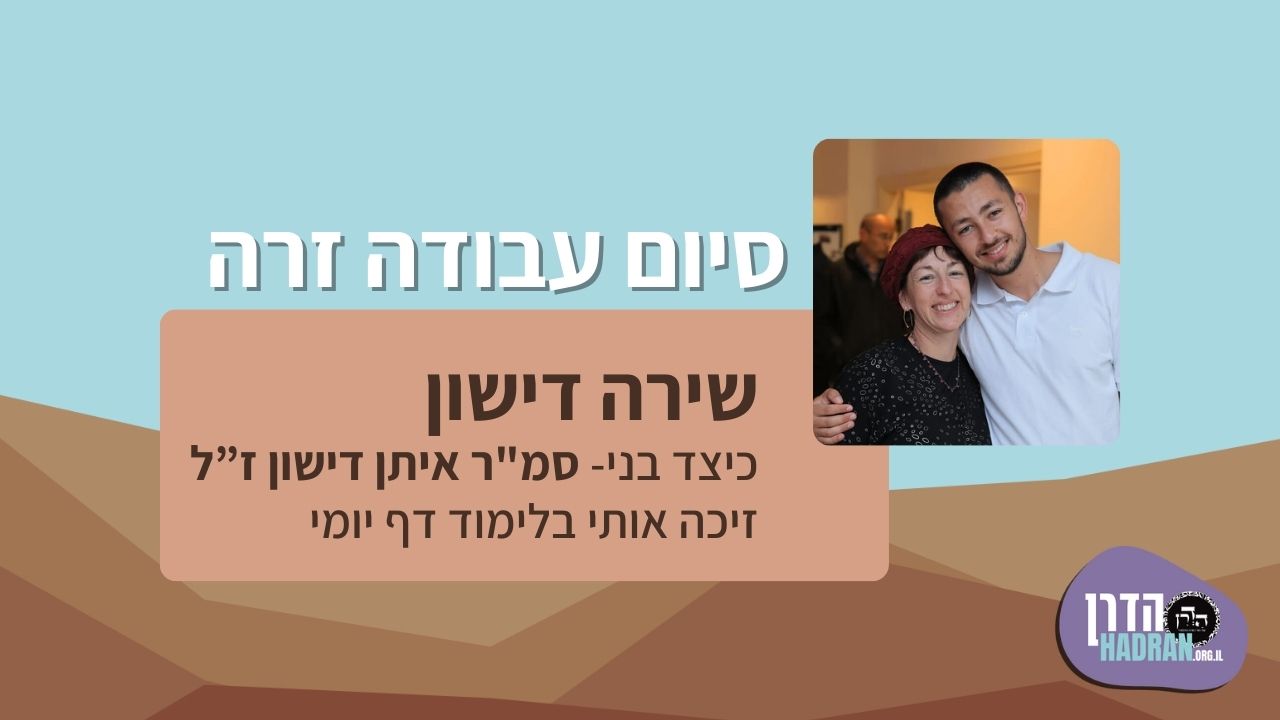
כיצד בני, סמ”ר איתן דישון ז”ל, זיכה אותי בלימוד דף יומי – שירה דישון

חדשה בלימוד הגמרא?
זה הדף הראשון שלך? איזו התרגשות עצומה! יש לנו בדיוק את התכנים והכלים שיעזרו לך לעשות את הצעדים הראשונים ללמידה בקצב וברמה שלך, כך תוכלי להרגיש בנוח גם בתוך הסוגיות המורכבות ומאתגרות.
פסיפס הלומדות שלנו
גלי את קהילת הלומדות שלנו, מגוון נשים, רקעים וסיפורים. כולן חלק מתנועה ומסע מרגש ועוצמתי.
אני לומדת גמרא כעשור במסגרות שונות, ואת הדף היומי התחלתי כשחברה הציעה שאצטרף אליה לסיום בבנייני האומה. מאז אני לומדת עם פודקסט הדרן, משתדלת באופן יומי אך אם לא מספיקה, מדביקה פערים עד ערב שבת. בסבב הזה הלימוד הוא "ממעוף הציפור”, מקשיבה במהירות מוגברת תוך כדי פעילויות כמו בישול או נהיגה, וכך רוכשת היכרות עם הסוגיות ואופן ניתוחם על ידי חז”ל. בע”ה בסבב הבא, ואולי לפני, אצלול לתוכו באופן מעמיק יותר.

רמת גן, ישראל
התחלתי ללמוד בסבב הנוכחי לפני כשנתיים .הסביבה מתפעלת ותומכת מאוד. אני משתדלת ללמוד מכל ההסכתים הנוספים שיש באתר הדרן. אני עורכת כל סיום מסכת שיעור בביתי לכ20 נשים שמחכות בקוצר רוח למפגשים האלו.
יהוד, ישראל
התחלתי ללמוד את הדף היומי מעט אחרי שבני הקטן נולד. בהתחלה בשמיעה ולימוד באמצעות השיעור של הרבנית שפרבר. ובהמשך העזתי וקניתי לעצמי גמרא. מאז ממשיכה יום יום ללמוד עצמאית, ולפעמים בעזרת השיעור של הרבנית, כל יום. כל סיום של מסכת מביא לאושר גדול וסיפוק. הילדים בבית נהיו חלק מהלימוד, אני משתפת בסוגיות מעניינות ונהנית לשמוע את דעתם.

מעלה מכמש, ישראל
התחלתי ללמוד לפני 4.5 שנים, כשהודיה חברה שלי פתחה קבוצת ווטסאפ ללימוד דף יומי בתחילת מסכת סנהדרין. מאז לימוד הדף נכנס לתוך היום-יום שלי והפך לאחד ממגדירי הזהות שלי ממש.

ירושלים, ישראל
התחלתי ללמוד דף יומי אחרי שחזרתי בתשובה ולמדתי במדרשה במגדל עוז. הלימוד טוב ומספק חומר למחשבה על נושאים הלכתיים ”קטנים” ועד לערכים גדולים ביהדות. חשוב לי להכיר את הגמרא לעומק. והצעד הקטן היום הוא ללמוד אותה בבקיאות, בעזרת השם, ומי יודע אולי גם אגיע לעיון בנושאים מעניינים. נושאים בגמרא מתחברים לחגים, לתפילה, ליחסים שבין אדם לחברו ולמקום ולשאר הדברים שמלווים באורח חיים דתי 🙂

מצפה יריחו, ישראל
הצטרפתי ללומדות בתחילת מסכת תענית. ההתרגשות שלי ושל המשפחה היתה גדולה מאוד, והיא הולכת וגוברת עם כל סיום שאני זוכה לו. במשך שנים רבות רציתי להצטרף ומשום מה זה לא קרה… ב”ה מצאתי לפני מספר חודשים פרסום של הדרן, ומיד הצטרפתי והתאהבתי. הדף היומי שינה את חיי ממש והפך כל יום- ליום של תורה. מודה לכן מקרב ליבי ומאחלת לכולנו לימוד פורה מתוך אהבת התורה ולומדיה.

חיספין רמת הגולן, ישראל
התחלתי ללמוד דף לפני קצת יותר מ-5 שנים, כשלמדתי רבנות בישיבת מהר”ת בניו יורק. בדיעבד, עד אז, הייתי בלימוד הגמרא שלי כמו מישהו שאוסף חרוזים משרשרת שהתפזרה, פה משהו ושם משהו, ומאז נפתח עולם ומלואו…. הדף נותן לי לימוד בצורה מאורגנת, שיטתית, יום-יומית, ומלמד אותי לא רק ידע אלא את השפה ודרך החשיבה שלנו. לשמחתי, יש לי סביבה תומכת וההרגשה שלי היא כמו בציטוט שבחרתי: הדף משפיע לטובה על כל היום שלי.

חיפה, ישראל
בסוף הסבב הקודם ראיתי את השמחה הגדולה שבסיום הלימוד, בעלי סיים כבר בפעם השלישית וכמובן הסיום הנשי בבנייני האומה וחשבתי שאולי זו הזדמנות עבורי למשהו חדש.
למרות שאני שונה בסביבה שלי, מי ששומע על הלימוד שלי מפרגן מאוד.
אני מנסה ללמוד קצת בכל יום, גם אם לא את כל הדף ובסך הכל אני בדרך כלל עומדת בקצב.
הלימוד מעניק המון משמעות ליום יום ועושה סדר בלמוד תורה, שתמיד היה (ועדיין) שאיפה. אבל אין כמו קביעות

טל מנשה, ישראל
A life-changing journey started with a Chanukah family tiyul to Zippori, home of the Sanhedrin 2 years ago and continued with the Syum in Binanei Hauma where I was awed by the energy of 3000 women dedicated to learning daf Yomi. Opening my morning daily with a fresh daf, I am excited with the new insights I find enriching my life and opening new and deeper horizons for me.

Elazar gush etzion, Israel
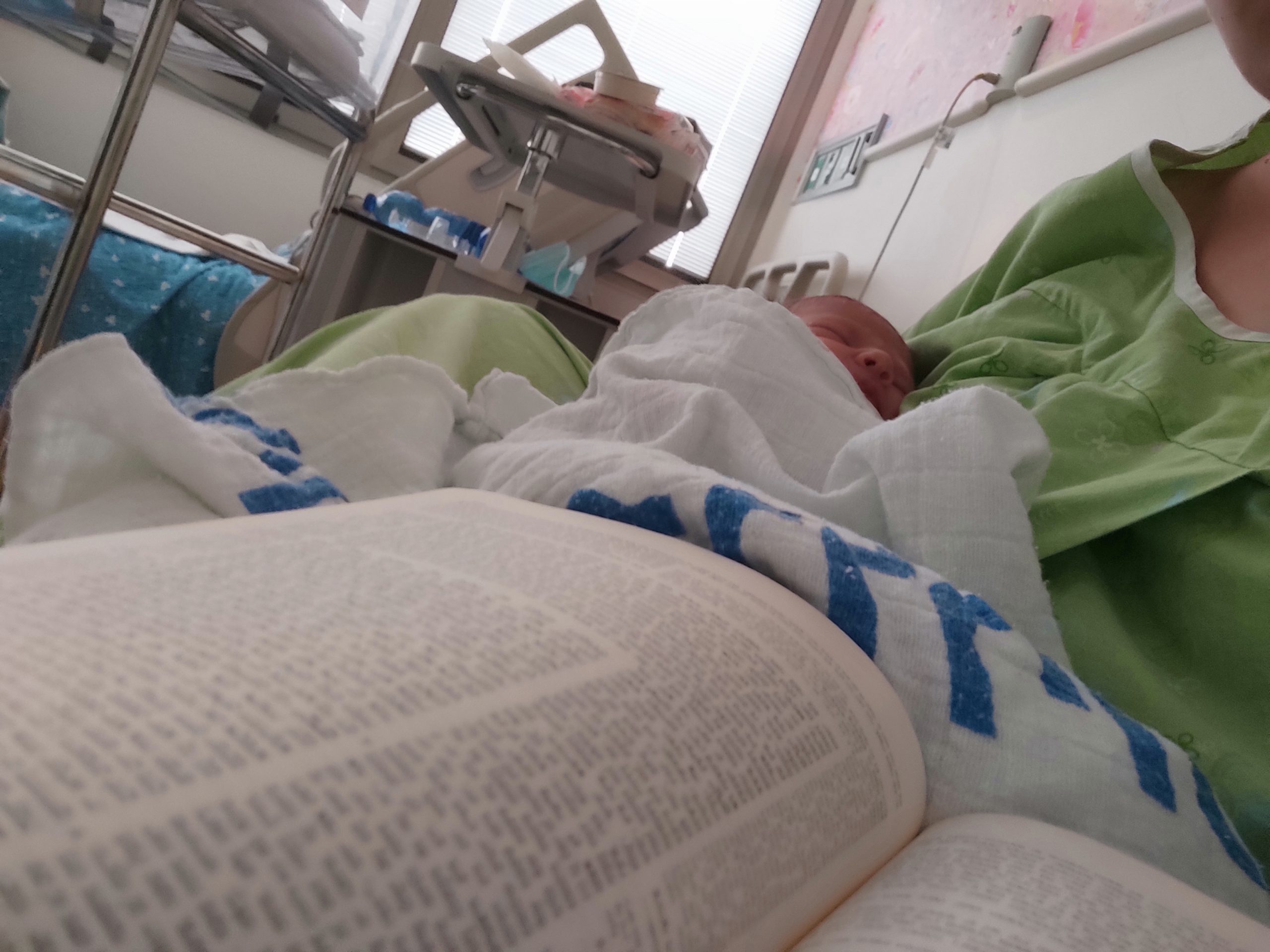
בתחילת הסבב הנוכחי הצטברו אצלי תחושות שאני לא מבינה מספיק מהי ההלכה אותה אני מקיימת בכל יום. כמו כן, כאמא לבנות רציתי לתת להן מודל נשי של לימוד תורה
שתי הסיבות האלו הובילו אותי להתחיל ללמוד. נתקלתי בתגובות מפרגנות וסקרניות איך אישה לומדת גמרא..
כמו שרואים בתמונה אני ממשיכה ללמוד גם היום ואפילו במחלקת יולדות אחרי לידת ביתי השלישית.
רבבה, ישראל
התחלתי ללמוד דף יומי בסבב הקודם. זכיתי לסיים אותו במעמד המרגש של הדרן. בסבב הראשון ליווה אותי הספק, שאולי לא אצליח לעמוד בקצב ולהתמיד. בסבב השני אני לומדת ברוגע, מתוך אמונה ביכולתי ללמוד ולסיים. בסבב הלימוד הראשון ליוותה אותי חוויה מסויימת של בדידות. הדרן העניקה לי קהילת לימוד ואחוות נשים. החוויה של סיום הש”ס במעמד כה גדול כשנשים שאינן מכירות אותי, שמחות ומתרגשות עבורי , היתה חוויה מרוממת נפש

קיבוץ מגדל עוז, ישראל
סיום השס לנשים נתן לי מוטביציה להתחיל ללמוד דף יומי. עד אז למדתי גמרא בשבתות ועשיתי כמה סיומים. אבל לימוד יומיומי זה שונה לגמרי ופתאום כל דבר שקורה בחיים מתקשר לדף היומי.
רתמים, ישראל
בסוף הסבב הקודם ראיתי את השמחה הגדולה שבסיום הלימוד, בעלי סיים כבר בפעם השלישית וכמובן הסיום הנשי בבנייני האומה וחשבתי שאולי זו הזדמנות עבורי למשהו חדש.
למרות שאני שונה בסביבה שלי, מי ששומע על הלימוד שלי מפרגן מאוד.
אני מנסה ללמוד קצת בכל יום, גם אם לא את כל הדף ובסך הכל אני בדרך כלל עומדת בקצב.
הלימוד מעניק המון משמעות ליום יום ועושה סדר בלמוד תורה, שתמיד היה (ועדיין) שאיפה. אבל אין כמו קביעות
טל מנשה, ישראל
התחלתי ללמוד דף יומי שהתחילו מסכת כתובות, לפני 7 שנים, במסגרת קבוצת לימוד שהתפרקה די מהר, ומשם המשכתי לבד בתמיכת האיש שלי. נעזרתי בגמרת שטיינזלץ ובשיעורים מוקלטים.
הסביבה מאד תומכת ואני מקבלת המון מילים טובות לאורך כל הדרך. מאז הסיום הגדול יש תחושה שאני חלק מדבר גדול יותר.
אני לומדת בשיטת ה”7 דפים בשבוע” של הרבנית תרצה קלמן – כלומר, לא נורא אם לא הצלחת ללמוד כל יום, העיקר שגמרת ארבעה דפים בשבוע
עתניאל, ישראל
התחלתי ללמוד דף יומי כאשר קיבלתי במייל ממכון שטיינזלץ את הדפים הראשונים של מסכת ברכות במייל. קודם לא ידעתי איך לקרוא אותם עד שנתתי להם להדריך אותי. הסביבה שלי לא מודעת לעניין כי אני לא מדברת על כך בפומבי. למדתי מהדפים דברים חדשים, כמו הקשר בין המבנה של בית המקדש והמשכן לגופו של האדם (יומא מה, ע”א) והקשר שלו למשפט מפורסם שמופיע בספר ההינדי "בהגוד-גיתא”. מתברר שזה רעיון כלל עולמי ולא רק יהודי

נשר, ישראל
אחרי שראיתי את הסיום הנשי של הדף היומי בבנייני האומה זה ריגש אותי ועורר בי את הרצון להצטרף. לא למדתי גמרא קודם לכן בכלל, אז הכל היה לי חדש, ולכן אני לומדת בעיקר מהשיעורים פה בהדרן, בשוטנשטיין או בחוברות ושיננתם.

בית שמש, ישראל
התחלתי ללמוד דף יומי ממסכת נידה כי זה היה חומר הלימוד שלי אז. לאחר הסיום הגדול בבנייני האומה החלטתי להמשיך. וב”ה מאז עם הפסקות קטנות של קורונה ולידה אני משתדלת להמשיך ולהיות חלק.
זה משפיע מאוד על היום יום שלי ועל אף שאני עסוקה בלימודי הלכה ותורה כל יום, זאת המסגרת הקבועה והמחייבת ביותר שיש לי.

גבעת הראל, ישראל
כבר סיפרתי בסיום של מועד קטן.
הלימוד מאוד משפיעה על היום שלי כי אני לומדת עם רבנית מישל על הבוקר בזום. זה נותן טון לכל היום – בסיס למחשבות שלי .זה זכות גדול להתחיל את היום בלימוד ובתפילה. תודה רבה !

ירושלים, ישראל
התחלתי ללמוד לפני 4.5 שנים, כשהודיה חברה שלי פתחה קבוצת ווטסאפ ללימוד דף יומי בתחילת מסכת סנהדרין. מאז לימוד הדף נכנס לתוך היום-יום שלי והפך לאחד ממגדירי הזהות שלי ממש.
ירושלים, ישראל
התחלתי מעט לפני תחילת הסבב הנוכחי. אני נהנית מהאתגר של להמשיך להתמיד, מרגעים של "אהה, מפה זה הגיע!” ומהאתגר האינטלקטואלי

לוד, ישראל
עבודה זרה נ
בִּמְקוֹרָבוֹת נָמֵי, דְּאִיכָּא לְמֵימַר מִינֵּיהּ נְפַל — דִּבְרֵי הַכֹּל אֲסוּרוֹת, כִּי פְּלִיגִי — בִּמְרוּחָקוֹת.
Furthermore, everyone agrees that also in the case of stones that are near the stone pile dedicated to Mercury, with regard to which it can be said that they fell from it, they are prohibited. Rabbi Yishmael and the Rabbis disagree only when the stones are distant.
וְהָא ״בְּצַד מַרְקוּלִיס״ קָתָנֵי, מַאי ״בְּצַד״? בְּצַד אַרְבַּע אַמּוֹת דִּידֵיהּ.
The Gemara challenges: But the mishna teaches that the stones are at the side of Mercury, indicating that they are nearby. The Gemara explains: What is meant by the term: At the side of Mercury? It means at the side of its four cubits.
רַבִּי יִשְׁמָעֵאל סָבַר: עוֹשִׂין מַרְקוּלִיס קָטָן בְּצַד מַרְקוּלִיס גָּדוֹל, שָׁלֹשׁ דְּדׇמְיָין לְמַרְקוּלִיס — אֲסוּרוֹת, שְׁתַּיִם — מוּתָּרוֹת. רַבָּנַן סָבְרִי: אֵין עוֹשִׂין מַרְקוּלִיס קָטָן בְּצַד מַרְקוּלִיס גָּדוֹל, לָא שְׁנָא שָׁלֹשׁ וְלָא שְׁנָא שְׁתַּיִם, נִרְאוֹת עִמּוֹ — אֲסוּרוֹת, שֶׁאֵין נִרְאוֹת עִמּוֹ — מוּתָּרוֹת.
The Gemara clarifies the dispute: Rabbi Yishmael holds that at times, idol worshippers initially construct a small stone pile dedicated to Mercury at the side of a large stone pile dedicated to Mercury. Therefore, three stones, which resemble a complete pile dedicated to Mercury, are prohibited. Two stones, which do not resemble a stone pile dedicated to Mercury, are permitted. Conversely, the Rabbis hold that idol worshippers do not construct a small stone pile dedicated to Mercury at the side of a large stone pile dedicated to Mercury. Therefore, the halakha is not different in a case where there are three stones, and it is not different in a case where there are two stones. In both cases those stones that can be seen together with the pile dedicated to Mercury are prohibited, as they may have fallen from it, whereas those that cannot be seen together with the stone pile are permitted.
אָמַר מָר: בְּיָדוּעַ שֶׁנָּשְׁרוּ מִמֶּנּוּ — דִּבְרֵי הַכֹּל אֲסוּרוֹת. וּרְמִינְהִי: אֲבָנִים שֶׁנָּשְׁרוּ מִן הַמַּרְקוּלִיס, נִרְאוֹת עִמּוֹ — אֲסוּרוֹת, שֶׁאֵין נִרְאוֹת עִמּוֹ — מוּתָּרוֹת. וְרַבִּי יִשְׁמָעֵאל אוֹמֵר: שָׁלֹשׁ — אֲסוּרוֹת, שְׁתַּיִם — מוּתָּרוֹת. אָמַר רָבָא: לָא תֵּימָא ״שֶׁנָּשְׁרוּ״, אֶלָּא אֵימָא ״שֶׁנִּמְצְאוּ״.
§ The Master said: In a case where it is known that these stones fell from it, everyone agrees that they are prohibited. And the Gemara raises a contradiction to Rabbi Yoḥanan’s statement from his statement presented in a baraita: With regard to stones that fell from a pile dedicated to Mercury, those that can be seen together with it are prohibited; those that cannot be seen together with it are permitted. And Rabbi Yishmael says: Three stones are prohibited, but two stones are permitted. The baraita indicates that Rabbi Yishmael and the Rabbis also disagree where it is known that the stones fell from the stone pile. Rava said: Do not say in the baraita: Stones that fell from a pile. Rather, say: Stones that were found adjacent to the pile. There is no certainty that they fell from the pile.
וְסָבַר רַבִּי יִשְׁמָעֵאל שְׁתַּיִם מוּתָּרוֹת? וְהָתַנְיָא: רַבִּי יִשְׁמָעֵאל אוֹמֵר: שְׁתַּיִם בִּתְפִיסָה לוֹ אֲסוּרוֹת, שָׁלֹשׁ, אֲפִילּוּ מְרוּחָקוֹת — אֲסוּרוֹת!
The Gemara asks: And does Rabbi Yishmael actually hold that two stones that are found adjacent to the pile are permitted? But isn’t it taught in a baraita: Rabbi Yishmael says: Two stones that are found in the area of the pile dedicated to Mercury are prohibited. Three stones are prohibited, even if they are found at a distance.
אָמַר רָבָא: לָא קַשְׁיָא, כָּאן בִּתְפִיסָה אַחַת, כָּאן בִּשְׁתֵּי תְּפִיסוֹת, וְהֵיכִי דָּמֵי? דְּאִיכָּא גּוּבְהָה בֵּינֵי וּבֵינֵי.
Rava said: It is not difficult. Here, in the second baraita, it is referring to a case where both the pile and the adjacent stones are in the same area, in which case the stones are forbidden. There, in the first baraita, it is referring to a case where they are in two adjacent areas, in which case they are permitted. And what is considered two adjacent areas? This is referring to a case where there is an elevated area between them, and evidently the stones did not fall from the pile.
וּמַרְקוּלִיס כְּהַאי גַּוְונָא מִי הָוֵי? וְהָא תַּנְיָא: אֵלּוּ הֵן אַבְנֵי בֵּית קוּלִיס — אַחַת מִכָּאן וְאַחַת מִכָּאן וְאַחַת עַל גַּבֵּיהֶן! אָמַר רָבָא: כִּי תַּנְיָא הָהִיא — בְּעִיקַּר מַרְקוּלִיס.
The Gemara asks: And are stones that are merely adjacent to each other in this way considered a pile dedicated to Mercury? But isn’t it taught in a baraita: These are the stones of a place of worship dedicated to Mercury: One stone is situated on one side and one is situated on the other side, and one is situated atop of them, but not where the stones are merely adjacent to each other? Rava said: When that baraita is taught, it is with regard to the main pile of stones dedicated to Mercury, but the stones that are added to it are not necessarily arranged in this way.
בֵּי יַנַּאי מַלְכָּא חֲרוּב, אֲתוֹ גּוֹיִם אוֹקִימוּ בֵּיהּ מַרְקוּלִיס, אֲתוֹ גּוֹיִם אַחֲרִינֵי דְּלָא פָּלְחִי לְמַרְקוּלִיס שַׁקְלִינְהוּ, וְחִיפּוּ בָּהֶן דְּרָכִים וּסְטָרְטָאוֹת, אִיכָּא רַבָּנַן דְּפָרְשִׁי וְאִיכָּא רַבָּנַן דְּלָא פָּרְשִׁי.
§ The Gemara relates: The house of King Yannai was destroyed, and gentiles came and placed stones dedicated to Mercury in it. Later, other gentiles who did not worship Mercury came and took those stones and paved paths and streets with them. There were Rabbis who withdrew from these paths, and there were other Rabbis who did not withdraw from these paths.
אָמַר רַבִּי יוֹחָנָן: בְּנָן שֶׁל קְדוֹשִׁים מְהַלֵּךְ עֲלֵיהֶן, וַאֲנַן נִפְרוֹשׁ מֵהֶן? מַאן נִיהוּ ״בְּנָן שֶׁל קְדוֹשִׁים״? רַבִּי מְנַחֵם בְּרַבִּי סִימַאי, וְאַמַּאי קָרוּ לֵיהּ ״בְּנָן שֶׁל קְדוֹשִׁים״? דַּאֲפִילּוּ בְּצוּרְתָּא דְּזוּזָא לָא מִיסְתַּכַּל.
Rabbi Yoḥanan said: The son of holy ones walks on them. Should we withdraw from them? The Gemara asks: Who is the person referred to as the son of holy ones? The Gemara answers: It is Rabbi Menaḥem, son of Rabbi Simai. And why did they call him the son of holy ones? They did so because Rabbi Menaḥem would not even gaze at the form on a coin, as it was sometimes an idolatrous symbol.
מַאי טַעְמָא דְּמַאן דְּפָרֵישׁ? סָבַר לַהּ כִּי הָא דְּאָמַר רַב גִּידֵּל אָמַר רַב חִיָּיא בַּר יוֹסֵף אָמַר רַב: מִנַּיִן לְתִקְרוֹבֶת עֲבוֹדָה זָרָה שֶׁאֵין לָהּ בְּטִילָה עוֹלָמִית? שֶׁנֶּאֱמַר: ״וַיִּצָּמְדוּ לְבַעַל פְּעוֹר וַיֹּאכְלוּ זִבְחֵי מֵתִים״, מָה מֵת אֵין לוֹ בְּטִילָה לְעוֹלָם, אַף תִּקְרוֹבֶת עֲבוֹדָה זָרָה אֵין לָהּ בְּטִילָה לְעוֹלָם.
The Gemara asks: What is the reason of the one who withdraws from those paths? He holds in accordance with that which Rav Giddel says that Rav Ḥiyya bar Yosef says that Rav says: From where is it derived that with regard to an offering brought in idolatrous worship, there can never be any nullification of its prohibited status? This is derived from a verse, as it is stated: “They joined themselves to Baal of Peor, and ate the offerings to the dead” (Psalms 106:28). Just as the prohibited status of a corpse has no nullification, and it is forever prohibited to derive benefit from it, so too, the prohibited status of an offering brought in idolatrous worship has no nullification ever.
וּמַאן דְּלָא פָּרֵישׁ, אָמַר: בָּעֵינָא כְּעֵין פְּנִים, וְלֵיכָּא.
And the one who does not withdraw from those paths says: In order for idol worship to prohibit an offering I require the offering to be like those offerings sacrificed inside the Temple, and there is no parallel to this offering in the Temple service, as stones are not brought as offerings.
אָמַר רַב יוֹסֵף בַּר אַבָּא: אִיקְּלַע רַבָּה בַּר יִרְמְיָה לְאַתְרִין, וַאֲתָא וְאַיְיתִי מַתְנִיתָא בִּידֵיהּ: גּוֹי שֶׁהֵבִיא אֲבָנִים מִן הַמַּרְקוּלִיס וְחִיפָּה בָּהֶן דְּרָכִים וּסְרַטְיָאוֹת —
Rav Yosef bar Abba said: Rabba bar Yirmeya happened to come to our locale, and when he came he brought the following baraita with him: In the case of a gentile who brought stones from a pile dedicated to Mercury and paved paths and theaters with them,
מוּתָּרוֹת, יִשְׂרָאֵל שֶׁהֵבִיא אֲבָנִים מִן הַמַּרְקוּלִיס וְחִיפָּה בָּהֶן דְּרָכִים וּסְרַטְיָאוֹת — אֲסוּרוֹת, וְלֵית נַגָּר וְלָא בַּר נַגָּר דְּיִפְרְקִינַּהּ.
they are permitted, as the gentile nullified their prohibited status. In the case of a Jew who brought stones from a pile dedicated to Mercury and paved paths and streets with them, they are prohibited. And there is neither a carpenter [naggar] nor a son of a carpenter who can resolve this, i.e., no one can resolve the difficulty inherent in this statement, not a Torah scholar, and not even a scholar who is the son of a scholar.
אֲמַר רַב שֵׁשֶׁת: אֲנָא לָא נַגָּר אֲנָא וְלָא בַּר נַגָּר אֲנָא, וּפָרֵיקְנָא לֵיהּ: מַאי קוּשְׁיָא לֵיהּ? דְּרַב גִּידֵּל. בָּעֵינָא כְּעֵין פְּנִים, וְלֵיכָּא.
Rav Sheshet said: As for me, I am not a carpenter, nor am I the son of a carpenter, and yet I will resolve the difficulty. What is the difficulty that Rabba bar Yirmeya finds in the baraita? The baraita is difficult because of the statement of Rav Giddel, that the prohibited status of offerings brought in idol worship can never be revoked. This is not difficult, as in order for idol worship to prohibit an offering I require the offering to be like those offerings sacrificed inside the Temple, and there is not a parallel offering of stones in the Temple.
אָמַר רַב יוֹסֵף בַּר אַבָּא: אִיקְּלַע רַבָּה בַּר יִרְמְיָה לְאַתְרִין, וַאֲתָא וְאַיְיתִי מַתְנִיתָא בִּידֵיהּ: מַתְלִיעִין וּמְזַהֲמִין בַּשְּׁבִיעִית, וְאֵין מַתְלִיעִין וּמְזַהֲמִין בַּמּוֹעֵד.
§ Rav Yosef bar Abba said: Rabba bar Yirmeya happened to come to our locale, and when he came he brought the following baraita with him: One may remove worms from a tree and place manure on a cut in a tree during the Sabbatical Year, but one may not remove worms or place manure on a cut during the intermediate days of the Festival.
כָּאן וְכָאן אֵין מְגַזְּמִין, וְסָכִין שֶׁמֶן לִגְזוֹם, בֵּין בַּמּוֹעֵד בֵּין בַּשְּׁבִיעִית. וְלֵית נַגָּר וְלָא בַּר נַגָּר דְּיִפְרְקִינַּהּ.
The baraita continues: Both here, in the case of the Sabbatical Year, and there, in the case of the intermediate days of the Festival, one may not prune the trees. But one may smear oil on the previously pruned tree on the place where one pruned it in order to prevent the tree from being damaged, both during the intermediate days of the Festival and during the Sabbatical Year. And there is neither a carpenter nor a son of a carpenter who can resolve this.
אָמַר רָבִינָא: אֲנָא לָא נַגָּר אֲנָא וְלָא בַּר נַגָּר אֲנָא, וּמְפָרֵקְינָא לַהּ: מַאי קָא קַשְׁיָא לֵיהּ? אִילֵּימָא מוֹעֵד אַשְּׁבִיעִית קָא קַשְׁיָא לֵיהּ — מַאי שְׁנָא שְׁבִיעִית דְּשָׁרֵי, וּמַאי שְׁנָא מוֹעֵד דְּאָסוּר? מִי דָּמֵי?! שְׁבִיעִית — מְלָאכָה אָסַר רַחֲמָנָא, טִירְחָא שְׁרֵי; מוֹעֵד — אֲפִילּוּ טִירְחָא נָמֵי אָסוּר.
Ravina said: As for me, I am not a carpenter, nor am I the son of a carpenter, and yet I will resolve the difficulty. What is the difficulty that Rabba bar Yirmeya finds in the baraita? If we say that the difference between the intermediate days of the Festival and the Sabbatical Year poses a difficulty to him, this cannot be so. One cannot explain that Rabba bar Yirmeya is asking what is different about the Sabbatical Year that one is permitted to remove worms and place manure on a cut, and what is different about the intermediate days of the Festival that it is prohibited to do so, as this is not a valid question. Are they comparable? With regard to the Sabbatical Year, the Merciful One prohibited only agricultural labor, whereas other forms of exertion are permitted. With regard to the intermediate days of the Festival, even other forms of exertion are prohibited.
וְאֶלָּא זִיהוּם אַגִּיזּוּם קָא קַשְׁיָא לֵיהּ: מַאי שְׁנָא זִיהוּם דְּשָׁרֵי, וּמַאי שְׁנָא גִּיזּוּם דְּאָסוּר? מִי דָּמֵי?! זִיהוּם — אוֹקוֹמֵי אִילָנָא, וּשְׁרֵי; גִּיזּוּם — אַבְרוֹיֵי אִילָנָא, וְאָסוּר.
Ravina suggests: Rather, perhaps the difference between placing manure and pruning poses a difficulty to him. What is different about placing manure that it is permitted during the Sabbatical Year, and what is different about pruning that it is prohibited? Ravina rejects this suggestion: This is also not a valid question. Are they comparable? The purpose of placing manure is to preserve the tree, and therefore it is permitted, whereas the purpose of pruning is to enhance the tree, and therefore it is prohibited.
וְאֶלָּא, זִיהוּם אַזִּיהוּם קָא קַשְׁיָא לֵיהּ, דְּקָתָנֵי: מַתְלִיעִין וּמְזַהֲמִין בַּשְּׁבִיעִית, וּרְמִינְהִי: מְזַהֲמִין אֶת הַנְּטִיעוֹת, וְכוֹרְכִין אוֹתָן, וְקוֹטְמִין אוֹתָן, וְעוֹשִׂין לָהֶם בָּתִּים, וּמַשְׁקִין אוֹתָן עַד רֹאשׁ הַשָּׁנָה — עַד רֹאשׁ הַשָּׁנָה אִין, בִּשְׁבִיעִית לָא!
Ravina suggests: Rather, perhaps the contradiction between the aforementioned baraita with regard to placing manure and another mishna with regard to placing manure poses a difficulty to him, as the baraita teaches: One may remove worms from a tree and place manure on a cut in a tree during the Sabbatical Year. And one may raise a contradiction from a mishna (Shevi’it 2:4): One may place manure on the saplings, and one may bind their branches to the trunk so that they grow upright. And one may lop off their tops to promote their growth, and make shelters for them to shield them from the sun, and water them. All these actions are permitted until Rosh HaShana of the Sabbatical Year. One can infer that until Rosh HaShana, yes, one may place manure on the tree; but during the Sabbatical Year itself one may not do so.
וְדִלְמָא כִּדְרַב עוּקְבָא בַּר חָמָא, דְּאָמַר רַב עוּקְבָא בַּר חָמָא: תְּרֵי קִשְׁקוּשֵׁי הָווּ, חַד לְאַבְרוֹיֵי אִילָנָא וְאָסוּר, וְחַד לְסַתּוֹמֵי פִּילֵי וּשְׁרֵי. הָכִי נָמֵי תְּרֵי זִיהוּמֵי הָוֵי, חַד לְאוֹקוֹמֵי אִילָנֵי וּשְׁרֵי, וְחַד לְאַבְרוֹיֵי אִילָנֵי וְאָסוּר!
Ravina rejects this suggestion: But perhaps one can account for the apparent contradiction in a similar fashion to the explanation of Rav Ukva bar Ḥama, as Rav Ukva bar Ḥama says: There are two types of hoeing [kishkushei]. The purpose of one type is to enhance the tree’s health, and it is therefore prohibited. And the purpose of one type is to close up cracks in the ground, which is permitted, as it is done only to prevent the trees from dying and not to enhance their growth. So too, one may suggest that there are two types of placing manure: One type whose purpose is to preserve the trees, and is therefore permitted, and one type whose purpose is to enhance the trees, and is therefore prohibited.
וְאֶלָּא, סִיכָה אַסִּיכָה קָא קַשְׁיָא לֵיהּ, דְּקָתָנֵי: סָכִין שֶׁמֶן לִגְזוֹם בֵּין בַּמּוֹעֵד וּבֵין בַּשְּׁבִיעִית, וּרְמִינְהִי: סָכִין אֶת הַפַּגִּין וּמְנַקְּבִין וּמְפַטְּמִין אוֹתָן עַד רֹאשׁ הַשָּׁנָה — עַד רֹאשׁ הַשָּׁנָה אִין, בִּשְׁבִיעִית לָא!
Ravina suggests: Rather, perhaps the contradiction between the halakha in the baraita with regard to smearing oil and the halakha in another mishna with regard to smearing oil poses a difficulty for him, as the baraita teaches: One may smear oil on the previously pruned tree, on the place where one pruned it, both during the intermediate days of the Festival and during the Sabbatical Year. And one may raise a contradiction from the mishna (Shevi’it 2:5): One may smear oil on the unripe figs in the sixth year of the Sabbatical cycle in order to accelerate their ripening, and similarly one may pierce them and fill the cut with oil to facilitate their ripening until Rosh HaShana. One can infer that until Rosh HaShana, yes, one may smear; but during the Sabbatical Year itself one may not do so.
מִי דָּמֵי?! הָכָא אוֹקוֹמֵי אִילָנָא, וּשְׁרֵי; הָתָם פַּטּוֹמֵי פֵּירָא, וַאֲסִיר!
Ravina rejects this suggestion: That is also not a valid question. Are they comparable? Here, the purpose of smearing oil on the place where the tree was pruned is to preserve the tree, and therefore it is permitted. There, the purpose of smearing oil on the unripe figs is to enhance and enlarge the fruit and is therefore prohibited.
אֲמַר לֵיהּ רַב סַמָּא בְּרֵיהּ דְּרַב אָשֵׁי לְרָבִינָא בַּר יִרְמְיָה: סִיכָה דְּמוֹעֵד אַזִּיהוּם דְּמוֹעֵד קָא קַשְׁיָא לֵיהּ, מִכְּדִי הַאי אוֹקוֹמֵי וְהַאי אוֹקוֹמֵי, מַאי שְׁנָא הַאי דִּשְׁרֵי וּמַאי שְׁנָא הַאי דַּאֲסִור? הַיְינוּ דְּקָאָמַר לֵיהּ: לֵית נַגָּר וְלָא בַּר נַגָּר דְּיִפְרְקִינַּהּ.
Rav Samma, son of Rav Ashi, said to Ravina: The contradiction between the halakha with regard to smearing oil during the intermediate days of the Festival and the halakha with regard to placing manure during the intermediate days of the Festival poses a difficulty for Rabba bar Yirmeya. Since the purpose of this action is to preserve the tree, and the purpose of that action is to preserve the tree, what is different in this case that it is permitted, and what is different in that case that it is prohibited? This is the reason that Rabba bar Yirmeya said to him: There is neither a carpenter nor a son of a carpenter who can resolve this.
אָמַר רַב יְהוּדָה אָמַר רַב: עֲבוֹדָה זָרָה שֶׁעוֹבְדִין אוֹתָהּ בְּמַקֵּל, שָׁבַר מַקֵּל בְּפָנֶיהָ — חַיָּיב, זָרַק מַקֵּל בְּפָנֶיהָ — פָּטוּר. אֲמַר לֵיהּ אַבָּיֵי לְרָבָא: מַאי שְׁנָא שָׁבַר דַּהֲוָה לֵיהּ כְּעֵין זְבִיחָה, זָרַק נָמֵי הֲוָה לֵיהּ כְּעֵין זְרִיקָה! אֲמַר לֵיהּ: בָּעֵינָא זְרִיקָה מִשְׁתַּבֶּרֶת, וְלֵיכָּא.
§ Rav Yehuda says that Rav says: In the case of an object of idol worship that is worshipped by means of a stick, e.g., by beating a stick on another object in order to produce noise, if one broke a stick before it, he is liable. If he threw a stick before it, he is exempt. Abaye said to Rava: What is different about the case where one broke a stick? In this case one is liable because it is similar to slaughtering an offering, which is a rite performed in the Temple; so too, in the case where one threw a stick, it is similar to the sprinkling of the blood on the altar. Rava said to Abaye: In order for a sacrificial rite to be similar to the sprinkling of blood, I require a form of throwing that scatters the offering, and that is not the case here.
אֵיתִיבֵיהּ: סָפַת לָהּ צוֹאָה, אוֹ שֶׁנִּסֵּךְ לְפָנֶיהָ עָבִיט שֶׁל מֵימֵי רַגְלַיִם —
Abaye raised an objection to Rava’s explanation from a baraita: One who fed [safat] an idol excrement, or who poured a chamber pot of urine before it as a libation,

