







יותר מקרים מובאים בנוגע לתביעות בעלות על קרקע. במסגרת הדיון במקרים, עולות סוגיות שונות – האם מאמינים לטענתו של אדם אם הוא יכול היה לטעון טענה טובה יותר ("מה לי לשקר”)? זה עובד כל עוד אין עדים נגד הטענה. אם חלק מהעדות בבית הדין מתבטלת בגלל עדות מכחשת שמובאת נגדה, האם כל התביעה מתבטלת, או שהחלק שלא נכחש עדיין תקף? אם מובאות ראיות חדשות הסותרות את הראיות שעליהן פסק בית הדין לטובת צד אחד, האם על בית הדין להפוך את החלטתו ולקחת את הקרקע, או שעליהם להישאר עם ההחלטה המקורית כי אם לא, זה עלול לגרום לאנשים לזלזל בכבודו של בית הדין?
הלימוד השבוע מוקדש לזכות ולשלום הַיְימׇנוֹט אֱמוּנָה בַּת באנצ’י (קָסָאוּ) בת 11 שנעלמה במקום מגוריה בצפת, לפני שנתיים, ביום ט”ז אדר תשפ”ד (25.2.24), ולא נודעו עקבותיה.
הלימוד השבוע מוקדש למען ביטחון המדינה, החיילים והאזרחים, ולמען חירותו של העם האיראני. שנזכה בקרוב שיתקיים בנו הפסוק: "לַיְּהוּדִים הָיְתָה אוֹרָה וְשִׂמְחָה וְשָׂשֹׂן וִיקָר”.
רוצה להקדיש שיעור?

0:00
0:00
כלים
הלימוד השבוע מוקדש לזכות ולשלום הַיְימׇנוֹט אֱמוּנָה בַּת באנצ’י (קָסָאוּ) בת 11 שנעלמה במקום מגוריה בצפת, לפני שנתיים, ביום ט”ז אדר תשפ”ד (25.2.24), ולא נודעו עקבותיה.
הלימוד השבוע מוקדש למען ביטחון המדינה, החיילים והאזרחים, ולמען חירותו של העם האיראני. שנזכה בקרוב שיתקיים בנו הפסוק: "לַיְּהוּדִים הָיְתָה אוֹרָה וְשִׂמְחָה וְשָׂשֹׂן וִיקָר”.
בבא בתרא לא
אֲבָל שֵׁית – אֵין לְךָ מֶחָאָה גְּדוֹלָה מִזּוֹ.
But if he profited from the land for only six years, so that the sale to the claimant took place before the years necessary for establishing the presumption of ownership were completed, you can have no greater protest than this, that the purported seller then sold the land to another. By doing so he indicated that he does not concede that the possessor was the rightful owner, and the possessor should have been careful to hold on to his bill of sale for even longer than three years.
זֶה אוֹמֵר: ״שֶׁל אֲבוֹתַי״, וְזֶה אוֹמֵר: ״שֶׁל אֲבוֹתַי״; הַאי אַיְיתִי סָהֲדֵי דַּאֲבָהָתֵיהּ הִיא, וְהַאי אַיְיתִי סָהֲדֵי דְּאַכְלַהּ שְׁנֵי חֲזָקָה –
There was an incident where two people disputed the ownership of land. This one says: The land belonged to my ancestors and I inherited it from them, and that one says: The land belonged to my ancestors and I inherited it from them. This one brings witnesses that the land belonged to his ancestors, and that one brings witnesses that he currently possesses the land and that he worked and profited from the land for the years necessary for establishing the presumption of ownership.
אָמַר רַבָּה: מָה לוֹ לְשַׁקֵּר? אִי בָּעֵי אֲמַר לֵיהּ: מִינָּךְ זְבֵנְתַּהּ וַאֲכַלְתִּיהָ שְׁנֵי חֲזָקָה. אֲמַר לֵיהּ אַבָּיֵי: ״מָה לִי לְשַׁקֵּר״ בִּמְקוֹם עֵדִים – לָא אָמְרִינַן.
Rabba said: The judgment is in favor of the possessor, due to the legal principle that if the judgment would have been decided in one’s favor had he advanced a certain claim, and he instead advanced a different claim that leads to the same ruling, he has credibility, as why would he lie and state this claim? If the possessor wanted to lie, he could have said to the claimant: I purchased the land from you and I worked and profited from it for the years necessary for establishing the presumption of ownership, in which case he would have been awarded the land. Abaye said to Rabba: We do not say the principle of: Why would I lie, in a case where there are witnesses contradicting his current claim, as they testify that the land belonged to the ancestors of the claimant. Therefore, he should not be awarded the land.
הֲדַר אֲמַר לֵיהּ: אִין, דַּאֲבָהָתָךְ הִיא – וּזְבֵנְתַּהּ מִינָּךְ; וְהַאי דַּאֲמַרִי לָךְ דַּאֲבָהָתִי, דִּסְמִיךְ לִי עֲלַהּ כְּדַאֲבָהָתִי.
The possessor then said to the claimant: Yes, it is true that it had belonged to your ancestors, but I purchased it from you, and by stating that which I said to you: It belonged to my ancestors, I merely meant that I rely upon my ownership of it as if it belonged to my ancestors, as I purchased it and then profited from it for the years necessary for establishing the presumption of ownership.
טוֹעֵן וְחוֹזֵר וְטוֹעֵן, אוֹ אֵין טוֹעֵן וְחוֹזֵר וְטוֹעֵן? עוּלָּא אָמַר: טוֹעֵן וְחוֹזֵר וְטוֹעֵן. נְהַרְדָּעֵי אָמְרִי: אֵינוֹ טוֹעֵן וְחוֹזֵר וְטוֹעֵן.
The Gemara asks: Can he state a claim and return and state a modified version of his claim, or can he not state a claim and return and state a modified version of his claim? Ulla said: He can state a claim and return and state a modified version of his claim. The Sages of Neharde’a say: He cannot state a claim and return and state a modified version of his claim.
וּמוֹדֵי עוּלָּא הֵיכָא דַּאֲמַר לֵיהּ: שֶׁל אֲבוֹתַי וְלֹא שֶׁל אֲבוֹתֶיךָ – דְּאֵינוֹ טוֹעֵן וְחוֹזֵר וְטוֹעֵן. וְהֵיכָא דַּהֲוָה קָאֵי בֵּי דִינָא וְלָא טְעַן, וַאֲתָא מֵאַבָּרַאי וּטְעַן – אֵינוֹ חוֹזֵר וְטוֹעֵן. מַאי טַעְמָא? טַעְנְתֵיהּ אַגְמְרֵיהּ.
The Gemara clarifies their respective opinions: And Ulla concedes that in a case where he had initially said to him: The land belonged to my ancestors and did not belong to your ancestors, that he cannot state a claim and return and state a modified version of his claim, as Ulla allows the litigant only to reinterpret his initial claim, not to replace it with a contradictory claim. And Ulla also concedes that in a case where he was standing in court and did not state a particular claim, and he later came in from outside and back into the court and he stated that claim, that he cannot return and state that claim. What is the reason for this? It is because it is apparent that these claims of his were taught to him by someone after he left the court.
וּמוֹדוּ נְהַרְדָּעֵי הֵיכָא דַּאֲמַר לֵיהּ: שֶׁל אֲבוֹתַי שֶׁלְּקָחוּהָ מֵאֲבוֹתֶיךָ – דְּחוֹזֵר וְטוֹעֵן. וְהֵיכָא דְּאִישְׁתַּעִי מִילֵּי אַבָּרַאי וְלָא טְעַן, וַאֲתָא לְבֵי דִינָא וּטְעַן – דְּחוֹזֵר וְטוֹעֵן. מַאי טַעְמָא? עֲבִיד אִינִישׁ דְּלָא מְגַלֵּי טַעְנְתֵיהּ אֶלָּא לְבֵי דִינָא.
And the Sages of Neharde’a concede that in a case where the litigant who changed his claim said to the other litigant that when he had initially claimed: The land belonged to my ancestors, he had actually meant: It belonged to my ancestors, who purchased it from your ancestors, that he can state a claim and return and state a modified version of his claim, as this serves only to clarify, and not negate, his initial claim. And the Sages of Neharde’a also concede that in a case where he discussed the matter outside of the court and did not state a particular claim, and then he came in to the court and stated that claim, that he can return and state that claim. What is the reason for this? Because a person is apt not to reveal his claims except to the court.
אָמַר אַמֵּימָר: אֲנָא נְהַרְדָּעָא אֲנָא, וּסְבִירָא לִי דְּטוֹעֵן וְחוֹזֵר וְטוֹעֵן. וְהִלְכְתָא: טוֹעֵן וְחוֹזֵר וְטוֹעֵן.
Ameimar said: I am from Neharde’a, but I nevertheless hold that a litigant can state a claim and return and state a modified version of his claim. The Gemara concludes: And the halakha is that a litigant can state a claim and return and state a modified version of his claim.
זֶה אוֹמֵר: שֶׁל אֲבוֹתַי, וְזֶה אוֹמֵר: שֶׁל אֲבוֹתַי; הַאי אַיְיתִי סָהֲדֵי דַּאֲבָהָתֵיהּ וְאַכְלַהּ שְׁנֵי חֲזָקָה, וְהַאי אַיְיתִי סָהֲדֵי דְּאַכְלַהּ שְׁנֵי חֲזָקָה.
In an incident where two people dispute the ownership of land, this one says: The land belonged to my ancestors and I inherited it from them, and that one says: The land belonged to my ancestors and I inherited it from them. The first one brings witnesses that the land belonged to his ancestors, and that he worked and profited from the land for the years necessary for establishing the presumption of ownership. And the second one brings witnesses only that he worked and profited from the land for the years necessary for establishing the presumption of ownership.
אָמַר רַב נַחְמָן: אוֹקִי אֲכִילָה לְבַהֲדֵי אֲכִילָה, וְאוֹקִי אַרְעָא בְּחֶזְקַת אֲבָהָתָא. אֲמַר לֵיהּ רָבָא: הָא עֵדוּת מוּכְחֶשֶׁת הִיא! אֲמַר לֵיהּ: נְהִי דְּאִיתַּכְחַשׁ בַּאֲכִילְתָה,
Rav Naḥman said: Establish the testimony with regard to the profiting by the first litigant alongside the testimony with regard to the profiting by the second, and the two testimonies cancel each other out, leaving the testimony with regard to ownership by the ancestors of the first litigant. And therefore, establish the land in the presumptive ownership of the litigant who brought witnesses that it belonged to his ancestors. Rava objected and said to him: This testimony cannot be relied on, as it is contradicted by the other testimony. Rav Naḥman responded and said to him: Although it is so that the testimony was contradicted with regard to profiting from the land,
בַּאֲבָהָתָא מִי אִתַּכְחַשׁ?!
was the testimony contradicted with regard to ownership of the ancestors?
לֵימָא רָבָא וְרַב נַחְמָן – בִּפְלוּגְתָּא דְּרַב הוּנָא וְרַב חִסְדָּא קָמִיפַּלְגִי?
The Gemara asks: Shall we say that Rava and Rav Naḥman disagree in the dispute between Rav Huna and Rav Ḥisda?
דְּאִיתְּמַר: שְׁתֵּי כִּתֵּי עֵדִים הַמַּכְחִישׁוֹת זוֹ אֶת זוֹ – אָמַר רַב הוּנָא: זוֹ בָּאָה בִּפְנֵי עַצְמָהּ וּמְעִידָה, וְזוֹ בָּאָה בִּפְנֵי עַצְמָהּ וּמְעִידָה. וְרַב חִסְדָּא אָמַר: בַּהֲדֵי סָהֲדֵי שַׁקָּרֵי לְמָה לִי? לֵימָא רַב נַחְמָן – דְּאָמַר כְּרַב הוּנָא, וְרָבָא כְּרַב חִסְדָּא?
As it was stated concerning two groups of witnesses that contradict each other, that Rav Huna says: This one comes to court on its own and testifies, and that one comes to court on its own and testifies. Despite the fact that one group certainly testified falsely, which should serve to disqualify one of the groups, each group is able to testify in another case. And Rav Ḥisda says: Why do I need these lying witnesses? In other words, they are all disqualified to testify in another case until it is clarified which of them had testified falsely. The Gemara asks: Shall we say that Rav Naḥman is the one who says his ruling in accordance with the opinion of Rav Huna, and Rava says his ruling in accordance with the opinion of Rav Ḥisda?
אַלִּיבָּא דְּרַב חִסְדָּא – כּוּלֵּי עָלְמָא לָא פְלִיגִי, כִּי פְּלִיגִי – אַלִּיבָּא דְרַב הוּנָא. רַב נַחְמָן – כְּרַב הוּנָא. וְרָבָא – עַד כָּאן לָא קָאָמַר רַב הוּנָא אֶלָּא לְעֵדוּת אַחֶרֶת, אֲבָל לְאוֹתָהּ עֵדוּת – לָא.
The Gemara explains: According to the opinion of Rav Ḥisda, who holds that the witnesses are disqualified, everyone agrees that the testimony concerning ancestral ownership is not accepted, as the witnesses were contradicted concerning their testimony of usage of the land, and Rav Naḥman’s ruling cannot accord with his opinion. When Rav Naḥman and Rava disagree it is according to the opinion of Rav Huna, who does not disqualify the witnesses. The ruling of Rav Naḥman is in accordance with the opinion of Rav Huna, and he therefore accepts the testimony with regard to ancestral ownership, and Rava would say: Rav Huna says that the witnesses are accepted only for another testimony, i.e., in a different case. But they are not accepted for the same testimony, as in this incident, where both testimonies concerned ownership of the same land.
הֲדַר אַיְיתִי סָהֲדֵי דַּאֲבָהָתֵיהּ הִיא. אָמַר רַב נַחְמָן: אֲנַן אַחֲתִינֵּיהּ, אֲנַן מַסְּקִינַן לֵיהּ; לְזִילוּתָא דְבֵי דִינָא לָא חָיְישִׁינַן.
The Gemara relates the continuation of the case above. The one who had brought witnesses only to his having profited from the land then brought witnesses that it had belonged to his ancestors, thereby balancing the evidence for the two litigants. Therefore, Rav Naḥman said: We previously brought down to the land the one who initially had evidence of ancestral ownership to take possession of it, and we now bring him up from it, removing him from the land. And we are not concerned about the possible contempt of court that might result from perceived indecisiveness.
מֵתִיב רָבָא, וְאִיתֵּימָא רַבִּי זְעֵירָא: שְׁנַיִם אוֹמְרִים מֵת, וּשְׁנַיִם אוֹמְרִים לָא מֵת; שְׁנַיִם אוֹמְרִים נִתְגָּרְשָׁה, וּשְׁנַיִם אוֹמְרִים לֹא נִתְגָּרְשָׁה – הֲרֵי זוֹ לֹא תִּנָּשֵׂא, וְאִם נִשֵּׂאת לֹא תֵּצֵא. רַבִּי מְנַחֵם בְּרַבִּי יוֹסֵי אוֹמֵר: תֵּצֵא.
Rava, and some say it is Rabbi Zeira, raises an objection from a baraita. If there was a married man whose fate was unknown, and two witnesses say: This married man died, and two witnesses say: He did not die; or if two witnesses say: This woman was divorced, and two witnesses say: She was not divorced, this woman may not marry, as there is not unequivocal testimony that she is no longer married, but if she marries, the marriage is valid and she need not leave her husband. Rabbi Menaḥem, son of Rabbi Yosei, says: She must leave her husband.
אָמַר רַבִּי מְנַחֵם בְּרַבִּי יוֹסֵי: אֵימָתַי אֲנִי אוֹמֵר תֵּצֵא – בִּזְמַן שֶׁבָּאוּ עֵדִים וְאַחַר כָּךְ נִשֵּׂאת; אֲבָל נִשֵּׂאת וְאַחַר כָּךְ בָּאוּ עֵדִים – הֲרֵי זוֹ לֹא תֵּצֵא.
Rabbi Menaḥem, son of Rabbi Yosei, said: When do I say that she must leave her husband? She must leave him in a case where witnesses came to testify that she is still married and she then married despite their testimony. But if she married and the witnesses then came to testify that she is still married, this woman is not required to leave her husband based on the uncertainty created by contradictory witnesses. The fact that she is not required to leave her marriage in light of the new testimony seems to indicate an unwillingness to reverse the court’s ruling that she may marry, contrary to the ruling of Rav Naḥman.
אֲמַר לֵיהּ: אֲנָא סְבַרִי לְמֶעְבַּד עוֹבָדָא; הַשְׁתָּא דְּאוֹתֵיבְתַּן אַתְּ, וְאוֹתְבַן רַב הַמְנוּנָא בְּסוּרְיָא – לָא עָבֵידְנָא בַּהּ עוֹבָדָא.
Rav Naḥman said to him: I had thought to perform an action and reverse the court’s ruling, but now that you raised an objection against me, and Rav Hamnuna also raised a similar objection against me in Syria, I will not perform an action in this matter.
נְפַק עֲבַד עוֹבָדָא. מַאן דַּחֲזָא, סָבַר: טָעוּתָא הִיא בִּידֵיהּ; וְלָא הִיא, אֶלָּא מִשּׁוּם דְּתַלְיָא בְּאַשְׁלֵי רַבְרְבֵי –
The Gemara relates that Rav Naḥman then went out and performed an action, taking away the land from the litigant in whose favor he had previously ruled. One who saw what he did thought that he made a mistake, but that is not so. Rather, he performed an action despite the objections that had been raised because the matter depends on great authorities [ashlei ravrevei]. Since, as the Gemara will demonstrate, this issue is subject to dispute between great authorities, he relied on those that supported his opinion.
דִּתְנַן, רַבִּי יְהוּדָה אוֹמֵר: אֵין מַעֲלִין לַכְּהוּנָּה עַל פִּי עֵד אֶחָד. אָמַר רַבִּי אֶלְעָזָר: אֵימָתַי – בִּמְקוֹם שֶׁיֵּשׁ עוֹרְרִין, אֲבָל בִּמְקוֹם שֶׁאֵין עוֹרְרִין – מַעֲלִין לַכְּהוּנָּה עַל פִּי עֵד אֶחָד. רַבָּן שִׁמְעוֹן בֶּן גַּמְלִיאֵל אוֹמֵר מִשּׁוּם רַבִּי שִׁמְעוֹן בֶּן הַסְּגָן: מַעֲלִין לַכְּהוּנָּה עַל פִּי עֵד אֶחָד.
As we learned in a mishna (Ketubot 23b): Rabbi Yehuda says: One is not elevated to the presumptive status of priesthood on the basis of the testimony of one witness. Two witnesses are required for that purpose. Rabbi Elazar says: When is that the halakha? In a case where there are challengers to his claim that he is a priest. But in a case where there are no challengers, one is elevated to the presumptive status of priesthood on the basis of the testimony of one witness. Rabban Shimon Ben Gamliel says in the name of Rabbi Shimon, son of the deputy High Priest: One is elevated to the presumptive status of priesthood on the basis of the testimony of one witness.
רַבָּן שִׁמְעוֹן בֶּן גַּמְלִיאֵל הַיְינוּ רַבִּי אֶלְעָזָר! וְכִי תֵּימָא: עַרְעָר חַד אִיכָּא בֵּינַיְיהוּ – רַבִּי אֶלְעָזָר סָבַר: עַרְעָר חַד,
The Gemara asks: The opinion of Rabban Shimon Ben Gamliel is identical to the opinion of Rabbi Elazar, as they agree that one is elevated to the presumptive status of priesthood on the basis of one witness when there are no challengers. What is their dispute? And if you would say that there is a practical difference between them in a case where there is a challenge posed by one person, as Rabbi Elazar holds: A challenge posed by one person is sufficient to undermine one’s presumptive status of priesthood, and two witnesses are required to overcome that challenge;
לעקוב 
כלים
העמקה
רוצה להבין מה באמת קורה מתחת לפני השטח של הסוגיה?
שיעורים, פודקאסטים והרחבות של מיטב המורות שלנו יפתחו לך עוד זוויות וכיווני חשיבה.
חדשה בלימוד הגמרא?
זה הדף הראשון שלך? איזו התרגשות עצומה! יש לנו בדיוק את התכנים והכלים שיעזרו לך לעשות את הצעדים הראשונים ללמידה בקצב וברמה שלך, כך תוכלי להרגיש בנוח גם בתוך הסוגיות המורכבות ומאתגרות.
פסיפס הלומדות שלנו
גלי את קהילת הלומדות שלנו, מגוון נשים, רקעים וסיפורים. כולן חלק מתנועה ומסע מרגש ועוצמתי.
התחלתי מחוג במסכת קידושין שהעבירה הרבנית רייסנר במסגרת בית המדרש כלנה בגבעת שמואל; לאחר מכן התחיל סבב הדף היומי אז הצטרפתי. לסביבה לקח זמן לעכל אבל היום כולם תומכים ומשתתפים איתי. הלימוד לעתים מעניין ומעשיר ולעתים קשה ואף הזוי… אך אני ממשיכה קדימה. הוא משפיע על היומיום שלי קודם כל במרדף אחרי הדף, וגם במושגים הרבים שלמדתי ובידע שהועשרתי בו, חלקו ממש מעשי

אביגיל כריסי
ראש העין, ישראל
רבנית מישל הציתה אש התלמוד בלבבות בביניני האומה ואני נדלקתי. היא פתחה פתח ותמכה במתחילות כמוני ואפשרה לנו להתקדם בצעדים נכונים וטובים. הקימה מערך שלם שמסובב את הלומדות בסביבה תומכת וכך נכנסתי למסלול לימוד מעשיר שאין כמוה. הדרן יצר קהילה גדולה וחזקה שמאפשרת התקדמות מכל נקודת מוצא. יש דיבוק לומדות שמחזק את ההתמדה של כולנו. כל פניה ושאלה נענית בזריזות ויסודיות. תודה גם למגי על כל העזרה.

שרה אבר
נתניה, ישראל
התחלתי לפני כמה שנים אבל רק בסבב הזה זכיתי ללמוד יום יום ולסיים מסכתות

סיגל טל
רעננה, ישראל
התחלתי ללמוד בעידוד שתי חברות אתן למדתי בעבר את הפרק היומי במסגרת 929.
בבית מתלהבים מאוד ובשבת אני לומדת את הדף עם בעלי שזה מפתיע ומשמח מאוד! לימוד הדף הוא חלק בלתי נפרד מהיום שלי. לומדת בצהריים ומחכה לזמן הזה מידי יום…

מרים ונגרובר
אפרת, ישראל
התחלתי ללמוד דף יומי באמצע תקופת הקורונה, שאבא שלי סיפר לי על קבוצה של בנות שתיפתח ביישוב שלנו ותלמד דף יומי כל יום. הרבה זמן רציתי להצטרף לזה וזאת הייתה ההזדמנות בשבילי. הצטרפתי במסכת שקלים ובאמצע הייתה הפסקה קצרה. כיום אני כבר לומדת באולפנה ולומדת דף יומי לבד מתוך גמרא של טיינזלץ.

שבות בראלי
עתניאל, ישראל
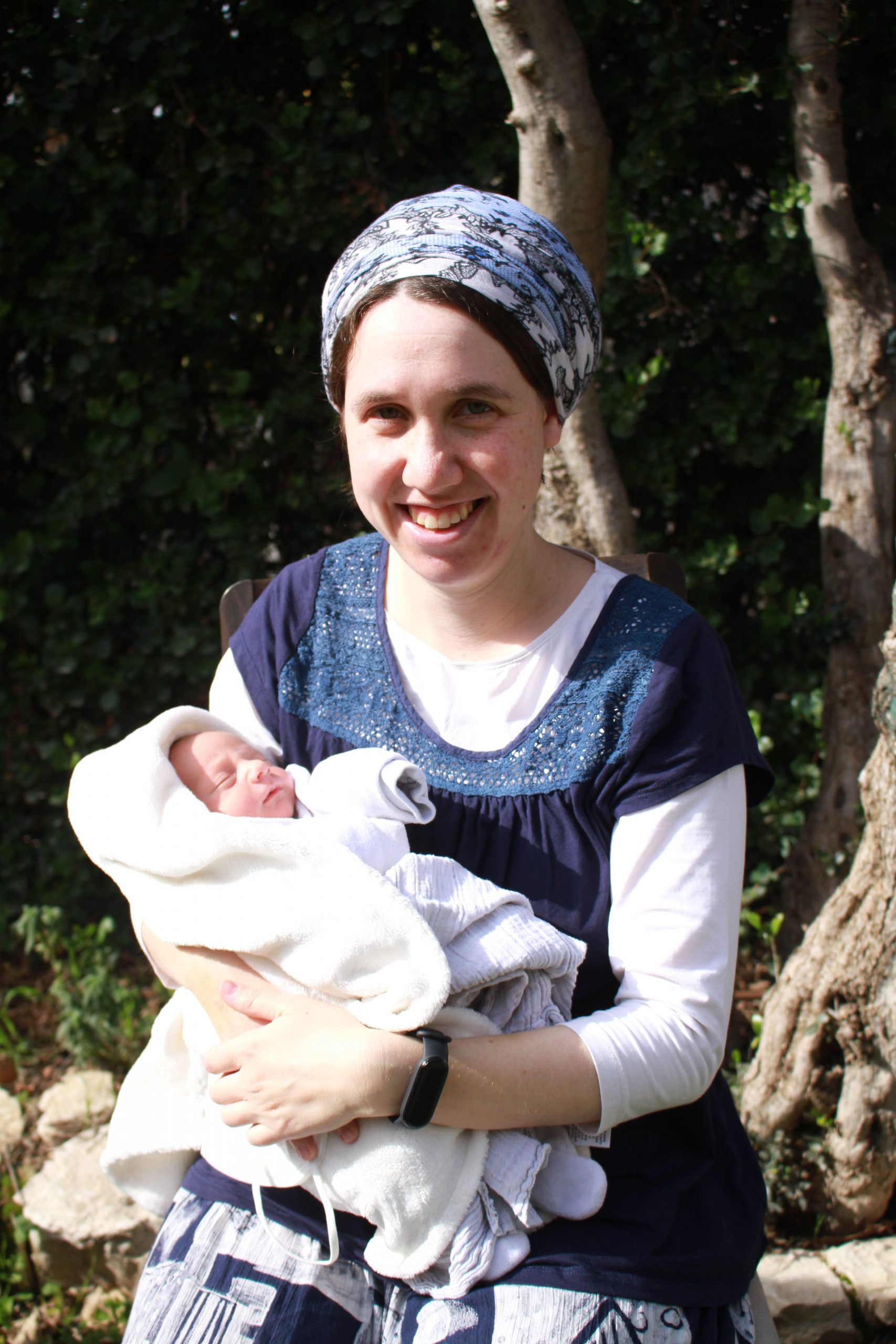
התחלתי בתחילת הסבב, והתמכרתי. זה נותן משמעות נוספת ליומיום ומאוד מחזק לתת לזה מקום בתוך כל שגרת הבית-עבודה השוטפת.
רעות אברהמי
בית שמש, ישראל
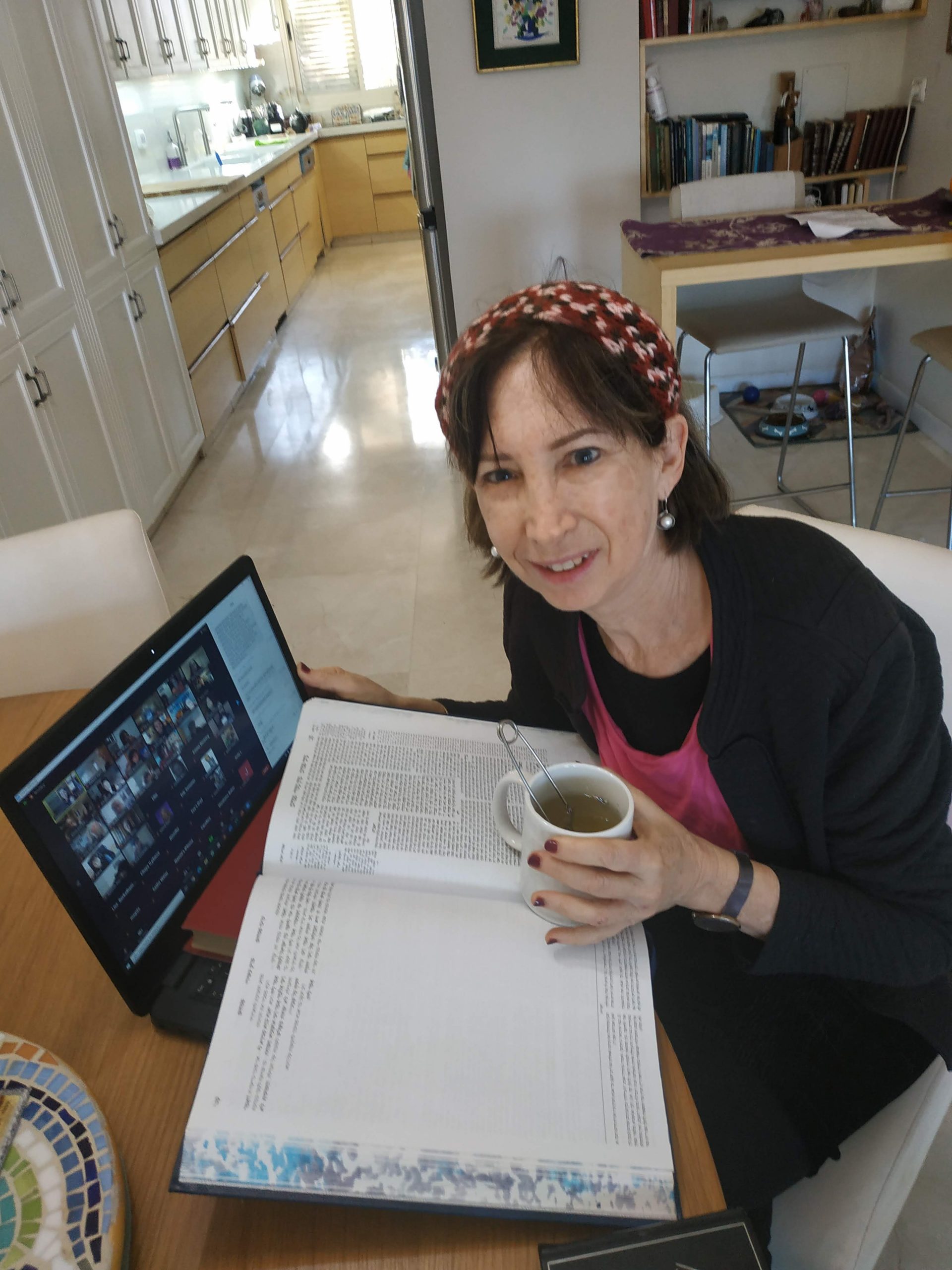
למדתי גמרא מכיתה ז- ט ב Maimonides School ואחרי העליה שלי בגיל 14 לימוד הגמרא, שלא היה כל כך מקובל בימים אלה, היה די ספוראדי. אחרי "ההתגלות” בבנייני האומה התחלתי ללמוד בעיקר בדרך הביתה למדתי מפוקקטסים שונים. לאט לאט ראיתי שאני תמיד חוזרת לרבנית מישל פרבר. באיזה שהוא שלב התחלתי ללמוד בזום בשעה 7:10 .
היום "אין מצב” שאני אתחיל את היום שלי ללא לימוד עם הרבנית מישל עם כוס הקפה שלי!!
דבי גביר
חשמונאים, ישראל
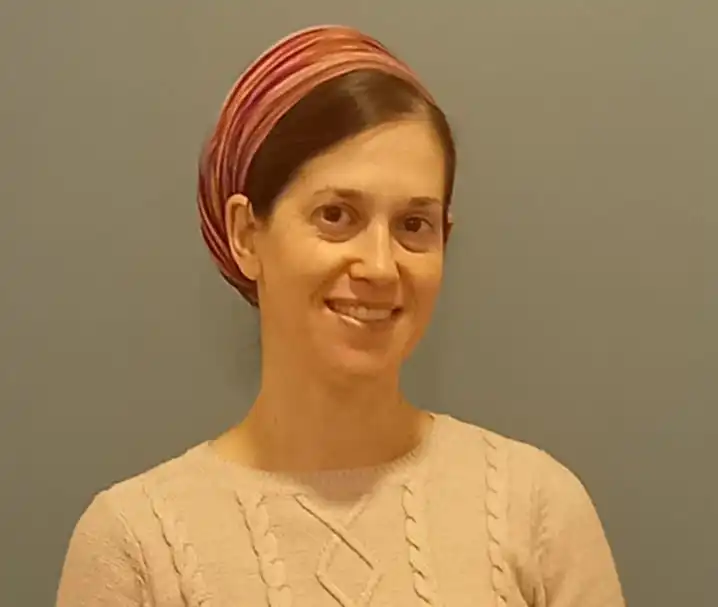
אחי, שלומד דף יומי ממסכת ברכות, חיפש חברותא ללימוד מסכת ראש השנה והציע לי. החברותא היתה מאתגרת טכנית ורוב הזמן נעשתה דרך הטלפון, כך שבסיום המסכת נפרדו דרכינו. אחי חזר ללמוד לבד, אבל אני כבר נכבשתי בקסם הגמרא ושכנעתי את האיש שלי להצטרף אלי למסכת ביצה. מאז המשכנו הלאה, ועכשיו אנחנו מתרגשים לקראתו של סדר נשים!
שולמית סבן
נוקדים, ישראל
שמעתי על הסיום הענק של הדף היומי ע”י נשים בבנייני האומה. רציתי גם.
החלטתי להצטרף. התחלתי ושיכנעתי את בעלי ועוד שתי חברות להצטרף. עכשיו יש לי לימוד משותף איתו בשבת ומפגש חודשי איתן בנושא (והתכתבויות תדירות על דברים מיוחדים שקראנו). הצטרפנו לקבוצות שונות בווטסאפ. אנחנו ממש נהנות. אני שומעת את השיעור מידי יום (בד”כ מהרב יוני גוטמן) וקוראת ומצטרפת לסיומים של הדרן. גם מקפידה על דף משלהן (ונהנית מאד).

ליאת סיטרון
אפרת, ישראל
התחלתי ללמוד לפני כשנתיים בשאיפה לסיים לראשונה מסכת אחת במהלך חופשת הלידה.
אחרי מסכת אחת כבר היה קשה להפסיק…
נעה גלנט
ירוחם, ישראל
אחי, שלומד דף יומי ממסכת ברכות, חיפש חברותא ללימוד מסכת ראש השנה והציע לי. החברותא היתה מאתגרת טכנית ורוב הזמן נעשתה דרך הטלפון, כך שבסיום המסכת נפרדו דרכינו. אחי חזר ללמוד לבד, אבל אני כבר נכבשתי בקסם הגמרא ושכנעתי את האיש שלי להצטרף אלי למסכת ביצה. מאז המשכנו הלאה, ועכשיו אנחנו מתרגשים לקראתו של סדר נשים!
שולמית סבן
נוקדים, ישראל
. לא תמיד נהניתי מלימוד גמרא כילדה.,בל כהתבגרתי התחלתי לאהוב את זה שוב. התחלתי ללמוד מסכת סוטה בדף היומי לפני כחמש עשרה שנה ואז הפסקתי.הגעתי לסיום הגדול של הדרן לפני שנתיים וזה נתן לי השראה. והתחלתי ללמוד למשך כמה ימים ואז היתה לי פריצת דיסק והפסקתי…עד אלול השנה. אז התחלתי עם מסכת ביצה וב”ה אני מצליחה לעמוד בקצב. המשפחה מאוד תומכת בי ויש כמה שגם לומדים את זה במקביל. אני אוהבת שיש עוגן כל יום.

רבקה דרשן
בית שמש, ישראל
התחלתי ללמוד גמרא בבית הספר בגיל צעיר והתאהבתי. המשכתי בכך כל חיי ואף היייתי מורה לגמרא בבית הספר שקד בשדה אליהו (בית הספר בו למדתי בילדותי)בתחילת מחזור דף יומי הנוכחי החלטתי להצטרף ובע”ה מקווה להתמיד ולהמשיך. אני אוהבת את המפגש עם הדף את "דרישות השלום ” שמקבלת מקשרים עם דפים אחרים שלמדתי את הסנכרון שמתחולל בין התכנים.

אריאלה ביגמן
מעלה גלבוע, ישראל
בסוף הסבב הקודם ראיתי את השמחה הגדולה שבסיום הלימוד, בעלי סיים כבר בפעם השלישית וכמובן הסיום הנשי בבנייני האומה וחשבתי שאולי זו הזדמנות עבורי למשהו חדש.
למרות שאני שונה בסביבה שלי, מי ששומע על הלימוד שלי מפרגן מאוד.
אני מנסה ללמוד קצת בכל יום, גם אם לא את כל הדף ובסך הכל אני בדרך כלל עומדת בקצב.
הלימוד מעניק המון משמעות ליום יום ועושה סדר בלמוד תורה, שתמיד היה (ועדיין) שאיפה. אבל אין כמו קביעות

רחלי מנדלסון
טל מנשה, ישראל
התחלתי ללמוד לפני כשנתיים בשאיפה לסיים לראשונה מסכת אחת במהלך חופשת הלידה.
אחרי מסכת אחת כבר היה קשה להפסיק…
נעה גלנט
ירוחם, ישראל
התחלתי ללמוד בעידוד שתי חברות אתן למדתי בעבר את הפרק היומי במסגרת 929.
בבית מתלהבים מאוד ובשבת אני לומדת את הדף עם בעלי שזה מפתיע ומשמח מאוד! לימוד הדף הוא חלק בלתי נפרד מהיום שלי. לומדת בצהריים ומחכה לזמן הזה מידי יום…
מרים ונגרובר
אפרת, ישראל
התחלתי כשהייתי בחופש, עם הפרסומים על תחילת המחזור, הסביבה קיבלה את זה כמשהו מתמיד ומשמעותי ובהערכה, הלימוד זה עוגן יציב ביום יום, יש שבועות יותר ויש שפחות אבל זה משהו שנמצא שם אמין ובעל משמעות בחיים שלי….
עדי דיאמנט
גמזו, ישראל
התחלתי להשתתף בשיעור נשים פעם בשבוע, תכננתי ללמוד רק דפים בודדים, לא האמנתי שאצליח יותר מכך.
לאט לאט נשאבתי פנימה לעולם הלימוד .משתדלת ללמוד כל בוקר ומתחילה את היום בתחושה של מלאות ומתוך התכווננות נכונה יותר.
הלימוד של הדף היומי ממלא אותי בתחושה של חיבור עמוק לעם היהודי ולכל הלומדים בעבר ובהווה.

נילי חיון
אפרת, ישראל
התחלתי ללמוד בשנת המדרשה במגדל עוז, בינתיים נהנית מאוד מהלימוד ומהגמרא, מעניין ומשמח מאוד!
משתדלת להצליח לעקוב כל יום, לפעמים משלימה קצת בהמשך השבוע.. מרגישה שיש עוגן מקובע ביום שלי והוא משמח מאוד!

אוריה קסנר
חיפה , ישראל
רציתי לקבל ידע בתחום שהרגשתי שהוא גדול וחשוב אך נעלם ממני. הלימוד מעניק אתגר וסיפוק ומעמיק את תחושת השייכות שלי לתורה וליהדות
רות עגיב
עלי זהב – לשם, ישראל
בבא בתרא לא
אֲבָל שֵׁית – אֵין לְךָ מֶחָאָה גְּדוֹלָה מִזּוֹ.
But if he profited from the land for only six years, so that the sale to the claimant took place before the years necessary for establishing the presumption of ownership were completed, you can have no greater protest than this, that the purported seller then sold the land to another. By doing so he indicated that he does not concede that the possessor was the rightful owner, and the possessor should have been careful to hold on to his bill of sale for even longer than three years.
זֶה אוֹמֵר: ״שֶׁל אֲבוֹתַי״, וְזֶה אוֹמֵר: ״שֶׁל אֲבוֹתַי״; הַאי אַיְיתִי סָהֲדֵי דַּאֲבָהָתֵיהּ הִיא, וְהַאי אַיְיתִי סָהֲדֵי דְּאַכְלַהּ שְׁנֵי חֲזָקָה –
There was an incident where two people disputed the ownership of land. This one says: The land belonged to my ancestors and I inherited it from them, and that one says: The land belonged to my ancestors and I inherited it from them. This one brings witnesses that the land belonged to his ancestors, and that one brings witnesses that he currently possesses the land and that he worked and profited from the land for the years necessary for establishing the presumption of ownership.
אָמַר רַבָּה: מָה לוֹ לְשַׁקֵּר? אִי בָּעֵי אֲמַר לֵיהּ: מִינָּךְ זְבֵנְתַּהּ וַאֲכַלְתִּיהָ שְׁנֵי חֲזָקָה. אֲמַר לֵיהּ אַבָּיֵי: ״מָה לִי לְשַׁקֵּר״ בִּמְקוֹם עֵדִים – לָא אָמְרִינַן.
Rabba said: The judgment is in favor of the possessor, due to the legal principle that if the judgment would have been decided in one’s favor had he advanced a certain claim, and he instead advanced a different claim that leads to the same ruling, he has credibility, as why would he lie and state this claim? If the possessor wanted to lie, he could have said to the claimant: I purchased the land from you and I worked and profited from it for the years necessary for establishing the presumption of ownership, in which case he would have been awarded the land. Abaye said to Rabba: We do not say the principle of: Why would I lie, in a case where there are witnesses contradicting his current claim, as they testify that the land belonged to the ancestors of the claimant. Therefore, he should not be awarded the land.
הֲדַר אֲמַר לֵיהּ: אִין, דַּאֲבָהָתָךְ הִיא – וּזְבֵנְתַּהּ מִינָּךְ; וְהַאי דַּאֲמַרִי לָךְ דַּאֲבָהָתִי, דִּסְמִיךְ לִי עֲלַהּ כְּדַאֲבָהָתִי.
The possessor then said to the claimant: Yes, it is true that it had belonged to your ancestors, but I purchased it from you, and by stating that which I said to you: It belonged to my ancestors, I merely meant that I rely upon my ownership of it as if it belonged to my ancestors, as I purchased it and then profited from it for the years necessary for establishing the presumption of ownership.
טוֹעֵן וְחוֹזֵר וְטוֹעֵן, אוֹ אֵין טוֹעֵן וְחוֹזֵר וְטוֹעֵן? עוּלָּא אָמַר: טוֹעֵן וְחוֹזֵר וְטוֹעֵן. נְהַרְדָּעֵי אָמְרִי: אֵינוֹ טוֹעֵן וְחוֹזֵר וְטוֹעֵן.
The Gemara asks: Can he state a claim and return and state a modified version of his claim, or can he not state a claim and return and state a modified version of his claim? Ulla said: He can state a claim and return and state a modified version of his claim. The Sages of Neharde’a say: He cannot state a claim and return and state a modified version of his claim.
וּמוֹדֵי עוּלָּא הֵיכָא דַּאֲמַר לֵיהּ: שֶׁל אֲבוֹתַי וְלֹא שֶׁל אֲבוֹתֶיךָ – דְּאֵינוֹ טוֹעֵן וְחוֹזֵר וְטוֹעֵן. וְהֵיכָא דַּהֲוָה קָאֵי בֵּי דִינָא וְלָא טְעַן, וַאֲתָא מֵאַבָּרַאי וּטְעַן – אֵינוֹ חוֹזֵר וְטוֹעֵן. מַאי טַעְמָא? טַעְנְתֵיהּ אַגְמְרֵיהּ.
The Gemara clarifies their respective opinions: And Ulla concedes that in a case where he had initially said to him: The land belonged to my ancestors and did not belong to your ancestors, that he cannot state a claim and return and state a modified version of his claim, as Ulla allows the litigant only to reinterpret his initial claim, not to replace it with a contradictory claim. And Ulla also concedes that in a case where he was standing in court and did not state a particular claim, and he later came in from outside and back into the court and he stated that claim, that he cannot return and state that claim. What is the reason for this? It is because it is apparent that these claims of his were taught to him by someone after he left the court.
וּמוֹדוּ נְהַרְדָּעֵי הֵיכָא דַּאֲמַר לֵיהּ: שֶׁל אֲבוֹתַי שֶׁלְּקָחוּהָ מֵאֲבוֹתֶיךָ – דְּחוֹזֵר וְטוֹעֵן. וְהֵיכָא דְּאִישְׁתַּעִי מִילֵּי אַבָּרַאי וְלָא טְעַן, וַאֲתָא לְבֵי דִינָא וּטְעַן – דְּחוֹזֵר וְטוֹעֵן. מַאי טַעְמָא? עֲבִיד אִינִישׁ דְּלָא מְגַלֵּי טַעְנְתֵיהּ אֶלָּא לְבֵי דִינָא.
And the Sages of Neharde’a concede that in a case where the litigant who changed his claim said to the other litigant that when he had initially claimed: The land belonged to my ancestors, he had actually meant: It belonged to my ancestors, who purchased it from your ancestors, that he can state a claim and return and state a modified version of his claim, as this serves only to clarify, and not negate, his initial claim. And the Sages of Neharde’a also concede that in a case where he discussed the matter outside of the court and did not state a particular claim, and then he came in to the court and stated that claim, that he can return and state that claim. What is the reason for this? Because a person is apt not to reveal his claims except to the court.
אָמַר אַמֵּימָר: אֲנָא נְהַרְדָּעָא אֲנָא, וּסְבִירָא לִי דְּטוֹעֵן וְחוֹזֵר וְטוֹעֵן. וְהִלְכְתָא: טוֹעֵן וְחוֹזֵר וְטוֹעֵן.
Ameimar said: I am from Neharde’a, but I nevertheless hold that a litigant can state a claim and return and state a modified version of his claim. The Gemara concludes: And the halakha is that a litigant can state a claim and return and state a modified version of his claim.
זֶה אוֹמֵר: שֶׁל אֲבוֹתַי, וְזֶה אוֹמֵר: שֶׁל אֲבוֹתַי; הַאי אַיְיתִי סָהֲדֵי דַּאֲבָהָתֵיהּ וְאַכְלַהּ שְׁנֵי חֲזָקָה, וְהַאי אַיְיתִי סָהֲדֵי דְּאַכְלַהּ שְׁנֵי חֲזָקָה.
In an incident where two people dispute the ownership of land, this one says: The land belonged to my ancestors and I inherited it from them, and that one says: The land belonged to my ancestors and I inherited it from them. The first one brings witnesses that the land belonged to his ancestors, and that he worked and profited from the land for the years necessary for establishing the presumption of ownership. And the second one brings witnesses only that he worked and profited from the land for the years necessary for establishing the presumption of ownership.
אָמַר רַב נַחְמָן: אוֹקִי אֲכִילָה לְבַהֲדֵי אֲכִילָה, וְאוֹקִי אַרְעָא בְּחֶזְקַת אֲבָהָתָא. אֲמַר לֵיהּ רָבָא: הָא עֵדוּת מוּכְחֶשֶׁת הִיא! אֲמַר לֵיהּ: נְהִי דְּאִיתַּכְחַשׁ בַּאֲכִילְתָה,
Rav Naḥman said: Establish the testimony with regard to the profiting by the first litigant alongside the testimony with regard to the profiting by the second, and the two testimonies cancel each other out, leaving the testimony with regard to ownership by the ancestors of the first litigant. And therefore, establish the land in the presumptive ownership of the litigant who brought witnesses that it belonged to his ancestors. Rava objected and said to him: This testimony cannot be relied on, as it is contradicted by the other testimony. Rav Naḥman responded and said to him: Although it is so that the testimony was contradicted with regard to profiting from the land,
בַּאֲבָהָתָא מִי אִתַּכְחַשׁ?!
was the testimony contradicted with regard to ownership of the ancestors?
לֵימָא רָבָא וְרַב נַחְמָן – בִּפְלוּגְתָּא דְּרַב הוּנָא וְרַב חִסְדָּא קָמִיפַּלְגִי?
The Gemara asks: Shall we say that Rava and Rav Naḥman disagree in the dispute between Rav Huna and Rav Ḥisda?
דְּאִיתְּמַר: שְׁתֵּי כִּתֵּי עֵדִים הַמַּכְחִישׁוֹת זוֹ אֶת זוֹ – אָמַר רַב הוּנָא: זוֹ בָּאָה בִּפְנֵי עַצְמָהּ וּמְעִידָה, וְזוֹ בָּאָה בִּפְנֵי עַצְמָהּ וּמְעִידָה. וְרַב חִסְדָּא אָמַר: בַּהֲדֵי סָהֲדֵי שַׁקָּרֵי לְמָה לִי? לֵימָא רַב נַחְמָן – דְּאָמַר כְּרַב הוּנָא, וְרָבָא כְּרַב חִסְדָּא?
As it was stated concerning two groups of witnesses that contradict each other, that Rav Huna says: This one comes to court on its own and testifies, and that one comes to court on its own and testifies. Despite the fact that one group certainly testified falsely, which should serve to disqualify one of the groups, each group is able to testify in another case. And Rav Ḥisda says: Why do I need these lying witnesses? In other words, they are all disqualified to testify in another case until it is clarified which of them had testified falsely. The Gemara asks: Shall we say that Rav Naḥman is the one who says his ruling in accordance with the opinion of Rav Huna, and Rava says his ruling in accordance with the opinion of Rav Ḥisda?
אַלִּיבָּא דְּרַב חִסְדָּא – כּוּלֵּי עָלְמָא לָא פְלִיגִי, כִּי פְּלִיגִי – אַלִּיבָּא דְרַב הוּנָא. רַב נַחְמָן – כְּרַב הוּנָא. וְרָבָא – עַד כָּאן לָא קָאָמַר רַב הוּנָא אֶלָּא לְעֵדוּת אַחֶרֶת, אֲבָל לְאוֹתָהּ עֵדוּת – לָא.
The Gemara explains: According to the opinion of Rav Ḥisda, who holds that the witnesses are disqualified, everyone agrees that the testimony concerning ancestral ownership is not accepted, as the witnesses were contradicted concerning their testimony of usage of the land, and Rav Naḥman’s ruling cannot accord with his opinion. When Rav Naḥman and Rava disagree it is according to the opinion of Rav Huna, who does not disqualify the witnesses. The ruling of Rav Naḥman is in accordance with the opinion of Rav Huna, and he therefore accepts the testimony with regard to ancestral ownership, and Rava would say: Rav Huna says that the witnesses are accepted only for another testimony, i.e., in a different case. But they are not accepted for the same testimony, as in this incident, where both testimonies concerned ownership of the same land.
הֲדַר אַיְיתִי סָהֲדֵי דַּאֲבָהָתֵיהּ הִיא. אָמַר רַב נַחְמָן: אֲנַן אַחֲתִינֵּיהּ, אֲנַן מַסְּקִינַן לֵיהּ; לְזִילוּתָא דְבֵי דִינָא לָא חָיְישִׁינַן.
The Gemara relates the continuation of the case above. The one who had brought witnesses only to his having profited from the land then brought witnesses that it had belonged to his ancestors, thereby balancing the evidence for the two litigants. Therefore, Rav Naḥman said: We previously brought down to the land the one who initially had evidence of ancestral ownership to take possession of it, and we now bring him up from it, removing him from the land. And we are not concerned about the possible contempt of court that might result from perceived indecisiveness.
מֵתִיב רָבָא, וְאִיתֵּימָא רַבִּי זְעֵירָא: שְׁנַיִם אוֹמְרִים מֵת, וּשְׁנַיִם אוֹמְרִים לָא מֵת; שְׁנַיִם אוֹמְרִים נִתְגָּרְשָׁה, וּשְׁנַיִם אוֹמְרִים לֹא נִתְגָּרְשָׁה – הֲרֵי זוֹ לֹא תִּנָּשֵׂא, וְאִם נִשֵּׂאת לֹא תֵּצֵא. רַבִּי מְנַחֵם בְּרַבִּי יוֹסֵי אוֹמֵר: תֵּצֵא.
Rava, and some say it is Rabbi Zeira, raises an objection from a baraita. If there was a married man whose fate was unknown, and two witnesses say: This married man died, and two witnesses say: He did not die; or if two witnesses say: This woman was divorced, and two witnesses say: She was not divorced, this woman may not marry, as there is not unequivocal testimony that she is no longer married, but if she marries, the marriage is valid and she need not leave her husband. Rabbi Menaḥem, son of Rabbi Yosei, says: She must leave her husband.
אָמַר רַבִּי מְנַחֵם בְּרַבִּי יוֹסֵי: אֵימָתַי אֲנִי אוֹמֵר תֵּצֵא – בִּזְמַן שֶׁבָּאוּ עֵדִים וְאַחַר כָּךְ נִשֵּׂאת; אֲבָל נִשֵּׂאת וְאַחַר כָּךְ בָּאוּ עֵדִים – הֲרֵי זוֹ לֹא תֵּצֵא.
Rabbi Menaḥem, son of Rabbi Yosei, said: When do I say that she must leave her husband? She must leave him in a case where witnesses came to testify that she is still married and she then married despite their testimony. But if she married and the witnesses then came to testify that she is still married, this woman is not required to leave her husband based on the uncertainty created by contradictory witnesses. The fact that she is not required to leave her marriage in light of the new testimony seems to indicate an unwillingness to reverse the court’s ruling that she may marry, contrary to the ruling of Rav Naḥman.
אֲמַר לֵיהּ: אֲנָא סְבַרִי לְמֶעְבַּד עוֹבָדָא; הַשְׁתָּא דְּאוֹתֵיבְתַּן אַתְּ, וְאוֹתְבַן רַב הַמְנוּנָא בְּסוּרְיָא – לָא עָבֵידְנָא בַּהּ עוֹבָדָא.
Rav Naḥman said to him: I had thought to perform an action and reverse the court’s ruling, but now that you raised an objection against me, and Rav Hamnuna also raised a similar objection against me in Syria, I will not perform an action in this matter.
נְפַק עֲבַד עוֹבָדָא. מַאן דַּחֲזָא, סָבַר: טָעוּתָא הִיא בִּידֵיהּ; וְלָא הִיא, אֶלָּא מִשּׁוּם דְּתַלְיָא בְּאַשְׁלֵי רַבְרְבֵי –
The Gemara relates that Rav Naḥman then went out and performed an action, taking away the land from the litigant in whose favor he had previously ruled. One who saw what he did thought that he made a mistake, but that is not so. Rather, he performed an action despite the objections that had been raised because the matter depends on great authorities [ashlei ravrevei]. Since, as the Gemara will demonstrate, this issue is subject to dispute between great authorities, he relied on those that supported his opinion.
דִּתְנַן, רַבִּי יְהוּדָה אוֹמֵר: אֵין מַעֲלִין לַכְּהוּנָּה עַל פִּי עֵד אֶחָד. אָמַר רַבִּי אֶלְעָזָר: אֵימָתַי – בִּמְקוֹם שֶׁיֵּשׁ עוֹרְרִין, אֲבָל בִּמְקוֹם שֶׁאֵין עוֹרְרִין – מַעֲלִין לַכְּהוּנָּה עַל פִּי עֵד אֶחָד. רַבָּן שִׁמְעוֹן בֶּן גַּמְלִיאֵל אוֹמֵר מִשּׁוּם רַבִּי שִׁמְעוֹן בֶּן הַסְּגָן: מַעֲלִין לַכְּהוּנָּה עַל פִּי עֵד אֶחָד.
As we learned in a mishna (Ketubot 23b): Rabbi Yehuda says: One is not elevated to the presumptive status of priesthood on the basis of the testimony of one witness. Two witnesses are required for that purpose. Rabbi Elazar says: When is that the halakha? In a case where there are challengers to his claim that he is a priest. But in a case where there are no challengers, one is elevated to the presumptive status of priesthood on the basis of the testimony of one witness. Rabban Shimon Ben Gamliel says in the name of Rabbi Shimon, son of the deputy High Priest: One is elevated to the presumptive status of priesthood on the basis of the testimony of one witness.
רַבָּן שִׁמְעוֹן בֶּן גַּמְלִיאֵל הַיְינוּ רַבִּי אֶלְעָזָר! וְכִי תֵּימָא: עַרְעָר חַד אִיכָּא בֵּינַיְיהוּ – רַבִּי אֶלְעָזָר סָבַר: עַרְעָר חַד,
The Gemara asks: The opinion of Rabban Shimon Ben Gamliel is identical to the opinion of Rabbi Elazar, as they agree that one is elevated to the presumptive status of priesthood on the basis of one witness when there are no challengers. What is their dispute? And if you would say that there is a practical difference between them in a case where there is a challenge posed by one person, as Rabbi Elazar holds: A challenge posed by one person is sufficient to undermine one’s presumptive status of priesthood, and two witnesses are required to overcome that challenge;
לעקוב

