חיפוש

בבא קמא לה

רוצה להקדיש שיעור?

podcast placeholder

0:00
0:00


תקציר

הלימוד השבוע, שבוע של חנוכה, מוקדש ע”י מיכאל פישביין, איתן פישביין ואלישע רוס-פישביין לכבוד מונה. "חנוכה שמח – אנו מאוד גאים בך במחיובתך ללימוד הדף היומי.” 

המשנה קובעת כי ישנם מקרים בהם אדם חייב בתשלום על נזק שנגרם על ידי שורו, אך באותם נזיקים אם נעשו על ידי אדם, האדם יהיה פטור מתשלומים מדין קים ליה בדרבה מיניה, אם המעשה בא עם עונש מוות, המזיק פטור מתשלומים. לחילופין, ישנם מקרים בהם אדם יהיה חייב על נזקים שאילו עשה אותם שור, בעל השור פטור, שכן שוורים המביישים מישהו פטורים. אם אדם מבעיר שדה בשבת האדם פטור מתשלומים כי על המבעיר בשבת יש עונש מוות ובכך פטור מתשלום כספי. משנה זו מועלה כקושי נגד דעתו של רבי יוחנן שמי שמבעיר כמעשה הרס לא חילל שבת מאחר שחייבים על מלאכה יצירתית ולא פעולה המקלקלת. שתי קריאות חלופיות של המשנה מובאות כדי לענות על שאלה זו. אם שור היה רודף אחרי שור אחר ושור אחד נפגע אבל ישנן טענות שונות של כל אחד מהבעלים האם הנזק נגרם על ידי השור או על ידי סלע, ​​או אם היו שלושה שוורים וכל בעל טוען שזה השור של האחר שהזיק, או שלבעל השור שהזיק יש שני שוורים, אחד גדול ואחד קטן או תם אחד ואחד מועד, והניזק ומזיק כל אחד  טוען שזה שור אחר שגרם לנזק, חובת ההוכחה מוטלת על מי שמנסה לתבוע את הכסף מהשני (הניזק). רבי חייא בר אבא סבור שסומכוס היה חולק במקרים אלו ואומר שהכסף המוטל בספק מתחלק בין שני הצדדים באופן שווה. הגמרא מנסה להעריך אם המקרה הוא שבו כל אחד בטוח בתביעתו (ברי) או שאחד בטוח והשני לא (שמא).

בבא קמא לה

אַף הוּא נָמֵי דְּלָא קָבָעֵי לֵיהּ; וְקָתָנֵי: פָּטוּר – מִפְּנֵי שֶׁהוּא נִדּוֹן בְּנַפְשׁוֹ!

so too, in the case where he set the fire, it is presumably a case where he does not need the ashes. And nevertheless, the mishna teaches that he is exempt because he is sentenced to death. Apparently, one who lights a fire on Shabbat is liable even if he does not need the ashes, contrary to the opinion of Rabbi Yoḥanan.

לֹא; שׁוֹרוֹ דּוּמְיָא דִידֵיהּ – מָה הוּא דְּקָבָעֵי לֵיהּ, אַף שׁוֹרוֹ דְּקָבָעֵי לֵיהּ.

The Gemara rejects this proof: No, the comparison is the other way around; the case where his ox set the fire is similar to the case where he set the fire. Just as the case where he is liable for lighting a fire on Shabbat is one where he needs the ashes, so too, the case of his ox setting fire to the haystack is one where it needs the ashes.

שׁוֹרוֹ הֵיכִי מַשְׁכַּחַתְּ לַהּ? אֲמַר לֵיהּ רַב אַוְיָא: הָכָא בְּמַאי עָסְקִינַן – בְּשׁוֹר פִּקֵּחַ שֶׁעָלְתָה לוֹ נְשִׁיכָה בְּגַבּוֹ, וְקָא בָּעֵי לְמִקְלְיֵיהּ וְאִיגַּנְדַּר בְּקִוטְמָא.

The Gemara asks: In the case where his ox set the fire, how can you find these circumstances, where it did so because it needed the ashes? Rav Avya said to him: Here we are dealing with an intelligent ox that was bitten on its back and wants to burn down the haystack and then roll around [iggandar] in the ashes in order to heal the bite.

וּמְנָא יָדְעִינַן? דִּלְבָתַר דְּקַלְיֵיהּ קָמִגַּנְדַּר בְּקִוטְמָא.

The Gemara asks: And from where do we know that this is the reason that it set the fire? The Gemara answers: Because after the ox burned the haystack, it was rolling around in the ashes.

וּמִי אִיכָּא כִּי הַאי גַוְונָא? אִין; דְּהָהוּא תּוֹרָא דַּהֲוָה בֵּי רַב פָּפָּא דַּהֲוָה כָּיְבִין לֵיהּ חִינְכֵיהּ, עָיֵיל וּפַתְקֵיהּ לְנָזְיָיתָא, וְשָׁתֵי שִׁיכְרָא וְאִיתַּסִּי.

The Gemara asks: And is there really a case like this? The Gemara answers: Yes, as a certain ox that was at the house of Rav Pappa had a toothache. It went inside, and broke the lid of a utensil, and drank the liquor inside and was cured. Evidently there are oxen with this level of intelligence.

אֲמַרוּ רַבָּנַן קַמֵּיהּ דְּרַב פָּפָּא: מִי מָצֵית אָמְרַתְּ שׁוֹרוֹ דּוּמְיָא דִידֵיהּ?! וְהָא קָתָנֵי: שׁוֹרוֹ שֶׁבִּיֵּישׁ – פָּטוּר, וְהוּא שֶׁבִּיֵּישׁ – חַיָּיב. שׁוֹרוֹ דּוּמְיָא דִידֵיהּ נִתְכַּוֵּון לְבַיֵּישׁ – הֵיכִי מַשְׁכַּחַתְּ לַהּ?

The Sages said before Rav Pappa: How can you say that the case involving his ox is similar to the case involving him? But doesn’t the mishna teach: If his ox caused a person humiliation, he is exempt, but if he humiliated someone, he is liable? If the case of his ox is understood to be similar to the case involving him, how can you find a case where the ox intended to humiliate the person? One is liable for humiliating someone only when he intends to do so, and an ox never has intention to humiliate.

כְּגוֹן שֶׁנִּתְכַּוֵּון לְהַזִּיק. דְּאָמַר מָר: נִתְכַּוֵּון לְהַזִּיק – אַף עַל פִּי שֶׁלֹּא נִתְכַּוֵּון לְבַיֵּישׁ.

The Gemara answers: It is a case where the ox intended to cause injury. If it was the action of a person, he would be liable for the humiliation he caused as well, as the Master said: In a case where a person intended to cause injury, he is liable for humiliation even if he did not intend to humiliate his victim.

רָבָא אָמַר: מַתְנִיתִין בְּשׁוֹגֵג,

Rava said a different solution with regard to the difficulty that the mishna poses to the opinion of Rabbi Yoḥanan: The mishna is referring to a case where one lit a fire on Shabbat unintentionally. Although he is not liable to receive the death penalty, nevertheless, since he performed a prohibited action that would carry the death penalty were it to be performed deliberately, he is still exempt from monetary restitution.

וְכִדְתָנָא דְּבֵי חִזְקִיָּה – דְּתָנָא דְּבֵי חִזְקִיָּה: מַכֵּה אָדָם וּמַכֵּה בְּהֵמָה;

The Gemara explains: This is in accordance with what the school of Ḥizkiyya taught, as the school of Ḥizkiyya taught: The verse states: “And he who kills an animal shall pay for it, and he who kills a man shall be put to death” (Leviticus 24:21), indicating that one who kills a man and one who kills an animal are comparable.

מָה מַכֵּה בְּהֵמָה – לֹא חִלַּקְתָּ בָּהּ בֵּין שׁוֹגֵג בֵּין מֵזִיד, בֵּין מִתְכַּוֵּון לְשֶׁאֵין מִתְכַּוֵּון, בֵּין דֶּרֶךְ יְרִידָה לְדֶרֶךְ עֲלִיָּיה, לְפוֹטְרוֹ מָמוֹן אֶלָּא לְחַיְּיבוֹ מָמוֹן; אַף מַכֵּה אָדָם – לֹא תַּחְלוֹק בּוֹ בֵּין שׁוֹגֵג לְמֵזִיד, בֵּין מִתְכַּוֵּון לְשֶׁאֵין מִתְכַּוֵּון, בֵּין דֶּרֶךְ יְרִידָה לְדֶרֶךְ עֲלִיָּיה, לְחַיְּיבוֹ מָמוֹן אֶלָּא לְפוֹטְרוֹ מָמוֹן.

This teaches that just as with regard to one who kills an animal, the Torah did not differentiate between whether he does so unintentionally or whether he does so intentionally, whether advertently or inadvertently, whether by way of descent or by way of ascent, and this was not to exempt him from paying monetary restitution in all these cases but rather to render him liable to pay monetary restitution, as one who kills an animal is liable in any event, similarly, with regard to one who kills a man, do not differentiate between whether he does so intentionally or unintentionally, whether advertently or inadvertently, whether by way of descent or by way of ascent, and this was not to render him liable to pay monetary restitution for the damage he causes in the process of killing him, but rather to exempt him from paying monetary restitution in any event. It is derived from here that one who commits a transgression carrying the death penalty is exempt from paying damages for his action, even if he is not in practice given the death penalty.

אֲמַרוּ לֵיהּ רַבָּנַן לְרָבָא: מִי מָצֵית מוֹקְמַתְּ לַהּ בְּשׁוֹגֵג? וְהָא ״מִפְּנֵי שֶׁנִּדּוֹן בְּנַפְשׁוֹ״ קָתָנֵי!

The Sages said to Rava: Can you really interpret the mishna as referring to a case where the transgression was unintentional? But doesn’t it teach that the transgressor is exempt because he is sentenced to death, which is only the case if the transgression was intentional?

הָכִי קָאָמַר: כֵּיוָן דִּבְמֵזִיד נִדּוֹן בְּנַפְשׁוֹ, וְהֵיכִי דָּמֵי – דְּקָא בָּעֵי לְאֶפְרוֹ; הַשְׁתָּא בְּשׁוֹגֵג – פָּטוּר.

Rava answered that this is what the mishna is saying: He is exempt, since when this action is performed intentionally, the transgressor is liable to be sentenced to death. And what are the circumstances in which one is liable to receive the death penalty for deliberately lighting a fire on Shabbat? It is a case where he needs the ashes. Therefore, even now, when the transgression was unintentional, he is exempt from paying damages.

מַתְנִי׳ שׁוֹר שֶׁהָיָה רוֹדֵף אַחַר שׁוֹר אַחֵר, וְהוּזַּק; זֶה אוֹמֵר: ״שׁוֹרְךָ הִזִּיק״, וְזֶה אוֹמֵר: ״לֹא כִי, אֶלָּא בְּסֶלַע לָקָה״ – הַמּוֹצִיא מֵחֲבֵירוֹ עָלָיו הָרְאָיָה.

MISHNA: With regard to an ox that was pursuing another ox, and the ox being pursued became injured, but there are no witnesses as to how it was injured, and this one, the owner of the injured ox, says to the owner of the pursuing ox: Your ox injured my ox, and you are liable to pay me damages, and that one, the owner of the pursuing ox, says in response: No; rather, it was hurt by a rock, and I am not liable, then in this case, the burden of proof rests upon the claimant. As long as the owner of the injured ox cannot prove that the injury was inflicted by the pursuing ox, the owner of the pursuing ox is not liable.

הָיוּ שְׁנַיִם רוֹדְפִים אַחַר אֶחָד, זֶה אוֹמֵר: ״שׁוֹרְךָ הִזִּיק״, וְזֶה אוֹמֵר: ״שׁוֹרְךָ הִזִּיק״ –

In a case where two oxen, belonging to two different owners, were pursuing one ox belonging to a third person, and that ox was injured by one of the pursuing oxen, and this one, the owner of one of the pursuing oxen, says to the owner of the other: It was your ox that caused the injury, and that one, the owner of the other pursuing ox, says: No, it was your ox that caused the injury,

שְׁנֵיהֶם פְּטוּרִים. אִם הָיוּ שְׁנֵיהֶם שֶׁל אִישׁ אֶחָד – שְׁנֵיהֶם חַיָּיבִים.

the two of them are exempt, since each of them rejects the claim of the injured party that his ox caused the injury. If both oxen belonged to one person, both are liable, as will be explained in the Gemara.

הָיָה אֶחָד גָּדוֹל וְאֶחָד קָטָן, הַנִּיזָּק אוֹמֵר: ״גָּדוֹל הִזִּיק״, וְהַמַּזִּיק אוֹמֵר: ״לֹא כִי, אֶלָּא קָטָן הִזִּיק״; אֶחָד תָּם וְאֶחָד מוּעָד, הַנִּיזָּק אוֹמֵר: ״מוּעָד הִזִּיק״, וְהַמַּזִּיק אוֹמֵר: ״לֹא כִי, אֶלָּא תָּם הִזִּיק״ – הַמּוֹצִיא מֵחֲבֵירוֹ עָלָיו הָרְאָיָה.

If the pursuing oxen both belonged to one person, and were both innocuous, so that restitution is paid exclusively from proceeds of the sale of the belligerent ox, and one was large and the other one small, in this case, if the injured party says that the large ox caused the damage, and he is therefore entitled to receive restitution for half the damage from the value of the large ox, but the one liable for damage says: No; rather, the small ox caused the damage, and half of its value is not sufficient to cover half the damage; or, similarly, in a case where one ox is innocuous and one is forewarned, and the injured party says: The forewarned ox caused the damage, and the injured party is therefore eligible to receive full damages, but the one liable for damage says: No; rather, the innocuous ox caused the damage, in which case he is liable to pay only half the damage; in both of the above cases, the principle is that the burden of proof rests upon the claimant.

הָיוּ הַנִּיזָּקִין שְׁנַיִם – אֶחָד גָּדוֹל וְאֶחָד קָטָן, וְהַמַּזִּיקִין שְׁנַיִם – אֶחָד גָּדוֹל וְאֶחָד קָטָן; הַנִּיזָּק אוֹמֵר: ״גָּדוֹל הִזִּיק אֶת הַגָּדוֹל, וְקָטָן אֶת הַקָּטָן״, וְהַמַּזִּיק אוֹמֵר: ״לֹא כִי, אֶלָּא קָטָן אֶת הַגָּדוֹל, וְגָדוֹל אֶת הַקָּטָן״; אֶחָד תָּם וְאֶחָד מוּעָד, הַנִּיזָּק אוֹמֵר: ״מוּעָד הִזִּיק אֶת הַגָּדוֹל, וְתָם אֶת הַקָּטָן״, וְהַמַּזִּיק אוֹמֵר: ״לֹא כִי, אֶלָּא תָּם אֶת הַגָּדוֹל, וּמוּעָד אֶת הַקָּטָן״ – הַמּוֹצִיא מֵחֲבֵירוֹ עָלָיו הָרְאָיָה.

If the injured animals were two oxen, one large and the other one small, and the ones that caused the damage were also two oxen, one large and one small, and the injured party says: The large one injured the large one and the small one injured the small one, and the one liable for damage says: No; rather, the small one injured the large one, in which case, if half the value of the belligerent ox does not cover half the damage, he is not required to pay more, and the large one injured the small one; or, similarly, if one of the belligerent oxen was innocuous and one forewarned, and the injured party says: The forewarned ox injured the large one, and the innocuous ox injured the small one, and the one liable for damage says: No; rather, the innocuous ox injured the large one and the forewarned ox injured the small one; here too, the burden of proof rests upon the claimant.

גְּמָ׳ אָמַר רַבִּי חִיָּיא בַּר אַבָּא: [זֹאת אוֹמֶרֶת] חֲלוּקִים עָלָיו חֲבֵירָיו עַל סוֹמְכוֹס, דְּאָמַר: מָמוֹן הַמּוּטָּל בְּסָפֵק – חוֹלְקִין.

GEMARA: The mishna rules that in a case where there is uncertainty with regard to whether it was the pursuing ox that caused the injury to the other ox, the burden of proof rests upon the claimant. Rabbi Ḥiyya bar Abba says: That is to say that the colleagues of Sumakhos, who says that property of uncertain ownership is divided, disagree with his opinion.

אֲמַר לֵיהּ רַבִּי אַבָּא בַּר מֶמֶל לְרַבִּי חִיָּיא בַּר אַבָּא: אָמַר סוֹמְכוֹס אֲפִילּוּ בָּרִי וּבָרִי? אֲמַר לֵיהּ: אִין, אָמַר סוֹמְכוֹס אֲפִילּוּ בָּרִי וּבָרִי.

Rabbi Abba bar Memel said to Rabbi Ḥiyya bar Abba: Does Sumakhos state this principle even in the case of a certain claim and a certain claim, i.e., where both parties maintain the certainty of their claims, as appears to be the case in the mishna? Rabbi Ḥiyya bar Abba said to him: Yes, Sumakhos says this even in a case of a certain claim and a certain claim.

וּמִמַּאי דְּמַתְנִיתִין בְּבָרִי וּבָרִי הוּא? דְּקָתָנֵי: זֶה אוֹמֵר שׁוֹרְךָ הִזִּיק, וְזֶה אוֹמֵר לֹא כִי.

The Gemara asks: And from where is it inferred that the mishna is referring to a case of a certain claim and a certain claim? As it teaches that this one, the owner of the injured ox, says: Your ox injured my ox, and that one, the owner of the pursuing ox, says: No, rather etc., indicating that both make their claims with certainty.

מַתְקֵיף לַהּ רַב פָּפָּא: מִדְּרֵישָׁא בָּרִי וּבָרִי – סֵיפָא נָמֵי בָּרִי וּבָרִי;

Rav Pappa objects to this interpretation of the case: From the suggestion that the case in the first clause of the mishna is one where there is a certain claim and a certain claim, it may be inferred that the latter clause, the subsequent clause in the mishna, also is referring to a case where there is a certain claim and a certain claim.

אֵימָא סֵיפָא: הָיָה אֶחָד גָּדוֹל וְאֶחָד קָטָן, נִיזָּק אוֹמֵר: ״גָּדוֹל הִזִּיק״, וּמַזִּיק אוֹמֵר: ״לֹא כִי, אֶלָּא קָטָן הִזִּיק״; אֶחָד תָּם וְאֶחָד מוּעָד, נִיזָּק אוֹמֵר: ״מוּעָד הִזִּיק״, וְהַמַּזִּיק אוֹמֵר: ״לֹא כִי, אֶלָּא תָּם הִזִּיק״ – הַמּוֹצִיא מֵחֲבֵירוֹ עָלָיו הָרְאָיָה;

If so, say the latter clause: If one was large and the other one small, and the injured party says that the large ox caused the damage, and the one liable for damage says: No; rather, the small ox caused the damage; or if one ox is innocuous and one is forewarned, and the injured party says: The forewarned ox caused the damage, but the one liable for damage says: No; rather, the innocuous ox caused the damage, the burden of proof rests upon the claimant.

הָא לָא מַיְיתֵי רְאָיָה – שָׁקֵיל כִּדְאָמַר מַזִּיק; נֵימָא תִּהְוֵי תְּיוּבְתָּא דְּרַבָּה בַּר נָתָן – דְּאָמַר: טְעָנוֹ חִטִּים וְהוֹדָה לוֹ בִּשְׂעוֹרִים – פָּטוּר?

This indicates that if he does not bring proof, he takes compensation according to what the one liable for damage says. If it is a case where both parties maintain certainty of their claims, let us say that this mishna is a conclusive refutation of the statement of Rabba bar Natan, who says that if one claims that another owes him wheat, which he claims he deposited with him, and the other concedes that he owes him barley, which is less expensive than wheat, he is exempt from any payment, since he did not admit to what was claimed, and what he did admit was not claimed. Similarly, here, the injured party claims that it was the large ox that injured his ox, and the defendant admits that his small ox caused the injury, but not the large ox. His admission does not correspond to the claim. Yet, he is apparently liable to pay according to his admission, contrary to the ruling of Rabba bar Natan.

אֶלָּא בְּבָרִי וְשֶׁמָּא.

Rather, this clause must be referring to a case where there is a certain claim and an uncertain claim, i.e., one party maintains certainty of his claim, while the other merely states his claim as a possibility.

דְּקָאָמַר בָּרִי מַאן, דְּקָאָמַר שֶׁמָּא מַאן? אִי נֵימָא דְּקָאָמַר נִיזָּק בָּרִי וְקָאָמַר מַזִּיק שֶׁמָּא, אַכַּתִּי לֵימָא תִּהְוֵי תְּיוּבְתָּא דְּרַבָּה בַּר נָתָן!

The Gemara asks: Who is the one who states a certain claim, and who is the one who states an uncertain claim? If we say that it is the injured party who states with a certain claim that the large ox caused the injury, and it is the one liable for damage who states an uncertain claim that it was the small one, let us still say that the mishna is a conclusive refutation of the opinion of Rabba bar Natan, since the defendant does not admit to the claim of the injured party, and nevertheless he is liable to pay compensation from the small one.

אֶלָּא דְּקָאָמַר נִיזָּק שֶׁמָּא, וְקָאָמַר מַזִּיק בָּרִי.

Rather, it must be a case where the injured party states an uncertain claim that it was the large ox that caused the injury, and the one liable for damage states a certain claim that it was the small one. Since the claimant does not contradict the defendant’s admission, the latter is liable to pay the amount that he admitted he owes.

וּמִדְּסֵיפָא נִיזָּק שֶׁמָּא וּמַזִּיק בָּרִי, רֵישָׁא נָמֵי נִיזָּק שֶׁמָּא וּמַזִּיק בָּרִי;

The Gemara notes: And from the fact that the latter clause of the mishna is referring to a case where the injured party states an uncertain claim and the one liable for damage states a certain claim, it may be inferred that the first clause is also referring to a case where the injured party states an uncertain claim that it was the defendant’s ox that injured his ox, and the one liable for damage states a certain claim that it was injured by a stone. It is not referring to a case of two certain claims as inferred above.

וְאָמַר סוֹמְכוֹס אֲפִילּוּ בְּהָא – דְּאִיצְטְרִיךְ לְאַשְׁמוֹעִינַן דְּלָא?!

The Gemara asks: And does Sumakhos state his ruling that the disputed property is divided between the two parties even with regard to this case, where the claimant states an uncertain claim, so that it was necessary for the mishna to teach us that according to the other Rabbis it is not divided? Certainly Sumakhos would concede that in this case the burden of proof rests upon the claimant.

לָא; סֵיפָא נִיזָּק שֶׁמָּא וּמַזִּיק בָּרִי, רֵישָׁא נִיזָּק בָּרִי וּמַזִּיק שֶׁמָּא.

The Gemara answers: No; although the latter clause is referring to a case where the injured party states an uncertain claim and the one liable for damage states a certain claim, the first clause is referring to a case where the injured party states a certain claim and the one liable for damage states an uncertain claim. It is with regard to this case that the Rabbis disagree with the opinion of Sumakhos that the property is divided.

וְהָא לָא דָּמְיָא רֵישָׁא לְסֵיפָא!

The Gemara questions this interpretation: But according to this interpretation, the first clause is not similar to the last clause. Why not explain the first clause as referring to a case of two certain claims?

אָמְרִי: בָּרִי וְשֶׁמָּא, שֶׁמָּא וּבָרִי – חַד מִילְּתָא הִיא; בָּרִי וּבָרִי, שֶׁמָּא וּבָרִי – תְּרֵי מִילֵּי נִינְהוּ.

The Sages said in response: A case of a certain claim and an uncertain claim, and a case of an uncertain claim and a certain claim, are one matter. Therefore, the two clauses are congruent. By contrast, a case of a certain claim and a certain claim, and a case of an uncertain claim and a certain claim, are two matters. Therefore, the first clause of the mishna cannot be referring to a case of two certain claims.

גּוּפָא – אָמַר רַבָּה בַּר נָתָן: טְעָנוֹ חִטִּין וְהוֹדָה לוֹ בִּשְׂעוֹרִין – פָּטוּר. מַאי קָא מַשְׁמַע לַן? תְּנֵינָא: טְעָנוֹ חִטִּין וְהוֹדָה לוֹ בִּשְׂעוֹרִין – פָּטוּר!

§ The Gemara returns to discuss the matter itself that was mentioned above. Rabba bar Natan says: If one claims that another owes him wheat, and the other concedes that he owes him barley, the latter is exempt from payment. The Gemara asks: What novel element is this teaching us? We already learned it in a mishna: If one claims that another owes him wheat, and the other concedes that he owes him barley, he is exempt (Shevuot 38b).

אִי מֵהָתָם, הֲוָה אָמֵינָא: פָּטוּר מִדְּמֵי חִטִּין, וְחַיָּיב בִּדְמֵי שְׂעוֹרִין. קָא מַשְׁמַע לַן דְּפָטוּר לִגְמָרֵי.

The Gemara answers: If it had been taught only from there, I would say the mishna means that he is exempt from payment of the value of the wheat but liable to pay the value of the barley, which he conceded that he owes. Therefore, Rabba bar Natan teaches us that the mishna means that he is completely exempt, even from paying for the barley.

תְּנַן: הָיוּ הַנִּיזָּקִין שְׁנַיִם – אֶחָד גָּדוֹל וְאֶחָד קָטָן וְכוּ׳. הָא לָא מַיְיתֵי רְאָיָה – שָׁקֵיל כִּדְקָאָמַר מַזִּיק; אַמַּאי? חִטִּים וּשְׂעוֹרִים נִינְהוּ!

The Gemara raises an objection to this statement: We learned in the mishna here that if the injured animals were two oxen, one large and the other one small, and the ones that caused the damage were also two oxen, one large and one small, and the injured party claims that the large one injured the large one, and the small one injured the small one, and the liable party claims that the small one injured the large one, and the large one injured the small one, the burden of proof rests upon the claimant. This indicates that if the injured party does not bring proof for his claim, he takes compensation according to what the one liable for damage says. According to Rabba bar Natan’s statement, why does he receive compensation at all? The case is parallel to the case of wheat and barley, and the defendant should be entirely exempt.

רָאוּי לִיטּוֹל – וְאֵין לוֹ.

The Gemara answers: The mishna does not indicate that the injured party receives compensation, rather, that it is fitting for him to take compensation. But in practice he does not receive any compensation.

וְהָתַנְיָא: הֲרֵי זֶה מִשְׁתַּלֵּם עַל הַקָּטָן מִן הַגָּדוֹל, וְלַגָּדוֹל מִן הַקָּטָן!

The Gemara asks: But isn’t it taught in a baraita that the injured party receives payment for his small ox from the liable party’s large ox, and for his large ox from the liable party’s small ox? Evidently he does receive payment.

דִּתְפַס.

The Gemara answers: The baraita is referring to a case where the injured party seized the defendant’s ox, in which case the court allows it to remain in his possession, since his taking it was appropriate, although the court cannot compel the defendant to pay him ab initio.

תְּנַן: הָיָה אֶחָד תָּם וְאֶחָד מוּעָד, הַנִּיזָּק אוֹמֵר: ״מוּעָד הִזִּיק אֶת הַגָּדוֹל, וְתָם אֶת הַקָּטָן״, וְהַמַּזִּיק אוֹמֵר: ״לֹא כִי, אֶלָּא תָּם אֶת הַגָּדוֹל, וּמוּעָד אֶת הַקָּטָן״ – הַמּוֹצִיא מֵחֲבֵירוֹ עָלָיו הָרְאָיָה. הָא לָא מַיְיתֵי רְאָיָה – שָׁקֵיל כִּדְקָאָמַר מַזִּיק; וְאַמַּאי? חִטִּין וּשְׂעוֹרִין נִינְהוּ!

The Gemara raises an objection to Rabba bar Natan’s statement from the last clause of the mishna as well: We learned in the mishna that if one of the belligerent oxen was innocuous and the other one was forewarned, and the injured party says: The forewarned ox injured the large one and the innocuous ox injured the small one, and the one liable for damage says: No; rather, the innocuous ox injured the large one and the forewarned ox injured the small one, in this case, the burden of proof rests upon the claimant. This indicates that if he does not bring proof for his claim, he takes compensation according to what the one liable for damage says. Why does he receive compensation at all? The case is parallel to the case of wheat and barley.

העמקה

רוצה להבין מה באמת קורה מתחת לפני השטח של הסוגיה?
שיעורים, פודקאסטים והרחבות של מיטב המורות שלנו יפתחו לך עוד זוויות וכיווני חשיבה.

לשיעורי עוד על הדף באנגלית, לחצי כאן

חדשה בלימוד הגמרא?

זה הדף הראשון שלך? איזו התרגשות עצומה! יש לנו בדיוק את התכנים והכלים שיעזרו לך לעשות את הצעדים הראשונים ללמידה בקצב וברמה שלך, כך תוכלי להרגיש בנוח גם בתוך הסוגיות המורכבות ומאתגרות.

פסיפס הלומדות שלנו

גלי את קהילת הלומדות שלנו, מגוון נשים, רקעים וסיפורים. כולן חלק מתנועה ומסע מרגש ועוצמתי.

בסוף הסבב הקודם ראיתי את השמחה הגדולה שבסיום הלימוד, בעלי סיים כבר בפעם השלישית וכמובן הסיום הנשי בבנייני האומה וחשבתי שאולי זו הזדמנות עבורי למשהו חדש.
למרות שאני שונה בסביבה שלי, מי ששומע על הלימוד שלי מפרגן מאוד.
אני מנסה ללמוד קצת בכל יום, גם אם לא את כל הדף ובסך הכל אני בדרך כלל עומדת בקצב.
הלימוד מעניק המון משמעות ליום יום ועושה סדר בלמוד תורה, שתמיד היה (ועדיין) שאיפה. אבל אין כמו קביעות

Racheli-Mendelson
רחלי מנדלסון

טל מנשה, ישראל

התחלתי ללמוד דף לפני קצת יותר מ-5 שנים, כשלמדתי רבנות בישיבת מהר”ת בניו יורק. בדיעבד, עד אז, הייתי בלימוד הגמרא שלי כמו מישהו שאוסף חרוזים משרשרת שהתפזרה, פה משהו ושם משהו, ומאז נפתח עולם ומלואו…. הדף נותן לי לימוד בצורה מאורגנת, שיטתית, יום-יומית, ומלמד אותי לא רק ידע אלא את השפה ודרך החשיבה שלנו. לשמחתי, יש לי סביבה תומכת וההרגשה שלי היא כמו בציטוט שבחרתי: הדף משפיע לטובה על כל היום שלי.

Michal Kahana
מיכל כהנא

חיפה, ישראל

סיום השס לנשים נתן לי מוטביציה להתחיל ללמוד דף יומי. עד אז למדתי גמרא בשבתות ועשיתי כמה סיומים. אבל לימוד יומיומי זה שונה לגמרי ופתאום כל דבר שקורה בחיים מתקשר לדף היומי.

Fogel Foundation
קרן פוגל

רתמים, ישראל

התחלתי ללמוד דף יומי לפני שנתיים, עם מסכת שבת. בהתחלה ההתמדה היתה קשה אבל בזכות הקורונה והסגרים הצלחתי להדביק את הפערים בשבתות הארוכות, לסיים את מסכת שבת ולהמשיך עם המסכתות הבאות. עכשיו אני מסיימת בהתרגשות רבה את מסכת חגיגה וסדר מועד ומחכה לסדר הבא!

Ilana-Shachnowitz
אילנה שכנוביץ

מודיעין, ישראל

ראיתי את הסיום הגדול בבנייני האומה וכל כך התרשמתי ורציתי לקחת חלק.. אבל לקח לי עוד כשנה וחצי )באמצע מסיכת שבת להצטרף..
הלימוד חשוב לי מאוד.. אני תמיד במרדף אחרי הדף וגונבת כל פעם חצי דף כשהילדים עסוקים ומשלימה אח”כ אחרי שכולם הלכו לישון..

Olga Mizrahi
אולגה מזרחי

ירושלים, ישראל

התחלתי ללמוד דף יומי באמצע תקופת הקורונה, שאבא שלי סיפר לי על קבוצה של בנות שתיפתח ביישוב שלנו ותלמד דף יומי כל יום. הרבה זמן רציתי להצטרף לזה וזאת הייתה ההזדמנות בשבילי. הצטרפתי במסכת שקלים ובאמצע הייתה הפסקה קצרה. כיום אני כבר לומדת באולפנה ולומדת דף יומי לבד מתוך גמרא של טיינזלץ.

Saturdays in Raleigh
שבות בראלי

עתניאל, ישראל

התחלתי להשתתף בשיעור נשים פעם בשבוע, תכננתי ללמוד רק דפים בודדים, לא האמנתי שאצליח יותר מכך.
לאט לאט נשאבתי פנימה לעולם הלימוד .משתדלת ללמוד כל בוקר ומתחילה את היום בתחושה של מלאות ומתוך התכווננות נכונה יותר.
הלימוד של הדף היומי ממלא אותי בתחושה של חיבור עמוק לעם היהודי ולכל הלומדים בעבר ובהווה.

Neely Hayon
נילי חיון

אפרת, ישראל

הייתי לפני שנתיים בסיום הדרן נשים בבנייני האומה והחלטתי להתחיל. אפילו רק כמה דפים, אולי רק פרק, אולי רק מסכת… בינתיים סיימתי רבע שס ותכף את כל סדר מועד בה.
הסביבה תומכת ומפרגנת. אני בת יחידה עם ארבעה אחים שכולם לומדים דף יומי. מדי פעם אנחנו עושים סיומים יחד באירועים משפחתיים. ממש מרגש. מסכת שבת סיימנו כולנו יחד עם אבא שלנו!
אני שומעת כל יום פודקאסט בהליכה או בנסיעה ואחכ לומדת את הגמרא.

Edna Gross
עדנה גרוס

מרכז שפירא, ישראל

התחלתי ללמוד דף יומי אחרי שחזרתי בתשובה ולמדתי במדרשה במגדל עוז. הלימוד טוב ומספק חומר למחשבה על נושאים הלכתיים ”קטנים” ועד לערכים גדולים ביהדות. חשוב לי להכיר את הגמרא לעומק. והצעד הקטן היום הוא ללמוד אותה בבקיאות, בעזרת השם, ומי יודע אולי גם אגיע לעיון בנושאים מעניינים. נושאים בגמרא מתחברים לחגים, לתפילה, ליחסים שבין אדם לחברו ולמקום ולשאר הדברים שמלווים באורח חיים דתי 🙂

Gaia Divo
גאיה דיבו

מצפה יריחו, ישראל

My explorations into Gemara started a few days into the present cycle. I binged learnt and become addicted. I’m fascinated by the rich "tapestry” of intertwined themes, connections between Masechtot, conversations between generations of Rabbanim and learners past and present all over the world. My life has acquired a golden thread, linking generations with our amazing heritage.
Thank you.

Susan Kasdan
סוזן כשדן

חשמונאים, Israel

התחלתי ללמוד דף יומי שהתחילו מסכת כתובות, לפני 7 שנים, במסגרת קבוצת לימוד שהתפרקה די מהר, ומשם המשכתי לבד בתמיכת האיש שלי. נעזרתי בגמרת שטיינזלץ ובשיעורים מוקלטים.
הסביבה מאד תומכת ואני מקבלת המון מילים טובות לאורך כל הדרך. מאז הסיום הגדול יש תחושה שאני חלק מדבר גדול יותר.
אני לומדת בשיטת ה”7 דפים בשבוע” של הרבנית תרצה קלמן – כלומר, לא נורא אם לא הצלחת ללמוד כל יום, העיקר שגמרת ארבעה דפים בשבוע

Rachel Goldstein
רחל גולדשטיין

עתניאל, ישראל

בסוף הסבב הקודם ראיתי את השמחה הגדולה שבסיום הלימוד, בעלי סיים כבר בפעם השלישית וכמובן הסיום הנשי בבנייני האומה וחשבתי שאולי זו הזדמנות עבורי למשהו חדש.
למרות שאני שונה בסביבה שלי, מי ששומע על הלימוד שלי מפרגן מאוד.
אני מנסה ללמוד קצת בכל יום, גם אם לא את כל הדף ובסך הכל אני בדרך כלל עומדת בקצב.
הלימוד מעניק המון משמעות ליום יום ועושה סדר בלמוד תורה, שתמיד היה (ועדיין) שאיפה. אבל אין כמו קביעות

Racheli-Mendelson
רחלי מנדלסון

טל מנשה, ישראל

אחי, שלומד דף יומי ממסכת ברכות, חיפש חברותא ללימוד מסכת ראש השנה והציע לי. החברותא היתה מאתגרת טכנית ורוב הזמן נעשתה דרך הטלפון, כך שבסיום המסכת נפרדו דרכינו. אחי חזר ללמוד לבד, אבל אני כבר נכבשתי בקסם הגמרא ושכנעתי את האיש שלי להצטרף אלי למסכת ביצה. מאז המשכנו הלאה, ועכשיו אנחנו מתרגשים לקראתו של סדר נשים!

Shulamit Saban
שולמית סבן

נוקדים, ישראל

התחלתי ללמוד בסבב הנוכחי לפני כשנתיים .הסביבה מתפעלת ותומכת מאוד. אני משתדלת ללמוד מכל ההסכתים הנוספים שיש באתר הדרן. אני עורכת כל סיום מסכת שיעור בביתי לכ20 נשים שמחכות בקוצר רוח למפגשים האלו.

Yael Asher
יעל אשר

יהוד, ישראל

אמא שלי למדה איתי ש”ס משנה, והתחילה ללמוד דף יומי. אני החלטתי שאני רוצה ללמוד גם. בהתחלה למדתי איתה, אח”כ הצטרפתי ללימוד דף יומי שהרב דני וינט מעביר לנוער בנים בעתניאל. במסכת עירובין עוד חברה הצטרפה אלי וכשהתחלנו פסחים הרב דני פתח לנו שעור דף יומי לבנות. מאז אנחנו לומדות איתו קבוע כל יום את הדף היומי (ובשבת אבא שלי מחליף אותו). אני נהנית מהלימוד, הוא מאתגר ומעניין

Renana Hellman
רננה הלמן

עתניאל, ישראל

אחרי שראיתי את הסיום הנשי של הדף היומי בבנייני האומה זה ריגש אותי ועורר בי את הרצון להצטרף. לא למדתי גמרא קודם לכן בכלל, אז הכל היה לי חדש, ולכן אני לומדת בעיקר מהשיעורים פה בהדרן, בשוטנשטיין או בחוברות ושיננתם.

Rebecca Schloss
רבקה שלוס

בית שמש, ישראל

התחלתי ללמוד דף יומי באמצע תקופת הקורונה, שאבא שלי סיפר לי על קבוצה של בנות שתיפתח ביישוב שלנו ותלמד דף יומי כל יום. הרבה זמן רציתי להצטרף לזה וזאת הייתה ההזדמנות בשבילי. הצטרפתי במסכת שקלים ובאמצע הייתה הפסקה קצרה. כיום אני כבר לומדת באולפנה ולומדת דף יומי לבד מתוך גמרא של טיינזלץ.

Saturdays in Raleigh
שבות בראלי

עתניאל, ישראל

באירוע של הדרן בנייני האומה. בהשראתה של אמי שלי שסיימה את הש”ס בסבב הקודם ובעידוד מאיר , אישי, וילדיי וחברותיי ללימוד במכון למנהיגות הלכתית של רשת אור תורה סטון ומורתיי הרבנית ענת נובוסלסקי והרבנית דבורה עברון, ראש המכון למנהיגות הלכתית.
הלימוד מעשיר את יומי, מחזיר אותי גם למסכתות שכבר סיימתי וידוע שאינו דומה מי ששונה פרקו מאה לשונה פרקו מאה ואחת במיוחד מרתקים אותי החיבורים בין המסכתות

Roit Kalech
רוית קלך

מודיעין, ישראל

התחלתי כשהייתי בחופש, עם הפרסומים על תחילת המחזור, הסביבה קיבלה את זה כמשהו מתמיד ומשמעותי ובהערכה, הלימוד זה עוגן יציב ביום יום, יש שבועות יותר ויש שפחות אבל זה משהו שנמצא שם אמין ובעל משמעות בחיים שלי….

Adi Diamant
עדי דיאמנט

גמזו, ישראל

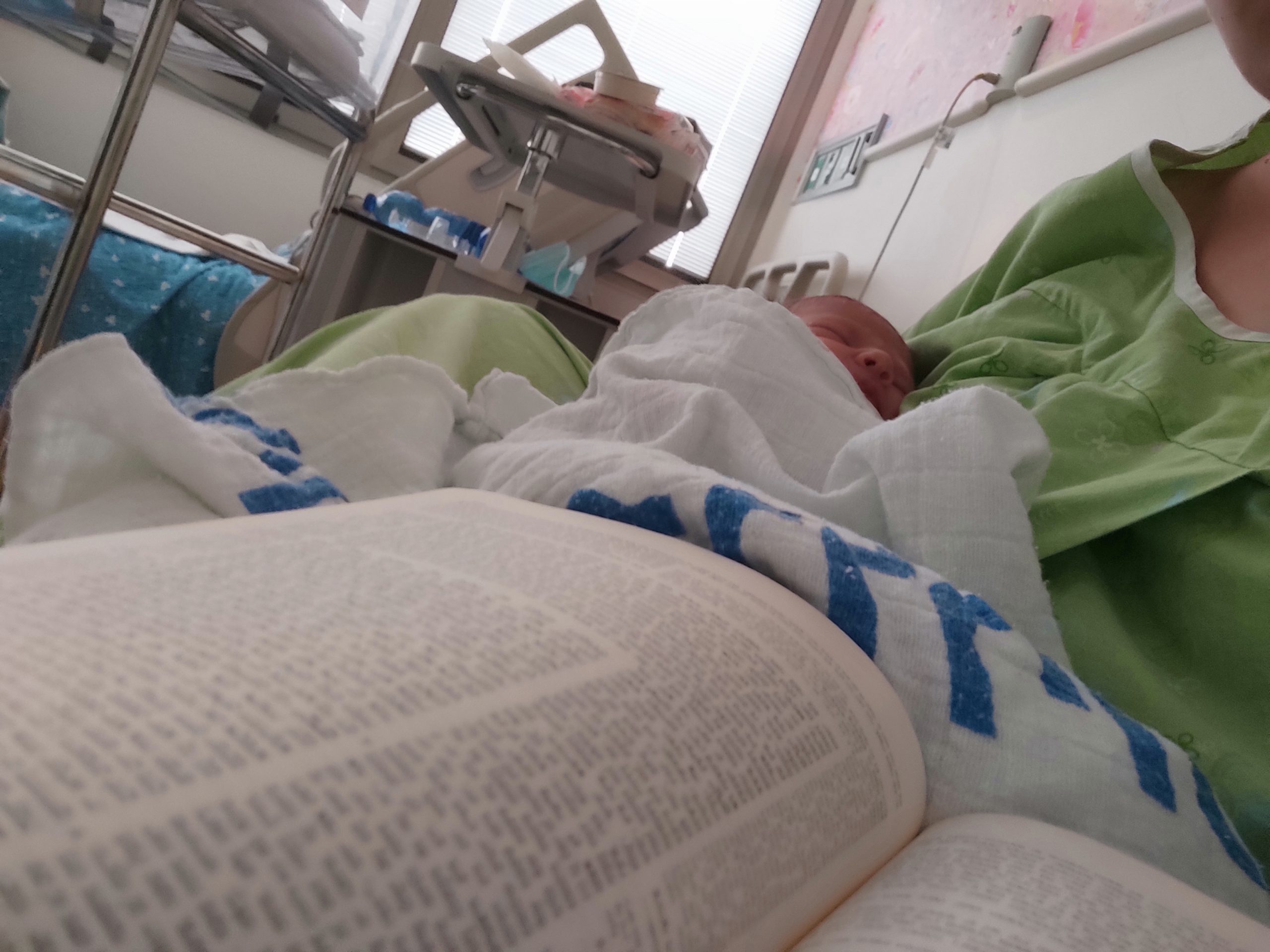
בתחילת הסבב הנוכחי הצטברו אצלי תחושות שאני לא מבינה מספיק מהי ההלכה אותה אני מקיימת בכל יום. כמו כן, כאמא לבנות רציתי לתת להן מודל נשי של לימוד תורה
שתי הסיבות האלו הובילו אותי להתחיל ללמוד. נתקלתי בתגובות מפרגנות וסקרניות איך אישה לומדת גמרא..
כמו שרואים בתמונה אני ממשיכה ללמוד גם היום ואפילו במחלקת יולדות אחרי לידת ביתי השלישית.

Noa Shiloh
נועה שילה

רבבה, ישראל

בבא קמא לה

אַף הוּא נָמֵי דְּלָא קָבָעֵי לֵיהּ; וְקָתָנֵי: פָּטוּר – מִפְּנֵי שֶׁהוּא נִדּוֹן בְּנַפְשׁוֹ!

so too, in the case where he set the fire, it is presumably a case where he does not need the ashes. And nevertheless, the mishna teaches that he is exempt because he is sentenced to death. Apparently, one who lights a fire on Shabbat is liable even if he does not need the ashes, contrary to the opinion of Rabbi Yoḥanan.

לֹא; שׁוֹרוֹ דּוּמְיָא דִידֵיהּ – מָה הוּא דְּקָבָעֵי לֵיהּ, אַף שׁוֹרוֹ דְּקָבָעֵי לֵיהּ.

The Gemara rejects this proof: No, the comparison is the other way around; the case where his ox set the fire is similar to the case where he set the fire. Just as the case where he is liable for lighting a fire on Shabbat is one where he needs the ashes, so too, the case of his ox setting fire to the haystack is one where it needs the ashes.

שׁוֹרוֹ הֵיכִי מַשְׁכַּחַתְּ לַהּ? אֲמַר לֵיהּ רַב אַוְיָא: הָכָא בְּמַאי עָסְקִינַן – בְּשׁוֹר פִּקֵּחַ שֶׁעָלְתָה לוֹ נְשִׁיכָה בְּגַבּוֹ, וְקָא בָּעֵי לְמִקְלְיֵיהּ וְאִיגַּנְדַּר בְּקִוטְמָא.

The Gemara asks: In the case where his ox set the fire, how can you find these circumstances, where it did so because it needed the ashes? Rav Avya said to him: Here we are dealing with an intelligent ox that was bitten on its back and wants to burn down the haystack and then roll around [iggandar] in the ashes in order to heal the bite.

וּמְנָא יָדְעִינַן? דִּלְבָתַר דְּקַלְיֵיהּ קָמִגַּנְדַּר בְּקִוטְמָא.

The Gemara asks: And from where do we know that this is the reason that it set the fire? The Gemara answers: Because after the ox burned the haystack, it was rolling around in the ashes.

וּמִי אִיכָּא כִּי הַאי גַוְונָא? אִין; דְּהָהוּא תּוֹרָא דַּהֲוָה בֵּי רַב פָּפָּא דַּהֲוָה כָּיְבִין לֵיהּ חִינְכֵיהּ, עָיֵיל וּפַתְקֵיהּ לְנָזְיָיתָא, וְשָׁתֵי שִׁיכְרָא וְאִיתַּסִּי.

The Gemara asks: And is there really a case like this? The Gemara answers: Yes, as a certain ox that was at the house of Rav Pappa had a toothache. It went inside, and broke the lid of a utensil, and drank the liquor inside and was cured. Evidently there are oxen with this level of intelligence.

אֲמַרוּ רַבָּנַן קַמֵּיהּ דְּרַב פָּפָּא: מִי מָצֵית אָמְרַתְּ שׁוֹרוֹ דּוּמְיָא דִידֵיהּ?! וְהָא קָתָנֵי: שׁוֹרוֹ שֶׁבִּיֵּישׁ – פָּטוּר, וְהוּא שֶׁבִּיֵּישׁ – חַיָּיב. שׁוֹרוֹ דּוּמְיָא דִידֵיהּ נִתְכַּוֵּון לְבַיֵּישׁ – הֵיכִי מַשְׁכַּחַתְּ לַהּ?

The Sages said before Rav Pappa: How can you say that the case involving his ox is similar to the case involving him? But doesn’t the mishna teach: If his ox caused a person humiliation, he is exempt, but if he humiliated someone, he is liable? If the case of his ox is understood to be similar to the case involving him, how can you find a case where the ox intended to humiliate the person? One is liable for humiliating someone only when he intends to do so, and an ox never has intention to humiliate.

כְּגוֹן שֶׁנִּתְכַּוֵּון לְהַזִּיק. דְּאָמַר מָר: נִתְכַּוֵּון לְהַזִּיק – אַף עַל פִּי שֶׁלֹּא נִתְכַּוֵּון לְבַיֵּישׁ.

The Gemara answers: It is a case where the ox intended to cause injury. If it was the action of a person, he would be liable for the humiliation he caused as well, as the Master said: In a case where a person intended to cause injury, he is liable for humiliation even if he did not intend to humiliate his victim.

רָבָא אָמַר: מַתְנִיתִין בְּשׁוֹגֵג,

Rava said a different solution with regard to the difficulty that the mishna poses to the opinion of Rabbi Yoḥanan: The mishna is referring to a case where one lit a fire on Shabbat unintentionally. Although he is not liable to receive the death penalty, nevertheless, since he performed a prohibited action that would carry the death penalty were it to be performed deliberately, he is still exempt from monetary restitution.

וְכִדְתָנָא דְּבֵי חִזְקִיָּה – דְּתָנָא דְּבֵי חִזְקִיָּה: מַכֵּה אָדָם וּמַכֵּה בְּהֵמָה;

The Gemara explains: This is in accordance with what the school of Ḥizkiyya taught, as the school of Ḥizkiyya taught: The verse states: “And he who kills an animal shall pay for it, and he who kills a man shall be put to death” (Leviticus 24:21), indicating that one who kills a man and one who kills an animal are comparable.

מָה מַכֵּה בְּהֵמָה – לֹא חִלַּקְתָּ בָּהּ בֵּין שׁוֹגֵג בֵּין מֵזִיד, בֵּין מִתְכַּוֵּון לְשֶׁאֵין מִתְכַּוֵּון, בֵּין דֶּרֶךְ יְרִידָה לְדֶרֶךְ עֲלִיָּיה, לְפוֹטְרוֹ מָמוֹן אֶלָּא לְחַיְּיבוֹ מָמוֹן; אַף מַכֵּה אָדָם – לֹא תַּחְלוֹק בּוֹ בֵּין שׁוֹגֵג לְמֵזִיד, בֵּין מִתְכַּוֵּון לְשֶׁאֵין מִתְכַּוֵּון, בֵּין דֶּרֶךְ יְרִידָה לְדֶרֶךְ עֲלִיָּיה, לְחַיְּיבוֹ מָמוֹן אֶלָּא לְפוֹטְרוֹ מָמוֹן.

This teaches that just as with regard to one who kills an animal, the Torah did not differentiate between whether he does so unintentionally or whether he does so intentionally, whether advertently or inadvertently, whether by way of descent or by way of ascent, and this was not to exempt him from paying monetary restitution in all these cases but rather to render him liable to pay monetary restitution, as one who kills an animal is liable in any event, similarly, with regard to one who kills a man, do not differentiate between whether he does so intentionally or unintentionally, whether advertently or inadvertently, whether by way of descent or by way of ascent, and this was not to render him liable to pay monetary restitution for the damage he causes in the process of killing him, but rather to exempt him from paying monetary restitution in any event. It is derived from here that one who commits a transgression carrying the death penalty is exempt from paying damages for his action, even if he is not in practice given the death penalty.

אֲמַרוּ לֵיהּ רַבָּנַן לְרָבָא: מִי מָצֵית מוֹקְמַתְּ לַהּ בְּשׁוֹגֵג? וְהָא ״מִפְּנֵי שֶׁנִּדּוֹן בְּנַפְשׁוֹ״ קָתָנֵי!

The Sages said to Rava: Can you really interpret the mishna as referring to a case where the transgression was unintentional? But doesn’t it teach that the transgressor is exempt because he is sentenced to death, which is only the case if the transgression was intentional?

הָכִי קָאָמַר: כֵּיוָן דִּבְמֵזִיד נִדּוֹן בְּנַפְשׁוֹ, וְהֵיכִי דָּמֵי – דְּקָא בָּעֵי לְאֶפְרוֹ; הַשְׁתָּא בְּשׁוֹגֵג – פָּטוּר.

Rava answered that this is what the mishna is saying: He is exempt, since when this action is performed intentionally, the transgressor is liable to be sentenced to death. And what are the circumstances in which one is liable to receive the death penalty for deliberately lighting a fire on Shabbat? It is a case where he needs the ashes. Therefore, even now, when the transgression was unintentional, he is exempt from paying damages.

מַתְנִי׳ שׁוֹר שֶׁהָיָה רוֹדֵף אַחַר שׁוֹר אַחֵר, וְהוּזַּק; זֶה אוֹמֵר: ״שׁוֹרְךָ הִזִּיק״, וְזֶה אוֹמֵר: ״לֹא כִי, אֶלָּא בְּסֶלַע לָקָה״ – הַמּוֹצִיא מֵחֲבֵירוֹ עָלָיו הָרְאָיָה.

MISHNA: With regard to an ox that was pursuing another ox, and the ox being pursued became injured, but there are no witnesses as to how it was injured, and this one, the owner of the injured ox, says to the owner of the pursuing ox: Your ox injured my ox, and you are liable to pay me damages, and that one, the owner of the pursuing ox, says in response: No; rather, it was hurt by a rock, and I am not liable, then in this case, the burden of proof rests upon the claimant. As long as the owner of the injured ox cannot prove that the injury was inflicted by the pursuing ox, the owner of the pursuing ox is not liable.

הָיוּ שְׁנַיִם רוֹדְפִים אַחַר אֶחָד, זֶה אוֹמֵר: ״שׁוֹרְךָ הִזִּיק״, וְזֶה אוֹמֵר: ״שׁוֹרְךָ הִזִּיק״ –

In a case where two oxen, belonging to two different owners, were pursuing one ox belonging to a third person, and that ox was injured by one of the pursuing oxen, and this one, the owner of one of the pursuing oxen, says to the owner of the other: It was your ox that caused the injury, and that one, the owner of the other pursuing ox, says: No, it was your ox that caused the injury,

שְׁנֵיהֶם פְּטוּרִים. אִם הָיוּ שְׁנֵיהֶם שֶׁל אִישׁ אֶחָד – שְׁנֵיהֶם חַיָּיבִים.

the two of them are exempt, since each of them rejects the claim of the injured party that his ox caused the injury. If both oxen belonged to one person, both are liable, as will be explained in the Gemara.

הָיָה אֶחָד גָּדוֹל וְאֶחָד קָטָן, הַנִּיזָּק אוֹמֵר: ״גָּדוֹל הִזִּיק״, וְהַמַּזִּיק אוֹמֵר: ״לֹא כִי, אֶלָּא קָטָן הִזִּיק״; אֶחָד תָּם וְאֶחָד מוּעָד, הַנִּיזָּק אוֹמֵר: ״מוּעָד הִזִּיק״, וְהַמַּזִּיק אוֹמֵר: ״לֹא כִי, אֶלָּא תָּם הִזִּיק״ – הַמּוֹצִיא מֵחֲבֵירוֹ עָלָיו הָרְאָיָה.

If the pursuing oxen both belonged to one person, and were both innocuous, so that restitution is paid exclusively from proceeds of the sale of the belligerent ox, and one was large and the other one small, in this case, if the injured party says that the large ox caused the damage, and he is therefore entitled to receive restitution for half the damage from the value of the large ox, but the one liable for damage says: No; rather, the small ox caused the damage, and half of its value is not sufficient to cover half the damage; or, similarly, in a case where one ox is innocuous and one is forewarned, and the injured party says: The forewarned ox caused the damage, and the injured party is therefore eligible to receive full damages, but the one liable for damage says: No; rather, the innocuous ox caused the damage, in which case he is liable to pay only half the damage; in both of the above cases, the principle is that the burden of proof rests upon the claimant.

הָיוּ הַנִּיזָּקִין שְׁנַיִם – אֶחָד גָּדוֹל וְאֶחָד קָטָן, וְהַמַּזִּיקִין שְׁנַיִם – אֶחָד גָּדוֹל וְאֶחָד קָטָן; הַנִּיזָּק אוֹמֵר: ״גָּדוֹל הִזִּיק אֶת הַגָּדוֹל, וְקָטָן אֶת הַקָּטָן״, וְהַמַּזִּיק אוֹמֵר: ״לֹא כִי, אֶלָּא קָטָן אֶת הַגָּדוֹל, וְגָדוֹל אֶת הַקָּטָן״; אֶחָד תָּם וְאֶחָד מוּעָד, הַנִּיזָּק אוֹמֵר: ״מוּעָד הִזִּיק אֶת הַגָּדוֹל, וְתָם אֶת הַקָּטָן״, וְהַמַּזִּיק אוֹמֵר: ״לֹא כִי, אֶלָּא תָּם אֶת הַגָּדוֹל, וּמוּעָד אֶת הַקָּטָן״ – הַמּוֹצִיא מֵחֲבֵירוֹ עָלָיו הָרְאָיָה.

If the injured animals were two oxen, one large and the other one small, and the ones that caused the damage were also two oxen, one large and one small, and the injured party says: The large one injured the large one and the small one injured the small one, and the one liable for damage says: No; rather, the small one injured the large one, in which case, if half the value of the belligerent ox does not cover half the damage, he is not required to pay more, and the large one injured the small one; or, similarly, if one of the belligerent oxen was innocuous and one forewarned, and the injured party says: The forewarned ox injured the large one, and the innocuous ox injured the small one, and the one liable for damage says: No; rather, the innocuous ox injured the large one and the forewarned ox injured the small one; here too, the burden of proof rests upon the claimant.

גְּמָ׳ אָמַר רַבִּי חִיָּיא בַּר אַבָּא: [זֹאת אוֹמֶרֶת] חֲלוּקִים עָלָיו חֲבֵירָיו עַל סוֹמְכוֹס, דְּאָמַר: מָמוֹן הַמּוּטָּל בְּסָפֵק – חוֹלְקִין.

GEMARA: The mishna rules that in a case where there is uncertainty with regard to whether it was the pursuing ox that caused the injury to the other ox, the burden of proof rests upon the claimant. Rabbi Ḥiyya bar Abba says: That is to say that the colleagues of Sumakhos, who says that property of uncertain ownership is divided, disagree with his opinion.

אֲמַר לֵיהּ רַבִּי אַבָּא בַּר מֶמֶל לְרַבִּי חִיָּיא בַּר אַבָּא: אָמַר סוֹמְכוֹס אֲפִילּוּ בָּרִי וּבָרִי? אֲמַר לֵיהּ: אִין, אָמַר סוֹמְכוֹס אֲפִילּוּ בָּרִי וּבָרִי.

Rabbi Abba bar Memel said to Rabbi Ḥiyya bar Abba: Does Sumakhos state this principle even in the case of a certain claim and a certain claim, i.e., where both parties maintain the certainty of their claims, as appears to be the case in the mishna? Rabbi Ḥiyya bar Abba said to him: Yes, Sumakhos says this even in a case of a certain claim and a certain claim.

וּמִמַּאי דְּמַתְנִיתִין בְּבָרִי וּבָרִי הוּא? דְּקָתָנֵי: זֶה אוֹמֵר שׁוֹרְךָ הִזִּיק, וְזֶה אוֹמֵר לֹא כִי.

The Gemara asks: And from where is it inferred that the mishna is referring to a case of a certain claim and a certain claim? As it teaches that this one, the owner of the injured ox, says: Your ox injured my ox, and that one, the owner of the pursuing ox, says: No, rather etc., indicating that both make their claims with certainty.

מַתְקֵיף לַהּ רַב פָּפָּא: מִדְּרֵישָׁא בָּרִי וּבָרִי – סֵיפָא נָמֵי בָּרִי וּבָרִי;

Rav Pappa objects to this interpretation of the case: From the suggestion that the case in the first clause of the mishna is one where there is a certain claim and a certain claim, it may be inferred that the latter clause, the subsequent clause in the mishna, also is referring to a case where there is a certain claim and a certain claim.

אֵימָא סֵיפָא: הָיָה אֶחָד גָּדוֹל וְאֶחָד קָטָן, נִיזָּק אוֹמֵר: ״גָּדוֹל הִזִּיק״, וּמַזִּיק אוֹמֵר: ״לֹא כִי, אֶלָּא קָטָן הִזִּיק״; אֶחָד תָּם וְאֶחָד מוּעָד, נִיזָּק אוֹמֵר: ״מוּעָד הִזִּיק״, וְהַמַּזִּיק אוֹמֵר: ״לֹא כִי, אֶלָּא תָּם הִזִּיק״ – הַמּוֹצִיא מֵחֲבֵירוֹ עָלָיו הָרְאָיָה;

If so, say the latter clause: If one was large and the other one small, and the injured party says that the large ox caused the damage, and the one liable for damage says: No; rather, the small ox caused the damage; or if one ox is innocuous and one is forewarned, and the injured party says: The forewarned ox caused the damage, but the one liable for damage says: No; rather, the innocuous ox caused the damage, the burden of proof rests upon the claimant.

הָא לָא מַיְיתֵי רְאָיָה – שָׁקֵיל כִּדְאָמַר מַזִּיק; נֵימָא תִּהְוֵי תְּיוּבְתָּא דְּרַבָּה בַּר נָתָן – דְּאָמַר: טְעָנוֹ חִטִּים וְהוֹדָה לוֹ בִּשְׂעוֹרִים – פָּטוּר?

This indicates that if he does not bring proof, he takes compensation according to what the one liable for damage says. If it is a case where both parties maintain certainty of their claims, let us say that this mishna is a conclusive refutation of the statement of Rabba bar Natan, who says that if one claims that another owes him wheat, which he claims he deposited with him, and the other concedes that he owes him barley, which is less expensive than wheat, he is exempt from any payment, since he did not admit to what was claimed, and what he did admit was not claimed. Similarly, here, the injured party claims that it was the large ox that injured his ox, and the defendant admits that his small ox caused the injury, but not the large ox. His admission does not correspond to the claim. Yet, he is apparently liable to pay according to his admission, contrary to the ruling of Rabba bar Natan.

אֶלָּא בְּבָרִי וְשֶׁמָּא.

Rather, this clause must be referring to a case where there is a certain claim and an uncertain claim, i.e., one party maintains certainty of his claim, while the other merely states his claim as a possibility.

דְּקָאָמַר בָּרִי מַאן, דְּקָאָמַר שֶׁמָּא מַאן? אִי נֵימָא דְּקָאָמַר נִיזָּק בָּרִי וְקָאָמַר מַזִּיק שֶׁמָּא, אַכַּתִּי לֵימָא תִּהְוֵי תְּיוּבְתָּא דְּרַבָּה בַּר נָתָן!

The Gemara asks: Who is the one who states a certain claim, and who is the one who states an uncertain claim? If we say that it is the injured party who states with a certain claim that the large ox caused the injury, and it is the one liable for damage who states an uncertain claim that it was the small one, let us still say that the mishna is a conclusive refutation of the opinion of Rabba bar Natan, since the defendant does not admit to the claim of the injured party, and nevertheless he is liable to pay compensation from the small one.

אֶלָּא דְּקָאָמַר נִיזָּק שֶׁמָּא, וְקָאָמַר מַזִּיק בָּרִי.

Rather, it must be a case where the injured party states an uncertain claim that it was the large ox that caused the injury, and the one liable for damage states a certain claim that it was the small one. Since the claimant does not contradict the defendant’s admission, the latter is liable to pay the amount that he admitted he owes.

וּמִדְּסֵיפָא נִיזָּק שֶׁמָּא וּמַזִּיק בָּרִי, רֵישָׁא נָמֵי נִיזָּק שֶׁמָּא וּמַזִּיק בָּרִי;

The Gemara notes: And from the fact that the latter clause of the mishna is referring to a case where the injured party states an uncertain claim and the one liable for damage states a certain claim, it may be inferred that the first clause is also referring to a case where the injured party states an uncertain claim that it was the defendant’s ox that injured his ox, and the one liable for damage states a certain claim that it was injured by a stone. It is not referring to a case of two certain claims as inferred above.

וְאָמַר סוֹמְכוֹס אֲפִילּוּ בְּהָא – דְּאִיצְטְרִיךְ לְאַשְׁמוֹעִינַן דְּלָא?!

The Gemara asks: And does Sumakhos state his ruling that the disputed property is divided between the two parties even with regard to this case, where the claimant states an uncertain claim, so that it was necessary for the mishna to teach us that according to the other Rabbis it is not divided? Certainly Sumakhos would concede that in this case the burden of proof rests upon the claimant.

לָא; סֵיפָא נִיזָּק שֶׁמָּא וּמַזִּיק בָּרִי, רֵישָׁא נִיזָּק בָּרִי וּמַזִּיק שֶׁמָּא.

The Gemara answers: No; although the latter clause is referring to a case where the injured party states an uncertain claim and the one liable for damage states a certain claim, the first clause is referring to a case where the injured party states a certain claim and the one liable for damage states an uncertain claim. It is with regard to this case that the Rabbis disagree with the opinion of Sumakhos that the property is divided.

וְהָא לָא דָּמְיָא רֵישָׁא לְסֵיפָא!

The Gemara questions this interpretation: But according to this interpretation, the first clause is not similar to the last clause. Why not explain the first clause as referring to a case of two certain claims?

אָמְרִי: בָּרִי וְשֶׁמָּא, שֶׁמָּא וּבָרִי – חַד מִילְּתָא הִיא; בָּרִי וּבָרִי, שֶׁמָּא וּבָרִי – תְּרֵי מִילֵּי נִינְהוּ.

The Sages said in response: A case of a certain claim and an uncertain claim, and a case of an uncertain claim and a certain claim, are one matter. Therefore, the two clauses are congruent. By contrast, a case of a certain claim and a certain claim, and a case of an uncertain claim and a certain claim, are two matters. Therefore, the first clause of the mishna cannot be referring to a case of two certain claims.

גּוּפָא – אָמַר רַבָּה בַּר נָתָן: טְעָנוֹ חִטִּין וְהוֹדָה לוֹ בִּשְׂעוֹרִין – פָּטוּר. מַאי קָא מַשְׁמַע לַן? תְּנֵינָא: טְעָנוֹ חִטִּין וְהוֹדָה לוֹ בִּשְׂעוֹרִין – פָּטוּר!

§ The Gemara returns to discuss the matter itself that was mentioned above. Rabba bar Natan says: If one claims that another owes him wheat, and the other concedes that he owes him barley, the latter is exempt from payment. The Gemara asks: What novel element is this teaching us? We already learned it in a mishna: If one claims that another owes him wheat, and the other concedes that he owes him barley, he is exempt (Shevuot 38b).

אִי מֵהָתָם, הֲוָה אָמֵינָא: פָּטוּר מִדְּמֵי חִטִּין, וְחַיָּיב בִּדְמֵי שְׂעוֹרִין. קָא מַשְׁמַע לַן דְּפָטוּר לִגְמָרֵי.

The Gemara answers: If it had been taught only from there, I would say the mishna means that he is exempt from payment of the value of the wheat but liable to pay the value of the barley, which he conceded that he owes. Therefore, Rabba bar Natan teaches us that the mishna means that he is completely exempt, even from paying for the barley.

תְּנַן: הָיוּ הַנִּיזָּקִין שְׁנַיִם – אֶחָד גָּדוֹל וְאֶחָד קָטָן וְכוּ׳. הָא לָא מַיְיתֵי רְאָיָה – שָׁקֵיל כִּדְקָאָמַר מַזִּיק; אַמַּאי? חִטִּים וּשְׂעוֹרִים נִינְהוּ!

The Gemara raises an objection to this statement: We learned in the mishna here that if the injured animals were two oxen, one large and the other one small, and the ones that caused the damage were also two oxen, one large and one small, and the injured party claims that the large one injured the large one, and the small one injured the small one, and the liable party claims that the small one injured the large one, and the large one injured the small one, the burden of proof rests upon the claimant. This indicates that if the injured party does not bring proof for his claim, he takes compensation according to what the one liable for damage says. According to Rabba bar Natan’s statement, why does he receive compensation at all? The case is parallel to the case of wheat and barley, and the defendant should be entirely exempt.

רָאוּי לִיטּוֹל – וְאֵין לוֹ.

The Gemara answers: The mishna does not indicate that the injured party receives compensation, rather, that it is fitting for him to take compensation. But in practice he does not receive any compensation.

וְהָתַנְיָא: הֲרֵי זֶה מִשְׁתַּלֵּם עַל הַקָּטָן מִן הַגָּדוֹל, וְלַגָּדוֹל מִן הַקָּטָן!

The Gemara asks: But isn’t it taught in a baraita that the injured party receives payment for his small ox from the liable party’s large ox, and for his large ox from the liable party’s small ox? Evidently he does receive payment.

דִּתְפַס.

The Gemara answers: The baraita is referring to a case where the injured party seized the defendant’s ox, in which case the court allows it to remain in his possession, since his taking it was appropriate, although the court cannot compel the defendant to pay him ab initio.

תְּנַן: הָיָה אֶחָד תָּם וְאֶחָד מוּעָד, הַנִּיזָּק אוֹמֵר: ״מוּעָד הִזִּיק אֶת הַגָּדוֹל, וְתָם אֶת הַקָּטָן״, וְהַמַּזִּיק אוֹמֵר: ״לֹא כִי, אֶלָּא תָּם אֶת הַגָּדוֹל, וּמוּעָד אֶת הַקָּטָן״ – הַמּוֹצִיא מֵחֲבֵירוֹ עָלָיו הָרְאָיָה. הָא לָא מַיְיתֵי רְאָיָה – שָׁקֵיל כִּדְקָאָמַר מַזִּיק; וְאַמַּאי? חִטִּין וּשְׂעוֹרִין נִינְהוּ!

The Gemara raises an objection to Rabba bar Natan’s statement from the last clause of the mishna as well: We learned in the mishna that if one of the belligerent oxen was innocuous and the other one was forewarned, and the injured party says: The forewarned ox injured the large one and the innocuous ox injured the small one, and the one liable for damage says: No; rather, the innocuous ox injured the large one and the forewarned ox injured the small one, in this case, the burden of proof rests upon the claimant. This indicates that if he does not bring proof for his claim, he takes compensation according to what the one liable for damage says. Why does he receive compensation at all? The case is parallel to the case of wheat and barley.

רוצה לעקוב אחרי התכנים ולהמשיך ללמוד?

ביצירת חשבון עוד היום ניתן לעקוב אחרי ההתקדמות שלך, לסמן מה למדת, ולעקוב אחרי השיעורים שמעניינים אותך.
לנקות את כל הפריטים מהרשימה?

פעולה זו תסיר את כל הפריטים בחלק זה כולל ההתקדמות וההיסטוריה. שימי לב: לא ניתן לשחזר פעולה זו.

ביטול
מחיקה

האם את/ה בטוח/ה שברצונך למחוק פריט זה?

תאבד/י את כל ההתקדמות או ההיסטוריה הקשורות לפריט זה.

ביטול
מחיקה