







מדוע בפסוק לגבי שור מועד מוזכר שהשור הרג "איש או אשה”? מכאן למד רבי עקיבא שתשלום הכופר לאישה מגיע ליורשיה ולא לבעלה. זאת משום שבעל יורש את רכושה של אשתו שהיה בבעלותה בעת מותה (מוחזק), אך לא כסף שיגיע לה לאחר מותה (ראוי). יש דיון על כסף שחייבים לאישה (אם היא בעלת חוב) האם זה נחשב בידיה בשעת פטירה או לא? האם זה תלוי אם משלמים בכסף או בקרקע? יש מחלוקת בין שלושה אמוראים האם יש תשלום כופר על מקרה שבו הבמה הרגה אדם בלא כוונה והאם יש לשלם קנס של שלושים שקלים אם הרג עבד בלא כוונה? האם תשלום הכופר/קנס לעבד קשור באופן אינטגרלי לחובה לסקול את הבהמה (כלומר, אם הבהמה לא נסקלת, אין כופר או קנס)? אם אין תשלום כופר/קנס, האם יש תשלום דמים (דמי פיצוי למשפחה של הנהרג)?
הלימוד השבוע מוקדש לזכות ולשלום הַיְימׇנוֹט אֱמוּנָה בַּת באנצ’י (קָסָאוּ) בת 11 שנעלמה במקום מגוריה בצפת, לפני שנתיים, ביום ט”ז אדר תשפ”ד (25.2.24), ולא נודעו עקבותיה.
הלימוד השבוע מוקדש למען ביטחון המדינה, החיילים והאזרחים, ולמען חירותו של העם האיראני. שנזכה בקרוב שיתקיים בנו הפסוק: "לַיְּהוּדִים הָיְתָה אוֹרָה וְשִׂמְחָה וְשָׂשֹׂן וִיקָר”.
רוצה להקדיש שיעור?

0:00
0:00
כלים
הלימוד השבוע מוקדש לזכות ולשלום הַיְימׇנוֹט אֱמוּנָה בַּת באנצ’י (קָסָאוּ) בת 11 שנעלמה במקום מגוריה בצפת, לפני שנתיים, ביום ט”ז אדר תשפ”ד (25.2.24), ולא נודעו עקבותיה.
הלימוד השבוע מוקדש למען ביטחון המדינה, החיילים והאזרחים, ולמען חירותו של העם האיראני. שנזכה בקרוב שיתקיים בנו הפסוק: "לַיְּהוּדִים הָיְתָה אוֹרָה וְשִׂמְחָה וְשָׂשֹׂן וִיקָר”.
בבא קמא מג
אוֹ גִיּוֹרֶת – זָכָה!
and subsequently married a Canaanite slave who had also been emancipated, and became pregnant from him, or if she was a convert who became pregnant from a male convert, and both the husband and wife died without heirs, the assailant gains by not having to pay, since there are no heirs. In any event, it is explicitly stated in the baraita that the beneficiary of the compensation due to her, including that which she would have received during her lifetime, is not her husband but rather her heirs.
אָמַר רַבָּה: בִּגְרוּשָׁה. וְכֵן אָמַר רַב נַחְמָן: בִּגְרוּשָׁה.
Rabba said: This baraita relates to a divorcée; since they got divorced, the husband does not inherit from her. Likewise, Rav Naḥman said: The baraita relates to a divorcée.
אָמְרִי: גְּרוּשָׁה נָמֵי תִּיפְלוֹג בִּדְמֵי וְלָדוֹת!
The Sages said in response: If she is a divorcée, she should also share in the compensation for the miscarried offspring. Why should her ex-husband receive the full payment?
אָמַר רַב פָּפָּא: הַתּוֹרָה זִכְּתָה דְּמֵי וְלָדוֹת לַבַּעַל, אֲפִילּוּ בָּא עָלֶיהָ בִּזְנוּת. מַאי טַעְמָא? אָמַר קְרָא ״כַּאֲשֶׁר יָשִׁית עָלָיו בַּעַל הָאִשָּׁה״.
Rav Pappa said: The Torah awarded the payment of compensation for miscarried offspring to the husband, even if he is not actually her legal husband but rather engaged in licentious sexual intercourse with her. Although he has no rights to her property, the damages for the miscarried offspring belong to him alone, as he is the father of the offspring. What is the reason? The verse states: “As the husband [ba’al] of the woman shall impose upon him” (Exodus 21:22), indicating that damages are not collected by the woman, but by the man who engaged in intercourse [ba’al] with her, impregnating her. Therefore, if they got divorced, the ex-husband receives the payment.
וְנוֹקְמַהּ לְרַבָּה כְּגוֹן שֶׁגָּבוּ מָעוֹת, וּלְרַב נַחְמָן כְּגוֹן שֶׁגָּבוּ קַרְקַע!
The Gemara asks: Why do Rabba and Rav Naḥman explain this baraita as referring to a divorcée? They could have answered, in accordance with their own opinions elsewhere (Bava Batra 124b), that it is referring to payments that are not considered to have been in the woman’s possession during her lifetime, but rather are considered property due to the woman, which her husband does not inherit. Let us establish this baraita, according to Rabba, as referring to a case where they collected money for the damage and pain, and according to Rav Naḥman, where they collected land.
דְּאָמַר רַבָּה: גָּבוּ קַרְקַע – יֵשׁ לוֹ, גָּבוּ מָעוֹת – אֵין לוֹ. וְרַב נַחְמָן אָמַר: גָּבוּ מָעוֹת – יֵשׁ לוֹ, גָּבוּ קַרְקַע – אֵין לוֹ.
As with regard to the right of a firstborn to receive a double portion of the inheritance of his father, he receives a double portion only of the property possessed by his father, not of the property due to him. In a case where money was owed to the father, Rabba says: If the heirs collected the debt from land, the firstborn has the right to a double portion, since it is considered property that was already in the father’s possession. If they collected money, he does not have a double portion, as it is considered property due to the father. And Rav Naḥman says: If they collected money, he has a double portion, and if they collected land, he does not have a double portion.
הָנֵי מִילֵּי לִבְנֵי מַעְרְבָא – אַלִּיבָּא דְּרַבָּנַן;
The Gemara answers: That statement applies according to the residents of the West, i.e., Eretz Yisrael, in accordance with the opinion of the Rabbis, who limit the rights of a firstborn to his father’s property to the extent that they hold he does not receive a double portion of any appreciation in the property occurring after his father’s death.
כִּי קָאָמְרִי הָכָא – כְּרַבִּי.
By contrast, when they state that this baraita here relates to a divorcée, it is in accordance with the opinion of Rabbi Yehuda HaNasi that the firstborn receives a double portion even in the appreciation of the property occurring after the father’s death. According to this opinion, clearly everything due to the father is considered to be in his possession, whether he receives his compensation in money or in land. The same applies to a husband, who inherits the rights to inherit compensation for damage and pain inflicted on his wife. That is why Rabba and Rav Naḥman had to interpret this baraita as relating to a divorcée.
אָמַר רַבִּי שִׁמְעוֹן בֶּן לָקִישׁ: שׁוֹר שֶׁהֵמִית אֶת הָעֶבֶד שֶׁלֹּא בְּכַוָּונָה – פָּטוּר מִשְּׁלֹשִׁים שְׁקָלִים, שֶׁנֶּאֱמַר: ״כֶּסֶף שְׁלֹשִׁים שְׁקָלִים יִתֵּן לַאדֹנָיו, וְהַשּׁוֹר יִסָּקֵל״ – כׇּל זְמַן שֶׁהַשּׁוֹר בִּסְקִילָה, הַבְּעָלִים מְשַׁלְּמִין שְׁלֹשִׁים שְׁקָלִים; אֵין הַשּׁוֹר בִּסְקִילָה, אֵין הַבְּעָלִים מְשַׁלְּמִין שְׁלֹשִׁים שְׁקָלִים.
§ Rabbi Shimon ben Lakish says: With regard to an ox that killed a Canaanite slave unintentionally, the owner is exempt from paying the fine of thirty shekels, as it is stated: “He shall give to their master thirty shekels of silver, and the ox shall be stoned” (Exodus 21:32). It is derived from the verse that the liability to pay thirty shekels is dependent on the stoning of the ox; whenever the ox is liable to be killed by stoning, the owner pays thirty shekels as compensation for the damage. If the ox is not liable to be killed by stoning, e.g., if it killed unintentionally, the owner does not pay thirty shekels.
אָמַר רַבָּה: שׁוֹר שֶׁהֵמִית בֶּן חוֹרִין שֶׁלֹּא בְּכַוָּונָה – פָּטוּר מִכּוֹפֶר, שֶׁנֶּאֱמַר: ״הַשּׁוֹר יִסָּקֵל, וְגַם בְּעָלָיו יוּמָת. אִם כֹּפֶר יוּשַׁת עָלָיו״ – כׇּל זְמַן שֶׁהַשּׁוֹר בִּסְקִילָה – בְּעָלִים מְשַׁלְּמִין כּוֹפֶר, אֵין הַשּׁוֹר בִּסְקִילָה – אֵין בְּעָלִים מְשַׁלְּמִין כּוֹפֶר.
Similarly, Rabba says: With regard to an ox that killed a freeman unintentionally, its owner is exempt from paying ransom; as it is stated: “The ox shall be stoned, and its owner also shall be put to death. If a ransom is laid on him” (Exodus 21:29–30). This indicates that whenever the ox is liable to be killed by stoning the owner pays ransom; and if the ox is not liable to be killed by stoning the owner does not pay ransom.
אֵיתִיבֵיהּ אַבָּיֵי: ״הֵמִית שׁוֹרִי אֶת פְּלוֹנִי״, אוֹ ״שׁוֹרוֹ שֶׁל פְּלוֹנִי״ – הֲרֵי זֶה מְשַׁלֵּם עַל פִּי עַצְמוֹ. מַאי, לָאו כּוֹפֶר?
Abaye raised an objection to Rabba’s statement from a mishna: If a person admits: My ox killed so-and-so, or: My ox killed the ox of so-and-so, this owner pays based on his own admission (Ketubot 41a). This cannot be referring to the payment of a fine, as a person who admits his responsibility for an act incurring a fine is exempt from paying the fine. Clearly, it must be referring to a payment for which one can render himself liable through admission. What, is it not referring to the payment of ransom? If so, this proves that payment of ransom is not dependent on whether the ox is liable to be killed by stoning, as the ox cannot be killed based on its owner’s admission alone.
לָא, דָּמִים.
The Gemara answers: No, it is referring to payment of the monetary value of the victim. Although he is not liable to pay ransom, as the ox is not killed, nevertheless, since by his own admission his ox caused damage, he is liable to pay damages.
אִי דָּמִים, אֵימָא סֵיפָא: ״הֵמִית שׁוֹרִי אֶת עַבְדּוֹ שֶׁל פְּלוֹנִי״ – אֵינוֹ מְשַׁלֵּם עַל פִּי עַצְמוֹ. וְאִי דָּמִים, אַמַּאי לָא?
Abaye challenged this answer: If it is referring to the value of the victim, say the latter clause of that mishna: If a person admits: My ox killed the Canaanite slave of so-and-so, he does not pay based on his own admission. And if, as you claim, the mishna is referring to the value of the victim, not to the thirty-shekel fine, why should he not pay?
אֲמַר לֵיהּ, יָכֵילְנָא לְשַׁנּוֹיֵי לָךְ: רֵישָׁא דָּמִים, וְסֵיפָא קְנָס; מִיהוּ שִׁנּוּיָיא דְחִיקָא לָא מְשַׁנֵּינָא לָךְ. אִידֵּי וְאִידֵּי דָּמִים.
Rabba said to Abaye: I could have answered you by saying that the former clause, which discusses an ox killing a freeman, is referring to the value of the victim, and the latter clause, which relates to an ox that gored a slave, is referring to payment of the thirty-shekel fine. But I will not answer you with a forced answer. Instead, I will answer as follows: Both this clause and that clause refer to the value of the victim;
מִיהוּ, בֶּן חוֹרִין דִּמְשַׁלֵּם כּוֹפֶר עַל פִּי עַצְמוֹ – וְהֵיכִי דָּמֵי? דְּאִי אֲתוֹ סָהֲדֵי וְאַסְהִידוּ בֵּיהּ דִּקְטַל, וְלָא יָדְעִי אִי תָּם הֲוָה אִי מוּעָד הֲוָה, וַאֲמַר מָרֵיהּ דְּמוּעָד הוּא, דִּמְשַׁלֵּם כּוֹפֶר עַל פִּי עַצְמוֹ – הֵיכָא דְּלֵיכָּא עֵדִים, מְשַׁלֵּם דָּמִים;
but there is a distinction between the two cases. With regard to an ox killing a freeman, there is a scenario where the owner pays ransom based on his own admission. And what are the circumstances? If witnesses came and testified that the ox killed a freeman and is therefore liable to be killed by stoning, but they did not know whether it was innocuous or if it was forewarned, and its owner said that it was forewarned. In this case, the owner pays ransom based on his own admission, since the ox is liable to be killed, and the ransom is for atonement and does not constitute a fine. Therefore, even where there are no witnesses, and the ox is therefore not liable to be killed by stoning for killing a person, nevertheless, the owner at least pays the monetary value of the victim based on his admission.
גַּבֵּי עֶבֶד, שֶׁאֵינוֹ מְשַׁלֵּם קְנָס עַל פִּי עַצְמוֹ – וְהֵיכִי דָּמֵי? דְּאִי אֲתוֹ עֵדִים וְאַסְהִידוּ בֵּיהּ דִּקְטַל, וְלָא יָדְעִי אִי תָּם הֲוָה אִי מוּעָד הֲוָה, וַאֲמַר מָרֵיהּ מוּעָד הוּא – לָא מִשְׁתַּלַּם קְנָס עַל פִּי עַצְמוֹ. הֵיכָא דְּלֵיכָּא עֵדִים – לָא מְשַׁלֵּם דָּמִים.
By contrast, with regard to an ox killing a slave, there is a scenario where one does not pay the fine of thirty shekels based on his own admission. And what are the circumstances where one would be liable to pay this fine due to his own admission? If witnesses came and testified that the ox killed a slave, but they did not know whether it was innocuous or if it was forewarned, and its owner said that it was forewarned. In this case, even though the ox is liable to be killed, the owner does not pay the fine based on his own admission, due to the principle that one does not pay a fine based on his own admission. Therefore, in a case where there are no witnesses, he does not even pay the value of the victim based on his own admission.
מֵתִיב רַב שְׁמוּאֵל בַּר רַב יִצְחָק: כֹּל שֶׁחַיָּיב בְּבֶן חוֹרִין – חַיָּיב בְּעֶבֶד, בֵּין בְּכוֹפֶר בֵּין בְּמִיתָה.
Rav Shmuel bar Rav Yitzḥak raises an objection from a baraita that states a principle: In any scenario where a person is liable for his ox killing a freeman, he is liable for his ox killing a Canaanite slave, whether with regard to liability to pay ransom or with regard to the ox being put to death.
כּוֹפֶר בְּעֶבֶד מִי אִיכָּא?! אֶלָּא לָאו דָּמִים?
The wording of the baraita is unclear: Is there a ransom to be paid in the case of a slave? Ransom is paid only for the killing of a freeman. Rather, is it not referring to payment of the value of the victim? This poses a difficulty for Rabba’s opinion that one is not liable to pay the value of the victim for admitting to his ox’s killing of a slave.
אִיכָּא דְּאָמְרִי: הוּא מוֹתֵיב לַהּ וְהוּא מְפָרֵק לַהּ, אִיכָּא דְאָמְרִי: אֲמַר לֵיהּ רַבָּה – הָכִי קָתָנֵי: כֹּל שֶׁחַיָּיב בְּבֶן חוֹרִין בְּכַוָּונָה עַל פִּי עֵדִים, כּוֹפֶר – חַיָּיב בְּעֶבֶד קְנָס. וְכֹל שֶׁחַיָּיב בְּבֶן חוֹרִין שֶׁלֹּא בְּכַוָּונָה עַל פִּי עֵדִים, דָּמִים – חַיָּיב בְּעֶבֶד שֶׁלֹּא בְּכַוָּונָה עַל פִּי עֵדִים, דָּמִים.
There are those who say that he, Rav Shmuel bar Rav Yitzḥak, raised the objection and he resolved it, and there are those who say it was Rabba who said to him in response, that this is what the baraita is teaching: In any scenario where a person is liable to pay ransom for his ox killing a freeman, e.g., where it gored intentionally based on the testimony of witnesses, he is liable to pay a fine for his ox killing a slave. And in any scenario where one is liable to pay the value of the victim for his ox killing a freeman, e.g., where it gored unintentionally based on the testimony of witnesses, for a slave too, one is liable to pay the value, namely, where it gored unintentionally based on the testimony of witnesses. Accordingly, one does not pay the value of a slave based on his own admission, although he does pay the value of a freeman if he admits that his ox killed him.
אֲמַר לֵיהּ רָבָא: אִי הָכִי, אִשּׁוֹ שֶׁלֹּא בְּכַוָּונָה עַל פִּי עֵדִים – נְשַׁלֵּם דָּמִים!
Rava said to Rabba: If that is so, that one is liable to pay the value of the victim in cases where he is exempt from paying ransom, then if a person burns another to death unintentionally with his fire, and the proof is based on the testimony of witnesses, he should, likewise, at least pay the value of the victim.
וּמְנָא לֵיהּ לְרָבָא דְּלָא מְשַׁלֵּם?
The Gemara asks: And from where does Rava know that he does not pay the value of the victim if he started the fire unintentionally?
אִילֵּימָא מִדִּתְנַן: הָיָה גְּדִי כָּפוּת לוֹ, וְעֶבֶד סָמוּךְ לוֹ וְנִשְׂרַף עִמּוֹ – חַיָּיב. עֶבֶד כָּפוּת לוֹ, וּגְדִי סָמוּךְ לוֹ וְנִשְׂרַף עִמּוֹ – פָּטוּר.
If we say that it is from what we learned in a mishna (61b): If one ignites a heap of grain and there was a goat bound to an item adjacent to it, and there was also a slave adjacent to it but not bound, and they were burned together with the heap of grain, he is liable to pay for the heap of grain and for the goat. If the slave was bound to it in such a way that he was unable to flee from the fire, and the goat was adjacent to it, and they were burned with it, he is exempt from liability. Apparently, there is no liability even if he unintentionally burned the slave to death.
הָאָמַר רֵישׁ לָקִישׁ: כְּגוֹן שֶׁהִצִּית בְּגוּפוֹ שֶׁל עֶבֶד, דְּקָם לֵיהּ בִּדְרַבָּה מִינֵּיהּ!
The Gemara comments: If this is Rava’s source, there is no proof from here. Didn’t Reish Lakish say that the mishna is referring to a case where he ignited the body of the slave directly, in which case he is exempt from paying damages because he receives the greater punishment of them? Since he is liable to receive court-imposed capital punishment for killing the slave, he is not liable to pay damages. Therefore, this does not serve as proof that one is not liable to pay the value of a fire victim.
וְאֶלָּא מֵהָא דְּתַנְיָא: חוֹמֶר בְּאֵשׁ מִבְּבוֹר – שֶׁהָאֵשׁ מוּעֶדֶת לֶאֱכוֹל בֵּין דָּבָר הָרָאוּי לָהּ בֵּין דָּבָר שֶׁאֵין רָאוּי לָהּ, מַה שֶּׁאֵין כֵּן בְּבוֹר. וְאִילּוּ שֶׁהָאֵשׁ מְשַׁלֶּמֶת שֶׁלֹּא בְּכַוָּונָה דָּמִים – מַה שֶּׁאֵין כֵּן בְּבוֹר, לָא קָתָנֵי!
And if Rava’s proof is rather from that which is taught in a baraita (10a): The stringency that applies to Fire as opposed to Pit is that the one responsible for Fire is considered forewarned with regard to its consuming both something that is fitting for it and something that is not fitting for it, i.e., both flammable and non-flammable items. This is not so with regard to Pit, as damages are not paid for everything that can be damaged by a pit. But the baraita does not teach: That with regard to Fire, one is liable to pay the value of the victim even if the fire was ignited unintentionally. This is not so with regard to Pit. This would seem to support Rava’s opinion that one is not liable to pay the value of an unintentional victim of fire.
דִּלְמָא תְּנָא וְשַׁיַּיר?
The Gemara comments: If this is Rava’s source, there is no proof from here. Perhaps the baraita taught one distinction and omitted another; it simply did not enumerate all the differences.
אֶלָּא רָבָא גּוּפֵיהּ אִבְּעוֹיֵי מִבַּעְיָא לֵיהּ: אִשּׁוֹ שֶׁלֹּא בְּכַוָּונָה – מִי מְשַׁלֵּם דָּמִים, אוֹ לָא?
Rather, Rava’s statement should not be understood as an objection to Rabba’s opinion, as Rava himself had a dilemma with regard to the matter: If a person burns another to death unintentionally with his fire, does he pay the value of the victim or not?
מִי אָמְרִינַן: גַּבֵּי שׁוֹר הוּא דִּבְכַוָּונָה מְשַׁלֵּם כּוֹפֶר – שֶׁלֹּא בְּכַוָּונָה מְשַׁלֵּם דָּמִים; אֲבָל אִשּׁוֹ, דִּבְכַוָּונָה לָא מְשַׁלֵּם כּוֹפֶר – שֶׁלֹּא בְּכַוָּונָה נָמֵי לָא מְשַׁלֵּם דָּמִים; אוֹ דִלְמָא, כֵּיוָן דְּגַבֵּי שׁוֹרוֹ שֶׁלֹּא בְּכַוָּונָה – אַף עַל גַּב דְּלֵיכָּא כּוֹפֶר, מְשַׁלֵּם דָּמִים; גַּבֵּי אִשּׁוֹ נָמֵי, אַף עַל גַּב דִּבְכַוָּונָה לָא מְשַׁלֵּם כּוֹפֶר, שֶׁלֹּא בְּכַוָּונָה מִיהַת מְשַׁלֵּם דָּמִים?
The Gemara elaborates on the question: Do we say that it is specifically with regard to death caused by one’s ox, where if it was done intentionally he pays ransom and where it was done unintentionally he pays the victim’s monetary value instead; but with regard to death caused by his fire, where even if it was done intentionally he does not pay ransom, if it was done unintentionally he does not pay the value either? Or perhaps, since with regard to the case where his ox gored unintentionally, although there is no liability to pay ransom, nevertheless, he at least pays the value of the victim. One should say that with regard to his fire too, even though in a case where it was done intentionally he does not pay ransom, when it was done unintentionally, he should pay the value in any event.
וְלָא יָדְעִינַן, תֵּיקוּ.
The Gemara concludes: And we do not know the solution to this dilemma, which shall stand unresolved.
כִּי אֲתָא רַב דִּימִי, אָמַר רַבִּי יוֹחָנָן: ״כֹּפֶר״; מָה תַּלְמוּד לוֹמַר ״אִם כֹּפֶר״? לְרַבּוֹת כּוֹפֶר שֶׁלֹּא בְּכַוָּונָה – כְּכוֹפֶר בְּכַוָּונָה.
§ With regard to Rabba’s statement that for an ox that killed a person unintentionally one is exempt from paying ransom, the Gemara relates that when Rav Dimi came from Eretz Yisrael, he reported that Rabbi Yoḥanan says: It would have been sufficient for the verse to state: “A ransom is laid on him.” What is the meaning when the verse states: “If a ransom is laid on him” (Exodus 21:30)? It is to include liability to pay ransom in a case where the ox killed unintentionally, just as one is liable to pay ransom when it killed intentionally, in contrast to Rabba’s opinion.
אֲמַר לֵיהּ אַבָּיֵי: אֶלָּא מֵעַתָּה, עֶבֶד נָמֵי – מָה תַּלְמוּד לוֹמַר ״אִם עֶבֶד״? לְרַבּוֹת עֶבֶד שֶׁלֹּא בְּכַוָּונָה – כְּעֶבֶד בְּכַוָּונָה! וְכִי תֵּימָא הָכִי נָמֵי, וְהָאָמַר רֵישׁ לָקִישׁ: שׁוֹר שֶׁהֵמִית אֶת הָעֶבֶד שֶׁלֹּא בְּכַוָּונָה – פָּטוּר מִשְּׁלֹשִׁים שְׁקָלִים!
Abaye said to Rav Dimi: If Rabbi Yoḥanan’s interpretation is so, it should be implemented with regard to the fine for a Canaanite slave as well, and it would have been sufficient for the verse to state: The ox gores a slave or a maidservant, he shall give to their master thirty shekels of silver. What is the meaning when the verse states: “If the ox gores a slave” (Exodus 21:32)? It is to include liability in a case where the ox killed a Canaanite slave unintentionally, just as when it killed a slave intentionally. And if you would say that indeed this is the halakha, but doesn’t Reish Lakish say that for an ox that killed a slave unintentionally its owner is exempt from paying the thirty shekels?
אֲמַר לֵיהּ: גַּבְרָא אַגַּבְרָא קָא רָמֵית?!
Rav Dimi said to Abaye: Are you setting the statement of one man against the statement of another man? It could be that although Reish Lakish maintains that he is exempt, Rabbi Yoḥanan holds that he is liable.
כִּי אֲתָא רָבִין, אָמַר רַבִּי יוֹחָנָן: ״עֶבֶד״; מָה תַּלְמוּד לוֹמַר ״אִם עֶבֶד״? לְרַבּוֹת עֶבֶד שֶׁלֹּא בְּכַוָּונָה – כְּעֶבֶד בְּכַוָּונָה.
When Ravin came from Eretz Yisrael, he confirmed that this is the opinion of Rabbi Yoḥanan, as he says that it would have been sufficient for the verse to state: “The ox gores a slave.” What is the meaning when the verse states: “If the ox gores a slave”? It is to include liability in a case where the ox killed a slave unintentionally, just as when it killed a slave intentionally.
וּלְרֵישׁ לָקִישׁ נָמֵי, נֵימָא: מִדְּ״עֶבֶד״ – ״אִם עֶבֶד״ לָא דָּרֵישׁ, ״כֹּפֶר״ – ״אִם כֹּפֶר״ נָמֵי לָא דָּרֵישׁ!
The Gemara suggests: And according to Reish Lakish, let us say similarly that from the fact that he does not interpret the difference between the terms “a slave” and “if a slave” to derive an additional halakha, it may be inferred that he does not interpret the difference between the terms “a ransom” and “if a ransom” either, and holds that ransom is not paid if the incident was unintentional.
אָמְרִי: לָא; ״עֶבֶד״ – ״אִם עֶבֶד״ לָא דָּרֵישׁ, ״כֹּפֶר״ – ״אִם כֹּפֶר״ דָּרֵישׁ.
The Sages said: No, that is not a valid comparison. Although Reish Lakish does not interpret the difference between the terms “a slave” and “if a slave,” he does interpret the difference between the terms “a ransom” and “if a ransom.”
וּמַאי שְׁנָא? ״עֶבֶד״ – ״אִם עֶבֶד״ לָא כְּתִיב בִּמְקוֹם תַּשְׁלוּמִין, ״כֹּפֶר״ – ״אִם כֹּפֶר״ כְּתִיב בִּמְקוֹם תַּשְׁלוּמִין.
And what is different between the two verses? The terms “a slave” and “if a slave” are not written where the liability for payment is stated, but rather in the presentation of the case: “If the ox gores a slave.” Therefore, the use of the word “if” is warranted. By contrast, the terms “a ransom” and “if a ransom” are written where the liability for payment is stated, where it would have been sufficient for the verse to state: “A ransom is laid on him.” Therefore, the superfluous word “if” lends itself to interpretation to include liability to pay ransom even in a case where the killing was unintentional.
וְכֵן בְּבֵן אוֹ בְּבַת. תָּנוּ רַבָּנַן: ״אוֹ בֵן יִגָּח אוֹ בַת יִגָּח״ – לְחַיֵּיב עַל הַקְּטַנִּים כַּגְּדוֹלִים.
§ The mishna teaches: And the same halakha applies in a case where the ox killed a boy or in a case where it killed a girl. The Sages taught: The verse states: “Whether it has gored a son or has gored a daughter” (Exodus 21:31), to deem the owner liable for the death of minors just as for adults.
וַהֲלֹא דִּין הוּא – הוֹאִיל וְחִיֵּיב אָדָם בְּאָדָם, וְחִיֵּיב שׁוֹר בְּאָדָם; מָה כְּשֶׁחִיֵּיב אָדָם בְּאָדָם – לָא שְׁנָא בֵּין קְטַנִּים לִגְדוֹלִים, אַף כְּשֶׁחִיֵּיב שׁוֹר בְּאָדָם – לֹא תַּחְלוֹק בּוֹ בֵּין קְטַנִּים לִגְדוֹלִים!
The baraita asks: And could this not be derived through logical inference? Since the Torah renders a person liable to receive court-imposed capital punishment for killing another person, and, similarly, renders an ox liable to be killed for killing a person, it should be derived that just as when the Torah renders a person liable for killing a person the Torah makes no distinction between killing minors and killing adults, so too, when it renders an ox liable to be killed for killing a person, do not differentiate with regard to it between minors and adults.
וְעוֹד, קַל וָחוֹמֶר הוּא: וּמָה אָדָם בְּאָדָם – שֶׁלֹּא עָשָׂה בּוֹ קְטַנִּים כִּגְדוֹלִים, חִיֵּיב בּוֹ עַל הַקְּטַנִּים כִּגְדוֹלִים;
And furthermore, it could be inferred a fortiori: If in the case of a person killing a person the Torah does not render minors entirely like adults with regard to this act, inasmuch as minors are exempt from liability for killing, but nevertheless it renders a person liable for killing minors as well as adults,
לעקוב 
כלים
העמקה
רוצה להבין מה באמת קורה מתחת לפני השטח של הסוגיה?
שיעורים, פודקאסטים והרחבות של מיטב המורות שלנו יפתחו לך עוד זוויות וכיווני חשיבה.














חדשה בלימוד הגמרא?
זה הדף הראשון שלך? איזו התרגשות עצומה! יש לנו בדיוק את התכנים והכלים שיעזרו לך לעשות את הצעדים הראשונים ללמידה בקצב וברמה שלך, כך תוכלי להרגיש בנוח גם בתוך הסוגיות המורכבות ומאתגרות.
פסיפס הלומדות שלנו
גלי את קהילת הלומדות שלנו, מגוון נשים, רקעים וסיפורים. כולן חלק מתנועה ומסע מרגש ועוצמתי.
שמעתי על הסיום הענק של הדף היומי ע”י נשים בבנייני האומה. רציתי גם.
החלטתי להצטרף. התחלתי ושיכנעתי את בעלי ועוד שתי חברות להצטרף. עכשיו יש לי לימוד משותף איתו בשבת ומפגש חודשי איתן בנושא (והתכתבויות תדירות על דברים מיוחדים שקראנו). הצטרפנו לקבוצות שונות בווטסאפ. אנחנו ממש נהנות. אני שומעת את השיעור מידי יום (בד”כ מהרב יוני גוטמן) וקוראת ומצטרפת לסיומים של הדרן. גם מקפידה על דף משלהן (ונהנית מאד).

ליאת סיטרון
אפרת, ישראל
התחלתי ללמוד בעידוד שתי חברות אתן למדתי בעבר את הפרק היומי במסגרת 929.
בבית מתלהבים מאוד ובשבת אני לומדת את הדף עם בעלי שזה מפתיע ומשמח מאוד! לימוד הדף הוא חלק בלתי נפרד מהיום שלי. לומדת בצהריים ומחכה לזמן הזה מידי יום…

מרים ונגרובר
אפרת, ישראל
התחלתי לפני 8 שנים במדרשה. לאחרונה סיימתי מסכת תענית בלמידה עצמית ועכשיו לקראת סיום מסכת מגילה.

דניאלה ברוכים
רעננה, ישראל
רציתי לקבל ידע בתחום שהרגשתי שהוא גדול וחשוב אך נעלם ממני. הלימוד מעניק אתגר וסיפוק ומעמיק את תחושת השייכות שלי לתורה וליהדות

רות עגיב
עלי זהב – לשם, ישראל
A friend in the SF Bay Area said in Dec 2019 that she might start listening on her morning drive to work. I mentioned to my husband and we decided to try the Daf when it began in Jan 2020 as part of our preparing to make Aliyah in the summer.

חנה פיוטרקובסקי
ירושלים, Israel
"
גם אני התחלתי בסבב הנוכחי וב””ה הצלחתי לסיים את רוב המסכתות . בזכות הרבנית מישל משתדלת לפתוח את היום בשיעור הזום בשעה 6:20 .הלימוד הפך להיות חלק משמעותי בחיי ויש ימים בהם אני מצליחה לחזור על הדף עם מלמדים נוספים ששיעוריהם נמצאים במרשתת. שמחה להיות חלק מקהילת לומדות ברחבי העולם. ובמיוחד לשמש דוגמה לנכדותיי שאי””ה יגדלו לדור שלימוד תורה לנשים יהיה משהו שבשגרה. "

רונית שביט
נתניה, ישראל
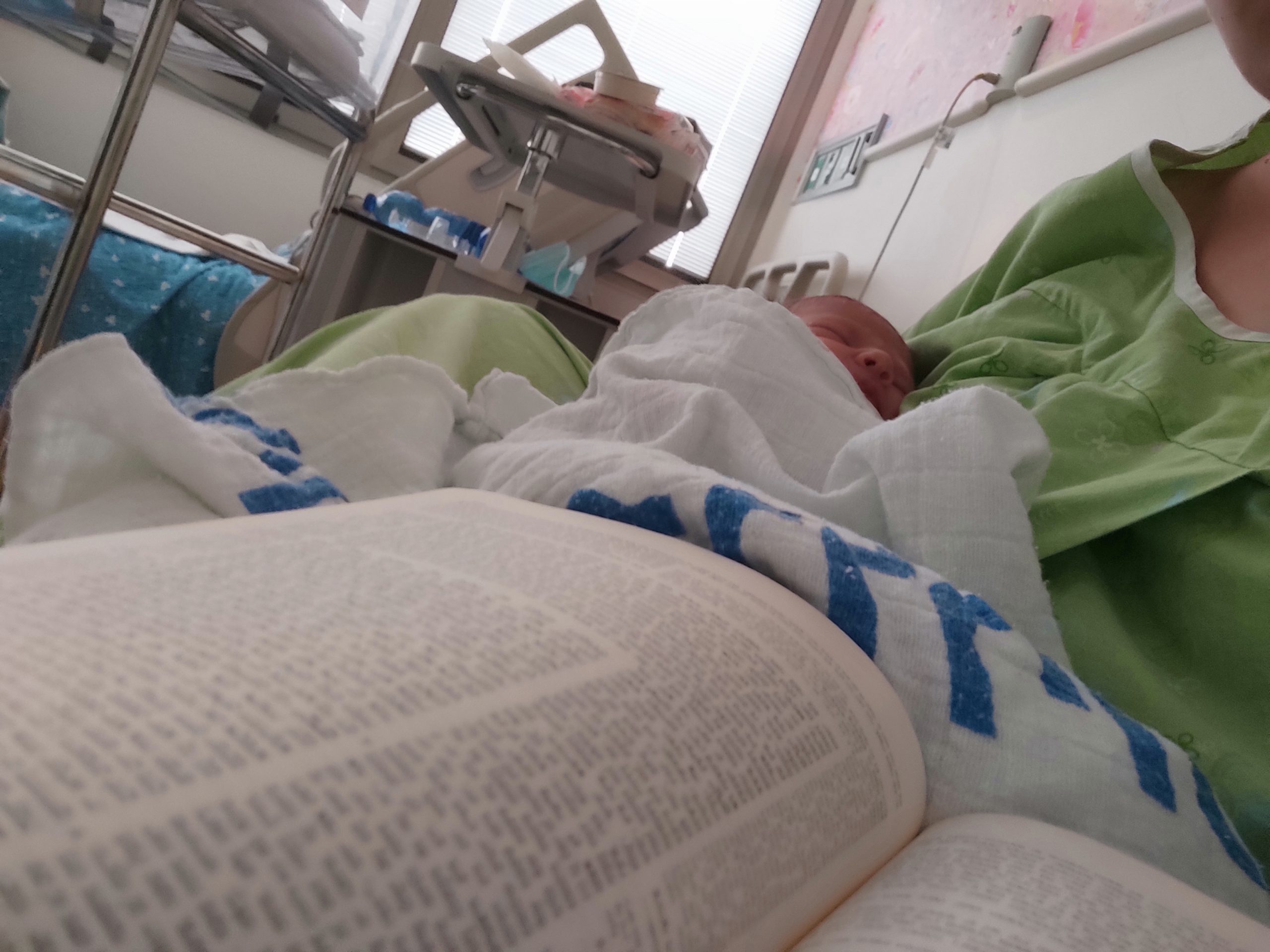
בתחילת הסבב הנוכחי הצטברו אצלי תחושות שאני לא מבינה מספיק מהי ההלכה אותה אני מקיימת בכל יום. כמו כן, כאמא לבנות רציתי לתת להן מודל נשי של לימוד תורה
שתי הסיבות האלו הובילו אותי להתחיל ללמוד. נתקלתי בתגובות מפרגנות וסקרניות איך אישה לומדת גמרא..
כמו שרואים בתמונה אני ממשיכה ללמוד גם היום ואפילו במחלקת יולדות אחרי לידת ביתי השלישית.
נועה שילה
רבבה, ישראל
כבר סיפרתי בסיום של מועד קטן.
הלימוד מאוד משפיעה על היום שלי כי אני לומדת עם רבנית מישל על הבוקר בזום. זה נותן טון לכל היום – בסיס למחשבות שלי .זה זכות גדול להתחיל את היום בלימוד ובתפילה. תודה רבה !

שרה ברלוביץ
ירושלים, ישראל
התחלתי ללמוד לפני 4.5 שנים, כשהודיה חברה שלי פתחה קבוצת ווטסאפ ללימוד דף יומי בתחילת מסכת סנהדרין. מאז לימוד הדף נכנס לתוך היום-יום שלי והפך לאחד ממגדירי הזהות שלי ממש.

קרן רוזנברג
ירושלים, ישראל
התחלתי ללמוד דף יומי לפני שנתיים, עם מסכת שבת. בהתחלה ההתמדה היתה קשה אבל בזכות הקורונה והסגרים הצלחתי להדביק את הפערים בשבתות הארוכות, לסיים את מסכת שבת ולהמשיך עם המסכתות הבאות. עכשיו אני מסיימת בהתרגשות רבה את מסכת חגיגה וסדר מועד ומחכה לסדר הבא!

אילנה שכנוביץ
מודיעין, ישראל
למדתי גמרא מכיתה ז- ט ב Maimonides School ואחרי העליה שלי בגיל 14 לימוד הגמרא, שלא היה כל כך מקובל בימים אלה, היה די ספוראדי. אחרי "ההתגלות” בבנייני האומה התחלתי ללמוד בעיקר בדרך הביתה למדתי מפוקקטסים שונים. לאט לאט ראיתי שאני תמיד חוזרת לרבנית מישל פרבר. באיזה שהוא שלב התחלתי ללמוד בזום בשעה 7:10 .
היום "אין מצב” שאני אתחיל את היום שלי ללא לימוד עם הרבנית מישל עם כוס הקפה שלי!!

דבי גביר
חשמונאים, ישראל
A life-changing journey started with a Chanukah family tiyul to Zippori, home of the Sanhedrin 2 years ago and continued with the Syum in Binanei Hauma where I was awed by the energy of 3000 women dedicated to learning daf Yomi. Opening my morning daily with a fresh daf, I am excited with the new insights I find enriching my life and opening new and deeper horizons for me.

בקי גולדשטיין
Elazar gush etzion, Israel
באירוע של הדרן בנייני האומה. בהשראתה של אמי שלי שסיימה את הש”ס בסבב הקודם ובעידוד מאיר , אישי, וילדיי וחברותיי ללימוד במכון למנהיגות הלכתית של רשת אור תורה סטון ומורתיי הרבנית ענת נובוסלסקי והרבנית דבורה עברון, ראש המכון למנהיגות הלכתית.
הלימוד מעשיר את יומי, מחזיר אותי גם למסכתות שכבר סיימתי וידוע שאינו דומה מי ששונה פרקו מאה לשונה פרקו מאה ואחת במיוחד מרתקים אותי החיבורים בין המסכתות

רוית קלך
מודיעין, ישראל
בסוף הסבב הקודם ראיתי את השמחה הגדולה שבסיום הלימוד, בעלי סיים כבר בפעם השלישית וכמובן הסיום הנשי בבנייני האומה וחשבתי שאולי זו הזדמנות עבורי למשהו חדש.
למרות שאני שונה בסביבה שלי, מי ששומע על הלימוד שלי מפרגן מאוד.
אני מנסה ללמוד קצת בכל יום, גם אם לא את כל הדף ובסך הכל אני בדרך כלל עומדת בקצב.
הלימוד מעניק המון משמעות ליום יום ועושה סדר בלמוד תורה, שתמיד היה (ועדיין) שאיפה. אבל אין כמו קביעות

רחלי מנדלסון
טל מנשה, ישראל
"
גם אני התחלתי בסבב הנוכחי וב””ה הצלחתי לסיים את רוב המסכתות . בזכות הרבנית מישל משתדלת לפתוח את היום בשיעור הזום בשעה 6:20 .הלימוד הפך להיות חלק משמעותי בחיי ויש ימים בהם אני מצליחה לחזור על הדף עם מלמדים נוספים ששיעוריהם נמצאים במרשתת. שמחה להיות חלק מקהילת לומדות ברחבי העולם. ובמיוחד לשמש דוגמה לנכדותיי שאי””ה יגדלו לדור שלימוד תורה לנשים יהיה משהו שבשגרה. "
רונית שביט
נתניה, ישראל
התחלתי ללמוד דף יומי ממסכת נידה כי זה היה חומר הלימוד שלי אז. לאחר הסיום הגדול בבנייני האומה החלטתי להמשיך. וב”ה מאז עם הפסקות קטנות של קורונה ולידה אני משתדלת להמשיך ולהיות חלק.
זה משפיע מאוד על היום יום שלי ועל אף שאני עסוקה בלימודי הלכה ותורה כל יום, זאת המסגרת הקבועה והמחייבת ביותר שיש לי.

מוריה תעסן מיכאלי
גבעת הראל, ישראל
לצערי גדלתי בדור שבו לימוד גמרא לנשים לא היה דבר שבשגרה ושנים שאני חולמת להשלים את הפער הזה.. עד שלפני מספר שבועות, כמעט במקרה, נתקלתי במודעת פרסומת הקוראת להצטרף ללימוד מסכת תענית. כשקראתי את המודעה הרגשתי שהיא כאילו נכתבה עבורי – "תמיד חלמת ללמוד גמרא ולא ידעת איך להתחיל”, "בואי להתנסות במסכת קצרה וקלה” (רק היה חסר שהמודעה תיפתח במילים "מיכי שלום”..). קפצתי למים ו- ב”ה אני בדרך להגשמת החלום:)

מיכי קדוש
מורשת, ישראל
התחלתי ללמוד דף יומי בסבב הקודם. זכיתי לסיים אותו במעמד המרגש של הדרן. בסבב הראשון ליווה אותי הספק, שאולי לא אצליח לעמוד בקצב ולהתמיד. בסבב השני אני לומדת ברוגע, מתוך אמונה ביכולתי ללמוד ולסיים. בסבב הלימוד הראשון ליוותה אותי חוויה מסויימת של בדידות. הדרן העניקה לי קהילת לימוד ואחוות נשים. החוויה של סיום הש”ס במעמד כה גדול כשנשים שאינן מכירות אותי, שמחות ומתרגשות עבורי , היתה חוויה מרוממת נפש

אילנית ווייל
קיבוץ מגדל עוז, ישראל
התחלתי ללמוד דף יומי כאשר קיבלתי במייל ממכון שטיינזלץ את הדפים הראשונים של מסכת ברכות במייל. קודם לא ידעתי איך לקרוא אותם עד שנתתי להם להדריך אותי. הסביבה שלי לא מודעת לעניין כי אני לא מדברת על כך בפומבי. למדתי מהדפים דברים חדשים, כמו הקשר בין המבנה של בית המקדש והמשכן לגופו של האדם (יומא מה, ע”א) והקשר שלו למשפט מפורסם שמופיע בספר ההינדי "בהגוד-גיתא”. מתברר שזה רעיון כלל עולמי ולא רק יהודי

אלנה ארנבורג
נשר, ישראל
אני לומדת גמרא כעשור במסגרות שונות, ואת הדף היומי התחלתי כשחברה הציעה שאצטרף אליה לסיום בבנייני האומה. מאז אני לומדת עם פודקסט הדרן, משתדלת באופן יומי אך אם לא מספיקה, מדביקה פערים עד ערב שבת. בסבב הזה הלימוד הוא "ממעוף הציפור”, מקשיבה במהירות מוגברת תוך כדי פעילויות כמו בישול או נהיגה, וכך רוכשת היכרות עם הסוגיות ואופן ניתוחם על ידי חז”ל. בע”ה בסבב הבא, ואולי לפני, אצלול לתוכו באופן מעמיק יותר.

יעל ביר
רמת גן, ישראל
בבא קמא מג
אוֹ גִיּוֹרֶת – זָכָה!
and subsequently married a Canaanite slave who had also been emancipated, and became pregnant from him, or if she was a convert who became pregnant from a male convert, and both the husband and wife died without heirs, the assailant gains by not having to pay, since there are no heirs. In any event, it is explicitly stated in the baraita that the beneficiary of the compensation due to her, including that which she would have received during her lifetime, is not her husband but rather her heirs.
אָמַר רַבָּה: בִּגְרוּשָׁה. וְכֵן אָמַר רַב נַחְמָן: בִּגְרוּשָׁה.
Rabba said: This baraita relates to a divorcée; since they got divorced, the husband does not inherit from her. Likewise, Rav Naḥman said: The baraita relates to a divorcée.
אָמְרִי: גְּרוּשָׁה נָמֵי תִּיפְלוֹג בִּדְמֵי וְלָדוֹת!
The Sages said in response: If she is a divorcée, she should also share in the compensation for the miscarried offspring. Why should her ex-husband receive the full payment?
אָמַר רַב פָּפָּא: הַתּוֹרָה זִכְּתָה דְּמֵי וְלָדוֹת לַבַּעַל, אֲפִילּוּ בָּא עָלֶיהָ בִּזְנוּת. מַאי טַעְמָא? אָמַר קְרָא ״כַּאֲשֶׁר יָשִׁית עָלָיו בַּעַל הָאִשָּׁה״.
Rav Pappa said: The Torah awarded the payment of compensation for miscarried offspring to the husband, even if he is not actually her legal husband but rather engaged in licentious sexual intercourse with her. Although he has no rights to her property, the damages for the miscarried offspring belong to him alone, as he is the father of the offspring. What is the reason? The verse states: “As the husband [ba’al] of the woman shall impose upon him” (Exodus 21:22), indicating that damages are not collected by the woman, but by the man who engaged in intercourse [ba’al] with her, impregnating her. Therefore, if they got divorced, the ex-husband receives the payment.
וְנוֹקְמַהּ לְרַבָּה כְּגוֹן שֶׁגָּבוּ מָעוֹת, וּלְרַב נַחְמָן כְּגוֹן שֶׁגָּבוּ קַרְקַע!
The Gemara asks: Why do Rabba and Rav Naḥman explain this baraita as referring to a divorcée? They could have answered, in accordance with their own opinions elsewhere (Bava Batra 124b), that it is referring to payments that are not considered to have been in the woman’s possession during her lifetime, but rather are considered property due to the woman, which her husband does not inherit. Let us establish this baraita, according to Rabba, as referring to a case where they collected money for the damage and pain, and according to Rav Naḥman, where they collected land.
דְּאָמַר רַבָּה: גָּבוּ קַרְקַע – יֵשׁ לוֹ, גָּבוּ מָעוֹת – אֵין לוֹ. וְרַב נַחְמָן אָמַר: גָּבוּ מָעוֹת – יֵשׁ לוֹ, גָּבוּ קַרְקַע – אֵין לוֹ.
As with regard to the right of a firstborn to receive a double portion of the inheritance of his father, he receives a double portion only of the property possessed by his father, not of the property due to him. In a case where money was owed to the father, Rabba says: If the heirs collected the debt from land, the firstborn has the right to a double portion, since it is considered property that was already in the father’s possession. If they collected money, he does not have a double portion, as it is considered property due to the father. And Rav Naḥman says: If they collected money, he has a double portion, and if they collected land, he does not have a double portion.
הָנֵי מִילֵּי לִבְנֵי מַעְרְבָא – אַלִּיבָּא דְּרַבָּנַן;
The Gemara answers: That statement applies according to the residents of the West, i.e., Eretz Yisrael, in accordance with the opinion of the Rabbis, who limit the rights of a firstborn to his father’s property to the extent that they hold he does not receive a double portion of any appreciation in the property occurring after his father’s death.
כִּי קָאָמְרִי הָכָא – כְּרַבִּי.
By contrast, when they state that this baraita here relates to a divorcée, it is in accordance with the opinion of Rabbi Yehuda HaNasi that the firstborn receives a double portion even in the appreciation of the property occurring after the father’s death. According to this opinion, clearly everything due to the father is considered to be in his possession, whether he receives his compensation in money or in land. The same applies to a husband, who inherits the rights to inherit compensation for damage and pain inflicted on his wife. That is why Rabba and Rav Naḥman had to interpret this baraita as relating to a divorcée.
אָמַר רַבִּי שִׁמְעוֹן בֶּן לָקִישׁ: שׁוֹר שֶׁהֵמִית אֶת הָעֶבֶד שֶׁלֹּא בְּכַוָּונָה – פָּטוּר מִשְּׁלֹשִׁים שְׁקָלִים, שֶׁנֶּאֱמַר: ״כֶּסֶף שְׁלֹשִׁים שְׁקָלִים יִתֵּן לַאדֹנָיו, וְהַשּׁוֹר יִסָּקֵל״ – כׇּל זְמַן שֶׁהַשּׁוֹר בִּסְקִילָה, הַבְּעָלִים מְשַׁלְּמִין שְׁלֹשִׁים שְׁקָלִים; אֵין הַשּׁוֹר בִּסְקִילָה, אֵין הַבְּעָלִים מְשַׁלְּמִין שְׁלֹשִׁים שְׁקָלִים.
§ Rabbi Shimon ben Lakish says: With regard to an ox that killed a Canaanite slave unintentionally, the owner is exempt from paying the fine of thirty shekels, as it is stated: “He shall give to their master thirty shekels of silver, and the ox shall be stoned” (Exodus 21:32). It is derived from the verse that the liability to pay thirty shekels is dependent on the stoning of the ox; whenever the ox is liable to be killed by stoning, the owner pays thirty shekels as compensation for the damage. If the ox is not liable to be killed by stoning, e.g., if it killed unintentionally, the owner does not pay thirty shekels.
אָמַר רַבָּה: שׁוֹר שֶׁהֵמִית בֶּן חוֹרִין שֶׁלֹּא בְּכַוָּונָה – פָּטוּר מִכּוֹפֶר, שֶׁנֶּאֱמַר: ״הַשּׁוֹר יִסָּקֵל, וְגַם בְּעָלָיו יוּמָת. אִם כֹּפֶר יוּשַׁת עָלָיו״ – כׇּל זְמַן שֶׁהַשּׁוֹר בִּסְקִילָה – בְּעָלִים מְשַׁלְּמִין כּוֹפֶר, אֵין הַשּׁוֹר בִּסְקִילָה – אֵין בְּעָלִים מְשַׁלְּמִין כּוֹפֶר.
Similarly, Rabba says: With regard to an ox that killed a freeman unintentionally, its owner is exempt from paying ransom; as it is stated: “The ox shall be stoned, and its owner also shall be put to death. If a ransom is laid on him” (Exodus 21:29–30). This indicates that whenever the ox is liable to be killed by stoning the owner pays ransom; and if the ox is not liable to be killed by stoning the owner does not pay ransom.
אֵיתִיבֵיהּ אַבָּיֵי: ״הֵמִית שׁוֹרִי אֶת פְּלוֹנִי״, אוֹ ״שׁוֹרוֹ שֶׁל פְּלוֹנִי״ – הֲרֵי זֶה מְשַׁלֵּם עַל פִּי עַצְמוֹ. מַאי, לָאו כּוֹפֶר?
Abaye raised an objection to Rabba’s statement from a mishna: If a person admits: My ox killed so-and-so, or: My ox killed the ox of so-and-so, this owner pays based on his own admission (Ketubot 41a). This cannot be referring to the payment of a fine, as a person who admits his responsibility for an act incurring a fine is exempt from paying the fine. Clearly, it must be referring to a payment for which one can render himself liable through admission. What, is it not referring to the payment of ransom? If so, this proves that payment of ransom is not dependent on whether the ox is liable to be killed by stoning, as the ox cannot be killed based on its owner’s admission alone.
לָא, דָּמִים.
The Gemara answers: No, it is referring to payment of the monetary value of the victim. Although he is not liable to pay ransom, as the ox is not killed, nevertheless, since by his own admission his ox caused damage, he is liable to pay damages.
אִי דָּמִים, אֵימָא סֵיפָא: ״הֵמִית שׁוֹרִי אֶת עַבְדּוֹ שֶׁל פְּלוֹנִי״ – אֵינוֹ מְשַׁלֵּם עַל פִּי עַצְמוֹ. וְאִי דָּמִים, אַמַּאי לָא?
Abaye challenged this answer: If it is referring to the value of the victim, say the latter clause of that mishna: If a person admits: My ox killed the Canaanite slave of so-and-so, he does not pay based on his own admission. And if, as you claim, the mishna is referring to the value of the victim, not to the thirty-shekel fine, why should he not pay?
אֲמַר לֵיהּ, יָכֵילְנָא לְשַׁנּוֹיֵי לָךְ: רֵישָׁא דָּמִים, וְסֵיפָא קְנָס; מִיהוּ שִׁנּוּיָיא דְחִיקָא לָא מְשַׁנֵּינָא לָךְ. אִידֵּי וְאִידֵּי דָּמִים.
Rabba said to Abaye: I could have answered you by saying that the former clause, which discusses an ox killing a freeman, is referring to the value of the victim, and the latter clause, which relates to an ox that gored a slave, is referring to payment of the thirty-shekel fine. But I will not answer you with a forced answer. Instead, I will answer as follows: Both this clause and that clause refer to the value of the victim;
מִיהוּ, בֶּן חוֹרִין דִּמְשַׁלֵּם כּוֹפֶר עַל פִּי עַצְמוֹ – וְהֵיכִי דָּמֵי? דְּאִי אֲתוֹ סָהֲדֵי וְאַסְהִידוּ בֵּיהּ דִּקְטַל, וְלָא יָדְעִי אִי תָּם הֲוָה אִי מוּעָד הֲוָה, וַאֲמַר מָרֵיהּ דְּמוּעָד הוּא, דִּמְשַׁלֵּם כּוֹפֶר עַל פִּי עַצְמוֹ – הֵיכָא דְּלֵיכָּא עֵדִים, מְשַׁלֵּם דָּמִים;
but there is a distinction between the two cases. With regard to an ox killing a freeman, there is a scenario where the owner pays ransom based on his own admission. And what are the circumstances? If witnesses came and testified that the ox killed a freeman and is therefore liable to be killed by stoning, but they did not know whether it was innocuous or if it was forewarned, and its owner said that it was forewarned. In this case, the owner pays ransom based on his own admission, since the ox is liable to be killed, and the ransom is for atonement and does not constitute a fine. Therefore, even where there are no witnesses, and the ox is therefore not liable to be killed by stoning for killing a person, nevertheless, the owner at least pays the monetary value of the victim based on his admission.
גַּבֵּי עֶבֶד, שֶׁאֵינוֹ מְשַׁלֵּם קְנָס עַל פִּי עַצְמוֹ – וְהֵיכִי דָּמֵי? דְּאִי אֲתוֹ עֵדִים וְאַסְהִידוּ בֵּיהּ דִּקְטַל, וְלָא יָדְעִי אִי תָּם הֲוָה אִי מוּעָד הֲוָה, וַאֲמַר מָרֵיהּ מוּעָד הוּא – לָא מִשְׁתַּלַּם קְנָס עַל פִּי עַצְמוֹ. הֵיכָא דְּלֵיכָּא עֵדִים – לָא מְשַׁלֵּם דָּמִים.
By contrast, with regard to an ox killing a slave, there is a scenario where one does not pay the fine of thirty shekels based on his own admission. And what are the circumstances where one would be liable to pay this fine due to his own admission? If witnesses came and testified that the ox killed a slave, but they did not know whether it was innocuous or if it was forewarned, and its owner said that it was forewarned. In this case, even though the ox is liable to be killed, the owner does not pay the fine based on his own admission, due to the principle that one does not pay a fine based on his own admission. Therefore, in a case where there are no witnesses, he does not even pay the value of the victim based on his own admission.
מֵתִיב רַב שְׁמוּאֵל בַּר רַב יִצְחָק: כֹּל שֶׁחַיָּיב בְּבֶן חוֹרִין – חַיָּיב בְּעֶבֶד, בֵּין בְּכוֹפֶר בֵּין בְּמִיתָה.
Rav Shmuel bar Rav Yitzḥak raises an objection from a baraita that states a principle: In any scenario where a person is liable for his ox killing a freeman, he is liable for his ox killing a Canaanite slave, whether with regard to liability to pay ransom or with regard to the ox being put to death.
כּוֹפֶר בְּעֶבֶד מִי אִיכָּא?! אֶלָּא לָאו דָּמִים?
The wording of the baraita is unclear: Is there a ransom to be paid in the case of a slave? Ransom is paid only for the killing of a freeman. Rather, is it not referring to payment of the value of the victim? This poses a difficulty for Rabba’s opinion that one is not liable to pay the value of the victim for admitting to his ox’s killing of a slave.
אִיכָּא דְּאָמְרִי: הוּא מוֹתֵיב לַהּ וְהוּא מְפָרֵק לַהּ, אִיכָּא דְאָמְרִי: אֲמַר לֵיהּ רַבָּה – הָכִי קָתָנֵי: כֹּל שֶׁחַיָּיב בְּבֶן חוֹרִין בְּכַוָּונָה עַל פִּי עֵדִים, כּוֹפֶר – חַיָּיב בְּעֶבֶד קְנָס. וְכֹל שֶׁחַיָּיב בְּבֶן חוֹרִין שֶׁלֹּא בְּכַוָּונָה עַל פִּי עֵדִים, דָּמִים – חַיָּיב בְּעֶבֶד שֶׁלֹּא בְּכַוָּונָה עַל פִּי עֵדִים, דָּמִים.
There are those who say that he, Rav Shmuel bar Rav Yitzḥak, raised the objection and he resolved it, and there are those who say it was Rabba who said to him in response, that this is what the baraita is teaching: In any scenario where a person is liable to pay ransom for his ox killing a freeman, e.g., where it gored intentionally based on the testimony of witnesses, he is liable to pay a fine for his ox killing a slave. And in any scenario where one is liable to pay the value of the victim for his ox killing a freeman, e.g., where it gored unintentionally based on the testimony of witnesses, for a slave too, one is liable to pay the value, namely, where it gored unintentionally based on the testimony of witnesses. Accordingly, one does not pay the value of a slave based on his own admission, although he does pay the value of a freeman if he admits that his ox killed him.
אֲמַר לֵיהּ רָבָא: אִי הָכִי, אִשּׁוֹ שֶׁלֹּא בְּכַוָּונָה עַל פִּי עֵדִים – נְשַׁלֵּם דָּמִים!
Rava said to Rabba: If that is so, that one is liable to pay the value of the victim in cases where he is exempt from paying ransom, then if a person burns another to death unintentionally with his fire, and the proof is based on the testimony of witnesses, he should, likewise, at least pay the value of the victim.
וּמְנָא לֵיהּ לְרָבָא דְּלָא מְשַׁלֵּם?
The Gemara asks: And from where does Rava know that he does not pay the value of the victim if he started the fire unintentionally?
אִילֵּימָא מִדִּתְנַן: הָיָה גְּדִי כָּפוּת לוֹ, וְעֶבֶד סָמוּךְ לוֹ וְנִשְׂרַף עִמּוֹ – חַיָּיב. עֶבֶד כָּפוּת לוֹ, וּגְדִי סָמוּךְ לוֹ וְנִשְׂרַף עִמּוֹ – פָּטוּר.
If we say that it is from what we learned in a mishna (61b): If one ignites a heap of grain and there was a goat bound to an item adjacent to it, and there was also a slave adjacent to it but not bound, and they were burned together with the heap of grain, he is liable to pay for the heap of grain and for the goat. If the slave was bound to it in such a way that he was unable to flee from the fire, and the goat was adjacent to it, and they were burned with it, he is exempt from liability. Apparently, there is no liability even if he unintentionally burned the slave to death.
הָאָמַר רֵישׁ לָקִישׁ: כְּגוֹן שֶׁהִצִּית בְּגוּפוֹ שֶׁל עֶבֶד, דְּקָם לֵיהּ בִּדְרַבָּה מִינֵּיהּ!
The Gemara comments: If this is Rava’s source, there is no proof from here. Didn’t Reish Lakish say that the mishna is referring to a case where he ignited the body of the slave directly, in which case he is exempt from paying damages because he receives the greater punishment of them? Since he is liable to receive court-imposed capital punishment for killing the slave, he is not liable to pay damages. Therefore, this does not serve as proof that one is not liable to pay the value of a fire victim.
וְאֶלָּא מֵהָא דְּתַנְיָא: חוֹמֶר בְּאֵשׁ מִבְּבוֹר – שֶׁהָאֵשׁ מוּעֶדֶת לֶאֱכוֹל בֵּין דָּבָר הָרָאוּי לָהּ בֵּין דָּבָר שֶׁאֵין רָאוּי לָהּ, מַה שֶּׁאֵין כֵּן בְּבוֹר. וְאִילּוּ שֶׁהָאֵשׁ מְשַׁלֶּמֶת שֶׁלֹּא בְּכַוָּונָה דָּמִים – מַה שֶּׁאֵין כֵּן בְּבוֹר, לָא קָתָנֵי!
And if Rava’s proof is rather from that which is taught in a baraita (10a): The stringency that applies to Fire as opposed to Pit is that the one responsible for Fire is considered forewarned with regard to its consuming both something that is fitting for it and something that is not fitting for it, i.e., both flammable and non-flammable items. This is not so with regard to Pit, as damages are not paid for everything that can be damaged by a pit. But the baraita does not teach: That with regard to Fire, one is liable to pay the value of the victim even if the fire was ignited unintentionally. This is not so with regard to Pit. This would seem to support Rava’s opinion that one is not liable to pay the value of an unintentional victim of fire.
דִּלְמָא תְּנָא וְשַׁיַּיר?
The Gemara comments: If this is Rava’s source, there is no proof from here. Perhaps the baraita taught one distinction and omitted another; it simply did not enumerate all the differences.
אֶלָּא רָבָא גּוּפֵיהּ אִבְּעוֹיֵי מִבַּעְיָא לֵיהּ: אִשּׁוֹ שֶׁלֹּא בְּכַוָּונָה – מִי מְשַׁלֵּם דָּמִים, אוֹ לָא?
Rather, Rava’s statement should not be understood as an objection to Rabba’s opinion, as Rava himself had a dilemma with regard to the matter: If a person burns another to death unintentionally with his fire, does he pay the value of the victim or not?
מִי אָמְרִינַן: גַּבֵּי שׁוֹר הוּא דִּבְכַוָּונָה מְשַׁלֵּם כּוֹפֶר – שֶׁלֹּא בְּכַוָּונָה מְשַׁלֵּם דָּמִים; אֲבָל אִשּׁוֹ, דִּבְכַוָּונָה לָא מְשַׁלֵּם כּוֹפֶר – שֶׁלֹּא בְּכַוָּונָה נָמֵי לָא מְשַׁלֵּם דָּמִים; אוֹ דִלְמָא, כֵּיוָן דְּגַבֵּי שׁוֹרוֹ שֶׁלֹּא בְּכַוָּונָה – אַף עַל גַּב דְּלֵיכָּא כּוֹפֶר, מְשַׁלֵּם דָּמִים; גַּבֵּי אִשּׁוֹ נָמֵי, אַף עַל גַּב דִּבְכַוָּונָה לָא מְשַׁלֵּם כּוֹפֶר, שֶׁלֹּא בְּכַוָּונָה מִיהַת מְשַׁלֵּם דָּמִים?
The Gemara elaborates on the question: Do we say that it is specifically with regard to death caused by one’s ox, where if it was done intentionally he pays ransom and where it was done unintentionally he pays the victim’s monetary value instead; but with regard to death caused by his fire, where even if it was done intentionally he does not pay ransom, if it was done unintentionally he does not pay the value either? Or perhaps, since with regard to the case where his ox gored unintentionally, although there is no liability to pay ransom, nevertheless, he at least pays the value of the victim. One should say that with regard to his fire too, even though in a case where it was done intentionally he does not pay ransom, when it was done unintentionally, he should pay the value in any event.
וְלָא יָדְעִינַן, תֵּיקוּ.
The Gemara concludes: And we do not know the solution to this dilemma, which shall stand unresolved.
כִּי אֲתָא רַב דִּימִי, אָמַר רַבִּי יוֹחָנָן: ״כֹּפֶר״; מָה תַּלְמוּד לוֹמַר ״אִם כֹּפֶר״? לְרַבּוֹת כּוֹפֶר שֶׁלֹּא בְּכַוָּונָה – כְּכוֹפֶר בְּכַוָּונָה.
§ With regard to Rabba’s statement that for an ox that killed a person unintentionally one is exempt from paying ransom, the Gemara relates that when Rav Dimi came from Eretz Yisrael, he reported that Rabbi Yoḥanan says: It would have been sufficient for the verse to state: “A ransom is laid on him.” What is the meaning when the verse states: “If a ransom is laid on him” (Exodus 21:30)? It is to include liability to pay ransom in a case where the ox killed unintentionally, just as one is liable to pay ransom when it killed intentionally, in contrast to Rabba’s opinion.
אֲמַר לֵיהּ אַבָּיֵי: אֶלָּא מֵעַתָּה, עֶבֶד נָמֵי – מָה תַּלְמוּד לוֹמַר ״אִם עֶבֶד״? לְרַבּוֹת עֶבֶד שֶׁלֹּא בְּכַוָּונָה – כְּעֶבֶד בְּכַוָּונָה! וְכִי תֵּימָא הָכִי נָמֵי, וְהָאָמַר רֵישׁ לָקִישׁ: שׁוֹר שֶׁהֵמִית אֶת הָעֶבֶד שֶׁלֹּא בְּכַוָּונָה – פָּטוּר מִשְּׁלֹשִׁים שְׁקָלִים!
Abaye said to Rav Dimi: If Rabbi Yoḥanan’s interpretation is so, it should be implemented with regard to the fine for a Canaanite slave as well, and it would have been sufficient for the verse to state: The ox gores a slave or a maidservant, he shall give to their master thirty shekels of silver. What is the meaning when the verse states: “If the ox gores a slave” (Exodus 21:32)? It is to include liability in a case where the ox killed a Canaanite slave unintentionally, just as when it killed a slave intentionally. And if you would say that indeed this is the halakha, but doesn’t Reish Lakish say that for an ox that killed a slave unintentionally its owner is exempt from paying the thirty shekels?
אֲמַר לֵיהּ: גַּבְרָא אַגַּבְרָא קָא רָמֵית?!
Rav Dimi said to Abaye: Are you setting the statement of one man against the statement of another man? It could be that although Reish Lakish maintains that he is exempt, Rabbi Yoḥanan holds that he is liable.
כִּי אֲתָא רָבִין, אָמַר רַבִּי יוֹחָנָן: ״עֶבֶד״; מָה תַּלְמוּד לוֹמַר ״אִם עֶבֶד״? לְרַבּוֹת עֶבֶד שֶׁלֹּא בְּכַוָּונָה – כְּעֶבֶד בְּכַוָּונָה.
When Ravin came from Eretz Yisrael, he confirmed that this is the opinion of Rabbi Yoḥanan, as he says that it would have been sufficient for the verse to state: “The ox gores a slave.” What is the meaning when the verse states: “If the ox gores a slave”? It is to include liability in a case where the ox killed a slave unintentionally, just as when it killed a slave intentionally.
וּלְרֵישׁ לָקִישׁ נָמֵי, נֵימָא: מִדְּ״עֶבֶד״ – ״אִם עֶבֶד״ לָא דָּרֵישׁ, ״כֹּפֶר״ – ״אִם כֹּפֶר״ נָמֵי לָא דָּרֵישׁ!
The Gemara suggests: And according to Reish Lakish, let us say similarly that from the fact that he does not interpret the difference between the terms “a slave” and “if a slave” to derive an additional halakha, it may be inferred that he does not interpret the difference between the terms “a ransom” and “if a ransom” either, and holds that ransom is not paid if the incident was unintentional.
אָמְרִי: לָא; ״עֶבֶד״ – ״אִם עֶבֶד״ לָא דָּרֵישׁ, ״כֹּפֶר״ – ״אִם כֹּפֶר״ דָּרֵישׁ.
The Sages said: No, that is not a valid comparison. Although Reish Lakish does not interpret the difference between the terms “a slave” and “if a slave,” he does interpret the difference between the terms “a ransom” and “if a ransom.”
וּמַאי שְׁנָא? ״עֶבֶד״ – ״אִם עֶבֶד״ לָא כְּתִיב בִּמְקוֹם תַּשְׁלוּמִין, ״כֹּפֶר״ – ״אִם כֹּפֶר״ כְּתִיב בִּמְקוֹם תַּשְׁלוּמִין.
And what is different between the two verses? The terms “a slave” and “if a slave” are not written where the liability for payment is stated, but rather in the presentation of the case: “If the ox gores a slave.” Therefore, the use of the word “if” is warranted. By contrast, the terms “a ransom” and “if a ransom” are written where the liability for payment is stated, where it would have been sufficient for the verse to state: “A ransom is laid on him.” Therefore, the superfluous word “if” lends itself to interpretation to include liability to pay ransom even in a case where the killing was unintentional.
וְכֵן בְּבֵן אוֹ בְּבַת. תָּנוּ רַבָּנַן: ״אוֹ בֵן יִגָּח אוֹ בַת יִגָּח״ – לְחַיֵּיב עַל הַקְּטַנִּים כַּגְּדוֹלִים.
§ The mishna teaches: And the same halakha applies in a case where the ox killed a boy or in a case where it killed a girl. The Sages taught: The verse states: “Whether it has gored a son or has gored a daughter” (Exodus 21:31), to deem the owner liable for the death of minors just as for adults.
וַהֲלֹא דִּין הוּא – הוֹאִיל וְחִיֵּיב אָדָם בְּאָדָם, וְחִיֵּיב שׁוֹר בְּאָדָם; מָה כְּשֶׁחִיֵּיב אָדָם בְּאָדָם – לָא שְׁנָא בֵּין קְטַנִּים לִגְדוֹלִים, אַף כְּשֶׁחִיֵּיב שׁוֹר בְּאָדָם – לֹא תַּחְלוֹק בּוֹ בֵּין קְטַנִּים לִגְדוֹלִים!
The baraita asks: And could this not be derived through logical inference? Since the Torah renders a person liable to receive court-imposed capital punishment for killing another person, and, similarly, renders an ox liable to be killed for killing a person, it should be derived that just as when the Torah renders a person liable for killing a person the Torah makes no distinction between killing minors and killing adults, so too, when it renders an ox liable to be killed for killing a person, do not differentiate with regard to it between minors and adults.
וְעוֹד, קַל וָחוֹמֶר הוּא: וּמָה אָדָם בְּאָדָם – שֶׁלֹּא עָשָׂה בּוֹ קְטַנִּים כִּגְדוֹלִים, חִיֵּיב בּוֹ עַל הַקְּטַנִּים כִּגְדוֹלִים;
And furthermore, it could be inferred a fortiori: If in the case of a person killing a person the Torah does not render minors entirely like adults with regard to this act, inasmuch as minors are exempt from liability for killing, but nevertheless it renders a person liable for killing minors as well as adults,
לעקוב

