חיפוש

בבא קמא מה

רוצה להקדיש שיעור?

podcast placeholder

0:00
0:00


תקציר

הלימוד בחודש טבת מוקדש ע”י יונתן כץ לכבוד בריאן ומיכאל רייסר ולכל חיילי צה”ל.

הלימוד השבוע מוקדש ע”י טל קליין.

הדף היום מוקדש ע”י ג’ודי פלבר לע”נ יובל מור יוסף ויוסי כהן שנהרגו בפעולת טרור לפני חמש שנים בגבעת אסף, ורפואה שלמה לבנה, נתנאל אילן בן שיינה ציפורה, שנפצע קשה באותו אירוע.

הדף היום מוקדש לזכרם של החטופים יותם חיים, אלון שמריז וסאמר טלאלקה שנהרגו בשגגה באופן טרגי ביום שישי. 

אם בהמה הורגת אדם ונידון למוות, הבהמה אסורה בהנאה. לכן לאחר גמר דין, אם מוכרים אותה או מקדישים אותה לבית המקדש, המכירה/הקדשה לא תקפה. אם שוחטים אותה, הבשר אסור. אולם לפני גמר דין, כל אותם מעשים תקפים. אם מישהו שומר בהמה של מישהו אחר והבהמה הורגת אדם ונידון למוות – האם לאחר גמר דין, השומר יכול להחזיר את בהמה לבעלים או לא? החכמים ורבי יעקב חלוקים בנושא. בשלב ראשון, מציעה הגמרא כי הבסיס מחלוקת הוא האם ניתן למלא את חובתו להחזיר חפץ גנוב/שמור אם כעת החפץ אסור בהנאה (האם היזק שאינו ניכר שמיה היזק). אבל הצעה זו נדחית על סמך משנה בבא קמא צו: שם נראה שכולם מסכימים שניתן להחזיר לאחר הפסח חמץ שנגנב קודם פסח (במקרה שלא מכרו את החמץ) למרות שכרגע אסור ליהנות ממנו. במקום זאת, המחלוקת היא בשאלה האם הבהמה חייבת להתייצב בבית הדין. אם כן, הבעל יכול להאשים את השומר בזה שנתפס הבהמה להופיע בבית הדין ולטעון שאילו הבהמה הוחזרה לפני הבאתה לבית הדין, הבעל היה שולח את הבהמה לאגם כדי להימנע מהבאתה לבית דין. מהי רמת האחריות של שומרים לנזקים? מביאים ברייתא ואחר כך קובעים לפי איזו דעה תואמים דברי הברייתא. קיימת מחלוקת בין ארבעה תנאים לגבי רמת השמירה המצופה מבעלים של שור תם ושור מועד כדי לפטור את הבעלים מתשלומי נזקים.

בבא קמא מה

מָכוּר, הִקְדִּישׁוֹ מוּקְדָּשׁ, שְׁחָטוֹ – בְּשָׂרוֹ מוּתָּר, הֶחְזִירוֹ שׁוֹמֵר לְבֵית בְּעָלָיו – מוּחְזָר.

it is considered legally sold and belongs to the purchaser for all purposes. Similarly, if he consecrated it, it is halakhically consecrated, and all the halakhot of consecrated property apply to it. If he slaughtered it, one is permitted to eat its meat. If a bailee charged with safeguarding it returned it to its owner’s house before the verdict it is considered to be returned, and the owner has no further claim against the bailee.

מִשֶּׁנִּגְמַר דִּינוֹ – מְכָרוֹ אֵינוֹ מָכוּר, הִקְדִּישׁוֹ אֵינוֹ מוּקְדָּשׁ, שְׁחָטוֹ – בְּשָׂרוֹ אָסוּר, הֶחְזִירוֹ שׁוֹמֵר לְבֵית בְּעָלָיו – אֵינוֹ מוּחְזָר. רַבִּי יַעֲקֹב אוֹמֵר: אַף מִשֶּׁנִּגְמַר דִּינוֹ – הֶחְזִירוֹ שׁוֹמֵר לִבְעָלָיו, מוּחְזָר.

By contrast, once its verdict has been issued, if the owner sells it, it is not considered sold, since the ox is no longer his. Similarly, if he consecrates it, it is not considered consecrated. If he slaughters it, its meat is forbidden. If a bailee returns it to its owner’s house it is not considered to have been returned, since the ox is considered to have been killed. Rabbi Ya’akov says: Even once its verdict has been issued, if the bailee returns it to its owner it is considered to have been returned.

לֵימָא בְּהָא קָמִיפַּלְגִי – דְּרַבָּנַן סָבְרִי: אֵין אוֹמְרִין בְּאִיסּוּרֵי הֲנָאָה ״הֲרֵי שֶׁלְּךָ לְפָנֶיךָ״, וְרַבִּי יַעֲקֹב סָבַר: אוֹמְרִין בְּאִיסּוּרֵי הֲנָאָה ״הֲרֵי שֶׁלְּךָ לְפָנֶיךָ״?

The Gemara suggests: Let us say that they disagree about this: The Rabbis hold that with regard to items from which it is prohibited to derive benefit one does not say: That which is yours is before you, and no compensation is required. Once the deposited item was rendered forbidden, the bailee cannot return it as is to its owner, claiming that since it has not been physically damaged he has fulfilled his obligation to return it and therefore the owner has no further claims against him. And Rabbi Ya’akov holds that one does say, with regard to items from which it is prohibited to derive benefit: That which is yours is before you.

אָמַר רַבָּה: דְּכוּלֵּי עָלְמָא אוֹמְרִין בְּאִיסּוּרֵי הֲנָאָה ״הֲרֵי שֶׁלְּךָ לְפָנֶיךָ״, דְּאִם כֵּן – נִפְלוֹג לְעִנְיַן חָמֵץ בַּפֶּסַח.

Rabba said: Clearly, according to everyone, one says with regard to items from which it is prohibited to derive benefit: That which is yours is before you; as, if this was the subject of disagreement, let them dispute this matter with regard to leavened bread on Passover, which is a more common case of an item from which it is prohibited to derive benefit.

אֶלָּא הָכָא, בְּגוֹמְרִין דִּינוֹ שֶׁל שׁוֹר שֶׁלֹּא בְּפָנָיו קָמִיפַּלְגִי – דְּרַבָּנַן סָבְרִי: אֵין גּוֹמְרִין דִּינוֹ שֶׁל שׁוֹר אֶלָּא בְּפָנָיו; דְּאָמַר לֵיהּ: אִי אַהְדַּרְתֵּיהּ נִיהֲלִי – הֲוָה מַעְרֵקְנָא לֵיהּ לְאַגְמָא, הַשְׁתָּא – אַתְפַּשְׂתֵּיהּ לְתוֹרַאי בִּידָא דְּלָא יָכֵילְנָא לְאִשְׁתַּעוֹיֵי דִּינָא בַּהֲדֵיהּ.

Rather, here they disagree with regard to the matter of issuing the verdict for an ox in its absence. The Rabbis hold that the verdict for an ox can be issued only in its presence. Therefore, the bailee is not exempt by returning it after the verdict, as the owner could say to him: If you had returned the ox to me before the verdict I would have smuggled it to the marsh, and the court would not have been able to sentence it to stoning. Now you have let my ox be seized by the court, with whom I cannot engage in litigation.

וְרַבִּי יַעֲקֹב סָבַר: גּוֹמְרִין דִּינוֹ שֶׁל שׁוֹר שֶׁלֹּא בְּפָנָיו – דְּאָמַר לֵיהּ: סוֹף סוֹף מִיגְמָר הֲווֹ גָּמְרִי לֵיהּ לְדִינָא.

And Rabbi Ya’akov holds that the verdict for an ox can be issued in its absence. Therefore, the bailee is exempt, as he can say to the owner in response to his claim: Ultimately, they would have issued the verdict anyway, so I did not cause your ox to be stoned by not returning it to you before the verdict.

מַאי טַעְמָא דְּרַבָּנַן? ״הַשּׁוֹר יִסָּקֵל וְגַם בְּעָלָיו יוּמָת״ – כְּמִיתַת הַבְּעָלִים כָּךְ מִיתַת הַשּׁוֹר; מָה בְּעָלִים בִּפְנֵיהֶם, אַף שׁוֹר בְּפָנָיו.

According to this explanation, what is the reason for the opinion of the Rabbis that the ox’s verdict can be issued only in its presence? The verse states: “The ox shall be stoned, and its owner also shall be put to death” (Exodus 21:29), indicating that as the death of the owner, i.e., a person, for killing another person, so is the death of the ox for killing a person. Just as the owner is sentenced to death only in his presence, so too, an ox is sentenced to death only in its presence.

וְרַבִּי יַעֲקֹב – בִּשְׁלָמָא בְּעָלִים, בְּנֵי טַעֲנָה נִינְהוּ; אֶלָּא שׁוֹר, בַּר טַעַנְתָּא הוּא?

And Rabbi Ya’akov holds that the owner and the ox cannot be compared. Granted, the owner must be present when the verdict is issued, as people are able to present claims in their defense; but as for an ox, is it capable of presenting claims? Consequently, it makes no difference whether or not the verdict is issued in its presence.

מְסָרוֹ לְשׁוֹמֵר חִנָּם וּלְשׁוֹאֵל כּוּ׳. תָּנוּ רַבָּנַן: אַרְבָּעָה נִכְנְסוּ תַּחַת הַבְּעָלִים, וְאֵלּוּ הֵן: שׁוֹמֵר חִנָּם וְהַשּׁוֹאֵל נוֹשֵׂא שָׂכָר וְהַשּׂוֹכֵר. הָרְגוּ תַּמִּין – נֶהֱרָגִין, וּפְטוּרִין מִן הַכּוֹפֶר. מוּעָדִין – נֶהֱרָגִין, וּמְשַׁלְּמִין אֶת הַכּוֹפֶר. וְחַיָּיבִין לְהַחֲזִיר דְּמֵי שׁוֹר לִבְעָלָיו, חוּץ מִשּׁוֹמֵר חִנָּם.

§ The mishna teaches: If the ox’s owner conveyed it to an unpaid bailee, or to a borrower, or to a paid bailee, or to a renter, they enter into the responsibilities and liabilities in place of the owner. The Sages taught: There are four people who enter into the responsibilities and liabilities in place of the owner, and they are: An unpaid bailee, and a borrower, a paid bailee, and a renter. If the oxen killed people while in the possession of one of these people, if the oxen were innocuous at the time they killed, they are killed and the bailees are exempt from paying ransom. If they were forewarned, they are killed and the bailees pay ransom. And regardless if they were innocuous or forewarned, the bailees are liable to return the value of the ox to its owner, with the exception of an unpaid bailee.

אָמְרִי: הֵיכִי דָמֵי? אִי דְּנַטְרֵיהּ – אֲפִילּוּ כּוּלְּהוּ נָמֵי לִיפַּטְרוּ! וְאִי דְּלָא נַטְרֵיהּ – אֲפִילּוּ שׁוֹמֵר חִנָּם נִיחַיַּיב!

The Sages said: What are the circumstances in which the bailees are liable, with the exception of an unpaid bailee? If he safeguarded the ox appropriately but the ox killed a person anyway, all of the other bailees should also be exempt from reimbursing the owner for the ox and not just an unpaid bailee, as they did everything that was required of them. And if he did not safeguard it properly, even the unpaid bailee should be liable, as he was also required to safeguard it.

אָמְרִי: הָכָא בְּמַאי עָסְקִינַן – דְּנַטְרֵיהּ שְׁמִירָה פְּחוּתָה, וְלָא נַטְרֵיהּ שְׁמִירָה מְעוּלָּה. שׁוֹמֵר חִנָּם – כָּלְתָה לוֹ שְׁמִירָתוֹ, הָנָךְ – לָא כָּלְתָה שְׁמִירָתָן.

The Sages said in response: Here we are dealing with a case where the bailee provided reduced safeguarding and did not provide superior safeguarding. In this case the unpaid bailee has fulfilled his safeguarding duties; since he does not receive anything in exchange this level of safeguarding is sufficient. Those other bailees, who have a greater responsibility, have not fulfilled their required level of safeguarding.

אָמְרִי: כְּמַאן? אִי כְּרַבִּי מֵאִיר,

The Sages said, in clarification of the baraita: In accordance with whose opinion is this baraita? If it is in accordance with the opinion of Rabbi Meir,

דְּאָמַר: שׂוֹכֵר כְּשׁוֹמֵר חִנָּם דָּמֵי, לִיתְנֵי: חוּץ מִשּׁוֹמֵר חִנָּם וְהַשּׂוֹכֵר!

who says that a renter is considered like an unpaid bailee with regard to his responsibility for the rented item, let it teach that bailees are liable to compensate the owner, with the exception of an unpaid bailee and a renter.

וְאִי כְּרַבִּי יְהוּדָה, דְּאָמַר: שׂוֹכֵר כְּנוֹשֵׂא שָׂכָר דָּמֵי – נִיתְנֵי: ״חוּץ מִשּׁוֹמֵר חִנָּם, וְכוּלָּן בְּמוּעָדִין פְּטוּרִין לְעִנְיַן כּוֹפֶר״!

And if it is in accordance with the opinion of Rabbi Yehuda, who says that a renter is considered like a paid bailee, let it teach: With the exception of an unpaid bailee, as it in fact states; but it should also state that in a case where the oxen are forewarned, all of them are exempt with regard to ransom, as Rabbi Yehuda says in the next mishna that a forewarned ox requires only a reduced level of safeguarding. Therefore, this baraita does not appear to be in accordance with the opinion of either tanna.

אָמַר רַב הוּנָא בַּר חִינָּנָא: הָא מַנִּי – רַבִּי אֱלִיעֶזֶר הִיא, דְּאָמַר: אֵין לוֹ שְׁמִירָה אֶלָּא סַכִּין; וּלְעִנְיַן שׂוֹכֵר סָבַר לַהּ כְּרַבִּי יְהוּדָה, דְּאָמַר: שׂוֹכֵר כְּנוֹשֵׂא שָׂכָר דָּמֵי.

Rav Huna bar Ḥinnana said: In accordance with whose opinion is this baraita? It is in accordance with the opinion of Rabbi Eliezer, who says that an ox has no sufficient safeguarding at all other than slaughtering it with a knife; i.e., there is no degree of safeguarding that exempts the ox’s owner, or in the context of the baraita, the bailee, from liability if the ox causes damage or kills. And with regard to a renter, the baraita holds in accordance with the opinion of Rabbi Yehuda, who says that a renter is considered like a paid bailee.

אַבָּיֵי אָמַר: לְעוֹלָם כְּרַבִּי מֵאִיר – וְכִדְמַחְלִיף רַבָּה בַּר אֲבוּהּ, וְתָנֵי: שׂוֹכֵר כֵּיצַד מְשַׁלֵּם? רַבִּי מֵאִיר אוֹמֵר: כְּשׁוֹמֵר שָׂכָר, רַבִּי יְהוּדָה אוֹמֵר: כְּשׁוֹמֵר חִנָּם.

Abaye said: Actually, the baraita is in accordance with the opinion of Rabbi Meir; and it is as Rabba bar Avuh reversed the two opinions and taught: How does a renter pay? In other words, what is his degree of responsibility? Rabbi Meir says: Like a paid bailee. Rabbi Yehuda says: Like an unpaid bailee.

אָמַר רַבִּי אֶלְעָזָר: מָסַר שׁוֹרוֹ לְשׁוֹמֵר חִנָּם, הִזִּיק – חַיָּיב, הוּזַּק – פָּטוּר.

§ Rabbi Elazar says: If the owner conveyed his ox to an unpaid bailee, if the ox caused damage, the bailee is liable to pay damages; but if the ox was injured, he is exempt.

אָמְרִי: הֵיכִי דָמֵי? אִי דְּקַבֵּיל עֲלֵיהּ שְׁמִירַת נְזָקָיו – אֲפִילּוּ הוּזַּק נָמֵי לִיחַיֵּיב! וְאִי דְּלָא קַבֵּיל עֲלֵיהּ שְׁמִירַת נְזָקָיו – אֲפִילּוּ הִזִּיק נָמֵי לִיפְּטַר!

The Sages said: What are the circumstances? If Rabbi Elazar was referring to a bailee who accepted responsibility upon himself for guarding it from causing damage, even if the ox was injured he should be liable. And if he was referring to a bailee who did not accept responsibility for guarding it from causing damage, even if it causes damage he should be exempt from payment.

אָמַר רָבָא: לְעוֹלָם שֶׁקִּיבֵּל עָלָיו שְׁמִירַת נְזָקָיו, וְהָכָא בְּמַאי עָסְקִינַן – כְּגוֹן שֶׁהִכִּיר בּוֹ שֶׁהוּא נַגְחָן. וּסְתָמָא דְּמִילְּתָא, דְּלָא אָזֵיל אִיהוּ וּמַזִּיק אַחֲרִינֵי – קַבֵּיל עֲלֵיהּ, דְּאָתֵי אַחֲרִינֵי וּמַזְּקִי לֵיהּ לְדִידֵיהּ – לָא אַסֵּיק אַדַּעְתֵּיהּ.

Rava said: Actually, Rabbi Elazar was referring to a case where he accepted responsibility upon himself for guarding it from causing damage; but here we are dealing with a case where the bailee recognized that the ox was a goring ox, and in that case the normal way of things is that the bailee accepted upon himself responsibility for safeguarding it so that it would not go and injure others, since he knew that it was dangerous. But it presumably did not enter his mind that other oxen would come and injure it. Therefore, he did not accept responsibility for safeguarding against such an occurrence.

מַתְנִי׳ קְשָׁרוֹ בְּעָלָיו בְּמוֹסֵרָה וְנָעַל בְּפָנָיו כָּרָאוּי, וְיָצָא וְהִזִּיק – אֶחָד תָּם וְאֶחָד מוּעָד חַיָּיב, דִּבְרֵי רַבִּי מֵאִיר.

MISHNA: If the ox’s owner tied it with reins to a fence or locked the gate before it in an appropriate manner, but nevertheless the ox emerged and caused damage, whether the ox is innocuous or forewarned the owner is liable, since this is not considered sufficient precaution to prevent damage; this is the statement of Rabbi Meir.

רַבִּי יְהוּדָה אוֹמֵר: תָּם חַיָּיב, וּמוּעָד פָּטוּר; שֶׁנֶּאֱמַר: ״וְלֹא יִשְׁמְרֶנּוּ בְּעָלָיו״ – וְשָׁמוּר הוּא זֶה.

Rabbi Yehuda says that if the ox is innocuous the owner is liable even if he safeguarded it appropriately, since the Torah does not limit the required safeguarding for an innocuous ox. But if the ox is forewarned, the owner is exempt from paying compensation for damage, as it is stated in the verse describing damage by a forewarned ox: “And the owner has not secured it” (Exodus 21:36), and this ox that was tied with reins or behind a locked gate was secured.

רַבִּי אֱלִיעֶזֶר אוֹמֵר: אֵין לוֹ שְׁמִירָה אֶלָּא סַכִּין.

Rabbi Eliezer says: An ox has no sufficient safeguarding at all other than slaughtering it with a knife; there is no degree of safeguarding that exempts the ox’s owner from liability.

גְּמָ׳ מַאי טַעְמָא דְּרַבִּי מֵאִיר? קָסָבַר: סְתָם שְׁווֹרִים – לָאו בְּחֶזְקַת שִׁימּוּר קָיְימִי; וְאָמַר רַחֲמָנָא תָּם נִיחַיַּיב – דְּנִיבְעֵי לֵיהּ שְׁמִירָה פְּחוּתָה, הֲדַר אָמַר רַחֲמָנָא ״וְלֹא יִשְׁמְרֶנּוּ״ גַּבֵּי מוּעָד – דְּנִבְעֵי לֵיהּ שְׁמִירָה מְעוּלָּה; וְיָלֵיף נְגִיחָה לְתָם – נְגִיחָה לְמוּעָד.

GEMARA: What is the reason for the opinion of Rabbi Meir? He holds that ordinary oxen are not presumed to be under safeguarding, as their owners do not ordinarily safeguard them; and the Merciful One stated in the Torah that one will be liable even for damage caused by an innocuous ox inasmuch as it requires at least a reduced level of safeguarding, such as with reins. The Merciful One then stated with regard to a forewarned ox: “And the owner has not secured it,” to indicate that it is not sufficient to provide it with only a reduced level of safeguarding, as it requires superior safeguarding. And Rabbi Meir derives this requirement with regard to an innocuous ox from a verbal analogy between the term goring stated with regard to an innocuous ox and the term goring stated with regard to a forewarned ox. In both cases superior safeguarding is required; otherwise the owner is liable.

רַבִּי יְהוּדָה סָבַר: סְתָם שְׁווֹרִים – בְּחֶזְקַת שִׁימּוּר קָיְימִי; אָמַר רַחֲמָנָא תָּם נְשַׁלֵּם, דְּנִיבְעֵי לֵיהּ שְׁמִירָה מְעוּלָּה; הֲדַר אָמַר רַחֲמָנָא ״וְלֹא יִשְׁמְרֶנּוּ״ גַּבֵּי מוּעָד – דְּנַעֲבֵיד לֵיהּ שְׁמִירָה מְעוּלָּה. הָוֵי רִיבּוּי אַחַר רִיבּוּי, וְאֵין רִיבּוּי אַחַר רִיבּוּי אֶלָּא לְמַעֵט – מִיעֵט הַכָּתוּב לִשְׁמִירָה מְעוּלָּה.

By contrast, Rabbi Yehuda holds that ordinary oxen are presumed to be under some reduced level of safeguarding. Since the Merciful One stated nevertheless that even for damage caused by an innocuous ox the owner will pay, it may be inferred that it requires superior safeguarding. The Merciful One then states with regard to a forewarned ox: “And the owner has not secured it,” emphasizing again that one must provide it with superior safeguarding. This constitutes one amplification following another amplification, and the principle is that an amplification following an amplification is stated only in order to restrict its extent. Accordingly, the verse excludes the requirement of superior safeguarding with regard to a forewarned ox, and therefore reduced safeguarding is sufficient to exempt the owner from liability.

וְכִי תֵּימָא: נְגִיחָה לְתָם נְגִיחָה לְמוּעָד – הָא מִיעֵט רַחֲמָנָא ״וְלֹא יִשְׁמְרֶנּוּ״ – לָזֶה, וְלֹא לְאַחֵר.

And if you would say that through the verbal analogy between the term goring stated with regard to an innocuous ox and the term goring stated with regard to a forewarned ox the Torah compares their halakhot, nevertheless, the Merciful One restricted this halakha by emphasizing: “And the owner has not secured it,” referring specifically to it, a forewarned ox, and not to the other, i.e., innocuous, ox.

וְהָא מִיבְּעֵי לֵיהּ לְלָאו! אִם כֵּן, נִכְתּוֹב רַחֲמָנָא ״וְלֹא יִשְׁמוֹר״, מַאי ״וְלֹא יִשְׁמְרֶנּוּ״? לָזֶה וְלֹא לְאַחֵר.

The Gemara asks: But isn’t this phrase necessary for the negative [lav] statement that if the owner does not provide superior safeguarding he is liable? The Gemara answers: If that is so, let the Merciful One write: And the owner has not secured. What is the purpose of the added emphasis: “And the owner has not secured it”? It is to indicate that the restriction of this halakha relates specifically to it, a forewarned ox, and not to the other, i.e., innocuous, ox.

תַּנְיָא, רַבִּי אֱלִיעֶזֶר בֶּן יַעֲקֹב אוֹמֵר: אֶחָד תָּם וְאֶחָד מוּעָד שֶׁשְּׁמָרוֹ שְׁמִירָה פְּחוּתָה – פָּטוּר.

It is taught in a baraita that there is a fourth opinion. Rabbi Eliezer ben Ya’akov says: In the cases of both an innocuous ox and a forewarned ox in which its owner provided reduced safeguarding, he is exempt from liability.

מַאי טַעְמָא? סָבַר לַהּ כְּרַבִּי יְהוּדָה, דְּאָמַר: מוּעָד – בִּשְׁמִירָה פְּחוּתָה סַגִּי לֵיהּ, וְיָלֵיף נְגִיחָה לְתָם וּנְגִיחָה לְמוּעָד.

The Gemara asks: What is the reason for his opinion? He holds in accordance with the opinion of Rabbi Yehuda, who says that reduced safeguarding is sufficient for a forewarned ox, and he derives from the verbal analogy between the term goring stated with regard to an innocuous ox and the term goring stated with regard to a forewarned ox that just as reduced safeguarding is sufficient for a forewarned ox, it is sufficient for an innocuous ox as well.

אָמַר רַב אַדָּא בַּר אַהֲבָה: לָא פָּטַר רַבִּי יְהוּדָה אֶלָּא צַד הַעֲדָאָה שֶׁבּוֹ, אֲבָל צַד תַּמּוּת בִּמְקוֹמָהּ עוֹמֶדֶת.

Rav Adda bar Ahava said: Rabbi Yehuda deemed only the forewarned element of the ox exempt. Rabbi Yehuda’s ruling that reduced safeguarding is sufficient to exempt the owner of a forewarned ox relates only to the additional half of the damage that is paid for a forewarned ox beyond the half of the damage that one is liable to pay for an innocuous ox. But the liability for its element of innocuousness remains in place. Therefore, if the owner did not provide superior safeguarding for the forewarned ox he is still liable to pay half the cost of the damage as he would if it were innocuous.

אָמַר רַב: מוּעָד לְקֶרֶן יָמִין – אֵינוֹ מוּעָד לְקֶרֶן שְׂמֹאל.

Rav says: If an ox is forewarned with regard to goring with its right horn, it is not thereby forewarned with regard to goring with its left horn.

אָמְרִי: אַלִּיבָּא דְּמַאן? אִי אַלִּיבָּא דְרַבִּי מֵאִיר, הָאָמַר: אֶחָד תָּם וְאֶחָד מוּעָד, שְׁמִירָה מְעוּלָּה בָּעֵי! אִי אַלִּיבָּא דְּרַבִּי יְהוּדָה, מַאי אִרְיָא קֶרֶן שְׂמֹאל? אֲפִילּוּ בְּיָמִין נָמֵי – אִית בֵּיהּ צַד תַּמּוּת, וְאִית בֵּיהּ צַד מוּעָדֻת!

The Sages said: In accordance with whose opinion is Rav’s statement made? If it is in accordance with the opinion of Rabbi Meir, doesn’t Rabbi Meir say that both an innocuous ox and a forewarned ox require superior safeguarding? If it is in accordance with the opinion of Rabbi Yehuda, why did he state that the ox still has an innocuous element specifically with regard to the left horn? Even with regard to the right horn itself it has both elements; it has an element of innocuousness and it also has a forewarned element.

אָמְרִי: לְעוֹלָם כְּרַבִּי יְהוּדָה, וְלָא סְבִירָא לֵיהּ דְּרַב אַדָּא בַּר אַהֲבָה; וְהָכִי קָאָמַר: כִּי הַאי גַוְונָא הוּא דְּמַשְׁכַּחַתְּ בֵּיהּ צַד תַּמּוּת וּמוּעָדֻת,

The Sages said: Actually, Rav’s statement is in accordance with the opinion of Rabbi Yehuda, and he does not hold in accordance with the opinion of Rav Adda bar Ahava that the ox’s innocuous element remains. And this is what he is saying: You find an element both of innocuousness and of a forewarned status in the same ox specifically in a case like this, where an ox is forewarned with regard to one horn but not with regard to the other.

העמקה

רוצה להבין מה באמת קורה מתחת לפני השטח של הסוגיה?
שיעורים, פודקאסטים והרחבות של מיטב המורות שלנו יפתחו לך עוד זוויות וכיווני חשיבה.

לשיעורי עוד על הדף באנגלית, לחצי כאן

חדשה בלימוד הגמרא?

זה הדף הראשון שלך? איזו התרגשות עצומה! יש לנו בדיוק את התכנים והכלים שיעזרו לך לעשות את הצעדים הראשונים ללמידה בקצב וברמה שלך, כך תוכלי להרגיש בנוח גם בתוך הסוגיות המורכבות ומאתגרות.

פסיפס הלומדות שלנו

גלי את קהילת הלומדות שלנו, מגוון נשים, רקעים וסיפורים. כולן חלק מתנועה ומסע מרגש ועוצמתי.

כבר סיפרתי בסיום של מועד קטן.
הלימוד מאוד משפיעה על היום שלי כי אני לומדת עם רבנית מישל על הבוקר בזום. זה נותן טון לכל היום – בסיס למחשבות שלי .זה זכות גדול להתחיל את היום בלימוד ובתפילה. תודה רבה !

שרה-ברלוביץ
שרה ברלוביץ

ירושלים, ישראל

באירוע של הדרן בנייני האומה. בהשראתה של אמי שלי שסיימה את הש”ס בסבב הקודם ובעידוד מאיר , אישי, וילדיי וחברותיי ללימוד במכון למנהיגות הלכתית של רשת אור תורה סטון ומורתיי הרבנית ענת נובוסלסקי והרבנית דבורה עברון, ראש המכון למנהיגות הלכתית.
הלימוד מעשיר את יומי, מחזיר אותי גם למסכתות שכבר סיימתי וידוע שאינו דומה מי ששונה פרקו מאה לשונה פרקו מאה ואחת במיוחד מרתקים אותי החיבורים בין המסכתות

Roit Kalech
רוית קלך

מודיעין, ישראל

התחלתי ללמוד דף יומי כאשר קיבלתי במייל ממכון שטיינזלץ את הדפים הראשונים של מסכת ברכות במייל. קודם לא ידעתי איך לקרוא אותם עד שנתתי להם להדריך אותי. הסביבה שלי לא מודעת לעניין כי אני לא מדברת על כך בפומבי. למדתי מהדפים דברים חדשים, כמו הקשר בין המבנה של בית המקדש והמשכן לגופו של האדם (יומא מה, ע”א) והקשר שלו למשפט מפורסם שמופיע בספר ההינדי "בהגוד-גיתא”. מתברר שזה רעיון כלל עולמי ולא רק יהודי

Elena Arenburg
אלנה ארנבורג

נשר, ישראל

לפני 15 שנה, אחרי עשרות שנים של "ג’ינגול” בין משפחה לקריירה תובענית בהייטק, הצטרפתי לשיעורי גמרא במתן רעננה. הלימוד המעמיק והייחודי של הרבנית אושרה קורן יחד עם קבוצת הנשים המגוונת הייתה חוויה מאלפת ומעשירה. לפני כשמונה שנים כאשר מחזור הדף היומי הגיע למסכת תענית הצטרפתי כ”חברותא” לבעלי. זו השעה היומית שלנו ביחד כאשר דפי הגמרא משתלבים בחיי היום יום, משפיעים ומושפעים, וכשלא מספיקים תמיד משלימים בשבת

Yodi Askoff
יודי אסקוף

רעננה, ישראל

רציתי לקבל ידע בתחום שהרגשתי שהוא גדול וחשוב אך נעלם ממני. הלימוד מעניק אתגר וסיפוק ומעמיק את תחושת השייכות שלי לתורה וליהדות

Ruth Agiv
רות עגיב

עלי זהב – לשם, ישראל

התחלתי ללמוד דף יומי בתחילת מסכת ברכות, עוד לא ידעתי כלום. נחשפתי לסיום הש״ס, ובעצם להתחלה מחדש בתקשורת, הפתיע אותי לטובה שהיה מקום לעיסוק בתורה.
את המסכתות הראשונות למדתי, אבל לא סיימתי (חוץ מעירובין איכשהו). השנה כשהגעתי למדרשה, נכנסתי ללופ, ואני מצליחה להיות חלק, סיימתי עם החברותא שלי את כל המסכתות הקצרות, גם כשהיינו חולות קורונה ובבידודים, למדנו לבד, העיקר לא לצבור פער, ומחכות ליבמות 🙂

Eden Yeshuron
עדן ישורון

מזכרת בתיה, ישראל

התחלתי ללמוד דף יומי באמצע תקופת הקורונה, שאבא שלי סיפר לי על קבוצה של בנות שתיפתח ביישוב שלנו ותלמד דף יומי כל יום. הרבה זמן רציתי להצטרף לזה וזאת הייתה ההזדמנות בשבילי. הצטרפתי במסכת שקלים ובאמצע הייתה הפסקה קצרה. כיום אני כבר לומדת באולפנה ולומדת דף יומי לבד מתוך גמרא של טיינזלץ.

Saturdays in Raleigh
שבות בראלי

עתניאל, ישראל

אחרי שראיתי את הסיום הנשי של הדף היומי בבנייני האומה זה ריגש אותי ועורר בי את הרצון להצטרף. לא למדתי גמרא קודם לכן בכלל, אז הכל היה לי חדש, ולכן אני לומדת בעיקר מהשיעורים פה בהדרן, בשוטנשטיין או בחוברות ושיננתם.

Rebecca Schloss
רבקה שלוס

בית שמש, ישראל

הצטרפתי ללומדות בתחילת מסכת תענית. ההתרגשות שלי ושל המשפחה היתה גדולה מאוד, והיא הולכת וגוברת עם כל סיום שאני זוכה לו. במשך שנים רבות רציתי להצטרף ומשום מה זה לא קרה… ב”ה מצאתי לפני מספר חודשים פרסום של הדרן, ומיד הצטרפתי והתאהבתי. הדף היומי שינה את חיי ממש והפך כל יום- ליום של תורה. מודה לכן מקרב ליבי ומאחלת לכולנו לימוד פורה מתוך אהבת התורה ולומדיה.

Noa Rosen
נעה רוזן

חיספין רמת הגולן, ישראל

אחי, שלומד דף יומי ממסכת ברכות, חיפש חברותא ללימוד מסכת ראש השנה והציע לי. החברותא היתה מאתגרת טכנית ורוב הזמן נעשתה דרך הטלפון, כך שבסיום המסכת נפרדו דרכינו. אחי חזר ללמוד לבד, אבל אני כבר נכבשתי בקסם הגמרא ושכנעתי את האיש שלי להצטרף אלי למסכת ביצה. מאז המשכנו הלאה, ועכשיו אנחנו מתרגשים לקראתו של סדר נשים!

Shulamit Saban
שולמית סבן

נוקדים, ישראל

התחלתי ללמוד דף יומי ממסכת נידה כי זה היה חומר הלימוד שלי אז. לאחר הסיום הגדול בבנייני האומה החלטתי להמשיך. וב”ה מאז עם הפסקות קטנות של קורונה ולידה אני משתדלת להמשיך ולהיות חלק.

זה משפיע מאוד על היום יום שלי ועל אף שאני עסוקה בלימודי הלכה ותורה כל יום, זאת המסגרת הקבועה והמחייבת ביותר שיש לי.

Moriah Taesan Michaeli
מוריה תעסן מיכאלי

גבעת הראל, ישראל

התחלתי ללמוד בסבב הנוכחי לפני כשנתיים .הסביבה מתפעלת ותומכת מאוד. אני משתדלת ללמוד מכל ההסכתים הנוספים שיש באתר הדרן. אני עורכת כל סיום מסכת שיעור בביתי לכ20 נשים שמחכות בקוצר רוח למפגשים האלו.

Yael Asher
יעל אשר

יהוד, ישראל

התחלתי ללמוד דף לפני קצת יותר מ-5 שנים, כשלמדתי רבנות בישיבת מהר”ת בניו יורק. בדיעבד, עד אז, הייתי בלימוד הגמרא שלי כמו מישהו שאוסף חרוזים משרשרת שהתפזרה, פה משהו ושם משהו, ומאז נפתח עולם ומלואו…. הדף נותן לי לימוד בצורה מאורגנת, שיטתית, יום-יומית, ומלמד אותי לא רק ידע אלא את השפה ודרך החשיבה שלנו. לשמחתי, יש לי סביבה תומכת וההרגשה שלי היא כמו בציטוט שבחרתי: הדף משפיע לטובה על כל היום שלי.

Michal Kahana
מיכל כהנא

חיפה, ישראל

התחלתי לפני כמה שנים אבל רק בסבב הזה זכיתי ללמוד יום יום ולסיים מסכתות

Sigal Tel
סיגל טל

רעננה, ישראל

רציתי לקבל ידע בתחום שהרגשתי שהוא גדול וחשוב אך נעלם ממני. הלימוד מעניק אתגר וסיפוק ומעמיק את תחושת השייכות שלי לתורה וליהדות

Ruth Agiv
רות עגיב

עלי זהב – לשם, ישראל

"
גם אני התחלתי בסבב הנוכחי וב””ה הצלחתי לסיים את רוב המסכתות . בזכות הרבנית מישל משתדלת לפתוח את היום בשיעור הזום בשעה 6:20 .הלימוד הפך להיות חלק משמעותי בחיי ויש ימים בהם אני מצליחה לחזור על הדף עם מלמדים נוספים ששיעוריהם נמצאים במרשתת. שמחה להיות חלק מקהילת לומדות ברחבי העולם. ובמיוחד לשמש דוגמה לנכדותיי שאי””ה יגדלו לדור שלימוד תורה לנשים יהיה משהו שבשגרה. "

Ronit Shavit
רונית שביט

נתניה, ישראל

בסוף הסבב הקודם ראיתי את השמחה הגדולה שבסיום הלימוד, בעלי סיים כבר בפעם השלישית וכמובן הסיום הנשי בבנייני האומה וחשבתי שאולי זו הזדמנות עבורי למשהו חדש.
למרות שאני שונה בסביבה שלי, מי ששומע על הלימוד שלי מפרגן מאוד.
אני מנסה ללמוד קצת בכל יום, גם אם לא את כל הדף ובסך הכל אני בדרך כלל עומדת בקצב.
הלימוד מעניק המון משמעות ליום יום ועושה סדר בלמוד תורה, שתמיד היה (ועדיין) שאיפה. אבל אין כמו קביעות

Racheli-Mendelson
רחלי מנדלסון

טל מנשה, ישראל

התחלתי ללמוד לפני כשנתיים בשאיפה לסיים לראשונה מסכת אחת במהלך חופשת הלידה.
אחרי מסכת אחת כבר היה קשה להפסיק…

Noa Gallant
נעה גלנט

ירוחם, ישראל

My explorations into Gemara started a few days into the present cycle. I binged learnt and become addicted. I’m fascinated by the rich "tapestry” of intertwined themes, connections between Masechtot, conversations between generations of Rabbanim and learners past and present all over the world. My life has acquired a golden thread, linking generations with our amazing heritage.
Thank you.

Susan Kasdan
סוזן כשדן

חשמונאים, Israel

בתחילת הסבב הנוכחי הצטברו אצלי תחושות שאני לא מבינה מספיק מהי ההלכה אותה אני מקיימת בכל יום. כמו כן, כאמא לבנות רציתי לתת להן מודל נשי של לימוד תורה
שתי הסיבות האלו הובילו אותי להתחיל ללמוד. נתקלתי בתגובות מפרגנות וסקרניות איך אישה לומדת גמרא..
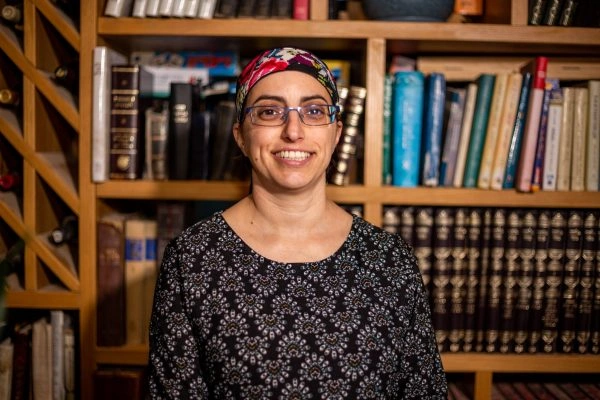
כמו שרואים בתמונה אני ממשיכה ללמוד גם היום ואפילו במחלקת יולדות אחרי לידת ביתי השלישית.

Noa Shiloh
נועה שילה

רבבה, ישראל

בבא קמא מה

מָכוּר, הִקְדִּישׁוֹ מוּקְדָּשׁ, שְׁחָטוֹ – בְּשָׂרוֹ מוּתָּר, הֶחְזִירוֹ שׁוֹמֵר לְבֵית בְּעָלָיו – מוּחְזָר.

it is considered legally sold and belongs to the purchaser for all purposes. Similarly, if he consecrated it, it is halakhically consecrated, and all the halakhot of consecrated property apply to it. If he slaughtered it, one is permitted to eat its meat. If a bailee charged with safeguarding it returned it to its owner’s house before the verdict it is considered to be returned, and the owner has no further claim against the bailee.

מִשֶּׁנִּגְמַר דִּינוֹ – מְכָרוֹ אֵינוֹ מָכוּר, הִקְדִּישׁוֹ אֵינוֹ מוּקְדָּשׁ, שְׁחָטוֹ – בְּשָׂרוֹ אָסוּר, הֶחְזִירוֹ שׁוֹמֵר לְבֵית בְּעָלָיו – אֵינוֹ מוּחְזָר. רַבִּי יַעֲקֹב אוֹמֵר: אַף מִשֶּׁנִּגְמַר דִּינוֹ – הֶחְזִירוֹ שׁוֹמֵר לִבְעָלָיו, מוּחְזָר.

By contrast, once its verdict has been issued, if the owner sells it, it is not considered sold, since the ox is no longer his. Similarly, if he consecrates it, it is not considered consecrated. If he slaughters it, its meat is forbidden. If a bailee returns it to its owner’s house it is not considered to have been returned, since the ox is considered to have been killed. Rabbi Ya’akov says: Even once its verdict has been issued, if the bailee returns it to its owner it is considered to have been returned.

לֵימָא בְּהָא קָמִיפַּלְגִי – דְּרַבָּנַן סָבְרִי: אֵין אוֹמְרִין בְּאִיסּוּרֵי הֲנָאָה ״הֲרֵי שֶׁלְּךָ לְפָנֶיךָ״, וְרַבִּי יַעֲקֹב סָבַר: אוֹמְרִין בְּאִיסּוּרֵי הֲנָאָה ״הֲרֵי שֶׁלְּךָ לְפָנֶיךָ״?

The Gemara suggests: Let us say that they disagree about this: The Rabbis hold that with regard to items from which it is prohibited to derive benefit one does not say: That which is yours is before you, and no compensation is required. Once the deposited item was rendered forbidden, the bailee cannot return it as is to its owner, claiming that since it has not been physically damaged he has fulfilled his obligation to return it and therefore the owner has no further claims against him. And Rabbi Ya’akov holds that one does say, with regard to items from which it is prohibited to derive benefit: That which is yours is before you.

אָמַר רַבָּה: דְּכוּלֵּי עָלְמָא אוֹמְרִין בְּאִיסּוּרֵי הֲנָאָה ״הֲרֵי שֶׁלְּךָ לְפָנֶיךָ״, דְּאִם כֵּן – נִפְלוֹג לְעִנְיַן חָמֵץ בַּפֶּסַח.

Rabba said: Clearly, according to everyone, one says with regard to items from which it is prohibited to derive benefit: That which is yours is before you; as, if this was the subject of disagreement, let them dispute this matter with regard to leavened bread on Passover, which is a more common case of an item from which it is prohibited to derive benefit.

אֶלָּא הָכָא, בְּגוֹמְרִין דִּינוֹ שֶׁל שׁוֹר שֶׁלֹּא בְּפָנָיו קָמִיפַּלְגִי – דְּרַבָּנַן סָבְרִי: אֵין גּוֹמְרִין דִּינוֹ שֶׁל שׁוֹר אֶלָּא בְּפָנָיו; דְּאָמַר לֵיהּ: אִי אַהְדַּרְתֵּיהּ נִיהֲלִי – הֲוָה מַעְרֵקְנָא לֵיהּ לְאַגְמָא, הַשְׁתָּא – אַתְפַּשְׂתֵּיהּ לְתוֹרַאי בִּידָא דְּלָא יָכֵילְנָא לְאִשְׁתַּעוֹיֵי דִּינָא בַּהֲדֵיהּ.

Rather, here they disagree with regard to the matter of issuing the verdict for an ox in its absence. The Rabbis hold that the verdict for an ox can be issued only in its presence. Therefore, the bailee is not exempt by returning it after the verdict, as the owner could say to him: If you had returned the ox to me before the verdict I would have smuggled it to the marsh, and the court would not have been able to sentence it to stoning. Now you have let my ox be seized by the court, with whom I cannot engage in litigation.

וְרַבִּי יַעֲקֹב סָבַר: גּוֹמְרִין דִּינוֹ שֶׁל שׁוֹר שֶׁלֹּא בְּפָנָיו – דְּאָמַר לֵיהּ: סוֹף סוֹף מִיגְמָר הֲווֹ גָּמְרִי לֵיהּ לְדִינָא.

And Rabbi Ya’akov holds that the verdict for an ox can be issued in its absence. Therefore, the bailee is exempt, as he can say to the owner in response to his claim: Ultimately, they would have issued the verdict anyway, so I did not cause your ox to be stoned by not returning it to you before the verdict.

מַאי טַעְמָא דְּרַבָּנַן? ״הַשּׁוֹר יִסָּקֵל וְגַם בְּעָלָיו יוּמָת״ – כְּמִיתַת הַבְּעָלִים כָּךְ מִיתַת הַשּׁוֹר; מָה בְּעָלִים בִּפְנֵיהֶם, אַף שׁוֹר בְּפָנָיו.

According to this explanation, what is the reason for the opinion of the Rabbis that the ox’s verdict can be issued only in its presence? The verse states: “The ox shall be stoned, and its owner also shall be put to death” (Exodus 21:29), indicating that as the death of the owner, i.e., a person, for killing another person, so is the death of the ox for killing a person. Just as the owner is sentenced to death only in his presence, so too, an ox is sentenced to death only in its presence.

וְרַבִּי יַעֲקֹב – בִּשְׁלָמָא בְּעָלִים, בְּנֵי טַעֲנָה נִינְהוּ; אֶלָּא שׁוֹר, בַּר טַעַנְתָּא הוּא?

And Rabbi Ya’akov holds that the owner and the ox cannot be compared. Granted, the owner must be present when the verdict is issued, as people are able to present claims in their defense; but as for an ox, is it capable of presenting claims? Consequently, it makes no difference whether or not the verdict is issued in its presence.

מְסָרוֹ לְשׁוֹמֵר חִנָּם וּלְשׁוֹאֵל כּוּ׳. תָּנוּ רַבָּנַן: אַרְבָּעָה נִכְנְסוּ תַּחַת הַבְּעָלִים, וְאֵלּוּ הֵן: שׁוֹמֵר חִנָּם וְהַשּׁוֹאֵל נוֹשֵׂא שָׂכָר וְהַשּׂוֹכֵר. הָרְגוּ תַּמִּין – נֶהֱרָגִין, וּפְטוּרִין מִן הַכּוֹפֶר. מוּעָדִין – נֶהֱרָגִין, וּמְשַׁלְּמִין אֶת הַכּוֹפֶר. וְחַיָּיבִין לְהַחֲזִיר דְּמֵי שׁוֹר לִבְעָלָיו, חוּץ מִשּׁוֹמֵר חִנָּם.

§ The mishna teaches: If the ox’s owner conveyed it to an unpaid bailee, or to a borrower, or to a paid bailee, or to a renter, they enter into the responsibilities and liabilities in place of the owner. The Sages taught: There are four people who enter into the responsibilities and liabilities in place of the owner, and they are: An unpaid bailee, and a borrower, a paid bailee, and a renter. If the oxen killed people while in the possession of one of these people, if the oxen were innocuous at the time they killed, they are killed and the bailees are exempt from paying ransom. If they were forewarned, they are killed and the bailees pay ransom. And regardless if they were innocuous or forewarned, the bailees are liable to return the value of the ox to its owner, with the exception of an unpaid bailee.

אָמְרִי: הֵיכִי דָמֵי? אִי דְּנַטְרֵיהּ – אֲפִילּוּ כּוּלְּהוּ נָמֵי לִיפַּטְרוּ! וְאִי דְּלָא נַטְרֵיהּ – אֲפִילּוּ שׁוֹמֵר חִנָּם נִיחַיַּיב!

The Sages said: What are the circumstances in which the bailees are liable, with the exception of an unpaid bailee? If he safeguarded the ox appropriately but the ox killed a person anyway, all of the other bailees should also be exempt from reimbursing the owner for the ox and not just an unpaid bailee, as they did everything that was required of them. And if he did not safeguard it properly, even the unpaid bailee should be liable, as he was also required to safeguard it.

אָמְרִי: הָכָא בְּמַאי עָסְקִינַן – דְּנַטְרֵיהּ שְׁמִירָה פְּחוּתָה, וְלָא נַטְרֵיהּ שְׁמִירָה מְעוּלָּה. שׁוֹמֵר חִנָּם – כָּלְתָה לוֹ שְׁמִירָתוֹ, הָנָךְ – לָא כָּלְתָה שְׁמִירָתָן.

The Sages said in response: Here we are dealing with a case where the bailee provided reduced safeguarding and did not provide superior safeguarding. In this case the unpaid bailee has fulfilled his safeguarding duties; since he does not receive anything in exchange this level of safeguarding is sufficient. Those other bailees, who have a greater responsibility, have not fulfilled their required level of safeguarding.

אָמְרִי: כְּמַאן? אִי כְּרַבִּי מֵאִיר,

The Sages said, in clarification of the baraita: In accordance with whose opinion is this baraita? If it is in accordance with the opinion of Rabbi Meir,

דְּאָמַר: שׂוֹכֵר כְּשׁוֹמֵר חִנָּם דָּמֵי, לִיתְנֵי: חוּץ מִשּׁוֹמֵר חִנָּם וְהַשּׂוֹכֵר!

who says that a renter is considered like an unpaid bailee with regard to his responsibility for the rented item, let it teach that bailees are liable to compensate the owner, with the exception of an unpaid bailee and a renter.

וְאִי כְּרַבִּי יְהוּדָה, דְּאָמַר: שׂוֹכֵר כְּנוֹשֵׂא שָׂכָר דָּמֵי – נִיתְנֵי: ״חוּץ מִשּׁוֹמֵר חִנָּם, וְכוּלָּן בְּמוּעָדִין פְּטוּרִין לְעִנְיַן כּוֹפֶר״!

And if it is in accordance with the opinion of Rabbi Yehuda, who says that a renter is considered like a paid bailee, let it teach: With the exception of an unpaid bailee, as it in fact states; but it should also state that in a case where the oxen are forewarned, all of them are exempt with regard to ransom, as Rabbi Yehuda says in the next mishna that a forewarned ox requires only a reduced level of safeguarding. Therefore, this baraita does not appear to be in accordance with the opinion of either tanna.

אָמַר רַב הוּנָא בַּר חִינָּנָא: הָא מַנִּי – רַבִּי אֱלִיעֶזֶר הִיא, דְּאָמַר: אֵין לוֹ שְׁמִירָה אֶלָּא סַכִּין; וּלְעִנְיַן שׂוֹכֵר סָבַר לַהּ כְּרַבִּי יְהוּדָה, דְּאָמַר: שׂוֹכֵר כְּנוֹשֵׂא שָׂכָר דָּמֵי.

Rav Huna bar Ḥinnana said: In accordance with whose opinion is this baraita? It is in accordance with the opinion of Rabbi Eliezer, who says that an ox has no sufficient safeguarding at all other than slaughtering it with a knife; i.e., there is no degree of safeguarding that exempts the ox’s owner, or in the context of the baraita, the bailee, from liability if the ox causes damage or kills. And with regard to a renter, the baraita holds in accordance with the opinion of Rabbi Yehuda, who says that a renter is considered like a paid bailee.

אַבָּיֵי אָמַר: לְעוֹלָם כְּרַבִּי מֵאִיר – וְכִדְמַחְלִיף רַבָּה בַּר אֲבוּהּ, וְתָנֵי: שׂוֹכֵר כֵּיצַד מְשַׁלֵּם? רַבִּי מֵאִיר אוֹמֵר: כְּשׁוֹמֵר שָׂכָר, רַבִּי יְהוּדָה אוֹמֵר: כְּשׁוֹמֵר חִנָּם.

Abaye said: Actually, the baraita is in accordance with the opinion of Rabbi Meir; and it is as Rabba bar Avuh reversed the two opinions and taught: How does a renter pay? In other words, what is his degree of responsibility? Rabbi Meir says: Like a paid bailee. Rabbi Yehuda says: Like an unpaid bailee.

אָמַר רַבִּי אֶלְעָזָר: מָסַר שׁוֹרוֹ לְשׁוֹמֵר חִנָּם, הִזִּיק – חַיָּיב, הוּזַּק – פָּטוּר.

§ Rabbi Elazar says: If the owner conveyed his ox to an unpaid bailee, if the ox caused damage, the bailee is liable to pay damages; but if the ox was injured, he is exempt.

אָמְרִי: הֵיכִי דָמֵי? אִי דְּקַבֵּיל עֲלֵיהּ שְׁמִירַת נְזָקָיו – אֲפִילּוּ הוּזַּק נָמֵי לִיחַיֵּיב! וְאִי דְּלָא קַבֵּיל עֲלֵיהּ שְׁמִירַת נְזָקָיו – אֲפִילּוּ הִזִּיק נָמֵי לִיפְּטַר!

The Sages said: What are the circumstances? If Rabbi Elazar was referring to a bailee who accepted responsibility upon himself for guarding it from causing damage, even if the ox was injured he should be liable. And if he was referring to a bailee who did not accept responsibility for guarding it from causing damage, even if it causes damage he should be exempt from payment.

אָמַר רָבָא: לְעוֹלָם שֶׁקִּיבֵּל עָלָיו שְׁמִירַת נְזָקָיו, וְהָכָא בְּמַאי עָסְקִינַן – כְּגוֹן שֶׁהִכִּיר בּוֹ שֶׁהוּא נַגְחָן. וּסְתָמָא דְּמִילְּתָא, דְּלָא אָזֵיל אִיהוּ וּמַזִּיק אַחֲרִינֵי – קַבֵּיל עֲלֵיהּ, דְּאָתֵי אַחֲרִינֵי וּמַזְּקִי לֵיהּ לְדִידֵיהּ – לָא אַסֵּיק אַדַּעְתֵּיהּ.

Rava said: Actually, Rabbi Elazar was referring to a case where he accepted responsibility upon himself for guarding it from causing damage; but here we are dealing with a case where the bailee recognized that the ox was a goring ox, and in that case the normal way of things is that the bailee accepted upon himself responsibility for safeguarding it so that it would not go and injure others, since he knew that it was dangerous. But it presumably did not enter his mind that other oxen would come and injure it. Therefore, he did not accept responsibility for safeguarding against such an occurrence.

מַתְנִי׳ קְשָׁרוֹ בְּעָלָיו בְּמוֹסֵרָה וְנָעַל בְּפָנָיו כָּרָאוּי, וְיָצָא וְהִזִּיק – אֶחָד תָּם וְאֶחָד מוּעָד חַיָּיב, דִּבְרֵי רַבִּי מֵאִיר.

MISHNA: If the ox’s owner tied it with reins to a fence or locked the gate before it in an appropriate manner, but nevertheless the ox emerged and caused damage, whether the ox is innocuous or forewarned the owner is liable, since this is not considered sufficient precaution to prevent damage; this is the statement of Rabbi Meir.

רַבִּי יְהוּדָה אוֹמֵר: תָּם חַיָּיב, וּמוּעָד פָּטוּר; שֶׁנֶּאֱמַר: ״וְלֹא יִשְׁמְרֶנּוּ בְּעָלָיו״ – וְשָׁמוּר הוּא זֶה.

Rabbi Yehuda says that if the ox is innocuous the owner is liable even if he safeguarded it appropriately, since the Torah does not limit the required safeguarding for an innocuous ox. But if the ox is forewarned, the owner is exempt from paying compensation for damage, as it is stated in the verse describing damage by a forewarned ox: “And the owner has not secured it” (Exodus 21:36), and this ox that was tied with reins or behind a locked gate was secured.

רַבִּי אֱלִיעֶזֶר אוֹמֵר: אֵין לוֹ שְׁמִירָה אֶלָּא סַכִּין.

Rabbi Eliezer says: An ox has no sufficient safeguarding at all other than slaughtering it with a knife; there is no degree of safeguarding that exempts the ox’s owner from liability.

גְּמָ׳ מַאי טַעְמָא דְּרַבִּי מֵאִיר? קָסָבַר: סְתָם שְׁווֹרִים – לָאו בְּחֶזְקַת שִׁימּוּר קָיְימִי; וְאָמַר רַחֲמָנָא תָּם נִיחַיַּיב – דְּנִיבְעֵי לֵיהּ שְׁמִירָה פְּחוּתָה, הֲדַר אָמַר רַחֲמָנָא ״וְלֹא יִשְׁמְרֶנּוּ״ גַּבֵּי מוּעָד – דְּנִבְעֵי לֵיהּ שְׁמִירָה מְעוּלָּה; וְיָלֵיף נְגִיחָה לְתָם – נְגִיחָה לְמוּעָד.

GEMARA: What is the reason for the opinion of Rabbi Meir? He holds that ordinary oxen are not presumed to be under safeguarding, as their owners do not ordinarily safeguard them; and the Merciful One stated in the Torah that one will be liable even for damage caused by an innocuous ox inasmuch as it requires at least a reduced level of safeguarding, such as with reins. The Merciful One then stated with regard to a forewarned ox: “And the owner has not secured it,” to indicate that it is not sufficient to provide it with only a reduced level of safeguarding, as it requires superior safeguarding. And Rabbi Meir derives this requirement with regard to an innocuous ox from a verbal analogy between the term goring stated with regard to an innocuous ox and the term goring stated with regard to a forewarned ox. In both cases superior safeguarding is required; otherwise the owner is liable.

רַבִּי יְהוּדָה סָבַר: סְתָם שְׁווֹרִים – בְּחֶזְקַת שִׁימּוּר קָיְימִי; אָמַר רַחֲמָנָא תָּם נְשַׁלֵּם, דְּנִיבְעֵי לֵיהּ שְׁמִירָה מְעוּלָּה; הֲדַר אָמַר רַחֲמָנָא ״וְלֹא יִשְׁמְרֶנּוּ״ גַּבֵּי מוּעָד – דְּנַעֲבֵיד לֵיהּ שְׁמִירָה מְעוּלָּה. הָוֵי רִיבּוּי אַחַר רִיבּוּי, וְאֵין רִיבּוּי אַחַר רִיבּוּי אֶלָּא לְמַעֵט – מִיעֵט הַכָּתוּב לִשְׁמִירָה מְעוּלָּה.

By contrast, Rabbi Yehuda holds that ordinary oxen are presumed to be under some reduced level of safeguarding. Since the Merciful One stated nevertheless that even for damage caused by an innocuous ox the owner will pay, it may be inferred that it requires superior safeguarding. The Merciful One then states with regard to a forewarned ox: “And the owner has not secured it,” emphasizing again that one must provide it with superior safeguarding. This constitutes one amplification following another amplification, and the principle is that an amplification following an amplification is stated only in order to restrict its extent. Accordingly, the verse excludes the requirement of superior safeguarding with regard to a forewarned ox, and therefore reduced safeguarding is sufficient to exempt the owner from liability.

וְכִי תֵּימָא: נְגִיחָה לְתָם נְגִיחָה לְמוּעָד – הָא מִיעֵט רַחֲמָנָא ״וְלֹא יִשְׁמְרֶנּוּ״ – לָזֶה, וְלֹא לְאַחֵר.

And if you would say that through the verbal analogy between the term goring stated with regard to an innocuous ox and the term goring stated with regard to a forewarned ox the Torah compares their halakhot, nevertheless, the Merciful One restricted this halakha by emphasizing: “And the owner has not secured it,” referring specifically to it, a forewarned ox, and not to the other, i.e., innocuous, ox.

וְהָא מִיבְּעֵי לֵיהּ לְלָאו! אִם כֵּן, נִכְתּוֹב רַחֲמָנָא ״וְלֹא יִשְׁמוֹר״, מַאי ״וְלֹא יִשְׁמְרֶנּוּ״? לָזֶה וְלֹא לְאַחֵר.

The Gemara asks: But isn’t this phrase necessary for the negative [lav] statement that if the owner does not provide superior safeguarding he is liable? The Gemara answers: If that is so, let the Merciful One write: And the owner has not secured. What is the purpose of the added emphasis: “And the owner has not secured it”? It is to indicate that the restriction of this halakha relates specifically to it, a forewarned ox, and not to the other, i.e., innocuous, ox.

תַּנְיָא, רַבִּי אֱלִיעֶזֶר בֶּן יַעֲקֹב אוֹמֵר: אֶחָד תָּם וְאֶחָד מוּעָד שֶׁשְּׁמָרוֹ שְׁמִירָה פְּחוּתָה – פָּטוּר.

It is taught in a baraita that there is a fourth opinion. Rabbi Eliezer ben Ya’akov says: In the cases of both an innocuous ox and a forewarned ox in which its owner provided reduced safeguarding, he is exempt from liability.

מַאי טַעְמָא? סָבַר לַהּ כְּרַבִּי יְהוּדָה, דְּאָמַר: מוּעָד – בִּשְׁמִירָה פְּחוּתָה סַגִּי לֵיהּ, וְיָלֵיף נְגִיחָה לְתָם וּנְגִיחָה לְמוּעָד.

The Gemara asks: What is the reason for his opinion? He holds in accordance with the opinion of Rabbi Yehuda, who says that reduced safeguarding is sufficient for a forewarned ox, and he derives from the verbal analogy between the term goring stated with regard to an innocuous ox and the term goring stated with regard to a forewarned ox that just as reduced safeguarding is sufficient for a forewarned ox, it is sufficient for an innocuous ox as well.

אָמַר רַב אַדָּא בַּר אַהֲבָה: לָא פָּטַר רַבִּי יְהוּדָה אֶלָּא צַד הַעֲדָאָה שֶׁבּוֹ, אֲבָל צַד תַּמּוּת בִּמְקוֹמָהּ עוֹמֶדֶת.

Rav Adda bar Ahava said: Rabbi Yehuda deemed only the forewarned element of the ox exempt. Rabbi Yehuda’s ruling that reduced safeguarding is sufficient to exempt the owner of a forewarned ox relates only to the additional half of the damage that is paid for a forewarned ox beyond the half of the damage that one is liable to pay for an innocuous ox. But the liability for its element of innocuousness remains in place. Therefore, if the owner did not provide superior safeguarding for the forewarned ox he is still liable to pay half the cost of the damage as he would if it were innocuous.

אָמַר רַב: מוּעָד לְקֶרֶן יָמִין – אֵינוֹ מוּעָד לְקֶרֶן שְׂמֹאל.

Rav says: If an ox is forewarned with regard to goring with its right horn, it is not thereby forewarned with regard to goring with its left horn.

אָמְרִי: אַלִּיבָּא דְּמַאן? אִי אַלִּיבָּא דְרַבִּי מֵאִיר, הָאָמַר: אֶחָד תָּם וְאֶחָד מוּעָד, שְׁמִירָה מְעוּלָּה בָּעֵי! אִי אַלִּיבָּא דְּרַבִּי יְהוּדָה, מַאי אִרְיָא קֶרֶן שְׂמֹאל? אֲפִילּוּ בְּיָמִין נָמֵי – אִית בֵּיהּ צַד תַּמּוּת, וְאִית בֵּיהּ צַד מוּעָדֻת!

The Sages said: In accordance with whose opinion is Rav’s statement made? If it is in accordance with the opinion of Rabbi Meir, doesn’t Rabbi Meir say that both an innocuous ox and a forewarned ox require superior safeguarding? If it is in accordance with the opinion of Rabbi Yehuda, why did he state that the ox still has an innocuous element specifically with regard to the left horn? Even with regard to the right horn itself it has both elements; it has an element of innocuousness and it also has a forewarned element.

אָמְרִי: לְעוֹלָם כְּרַבִּי יְהוּדָה, וְלָא סְבִירָא לֵיהּ דְּרַב אַדָּא בַּר אַהֲבָה; וְהָכִי קָאָמַר: כִּי הַאי גַוְונָא הוּא דְּמַשְׁכַּחַתְּ בֵּיהּ צַד תַּמּוּת וּמוּעָדֻת,

The Sages said: Actually, Rav’s statement is in accordance with the opinion of Rabbi Yehuda, and he does not hold in accordance with the opinion of Rav Adda bar Ahava that the ox’s innocuous element remains. And this is what he is saying: You find an element both of innocuousness and of a forewarned status in the same ox specifically in a case like this, where an ox is forewarned with regard to one horn but not with regard to the other.

רוצה לעקוב אחרי התכנים ולהמשיך ללמוד?

ביצירת חשבון עוד היום ניתן לעקוב אחרי ההתקדמות שלך, לסמן מה למדת, ולעקוב אחרי השיעורים שמעניינים אותך.

לנקות את כל הפריטים מהרשימה?

פעולה זו תסיר את כל הפריטים בחלק זה כולל ההתקדמות וההיסטוריה. שימי לב: לא ניתן לשחזר פעולה זו.

ביטול
מחיקה

האם את/ה בטוח/ה שברצונך למחוק פריט זה?

תאבד/י את כל ההתקדמות או ההיסטוריה הקשורות לפריט זה.

ביטול
מחיקה