







בהמה התוקפת אשה הרה וגורם להפלת העובר, בעל השור לא משלם את ערך העובר אבל אדם שתוקף אשה הרה משלם. זאת משום שהפסוק בתורה מזכיר רק תשלום עבור עובר לגבי מקרה שבו תקף גבר אשה הרה. איך מעריכים את הסכום? האם יתכן שיש איזה מקרה שבו ישלמו בעבור הפלה על ידי בהמה? רשב”ג חולק על תנא קמא אך מובאים שני פירושים שונים לגבי נקודת המחלוקת. תשלום העובר מגיע לבעל. אם הבעל כבר אינו בחיים, זה עובר ליורשיו, אבל מה אם הוא גר או עבד כנעני משוחרר ואין לו יורשים, האם התשלום מגיע לאשה? כמו כן, מבחינים (לפי דעה אחת) בין ערך העובר (דמי ולדות) לבין ערך האישה שעכשיו גדולה יותר מאכילה יותר כתוצאה מההריון (שבח ולדות). הגמרא מביאה הלכות נוספות לגבי רכושם של גרים לאחר מותם. רבי ישמעאל ורבי עקיבא חלוקים בשאלה מהו המקרה הקלאסי של בור בתורה.
הלימוד השבוע מוקדש לזכות ולשלום הַיְימׇנוֹט אֱמוּנָה בַּת באנצ’י (קָסָאוּ) בת 11 שנעלמה במקום מגוריה בצפת, לפני שנתיים, ביום ט”ז אדר תשפ”ד (25.2.24), ולא נודעו עקבותיה.
הלימוד השבוע מוקדש למען ביטחון המדינה, החיילים והאזרחים, ולמען חירותו של העם האיראני. שנזכה בקרוב שיתקיים בנו הפסוק: "לַיְּהוּדִים הָיְתָה אוֹרָה וְשִׂמְחָה וְשָׂשֹׂן וִיקָר”.
הלימוד השבוע מוקדש לזכות וְלִשְׁלוֹם הָיימָנוֹט אֱמוּנָה בַּת באנצ’י (קָסָאוּ), בת 11 שנעלמה במקום מגוריה בצפת, לפני שנתיים, ביום ט”ז אדר תשפ״ד (25.2.24), ולא נודעו עקבותיה. אנו מתפללים שֶׁתִּמָּצֵא וְתוּשַׁב לביתה במהרה!
רוצה להקדיש שיעור?

0:00
0:00
כלים
הלימוד השבוע מוקדש לזכות ולשלום הַיְימׇנוֹט אֱמוּנָה בַּת באנצ’י (קָסָאוּ) בת 11 שנעלמה במקום מגוריה בצפת, לפני שנתיים, ביום ט”ז אדר תשפ”ד (25.2.24), ולא נודעו עקבותיה.
הלימוד השבוע מוקדש למען ביטחון המדינה, החיילים והאזרחים, ולמען חירותו של העם האיראני. שנזכה בקרוב שיתקיים בנו הפסוק: "לַיְּהוּדִים הָיְתָה אוֹרָה וְשִׂמְחָה וְשָׂשֹׂן וִיקָר”.
הלימוד השבוע מוקדש לזכות וְלִשְׁלוֹם הָיימָנוֹט אֱמוּנָה בַּת באנצ’י (קָסָאוּ), בת 11 שנעלמה במקום מגוריה בצפת, לפני שנתיים, ביום ט”ז אדר תשפ״ד (25.2.24), ולא נודעו עקבותיה. אנו מתפללים שֶׁתִּמָּצֵא וְתוּשַׁב לביתה במהרה!
בבא קמא מט
אִם כֵּן, מִשֶּׁהָאִשֶּׁה יוֹלֶדֶת מַשְׁבַּחַת! אֶלָּא שָׁמִין אֶת הַוְּלָדוֹת כַּמָּה הֵן יָפִין, וְנוֹתֵן לַבַּעַל. וְאִם אֵין לַהּ בַּעַל – נוֹתֵן לְיוֹרְשָׁיו.
If so, the consequences would be absurd, as when a woman gives birth her value increases. Rather, the court appraises how much the offspring are worth, and the one liable for the damage gives that amount to the husband. And if she does not have a husband, e.g., her husband died, he gives the money to his heirs.
הָיְתָה שִׁפְחָה וְנִשְׁתַּחְרְרָה, אוֹ גִיּוֹרֶת – פָּטוּר.
If the pregnant woman was a Canaanite maidservant and then she was emancipated, or a convert, and she was married to an emancipated Canaanite slave or to a convert who died without any heirs, the one who caused the damage is exempt from paying compensation for miscarried offspring. This is because this payment is made specifically to the husband, not to the woman.
גְּמָ׳ טַעְמָא דְּמִתְכַּוֵּין לַחֲבֵירוֹ, הָא מִתְכַּוֵּין לָאִשָּׁה – מְשַׁלֵּם דְּמֵי וְלָדוֹת. לֵימָא תֶּיהְוֵי תְּיוּבְתָּא דְּרַב אַדָּא בַּר אַהֲבָה – דְּאָמַר רַב אַדָּא בַּר אַהֲבָה: שְׁווֹרִים שֶׁנִּתְכַּוְּונוּ לָאִשָּׁה – פְּטוּרִים מִדְּמֵי וְלָדוֹת?
GEMARA: The first clause of the mishna indicates that the reason the owner is exempt from paying compensation for the offspring when an ox unintentionally gores a pregnant woman is specifically that it was intending to gore another ox. By inference, if it was intending to gore the woman, the owner pays compensation for miscarried offspring. Shall we say that this should be a conclusive refutation of the opinion of Rav Adda bar Ahava, as Rav Adda bar Ahava says: With regard to oxen that intended to gore a woman and then did so, the owners are exempt from paying compensation for miscarried offspring?
אָמַר לְךָ רַב אַדָּא בַּר אַהֲבָה: הוּא הַדִּין דַּאֲפִילּוּ נִתְכַּוְּונוּ לָאִשָּׁה נָמֵי פְּטוּרִים מִדְּמֵי וְלָדוֹת; וְהָא דְּקָתָנֵי: ״שׁוֹר שֶׁהָיָה מִתְכַּוֵּין לַחֲבֵירוֹ״ – אַיְּידֵי דְּקָא בָּעֵי לְמִיתְנָא סֵיפָא: ״אָדָם שֶׁהָיָה מִתְכַּוֵּין לַחֲבֵירוֹ״ – דְּהָכִי כְּתִיב קְרָא, קָתָנֵי רֵישָׁא נָמֵי: ״שׁוֹר שֶׁהָיָה מִתְכַּוֵּין לַחֲבֵירוֹ״.
The Gemara answers that Rav Adda bar Ahava could have said to you: The same is true, that even if the oxen intended to gore the woman, the owners are also exempt from paying compensation for miscarried offspring. As for that which is taught in the mishna: An ox that was intending to gore another ox, it is taught this way since it wants to teach the latter clause: A person that was intending to injure another person, as this case is written explicitly in the verse: “And if men struggle and hurt a pregnant woman and her offspring emerge” (Exodus 21:22). In the case in the verse, the assailant intended to injure another person but injured the woman instead. Therefore, the mishna also teaches the first clause in that style: An ox that was intending to gore another ox.
אָמַר רַב פָּפָּא: שׁוֹר שֶׁנָּגַח אֶת הַשִּׁפְחָה, וְיָצְאוּ יְלָדֶיהָ – מְשַׁלֵּם דְּמֵי וְלָדוֹת. מַאי טַעְמָא? חֲמָרְתָּא מְעַבַּרְתָּא בְּעָלְמָא הוּא דְּאַזֵּיק, דְּאָמַר קְרָא: ״שְׁבוּ לָכֶם פֹּה עִם הַחֲמוֹר״ – עַם הַדּוֹמֶה לַחֲמוֹר.
Rav Pappa says: In the case of an ox that gored a Canaanite maidservant, and her offspring emerged due to miscarriage, the owner pays compensation for miscarried offspring. What is the reason? The ox injured a mere pregnant donkey. With regard to the matter of compensation for offspring, who would be the property of the master were they to be born, a Canaanite slave is considered property of the master. As the verse states that Abraham addressed Eliezer, who was a Canaanite, by saying: “You remain here with [im] the donkey” (Genesis 22:5), on which the Sages expound that he was alluding to the idea that Eliezer is of a people [am] that is similar to a donkey. Therefore, the case of an ox goring a Canaanite maidservant is not included in the Torah’s exemption from paying compensation for miscarried offspring.
כֵּיצַד מְשַׁלֵּם דְּמֵי וְלָדוֹת. ״דְּמֵי וְלָדוֹת״?! ״שְׁבַח וְלָדוֹת״ מִיבְּעֵי לֵיהּ! הָכִי נָמֵי קָאָמַר: כֵּיצַד מְשַׁלֵּם דְּמֵי וְלָדוֹת וּשְׁבַח וְלָדוֹת – שָׁמִין אֶת הָאִשָּׁה כַּמָּה הִיא יָפָה עַד שֶׁלֹּא יָלָדָה, וְכַמָּה הִיא יָפָה מִשֶּׁיָּלָדָה.
§ The mishna teaches: How does he pay compensation for miscarried offspring? The court appraises how much the value of the woman increased due to the offspring. The Gemara asks: Would this be a correct interpretation of the term: Compensation for miscarried offspring? If this is how the sum is calculated, the mishna should have stated: How does he pay the increase in value due to the offspring? The Gemara answers: That is also what the tanna is saying: How does he pay compensation for miscarried offspring and the increase in value due to the offspring? In other words, apart from evaluating the compensation for the miscarried offspring, the court also appraises the value of the woman by calculating how much she would be worth if sold as a maidservant before giving birth, and how much she would be worth after giving birth.
אָמַר רַבָּן שִׁמְעוֹן בֶּן גַּמְלִיאֵל: אִם כֵּן, מִשֶּׁהָאִשֶּׁה יוֹלֶדֶת מַשְׁבַּחַת! מַאי קָאָמַר? אָמַר רַבָּה, הָכִי קָאָמַר: וְכִי אִשָּׁה מַשְׁבַּחַת קוֹדֶם שֶׁתֵּלֵד יוֹתֵר מִלְּאַחַר שֶׁתֵּלֵד? וַהֲלֹא אִשָּׁה מַשְׁבַּחַת לְאַחַר שֶׁתֵּלֵד יוֹתֵר מִקּוֹדֶם שֶׁתֵּלֵד! אֶלָּא שָׁמִין אֶת הַוְּלָדוֹת, וְנוֹתְנִין לַבַּעַל.
§ The mishna teaches: Rabban Shimon ben Gamliel said: If so, the consequences would be absurd, as when a woman gives birth her value increases. The Gemara asks: What is Rabban Shimon ben Gamliel saying? Rabba said: This is what he is saying: But is the monetary value of a woman higher before she gives birth than after she gives birth? But isn’t the opposite true, that the monetary value of a woman is higher after giving birth than before giving birth, since the concern for her dying during childbirth, which lowers her monetary value prior to giving birth, is no longer a concern? Rather, the court appraises the value of the fetuses and gives that amount to the husband.
תַּנְיָא נָמֵי הָכִי: וְכִי אִשָּׁה מַשְׁבַּחַת קוֹדֶם שֶׁתֵּלֵד יוֹתֵר מִלְּאַחַר שֶׁתֵּלֵד? וַהֲלֹא אִשָּׁה מַשְׁבַּחַת לְאַחַר שֶׁתֵּלֵד יוֹתֵר מִקּוֹדֶם שֶׁתֵּלֵד! אֶלָּא שָׁמִין אֶת הַוְּלָדוֹת וְנוֹתְנִין לַבַּעַל.
This explanation of Rabban Shimon ben Gamliel’s statement is also taught in a baraita: But is the monetary value of a woman higher before she gives birth than after she gives birth? But isn’t the opposite true, that the monetary value of a woman is higher after giving birth than before giving birth? Rather, the court appraises the value of the fetuses and gives that amount to the husband.
רָבָא אָמַר, הָכִי קָתָנֵי: וְכִי אִשָּׁה – לְמִי שֶׁיּוֹלֶדֶת מַשְׁבַּחַת, וְאֵין לְעַצְמָהּ בִּשְׁבַח וְלָדוֹת כְּלוּם? אֶלָּא שָׁמִין אֶת הַוְּלָדוֹת וְנוֹתְנִין לַבַּעַל, וּשְׁבַח וְלָדוֹת חוֹלְקִין.
Rava said: This is what Rabban Shimon ben Gamliel is teaching: But is the value of the woman higher only for the one for whom she gives birth, i.e., her husband, and she herself does not have any increase in value at all due to the offspring? A pregnant woman’s monetary value is increased on account of her pregnancy, beyond the monetary value of the offspring. Rather, the court appraises the value of the offspring and gives it to the husband. And in addition, the husband and wife divide the increase in her value due to the offspring.
תַּנְיָא נָמֵי הָכִי, אָמַר רַבָּן שִׁמְעוֹן בֶּן גַּמְלִיאֵל: וְכִי אִשָּׁה – לְמִי שֶׁיּוֹלֶדֶת מַשְׁבַּחַת, וְאֵין לְעַצְמָהּ בִּשְׁבַח וְלָדוֹת כְּלוּם? אֶלָּא שָׁמִין נֶזֶק בִּפְנֵי עַצְמוֹ, וְצַעַר בִּפְנֵי עַצְמוֹ; וְשָׁמִין אֶת הַוְּלָדוֹת וְנוֹתְנִין לַבַּעַל, וּשְׁבַח וְלָדוֹת חוֹלְקִין.
This explanation of Rabban Shimon ben Gamliel’s opinion is also taught in a baraita: Rabban Shimon ben Gamliel said: But is the value of the woman higher only for the one for whom she gives birth, i.e., her husband, and she herself does not have any increase in value at all due to the offspring? Rather, the court appraises damage by itself and pain by itself, and appraises the value of the offspring and gives it to the husband, and the husband and wife divide the increase in her value due to the offspring.
קַשְׁיָא דְּרַבָּן שִׁמְעוֹן בֶּן גַּמְלִיאֵל אַדְּרַבָּן שִׁמְעוֹן בֶּן גַּמְלִיאֵל!
The Gemara asks: The opinion of Rabban Shimon ben Gamliel in the first baraita, that the woman’s value decreases because of pregnancy, poses a difficulty for that of Rabban Shimon ben Gamliel in the second baraita, that it increases.
לָא קַשְׁיָא; כָּאן בִּמְבַכֶּרֶת, כָּאן בְּשֶׁאֵינָהּ מְבַכֶּרֶת.
The Gemara answers: This is not difficult, since each baraita is referring to a different case: Here, the first baraita, which stated that the woman’s value increases after giving birth, is referring to a woman giving birth to her firstborn. Her value decreases prior to birth out of concern that she might die in childbirth. There, the second baraita, which stated that her value increases due to pregnancy, is referring to a woman who is not giving birth to her firstborn.
וְרַבָּנַן דְּאָמְרִי שְׁבַח וְלָדוֹת נָמֵי לַבַּעַל – מַאי טַעְמָא? כְּדִתְנַן, מִמַּשְׁמַע שֶׁנֶּאֱמַר: ״וְיָצְאוּ יְלָדֶיהָ״ – אֵינִי יוֹדֵעַ שֶׁהִיא הָרָה? מָה תַּלְמוּד לוֹמַר: ״הָרָה״? לוֹמַר לָךְ: שְׁבַח הֵרָיוֹן לַבַּעַל.
The Gemara asks: And what is the reason of the Rabbis in the second baraita, who say: The increase in her value due to the offspring is also given to the husband? The Gemara answers: They derive it from a redundancy in a verse, as we learned in a baraita: The verse states: “And hurt a pregnant woman and her offspring emerge” (Exodus 21:22). From the fact that it is stated: “And her offspring emerge,” don’t I know by inference that she was pregnant? If so, what is the meaning when the verse states: “A pregnant woman,” and not just “a woman”? To inform you that even the increase in her value due to the pregnancy is given to the husband.
וְרַבָּן שִׁמְעוֹן בֶּן גַּמְלִיאֵל, הַאי ״הָרָה״ מַאי דָּרֵישׁ בֵּיהּ? מִבְּעֵי לֵיהּ לְכִדְתַנְיָא, רַבִּי אֱלִיעֶזֶר בֶּן יַעֲקֹב אוֹמֵר: לְעוֹלָם אֵינוֹ חַיָּיב, עַד שֶׁיַּכֶּנָּה כְּנֶגֶד בֵּית הַהֵרָיוֹן. אָמַר רַב פָּפָּא: לָא תֵּימָא כְּנֶגֶד בֵּית הֵרָיוֹן מַמָּשׁ, אֶלָּא כֹּל הֵיכָא דְּסָלֵיק בֵּיהּ שִׁיחְמָא לְוָלָד. לְאַפּוֹקֵי יָד וָרֶגֶל – דְּלָא.
The Gemara asks: And what halakha does Rabban Shimon ben Gamliel expound on this extra word “pregnant”? The Gemara answers: He requires it for that which is taught in a baraita: Rabbi Eliezer ben Ya’akov says that one who injures a woman is never liable to pay compensation for miscarried offspring unless he strikes her opposite the womb, i.e., on the abdomen. Rav Pappa said: Do not say that it must be literally opposite the womb. Rather, he is liable if she was struck anywhere that the wound’s impact could reach the offspring, i.e., any part of the torso, to exclude a wound to her hand or foot, for which he is not liable, since it could be argued that it was not the wound to the hand or foot that caused the miscarriage.
הָיְתָה שִׁפְחָה וְנִשְׁתַּחְרְרָה, אוֹ גִיּוֹרֶת – פָּטוּר. אָמַר רַבָּה: לֹא שָׁנוּ אֶלָּא שֶׁחָבַל בָּהּ בְּחַיֵּי הַגֵּר, וּמֵת הַגֵּר; דְּכֵיוָן דְּחָבַל בָּהּ בְּחַיֵּי הַגֵּר – זְכָה בְּהוּ גֵּר, וְכֵיוָן דְּמֵת הַגֵּר – זְכָה בְּהוּ מִן הַגֵּר. אֲבָל חָבַל בָּהּ לְאַחַר מִיתַת הַגֵּר – זָכְיָא לַהּ אִיהִי בְּגַוַּיְיהוּ, וּמִיחַיַּיב לְשַׁלּוֹמֵי לַהּ לְדִידַהּ.
§ The mishna teaches: If the pregnant woman was a maidservant and then she was emancipated, or a convert, he is exempt from the payment of damages for miscarried offspring. Rabba says: They taught this halakha only in a case where one injured her during the lifetime of the convert, i.e., her husband, and the convert died before the payment was given. The reason for this is that since the assailant injured her during the lifetime of the convert, the convert acquires the money, although it is still in the possession of the one liable for the damage. And once the convert dies without heirs, the money is ownerless. Therefore, the assailant acquires it from the convert. Since anyone can assume ownership of ownerless property, the assailant, who already possesses the money, becomes the owner. But if he injured her after the convert had died, she acquires the money, and he must pay the woman herself.
אָמַר רַב חִסְדָּא: מָרֵי דֵּיכִי! אַטּוּ וְלָדוֹת צְרָרֵי נִינְהוּ – וְזָכְיָא בְּהוּ?! אֶלָּא אִיתֵיהּ לְבַעַל – זְכָה לֵיהּ רַחֲמָנָא, לֵיתֵיהּ לְבַעַל – לָא.
Rav Ḥisda said in amazement: Master of this ruling! Is that to say that compensation for the offspring is like bundles of money, and she acquires them when her husband dies? Rabba seems to understand that the pregnant woman assumes ownership of the offspring by virtue of being in possession of them when the husband dies, and therefore has the right to compensation for them. That is not the case. Rather, if the husband is present, the Merciful One grants compensation for the offspring to him, but if the husband is not alive, the Torah does not grant compensation to anyone else.
מֵיתִיבִי: הִכָּה אֶת הָאִשָּׁה, וְיָצְאוּ יְלָדֶיהָ – נוֹתֵן נֶזֶק וָצַעַר לָאִשָּׁה, וּדְמֵי וְלָדוֹת לַבַּעַל. אֵין הַבַּעַל – נוֹתֵן לְיוֹרְשָׁיו, אֵין הָאִשָּׁה – נוֹתֵן לְיוֹרְשֶׁיהָ. הָיְתָה שִׁפְחָה וְנִשְׁתַּחְרְרָה, אוֹ גִיּוֹרֶת – זָכָה!
The Gemara raises an objection against the opinion of Rabba from the following: If the assailant struck the woman and her offspring emerged due to miscarriage, he gives compensation for damage and pain to the woman and compensation for miscarried offspring to the husband. If the husband is not alive, he gives the compensation for the offspring to his heirs. If the woman is not alive, he gives the payment owed to her to her heirs. If she was a maidservant and then she was emancipated, or a convert, the assailant acquires the money. This indicates that if the husband is no longer alive, the woman doesn’t receive anything.
אָמְרִי: וּמִי עֲדִיפָא מִמַּתְנִיתִין – דְּאוֹקֵימְנָא שֶׁחָבַל בָּהּ בְּחַיֵּי הַגֵּר, וּמֵת הַגֵּר? הָכָא נָמֵי – שֶׁחָבַל בָּהּ בְּחַיֵּי הַגֵּר, וּמֵת הַגֵּר. וְאִיבָּעֵית אֵימָא: לְאַחַר מִיתַת הַגֵּר,
The Sages said in response to this: But is the baraita preferable to the mishna, which we interpreted as referring to a case where he injured her during the lifetime of the convert, and the convert then died? Here also, it must be explained that he injured her during the lifetime of the convert, and the convert then died. And if you wish, say instead that he injured her even after the death of the convert.
וּתְנִי: ״זָכְתָה״.
And as for the expression in the baraita: He acquires, referring to the one who causes the damage, teach: She acquires.
לֵימָא כְּתַנָּאֵי: בַּת יִשְׂרָאֵל שֶׁנִּישֵּׂאת לְגֵר וְנִתְעַבְּרָה מִמֶּנּוּ, וְחָבַל בָּהּ; בְּחַיֵּי הַגֵּר – נוֹתֵן דְּמֵי וְלָדוֹת לַגֵּר. לְאַחַר מִיתַת הַגֵּר – תָּנֵי חֲדָא: חַיָּיב, וְתָנֵי חֲדָא: פָּטוּר. מַאי, לָאו תַּנָּאֵי נִינְהוּ? לְרַבָּה – וַדַּאי תַּנָּאֵי הִיא. אֶלָּא לְרַב חִסְדָּא – מִי לֵימָא תַּנָּאֵי הִיא?
The Gemara suggests: Let us say that the dispute between Rabba and Rav Ḥisda is parallel to a dispute between tanna’im: With regard to a Jewish woman who was married to a convert, and she became pregnant from him, and someone injured her, causing her to miscarry: If this was during the lifetime of the convert, the assailant gives compensation for miscarried offspring to the convert, i.e., her husband. If this was after the death of the convert, it is taught in one baraita that the assailant is liable, and it is taught in one baraita that the assailant is exempt. What, is it not a dispute between tanna’im? The Gemara clarifies: According to the opinion of Rabba, it is certainly a dispute between tanna’im. His opinion does not accord with the second baraita. But according to the opinion of Rav Ḥisda, shall we say that it is a dispute between tanna’im?
לָא קַשְׁיָא; הָא רַבָּנַן, הָא רַבָּן שִׁמְעוֹן בֶּן גַּמְלִיאֵל.
This is not necessarily so, as Rav Ḥisda could say that both baraitot are in accordance with his opinion. As for the difference between them, that is not difficult. They can be explained as referring to the increase in the woman’s value due to the offspring, which is subject to dispute in the mishna, rather than referring to the payment of compensation for miscarried offspring. This baraita, which taught that he is exempt, is in accordance with the opinion of the Rabbis, who maintain that the increase in her value on account of the offspring belongs to the husband. That baraita, which taught that he is liable, is in accordance with the opinion of Rabban Shimon ben Gamliel, who maintains that the woman has a share in her increase in value due to pregnancy, and this is paid even if the incident occurred after the husband’s death.
אִי רַבָּן שִׁמְעוֹן בֶּן גַּמְלִיאֵל, מַאי אִרְיָא לְאַחַר מִיתָה? אֲפִילּוּ מֵחַיִּים נָמֵי אִית לַהּ פַּלְגָא! מֵחַיִּים אִית לַהּ פַּלְגָא, לְאַחַר מִיתָה כּוּלֵּיהּ.
The Gemara asks: If it is in accordance with the opinion of Rabban Shimon ben Gamliel, why state specifically that it occurs after the death of the husband? Even during the husband’s lifetime, she also has a half share, as explained earlier in the discussion. The Gemara answers: While he is alive, she has a half share, but after his death, all of it belongs to her.
וְאִיבָּעֵית אֵימָא: הָא וְהָא רַבָּן שִׁמְעוֹן בֶּן גַּמְלִיאֵל; כָּאן בִּשְׁבַח וְלָדוֹת, כָּאן בִּדְמֵי וְלָדוֹת.
And if you wish, say instead that both this baraita and that baraita are in accordance with the opinion of Rabban Shimon ben Gamliel, but they refer to different payments. Here, the baraita that taught that he is liable, is referring to the increase in her value due to the offspring, which belongs partly to the woman, and if the husband dies, she acquires the rights to all of it. By contrast, there, the baraita that taught that he is exempt, is referring to compensation for miscarried offspring, which belongs exclusively to her husband. Since he is a convert, the one liable for damage is exempt after his death.
אָמְרִי: מִשְּׁבַח וְלָדוֹת לִישְׁמַע דְּמֵי וְלָדוֹת, וּמֵרַבָּן שִׁמְעוֹן בֶּן גַּמְלִיאֵל לִישְׁמַע לְרַבָּנַן!
The Sages said, in questioning this answer: Why is there a difference between the two cases? From the halakha that after the husband’s death the woman acquires his share of the increase in her value due to the offspring, let it be derived that according to the opinion of Rabban Shimon ben Gamliel she also acquires the rights to the compensation for miscarried offspring if she was wounded after his death. Moreover, from the opinion of Rabban Shimon ben Gamliel, let us derive that this is also the opinion of the Rabbis, since there is no dispute between them with regard to the payment of compensation for miscarried offspring.
אָמְרִי: לָא; שְׁבַח וְלָדוֹת, דְּשָׁיְיכָא יְדַהּ בְּגַוַּיְיהוּ – זָכְיָא בְּהוּ בְּכוּלְּהוּ; דְּמֵי וְלָדוֹת, לָא שָׁיְיכָא יְדַהּ בְּגַוַּיְיהוּ – לָא זָכְיָא בְּהוּ כְּלָל.
In response, the Sages said: No, the first assumption is untenable, since with regard to the increase in her value due to the offspring, in which she has a share from the outset, she acquires all of it after her husband’s death. By contrast, with regard to the compensation for miscarried offspring, in which she does not have a share from the outset, she does not acquire the rights to it at all, since she has no greater claim to this than any other individual does.
בָּעֵי מִינֵּיהּ רַב יֵיבָא סָבָא מֵרַב נַחְמָן: הַמַּחְזִיק בִּשְׁטָרוֹתָיו שֶׁל גֵּר, מַהוּ? מַאן דְּמַחְזֵיק בִּשְׁטָרָא – אַדַּעְתָּא דְאַרְעָא הוּא מַחְזֵיק, וּבְאַרְעָא הָא לָא אַחְזֵיק; וּשְׁטָרָא נָמֵי לָא קְנָה – דְּלָאו דַּעְתֵּיהּ אַשְּׁטָרָא; אוֹ דִלְמָא, דַּעְתֵּיהּ נָמֵי אַשְּׁטָרָא?
§ Rav Yeiva the Elder raises a dilemma to Rav Naḥman: With regard to one who takes possession of the documents of a convert, what is the halakha after the death of the convert? On the one hand, it can be argued that one who takes possession of the document takes possession with the intention of acquiring the land that the document states is under lien, and since he did not take possession of the land itself, he also does not acquire the document. This is because he had no intention to acquire the document, but just the property specified in the document. Therefore, since the convert has died, perhaps the lien is canceled and can no longer be collected, or perhaps his intention is also to acquire the document, and the paper on which it is written belongs to him.
אֲמַר לֵיהּ: עֲנַי מוֹרִי, וְכִי לָצוֹר עַל פִּי צְלוֹחִיתוֹ הוּא צָרִיךְ? אֲמַר לֵיהּ: לָצוֹר וְלָצוֹר.
Rav Naḥman said to him: Answer this, my Master: Does he need to acquire the document to use as paper to cover the opening of his flask? Why would he want the document if it does not grant him ownership of the land described therein? Rav Yeiva the Elder said to him: Indeed, his intention is even to cover the flask and to cover it with the paper, albeit a mundane purpose.
אָמַר רַבָּה: מַשְׁכּוֹנוֹ שֶׁל יִשְׂרָאֵל בְּיַד גֵּר, וּמֵת הַגֵּר, וּבָא יִשְׂרָאֵל אַחֵר וְהֶחְזִיק בּוֹ – מוֹצִיאִין אוֹתוֹ מִיָּדוֹ. מַאי טַעְמָא? כֵּיוָן דְּמִית לֵיהּ גֵּר – פְּקַע לֵיהּ שִׁעְבּוּדֵיהּ.
Rabba says: In a case where the collateral of a Jew was in the possession of a convert who lent him money, and the convert died, and another Jew came and took possession of it, then, since the convert has no heirs, the court appropriates it from his possession and returns it to its owner. What is the reason? Since the convert died, his lien on the property is abrogated. Therefore, the deposit automatically returns to its owner, and no one else has the right to take it.
מַשְׁכּוֹנוֹ שֶׁל גֵּר בְּיַד יִשְׂרָאֵל, וּמֵת הַגֵּר, וּבָא יִשְׂרָאֵל אַחֵר וְהֶחֱזִיק בּוֹ – זֶה קָנָה כְּנֶגֶד מְעוֹתָיו, וְזֶה קָנָה אֶת הַשְּׁאָר.
By contrast, if the collateral of a convert is in the possession of a Jew who lent him money and the convert died, and another Jew came and took possession of it, this one, i.e., the one owed money, acquires a share of the collateral corresponding to the money owed to him by the convert, and that one, i.e., the one who took possession of it, acquires the rest.
וְאַמַּאי? תִּקְנֵי לֵיהּ חֲצֵירוֹ – דְּהָאָמַר רַבִּי יוֹסֵי בַּר חֲנִינָא: חֲצֵירוֹ שֶׁל אָדָם קוֹנָה לוֹ שֶׁלֹּא מִדַּעְתּוֹ!
The Gemara asks: But why doesn’t the creditor acquire the entire collateral? If it is in his possession, let his courtyard effect acquisition for him, as doesn’t Rabbi Yosei bar Ḥanina say: A person’s courtyard effects acquisition for him even without his knowledge?
אָמְרִי: הָכָא בְּמַאי עָסְקִינַן – דְּלֵיתֵיהּ. כֹּל הֵיכָא דְּאִיתֵאּ לְדִידֵיהּ, דְּאִי בָּעֵי מִקְנֵי [מָצֵי] קָנֵי – קָנְיָא לֵיהּ [נָמֵי] חֲצֵירוֹ; כֹּל הֵיכָא דְּלֵיתֵיהּ לְדִידֵיהּ, דְּאִי בָּעֵי הוּא לְמִיקְנֵי לָא מָצֵי קָנֵי – חֲצֵירוֹ נָמֵי לָא קָנְיָא.
The Sages said in response: Here we are dealing with a case where the creditor is not standing next to the courtyard. Anywhere that he is present, next to the collateral, so that if he wants to acquire it he could pick it up and acquire it himself, his courtyard also effects acquisition for him. But anywhere that he is not present, next to the collateral, so that if he wants to acquire it he could not acquire it, his courtyard also does not effect acquisition for him.
וְהִלְכְתָא: דְּלֵיתֵיהּ בַּחֲצֵירוֹ – דְּלֹא קָנָה.
The Gemara concludes: And the halakha is that where the creditor is not present in his courtyard, he does not acquire the rest of the collateral.
מַתְנִי׳ הַחוֹפֵר בּוֹר בִּרְשׁוּת הַיָּחִיד וּפְתָחוֹ לִרְשׁוּת הָרַבִּים, אוֹ בִּרְשׁוּת הָרַבִּים וּפְתָחוֹ לִרְשׁוּת הַיָּחִיד, בִּרְשׁוּת הַיָּחִיד וּפְתָחוֹ לִרְשׁוּת הַיָּחִיד אַחֵר – חַיָּיב.
MISHNA: One who digs part of a pit on private property and opens its entrance in the public domain, or digs a pit in the public domain and opens its entrance on private property, or digs a pit on private property and opens its entrance on another person’s private property, is liable for damage caused by the pit in each case.
גְּמָ׳ תָּנוּ רַבָּנַן: הַחוֹפֵר בּוֹר בִּרְשׁוּת הַיָּחִיד וּפְתָחוֹ לִרְשׁוּת הָרַבִּים; בִּרְשׁוּת הָרַבִּים וּפְתָחוֹ לִרְשׁוּת הַיָּחִיד – חַיָּיב, וְזֶהוּ בּוֹר הָאָמוּר בַּתּוֹרָה; דִּבְרֵי רַבִּי יִשְׁמָעֵאל. רַבִּי עֲקִיבָא אוֹמֵר: הִפְקִיר רְשׁוּתוֹ וְלֹא הִפְקִיר בּוֹרוֹ – זֶהוּ בּוֹר הָאָמוּר בַּתּוֹרָה.
GEMARA: The Sages taught in a baraita: One who digs a pit on private property and opens its entrance in the public domain, or who digs a pit in the public domain and opens its entrance on private property is liable, and this is the case of Pit that is stated in the Torah; this is the statement of Rabbi Yishmael. Rabbi Akiva says: With regard to one who renounced ownership of his property but did not renounce ownership of his pit located in the property, this is the case of Pit that is stated in the Torah.
אָמַר רַבָּה: בְּבוֹר בִּרְשׁוּת הָרַבִּים – כּוּלֵּי עָלְמָא לָא פְּלִיגִי דְּמִיחַיַּיב, מַאי טַעְמָא? אָמַר קְרָא: ״כִּי יִפְתַּח״ וְ״כִי יִכְרֶה״ – אִם עַל פְּתִיחָה חַיָּיב, עַל כְּרִיָּיה לֹא כׇּל שֶׁכֵּן?! אֶלָּא שֶׁעַל עִסְקֵי פְּתִיחָה וְעַל עִסְקֵי כְּרִיָּיה בָּאָה לוֹ. לֹא נֶחְלְקוּ אֶלָּא
In explanation of this dispute, Rabba says: With regard to a pit that a person digs or opens into the public domain, everyone agrees that he is liable for damage that occurs as a result. What is the reason? The verse states: “And if a man shall open a pit,” and it also states: “If a man shall dig a pit” (Exodus 21:33), which raises the question: If one is liable for opening a pit by removing the cover of a pit that has already been dug, then is it not all the more so obvious that he should be liable for digging a new pit? What, then, does the latter phrase add? Rather, the interpretation of the verse must be that the responsibility for the pit comes to him by engaging in opening the pit and by engaging in digging the pit. Although he does not own the area itself, he is liable for creating a public hazard. They disagree only
לעקוב 
כלים
העמקה
רוצה להבין מה באמת קורה מתחת לפני השטח של הסוגיה?
שיעורים, פודקאסטים והרחבות של מיטב המורות שלנו יפתחו לך עוד זוויות וכיווני חשיבה.














חדשה בלימוד הגמרא?
זה הדף הראשון שלך? איזו התרגשות עצומה! יש לנו בדיוק את התכנים והכלים שיעזרו לך לעשות את הצעדים הראשונים ללמידה בקצב וברמה שלך, כך תוכלי להרגיש בנוח גם בתוך הסוגיות המורכבות ומאתגרות.
פסיפס הלומדות שלנו
גלי את קהילת הלומדות שלנו, מגוון נשים, רקעים וסיפורים. כולן חלק מתנועה ומסע מרגש ועוצמתי.
התחלתי מעט לפני תחילת הסבב הנוכחי. אני נהנית מהאתגר של להמשיך להתמיד, מרגעים של "אהה, מפה זה הגיע!” ומהאתגר האינטלקטואלי

אילת-חן ודלר
לוד, ישראל
"התחלתי ללמוד דף יומי במחזור הזה, בח’ בטבת תש””ף. לקחתי על עצמי את הלימוד כדי ליצור תחום של התמדה יומיומית בחיים, והצטרפתי לקבוצת הלומדים בבית הכנסת בכפר אדומים. המשפחה והסביבה מתפעלים ותומכים.
בלימוד שלי אני מתפעלת בעיקר מכך שכדי ללמוד גמרא יש לדעת ולהכיר את כל הגמרא. זו מעין צבת בצבת עשויה שהיא עצומה בהיקפה.”

שרה פוּקס
כפר אדומים, ישראל
התחלתי ללמוד בשנת המדרשה במגדל עוז, בינתיים נהנית מאוד מהלימוד ומהגמרא, מעניין ומשמח מאוד!
משתדלת להצליח לעקוב כל יום, לפעמים משלימה קצת בהמשך השבוע.. מרגישה שיש עוגן מקובע ביום שלי והוא משמח מאוד!

אוריה קסנר
חיפה , ישראל
התחלתי בתחילת הסבב, והתמכרתי. זה נותן משמעות נוספת ליומיום ומאוד מחזק לתת לזה מקום בתוך כל שגרת הבית-עבודה השוטפת.
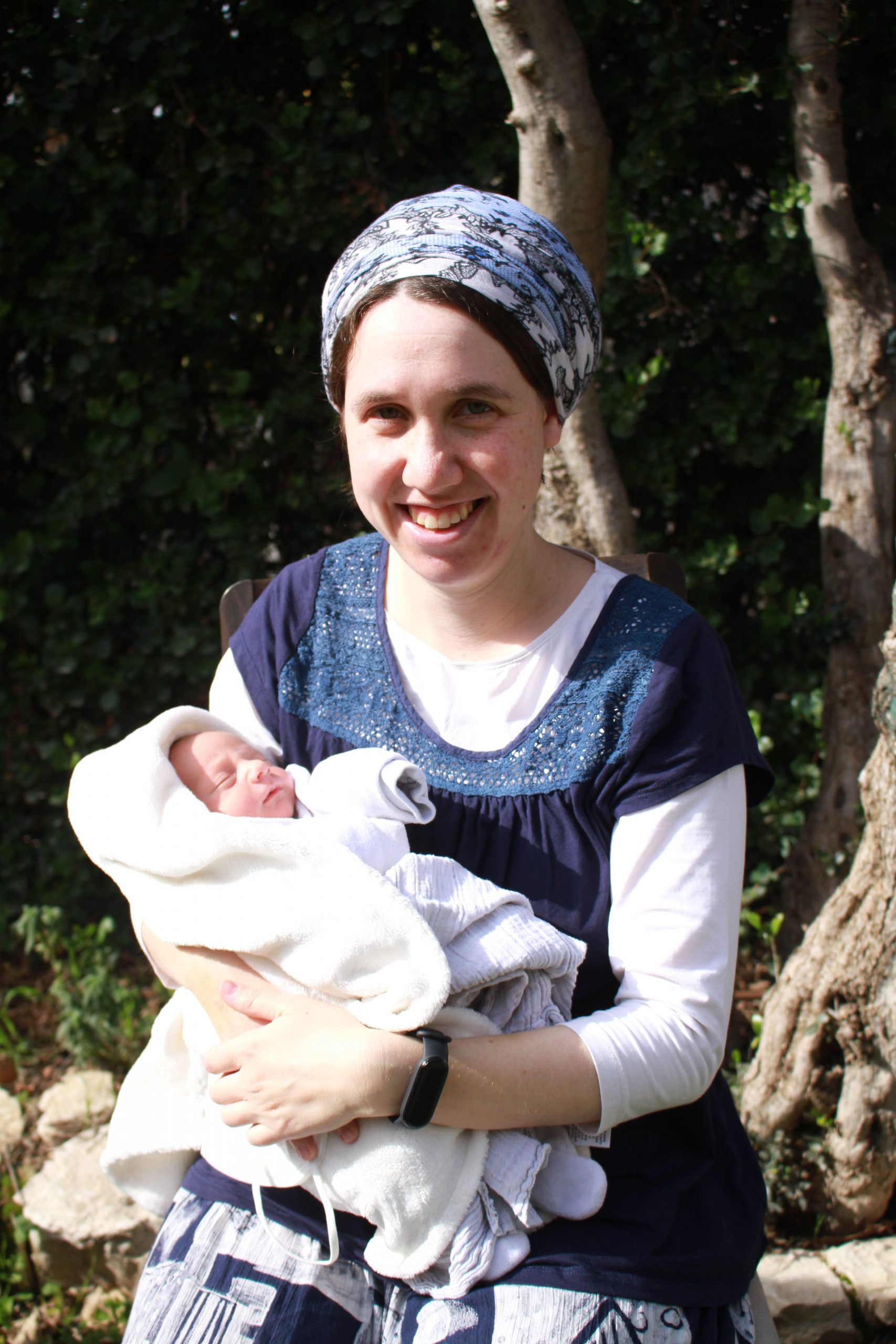
רעות אברהמי
בית שמש, ישראל
התחלתי מחוג במסכת קידושין שהעבירה הרבנית רייסנר במסגרת בית המדרש כלנה בגבעת שמואל; לאחר מכן התחיל סבב הדף היומי אז הצטרפתי. לסביבה לקח זמן לעכל אבל היום כולם תומכים ומשתתפים איתי. הלימוד לעתים מעניין ומעשיר ולעתים קשה ואף הזוי… אך אני ממשיכה קדימה. הוא משפיע על היומיום שלי קודם כל במרדף אחרי הדף, וגם במושגים הרבים שלמדתי ובידע שהועשרתי בו, חלקו ממש מעשי

אביגיל כריסי
ראש העין, ישראל
התחלתי להשתתף בשיעור נשים פעם בשבוע, תכננתי ללמוד רק דפים בודדים, לא האמנתי שאצליח יותר מכך.
לאט לאט נשאבתי פנימה לעולם הלימוד .משתדלת ללמוד כל בוקר ומתחילה את היום בתחושה של מלאות ומתוך התכווננות נכונה יותר.
הלימוד של הדף היומי ממלא אותי בתחושה של חיבור עמוק לעם היהודי ולכל הלומדים בעבר ובהווה.

נילי חיון
אפרת, ישראל
התחלתי ללמוד לפני כשנתיים בשאיפה לסיים לראשונה מסכת אחת במהלך חופשת הלידה.
אחרי מסכת אחת כבר היה קשה להפסיק…

נעה גלנט
ירוחם, ישראל
למדתי גמרא מכיתה ז- ט ב Maimonides School ואחרי העליה שלי בגיל 14 לימוד הגמרא, שלא היה כל כך מקובל בימים אלה, היה די ספוראדי. אחרי "ההתגלות” בבנייני האומה התחלתי ללמוד בעיקר בדרך הביתה למדתי מפוקקטסים שונים. לאט לאט ראיתי שאני תמיד חוזרת לרבנית מישל פרבר. באיזה שהוא שלב התחלתי ללמוד בזום בשעה 7:10 .
היום "אין מצב” שאני אתחיל את היום שלי ללא לימוד עם הרבנית מישל עם כוס הקפה שלי!!

דבי גביר
חשמונאים, ישראל
. לא תמיד נהניתי מלימוד גמרא כילדה.,בל כהתבגרתי התחלתי לאהוב את זה שוב. התחלתי ללמוד מסכת סוטה בדף היומי לפני כחמש עשרה שנה ואז הפסקתי.הגעתי לסיום הגדול של הדרן לפני שנתיים וזה נתן לי השראה. והתחלתי ללמוד למשך כמה ימים ואז היתה לי פריצת דיסק והפסקתי…עד אלול השנה. אז התחלתי עם מסכת ביצה וב”ה אני מצליחה לעמוד בקצב. המשפחה מאוד תומכת בי ויש כמה שגם לומדים את זה במקביל. אני אוהבת שיש עוגן כל יום.

רבקה דרשן
בית שמש, ישראל
התחלתי ללמוד דף יומי כאשר קיבלתי במייל ממכון שטיינזלץ את הדפים הראשונים של מסכת ברכות במייל. קודם לא ידעתי איך לקרוא אותם עד שנתתי להם להדריך אותי. הסביבה שלי לא מודעת לעניין כי אני לא מדברת על כך בפומבי. למדתי מהדפים דברים חדשים, כמו הקשר בין המבנה של בית המקדש והמשכן לגופו של האדם (יומא מה, ע”א) והקשר שלו למשפט מפורסם שמופיע בספר ההינדי "בהגוד-גיתא”. מתברר שזה רעיון כלל עולמי ולא רק יהודי

אלנה ארנבורג
נשר, ישראל
הייתי לפני שנתיים בסיום הדרן נשים בבנייני האומה והחלטתי להתחיל. אפילו רק כמה דפים, אולי רק פרק, אולי רק מסכת… בינתיים סיימתי רבע שס ותכף את כל סדר מועד בה.
הסביבה תומכת ומפרגנת. אני בת יחידה עם ארבעה אחים שכולם לומדים דף יומי. מדי פעם אנחנו עושים סיומים יחד באירועים משפחתיים. ממש מרגש. מסכת שבת סיימנו כולנו יחד עם אבא שלנו!
אני שומעת כל יום פודקאסט בהליכה או בנסיעה ואחכ לומדת את הגמרא.

עדנה גרוס
מרכז שפירא, ישראל
התחלתי ללמוד דף יומי ממסכת נידה כי זה היה חומר הלימוד שלי אז. לאחר הסיום הגדול בבנייני האומה החלטתי להמשיך. וב”ה מאז עם הפסקות קטנות של קורונה ולידה אני משתדלת להמשיך ולהיות חלק.
זה משפיע מאוד על היום יום שלי ועל אף שאני עסוקה בלימודי הלכה ותורה כל יום, זאת המסגרת הקבועה והמחייבת ביותר שיש לי.

מוריה תעסן מיכאלי
גבעת הראל, ישראל
התחלתי ללמוד בסבב הנוכחי לפני כשנתיים .הסביבה מתפעלת ותומכת מאוד. אני משתדלת ללמוד מכל ההסכתים הנוספים שיש באתר הדרן. אני עורכת כל סיום מסכת שיעור בביתי לכ20 נשים שמחכות בקוצר רוח למפגשים האלו.

יעל אשר
יהוד, ישראל
למדתי גמרא מכיתה ז- ט ב Maimonides School ואחרי העליה שלי בגיל 14 לימוד הגמרא, שלא היה כל כך מקובל בימים אלה, היה די ספוראדי. אחרי "ההתגלות” בבנייני האומה התחלתי ללמוד בעיקר בדרך הביתה למדתי מפוקקטסים שונים. לאט לאט ראיתי שאני תמיד חוזרת לרבנית מישל פרבר. באיזה שהוא שלב התחלתי ללמוד בזום בשעה 7:10 .
היום "אין מצב” שאני אתחיל את היום שלי ללא לימוד עם הרבנית מישל עם כוס הקפה שלי!!
דבי גביר
חשמונאים, ישראל
. לא תמיד נהניתי מלימוד גמרא כילדה.,בל כהתבגרתי התחלתי לאהוב את זה שוב. התחלתי ללמוד מסכת סוטה בדף היומי לפני כחמש עשרה שנה ואז הפסקתי.הגעתי לסיום הגדול של הדרן לפני שנתיים וזה נתן לי השראה. והתחלתי ללמוד למשך כמה ימים ואז היתה לי פריצת דיסק והפסקתי…עד אלול השנה. אז התחלתי עם מסכת ביצה וב”ה אני מצליחה לעמוד בקצב. המשפחה מאוד תומכת בי ויש כמה שגם לומדים את זה במקביל. אני אוהבת שיש עוגן כל יום.
רבקה דרשן
בית שמש, ישראל
"
גם אני התחלתי בסבב הנוכחי וב””ה הצלחתי לסיים את רוב המסכתות . בזכות הרבנית מישל משתדלת לפתוח את היום בשיעור הזום בשעה 6:20 .הלימוד הפך להיות חלק משמעותי בחיי ויש ימים בהם אני מצליחה לחזור על הדף עם מלמדים נוספים ששיעוריהם נמצאים במרשתת. שמחה להיות חלק מקהילת לומדות ברחבי העולם. ובמיוחד לשמש דוגמה לנכדותיי שאי””ה יגדלו לדור שלימוד תורה לנשים יהיה משהו שבשגרה. "

רונית שביט
נתניה, ישראל
בסוף הסבב הקודם ראיתי את השמחה הגדולה שבסיום הלימוד, בעלי סיים כבר בפעם השלישית וכמובן הסיום הנשי בבנייני האומה וחשבתי שאולי זו הזדמנות עבורי למשהו חדש.
למרות שאני שונה בסביבה שלי, מי ששומע על הלימוד שלי מפרגן מאוד.
אני מנסה ללמוד קצת בכל יום, גם אם לא את כל הדף ובסך הכל אני בדרך כלל עומדת בקצב.
הלימוד מעניק המון משמעות ליום יום ועושה סדר בלמוד תורה, שתמיד היה (ועדיין) שאיפה. אבל אין כמו קביעות

רחלי מנדלסון
טל מנשה, ישראל
התחלתי בתחילת הסבב, והתמכרתי. זה נותן משמעות נוספת ליומיום ומאוד מחזק לתת לזה מקום בתוך כל שגרת הבית-עבודה השוטפת.
רעות אברהמי
בית שמש, ישראל
לצערי גדלתי בדור שבו לימוד גמרא לנשים לא היה דבר שבשגרה ושנים שאני חולמת להשלים את הפער הזה.. עד שלפני מספר שבועות, כמעט במקרה, נתקלתי במודעת פרסומת הקוראת להצטרף ללימוד מסכת תענית. כשקראתי את המודעה הרגשתי שהיא כאילו נכתבה עבורי – "תמיד חלמת ללמוד גמרא ולא ידעת איך להתחיל”, "בואי להתנסות במסכת קצרה וקלה” (רק היה חסר שהמודעה תיפתח במילים "מיכי שלום”..). קפצתי למים ו- ב”ה אני בדרך להגשמת החלום:)

מיכי קדוש
מורשת, ישראל
אמא שלי למדה איתי ש”ס משנה, והתחילה ללמוד דף יומי. אני החלטתי שאני רוצה ללמוד גם. בהתחלה למדתי איתה, אח”כ הצטרפתי ללימוד דף יומי שהרב דני וינט מעביר לנוער בנים בעתניאל. במסכת עירובין עוד חברה הצטרפה אלי וכשהתחלנו פסחים הרב דני פתח לנו שעור דף יומי לבנות. מאז אנחנו לומדות איתו קבוע כל יום את הדף היומי (ובשבת אבא שלי מחליף אותו). אני נהנית מהלימוד, הוא מאתגר ומעניין

רננה הלמן
עתניאל, ישראל
בבא קמא מט
אִם כֵּן, מִשֶּׁהָאִשֶּׁה יוֹלֶדֶת מַשְׁבַּחַת! אֶלָּא שָׁמִין אֶת הַוְּלָדוֹת כַּמָּה הֵן יָפִין, וְנוֹתֵן לַבַּעַל. וְאִם אֵין לַהּ בַּעַל – נוֹתֵן לְיוֹרְשָׁיו.
If so, the consequences would be absurd, as when a woman gives birth her value increases. Rather, the court appraises how much the offspring are worth, and the one liable for the damage gives that amount to the husband. And if she does not have a husband, e.g., her husband died, he gives the money to his heirs.
הָיְתָה שִׁפְחָה וְנִשְׁתַּחְרְרָה, אוֹ גִיּוֹרֶת – פָּטוּר.
If the pregnant woman was a Canaanite maidservant and then she was emancipated, or a convert, and she was married to an emancipated Canaanite slave or to a convert who died without any heirs, the one who caused the damage is exempt from paying compensation for miscarried offspring. This is because this payment is made specifically to the husband, not to the woman.
גְּמָ׳ טַעְמָא דְּמִתְכַּוֵּין לַחֲבֵירוֹ, הָא מִתְכַּוֵּין לָאִשָּׁה – מְשַׁלֵּם דְּמֵי וְלָדוֹת. לֵימָא תֶּיהְוֵי תְּיוּבְתָּא דְּרַב אַדָּא בַּר אַהֲבָה – דְּאָמַר רַב אַדָּא בַּר אַהֲבָה: שְׁווֹרִים שֶׁנִּתְכַּוְּונוּ לָאִשָּׁה – פְּטוּרִים מִדְּמֵי וְלָדוֹת?
GEMARA: The first clause of the mishna indicates that the reason the owner is exempt from paying compensation for the offspring when an ox unintentionally gores a pregnant woman is specifically that it was intending to gore another ox. By inference, if it was intending to gore the woman, the owner pays compensation for miscarried offspring. Shall we say that this should be a conclusive refutation of the opinion of Rav Adda bar Ahava, as Rav Adda bar Ahava says: With regard to oxen that intended to gore a woman and then did so, the owners are exempt from paying compensation for miscarried offspring?
אָמַר לְךָ רַב אַדָּא בַּר אַהֲבָה: הוּא הַדִּין דַּאֲפִילּוּ נִתְכַּוְּונוּ לָאִשָּׁה נָמֵי פְּטוּרִים מִדְּמֵי וְלָדוֹת; וְהָא דְּקָתָנֵי: ״שׁוֹר שֶׁהָיָה מִתְכַּוֵּין לַחֲבֵירוֹ״ – אַיְּידֵי דְּקָא בָּעֵי לְמִיתְנָא סֵיפָא: ״אָדָם שֶׁהָיָה מִתְכַּוֵּין לַחֲבֵירוֹ״ – דְּהָכִי כְּתִיב קְרָא, קָתָנֵי רֵישָׁא נָמֵי: ״שׁוֹר שֶׁהָיָה מִתְכַּוֵּין לַחֲבֵירוֹ״.
The Gemara answers that Rav Adda bar Ahava could have said to you: The same is true, that even if the oxen intended to gore the woman, the owners are also exempt from paying compensation for miscarried offspring. As for that which is taught in the mishna: An ox that was intending to gore another ox, it is taught this way since it wants to teach the latter clause: A person that was intending to injure another person, as this case is written explicitly in the verse: “And if men struggle and hurt a pregnant woman and her offspring emerge” (Exodus 21:22). In the case in the verse, the assailant intended to injure another person but injured the woman instead. Therefore, the mishna also teaches the first clause in that style: An ox that was intending to gore another ox.
אָמַר רַב פָּפָּא: שׁוֹר שֶׁנָּגַח אֶת הַשִּׁפְחָה, וְיָצְאוּ יְלָדֶיהָ – מְשַׁלֵּם דְּמֵי וְלָדוֹת. מַאי טַעְמָא? חֲמָרְתָּא מְעַבַּרְתָּא בְּעָלְמָא הוּא דְּאַזֵּיק, דְּאָמַר קְרָא: ״שְׁבוּ לָכֶם פֹּה עִם הַחֲמוֹר״ – עַם הַדּוֹמֶה לַחֲמוֹר.
Rav Pappa says: In the case of an ox that gored a Canaanite maidservant, and her offspring emerged due to miscarriage, the owner pays compensation for miscarried offspring. What is the reason? The ox injured a mere pregnant donkey. With regard to the matter of compensation for offspring, who would be the property of the master were they to be born, a Canaanite slave is considered property of the master. As the verse states that Abraham addressed Eliezer, who was a Canaanite, by saying: “You remain here with [im] the donkey” (Genesis 22:5), on which the Sages expound that he was alluding to the idea that Eliezer is of a people [am] that is similar to a donkey. Therefore, the case of an ox goring a Canaanite maidservant is not included in the Torah’s exemption from paying compensation for miscarried offspring.
כֵּיצַד מְשַׁלֵּם דְּמֵי וְלָדוֹת. ״דְּמֵי וְלָדוֹת״?! ״שְׁבַח וְלָדוֹת״ מִיבְּעֵי לֵיהּ! הָכִי נָמֵי קָאָמַר: כֵּיצַד מְשַׁלֵּם דְּמֵי וְלָדוֹת וּשְׁבַח וְלָדוֹת – שָׁמִין אֶת הָאִשָּׁה כַּמָּה הִיא יָפָה עַד שֶׁלֹּא יָלָדָה, וְכַמָּה הִיא יָפָה מִשֶּׁיָּלָדָה.
§ The mishna teaches: How does he pay compensation for miscarried offspring? The court appraises how much the value of the woman increased due to the offspring. The Gemara asks: Would this be a correct interpretation of the term: Compensation for miscarried offspring? If this is how the sum is calculated, the mishna should have stated: How does he pay the increase in value due to the offspring? The Gemara answers: That is also what the tanna is saying: How does he pay compensation for miscarried offspring and the increase in value due to the offspring? In other words, apart from evaluating the compensation for the miscarried offspring, the court also appraises the value of the woman by calculating how much she would be worth if sold as a maidservant before giving birth, and how much she would be worth after giving birth.
אָמַר רַבָּן שִׁמְעוֹן בֶּן גַּמְלִיאֵל: אִם כֵּן, מִשֶּׁהָאִשֶּׁה יוֹלֶדֶת מַשְׁבַּחַת! מַאי קָאָמַר? אָמַר רַבָּה, הָכִי קָאָמַר: וְכִי אִשָּׁה מַשְׁבַּחַת קוֹדֶם שֶׁתֵּלֵד יוֹתֵר מִלְּאַחַר שֶׁתֵּלֵד? וַהֲלֹא אִשָּׁה מַשְׁבַּחַת לְאַחַר שֶׁתֵּלֵד יוֹתֵר מִקּוֹדֶם שֶׁתֵּלֵד! אֶלָּא שָׁמִין אֶת הַוְּלָדוֹת, וְנוֹתְנִין לַבַּעַל.
§ The mishna teaches: Rabban Shimon ben Gamliel said: If so, the consequences would be absurd, as when a woman gives birth her value increases. The Gemara asks: What is Rabban Shimon ben Gamliel saying? Rabba said: This is what he is saying: But is the monetary value of a woman higher before she gives birth than after she gives birth? But isn’t the opposite true, that the monetary value of a woman is higher after giving birth than before giving birth, since the concern for her dying during childbirth, which lowers her monetary value prior to giving birth, is no longer a concern? Rather, the court appraises the value of the fetuses and gives that amount to the husband.
תַּנְיָא נָמֵי הָכִי: וְכִי אִשָּׁה מַשְׁבַּחַת קוֹדֶם שֶׁתֵּלֵד יוֹתֵר מִלְּאַחַר שֶׁתֵּלֵד? וַהֲלֹא אִשָּׁה מַשְׁבַּחַת לְאַחַר שֶׁתֵּלֵד יוֹתֵר מִקּוֹדֶם שֶׁתֵּלֵד! אֶלָּא שָׁמִין אֶת הַוְּלָדוֹת וְנוֹתְנִין לַבַּעַל.
This explanation of Rabban Shimon ben Gamliel’s statement is also taught in a baraita: But is the monetary value of a woman higher before she gives birth than after she gives birth? But isn’t the opposite true, that the monetary value of a woman is higher after giving birth than before giving birth? Rather, the court appraises the value of the fetuses and gives that amount to the husband.
רָבָא אָמַר, הָכִי קָתָנֵי: וְכִי אִשָּׁה – לְמִי שֶׁיּוֹלֶדֶת מַשְׁבַּחַת, וְאֵין לְעַצְמָהּ בִּשְׁבַח וְלָדוֹת כְּלוּם? אֶלָּא שָׁמִין אֶת הַוְּלָדוֹת וְנוֹתְנִין לַבַּעַל, וּשְׁבַח וְלָדוֹת חוֹלְקִין.
Rava said: This is what Rabban Shimon ben Gamliel is teaching: But is the value of the woman higher only for the one for whom she gives birth, i.e., her husband, and she herself does not have any increase in value at all due to the offspring? A pregnant woman’s monetary value is increased on account of her pregnancy, beyond the monetary value of the offspring. Rather, the court appraises the value of the offspring and gives it to the husband. And in addition, the husband and wife divide the increase in her value due to the offspring.
תַּנְיָא נָמֵי הָכִי, אָמַר רַבָּן שִׁמְעוֹן בֶּן גַּמְלִיאֵל: וְכִי אִשָּׁה – לְמִי שֶׁיּוֹלֶדֶת מַשְׁבַּחַת, וְאֵין לְעַצְמָהּ בִּשְׁבַח וְלָדוֹת כְּלוּם? אֶלָּא שָׁמִין נֶזֶק בִּפְנֵי עַצְמוֹ, וְצַעַר בִּפְנֵי עַצְמוֹ; וְשָׁמִין אֶת הַוְּלָדוֹת וְנוֹתְנִין לַבַּעַל, וּשְׁבַח וְלָדוֹת חוֹלְקִין.
This explanation of Rabban Shimon ben Gamliel’s opinion is also taught in a baraita: Rabban Shimon ben Gamliel said: But is the value of the woman higher only for the one for whom she gives birth, i.e., her husband, and she herself does not have any increase in value at all due to the offspring? Rather, the court appraises damage by itself and pain by itself, and appraises the value of the offspring and gives it to the husband, and the husband and wife divide the increase in her value due to the offspring.
קַשְׁיָא דְּרַבָּן שִׁמְעוֹן בֶּן גַּמְלִיאֵל אַדְּרַבָּן שִׁמְעוֹן בֶּן גַּמְלִיאֵל!
The Gemara asks: The opinion of Rabban Shimon ben Gamliel in the first baraita, that the woman’s value decreases because of pregnancy, poses a difficulty for that of Rabban Shimon ben Gamliel in the second baraita, that it increases.
לָא קַשְׁיָא; כָּאן בִּמְבַכֶּרֶת, כָּאן בְּשֶׁאֵינָהּ מְבַכֶּרֶת.
The Gemara answers: This is not difficult, since each baraita is referring to a different case: Here, the first baraita, which stated that the woman’s value increases after giving birth, is referring to a woman giving birth to her firstborn. Her value decreases prior to birth out of concern that she might die in childbirth. There, the second baraita, which stated that her value increases due to pregnancy, is referring to a woman who is not giving birth to her firstborn.
וְרַבָּנַן דְּאָמְרִי שְׁבַח וְלָדוֹת נָמֵי לַבַּעַל – מַאי טַעְמָא? כְּדִתְנַן, מִמַּשְׁמַע שֶׁנֶּאֱמַר: ״וְיָצְאוּ יְלָדֶיהָ״ – אֵינִי יוֹדֵעַ שֶׁהִיא הָרָה? מָה תַּלְמוּד לוֹמַר: ״הָרָה״? לוֹמַר לָךְ: שְׁבַח הֵרָיוֹן לַבַּעַל.
The Gemara asks: And what is the reason of the Rabbis in the second baraita, who say: The increase in her value due to the offspring is also given to the husband? The Gemara answers: They derive it from a redundancy in a verse, as we learned in a baraita: The verse states: “And hurt a pregnant woman and her offspring emerge” (Exodus 21:22). From the fact that it is stated: “And her offspring emerge,” don’t I know by inference that she was pregnant? If so, what is the meaning when the verse states: “A pregnant woman,” and not just “a woman”? To inform you that even the increase in her value due to the pregnancy is given to the husband.
וְרַבָּן שִׁמְעוֹן בֶּן גַּמְלִיאֵל, הַאי ״הָרָה״ מַאי דָּרֵישׁ בֵּיהּ? מִבְּעֵי לֵיהּ לְכִדְתַנְיָא, רַבִּי אֱלִיעֶזֶר בֶּן יַעֲקֹב אוֹמֵר: לְעוֹלָם אֵינוֹ חַיָּיב, עַד שֶׁיַּכֶּנָּה כְּנֶגֶד בֵּית הַהֵרָיוֹן. אָמַר רַב פָּפָּא: לָא תֵּימָא כְּנֶגֶד בֵּית הֵרָיוֹן מַמָּשׁ, אֶלָּא כֹּל הֵיכָא דְּסָלֵיק בֵּיהּ שִׁיחְמָא לְוָלָד. לְאַפּוֹקֵי יָד וָרֶגֶל – דְּלָא.
The Gemara asks: And what halakha does Rabban Shimon ben Gamliel expound on this extra word “pregnant”? The Gemara answers: He requires it for that which is taught in a baraita: Rabbi Eliezer ben Ya’akov says that one who injures a woman is never liable to pay compensation for miscarried offspring unless he strikes her opposite the womb, i.e., on the abdomen. Rav Pappa said: Do not say that it must be literally opposite the womb. Rather, he is liable if she was struck anywhere that the wound’s impact could reach the offspring, i.e., any part of the torso, to exclude a wound to her hand or foot, for which he is not liable, since it could be argued that it was not the wound to the hand or foot that caused the miscarriage.
הָיְתָה שִׁפְחָה וְנִשְׁתַּחְרְרָה, אוֹ גִיּוֹרֶת – פָּטוּר. אָמַר רַבָּה: לֹא שָׁנוּ אֶלָּא שֶׁחָבַל בָּהּ בְּחַיֵּי הַגֵּר, וּמֵת הַגֵּר; דְּכֵיוָן דְּחָבַל בָּהּ בְּחַיֵּי הַגֵּר – זְכָה בְּהוּ גֵּר, וְכֵיוָן דְּמֵת הַגֵּר – זְכָה בְּהוּ מִן הַגֵּר. אֲבָל חָבַל בָּהּ לְאַחַר מִיתַת הַגֵּר – זָכְיָא לַהּ אִיהִי בְּגַוַּיְיהוּ, וּמִיחַיַּיב לְשַׁלּוֹמֵי לַהּ לְדִידַהּ.
§ The mishna teaches: If the pregnant woman was a maidservant and then she was emancipated, or a convert, he is exempt from the payment of damages for miscarried offspring. Rabba says: They taught this halakha only in a case where one injured her during the lifetime of the convert, i.e., her husband, and the convert died before the payment was given. The reason for this is that since the assailant injured her during the lifetime of the convert, the convert acquires the money, although it is still in the possession of the one liable for the damage. And once the convert dies without heirs, the money is ownerless. Therefore, the assailant acquires it from the convert. Since anyone can assume ownership of ownerless property, the assailant, who already possesses the money, becomes the owner. But if he injured her after the convert had died, she acquires the money, and he must pay the woman herself.
אָמַר רַב חִסְדָּא: מָרֵי דֵּיכִי! אַטּוּ וְלָדוֹת צְרָרֵי נִינְהוּ – וְזָכְיָא בְּהוּ?! אֶלָּא אִיתֵיהּ לְבַעַל – זְכָה לֵיהּ רַחֲמָנָא, לֵיתֵיהּ לְבַעַל – לָא.
Rav Ḥisda said in amazement: Master of this ruling! Is that to say that compensation for the offspring is like bundles of money, and she acquires them when her husband dies? Rabba seems to understand that the pregnant woman assumes ownership of the offspring by virtue of being in possession of them when the husband dies, and therefore has the right to compensation for them. That is not the case. Rather, if the husband is present, the Merciful One grants compensation for the offspring to him, but if the husband is not alive, the Torah does not grant compensation to anyone else.
מֵיתִיבִי: הִכָּה אֶת הָאִשָּׁה, וְיָצְאוּ יְלָדֶיהָ – נוֹתֵן נֶזֶק וָצַעַר לָאִשָּׁה, וּדְמֵי וְלָדוֹת לַבַּעַל. אֵין הַבַּעַל – נוֹתֵן לְיוֹרְשָׁיו, אֵין הָאִשָּׁה – נוֹתֵן לְיוֹרְשֶׁיהָ. הָיְתָה שִׁפְחָה וְנִשְׁתַּחְרְרָה, אוֹ גִיּוֹרֶת – זָכָה!
The Gemara raises an objection against the opinion of Rabba from the following: If the assailant struck the woman and her offspring emerged due to miscarriage, he gives compensation for damage and pain to the woman and compensation for miscarried offspring to the husband. If the husband is not alive, he gives the compensation for the offspring to his heirs. If the woman is not alive, he gives the payment owed to her to her heirs. If she was a maidservant and then she was emancipated, or a convert, the assailant acquires the money. This indicates that if the husband is no longer alive, the woman doesn’t receive anything.
אָמְרִי: וּמִי עֲדִיפָא מִמַּתְנִיתִין – דְּאוֹקֵימְנָא שֶׁחָבַל בָּהּ בְּחַיֵּי הַגֵּר, וּמֵת הַגֵּר? הָכָא נָמֵי – שֶׁחָבַל בָּהּ בְּחַיֵּי הַגֵּר, וּמֵת הַגֵּר. וְאִיבָּעֵית אֵימָא: לְאַחַר מִיתַת הַגֵּר,
The Sages said in response to this: But is the baraita preferable to the mishna, which we interpreted as referring to a case where he injured her during the lifetime of the convert, and the convert then died? Here also, it must be explained that he injured her during the lifetime of the convert, and the convert then died. And if you wish, say instead that he injured her even after the death of the convert.
וּתְנִי: ״זָכְתָה״.
And as for the expression in the baraita: He acquires, referring to the one who causes the damage, teach: She acquires.
לֵימָא כְּתַנָּאֵי: בַּת יִשְׂרָאֵל שֶׁנִּישֵּׂאת לְגֵר וְנִתְעַבְּרָה מִמֶּנּוּ, וְחָבַל בָּהּ; בְּחַיֵּי הַגֵּר – נוֹתֵן דְּמֵי וְלָדוֹת לַגֵּר. לְאַחַר מִיתַת הַגֵּר – תָּנֵי חֲדָא: חַיָּיב, וְתָנֵי חֲדָא: פָּטוּר. מַאי, לָאו תַּנָּאֵי נִינְהוּ? לְרַבָּה – וַדַּאי תַּנָּאֵי הִיא. אֶלָּא לְרַב חִסְדָּא – מִי לֵימָא תַּנָּאֵי הִיא?
The Gemara suggests: Let us say that the dispute between Rabba and Rav Ḥisda is parallel to a dispute between tanna’im: With regard to a Jewish woman who was married to a convert, and she became pregnant from him, and someone injured her, causing her to miscarry: If this was during the lifetime of the convert, the assailant gives compensation for miscarried offspring to the convert, i.e., her husband. If this was after the death of the convert, it is taught in one baraita that the assailant is liable, and it is taught in one baraita that the assailant is exempt. What, is it not a dispute between tanna’im? The Gemara clarifies: According to the opinion of Rabba, it is certainly a dispute between tanna’im. His opinion does not accord with the second baraita. But according to the opinion of Rav Ḥisda, shall we say that it is a dispute between tanna’im?
לָא קַשְׁיָא; הָא רַבָּנַן, הָא רַבָּן שִׁמְעוֹן בֶּן גַּמְלִיאֵל.
This is not necessarily so, as Rav Ḥisda could say that both baraitot are in accordance with his opinion. As for the difference between them, that is not difficult. They can be explained as referring to the increase in the woman’s value due to the offspring, which is subject to dispute in the mishna, rather than referring to the payment of compensation for miscarried offspring. This baraita, which taught that he is exempt, is in accordance with the opinion of the Rabbis, who maintain that the increase in her value on account of the offspring belongs to the husband. That baraita, which taught that he is liable, is in accordance with the opinion of Rabban Shimon ben Gamliel, who maintains that the woman has a share in her increase in value due to pregnancy, and this is paid even if the incident occurred after the husband’s death.
אִי רַבָּן שִׁמְעוֹן בֶּן גַּמְלִיאֵל, מַאי אִרְיָא לְאַחַר מִיתָה? אֲפִילּוּ מֵחַיִּים נָמֵי אִית לַהּ פַּלְגָא! מֵחַיִּים אִית לַהּ פַּלְגָא, לְאַחַר מִיתָה כּוּלֵּיהּ.
The Gemara asks: If it is in accordance with the opinion of Rabban Shimon ben Gamliel, why state specifically that it occurs after the death of the husband? Even during the husband’s lifetime, she also has a half share, as explained earlier in the discussion. The Gemara answers: While he is alive, she has a half share, but after his death, all of it belongs to her.
וְאִיבָּעֵית אֵימָא: הָא וְהָא רַבָּן שִׁמְעוֹן בֶּן גַּמְלִיאֵל; כָּאן בִּשְׁבַח וְלָדוֹת, כָּאן בִּדְמֵי וְלָדוֹת.
And if you wish, say instead that both this baraita and that baraita are in accordance with the opinion of Rabban Shimon ben Gamliel, but they refer to different payments. Here, the baraita that taught that he is liable, is referring to the increase in her value due to the offspring, which belongs partly to the woman, and if the husband dies, she acquires the rights to all of it. By contrast, there, the baraita that taught that he is exempt, is referring to compensation for miscarried offspring, which belongs exclusively to her husband. Since he is a convert, the one liable for damage is exempt after his death.
אָמְרִי: מִשְּׁבַח וְלָדוֹת לִישְׁמַע דְּמֵי וְלָדוֹת, וּמֵרַבָּן שִׁמְעוֹן בֶּן גַּמְלִיאֵל לִישְׁמַע לְרַבָּנַן!
The Sages said, in questioning this answer: Why is there a difference between the two cases? From the halakha that after the husband’s death the woman acquires his share of the increase in her value due to the offspring, let it be derived that according to the opinion of Rabban Shimon ben Gamliel she also acquires the rights to the compensation for miscarried offspring if she was wounded after his death. Moreover, from the opinion of Rabban Shimon ben Gamliel, let us derive that this is also the opinion of the Rabbis, since there is no dispute between them with regard to the payment of compensation for miscarried offspring.
אָמְרִי: לָא; שְׁבַח וְלָדוֹת, דְּשָׁיְיכָא יְדַהּ בְּגַוַּיְיהוּ – זָכְיָא בְּהוּ בְּכוּלְּהוּ; דְּמֵי וְלָדוֹת, לָא שָׁיְיכָא יְדַהּ בְּגַוַּיְיהוּ – לָא זָכְיָא בְּהוּ כְּלָל.
In response, the Sages said: No, the first assumption is untenable, since with regard to the increase in her value due to the offspring, in which she has a share from the outset, she acquires all of it after her husband’s death. By contrast, with regard to the compensation for miscarried offspring, in which she does not have a share from the outset, she does not acquire the rights to it at all, since she has no greater claim to this than any other individual does.
בָּעֵי מִינֵּיהּ רַב יֵיבָא סָבָא מֵרַב נַחְמָן: הַמַּחְזִיק בִּשְׁטָרוֹתָיו שֶׁל גֵּר, מַהוּ? מַאן דְּמַחְזֵיק בִּשְׁטָרָא – אַדַּעְתָּא דְאַרְעָא הוּא מַחְזֵיק, וּבְאַרְעָא הָא לָא אַחְזֵיק; וּשְׁטָרָא נָמֵי לָא קְנָה – דְּלָאו דַּעְתֵּיהּ אַשְּׁטָרָא; אוֹ דִלְמָא, דַּעְתֵּיהּ נָמֵי אַשְּׁטָרָא?
§ Rav Yeiva the Elder raises a dilemma to Rav Naḥman: With regard to one who takes possession of the documents of a convert, what is the halakha after the death of the convert? On the one hand, it can be argued that one who takes possession of the document takes possession with the intention of acquiring the land that the document states is under lien, and since he did not take possession of the land itself, he also does not acquire the document. This is because he had no intention to acquire the document, but just the property specified in the document. Therefore, since the convert has died, perhaps the lien is canceled and can no longer be collected, or perhaps his intention is also to acquire the document, and the paper on which it is written belongs to him.
אֲמַר לֵיהּ: עֲנַי מוֹרִי, וְכִי לָצוֹר עַל פִּי צְלוֹחִיתוֹ הוּא צָרִיךְ? אֲמַר לֵיהּ: לָצוֹר וְלָצוֹר.
Rav Naḥman said to him: Answer this, my Master: Does he need to acquire the document to use as paper to cover the opening of his flask? Why would he want the document if it does not grant him ownership of the land described therein? Rav Yeiva the Elder said to him: Indeed, his intention is even to cover the flask and to cover it with the paper, albeit a mundane purpose.
אָמַר רַבָּה: מַשְׁכּוֹנוֹ שֶׁל יִשְׂרָאֵל בְּיַד גֵּר, וּמֵת הַגֵּר, וּבָא יִשְׂרָאֵל אַחֵר וְהֶחְזִיק בּוֹ – מוֹצִיאִין אוֹתוֹ מִיָּדוֹ. מַאי טַעְמָא? כֵּיוָן דְּמִית לֵיהּ גֵּר – פְּקַע לֵיהּ שִׁעְבּוּדֵיהּ.
Rabba says: In a case where the collateral of a Jew was in the possession of a convert who lent him money, and the convert died, and another Jew came and took possession of it, then, since the convert has no heirs, the court appropriates it from his possession and returns it to its owner. What is the reason? Since the convert died, his lien on the property is abrogated. Therefore, the deposit automatically returns to its owner, and no one else has the right to take it.
מַשְׁכּוֹנוֹ שֶׁל גֵּר בְּיַד יִשְׂרָאֵל, וּמֵת הַגֵּר, וּבָא יִשְׂרָאֵל אַחֵר וְהֶחֱזִיק בּוֹ – זֶה קָנָה כְּנֶגֶד מְעוֹתָיו, וְזֶה קָנָה אֶת הַשְּׁאָר.
By contrast, if the collateral of a convert is in the possession of a Jew who lent him money and the convert died, and another Jew came and took possession of it, this one, i.e., the one owed money, acquires a share of the collateral corresponding to the money owed to him by the convert, and that one, i.e., the one who took possession of it, acquires the rest.
וְאַמַּאי? תִּקְנֵי לֵיהּ חֲצֵירוֹ – דְּהָאָמַר רַבִּי יוֹסֵי בַּר חֲנִינָא: חֲצֵירוֹ שֶׁל אָדָם קוֹנָה לוֹ שֶׁלֹּא מִדַּעְתּוֹ!
The Gemara asks: But why doesn’t the creditor acquire the entire collateral? If it is in his possession, let his courtyard effect acquisition for him, as doesn’t Rabbi Yosei bar Ḥanina say: A person’s courtyard effects acquisition for him even without his knowledge?
אָמְרִי: הָכָא בְּמַאי עָסְקִינַן – דְּלֵיתֵיהּ. כֹּל הֵיכָא דְּאִיתֵאּ לְדִידֵיהּ, דְּאִי בָּעֵי מִקְנֵי [מָצֵי] קָנֵי – קָנְיָא לֵיהּ [נָמֵי] חֲצֵירוֹ; כֹּל הֵיכָא דְּלֵיתֵיהּ לְדִידֵיהּ, דְּאִי בָּעֵי הוּא לְמִיקְנֵי לָא מָצֵי קָנֵי – חֲצֵירוֹ נָמֵי לָא קָנְיָא.
The Sages said in response: Here we are dealing with a case where the creditor is not standing next to the courtyard. Anywhere that he is present, next to the collateral, so that if he wants to acquire it he could pick it up and acquire it himself, his courtyard also effects acquisition for him. But anywhere that he is not present, next to the collateral, so that if he wants to acquire it he could not acquire it, his courtyard also does not effect acquisition for him.
וְהִלְכְתָא: דְּלֵיתֵיהּ בַּחֲצֵירוֹ – דְּלֹא קָנָה.
The Gemara concludes: And the halakha is that where the creditor is not present in his courtyard, he does not acquire the rest of the collateral.
מַתְנִי׳ הַחוֹפֵר בּוֹר בִּרְשׁוּת הַיָּחִיד וּפְתָחוֹ לִרְשׁוּת הָרַבִּים, אוֹ בִּרְשׁוּת הָרַבִּים וּפְתָחוֹ לִרְשׁוּת הַיָּחִיד, בִּרְשׁוּת הַיָּחִיד וּפְתָחוֹ לִרְשׁוּת הַיָּחִיד אַחֵר – חַיָּיב.
MISHNA: One who digs part of a pit on private property and opens its entrance in the public domain, or digs a pit in the public domain and opens its entrance on private property, or digs a pit on private property and opens its entrance on another person’s private property, is liable for damage caused by the pit in each case.
גְּמָ׳ תָּנוּ רַבָּנַן: הַחוֹפֵר בּוֹר בִּרְשׁוּת הַיָּחִיד וּפְתָחוֹ לִרְשׁוּת הָרַבִּים; בִּרְשׁוּת הָרַבִּים וּפְתָחוֹ לִרְשׁוּת הַיָּחִיד – חַיָּיב, וְזֶהוּ בּוֹר הָאָמוּר בַּתּוֹרָה; דִּבְרֵי רַבִּי יִשְׁמָעֵאל. רַבִּי עֲקִיבָא אוֹמֵר: הִפְקִיר רְשׁוּתוֹ וְלֹא הִפְקִיר בּוֹרוֹ – זֶהוּ בּוֹר הָאָמוּר בַּתּוֹרָה.
GEMARA: The Sages taught in a baraita: One who digs a pit on private property and opens its entrance in the public domain, or who digs a pit in the public domain and opens its entrance on private property is liable, and this is the case of Pit that is stated in the Torah; this is the statement of Rabbi Yishmael. Rabbi Akiva says: With regard to one who renounced ownership of his property but did not renounce ownership of his pit located in the property, this is the case of Pit that is stated in the Torah.
אָמַר רַבָּה: בְּבוֹר בִּרְשׁוּת הָרַבִּים – כּוּלֵּי עָלְמָא לָא פְּלִיגִי דְּמִיחַיַּיב, מַאי טַעְמָא? אָמַר קְרָא: ״כִּי יִפְתַּח״ וְ״כִי יִכְרֶה״ – אִם עַל פְּתִיחָה חַיָּיב, עַל כְּרִיָּיה לֹא כׇּל שֶׁכֵּן?! אֶלָּא שֶׁעַל עִסְקֵי פְּתִיחָה וְעַל עִסְקֵי כְּרִיָּיה בָּאָה לוֹ. לֹא נֶחְלְקוּ אֶלָּא
In explanation of this dispute, Rabba says: With regard to a pit that a person digs or opens into the public domain, everyone agrees that he is liable for damage that occurs as a result. What is the reason? The verse states: “And if a man shall open a pit,” and it also states: “If a man shall dig a pit” (Exodus 21:33), which raises the question: If one is liable for opening a pit by removing the cover of a pit that has already been dug, then is it not all the more so obvious that he should be liable for digging a new pit? What, then, does the latter phrase add? Rather, the interpretation of the verse must be that the responsibility for the pit comes to him by engaging in opening the pit and by engaging in digging the pit. Although he does not own the area itself, he is liable for creating a public hazard. They disagree only
לעקוב

