חיפוש

בבא קמא נג

רוצה להקדיש שיעור?

podcast placeholder

0:00
0:00


תקציר

הדף היום מוקדש ע”י רונית ושלומי עיני לכבוד נישואים של בתם, תהילה עם נריה. "שבעז”ה יזכו להקים בית נאמן בישראל, שיהיה בית של תורה ושמחה. ולרפואת לילי בת ויקטוריה. ולרפואת כל הפצועים, להחזרת החטופים לביתם לשלום ולשמירת החיילים וכוחות הבטחון.”

הדף היום מוקדש ע”י סורי שטרן לכבוד עמותת כנפיים.

יש שתי דרכים שונות (רב ושמואל) להבין את החילוק במשנה בין שור הנופל לפניו ולאחריו. הגמרא מבאיה קושי מברייתא על ההסבר של רב ומביאה שלושה תירוצים. כתוב במשנה שאם שור נפל מקול הכרייה, בעל הבור חייב. הכורה לא חייב כי זה גרמא בנזיקין וגמרא בנזיקין פטור. אבל אם כן, למה בעל הבור משלם נזק שלם ולא רק חצי הנזק כי היה מישהו אחר שותף בנזקים? המשנה הולכת כשיטת ר’ נתן שבמקרה ששור דחף שור אחר לבור והשור היה שור תם ובעל השור רק משלם רבע נזק, בעל הבור צריך להשלים את החסר ולשלם שלושת רבעי. רבא וגם אחרים מביאים מקרים שונים שבהם ר’ נתן וחכמים חולקים.

בבא קמא נג

וְזֶה וָזֶה בְּבוֹר.

and both this and that refer to where it fell into the pit itself, but nevertheless if it fell backward, he is exempt.

רַב לְטַעְמֵיהּ – דְּאָמַר רַב: בּוֹר שֶׁחִיְּיבָה עָלָיו תּוֹרָה – לְהֶבְלוֹ, וְלֹא לַחֲבָטוֹ.

The Gemara notes: Rav conforms to his line of reasoning, as Rav says: Damage classified as Pit for which the Torah obligates him to pay is referring specifically to damage caused by the pit’s lethal fumes, such as if an animal suffocates inside it, but not to damage caused by the impact of hitting the ground, for which he is exempt from paying compensation. Since the ox in this case fell backward on its back, the owner of the pit is exempt from paying compensation, as the ox wasn’t killed by the lethal fumes of the pit, but by the impact of the fall.

וּשְׁמוּאֵל אָמַר: בְּבוֹר – בֵּין מִלְּפָנָיו בֵּין מִלְּאַחֲרָיו, חַיָּיב.

And Shmuel says: If the ox fell into the pit, whether it fell forward or whether it fell backward, he is liable.

שְׁמוּאֵל לְטַעְמֵיהּ, דְּאָמַר: לְהֶבְלוֹ – וְכׇל שֶׁכֵּן לַחֲבָטוֹ. אֶלָּא הֵיכִי דָּמֵי לְאַחֲרָיו מִקּוֹל הַכְּרִיָּיה – דְּפָטוּר? כְּגוֹן דְּנִתְקַל בַּבּוֹר, וְנָפַל לַאֲחוֹרֵי הַבּוֹר חוּץ לַבּוֹר.

The Gemara notes: Shmuel conforms to his line of reasoning, as Shmuel says: With regard to damage classified as Pit, the Torah holds one liable for damage caused by its lethal fumes, and all the more so for damage resulting from the impact of the fall. The Gemara asks: But according to Shmuel, what are the circumstances concerning which the mishna stated that if the ox fell backward into the pit due to the sound of the digging that one is exempt? The Gemara answers: This applies, for example, where the ox stumbled on the pit, and then fell behind the pit and was injured outside the pit.

אֵיתִיבֵיהּ: בְּבוֹר – בֵּין לְפָנָיו בֵּין לְאַחֲרָיו, חַיָּיב. תְּיוּבְתָּא דְּרַב!

The Sages raised an objection to the opinion of Rav from a baraita: With regard to an animal that fell into a pit, whether it fell in forward or whether it fell in backward, he is liable. This constitutes a conclusive refutation of Rav.

אָמַר רַב חִסְדָּא: מוֹדֶה רַב בְּבוֹר בִּרְשׁוּתוֹ – דְּחַיָּיב, מִשּׁוּם דְּאָמַר לֵיהּ: מִמָּה נַפְשָׁךְ? אִי בְּהַבְלָא מִית – הַבְלָא דִּידָךְ הוּא, אִי בְּחַבְטָא מִית – חַבְטָא דִּידָךְ הוּא.

Rav Ḥisda said in explanation of how Rav’s opinion could accord with the baraita: Rav concedes in the case of a pit on his own property that a person is liable even if the animal fell backward, because the owner of the animal can say to the owner of the pit: Whichever way you look at it, you are liable. If my animal died due to the lethal fumes, these are your lethal fumes. If it died on account of the impact, this is the impact of your land, and not the impact of land in the public domain, which is the typical case of Pit.

רַבָּה אָמַר: הָכָא בְּמַאי עָסְקִינַן – בְּמִתְהַפֵּךְ, דִּנְפַל אַאַפֵּיהּ וְאִתְהֲפִיךְ וּנְפַל אַגַּבֵּיהּ; דְּהַבְלָא דְּאַהֲנִי בֵּיהּ, אַהֲנִי בֵּיהּ.

Rabba said that this is how the baraita should be explained according to Rav: Here we are dealing with where the animal tumbled, i.e., where it began to fall on its face, and afterward tumbled and continued to fall on its back. In this case, he is liable because the lethal fumes, which were effective in injuring the animal, were also effective in killing it.

רַב יוֹסֵף אָמַר: הָכָא בְּנִזְקֵי בוֹר בְּשׁוֹר עָסְקִינַן – מַאי נִיהוּ? שֶׁהִבְאִישׁ אֶת מֵימָיו; דְּלָא שְׁנָא לְפָנָיו וְלָא שְׁנָא לְאַחֲרָיו – מִיחַיַּיב.

Rav Yosef said: Here, in this baraita, we are dealing with damage to the pit that is caused by the ox. And what is the damage? The damage is that it contaminated the water in the pit, in which case the baraita states that it makes no difference if the animal fell forward and it makes no difference if it fell backward, since he is liable either way.

תָּנֵי רַב חֲנַנְיָה לְסַיּוֹעֵי לְרַב: ״וְנָפַל״ – עַד שֶׁיִּפּוֹל דֶּרֶךְ נְפִילָה. מִכָּאן אָמְרוּ: נָפַל לְפָנָיו מִקּוֹל הַכְּרִיָּיה – חַיָּיב, לְאַחֲרָיו מִקּוֹל הַכְּרִיָּיה – פָּטוּר. וְזֶה וָזֶה בְּבוֹר.

Rav Ḥananya taught a baraita in support of the opinion of Rav: The verse states with regard to damage caused by a pit to an animal: “And an ox or a donkey fall therein” (Exodus 21:33), which is interpreted to mean that one is not liable unless the animal falls in the usual manner of falling. From here the Sages stated that if it fell forward due to the sound of the digging, he is liable, but if it fell backward due to the sound of the digging, he is exempt, and both this case and that case refer to damage by a pit.

אָמַר מָר: נָפַל לְפָנָיו מִקּוֹל הַכְּרִיָּיה – חַיָּיב. וְאַמַּאי? נֵימָא כּוֹרֶה גְּרַם לֵיהּ! אָמַר רַב שִׁימִי בַּר אָשֵׁי: הָא מַנִּי – רַבִּי נָתָן הִיא, דְּאָמַר: בַּעַל הַבּוֹר הֶזֵּיקָא קָא עָבֵיד, וְכֹל הֵיכָא דְּלָא אֶפְשָׁר לְאִשְׁתַּלּוֹמֵי מֵהַאי – מִשְׁתַּלֵּם מֵהַאי;

§ The Master said in the mishna: If it fell forward due to the sound of the digging, he is liable. The Gemara asks: But why is this so? Let us say that it is the sound of the digger that caused the animal to fall, and not the pit itself. The Gemara answers that Rav Shimi bar Ashi said: In accordance with whose opinion is this? It is in accordance with the opinion of Rabbi Natan, who says: The owner of the pit causes the damage by his digging, and anywhere that it is not possible to collect payment from this one who caused the fall, i.e., the digger, payment is collected from that one, i.e., the owner of the pit. This is because in any event, he bears responsibility for the hazard he created.

דְּתַנְיָא: שׁוֹר שֶׁדָּחַף אֶת חֲבֵירוֹ לְבוֹר – בַּעַל הַשּׁוֹר חַיָּיב, בַּעַל הַבּוֹר פָּטוּר. רַבִּי נָתָן אוֹמֵר: בַּעַל הַשּׁוֹר מְשַׁלֵּם מֶחֱצָה, וּבַעַל הַבּוֹר מְשַׁלֵּם מֶחֱצָה.

As it is taught in a baraita: With regard to an ox that pushed another ox into a pit, the owner of the first ox is liable, and the owner of the pit is exempt. Rabbi Natan says: The owner of the first ox pays half the amount, and the owner of the pit pays half the amount.

וְהָתַנְיָא, רַבִּי נָתָן אוֹמֵר: בַּעַל הַבּוֹר מְשַׁלֵּם שְׁלֹשָׁה חֲלָקִים, וּבַעַל הַשּׁוֹר רְבִיעַ! לָא קַשְׁיָא; הָא בְּתָם, הָא בְּמוּעָד.

The Gemara clarifies Rabbi Natan’s opinion: But isn’t it taught in a baraita that Rabbi Natan says: If an ox pushed another ox into a pit, the owner of the pit pays three-quarters, and the owner of the first ox pays one-quarter? The Gemara resolves the contradiction: This is not difficult, as this second baraita is referring to an innocuous ox that pushed the second ox. Therefore, the owner of the ox that caused damage pays only one-quarter of the cost of the damage, which is half of the half for which he is responsible. By contrast, that other baraita is referring to a forewarned ox that pushed a second ox. Consequently, the owner of the forewarned ox pays the full amount for which he is responsible, i.e., half the value of the total damage.

וּבְתָם מַאי קָסָבַר? אִי קָסָבַר: הַאי כּוּלֵּיהּ הֶזֵּיקָא עֲבַד וְהַאי כּוּלֵּיהּ הֶזֵּיקָא עֲבַד – הַאי מְשַׁלֵּם פַּלְגָא, וְהַאי מְשַׁלֵּם פַּלְגָא!

The Gemara asks: And with regard to an innocuous ox, what does Rabbi Natan hold as to why this person pays one-quarter and the owner of the pit pays three-quarters? If he holds that this one, i.e., the ox, performed all the damage and the other, i.e., the pit, performed all the damage, then he should have ruled that this one pays half and that one pays half, since they are both fully responsible. Although the ox was innocuous, the owner is still liable to pay half the cost of the damage, as that is the liability incurred for an act of damaging by an innocuous ox.

וְאִי קָסָבַר: הַאי פַּלְגָא הֶזֵּיקָא עֲבַד, וְהַאי פַּלְגָא הֶזֵּיקָא עֲבַד – בַּעַל הַבּוֹר מְשַׁלֵּם פַּלְגָא וּבַעַל הַשּׁוֹר רְבִיעַ, וְאִידַּךְ רִיבְעָא מַפְסִיד?

And if Rabbi Natan holds that this one, i.e., the owner of the ox, performed half the damage, and that one, i.e., the owner of the pit, performed half the damage, then the owner of the pit should pay half of the amount for which he is responsible, i.e., half the cost of the damage, and the owner of the innocuous ox should pay only one-quarter, which is half the amount for which he is responsible. As for the other remaining quarter, the injured party has no recourse to claim it, and loses it. Why, then, does Rabbi Natan hold that the owner of the pit pays for three-quarters of the damage?

אָמַר רָבָא: רַבִּי נָתָן דַּיָּינָא הוּא, וְנָחֵית לְעוּמְקָא דְּדִינָא; לְעוֹלָם קָסָבַר: הַאי כּוּלֵּיהּ הֶזֵּיקָא עֲבַד, וְהַאי כּוּלֵּיהּ הֶזֵּיקָא עֲבַד; וּדְקָא קַשְׁיָא לָךְ לְשַׁלֵּם הַאי פַּלְגָא וְהַאי פַּלְגָא, מִשּׁוּם דְּאָמַר לֵיהּ בַּעַל הַשּׁוֹר לְבַעַל הַבּוֹר: שׁוּתָּפוּתַאי מַאי אַהַנְיָא לִי?

Rava said: Rabbi Natan is a judge and has plumbed the full depths of the halakha. Actually, he holds that this one performed all of the damage and that one performed all of the damage. And as for your difficulty, that this one should pay half and that one should pay half, that is not difficult. The owner of the ox pays only one-quarter, because the owner of the ox can say to the owner of the pit: How did my partnership with you in this situation help me? Even if my ox caused all the damage and none of the damage was caused by the pit, I would be required to pay only half the cost of the damage. Therefore, as we are partners in this situation, I should pay half of what I should have paid, which is one-quarter. You should pay the other half of what I should have paid, in addition to your share, since you would have had to pay full damages.

אִיבָּעֵית אֵימָא, לְעוֹלָם קָסָבַר: הַאי פַּלְגָא הֶזֵּיקָא עֲבַד, וְהַאי פַּלְגָא הֶזֵּיקָא עֲבַד; וּדְקָא קַשְׁיָא לָךְ: בַּעַל הַבּוֹר מְשַׁלֵּם פַּלְגָא וּבַעַל הַשּׁוֹר מְשַׁלֵּם רְבִיעַ, וְאִידָּךְ רִיבְעָא נַפְסֵיד – מִשּׁוּם דַּאֲמַר לֵיהּ בַּעַל הַשּׁוֹר לְבַעַל הַבּוֹר: אֲנָא תּוֹרַאי בְּבֵירָךְ אַשְׁכְּחִיתֵיהּ – אַתְּ קְטַלְתֵּיהּ; מַאי דְּאִית לִי לְאִשְׁתַּלּוֹמֵי מֵהַיְאךְ – מִשְׁתַּלַּמְנָא, מַאי דְּלֵית לִי לְאִשְׁתַּלּוֹמֵי מֵהַיְאךְ – מִשְׁתַּלַּמְנָא מִמָּךְ.

The Gemara adds: If you wish, say instead a different explanation: Actually, Rabbi Natan maintains that this one performed half the damage and that one performed half the damage. As for your difficulty with the fact that the owner of the pit should pay half and the owner of the ox should pay one-quarter, and the injured party loses the other remaining quarter, that is not difficult. This is because the owner of the killed ox can say to the owner of the pit: I found my ox in your pit. Consequently, I am assuming that you killed it. Therefore, concerning that portion of the payment that I can receive from the other, i.e., the owner of the damaging ox, I will receive it. Concerning that portion that I am unable to receive from the other individual, I will receive it from you.

אָמַר רָבָא: הִנִּיחַ אֶבֶן עַל פִּי הַבּוֹר, וּבָא שׁוֹר וְנִתְקַל בָּהּ, וְנָפַל בַּבּוֹר – בָּאנוּ לְמַחְלוֹקֶת רַבִּי נָתָן וְרַבָּנַן. פְּשִׁיטָא!

On the same subject, Rava says: If one left a stone at the opening of a pit belonging to another person, and an ox came and stumbled on it and fell into the pit, we have arrived at the dispute between Rabbi Natan and the Rabbis concerning the division of responsibility between them. The Gemara asks: Isn’t this obvious, since what is the difference whether the ox fell into the pit due to another ox pushing it or due to the stone?

מַהוּ דְּתֵימָא, הָתָם הוּא דְּאָמַר בַּעַל הַבּוֹר לְבַעַל הַשּׁוֹר: ״אִי לָאו בֵּירָא דִּידִי – תּוֹרָא דִּידָךְ הֲוָה קָטֵיל לֵיהּ״; אֲבָל הָכָא, מָצֵי אָמַר לֵיהּ בַּעַל אֶבֶן לְבַעַל הַבּוֹר: ״אִי לָאו בֵּירָא דִּידָךְ, אַבְנָא דִּידִי מַאי הֲוָה עָבְדָא? אִי הֲוָה מִיתְּקֵל בָּהּ – הֲוָה נָפֵל וְקָאֵי!״ קָא מַשְׁמַע לַן, דַּאֲמַר לֵיהּ: ״אִי לָאו אֶבֶן – לָא הֲוָה נָפֵיל לְבֵירָא״.

The Gemara answers: This ruling needed to be stated explicitly, lest you say that only there the owner of the pit can say to the owner of the ox who was responsible for the damage: If not for my pit, your ox would have killed the second ox anyway, in which case my pit was not the cause of the damage, but here, the owner of the stone can say to the owner of the pit: If not for your pit, what would my stone have done? If the ox would have stumbled on it, it would have simply fallen and gotten up, and I should be exempt. Therefore, Rava teaches us that this claim is not a valid one, because the owner of the pit can say in response to the owner of the stone: If not for your stone, the ox would not have fallen into the pit in the first place.

אִיתְּמַר:

§ It was stated:

שׁוֹר וְשׁוֹר פְּסוּלֵי הַמּוּקְדָּשִׁין שֶׁנָּגְחוּ – מַאי נִיהוּ? שׁוֹר בְּכוֹר, דְּלָא פָּרֵיק לֵיהּ; אַבָּיֵי אָמַר: מְשַׁלֵּם חֲצִי נֶזֶק, רָבִינָא אָמַר: מְשַׁלֵּם רְבִיעַ נֶזֶק.

There is a dispute with regard to a case of an ordinary innocuous ox and a disqualified consecrated ox that gored another ox together. What is this case of an ox that was consecrated and disqualified? It is a firstborn ox that became blemished and was consequently disqualified as an offering. Nevertheless, its initial consecration remains, and therefore it may not be redeemed. Consequently, the priest in possession of it is not liable to pay damages, since it is not classified as: The ox of another, as its status is not that of a non-sacred ox belonging to a person. Given this background, what is the liability of the owner of the non-sacred ox that gored together with it? Abaye says: He pays half the cost of the damage, whereas Ravina says: He pays one-quarter of the cost of the damage.

הָא וְהָא בְּתָם; הָא כְּרַבָּנַן, וְהָא כְּרַבִּי נָתָן.

The Gemara explains the dispute: Both this one, Abaye, and that one, Ravina, refer to a case where the ordinary ox was innocuous. This opinion stated by Ravina is in accordance with the opinion of the Rabbis that each party is responsible for only half the damage. Since the non-sacred ox was innocuous, its owner pays half the cost of the damage for which he is responsible, i.e., one-quarter of the total. And that opinion stated by Abaye is in accordance with the opinion of Rabbi Natan that each party in turn is responsible for all the damage. Consequently, since the non-sacred ox is innocuous, its owner pays half the total amount.

אִיבָּעֵית אֵימָא: הָא וְהָא כְּרַבָּנַן; הָא בְּתָם, הָא בְּמוּעָד.

If you wish, say instead that there is no dispute, and that both this one, Abaye, and that one, Ravina, state their opinions in accordance with the opinion of the Rabbis. This one, Ravina, is referring to where the non-sacred ox is innocuous, and so its owner pays half of a half, and that one, Abaye, is referring to where the non-sacred ox is forewarned, so its owner pays his entire share, i.e., half the total damage.

אִיכָּא דְּאָמְרִי – אַבָּיֵי אָמַר: חֲצִי נֶזֶק, רָבִינָא אָמַר: כּוּלֵּיהּ נֶזֶק. הָא וְהָא בְּמוּעָד; הָא כְּרַבָּנַן, וְהָא כְּרַבִּי נָתָן.

There are those who say that there was another version of this dispute: Abaye says that he pays half the cost of the damage, and Ravina says: He pays the full cost of the damage. The Gemara explains their reasoning: Both this one and that one are referring to where the ox was forewarned. This one, Abaye, holds in accordance with the opinion of the Rabbis, that each one is responsible for half the damage, and so he pays his share of half the total cost of the damage. And that one, Ravina, holds in accordance with the opinion of Rabbi Natan, that each one is fully responsible for the damage, and when one perpetrator of the damage is exempt from payment, such as this case, the entire amount is collected from the other.

אִיבָּעֵית אֵימָא: הָא וְהָא כְּרַבִּי נָתָן; הָא בְּמוּעָד, וְהָא בְּתָם.

If you wish, say instead that there is no dispute, and that both this one and that one hold in accordance with the opinion of Rabbi Natan. This one, Ravina, is referring to where the ox was forewarned and the owner pays the full cost of the damage, and that one, Abaye, is referring to an innocuous ox, for which only half the cost of the damage is paid.

אָמַר רָבָא: שׁוֹר וְאָדָם שֶׁדָּחֲפוּ לְבוֹר, לְעִנְיַן נְזָקִין – כּוּלָּן חַיָּיבִין. לְעִנְיַן אַרְבָּעָה דְּבָרִים וּדְמֵי וְלָדוֹת – אָדָם חַיָּיב, וְשׁוֹר וּבוֹר פָּטוּר.

§ Rava says: With regard to an ox and a person that push a person or animal into a pit, then concerning the damage that they caused, they, i.e., the man who pushed the person or animal, the owner of the ox, and the owner of the pit, are all liable to pay the indemnity of damage. Concerning the four additional types of indemnity, which are loss of livelihood, pain, medical costs, and humiliation, and also with regard to the compensation for miscarried offspring, the person who pushed is liable, and the owner of the ox and the owner of the pit are exempt, since the Torah did not impose any obligation on them to pay these payments.

לְעִנְיַן כּוֹפֶר וּשְׁלֹשִׁים שֶׁל עֶבֶד – שׁוֹר חַיָּיב, אָדָם וּבוֹר פְּטוּרִים. לְעִנְיַן כֵּלִים וְשׁוֹר פְּסוּלֵי הַמּוּקְדָּשִׁין – אָדָם וְשׁוֹר חַיָּיבִין, וּבוֹר פָּטוּר.

With regard to the payment of ransom if it was a person who was pushed and killed, and also concerning the thirty shekels paid for a Canaanite slave who was killed, the owner of the ox is liable, and the man who did the pushing and the owner of the pit are exempt. With regard to vessels and a disqualified consecrated ox that fell into the pit, the man who did the pushing and the owner of the ox are liable, and the owner of the pit is exempt.

מַאי טַעְמָא? אָמַר קְרָא: ״וְהַמֵּת יִהְיֶה לוֹ״ – בְּמִי שֶׁהַמֵּת שֶׁלּוֹ, יָצָא זֶה שֶׁאֵין הַמֵּת שֶׁלּוֹ.

Rava explains: What is the reason that the owner of the pit is exempt from liability for damage caused to a disqualified consecrated ox? Since the verse states with regard to a pit: “And the carcass shall be for him” (Exodus 21:34), it teaches that the obligation to pay damages is imposed only on the one to whom the carcass subsequently belongs, thereby excluding this case of a disqualified consecrated ox, where the carcass does not belong to him. In this case, it is prohibited to sell the carcass. The owner of the pit cannot derive benefit from it, and it no longer belongs to anyone, so the conditions written in the verse are not in effect.

לְמֵימְרָא דִּפְשִׁיטָא לֵיהּ לְרָבָא? וְהָא מִיבַּעְיָא בָּעֵי לֵיהּ לְרָבָא – דְּבָעֵי רָבָא: שׁוֹר פְּסוּלֵי הַמּוּקְדָּשִׁין שֶׁנָּפַל לַבּוֹר, מַהוּ? הַאי ״וְהַמֵּת יִהְיֶה לוֹ״ – בְּמִי שֶׁהַמֵּת שֶׁלּו, יָצָא זֶה שֶׁאֵין הַמֵּת שֶׁלּוֹ; אוֹ דִילְמָא, ״וְהַמֵּת יִהְיֶה לוֹ״ – לִבְעָלִים מִטַּפְּלִין בַּנְּבֵילָה הוּא דַּאֲתָא?

The Gemara asks: Is this to say that this matter was obvious to Rava? Is it not a dilemma that was already raised by Rava, as Rava asked: What is the halakha with regard to a disqualified consecrated ox that fell into a pit? Is this verse: “And the carcass shall be for him,” referring to the one to whom the carcass belongs, i.e., the owner of the pit, excluding this case where the carcass does not belong to him, and therefore the owner is exempt from paying for it? Or perhaps the verse “And the carcass shall be for him” comes to teach that the owner of the animal attends to, i.e., retains ownership of, the carcass, and the perpetrator of the damage pays him the difference?

בָּתַר דְּבַעְיַהּ, הֲדַר פַּשְׁטַהּ.

The Gemara answers: Initially, Rava was in doubt about the matter, but after he raised the dilemma, he then resolved it and concluded that the verse imposes liability for the cost of damage only on a person to whom the carcass belongs, excluding the case of a disqualified consecrated ox.

אֶלָּא בְּעָלִים מִטַּפְּלִין בִּנְבֵילָה – מְנָא לֵיהּ? נָפְקָא לֵיהּ מִן ״וְהַמֵּת יִהְיֶה לוֹ״ דְּשׁוֹר. מַאי חָזֵית דִּ״וְהַמֵּת יִהְיֶה לוֹ״ דְּשׁוֹר – מַפְּקַתְּ לֵיהּ לִבְעָלִים מִטַּפְּלִין בִּנְבֵילָה, ״וְהַמֵּת יִהְיֶה לוֹ״ דְּבוֹר – מַפְּקַתְּ לֵיהּ לְמִי שֶׁהַמֵּת שֶׁלּוֹ? אֵיפוֹךְ אֲנָא!

The Gemara asks: Rather, from where does he derive the halakha that the owner attends to the animal carcass? The Gemara answers: He derives it from the verse: “And the carcass shall be for him” (Exodus 21:36), stated with regard to Ox. The Gemara asks further: What did you see to determine that from the verse “And the carcass shall be for him,” stated with regard to Ox, you derive from it the halakha that the owner of the dead ox attends to the carcass, and from the verse “And the carcass belongs to him,” stated with regard to Pit, you derive from it the halakha that only the one to whom the carcass belongs pays damages? Why can’t I reverse the derivations from each verse and say the opposite?

מִסְתַּבְּרָא פְּטוּר גַּבֵּי בוֹר – הוֹאִיל וּפָטַר בּוֹ אֶת הַכֵּלִים. אַדְּרַבָּה, פְּטוּר גַּבֵּי שׁוֹר – שֶׁכֵּן פָּטַר בּוֹ חֲצִי נֶזֶק! כּוּלֵּיהּ נֶזֶק מִיהַת לָא אַשְׁכְּחַן.

The Gemara answers: It is reasonable that the exemption applies to the verse stated with regard to Pit, since the Torah also exempts one from paying for damage classified as Pit caused to vessels that fall into it and break. The Gemara challenges this answer: On the contrary, one could claim that the exemption applies to the verse stated with regard to Ox, since the Torah also exempted the owner from half the cost of the damage in the case of an innocuous ox. The Gemara responds: In any event, we do not find that the owner of the ox is exempt from compensation for the full cost of damage. By contrast, with regard to Pit, there are certain items for which a person is not liable at all. Therefore, it is logical to conclude that the Torah is more lenient in cases of Pit than of Ox.

נָפַל לְתוֹכוֹ שׁוֹר וְכֵלָיו, וְנִשְׁתַּבְּרוּ כּוּ׳. מַתְנִיתִין דְּלָא כְּרַבִּי יְהוּדָה – דְּתַנְיָא: רַבִּי יְהוּדָה מְחַיֵּיב עַל נִזְקֵי כֵלִים בְּבוֹר.

§ The mishna teaches: If an ox and its accoutrements, i.e., the vessels it was carrying, fell into the pit and the vessels were broken, or if a donkey and its accoutrements fell in and the accoutrements were torn, the owner of the pit is liable for damage to the animal caused by the pit, but he is exempt from liability for damage caused to the vessels, by Torah edict. The Gemara notes: The mishna is not in accordance with the opinion of Rabbi Yehuda, as it is taught in a baraita: Rabbi Yehuda obligates a person to pay for damage caused to vessels in cases of Pit.

מַאי טַעְמָא דְּרַבָּנַן? דְּאָמַר קְרָא: ״וְנָפַל שָׁמָּה שּׁוֹר אוֹ חֲמוֹר״; ״שׁוֹר״ – וְלֹא אָדָם, ״חֲמוֹר״ – וְלֹא כֵּלִים. וְרַבִּי יְהוּדָה – ״אוֹ״, לְרַבּוֹת אֶת הַכֵּלִים. וְרַבָּנַן –

The Gemara explains: What is the reasoning of the Rabbis? Since the verse states: “And an ox or a donkey fall therein” (Exodus 21:33), it is inferred that it is specifically an ox, but not a person, for whose death the owner of the pit is liable. Moreover, one is liable for a donkey, but not vessels. By contrast, Rabbi Yehuda expounds the word “or” in the expression “an ox or a donkey” to include vessels. The Gemara asks: And how do the Rabbis explain the word “or”?

העמקה

רוצה להבין מה באמת קורה מתחת לפני השטח של הסוגיה?
שיעורים, פודקאסטים והרחבות של מיטב המורות שלנו יפתחו לך עוד זוויות וכיווני חשיבה.

לשיעורי עוד על הדף באנגלית, לחצי כאן

חדשה בלימוד הגמרא?

זה הדף הראשון שלך? איזו התרגשות עצומה! יש לנו בדיוק את התכנים והכלים שיעזרו לך לעשות את הצעדים הראשונים ללמידה בקצב וברמה שלך, כך תוכלי להרגיש בנוח גם בתוך הסוגיות המורכבות ומאתגרות.

פסיפס הלומדות שלנו

גלי את קהילת הלומדות שלנו, מגוון נשים, רקעים וסיפורים. כולן חלק מתנועה ומסע מרגש ועוצמתי.

למדתי גמרא מכיתה ז- ט ב Maimonides School ואחרי העליה שלי בגיל 14 לימוד הגמרא, שלא היה כל כך מקובל בימים אלה, היה די ספוראדי. אחרי "ההתגלות” בבנייני האומה התחלתי ללמוד בעיקר בדרך הביתה למדתי מפוקקטסים שונים. לאט לאט ראיתי שאני תמיד חוזרת לרבנית מישל פרבר. באיזה שהוא שלב התחלתי ללמוד בזום בשעה 7:10 .
היום "אין מצב” שאני אתחיל את היום שלי ללא לימוד עם הרבנית מישל עם כוס הקפה שלי!!

selfie-scaled
דבי גביר

חשמונאים, ישראל

בתחילת הסבב הנוכחי של לימוד הדף היומי, נחשפתי לחגיגות המרגשות באירועי הסיום ברחבי העולם. והבטחתי לעצמי שבקרוב אצטרף גם למעגל הלומדות. הסבב התחיל כאשר הייתי בתחילת דרכי בתוכנית קרן אריאל להכשרת יועצות הלכה של נשמ”ת. לא הצלחתי להוסיף את ההתחייבות לדף היומי על הלימוד האינטנסיבי של תוכנית היועצות. בבוקר למחרת המבחן הסופי בנשמ”ת, התחלתי את לימוד הדף במסכת סוכה ומאז לא הפסקתי.

Hana Shaham-Rozby (Dr.)
חנה שחם-רוזבי (ד”ר)

קרית גת, ישראל

התחלתי ללמוד דף יומי שהתחילו מסכת כתובות, לפני 7 שנים, במסגרת קבוצת לימוד שהתפרקה די מהר, ומשם המשכתי לבד בתמיכת האיש שלי. נעזרתי בגמרת שטיינזלץ ובשיעורים מוקלטים.
הסביבה מאד תומכת ואני מקבלת המון מילים טובות לאורך כל הדרך. מאז הסיום הגדול יש תחושה שאני חלק מדבר גדול יותר.
אני לומדת בשיטת ה”7 דפים בשבוע” של הרבנית תרצה קלמן – כלומר, לא נורא אם לא הצלחת ללמוד כל יום, העיקר שגמרת ארבעה דפים בשבוע

Rachel Goldstein
רחל גולדשטיין

עתניאל, ישראל

התחלתי ללמוד את הדף היומי מעט אחרי שבני הקטן נולד. בהתחלה בשמיעה ולימוד באמצעות השיעור של הרבנית שפרבר. ובהמשך העזתי וקניתי לעצמי גמרא. מאז ממשיכה יום יום ללמוד עצמאית, ולפעמים בעזרת השיעור של הרבנית, כל יום. כל סיום של מסכת מביא לאושר גדול וסיפוק. הילדים בבית נהיו חלק מהלימוד, אני משתפת בסוגיות מעניינות ונהנית לשמוע את דעתם.

Eliraz Blau
אלירז בלאו

מעלה מכמש, ישראל

התחלתי ללמוד בעידוד שתי חברות אתן למדתי בעבר את הפרק היומי במסגרת 929.
בבית מתלהבים מאוד ובשבת אני לומדת את הדף עם בעלי שזה מפתיע ומשמח מאוד! לימוד הדף הוא חלק בלתי נפרד מהיום שלי. לומדת בצהריים ומחכה לזמן הזה מידי יום…

Miriam Wengerover
מרים ונגרובר

אפרת, ישראל

שמעתי על הסיום הענק של הדף היומי ע”י נשים בבנייני האומה. רציתי גם.
החלטתי להצטרף. התחלתי ושיכנעתי את בעלי ועוד שתי חברות להצטרף. עכשיו יש לי לימוד משותף איתו בשבת ומפגש חודשי איתן בנושא (והתכתבויות תדירות על דברים מיוחדים שקראנו). הצטרפנו לקבוצות שונות בווטסאפ. אנחנו ממש נהנות. אני שומעת את השיעור מידי יום (בד”כ מהרב יוני גוטמן) וקוראת ומצטרפת לסיומים של הדרן. גם מקפידה על דף משלהן (ונהנית מאד).

Liat Citron
ליאת סיטרון

אפרת, ישראל

התחלתי ללמוד דף יומי כאשר קיבלתי במייל ממכון שטיינזלץ את הדפים הראשונים של מסכת ברכות במייל. קודם לא ידעתי איך לקרוא אותם עד שנתתי להם להדריך אותי. הסביבה שלי לא מודעת לעניין כי אני לא מדברת על כך בפומבי. למדתי מהדפים דברים חדשים, כמו הקשר בין המבנה של בית המקדש והמשכן לגופו של האדם (יומא מה, ע”א) והקשר שלו למשפט מפורסם שמופיע בספר ההינדי "בהגוד-גיתא”. מתברר שזה רעיון כלל עולמי ולא רק יהודי

Elena Arenburg
אלנה ארנבורג

נשר, ישראל

התחלתי ללמוד לפני 4.5 שנים, כשהודיה חברה שלי פתחה קבוצת ווטסאפ ללימוד דף יומי בתחילת מסכת סנהדרין. מאז לימוד הדף נכנס לתוך היום-יום שלי והפך לאחד ממגדירי הזהות שלי ממש.

Rosenberg Foundation
קרן רוזנברג

ירושלים, ישראל

"
גם אני התחלתי בסבב הנוכחי וב””ה הצלחתי לסיים את רוב המסכתות . בזכות הרבנית מישל משתדלת לפתוח את היום בשיעור הזום בשעה 6:20 .הלימוד הפך להיות חלק משמעותי בחיי ויש ימים בהם אני מצליחה לחזור על הדף עם מלמדים נוספים ששיעוריהם נמצאים במרשתת. שמחה להיות חלק מקהילת לומדות ברחבי העולם. ובמיוחד לשמש דוגמה לנכדותיי שאי””ה יגדלו לדור שלימוד תורה לנשים יהיה משהו שבשגרה. "

Ronit Shavit
רונית שביט

נתניה, ישראל

התחלתי ללמוד גמרא בבית הספר בגיל צעיר והתאהבתי. המשכתי בכך כל חיי ואף היייתי מורה לגמרא בבית הספר שקד בשדה אליהו (בית הספר בו למדתי בילדותי)בתחילת מחזור דף יומי הנוכחי החלטתי להצטרף ובע”ה מקווה להתמיד ולהמשיך. אני אוהבת את המפגש עם הדף את "דרישות השלום ” שמקבלת מקשרים עם דפים אחרים שלמדתי את הסנכרון שמתחולל בין התכנים.

Ariela Bigman
אריאלה ביגמן

מעלה גלבוע, ישראל

סיום השס לנשים נתן לי מוטביציה להתחיל ללמוד דף יומי. עד אז למדתי גמרא בשבתות ועשיתי כמה סיומים. אבל לימוד יומיומי זה שונה לגמרי ופתאום כל דבר שקורה בחיים מתקשר לדף היומי.

Fogel Foundation
קרן פוגל

רתמים, ישראל

בתחילת הסבב הנוכחי של לימוד הדף היומי, נחשפתי לחגיגות המרגשות באירועי הסיום ברחבי העולם. והבטחתי לעצמי שבקרוב אצטרף גם למעגל הלומדות. הסבב התחיל כאשר הייתי בתחילת דרכי בתוכנית קרן אריאל להכשרת יועצות הלכה של נשמ”ת. לא הצלחתי להוסיף את ההתחייבות לדף היומי על הלימוד האינטנסיבי של תוכנית היועצות. בבוקר למחרת המבחן הסופי בנשמ”ת, התחלתי את לימוד הדף במסכת סוכה ומאז לא הפסקתי.

Hana Shaham-Rozby (Dr.)
חנה שחם-רוזבי (ד”ר)

קרית גת, ישראל

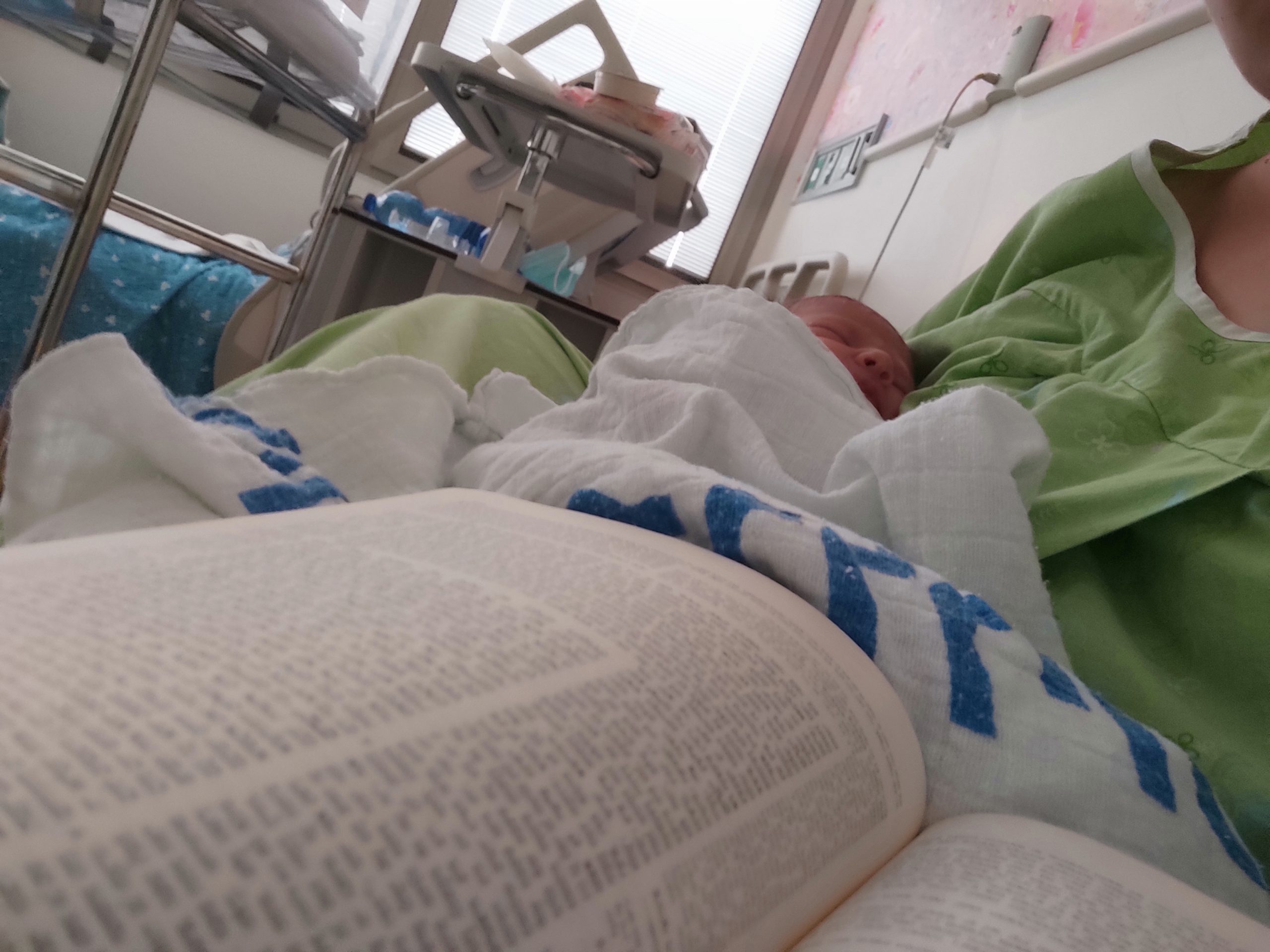
בתחילת הסבב הנוכחי הצטברו אצלי תחושות שאני לא מבינה מספיק מהי ההלכה אותה אני מקיימת בכל יום. כמו כן, כאמא לבנות רציתי לתת להן מודל נשי של לימוד תורה
שתי הסיבות האלו הובילו אותי להתחיל ללמוד. נתקלתי בתגובות מפרגנות וסקרניות איך אישה לומדת גמרא..
כמו שרואים בתמונה אני ממשיכה ללמוד גם היום ואפילו במחלקת יולדות אחרי לידת ביתי השלישית.

Noa Shiloh
נועה שילה

רבבה, ישראל

שמעתי על הסיום הענק של הדף היומי ע”י נשים בבנייני האומה. רציתי גם.
החלטתי להצטרף. התחלתי ושיכנעתי את בעלי ועוד שתי חברות להצטרף. עכשיו יש לי לימוד משותף איתו בשבת ומפגש חודשי איתן בנושא (והתכתבויות תדירות על דברים מיוחדים שקראנו). הצטרפנו לקבוצות שונות בווטסאפ. אנחנו ממש נהנות. אני שומעת את השיעור מידי יום (בד”כ מהרב יוני גוטמן) וקוראת ומצטרפת לסיומים של הדרן. גם מקפידה על דף משלהן (ונהנית מאד).

Liat Citron
ליאת סיטרון

אפרת, ישראל

התחלתי ללמוד לפני כשנתיים בשאיפה לסיים לראשונה מסכת אחת במהלך חופשת הלידה.
אחרי מסכת אחת כבר היה קשה להפסיק…

Noa Gallant
נעה גלנט

ירוחם, ישראל

התחלתי מעט לפני תחילת הסבב הנוכחי. אני נהנית מהאתגר של להמשיך להתמיד, מרגעים של "אהה, מפה זה הגיע!” ומהאתגר האינטלקטואלי

Eilat-Chen and Deller
אילת-חן ודלר

לוד, ישראל

"התחלתי ללמוד דף יומי במחזור הזה, בח’ בטבת תש””ף. לקחתי על עצמי את הלימוד כדי ליצור תחום של התמדה יומיומית בחיים, והצטרפתי לקבוצת הלומדים בבית הכנסת בכפר אדומים. המשפחה והסביבה מתפעלים ותומכים.
בלימוד שלי אני מתפעלת בעיקר מכך שכדי ללמוד גמרא יש לדעת ולהכיר את כל הגמרא. זו מעין צבת בצבת עשויה שהיא עצומה בהיקפה.”

Sarah Fox
שרה פוּקס

כפר אדומים, ישראל

התחלתי ללמוד דף יומי לפני שנתיים, עם מסכת שבת. בהתחלה ההתמדה היתה קשה אבל בזכות הקורונה והסגרים הצלחתי להדביק את הפערים בשבתות הארוכות, לסיים את מסכת שבת ולהמשיך עם המסכתות הבאות. עכשיו אני מסיימת בהתרגשות רבה את מסכת חגיגה וסדר מועד ומחכה לסדר הבא!

Ilana-Shachnowitz
אילנה שכנוביץ

מודיעין, ישראל

התחלתי בסיום הש”ס, יצאתי באורות. נשברתי פעמיים, ובשתיהם הרבנית מישל עודדה להמשיך איפה שכולם בסבב ולהשלים כשאוכל, וכך עשיתי וכיום השלמתי הכל. מדהים אותי שאני לומדת כל יום קצת, אפילו בחדר הלידה, בבידוד או בחו”ל. לאט לאט יותר נינוחה בסוגיות. לא כולם מבינים את הרצון, בפרט כפמניסטית. חשה סיפוק גדול להכיר את המושגים וצורת החשיבה. החלום זה להמשיך ולהתמיד ובמקביל ללמוד איך מהסוגיות נוצרה והתפתחה ההלכה.

Weingarten Sherrington Foundation
קרן וינגרטן שרינגטון

מודיעין, ישראל

התחלתי ללמוד דף יומי אחרי שחזרתי בתשובה ולמדתי במדרשה במגדל עוז. הלימוד טוב ומספק חומר למחשבה על נושאים הלכתיים ”קטנים” ועד לערכים גדולים ביהדות. חשוב לי להכיר את הגמרא לעומק. והצעד הקטן היום הוא ללמוד אותה בבקיאות, בעזרת השם, ומי יודע אולי גם אגיע לעיון בנושאים מעניינים. נושאים בגמרא מתחברים לחגים, לתפילה, ליחסים שבין אדם לחברו ולמקום ולשאר הדברים שמלווים באורח חיים דתי 🙂

Gaia Divo
גאיה דיבו

מצפה יריחו, ישראל

בבא קמא נג

וְזֶה וָזֶה בְּבוֹר.

and both this and that refer to where it fell into the pit itself, but nevertheless if it fell backward, he is exempt.

רַב לְטַעְמֵיהּ – דְּאָמַר רַב: בּוֹר שֶׁחִיְּיבָה עָלָיו תּוֹרָה – לְהֶבְלוֹ, וְלֹא לַחֲבָטוֹ.

The Gemara notes: Rav conforms to his line of reasoning, as Rav says: Damage classified as Pit for which the Torah obligates him to pay is referring specifically to damage caused by the pit’s lethal fumes, such as if an animal suffocates inside it, but not to damage caused by the impact of hitting the ground, for which he is exempt from paying compensation. Since the ox in this case fell backward on its back, the owner of the pit is exempt from paying compensation, as the ox wasn’t killed by the lethal fumes of the pit, but by the impact of the fall.

וּשְׁמוּאֵל אָמַר: בְּבוֹר – בֵּין מִלְּפָנָיו בֵּין מִלְּאַחֲרָיו, חַיָּיב.

And Shmuel says: If the ox fell into the pit, whether it fell forward or whether it fell backward, he is liable.

שְׁמוּאֵל לְטַעְמֵיהּ, דְּאָמַר: לְהֶבְלוֹ – וְכׇל שֶׁכֵּן לַחֲבָטוֹ. אֶלָּא הֵיכִי דָּמֵי לְאַחֲרָיו מִקּוֹל הַכְּרִיָּיה – דְּפָטוּר? כְּגוֹן דְּנִתְקַל בַּבּוֹר, וְנָפַל לַאֲחוֹרֵי הַבּוֹר חוּץ לַבּוֹר.

The Gemara notes: Shmuel conforms to his line of reasoning, as Shmuel says: With regard to damage classified as Pit, the Torah holds one liable for damage caused by its lethal fumes, and all the more so for damage resulting from the impact of the fall. The Gemara asks: But according to Shmuel, what are the circumstances concerning which the mishna stated that if the ox fell backward into the pit due to the sound of the digging that one is exempt? The Gemara answers: This applies, for example, where the ox stumbled on the pit, and then fell behind the pit and was injured outside the pit.

אֵיתִיבֵיהּ: בְּבוֹר – בֵּין לְפָנָיו בֵּין לְאַחֲרָיו, חַיָּיב. תְּיוּבְתָּא דְּרַב!

The Sages raised an objection to the opinion of Rav from a baraita: With regard to an animal that fell into a pit, whether it fell in forward or whether it fell in backward, he is liable. This constitutes a conclusive refutation of Rav.

אָמַר רַב חִסְדָּא: מוֹדֶה רַב בְּבוֹר בִּרְשׁוּתוֹ – דְּחַיָּיב, מִשּׁוּם דְּאָמַר לֵיהּ: מִמָּה נַפְשָׁךְ? אִי בְּהַבְלָא מִית – הַבְלָא דִּידָךְ הוּא, אִי בְּחַבְטָא מִית – חַבְטָא דִּידָךְ הוּא.

Rav Ḥisda said in explanation of how Rav’s opinion could accord with the baraita: Rav concedes in the case of a pit on his own property that a person is liable even if the animal fell backward, because the owner of the animal can say to the owner of the pit: Whichever way you look at it, you are liable. If my animal died due to the lethal fumes, these are your lethal fumes. If it died on account of the impact, this is the impact of your land, and not the impact of land in the public domain, which is the typical case of Pit.

רַבָּה אָמַר: הָכָא בְּמַאי עָסְקִינַן – בְּמִתְהַפֵּךְ, דִּנְפַל אַאַפֵּיהּ וְאִתְהֲפִיךְ וּנְפַל אַגַּבֵּיהּ; דְּהַבְלָא דְּאַהֲנִי בֵּיהּ, אַהֲנִי בֵּיהּ.

Rabba said that this is how the baraita should be explained according to Rav: Here we are dealing with where the animal tumbled, i.e., where it began to fall on its face, and afterward tumbled and continued to fall on its back. In this case, he is liable because the lethal fumes, which were effective in injuring the animal, were also effective in killing it.

רַב יוֹסֵף אָמַר: הָכָא בְּנִזְקֵי בוֹר בְּשׁוֹר עָסְקִינַן – מַאי נִיהוּ? שֶׁהִבְאִישׁ אֶת מֵימָיו; דְּלָא שְׁנָא לְפָנָיו וְלָא שְׁנָא לְאַחֲרָיו – מִיחַיַּיב.

Rav Yosef said: Here, in this baraita, we are dealing with damage to the pit that is caused by the ox. And what is the damage? The damage is that it contaminated the water in the pit, in which case the baraita states that it makes no difference if the animal fell forward and it makes no difference if it fell backward, since he is liable either way.

תָּנֵי רַב חֲנַנְיָה לְסַיּוֹעֵי לְרַב: ״וְנָפַל״ – עַד שֶׁיִּפּוֹל דֶּרֶךְ נְפִילָה. מִכָּאן אָמְרוּ: נָפַל לְפָנָיו מִקּוֹל הַכְּרִיָּיה – חַיָּיב, לְאַחֲרָיו מִקּוֹל הַכְּרִיָּיה – פָּטוּר. וְזֶה וָזֶה בְּבוֹר.

Rav Ḥananya taught a baraita in support of the opinion of Rav: The verse states with regard to damage caused by a pit to an animal: “And an ox or a donkey fall therein” (Exodus 21:33), which is interpreted to mean that one is not liable unless the animal falls in the usual manner of falling. From here the Sages stated that if it fell forward due to the sound of the digging, he is liable, but if it fell backward due to the sound of the digging, he is exempt, and both this case and that case refer to damage by a pit.

אָמַר מָר: נָפַל לְפָנָיו מִקּוֹל הַכְּרִיָּיה – חַיָּיב. וְאַמַּאי? נֵימָא כּוֹרֶה גְּרַם לֵיהּ! אָמַר רַב שִׁימִי בַּר אָשֵׁי: הָא מַנִּי – רַבִּי נָתָן הִיא, דְּאָמַר: בַּעַל הַבּוֹר הֶזֵּיקָא קָא עָבֵיד, וְכֹל הֵיכָא דְּלָא אֶפְשָׁר לְאִשְׁתַּלּוֹמֵי מֵהַאי – מִשְׁתַּלֵּם מֵהַאי;

§ The Master said in the mishna: If it fell forward due to the sound of the digging, he is liable. The Gemara asks: But why is this so? Let us say that it is the sound of the digger that caused the animal to fall, and not the pit itself. The Gemara answers that Rav Shimi bar Ashi said: In accordance with whose opinion is this? It is in accordance with the opinion of Rabbi Natan, who says: The owner of the pit causes the damage by his digging, and anywhere that it is not possible to collect payment from this one who caused the fall, i.e., the digger, payment is collected from that one, i.e., the owner of the pit. This is because in any event, he bears responsibility for the hazard he created.

דְּתַנְיָא: שׁוֹר שֶׁדָּחַף אֶת חֲבֵירוֹ לְבוֹר – בַּעַל הַשּׁוֹר חַיָּיב, בַּעַל הַבּוֹר פָּטוּר. רַבִּי נָתָן אוֹמֵר: בַּעַל הַשּׁוֹר מְשַׁלֵּם מֶחֱצָה, וּבַעַל הַבּוֹר מְשַׁלֵּם מֶחֱצָה.

As it is taught in a baraita: With regard to an ox that pushed another ox into a pit, the owner of the first ox is liable, and the owner of the pit is exempt. Rabbi Natan says: The owner of the first ox pays half the amount, and the owner of the pit pays half the amount.

וְהָתַנְיָא, רַבִּי נָתָן אוֹמֵר: בַּעַל הַבּוֹר מְשַׁלֵּם שְׁלֹשָׁה חֲלָקִים, וּבַעַל הַשּׁוֹר רְבִיעַ! לָא קַשְׁיָא; הָא בְּתָם, הָא בְּמוּעָד.

The Gemara clarifies Rabbi Natan’s opinion: But isn’t it taught in a baraita that Rabbi Natan says: If an ox pushed another ox into a pit, the owner of the pit pays three-quarters, and the owner of the first ox pays one-quarter? The Gemara resolves the contradiction: This is not difficult, as this second baraita is referring to an innocuous ox that pushed the second ox. Therefore, the owner of the ox that caused damage pays only one-quarter of the cost of the damage, which is half of the half for which he is responsible. By contrast, that other baraita is referring to a forewarned ox that pushed a second ox. Consequently, the owner of the forewarned ox pays the full amount for which he is responsible, i.e., half the value of the total damage.

וּבְתָם מַאי קָסָבַר? אִי קָסָבַר: הַאי כּוּלֵּיהּ הֶזֵּיקָא עֲבַד וְהַאי כּוּלֵּיהּ הֶזֵּיקָא עֲבַד – הַאי מְשַׁלֵּם פַּלְגָא, וְהַאי מְשַׁלֵּם פַּלְגָא!

The Gemara asks: And with regard to an innocuous ox, what does Rabbi Natan hold as to why this person pays one-quarter and the owner of the pit pays three-quarters? If he holds that this one, i.e., the ox, performed all the damage and the other, i.e., the pit, performed all the damage, then he should have ruled that this one pays half and that one pays half, since they are both fully responsible. Although the ox was innocuous, the owner is still liable to pay half the cost of the damage, as that is the liability incurred for an act of damaging by an innocuous ox.

וְאִי קָסָבַר: הַאי פַּלְגָא הֶזֵּיקָא עֲבַד, וְהַאי פַּלְגָא הֶזֵּיקָא עֲבַד – בַּעַל הַבּוֹר מְשַׁלֵּם פַּלְגָא וּבַעַל הַשּׁוֹר רְבִיעַ, וְאִידַּךְ רִיבְעָא מַפְסִיד?

And if Rabbi Natan holds that this one, i.e., the owner of the ox, performed half the damage, and that one, i.e., the owner of the pit, performed half the damage, then the owner of the pit should pay half of the amount for which he is responsible, i.e., half the cost of the damage, and the owner of the innocuous ox should pay only one-quarter, which is half the amount for which he is responsible. As for the other remaining quarter, the injured party has no recourse to claim it, and loses it. Why, then, does Rabbi Natan hold that the owner of the pit pays for three-quarters of the damage?

אָמַר רָבָא: רַבִּי נָתָן דַּיָּינָא הוּא, וְנָחֵית לְעוּמְקָא דְּדִינָא; לְעוֹלָם קָסָבַר: הַאי כּוּלֵּיהּ הֶזֵּיקָא עֲבַד, וְהַאי כּוּלֵּיהּ הֶזֵּיקָא עֲבַד; וּדְקָא קַשְׁיָא לָךְ לְשַׁלֵּם הַאי פַּלְגָא וְהַאי פַּלְגָא, מִשּׁוּם דְּאָמַר לֵיהּ בַּעַל הַשּׁוֹר לְבַעַל הַבּוֹר: שׁוּתָּפוּתַאי מַאי אַהַנְיָא לִי?

Rava said: Rabbi Natan is a judge and has plumbed the full depths of the halakha. Actually, he holds that this one performed all of the damage and that one performed all of the damage. And as for your difficulty, that this one should pay half and that one should pay half, that is not difficult. The owner of the ox pays only one-quarter, because the owner of the ox can say to the owner of the pit: How did my partnership with you in this situation help me? Even if my ox caused all the damage and none of the damage was caused by the pit, I would be required to pay only half the cost of the damage. Therefore, as we are partners in this situation, I should pay half of what I should have paid, which is one-quarter. You should pay the other half of what I should have paid, in addition to your share, since you would have had to pay full damages.

אִיבָּעֵית אֵימָא, לְעוֹלָם קָסָבַר: הַאי פַּלְגָא הֶזֵּיקָא עֲבַד, וְהַאי פַּלְגָא הֶזֵּיקָא עֲבַד; וּדְקָא קַשְׁיָא לָךְ: בַּעַל הַבּוֹר מְשַׁלֵּם פַּלְגָא וּבַעַל הַשּׁוֹר מְשַׁלֵּם רְבִיעַ, וְאִידָּךְ רִיבְעָא נַפְסֵיד – מִשּׁוּם דַּאֲמַר לֵיהּ בַּעַל הַשּׁוֹר לְבַעַל הַבּוֹר: אֲנָא תּוֹרַאי בְּבֵירָךְ אַשְׁכְּחִיתֵיהּ – אַתְּ קְטַלְתֵּיהּ; מַאי דְּאִית לִי לְאִשְׁתַּלּוֹמֵי מֵהַיְאךְ – מִשְׁתַּלַּמְנָא, מַאי דְּלֵית לִי לְאִשְׁתַּלּוֹמֵי מֵהַיְאךְ – מִשְׁתַּלַּמְנָא מִמָּךְ.

The Gemara adds: If you wish, say instead a different explanation: Actually, Rabbi Natan maintains that this one performed half the damage and that one performed half the damage. As for your difficulty with the fact that the owner of the pit should pay half and the owner of the ox should pay one-quarter, and the injured party loses the other remaining quarter, that is not difficult. This is because the owner of the killed ox can say to the owner of the pit: I found my ox in your pit. Consequently, I am assuming that you killed it. Therefore, concerning that portion of the payment that I can receive from the other, i.e., the owner of the damaging ox, I will receive it. Concerning that portion that I am unable to receive from the other individual, I will receive it from you.

אָמַר רָבָא: הִנִּיחַ אֶבֶן עַל פִּי הַבּוֹר, וּבָא שׁוֹר וְנִתְקַל בָּהּ, וְנָפַל בַּבּוֹר – בָּאנוּ לְמַחְלוֹקֶת רַבִּי נָתָן וְרַבָּנַן. פְּשִׁיטָא!

On the same subject, Rava says: If one left a stone at the opening of a pit belonging to another person, and an ox came and stumbled on it and fell into the pit, we have arrived at the dispute between Rabbi Natan and the Rabbis concerning the division of responsibility between them. The Gemara asks: Isn’t this obvious, since what is the difference whether the ox fell into the pit due to another ox pushing it or due to the stone?

מַהוּ דְּתֵימָא, הָתָם הוּא דְּאָמַר בַּעַל הַבּוֹר לְבַעַל הַשּׁוֹר: ״אִי לָאו בֵּירָא דִּידִי – תּוֹרָא דִּידָךְ הֲוָה קָטֵיל לֵיהּ״; אֲבָל הָכָא, מָצֵי אָמַר לֵיהּ בַּעַל אֶבֶן לְבַעַל הַבּוֹר: ״אִי לָאו בֵּירָא דִּידָךְ, אַבְנָא דִּידִי מַאי הֲוָה עָבְדָא? אִי הֲוָה מִיתְּקֵל בָּהּ – הֲוָה נָפֵל וְקָאֵי!״ קָא מַשְׁמַע לַן, דַּאֲמַר לֵיהּ: ״אִי לָאו אֶבֶן – לָא הֲוָה נָפֵיל לְבֵירָא״.

The Gemara answers: This ruling needed to be stated explicitly, lest you say that only there the owner of the pit can say to the owner of the ox who was responsible for the damage: If not for my pit, your ox would have killed the second ox anyway, in which case my pit was not the cause of the damage, but here, the owner of the stone can say to the owner of the pit: If not for your pit, what would my stone have done? If the ox would have stumbled on it, it would have simply fallen and gotten up, and I should be exempt. Therefore, Rava teaches us that this claim is not a valid one, because the owner of the pit can say in response to the owner of the stone: If not for your stone, the ox would not have fallen into the pit in the first place.

אִיתְּמַר:

§ It was stated:

שׁוֹר וְשׁוֹר פְּסוּלֵי הַמּוּקְדָּשִׁין שֶׁנָּגְחוּ – מַאי נִיהוּ? שׁוֹר בְּכוֹר, דְּלָא פָּרֵיק לֵיהּ; אַבָּיֵי אָמַר: מְשַׁלֵּם חֲצִי נֶזֶק, רָבִינָא אָמַר: מְשַׁלֵּם רְבִיעַ נֶזֶק.

There is a dispute with regard to a case of an ordinary innocuous ox and a disqualified consecrated ox that gored another ox together. What is this case of an ox that was consecrated and disqualified? It is a firstborn ox that became blemished and was consequently disqualified as an offering. Nevertheless, its initial consecration remains, and therefore it may not be redeemed. Consequently, the priest in possession of it is not liable to pay damages, since it is not classified as: The ox of another, as its status is not that of a non-sacred ox belonging to a person. Given this background, what is the liability of the owner of the non-sacred ox that gored together with it? Abaye says: He pays half the cost of the damage, whereas Ravina says: He pays one-quarter of the cost of the damage.

הָא וְהָא בְּתָם; הָא כְּרַבָּנַן, וְהָא כְּרַבִּי נָתָן.

The Gemara explains the dispute: Both this one, Abaye, and that one, Ravina, refer to a case where the ordinary ox was innocuous. This opinion stated by Ravina is in accordance with the opinion of the Rabbis that each party is responsible for only half the damage. Since the non-sacred ox was innocuous, its owner pays half the cost of the damage for which he is responsible, i.e., one-quarter of the total. And that opinion stated by Abaye is in accordance with the opinion of Rabbi Natan that each party in turn is responsible for all the damage. Consequently, since the non-sacred ox is innocuous, its owner pays half the total amount.

אִיבָּעֵית אֵימָא: הָא וְהָא כְּרַבָּנַן; הָא בְּתָם, הָא בְּמוּעָד.

If you wish, say instead that there is no dispute, and that both this one, Abaye, and that one, Ravina, state their opinions in accordance with the opinion of the Rabbis. This one, Ravina, is referring to where the non-sacred ox is innocuous, and so its owner pays half of a half, and that one, Abaye, is referring to where the non-sacred ox is forewarned, so its owner pays his entire share, i.e., half the total damage.

אִיכָּא דְּאָמְרִי – אַבָּיֵי אָמַר: חֲצִי נֶזֶק, רָבִינָא אָמַר: כּוּלֵּיהּ נֶזֶק. הָא וְהָא בְּמוּעָד; הָא כְּרַבָּנַן, וְהָא כְּרַבִּי נָתָן.

There are those who say that there was another version of this dispute: Abaye says that he pays half the cost of the damage, and Ravina says: He pays the full cost of the damage. The Gemara explains their reasoning: Both this one and that one are referring to where the ox was forewarned. This one, Abaye, holds in accordance with the opinion of the Rabbis, that each one is responsible for half the damage, and so he pays his share of half the total cost of the damage. And that one, Ravina, holds in accordance with the opinion of Rabbi Natan, that each one is fully responsible for the damage, and when one perpetrator of the damage is exempt from payment, such as this case, the entire amount is collected from the other.

אִיבָּעֵית אֵימָא: הָא וְהָא כְּרַבִּי נָתָן; הָא בְּמוּעָד, וְהָא בְּתָם.

If you wish, say instead that there is no dispute, and that both this one and that one hold in accordance with the opinion of Rabbi Natan. This one, Ravina, is referring to where the ox was forewarned and the owner pays the full cost of the damage, and that one, Abaye, is referring to an innocuous ox, for which only half the cost of the damage is paid.

אָמַר רָבָא: שׁוֹר וְאָדָם שֶׁדָּחֲפוּ לְבוֹר, לְעִנְיַן נְזָקִין – כּוּלָּן חַיָּיבִין. לְעִנְיַן אַרְבָּעָה דְּבָרִים וּדְמֵי וְלָדוֹת – אָדָם חַיָּיב, וְשׁוֹר וּבוֹר פָּטוּר.

§ Rava says: With regard to an ox and a person that push a person or animal into a pit, then concerning the damage that they caused, they, i.e., the man who pushed the person or animal, the owner of the ox, and the owner of the pit, are all liable to pay the indemnity of damage. Concerning the four additional types of indemnity, which are loss of livelihood, pain, medical costs, and humiliation, and also with regard to the compensation for miscarried offspring, the person who pushed is liable, and the owner of the ox and the owner of the pit are exempt, since the Torah did not impose any obligation on them to pay these payments.

לְעִנְיַן כּוֹפֶר וּשְׁלֹשִׁים שֶׁל עֶבֶד – שׁוֹר חַיָּיב, אָדָם וּבוֹר פְּטוּרִים. לְעִנְיַן כֵּלִים וְשׁוֹר פְּסוּלֵי הַמּוּקְדָּשִׁין – אָדָם וְשׁוֹר חַיָּיבִין, וּבוֹר פָּטוּר.

With regard to the payment of ransom if it was a person who was pushed and killed, and also concerning the thirty shekels paid for a Canaanite slave who was killed, the owner of the ox is liable, and the man who did the pushing and the owner of the pit are exempt. With regard to vessels and a disqualified consecrated ox that fell into the pit, the man who did the pushing and the owner of the ox are liable, and the owner of the pit is exempt.

מַאי טַעְמָא? אָמַר קְרָא: ״וְהַמֵּת יִהְיֶה לוֹ״ – בְּמִי שֶׁהַמֵּת שֶׁלּוֹ, יָצָא זֶה שֶׁאֵין הַמֵּת שֶׁלּוֹ.

Rava explains: What is the reason that the owner of the pit is exempt from liability for damage caused to a disqualified consecrated ox? Since the verse states with regard to a pit: “And the carcass shall be for him” (Exodus 21:34), it teaches that the obligation to pay damages is imposed only on the one to whom the carcass subsequently belongs, thereby excluding this case of a disqualified consecrated ox, where the carcass does not belong to him. In this case, it is prohibited to sell the carcass. The owner of the pit cannot derive benefit from it, and it no longer belongs to anyone, so the conditions written in the verse are not in effect.

לְמֵימְרָא דִּפְשִׁיטָא לֵיהּ לְרָבָא? וְהָא מִיבַּעְיָא בָּעֵי לֵיהּ לְרָבָא – דְּבָעֵי רָבָא: שׁוֹר פְּסוּלֵי הַמּוּקְדָּשִׁין שֶׁנָּפַל לַבּוֹר, מַהוּ? הַאי ״וְהַמֵּת יִהְיֶה לוֹ״ – בְּמִי שֶׁהַמֵּת שֶׁלּו, יָצָא זֶה שֶׁאֵין הַמֵּת שֶׁלּוֹ; אוֹ דִילְמָא, ״וְהַמֵּת יִהְיֶה לוֹ״ – לִבְעָלִים מִטַּפְּלִין בַּנְּבֵילָה הוּא דַּאֲתָא?

The Gemara asks: Is this to say that this matter was obvious to Rava? Is it not a dilemma that was already raised by Rava, as Rava asked: What is the halakha with regard to a disqualified consecrated ox that fell into a pit? Is this verse: “And the carcass shall be for him,” referring to the one to whom the carcass belongs, i.e., the owner of the pit, excluding this case where the carcass does not belong to him, and therefore the owner is exempt from paying for it? Or perhaps the verse “And the carcass shall be for him” comes to teach that the owner of the animal attends to, i.e., retains ownership of, the carcass, and the perpetrator of the damage pays him the difference?

בָּתַר דְּבַעְיַהּ, הֲדַר פַּשְׁטַהּ.

The Gemara answers: Initially, Rava was in doubt about the matter, but after he raised the dilemma, he then resolved it and concluded that the verse imposes liability for the cost of damage only on a person to whom the carcass belongs, excluding the case of a disqualified consecrated ox.

אֶלָּא בְּעָלִים מִטַּפְּלִין בִּנְבֵילָה – מְנָא לֵיהּ? נָפְקָא לֵיהּ מִן ״וְהַמֵּת יִהְיֶה לוֹ״ דְּשׁוֹר. מַאי חָזֵית דִּ״וְהַמֵּת יִהְיֶה לוֹ״ דְּשׁוֹר – מַפְּקַתְּ לֵיהּ לִבְעָלִים מִטַּפְּלִין בִּנְבֵילָה, ״וְהַמֵּת יִהְיֶה לוֹ״ דְּבוֹר – מַפְּקַתְּ לֵיהּ לְמִי שֶׁהַמֵּת שֶׁלּוֹ? אֵיפוֹךְ אֲנָא!

The Gemara asks: Rather, from where does he derive the halakha that the owner attends to the animal carcass? The Gemara answers: He derives it from the verse: “And the carcass shall be for him” (Exodus 21:36), stated with regard to Ox. The Gemara asks further: What did you see to determine that from the verse “And the carcass shall be for him,” stated with regard to Ox, you derive from it the halakha that the owner of the dead ox attends to the carcass, and from the verse “And the carcass belongs to him,” stated with regard to Pit, you derive from it the halakha that only the one to whom the carcass belongs pays damages? Why can’t I reverse the derivations from each verse and say the opposite?

מִסְתַּבְּרָא פְּטוּר גַּבֵּי בוֹר – הוֹאִיל וּפָטַר בּוֹ אֶת הַכֵּלִים. אַדְּרַבָּה, פְּטוּר גַּבֵּי שׁוֹר – שֶׁכֵּן פָּטַר בּוֹ חֲצִי נֶזֶק! כּוּלֵּיהּ נֶזֶק מִיהַת לָא אַשְׁכְּחַן.

The Gemara answers: It is reasonable that the exemption applies to the verse stated with regard to Pit, since the Torah also exempts one from paying for damage classified as Pit caused to vessels that fall into it and break. The Gemara challenges this answer: On the contrary, one could claim that the exemption applies to the verse stated with regard to Ox, since the Torah also exempted the owner from half the cost of the damage in the case of an innocuous ox. The Gemara responds: In any event, we do not find that the owner of the ox is exempt from compensation for the full cost of damage. By contrast, with regard to Pit, there are certain items for which a person is not liable at all. Therefore, it is logical to conclude that the Torah is more lenient in cases of Pit than of Ox.

נָפַל לְתוֹכוֹ שׁוֹר וְכֵלָיו, וְנִשְׁתַּבְּרוּ כּוּ׳. מַתְנִיתִין דְּלָא כְּרַבִּי יְהוּדָה – דְּתַנְיָא: רַבִּי יְהוּדָה מְחַיֵּיב עַל נִזְקֵי כֵלִים בְּבוֹר.

§ The mishna teaches: If an ox and its accoutrements, i.e., the vessels it was carrying, fell into the pit and the vessels were broken, or if a donkey and its accoutrements fell in and the accoutrements were torn, the owner of the pit is liable for damage to the animal caused by the pit, but he is exempt from liability for damage caused to the vessels, by Torah edict. The Gemara notes: The mishna is not in accordance with the opinion of Rabbi Yehuda, as it is taught in a baraita: Rabbi Yehuda obligates a person to pay for damage caused to vessels in cases of Pit.

מַאי טַעְמָא דְּרַבָּנַן? דְּאָמַר קְרָא: ״וְנָפַל שָׁמָּה שּׁוֹר אוֹ חֲמוֹר״; ״שׁוֹר״ – וְלֹא אָדָם, ״חֲמוֹר״ – וְלֹא כֵּלִים. וְרַבִּי יְהוּדָה – ״אוֹ״, לְרַבּוֹת אֶת הַכֵּלִים. וְרַבָּנַן –

The Gemara explains: What is the reasoning of the Rabbis? Since the verse states: “And an ox or a donkey fall therein” (Exodus 21:33), it is inferred that it is specifically an ox, but not a person, for whose death the owner of the pit is liable. Moreover, one is liable for a donkey, but not vessels. By contrast, Rabbi Yehuda expounds the word “or” in the expression “an ox or a donkey” to include vessels. The Gemara asks: And how do the Rabbis explain the word “or”?

רוצה לעקוב אחרי התכנים ולהמשיך ללמוד?

ביצירת חשבון עוד היום ניתן לעקוב אחרי ההתקדמות שלך, לסמן מה למדת, ולעקוב אחרי השיעורים שמעניינים אותך.

לנקות את כל הפריטים מהרשימה?

פעולה זו תסיר את כל הפריטים בחלק זה כולל ההתקדמות וההיסטוריה. שימי לב: לא ניתן לשחזר פעולה זו.

ביטול
מחיקה

האם את/ה בטוח/ה שברצונך למחוק פריט זה?

תאבד/י את כל ההתקדמות או ההיסטוריה הקשורות לפריט זה.

ביטול
מחיקה