חיפוש

בבא קמא פ

רוצה להקדיש שיעור?

podcast placeholder

0:00
0:00


תקציר

הדף היום מוקדש ע”י רוזי ולרי ג’פי לע”נ אמה, דובה פייגה בת מנחם.

באילו נסיבות אפשר לגדל בהמות דקות בישראל? רבן גמליאל נקט גישה מקילה יותר, אולם בתוספתא יש גישה מחמירה יותר. התוספתא פוסקת גם שמי שמגדל בהמות קטנות ורוצה לחזור בתשובה אינו צריך למכור את כולם בבת אחת. באופן דומה, גר שיורש כלבים וחזירים יכול למכור אותם לאורך זמן. באופן דומה, מי שנודר להתחתן עם אישה או לקנות בית בארץ ישראל לא צריך להתחתן/לקנות את האישה/הבית הראשון שהוא מוצא, אלא יכול לקחת את הזמן שלו למצוא את המתאים. מסופר על אלמנה שנואשת להינשא כדי לעזור לה עם בנה ונדרה להינשא לגבר הראשון שהציע נישואין, אך כאשר גברים לא הוגנים הציעו, הרבנים התירו לה לחכות עד שיציע גבר מתאים. איזה סוג של חיות אפשר לגדל בבית ולמה? מותר חתולים, יחד עם אחרים, מכיוון שהם אוכלים עכברים ותולעים. אולם, בסיפור סותר, רב פוסק שיש להרוג חתולים ואסור להחזיק אותם, כי הם מסוכנים! כדי לפתור זאת, הם מבחינים בין חתולים שחורים לבנים. בני רב פפא מסרו שלושה הלכות/דברים – מתריעים על מגפה של חיכוך בשבת, דלת ננעלת לא במהרה יפתח ולוקח בית בארץ ישראל יכול לכתוב עליו שטר כדי לקנות בשבת. הגמרא מסבירה פשר שלוש אמירות אלו.


בבא קמא פ

וְהַטַּבָּח לוֹקֵחַ וְשׁוֹחֵט, לוֹקֵחַ וְשׁוֹהֶה – וּבִלְבַד שֶׁלֹּא יְשַׁהֶה הָעֲגוּנָה שֶׁבָּהֶן שְׁלֹשִׁים יוֹם.

The baraita continues: And a butcher may buy small domesticated animals and slaughter them, and again buy small domesticated animals and keep them for a while, provided that he does not keep the last one of them that he bought beyond thirty days.

שָׁאֲלוּ תַּלְמִידָיו אֶת רַבָּן גַּמְלִיאֵל: מַהוּ לְגַדֵּל? אָמַר לָהֶן: מוּתָּר. וְהָתְנַן: אֵין מְגַדְּלִין!

His students asked Rabban Gamliel: What is the halakha with regard to raising small domesticated animals in Eretz Yisrael? Rabban Gamliel said to them: It is permitted. The Gemara interrupts its citation of the baraita to pose a question: How could Rabban Gamliel say this? But didn’t we learn in the mishna: One may not raise small domesticated animals in Eretz Yisrael?

אֶלָּא הָכִי קָא בָּעוּ מִינֵּיהּ: מַהוּ לְשַׁהוֹת? אָמַר לָהֶן: מוּתָּר, וּבִלְבַד שֶׁלֹּא תֵּצֵא וְתִרְעֶה בָּעֵדֶר; אֶלָּא קוֹשְׁרָהּ בְּכַרְעֵי הַמִּטָּה.

Rather, the text of the baraita must be emended, and they actually raised this dilemma before him: What is the halakha with regard to keeping them for a while? The Gemara resumes the quotation of the baraita: Rabban Gamliel said to them: It is permitted, provided that the animal does not go out and graze among the flock. Rather, one should tie it to the legs of the bed in his house.

תָּנוּ רַבָּנַן: מַעֲשֶׂה בְּחָסִיד אֶחָד שֶׁהָיָה גּוֹנֵחַ מִלִּבּוֹ, וְשָׁאֲלוּ לָרוֹפְאִים, וְאָמְרוּ: אֵין לוֹ תַּקָּנָה עַד שֶׁיִּנַק חָלָב רוֹתֵחַ מִשַּׁחֲרִית לְשַׁחֲרִית. וְהֵבִיאוּ לוֹ עֵז וְקָשְׁרוּ לוֹ בְּכַרְעֵי הַמִּטָּה, וְהָיָה יוֹנֵק מִמֶּנָּה מִשַּׁחֲרִית לְשַׁחֲרִית.

The Sages taught in a baraita: There was an incident involving a certain pious man who was groaning, i.e., suffering, due to a pain in his heart. Those caring for the man asked the physicians what to do for him, and they said: There is no other remedy for him but that he should suckle warm milk every morning. And they brought him a she-goat and tied it to the leg of the bed for him, and he would suckle milk from it every morning.

לְיָמִים נִכְנְסוּ חֲבֵירָיו לְבַקְּרוֹ, כֵּיוָן שֶׁרָאוּ אוֹתָהּ הָעֵז קְשׁוּרָה בְּכַרְעֵי הַמִּטָּה – חָזְרוּ לַאֲחוֹרֵיהֶם, וְאָמְרוּ: לִסְטִים מְזוּיָּין בְּבֵיתוֹ שֶׁל זֶה, וְאָנוּ נִכְנָסִין אֶצְלוֹ?!

Days later, his friends came in to visit him. When they saw that she-goat tied to the legs of the bed, they turned back, saying: There is an armed bandit in this man’s house, and we are going in to visit him? They referred to the goat in this manner because small animals habitually graze on the vegetation of others, thereby stealing their crops.

יָשְׁבוּ וּבָדְקוּ, וְלֹא מָצְאוּ בּוֹ אֶלָּא אוֹתוֹ עָוֹן שֶׁל אוֹתָהּ הָעֵז. וְאַף הוּא בִּשְׁעַת מִיתָתוֹ אָמַר: יוֹדֵעַ אֲנִי שֶׁאֵין בִּי עָוֹן אֶלָּא עֲוֹן אוֹתָהּ הָעֵז, שֶׁעָבַרְתִּי עַל דִּבְרֵי חֲבֵרַי.

His friends sat down and investigated this pious man’s behavior, and they could not find any sin attributable to him except that sin of keeping that she-goat in his house. That man himself also said at the time of his death: I know for a fact that I have no sin attributable to me except the sin of keeping that she-goat in my house, as I transgressed the statement of my colleagues, the Sages.

אָמַר רַבִּי יִשְׁמָעֵאל: מִבַּעֲלֵי בָתִּים שֶׁבַּגָּלִיל הָעֶלְיוֹן הָיוּ בֵּית אַבָּא; וּמִפְּנֵי מָה חָרְבוּ? שֶׁהָיוּ מַרְעִין בָּחוֹרָשִׁין, וְדָנִין דִּינֵי מָמוֹנוֹת בְּיָחִיד. וְאַף עַל פִּי שֶׁהָיוּ לָהֶם חוֹרָשִׁים סָמוּךְ לְבָתֵּיהֶם, שָׂדֶה קְטַנָּה הָיְתָה וּמַעֲבִירִין דֶּרֶךְ עָלֶיהָ.

Rabbi Yishmael said: The members of my father’s family were among the wealthy property holders in the upper Galilee. And for what reason were they destroyed? It was due to the fact that they would graze flocks in the forests, and also because they would judge cases of monetary law by means of a single judge. And even though there were forests close to their houses, and therefore there should have been no problem for them to take their animals to graze in these forests, there was a small, private field and they would convey the animals on a path through it.

תָּנוּ רַבָּנַן: רוֹעֶה שֶׁעָשָׂה תְּשׁוּבָה – אֵין מְחַיְּיבִין אוֹתוֹ לִמְכּוֹר מִיָּד, אֶלָּא מוֹכֵר עַל יָד עַל יָד. וְכֵן גֵּר שֶׁנָּפְלוּ לוֹ כְּלָבִים וַחֲזִירִים בִּירוּשָּׁתוֹ – אֵין מְחַיְּיבִין אוֹתוֹ לִמְכּוֹר מִיָּד, אֶלָּא מוֹכֵר עַל יָד עַל יָד.

§ The Sages taught in a baraita: If there is a shepherd of small domesticated animals who repented, the court does not obligate him to sell all his animals immediately. Rather, he may sell them gradually. And likewise, in the case of a convert who came into possession of dogs and pigs (see 83a) as part of his inheritance, the court does not obligate him to sell all of them immediately. Rather, he may sell them gradually.

וְכֵן מִי שֶׁנָּדַר לִיקַּח בַּיִת וְלִיקַּח אִשָּׁה בְּאֶרֶץ יִשְׂרָאֵל – אֵין מְחַיְּיבִין אוֹתוֹ לִיקַּח מִיָּד, עַד שֶׁיִּמְצָא אֶת הַהוֹגֶנֶת לוֹ.

And similarly, with regard to one who vowed to purchase a house or to marry a woman in Eretz Yisrael, the court does not obligate him to acquire the first house or marry the first woman he sees immediately upon his arrival in Eretz Yisrael. Instead, he may wait until he finds the house or wife appropriate for him.

וּמַעֲשֶׂה בְּאִשָּׁה אַחַת שֶׁהָיָה בְּנָהּ מֵיצֵר לָהּ, וְקָפְצָה וְנִשְׁבְּעָה: ״כׇּל מִי שֶׁיָּבֹא, אֵינִי מַחְזִירָתוֹ״, וְקָפְצוּ עָלֶיהָ בְּנֵי אָדָם שֶׁאֵינָן מְהוּגָּנִין. וּכְשֶׁבָּא הַדָּבָר אֵצֶל חֲכָמִים, אָמְרוּ: לֹא נִתְכַּוְּונָה זוֹ אֶלָּא לְהָגוּן לָהּ.

And there was an incident involving a certain unmarried woman who had a son who was distressing her, and she jumped up and took an oath impulsively: Any man who comes to marry me and will discipline my son, I will not turn him away. And unworthy men jumped at the opportunity to marry her. And when the matter came before the Sages, they said: She need not marry one of these men, as this woman’s intention in her oath was certainly to marry only a man who is appropriate for her.

כְּשֵׁם שֶׁאָמְרוּ אֵין מְגַדְּלִין בְּהֵמָה דַּקָּה, כָּךְ אָמְרוּ אֵין מְגַדְּלִין חַיָּה דַּקָּה. רַבִּי יִשְׁמָעֵאל אוֹמֵר: מְגַדְּלִין כְּלָבִים כּוּפְרִין, וַחֲתוּלִים, וְקוֹפִין, וְחוּלְדּוֹת סְנָאִים – מִפְּנֵי שֶׁעֲשׂוּיִים לְנַקֵּר אֶת הַבַּיִת.

The baraita continues: Just as the Sages said that one may not raise small domesticated animals, i.e., sheep and goats, so too they said that one may not raise small undomesticated animals. Rabbi Yishmael says: One may raise village dogs, cats, monkeys, and genets, because they serve to clean the house of mice and other vermin.

מַאי חוּלְדּוֹת סְנָאִים? אָמַר רַב יְהוּדָה: שִׁרְצָא חַרְצָא. וְאִיכָּא דְּאָמְרִי: חַרְזָא – דְּקַטִּינֵי שָׁקַיהּ, וְרָעֲיָא בֵּינֵי וַורְדִּינֵי. וּמַאי שִׁרְצָא? דְּמִתַּתִּאי שָׁקַיהּ.

The Gemara asks: What are these genets? Rav Yehuda said: These are known in Aramaic as shartza ḥartza. And there are those who say that in Aramaic this animal is called ḥarza. This creature has short thighs and it grazes among the thorn bushes. And what is the reason that they are called shartza, a term that generally refers to creeping creatures that slither [shoretz] rather than walk? It is because its thighs are so short that it appears to slither instead of walking on legs.

אָמַר רַב יְהוּדָה אָמַר רַב: עָשִׂינוּ עַצְמֵנוּ בְּבָבֶל כְּאֶרֶץ יִשְׂרָאֵל לִבְהֵמָה דַּקָּה. אֲמַר לֵיהּ רַב אַדָּא בַּר אַהֲבָה לְרַב הוּנָא: דִּידָךְ מַאי?

§ Rav Yehuda says that Rav says: We in Babylonia have rendered ourselves like the residents of Eretz Yisrael with regard to the prohibition of the Sages against raising small domesticated animals. Rav Adda bar Ahava said to Rav Huna: What of your sheep and goats? How can you raise these animals in Babylonia?

אֲמַר לֵיהּ: דִּידַן קָא מְינַטְּרָא לְהוּ חוּבָּה. אֲמַר לֵיהּ: חוּבָּה תִּקְבְּרִינְהוּ לִבְנַהּ. כּוּלְּהוּ שְׁנֵיהּ דְּרַב אַדָּא בַּר אַהֲבָה לָא אִקַּיַּים זַרְעָא לְרַב הוּנָא מֵחוּבָּה. אִיכָּא דְּאָמְרִי, אָמַר רַב הוּנָא אָמַר רַב: עָשִׂינוּ עַצְמֵנוּ בְּבָבֶל כְּאֶרֶץ יִשְׂרָאֵל לִבְהֵמָה דַּקָּה, מִכִּי אֲתָא רַב לְבָבֶל.

Rav Huna said to him: Ḥova, my wife, watches the animals to ensure that they do not graze on land belonging to others. Rav Adda bar Ahava cursed Rav Huna and said to him: May Ḥova bury her son! In all the years of Rav Adda bar Ahava, no children of Rav Huna from Ḥova survived, due to this curse. There are those who say a different version of the above statement: Rav Huna says that Rav says: We in Babylonia rendered ourselves like those of Eretz Yisrael with regard to raising small domesticated animals, from the time when Rav came to Babylonia.

רַב וּשְׁמוּאֵל וְרַב אַסִּי אִיקְּלַעוּ לְבֵי שְׁבוּעַ הַבֵּן, וְאָמְרִי לַהּ לְבֵי יְשׁוּעַ הַבֵּן. רַב לָא עָיֵיל קַמֵּיהּ דִּשְׁמוּאֵל,

§ Rav and Shmuel and Rav Asi once happened to be present at a house where a celebration was being held marking the passage of a week of a newborn son, i.e., a circumcision. And some say it was a house where a celebration was being held marking the redemption of a firstborn son. Rav would not enter before Shmuel, for reasons the Gemara will explain;

שְׁמוּאֵל לָא עָיֵיל קַמֵּיהּ דְּרַב אַסִּי, רַב אַסִּי לָא עָיֵיל קַמֵּיהּ דְּרַב. אָמְרִי: מַאן נִתָּרַח? נִתָּרַח שְׁמוּאֵל וְנֵיתֵי רַב וְרַב אַסִּי.

Shmuel would not enter before Rav Asi, as he considered Rav Asi to be greater than he; and Rav Asi would not enter before Rav, as Rav was his teacher. They said: Which of us should stay behind and let the other two come in before him? They decided: Let Shmuel stay behind, and let Rav and Rav Asi come inside in that order. Afterward, Shmuel himself would enter.

וְנִתָּרַח רַב אוֹ רַב אַסִּי! רַב – מִילְּתָא בְּעָלְמָא הוּא דַּעֲבַד לֵיהּ לִשְׁמוּאֵל; מִשּׁוּם הָהוּא מַעֲשֶׂה דְּלַטְיֵיהּ, אַדְבְּרֵיהּ רַב עֲלֵיהּ.

The Gemara asks: And why didn’t they decide to let Rav or Rav Asi stay behind? The Gemara explains: It was a mere gesture that Rav performed for Shmuel in initially stating that Shmuel should precede him, as Rav did not really feel that Shmuel was superior to him. Rather, on account of that incident in which he inadvertently cursed Shmuel, Rav took upon himself to treat Shmuel with deference.

אַדְּהָכִי וְהָכִי, אֲתָא שׁוּנָרָא קַטְעֵיהּ לִידָא דְּיָנוֹקָא. נְפַק רַב וּדְרַשׁ: חָתוּל – מוּתָּר לְהוֹרְגוֹ, וְאָסוּר לְקַיְּימוֹ, וְאֵין בּוֹ מִשּׁוּם גָּזֵל, וְאֵין בּוֹ מִשּׁוּם הָשֵׁב אֲבֵידָה לַבְּעָלִים.

In the meantime, while all this was going on, a cat [shunara] came and severed the hand of the baby. Rav emerged from the house and taught: With regard to a cat, it is permitted to kill it even if it is privately owned; and it is prohibited to maintain it in one’s possession; and it is not subject to the prohibition against theft if one takes it from its owner; and, in the case of a lost cat, it is not subject to the obligation of returning a lost item to its owner.

וְכֵיוָן דְּאָמְרַתְּ ״מוּתָּר לְהוֹרְגוֹ״, מַאי נִיהוּ תּוּ ״אָסוּר לְקַיְּימוֹ״? מַהוּ דְּתֵימָא: מוּתָּר לְהוֹרְגוֹ, אִיסּוּרָא לֵיכָּא; קָא מַשְׁמַע לַן.

The Gemara asks a question with regard to Rav’s statement: And since you said that it is permitted to kill it, what is the need to state further that it is prohibited to maintain it in one’s possession? If a cat is considered such a dangerous animal that it is permitted to kill it, of course one cannot keep it in his possession. The Gemara answers: Lest you say that although Rav ruled that it is permitted to kill it, he concedes that there is no prohibition in keeping it, Rav therefore teaches us that it is also prohibited to keep it in one’s possession.

אָמְרִי: וְכֵיוָן דְּאָמְרַתְּ ״אֵין בּוֹ מִשּׁוּם גָּזֵל״, מַאי נִיהוּ תּוּ ״אֵין בּוֹ מִשּׁוּם הָשֵׁב אֲבֵידָה לַבְּעָלִים״? אָמַר רָבִינָא: לְעוֹרוֹ.

The Sages say, further questioning Rav’s statement: And since you said that it is not subject to the prohibition against theft if one takes it from its owner, what is the need to state further that it is not subject to the obligation of returning a lost item to its owner in the case of a lost cat? If one may actively steal a cat, certainly there is no obligation to return it when found. Ravina said in response: Rav was referring to its hide.

מֵיתִיבִי, רַבִּי שִׁמְעוֹן בֶּן אֶלְעָזָר אוֹמֵר: מְגַדְּלִין כְּלָבִים כּוּפְרִין, וַחֲתוּלִין, וְקוֹפִין, וְחוּלְדּוֹת סְנָאִים – מִפְּנֵי שֶׁעֲשׂוּיִין לְנַקֵּר אֶת הַבַּיִת! לָא קַשְׁיָא; הָא בְּאוּכָּמָא, הָא בְּחִיוּוֹרָא.

The Gemara raises an objection from a baraita against Rav’s ruling that it is prohibited to keep a cat. Rabbi Shimon ben Elazar says: One may raise village dogs, cats, monkeys, and genets, because they serve to clean the house of mice and other vermin. The Gemara resolves the apparent contradiction: It is not difficult. This ruling in the baraita is stated with regard to a black cat, which is harmless, whereas that ruling of Rav is stated with regard to a white cat, which is dangerous.

וְהָא מַעֲשֶׂה דְּרַב – אוּכָּמָא הֲוָה! הָתָם – אוּכָּמָא בַּר חִיוָּרָא הֲוָה. וְהָא מִבְעָיא בָּעֵיא לֵיהּ רָבִינָא!

The Gemara raises a difficulty against this answer: But in the incident of Rav it was a black cat. Since this cat severed the baby’s hand, it was obviously a vicious, dangerous animal. The Gemara answers: There it was a black cat, but it was the offspring of a white one. The offspring of a white cat is dangerous, even if it itself is black. The Gemara further objects: But didn’t Ravina raise this very issue as a dilemma?

דְּבָעֵי רָבִינָא: אוּכָּמָא בַּר חִיוָּרָא, מַהוּ? כִּי קָמִבַּעְיָא לֵיהּ לְרָבִינָא – בְּאוּכָּמָא בַּר חִיוָּרָא בַּר אוּכָּמָא; מַעֲשֶׂה דְּרַב – בְּאוּכָּמָא בַּר חִיוָּרָא בַּר חִיוָּרָא הֲוָה.

As Ravina raised a dilemma: What is the halakha with regard to a black cat that is the offspring of a white one? Is it also dangerous like its parent? The Gemara answers: When Ravina raised the dilemma, it was with regard to a black cat that is the offspring of a white cat that itself is the offspring of a black cat. By contrast, in the incident with Rav it was a black cat that was the offspring of a white one, which was itself the offspring of a white cat. That animal is definitely dangerous.

(חב״ד בי״ח בח״ן – סִימָן.) אָמַר רַבִּי אַחָא בַּר פָּפָּא מִשּׁוּם רַבִּי אַבָּא בַּר פָּפָּא מִשּׁוּם רַבִּי אַדָּא בַּר פָּפָּא, וְאָמְרִי לַהּ: אָמַר רַבִּי אַבָּא בַּר פָּפָּא מִשּׁוּם רַבִּי חִיָּיא בַּר פָּפָּא מִשּׁוּם רַבִּי אַחָא בַּר פָּפָּא, וְאָמְרִי לַהּ: אָמַר רַבִּי אַבָּא בַּר פָּפָּא מִשּׁוּם רַבִּי אַחָא בַּר פָּפָּא מִשּׁוּם רַבִּי חֲנִינָא בַּר פָּפָּא:

§ The Gemara provides a mnemonic device for the distinguishing letters in the various names of the sons of Rav Pappa in the ensuing list: Ḥet beit dalet, beit yod ḥet, beit ḥet nun. Rabbi Aḥa bar Pappa says the following three statements in the name of Rabbi Abba bar Pappa, who said them in the name of Rabbi Adda bar Pappa. And some say Rabbi Abba bar Pappa says them in the name of Rabbi Ḥiyya bar Pappa, who said them in the name of Rabbi Aḥa bar Pappa. And some say Rabbi Abba bar Pappa says them in the name of Rabbi Aḥa bar Pappa, who said them in the name of Rabbi Ḥanina bar Pappa.

מַתְרִיעִין עַל הַחִיכּוּךְ בְּשַׁבָּת, וְדֶלֶת הַנִּנְעֶלֶת לֹא בִּמְהֵרָה תִּפָּתַח, וְהַלּוֹקֵחַ בַּיִת בְּאֶרֶץ יִשְׂרָאֵל – כּוֹתְבִין עָלָיו אוֹנוֹ אֲפִילּוּ בְּשַׁבָּת.

The three statements are as follows: The court sounds the alarm on Shabbat over a breakout of sores; and a door that is locked will not be opened quickly; and with regard to one who purchases a house in Eretz Yisrael, one writes a bill of sale for this transaction even on Shabbat.

מֵיתִיבִי: וּשְׁאָר פּוּרְעָנִיּוֹת הַמִּתְרַגְּשׁוֹת וּבָאוֹת עַל הַצִּבּוּר – כְּגוֹן חִיכּוּךְ, חָגָב, זְבוּב, צִירְעָה וְיַתּוּשׁ, וְשִׁילּוּחַ נְחָשִׁים וְעַקְרַבִּים – לֹא הָיוּ מַתְרִיעִין, אֶלָּא צוֹעֲקִים!

The Gemara raises an objection from a baraita: After explaining how the public engages in prayer when there is a drought, the baraita teaches: And with regard to all other types of calamities that break out upon the community, other than drought, such as sores, a plague of locusts, flies, hornets, or mosquitoes, or infestations of snakes or scorpions, the court would not sound the alarm on Shabbat, but the people would cry out. This indicates that it is not proper to sound the alarm on Shabbat for an epidemic of sores.

לָא קַשְׁיָא; כָּאן בְּלַח, כָּאן בְּיָבֵשׁ. דְּאָמַר רַבִּי יְהוֹשֻׁעַ בֶּן לֵוִי: שְׁחִין שֶׁהֵבִיא הַקָּדוֹשׁ בָּרוּךְ הוּא עַל הַמִּצְרִים – לַח מִבַּחוּץ וְיָבֵשׁ מִבִּפְנִים, שֶׁנֶּאֱמַר: ״וַיְהִי שְׁחִין אֲבַעְבֻּעֹת פּוֹרֵחַ בָּאָדָם וּבַבְּהֵמָה״.

The Gemara answers: This is not difficult. Here it is referring to moist sores; whereas there it is referring to dry sores, which are more dangerous than moist ones. As Rabbi Yehoshua ben Levi says: The boils that the Holy One, Blessed be He, brought upon the Egyptians were moist on the outside and dry on the inside, as it is stated: “And it became a boil breaking out with oozing upon man and upon beast” (Exodus 9:10). The phrase “breaking out” is referring to the exterior of the wound. Since the verse specifies that the outside was oozing with secretions, it can be inferred that the inside was dry. This indicates that the sores can be of either type.

״וְדֶלֶת הַנִּנְעֶלֶת לֹא בִּמְהֵרָה תִּפָּתַח״, מַאי הִיא? מָר זוּטְרָא אָמַר: סְמִיכָה. רַב אָשֵׁי אָמַר: כׇּל הַמְּרִיעִין לוֹ, לֹא בִּמְהֵרָה מְטִיבִין לוֹ. רַב אַחָא מִדִּיפְתִּי אָמַר: לְעוֹלָם אֵין מְטִיבִין לוֹ. וְלָא הִיא, רַב אַחָא מִדִּיפְתִּי מִילְּתָא דְּנַפְשֵׁיהּ הוּא דְּאָמַר.

The Gemara analyzes the second of the three statements: And a door that is locked will not be opened quickly. This is clearly a metaphor, but to what is it referring? Mar Zutra said: It is a metaphor for rabbinic ordination. If one meets with resistance in his quest to receive ordination, he should take it as a sign that this opportunity will not soon open up for him again. Rav Ashi said: It means that anyone who is treated poorly will not soon be treated well. Rav Aḥa of Difti said: He will never be treated well. The Gemara comments: But that is not so; Rav Aḥa of Difti was saying only a matter that reflected what had occurred to him.

וְהַלּוֹקֵחַ בַּיִת בְּאֶרֶץ יִשְׂרָאֵל – כּוֹתְבִין עָלָיו אוֹנוֹ אֲפִילּוּ בְּשַׁבָּת. בְּשַׁבָּת סָלְקָא דַּעְתָּךְ?!

The Gemara turns its attention to the third statement: And with regard to one who purchases a house in Eretz Yisrael, one writes a bill of sale for this transaction even on Shabbat. The Gemara asks: Can it enter your mind that one may write this bill of sale on Shabbat? Writing on Shabbat is a prohibited labor for which one is liable to receive the death penalty.

אֶלָּא כִּדְאָמַר רָבָא הָתָם: אוֹמֵר לְגוֹי וְעוֹשֶׂה; הָכִי נָמֵי, אוֹמֵר לְגוֹי וְעוֹשֶׂה. וְאַף עַל גַּב דַּאֲמִירָה לְגוֹי שְׁבוּת הִיא, מִשּׁוּם יִשּׁוּב אֶרֶץ יִשְׂרָאֵל לָא גְּזַרוּ בֵּיהּ רַבָּנַן.

The Gemara explains: Rather, this is as Rava said there, with regard to a similar issue, that one tells a gentile to do it, and he does so. Here, too, it is referring to a situation where he tells a gentile to write a bill of sale for the house, and he does it. And even though telling a gentile to perform an action that is prohibited for a Jew on Shabbat is generally a violation of a rabbinic decree, as the Sages prohibited telling a gentile to perform prohibited labor on behalf of a Jew on Shabbat, here the Sages did not impose this decree, due to the mitzva of settling Eretz Yisrael.

אָמַר רַבִּי שְׁמוּאֵל בַּר נַחְמָנִי אָמַר רַבִּי יוֹנָתָן: הַלּוֹקֵחַ עִיר בְּאֶרֶץ יִשְׂרָאֵל, כּוֹפִין אוֹתוֹ לִיקַּח לָהּ דֶּרֶךְ מֵאַרְבַּע רוּחוֹתֶיהָ, מִשּׁוּם יִשּׁוּב אֶרֶץ יִשְׂרָאֵל.

Rabbi Shmuel bar Naḥmani says that Rabbi Yonatan says: With regard to one who purchases a city in Eretz Yisrael, the court forces him to purchase a path to the city from all four of its sides, due to the importance of settling Eretz Yisrael.

תָּנוּ רַבָּנַן, עֲשָׂרָה תְּנָאִין הִתְנָה יְהוֹשֻׁעַ:

§ The Sages taught in a baraita: Joshua stipulated ten conditions when he apportioned Eretz Yisrael among the tribes:

העמקה

רוצה להבין מה באמת קורה מתחת לפני השטח של הסוגיה?
שיעורים, פודקאסטים והרחבות של מיטב המורות שלנו יפתחו לך עוד זוויות וכיווני חשיבה.

לשיעורי עוד על הדף באנגלית, לחצי כאן

חדשה בלימוד הגמרא?

זה הדף הראשון שלך? איזו התרגשות עצומה! יש לנו בדיוק את התכנים והכלים שיעזרו לך לעשות את הצעדים הראשונים ללמידה בקצב וברמה שלך, כך תוכלי להרגיש בנוח גם בתוך הסוגיות המורכבות ומאתגרות.

פסיפס הלומדות שלנו

גלי את קהילת הלומדות שלנו, מגוון נשים, רקעים וסיפורים. כולן חלק מתנועה ומסע מרגש ועוצמתי.

התחלתי לפני 8 שנים במדרשה. לאחרונה סיימתי מסכת תענית בלמידה עצמית ועכשיו לקראת סיום מסכת מגילה.

Daniela Baruchim
דניאלה ברוכים

רעננה, ישראל

התחלתי ללמוד דף יומי שהתחילו מסכת כתובות, לפני 7 שנים, במסגרת קבוצת לימוד שהתפרקה די מהר, ומשם המשכתי לבד בתמיכת האיש שלי. נעזרתי בגמרת שטיינזלץ ובשיעורים מוקלטים.
הסביבה מאד תומכת ואני מקבלת המון מילים טובות לאורך כל הדרך. מאז הסיום הגדול יש תחושה שאני חלק מדבר גדול יותר.
אני לומדת בשיטת ה”7 דפים בשבוע” של הרבנית תרצה קלמן – כלומר, לא נורא אם לא הצלחת ללמוד כל יום, העיקר שגמרת ארבעה דפים בשבוע

Rachel Goldstein
רחל גולדשטיין

עתניאל, ישראל

התחלתי להשתתף בשיעור נשים פעם בשבוע, תכננתי ללמוד רק דפים בודדים, לא האמנתי שאצליח יותר מכך.
לאט לאט נשאבתי פנימה לעולם הלימוד .משתדלת ללמוד כל בוקר ומתחילה את היום בתחושה של מלאות ומתוך התכווננות נכונה יותר.
הלימוד של הדף היומי ממלא אותי בתחושה של חיבור עמוק לעם היהודי ולכל הלומדים בעבר ובהווה.

Neely Hayon
נילי חיון

אפרת, ישראל

אני לומדת גמרא כעשור במסגרות שונות, ואת הדף היומי התחלתי כשחברה הציעה שאצטרף אליה לסיום בבנייני האומה. מאז אני לומדת עם פודקסט הדרן, משתדלת באופן יומי אך אם לא מספיקה, מדביקה פערים עד ערב שבת. בסבב הזה הלימוד הוא "ממעוף הציפור”, מקשיבה במהירות מוגברת תוך כדי פעילויות כמו בישול או נהיגה, וכך רוכשת היכרות עם הסוגיות ואופן ניתוחם על ידי חז”ל. בע”ה בסבב הבא, ואולי לפני, אצלול לתוכו באופן מעמיק יותר.

Yael Bir
יעל ביר

רמת גן, ישראל

"
גם אני התחלתי בסבב הנוכחי וב””ה הצלחתי לסיים את רוב המסכתות . בזכות הרבנית מישל משתדלת לפתוח את היום בשיעור הזום בשעה 6:20 .הלימוד הפך להיות חלק משמעותי בחיי ויש ימים בהם אני מצליחה לחזור על הדף עם מלמדים נוספים ששיעוריהם נמצאים במרשתת. שמחה להיות חלק מקהילת לומדות ברחבי העולם. ובמיוחד לשמש דוגמה לנכדותיי שאי””ה יגדלו לדור שלימוד תורה לנשים יהיה משהו שבשגרה. "

Ronit Shavit
רונית שביט

נתניה, ישראל

התחלתי מחוג במסכת קידושין שהעבירה הרבנית רייסנר במסגרת בית המדרש כלנה בגבעת שמואל; לאחר מכן התחיל סבב הדף היומי אז הצטרפתי. לסביבה לקח זמן לעכל אבל היום כולם תומכים ומשתתפים איתי. הלימוד לעתים מעניין ומעשיר ולעתים קשה ואף הזוי… אך אני ממשיכה קדימה. הוא משפיע על היומיום שלי קודם כל במרדף אחרי הדף, וגם במושגים הרבים שלמדתי ובידע שהועשרתי בו, חלקו ממש מעשי

Abigail Chrissy
אביגיל כריסי

ראש העין, ישראל

סיום השס לנשים נתן לי מוטביציה להתחיל ללמוד דף יומי. עד אז למדתי גמרא בשבתות ועשיתי כמה סיומים. אבל לימוד יומיומי זה שונה לגמרי ופתאום כל דבר שקורה בחיים מתקשר לדף היומי.

Fogel Foundation
קרן פוגל

רתמים, ישראל

רציתי לקבל ידע בתחום שהרגשתי שהוא גדול וחשוב אך נעלם ממני. הלימוד מעניק אתגר וסיפוק ומעמיק את תחושת השייכות שלי לתורה וליהדות

Ruth Agiv
רות עגיב

עלי זהב – לשם, ישראל

בתחילת הסבב הנוכחי הצטברו אצלי תחושות שאני לא מבינה מספיק מהי ההלכה אותה אני מקיימת בכל יום. כמו כן, כאמא לבנות רציתי לתת להן מודל נשי של לימוד תורה
שתי הסיבות האלו הובילו אותי להתחיל ללמוד. נתקלתי בתגובות מפרגנות וסקרניות איך אישה לומדת גמרא..
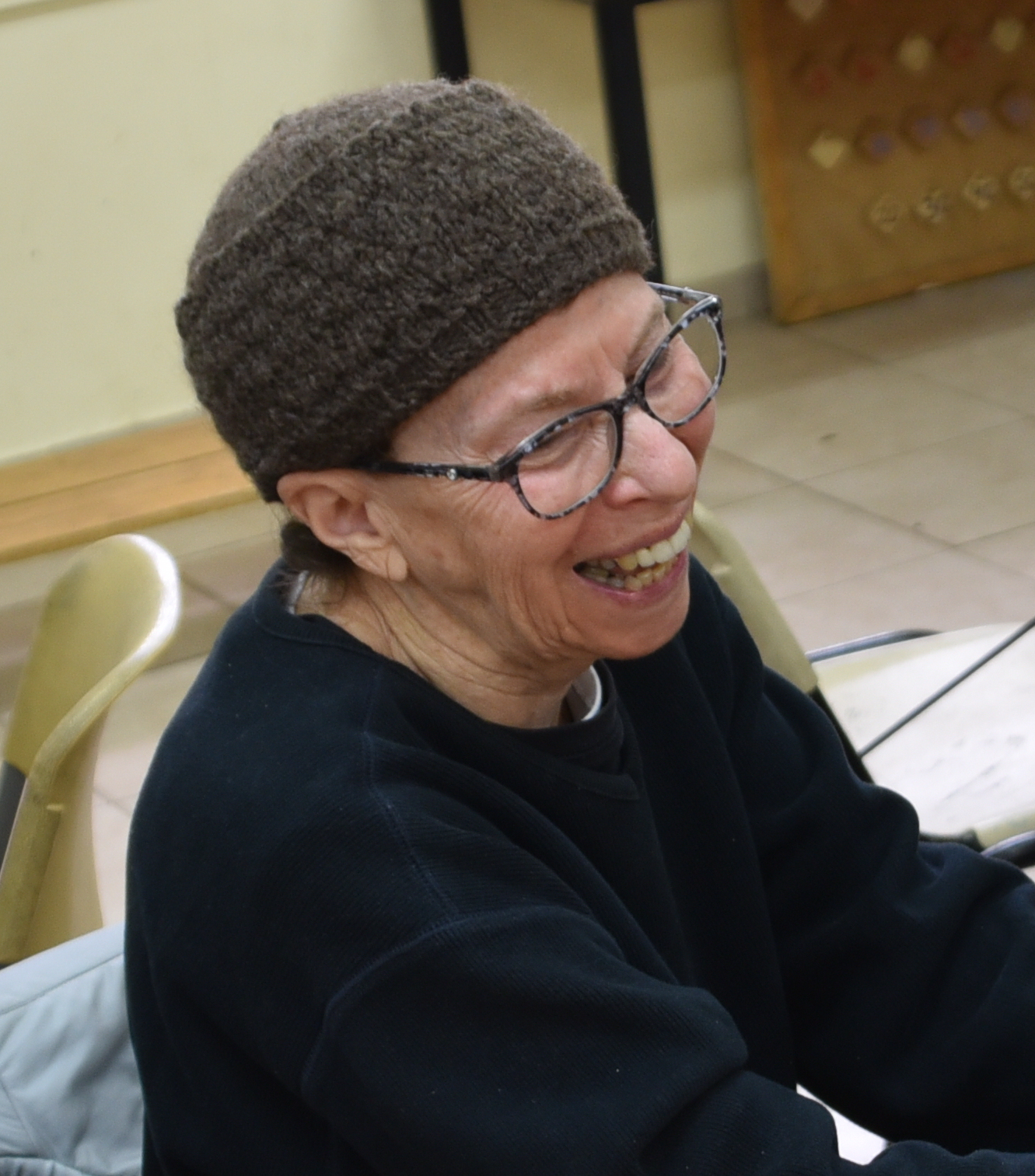
כמו שרואים בתמונה אני ממשיכה ללמוד גם היום ואפילו במחלקת יולדות אחרי לידת ביתי השלישית.

Noa Shiloh
נועה שילה

רבבה, ישראל

רבנית מישל הציתה אש התלמוד בלבבות בביניני האומה ואני נדלקתי. היא פתחה פתח ותמכה במתחילות כמוני ואפשרה לנו להתקדם בצעדים נכונים וטובים. הקימה מערך שלם שמסובב את הלומדות בסביבה תומכת וכך נכנסתי למסלול לימוד מעשיר שאין כמוה. הדרן יצר קהילה גדולה וחזקה שמאפשרת התקדמות מכל נקודת מוצא. יש דיבוק לומדות שמחזק את ההתמדה של כולנו. כל פניה ושאלה נענית בזריזות ויסודיות. תודה גם למגי על כל העזרה.

Sarah Aber
שרה אבר

נתניה, ישראל

התחלתי ללמוד דף יומי שהתחילו מסכת כתובות, לפני 7 שנים, במסגרת קבוצת לימוד שהתפרקה די מהר, ומשם המשכתי לבד בתמיכת האיש שלי. נעזרתי בגמרת שטיינזלץ ובשיעורים מוקלטים.
הסביבה מאד תומכת ואני מקבלת המון מילים טובות לאורך כל הדרך. מאז הסיום הגדול יש תחושה שאני חלק מדבר גדול יותר.
אני לומדת בשיטת ה”7 דפים בשבוע” של הרבנית תרצה קלמן – כלומר, לא נורא אם לא הצלחת ללמוד כל יום, העיקר שגמרת ארבעה דפים בשבוע

Rachel Goldstein
רחל גולדשטיין

עתניאל, ישראל

לפני 15 שנה, אחרי עשרות שנים של "ג’ינגול” בין משפחה לקריירה תובענית בהייטק, הצטרפתי לשיעורי גמרא במתן רעננה. הלימוד המעמיק והייחודי של הרבנית אושרה קורן יחד עם קבוצת הנשים המגוונת הייתה חוויה מאלפת ומעשירה. לפני כשמונה שנים כאשר מחזור הדף היומי הגיע למסכת תענית הצטרפתי כ”חברותא” לבעלי. זו השעה היומית שלנו ביחד כאשר דפי הגמרא משתלבים בחיי היום יום, משפיעים ומושפעים, וכשלא מספיקים תמיד משלימים בשבת

Yodi Askoff
יודי אסקוף

רעננה, ישראל

התחלתי ללמוד גמרא בבית הספר בגיל צעיר והתאהבתי. המשכתי בכך כל חיי ואף היייתי מורה לגמרא בבית הספר שקד בשדה אליהו (בית הספר בו למדתי בילדותי)בתחילת מחזור דף יומי הנוכחי החלטתי להצטרף ובע”ה מקווה להתמיד ולהמשיך. אני אוהבת את המפגש עם הדף את "דרישות השלום ” שמקבלת מקשרים עם דפים אחרים שלמדתי את הסנכרון שמתחולל בין התכנים.

Ariela Bigman
אריאלה ביגמן

מעלה גלבוע, ישראל

התחלתי מעט לפני תחילת הסבב הנוכחי. אני נהנית מהאתגר של להמשיך להתמיד, מרגעים של "אהה, מפה זה הגיע!” ומהאתגר האינטלקטואלי

Eilat-Chen and Deller
אילת-חן ודלר

לוד, ישראל

אחי, שלומד דף יומי ממסכת ברכות, חיפש חברותא ללימוד מסכת ראש השנה והציע לי. החברותא היתה מאתגרת טכנית ורוב הזמן נעשתה דרך הטלפון, כך שבסיום המסכת נפרדו דרכינו. אחי חזר ללמוד לבד, אבל אני כבר נכבשתי בקסם הגמרא ושכנעתי את האיש שלי להצטרף אלי למסכת ביצה. מאז המשכנו הלאה, ועכשיו אנחנו מתרגשים לקראתו של סדר נשים!

Shulamit Saban
שולמית סבן

נוקדים, ישראל

שמעתי על הסיום הענק של הדף היומי ע”י נשים בבנייני האומה. רציתי גם.
החלטתי להצטרף. התחלתי ושיכנעתי את בעלי ועוד שתי חברות להצטרף. עכשיו יש לי לימוד משותף איתו בשבת ומפגש חודשי איתן בנושא (והתכתבויות תדירות על דברים מיוחדים שקראנו). הצטרפנו לקבוצות שונות בווטסאפ. אנחנו ממש נהנות. אני שומעת את השיעור מידי יום (בד”כ מהרב יוני גוטמן) וקוראת ומצטרפת לסיומים של הדרן. גם מקפידה על דף משלהן (ונהנית מאד).

Liat Citron
ליאת סיטרון

אפרת, ישראל

התחלתי ללמוד בשנת המדרשה במגדל עוז, בינתיים נהנית מאוד מהלימוד ומהגמרא, מעניין ומשמח מאוד!
משתדלת להצליח לעקוב כל יום, לפעמים משלימה קצת בהמשך השבוע.. מרגישה שיש עוגן מקובע ביום שלי והוא משמח מאוד!

Uriah Kesner
אוריה קסנר

חיפה , ישראל

התחלתי ללמוד דף יומי באמצע תקופת הקורונה, שאבא שלי סיפר לי על קבוצה של בנות שתיפתח ביישוב שלנו ותלמד דף יומי כל יום. הרבה זמן רציתי להצטרף לזה וזאת הייתה ההזדמנות בשבילי. הצטרפתי במסכת שקלים ובאמצע הייתה הפסקה קצרה. כיום אני כבר לומדת באולפנה ולומדת דף יומי לבד מתוך גמרא של טיינזלץ.

Saturdays in Raleigh
שבות בראלי

עתניאל, ישראל

התחלתי ללמוד לפני כשנתיים בשאיפה לסיים לראשונה מסכת אחת במהלך חופשת הלידה.
אחרי מסכת אחת כבר היה קשה להפסיק…

Noa Gallant
נעה גלנט

ירוחם, ישראל

התחלתי ללמוד בעידוד שתי חברות אתן למדתי בעבר את הפרק היומי במסגרת 929.
בבית מתלהבים מאוד ובשבת אני לומדת את הדף עם בעלי שזה מפתיע ומשמח מאוד! לימוד הדף הוא חלק בלתי נפרד מהיום שלי. לומדת בצהריים ומחכה לזמן הזה מידי יום…

Miriam Wengerover
מרים ונגרובר

אפרת, ישראל

בבא קמא פ

וְהַטַּבָּח לוֹקֵחַ וְשׁוֹחֵט, לוֹקֵחַ וְשׁוֹהֶה – וּבִלְבַד שֶׁלֹּא יְשַׁהֶה הָעֲגוּנָה שֶׁבָּהֶן שְׁלֹשִׁים יוֹם.

The baraita continues: And a butcher may buy small domesticated animals and slaughter them, and again buy small domesticated animals and keep them for a while, provided that he does not keep the last one of them that he bought beyond thirty days.

שָׁאֲלוּ תַּלְמִידָיו אֶת רַבָּן גַּמְלִיאֵל: מַהוּ לְגַדֵּל? אָמַר לָהֶן: מוּתָּר. וְהָתְנַן: אֵין מְגַדְּלִין!

His students asked Rabban Gamliel: What is the halakha with regard to raising small domesticated animals in Eretz Yisrael? Rabban Gamliel said to them: It is permitted. The Gemara interrupts its citation of the baraita to pose a question: How could Rabban Gamliel say this? But didn’t we learn in the mishna: One may not raise small domesticated animals in Eretz Yisrael?

אֶלָּא הָכִי קָא בָּעוּ מִינֵּיהּ: מַהוּ לְשַׁהוֹת? אָמַר לָהֶן: מוּתָּר, וּבִלְבַד שֶׁלֹּא תֵּצֵא וְתִרְעֶה בָּעֵדֶר; אֶלָּא קוֹשְׁרָהּ בְּכַרְעֵי הַמִּטָּה.

Rather, the text of the baraita must be emended, and they actually raised this dilemma before him: What is the halakha with regard to keeping them for a while? The Gemara resumes the quotation of the baraita: Rabban Gamliel said to them: It is permitted, provided that the animal does not go out and graze among the flock. Rather, one should tie it to the legs of the bed in his house.

תָּנוּ רַבָּנַן: מַעֲשֶׂה בְּחָסִיד אֶחָד שֶׁהָיָה גּוֹנֵחַ מִלִּבּוֹ, וְשָׁאֲלוּ לָרוֹפְאִים, וְאָמְרוּ: אֵין לוֹ תַּקָּנָה עַד שֶׁיִּנַק חָלָב רוֹתֵחַ מִשַּׁחֲרִית לְשַׁחֲרִית. וְהֵבִיאוּ לוֹ עֵז וְקָשְׁרוּ לוֹ בְּכַרְעֵי הַמִּטָּה, וְהָיָה יוֹנֵק מִמֶּנָּה מִשַּׁחֲרִית לְשַׁחֲרִית.

The Sages taught in a baraita: There was an incident involving a certain pious man who was groaning, i.e., suffering, due to a pain in his heart. Those caring for the man asked the physicians what to do for him, and they said: There is no other remedy for him but that he should suckle warm milk every morning. And they brought him a she-goat and tied it to the leg of the bed for him, and he would suckle milk from it every morning.

לְיָמִים נִכְנְסוּ חֲבֵירָיו לְבַקְּרוֹ, כֵּיוָן שֶׁרָאוּ אוֹתָהּ הָעֵז קְשׁוּרָה בְּכַרְעֵי הַמִּטָּה – חָזְרוּ לַאֲחוֹרֵיהֶם, וְאָמְרוּ: לִסְטִים מְזוּיָּין בְּבֵיתוֹ שֶׁל זֶה, וְאָנוּ נִכְנָסִין אֶצְלוֹ?!

Days later, his friends came in to visit him. When they saw that she-goat tied to the legs of the bed, they turned back, saying: There is an armed bandit in this man’s house, and we are going in to visit him? They referred to the goat in this manner because small animals habitually graze on the vegetation of others, thereby stealing their crops.

יָשְׁבוּ וּבָדְקוּ, וְלֹא מָצְאוּ בּוֹ אֶלָּא אוֹתוֹ עָוֹן שֶׁל אוֹתָהּ הָעֵז. וְאַף הוּא בִּשְׁעַת מִיתָתוֹ אָמַר: יוֹדֵעַ אֲנִי שֶׁאֵין בִּי עָוֹן אֶלָּא עֲוֹן אוֹתָהּ הָעֵז, שֶׁעָבַרְתִּי עַל דִּבְרֵי חֲבֵרַי.

His friends sat down and investigated this pious man’s behavior, and they could not find any sin attributable to him except that sin of keeping that she-goat in his house. That man himself also said at the time of his death: I know for a fact that I have no sin attributable to me except the sin of keeping that she-goat in my house, as I transgressed the statement of my colleagues, the Sages.

אָמַר רַבִּי יִשְׁמָעֵאל: מִבַּעֲלֵי בָתִּים שֶׁבַּגָּלִיל הָעֶלְיוֹן הָיוּ בֵּית אַבָּא; וּמִפְּנֵי מָה חָרְבוּ? שֶׁהָיוּ מַרְעִין בָּחוֹרָשִׁין, וְדָנִין דִּינֵי מָמוֹנוֹת בְּיָחִיד. וְאַף עַל פִּי שֶׁהָיוּ לָהֶם חוֹרָשִׁים סָמוּךְ לְבָתֵּיהֶם, שָׂדֶה קְטַנָּה הָיְתָה וּמַעֲבִירִין דֶּרֶךְ עָלֶיהָ.

Rabbi Yishmael said: The members of my father’s family were among the wealthy property holders in the upper Galilee. And for what reason were they destroyed? It was due to the fact that they would graze flocks in the forests, and also because they would judge cases of monetary law by means of a single judge. And even though there were forests close to their houses, and therefore there should have been no problem for them to take their animals to graze in these forests, there was a small, private field and they would convey the animals on a path through it.

תָּנוּ רַבָּנַן: רוֹעֶה שֶׁעָשָׂה תְּשׁוּבָה – אֵין מְחַיְּיבִין אוֹתוֹ לִמְכּוֹר מִיָּד, אֶלָּא מוֹכֵר עַל יָד עַל יָד. וְכֵן גֵּר שֶׁנָּפְלוּ לוֹ כְּלָבִים וַחֲזִירִים בִּירוּשָּׁתוֹ – אֵין מְחַיְּיבִין אוֹתוֹ לִמְכּוֹר מִיָּד, אֶלָּא מוֹכֵר עַל יָד עַל יָד.

§ The Sages taught in a baraita: If there is a shepherd of small domesticated animals who repented, the court does not obligate him to sell all his animals immediately. Rather, he may sell them gradually. And likewise, in the case of a convert who came into possession of dogs and pigs (see 83a) as part of his inheritance, the court does not obligate him to sell all of them immediately. Rather, he may sell them gradually.

וְכֵן מִי שֶׁנָּדַר לִיקַּח בַּיִת וְלִיקַּח אִשָּׁה בְּאֶרֶץ יִשְׂרָאֵל – אֵין מְחַיְּיבִין אוֹתוֹ לִיקַּח מִיָּד, עַד שֶׁיִּמְצָא אֶת הַהוֹגֶנֶת לוֹ.

And similarly, with regard to one who vowed to purchase a house or to marry a woman in Eretz Yisrael, the court does not obligate him to acquire the first house or marry the first woman he sees immediately upon his arrival in Eretz Yisrael. Instead, he may wait until he finds the house or wife appropriate for him.

וּמַעֲשֶׂה בְּאִשָּׁה אַחַת שֶׁהָיָה בְּנָהּ מֵיצֵר לָהּ, וְקָפְצָה וְנִשְׁבְּעָה: ״כׇּל מִי שֶׁיָּבֹא, אֵינִי מַחְזִירָתוֹ״, וְקָפְצוּ עָלֶיהָ בְּנֵי אָדָם שֶׁאֵינָן מְהוּגָּנִין. וּכְשֶׁבָּא הַדָּבָר אֵצֶל חֲכָמִים, אָמְרוּ: לֹא נִתְכַּוְּונָה זוֹ אֶלָּא לְהָגוּן לָהּ.

And there was an incident involving a certain unmarried woman who had a son who was distressing her, and she jumped up and took an oath impulsively: Any man who comes to marry me and will discipline my son, I will not turn him away. And unworthy men jumped at the opportunity to marry her. And when the matter came before the Sages, they said: She need not marry one of these men, as this woman’s intention in her oath was certainly to marry only a man who is appropriate for her.

כְּשֵׁם שֶׁאָמְרוּ אֵין מְגַדְּלִין בְּהֵמָה דַּקָּה, כָּךְ אָמְרוּ אֵין מְגַדְּלִין חַיָּה דַּקָּה. רַבִּי יִשְׁמָעֵאל אוֹמֵר: מְגַדְּלִין כְּלָבִים כּוּפְרִין, וַחֲתוּלִים, וְקוֹפִין, וְחוּלְדּוֹת סְנָאִים – מִפְּנֵי שֶׁעֲשׂוּיִים לְנַקֵּר אֶת הַבַּיִת.

The baraita continues: Just as the Sages said that one may not raise small domesticated animals, i.e., sheep and goats, so too they said that one may not raise small undomesticated animals. Rabbi Yishmael says: One may raise village dogs, cats, monkeys, and genets, because they serve to clean the house of mice and other vermin.

מַאי חוּלְדּוֹת סְנָאִים? אָמַר רַב יְהוּדָה: שִׁרְצָא חַרְצָא. וְאִיכָּא דְּאָמְרִי: חַרְזָא – דְּקַטִּינֵי שָׁקַיהּ, וְרָעֲיָא בֵּינֵי וַורְדִּינֵי. וּמַאי שִׁרְצָא? דְּמִתַּתִּאי שָׁקַיהּ.

The Gemara asks: What are these genets? Rav Yehuda said: These are known in Aramaic as shartza ḥartza. And there are those who say that in Aramaic this animal is called ḥarza. This creature has short thighs and it grazes among the thorn bushes. And what is the reason that they are called shartza, a term that generally refers to creeping creatures that slither [shoretz] rather than walk? It is because its thighs are so short that it appears to slither instead of walking on legs.

אָמַר רַב יְהוּדָה אָמַר רַב: עָשִׂינוּ עַצְמֵנוּ בְּבָבֶל כְּאֶרֶץ יִשְׂרָאֵל לִבְהֵמָה דַּקָּה. אֲמַר לֵיהּ רַב אַדָּא בַּר אַהֲבָה לְרַב הוּנָא: דִּידָךְ מַאי?

§ Rav Yehuda says that Rav says: We in Babylonia have rendered ourselves like the residents of Eretz Yisrael with regard to the prohibition of the Sages against raising small domesticated animals. Rav Adda bar Ahava said to Rav Huna: What of your sheep and goats? How can you raise these animals in Babylonia?

אֲמַר לֵיהּ: דִּידַן קָא מְינַטְּרָא לְהוּ חוּבָּה. אֲמַר לֵיהּ: חוּבָּה תִּקְבְּרִינְהוּ לִבְנַהּ. כּוּלְּהוּ שְׁנֵיהּ דְּרַב אַדָּא בַּר אַהֲבָה לָא אִקַּיַּים זַרְעָא לְרַב הוּנָא מֵחוּבָּה. אִיכָּא דְּאָמְרִי, אָמַר רַב הוּנָא אָמַר רַב: עָשִׂינוּ עַצְמֵנוּ בְּבָבֶל כְּאֶרֶץ יִשְׂרָאֵל לִבְהֵמָה דַּקָּה, מִכִּי אֲתָא רַב לְבָבֶל.

Rav Huna said to him: Ḥova, my wife, watches the animals to ensure that they do not graze on land belonging to others. Rav Adda bar Ahava cursed Rav Huna and said to him: May Ḥova bury her son! In all the years of Rav Adda bar Ahava, no children of Rav Huna from Ḥova survived, due to this curse. There are those who say a different version of the above statement: Rav Huna says that Rav says: We in Babylonia rendered ourselves like those of Eretz Yisrael with regard to raising small domesticated animals, from the time when Rav came to Babylonia.

רַב וּשְׁמוּאֵל וְרַב אַסִּי אִיקְּלַעוּ לְבֵי שְׁבוּעַ הַבֵּן, וְאָמְרִי לַהּ לְבֵי יְשׁוּעַ הַבֵּן. רַב לָא עָיֵיל קַמֵּיהּ דִּשְׁמוּאֵל,

§ Rav and Shmuel and Rav Asi once happened to be present at a house where a celebration was being held marking the passage of a week of a newborn son, i.e., a circumcision. And some say it was a house where a celebration was being held marking the redemption of a firstborn son. Rav would not enter before Shmuel, for reasons the Gemara will explain;

שְׁמוּאֵל לָא עָיֵיל קַמֵּיהּ דְּרַב אַסִּי, רַב אַסִּי לָא עָיֵיל קַמֵּיהּ דְּרַב. אָמְרִי: מַאן נִתָּרַח? נִתָּרַח שְׁמוּאֵל וְנֵיתֵי רַב וְרַב אַסִּי.

Shmuel would not enter before Rav Asi, as he considered Rav Asi to be greater than he; and Rav Asi would not enter before Rav, as Rav was his teacher. They said: Which of us should stay behind and let the other two come in before him? They decided: Let Shmuel stay behind, and let Rav and Rav Asi come inside in that order. Afterward, Shmuel himself would enter.

וְנִתָּרַח רַב אוֹ רַב אַסִּי! רַב – מִילְּתָא בְּעָלְמָא הוּא דַּעֲבַד לֵיהּ לִשְׁמוּאֵל; מִשּׁוּם הָהוּא מַעֲשֶׂה דְּלַטְיֵיהּ, אַדְבְּרֵיהּ רַב עֲלֵיהּ.

The Gemara asks: And why didn’t they decide to let Rav or Rav Asi stay behind? The Gemara explains: It was a mere gesture that Rav performed for Shmuel in initially stating that Shmuel should precede him, as Rav did not really feel that Shmuel was superior to him. Rather, on account of that incident in which he inadvertently cursed Shmuel, Rav took upon himself to treat Shmuel with deference.

אַדְּהָכִי וְהָכִי, אֲתָא שׁוּנָרָא קַטְעֵיהּ לִידָא דְּיָנוֹקָא. נְפַק רַב וּדְרַשׁ: חָתוּל – מוּתָּר לְהוֹרְגוֹ, וְאָסוּר לְקַיְּימוֹ, וְאֵין בּוֹ מִשּׁוּם גָּזֵל, וְאֵין בּוֹ מִשּׁוּם הָשֵׁב אֲבֵידָה לַבְּעָלִים.

In the meantime, while all this was going on, a cat [shunara] came and severed the hand of the baby. Rav emerged from the house and taught: With regard to a cat, it is permitted to kill it even if it is privately owned; and it is prohibited to maintain it in one’s possession; and it is not subject to the prohibition against theft if one takes it from its owner; and, in the case of a lost cat, it is not subject to the obligation of returning a lost item to its owner.

וְכֵיוָן דְּאָמְרַתְּ ״מוּתָּר לְהוֹרְגוֹ״, מַאי נִיהוּ תּוּ ״אָסוּר לְקַיְּימוֹ״? מַהוּ דְּתֵימָא: מוּתָּר לְהוֹרְגוֹ, אִיסּוּרָא לֵיכָּא; קָא מַשְׁמַע לַן.

The Gemara asks a question with regard to Rav’s statement: And since you said that it is permitted to kill it, what is the need to state further that it is prohibited to maintain it in one’s possession? If a cat is considered such a dangerous animal that it is permitted to kill it, of course one cannot keep it in his possession. The Gemara answers: Lest you say that although Rav ruled that it is permitted to kill it, he concedes that there is no prohibition in keeping it, Rav therefore teaches us that it is also prohibited to keep it in one’s possession.

אָמְרִי: וְכֵיוָן דְּאָמְרַתְּ ״אֵין בּוֹ מִשּׁוּם גָּזֵל״, מַאי נִיהוּ תּוּ ״אֵין בּוֹ מִשּׁוּם הָשֵׁב אֲבֵידָה לַבְּעָלִים״? אָמַר רָבִינָא: לְעוֹרוֹ.

The Sages say, further questioning Rav’s statement: And since you said that it is not subject to the prohibition against theft if one takes it from its owner, what is the need to state further that it is not subject to the obligation of returning a lost item to its owner in the case of a lost cat? If one may actively steal a cat, certainly there is no obligation to return it when found. Ravina said in response: Rav was referring to its hide.

מֵיתִיבִי, רַבִּי שִׁמְעוֹן בֶּן אֶלְעָזָר אוֹמֵר: מְגַדְּלִין כְּלָבִים כּוּפְרִין, וַחֲתוּלִין, וְקוֹפִין, וְחוּלְדּוֹת סְנָאִים – מִפְּנֵי שֶׁעֲשׂוּיִין לְנַקֵּר אֶת הַבַּיִת! לָא קַשְׁיָא; הָא בְּאוּכָּמָא, הָא בְּחִיוּוֹרָא.

The Gemara raises an objection from a baraita against Rav’s ruling that it is prohibited to keep a cat. Rabbi Shimon ben Elazar says: One may raise village dogs, cats, monkeys, and genets, because they serve to clean the house of mice and other vermin. The Gemara resolves the apparent contradiction: It is not difficult. This ruling in the baraita is stated with regard to a black cat, which is harmless, whereas that ruling of Rav is stated with regard to a white cat, which is dangerous.

וְהָא מַעֲשֶׂה דְּרַב – אוּכָּמָא הֲוָה! הָתָם – אוּכָּמָא בַּר חִיוָּרָא הֲוָה. וְהָא מִבְעָיא בָּעֵיא לֵיהּ רָבִינָא!

The Gemara raises a difficulty against this answer: But in the incident of Rav it was a black cat. Since this cat severed the baby’s hand, it was obviously a vicious, dangerous animal. The Gemara answers: There it was a black cat, but it was the offspring of a white one. The offspring of a white cat is dangerous, even if it itself is black. The Gemara further objects: But didn’t Ravina raise this very issue as a dilemma?

דְּבָעֵי רָבִינָא: אוּכָּמָא בַּר חִיוָּרָא, מַהוּ? כִּי קָמִבַּעְיָא לֵיהּ לְרָבִינָא – בְּאוּכָּמָא בַּר חִיוָּרָא בַּר אוּכָּמָא; מַעֲשֶׂה דְּרַב – בְּאוּכָּמָא בַּר חִיוָּרָא בַּר חִיוָּרָא הֲוָה.

As Ravina raised a dilemma: What is the halakha with regard to a black cat that is the offspring of a white one? Is it also dangerous like its parent? The Gemara answers: When Ravina raised the dilemma, it was with regard to a black cat that is the offspring of a white cat that itself is the offspring of a black cat. By contrast, in the incident with Rav it was a black cat that was the offspring of a white one, which was itself the offspring of a white cat. That animal is definitely dangerous.

(חב״ד בי״ח בח״ן – סִימָן.) אָמַר רַבִּי אַחָא בַּר פָּפָּא מִשּׁוּם רַבִּי אַבָּא בַּר פָּפָּא מִשּׁוּם רַבִּי אַדָּא בַּר פָּפָּא, וְאָמְרִי לַהּ: אָמַר רַבִּי אַבָּא בַּר פָּפָּא מִשּׁוּם רַבִּי חִיָּיא בַּר פָּפָּא מִשּׁוּם רַבִּי אַחָא בַּר פָּפָּא, וְאָמְרִי לַהּ: אָמַר רַבִּי אַבָּא בַּר פָּפָּא מִשּׁוּם רַבִּי אַחָא בַּר פָּפָּא מִשּׁוּם רַבִּי חֲנִינָא בַּר פָּפָּא:

§ The Gemara provides a mnemonic device for the distinguishing letters in the various names of the sons of Rav Pappa in the ensuing list: Ḥet beit dalet, beit yod ḥet, beit ḥet nun. Rabbi Aḥa bar Pappa says the following three statements in the name of Rabbi Abba bar Pappa, who said them in the name of Rabbi Adda bar Pappa. And some say Rabbi Abba bar Pappa says them in the name of Rabbi Ḥiyya bar Pappa, who said them in the name of Rabbi Aḥa bar Pappa. And some say Rabbi Abba bar Pappa says them in the name of Rabbi Aḥa bar Pappa, who said them in the name of Rabbi Ḥanina bar Pappa.

מַתְרִיעִין עַל הַחִיכּוּךְ בְּשַׁבָּת, וְדֶלֶת הַנִּנְעֶלֶת לֹא בִּמְהֵרָה תִּפָּתַח, וְהַלּוֹקֵחַ בַּיִת בְּאֶרֶץ יִשְׂרָאֵל – כּוֹתְבִין עָלָיו אוֹנוֹ אֲפִילּוּ בְּשַׁבָּת.

The three statements are as follows: The court sounds the alarm on Shabbat over a breakout of sores; and a door that is locked will not be opened quickly; and with regard to one who purchases a house in Eretz Yisrael, one writes a bill of sale for this transaction even on Shabbat.

מֵיתִיבִי: וּשְׁאָר פּוּרְעָנִיּוֹת הַמִּתְרַגְּשׁוֹת וּבָאוֹת עַל הַצִּבּוּר – כְּגוֹן חִיכּוּךְ, חָגָב, זְבוּב, צִירְעָה וְיַתּוּשׁ, וְשִׁילּוּחַ נְחָשִׁים וְעַקְרַבִּים – לֹא הָיוּ מַתְרִיעִין, אֶלָּא צוֹעֲקִים!

The Gemara raises an objection from a baraita: After explaining how the public engages in prayer when there is a drought, the baraita teaches: And with regard to all other types of calamities that break out upon the community, other than drought, such as sores, a plague of locusts, flies, hornets, or mosquitoes, or infestations of snakes or scorpions, the court would not sound the alarm on Shabbat, but the people would cry out. This indicates that it is not proper to sound the alarm on Shabbat for an epidemic of sores.

לָא קַשְׁיָא; כָּאן בְּלַח, כָּאן בְּיָבֵשׁ. דְּאָמַר רַבִּי יְהוֹשֻׁעַ בֶּן לֵוִי: שְׁחִין שֶׁהֵבִיא הַקָּדוֹשׁ בָּרוּךְ הוּא עַל הַמִּצְרִים – לַח מִבַּחוּץ וְיָבֵשׁ מִבִּפְנִים, שֶׁנֶּאֱמַר: ״וַיְהִי שְׁחִין אֲבַעְבֻּעֹת פּוֹרֵחַ בָּאָדָם וּבַבְּהֵמָה״.

The Gemara answers: This is not difficult. Here it is referring to moist sores; whereas there it is referring to dry sores, which are more dangerous than moist ones. As Rabbi Yehoshua ben Levi says: The boils that the Holy One, Blessed be He, brought upon the Egyptians were moist on the outside and dry on the inside, as it is stated: “And it became a boil breaking out with oozing upon man and upon beast” (Exodus 9:10). The phrase “breaking out” is referring to the exterior of the wound. Since the verse specifies that the outside was oozing with secretions, it can be inferred that the inside was dry. This indicates that the sores can be of either type.

״וְדֶלֶת הַנִּנְעֶלֶת לֹא בִּמְהֵרָה תִּפָּתַח״, מַאי הִיא? מָר זוּטְרָא אָמַר: סְמִיכָה. רַב אָשֵׁי אָמַר: כׇּל הַמְּרִיעִין לוֹ, לֹא בִּמְהֵרָה מְטִיבִין לוֹ. רַב אַחָא מִדִּיפְתִּי אָמַר: לְעוֹלָם אֵין מְטִיבִין לוֹ. וְלָא הִיא, רַב אַחָא מִדִּיפְתִּי מִילְּתָא דְּנַפְשֵׁיהּ הוּא דְּאָמַר.

The Gemara analyzes the second of the three statements: And a door that is locked will not be opened quickly. This is clearly a metaphor, but to what is it referring? Mar Zutra said: It is a metaphor for rabbinic ordination. If one meets with resistance in his quest to receive ordination, he should take it as a sign that this opportunity will not soon open up for him again. Rav Ashi said: It means that anyone who is treated poorly will not soon be treated well. Rav Aḥa of Difti said: He will never be treated well. The Gemara comments: But that is not so; Rav Aḥa of Difti was saying only a matter that reflected what had occurred to him.

וְהַלּוֹקֵחַ בַּיִת בְּאֶרֶץ יִשְׂרָאֵל – כּוֹתְבִין עָלָיו אוֹנוֹ אֲפִילּוּ בְּשַׁבָּת. בְּשַׁבָּת סָלְקָא דַּעְתָּךְ?!

The Gemara turns its attention to the third statement: And with regard to one who purchases a house in Eretz Yisrael, one writes a bill of sale for this transaction even on Shabbat. The Gemara asks: Can it enter your mind that one may write this bill of sale on Shabbat? Writing on Shabbat is a prohibited labor for which one is liable to receive the death penalty.

אֶלָּא כִּדְאָמַר רָבָא הָתָם: אוֹמֵר לְגוֹי וְעוֹשֶׂה; הָכִי נָמֵי, אוֹמֵר לְגוֹי וְעוֹשֶׂה. וְאַף עַל גַּב דַּאֲמִירָה לְגוֹי שְׁבוּת הִיא, מִשּׁוּם יִשּׁוּב אֶרֶץ יִשְׂרָאֵל לָא גְּזַרוּ בֵּיהּ רַבָּנַן.

The Gemara explains: Rather, this is as Rava said there, with regard to a similar issue, that one tells a gentile to do it, and he does so. Here, too, it is referring to a situation where he tells a gentile to write a bill of sale for the house, and he does it. And even though telling a gentile to perform an action that is prohibited for a Jew on Shabbat is generally a violation of a rabbinic decree, as the Sages prohibited telling a gentile to perform prohibited labor on behalf of a Jew on Shabbat, here the Sages did not impose this decree, due to the mitzva of settling Eretz Yisrael.

אָמַר רַבִּי שְׁמוּאֵל בַּר נַחְמָנִי אָמַר רַבִּי יוֹנָתָן: הַלּוֹקֵחַ עִיר בְּאֶרֶץ יִשְׂרָאֵל, כּוֹפִין אוֹתוֹ לִיקַּח לָהּ דֶּרֶךְ מֵאַרְבַּע רוּחוֹתֶיהָ, מִשּׁוּם יִשּׁוּב אֶרֶץ יִשְׂרָאֵל.

Rabbi Shmuel bar Naḥmani says that Rabbi Yonatan says: With regard to one who purchases a city in Eretz Yisrael, the court forces him to purchase a path to the city from all four of its sides, due to the importance of settling Eretz Yisrael.

תָּנוּ רַבָּנַן, עֲשָׂרָה תְּנָאִין הִתְנָה יְהוֹשֻׁעַ:

§ The Sages taught in a baraita: Joshua stipulated ten conditions when he apportioned Eretz Yisrael among the tribes:

רוצה לעקוב אחרי התכנים ולהמשיך ללמוד?

ביצירת חשבון עוד היום ניתן לעקוב אחרי ההתקדמות שלך, לסמן מה למדת, ולעקוב אחרי השיעורים שמעניינים אותך.

לנקות את כל הפריטים מהרשימה?

פעולה זו תסיר את כל הפריטים בחלק זה כולל ההתקדמות וההיסטוריה. שימי לב: לא ניתן לשחזר פעולה זו.

ביטול
מחיקה

האם את/ה בטוח/ה שברצונך למחוק פריט זה?

תאבד/י את כל ההתקדמות או ההיסטוריה הקשורות לפריט זה.

ביטול
מחיקה