








>איזה סוגים של בהמות אפשר לעשר ביחד ואיזה סוג צריך לעשר בנפרד? מניין לנו כל החילוקים האלו ואיך זה דומה/שונה ממעשר דגן?
רוצה להקדיש שיעור?
בכורות נד
אַשְׁכְּחַן תִּירוֹשׁ וְיִצְהָר, תִּירוֹשׁ וְדָגָן דָּגָן וְדָגָן מִנַּיִן? קַל וָחוֹמֶר: וּמָה תִּירוֹשׁ וְיִצְהָר שֶׁאֵינָן כִּלְאַיִם זֶה בָּזֶה — אֵין מִתְעַשְּׂרִין מִזֶּה עַל זֶה, תִּירוֹשׁ וְדָגָן דָּגָן וְדָגָן שֶׁהֵם כִּלְאַיִם זֶה בָּזֶה — אֵינוֹ דִּין שֶׁלֹּא יִתְעַשְּׂרוּ מִזֶּה עַל זֶה?
The Gemara asks: We found a source for the halakha that one may not separate teruma from wine and oil together; from where is it derived that one may not separate teruma from wine and grain together, or from grain of one kind and grain of a different kind together? The Gemara answers that this can be derived by an a fortiori inference: And if wine and oil, which are not prohibited due to the prohibition of diverse kinds if they are planted with each other, nevertheless may not be tithed from one for the other, then with regard to wine and grain or grain and grain, which are subject to the prohibition of diverse kinds when planted with each other, is it not logical that they may not be tithed from one for the other?
וּלְרַבִּי יֹאשִׁיָּה, דְּאָמַר: עַד שֶׁיִּזְרַע חִטָּה וּשְׂעוֹרָה וְחַרְצָן בְּמַפּוֹלֶת יָד, הֵיכִי מַיְיתֵי לַהּ?
The Gemara challenges: But this derivation is problematic according to the opinion of Rabbi Yoshiya, who says that the verse: “You shall not sow your vineyard with diverse kinds” (Deuteronomy 22:9), means that one who sows diverse kinds is not liable by Torah law until he sows wheat and barley and a grape seed with a single hand motion. According to this opinion, the above a fortiori inference is not valid; consequently, how does he derive the halakha that one may not tithe grain for wine or grain for grain?
מַיְיתֵי לַהּ הָכִי: וּמָה תִּירוֹשׁ וְיִצְהָר, שֶׁאֵינָן כִּלְאַיִם זֶה בָּזֶה אֲפִילּוּ עַל יְדֵי דָּבָר אַחֵר — אֵין מִתְעַשְּׂרִין מִזֶּה עַל זֶה. תִּירוֹשׁ וְדָגָן דָּגָן וְדָגָן, שֶׁהֵן כִּלְאַיִם זֶה בָּזֶה עַל יְדֵי דָּבָר אַחֵר — אֵינוֹ דִּין שֶׁלֹּא יִתְעַשְּׂרוּ מִזֶּה עַל זֶה?
The Gemara answers that he derives it in this manner: And if wine and oil, which are not prohibited as diverse kinds with each other even by means of something else, i.e., even if one planted a different kind of grain seed with them, do not become prohibited, and yet they may not be tithed from one for the other, then with regard to wine and grain or grain and grain, which are prohibited as diverse kinds with something else, i.e., if they are planted with another type of seed, is it not logical that they may not be tithed from one for the other?
וּשְׁנֵי מִינִין בְּעָלְמָא, מְנָלַן? הָנֵי דְּרַבָּנַן נִינְהוּ, וְכֹל דְּתַקִּינוּ רַבָּנַן כְּעֵין דְּאוֹרָיְיתָא תַּקִּינוּ: מָה דְּאוֹרָיְיתָא שְׁנֵי מִינִין אֵינָן מִתְעַשְּׂרִין מִזֶּה עַל זֶה, דְּרַבָּנַן נָמֵי.
The Gemara asks: It can be derived in this manner that one may not separate teruma or tithes from wine for grain or vice versa; but from where do we derive the prohibition against separating teruma or tithes from two species in general that are not grain, e.g., lentils and beans, one for the other? The Gemara answers that the obligation to separate tithes from these other species, which are not mentioned in the Torah, applies by rabbinic law, and concerning all ordinances that the Sages instituted, they instituted them parallel to Torah law. Therefore, just as by Torah law two species may not be tithed from one for the other, so too, those mixtures that are prohibited by rabbinic law may not be tithed one for another.
אֲמַר לֵיהּ רָבָא בַּר רַב חָנָן לְאַבָּיֵי: אֶלָּא מֵעַתָּה, גַּבֵּי מַעֲשַׂר בְּהֵמָה, דְּלָא כְּתִיב ״וְכׇל מַעְשַׂר בָּקָר וּמַעֲשֵׂר צֹאן״,
Rava bar Rav Ḥanan said to Abaye: If that is so, then with regard to animal tithe, where it is not written in the Torah: And all the tithe of the herd or the tithe of the flock, with the word “tithe” mentioned twice, once in reference to the herd and once in reference to the flock, but rather the verse states: “And all the tithe of the herd or the flock, whatever passes under the rod, the tenth shall be sacred to the Lord” (Leviticus 27:32),
יִתְעַשְּׂרוּ מִזֶּה עַל זֶה! אֲמַר לֵיהּ: אָמַר קְרָא ״הָעֲשִׂירִי״, תֵּן עֲשִׂירִי לָזֶה וְתֵן עֲשִׂירִי לָזֶה. אִי הָכִי, כְּבָשִׂים וְעִזִּים נָמֵי? ״וָצֹאן״ מַשְׁמַע כׇּל צֹאן אֶחָד.
let them be tithed from one for the other. Abaye said to him that the verse states: “The tenth shall be sacred to the Lord” (Leviticus 27:32). This indicates that one must give the tenth animal from this, the flock, and give the tenth animal from that, the herd, with each counted and given separately. The Gemara raises a difficulty: If so, sheep and goats should also have to be tithed separately. The Gemara answers that the verse states: “Or the flock,” which means that all the goats and sheep are one flock and may be tithed together.
הָכָא נָמֵי לֵימָא מַשְׁמַע כׇּל דָּגָן אֶחָד! אָמַר אַבָּיֵי: ״רֵאשִׁיתָם״, וְכֵן אָמַר רַבִּי אִילְעָא: ״רֵאשִׁיתָם״.
The Gemara raises a further difficulty: Here too, with regard to teruma and tithes, let us say that the term “grain” (Numbers 18:12) means that all the different types of grain are considered one grain, and may be tithed together. Abaye said in response that there it is different, as the verse states: “The first part of them” (Numbers 18:12), in the plural, which teaches that one must give the first part for each type of produce separately. And Rabbi Ile’a says likewise that “the first part of them” teaches that one must give the first part for each type of produce separately.
רָבָא אָמַר: בְּלָא ״רֵאשִׁיתָם״ נָמֵי מַשְׁמַע כׇּל דָּגָן אֶחָד — לָא מָצֵית אָמְרַתְּ. בִּשְׁלָמָא הָתָם אָמְרִינַן: ״וָצֹאן״ מַשְׁמַע כׇּל צֹאן אֶחָד, דְּאִי סָלְקָא דַעְתָּךְ כְּבָשִׂים וְעִזִּים נָמֵי — לִכְתּוֹב ״וְכׇל מַעְשַׂר בְּהֵמָה״.
Rava said that there is an alternative answer: Even without the term “the first part of them” there is also no difficulty, as you cannot say the term “grain” means that all the different types of grain are considered one grain. Rava explains: Granted, there, with regard to sheep and goats, we say that the term “or the flock” means that all goats and sheep are one flock. Because if it enters your mind that sheep and goats may also not be tithed one for the other, like the herd and the flock, let the verse write: And all the animal tithe, without distinguishing between herds and flocks.
וְכִי תֵּימָא: אִי כְּתִיב ״כׇּל מַעְשַׂר בְּהֵמָה״, הֲוֵי אָמֵינָא אֲפִילּוּ חַיָּה — ״תַּחַת״ ״תַּחַת״ מִקֳּדָשִׁים גָּמַר.
And if you would say that if the verse had written: All the animal tithe, I would say that the requirement to tithe animals applies even to undomesticated animals, this is not so. The reason is that one derives the halakha of the animal tithe from sacrificial animals, via a verbal analogy of the terms “under” and “under.” With regard to sacrificial animals it states: “When a bull, or a sheep, or a goat is brought forth, then it shall be seven days under its mother, but from the eighth day onward it may be accepted for an offering made by fire to the Lord” (Leviticus 22:27), and with regard to animal tithe it states: “And all the tithe of the herd or the flock, whatever passes under the rod, the tenth shall be sacred to the Lord” (Leviticus 27:32). It is derived through this verbal analogy that just as an undomesticated animal cannot be consecrated as an offering, so too, it cannot be tithed.
וְאָתֵי בְּקַל וָחוֹמֶר מֵחָדָשׁ וְיָשָׁן, ״בָּקָר וָצֹאן״ לְמָה לִי? בָּקָר וָצֹאן הוּא דְּאֵין מִתְעַשְּׂרִין מִזֶּה עַל זֶה, אֲבָל כְּבָשִׂים וְעִזִּים מִתְעַשְּׂרִין.
Rava continues his explanation: And as one would not have thought that undomesticated animals are included in the animal tithe the verse could have stated: And all the animal tithe, and one would derive that one species may not be tithed for another by an a fortiori inference from new grain and old grain, as specified earlier: If the grain tithe may not be taken from the new grain for the old grain despite the fact that the prohibition of diverse kinds does not apply, all the more so with regard to different species of animal, which are prohibited as diverse kinds; the animal tithe may not be taken from one for another. If so, why do I need the verse to state: “The herds or the flock”? This teaches that herds of cattle and flocks of sheep or goats may not be tithed from one for the other, but sheep and goats, which are both called flocks, may be tithed from one for the other.
אֲבָל הָכָא, מִי סַגִּיא דְּלָא כְּתִיב ״דָּגָן״? לְמַעוֹטֵי שְׁאָר מִינִין.
Rava concludes: But here, in the case of grain, would it suffice if the Torah had not written: “Grain,” to exclude other types of foods from the obligation of tithes by Torah law? In other words, the term “grain” must be serving to exclude other types of food, as one cannot claim they could have been excluded in some other manner.
מַתְקֵיף לַהּ רַב הוּנָא בְּרֵיהּ דְּרַב נַחְמָן: אֵימָא לְעָרְבוּ לְבָקָר בְּצֹאן! אֲמַר לֵיהּ מָר זוּטְרָא בְּרֵיהּ דְּרַב נַחְמָן לְרָבָא: אִית לֵיהּ נָמֵי ״הָעֲשִׂירִי״.
Rav Huna, son of Rav Naḥman, objects to this claim of Rava in which it is derived from the words “herd” and “flock” that cattle and sheep may not be tithed together. One can say instead that this teaches that one should intermingle the cattle in the herd with the sheep in the flock and tithe them all together. Mar Zutra, son of Rav Naḥman, said to Rav Huna, son of Rav Naḥman: Rava also accepts the opinion of Abaye that the verse “The tenth shall be sacred to the Lord” teaches that cattle and sheep must be tithed separately, and therefore he does not entertain that derivation.
אִיכָּא דְּאָמְרִי, אָמַר רָבָא: בְּלֹא ״עֲשִׂירִי״ נָמֵי לָא מָצֵית אָמְרַתְּ בָּקָר וָצֹאן מִתְעַשְּׂרִין מִזֶּה עַל זֶה, דְּאִיתַּקַּשׁ מַעְשַׂר בְּהֵמָה לְמַעֲשֵׂר דָּגָן — מָה מַעְשַׂר דָּגָן מִמִּין עַל שֶׁאֵינוֹ מִינוֹ לָא, אַף מַעְשַׂר בְּהֵמָה מִמִּין עַל שֶׁאֵינוֹ מִינוֹ לָא.
There are those who say that Rava said: Even without the verse “The tenth shall be sacred to the Lord” you also cannot say that a herd and a flock should be tithed from one for the other, as animal tithe is juxtaposed to grain tithe: Just as grain tithe may not be separated from one type of grain for another grain that is not its type, so too, animal tithe may not be separated from one type of animal for another species of animal that is not its type.
וְהָא רָבָא הוּא דְּאָמַר: ״שָׁנָה״ לְשָׁנָה הִקַּשְׁתִּיו, וְלֹא לְדָבָר אַחֵר! הֲדַר בֵּיהּ רָבָא מֵהַהִיא. וְאִיבָּעֵית אֵימָא: חֲדָא (מיניה) [מִינַיְהִי] רַב פָּפָּא אַמְרַהּ.
The Gemara asks: But isn’t it Rava himself who said that the term: “Year by year” (Deuteronomy 14:22), teaches that I have juxtaposed the two types of tithe with regard to the year in which they were born, teaching that one may not tithe old and new flocks together, but not with regard to another matter, i.e., there is no prohibition against tithing two types together? The Gemara answers: Rava retracted that first opinion, and maintains that the juxtaposition applies even to the tithing of two types together. And if you wish, say instead that one of those opinions was said by Rav Pappa, not by Rava. Since Rav Pappa was Rava’s closest student and took over as head of the academy after Rava’s death, his statements were occasionally mistaken for those of Rava himself.
מַתְנִי׳ מַעְשַׂר בְּהֵמָה מִצְטָרֵף כִּמְלֹא רֶגֶל בְּהֵמָה רוֹעָה, וְכַמָּה הִיא רֶגֶל בְּהֵמָה רוֹעָה? שִׁשָּׁה עָשָׂר מִיל. הָיוּ בֵּין אֵלּוּ לְאֵלּוּ שְׁלֹשִׁים וּשְׁנַיִם מִיל — אֵין מִצְטָרְפִין. הָיוּ לוֹ בָּאֶמְצַע — מֵבִיא וּמְעַשְּׂרָן בָּאֶמְצַע. רַבִּי מֵאִיר אוֹמֵר: הַיַּרְדֵּן מַפְסִיק לְמַעְשַׂר בְּהֵמָה.
MISHNA: Animals subject to the obligation of animal tithe join together if the distance between them is no greater than the distance that a grazing animal can walk and still be tended by one shepherd. And how much is the distance that a grazing animal walks? It is sixteen mil. If the distance between these animals and those animals was thirty-two mil they do not join together. If he also had animals in the middle of that distance of thirty-two mil, he brings all three flocks to a pen and tithes them in the middle. Rabbi Meir says: The Jordan River divides between animals on two sides of the river with regard to animal tithe, even if the distance between them is minimal.
גְּמָ׳ מְנָא הָנֵי מִילֵּי?
GEMARA: The mishna teaches that animals join together for the purposes of tithing if the distance between them is no greater than the distance a grazing animal can walk and still be tended by one shepherd. The Gemara asks: From where are these matters derived? What is the source that this is the maximum distance at which they can be tithed together?
אָמַר רַבָּה בַּר שֵׁילָא: דְּאָמַר קְרָא ״עוֹד תַּעֲבֹרְנָה הַצֹּאן עַל יְדֵי מוֹנֶה״, וְקִים לְהוּ לְרַבָּנַן דְּשִׁיתְּסַר מִיל קָא שָׁלְטָא בֵּיהּ עֵינָא דְּרוֹעֶה.
Rabba bar Sheila said that the verse states: “So says the Lord of hosts: Yet again shall there be in this place, which is desolate, without man and without animal, and in all its cities, a habitation of shepherds causing their flocks to lie down. In the cities of the hill country, in the cities of the lowland, and in the cities of the south, and in the land of Benjamin, and in the places about Jerusalem, and in the cities of Judah, the flock shall again pass under the hands of him who counts them, says the Lord” (Jeremiah 33:12–13). It is derived from here that animals that can pass under the hands of one shepherd are called one flock and can be counted together for the animal tithe. And the Sages have an accepted tradition that the eye of the shepherd can see up to a distance of sixteen mil.
הָיוּ בֵּין אֵלּוּ לְאֵלּוּ שְׁלֹשִׁים וּשְׁנַיִם מִיל אֵין מִצְטָרְפִין וְכוּ׳. שְׁלֹשִׁים וּשְׁנַיִם הוּא דְּאֵין מִצְטָרְפִין, הָא בְּצִיר מֵהָכִי מִצְטָרְפִין? וְהָא קָתָנֵי: שִׁשָּׁה עָשָׂר מִיל, טְפֵי לָא! מִשּׁוּם דְּקָא בָעֵי לְמִיתְנֵא סֵיפָא: הָיוּ לוֹ בָּאֶמְצַע — מֵבִיא וּמְעַשְּׂרָן בָּאֶמְצַע.
§ The mishna teaches that if the distance between these animals and those animals was thirty-two mil they do not join together. The Gemara infers: It is only if the distance between them is thirty-two mil that they do not join together, from which it can be inferred that if the distance between them is less than this they do join together. But the mishna earlier teaches: Sixteen mil, which indicates: And no more. The Gemara answers: One cannot infer that if the distance is less than thirty-two mil the animals join together. The mishna mentions thirty-two mil only because it wants to teach in the latter clause: If he also had animals in the middle of that distance of thirty-two mil, he brings them all to a pen and tithes them in the middle.
וְכַמָּה? אָמַר רַב: חָמֵשׁ מִכָּאן וְחָמֵשׁ מִכָּאן וְחָמֵשׁ מֵאֶמְצַע, דְּהָנֵי חָמֵשׁ חַזְיָא לְהָכָא וְחַזְיָא לְהָכָא.
The Gemara asks: And how many animals must he have on the two sides and in the middle in order to tithe them as one group? Rav says: Five from here and five from there and five in the middle. The reason is that these five in the middle are fit to combine with the animals here and are likewise fit to combine with the animals there, to amount to a total of ten, to which the obligation of animal tithe applies. For this reason all three flocks are considered as one flock.
וּשְׁמוּאֵל אָמַר: אֲפִילּוּ חָמֵשׁ מִכָּאן וְחָמֵשׁ מִכָּאן וְאֶחָד בָּאֶמְצַע, חָזֵינַן לְרוֹעֶה כְּמַאן דְּקָאֵי הָכָא, וְקָרֵינַן בֵּיהּ ״מוֹנֶה״.
And Shmuel says: Even if there are five from here and five from there and only one in the middle they may be tithed together. The reason is that we see the shepherd as one who stands here in the middle and we apply the verse: “Who counts them” (Jeremiah 33:13), to him. Since he can see and count both sides from his vantage point in the middle, they are all considered one flock.
לעקוב 
כלים
העמקה
רוצה להבין מה באמת קורה מתחת לפני השטח של הסוגיה?
שיעורים, פודקאסטים והרחבות של מיטב המורות שלנו יפתחו לך עוד זוויות וכיווני חשיבה.



חדשה בלימוד הגמרא?
זה הדף הראשון שלך? איזו התרגשות עצומה! יש לנו בדיוק את התכנים והכלים שיעזרו לך לעשות את הצעדים הראשונים ללמידה בקצב וברמה שלך, כך תוכלי להרגיש בנוח גם בתוך הסוגיות המורכבות ומאתגרות.
פסיפס הלומדות שלנו
גלי את קהילת הלומדות שלנו, מגוון נשים, רקעים וסיפורים. כולן חלק מתנועה ומסע מרגש ועוצמתי.
אמא שלי למדה איתי ש”ס משנה, והתחילה ללמוד דף יומי. אני החלטתי שאני רוצה ללמוד גם. בהתחלה למדתי איתה, אח”כ הצטרפתי ללימוד דף יומי שהרב דני וינט מעביר לנוער בנים בעתניאל. במסכת עירובין עוד חברה הצטרפה אלי וכשהתחלנו פסחים הרב דני פתח לנו שעור דף יומי לבנות. מאז אנחנו לומדות איתו קבוע כל יום את הדף היומי (ובשבת אבא שלי מחליף אותו). אני נהנית מהלימוד, הוא מאתגר ומעניין

רננה הלמן
עתניאל, ישראל
התחלתי ללמוד דף יומי ממסכת נידה כי זה היה חומר הלימוד שלי אז. לאחר הסיום הגדול בבנייני האומה החלטתי להמשיך. וב”ה מאז עם הפסקות קטנות של קורונה ולידה אני משתדלת להמשיך ולהיות חלק.
זה משפיע מאוד על היום יום שלי ועל אף שאני עסוקה בלימודי הלכה ותורה כל יום, זאת המסגרת הקבועה והמחייבת ביותר שיש לי.

מוריה תעסן מיכאלי
גבעת הראל, ישראל
A friend in the SF Bay Area said in Dec 2019 that she might start listening on her morning drive to work. I mentioned to my husband and we decided to try the Daf when it began in Jan 2020 as part of our preparing to make Aliyah in the summer.

חנה פיוטרקובסקי
ירושלים, Israel
הצטרפתי ללומדות בתחילת מסכת תענית. ההתרגשות שלי ושל המשפחה היתה גדולה מאוד, והיא הולכת וגוברת עם כל סיום שאני זוכה לו. במשך שנים רבות רציתי להצטרף ומשום מה זה לא קרה… ב”ה מצאתי לפני מספר חודשים פרסום של הדרן, ומיד הצטרפתי והתאהבתי. הדף היומי שינה את חיי ממש והפך כל יום- ליום של תורה. מודה לכן מקרב ליבי ומאחלת לכולנו לימוד פורה מתוך אהבת התורה ולומדיה.

נעה רוזן
חיספין רמת הגולן, ישראל
התחלתי מעט לפני תחילת הסבב הנוכחי. אני נהנית מהאתגר של להמשיך להתמיד, מרגעים של "אהה, מפה זה הגיע!” ומהאתגר האינטלקטואלי

אילת-חן ודלר
לוד, ישראל
שמעתי על הסיום הענק של הדף היומי ע”י נשים בבנייני האומה. רציתי גם.
החלטתי להצטרף. התחלתי ושיכנעתי את בעלי ועוד שתי חברות להצטרף. עכשיו יש לי לימוד משותף איתו בשבת ומפגש חודשי איתן בנושא (והתכתבויות תדירות על דברים מיוחדים שקראנו). הצטרפנו לקבוצות שונות בווטסאפ. אנחנו ממש נהנות. אני שומעת את השיעור מידי יום (בד”כ מהרב יוני גוטמן) וקוראת ומצטרפת לסיומים של הדרן. גם מקפידה על דף משלהן (ונהנית מאד).

ליאת סיטרון
אפרת, ישראל
התחלתי ללמוד לפני 4.5 שנים, כשהודיה חברה שלי פתחה קבוצת ווטסאפ ללימוד דף יומי בתחילת מסכת סנהדרין. מאז לימוד הדף נכנס לתוך היום-יום שלי והפך לאחד ממגדירי הזהות שלי ממש.

קרן רוזנברג
ירושלים, ישראל
למדתי גמרא מכיתה ז- ט ב Maimonides School ואחרי העליה שלי בגיל 14 לימוד הגמרא, שלא היה כל כך מקובל בימים אלה, היה די ספוראדי. אחרי "ההתגלות” בבנייני האומה התחלתי ללמוד בעיקר בדרך הביתה למדתי מפוקקטסים שונים. לאט לאט ראיתי שאני תמיד חוזרת לרבנית מישל פרבר. באיזה שהוא שלב התחלתי ללמוד בזום בשעה 7:10 .
היום "אין מצב” שאני אתחיל את היום שלי ללא לימוד עם הרבנית מישל עם כוס הקפה שלי!!

דבי גביר
חשמונאים, ישראל
התחלתי ללמוד את הדף היומי מעט אחרי שבני הקטן נולד. בהתחלה בשמיעה ולימוד באמצעות השיעור של הרבנית שפרבר. ובהמשך העזתי וקניתי לעצמי גמרא. מאז ממשיכה יום יום ללמוד עצמאית, ולפעמים בעזרת השיעור של הרבנית, כל יום. כל סיום של מסכת מביא לאושר גדול וסיפוק. הילדים בבית נהיו חלק מהלימוד, אני משתפת בסוגיות מעניינות ונהנית לשמוע את דעתם.

אלירז בלאו
מעלה מכמש, ישראל
כבר סיפרתי בסיום של מועד קטן.
הלימוד מאוד משפיעה על היום שלי כי אני לומדת עם רבנית מישל על הבוקר בזום. זה נותן טון לכל היום – בסיס למחשבות שלי .זה זכות גדול להתחיל את היום בלימוד ובתפילה. תודה רבה !

שרה ברלוביץ
ירושלים, ישראל
בתחילת הסבב הנוכחי של לימוד הדף היומי, נחשפתי לחגיגות המרגשות באירועי הסיום ברחבי העולם. והבטחתי לעצמי שבקרוב אצטרף גם למעגל הלומדות. הסבב התחיל כאשר הייתי בתחילת דרכי בתוכנית קרן אריאל להכשרת יועצות הלכה של נשמ”ת. לא הצלחתי להוסיף את ההתחייבות לדף היומי על הלימוד האינטנסיבי של תוכנית היועצות. בבוקר למחרת המבחן הסופי בנשמ”ת, התחלתי את לימוד הדף במסכת סוכה ומאז לא הפסקתי.

חנה שחם-רוזבי (ד”ר)
קרית גת, ישראל
אמא שלי למדה איתי ש”ס משנה, והתחילה ללמוד דף יומי. אני החלטתי שאני רוצה ללמוד גם. בהתחלה למדתי איתה, אח”כ הצטרפתי ללימוד דף יומי שהרב דני וינט מעביר לנוער בנים בעתניאל. במסכת עירובין עוד חברה הצטרפה אלי וכשהתחלנו פסחים הרב דני פתח לנו שעור דף יומי לבנות. מאז אנחנו לומדות איתו קבוע כל יום את הדף היומי (ובשבת אבא שלי מחליף אותו). אני נהנית מהלימוד, הוא מאתגר ומעניין
רננה הלמן
עתניאל, ישראל
התחלתי ללמוד לפני 4.5 שנים, כשהודיה חברה שלי פתחה קבוצת ווטסאפ ללימוד דף יומי בתחילת מסכת סנהדרין. מאז לימוד הדף נכנס לתוך היום-יום שלי והפך לאחד ממגדירי הזהות שלי ממש.
קרן רוזנברג
ירושלים, ישראל
התחלתי ללמוד בשנת המדרשה במגדל עוז, בינתיים נהנית מאוד מהלימוד ומהגמרא, מעניין ומשמח מאוד!
משתדלת להצליח לעקוב כל יום, לפעמים משלימה קצת בהמשך השבוע.. מרגישה שיש עוגן מקובע ביום שלי והוא משמח מאוד!

אוריה קסנר
חיפה , ישראל
התחלתי ללמוד דף יומי שהתחילו מסכת כתובות, לפני 7 שנים, במסגרת קבוצת לימוד שהתפרקה די מהר, ומשם המשכתי לבד בתמיכת האיש שלי. נעזרתי בגמרת שטיינזלץ ובשיעורים מוקלטים.
הסביבה מאד תומכת ואני מקבלת המון מילים טובות לאורך כל הדרך. מאז הסיום הגדול יש תחושה שאני חלק מדבר גדול יותר.
אני לומדת בשיטת ה”7 דפים בשבוע” של הרבנית תרצה קלמן – כלומר, לא נורא אם לא הצלחת ללמוד כל יום, העיקר שגמרת ארבעה דפים בשבוע

רחל גולדשטיין
עתניאל, ישראל
התחלתי ללמוד דף יומי באמצע תקופת הקורונה, שאבא שלי סיפר לי על קבוצה של בנות שתיפתח ביישוב שלנו ותלמד דף יומי כל יום. הרבה זמן רציתי להצטרף לזה וזאת הייתה ההזדמנות בשבילי. הצטרפתי במסכת שקלים ובאמצע הייתה הפסקה קצרה. כיום אני כבר לומדת באולפנה ולומדת דף יומי לבד מתוך גמרא של טיינזלץ.

שבות בראלי
עתניאל, ישראל
התחלתי בסיום הש”ס, יצאתי באורות. נשברתי פעמיים, ובשתיהם הרבנית מישל עודדה להמשיך איפה שכולם בסבב ולהשלים כשאוכל, וכך עשיתי וכיום השלמתי הכל. מדהים אותי שאני לומדת כל יום קצת, אפילו בחדר הלידה, בבידוד או בחו”ל. לאט לאט יותר נינוחה בסוגיות. לא כולם מבינים את הרצון, בפרט כפמניסטית. חשה סיפוק גדול להכיר את המושגים וצורת החשיבה. החלום זה להמשיך ולהתמיד ובמקביל ללמוד איך מהסוגיות נוצרה והתפתחה ההלכה.

קרן וינגרטן שרינגטון
מודיעין, ישראל
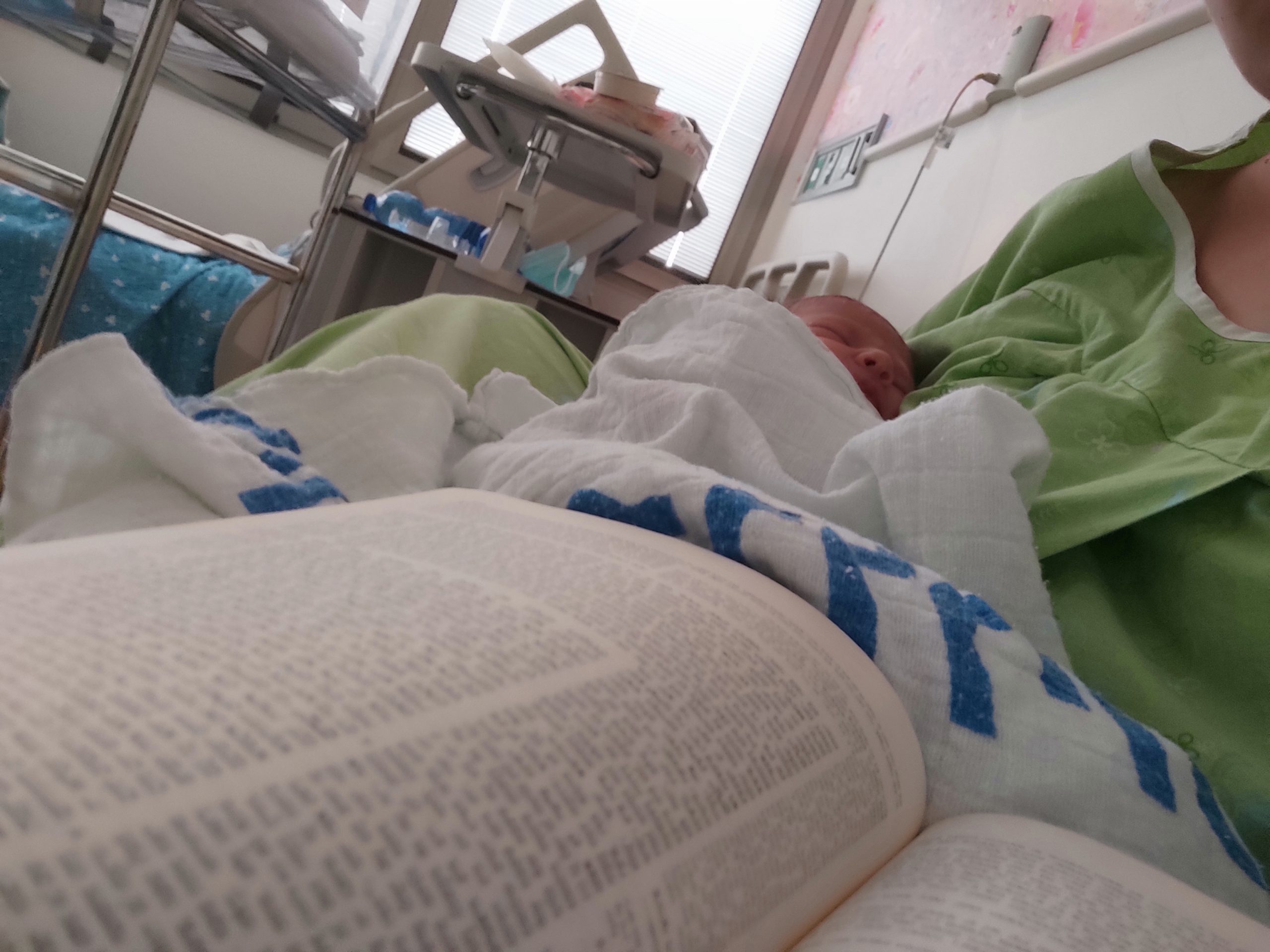
בתחילת הסבב הנוכחי הצטברו אצלי תחושות שאני לא מבינה מספיק מהי ההלכה אותה אני מקיימת בכל יום. כמו כן, כאמא לבנות רציתי לתת להן מודל נשי של לימוד תורה
שתי הסיבות האלו הובילו אותי להתחיל ללמוד. נתקלתי בתגובות מפרגנות וסקרניות איך אישה לומדת גמרא..
כמו שרואים בתמונה אני ממשיכה ללמוד גם היום ואפילו במחלקת יולדות אחרי לידת ביתי השלישית.
נועה שילה
רבבה, ישראל
התחלתי ללמוד בעידוד שתי חברות אתן למדתי בעבר את הפרק היומי במסגרת 929.
בבית מתלהבים מאוד ובשבת אני לומדת את הדף עם בעלי שזה מפתיע ומשמח מאוד! לימוד הדף הוא חלק בלתי נפרד מהיום שלי. לומדת בצהריים ומחכה לזמן הזה מידי יום…

מרים ונגרובר
אפרת, ישראל
התחלתי ללמוד דף יומי בתחילת מסכת ברכות, עוד לא ידעתי כלום. נחשפתי לסיום הש״ס, ובעצם להתחלה מחדש בתקשורת, הפתיע אותי לטובה שהיה מקום לעיסוק בתורה.
את המסכתות הראשונות למדתי, אבל לא סיימתי (חוץ מעירובין איכשהו). השנה כשהגעתי למדרשה, נכנסתי ללופ, ואני מצליחה להיות חלק, סיימתי עם החברותא שלי את כל המסכתות הקצרות, גם כשהיינו חולות קורונה ובבידודים, למדנו לבד, העיקר לא לצבור פער, ומחכות ליבמות 🙂

עדן ישורון
מזכרת בתיה, ישראל
בכורות נד
אַשְׁכְּחַן תִּירוֹשׁ וְיִצְהָר, תִּירוֹשׁ וְדָגָן דָּגָן וְדָגָן מִנַּיִן? קַל וָחוֹמֶר: וּמָה תִּירוֹשׁ וְיִצְהָר שֶׁאֵינָן כִּלְאַיִם זֶה בָּזֶה — אֵין מִתְעַשְּׂרִין מִזֶּה עַל זֶה, תִּירוֹשׁ וְדָגָן דָּגָן וְדָגָן שֶׁהֵם כִּלְאַיִם זֶה בָּזֶה — אֵינוֹ דִּין שֶׁלֹּא יִתְעַשְּׂרוּ מִזֶּה עַל זֶה?
The Gemara asks: We found a source for the halakha that one may not separate teruma from wine and oil together; from where is it derived that one may not separate teruma from wine and grain together, or from grain of one kind and grain of a different kind together? The Gemara answers that this can be derived by an a fortiori inference: And if wine and oil, which are not prohibited due to the prohibition of diverse kinds if they are planted with each other, nevertheless may not be tithed from one for the other, then with regard to wine and grain or grain and grain, which are subject to the prohibition of diverse kinds when planted with each other, is it not logical that they may not be tithed from one for the other?
וּלְרַבִּי יֹאשִׁיָּה, דְּאָמַר: עַד שֶׁיִּזְרַע חִטָּה וּשְׂעוֹרָה וְחַרְצָן בְּמַפּוֹלֶת יָד, הֵיכִי מַיְיתֵי לַהּ?
The Gemara challenges: But this derivation is problematic according to the opinion of Rabbi Yoshiya, who says that the verse: “You shall not sow your vineyard with diverse kinds” (Deuteronomy 22:9), means that one who sows diverse kinds is not liable by Torah law until he sows wheat and barley and a grape seed with a single hand motion. According to this opinion, the above a fortiori inference is not valid; consequently, how does he derive the halakha that one may not tithe grain for wine or grain for grain?
מַיְיתֵי לַהּ הָכִי: וּמָה תִּירוֹשׁ וְיִצְהָר, שֶׁאֵינָן כִּלְאַיִם זֶה בָּזֶה אֲפִילּוּ עַל יְדֵי דָּבָר אַחֵר — אֵין מִתְעַשְּׂרִין מִזֶּה עַל זֶה. תִּירוֹשׁ וְדָגָן דָּגָן וְדָגָן, שֶׁהֵן כִּלְאַיִם זֶה בָּזֶה עַל יְדֵי דָּבָר אַחֵר — אֵינוֹ דִּין שֶׁלֹּא יִתְעַשְּׂרוּ מִזֶּה עַל זֶה?
The Gemara answers that he derives it in this manner: And if wine and oil, which are not prohibited as diverse kinds with each other even by means of something else, i.e., even if one planted a different kind of grain seed with them, do not become prohibited, and yet they may not be tithed from one for the other, then with regard to wine and grain or grain and grain, which are prohibited as diverse kinds with something else, i.e., if they are planted with another type of seed, is it not logical that they may not be tithed from one for the other?
וּשְׁנֵי מִינִין בְּעָלְמָא, מְנָלַן? הָנֵי דְּרַבָּנַן נִינְהוּ, וְכֹל דְּתַקִּינוּ רַבָּנַן כְּעֵין דְּאוֹרָיְיתָא תַּקִּינוּ: מָה דְּאוֹרָיְיתָא שְׁנֵי מִינִין אֵינָן מִתְעַשְּׂרִין מִזֶּה עַל זֶה, דְּרַבָּנַן נָמֵי.
The Gemara asks: It can be derived in this manner that one may not separate teruma or tithes from wine for grain or vice versa; but from where do we derive the prohibition against separating teruma or tithes from two species in general that are not grain, e.g., lentils and beans, one for the other? The Gemara answers that the obligation to separate tithes from these other species, which are not mentioned in the Torah, applies by rabbinic law, and concerning all ordinances that the Sages instituted, they instituted them parallel to Torah law. Therefore, just as by Torah law two species may not be tithed from one for the other, so too, those mixtures that are prohibited by rabbinic law may not be tithed one for another.
אֲמַר לֵיהּ רָבָא בַּר רַב חָנָן לְאַבָּיֵי: אֶלָּא מֵעַתָּה, גַּבֵּי מַעֲשַׂר בְּהֵמָה, דְּלָא כְּתִיב ״וְכׇל מַעְשַׂר בָּקָר וּמַעֲשֵׂר צֹאן״,
Rava bar Rav Ḥanan said to Abaye: If that is so, then with regard to animal tithe, where it is not written in the Torah: And all the tithe of the herd or the tithe of the flock, with the word “tithe” mentioned twice, once in reference to the herd and once in reference to the flock, but rather the verse states: “And all the tithe of the herd or the flock, whatever passes under the rod, the tenth shall be sacred to the Lord” (Leviticus 27:32),
יִתְעַשְּׂרוּ מִזֶּה עַל זֶה! אֲמַר לֵיהּ: אָמַר קְרָא ״הָעֲשִׂירִי״, תֵּן עֲשִׂירִי לָזֶה וְתֵן עֲשִׂירִי לָזֶה. אִי הָכִי, כְּבָשִׂים וְעִזִּים נָמֵי? ״וָצֹאן״ מַשְׁמַע כׇּל צֹאן אֶחָד.
let them be tithed from one for the other. Abaye said to him that the verse states: “The tenth shall be sacred to the Lord” (Leviticus 27:32). This indicates that one must give the tenth animal from this, the flock, and give the tenth animal from that, the herd, with each counted and given separately. The Gemara raises a difficulty: If so, sheep and goats should also have to be tithed separately. The Gemara answers that the verse states: “Or the flock,” which means that all the goats and sheep are one flock and may be tithed together.
הָכָא נָמֵי לֵימָא מַשְׁמַע כׇּל דָּגָן אֶחָד! אָמַר אַבָּיֵי: ״רֵאשִׁיתָם״, וְכֵן אָמַר רַבִּי אִילְעָא: ״רֵאשִׁיתָם״.
The Gemara raises a further difficulty: Here too, with regard to teruma and tithes, let us say that the term “grain” (Numbers 18:12) means that all the different types of grain are considered one grain, and may be tithed together. Abaye said in response that there it is different, as the verse states: “The first part of them” (Numbers 18:12), in the plural, which teaches that one must give the first part for each type of produce separately. And Rabbi Ile’a says likewise that “the first part of them” teaches that one must give the first part for each type of produce separately.
רָבָא אָמַר: בְּלָא ״רֵאשִׁיתָם״ נָמֵי מַשְׁמַע כׇּל דָּגָן אֶחָד — לָא מָצֵית אָמְרַתְּ. בִּשְׁלָמָא הָתָם אָמְרִינַן: ״וָצֹאן״ מַשְׁמַע כׇּל צֹאן אֶחָד, דְּאִי סָלְקָא דַעְתָּךְ כְּבָשִׂים וְעִזִּים נָמֵי — לִכְתּוֹב ״וְכׇל מַעְשַׂר בְּהֵמָה״.
Rava said that there is an alternative answer: Even without the term “the first part of them” there is also no difficulty, as you cannot say the term “grain” means that all the different types of grain are considered one grain. Rava explains: Granted, there, with regard to sheep and goats, we say that the term “or the flock” means that all goats and sheep are one flock. Because if it enters your mind that sheep and goats may also not be tithed one for the other, like the herd and the flock, let the verse write: And all the animal tithe, without distinguishing between herds and flocks.
וְכִי תֵּימָא: אִי כְּתִיב ״כׇּל מַעְשַׂר בְּהֵמָה״, הֲוֵי אָמֵינָא אֲפִילּוּ חַיָּה — ״תַּחַת״ ״תַּחַת״ מִקֳּדָשִׁים גָּמַר.
And if you would say that if the verse had written: All the animal tithe, I would say that the requirement to tithe animals applies even to undomesticated animals, this is not so. The reason is that one derives the halakha of the animal tithe from sacrificial animals, via a verbal analogy of the terms “under” and “under.” With regard to sacrificial animals it states: “When a bull, or a sheep, or a goat is brought forth, then it shall be seven days under its mother, but from the eighth day onward it may be accepted for an offering made by fire to the Lord” (Leviticus 22:27), and with regard to animal tithe it states: “And all the tithe of the herd or the flock, whatever passes under the rod, the tenth shall be sacred to the Lord” (Leviticus 27:32). It is derived through this verbal analogy that just as an undomesticated animal cannot be consecrated as an offering, so too, it cannot be tithed.
וְאָתֵי בְּקַל וָחוֹמֶר מֵחָדָשׁ וְיָשָׁן, ״בָּקָר וָצֹאן״ לְמָה לִי? בָּקָר וָצֹאן הוּא דְּאֵין מִתְעַשְּׂרִין מִזֶּה עַל זֶה, אֲבָל כְּבָשִׂים וְעִזִּים מִתְעַשְּׂרִין.
Rava continues his explanation: And as one would not have thought that undomesticated animals are included in the animal tithe the verse could have stated: And all the animal tithe, and one would derive that one species may not be tithed for another by an a fortiori inference from new grain and old grain, as specified earlier: If the grain tithe may not be taken from the new grain for the old grain despite the fact that the prohibition of diverse kinds does not apply, all the more so with regard to different species of animal, which are prohibited as diverse kinds; the animal tithe may not be taken from one for another. If so, why do I need the verse to state: “The herds or the flock”? This teaches that herds of cattle and flocks of sheep or goats may not be tithed from one for the other, but sheep and goats, which are both called flocks, may be tithed from one for the other.
אֲבָל הָכָא, מִי סַגִּיא דְּלָא כְּתִיב ״דָּגָן״? לְמַעוֹטֵי שְׁאָר מִינִין.
Rava concludes: But here, in the case of grain, would it suffice if the Torah had not written: “Grain,” to exclude other types of foods from the obligation of tithes by Torah law? In other words, the term “grain” must be serving to exclude other types of food, as one cannot claim they could have been excluded in some other manner.
מַתְקֵיף לַהּ רַב הוּנָא בְּרֵיהּ דְּרַב נַחְמָן: אֵימָא לְעָרְבוּ לְבָקָר בְּצֹאן! אֲמַר לֵיהּ מָר זוּטְרָא בְּרֵיהּ דְּרַב נַחְמָן לְרָבָא: אִית לֵיהּ נָמֵי ״הָעֲשִׂירִי״.
Rav Huna, son of Rav Naḥman, objects to this claim of Rava in which it is derived from the words “herd” and “flock” that cattle and sheep may not be tithed together. One can say instead that this teaches that one should intermingle the cattle in the herd with the sheep in the flock and tithe them all together. Mar Zutra, son of Rav Naḥman, said to Rav Huna, son of Rav Naḥman: Rava also accepts the opinion of Abaye that the verse “The tenth shall be sacred to the Lord” teaches that cattle and sheep must be tithed separately, and therefore he does not entertain that derivation.
אִיכָּא דְּאָמְרִי, אָמַר רָבָא: בְּלֹא ״עֲשִׂירִי״ נָמֵי לָא מָצֵית אָמְרַתְּ בָּקָר וָצֹאן מִתְעַשְּׂרִין מִזֶּה עַל זֶה, דְּאִיתַּקַּשׁ מַעְשַׂר בְּהֵמָה לְמַעֲשֵׂר דָּגָן — מָה מַעְשַׂר דָּגָן מִמִּין עַל שֶׁאֵינוֹ מִינוֹ לָא, אַף מַעְשַׂר בְּהֵמָה מִמִּין עַל שֶׁאֵינוֹ מִינוֹ לָא.
There are those who say that Rava said: Even without the verse “The tenth shall be sacred to the Lord” you also cannot say that a herd and a flock should be tithed from one for the other, as animal tithe is juxtaposed to grain tithe: Just as grain tithe may not be separated from one type of grain for another grain that is not its type, so too, animal tithe may not be separated from one type of animal for another species of animal that is not its type.
וְהָא רָבָא הוּא דְּאָמַר: ״שָׁנָה״ לְשָׁנָה הִקַּשְׁתִּיו, וְלֹא לְדָבָר אַחֵר! הֲדַר בֵּיהּ רָבָא מֵהַהִיא. וְאִיבָּעֵית אֵימָא: חֲדָא (מיניה) [מִינַיְהִי] רַב פָּפָּא אַמְרַהּ.
The Gemara asks: But isn’t it Rava himself who said that the term: “Year by year” (Deuteronomy 14:22), teaches that I have juxtaposed the two types of tithe with regard to the year in which they were born, teaching that one may not tithe old and new flocks together, but not with regard to another matter, i.e., there is no prohibition against tithing two types together? The Gemara answers: Rava retracted that first opinion, and maintains that the juxtaposition applies even to the tithing of two types together. And if you wish, say instead that one of those opinions was said by Rav Pappa, not by Rava. Since Rav Pappa was Rava’s closest student and took over as head of the academy after Rava’s death, his statements were occasionally mistaken for those of Rava himself.
מַתְנִי׳ מַעְשַׂר בְּהֵמָה מִצְטָרֵף כִּמְלֹא רֶגֶל בְּהֵמָה רוֹעָה, וְכַמָּה הִיא רֶגֶל בְּהֵמָה רוֹעָה? שִׁשָּׁה עָשָׂר מִיל. הָיוּ בֵּין אֵלּוּ לְאֵלּוּ שְׁלֹשִׁים וּשְׁנַיִם מִיל — אֵין מִצְטָרְפִין. הָיוּ לוֹ בָּאֶמְצַע — מֵבִיא וּמְעַשְּׂרָן בָּאֶמְצַע. רַבִּי מֵאִיר אוֹמֵר: הַיַּרְדֵּן מַפְסִיק לְמַעְשַׂר בְּהֵמָה.
MISHNA: Animals subject to the obligation of animal tithe join together if the distance between them is no greater than the distance that a grazing animal can walk and still be tended by one shepherd. And how much is the distance that a grazing animal walks? It is sixteen mil. If the distance between these animals and those animals was thirty-two mil they do not join together. If he also had animals in the middle of that distance of thirty-two mil, he brings all three flocks to a pen and tithes them in the middle. Rabbi Meir says: The Jordan River divides between animals on two sides of the river with regard to animal tithe, even if the distance between them is minimal.
גְּמָ׳ מְנָא הָנֵי מִילֵּי?
GEMARA: The mishna teaches that animals join together for the purposes of tithing if the distance between them is no greater than the distance a grazing animal can walk and still be tended by one shepherd. The Gemara asks: From where are these matters derived? What is the source that this is the maximum distance at which they can be tithed together?
אָמַר רַבָּה בַּר שֵׁילָא: דְּאָמַר קְרָא ״עוֹד תַּעֲבֹרְנָה הַצֹּאן עַל יְדֵי מוֹנֶה״, וְקִים לְהוּ לְרַבָּנַן דְּשִׁיתְּסַר מִיל קָא שָׁלְטָא בֵּיהּ עֵינָא דְּרוֹעֶה.
Rabba bar Sheila said that the verse states: “So says the Lord of hosts: Yet again shall there be in this place, which is desolate, without man and without animal, and in all its cities, a habitation of shepherds causing their flocks to lie down. In the cities of the hill country, in the cities of the lowland, and in the cities of the south, and in the land of Benjamin, and in the places about Jerusalem, and in the cities of Judah, the flock shall again pass under the hands of him who counts them, says the Lord” (Jeremiah 33:12–13). It is derived from here that animals that can pass under the hands of one shepherd are called one flock and can be counted together for the animal tithe. And the Sages have an accepted tradition that the eye of the shepherd can see up to a distance of sixteen mil.
הָיוּ בֵּין אֵלּוּ לְאֵלּוּ שְׁלֹשִׁים וּשְׁנַיִם מִיל אֵין מִצְטָרְפִין וְכוּ׳. שְׁלֹשִׁים וּשְׁנַיִם הוּא דְּאֵין מִצְטָרְפִין, הָא בְּצִיר מֵהָכִי מִצְטָרְפִין? וְהָא קָתָנֵי: שִׁשָּׁה עָשָׂר מִיל, טְפֵי לָא! מִשּׁוּם דְּקָא בָעֵי לְמִיתְנֵא סֵיפָא: הָיוּ לוֹ בָּאֶמְצַע — מֵבִיא וּמְעַשְּׂרָן בָּאֶמְצַע.
§ The mishna teaches that if the distance between these animals and those animals was thirty-two mil they do not join together. The Gemara infers: It is only if the distance between them is thirty-two mil that they do not join together, from which it can be inferred that if the distance between them is less than this they do join together. But the mishna earlier teaches: Sixteen mil, which indicates: And no more. The Gemara answers: One cannot infer that if the distance is less than thirty-two mil the animals join together. The mishna mentions thirty-two mil only because it wants to teach in the latter clause: If he also had animals in the middle of that distance of thirty-two mil, he brings them all to a pen and tithes them in the middle.
וְכַמָּה? אָמַר רַב: חָמֵשׁ מִכָּאן וְחָמֵשׁ מִכָּאן וְחָמֵשׁ מֵאֶמְצַע, דְּהָנֵי חָמֵשׁ חַזְיָא לְהָכָא וְחַזְיָא לְהָכָא.
The Gemara asks: And how many animals must he have on the two sides and in the middle in order to tithe them as one group? Rav says: Five from here and five from there and five in the middle. The reason is that these five in the middle are fit to combine with the animals here and are likewise fit to combine with the animals there, to amount to a total of ten, to which the obligation of animal tithe applies. For this reason all three flocks are considered as one flock.
וּשְׁמוּאֵל אָמַר: אֲפִילּוּ חָמֵשׁ מִכָּאן וְחָמֵשׁ מִכָּאן וְאֶחָד בָּאֶמְצַע, חָזֵינַן לְרוֹעֶה כְּמַאן דְּקָאֵי הָכָא, וְקָרֵינַן בֵּיהּ ״מוֹנֶה״.
And Shmuel says: Even if there are five from here and five from there and only one in the middle they may be tithed together. The reason is that we see the shepherd as one who stands here in the middle and we apply the verse: “Who counts them” (Jeremiah 33:13), to him. Since he can see and count both sides from his vantage point in the middle, they are all considered one flock.
לעקוב

