חיפוש

ברכות מד

רוצה להקדיש שיעור?

English
עברית
podcast placeholder

0:00
0:00


podcast placeholder

0:00
0:00


תקציר

אם אוכלים מאכל מליח כעיקר ופת טפל, לא מברכים על הפת. באיזה מצב יכול להיות מליח עיקר ופת טפל? הגמרא עונה באוכל פירות גינוסר שהיו כל כך מתוקים שהוסיפו המון מלח ואז היה צורך ללחם בגלל על המלח. בעקבות אזכור של פירות גינוסר, הגמרא מביאה כמה סיפורים שמדברים על שבחה של פירות גינוסר ושל ארץ ישראל בכלל. מה מברכים לאחר שאוכלים פירות משבעת המינים? מה מברכים לפני ששותים מים? לאחר איזה מאכלים מברכים בורא נפשות? האם יש מאכלים שאין עליהם ברכה אחרונה בכלל? בארץ ישראל היו מברכים לאחר שמורידים את התפילין. הגמרא מדברת שוב על מאכלים שבריאים/לא בריאים. הגמרא אומרת לא לאכול ירקות בשעות הבוקר כי זה גורם לריח רע בפה. מומלץ מאוד לאכול ביצים. האם אפשר לאכול לפת – ואם כן, איך?


כלים

ברכות מד

מַתְנִי׳ הֵבִיאוּ לְפָנָיו מָלִיחַ תְּחִלָּה וּפַת עִמּוֹ — מְבָרֵךְ עַל הַמָּלִיחַ וּפוֹטֵר אֶת הַפַּת, שֶׁהַפַּת טְפֵלָה לוֹ. זֶה הַכְּלָל: כׇּל שֶׁהוּא עִיקָּר וְעִמּוֹ טְפֵלָה — מְבָרֵךְ עַל הָעִיקָּר וּפוֹטֵר אֶת הַטְּפֵלָה.

MISHNA: If they brought salted food before him to eat first and bread with it, he recites a blessing over the salted food and thereby exempts the bread, because the salted food is primary while the bread is secondary to it. This is the principle: Any food that is primary and a secondary food is with it, one recites a blessing over the primary and, in so doing, exempts the secondary from its own blessing.

גְּמָ׳ וּמִי אִיכָּא מִידֵּי דְּהָוֵי מָלִיחַ עִיקָּר וּפַת טְפֵלָה? אָמַר רַב אַחָא בְּרֵיהּ דְּרַב עַוִּירָא אָמַר רַב אָשֵׁי: בְּאוֹכְלֵי פֵּירוֹת גִּנּוֹסַר שָׁנוּ.

GEMARA: The Gemara asks: And is there a circumstance where salted food is primary and bread is secondary? Generally, no meal has a salted food item as its primary component. Rav Aḥa, son of Rav Avira, said that Rav Ashi said: This halakha was taught with regard to those who eat fruits of Genosar, which are extremely sweet and which would be eaten along with salted foods in order to temper this sweetness. They would eat bread along with those salted foods.

אָמַר רַבָּה בַּר בַּר חָנָה: כִּי הֲוָה אָזְלִינַן בָּתְרֵיהּ דְּרַבִּי יוֹחָנָן לְמֵיכַל פֵּירוֹת גִּנּוֹסַר, כִּי הֲוֵינַן בֵּי מְאָה — מְנַקְּטִינַן לֵיהּ לְכֹל חַד וְחַד עַשְׂרָה עַשְׂרָה, וְכִי הֲוֵינַן בֵּי עַשְׂרָה, מְנַקְּטִינַן לֵיהּ כֹּל חַד וְחַד מְאָה מְאָה. וְכׇל מְאָה מִינַּיְיהוּ הֲוָה מַחֲזִיק לְהוּ צַנָּא בַּר תְּלָתָא סָאוֵי וְאָכֵיל לְהוּ, וּמִשְׁתְּבַע דְּלָא טְעֵים זִיּוּנָא. זִיּוּנָא סָלְקָא דַּעְתָּךְ?! אֶלָּא אֵימָא ״מְזוֹנָא״.

On a related note, the Gemara employs hyperbole in praising the fruits of Genosar. Rabba bar bar Ḥana said: When we would go after Rabbi Yoḥanan to eat fruits of Genosar, when we were one hundred people together, each and every one of us would bring him ten fruits, and when we were ten people together, each and every one of us would bring him one hundred fruits, and every hundred of the fruits would require a basket of three se’a to hold them. Rabbi Yoḥanan would eat them all, and was prepared to swear that he had not tasted any food. The Gemara asks: Does it enter your mind that he claimed that he had not tasted any food? Rather, say that he had not tasted any sustenance. Due to their delicious taste, he was still not satiated.

רַבִּי אֲבָהוּ אָכֵיל עַד דַּהֲוָה שָׁרֵיק לֵיהּ דּוּדְבָא מֵאַפּוּתֵיהּ. וְרַב אַמֵּי וְרַב אַסִּי הֲווֹ אָכְלִי עַד דִּנְתוּר מָזַיְיהוּ. רַבִּי שִׁמְעוֹן בֶּן לָקִישׁ הֲוָה אָכֵיל עַד דְּמָרֵיד. וְאָמַר לְהוּ רַבִּי יוֹחָנָן לִדְבֵי נְשִׂיאָה וַהֲוָה מְשַׁדַּר לֵיהּ רַבִּי יְהוּדָה נְשִׂיאָה בָּאלוֹשֵׁי אַבָּתְרֵיהּ, וּמַיְיתִי לֵיהּ לְבֵיתֵיהּ.

The Gemara continues to wax hyperbolic: Rabbi Abbahu ate fruits of Genosar until the sweet, lush fruits made his skin so slippery that a fly would slip from his forehead. And Rav Ami and Rav Asi would eat them until their hair fell out. Rabbi Shimon ben Lakish would eat them until he became confused. And then Rabbi Yoḥanan would tell the household of the Nasi about his condition and Rabbi Yehuda Nesia would send the authorities after him and they would take him to his house.

כִּי אֲתָא רַב דִּימִי, אָמַר: עִיר אַחַת הָיְתָה לוֹ לְיַנַּאי הַמֶּלֶךְ בְּהַר הַמֶּלֶךְ, שֶׁהָיוּ מוֹצִיאִים מִמֶּנָּה שִׁשִּׁים רִבּוֹא סִפְלֵי טָרִית לְקוֹצְצֵי תְּאֵנִים מֵעֶרֶב שַׁבָּת לְעֶרֶב שַׁבָּת.

On a similar note, the Gemara relates: When Rav Dimi came from Eretz Yisrael to Babylonia he said: King Yannai had a city on the King’s Mountain, from which they would take six-hundred thousand bowls of sardines for those cutting figs off the trees during the course of the week from Shabbat eve to Shabbat eve. There were so many workers, and the fruit was so sweet, that they needed such a vast quantity of salted fish to enable them to continue with their work.

כִּי אֲתָא רָבִין אָמַר: אִילָן אֶחָד הָיָה לוֹ לְיַנַּאי הַמֶּלֶךְ בְּהַר הַמֶּלֶךְ, שֶׁהָיוּ מוֹרִידִים מִמֶּנּוּ אַרְבָּעִים סְאָה גּוֹזָלוֹת מִשָּׁלֹשׁ בְּרֵיכוֹת בְּחֹדֶשׁ. כִּי אֲתָא רַבִּי יִצְחָק אָמַר: עִיר אַחַת הָיְתָה בְּאֶרֶץ יִשְׂרָאֵל וְגוּפְנִית שְׁמָהּ, שֶׁהָיוּ בָּהּ שְׁמֹנִים זוּגוֹת אַחִים כֹּהֲנִים נְשׂוּאִים לִשְׁמֹנִים זוּגוֹת אֲחָיוֹת כֹּהֲנוֹת. וּבְדַקוּ רַבָּנַן מִסּוּרָא וְעַד נְהַרְדָּעָא וְלָא אַשְׁכַּחוּ בַּר מִבְּנָתֵיהּ דְּרַב חִסְדָּא, דַּהֲווֹ נְסִיבָן לְרָמִי בַּר חָמָא וּלְמָר עוּקְבָא בַּר חָמָא. וְאַף עַל גַּב דְּאִינְהִי הֲווֹ כָּהֲנָתָא, אִינְהוּ לָא הֲווֹ כָּהֲנֵי.

On the subject of the King’s Mountain and Eretz Yisrael, when Rav Dimi came from Eretz Yisrael to Babylonia, he said: King Yannai had a tree on the King’s Mountain from which they would remove forty se’a of pigeons from three broods each month. When Rabbi Yitzḥak came from Eretz Yisrael to Babylonia he said: There was a city in Eretz Yisrael named Gufnit, in which there were eighty pairs of brothers who were priests, married to eighty pairs of sisters, who were all from priestly families. And to assess the frequency of that phenomenon, the Gemara relates: The Sages checked from Sura to Neharde’a, and with the exception of the daughters of Rav Ḥisda, who were married to Rami bar Ḥama and his brother Mar Ukva bar Ḥama, they could not find a similar case. And, even in the case that they found, although they, the sisters, were the daughters of a priest, they, the brothers were not priests. Throughout virtually the entire country of Babylonia, they could not find a similar circumstance.

אָמַר רַב: כׇּל סְעוּדָה שֶׁאֵין בָּהּ מֶלַח, אֵינָהּ סְעוּדָה. אָמַר רַבִּי חִיָּיא בַּר אַבָּא אָמַר רַבִּי יוֹחָנָן: כׇּל סְעוּדָה שֶׁאֵין בָּהּ שְׂרִיף, אֵינָהּ סְעוּדָה.

On the topic of salted food, Rav said: Any meal in which there is no salt is not considered a meal. Rabbi Ḥiyya bar Abba said that Rabbi Yoḥanan said: Any meal in which there is no cooked item with gravy (Rashi) is not considered a meal.

מַתְנִי׳ אָכַל עֲנָבִים וּתְאֵנִים וְרִמּוֹנִים — מְבָרֵךְ אַחֲרֵיהֶם שָׁלֹשׁ בְּרָכוֹת, דִּבְרֵי רַבָּן גַּמְלִיאֵל. וַחֲכָמִים אוֹמְרִים: בְּרָכָה אַחַת מֵעֵין שָׁלֹשׁ. רַבִּי עֲקִיבָא אוֹמֵר: אֲפִילּוּ אָכַל שֶׁלֶק וְהוּא מְזוֹנוֹ — מְבָרֵךְ עָלָיו שָׁלֹשׁ בְּרָכוֹת. הַשּׁוֹתֶה מַיִם לִצְמָאוֹ — מְבָרֵךְ ״שֶׁהַכֹּל נִהְיָה בִּדְבָרוֹ״. רַבִּי טַרְפוֹן אוֹמֵר: ״בּוֹרֵא נְפָשׁוֹת רַבּוֹת וְחֶסְרוֹנָן״.

MISHNA: One who ate from the fruit for which Eretz Yisrael was praised, grapes and figs and pomegranates, recites the three blessings of Grace after Meals, as he would after eating bread; this is the statement of Rabban Gamliel. And the Rabbis say: One need only recite one blessing abridged from the three blessings of Grace after Meals. Rabbi Akiva says: The three blessings of Grace after Meals are not restricted to bread; rather, even if one ate boiled vegetables, but it is his primary sustenance, he recites the three blessings of Grace after Meals. Additionally: One who drinks water to quench his thirst recites: By whose word all things came to be. Rabbi Tarfon says: He recites: Who creates the many forms of life and their needs.

גְּמָ׳ מַאי טַעְמָא דְּרַבָּן גַּמְלִיאֵל? דִּכְתִיב: ״אֶרֶץ חִטָּה וּשְׂעֹרָה וְגוֹ׳״, וּכְתִיב: ״אֶרֶץ אֲשֶׁר לֹא בְמִסְכֵּנֻת תֹּאכַל בָּהּ לֶחֶם וְגוֹ׳״, וּכְתִיב: ״וְאָכַלְתָּ וְשָׂבָעְתָּ וּבֵרַכְתָּ אֶת ה׳ אֱלֹהֶיךָ״.

GEMARA: The Gemara asks: What is the reason for the opinion of Rabban Gamliel? The Gemara responds: As it is written in the verse that deals in praise of Eretz Yisrael: “A land of wheat and barley, vines, figs, and pomegranates, a land of olive oil and honey” (Deuteronomy 8:8), and it is written: “A land in which you will eat bread without scarcity” (Deuteronomy 8:9), and it is written: “And you will eat and be satisfied and then you shall bless the Lord your God for the good land He has given you” (Deuteronomy 8:10). Rabban Gamliel concludes from here that the fruits for which Eretz Yisrael was praised are included in the mitzva to recite a blessing after eating. Since that Torah portion alludes to three blessings, fruit also requires three blessings.

וְרַבָּנַן ״אֶרֶץ״ הִפְסִיק הָעִנְיָן. וְרַבָּן גַּמְלִיאֵל נָמֵי ״אֶרֶץ״ הִפְסִיק הָעִנְיָן! הָהוּא מִבְּעֵי לֵיהּ לְמַעוֹטֵי הַכּוֹסֵס אֶת הַחִטָּה.

And what do the Rabbis hold? The verse: “A land in which you will eat bread without scarcity,” concluded discussion of that matter, and the mitzva: “You will eat and be satisfied and then you shall bless,” applies only to bread. And if so, according to Rabban Gamliel as well, doesn’t “land” conclude discussion of that matter? Rather, that verse is necessary in order to exclude one who chews raw wheat from the obligation to recite Grace after Meals. Even according to Rabban Gamliel, it does not have the legal status of bread.

אָמַר רַבִּי יַעֲקֹב בַּר אִידִי אָמַר רַבִּי חֲנִינָא: כׇּל שֶׁהוּא מֵחֲמֵשֶׁת הַמִּינִין, בַּתְּחִלָּה — מְבָרֵךְ עָלָיו ״בּוֹרֵא מִינֵי מְזוֹנוֹת״, וּלְבַסּוֹף — בְּרָכָה אַחַת מֵעֵין שָׁלֹשׁ.

Rabbi Ya’akov bar Idi said that Rabbi Ḥanina said: Anything that is from the five species of grain, at the start, one recites over it: Who creates the various kinds of nourishment, and at the end, one blessing abridged from the three blessings of Grace after Meals.

אָמַר רַבָּה בַּר מָרִי אָמַר רַבִּי יְהוֹשֻׁעַ בֶּן לֵוִי: כׇּל שֶׁהוּא מִשִּׁבְעַת הַמִּינִין, בַּתְּחִלָּה — מְבָרֵךְ ״בּוֹרֵא פְּרִי הָעֵץ״, וּלְבַסּוֹף — בְּרָכָה אַחַת מֵעֵין שָׁלֹשׁ.

Rabba bar Mari said that Rabbi Yehoshua ben Levi said: Anything that is from the seven species for which the Eretz Yisrael was praised, at the start, one recites over it: Who creates fruit of the tree, and afterward and at the end, one blessing abridged from the three blessings of Grace after Meals.

אָמַר לֵיהּ אַבָּיֵי לְרַב דִּימִי: מַאי נִיהוּ ״בְּרָכָה אַחַת מֵעֵין שָׁלֹשׁ״? אָמַר לֵיהּ: אַפֵּירֵי דְעֵץ ״עַל הָעֵץ וְעַל פְּרִי הָעֵץ, וְעַל תְּנוּבַת הַשָּׂדֶה, וְעַל אֶרֶץ חֶמְדָּה טוֹבָה וּרְחָבָה שֶׁהִנְחַלְתָּ לַאֲבוֹתֵינוּ לֶאֱכוֹל מִפִּרְיָהּ וְלִשְׂבּוֹעַ מִטּוּבָהּ. רַחֵם ה׳ אֱלֹהֵינוּ עַל יִשְׂרָאֵל עַמֶּךָ, וְעַל יְרוּשָׁלַיִם עִירֶךָ, וְעַל מִקְדָּשְׁךָ, וְעַל מִזְבְּחֶךָ. וְתִבְנֶה יְרוּשָׁלַיִם עִיר קׇדְשְׁךָ בִּמְהֵרָה בְּיָמֵינוּ. וְהַעֲלֵנוּ לְתוֹכָהּ, וְשַׂמְּחֵנוּ בָּהּ. כִּי אַתָּה טוֹב וּמֵטִיב לַכֹּל״.

Abaye said to Rav Dimi: What is the formula of one blessing abridged from the three blessings of Grace after Meals? He said to him: Over fruits of a tree one recites:
For the tree and the fruit of the tree,
and for the produce of the field,
and for the desirable, good and spacious land that you gave as a heritage to our ancestors
that they might eat of its fruit and be satisfied with its goodness.
Have compassion, Lord our God,
upon Israel Your people and upon Jerusalem Your city,
and upon Your Temple and upon Your altar.
May You rebuild Jerusalem, Your holy city, swiftly in our time,
and may You bring us back there rejoicing in it
as You are good and do good to all.

דַּחֲמֵשֶׁת הַמִּינִין: ״עַל הַמִּחְיָה וְעַל הַכַּלְכָּלָה וְעַל תְּנוּבַת הַשָּׂדֶה כּוּ׳״. וְחוֹתֵם: ״עַל הָאָרֶץ וְעַל הַמִּחְיָה״.

After eating products baked from one of the five species of grain, one recites: For the nourishment and sustenance and for the produce of the field, and he concludes: For the land and for the nourishment.

מִיחְתָּם בְּמַאי חָתֵים? כִּי אֲתָא רַב דִּימִי אָמַר: רַב חָתֵים בְּרֹאשׁ חֹדֶשׁ ״בָּרוּךְ מְקַדֵּשׁ יִשְׂרָאֵל וְרָאשֵׁי חֳדָשִׁים״, הָכָא מַאי?

However, the question was raised: In terms of conclusion, with what does he conclude the blessing? As one does not conclude a blessing with two themes, with which of the themes should he conclude the blessing? When Rav Dimi came from Eretz Yisrael to Babylonia he said: Rav would conclude the blessing on the New Moon: Blessed…Who sanctifies Israel and the New Moons. Apparently, one can conclude a blessing with two themes. What does one recite here?

רַב חִסְדָּא אָמַר: ״עַל הָאָרֶץ וְעַל פֵּירוֹתֶיהָ״. וְרַבִּי יוֹחָנָן אָמַר: ״עַל הָאָרֶץ וְעַל הַפֵּירוֹת״. אָמַר רַב עַמְרָם, וְלָא פְּלִיגִי: הָא לַן, וְהָא לְהוּ.

Rav Ḥisda said: For the land and for its fruits. Rabbi Yoḥanan said: For the land and for the fruits. Rav Amram said: They do not disagree; rather, this blessing, for its fruits, is for us, in Babylonia, and this blessing, for the fruits, is for them, in Eretz Yisrael.

מַתְקִיף לַהּ רַב נַחְמָן בַּר יִצְחָק: אִינְהוּ אָכְלִי, וַאֲנַן מְבָרְכִין?! אֶלָּא אֵיפוֹךְ: רַב חִסְדָּא אָמַר ״עַל הָאָרֶץ וְעַל הַפֵּירוֹת״, רַבִּי יוֹחָנָן אָמַר ״עַל הָאָרֶץ וְעַל פֵּירוֹתֶיהָ״.

Rav Naḥman bar Yitzḥak strongly objects: They, in Eretz Yisrael, eat and we, in Babylonia, recite a blessing? How can we, residents of Babylonia, recite a blessing for the fruits of Eretz Yisrael while eating the fruits of Babylonia? Rather, reverse the opinions: Rav Ḥisda said: For the land and for the fruits, and Rabbi Yoḥanan said: For the land and for its fruits.

אָמַר רַב יִצְחָק בַּר אַבְדִּימִי מִשּׁוּם רַבֵּינוּ: עַל הַבֵּיעָא וְעַל מִינֵי קוּפְרָא, בַּתְּחִלָּה מְבָרֵךְ ״שֶׁהַכֹּל״, וּלְבַסּוֹף ״בּוֹרֵא נְפָשׁוֹת רַבּוֹת וְכוּ׳״. אֲבָל יַרְקָא לָא. וְרַבִּי יִצְחָק אָמַר: אֲפִילּוּ יַרְקָא, אֲבָל מַיָּא — לָא. וְרַב פָּפָּא אָמַר: אֲפִילּוּ מַיָּא.

Rav Yitzḥak bar Avdimi said in the name of Rabbeinu, Rav: Over the egg and types of meat [kupra], at the start, one recites: By Whose word all things came to be, and at the end: Who creates the many forms of life. However, after eating vegetables, no, one does not recite a blessing at all. Rabbi Yitzḥak said: Even after eating vegetables one recites a blessing; but after drinking water, no, one does not recite a blessing at all. And Rav Pappa said: Even after drinking water one must recite a blessing.

מָר זוּטְרָא עָבֵיד כְּרַב יִצְחָק בַּר אַבְדִּימִי, וְרַב שִׁימִי בַּר אָשֵׁי עָבֵיד כְּרַבִּי יִצְחָק. וְסִימָנָךְ: חַד כִּתְרֵי, וּתְרֵי כְּחַד.

Mar Zutra acted in accordance with the opinion of Rabbi Yitzḥak bar Avdimi and did not recite a blessing after eating vegetables, while Rav Shimi bar Ashi acted in accordance with the opinion of Rabbi Yitzḥak and recited a blessing after eating vegetables. And a mnemonic by which to remember which Sage acted in accordance with which: One like two, and two like one. In other words, Mar Zutra, who is known only by his name and not by his patronymic, acted in accordance with Rav Yitzḥak bar Avdimi who is known by both his name and his patronymic. Rav Shimi bar Ashi, who is known by both his names, followed the opinion of Rabbi Yitzḥak, who is known only by his first name.

אָמַר רַב אָשֵׁי: אֲנָא, זִמְנָא דְּכִי מִדְּכַרְנָא, עָבֵידְנָא כְּכוּלְּהוּ.

On this topic, Rav Ashi said: At times when I remember, I act in accordance with the opinions of all of them and recite a blessing even after drinking water.

תְּנַן: כׇּל שֶׁטָּעוּן בְּרָכָה לְאַחֲרָיו — טָעוּן בְּרָכָה לְפָנָיו, וְיֵשׁ שֶׁטָּעוּן בְּרָכָה לְפָנָיו, וְאֵין טָעוּן בְּרָכָה לְאַחֲרָיו. בִּשְׁלָמָא לְרַב יִצְחָק בַּר אַבְדִּימִי, לְאַפּוֹקֵי יַרְקָא. לְרַבִּי יִצְחָק, לְאַפּוֹקֵי מַיָּא, אֶלָּא לְרַב פָּפָּא, לְאַפּוֹקֵי מַאי?

We learned in a mishna: Anything that requires a blessing thereafter requires a blessing beforehand; and there are items that require a blessing beforehand and do not require a blessing thereafter. If so, granted, according to Rav Yitzḥak bar Avdimi’s opinion, it excludes vegetables from the requirement to recite a blessing thereafter. And, granted, according to Rabbi Yitzḥak’s opinion as well, it excludes water from the requirement to recite a blessing thereafter. However, according to Rav Pappa’s opinion, what does it exclude? What food requires a blessing before eating but does not require a blessing after eating?

לְאַפּוֹקֵי מִצְוֹת.

The Gemara answers: It comes to exclude mitzvot, as one recites a blessing before performing a mitzva, but not thereafter.

וְלִבְנֵי מַעַרְבָא, דְּבָתַר דִּמְסַלְּקִי תְּפִילַּיְיהוּ מְבָרְכִי ״אֲשֶׁר קִדְּשָׁנוּ בְּמִצְוֹתָיו וְצִוָּנוּ לִשְׁמוֹר חֻקָּיו״, לְאַפּוֹקֵי מַאי?

The Gemara challenges: And for the residents of the West, Eretz Yisrael, who, after they remove their phylacteries, recite: Who has made us holy through His mitzvot and commanded us to keep His laws, what does the halakha in the mishna come to exclude?

לְאַפּוֹקֵי רֵיחָנֵי.

The Gemara responds: It serves to exclude types of fragrances. Everyone agrees that no blessing is recited after smelling them.

אָמַר רַבִּי יַנַּאי אָמַר רַבִּי: כֹּל שֶׁהוּא כְּבֵיצָה — בֵּיצָה טוֹבָה מִמֶּנּוּ. כִּי אֲתָא רָבִין אָמַר: טָבָא בֵּיעֲתָא מְגוּלְגַּלְתָּא מִשִּׁיתָּא קְיָיסֵי סוּלְתָּא. כִּי אֲתָא רַב דִּימִי אָמַר: טָבָא בֵּיעֲתָא מְגוּלְגַּלְתָּא — מִשִּׁיתָּא, מִטְּוִיתָא — מֵאַרְבַּע, מְבוּשַׁלְתָּא — כֹּל שֶׁהוּא כְּבֵיצָה, בֵּיצָה טוֹבָה הֵימֶנּוּ, לְבַר מִבִּשְׂרָא.

Since the blessing recited over an egg was mentioned, the Gemara cites what Rabbi Yannai said that Rabbi Yehuda HaNasi said: Anything that is an egg’s equivalent in volume, an egg is superior to it. Similarly, when Ravin came from Eretz Yisrael to Babylonia he said: A lightly cooked egg is better than six log of fine flour. Similarly, when Rav Dimi came from Eretz Yisrael to Babylonia he said: A lightly cooked egg is better than six log of fine flour, a roasted egg is better than four, and with regard to a cooked egg, they said: Anything that is an egg’s equivalent, an egg is superior to it except for meat.

רַבִּי עֲקִיבָא אוֹמֵר אֲפִילּוּ אָכַל שֶׁלֶק כּוּ׳: וּמִי אִיכָּא מִידֵּי דְּהָוֵה שֶׁלֶק מְזוֹנֵי? אָמַר רַב אָשֵׁי: בְּקֶלַח שֶׁל כְּרוּב שָׁנוּ.

We learned in the mishna that Rabbi Akiva says: Even if one ate boiled vegetables, but it is his primary sustenance, he recites the three blessings of Grace after Meals, as he would after eating bread. The Gemara asks: And is there a vegetable where in its boiled state it is primary sustenance? Rav Ashi said: This was taught with regard to a cabbage stalk, which is nourishing.

תָּנוּ רַבָּנַן: טְחוֹל יָפֶה לַשִּׁינַּיִם וְקָשֶׁה לִבְנֵי מֵעַיִם. כְּרֵישִׁין קָשִׁין לַשִּׁינַּיִם וְיָפִין לִבְנֵי מֵעַיִם. כׇּל יָרָק חַי מוֹרִיק, וְכׇל קָטָן מַקְטִין, וְכׇל נֶפֶשׁ מֵשִׁיב אֶת הַנֶּפֶשׁ, וְכׇל קָרוֹב לַנֶּפֶשׁ מֵשִׁיב אֶת הַנֶּפֶשׁ. כְּרוּב לְמָזוֹן, וּתְרָדִין לִרְפוּאָה. אוֹי לוֹ לַבַּיִת שֶׁהַלֶּפֶת עוֹבֶרֶת בְּתוֹכוֹ.

Similarly, the Sages taught in a baraita dealing with types of sustenance: Meat of the spleen is beneficial for the teeth and harmful for the intestines. Leeks, however, are harmful for the teeth and beneficial for the intestines. They also said that all raw vegetables turn one’s face pale. Generally speaking, anything small that has not yet reached its full size is harmful and impedes growth, and any living creature eaten whole, e.g., a fully grown fish, restores the soul. And anything close to the soul restores the soul. Cabbage is for nourishment and beets for healing. Woe unto the house through which the turnip passes, for it is extremely harmful.

אָמַר מָר: טְחוֹל יָפֶה לַשִּׁינַּיִם וְקָשֶׁה לִבְנֵי מֵעַיִם. מַאי תַּקַּנְתֵּיהּ? נִלְעֲסֵיהּ וְנִשְׁדְּיֵיהּ.

The Master said in a baraita: The spleen is beneficial for the teeth and harmful for the intestines. The Gemara asks: What is its remedy? The Gemara responds: One should chew it, spit it out, and throw it away.

כְּרֵישִׁין קָשִׁין לַשִּׁינַּיִם וְיָפִין לִבְנֵי מֵעַיִם. מַאי תַּקַּנְתֵּיהּ? לִשְׁלְקִינְהוּ וְנִבְלְעִינְהוּ.

Leeks are harmful for the teeth and beneficial for the intestines. The Gemara asks: What is its remedy? The Gemara responds: One should boil them and swallow them without chewing.

כׇּל יָרָק חַי מוֹרִיק, אָמַר רַבִּי יִצְחָק: בִּסְעוּדָה רִאשׁוֹנָה שֶׁל אַחַר הַקָּזָה.

All raw vegetables turn one’s face pale. Rabbi Yitzḥak said: It refers here to the first meal after bloodletting, when a person should eat more substantial food.

וְאָמַר רַבִּי יִצְחָק: כׇּל הָאוֹכֵל יָרָק קוֹדֶם אַרְבַּע שָׁעוֹת אָסוּר לְסַפֵּר הֵימֶנּוּ. מַאי טַעְמָא? מִשּׁוּם רֵיחָא. וְאָמַר רַבִּי יִצְחָק: אָסוּר לְאָדָם שֶׁיֹּאכַל יָרָק חַי קוֹדֶם אַרְבַּע שָׁעוֹת.

And Rabbi Yitzḥak said: Anyone who eats vegetables before four hours of the day, it is forbidden to speak with him. The Gemara asks: What is the reason? The Gemara explains: This is because the smell of vegetables from his mouth bothers others who have not yet eaten. And in general, Rabbi Yitzḥak said: It is forbidden to eat raw vegetables before four hours of the day.

אַמֵּימָר וּמָר זוּטְרָא וְרַב אָשֵׁי הֲווֹ יָתְבִי, אַיְיתוֹ קַמַּיְיהוּ יָרָק חַי קוֹדֶם אַרְבַּע שָׁעוֹת. אַמֵּימָר וְרַב אָשֵׁי אֲכוּל וּמָר זוּטְרָא לָא אֲכַל. אֲמַרוּ לֵיהּ: מַאי דַּעְתָּיךְ? דְּאָמַר רַבִּי יִצְחָק כׇּל הָאוֹכֵל יָרָק קוֹדֶם אַרְבַּע שָׁעוֹת אָסוּר לְסַפֵּר הֵימֶנּוּ מִשּׁוּם רֵיחָא? וְהָא אֲנַן דְּקָא אָכְלִינַן וְקָא מִשְׁתָּעֵית בַּהֲדַן!

The Gemara relates that Ameimar, Mar Zutra, and Rav Ashi were sitting. They brought raw vegetables before them before four hours of the day. Ameimar and Rav Ashi ate and Mar Zutra did not eat. They said to him: What is your thinking that led you not to eat? Was it because Rabbi Yitzḥak said: Anyone who eats vegetables before four hours of the day, it is forbidden to speak with him because of the smell? Aren’t we eating and you are nevertheless speaking with us?

אָמַר לְהוּ: אֲנָא כְּאִידַּךְ דְּרַבִּי יִצְחָק סְבִירָא לִי. דְּאָמַר רַבִּי יִצְחָק: אָסוּר לְאָדָם שֶׁיֹּאכַל יָרָק חַי קוֹדֶם אַרְבַּע שָׁעוֹת.

He said to them: I hold in accordance with the other halakha of Rabbi Yitzḥak, as Rabbi Yitzḥak said simply: It is forbidden to eat raw vegetables before four hours of the day.

כׇּל קָטָן מַקְטִין, אָמַר רַב חִסְדָּא: אֲפִילּוּ גַּדְיָא בַּר זוּזָא. וְלָא אֲמַרַן אֶלָּא דְּלֵית בֵּיהּ רִבְעָא, אֲבָל אִית בֵּיהּ רִבְעָא — לֵית לַן בָּהּ.

Anything small impedes growth. Rav Ḥisda said: This applies even to a small goat, worth a zuz. Although the goat is worth a zuz, it is still small. And we only said this with regard to a goat that has not reached one fourth of its ultimate size. But if it has reached one fourth of its ultimate size, we need not be concerned.

כׇּל נֶפֶשׁ מֵשִׁיב נֶפֶשׁ, אָמַר רַב פָּפָּא: אֲפִילּוּ גִּילְדָּנֵי דְּבֵי גִילֵי.

And any living creature eaten whole restores the soul. Rav Pappa said: This includes even small fish that grow among the reeds, as even a small creature is beneficial if it reached its full size.

כׇּל הַקָּרוֹב לַנֶּפֶשׁ מֵשִׁיב אֶת הַנֶּפֶשׁ, אָמַר רַב אַחָא בַּר יַעֲקֹב: עוּנְקָא. אָמַר לֵיהּ רָבָא לְשַׁמָּעֵיהּ: כִּי מַיְיתֵית לִי אוּמְצָא דְּבִשְׂרָא, טְרַח וְאַיְיתִי לִי מֵהֵיכָא דִּמְקָרַב לְבֵי ״בָרוּךְ״.

Anything close to the soul restores the soul. Rav Aḥa bar Ya’akov said: This refers to the neck, which is close to the animal’s vital organs. The Gemara relates that Rava said to his servant: When you bring me a piece of meat, make an effort to bring me a piece from the place of the blessing, the neck, where the animal was slaughtered and the slaughterer recited a blessing over the ritual slaughter.

כְּרוּב לְמָזוֹן וּתְרָדִין לִרְפוּאָה. כְּרוּב לְמָזוֹן אִין, וְלִרְפוּאָה לָא? וְהָא תַּנְיָא: שִׁשָּׁה דְּבָרִים מְרַפְּאִין אֶת הַחוֹלֶה מֵחׇלְיוֹ וּרְפוּאָתָן רְפוּאָה, וְאֵלּוּ הֵן: כְּרוּב וּתְרָדִין וּמֵי סִיסִין דְּבַשׁ וְקֵיבָה וְהֶרֶת וְיוֹתֶרֶת הַכָּבֵד! אֶלָּא אֵימָא ״כְּרוּב אַף לְמָזוֹן״.

Cabbage for nourishment and beets for healing. The Gemara asks: Is cabbage good for nourishment and not for healing? Wasn’t it taught in a baraita: Six things cure the ill person of his disease and their cure is an effective cure, and these are: Cabbage, beets, chamomile water, honey, stomach, heret, and liver. Evidently, cabbage is also good for healing. The Gemara responds: Rather, say: Cabbage is even for sustenance and all the more so for healing, which is not the case with beets.

אוֹי לוֹ לַבַּיִת שֶׁהַלֶּפֶת עוֹבֶרֶת בְּתוֹכוֹ, אִינִי?! וְהָא אָמַר לֵיהּ רָבָא לְשַׁמָּעֵיהּ: כִּי חָזֵית לִיפְתָּא בְּשׁוּקָא לָא תֵּימָא לִי ״בְּמַאי כָּרְכַתְּ רִיפְתָּא״!

Woe unto the house through which the turnip passes, as it is extremely damaging. The Gemara asks: Is that so? Didn’t Rava say to his servant: When you see a turnip in the market, do not ask me with what will you eat your bread today? Buy the turnip and bring it for the meal. Apparently, the turnip is a significant and appropriate food.

אָמַר אַבָּיֵי: מִבְּלִי בָּשָׂר. וְרָבָא אָמַר: מִבְּלִי יַיִן. אִיתְּמַר רַב אָמַר: מִבְּלִי בָּשָׂר. וּשְׁמוּאֵל אָמַר: מִבְּלִי עֵצִים. וְרַבִּי יוֹחָנָן אָמַר: מִבְּלִי יַיִן.

Abaye said: The turnip is harmful only when it is eaten without meat. And Rava said: Without wine. It was stated that Rav said: The turnip is harmful when it is eaten without meat. And Shmuel said: Without wood, meaning when it is not properly cooked. And Rabbi Yoḥanan said: Without wine.

אֲמַר לֵיהּ רָבָא לְרַב פָּפָּא: סוּדָנִי, אֲנַן תָּבְרִינַן לַהּ בְּבִשְׂרָא וְחַמְרָא, אַתּוּן דְּלָא נְפִישׁ לְכוּ חַמְרָא בְּמַאי תָּבְרִיתוּ לַהּ? אֲמַר לֵיהּ: בְּצִיבֵי, כִּי הָא דְּבֵיתְהוּ דְּרַב פָּפָּא בָּתַר דִּמְבַשְּׁלָא לַהּ, תָּבְרָא לַהּ בִּתְמָנָן אוּפֵי פָּרְסְיָיתָא.

Along the same lines, Rava said to Rav Pappa: Farmer (ge’onim) we break the harmful aspects of the turnip with meat and wine. You, who do not have a lot of wine, with what do you break its harmful aspects? Rav Pappa said to him: With wood. As that is what Rav Pappa’s wife would do. After she cooked the turnip, she would break it with eighty pieces of wood from a palm tree.

תָּנוּ רַבָּנַן: דָּג קָטָן מָלִיחַ פְּעָמִים שֶׁהוּא מֵמִית בְּשִׁבְעָה, בְּשִׁבְעָה עָשָׂר, וּבְעֶשְׂרִים וְשִׁבְעָה. וְאָמְרִי לַהּ: בְּעֶשְׂרִים וּשְׁלֹשָׁה. וְלָא אֲמַרַן אֶלָּא בְּמִטְּוֵי וְלָא מִטְּוֵי, אֲבָל מִטְּוֵי שַׁפִּיר — לֵית לַן בַּהּ. וּדְלָא מִטְּוֵי שַׁפִּיר, לָא אֲמַרַן אֶלָּא דְּלָא שְׁתָה בָּתְרֵיהּ שִׁכְרָא, אֲבָל שְׁתָה בָּתְרֵיהּ שִׁכְרָא — לֵית לַן בַּהּ.

On the topic of foods, the Gemara cites what the Sages taught in a baraita: A small salted fish sometimes kills, specifically seven days, seventeen days, and twenty-seven days after it was salted. And some say: Twenty-three. And we only said this when it is roasted and not roasted well, but when it is roasted well, we need not be concerned. And when it is not roasted well, we only said this when one does not drink beer thereafter; however, when one drinks beer thereafter, we need not be concerned.

וְהַשּׁוֹתֶה מַיִם לִצְמָאוֹ וְכוּ׳: לְאַפּוֹקֵי מַאי? אֲמַר רַב אִידֵּי בַּר אָבִין: לְאַפּוֹקֵי לְמַאן

We learned in the mishna that the tanna’im disagreed with regard to one who drinks water to quench his thirst. The Gemara asks: What does this emphasis on his thirst come to exclude? Rav Idi bar Avin said: It comes to exclude one

כלים

העמקה

רוצה להבין מה באמת קורה מתחת לפני השטח של הסוגיה?
שיעורים, פודקאסטים והרחבות של מיטב המורות שלנו יפתחו לך עוד זוויות וכיווני חשיבה.

לשיעורי עוד על הדף באנגלית, לחצי כאן

חדשה בלימוד הגמרא?

זה הדף הראשון שלך? איזו התרגשות עצומה! יש לנו בדיוק את התכנים והכלים שיעזרו לך לעשות את הצעדים הראשונים ללמידה בקצב וברמה שלך, כך תוכלי להרגיש בנוח גם בתוך הסוגיות המורכבות ומאתגרות.

פסיפס הלומדות שלנו

גלי את קהילת הלומדות שלנו, מגוון נשים, רקעים וסיפורים. כולן חלק מתנועה ומסע מרגש ועוצמתי.

התחלתי ללמוד לפני 4.5 שנים, כשהודיה חברה שלי פתחה קבוצת ווטסאפ ללימוד דף יומי בתחילת מסכת סנהדרין. מאז לימוד הדף נכנס לתוך היום-יום שלי והפך לאחד ממגדירי הזהות שלי ממש.

Rosenberg Foundation
קרן רוזנברג

ירושלים, ישראל

A friend in the SF Bay Area said in Dec 2019 that she might start listening on her morning drive to work. I mentioned to my husband and we decided to try the Daf when it began in Jan 2020 as part of our preparing to make Aliyah in the summer.

Hana Piotrkovsky
חנה פיוטרקובסקי

ירושלים, Israel

התחלתי ללמוד דף יומי אחרי שחזרתי בתשובה ולמדתי במדרשה במגדל עוז. הלימוד טוב ומספק חומר למחשבה על נושאים הלכתיים ”קטנים” ועד לערכים גדולים ביהדות. חשוב לי להכיר את הגמרא לעומק. והצעד הקטן היום הוא ללמוד אותה בבקיאות, בעזרת השם, ומי יודע אולי גם אגיע לעיון בנושאים מעניינים. נושאים בגמרא מתחברים לחגים, לתפילה, ליחסים שבין אדם לחברו ולמקום ולשאר הדברים שמלווים באורח חיים דתי 🙂

Gaia Divo
גאיה דיבו

מצפה יריחו, ישראל

בסוף הסבב הקודם ראיתי את השמחה הגדולה שבסיום הלימוד, בעלי סיים כבר בפעם השלישית וכמובן הסיום הנשי בבנייני האומה וחשבתי שאולי זו הזדמנות עבורי למשהו חדש.
למרות שאני שונה בסביבה שלי, מי ששומע על הלימוד שלי מפרגן מאוד.
אני מנסה ללמוד קצת בכל יום, גם אם לא את כל הדף ובסך הכל אני בדרך כלל עומדת בקצב.
הלימוד מעניק המון משמעות ליום יום ועושה סדר בלמוד תורה, שתמיד היה (ועדיין) שאיפה. אבל אין כמו קביעות

Racheli-Mendelson
רחלי מנדלסון

טל מנשה, ישראל

באירוע של הדרן בנייני האומה. בהשראתה של אמי שלי שסיימה את הש”ס בסבב הקודם ובעידוד מאיר , אישי, וילדיי וחברותיי ללימוד במכון למנהיגות הלכתית של רשת אור תורה סטון ומורתיי הרבנית ענת נובוסלסקי והרבנית דבורה עברון, ראש המכון למנהיגות הלכתית.
הלימוד מעשיר את יומי, מחזיר אותי גם למסכתות שכבר סיימתי וידוע שאינו דומה מי ששונה פרקו מאה לשונה פרקו מאה ואחת במיוחד מרתקים אותי החיבורים בין המסכתות

Roit Kalech
רוית קלך

מודיעין, ישראל

התחלתי ללמוד דף יומי באמצע תקופת הקורונה, שאבא שלי סיפר לי על קבוצה של בנות שתיפתח ביישוב שלנו ותלמד דף יומי כל יום. הרבה זמן רציתי להצטרף לזה וזאת הייתה ההזדמנות בשבילי. הצטרפתי במסכת שקלים ובאמצע הייתה הפסקה קצרה. כיום אני כבר לומדת באולפנה ולומדת דף יומי לבד מתוך גמרא של טיינזלץ.

Saturdays in Raleigh
שבות בראלי

עתניאל, ישראל

התחלתי ללמוד דף יומי בתחילת מסכת ברכות, עוד לא ידעתי כלום. נחשפתי לסיום הש״ס, ובעצם להתחלה מחדש בתקשורת, הפתיע אותי לטובה שהיה מקום לעיסוק בתורה.
את המסכתות הראשונות למדתי, אבל לא סיימתי (חוץ מעירובין איכשהו). השנה כשהגעתי למדרשה, נכנסתי ללופ, ואני מצליחה להיות חלק, סיימתי עם החברותא שלי את כל המסכתות הקצרות, גם כשהיינו חולות קורונה ובבידודים, למדנו לבד, העיקר לא לצבור פער, ומחכות ליבמות 🙂

Eden Yeshuron
עדן ישורון

מזכרת בתיה, ישראל

הצטרפתי ללומדות בתחילת מסכת תענית. ההתרגשות שלי ושל המשפחה היתה גדולה מאוד, והיא הולכת וגוברת עם כל סיום שאני זוכה לו. במשך שנים רבות רציתי להצטרף ומשום מה זה לא קרה… ב”ה מצאתי לפני מספר חודשים פרסום של הדרן, ומיד הצטרפתי והתאהבתי. הדף היומי שינה את חיי ממש והפך כל יום- ליום של תורה. מודה לכן מקרב ליבי ומאחלת לכולנו לימוד פורה מתוך אהבת התורה ולומדיה.

Noa Rosen
נעה רוזן

חיספין רמת הגולן, ישראל

התחלתי בסיום הש”ס, יצאתי באורות. נשברתי פעמיים, ובשתיהם הרבנית מישל עודדה להמשיך איפה שכולם בסבב ולהשלים כשאוכל, וכך עשיתי וכיום השלמתי הכל. מדהים אותי שאני לומדת כל יום קצת, אפילו בחדר הלידה, בבידוד או בחו”ל. לאט לאט יותר נינוחה בסוגיות. לא כולם מבינים את הרצון, בפרט כפמניסטית. חשה סיפוק גדול להכיר את המושגים וצורת החשיבה. החלום זה להמשיך ולהתמיד ובמקביל ללמוד איך מהסוגיות נוצרה והתפתחה ההלכה.

Weingarten Sherrington Foundation
קרן וינגרטן שרינגטון

מודיעין, ישראל

התחלתי ללמוד דף יומי לפני שנתיים, עם מסכת שבת. בהתחלה ההתמדה היתה קשה אבל בזכות הקורונה והסגרים הצלחתי להדביק את הפערים בשבתות הארוכות, לסיים את מסכת שבת ולהמשיך עם המסכתות הבאות. עכשיו אני מסיימת בהתרגשות רבה את מסכת חגיגה וסדר מועד ומחכה לסדר הבא!

Ilana-Shachnowitz
אילנה שכנוביץ

מודיעין, ישראל

A life-changing journey started with a Chanukah family tiyul to Zippori, home of the Sanhedrin 2 years ago and continued with the Syum in Binanei Hauma where I was awed by the energy of 3000 women dedicated to learning daf Yomi. Opening my morning daily with a fresh daf, I am excited with the new insights I find enriching my life and opening new and deeper horizons for me.

Becky Goldstein
בקי גולדשטיין

Elazar gush etzion, Israel

A friend in the SF Bay Area said in Dec 2019 that she might start listening on her morning drive to work. I mentioned to my husband and we decided to try the Daf when it began in Jan 2020 as part of our preparing to make Aliyah in the summer.

Hana Piotrkovsky
חנה פיוטרקובסקי

ירושלים, Israel

בתחילת הסבב הנוכחי הצטברו אצלי תחושות שאני לא מבינה מספיק מהי ההלכה אותה אני מקיימת בכל יום. כמו כן, כאמא לבנות רציתי לתת להן מודל נשי של לימוד תורה
שתי הסיבות האלו הובילו אותי להתחיל ללמוד. נתקלתי בתגובות מפרגנות וסקרניות איך אישה לומדת גמרא..
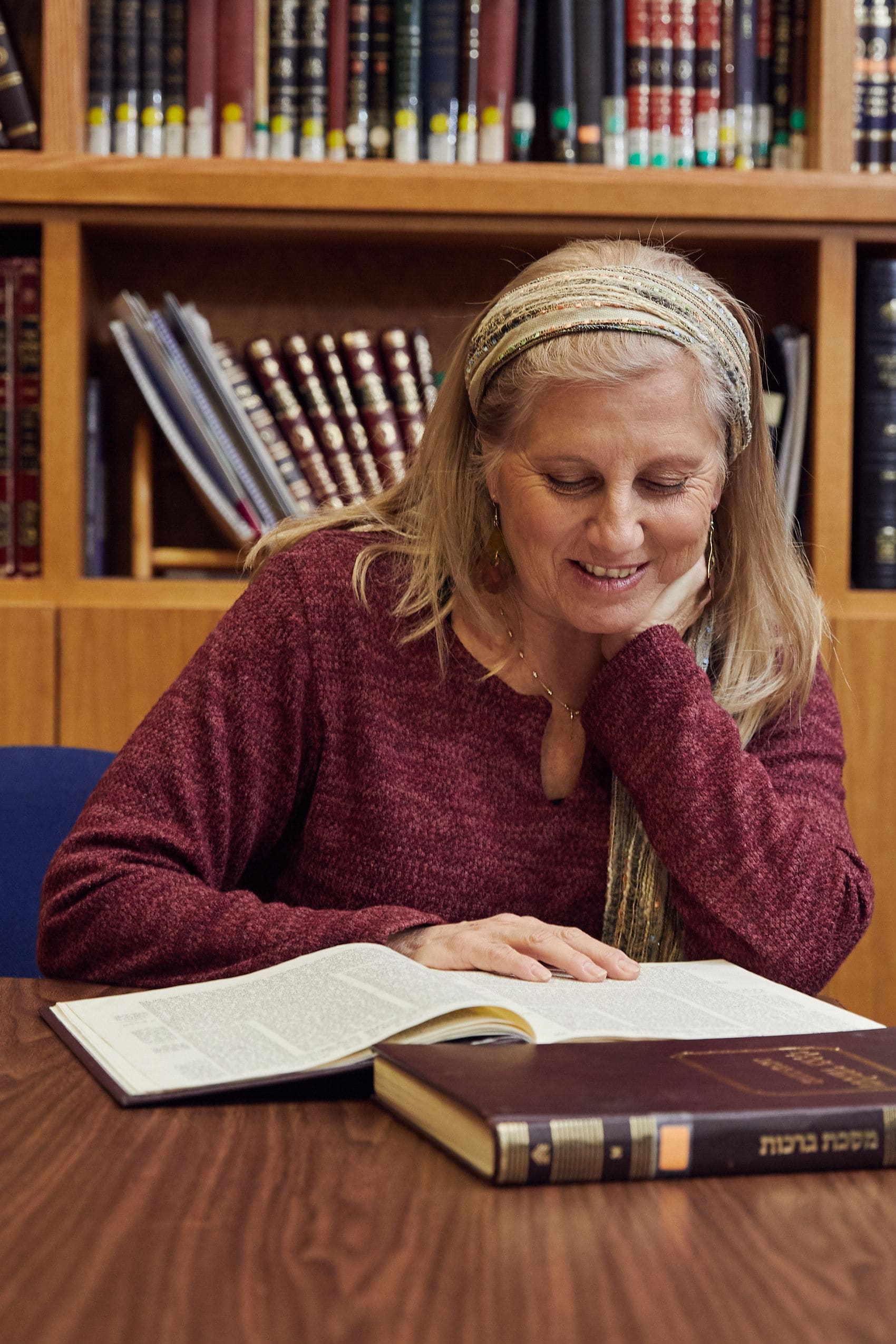
כמו שרואים בתמונה אני ממשיכה ללמוד גם היום ואפילו במחלקת יולדות אחרי לידת ביתי השלישית.

Noa Shiloh
נועה שילה

רבבה, ישראל

התחלתי מחוג במסכת קידושין שהעבירה הרבנית רייסנר במסגרת בית המדרש כלנה בגבעת שמואל; לאחר מכן התחיל סבב הדף היומי אז הצטרפתי. לסביבה לקח זמן לעכל אבל היום כולם תומכים ומשתתפים איתי. הלימוד לעתים מעניין ומעשיר ולעתים קשה ואף הזוי… אך אני ממשיכה קדימה. הוא משפיע על היומיום שלי קודם כל במרדף אחרי הדף, וגם במושגים הרבים שלמדתי ובידע שהועשרתי בו, חלקו ממש מעשי

Abigail Chrissy
אביגיל כריסי

ראש העין, ישראל

התחלתי ללמוד דף יומי בסבב הקודם. זכיתי לסיים אותו במעמד המרגש של הדרן. בסבב הראשון ליווה אותי הספק, שאולי לא אצליח לעמוד בקצב ולהתמיד. בסבב השני אני לומדת ברוגע, מתוך אמונה ביכולתי ללמוד ולסיים. בסבב הלימוד הראשון ליוותה אותי חוויה מסויימת של בדידות. הדרן העניקה לי קהילת לימוד ואחוות נשים. החוויה של סיום הש”ס במעמד כה גדול כשנשים שאינן מכירות אותי, שמחות ומתרגשות עבורי , היתה חוויה מרוממת נפש

Ilanit Weil
אילנית ווייל

קיבוץ מגדל עוז, ישראל

התחלתי להשתתף בשיעור נשים פעם בשבוע, תכננתי ללמוד רק דפים בודדים, לא האמנתי שאצליח יותר מכך.
לאט לאט נשאבתי פנימה לעולם הלימוד .משתדלת ללמוד כל בוקר ומתחילה את היום בתחושה של מלאות ומתוך התכווננות נכונה יותר.
הלימוד של הדף היומי ממלא אותי בתחושה של חיבור עמוק לעם היהודי ולכל הלומדים בעבר ובהווה.

Neely Hayon
נילי חיון

אפרת, ישראל

בסוף הסבב הקודם ראיתי את השמחה הגדולה שבסיום הלימוד, בעלי סיים כבר בפעם השלישית וכמובן הסיום הנשי בבנייני האומה וחשבתי שאולי זו הזדמנות עבורי למשהו חדש.
למרות שאני שונה בסביבה שלי, מי ששומע על הלימוד שלי מפרגן מאוד.
אני מנסה ללמוד קצת בכל יום, גם אם לא את כל הדף ובסך הכל אני בדרך כלל עומדת בקצב.
הלימוד מעניק המון משמעות ליום יום ועושה סדר בלמוד תורה, שתמיד היה (ועדיין) שאיפה. אבל אין כמו קביעות

Racheli-Mendelson
רחלי מנדלסון

טל מנשה, ישראל

התחלתי ללמוד דף יומי אחרי שחזרתי בתשובה ולמדתי במדרשה במגדל עוז. הלימוד טוב ומספק חומר למחשבה על נושאים הלכתיים ”קטנים” ועד לערכים גדולים ביהדות. חשוב לי להכיר את הגמרא לעומק. והצעד הקטן היום הוא ללמוד אותה בבקיאות, בעזרת השם, ומי יודע אולי גם אגיע לעיון בנושאים מעניינים. נושאים בגמרא מתחברים לחגים, לתפילה, ליחסים שבין אדם לחברו ולמקום ולשאר הדברים שמלווים באורח חיים דתי 🙂

Gaia Divo
גאיה דיבו

מצפה יריחו, ישראל

התחלתי ללמוד גמרא בבית הספר בגיל צעיר והתאהבתי. המשכתי בכך כל חיי ואף היייתי מורה לגמרא בבית הספר שקד בשדה אליהו (בית הספר בו למדתי בילדותי)בתחילת מחזור דף יומי הנוכחי החלטתי להצטרף ובע”ה מקווה להתמיד ולהמשיך. אני אוהבת את המפגש עם הדף את "דרישות השלום ” שמקבלת מקשרים עם דפים אחרים שלמדתי את הסנכרון שמתחולל בין התכנים.

Ariela Bigman
אריאלה ביגמן

מעלה גלבוע, ישראל

התחלתי ללמוד דף יומי שהתחילו מסכת כתובות, לפני 7 שנים, במסגרת קבוצת לימוד שהתפרקה די מהר, ומשם המשכתי לבד בתמיכת האיש שלי. נעזרתי בגמרת שטיינזלץ ובשיעורים מוקלטים.
הסביבה מאד תומכת ואני מקבלת המון מילים טובות לאורך כל הדרך. מאז הסיום הגדול יש תחושה שאני חלק מדבר גדול יותר.
אני לומדת בשיטת ה”7 דפים בשבוע” של הרבנית תרצה קלמן – כלומר, לא נורא אם לא הצלחת ללמוד כל יום, העיקר שגמרת ארבעה דפים בשבוע

Rachel Goldstein
רחל גולדשטיין

עתניאל, ישראל

ברכות מד

מַתְנִי׳ הֵבִיאוּ לְפָנָיו מָלִיחַ תְּחִלָּה וּפַת עִמּוֹ — מְבָרֵךְ עַל הַמָּלִיחַ וּפוֹטֵר אֶת הַפַּת, שֶׁהַפַּת טְפֵלָה לוֹ. זֶה הַכְּלָל: כׇּל שֶׁהוּא עִיקָּר וְעִמּוֹ טְפֵלָה — מְבָרֵךְ עַל הָעִיקָּר וּפוֹטֵר אֶת הַטְּפֵלָה.

MISHNA: If they brought salted food before him to eat first and bread with it, he recites a blessing over the salted food and thereby exempts the bread, because the salted food is primary while the bread is secondary to it. This is the principle: Any food that is primary and a secondary food is with it, one recites a blessing over the primary and, in so doing, exempts the secondary from its own blessing.

גְּמָ׳ וּמִי אִיכָּא מִידֵּי דְּהָוֵי מָלִיחַ עִיקָּר וּפַת טְפֵלָה? אָמַר רַב אַחָא בְּרֵיהּ דְּרַב עַוִּירָא אָמַר רַב אָשֵׁי: בְּאוֹכְלֵי פֵּירוֹת גִּנּוֹסַר שָׁנוּ.

GEMARA: The Gemara asks: And is there a circumstance where salted food is primary and bread is secondary? Generally, no meal has a salted food item as its primary component. Rav Aḥa, son of Rav Avira, said that Rav Ashi said: This halakha was taught with regard to those who eat fruits of Genosar, which are extremely sweet and which would be eaten along with salted foods in order to temper this sweetness. They would eat bread along with those salted foods.

אָמַר רַבָּה בַּר בַּר חָנָה: כִּי הֲוָה אָזְלִינַן בָּתְרֵיהּ דְּרַבִּי יוֹחָנָן לְמֵיכַל פֵּירוֹת גִּנּוֹסַר, כִּי הֲוֵינַן בֵּי מְאָה — מְנַקְּטִינַן לֵיהּ לְכֹל חַד וְחַד עַשְׂרָה עַשְׂרָה, וְכִי הֲוֵינַן בֵּי עַשְׂרָה, מְנַקְּטִינַן לֵיהּ כֹּל חַד וְחַד מְאָה מְאָה. וְכׇל מְאָה מִינַּיְיהוּ הֲוָה מַחֲזִיק לְהוּ צַנָּא בַּר תְּלָתָא סָאוֵי וְאָכֵיל לְהוּ, וּמִשְׁתְּבַע דְּלָא טְעֵים זִיּוּנָא. זִיּוּנָא סָלְקָא דַּעְתָּךְ?! אֶלָּא אֵימָא ״מְזוֹנָא״.

On a related note, the Gemara employs hyperbole in praising the fruits of Genosar. Rabba bar bar Ḥana said: When we would go after Rabbi Yoḥanan to eat fruits of Genosar, when we were one hundred people together, each and every one of us would bring him ten fruits, and when we were ten people together, each and every one of us would bring him one hundred fruits, and every hundred of the fruits would require a basket of three se’a to hold them. Rabbi Yoḥanan would eat them all, and was prepared to swear that he had not tasted any food. The Gemara asks: Does it enter your mind that he claimed that he had not tasted any food? Rather, say that he had not tasted any sustenance. Due to their delicious taste, he was still not satiated.

רַבִּי אֲבָהוּ אָכֵיל עַד דַּהֲוָה שָׁרֵיק לֵיהּ דּוּדְבָא מֵאַפּוּתֵיהּ. וְרַב אַמֵּי וְרַב אַסִּי הֲווֹ אָכְלִי עַד דִּנְתוּר מָזַיְיהוּ. רַבִּי שִׁמְעוֹן בֶּן לָקִישׁ הֲוָה אָכֵיל עַד דְּמָרֵיד. וְאָמַר לְהוּ רַבִּי יוֹחָנָן לִדְבֵי נְשִׂיאָה וַהֲוָה מְשַׁדַּר לֵיהּ רַבִּי יְהוּדָה נְשִׂיאָה בָּאלוֹשֵׁי אַבָּתְרֵיהּ, וּמַיְיתִי לֵיהּ לְבֵיתֵיהּ.

The Gemara continues to wax hyperbolic: Rabbi Abbahu ate fruits of Genosar until the sweet, lush fruits made his skin so slippery that a fly would slip from his forehead. And Rav Ami and Rav Asi would eat them until their hair fell out. Rabbi Shimon ben Lakish would eat them until he became confused. And then Rabbi Yoḥanan would tell the household of the Nasi about his condition and Rabbi Yehuda Nesia would send the authorities after him and they would take him to his house.

כִּי אֲתָא רַב דִּימִי, אָמַר: עִיר אַחַת הָיְתָה לוֹ לְיַנַּאי הַמֶּלֶךְ בְּהַר הַמֶּלֶךְ, שֶׁהָיוּ מוֹצִיאִים מִמֶּנָּה שִׁשִּׁים רִבּוֹא סִפְלֵי טָרִית לְקוֹצְצֵי תְּאֵנִים מֵעֶרֶב שַׁבָּת לְעֶרֶב שַׁבָּת.

On a similar note, the Gemara relates: When Rav Dimi came from Eretz Yisrael to Babylonia he said: King Yannai had a city on the King’s Mountain, from which they would take six-hundred thousand bowls of sardines for those cutting figs off the trees during the course of the week from Shabbat eve to Shabbat eve. There were so many workers, and the fruit was so sweet, that they needed such a vast quantity of salted fish to enable them to continue with their work.

כִּי אֲתָא רָבִין אָמַר: אִילָן אֶחָד הָיָה לוֹ לְיַנַּאי הַמֶּלֶךְ בְּהַר הַמֶּלֶךְ, שֶׁהָיוּ מוֹרִידִים מִמֶּנּוּ אַרְבָּעִים סְאָה גּוֹזָלוֹת מִשָּׁלֹשׁ בְּרֵיכוֹת בְּחֹדֶשׁ. כִּי אֲתָא רַבִּי יִצְחָק אָמַר: עִיר אַחַת הָיְתָה בְּאֶרֶץ יִשְׂרָאֵל וְגוּפְנִית שְׁמָהּ, שֶׁהָיוּ בָּהּ שְׁמֹנִים זוּגוֹת אַחִים כֹּהֲנִים נְשׂוּאִים לִשְׁמֹנִים זוּגוֹת אֲחָיוֹת כֹּהֲנוֹת. וּבְדַקוּ רַבָּנַן מִסּוּרָא וְעַד נְהַרְדָּעָא וְלָא אַשְׁכַּחוּ בַּר מִבְּנָתֵיהּ דְּרַב חִסְדָּא, דַּהֲווֹ נְסִיבָן לְרָמִי בַּר חָמָא וּלְמָר עוּקְבָא בַּר חָמָא. וְאַף עַל גַּב דְּאִינְהִי הֲווֹ כָּהֲנָתָא, אִינְהוּ לָא הֲווֹ כָּהֲנֵי.

On the subject of the King’s Mountain and Eretz Yisrael, when Rav Dimi came from Eretz Yisrael to Babylonia, he said: King Yannai had a tree on the King’s Mountain from which they would remove forty se’a of pigeons from three broods each month. When Rabbi Yitzḥak came from Eretz Yisrael to Babylonia he said: There was a city in Eretz Yisrael named Gufnit, in which there were eighty pairs of brothers who were priests, married to eighty pairs of sisters, who were all from priestly families. And to assess the frequency of that phenomenon, the Gemara relates: The Sages checked from Sura to Neharde’a, and with the exception of the daughters of Rav Ḥisda, who were married to Rami bar Ḥama and his brother Mar Ukva bar Ḥama, they could not find a similar case. And, even in the case that they found, although they, the sisters, were the daughters of a priest, they, the brothers were not priests. Throughout virtually the entire country of Babylonia, they could not find a similar circumstance.

אָמַר רַב: כׇּל סְעוּדָה שֶׁאֵין בָּהּ מֶלַח, אֵינָהּ סְעוּדָה. אָמַר רַבִּי חִיָּיא בַּר אַבָּא אָמַר רַבִּי יוֹחָנָן: כׇּל סְעוּדָה שֶׁאֵין בָּהּ שְׂרִיף, אֵינָהּ סְעוּדָה.

On the topic of salted food, Rav said: Any meal in which there is no salt is not considered a meal. Rabbi Ḥiyya bar Abba said that Rabbi Yoḥanan said: Any meal in which there is no cooked item with gravy (Rashi) is not considered a meal.

מַתְנִי׳ אָכַל עֲנָבִים וּתְאֵנִים וְרִמּוֹנִים — מְבָרֵךְ אַחֲרֵיהֶם שָׁלֹשׁ בְּרָכוֹת, דִּבְרֵי רַבָּן גַּמְלִיאֵל. וַחֲכָמִים אוֹמְרִים: בְּרָכָה אַחַת מֵעֵין שָׁלֹשׁ. רַבִּי עֲקִיבָא אוֹמֵר: אֲפִילּוּ אָכַל שֶׁלֶק וְהוּא מְזוֹנוֹ — מְבָרֵךְ עָלָיו שָׁלֹשׁ בְּרָכוֹת. הַשּׁוֹתֶה מַיִם לִצְמָאוֹ — מְבָרֵךְ ״שֶׁהַכֹּל נִהְיָה בִּדְבָרוֹ״. רַבִּי טַרְפוֹן אוֹמֵר: ״בּוֹרֵא נְפָשׁוֹת רַבּוֹת וְחֶסְרוֹנָן״.

MISHNA: One who ate from the fruit for which Eretz Yisrael was praised, grapes and figs and pomegranates, recites the three blessings of Grace after Meals, as he would after eating bread; this is the statement of Rabban Gamliel. And the Rabbis say: One need only recite one blessing abridged from the three blessings of Grace after Meals. Rabbi Akiva says: The three blessings of Grace after Meals are not restricted to bread; rather, even if one ate boiled vegetables, but it is his primary sustenance, he recites the three blessings of Grace after Meals. Additionally: One who drinks water to quench his thirst recites: By whose word all things came to be. Rabbi Tarfon says: He recites: Who creates the many forms of life and their needs.

גְּמָ׳ מַאי טַעְמָא דְּרַבָּן גַּמְלִיאֵל? דִּכְתִיב: ״אֶרֶץ חִטָּה וּשְׂעֹרָה וְגוֹ׳״, וּכְתִיב: ״אֶרֶץ אֲשֶׁר לֹא בְמִסְכֵּנֻת תֹּאכַל בָּהּ לֶחֶם וְגוֹ׳״, וּכְתִיב: ״וְאָכַלְתָּ וְשָׂבָעְתָּ וּבֵרַכְתָּ אֶת ה׳ אֱלֹהֶיךָ״.

GEMARA: The Gemara asks: What is the reason for the opinion of Rabban Gamliel? The Gemara responds: As it is written in the verse that deals in praise of Eretz Yisrael: “A land of wheat and barley, vines, figs, and pomegranates, a land of olive oil and honey” (Deuteronomy 8:8), and it is written: “A land in which you will eat bread without scarcity” (Deuteronomy 8:9), and it is written: “And you will eat and be satisfied and then you shall bless the Lord your God for the good land He has given you” (Deuteronomy 8:10). Rabban Gamliel concludes from here that the fruits for which Eretz Yisrael was praised are included in the mitzva to recite a blessing after eating. Since that Torah portion alludes to three blessings, fruit also requires three blessings.

וְרַבָּנַן ״אֶרֶץ״ הִפְסִיק הָעִנְיָן. וְרַבָּן גַּמְלִיאֵל נָמֵי ״אֶרֶץ״ הִפְסִיק הָעִנְיָן! הָהוּא מִבְּעֵי לֵיהּ לְמַעוֹטֵי הַכּוֹסֵס אֶת הַחִטָּה.

And what do the Rabbis hold? The verse: “A land in which you will eat bread without scarcity,” concluded discussion of that matter, and the mitzva: “You will eat and be satisfied and then you shall bless,” applies only to bread. And if so, according to Rabban Gamliel as well, doesn’t “land” conclude discussion of that matter? Rather, that verse is necessary in order to exclude one who chews raw wheat from the obligation to recite Grace after Meals. Even according to Rabban Gamliel, it does not have the legal status of bread.

אָמַר רַבִּי יַעֲקֹב בַּר אִידִי אָמַר רַבִּי חֲנִינָא: כׇּל שֶׁהוּא מֵחֲמֵשֶׁת הַמִּינִין, בַּתְּחִלָּה — מְבָרֵךְ עָלָיו ״בּוֹרֵא מִינֵי מְזוֹנוֹת״, וּלְבַסּוֹף — בְּרָכָה אַחַת מֵעֵין שָׁלֹשׁ.

Rabbi Ya’akov bar Idi said that Rabbi Ḥanina said: Anything that is from the five species of grain, at the start, one recites over it: Who creates the various kinds of nourishment, and at the end, one blessing abridged from the three blessings of Grace after Meals.

אָמַר רַבָּה בַּר מָרִי אָמַר רַבִּי יְהוֹשֻׁעַ בֶּן לֵוִי: כׇּל שֶׁהוּא מִשִּׁבְעַת הַמִּינִין, בַּתְּחִלָּה — מְבָרֵךְ ״בּוֹרֵא פְּרִי הָעֵץ״, וּלְבַסּוֹף — בְּרָכָה אַחַת מֵעֵין שָׁלֹשׁ.

Rabba bar Mari said that Rabbi Yehoshua ben Levi said: Anything that is from the seven species for which the Eretz Yisrael was praised, at the start, one recites over it: Who creates fruit of the tree, and afterward and at the end, one blessing abridged from the three blessings of Grace after Meals.

אָמַר לֵיהּ אַבָּיֵי לְרַב דִּימִי: מַאי נִיהוּ ״בְּרָכָה אַחַת מֵעֵין שָׁלֹשׁ״? אָמַר לֵיהּ: אַפֵּירֵי דְעֵץ ״עַל הָעֵץ וְעַל פְּרִי הָעֵץ, וְעַל תְּנוּבַת הַשָּׂדֶה, וְעַל אֶרֶץ חֶמְדָּה טוֹבָה וּרְחָבָה שֶׁהִנְחַלְתָּ לַאֲבוֹתֵינוּ לֶאֱכוֹל מִפִּרְיָהּ וְלִשְׂבּוֹעַ מִטּוּבָהּ. רַחֵם ה׳ אֱלֹהֵינוּ עַל יִשְׂרָאֵל עַמֶּךָ, וְעַל יְרוּשָׁלַיִם עִירֶךָ, וְעַל מִקְדָּשְׁךָ, וְעַל מִזְבְּחֶךָ. וְתִבְנֶה יְרוּשָׁלַיִם עִיר קׇדְשְׁךָ בִּמְהֵרָה בְּיָמֵינוּ. וְהַעֲלֵנוּ לְתוֹכָהּ, וְשַׂמְּחֵנוּ בָּהּ. כִּי אַתָּה טוֹב וּמֵטִיב לַכֹּל״.

Abaye said to Rav Dimi: What is the formula of one blessing abridged from the three blessings of Grace after Meals? He said to him: Over fruits of a tree one recites:
For the tree and the fruit of the tree,
and for the produce of the field,
and for the desirable, good and spacious land that you gave as a heritage to our ancestors
that they might eat of its fruit and be satisfied with its goodness.
Have compassion, Lord our God,
upon Israel Your people and upon Jerusalem Your city,
and upon Your Temple and upon Your altar.
May You rebuild Jerusalem, Your holy city, swiftly in our time,
and may You bring us back there rejoicing in it
as You are good and do good to all.

דַּחֲמֵשֶׁת הַמִּינִין: ״עַל הַמִּחְיָה וְעַל הַכַּלְכָּלָה וְעַל תְּנוּבַת הַשָּׂדֶה כּוּ׳״. וְחוֹתֵם: ״עַל הָאָרֶץ וְעַל הַמִּחְיָה״.

After eating products baked from one of the five species of grain, one recites: For the nourishment and sustenance and for the produce of the field, and he concludes: For the land and for the nourishment.

מִיחְתָּם בְּמַאי חָתֵים? כִּי אֲתָא רַב דִּימִי אָמַר: רַב חָתֵים בְּרֹאשׁ חֹדֶשׁ ״בָּרוּךְ מְקַדֵּשׁ יִשְׂרָאֵל וְרָאשֵׁי חֳדָשִׁים״, הָכָא מַאי?

However, the question was raised: In terms of conclusion, with what does he conclude the blessing? As one does not conclude a blessing with two themes, with which of the themes should he conclude the blessing? When Rav Dimi came from Eretz Yisrael to Babylonia he said: Rav would conclude the blessing on the New Moon: Blessed…Who sanctifies Israel and the New Moons. Apparently, one can conclude a blessing with two themes. What does one recite here?

רַב חִסְדָּא אָמַר: ״עַל הָאָרֶץ וְעַל פֵּירוֹתֶיהָ״. וְרַבִּי יוֹחָנָן אָמַר: ״עַל הָאָרֶץ וְעַל הַפֵּירוֹת״. אָמַר רַב עַמְרָם, וְלָא פְּלִיגִי: הָא לַן, וְהָא לְהוּ.

Rav Ḥisda said: For the land and for its fruits. Rabbi Yoḥanan said: For the land and for the fruits. Rav Amram said: They do not disagree; rather, this blessing, for its fruits, is for us, in Babylonia, and this blessing, for the fruits, is for them, in Eretz Yisrael.

מַתְקִיף לַהּ רַב נַחְמָן בַּר יִצְחָק: אִינְהוּ אָכְלִי, וַאֲנַן מְבָרְכִין?! אֶלָּא אֵיפוֹךְ: רַב חִסְדָּא אָמַר ״עַל הָאָרֶץ וְעַל הַפֵּירוֹת״, רַבִּי יוֹחָנָן אָמַר ״עַל הָאָרֶץ וְעַל פֵּירוֹתֶיהָ״.

Rav Naḥman bar Yitzḥak strongly objects: They, in Eretz Yisrael, eat and we, in Babylonia, recite a blessing? How can we, residents of Babylonia, recite a blessing for the fruits of Eretz Yisrael while eating the fruits of Babylonia? Rather, reverse the opinions: Rav Ḥisda said: For the land and for the fruits, and Rabbi Yoḥanan said: For the land and for its fruits.

אָמַר רַב יִצְחָק בַּר אַבְדִּימִי מִשּׁוּם רַבֵּינוּ: עַל הַבֵּיעָא וְעַל מִינֵי קוּפְרָא, בַּתְּחִלָּה מְבָרֵךְ ״שֶׁהַכֹּל״, וּלְבַסּוֹף ״בּוֹרֵא נְפָשׁוֹת רַבּוֹת וְכוּ׳״. אֲבָל יַרְקָא לָא. וְרַבִּי יִצְחָק אָמַר: אֲפִילּוּ יַרְקָא, אֲבָל מַיָּא — לָא. וְרַב פָּפָּא אָמַר: אֲפִילּוּ מַיָּא.

Rav Yitzḥak bar Avdimi said in the name of Rabbeinu, Rav: Over the egg and types of meat [kupra], at the start, one recites: By Whose word all things came to be, and at the end: Who creates the many forms of life. However, after eating vegetables, no, one does not recite a blessing at all. Rabbi Yitzḥak said: Even after eating vegetables one recites a blessing; but after drinking water, no, one does not recite a blessing at all. And Rav Pappa said: Even after drinking water one must recite a blessing.

מָר זוּטְרָא עָבֵיד כְּרַב יִצְחָק בַּר אַבְדִּימִי, וְרַב שִׁימִי בַּר אָשֵׁי עָבֵיד כְּרַבִּי יִצְחָק. וְסִימָנָךְ: חַד כִּתְרֵי, וּתְרֵי כְּחַד.

Mar Zutra acted in accordance with the opinion of Rabbi Yitzḥak bar Avdimi and did not recite a blessing after eating vegetables, while Rav Shimi bar Ashi acted in accordance with the opinion of Rabbi Yitzḥak and recited a blessing after eating vegetables. And a mnemonic by which to remember which Sage acted in accordance with which: One like two, and two like one. In other words, Mar Zutra, who is known only by his name and not by his patronymic, acted in accordance with Rav Yitzḥak bar Avdimi who is known by both his name and his patronymic. Rav Shimi bar Ashi, who is known by both his names, followed the opinion of Rabbi Yitzḥak, who is known only by his first name.

אָמַר רַב אָשֵׁי: אֲנָא, זִמְנָא דְּכִי מִדְּכַרְנָא, עָבֵידְנָא כְּכוּלְּהוּ.

On this topic, Rav Ashi said: At times when I remember, I act in accordance with the opinions of all of them and recite a blessing even after drinking water.

תְּנַן: כׇּל שֶׁטָּעוּן בְּרָכָה לְאַחֲרָיו — טָעוּן בְּרָכָה לְפָנָיו, וְיֵשׁ שֶׁטָּעוּן בְּרָכָה לְפָנָיו, וְאֵין טָעוּן בְּרָכָה לְאַחֲרָיו. בִּשְׁלָמָא לְרַב יִצְחָק בַּר אַבְדִּימִי, לְאַפּוֹקֵי יַרְקָא. לְרַבִּי יִצְחָק, לְאַפּוֹקֵי מַיָּא, אֶלָּא לְרַב פָּפָּא, לְאַפּוֹקֵי מַאי?

We learned in a mishna: Anything that requires a blessing thereafter requires a blessing beforehand; and there are items that require a blessing beforehand and do not require a blessing thereafter. If so, granted, according to Rav Yitzḥak bar Avdimi’s opinion, it excludes vegetables from the requirement to recite a blessing thereafter. And, granted, according to Rabbi Yitzḥak’s opinion as well, it excludes water from the requirement to recite a blessing thereafter. However, according to Rav Pappa’s opinion, what does it exclude? What food requires a blessing before eating but does not require a blessing after eating?

לְאַפּוֹקֵי מִצְוֹת.

The Gemara answers: It comes to exclude mitzvot, as one recites a blessing before performing a mitzva, but not thereafter.

וְלִבְנֵי מַעַרְבָא, דְּבָתַר דִּמְסַלְּקִי תְּפִילַּיְיהוּ מְבָרְכִי ״אֲשֶׁר קִדְּשָׁנוּ בְּמִצְוֹתָיו וְצִוָּנוּ לִשְׁמוֹר חֻקָּיו״, לְאַפּוֹקֵי מַאי?

The Gemara challenges: And for the residents of the West, Eretz Yisrael, who, after they remove their phylacteries, recite: Who has made us holy through His mitzvot and commanded us to keep His laws, what does the halakha in the mishna come to exclude?

לְאַפּוֹקֵי רֵיחָנֵי.

The Gemara responds: It serves to exclude types of fragrances. Everyone agrees that no blessing is recited after smelling them.

אָמַר רַבִּי יַנַּאי אָמַר רַבִּי: כֹּל שֶׁהוּא כְּבֵיצָה — בֵּיצָה טוֹבָה מִמֶּנּוּ. כִּי אֲתָא רָבִין אָמַר: טָבָא בֵּיעֲתָא מְגוּלְגַּלְתָּא מִשִּׁיתָּא קְיָיסֵי סוּלְתָּא. כִּי אֲתָא רַב דִּימִי אָמַר: טָבָא בֵּיעֲתָא מְגוּלְגַּלְתָּא — מִשִּׁיתָּא, מִטְּוִיתָא — מֵאַרְבַּע, מְבוּשַׁלְתָּא — כֹּל שֶׁהוּא כְּבֵיצָה, בֵּיצָה טוֹבָה הֵימֶנּוּ, לְבַר מִבִּשְׂרָא.

Since the blessing recited over an egg was mentioned, the Gemara cites what Rabbi Yannai said that Rabbi Yehuda HaNasi said: Anything that is an egg’s equivalent in volume, an egg is superior to it. Similarly, when Ravin came from Eretz Yisrael to Babylonia he said: A lightly cooked egg is better than six log of fine flour. Similarly, when Rav Dimi came from Eretz Yisrael to Babylonia he said: A lightly cooked egg is better than six log of fine flour, a roasted egg is better than four, and with regard to a cooked egg, they said: Anything that is an egg’s equivalent, an egg is superior to it except for meat.

רַבִּי עֲקִיבָא אוֹמֵר אֲפִילּוּ אָכַל שֶׁלֶק כּוּ׳: וּמִי אִיכָּא מִידֵּי דְּהָוֵה שֶׁלֶק מְזוֹנֵי? אָמַר רַב אָשֵׁי: בְּקֶלַח שֶׁל כְּרוּב שָׁנוּ.

We learned in the mishna that Rabbi Akiva says: Even if one ate boiled vegetables, but it is his primary sustenance, he recites the three blessings of Grace after Meals, as he would after eating bread. The Gemara asks: And is there a vegetable where in its boiled state it is primary sustenance? Rav Ashi said: This was taught with regard to a cabbage stalk, which is nourishing.

תָּנוּ רַבָּנַן: טְחוֹל יָפֶה לַשִּׁינַּיִם וְקָשֶׁה לִבְנֵי מֵעַיִם. כְּרֵישִׁין קָשִׁין לַשִּׁינַּיִם וְיָפִין לִבְנֵי מֵעַיִם. כׇּל יָרָק חַי מוֹרִיק, וְכׇל קָטָן מַקְטִין, וְכׇל נֶפֶשׁ מֵשִׁיב אֶת הַנֶּפֶשׁ, וְכׇל קָרוֹב לַנֶּפֶשׁ מֵשִׁיב אֶת הַנֶּפֶשׁ. כְּרוּב לְמָזוֹן, וּתְרָדִין לִרְפוּאָה. אוֹי לוֹ לַבַּיִת שֶׁהַלֶּפֶת עוֹבֶרֶת בְּתוֹכוֹ.

Similarly, the Sages taught in a baraita dealing with types of sustenance: Meat of the spleen is beneficial for the teeth and harmful for the intestines. Leeks, however, are harmful for the teeth and beneficial for the intestines. They also said that all raw vegetables turn one’s face pale. Generally speaking, anything small that has not yet reached its full size is harmful and impedes growth, and any living creature eaten whole, e.g., a fully grown fish, restores the soul. And anything close to the soul restores the soul. Cabbage is for nourishment and beets for healing. Woe unto the house through which the turnip passes, for it is extremely harmful.

אָמַר מָר: טְחוֹל יָפֶה לַשִּׁינַּיִם וְקָשֶׁה לִבְנֵי מֵעַיִם. מַאי תַּקַּנְתֵּיהּ? נִלְעֲסֵיהּ וְנִשְׁדְּיֵיהּ.

The Master said in a baraita: The spleen is beneficial for the teeth and harmful for the intestines. The Gemara asks: What is its remedy? The Gemara responds: One should chew it, spit it out, and throw it away.

כְּרֵישִׁין קָשִׁין לַשִּׁינַּיִם וְיָפִין לִבְנֵי מֵעַיִם. מַאי תַּקַּנְתֵּיהּ? לִשְׁלְקִינְהוּ וְנִבְלְעִינְהוּ.

Leeks are harmful for the teeth and beneficial for the intestines. The Gemara asks: What is its remedy? The Gemara responds: One should boil them and swallow them without chewing.

כׇּל יָרָק חַי מוֹרִיק, אָמַר רַבִּי יִצְחָק: בִּסְעוּדָה רִאשׁוֹנָה שֶׁל אַחַר הַקָּזָה.

All raw vegetables turn one’s face pale. Rabbi Yitzḥak said: It refers here to the first meal after bloodletting, when a person should eat more substantial food.

וְאָמַר רַבִּי יִצְחָק: כׇּל הָאוֹכֵל יָרָק קוֹדֶם אַרְבַּע שָׁעוֹת אָסוּר לְסַפֵּר הֵימֶנּוּ. מַאי טַעְמָא? מִשּׁוּם רֵיחָא. וְאָמַר רַבִּי יִצְחָק: אָסוּר לְאָדָם שֶׁיֹּאכַל יָרָק חַי קוֹדֶם אַרְבַּע שָׁעוֹת.

And Rabbi Yitzḥak said: Anyone who eats vegetables before four hours of the day, it is forbidden to speak with him. The Gemara asks: What is the reason? The Gemara explains: This is because the smell of vegetables from his mouth bothers others who have not yet eaten. And in general, Rabbi Yitzḥak said: It is forbidden to eat raw vegetables before four hours of the day.

אַמֵּימָר וּמָר זוּטְרָא וְרַב אָשֵׁי הֲווֹ יָתְבִי, אַיְיתוֹ קַמַּיְיהוּ יָרָק חַי קוֹדֶם אַרְבַּע שָׁעוֹת. אַמֵּימָר וְרַב אָשֵׁי אֲכוּל וּמָר זוּטְרָא לָא אֲכַל. אֲמַרוּ לֵיהּ: מַאי דַּעְתָּיךְ? דְּאָמַר רַבִּי יִצְחָק כׇּל הָאוֹכֵל יָרָק קוֹדֶם אַרְבַּע שָׁעוֹת אָסוּר לְסַפֵּר הֵימֶנּוּ מִשּׁוּם רֵיחָא? וְהָא אֲנַן דְּקָא אָכְלִינַן וְקָא מִשְׁתָּעֵית בַּהֲדַן!

The Gemara relates that Ameimar, Mar Zutra, and Rav Ashi were sitting. They brought raw vegetables before them before four hours of the day. Ameimar and Rav Ashi ate and Mar Zutra did not eat. They said to him: What is your thinking that led you not to eat? Was it because Rabbi Yitzḥak said: Anyone who eats vegetables before four hours of the day, it is forbidden to speak with him because of the smell? Aren’t we eating and you are nevertheless speaking with us?

אָמַר לְהוּ: אֲנָא כְּאִידַּךְ דְּרַבִּי יִצְחָק סְבִירָא לִי. דְּאָמַר רַבִּי יִצְחָק: אָסוּר לְאָדָם שֶׁיֹּאכַל יָרָק חַי קוֹדֶם אַרְבַּע שָׁעוֹת.

He said to them: I hold in accordance with the other halakha of Rabbi Yitzḥak, as Rabbi Yitzḥak said simply: It is forbidden to eat raw vegetables before four hours of the day.

כׇּל קָטָן מַקְטִין, אָמַר רַב חִסְדָּא: אֲפִילּוּ גַּדְיָא בַּר זוּזָא. וְלָא אֲמַרַן אֶלָּא דְּלֵית בֵּיהּ רִבְעָא, אֲבָל אִית בֵּיהּ רִבְעָא — לֵית לַן בָּהּ.

Anything small impedes growth. Rav Ḥisda said: This applies even to a small goat, worth a zuz. Although the goat is worth a zuz, it is still small. And we only said this with regard to a goat that has not reached one fourth of its ultimate size. But if it has reached one fourth of its ultimate size, we need not be concerned.

כׇּל נֶפֶשׁ מֵשִׁיב נֶפֶשׁ, אָמַר רַב פָּפָּא: אֲפִילּוּ גִּילְדָּנֵי דְּבֵי גִילֵי.

And any living creature eaten whole restores the soul. Rav Pappa said: This includes even small fish that grow among the reeds, as even a small creature is beneficial if it reached its full size.

כׇּל הַקָּרוֹב לַנֶּפֶשׁ מֵשִׁיב אֶת הַנֶּפֶשׁ, אָמַר רַב אַחָא בַּר יַעֲקֹב: עוּנְקָא. אָמַר לֵיהּ רָבָא לְשַׁמָּעֵיהּ: כִּי מַיְיתֵית לִי אוּמְצָא דְּבִשְׂרָא, טְרַח וְאַיְיתִי לִי מֵהֵיכָא דִּמְקָרַב לְבֵי ״בָרוּךְ״.

Anything close to the soul restores the soul. Rav Aḥa bar Ya’akov said: This refers to the neck, which is close to the animal’s vital organs. The Gemara relates that Rava said to his servant: When you bring me a piece of meat, make an effort to bring me a piece from the place of the blessing, the neck, where the animal was slaughtered and the slaughterer recited a blessing over the ritual slaughter.

כְּרוּב לְמָזוֹן וּתְרָדִין לִרְפוּאָה. כְּרוּב לְמָזוֹן אִין, וְלִרְפוּאָה לָא? וְהָא תַּנְיָא: שִׁשָּׁה דְּבָרִים מְרַפְּאִין אֶת הַחוֹלֶה מֵחׇלְיוֹ וּרְפוּאָתָן רְפוּאָה, וְאֵלּוּ הֵן: כְּרוּב וּתְרָדִין וּמֵי סִיסִין דְּבַשׁ וְקֵיבָה וְהֶרֶת וְיוֹתֶרֶת הַכָּבֵד! אֶלָּא אֵימָא ״כְּרוּב אַף לְמָזוֹן״.

Cabbage for nourishment and beets for healing. The Gemara asks: Is cabbage good for nourishment and not for healing? Wasn’t it taught in a baraita: Six things cure the ill person of his disease and their cure is an effective cure, and these are: Cabbage, beets, chamomile water, honey, stomach, heret, and liver. Evidently, cabbage is also good for healing. The Gemara responds: Rather, say: Cabbage is even for sustenance and all the more so for healing, which is not the case with beets.

אוֹי לוֹ לַבַּיִת שֶׁהַלֶּפֶת עוֹבֶרֶת בְּתוֹכוֹ, אִינִי?! וְהָא אָמַר לֵיהּ רָבָא לְשַׁמָּעֵיהּ: כִּי חָזֵית לִיפְתָּא בְּשׁוּקָא לָא תֵּימָא לִי ״בְּמַאי כָּרְכַתְּ רִיפְתָּא״!

Woe unto the house through which the turnip passes, as it is extremely damaging. The Gemara asks: Is that so? Didn’t Rava say to his servant: When you see a turnip in the market, do not ask me with what will you eat your bread today? Buy the turnip and bring it for the meal. Apparently, the turnip is a significant and appropriate food.

אָמַר אַבָּיֵי: מִבְּלִי בָּשָׂר. וְרָבָא אָמַר: מִבְּלִי יַיִן. אִיתְּמַר רַב אָמַר: מִבְּלִי בָּשָׂר. וּשְׁמוּאֵל אָמַר: מִבְּלִי עֵצִים. וְרַבִּי יוֹחָנָן אָמַר: מִבְּלִי יַיִן.

Abaye said: The turnip is harmful only when it is eaten without meat. And Rava said: Without wine. It was stated that Rav said: The turnip is harmful when it is eaten without meat. And Shmuel said: Without wood, meaning when it is not properly cooked. And Rabbi Yoḥanan said: Without wine.

אֲמַר לֵיהּ רָבָא לְרַב פָּפָּא: סוּדָנִי, אֲנַן תָּבְרִינַן לַהּ בְּבִשְׂרָא וְחַמְרָא, אַתּוּן דְּלָא נְפִישׁ לְכוּ חַמְרָא בְּמַאי תָּבְרִיתוּ לַהּ? אֲמַר לֵיהּ: בְּצִיבֵי, כִּי הָא דְּבֵיתְהוּ דְּרַב פָּפָּא בָּתַר דִּמְבַשְּׁלָא לַהּ, תָּבְרָא לַהּ בִּתְמָנָן אוּפֵי פָּרְסְיָיתָא.

Along the same lines, Rava said to Rav Pappa: Farmer (ge’onim) we break the harmful aspects of the turnip with meat and wine. You, who do not have a lot of wine, with what do you break its harmful aspects? Rav Pappa said to him: With wood. As that is what Rav Pappa’s wife would do. After she cooked the turnip, she would break it with eighty pieces of wood from a palm tree.

תָּנוּ רַבָּנַן: דָּג קָטָן מָלִיחַ פְּעָמִים שֶׁהוּא מֵמִית בְּשִׁבְעָה, בְּשִׁבְעָה עָשָׂר, וּבְעֶשְׂרִים וְשִׁבְעָה. וְאָמְרִי לַהּ: בְּעֶשְׂרִים וּשְׁלֹשָׁה. וְלָא אֲמַרַן אֶלָּא בְּמִטְּוֵי וְלָא מִטְּוֵי, אֲבָל מִטְּוֵי שַׁפִּיר — לֵית לַן בַּהּ. וּדְלָא מִטְּוֵי שַׁפִּיר, לָא אֲמַרַן אֶלָּא דְּלָא שְׁתָה בָּתְרֵיהּ שִׁכְרָא, אֲבָל שְׁתָה בָּתְרֵיהּ שִׁכְרָא — לֵית לַן בַּהּ.

On the topic of foods, the Gemara cites what the Sages taught in a baraita: A small salted fish sometimes kills, specifically seven days, seventeen days, and twenty-seven days after it was salted. And some say: Twenty-three. And we only said this when it is roasted and not roasted well, but when it is roasted well, we need not be concerned. And when it is not roasted well, we only said this when one does not drink beer thereafter; however, when one drinks beer thereafter, we need not be concerned.

וְהַשּׁוֹתֶה מַיִם לִצְמָאוֹ וְכוּ׳: לְאַפּוֹקֵי מַאי? אֲמַר רַב אִידֵּי בַּר אָבִין: לְאַפּוֹקֵי לְמַאן

We learned in the mishna that the tanna’im disagreed with regard to one who drinks water to quench his thirst. The Gemara asks: What does this emphasis on his thirst come to exclude? Rav Idi bar Avin said: It comes to exclude one

רוצה לעקוב אחרי התכנים ולהמשיך ללמוד?

ביצירת חשבון עוד היום ניתן לעקוב אחרי ההתקדמות שלך, לסמן מה למדת, ולעקוב אחרי השיעורים שמעניינים אותך.

לנקות את כל הפריטים מהרשימה?

פעולה זו תסיר את כל הפריטים בחלק זה כולל ההתקדמות וההיסטוריה. שימי לב: לא ניתן לשחזר פעולה זו.

ביטול
מחיקה

האם את/ה בטוח/ה שברצונך למחוק פריט זה?

תאבד/י את כל ההתקדמות או ההיסטוריה הקשורות לפריט זה.

ביטול
מחיקה