







השיעור מוקדש לזכרה של זיסל בת ישראל יצחק ז”ל עוד שאלות נשאלו לגבי המחלוקת האם ישנה לשחיטה מתחילה ועד סוף או אינה לשחיטה אלא לבסוף. עוד הלכה בקשר לשחיטה – אם מישהו שוחט בשניים או שלושה מקומות – האם פסול או כשר? כמה שאלות נשאלו בקשר לפסול חלדה – באיזה דרך נחשב/לא נחשב חלדה? האם שניים יכולים לשחוט ביחד? האם מדובר שסכין אחד או שני סכינים? אם חתך את הראש בבת אחד תוך כדי הולכת הסכין, האם כשר?
הלימוד החודש מוקדש ע”י מרכי גלזר לע”נ רחל אביבה בת דבורה חנה
רוצה להקדיש שיעור?

0:00
0:00
כלים
הלימוד החודש מוקדש ע”י מרכי גלזר לע”נ רחל אביבה בת דבורה חנה
חולין ל
סְתִימְתָּאָה, אֲבָל חֲכָמִים אוֹמְרִים שְׁנַיִם שׁוֹחֲטִים זֶבַח אֶחָד.
which is cited unattributed, i.e., it is one of his many opinions that are cited in the Mishna and baraitot without attribution. But the Rabbis say: Two people may slaughter one offering. According to the Rabbis, Rava’s difficulty remains: Let the mishna teach a case where they slaughtered it with two men, as the heifer does not render the first man who slaughters impure, as the slaughter did not yet begin, and the heifer renders the latter man impure.
וּלְרַבִּי אֶלְעָזָר בְּרַבִּי שִׁמְעוֹן, נָמֵי לִפְלוֹג כְּגוֹן דִּשְׁחַט חַד גַּבְרָא בִּשְׁנֵי סוּדָרִים, דְּסוּדָר קַמָּא לָא מְטַמֵּא, וְסוּדָר בָּתְרָא מְטַמֵּא. אֶלָּא בִּפְסוּלָא דְּפָרָה קָא מַיְירֵי, בְּהֶכְשֵׁרַהּ לָא קָא מַיְירֵי.
And according to the opinion of Rabbi Elazar, son of Rabbi Shimon, who holds that two people may not slaughter one offering, let the tanna of the mishna also distinguish and teach a case where one man slaughtered with two cloths on his head, starting the slaughter with one and replacing it with the other midway through the slaughter, as in that case, since halakhic slaughter is accomplished only at its conclusion, the first cloth is not rendered impure but the latter cloth is rendered impure. Rather, one must say that the tanna is speaking only in reference to cases involving the disqualification of the red heifer itself, but he is not speaking in reference to cases involving a fit red heifer, and no proof may be cited from here.
מֵתִיב רַב אִידִי בַּר אָבִין: וּבַמּוֹעֵד לִשְׁמוֹ – פָּטוּר, שֶׁלֹּא לִשְׁמוֹ – חַיָּיב.
Rav Idi bar Avin raises an objection from a mishna (Pesaḥim 63a) to the opinion that halakhic slaughter is accomplished only at its conclusion. If one slaughters an animal for the sake of the Paschal offering on the fourteenth of Nisan after noon while he has leaven in his possession, he is flogged for violating the prohibition: “You shall not slaughter the blood of My sacrifice with leavened bread” (Exodus 23:18). If he slaughtered the animal not for the sake of the Paschal offering, he is exempt from receiving lashes. And if he slaughtered the animal during the festival of Passover for the sake of the Paschal offering with leaven in his possession, he is exempt, because it is a disqualified Paschal offering, as it was slaughtered beyond its appointed time. But if he slaughtered the animal during the Festival not for the sake of the Paschal offering, but rather as a peace offering, he is liable for slaughtering the animal with leaven in his possession.
וְהָוֵינַן בָּהּ: טַעְמָא דְּשֶׁלֹּא לִשְׁמוֹ, הָא סְתָמָא – פָּטוּר.
And we discussed this matter: The reason he is liable is due to the fact that his intent was to slaughter it not for the sake of the Paschal offering, but had he slaughtered it with unspecified intent he would be exempt, because the offering would be disqualified. Unless he specifically intends otherwise, the animal retains its status as a Paschal offering and is disqualified when sacrificed beyond its appointed time.
וְאַמַּאי פָּטוּר? פֶּסַח בִּשְׁאָר יְמוֹת הַשָּׁנָה שְׁלָמִים הוּא! שְׁמַע מִינַּהּ: פֶּסַח בִּשְׁאָר יְמוֹת הַשָּׁנָה בָּעֵי עֲקִירָה.
The Gemara asks: And why is he exempt? Doesn’t a Paschal offering sacrificed during the rest of the days of the year assume the status of a peace offering, and doesn’t one who slaughters a peace offering during the time when it is prohibited to possess leaven with leaven in his possession also violate the prohibition? Conclude from it that a Paschal offering sacrificed during the rest of the days of the year requires explicit revocation of its status; otherwise, it does not assume the status of a peace offering and it remains a disqualified Paschal offering.
וְאָמַר רַבִּי חִיָּיא בַּר גַּמָּדָא, נִזְרְקָה מִפִּי חֲבוּרָה וְאָמְרוּ: הָכָא בְּמַאי עָסְקִינַן? כְּגוֹן שֶׁהָיוּ בְּעָלִים טְמֵאֵי מֵתִים, דְּנִדְחִין לְפֶסַח שֵׁנִי, דִּסְתָמָא לִשְׁמוֹ קָאֵי, וְהַאי הוּא דְּבָעֵי עֲקִירָה, הָא אַחֵר לָא בָּעֵי עֲקִירָה.
And Rabbi Ḥiyya bar Gamda said: A response emerged from the group of scholars that discussed this matter, and they said: What are we dealing with here? It is with a case where the owners of the Paschal offering were ritually impure on the fourteenth of Nisan with impurity imparted by a corpse. In that case, the Torah commands (Numbers 9:10–11) that since they were unable to sacrifice the Paschal offering at the appointed time, the fourteenth of Nisan, they were deferred to the second Pesaḥ, the fourteenth of Iyyar. Since presumably the owner plans to use his Paschal offering on the second Pesaḥ, its unspecified slaughter in the interim stands to be offered for the sake of the Paschal offering, and it is that Paschal offering that requires revocation of its status. But other situations of a Paschal offering that is slaughtered beyond its designated time do not require revocation of the animal’s status, and it assumes the status of a peace offering.
אִי אָמְרַתְּ בִּשְׁלָמָא יֶשְׁנָהּ לִשְׁחִיטָה מִתְּחִלָּה וְעַד סוֹף – אִיפְּסִיל לֵיהּ מִתְּחִלַּת שְׁחִיטָה, אֶלָּא אִי אָמְרַתְּ אֵינָהּ לִשְׁחִיטָה אֶלָּא בַּסּוֹף – כֵּיוָן דִּשְׁחַט בֵּיהּ פּוּרְתָּא אִידְּחִי לֵיהּ מִפֶּסַח, אִידַּךְ כִּי קָא שָׁחֵיט שְׁלָמִים קָא שָׁחֵיט!
Returning to the matter at hand, if a Paschal offering that is designated for use on the second Pesaḥ is slaughtered on Passover while one has leaven in his possession, he is exempt from receiving lashes because it is a disqualified Paschal offering. Granted, if you say that halakhic slaughter is accomplished from the beginning to the end of the act, the offering is disqualified from the beginning of the slaughter as a Paschal offering slaughtered beyond its appointed time. Therefore, one is exempt from receiving lashes. But if you say that halakhic slaughter is accomplished only at its conclusion, why is one exempt if he slaughtered the animal with leaven in his possession? Once he began and cut a bit of the siman, it is rejected from its status as a Paschal offering and can no longer be offered on the second Pesaḥ. Therefore, when he slaughters the other, remaining, portion of the simanim without specification, it is a peace offering that he is slaughtering.
אֲמַר לֵיהּ אַבָּיֵי: נְהִי דְּאִידְּחִי לֵיהּ מִפֶּסַח, מִדְּמֵי פֶסַח מִי אִידְּחִי?
Abaye said to Rav Idi bar Avin: Even if you say that halakhic slaughter is accomplished only at its conclusion, although it was rejected from the possibility of being sacrificed on the second Pesaḥ, was it rejected from the possibility of being redeemed and from the possibility of the monetary value of a Paschal offering being used to purchase an animal to be sacrificed on the second Pesaḥ? As long as the slaughter is not yet complete, redemption of the animal remains possible. Therefore, unspecified slaughter at that time is for the sake of a Paschal offering and one should be exempt from receiving lashes.
וְכִי תֵּימָא, בָּעֵי הַעֲמָדָה וְהַעֲרָכָה, וְהָתְנַן: שָׁחַט בָּהּ שְׁנַיִם אוֹ רוֹב שְׁנַיִם וַעֲדַיִין הִיא מְפַרְכֶּסֶת – הֲרֵי הִיא כְּחַיָּה לְכׇל דְּבָרֶיהָ.
And if you would say that in order to redeem a consecrated item one requires that the animal be placed standing before the priest and it requires valuation (see Leviticus 27:11–12), and once it is slaughtered it is unable to stand, but didn’t we learn in a baraita: If one slaughtered, i.e., cut, two simanim in the animal or a majority of two simanim, and the animal is still convulsing, its halakhic status is like a living animal in every respect, and it may be redeemed until the convulsing ceases?
אָמַר רַב יְהוּדָה אָמַר רַב: הַשּׁוֹחֵט בִּשְׁנַיִם וּשְׁלֹשָׁה מְקוֹמוֹת, שְׁחִיטָתוֹ כְּשֵׁרָה. כִּי אַמְרִיתַהּ קַמֵּיהּ דִּשְׁמוּאֵל, אָמַר לִי: בָּעֵינַן שְׁחִיטָה מְפוֹרַעַת, וְלֵיכָּא.
§ Rav Yehuda said that Rav said: One who cuts a siman in two or three places on the neck, and together the cuts constitute the requisite measure of slaughter, his slaughter is valid. Rav Yehuda adds: When I stated this halakha before Shmuel he said to me: We require a clear and obvious slaughter and in the case of cuts in two or three places there is no obvious slaughter.
וְאַף רַבִּי שִׁמְעוֹן בֶּן לָקִישׁ סָבַר: בָּעֵינַן שְׁחִיטָה מְפוֹרַעַת, דְּאָמַר רַבִּי שִׁמְעוֹן בֶּן לָקִישׁ: מִנַּיִן לַשְּׁחִיטָה שֶׁהִיא מְפוֹרַעַת? שֶׁנֶּאֱמַר: ״חֵץ שָׁחוּט לְשׁוֹנָם מִרְמָה דִבֵּר״.
And Rabbi Shimon ben Lakish also holds that we require a clear and obvious slaughter, as Rabbi Shimon ben Lakish says: From where is it derived that slaughter must be clear and obvious? As it is stated: “Their tongue is a sharpened [shaḥut] arrow, it speaks deceit; one speaks peaceably to his neighbor with his mouth, but in his heart he lays wait for him” (Jeremiah 9:7). Just as an arrow clearly enters one part of the body, so too, the slaughter [sheḥita] must be clear and obvious.
מֵתִיב רַבִּי אֶלְעָזָר: שְׁנַיִם אוֹחֲזִין בְּסַכִּין וְשׁוֹחֲטִין, אֲפִילּוּ אֶחָד מִלְּמַעְלָה וְאֶחָד מִלְּמַטָּה – שְׁחִיטָתוֹ כְּשֵׁרָה. אַמַּאי? וְהָא לֵיכָּא שְׁחִיטָה מְפוֹרַעַת!
Rabbi Elazar raises an objection from a mishna (30b): If two people are grasping a knife and slaughtering one animal, even if each is holding a knife and slaughtering one above and one below, with each one slaughtering at a different point in the neck, their slaughter is valid. But why is the slaughter valid according to the opinions of Shmuel and Rabbi Shimon ben Lakish? There is no clear and obvious slaughter, as each is cutting a different part of the neck.
אֲמַר לֵיהּ רַבִּי יִרְמְיָה: מִשְׁנָתֵינוּ בְּסַכִּין אֶחָד וּשְׁנֵי בְּנֵי אָדָם.
Rabbi Yirmeya said to Rabbi Elazar: The mishna is referring to a case with one knife and two people, each holding one end of the knife, resulting in a single diagonal incision from above to below.
אֲמַר לֵיהּ רַבִּי אַבָּא: אִי הָכִי, הַיְינוּ דְּתָנֵי עֲלַהּ אֵין חוֹשְׁשִׁין שֶׁמָּא יִטְרְפוּ זֶה עַל זֶה? אִי אָמְרַתְּ בִּשְׁלָמָא בִּשְׁתֵּי סַכִּינִין וּשְׁנֵי בְּנֵי אָדָם – שַׁפִּיר, מַהוּ דְּתֵימָא לֵיחוּשׁ דִּלְמָא סָמְכִי אַהֲדָדֵי, וְהַאי לָא אָתֵי לְמֶעְבַּד רוּבָּא וְהַאי לָא אָתֵי לְמֶעְבַּד רוּבָּא, קָא מַשְׁמַע לַן דְּאֵין חוֹשְׁשִׁין.
Rabbi Abba said to Rabbi Yirmeya: If so, is this what is taught in that regard in a baraita commenting on that mishna: One need not be concerned that perhaps each will render the animal a tereifa due to the other? Granted, if you say that the mishna is referring to a case of two knives and two people it works out well, lest you say: Let us be concerned that perhaps each will rely on the other that he will perform the slaughter properly, and neither will this one come to execute the cut on the majority of the simanim, nor will that one come to execute the cut on the majority of the simanim. Therefore, the tanna teaches us that one need not be concerned.
אֶלָּא אִי אָמְרַתְּ בְּסַכִּין אַחַת וּשְׁנֵי בְּנֵי אָדָם, הַאי ״אֵין חוֹשְׁשִׁין שֶׁמָּא יִטְרְפוּ זֶה עַל זֶה״ – ״שֶׁמָּא יִדְרוֹסוּ זֶה עַל זֶה״ מִיבְּעֵי לֵיהּ.
But if you say that the mishna is referring to a case of one knife and two people, that statement in the baraita should not have said: One need not be concerned that perhaps each will render the animal a tereifa due to the other; it should have said: One need not be concerned that because one is pulling in one direction and one is pulling in the other, perhaps each will cause the other to press the knife and thereby invalidate the slaughter.
אֲמַר לֵיהּ רַבִּי אָבִין, תְּנִי: אֵין חוֹשְׁשִׁין
Rabbi Avin said to him: Teach: One need not be concerned
שֶׁמָּא יִדְרוֹסוּ זֶה עַל זֶה.
that perhaps each will cause the other to press the knife.
מֵתִיב רַבִּי אָבִין: שָׁחַט אֶת הַוֶּושֶׁט לְמַטָּה וְאֶת הַקָּנֶה לְמַעְלָה, אוֹ אֶת הַוֶּושֶׁט לְמַעְלָה וְאֶת הַקָּנֶה לְמַטָּה – שְׁחִיטָתוֹ כְּשֵׁרָה. אַמַּאי? וְהָא לֵיכָּא שְׁחִיטָה מְפוֹרַעַת!
Rabbi Avin raises an objection from a baraita: If one slaughtered, i.e., cut, the gullet below on the neck and the windpipe above on the neck, or cut the gullet above on the neck and the windpipe below on the neck, his slaughter is valid. Based on this, Rabbi Avin asks: Why is the slaughter valid? But in that case there is no clear and obvious slaughter.
הוּא מוֹתֵיב לַהּ, וְהוּא מְפָרֵק לַהּ: בִּשְׁחִיטָה הָעֲשׂוּיָה כְּקוּלְמוֹס.
He raises the objection and he resolves it. This baraita is not referring to cuts on two places on the neck; rather, it is referring to slaughter performed on a diagonal, like the point of a reed [kekulmos] fashioned into a writing utensil. The slaughterer begins cutting from the top of one siman and cuts diagonally downward so that when he reaches the second siman, the knife is lower down.
הָהוּא תּוֹרָא דְּאִישְּׁחַט בִּשְׁנַיִם וּשְׁלֹשָׁה מְקוֹמוֹת, עָל רַב יִצְחָק בַּר שְׁמוּאֵל בַּר מָרְתָא שְׁקַל מִשׁוּפְרֵי שׁוּפְרֵי. אֲמַר לֵיהּ רַבִּי זֵירָא: לִמַּדְתָּנוּ רַבֵּינוּ מִשְׁנָתֵינוּ בִּשְׁנֵי סַכִּינִין וּשְׁנֵי בְּנֵי אָדָם.
The Gemara relates: There was a certain bull that was slaughtered with cuts in two or three places in the simanim on its neck. Rav Yitzḥak bar Shmuel bar Marta entered the store and took a cut of meat from the highest quality parts of the animal, thereby demonstrating that the slaughter was valid. Rabbi Zeira said to him: Our rabbi, you have taught us through your actions that the mishna: If two people are grasping a knife and slaughtering one animal, even one above and one below, is referring even to a case of two knives and two people who are each cutting the simanim at a different part of the neck with their knives.
אָמַר רַב יְהוּדָה אָמַר רַב: הֶחְלִיד אֶת הַסַּכִּין בֵּין סִימָן לְסִימָן וּפְסָקוֹ – פְּסוּלָה, תַּחַת הָעוֹר – כְּשֵׁרָה.
§ Rav Yehuda says that Rav says: If one concealed the knife in the neck between one siman and the other siman, i.e., he inserted the knife between the windpipe and the gullet, and he severed the gullet first and then removed the knife and cut the windpipe, the slaughter is not valid. If one concealed the knife beneath the hide of the neck and then he cut both simanim, the slaughter is valid.
מַאי קָא מַשְׁמַע לַן? תְּנֵינָא: אוֹ שֶׁהֶחְלִיד אֶת הַסַּכִּין תַּחַת הַשֵּׁנִי וּפְסָקוֹ – רַבִּי יְשֵׁבָב אוֹמֵר: נְבֵלָה, רַבִּי עֲקִיבָא אוֹמֵר: טְרֵפָה.
The Gemara asks: What is Rav teaching us? We already learn this halakha explicitly in a mishna (32a): Or if one cut one siman and concealed the knife beneath the second siman and severed it, Rabbi Yeshevav says: The animal is an unslaughtered carcass and imparts ritual impurity through contact with it and carrying it. Rabbi Akiva says: The animal is a tereifa, and although eating it is prohibited, it does not transmit ritual impurity. Both agree that the slaughter is not valid in the sense that it does not permit the consumption of the meat of the animal.
אִי מִמַּתְנִיתִין, הֲוָה אָמֵינָא: הָנֵי מִילֵּי – מִלְּמַטָּה לְמַעְלָה, דְּלָא קָעָבֵיד כְּדֶרֶךְ שְׁחִיטָה, אֲבָל מִלְּמַעְלָה לְמַטָּה, דְּקָעָבֵיד כְּדֶרֶךְ שְׁחִיטָה – אֵימָא שַׁפִּיר דָּמֵי, קָא מַשְׁמַע לַן.
The Gemara answers: If this halakha is learned from the mishna alone, I would say that this statement applies only in a case where one conceals the knife beneath the gullet and cuts it from below to above, i.e., from the nape to the front of the neck, because he did not perform the slaughter in the standard manner of slaughter. But if he cut the gullet from above to below, i.e., from the front of the neck to the nape, since he performed the slaughter in the standard manner of slaughter, say that the slaughter is valid. Therefore, Rav teaches us that with regard to any case where one conceals the knife during slaughter, his slaughter is not valid.
תַּחַת הָעוֹר – כְּשֵׁרָה, בֵּי רַב אָמְרִי: תַּחַת הָעוֹר – אֵינִי יוֹדֵעַ.
The Gemara proceeds to analyze the second part of that which Rav Yehuda says that Rav says: If one concealed the knife beneath the hide of the neck and then he cut both simanim in the standard manner the slaughter is valid. The school of Rav say that Rav says that in a case where one conceals the knife beneath the hide and cuts the simanim of the animal, I do not know whether the slaughter is valid, or whether it is not valid because he concealed the knife during the slaughter.
אִיבַּעְיָא לְהוּ: לְבֵי רַב, דְּאָמְרִי: תַּחַת הָעוֹר אֵינִי יוֹדֵעַ, תַּחַת מַטְלֵית מַהוּ? תַּחַת צֶמֶר מְסוּבָּךְ מַהוּ? תֵּיקוּ.
A dilemma was raised before the Sages: According to the opinion of the school of Rav, who say: Beneath the hide, I do not know, if one concealed the knife beneath a cloth that is around the animal’s neck, what is the halakha? If one concealed the knife beneath tangled wool on the neck of a sheep, what is the halakha? The Gemara concludes: These dilemmas shall stand unresolved.
בָּעֵי רַב פָּפָּא: הֶחְלִיד בְּמִיעוּט סִימָנִים מַהוּ? תֵּיקוּ.
Rav Pappa raises a dilemma: If one concealed the knife in cutting the minority of the simanim and cut the majority of the simanim in the standard manner, what is the halakha? The Gemara concludes: The dilemma shall stand unresolved.
מַתְנִי׳ הַשּׁוֹחֵט שְׁנֵי רָאשִׁין כְּאֶחָד – שְׁחִיטָתוֹ כְּשֵׁרָה. שְׁנַיִם אוֹחֲזִין בְּסַכִּין וְשׁוֹחֲטִים, אֲפִילּוּ אֶחָד לְמַעְלָה וְאֶחָד לְמַטָּה – שְׁחִיטָתוֹ כְּשֵׁרָה. הִתִּיז אֶת הָרֹאשׁ בְּבַת אַחַת – פְּסוּלָה. הָיָה שׁוֹחֵט וְהִתִּיז אֶת הָרֹאשׁ בְּבַת אַחַת, אִם יֵשׁ בַּסַּכִּין מְלֹא צַוָּאר – כְּשֵׁרָה.
MISHNA: With regard to one who slaughters by cutting two animals’ heads simultaneously, his slaughter is valid. If two people are grasping a knife and slaughtering one animal, even if each is holding a knife and slaughtering one above and one below, with each one slaughtering at a different point in the neck, their slaughter is valid. If one decapitated the animal in one motion and did not slaughter the animal in the standard manner of drawing the knife back and forth, the slaughter is not valid. In a case where one was in the process of slaughtering the animal in the standard manner and he decapitated the animal in one motion, if the length of the knife is equivalent to the breadth of the animal’s entire neck, the slaughter is valid.
הָיָה שׁוֹחֵט וְהִתִּיז שְׁנֵי רָאשִׁין בְּבַת אַחַת, אִם יֵשׁ בַּסַּכִּין מְלֹא צַוָּאר אֶחָד – כְּשֵׁרָה. בַּמֶּה דְּבָרִים אֲמוּרִים? בִּזְמַן שֶׁהוֹלִיךְ וְלֹא הֵבִיא, אוֹ הֵבִיא וְלֹא הוֹלִיךְ, אֲבָל אִם הוֹלִיךְ וְהֵבִיא, אֲפִילּוּ כׇּל שֶׁהוּא, אֲפִילּוּ בְּאִיזְמֵל – כְּשֵׁרָה.
If one was in the process of slaughtering two animals simultaneously, and he decapitated two heads in one motion, if the length of the knife is equivalent to the breadth of an entire neck of one of the animals, the slaughter is valid. In what case is this statement, that one must be concerned about the length of the knife, said? It is when one drew the knife back and did not draw it forth, or drew it forth and did not draw it back; but if he drew it back and forth, even if the knife was of any length, even if he slaughtered with a scalpel [be’izemel], the slaughter is valid.
גְּמָ׳ מְנָהָנֵי מִילֵּי? אָמַר שְׁמוּאֵל, דְּאָמַר קְרָא: ״חֵץ שָׁחוּט לְשׁוֹנָם מִרְמָה דִבֵּר״.
GEMARA: The mishna stated: If one decapitated the animal in one motion, the slaughter is not valid. The Gemara asks: From where is this matter derived? Shmuel said: It is derived from a verse, as the verse states: “Their tongue is a sharpened [shaḥut] arrow, it speaks deceit” (Jeremiah 9:7). Just as an arrow is propelled by drawing back the bowstring, so too, slaughter [sheḥita] must be performed by drawing the knife across the animal’s neck and not by pressing the knife or striking the neck with the knife.
תָּנָא דְּבֵי רַבִּי יִשְׁמָעֵאל: ״וְשָׁחַט״ – אֵין ״וְשָׁחַט״ אֶלָּא וּמָשַׁךְ, וְכֵן הוּא אוֹמֵר: ״זָהָב שָׁחוּט״, וְאוֹמֵר: ״חֵץ שָׁחוּט לְשׁוֹנָם מִרְמָה דִבֵּר״.
Likewise, the school of Rabbi Yishmael taught: The verse states: “And he shall slaughter [veshaḥat] the young bull before the Lord” (Leviticus 1:5). The term “veshaḥat” means nothing other than: And he shall draw the knife across the neck of the animal. And similarly, the verse states: “And King Solomon made two hundred targets of drawn [shaḥut] gold” (I Kings 10:16), meaning gold that is smoothed in the manner of goldsmiths. And the verse states: “Their tongue is a sharpened arrow, it speaks deceit” (Jeremiah 9:7).
מַאי ״וְאוֹמֵר״? וְכִי תֵּימָא ״זָהָב שָׁחוּט״ שֶׁנִּטְוֶוה כְּחוּט הוּא, תָּא שְׁמַע: ״חֵץ שָׁחוּט לְשׁוֹנָם״.
The Gemara asks: What is the purpose of citing the additional verse introduced with the term: And the verse states? The Gemara answers: And if you would say that the term “drawn [shaḥut] gold” means that the gold was spun like soft thread [keḥut], come and hear: “Their tongue is a sharpened [shaḥut] arrow.” In this verse, shaḥut means drawn like the bowstring that propels an arrow, and is not a reference to thread.
רָבָא הֲוָה בָּדֵיק לֵיהּ גִּירָא לְרַבִּי יוֹנָה בַּר תַּחְלִיפָא, וְשָׁחַט בֵּהּ עוֹפָא בַּהֲדֵי דְּפָרַח. וְדִילְמָא עָבִיד חֲלָדָה? חֲזִינַן
The Gemara relates: Rava would examine the arrow for Rabbi Yona bar Taḥlifa to ensure that there were no notches in it. And Rava shot the arrow and slaughtered a bird with it as it was flying. The Gemara challenges: And perhaps when the arrow cut the bird’s neck it performed an inverted slaughter, with the arrow concealed in the neck, and cut the simanim from back to front. The Gemara responds: We see
לעקוב 
כלים
העמקה
רוצה להבין מה באמת קורה מתחת לפני השטח של הסוגיה?
שיעורים, פודקאסטים והרחבות של מיטב המורות שלנו יפתחו לך עוד זוויות וכיווני חשיבה.
מתחילות את מסכת שבת! לאן נעלמו ל”ט אבות מלאכה? ולמה מלאכת הוצאה נחשבת מלאכה גרועה?
08.03.2020 | י״ב באדר תש״פ






על שפת הקריאה: בלשון הקודש או בכל לשון? – סוגיות נבחרות – אדר א’ שיעור 1
08.02.2022 | ז׳ באדר א׳ תשפ״ב

גדרי פיקוח נפש: בין חולה ליולדת – סוגיות נבחרות (טבת שיעור א)
09.12.2021 | ה׳ בטבת תשפ״ב

לה’ או לכם – מה העיקר ביום טוב? – עם קרן רוזנברג מתוך סיום מסכת ביצה של הדרן
11.10.2021 | ה׳ בחשון תשפ״ב

ועשו לי מקדש: מה כוללת המצווה לבנות את בית המקדש? – סוגיה בקטנה
16.05.2025 | י״ח באייר תשפ״ה

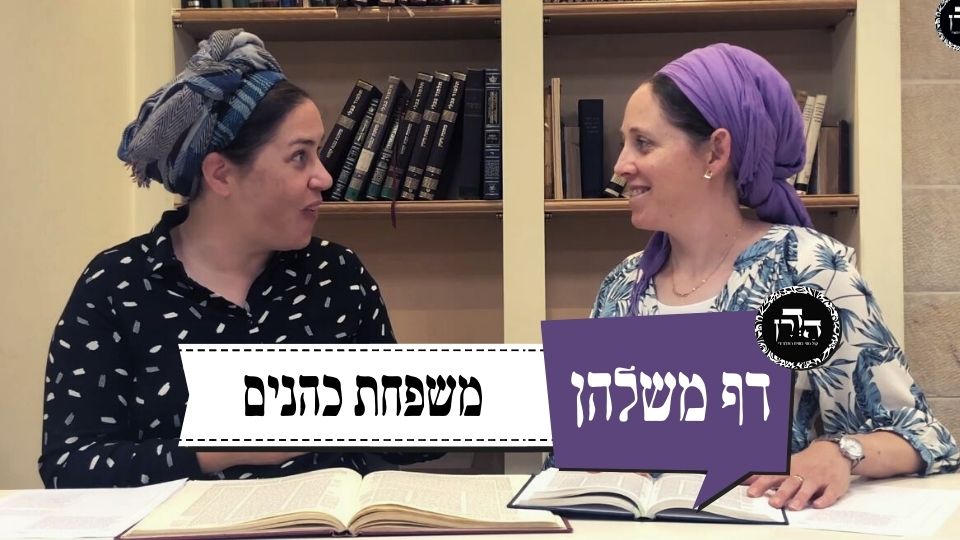
משפחת כהנים: דף משלהן פרק 70 – האם בלי בית מקדש יש חשיבות לכהונה?
21.06.2021 | י״א בתמוז תשפ״א


נשים בקריאת מגילה (חלק ב) – נשים עם בפני עצמן: עולמן ההלכתי של נשים
10.03.2025 | י׳ באדר תשפ״ה

חדשה בלימוד הגמרא?
זה הדף הראשון שלך? איזו התרגשות עצומה! יש לנו בדיוק את התכנים והכלים שיעזרו לך לעשות את הצעדים הראשונים ללמידה בקצב וברמה שלך, כך תוכלי להרגיש בנוח גם בתוך הסוגיות המורכבות ומאתגרות.
פסיפס הלומדות שלנו
גלי את קהילת הלומדות שלנו, מגוון נשים, רקעים וסיפורים. כולן חלק מתנועה ומסע מרגש ועוצמתי.
התחלתי לפני כמה שנים אבל רק בסבב הזה זכיתי ללמוד יום יום ולסיים מסכתות

סיגל טל
רעננה, ישראל
התחלתי ללמוד את הדף היומי מעט אחרי שבני הקטן נולד. בהתחלה בשמיעה ולימוד באמצעות השיעור של הרבנית שפרבר. ובהמשך העזתי וקניתי לעצמי גמרא. מאז ממשיכה יום יום ללמוד עצמאית, ולפעמים בעזרת השיעור של הרבנית, כל יום. כל סיום של מסכת מביא לאושר גדול וסיפוק. הילדים בבית נהיו חלק מהלימוד, אני משתפת בסוגיות מעניינות ונהנית לשמוע את דעתם.

אלירז בלאו
מעלה מכמש, ישראל
התחלתי ללמוד דף יומי כאשר קיבלתי במייל ממכון שטיינזלץ את הדפים הראשונים של מסכת ברכות במייל. קודם לא ידעתי איך לקרוא אותם עד שנתתי להם להדריך אותי. הסביבה שלי לא מודעת לעניין כי אני לא מדברת על כך בפומבי. למדתי מהדפים דברים חדשים, כמו הקשר בין המבנה של בית המקדש והמשכן לגופו של האדם (יומא מה, ע”א) והקשר שלו למשפט מפורסם שמופיע בספר ההינדי "בהגוד-גיתא”. מתברר שזה רעיון כלל עולמי ולא רק יהודי

אלנה ארנבורג
נשר, ישראל
שמעתי על הסיום הענק של הדף היומי ע”י נשים בבנייני האומה. רציתי גם.
החלטתי להצטרף. התחלתי ושיכנעתי את בעלי ועוד שתי חברות להצטרף. עכשיו יש לי לימוד משותף איתו בשבת ומפגש חודשי איתן בנושא (והתכתבויות תדירות על דברים מיוחדים שקראנו). הצטרפנו לקבוצות שונות בווטסאפ. אנחנו ממש נהנות. אני שומעת את השיעור מידי יום (בד”כ מהרב יוני גוטמן) וקוראת ומצטרפת לסיומים של הדרן. גם מקפידה על דף משלהן (ונהנית מאד).

ליאת סיטרון
אפרת, ישראל
"
גם אני התחלתי בסבב הנוכחי וב””ה הצלחתי לסיים את רוב המסכתות . בזכות הרבנית מישל משתדלת לפתוח את היום בשיעור הזום בשעה 6:20 .הלימוד הפך להיות חלק משמעותי בחיי ויש ימים בהם אני מצליחה לחזור על הדף עם מלמדים נוספים ששיעוריהם נמצאים במרשתת. שמחה להיות חלק מקהילת לומדות ברחבי העולם. ובמיוחד לשמש דוגמה לנכדותיי שאי””ה יגדלו לדור שלימוד תורה לנשים יהיה משהו שבשגרה. "

רונית שביט
נתניה, ישראל
התחלתי ללמוד בעידוד שתי חברות אתן למדתי בעבר את הפרק היומי במסגרת 929.
בבית מתלהבים מאוד ובשבת אני לומדת את הדף עם בעלי שזה מפתיע ומשמח מאוד! לימוד הדף הוא חלק בלתי נפרד מהיום שלי. לומדת בצהריים ומחכה לזמן הזה מידי יום…

מרים ונגרובר
אפרת, ישראל
התחלתי ללמוד דף יומי בסבב הקודם. זכיתי לסיים אותו במעמד המרגש של הדרן. בסבב הראשון ליווה אותי הספק, שאולי לא אצליח לעמוד בקצב ולהתמיד. בסבב השני אני לומדת ברוגע, מתוך אמונה ביכולתי ללמוד ולסיים. בסבב הלימוד הראשון ליוותה אותי חוויה מסויימת של בדידות. הדרן העניקה לי קהילת לימוד ואחוות נשים. החוויה של סיום הש”ס במעמד כה גדול כשנשים שאינן מכירות אותי, שמחות ומתרגשות עבורי , היתה חוויה מרוממת נפש

אילנית ווייל
קיבוץ מגדל עוז, ישראל
התחלתי ללמוד לפני כשנתיים בשאיפה לסיים לראשונה מסכת אחת במהלך חופשת הלידה.
אחרי מסכת אחת כבר היה קשה להפסיק…

נעה גלנט
ירוחם, ישראל
התחלתי בתחילת הסבב, והתמכרתי. זה נותן משמעות נוספת ליומיום ומאוד מחזק לתת לזה מקום בתוך כל שגרת הבית-עבודה השוטפת.

רעות אברהמי
בית שמש, ישראל
התחלתי ללמוד דף יומי בתחילת מסכת ברכות, עוד לא ידעתי כלום. נחשפתי לסיום הש״ס, ובעצם להתחלה מחדש בתקשורת, הפתיע אותי לטובה שהיה מקום לעיסוק בתורה.
את המסכתות הראשונות למדתי, אבל לא סיימתי (חוץ מעירובין איכשהו). השנה כשהגעתי למדרשה, נכנסתי ללופ, ואני מצליחה להיות חלק, סיימתי עם החברותא שלי את כל המסכתות הקצרות, גם כשהיינו חולות קורונה ובבידודים, למדנו לבד, העיקר לא לצבור פער, ומחכות ליבמות 🙂

עדן ישורון
מזכרת בתיה, ישראל
התחלתי ללמוד דף יומי ממסכת נידה כי זה היה חומר הלימוד שלי אז. לאחר הסיום הגדול בבנייני האומה החלטתי להמשיך. וב”ה מאז עם הפסקות קטנות של קורונה ולידה אני משתדלת להמשיך ולהיות חלק.
זה משפיע מאוד על היום יום שלי ועל אף שאני עסוקה בלימודי הלכה ותורה כל יום, זאת המסגרת הקבועה והמחייבת ביותר שיש לי.

מוריה תעסן מיכאלי
גבעת הראל, ישראל
התחלתי ללמוד לפני 4.5 שנים, כשהודיה חברה שלי פתחה קבוצת ווטסאפ ללימוד דף יומי בתחילת מסכת סנהדרין. מאז לימוד הדף נכנס לתוך היום-יום שלי והפך לאחד ממגדירי הזהות שלי ממש.

קרן רוזנברג
ירושלים, ישראל
התחלתי ללמוד דף יומי כאשר קיבלתי במייל ממכון שטיינזלץ את הדפים הראשונים של מסכת ברכות במייל. קודם לא ידעתי איך לקרוא אותם עד שנתתי להם להדריך אותי. הסביבה שלי לא מודעת לעניין כי אני לא מדברת על כך בפומבי. למדתי מהדפים דברים חדשים, כמו הקשר בין המבנה של בית המקדש והמשכן לגופו של האדם (יומא מה, ע”א) והקשר שלו למשפט מפורסם שמופיע בספר ההינדי "בהגוד-גיתא”. מתברר שזה רעיון כלל עולמי ולא רק יהודי
אלנה ארנבורג
נשר, ישראל
התחלתי ללמוד בשנת המדרשה במגדל עוז, בינתיים נהנית מאוד מהלימוד ומהגמרא, מעניין ומשמח מאוד!
משתדלת להצליח לעקוב כל יום, לפעמים משלימה קצת בהמשך השבוע.. מרגישה שיש עוגן מקובע ביום שלי והוא משמח מאוד!

אוריה קסנר
חיפה , ישראל
התחלתי ללמוד דף יומי שהתחילו מסכת כתובות, לפני 7 שנים, במסגרת קבוצת לימוד שהתפרקה די מהר, ומשם המשכתי לבד בתמיכת האיש שלי. נעזרתי בגמרת שטיינזלץ ובשיעורים מוקלטים.
הסביבה מאד תומכת ואני מקבלת המון מילים טובות לאורך כל הדרך. מאז הסיום הגדול יש תחושה שאני חלק מדבר גדול יותר.
אני לומדת בשיטת ה”7 דפים בשבוע” של הרבנית תרצה קלמן – כלומר, לא נורא אם לא הצלחת ללמוד כל יום, העיקר שגמרת ארבעה דפים בשבוע

רחל גולדשטיין
עתניאל, ישראל
אחרי שראיתי את הסיום הנשי של הדף היומי בבנייני האומה זה ריגש אותי ועורר בי את הרצון להצטרף. לא למדתי גמרא קודם לכן בכלל, אז הכל היה לי חדש, ולכן אני לומדת בעיקר מהשיעורים פה בהדרן, בשוטנשטיין או בחוברות ושיננתם.

רבקה שלוס
בית שמש, ישראל
התחלתי ללמוד דף יומי בסבב הקודם. זכיתי לסיים אותו במעמד המרגש של הדרן. בסבב הראשון ליווה אותי הספק, שאולי לא אצליח לעמוד בקצב ולהתמיד. בסבב השני אני לומדת ברוגע, מתוך אמונה ביכולתי ללמוד ולסיים. בסבב הלימוד הראשון ליוותה אותי חוויה מסויימת של בדידות. הדרן העניקה לי קהילת לימוד ואחוות נשים. החוויה של סיום הש”ס במעמד כה גדול כשנשים שאינן מכירות אותי, שמחות ומתרגשות עבורי , היתה חוויה מרוממת נפש
אילנית ווייל
קיבוץ מגדל עוז, ישראל
התחלתי ללמוד בסבב הנוכחי לפני כשנתיים .הסביבה מתפעלת ותומכת מאוד. אני משתדלת ללמוד מכל ההסכתים הנוספים שיש באתר הדרן. אני עורכת כל סיום מסכת שיעור בביתי לכ20 נשים שמחכות בקוצר רוח למפגשים האלו.

יעל אשר
יהוד, ישראל
התחלתי ללמוד דף יומי באמצע תקופת הקורונה, שאבא שלי סיפר לי על קבוצה של בנות שתיפתח ביישוב שלנו ותלמד דף יומי כל יום. הרבה זמן רציתי להצטרף לזה וזאת הייתה ההזדמנות בשבילי. הצטרפתי במסכת שקלים ובאמצע הייתה הפסקה קצרה. כיום אני כבר לומדת באולפנה ולומדת דף יומי לבד מתוך גמרא של טיינזלץ.

שבות בראלי
עתניאל, ישראל
באירוע של הדרן בנייני האומה. בהשראתה של אמי שלי שסיימה את הש”ס בסבב הקודם ובעידוד מאיר , אישי, וילדיי וחברותיי ללימוד במכון למנהיגות הלכתית של רשת אור תורה סטון ומורתיי הרבנית ענת נובוסלסקי והרבנית דבורה עברון, ראש המכון למנהיגות הלכתית.
הלימוד מעשיר את יומי, מחזיר אותי גם למסכתות שכבר סיימתי וידוע שאינו דומה מי ששונה פרקו מאה לשונה פרקו מאה ואחת במיוחד מרתקים אותי החיבורים בין המסכתות

רוית קלך
מודיעין, ישראל
חולין ל
סְתִימְתָּאָה, אֲבָל חֲכָמִים אוֹמְרִים שְׁנַיִם שׁוֹחֲטִים זֶבַח אֶחָד.
which is cited unattributed, i.e., it is one of his many opinions that are cited in the Mishna and baraitot without attribution. But the Rabbis say: Two people may slaughter one offering. According to the Rabbis, Rava’s difficulty remains: Let the mishna teach a case where they slaughtered it with two men, as the heifer does not render the first man who slaughters impure, as the slaughter did not yet begin, and the heifer renders the latter man impure.
וּלְרַבִּי אֶלְעָזָר בְּרַבִּי שִׁמְעוֹן, נָמֵי לִפְלוֹג כְּגוֹן דִּשְׁחַט חַד גַּבְרָא בִּשְׁנֵי סוּדָרִים, דְּסוּדָר קַמָּא לָא מְטַמֵּא, וְסוּדָר בָּתְרָא מְטַמֵּא. אֶלָּא בִּפְסוּלָא דְּפָרָה קָא מַיְירֵי, בְּהֶכְשֵׁרַהּ לָא קָא מַיְירֵי.
And according to the opinion of Rabbi Elazar, son of Rabbi Shimon, who holds that two people may not slaughter one offering, let the tanna of the mishna also distinguish and teach a case where one man slaughtered with two cloths on his head, starting the slaughter with one and replacing it with the other midway through the slaughter, as in that case, since halakhic slaughter is accomplished only at its conclusion, the first cloth is not rendered impure but the latter cloth is rendered impure. Rather, one must say that the tanna is speaking only in reference to cases involving the disqualification of the red heifer itself, but he is not speaking in reference to cases involving a fit red heifer, and no proof may be cited from here.
מֵתִיב רַב אִידִי בַּר אָבִין: וּבַמּוֹעֵד לִשְׁמוֹ – פָּטוּר, שֶׁלֹּא לִשְׁמוֹ – חַיָּיב.
Rav Idi bar Avin raises an objection from a mishna (Pesaḥim 63a) to the opinion that halakhic slaughter is accomplished only at its conclusion. If one slaughters an animal for the sake of the Paschal offering on the fourteenth of Nisan after noon while he has leaven in his possession, he is flogged for violating the prohibition: “You shall not slaughter the blood of My sacrifice with leavened bread” (Exodus 23:18). If he slaughtered the animal not for the sake of the Paschal offering, he is exempt from receiving lashes. And if he slaughtered the animal during the festival of Passover for the sake of the Paschal offering with leaven in his possession, he is exempt, because it is a disqualified Paschal offering, as it was slaughtered beyond its appointed time. But if he slaughtered the animal during the Festival not for the sake of the Paschal offering, but rather as a peace offering, he is liable for slaughtering the animal with leaven in his possession.
וְהָוֵינַן בָּהּ: טַעְמָא דְּשֶׁלֹּא לִשְׁמוֹ, הָא סְתָמָא – פָּטוּר.
And we discussed this matter: The reason he is liable is due to the fact that his intent was to slaughter it not for the sake of the Paschal offering, but had he slaughtered it with unspecified intent he would be exempt, because the offering would be disqualified. Unless he specifically intends otherwise, the animal retains its status as a Paschal offering and is disqualified when sacrificed beyond its appointed time.
וְאַמַּאי פָּטוּר? פֶּסַח בִּשְׁאָר יְמוֹת הַשָּׁנָה שְׁלָמִים הוּא! שְׁמַע מִינַּהּ: פֶּסַח בִּשְׁאָר יְמוֹת הַשָּׁנָה בָּעֵי עֲקִירָה.
The Gemara asks: And why is he exempt? Doesn’t a Paschal offering sacrificed during the rest of the days of the year assume the status of a peace offering, and doesn’t one who slaughters a peace offering during the time when it is prohibited to possess leaven with leaven in his possession also violate the prohibition? Conclude from it that a Paschal offering sacrificed during the rest of the days of the year requires explicit revocation of its status; otherwise, it does not assume the status of a peace offering and it remains a disqualified Paschal offering.
וְאָמַר רַבִּי חִיָּיא בַּר גַּמָּדָא, נִזְרְקָה מִפִּי חֲבוּרָה וְאָמְרוּ: הָכָא בְּמַאי עָסְקִינַן? כְּגוֹן שֶׁהָיוּ בְּעָלִים טְמֵאֵי מֵתִים, דְּנִדְחִין לְפֶסַח שֵׁנִי, דִּסְתָמָא לִשְׁמוֹ קָאֵי, וְהַאי הוּא דְּבָעֵי עֲקִירָה, הָא אַחֵר לָא בָּעֵי עֲקִירָה.
And Rabbi Ḥiyya bar Gamda said: A response emerged from the group of scholars that discussed this matter, and they said: What are we dealing with here? It is with a case where the owners of the Paschal offering were ritually impure on the fourteenth of Nisan with impurity imparted by a corpse. In that case, the Torah commands (Numbers 9:10–11) that since they were unable to sacrifice the Paschal offering at the appointed time, the fourteenth of Nisan, they were deferred to the second Pesaḥ, the fourteenth of Iyyar. Since presumably the owner plans to use his Paschal offering on the second Pesaḥ, its unspecified slaughter in the interim stands to be offered for the sake of the Paschal offering, and it is that Paschal offering that requires revocation of its status. But other situations of a Paschal offering that is slaughtered beyond its designated time do not require revocation of the animal’s status, and it assumes the status of a peace offering.
אִי אָמְרַתְּ בִּשְׁלָמָא יֶשְׁנָהּ לִשְׁחִיטָה מִתְּחִלָּה וְעַד סוֹף – אִיפְּסִיל לֵיהּ מִתְּחִלַּת שְׁחִיטָה, אֶלָּא אִי אָמְרַתְּ אֵינָהּ לִשְׁחִיטָה אֶלָּא בַּסּוֹף – כֵּיוָן דִּשְׁחַט בֵּיהּ פּוּרְתָּא אִידְּחִי לֵיהּ מִפֶּסַח, אִידַּךְ כִּי קָא שָׁחֵיט שְׁלָמִים קָא שָׁחֵיט!
Returning to the matter at hand, if a Paschal offering that is designated for use on the second Pesaḥ is slaughtered on Passover while one has leaven in his possession, he is exempt from receiving lashes because it is a disqualified Paschal offering. Granted, if you say that halakhic slaughter is accomplished from the beginning to the end of the act, the offering is disqualified from the beginning of the slaughter as a Paschal offering slaughtered beyond its appointed time. Therefore, one is exempt from receiving lashes. But if you say that halakhic slaughter is accomplished only at its conclusion, why is one exempt if he slaughtered the animal with leaven in his possession? Once he began and cut a bit of the siman, it is rejected from its status as a Paschal offering and can no longer be offered on the second Pesaḥ. Therefore, when he slaughters the other, remaining, portion of the simanim without specification, it is a peace offering that he is slaughtering.
אֲמַר לֵיהּ אַבָּיֵי: נְהִי דְּאִידְּחִי לֵיהּ מִפֶּסַח, מִדְּמֵי פֶסַח מִי אִידְּחִי?
Abaye said to Rav Idi bar Avin: Even if you say that halakhic slaughter is accomplished only at its conclusion, although it was rejected from the possibility of being sacrificed on the second Pesaḥ, was it rejected from the possibility of being redeemed and from the possibility of the monetary value of a Paschal offering being used to purchase an animal to be sacrificed on the second Pesaḥ? As long as the slaughter is not yet complete, redemption of the animal remains possible. Therefore, unspecified slaughter at that time is for the sake of a Paschal offering and one should be exempt from receiving lashes.
וְכִי תֵּימָא, בָּעֵי הַעֲמָדָה וְהַעֲרָכָה, וְהָתְנַן: שָׁחַט בָּהּ שְׁנַיִם אוֹ רוֹב שְׁנַיִם וַעֲדַיִין הִיא מְפַרְכֶּסֶת – הֲרֵי הִיא כְּחַיָּה לְכׇל דְּבָרֶיהָ.
And if you would say that in order to redeem a consecrated item one requires that the animal be placed standing before the priest and it requires valuation (see Leviticus 27:11–12), and once it is slaughtered it is unable to stand, but didn’t we learn in a baraita: If one slaughtered, i.e., cut, two simanim in the animal or a majority of two simanim, and the animal is still convulsing, its halakhic status is like a living animal in every respect, and it may be redeemed until the convulsing ceases?
אָמַר רַב יְהוּדָה אָמַר רַב: הַשּׁוֹחֵט בִּשְׁנַיִם וּשְׁלֹשָׁה מְקוֹמוֹת, שְׁחִיטָתוֹ כְּשֵׁרָה. כִּי אַמְרִיתַהּ קַמֵּיהּ דִּשְׁמוּאֵל, אָמַר לִי: בָּעֵינַן שְׁחִיטָה מְפוֹרַעַת, וְלֵיכָּא.
§ Rav Yehuda said that Rav said: One who cuts a siman in two or three places on the neck, and together the cuts constitute the requisite measure of slaughter, his slaughter is valid. Rav Yehuda adds: When I stated this halakha before Shmuel he said to me: We require a clear and obvious slaughter and in the case of cuts in two or three places there is no obvious slaughter.
וְאַף רַבִּי שִׁמְעוֹן בֶּן לָקִישׁ סָבַר: בָּעֵינַן שְׁחִיטָה מְפוֹרַעַת, דְּאָמַר רַבִּי שִׁמְעוֹן בֶּן לָקִישׁ: מִנַּיִן לַשְּׁחִיטָה שֶׁהִיא מְפוֹרַעַת? שֶׁנֶּאֱמַר: ״חֵץ שָׁחוּט לְשׁוֹנָם מִרְמָה דִבֵּר״.
And Rabbi Shimon ben Lakish also holds that we require a clear and obvious slaughter, as Rabbi Shimon ben Lakish says: From where is it derived that slaughter must be clear and obvious? As it is stated: “Their tongue is a sharpened [shaḥut] arrow, it speaks deceit; one speaks peaceably to his neighbor with his mouth, but in his heart he lays wait for him” (Jeremiah 9:7). Just as an arrow clearly enters one part of the body, so too, the slaughter [sheḥita] must be clear and obvious.
מֵתִיב רַבִּי אֶלְעָזָר: שְׁנַיִם אוֹחֲזִין בְּסַכִּין וְשׁוֹחֲטִין, אֲפִילּוּ אֶחָד מִלְּמַעְלָה וְאֶחָד מִלְּמַטָּה – שְׁחִיטָתוֹ כְּשֵׁרָה. אַמַּאי? וְהָא לֵיכָּא שְׁחִיטָה מְפוֹרַעַת!
Rabbi Elazar raises an objection from a mishna (30b): If two people are grasping a knife and slaughtering one animal, even if each is holding a knife and slaughtering one above and one below, with each one slaughtering at a different point in the neck, their slaughter is valid. But why is the slaughter valid according to the opinions of Shmuel and Rabbi Shimon ben Lakish? There is no clear and obvious slaughter, as each is cutting a different part of the neck.
אֲמַר לֵיהּ רַבִּי יִרְמְיָה: מִשְׁנָתֵינוּ בְּסַכִּין אֶחָד וּשְׁנֵי בְּנֵי אָדָם.
Rabbi Yirmeya said to Rabbi Elazar: The mishna is referring to a case with one knife and two people, each holding one end of the knife, resulting in a single diagonal incision from above to below.
אֲמַר לֵיהּ רַבִּי אַבָּא: אִי הָכִי, הַיְינוּ דְּתָנֵי עֲלַהּ אֵין חוֹשְׁשִׁין שֶׁמָּא יִטְרְפוּ זֶה עַל זֶה? אִי אָמְרַתְּ בִּשְׁלָמָא בִּשְׁתֵּי סַכִּינִין וּשְׁנֵי בְּנֵי אָדָם – שַׁפִּיר, מַהוּ דְּתֵימָא לֵיחוּשׁ דִּלְמָא סָמְכִי אַהֲדָדֵי, וְהַאי לָא אָתֵי לְמֶעְבַּד רוּבָּא וְהַאי לָא אָתֵי לְמֶעְבַּד רוּבָּא, קָא מַשְׁמַע לַן דְּאֵין חוֹשְׁשִׁין.
Rabbi Abba said to Rabbi Yirmeya: If so, is this what is taught in that regard in a baraita commenting on that mishna: One need not be concerned that perhaps each will render the animal a tereifa due to the other? Granted, if you say that the mishna is referring to a case of two knives and two people it works out well, lest you say: Let us be concerned that perhaps each will rely on the other that he will perform the slaughter properly, and neither will this one come to execute the cut on the majority of the simanim, nor will that one come to execute the cut on the majority of the simanim. Therefore, the tanna teaches us that one need not be concerned.
אֶלָּא אִי אָמְרַתְּ בְּסַכִּין אַחַת וּשְׁנֵי בְּנֵי אָדָם, הַאי ״אֵין חוֹשְׁשִׁין שֶׁמָּא יִטְרְפוּ זֶה עַל זֶה״ – ״שֶׁמָּא יִדְרוֹסוּ זֶה עַל זֶה״ מִיבְּעֵי לֵיהּ.
But if you say that the mishna is referring to a case of one knife and two people, that statement in the baraita should not have said: One need not be concerned that perhaps each will render the animal a tereifa due to the other; it should have said: One need not be concerned that because one is pulling in one direction and one is pulling in the other, perhaps each will cause the other to press the knife and thereby invalidate the slaughter.
אֲמַר לֵיהּ רַבִּי אָבִין, תְּנִי: אֵין חוֹשְׁשִׁין
Rabbi Avin said to him: Teach: One need not be concerned
שֶׁמָּא יִדְרוֹסוּ זֶה עַל זֶה.
that perhaps each will cause the other to press the knife.
מֵתִיב רַבִּי אָבִין: שָׁחַט אֶת הַוֶּושֶׁט לְמַטָּה וְאֶת הַקָּנֶה לְמַעְלָה, אוֹ אֶת הַוֶּושֶׁט לְמַעְלָה וְאֶת הַקָּנֶה לְמַטָּה – שְׁחִיטָתוֹ כְּשֵׁרָה. אַמַּאי? וְהָא לֵיכָּא שְׁחִיטָה מְפוֹרַעַת!
Rabbi Avin raises an objection from a baraita: If one slaughtered, i.e., cut, the gullet below on the neck and the windpipe above on the neck, or cut the gullet above on the neck and the windpipe below on the neck, his slaughter is valid. Based on this, Rabbi Avin asks: Why is the slaughter valid? But in that case there is no clear and obvious slaughter.
הוּא מוֹתֵיב לַהּ, וְהוּא מְפָרֵק לַהּ: בִּשְׁחִיטָה הָעֲשׂוּיָה כְּקוּלְמוֹס.
He raises the objection and he resolves it. This baraita is not referring to cuts on two places on the neck; rather, it is referring to slaughter performed on a diagonal, like the point of a reed [kekulmos] fashioned into a writing utensil. The slaughterer begins cutting from the top of one siman and cuts diagonally downward so that when he reaches the second siman, the knife is lower down.
הָהוּא תּוֹרָא דְּאִישְּׁחַט בִּשְׁנַיִם וּשְׁלֹשָׁה מְקוֹמוֹת, עָל רַב יִצְחָק בַּר שְׁמוּאֵל בַּר מָרְתָא שְׁקַל מִשׁוּפְרֵי שׁוּפְרֵי. אֲמַר לֵיהּ רַבִּי זֵירָא: לִמַּדְתָּנוּ רַבֵּינוּ מִשְׁנָתֵינוּ בִּשְׁנֵי סַכִּינִין וּשְׁנֵי בְּנֵי אָדָם.
The Gemara relates: There was a certain bull that was slaughtered with cuts in two or three places in the simanim on its neck. Rav Yitzḥak bar Shmuel bar Marta entered the store and took a cut of meat from the highest quality parts of the animal, thereby demonstrating that the slaughter was valid. Rabbi Zeira said to him: Our rabbi, you have taught us through your actions that the mishna: If two people are grasping a knife and slaughtering one animal, even one above and one below, is referring even to a case of two knives and two people who are each cutting the simanim at a different part of the neck with their knives.
אָמַר רַב יְהוּדָה אָמַר רַב: הֶחְלִיד אֶת הַסַּכִּין בֵּין סִימָן לְסִימָן וּפְסָקוֹ – פְּסוּלָה, תַּחַת הָעוֹר – כְּשֵׁרָה.
§ Rav Yehuda says that Rav says: If one concealed the knife in the neck between one siman and the other siman, i.e., he inserted the knife between the windpipe and the gullet, and he severed the gullet first and then removed the knife and cut the windpipe, the slaughter is not valid. If one concealed the knife beneath the hide of the neck and then he cut both simanim, the slaughter is valid.
מַאי קָא מַשְׁמַע לַן? תְּנֵינָא: אוֹ שֶׁהֶחְלִיד אֶת הַסַּכִּין תַּחַת הַשֵּׁנִי וּפְסָקוֹ – רַבִּי יְשֵׁבָב אוֹמֵר: נְבֵלָה, רַבִּי עֲקִיבָא אוֹמֵר: טְרֵפָה.
The Gemara asks: What is Rav teaching us? We already learn this halakha explicitly in a mishna (32a): Or if one cut one siman and concealed the knife beneath the second siman and severed it, Rabbi Yeshevav says: The animal is an unslaughtered carcass and imparts ritual impurity through contact with it and carrying it. Rabbi Akiva says: The animal is a tereifa, and although eating it is prohibited, it does not transmit ritual impurity. Both agree that the slaughter is not valid in the sense that it does not permit the consumption of the meat of the animal.
אִי מִמַּתְנִיתִין, הֲוָה אָמֵינָא: הָנֵי מִילֵּי – מִלְּמַטָּה לְמַעְלָה, דְּלָא קָעָבֵיד כְּדֶרֶךְ שְׁחִיטָה, אֲבָל מִלְּמַעְלָה לְמַטָּה, דְּקָעָבֵיד כְּדֶרֶךְ שְׁחִיטָה – אֵימָא שַׁפִּיר דָּמֵי, קָא מַשְׁמַע לַן.
The Gemara answers: If this halakha is learned from the mishna alone, I would say that this statement applies only in a case where one conceals the knife beneath the gullet and cuts it from below to above, i.e., from the nape to the front of the neck, because he did not perform the slaughter in the standard manner of slaughter. But if he cut the gullet from above to below, i.e., from the front of the neck to the nape, since he performed the slaughter in the standard manner of slaughter, say that the slaughter is valid. Therefore, Rav teaches us that with regard to any case where one conceals the knife during slaughter, his slaughter is not valid.
תַּחַת הָעוֹר – כְּשֵׁרָה, בֵּי רַב אָמְרִי: תַּחַת הָעוֹר – אֵינִי יוֹדֵעַ.
The Gemara proceeds to analyze the second part of that which Rav Yehuda says that Rav says: If one concealed the knife beneath the hide of the neck and then he cut both simanim in the standard manner the slaughter is valid. The school of Rav say that Rav says that in a case where one conceals the knife beneath the hide and cuts the simanim of the animal, I do not know whether the slaughter is valid, or whether it is not valid because he concealed the knife during the slaughter.
אִיבַּעְיָא לְהוּ: לְבֵי רַב, דְּאָמְרִי: תַּחַת הָעוֹר אֵינִי יוֹדֵעַ, תַּחַת מַטְלֵית מַהוּ? תַּחַת צֶמֶר מְסוּבָּךְ מַהוּ? תֵּיקוּ.
A dilemma was raised before the Sages: According to the opinion of the school of Rav, who say: Beneath the hide, I do not know, if one concealed the knife beneath a cloth that is around the animal’s neck, what is the halakha? If one concealed the knife beneath tangled wool on the neck of a sheep, what is the halakha? The Gemara concludes: These dilemmas shall stand unresolved.
בָּעֵי רַב פָּפָּא: הֶחְלִיד בְּמִיעוּט סִימָנִים מַהוּ? תֵּיקוּ.
Rav Pappa raises a dilemma: If one concealed the knife in cutting the minority of the simanim and cut the majority of the simanim in the standard manner, what is the halakha? The Gemara concludes: The dilemma shall stand unresolved.
מַתְנִי׳ הַשּׁוֹחֵט שְׁנֵי רָאשִׁין כְּאֶחָד – שְׁחִיטָתוֹ כְּשֵׁרָה. שְׁנַיִם אוֹחֲזִין בְּסַכִּין וְשׁוֹחֲטִים, אֲפִילּוּ אֶחָד לְמַעְלָה וְאֶחָד לְמַטָּה – שְׁחִיטָתוֹ כְּשֵׁרָה. הִתִּיז אֶת הָרֹאשׁ בְּבַת אַחַת – פְּסוּלָה. הָיָה שׁוֹחֵט וְהִתִּיז אֶת הָרֹאשׁ בְּבַת אַחַת, אִם יֵשׁ בַּסַּכִּין מְלֹא צַוָּאר – כְּשֵׁרָה.
MISHNA: With regard to one who slaughters by cutting two animals’ heads simultaneously, his slaughter is valid. If two people are grasping a knife and slaughtering one animal, even if each is holding a knife and slaughtering one above and one below, with each one slaughtering at a different point in the neck, their slaughter is valid. If one decapitated the animal in one motion and did not slaughter the animal in the standard manner of drawing the knife back and forth, the slaughter is not valid. In a case where one was in the process of slaughtering the animal in the standard manner and he decapitated the animal in one motion, if the length of the knife is equivalent to the breadth of the animal’s entire neck, the slaughter is valid.
הָיָה שׁוֹחֵט וְהִתִּיז שְׁנֵי רָאשִׁין בְּבַת אַחַת, אִם יֵשׁ בַּסַּכִּין מְלֹא צַוָּאר אֶחָד – כְּשֵׁרָה. בַּמֶּה דְּבָרִים אֲמוּרִים? בִּזְמַן שֶׁהוֹלִיךְ וְלֹא הֵבִיא, אוֹ הֵבִיא וְלֹא הוֹלִיךְ, אֲבָל אִם הוֹלִיךְ וְהֵבִיא, אֲפִילּוּ כׇּל שֶׁהוּא, אֲפִילּוּ בְּאִיזְמֵל – כְּשֵׁרָה.
If one was in the process of slaughtering two animals simultaneously, and he decapitated two heads in one motion, if the length of the knife is equivalent to the breadth of an entire neck of one of the animals, the slaughter is valid. In what case is this statement, that one must be concerned about the length of the knife, said? It is when one drew the knife back and did not draw it forth, or drew it forth and did not draw it back; but if he drew it back and forth, even if the knife was of any length, even if he slaughtered with a scalpel [be’izemel], the slaughter is valid.
גְּמָ׳ מְנָהָנֵי מִילֵּי? אָמַר שְׁמוּאֵל, דְּאָמַר קְרָא: ״חֵץ שָׁחוּט לְשׁוֹנָם מִרְמָה דִבֵּר״.
GEMARA: The mishna stated: If one decapitated the animal in one motion, the slaughter is not valid. The Gemara asks: From where is this matter derived? Shmuel said: It is derived from a verse, as the verse states: “Their tongue is a sharpened [shaḥut] arrow, it speaks deceit” (Jeremiah 9:7). Just as an arrow is propelled by drawing back the bowstring, so too, slaughter [sheḥita] must be performed by drawing the knife across the animal’s neck and not by pressing the knife or striking the neck with the knife.
תָּנָא דְּבֵי רַבִּי יִשְׁמָעֵאל: ״וְשָׁחַט״ – אֵין ״וְשָׁחַט״ אֶלָּא וּמָשַׁךְ, וְכֵן הוּא אוֹמֵר: ״זָהָב שָׁחוּט״, וְאוֹמֵר: ״חֵץ שָׁחוּט לְשׁוֹנָם מִרְמָה דִבֵּר״.
Likewise, the school of Rabbi Yishmael taught: The verse states: “And he shall slaughter [veshaḥat] the young bull before the Lord” (Leviticus 1:5). The term “veshaḥat” means nothing other than: And he shall draw the knife across the neck of the animal. And similarly, the verse states: “And King Solomon made two hundred targets of drawn [shaḥut] gold” (I Kings 10:16), meaning gold that is smoothed in the manner of goldsmiths. And the verse states: “Their tongue is a sharpened arrow, it speaks deceit” (Jeremiah 9:7).
מַאי ״וְאוֹמֵר״? וְכִי תֵּימָא ״זָהָב שָׁחוּט״ שֶׁנִּטְוֶוה כְּחוּט הוּא, תָּא שְׁמַע: ״חֵץ שָׁחוּט לְשׁוֹנָם״.
The Gemara asks: What is the purpose of citing the additional verse introduced with the term: And the verse states? The Gemara answers: And if you would say that the term “drawn [shaḥut] gold” means that the gold was spun like soft thread [keḥut], come and hear: “Their tongue is a sharpened [shaḥut] arrow.” In this verse, shaḥut means drawn like the bowstring that propels an arrow, and is not a reference to thread.
רָבָא הֲוָה בָּדֵיק לֵיהּ גִּירָא לְרַבִּי יוֹנָה בַּר תַּחְלִיפָא, וְשָׁחַט בֵּהּ עוֹפָא בַּהֲדֵי דְּפָרַח. וְדִילְמָא עָבִיד חֲלָדָה? חֲזִינַן
The Gemara relates: Rava would examine the arrow for Rabbi Yona bar Taḥlifa to ensure that there were no notches in it. And Rava shot the arrow and slaughtered a bird with it as it was flying. The Gemara challenges: And perhaps when the arrow cut the bird’s neck it performed an inverted slaughter, with the arrow concealed in the neck, and cut the simanim from back to front. The Gemara responds: We see
לעקוב

