







באיזה מקרה יש מחלוקת בין בני ארץ ישראל לבבל בעניין חלב? יש כמה חילוקי דעות לגבי כל מיני פסקי הלכה בעניין טריפות וגם בעניין אחד של אבלות. אם יש נקב ולא יודעים אם זה קרה לפני או אחרי שחיטה, איך בודקים? איפה הכרס הפנימי שעליו מדובר במשנה?
לימוד מסכת חולין מוקדש על ידי ג’ודי פלבר לכבודה של קהילת הדרן. "במהלך המחזור הראשון שלי בדף היומי, בדיוק כשהתחלנו את מסכת חולין, בני נפצע בעת שירותו בצה”ל. לאורך אותם חודשיים וחצי של קושי וחוסר ודאות, חברותיי ללימוד לא עזבו אותי לרגע. תודה רבה לקהילה שעטפה אותי, עודדה אותי ווידאה שאוכל להמשיך ולהתמיד בלימוד הדף גם בימים המאתגרים ההם.”
הלימוד השבוע מוקדש ע”י אלן צריק לע”נ אמה, אודי בת משה חיים הכהן.
לימוד השבוע מוקדש על ידי רוברט ופאולה כהן לע”נ הלן כהן, הענע בת יצחק נחמיה, סבתי, "היא הייתה מנהיגה בקהילתה ומודל לחיקוי לכל מי שהכיר אותה”.
רוצה להקדיש שיעור?

0:00
0:00
כלים
לימוד מסכת חולין מוקדש על ידי ג’ודי פלבר לכבודה של קהילת הדרן. "במהלך המחזור הראשון שלי בדף היומי, בדיוק כשהתחלנו את מסכת חולין, בני נפצע בעת שירותו בצה”ל. לאורך אותם חודשיים וחצי של קושי וחוסר ודאות, חברותיי ללימוד לא עזבו אותי לרגע. תודה רבה לקהילה שעטפה אותי, עודדה אותי ווידאה שאוכל להמשיך ולהתמיד בלימוד הדף גם בימים המאתגרים ההם.”
הלימוד השבוע מוקדש ע”י אלן צריק לע”נ אמה, אודי בת משה חיים הכהן.
לימוד השבוע מוקדש על ידי רוברט ופאולה כהן לע”נ הלן כהן, הענע בת יצחק נחמיה, סבתי, "היא הייתה מנהיגה בקהילתה ומודל לחיקוי לכל מי שהכיר אותה”.
חולין נ
וּלְדִידַן מִיסְתָּם נָמֵי לָא סָתֵים.
and to us, the residents of Babylonia, not only is it forbidden but it also does not seal a perforation? It cannot be that this fat is forbidden by Torah law if they permit it for consumption. Even though we are stringent with regard to its consumption, we may still maintain that it effectively seals a perforation.
דְּאַקַּשְׁתָּא – כּוּלֵּי עָלְמָא לָא פְּלִיגִי דַּאֲסִיר, כִּי פְּלִיגִי – דְּאַיִּיתְרָא.
The Gemara explains: The abomasum is shaped like a bow. The side facing outward is curved like the bow itself, while the side facing inward is flat and straight like the bowstring. With regard to the fat that is on the bow, everyone agrees, even the residents of Eretz Yisrael, that it is forbidden for consumption. This fat, then, is the ḥimtza, which does not seal a perforation according to Rav Naḥman. When they disagree, it is with regard to the fat that is on the bowstring. The residents of Eretz Yisrael permit it for consumption, while those of Babylonia prohibit it. According to Rav Naḥman, the residents of Babylonia should concede that it is nevertheless an effective seal. This, then, is the bar ḥimtza.
אִיכָּא דְּאָמְרִי, דְּאַיִּיתְרָא – כּוּלֵּי עָלְמָא לָא פְּלִיגִי דִּשְׁרֵי, כִּי פְּלִיגִי – דְּאַקַּשְׁתָּא.
There are those who say that with regard to the fat that is on the bowstring, everyone agrees that it is permitted. This, then, is the bar ḥimtza. When they disagree, it is with regard to the fat that is on the bow. The residents of Eretz Yisrael permit it, but the residents of Babylonia prohibit it. This, then, is the ḥimtza.
כִּי הָא דְּאָמַר רַב אַוְיָא אָמַר רַבִּי אַמֵּי: מְקַמְּצִין, וְכֵן אָמַר רַבִּי יַנַּאי מִשּׁוּם זָקֵן אֶחָד: מְקַמְּצִין. אָמַר רַב אַוְיָא: הֲוָה קָאֵימְנָא קַמֵּיהּ דְּרַבִּי אַמֵּי, קְמַצוּ וְהַבוּ לֵיהּ, וַאֲכַל.
The Gemara adds: When it was stated that only the residents of Eretz Yisrael permit the fat on the bowstring for consumption, this means that they would eat it in a manner like that which Rav Avya says that Rabbi Ami says: One takes a handful of the fat that lies above the fat on the bowstring, since this is the fat prohibited by the verse: “And all the fat that is upon the innards” (Leviticus 3:3), and the rest is permitted for consumption. And so says Rabbi Yannai, also a resident of Eretz Yisrael, in the name of a certain elder: One takes a handful. Rav Avya said: I was standing before Rabbi Ami. The people there took a handful of the fat on the bowstring and gave him the remaining fat, and he ate from it.
שַׁמָּעֵיהּ דְּרַבִּי חֲנִינָא הֲוָה קָאֵי קַמֵּיהּ דְּרַבִּי חֲנִינָא, אֲמַר לֵיהּ: קְמוֹץ, הַב לִי דְּאֵיכוֹל. חַזְיֵיהּ דַּהֲוָה קָמְחַסֵּם, אֲמַר לֵיהּ: בַּבְלָאָה אַתְּ, גּוֹם שְׁדִי.
The Gemara relates: The attendant of Rabbi Ḥanina was standing before Rabbi Ḥanina, a resident of Eretz Yisrael. Rabbi Ḥanina said to him: Take off a handful from that fat on the bowstring and give me the rest so that I will eat from it. Rabbi Ḥanina saw that the attendant was hesitating, so he said to him: You are a Babylonian and usually consider all of this fat forbidden. If so, cut off all the fat and throw it away.
תַּנְיָא: רַבָּן שִׁמְעוֹן בֶּן גַּמְלִיאֵל אוֹמֵר: בְּנֵי מֵעַיִין שֶׁנִּיקְּבוּ, וְלֵיחָה סוֹתַמְתָּן – כְּשֵׁרָה. מַאי לֵיחָה? אָמַר רַב כָּהֲנָא: שִׁירְקָא דִּמְעַיָּיא דְּנָפֵיק אַגַּב דּוּחְקָא.
§ The mishna states that if the small intestines are perforated, the animal is a tereifa. With regard to this, it is taught in a baraita: Rabban Shimon ben Gamliel says: If the intestines were perforated but mucus seals the perforated intestines, the animal is kosher. The Gemara asks: What is this mucus? Rav Kahana said: It is the mucus of the intestines that comes out under pressure, when one scrapes with a knife.
גְּמִירִי חַבְרַיָּא דְּרַבִּי אַבָּא מֵרַבִּי אַבָּא, וּמַנּוּ? רַבִּי זֵירָא, וְאָמְרִי לַהּ חַבְרַיָּא דְּרַבִּי זֵירָא מֵרַבִּי זֵירָא, וּמַנּוּ? רַבִּי אַבָּא. אָמַר רַבִּי אַבָּא בְּרֵיהּ דְּרַבִּי חִיָּיא בַּר אַבָּא: הָכִי אָמַר רַבִּי חִיָּיא בַּר אַבָּא אָמַר רַבִּי יוֹחָנָן: הֲלָכָה כְּרַבָּן שִׁמְעוֹן בֶּן גַּמְלִיאֵל בִּטְרֵפָה, וַהֲלָכָה כְּרַבִּי שִׁמְעוֹן בְּאֵבֶל.
The Gemara relates: The colleagues of Rabbi Abba learned a tradition from Rabbi Abba. And who are they? The phrase: Colleagues of Rabbi Abba, is referring to Rabbi Zeira. And some say the colleagues of Rabbi Zeira learned it from Rabbi Zeira. And who are they? Rabbi Abba. This is the tradition: Rabbi Abba, son of Rabbi Ḥiyya bar Abba, said that this is what Rabbi Ḥiyya bar Abba says that Rabbi Yoḥanan says: The halakha is in accordance with the opinion of Rabban Shimon ben Gamliel with regard to a tereifa, and the halakha is in accordance with the opinion of Rabbi Shimon with regard to the halakhot of mourning.
הֲלָכָה כְּרַבָּן שִׁמְעוֹן בֶּן גַּמְלִיאֵל בִּטְרֵפָה – הָא דַּאֲמַרַן. כְּרַבִּי שִׁמְעוֹן בְּאֵבֶל, מַאי הִיא? דִּתְנַן: כׇּל שְׁלֹשָׁה יָמִים הָרִאשׁוֹנִים, בָּא מִמָּקוֹם קָרוֹב – מוֹנֶה עִמָּהֶן.
The Gemara elaborates: The halakha is in accordance with the opinion of Rabban Shimon ben Gamliel with regard to a tereifa; this is the halakha that we stated above, that mucus forms an effective seal in the intestines. The halakha is in accordance with the opinion of Rabbi Shimon with regard to mourning; what is this halakha? As we learned in a baraita: If one learns of the death of an immediate relative after other relatives have already begun their period of mourning, the halakha is as follows: During the entire first three days of mourning, if a mourner comes to the house of mourning from a nearby place, he counts his days of mourning with the other mourners and completes his mourning with them.
מִמָּקוֹם רָחוֹק – מוֹנֶה לְעַצְמוֹ. מִכָּאן וְאֵילָךְ, אֲפִילּוּ בָּא מִמָּקוֹם קָרוֹב – מוֹנֶה לְעַצְמוֹ. רַבִּי שִׁמְעוֹן אוֹמֵר: אֲפִילּוּ בְּיוֹם הַשְּׁבִיעִי, בָּא מִמָּקוֹם קָרוֹב – מוֹנֶה עִמָּהֶן.
The baraita continues: If he came from a distant place, he counts seven days on his own from the time that he was informed of the death. From this point forward, i.e., after the first three days, even if he comes from a nearby place, he counts seven days on his own. Rabbi Shimon says: Even on the seventh day, if he comes from a nearby place, he counts and completes his mourning with the other mourners.
אָמַר מַאן דְּהוּא: אִיזְכֵּי וְאֶיסַּק וְאֶגְמְרַהּ לִשְׁמַעְתָּא מִפּוּמֵּיהּ דְּמָרַהּ. כִּי סְלֵיק, אַשְׁכְּחֵיהּ לְרַבִּי אַבָּא בְּרֵיהּ דְּרַבִּי חִיָּיא בַּר אַבָּא. אֲמַר לֵיהּ: אֲמַר מָר הֲלָכָה כְּרַבָּן שִׁמְעוֹן בֶּן גַּמְלִיאֵל בִּטְרֵפָה? אֲמַר לֵיהּ: הָא אֵין הֲלָכָה אֲמַרִי.
Someone whose name was not given said: May I merit to go up to Eretz Yisrael and learn this halakha from the mouth of its Master. When he went up from Babylonia to Eretz Yisrael, he found Rabbi Abba, son of Rabbi Ḥiyya bar Abba, and said to him: Is it true that the Master said that the halakha is in accordance with the opinion of Rabban Shimon ben Gamliel with regard to a tereifa? Rabbi Abba said to him: This is not true. Rather, I said just the opposite, that the halakha is not in accordance with Rabban Shimon ben Gamliel, and even if mucus seals the perforation of the intestine, the animal is a tereifa.
כְּרַבִּי שִׁמְעוֹן בְּאָבֵל, מַאי? אֲמַר לֵיהּ: פְּלוּגָתָא נִינְהוּ, דְּאִיתְּמַר: רַב חִסְדָּא אָמַר הֲלָכָה, וְכֵן אָמַר רַבִּי יוֹחָנָן הֲלָכָה, וְרַב נַחְמָן אָמַר אֵין הֲלָכָה.
The anonymous man asked Rabbi Abba again: What about the other ruling reported in your name, that the halakha is in accordance with the opinion of Rabbi Shimon with regard to mourning; is this accurate? Rabbi Abba said to him: There are conflicting opinions with regard to this matter, as it was stated that Rav Ḥisda says that the halakha is in accordance with the opinion of Rabbi Shimon, and so says Rabbi Yoḥanan: That is the halakha. But Rav Naḥman says: That is not the halakha.
וְאֵין הֲלָכָה כְּרַבָּן שִׁמְעוֹן בֶּן גַּמְלִיאֵל בִּטְרֵפָה, וַהֲלָכָה כְּרַבִּי שִׁמְעוֹן בְּאֵבֶל, דְּאָמַר שְׁמוּאֵל: הֲלָכָה כְּדִבְרֵי הַמֵּיקֵל בְּאֵבֶל.
The Gemara concludes: And the halakha is not in accordance with the opinion of Rabban Shimon ben Gamliel with regard to a tereifa, and the halakha is in accordance with the opinion of Rabbi Shimon with regard to mourning, in accordance with the statement of Shmuel, who says: The halakha is in accordance with the statement of the more lenient authority in matters relating to mourning.
אָמַר רַב שִׁימִי בַּר חִיָּיא: מַקִּיפִים בִּבְנֵי מֵעַיִים.
§ Rav Shimi bar Ḥiyya says: One may compare perforations in the intestines. If one is unsure whether a perforation occurred before or after slaughter, one may make an additional perforation and compare the two. If their appearance is similar, one may conclude that the perforation occurred after slaughter, and the animal is kosher.
הָנְהוּ בְּנֵי מֵעַיִים דַּאֲתוֹ לְקַמֵּיהּ דְּרָבָא, אַקְּפִינְהוּ וְלָא אִידְּמוֹ. אֲתָא רַב מְשַׁרְשְׁיָא בְּרֵיהּ, מְמַשְׁמֵשׁ בְּהוּ וְאִידְּמוֹ. אֲמַר לֵיהּ: מְנָא לָךְ הָא? אֲמַר לֵיהּ: כַּמָּה יְדֵי מַשְׁמִשׁוּ בְּהָנֵי מִקַּמֵּי דְּלֵיתֵי לְקַמֵּיהּ דְּמָר. אֲמַר לֵיהּ: חַכִּים בְּרִי בִּטְרֵפוֹת כְּרַבִּי יוֹחָנָן.
The Gemara relates: There were certain perforated intestines that came before Rava. Rava made other perforations and compared them, but they were not similar. Rav Mesharshiyya, his son, came and rubbed the new perforations, and they were similar. Rav Mesharshiyya therefore deemed the animal kosher. Rava said to him: From where did you know to do this? Rav Mesharshiyya said to him: I reasoned: How many hands rubbed these earlier perforations before they came before the Master? Therefore, I thought that if I handled the new ones, perhaps they would look similar. Rava said to him: My son is as wise in matters of tereifot as Rabbi Yoḥanan.
רַבִּי יוֹחָנָן וְרַבִּי אֶלְעָזָר דְאָמְרִי תַּרְוַיְיהוּ: מַקִּיפִים בָּרֵיאָה. אָמַר רָבָא: לָא אֲמַרַן אֶלָּא בְּאוֹתָהּ עֲרוּגָה, אֲבָל מֵעֲרוּגָה לַעֲרוּגָה – לָא. וְהִלְכְתָא: אֲפִילּוּ מֵעֲרוּגָה לַעֲרוּגָה, מִדַּקָּה לְדַקָּה, וּמִגַּסָּה לְגַסָּה, אֲבָל לֹא מִגַּסָּה לְדַקָּה, וְלֹא מִדַּקָּה לְגַסָּה.
Similarly, Rabbi Yoḥanan and Rabbi Elazar both say: One may compare perforations in the lung to determine whether they occurred after slaughter. Rava said: We said this only when the two perforations are on the same side of the lungs. But one may not compare perforations from one side to the other side. The Gemara rules: And the halakha is: One may compare even from one side to the other side, and even from a small animal to another small animal, or from a large animal to another large animal, but not from a large animal to a small animal, and not from a small animal to a large animal.
אַבָּיֵי וְרָבָא דְּאָמְרִי תַּרְוַיְיהוּ: מַקִּיפִין בַּקָּנֶה. אָמַר רַב פָּפָּא: לָא אֲמַרַן אֶלָּא בְּאוֹתָהּ חוּלְיָא, אֲבָל מֵחוּלְיָא לְחוּלְיָא – לָא. וְהִלְכְתָא: אֲפִילּוּ מֵחוּלְיָא לְחוּלְיָא, וּמִבַּר חוּלְיָא לְבַר חוּלְיָא, אֲבָל לָא מֵחוּלְיָא לְבַר חוּלְיָא, וְלָא מִבַּר חוּלְיָא לְחוּלְיָא.
Similarly, Abaye and Rava both say: One may compare severed or perforated areas in the windpipe. Rav Pappa said: We said this only when the two areas are in the same segment of the windpipe. But one may not compare from one segment to another segment. The Gemara rules: And the halakha is: One may even compare from one segment to another segment, and from one subsegment, i.e., a thin segment between the main segments, to another subsegment, but not from a segment to a subsegment, and not from a subsegment to a segment.
אָמַר זְעֵירִי: חַלְחוֹלֶת שֶׁנִּיקְּבָה כְּשֵׁרָה, הוֹאִיל וִירֵיכַיִם מַעֲמִידוֹת אוֹתָהּ. וְכַמָּה? אָמַר רַבִּי אִילְעַי אָמַר רַבִּי יוֹחָנָן: מְקוֹם הַדֶּבֶק – בְּרוּבּוֹ, שֶׁלֹּא בִּמְקוֹם הַדֶּבֶק – בְּמַשֶּׁהוּ.
§ Ze’eiri says: If the rectum was perforated, the animal is kosher, since the hips hold it up and seal the perforation. And to how much of the rectum does this apply? Rabbi Ilai says that Rabbi Yoḥanan says: If the rectum was perforated in the place where it is attached to the hips, even if it was perforated in its majority, the animal is kosher. If the perforation was not in the place where it is attached to the hips, the animal is a tereifa if it was perforated in any amount.
אַמְרוּהָ רַבָּנַן קַמֵּיהּ דְּרָבָא מִשְּׁמֵיהּ דְּרַב נַחְמָן, אָמַר: לָאו מִי אָמֵינָא לְכוּ לָא תִּתְלוֹ בֵּיהּ
The Sages said this halakha before Rava in the name of Rav Naḥman. Rava said to them: Have I not told you not to hang on Rav Naḥman
בּוּקֵי סְרִיקִי? הָכִי אָמַר רַב נַחְמָן: מְקוֹם הַדֶּבֶק, אֲפִילּוּ נִיטַּל כּוּלּוֹ – כָּשֵׁר, וְהוּא שֶׁנִּשְׁתַּיֵּיר בּוֹ כְּדֵי תְּפִיסָה. וְכַמָּה? אָמַר אַבָּיֵי: כִּמְלֵא בַּטְדָּא בְּתוֹרָא.
empty bottles, i.e., not to falsely attribute statements to him? So said Rav Naḥman: With regard to the place that the rectum is attached to the hips, even if all of it was removed, the animal is kosher. And this is the halakha only where sufficient space remains of it for a hand to grip. The Gemara asks: And how much is considered sufficient to grip? Abaye said: The width of a finger. This measure is sufficient even in the case of a large bull.
הַכָּרֵס הַפְּנִימִי. אָמַר רַב יְהוּדָה אָמַר רַב: הֵעִיד נָתָן בַּר שֵׁילָא רֵישׁ טַבָּחַיָּא דְּצִפּוֹרִי לִפְנֵי רַבִּי מִשּׁוּם רַבִּי נָתָן: אֵי זוֹ הִיא כָּרֵס הַפְּנִימִי? סַנְיָא דֵּיבֵי. וְכֵן אָמַר רַבִּי יְהוֹשֻׁעַ בֶּן קׇרְחָה: סַנְיָא דֵּיבֵי. רַבִּי יִשְׁמָעֵאל אָמַר: אִיסְתּוּמְכָא דְּכַרְסָא.
§ The mishna states that if the internal rumen was perforated or most of the external rumen was torn, the animal is a tereifa. With regard to this, Rav Yehuda says that Rav says: Natan bar Sheila, chief butcher of Tzippori, testified before Rabbi Yehuda HaNasi in the name of Rabbi Natan: Which is the internal rumen? It is the cecum. And so said Rabbi Yehoshua ben Korḥa: It is the cecum. Rabbi Yishmael said: It is the opening [istumka] of the rumen.
רַב אַסִּי אָמַר רַבִּי יוֹחָנָן: מָקוֹם צַר יֵשׁ בַּכָּרֵס, וְאֵינִי יוֹדֵעַ אֵיזֶהוּ. אָמַר רַב נַחְמָן בַּר יִצְחָק: נְפַל כְּרֵסָא בְּבֵירָא. אָמַר רַב אַחָא בַּר רַב עַוָּא אָמַר רַב אַסִּי: מִן הַמֵּיצַר וּלְמַטָּה.
Rav Asi says that Rabbi Yoḥanan says: There is a narrow place in the rumen, and this is the internal rumen; all the rest is the external rumen. But I do not know which area is this narrow place. Rav Naḥman bar Yitzḥak said: The rumen has fallen in a pit, i.e., since it is unknown which area is considered the narrow place, a perforation in any part of the rumen renders the animal a tereifa. Rav Aḥa bar Rav Ava says that Rav Asi says: The inner rumen extends from the narrow place, where the rumen begins to narrow as it approaches the gullet, and downward toward the gullet when the animal is suspended by its legs.
רַבִּי יַעֲקֹב בַּר נַחְמָנִי אָמַר שְׁמוּאֵל: מְקוֹם שֶׁאֵין בּוֹ מֵילָת. רַבִּי אֲבִינָא אָמַר גְּנִיבָא מִשְּׁמֵיהּ דְּרַב: טֶפַח בַּוֶּושֶׁט סָמוּךְ לַכָּרֵס – זוֹ הִיא כָּרֵס הַפְּנִימִית.
Rabbi Ya’akov bar Naḥmani says in the name of Shmuel: The internal rumen is the place in the rumen that has no wool, i.e., downy projections on the inside of the rumen. Rabbi Avina says in the name of Geneiva, who said in the name of Rav: The handbreadth in the gullet adjacent to the rumen, this is the internal rumen.
אָמְרִי בְּמַעְרְבָא מִשְּׁמֵיהּ דְּרַבִּי יוֹסֵי בַּר חֲנִינָא: כׇּל הַכָּרֵס כּוּלּוֹ – זוֹ הִיא כָּרֵס הַפְּנִימִית, וְאֵיזֶהוּ כָּרֵס הַחִיצוֹן? בָּשָׂר הַחוֹפֶה אֶת רוֹב הַכָּרֵס. רַבָּה בַּר רַב הוּנָא אָמַר: מַפְרַעְתָּה. מַאי מַפְרַעְתָּה? אָמַר רַב אַוְיָא: הֵיכָא דְּפָרְעִי טַבָּחֵי.
In the West, Eretz Yisrael, they said in the name of Rabbi Yosei bar Ḥanina: The entire rumen is the internal rumen. And if so, which is the external rumen? It is the flesh that envelops the majority of the rumen on the underside of the animal. Rabba bar Rav Huna says: The internal rumen is the mafrata. The Gemara asks: What is the mafrata? Rav Avya said: It is the place that the butcher exposes when he opens up the animal, i.e., the underside of the stomach.
בִּנְהַרְדְּעָא עָבְדִי כְּרַבָּה בַּר רַב הוּנָא. אֲמַר לֵיהּ רַב אָשֵׁי לְאַמֵּימָר: כֹּל הָנֵי שְׁמַעְתָּתָא מַאי? אֲמַר לֵיהּ: כּוּלְּהוּ שָׁיְיכָן בִּדְרַבָּה בַּר רַב הוּנָא.
The Gemara recounts: In Neharde’a, they practiced in accordance with the opinion of Rabba bar Rav Huna. Rav Ashi said to Ameimar, one of the Sages of Neharde’a: What about all these other statements, that the internal rumen is another part of the rumen? Ameimar said to him: They are all included in the definition of the rumen according to Rabba bar Rav Huna. The cecum, the opening of the stomach, and the place with no wool all face the underside of the stomach, i.e., the mafrata.
וּדְרַב אַסִּי אָמַר רַבִּי יוֹחָנָן, מַאי אֲמַר לֵיהּ? כְּבָר פֵּירְשָׁה רַב אַחָא בַּר עַוָּא. וּדְרַבִּי אֲבִינָא וְדִבְנֵי מַעְרְבָא, מַאי אֲמַר לֵיהּ? הָנֵי וַדַּאי פְּלִיגִי.
Rav Ashi replied: And what about the opinion that Rav Asi says in the name of Rabbi Yoḥanan, that the internal rumen is an unknown narrow area? Shouldn’t the entire rumen be treated as the internal rumen? Ameimar said to him: Rav Aḥa bar Ava already explained that it is the area extending from the narrow place until the gullet. This area is also included in the mafrata. Rav Ashi asked further: And what of the opinion of Rabbi Avina, that the internal rumen is the handbreadth near the gullet, and of the residents of the West, Eretz Yisrael, that it is the entire rumen? Ameimar said to him: These opinions certainly disagree with that of Rabba bar Rav Huna, but we do not follow them.
רַבִּי יְהוּדָה אוֹמֵר: בִּגְדוֹלָה כּוּ׳. אָמַר רַבִּי בִּנְיָמִין בַּר יֶפֶת אָמַר רַבִּי אֶלְעָזָר: לֹא ״גְּדוֹלָה״ – גְּדוֹלָה מַמָּשׁ, וְלֹא ״קְטַנָּה״ – קְטַנָּה מַמָּשׁ, אֶלָּא כֹּל שֶׁנִּקְרַע בָּהּ טֶפַח וְלָא הָוֵי רוּבָּא – זוֹ הִיא שֶׁשָּׁנִינוּ: ״בִּגְדוֹלָה טֶפַח״, רוּבָּא וְלָא הָוֵי טֶפַח – זוֹ הִיא שֶׁשָּׁנִינוּ: ״בִּקְטַנָּה בְּרוּבָּא״.
§ The mishna states: Rabbi Yehuda says: With regard to a tear in the external rumen, for a large animal, a tear of one handbreadth renders it a tereifa, while for a small animal, it is a tereifa only if most of it was torn. Rabbi Binyamin bar Yefet says that Rabbi Elazar says: The word: Large, is not referring literally to a large animal, and the word: Small, is not referring literally to a small animal. Rather, concerning any animal large enough that its external rumen can be torn one handbreadth and this does not constitute most of it, this is what we learned: For a large animal, a tear of one handbreadth renders it a tereifa. And concerning any animal small enough that most of its external rumen can be torn and this does not constitute one handbreadth, this is what we learned: For a small animal, it is a tereifa only if most of it was torn. In other words, any external rumen torn either one handbreadth or in its majority renders the animal a tereifa.
רוּבָּא וְלָא הָוֵי טֶפַח, פְּשִׁיטָא! לָא צְרִיכָא, דְּהָוְיָא טֶפַח בְּמַשֶּׁהוּ, מַהוּ דְּתֵימָא: עַד דְּמִיקְּרַע בַּהּ טֶפַח לָא הָוֵי טְרֵפָה, קָא מַשְׁמַע לַן.
The Gemara asks: If most of the external rumen is torn but it does not constitute a handbreadth, isn’t it obvious that the animal is rendered a tereifa? There is a principle that the majority of an entity is considered like all of it. The Gemara responds: No, it is necessary to teach this for a case where the tear would constitute a handbreadth with any amount more than a majority, i.e., the external rumen is slightly smaller than two handbreadths. Lest you say that in such a case, the animal is not a tereifa until a handbreadth of it is torn, this halakha teaches us that this is not so. Rather, if the majority of the rumen is torn, the animal is a tereifa, even if this constitutes less than a handbreadth.
אָמַר גְּנִיבָא אָמַר רַבִּי אַסִּי: נִקְדְּרָה כְּסֶלַע – טְרֵפָה, שֶׁאִם תִּמָּתַח תַּעֲמוֹד עַל הַטֶּפַח. אָמַר רַבִּי חִיָּיא בַּר אַבָּא: לְדִידִי מִפָּרְשָׁא לִי מִינֵּיהּ דִּגְנִיבָא אַמַּבָּרָא דִּנְהַרְדְּעָא – כְּסֶלַע כְּשֵׁרָה, יָתֵר מִכְּסֶלַע טְרֵפָה. וְכַמָּה יָתֵר מִכְּסֶלַע? אָמַר רַב יוֹסֵף: כְּגוֹן דְּעָיְילָן תְּלָת קַשְׁיָיתָא בְּצִיפָּא בְּדוּחְקָא, בְּלָא צִיפָּא בְּרַוְוחָא.
Geneiva says that Rabbi Asi says: If a round hole was bored through the external rumen as large as a sela coin, the animal is a tereifa, since if a hole of such size will be stretched, it will reach the length of a handbreadth. Rabbi Ḥiyya bar Abba said: This matter was explained to me personally by Geneiva himself, when we were on the ferry of Neharde’a: If the hole is exactly as large as a sela, the animal is kosher. If the size of the hole is greater than a sela, it is a tereifa. The Gemara asks: And how much is considered greater than a sela? Rav Yosef said: For example, if three date pits covered in remains of the date can fit through the hole with difficulty, or if, without being covered in any remains, they can fit comfortably, this is considered a hole larger than a sela.
הֶמְסֵס וּבֵית הַכּוֹסוֹת, תָּנוּ רַבָּנַן: מַחַט שֶׁנִּמְצֵאת בְּעוֹבִי בֵּית הַכּוֹסוֹת מִצַּד אֶחָד – כְּשֵׁרָה, מִשְּׁנֵי צְדָדִים – טְרֵפָה. נִמְצָא עָלֶיהָ קוֹרֶט דָּם –
§ The mishna states: An animal is a tereifa if the omasum or the reticulum was perforated to the outside, i.e., to the abdominal cavity. With regard to this, the Sages taught: In the case of a needle that is found in the thickness of the reticulum, if it pierced the wall from only one side, the animal is kosher. If it pierced the wall from both sides, i.e., the needle completely pierced the wall of the stomach, it is a tereifa. But even if it protrudes from both sides, it is not always a tereifa, and it may be inspected further: If a drop of congealed blood is found on top of the needle,
לעקוב 
כלים
העמקה
רוצה להבין מה באמת קורה מתחת לפני השטח של הסוגיה?
שיעורים, פודקאסטים והרחבות של מיטב המורות שלנו יפתחו לך עוד זוויות וכיווני חשיבה.


פה קבור הכלב: של מי? על איסור הנאה מחמץ- גפת עם הרבנית חנה גודינגר (דרייפוס)
25.05.2026 | ט׳ בסיון תשפ״ו

חדשה בלימוד הגמרא?
זה הדף הראשון שלך? איזו התרגשות עצומה! יש לנו בדיוק את התכנים והכלים שיעזרו לך לעשות את הצעדים הראשונים ללמידה בקצב וברמה שלך, כך תוכלי להרגיש בנוח גם בתוך הסוגיות המורכבות ומאתגרות.
פסיפס הלומדות שלנו
גלי את קהילת הלומדות שלנו, מגוון נשים, רקעים וסיפורים. כולן חלק מתנועה ומסע מרגש ועוצמתי.
התחלתי לפני כמה שנים אבל רק בסבב הזה זכיתי ללמוד יום יום ולסיים מסכתות

סיגל טל
רעננה, ישראל
התחלתי מחוג במסכת קידושין שהעבירה הרבנית רייסנר במסגרת בית המדרש כלנה בגבעת שמואל; לאחר מכן התחיל סבב הדף היומי אז הצטרפתי. לסביבה לקח זמן לעכל אבל היום כולם תומכים ומשתתפים איתי. הלימוד לעתים מעניין ומעשיר ולעתים קשה ואף הזוי… אך אני ממשיכה קדימה. הוא משפיע על היומיום שלי קודם כל במרדף אחרי הדף, וגם במושגים הרבים שלמדתי ובידע שהועשרתי בו, חלקו ממש מעשי

אביגיל כריסי
ראש העין, ישראל
סיום השס לנשים נתן לי מוטביציה להתחיל ללמוד דף יומי. עד אז למדתי גמרא בשבתות ועשיתי כמה סיומים. אבל לימוד יומיומי זה שונה לגמרי ופתאום כל דבר שקורה בחיים מתקשר לדף היומי.

קרן פוגל
רתמים, ישראל
התחלתי ללמוד גמרא בבית הספר בגיל צעיר והתאהבתי. המשכתי בכך כל חיי ואף היייתי מורה לגמרא בבית הספר שקד בשדה אליהו (בית הספר בו למדתי בילדותי)בתחילת מחזור דף יומי הנוכחי החלטתי להצטרף ובע”ה מקווה להתמיד ולהמשיך. אני אוהבת את המפגש עם הדף את "דרישות השלום ” שמקבלת מקשרים עם דפים אחרים שלמדתי את הסנכרון שמתחולל בין התכנים.

אריאלה ביגמן
מעלה גלבוע, ישראל
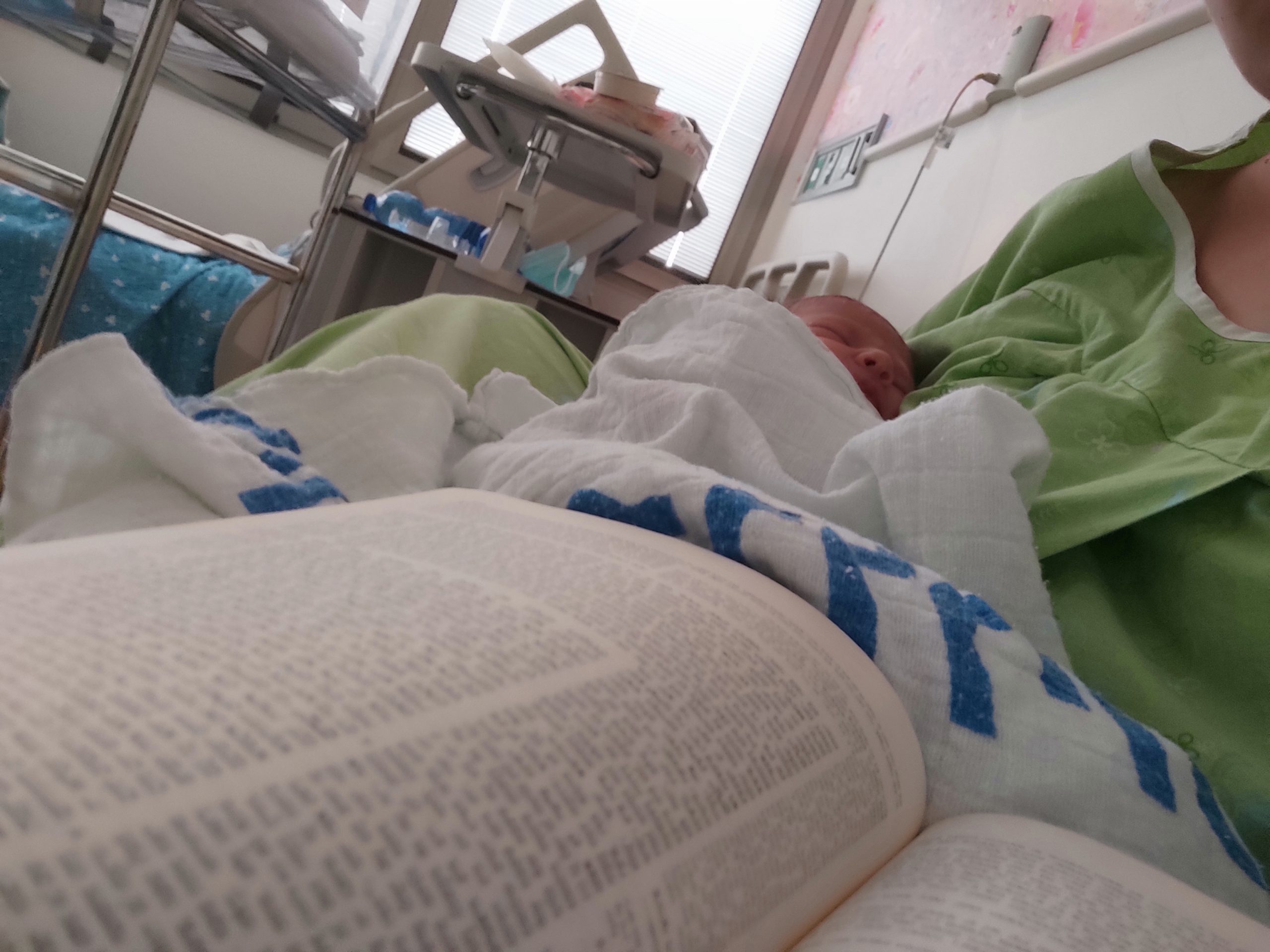
בתחילת הסבב הנוכחי הצטברו אצלי תחושות שאני לא מבינה מספיק מהי ההלכה אותה אני מקיימת בכל יום. כמו כן, כאמא לבנות רציתי לתת להן מודל נשי של לימוד תורה
שתי הסיבות האלו הובילו אותי להתחיל ללמוד. נתקלתי בתגובות מפרגנות וסקרניות איך אישה לומדת גמרא..
כמו שרואים בתמונה אני ממשיכה ללמוד גם היום ואפילו במחלקת יולדות אחרי לידת ביתי השלישית.
נועה שילה
רבבה, ישראל
התחלתי ללמוד דף לפני קצת יותר מ-5 שנים, כשלמדתי רבנות בישיבת מהר”ת בניו יורק. בדיעבד, עד אז, הייתי בלימוד הגמרא שלי כמו מישהו שאוסף חרוזים משרשרת שהתפזרה, פה משהו ושם משהו, ומאז נפתח עולם ומלואו…. הדף נותן לי לימוד בצורה מאורגנת, שיטתית, יום-יומית, ומלמד אותי לא רק ידע אלא את השפה ודרך החשיבה שלנו. לשמחתי, יש לי סביבה תומכת וההרגשה שלי היא כמו בציטוט שבחרתי: הדף משפיע לטובה על כל היום שלי.

מיכל כהנא
חיפה, ישראל
הצטרפתי ללומדות בתחילת מסכת תענית. ההתרגשות שלי ושל המשפחה היתה גדולה מאוד, והיא הולכת וגוברת עם כל סיום שאני זוכה לו. במשך שנים רבות רציתי להצטרף ומשום מה זה לא קרה… ב”ה מצאתי לפני מספר חודשים פרסום של הדרן, ומיד הצטרפתי והתאהבתי. הדף היומי שינה את חיי ממש והפך כל יום- ליום של תורה. מודה לכן מקרב ליבי ומאחלת לכולנו לימוד פורה מתוך אהבת התורה ולומדיה.

נעה רוזן
חיספין רמת הגולן, ישראל
התחלתי בתחילת הסבב, והתמכרתי. זה נותן משמעות נוספת ליומיום ומאוד מחזק לתת לזה מקום בתוך כל שגרת הבית-עבודה השוטפת.

רעות אברהמי
בית שמש, ישראל
התחלתי בסיום הש”ס, יצאתי באורות. נשברתי פעמיים, ובשתיהם הרבנית מישל עודדה להמשיך איפה שכולם בסבב ולהשלים כשאוכל, וכך עשיתי וכיום השלמתי הכל. מדהים אותי שאני לומדת כל יום קצת, אפילו בחדר הלידה, בבידוד או בחו”ל. לאט לאט יותר נינוחה בסוגיות. לא כולם מבינים את הרצון, בפרט כפמניסטית. חשה סיפוק גדול להכיר את המושגים וצורת החשיבה. החלום זה להמשיך ולהתמיד ובמקביל ללמוד איך מהסוגיות נוצרה והתפתחה ההלכה.

קרן וינגרטן שרינגטון
מודיעין, ישראל
אחרי שראיתי את הסיום הנשי של הדף היומי בבנייני האומה זה ריגש אותי ועורר בי את הרצון להצטרף. לא למדתי גמרא קודם לכן בכלל, אז הכל היה לי חדש, ולכן אני לומדת בעיקר מהשיעורים פה בהדרן, בשוטנשטיין או בחוברות ושיננתם.

רבקה שלוס
בית שמש, ישראל
בתחילת הסבב הנוכחי של לימוד הדף היומי, נחשפתי לחגיגות המרגשות באירועי הסיום ברחבי העולם. והבטחתי לעצמי שבקרוב אצטרף גם למעגל הלומדות. הסבב התחיל כאשר הייתי בתחילת דרכי בתוכנית קרן אריאל להכשרת יועצות הלכה של נשמ”ת. לא הצלחתי להוסיף את ההתחייבות לדף היומי על הלימוד האינטנסיבי של תוכנית היועצות. בבוקר למחרת המבחן הסופי בנשמ”ת, התחלתי את לימוד הדף במסכת סוכה ומאז לא הפסקתי.

חנה שחם-רוזבי (ד”ר)
קרית גת, ישראל
למדתי גמרא מכיתה ז- ט ב Maimonides School ואחרי העליה שלי בגיל 14 לימוד הגמרא, שלא היה כל כך מקובל בימים אלה, היה די ספוראדי. אחרי "ההתגלות” בבנייני האומה התחלתי ללמוד בעיקר בדרך הביתה למדתי מפוקקטסים שונים. לאט לאט ראיתי שאני תמיד חוזרת לרבנית מישל פרבר. באיזה שהוא שלב התחלתי ללמוד בזום בשעה 7:10 .
היום "אין מצב” שאני אתחיל את היום שלי ללא לימוד עם הרבנית מישל עם כוס הקפה שלי!!

דבי גביר
חשמונאים, ישראל
התחלתי ללמוד את הדף היומי מעט אחרי שבני הקטן נולד. בהתחלה בשמיעה ולימוד באמצעות השיעור של הרבנית שפרבר. ובהמשך העזתי וקניתי לעצמי גמרא. מאז ממשיכה יום יום ללמוד עצמאית, ולפעמים בעזרת השיעור של הרבנית, כל יום. כל סיום של מסכת מביא לאושר גדול וסיפוק. הילדים בבית נהיו חלק מהלימוד, אני משתפת בסוגיות מעניינות ונהנית לשמוע את דעתם.

אלירז בלאו
מעלה מכמש, ישראל
A life-changing journey started with a Chanukah family tiyul to Zippori, home of the Sanhedrin 2 years ago and continued with the Syum in Binanei Hauma where I was awed by the energy of 3000 women dedicated to learning daf Yomi. Opening my morning daily with a fresh daf, I am excited with the new insights I find enriching my life and opening new and deeper horizons for me.

בקי גולדשטיין
Elazar gush etzion, Israel
התחלתי ללמוד בעידוד שתי חברות אתן למדתי בעבר את הפרק היומי במסגרת 929.
בבית מתלהבים מאוד ובשבת אני לומדת את הדף עם בעלי שזה מפתיע ומשמח מאוד! לימוד הדף הוא חלק בלתי נפרד מהיום שלי. לומדת בצהריים ומחכה לזמן הזה מידי יום…

מרים ונגרובר
אפרת, ישראל
התחלתי ללמוד דף יומי בסבב הקודם. זכיתי לסיים אותו במעמד המרגש של הדרן. בסבב הראשון ליווה אותי הספק, שאולי לא אצליח לעמוד בקצב ולהתמיד. בסבב השני אני לומדת ברוגע, מתוך אמונה ביכולתי ללמוד ולסיים. בסבב הלימוד הראשון ליוותה אותי חוויה מסויימת של בדידות. הדרן העניקה לי קהילת לימוד ואחוות נשים. החוויה של סיום הש”ס במעמד כה גדול כשנשים שאינן מכירות אותי, שמחות ומתרגשות עבורי , היתה חוויה מרוממת נפש

אילנית ווייל
קיבוץ מגדל עוז, ישראל
התחלתי כשהייתי בחופש, עם הפרסומים על תחילת המחזור, הסביבה קיבלה את זה כמשהו מתמיד ומשמעותי ובהערכה, הלימוד זה עוגן יציב ביום יום, יש שבועות יותר ויש שפחות אבל זה משהו שנמצא שם אמין ובעל משמעות בחיים שלי….

עדי דיאמנט
גמזו, ישראל
התחלתי ללמוד דף יומי בתחילת מסכת ברכות, עוד לא ידעתי כלום. נחשפתי לסיום הש״ס, ובעצם להתחלה מחדש בתקשורת, הפתיע אותי לטובה שהיה מקום לעיסוק בתורה.
את המסכתות הראשונות למדתי, אבל לא סיימתי (חוץ מעירובין איכשהו). השנה כשהגעתי למדרשה, נכנסתי ללופ, ואני מצליחה להיות חלק, סיימתי עם החברותא שלי את כל המסכתות הקצרות, גם כשהיינו חולות קורונה ובבידודים, למדנו לבד, העיקר לא לצבור פער, ומחכות ליבמות 🙂

עדן ישורון
מזכרת בתיה, ישראל
בתחילת הסבב הנוכחי הצטברו אצלי תחושות שאני לא מבינה מספיק מהי ההלכה אותה אני מקיימת בכל יום. כמו כן, כאמא לבנות רציתי לתת להן מודל נשי של לימוד תורה
שתי הסיבות האלו הובילו אותי להתחיל ללמוד. נתקלתי בתגובות מפרגנות וסקרניות איך אישה לומדת גמרא..
כמו שרואים בתמונה אני ממשיכה ללמוד גם היום ואפילו במחלקת יולדות אחרי לידת ביתי השלישית.
נועה שילה
רבבה, ישראל
התחלתי ללמוד דף יומי כאשר קיבלתי במייל ממכון שטיינזלץ את הדפים הראשונים של מסכת ברכות במייל. קודם לא ידעתי איך לקרוא אותם עד שנתתי להם להדריך אותי. הסביבה שלי לא מודעת לעניין כי אני לא מדברת על כך בפומבי. למדתי מהדפים דברים חדשים, כמו הקשר בין המבנה של בית המקדש והמשכן לגופו של האדם (יומא מה, ע”א) והקשר שלו למשפט מפורסם שמופיע בספר ההינדי "בהגוד-גיתא”. מתברר שזה רעיון כלל עולמי ולא רק יהודי

אלנה ארנבורג
נשר, ישראל
חולין נ
וּלְדִידַן מִיסְתָּם נָמֵי לָא סָתֵים.
and to us, the residents of Babylonia, not only is it forbidden but it also does not seal a perforation? It cannot be that this fat is forbidden by Torah law if they permit it for consumption. Even though we are stringent with regard to its consumption, we may still maintain that it effectively seals a perforation.
דְּאַקַּשְׁתָּא – כּוּלֵּי עָלְמָא לָא פְּלִיגִי דַּאֲסִיר, כִּי פְּלִיגִי – דְּאַיִּיתְרָא.
The Gemara explains: The abomasum is shaped like a bow. The side facing outward is curved like the bow itself, while the side facing inward is flat and straight like the bowstring. With regard to the fat that is on the bow, everyone agrees, even the residents of Eretz Yisrael, that it is forbidden for consumption. This fat, then, is the ḥimtza, which does not seal a perforation according to Rav Naḥman. When they disagree, it is with regard to the fat that is on the bowstring. The residents of Eretz Yisrael permit it for consumption, while those of Babylonia prohibit it. According to Rav Naḥman, the residents of Babylonia should concede that it is nevertheless an effective seal. This, then, is the bar ḥimtza.
אִיכָּא דְּאָמְרִי, דְּאַיִּיתְרָא – כּוּלֵּי עָלְמָא לָא פְּלִיגִי דִּשְׁרֵי, כִּי פְּלִיגִי – דְּאַקַּשְׁתָּא.
There are those who say that with regard to the fat that is on the bowstring, everyone agrees that it is permitted. This, then, is the bar ḥimtza. When they disagree, it is with regard to the fat that is on the bow. The residents of Eretz Yisrael permit it, but the residents of Babylonia prohibit it. This, then, is the ḥimtza.
כִּי הָא דְּאָמַר רַב אַוְיָא אָמַר רַבִּי אַמֵּי: מְקַמְּצִין, וְכֵן אָמַר רַבִּי יַנַּאי מִשּׁוּם זָקֵן אֶחָד: מְקַמְּצִין. אָמַר רַב אַוְיָא: הֲוָה קָאֵימְנָא קַמֵּיהּ דְּרַבִּי אַמֵּי, קְמַצוּ וְהַבוּ לֵיהּ, וַאֲכַל.
The Gemara adds: When it was stated that only the residents of Eretz Yisrael permit the fat on the bowstring for consumption, this means that they would eat it in a manner like that which Rav Avya says that Rabbi Ami says: One takes a handful of the fat that lies above the fat on the bowstring, since this is the fat prohibited by the verse: “And all the fat that is upon the innards” (Leviticus 3:3), and the rest is permitted for consumption. And so says Rabbi Yannai, also a resident of Eretz Yisrael, in the name of a certain elder: One takes a handful. Rav Avya said: I was standing before Rabbi Ami. The people there took a handful of the fat on the bowstring and gave him the remaining fat, and he ate from it.
שַׁמָּעֵיהּ דְּרַבִּי חֲנִינָא הֲוָה קָאֵי קַמֵּיהּ דְּרַבִּי חֲנִינָא, אֲמַר לֵיהּ: קְמוֹץ, הַב לִי דְּאֵיכוֹל. חַזְיֵיהּ דַּהֲוָה קָמְחַסֵּם, אֲמַר לֵיהּ: בַּבְלָאָה אַתְּ, גּוֹם שְׁדִי.
The Gemara relates: The attendant of Rabbi Ḥanina was standing before Rabbi Ḥanina, a resident of Eretz Yisrael. Rabbi Ḥanina said to him: Take off a handful from that fat on the bowstring and give me the rest so that I will eat from it. Rabbi Ḥanina saw that the attendant was hesitating, so he said to him: You are a Babylonian and usually consider all of this fat forbidden. If so, cut off all the fat and throw it away.
תַּנְיָא: רַבָּן שִׁמְעוֹן בֶּן גַּמְלִיאֵל אוֹמֵר: בְּנֵי מֵעַיִין שֶׁנִּיקְּבוּ, וְלֵיחָה סוֹתַמְתָּן – כְּשֵׁרָה. מַאי לֵיחָה? אָמַר רַב כָּהֲנָא: שִׁירְקָא דִּמְעַיָּיא דְּנָפֵיק אַגַּב דּוּחְקָא.
§ The mishna states that if the small intestines are perforated, the animal is a tereifa. With regard to this, it is taught in a baraita: Rabban Shimon ben Gamliel says: If the intestines were perforated but mucus seals the perforated intestines, the animal is kosher. The Gemara asks: What is this mucus? Rav Kahana said: It is the mucus of the intestines that comes out under pressure, when one scrapes with a knife.
גְּמִירִי חַבְרַיָּא דְּרַבִּי אַבָּא מֵרַבִּי אַבָּא, וּמַנּוּ? רַבִּי זֵירָא, וְאָמְרִי לַהּ חַבְרַיָּא דְּרַבִּי זֵירָא מֵרַבִּי זֵירָא, וּמַנּוּ? רַבִּי אַבָּא. אָמַר רַבִּי אַבָּא בְּרֵיהּ דְּרַבִּי חִיָּיא בַּר אַבָּא: הָכִי אָמַר רַבִּי חִיָּיא בַּר אַבָּא אָמַר רַבִּי יוֹחָנָן: הֲלָכָה כְּרַבָּן שִׁמְעוֹן בֶּן גַּמְלִיאֵל בִּטְרֵפָה, וַהֲלָכָה כְּרַבִּי שִׁמְעוֹן בְּאֵבֶל.
The Gemara relates: The colleagues of Rabbi Abba learned a tradition from Rabbi Abba. And who are they? The phrase: Colleagues of Rabbi Abba, is referring to Rabbi Zeira. And some say the colleagues of Rabbi Zeira learned it from Rabbi Zeira. And who are they? Rabbi Abba. This is the tradition: Rabbi Abba, son of Rabbi Ḥiyya bar Abba, said that this is what Rabbi Ḥiyya bar Abba says that Rabbi Yoḥanan says: The halakha is in accordance with the opinion of Rabban Shimon ben Gamliel with regard to a tereifa, and the halakha is in accordance with the opinion of Rabbi Shimon with regard to the halakhot of mourning.
הֲלָכָה כְּרַבָּן שִׁמְעוֹן בֶּן גַּמְלִיאֵל בִּטְרֵפָה – הָא דַּאֲמַרַן. כְּרַבִּי שִׁמְעוֹן בְּאֵבֶל, מַאי הִיא? דִּתְנַן: כׇּל שְׁלֹשָׁה יָמִים הָרִאשׁוֹנִים, בָּא מִמָּקוֹם קָרוֹב – מוֹנֶה עִמָּהֶן.
The Gemara elaborates: The halakha is in accordance with the opinion of Rabban Shimon ben Gamliel with regard to a tereifa; this is the halakha that we stated above, that mucus forms an effective seal in the intestines. The halakha is in accordance with the opinion of Rabbi Shimon with regard to mourning; what is this halakha? As we learned in a baraita: If one learns of the death of an immediate relative after other relatives have already begun their period of mourning, the halakha is as follows: During the entire first three days of mourning, if a mourner comes to the house of mourning from a nearby place, he counts his days of mourning with the other mourners and completes his mourning with them.
מִמָּקוֹם רָחוֹק – מוֹנֶה לְעַצְמוֹ. מִכָּאן וְאֵילָךְ, אֲפִילּוּ בָּא מִמָּקוֹם קָרוֹב – מוֹנֶה לְעַצְמוֹ. רַבִּי שִׁמְעוֹן אוֹמֵר: אֲפִילּוּ בְּיוֹם הַשְּׁבִיעִי, בָּא מִמָּקוֹם קָרוֹב – מוֹנֶה עִמָּהֶן.
The baraita continues: If he came from a distant place, he counts seven days on his own from the time that he was informed of the death. From this point forward, i.e., after the first three days, even if he comes from a nearby place, he counts seven days on his own. Rabbi Shimon says: Even on the seventh day, if he comes from a nearby place, he counts and completes his mourning with the other mourners.
אָמַר מַאן דְּהוּא: אִיזְכֵּי וְאֶיסַּק וְאֶגְמְרַהּ לִשְׁמַעְתָּא מִפּוּמֵּיהּ דְּמָרַהּ. כִּי סְלֵיק, אַשְׁכְּחֵיהּ לְרַבִּי אַבָּא בְּרֵיהּ דְּרַבִּי חִיָּיא בַּר אַבָּא. אֲמַר לֵיהּ: אֲמַר מָר הֲלָכָה כְּרַבָּן שִׁמְעוֹן בֶּן גַּמְלִיאֵל בִּטְרֵפָה? אֲמַר לֵיהּ: הָא אֵין הֲלָכָה אֲמַרִי.
Someone whose name was not given said: May I merit to go up to Eretz Yisrael and learn this halakha from the mouth of its Master. When he went up from Babylonia to Eretz Yisrael, he found Rabbi Abba, son of Rabbi Ḥiyya bar Abba, and said to him: Is it true that the Master said that the halakha is in accordance with the opinion of Rabban Shimon ben Gamliel with regard to a tereifa? Rabbi Abba said to him: This is not true. Rather, I said just the opposite, that the halakha is not in accordance with Rabban Shimon ben Gamliel, and even if mucus seals the perforation of the intestine, the animal is a tereifa.
כְּרַבִּי שִׁמְעוֹן בְּאָבֵל, מַאי? אֲמַר לֵיהּ: פְּלוּגָתָא נִינְהוּ, דְּאִיתְּמַר: רַב חִסְדָּא אָמַר הֲלָכָה, וְכֵן אָמַר רַבִּי יוֹחָנָן הֲלָכָה, וְרַב נַחְמָן אָמַר אֵין הֲלָכָה.
The anonymous man asked Rabbi Abba again: What about the other ruling reported in your name, that the halakha is in accordance with the opinion of Rabbi Shimon with regard to mourning; is this accurate? Rabbi Abba said to him: There are conflicting opinions with regard to this matter, as it was stated that Rav Ḥisda says that the halakha is in accordance with the opinion of Rabbi Shimon, and so says Rabbi Yoḥanan: That is the halakha. But Rav Naḥman says: That is not the halakha.
וְאֵין הֲלָכָה כְּרַבָּן שִׁמְעוֹן בֶּן גַּמְלִיאֵל בִּטְרֵפָה, וַהֲלָכָה כְּרַבִּי שִׁמְעוֹן בְּאֵבֶל, דְּאָמַר שְׁמוּאֵל: הֲלָכָה כְּדִבְרֵי הַמֵּיקֵל בְּאֵבֶל.
The Gemara concludes: And the halakha is not in accordance with the opinion of Rabban Shimon ben Gamliel with regard to a tereifa, and the halakha is in accordance with the opinion of Rabbi Shimon with regard to mourning, in accordance with the statement of Shmuel, who says: The halakha is in accordance with the statement of the more lenient authority in matters relating to mourning.
אָמַר רַב שִׁימִי בַּר חִיָּיא: מַקִּיפִים בִּבְנֵי מֵעַיִים.
§ Rav Shimi bar Ḥiyya says: One may compare perforations in the intestines. If one is unsure whether a perforation occurred before or after slaughter, one may make an additional perforation and compare the two. If their appearance is similar, one may conclude that the perforation occurred after slaughter, and the animal is kosher.
הָנְהוּ בְּנֵי מֵעַיִים דַּאֲתוֹ לְקַמֵּיהּ דְּרָבָא, אַקְּפִינְהוּ וְלָא אִידְּמוֹ. אֲתָא רַב מְשַׁרְשְׁיָא בְּרֵיהּ, מְמַשְׁמֵשׁ בְּהוּ וְאִידְּמוֹ. אֲמַר לֵיהּ: מְנָא לָךְ הָא? אֲמַר לֵיהּ: כַּמָּה יְדֵי מַשְׁמִשׁוּ בְּהָנֵי מִקַּמֵּי דְּלֵיתֵי לְקַמֵּיהּ דְּמָר. אֲמַר לֵיהּ: חַכִּים בְּרִי בִּטְרֵפוֹת כְּרַבִּי יוֹחָנָן.
The Gemara relates: There were certain perforated intestines that came before Rava. Rava made other perforations and compared them, but they were not similar. Rav Mesharshiyya, his son, came and rubbed the new perforations, and they were similar. Rav Mesharshiyya therefore deemed the animal kosher. Rava said to him: From where did you know to do this? Rav Mesharshiyya said to him: I reasoned: How many hands rubbed these earlier perforations before they came before the Master? Therefore, I thought that if I handled the new ones, perhaps they would look similar. Rava said to him: My son is as wise in matters of tereifot as Rabbi Yoḥanan.
רַבִּי יוֹחָנָן וְרַבִּי אֶלְעָזָר דְאָמְרִי תַּרְוַיְיהוּ: מַקִּיפִים בָּרֵיאָה. אָמַר רָבָא: לָא אֲמַרַן אֶלָּא בְּאוֹתָהּ עֲרוּגָה, אֲבָל מֵעֲרוּגָה לַעֲרוּגָה – לָא. וְהִלְכְתָא: אֲפִילּוּ מֵעֲרוּגָה לַעֲרוּגָה, מִדַּקָּה לְדַקָּה, וּמִגַּסָּה לְגַסָּה, אֲבָל לֹא מִגַּסָּה לְדַקָּה, וְלֹא מִדַּקָּה לְגַסָּה.
Similarly, Rabbi Yoḥanan and Rabbi Elazar both say: One may compare perforations in the lung to determine whether they occurred after slaughter. Rava said: We said this only when the two perforations are on the same side of the lungs. But one may not compare perforations from one side to the other side. The Gemara rules: And the halakha is: One may compare even from one side to the other side, and even from a small animal to another small animal, or from a large animal to another large animal, but not from a large animal to a small animal, and not from a small animal to a large animal.
אַבָּיֵי וְרָבָא דְּאָמְרִי תַּרְוַיְיהוּ: מַקִּיפִין בַּקָּנֶה. אָמַר רַב פָּפָּא: לָא אֲמַרַן אֶלָּא בְּאוֹתָהּ חוּלְיָא, אֲבָל מֵחוּלְיָא לְחוּלְיָא – לָא. וְהִלְכְתָא: אֲפִילּוּ מֵחוּלְיָא לְחוּלְיָא, וּמִבַּר חוּלְיָא לְבַר חוּלְיָא, אֲבָל לָא מֵחוּלְיָא לְבַר חוּלְיָא, וְלָא מִבַּר חוּלְיָא לְחוּלְיָא.
Similarly, Abaye and Rava both say: One may compare severed or perforated areas in the windpipe. Rav Pappa said: We said this only when the two areas are in the same segment of the windpipe. But one may not compare from one segment to another segment. The Gemara rules: And the halakha is: One may even compare from one segment to another segment, and from one subsegment, i.e., a thin segment between the main segments, to another subsegment, but not from a segment to a subsegment, and not from a subsegment to a segment.
אָמַר זְעֵירִי: חַלְחוֹלֶת שֶׁנִּיקְּבָה כְּשֵׁרָה, הוֹאִיל וִירֵיכַיִם מַעֲמִידוֹת אוֹתָהּ. וְכַמָּה? אָמַר רַבִּי אִילְעַי אָמַר רַבִּי יוֹחָנָן: מְקוֹם הַדֶּבֶק – בְּרוּבּוֹ, שֶׁלֹּא בִּמְקוֹם הַדֶּבֶק – בְּמַשֶּׁהוּ.
§ Ze’eiri says: If the rectum was perforated, the animal is kosher, since the hips hold it up and seal the perforation. And to how much of the rectum does this apply? Rabbi Ilai says that Rabbi Yoḥanan says: If the rectum was perforated in the place where it is attached to the hips, even if it was perforated in its majority, the animal is kosher. If the perforation was not in the place where it is attached to the hips, the animal is a tereifa if it was perforated in any amount.
אַמְרוּהָ רַבָּנַן קַמֵּיהּ דְּרָבָא מִשְּׁמֵיהּ דְּרַב נַחְמָן, אָמַר: לָאו מִי אָמֵינָא לְכוּ לָא תִּתְלוֹ בֵּיהּ
The Sages said this halakha before Rava in the name of Rav Naḥman. Rava said to them: Have I not told you not to hang on Rav Naḥman
בּוּקֵי סְרִיקִי? הָכִי אָמַר רַב נַחְמָן: מְקוֹם הַדֶּבֶק, אֲפִילּוּ נִיטַּל כּוּלּוֹ – כָּשֵׁר, וְהוּא שֶׁנִּשְׁתַּיֵּיר בּוֹ כְּדֵי תְּפִיסָה. וְכַמָּה? אָמַר אַבָּיֵי: כִּמְלֵא בַּטְדָּא בְּתוֹרָא.
empty bottles, i.e., not to falsely attribute statements to him? So said Rav Naḥman: With regard to the place that the rectum is attached to the hips, even if all of it was removed, the animal is kosher. And this is the halakha only where sufficient space remains of it for a hand to grip. The Gemara asks: And how much is considered sufficient to grip? Abaye said: The width of a finger. This measure is sufficient even in the case of a large bull.
הַכָּרֵס הַפְּנִימִי. אָמַר רַב יְהוּדָה אָמַר רַב: הֵעִיד נָתָן בַּר שֵׁילָא רֵישׁ טַבָּחַיָּא דְּצִפּוֹרִי לִפְנֵי רַבִּי מִשּׁוּם רַבִּי נָתָן: אֵי זוֹ הִיא כָּרֵס הַפְּנִימִי? סַנְיָא דֵּיבֵי. וְכֵן אָמַר רַבִּי יְהוֹשֻׁעַ בֶּן קׇרְחָה: סַנְיָא דֵּיבֵי. רַבִּי יִשְׁמָעֵאל אָמַר: אִיסְתּוּמְכָא דְּכַרְסָא.
§ The mishna states that if the internal rumen was perforated or most of the external rumen was torn, the animal is a tereifa. With regard to this, Rav Yehuda says that Rav says: Natan bar Sheila, chief butcher of Tzippori, testified before Rabbi Yehuda HaNasi in the name of Rabbi Natan: Which is the internal rumen? It is the cecum. And so said Rabbi Yehoshua ben Korḥa: It is the cecum. Rabbi Yishmael said: It is the opening [istumka] of the rumen.
רַב אַסִּי אָמַר רַבִּי יוֹחָנָן: מָקוֹם צַר יֵשׁ בַּכָּרֵס, וְאֵינִי יוֹדֵעַ אֵיזֶהוּ. אָמַר רַב נַחְמָן בַּר יִצְחָק: נְפַל כְּרֵסָא בְּבֵירָא. אָמַר רַב אַחָא בַּר רַב עַוָּא אָמַר רַב אַסִּי: מִן הַמֵּיצַר וּלְמַטָּה.
Rav Asi says that Rabbi Yoḥanan says: There is a narrow place in the rumen, and this is the internal rumen; all the rest is the external rumen. But I do not know which area is this narrow place. Rav Naḥman bar Yitzḥak said: The rumen has fallen in a pit, i.e., since it is unknown which area is considered the narrow place, a perforation in any part of the rumen renders the animal a tereifa. Rav Aḥa bar Rav Ava says that Rav Asi says: The inner rumen extends from the narrow place, where the rumen begins to narrow as it approaches the gullet, and downward toward the gullet when the animal is suspended by its legs.
רַבִּי יַעֲקֹב בַּר נַחְמָנִי אָמַר שְׁמוּאֵל: מְקוֹם שֶׁאֵין בּוֹ מֵילָת. רַבִּי אֲבִינָא אָמַר גְּנִיבָא מִשְּׁמֵיהּ דְּרַב: טֶפַח בַּוֶּושֶׁט סָמוּךְ לַכָּרֵס – זוֹ הִיא כָּרֵס הַפְּנִימִית.
Rabbi Ya’akov bar Naḥmani says in the name of Shmuel: The internal rumen is the place in the rumen that has no wool, i.e., downy projections on the inside of the rumen. Rabbi Avina says in the name of Geneiva, who said in the name of Rav: The handbreadth in the gullet adjacent to the rumen, this is the internal rumen.
אָמְרִי בְּמַעְרְבָא מִשְּׁמֵיהּ דְּרַבִּי יוֹסֵי בַּר חֲנִינָא: כׇּל הַכָּרֵס כּוּלּוֹ – זוֹ הִיא כָּרֵס הַפְּנִימִית, וְאֵיזֶהוּ כָּרֵס הַחִיצוֹן? בָּשָׂר הַחוֹפֶה אֶת רוֹב הַכָּרֵס. רַבָּה בַּר רַב הוּנָא אָמַר: מַפְרַעְתָּה. מַאי מַפְרַעְתָּה? אָמַר רַב אַוְיָא: הֵיכָא דְּפָרְעִי טַבָּחֵי.
In the West, Eretz Yisrael, they said in the name of Rabbi Yosei bar Ḥanina: The entire rumen is the internal rumen. And if so, which is the external rumen? It is the flesh that envelops the majority of the rumen on the underside of the animal. Rabba bar Rav Huna says: The internal rumen is the mafrata. The Gemara asks: What is the mafrata? Rav Avya said: It is the place that the butcher exposes when he opens up the animal, i.e., the underside of the stomach.
בִּנְהַרְדְּעָא עָבְדִי כְּרַבָּה בַּר רַב הוּנָא. אֲמַר לֵיהּ רַב אָשֵׁי לְאַמֵּימָר: כֹּל הָנֵי שְׁמַעְתָּתָא מַאי? אֲמַר לֵיהּ: כּוּלְּהוּ שָׁיְיכָן בִּדְרַבָּה בַּר רַב הוּנָא.
The Gemara recounts: In Neharde’a, they practiced in accordance with the opinion of Rabba bar Rav Huna. Rav Ashi said to Ameimar, one of the Sages of Neharde’a: What about all these other statements, that the internal rumen is another part of the rumen? Ameimar said to him: They are all included in the definition of the rumen according to Rabba bar Rav Huna. The cecum, the opening of the stomach, and the place with no wool all face the underside of the stomach, i.e., the mafrata.
וּדְרַב אַסִּי אָמַר רַבִּי יוֹחָנָן, מַאי אֲמַר לֵיהּ? כְּבָר פֵּירְשָׁה רַב אַחָא בַּר עַוָּא. וּדְרַבִּי אֲבִינָא וְדִבְנֵי מַעְרְבָא, מַאי אֲמַר לֵיהּ? הָנֵי וַדַּאי פְּלִיגִי.
Rav Ashi replied: And what about the opinion that Rav Asi says in the name of Rabbi Yoḥanan, that the internal rumen is an unknown narrow area? Shouldn’t the entire rumen be treated as the internal rumen? Ameimar said to him: Rav Aḥa bar Ava already explained that it is the area extending from the narrow place until the gullet. This area is also included in the mafrata. Rav Ashi asked further: And what of the opinion of Rabbi Avina, that the internal rumen is the handbreadth near the gullet, and of the residents of the West, Eretz Yisrael, that it is the entire rumen? Ameimar said to him: These opinions certainly disagree with that of Rabba bar Rav Huna, but we do not follow them.
רַבִּי יְהוּדָה אוֹמֵר: בִּגְדוֹלָה כּוּ׳. אָמַר רַבִּי בִּנְיָמִין בַּר יֶפֶת אָמַר רַבִּי אֶלְעָזָר: לֹא ״גְּדוֹלָה״ – גְּדוֹלָה מַמָּשׁ, וְלֹא ״קְטַנָּה״ – קְטַנָּה מַמָּשׁ, אֶלָּא כֹּל שֶׁנִּקְרַע בָּהּ טֶפַח וְלָא הָוֵי רוּבָּא – זוֹ הִיא שֶׁשָּׁנִינוּ: ״בִּגְדוֹלָה טֶפַח״, רוּבָּא וְלָא הָוֵי טֶפַח – זוֹ הִיא שֶׁשָּׁנִינוּ: ״בִּקְטַנָּה בְּרוּבָּא״.
§ The mishna states: Rabbi Yehuda says: With regard to a tear in the external rumen, for a large animal, a tear of one handbreadth renders it a tereifa, while for a small animal, it is a tereifa only if most of it was torn. Rabbi Binyamin bar Yefet says that Rabbi Elazar says: The word: Large, is not referring literally to a large animal, and the word: Small, is not referring literally to a small animal. Rather, concerning any animal large enough that its external rumen can be torn one handbreadth and this does not constitute most of it, this is what we learned: For a large animal, a tear of one handbreadth renders it a tereifa. And concerning any animal small enough that most of its external rumen can be torn and this does not constitute one handbreadth, this is what we learned: For a small animal, it is a tereifa only if most of it was torn. In other words, any external rumen torn either one handbreadth or in its majority renders the animal a tereifa.
רוּבָּא וְלָא הָוֵי טֶפַח, פְּשִׁיטָא! לָא צְרִיכָא, דְּהָוְיָא טֶפַח בְּמַשֶּׁהוּ, מַהוּ דְּתֵימָא: עַד דְּמִיקְּרַע בַּהּ טֶפַח לָא הָוֵי טְרֵפָה, קָא מַשְׁמַע לַן.
The Gemara asks: If most of the external rumen is torn but it does not constitute a handbreadth, isn’t it obvious that the animal is rendered a tereifa? There is a principle that the majority of an entity is considered like all of it. The Gemara responds: No, it is necessary to teach this for a case where the tear would constitute a handbreadth with any amount more than a majority, i.e., the external rumen is slightly smaller than two handbreadths. Lest you say that in such a case, the animal is not a tereifa until a handbreadth of it is torn, this halakha teaches us that this is not so. Rather, if the majority of the rumen is torn, the animal is a tereifa, even if this constitutes less than a handbreadth.
אָמַר גְּנִיבָא אָמַר רַבִּי אַסִּי: נִקְדְּרָה כְּסֶלַע – טְרֵפָה, שֶׁאִם תִּמָּתַח תַּעֲמוֹד עַל הַטֶּפַח. אָמַר רַבִּי חִיָּיא בַּר אַבָּא: לְדִידִי מִפָּרְשָׁא לִי מִינֵּיהּ דִּגְנִיבָא אַמַּבָּרָא דִּנְהַרְדְּעָא – כְּסֶלַע כְּשֵׁרָה, יָתֵר מִכְּסֶלַע טְרֵפָה. וְכַמָּה יָתֵר מִכְּסֶלַע? אָמַר רַב יוֹסֵף: כְּגוֹן דְּעָיְילָן תְּלָת קַשְׁיָיתָא בְּצִיפָּא בְּדוּחְקָא, בְּלָא צִיפָּא בְּרַוְוחָא.
Geneiva says that Rabbi Asi says: If a round hole was bored through the external rumen as large as a sela coin, the animal is a tereifa, since if a hole of such size will be stretched, it will reach the length of a handbreadth. Rabbi Ḥiyya bar Abba said: This matter was explained to me personally by Geneiva himself, when we were on the ferry of Neharde’a: If the hole is exactly as large as a sela, the animal is kosher. If the size of the hole is greater than a sela, it is a tereifa. The Gemara asks: And how much is considered greater than a sela? Rav Yosef said: For example, if three date pits covered in remains of the date can fit through the hole with difficulty, or if, without being covered in any remains, they can fit comfortably, this is considered a hole larger than a sela.
הֶמְסֵס וּבֵית הַכּוֹסוֹת, תָּנוּ רַבָּנַן: מַחַט שֶׁנִּמְצֵאת בְּעוֹבִי בֵּית הַכּוֹסוֹת מִצַּד אֶחָד – כְּשֵׁרָה, מִשְּׁנֵי צְדָדִים – טְרֵפָה. נִמְצָא עָלֶיהָ קוֹרֶט דָּם –
§ The mishna states: An animal is a tereifa if the omasum or the reticulum was perforated to the outside, i.e., to the abdominal cavity. With regard to this, the Sages taught: In the case of a needle that is found in the thickness of the reticulum, if it pierced the wall from only one side, the animal is kosher. If it pierced the wall from both sides, i.e., the needle completely pierced the wall of the stomach, it is a tereifa. But even if it protrudes from both sides, it is not always a tereifa, and it may be inspected further: If a drop of congealed blood is found on top of the needle,
לעקוב

