







מהם סימנים של עופות? האם צריך כל ארבעת הסימנים כדי להיות עוף כשר או מספיק אחד, שניים או שלושה מתוכם?
הלימוד השבוע מוקדש לזכות ולשלום הַיְימׇנוֹט אֱמוּנָה בַּת באנצ’י (קָסָאוּ) בת 11 שנעלמה במקום מגוריה בצפת, לפני שנתיים, ביום ט”ז אדר תשפ”ד (25.2.24), ולא נודעו עקבותיה.
הלימוד השבוע מוקדש למען ביטחון המדינה, החיילים והאזרחים, ולמען חירותו של העם האיראני. שנזכה בקרוב שיתקיים בנו הפסוק: "לַיְּהוּדִים הָיְתָה אוֹרָה וְשִׂמְחָה וְשָׂשֹׂן וִיקָר”.
רוצה להקדיש שיעור?

0:00
0:00
כלים
הלימוד השבוע מוקדש לזכות ולשלום הַיְימׇנוֹט אֱמוּנָה בַּת באנצ’י (קָסָאוּ) בת 11 שנעלמה במקום מגוריה בצפת, לפני שנתיים, ביום ט”ז אדר תשפ”ד (25.2.24), ולא נודעו עקבותיה.
הלימוד השבוע מוקדש למען ביטחון המדינה, החיילים והאזרחים, ולמען חירותו של העם האיראני. שנזכה בקרוב שיתקיים בנו הפסוק: "לַיְּהוּדִים הָיְתָה אוֹרָה וְשִׂמְחָה וְשָׂשֹׂן וִיקָר”.
חולין סא
מָה נֶשֶׁר מְיוּחָד שֶׁאֵין לוֹ אֶצְבַּע יְתֵרָה וְזֶפֶק וְאֵין קוּרְקְבָנוֹ נִקְלָף וְדוֹרֵס וְאוֹכֵל – טָמֵא, אַף כׇּל כַּיּוֹצֵא בּוֹ – טָמֵא. תּוֹרִין שֶׁיֵּשׁ לָהֶן אֶצְבַּע יְתֵרָה וְזֶפֶק וְקוּרְקְבָן נִקְלָף וְאֵין דּוֹרְסִין וְאוֹכְלִין – טְהוֹרִין, אַף כׇּל כַּיּוֹצֵא בָּהֶן – טְהוֹרִין. אָמַר אַבָּיֵי: לֹא נֶאֱמַר פֵּירוּשָׁן מִדִּבְרֵי תוֹרָה אֶלָּא מִדִּבְרֵי סוֹפְרִים.
Just as a nesher is unique in that it has no extra digit or crop, and its gizzard cannot be peeled, and it claws its prey and eats it, and it is non-kosher, so too, all like birds with these four signs are non-kosher. And just as doves and pigeons, which have an extra digit and a crop, and whose gizzard can be peeled, and do not claw their food and eat it, are kosher, as they are fit for sacrifice on the altar (see Leviticus 1:14), so too, all like birds with these four signs are kosher. If so, why does the mishna state that the signs were not stated in the Torah? Abaye said: The mishna means that the explanation of the signs of a kosher bird was not stated in the Torah. Rather, one learns it from the statements of the Sages, i.e., the baraita.
תָּנֵי רַבִּי חִיָּיא: עוֹף הַבָּא בְּסִימָן אֶחָד טָהוֹר, לְפִי שֶׁאֵין דּוֹמֶה לְנֶשֶׁר. נֶשֶׁר דְּלֵית לֵיהּ כְּלָל – הוּא דְּלָא תֵּיכוֹל, הָא אִיכָּא דְּאִית לֵיהּ חַד – תֵּיכוֹל.
Rabbi Ḥiyya teaches: A bird that comes before a person with one sign of a kosher bird, and which is not listed in the Torah as non-kosher, is kosher, since it is unlike a nesher. The verse did not need to state that the nesher is non-kosher, since one could have inferred this from the list of other non-kosher birds. Rather, the verse mentions the nesher specifically to indicate that it is only a bird like a nesher, which has none of the signs of a kosher bird, that you shall not eat. But if there is a bird that has even one of the signs, you may eat it.
וְלֵילַף מִתּוֹרִין: מָה תּוֹרִין דְּאִיכָּא כּוּלְּהוּ אַרְבְּעָה, אַף הָכָא נָמֵי עַד דְּאִיכָּא כּוּלְּהוּ אַרְבְּעָה?
The Gemara asks: But why learn specifically from the case of a nesher? Let one derive the opposite from the case of doves: Just as doves, which the Torah mentions explicitly as kosher, have all four signs, so too here, no other bird is kosher unless it has all four signs.
אִם כֵּן, שְׁאָר עוֹפוֹת טְמֵאִין דִּכְתַב רַחֲמָנָא לְמָה לִי?
The Gemara responds: If it is so that one learns from the case of a dove, why do I need the rest of the non-kosher birds that the Merciful One wrote? Since none of them has all four signs of a kosher bird, their non-kosher status could simply be inferred from the case of a dove. Rather, since the Torah states explicitly that they are non-kosher, it follows that one does not learn from the case of a dove.
וְנֵילַף מִינַּיְיהוּ: מָה הָתָם תְּלָתָא וְלָא אָכְלִינַן, אַף כֹּל תְּלָתָא וְלָא נֵיכוֹל, וְכׇל שֶׁכֵּן תְּרֵי וְחַד?
The Gemara objects: But let us derive instead from them, i.e., the rest of the non-kosher birds, which each have only three signs, the following: Just as there, those birds have three of the signs of a kosher bird mentioned in the mishna, and we still do not eat them, so too, all other birds that have three signs should have the same halakhic status, and we will not eat them. And all the more so should this apply to a bird that has only two signs or one.
אִם כֵּן, עוֹרֵב, דִּכְתַב רַחֲמָנָא, לְמָה לִי? הַשְׁתָּא דְּאִית לֵיהּ תְּלָתָא לָא אָכְלִינַן, דְּאִית לֵיהּ תְּרֵי מִיבַּעְיָא?
The Gemara responds: If so, why do I need the crow that the Merciful One wrote among the non-kosher birds? Now that it is established that we do not eat any bird that has three signs, is it necessary to mention the crow, which has only two? Rather, those birds explicitly listed as non-kosher are prohibited, and all other birds with any number of signs are kosher.
וְלֵילַף מֵעוֹרֵב: מָה הָתָם תְּרֵי לָא, אַף כֹּל תְּרֵי לָא? אִם כֵּן, פֶּרֶס וְעׇזְנִיָּה דִּכְתַב רַחֲמָנָא לְמָה לִי? הַשְׁתָּא דְּאִית לֵיהּ תְּרֵי לָא אָכְלִינַן, דְּאִית לֵיהּ חַד מִיבַּעְיָא!
The Gemara objects: But one should derive instead from a crow: Just as there, a bird with two signs is not kosher, so too any other bird that has only two signs is not kosher. The Gemara responds: If so, why do I need the peres and the ozniyya that the Merciful One wrote among the non-kosher birds? Now that it is established that we do not eat any bird that has two signs, is it necessary to mention these birds, which have only one? Rather, even birds that have only one sign are kosher, save those mentioned explicitly in the Torah as non-kosher.
וְנִיגְמַר מִפֶּרֶס וְעׇזְנִיָּה? אִם כֵּן, נֶשֶׁר דִּכְתַב רַחֲמָנָא לְמָה לִי? הַשְׁתָּא דְּאִית לֵיהּ חַד לָא אָכְלִינַן, דְּלֵית לֵיהּ כְּלָל מִיבַּעְיָא! אֶלָּא נֶשֶׁר דְּלֵית לֵיהּ כְּלָל – הוּא דְּלָא תֵּיכוֹל, הָא דְּאִית לֵיהּ חַד – אֱכוֹל.
The Gemara objects: But let us learn instead from the peres and ozniyya themselves that all other birds with only one sign are non-kosher. The Gemara responds: If so, why do I need the nesher that the Merciful One wrote? Now that it is established that we do not eat any bird that has one sign, is it necessary to mention the nesher, which has none? Rather, the Torah mentions the nesher to indicate that it is a nesher, which has none of the signs of a kosher bird, that you shall not eat. But if you find any bird that has even one of the signs, you may eat it.
וְאֶלָּא, טַעְמָא דִּכְתַב רַחֲמָנָא נֶשֶׁר, הָא לָאו הָכִי הֲוָה אָמֵינָא: לֵילַף מִפֶּרֶס וְעׇזְנִיָּה? הָוֵה לֵיהּ פֶּרֶס וְעׇזְנִיָּה שְׁנֵי כְתוּבִין הַבָּאִין כְּאֶחָד, וּשְׁנֵי כְּתוּבִין הַבָּאִין כְּאֶחָד אֵין מְלַמְּדִין.
The Gemara objects: But if so, the reason for eating birds with even one sign is only that the Merciful One wrote: “Nesher.” One can infer, then, that if not for this, I would say: Derive from the peres and ozniyya that any bird with one sign is non-kosher. But that cannot be, since the peres and ozniyya are two verses that come as one, i.e., that teach the same matter, and as a rule, two verses that come as one do not teach a principle.
גְּמִירִי, דְּאִיכָּא בְּהַאי לֵיכָּא בְּהַאי, וּדְאִיכָּא בְּהַאי לֵיכָּא בְּהַאי.
The Gemara responds: It is learned as a tradition that the sign present in this, the peres, is absent in that, the ozniyya, and that which is present in that is absent in this. Accordingly, this is not a case of two verses that come as one, since each case would teach only that any other bird with only its respective sign is non-kosher. Consequently, it would have been possible to derive from them that any bird with only one sign is non-kosher. The verse therefore states: “Nesher,” to indicate otherwise.
מִכְּדֵי עֶשְׂרִים וְאַרְבָּעָה עוֹפוֹת טְמֵאִים הָווּ, אִי אֶפְשָׁר דְּחַד דְּאִיכָּא בְּהָנָךְ לֵיכָּא בְּהָנֵי, וְהָווּ לְהוּ שְׁנֵי כְּתוּבִים הַבָּאִים כְּאֶחָד.
The Gemara persists: Now, there are twenty-four non-kosher birds mentioned in the verses. It is impossible that the one sign present in these, the peres and ozniyya, respectively, is absent in all those other birds. Consequently, the mentioning of the peres, ozniyya, and the other birds constitutes two verses that come as one. If so, one could not have derived from the cases of the peres and ozniyya that a bird with one sign is not kosher, and the inclusion of the nesher is unnecessary.
גְּמִירִי: עֶשְׂרִים וְאַרְבָּעָה עוֹפוֹת טְמֵאִים הָווּ, וְאַרְבָּעָה סִימָנִין. תְּלָתָא הָדְרִי בְּכוּלְּהוּ, עֶשְׂרִים מֵהֶם שְׁלֹשָׁה שְׁלֹשָׁה, וּתְרֵי בְּעוֹרֵב, חַד בְּפֶרֶס וְחַד בְּעׇזְנִיָּה, דְּאִיתֵיהּ בְּהָא לֵיתֵיהּ בְּהָא. מַהוּ דְּתֵימָא לֵילַיף מִינֵּיהּ – כְּתַב רַחֲמָנָא ״נֶשֶׁר״, נֶשֶׁר דְּלֵית לֵיהּ כְּלָל הוּא דְּלָא תֵּיכוֹל, הָא אִיכָּא דְּאִית לֵיהּ חַד – אֱכוֹל.
The Gemara responds: It is learned as a tradition that there are twenty-four non-kosher birds, and four signs of a kosher bird. The same three signs can be found in all of them, with the exception of either the peres or the ozniyya. Twenty of them have all three signs, and two of those signs can be found in a crow. One sign is found in a peres and one in an ozniyya, and the sign present in this is absent in that, i.e., one of them has the fourth sign, which is absent from the other twenty-three non-kosher birds. Lest you say: Derive from it that any other bird with only that sign is non-kosher, the Merciful One wrote about the nesher to indicate: It is a nesher, which has none of the signs of a kosher bird, that you shall not eat. But if there is any bird that has even one of the signs, you may eat it.
אֶלָּא, תּוֹרִין דִּכְתַב רַחֲמָנָא לְמָה לִי? אָמַר רַב עוּקְבָא בַּר חָמָא: לְקׇרְבָּן. אָמַר רַב נַחְמָן:
The Gemara asks: But if one learns from nesher that a bird with even one sign is kosher, why do I need the doves that the Merciful One wrote are kosher, which have all four? Rav Ukva bar Ḥama said: The dove was not mentioned to teach that it is kosher, but rather to teach that it is the only bird fit to be sacrificed as an offering. Rav Naḥman says:
לעקוב 
כלים
העמקה
רוצה להבין מה באמת קורה מתחת לפני השטח של הסוגיה?
שיעורים, פודקאסטים והרחבות של מיטב המורות שלנו יפתחו לך עוד זוויות וכיווני חשיבה.


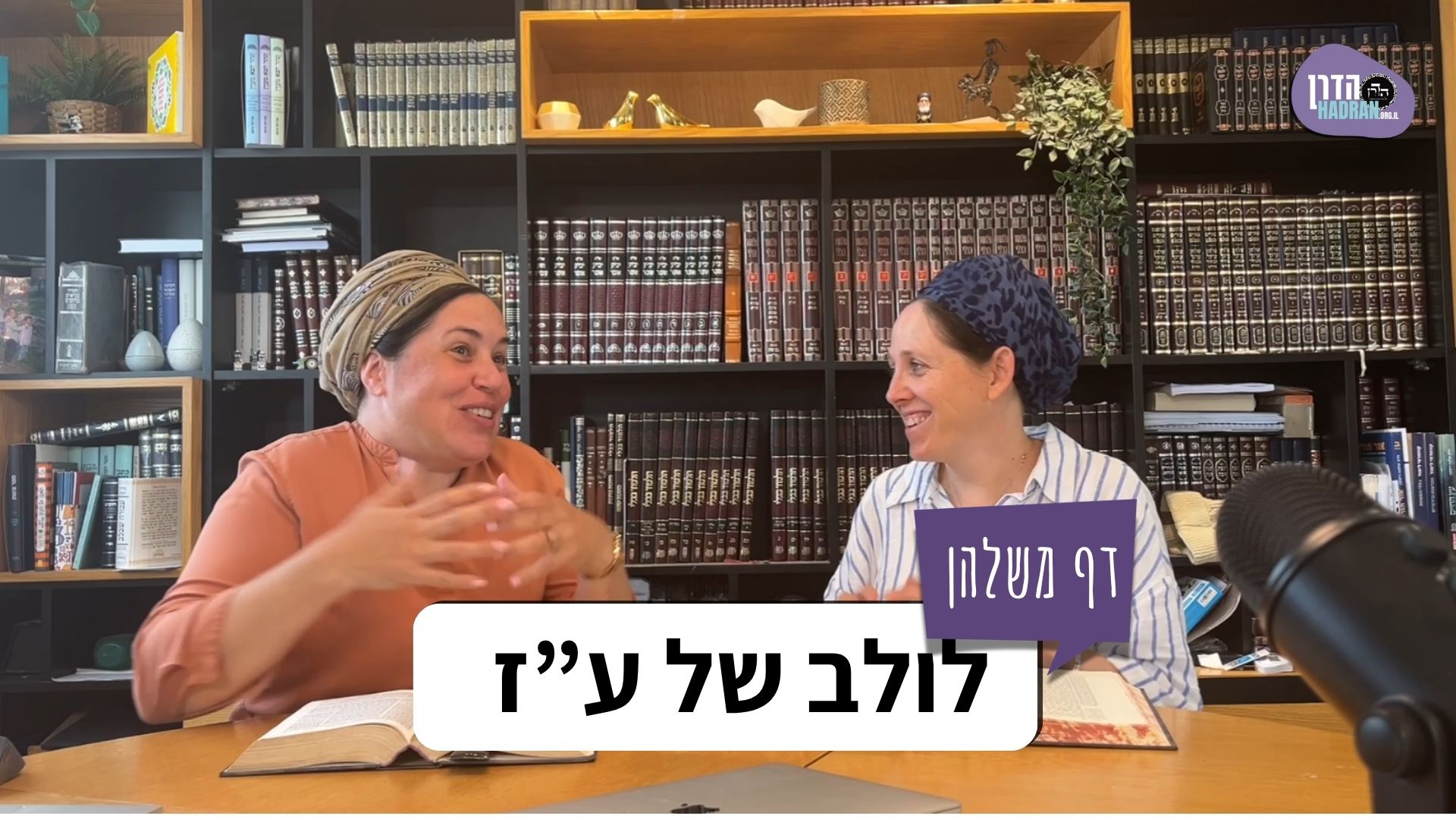



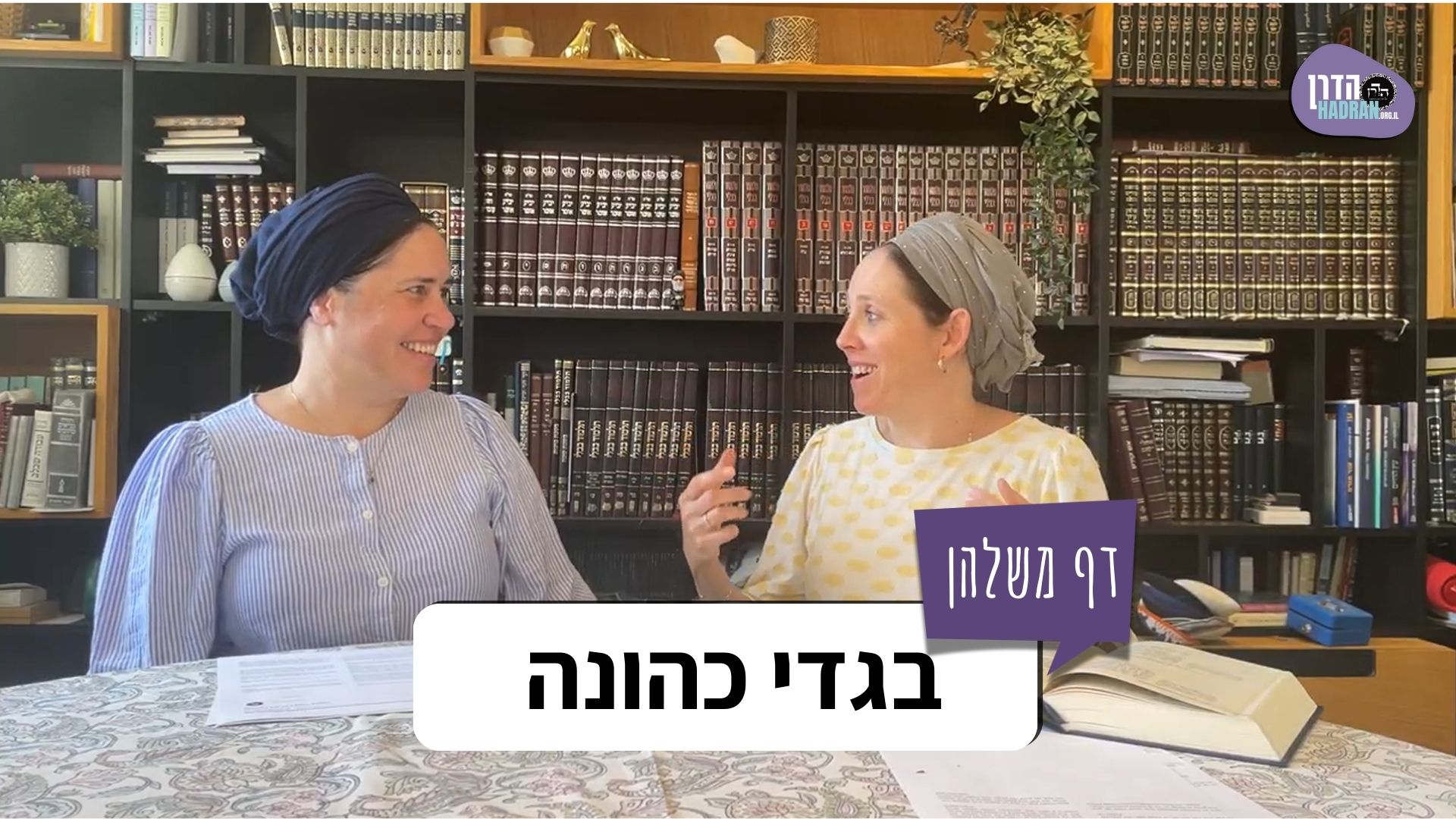




מה ההבדל בין שבועה בפה ושבועה בלב? – דף משלהן עם הרבניות שירה וחמוטל
25.05.2025 | כ״ז באייר תשפ״ה

חדשה בלימוד הגמרא?
זה הדף הראשון שלך? איזו התרגשות עצומה! יש לנו בדיוק את התכנים והכלים שיעזרו לך לעשות את הצעדים הראשונים ללמידה בקצב וברמה שלך, כך תוכלי להרגיש בנוח גם בתוך הסוגיות המורכבות ומאתגרות.
פסיפס הלומדות שלנו
גלי את קהילת הלומדות שלנו, מגוון נשים, רקעים וסיפורים. כולן חלק מתנועה ומסע מרגש ועוצמתי.
התחלתי ללמוד דף יומי ממסכת נידה כי זה היה חומר הלימוד שלי אז. לאחר הסיום הגדול בבנייני האומה החלטתי להמשיך. וב”ה מאז עם הפסקות קטנות של קורונה ולידה אני משתדלת להמשיך ולהיות חלק.
זה משפיע מאוד על היום יום שלי ועל אף שאני עסוקה בלימודי הלכה ותורה כל יום, זאת המסגרת הקבועה והמחייבת ביותר שיש לי.

מוריה תעסן מיכאלי
גבעת הראל, ישראל
אמא שלי למדה איתי ש”ס משנה, והתחילה ללמוד דף יומי. אני החלטתי שאני רוצה ללמוד גם. בהתחלה למדתי איתה, אח”כ הצטרפתי ללימוד דף יומי שהרב דני וינט מעביר לנוער בנים בעתניאל. במסכת עירובין עוד חברה הצטרפה אלי וכשהתחלנו פסחים הרב דני פתח לנו שעור דף יומי לבנות. מאז אנחנו לומדות איתו קבוע כל יום את הדף היומי (ובשבת אבא שלי מחליף אותו). אני נהנית מהלימוד, הוא מאתגר ומעניין

רננה הלמן
עתניאל, ישראל
"
גם אני התחלתי בסבב הנוכחי וב””ה הצלחתי לסיים את רוב המסכתות . בזכות הרבנית מישל משתדלת לפתוח את היום בשיעור הזום בשעה 6:20 .הלימוד הפך להיות חלק משמעותי בחיי ויש ימים בהם אני מצליחה לחזור על הדף עם מלמדים נוספים ששיעוריהם נמצאים במרשתת. שמחה להיות חלק מקהילת לומדות ברחבי העולם. ובמיוחד לשמש דוגמה לנכדותיי שאי””ה יגדלו לדור שלימוד תורה לנשים יהיה משהו שבשגרה. "

רונית שביט
נתניה, ישראל
התחלתי ללמוד בשנת המדרשה במגדל עוז, בינתיים נהנית מאוד מהלימוד ומהגמרא, מעניין ומשמח מאוד!
משתדלת להצליח לעקוב כל יום, לפעמים משלימה קצת בהמשך השבוע.. מרגישה שיש עוגן מקובע ביום שלי והוא משמח מאוד!

אוריה קסנר
חיפה , ישראל
התחלתי ללמוד דף יומי בסבב הקודם. זכיתי לסיים אותו במעמד המרגש של הדרן. בסבב הראשון ליווה אותי הספק, שאולי לא אצליח לעמוד בקצב ולהתמיד. בסבב השני אני לומדת ברוגע, מתוך אמונה ביכולתי ללמוד ולסיים. בסבב הלימוד הראשון ליוותה אותי חוויה מסויימת של בדידות. הדרן העניקה לי קהילת לימוד ואחוות נשים. החוויה של סיום הש”ס במעמד כה גדול כשנשים שאינן מכירות אותי, שמחות ומתרגשות עבורי , היתה חוויה מרוממת נפש

אילנית ווייל
קיבוץ מגדל עוז, ישראל
כבר סיפרתי בסיום של מועד קטן.
הלימוד מאוד משפיעה על היום שלי כי אני לומדת עם רבנית מישל על הבוקר בזום. זה נותן טון לכל היום – בסיס למחשבות שלי .זה זכות גדול להתחיל את היום בלימוד ובתפילה. תודה רבה !

שרה ברלוביץ
ירושלים, ישראל
ראיתי את הסיום הגדול בבנייני האומה וכל כך התרשמתי ורציתי לקחת חלק.. אבל לקח לי עוד כשנה וחצי )באמצע מסיכת שבת להצטרף..
הלימוד חשוב לי מאוד.. אני תמיד במרדף אחרי הדף וגונבת כל פעם חצי דף כשהילדים עסוקים ומשלימה אח”כ אחרי שכולם הלכו לישון..

אולגה מזרחי
ירושלים, ישראל
התחלתי כשהייתי בחופש, עם הפרסומים על תחילת המחזור, הסביבה קיבלה את זה כמשהו מתמיד ומשמעותי ובהערכה, הלימוד זה עוגן יציב ביום יום, יש שבועות יותר ויש שפחות אבל זה משהו שנמצא שם אמין ובעל משמעות בחיים שלי….

עדי דיאמנט
גמזו, ישראל
רציתי לקבל ידע בתחום שהרגשתי שהוא גדול וחשוב אך נעלם ממני. הלימוד מעניק אתגר וסיפוק ומעמיק את תחושת השייכות שלי לתורה וליהדות
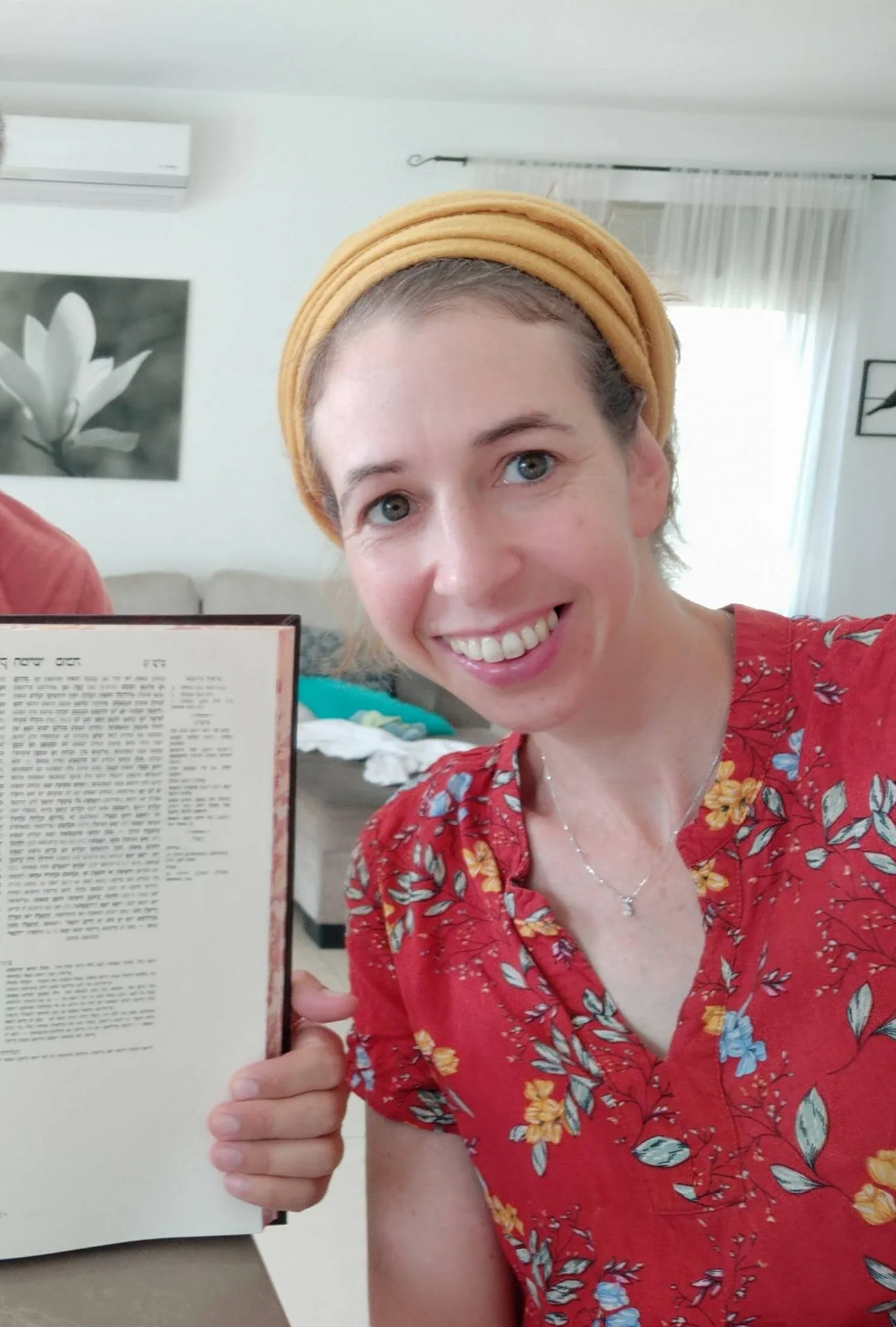
רות עגיב
עלי זהב – לשם, ישראל
My explorations into Gemara started a few days into the present cycle. I binged learnt and become addicted. I’m fascinated by the rich "tapestry” of intertwined themes, connections between Masechtot, conversations between generations of Rabbanim and learners past and present all over the world. My life has acquired a golden thread, linking generations with our amazing heritage.
Thank you.

סוזן כשדן
חשמונאים, Israel
באירוע של הדרן בנייני האומה. בהשראתה של אמי שלי שסיימה את הש”ס בסבב הקודם ובעידוד מאיר , אישי, וילדיי וחברותיי ללימוד במכון למנהיגות הלכתית של רשת אור תורה סטון ומורתיי הרבנית ענת נובוסלסקי והרבנית דבורה עברון, ראש המכון למנהיגות הלכתית.
הלימוד מעשיר את יומי, מחזיר אותי גם למסכתות שכבר סיימתי וידוע שאינו דומה מי ששונה פרקו מאה לשונה פרקו מאה ואחת במיוחד מרתקים אותי החיבורים בין המסכתות

רוית קלך
מודיעין, ישראל
התחלתי ללמוד דף יומי שהתחילו מסכת כתובות, לפני 7 שנים, במסגרת קבוצת לימוד שהתפרקה די מהר, ומשם המשכתי לבד בתמיכת האיש שלי. נעזרתי בגמרת שטיינזלץ ובשיעורים מוקלטים.
הסביבה מאד תומכת ואני מקבלת המון מילים טובות לאורך כל הדרך. מאז הסיום הגדול יש תחושה שאני חלק מדבר גדול יותר.
אני לומדת בשיטת ה”7 דפים בשבוע” של הרבנית תרצה קלמן – כלומר, לא נורא אם לא הצלחת ללמוד כל יום, העיקר שגמרת ארבעה דפים בשבוע

רחל גולדשטיין
עתניאל, ישראל
My explorations into Gemara started a few days into the present cycle. I binged learnt and become addicted. I’m fascinated by the rich "tapestry” of intertwined themes, connections between Masechtot, conversations between generations of Rabbanim and learners past and present all over the world. My life has acquired a golden thread, linking generations with our amazing heritage.
Thank you.
סוזן כשדן
חשמונאים, Israel
שמעתי על הסיום הענק של הדף היומי ע”י נשים בבנייני האומה. רציתי גם.
החלטתי להצטרף. התחלתי ושיכנעתי את בעלי ועוד שתי חברות להצטרף. עכשיו יש לי לימוד משותף איתו בשבת ומפגש חודשי איתן בנושא (והתכתבויות תדירות על דברים מיוחדים שקראנו). הצטרפנו לקבוצות שונות בווטסאפ. אנחנו ממש נהנות. אני שומעת את השיעור מידי יום (בד”כ מהרב יוני גוטמן) וקוראת ומצטרפת לסיומים של הדרן. גם מקפידה על דף משלהן (ונהנית מאד).

ליאת סיטרון
אפרת, ישראל
התחלתי ללמוד דף יומי לפני שנתיים, עם מסכת שבת. בהתחלה ההתמדה היתה קשה אבל בזכות הקורונה והסגרים הצלחתי להדביק את הפערים בשבתות הארוכות, לסיים את מסכת שבת ולהמשיך עם המסכתות הבאות. עכשיו אני מסיימת בהתרגשות רבה את מסכת חגיגה וסדר מועד ומחכה לסדר הבא!

אילנה שכנוביץ
מודיעין, ישראל
"
גם אני התחלתי בסבב הנוכחי וב””ה הצלחתי לסיים את רוב המסכתות . בזכות הרבנית מישל משתדלת לפתוח את היום בשיעור הזום בשעה 6:20 .הלימוד הפך להיות חלק משמעותי בחיי ויש ימים בהם אני מצליחה לחזור על הדף עם מלמדים נוספים ששיעוריהם נמצאים במרשתת. שמחה להיות חלק מקהילת לומדות ברחבי העולם. ובמיוחד לשמש דוגמה לנכדותיי שאי””ה יגדלו לדור שלימוד תורה לנשים יהיה משהו שבשגרה. "
רונית שביט
נתניה, ישראל
סיום השס לנשים נתן לי מוטביציה להתחיל ללמוד דף יומי. עד אז למדתי גמרא בשבתות ועשיתי כמה סיומים. אבל לימוד יומיומי זה שונה לגמרי ופתאום כל דבר שקורה בחיים מתקשר לדף היומי.

קרן פוגל
רתמים, ישראל
התחלתי לפני כמה שנים אבל רק בסבב הזה זכיתי ללמוד יום יום ולסיים מסכתות

סיגל טל
רעננה, ישראל
התחלתי ללמוד את הדף היומי מעט אחרי שבני הקטן נולד. בהתחלה בשמיעה ולימוד באמצעות השיעור של הרבנית שפרבר. ובהמשך העזתי וקניתי לעצמי גמרא. מאז ממשיכה יום יום ללמוד עצמאית, ולפעמים בעזרת השיעור של הרבנית, כל יום. כל סיום של מסכת מביא לאושר גדול וסיפוק. הילדים בבית נהיו חלק מהלימוד, אני משתפת בסוגיות מעניינות ונהנית לשמוע את דעתם.

אלירז בלאו
מעלה מכמש, ישראל
בתחילת הסבב הנוכחי הצטברו אצלי תחושות שאני לא מבינה מספיק מהי ההלכה אותה אני מקיימת בכל יום. כמו כן, כאמא לבנות רציתי לתת להן מודל נשי של לימוד תורה
שתי הסיבות האלו הובילו אותי להתחיל ללמוד. נתקלתי בתגובות מפרגנות וסקרניות איך אישה לומדת גמרא..
כמו שרואים בתמונה אני ממשיכה ללמוד גם היום ואפילו במחלקת יולדות אחרי לידת ביתי השלישית.

נועה שילה
רבבה, ישראל
חולין סא
מָה נֶשֶׁר מְיוּחָד שֶׁאֵין לוֹ אֶצְבַּע יְתֵרָה וְזֶפֶק וְאֵין קוּרְקְבָנוֹ נִקְלָף וְדוֹרֵס וְאוֹכֵל – טָמֵא, אַף כׇּל כַּיּוֹצֵא בּוֹ – טָמֵא. תּוֹרִין שֶׁיֵּשׁ לָהֶן אֶצְבַּע יְתֵרָה וְזֶפֶק וְקוּרְקְבָן נִקְלָף וְאֵין דּוֹרְסִין וְאוֹכְלִין – טְהוֹרִין, אַף כׇּל כַּיּוֹצֵא בָּהֶן – טְהוֹרִין. אָמַר אַבָּיֵי: לֹא נֶאֱמַר פֵּירוּשָׁן מִדִּבְרֵי תוֹרָה אֶלָּא מִדִּבְרֵי סוֹפְרִים.
Just as a nesher is unique in that it has no extra digit or crop, and its gizzard cannot be peeled, and it claws its prey and eats it, and it is non-kosher, so too, all like birds with these four signs are non-kosher. And just as doves and pigeons, which have an extra digit and a crop, and whose gizzard can be peeled, and do not claw their food and eat it, are kosher, as they are fit for sacrifice on the altar (see Leviticus 1:14), so too, all like birds with these four signs are kosher. If so, why does the mishna state that the signs were not stated in the Torah? Abaye said: The mishna means that the explanation of the signs of a kosher bird was not stated in the Torah. Rather, one learns it from the statements of the Sages, i.e., the baraita.
תָּנֵי רַבִּי חִיָּיא: עוֹף הַבָּא בְּסִימָן אֶחָד טָהוֹר, לְפִי שֶׁאֵין דּוֹמֶה לְנֶשֶׁר. נֶשֶׁר דְּלֵית לֵיהּ כְּלָל – הוּא דְּלָא תֵּיכוֹל, הָא אִיכָּא דְּאִית לֵיהּ חַד – תֵּיכוֹל.
Rabbi Ḥiyya teaches: A bird that comes before a person with one sign of a kosher bird, and which is not listed in the Torah as non-kosher, is kosher, since it is unlike a nesher. The verse did not need to state that the nesher is non-kosher, since one could have inferred this from the list of other non-kosher birds. Rather, the verse mentions the nesher specifically to indicate that it is only a bird like a nesher, which has none of the signs of a kosher bird, that you shall not eat. But if there is a bird that has even one of the signs, you may eat it.
וְלֵילַף מִתּוֹרִין: מָה תּוֹרִין דְּאִיכָּא כּוּלְּהוּ אַרְבְּעָה, אַף הָכָא נָמֵי עַד דְּאִיכָּא כּוּלְּהוּ אַרְבְּעָה?
The Gemara asks: But why learn specifically from the case of a nesher? Let one derive the opposite from the case of doves: Just as doves, which the Torah mentions explicitly as kosher, have all four signs, so too here, no other bird is kosher unless it has all four signs.
אִם כֵּן, שְׁאָר עוֹפוֹת טְמֵאִין דִּכְתַב רַחֲמָנָא לְמָה לִי?
The Gemara responds: If it is so that one learns from the case of a dove, why do I need the rest of the non-kosher birds that the Merciful One wrote? Since none of them has all four signs of a kosher bird, their non-kosher status could simply be inferred from the case of a dove. Rather, since the Torah states explicitly that they are non-kosher, it follows that one does not learn from the case of a dove.
וְנֵילַף מִינַּיְיהוּ: מָה הָתָם תְּלָתָא וְלָא אָכְלִינַן, אַף כֹּל תְּלָתָא וְלָא נֵיכוֹל, וְכׇל שֶׁכֵּן תְּרֵי וְחַד?
The Gemara objects: But let us derive instead from them, i.e., the rest of the non-kosher birds, which each have only three signs, the following: Just as there, those birds have three of the signs of a kosher bird mentioned in the mishna, and we still do not eat them, so too, all other birds that have three signs should have the same halakhic status, and we will not eat them. And all the more so should this apply to a bird that has only two signs or one.
אִם כֵּן, עוֹרֵב, דִּכְתַב רַחֲמָנָא, לְמָה לִי? הַשְׁתָּא דְּאִית לֵיהּ תְּלָתָא לָא אָכְלִינַן, דְּאִית לֵיהּ תְּרֵי מִיבַּעְיָא?
The Gemara responds: If so, why do I need the crow that the Merciful One wrote among the non-kosher birds? Now that it is established that we do not eat any bird that has three signs, is it necessary to mention the crow, which has only two? Rather, those birds explicitly listed as non-kosher are prohibited, and all other birds with any number of signs are kosher.
וְלֵילַף מֵעוֹרֵב: מָה הָתָם תְּרֵי לָא, אַף כֹּל תְּרֵי לָא? אִם כֵּן, פֶּרֶס וְעׇזְנִיָּה דִּכְתַב רַחֲמָנָא לְמָה לִי? הַשְׁתָּא דְּאִית לֵיהּ תְּרֵי לָא אָכְלִינַן, דְּאִית לֵיהּ חַד מִיבַּעְיָא!
The Gemara objects: But one should derive instead from a crow: Just as there, a bird with two signs is not kosher, so too any other bird that has only two signs is not kosher. The Gemara responds: If so, why do I need the peres and the ozniyya that the Merciful One wrote among the non-kosher birds? Now that it is established that we do not eat any bird that has two signs, is it necessary to mention these birds, which have only one? Rather, even birds that have only one sign are kosher, save those mentioned explicitly in the Torah as non-kosher.
וְנִיגְמַר מִפֶּרֶס וְעׇזְנִיָּה? אִם כֵּן, נֶשֶׁר דִּכְתַב רַחֲמָנָא לְמָה לִי? הַשְׁתָּא דְּאִית לֵיהּ חַד לָא אָכְלִינַן, דְּלֵית לֵיהּ כְּלָל מִיבַּעְיָא! אֶלָּא נֶשֶׁר דְּלֵית לֵיהּ כְּלָל – הוּא דְּלָא תֵּיכוֹל, הָא דְּאִית לֵיהּ חַד – אֱכוֹל.
The Gemara objects: But let us learn instead from the peres and ozniyya themselves that all other birds with only one sign are non-kosher. The Gemara responds: If so, why do I need the nesher that the Merciful One wrote? Now that it is established that we do not eat any bird that has one sign, is it necessary to mention the nesher, which has none? Rather, the Torah mentions the nesher to indicate that it is a nesher, which has none of the signs of a kosher bird, that you shall not eat. But if you find any bird that has even one of the signs, you may eat it.
וְאֶלָּא, טַעְמָא דִּכְתַב רַחֲמָנָא נֶשֶׁר, הָא לָאו הָכִי הֲוָה אָמֵינָא: לֵילַף מִפֶּרֶס וְעׇזְנִיָּה? הָוֵה לֵיהּ פֶּרֶס וְעׇזְנִיָּה שְׁנֵי כְתוּבִין הַבָּאִין כְּאֶחָד, וּשְׁנֵי כְּתוּבִין הַבָּאִין כְּאֶחָד אֵין מְלַמְּדִין.
The Gemara objects: But if so, the reason for eating birds with even one sign is only that the Merciful One wrote: “Nesher.” One can infer, then, that if not for this, I would say: Derive from the peres and ozniyya that any bird with one sign is non-kosher. But that cannot be, since the peres and ozniyya are two verses that come as one, i.e., that teach the same matter, and as a rule, two verses that come as one do not teach a principle.
גְּמִירִי, דְּאִיכָּא בְּהַאי לֵיכָּא בְּהַאי, וּדְאִיכָּא בְּהַאי לֵיכָּא בְּהַאי.
The Gemara responds: It is learned as a tradition that the sign present in this, the peres, is absent in that, the ozniyya, and that which is present in that is absent in this. Accordingly, this is not a case of two verses that come as one, since each case would teach only that any other bird with only its respective sign is non-kosher. Consequently, it would have been possible to derive from them that any bird with only one sign is non-kosher. The verse therefore states: “Nesher,” to indicate otherwise.
מִכְּדֵי עֶשְׂרִים וְאַרְבָּעָה עוֹפוֹת טְמֵאִים הָווּ, אִי אֶפְשָׁר דְּחַד דְּאִיכָּא בְּהָנָךְ לֵיכָּא בְּהָנֵי, וְהָווּ לְהוּ שְׁנֵי כְּתוּבִים הַבָּאִים כְּאֶחָד.
The Gemara persists: Now, there are twenty-four non-kosher birds mentioned in the verses. It is impossible that the one sign present in these, the peres and ozniyya, respectively, is absent in all those other birds. Consequently, the mentioning of the peres, ozniyya, and the other birds constitutes two verses that come as one. If so, one could not have derived from the cases of the peres and ozniyya that a bird with one sign is not kosher, and the inclusion of the nesher is unnecessary.
גְּמִירִי: עֶשְׂרִים וְאַרְבָּעָה עוֹפוֹת טְמֵאִים הָווּ, וְאַרְבָּעָה סִימָנִין. תְּלָתָא הָדְרִי בְּכוּלְּהוּ, עֶשְׂרִים מֵהֶם שְׁלֹשָׁה שְׁלֹשָׁה, וּתְרֵי בְּעוֹרֵב, חַד בְּפֶרֶס וְחַד בְּעׇזְנִיָּה, דְּאִיתֵיהּ בְּהָא לֵיתֵיהּ בְּהָא. מַהוּ דְּתֵימָא לֵילַיף מִינֵּיהּ – כְּתַב רַחֲמָנָא ״נֶשֶׁר״, נֶשֶׁר דְּלֵית לֵיהּ כְּלָל הוּא דְּלָא תֵּיכוֹל, הָא אִיכָּא דְּאִית לֵיהּ חַד – אֱכוֹל.
The Gemara responds: It is learned as a tradition that there are twenty-four non-kosher birds, and four signs of a kosher bird. The same three signs can be found in all of them, with the exception of either the peres or the ozniyya. Twenty of them have all three signs, and two of those signs can be found in a crow. One sign is found in a peres and one in an ozniyya, and the sign present in this is absent in that, i.e., one of them has the fourth sign, which is absent from the other twenty-three non-kosher birds. Lest you say: Derive from it that any other bird with only that sign is non-kosher, the Merciful One wrote about the nesher to indicate: It is a nesher, which has none of the signs of a kosher bird, that you shall not eat. But if there is any bird that has even one of the signs, you may eat it.
אֶלָּא, תּוֹרִין דִּכְתַב רַחֲמָנָא לְמָה לִי? אָמַר רַב עוּקְבָא בַּר חָמָא: לְקׇרְבָּן. אָמַר רַב נַחְמָן:
The Gemara asks: But if one learns from nesher that a bird with even one sign is kosher, why do I need the doves that the Merciful One wrote are kosher, which have all four? Rav Ukva bar Ḥama said: The dove was not mentioned to teach that it is kosher, but rather to teach that it is the only bird fit to be sacrificed as an offering. Rav Naḥman says:
לעקוב

