







האם אפשר לקנות ביצים מלא יהודים? באיזה תנאים? האם יש סימנים בביצים ואם כן, מהם? מה ההלכה לגבי דם בביצים? האם זה תלוי במיקום של הדם? מהו המקור שביצה טמאה אסורה?
הלימוד השבוע מקודש ע”י רינה ספטי גולדשטיין ומרק גולדשטיין לע”נ מו ספטי.
רוצה להקדיש שיעור?

0:00
0:00
כלים
הלימוד השבוע מקודש ע”י רינה ספטי גולדשטיין ומרק גולדשטיין לע”נ מו ספטי.
חולין סד
עוּבְּרֵי דָּגִים.
fish embryos, i.e., fish eggs found in the fish’s innards.
וְתַנְיָא גַּבֵּי בֵיצִים: אֵלּוּ הֵן סִימָנֵי בֵיצִים – כָּל שֶׁכּוֹדֶרֶת וַעֲגוּלְגּוֹלֶת, רֹאשָׁהּ אֶחָד כַּד וְרֹאשָׁהּ אֶחָד חַד – טְהוֹרָה, שְׁנֵי רָאשֶׁיהָ כַּדִּין אוֹ שְׁנֵי רָאשֶׁיהָ חַדִּין – טְמֵאִין. חֶלְבּוֹן מִבַּחוּץ וְחֶלְמוֹן מִבִּפְנִים – טְהוֹרָה, חֶלְמוֹן מִבַּחוּץ וְחֶלְבּוֹן מִבְּפָנִים – טְמֵאָה, חֶלְמוֹן וְחֶלְבּוֹן מְעוֹרָבִין זֶה בָּזֶה – בְּיָדוּעַ שֶׁהִיא בֵּיצַת הַשֶּׁרֶץ.
The Gemara continues: And it is taught in a baraita about eggs that these are the signs of bird eggs: Any egg that narrows at the top and is rounded, so that one of its ends is rounded and the other one of its ends is pointed, is kosher. If both of its ends are rounded or both of its ends are pointed, they are non-kosher. If the albumen is on the outside and the yolk on the inside, it is kosher. If the yolk is on the outside and the albumen on the inside, it is non-kosher. If the yolk and albumen are mixed with each other, it is certainly the egg of a creeping animal. Therefore, if it is possible to recognize a kosher egg by these signs, there is no need to rely on the gentile.
לָא צְרִיכָא, דַּחֲתוּכוֹת. וְלִיבְדּוֹק בְּחֶלְמוֹן וְחֶלְבּוֹן? בִּטְרוּפוֹת בִּקְעָרָה.
The Gemara responds: No, it is necessary if the eggs have already been cut and one cannot know their original shape. The Gemara challenges: But let him inspect the yolk and the albumen, to see which is inside and which is outside. The Gemara responds: The baraita deals with a case where the eggs are mixed in a bowl, and it is impossible to discern this.
וּכְהַאי גַּוְונָא מִי זָבְנִינַן מִינַּיְיהוּ? וְהָא תַּנְיָא: אֵין מוֹכְרִין בֵּיצַת טְרֵפָה לְגוֹי, אֶלָּא אִם כֵּן טְרוּפָה בִּקְעָרָה; לְפִיכָךְ אֵין לוֹקְחִין מֵהֶם בֵּיצִים טְרוּפוֹת בִּקְעָרָה.
The Gemara counters: But in a case like this, where the eggs are mixed, may we buy eggs from them? Isn’t it taught in another baraita: One may sell the egg of a tereifa bird to a gentile only if it is mixed in a bowl; therefore, one may not buy eggs mixed in a bowl from them, because they may be from tereifot? If so, it cannot be that the baraita deals with a case where they are mixed, and one should be able to inspect the yolk and albumen.
אֶלָּא אָמַר רַבִּי זֵירָא: סִימָנִין לָאו דְּאוֹרָיְיתָא, דְּאִי לָא תֵּימָא הָכִי, הָא דְּאָמַר רַב אַסִּי: שְׁמֹנָה סְפֵיקוֹת הֵן – לִיבְדּוֹק בְּבֵיצִים דִּידְהוּ! אֶלָּא שְׁמַע מִינַּהּ: סִימָנִין לָאו דְּאוֹרָיְיתָא.
Rather, Rabbi Zeira said: The signs of a kosher egg are not valid by Torah law. As, if you do not say so, one encounters difficulty with that which Rav Asi says: There are eight birds whose kosher status is uncertain. Why is there uncertainty? Let one inspect their eggs for the signs listed in the baraita to determine whether they are kosher. Rather, learn from it that the signs are not valid by Torah law and one may not rely on them.
אֶלָּא לְמַאי הִלְכְתָא קָתָנֵי לַהּ? הָכִי קָאָמַר: שְׁנֵי רָאשֶׁיהָ כַּדִּין, אוֹ שְׁנֵי רָאשֶׁיהָ חַדִּין, אוֹ חֶלְמוֹן מִבַּחוּץ וְחֶלְבּוֹן מִבִּפְנִים – וַדַּאי טְמֵאָה. רֵישֵׁיהּ חַד חַד, רֵישֵׁיהּ חַד כַּד, וְחֶלְבּוֹן מִבַּחוּץ וְחֶלְמוֹן מִבִּפְנִים, וְאָמַר לָךְ שֶׁל עוֹף פְּלוֹנִי וְטָהוֹר הוּא – סְמוֹךְ עֲלֵיהּ. בִּסְתָמָא – לָא תִּסְמוֹךְ עֲלֵיהּ, דְּאִיכָּא דְּעוֹרְבָא דְּדָמֵי לִדְיוֹנָה.
The Gemara asks: But if one may not rely on these signs, with regard to what halakha is the baraita teaching them? The Gemara responds: This is what the baraita is saying: If both of its ends are rounded, or both its ends are pointed, or the yolk is on the outside and the albumen is on the inside, it is certainly non-kosher. But if one of its ends is pointed and one of its ends is rounded, and the albumen is on the outside and the yolk on the inside, and the gentile says to you that it is from such and such bird, and that bird is kosher, rely on the signs. But if he offers no specification of the type of bird, or if one simply finds eggs with these signs, do not rely on them, since there are crow’s eggs that resemble those of a pigeon.
אָמַר מָר: חֶלְבּוֹן וְחֶלְמוֹן מְעוֹרָבִין זֶה בָּזֶה – בְּיָדוּעַ שֶׁהִיא בֵּיצַת הַשֶּׁרֶץ. לְמַאי הִלְכְתָא? אָמַר רַב עוּקְבָא בַּר חָמָא: לוֹמַר שֶׁאִם רִיקְּמָה וְנִיקְּבָה בְּכַעֲדָשָׁה – מְטַמֵּא.
The Gemara analyzes the baraita: The Master said: If the albumen and yolk are mixed with each other, it is certainly the egg of a creeping animal and not of a non-kosher bird. The Gemara asks: For what halakha is this information necessary? Either way, the egg is forbidden. Rav Ukva bar Ḥama said: The baraita means to say that if tissue of an embryo developed [rikema] inside it and it was perforated, and one touched it, it transmits ritual impurity provided that the embryo is at least the size of a lentil-bulk, because the carcass of a creeping animal of this size is a source of ritual impurity.
מַתְקֵיף לַהּ רָבִינָא: וְדִלְמָא דְּנָחָשׁ הִיא? אֶלָּא אָמַר רָבָא: שֶׁאִם רִיקְּמָה וְאָכְלָה – לוֹקֶה עָלֶיהָ מִשּׁוּם ״שֶׁרֶץ הַשֹּׁרֵץ עַל הָאָרֶץ״.
Ravina objects to this: But perhaps it is the egg of a snake, whose carcass does not transmit ritual impurity, even though the albumen and yolk of its eggs are mixed together. Rather, Rava said: The baraita does not teach about ritual impurity, but rather that if tissue of an embryo developed inside the egg and one ate it, he is flogged on its account, due to the prohibition: “And every swarming thing that swarms upon the earth is a detestable thing; it shall not be eaten” (Leviticus 11:41).
אִי הָכִי, מַאי אִירְיָא דִּטְמֵאָה? אֲפִילּוּ דִּטְהוֹרָה נָמֵי! דְּתַנְיָא: ״כׇּל הַשֶּׁרֶץ הַשֹּׁרֵץ עַל הָאָרֶץ״ –
The Gemara asks: If so, why specifically mention the egg of a non-kosher creeping animal? The same would apply even for one who eats the embryo of a kosher bird as well. In either case, one is flogged, as it is taught in a baraita that the verse: “Every swarming thing that swarms upon the earth,”
לְרַבּוֹת אֶפְרוֹחִים שֶׁלֹּא נִפְתְּחוּ עֵינֵיהֶם! מִדְּרַבָּנַן, וּקְרָא אַסְמַכְתָּא בְּעָלְמָא.
serves to include chicks of pigeons whose eyes have not yet opened in the prohibition against consuming swarming things. The Gemara responds: This prohibition is by rabbinic law, and the verse cited is a mere support for it. One who eats the embryo of a kosher bird is not liable to receive lashes.
תָּנוּ רַבָּנַן: גִּיעוּלֵי בֵּיצִים מוּתָּרוֹת, בֵּיצִים מוּזָרוֹת – נֶפֶשׁ יָפָה תֹּאכְלֵם, נִמְצָא עָלֶיהָ קוֹרֶט דָּם – זוֹרֵק אֶת הַדָּם וְאוֹכֵל אֶת הַשְּׁאָר.
§ The Sages taught in a baraita: Kosher eggs that have been boiled with non-kosher eggs are permitted. Unfertilized eggs are permitted, and one of strong constitution may eat them, even if the hen has sat on them for a long period of time. If a drop [koret] of blood is found on it, one discards the blood, which is the first stage of an embryo’s development, and eats the rest.
אָמַר רַבִּי יִרְמְיָה: וְהוּא שֶׁנִּמְצָא עַל קֶשֶׁר שֶׁלָּהּ. תָּנֵי דּוֹסְתַּאי אֲבוּהּ דְּרַבִּי אַפְטוֹרִיקִי: לֹא שָׁנוּ אֶלָּא שֶׁנִּמְצָא עַל חֶלְבּוֹן שֶׁלָּהּ, אֲבָל נִמְצָא עַל חֶלְמוֹן שֶׁלָּהּ – אֲפִילּוּ בֵּיצָה אֲסוּרָה. מַאי טַעְמָא? דִּשְׁדָא תִּכְלָא בְּכוּלַּהּ. אֲמַר לֵיהּ רַב גְּבִיהָה מִבֵּי כְתִיל לְרַב אָשֵׁי: אִיפְּכָא תָּנֵי תַּנָּא קַמֵּיהּ דְּאַבָּיֵי, וְאַבָּיֵי הוּא דְּתָרְצַהּ נִיהֲלֵיהּ הָכִי.
Rabbi Yirmeya said: And this applies when the blood is found on its knot, i.e., the place in the albumen where the embryo begins to develop, since this proves that tissue has not developed elsewhere in the egg. And so taught Dostai, father of Rabbi Aptoriki: The Sages taught that one may eat the rest of the egg only when the blood is found on its albumen, i.e., the knot; but if it is found on its yolk, even the rest of the egg is forbidden. What is the reason for this? It is that the decay has spread through all of it. Rav Geviha from Bei Ketil said to Rav Ashi: A tanna taught the opposite before Abaye, that one may eat the rest of the egg only when the blood is found on its yolk, and it is Abaye that corrected it in this manner.
אָמַר חִזְקִיָּה: מִנַּיִן לְבֵיצַת טְמֵאָה שֶׁהִיא אֲסוּרָה מִן הַתּוֹרָה? שֶׁנֶּאֱמַר: ״וְאֶת בַּת הַיַּעֲנָה״, וְכִי בַּת יֵשׁ לָהּ לַיַּעֲנָה? אֶלָּא אֵיזוֹ – זוֹ בֵּיצָה טְמֵאָה. וְדִלְמָא הַיְינוּ שְׁמַיְיהוּ? לָא סָלְקָא דַּעְתָּךְ, דִּכְתִיב: ״בַּת עַמִּי לְאַכְזָר כַּיְעֵנִים בַּמִּדְבָּר״.
§ Ḥizkiyya says: From where is it derived that the egg of a non-kosher bird is prohibited by Torah law? As it is stated: “And the daughter [bat] of the ya’ana” (Leviticus 11:16). But does the ya’ana have a daughter whose forbidden status would be different from that of its mother? Both daughter and mother should be included in the same prohibition. Rather, which is this? This is a non-kosher egg. The Gemara challenges: But perhaps this is their name, i.e., the bird is called bat ya’ana. The Gemara responds: This should not enter your mind, as it is written: “The daughter of my people has become cruel, like the ye’enim in the wilderness” (Lamentations 4:3).
וְלָא? וְהָא כְּתִיב: ״אֶעֱשֶׂה מִסְפֵּד כַּתַּנִּים וְאֵבֶל כִּבְנוֹת יַעֲנָה״? כְּיַעֲנָה זוֹ שֶׁמִּתְאַבֶּלֶת עַל בָּנֶיהָ. וְהָא כְּתִיב: ״וְשָׁכְנוּ שָׁם בְּנוֹת יַעֲנָה״? כְּיַעֲנָה זוֹ שֶׁשּׁוֹכֶנֶת עִם בָּנֶיהָ.
The Gemara persists: And is bat ya’ana not its name? But isn’t it written: “I will make a wailing like the jackals, and a mourning like the daughters [benot] of the ya’ana” (Micah 1:8)? The Gemara responds: The verse means: I will make mourning like this ya’ana that mourns for its children. The Gemara asks: But isn’t it written: “And benot ya’ana shall dwell there” (Isaiah 13:21)? The Gemara responds: Here too, the verse means: And they shall dwell there like this ya’ana that dwells with its children.
וְהָכְתִיב: ״תְּכַבְּדֵנִי חַיַּת הַשָּׂדֶה תַּנִּים וּבְנוֹת יַעֲנָה״, וְאִי סָלְקָא דַעְתָּךְ בֵּיצָה, בֵּיצָה בַּת מֵימַר שִׁירָה הִיא? אֶלָּא, כְּתִיב ״הַיַּעֲנָה״, וּכְתִיב ״בַּת הַיַּעֲנָה״.
The Gemara asks: But isn’t it written: “The animals of the field shall honor Me, the jackals and the benot ya’ana” (Isaiah 43:20)? And if it enters your mind that the term bat ya’ana is referring to an egg, can an egg sing a song of praise to God? Rather, one must say: The ya’ana is written, and the bat ya’ana is also written, and both are acceptable names for this bird.
וְשָׁאנֵי הָכָא, דְּפָסֵק סָפְרָא לִשְׁתֵּי תֵּיבוֹת, וּמִדְּפָסֵיק לְהוּ סָפְרָא
And still, the name here is different from those of other animals, in that the scribe splits it into two words: Bat ya’ana, even though it is one species. And from the fact that the scribe splits it
לעקוב 
כלים
העמקה
רוצה להבין מה באמת קורה מתחת לפני השטח של הסוגיה?
שיעורים, פודקאסטים והרחבות של מיטב המורות שלנו יפתחו לך עוד זוויות וכיווני חשיבה.











חדשה בלימוד הגמרא?
זה הדף הראשון שלך? איזו התרגשות עצומה! יש לנו בדיוק את התכנים והכלים שיעזרו לך לעשות את הצעדים הראשונים ללמידה בקצב וברמה שלך, כך תוכלי להרגיש בנוח גם בתוך הסוגיות המורכבות ומאתגרות.
פסיפס הלומדות שלנו
גלי את קהילת הלומדות שלנו, מגוון נשים, רקעים וסיפורים. כולן חלק מתנועה ומסע מרגש ועוצמתי.
באירוע של הדרן בנייני האומה. בהשראתה של אמי שלי שסיימה את הש”ס בסבב הקודם ובעידוד מאיר , אישי, וילדיי וחברותיי ללימוד במכון למנהיגות הלכתית של רשת אור תורה סטון ומורתיי הרבנית ענת נובוסלסקי והרבנית דבורה עברון, ראש המכון למנהיגות הלכתית.
הלימוד מעשיר את יומי, מחזיר אותי גם למסכתות שכבר סיימתי וידוע שאינו דומה מי ששונה פרקו מאה לשונה פרקו מאה ואחת במיוחד מרתקים אותי החיבורים בין המסכתות

רוית קלך
מודיעין, ישראל
A friend in the SF Bay Area said in Dec 2019 that she might start listening on her morning drive to work. I mentioned to my husband and we decided to try the Daf when it began in Jan 2020 as part of our preparing to make Aliyah in the summer.

חנה פיוטרקובסקי
ירושלים, Israel
התחלתי ללמוד דף יומי ממסכת נידה כי זה היה חומר הלימוד שלי אז. לאחר הסיום הגדול בבנייני האומה החלטתי להמשיך. וב”ה מאז עם הפסקות קטנות של קורונה ולידה אני משתדלת להמשיך ולהיות חלק.
זה משפיע מאוד על היום יום שלי ועל אף שאני עסוקה בלימודי הלכה ותורה כל יום, זאת המסגרת הקבועה והמחייבת ביותר שיש לי.

מוריה תעסן מיכאלי
גבעת הראל, ישראל
"
גם אני התחלתי בסבב הנוכחי וב””ה הצלחתי לסיים את רוב המסכתות . בזכות הרבנית מישל משתדלת לפתוח את היום בשיעור הזום בשעה 6:20 .הלימוד הפך להיות חלק משמעותי בחיי ויש ימים בהם אני מצליחה לחזור על הדף עם מלמדים נוספים ששיעוריהם נמצאים במרשתת. שמחה להיות חלק מקהילת לומדות ברחבי העולם. ובמיוחד לשמש דוגמה לנכדותיי שאי””ה יגדלו לדור שלימוד תורה לנשים יהיה משהו שבשגרה. "

רונית שביט
נתניה, ישראל
התחלתי לפני כמה שנים אבל רק בסבב הזה זכיתי ללמוד יום יום ולסיים מסכתות

סיגל טל
רעננה, ישראל
התחלתי בתחילת הסבב, והתמכרתי. זה נותן משמעות נוספת ליומיום ומאוד מחזק לתת לזה מקום בתוך כל שגרת הבית-עבודה השוטפת.
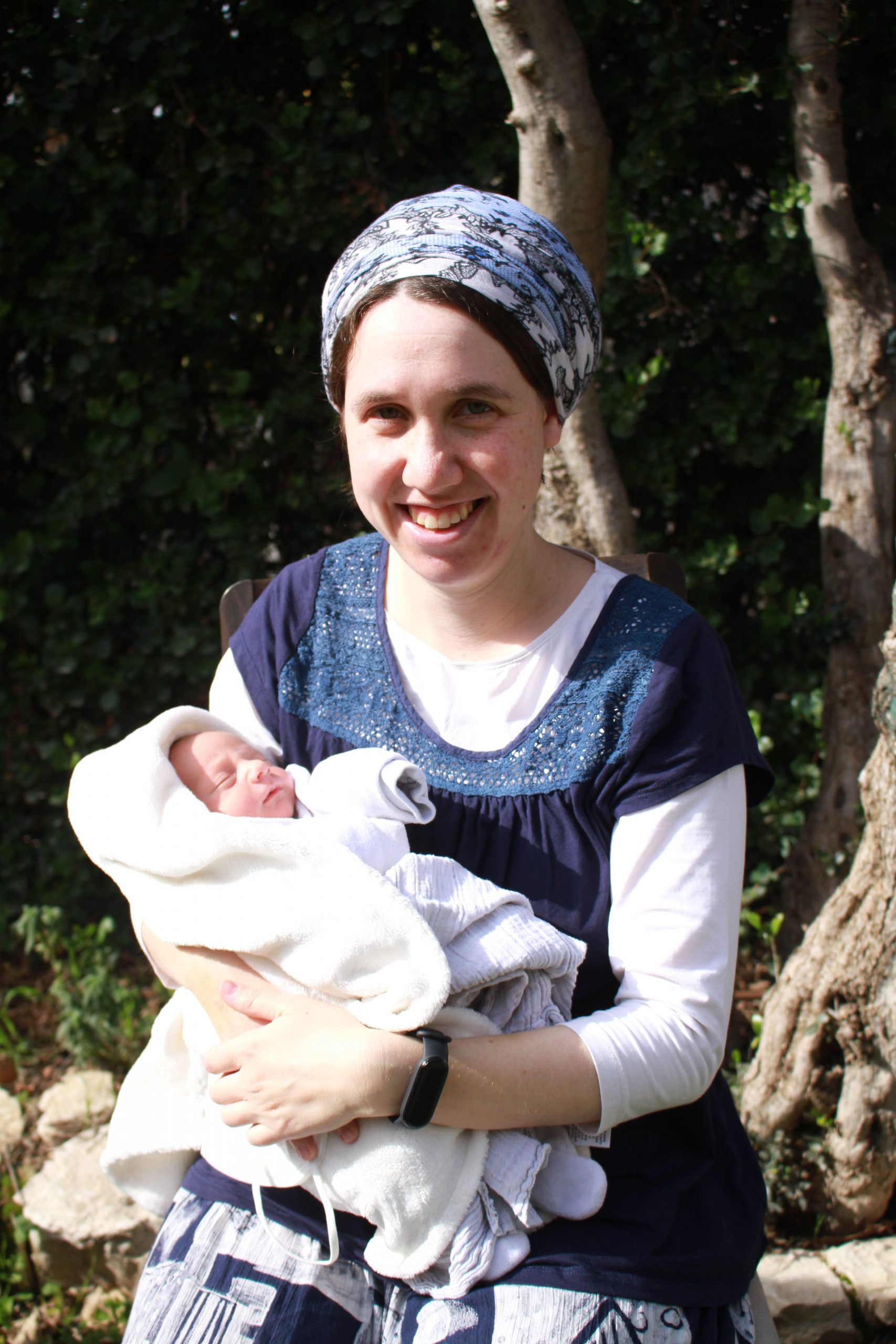
רעות אברהמי
בית שמש, ישראל
התחלתי ללמוד בסבב הנוכחי לפני כשנתיים .הסביבה מתפעלת ותומכת מאוד. אני משתדלת ללמוד מכל ההסכתים הנוספים שיש באתר הדרן. אני עורכת כל סיום מסכת שיעור בביתי לכ20 נשים שמחכות בקוצר רוח למפגשים האלו.

יעל אשר
יהוד, ישראל
למדתי גמרא מכיתה ז- ט ב Maimonides School ואחרי העליה שלי בגיל 14 לימוד הגמרא, שלא היה כל כך מקובל בימים אלה, היה די ספוראדי. אחרי "ההתגלות” בבנייני האומה התחלתי ללמוד בעיקר בדרך הביתה למדתי מפוקקטסים שונים. לאט לאט ראיתי שאני תמיד חוזרת לרבנית מישל פרבר. באיזה שהוא שלב התחלתי ללמוד בזום בשעה 7:10 .
היום "אין מצב” שאני אתחיל את היום שלי ללא לימוד עם הרבנית מישל עם כוס הקפה שלי!!
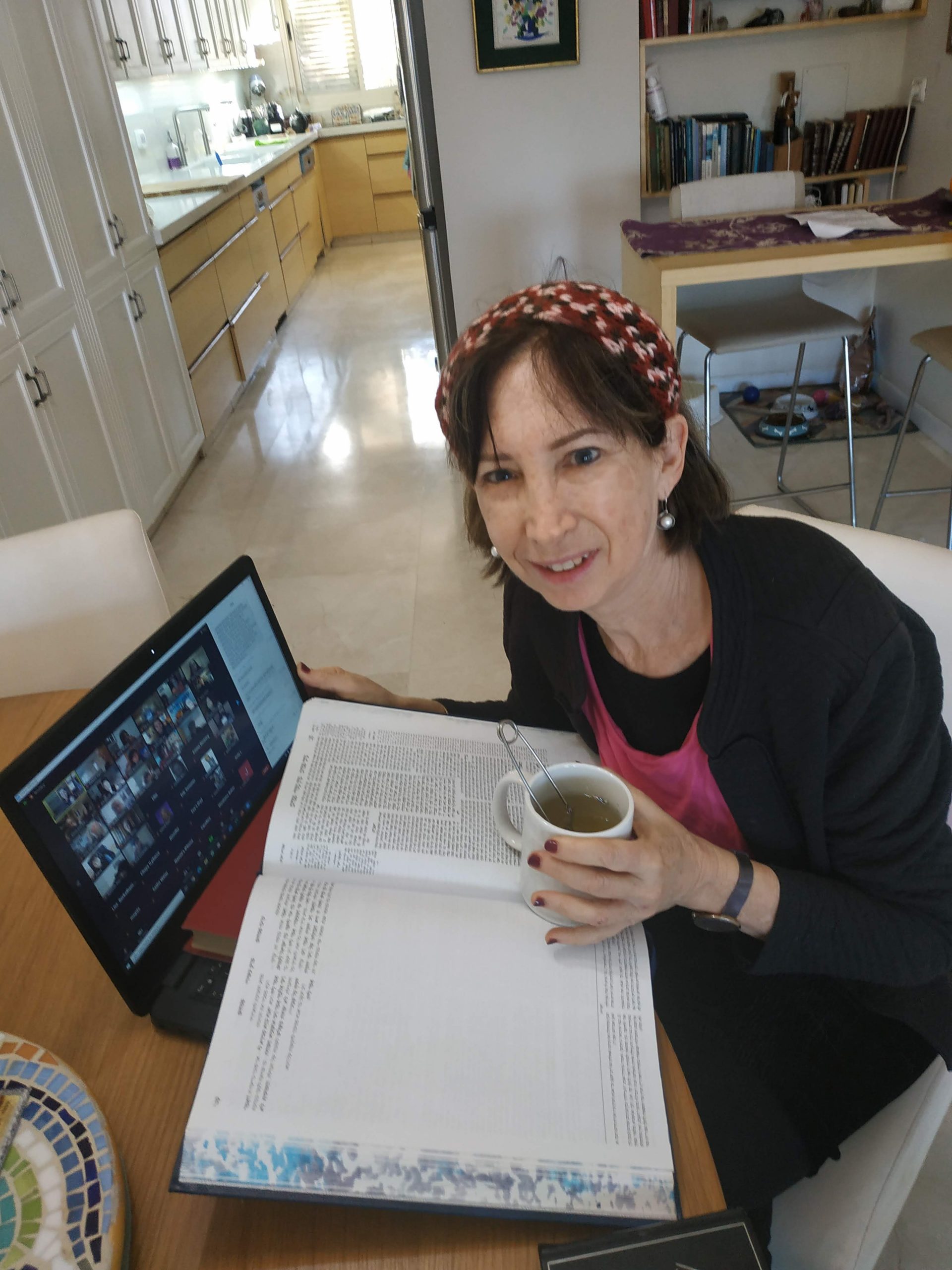
דבי גביר
חשמונאים, ישראל
התחלתי ללמוד דף יומי באמצע תקופת הקורונה, שאבא שלי סיפר לי על קבוצה של בנות שתיפתח ביישוב שלנו ותלמד דף יומי כל יום. הרבה זמן רציתי להצטרף לזה וזאת הייתה ההזדמנות בשבילי. הצטרפתי במסכת שקלים ובאמצע הייתה הפסקה קצרה. כיום אני כבר לומדת באולפנה ולומדת דף יומי לבד מתוך גמרא של טיינזלץ.

שבות בראלי
עתניאל, ישראל
ראיתי את הסיום הגדול בבנייני האומה וכל כך התרשמתי ורציתי לקחת חלק.. אבל לקח לי עוד כשנה וחצי )באמצע מסיכת שבת להצטרף..
הלימוד חשוב לי מאוד.. אני תמיד במרדף אחרי הדף וגונבת כל פעם חצי דף כשהילדים עסוקים ומשלימה אח”כ אחרי שכולם הלכו לישון..

אולגה מזרחי
ירושלים, ישראל
התחלתי ללמוד דף יומי אחרי שחזרתי בתשובה ולמדתי במדרשה במגדל עוז. הלימוד טוב ומספק חומר למחשבה על נושאים הלכתיים ”קטנים” ועד לערכים גדולים ביהדות. חשוב לי להכיר את הגמרא לעומק. והצעד הקטן היום הוא ללמוד אותה בבקיאות, בעזרת השם, ומי יודע אולי גם אגיע לעיון בנושאים מעניינים. נושאים בגמרא מתחברים לחגים, לתפילה, ליחסים שבין אדם לחברו ולמקום ולשאר הדברים שמלווים באורח חיים דתי 🙂

גאיה דיבו
מצפה יריחו, ישראל
התחלתי ללמוד בעידוד שתי חברות אתן למדתי בעבר את הפרק היומי במסגרת 929.
בבית מתלהבים מאוד ובשבת אני לומדת את הדף עם בעלי שזה מפתיע ומשמח מאוד! לימוד הדף הוא חלק בלתי נפרד מהיום שלי. לומדת בצהריים ומחכה לזמן הזה מידי יום…

מרים ונגרובר
אפרת, ישראל
התחלתי ללמוד לפני כשנתיים בשאיפה לסיים לראשונה מסכת אחת במהלך חופשת הלידה.
אחרי מסכת אחת כבר היה קשה להפסיק…

נעה גלנט
ירוחם, ישראל
סיום השס לנשים נתן לי מוטביציה להתחיל ללמוד דף יומי. עד אז למדתי גמרא בשבתות ועשיתי כמה סיומים. אבל לימוד יומיומי זה שונה לגמרי ופתאום כל דבר שקורה בחיים מתקשר לדף היומי.

קרן פוגל
רתמים, ישראל
התחלתי ללמוד דף יומי באמצע תקופת הקורונה, שאבא שלי סיפר לי על קבוצה של בנות שתיפתח ביישוב שלנו ותלמד דף יומי כל יום. הרבה זמן רציתי להצטרף לזה וזאת הייתה ההזדמנות בשבילי. הצטרפתי במסכת שקלים ובאמצע הייתה הפסקה קצרה. כיום אני כבר לומדת באולפנה ולומדת דף יומי לבד מתוך גמרא של טיינזלץ.
שבות בראלי
עתניאל, ישראל
רבנית מישל הציתה אש התלמוד בלבבות בביניני האומה ואני נדלקתי. היא פתחה פתח ותמכה במתחילות כמוני ואפשרה לנו להתקדם בצעדים נכונים וטובים. הקימה מערך שלם שמסובב את הלומדות בסביבה תומכת וכך נכנסתי למסלול לימוד מעשיר שאין כמוה. הדרן יצר קהילה גדולה וחזקה שמאפשרת התקדמות מכל נקודת מוצא. יש דיבוק לומדות שמחזק את ההתמדה של כולנו. כל פניה ושאלה נענית בזריזות ויסודיות. תודה גם למגי על כל העזרה.

שרה אבר
נתניה, ישראל
. לא תמיד נהניתי מלימוד גמרא כילדה.,בל כהתבגרתי התחלתי לאהוב את זה שוב. התחלתי ללמוד מסכת סוטה בדף היומי לפני כחמש עשרה שנה ואז הפסקתי.הגעתי לסיום הגדול של הדרן לפני שנתיים וזה נתן לי השראה. והתחלתי ללמוד למשך כמה ימים ואז היתה לי פריצת דיסק והפסקתי…עד אלול השנה. אז התחלתי עם מסכת ביצה וב”ה אני מצליחה לעמוד בקצב. המשפחה מאוד תומכת בי ויש כמה שגם לומדים את זה במקביל. אני אוהבת שיש עוגן כל יום.

רבקה דרשן
בית שמש, ישראל
My explorations into Gemara started a few days into the present cycle. I binged learnt and become addicted. I’m fascinated by the rich "tapestry” of intertwined themes, connections between Masechtot, conversations between generations of Rabbanim and learners past and present all over the world. My life has acquired a golden thread, linking generations with our amazing heritage.
Thank you.

סוזן כשדן
חשמונאים, Israel
הצטרפתי ללומדות בתחילת מסכת תענית. ההתרגשות שלי ושל המשפחה היתה גדולה מאוד, והיא הולכת וגוברת עם כל סיום שאני זוכה לו. במשך שנים רבות רציתי להצטרף ומשום מה זה לא קרה… ב”ה מצאתי לפני מספר חודשים פרסום של הדרן, ומיד הצטרפתי והתאהבתי. הדף היומי שינה את חיי ממש והפך כל יום- ליום של תורה. מודה לכן מקרב ליבי ומאחלת לכולנו לימוד פורה מתוך אהבת התורה ולומדיה.

נעה רוזן
חיספין רמת הגולן, ישראל
בתחילת הסבב הנוכחי של לימוד הדף היומי, נחשפתי לחגיגות המרגשות באירועי הסיום ברחבי העולם. והבטחתי לעצמי שבקרוב אצטרף גם למעגל הלומדות. הסבב התחיל כאשר הייתי בתחילת דרכי בתוכנית קרן אריאל להכשרת יועצות הלכה של נשמ”ת. לא הצלחתי להוסיף את ההתחייבות לדף היומי על הלימוד האינטנסיבי של תוכנית היועצות. בבוקר למחרת המבחן הסופי בנשמ”ת, התחלתי את לימוד הדף במסכת סוכה ומאז לא הפסקתי.

חנה שחם-רוזבי (ד”ר)
קרית גת, ישראל
חולין סד
עוּבְּרֵי דָּגִים.
fish embryos, i.e., fish eggs found in the fish’s innards.
וְתַנְיָא גַּבֵּי בֵיצִים: אֵלּוּ הֵן סִימָנֵי בֵיצִים – כָּל שֶׁכּוֹדֶרֶת וַעֲגוּלְגּוֹלֶת, רֹאשָׁהּ אֶחָד כַּד וְרֹאשָׁהּ אֶחָד חַד – טְהוֹרָה, שְׁנֵי רָאשֶׁיהָ כַּדִּין אוֹ שְׁנֵי רָאשֶׁיהָ חַדִּין – טְמֵאִין. חֶלְבּוֹן מִבַּחוּץ וְחֶלְמוֹן מִבִּפְנִים – טְהוֹרָה, חֶלְמוֹן מִבַּחוּץ וְחֶלְבּוֹן מִבְּפָנִים – טְמֵאָה, חֶלְמוֹן וְחֶלְבּוֹן מְעוֹרָבִין זֶה בָּזֶה – בְּיָדוּעַ שֶׁהִיא בֵּיצַת הַשֶּׁרֶץ.
The Gemara continues: And it is taught in a baraita about eggs that these are the signs of bird eggs: Any egg that narrows at the top and is rounded, so that one of its ends is rounded and the other one of its ends is pointed, is kosher. If both of its ends are rounded or both of its ends are pointed, they are non-kosher. If the albumen is on the outside and the yolk on the inside, it is kosher. If the yolk is on the outside and the albumen on the inside, it is non-kosher. If the yolk and albumen are mixed with each other, it is certainly the egg of a creeping animal. Therefore, if it is possible to recognize a kosher egg by these signs, there is no need to rely on the gentile.
לָא צְרִיכָא, דַּחֲתוּכוֹת. וְלִיבְדּוֹק בְּחֶלְמוֹן וְחֶלְבּוֹן? בִּטְרוּפוֹת בִּקְעָרָה.
The Gemara responds: No, it is necessary if the eggs have already been cut and one cannot know their original shape. The Gemara challenges: But let him inspect the yolk and the albumen, to see which is inside and which is outside. The Gemara responds: The baraita deals with a case where the eggs are mixed in a bowl, and it is impossible to discern this.
וּכְהַאי גַּוְונָא מִי זָבְנִינַן מִינַּיְיהוּ? וְהָא תַּנְיָא: אֵין מוֹכְרִין בֵּיצַת טְרֵפָה לְגוֹי, אֶלָּא אִם כֵּן טְרוּפָה בִּקְעָרָה; לְפִיכָךְ אֵין לוֹקְחִין מֵהֶם בֵּיצִים טְרוּפוֹת בִּקְעָרָה.
The Gemara counters: But in a case like this, where the eggs are mixed, may we buy eggs from them? Isn’t it taught in another baraita: One may sell the egg of a tereifa bird to a gentile only if it is mixed in a bowl; therefore, one may not buy eggs mixed in a bowl from them, because they may be from tereifot? If so, it cannot be that the baraita deals with a case where they are mixed, and one should be able to inspect the yolk and albumen.
אֶלָּא אָמַר רַבִּי זֵירָא: סִימָנִין לָאו דְּאוֹרָיְיתָא, דְּאִי לָא תֵּימָא הָכִי, הָא דְּאָמַר רַב אַסִּי: שְׁמֹנָה סְפֵיקוֹת הֵן – לִיבְדּוֹק בְּבֵיצִים דִּידְהוּ! אֶלָּא שְׁמַע מִינַּהּ: סִימָנִין לָאו דְּאוֹרָיְיתָא.
Rather, Rabbi Zeira said: The signs of a kosher egg are not valid by Torah law. As, if you do not say so, one encounters difficulty with that which Rav Asi says: There are eight birds whose kosher status is uncertain. Why is there uncertainty? Let one inspect their eggs for the signs listed in the baraita to determine whether they are kosher. Rather, learn from it that the signs are not valid by Torah law and one may not rely on them.
אֶלָּא לְמַאי הִלְכְתָא קָתָנֵי לַהּ? הָכִי קָאָמַר: שְׁנֵי רָאשֶׁיהָ כַּדִּין, אוֹ שְׁנֵי רָאשֶׁיהָ חַדִּין, אוֹ חֶלְמוֹן מִבַּחוּץ וְחֶלְבּוֹן מִבִּפְנִים – וַדַּאי טְמֵאָה. רֵישֵׁיהּ חַד חַד, רֵישֵׁיהּ חַד כַּד, וְחֶלְבּוֹן מִבַּחוּץ וְחֶלְמוֹן מִבִּפְנִים, וְאָמַר לָךְ שֶׁל עוֹף פְּלוֹנִי וְטָהוֹר הוּא – סְמוֹךְ עֲלֵיהּ. בִּסְתָמָא – לָא תִּסְמוֹךְ עֲלֵיהּ, דְּאִיכָּא דְּעוֹרְבָא דְּדָמֵי לִדְיוֹנָה.
The Gemara asks: But if one may not rely on these signs, with regard to what halakha is the baraita teaching them? The Gemara responds: This is what the baraita is saying: If both of its ends are rounded, or both its ends are pointed, or the yolk is on the outside and the albumen is on the inside, it is certainly non-kosher. But if one of its ends is pointed and one of its ends is rounded, and the albumen is on the outside and the yolk on the inside, and the gentile says to you that it is from such and such bird, and that bird is kosher, rely on the signs. But if he offers no specification of the type of bird, or if one simply finds eggs with these signs, do not rely on them, since there are crow’s eggs that resemble those of a pigeon.
אָמַר מָר: חֶלְבּוֹן וְחֶלְמוֹן מְעוֹרָבִין זֶה בָּזֶה – בְּיָדוּעַ שֶׁהִיא בֵּיצַת הַשֶּׁרֶץ. לְמַאי הִלְכְתָא? אָמַר רַב עוּקְבָא בַּר חָמָא: לוֹמַר שֶׁאִם רִיקְּמָה וְנִיקְּבָה בְּכַעֲדָשָׁה – מְטַמֵּא.
The Gemara analyzes the baraita: The Master said: If the albumen and yolk are mixed with each other, it is certainly the egg of a creeping animal and not of a non-kosher bird. The Gemara asks: For what halakha is this information necessary? Either way, the egg is forbidden. Rav Ukva bar Ḥama said: The baraita means to say that if tissue of an embryo developed [rikema] inside it and it was perforated, and one touched it, it transmits ritual impurity provided that the embryo is at least the size of a lentil-bulk, because the carcass of a creeping animal of this size is a source of ritual impurity.
מַתְקֵיף לַהּ רָבִינָא: וְדִלְמָא דְּנָחָשׁ הִיא? אֶלָּא אָמַר רָבָא: שֶׁאִם רִיקְּמָה וְאָכְלָה – לוֹקֶה עָלֶיהָ מִשּׁוּם ״שֶׁרֶץ הַשֹּׁרֵץ עַל הָאָרֶץ״.
Ravina objects to this: But perhaps it is the egg of a snake, whose carcass does not transmit ritual impurity, even though the albumen and yolk of its eggs are mixed together. Rather, Rava said: The baraita does not teach about ritual impurity, but rather that if tissue of an embryo developed inside the egg and one ate it, he is flogged on its account, due to the prohibition: “And every swarming thing that swarms upon the earth is a detestable thing; it shall not be eaten” (Leviticus 11:41).
אִי הָכִי, מַאי אִירְיָא דִּטְמֵאָה? אֲפִילּוּ דִּטְהוֹרָה נָמֵי! דְּתַנְיָא: ״כׇּל הַשֶּׁרֶץ הַשֹּׁרֵץ עַל הָאָרֶץ״ –
The Gemara asks: If so, why specifically mention the egg of a non-kosher creeping animal? The same would apply even for one who eats the embryo of a kosher bird as well. In either case, one is flogged, as it is taught in a baraita that the verse: “Every swarming thing that swarms upon the earth,”
לְרַבּוֹת אֶפְרוֹחִים שֶׁלֹּא נִפְתְּחוּ עֵינֵיהֶם! מִדְּרַבָּנַן, וּקְרָא אַסְמַכְתָּא בְּעָלְמָא.
serves to include chicks of pigeons whose eyes have not yet opened in the prohibition against consuming swarming things. The Gemara responds: This prohibition is by rabbinic law, and the verse cited is a mere support for it. One who eats the embryo of a kosher bird is not liable to receive lashes.
תָּנוּ רַבָּנַן: גִּיעוּלֵי בֵּיצִים מוּתָּרוֹת, בֵּיצִים מוּזָרוֹת – נֶפֶשׁ יָפָה תֹּאכְלֵם, נִמְצָא עָלֶיהָ קוֹרֶט דָּם – זוֹרֵק אֶת הַדָּם וְאוֹכֵל אֶת הַשְּׁאָר.
§ The Sages taught in a baraita: Kosher eggs that have been boiled with non-kosher eggs are permitted. Unfertilized eggs are permitted, and one of strong constitution may eat them, even if the hen has sat on them for a long period of time. If a drop [koret] of blood is found on it, one discards the blood, which is the first stage of an embryo’s development, and eats the rest.
אָמַר רַבִּי יִרְמְיָה: וְהוּא שֶׁנִּמְצָא עַל קֶשֶׁר שֶׁלָּהּ. תָּנֵי דּוֹסְתַּאי אֲבוּהּ דְּרַבִּי אַפְטוֹרִיקִי: לֹא שָׁנוּ אֶלָּא שֶׁנִּמְצָא עַל חֶלְבּוֹן שֶׁלָּהּ, אֲבָל נִמְצָא עַל חֶלְמוֹן שֶׁלָּהּ – אֲפִילּוּ בֵּיצָה אֲסוּרָה. מַאי טַעְמָא? דִּשְׁדָא תִּכְלָא בְּכוּלַּהּ. אֲמַר לֵיהּ רַב גְּבִיהָה מִבֵּי כְתִיל לְרַב אָשֵׁי: אִיפְּכָא תָּנֵי תַּנָּא קַמֵּיהּ דְּאַבָּיֵי, וְאַבָּיֵי הוּא דְּתָרְצַהּ נִיהֲלֵיהּ הָכִי.
Rabbi Yirmeya said: And this applies when the blood is found on its knot, i.e., the place in the albumen where the embryo begins to develop, since this proves that tissue has not developed elsewhere in the egg. And so taught Dostai, father of Rabbi Aptoriki: The Sages taught that one may eat the rest of the egg only when the blood is found on its albumen, i.e., the knot; but if it is found on its yolk, even the rest of the egg is forbidden. What is the reason for this? It is that the decay has spread through all of it. Rav Geviha from Bei Ketil said to Rav Ashi: A tanna taught the opposite before Abaye, that one may eat the rest of the egg only when the blood is found on its yolk, and it is Abaye that corrected it in this manner.
אָמַר חִזְקִיָּה: מִנַּיִן לְבֵיצַת טְמֵאָה שֶׁהִיא אֲסוּרָה מִן הַתּוֹרָה? שֶׁנֶּאֱמַר: ״וְאֶת בַּת הַיַּעֲנָה״, וְכִי בַּת יֵשׁ לָהּ לַיַּעֲנָה? אֶלָּא אֵיזוֹ – זוֹ בֵּיצָה טְמֵאָה. וְדִלְמָא הַיְינוּ שְׁמַיְיהוּ? לָא סָלְקָא דַּעְתָּךְ, דִּכְתִיב: ״בַּת עַמִּי לְאַכְזָר כַּיְעֵנִים בַּמִּדְבָּר״.
§ Ḥizkiyya says: From where is it derived that the egg of a non-kosher bird is prohibited by Torah law? As it is stated: “And the daughter [bat] of the ya’ana” (Leviticus 11:16). But does the ya’ana have a daughter whose forbidden status would be different from that of its mother? Both daughter and mother should be included in the same prohibition. Rather, which is this? This is a non-kosher egg. The Gemara challenges: But perhaps this is their name, i.e., the bird is called bat ya’ana. The Gemara responds: This should not enter your mind, as it is written: “The daughter of my people has become cruel, like the ye’enim in the wilderness” (Lamentations 4:3).
וְלָא? וְהָא כְּתִיב: ״אֶעֱשֶׂה מִסְפֵּד כַּתַּנִּים וְאֵבֶל כִּבְנוֹת יַעֲנָה״? כְּיַעֲנָה זוֹ שֶׁמִּתְאַבֶּלֶת עַל בָּנֶיהָ. וְהָא כְּתִיב: ״וְשָׁכְנוּ שָׁם בְּנוֹת יַעֲנָה״? כְּיַעֲנָה זוֹ שֶׁשּׁוֹכֶנֶת עִם בָּנֶיהָ.
The Gemara persists: And is bat ya’ana not its name? But isn’t it written: “I will make a wailing like the jackals, and a mourning like the daughters [benot] of the ya’ana” (Micah 1:8)? The Gemara responds: The verse means: I will make mourning like this ya’ana that mourns for its children. The Gemara asks: But isn’t it written: “And benot ya’ana shall dwell there” (Isaiah 13:21)? The Gemara responds: Here too, the verse means: And they shall dwell there like this ya’ana that dwells with its children.
וְהָכְתִיב: ״תְּכַבְּדֵנִי חַיַּת הַשָּׂדֶה תַּנִּים וּבְנוֹת יַעֲנָה״, וְאִי סָלְקָא דַעְתָּךְ בֵּיצָה, בֵּיצָה בַּת מֵימַר שִׁירָה הִיא? אֶלָּא, כְּתִיב ״הַיַּעֲנָה״, וּכְתִיב ״בַּת הַיַּעֲנָה״.
The Gemara asks: But isn’t it written: “The animals of the field shall honor Me, the jackals and the benot ya’ana” (Isaiah 43:20)? And if it enters your mind that the term bat ya’ana is referring to an egg, can an egg sing a song of praise to God? Rather, one must say: The ya’ana is written, and the bat ya’ana is also written, and both are acceptable names for this bird.
וְשָׁאנֵי הָכָא, דְּפָסֵק סָפְרָא לִשְׁתֵּי תֵּיבוֹת, וּמִדְּפָסֵיק לְהוּ סָפְרָא
And still, the name here is different from those of other animals, in that the scribe splits it into two words: Bat ya’ana, even though it is one species. And from the fact that the scribe splits it
לעקוב

