








אם חל תשעה באב בערב שבת, האם אוכלים קצת לפני שבת או משלימים את הצום עד סוף היום? הגמרא מביאה דעות של ר’ יוסי ורבן גמליאל וכמה מקורות תנאיים כדי להבין יותר טוב את המחלוקת ולפי מי פוסקים. אם יוצאים מתחום שבת, אפשר ללכת רק ארבע אמות מהמקום שבו הוא/היא נמצא/ת. האם זה משנה אם הוא יצא מעצמו או מישהו או משהו הוציא אותו? אם צריך ללכת לשירותים, האם כבוד הבריות דוחה את האיסור לצאת מארבע אמות שלו? הגמרא מסבירה שלושה דברים שגורמים לאדם לעבור על דעת עצמו ודעת קונו. מהם?
רוצה להקדיש שיעור?
עירובין מא
וְכֵן עֶרֶב תִּשְׁעָה בְּאָב שֶׁחָל לִהְיוֹת בְּשַׁבָּת, אוֹכֵל וְשׁוֹתֶה כׇּל צָרְכּוֹ, וּמַעֲלֶה עַל שׁוּלְחָנוֹ אֲפִילּוּ כִּסְעוּדַת שְׁלֹמֹה בִּשְׁעָתוֹ. חָל לִהְיוֹת תִּשְׁעָה בְּאָב בְּעֶרֶב שַׁבָּת — מְבִיאִין לוֹ כְּבֵיצָה וְאוֹכֵל, כְּדֵי שֶׁלֹּא יִכָּנֵס לַשַּׁבָּת כְּשֶׁהוּא מְעוּנֶּה.
and so too, on the eve of the Ninth of Av that occurs on Shabbat, one need not reduce the amount of food he eats; rather, he may eat and drink as much as he requires and bring to his table a meal even like that of King Solomon in his time. If the Ninth of Av occurs on Shabbat eve, we bring him an egg-bulk of food toward end of the day, and he eats it, so that he not enter Shabbat in a state of affliction.
תַּנְיָא, אָמַר רַבִּי יְהוּדָה: פַּעַם אַחַת הָיִינוּ יוֹשְׁבִין לִפְנֵי רַבִּי עֲקִיבָא, וְתִשְׁעָה בְּאָב שֶׁחָל לִהְיוֹת בְּעֶרֶב שַׁבָּת הָיָה. וְהֵבִיאוּ לוֹ בֵּיצָה מְגוּלְגֶּלֶת, וּגְמָעָהּ בְּלֹא מֶלַח. וְלֹא שֶׁהָיָה תָּאֵב לָהּ, אֶלָּא לְהַרְאוֹת לַתַּלְמִידִים הֲלָכָה.
It was taught in a baraita that Rabbi Yehuda said: We were once sitting before Rabbi Akiva, and it was the Ninth of Av that occurs on Shabbat eve, and they brought him a slightly cooked egg, and he swallowed it without salt. And it was not that he desired it so much that he ate it; rather, he did so to show the students the halakha that one need not complete the fast when the Ninth of Av occurs on Shabbat eve, so as not enter Shabbat in a state of affliction.
וְרַבִּי יוֹסֵי אוֹמֵר: מִתְעַנֶּה וּמַשְׁלִים. אָמַר לָהֶן רַבִּי יוֹסֵי: אִי אַתֶּם מוֹדִים לִי בְּתִשְׁעָה בְּאָב שֶׁחָל לִהְיוֹת בְּאֶחָד בַּשַּׁבָּת, שֶׁמַּפְסִיק מִבְּעוֹד יוֹם? אָמְרוּ לוֹ: אֲבָל. אָמַר לָהֶם: מַה לִּי לִיכָּנֵס בָּהּ כְּשֶׁהוּא מְעוּנֶּה, מַה לִּי לָצֵאת מִמֶּנָּה כְּשֶׁהוּא מְעוּנֶּה.
And Rabbi Yosei says: He must fast and complete the fast. Rabbi Yosei said to the other Sages: Don’t you agree with me with regard to the Ninth of Av that occurs on Sunday, that one must stop eating on Shabbat while it is still day? They said to him: Indeed, we agree. Rabbi Yosei said to them: What is the difference to me between entering Shabbat in a state of affliction and leaving it in a state of affliction? If one stops eating before Shabbat is over, he is spending part of Shabbat fasting, and yet even the Sages concede that one must do so.
אָמְרוּ לוֹ: אִם אָמַרְתָּ לָצֵאת מִמֶּנָּה — שֶׁהֲרֵי אָכַל וְשָׁתָה כׇּל הַיּוֹם כּוּלּוֹ, תֹּאמַר לִיכָּנֵס בָּהּ כְּשֶׁהוּא מְעוּנֶּה, שֶׁלֹּא אָכַל וְשָׁתָה כׇּל הַיּוֹם כּוּלּוֹ.
They said to him: There is a difference. If you said that one may leave Shabbat in a state of affliction, that is because he ate and drank the entire day and will not suffer if he fasts a few minutes at the end of the day. Can you say that it is the same to enter Shabbat in a state of affliction, when he has not eaten or drunk anything the entire day?
וְאָמַר עוּלָּא: הֲלָכָה כְּרַבִּי יוֹסֵי. וּמִי עָבְדִינַן כְּרַבִּי יוֹסֵי? וּרְמִינְהִי: אֵין גּוֹזְרִין תַּעֲנִית עַל הַצִּיבּוּר בְּרָאשֵׁי חֳדָשִׁים, בַּחֲנוּכָּה וּבְפוּרִים. וְאִם הִתְחִילוּ — אֵין מַפְסִיקִין, דִּבְרֵי רַבָּן גַּמְלִיאֵל. אָמַר רַבִּי מֵאִיר: אַף עַל פִּי שֶׁאָמַר רַבָּן גַּמְלִיאֵל אֵין מַפְסִיקִין, מוֹדֶה הָיָה שֶׁאֵין מַשְׁלִימִין, וְכֵן בְּתִשְׁעָה בְּאָב שֶׁחָל לִהְיוֹת בְּעֶרֶב שַׁבָּת.
And Ulla said: The halakha is in accordance with the opinion of Rabbi Yosei, and on the Ninth of Av that occurs on Shabbat eve one must complete the fast. The Gemara poses a question: Do we really act in accordance with the opinion of Rabbi Yosei? And the Gemara raises a contradiction based upon the following mishna: We do not initially decree a fast upon the public on the New Moon, Hanukkah, or Purim, and if the community had already begun a cycle of fasts and one of them fell out on one of these days, they do not interrupt the series; this is the statement of Rabban Gamliel. Rabbi Meir said: Even though Rabban Gamliel said that they do not interrupt the series, he conceded that they do not complete the fast on one of these days, and so too, the fast on the Ninth of Av that occurs on Shabbat eve is not completed.
וְתַנְיָא: לְאַחַר פְּטִירָתוֹ שֶׁל רַבָּן גַּמְלִיאֵל, נִכְנַס רַבִּי יְהוֹשֻׁעַ לְהָפֵר אֶת דְּבָרָיו. עָמַד רַבִּי יוֹחָנָן בֶּן נוּרִי עַל רַגְלָיו וְאָמַר: חָזֵי אֲנָא דְּבָתַר רֵישָׁא גּוּפָא אָזֵיל. כׇּל יָמָיו שֶׁל רַבָּן גַּמְלִיאֵל קָבַעְנוּ הֲלָכָה כְּמוֹתוֹ, עַכְשָׁיו אַתָּה מְבַקֵּשׁ לְבַטֵּל דְּבָרָיו?! יְהוֹשֻׁעַ, אֵין שׁוֹמְעִין לְךָ, שֶׁכְּבָר נִקְבְּעָה הֲלָכָה כְּרַבָּן גַּמְלִיאֵל, וְלֹא הָיָה אָדָם שֶׁעִרְעֵר בַּדָּבָר כְּלוּם.
And it was taught in a related baraita: Following the death of Rabban Gamliel, Rabbi Yehoshua entered the study hall to annul Rabban Gamliel’s statement with regard to fasts. Rabbi Yoḥanan ben Nuri stood on his feet and said: I see that the appropriate policy is that the body must follow the head, i.e., we must follow the statements of the earlier authorities and not deviate from established halakha. All of Rabban Gamliel’s life we established the halakha in accordance with his opinion, and now you seek to annul his statement? Yehoshua, we do not listen to you, as the halakha has already been established in accordance with the opinion of Rabban Gamliel. And there was no one who disputed this statement in any way. Therefore, this baraita demonstrates that when the Ninth of Av occurs on Shabbat eve, one must observe the fast but not complete it, and this was the accepted practice.
בְּדוֹרוֹ שֶׁל רַבָּן גַּמְלִיאֵל עֲבוּד כְּרַבָּן גַּמְלִיאֵל, בְּדוֹרוֹ שֶׁל רַבִּי יוֹסֵי עֲבוּד כְּרַבִּי יוֹסֵי.
The Gemara resolves the difficulty, arguing that this proof is not conclusive: Indeed, in the generation of Rabban Gamliel they acted in accordance with the opinion of Rabban Gamliel, but in the generation of Rabbi Yosei they acted in accordance with the opinion of Rabbi Yosei, and from then on, the halakha follows his view.
וּבְדוֹרוֹ שֶׁל רַבָּן גַּמְלִיאֵל עֲבוּד כְּרַבָּן גַּמְלִיאֵל? וְהָתַנְיָא, אָמַר רַבִּי אֶלְעָזָר (בֶּן) צָדוֹק: אֲנִי (הָיִיתִי) מִבְּנֵי סְנָאָב בֶּן בִּנְיָמִין. פַּעַם אַחַת חָל תִּשְׁעָה בְּאָב לִהְיוֹת בְּשַׁבָּת, וּדְחִינוּהוּ לְאַחַר הַשַּׁבָּת, וְהִתְעַנִּינוּ בּוֹ, וְלֹא הִשְׁלַמְנוּהוּ, מִפְּנֵי שֶׁיּוֹם טוֹב שֶׁלָּנוּ הָיָה. טַעְמָא דְּיוֹם טוֹב, הָא עֶרֶב יוֹם טוֹב — מַשְׁלִימִין!
The Gemara asks: And is it correct that in the generation of Rabban Gamliel they acted in accordance with the opinion of Rabban Gamliel? Wasn’t it taught in a baraita that Rabbi Elazar ben Tzadok, a contemporary of Rabban Gamliel, said: I am a descendant of Sena’av ben Binyamin, who observed a family festival on the tenth of Av. One time, the Ninth of Av occurred on Shabbat, and we postponed it until after Shabbat, as we do not observe the fast on Shabbat, and we fasted on Sunday but did not complete the fast because that day was our Festival. This indicates that the reason they did not complete the fast is that the day itself was a Festival for them, but on the eve of a Festival, they would indeed complete it. This proves that even in the generation of Rabban Gamliel, they did complete fasts on the eve of Shabbat and Festivals.
אָמַר רָבִינָא: שָׁאנֵי יוֹם טוֹב שֶׁל דִּבְרֵיהֶם, מִתּוֹךְ שֶׁמִּתְעַנִּין בּוֹ שָׁעוֹת — מַשְׁלִימִין בּוֹ עַרְבִיּוֹת. שַׁבָּת, הוֹאִיל וְאֵין מִתְעַנִּין בָּהּ שָׁעוֹת — אֵין מַשְׁלִימִין בָּהּ עַרְבִיּוֹת.
Ravina said that this story poses no difficulty: A rabbinic Festival is different, as they are not as stringent as Shabbat or Festivals stated in the Torah, and the festival of the family of Sena’av was not a Festival from the Torah, but one established by the Sages. Since one may fast on such a Festival for a number of hours, i.e., one may fast on it for part of the day, one also completes a fast observed on the eve of such a Festival until the evening. With regard to Shabbat, however, since one may not fast on it even for several hours, one does not complete a fast observed on Shabbat eve.
אָמַר רַב יוֹסֵף: לָא שְׁמִיעַ לִי הָא שְׁמַעְתָּא. אֲמַר לֵיהּ אַבָּיֵי: אַתְּ אֲמַרְתְּ נִיהֲלַן, וְאַהָא אֲמַרְתְּ נִיהֲלַן: אֵין גּוֹזְרִין תַּעֲנִית עַל הַצִּבּוּר בְּרָאשֵׁי חֳדָשִׁים וְכוּ׳, וְאָמְרִינַן עֲלַהּ, אָמַר רַב יְהוּדָה אָמַר רַב: זוֹ דִּבְרֵי רַבִּי מֵאִיר שֶׁאָמַר מִשּׁוּם רַבָּן גַּמְלִיאֵל, אֲבָל חֲכָמִים אוֹמְרִים: מִתְעַנֶּה וּמַשְׁלִים.
Rav Yosef said: I did not hear this ruling that the halakha is in accordance with the opinion of Rabbi Yosei. Rav Yosef had fallen ill and forgotten his learning and so was unable to remember that such a ruling had been issued. His student, Abaye, said to him: You yourself told us this halakha, and it was with regard to this point that you told it to us, as we learned in a mishna: We do not initially decree a fast upon the public on the New Moon, on Hanukkah, or on Purim. Rabbi Meir said: Even though Rabban Gamliel said that if the community had already begun a cycle of fasts, they do not interrupt the series, he conceded that they do not complete the fast on one of these days, and similarly, the fast of the Ninth of Av that occurs on Shabbat eve is not completed. And we said with regard to this mishna that Rav Yehuda said that Rav said: This is the statement that Rabbi Meir said in the name of Rabban Gamliel. But the Rabbis say: One must fast and complete the fast.
מַאי לָאו, אַכּוּלְּהוּ? לָא, אַחֲנוּכָּה וּפוּרִים.
What? Does the Rabbis’ ruling that one must complete the fast not refer to all the cases mentioned in the mishna, including that of the Ninth of Av that occurs on Shabbat eve? No, it was stated only with regard to Hanukkah and Purim, but one would not complete a fast on Shabbat eve.
הָכִי נָמֵי מִסְתַּבְּרָא,
The Gemara comments: So too, it is reasonable to explain that this ruling does not apply to Shabbat eve,
דְּאִי סָלְקָא דַעְתָּךְ אַכּוּלְּהוּ — הָא בָּעֵי מִינֵּיהּ רַבָּה מֵרַב יְהוּדָה וְלָא פְּשַׁט לֵיהּ!
as, if it should enter your mind to say that Rav Yehuda said that the halakha is in accordance with the opinion of the Rabbis with regard to all the cases in the mishna, including that of the Ninth of Av that occurs on Shabbat eve, there is a difficulty: Didn’t Rabba raise a dilemma before Rav Yehuda with regard to this issue, and he did not answer him? This demonstrates that he did not have a decisive ruling on this subject.
וּלְטַעְמָיךְ, הָא דְּדָרֵשׁ מָר זוּטְרָא מִשְּׁמֵיהּ דְּרַב הוּנָא: הֲלָכָה, מִתְעַנֶּה וּמַשְׁלִים. הָא בְּעָא מִינֵּיהּ רַבָּה מֵרַב הוּנָא וְלָא פְּשַׁט לֵיהּ?!
The Gemara responds: And according to your opinion, that the issue had not been resolved, there is a difficulty with that which Mar Zutra expounded in the name of Rav Huna: The halakha is that one fasts and completes the fast on Shabbat eve. Didn’t Rabba also raise this dilemma before Rav Huna, and he too did not answer him? How could Mar Zutra have reported this halakhic ruling in the name of Rav Huna?
אֶלָּא: הָא — מִקַּמֵּי דְּשַׁמְעַהּ, וְהָא — לְבָתַר דְּשַׁמְעַהּ, הָכָא נָמֵי: הָא — מִקַּמֵּי דְּשַׁמְעַהּ, הָא — לְבָתַר דְּשַׁמְעַהּ.
Rather, you must say that this dilemma that Rabba raised to Rav Huna was before Rav Huna heard Rav’s ruling on the subject; whereas this, i.e., Rav Huna’s statement as cited by Mar Zutra, was made after he heard Rav’s ruling on the matter, and the problem was resolved for him. Here, too, with regard to Rav Yehuda, we can say that this dilemma that Rabba raised before Rav Yehuda was before Rav Yehuda heard Rav’s ruling on the topic, and therefore he did not know how to answer Rabba; whereas this, i.e., Rav Yehuda’s statement in the name of Rav, was made after he heard it.
דָּרֵשׁ מָר זוּטְרָא מִשְּׁמֵיהּ דְּרַב הוּנָא: הֲלָכָה, מִתְעַנִּין וּמַשְׁלִימִין.
The Gemara repeats the statement cited above in passing: Mar Zutra expounded in the name of Rav Huna: The halakha is that one fasts and completes the fast on the eves of Shabbat and Festivals.
הַדְרָן עֲלָךְ בַּכֹּל מְעָרְבִין
מַתְנִי׳ מִי שֶׁהוֹצִיאוּהוּ נׇכְרִים, אוֹ רוּחַ רָעָה — אֵין לוֹ אֶלָּא אַרְבַּע אַמּוֹת.
MISHNA: With regard to one whom gentiles forcibly took him out beyond the Shabbat limit, or if an evil spirit took him out, i.e., he was temporarily insane, and found himself outside the Shabbat limit, he has only four cubits that he may walk from where he is standing.
הֶחְזִירוּהוּ — כְּאִילּוּ לֹא יָצָא.
If the gentiles returned him, or if he came back while still under the influence of the evil spirit, it is as though he had never left his Shabbat limit, and he may move about within his original limit as before.
הוֹלִיכוּהוּ לְעִיר אַחֶרֶת, נְתָנוּהוּ בְּדִיר אוֹ בְּסַהַר, רַבָּן גַּמְלִיאֵל וְרַבִּי אֶלְעָזָר בֶּן עֲזַרְיָה אוֹמְרִים: מְהַלֵּךְ אֶת כּוּלָּהּ. רַבִּי יְהוֹשֻׁעַ וְרַבִּי עֲקִיבָא אוֹמְרִים: אֵין לוֹ אֶלָּא אַרְבַּע אַמּוֹת.
If the gentiles brought him to a different city that was surrounded by walls, or if they put him into a pen or a stable, i.e., animal enclosures, the Sages disagree. Rabban Gamliel and Rabbi Elazar ben Azarya say: He may walk about the entire city, as the whole city is considered like four cubits. Rabbi Yehoshua and Rabbi Akiva say: He has only four cubits from where he was placed.
מַעֲשֶׂה שֶׁבָּאוּ מִפְּלַנְדַּרְסִין, וְהִפְלִיגָה סְפִינָתָם בַּיָּם. רַבָּן גַּמְלִיאֵל וְרַבִּי אֶלְעָזָר בֶּן עֲזַרְיָה הָלְכוּ אֶת כּוּלָּהּ, רַבִּי יְהוֹשֻׁעַ וְרַבִּי עֲקִיבָא לֹא זָזוּ מֵאַרְבַּע אַמּוֹת, שֶׁרָצוּ לְהַחֲמִיר עַל עַצְמָן.
The mishna relates: There was an incident where all of these Sages were coming from Pelandarsin, an overseas location, and their boat set sail on the sea on Shabbat, taking them beyond their Shabbat limit. Rabban Gamliel and Rabbi Elazar ben Azarya walked about the entire boat, as they hold that the entire boat is considered like four cubits, while Rabbi Yehoshua and Rabbi Akiva did not move beyond four cubits, as they sought to be stringent with themselves.
פַּעַם אַחַת לֹא נִכְנְסוּ לַנָּמָל עַד שֶׁחָשֵׁיכָה, אָמְרוּ לוֹ לְרַבָּן גַּמְלִיאֵל: מָה אָנוּ לֵירֵד?
The mishna further relates that on one occasion, they did not enter the port [namel] until after nightfall on Shabbat eve. The others said to Rabban Gamliel: What is the halakha with regard to alighting from the boat at this time? In other words, were we already within the city’s limit before Shabbat commenced?
אָמַר לָהֶם: מוּתָּרִים אַתֶּם, שֶׁכְּבָר הָיִיתִי מִסְתַּכֵּל וְהָיִינוּ בְּתוֹךְ הַתְּחוּם עַד שֶׁלֹּא חָשֵׁיכָה.
He said to them: You are permitted to alight, as I was watching, and I observed that we were already within the city’s limit before nightfall. We acquired our resting place in the city during the twilight period. Therefore, it is permitted to walk throughout the city even after nightfall.
גְּמָ׳ תָּנוּ רַבָּנַן: שְׁלֹשָׁה דְּבָרִים מַעֲבִירִין אֶת הָאָדָם עַל דַּעְתּוֹ וְעַל דַּעַת קוֹנוֹ, אֵלּוּ הֵן: נׇכְרִים, וְרוּחַ רָעָה, וְדִקְדּוּקֵי עֲנִיּוּת.
GEMARA: Since the Gemara discussed one who stepped beyond the Shabbat limit due to an evil spirit, the Gemara cites a related baraita, in which the Sages taught: Three matters cause a person to act against his own will and the will of his Maker, and they are: Gentiles, and an evil spirit, and the depths of extreme poverty.
לְמַאי נָפְקָא מִינַּהּ? לְמִיבְעֵי רַחֲמֵי עֲלַיְיהוּ.
The Gemara asks: What is the practical halakhic difference that emerges from this statement? The Gemara answers: It is significant as it teaches one to request mercy for people who suffer from those problems.
שְׁלֹשָׁה אֵין רוֹאִין פְּנֵי גֵיהִנָּם, אֵלּוּ הֵן: דִּקְדּוּקֵי עֲנִיּוּת, וְחוֹלֵי מֵעַיִין, וְהָרְשׁוּת. וְיֵשׁ אוֹמְרִים: אַף מִי שֶׁיֵּשׁ לוֹ אִשָּׁה רָעָה.
The Gemara cites a related teaching: Three classes of people do not see the face of Gehenna, because the suffering that they bear in this world atones for their sins, and they are: Those suffering the depths of extreme poverty, those afflicted with intestinal disease, and those oppressed by creditors. And some say: Even one who has an evil wife who constantly harasses him.
וְאִידָּךְ? אִשָּׁה רָעָה מִצְוָה לְגָרְשָׁהּ.
The Gemara asks: And why don’t the other Sages include one with an evil wife among those who will not be punished in Gehenna? The Gemara answers: They maintain that it is a mitzva to divorce an evil wife. Therefore, that source of distress can be remedied.
וְאִידָּךְ? זִימְנִין דִּכְתוּבָּתָהּ מְרוּבָּה. אִי נָמֵי, אִית לֵיהּ בָּנִים מִינַּהּ, וְלָא מָצֵי מְגָרֵשׁ לַהּ.
And why do the other Sages include an evil wife? The Gemara answers: Sometimes payment of her marriage contract is very large, and consequently he cannot divorce her since he cannot afford to pay it. Alternatively, he has children from her, and he cannot raise them himself, and therefore he cannot divorce her.
לְמַאי נָפְקָא מִינַּהּ? לְקַבּוֹלֵי מֵאַהֲבָה.
The Gemara asks: What is the practical halakhic difference that emerges from this statement? The Gemara answers: It is significant as it teaches one to accept those afflictions with love, knowing that they will exempt him from the punishment of Gehenna.
שְׁלֹשָׁה מֵתִין כְּשֶׁהֵן מְסַפְּרִין, וְאֵלּוּ הֵן: חוֹלִי מֵעַיִין, וְחַיָּה, וְהִדְרוֹקָן.
It was similarly taught: Three classes of people are liable to die while conversing with others, i.e., to die suddenly, although they appear to be in good health and are capable of engaging in conversation, and they are: Those afflicted with intestinal sickness, and a woman in childbirth, and one who is sick with edema [hidrokan].
לְמַאי נָפְקָא מִינַּהּ: לְמַשְׁמוֹשֵׁי בְּהוּ זְוַודְתָּא.
Once again the Gemara asks: What is the practical halakhic difference that emerges from this statement? The Gemara answers: It is significant as it teaches one to prepare shrouds for them, in case they need them suddenly.
אָמַר רַב נַחְמָן אָמַר שְׁמוּאֵל: יָצָא לְדַעַת — אֵין לוֹ אֶלָּא אַרְבַּע אַמּוֹת. פְּשִׁיטָא, הַשְׁתָּא מִי שֶׁהוֹצִיאוּהוּ נׇכְרִים אֵין לוֹ אֶלָּא אַרְבַּע אַמּוֹת, יָצָא לְדַעַת מִיבַּעְיָא?!
The Gemara proceeds to analyze the mishna: Rav Naḥman said that Shmuel said: If one knowingly went out beyond the Shabbat limit, he has only four cubits that he may walk. The Gemara asks: This is obvious. Now, if with regard to one whom gentiles forcibly took out beyond the Shabbat limit, he has only four cubits, with regard to one who knowingly went out, is it necessary to teach that he has no more than four cubits within which he may walk?
אֶלָּא אֵימָא: חָזַר לְדַעַת — אֵין לוֹ אֶלָּא אַרְבַּע אַמּוֹת.
Rather, say that Rav Naḥman’s statement means: If he returned knowingly to within the Shabbat limit after having been taken out by gentiles, he has only four cubits within which he may walk, but no more.
הָא נָמֵי תְּנֵינָא: הֶחְזִירוּהוּ נׇכְרִים כְּאִילּוּ לֹא יָצָא. הֶחְזִירוּהוּ הוּא דִּכְאִילּוּ לֹא יָצָא, אֲבָל הוֹצִיאוּהוּ נׇכְרִים וְחָזַר לְדַעַת — אֵין לוֹ אֶלָּא אַרְבַּע אַמּוֹת!
The Gemara asks: This, too, we learned from a precise reading of the mishna: If the gentiles returned him to within the Shabbat limit it is as though he had never left the Shabbat limit, and he may move about as before. By inference, it is specifically when the gentiles themselves returned him that it is as though he never left his Shabbat limit. However, if gentiles took him out, and then he returned knowingly to his Shabbat limit, it is as though he left knowingly, and he has only four cubits within which he may walk.
אֶלָּא אֵימָא, יָצָא לְדַעַת וְהֶחְזִירוּהוּ נׇכְרִים — אֵין לוֹ אֶלָּא אַרְבַּע אַמּוֹת.
Rather, say Rav Naḥman’s statement as follows: If he knowingly went out beyond the Shabbat limit, and was later forcibly returned by gentiles to within his limit, he has only four cubits that he may walk, although he was restored to within his limit against his will.
הָא נָמֵי תְּנֵינָא: הוֹצִיאוּהוּ וְהֶחְזִירוּהוּ כְּאִילּוּ לֹא יָצָא. הוֹצִיאוּהוּ וְהֶחְזִירוּהוּ — הוּא דִּכְאִילּוּ לֹא יָצָא, אֲבָל יָצָא לְדַעַת — לָא!
The Gemara raises a difficulty: This, too, we learned from a precise reading of the mishna: If gentiles forcibly took him out and later returned him, it is as though he never left. By inference, it is specifically when the gentiles themselves forcibly took him out and then themselves returned him that it is as though he never left the Shabbat limit. However, if he knowingly went out, no, that is not the halakha, even if he was later forcibly returned by gentiles.
מַהוּ דְּתֵימָא, לִצְדָדִין קָתָנֵי: מִי שֶׁהוֹצִיאוּהוּ נׇכְרִים וְחָזַר לְדַעַת — אֵין לוֹ אֶלָּא אַרְבַּע אַמּוֹת, אֲבָל יָצָא לְדַעַת וְהֶחְזִירוּהוּ נׇכְרִים — כְּאִילּוּ לֹא יָצָא, קָא מַשְׁמַע לַן.
The Gemara answers: Rav Naḥman’s statement is necessary lest you say that perhaps the mishna is not referring to one specific case, but rather it is teaching disjunctively, i.e., referring to two separate cases, as follows: One who was forcibly taken out beyond the Shabbat limit by gentiles and later returned knowingly has only four cubits within which to walk. But if he knowingly went out beyond the Shabbat limit and was later forcibly returned by gentiles, it is as though he had never left, and he may move within his original limit as before. Therefore, Rav Naḥman teaches us that if he willingly went out beyond the Shabbat limit and was later forcibly returned by gentiles, it is considered as though he had returned knowingly, so that he has only four cubits within which to walk.
בְּעוֹ מִינֵּיהּ מֵרַבָּה: הוּצְרַךְ לִנְקָבָיו מַהוּ? אָמַר לָהֶם: גָּדוֹל כְּבוֹד הַבְּרִיּוֹת שֶׁדּוֹחֶה אֶת לֹא תַעֲשֶׂה שֶׁבַּתּוֹרָה.
They raised a dilemma before Rabba: If a person who is restricted to an area of four cubits needed to relieve himself and no secluded spot is available, what is the halakha? He said to them: The Sages established a principle that great is human dignity, which even supersedes a negative precept of the Torah, and therefore a person is permitted to overstep the Shabbat limit fixed by the Sages in order to relieve himself modestly.
אָמְרִי נְהַרְדָּעֵי: אִי פִּיקֵּחַ הוּא עָיֵיל לִתְחוּמָא, וְכֵיוָן דְּעָל — עָל.
The Sages of Neharde’a said: If this person is clever, he will enter into his original Shabbat limit, and since he was permitted to enter it, he entered, and may remain there.
אָמַר רַב פָּפָּא: פֵּירוֹת שֶׁיָּצְאוּ חוּץ לַתְּחוּם וְחָזְרוּ, אֲפִילּוּ בְּמֵזִיד — לֹא הִפְסִידוּ אֶת מְקוֹמָן. מַאי טַעְמָא? אֲנוּסִין נִינְהוּ.
Rav Pappa said: With regard to produce that was taken out beyond the Shabbat limit and was later returned, even if this was done intentionally, the produce has not lost its place; rather, it may still be carried within the entire limit. What is the reason for this halakha? It is that the produce did not go out willingly, but was taken due to circumstances beyond its control.
אֵיתִיבֵיהּ רַב יוֹסֵף בַּר שְׁמַעְיָה לְרַב פָּפָּא: רַבִּי נְחֶמְיָה וְרַבִּי אֱלִיעֶזֶר בֶּן יַעֲקֹב אוֹמְרִים: לְעוֹלָם אֲסוּרִין, עַד שֶׁיַּחְזְרוּ לִמְקוֹמָן שׁוֹגְגִין. בְּשׁוֹגֵג אִין, בְּמֵזִיד לָא!
Rav Yosef bar Shemaya raised an objection to the opinion of Rav Pappa from a baraita: Rabbi Neḥemya and Rabbi Eliezer ben Ya’akov say: It is actually prohibited to carry the produce beyond four cubits, unless it was returned to its place unwittingly. By inference, if it was returned unwittingly, yes, it is permitted, but if it was returned intentionally, it is not.
תַּנָּאֵי הִיא, דְּתַנְיָא: פֵּירוֹת שֶׁיָּצְאוּ חוּץ לַתְּחוּם, בְּשׁוֹגֵג — יֵאָכֵלוּ, בְּמֵזִיד — לֹא יֵאָכֵלוּ.
The Gemara answers: This is subject to a dispute between the tanna’im, as it was taught in a baraita: With regard to produce that was taken out beyond the Shabbat limit, if it was taken out unwittingly, it may be eaten; but if it was taken out intentionally, it may not be eaten.
לעקוב 
כלים
העמקה
רוצה להבין מה באמת קורה מתחת לפני השטח של הסוגיה?
שיעורים, פודקאסטים והרחבות של מיטב המורות שלנו יפתחו לך עוד זוויות וכיווני חשיבה.



















חדשה בלימוד הגמרא?
זה הדף הראשון שלך? איזו התרגשות עצומה! יש לנו בדיוק את התכנים והכלים שיעזרו לך לעשות את הצעדים הראשונים ללמידה בקצב וברמה שלך, כך תוכלי להרגיש בנוח גם בתוך הסוגיות המורכבות ומאתגרות.
פסיפס הלומדות שלנו
גלי את קהילת הלומדות שלנו, מגוון נשים, רקעים וסיפורים. כולן חלק מתנועה ומסע מרגש ועוצמתי.
התחלתי להשתתף בשיעור נשים פעם בשבוע, תכננתי ללמוד רק דפים בודדים, לא האמנתי שאצליח יותר מכך.
לאט לאט נשאבתי פנימה לעולם הלימוד .משתדלת ללמוד כל בוקר ומתחילה את היום בתחושה של מלאות ומתוך התכווננות נכונה יותר.
הלימוד של הדף היומי ממלא אותי בתחושה של חיבור עמוק לעם היהודי ולכל הלומדים בעבר ובהווה.

נילי חיון
אפרת, ישראל
התחלתי ללמוד דף לפני קצת יותר מ-5 שנים, כשלמדתי רבנות בישיבת מהר”ת בניו יורק. בדיעבד, עד אז, הייתי בלימוד הגמרא שלי כמו מישהו שאוסף חרוזים משרשרת שהתפזרה, פה משהו ושם משהו, ומאז נפתח עולם ומלואו…. הדף נותן לי לימוד בצורה מאורגנת, שיטתית, יום-יומית, ומלמד אותי לא רק ידע אלא את השפה ודרך החשיבה שלנו. לשמחתי, יש לי סביבה תומכת וההרגשה שלי היא כמו בציטוט שבחרתי: הדף משפיע לטובה על כל היום שלי.

מיכל כהנא
חיפה, ישראל
לצערי גדלתי בדור שבו לימוד גמרא לנשים לא היה דבר שבשגרה ושנים שאני חולמת להשלים את הפער הזה.. עד שלפני מספר שבועות, כמעט במקרה, נתקלתי במודעת פרסומת הקוראת להצטרף ללימוד מסכת תענית. כשקראתי את המודעה הרגשתי שהיא כאילו נכתבה עבורי – "תמיד חלמת ללמוד גמרא ולא ידעת איך להתחיל”, "בואי להתנסות במסכת קצרה וקלה” (רק היה חסר שהמודעה תיפתח במילים "מיכי שלום”..). קפצתי למים ו- ב”ה אני בדרך להגשמת החלום:)

מיכי קדוש
מורשת, ישראל
באירוע של הדרן בנייני האומה. בהשראתה של אמי שלי שסיימה את הש”ס בסבב הקודם ובעידוד מאיר , אישי, וילדיי וחברותיי ללימוד במכון למנהיגות הלכתית של רשת אור תורה סטון ומורתיי הרבנית ענת נובוסלסקי והרבנית דבורה עברון, ראש המכון למנהיגות הלכתית.
הלימוד מעשיר את יומי, מחזיר אותי גם למסכתות שכבר סיימתי וידוע שאינו דומה מי ששונה פרקו מאה לשונה פרקו מאה ואחת במיוחד מרתקים אותי החיבורים בין המסכתות

רוית קלך
מודיעין, ישראל
הייתי לפני שנתיים בסיום הדרן נשים בבנייני האומה והחלטתי להתחיל. אפילו רק כמה דפים, אולי רק פרק, אולי רק מסכת… בינתיים סיימתי רבע שס ותכף את כל סדר מועד בה.
הסביבה תומכת ומפרגנת. אני בת יחידה עם ארבעה אחים שכולם לומדים דף יומי. מדי פעם אנחנו עושים סיומים יחד באירועים משפחתיים. ממש מרגש. מסכת שבת סיימנו כולנו יחד עם אבא שלנו!
אני שומעת כל יום פודקאסט בהליכה או בנסיעה ואחכ לומדת את הגמרא.

עדנה גרוס
מרכז שפירא, ישראל
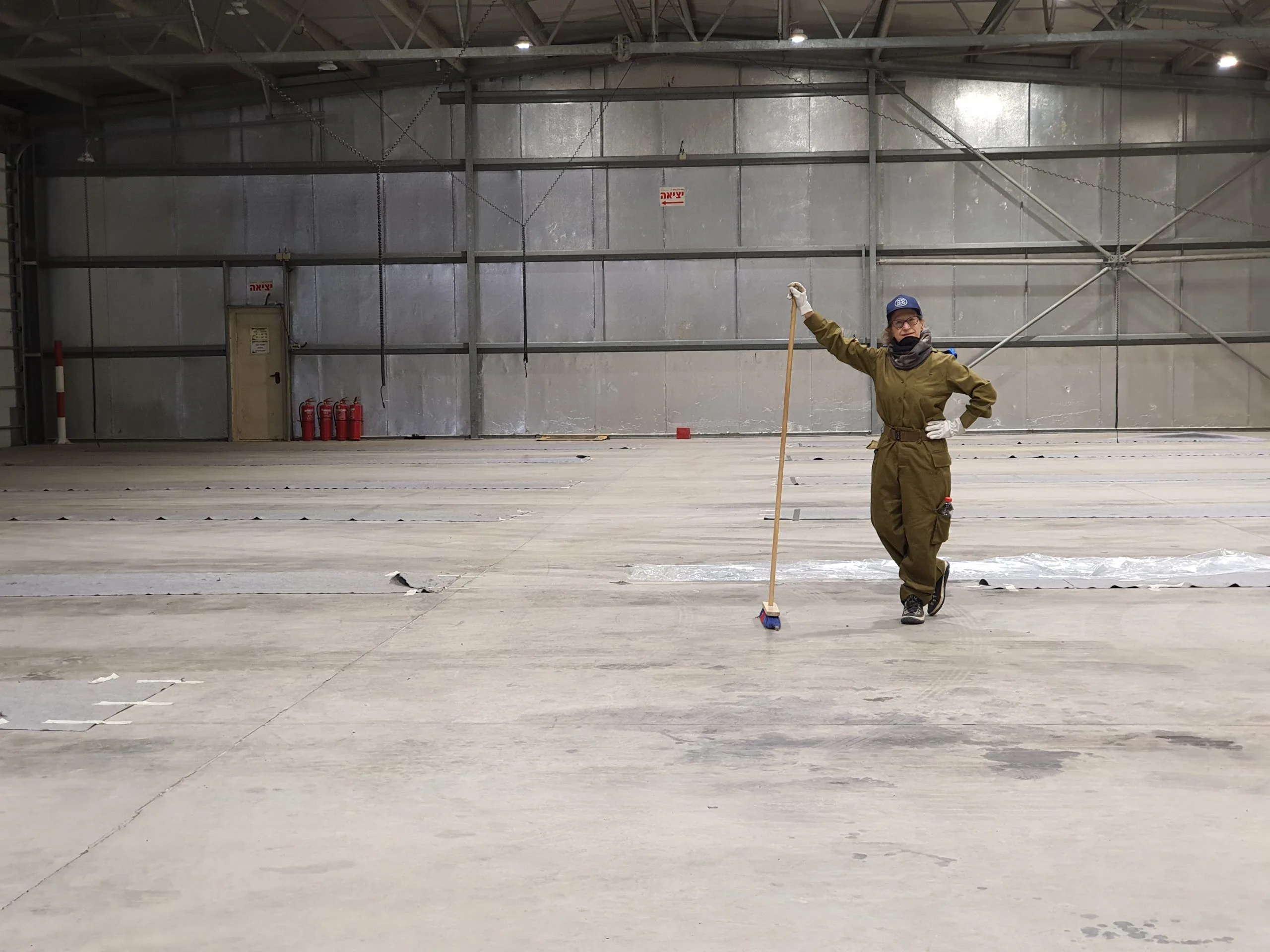
A friend in the SF Bay Area said in Dec 2019 that she might start listening on her morning drive to work. I mentioned to my husband and we decided to try the Daf when it began in Jan 2020 as part of our preparing to make Aliyah in the summer.
חנה פיוטרקובסקי
ירושלים, Israel
אחרי שראיתי את הסיום הנשי של הדף היומי בבנייני האומה זה ריגש אותי ועורר בי את הרצון להצטרף. לא למדתי גמרא קודם לכן בכלל, אז הכל היה לי חדש, ולכן אני לומדת בעיקר מהשיעורים פה בהדרן, בשוטנשטיין או בחוברות ושיננתם.

רבקה שלוס
בית שמש, ישראל
בתחילת הסבב הנוכחי הצטברו אצלי תחושות שאני לא מבינה מספיק מהי ההלכה אותה אני מקיימת בכל יום. כמו כן, כאמא לבנות רציתי לתת להן מודל נשי של לימוד תורה
שתי הסיבות האלו הובילו אותי להתחיל ללמוד. נתקלתי בתגובות מפרגנות וסקרניות איך אישה לומדת גמרא..
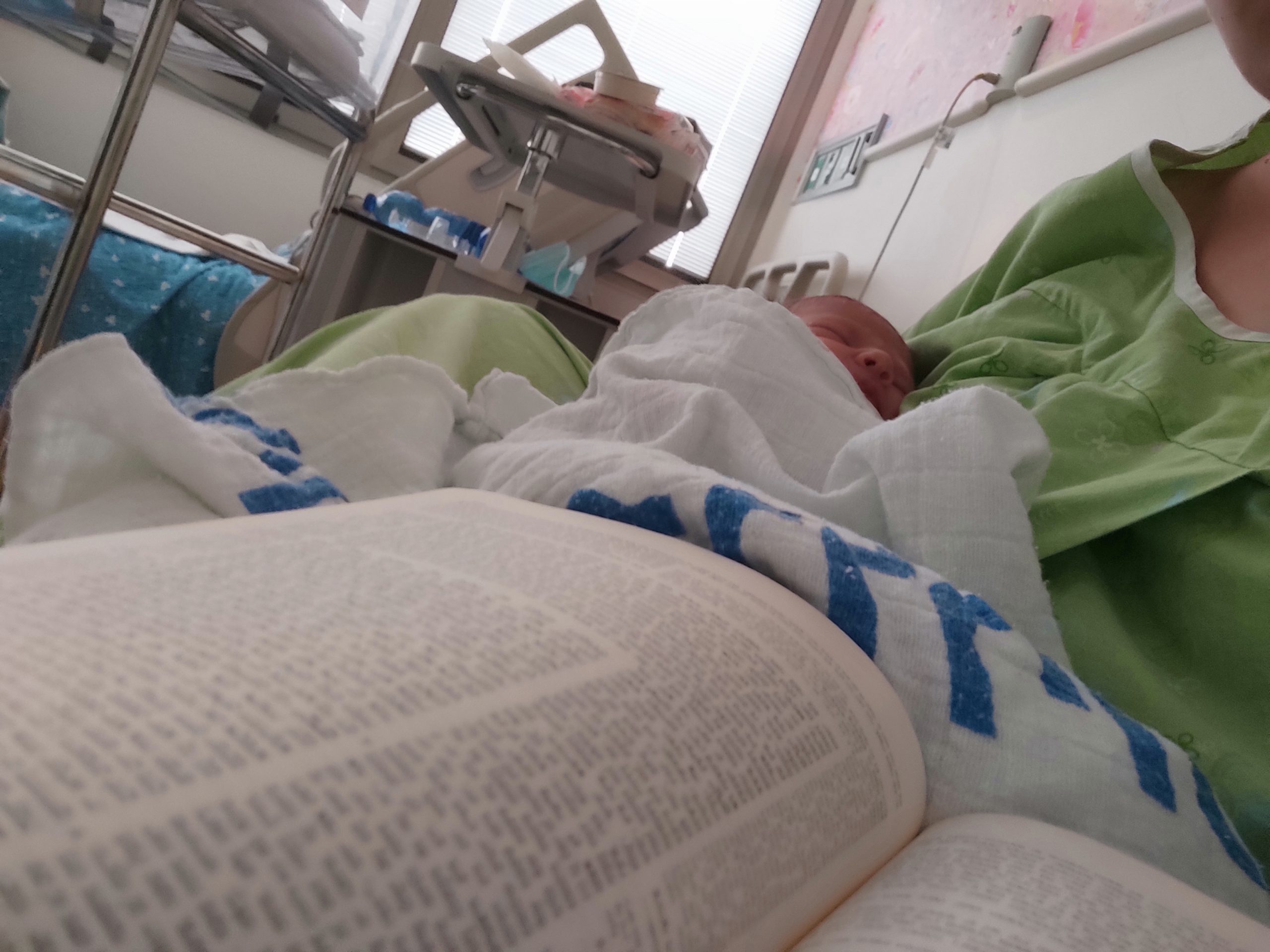
כמו שרואים בתמונה אני ממשיכה ללמוד גם היום ואפילו במחלקת יולדות אחרי לידת ביתי השלישית.
נועה שילה
רבבה, ישראל
הצטרפתי ללומדות בתחילת מסכת תענית. ההתרגשות שלי ושל המשפחה היתה גדולה מאוד, והיא הולכת וגוברת עם כל סיום שאני זוכה לו. במשך שנים רבות רציתי להצטרף ומשום מה זה לא קרה… ב”ה מצאתי לפני מספר חודשים פרסום של הדרן, ומיד הצטרפתי והתאהבתי. הדף היומי שינה את חיי ממש והפך כל יום- ליום של תורה. מודה לכן מקרב ליבי ומאחלת לכולנו לימוד פורה מתוך אהבת התורה ולומדיה.

נעה רוזן
חיספין רמת הגולן, ישראל
. לא תמיד נהניתי מלימוד גמרא כילדה.,בל כהתבגרתי התחלתי לאהוב את זה שוב. התחלתי ללמוד מסכת סוטה בדף היומי לפני כחמש עשרה שנה ואז הפסקתי.הגעתי לסיום הגדול של הדרן לפני שנתיים וזה נתן לי השראה. והתחלתי ללמוד למשך כמה ימים ואז היתה לי פריצת דיסק והפסקתי…עד אלול השנה. אז התחלתי עם מסכת ביצה וב”ה אני מצליחה לעמוד בקצב. המשפחה מאוד תומכת בי ויש כמה שגם לומדים את זה במקביל. אני אוהבת שיש עוגן כל יום.

רבקה דרשן
בית שמש, ישראל
התחלתי ללמוד לפני כשנתיים בשאיפה לסיים לראשונה מסכת אחת במהלך חופשת הלידה.
אחרי מסכת אחת כבר היה קשה להפסיק…

נעה גלנט
ירוחם, ישראל
התחלתי ללמוד גמרא בבית הספר בגיל צעיר והתאהבתי. המשכתי בכך כל חיי ואף היייתי מורה לגמרא בבית הספר שקד בשדה אליהו (בית הספר בו למדתי בילדותי)בתחילת מחזור דף יומי הנוכחי החלטתי להצטרף ובע”ה מקווה להתמיד ולהמשיך. אני אוהבת את המפגש עם הדף את "דרישות השלום ” שמקבלת מקשרים עם דפים אחרים שלמדתי את הסנכרון שמתחולל בין התכנים.

אריאלה ביגמן
מעלה גלבוע, ישראל
התחלתי ללמוד בשנת המדרשה במגדל עוז, בינתיים נהנית מאוד מהלימוד ומהגמרא, מעניין ומשמח מאוד!
משתדלת להצליח לעקוב כל יום, לפעמים משלימה קצת בהמשך השבוע.. מרגישה שיש עוגן מקובע ביום שלי והוא משמח מאוד!

אוריה קסנר
חיפה , ישראל
אחי, שלומד דף יומי ממסכת ברכות, חיפש חברותא ללימוד מסכת ראש השנה והציע לי. החברותא היתה מאתגרת טכנית ורוב הזמן נעשתה דרך הטלפון, כך שבסיום המסכת נפרדו דרכינו. אחי חזר ללמוד לבד, אבל אני כבר נכבשתי בקסם הגמרא ושכנעתי את האיש שלי להצטרף אלי למסכת ביצה. מאז המשכנו הלאה, ועכשיו אנחנו מתרגשים לקראתו של סדר נשים!

שולמית סבן
נוקדים, ישראל
כבר סיפרתי בסיום של מועד קטן.
הלימוד מאוד משפיעה על היום שלי כי אני לומדת עם רבנית מישל על הבוקר בזום. זה נותן טון לכל היום – בסיס למחשבות שלי .זה זכות גדול להתחיל את היום בלימוד ובתפילה. תודה רבה !

שרה ברלוביץ
ירושלים, ישראל
התחלתי ללמוד דף יומי לפני שנתיים, עם מסכת שבת. בהתחלה ההתמדה היתה קשה אבל בזכות הקורונה והסגרים הצלחתי להדביק את הפערים בשבתות הארוכות, לסיים את מסכת שבת ולהמשיך עם המסכתות הבאות. עכשיו אני מסיימת בהתרגשות רבה את מסכת חגיגה וסדר מועד ומחכה לסדר הבא!

אילנה שכנוביץ
מודיעין, ישראל
התחלתי ללמוד בעידוד שתי חברות אתן למדתי בעבר את הפרק היומי במסגרת 929.
בבית מתלהבים מאוד ובשבת אני לומדת את הדף עם בעלי שזה מפתיע ומשמח מאוד! לימוד הדף הוא חלק בלתי נפרד מהיום שלי. לומדת בצהריים ומחכה לזמן הזה מידי יום…

מרים ונגרובר
אפרת, ישראל
אמא שלי למדה איתי ש”ס משנה, והתחילה ללמוד דף יומי. אני החלטתי שאני רוצה ללמוד גם. בהתחלה למדתי איתה, אח”כ הצטרפתי ללימוד דף יומי שהרב דני וינט מעביר לנוער בנים בעתניאל. במסכת עירובין עוד חברה הצטרפה אלי וכשהתחלנו פסחים הרב דני פתח לנו שעור דף יומי לבנות. מאז אנחנו לומדות איתו קבוע כל יום את הדף היומי (ובשבת אבא שלי מחליף אותו). אני נהנית מהלימוד, הוא מאתגר ומעניין

רננה הלמן
עתניאל, ישראל
התחלתי לפני כמה שנים אבל רק בסבב הזה זכיתי ללמוד יום יום ולסיים מסכתות

סיגל טל
רעננה, ישראל
התחלתי מחוג במסכת קידושין שהעבירה הרבנית רייסנר במסגרת בית המדרש כלנה בגבעת שמואל; לאחר מכן התחיל סבב הדף היומי אז הצטרפתי. לסביבה לקח זמן לעכל אבל היום כולם תומכים ומשתתפים איתי. הלימוד לעתים מעניין ומעשיר ולעתים קשה ואף הזוי… אך אני ממשיכה קדימה. הוא משפיע על היומיום שלי קודם כל במרדף אחרי הדף, וגם במושגים הרבים שלמדתי ובידע שהועשרתי בו, חלקו ממש מעשי

אביגיל כריסי
ראש העין, ישראל
עירובין מא
וְכֵן עֶרֶב תִּשְׁעָה בְּאָב שֶׁחָל לִהְיוֹת בְּשַׁבָּת, אוֹכֵל וְשׁוֹתֶה כׇּל צָרְכּוֹ, וּמַעֲלֶה עַל שׁוּלְחָנוֹ אֲפִילּוּ כִּסְעוּדַת שְׁלֹמֹה בִּשְׁעָתוֹ. חָל לִהְיוֹת תִּשְׁעָה בְּאָב בְּעֶרֶב שַׁבָּת — מְבִיאִין לוֹ כְּבֵיצָה וְאוֹכֵל, כְּדֵי שֶׁלֹּא יִכָּנֵס לַשַּׁבָּת כְּשֶׁהוּא מְעוּנֶּה.
and so too, on the eve of the Ninth of Av that occurs on Shabbat, one need not reduce the amount of food he eats; rather, he may eat and drink as much as he requires and bring to his table a meal even like that of King Solomon in his time. If the Ninth of Av occurs on Shabbat eve, we bring him an egg-bulk of food toward end of the day, and he eats it, so that he not enter Shabbat in a state of affliction.
תַּנְיָא, אָמַר רַבִּי יְהוּדָה: פַּעַם אַחַת הָיִינוּ יוֹשְׁבִין לִפְנֵי רַבִּי עֲקִיבָא, וְתִשְׁעָה בְּאָב שֶׁחָל לִהְיוֹת בְּעֶרֶב שַׁבָּת הָיָה. וְהֵבִיאוּ לוֹ בֵּיצָה מְגוּלְגֶּלֶת, וּגְמָעָהּ בְּלֹא מֶלַח. וְלֹא שֶׁהָיָה תָּאֵב לָהּ, אֶלָּא לְהַרְאוֹת לַתַּלְמִידִים הֲלָכָה.
It was taught in a baraita that Rabbi Yehuda said: We were once sitting before Rabbi Akiva, and it was the Ninth of Av that occurs on Shabbat eve, and they brought him a slightly cooked egg, and he swallowed it without salt. And it was not that he desired it so much that he ate it; rather, he did so to show the students the halakha that one need not complete the fast when the Ninth of Av occurs on Shabbat eve, so as not enter Shabbat in a state of affliction.
וְרַבִּי יוֹסֵי אוֹמֵר: מִתְעַנֶּה וּמַשְׁלִים. אָמַר לָהֶן רַבִּי יוֹסֵי: אִי אַתֶּם מוֹדִים לִי בְּתִשְׁעָה בְּאָב שֶׁחָל לִהְיוֹת בְּאֶחָד בַּשַּׁבָּת, שֶׁמַּפְסִיק מִבְּעוֹד יוֹם? אָמְרוּ לוֹ: אֲבָל. אָמַר לָהֶם: מַה לִּי לִיכָּנֵס בָּהּ כְּשֶׁהוּא מְעוּנֶּה, מַה לִּי לָצֵאת מִמֶּנָּה כְּשֶׁהוּא מְעוּנֶּה.
And Rabbi Yosei says: He must fast and complete the fast. Rabbi Yosei said to the other Sages: Don’t you agree with me with regard to the Ninth of Av that occurs on Sunday, that one must stop eating on Shabbat while it is still day? They said to him: Indeed, we agree. Rabbi Yosei said to them: What is the difference to me between entering Shabbat in a state of affliction and leaving it in a state of affliction? If one stops eating before Shabbat is over, he is spending part of Shabbat fasting, and yet even the Sages concede that one must do so.
אָמְרוּ לוֹ: אִם אָמַרְתָּ לָצֵאת מִמֶּנָּה — שֶׁהֲרֵי אָכַל וְשָׁתָה כׇּל הַיּוֹם כּוּלּוֹ, תֹּאמַר לִיכָּנֵס בָּהּ כְּשֶׁהוּא מְעוּנֶּה, שֶׁלֹּא אָכַל וְשָׁתָה כׇּל הַיּוֹם כּוּלּוֹ.
They said to him: There is a difference. If you said that one may leave Shabbat in a state of affliction, that is because he ate and drank the entire day and will not suffer if he fasts a few minutes at the end of the day. Can you say that it is the same to enter Shabbat in a state of affliction, when he has not eaten or drunk anything the entire day?
וְאָמַר עוּלָּא: הֲלָכָה כְּרַבִּי יוֹסֵי. וּמִי עָבְדִינַן כְּרַבִּי יוֹסֵי? וּרְמִינְהִי: אֵין גּוֹזְרִין תַּעֲנִית עַל הַצִּיבּוּר בְּרָאשֵׁי חֳדָשִׁים, בַּחֲנוּכָּה וּבְפוּרִים. וְאִם הִתְחִילוּ — אֵין מַפְסִיקִין, דִּבְרֵי רַבָּן גַּמְלִיאֵל. אָמַר רַבִּי מֵאִיר: אַף עַל פִּי שֶׁאָמַר רַבָּן גַּמְלִיאֵל אֵין מַפְסִיקִין, מוֹדֶה הָיָה שֶׁאֵין מַשְׁלִימִין, וְכֵן בְּתִשְׁעָה בְּאָב שֶׁחָל לִהְיוֹת בְּעֶרֶב שַׁבָּת.
And Ulla said: The halakha is in accordance with the opinion of Rabbi Yosei, and on the Ninth of Av that occurs on Shabbat eve one must complete the fast. The Gemara poses a question: Do we really act in accordance with the opinion of Rabbi Yosei? And the Gemara raises a contradiction based upon the following mishna: We do not initially decree a fast upon the public on the New Moon, Hanukkah, or Purim, and if the community had already begun a cycle of fasts and one of them fell out on one of these days, they do not interrupt the series; this is the statement of Rabban Gamliel. Rabbi Meir said: Even though Rabban Gamliel said that they do not interrupt the series, he conceded that they do not complete the fast on one of these days, and so too, the fast on the Ninth of Av that occurs on Shabbat eve is not completed.
וְתַנְיָא: לְאַחַר פְּטִירָתוֹ שֶׁל רַבָּן גַּמְלִיאֵל, נִכְנַס רַבִּי יְהוֹשֻׁעַ לְהָפֵר אֶת דְּבָרָיו. עָמַד רַבִּי יוֹחָנָן בֶּן נוּרִי עַל רַגְלָיו וְאָמַר: חָזֵי אֲנָא דְּבָתַר רֵישָׁא גּוּפָא אָזֵיל. כׇּל יָמָיו שֶׁל רַבָּן גַּמְלִיאֵל קָבַעְנוּ הֲלָכָה כְּמוֹתוֹ, עַכְשָׁיו אַתָּה מְבַקֵּשׁ לְבַטֵּל דְּבָרָיו?! יְהוֹשֻׁעַ, אֵין שׁוֹמְעִין לְךָ, שֶׁכְּבָר נִקְבְּעָה הֲלָכָה כְּרַבָּן גַּמְלִיאֵל, וְלֹא הָיָה אָדָם שֶׁעִרְעֵר בַּדָּבָר כְּלוּם.
And it was taught in a related baraita: Following the death of Rabban Gamliel, Rabbi Yehoshua entered the study hall to annul Rabban Gamliel’s statement with regard to fasts. Rabbi Yoḥanan ben Nuri stood on his feet and said: I see that the appropriate policy is that the body must follow the head, i.e., we must follow the statements of the earlier authorities and not deviate from established halakha. All of Rabban Gamliel’s life we established the halakha in accordance with his opinion, and now you seek to annul his statement? Yehoshua, we do not listen to you, as the halakha has already been established in accordance with the opinion of Rabban Gamliel. And there was no one who disputed this statement in any way. Therefore, this baraita demonstrates that when the Ninth of Av occurs on Shabbat eve, one must observe the fast but not complete it, and this was the accepted practice.
בְּדוֹרוֹ שֶׁל רַבָּן גַּמְלִיאֵל עֲבוּד כְּרַבָּן גַּמְלִיאֵל, בְּדוֹרוֹ שֶׁל רַבִּי יוֹסֵי עֲבוּד כְּרַבִּי יוֹסֵי.
The Gemara resolves the difficulty, arguing that this proof is not conclusive: Indeed, in the generation of Rabban Gamliel they acted in accordance with the opinion of Rabban Gamliel, but in the generation of Rabbi Yosei they acted in accordance with the opinion of Rabbi Yosei, and from then on, the halakha follows his view.
וּבְדוֹרוֹ שֶׁל רַבָּן גַּמְלִיאֵל עֲבוּד כְּרַבָּן גַּמְלִיאֵל? וְהָתַנְיָא, אָמַר רַבִּי אֶלְעָזָר (בֶּן) צָדוֹק: אֲנִי (הָיִיתִי) מִבְּנֵי סְנָאָב בֶּן בִּנְיָמִין. פַּעַם אַחַת חָל תִּשְׁעָה בְּאָב לִהְיוֹת בְּשַׁבָּת, וּדְחִינוּהוּ לְאַחַר הַשַּׁבָּת, וְהִתְעַנִּינוּ בּוֹ, וְלֹא הִשְׁלַמְנוּהוּ, מִפְּנֵי שֶׁיּוֹם טוֹב שֶׁלָּנוּ הָיָה. טַעְמָא דְּיוֹם טוֹב, הָא עֶרֶב יוֹם טוֹב — מַשְׁלִימִין!
The Gemara asks: And is it correct that in the generation of Rabban Gamliel they acted in accordance with the opinion of Rabban Gamliel? Wasn’t it taught in a baraita that Rabbi Elazar ben Tzadok, a contemporary of Rabban Gamliel, said: I am a descendant of Sena’av ben Binyamin, who observed a family festival on the tenth of Av. One time, the Ninth of Av occurred on Shabbat, and we postponed it until after Shabbat, as we do not observe the fast on Shabbat, and we fasted on Sunday but did not complete the fast because that day was our Festival. This indicates that the reason they did not complete the fast is that the day itself was a Festival for them, but on the eve of a Festival, they would indeed complete it. This proves that even in the generation of Rabban Gamliel, they did complete fasts on the eve of Shabbat and Festivals.
אָמַר רָבִינָא: שָׁאנֵי יוֹם טוֹב שֶׁל דִּבְרֵיהֶם, מִתּוֹךְ שֶׁמִּתְעַנִּין בּוֹ שָׁעוֹת — מַשְׁלִימִין בּוֹ עַרְבִיּוֹת. שַׁבָּת, הוֹאִיל וְאֵין מִתְעַנִּין בָּהּ שָׁעוֹת — אֵין מַשְׁלִימִין בָּהּ עַרְבִיּוֹת.
Ravina said that this story poses no difficulty: A rabbinic Festival is different, as they are not as stringent as Shabbat or Festivals stated in the Torah, and the festival of the family of Sena’av was not a Festival from the Torah, but one established by the Sages. Since one may fast on such a Festival for a number of hours, i.e., one may fast on it for part of the day, one also completes a fast observed on the eve of such a Festival until the evening. With regard to Shabbat, however, since one may not fast on it even for several hours, one does not complete a fast observed on Shabbat eve.
אָמַר רַב יוֹסֵף: לָא שְׁמִיעַ לִי הָא שְׁמַעְתָּא. אֲמַר לֵיהּ אַבָּיֵי: אַתְּ אֲמַרְתְּ נִיהֲלַן, וְאַהָא אֲמַרְתְּ נִיהֲלַן: אֵין גּוֹזְרִין תַּעֲנִית עַל הַצִּבּוּר בְּרָאשֵׁי חֳדָשִׁים וְכוּ׳, וְאָמְרִינַן עֲלַהּ, אָמַר רַב יְהוּדָה אָמַר רַב: זוֹ דִּבְרֵי רַבִּי מֵאִיר שֶׁאָמַר מִשּׁוּם רַבָּן גַּמְלִיאֵל, אֲבָל חֲכָמִים אוֹמְרִים: מִתְעַנֶּה וּמַשְׁלִים.
Rav Yosef said: I did not hear this ruling that the halakha is in accordance with the opinion of Rabbi Yosei. Rav Yosef had fallen ill and forgotten his learning and so was unable to remember that such a ruling had been issued. His student, Abaye, said to him: You yourself told us this halakha, and it was with regard to this point that you told it to us, as we learned in a mishna: We do not initially decree a fast upon the public on the New Moon, on Hanukkah, or on Purim. Rabbi Meir said: Even though Rabban Gamliel said that if the community had already begun a cycle of fasts, they do not interrupt the series, he conceded that they do not complete the fast on one of these days, and similarly, the fast of the Ninth of Av that occurs on Shabbat eve is not completed. And we said with regard to this mishna that Rav Yehuda said that Rav said: This is the statement that Rabbi Meir said in the name of Rabban Gamliel. But the Rabbis say: One must fast and complete the fast.
מַאי לָאו, אַכּוּלְּהוּ? לָא, אַחֲנוּכָּה וּפוּרִים.
What? Does the Rabbis’ ruling that one must complete the fast not refer to all the cases mentioned in the mishna, including that of the Ninth of Av that occurs on Shabbat eve? No, it was stated only with regard to Hanukkah and Purim, but one would not complete a fast on Shabbat eve.
הָכִי נָמֵי מִסְתַּבְּרָא,
The Gemara comments: So too, it is reasonable to explain that this ruling does not apply to Shabbat eve,
דְּאִי סָלְקָא דַעְתָּךְ אַכּוּלְּהוּ — הָא בָּעֵי מִינֵּיהּ רַבָּה מֵרַב יְהוּדָה וְלָא פְּשַׁט לֵיהּ!
as, if it should enter your mind to say that Rav Yehuda said that the halakha is in accordance with the opinion of the Rabbis with regard to all the cases in the mishna, including that of the Ninth of Av that occurs on Shabbat eve, there is a difficulty: Didn’t Rabba raise a dilemma before Rav Yehuda with regard to this issue, and he did not answer him? This demonstrates that he did not have a decisive ruling on this subject.
וּלְטַעְמָיךְ, הָא דְּדָרֵשׁ מָר זוּטְרָא מִשְּׁמֵיהּ דְּרַב הוּנָא: הֲלָכָה, מִתְעַנֶּה וּמַשְׁלִים. הָא בְּעָא מִינֵּיהּ רַבָּה מֵרַב הוּנָא וְלָא פְּשַׁט לֵיהּ?!
The Gemara responds: And according to your opinion, that the issue had not been resolved, there is a difficulty with that which Mar Zutra expounded in the name of Rav Huna: The halakha is that one fasts and completes the fast on Shabbat eve. Didn’t Rabba also raise this dilemma before Rav Huna, and he too did not answer him? How could Mar Zutra have reported this halakhic ruling in the name of Rav Huna?
אֶלָּא: הָא — מִקַּמֵּי דְּשַׁמְעַהּ, וְהָא — לְבָתַר דְּשַׁמְעַהּ, הָכָא נָמֵי: הָא — מִקַּמֵּי דְּשַׁמְעַהּ, הָא — לְבָתַר דְּשַׁמְעַהּ.
Rather, you must say that this dilemma that Rabba raised to Rav Huna was before Rav Huna heard Rav’s ruling on the subject; whereas this, i.e., Rav Huna’s statement as cited by Mar Zutra, was made after he heard Rav’s ruling on the matter, and the problem was resolved for him. Here, too, with regard to Rav Yehuda, we can say that this dilemma that Rabba raised before Rav Yehuda was before Rav Yehuda heard Rav’s ruling on the topic, and therefore he did not know how to answer Rabba; whereas this, i.e., Rav Yehuda’s statement in the name of Rav, was made after he heard it.
דָּרֵשׁ מָר זוּטְרָא מִשְּׁמֵיהּ דְּרַב הוּנָא: הֲלָכָה, מִתְעַנִּין וּמַשְׁלִימִין.
The Gemara repeats the statement cited above in passing: Mar Zutra expounded in the name of Rav Huna: The halakha is that one fasts and completes the fast on the eves of Shabbat and Festivals.
הַדְרָן עֲלָךְ בַּכֹּל מְעָרְבִין
מַתְנִי׳ מִי שֶׁהוֹצִיאוּהוּ נׇכְרִים, אוֹ רוּחַ רָעָה — אֵין לוֹ אֶלָּא אַרְבַּע אַמּוֹת.
MISHNA: With regard to one whom gentiles forcibly took him out beyond the Shabbat limit, or if an evil spirit took him out, i.e., he was temporarily insane, and found himself outside the Shabbat limit, he has only four cubits that he may walk from where he is standing.
הֶחְזִירוּהוּ — כְּאִילּוּ לֹא יָצָא.
If the gentiles returned him, or if he came back while still under the influence of the evil spirit, it is as though he had never left his Shabbat limit, and he may move about within his original limit as before.
הוֹלִיכוּהוּ לְעִיר אַחֶרֶת, נְתָנוּהוּ בְּדִיר אוֹ בְּסַהַר, רַבָּן גַּמְלִיאֵל וְרַבִּי אֶלְעָזָר בֶּן עֲזַרְיָה אוֹמְרִים: מְהַלֵּךְ אֶת כּוּלָּהּ. רַבִּי יְהוֹשֻׁעַ וְרַבִּי עֲקִיבָא אוֹמְרִים: אֵין לוֹ אֶלָּא אַרְבַּע אַמּוֹת.
If the gentiles brought him to a different city that was surrounded by walls, or if they put him into a pen or a stable, i.e., animal enclosures, the Sages disagree. Rabban Gamliel and Rabbi Elazar ben Azarya say: He may walk about the entire city, as the whole city is considered like four cubits. Rabbi Yehoshua and Rabbi Akiva say: He has only four cubits from where he was placed.
מַעֲשֶׂה שֶׁבָּאוּ מִפְּלַנְדַּרְסִין, וְהִפְלִיגָה סְפִינָתָם בַּיָּם. רַבָּן גַּמְלִיאֵל וְרַבִּי אֶלְעָזָר בֶּן עֲזַרְיָה הָלְכוּ אֶת כּוּלָּהּ, רַבִּי יְהוֹשֻׁעַ וְרַבִּי עֲקִיבָא לֹא זָזוּ מֵאַרְבַּע אַמּוֹת, שֶׁרָצוּ לְהַחֲמִיר עַל עַצְמָן.
The mishna relates: There was an incident where all of these Sages were coming from Pelandarsin, an overseas location, and their boat set sail on the sea on Shabbat, taking them beyond their Shabbat limit. Rabban Gamliel and Rabbi Elazar ben Azarya walked about the entire boat, as they hold that the entire boat is considered like four cubits, while Rabbi Yehoshua and Rabbi Akiva did not move beyond four cubits, as they sought to be stringent with themselves.
פַּעַם אַחַת לֹא נִכְנְסוּ לַנָּמָל עַד שֶׁחָשֵׁיכָה, אָמְרוּ לוֹ לְרַבָּן גַּמְלִיאֵל: מָה אָנוּ לֵירֵד?
The mishna further relates that on one occasion, they did not enter the port [namel] until after nightfall on Shabbat eve. The others said to Rabban Gamliel: What is the halakha with regard to alighting from the boat at this time? In other words, were we already within the city’s limit before Shabbat commenced?
אָמַר לָהֶם: מוּתָּרִים אַתֶּם, שֶׁכְּבָר הָיִיתִי מִסְתַּכֵּל וְהָיִינוּ בְּתוֹךְ הַתְּחוּם עַד שֶׁלֹּא חָשֵׁיכָה.
He said to them: You are permitted to alight, as I was watching, and I observed that we were already within the city’s limit before nightfall. We acquired our resting place in the city during the twilight period. Therefore, it is permitted to walk throughout the city even after nightfall.
גְּמָ׳ תָּנוּ רַבָּנַן: שְׁלֹשָׁה דְּבָרִים מַעֲבִירִין אֶת הָאָדָם עַל דַּעְתּוֹ וְעַל דַּעַת קוֹנוֹ, אֵלּוּ הֵן: נׇכְרִים, וְרוּחַ רָעָה, וְדִקְדּוּקֵי עֲנִיּוּת.
GEMARA: Since the Gemara discussed one who stepped beyond the Shabbat limit due to an evil spirit, the Gemara cites a related baraita, in which the Sages taught: Three matters cause a person to act against his own will and the will of his Maker, and they are: Gentiles, and an evil spirit, and the depths of extreme poverty.
לְמַאי נָפְקָא מִינַּהּ? לְמִיבְעֵי רַחֲמֵי עֲלַיְיהוּ.
The Gemara asks: What is the practical halakhic difference that emerges from this statement? The Gemara answers: It is significant as it teaches one to request mercy for people who suffer from those problems.
שְׁלֹשָׁה אֵין רוֹאִין פְּנֵי גֵיהִנָּם, אֵלּוּ הֵן: דִּקְדּוּקֵי עֲנִיּוּת, וְחוֹלֵי מֵעַיִין, וְהָרְשׁוּת. וְיֵשׁ אוֹמְרִים: אַף מִי שֶׁיֵּשׁ לוֹ אִשָּׁה רָעָה.
The Gemara cites a related teaching: Three classes of people do not see the face of Gehenna, because the suffering that they bear in this world atones for their sins, and they are: Those suffering the depths of extreme poverty, those afflicted with intestinal disease, and those oppressed by creditors. And some say: Even one who has an evil wife who constantly harasses him.
וְאִידָּךְ? אִשָּׁה רָעָה מִצְוָה לְגָרְשָׁהּ.
The Gemara asks: And why don’t the other Sages include one with an evil wife among those who will not be punished in Gehenna? The Gemara answers: They maintain that it is a mitzva to divorce an evil wife. Therefore, that source of distress can be remedied.
וְאִידָּךְ? זִימְנִין דִּכְתוּבָּתָהּ מְרוּבָּה. אִי נָמֵי, אִית לֵיהּ בָּנִים מִינַּהּ, וְלָא מָצֵי מְגָרֵשׁ לַהּ.
And why do the other Sages include an evil wife? The Gemara answers: Sometimes payment of her marriage contract is very large, and consequently he cannot divorce her since he cannot afford to pay it. Alternatively, he has children from her, and he cannot raise them himself, and therefore he cannot divorce her.
לְמַאי נָפְקָא מִינַּהּ? לְקַבּוֹלֵי מֵאַהֲבָה.
The Gemara asks: What is the practical halakhic difference that emerges from this statement? The Gemara answers: It is significant as it teaches one to accept those afflictions with love, knowing that they will exempt him from the punishment of Gehenna.
שְׁלֹשָׁה מֵתִין כְּשֶׁהֵן מְסַפְּרִין, וְאֵלּוּ הֵן: חוֹלִי מֵעַיִין, וְחַיָּה, וְהִדְרוֹקָן.
It was similarly taught: Three classes of people are liable to die while conversing with others, i.e., to die suddenly, although they appear to be in good health and are capable of engaging in conversation, and they are: Those afflicted with intestinal sickness, and a woman in childbirth, and one who is sick with edema [hidrokan].
לְמַאי נָפְקָא מִינַּהּ: לְמַשְׁמוֹשֵׁי בְּהוּ זְוַודְתָּא.
Once again the Gemara asks: What is the practical halakhic difference that emerges from this statement? The Gemara answers: It is significant as it teaches one to prepare shrouds for them, in case they need them suddenly.
אָמַר רַב נַחְמָן אָמַר שְׁמוּאֵל: יָצָא לְדַעַת — אֵין לוֹ אֶלָּא אַרְבַּע אַמּוֹת. פְּשִׁיטָא, הַשְׁתָּא מִי שֶׁהוֹצִיאוּהוּ נׇכְרִים אֵין לוֹ אֶלָּא אַרְבַּע אַמּוֹת, יָצָא לְדַעַת מִיבַּעְיָא?!
The Gemara proceeds to analyze the mishna: Rav Naḥman said that Shmuel said: If one knowingly went out beyond the Shabbat limit, he has only four cubits that he may walk. The Gemara asks: This is obvious. Now, if with regard to one whom gentiles forcibly took out beyond the Shabbat limit, he has only four cubits, with regard to one who knowingly went out, is it necessary to teach that he has no more than four cubits within which he may walk?
אֶלָּא אֵימָא: חָזַר לְדַעַת — אֵין לוֹ אֶלָּא אַרְבַּע אַמּוֹת.
Rather, say that Rav Naḥman’s statement means: If he returned knowingly to within the Shabbat limit after having been taken out by gentiles, he has only four cubits within which he may walk, but no more.
הָא נָמֵי תְּנֵינָא: הֶחְזִירוּהוּ נׇכְרִים כְּאִילּוּ לֹא יָצָא. הֶחְזִירוּהוּ הוּא דִּכְאִילּוּ לֹא יָצָא, אֲבָל הוֹצִיאוּהוּ נׇכְרִים וְחָזַר לְדַעַת — אֵין לוֹ אֶלָּא אַרְבַּע אַמּוֹת!
The Gemara asks: This, too, we learned from a precise reading of the mishna: If the gentiles returned him to within the Shabbat limit it is as though he had never left the Shabbat limit, and he may move about as before. By inference, it is specifically when the gentiles themselves returned him that it is as though he never left his Shabbat limit. However, if gentiles took him out, and then he returned knowingly to his Shabbat limit, it is as though he left knowingly, and he has only four cubits within which he may walk.
אֶלָּא אֵימָא, יָצָא לְדַעַת וְהֶחְזִירוּהוּ נׇכְרִים — אֵין לוֹ אֶלָּא אַרְבַּע אַמּוֹת.
Rather, say Rav Naḥman’s statement as follows: If he knowingly went out beyond the Shabbat limit, and was later forcibly returned by gentiles to within his limit, he has only four cubits that he may walk, although he was restored to within his limit against his will.
הָא נָמֵי תְּנֵינָא: הוֹצִיאוּהוּ וְהֶחְזִירוּהוּ כְּאִילּוּ לֹא יָצָא. הוֹצִיאוּהוּ וְהֶחְזִירוּהוּ — הוּא דִּכְאִילּוּ לֹא יָצָא, אֲבָל יָצָא לְדַעַת — לָא!
The Gemara raises a difficulty: This, too, we learned from a precise reading of the mishna: If gentiles forcibly took him out and later returned him, it is as though he never left. By inference, it is specifically when the gentiles themselves forcibly took him out and then themselves returned him that it is as though he never left the Shabbat limit. However, if he knowingly went out, no, that is not the halakha, even if he was later forcibly returned by gentiles.
מַהוּ דְּתֵימָא, לִצְדָדִין קָתָנֵי: מִי שֶׁהוֹצִיאוּהוּ נׇכְרִים וְחָזַר לְדַעַת — אֵין לוֹ אֶלָּא אַרְבַּע אַמּוֹת, אֲבָל יָצָא לְדַעַת וְהֶחְזִירוּהוּ נׇכְרִים — כְּאִילּוּ לֹא יָצָא, קָא מַשְׁמַע לַן.
The Gemara answers: Rav Naḥman’s statement is necessary lest you say that perhaps the mishna is not referring to one specific case, but rather it is teaching disjunctively, i.e., referring to two separate cases, as follows: One who was forcibly taken out beyond the Shabbat limit by gentiles and later returned knowingly has only four cubits within which to walk. But if he knowingly went out beyond the Shabbat limit and was later forcibly returned by gentiles, it is as though he had never left, and he may move within his original limit as before. Therefore, Rav Naḥman teaches us that if he willingly went out beyond the Shabbat limit and was later forcibly returned by gentiles, it is considered as though he had returned knowingly, so that he has only four cubits within which to walk.
בְּעוֹ מִינֵּיהּ מֵרַבָּה: הוּצְרַךְ לִנְקָבָיו מַהוּ? אָמַר לָהֶם: גָּדוֹל כְּבוֹד הַבְּרִיּוֹת שֶׁדּוֹחֶה אֶת לֹא תַעֲשֶׂה שֶׁבַּתּוֹרָה.
They raised a dilemma before Rabba: If a person who is restricted to an area of four cubits needed to relieve himself and no secluded spot is available, what is the halakha? He said to them: The Sages established a principle that great is human dignity, which even supersedes a negative precept of the Torah, and therefore a person is permitted to overstep the Shabbat limit fixed by the Sages in order to relieve himself modestly.
אָמְרִי נְהַרְדָּעֵי: אִי פִּיקֵּחַ הוּא עָיֵיל לִתְחוּמָא, וְכֵיוָן דְּעָל — עָל.
The Sages of Neharde’a said: If this person is clever, he will enter into his original Shabbat limit, and since he was permitted to enter it, he entered, and may remain there.
אָמַר רַב פָּפָּא: פֵּירוֹת שֶׁיָּצְאוּ חוּץ לַתְּחוּם וְחָזְרוּ, אֲפִילּוּ בְּמֵזִיד — לֹא הִפְסִידוּ אֶת מְקוֹמָן. מַאי טַעְמָא? אֲנוּסִין נִינְהוּ.
Rav Pappa said: With regard to produce that was taken out beyond the Shabbat limit and was later returned, even if this was done intentionally, the produce has not lost its place; rather, it may still be carried within the entire limit. What is the reason for this halakha? It is that the produce did not go out willingly, but was taken due to circumstances beyond its control.
אֵיתִיבֵיהּ רַב יוֹסֵף בַּר שְׁמַעְיָה לְרַב פָּפָּא: רַבִּי נְחֶמְיָה וְרַבִּי אֱלִיעֶזֶר בֶּן יַעֲקֹב אוֹמְרִים: לְעוֹלָם אֲסוּרִין, עַד שֶׁיַּחְזְרוּ לִמְקוֹמָן שׁוֹגְגִין. בְּשׁוֹגֵג אִין, בְּמֵזִיד לָא!
Rav Yosef bar Shemaya raised an objection to the opinion of Rav Pappa from a baraita: Rabbi Neḥemya and Rabbi Eliezer ben Ya’akov say: It is actually prohibited to carry the produce beyond four cubits, unless it was returned to its place unwittingly. By inference, if it was returned unwittingly, yes, it is permitted, but if it was returned intentionally, it is not.
תַּנָּאֵי הִיא, דְּתַנְיָא: פֵּירוֹת שֶׁיָּצְאוּ חוּץ לַתְּחוּם, בְּשׁוֹגֵג — יֵאָכֵלוּ, בְּמֵזִיד — לֹא יֵאָכֵלוּ.
The Gemara answers: This is subject to a dispute between the tanna’im, as it was taught in a baraita: With regard to produce that was taken out beyond the Shabbat limit, if it was taken out unwittingly, it may be eaten; but if it was taken out intentionally, it may not be eaten.
לעקוב

