חיפוש

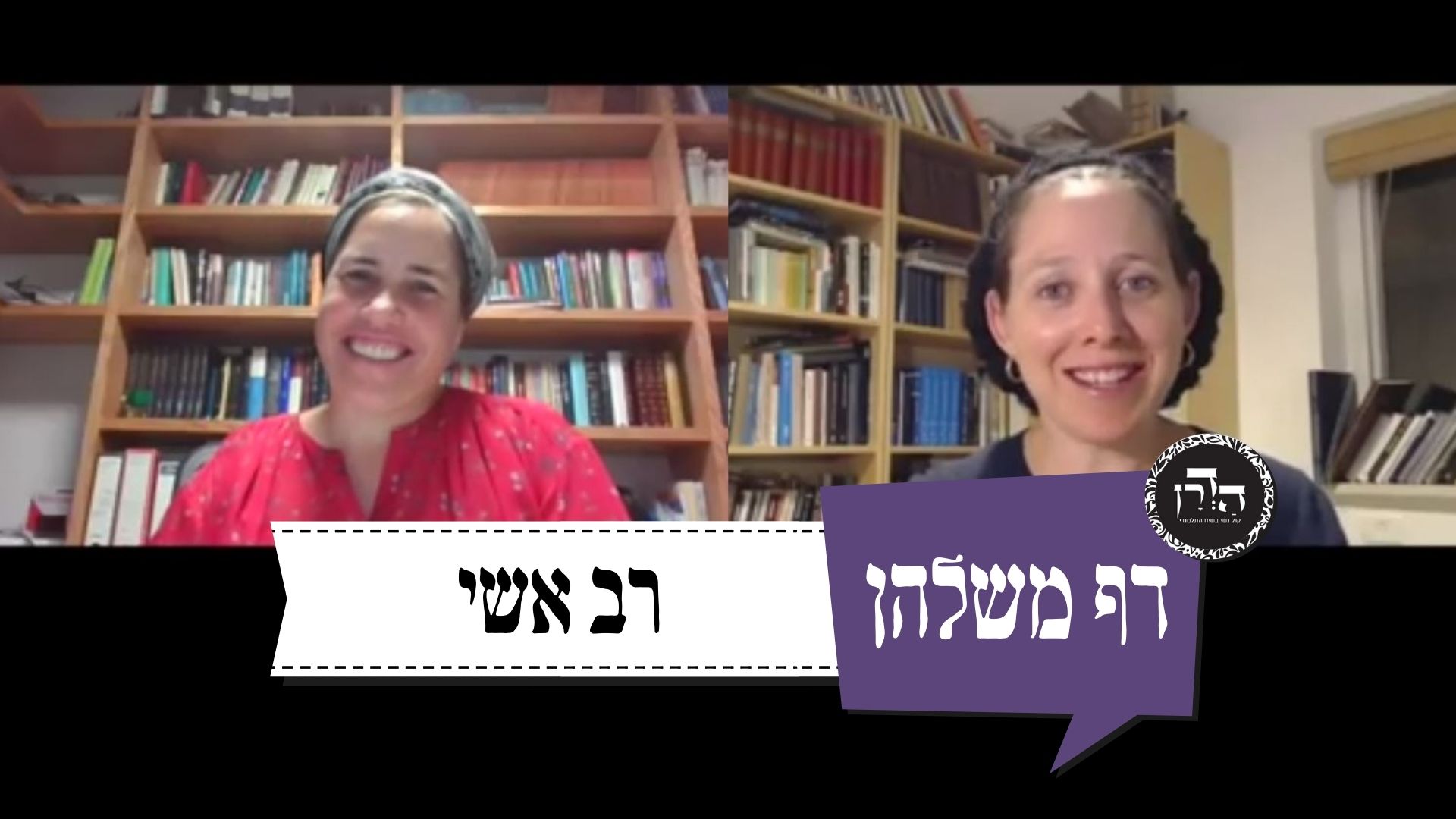
עירובין נו

רוצה להקדיש שיעור?

podcast placeholder

0:00
0:00


תקציר

השיעור היום מוקדש על ידי קרוליין אופשטיין לכבוד בר המצווה של יקיר. ולרפואה שלימה לשיינדל חיה בת לאה בתוך שאר חולי ישראל. ועל ידי רייצ’ל אלקסנדר לוי לכבוד אמה, שילה אלקסנדר. כשאימי ייסדה את בית הספר לפני כ40 שנה, מי היה מעלה על דעתם שאלמד דף יומי בגיל 47!

תלמיד חכם צריך לגור בעיר שיש בו ירקות. אבל האם זה באמת טוב לאכול ירקות? יש ברייתא שבו רשום שלא! לא טוב לגור בעיר שיש בה הרבה ירידות ועלויות כי זה גורם לזקנות. אם העיר עגולה, מרבעין אותה בכדי למדוד את התחום. עושים את הצדדים של הריבוע כפי כריבוע עולם, ז”א הקוים הם כפי הרוחות – צפון, דרום, מערב ומזרח. הגמרא נותנת סימנים בכדי לדעת את הכיוונים צפון ודרום – או לפי המזלות או לפי זריחה ושקיעה בתקופות שונות של השנה. שמואל מסביר דברים של התקופות השונות של השנה וכמה הפרש בדיוק יש בין תקופה לתקופה. הגמרא מביאה ברייתא שמתארת את כל המידות שמוסיפים לעיר בצורה של עיגול – גם בכך שמרבעים את העיר ואז איך מודדים את ה-2,000 מסביב לריבוע. הגמרא מביאה עוד ברייתא שמתארת את ערי הלויים והמגרש ושדות שקיבלו מסביב לעיר. הברייתא אומרת שמגרש רביע. הגמרא מנסה להבין במה מדובר. רבא ואביי מביאים הסברים לדברי הברייתא. ובהמשך יוצעו עוד אפשרויות על ידי חכמים אחרים.

עירובין נו

פַּת קִיבָּר וְשֵׁכָר חָדָשׁ וְיָרָק. לָא קַשְׁיָא: הָא — בְּתוּמֵי וְכַרָּתֵי, הָא — בִּשְׁאָר יַרְקֵי. כִּדְתַנְיָא: שׁוּם — יָרָק, כְּרֵישִׁין — חֲצִי יָרָק, נִרְאֶה צְנוֹן — נִרְאֶה סַם חַיִּים.

coarse bread, made from coarse flour that has not been thoroughly sifted, new beer, and vegetables. This indicates that vegetables are harmful to one’s well-being. The Gemara answers: This is not difficult. This statement of Rav Huna is referring to garlic and leeks, which are beneficial; that baraita is referring to other vegetables, which are harmful. As it was taught in a baraita: Garlic is a healthy vegetable; leeks are a half-vegetable, meaning they are half as healthful. If radish has been seen, an elixir of life has been seen, as it is very beneficial to the body.

וְהָא תַנְיָא: נִרְאֶה צְנוֹן — נִרְאֶה סַם הַמָּוֶת! לָא קַשְׁיָא: כָּאן — בֶּעָלִין, כָּאן — בָּאִמָּהוֹת. כָּאן — בִּימוֹת הַחַמָּה, כָּאן — בִּימוֹת הַגְּשָׁמִים.

The Gemara asks: Wasn’t it taught in a different baraita: If radish has been seen, a lethal drug has been seen? The Gemara answers: This is not difficult. Here, in the baraita that deprecates radish, it is referring to its leaves; there, in the baraita that praises radish, it is referring to the roots. Alternatively, here it is referring to the summer, when radish is beneficial; there, it is referring to the winter, when it is harmful.

אָמַר רַב יְהוּדָה אָמַר רַב: כׇּל עִיר שֶׁיֵּשׁ בָּהּ מַעֲלוֹת וּמוֹרָדוֹת, אָדָם וּבְהֵמָה שֶׁבָּהּ מֵתִים בַּחֲצִי יְמֵיהֶן. מֵתִים סָלְקָא דַּעְתָּךְ? אֶלָּא אֵימָא: מַזְקִינִים בַּחֲצִי יְמֵיהֶן. אָמַר רַב הוּנָא בְּרֵיהּ דְּרַב יְהוֹשֻׁעַ: הָנֵי מוּלְיָיתָא דְּבֵי בֵירֵי וּדְבֵי נָרֶשׁ אַזְקְנוּן.

On the topic of the attributes of different locations, Rav Yehuda also said that Rav said: In any city that has many ascents and descents, which can be taxing to the body, people and animals die at half their days, meaning half of their life expectancy. The Gemara expresses surprise: Can it enter your mind that Rav really meant to say that they die prematurely? Even in such cities they are known to have a regular life expectancy. Rather, say: They grow old at half their days, i.e., they age prematurely due to the strain of climbing up and down the inclines. Similarly, Rav Huna, son of Rav Yehoshua, said: The ascents and descents between Beit Biri and Beit Neresh, my place of residence, made me grow old prematurely.

תָּנוּ רַבָּנַן: בָּא לְרַבְּעָהּ — מְרַבְּעָהּ בְּרִיבּוּעַ עוֹלָם, נוֹתֵן צְפוֹנָהּ לִצְפוֹן עוֹלָם וּדְרוֹמָהּ לִדְרוֹם עוֹלָם, וְסִימָנָיךְ: עֲגָלָה בַּצָּפוֹן, וְעַקְרָב בַּדָּרוֹם.

With regard to the measurements of a city’s boundaries, the Sages taught the following baraita: If, in order to measure the Shabbat limit, one comes to square a city, i.e., to extend the city’s boundaries to include all of its protrusions within an imaginary square, he squares it so that the sides of the square align with the four directions of the world. He sets the northern side of the square to align with the north of the world, and its southern side to align with the south of the world. And your sign by which you can recognize the directions of the world is as follows: The constellation of Ursa Major is in the north and Scorpio is in the south. The directions of the city are determined by these constellations.

רַבִּי יוֹסֵי אוֹמֵר: אִם אֵינוֹ יוֹדֵעַ לְרַבְּעָהּ בְּרִיבּוּעַ שֶׁל עוֹלָם, — מְרַבְּעָהּ כְּמִין הַתְּקוּפָה. כֵּיצַד? חַמָּה יוֹצְאָה בְּיוֹם אָרוֹךְ וְשׁוֹקַעַת בְּיוֹם אָרוֹךְ — זֶה הוּא פְּנֵי צָפוֹן. חַמָּה יוֹצְאָה בְּיוֹם קָצָר וְשׁוֹקַעַת בְּיוֹם קָצָר — זֶה הוּא פְּנֵי דָרוֹם. תְּקוּפַת נִיסָן וּתְקוּפַת תִּשְׁרֵי — חַמָּה יוֹצְאָה בַּחֲצִי מִזְרָח וְשׁוֹקַעַת בַּחֲצִי מַעֲרָב,

Rabbi Yosei says: If one does not know how to square the city in alignment with the four directions of the world based upon the constellations, he should square it based upon the seasons, although this is less precise. How so? Where the sun rises and sets on the longest day of the year, the summer solstice, this route of the sun is the face of the north. The sun rises in the northeast and sets in the northwest, and thus travels from east to west across the north side of the world. Conversely, where the sun rises and sets on the shortest day of the year, the winter solstice, this route of the sun is the face of the south. Whereas at the vernal equinox and the autumnal equinox, when day and night are equal in length, the sun rises in the middle of the east and sets in the middle of the west.

שֶׁנֶּאֱמַר: ״הוֹלֵךְ אֶל דָּרוֹם וְסוֹבֵב אֶל צָפוֹן״, הוֹלֵךְ אֶל דָּרוֹם — בַּיּוֹם, וְסוֹבֵב אֶל צָפוֹן — בַּלַּיְלָה. ״סוֹבֵב סוֹבֵב הוֹלֵךְ הָרוּחַ״ — אֵלּוּ פְּנֵי מִזְרָח וּפְנֵי מַעֲרָב, פְּעָמִים מְהַלַּכְתָּן וּפְעָמִים מְסַבַּבְתָּן.

As it is stated: “One generation passes away and another generation comes; but the earth abides forever. The sun also rises and the sun goes down, and hastens to its place, where it rises again. It goes toward the south, and turns about to the north; round and round goes the wind, and on its circuits the wind returns” (Ecclesiastes 1:4–6). The verse is understood as describing the sun’s movements, as follows: “It goes toward the south” during the day; “and turns about to the north,” on the other side of the earth, at night. “Round and round goes the wind [ruaḥ];” the word ruaḥ can also mean direction or side. Rabbi Yosei explains that these are the face of the east and the face of the west; sometimes the sun traverses them visibly, and sometimes it turns about them without being seen.

אָמַר רַב מְשַׁרְשְׁיָא: לֵיתַנְהוּ לְהָנֵי כְּלָלֵי, דְּתַנְיָא: לֹא יָצְאָה חַמָּה מֵעוֹלָם מִקֶּרֶן מִזְרָחִית צְפוֹנִית וְשָׁקְעָה בְּקֶרֶן מַעֲרָבִית צְפוֹנִית, וְלֹא יָצְאָה חַמָּה מִקֶּרֶן מִזְרָחִית דְּרוֹמִית וְשָׁקְעָה בְּקֶרֶן מַעֲרָבִית דְּרוֹמִית.

Rav Mesharshiya said: There is no validity to these rules established by Rabbi Yosei, as it was taught in a baraita: The sun has never risen, even during the summer, at the northeastern corner of the sky and set in the northwestern corner, nor has the sun ever risen, even during the winter, at the southeastern corner and set in the southwestern corner. Therefore, one can establish the directions of the world according to the sun’s path only during the autumn and spring.

אָמַר שְׁמוּאֵל: אֵין תְּקוּפַת נִיסָן נוֹפֶלֶת אֶלָּא בְּאַרְבָּעָה רִבְעֵי הַיּוֹם, אוֹ בִּתְחִלַּת הַיּוֹם אוֹ בִּתְחִלַּת הַלַּיְלָה, אוֹ בַּחֲצִי הַיּוֹם אוֹ בַּחֲצִי הַלַּיְלָה.

On the topic of the previous discussion with regard to calculating the directions of the world based upon the seasons, Shmuel said: The vernal equinox occurs only at the beginning of one of the four quarters of a day: Either precisely at the beginning of the day, or precisely at the beginning of the night, or at midday, or at midnight.

וְאֵין תְּקוּפַת תַּמּוּז נוֹפֶלֶת אֶלָּא אוֹ בְּאַחַת וּמֶחֱצָה, אוֹ בְּשֶׁבַע וּמֶחֱצָה, בֵּין בַּיּוֹם וּבֵין בַּלַּיְלָה. וְאֵין תְּקוּפַת תִּשְׁרֵי נוֹפֶלֶת אֶלָּא אוֹ בְּשָׁלֹשׁ שָׁעוֹת אוֹ בְּתֵשַׁע שָׁעוֹת, בֵּין בַּיּוֹם וּבֵין בַּלַּיְלָה. וְאֵין תְּקוּפַת טֵבֵת נוֹפֶלֶת אֶלָּא אוֹ בְּאַרְבַּע וּמֶחֱצָה אוֹ בְּעֶשֶׂר וּמֶחֱצָה, בֵּין בַּיּוֹם וּבֵין בַּלַּיְלָה.

Similarly, the summer solstice occurs only at certain times of the day: Either at the conclusion of one and a half hours or seven and a half hours of the day or night. And the autumnal equinox occurs only at certain times: Either at the conclusion of three hours or nine hours of the day or night. And the winter solstice occurs only at certain times: Either at the conclusion of four and a half hours or ten and a half hours of the day or night.

וְאֵין בֵּין תְּקוּפָה לִתְקוּפָה אֶלָּא תִּשְׁעִים וְאֶחָד יוֹם וְשֶׁבַע שָׁעוֹת וּמֶחֱצָה. וְאֵין תְּקוּפָה מוֹשֶׁכֶת מֵחֲבֶרְתָּהּ אֶלָּא חֲצִי שָׁעָה.

And all this is based on the principle that there are only ninety-one days and seven and a half hours between the beginning of one season and the next, as he assumed that a year is exactly 365¼ days. And similarly, each season begins precisely one-half planetary hour past the beginning of the previous season. There are seven heavenly bodies that are each ascendant for an hour at a time in a constant rotation: Mercury, Moon, Saturn, Jupiter, Mars, the Sun, and Venus. Each season begins half an hour later in this rotation than the previous season.

וְאָמַר שְׁמוּאֵל: אֵין לְךָ תְּקוּפַת נִיסָן שֶׁנּוֹפֶלֶת בְּצֶדֶק, שֶׁאֵינָהּ מְשַׁבֶּרֶת אֶת הָאִילָנוֹת. וְאֵין לְךָ תְּקוּפַת טֵבֵת שֶׁנּוֹפֶלֶת בְּצֶדֶק, שֶׁאֵינָהּ מְיַיבֶּשֶׁת אֶת הַזְּרָעִים. וְהוּא, דְּאִיתְיְלִיד לְבָנָה אוֹ בִּלְבָנָה אוֹ בְּצֶדֶק.

And Shmuel said: There is no instance when the vernal equinox occurs in the planetary hour of Jupiter and it does not break the trees with its strong winds; and there is no instance when the winter solstice occurs in the planetary hour of Jupiter and it does not dry up the seeds. And this applies only where the new moon appeared either at the hour of the Moon or at the hour of Jupiter.

תָּנוּ רַבָּנַן: הַמְרַבֵּעַ אֶת הָעִיר, עוֹשֶׂה אוֹתָהּ כְּמִין טַבְלָא מְרוּבַּעַת. וְחוֹזֵר וּמְרַבֵּעַ אֶת הַתְּחוּמִין, וְעוֹשֶׂה אוֹתָן כְּמִין טַבְלָא מְרוּבַּעַת.

The Sages taught: One who squares a city in order to determine its Shabbat limit renders it like a square tablet, and then he also squares the Shabbat boundaries and renders them like a square tablet. Consequently, after squaring the city, he adds additional squares of two thousand cubits to each of its sides.

וּכְשֶׁהוּא מוֹדֵד, לֹא יִמְדּוֹד מֵאֶמְצַע הַקֶּרֶן אַלְפַּיִם אַמָּה מִפְּנֵי שֶׁהוּא מַפְסִיד אֶת הַזָּוִיּוֹת. אֶלָּא מֵבִיא טַבְלָא מְרוּבַּעַת שֶׁהִיא אַלְפַּיִם אַמָּה עַל אַלְפַּיִם אַמָּה, וּמַנִּיחָהּ בְּקֶרֶן בַּאֲלַכְסוֹנָהּ.

And when he measures the Shabbat limit, he should not measure the two thousand cubits diagonally from the middle of each corner of the city, because if he were to do so, he would lose the corners, i.e., the limit would extend only two thousand cubits on the diagonal from each of the corners. Rather, he measures the boundary as though he brought a square tablet that is two thousand cubits by two thousand cubits, and places it at each corner at its diagonal.

נִמְצֵאתָ הָעִיר מִשְׂתַּכֶּרֶת אַרְבַּע מֵאוֹת אַמּוֹת לְכָאן וְאַרְבַּע מֵאוֹת אַמּוֹת לְכָאן. נִמְצְאוּ תְּחוּמִין מִשְׂתַּכְּרִין שְׁמוֹנֶה מֵאוֹת אַמּוֹת לְכָאן וּשְׁמוֹנֶה מֵאוֹת לְכָאן. נִמְצְאוּ הָעִיר וּתְחוּמִין מִשְׂתַּכְּרִין אֶלֶף וּמָאתַיִם לְכָאן וְאֶלֶף וּמָאתַיִם לְכָאן.

As a result, it will be found that the city gains four hundred cubits in this corner and another four hundred cubits in the opposite corner. Assuming that the city itself is round and has a diameter of two thousand cubits, as will be explained below, when the borders of the city are squared, approximately four hundred cubits are added to the city at each corner. When one then squares the Shabbat boundaries, it is found that the Shabbat boundaries gain eight hundred cubits in this corner and eight hundred cubits in the opposite corner. Consequently, by squaring both the city itself and its Shabbat boundaries, it is found that the city and the Shabbat boundaries together gain 1,200 cubits in this corner and 1,200 cubits in the opposite corner.

אָמַר אַבָּיֵי: וּמַשְׁכַּחַתְּ לַהּ בְּמָתָא דְּהָוְיָא תְּרֵי אַלְפֵי אַתְּרֵי אַלְפֵי.

Abaye said: And you find this projection of the additions to the city’s borders and Shabbat boundaries to be correct in the case of a round city that is two thousand cubits by two thousand cubits.

תַּנְיָא, אָמַר רַבִּי אֱלִיעֶזֶר בְּרַבִּי יוֹסֵי: תְּחוּם עָרֵי לְוִיִּם אַלְפַּיִם אַמָּה. צֵא מֵהֶן אֶלֶף אַמָּה מִגְרָשׁ — נִמְצָא מִגְרָשׁ רְבִיעַ, וְהַשְּׁאָר שָׂדוֹת וּכְרָמִים.

The Gemara cites a similar discussion with regard to the Levite cities, the forty-eight cities given to the Levites in Eretz Yisrael instead of a tribal inheritance. It was taught in a baraita that Rabbi Eliezer, son of Rabbi Yosei, said: The boundary of the cities of the Levites extends two thousand cubits in each direction beyond the inhabited section of the city. Remove from them a thousand cubits of open space just beyond the inhabited area, which must be left vacant. Consequently, the open space is one quarter of the extended area, and the rest is fields and vineyards.

מְנָא הָנֵי מִילֵּי? אָמַר רָבָא: דְּאָמַר קְרָא: ״מִקִּיר הָעִיר וָחוּצָה אֶלֶף אַמָּה סָבִיב״, אָמְרָה תּוֹרָה: סַבֵּב אֶת הָעִיר בְּאֶלֶף, נִמְצָא מִגְרָשׁ רְבִיעַ.

The Gemara asks: From where are these matters? From where is it derived that the open space surrounding the cities of the Levites measured a thousand cubits? Rava said: As the verse states: “And the open spaces of the cities, that you shall give to the Levites, shall be from the wall of the city and outward a thousand cubits round about” (Numbers 35:4). The Torah states: Surround the city with a thousand cubits on all sides to serve as an open space. Consequently, the open space is one quarter of the area.

רְבִיעַ?! פַּלְגָא הָוֵי! אָמַר רָבָא: בַּר אַדָּא מָשׁוֹחָאָה אַסְבְּרַהּ לִי — מַשְׁכַּחַתְּ לַהּ בְּמָתָא דְּהָוְיָא תְּרֵי אַלְפֵי אַתְּרֵי אַלְפֵי. תְּחוּם כַּמָּה הָוְיָא? שִׁיתְּסַר. קְרָנוֹת כַּמָּה הָוְיָין? שִׁיתְּסַר. דַּל תְּמָנְיָא דִתְחוּמִין וְאַרְבְּעָה דִקְרָנוֹת, כַּמָּה הָוֵי? תְּרֵיסַר.

The Gemara asks: Is it one quarter? It is one half. One thousand cubits is exactly half of the two thousand cubits incorporated into the boundary of the cities of the Levites. Rava said: Bar Adda the surveyor explained the calculation to me: You will find this in a city that is two thousand cubits by two thousand cubits. How many cubits is the extended boundary of the city itself, without the corners? Sixteen million square cubits. Squares measuring two thousand by two thousand cubits are appended to each of the four sides of the city. The area of each of these squares is four million square cubits, and the total area of all the additional squares is sixteen million square cubits. How many cubits are the corners? Sixteen million square cubits, as additional squares of two thousand by two thousand cubits are appended to the corners of the outer boundaries of the cities. Subtract eight million square cubits from the area of the extended boundary for the open space around the city; the first thousand cubits beyond the inhabited part of the city must be left as open space, which amounts to areas measuring one thousand by two thousand cubits on each of the four sides of the city, for a total of eight million square cubits. And subtract another four million square cubits from the corners, as sections of the corners are parallel to the open spaces. How much is the sum total of the area of the open spaces? Twelve million square cubits.

נִמְצָא מִגְרָשׁ רְבִיעַ? טְפֵי מִתִּלְתָּא נִינְהוּ!

The Gemara asks: According to this calculation, how is the open space found to be one quarter of the area? It is more than one-third. The entire area of the extended boundary is thirty-two million square cubits and the open space occupies twelve million square cubits, which is more than one-third of the total area of the extended boundary.

אַיְיתִי אַרְבְּעָה דְמָתָא, שְׁדִי עֲלַיְיהוּ. אַכַּתִּי תִּילְתָּא הָוֵי!

The Gemara explains: Bring the four million square cubits of the city itself and add them to the area of the limit, and you will arrive at the correct ratio. The Gemara asks: The opens space is still one-third, as the total area of the city and its extended boundary is thirty-six million square cubits, and the area of the open space is twelve million square cubits.

מִי סָבְרַתְּ בְּרִיבּוּעָא קָאָמַר? בְּעִיגּוּלָא קָאָמַר.

The Gemara answers: Do you think that this halakha was stated with regard to a square city? It was in fact stated with regard to a round city. The open space beyond the city is also round; however, the total extended boundary is squared, so that the total area of a round city with a diameter of two thousand cubits and its extended boundary is thirty-six million square cubits.

כַּמָּה מְרוּבָּע יָתֵר עַל הֶעָגוֹל? רְבִיעַ, דַּל רְבִיעַ מִינַּיְיהוּ — פָּשׁוּ לְהוּ תִּשְׁעָה. וְתִשְׁעָה מִתְּלָתִין וְשִׁיתָּא, רִיבְעָא הָוֵי.

The Gemara explains the calculation: How much larger is the area of a square than the area of the circle? One quarter. Subtract one quarter from the twelve million square cubits of open space, and nine million square cubits are left; and nine is precisely one quarter of thirty-six.

אַבָּיֵי אָמַר: מַשְׁכַּחַתְּ לַהּ נָמֵי בְּמָתָא דְּהָוְיָא אַלְפָא בְּאַלְפָא. תְּחוּמִין כַּמָּה הָווּ? תְּמָנְיָא. קְרָנוֹת כַּמָּה הָוֵי? שִׁיתְּסַר.

Abaye said: You will also find that the open space is one quarter of the total area in a city that is a thousand cubits by a thousand cubits. How many cubits is the extended boundary of the city without the corners? It is eight million square cubits. Additional areas are appended along each side of the city and extending two thousand cubits beyond the city itself. Each of these areas is two thousand cubits by one thousand cubits, for a total area of two million square cubits. Since there are four of these zones, their total area is eight million square cubits. How many cubits are the corners? They are sixteen million square cubits, as squares of two thousand cubits by two thousand cubits are added to each of the four corners.

העמקה

רוצה להבין מה באמת קורה מתחת לפני השטח של הסוגיה?
שיעורים, פודקאסטים והרחבות של מיטב המורות שלנו יפתחו לך עוד זוויות וכיווני חשיבה.

לשיעורי עוד על הדף באנגלית, לחצי כאן

חדשה בלימוד הגמרא?

זה הדף הראשון שלך? איזו התרגשות עצומה! יש לנו בדיוק את התכנים והכלים שיעזרו לך לעשות את הצעדים הראשונים ללמידה בקצב וברמה שלך, כך תוכלי להרגיש בנוח גם בתוך הסוגיות המורכבות ומאתגרות.

פסיפס הלומדות שלנו

גלי את קהילת הלומדות שלנו, מגוון נשים, רקעים וסיפורים. כולן חלק מתנועה ומסע מרגש ועוצמתי.

התחלתי ללמוד דף יומי בתחילת מסכת ברכות, עוד לא ידעתי כלום. נחשפתי לסיום הש״ס, ובעצם להתחלה מחדש בתקשורת, הפתיע אותי לטובה שהיה מקום לעיסוק בתורה.
את המסכתות הראשונות למדתי, אבל לא סיימתי (חוץ מעירובין איכשהו). השנה כשהגעתי למדרשה, נכנסתי ללופ, ואני מצליחה להיות חלק, סיימתי עם החברותא שלי את כל המסכתות הקצרות, גם כשהיינו חולות קורונה ובבידודים, למדנו לבד, העיקר לא לצבור פער, ומחכות ליבמות 🙂

Eden Yeshuron
עדן ישורון

מזכרת בתיה, ישראל

למדתי גמרא מכיתה ז- ט ב Maimonides School ואחרי העליה שלי בגיל 14 לימוד הגמרא, שלא היה כל כך מקובל בימים אלה, היה די ספוראדי. אחרי "ההתגלות” בבנייני האומה התחלתי ללמוד בעיקר בדרך הביתה למדתי מפוקקטסים שונים. לאט לאט ראיתי שאני תמיד חוזרת לרבנית מישל פרבר. באיזה שהוא שלב התחלתי ללמוד בזום בשעה 7:10 .
היום "אין מצב” שאני אתחיל את היום שלי ללא לימוד עם הרבנית מישל עם כוס הקפה שלי!!

selfie-scaled
דבי גביר

חשמונאים, ישראל

התחלתי ללמוד דף יומי בסבב הקודם. זכיתי לסיים אותו במעמד המרגש של הדרן. בסבב הראשון ליווה אותי הספק, שאולי לא אצליח לעמוד בקצב ולהתמיד. בסבב השני אני לומדת ברוגע, מתוך אמונה ביכולתי ללמוד ולסיים. בסבב הלימוד הראשון ליוותה אותי חוויה מסויימת של בדידות. הדרן העניקה לי קהילת לימוד ואחוות נשים. החוויה של סיום הש”ס במעמד כה גדול כשנשים שאינן מכירות אותי, שמחות ומתרגשות עבורי , היתה חוויה מרוממת נפש

Ilanit Weil
אילנית ווייל

קיבוץ מגדל עוז, ישראל

"
גם אני התחלתי בסבב הנוכחי וב””ה הצלחתי לסיים את רוב המסכתות . בזכות הרבנית מישל משתדלת לפתוח את היום בשיעור הזום בשעה 6:20 .הלימוד הפך להיות חלק משמעותי בחיי ויש ימים בהם אני מצליחה לחזור על הדף עם מלמדים נוספים ששיעוריהם נמצאים במרשתת. שמחה להיות חלק מקהילת לומדות ברחבי העולם. ובמיוחד לשמש דוגמה לנכדותיי שאי””ה יגדלו לדור שלימוד תורה לנשים יהיה משהו שבשגרה. "

Ronit Shavit
רונית שביט

נתניה, ישראל

סיום השס לנשים נתן לי מוטביציה להתחיל ללמוד דף יומי. עד אז למדתי גמרא בשבתות ועשיתי כמה סיומים. אבל לימוד יומיומי זה שונה לגמרי ופתאום כל דבר שקורה בחיים מתקשר לדף היומי.

Fogel Foundation
קרן פוגל

רתמים, ישראל

אחי, שלומד דף יומי ממסכת ברכות, חיפש חברותא ללימוד מסכת ראש השנה והציע לי. החברותא היתה מאתגרת טכנית ורוב הזמן נעשתה דרך הטלפון, כך שבסיום המסכת נפרדו דרכינו. אחי חזר ללמוד לבד, אבל אני כבר נכבשתי בקסם הגמרא ושכנעתי את האיש שלי להצטרף אלי למסכת ביצה. מאז המשכנו הלאה, ועכשיו אנחנו מתרגשים לקראתו של סדר נשים!

Shulamit Saban
שולמית סבן

נוקדים, ישראל

התחלתי בתחילת הסבב, והתמכרתי. זה נותן משמעות נוספת ליומיום ומאוד מחזק לתת לזה מקום בתוך כל שגרת הבית-עבודה השוטפת.

Reut Abrahami
רעות אברהמי

בית שמש, ישראל

כבר סיפרתי בסיום של מועד קטן.
הלימוד מאוד משפיעה על היום שלי כי אני לומדת עם רבנית מישל על הבוקר בזום. זה נותן טון לכל היום – בסיס למחשבות שלי .זה זכות גדול להתחיל את היום בלימוד ובתפילה. תודה רבה !

שרה-ברלוביץ
שרה ברלוביץ

ירושלים, ישראל

רציתי לקבל ידע בתחום שהרגשתי שהוא גדול וחשוב אך נעלם ממני. הלימוד מעניק אתגר וסיפוק ומעמיק את תחושת השייכות שלי לתורה וליהדות

Ruth Agiv
רות עגיב

עלי זהב – לשם, ישראל

התחלתי ללמוד לפני 4.5 שנים, כשהודיה חברה שלי פתחה קבוצת ווטסאפ ללימוד דף יומי בתחילת מסכת סנהדרין. מאז לימוד הדף נכנס לתוך היום-יום שלי והפך לאחד ממגדירי הזהות שלי ממש.

Rosenberg Foundation
קרן רוזנברג

ירושלים, ישראל

התחלתי ללמוד דף יומי ממסכת נידה כי זה היה חומר הלימוד שלי אז. לאחר הסיום הגדול בבנייני האומה החלטתי להמשיך. וב”ה מאז עם הפסקות קטנות של קורונה ולידה אני משתדלת להמשיך ולהיות חלק.

זה משפיע מאוד על היום יום שלי ועל אף שאני עסוקה בלימודי הלכה ותורה כל יום, זאת המסגרת הקבועה והמחייבת ביותר שיש לי.

Moriah Taesan Michaeli
מוריה תעסן מיכאלי

גבעת הראל, ישראל

My explorations into Gemara started a few days into the present cycle. I binged learnt and become addicted. I’m fascinated by the rich "tapestry” of intertwined themes, connections between Masechtot, conversations between generations of Rabbanim and learners past and present all over the world. My life has acquired a golden thread, linking generations with our amazing heritage.
Thank you.

Susan Kasdan
סוזן כשדן

חשמונאים, Israel

התחלתי ללמוד לפני 4.5 שנים, כשהודיה חברה שלי פתחה קבוצת ווטסאפ ללימוד דף יומי בתחילת מסכת סנהדרין. מאז לימוד הדף נכנס לתוך היום-יום שלי והפך לאחד ממגדירי הזהות שלי ממש.

Rosenberg Foundation
קרן רוזנברג

ירושלים, ישראל

למדתי גמרא מכיתה ז- ט ב Maimonides School ואחרי העליה שלי בגיל 14 לימוד הגמרא, שלא היה כל כך מקובל בימים אלה, היה די ספוראדי. אחרי "ההתגלות” בבנייני האומה התחלתי ללמוד בעיקר בדרך הביתה למדתי מפוקקטסים שונים. לאט לאט ראיתי שאני תמיד חוזרת לרבנית מישל פרבר. באיזה שהוא שלב התחלתי ללמוד בזום בשעה 7:10 .
היום "אין מצב” שאני אתחיל את היום שלי ללא לימוד עם הרבנית מישל עם כוס הקפה שלי!!

selfie-scaled
דבי גביר

חשמונאים, ישראל

התחלתי ללמוד לפני כשנתיים בשאיפה לסיים לראשונה מסכת אחת במהלך חופשת הלידה.
אחרי מסכת אחת כבר היה קשה להפסיק…

Noa Gallant
נעה גלנט

ירוחם, ישראל

באירוע של הדרן בנייני האומה. בהשראתה של אמי שלי שסיימה את הש”ס בסבב הקודם ובעידוד מאיר , אישי, וילדיי וחברותיי ללימוד במכון למנהיגות הלכתית של רשת אור תורה סטון ומורתיי הרבנית ענת נובוסלסקי והרבנית דבורה עברון, ראש המכון למנהיגות הלכתית.
הלימוד מעשיר את יומי, מחזיר אותי גם למסכתות שכבר סיימתי וידוע שאינו דומה מי ששונה פרקו מאה לשונה פרקו מאה ואחת במיוחד מרתקים אותי החיבורים בין המסכתות

Roit Kalech
רוית קלך

מודיעין, ישראל

התחלתי ללמוד בשנת המדרשה במגדל עוז, בינתיים נהנית מאוד מהלימוד ומהגמרא, מעניין ומשמח מאוד!
משתדלת להצליח לעקוב כל יום, לפעמים משלימה קצת בהמשך השבוע.. מרגישה שיש עוגן מקובע ביום שלי והוא משמח מאוד!

Uriah Kesner
אוריה קסנר

חיפה , ישראל

התחלתי ללמוד דף יומי כאשר קיבלתי במייל ממכון שטיינזלץ את הדפים הראשונים של מסכת ברכות במייל. קודם לא ידעתי איך לקרוא אותם עד שנתתי להם להדריך אותי. הסביבה שלי לא מודעת לעניין כי אני לא מדברת על כך בפומבי. למדתי מהדפים דברים חדשים, כמו הקשר בין המבנה של בית המקדש והמשכן לגופו של האדם (יומא מה, ע”א) והקשר שלו למשפט מפורסם שמופיע בספר ההינדי "בהגוד-גיתא”. מתברר שזה רעיון כלל עולמי ולא רק יהודי

Elena Arenburg
אלנה ארנבורג

נשר, ישראל

הייתי לפני שנתיים בסיום הדרן נשים בבנייני האומה והחלטתי להתחיל. אפילו רק כמה דפים, אולי רק פרק, אולי רק מסכת… בינתיים סיימתי רבע שס ותכף את כל סדר מועד בה.
הסביבה תומכת ומפרגנת. אני בת יחידה עם ארבעה אחים שכולם לומדים דף יומי. מדי פעם אנחנו עושים סיומים יחד באירועים משפחתיים. ממש מרגש. מסכת שבת סיימנו כולנו יחד עם אבא שלנו!
אני שומעת כל יום פודקאסט בהליכה או בנסיעה ואחכ לומדת את הגמרא.

Edna Gross
עדנה גרוס

מרכז שפירא, ישראל

שמעתי על הסיום הענק של הדף היומי ע”י נשים בבנייני האומה. רציתי גם.
החלטתי להצטרף. התחלתי ושיכנעתי את בעלי ועוד שתי חברות להצטרף. עכשיו יש לי לימוד משותף איתו בשבת ומפגש חודשי איתן בנושא (והתכתבויות תדירות על דברים מיוחדים שקראנו). הצטרפנו לקבוצות שונות בווטסאפ. אנחנו ממש נהנות. אני שומעת את השיעור מידי יום (בד”כ מהרב יוני גוטמן) וקוראת ומצטרפת לסיומים של הדרן. גם מקפידה על דף משלהן (ונהנית מאד).

Liat Citron
ליאת סיטרון

אפרת, ישראל

עירובין נו

פַּת קִיבָּר וְשֵׁכָר חָדָשׁ וְיָרָק. לָא קַשְׁיָא: הָא — בְּתוּמֵי וְכַרָּתֵי, הָא — בִּשְׁאָר יַרְקֵי. כִּדְתַנְיָא: שׁוּם — יָרָק, כְּרֵישִׁין — חֲצִי יָרָק, נִרְאֶה צְנוֹן — נִרְאֶה סַם חַיִּים.

coarse bread, made from coarse flour that has not been thoroughly sifted, new beer, and vegetables. This indicates that vegetables are harmful to one’s well-being. The Gemara answers: This is not difficult. This statement of Rav Huna is referring to garlic and leeks, which are beneficial; that baraita is referring to other vegetables, which are harmful. As it was taught in a baraita: Garlic is a healthy vegetable; leeks are a half-vegetable, meaning they are half as healthful. If radish has been seen, an elixir of life has been seen, as it is very beneficial to the body.

וְהָא תַנְיָא: נִרְאֶה צְנוֹן — נִרְאֶה סַם הַמָּוֶת! לָא קַשְׁיָא: כָּאן — בֶּעָלִין, כָּאן — בָּאִמָּהוֹת. כָּאן — בִּימוֹת הַחַמָּה, כָּאן — בִּימוֹת הַגְּשָׁמִים.

The Gemara asks: Wasn’t it taught in a different baraita: If radish has been seen, a lethal drug has been seen? The Gemara answers: This is not difficult. Here, in the baraita that deprecates radish, it is referring to its leaves; there, in the baraita that praises radish, it is referring to the roots. Alternatively, here it is referring to the summer, when radish is beneficial; there, it is referring to the winter, when it is harmful.

אָמַר רַב יְהוּדָה אָמַר רַב: כׇּל עִיר שֶׁיֵּשׁ בָּהּ מַעֲלוֹת וּמוֹרָדוֹת, אָדָם וּבְהֵמָה שֶׁבָּהּ מֵתִים בַּחֲצִי יְמֵיהֶן. מֵתִים סָלְקָא דַּעְתָּךְ? אֶלָּא אֵימָא: מַזְקִינִים בַּחֲצִי יְמֵיהֶן. אָמַר רַב הוּנָא בְּרֵיהּ דְּרַב יְהוֹשֻׁעַ: הָנֵי מוּלְיָיתָא דְּבֵי בֵירֵי וּדְבֵי נָרֶשׁ אַזְקְנוּן.

On the topic of the attributes of different locations, Rav Yehuda also said that Rav said: In any city that has many ascents and descents, which can be taxing to the body, people and animals die at half their days, meaning half of their life expectancy. The Gemara expresses surprise: Can it enter your mind that Rav really meant to say that they die prematurely? Even in such cities they are known to have a regular life expectancy. Rather, say: They grow old at half their days, i.e., they age prematurely due to the strain of climbing up and down the inclines. Similarly, Rav Huna, son of Rav Yehoshua, said: The ascents and descents between Beit Biri and Beit Neresh, my place of residence, made me grow old prematurely.

תָּנוּ רַבָּנַן: בָּא לְרַבְּעָהּ — מְרַבְּעָהּ בְּרִיבּוּעַ עוֹלָם, נוֹתֵן צְפוֹנָהּ לִצְפוֹן עוֹלָם וּדְרוֹמָהּ לִדְרוֹם עוֹלָם, וְסִימָנָיךְ: עֲגָלָה בַּצָּפוֹן, וְעַקְרָב בַּדָּרוֹם.

With regard to the measurements of a city’s boundaries, the Sages taught the following baraita: If, in order to measure the Shabbat limit, one comes to square a city, i.e., to extend the city’s boundaries to include all of its protrusions within an imaginary square, he squares it so that the sides of the square align with the four directions of the world. He sets the northern side of the square to align with the north of the world, and its southern side to align with the south of the world. And your sign by which you can recognize the directions of the world is as follows: The constellation of Ursa Major is in the north and Scorpio is in the south. The directions of the city are determined by these constellations.

רַבִּי יוֹסֵי אוֹמֵר: אִם אֵינוֹ יוֹדֵעַ לְרַבְּעָהּ בְּרִיבּוּעַ שֶׁל עוֹלָם, — מְרַבְּעָהּ כְּמִין הַתְּקוּפָה. כֵּיצַד? חַמָּה יוֹצְאָה בְּיוֹם אָרוֹךְ וְשׁוֹקַעַת בְּיוֹם אָרוֹךְ — זֶה הוּא פְּנֵי צָפוֹן. חַמָּה יוֹצְאָה בְּיוֹם קָצָר וְשׁוֹקַעַת בְּיוֹם קָצָר — זֶה הוּא פְּנֵי דָרוֹם. תְּקוּפַת נִיסָן וּתְקוּפַת תִּשְׁרֵי — חַמָּה יוֹצְאָה בַּחֲצִי מִזְרָח וְשׁוֹקַעַת בַּחֲצִי מַעֲרָב,

Rabbi Yosei says: If one does not know how to square the city in alignment with the four directions of the world based upon the constellations, he should square it based upon the seasons, although this is less precise. How so? Where the sun rises and sets on the longest day of the year, the summer solstice, this route of the sun is the face of the north. The sun rises in the northeast and sets in the northwest, and thus travels from east to west across the north side of the world. Conversely, where the sun rises and sets on the shortest day of the year, the winter solstice, this route of the sun is the face of the south. Whereas at the vernal equinox and the autumnal equinox, when day and night are equal in length, the sun rises in the middle of the east and sets in the middle of the west.

שֶׁנֶּאֱמַר: ״הוֹלֵךְ אֶל דָּרוֹם וְסוֹבֵב אֶל צָפוֹן״, הוֹלֵךְ אֶל דָּרוֹם — בַּיּוֹם, וְסוֹבֵב אֶל צָפוֹן — בַּלַּיְלָה. ״סוֹבֵב סוֹבֵב הוֹלֵךְ הָרוּחַ״ — אֵלּוּ פְּנֵי מִזְרָח וּפְנֵי מַעֲרָב, פְּעָמִים מְהַלַּכְתָּן וּפְעָמִים מְסַבַּבְתָּן.

As it is stated: “One generation passes away and another generation comes; but the earth abides forever. The sun also rises and the sun goes down, and hastens to its place, where it rises again. It goes toward the south, and turns about to the north; round and round goes the wind, and on its circuits the wind returns” (Ecclesiastes 1:4–6). The verse is understood as describing the sun’s movements, as follows: “It goes toward the south” during the day; “and turns about to the north,” on the other side of the earth, at night. “Round and round goes the wind [ruaḥ];” the word ruaḥ can also mean direction or side. Rabbi Yosei explains that these are the face of the east and the face of the west; sometimes the sun traverses them visibly, and sometimes it turns about them without being seen.

אָמַר רַב מְשַׁרְשְׁיָא: לֵיתַנְהוּ לְהָנֵי כְּלָלֵי, דְּתַנְיָא: לֹא יָצְאָה חַמָּה מֵעוֹלָם מִקֶּרֶן מִזְרָחִית צְפוֹנִית וְשָׁקְעָה בְּקֶרֶן מַעֲרָבִית צְפוֹנִית, וְלֹא יָצְאָה חַמָּה מִקֶּרֶן מִזְרָחִית דְּרוֹמִית וְשָׁקְעָה בְּקֶרֶן מַעֲרָבִית דְּרוֹמִית.

Rav Mesharshiya said: There is no validity to these rules established by Rabbi Yosei, as it was taught in a baraita: The sun has never risen, even during the summer, at the northeastern corner of the sky and set in the northwestern corner, nor has the sun ever risen, even during the winter, at the southeastern corner and set in the southwestern corner. Therefore, one can establish the directions of the world according to the sun’s path only during the autumn and spring.

אָמַר שְׁמוּאֵל: אֵין תְּקוּפַת נִיסָן נוֹפֶלֶת אֶלָּא בְּאַרְבָּעָה רִבְעֵי הַיּוֹם, אוֹ בִּתְחִלַּת הַיּוֹם אוֹ בִּתְחִלַּת הַלַּיְלָה, אוֹ בַּחֲצִי הַיּוֹם אוֹ בַּחֲצִי הַלַּיְלָה.

On the topic of the previous discussion with regard to calculating the directions of the world based upon the seasons, Shmuel said: The vernal equinox occurs only at the beginning of one of the four quarters of a day: Either precisely at the beginning of the day, or precisely at the beginning of the night, or at midday, or at midnight.

וְאֵין תְּקוּפַת תַּמּוּז נוֹפֶלֶת אֶלָּא אוֹ בְּאַחַת וּמֶחֱצָה, אוֹ בְּשֶׁבַע וּמֶחֱצָה, בֵּין בַּיּוֹם וּבֵין בַּלַּיְלָה. וְאֵין תְּקוּפַת תִּשְׁרֵי נוֹפֶלֶת אֶלָּא אוֹ בְּשָׁלֹשׁ שָׁעוֹת אוֹ בְּתֵשַׁע שָׁעוֹת, בֵּין בַּיּוֹם וּבֵין בַּלַּיְלָה. וְאֵין תְּקוּפַת טֵבֵת נוֹפֶלֶת אֶלָּא אוֹ בְּאַרְבַּע וּמֶחֱצָה אוֹ בְּעֶשֶׂר וּמֶחֱצָה, בֵּין בַּיּוֹם וּבֵין בַּלַּיְלָה.

Similarly, the summer solstice occurs only at certain times of the day: Either at the conclusion of one and a half hours or seven and a half hours of the day or night. And the autumnal equinox occurs only at certain times: Either at the conclusion of three hours or nine hours of the day or night. And the winter solstice occurs only at certain times: Either at the conclusion of four and a half hours or ten and a half hours of the day or night.

וְאֵין בֵּין תְּקוּפָה לִתְקוּפָה אֶלָּא תִּשְׁעִים וְאֶחָד יוֹם וְשֶׁבַע שָׁעוֹת וּמֶחֱצָה. וְאֵין תְּקוּפָה מוֹשֶׁכֶת מֵחֲבֶרְתָּהּ אֶלָּא חֲצִי שָׁעָה.

And all this is based on the principle that there are only ninety-one days and seven and a half hours between the beginning of one season and the next, as he assumed that a year is exactly 365¼ days. And similarly, each season begins precisely one-half planetary hour past the beginning of the previous season. There are seven heavenly bodies that are each ascendant for an hour at a time in a constant rotation: Mercury, Moon, Saturn, Jupiter, Mars, the Sun, and Venus. Each season begins half an hour later in this rotation than the previous season.

וְאָמַר שְׁמוּאֵל: אֵין לְךָ תְּקוּפַת נִיסָן שֶׁנּוֹפֶלֶת בְּצֶדֶק, שֶׁאֵינָהּ מְשַׁבֶּרֶת אֶת הָאִילָנוֹת. וְאֵין לְךָ תְּקוּפַת טֵבֵת שֶׁנּוֹפֶלֶת בְּצֶדֶק, שֶׁאֵינָהּ מְיַיבֶּשֶׁת אֶת הַזְּרָעִים. וְהוּא, דְּאִיתְיְלִיד לְבָנָה אוֹ בִּלְבָנָה אוֹ בְּצֶדֶק.

And Shmuel said: There is no instance when the vernal equinox occurs in the planetary hour of Jupiter and it does not break the trees with its strong winds; and there is no instance when the winter solstice occurs in the planetary hour of Jupiter and it does not dry up the seeds. And this applies only where the new moon appeared either at the hour of the Moon or at the hour of Jupiter.

תָּנוּ רַבָּנַן: הַמְרַבֵּעַ אֶת הָעִיר, עוֹשֶׂה אוֹתָהּ כְּמִין טַבְלָא מְרוּבַּעַת. וְחוֹזֵר וּמְרַבֵּעַ אֶת הַתְּחוּמִין, וְעוֹשֶׂה אוֹתָן כְּמִין טַבְלָא מְרוּבַּעַת.

The Sages taught: One who squares a city in order to determine its Shabbat limit renders it like a square tablet, and then he also squares the Shabbat boundaries and renders them like a square tablet. Consequently, after squaring the city, he adds additional squares of two thousand cubits to each of its sides.

וּכְשֶׁהוּא מוֹדֵד, לֹא יִמְדּוֹד מֵאֶמְצַע הַקֶּרֶן אַלְפַּיִם אַמָּה מִפְּנֵי שֶׁהוּא מַפְסִיד אֶת הַזָּוִיּוֹת. אֶלָּא מֵבִיא טַבְלָא מְרוּבַּעַת שֶׁהִיא אַלְפַּיִם אַמָּה עַל אַלְפַּיִם אַמָּה, וּמַנִּיחָהּ בְּקֶרֶן בַּאֲלַכְסוֹנָהּ.

And when he measures the Shabbat limit, he should not measure the two thousand cubits diagonally from the middle of each corner of the city, because if he were to do so, he would lose the corners, i.e., the limit would extend only two thousand cubits on the diagonal from each of the corners. Rather, he measures the boundary as though he brought a square tablet that is two thousand cubits by two thousand cubits, and places it at each corner at its diagonal.

נִמְצֵאתָ הָעִיר מִשְׂתַּכֶּרֶת אַרְבַּע מֵאוֹת אַמּוֹת לְכָאן וְאַרְבַּע מֵאוֹת אַמּוֹת לְכָאן. נִמְצְאוּ תְּחוּמִין מִשְׂתַּכְּרִין שְׁמוֹנֶה מֵאוֹת אַמּוֹת לְכָאן וּשְׁמוֹנֶה מֵאוֹת לְכָאן. נִמְצְאוּ הָעִיר וּתְחוּמִין מִשְׂתַּכְּרִין אֶלֶף וּמָאתַיִם לְכָאן וְאֶלֶף וּמָאתַיִם לְכָאן.

As a result, it will be found that the city gains four hundred cubits in this corner and another four hundred cubits in the opposite corner. Assuming that the city itself is round and has a diameter of two thousand cubits, as will be explained below, when the borders of the city are squared, approximately four hundred cubits are added to the city at each corner. When one then squares the Shabbat boundaries, it is found that the Shabbat boundaries gain eight hundred cubits in this corner and eight hundred cubits in the opposite corner. Consequently, by squaring both the city itself and its Shabbat boundaries, it is found that the city and the Shabbat boundaries together gain 1,200 cubits in this corner and 1,200 cubits in the opposite corner.

אָמַר אַבָּיֵי: וּמַשְׁכַּחַתְּ לַהּ בְּמָתָא דְּהָוְיָא תְּרֵי אַלְפֵי אַתְּרֵי אַלְפֵי.

Abaye said: And you find this projection of the additions to the city’s borders and Shabbat boundaries to be correct in the case of a round city that is two thousand cubits by two thousand cubits.

תַּנְיָא, אָמַר רַבִּי אֱלִיעֶזֶר בְּרַבִּי יוֹסֵי: תְּחוּם עָרֵי לְוִיִּם אַלְפַּיִם אַמָּה. צֵא מֵהֶן אֶלֶף אַמָּה מִגְרָשׁ — נִמְצָא מִגְרָשׁ רְבִיעַ, וְהַשְּׁאָר שָׂדוֹת וּכְרָמִים.

The Gemara cites a similar discussion with regard to the Levite cities, the forty-eight cities given to the Levites in Eretz Yisrael instead of a tribal inheritance. It was taught in a baraita that Rabbi Eliezer, son of Rabbi Yosei, said: The boundary of the cities of the Levites extends two thousand cubits in each direction beyond the inhabited section of the city. Remove from them a thousand cubits of open space just beyond the inhabited area, which must be left vacant. Consequently, the open space is one quarter of the extended area, and the rest is fields and vineyards.

מְנָא הָנֵי מִילֵּי? אָמַר רָבָא: דְּאָמַר קְרָא: ״מִקִּיר הָעִיר וָחוּצָה אֶלֶף אַמָּה סָבִיב״, אָמְרָה תּוֹרָה: סַבֵּב אֶת הָעִיר בְּאֶלֶף, נִמְצָא מִגְרָשׁ רְבִיעַ.

The Gemara asks: From where are these matters? From where is it derived that the open space surrounding the cities of the Levites measured a thousand cubits? Rava said: As the verse states: “And the open spaces of the cities, that you shall give to the Levites, shall be from the wall of the city and outward a thousand cubits round about” (Numbers 35:4). The Torah states: Surround the city with a thousand cubits on all sides to serve as an open space. Consequently, the open space is one quarter of the area.

רְבִיעַ?! פַּלְגָא הָוֵי! אָמַר רָבָא: בַּר אַדָּא מָשׁוֹחָאָה אַסְבְּרַהּ לִי — מַשְׁכַּחַתְּ לַהּ בְּמָתָא דְּהָוְיָא תְּרֵי אַלְפֵי אַתְּרֵי אַלְפֵי. תְּחוּם כַּמָּה הָוְיָא? שִׁיתְּסַר. קְרָנוֹת כַּמָּה הָוְיָין? שִׁיתְּסַר. דַּל תְּמָנְיָא דִתְחוּמִין וְאַרְבְּעָה דִקְרָנוֹת, כַּמָּה הָוֵי? תְּרֵיסַר.

The Gemara asks: Is it one quarter? It is one half. One thousand cubits is exactly half of the two thousand cubits incorporated into the boundary of the cities of the Levites. Rava said: Bar Adda the surveyor explained the calculation to me: You will find this in a city that is two thousand cubits by two thousand cubits. How many cubits is the extended boundary of the city itself, without the corners? Sixteen million square cubits. Squares measuring two thousand by two thousand cubits are appended to each of the four sides of the city. The area of each of these squares is four million square cubits, and the total area of all the additional squares is sixteen million square cubits. How many cubits are the corners? Sixteen million square cubits, as additional squares of two thousand by two thousand cubits are appended to the corners of the outer boundaries of the cities. Subtract eight million square cubits from the area of the extended boundary for the open space around the city; the first thousand cubits beyond the inhabited part of the city must be left as open space, which amounts to areas measuring one thousand by two thousand cubits on each of the four sides of the city, for a total of eight million square cubits. And subtract another four million square cubits from the corners, as sections of the corners are parallel to the open spaces. How much is the sum total of the area of the open spaces? Twelve million square cubits.

נִמְצָא מִגְרָשׁ רְבִיעַ? טְפֵי מִתִּלְתָּא נִינְהוּ!

The Gemara asks: According to this calculation, how is the open space found to be one quarter of the area? It is more than one-third. The entire area of the extended boundary is thirty-two million square cubits and the open space occupies twelve million square cubits, which is more than one-third of the total area of the extended boundary.

אַיְיתִי אַרְבְּעָה דְמָתָא, שְׁדִי עֲלַיְיהוּ. אַכַּתִּי תִּילְתָּא הָוֵי!

The Gemara explains: Bring the four million square cubits of the city itself and add them to the area of the limit, and you will arrive at the correct ratio. The Gemara asks: The opens space is still one-third, as the total area of the city and its extended boundary is thirty-six million square cubits, and the area of the open space is twelve million square cubits.

מִי סָבְרַתְּ בְּרִיבּוּעָא קָאָמַר? בְּעִיגּוּלָא קָאָמַר.

The Gemara answers: Do you think that this halakha was stated with regard to a square city? It was in fact stated with regard to a round city. The open space beyond the city is also round; however, the total extended boundary is squared, so that the total area of a round city with a diameter of two thousand cubits and its extended boundary is thirty-six million square cubits.

כַּמָּה מְרוּבָּע יָתֵר עַל הֶעָגוֹל? רְבִיעַ, דַּל רְבִיעַ מִינַּיְיהוּ — פָּשׁוּ לְהוּ תִּשְׁעָה. וְתִשְׁעָה מִתְּלָתִין וְשִׁיתָּא, רִיבְעָא הָוֵי.

The Gemara explains the calculation: How much larger is the area of a square than the area of the circle? One quarter. Subtract one quarter from the twelve million square cubits of open space, and nine million square cubits are left; and nine is precisely one quarter of thirty-six.

אַבָּיֵי אָמַר: מַשְׁכַּחַתְּ לַהּ נָמֵי בְּמָתָא דְּהָוְיָא אַלְפָא בְּאַלְפָא. תְּחוּמִין כַּמָּה הָווּ? תְּמָנְיָא. קְרָנוֹת כַּמָּה הָוֵי? שִׁיתְּסַר.

Abaye said: You will also find that the open space is one quarter of the total area in a city that is a thousand cubits by a thousand cubits. How many cubits is the extended boundary of the city without the corners? It is eight million square cubits. Additional areas are appended along each side of the city and extending two thousand cubits beyond the city itself. Each of these areas is two thousand cubits by one thousand cubits, for a total area of two million square cubits. Since there are four of these zones, their total area is eight million square cubits. How many cubits are the corners? They are sixteen million square cubits, as squares of two thousand cubits by two thousand cubits are added to each of the four corners.

רוצה לעקוב אחרי התכנים ולהמשיך ללמוד?

ביצירת חשבון עוד היום ניתן לעקוב אחרי ההתקדמות שלך, לסמן מה למדת, ולעקוב אחרי השיעורים שמעניינים אותך.

לנקות את כל הפריטים מהרשימה?

פעולה זו תסיר את כל הפריטים בחלק זה כולל ההתקדמות וההיסטוריה. שימי לב: לא ניתן לשחזר פעולה זו.

ביטול
מחיקה

האם את/ה בטוח/ה שברצונך למחוק פריט זה?

תאבד/י את כל ההתקדמות או ההיסטוריה הקשורות לפריט זה.

ביטול
מחיקה