






הלימוד השבוע מוקדש לזכות ולשלום הַיְימׇנוֹט אֱמוּנָה בַּת באנצ’י (קָסָאוּ) בת 11 שנעלמה במקום מגוריה בצפת, לפני שנתיים, ביום ט”ז אדר תשפ”ד (25.2.24), ולא נודעו עקבותיה.
הלימוד השבוע מוקדש למען ביטחון המדינה, החיילים והאזרחים, ולמען חירותו של העם האיראני. שנזכה בקרוב שיתקיים בנו הפסוק: "לַיְּהוּדִים הָיְתָה אוֹרָה וְשִׂמְחָה וְשָׂשֹׂן וִיקָר”.
רוצה להקדיש שיעור?


כלים
הלימוד השבוע מוקדש לזכות ולשלום הַיְימׇנוֹט אֱמוּנָה בַּת באנצ’י (קָסָאוּ) בת 11 שנעלמה במקום מגוריה בצפת, לפני שנתיים, ביום ט”ז אדר תשפ”ד (25.2.24), ולא נודעו עקבותיה.
הלימוד השבוע מוקדש למען ביטחון המדינה, החיילים והאזרחים, ולמען חירותו של העם האיראני. שנזכה בקרוב שיתקיים בנו הפסוק: "לַיְּהוּדִים הָיְתָה אוֹרָה וְשִׂמְחָה וְשָׂשֹׂן וִיקָר”.
גיטין סד
אוֹ אֶחָד מִן הָרִאשׁוֹנִים, וְאֶחָד מִן הָאַחֲרוֹנִים, וְאֶחָד מִצְטָרֵף עִמָּהֶן.
or if there is one witness from the first pair of witnesses and one witness from the latter pair, and one additional witness joins with them as the second witness in both testimonies.
גְּמָ׳ אִיתְּמַר: בַּעַל אוֹמֵר לְפִקָּדוֹן, וְשָׁלִישׁ אוֹמֵר לְגֵירוּשִׁין – מִי נֶאֱמָן? רַב הוּנָא אָמַר: בַּעַל נֶאֱמָן, וְרַב חִסְדָּא אָמַר: שָׁלִישׁ נֶאֱמָן.
GEMARA: It was stated that there is an amoraic dispute in a case where a husband says that he handed the bill of divorce to another as a deposit for safekeeping and not to deliver it to his wife, and that consequently she is not divorced, and the third party [shalish], to whom the husband gave the document, says that he was serving as an agent for receipt and the husband gave him the document for the purpose of divorce. In such a case, who is deemed credible? Rav Huna says: The husband is deemed credible, and Rav Ḥisda says: The third party is deemed credible.
רַב הוּנָא אָמַר: בַּעַל נֶאֱמָן – דְּאִם אִיתָא דִּלְגֵירוּשִׁין יַהֲבֵיהּ נִיהֲלֵיהּ, לְדִידַהּ הֲוָה יָהֵיב לַהּ נִיהֲלַהּ. וְרַב חִסְדָּא אָמַר: שָׁלִישׁ נֶאֱמָן – דְּהָא הֵימְנֵיהּ.
The Gemara elaborates: Rav Huna said that the husband is deemed credible, as, if it is so that he gave it to the third party for the purpose of divorce, he would have given the bill of divorce directly to her. Both husband and wife are in the same city. Why did he give it to a third party? Apparently, he merely entrusted him with the bill of divorce for safekeeping. And Rav Ḥisda said: The third party is deemed credible, as the husband himself deemed him credible by entrusting him with the bill of divorce.
מֵתִיב רַבִּי אַבָּא: הוֹדָאַת בַּעַל דִּין כְּמֵאָה עֵדִים דָּמֵי, וְשָׁלִישׁ נֶאֱמָן מִשְּׁנֵיהֶם. כֵּיצַד? זֶה אוֹמֵר כָּךְ, וְזֶה אוֹמֵר כָּךְ, שָׁלִישׁ נֶאֱמָן!
Rabbi Abba raises an objection to the opinion of Rav Huna from a baraita in the Tosefta (Bava Metzia 1:10): The legal status of the admission of a litigant is similar to that of the testimony of one hundred witnesses, and the statement of a third party is deemed more credible than the statements of both of the litigants. How so? If this litigant, the creditor, says that the debtor owes him this sum, and that litigant, the debtor, says that he owes that lower sum, the third party to whom the debtor gave the money to pay the creditor is deemed credible to establish the sum of the debt. This contradicts the opinion of Rav Huna, who said that the husband, not the third party, is deemed credible.
שָׁאנֵי מָמוֹן, דְּאִיתְיְהִיב לִמְחִילָּה.
The Gemara rejects that objection: A monetary debt is different, as it can be forgiven. Since one can forgive a monetary debt outright, he can also accept upon himself to abide by the statement of a third party as to the sum of the debt. Therefore, even if the third party deviates from the truth, because it is a case involving money, they accept his determination. However, no proof may be cited from that case to the matter of the bill of divorce, as there is no possibility of forgiveness with regard to ritual matters, e.g., divorce.
וְהָא תַּנְיָא: וְכֵן לְגִיטִּין! גִּיטֵּי מָמוֹן. וְהָתַנְיָא: וְכֵן לִשְׁטָרוֹת!
The Gemara asks: But isn’t it taught in another baraita: And likewise that is the halakha with regard to bills of divorce [gittin], i.e., the halakha is that the third party is deemed credible? The Gemara answers: The reference in the baraita is not to bills of divorce. Rather, the reference is to monetary documents [gittei mamon]. The Gemara asks: But isn’t it taught in another baraita: And likewise that is the halakha with regard to monetary documents [shetarot]? The fact that monetary documents are labeled as shetarot indicates that the term gittin refers to bill of divorce.
מִידֵּי גַּבֵּי הֲדָדֵי תַּנְיָא?!
The Gemara rejects that proof: Are they, the two expressions, taught together? If there were a passage in one baraita that said: And likewise, that is the halakha with regard to gittin and documents, one could infer that the term gittin is referring to bills of divorce, as the term documents is referring to all other documents. However, since these are two discrete baraitot, perhaps one is referring to monetary documents as gittin and the other is referring to them as shetarot.
תְּנַן, הָאִשָּׁה שֶׁאָמְרָה: ״הִתְקַבֵּל לִי גִּיטִּי״, צְרִיכָה שְׁתֵּי כִּיתֵּי עֵדִים – שְׁנַיִם שֶׁיֹּאמְרוּ: ״בְּפָנֵינוּ אָמְרָה״, וּשְׁנַיִם שֶׁיֹּאמְרוּ: ״בְּפָנֵינוּ קִבֵּל, וְקָרַע״. וְאַמַּאי? לִיהֵמְנֵיהּ לְשָׁלִישׁ!
The Gemara cites proof with regard to the credibility of the third party. We learned in the mishna that a woman who said to an agent: Receive my bill of divorce for me, requires two sets of witnesses to confirm that she was divorced when the agent received the bill of divorce. She requires two witnesses who say: In our presence she said to the agent: Receive my bill of divorce on my behalf, and two others who say: In our presence the agent received the bill of divorce and tore it. The Gemara asks: And why are the witnesses necessary? Let us deem the third party, to whom the husband handed the bill of divorce, credible and not require witnesses.
מִי קָא נָפֵיק גִּיטָּא מִתּוּתֵי יְדֵיהּ – דְּלִיהֵמְנֵיהּ?!
The Gemara rejects this: Does the bill of divorce emerge from his possession, i.e., does he have the bill of divorce, such that it would lead one to deem him credible? The third party is believed only in a case where the item in question is under his control, as then he can do with it as he wishes. However, in this case the bill of divorce is no longer in his possession, as it has been torn, and the credibility attributed to the third party is no longer relevant.
תִּינַח אָמְרָה; קִיבֵּל לְמָה לִי? אָמַר רַבָּה: הָא מַנִּי – רַבִּי אֶלְעָזָר הִיא, דְּאָמַר: עֵדֵי מְסִירָה כָּרְתִי.
The Gemara asks: That works out well in explaining why witnesses are required to testify that she said to the agent in their presence: Receive my bill of divorce on my behalf. However, why do I need witnesses to testify: In our presence the agent received the bill of divorce and tore it? From the point that the bill of divorce was in his possession no testimony should be necessary. Rabba said: In accordance with whose opinion is this mishna? It is in accordance with the opinion of Rabbi Elazar, who says: Witnesses of transmission of the bill of divorce effect the divorce. The divorce takes effect primarily by means of its transmission to the woman in the presence of witnesses. Therefore, witnesses are necessary to testify that the transmission took place in their presence.
קָרַע לְמָה לִי? אָמַר רַב יְהוּדָה אָמַר רַב: בִּשְׁעַת הַשְּׁמָד שָׁנוּ.
The Gemara seeks to clarify a different matter mentioned in the mishna. Why do I need the witnesses to testify that the third party tore the bill of divorce? Rav Yehuda says that Rav says: The Sages taught the mishna during a period of religious persecution, when the government decreed that it is prohibited to write bills of divorce. Therefore, immediately after the divorce took effect they would destroy any evidence that a bill of divorce had been written by tearing it.
אָמַר רַבָּה: וּמוֹדֶה רַב הוּנָא, דְּאִי אֲמַרָה אִיהִי: לְדִידִי אֲמַר לִי שָׁלִישׁ דִּלְגֵירוּשִׁין יַהֲבֵיהּ נִיהֲלֵיהּ – מְהֵימְנָא. מִי אִיכָּא מִידֵּי דְּשָׁלִישׁ גּוּפֵיהּ לָא מְהֵימַן, וְאִיהִי מְהֵימְנָא?!
Rabba said: And although he said that the husband is deemed credible, Rav Huna concedes that if the wife said: The third party said to me that my husband gave the bill of divorce to him for the purpose of divorce, she is deemed credible. The Gemara asks: Is there anything with regard to which, according to Rav Huna, the third party himself is not deemed credible, but the wife is deemed credible when quoting him?
אֶלָּא אִי אֲמַרָה: קַמַּאי דִּידִי לְגֵרוּשִׁין יַהֲבֵיהּ נִיהֲלֵיהּ – מְהֵימְנָא; מִיגּוֹ דְּאִי בָּעֲיָא אָמְרָה לְדִידַהּ יַהֲבֵיהּ נִיהֲלַהּ בַּעַל.
Rather, Rabba said that Rav Huna concedes that if she said: In my presence my husband gave the bill of divorce to the third party for the purpose of divorce, she is deemed credible. Her credibility is based on the principle of miggo, that the ability to make a more advantageous claim grants credibility to the claim one actually makes. Since, if she wished, she could have said that the husband gave it to her and she was divorced, therefore, when she says that the husband gave it to an agent for the purpose of divorce she is deemed credible.
בַּעַל אֹמֵר לְגֵירוּשִׁין, וְשָׁלִישׁ אוֹמֵר לְגֵירוּשִׁין, וְהִיא אוֹמֶרֶת: נָתַן לִי, וְאָבַד – אָמַר רַבִּי יוֹחָנָן: הָוֵה דָּבָר שֶׁבָּעֶרְוָה, וְאֵין דָּבָר שֶׁבְּעֶרְוָה פָּחוֹת מִשְּׁנַיִם.
§ The Gemara proceeds to a related matter. If the husband said that he gave the bill of divorce to the third party as an agent of delivery for the purpose of divorce, and the third party says that the husband gave it to him as an agent of delivery for the purpose of divorce, and the wife says: The third party gave me the bill of divorce and it was lost, Rabbi Yoḥanan said: This is uncertainty with regard to a matter of forbidden relations. And there is no resolution of a matter of forbidden relations with fewer than two witnesses.
וְאַמַּאי? וְלִיהֵימְנֵיהּ לְשָׁלִישׁ! מִי קָא נָפֵיק גִּיטָּא מִתּוּתֵי יְדֵיהּ דְּלִהֵימְנֵיהּ?!
The Gemara asks: But why is this case one of uncertainty? But let us deem the third party credible, i.e., let us believe his statement that the husband gave him the bill of divorce for the purpose of divorce. The Gemara rejects this: Does the bill of divorce emerge from his possession, such that it would lead one to deem him credible?
וְלִהֵימְנֵיהּ לְבַעַל – דְּאָמַר רַב חִיָּיא בַּר אָבִין אָמַר רַבִּי יוֹחָנָן: בַּעַל שֶׁאָמַר ״גֵּירַשְׁתִּי אֶת אִשְׁתִּי״ – נֶאֱמָן! מִי קָאָמַר ״גֵּירַשְׁתִּי״?!
The Gemara asks: But let one deem the husband credible, as Rav Ḥiyya bar Avin says that Rabbi Yoḥanan says: A husband who says: I divorced my wife, is deemed credible. The Gemara rejects this: In the case under discussion does the husband say: I divorced her? He merely stated that he handed the bill of divorce to the third party.
וְלֵימָא: חֲזָקָה שָׁלִיחַ עוֹשֶׂה שְׁלִיחוּתוֹ – דְּאָמַר רַבִּי יִצְחָק, הָאוֹמֵר לִשְׁלוּחוֹ: ״צֵא וְקַדֵּשׁ לִי אִשָּׁה״ – סְתָם, וּמֵת שְׁלוּחוֹ – אָסוּר בְּכׇל הַנָּשִׁים שֶׁבָּעוֹלָם; חֲזָקָה שָׁלִיחַ עוֹשֶׂה שְׁלִיחוּתוֹ!
The Gemara asks: But let us say that there is a presumption that an agent performs his assigned agency, as Rabbi Yitzḥak says that in the case of one who says to his agent: Go out and betroth a woman for me, and he did not specify which woman, and his agent died without informing him whether he betrothed a woman or the identity of the woman he betrothed, it is prohibited for him to marry all the women in the world, as there is a presumption that an agent performs his assigned agency. Apparently, one relies on this presumption even with regard to matters of forbidden relations. Because the identity of the woman is unknown, one must be concerned with regard to all women; perhaps they are relatives of the woman whom the agent betrothed on his behalf.
הָנֵי מִילֵּי לְחוּמְרָא, אֲבָל לְקוּלָּא לָא.
The Gemara answers: This matter, the presumption that an agent performs his agency, applies only when its application leads to stringency, as there is a concern that the agent performed his agency. However, when its application leads to leniency, no, the presumption does not apply.
וְלִיהֵמְנַהּ לְדִידַהּ, מִדְּרַב הַמְנוּנָא – דְּאָמַר רַב הַמְנוּנָא, הָאִשָּׁה שֶׁאָמְרָה לְבַעְלָהּ: ״גֵּירַשְׁתַּנִי״ – נֶאֱמֶנֶת, חֲזָקָה אֵין הָאִשָּׁה מְעִיזָּה פָּנֶיהָ בִּפְנֵי בַּעְלָהּ!
The Gemara asks: But let one deem the wife herself credible, based on the statement of Rav Hamnuna, as Rav Hamnuna says: A woman who said to her husband: You divorced me, is deemed credible, as there is a presumption that a woman would not be insolent in the presence of her husband and lie.
הָנֵי מִילֵּי הֵיכָא דְּלֵיכָּא דְּקָא מְסַיַּיע לַהּ, אֲבָל הֵיכָא דִּמְסַיַּיע לַהּ – מְעִיזָּה וּמְעִיזָּה.
The Gemara answers: This matter applies only in a case where there is no factor that supports her claim, as the presumption is that she would not be so insolent as to tell a lie that has no basis. However, in a case where there is a factor that supports her claim, as in this case both the husband and the third party claim that the husband sent a bill of divorce, she would indeed be insolent. Therefore, her claim that she was divorced is accepted only if she can produce the bill of divorce.
מַתְנִי׳ נַעֲרָה הַמְאוֹרָסָה, הִיא וְאָבִיהָ מְקַבְּלִין אֶת גִּיטָּהּ. אָמַר רַבִּי יְהוּדָה: אֵין שְׁתֵּי יָדַיִם זוֹכוֹת כְּאַחַת, אֶלָּא אָבִיהָ מְקַבֵּל אֶת גִּיטָּהּ בִּלְבַד. וְכֹל שֶׁאֵינָהּ יְכוֹלָה לִשְׁמוֹר אֶת גִּיטָּהּ, אֵינָהּ יְכוֹלָה לְהִתְגָּרֵשׁ.
MISHNA: With regard to a betrothed young woman, she and her father are each eligible to receive her bill of divorce, and the divorce takes effect at the moment that either of them receives the bill of divorce. Rabbi Yehuda said: Two hands do not have the right to acquire an item on behalf of one person as one. Rather, her father alone receives her bill of divorce on her behalf. And there is another principle: Any female who is unable to safeguard her bill of divorce is unable to be divorced.
גְּמָ׳ בְּמַאי קָמִיפַּלְגִי? רַבָּנַן סָבְרִי: יְדָא יַתִּירְתָּא זַכִּי לַהּ רַחֲמָנָא, וְרַבִּי יְהוּדָה סָבַר: בִּמְקוֹם אָבִיהָ – יָד דִּילַהּ לָאו כְּלוּם הִיא.
GEMARA: The Gemara asks: With regard to what do the Rabbis, who stated the unattributed first opinion in the mishna, and Rabbi Yehuda disagree? The Rabbis hold: The Merciful One grants the betrothed young woman an additional hand, beyond the hand of her father, who can receive the bill of divorce on her behalf. And Rabbi Yehuda holds: In a place, i.e., situation, where her father is alive, her hand is nothing and she is ineligible to receive her bill of divorce.
וְכֹל שֶׁאֵינָהּ יְכוֹלָה לִשְׁמוֹר אֶת גִּיטָּהּ. תָּנוּ רַבָּנַן: קְטַנָּה הַיּוֹדַעַת לִשְׁמוֹר אֶת גִּיטָּהּ – מִתְגָּרֶשֶׁת, וְשֶׁאֵינָהּ יוֹדַעַת לִשְׁמוֹר אֶת גִּיטָּהּ – אֵינָהּ מִתְגָּרֶשֶׁת. וְאֵיזוֹ הִיא קְטַנָּה יוֹדַעַת לִשְׁמוֹר אֶת גִּיטָּהּ? כֹּל שֶׁמְּשַׁמֶּרֶת גִּיטָּהּ וְדָבָר אַחֵר.
The mishna teaches: And any woman who is unable to safeguard her bill of divorce is unable to be divorced. The Sages taught: A minor girl who knows how to safeguard her bill of divorce can be divorced, and one who does not know how to safeguard her bill of divorce cannot be divorced. And which is the minor girl who knows how to safeguard her bill of divorce? It is any minor girl who safeguards her bill of divorce and something else.
מַאי קָאָמַר? אָמַר רַבִּי יוֹחָנָן, הָכִי קָאָמַר: כֹּל שֶׁמְּשַׁמֶּרֶת דָּבָר אַחֵר מֵחֲמַת גִּיטָּהּ.
The Gemara asks: What is the tanna saying in the statement: Who safeguards her bill of divorce and something else? Rabbi Yoḥanan says that this is what he is saying: Any minor who safeguards something else due to her bill of divorce, i.e., she lost her bill of divorce itself but she guards something else that she mistook for her bill of divorce.
מַתְקֵיף לַהּ רַב הוּנָא בַּר מָנוֹחַ: הָא שׁוֹטָה בְּעָלְמָא הִיא! אֶלָּא אָמַר רַב הוּנָא בַּר מָנוֹחַ מִשְּׁמֵיהּ דְּרַב אַחָא בְּרֵיהּ דְּרַב אִיקָא: כֹּל שֶׁמַּבְחֶנֶת בֵּין גִּיטָּהּ לְדָבָר אַחֵר.
Rav Huna bar Manoaḥ objects to this: That minor girl is merely an imbecile, as she keeps something else in lieu of her bill of divorce. Rather, Rav Huna bar Manoaḥ says in the name of Rav Aḥa, son of Rav Ika: The reference is to any girl who distinguishes between her bill of divorce and something else, and safeguards her bill of divorce and does not safeguard less significant items.
אָמַר רַב יְהוּדָה אָמַר רַבִּי אַסִּי: צְרוֹר וְזוֹרְקוֹ, אֱגוֹז וְנוֹטְלוֹ – זוֹכֶה לְעַצְמוֹ, וְאֵין זוֹכֶה לַאֲחֵרִים. חֵפֶץ – וּמַחְזִירוֹ לְאַחַר שָׁעָה, זוֹכֶה בֵּין לְעַצְמוֹ וּבֵין לַאֲחֵרִים.
Apropos minors, Rav Yehuda says that Rabbi Asi says: If one gives a child a pebble and he throws it away and one gives him a nut and he takes it, he is capable of distinguishing between items of value and worthless items, and he acquires property for himself but does not acquire property on behalf of others. If the child develops to the extent that he is given an item and he returns it to its owners later, because he understands the concept of ownership, he acquires property both for himself and on behalf of others.
כִּי אַמְרִיתַהּ קַמֵּיהּ דִּשְׁמוּאֵל, אָמַר לִי: דָּא וְדָא אַחַת הִיא. מַאי ״דָּא וְדָא אַחַת הִיא״? אָמַר רַב חִסְדָּא: אֶחָד זֶה וְאֶחָד זֶה – זוֹכֶה לְעַצְמוֹ, וְאֵין זוֹכֶה לַאֲחֵרִים.
Rav Yehuda continued. When I stated Rabbi Asi’s ruling before Shmuel he said to me: This and that are one. The Gemara asks: What is the meaning of: This and that are one? Rav Ḥisda says: With regard to both this child and that child, each acquires property for himself but does not acquire property on behalf of others, and there is no distinction in this regard between the developmental stages of a minor.
מֵתִיב רַב חִינָּנָא וַורְדָּאן: כֵּיצַד מִשְׁתַּתְּפִין בְּמָבוֹי? מַנִּיחַ אֶת הֶחָבִית, וְאוֹמֵר: ״הֲרֵי זוֹ לְכׇל בְּנֵי הַמָּבוֹי״, וּמְזַכֶּה לָהֶם עַל יְדֵי בְּנוֹ וּבִתּוֹ הַגְּדוֹלִים, וְעַל יְדֵי עַבְדּוֹ וְשִׁפְחָתוֹ הָעִבְרִים.
Rav Ḥinnana of Vardania raises an objection based on what was taught in a mishna (Eiruvin 79b): How does one merge the courtyards that open into the alleyway on behalf of all the residents of the alleyway? He places a barrel filled with his wine and says: This is for all the residents of the alleyway. And he may confer possession of the wine to the other residents of the alleyway by means of his adult son or daughter, or by means of his Hebrew slave or maidservant.
הַאי שִׁפְחָה – הֵיכִי דָמֵי? אִי דְּאַתְיָא שְׁתֵּי שְׂעָרוֹת, מַאי בָּעֲיָא גַּבֵּיהּ? אֶלָּא לָאו דְּלָא אַתְיָא שְׁתֵּי שְׂעָרוֹת, וְקָתָנֵי זוֹכָה לַאֲחֵרִים?
The Gemara asks: What are the circumstances of this maidservant? If she developed two pubic hairs, indicating that she reached majority, what is she doing with the owner of the barrel? A Hebrew maidservant is emancipated when she reaches puberty. Rather, is the reference here not to a case where she did not yet develop two pubic hairs, and she is a minor, and it is taught that she can acquire on behalf of others? Apparently, a minor can acquire property on behalf of other people.
שָׁאנֵי שִׁיתּוּפֵי מְבוֹאוֹת – דְּרַבָּנַן.
The Gemara rejects this proof: The merging of alleyways is different, as it is an ordinance by rabbinic law. The Sages ruled leniently with regard to this rabbinic ordinance and allowed a minor to acquire property on behalf of others.
אָמַר רַב חִסְדָּא: אִישְׁתִּיק וַורְדָּאן. מַאי הֲוָה לֵיהּ לְמֵימַר? כֹּל דְּתַקּוּן רַבָּנַן –
Rav Ḥisda said: Rav Ḥinnana of Vardonia was silent and had no response. The Gemara asks: What could he have said in response? The Gemara answers that he could have responded: All ordinances that the Sages instituted,

כלים
העמקה
רוצה להבין מה באמת קורה מתחת לפני השטח של הסוגיה?
שיעורים, פודקאסטים והרחבות של מיטב המורות שלנו יפתחו לך עוד זוויות וכיווני חשיבה.

חדשה בלימוד הגמרא?
זה הדף הראשון שלך? איזו התרגשות עצומה! יש לנו בדיוק את התכנים והכלים שיעזרו לך לעשות את הצעדים הראשונים ללמידה בקצב וברמה שלך, כך תוכלי להרגיש בנוח גם בתוך הסוגיות המורכבות ומאתגרות.
פסיפס הלומדות שלנו
גלי את קהילת הלומדות שלנו, מגוון נשים, רקעים וסיפורים. כולן חלק מתנועה ומסע מרגש ועוצמתי.
התחלתי לפני כמה שנים אבל רק בסבב הזה זכיתי ללמוד יום יום ולסיים מסכתות

רעננה, ישראל
התחלתי ללמוד דף יומי ממסכת נידה כי זה היה חומר הלימוד שלי אז. לאחר הסיום הגדול בבנייני האומה החלטתי להמשיך. וב”ה מאז עם הפסקות קטנות של קורונה ולידה אני משתדלת להמשיך ולהיות חלק.
זה משפיע מאוד על היום יום שלי ועל אף שאני עסוקה בלימודי הלכה ותורה כל יום, זאת המסגרת הקבועה והמחייבת ביותר שיש לי.

גבעת הראל, ישראל
התחלתי מעט לפני תחילת הסבב הנוכחי. אני נהנית מהאתגר של להמשיך להתמיד, מרגעים של "אהה, מפה זה הגיע!” ומהאתגר האינטלקטואלי

לוד, ישראל
התחלתי ללמוד דף לפני קצת יותר מ-5 שנים, כשלמדתי רבנות בישיבת מהר”ת בניו יורק. בדיעבד, עד אז, הייתי בלימוד הגמרא שלי כמו מישהו שאוסף חרוזים משרשרת שהתפזרה, פה משהו ושם משהו, ומאז נפתח עולם ומלואו…. הדף נותן לי לימוד בצורה מאורגנת, שיטתית, יום-יומית, ומלמד אותי לא רק ידע אלא את השפה ודרך החשיבה שלנו. לשמחתי, יש לי סביבה תומכת וההרגשה שלי היא כמו בציטוט שבחרתי: הדף משפיע לטובה על כל היום שלי.

חיפה, ישראל
רציתי לקבל ידע בתחום שהרגשתי שהוא גדול וחשוב אך נעלם ממני. הלימוד מעניק אתגר וסיפוק ומעמיק את תחושת השייכות שלי לתורה וליהדות
עלי זהב – לשם, ישראל
התחלתי בסיום הש”ס, יצאתי באורות. נשברתי פעמיים, ובשתיהם הרבנית מישל עודדה להמשיך איפה שכולם בסבב ולהשלים כשאוכל, וכך עשיתי וכיום השלמתי הכל. מדהים אותי שאני לומדת כל יום קצת, אפילו בחדר הלידה, בבידוד או בחו”ל. לאט לאט יותר נינוחה בסוגיות. לא כולם מבינים את הרצון, בפרט כפמניסטית. חשה סיפוק גדול להכיר את המושגים וצורת החשיבה. החלום זה להמשיך ולהתמיד ובמקביל ללמוד איך מהסוגיות נוצרה והתפתחה ההלכה.

מודיעין, ישראל
רבנית מישל הציתה אש התלמוד בלבבות בביניני האומה ואני נדלקתי. היא פתחה פתח ותמכה במתחילות כמוני ואפשרה לנו להתקדם בצעדים נכונים וטובים. הקימה מערך שלם שמסובב את הלומדות בסביבה תומכת וכך נכנסתי למסלול לימוד מעשיר שאין כמוה. הדרן יצר קהילה גדולה וחזקה שמאפשרת התקדמות מכל נקודת מוצא. יש דיבוק לומדות שמחזק את ההתמדה של כולנו. כל פניה ושאלה נענית בזריזות ויסודיות. תודה גם למגי על כל העזרה.

נתניה, ישראל
התחלתי ללמוד דף יומי בתחילת מסכת ברכות, עוד לא ידעתי כלום. נחשפתי לסיום הש״ס, ובעצם להתחלה מחדש בתקשורת, הפתיע אותי לטובה שהיה מקום לעיסוק בתורה.
את המסכתות הראשונות למדתי, אבל לא סיימתי (חוץ מעירובין איכשהו). השנה כשהגעתי למדרשה, נכנסתי ללופ, ואני מצליחה להיות חלק, סיימתי עם החברותא שלי את כל המסכתות הקצרות, גם כשהיינו חולות קורונה ובבידודים, למדנו לבד, העיקר לא לצבור פער, ומחכות ליבמות 🙂

מזכרת בתיה, ישראל
בסוף הסבב הקודם ראיתי את השמחה הגדולה שבסיום הלימוד, בעלי סיים כבר בפעם השלישית וכמובן הסיום הנשי בבנייני האומה וחשבתי שאולי זו הזדמנות עבורי למשהו חדש.
למרות שאני שונה בסביבה שלי, מי ששומע על הלימוד שלי מפרגן מאוד.
אני מנסה ללמוד קצת בכל יום, גם אם לא את כל הדף ובסך הכל אני בדרך כלל עומדת בקצב.
הלימוד מעניק המון משמעות ליום יום ועושה סדר בלמוד תורה, שתמיד היה (ועדיין) שאיפה. אבל אין כמו קביעות

טל מנשה, ישראל
אחרי שראיתי את הסיום הנשי של הדף היומי בבנייני האומה זה ריגש אותי ועורר בי את הרצון להצטרף. לא למדתי גמרא קודם לכן בכלל, אז הכל היה לי חדש, ולכן אני לומדת בעיקר מהשיעורים פה בהדרן, בשוטנשטיין או בחוברות ושיננתם.

בית שמש, ישראל
אמא שלי למדה איתי ש”ס משנה, והתחילה ללמוד דף יומי. אני החלטתי שאני רוצה ללמוד גם. בהתחלה למדתי איתה, אח”כ הצטרפתי ללימוד דף יומי שהרב דני וינט מעביר לנוער בנים בעתניאל. במסכת עירובין עוד חברה הצטרפה אלי וכשהתחלנו פסחים הרב דני פתח לנו שעור דף יומי לבנות. מאז אנחנו לומדות איתו קבוע כל יום את הדף היומי (ובשבת אבא שלי מחליף אותו). אני נהנית מהלימוד, הוא מאתגר ומעניין

עתניאל, ישראל
התחלתי ללמוד דף יומי באמצע תקופת הקורונה, שאבא שלי סיפר לי על קבוצה של בנות שתיפתח ביישוב שלנו ותלמד דף יומי כל יום. הרבה זמן רציתי להצטרף לזה וזאת הייתה ההזדמנות בשבילי. הצטרפתי במסכת שקלים ובאמצע הייתה הפסקה קצרה. כיום אני כבר לומדת באולפנה ולומדת דף יומי לבד מתוך גמרא של טיינזלץ.

עתניאל, ישראל
התחלתי ללמוד דף יומי אחרי שחזרתי בתשובה ולמדתי במדרשה במגדל עוז. הלימוד טוב ומספק חומר למחשבה על נושאים הלכתיים ”קטנים” ועד לערכים גדולים ביהדות. חשוב לי להכיר את הגמרא לעומק. והצעד הקטן היום הוא ללמוד אותה בבקיאות, בעזרת השם, ומי יודע אולי גם אגיע לעיון בנושאים מעניינים. נושאים בגמרא מתחברים לחגים, לתפילה, ליחסים שבין אדם לחברו ולמקום ולשאר הדברים שמלווים באורח חיים דתי 🙂

מצפה יריחו, ישראל
בתחילת הסבב הנוכחי של לימוד הדף היומי, נחשפתי לחגיגות המרגשות באירועי הסיום ברחבי העולם. והבטחתי לעצמי שבקרוב אצטרף גם למעגל הלומדות. הסבב התחיל כאשר הייתי בתחילת דרכי בתוכנית קרן אריאל להכשרת יועצות הלכה של נשמ”ת. לא הצלחתי להוסיף את ההתחייבות לדף היומי על הלימוד האינטנסיבי של תוכנית היועצות. בבוקר למחרת המבחן הסופי בנשמ”ת, התחלתי את לימוד הדף במסכת סוכה ומאז לא הפסקתי.

קרית גת, ישראל
A friend in the SF Bay Area said in Dec 2019 that she might start listening on her morning drive to work. I mentioned to my husband and we decided to try the Daf when it began in Jan 2020 as part of our preparing to make Aliyah in the summer.

ירושלים, Israel
התחלתי בתחילת הסבב, והתמכרתי. זה נותן משמעות נוספת ליומיום ומאוד מחזק לתת לזה מקום בתוך כל שגרת הבית-עבודה השוטפת.

בית שמש, ישראל
"
גם אני התחלתי בסבב הנוכחי וב””ה הצלחתי לסיים את רוב המסכתות . בזכות הרבנית מישל משתדלת לפתוח את היום בשיעור הזום בשעה 6:20 .הלימוד הפך להיות חלק משמעותי בחיי ויש ימים בהם אני מצליחה לחזור על הדף עם מלמדים נוספים ששיעוריהם נמצאים במרשתת. שמחה להיות חלק מקהילת לומדות ברחבי העולם. ובמיוחד לשמש דוגמה לנכדותיי שאי””ה יגדלו לדור שלימוד תורה לנשים יהיה משהו שבשגרה. "

נתניה, ישראל
התחלתי ללמוד גמרא בבית הספר בגיל צעיר והתאהבתי. המשכתי בכך כל חיי ואף היייתי מורה לגמרא בבית הספר שקד בשדה אליהו (בית הספר בו למדתי בילדותי)בתחילת מחזור דף יומי הנוכחי החלטתי להצטרף ובע”ה מקווה להתמיד ולהמשיך. אני אוהבת את המפגש עם הדף את "דרישות השלום ” שמקבלת מקשרים עם דפים אחרים שלמדתי את הסנכרון שמתחולל בין התכנים.

מעלה גלבוע, ישראל
בתחילת הסבב הנוכחי הצטברו אצלי תחושות שאני לא מבינה מספיק מהי ההלכה אותה אני מקיימת בכל יום. כמו כן, כאמא לבנות רציתי לתת להן מודל נשי של לימוד תורה
שתי הסיבות האלו הובילו אותי להתחיל ללמוד. נתקלתי בתגובות מפרגנות וסקרניות איך אישה לומדת גמרא..
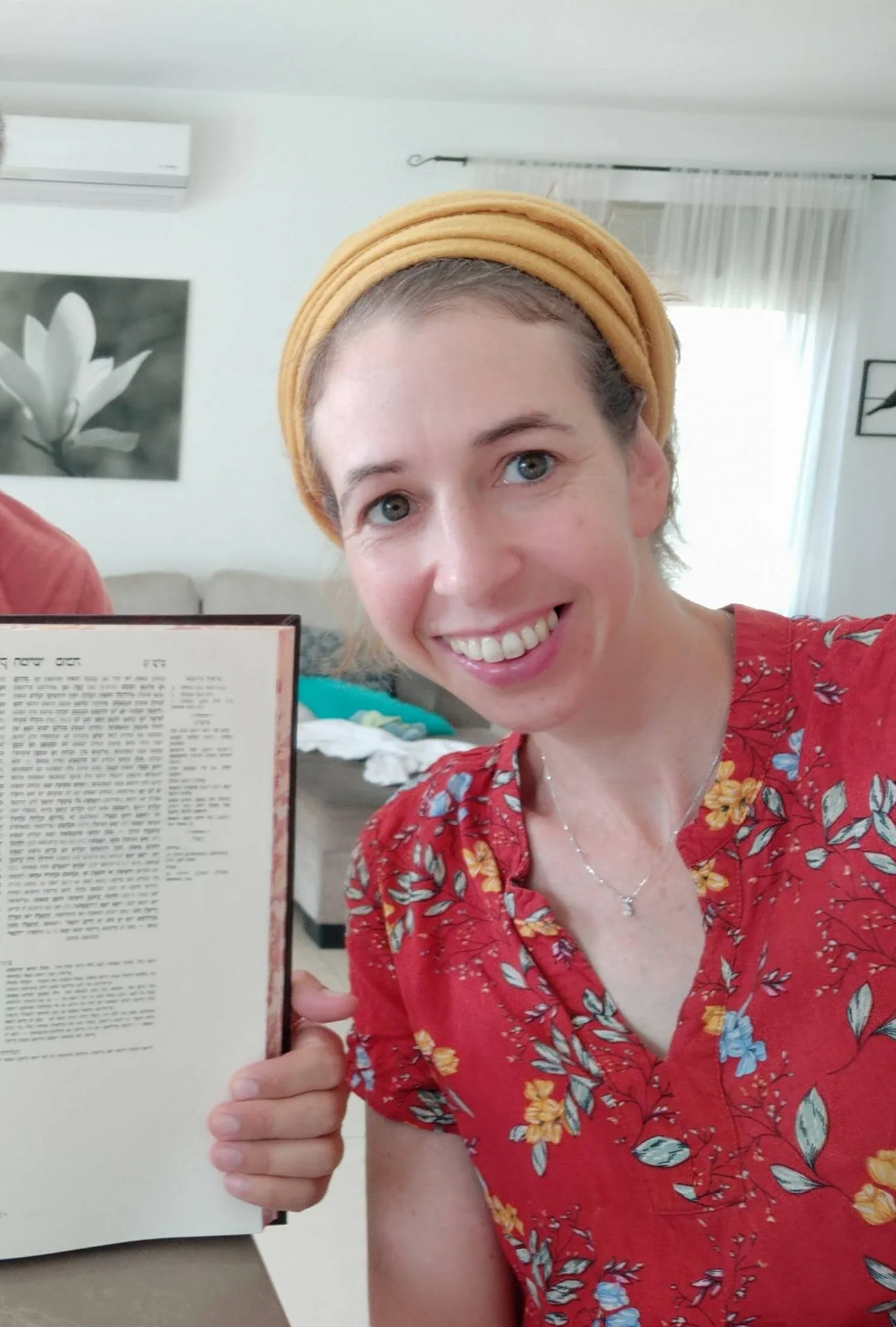
כמו שרואים בתמונה אני ממשיכה ללמוד גם היום ואפילו במחלקת יולדות אחרי לידת ביתי השלישית.

רבבה, ישראל
רציתי לקבל ידע בתחום שהרגשתי שהוא גדול וחשוב אך נעלם ממני. הלימוד מעניק אתגר וסיפוק ומעמיק את תחושת השייכות שלי לתורה וליהדות
עלי זהב – לשם, ישראל
גיטין סד
אוֹ אֶחָד מִן הָרִאשׁוֹנִים, וְאֶחָד מִן הָאַחֲרוֹנִים, וְאֶחָד מִצְטָרֵף עִמָּהֶן.
or if there is one witness from the first pair of witnesses and one witness from the latter pair, and one additional witness joins with them as the second witness in both testimonies.
גְּמָ׳ אִיתְּמַר: בַּעַל אוֹמֵר לְפִקָּדוֹן, וְשָׁלִישׁ אוֹמֵר לְגֵירוּשִׁין – מִי נֶאֱמָן? רַב הוּנָא אָמַר: בַּעַל נֶאֱמָן, וְרַב חִסְדָּא אָמַר: שָׁלִישׁ נֶאֱמָן.
GEMARA: It was stated that there is an amoraic dispute in a case where a husband says that he handed the bill of divorce to another as a deposit for safekeeping and not to deliver it to his wife, and that consequently she is not divorced, and the third party [shalish], to whom the husband gave the document, says that he was serving as an agent for receipt and the husband gave him the document for the purpose of divorce. In such a case, who is deemed credible? Rav Huna says: The husband is deemed credible, and Rav Ḥisda says: The third party is deemed credible.
רַב הוּנָא אָמַר: בַּעַל נֶאֱמָן – דְּאִם אִיתָא דִּלְגֵירוּשִׁין יַהֲבֵיהּ נִיהֲלֵיהּ, לְדִידַהּ הֲוָה יָהֵיב לַהּ נִיהֲלַהּ. וְרַב חִסְדָּא אָמַר: שָׁלִישׁ נֶאֱמָן – דְּהָא הֵימְנֵיהּ.
The Gemara elaborates: Rav Huna said that the husband is deemed credible, as, if it is so that he gave it to the third party for the purpose of divorce, he would have given the bill of divorce directly to her. Both husband and wife are in the same city. Why did he give it to a third party? Apparently, he merely entrusted him with the bill of divorce for safekeeping. And Rav Ḥisda said: The third party is deemed credible, as the husband himself deemed him credible by entrusting him with the bill of divorce.
מֵתִיב רַבִּי אַבָּא: הוֹדָאַת בַּעַל דִּין כְּמֵאָה עֵדִים דָּמֵי, וְשָׁלִישׁ נֶאֱמָן מִשְּׁנֵיהֶם. כֵּיצַד? זֶה אוֹמֵר כָּךְ, וְזֶה אוֹמֵר כָּךְ, שָׁלִישׁ נֶאֱמָן!
Rabbi Abba raises an objection to the opinion of Rav Huna from a baraita in the Tosefta (Bava Metzia 1:10): The legal status of the admission of a litigant is similar to that of the testimony of one hundred witnesses, and the statement of a third party is deemed more credible than the statements of both of the litigants. How so? If this litigant, the creditor, says that the debtor owes him this sum, and that litigant, the debtor, says that he owes that lower sum, the third party to whom the debtor gave the money to pay the creditor is deemed credible to establish the sum of the debt. This contradicts the opinion of Rav Huna, who said that the husband, not the third party, is deemed credible.
שָׁאנֵי מָמוֹן, דְּאִיתְיְהִיב לִמְחִילָּה.
The Gemara rejects that objection: A monetary debt is different, as it can be forgiven. Since one can forgive a monetary debt outright, he can also accept upon himself to abide by the statement of a third party as to the sum of the debt. Therefore, even if the third party deviates from the truth, because it is a case involving money, they accept his determination. However, no proof may be cited from that case to the matter of the bill of divorce, as there is no possibility of forgiveness with regard to ritual matters, e.g., divorce.
וְהָא תַּנְיָא: וְכֵן לְגִיטִּין! גִּיטֵּי מָמוֹן. וְהָתַנְיָא: וְכֵן לִשְׁטָרוֹת!
The Gemara asks: But isn’t it taught in another baraita: And likewise that is the halakha with regard to bills of divorce [gittin], i.e., the halakha is that the third party is deemed credible? The Gemara answers: The reference in the baraita is not to bills of divorce. Rather, the reference is to monetary documents [gittei mamon]. The Gemara asks: But isn’t it taught in another baraita: And likewise that is the halakha with regard to monetary documents [shetarot]? The fact that monetary documents are labeled as shetarot indicates that the term gittin refers to bill of divorce.
מִידֵּי גַּבֵּי הֲדָדֵי תַּנְיָא?!
The Gemara rejects that proof: Are they, the two expressions, taught together? If there were a passage in one baraita that said: And likewise, that is the halakha with regard to gittin and documents, one could infer that the term gittin is referring to bills of divorce, as the term documents is referring to all other documents. However, since these are two discrete baraitot, perhaps one is referring to monetary documents as gittin and the other is referring to them as shetarot.
תְּנַן, הָאִשָּׁה שֶׁאָמְרָה: ״הִתְקַבֵּל לִי גִּיטִּי״, צְרִיכָה שְׁתֵּי כִּיתֵּי עֵדִים – שְׁנַיִם שֶׁיֹּאמְרוּ: ״בְּפָנֵינוּ אָמְרָה״, וּשְׁנַיִם שֶׁיֹּאמְרוּ: ״בְּפָנֵינוּ קִבֵּל, וְקָרַע״. וְאַמַּאי? לִיהֵמְנֵיהּ לְשָׁלִישׁ!
The Gemara cites proof with regard to the credibility of the third party. We learned in the mishna that a woman who said to an agent: Receive my bill of divorce for me, requires two sets of witnesses to confirm that she was divorced when the agent received the bill of divorce. She requires two witnesses who say: In our presence she said to the agent: Receive my bill of divorce on my behalf, and two others who say: In our presence the agent received the bill of divorce and tore it. The Gemara asks: And why are the witnesses necessary? Let us deem the third party, to whom the husband handed the bill of divorce, credible and not require witnesses.
מִי קָא נָפֵיק גִּיטָּא מִתּוּתֵי יְדֵיהּ – דְּלִיהֵמְנֵיהּ?!
The Gemara rejects this: Does the bill of divorce emerge from his possession, i.e., does he have the bill of divorce, such that it would lead one to deem him credible? The third party is believed only in a case where the item in question is under his control, as then he can do with it as he wishes. However, in this case the bill of divorce is no longer in his possession, as it has been torn, and the credibility attributed to the third party is no longer relevant.
תִּינַח אָמְרָה; קִיבֵּל לְמָה לִי? אָמַר רַבָּה: הָא מַנִּי – רַבִּי אֶלְעָזָר הִיא, דְּאָמַר: עֵדֵי מְסִירָה כָּרְתִי.
The Gemara asks: That works out well in explaining why witnesses are required to testify that she said to the agent in their presence: Receive my bill of divorce on my behalf. However, why do I need witnesses to testify: In our presence the agent received the bill of divorce and tore it? From the point that the bill of divorce was in his possession no testimony should be necessary. Rabba said: In accordance with whose opinion is this mishna? It is in accordance with the opinion of Rabbi Elazar, who says: Witnesses of transmission of the bill of divorce effect the divorce. The divorce takes effect primarily by means of its transmission to the woman in the presence of witnesses. Therefore, witnesses are necessary to testify that the transmission took place in their presence.
קָרַע לְמָה לִי? אָמַר רַב יְהוּדָה אָמַר רַב: בִּשְׁעַת הַשְּׁמָד שָׁנוּ.
The Gemara seeks to clarify a different matter mentioned in the mishna. Why do I need the witnesses to testify that the third party tore the bill of divorce? Rav Yehuda says that Rav says: The Sages taught the mishna during a period of religious persecution, when the government decreed that it is prohibited to write bills of divorce. Therefore, immediately after the divorce took effect they would destroy any evidence that a bill of divorce had been written by tearing it.
אָמַר רַבָּה: וּמוֹדֶה רַב הוּנָא, דְּאִי אֲמַרָה אִיהִי: לְדִידִי אֲמַר לִי שָׁלִישׁ דִּלְגֵירוּשִׁין יַהֲבֵיהּ נִיהֲלֵיהּ – מְהֵימְנָא. מִי אִיכָּא מִידֵּי דְּשָׁלִישׁ גּוּפֵיהּ לָא מְהֵימַן, וְאִיהִי מְהֵימְנָא?!
Rabba said: And although he said that the husband is deemed credible, Rav Huna concedes that if the wife said: The third party said to me that my husband gave the bill of divorce to him for the purpose of divorce, she is deemed credible. The Gemara asks: Is there anything with regard to which, according to Rav Huna, the third party himself is not deemed credible, but the wife is deemed credible when quoting him?
אֶלָּא אִי אֲמַרָה: קַמַּאי דִּידִי לְגֵרוּשִׁין יַהֲבֵיהּ נִיהֲלֵיהּ – מְהֵימְנָא; מִיגּוֹ דְּאִי בָּעֲיָא אָמְרָה לְדִידַהּ יַהֲבֵיהּ נִיהֲלַהּ בַּעַל.
Rather, Rabba said that Rav Huna concedes that if she said: In my presence my husband gave the bill of divorce to the third party for the purpose of divorce, she is deemed credible. Her credibility is based on the principle of miggo, that the ability to make a more advantageous claim grants credibility to the claim one actually makes. Since, if she wished, she could have said that the husband gave it to her and she was divorced, therefore, when she says that the husband gave it to an agent for the purpose of divorce she is deemed credible.
בַּעַל אֹמֵר לְגֵירוּשִׁין, וְשָׁלִישׁ אוֹמֵר לְגֵירוּשִׁין, וְהִיא אוֹמֶרֶת: נָתַן לִי, וְאָבַד – אָמַר רַבִּי יוֹחָנָן: הָוֵה דָּבָר שֶׁבָּעֶרְוָה, וְאֵין דָּבָר שֶׁבְּעֶרְוָה פָּחוֹת מִשְּׁנַיִם.
§ The Gemara proceeds to a related matter. If the husband said that he gave the bill of divorce to the third party as an agent of delivery for the purpose of divorce, and the third party says that the husband gave it to him as an agent of delivery for the purpose of divorce, and the wife says: The third party gave me the bill of divorce and it was lost, Rabbi Yoḥanan said: This is uncertainty with regard to a matter of forbidden relations. And there is no resolution of a matter of forbidden relations with fewer than two witnesses.
וְאַמַּאי? וְלִיהֵימְנֵיהּ לְשָׁלִישׁ! מִי קָא נָפֵיק גִּיטָּא מִתּוּתֵי יְדֵיהּ דְּלִהֵימְנֵיהּ?!
The Gemara asks: But why is this case one of uncertainty? But let us deem the third party credible, i.e., let us believe his statement that the husband gave him the bill of divorce for the purpose of divorce. The Gemara rejects this: Does the bill of divorce emerge from his possession, such that it would lead one to deem him credible?
וְלִהֵימְנֵיהּ לְבַעַל – דְּאָמַר רַב חִיָּיא בַּר אָבִין אָמַר רַבִּי יוֹחָנָן: בַּעַל שֶׁאָמַר ״גֵּירַשְׁתִּי אֶת אִשְׁתִּי״ – נֶאֱמָן! מִי קָאָמַר ״גֵּירַשְׁתִּי״?!
The Gemara asks: But let one deem the husband credible, as Rav Ḥiyya bar Avin says that Rabbi Yoḥanan says: A husband who says: I divorced my wife, is deemed credible. The Gemara rejects this: In the case under discussion does the husband say: I divorced her? He merely stated that he handed the bill of divorce to the third party.
וְלֵימָא: חֲזָקָה שָׁלִיחַ עוֹשֶׂה שְׁלִיחוּתוֹ – דְּאָמַר רַבִּי יִצְחָק, הָאוֹמֵר לִשְׁלוּחוֹ: ״צֵא וְקַדֵּשׁ לִי אִשָּׁה״ – סְתָם, וּמֵת שְׁלוּחוֹ – אָסוּר בְּכׇל הַנָּשִׁים שֶׁבָּעוֹלָם; חֲזָקָה שָׁלִיחַ עוֹשֶׂה שְׁלִיחוּתוֹ!
The Gemara asks: But let us say that there is a presumption that an agent performs his assigned agency, as Rabbi Yitzḥak says that in the case of one who says to his agent: Go out and betroth a woman for me, and he did not specify which woman, and his agent died without informing him whether he betrothed a woman or the identity of the woman he betrothed, it is prohibited for him to marry all the women in the world, as there is a presumption that an agent performs his assigned agency. Apparently, one relies on this presumption even with regard to matters of forbidden relations. Because the identity of the woman is unknown, one must be concerned with regard to all women; perhaps they are relatives of the woman whom the agent betrothed on his behalf.
הָנֵי מִילֵּי לְחוּמְרָא, אֲבָל לְקוּלָּא לָא.
The Gemara answers: This matter, the presumption that an agent performs his agency, applies only when its application leads to stringency, as there is a concern that the agent performed his agency. However, when its application leads to leniency, no, the presumption does not apply.
וְלִיהֵמְנַהּ לְדִידַהּ, מִדְּרַב הַמְנוּנָא – דְּאָמַר רַב הַמְנוּנָא, הָאִשָּׁה שֶׁאָמְרָה לְבַעְלָהּ: ״גֵּירַשְׁתַּנִי״ – נֶאֱמֶנֶת, חֲזָקָה אֵין הָאִשָּׁה מְעִיזָּה פָּנֶיהָ בִּפְנֵי בַּעְלָהּ!
The Gemara asks: But let one deem the wife herself credible, based on the statement of Rav Hamnuna, as Rav Hamnuna says: A woman who said to her husband: You divorced me, is deemed credible, as there is a presumption that a woman would not be insolent in the presence of her husband and lie.
הָנֵי מִילֵּי הֵיכָא דְּלֵיכָּא דְּקָא מְסַיַּיע לַהּ, אֲבָל הֵיכָא דִּמְסַיַּיע לַהּ – מְעִיזָּה וּמְעִיזָּה.
The Gemara answers: This matter applies only in a case where there is no factor that supports her claim, as the presumption is that she would not be so insolent as to tell a lie that has no basis. However, in a case where there is a factor that supports her claim, as in this case both the husband and the third party claim that the husband sent a bill of divorce, she would indeed be insolent. Therefore, her claim that she was divorced is accepted only if she can produce the bill of divorce.
מַתְנִי׳ נַעֲרָה הַמְאוֹרָסָה, הִיא וְאָבִיהָ מְקַבְּלִין אֶת גִּיטָּהּ. אָמַר רַבִּי יְהוּדָה: אֵין שְׁתֵּי יָדַיִם זוֹכוֹת כְּאַחַת, אֶלָּא אָבִיהָ מְקַבֵּל אֶת גִּיטָּהּ בִּלְבַד. וְכֹל שֶׁאֵינָהּ יְכוֹלָה לִשְׁמוֹר אֶת גִּיטָּהּ, אֵינָהּ יְכוֹלָה לְהִתְגָּרֵשׁ.
MISHNA: With regard to a betrothed young woman, she and her father are each eligible to receive her bill of divorce, and the divorce takes effect at the moment that either of them receives the bill of divorce. Rabbi Yehuda said: Two hands do not have the right to acquire an item on behalf of one person as one. Rather, her father alone receives her bill of divorce on her behalf. And there is another principle: Any female who is unable to safeguard her bill of divorce is unable to be divorced.
גְּמָ׳ בְּמַאי קָמִיפַּלְגִי? רַבָּנַן סָבְרִי: יְדָא יַתִּירְתָּא זַכִּי לַהּ רַחֲמָנָא, וְרַבִּי יְהוּדָה סָבַר: בִּמְקוֹם אָבִיהָ – יָד דִּילַהּ לָאו כְּלוּם הִיא.
GEMARA: The Gemara asks: With regard to what do the Rabbis, who stated the unattributed first opinion in the mishna, and Rabbi Yehuda disagree? The Rabbis hold: The Merciful One grants the betrothed young woman an additional hand, beyond the hand of her father, who can receive the bill of divorce on her behalf. And Rabbi Yehuda holds: In a place, i.e., situation, where her father is alive, her hand is nothing and she is ineligible to receive her bill of divorce.
וְכֹל שֶׁאֵינָהּ יְכוֹלָה לִשְׁמוֹר אֶת גִּיטָּהּ. תָּנוּ רַבָּנַן: קְטַנָּה הַיּוֹדַעַת לִשְׁמוֹר אֶת גִּיטָּהּ – מִתְגָּרֶשֶׁת, וְשֶׁאֵינָהּ יוֹדַעַת לִשְׁמוֹר אֶת גִּיטָּהּ – אֵינָהּ מִתְגָּרֶשֶׁת. וְאֵיזוֹ הִיא קְטַנָּה יוֹדַעַת לִשְׁמוֹר אֶת גִּיטָּהּ? כֹּל שֶׁמְּשַׁמֶּרֶת גִּיטָּהּ וְדָבָר אַחֵר.
The mishna teaches: And any woman who is unable to safeguard her bill of divorce is unable to be divorced. The Sages taught: A minor girl who knows how to safeguard her bill of divorce can be divorced, and one who does not know how to safeguard her bill of divorce cannot be divorced. And which is the minor girl who knows how to safeguard her bill of divorce? It is any minor girl who safeguards her bill of divorce and something else.
מַאי קָאָמַר? אָמַר רַבִּי יוֹחָנָן, הָכִי קָאָמַר: כֹּל שֶׁמְּשַׁמֶּרֶת דָּבָר אַחֵר מֵחֲמַת גִּיטָּהּ.
The Gemara asks: What is the tanna saying in the statement: Who safeguards her bill of divorce and something else? Rabbi Yoḥanan says that this is what he is saying: Any minor who safeguards something else due to her bill of divorce, i.e., she lost her bill of divorce itself but she guards something else that she mistook for her bill of divorce.
מַתְקֵיף לַהּ רַב הוּנָא בַּר מָנוֹחַ: הָא שׁוֹטָה בְּעָלְמָא הִיא! אֶלָּא אָמַר רַב הוּנָא בַּר מָנוֹחַ מִשְּׁמֵיהּ דְּרַב אַחָא בְּרֵיהּ דְּרַב אִיקָא: כֹּל שֶׁמַּבְחֶנֶת בֵּין גִּיטָּהּ לְדָבָר אַחֵר.
Rav Huna bar Manoaḥ objects to this: That minor girl is merely an imbecile, as she keeps something else in lieu of her bill of divorce. Rather, Rav Huna bar Manoaḥ says in the name of Rav Aḥa, son of Rav Ika: The reference is to any girl who distinguishes between her bill of divorce and something else, and safeguards her bill of divorce and does not safeguard less significant items.
אָמַר רַב יְהוּדָה אָמַר רַבִּי אַסִּי: צְרוֹר וְזוֹרְקוֹ, אֱגוֹז וְנוֹטְלוֹ – זוֹכֶה לְעַצְמוֹ, וְאֵין זוֹכֶה לַאֲחֵרִים. חֵפֶץ – וּמַחְזִירוֹ לְאַחַר שָׁעָה, זוֹכֶה בֵּין לְעַצְמוֹ וּבֵין לַאֲחֵרִים.
Apropos minors, Rav Yehuda says that Rabbi Asi says: If one gives a child a pebble and he throws it away and one gives him a nut and he takes it, he is capable of distinguishing between items of value and worthless items, and he acquires property for himself but does not acquire property on behalf of others. If the child develops to the extent that he is given an item and he returns it to its owners later, because he understands the concept of ownership, he acquires property both for himself and on behalf of others.
כִּי אַמְרִיתַהּ קַמֵּיהּ דִּשְׁמוּאֵל, אָמַר לִי: דָּא וְדָא אַחַת הִיא. מַאי ״דָּא וְדָא אַחַת הִיא״? אָמַר רַב חִסְדָּא: אֶחָד זֶה וְאֶחָד זֶה – זוֹכֶה לְעַצְמוֹ, וְאֵין זוֹכֶה לַאֲחֵרִים.
Rav Yehuda continued. When I stated Rabbi Asi’s ruling before Shmuel he said to me: This and that are one. The Gemara asks: What is the meaning of: This and that are one? Rav Ḥisda says: With regard to both this child and that child, each acquires property for himself but does not acquire property on behalf of others, and there is no distinction in this regard between the developmental stages of a minor.
מֵתִיב רַב חִינָּנָא וַורְדָּאן: כֵּיצַד מִשְׁתַּתְּפִין בְּמָבוֹי? מַנִּיחַ אֶת הֶחָבִית, וְאוֹמֵר: ״הֲרֵי זוֹ לְכׇל בְּנֵי הַמָּבוֹי״, וּמְזַכֶּה לָהֶם עַל יְדֵי בְּנוֹ וּבִתּוֹ הַגְּדוֹלִים, וְעַל יְדֵי עַבְדּוֹ וְשִׁפְחָתוֹ הָעִבְרִים.
Rav Ḥinnana of Vardania raises an objection based on what was taught in a mishna (Eiruvin 79b): How does one merge the courtyards that open into the alleyway on behalf of all the residents of the alleyway? He places a barrel filled with his wine and says: This is for all the residents of the alleyway. And he may confer possession of the wine to the other residents of the alleyway by means of his adult son or daughter, or by means of his Hebrew slave or maidservant.
הַאי שִׁפְחָה – הֵיכִי דָמֵי? אִי דְּאַתְיָא שְׁתֵּי שְׂעָרוֹת, מַאי בָּעֲיָא גַּבֵּיהּ? אֶלָּא לָאו דְּלָא אַתְיָא שְׁתֵּי שְׂעָרוֹת, וְקָתָנֵי זוֹכָה לַאֲחֵרִים?
The Gemara asks: What are the circumstances of this maidservant? If she developed two pubic hairs, indicating that she reached majority, what is she doing with the owner of the barrel? A Hebrew maidservant is emancipated when she reaches puberty. Rather, is the reference here not to a case where she did not yet develop two pubic hairs, and she is a minor, and it is taught that she can acquire on behalf of others? Apparently, a minor can acquire property on behalf of other people.
שָׁאנֵי שִׁיתּוּפֵי מְבוֹאוֹת – דְּרַבָּנַן.
The Gemara rejects this proof: The merging of alleyways is different, as it is an ordinance by rabbinic law. The Sages ruled leniently with regard to this rabbinic ordinance and allowed a minor to acquire property on behalf of others.
אָמַר רַב חִסְדָּא: אִישְׁתִּיק וַורְדָּאן. מַאי הֲוָה לֵיהּ לְמֵימַר? כֹּל דְּתַקּוּן רַבָּנַן –
Rav Ḥisda said: Rav Ḥinnana of Vardonia was silent and had no response. The Gemara asks: What could he have said in response? The Gemara answers that he could have responded: All ordinances that the Sages instituted,

