חיפוש

כתובות יז

רוצה להקדיש שיעור?

podcast placeholder

0:00
0:00


תקציר


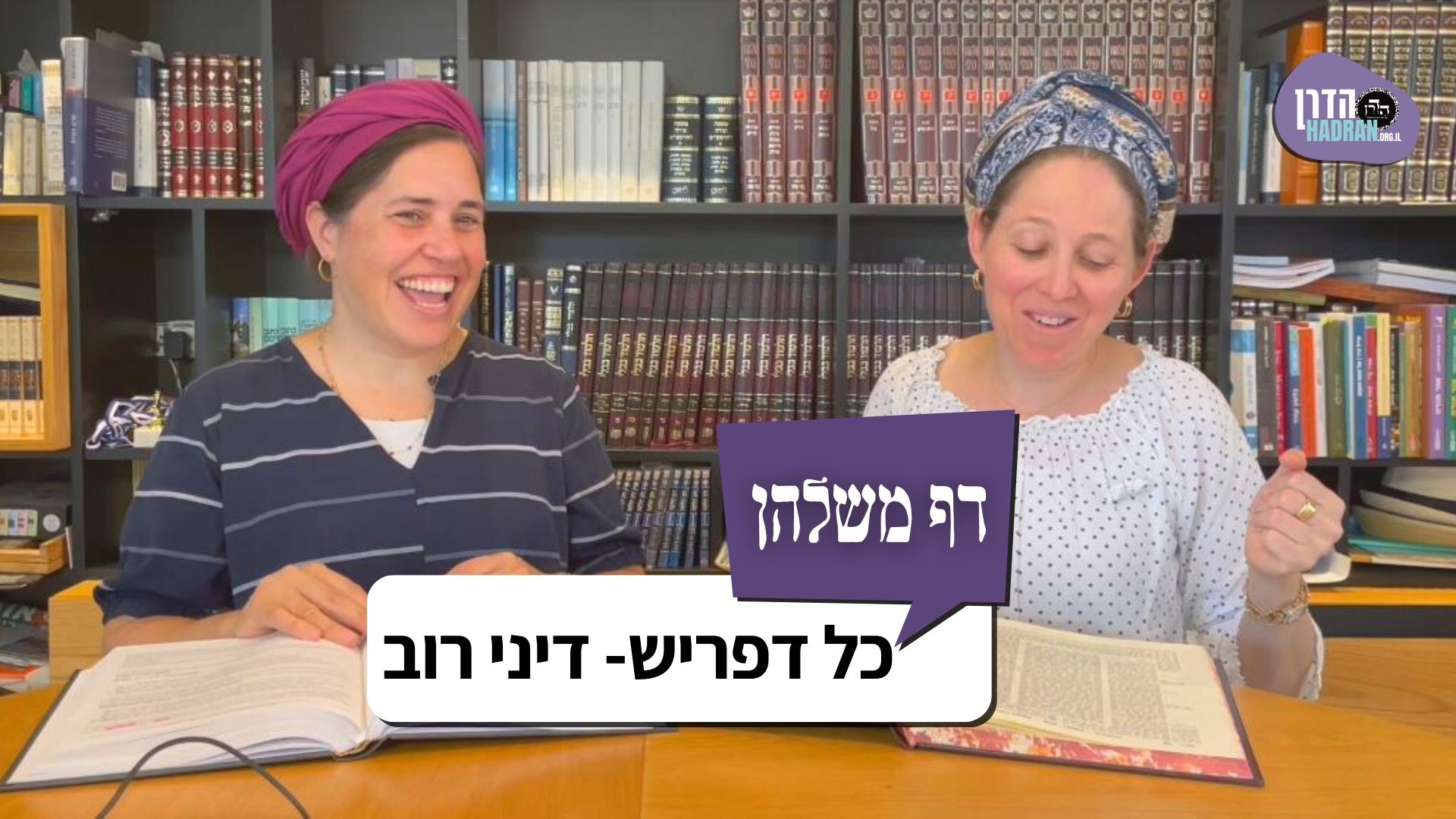
מה שרים כשהם רוקדים לפני כלה (כיצד מרקדין לפני הכלה)? לבית שמאי ולבית הלל יש גישות שונות. מספרים סיפורים על דברי שבח שהיו אומרים גם לרבנים. רב שמואל בר רב יצחק היה משחק לפני כלות – האם זה נתפס כמעשה חיובי או לא? רבנים אחרים היו נושאים כלות על כתפיהם – איך זה היה מותר? האם כולם יכולים לעשות את זה גם? האם מבטלים מלימוד תורה כדי ללכת לחתונה או ללוויה? במה זה תלוי? מה היה קורה בחתונה של אשה שהיא בתולה שיכול לשמש אחר כך כעדות שהיא הייתה בתולה בחתונתה ולכן הייתה לה כתובה של 200 זוז. ר’ יהושע מסכים עם רבן גמליאל ורבי אליעזר כי מאמינים במקרה בו הם טוענים שהם גרים בנכס שהיה בבעלות אביו של מישהו, אך הוא רכש אותו מהם. מדוע בחרה המשנה במקרה של רכישה מאביו ולא ישירות מהמוכר?

כלים

כתובות יז

כַּלָּה כְּמוֹת שֶׁהִיא. וּבֵית הִלֵּל אוֹמְרִים: ״כַּלָּה נָאָה וַחֲסוּדָה״. אָמְרוּ לָהֶן בֵּית שַׁמַּאי לְבֵית הִלֵּל: הֲרֵי שֶׁהָיְתָה חִיגֶּרֶת אוֹ סוֹמָא, אוֹמְרִים לָהּ: ״כַּלָּה נָאָה וַחֲסוּדָה״? וְהַתּוֹרָה אָמְרָה: ״מִדְּבַר שֶׁקֶר תִּרְחָק״! אָמְרוּ לָהֶם בֵּית הִלֵּל לְבֵית שַׁמַּאי: לְדִבְרֵיכֶם, מִי שֶׁלָּקַח מִקָּח רַע מִן הַשּׁוּק, יְשַׁבְּחֶנּוּ בְּעֵינָיו, אוֹ יְגַנֶּנּוּ בְּעֵינָיו? הֱוֵי אוֹמֵר: יְשַׁבְּחֶנּוּ בְּעֵינָיו. מִכָּאן אָמְרוּ חֲכָמִים: לְעוֹלָם תְּהֵא דַּעְתּוֹ שֶׁל אָדָם מְעוֹרֶבֶת עִם הַבְּרִיּוֹת.

One recites praise of the bride as she is, emphasizing her good qualities. And Beit Hillel say: One recites: A fair and attractive bride. Beit Shammai said to Beit Hillel: In a case where the bride was lame or blind, does one say with regard to her: A fair and attractive bride? But the Torah states: “Keep you from a false matter” (Exodus 23:7). Beit Hillel said to Beit Shammai: According to your statement, with regard to one who acquired an inferior acquisition from the market, should another praise it and enhance its value in his eyes or condemn it and diminish its value in his eyes? You must say that he should praise it and enhance its value in his eyes and refrain from causing him anguish. From here the Sages said: A person’s disposition should always be empathetic with mankind, and treat everyone courteously. In this case too, once the groom has married his bride, one praises her as being fair and attractive.

כִּי אֲתָא רַב דִּימִי, אָמַר: הָכִי מְשָׁרוּ קַמֵּי כַּלְּתָא בְּמַעְרְבָא: ״לֹא כָּחָל וְלֹא שָׂרָק וְלֹא פִּירְכּוּס וְיַעֲלַת חֵן״. כִּי סָמְכוּ רַבָּנַן לְרַבִּי זֵירָא, שָׁרוּ לֵיהּ הָכִי: ״לָא כָּחָל וְלֹא שָׂרָק וְלֹא פִּירְכּוּס וְיַעֲלַת חֵן״.

When Rav Dimi came from Eretz Yisrael to Babylonia, he said: This is what they sing before brides in the West, in Eretz Yisrael: No eye shadow, and no rouge, and no braiding of the hair, and yet she is comparable to a graceful ibex. The Gemara relates: When the Sages ordained Rabbi Zeira, this is what they metaphorically sang with regard to him in his praise: No eye shadow, and no rouge, and no braiding of the hair, and yet she is comparable to a graceful ibex.

כִּי סְמַכוּ רַבָּנַן לְרַבִּי אַמֵּי וּלְרַבִּי אַסִּי שָׁרוּ לְהוּ הָכִי: ״כֹּל מִן דֵּין וְכֹל מִן דֵּין סְמוּכוּ לַנָא, לָא תִּסְמֻכוּ לַנָא לָא מִן סַרְמִיסִין וְלָא מִן סַרְמִיטִין״, וְאָמְרִי לַהּ: ״לָא מִן חֲמִיסִין וְלָא מִן טוּרְמִיסִין״.

On a related note, the Gemara relates: When the Sages ordained Rabbi Ami and Rabbi Asi, this is what they sang to them: Anyone from people of this kind and anyone from people of that kind, ordain them for us. Do not ordain for us others, neither from those who corrupt [sarmisin] halakhot, nor from those who are worthless [sarmitin]. And some say: Not from those who provide only one-fifth [ḥamisin] of the reason for a halakha, and not from those whose knowledge is incomplete [turmisin].

רַבִּי אֲבָהוּ כִּי הֲוָה אָתֵי מִמְּתִיבְתָּא לְבֵי קֵיסָר, נָפְקָן אַמְהָתָא דְּבֵי קֵיסָר לְאַפֵּיהּ וּמְשָׁרְיָן לֵיהּ הָכִי: ״רַבָּא דְעַמֵּיהּ וּמְדַבְּרָנָא דְאוּמְּתֵיהּ, בּוּצִינָא דִנְהוֹרָא, בְּרִיךְ מֵתְיָיךְ לִשְׁלָם״.

The Gemara relates another instance of singing the praise of the Sages: When Rabbi Abbahu would come from the academy to the house of the emperor, the maidservants of the emperor’s house would go out to greet him, and this is what they sang to him: Master of his people and leader of his nation, candle of illumination, blessed is your arrival in peace.

אָמְרוּ עָלָיו עַל רַבִּי יְהוּדָה בַּר אִילְעַאי שֶׁהָיָה נוֹטֵל בַּד שֶׁל הֲדַס, וּמְרַקֵּד לִפְנֵי הַכַּלָּה, וְאוֹמֵר: ״כַּלָּה נָאָה וַחֲסוּדָה״. רַב שְׁמוּאֵל בַּר רַב יִצְחָק מְרַקֵּד אַתְּלָת. אָמַר רַבִּי זֵירָא: קָא מַכְסֵיף לַן סָבָא: כִּי נָח נַפְשֵׁיהּ, אִיפְּסִיק עַמּוּדָא דְנוּרָא בֵּין דִּידֵיהּ לְכוּלֵּי עָלְמָא, וּגְמִירִי דְּלָא אִפְּסִיק עַמּוּדָא דְנוּרָא אֶלָּא אִי לְחַד בְּדָרָא, אִי לִתְרֵי בְּדָרָא.

With regard to the mitzva of bringing joy to the bride and groom, the Gemara relates: The Sages said about Rabbi Yehuda bar Elai that he would take a myrtle branch and dance before the bride, and say: A fair and attractive bride. Rav Shmuel bar Rav Yitzḥak would base his dance on three myrtle branches that he would juggle. Rabbi Zeira said: The old man is humiliating us, as through his conduct he is demeaning the Torah and the Torah scholars. It is further related: When Rav Shmuel bar Rav Yitzḥak died, a pillar of fire demarcated between him and everyone else, and we learn through tradition that a pillar of fire demarcates only for either one person in a generation or for two people in a generation.

אָמַר רַבִּי זֵירָא: אַהַנְיָיה לֵיהּ שׁוֹטִיתֵיהּ לְסָבָא. וְאָמְרִי לַהּ: שְׁטוּתֵיהּ לְסָבָא. וְאָמְרִי לַהּ: שִׁיטְתֵיהּ לְסָבָא.

Rabbi Zeira said: His branch [shotitei] was effective for the old man, as it is due to this mitzva that he fulfilled so enthusiastically that he was privileged to receive this great reward. And some say that Rabbi Zeira said: His nonsense [shetutei] was effective for the old man. And some say that he said: His method [shittatei] was effective for the old man.

רַב אַחָא מַרְכֵּיב לַהּ אַכַּתְפֵּיהּ וּמְרַקֵּד. אָמְרִי לֵיהּ רַבָּנַן: אֲנַן מַהוּ לְמִיעְבַּד הָכִי? אֲמַר לְהוּ: אִי דָּמְיָין עֲלַיְיכוּ כִּכְשׁוּרָא — לְחַיֵּי, וְאִי לָא — לָא.

Rav Aḥa would place the bride on his shoulders and dance. The Sages said to him: What is the ruling? Is it permitted for us to do so as well? He said to them: If brides are comparable for you to a beam, fine, but if not, no, you may not.

אָמַר רַבִּי שְׁמוּאֵל בַּר נַחְמָנִי אָמַר רַבִּי יוֹנָתָן: מוּתָּר לְהִסְתַּכֵּל בִּפְנֵי כַלָּה כׇּל שִׁבְעָה, כְּדֵי לְחַבְּבָהּ עַל בַּעְלָהּ. וְלֵית הִלְכְתָא כְּווֹתֵיהּ.

Rabbi Shmuel bar Naḥmani said that Rabbi Yonatan said: It is permitted to look at the face of a bride throughout all seven days of the wedding celebration, in order to endear her to her husband, whose appreciation of her beauty will be thereby enhanced. The Gemara notes: And the halakha is not in accordance with his opinion, as it is prohibited to look at any married woman, even a bride.

תָּנוּ רַבָּנַן: מַעֲבִירִין אֶת הַמֵּת מִלִּפְנֵי כַלָּה. וְזֶה וָזֶה מִלִּפְנֵי מֶלֶךְ יִשְׂרָאֵל. אָמְרוּ עָלָיו עַל אַגְרִיפַּס הַמֶּלֶךְ שֶׁעָבַר מִלִּפְנֵי כַּלָּה, וְשִׁבְּחוּהוּ חֲכָמִים.

§ The Sages taught: One reroutes the funeral procession for burial of a corpse to yield before the wedding procession of a bride. And both this, the funeral procession, and that, the wedding procession, yield before a king of Israel. They said about King Agrippa [Agrippas] that although he was not required to do so, he rerouted his entourage before the wedding procession of a bride, and the Sages praised him for doing so.

שִׁבְּחוּהוּ — מִכְּלָל דְּשַׁפִּיר עֲבַד? וְהָא אָמַר רַב אָשֵׁי: אֲפִילּוּ לְמַאן דְּאָמַר נָשִׂיא שֶׁמָּחַל עַל כְּבוֹדוֹ — כְּבוֹדוֹ מָחוּל, מֶלֶךְ שֶׁמָּחַל עַל כְּבוֹדוֹ — אֵין כְּבוֹדוֹ מָחוּל. דְּאָמַר מָר: ״שׂוֹם תָּשִׂים עָלֶיךָ מֶלֶךְ״, שֶׁתְּהֵא אֵימָתוֹ עָלֶיךָ! פָּרָשַׁת דְּרָכִים הֲוַאי.

The Gemara asks: The Sages praised him; is that to say by inference that he did well in yielding? But didn’t Rav Ashi say: Even according to the one who said with regard to a Nasi who relinquishes the honor due him that his honor is relinquished, i.e., he may do so, with regard to a king who relinquishes the honor due him, his honor is not relinquished. As the Master said that the meaning of the verse “You shall place a king over you” (Deuteronomy 17:15) is that his awe shall be upon you. The Torah established that the subjects’ awe is an essential component of kingship and it is not the prerogative of the king to waive it. The Gemara answers: It was at a crossroads that he encountered the wedding procession, and the fact that he yielded to the bride was not obvious to onlookers. Therefore, the honor due the king was not compromised.

תָּנוּ רַבָּנַן: מְבַטְּלִין תַּלְמוּד תּוֹרָה לְהוֹצָאַת הַמֵּת וּלְהַכְנָסַת כַּלָּה. אָמְרוּ עָלָיו עַל רַבִּי יְהוּדָה בְּרַבִּי אִלְעַאי שֶׁהָיָה מְבַטֵּל תַּלְמוּד תּוֹרָה לְהוֹצָאַת הַמֵּת וּלְהַכְנָסַת כַּלָּה. בַּמֶּה דְּבָרִים אֲמוּרִים — כְּשֶׁאֵין עִמּוֹ כׇּל צָרְכּוֹ. אֲבָל יֵשׁ עִמּוֹ כׇּל צָרְכּוֹ — אֵין מְבַטְּלִין.

The Sages taught: One suspends the study of Torah to attend the removal of a corpse for burial and to attend the entry of a bride into the wedding canopy. The Sages said about Rabbi Yehuda, son of Rabbi Elai, that he would suspend the study of Torah to attend the removal of a corpse for burial and to attend the entry of a bride into the wedding canopy. In what case is this statement said? In a case where there are not enough people with him, i.e., accompanying the corpse, to satisfy all his needs, i.e., to appropriately honor him. However, if there are enough people with him to satisfy all his needs, one does not suspend Torah study.

וְכַמָּה כׇּל צָרְכּוֹ? אָמַר רַב שְׁמוּאֵל בַּר אִינִי מִשְּׁמֵיהּ דְּרַב: תְּרֵיסַר אַלְפֵי גַּבְרֵי, וְשִׁיתָּא אַלְפֵי שִׁיפּוּרֵי. וְאָמְרִי לַהּ: תְּלֵיסַר אַלְפֵי גַּבְרֵי, וּמִינַּיְיהוּ שִׁיתָּא אַלְפֵי שִׁיפּוּרֵי. עוּלָּא אָמַר: כְּגוֹן דְּחָיְיצִי גַּבְרֵי מֵאֲבוּלָּא וְעַד סִיכְרָא. רַב שֵׁשֶׁת, וְאִיתֵּימָא רַבִּי יוֹחָנָן אָמַר: נְטִילָתָהּ — כִּנְתִינָתָהּ, מָה נְתִינָתָהּ בְּשִׁשִּׁים רִבּוֹא, אַף נְטִילָתָהּ בְּשִׁשִּׁים רִבּוֹא. וְהָנֵי מִילֵּי לְמַאן דְּקָרֵי וְתָנֵי,

The Gemara asks: And how many people constitute all his needs? Rav Shmuel bar Eini said in the name of Rav: Twelve thousand men and six thousand additional men each sounding a shofar to herald the approaching funeral procession. And some say: Thirteen thousand men and, among them, six thousand men sounding a shofar. Ulla said: All his needs means a crowd large enough so that the men in the funeral possession form a partition stretching from the gate of the city [abbula] until the cemetery. Rav Sheshet, and some say Rabbi Yoḥanan, said: The number of people required for taking of the Torah from the Jewish people with the death of a Torah scholar is equivalent to the number present at its giving to the Jewish people. Just as its giving took place with six hundred thousand men present at Sinai, so too, the taking of the Torah at the funeral of a Torah scholar is with six hundred thousand men. The Gemara notes: This applies only to one who read the Bible and studied mishna, i.e., one who is a student of Torah, and consequently worthy of that honor.

אֲבָל לְמַאן דְּמַתְנֵי, לֵית לֵיהּ שִׁיעוּרָא.

However, for one who taught others, there is no measure for the number of people attending the funeral.

וְאִם יֵשׁ עֵדִים שֶׁיָּצְתָה בְּהִינוּמָא וְכוּ׳. מַאי הִינּוּמָא? סוּרְחַב בַּר פָּפָּא מִשְּׁמֵיהּ דִּזְעֵירִי אָמַר: תַּנּוּרָא דְאַסָּא. רַבִּי יוֹחָנָן אָמַר: קָרִיתָא דִּמְנַמְנְמָא בָּהּ כַּלְּתָא.

The mishna continues: And if there are witnesses that she went out of her father’s house to her wedding with a hinnuma her marriage contract is two hundred dinars. The Gemara asks: What is a hinnuma? Surḥav bar Pappa said in the name of Ze’eiri: It is a canopy of myrtle over the bride’s head. Rabbi Yoḥanan said: It is a veil [kerita] covering the bride’s face under which the bride dozes [menamna].

רַבִּי יוֹחָנָן בֶּן בְּרוֹקָא אוֹמֵר וְכוּ׳. תָּנָא בִּיהוּדָה רְאָיָה, בְּבָבֶל מַאי? אָמַר רַב: דַּרְדּוֹגֵי דְמִשְׁחָא אַרֵישָׁא דְרַבָּנַן. אֲמַר לֵיהּ רַב פָּפָּא לְאַבָּיֵי: מִשְׁחָא דַחֲפִיפוּתָא קָאָמַר מָר? אֲמַר לֵיהּ: יַתְמָא, לָא עֲבַדָא לָךְ אִמָּךְ דַּרְדּוֹגֵי מִשְׁחָא אַרֵישָׁא דְּרַבָּנַן בִּשְׁעַת מַעֲשֶׂה? כִּי הָא דְּהָהוּא מֵרַבָּנַן דְּאִיעֲסַק לֵיהּ לִבְרֵיהּ בֵּי רַבָּה בַּר עוּלָּא, וְאָמְרִי לַהּ, רַבָּה בַּר עוּלָּא אִיעֲסַק לֵיהּ לִבְרֵיהּ בֵּי הָהוּא מֵרַבָּנַן, וְדַרְדֵּיג מִשְׁחָא אַרֵישָׁא דְרַבָּנַן בִּשְׁעַת מַעֲשֶׂה.

The mishna continues: Rabbi Yoḥanan ben Beroka says: Even testimony that there was distribution of roasted grain constitutes proof that she is a virgin. It was taught with regard to the mishna: In Judea, that is proof; however, what are the customs at the weddings of virgins in Babylonia? Rav said: Smearing fragrant oil on the heads of the Sages was customary. Rav Pappa, who was unfamiliar with that practice, said to Abaye: Is the Master saying oil for shampooing the hair? Calling him an orphan because he was ignorant of the custom, he said to him: Orphan, didn’t your mother perform for you smearing of oil on the heads of the Sages at the time of the performance of your wedding ceremony? As this was the case when one of the Sages who arranged for his son to marry into the family of Rabba bar Ulla attended the wedding, and some say that it was Rabba bar Ulla who arranged for his son to marry into the family of one of the Sages; and he smeared oil on the heads of the Sages at the time of the performance of the wedding ceremony.

אַרְמַלְתָּא מַאי? תָּאנֵי רַב יוֹסֵף: אַרְמַלְתָּא לֵית לַהּ כִּיסָנֵי.

The Gemara asks: What is the custom at the wedding of a widow? Rav Yosef taught: A widow does not have roasted grain [kisanei] distributed at her wedding.

וּמוֹדֶה רַבִּי יְהוֹשֻׁעַ בְּאוֹמֵר לַחֲבֵירוֹ כּוּ׳. וְלִיתְנֵי: מוֹדֶה רַבִּי יְהוֹשֻׁעַ בְּאוֹמֵר לַחֲבֵירוֹ שָׂדֶה זוֹ שֶׁלְּךָ הָיְתָה, וּלְקַחְתִּיהָ מִמְּךָ?

The mishna continues: And Rabbi Yehoshua concedes in a case where one says to another: This field belonged to your father, and I purchased it from him, that he is deemed credible. The Gemara asks: And let the mishna teach: Rabbi Yehoshua concedes in a case where one says to another: This field belonged to you, and I purchased it from you.

מִשּׁוּם דְּקָא בָעֵי לְמִיתְנֵי סֵיפָא: אִם יֵשׁ עֵדִים שֶׁהִיא שֶׁלּוֹ, וְהוּא אוֹמֵר: ״לְקַחְתִּיהָ מִמֶּנּוּ״ — אֵינוֹ נֶאֱמָן. הֵיכִי דָּמֵי?

The Gemara answers: Although Rabbi Yehoshua concedes that his claim is accepted even in that latter case, he addressed the case where the field originally belonged to the father due to the fact that the tanna wanted to teach in the latter clause that if there are witnesses that it was the father’s field, and he says: I purchased it from him, he is not deemed credible. That is the halakha only with regard to a field that belonged to the father, and not to the claimant himself. Were it referring to a field that he purchased from the claimant, what are the circumstances?

אִי דְּאַכְלַהּ שְׁנֵי חֲזָקָה — אַמַּאי לָא מְהֵימַן?! וְאִי דְּלָא אַכְלַהּ שְׁנֵי חֲזָקָה — פְּשִׁיטָא דְּלָא מְהֵימַן!

If it is a case where the one in possession of the field consumed its produce for the three years necessary to establish presumptive ownership, why is his claim that he purchased the field not deemed credible? After three years of unchallenged possession, the purchaser’s claim is sufficient to establish ownership without documentation. And if he did not consume its produce for the three years necessary to establish presumptive ownership, it is obvious that his claim is not deemed credible. Since the distinction between a case where witnesses are present and a case where there are no witnesses present does not apply when the field in question was the property of the claimant, the tanna cited a case where the field belonged to the father.

אִי הָכִי, גַּבֵּי אָבִיו נָמֵי: אִי דְּאַכְלַהּ שְׁנֵי חֲזָקָה — אַמַּאי לָא מְהֵימַן?! וְאִי דְּלָא אַכְלַהּ שְׁנֵי חֲזָקָה — פְּשִׁיטָא דְּלָא מְהֵימַן!

The Gemara asks: If so, the same difficulty may be raised with regard to a field belonging to the claimant’s father as well: If the one in possession of the field consumed its produce for the three years necessary to establish presumptive ownership, why is his claim that he purchased the field not deemed credible? And if he did not consume its produce for the three years necessary to establish presumptive ownership, it is obvious that his claim is not deemed credible. The latter clause is no more applicable to the father’s field than it is to the claimant’s field. Why did the tanna prefer to cite a case where the field belonged to the claimant’s father?

בִּשְׁלָמָא גַּבֵּי אָבִיו מַשְׁכַּחַתְּ לַהּ, כְּגוֹן שֶׁאֲכָלָהּ שְׁתַּיִם בְּחַיֵּי הָאָב, וְאַחַת בְּחַיֵּי בְנוֹ, וְכִדְרַב הוּנָא. דְּאָמַר רַב הוּנָא: אֵין מַחֲזִיקִין בְּנִכְסֵי קָטָן, אֲפִילּוּ הִגְדִּיל.

The Gemara answers: Granted, with regard to the case where the field belonged to his father, a circumstance can be found where there is uncertainty with regard to the presumptive ownership of the field, where the one in possession of the field consumed its produce for two of the three years necessary to establish presumptive ownership during the lifetime of the father and one year during the lifetime of the son after the death of his father. And this is in accordance with the opinion of Rav Huna, as Rav Huna said: One cannot establish presumptive ownership of the property of a minor, even after he reached majority. This is because the minor is unaware of the property owned by his father; the fact that he did not challenge the claim of the one in possession of the field proves nothing. Therefore, only two of the three years necessary to establish presumptive ownership have passed.

וְרַב הוּנָא מַתְנִיתִין אֲתָא לְאַשְׁמוֹעִינַן? אִיבָּעֵית אֵימָא: רַב הוּנָא דִּיּוּקָא דְמַתְנִיתִין קָאָמַר. וְאִיבָּעֵית אֵימָא: אֲפִילּוּ הִגְדִּיל קָא מַשְׁמַע לַן.

The Gemara asks: And since the mishna can be explained only in the case delineated by Rav Huna, did Rav Huna come to teach us a mishna? There is no need for an amora to teach matters that appear in a mishna, as the content of mishnayot is known by all. The Gemara answers: If you wish, say that Rav Huna is stating the inference from the mishna, as the circumstances are not written explicitly in the mishna. And if you wish, say instead that he is teaching us that even if during the year after the father died his son was no longer a minor, one may not establish presumptive ownership of the property of a minor, even after he reached majority. From the mishna, one could learn only a case where during the third year the son was still a minor.

וְלִיתְנְיַיהּ בְּדִידֵיהּ, וְלוֹקְמַהּ כְּגוֹן שֶׁאֲכָלָהּ שְׁתַּיִם בְּפָנָיו וְאַחַת שֶׁלֹּא בְּפָנָיו, וּכְגוֹן שֶׁבָּרַח.

The Gemara asks: And let the tanna teach the halakha in a case where the one in possession of the field says that he purchased the field from the claimant himself. And let him establish the mishna in a case where the one in possession of the field consumed its produce in the presence of the claimant, who was the original owner of the field, for two of the three years necessary to establish presumptive ownership, and consumed its produce not in his presence for one year. And that scenario is in a case where the claimant fled and therefore, the fact that he did not challenge the claim of the one in possession of the field proves nothing.

בָּרַח מֵחֲמַת מַאי? אִי דְּבָרַח מֵחֲמַת נְפָשׁוֹת — פְּשִׁיטָא דְּלָא מְהֵימַן, דְּלָא מָצֵי [מְ]מַחֵי. וְאִי דְּבָרַח מֵחֲמַת מָמוֹן, אִיבְּעִי לֵיהּ לְמַחוֹיֵי. דְּקַיְימָא לַן: מֶחָאָה שֶׁלֹּא בְּפָנָיו — הָוְיָא מֶחָאָה.

The Gemara asks: That scenario is referring to one who fled due to what reason? If it is that he fled due to the fact that his life was in jeopardy, it is obvious that the one claiming presumptive ownership is not deemed credible, since the owner of the field is unable to protest, as he fears for his life. And if he fled due to money that he owes, and that is why he does not return to protest the possessor’s occupation of the field, he ought to protest from afar, as we maintain that a protest lodged not in the presence of the one using the field is a legitimate protest. He could have lodged in a court in his place of exile his protest against the illegal occupation of his field.

דִּתְנַן, שָׁלֹשׁ אֲרָצוֹת לַחֲזָקָה: יְהוּדָה, וְעֵבֶר הַיַּרְדֵּן, וְהַגָּלִיל. הָיָה בִּיהוּדָה וְהֶחֱזִיק בַּגָּלִיל, בַּגָּלִיל וְהֶחֱזִיק בִּיהוּדָה — אֵינָהּ חֲזָקָה, עַד שֶׁיְּהֵא עִמּוֹ בִּמְדִינָה.

This is as we learned in a mishna (Bava Batra 38a): There are three independent lands in Eretz Yisrael with regard to establishing presumptive ownership: Judea, Transjordan, and the Galilee. If the original owner of the field was in Judea and another occupied his field in the Galilee, or if he was in the Galilee and another occupied his field in Judea, that does not establish presumptive ownership, until the one occupying the field will be with the original owner in the same country.

וְהָוֵינַן בַּהּ: מַאי קָסָבַר? אִי קָסָבַר מֶחָאָה שֶׁלֹּא בְּפָנָיו הָוְיָא מֶחָאָה — אֲפִילּוּ בִּיהוּדָה וְגָלִיל נָמֵי. וְאִי קָסָבַר מֶחָאָה שֶׁלֹּא בְּפָנָיו לָא הָוְיָא מֶחָאָה — אֲפִילּוּ יְהוּדָה וִיהוּדָה נָמֵי לָא!

And we discussed that mishna: What does this tanna hold? If he holds that a protest lodged not in the presence of the one using the field is a legitimate protest, then even in the case where one is in Judea and one is in the Galilee the protest should also be legitimate. And if he holds that a protest lodged not in the presence of the one using the field is not a legitimate protest, then even in the case where one is in Judea and the other one is in Judea as well, the protest should also not be legitimate.

אָמַר רַבִּי אַבָּא בַּר מֶמֶל: לְעוֹלָם קָסָבַר מֶחָאָה שֶׁלֹּא בְּפָנָיו הָוְיָא מֶחָאָה, וּמַתְנִיתִין בִּשְׁעַת חֵירוּם שָׁנוּ.

Rabbi Abba bar Memel said: Actually the tanna holds that a protest lodged not in the presence of the one using the field is a legitimate protest, and the Sages taught this mishna with regard to a crisis period, when travel is perilous and information cannot be transmitted from Judea to the Galilee. Therefore, although no protest was received from the original owner, the occupier does not establish presumptive ownership of the field, because the lack of protest can be attributed to the perilous situation.

וּמַאי שְׁנָא יְהוּדָה וְגָלִיל דְּנָקֵט?

The Gemara asked: And if it is due only to the exigent circumstances that the protest is ineffective, what is different about Judea and the Galilee that the tanna cited specifically these two lands? Ostensibly, even within one of the three lands, if travel and communications are restricted, the same halakha would apply.

כלים

העמקה

רוצה להבין מה באמת קורה מתחת לפני השטח של הסוגיה?
שיעורים, פודקאסטים והרחבות של מיטב המורות שלנו יפתחו לך עוד זוויות וכיווני חשיבה.

לשיעורי עוד על הדף באנגלית, לחצי כאן

חדשה בלימוד הגמרא?

זה הדף הראשון שלך? איזו התרגשות עצומה! יש לנו בדיוק את התכנים והכלים שיעזרו לך לעשות את הצעדים הראשונים ללמידה בקצב וברמה שלך, כך תוכלי להרגיש בנוח גם בתוך הסוגיות המורכבות ומאתגרות.

פסיפס הלומדות שלנו

גלי את קהילת הלומדות שלנו, מגוון נשים, רקעים וסיפורים. כולן חלק מתנועה ומסע מרגש ועוצמתי.

My explorations into Gemara started a few days into the present cycle. I binged learnt and become addicted. I’m fascinated by the rich "tapestry” of intertwined themes, connections between Masechtot, conversations between generations of Rabbanim and learners past and present all over the world. My life has acquired a golden thread, linking generations with our amazing heritage.
Thank you.

Susan Kasdan
סוזן כשדן

חשמונאים, Israel

התחלתי לפני כמה שנים אבל רק בסבב הזה זכיתי ללמוד יום יום ולסיים מסכתות

Sigal Tel
סיגל טל

רעננה, ישראל

A friend in the SF Bay Area said in Dec 2019 that she might start listening on her morning drive to work. I mentioned to my husband and we decided to try the Daf when it began in Jan 2020 as part of our preparing to make Aliyah in the summer.

Hana Piotrkovsky
חנה פיוטרקובסקי

ירושלים, Israel

סיום השס לנשים נתן לי מוטביציה להתחיל ללמוד דף יומי. עד אז למדתי גמרא בשבתות ועשיתי כמה סיומים. אבל לימוד יומיומי זה שונה לגמרי ופתאום כל דבר שקורה בחיים מתקשר לדף היומי.

Fogel Foundation
קרן פוגל

רתמים, ישראל

התחלתי לפני 8 שנים במדרשה. לאחרונה סיימתי מסכת תענית בלמידה עצמית ועכשיו לקראת סיום מסכת מגילה.

Daniela Baruchim
דניאלה ברוכים

רעננה, ישראל

אני לומדת גמרא כעשור במסגרות שונות, ואת הדף היומי התחלתי כשחברה הציעה שאצטרף אליה לסיום בבנייני האומה. מאז אני לומדת עם פודקסט הדרן, משתדלת באופן יומי אך אם לא מספיקה, מדביקה פערים עד ערב שבת. בסבב הזה הלימוד הוא "ממעוף הציפור”, מקשיבה במהירות מוגברת תוך כדי פעילויות כמו בישול או נהיגה, וכך רוכשת היכרות עם הסוגיות ואופן ניתוחם על ידי חז”ל. בע”ה בסבב הבא, ואולי לפני, אצלול לתוכו באופן מעמיק יותר.

Yael Bir
יעל ביר

רמת גן, ישראל

התחלתי ללמוד לפני כשנתיים בשאיפה לסיים לראשונה מסכת אחת במהלך חופשת הלידה.
אחרי מסכת אחת כבר היה קשה להפסיק…

Noa Gallant
נעה גלנט

ירוחם, ישראל

התחלתי ללמוד דף יומי אחרי שחזרתי בתשובה ולמדתי במדרשה במגדל עוז. הלימוד טוב ומספק חומר למחשבה על נושאים הלכתיים ”קטנים” ועד לערכים גדולים ביהדות. חשוב לי להכיר את הגמרא לעומק. והצעד הקטן היום הוא ללמוד אותה בבקיאות, בעזרת השם, ומי יודע אולי גם אגיע לעיון בנושאים מעניינים. נושאים בגמרא מתחברים לחגים, לתפילה, ליחסים שבין אדם לחברו ולמקום ולשאר הדברים שמלווים באורח חיים דתי 🙂

Gaia Divo
גאיה דיבו

מצפה יריחו, ישראל

ראיתי את הסיום הגדול בבנייני האומה וכל כך התרשמתי ורציתי לקחת חלק.. אבל לקח לי עוד כשנה וחצי )באמצע מסיכת שבת להצטרף..
הלימוד חשוב לי מאוד.. אני תמיד במרדף אחרי הדף וגונבת כל פעם חצי דף כשהילדים עסוקים ומשלימה אח”כ אחרי שכולם הלכו לישון..

Olga Mizrahi
אולגה מזרחי

ירושלים, ישראל

כבר סיפרתי בסיום של מועד קטן.
הלימוד מאוד משפיעה על היום שלי כי אני לומדת עם רבנית מישל על הבוקר בזום. זה נותן טון לכל היום – בסיס למחשבות שלי .זה זכות גדול להתחיל את היום בלימוד ובתפילה. תודה רבה !

שרה-ברלוביץ
שרה ברלוביץ

ירושלים, ישראל

כבר סיפרתי בסיום של מועד קטן.
הלימוד מאוד משפיעה על היום שלי כי אני לומדת עם רבנית מישל על הבוקר בזום. זה נותן טון לכל היום – בסיס למחשבות שלי .זה זכות גדול להתחיל את היום בלימוד ובתפילה. תודה רבה !

שרה-ברלוביץ
שרה ברלוביץ

ירושלים, ישראל

My explorations into Gemara started a few days into the present cycle. I binged learnt and become addicted. I’m fascinated by the rich "tapestry” of intertwined themes, connections between Masechtot, conversations between generations of Rabbanim and learners past and present all over the world. My life has acquired a golden thread, linking generations with our amazing heritage.
Thank you.

Susan Kasdan
סוזן כשדן

חשמונאים, Israel

התחלתי ללמוד דף יומי שהתחילו מסכת כתובות, לפני 7 שנים, במסגרת קבוצת לימוד שהתפרקה די מהר, ומשם המשכתי לבד בתמיכת האיש שלי. נעזרתי בגמרת שטיינזלץ ובשיעורים מוקלטים.
הסביבה מאד תומכת ואני מקבלת המון מילים טובות לאורך כל הדרך. מאז הסיום הגדול יש תחושה שאני חלק מדבר גדול יותר.
אני לומדת בשיטת ה”7 דפים בשבוע” של הרבנית תרצה קלמן – כלומר, לא נורא אם לא הצלחת ללמוד כל יום, העיקר שגמרת ארבעה דפים בשבוע

Rachel Goldstein
רחל גולדשטיין

עתניאל, ישראל

בתחילת הסבב הנוכחי הצטברו אצלי תחושות שאני לא מבינה מספיק מהי ההלכה אותה אני מקיימת בכל יום. כמו כן, כאמא לבנות רציתי לתת להן מודל נשי של לימוד תורה
שתי הסיבות האלו הובילו אותי להתחיל ללמוד. נתקלתי בתגובות מפרגנות וסקרניות איך אישה לומדת גמרא..
כמו שרואים בתמונה אני ממשיכה ללמוד גם היום ואפילו במחלקת יולדות אחרי לידת ביתי השלישית.

Noa Shiloh
נועה שילה

רבבה, ישראל

אחרי שראיתי את הסיום הנשי של הדף היומי בבנייני האומה זה ריגש אותי ועורר בי את הרצון להצטרף. לא למדתי גמרא קודם לכן בכלל, אז הכל היה לי חדש, ולכן אני לומדת בעיקר מהשיעורים פה בהדרן, בשוטנשטיין או בחוברות ושיננתם.

Rebecca Schloss
רבקה שלוס

בית שמש, ישראל

רציתי לקבל ידע בתחום שהרגשתי שהוא גדול וחשוב אך נעלם ממני. הלימוד מעניק אתגר וסיפוק ומעמיק את תחושת השייכות שלי לתורה וליהדות

Ruth Agiv
רות עגיב

עלי זהב – לשם, ישראל

סיום השס לנשים נתן לי מוטביציה להתחיל ללמוד דף יומי. עד אז למדתי גמרא בשבתות ועשיתי כמה סיומים. אבל לימוד יומיומי זה שונה לגמרי ופתאום כל דבר שקורה בחיים מתקשר לדף היומי.

Fogel Foundation
קרן פוגל

רתמים, ישראל

התחלתי ללמוד דף יומי בסבב הקודם. זכיתי לסיים אותו במעמד המרגש של הדרן. בסבב הראשון ליווה אותי הספק, שאולי לא אצליח לעמוד בקצב ולהתמיד. בסבב השני אני לומדת ברוגע, מתוך אמונה ביכולתי ללמוד ולסיים. בסבב הלימוד הראשון ליוותה אותי חוויה מסויימת של בדידות. הדרן העניקה לי קהילת לימוד ואחוות נשים. החוויה של סיום הש”ס במעמד כה גדול כשנשים שאינן מכירות אותי, שמחות ומתרגשות עבורי , היתה חוויה מרוממת נפש

Ilanit Weil
אילנית ווייל

קיבוץ מגדל עוז, ישראל

בתחילת הסבב הנוכחי של לימוד הדף היומי, נחשפתי לחגיגות המרגשות באירועי הסיום ברחבי העולם. והבטחתי לעצמי שבקרוב אצטרף גם למעגל הלומדות. הסבב התחיל כאשר הייתי בתחילת דרכי בתוכנית קרן אריאל להכשרת יועצות הלכה של נשמ”ת. לא הצלחתי להוסיף את ההתחייבות לדף היומי על הלימוד האינטנסיבי של תוכנית היועצות. בבוקר למחרת המבחן הסופי בנשמ”ת, התחלתי את לימוד הדף במסכת סוכה ומאז לא הפסקתי.

Hana Shaham-Rozby (Dr.)
חנה שחם-רוזבי (ד”ר)

קרית גת, ישראל

רבנית מישל הציתה אש התלמוד בלבבות בביניני האומה ואני נדלקתי. היא פתחה פתח ותמכה במתחילות כמוני ואפשרה לנו להתקדם בצעדים נכונים וטובים. הקימה מערך שלם שמסובב את הלומדות בסביבה תומכת וכך נכנסתי למסלול לימוד מעשיר שאין כמוה. הדרן יצר קהילה גדולה וחזקה שמאפשרת התקדמות מכל נקודת מוצא. יש דיבוק לומדות שמחזק את ההתמדה של כולנו. כל פניה ושאלה נענית בזריזות ויסודיות. תודה גם למגי על כל העזרה.

Sarah Aber
שרה אבר

נתניה, ישראל

כתובות יז

כַּלָּה כְּמוֹת שֶׁהִיא. וּבֵית הִלֵּל אוֹמְרִים: ״כַּלָּה נָאָה וַחֲסוּדָה״. אָמְרוּ לָהֶן בֵּית שַׁמַּאי לְבֵית הִלֵּל: הֲרֵי שֶׁהָיְתָה חִיגֶּרֶת אוֹ סוֹמָא, אוֹמְרִים לָהּ: ״כַּלָּה נָאָה וַחֲסוּדָה״? וְהַתּוֹרָה אָמְרָה: ״מִדְּבַר שֶׁקֶר תִּרְחָק״! אָמְרוּ לָהֶם בֵּית הִלֵּל לְבֵית שַׁמַּאי: לְדִבְרֵיכֶם, מִי שֶׁלָּקַח מִקָּח רַע מִן הַשּׁוּק, יְשַׁבְּחֶנּוּ בְּעֵינָיו, אוֹ יְגַנֶּנּוּ בְּעֵינָיו? הֱוֵי אוֹמֵר: יְשַׁבְּחֶנּוּ בְּעֵינָיו. מִכָּאן אָמְרוּ חֲכָמִים: לְעוֹלָם תְּהֵא דַּעְתּוֹ שֶׁל אָדָם מְעוֹרֶבֶת עִם הַבְּרִיּוֹת.

One recites praise of the bride as she is, emphasizing her good qualities. And Beit Hillel say: One recites: A fair and attractive bride. Beit Shammai said to Beit Hillel: In a case where the bride was lame or blind, does one say with regard to her: A fair and attractive bride? But the Torah states: “Keep you from a false matter” (Exodus 23:7). Beit Hillel said to Beit Shammai: According to your statement, with regard to one who acquired an inferior acquisition from the market, should another praise it and enhance its value in his eyes or condemn it and diminish its value in his eyes? You must say that he should praise it and enhance its value in his eyes and refrain from causing him anguish. From here the Sages said: A person’s disposition should always be empathetic with mankind, and treat everyone courteously. In this case too, once the groom has married his bride, one praises her as being fair and attractive.

כִּי אֲתָא רַב דִּימִי, אָמַר: הָכִי מְשָׁרוּ קַמֵּי כַּלְּתָא בְּמַעְרְבָא: ״לֹא כָּחָל וְלֹא שָׂרָק וְלֹא פִּירְכּוּס וְיַעֲלַת חֵן״. כִּי סָמְכוּ רַבָּנַן לְרַבִּי זֵירָא, שָׁרוּ לֵיהּ הָכִי: ״לָא כָּחָל וְלֹא שָׂרָק וְלֹא פִּירְכּוּס וְיַעֲלַת חֵן״.

When Rav Dimi came from Eretz Yisrael to Babylonia, he said: This is what they sing before brides in the West, in Eretz Yisrael: No eye shadow, and no rouge, and no braiding of the hair, and yet she is comparable to a graceful ibex. The Gemara relates: When the Sages ordained Rabbi Zeira, this is what they metaphorically sang with regard to him in his praise: No eye shadow, and no rouge, and no braiding of the hair, and yet she is comparable to a graceful ibex.

כִּי סְמַכוּ רַבָּנַן לְרַבִּי אַמֵּי וּלְרַבִּי אַסִּי שָׁרוּ לְהוּ הָכִי: ״כֹּל מִן דֵּין וְכֹל מִן דֵּין סְמוּכוּ לַנָא, לָא תִּסְמֻכוּ לַנָא לָא מִן סַרְמִיסִין וְלָא מִן סַרְמִיטִין״, וְאָמְרִי לַהּ: ״לָא מִן חֲמִיסִין וְלָא מִן טוּרְמִיסִין״.

On a related note, the Gemara relates: When the Sages ordained Rabbi Ami and Rabbi Asi, this is what they sang to them: Anyone from people of this kind and anyone from people of that kind, ordain them for us. Do not ordain for us others, neither from those who corrupt [sarmisin] halakhot, nor from those who are worthless [sarmitin]. And some say: Not from those who provide only one-fifth [ḥamisin] of the reason for a halakha, and not from those whose knowledge is incomplete [turmisin].

רַבִּי אֲבָהוּ כִּי הֲוָה אָתֵי מִמְּתִיבְתָּא לְבֵי קֵיסָר, נָפְקָן אַמְהָתָא דְּבֵי קֵיסָר לְאַפֵּיהּ וּמְשָׁרְיָן לֵיהּ הָכִי: ״רַבָּא דְעַמֵּיהּ וּמְדַבְּרָנָא דְאוּמְּתֵיהּ, בּוּצִינָא דִנְהוֹרָא, בְּרִיךְ מֵתְיָיךְ לִשְׁלָם״.

The Gemara relates another instance of singing the praise of the Sages: When Rabbi Abbahu would come from the academy to the house of the emperor, the maidservants of the emperor’s house would go out to greet him, and this is what they sang to him: Master of his people and leader of his nation, candle of illumination, blessed is your arrival in peace.

אָמְרוּ עָלָיו עַל רַבִּי יְהוּדָה בַּר אִילְעַאי שֶׁהָיָה נוֹטֵל בַּד שֶׁל הֲדַס, וּמְרַקֵּד לִפְנֵי הַכַּלָּה, וְאוֹמֵר: ״כַּלָּה נָאָה וַחֲסוּדָה״. רַב שְׁמוּאֵל בַּר רַב יִצְחָק מְרַקֵּד אַתְּלָת. אָמַר רַבִּי זֵירָא: קָא מַכְסֵיף לַן סָבָא: כִּי נָח נַפְשֵׁיהּ, אִיפְּסִיק עַמּוּדָא דְנוּרָא בֵּין דִּידֵיהּ לְכוּלֵּי עָלְמָא, וּגְמִירִי דְּלָא אִפְּסִיק עַמּוּדָא דְנוּרָא אֶלָּא אִי לְחַד בְּדָרָא, אִי לִתְרֵי בְּדָרָא.

With regard to the mitzva of bringing joy to the bride and groom, the Gemara relates: The Sages said about Rabbi Yehuda bar Elai that he would take a myrtle branch and dance before the bride, and say: A fair and attractive bride. Rav Shmuel bar Rav Yitzḥak would base his dance on three myrtle branches that he would juggle. Rabbi Zeira said: The old man is humiliating us, as through his conduct he is demeaning the Torah and the Torah scholars. It is further related: When Rav Shmuel bar Rav Yitzḥak died, a pillar of fire demarcated between him and everyone else, and we learn through tradition that a pillar of fire demarcates only for either one person in a generation or for two people in a generation.

אָמַר רַבִּי זֵירָא: אַהַנְיָיה לֵיהּ שׁוֹטִיתֵיהּ לְסָבָא. וְאָמְרִי לַהּ: שְׁטוּתֵיהּ לְסָבָא. וְאָמְרִי לַהּ: שִׁיטְתֵיהּ לְסָבָא.

Rabbi Zeira said: His branch [shotitei] was effective for the old man, as it is due to this mitzva that he fulfilled so enthusiastically that he was privileged to receive this great reward. And some say that Rabbi Zeira said: His nonsense [shetutei] was effective for the old man. And some say that he said: His method [shittatei] was effective for the old man.

רַב אַחָא מַרְכֵּיב לַהּ אַכַּתְפֵּיהּ וּמְרַקֵּד. אָמְרִי לֵיהּ רַבָּנַן: אֲנַן מַהוּ לְמִיעְבַּד הָכִי? אֲמַר לְהוּ: אִי דָּמְיָין עֲלַיְיכוּ כִּכְשׁוּרָא — לְחַיֵּי, וְאִי לָא — לָא.

Rav Aḥa would place the bride on his shoulders and dance. The Sages said to him: What is the ruling? Is it permitted for us to do so as well? He said to them: If brides are comparable for you to a beam, fine, but if not, no, you may not.

אָמַר רַבִּי שְׁמוּאֵל בַּר נַחְמָנִי אָמַר רַבִּי יוֹנָתָן: מוּתָּר לְהִסְתַּכֵּל בִּפְנֵי כַלָּה כׇּל שִׁבְעָה, כְּדֵי לְחַבְּבָהּ עַל בַּעְלָהּ. וְלֵית הִלְכְתָא כְּווֹתֵיהּ.

Rabbi Shmuel bar Naḥmani said that Rabbi Yonatan said: It is permitted to look at the face of a bride throughout all seven days of the wedding celebration, in order to endear her to her husband, whose appreciation of her beauty will be thereby enhanced. The Gemara notes: And the halakha is not in accordance with his opinion, as it is prohibited to look at any married woman, even a bride.

תָּנוּ רַבָּנַן: מַעֲבִירִין אֶת הַמֵּת מִלִּפְנֵי כַלָּה. וְזֶה וָזֶה מִלִּפְנֵי מֶלֶךְ יִשְׂרָאֵל. אָמְרוּ עָלָיו עַל אַגְרִיפַּס הַמֶּלֶךְ שֶׁעָבַר מִלִּפְנֵי כַּלָּה, וְשִׁבְּחוּהוּ חֲכָמִים.

§ The Sages taught: One reroutes the funeral procession for burial of a corpse to yield before the wedding procession of a bride. And both this, the funeral procession, and that, the wedding procession, yield before a king of Israel. They said about King Agrippa [Agrippas] that although he was not required to do so, he rerouted his entourage before the wedding procession of a bride, and the Sages praised him for doing so.

שִׁבְּחוּהוּ — מִכְּלָל דְּשַׁפִּיר עֲבַד? וְהָא אָמַר רַב אָשֵׁי: אֲפִילּוּ לְמַאן דְּאָמַר נָשִׂיא שֶׁמָּחַל עַל כְּבוֹדוֹ — כְּבוֹדוֹ מָחוּל, מֶלֶךְ שֶׁמָּחַל עַל כְּבוֹדוֹ — אֵין כְּבוֹדוֹ מָחוּל. דְּאָמַר מָר: ״שׂוֹם תָּשִׂים עָלֶיךָ מֶלֶךְ״, שֶׁתְּהֵא אֵימָתוֹ עָלֶיךָ! פָּרָשַׁת דְּרָכִים הֲוַאי.

The Gemara asks: The Sages praised him; is that to say by inference that he did well in yielding? But didn’t Rav Ashi say: Even according to the one who said with regard to a Nasi who relinquishes the honor due him that his honor is relinquished, i.e., he may do so, with regard to a king who relinquishes the honor due him, his honor is not relinquished. As the Master said that the meaning of the verse “You shall place a king over you” (Deuteronomy 17:15) is that his awe shall be upon you. The Torah established that the subjects’ awe is an essential component of kingship and it is not the prerogative of the king to waive it. The Gemara answers: It was at a crossroads that he encountered the wedding procession, and the fact that he yielded to the bride was not obvious to onlookers. Therefore, the honor due the king was not compromised.

תָּנוּ רַבָּנַן: מְבַטְּלִין תַּלְמוּד תּוֹרָה לְהוֹצָאַת הַמֵּת וּלְהַכְנָסַת כַּלָּה. אָמְרוּ עָלָיו עַל רַבִּי יְהוּדָה בְּרַבִּי אִלְעַאי שֶׁהָיָה מְבַטֵּל תַּלְמוּד תּוֹרָה לְהוֹצָאַת הַמֵּת וּלְהַכְנָסַת כַּלָּה. בַּמֶּה דְּבָרִים אֲמוּרִים — כְּשֶׁאֵין עִמּוֹ כׇּל צָרְכּוֹ. אֲבָל יֵשׁ עִמּוֹ כׇּל צָרְכּוֹ — אֵין מְבַטְּלִין.

The Sages taught: One suspends the study of Torah to attend the removal of a corpse for burial and to attend the entry of a bride into the wedding canopy. The Sages said about Rabbi Yehuda, son of Rabbi Elai, that he would suspend the study of Torah to attend the removal of a corpse for burial and to attend the entry of a bride into the wedding canopy. In what case is this statement said? In a case where there are not enough people with him, i.e., accompanying the corpse, to satisfy all his needs, i.e., to appropriately honor him. However, if there are enough people with him to satisfy all his needs, one does not suspend Torah study.

וְכַמָּה כׇּל צָרְכּוֹ? אָמַר רַב שְׁמוּאֵל בַּר אִינִי מִשְּׁמֵיהּ דְּרַב: תְּרֵיסַר אַלְפֵי גַּבְרֵי, וְשִׁיתָּא אַלְפֵי שִׁיפּוּרֵי. וְאָמְרִי לַהּ: תְּלֵיסַר אַלְפֵי גַּבְרֵי, וּמִינַּיְיהוּ שִׁיתָּא אַלְפֵי שִׁיפּוּרֵי. עוּלָּא אָמַר: כְּגוֹן דְּחָיְיצִי גַּבְרֵי מֵאֲבוּלָּא וְעַד סִיכְרָא. רַב שֵׁשֶׁת, וְאִיתֵּימָא רַבִּי יוֹחָנָן אָמַר: נְטִילָתָהּ — כִּנְתִינָתָהּ, מָה נְתִינָתָהּ בְּשִׁשִּׁים רִבּוֹא, אַף נְטִילָתָהּ בְּשִׁשִּׁים רִבּוֹא. וְהָנֵי מִילֵּי לְמַאן דְּקָרֵי וְתָנֵי,

The Gemara asks: And how many people constitute all his needs? Rav Shmuel bar Eini said in the name of Rav: Twelve thousand men and six thousand additional men each sounding a shofar to herald the approaching funeral procession. And some say: Thirteen thousand men and, among them, six thousand men sounding a shofar. Ulla said: All his needs means a crowd large enough so that the men in the funeral possession form a partition stretching from the gate of the city [abbula] until the cemetery. Rav Sheshet, and some say Rabbi Yoḥanan, said: The number of people required for taking of the Torah from the Jewish people with the death of a Torah scholar is equivalent to the number present at its giving to the Jewish people. Just as its giving took place with six hundred thousand men present at Sinai, so too, the taking of the Torah at the funeral of a Torah scholar is with six hundred thousand men. The Gemara notes: This applies only to one who read the Bible and studied mishna, i.e., one who is a student of Torah, and consequently worthy of that honor.

אֲבָל לְמַאן דְּמַתְנֵי, לֵית לֵיהּ שִׁיעוּרָא.

However, for one who taught others, there is no measure for the number of people attending the funeral.

וְאִם יֵשׁ עֵדִים שֶׁיָּצְתָה בְּהִינוּמָא וְכוּ׳. מַאי הִינּוּמָא? סוּרְחַב בַּר פָּפָּא מִשְּׁמֵיהּ דִּזְעֵירִי אָמַר: תַּנּוּרָא דְאַסָּא. רַבִּי יוֹחָנָן אָמַר: קָרִיתָא דִּמְנַמְנְמָא בָּהּ כַּלְּתָא.

The mishna continues: And if there are witnesses that she went out of her father’s house to her wedding with a hinnuma her marriage contract is two hundred dinars. The Gemara asks: What is a hinnuma? Surḥav bar Pappa said in the name of Ze’eiri: It is a canopy of myrtle over the bride’s head. Rabbi Yoḥanan said: It is a veil [kerita] covering the bride’s face under which the bride dozes [menamna].

רַבִּי יוֹחָנָן בֶּן בְּרוֹקָא אוֹמֵר וְכוּ׳. תָּנָא בִּיהוּדָה רְאָיָה, בְּבָבֶל מַאי? אָמַר רַב: דַּרְדּוֹגֵי דְמִשְׁחָא אַרֵישָׁא דְרַבָּנַן. אֲמַר לֵיהּ רַב פָּפָּא לְאַבָּיֵי: מִשְׁחָא דַחֲפִיפוּתָא קָאָמַר מָר? אֲמַר לֵיהּ: יַתְמָא, לָא עֲבַדָא לָךְ אִמָּךְ דַּרְדּוֹגֵי מִשְׁחָא אַרֵישָׁא דְּרַבָּנַן בִּשְׁעַת מַעֲשֶׂה? כִּי הָא דְּהָהוּא מֵרַבָּנַן דְּאִיעֲסַק לֵיהּ לִבְרֵיהּ בֵּי רַבָּה בַּר עוּלָּא, וְאָמְרִי לַהּ, רַבָּה בַּר עוּלָּא אִיעֲסַק לֵיהּ לִבְרֵיהּ בֵּי הָהוּא מֵרַבָּנַן, וְדַרְדֵּיג מִשְׁחָא אַרֵישָׁא דְרַבָּנַן בִּשְׁעַת מַעֲשֶׂה.

The mishna continues: Rabbi Yoḥanan ben Beroka says: Even testimony that there was distribution of roasted grain constitutes proof that she is a virgin. It was taught with regard to the mishna: In Judea, that is proof; however, what are the customs at the weddings of virgins in Babylonia? Rav said: Smearing fragrant oil on the heads of the Sages was customary. Rav Pappa, who was unfamiliar with that practice, said to Abaye: Is the Master saying oil for shampooing the hair? Calling him an orphan because he was ignorant of the custom, he said to him: Orphan, didn’t your mother perform for you smearing of oil on the heads of the Sages at the time of the performance of your wedding ceremony? As this was the case when one of the Sages who arranged for his son to marry into the family of Rabba bar Ulla attended the wedding, and some say that it was Rabba bar Ulla who arranged for his son to marry into the family of one of the Sages; and he smeared oil on the heads of the Sages at the time of the performance of the wedding ceremony.

אַרְמַלְתָּא מַאי? תָּאנֵי רַב יוֹסֵף: אַרְמַלְתָּא לֵית לַהּ כִּיסָנֵי.

The Gemara asks: What is the custom at the wedding of a widow? Rav Yosef taught: A widow does not have roasted grain [kisanei] distributed at her wedding.

וּמוֹדֶה רַבִּי יְהוֹשֻׁעַ בְּאוֹמֵר לַחֲבֵירוֹ כּוּ׳. וְלִיתְנֵי: מוֹדֶה רַבִּי יְהוֹשֻׁעַ בְּאוֹמֵר לַחֲבֵירוֹ שָׂדֶה זוֹ שֶׁלְּךָ הָיְתָה, וּלְקַחְתִּיהָ מִמְּךָ?

The mishna continues: And Rabbi Yehoshua concedes in a case where one says to another: This field belonged to your father, and I purchased it from him, that he is deemed credible. The Gemara asks: And let the mishna teach: Rabbi Yehoshua concedes in a case where one says to another: This field belonged to you, and I purchased it from you.

מִשּׁוּם דְּקָא בָעֵי לְמִיתְנֵי סֵיפָא: אִם יֵשׁ עֵדִים שֶׁהִיא שֶׁלּוֹ, וְהוּא אוֹמֵר: ״לְקַחְתִּיהָ מִמֶּנּוּ״ — אֵינוֹ נֶאֱמָן. הֵיכִי דָּמֵי?

The Gemara answers: Although Rabbi Yehoshua concedes that his claim is accepted even in that latter case, he addressed the case where the field originally belonged to the father due to the fact that the tanna wanted to teach in the latter clause that if there are witnesses that it was the father’s field, and he says: I purchased it from him, he is not deemed credible. That is the halakha only with regard to a field that belonged to the father, and not to the claimant himself. Were it referring to a field that he purchased from the claimant, what are the circumstances?

אִי דְּאַכְלַהּ שְׁנֵי חֲזָקָה — אַמַּאי לָא מְהֵימַן?! וְאִי דְּלָא אַכְלַהּ שְׁנֵי חֲזָקָה — פְּשִׁיטָא דְּלָא מְהֵימַן!

If it is a case where the one in possession of the field consumed its produce for the three years necessary to establish presumptive ownership, why is his claim that he purchased the field not deemed credible? After three years of unchallenged possession, the purchaser’s claim is sufficient to establish ownership without documentation. And if he did not consume its produce for the three years necessary to establish presumptive ownership, it is obvious that his claim is not deemed credible. Since the distinction between a case where witnesses are present and a case where there are no witnesses present does not apply when the field in question was the property of the claimant, the tanna cited a case where the field belonged to the father.

אִי הָכִי, גַּבֵּי אָבִיו נָמֵי: אִי דְּאַכְלַהּ שְׁנֵי חֲזָקָה — אַמַּאי לָא מְהֵימַן?! וְאִי דְּלָא אַכְלַהּ שְׁנֵי חֲזָקָה — פְּשִׁיטָא דְּלָא מְהֵימַן!

The Gemara asks: If so, the same difficulty may be raised with regard to a field belonging to the claimant’s father as well: If the one in possession of the field consumed its produce for the three years necessary to establish presumptive ownership, why is his claim that he purchased the field not deemed credible? And if he did not consume its produce for the three years necessary to establish presumptive ownership, it is obvious that his claim is not deemed credible. The latter clause is no more applicable to the father’s field than it is to the claimant’s field. Why did the tanna prefer to cite a case where the field belonged to the claimant’s father?

בִּשְׁלָמָא גַּבֵּי אָבִיו מַשְׁכַּחַתְּ לַהּ, כְּגוֹן שֶׁאֲכָלָהּ שְׁתַּיִם בְּחַיֵּי הָאָב, וְאַחַת בְּחַיֵּי בְנוֹ, וְכִדְרַב הוּנָא. דְּאָמַר רַב הוּנָא: אֵין מַחֲזִיקִין בְּנִכְסֵי קָטָן, אֲפִילּוּ הִגְדִּיל.

The Gemara answers: Granted, with regard to the case where the field belonged to his father, a circumstance can be found where there is uncertainty with regard to the presumptive ownership of the field, where the one in possession of the field consumed its produce for two of the three years necessary to establish presumptive ownership during the lifetime of the father and one year during the lifetime of the son after the death of his father. And this is in accordance with the opinion of Rav Huna, as Rav Huna said: One cannot establish presumptive ownership of the property of a minor, even after he reached majority. This is because the minor is unaware of the property owned by his father; the fact that he did not challenge the claim of the one in possession of the field proves nothing. Therefore, only two of the three years necessary to establish presumptive ownership have passed.

וְרַב הוּנָא מַתְנִיתִין אֲתָא לְאַשְׁמוֹעִינַן? אִיבָּעֵית אֵימָא: רַב הוּנָא דִּיּוּקָא דְמַתְנִיתִין קָאָמַר. וְאִיבָּעֵית אֵימָא: אֲפִילּוּ הִגְדִּיל קָא מַשְׁמַע לַן.

The Gemara asks: And since the mishna can be explained only in the case delineated by Rav Huna, did Rav Huna come to teach us a mishna? There is no need for an amora to teach matters that appear in a mishna, as the content of mishnayot is known by all. The Gemara answers: If you wish, say that Rav Huna is stating the inference from the mishna, as the circumstances are not written explicitly in the mishna. And if you wish, say instead that he is teaching us that even if during the year after the father died his son was no longer a minor, one may not establish presumptive ownership of the property of a minor, even after he reached majority. From the mishna, one could learn only a case where during the third year the son was still a minor.

וְלִיתְנְיַיהּ בְּדִידֵיהּ, וְלוֹקְמַהּ כְּגוֹן שֶׁאֲכָלָהּ שְׁתַּיִם בְּפָנָיו וְאַחַת שֶׁלֹּא בְּפָנָיו, וּכְגוֹן שֶׁבָּרַח.

The Gemara asks: And let the tanna teach the halakha in a case where the one in possession of the field says that he purchased the field from the claimant himself. And let him establish the mishna in a case where the one in possession of the field consumed its produce in the presence of the claimant, who was the original owner of the field, for two of the three years necessary to establish presumptive ownership, and consumed its produce not in his presence for one year. And that scenario is in a case where the claimant fled and therefore, the fact that he did not challenge the claim of the one in possession of the field proves nothing.

בָּרַח מֵחֲמַת מַאי? אִי דְּבָרַח מֵחֲמַת נְפָשׁוֹת — פְּשִׁיטָא דְּלָא מְהֵימַן, דְּלָא מָצֵי [מְ]מַחֵי. וְאִי דְּבָרַח מֵחֲמַת מָמוֹן, אִיבְּעִי לֵיהּ לְמַחוֹיֵי. דְּקַיְימָא לַן: מֶחָאָה שֶׁלֹּא בְּפָנָיו — הָוְיָא מֶחָאָה.

The Gemara asks: That scenario is referring to one who fled due to what reason? If it is that he fled due to the fact that his life was in jeopardy, it is obvious that the one claiming presumptive ownership is not deemed credible, since the owner of the field is unable to protest, as he fears for his life. And if he fled due to money that he owes, and that is why he does not return to protest the possessor’s occupation of the field, he ought to protest from afar, as we maintain that a protest lodged not in the presence of the one using the field is a legitimate protest. He could have lodged in a court in his place of exile his protest against the illegal occupation of his field.

דִּתְנַן, שָׁלֹשׁ אֲרָצוֹת לַחֲזָקָה: יְהוּדָה, וְעֵבֶר הַיַּרְדֵּן, וְהַגָּלִיל. הָיָה בִּיהוּדָה וְהֶחֱזִיק בַּגָּלִיל, בַּגָּלִיל וְהֶחֱזִיק בִּיהוּדָה — אֵינָהּ חֲזָקָה, עַד שֶׁיְּהֵא עִמּוֹ בִּמְדִינָה.

This is as we learned in a mishna (Bava Batra 38a): There are three independent lands in Eretz Yisrael with regard to establishing presumptive ownership: Judea, Transjordan, and the Galilee. If the original owner of the field was in Judea and another occupied his field in the Galilee, or if he was in the Galilee and another occupied his field in Judea, that does not establish presumptive ownership, until the one occupying the field will be with the original owner in the same country.

וְהָוֵינַן בַּהּ: מַאי קָסָבַר? אִי קָסָבַר מֶחָאָה שֶׁלֹּא בְּפָנָיו הָוְיָא מֶחָאָה — אֲפִילּוּ בִּיהוּדָה וְגָלִיל נָמֵי. וְאִי קָסָבַר מֶחָאָה שֶׁלֹּא בְּפָנָיו לָא הָוְיָא מֶחָאָה — אֲפִילּוּ יְהוּדָה וִיהוּדָה נָמֵי לָא!

And we discussed that mishna: What does this tanna hold? If he holds that a protest lodged not in the presence of the one using the field is a legitimate protest, then even in the case where one is in Judea and one is in the Galilee the protest should also be legitimate. And if he holds that a protest lodged not in the presence of the one using the field is not a legitimate protest, then even in the case where one is in Judea and the other one is in Judea as well, the protest should also not be legitimate.

אָמַר רַבִּי אַבָּא בַּר מֶמֶל: לְעוֹלָם קָסָבַר מֶחָאָה שֶׁלֹּא בְּפָנָיו הָוְיָא מֶחָאָה, וּמַתְנִיתִין בִּשְׁעַת חֵירוּם שָׁנוּ.

Rabbi Abba bar Memel said: Actually the tanna holds that a protest lodged not in the presence of the one using the field is a legitimate protest, and the Sages taught this mishna with regard to a crisis period, when travel is perilous and information cannot be transmitted from Judea to the Galilee. Therefore, although no protest was received from the original owner, the occupier does not establish presumptive ownership of the field, because the lack of protest can be attributed to the perilous situation.

וּמַאי שְׁנָא יְהוּדָה וְגָלִיל דְּנָקֵט?

The Gemara asked: And if it is due only to the exigent circumstances that the protest is ineffective, what is different about Judea and the Galilee that the tanna cited specifically these two lands? Ostensibly, even within one of the three lands, if travel and communications are restricted, the same halakha would apply.

רוצה לעקוב אחרי התכנים ולהמשיך ללמוד?

ביצירת חשבון עוד היום ניתן לעקוב אחרי ההתקדמות שלך, לסמן מה למדת, ולעקוב אחרי השיעורים שמעניינים אותך.

לנקות את כל הפריטים מהרשימה?

פעולה זו תסיר את כל הפריטים בחלק זה כולל ההתקדמות וההיסטוריה. שימי לב: לא ניתן לשחזר פעולה זו.

ביטול
מחיקה

האם את/ה בטוח/ה שברצונך למחוק פריט זה?

תאבד/י את כל ההתקדמות או ההיסטוריה הקשורות לפריט זה.

ביטול
מחיקה