







מדוע לא הזכירה המשנה מקרה של מי שטען כי לווה כסף מאחר, אך כבר פרע את החוב? למה המשנה לא הזכירה את המקרה של אחד שאמר: אבא שלך הלווה לי כסף אבל החזרתי לו חצי? רבי אליעזר בן יעקב וחכמים חלוקים לגבי אותו מקרה – מה כל אחד סובר ולמה? מדוע זה שונה ממקרה רגיל של מודה במקצת, מי שמודה בחלק מהטענה (שחייבים שבועה)? המשנה מביאה מקרה נוסף שבו מאמינים לבעל דין משום הפה שאסור הוא הפה שהתיר. המקרה עוסק בקיום חתימות עדים על שטר. כשהעדים עצמם אימתו את חתימותיהם, הם טענו שהם נאלצו לחתום משום אונס או שהיו קטנים או פסולים. רמי בר חמא מגביל את אחד ממקרי המשנה אך ישנן שתי גרסאות באיזו מהן הוא מגביל. איך מסתדרת המשנה עם העיקרון כיון שהגיד, שוב אינו חוזר ומגיד, שברגע שהעידו אי אפשר עוד לשנות את עדותם? איך זה עובד עם העיקרון שאדם לא מגיע לבית המשפט ומרשיע את עצמו? הגמרא מביאה ברייתא עם מחלקות בין רבי מאיר חכמים לגבי ההלכה במשנתנו. הגמרא מתקשה להבין דעת רבי מאיר.
הלימוד השבוע מוקדש לזכות ולשלום הַיְימׇנוֹט אֱמוּנָה בַּת באנצ’י (קָסָאוּ) בת 11 שנעלמה במקום מגוריה בצפת, לפני שנתיים, ביום ט”ז אדר תשפ”ד (25.2.24), ולא נודעו עקבותיה.
הלימוד השבוע מוקדש למען ביטחון המדינה, החיילים והאזרחים, ולמען חירותו של העם האיראני. שנזכה בקרוב שיתקיים בנו הפסוק: "לַיְּהוּדִים הָיְתָה אוֹרָה וְשִׂמְחָה וְשָׂשֹׂן וִיקָר”.
רוצה להקדיש שיעור?

כלים
הלימוד השבוע מוקדש לזכות ולשלום הַיְימׇנוֹט אֱמוּנָה בַּת באנצ’י (קָסָאוּ) בת 11 שנעלמה במקום מגוריה בצפת, לפני שנתיים, ביום ט”ז אדר תשפ”ד (25.2.24), ולא נודעו עקבותיה.
הלימוד השבוע מוקדש למען ביטחון המדינה, החיילים והאזרחים, ולמען חירותו של העם האיראני. שנזכה בקרוב שיתקיים בנו הפסוק: "לַיְּהוּדִים הָיְתָה אוֹרָה וְשִׂמְחָה וְשָׂשֹׂן וִיקָר”.
כתובות יח
דִּסְתַם יְהוּדָה וּגְלִיל כִּשְׁעַת חֵירוּם דָּמוּ.
The Gemara answers: The reason that the tanna cited specifically a case where each is located in a different land is that the standard situation with regard to travel between Judea and the Galilee is tantamount to a crisis period, as war was commonplace, and there was a strip of Samaritan territory between Judea and the Galilee.
וְלִיתְנֵי: מוֹדֶה רַבִּי יְהוֹשֻׁעַ בְּאוֹמֵר לַחֲבֵירוֹ ״מָנֶה לָוִיתִי מִמְּךָ וּפְרַעְתִּיו לָךְ״, שֶׁהוּא נֶאֱמָן! מִשּׁוּם דְּקָא בָּעֵי לְמִיתְנֵי סֵיפָא: אִם יֵשׁ עֵדִים שֶׁהוּא לָוָה מִמֶּנּוּ, וְהוּא אוֹמֵר: פְּרַעְתִּיו — אֵינוֹ נֶאֱמָן, וְהָא קַיְימָא לַן הַמַּלְוֶה אֶת חֲבֵירוֹ בְּעֵדִים — אֵינוֹ צָרִיךְ לְפׇרְעוֹ בְּעֵדִים.
The Gemara asks: And let the tanna teach in the mishna: And Rabbi Yehoshua concedes in a case where one says to another: I borrowed one hundred dinars from you and repaid the loan to you, that he is deemed credible. The Gemara answers: The tanna chose not to teach that case of the mouth that prohibited is the mouth that permitted due to the fact that the tanna wanted to teach in the latter clause: If there are witnesses that he borrowed money from another, and he says: I repaid the loan, he is not deemed credible. However, the tanna would not be able to distinguish between a case where witnesses testify and a case where there are no witnesses, as don’t we hold that in the case of one who lends money to another in the presence of witnesses, the borrower need not repay the loan in the presence of witnesses? Therefore, even if witnesses testify that he took the loan, his claim that he repaid the loan is accepted.
וְלִיתְנֵי: מוֹדֶה רַבִּי יְהוֹשֻׁעַ בְּאוֹמֵר לַחֲבֵירוֹ: מָנֶה לְאָבִיךְ בְּיָדִי, וְהֶאֱכַלְתִּיו פְּרָס — שֶׁהוּא נֶאֱמָן!
The Gemara asks: And let the tanna teach in the mishna: And Rabbi Yehoshua concedes in a case where one says to another: Your father has one hundred dinars in my possession in the form of a loan, but I provided him with repayment of half that amount, that his claim is deemed credible.
אַלִּיבָּא דְמַאן? אִי אַלִּיבָּא דְרַבָּנַן — הָא אָמְרִי מֵשִׁיב אֲבֵידָה הָוֵי. אִי אַלִּיבָּא דְּרַבִּי אֱלִיעֶזֶר בֶּן יַעֲקֹב — הָא אָמַר שְׁבוּעָה בָּעֵי.
The Gemara answers: There is a tannaitic dispute with regard to that case and the case that the Gemara suggested does not correspond to either opinion. In accordance with whose opinion would the mishna be taught? If it is in accordance with the opinion of the Rabbis, didn’t they say that in that case he is the equivalent of one returning a lost article? Since the son is unaware that the borrower owes his father money, and the borrower takes the initiative and admits that he owes part of the sum that he borrowed, it is as if he returned a lost article, and clearly his claim is accepted and no oath is required. And if it is in accordance with the opinion of Rabbi Eliezer ben Ya’akov, didn’t he say that in that case the borrower is required to take an oath, and only then is his claim accepted?
דְּתַנְיָא, רַבִּי אֱלִיעֶזֶר בֶּן יַעֲקֹב אוֹמֵר: פְּעָמִים שֶׁאָדָם נִשְׁבָּע עַל טַעֲנַת עַצְמוֹ. כֵּיצַד? ״מָנֶה לְאָבִיךְ בְּיָדִי וְהֶאֱכַלְתִּיו פְּרָס״ — הֲרֵי זֶה נִשְׁבָּע, וְזֶהוּ שֶׁנִּשְׁבָּע עַל טַעֲנַת עַצְמוֹ. וַחֲכָמִים אוֹמְרִים: אֵינוֹ אֶלָּא כְּמֵשִׁיב אֲבֵידָה, וּפָטוּר.
This dispute is as it is taught in a baraita that Rabbi Eliezer ben Ya’akov says: There are times when although no one claimed that another owes him money, a person takes an oath on the basis of his own claim. How so? If one says to another: Your father has one hundred dinars in my possession, but I provided him with repayment of half that amount, he is required to take an oath that he repaid half, and that is the case of one who takes an oath on the basis of his own claim. And the Rabbis say: In that case he is merely the equivalent of one returning a lost article, and is exempt from taking an oath.
וְרַבִּי אֱלִיעֶזֶר בֶּן יַעֲקֹב לֵית לֵיהּ מֵשִׁיב אֲבֵידָה פָּטוּר? אָמַר רַב: בְּטוֹעֲנוֹ קָטָן. וְהָאָמַר מָר: אֵין נִשְׁבָּעִין עַל טַעֲנַת חֵרֵשׁ שׁוֹטֶה וְקָטָן!
The Gemara asks: And is Rabbi Eliezer ben Ya’akov not of the opinion that one who returns a lost article is exempt from taking an oath that he did not take part of the sum? He returns what he admitted taking without an oath. Rav says: The baraita is referring to a case where a minor makes a claim against him. The lender’s minor son claims that the borrower did not repay any part of the loan to his father. The borrower’s claim comes in response to that claim. Therefore, his admission is not at all comparable to returning a lost article. The Gemara asks: But didn’t the Master say: One does not take an oath on the basis of the claim of a deaf-mute, an imbecile, or a minor? Due to their lack of cognition, they are not deemed halakhically competent to require another to take an oath based on their claim.
מַאי קָטָן — גָּדוֹל. וְאַמַּאי קָרֵי לֵיהּ קָטָן — דִּלְגַבֵּי מִילֵּי דְאָבִיו, קָטָן הוּא. אִי הָכִי: טַעֲנַת עַצְמוֹ? טַעֲנַת אֲחֵרִים הִיא! טַעֲנַת אֲחֵרִים, וְהוֹדָאַת עַצְמוֹ.
The Gemara answers: In Rav’s statement, what is the meaning of minor? It means one who reached majority, and is therefore halakhically competent. And why does Rav call him a minor? It is due to the fact that with regard to his father’s matters, he is the equivalent of a minor, as he is uncertain about the particulars of his father’s dealings. If so, i.e., that the son making the claim has already reached majority, the language of the baraita is imprecise. Why does the tanna refer to this case as one taking an oath on the basis of his own claim? This is not his own claim; it is the claim of others. The Gemara answers: The baraita employed that language for the following reason: It is the claim of others, but he is taking an oath on the basis of his own partial admission.
כּוּלְּהִי טַעֲנָתָא, טַעֲנַת אֲחֵרִים וְהוֹדָאַת עַצְמוֹ נִינְהוּ!
The Gemara asks: All claims where an oath is required are cases of a claim of others and his own admission. However, in the baraita, Rabbi Eliezer ben Ya’akov introduces his opinion with the phrase: There are times, indicating that the case to which he is referring, that of one taking an oath on the basis of his own claim, is not the standard case of taking an oath.
אֶלָּא הָכָא בִּדְרַבָּה קָמִיפַּלְגִי. דְּאָמַר רַבָּה: מִפְּנֵי מָה אָמְרָה תּוֹרָה מוֹדֶה מִקְצָת הַטַּעֲנָה יִשָּׁבַע — חֲזָקָה אֵין אָדָם מֵעִיז פָּנָיו בִּפְנֵי בַּעַל חוֹבוֹ. וְהַאי בְּכוּלַּהּ בָּעֵי דְּלִכְפְּרֵיהּ, וְהַאי דְּלָא כְּפַר לֵיהּ — מִשּׁוּם דְּאֵין אָדָם מֵעִיז פָּנָיו הוּא.
Rather, the Gemara suggests an alternative explanation of the tannaitic dispute. Here, Rabbi Eliezer ben Ya’akov and the Rabbis disagree with regard to the statement of Rabba, as Rabba said: Why did the Torah say that one who makes a partial admission in response to the claim is required to take an oath? It is because there is a presumption that a person would not be so insolent in the presence of his creditor as to deny his debt. Presumably, this borrower who made a partial admission would have liked to deny the entire loan, and the fact that he did not deny the entire loan is due to the fact that a person would not be so insolent in the presence of his creditor.
וּבְכוּלַּהּ בָּעֵי דְּלוֹדֵי לֵיהּ. וְהַאי דְּלָא אוֹדִי לֵיהּ — כִּי הֵיכִי דְּלִישְׁתְּמִיט לֵיהּ, וְסָבַר: עַד דְּהָוֵה לִי זוּזֵי וּפָרַעְנָא לֵיהּ. וְרַחֲמָנָא אָמַר: רְמִי שְׁבוּעָה עֲלֵיהּ, כִּי הֵיכִי דְּלוֹדֵי לֵיהּ בְּכוּלֵּיהּ.
And, as a result, he would have liked to admit to him that he owes him the entire loan. And the reason that he did not admit to him that he owes him the entire loan is so that he may temporarily avoid paying him. And he rationalizes doing so, saying to himself: I am avoiding him only until the time that I have money, and then I will repay him. Due to the concern that the partial admission is motivated by that rationalization and the claim of the lender is true, the Merciful One says: Impose an oath upon him so that he will admit that he owes him the entire loan.
רַבִּי אֱלִיעֶזֶר בֶּן יַעֲקֹב סָבַר: לָא שְׁנָא בּוֹ וְלָא שְׁנָא בִּבְנוֹ, אֵינוֹ מֵעִיז, וְהִלְכָּךְ לָאו מֵשִׁיב אֲבֵידָה הָוֵי. וְרַבָּנַן סָבְרִי: בּוֹ הוּא דְּאֵינוֹ מֵעִיז, אֲבָל בִּבְנוֹ — מֵעִיז. וּמִדְּלֹא הֵעִיז — מֵשִׁיב אֲבֵידָה הָוֵי.
Rabbi Eliezer ben Ya’akov maintains: It is no different with regard to the creditor himself, and it is no different with regard to his son. The debtor would not be so insolent as to deny the debt. And therefore, he is not considered as one returning a lost article on his own initiative. Rather, he is considered as one who partially admits his debt in response to a claim, and is therefore required to take an oath. However, the Rabbis maintain: In the presence of the creditor one would not be insolent, but in the presence of his son, who did not lend him the money, he would be insolent and deny the claim entirely. Since he had the option of completely denying the loan and opted to admit to part of the claim, he is considered as one returning a lost article and his claim is accepted without an oath.
מַתְנִי׳ הָעֵדִים שֶׁאָמְרוּ: כְּתַב יָדֵינוּ הוּא זֶה, אֲבָל אֲנוּסִים הָיִינוּ, קְטַנִּים הָיִינוּ, פְּסוּלֵי עֵדוּת הָיִינוּ — הֲרֵי אֵלּוּ נֶאֱמָנִים. וְאִם יֵשׁ עֵדִים שֶׁהוּא כְּתַב יָדָם, אוֹ שֶׁהָיָה כְּתַב יָדָם יוֹצֵא מִמָּקוֹם אַחֵר — אֵינָן נֶאֱמָנִין.
MISHNA: With regard to the witnesses who said in their testimony to ratify their signatures in a document: We signed the document and this is our handwriting; however, we were compelled to sign, or we were minors when we signed, or we were disqualified witnesses, e.g., we are relatives of one of the parties, they are deemed credible. Since the document is ratified on the basis of their testimony, it is likewise invalidated on the basis of their testimony. However, if there are other witnesses who testify that it is their handwriting, or if their handwriting emerges on a document from another place, enabling confirmation of their signatures by comparing the two documents, then the witnesses who signed the document are not deemed credible. The document is not invalidated based on their testimony, because ratification of the document is not dependent on their testimony, as their signatures can be authenticated independently.
גְּמָ׳ אָמַר רָמֵי בַּר חָמָא: לֹא שָׁנוּ אֶלָּא שֶׁאָמְרוּ ״אֲנוּסִים הָיִינוּ מֵחֲמַת מָמוֹן״. אֲבָל ״אֲנוּסִים הָיִינוּ מֵחֲמַת נְפָשׁוֹת״ — הֲרֵי אֵלּוּ נֶאֱמָנִין.
GEMARA: With regard to the latter clause in the mishna, in which it is stated that if there is independent corroboration of the signatures of the witnesses the document is not invalidated based on their testimony, Rami bar Ḥama says: The Sages taught this halakha only in a case where they said: We were compelled to sign the document due to a monetary threat. Their testimony incriminates them, as they testified falsely for money, and the principle is: The testimony of one who incriminates himself is not accepted. However, if the witnesses said: We were compelled to sign the document due to a threat to our lives, they are deemed credible, as that testimony is not self-incriminating, since in that case it is permitted to testify falsely.
אֲמַר לֵיהּ רָבָא: כֹּל כְּמִינֵּיהּ?! כֵּיוָן שֶׁהִגִּיד — שׁוּב אֵינוֹ חוֹזֵר וּמַגִּיד. וְכִי תֵּימָא: הָנֵי מִילֵּי עַל פֶּה, אֲבָל בִּשְׁטָר — לָא, וְהָא אָמַר רֵישׁ לָקִישׁ: עֵדִים הַחֲתוּמִים עַל הַשְּׁטָר — נַעֲשָׂה כְּמִי שֶׁנֶּחְקְרָה עֵדוּתָן בְּבֵית דִּין!
Rava said to Rami bar Ḥama: Is it within their power to retract their testimony? There is a principle: Once a witness stated his testimony in court, he cannot again state testimony that contradicts his previous testimony. And if you say that this principle applies specifically to oral testimony, but with regard to testimony in a document, no, the principle does not apply and one may retract that testimony, didn’t Reish Lakish say: The legal status of witnesses who are signatories on the document becomes like those whose testimony was cross-examined in court. Therefore, just as one may not retract oral testimony, neither may he retract written testimony.
אֶלָּא, כִּי אִתְּמַר — אַרֵישָׁא אִתְּמַר: הֲרֵי אֵלּוּ נֶאֱמָנִין, אָמַר רָמֵי בַּר חָמָא: לֹא שָׁנוּ אֶלָּא שֶׁאָמְרוּ: אֲנוּסִין הָיִינוּ מֵחֲמַת נְפָשׁוֹת, אֲבָל אָמְרוּ: אֲנוּסִין הָיִינוּ מֵחֲמַת מָמוֹן — אֵין נֶאֱמָנִין. מַאי טַעְמָא: אֵין אָדָם מֵשִׂים עַצְמוֹ רָשָׁע.
Rather, when the statement of Rami bar Ḥama is stated, it is stated with regard to the first clause of the mishna, that if there is no independent corroboration of their signatures they are deemed credible. Rami bar Ḥama said: The Sages taught this halakha only in a case where the witnesses said: We were compelled to sign the document due to a threat to our lives, as in that case they do not incriminate themselves. However, if the witnesses said: We were compelled to sign the document due to a monetary threat, they are not deemed credible. What is the reason that they are not deemed credible? It is based on the principle: One does not render himself wicked, and self-incriminating testimony is not accepted.
תָּנוּ רַבָּנַן: אֵין נֶאֱמָנִים לְפוֹסְלוֹ, דִּבְרֵי רַבִּי מֵאִיר. וַחֲכָמִים אוֹמְרִים: נֶאֱמָנִים. בִּשְׁלָמָא לְרַבָּנַן כִּי טַעְמַיְיהוּ, שֶׁהַפֶּה שֶׁאָסַר הוּא הַפֶּה שֶׁהִתִּיר. אֶלָּא לְרַבִּי מֵאִיר, מַאי טַעְמָא? בִּשְׁלָמָא פְּסוּלֵי עֵדוּת, מַלְוֶה גּוּפֵיהּ מֵעִיקָּרָא מִידָּק דָּיֵיק וּמַחְתֵּם. קְטַנִּים נָמֵי, כִּדְרַבִּי שִׁמְעוֹן בֶּן לָקִישׁ. דְּאָמַר רֵישׁ לָקִישׁ:
§ The Sages taught: Witnesses who testify to invalidate their signatures on a document are not deemed credible to invalidate the document; this is the statement of Rabbi Meir. And the Rabbis say: They are deemed credible. The Gemara asks: Granted, according to the Rabbis, their opinion corresponds to their reasoning stated previously: The mouth that prohibited it, i.e., ratified the document, is the mouth that permitted it, i.e., invalidated the promissory note. However, according to Rabbi Meir, what is the reason that their testimony to invalidate the document is not accepted? Granted, their testimony that they were disqualified witnesses is not accepted, as the lender himself initially ascertains that the witnesses are fit to testify and only then signs them on the document. Similarly, according to Rabbi Meir, their testimony that they were minors is also not accepted, in accordance with the statement of Rabbi Shimon ben Lakish, as Reish Lakish said:

כלים
העמקה
רוצה להבין מה באמת קורה מתחת לפני השטח של הסוגיה?
שיעורים, פודקאסטים והרחבות של מיטב המורות שלנו יפתחו לך עוד זוויות וכיווני חשיבה.

חדשה בלימוד הגמרא?
זה הדף הראשון שלך? איזו התרגשות עצומה! יש לנו בדיוק את התכנים והכלים שיעזרו לך לעשות את הצעדים הראשונים ללמידה בקצב וברמה שלך, כך תוכלי להרגיש בנוח גם בתוך הסוגיות המורכבות ומאתגרות.
פסיפס הלומדות שלנו
גלי את קהילת הלומדות שלנו, מגוון נשים, רקעים וסיפורים. כולן חלק מתנועה ומסע מרגש ועוצמתי.
הצטרפתי ללומדות בתחילת מסכת תענית. ההתרגשות שלי ושל המשפחה היתה גדולה מאוד, והיא הולכת וגוברת עם כל סיום שאני זוכה לו. במשך שנים רבות רציתי להצטרף ומשום מה זה לא קרה… ב”ה מצאתי לפני מספר חודשים פרסום של הדרן, ומיד הצטרפתי והתאהבתי. הדף היומי שינה את חיי ממש והפך כל יום- ליום של תורה. מודה לכן מקרב ליבי ומאחלת לכולנו לימוד פורה מתוך אהבת התורה ולומדיה.
חיספין רמת הגולן, ישראל
התחלתי מעט לפני תחילת הסבב הנוכחי. אני נהנית מהאתגר של להמשיך להתמיד, מרגעים של "אהה, מפה זה הגיע!” ומהאתגר האינטלקטואלי

לוד, ישראל
התחלתי בתחילת הסבב, והתמכרתי. זה נותן משמעות נוספת ליומיום ומאוד מחזק לתת לזה מקום בתוך כל שגרת הבית-עבודה השוטפת.
בית שמש, ישראל
אמא שלי למדה איתי ש”ס משנה, והתחילה ללמוד דף יומי. אני החלטתי שאני רוצה ללמוד גם. בהתחלה למדתי איתה, אח”כ הצטרפתי ללימוד דף יומי שהרב דני וינט מעביר לנוער בנים בעתניאל. במסכת עירובין עוד חברה הצטרפה אלי וכשהתחלנו פסחים הרב דני פתח לנו שעור דף יומי לבנות. מאז אנחנו לומדות איתו קבוע כל יום את הדף היומי (ובשבת אבא שלי מחליף אותו). אני נהנית מהלימוד, הוא מאתגר ומעניין

עתניאל, ישראל
התחלתי ללמוד בסבב הנוכחי לפני כשנתיים .הסביבה מתפעלת ותומכת מאוד. אני משתדלת ללמוד מכל ההסכתים הנוספים שיש באתר הדרן. אני עורכת כל סיום מסכת שיעור בביתי לכ20 נשים שמחכות בקוצר רוח למפגשים האלו.
יהוד, ישראל
למדתי גמרא מכיתה ז- ט ב Maimonides School ואחרי העליה שלי בגיל 14 לימוד הגמרא, שלא היה כל כך מקובל בימים אלה, היה די ספוראדי. אחרי "ההתגלות” בבנייני האומה התחלתי ללמוד בעיקר בדרך הביתה למדתי מפוקקטסים שונים. לאט לאט ראיתי שאני תמיד חוזרת לרבנית מישל פרבר. באיזה שהוא שלב התחלתי ללמוד בזום בשעה 7:10 .
היום "אין מצב” שאני אתחיל את היום שלי ללא לימוד עם הרבנית מישל עם כוס הקפה שלי!!
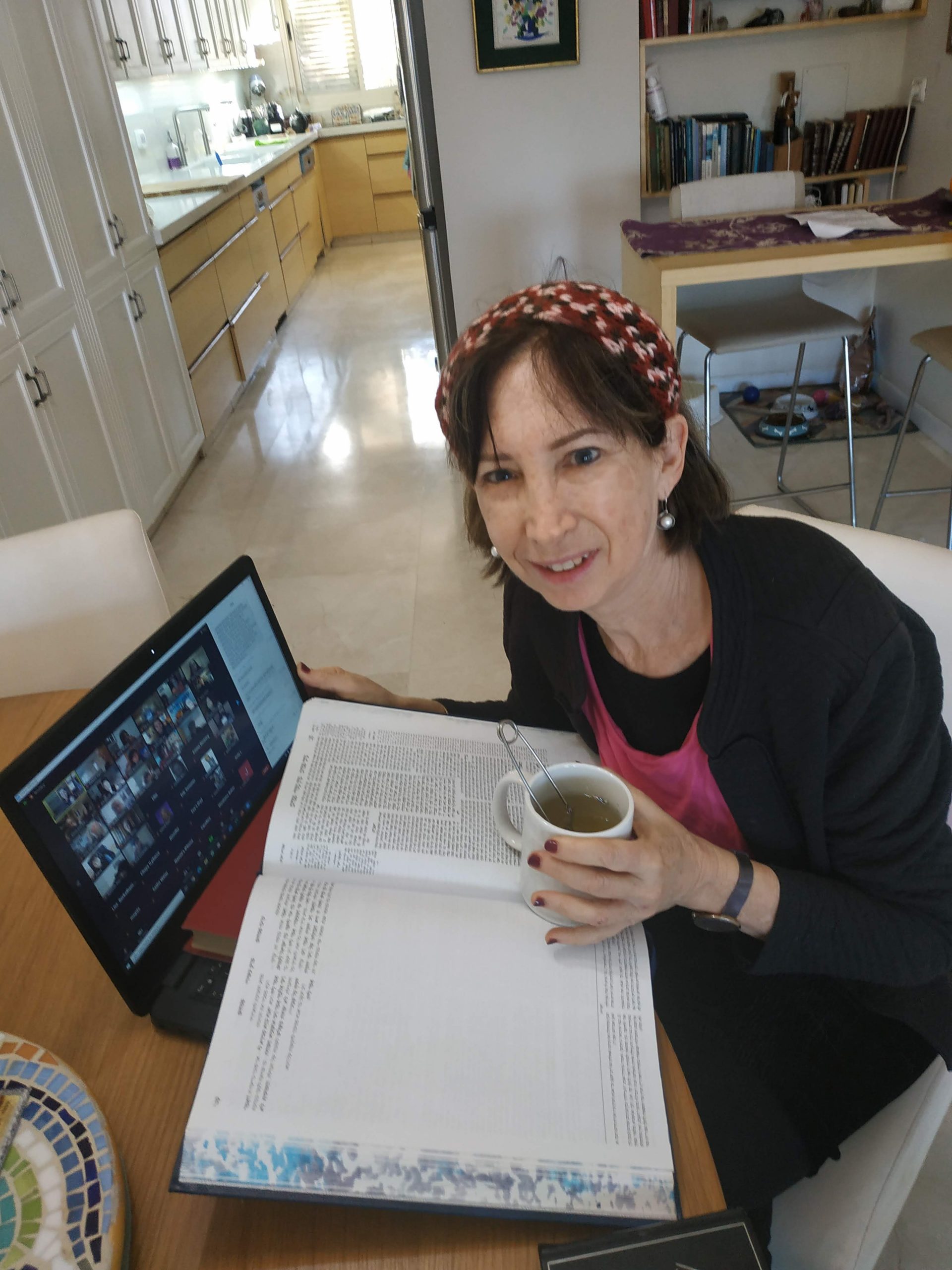
חשמונאים, ישראל
הייתי לפני שנתיים בסיום הדרן נשים בבנייני האומה והחלטתי להתחיל. אפילו רק כמה דפים, אולי רק פרק, אולי רק מסכת… בינתיים סיימתי רבע שס ותכף את כל סדר מועד בה.
הסביבה תומכת ומפרגנת. אני בת יחידה עם ארבעה אחים שכולם לומדים דף יומי. מדי פעם אנחנו עושים סיומים יחד באירועים משפחתיים. ממש מרגש. מסכת שבת סיימנו כולנו יחד עם אבא שלנו!
אני שומעת כל יום פודקאסט בהליכה או בנסיעה ואחכ לומדת את הגמרא.
מרכז שפירא, ישראל
התחלתי כשהייתי בחופש, עם הפרסומים על תחילת המחזור, הסביבה קיבלה את זה כמשהו מתמיד ומשמעותי ובהערכה, הלימוד זה עוגן יציב ביום יום, יש שבועות יותר ויש שפחות אבל זה משהו שנמצא שם אמין ובעל משמעות בחיים שלי….
גמזו, ישראל
התחלתי ללמוד דף יומי בסבב הקודם. זכיתי לסיים אותו במעמד המרגש של הדרן. בסבב הראשון ליווה אותי הספק, שאולי לא אצליח לעמוד בקצב ולהתמיד. בסבב השני אני לומדת ברוגע, מתוך אמונה ביכולתי ללמוד ולסיים. בסבב הלימוד הראשון ליוותה אותי חוויה מסויימת של בדידות. הדרן העניקה לי קהילת לימוד ואחוות נשים. החוויה של סיום הש”ס במעמד כה גדול כשנשים שאינן מכירות אותי, שמחות ומתרגשות עבורי , היתה חוויה מרוממת נפש
קיבוץ מגדל עוז, ישראל
רציתי לקבל ידע בתחום שהרגשתי שהוא גדול וחשוב אך נעלם ממני. הלימוד מעניק אתגר וסיפוק ומעמיק את תחושת השייכות שלי לתורה וליהדות
עלי זהב – לשם, ישראל
התחלתי ללמוד דף יומי כאשר קיבלתי במייל ממכון שטיינזלץ את הדפים הראשונים של מסכת ברכות במייל. קודם לא ידעתי איך לקרוא אותם עד שנתתי להם להדריך אותי. הסביבה שלי לא מודעת לעניין כי אני לא מדברת על כך בפומבי. למדתי מהדפים דברים חדשים, כמו הקשר בין המבנה של בית המקדש והמשכן לגופו של האדם (יומא מה, ע”א) והקשר שלו למשפט מפורסם שמופיע בספר ההינדי "בהגוד-גיתא”. מתברר שזה רעיון כלל עולמי ולא רק יהודי

נשר, ישראל
התחלתי מעט לפני תחילת הסבב הנוכחי. אני נהנית מהאתגר של להמשיך להתמיד, מרגעים של "אהה, מפה זה הגיע!” ומהאתגר האינטלקטואלי
לוד, ישראל
התחלתי בסיום הש”ס, יצאתי באורות. נשברתי פעמיים, ובשתיהם הרבנית מישל עודדה להמשיך איפה שכולם בסבב ולהשלים כשאוכל, וכך עשיתי וכיום השלמתי הכל. מדהים אותי שאני לומדת כל יום קצת, אפילו בחדר הלידה, בבידוד או בחו”ל. לאט לאט יותר נינוחה בסוגיות. לא כולם מבינים את הרצון, בפרט כפמניסטית. חשה סיפוק גדול להכיר את המושגים וצורת החשיבה. החלום זה להמשיך ולהתמיד ובמקביל ללמוד איך מהסוגיות נוצרה והתפתחה ההלכה.
מודיעין, ישראל
לצערי גדלתי בדור שבו לימוד גמרא לנשים לא היה דבר שבשגרה ושנים שאני חולמת להשלים את הפער הזה.. עד שלפני מספר שבועות, כמעט במקרה, נתקלתי במודעת פרסומת הקוראת להצטרף ללימוד מסכת תענית. כשקראתי את המודעה הרגשתי שהיא כאילו נכתבה עבורי – "תמיד חלמת ללמוד גמרא ולא ידעת איך להתחיל”, "בואי להתנסות במסכת קצרה וקלה” (רק היה חסר שהמודעה תיפתח במילים "מיכי שלום”..). קפצתי למים ו- ב”ה אני בדרך להגשמת החלום:)
מורשת, ישראל
בתחילת הסבב הנוכחי של לימוד הדף היומי, נחשפתי לחגיגות המרגשות באירועי הסיום ברחבי העולם. והבטחתי לעצמי שבקרוב אצטרף גם למעגל הלומדות. הסבב התחיל כאשר הייתי בתחילת דרכי בתוכנית קרן אריאל להכשרת יועצות הלכה של נשמ”ת. לא הצלחתי להוסיף את ההתחייבות לדף היומי על הלימוד האינטנסיבי של תוכנית היועצות. בבוקר למחרת המבחן הסופי בנשמ”ת, התחלתי את לימוד הדף במסכת סוכה ומאז לא הפסקתי.
קרית גת, ישראל
בסוף הסבב הקודם ראיתי את השמחה הגדולה שבסיום הלימוד, בעלי סיים כבר בפעם השלישית וכמובן הסיום הנשי בבנייני האומה וחשבתי שאולי זו הזדמנות עבורי למשהו חדש.
למרות שאני שונה בסביבה שלי, מי ששומע על הלימוד שלי מפרגן מאוד.
אני מנסה ללמוד קצת בכל יום, גם אם לא את כל הדף ובסך הכל אני בדרך כלל עומדת בקצב.
הלימוד מעניק המון משמעות ליום יום ועושה סדר בלמוד תורה, שתמיד היה (ועדיין) שאיפה. אבל אין כמו קביעות

טל מנשה, ישראל
התחלתי ללמוד דף יומי אחרי שחזרתי בתשובה ולמדתי במדרשה במגדל עוז. הלימוד טוב ומספק חומר למחשבה על נושאים הלכתיים ”קטנים” ועד לערכים גדולים ביהדות. חשוב לי להכיר את הגמרא לעומק. והצעד הקטן היום הוא ללמוד אותה בבקיאות, בעזרת השם, ומי יודע אולי גם אגיע לעיון בנושאים מעניינים. נושאים בגמרא מתחברים לחגים, לתפילה, ליחסים שבין אדם לחברו ולמקום ולשאר הדברים שמלווים באורח חיים דתי 🙂

מצפה יריחו, ישראל
"התחלתי ללמוד דף יומי במחזור הזה, בח’ בטבת תש””ף. לקחתי על עצמי את הלימוד כדי ליצור תחום של התמדה יומיומית בחיים, והצטרפתי לקבוצת הלומדים בבית הכנסת בכפר אדומים. המשפחה והסביבה מתפעלים ותומכים.
בלימוד שלי אני מתפעלת בעיקר מכך שכדי ללמוד גמרא יש לדעת ולהכיר את כל הגמרא. זו מעין צבת בצבת עשויה שהיא עצומה בהיקפה.”

כפר אדומים, ישראל
התחלתי ללמוד בשנת המדרשה במגדל עוז, בינתיים נהנית מאוד מהלימוד ומהגמרא, מעניין ומשמח מאוד!
משתדלת להצליח לעקוב כל יום, לפעמים משלימה קצת בהמשך השבוע.. מרגישה שיש עוגן מקובע ביום שלי והוא משמח מאוד!

חיפה , ישראל
התחלתי ללמוד גמרא בבית הספר בגיל צעיר והתאהבתי. המשכתי בכך כל חיי ואף היייתי מורה לגמרא בבית הספר שקד בשדה אליהו (בית הספר בו למדתי בילדותי)בתחילת מחזור דף יומי הנוכחי החלטתי להצטרף ובע”ה מקווה להתמיד ולהמשיך. אני אוהבת את המפגש עם הדף את "דרישות השלום ” שמקבלת מקשרים עם דפים אחרים שלמדתי את הסנכרון שמתחולל בין התכנים.

מעלה גלבוע, ישראל
כתובות יח
דִּסְתַם יְהוּדָה וּגְלִיל כִּשְׁעַת חֵירוּם דָּמוּ.
The Gemara answers: The reason that the tanna cited specifically a case where each is located in a different land is that the standard situation with regard to travel between Judea and the Galilee is tantamount to a crisis period, as war was commonplace, and there was a strip of Samaritan territory between Judea and the Galilee.
וְלִיתְנֵי: מוֹדֶה רַבִּי יְהוֹשֻׁעַ בְּאוֹמֵר לַחֲבֵירוֹ ״מָנֶה לָוִיתִי מִמְּךָ וּפְרַעְתִּיו לָךְ״, שֶׁהוּא נֶאֱמָן! מִשּׁוּם דְּקָא בָּעֵי לְמִיתְנֵי סֵיפָא: אִם יֵשׁ עֵדִים שֶׁהוּא לָוָה מִמֶּנּוּ, וְהוּא אוֹמֵר: פְּרַעְתִּיו — אֵינוֹ נֶאֱמָן, וְהָא קַיְימָא לַן הַמַּלְוֶה אֶת חֲבֵירוֹ בְּעֵדִים — אֵינוֹ צָרִיךְ לְפׇרְעוֹ בְּעֵדִים.
The Gemara asks: And let the tanna teach in the mishna: And Rabbi Yehoshua concedes in a case where one says to another: I borrowed one hundred dinars from you and repaid the loan to you, that he is deemed credible. The Gemara answers: The tanna chose not to teach that case of the mouth that prohibited is the mouth that permitted due to the fact that the tanna wanted to teach in the latter clause: If there are witnesses that he borrowed money from another, and he says: I repaid the loan, he is not deemed credible. However, the tanna would not be able to distinguish between a case where witnesses testify and a case where there are no witnesses, as don’t we hold that in the case of one who lends money to another in the presence of witnesses, the borrower need not repay the loan in the presence of witnesses? Therefore, even if witnesses testify that he took the loan, his claim that he repaid the loan is accepted.
וְלִיתְנֵי: מוֹדֶה רַבִּי יְהוֹשֻׁעַ בְּאוֹמֵר לַחֲבֵירוֹ: מָנֶה לְאָבִיךְ בְּיָדִי, וְהֶאֱכַלְתִּיו פְּרָס — שֶׁהוּא נֶאֱמָן!
The Gemara asks: And let the tanna teach in the mishna: And Rabbi Yehoshua concedes in a case where one says to another: Your father has one hundred dinars in my possession in the form of a loan, but I provided him with repayment of half that amount, that his claim is deemed credible.
אַלִּיבָּא דְמַאן? אִי אַלִּיבָּא דְרַבָּנַן — הָא אָמְרִי מֵשִׁיב אֲבֵידָה הָוֵי. אִי אַלִּיבָּא דְּרַבִּי אֱלִיעֶזֶר בֶּן יַעֲקֹב — הָא אָמַר שְׁבוּעָה בָּעֵי.
The Gemara answers: There is a tannaitic dispute with regard to that case and the case that the Gemara suggested does not correspond to either opinion. In accordance with whose opinion would the mishna be taught? If it is in accordance with the opinion of the Rabbis, didn’t they say that in that case he is the equivalent of one returning a lost article? Since the son is unaware that the borrower owes his father money, and the borrower takes the initiative and admits that he owes part of the sum that he borrowed, it is as if he returned a lost article, and clearly his claim is accepted and no oath is required. And if it is in accordance with the opinion of Rabbi Eliezer ben Ya’akov, didn’t he say that in that case the borrower is required to take an oath, and only then is his claim accepted?
דְּתַנְיָא, רַבִּי אֱלִיעֶזֶר בֶּן יַעֲקֹב אוֹמֵר: פְּעָמִים שֶׁאָדָם נִשְׁבָּע עַל טַעֲנַת עַצְמוֹ. כֵּיצַד? ״מָנֶה לְאָבִיךְ בְּיָדִי וְהֶאֱכַלְתִּיו פְּרָס״ — הֲרֵי זֶה נִשְׁבָּע, וְזֶהוּ שֶׁנִּשְׁבָּע עַל טַעֲנַת עַצְמוֹ. וַחֲכָמִים אוֹמְרִים: אֵינוֹ אֶלָּא כְּמֵשִׁיב אֲבֵידָה, וּפָטוּר.
This dispute is as it is taught in a baraita that Rabbi Eliezer ben Ya’akov says: There are times when although no one claimed that another owes him money, a person takes an oath on the basis of his own claim. How so? If one says to another: Your father has one hundred dinars in my possession, but I provided him with repayment of half that amount, he is required to take an oath that he repaid half, and that is the case of one who takes an oath on the basis of his own claim. And the Rabbis say: In that case he is merely the equivalent of one returning a lost article, and is exempt from taking an oath.
וְרַבִּי אֱלִיעֶזֶר בֶּן יַעֲקֹב לֵית לֵיהּ מֵשִׁיב אֲבֵידָה פָּטוּר? אָמַר רַב: בְּטוֹעֲנוֹ קָטָן. וְהָאָמַר מָר: אֵין נִשְׁבָּעִין עַל טַעֲנַת חֵרֵשׁ שׁוֹטֶה וְקָטָן!
The Gemara asks: And is Rabbi Eliezer ben Ya’akov not of the opinion that one who returns a lost article is exempt from taking an oath that he did not take part of the sum? He returns what he admitted taking without an oath. Rav says: The baraita is referring to a case where a minor makes a claim against him. The lender’s minor son claims that the borrower did not repay any part of the loan to his father. The borrower’s claim comes in response to that claim. Therefore, his admission is not at all comparable to returning a lost article. The Gemara asks: But didn’t the Master say: One does not take an oath on the basis of the claim of a deaf-mute, an imbecile, or a minor? Due to their lack of cognition, they are not deemed halakhically competent to require another to take an oath based on their claim.
מַאי קָטָן — גָּדוֹל. וְאַמַּאי קָרֵי לֵיהּ קָטָן — דִּלְגַבֵּי מִילֵּי דְאָבִיו, קָטָן הוּא. אִי הָכִי: טַעֲנַת עַצְמוֹ? טַעֲנַת אֲחֵרִים הִיא! טַעֲנַת אֲחֵרִים, וְהוֹדָאַת עַצְמוֹ.
The Gemara answers: In Rav’s statement, what is the meaning of minor? It means one who reached majority, and is therefore halakhically competent. And why does Rav call him a minor? It is due to the fact that with regard to his father’s matters, he is the equivalent of a minor, as he is uncertain about the particulars of his father’s dealings. If so, i.e., that the son making the claim has already reached majority, the language of the baraita is imprecise. Why does the tanna refer to this case as one taking an oath on the basis of his own claim? This is not his own claim; it is the claim of others. The Gemara answers: The baraita employed that language for the following reason: It is the claim of others, but he is taking an oath on the basis of his own partial admission.
כּוּלְּהִי טַעֲנָתָא, טַעֲנַת אֲחֵרִים וְהוֹדָאַת עַצְמוֹ נִינְהוּ!
The Gemara asks: All claims where an oath is required are cases of a claim of others and his own admission. However, in the baraita, Rabbi Eliezer ben Ya’akov introduces his opinion with the phrase: There are times, indicating that the case to which he is referring, that of one taking an oath on the basis of his own claim, is not the standard case of taking an oath.
אֶלָּא הָכָא בִּדְרַבָּה קָמִיפַּלְגִי. דְּאָמַר רַבָּה: מִפְּנֵי מָה אָמְרָה תּוֹרָה מוֹדֶה מִקְצָת הַטַּעֲנָה יִשָּׁבַע — חֲזָקָה אֵין אָדָם מֵעִיז פָּנָיו בִּפְנֵי בַּעַל חוֹבוֹ. וְהַאי בְּכוּלַּהּ בָּעֵי דְּלִכְפְּרֵיהּ, וְהַאי דְּלָא כְּפַר לֵיהּ — מִשּׁוּם דְּאֵין אָדָם מֵעִיז פָּנָיו הוּא.
Rather, the Gemara suggests an alternative explanation of the tannaitic dispute. Here, Rabbi Eliezer ben Ya’akov and the Rabbis disagree with regard to the statement of Rabba, as Rabba said: Why did the Torah say that one who makes a partial admission in response to the claim is required to take an oath? It is because there is a presumption that a person would not be so insolent in the presence of his creditor as to deny his debt. Presumably, this borrower who made a partial admission would have liked to deny the entire loan, and the fact that he did not deny the entire loan is due to the fact that a person would not be so insolent in the presence of his creditor.
וּבְכוּלַּהּ בָּעֵי דְּלוֹדֵי לֵיהּ. וְהַאי דְּלָא אוֹדִי לֵיהּ — כִּי הֵיכִי דְּלִישְׁתְּמִיט לֵיהּ, וְסָבַר: עַד דְּהָוֵה לִי זוּזֵי וּפָרַעְנָא לֵיהּ. וְרַחֲמָנָא אָמַר: רְמִי שְׁבוּעָה עֲלֵיהּ, כִּי הֵיכִי דְּלוֹדֵי לֵיהּ בְּכוּלֵּיהּ.
And, as a result, he would have liked to admit to him that he owes him the entire loan. And the reason that he did not admit to him that he owes him the entire loan is so that he may temporarily avoid paying him. And he rationalizes doing so, saying to himself: I am avoiding him only until the time that I have money, and then I will repay him. Due to the concern that the partial admission is motivated by that rationalization and the claim of the lender is true, the Merciful One says: Impose an oath upon him so that he will admit that he owes him the entire loan.
רַבִּי אֱלִיעֶזֶר בֶּן יַעֲקֹב סָבַר: לָא שְׁנָא בּוֹ וְלָא שְׁנָא בִּבְנוֹ, אֵינוֹ מֵעִיז, וְהִלְכָּךְ לָאו מֵשִׁיב אֲבֵידָה הָוֵי. וְרַבָּנַן סָבְרִי: בּוֹ הוּא דְּאֵינוֹ מֵעִיז, אֲבָל בִּבְנוֹ — מֵעִיז. וּמִדְּלֹא הֵעִיז — מֵשִׁיב אֲבֵידָה הָוֵי.
Rabbi Eliezer ben Ya’akov maintains: It is no different with regard to the creditor himself, and it is no different with regard to his son. The debtor would not be so insolent as to deny the debt. And therefore, he is not considered as one returning a lost article on his own initiative. Rather, he is considered as one who partially admits his debt in response to a claim, and is therefore required to take an oath. However, the Rabbis maintain: In the presence of the creditor one would not be insolent, but in the presence of his son, who did not lend him the money, he would be insolent and deny the claim entirely. Since he had the option of completely denying the loan and opted to admit to part of the claim, he is considered as one returning a lost article and his claim is accepted without an oath.
מַתְנִי׳ הָעֵדִים שֶׁאָמְרוּ: כְּתַב יָדֵינוּ הוּא זֶה, אֲבָל אֲנוּסִים הָיִינוּ, קְטַנִּים הָיִינוּ, פְּסוּלֵי עֵדוּת הָיִינוּ — הֲרֵי אֵלּוּ נֶאֱמָנִים. וְאִם יֵשׁ עֵדִים שֶׁהוּא כְּתַב יָדָם, אוֹ שֶׁהָיָה כְּתַב יָדָם יוֹצֵא מִמָּקוֹם אַחֵר — אֵינָן נֶאֱמָנִין.
MISHNA: With regard to the witnesses who said in their testimony to ratify their signatures in a document: We signed the document and this is our handwriting; however, we were compelled to sign, or we were minors when we signed, or we were disqualified witnesses, e.g., we are relatives of one of the parties, they are deemed credible. Since the document is ratified on the basis of their testimony, it is likewise invalidated on the basis of their testimony. However, if there are other witnesses who testify that it is their handwriting, or if their handwriting emerges on a document from another place, enabling confirmation of their signatures by comparing the two documents, then the witnesses who signed the document are not deemed credible. The document is not invalidated based on their testimony, because ratification of the document is not dependent on their testimony, as their signatures can be authenticated independently.
גְּמָ׳ אָמַר רָמֵי בַּר חָמָא: לֹא שָׁנוּ אֶלָּא שֶׁאָמְרוּ ״אֲנוּסִים הָיִינוּ מֵחֲמַת מָמוֹן״. אֲבָל ״אֲנוּסִים הָיִינוּ מֵחֲמַת נְפָשׁוֹת״ — הֲרֵי אֵלּוּ נֶאֱמָנִין.
GEMARA: With regard to the latter clause in the mishna, in which it is stated that if there is independent corroboration of the signatures of the witnesses the document is not invalidated based on their testimony, Rami bar Ḥama says: The Sages taught this halakha only in a case where they said: We were compelled to sign the document due to a monetary threat. Their testimony incriminates them, as they testified falsely for money, and the principle is: The testimony of one who incriminates himself is not accepted. However, if the witnesses said: We were compelled to sign the document due to a threat to our lives, they are deemed credible, as that testimony is not self-incriminating, since in that case it is permitted to testify falsely.
אֲמַר לֵיהּ רָבָא: כֹּל כְּמִינֵּיהּ?! כֵּיוָן שֶׁהִגִּיד — שׁוּב אֵינוֹ חוֹזֵר וּמַגִּיד. וְכִי תֵּימָא: הָנֵי מִילֵּי עַל פֶּה, אֲבָל בִּשְׁטָר — לָא, וְהָא אָמַר רֵישׁ לָקִישׁ: עֵדִים הַחֲתוּמִים עַל הַשְּׁטָר — נַעֲשָׂה כְּמִי שֶׁנֶּחְקְרָה עֵדוּתָן בְּבֵית דִּין!
Rava said to Rami bar Ḥama: Is it within their power to retract their testimony? There is a principle: Once a witness stated his testimony in court, he cannot again state testimony that contradicts his previous testimony. And if you say that this principle applies specifically to oral testimony, but with regard to testimony in a document, no, the principle does not apply and one may retract that testimony, didn’t Reish Lakish say: The legal status of witnesses who are signatories on the document becomes like those whose testimony was cross-examined in court. Therefore, just as one may not retract oral testimony, neither may he retract written testimony.
אֶלָּא, כִּי אִתְּמַר — אַרֵישָׁא אִתְּמַר: הֲרֵי אֵלּוּ נֶאֱמָנִין, אָמַר רָמֵי בַּר חָמָא: לֹא שָׁנוּ אֶלָּא שֶׁאָמְרוּ: אֲנוּסִין הָיִינוּ מֵחֲמַת נְפָשׁוֹת, אֲבָל אָמְרוּ: אֲנוּסִין הָיִינוּ מֵחֲמַת מָמוֹן — אֵין נֶאֱמָנִין. מַאי טַעְמָא: אֵין אָדָם מֵשִׂים עַצְמוֹ רָשָׁע.
Rather, when the statement of Rami bar Ḥama is stated, it is stated with regard to the first clause of the mishna, that if there is no independent corroboration of their signatures they are deemed credible. Rami bar Ḥama said: The Sages taught this halakha only in a case where the witnesses said: We were compelled to sign the document due to a threat to our lives, as in that case they do not incriminate themselves. However, if the witnesses said: We were compelled to sign the document due to a monetary threat, they are not deemed credible. What is the reason that they are not deemed credible? It is based on the principle: One does not render himself wicked, and self-incriminating testimony is not accepted.
תָּנוּ רַבָּנַן: אֵין נֶאֱמָנִים לְפוֹסְלוֹ, דִּבְרֵי רַבִּי מֵאִיר. וַחֲכָמִים אוֹמְרִים: נֶאֱמָנִים. בִּשְׁלָמָא לְרַבָּנַן כִּי טַעְמַיְיהוּ, שֶׁהַפֶּה שֶׁאָסַר הוּא הַפֶּה שֶׁהִתִּיר. אֶלָּא לְרַבִּי מֵאִיר, מַאי טַעְמָא? בִּשְׁלָמָא פְּסוּלֵי עֵדוּת, מַלְוֶה גּוּפֵיהּ מֵעִיקָּרָא מִידָּק דָּיֵיק וּמַחְתֵּם. קְטַנִּים נָמֵי, כִּדְרַבִּי שִׁמְעוֹן בֶּן לָקִישׁ. דְּאָמַר רֵישׁ לָקִישׁ:
§ The Sages taught: Witnesses who testify to invalidate their signatures on a document are not deemed credible to invalidate the document; this is the statement of Rabbi Meir. And the Rabbis say: They are deemed credible. The Gemara asks: Granted, according to the Rabbis, their opinion corresponds to their reasoning stated previously: The mouth that prohibited it, i.e., ratified the document, is the mouth that permitted it, i.e., invalidated the promissory note. However, according to Rabbi Meir, what is the reason that their testimony to invalidate the document is not accepted? Granted, their testimony that they were disqualified witnesses is not accepted, as the lender himself initially ascertains that the witnesses are fit to testify and only then signs them on the document. Similarly, according to Rabbi Meir, their testimony that they were minors is also not accepted, in accordance with the statement of Rabbi Shimon ben Lakish, as Reish Lakish said:

