







אי אפשר להזים עדים (להפוך אותם לעדים זוממים) שלא בנוכחותם. האם זה נכון גם לגבי עדי הכחשה? יש מחלוקת בנושא. מחלוקת זו רלוונטית במקרה שבו העדים החתומים על מסמך מתים. מופיע בברייתא שכדי לאמת חתימות של עדים ממסמכים אחרים, זה חייב להיות על ידי מסמך שהיה חתום עליו אלו שהעלו ספק לגבי אמינותם ואז הצליחו לקיימו. מובאים קריטריונים אחרים לאימות חתימות. אם כותבים על עדות שראה, האם אפשר להעיד שנים לאחר מכן, על סמך עדותו הכתובה? במה זה תלוי? באילו דרכים אחרות של העלאת זיכרונות ניתן/לא ניתן להשתמש? אם יש תלוליות עפר ליד העיר או הכביש, צריך לחשוש שיש שם קבורות וטמא. מה נחשב קרוב? אם התלולית רחוקה מהעיר, זה תלוי אם הם ישנים או חדשים. הסיבה לכך היא שלגבי הישנים, אפשר להניח שאם אנשים היו קבורים שם, אף אחד לא היה זוכר. אחרי כמה שנים אפשר להניח שאנשים כבר לא זוכרים? המשנה דנה בעוד עניינים בקיום שטרות – האם עדים יכולים לאמת את חתימתם? האם הם צריכים עד נוסף יחד איתם על מנת לאמת את חתימתם?
הלימוד השבוע מוקדש ע”י טינה לם לרפואת מעין ליאורה בת שלומית פייגא
רוצה להקדיש שיעור?

תקציר
כלים
הלימוד השבוע מוקדש ע”י טינה לם לרפואת מעין ליאורה בת שלומית פייגא
כתובות כ
וּכְשֵׁם שֶׁאֵין מְזִימִּין אֶת הָעֵדִים אֶלָּא בִּפְנֵיהֶם, כָּךְ אֵין מַכְחִישִׁין אֶת הָעֵדִים אֶלָּא בִּפְנֵיהֶם.
And just as witnesses render other witnesses false, conspiring witnesses only in their presence, because with their testimony they render them liable to be punished, so too, witnesses contradict the testimony of other witnesses only in their presence. Since the signatories to the document are dead, their testimony cannot be contradicted.
אֲמַר לֵיהּ רַב נַחְמָן: אִילּוּ הֲווֹ קַמַּן וּמַכְחִישִׁין לְהוּ, הֲוָה הַכְחָשָׁה, וְלָא הֲוָה מַשְׁגִּיחִין בְּהוּ. דְּהָוְיָ[א] לַהּ עֵדוּת מוּכְחֶשֶׁת. הַשְׁתָּא דְּלֵיתַנְהוּ, דְּאִילּוּ הֲווֹ לְקַמַּן דִּלְמָא הֲווֹ מוֹדוּ לְהוּ, מְהֵימְנִי?!
Rav Naḥman said to Rav Sheshet: If the first pair of witnesses was before us and the second pair would contradict their testimony, that is contradiction, and we would not consider their testimony and would not collect money with the document, as it is contradicted testimony. Now that they are not before us, and in a case where if they were before us perhaps they would have admitted to the second witnesses that the testimony of the second witnesses is correct, are they deemed credible, and the document that they signed valid?
אֶלָּא אָמַר רַב נַחְמָן: אוֹקֵי תְּרֵי לַהֲדֵי תְּרֵי, וְאוֹקֵי מָמוֹנָא בְּחֶזְקַת מָרֵיהּ, מִידֵּי דְּהָוֵה אַנִּכְסֵי דְּבַר שָׁטְיָא. דְּבַר שָׁטְיָא זַבֵּין נִכְסֵי. אֲתוֹ בֵּי תְרֵי, אָמְרִי: כְּשֶׁהוּא שׁוֹטֶה זַבֵּין, וַאֲתוֹ בֵּי תְרֵי וְאָמְרִי: כְּשֶׁהוּא חָלִים זַבֵּין.
Rather, Rav Naḥman said in the case where the testimony of the first witnesses is contradicted not in their presence, the ruling is: Establish two witnesses against the two witnesses who contradict their testimony, thereby neutralizing both testimonies, and establish the money in the possession of its owner, just as it was in the case of the property of bar Shatya. As when bar Shatya, a man who suffered from periodic bouts of insanity, sold his property, two witnesses came and said: He sold it when he was insane; and two other witnesses came and said: He sold it when he was sane.
אָמַר רַב אָשֵׁי: אוֹקֵי תְּרֵי לַהֲדֵי תְּרֵי, וְאוֹקִי מָמוֹנָא בְּחֶזְקַת בַּר שָׁטְיָא. וְלָא אֲמַרַן אֶלָּא דְּאִית לֵיהּ חֲזָקָה דַאֲבָהָתֵיהּ. אֲבָל לֵית לֵיהּ חֲזָקָה דַאֲבָהָתֵיהּ, אָמְרִינַן: כְּשֶׁהוּא שׁוֹטֶה זְבַן, וּכְשֶׁהוּא שׁוֹטֶה זַבֵּין.
Rav Ashi said in that case: Establish two witnesses against the two witnesses who contradict the testimony of the first pair, and establish the money in the possession of bar Shatya. The Gemara notes: We say that the property remains in the possession of bar Shatya only when he has possession of the property based on the possession of his fathers. However, if he does not have possession of the property based on the possession of his fathers, but he acquired the property himself, we say: He purchased his properties when he was insane, and he sold them when he was insane. He does not have presumptive ownership of them. Therefore, the property remains in the possession of the person to whom bar Shatya sold it.
אָמַר רַבִּי אֲבָהוּ: אֵין מְזִימִּין אֶת הָעֵדִים אֶלָּא בִּפְנֵיהֶן, וּמַכְחִישִׁין אֶת הָעֵדִים שֶׁלֹּא בִּפְנֵיהֶן. וַהֲזָמָה שֶׁלֹּא בִּפְנֵיהֶן, נְהִי דַּהֲזָמָה לָא הָוְיָא — הַכְחָשָׁה מִיהָא הָוְיָא.
Rabbi Abbahu disagrees with the opinion of Rav Sheshet and says: Witnesses render other witnesses false, conspiring witnesses only in their presence, but witnesses contradict the testimony of other witnesses not in their presence. And with regard to rendering other witnesses false, conspiring witnesses not in their presence, although it is not effective in rendering them false, conspiring witnesses in the sense that they are punished for their false testimony, in any case, it is a contradiction of their testimony.
אָמַר מָר: אִם יֵשׁ עֵדִים שֶׁכְּתַב יָדָם הוּא זֶה, אוֹ שֶׁהָיָה כְּתַב יָדָם יוֹצֵא מִמָּקוֹם אַחֵר, מִשְּׁטָר שֶׁקָּרָא עָלָיו עַרְעָר וְהוּחְזַק בְּבֵית דִּין — אֵין נֶאֱמָנִין. קָרָא עָלָיו עַרְעָר — אִין, לֹא קָרָא עָלָיו עַרְעָר — לָא, מְסַיַּיע לֵיהּ לְרַבִּי אַסִּי. דְּאָמַר רַבִּי אַסִּי: אֵין מְקַיְּימִין אֶת הַשְּׁטָר אֶלָּא מִשְּׁטָר שֶׁקָּרָא עָלָיו עַרְעָר וְהוּחְזַק בְּבֵית דִּין.
§ The Master said in the baraita cited previously: If there are other witnesses who testify that it is their handwriting, or if their handwriting emerges from another place, from a document that one challenged and that was deemed valid in court, these witnesses are not deemed credible. The Gemara infers: From a document that one challenged, yes, the signatures are authenticated and the testimony of the other witnesses is not accepted; however, if one did not challenge the document, no, the document cannot be used to authenticate their signatures. This supports the statement of Rabbi Asi, as Rabbi Asi said: One ratifies a document by authenticating the witnesses’ signatures only from a document that someone challenged and that was deemed valid in court.
אָמְרִי נְהַרְדָּעֵי: אֵין מְקַיְּימִין אֶת הַשְּׁטָר אֶלָּא מִשְׁתֵּי כְּתוּבּוֹת, [אוֹ] מִשְּׁתֵּי שָׂדוֹת, וְהוּא שֶׁאֲכָלוּם בַּעֲלֵיהֶן שָׁלֹשׁ שָׁנִים, וּבְשׁוֹפִי.
The Sages of Neharde’a say: One ratifies a document by authenticating the witnesses’ signatures only from two marriage contracts or from the bills of sale for two fields that those witnesses signed. And those bills of sale are effective only in a case where their owner ate their produce for three years, the requisite period to establish presumptive ownership of the field, and in peace, undisturbed by protest. In that case we can rely on the signatures, and the documents are considered valid.
אָמַר רַב שִׁימִי בַּר אָשֵׁי: וּבְיוֹצֵא מִתַּחַת יַד אַחֵר. אֲבָל מִיַּד עַצְמוֹ — לָא. מַאי שְׁנָא תַּחַת יַד עַצְמוֹ דְּלָא, דִּלְמָא זַיּוֹפֵי מְזַיֵּיף. מִתַּחַת יְדֵי אַחֵר נָמֵי: דִּלְמָא אֲזַל וַחֲזָא, אֲתָא וְזַיֵּיף! כּוּלֵּי הַאי לָא מָצֵי מְכַוֵּין.
Rav Shimi bar Ashi said: Authentication of signatures by comparison to other documents can be accomplished specifically when the documents emerge from the possession of another. However, when the documents emerge from the possession of the litigant himself, no, they may not be used to authenticate the signatures. The Gemara asks: What is different in a case where the documents emerge from the possession of the litigant himself that they may not be used to authenticate the signatures? It is that perhaps while the documents were in his possession he learned how to copy the signatures and forged them. If so, also in a case where the documents emerge from the possession of another, perhaps he went and saw the signatures, and came back and forged them. The Gemara answers: In that case, he would not be able to accurately reproduce the signatures to that extent based on memory alone.
תָּנוּ רַבָּנַן: כּוֹתֵב אָדָם עֵדוּתוֹ עַל הַשְּׁטָר, וּמֵעִיד עָלֶיהָ אֲפִילּוּ לְאַחַר כַּמָּה שָׁנִים. אָמַר רַב הוּנָא: וְהוּא שֶׁזּוֹכְרָהּ מֵעַצְמוֹ. רַבִּי יוֹחָנָן אָמַר: אַף עַל פִּי שֶׁאֵין זוֹכְרָהּ מֵעַצְמוֹ. אָמַר רַבָּה: שְׁמַע מִינַּהּ מִדְּרַבִּי יוֹחָנָן: הָנֵי בֵּי תְרֵי דְּיָדְעִי סָהֲדוּתָא וּמִנְּשֵׁי חַד מִנַּיְיהוּ, מַדְכַּר חַד לְחַבְרֵיהּ.
§ The Sages taught: A person may write his testimony in a document and testify on its basis even after several years have passed. Rav Huna said: And that is the halakha only if he remembers the testimony on his own and he uses the document merely to refresh his memory with regard to certain details. Rabbi Yoḥanan said: One may rely on that written testimony even if he does not remember the testimony by himself at all. Rabba said: Conclude from this statement of Rabbi Yoḥanan: With regard to these two witnesses who know testimony in a certain case, and one of them forgot the testimony, one witness may remind his fellow witness of the testimony, as according to Rabbi Yoḥanan, even if the witness remembers the testimony only by means of an external stimulus, the testimony is valid.
אִיבַּעְיָא לְהוּ: עַצְמוֹ, מַאי? רַב חֲבִיבָא אָמַר: אֲפִילּוּ עַצְמוֹ. מָר בְּרֵיהּ דְּרַב אָשֵׁי אָמַר: עַצְמוֹ לֹא. וְהִלְכְתָא עַצְמוֹ לֹא.
A dilemma was raised before the Sages: If the litigant himself reminds the witness of the testimony, what is the ruling? Rav Ḥaviva said: Even if the litigant himself reminds the witness, he may testify. Mar, son of Rav Ashi, said: If the litigant himself reminds the witness, he may not testify. And the Gemara concludes that the halakha is that if the litigant himself reminds the witness of the testimony, the witness may not testify, due to the concern that the litigant influenced the nature of his testimony.
וְאִי צוּרְבָּא מֵרַבָּנַן הוּא, אֲפִילּוּ עַצְמוֹ. כִּי הָא דְּרַב אָשֵׁי הֲוָה יְדִיעַ לֵיהּ בְּסָהֲדוּתָא לְרַב כָּהֲנָא. אֲמַר לֵיהּ: מִי דְּכִיר מָר הַאי סָהֲדוּתָא? אֲמַר לֵיהּ: לָא. וְלָאו הָכִי וְהָכִי הֲוָה? אֲמַר לֵיהּ: לָא יָדַעְנָא, לְסוֹף אִידְּכַר רַב אָשֵׁי, אַסְהֵיד לֵיהּ. חַזְיֵיהּ לְרַב כָּהֲנָא דַּהֲוָה מְחַסֵּם. אֲמַר לֵיהּ: מִי סָבְרַתְּ עֲלָךְ קָא סְמִיכְנָא? אֲנָא הוּא דִּרְמַאי אַנַּפְשַׁאי וְאִדַּכְרִי.
And if the witness is a Torah scholar, then even if the litigant himself jogged the witness’s memory, the witness may testify. A Torah scholar would not testify if he did not actually remember the testimony himself, as in that case involving Rav Ashi, who knew testimony relating to Rav Kahana. Rav Kahana said to Rav Ashi: Does the Master remember this testimony? Rav Ashi said to him: No. Rav Kahana said to him: Didn’t the incident transpire in such and such a manner? Rav Ashi said to him: I don’t know. Ultimately, Rav Ashi remembered the testimony and testified for Rav Kahana. He saw that Rav Kahana was hesitant [meḥassem] with regard to accepting his testimony, concerned that he had influenced the content of Rav Ashi’s testimony. Rav Ashi said to him: Do you think that I am relying on you? I made an effort, and I remembered the incident.
תְּנַן הָתָם: הַתְּלוּלִיּוֹת הַקְּרוֹבוֹת בֵּין לָעִיר וּבֵין לַדֶּרֶךְ, אֶחָד חֲדָשׁוֹת וְאֶחָד יְשָׁנוֹת — טְמֵאוֹת. הָרְחוֹקוֹת, חֲדָשׁוֹת — טְהוֹרוֹת, יְשָׁנוֹת — טְמֵאוֹת. אֵיזוֹהִי קְרוֹבָה — חֲמִשִּׁים אַמָּה, וְאֵיזוֹ הִיא יְשָׁנָה — שִׁשִּׁים שָׁנָה, דִּבְרֵי רַבִּי מֵאִיר. רַבִּי יְהוּדָה אוֹמֵר: קְרוֹבָה — שֶׁאֵין קְרוֹבָה הֵימֶנָּה, יְשָׁנָה — שֶׁאֵין אָדָם זוֹכְרָהּ.
§ Apropos recalling testimony, the Gemara adds that we learned there in a mishna (Oholot 16:2): Mounds of dirt that are near either to a city or a path, whether these mounds are new or whether they are old, are ritually impure due to the concern that a corpse is buried there. With regard to the mounds that are distant from the city: If they are new they are ritually pure, as, were there a corpse buried there, someone would remember, and if they are old they are impure. The mishna elaborates: What is a mound that is near? It is one at a distance of up to fifty cubits. And what is a mound that is old? It is one that was there for more than sixty years; this is the statement of Rabbi Meir. Rabbi Yehuda says: A mound that is near is one that there is no mound closer than it. Old is referring to a mound that no one remembers. According to Rabbi Yehuda, the parameters are not quantifiable.
מַאי ״עִיר״ וּמַאי ״דֶּרֶךְ״? אִילֵימָא ״עִיר״ — עִיר מַמָּשׁ, ״דֶּרֶךְ״ — דֶּרֶךְ מַמָּשׁ, מִסְּפֵיקָא מִי מַחְזְקִינַן טוּמְאָה? וְהָאָמַר רֵישׁ לָקִישׁ: עִילָּה מָצְאוּ וְטִהֲרוּ אֶרֶץ יִשְׂרָאֵל. אָמַר רַבִּי זֵירָא: ״עִיר״ — עִיר הַסְּמוּכָה לְבֵית הַקְּבָרוֹת, וְ״דֶרֶךְ״ — דֶּרֶךְ בֵּית הַקְּבָרוֹת.
The Gemara asks: What is a city and what is a path in this context? If you say city means an actual city and a path is an actual path and the mishna is referring to any city or path, the question arises: Do we presume the existence of ritual impurity in Eretz Yisrael? But didn’t Reish Lakish say in explaining how the Sages, based on meager proof, deemed an area in Eretz Yisrael ritually pure where uncertainty arose with regard to its purity: They found a pretext and deemed Eretz Yisrael ritually pure. Apparently, one does not presume ritual impurity in Eretz Yisrael. Why, then, does the mishna declare that every mound of dirt near a city or a path is impure? Rabbi Zeira said: The word city in the mishna is referring to a city adjacent to the cemetery, and the word path is referring to the path leading to the cemetery. Therefore, the concern that a corpse may be buried in the mound is a reasonable one.
בִּשְׁלָמָא דֶּרֶךְ בֵּית הַקְּבָרוֹת, דְּזִמְנִין דְּמִתְרְמֵי בֵּין הַשְּׁמָשׁוֹת וּמִקְּרוּ קָבְרוּ בְּתֵל. אֶלָּא עִיר הַסְּמוּכָה לְבֵית הַקְּבָרוֹת, כּוּלְּהִי לְבֵית הַקְּבָרוֹת אָזְלִי?
The Gemara asks: Granted, with regard to a mound located adjacent to the path leading to the cemetery, there is concern that a corpse is buried in the mound, as sometimes one happens to go to bury the corpse on Shabbat eve at twilight, and to avoid desecrating Shabbat, it happened that they buried the corpse in a mound on the path. However, with regard to a city adjacent to the cemetery, everyone goes to the cemetery to bury their dead. Why would anyone bury a corpse in a mound adjacent to the city?
אָמַר רַבִּי חֲנִינָא: מִתּוֹךְ שֶׁהַנָּשִׁים קוֹבְרוֹת שָׁם נִפְלֵיהֶן, וּמוּכֵּי שְׁחִין זְרוֹעוֹתֵיהֶם — עַד חֲמִשִּׁים אַמָּה אָזְלָא אִיהִי לְחוּדַּהּ. טְפֵי — דָּבְרָא אִינִישׁ בַּהֲדַהּ, וּלְבֵית הַקְּבָרוֹת אָזְלָא. הִלְכָּךְ, טוּמְאָה בְּאֶרֶץ יִשְׂרָאֵל לָא מַחְזְקִינַן.
Rabbi Ḥanina said: The mounds could be impure, since women bury their stillborn babies adjacent to the city, as there is no funeral in that case, and because those afflicted with boils bury their arms that withered and fell from their bodies. Until a distance of fifty cubits from the city, the woman goes alone and buries the stillborn in a mound. More than that distance, she takes a person with her, as she fears going alone, and she goes to the cemetery. Therefore, we are not presuming the existence of ritual impurity in Eretz Yisrael. The case of the mounds is an exception, as there is basis for deeming them impure.
אָמַר רַב חִסְדָּא: שְׁמַע מִינַּהּ מֵרַבִּי מֵאִיר, הַאי סָהֲדוּתָא עַד שִׁיתִּין שְׁנִין — מִידְּכַר, טְפֵי — לָא מִידְּכַר. וְלָא הִיא, הָתָם הוּא דְּלָא רַמְיָא עֲלֵיהּ. אֲבָל הָכָא, כֵּיוָן דְּרָמֵי עֲלֵיהּ, אֲפִילּוּ טוּבָא נָמֵי.
Rav Ḥisda said: Conclude from the statement of Rabbi Meir, who established a time limit beyond which a mound is considered an old mound, that with regard to testimony, until sixty years have passed, it is remembered, and if more than sixty years have passed, it is not remembered. And the Gemara rejects that conclusion: That is not so. There, with regard to the mounds, it is a case where responsibility to attest to the status of the mound was not imposed upon him, and the matter is forgotten after the passage of sixty years. However, here, with regard to testimony in general, since responsibility to testify was imposed upon him, he remembers the testimony even after a greater period of time than sixty years has passed.
מַתְנִי׳ זֶה אוֹמֵר: כְּתַב יָדִי, וְזֶה כְּתַב יָדוֹ שֶׁל חֲבֵירִי. וְזֶה אוֹמֵר: זֶה כְּתַב יָדִי, וְזֶה כְּתַב יָדוֹ שֶׁל חֲבֵירִי — הֲרֵי אֵלּוּ נֶאֱמָנִין. זֶה אוֹמֵר: זֶה כְּתַב יָדִי, וְזֶה אוֹמֵר: זֶה כְּתַב יָדִי — צְרִיכִין לְצָרֵף עִמָּהֶם אַחֵר, דִּבְרֵי רַבִּי. וַחֲכָמִים אוֹמְרִים: אֵינָם צְרִיכִין לְצָרֵף עִמָּהֶן אַחֵר, אֶלָּא נֶאֱמָן אָדָם לוֹמַר זֶה כְּתַב יָדִי.
MISHNA: If this witness whose name is signed on a document says: This is my handwriting and this is the handwriting of my fellow witness, and that witness says: This is my handwriting and that is the handwriting of my fellow witness, these witnesses are deemed credible and the document is ratified, as together they provide testimony authenticating both signatures. If this witness says: This is my handwriting, and that witness says: This is my handwriting, and neither testifies with regard to the signature of the other, they must add another witness with them who will authenticate the signatures of the two witnesses, as otherwise, each of the witnesses would be testifying with regard to half the sum in the document; this is the statement of Rabbi Yehuda HaNasi. And the Rabbis say: They need not add another witness with them. Rather, a person is deemed credible to say: This is my handwriting. The testimony of the two signatories about their own signatures is sufficient.
גְּמָ׳ כְּשֶׁתִּימְצֵי לוֹמַר, לְדִבְרֵי רַבִּי
GEMARA: The Gemara says: When you analyze the reasoning for the opinions of the tanna’im, say that according to the statement of Rabbi Yehuda HaNasi,

כלים
העמקה
רוצה להבין מה באמת קורה מתחת לפני השטח של הסוגיה?
שיעורים, פודקאסטים והרחבות של מיטב המורות שלנו יפתחו לך עוד זוויות וכיווני חשיבה.
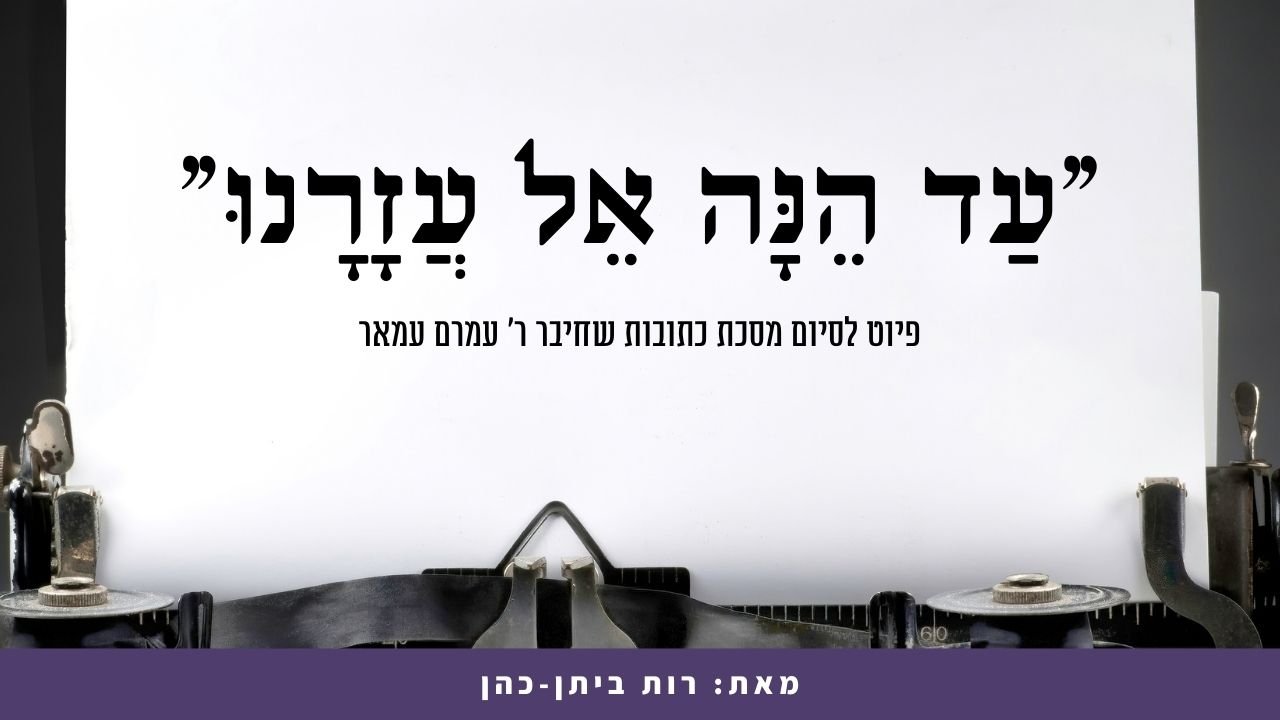
‘עַד הֵנָּה אֵל עֲזָרָנוּ’ – פיוט לסיום מסכת כתובות שחיבר ר’ עמרם עמאר – רות ביתן-כהן







חדשה בלימוד הגמרא?
זה הדף הראשון שלך? איזו התרגשות עצומה! יש לנו בדיוק את התכנים והכלים שיעזרו לך לעשות את הצעדים הראשונים ללמידה בקצב וברמה שלך, כך תוכלי להרגיש בנוח גם בתוך הסוגיות המורכבות ומאתגרות.
פסיפס הלומדות שלנו
גלי את קהילת הלומדות שלנו, מגוון נשים, רקעים וסיפורים. כולן חלק מתנועה ומסע מרגש ועוצמתי.
A life-changing journey started with a Chanukah family tiyul to Zippori, home of the Sanhedrin 2 years ago and continued with the Syum in Binanei Hauma where I was awed by the energy of 3000 women dedicated to learning daf Yomi. Opening my morning daily with a fresh daf, I am excited with the new insights I find enriching my life and opening new and deeper horizons for me.

Elazar gush etzion, Israel
באירוע של הדרן בנייני האומה. בהשראתה של אמי שלי שסיימה את הש”ס בסבב הקודם ובעידוד מאיר , אישי, וילדיי וחברותיי ללימוד במכון למנהיגות הלכתית של רשת אור תורה סטון ומורתיי הרבנית ענת נובוסלסקי והרבנית דבורה עברון, ראש המכון למנהיגות הלכתית.
הלימוד מעשיר את יומי, מחזיר אותי גם למסכתות שכבר סיימתי וידוע שאינו דומה מי ששונה פרקו מאה לשונה פרקו מאה ואחת במיוחד מרתקים אותי החיבורים בין המסכתות

מודיעין, ישראל
רבנית מישל הציתה אש התלמוד בלבבות בביניני האומה ואני נדלקתי. היא פתחה פתח ותמכה במתחילות כמוני ואפשרה לנו להתקדם בצעדים נכונים וטובים. הקימה מערך שלם שמסובב את הלומדות בסביבה תומכת וכך נכנסתי למסלול לימוד מעשיר שאין כמוה. הדרן יצר קהילה גדולה וחזקה שמאפשרת התקדמות מכל נקודת מוצא. יש דיבוק לומדות שמחזק את ההתמדה של כולנו. כל פניה ושאלה נענית בזריזות ויסודיות. תודה גם למגי על כל העזרה.

נתניה, ישראל
התחלתי ללמוד בעידוד שתי חברות אתן למדתי בעבר את הפרק היומי במסגרת 929.
בבית מתלהבים מאוד ובשבת אני לומדת את הדף עם בעלי שזה מפתיע ומשמח מאוד! לימוד הדף הוא חלק בלתי נפרד מהיום שלי. לומדת בצהריים ומחכה לזמן הזה מידי יום…

אפרת, ישראל
אמא שלי למדה איתי ש”ס משנה, והתחילה ללמוד דף יומי. אני החלטתי שאני רוצה ללמוד גם. בהתחלה למדתי איתה, אח”כ הצטרפתי ללימוד דף יומי שהרב דני וינט מעביר לנוער בנים בעתניאל. במסכת עירובין עוד חברה הצטרפה אלי וכשהתחלנו פסחים הרב דני פתח לנו שעור דף יומי לבנות. מאז אנחנו לומדות איתו קבוע כל יום את הדף היומי (ובשבת אבא שלי מחליף אותו). אני נהנית מהלימוד, הוא מאתגר ומעניין

עתניאל, ישראל
כבר סיפרתי בסיום של מועד קטן.
הלימוד מאוד משפיעה על היום שלי כי אני לומדת עם רבנית מישל על הבוקר בזום. זה נותן טון לכל היום – בסיס למחשבות שלי .זה זכות גדול להתחיל את היום בלימוד ובתפילה. תודה רבה !

ירושלים, ישראל
הייתי לפני שנתיים בסיום הדרן נשים בבנייני האומה והחלטתי להתחיל. אפילו רק כמה דפים, אולי רק פרק, אולי רק מסכת… בינתיים סיימתי רבע שס ותכף את כל סדר מועד בה.
הסביבה תומכת ומפרגנת. אני בת יחידה עם ארבעה אחים שכולם לומדים דף יומי. מדי פעם אנחנו עושים סיומים יחד באירועים משפחתיים. ממש מרגש. מסכת שבת סיימנו כולנו יחד עם אבא שלנו!
אני שומעת כל יום פודקאסט בהליכה או בנסיעה ואחכ לומדת את הגמרא.

מרכז שפירא, ישראל
התחלתי בתחילת הסבב, והתמכרתי. זה נותן משמעות נוספת ליומיום ומאוד מחזק לתת לזה מקום בתוך כל שגרת הבית-עבודה השוטפת.

בית שמש, ישראל
לצערי גדלתי בדור שבו לימוד גמרא לנשים לא היה דבר שבשגרה ושנים שאני חולמת להשלים את הפער הזה.. עד שלפני מספר שבועות, כמעט במקרה, נתקלתי במודעת פרסומת הקוראת להצטרף ללימוד מסכת תענית. כשקראתי את המודעה הרגשתי שהיא כאילו נכתבה עבורי – "תמיד חלמת ללמוד גמרא ולא ידעת איך להתחיל”, "בואי להתנסות במסכת קצרה וקלה” (רק היה חסר שהמודעה תיפתח במילים "מיכי שלום”..). קפצתי למים ו- ב”ה אני בדרך להגשמת החלום:)

מורשת, ישראל
התחלתי בסיום הש”ס, יצאתי באורות. נשברתי פעמיים, ובשתיהם הרבנית מישל עודדה להמשיך איפה שכולם בסבב ולהשלים כשאוכל, וכך עשיתי וכיום השלמתי הכל. מדהים אותי שאני לומדת כל יום קצת, אפילו בחדר הלידה, בבידוד או בחו”ל. לאט לאט יותר נינוחה בסוגיות. לא כולם מבינים את הרצון, בפרט כפמניסטית. חשה סיפוק גדול להכיר את המושגים וצורת החשיבה. החלום זה להמשיך ולהתמיד ובמקביל ללמוד איך מהסוגיות נוצרה והתפתחה ההלכה.

מודיעין, ישראל
רציתי לקבל ידע בתחום שהרגשתי שהוא גדול וחשוב אך נעלם ממני. הלימוד מעניק אתגר וסיפוק ומעמיק את תחושת השייכות שלי לתורה וליהדות

עלי זהב – לשם, ישראל
התחלתי ללמוד בסבב הנוכחי לפני כשנתיים .הסביבה מתפעלת ותומכת מאוד. אני משתדלת ללמוד מכל ההסכתים הנוספים שיש באתר הדרן. אני עורכת כל סיום מסכת שיעור בביתי לכ20 נשים שמחכות בקוצר רוח למפגשים האלו.

יהוד, ישראל
כבר סיפרתי בסיום של מועד קטן.
הלימוד מאוד משפיעה על היום שלי כי אני לומדת עם רבנית מישל על הבוקר בזום. זה נותן טון לכל היום – בסיס למחשבות שלי .זה זכות גדול להתחיל את היום בלימוד ובתפילה. תודה רבה !
ירושלים, ישראל
התחלתי ללמוד גמרא בבית הספר בגיל צעיר והתאהבתי. המשכתי בכך כל חיי ואף היייתי מורה לגמרא בבית הספר שקד בשדה אליהו (בית הספר בו למדתי בילדותי)בתחילת מחזור דף יומי הנוכחי החלטתי להצטרף ובע”ה מקווה להתמיד ולהמשיך. אני אוהבת את המפגש עם הדף את "דרישות השלום ” שמקבלת מקשרים עם דפים אחרים שלמדתי את הסנכרון שמתחולל בין התכנים.

מעלה גלבוע, ישראל
אמא שלי למדה איתי ש”ס משנה, והתחילה ללמוד דף יומי. אני החלטתי שאני רוצה ללמוד גם. בהתחלה למדתי איתה, אח”כ הצטרפתי ללימוד דף יומי שהרב דני וינט מעביר לנוער בנים בעתניאל. במסכת עירובין עוד חברה הצטרפה אלי וכשהתחלנו פסחים הרב דני פתח לנו שעור דף יומי לבנות. מאז אנחנו לומדות איתו קבוע כל יום את הדף היומי (ובשבת אבא שלי מחליף אותו). אני נהנית מהלימוד, הוא מאתגר ומעניין
עתניאל, ישראל
התחלתי ללמוד את הדף היומי מעט אחרי שבני הקטן נולד. בהתחלה בשמיעה ולימוד באמצעות השיעור של הרבנית שפרבר. ובהמשך העזתי וקניתי לעצמי גמרא. מאז ממשיכה יום יום ללמוד עצמאית, ולפעמים בעזרת השיעור של הרבנית, כל יום. כל סיום של מסכת מביא לאושר גדול וסיפוק. הילדים בבית נהיו חלק מהלימוד, אני משתפת בסוגיות מעניינות ונהנית לשמוע את דעתם.

מעלה מכמש, ישראל
שמעתי על הסיום הענק של הדף היומי ע”י נשים בבנייני האומה. רציתי גם.
החלטתי להצטרף. התחלתי ושיכנעתי את בעלי ועוד שתי חברות להצטרף. עכשיו יש לי לימוד משותף איתו בשבת ומפגש חודשי איתן בנושא (והתכתבויות תדירות על דברים מיוחדים שקראנו). הצטרפנו לקבוצות שונות בווטסאפ. אנחנו ממש נהנות. אני שומעת את השיעור מידי יום (בד”כ מהרב יוני גוטמן) וקוראת ומצטרפת לסיומים של הדרן. גם מקפידה על דף משלהן (ונהנית מאד).

אפרת, ישראל
התחלתי ללמוד לפני כשנתיים בשאיפה לסיים לראשונה מסכת אחת במהלך חופשת הלידה.
אחרי מסכת אחת כבר היה קשה להפסיק…

ירוחם, ישראל
רבנית מישל הציתה אש התלמוד בלבבות בביניני האומה ואני נדלקתי. היא פתחה פתח ותמכה במתחילות כמוני ואפשרה לנו להתקדם בצעדים נכונים וטובים. הקימה מערך שלם שמסובב את הלומדות בסביבה תומכת וכך נכנסתי למסלול לימוד מעשיר שאין כמוה. הדרן יצר קהילה גדולה וחזקה שמאפשרת התקדמות מכל נקודת מוצא. יש דיבוק לומדות שמחזק את ההתמדה של כולנו. כל פניה ושאלה נענית בזריזות ויסודיות. תודה גם למגי על כל העזרה.
נתניה, ישראל
למדתי גמרא מכיתה ז- ט ב Maimonides School ואחרי העליה שלי בגיל 14 לימוד הגמרא, שלא היה כל כך מקובל בימים אלה, היה די ספוראדי. אחרי "ההתגלות” בבנייני האומה התחלתי ללמוד בעיקר בדרך הביתה למדתי מפוקקטסים שונים. לאט לאט ראיתי שאני תמיד חוזרת לרבנית מישל פרבר. באיזה שהוא שלב התחלתי ללמוד בזום בשעה 7:10 .
היום "אין מצב” שאני אתחיל את היום שלי ללא לימוד עם הרבנית מישל עם כוס הקפה שלי!!

חשמונאים, ישראל
כתובות כ
וּכְשֵׁם שֶׁאֵין מְזִימִּין אֶת הָעֵדִים אֶלָּא בִּפְנֵיהֶם, כָּךְ אֵין מַכְחִישִׁין אֶת הָעֵדִים אֶלָּא בִּפְנֵיהֶם.
And just as witnesses render other witnesses false, conspiring witnesses only in their presence, because with their testimony they render them liable to be punished, so too, witnesses contradict the testimony of other witnesses only in their presence. Since the signatories to the document are dead, their testimony cannot be contradicted.
אֲמַר לֵיהּ רַב נַחְמָן: אִילּוּ הֲווֹ קַמַּן וּמַכְחִישִׁין לְהוּ, הֲוָה הַכְחָשָׁה, וְלָא הֲוָה מַשְׁגִּיחִין בְּהוּ. דְּהָוְיָ[א] לַהּ עֵדוּת מוּכְחֶשֶׁת. הַשְׁתָּא דְּלֵיתַנְהוּ, דְּאִילּוּ הֲווֹ לְקַמַּן דִּלְמָא הֲווֹ מוֹדוּ לְהוּ, מְהֵימְנִי?!
Rav Naḥman said to Rav Sheshet: If the first pair of witnesses was before us and the second pair would contradict their testimony, that is contradiction, and we would not consider their testimony and would not collect money with the document, as it is contradicted testimony. Now that they are not before us, and in a case where if they were before us perhaps they would have admitted to the second witnesses that the testimony of the second witnesses is correct, are they deemed credible, and the document that they signed valid?
אֶלָּא אָמַר רַב נַחְמָן: אוֹקֵי תְּרֵי לַהֲדֵי תְּרֵי, וְאוֹקֵי מָמוֹנָא בְּחֶזְקַת מָרֵיהּ, מִידֵּי דְּהָוֵה אַנִּכְסֵי דְּבַר שָׁטְיָא. דְּבַר שָׁטְיָא זַבֵּין נִכְסֵי. אֲתוֹ בֵּי תְרֵי, אָמְרִי: כְּשֶׁהוּא שׁוֹטֶה זַבֵּין, וַאֲתוֹ בֵּי תְרֵי וְאָמְרִי: כְּשֶׁהוּא חָלִים זַבֵּין.
Rather, Rav Naḥman said in the case where the testimony of the first witnesses is contradicted not in their presence, the ruling is: Establish two witnesses against the two witnesses who contradict their testimony, thereby neutralizing both testimonies, and establish the money in the possession of its owner, just as it was in the case of the property of bar Shatya. As when bar Shatya, a man who suffered from periodic bouts of insanity, sold his property, two witnesses came and said: He sold it when he was insane; and two other witnesses came and said: He sold it when he was sane.
אָמַר רַב אָשֵׁי: אוֹקֵי תְּרֵי לַהֲדֵי תְּרֵי, וְאוֹקִי מָמוֹנָא בְּחֶזְקַת בַּר שָׁטְיָא. וְלָא אֲמַרַן אֶלָּא דְּאִית לֵיהּ חֲזָקָה דַאֲבָהָתֵיהּ. אֲבָל לֵית לֵיהּ חֲזָקָה דַאֲבָהָתֵיהּ, אָמְרִינַן: כְּשֶׁהוּא שׁוֹטֶה זְבַן, וּכְשֶׁהוּא שׁוֹטֶה זַבֵּין.
Rav Ashi said in that case: Establish two witnesses against the two witnesses who contradict the testimony of the first pair, and establish the money in the possession of bar Shatya. The Gemara notes: We say that the property remains in the possession of bar Shatya only when he has possession of the property based on the possession of his fathers. However, if he does not have possession of the property based on the possession of his fathers, but he acquired the property himself, we say: He purchased his properties when he was insane, and he sold them when he was insane. He does not have presumptive ownership of them. Therefore, the property remains in the possession of the person to whom bar Shatya sold it.
אָמַר רַבִּי אֲבָהוּ: אֵין מְזִימִּין אֶת הָעֵדִים אֶלָּא בִּפְנֵיהֶן, וּמַכְחִישִׁין אֶת הָעֵדִים שֶׁלֹּא בִּפְנֵיהֶן. וַהֲזָמָה שֶׁלֹּא בִּפְנֵיהֶן, נְהִי דַּהֲזָמָה לָא הָוְיָא — הַכְחָשָׁה מִיהָא הָוְיָא.
Rabbi Abbahu disagrees with the opinion of Rav Sheshet and says: Witnesses render other witnesses false, conspiring witnesses only in their presence, but witnesses contradict the testimony of other witnesses not in their presence. And with regard to rendering other witnesses false, conspiring witnesses not in their presence, although it is not effective in rendering them false, conspiring witnesses in the sense that they are punished for their false testimony, in any case, it is a contradiction of their testimony.
אָמַר מָר: אִם יֵשׁ עֵדִים שֶׁכְּתַב יָדָם הוּא זֶה, אוֹ שֶׁהָיָה כְּתַב יָדָם יוֹצֵא מִמָּקוֹם אַחֵר, מִשְּׁטָר שֶׁקָּרָא עָלָיו עַרְעָר וְהוּחְזַק בְּבֵית דִּין — אֵין נֶאֱמָנִין. קָרָא עָלָיו עַרְעָר — אִין, לֹא קָרָא עָלָיו עַרְעָר — לָא, מְסַיַּיע לֵיהּ לְרַבִּי אַסִּי. דְּאָמַר רַבִּי אַסִּי: אֵין מְקַיְּימִין אֶת הַשְּׁטָר אֶלָּא מִשְּׁטָר שֶׁקָּרָא עָלָיו עַרְעָר וְהוּחְזַק בְּבֵית דִּין.
§ The Master said in the baraita cited previously: If there are other witnesses who testify that it is their handwriting, or if their handwriting emerges from another place, from a document that one challenged and that was deemed valid in court, these witnesses are not deemed credible. The Gemara infers: From a document that one challenged, yes, the signatures are authenticated and the testimony of the other witnesses is not accepted; however, if one did not challenge the document, no, the document cannot be used to authenticate their signatures. This supports the statement of Rabbi Asi, as Rabbi Asi said: One ratifies a document by authenticating the witnesses’ signatures only from a document that someone challenged and that was deemed valid in court.
אָמְרִי נְהַרְדָּעֵי: אֵין מְקַיְּימִין אֶת הַשְּׁטָר אֶלָּא מִשְׁתֵּי כְּתוּבּוֹת, [אוֹ] מִשְּׁתֵּי שָׂדוֹת, וְהוּא שֶׁאֲכָלוּם בַּעֲלֵיהֶן שָׁלֹשׁ שָׁנִים, וּבְשׁוֹפִי.
The Sages of Neharde’a say: One ratifies a document by authenticating the witnesses’ signatures only from two marriage contracts or from the bills of sale for two fields that those witnesses signed. And those bills of sale are effective only in a case where their owner ate their produce for three years, the requisite period to establish presumptive ownership of the field, and in peace, undisturbed by protest. In that case we can rely on the signatures, and the documents are considered valid.
אָמַר רַב שִׁימִי בַּר אָשֵׁי: וּבְיוֹצֵא מִתַּחַת יַד אַחֵר. אֲבָל מִיַּד עַצְמוֹ — לָא. מַאי שְׁנָא תַּחַת יַד עַצְמוֹ דְּלָא, דִּלְמָא זַיּוֹפֵי מְזַיֵּיף. מִתַּחַת יְדֵי אַחֵר נָמֵי: דִּלְמָא אֲזַל וַחֲזָא, אֲתָא וְזַיֵּיף! כּוּלֵּי הַאי לָא מָצֵי מְכַוֵּין.
Rav Shimi bar Ashi said: Authentication of signatures by comparison to other documents can be accomplished specifically when the documents emerge from the possession of another. However, when the documents emerge from the possession of the litigant himself, no, they may not be used to authenticate the signatures. The Gemara asks: What is different in a case where the documents emerge from the possession of the litigant himself that they may not be used to authenticate the signatures? It is that perhaps while the documents were in his possession he learned how to copy the signatures and forged them. If so, also in a case where the documents emerge from the possession of another, perhaps he went and saw the signatures, and came back and forged them. The Gemara answers: In that case, he would not be able to accurately reproduce the signatures to that extent based on memory alone.
תָּנוּ רַבָּנַן: כּוֹתֵב אָדָם עֵדוּתוֹ עַל הַשְּׁטָר, וּמֵעִיד עָלֶיהָ אֲפִילּוּ לְאַחַר כַּמָּה שָׁנִים. אָמַר רַב הוּנָא: וְהוּא שֶׁזּוֹכְרָהּ מֵעַצְמוֹ. רַבִּי יוֹחָנָן אָמַר: אַף עַל פִּי שֶׁאֵין זוֹכְרָהּ מֵעַצְמוֹ. אָמַר רַבָּה: שְׁמַע מִינַּהּ מִדְּרַבִּי יוֹחָנָן: הָנֵי בֵּי תְרֵי דְּיָדְעִי סָהֲדוּתָא וּמִנְּשֵׁי חַד מִנַּיְיהוּ, מַדְכַּר חַד לְחַבְרֵיהּ.
§ The Sages taught: A person may write his testimony in a document and testify on its basis even after several years have passed. Rav Huna said: And that is the halakha only if he remembers the testimony on his own and he uses the document merely to refresh his memory with regard to certain details. Rabbi Yoḥanan said: One may rely on that written testimony even if he does not remember the testimony by himself at all. Rabba said: Conclude from this statement of Rabbi Yoḥanan: With regard to these two witnesses who know testimony in a certain case, and one of them forgot the testimony, one witness may remind his fellow witness of the testimony, as according to Rabbi Yoḥanan, even if the witness remembers the testimony only by means of an external stimulus, the testimony is valid.
אִיבַּעְיָא לְהוּ: עַצְמוֹ, מַאי? רַב חֲבִיבָא אָמַר: אֲפִילּוּ עַצְמוֹ. מָר בְּרֵיהּ דְּרַב אָשֵׁי אָמַר: עַצְמוֹ לֹא. וְהִלְכְתָא עַצְמוֹ לֹא.
A dilemma was raised before the Sages: If the litigant himself reminds the witness of the testimony, what is the ruling? Rav Ḥaviva said: Even if the litigant himself reminds the witness, he may testify. Mar, son of Rav Ashi, said: If the litigant himself reminds the witness, he may not testify. And the Gemara concludes that the halakha is that if the litigant himself reminds the witness of the testimony, the witness may not testify, due to the concern that the litigant influenced the nature of his testimony.
וְאִי צוּרְבָּא מֵרַבָּנַן הוּא, אֲפִילּוּ עַצְמוֹ. כִּי הָא דְּרַב אָשֵׁי הֲוָה יְדִיעַ לֵיהּ בְּסָהֲדוּתָא לְרַב כָּהֲנָא. אֲמַר לֵיהּ: מִי דְּכִיר מָר הַאי סָהֲדוּתָא? אֲמַר לֵיהּ: לָא. וְלָאו הָכִי וְהָכִי הֲוָה? אֲמַר לֵיהּ: לָא יָדַעְנָא, לְסוֹף אִידְּכַר רַב אָשֵׁי, אַסְהֵיד לֵיהּ. חַזְיֵיהּ לְרַב כָּהֲנָא דַּהֲוָה מְחַסֵּם. אֲמַר לֵיהּ: מִי סָבְרַתְּ עֲלָךְ קָא סְמִיכְנָא? אֲנָא הוּא דִּרְמַאי אַנַּפְשַׁאי וְאִדַּכְרִי.
And if the witness is a Torah scholar, then even if the litigant himself jogged the witness’s memory, the witness may testify. A Torah scholar would not testify if he did not actually remember the testimony himself, as in that case involving Rav Ashi, who knew testimony relating to Rav Kahana. Rav Kahana said to Rav Ashi: Does the Master remember this testimony? Rav Ashi said to him: No. Rav Kahana said to him: Didn’t the incident transpire in such and such a manner? Rav Ashi said to him: I don’t know. Ultimately, Rav Ashi remembered the testimony and testified for Rav Kahana. He saw that Rav Kahana was hesitant [meḥassem] with regard to accepting his testimony, concerned that he had influenced the content of Rav Ashi’s testimony. Rav Ashi said to him: Do you think that I am relying on you? I made an effort, and I remembered the incident.
תְּנַן הָתָם: הַתְּלוּלִיּוֹת הַקְּרוֹבוֹת בֵּין לָעִיר וּבֵין לַדֶּרֶךְ, אֶחָד חֲדָשׁוֹת וְאֶחָד יְשָׁנוֹת — טְמֵאוֹת. הָרְחוֹקוֹת, חֲדָשׁוֹת — טְהוֹרוֹת, יְשָׁנוֹת — טְמֵאוֹת. אֵיזוֹהִי קְרוֹבָה — חֲמִשִּׁים אַמָּה, וְאֵיזוֹ הִיא יְשָׁנָה — שִׁשִּׁים שָׁנָה, דִּבְרֵי רַבִּי מֵאִיר. רַבִּי יְהוּדָה אוֹמֵר: קְרוֹבָה — שֶׁאֵין קְרוֹבָה הֵימֶנָּה, יְשָׁנָה — שֶׁאֵין אָדָם זוֹכְרָהּ.
§ Apropos recalling testimony, the Gemara adds that we learned there in a mishna (Oholot 16:2): Mounds of dirt that are near either to a city or a path, whether these mounds are new or whether they are old, are ritually impure due to the concern that a corpse is buried there. With regard to the mounds that are distant from the city: If they are new they are ritually pure, as, were there a corpse buried there, someone would remember, and if they are old they are impure. The mishna elaborates: What is a mound that is near? It is one at a distance of up to fifty cubits. And what is a mound that is old? It is one that was there for more than sixty years; this is the statement of Rabbi Meir. Rabbi Yehuda says: A mound that is near is one that there is no mound closer than it. Old is referring to a mound that no one remembers. According to Rabbi Yehuda, the parameters are not quantifiable.
מַאי ״עִיר״ וּמַאי ״דֶּרֶךְ״? אִילֵימָא ״עִיר״ — עִיר מַמָּשׁ, ״דֶּרֶךְ״ — דֶּרֶךְ מַמָּשׁ, מִסְּפֵיקָא מִי מַחְזְקִינַן טוּמְאָה? וְהָאָמַר רֵישׁ לָקִישׁ: עִילָּה מָצְאוּ וְטִהֲרוּ אֶרֶץ יִשְׂרָאֵל. אָמַר רַבִּי זֵירָא: ״עִיר״ — עִיר הַסְּמוּכָה לְבֵית הַקְּבָרוֹת, וְ״דֶרֶךְ״ — דֶּרֶךְ בֵּית הַקְּבָרוֹת.
The Gemara asks: What is a city and what is a path in this context? If you say city means an actual city and a path is an actual path and the mishna is referring to any city or path, the question arises: Do we presume the existence of ritual impurity in Eretz Yisrael? But didn’t Reish Lakish say in explaining how the Sages, based on meager proof, deemed an area in Eretz Yisrael ritually pure where uncertainty arose with regard to its purity: They found a pretext and deemed Eretz Yisrael ritually pure. Apparently, one does not presume ritual impurity in Eretz Yisrael. Why, then, does the mishna declare that every mound of dirt near a city or a path is impure? Rabbi Zeira said: The word city in the mishna is referring to a city adjacent to the cemetery, and the word path is referring to the path leading to the cemetery. Therefore, the concern that a corpse may be buried in the mound is a reasonable one.
בִּשְׁלָמָא דֶּרֶךְ בֵּית הַקְּבָרוֹת, דְּזִמְנִין דְּמִתְרְמֵי בֵּין הַשְּׁמָשׁוֹת וּמִקְּרוּ קָבְרוּ בְּתֵל. אֶלָּא עִיר הַסְּמוּכָה לְבֵית הַקְּבָרוֹת, כּוּלְּהִי לְבֵית הַקְּבָרוֹת אָזְלִי?
The Gemara asks: Granted, with regard to a mound located adjacent to the path leading to the cemetery, there is concern that a corpse is buried in the mound, as sometimes one happens to go to bury the corpse on Shabbat eve at twilight, and to avoid desecrating Shabbat, it happened that they buried the corpse in a mound on the path. However, with regard to a city adjacent to the cemetery, everyone goes to the cemetery to bury their dead. Why would anyone bury a corpse in a mound adjacent to the city?
אָמַר רַבִּי חֲנִינָא: מִתּוֹךְ שֶׁהַנָּשִׁים קוֹבְרוֹת שָׁם נִפְלֵיהֶן, וּמוּכֵּי שְׁחִין זְרוֹעוֹתֵיהֶם — עַד חֲמִשִּׁים אַמָּה אָזְלָא אִיהִי לְחוּדַּהּ. טְפֵי — דָּבְרָא אִינִישׁ בַּהֲדַהּ, וּלְבֵית הַקְּבָרוֹת אָזְלָא. הִלְכָּךְ, טוּמְאָה בְּאֶרֶץ יִשְׂרָאֵל לָא מַחְזְקִינַן.
Rabbi Ḥanina said: The mounds could be impure, since women bury their stillborn babies adjacent to the city, as there is no funeral in that case, and because those afflicted with boils bury their arms that withered and fell from their bodies. Until a distance of fifty cubits from the city, the woman goes alone and buries the stillborn in a mound. More than that distance, she takes a person with her, as she fears going alone, and she goes to the cemetery. Therefore, we are not presuming the existence of ritual impurity in Eretz Yisrael. The case of the mounds is an exception, as there is basis for deeming them impure.
אָמַר רַב חִסְדָּא: שְׁמַע מִינַּהּ מֵרַבִּי מֵאִיר, הַאי סָהֲדוּתָא עַד שִׁיתִּין שְׁנִין — מִידְּכַר, טְפֵי — לָא מִידְּכַר. וְלָא הִיא, הָתָם הוּא דְּלָא רַמְיָא עֲלֵיהּ. אֲבָל הָכָא, כֵּיוָן דְּרָמֵי עֲלֵיהּ, אֲפִילּוּ טוּבָא נָמֵי.
Rav Ḥisda said: Conclude from the statement of Rabbi Meir, who established a time limit beyond which a mound is considered an old mound, that with regard to testimony, until sixty years have passed, it is remembered, and if more than sixty years have passed, it is not remembered. And the Gemara rejects that conclusion: That is not so. There, with regard to the mounds, it is a case where responsibility to attest to the status of the mound was not imposed upon him, and the matter is forgotten after the passage of sixty years. However, here, with regard to testimony in general, since responsibility to testify was imposed upon him, he remembers the testimony even after a greater period of time than sixty years has passed.
מַתְנִי׳ זֶה אוֹמֵר: כְּתַב יָדִי, וְזֶה כְּתַב יָדוֹ שֶׁל חֲבֵירִי. וְזֶה אוֹמֵר: זֶה כְּתַב יָדִי, וְזֶה כְּתַב יָדוֹ שֶׁל חֲבֵירִי — הֲרֵי אֵלּוּ נֶאֱמָנִין. זֶה אוֹמֵר: זֶה כְּתַב יָדִי, וְזֶה אוֹמֵר: זֶה כְּתַב יָדִי — צְרִיכִין לְצָרֵף עִמָּהֶם אַחֵר, דִּבְרֵי רַבִּי. וַחֲכָמִים אוֹמְרִים: אֵינָם צְרִיכִין לְצָרֵף עִמָּהֶן אַחֵר, אֶלָּא נֶאֱמָן אָדָם לוֹמַר זֶה כְּתַב יָדִי.
MISHNA: If this witness whose name is signed on a document says: This is my handwriting and this is the handwriting of my fellow witness, and that witness says: This is my handwriting and that is the handwriting of my fellow witness, these witnesses are deemed credible and the document is ratified, as together they provide testimony authenticating both signatures. If this witness says: This is my handwriting, and that witness says: This is my handwriting, and neither testifies with regard to the signature of the other, they must add another witness with them who will authenticate the signatures of the two witnesses, as otherwise, each of the witnesses would be testifying with regard to half the sum in the document; this is the statement of Rabbi Yehuda HaNasi. And the Rabbis say: They need not add another witness with them. Rather, a person is deemed credible to say: This is my handwriting. The testimony of the two signatories about their own signatures is sufficient.
גְּמָ׳ כְּשֶׁתִּימְצֵי לוֹמַר, לְדִבְרֵי רַבִּי
GEMARA: The Gemara says: When you analyze the reasoning for the opinions of the tanna’im, say that according to the statement of Rabbi Yehuda HaNasi,

