






הלימוד השבוע מוקדש לזכות ולשלום הַיְימׇנוֹט אֱמוּנָה בַּת באנצ’י (קָסָאוּ) בת 11 שנעלמה במקום מגוריה בצפת, לפני שנתיים, ביום ט”ז אדר תשפ”ד (25.2.24), ולא נודעו עקבותיה.
הלימוד השבוע מוקדש למען ביטחון המדינה, החיילים והאזרחים, ולמען חירותו של העם האיראני. שנזכה בקרוב שיתקיים בנו הפסוק: "לַיְּהוּדִים הָיְתָה אוֹרָה וְשִׂמְחָה וְשָׂשֹׂן וִיקָר”.
רוצה להקדיש שיעור?


כלים
הלימוד השבוע מוקדש לזכות ולשלום הַיְימׇנוֹט אֱמוּנָה בַּת באנצ’י (קָסָאוּ) בת 11 שנעלמה במקום מגוריה בצפת, לפני שנתיים, ביום ט”ז אדר תשפ”ד (25.2.24), ולא נודעו עקבותיה.
הלימוד השבוע מוקדש למען ביטחון המדינה, החיילים והאזרחים, ולמען חירותו של העם האיראני. שנזכה בקרוב שיתקיים בנו הפסוק: "לַיְּהוּדִים הָיְתָה אוֹרָה וְשִׂמְחָה וְשָׂשֹׂן וִיקָר”.
כתובות כח
וְאִם הָיָה כֹּהֵן — לֹא תָּדוּר עִמּוֹ בְּמָבוֹי. אִם הָיָה כְּפָר קָטָן — זֶה הָיָה מַעֲשֶׂה וְאָמְרוּ: כְּפָר קָטָן נִידּוֹן כִּשְׁכוּנָה.
And if he was a priest she may not live with him even in one alleyway that opens into several courtyards, even if she did not remarry, as she is forbidden to him forever. What is the ruling if it was a small village? May she live with her ex-husband in the same village? The Gemara relates that this case of his divorcée and a small village was an incident that transpired and the Sages said: A small village is judged as his immediate proximity.
מִי נִדְחֶה מִפְּנֵי מִי? תָּא שְׁמַע, דְּתַנְיָא: הִיא נִדְחֵית מִפָּנָיו, וְאֵין הוּא נִדְחֶה מִפָּנֶיהָ. וְאִם הָיְתָה חָצֵר שֶׁלָּהּ — הוּא נִדְחֶה מִפָּנֶיהָ.
The Gemara asks: In cases where they may not reside in the same courtyard or alleyway, who is ousted in favor of whom? Which of them must leave? The Gemara suggests: Come and hear proof as it is taught in a baraita: She is ousted in favor of him, and leaves, and he is not ousted in favor of her. But if it was her courtyard, he is ousted in favor of her.
אִיבַּעְיָא לְהוּ: הָיְתָה חָצֵר שֶׁל שְׁנֵיהֶם, מַהוּ? תָּא שְׁמַע: הִיא נִדְחֵית מִפָּנָיו. בְּמַאי עָסְקִינַן? אִילֵימָא בְּחָצֵר שֶׁלּוֹ, פְּשִׁיטָא! וְאֶלָּא בְּחָצֵר שֶׁלָּהּ, וְהָתַנְיָא: אִם הָיְתָה חָצֵר שֶׁלָּהּ — הוּא נִדְחֶה מִפָּנֶיהָ. אֶלָּא לָאו כִּי הַאי גַוְונָא, דִּלְמָא דַּאֲגִיר מֵיגָר.
A dilemma was raised before the Sages: If it was a courtyard belonging to both of them, what is the halakha; who is ousted in favor of whom? The Gemara suggests: Come and hear proof as it is taught in a baraita: She is ousted in favor of him. The Gemara elaborates: With what circumstances are we dealing? If we say that the subject of the baraita is with regard to his courtyard, it is obvious that she is ousted. But rather, is it with regard to her courtyard? Isn’t it taught in a baraita: If it was her courtyard, he is ousted in favor of her? Rather, is it not that the baraita is dealing with a case like this, where it was a courtyard belonging to both of them? The Gemara rejects this proof: Perhaps the baraita is teaching that even in a case where he rented the courtyard she is ousted in his favor. Therefore, the dilemma with regard to a courtyard belonging to both of them is unresolved.
מַאי הָוֵי עֲלַהּ? תָּא שְׁמַע: ״הִנֵּה ה׳ מְטַלְטֶלְךָ טַלְטֵלָה גָּבֶר״, וְאָמַר רַב: טִלְטוּלָא דְגַבְרָא קָשֵׁי מִדְּאִיתְּתָא.
The Gemara asks: What halakhic conclusion was reached about this matter? The Gemara suggests: Come and hear proof from the verse: “The Lord will dislocate you the dislocation of a man” (Isaiah 22:17), and Rav said: This indicates that the dislocation of a man is more difficult for him than the dislocation of a woman is for her. Therefore, the woman is ousted.
תָּנוּ רַבָּנַן: לָוָה הֵימֶנָּה בְּנִכְסֵי אָבִיהָ — אֵינָהּ נִפְרַעַת אֶלָּא עַל יְדֵי אַחֵר. אָמַר רַב שֵׁשֶׁת: וְאִי אָתוּ לְקַמַּן לְדִינָא, לָא מִזְדַּקְקִינַן לְהוּ. רַב פָּפָּא אָמַר: שַׁמּוֹתֵי מְשַׁמְּתִינַן לְהוּ. רַב הוּנָא בְּרֵיהּ דְּרַב יְהוֹשֻׁעַ אָמַר: נַגּוֹדֵי נָמֵי מְנַגְּדִינַן לְהוּ. אָמַר רַב נַחְמָן: תָּנָא בְּאֵבֶל רַבָּתִי: בַּמֶּה דְּבָרִים אֲמוּרִים — שֶׁנִּתְגָּרְשָׁה מִן הַנִּשּׂוּאִין, אֲבָל כְּשֶׁנִּתְגָּרְשָׁה מִן הָאֵירוּסִין, נִפְרַעַת עַל יְדֵי עַצְמָהּ — שֶׁאֵין לִבּוֹ גַּס בָּהּ.
The Sages taught: With regard to a priest who borrowed from his wife from usufruct property that she inherited from her father and then he divorced her, she is repaid only by means of another person and not directly from her husband, to prevent them from engaging in business dealings. Rav Sheshet said: And if after engaging in business dealings they came before us for judgment, we do not attend to them because by engaging in those dealings they were in violation of a transgression. Rav Pappa said: We excommunicate them for violating that transgression. Rav Huna, the son of Rav Yehoshua, said: We also flog them with lashes. Rav Naḥman said: The tanna taught in Evel Rabbati, one of the minor tractates that deals primarily with the halakhot of mourning: In what case is this statement said? It is in a case where she was divorced from marriage. However, when she was divorced from betrothal, she is repaid even directly by means of receiving the money herself, because, in that case, he is not yet accustomed to her. Since they never shared intimacy, there is no concern that it will lead to transgression.
הָהוּא אָרוּס וַאֲרוּסָתוֹ דַּאֲתוֹ לְקַמֵּיהּ דְּרָבָא. יְתֵיב רַב אַדָּא בַּר מַתְנָא קַמֵּיהּ. אוֹקִי רָבָא שְׁלוּחָא בֵּינְתַיְיהוּ. אֲמַר לֵיהּ רַב אַדָּא בַּר מַתְנָא, וְהָאָמַר רַב נַחְמָן: תָּנָא בְּאֵבֶל רַבָּתִי כּוּ׳. אֲמַר לֵיהּ: קָא חָזֵינָא דְּ(קָא) גָּיְיסִי בַּהֲדָדֵי.
The Gemara relates: There was an incident concerning this divorced, betrothed man and his betrothed who came before Rava for judgment, and Rav Adda bar Mattana was sitting before him at the time. Rava placed an intermediary to separate between them. Rav Adda bar Mattana said to Rava: But didn’t Rav Naḥman say: The tanna taught in Evel Rabbati that if she was divorced from betrothal she is paid directly? Rava said to him: This applies only in a case where they are not accustomed to each other. However, with regard to these people, we see that they are accustomed to each other, and therefore they must be separated.
אִיכָּא דְאָמְרִי: לָא אוֹקִי רָבָא שָׁלִיחַ בֵּינְתַיְיהוּ. אֲמַר לֵיהּ רַב אַדָּא בַּר מַתְנָא: נֹיקֵום מָר שְׁלוּחָא בֵּינְתַיְיהוּ, אֲמַר לֵיהּ: וְהָא [אָמַר] רַב נַחְמָן תָּנָא בְּאֵבֶל רַבָּתִי כּוּ׳. אֲמַר לֵיהּ: הָנֵי מִילֵּי, הֵיכָא דְּלָא גָּיְיסִי בַּהֲדָדֵי, אֲבָל הָנֵי — קָא חָזֵינָא לְהוּ דְּגָיְיסִי בַּהֲדָדֵי.
Some say that Rava did not place an intermediary to separate between them. Rav Adda bar Mattana said to Rava: Let the Master place an intermediary to separate between them. Rava said to Rav Adda bar Mattana: But didn’t Rav Naḥman say: The tanna taught in Evel Rabbati that if she was divorced from betrothal she is paid directly? Rav Adda bar Mattana said to Rava: This applies only in a case where they are not accustomed to each other. However, with regard to these people, we see that they are accustomed to each other, and therefore they must be separated.
מַתְנִי׳ וְאֵלּוּ נֶאֱמָנִין לְהָעִיד בְּגוֹדְלָן מַה שֶּׁרָאוּ בְּקוֹטְנָן. נֶאֱמָן אָדָם לוֹמַר: ״זֶה כְּתַב יָדוֹ שֶׁל אַבָּא״, וְ״זֶה כְּתַב יָדוֹ שֶׁל רַבִּי״, וְ״זֶה כְּתַב יָדוֹ שֶׁל אָחִי״.
MISHNA: And these are deemed credible to testify in their majority with regard to what they saw in their minority. A person is deemed credible to say: This is my father’s handwriting, and to say: This is my teacher’s handwriting; and to say: This is my brother’s handwriting, even though he never saw their handwriting after reaching majority.
״זָכוּר הָיִיתִי בִּפְלוֹנִית שֶׁיָּצְאָה בְּהִינוּמָא וְרֹאשָׁהּ פָּרוּעַ״, וְ״שֶׁהָיָה אִישׁ פְּלוֹנִי יוֹצֵא מִבֵּית הַסֵּפֶר לִטְבּוֹל, לֶאֱכוֹל בִּתְרוּמָה״. וְ״שֶׁהָיָה חוֹלֵק עִמָּנוּ עַל הַגּוֹרֶן״. וְ״הַמָּקוֹם הַזֶּה בֵּית הַפְּרָס״. וְ״עַד כָּאן הָיִינוּ בָּאִין בַּשַּׁבָּת״.
§ Similarly, one is deemed credible to say: I was reminded of the wedding of so-and-so, who went out with a hinnuma, or with her hair uncovered in a manner typical of virgins, and therefore, her marriage contract is two hundred dinars; and to say that so-and-so would leave school to immerse in order to partake of teruma, and that he would share teruma with us at the threshing floor and therefore he is a priest. Similarly, one is deemed credible to say: This place is a beit haperas, a field with a grave that was plowed, scattering the bones, and rendering the field a place of uncertain ritual impurity; and to say: Until here we would come on Shabbat and thereby determine the Shabbat boundary.
אֲבָל אֵין אָדָם נֶאֱמָן לוֹמַר ״דֶּרֶךְ הָיָה לִפְלוֹנִי בַּמָּקוֹם הַזֶּה״, ״מַעֲמָד וּמִסְפֵּד הָיָה לִפְלוֹנִי בַּמָּקוֹם הַזֶּה״.
However, a person is neither deemed credible to say: So-and-so had a path in this place; nor to say: So-and-so had a tract of land where they would perform the ritual of standing and sitting and deliver a eulogy in that place, thereby attesting that the land belongs to that person. The reason he is not deemed credible in those cases is that full-fledged testimony is required to remove property from the possession of its presumptive owner.
גְּמָ׳ אָמַר רַב הוּנָא בְּרֵיהּ דְּרַב יְהוֹשֻׁעַ: וְהוּא שֶׁיֵּשׁ גָּדוֹל עִמּוֹ.
GEMARA: Rav Huna, son of Rav Yehoshua, said: And the mishna said that one is deemed credible to testify about handwriting he saw as a minor only when there is a witness who saw the handwriting as an adult testifying with him.
וּצְרִיכָא. דְּאִי אַשְׁמְעִינַן אָבִיו — מִשּׁוּם דִּשְׁכִיחַ גַּבֵּיהּ, אֲבָל רַבּוֹ — לָא. וְאִי אַשְׁמְעִינַן רַבּוֹ, מִשּׁוּם דְּאִית לֵיהּ אֵימְתֵיהּ דְּרַבֵּיהּ, אֲבָל אָבִיו — לָא.
And all of these cases are necessary, as one could not have been derived from the other. As, if the tanna had taught us the case of his father’s handwriting, one might have thought that he is deemed credible due to the fact that he is often found with his father and is familiar with his handwriting; but with regard to his teacher’s handwriting, no, he is not deemed credible. And if the tanna had taught us the case of his teacher’s handwriting, one might have thought that he is deemed credible due to the fact that he has a sense of awe of his teacher and therefore pays attention to his handwriting; but with regard to his father’s handwriting, no, he is not deemed credible.
וְאִי אַשְׁמְעִינַן הָנֵי תַּרְתֵּי: אָבִיו — דִּשְׁכִיחַ גַּבֵּיהּ, וְרַבּוֹ — דְּאִית לֵיהּ אֵימְתֵיהּ, אֲבָל אָחִיו דְּלֵית לֵיהּ לָא הָא וְלָא הָא — אֵימָא לָא, קָא מַשְׁמַע לַן: כֵּיוָן דְּקִיּוּם שְׁטָרוֹת מִדְּרַבָּנַן, הֵימְנוּהוּ רַבָּנַן בִּדְרַבָּנַן.
And if the tanna had taught us these two cases, one might have thought that he is deemed credible with regard to his father’s handwriting due to the fact that he is often found with him, and his teacher’s handwriting due to the fact that he has a sense of awe of him. But with regard to his brother’s handwriting, which has neither this factor nor that factor, say no, he is not deemed credible. Therefore, the tanna teaches us: Since ratification of documents is required by rabbinic law, as by Torah law, the signatories are sufficient proof of a document’s validity; the Sages deemed him credible to testify in cases that he witnessed as a minor in matters that are by rabbinic law, including the case of his brother.
״זָכוּר הָיִיתִי בִּפְלוֹנִית שֶׁיָּצְאָה בְּהִינוּמָא וְרֹאשָׁהּ פָּרוּעַ״. מַאי טַעְמָא — כֵּיוָן דְּרוֹב נָשִׁים בְּתוּלוֹת נִישָּׂאוֹת, גִּלּוּי מִלְּתָא בְּעָלְמָא הוּא.
And the mishna states that one is deemed credible to say: I was reminded of the wedding of so-and-so, who went out with a hinnuma, or with her hair uncovered. What is the reason that he is deemed credible? Since most women are married as virgins, her presumptive status is that of a virgin even without his testimony. His testimony with regard to what he saw as a minor is merely revealing of a matter already presumed true, not actual testimony.
וְ״שֶׁהָיָה אִישׁ פְּלוֹנִי יוֹצֵא מִבֵּית הַסֵּפֶר לִטְבּוֹל, לֶאֱכוֹל בִּתְרוּמָה״. וְדִלְמָא עֶבֶד כֹּהֵן הוּא? מְסַיַּיע לֵיהּ לְרַבִּי יְהוֹשֻׁעַ בֶּן לֵוִי. דְּאָמַר רַבִּי יְהוֹשֻׁעַ בֶּן לֵוִי: אָסוּר לְאָדָם שֶׁיְּלַמֵּד אֶת עַבְדּוֹ תּוֹרָה.
And the mishna states that one is deemed credible to say that so-and-so would leave school to immerse in order to partake of teruma, and therefore he is a priest. The Gemara asks: And perhaps he is the slave of a priest, who is also eligible to partake of teruma. The Gemara notes: This mishna provides support for the opinion of Rabbi Yehoshua ben Levi, as Rabbi Yehoshua ben Levi said: It is prohibited for a person to teach his slave Torah. Since the testimony is that he was in school, apparently he is not a slave. Therefore, the fact that he partook of teruma indicates that he is a priest.
וְלָא? וְהָתַנְיָא: לָוָה הֵימֶנּוּ רַבּוֹ, אוֹ שֶׁעֲשָׂאוֹ רַבּוֹ
The Gemara asks: And may one not teach his slave Torah? But isn’t it taught in a baraita: A slave whose master borrowed from him, or whose master made him
אַפּוֹטְרוֹפּוֹס, אוֹ שֶׁהִנִּיחַ תְּפִילִּין בִּפְנֵי רַבּוֹ, אוֹ שֶׁקָּרָא שְׁלֹשָׁה פְּסוּקִים בְּבֵית הַכְּנֶסֶת — הֲרֵי זֶה לֹא יָצָא לְחֵירוּת. הָתָם דְּאִיקְּרִי עֶבֶד מִדַּעְתּוֹ. כִּי קָאָמְרִינַן — דְּקָא נָהֵיג בֵּיהּ מִנְהַג בָּנִים.
steward over his property, or who donned phylacteries in his master’s presence, or who read three verses from the Torah scroll in the synagogue, did not necessarily emerge to freedom. Apparently, there are slaves who learn Torah to the extent that they are capable of reading the Torah in the synagogue, and conceivably that Torah is learned in school. The Gemara answers that there is no proof from the baraita, as there it is a case where the slave read at his own initiative, and conceivably he taught himself to read the Torah as well. When we say in the mishna that it is proof that he is a priest, it is in a case where he treats him with treatment typical of children, not slaves, and sends him to school.
לִטְבּוֹל לֶאֱכוֹל בִּתְרוּמָה. בִּתְרוּמָה דְּרַבָּנַן. וְשֶׁהָיָה חוֹלֵק עִמָּנוּ עַל הַגּוֹרֶן. וְדִלְמָא עֶבֶד כֹּהֵן הוּא? תְּנַן כְּמַאן דְּאָמַר אֵין חוֹלְקִין תְּרוּמָה לְעֶבֶד אֶלָּא אִם כֵּן רַבּוֹ עִמּוֹ. דְּתַנְיָא: אֵין חוֹלְקִין תְּרוּמָה לְעֶבֶד אֶלָּא אִם כֵּן רַבּוֹ עִמּוֹ, דִּבְרֵי רַבִּי יְהוּדָה. רַבִּי יוֹסֵי אוֹמֵר: יָכוֹל הוּא שֶׁיֹּאמַר: אִם כֹּהֵן אֲנִי — תְּנוּ לִי בִּשְׁבִיל עַצְמִי, וְאִם עֶבֶד כֹּהֵן אֲנִי — תְּנוּ לִי בִּשְׁבִיל רַבִּי.
When the mishna states that he is deemed credible to testify that as a minor he saw that others went to immerse in order to partake of teruma, the Sages permit them only to partake of teruma by rabbinic law. And the mishna states that he is deemed credible to say that they saw that so-and-so would share teruma with us at the threshing floor, and therefore he is a priest. The Gemara asks: And perhaps he is the slave of a priest? The Gemara answers: We learned the mishna according to the one who says: One distributes teruma to a slave only if his master is with him. Therefore, it is clear that the one sharing teruma with them was a priest, not a slave, as it is taught in a baraita: In the case of the son of a priest’s wife and the son of a priest’s maidservant who were intermingled at birth, both mothers go to the threshing floor together based on the principle: One distributes teruma to a slave only if his master is with him; this is the statement of Rabbi Yehuda. Rabbi Yosei says: It is possible that each will say: If I am a priest, give me teruma for my own sake, and if I am the slave of a priest, give me teruma for the sake of my master.
בִּמְקוֹמוֹ שֶׁל רַבִּי יְהוּדָה הָיוּ מַעֲלִין מִתְּרוּמָה לְיוּחֲסִין. בִּמְקוֹמוֹ שֶׁל רַבִּי יוֹסֵי לֹא הָיוּ מַעֲלִין מִתְּרוּמָה לְיוּחֲסִין.
The dispute in the baraita is based on the fact that in the place of Rabbi Yehuda, they would elevate one who eats teruma to the presumptive status of priesthood for the purpose of lineage. Therefore, he permitted distributing teruma to the slave of a priest only if his master is present, due to the concern that if he were given teruma directly, he would be elevated to priesthood. In the place of Rabbi Yosei, they would not elevate from teruma to lineage. Therefore, he permitted distributing teruma directly to the slave of a priest, as there is no concern that the slave would be mistaken for a priest.
תַּנְיָא, אָמַר רַבִּי אֶלְעָזָר בְּרַבִּי יוֹסֵי: מִיָּמַי לֹא הֵעַדְתִּי. פַּעַם אַחַת הֵעַדְתִּי וְהֶעֱלוּ עֶבֶד לַכְּהוּנָּה עַל פִּי. הֶעֱלוּ סָלְקָא דַּעְתָּךְ?! הַשְׁתָּא וּמָה בְּהֶמְתָּן שֶׁל צַדִּיקִים אֵין הַקָּדוֹשׁ בָּרוּךְ הוּא מֵבִיא תַּקָּלָה עַל יָדָם, צַדִּיקִים עַצְמָם לֹא כׇּל שֶׁכֵּן!
It is taught in a baraita that Rabbi Elazar, son of Rabbi Yosei, said: In all my days, I never had occasion to testify in court. One time I testified, and the court elevated a slave to priesthood on the basis of my testimony. The Gemara asks: Does it enter your mind that they actually elevated the slave to priesthood? Now, just as with regard to the animals of the righteous the Holy One, Blessed be He, does not engender a pitfall on their account, as the Gemara relates with regard to the donkey of Rabbi Pinḥas ben Yair that it would not eat untithed produce (Ḥullin 7a), all the more so will He not engender a pitfall on account of the righteous themselves.
אֶלָּא: בִּקְּשׁוּ לְהַעֲלוֹת עֶבֶד לַכְּהוּנָּה עַל פִּי. חֲזָא בְּאַתְרֵיהּ דְּרַבִּי יוֹסֵי, וַאֲזַל וְאַסְהֵיד בְּאַתְרֵיהּ דְּרַבִּי יְהוּדָה.
Rather, the Gemara emends the statement of Rabbi Elazar, son of Rabbi Yosei: They sought to elevate a slave to priesthood on the basis of my testimony, but ultimately they did not. Rabbi Elazar saw teruma distributed directly to the slave of a priest in the place of Rabbi Yosei, where one does not elevate from teruma to priesthood, and he went and testified about what he saw in the place of Rabbi Yehuda, where one elevates from teruma to priesthood.
וְשֶׁהַמָּקוֹם הַזֶּה בֵּית הַפְּרָס הוּא. מַאי טַעְמָא? בֵּית הַפְּרָס דְּרַבָּנַן. דְּאָמַר רַב יְהוּדָה אָמַר שְׁמוּאֵל: מְנַפֵּחַ אָדָם בֵּית הַפְּרָס וְהוֹלֵךְ. וְרַב יְהוּדָה בַּר אַמֵּי מִשְּׁמֵיהּ דְּרַב יְהוּדָה אָמַר: בֵּית הַפְּרָס שֶׁנִּידַּשׁ — טָהוֹר. מַאי טַעְמָא — אִי אֶפְשָׁר לְעֶצֶם כִּשְׂעוֹרָה שֶׁלֹּא נִידַּשׁ בָּרֶגֶל.
And the mishna states that one is deemed credible to testify in his adulthood that as a minor he saw that this place is a beit haperas. The Gemara asks: What is the reason that he is deemed credible to testify what he witnessed as a minor? The Gemara answers: The ritual impurity of a beit haperas is by rabbinic law, as Rav Yehuda said that Shmuel said: A person who passes through a beit haperas may blow on the dust before taking each step, so that if there is a bone beneath the dust he will expose it, avoid it, and proceed. One may not rely on that method of examination with regard to impurity by Torah law. And Rav Yehuda bar Ami, in the name of Rav Yehuda, said: A beit haperas that has been trodden underfoot, creating a path, is pure. What is the reason? It is that it is impossible for a bone the size of a grain of barley, whose possible presence led to the decree of impurity, not to have been trodden underfoot and rendered smaller. This presumption is possible only in cases of impurity by rabbinic law.
וְעַד כָּאן הָיִינוּ בָּאִין בַּשַּׁבָּת. קָסָבַר: תְּחוּמִין דְּרַבָּנַן.
And the mishna states that one is deemed credible to testify, in his adulthood, that he saw as a minor: Until here we would come on Shabbat. The Gemara explains: This tanna maintains that the Shabbat boundaries, beyond which one may not go outside the city on Shabbat, are mandated by rabbinic law, and the Sages deemed him credible in matters of rabbinic law.
וְאֵין נֶאֱמָן לוֹמַר ״דֶּרֶךְ הָיָה לִפְלוֹנִי בַּמָּקוֹם הַזֶּה״, ״מַעֲמָד וּמִסְפֵּד הָיָה לִפְלוֹנִי בַּמָּקוֹם הַזֶּה״. מַאי טַעְמָא — אַפּוֹקֵי מָמוֹנָא לָא מַפְּקִינַן.
And the mishna states that one is neither deemed credible to say: So-and-so had a path in this place; nor to say: So-and-so had a tract of land where they would perform the ritual of standing and sitting and deliver a eulogy in that place. The Gemara asks: What is the reason that he is not deemed credible? It is due to the fact that we do not remove money from the possession of its presumptive owner on the basis of testimony about a matter that he witnessed as a minor.
תָּנוּ רַבָּנַן: נֶאֱמָן הַתִּינוֹק לוֹמַר, כָּךְ אָמַר לִי אַבָּא: ״מִשְׁפָּחָה זוֹ טְהוֹרָה״, ״מִשְׁפָּחָה זוֹ טְמֵאָה״. טְהוֹרָה וּטְמֵאָה סָלְקָא דַּעְתָּךְ?! אֶלָּא ״מִשְׁפָּחָה זוֹ כְּשֵׁרָה״, וּ״מִשְׁפָּחָה זוֹ פְּסוּלָה״.
The Sages taught: A child is deemed credible to say when he reaches majority that this is what my father told me when I was a minor: This family is pure, that family is impure. The Gemara asks: Does it enter your mind that his father said pure and impure? What do those concepts mean with regard to a family? Rather, his father said to him: This family is of unflawed lineage, and this family is of flawed lineage.
וְ״שֶׁאָכַלְנוּ בִּקְצָצָה שֶׁל בַּת פְּלוֹנִי לִפְלוֹנִי״, וְ״שֶׁהָיִינוּ מוֹלִיכִים חַלָּה וּמַתָּנוֹת לִפְלוֹנִי כֹּהֵן״. עַל יְדֵי עַצְמוֹ, אֲבָל לֹא עַל יְדֵי אַחֵר. וְכוּלָּן, אִם הָיָה גּוֹי וְנִתְגַּיֵּיר, עֶבֶד וְנִשְׁתַּחְרֵר — אֵין נֶאֱמָנִים. וְאֵין נֶאֱמָן לוֹמַר ״דֶּרֶךְ הָיָה לִפְלוֹנִי בַּמָּקוֹם הַזֶּה״, ״מַעֲמָד וּמִסְפֵּד הָיָה לִפְלוֹנִי בַּמָּקוֹם הַזֶּה״. רַבִּי יוֹחָנָן בֶּן בְּרוֹקָא אוֹמֵר: נֶאֱמָנִים.
And he is deemed credible to say that we ate at the ketzatza that took place to publicize that the marriage of the daughter of so-and-so to so-and-so was unsuitable; and to say that we would bring ḥalla and priestly gifts to so-and-so, who is a priest. In that case, he is deemed credible only to testify that he brought the ḥalla by himself, but not by means of another, as one is certain of matters that he performed himself, even as a minor. However, he is not deemed credible to testify about actions performed by others when he was a minor. And with regard to all these testimonies, if he was a gentile and he converted, or a slave and he was liberated, they are not deemed credible to testify after their conversion and liberation about matters that transpired beforehand when they were disqualified as witnesses. And one is neither deemed credible to say that he remembers that when he was a minor, so-and-so had a path in this place; nor that so-and-so had a tract of land where they would perform the ritual of standing and sitting and deliver a eulogy in that place. Rabbi Yoḥanan ben Beroka says: They are deemed credible.
רַבִּי יוֹחָנָן בֶּן בְּרוֹקָא אַהֵיָיא? אִילֵּימָא אַסֵּיפָא: אַפּוֹקֵי מָמוֹנָא הוּא! אֶלָּא אַרֵישָׁא. וְכוּלָּם, אִם הָיָה גּוֹי וְנִתְגַּיֵּיר, עֶבֶד וְנִשְׁתַּחְרֵר — אֵין נֶאֱמָנִין. רַבִּי יוֹחָנָן בֶּן בְּרוֹקָא אוֹמֵר: נֶאֱמָנִין.
The Gemara asks: With regard to which clause in the baraita is Rabbi Yoḥanan ben Beroka disputing? If we say he is disputing the last clause of the baraita, which concerns testimony about a path or a place for mourning, it is a case of removing money from the possession of its presumptive owner. How could his testimony be deemed credible? Rather, Rabbi Yoḥanan ben Beroka is certainly disagreeing with the former clause of the baraita: And with regard to all these testimonies, if he was a gentile and he converted, or a slave and he was liberated, they are not deemed credible. It is with regard to that halakha that Rabbi Yoḥanan ben Beroka says: They are deemed credible.
בְּמַאי קָמִיפַּלְגִי? תַּנָּא קַמָּא סָבַר: כֵּיוָן דְּגוֹי הוּא, לָא הֲוָה דָּיֵיק. וְרַבִּי יוֹחָנָן בֶּן בְּרוֹקָא סָבַר: כֵּיוָן דְּדַעְתֵּיהּ לְאִיגַּיּוֹרֵי, מֵידָק הֲוָה דָּיֵיק.
The Gemara asks: With regard to what principle do they disagree? The Gemara explains that the first tanna maintains: Since he was a gentile, he was not exacting in scrutinizing the matter, as it was irrelevant to him. Therefore, even after he converted he is not deemed credible. And Rabbi Yoḥanan ben Beroka maintains: Since it was his intention to convert, he took interest in Judaism and he was exacting in scrutinizing the matter, and he is deemed credible.
מַאי ״קְצָצָה״? דְּתָנוּ רַבָּנַן: כֵּיצַד קְצָצָה? אֶחָד מִן הָאַחִין שֶׁנָּשָׂא אִשָּׁה שֶׁאֵינָהּ הוֹגֶנֶת לוֹ — בָּאִין בְּנֵי מִשְׁפָּחָה וּמְבִיאִין חָבִית מְלֵיאָה פֵּירוֹת וְשׁוֹבְרִין אוֹתָהּ בְּאֶמְצַע רְחָבָה, וְאוֹמְרִים: אַחֵינוּ בֵּית יִשְׂרָאֵל שִׁמְעוּ! אָחִינוּ פְּלוֹנִי נָשָׂא אִשָּׁה שֶׁאֵינָהּ הוֹגֶנֶת לוֹ, וּמִתְיָירְאִים אָנוּ שֶׁמָּא יִתְעָרֵב זַרְעוֹ בְּזַרְעֵינוּ. בּוֹאוּ וּקְחוּ לָכֶם דּוּגְמָא לְדוֹרוֹת, שֶׁלֹּא יִתְעָרֵב זַרְעוֹ בְּזַרְעֵינוּ. וְזוֹ הִיא קְצָצָה שֶׁהַתִּינוֹק נֶאֱמָן לְהָעִיד עָלֶיהָ.
The Gemara asks about a term employed in the baraita: What is the meaning of ketzatza? It is as the Sages taught: How is ketzatza performed? If a situation where one of the brothers who married a woman who is unsuited for him, due to flawed lineage, occurs, the family members come and bring with them a barrel full of fruits, and break it in the middle of a public square to publicize the matter, and they say: Our brothers, the house of Israel, listen. Our brother so-and-so married a woman who is unsuited for him, and we fear lest his descendants become intermingled with our descendants. In order to further underscore the matter, they continue: Come and take for yourselves a sample as an indicator for future generations, so that his descendants will not intermingle with our descendants. The gathering of the large crowd to take the fruit generates publicity. And this is the ketzatza that a child who witnessed it is deemed credible to testify about it when he is an adult.
הֲדַרַן עֲלָךְ הָאִשָּׁה שֶׁנִּתְאַרְמְלָה

כלים
העמקה
רוצה להבין מה באמת קורה מתחת לפני השטח של הסוגיה?
שיעורים, פודקאסטים והרחבות של מיטב המורות שלנו יפתחו לך עוד זוויות וכיווני חשיבה.




‘עַד הֵנָּה אֵל עֲזָרָנוּ’ – פיוט לסיום מסכת כתובות שחיבר ר’ עמרם עמאר – רות ביתן-כהן









חדשה בלימוד הגמרא?
זה הדף הראשון שלך? איזו התרגשות עצומה! יש לנו בדיוק את התכנים והכלים שיעזרו לך לעשות את הצעדים הראשונים ללמידה בקצב וברמה שלך, כך תוכלי להרגיש בנוח גם בתוך הסוגיות המורכבות ומאתגרות.
פסיפס הלומדות שלנו
גלי את קהילת הלומדות שלנו, מגוון נשים, רקעים וסיפורים. כולן חלק מתנועה ומסע מרגש ועוצמתי.
התחלתי לפני כמה שנים אבל רק בסבב הזה זכיתי ללמוד יום יום ולסיים מסכתות
רעננה, ישראל
My explorations into Gemara started a few days into the present cycle. I binged learnt and become addicted. I’m fascinated by the rich "tapestry” of intertwined themes, connections between Masechtot, conversations between generations of Rabbanim and learners past and present all over the world. My life has acquired a golden thread, linking generations with our amazing heritage.
Thank you.

חשמונאים, Israel
רבנית מישל הציתה אש התלמוד בלבבות בביניני האומה ואני נדלקתי. היא פתחה פתח ותמכה במתחילות כמוני ואפשרה לנו להתקדם בצעדים נכונים וטובים. הקימה מערך שלם שמסובב את הלומדות בסביבה תומכת וכך נכנסתי למסלול לימוד מעשיר שאין כמוה. הדרן יצר קהילה גדולה וחזקה שמאפשרת התקדמות מכל נקודת מוצא. יש דיבוק לומדות שמחזק את ההתמדה של כולנו. כל פניה ושאלה נענית בזריזות ויסודיות. תודה גם למגי על כל העזרה.

נתניה, ישראל
אמא שלי למדה איתי ש”ס משנה, והתחילה ללמוד דף יומי. אני החלטתי שאני רוצה ללמוד גם. בהתחלה למדתי איתה, אח”כ הצטרפתי ללימוד דף יומי שהרב דני וינט מעביר לנוער בנים בעתניאל. במסכת עירובין עוד חברה הצטרפה אלי וכשהתחלנו פסחים הרב דני פתח לנו שעור דף יומי לבנות. מאז אנחנו לומדות איתו קבוע כל יום את הדף היומי (ובשבת אבא שלי מחליף אותו). אני נהנית מהלימוד, הוא מאתגר ומעניין
עתניאל, ישראל
התחלתי ללמוד גמרא בבית הספר בגיל צעיר והתאהבתי. המשכתי בכך כל חיי ואף היייתי מורה לגמרא בבית הספר שקד בשדה אליהו (בית הספר בו למדתי בילדותי)בתחילת מחזור דף יומי הנוכחי החלטתי להצטרף ובע”ה מקווה להתמיד ולהמשיך. אני אוהבת את המפגש עם הדף את "דרישות השלום ” שמקבלת מקשרים עם דפים אחרים שלמדתי את הסנכרון שמתחולל בין התכנים.

מעלה גלבוע, ישראל
הייתי לפני שנתיים בסיום הדרן נשים בבנייני האומה והחלטתי להתחיל. אפילו רק כמה דפים, אולי רק פרק, אולי רק מסכת… בינתיים סיימתי רבע שס ותכף את כל סדר מועד בה.
הסביבה תומכת ומפרגנת. אני בת יחידה עם ארבעה אחים שכולם לומדים דף יומי. מדי פעם אנחנו עושים סיומים יחד באירועים משפחתיים. ממש מרגש. מסכת שבת סיימנו כולנו יחד עם אבא שלנו!
אני שומעת כל יום פודקאסט בהליכה או בנסיעה ואחכ לומדת את הגמרא.

מרכז שפירא, ישראל
אני לומדת גמרא כעשור במסגרות שונות, ואת הדף היומי התחלתי כשחברה הציעה שאצטרף אליה לסיום בבנייני האומה. מאז אני לומדת עם פודקסט הדרן, משתדלת באופן יומי אך אם לא מספיקה, מדביקה פערים עד ערב שבת. בסבב הזה הלימוד הוא "ממעוף הציפור”, מקשיבה במהירות מוגברת תוך כדי פעילויות כמו בישול או נהיגה, וכך רוכשת היכרות עם הסוגיות ואופן ניתוחם על ידי חז”ל. בע”ה בסבב הבא, ואולי לפני, אצלול לתוכו באופן מעמיק יותר.
רמת גן, ישראל
בתחילת הסבב הנוכחי של לימוד הדף היומי, נחשפתי לחגיגות המרגשות באירועי הסיום ברחבי העולם. והבטחתי לעצמי שבקרוב אצטרף גם למעגל הלומדות. הסבב התחיל כאשר הייתי בתחילת דרכי בתוכנית קרן אריאל להכשרת יועצות הלכה של נשמ”ת. לא הצלחתי להוסיף את ההתחייבות לדף היומי על הלימוד האינטנסיבי של תוכנית היועצות. בבוקר למחרת המבחן הסופי בנשמ”ת, התחלתי את לימוד הדף במסכת סוכה ומאז לא הפסקתי.

קרית גת, ישראל
התחלתי ללמוד דף יומי באמצע תקופת הקורונה, שאבא שלי סיפר לי על קבוצה של בנות שתיפתח ביישוב שלנו ותלמד דף יומי כל יום. הרבה זמן רציתי להצטרף לזה וזאת הייתה ההזדמנות בשבילי. הצטרפתי במסכת שקלים ובאמצע הייתה הפסקה קצרה. כיום אני כבר לומדת באולפנה ולומדת דף יומי לבד מתוך גמרא של טיינזלץ.
עתניאל, ישראל
התחלתי ללמוד דף יומי כאשר קיבלתי במייל ממכון שטיינזלץ את הדפים הראשונים של מסכת ברכות במייל. קודם לא ידעתי איך לקרוא אותם עד שנתתי להם להדריך אותי. הסביבה שלי לא מודעת לעניין כי אני לא מדברת על כך בפומבי. למדתי מהדפים דברים חדשים, כמו הקשר בין המבנה של בית המקדש והמשכן לגופו של האדם (יומא מה, ע”א) והקשר שלו למשפט מפורסם שמופיע בספר ההינדי "בהגוד-גיתא”. מתברר שזה רעיון כלל עולמי ולא רק יהודי

נשר, ישראל
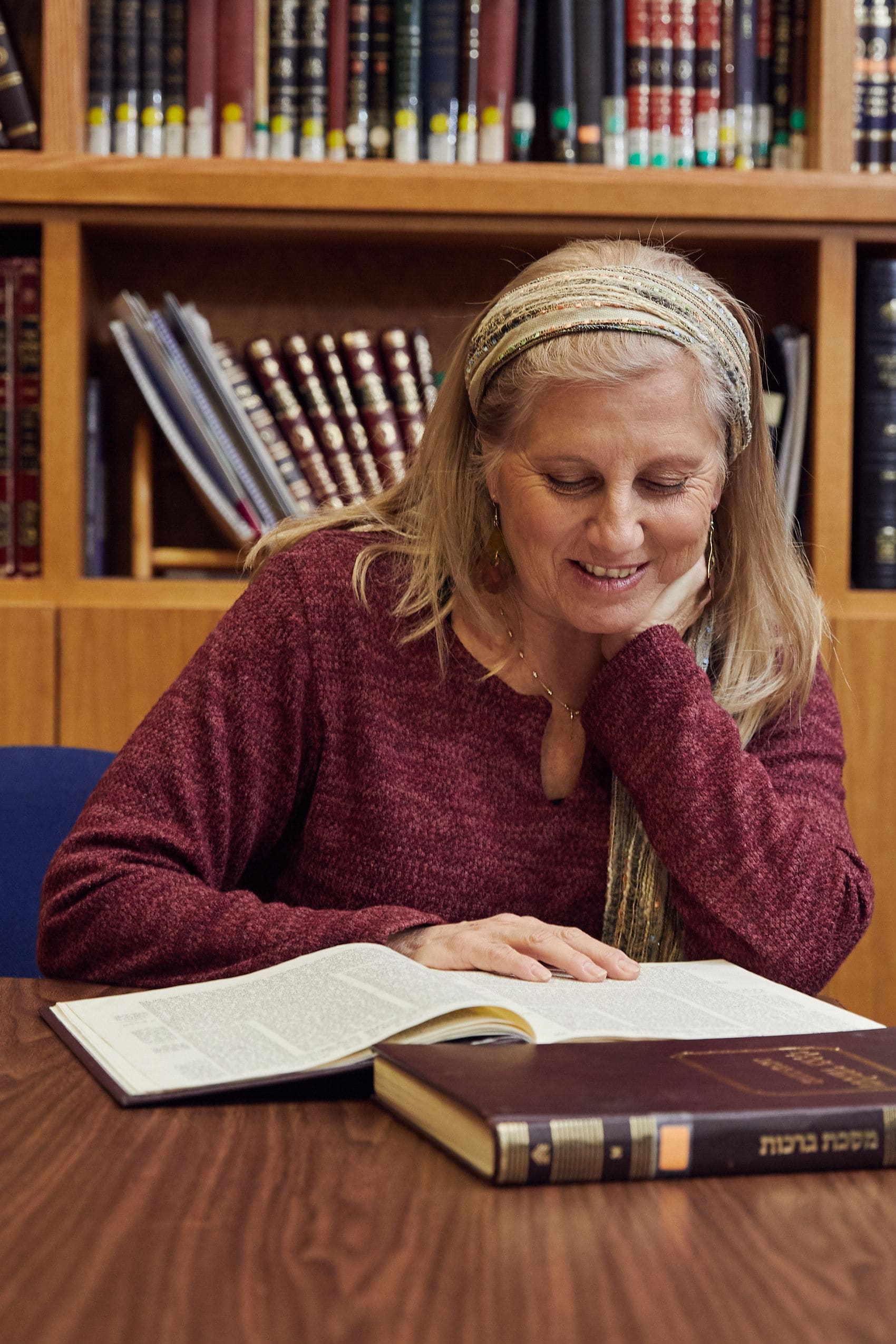
התחלתי ללמוד דף לפני קצת יותר מ-5 שנים, כשלמדתי רבנות בישיבת מהר”ת בניו יורק. בדיעבד, עד אז, הייתי בלימוד הגמרא שלי כמו מישהו שאוסף חרוזים משרשרת שהתפזרה, פה משהו ושם משהו, ומאז נפתח עולם ומלואו…. הדף נותן לי לימוד בצורה מאורגנת, שיטתית, יום-יומית, ומלמד אותי לא רק ידע אלא את השפה ודרך החשיבה שלנו. לשמחתי, יש לי סביבה תומכת וההרגשה שלי היא כמו בציטוט שבחרתי: הדף משפיע לטובה על כל היום שלי.
חיפה, ישראל
התחלתי ללמוד דף יומי ממסכת נידה כי זה היה חומר הלימוד שלי אז. לאחר הסיום הגדול בבנייני האומה החלטתי להמשיך. וב”ה מאז עם הפסקות קטנות של קורונה ולידה אני משתדלת להמשיך ולהיות חלק.
זה משפיע מאוד על היום יום שלי ועל אף שאני עסוקה בלימודי הלכה ותורה כל יום, זאת המסגרת הקבועה והמחייבת ביותר שיש לי.

גבעת הראל, ישראל
אחרי שראיתי את הסיום הנשי של הדף היומי בבנייני האומה זה ריגש אותי ועורר בי את הרצון להצטרף. לא למדתי גמרא קודם לכן בכלל, אז הכל היה לי חדש, ולכן אני לומדת בעיקר מהשיעורים פה בהדרן, בשוטנשטיין או בחוברות ושיננתם.

בית שמש, ישראל
My explorations into Gemara started a few days into the present cycle. I binged learnt and become addicted. I’m fascinated by the rich "tapestry” of intertwined themes, connections between Masechtot, conversations between generations of Rabbanim and learners past and present all over the world. My life has acquired a golden thread, linking generations with our amazing heritage.
Thank you.
חשמונאים, Israel
התחלתי ללמוד דף יומי באמצע תקופת הקורונה, שאבא שלי סיפר לי על קבוצה של בנות שתיפתח ביישוב שלנו ותלמד דף יומי כל יום. הרבה זמן רציתי להצטרף לזה וזאת הייתה ההזדמנות בשבילי. הצטרפתי במסכת שקלים ובאמצע הייתה הפסקה קצרה. כיום אני כבר לומדת באולפנה ולומדת דף יומי לבד מתוך גמרא של טיינזלץ.
עתניאל, ישראל
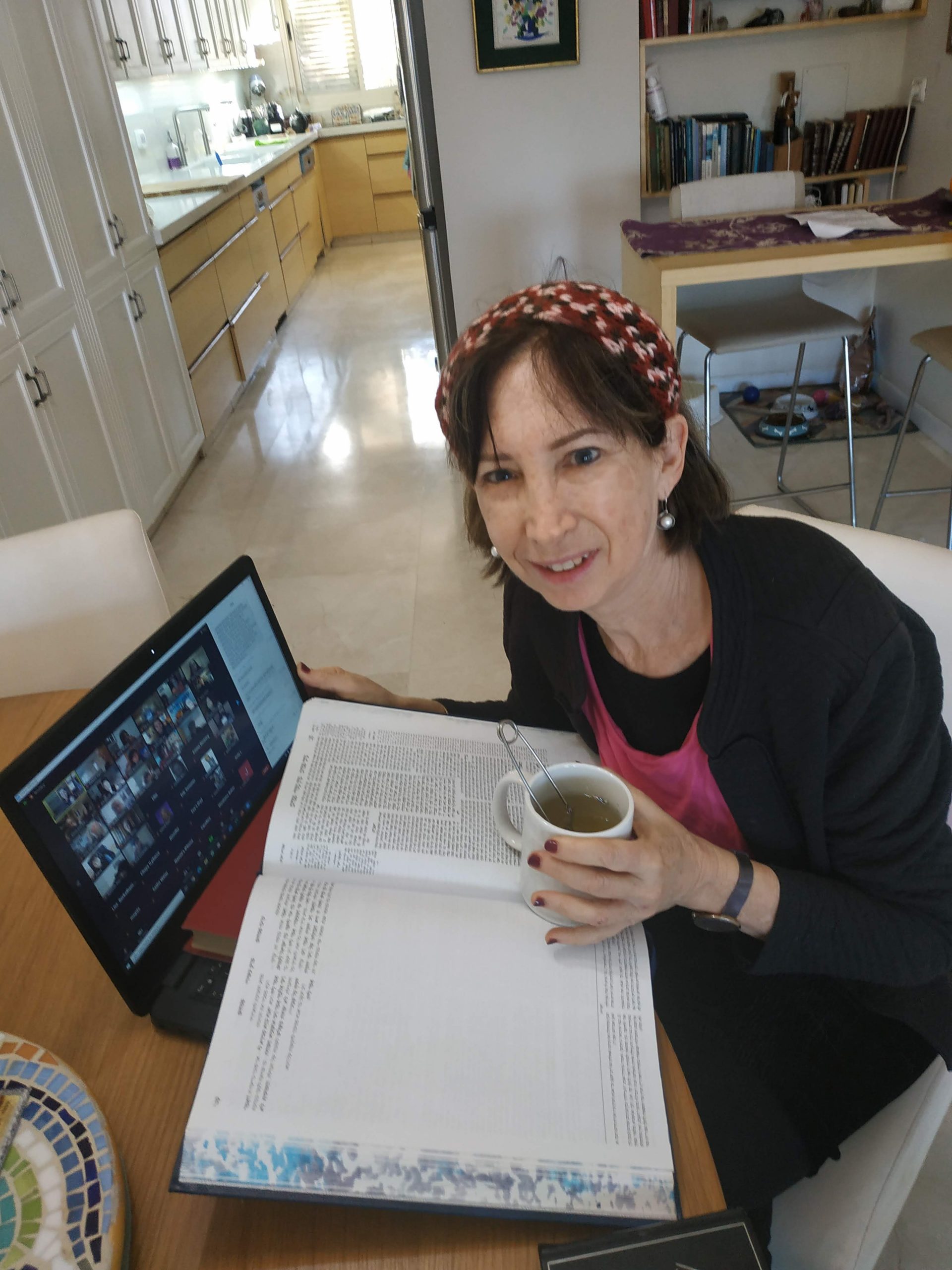
למדתי גמרא מכיתה ז- ט ב Maimonides School ואחרי העליה שלי בגיל 14 לימוד הגמרא, שלא היה כל כך מקובל בימים אלה, היה די ספוראדי. אחרי "ההתגלות” בבנייני האומה התחלתי ללמוד בעיקר בדרך הביתה למדתי מפוקקטסים שונים. לאט לאט ראיתי שאני תמיד חוזרת לרבנית מישל פרבר. באיזה שהוא שלב התחלתי ללמוד בזום בשעה 7:10 .
היום "אין מצב” שאני אתחיל את היום שלי ללא לימוד עם הרבנית מישל עם כוס הקפה שלי!!
חשמונאים, ישראל
כבר סיפרתי בסיום של מועד קטן.
הלימוד מאוד משפיעה על היום שלי כי אני לומדת עם רבנית מישל על הבוקר בזום. זה נותן טון לכל היום – בסיס למחשבות שלי .זה זכות גדול להתחיל את היום בלימוד ובתפילה. תודה רבה !

ירושלים, ישראל
סיום השס לנשים נתן לי מוטביציה להתחיל ללמוד דף יומי. עד אז למדתי גמרא בשבתות ועשיתי כמה סיומים. אבל לימוד יומיומי זה שונה לגמרי ופתאום כל דבר שקורה בחיים מתקשר לדף היומי.
רתמים, ישראל
התחלתי מחוג במסכת קידושין שהעבירה הרבנית רייסנר במסגרת בית המדרש כלנה בגבעת שמואל; לאחר מכן התחיל סבב הדף היומי אז הצטרפתי. לסביבה לקח זמן לעכל אבל היום כולם תומכים ומשתתפים איתי. הלימוד לעתים מעניין ומעשיר ולעתים קשה ואף הזוי… אך אני ממשיכה קדימה. הוא משפיע על היומיום שלי קודם כל במרדף אחרי הדף, וגם במושגים הרבים שלמדתי ובידע שהועשרתי בו, חלקו ממש מעשי

ראש העין, ישראל
הייתי לפני שנתיים בסיום הדרן נשים בבנייני האומה והחלטתי להתחיל. אפילו רק כמה דפים, אולי רק פרק, אולי רק מסכת… בינתיים סיימתי רבע שס ותכף את כל סדר מועד בה.
הסביבה תומכת ומפרגנת. אני בת יחידה עם ארבעה אחים שכולם לומדים דף יומי. מדי פעם אנחנו עושים סיומים יחד באירועים משפחתיים. ממש מרגש. מסכת שבת סיימנו כולנו יחד עם אבא שלנו!
אני שומעת כל יום פודקאסט בהליכה או בנסיעה ואחכ לומדת את הגמרא.
מרכז שפירא, ישראל
כתובות כח
וְאִם הָיָה כֹּהֵן — לֹא תָּדוּר עִמּוֹ בְּמָבוֹי. אִם הָיָה כְּפָר קָטָן — זֶה הָיָה מַעֲשֶׂה וְאָמְרוּ: כְּפָר קָטָן נִידּוֹן כִּשְׁכוּנָה.
And if he was a priest she may not live with him even in one alleyway that opens into several courtyards, even if she did not remarry, as she is forbidden to him forever. What is the ruling if it was a small village? May she live with her ex-husband in the same village? The Gemara relates that this case of his divorcée and a small village was an incident that transpired and the Sages said: A small village is judged as his immediate proximity.
מִי נִדְחֶה מִפְּנֵי מִי? תָּא שְׁמַע, דְּתַנְיָא: הִיא נִדְחֵית מִפָּנָיו, וְאֵין הוּא נִדְחֶה מִפָּנֶיהָ. וְאִם הָיְתָה חָצֵר שֶׁלָּהּ — הוּא נִדְחֶה מִפָּנֶיהָ.
The Gemara asks: In cases where they may not reside in the same courtyard or alleyway, who is ousted in favor of whom? Which of them must leave? The Gemara suggests: Come and hear proof as it is taught in a baraita: She is ousted in favor of him, and leaves, and he is not ousted in favor of her. But if it was her courtyard, he is ousted in favor of her.
אִיבַּעְיָא לְהוּ: הָיְתָה חָצֵר שֶׁל שְׁנֵיהֶם, מַהוּ? תָּא שְׁמַע: הִיא נִדְחֵית מִפָּנָיו. בְּמַאי עָסְקִינַן? אִילֵימָא בְּחָצֵר שֶׁלּוֹ, פְּשִׁיטָא! וְאֶלָּא בְּחָצֵר שֶׁלָּהּ, וְהָתַנְיָא: אִם הָיְתָה חָצֵר שֶׁלָּהּ — הוּא נִדְחֶה מִפָּנֶיהָ. אֶלָּא לָאו כִּי הַאי גַוְונָא, דִּלְמָא דַּאֲגִיר מֵיגָר.
A dilemma was raised before the Sages: If it was a courtyard belonging to both of them, what is the halakha; who is ousted in favor of whom? The Gemara suggests: Come and hear proof as it is taught in a baraita: She is ousted in favor of him. The Gemara elaborates: With what circumstances are we dealing? If we say that the subject of the baraita is with regard to his courtyard, it is obvious that she is ousted. But rather, is it with regard to her courtyard? Isn’t it taught in a baraita: If it was her courtyard, he is ousted in favor of her? Rather, is it not that the baraita is dealing with a case like this, where it was a courtyard belonging to both of them? The Gemara rejects this proof: Perhaps the baraita is teaching that even in a case where he rented the courtyard she is ousted in his favor. Therefore, the dilemma with regard to a courtyard belonging to both of them is unresolved.
מַאי הָוֵי עֲלַהּ? תָּא שְׁמַע: ״הִנֵּה ה׳ מְטַלְטֶלְךָ טַלְטֵלָה גָּבֶר״, וְאָמַר רַב: טִלְטוּלָא דְגַבְרָא קָשֵׁי מִדְּאִיתְּתָא.
The Gemara asks: What halakhic conclusion was reached about this matter? The Gemara suggests: Come and hear proof from the verse: “The Lord will dislocate you the dislocation of a man” (Isaiah 22:17), and Rav said: This indicates that the dislocation of a man is more difficult for him than the dislocation of a woman is for her. Therefore, the woman is ousted.
תָּנוּ רַבָּנַן: לָוָה הֵימֶנָּה בְּנִכְסֵי אָבִיהָ — אֵינָהּ נִפְרַעַת אֶלָּא עַל יְדֵי אַחֵר. אָמַר רַב שֵׁשֶׁת: וְאִי אָתוּ לְקַמַּן לְדִינָא, לָא מִזְדַּקְקִינַן לְהוּ. רַב פָּפָּא אָמַר: שַׁמּוֹתֵי מְשַׁמְּתִינַן לְהוּ. רַב הוּנָא בְּרֵיהּ דְּרַב יְהוֹשֻׁעַ אָמַר: נַגּוֹדֵי נָמֵי מְנַגְּדִינַן לְהוּ. אָמַר רַב נַחְמָן: תָּנָא בְּאֵבֶל רַבָּתִי: בַּמֶּה דְּבָרִים אֲמוּרִים — שֶׁנִּתְגָּרְשָׁה מִן הַנִּשּׂוּאִין, אֲבָל כְּשֶׁנִּתְגָּרְשָׁה מִן הָאֵירוּסִין, נִפְרַעַת עַל יְדֵי עַצְמָהּ — שֶׁאֵין לִבּוֹ גַּס בָּהּ.
The Sages taught: With regard to a priest who borrowed from his wife from usufruct property that she inherited from her father and then he divorced her, she is repaid only by means of another person and not directly from her husband, to prevent them from engaging in business dealings. Rav Sheshet said: And if after engaging in business dealings they came before us for judgment, we do not attend to them because by engaging in those dealings they were in violation of a transgression. Rav Pappa said: We excommunicate them for violating that transgression. Rav Huna, the son of Rav Yehoshua, said: We also flog them with lashes. Rav Naḥman said: The tanna taught in Evel Rabbati, one of the minor tractates that deals primarily with the halakhot of mourning: In what case is this statement said? It is in a case where she was divorced from marriage. However, when she was divorced from betrothal, she is repaid even directly by means of receiving the money herself, because, in that case, he is not yet accustomed to her. Since they never shared intimacy, there is no concern that it will lead to transgression.
הָהוּא אָרוּס וַאֲרוּסָתוֹ דַּאֲתוֹ לְקַמֵּיהּ דְּרָבָא. יְתֵיב רַב אַדָּא בַּר מַתְנָא קַמֵּיהּ. אוֹקִי רָבָא שְׁלוּחָא בֵּינְתַיְיהוּ. אֲמַר לֵיהּ רַב אַדָּא בַּר מַתְנָא, וְהָאָמַר רַב נַחְמָן: תָּנָא בְּאֵבֶל רַבָּתִי כּוּ׳. אֲמַר לֵיהּ: קָא חָזֵינָא דְּ(קָא) גָּיְיסִי בַּהֲדָדֵי.
The Gemara relates: There was an incident concerning this divorced, betrothed man and his betrothed who came before Rava for judgment, and Rav Adda bar Mattana was sitting before him at the time. Rava placed an intermediary to separate between them. Rav Adda bar Mattana said to Rava: But didn’t Rav Naḥman say: The tanna taught in Evel Rabbati that if she was divorced from betrothal she is paid directly? Rava said to him: This applies only in a case where they are not accustomed to each other. However, with regard to these people, we see that they are accustomed to each other, and therefore they must be separated.
אִיכָּא דְאָמְרִי: לָא אוֹקִי רָבָא שָׁלִיחַ בֵּינְתַיְיהוּ. אֲמַר לֵיהּ רַב אַדָּא בַּר מַתְנָא: נֹיקֵום מָר שְׁלוּחָא בֵּינְתַיְיהוּ, אֲמַר לֵיהּ: וְהָא [אָמַר] רַב נַחְמָן תָּנָא בְּאֵבֶל רַבָּתִי כּוּ׳. אֲמַר לֵיהּ: הָנֵי מִילֵּי, הֵיכָא דְּלָא גָּיְיסִי בַּהֲדָדֵי, אֲבָל הָנֵי — קָא חָזֵינָא לְהוּ דְּגָיְיסִי בַּהֲדָדֵי.
Some say that Rava did not place an intermediary to separate between them. Rav Adda bar Mattana said to Rava: Let the Master place an intermediary to separate between them. Rava said to Rav Adda bar Mattana: But didn’t Rav Naḥman say: The tanna taught in Evel Rabbati that if she was divorced from betrothal she is paid directly? Rav Adda bar Mattana said to Rava: This applies only in a case where they are not accustomed to each other. However, with regard to these people, we see that they are accustomed to each other, and therefore they must be separated.
מַתְנִי׳ וְאֵלּוּ נֶאֱמָנִין לְהָעִיד בְּגוֹדְלָן מַה שֶּׁרָאוּ בְּקוֹטְנָן. נֶאֱמָן אָדָם לוֹמַר: ״זֶה כְּתַב יָדוֹ שֶׁל אַבָּא״, וְ״זֶה כְּתַב יָדוֹ שֶׁל רַבִּי״, וְ״זֶה כְּתַב יָדוֹ שֶׁל אָחִי״.
MISHNA: And these are deemed credible to testify in their majority with regard to what they saw in their minority. A person is deemed credible to say: This is my father’s handwriting, and to say: This is my teacher’s handwriting; and to say: This is my brother’s handwriting, even though he never saw their handwriting after reaching majority.
״זָכוּר הָיִיתִי בִּפְלוֹנִית שֶׁיָּצְאָה בְּהִינוּמָא וְרֹאשָׁהּ פָּרוּעַ״, וְ״שֶׁהָיָה אִישׁ פְּלוֹנִי יוֹצֵא מִבֵּית הַסֵּפֶר לִטְבּוֹל, לֶאֱכוֹל בִּתְרוּמָה״. וְ״שֶׁהָיָה חוֹלֵק עִמָּנוּ עַל הַגּוֹרֶן״. וְ״הַמָּקוֹם הַזֶּה בֵּית הַפְּרָס״. וְ״עַד כָּאן הָיִינוּ בָּאִין בַּשַּׁבָּת״.
§ Similarly, one is deemed credible to say: I was reminded of the wedding of so-and-so, who went out with a hinnuma, or with her hair uncovered in a manner typical of virgins, and therefore, her marriage contract is two hundred dinars; and to say that so-and-so would leave school to immerse in order to partake of teruma, and that he would share teruma with us at the threshing floor and therefore he is a priest. Similarly, one is deemed credible to say: This place is a beit haperas, a field with a grave that was plowed, scattering the bones, and rendering the field a place of uncertain ritual impurity; and to say: Until here we would come on Shabbat and thereby determine the Shabbat boundary.
אֲבָל אֵין אָדָם נֶאֱמָן לוֹמַר ״דֶּרֶךְ הָיָה לִפְלוֹנִי בַּמָּקוֹם הַזֶּה״, ״מַעֲמָד וּמִסְפֵּד הָיָה לִפְלוֹנִי בַּמָּקוֹם הַזֶּה״.
However, a person is neither deemed credible to say: So-and-so had a path in this place; nor to say: So-and-so had a tract of land where they would perform the ritual of standing and sitting and deliver a eulogy in that place, thereby attesting that the land belongs to that person. The reason he is not deemed credible in those cases is that full-fledged testimony is required to remove property from the possession of its presumptive owner.
גְּמָ׳ אָמַר רַב הוּנָא בְּרֵיהּ דְּרַב יְהוֹשֻׁעַ: וְהוּא שֶׁיֵּשׁ גָּדוֹל עִמּוֹ.
GEMARA: Rav Huna, son of Rav Yehoshua, said: And the mishna said that one is deemed credible to testify about handwriting he saw as a minor only when there is a witness who saw the handwriting as an adult testifying with him.
וּצְרִיכָא. דְּאִי אַשְׁמְעִינַן אָבִיו — מִשּׁוּם דִּשְׁכִיחַ גַּבֵּיהּ, אֲבָל רַבּוֹ — לָא. וְאִי אַשְׁמְעִינַן רַבּוֹ, מִשּׁוּם דְּאִית לֵיהּ אֵימְתֵיהּ דְּרַבֵּיהּ, אֲבָל אָבִיו — לָא.
And all of these cases are necessary, as one could not have been derived from the other. As, if the tanna had taught us the case of his father’s handwriting, one might have thought that he is deemed credible due to the fact that he is often found with his father and is familiar with his handwriting; but with regard to his teacher’s handwriting, no, he is not deemed credible. And if the tanna had taught us the case of his teacher’s handwriting, one might have thought that he is deemed credible due to the fact that he has a sense of awe of his teacher and therefore pays attention to his handwriting; but with regard to his father’s handwriting, no, he is not deemed credible.
וְאִי אַשְׁמְעִינַן הָנֵי תַּרְתֵּי: אָבִיו — דִּשְׁכִיחַ גַּבֵּיהּ, וְרַבּוֹ — דְּאִית לֵיהּ אֵימְתֵיהּ, אֲבָל אָחִיו דְּלֵית לֵיהּ לָא הָא וְלָא הָא — אֵימָא לָא, קָא מַשְׁמַע לַן: כֵּיוָן דְּקִיּוּם שְׁטָרוֹת מִדְּרַבָּנַן, הֵימְנוּהוּ רַבָּנַן בִּדְרַבָּנַן.
And if the tanna had taught us these two cases, one might have thought that he is deemed credible with regard to his father’s handwriting due to the fact that he is often found with him, and his teacher’s handwriting due to the fact that he has a sense of awe of him. But with regard to his brother’s handwriting, which has neither this factor nor that factor, say no, he is not deemed credible. Therefore, the tanna teaches us: Since ratification of documents is required by rabbinic law, as by Torah law, the signatories are sufficient proof of a document’s validity; the Sages deemed him credible to testify in cases that he witnessed as a minor in matters that are by rabbinic law, including the case of his brother.
״זָכוּר הָיִיתִי בִּפְלוֹנִית שֶׁיָּצְאָה בְּהִינוּמָא וְרֹאשָׁהּ פָּרוּעַ״. מַאי טַעְמָא — כֵּיוָן דְּרוֹב נָשִׁים בְּתוּלוֹת נִישָּׂאוֹת, גִּלּוּי מִלְּתָא בְּעָלְמָא הוּא.
And the mishna states that one is deemed credible to say: I was reminded of the wedding of so-and-so, who went out with a hinnuma, or with her hair uncovered. What is the reason that he is deemed credible? Since most women are married as virgins, her presumptive status is that of a virgin even without his testimony. His testimony with regard to what he saw as a minor is merely revealing of a matter already presumed true, not actual testimony.
וְ״שֶׁהָיָה אִישׁ פְּלוֹנִי יוֹצֵא מִבֵּית הַסֵּפֶר לִטְבּוֹל, לֶאֱכוֹל בִּתְרוּמָה״. וְדִלְמָא עֶבֶד כֹּהֵן הוּא? מְסַיַּיע לֵיהּ לְרַבִּי יְהוֹשֻׁעַ בֶּן לֵוִי. דְּאָמַר רַבִּי יְהוֹשֻׁעַ בֶּן לֵוִי: אָסוּר לְאָדָם שֶׁיְּלַמֵּד אֶת עַבְדּוֹ תּוֹרָה.
And the mishna states that one is deemed credible to say that so-and-so would leave school to immerse in order to partake of teruma, and therefore he is a priest. The Gemara asks: And perhaps he is the slave of a priest, who is also eligible to partake of teruma. The Gemara notes: This mishna provides support for the opinion of Rabbi Yehoshua ben Levi, as Rabbi Yehoshua ben Levi said: It is prohibited for a person to teach his slave Torah. Since the testimony is that he was in school, apparently he is not a slave. Therefore, the fact that he partook of teruma indicates that he is a priest.
וְלָא? וְהָתַנְיָא: לָוָה הֵימֶנּוּ רַבּוֹ, אוֹ שֶׁעֲשָׂאוֹ רַבּוֹ
The Gemara asks: And may one not teach his slave Torah? But isn’t it taught in a baraita: A slave whose master borrowed from him, or whose master made him
אַפּוֹטְרוֹפּוֹס, אוֹ שֶׁהִנִּיחַ תְּפִילִּין בִּפְנֵי רַבּוֹ, אוֹ שֶׁקָּרָא שְׁלֹשָׁה פְּסוּקִים בְּבֵית הַכְּנֶסֶת — הֲרֵי זֶה לֹא יָצָא לְחֵירוּת. הָתָם דְּאִיקְּרִי עֶבֶד מִדַּעְתּוֹ. כִּי קָאָמְרִינַן — דְּקָא נָהֵיג בֵּיהּ מִנְהַג בָּנִים.
steward over his property, or who donned phylacteries in his master’s presence, or who read three verses from the Torah scroll in the synagogue, did not necessarily emerge to freedom. Apparently, there are slaves who learn Torah to the extent that they are capable of reading the Torah in the synagogue, and conceivably that Torah is learned in school. The Gemara answers that there is no proof from the baraita, as there it is a case where the slave read at his own initiative, and conceivably he taught himself to read the Torah as well. When we say in the mishna that it is proof that he is a priest, it is in a case where he treats him with treatment typical of children, not slaves, and sends him to school.
לִטְבּוֹל לֶאֱכוֹל בִּתְרוּמָה. בִּתְרוּמָה דְּרַבָּנַן. וְשֶׁהָיָה חוֹלֵק עִמָּנוּ עַל הַגּוֹרֶן. וְדִלְמָא עֶבֶד כֹּהֵן הוּא? תְּנַן כְּמַאן דְּאָמַר אֵין חוֹלְקִין תְּרוּמָה לְעֶבֶד אֶלָּא אִם כֵּן רַבּוֹ עִמּוֹ. דְּתַנְיָא: אֵין חוֹלְקִין תְּרוּמָה לְעֶבֶד אֶלָּא אִם כֵּן רַבּוֹ עִמּוֹ, דִּבְרֵי רַבִּי יְהוּדָה. רַבִּי יוֹסֵי אוֹמֵר: יָכוֹל הוּא שֶׁיֹּאמַר: אִם כֹּהֵן אֲנִי — תְּנוּ לִי בִּשְׁבִיל עַצְמִי, וְאִם עֶבֶד כֹּהֵן אֲנִי — תְּנוּ לִי בִּשְׁבִיל רַבִּי.
When the mishna states that he is deemed credible to testify that as a minor he saw that others went to immerse in order to partake of teruma, the Sages permit them only to partake of teruma by rabbinic law. And the mishna states that he is deemed credible to say that they saw that so-and-so would share teruma with us at the threshing floor, and therefore he is a priest. The Gemara asks: And perhaps he is the slave of a priest? The Gemara answers: We learned the mishna according to the one who says: One distributes teruma to a slave only if his master is with him. Therefore, it is clear that the one sharing teruma with them was a priest, not a slave, as it is taught in a baraita: In the case of the son of a priest’s wife and the son of a priest’s maidservant who were intermingled at birth, both mothers go to the threshing floor together based on the principle: One distributes teruma to a slave only if his master is with him; this is the statement of Rabbi Yehuda. Rabbi Yosei says: It is possible that each will say: If I am a priest, give me teruma for my own sake, and if I am the slave of a priest, give me teruma for the sake of my master.
בִּמְקוֹמוֹ שֶׁל רַבִּי יְהוּדָה הָיוּ מַעֲלִין מִתְּרוּמָה לְיוּחֲסִין. בִּמְקוֹמוֹ שֶׁל רַבִּי יוֹסֵי לֹא הָיוּ מַעֲלִין מִתְּרוּמָה לְיוּחֲסִין.
The dispute in the baraita is based on the fact that in the place of Rabbi Yehuda, they would elevate one who eats teruma to the presumptive status of priesthood for the purpose of lineage. Therefore, he permitted distributing teruma to the slave of a priest only if his master is present, due to the concern that if he were given teruma directly, he would be elevated to priesthood. In the place of Rabbi Yosei, they would not elevate from teruma to lineage. Therefore, he permitted distributing teruma directly to the slave of a priest, as there is no concern that the slave would be mistaken for a priest.
תַּנְיָא, אָמַר רַבִּי אֶלְעָזָר בְּרַבִּי יוֹסֵי: מִיָּמַי לֹא הֵעַדְתִּי. פַּעַם אַחַת הֵעַדְתִּי וְהֶעֱלוּ עֶבֶד לַכְּהוּנָּה עַל פִּי. הֶעֱלוּ סָלְקָא דַּעְתָּךְ?! הַשְׁתָּא וּמָה בְּהֶמְתָּן שֶׁל צַדִּיקִים אֵין הַקָּדוֹשׁ בָּרוּךְ הוּא מֵבִיא תַּקָּלָה עַל יָדָם, צַדִּיקִים עַצְמָם לֹא כׇּל שֶׁכֵּן!
It is taught in a baraita that Rabbi Elazar, son of Rabbi Yosei, said: In all my days, I never had occasion to testify in court. One time I testified, and the court elevated a slave to priesthood on the basis of my testimony. The Gemara asks: Does it enter your mind that they actually elevated the slave to priesthood? Now, just as with regard to the animals of the righteous the Holy One, Blessed be He, does not engender a pitfall on their account, as the Gemara relates with regard to the donkey of Rabbi Pinḥas ben Yair that it would not eat untithed produce (Ḥullin 7a), all the more so will He not engender a pitfall on account of the righteous themselves.
אֶלָּא: בִּקְּשׁוּ לְהַעֲלוֹת עֶבֶד לַכְּהוּנָּה עַל פִּי. חֲזָא בְּאַתְרֵיהּ דְּרַבִּי יוֹסֵי, וַאֲזַל וְאַסְהֵיד בְּאַתְרֵיהּ דְּרַבִּי יְהוּדָה.
Rather, the Gemara emends the statement of Rabbi Elazar, son of Rabbi Yosei: They sought to elevate a slave to priesthood on the basis of my testimony, but ultimately they did not. Rabbi Elazar saw teruma distributed directly to the slave of a priest in the place of Rabbi Yosei, where one does not elevate from teruma to priesthood, and he went and testified about what he saw in the place of Rabbi Yehuda, where one elevates from teruma to priesthood.
וְשֶׁהַמָּקוֹם הַזֶּה בֵּית הַפְּרָס הוּא. מַאי טַעְמָא? בֵּית הַפְּרָס דְּרַבָּנַן. דְּאָמַר רַב יְהוּדָה אָמַר שְׁמוּאֵל: מְנַפֵּחַ אָדָם בֵּית הַפְּרָס וְהוֹלֵךְ. וְרַב יְהוּדָה בַּר אַמֵּי מִשְּׁמֵיהּ דְּרַב יְהוּדָה אָמַר: בֵּית הַפְּרָס שֶׁנִּידַּשׁ — טָהוֹר. מַאי טַעְמָא — אִי אֶפְשָׁר לְעֶצֶם כִּשְׂעוֹרָה שֶׁלֹּא נִידַּשׁ בָּרֶגֶל.
And the mishna states that one is deemed credible to testify in his adulthood that as a minor he saw that this place is a beit haperas. The Gemara asks: What is the reason that he is deemed credible to testify what he witnessed as a minor? The Gemara answers: The ritual impurity of a beit haperas is by rabbinic law, as Rav Yehuda said that Shmuel said: A person who passes through a beit haperas may blow on the dust before taking each step, so that if there is a bone beneath the dust he will expose it, avoid it, and proceed. One may not rely on that method of examination with regard to impurity by Torah law. And Rav Yehuda bar Ami, in the name of Rav Yehuda, said: A beit haperas that has been trodden underfoot, creating a path, is pure. What is the reason? It is that it is impossible for a bone the size of a grain of barley, whose possible presence led to the decree of impurity, not to have been trodden underfoot and rendered smaller. This presumption is possible only in cases of impurity by rabbinic law.
וְעַד כָּאן הָיִינוּ בָּאִין בַּשַּׁבָּת. קָסָבַר: תְּחוּמִין דְּרַבָּנַן.
And the mishna states that one is deemed credible to testify, in his adulthood, that he saw as a minor: Until here we would come on Shabbat. The Gemara explains: This tanna maintains that the Shabbat boundaries, beyond which one may not go outside the city on Shabbat, are mandated by rabbinic law, and the Sages deemed him credible in matters of rabbinic law.
וְאֵין נֶאֱמָן לוֹמַר ״דֶּרֶךְ הָיָה לִפְלוֹנִי בַּמָּקוֹם הַזֶּה״, ״מַעֲמָד וּמִסְפֵּד הָיָה לִפְלוֹנִי בַּמָּקוֹם הַזֶּה״. מַאי טַעְמָא — אַפּוֹקֵי מָמוֹנָא לָא מַפְּקִינַן.
And the mishna states that one is neither deemed credible to say: So-and-so had a path in this place; nor to say: So-and-so had a tract of land where they would perform the ritual of standing and sitting and deliver a eulogy in that place. The Gemara asks: What is the reason that he is not deemed credible? It is due to the fact that we do not remove money from the possession of its presumptive owner on the basis of testimony about a matter that he witnessed as a minor.
תָּנוּ רַבָּנַן: נֶאֱמָן הַתִּינוֹק לוֹמַר, כָּךְ אָמַר לִי אַבָּא: ״מִשְׁפָּחָה זוֹ טְהוֹרָה״, ״מִשְׁפָּחָה זוֹ טְמֵאָה״. טְהוֹרָה וּטְמֵאָה סָלְקָא דַּעְתָּךְ?! אֶלָּא ״מִשְׁפָּחָה זוֹ כְּשֵׁרָה״, וּ״מִשְׁפָּחָה זוֹ פְּסוּלָה״.
The Sages taught: A child is deemed credible to say when he reaches majority that this is what my father told me when I was a minor: This family is pure, that family is impure. The Gemara asks: Does it enter your mind that his father said pure and impure? What do those concepts mean with regard to a family? Rather, his father said to him: This family is of unflawed lineage, and this family is of flawed lineage.
וְ״שֶׁאָכַלְנוּ בִּקְצָצָה שֶׁל בַּת פְּלוֹנִי לִפְלוֹנִי״, וְ״שֶׁהָיִינוּ מוֹלִיכִים חַלָּה וּמַתָּנוֹת לִפְלוֹנִי כֹּהֵן״. עַל יְדֵי עַצְמוֹ, אֲבָל לֹא עַל יְדֵי אַחֵר. וְכוּלָּן, אִם הָיָה גּוֹי וְנִתְגַּיֵּיר, עֶבֶד וְנִשְׁתַּחְרֵר — אֵין נֶאֱמָנִים. וְאֵין נֶאֱמָן לוֹמַר ״דֶּרֶךְ הָיָה לִפְלוֹנִי בַּמָּקוֹם הַזֶּה״, ״מַעֲמָד וּמִסְפֵּד הָיָה לִפְלוֹנִי בַּמָּקוֹם הַזֶּה״. רַבִּי יוֹחָנָן בֶּן בְּרוֹקָא אוֹמֵר: נֶאֱמָנִים.
And he is deemed credible to say that we ate at the ketzatza that took place to publicize that the marriage of the daughter of so-and-so to so-and-so was unsuitable; and to say that we would bring ḥalla and priestly gifts to so-and-so, who is a priest. In that case, he is deemed credible only to testify that he brought the ḥalla by himself, but not by means of another, as one is certain of matters that he performed himself, even as a minor. However, he is not deemed credible to testify about actions performed by others when he was a minor. And with regard to all these testimonies, if he was a gentile and he converted, or a slave and he was liberated, they are not deemed credible to testify after their conversion and liberation about matters that transpired beforehand when they were disqualified as witnesses. And one is neither deemed credible to say that he remembers that when he was a minor, so-and-so had a path in this place; nor that so-and-so had a tract of land where they would perform the ritual of standing and sitting and deliver a eulogy in that place. Rabbi Yoḥanan ben Beroka says: They are deemed credible.
רַבִּי יוֹחָנָן בֶּן בְּרוֹקָא אַהֵיָיא? אִילֵּימָא אַסֵּיפָא: אַפּוֹקֵי מָמוֹנָא הוּא! אֶלָּא אַרֵישָׁא. וְכוּלָּם, אִם הָיָה גּוֹי וְנִתְגַּיֵּיר, עֶבֶד וְנִשְׁתַּחְרֵר — אֵין נֶאֱמָנִין. רַבִּי יוֹחָנָן בֶּן בְּרוֹקָא אוֹמֵר: נֶאֱמָנִין.
The Gemara asks: With regard to which clause in the baraita is Rabbi Yoḥanan ben Beroka disputing? If we say he is disputing the last clause of the baraita, which concerns testimony about a path or a place for mourning, it is a case of removing money from the possession of its presumptive owner. How could his testimony be deemed credible? Rather, Rabbi Yoḥanan ben Beroka is certainly disagreeing with the former clause of the baraita: And with regard to all these testimonies, if he was a gentile and he converted, or a slave and he was liberated, they are not deemed credible. It is with regard to that halakha that Rabbi Yoḥanan ben Beroka says: They are deemed credible.
בְּמַאי קָמִיפַּלְגִי? תַּנָּא קַמָּא סָבַר: כֵּיוָן דְּגוֹי הוּא, לָא הֲוָה דָּיֵיק. וְרַבִּי יוֹחָנָן בֶּן בְּרוֹקָא סָבַר: כֵּיוָן דְּדַעְתֵּיהּ לְאִיגַּיּוֹרֵי, מֵידָק הֲוָה דָּיֵיק.
The Gemara asks: With regard to what principle do they disagree? The Gemara explains that the first tanna maintains: Since he was a gentile, he was not exacting in scrutinizing the matter, as it was irrelevant to him. Therefore, even after he converted he is not deemed credible. And Rabbi Yoḥanan ben Beroka maintains: Since it was his intention to convert, he took interest in Judaism and he was exacting in scrutinizing the matter, and he is deemed credible.
מַאי ״קְצָצָה״? דְּתָנוּ רַבָּנַן: כֵּיצַד קְצָצָה? אֶחָד מִן הָאַחִין שֶׁנָּשָׂא אִשָּׁה שֶׁאֵינָהּ הוֹגֶנֶת לוֹ — בָּאִין בְּנֵי מִשְׁפָּחָה וּמְבִיאִין חָבִית מְלֵיאָה פֵּירוֹת וְשׁוֹבְרִין אוֹתָהּ בְּאֶמְצַע רְחָבָה, וְאוֹמְרִים: אַחֵינוּ בֵּית יִשְׂרָאֵל שִׁמְעוּ! אָחִינוּ פְּלוֹנִי נָשָׂא אִשָּׁה שֶׁאֵינָהּ הוֹגֶנֶת לוֹ, וּמִתְיָירְאִים אָנוּ שֶׁמָּא יִתְעָרֵב זַרְעוֹ בְּזַרְעֵינוּ. בּוֹאוּ וּקְחוּ לָכֶם דּוּגְמָא לְדוֹרוֹת, שֶׁלֹּא יִתְעָרֵב זַרְעוֹ בְּזַרְעֵינוּ. וְזוֹ הִיא קְצָצָה שֶׁהַתִּינוֹק נֶאֱמָן לְהָעִיד עָלֶיהָ.
The Gemara asks about a term employed in the baraita: What is the meaning of ketzatza? It is as the Sages taught: How is ketzatza performed? If a situation where one of the brothers who married a woman who is unsuited for him, due to flawed lineage, occurs, the family members come and bring with them a barrel full of fruits, and break it in the middle of a public square to publicize the matter, and they say: Our brothers, the house of Israel, listen. Our brother so-and-so married a woman who is unsuited for him, and we fear lest his descendants become intermingled with our descendants. In order to further underscore the matter, they continue: Come and take for yourselves a sample as an indicator for future generations, so that his descendants will not intermingle with our descendants. The gathering of the large crowd to take the fruit generates publicity. And this is the ketzatza that a child who witnessed it is deemed credible to testify about it when he is an adult.
הֲדַרַן עֲלָךְ הָאִשָּׁה שֶׁנִּתְאַרְמְלָה

