







הדף היום מוקדש ע”י דבורה אשהיים וויס לעילוי נשמת אביה דויד אשהיים.
הלימוד החודש מוקדש ע”י מרכי גלזר לע”נ רחל אביבה בת דבורה חנה
רוצה להקדיש שיעור?

0:00
0:00
כלים
הלימוד החודש מוקדש ע”י מרכי גלזר לע”נ רחל אביבה בת דבורה חנה
כתובות לט
וּמִי מִעַבְּרָא? וְהָתָנֵי רַב בִּיבִי קַמֵּיהּ דְּרַב נַחְמָן: שָׁלֹשׁ נָשִׁים מְשַׁמְּשׁוֹת בְּמוֹךְ, אֵלּוּ הֵן: קְטַנָּה, וּמְעוּבֶּרֶת, וּמְנִיקָה. קְטַנָּה — שֶׁמָּא תִּתְעַבֵּר וְתָמוּת, מְעוּבֶּרֶת — שֶׁמָּא תַּעֲשֶׂה עוּבָּרָהּ סַנְדָּל, מְנִיקָה — שֶׁמָּא תִּגְמוֹל אֶת בְּנָהּ.
Rava’s dilemma is based on the assumption that a rape victim is able to conceive before she is a grown woman. The Gemara asks: And can a minor conceive? But didn’t Rav Beivai teach a baraita before Rav Naḥman: It is permitted for three women to engage in relations with a contraceptive resorbent. These are they: A minor, and a pregnant woman, and a nursing woman. The baraita elaborates: A minor may do so lest she conceive and die; a pregnant woman, lest her existing fetus be crushed by another fetus and assume the shape of a sandal fish if she conceives a second time; and a nursing woman, lest she conceive, causing her milk to spoil, which will lead her to wean her son prematurely, endangering his health.
וְאֵיזוֹהִי קְטַנָּה — מִבַּת אַחַת עֶשְׂרֵה שָׁנָה וְיוֹם אֶחָד עַד שְׁתֵּים עֶשְׂרֵה שָׁנָה וְיוֹם אֶחָד. פָּחוֹת מִיכֵּן וְיָתֵר עַל כֵּן מְשַׁמֶּשֶׁת כְּדַרְכָּהּ וְהוֹלֶכֶת, דִּבְרֵי רַבִּי מֵאִיר. וַחֲכָמִים אוֹמְרִים: אַחַת זוֹ וְאַחַת זוֹ מְשַׁמֶּשֶׁת כְּדַרְכָּהּ וְהוֹלֶכֶת, וּמִן הַשָּׁמַיִם יְרַחֵמוּ, מִשּׁוּם שֶׁנֶּאֱמַר: ״שׁוֹמֵר פְּתָאִים ה׳״!
And the baraita further states: What is a minor girl? A minor girl is a girl from eleven years and one day old until twelve years and one day old. If she was less than that age or more than that age, she proceeds and engages in relations in her usual manner; this is the statement of Rabbi Meir. And the Rabbis say: Both this woman and that woman, i.e., in the cases of all these women, she proceeds and engages in relations in her usual manner, and from Heaven they will have mercy and prevent any mishap, due to the fact that it is stated: “The Lord preserves the simple” (Psalms 116:6). Apparently, a minor is unable to conceive.
וְכִי תֵּימָא דְּאִיעַבַּרָא כְּשֶׁהִיא נַעֲרָה, וְאוֹלִידָה כְּשֶׁהִיא נַעֲרָה. וּבְשִׁיתָּא יַרְחֵי מִי קָא יָלְדָה? וְהָאָמַר שְׁמוּאֵל: אֵין בֵּין נַעֲרוּת לְבַגְרוּת אֶלָּא שִׁשָּׁה חֳדָשִׁים. וְכִי תֵּימָא: בְּצִיר הוּא דְּלֵיכָּא, הָא טְפֵי — אִיכָּא, הָא ״אֶלָּא״ קָאָמַר!
And if you say that she conceived when she was a young woman, twelve years old, and gave birth when she was a young woman, and died before she reached the status of a grown woman, can a woman give birth in six months after conception? But didn’t Shmuel say: There are only six months between becoming a young woman and becoming a grown woman? And if you say that Shmuel is saying that it is less than six months that there is not transition from young woman to grown woman status; however, more than six months there is transition, as different women develop differently, and therefore she could conceive and give birth while she is a young woman, that is not so, as Shmuel said: Only, indicating that the period is neither less nor more than six months.
אֶלָּא, הָכִי קָמִיבַּעְיָא לֵיהּ: יֵשׁ בֶּגֶר בַּקֶּבֶר וּפָקַע אָב, אוֹ דִלְמָא: אֵין בֶּגֶר בַּקֶּבֶר, וְלָא פָּקַע אָב? מָר בַּר רַב אָשֵׁי בָּעֵי לַהּ הָכִי: מִיתָה עוֹשָׂה בַּגְרוּת, אוֹ אֵין עוֹשָׂה בַּגְרוּת? תֵּיקוּ.
Rather, Rava’s dilemma is unrelated to whether or not her son inherits the fine payment. This is his dilemma: Is there achievement of grown-woman status in the grave and therefore the right of the father to receive payment of the fine lapsed; and since there is no one claiming the payment, the rapist need not pay? Or perhaps there is no achievement of grown-woman status in the grave, and the right of the father did not lapse. Mar bar Rav Ashi raised the dilemma in this manner: Does death effect grown-woman status or does it not effect grown-woman status? No resolution was found for this dilemma, and the Gemara concludes that the dilemma stands unresolved.
בְּעָא מִינֵּיהּ רָבָא מֵאַבָּיֵי: בָּא עָלֶיהָ וְנִתְאָרְסָה, מַהוּ? אֲמַר לֵיהּ, מִי כְּתִיב: ״וְנָתַן לַאֲבִי הַנַּעֲרָה אֲשֶׁר לֹא אֲרוּסָה״? וּלְטַעְמָיךְ, הָא דְּתַנְיָא: בָּא עָלֶיהָ וְנִשֵּׂאת, לְעַצְמָהּ: מִי כְּתִיב ״וְנָתַן לַאֲבִי הַנַּעֲרָה אֲשֶׁר לֹא נְשׂוּאָה״?
On a similar note, Rava inquired of Abaye: If he forcibly had intercourse with a young woman and she was later betrothed, what is the halakha? Abaye said to him: Is it written: And he shall give to the father of the young woman who is not betrothed? Actually it is written: “If a man finds a young woman…who was not betrothed” (Deuteronomy 22:28), which indicates that the determining factor is whether she was betrothed before the rape and not whether she is engaged at the moment of payment. Rava asked him: And according to your reasoning, that which was taught in a baraita: If he forcibly had intercourse with a young woman and she later married, the fine is paid to her, not to her father. There too, ask: Is it written: And he shall give to the father of the young woman who is not married? Even though the verse does not address the moment of payment, if she married the fine is paid to her.
הָכִי הַשְׁתָּא?! הָתָם, הוֹאִיל וּבַגְרוּת מוֹצִיאָה מֵרְשׁוּת אָב, וְנִישּׂוּאִין מוֹצִיאִין מֵרְשׁוּת אָב, מָה בַּגְרוּת בָּא עָלֶיהָ וּבָגְרָה — לְעַצְמָהּ, אַף נִישּׂוּאִין בָּא עָלֶיהָ וְנִשֵּׂאת — לְעַצְמָהּ. אֶלָּא אֵירוּסִין, מִי קָא מַפְּקִי מֵרְשׁוּתָא דְּאָב לִגְמָרֵי? הָא תְּנַן: נַעֲרָה הַמְאוֹרָסָה אָבִיהָ וּבַעְלָהּ מְפִירִין לָהּ נְדָרֶיהָ.
Abaye retorted: How can these cases be compared? There, in the case of marriage, there is reason to diverge from the plain meaning of the verse, as grown-woman status removes her from the authority of the father and marriage removes her from the authority of the father. Just as with regard to grown-woman status, if he forcibly had intercourse with her and she became a grown woman, the fine is paid to her, as it is written: “And he shall give to the father of the young woman” (Deuteronomy 22:29); so too, with regard to marriage, if he forcibly had intercourse with her and she later married, the fine is paid to her. However, with regard to betrothal, does it remove her from the authority of the father entirely? Didn’t we learn in a mishna (Nedarim 66b): With regard to a betrothed young woman, her father and her husband together nullify her vows? Apparently, betrothal does not remove her entirely from her father’s authority, and therefore, the halakha with regard to betrothal cannot be derived from the halakha with regard to grown-woman status. Therefore, Rava’s question is not difficult.
מַתְנִי׳ הַמְפַתֶּה נוֹתֵן שְׁלֹשָׁה דְּבָרִים, וְהָאוֹנֵס אַרְבָּעָה. הַמְפַתֶּה נוֹתֵן בּוֹשֶׁת וּפְגָם וּקְנָס, מוֹסִיף עָלָיו אוֹנֵס שֶׁנּוֹתֵן אֶת הַצַּעַר. מָה בֵּין אוֹנֵס לִמְפַתֶּה: הָאוֹנֵס נוֹתֵן אֶת הַצַּעַר, וְהַמְפַתֶּה אֵינוֹ נוֹתֵן אֶת הַצַּעַר. הָאוֹנֵס נוֹתֵן מִיָּד, וְהַמְפַתֶּה לִכְשֶׁיּוֹצִיא. הָאוֹנֵס שׁוֹתֶה בַּעֲצִיצוֹ, וְהַמְפַתֶּה, אִם רָצָה לְהוֹצִיא — מוֹצִיא.
MISHNA: The seducer gives the father of his victim three things, and the rapist gives the father four. The mishna specifies: The seducer gives the father payments for humiliation, degradation, and the fine. A rapist adds an addition to his payments, as he also gives payment for the pain. What are the differences between the halakha of a rapist and that of a seducer? The rapist gives payment for the pain, and the seducer does not give payment for the pain. The rapist gives payment immediately, and the seducer does not pay those payments immediately but only when he releases her. The rapist drinks from his vessel [atzitzo], i.e., marries the woman he raped, perforce, and the seducer, if he wishes to release her, he releases her.
כֵּיצַד שׁוֹתֶה בַּעֲצִיצוֹ: אֲפִילּוּ הִיא חִיגֶּרֶת, אֲפִילּוּ הִיא סוֹמָא, וַאֲפִילּוּ הִיא מוּכַּת שְׁחִין. נִמְצָא בָּהּ דְּבַר עֶרְוָה, אוֹ שֶׁאֵינָהּ רְאוּיָה לָבֹא בְּיִשְׂרָאֵל — אֵינוֹ רַשַּׁאי לְקַיְּימָהּ, שֶׁנֶּאֱמַר: ״וְלוֹ תִהְיֶה לְאִשָּׁה״, אִשָּׁה הָרְאוּיָה לוֹ.
The mishna clarifies: How does the rapist drink from his vessel? Even if the woman he raped is lame, even if she is blind, and even if she is afflicted with boils, he is obligated to marry her and may not divorce her. However, if a matter of licentiousness is found in her, e.g., if she committed adultery, or if she is unfit to enter the Jewish people, e.g., if she is a mamzeret, he is not permitted to sustain her as his wife, as it is stated: “And to him she shall be as a wife” (Deuteronomy 22:29), from which it is inferred that she must be a woman who is legally suitable for him.
גְּמָ׳ צַעַר דְּמַאי? אָמַר אֲבוּהּ דִּשְׁמוּאֵל: צַעַר שֶׁחֲבָטָהּ עַל גַּבֵּי קַרְקַע. מַתְקֵיף לַהּ רַבִּי זֵירָא: אֶלָּא מֵעַתָּה, חֲבָטָהּ עַל גַּבֵּי שִׁירָאִין, הָכִי נָמֵי דְּפָטוּר? וְכִי תֵּימָא הָכִי נָמֵי — וְהָתַנְיָא, רַבִּי שִׁמְעוֹן בֶּן יְהוּדָה אוֹמֵר מִשּׁוּם רַבִּי שִׁמְעוֹן: אוֹנֵס אֵינוֹ מְשַׁלֵּם אֶת הַצַּעַר — מִפְּנֵי
GEMARA: The mishna taught that a rapist pays for the pain that he caused. The Gemara asks: For what pain is he obligated to pay? Shmuel’s father said: It is for the pain that he caused when he slammed her onto the ground while raping her. Rabbi Zeira strongly objects to this: But if what you say is so, if he slammed her onto silk, so too is the halakha that he is exempt from payment for pain? And if you say indeed that it is so, but isn’t it taught in a baraita that Rabbi Shimon ben Yehuda says in the name of Rabbi Shimon: A rapist does not pay for the pain due to the fact
שֶׁסּוֹפָהּ לְהִצְטַעֵר תַּחַת בַּעֲלָהּ. אָמְרוּ לוֹ: אֵינוֹ דּוֹמֶה נִבְעֶלֶת בְּאוֹנֶס לְנִבְעֶלֶת בְּרָצוֹן. אֶלָּא אָמַר רַב נַחְמָן אָמַר רַבָּה בַּר אֲבוּהּ: צַעַר שֶׁל פִּיסּוּק הָרַגְלַיִם. וְכֵן הוּא אוֹמֵר: ״וַתְּפַשְּׂקִי אֶת רַגְלַיִךְ לְכׇל עוֹבֵר״.
that she will ultimately suffer the same pain during intercourse when under the authority of her husband? They said to him: One who has intercourse against her will is not comparable to one who has intercourse willingly. Apparently, the pain associated with rape is a direct result of the forced intercourse and not of some associated cause. Rather, Rav Naḥman said that Rabba bar Avuh said: It refers to the pain of spreading her legs during intercourse. And likewise, the verse says: “And you opened your legs to every passerby” (Ezekiel 16:25).
אִי הָכִי, מְפוּתָּה נָמֵי! אָמַר רַב נַחְמָן אָמַר רַבָּה בַּר אֲבוּהּ: מָשָׁל דִּמְפוּתָּה לְמָה הַדָּבָר דּוֹמֶה? לְאָדָם שֶׁאָמַר לַחֲבֵירוֹ: קְרַע שִׁירָאִין שֶׁלִּי וְהִפָּטֵר. שֶׁלִּי?! דַּאֲבוּהּ נִינְהוּ? אֶלָּא אָמַר רַב נַחְמָן אָמַר רַבָּה בַּר אֲבוּהּ: פִּקְּחוֹת שֶׁבָּהֶן אוֹמְרוֹת: מְפוּתָּה אֵין לָהּ צַעַר.
The Gemara asks: If so, a seduced woman should also be obligated to make that payment as well. Rav Naḥman said that Rabba bar Avuh stated a parable: To what can this matter of a seducer be compared? It can be compared to a person who said to another: Tear my silk and be exempt from payment. Since she engaged in relations of her own volition, she certainly absolved him of payment for the pain. The Gemara asks: Tear my silk? It is not her silk, and therefore she may not waive payment for damage to it; it is the silk of her father, as the fine and the other payments are paid to him. Rather, Rav Naḥman said that Rabba bar Avuh said that the clever women among them say that a seduced woman has no pain during intercourse, as she is a willing participant.
וְהָא קָא חָזֵינַן דְּאִית לַהּ? אָמַר אַבָּיֵי: אֲמַרָה לִי אֵם, כְּמַיָּא חַמִּימֵי עַל רֵישֵׁיהּ דְּקַרְחָא. רָבָא אָמַר: אֲמַרָה לִי בַּת רַב חִסְדָּא: כִּי רִיבְדָּא דְכוּסִילְתָּא. רַב פָּפָּא אָמַר: אֲמַרָה לִי בַּת אַבָּא סוּרָאָה: כִּי נַהֲמָא אַקּוּשָׁא בְּחִינְכֵי.
The Gemara asks: But don’t we see that even a married woman has pain when she engages in sexual relations for the first time? Abaye said: My foster mother told me that the pain is like hot water on the head of a bald man. Rava said: My wife, Rav Ḥisda’s daughter, told me that it is like the stab of a bloodletting knife. Rav Pappa said: My wife, Abba Sura’s daughter, told me that it is like the feeling of hard bread on the gums. When a woman engages in intercourse willingly, the pain is negligible. Therefore, the seducer is not obligated to pay for pain.
הָאוֹנֵס נוֹתֵן מִיָּד הַמְפַתֶּה לִכְשֶׁיּוֹצִיא וְכוּ׳. לִכְשֶׁיּוֹצִיא?! אִשְׁתּוֹ הִיא? אָמַר אַבָּיֵי: אֵימָא לִכְשֶׁלֹּא יִכְנוֹס. תַּנְיָא נָמֵי הָכִי: אַף עַל פִּי שֶׁאָמְרוּ הַמְפַתֶּה נוֹתֵן לִכְשֶׁלֹּא יִכְנוֹס, בּוֹשֶׁת וּפְגָם נוֹתֵן מִיָּד. וְאֶחָד הָאוֹנֵס וְאֶחָד הַמְפַתֶּה, בֵּין הִיא וּבֵין אָבִיהָ יְכוֹלִין לְעַכֵּב.
§ The mishna continues: The rapist gives payment immediately, and the seducer when he releases her, etc. The Gemara asks: When he releases her? Is she his wife? He did not yet marry her, so how can the mishna use the language of divorce? Abaye said: Say that he gives payment when he opts not to marry her. If he marries her he need not pay. That opinion was also taught in a baraita: Although they said that the seducer gives the fine when he opts not to marry her, the compensation for her humiliation and degradation he gives immediately. The baraita continues: Although both the rapist and the seducer are obligated to marry their victim, both she and her father are able to prevent the marriage.
בִּשְׁלָמָא מְפוּתָּה — כְּתִיב: ״אִם מָאֵן יְמָאֵן אָבִיהָ״. אֵין לִי אֶלָּא אָבִיהָ, הִיא עַצְמָהּ מִנַּיִן — תַּלְמוּד לוֹמַר: ״יְמָאֵן״, מִכׇּל מָקוֹם.
The Gemara asks: Granted, with regard to a woman who was seduced, it is written: “If her father refuses [maen yemaen] to give her to him” (Exodus 22:16), and the Sages interpreted: I have only derived that her father can prevent the marriage; from where do we derive that she herself can do so? The verse states: Maen yemaen, a double verb indicating that the marriage can be prevented in any case, i.e., she too may do so.
אֶלָּא אוֹנֵס? בִּשְׁלָמָא אִיהִי — כְּתִיב: ״וְלוֹ תִהְיֶה״, מִדַּעְתָּהּ. אֶלָּא אָבִיהָ מְנָלַן?
However, from where is it derived that they can prevent the marriage in the case of a rapist? Granted, she herself can prevent the marriage, as it is written: “And to him she shall be as a wife” (Deuteronomy 22:29), and the term “shall be” indicates with her consent. However, from where do we derive that her father can prevent the marriage?
אָמַר אַבָּיֵי: שֶׁלֹּא יְהֵא חוֹטֵא נִשְׂכָּר. רָבָא אָמַר: קַל וָחוֹמֶר, וּמָה מְפַתֶּה שֶׁלֹּא עָבַר אֶלָּא עַל דַּעַת אָבִיהָ בִּלְבַד, בֵּין הִיא וּבֵין אָבִיהָ יְכוֹלִין לְעַכֵּב — אוֹנֵס שֶׁעָבַר עַל דַּעַת אָבִיהָ וְעַל דַּעַת עַצְמָהּ, לֹא כׇּל שֶׁכֵּן?!
Abaye said: No verse is necessary as it stands to reason that the father too can prevent the marriage so that a sinner will not profit. If her father could not prevent the marriage, the rapist would acquire the right to marry the young woman despite the father’s refusal, a right not accorded to one who seeks to betroth a young woman in a conventional manner. Rava said it is derived through an a fortiori inference: Just as in the case of a seducer, who contravened only her father’s will, as she acquiesced to his proposition, nevertheless both she and her father can prevent the marriage; in the case of a rapist, who contravened both her father’s will and her own will, all the more so is it not so that both she and her father can prevent the marriage?
רָבָא לָא אָמַר כְּאַבַּיֵּי. כֵּיוָן דְּקָא מְשַׁלֵּם קְנָס, לָאו חוֹטֵא נִשְׂכָּר הוּא. אַבָּיֵי לָא אָמַר כְּרָבָא: מְפַתֶּה דְּאִיהוּ מָצֵי מְעַכֵּב — אָבִיהָ נָמֵי מָצֵי מְעַכֵּב, אוֹנֵס דְּאִיהוּ לָא מָצֵי מְעַכֵּב — אָבִיהָ נָמֵי לָא מָצֵי מְעַכֵּב.
The Gemara elaborates: Rava did not say in accordance with the explanation of Abaye, as since the rapist pays the fine he is not a sinner who profits, as he too must pay the dowry of a virgin even if he marries her. Likewise, Abaye did not say in accordance with the explanation of Rava because in the case of a seducer, where the seducer himself can prevent the marriage, her father can also prevent the marriage. In the case of a rapist, where the rapist himself cannot prevent the marriage, her father also cannot prevent the marriage.
תַּנְיָא אִידַּךְ: אַף עַל פִּי שֶׁאָמְרוּ אוֹנֵס נוֹתֵן מִיָּד, כְּשֶׁיּוֹצִיא הוּא אֵין לָהּ עָלָיו כְּלוּם. כְּשֶׁיּוֹצִיא?! מִי מָצֵי מַפֵּיק לַהּ?! אֵימָא: כְּשֶׁתֵּצֵא הִיא, אֵין לָהּ עָלָיו כְּלוּם. מֵת — יָצָא כֶּסֶף קְנָסָהּ בִּכְתוּבָּתָהּ. רַבִּי יוֹסֵי בְּרַבִּי יְהוּדָה אוֹמֵר: יֵשׁ לָהּ כְּתוּבָּה מָנֶה.
It was taught in another baraita: Although the Sages said that the rapist gives payment immediately, when he releases her she has no claim upon him. The Gemara asks: When he releases her? Can he release her? It is prohibited by Torah law for him to do so. Rather, emend the baraita and say: When she leaves, if she seeks to divorce him and demands a bill of divorce, she has no monetary claim upon him. Similarly, if he died, the money of her fine offsets her marriage contract. The fine, which was the equivalent of the dowry of virgins, replaces her marriage contract. Rabbi Yosei, son of Rabbi Yehuda, says: Even a rape victim has a marriage contract of one hundred dinars, like the marriage contract of all non-virgin wives.
בְּמַאי קָמִיפַּלְגִי. רַבָּנַן סָבְרִי: טַעְמָא מַאי תַּקִּינוּ רַבָּנַן כְּתוּבָּה — כְּדֵי שֶׁלֹּא תְּהֵא קַלָּה בְּעֵינָיו לְהוֹצִיאָהּ, וְהָא לָא מָצֵי מַפֵּיק לַהּ. וְרַבִּי יוֹסֵי בְּרַבִּי יְהוּדָה סָבַר: הָא נָמֵי מְצַעַר לַהּ עַד דְּאָמְרָה הִיא ״לָא בָּעֵינָא לָךְ״.
The Gemara asks: With regard to what principle do they disagree? The Gemara explains: The Rabbis maintain: What is the reason that the Sages instituted a marriage contract for the woman? They instituted it so that she will not be inconsequential in his eyes, enabling him to easily divorce her. Because divorcing her will cost money, he will not do so rashly. And this woman whom he raped, he cannot release her by Torah law, obviating the need for a marriage contract. And Rabbi Yosei, son of Rabbi Yehuda, maintains: With regard to this woman too, although he cannot divorce her, he can torment her until she says: I do not want you. When she initiates the divorce, he can divorce her. Therefore, the Sages instituted that she receives the marriage contract of a non-virgin to prevent him from doing so.
אוֹנֵס שׁוֹתֶה בַּעֲצִיצוֹ. אֲמַר לֵיהּ רָבָא מִפַּרְזִקְיָא לְרַב אָשֵׁי: מִכְּדֵי מִיגְמָר גָּמְרִי מֵהֲדָדֵי,
The mishna continues: A rapist drinks from his vessel, and the seducer is not obligated to marry the woman he seduced. Rava from Parzakya said to Rav Ashi: Since the halakhot of a rapist and a seducer are derived from each other with regard to the sum of the fine,
לעקוב 
כלים
העמקה
רוצה להבין מה באמת קורה מתחת לפני השטח של הסוגיה?
שיעורים, פודקאסטים והרחבות של מיטב המורות שלנו יפתחו לך עוד זוויות וכיווני חשיבה.


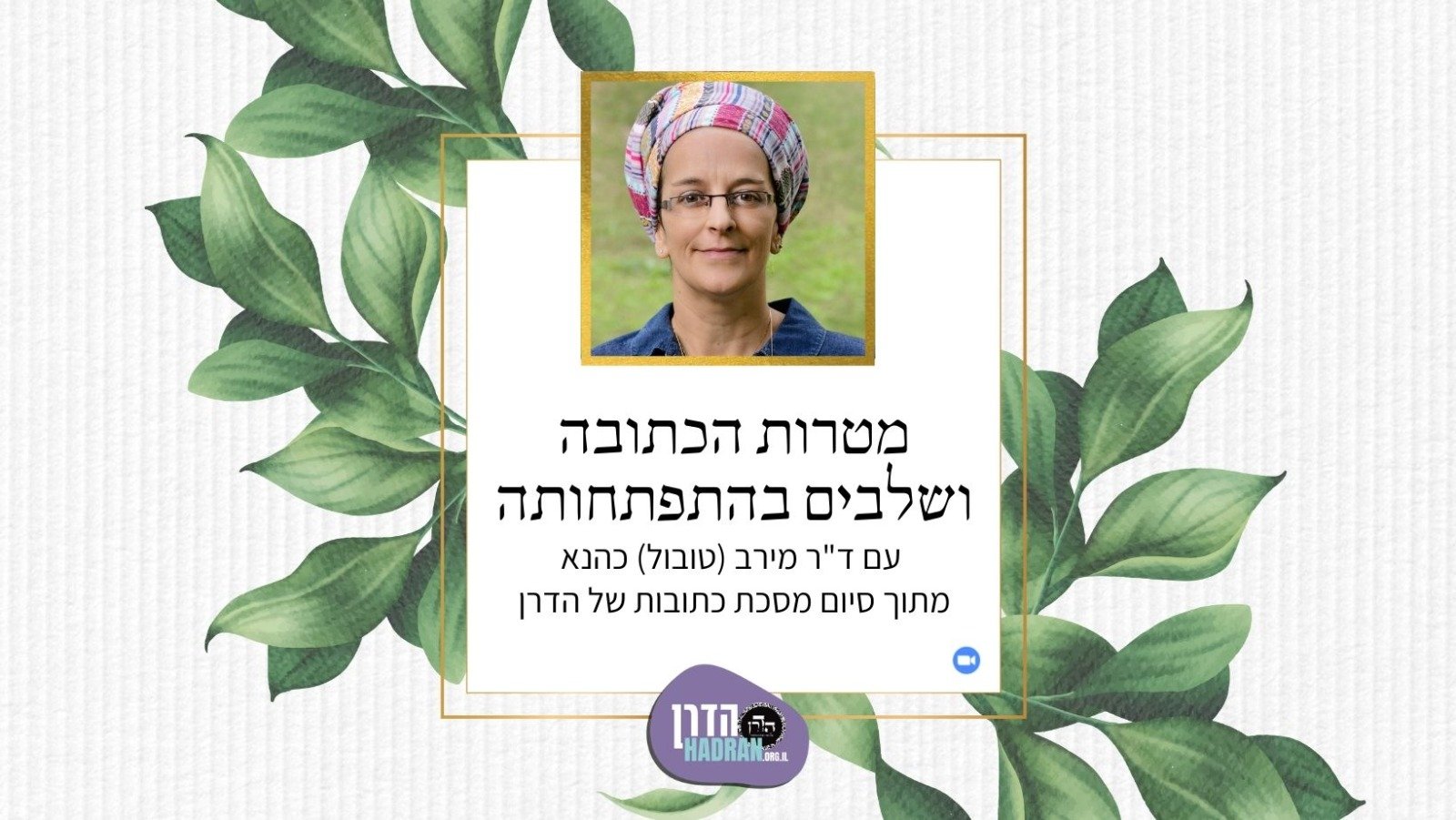


‘עַד הֵנָּה אֵל עֲזָרָנוּ’ – פיוט לסיום מסכת כתובות שחיבר ר’ עמרם עמאר – רות ביתן-כהן
26.10.2022 | א׳ בחשון תשפ״ג








חדשה בלימוד הגמרא?
זה הדף הראשון שלך? איזו התרגשות עצומה! יש לנו בדיוק את התכנים והכלים שיעזרו לך לעשות את הצעדים הראשונים ללמידה בקצב וברמה שלך, כך תוכלי להרגיש בנוח גם בתוך הסוגיות המורכבות ומאתגרות.
פסיפס הלומדות שלנו
גלי את קהילת הלומדות שלנו, מגוון נשים, רקעים וסיפורים. כולן חלק מתנועה ומסע מרגש ועוצמתי.
A friend in the SF Bay Area said in Dec 2019 that she might start listening on her morning drive to work. I mentioned to my husband and we decided to try the Daf when it began in Jan 2020 as part of our preparing to make Aliyah in the summer.

חנה פיוטרקובסקי
ירושלים, Israel
התחלתי מעט לפני תחילת הסבב הנוכחי. אני נהנית מהאתגר של להמשיך להתמיד, מרגעים של "אהה, מפה זה הגיע!” ומהאתגר האינטלקטואלי

אילת-חן ודלר
לוד, ישראל
התחלתי ללמוד דף יומי ממסכת נידה כי זה היה חומר הלימוד שלי אז. לאחר הסיום הגדול בבנייני האומה החלטתי להמשיך. וב”ה מאז עם הפסקות קטנות של קורונה ולידה אני משתדלת להמשיך ולהיות חלק.
זה משפיע מאוד על היום יום שלי ועל אף שאני עסוקה בלימודי הלכה ותורה כל יום, זאת המסגרת הקבועה והמחייבת ביותר שיש לי.

מוריה תעסן מיכאלי
גבעת הראל, ישראל
התחלתי ללמוד גמרא בבית הספר בגיל צעיר והתאהבתי. המשכתי בכך כל חיי ואף היייתי מורה לגמרא בבית הספר שקד בשדה אליהו (בית הספר בו למדתי בילדותי)בתחילת מחזור דף יומי הנוכחי החלטתי להצטרף ובע”ה מקווה להתמיד ולהמשיך. אני אוהבת את המפגש עם הדף את "דרישות השלום ” שמקבלת מקשרים עם דפים אחרים שלמדתי את הסנכרון שמתחולל בין התכנים.

אריאלה ביגמן
מעלה גלבוע, ישראל
התחלתי ללמוד בשנת המדרשה במגדל עוז, בינתיים נהנית מאוד מהלימוד ומהגמרא, מעניין ומשמח מאוד!
משתדלת להצליח לעקוב כל יום, לפעמים משלימה קצת בהמשך השבוע.. מרגישה שיש עוגן מקובע ביום שלי והוא משמח מאוד!

אוריה קסנר
חיפה , ישראל
"התחלתי ללמוד דף יומי במחזור הזה, בח’ בטבת תש””ף. לקחתי על עצמי את הלימוד כדי ליצור תחום של התמדה יומיומית בחיים, והצטרפתי לקבוצת הלומדים בבית הכנסת בכפר אדומים. המשפחה והסביבה מתפעלים ותומכים.
בלימוד שלי אני מתפעלת בעיקר מכך שכדי ללמוד גמרא יש לדעת ולהכיר את כל הגמרא. זו מעין צבת בצבת עשויה שהיא עצומה בהיקפה.”

שרה פוּקס
כפר אדומים, ישראל
My explorations into Gemara started a few days into the present cycle. I binged learnt and become addicted. I’m fascinated by the rich "tapestry” of intertwined themes, connections between Masechtot, conversations between generations of Rabbanim and learners past and present all over the world. My life has acquired a golden thread, linking generations with our amazing heritage.
Thank you.

סוזן כשדן
חשמונאים, Israel
כבר סיפרתי בסיום של מועד קטן.
הלימוד מאוד משפיעה על היום שלי כי אני לומדת עם רבנית מישל על הבוקר בזום. זה נותן טון לכל היום – בסיס למחשבות שלי .זה זכות גדול להתחיל את היום בלימוד ובתפילה. תודה רבה !

שרה ברלוביץ
ירושלים, ישראל
אחרי שראיתי את הסיום הנשי של הדף היומי בבנייני האומה זה ריגש אותי ועורר בי את הרצון להצטרף. לא למדתי גמרא קודם לכן בכלל, אז הכל היה לי חדש, ולכן אני לומדת בעיקר מהשיעורים פה בהדרן, בשוטנשטיין או בחוברות ושיננתם.

רבקה שלוס
בית שמש, ישראל
התחלתי ללמוד דף יומי באמצע תקופת הקורונה, שאבא שלי סיפר לי על קבוצה של בנות שתיפתח ביישוב שלנו ותלמד דף יומי כל יום. הרבה זמן רציתי להצטרף לזה וזאת הייתה ההזדמנות בשבילי. הצטרפתי במסכת שקלים ובאמצע הייתה הפסקה קצרה. כיום אני כבר לומדת באולפנה ולומדת דף יומי לבד מתוך גמרא של טיינזלץ.

שבות בראלי
עתניאל, ישראל
התחלתי ללמוד לפני 4.5 שנים, כשהודיה חברה שלי פתחה קבוצת ווטסאפ ללימוד דף יומי בתחילת מסכת סנהדרין. מאז לימוד הדף נכנס לתוך היום-יום שלי והפך לאחד ממגדירי הזהות שלי ממש.

קרן רוזנברג
ירושלים, ישראל
אחי, שלומד דף יומי ממסכת ברכות, חיפש חברותא ללימוד מסכת ראש השנה והציע לי. החברותא היתה מאתגרת טכנית ורוב הזמן נעשתה דרך הטלפון, כך שבסיום המסכת נפרדו דרכינו. אחי חזר ללמוד לבד, אבל אני כבר נכבשתי בקסם הגמרא ושכנעתי את האיש שלי להצטרף אלי למסכת ביצה. מאז המשכנו הלאה, ועכשיו אנחנו מתרגשים לקראתו של סדר נשים!

שולמית סבן
נוקדים, ישראל
סיום השס לנשים נתן לי מוטביציה להתחיל ללמוד דף יומי. עד אז למדתי גמרא בשבתות ועשיתי כמה סיומים. אבל לימוד יומיומי זה שונה לגמרי ופתאום כל דבר שקורה בחיים מתקשר לדף היומי.

קרן פוגל
רתמים, ישראל
לצערי גדלתי בדור שבו לימוד גמרא לנשים לא היה דבר שבשגרה ושנים שאני חולמת להשלים את הפער הזה.. עד שלפני מספר שבועות, כמעט במקרה, נתקלתי במודעת פרסומת הקוראת להצטרף ללימוד מסכת תענית. כשקראתי את המודעה הרגשתי שהיא כאילו נכתבה עבורי – "תמיד חלמת ללמוד גמרא ולא ידעת איך להתחיל”, "בואי להתנסות במסכת קצרה וקלה” (רק היה חסר שהמודעה תיפתח במילים "מיכי שלום”..). קפצתי למים ו- ב”ה אני בדרך להגשמת החלום:)

מיכי קדוש
מורשת, ישראל
רבנית מישל הציתה אש התלמוד בלבבות בביניני האומה ואני נדלקתי. היא פתחה פתח ותמכה במתחילות כמוני ואפשרה לנו להתקדם בצעדים נכונים וטובים. הקימה מערך שלם שמסובב את הלומדות בסביבה תומכת וכך נכנסתי למסלול לימוד מעשיר שאין כמוה. הדרן יצר קהילה גדולה וחזקה שמאפשרת התקדמות מכל נקודת מוצא. יש דיבוק לומדות שמחזק את ההתמדה של כולנו. כל פניה ושאלה נענית בזריזות ויסודיות. תודה גם למגי על כל העזרה.

שרה אבר
נתניה, ישראל
. לא תמיד נהניתי מלימוד גמרא כילדה.,בל כהתבגרתי התחלתי לאהוב את זה שוב. התחלתי ללמוד מסכת סוטה בדף היומי לפני כחמש עשרה שנה ואז הפסקתי.הגעתי לסיום הגדול של הדרן לפני שנתיים וזה נתן לי השראה. והתחלתי ללמוד למשך כמה ימים ואז היתה לי פריצת דיסק והפסקתי…עד אלול השנה. אז התחלתי עם מסכת ביצה וב”ה אני מצליחה לעמוד בקצב. המשפחה מאוד תומכת בי ויש כמה שגם לומדים את זה במקביל. אני אוהבת שיש עוגן כל יום.

רבקה דרשן
בית שמש, ישראל
התחלתי ללמוד בסבב הנוכחי לפני כשנתיים .הסביבה מתפעלת ותומכת מאוד. אני משתדלת ללמוד מכל ההסכתים הנוספים שיש באתר הדרן. אני עורכת כל סיום מסכת שיעור בביתי לכ20 נשים שמחכות בקוצר רוח למפגשים האלו.

יעל אשר
יהוד, ישראל
לפני 15 שנה, אחרי עשרות שנים של "ג’ינגול” בין משפחה לקריירה תובענית בהייטק, הצטרפתי לשיעורי גמרא במתן רעננה. הלימוד המעמיק והייחודי של הרבנית אושרה קורן יחד עם קבוצת הנשים המגוונת הייתה חוויה מאלפת ומעשירה. לפני כשמונה שנים כאשר מחזור הדף היומי הגיע למסכת תענית הצטרפתי כ”חברותא” לבעלי. זו השעה היומית שלנו ביחד כאשר דפי הגמרא משתלבים בחיי היום יום, משפיעים ומושפעים, וכשלא מספיקים תמיד משלימים בשבת

יודי אסקוף
רעננה, ישראל
שמעתי על הסיום הענק של הדף היומי ע”י נשים בבנייני האומה. רציתי גם.
החלטתי להצטרף. התחלתי ושיכנעתי את בעלי ועוד שתי חברות להצטרף. עכשיו יש לי לימוד משותף איתו בשבת ומפגש חודשי איתן בנושא (והתכתבויות תדירות על דברים מיוחדים שקראנו). הצטרפנו לקבוצות שונות בווטסאפ. אנחנו ממש נהנות. אני שומעת את השיעור מידי יום (בד”כ מהרב יוני גוטמן) וקוראת ומצטרפת לסיומים של הדרן. גם מקפידה על דף משלהן (ונהנית מאד).

ליאת סיטרון
אפרת, ישראל
באירוע של הדרן בנייני האומה. בהשראתה של אמי שלי שסיימה את הש”ס בסבב הקודם ובעידוד מאיר , אישי, וילדיי וחברותיי ללימוד במכון למנהיגות הלכתית של רשת אור תורה סטון ומורתיי הרבנית ענת נובוסלסקי והרבנית דבורה עברון, ראש המכון למנהיגות הלכתית.
הלימוד מעשיר את יומי, מחזיר אותי גם למסכתות שכבר סיימתי וידוע שאינו דומה מי ששונה פרקו מאה לשונה פרקו מאה ואחת במיוחד מרתקים אותי החיבורים בין המסכתות

רוית קלך
מודיעין, ישראל
כתובות לט
וּמִי מִעַבְּרָא? וְהָתָנֵי רַב בִּיבִי קַמֵּיהּ דְּרַב נַחְמָן: שָׁלֹשׁ נָשִׁים מְשַׁמְּשׁוֹת בְּמוֹךְ, אֵלּוּ הֵן: קְטַנָּה, וּמְעוּבֶּרֶת, וּמְנִיקָה. קְטַנָּה — שֶׁמָּא תִּתְעַבֵּר וְתָמוּת, מְעוּבֶּרֶת — שֶׁמָּא תַּעֲשֶׂה עוּבָּרָהּ סַנְדָּל, מְנִיקָה — שֶׁמָּא תִּגְמוֹל אֶת בְּנָהּ.
Rava’s dilemma is based on the assumption that a rape victim is able to conceive before she is a grown woman. The Gemara asks: And can a minor conceive? But didn’t Rav Beivai teach a baraita before Rav Naḥman: It is permitted for three women to engage in relations with a contraceptive resorbent. These are they: A minor, and a pregnant woman, and a nursing woman. The baraita elaborates: A minor may do so lest she conceive and die; a pregnant woman, lest her existing fetus be crushed by another fetus and assume the shape of a sandal fish if she conceives a second time; and a nursing woman, lest she conceive, causing her milk to spoil, which will lead her to wean her son prematurely, endangering his health.
וְאֵיזוֹהִי קְטַנָּה — מִבַּת אַחַת עֶשְׂרֵה שָׁנָה וְיוֹם אֶחָד עַד שְׁתֵּים עֶשְׂרֵה שָׁנָה וְיוֹם אֶחָד. פָּחוֹת מִיכֵּן וְיָתֵר עַל כֵּן מְשַׁמֶּשֶׁת כְּדַרְכָּהּ וְהוֹלֶכֶת, דִּבְרֵי רַבִּי מֵאִיר. וַחֲכָמִים אוֹמְרִים: אַחַת זוֹ וְאַחַת זוֹ מְשַׁמֶּשֶׁת כְּדַרְכָּהּ וְהוֹלֶכֶת, וּמִן הַשָּׁמַיִם יְרַחֵמוּ, מִשּׁוּם שֶׁנֶּאֱמַר: ״שׁוֹמֵר פְּתָאִים ה׳״!
And the baraita further states: What is a minor girl? A minor girl is a girl from eleven years and one day old until twelve years and one day old. If she was less than that age or more than that age, she proceeds and engages in relations in her usual manner; this is the statement of Rabbi Meir. And the Rabbis say: Both this woman and that woman, i.e., in the cases of all these women, she proceeds and engages in relations in her usual manner, and from Heaven they will have mercy and prevent any mishap, due to the fact that it is stated: “The Lord preserves the simple” (Psalms 116:6). Apparently, a minor is unable to conceive.
וְכִי תֵּימָא דְּאִיעַבַּרָא כְּשֶׁהִיא נַעֲרָה, וְאוֹלִידָה כְּשֶׁהִיא נַעֲרָה. וּבְשִׁיתָּא יַרְחֵי מִי קָא יָלְדָה? וְהָאָמַר שְׁמוּאֵל: אֵין בֵּין נַעֲרוּת לְבַגְרוּת אֶלָּא שִׁשָּׁה חֳדָשִׁים. וְכִי תֵּימָא: בְּצִיר הוּא דְּלֵיכָּא, הָא טְפֵי — אִיכָּא, הָא ״אֶלָּא״ קָאָמַר!
And if you say that she conceived when she was a young woman, twelve years old, and gave birth when she was a young woman, and died before she reached the status of a grown woman, can a woman give birth in six months after conception? But didn’t Shmuel say: There are only six months between becoming a young woman and becoming a grown woman? And if you say that Shmuel is saying that it is less than six months that there is not transition from young woman to grown woman status; however, more than six months there is transition, as different women develop differently, and therefore she could conceive and give birth while she is a young woman, that is not so, as Shmuel said: Only, indicating that the period is neither less nor more than six months.
אֶלָּא, הָכִי קָמִיבַּעְיָא לֵיהּ: יֵשׁ בֶּגֶר בַּקֶּבֶר וּפָקַע אָב, אוֹ דִלְמָא: אֵין בֶּגֶר בַּקֶּבֶר, וְלָא פָּקַע אָב? מָר בַּר רַב אָשֵׁי בָּעֵי לַהּ הָכִי: מִיתָה עוֹשָׂה בַּגְרוּת, אוֹ אֵין עוֹשָׂה בַּגְרוּת? תֵּיקוּ.
Rather, Rava’s dilemma is unrelated to whether or not her son inherits the fine payment. This is his dilemma: Is there achievement of grown-woman status in the grave and therefore the right of the father to receive payment of the fine lapsed; and since there is no one claiming the payment, the rapist need not pay? Or perhaps there is no achievement of grown-woman status in the grave, and the right of the father did not lapse. Mar bar Rav Ashi raised the dilemma in this manner: Does death effect grown-woman status or does it not effect grown-woman status? No resolution was found for this dilemma, and the Gemara concludes that the dilemma stands unresolved.
בְּעָא מִינֵּיהּ רָבָא מֵאַבָּיֵי: בָּא עָלֶיהָ וְנִתְאָרְסָה, מַהוּ? אֲמַר לֵיהּ, מִי כְּתִיב: ״וְנָתַן לַאֲבִי הַנַּעֲרָה אֲשֶׁר לֹא אֲרוּסָה״? וּלְטַעְמָיךְ, הָא דְּתַנְיָא: בָּא עָלֶיהָ וְנִשֵּׂאת, לְעַצְמָהּ: מִי כְּתִיב ״וְנָתַן לַאֲבִי הַנַּעֲרָה אֲשֶׁר לֹא נְשׂוּאָה״?
On a similar note, Rava inquired of Abaye: If he forcibly had intercourse with a young woman and she was later betrothed, what is the halakha? Abaye said to him: Is it written: And he shall give to the father of the young woman who is not betrothed? Actually it is written: “If a man finds a young woman…who was not betrothed” (Deuteronomy 22:28), which indicates that the determining factor is whether she was betrothed before the rape and not whether she is engaged at the moment of payment. Rava asked him: And according to your reasoning, that which was taught in a baraita: If he forcibly had intercourse with a young woman and she later married, the fine is paid to her, not to her father. There too, ask: Is it written: And he shall give to the father of the young woman who is not married? Even though the verse does not address the moment of payment, if she married the fine is paid to her.
הָכִי הַשְׁתָּא?! הָתָם, הוֹאִיל וּבַגְרוּת מוֹצִיאָה מֵרְשׁוּת אָב, וְנִישּׂוּאִין מוֹצִיאִין מֵרְשׁוּת אָב, מָה בַּגְרוּת בָּא עָלֶיהָ וּבָגְרָה — לְעַצְמָהּ, אַף נִישּׂוּאִין בָּא עָלֶיהָ וְנִשֵּׂאת — לְעַצְמָהּ. אֶלָּא אֵירוּסִין, מִי קָא מַפְּקִי מֵרְשׁוּתָא דְּאָב לִגְמָרֵי? הָא תְּנַן: נַעֲרָה הַמְאוֹרָסָה אָבִיהָ וּבַעְלָהּ מְפִירִין לָהּ נְדָרֶיהָ.
Abaye retorted: How can these cases be compared? There, in the case of marriage, there is reason to diverge from the plain meaning of the verse, as grown-woman status removes her from the authority of the father and marriage removes her from the authority of the father. Just as with regard to grown-woman status, if he forcibly had intercourse with her and she became a grown woman, the fine is paid to her, as it is written: “And he shall give to the father of the young woman” (Deuteronomy 22:29); so too, with regard to marriage, if he forcibly had intercourse with her and she later married, the fine is paid to her. However, with regard to betrothal, does it remove her from the authority of the father entirely? Didn’t we learn in a mishna (Nedarim 66b): With regard to a betrothed young woman, her father and her husband together nullify her vows? Apparently, betrothal does not remove her entirely from her father’s authority, and therefore, the halakha with regard to betrothal cannot be derived from the halakha with regard to grown-woman status. Therefore, Rava’s question is not difficult.
מַתְנִי׳ הַמְפַתֶּה נוֹתֵן שְׁלֹשָׁה דְּבָרִים, וְהָאוֹנֵס אַרְבָּעָה. הַמְפַתֶּה נוֹתֵן בּוֹשֶׁת וּפְגָם וּקְנָס, מוֹסִיף עָלָיו אוֹנֵס שֶׁנּוֹתֵן אֶת הַצַּעַר. מָה בֵּין אוֹנֵס לִמְפַתֶּה: הָאוֹנֵס נוֹתֵן אֶת הַצַּעַר, וְהַמְפַתֶּה אֵינוֹ נוֹתֵן אֶת הַצַּעַר. הָאוֹנֵס נוֹתֵן מִיָּד, וְהַמְפַתֶּה לִכְשֶׁיּוֹצִיא. הָאוֹנֵס שׁוֹתֶה בַּעֲצִיצוֹ, וְהַמְפַתֶּה, אִם רָצָה לְהוֹצִיא — מוֹצִיא.
MISHNA: The seducer gives the father of his victim three things, and the rapist gives the father four. The mishna specifies: The seducer gives the father payments for humiliation, degradation, and the fine. A rapist adds an addition to his payments, as he also gives payment for the pain. What are the differences between the halakha of a rapist and that of a seducer? The rapist gives payment for the pain, and the seducer does not give payment for the pain. The rapist gives payment immediately, and the seducer does not pay those payments immediately but only when he releases her. The rapist drinks from his vessel [atzitzo], i.e., marries the woman he raped, perforce, and the seducer, if he wishes to release her, he releases her.
כֵּיצַד שׁוֹתֶה בַּעֲצִיצוֹ: אֲפִילּוּ הִיא חִיגֶּרֶת, אֲפִילּוּ הִיא סוֹמָא, וַאֲפִילּוּ הִיא מוּכַּת שְׁחִין. נִמְצָא בָּהּ דְּבַר עֶרְוָה, אוֹ שֶׁאֵינָהּ רְאוּיָה לָבֹא בְּיִשְׂרָאֵל — אֵינוֹ רַשַּׁאי לְקַיְּימָהּ, שֶׁנֶּאֱמַר: ״וְלוֹ תִהְיֶה לְאִשָּׁה״, אִשָּׁה הָרְאוּיָה לוֹ.
The mishna clarifies: How does the rapist drink from his vessel? Even if the woman he raped is lame, even if she is blind, and even if she is afflicted with boils, he is obligated to marry her and may not divorce her. However, if a matter of licentiousness is found in her, e.g., if she committed adultery, or if she is unfit to enter the Jewish people, e.g., if she is a mamzeret, he is not permitted to sustain her as his wife, as it is stated: “And to him she shall be as a wife” (Deuteronomy 22:29), from which it is inferred that she must be a woman who is legally suitable for him.
גְּמָ׳ צַעַר דְּמַאי? אָמַר אֲבוּהּ דִּשְׁמוּאֵל: צַעַר שֶׁחֲבָטָהּ עַל גַּבֵּי קַרְקַע. מַתְקֵיף לַהּ רַבִּי זֵירָא: אֶלָּא מֵעַתָּה, חֲבָטָהּ עַל גַּבֵּי שִׁירָאִין, הָכִי נָמֵי דְּפָטוּר? וְכִי תֵּימָא הָכִי נָמֵי — וְהָתַנְיָא, רַבִּי שִׁמְעוֹן בֶּן יְהוּדָה אוֹמֵר מִשּׁוּם רַבִּי שִׁמְעוֹן: אוֹנֵס אֵינוֹ מְשַׁלֵּם אֶת הַצַּעַר — מִפְּנֵי
GEMARA: The mishna taught that a rapist pays for the pain that he caused. The Gemara asks: For what pain is he obligated to pay? Shmuel’s father said: It is for the pain that he caused when he slammed her onto the ground while raping her. Rabbi Zeira strongly objects to this: But if what you say is so, if he slammed her onto silk, so too is the halakha that he is exempt from payment for pain? And if you say indeed that it is so, but isn’t it taught in a baraita that Rabbi Shimon ben Yehuda says in the name of Rabbi Shimon: A rapist does not pay for the pain due to the fact
שֶׁסּוֹפָהּ לְהִצְטַעֵר תַּחַת בַּעֲלָהּ. אָמְרוּ לוֹ: אֵינוֹ דּוֹמֶה נִבְעֶלֶת בְּאוֹנֶס לְנִבְעֶלֶת בְּרָצוֹן. אֶלָּא אָמַר רַב נַחְמָן אָמַר רַבָּה בַּר אֲבוּהּ: צַעַר שֶׁל פִּיסּוּק הָרַגְלַיִם. וְכֵן הוּא אוֹמֵר: ״וַתְּפַשְּׂקִי אֶת רַגְלַיִךְ לְכׇל עוֹבֵר״.
that she will ultimately suffer the same pain during intercourse when under the authority of her husband? They said to him: One who has intercourse against her will is not comparable to one who has intercourse willingly. Apparently, the pain associated with rape is a direct result of the forced intercourse and not of some associated cause. Rather, Rav Naḥman said that Rabba bar Avuh said: It refers to the pain of spreading her legs during intercourse. And likewise, the verse says: “And you opened your legs to every passerby” (Ezekiel 16:25).
אִי הָכִי, מְפוּתָּה נָמֵי! אָמַר רַב נַחְמָן אָמַר רַבָּה בַּר אֲבוּהּ: מָשָׁל דִּמְפוּתָּה לְמָה הַדָּבָר דּוֹמֶה? לְאָדָם שֶׁאָמַר לַחֲבֵירוֹ: קְרַע שִׁירָאִין שֶׁלִּי וְהִפָּטֵר. שֶׁלִּי?! דַּאֲבוּהּ נִינְהוּ? אֶלָּא אָמַר רַב נַחְמָן אָמַר רַבָּה בַּר אֲבוּהּ: פִּקְּחוֹת שֶׁבָּהֶן אוֹמְרוֹת: מְפוּתָּה אֵין לָהּ צַעַר.
The Gemara asks: If so, a seduced woman should also be obligated to make that payment as well. Rav Naḥman said that Rabba bar Avuh stated a parable: To what can this matter of a seducer be compared? It can be compared to a person who said to another: Tear my silk and be exempt from payment. Since she engaged in relations of her own volition, she certainly absolved him of payment for the pain. The Gemara asks: Tear my silk? It is not her silk, and therefore she may not waive payment for damage to it; it is the silk of her father, as the fine and the other payments are paid to him. Rather, Rav Naḥman said that Rabba bar Avuh said that the clever women among them say that a seduced woman has no pain during intercourse, as she is a willing participant.
וְהָא קָא חָזֵינַן דְּאִית לַהּ? אָמַר אַבָּיֵי: אֲמַרָה לִי אֵם, כְּמַיָּא חַמִּימֵי עַל רֵישֵׁיהּ דְּקַרְחָא. רָבָא אָמַר: אֲמַרָה לִי בַּת רַב חִסְדָּא: כִּי רִיבְדָּא דְכוּסִילְתָּא. רַב פָּפָּא אָמַר: אֲמַרָה לִי בַּת אַבָּא סוּרָאָה: כִּי נַהֲמָא אַקּוּשָׁא בְּחִינְכֵי.
The Gemara asks: But don’t we see that even a married woman has pain when she engages in sexual relations for the first time? Abaye said: My foster mother told me that the pain is like hot water on the head of a bald man. Rava said: My wife, Rav Ḥisda’s daughter, told me that it is like the stab of a bloodletting knife. Rav Pappa said: My wife, Abba Sura’s daughter, told me that it is like the feeling of hard bread on the gums. When a woman engages in intercourse willingly, the pain is negligible. Therefore, the seducer is not obligated to pay for pain.
הָאוֹנֵס נוֹתֵן מִיָּד הַמְפַתֶּה לִכְשֶׁיּוֹצִיא וְכוּ׳. לִכְשֶׁיּוֹצִיא?! אִשְׁתּוֹ הִיא? אָמַר אַבָּיֵי: אֵימָא לִכְשֶׁלֹּא יִכְנוֹס. תַּנְיָא נָמֵי הָכִי: אַף עַל פִּי שֶׁאָמְרוּ הַמְפַתֶּה נוֹתֵן לִכְשֶׁלֹּא יִכְנוֹס, בּוֹשֶׁת וּפְגָם נוֹתֵן מִיָּד. וְאֶחָד הָאוֹנֵס וְאֶחָד הַמְפַתֶּה, בֵּין הִיא וּבֵין אָבִיהָ יְכוֹלִין לְעַכֵּב.
§ The mishna continues: The rapist gives payment immediately, and the seducer when he releases her, etc. The Gemara asks: When he releases her? Is she his wife? He did not yet marry her, so how can the mishna use the language of divorce? Abaye said: Say that he gives payment when he opts not to marry her. If he marries her he need not pay. That opinion was also taught in a baraita: Although they said that the seducer gives the fine when he opts not to marry her, the compensation for her humiliation and degradation he gives immediately. The baraita continues: Although both the rapist and the seducer are obligated to marry their victim, both she and her father are able to prevent the marriage.
בִּשְׁלָמָא מְפוּתָּה — כְּתִיב: ״אִם מָאֵן יְמָאֵן אָבִיהָ״. אֵין לִי אֶלָּא אָבִיהָ, הִיא עַצְמָהּ מִנַּיִן — תַּלְמוּד לוֹמַר: ״יְמָאֵן״, מִכׇּל מָקוֹם.
The Gemara asks: Granted, with regard to a woman who was seduced, it is written: “If her father refuses [maen yemaen] to give her to him” (Exodus 22:16), and the Sages interpreted: I have only derived that her father can prevent the marriage; from where do we derive that she herself can do so? The verse states: Maen yemaen, a double verb indicating that the marriage can be prevented in any case, i.e., she too may do so.
אֶלָּא אוֹנֵס? בִּשְׁלָמָא אִיהִי — כְּתִיב: ״וְלוֹ תִהְיֶה״, מִדַּעְתָּהּ. אֶלָּא אָבִיהָ מְנָלַן?
However, from where is it derived that they can prevent the marriage in the case of a rapist? Granted, she herself can prevent the marriage, as it is written: “And to him she shall be as a wife” (Deuteronomy 22:29), and the term “shall be” indicates with her consent. However, from where do we derive that her father can prevent the marriage?
אָמַר אַבָּיֵי: שֶׁלֹּא יְהֵא חוֹטֵא נִשְׂכָּר. רָבָא אָמַר: קַל וָחוֹמֶר, וּמָה מְפַתֶּה שֶׁלֹּא עָבַר אֶלָּא עַל דַּעַת אָבִיהָ בִּלְבַד, בֵּין הִיא וּבֵין אָבִיהָ יְכוֹלִין לְעַכֵּב — אוֹנֵס שֶׁעָבַר עַל דַּעַת אָבִיהָ וְעַל דַּעַת עַצְמָהּ, לֹא כׇּל שֶׁכֵּן?!
Abaye said: No verse is necessary as it stands to reason that the father too can prevent the marriage so that a sinner will not profit. If her father could not prevent the marriage, the rapist would acquire the right to marry the young woman despite the father’s refusal, a right not accorded to one who seeks to betroth a young woman in a conventional manner. Rava said it is derived through an a fortiori inference: Just as in the case of a seducer, who contravened only her father’s will, as she acquiesced to his proposition, nevertheless both she and her father can prevent the marriage; in the case of a rapist, who contravened both her father’s will and her own will, all the more so is it not so that both she and her father can prevent the marriage?
רָבָא לָא אָמַר כְּאַבַּיֵּי. כֵּיוָן דְּקָא מְשַׁלֵּם קְנָס, לָאו חוֹטֵא נִשְׂכָּר הוּא. אַבָּיֵי לָא אָמַר כְּרָבָא: מְפַתֶּה דְּאִיהוּ מָצֵי מְעַכֵּב — אָבִיהָ נָמֵי מָצֵי מְעַכֵּב, אוֹנֵס דְּאִיהוּ לָא מָצֵי מְעַכֵּב — אָבִיהָ נָמֵי לָא מָצֵי מְעַכֵּב.
The Gemara elaborates: Rava did not say in accordance with the explanation of Abaye, as since the rapist pays the fine he is not a sinner who profits, as he too must pay the dowry of a virgin even if he marries her. Likewise, Abaye did not say in accordance with the explanation of Rava because in the case of a seducer, where the seducer himself can prevent the marriage, her father can also prevent the marriage. In the case of a rapist, where the rapist himself cannot prevent the marriage, her father also cannot prevent the marriage.
תַּנְיָא אִידַּךְ: אַף עַל פִּי שֶׁאָמְרוּ אוֹנֵס נוֹתֵן מִיָּד, כְּשֶׁיּוֹצִיא הוּא אֵין לָהּ עָלָיו כְּלוּם. כְּשֶׁיּוֹצִיא?! מִי מָצֵי מַפֵּיק לַהּ?! אֵימָא: כְּשֶׁתֵּצֵא הִיא, אֵין לָהּ עָלָיו כְּלוּם. מֵת — יָצָא כֶּסֶף קְנָסָהּ בִּכְתוּבָּתָהּ. רַבִּי יוֹסֵי בְּרַבִּי יְהוּדָה אוֹמֵר: יֵשׁ לָהּ כְּתוּבָּה מָנֶה.
It was taught in another baraita: Although the Sages said that the rapist gives payment immediately, when he releases her she has no claim upon him. The Gemara asks: When he releases her? Can he release her? It is prohibited by Torah law for him to do so. Rather, emend the baraita and say: When she leaves, if she seeks to divorce him and demands a bill of divorce, she has no monetary claim upon him. Similarly, if he died, the money of her fine offsets her marriage contract. The fine, which was the equivalent of the dowry of virgins, replaces her marriage contract. Rabbi Yosei, son of Rabbi Yehuda, says: Even a rape victim has a marriage contract of one hundred dinars, like the marriage contract of all non-virgin wives.
בְּמַאי קָמִיפַּלְגִי. רַבָּנַן סָבְרִי: טַעְמָא מַאי תַּקִּינוּ רַבָּנַן כְּתוּבָּה — כְּדֵי שֶׁלֹּא תְּהֵא קַלָּה בְּעֵינָיו לְהוֹצִיאָהּ, וְהָא לָא מָצֵי מַפֵּיק לַהּ. וְרַבִּי יוֹסֵי בְּרַבִּי יְהוּדָה סָבַר: הָא נָמֵי מְצַעַר לַהּ עַד דְּאָמְרָה הִיא ״לָא בָּעֵינָא לָךְ״.
The Gemara asks: With regard to what principle do they disagree? The Gemara explains: The Rabbis maintain: What is the reason that the Sages instituted a marriage contract for the woman? They instituted it so that she will not be inconsequential in his eyes, enabling him to easily divorce her. Because divorcing her will cost money, he will not do so rashly. And this woman whom he raped, he cannot release her by Torah law, obviating the need for a marriage contract. And Rabbi Yosei, son of Rabbi Yehuda, maintains: With regard to this woman too, although he cannot divorce her, he can torment her until she says: I do not want you. When she initiates the divorce, he can divorce her. Therefore, the Sages instituted that she receives the marriage contract of a non-virgin to prevent him from doing so.
אוֹנֵס שׁוֹתֶה בַּעֲצִיצוֹ. אֲמַר לֵיהּ רָבָא מִפַּרְזִקְיָא לְרַב אָשֵׁי: מִכְּדֵי מִיגְמָר גָּמְרִי מֵהֲדָדֵי,
The mishna continues: A rapist drinks from his vessel, and the seducer is not obligated to marry the woman he seduced. Rava from Parzakya said to Rav Ashi: Since the halakhot of a rapist and a seducer are derived from each other with regard to the sum of the fine,
לעקוב

