







לתוספת כתובה יש מעמד זהה לכתובה עצמה. זה רלוונטי לאישה שמוכרת, מוחלת על או קיבלה כבר חלק מהכתובה או דורשת את התוספת בבית דין, ומצבים שונים אחרים. ישנם ארבעה נושאים שעליהם חלקו רבני פומבדיתא ומתא מחסיא. האחד, האם הבנים הזכרים גובים את הכתובה של אמם מאביהם כירושה, שלא ניתן לגבות מנכסים משועבדים, או כקונים, שניתן לגבות מנכסים משועבדים. שתיים, אם הבעל הפריש מטלטלין לצורך גביית הכתובה והם כבר אינם קיימים או נאבדו, האם היא יכולה לגבות כתובתה מבלי שתצטרך להישבע שעדיין לא קיבלה חלק ממנה? שלישית, אם הבעל ייחד קרקע שממנו האישה יכולה לגבות את כתובתה, אך סימן רק אחד מהגבולות, האם היא צריכה להישבע שלא קיבלה שום חלק מהכתובה שלה לפני שגובה את כל הסכום מהקרקע? רביעית, אם מישהו אמר לכתוב ולחתום על שטר מתנה ולתת את המתנה לאדם מסוים אבל לא עשה קניין עם השליח, האם השליח צריך לבדוק שוב עם הנותן שהוא או היא באמת מתכוונים לתת את המתנה? היה ויכוח במשנה ורבי אלעזר בן עזריה קבע שאשה מאורסת שקיבלה כתובה ולאחר מכן התגרשה או התאלמנה, הוא היא יכולה לגבות רק את ה-200 או ה-100 זוז, אך לא את התוספת. רב ורבי נתן התלבטו אם אנו פוסקים כר’ אלעזר בן עזריה או לא. הגמרא מסיקה שרבי נתן ודאי פסק כמותו שכן בהלכה אחרת ברור שהוא הולך כפי אומדנא, עושה הערכה לגבי מה שאנו מאמינים שכנראה היו כוונותיו של האדם, וזה בדיוק מה שרבי אלעזר בן עזריה אמר – אנו מעריכים שהבעל רק הבטיח לה תוספת לטובת היותה נשואה לו. אם כן, זה אומר שרב לא הולך כפי אומדנא. הקשים ממחלוקת אחרת בין רב ושמואל שבו רב פסק כפי אומדנא בעניין שכיב מרע שעשה קנין.
הלימוד החודש מוקדש ע”י מרכי גלזר לע”נ רחל אביבה בת דבורה חנה
רוצה להקדיש שיעור?

כלים
הלימוד החודש מוקדש ע”י מרכי גלזר לע”נ רחל אביבה בת דבורה חנה
כתובות נה
לְשֶׁבַח; לִשְׁבוּעָה; וְלִשְׁבִיעִית;
It is also relevant to an increase in value, as she does not collect the main or additional sums from the increased value of the property in a case where the husband’s estate was not sufficient at the time of his death to pay the entire cost of her marriage contract but the heirs later increased the value of the property; to an oath, because if the wife is required to take an oath in order to receive her marriage contract, the additional sum is also included in that oath; and to the Sabbatical Year, as the marriage contract is not annulled with other debts in the Sabbatical Year, and this includes the additional sum as well.
וּלְכוֹתֵב כׇּל נְכָסָיו לְבָנָיו; לִגְבּוֹת מִן הַקַּרְקַע וּמִן הַזִּיבּוּרִית; וְכׇל זְמַן שֶׁהִיא בְּבֵית אָבִיהָ; וְלִכְתוּבַּת בְּנִין דִּכְרִין.
And with regard to one who writes a document transferring all of his property to his sons and leaves his wife a specific plot of land for her marriage contract, this teaches that she receives both the main and the additional sums of her contract only from that land. The aforementioned halakha also teaches that she collects the payment only from land, and specifically from land of inferior quality; and that a widow loses her ability to collect the main and additional sums as long as she is in her father’s home for more than twenty-five years after her husband’s death; and the principle also applies to the stipulation in the marriage contract that the male offspring inherit their mother’s dowry when her husband passes away in addition to the inheritance they receive together with their other brothers. These halakhot apply equally to the additional sum of the marriage contract.
אִיתְּמַר. כְּתוּבַּת בְּנִין דִּכְרִין, פּוּמְבְּדִיתָא אָמְרִי: לָא טָרְפָא מִמְּשַׁעְבְּדִי, ״יִרְתוּן״ תְּנַן.
§ It was stated that there was a debate among the Sages with regard to the stipulation in the marriage contract that the male offspring inherit the sum stipulated in their mother’s marriage contract. The Sages of Pumbedita say: It is not seized from liened property that has been sold by the father. This is because we learned in a mishna (52b) that the text of the stipulation is: They will inherit the money set aside for their mother’s marriage contract. From this phrase it is clear that the stipulation follows the halakhot of inheritance, and therefore their inheritance can be taken only from property in the father’s possession at the time of his death, but not from property that he had sold.
בְּנֵי מָתָא מַחְסֵיָא אָמְרִי: טָרְפָא מִמְּשַׁעְבְּדִי, ״יִסְּבוּן״ תְּנַן. וְהִלְכְתָא: לָא טָרְפָא מִמְּשַׁעְבְּדִי, ״יִרְתוּן״ תְּנַן.
The residents of Mata Meḥasya say: It is seized from liened property that has been sold. Their tradition is that the mishna states that the text of the stipulation is: They will take the money set aside for their mother’s marriage contract. It is as if the husband transferred this property to the sons, and as their acquisition precedes those of the other buyers, they may seize the sold property from the buyers. The Gemara concludes that the halakha is that it is not seized from liened property that has been sold, as the mishna states: They will inherit.
מִטַּלְטְלִי וְאִיתַנְהוּ בְּעֵינַיְיהוּ — בְּלָא שְׁבוּעָה,
There is another dispute between the Sages of Pumbedita and the residents of Mata Meḥasya, with regard to one who set aside payment for his wife’s marriage contract from movable property, and these objects are in their pure, unadulterated state at the time of the execution of the marriage contract after the husband’s death. In this case, all agree that the widow may take them without an oath that confirms that her husband did not leave her any other money for the payment of her marriage contract, as it is clear that he set aside these objects for that purpose.
לֵיתַנְהוּ בְּעֵינַיְיהוּ — פּוּמְבְּדִיתָא אָמְרִי: בְּלֹא שְׁבוּעָה. בְּנֵי מָתָא מַחְסֵיָא אָמְרִי: בִּשְׁבוּעָה. וְהִלְכְתָא: בְּלֹא שְׁבוּעָה.
However, if the movable objects are not in their pure, unadulterated state, e.g., they were lost, the Sages of Pumbedita say that she takes the payment for her marriage contract from other property, as all of the husband’s property is liened to the marriage contract without an oath. The residents of Mata Meḥasya say she takes her payment only with an oath, because of a concern that she may have already received other property as payment for her marriage contract. And the halakha is that she may take it without an oath, in accordance with the opinion of the Sages of Pumbedita.
יַיחֵד לַהּ אַרְעָא בְּאַרְבְּעָה מִצְרָנֶהָא — בְּלָא שְׁבוּעָה. בְּחַד מִצְרָא — פּוּמְבְּדִיתָא אָמְרִי: בְּלָא שְׁבוּעָה. בְּנֵי מָתָא מַחְסֵיָא אָמְרִי: בִּשְׁבוּעָה. וְהִלְכְתָא: בְּלָא שְׁבוּעָה.
If he set aside land for her, which he demarcated on all four of its borders, she seizes the land without an oath. If he demarcated it on only one border, which is not as clear an indication, the Sages of Pumbedita say she takes it without an oath, and the residents of Mata Meḥasya say she takes it with an oath. And the halakha is that she takes it without an oath.
אָמַר לְעֵדִים ״כִּתְבוּ וְחִתְמוּ וְהַבוּ לֵיהּ״, קְנוֹ מִינֵּיהּ — לָא צְרִיךְ אִימְּלוֹכֵי בֵּיהּ. לָא קְנוֹ מִינֵּיהּ — פּוּמְבְּדִיתָא אָמְרִי: לָא צְרִיךְ אִימְּלוֹכֵי בֵּיהּ, בְּנֵי מָתָא מַחְסֵיָא אָמְרִי: צְרִיךְ אִימְּלוֹכֵי בֵּיהּ. וְהִלְכְתָא: צְרִיךְ אִימְּלוֹכֵי בֵּיהּ.
Furthermore, they had a dispute in a case where someone told witnesses: Write and sign a deed of gift and give it to the intended recipient of the gift. In such a case, if the witnesses acquired it from him on behalf of the recipient by performing a formal act of acquisition, they do not need to consult with him again, as there can be no retraction after a formal acquisition. But if they did not acquire it from him, the Sages of Pumbedita say they do not need to consult with him again, and the residents of Mata Meḥasya say they must consult with him. And the halakha is that they must consult with him again.
רַבִּי אֶלְעָזָר בֶּן עֲזַרְיָה וְכוּ׳. אִיתְּמַר. רַב וְרַבִּי נָתָן, חַד אָמַר: הֲלָכָה כְּרַבִּי אֶלְעָזָר בֶּן עֲזַרְיָה, וְחַד אָמַר: אֵין הֲלָכָה כְּרַבִּי אֶלְעָזָר בֶּן עֲזַרְיָה.
§ The mishna states that Rabbi Elazar ben Azarya says that a woman who collects the payment for her marriage contract after marriage receives the main and additional sums, while one who collects it after betrothal receives only the main sum. It was stated: Rav and Rabbi Natan differed with regard to this issue. One said the halakha is in accordance with the opinion of Rabbi Elazar ben Azarya. And one said the halakha is not in accordance with the opinion of Rabbi Elazar ben Azarya.
תִּסְתַּיֵּים דְּרַבִּי נָתָן הוּא דְּאָמַר הֲלָכָה כְּרַבִּי אֶלְעָזָר בֶּן עֲזַרְיָה, דְּשָׁמְעִינַן לֵיהּ לְרַבִּי נָתָן דְּאָזֵיל בָּתַר אוּמְדָּנָא. דְּאָמַר רַבִּי נָתָן: הֲלָכָה כְּרַבִּי שִׁמְעוֹן שֵׁזוּרִי בִּמְסוּכָּן,
It may be concluded that Rabbi Natan is the one who said that the halakha is in accordance with the opinion of Rabbi Elazar ben Azarya, as we have heard that Rabbi Natan follows the principle of assessing intention. Even if one did not make an explicit statement, the court assesses what his intention must have been and decides the halakha based on that assessment. It is clear that he follows this principle, as Rabbi Natan said that the halakha is in accordance with the opinion of Rabbi Shimon Shezuri in the case of an ill person in danger. If this person says: Write a bill of divorce for my wife, that is understood as: Write it and give it to her, as his intention is to absolve her from the requirement of levirate marriage by means of the bill of divorce. Although he did not explicitly state this, Rabbi Natan holds that in such a situation the court assesses that this was the husband’s intent and follows it.
וּבִתְרוּמַת מַעֲשֵׂר שֶׁל דְּמַאי.
And the halakha is also in accordance with his opinion with regard to the teruma of the tithe from doubtfully tithed produce [demai]. Produce purchased from a common, uneducated person [am ha’aretz] is considered demai and by rabbinic law it is regarded as uncertain whether the seller separated tithes and teruma of the tithe from it. Rabbi Natan rules in accordance with Rabbi Shimon Shezuri’s opinion in a case where, after one bought demai and separated teruma of the tithe, this teruma becomes mingled with the produce from which it was separated. If all of the produce were treated as actual teruma, the only solution would be to sell all of the produce to a priest at low cost, as he is the only one who may use it. Rabbi Shimon Shezuri, however, rules that in the case of demai, the owner may ask the fruit seller if he properly separated the tithes. If the seller responds that he did, the owner may rely on that, despite the fact that the seller is an am ha’aretz, as the Sages do not apply their decree in a case where it would cause significant financial loss.
וְרַב לָא אָזֵיל בָּתַר אוּמְדָּנָא? וְהָא אִיתְּמַר: מַתְּנַת שְׁכִיב מְרַע שֶׁכָּתוּב בָּהּ קִנְיָן, בְּבֵי רַב מִשְּׁמֵיהּ דְּרַב אָמְרִי: אַרְכְּבֵיהּ אַתְּרֵי רִכְשֵׁי. וּשְׁמוּאֵל אָמַר: לָא יָדַעְנָא מַאי אֵידוּן בַּהּ.
Having established that Rabbi Natan follows the principle of assessment, the Gemara asks: And does Rav not follow this principle of assessing intention? But it was stated that Rav and Shmuel disagreed about a specific case with regard to the gift of a person on his deathbed, in which it was also written that the gift was given with an act of acquisition. There is a rabbinic ordinance that one on his deathbed can effect the transfer of property without the ordinarily required act of acquisition, but in this case such an act was performed anyway. In the school of Rav, they say in the name of Rav: He had him ride on two horses, meaning that he gave him a gift with a document strengthened in two different ways. And Shmuel said: I do not know what to decide about it.
בְּבֵי רַב מִשְּׁמֵיהּ דְּרַב אָמְרִי, אַרְכְּבֵיהּ אַתְּרֵי רִכְשֵׁי: הֲרֵי הִיא כְּמַתְּנַת בָּרִיא, וַהֲרֵי הִיא כְּמַתְּנַת שְׁכִיב מְרַע.
The Gemara explains the two opinions: In the school of Rav, they say in the name of Rav: He had him ride on two horses, meaning that he performed the transfer in a manner that took advantage of two separate halakhot to strengthen its validity. In one aspect, it is similar to the gift of a healthy person, and in a different way it is similar to the gift of a person on his deathbed. Both of these aspects act to strengthen the transfer.
הֲרֵי הִיא כְּמַתְּנַת בָּרִיא, דְּאִם עָמַד — אֵינוֹ יָכוֹל לַחֲזוֹר בּוֹ. הֲרֵי הִיא כְּמַתְּנַת שְׁכִיב מְרַע, שֶׁאִם אָמַר ״הַלְוָאָתִי לִפְלוֹנִי״ — הַלְוָאָתוֹ לִפְלוֹנִי.
On the one hand, it is similar to the gift of a healthy person in that if he arose from the bed and recovered he cannot retract it, since he performed a proper act of acquisition. On the other hand, it is like the gift of a person on his deathbed in that if he said: My loan, i.e., money owed to me, is transferred to so-and-so as a gift, his loan is in fact transferred to so-and-so. Although ordinarily ownership of a debt cannot be transferred without a formal transference of the promissory note, the verbal statement is sufficient to effect the transfer since this is a gift of a person on his deathbed.
וּשְׁמוּאֵל אָמַר: לָא יָדַעְנָא מַאי אֵידוּן בַּהּ, שֶׁמָּא לֹא גָּמַר לְהַקְנוֹתוֹ אֶלָּא בִּשְׁטָר, וְאֵין שְׁטָר לְאַחַר מִיתָה.
And Shmuel said: I do not know what to decide about it. Perhaps his performance of an act of acquisition indicates that he resolved to transfer it to him only with a bill of sale. And since his intention is that the sale not take effect until he also gives a bill of sale, the transfer does not take effect, as a bill of sale is not effective after the death of the owner.

כלים
העמקה
רוצה להבין מה באמת קורה מתחת לפני השטח של הסוגיה?
שיעורים, פודקאסטים והרחבות של מיטב המורות שלנו יפתחו לך עוד זוויות וכיווני חשיבה.


‘עַד הֵנָּה אֵל עֲזָרָנוּ’ – פיוט לסיום מסכת כתובות שחיבר ר’ עמרם עמאר – רות ביתן-כהן








חדשה בלימוד הגמרא?
זה הדף הראשון שלך? איזו התרגשות עצומה! יש לנו בדיוק את התכנים והכלים שיעזרו לך לעשות את הצעדים הראשונים ללמידה בקצב וברמה שלך, כך תוכלי להרגיש בנוח גם בתוך הסוגיות המורכבות ומאתגרות.
פסיפס הלומדות שלנו
גלי את קהילת הלומדות שלנו, מגוון נשים, רקעים וסיפורים. כולן חלק מתנועה ומסע מרגש ועוצמתי.
לצערי גדלתי בדור שבו לימוד גמרא לנשים לא היה דבר שבשגרה ושנים שאני חולמת להשלים את הפער הזה.. עד שלפני מספר שבועות, כמעט במקרה, נתקלתי במודעת פרסומת הקוראת להצטרף ללימוד מסכת תענית. כשקראתי את המודעה הרגשתי שהיא כאילו נכתבה עבורי – "תמיד חלמת ללמוד גמרא ולא ידעת איך להתחיל”, "בואי להתנסות במסכת קצרה וקלה” (רק היה חסר שהמודעה תיפתח במילים "מיכי שלום”..). קפצתי למים ו- ב”ה אני בדרך להגשמת החלום:)

מורשת, ישראל
בתחילת הסבב הנוכחי של לימוד הדף היומי, נחשפתי לחגיגות המרגשות באירועי הסיום ברחבי העולם. והבטחתי לעצמי שבקרוב אצטרף גם למעגל הלומדות. הסבב התחיל כאשר הייתי בתחילת דרכי בתוכנית קרן אריאל להכשרת יועצות הלכה של נשמ”ת. לא הצלחתי להוסיף את ההתחייבות לדף היומי על הלימוד האינטנסיבי של תוכנית היועצות. בבוקר למחרת המבחן הסופי בנשמ”ת, התחלתי את לימוד הדף במסכת סוכה ומאז לא הפסקתי.
קרית גת, ישראל
התחלתי ללמוד לפני כשנתיים בשאיפה לסיים לראשונה מסכת אחת במהלך חופשת הלידה.
אחרי מסכת אחת כבר היה קשה להפסיק…

ירוחם, ישראל
התחלתי ללמוד דף יומי כאשר קיבלתי במייל ממכון שטיינזלץ את הדפים הראשונים של מסכת ברכות במייל. קודם לא ידעתי איך לקרוא אותם עד שנתתי להם להדריך אותי. הסביבה שלי לא מודעת לעניין כי אני לא מדברת על כך בפומבי. למדתי מהדפים דברים חדשים, כמו הקשר בין המבנה של בית המקדש והמשכן לגופו של האדם (יומא מה, ע”א) והקשר שלו למשפט מפורסם שמופיע בספר ההינדי "בהגוד-גיתא”. מתברר שזה רעיון כלל עולמי ולא רק יהודי
נשר, ישראל
למדתי גמרא מכיתה ז- ט ב Maimonides School ואחרי העליה שלי בגיל 14 לימוד הגמרא, שלא היה כל כך מקובל בימים אלה, היה די ספוראדי. אחרי "ההתגלות” בבנייני האומה התחלתי ללמוד בעיקר בדרך הביתה למדתי מפוקקטסים שונים. לאט לאט ראיתי שאני תמיד חוזרת לרבנית מישל פרבר. באיזה שהוא שלב התחלתי ללמוד בזום בשעה 7:10 .
היום "אין מצב” שאני אתחיל את היום שלי ללא לימוד עם הרבנית מישל עם כוס הקפה שלי!!
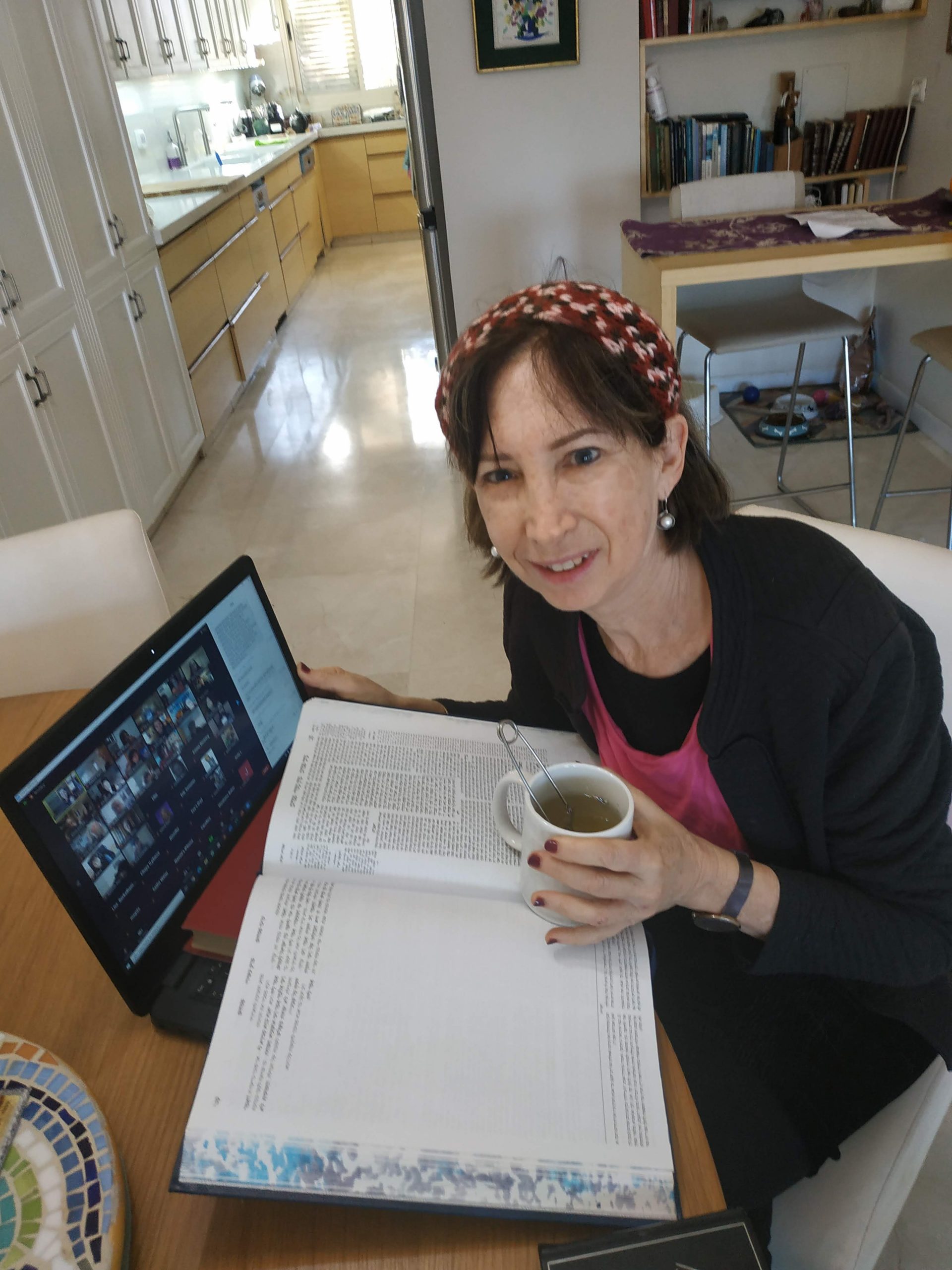
חשמונאים, ישראל
לפני 15 שנה, אחרי עשרות שנים של "ג’ינגול” בין משפחה לקריירה תובענית בהייטק, הצטרפתי לשיעורי גמרא במתן רעננה. הלימוד המעמיק והייחודי של הרבנית אושרה קורן יחד עם קבוצת הנשים המגוונת הייתה חוויה מאלפת ומעשירה. לפני כשמונה שנים כאשר מחזור הדף היומי הגיע למסכת תענית הצטרפתי כ”חברותא” לבעלי. זו השעה היומית שלנו ביחד כאשר דפי הגמרא משתלבים בחיי היום יום, משפיעים ומושפעים, וכשלא מספיקים תמיד משלימים בשבת

רעננה, ישראל
הייתי לפני שנתיים בסיום הדרן נשים בבנייני האומה והחלטתי להתחיל. אפילו רק כמה דפים, אולי רק פרק, אולי רק מסכת… בינתיים סיימתי רבע שס ותכף את כל סדר מועד בה.
הסביבה תומכת ומפרגנת. אני בת יחידה עם ארבעה אחים שכולם לומדים דף יומי. מדי פעם אנחנו עושים סיומים יחד באירועים משפחתיים. ממש מרגש. מסכת שבת סיימנו כולנו יחד עם אבא שלנו!
אני שומעת כל יום פודקאסט בהליכה או בנסיעה ואחכ לומדת את הגמרא.
מרכז שפירא, ישראל
התחלתי ללמוד דף יומי לפני שנתיים, עם מסכת שבת. בהתחלה ההתמדה היתה קשה אבל בזכות הקורונה והסגרים הצלחתי להדביק את הפערים בשבתות הארוכות, לסיים את מסכת שבת ולהמשיך עם המסכתות הבאות. עכשיו אני מסיימת בהתרגשות רבה את מסכת חגיגה וסדר מועד ומחכה לסדר הבא!

מודיעין, ישראל
התחלתי מחוג במסכת קידושין שהעבירה הרבנית רייסנר במסגרת בית המדרש כלנה בגבעת שמואל; לאחר מכן התחיל סבב הדף היומי אז הצטרפתי. לסביבה לקח זמן לעכל אבל היום כולם תומכים ומשתתפים איתי. הלימוד לעתים מעניין ומעשיר ולעתים קשה ואף הזוי… אך אני ממשיכה קדימה. הוא משפיע על היומיום שלי קודם כל במרדף אחרי הדף, וגם במושגים הרבים שלמדתי ובידע שהועשרתי בו, חלקו ממש מעשי

ראש העין, ישראל
התחלתי ללמוד בעידוד שתי חברות אתן למדתי בעבר את הפרק היומי במסגרת 929.
בבית מתלהבים מאוד ובשבת אני לומדת את הדף עם בעלי שזה מפתיע ומשמח מאוד! לימוד הדף הוא חלק בלתי נפרד מהיום שלי. לומדת בצהריים ומחכה לזמן הזה מידי יום…

אפרת, ישראל
בתחילת הסבב הנוכחי של לימוד הדף היומי, נחשפתי לחגיגות המרגשות באירועי הסיום ברחבי העולם. והבטחתי לעצמי שבקרוב אצטרף גם למעגל הלומדות. הסבב התחיל כאשר הייתי בתחילת דרכי בתוכנית קרן אריאל להכשרת יועצות הלכה של נשמ”ת. לא הצלחתי להוסיף את ההתחייבות לדף היומי על הלימוד האינטנסיבי של תוכנית היועצות. בבוקר למחרת המבחן הסופי בנשמ”ת, התחלתי את לימוד הדף במסכת סוכה ומאז לא הפסקתי.
קרית גת, ישראל
התחלתי ללמוד דף יומי לפני שנתיים, עם מסכת שבת. בהתחלה ההתמדה היתה קשה אבל בזכות הקורונה והסגרים הצלחתי להדביק את הפערים בשבתות הארוכות, לסיים את מסכת שבת ולהמשיך עם המסכתות הבאות. עכשיו אני מסיימת בהתרגשות רבה את מסכת חגיגה וסדר מועד ומחכה לסדר הבא!
מודיעין, ישראל
"התחלתי ללמוד דף יומי במחזור הזה, בח’ בטבת תש””ף. לקחתי על עצמי את הלימוד כדי ליצור תחום של התמדה יומיומית בחיים, והצטרפתי לקבוצת הלומדים בבית הכנסת בכפר אדומים. המשפחה והסביבה מתפעלים ותומכים.
בלימוד שלי אני מתפעלת בעיקר מכך שכדי ללמוד גמרא יש לדעת ולהכיר את כל הגמרא. זו מעין צבת בצבת עשויה שהיא עצומה בהיקפה.”

כפר אדומים, ישראל
התחלתי ללמוד דף יומי ממסכת נידה כי זה היה חומר הלימוד שלי אז. לאחר הסיום הגדול בבנייני האומה החלטתי להמשיך. וב”ה מאז עם הפסקות קטנות של קורונה ולידה אני משתדלת להמשיך ולהיות חלק.
זה משפיע מאוד על היום יום שלי ועל אף שאני עסוקה בלימודי הלכה ותורה כל יום, זאת המסגרת הקבועה והמחייבת ביותר שיש לי.
גבעת הראל, ישראל
התחלתי ללמוד בשנת המדרשה במגדל עוז, בינתיים נהנית מאוד מהלימוד ומהגמרא, מעניין ומשמח מאוד!
משתדלת להצליח לעקוב כל יום, לפעמים משלימה קצת בהמשך השבוע.. מרגישה שיש עוגן מקובע ביום שלי והוא משמח מאוד!

חיפה , ישראל
רבנית מישל הציתה אש התלמוד בלבבות בביניני האומה ואני נדלקתי. היא פתחה פתח ותמכה במתחילות כמוני ואפשרה לנו להתקדם בצעדים נכונים וטובים. הקימה מערך שלם שמסובב את הלומדות בסביבה תומכת וכך נכנסתי למסלול לימוד מעשיר שאין כמוה. הדרן יצר קהילה גדולה וחזקה שמאפשרת התקדמות מכל נקודת מוצא. יש דיבוק לומדות שמחזק את ההתמדה של כולנו. כל פניה ושאלה נענית בזריזות ויסודיות. תודה גם למגי על כל העזרה.
נתניה, ישראל
אני לומדת גמרא כעשור במסגרות שונות, ואת הדף היומי התחלתי כשחברה הציעה שאצטרף אליה לסיום בבנייני האומה. מאז אני לומדת עם פודקסט הדרן, משתדלת באופן יומי אך אם לא מספיקה, מדביקה פערים עד ערב שבת. בסבב הזה הלימוד הוא "ממעוף הציפור”, מקשיבה במהירות מוגברת תוך כדי פעילויות כמו בישול או נהיגה, וכך רוכשת היכרות עם הסוגיות ואופן ניתוחם על ידי חז”ל. בע”ה בסבב הבא, ואולי לפני, אצלול לתוכו באופן מעמיק יותר.
רמת גן, ישראל
A friend in the SF Bay Area said in Dec 2019 that she might start listening on her morning drive to work. I mentioned to my husband and we decided to try the Daf when it began in Jan 2020 as part of our preparing to make Aliyah in the summer.
ירושלים, Israel
כבר סיפרתי בסיום של מועד קטן.
הלימוד מאוד משפיעה על היום שלי כי אני לומדת עם רבנית מישל על הבוקר בזום. זה נותן טון לכל היום – בסיס למחשבות שלי .זה זכות גדול להתחיל את היום בלימוד ובתפילה. תודה רבה !

ירושלים, ישראל
לצערי גדלתי בדור שבו לימוד גמרא לנשים לא היה דבר שבשגרה ושנים שאני חולמת להשלים את הפער הזה.. עד שלפני מספר שבועות, כמעט במקרה, נתקלתי במודעת פרסומת הקוראת להצטרף ללימוד מסכת תענית. כשקראתי את המודעה הרגשתי שהיא כאילו נכתבה עבורי – "תמיד חלמת ללמוד גמרא ולא ידעת איך להתחיל”, "בואי להתנסות במסכת קצרה וקלה” (רק היה חסר שהמודעה תיפתח במילים "מיכי שלום”..). קפצתי למים ו- ב”ה אני בדרך להגשמת החלום:)
מורשת, ישראל
כתובות נה
לְשֶׁבַח; לִשְׁבוּעָה; וְלִשְׁבִיעִית;
It is also relevant to an increase in value, as she does not collect the main or additional sums from the increased value of the property in a case where the husband’s estate was not sufficient at the time of his death to pay the entire cost of her marriage contract but the heirs later increased the value of the property; to an oath, because if the wife is required to take an oath in order to receive her marriage contract, the additional sum is also included in that oath; and to the Sabbatical Year, as the marriage contract is not annulled with other debts in the Sabbatical Year, and this includes the additional sum as well.
וּלְכוֹתֵב כׇּל נְכָסָיו לְבָנָיו; לִגְבּוֹת מִן הַקַּרְקַע וּמִן הַזִּיבּוּרִית; וְכׇל זְמַן שֶׁהִיא בְּבֵית אָבִיהָ; וְלִכְתוּבַּת בְּנִין דִּכְרִין.
And with regard to one who writes a document transferring all of his property to his sons and leaves his wife a specific plot of land for her marriage contract, this teaches that she receives both the main and the additional sums of her contract only from that land. The aforementioned halakha also teaches that she collects the payment only from land, and specifically from land of inferior quality; and that a widow loses her ability to collect the main and additional sums as long as she is in her father’s home for more than twenty-five years after her husband’s death; and the principle also applies to the stipulation in the marriage contract that the male offspring inherit their mother’s dowry when her husband passes away in addition to the inheritance they receive together with their other brothers. These halakhot apply equally to the additional sum of the marriage contract.
אִיתְּמַר. כְּתוּבַּת בְּנִין דִּכְרִין, פּוּמְבְּדִיתָא אָמְרִי: לָא טָרְפָא מִמְּשַׁעְבְּדִי, ״יִרְתוּן״ תְּנַן.
§ It was stated that there was a debate among the Sages with regard to the stipulation in the marriage contract that the male offspring inherit the sum stipulated in their mother’s marriage contract. The Sages of Pumbedita say: It is not seized from liened property that has been sold by the father. This is because we learned in a mishna (52b) that the text of the stipulation is: They will inherit the money set aside for their mother’s marriage contract. From this phrase it is clear that the stipulation follows the halakhot of inheritance, and therefore their inheritance can be taken only from property in the father’s possession at the time of his death, but not from property that he had sold.
בְּנֵי מָתָא מַחְסֵיָא אָמְרִי: טָרְפָא מִמְּשַׁעְבְּדִי, ״יִסְּבוּן״ תְּנַן. וְהִלְכְתָא: לָא טָרְפָא מִמְּשַׁעְבְּדִי, ״יִרְתוּן״ תְּנַן.
The residents of Mata Meḥasya say: It is seized from liened property that has been sold. Their tradition is that the mishna states that the text of the stipulation is: They will take the money set aside for their mother’s marriage contract. It is as if the husband transferred this property to the sons, and as their acquisition precedes those of the other buyers, they may seize the sold property from the buyers. The Gemara concludes that the halakha is that it is not seized from liened property that has been sold, as the mishna states: They will inherit.
מִטַּלְטְלִי וְאִיתַנְהוּ בְּעֵינַיְיהוּ — בְּלָא שְׁבוּעָה,
There is another dispute between the Sages of Pumbedita and the residents of Mata Meḥasya, with regard to one who set aside payment for his wife’s marriage contract from movable property, and these objects are in their pure, unadulterated state at the time of the execution of the marriage contract after the husband’s death. In this case, all agree that the widow may take them without an oath that confirms that her husband did not leave her any other money for the payment of her marriage contract, as it is clear that he set aside these objects for that purpose.
לֵיתַנְהוּ בְּעֵינַיְיהוּ — פּוּמְבְּדִיתָא אָמְרִי: בְּלֹא שְׁבוּעָה. בְּנֵי מָתָא מַחְסֵיָא אָמְרִי: בִּשְׁבוּעָה. וְהִלְכְתָא: בְּלֹא שְׁבוּעָה.
However, if the movable objects are not in their pure, unadulterated state, e.g., they were lost, the Sages of Pumbedita say that she takes the payment for her marriage contract from other property, as all of the husband’s property is liened to the marriage contract without an oath. The residents of Mata Meḥasya say she takes her payment only with an oath, because of a concern that she may have already received other property as payment for her marriage contract. And the halakha is that she may take it without an oath, in accordance with the opinion of the Sages of Pumbedita.
יַיחֵד לַהּ אַרְעָא בְּאַרְבְּעָה מִצְרָנֶהָא — בְּלָא שְׁבוּעָה. בְּחַד מִצְרָא — פּוּמְבְּדִיתָא אָמְרִי: בְּלָא שְׁבוּעָה. בְּנֵי מָתָא מַחְסֵיָא אָמְרִי: בִּשְׁבוּעָה. וְהִלְכְתָא: בְּלָא שְׁבוּעָה.
If he set aside land for her, which he demarcated on all four of its borders, she seizes the land without an oath. If he demarcated it on only one border, which is not as clear an indication, the Sages of Pumbedita say she takes it without an oath, and the residents of Mata Meḥasya say she takes it with an oath. And the halakha is that she takes it without an oath.
אָמַר לְעֵדִים ״כִּתְבוּ וְחִתְמוּ וְהַבוּ לֵיהּ״, קְנוֹ מִינֵּיהּ — לָא צְרִיךְ אִימְּלוֹכֵי בֵּיהּ. לָא קְנוֹ מִינֵּיהּ — פּוּמְבְּדִיתָא אָמְרִי: לָא צְרִיךְ אִימְּלוֹכֵי בֵּיהּ, בְּנֵי מָתָא מַחְסֵיָא אָמְרִי: צְרִיךְ אִימְּלוֹכֵי בֵּיהּ. וְהִלְכְתָא: צְרִיךְ אִימְּלוֹכֵי בֵּיהּ.
Furthermore, they had a dispute in a case where someone told witnesses: Write and sign a deed of gift and give it to the intended recipient of the gift. In such a case, if the witnesses acquired it from him on behalf of the recipient by performing a formal act of acquisition, they do not need to consult with him again, as there can be no retraction after a formal acquisition. But if they did not acquire it from him, the Sages of Pumbedita say they do not need to consult with him again, and the residents of Mata Meḥasya say they must consult with him. And the halakha is that they must consult with him again.
רַבִּי אֶלְעָזָר בֶּן עֲזַרְיָה וְכוּ׳. אִיתְּמַר. רַב וְרַבִּי נָתָן, חַד אָמַר: הֲלָכָה כְּרַבִּי אֶלְעָזָר בֶּן עֲזַרְיָה, וְחַד אָמַר: אֵין הֲלָכָה כְּרַבִּי אֶלְעָזָר בֶּן עֲזַרְיָה.
§ The mishna states that Rabbi Elazar ben Azarya says that a woman who collects the payment for her marriage contract after marriage receives the main and additional sums, while one who collects it after betrothal receives only the main sum. It was stated: Rav and Rabbi Natan differed with regard to this issue. One said the halakha is in accordance with the opinion of Rabbi Elazar ben Azarya. And one said the halakha is not in accordance with the opinion of Rabbi Elazar ben Azarya.
תִּסְתַּיֵּים דְּרַבִּי נָתָן הוּא דְּאָמַר הֲלָכָה כְּרַבִּי אֶלְעָזָר בֶּן עֲזַרְיָה, דְּשָׁמְעִינַן לֵיהּ לְרַבִּי נָתָן דְּאָזֵיל בָּתַר אוּמְדָּנָא. דְּאָמַר רַבִּי נָתָן: הֲלָכָה כְּרַבִּי שִׁמְעוֹן שֵׁזוּרִי בִּמְסוּכָּן,
It may be concluded that Rabbi Natan is the one who said that the halakha is in accordance with the opinion of Rabbi Elazar ben Azarya, as we have heard that Rabbi Natan follows the principle of assessing intention. Even if one did not make an explicit statement, the court assesses what his intention must have been and decides the halakha based on that assessment. It is clear that he follows this principle, as Rabbi Natan said that the halakha is in accordance with the opinion of Rabbi Shimon Shezuri in the case of an ill person in danger. If this person says: Write a bill of divorce for my wife, that is understood as: Write it and give it to her, as his intention is to absolve her from the requirement of levirate marriage by means of the bill of divorce. Although he did not explicitly state this, Rabbi Natan holds that in such a situation the court assesses that this was the husband’s intent and follows it.
וּבִתְרוּמַת מַעֲשֵׂר שֶׁל דְּמַאי.
And the halakha is also in accordance with his opinion with regard to the teruma of the tithe from doubtfully tithed produce [demai]. Produce purchased from a common, uneducated person [am ha’aretz] is considered demai and by rabbinic law it is regarded as uncertain whether the seller separated tithes and teruma of the tithe from it. Rabbi Natan rules in accordance with Rabbi Shimon Shezuri’s opinion in a case where, after one bought demai and separated teruma of the tithe, this teruma becomes mingled with the produce from which it was separated. If all of the produce were treated as actual teruma, the only solution would be to sell all of the produce to a priest at low cost, as he is the only one who may use it. Rabbi Shimon Shezuri, however, rules that in the case of demai, the owner may ask the fruit seller if he properly separated the tithes. If the seller responds that he did, the owner may rely on that, despite the fact that the seller is an am ha’aretz, as the Sages do not apply their decree in a case where it would cause significant financial loss.
וְרַב לָא אָזֵיל בָּתַר אוּמְדָּנָא? וְהָא אִיתְּמַר: מַתְּנַת שְׁכִיב מְרַע שֶׁכָּתוּב בָּהּ קִנְיָן, בְּבֵי רַב מִשְּׁמֵיהּ דְּרַב אָמְרִי: אַרְכְּבֵיהּ אַתְּרֵי רִכְשֵׁי. וּשְׁמוּאֵל אָמַר: לָא יָדַעְנָא מַאי אֵידוּן בַּהּ.
Having established that Rabbi Natan follows the principle of assessment, the Gemara asks: And does Rav not follow this principle of assessing intention? But it was stated that Rav and Shmuel disagreed about a specific case with regard to the gift of a person on his deathbed, in which it was also written that the gift was given with an act of acquisition. There is a rabbinic ordinance that one on his deathbed can effect the transfer of property without the ordinarily required act of acquisition, but in this case such an act was performed anyway. In the school of Rav, they say in the name of Rav: He had him ride on two horses, meaning that he gave him a gift with a document strengthened in two different ways. And Shmuel said: I do not know what to decide about it.
בְּבֵי רַב מִשְּׁמֵיהּ דְּרַב אָמְרִי, אַרְכְּבֵיהּ אַתְּרֵי רִכְשֵׁי: הֲרֵי הִיא כְּמַתְּנַת בָּרִיא, וַהֲרֵי הִיא כְּמַתְּנַת שְׁכִיב מְרַע.
The Gemara explains the two opinions: In the school of Rav, they say in the name of Rav: He had him ride on two horses, meaning that he performed the transfer in a manner that took advantage of two separate halakhot to strengthen its validity. In one aspect, it is similar to the gift of a healthy person, and in a different way it is similar to the gift of a person on his deathbed. Both of these aspects act to strengthen the transfer.
הֲרֵי הִיא כְּמַתְּנַת בָּרִיא, דְּאִם עָמַד — אֵינוֹ יָכוֹל לַחֲזוֹר בּוֹ. הֲרֵי הִיא כְּמַתְּנַת שְׁכִיב מְרַע, שֶׁאִם אָמַר ״הַלְוָאָתִי לִפְלוֹנִי״ — הַלְוָאָתוֹ לִפְלוֹנִי.
On the one hand, it is similar to the gift of a healthy person in that if he arose from the bed and recovered he cannot retract it, since he performed a proper act of acquisition. On the other hand, it is like the gift of a person on his deathbed in that if he said: My loan, i.e., money owed to me, is transferred to so-and-so as a gift, his loan is in fact transferred to so-and-so. Although ordinarily ownership of a debt cannot be transferred without a formal transference of the promissory note, the verbal statement is sufficient to effect the transfer since this is a gift of a person on his deathbed.
וּשְׁמוּאֵל אָמַר: לָא יָדַעְנָא מַאי אֵידוּן בַּהּ, שֶׁמָּא לֹא גָּמַר לְהַקְנוֹתוֹ אֶלָּא בִּשְׁטָר, וְאֵין שְׁטָר לְאַחַר מִיתָה.
And Shmuel said: I do not know what to decide about it. Perhaps his performance of an act of acquisition indicates that he resolved to transfer it to him only with a bill of sale. And since his intention is that the sale not take effect until he also gives a bill of sale, the transfer does not take effect, as a bill of sale is not effective after the death of the owner.

