







מה שורש הוויכוח בין רב לרבי נתן – האם פוסקים כר’ אלעזר בן עזריה לגבי הגובה כתובתה כשהיא ארוסה – האם היא מקבלת רק את ה-200/100 זוז, אך לא את התוספת? בדורות מאוחרים יותר התחבטו גם בשאלה כיצד לפסוק במקרה זה. אולם הגמרא מסיקה שאנו פוסקים כרבי אלעזר בן עזריה. רבין שאל על מקרה שבו עשו את החופה אך לא נבעלו, האם זה יהיה דומה למקרה של מאורסת או לא? רב אשי שאל מה אם היא הייתה נידה בזמן החתונה ולכן לא יכולה להיבעל, האם זה יהיה דומה גם למקרה של מאורסת? רבי יהודה סבר שאשה יכולה לכתוב שקיבלה חלק מכספי הכתובה, גם אם לא באמת קיבלה. שתי שאלות מועלות נגד דבריו. ראשית, דעתו קובעת שניתן לכתוב שובר/קבלה. אולם לגבי הלוואה, רבי יהודה אינו מתיר לכתוב שובר אם ההלוואה נפרעה בחלקה, כי אולי הלווה יאבד אותו והמלווה ידרוש את מלוא הסכום. רבי ירמיה ואביי מביאים כל אחד תשובה אחרת. השאלה השנייה מבוססת על דיוק מדברי רבי יהודה. הוא קובע כי האישה יכולה לכתוב את מחליתה בשטר, אך לא בעל-פה. יש להניח שזה בגלל שהיא מתנה על מה שכתוב בתורה. זה סותר דברי רבי יהודה עצמו במקור אחר שאומר שניתן להתנות על מה שכתוב בתורה בעניינים כספיים. זה נפתר בכך שכתובה היא דרבנן לפי ר’ יהודה והרבנים היו צריכים לחזק את דיני דרבנן יותר מאשר את דיני התורה כדי שאנשים לא יזלזלו בדבריהם. כנגד תשובה זו מועלות שאלות ממקורות אחרים ועל מנת לפתור אותן, התשובה מוגבלת למקרים ספציפיים של דיני דרבנן. רבי מאיר חולק על רבי יהודה ואינו מתיר לתת לאישה כתובה בפחות מהסכום הנדרש באופן שהתיר רבי יהודה. מלשון רבי מאיר במשנה מסיקה הגמרא שאם התנה תנאי שהאשה הסכימה לו, ניתן לגבות את מלוא הכתובה שכן התנאי בטל, למרות שזה עדיין נחשב לבעילת זנות. הסיבה לכך היא שלדעתה אין חוזה נישואין מלא ואינה מוגנת מפני גירושין מהירים ולכן רואה בכך לא נישואים אמיתיים. נשאלת שאלה נגד רבי מאיר שאומר שאין להתנות נגד מה שכתוב בתורה, ואפשר לדייק שמותר להתנות נגד מה שחכמים קבעו (שזה כולל כתובה)? התשובה היא שרבי מאיר סבור שכתובה היא דאורייתא. מובאת ברייתא שמוסיפה את דעת רבי יוסי – שאפשר להתנות פחות בכתובה. מועלית נגדו סתירה מברייתא אחרת אך מבחינים בין המקרים.
הלימוד החודש מוקדש ע”י מרכי גלזר לע”נ רחל אביבה בת דבורה חנה
רוצה להקדיש שיעור?

תקציר
כלים
הלימוד החודש מוקדש ע”י מרכי גלזר לע”נ רחל אביבה בת דבורה חנה
כתובות נו
אֶלָּא: תַּרְוַיְיהוּ אָזְלִי בָּתַר אוּמְדָּנָא.
In any case, it has been established that Rav also follows the principle of assessing one’s intention, which calls into question the conclusion that Rabbi Natan is the one who said that the halakha is in accordance with the opinion of Rabbi Elazar ben Azarya. Rather, the Gemara concludes: Both Rav and Rabbi Natan follow the principle of assessing intention, and the debate can be explained in a different way.
מַאן דְּאָמַר הֲלָכָה — שַׁפִּיר, מַאן דְּאָמַר אֵין הֲלָכָה — הָכָא נָמֵי אוּמְדַּן דַּעְתָּא הוּא. מִשּׁוּם אִיקָּרוֹבֵי דַּעְתָּא הוּא, וְהָא אִיקָּרַבָא לֵיהּ דַּעְתָּא.
According to the one who says the halakha is in accordance with the opinion of Rabbi Elazar ben Azarya, this works out well. According to the one who says the halakha is not in accordance with the opinion of Rabbi Elazar ben Azarya, here too, this is an assessment of his intention. Why did he give her the additional sum of the marriage contract? It was due to a sense of intimacy between them, as they were betrothed and were planning to get married. Since he did demonstrate a sense of intimacy with her, the assessment is that he intended to give her the additional sum.
יָתֵיב רַב חֲנִינָא קַמֵּיהּ דְּרַבִּי יַנַּאי וְקָאָמַר: הֲלָכָה כְּרַבִּי אֶלְעָזָר בֶּן עֲזַרְיָה. אֲמַר לֵיהּ: פּוֹק, קְרִי קְרָאָךְ לְבָרָא! אֵין הֲלָכָה כְּרַבִּי אֶלְעָזָר בֶּן עֲזַרְיָה.
Rav Ḥanina, who was known for teaching biblical verses, sat before Rabbi Yannai and said: The halakha is in accordance with the opinion of Rabbi Elazar ben Azarya. Rabbi Yannai said to him: Go out and read your verses outside. Your area of expertise is biblical verses, not halakha. What you said is incorrect and should not be said in the study hall, as the halakha is actually not in accordance with the opinion of Rabbi Elazar ben Azarya.
אָמַר רַב יִצְחָק בַּר אַבְדִּימִי מִשּׁוּם רַבֵּינוּ: הֲלָכָה כְּרַבִּי אֶלְעָזָר בֶּן עֲזַרְיָה. אָמַר רַב נַחְמָן אָמַר שְׁמוּאֵל: הֲלָכָה כְּרַבִּי אֶלְעָזָר בֶּן עֲזַרְיָה.
Rav Yitzḥak bar Avdimi said in the name of our teacher, Rabbi Yehuda HaNasi: The halakha is in accordance with the opinion of Rabbi Elazar ben Azarya. Rav Naḥman said that Shmuel said: The halakha is in accordance with the opinion of Rabbi Elazar ben Azarya.
וְרַב נַחְמָן דִּידֵיהּ אָמַר: אֵין הֲלָכָה כְּרַבִּי אֶלְעָזָר בֶּן עֲזַרְיָה. וּנְהַרְדָּעֵי מִשְּׁמֵיהּ דְּרַב נַחְמָן אָמְרִי: הֲלָכָה כְּרַבִּי אֶלְעָזָר בֶּן עֲזַרְיָה. וְאַף עַל גַּב דְּלָט רַב נַחְמָן וְאָמַר: כֹּל דַּיָּינָא דְּדָאֵין כְּרַבִּי אֶלְעָזָר בֶּן עֲזַרְיָה הָכִי וְהָכִי תֶּיהְוֵי, אֲפִילּוּ הָכִי — הֲלָכָה כְּרַבִּי אֶלְעָזָר בֶּן עֲזַרְיָה. וַהֲלָכָה לְמַעֲשֶׂה כְּרַבִּי אֶלְעָזָר בֶּן עֲזַרְיָה.
And Rav Naḥman also said his own statement: The halakha is not in accordance with the opinion of Rabbi Elazar ben Azarya. And the Sages of Neharde’a say in the name of Rav Naḥman: The halakha is in accordance with the opinion of Rabbi Elazar ben Azarya. The Gemara comments: And although Rav Naḥman cursed them and said: Any judge who rules in accordance with the opinion of Rabbi Elazar ben Azarya, such and such unspecified misfortune will happen to him, even so the halakha is in accordance with the opinion of Rabbi Elazar ben Azarya. Since the Gemara presented a number of different opinions, it concludes: And the practical halakha is in accordance with the opinion of Rabbi Elazar ben Azarya.
בָּעֵי רָבִין: נִכְנְסָה לְחוּפָּה וְלֹא נִבְעֲלָה, מַהוּ? חִיבַּת חוּפָּה קוֹנָה, אוֹ חִיבַּת בִּיאָה קוֹנָה.
§ Since the practical halakha is that a woman who was divorced or widowed after betrothal receives the main sum of her marriage contract but not the additional sum, Ravin asks: What is the halakha with regard to a woman who entered the wedding canopy and is then widowed or divorced without having had sexual intercourse? Does the affection manifest in the wedding effect the marriage, and therefore she receives the additional sum as a married woman? Or, is it the affection manifest in the intercourse that effects the marriage, and consequently this woman is no different than a betrothed woman for the purpose of this halakha?
תָּא שְׁמַע, דְּתָנֵי רַב יוֹסֵף: שֶׁלֹּא כָּתַב לָהּ אֶלָּא עַל חִיבַּת לַיְלָה הָרִאשׁוֹן. אִי אָמְרַתְּ בִּשְׁלָמָא חִיבַּת חוּפָּה קוֹנָה — הַיְינוּ דְּאָמַר לַיְלָה הָרִאשׁוֹן, אֶלָּא אִי אָמְרַתְּ חִיבַּת בִּיאָה קוֹנָה, בִּיאָה — בְּלַיְלָה הָרִאשׁוֹן אִיתַהּ, מִכָּאן וְאֵילָךְ לֵיתַהּ?!
Come and hear that Rav Yosef taught the following baraita: He wrote the additional sum in the marriage contract for her only on account of the affection characteristic of the first night of the marriage. The Gemara asks: Granted, if you say that the affection manifest in the wedding effects the marriage, this is why it says the affection characteristic of the first night, as the wedding ceremony is performed on the first night only. But if you say that the affection manifest in the intercourse effects the marriage, is there intercourse only on the first night and then from this point forward there is none? Consequently, the baraita implies that the affection manifest in the wedding effects the marriage, and from that point on she is entitled to the additional sum of the marriage contract.
וְאֶלָּא מַאי, חוּפָּה? חוּפָּה בְּלֵילְיָא אִיתַהּ, בִּימָמָא לֵיתַהּ? וּלְטַעְמָיךְ — בִּיאָה בְּלֵילְיָא אִיתַהּ, בִּימָמָא לֵיתַהּ? הָא אָמַר רָבָא, אִם הָיָה בְּבַיִת אָפֵל מוּתָּר! הָא לָא קַשְׁיָא: אוֹרַח אַרְעָא קָא מַשְׁמַע לַן, דְּבִיאָה בַּלַּיְלָה.
The Gemara rejects this proof: But rather, what is the advantage of interpreting the expression: Affection characteristic of the first night, as a reference to the wedding? Is there a wedding only at night and not during the day? The Gemara responds: And according to your reasoning, is there intercourse only at night and not during the day? Didn’t Rava say that although the Sages generally prohibited engaging in intercourse during the day, if it was in a dark house it is permitted? The Gemara rejects this question: This is not difficult. By employing this phrase, it teaches us the ordinary mode of behavior, i.e., that intercourse generally takes place at night.
אֶלָּא חוּפָּה קַשְׁיָא? חוּפָּה נָמֵי לָא קַשְׁיָא: כֵּיוָן דִּסְתַם חוּפָּה לְבִיאָה קָיְימָא, אוֹרַח אַרְעָא קָא מַשְׁמַע לַן דְּבַלַּיְלָה.
Rather, the opinion that the expression is a reference to the wedding is difficult, as a wedding does not have to take place at night. The Gemara responds: The wedding reference is also not difficult, since a reference to a wedding without specification means a wedding that takes place in order to lead directly to intercourse. By using this phrase, it similarly teaches us the ordinary mode of behavior, i.e., that intercourse generally takes place at night. Consequently, this baraita cannot be used as a proof for either possibility.
בָּעֵי רַב אָשֵׁי: נִכְנְסָה לְחוּפָּה וּפֵירְסָה נִידָּה, מַהוּ? אִם תִּימְצֵי לוֹמַר חִיבַּת חוּפָּה קוֹנָה, חוּפָּה דְּחַזְיָא לְבִיאָה, אֲבָל חוּפָּה דְּלָא חַזְיָא לְבִיאָה — לָא, אוֹ דִלְמָא לָא שְׁנָא? תֵּיקוּ.
Rav Ashi asks a question similar to Ravin’s: If the bride entered the wedding canopy and began menstruating, and the husband then died without ever engaging in intercourse with his wife, what is the halakha with regard to the additional sum of the marriage contract? If you say that the affection manifest in the wedding effects the marriage, does this refer specifically to a wedding in which the couple is fit to engage in intercourse, which involves greater affection, and a wedding in which the couple is not fit to engage in intercourse does not effect the marriage? Or, perhaps it is not different. The Sages could not answer this, so the question shall stand unresolved.
רַבִּי יְהוּדָה אוֹמֵר: רָצָה, כּוֹתֵב לִבְתוּלָה וְכוּ׳. וְסָבַר רַבִּי יְהוּדָה דְּכוֹתְבִין שׁוֹבָר? וְהָתְנַן: מִי שֶׁפָּרַע מִקְצָת חוֹבוֹ — רַבִּי יְהוּדָה אוֹמֵר: יַחְלִיף. רַבִּי יוֹסֵי אוֹמֵר: יִכְתּוֹב לוֹ שׁוֹבָר!
§ The mishna states: Rabbi Yehuda says: If he wishes, he may write a marriage contract for a virgin for two hundred dinars, and she may then write a receipt as if he had paid part of that sum. They ask: And did Rabbi Yehuda hold that one writes a receipt for partial payment of a debt? But didn’t we learn in a mishna (Bava Batra 170b): In the case of one who repaid part of his debt, Rabbi Yehuda says: He should exchange the original promissory note for a new one that states the amount still owed, and Rabbi Yosei says: The lender should write him a receipt for the money he received? According to Rabbi Yehuda, a new note is preferable to a receipt because if the borrower loses the receipt, the lender is still in possession of a promissory note for the full amount and can collect a second time.
אָמַר רַבִּי יִרְמְיָה: כְּשֶׁשּׁוֹבַרְתָּהּ מִתּוֹכָהּ.
Rabbi Yirmeya said: In the mishna, Rabbi Yehuda is referring to a case where the receipt is written within the marriage contract itself and not as a separate document. The husband is therefore not required to hold on to a receipt, and consequently Rabbi Yehuda’s restriction against writing a receipt is not necessary.
אַבָּיֵי אָמַר: אֲפִילּוּ תֵּימָא בְּשֶׁאֵין שׁוֹבַרְתָּהּ מִתּוֹכָהּ, בִּשְׁלָמָא הָתָם, וַדַּאי פַּרְעֵיהּ — דִּלְמָא מִירְכַס תָּבַרְתָּא, וּמַפֵּיק לֵיהּ לִשְׁטָרָא, וַהֲדַר גָּבֵי זִימְנָא אַחֲרִינָא. הָכָא, וַדַּאי יְהַב לַהּ? מִילְּתָא בְּעָלְמָא הִיא דַּאֲמַרָה לֵיהּ, אִי נַטְרֵיהּ — נַטְרֵיהּ, אִי לָא נַטְרֵיהּ — אִיהוּ הוּא דְּאַפְסֵיד אַנַּפְשֵׁיהּ.
Abaye said: Even if you say that the mishna is referring to a case where the receipt is not written within it, it is logical that Rabbi Yehuda would make an exception in this case. Granted, there, in an ordinary case of a receipt, it is certain that the borrower repaid part of the loan, and consequently there is concern that perhaps he will lose the receipt and the lender will take out the promissory note and return and collect the entire payment again. But here, in the mishna, did the husband definitely give the wife part of the payment for the marriage contract? The receipt merely amounts to something she said to him in order to waive part of the payment, although she did not actually receive it. If he saved the receipt, he saved it; if he did not save it, it is he himself who will lose. Therefore, in this case, Rabbi Yehuda agrees that one writes a receipt.
בִּשְׁלָמָא אַבָּיֵי לָא אָמַר כְּרַבִּי יִרְמְיָה, לָא קָתָנֵי שׁוֹבַרְתָּהּ מִתּוֹכָהּ. אֶלָּא רַבִּי יִרְמְיָה מַאי טַעְמָא לָא אָמַר כְּאַבַּיֵּי? גְּזֵירָה שׁוֹבָר דְּהָכָא אַטּוּ שׁוֹבָר דְּעָלְמָא.
They ask: Granted, it is understandable why Abaye did not say his explanation in accordance with the opinion of Rabbi Yirmeya, as the mishna does not teach explicitly that the receipt is written within the marriage contract. However, what is the reason that Rabbi Yirmeya did not say an explanation in accordance with the opinion of Abaye? Why does Rabbi Yirmeya limit the mishna to a case where the receipt was written within the marriage contract? The Gemara responds: Although this is an unusual case, as there is no concern that the receipt may be lost, there is nevertheless a rabbinic decree with regard to this receipt due to the typical case of receipts. Therefore, Rabbi Yehuda would not allow a receipt unless it was written into the marriage contract itself.
טַעְמָא — דְּכָתְבָה לֵיהּ, אֲבָל עַל פֶּה — לָא. אַמַּאי? דָּבָר שֶׁבְּמָמוֹן הוּא, וְשָׁמְעִינַן לֵיהּ לְרַבִּי יְהוּדָה דְּאָמַר: דָּבָר שֶׁבְּמָמוֹן — תְּנָאוֹ קַיָּים.
With regard to the crux of the issue, the Gemara notes: The reason that Rabbi Yehuda holds that the wife can waive part of the main sum of her marriage contract is specifically because she wrote him a receipt. However, if she said it verbally, no, it is not effective, even according to Rabbi Yehuda. The Gemara asks: Why not? This is a monetary matter, and we have heard that Rabbi Yehuda said: With regard to monetary matters in which someone makes a verbal stipulation, his stipulation stands.
דְּתַנְיָא: הָאוֹמֵר לְאִשָּׁה ״הֲרֵי אַתְּ מְקוּדֶּשֶׁת לִי עַל מְנָת שֶׁאֵין לִיךְ עָלַי שְׁאֵר כְּסוּת וְעוֹנָה״ הֲרֵי זוֹ מְקוּדֶּשֶׁת, וּתְנָאוֹ בָּטֵל, דִּבְרֵי רַבִּי מֵאִיר. רַבִּי יְהוּדָה אוֹמֵר: בְּדָבָר שֶׁבְּמָמוֹן — תְּנָאוֹ קַיָּים!
This is as it is taught in the Tosefta (Kiddushin 3:7): In the case of one who says to a woman: You are hereby betrothed to me on the condition that you have no ability to claim from me food, clothing, or conjugal rights, she is betrothed and his stipulation is void; this is the statement of Rabbi Meir. Rabbi Yehuda says: With regard to monetary matters, such as food and clothing, his stipulation stands; therefore, if she verbally waives part of the marriage contract, and thereby makes a stipulation about a monetary matter, it should be effective.
קָסָבַר רַבִּי יְהוּדָה: כְּתוּבָּה דְּרַבָּנַן, וַחֲכָמִים עָשׂוּ חִיזּוּק לְדִבְרֵיהֶם יוֹתֵר מִשֶּׁל תּוֹרָה.
The Gemara answers: Rabbi Yehuda holds: The marriage contract is a rabbinic law, and the Sages reinforced their pronouncements with greater force than Torah law. Therefore, if the wife waives part of the main sum of the marriage contract, Rabbi Yehuda holds that her declaration has no force unless it is written down. However, a Torah obligation, such as food and clothing, does not require this reinforcement, and consequently the wife may waive it with a verbal stipulation.
הֲרֵי פֵּירוֹת דְּרַבָּנַן, וְלָא עֲבַדוּ לְהוּ רַבָּנַן חִיזּוּק! דִּתְנַן, רַבִּי יְהוּדָה אוֹמֵר: לְעוֹלָם הוּא אוֹכֵל פֵּירֵי פֵירוֹת — עַד שֶׁיִּכְתּוֹב לָהּ: ״דִּין וּדְבָרִים אֵין לִי בִּנְכָסַיִךְ, וּבְפֵירוֹתֵיהֶן, וּבְפֵירוֹת פֵּירוֹתֵיהֶן עַד עוֹלָם״.
The Gemara challenges this answer: The husband’s entitlement to the produce of his wife’s property is a rabbinic decree, and nevertheless the Sages did not reinforce his rights to them, as we learned in a mishna (83a): Rabbi Yehuda says: Even if the husband wrote that he waived his rights to the produce of his wife’s property, he may actually consume the produce of the produce of her property, meaning that he could invest the produce in additional property, which would also belong to his wife, but he would consume its produce. This applies unless he explicitly writes to her: I do not have any claim to your property, its produce, or the produce of its produce, forever.
וְקַיְימָא לַן: מַאי ״כּוֹתֵב״ — אוֹמֵר!
And we maintain on this issue: What is the meaning of: Writes? It means: Says. In order to relinquish one’s claim to produce of the produce of his wife’s property, he does not necessarily need to write this in a document; it is sufficient to say it verbally in front of witnesses. It seems, therefore, that Rabbi Yehuda holds that a verbal stipulation is sufficient for a monetary matter of rabbinic law.
אָמַר אַבָּיֵי: לַכֹּל יֵשׁ כְּתוּבָּה, וְלֹא לַכֹּל יֵשׁ פֵּירוֹת. מִילְּתָא דִּשְׁכִיחָא — עֲבַדוּ בַּהּ רַבָּנַן חִיזּוּק, מִילְּתָא דְלָא שְׁכִיחָא — לָא עֲבַדוּ בַּהּ רַבָּנַן חִיזּוּק.
Abaye said: There is a distinction between the two cases. Every married woman has a marriage contract, but not all husbands have the right to produce, as not every woman brings property with her into the marriage. Therefore, in relation to a common matter, such as a marriage contract, the Sages reinforced their pronouncements about it by insisting that any stipulations to change the terms must be in writing. However, with regard to an uncommon matter, such as the produce of property, the Sages did not reinforce their pronouncements about it, and a verbal declaration is sufficient.
הֲרֵי חַמָּרִים, דִּשְׁכִיחִי, וְלָא עֲבַדוּ לַהּ רַבָּנַן חִיזּוּק!
The Gemara challenges this answer: But with regard to the halakha of donkey drivers, which is a common matter, Rabbi Yehuda does not hold that the Sages reinforced their pronouncements about it.
דִּתְנַן: הַחַמָּרִין שֶׁנִּכְנְסוּ לָעִיר, וְאָמַר אֶחָד מֵהֶן: שֶׁלִּי חָדָשׁ, וְשֶׁל חֲבֵרִי יָשָׁן. שֶׁלִּי אֵינוֹ מְתוּקָּן, וְשֶׁל חֲבֵרִי מְתוּקָּן אֵין נֶאֱמָנִים. רַבִּי יְהוּדָה אוֹמֵר: נֶאֱמָנִים.
This is as we learned in a mishna (Demai 4:7): In the case of donkey drivers who entered a city to sell their wares, and one of them said: My produce is from the new crop and is still moist and not as good, but my associate’s produce is from the old crop, or he said: Mine is not fit for use, i.e., tithes have not been separated, but my associate’s produce is fit for use, the drivers are not afforded credibility. There is a suspicion that they may be lying. They may have an arrangement between them where one will make this statement in one city and in the next city they will alternate, in order to appear credible, so that one will always be able to sell his wares. Rabbi Yehuda says: They are deemed credible. This indicates that Rabbi Yehuda holds that a verbal stipulation is sufficient even for a common monetary matter of rabbinic law.
אָמַר אַבָּיֵי: וַדַּאי דְּדִבְרֵיהֶם — עֲבַדוּ רַבָּנַן חִיזּוּק. סָפֵק דְּדִבְרֵיהֶם, לָא עֲבַדוּ רַבָּנַן חִיזּוּק. רָבָא אָמַר: בִּדְמַאי הֵקֵילּוּ.
Abaye said: There is a distinction between the cases. With regard to a certain matter involving a rabbinic decree, such as the main sum of the marriage contract, the Sages reinforced their pronouncements, but with regard to an uncertain matter involving a rabbinic decree, such as the case of the donkey drivers, the Sages did not reinforce their pronouncements. Rava said: The Sages did not reinforce their pronouncements in the case of the donkey drivers because, in general, they were lenient about questions concerning the prohibition of doubtfully tithed produce [demai], since the halakha of demai is itself a stringency, as most amei ha’aretz separate tithes from their produce.
רַבִּי מֵאִיר אוֹמֵר: כׇּל הַפּוֹחֵת וְכוּ׳. כׇּל הַפּוֹחֵת אֲפִילּוּ בִּתְנָאָה — אַלְמָא קָסָבַר תְּנָאוֹ בָּטֵל, וְאִית לַהּ. וְכֵיוָן דְּאָמַר לַהּ ״לֵית לִיךְ אֶלָּא מָנֶה״ — לָא סָמְכָא דַּעְתַּהּ, וְהָוְיָא לַהּ בְּעִילָתוֹ בְּעִילַת זְנוּת.
§ The mishna says: Rabbi Meir says: In the case of anyone who reduces the amount of the marriage contract to less than two hundred dinars for a virgin or one hundred dinars for a widow, this marriage amounts to licentious sexual intercourse. The Gemara makes an inference from the language of the mishna: The phrase: Anyone who reduces the amount of the marriage contract, means even if he made a stipulation and she agreed. Apparently, Rabbi Meir held that his stipulation in this case is void and she has the ability to collect the entire amount set by the Sages, but nevertheless since he said to her: You have only one hundred dinars, she does not rely on the marriage contract and does not see it as a true marriage, and therefore the intercourse becomes licentious sexual intercourse.
וְהָא שָׁמְעִינַן לֵיהּ לְרַבִּי מֵאִיר דְּאָמַר: כׇּל הַמַּתְנֶה עַל מַה שֶּׁכָּתוּב בַּתּוֹרָה — תְּנָאוֹ בָּטֵל. הָא בִּדְרַבָּנַן — תְּנָאוֹ קַיָּים?! קָסָבַר רַבִּי מֵאִיר כְּתוּבָּה דְּאוֹרָיְיתָא.
But we have heard that Rabbi Meir said that anyone who stipulates counter to that which is written in the Torah, his stipulation is void. This implies that if someone makes a stipulation on a rabbinic law his stipulation does stand, and therefore there is still a question as to why the stipulation about the marriage contract is void, as a marriage contract is a rabbinic ordinance. The Gemara responds: Rabbi Meir holds that a marriage contract is a requirement of Torah law. Consequently, if one made a stipulation to reduce the amount of the marriage contract, this is a stipulation counter to that which is written in the Torah, and it is void.
תַּנְיָא, רַבִּי מֵאִיר אוֹמֵר: כׇּל הַפּוֹחֵת לִבְתוּלָה מִמָּאתַיִם וּלְאַלְמָנָה מִמָּנֶה — הֲרֵי זוֹ בְּעִילַת זְנוּת. רַבִּי יוֹסֵי אוֹמֵר: רַשַּׁאי. רַבִּי יְהוּדָה אוֹמֵר: רָצָה, כּוֹתֵב לִבְתוּלָה שְׁטָר שֶׁל מָאתַיִם, וְהִיא כּוֹתֶבֶת לוֹ: ״הִתְקַבַּלְתִּי מִמְּךָ מָנֶה״, וּלְאַלְמָנָה מָנֶה, וְהִיא כּוֹתֶבֶת לוֹ: ״הִתְקַבַּלְתִּי מִמְּךָ חֲמִשִּׁים זוּז״.
It is taught in a baraita: Rabbi Meir says: In the case of anyone who reduces the amount of the marriage contract to lower than two hundred dinars for a virgin or one hundred dinars for a widow, this marriage amounts to licentious sexual intercourse. Rabbi Yosei says: One is permitted to reduce the amount by making a verbal stipulation, provided the wife agrees. Rabbi Yehuda says: If one wishes, he may write for a virgin a document for two hundred dinars, and she may write him a receipt stating: I received one hundred dinars from you. And similarly, for a widow one may write one hundred dinars and she may write for him: I received fifty dinars from you.
וְסָבַר רַבִּי יוֹסֵי רַשַּׁאי? וּרְמִינְהִי: אֵין עוֹשִׂין כְּתוּבַּת אִשָּׁה מִטַּלְטְלִין, מִפְּנֵי תִּיקּוּן הָעוֹלָם. אָמַר רַבִּי יוֹסֵי: וְכִי מָה תִּיקּוּן הָעוֹלָם יֵשׁ בְּזוֹ? וַהֲלֹא אֵין קְצוּבִין וּפוֹחֲתִין!
The Gemara asks: And does Rabbi Yosei actually hold that he is permitted to reduce the amount? The Gemara raises a contradiction based on a baraita: Collection of a woman’s marriage contract may not be made dependent upon movable property. This is a rabbinic decree enacted for the betterment of the world. Rabbi Yosei said: What betterment of the world is accomplished by this decree? The price of the movable property is not fixed, and therefore it might become devalued.
תַּנָּא קַמָּא נָמֵי ״אֵין עוֹשִׂין״ קָאָמַר! אֶלָּא לָאו הָכִי קָאָמַר: בַּמֶּה דְּבָרִים אֲמוּרִים — בְּשֶׁלֹּא קִבֵּל עָלָיו אַחְרָיוּת, אֲבָל קִבֵּל עָלָיו אַחְרָיוּת — עוֹשִׂין. וַאֲתָא רַבִּי יוֹסֵי לְמֵימַר כִּי קִיבֵּל עָלָיו אַחְרָיוּת אַמַּאי עוֹשִׂין? וַהֲלֹא אֵין קְצוּבִין וּפוֹחֲתִין!
The Gemara analyzes the text of the baraita: The first tanna also said: A marriage contract may not be made dependent on movable property. What is Rabbi Yosei’s disagreement with him? Rather, is it not that this is what the first tanna said: In what case is this statement said? In a case where one did not provide a guarantee for the movable property. But if one did provide a guarantee, the marriage contract may be made dependent on it. And Rabbi Yosei comes to say: Even if one provided a guarantee, why can the marriage contract be made dependent on it? The price is not fixed, and it may become devalued.
הַשְׁתָּא, וּמָה הָתָם דְּדִלְמָא פָּחֲתִי — חָיֵישׁ רַבִּי יוֹסֵי, הָכָא, דְּוַדַּאי קָא פָּחֲתָה — לֹא כׇּל שֶׁכֵּן?! הָכִי הַשְׁתָּא?! הָתָם לָא יָדְעָה דְּתַחֵיל, הָכָא יָדְעָה וְקָא מָחֲלָה.
Now that the meaning of the baraita has been clarified, the Gemara asks: Just as there, in the case of movable property, where perhaps it will be devalued, Rabbi Yosei is concerned that the wife might not receive the full value of her marriage contract, here, where it will definitely be devalued, is it not all the more so clear that he would be concerned? The Gemara responds: How can these cases be compared? There, she does not know if her marriage contract will be devalued, and there is no reason to suppose that she will waive his obligation to her. But here, she knows and she waived it.
אֲחָתֵיהּ דְּרָמֵי בַּר חָמָא הֲוָת נְסִיבָא לְרַב אַוְיָא.
The Gemara relates: The sister of Rami bar Ḥama was married to Rav Avya.

כלים
העמקה
רוצה להבין מה באמת קורה מתחת לפני השטח של הסוגיה?
שיעורים, פודקאסטים והרחבות של מיטב המורות שלנו יפתחו לך עוד זוויות וכיווני חשיבה.




‘עַד הֵנָּה אֵל עֲזָרָנוּ’ – פיוט לסיום מסכת כתובות שחיבר ר’ עמרם עמאר – רות ביתן-כהן








חדשה בלימוד הגמרא?
זה הדף הראשון שלך? איזו התרגשות עצומה! יש לנו בדיוק את התכנים והכלים שיעזרו לך לעשות את הצעדים הראשונים ללמידה בקצב וברמה שלך, כך תוכלי להרגיש בנוח גם בתוך הסוגיות המורכבות ומאתגרות.
פסיפס הלומדות שלנו
גלי את קהילת הלומדות שלנו, מגוון נשים, רקעים וסיפורים. כולן חלק מתנועה ומסע מרגש ועוצמתי.
התחלתי ללמוד דף יומי בסבב הקודם. זכיתי לסיים אותו במעמד המרגש של הדרן. בסבב הראשון ליווה אותי הספק, שאולי לא אצליח לעמוד בקצב ולהתמיד. בסבב השני אני לומדת ברוגע, מתוך אמונה ביכולתי ללמוד ולסיים. בסבב הלימוד הראשון ליוותה אותי חוויה מסויימת של בדידות. הדרן העניקה לי קהילת לימוד ואחוות נשים. החוויה של סיום הש”ס במעמד כה גדול כשנשים שאינן מכירות אותי, שמחות ומתרגשות עבורי , היתה חוויה מרוממת נפש

קיבוץ מגדל עוז, ישראל
בתחילת הסבב הנוכחי הצטברו אצלי תחושות שאני לא מבינה מספיק מהי ההלכה אותה אני מקיימת בכל יום. כמו כן, כאמא לבנות רציתי לתת להן מודל נשי של לימוד תורה
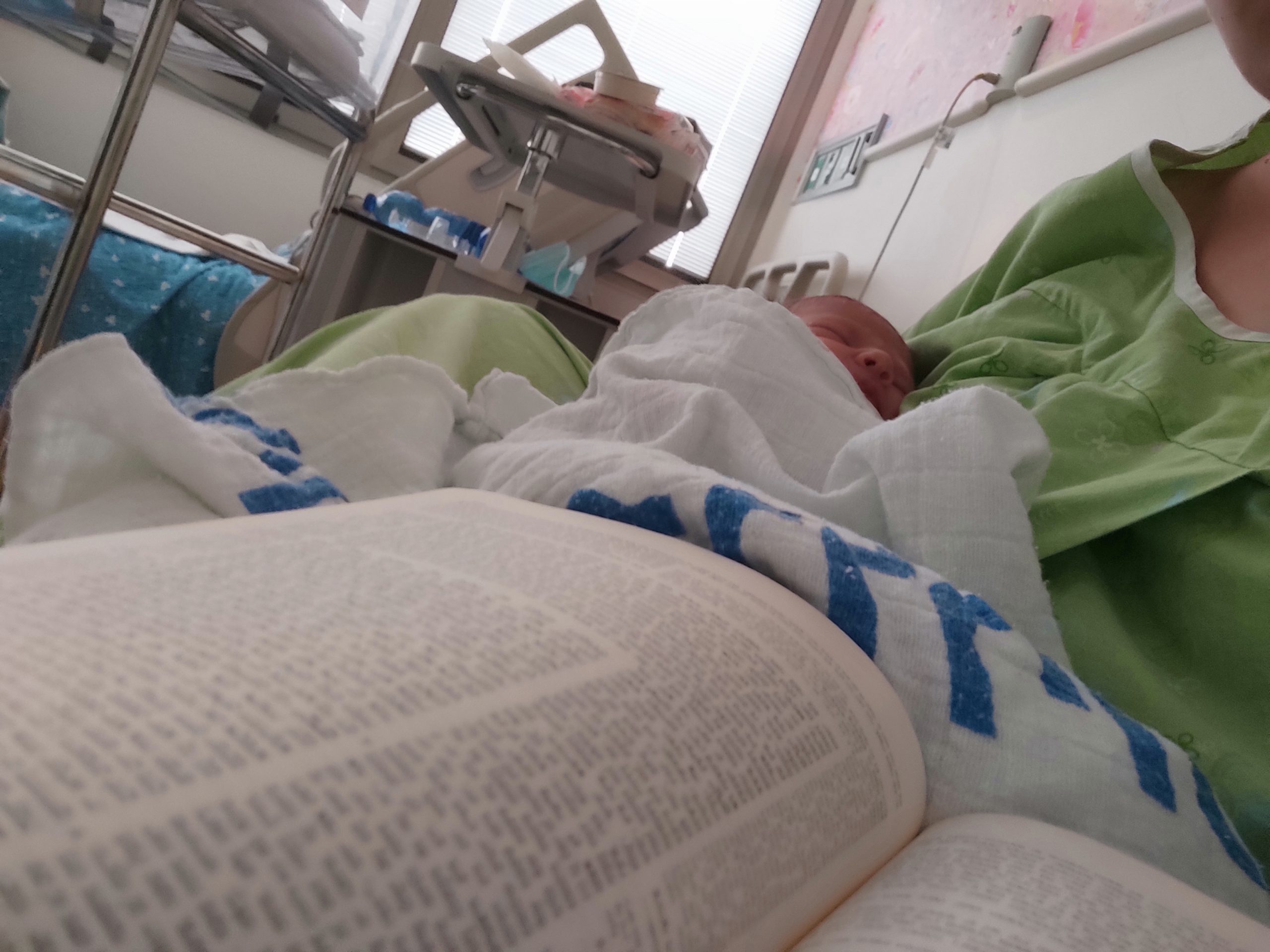
שתי הסיבות האלו הובילו אותי להתחיל ללמוד. נתקלתי בתגובות מפרגנות וסקרניות איך אישה לומדת גמרא..
כמו שרואים בתמונה אני ממשיכה ללמוד גם היום ואפילו במחלקת יולדות אחרי לידת ביתי השלישית.
רבבה, ישראל
התחלתי מחוג במסכת קידושין שהעבירה הרבנית רייסנר במסגרת בית המדרש כלנה בגבעת שמואל; לאחר מכן התחיל סבב הדף היומי אז הצטרפתי. לסביבה לקח זמן לעכל אבל היום כולם תומכים ומשתתפים איתי. הלימוד לעתים מעניין ומעשיר ולעתים קשה ואף הזוי… אך אני ממשיכה קדימה. הוא משפיע על היומיום שלי קודם כל במרדף אחרי הדף, וגם במושגים הרבים שלמדתי ובידע שהועשרתי בו, חלקו ממש מעשי

ראש העין, ישראל
התחלתי ללמוד דף יומי שהתחילו מסכת כתובות, לפני 7 שנים, במסגרת קבוצת לימוד שהתפרקה די מהר, ומשם המשכתי לבד בתמיכת האיש שלי. נעזרתי בגמרת שטיינזלץ ובשיעורים מוקלטים.
הסביבה מאד תומכת ואני מקבלת המון מילים טובות לאורך כל הדרך. מאז הסיום הגדול יש תחושה שאני חלק מדבר גדול יותר.
אני לומדת בשיטת ה”7 דפים בשבוע” של הרבנית תרצה קלמן – כלומר, לא נורא אם לא הצלחת ללמוד כל יום, העיקר שגמרת ארבעה דפים בשבוע

עתניאל, ישראל
התחלתי ללמוד את הדף היומי מעט אחרי שבני הקטן נולד. בהתחלה בשמיעה ולימוד באמצעות השיעור של הרבנית שפרבר. ובהמשך העזתי וקניתי לעצמי גמרא. מאז ממשיכה יום יום ללמוד עצמאית, ולפעמים בעזרת השיעור של הרבנית, כל יום. כל סיום של מסכת מביא לאושר גדול וסיפוק. הילדים בבית נהיו חלק מהלימוד, אני משתפת בסוגיות מעניינות ונהנית לשמוע את דעתם.

מעלה מכמש, ישראל
אני לומדת גמרא כעשור במסגרות שונות, ואת הדף היומי התחלתי כשחברה הציעה שאצטרף אליה לסיום בבנייני האומה. מאז אני לומדת עם פודקסט הדרן, משתדלת באופן יומי אך אם לא מספיקה, מדביקה פערים עד ערב שבת. בסבב הזה הלימוד הוא "ממעוף הציפור”, מקשיבה במהירות מוגברת תוך כדי פעילויות כמו בישול או נהיגה, וכך רוכשת היכרות עם הסוגיות ואופן ניתוחם על ידי חז”ל. בע”ה בסבב הבא, ואולי לפני, אצלול לתוכו באופן מעמיק יותר.

רמת גן, ישראל
התחלתי ללמוד בסבב הנוכחי לפני כשנתיים .הסביבה מתפעלת ותומכת מאוד. אני משתדלת ללמוד מכל ההסכתים הנוספים שיש באתר הדרן. אני עורכת כל סיום מסכת שיעור בביתי לכ20 נשים שמחכות בקוצר רוח למפגשים האלו.

יהוד, ישראל
ראיתי את הסיום הגדול בבנייני האומה וכל כך התרשמתי ורציתי לקחת חלק.. אבל לקח לי עוד כשנה וחצי )באמצע מסיכת שבת להצטרף..
הלימוד חשוב לי מאוד.. אני תמיד במרדף אחרי הדף וגונבת כל פעם חצי דף כשהילדים עסוקים ומשלימה אח”כ אחרי שכולם הלכו לישון..

ירושלים, ישראל
הייתי לפני שנתיים בסיום הדרן נשים בבנייני האומה והחלטתי להתחיל. אפילו רק כמה דפים, אולי רק פרק, אולי רק מסכת… בינתיים סיימתי רבע שס ותכף את כל סדר מועד בה.
הסביבה תומכת ומפרגנת. אני בת יחידה עם ארבעה אחים שכולם לומדים דף יומי. מדי פעם אנחנו עושים סיומים יחד באירועים משפחתיים. ממש מרגש. מסכת שבת סיימנו כולנו יחד עם אבא שלנו!
אני שומעת כל יום פודקאסט בהליכה או בנסיעה ואחכ לומדת את הגמרא.

מרכז שפירא, ישראל
הצטרפתי ללומדות בתחילת מסכת תענית. ההתרגשות שלי ושל המשפחה היתה גדולה מאוד, והיא הולכת וגוברת עם כל סיום שאני זוכה לו. במשך שנים רבות רציתי להצטרף ומשום מה זה לא קרה… ב”ה מצאתי לפני מספר חודשים פרסום של הדרן, ומיד הצטרפתי והתאהבתי. הדף היומי שינה את חיי ממש והפך כל יום- ליום של תורה. מודה לכן מקרב ליבי ומאחלת לכולנו לימוד פורה מתוך אהבת התורה ולומדיה.

חיספין רמת הגולן, ישראל
התחלתי לפני כמה שנים אבל רק בסבב הזה זכיתי ללמוד יום יום ולסיים מסכתות

רעננה, ישראל
. לא תמיד נהניתי מלימוד גמרא כילדה.,בל כהתבגרתי התחלתי לאהוב את זה שוב. התחלתי ללמוד מסכת סוטה בדף היומי לפני כחמש עשרה שנה ואז הפסקתי.הגעתי לסיום הגדול של הדרן לפני שנתיים וזה נתן לי השראה. והתחלתי ללמוד למשך כמה ימים ואז היתה לי פריצת דיסק והפסקתי…עד אלול השנה. אז התחלתי עם מסכת ביצה וב”ה אני מצליחה לעמוד בקצב. המשפחה מאוד תומכת בי ויש כמה שגם לומדים את זה במקביל. אני אוהבת שיש עוגן כל יום.

בית שמש, ישראל
למדתי גמרא מכיתה ז- ט ב Maimonides School ואחרי העליה שלי בגיל 14 לימוד הגמרא, שלא היה כל כך מקובל בימים אלה, היה די ספוראדי. אחרי "ההתגלות” בבנייני האומה התחלתי ללמוד בעיקר בדרך הביתה למדתי מפוקקטסים שונים. לאט לאט ראיתי שאני תמיד חוזרת לרבנית מישל פרבר. באיזה שהוא שלב התחלתי ללמוד בזום בשעה 7:10 .
היום "אין מצב” שאני אתחיל את היום שלי ללא לימוד עם הרבנית מישל עם כוס הקפה שלי!!

חשמונאים, ישראל
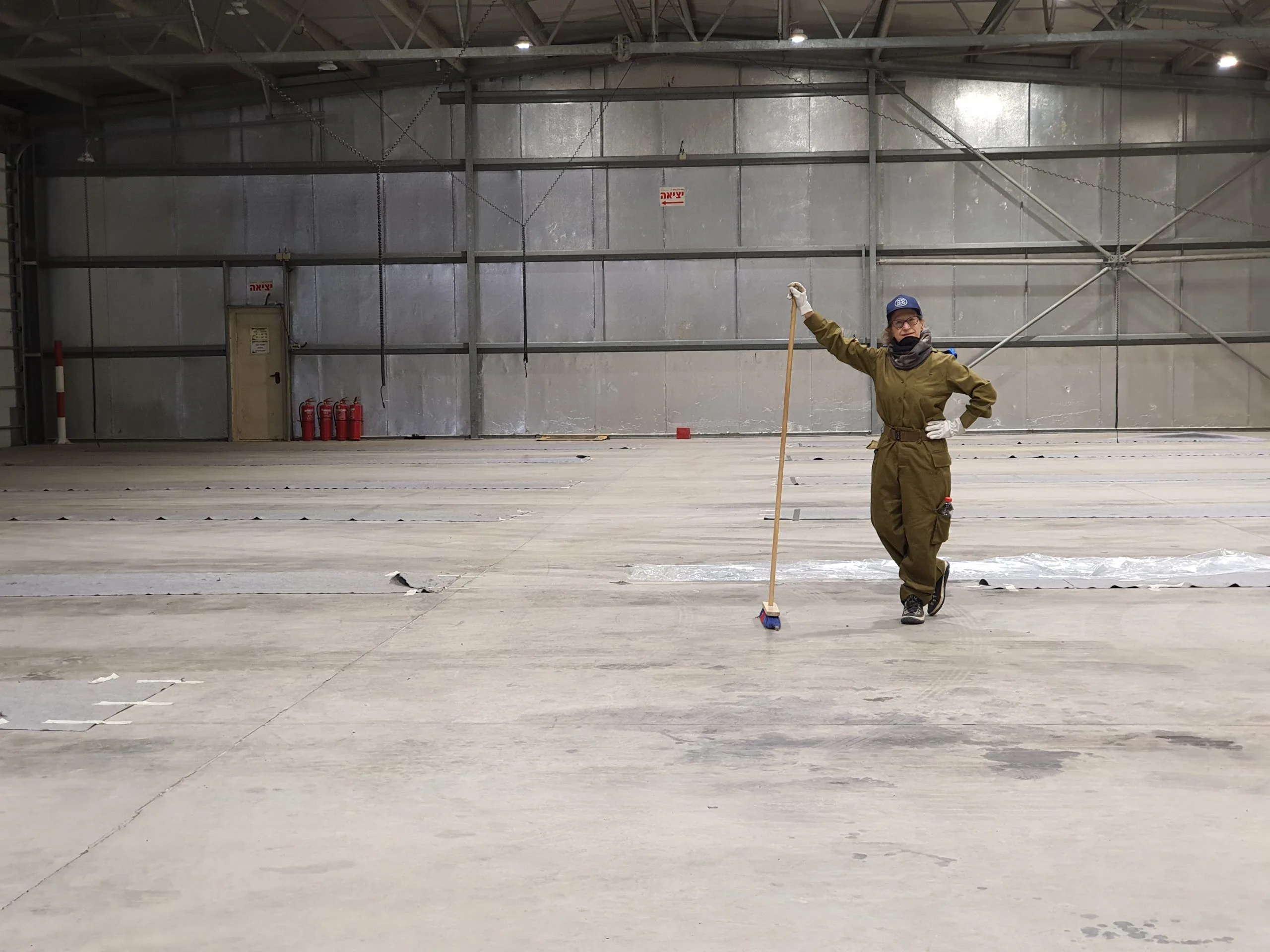
A friend in the SF Bay Area said in Dec 2019 that she might start listening on her morning drive to work. I mentioned to my husband and we decided to try the Daf when it began in Jan 2020 as part of our preparing to make Aliyah in the summer.
ירושלים, Israel
התחלתי ללמוד דף יומי לפני שנתיים, עם מסכת שבת. בהתחלה ההתמדה היתה קשה אבל בזכות הקורונה והסגרים הצלחתי להדביק את הפערים בשבתות הארוכות, לסיים את מסכת שבת ולהמשיך עם המסכתות הבאות. עכשיו אני מסיימת בהתרגשות רבה את מסכת חגיגה וסדר מועד ומחכה לסדר הבא!

מודיעין, ישראל
התחלתי כשהייתי בחופש, עם הפרסומים על תחילת המחזור, הסביבה קיבלה את זה כמשהו מתמיד ומשמעותי ובהערכה, הלימוד זה עוגן יציב ביום יום, יש שבועות יותר ויש שפחות אבל זה משהו שנמצא שם אמין ובעל משמעות בחיים שלי….

גמזו, ישראל
לצערי גדלתי בדור שבו לימוד גמרא לנשים לא היה דבר שבשגרה ושנים שאני חולמת להשלים את הפער הזה.. עד שלפני מספר שבועות, כמעט במקרה, נתקלתי במודעת פרסומת הקוראת להצטרף ללימוד מסכת תענית. כשקראתי את המודעה הרגשתי שהיא כאילו נכתבה עבורי – "תמיד חלמת ללמוד גמרא ולא ידעת איך להתחיל”, "בואי להתנסות במסכת קצרה וקלה” (רק היה חסר שהמודעה תיפתח במילים "מיכי שלום”..). קפצתי למים ו- ב”ה אני בדרך להגשמת החלום:)

מורשת, ישראל
רציתי לקבל ידע בתחום שהרגשתי שהוא גדול וחשוב אך נעלם ממני. הלימוד מעניק אתגר וסיפוק ומעמיק את תחושת השייכות שלי לתורה וליהדות

עלי זהב – לשם, ישראל
"
גם אני התחלתי בסבב הנוכחי וב””ה הצלחתי לסיים את רוב המסכתות . בזכות הרבנית מישל משתדלת לפתוח את היום בשיעור הזום בשעה 6:20 .הלימוד הפך להיות חלק משמעותי בחיי ויש ימים בהם אני מצליחה לחזור על הדף עם מלמדים נוספים ששיעוריהם נמצאים במרשתת. שמחה להיות חלק מקהילת לומדות ברחבי העולם. ובמיוחד לשמש דוגמה לנכדותיי שאי””ה יגדלו לדור שלימוד תורה לנשים יהיה משהו שבשגרה. "

נתניה, ישראל
"התחלתי ללמוד דף יומי במחזור הזה, בח’ בטבת תש””ף. לקחתי על עצמי את הלימוד כדי ליצור תחום של התמדה יומיומית בחיים, והצטרפתי לקבוצת הלומדים בבית הכנסת בכפר אדומים. המשפחה והסביבה מתפעלים ותומכים.
בלימוד שלי אני מתפעלת בעיקר מכך שכדי ללמוד גמרא יש לדעת ולהכיר את כל הגמרא. זו מעין צבת בצבת עשויה שהיא עצומה בהיקפה.”

כפר אדומים, ישראל
כתובות נו
אֶלָּא: תַּרְוַיְיהוּ אָזְלִי בָּתַר אוּמְדָּנָא.
In any case, it has been established that Rav also follows the principle of assessing one’s intention, which calls into question the conclusion that Rabbi Natan is the one who said that the halakha is in accordance with the opinion of Rabbi Elazar ben Azarya. Rather, the Gemara concludes: Both Rav and Rabbi Natan follow the principle of assessing intention, and the debate can be explained in a different way.
מַאן דְּאָמַר הֲלָכָה — שַׁפִּיר, מַאן דְּאָמַר אֵין הֲלָכָה — הָכָא נָמֵי אוּמְדַּן דַּעְתָּא הוּא. מִשּׁוּם אִיקָּרוֹבֵי דַּעְתָּא הוּא, וְהָא אִיקָּרַבָא לֵיהּ דַּעְתָּא.
According to the one who says the halakha is in accordance with the opinion of Rabbi Elazar ben Azarya, this works out well. According to the one who says the halakha is not in accordance with the opinion of Rabbi Elazar ben Azarya, here too, this is an assessment of his intention. Why did he give her the additional sum of the marriage contract? It was due to a sense of intimacy between them, as they were betrothed and were planning to get married. Since he did demonstrate a sense of intimacy with her, the assessment is that he intended to give her the additional sum.
יָתֵיב רַב חֲנִינָא קַמֵּיהּ דְּרַבִּי יַנַּאי וְקָאָמַר: הֲלָכָה כְּרַבִּי אֶלְעָזָר בֶּן עֲזַרְיָה. אֲמַר לֵיהּ: פּוֹק, קְרִי קְרָאָךְ לְבָרָא! אֵין הֲלָכָה כְּרַבִּי אֶלְעָזָר בֶּן עֲזַרְיָה.
Rav Ḥanina, who was known for teaching biblical verses, sat before Rabbi Yannai and said: The halakha is in accordance with the opinion of Rabbi Elazar ben Azarya. Rabbi Yannai said to him: Go out and read your verses outside. Your area of expertise is biblical verses, not halakha. What you said is incorrect and should not be said in the study hall, as the halakha is actually not in accordance with the opinion of Rabbi Elazar ben Azarya.
אָמַר רַב יִצְחָק בַּר אַבְדִּימִי מִשּׁוּם רַבֵּינוּ: הֲלָכָה כְּרַבִּי אֶלְעָזָר בֶּן עֲזַרְיָה. אָמַר רַב נַחְמָן אָמַר שְׁמוּאֵל: הֲלָכָה כְּרַבִּי אֶלְעָזָר בֶּן עֲזַרְיָה.
Rav Yitzḥak bar Avdimi said in the name of our teacher, Rabbi Yehuda HaNasi: The halakha is in accordance with the opinion of Rabbi Elazar ben Azarya. Rav Naḥman said that Shmuel said: The halakha is in accordance with the opinion of Rabbi Elazar ben Azarya.
וְרַב נַחְמָן דִּידֵיהּ אָמַר: אֵין הֲלָכָה כְּרַבִּי אֶלְעָזָר בֶּן עֲזַרְיָה. וּנְהַרְדָּעֵי מִשְּׁמֵיהּ דְּרַב נַחְמָן אָמְרִי: הֲלָכָה כְּרַבִּי אֶלְעָזָר בֶּן עֲזַרְיָה. וְאַף עַל גַּב דְּלָט רַב נַחְמָן וְאָמַר: כֹּל דַּיָּינָא דְּדָאֵין כְּרַבִּי אֶלְעָזָר בֶּן עֲזַרְיָה הָכִי וְהָכִי תֶּיהְוֵי, אֲפִילּוּ הָכִי — הֲלָכָה כְּרַבִּי אֶלְעָזָר בֶּן עֲזַרְיָה. וַהֲלָכָה לְמַעֲשֶׂה כְּרַבִּי אֶלְעָזָר בֶּן עֲזַרְיָה.
And Rav Naḥman also said his own statement: The halakha is not in accordance with the opinion of Rabbi Elazar ben Azarya. And the Sages of Neharde’a say in the name of Rav Naḥman: The halakha is in accordance with the opinion of Rabbi Elazar ben Azarya. The Gemara comments: And although Rav Naḥman cursed them and said: Any judge who rules in accordance with the opinion of Rabbi Elazar ben Azarya, such and such unspecified misfortune will happen to him, even so the halakha is in accordance with the opinion of Rabbi Elazar ben Azarya. Since the Gemara presented a number of different opinions, it concludes: And the practical halakha is in accordance with the opinion of Rabbi Elazar ben Azarya.
בָּעֵי רָבִין: נִכְנְסָה לְחוּפָּה וְלֹא נִבְעֲלָה, מַהוּ? חִיבַּת חוּפָּה קוֹנָה, אוֹ חִיבַּת בִּיאָה קוֹנָה.
§ Since the practical halakha is that a woman who was divorced or widowed after betrothal receives the main sum of her marriage contract but not the additional sum, Ravin asks: What is the halakha with regard to a woman who entered the wedding canopy and is then widowed or divorced without having had sexual intercourse? Does the affection manifest in the wedding effect the marriage, and therefore she receives the additional sum as a married woman? Or, is it the affection manifest in the intercourse that effects the marriage, and consequently this woman is no different than a betrothed woman for the purpose of this halakha?
תָּא שְׁמַע, דְּתָנֵי רַב יוֹסֵף: שֶׁלֹּא כָּתַב לָהּ אֶלָּא עַל חִיבַּת לַיְלָה הָרִאשׁוֹן. אִי אָמְרַתְּ בִּשְׁלָמָא חִיבַּת חוּפָּה קוֹנָה — הַיְינוּ דְּאָמַר לַיְלָה הָרִאשׁוֹן, אֶלָּא אִי אָמְרַתְּ חִיבַּת בִּיאָה קוֹנָה, בִּיאָה — בְּלַיְלָה הָרִאשׁוֹן אִיתַהּ, מִכָּאן וְאֵילָךְ לֵיתַהּ?!
Come and hear that Rav Yosef taught the following baraita: He wrote the additional sum in the marriage contract for her only on account of the affection characteristic of the first night of the marriage. The Gemara asks: Granted, if you say that the affection manifest in the wedding effects the marriage, this is why it says the affection characteristic of the first night, as the wedding ceremony is performed on the first night only. But if you say that the affection manifest in the intercourse effects the marriage, is there intercourse only on the first night and then from this point forward there is none? Consequently, the baraita implies that the affection manifest in the wedding effects the marriage, and from that point on she is entitled to the additional sum of the marriage contract.
וְאֶלָּא מַאי, חוּפָּה? חוּפָּה בְּלֵילְיָא אִיתַהּ, בִּימָמָא לֵיתַהּ? וּלְטַעְמָיךְ — בִּיאָה בְּלֵילְיָא אִיתַהּ, בִּימָמָא לֵיתַהּ? הָא אָמַר רָבָא, אִם הָיָה בְּבַיִת אָפֵל מוּתָּר! הָא לָא קַשְׁיָא: אוֹרַח אַרְעָא קָא מַשְׁמַע לַן, דְּבִיאָה בַּלַּיְלָה.
The Gemara rejects this proof: But rather, what is the advantage of interpreting the expression: Affection characteristic of the first night, as a reference to the wedding? Is there a wedding only at night and not during the day? The Gemara responds: And according to your reasoning, is there intercourse only at night and not during the day? Didn’t Rava say that although the Sages generally prohibited engaging in intercourse during the day, if it was in a dark house it is permitted? The Gemara rejects this question: This is not difficult. By employing this phrase, it teaches us the ordinary mode of behavior, i.e., that intercourse generally takes place at night.
אֶלָּא חוּפָּה קַשְׁיָא? חוּפָּה נָמֵי לָא קַשְׁיָא: כֵּיוָן דִּסְתַם חוּפָּה לְבִיאָה קָיְימָא, אוֹרַח אַרְעָא קָא מַשְׁמַע לַן דְּבַלַּיְלָה.
Rather, the opinion that the expression is a reference to the wedding is difficult, as a wedding does not have to take place at night. The Gemara responds: The wedding reference is also not difficult, since a reference to a wedding without specification means a wedding that takes place in order to lead directly to intercourse. By using this phrase, it similarly teaches us the ordinary mode of behavior, i.e., that intercourse generally takes place at night. Consequently, this baraita cannot be used as a proof for either possibility.
בָּעֵי רַב אָשֵׁי: נִכְנְסָה לְחוּפָּה וּפֵירְסָה נִידָּה, מַהוּ? אִם תִּימְצֵי לוֹמַר חִיבַּת חוּפָּה קוֹנָה, חוּפָּה דְּחַזְיָא לְבִיאָה, אֲבָל חוּפָּה דְּלָא חַזְיָא לְבִיאָה — לָא, אוֹ דִלְמָא לָא שְׁנָא? תֵּיקוּ.
Rav Ashi asks a question similar to Ravin’s: If the bride entered the wedding canopy and began menstruating, and the husband then died without ever engaging in intercourse with his wife, what is the halakha with regard to the additional sum of the marriage contract? If you say that the affection manifest in the wedding effects the marriage, does this refer specifically to a wedding in which the couple is fit to engage in intercourse, which involves greater affection, and a wedding in which the couple is not fit to engage in intercourse does not effect the marriage? Or, perhaps it is not different. The Sages could not answer this, so the question shall stand unresolved.
רַבִּי יְהוּדָה אוֹמֵר: רָצָה, כּוֹתֵב לִבְתוּלָה וְכוּ׳. וְסָבַר רַבִּי יְהוּדָה דְּכוֹתְבִין שׁוֹבָר? וְהָתְנַן: מִי שֶׁפָּרַע מִקְצָת חוֹבוֹ — רַבִּי יְהוּדָה אוֹמֵר: יַחְלִיף. רַבִּי יוֹסֵי אוֹמֵר: יִכְתּוֹב לוֹ שׁוֹבָר!
§ The mishna states: Rabbi Yehuda says: If he wishes, he may write a marriage contract for a virgin for two hundred dinars, and she may then write a receipt as if he had paid part of that sum. They ask: And did Rabbi Yehuda hold that one writes a receipt for partial payment of a debt? But didn’t we learn in a mishna (Bava Batra 170b): In the case of one who repaid part of his debt, Rabbi Yehuda says: He should exchange the original promissory note for a new one that states the amount still owed, and Rabbi Yosei says: The lender should write him a receipt for the money he received? According to Rabbi Yehuda, a new note is preferable to a receipt because if the borrower loses the receipt, the lender is still in possession of a promissory note for the full amount and can collect a second time.
אָמַר רַבִּי יִרְמְיָה: כְּשֶׁשּׁוֹבַרְתָּהּ מִתּוֹכָהּ.
Rabbi Yirmeya said: In the mishna, Rabbi Yehuda is referring to a case where the receipt is written within the marriage contract itself and not as a separate document. The husband is therefore not required to hold on to a receipt, and consequently Rabbi Yehuda’s restriction against writing a receipt is not necessary.
אַבָּיֵי אָמַר: אֲפִילּוּ תֵּימָא בְּשֶׁאֵין שׁוֹבַרְתָּהּ מִתּוֹכָהּ, בִּשְׁלָמָא הָתָם, וַדַּאי פַּרְעֵיהּ — דִּלְמָא מִירְכַס תָּבַרְתָּא, וּמַפֵּיק לֵיהּ לִשְׁטָרָא, וַהֲדַר גָּבֵי זִימְנָא אַחֲרִינָא. הָכָא, וַדַּאי יְהַב לַהּ? מִילְּתָא בְּעָלְמָא הִיא דַּאֲמַרָה לֵיהּ, אִי נַטְרֵיהּ — נַטְרֵיהּ, אִי לָא נַטְרֵיהּ — אִיהוּ הוּא דְּאַפְסֵיד אַנַּפְשֵׁיהּ.
Abaye said: Even if you say that the mishna is referring to a case where the receipt is not written within it, it is logical that Rabbi Yehuda would make an exception in this case. Granted, there, in an ordinary case of a receipt, it is certain that the borrower repaid part of the loan, and consequently there is concern that perhaps he will lose the receipt and the lender will take out the promissory note and return and collect the entire payment again. But here, in the mishna, did the husband definitely give the wife part of the payment for the marriage contract? The receipt merely amounts to something she said to him in order to waive part of the payment, although she did not actually receive it. If he saved the receipt, he saved it; if he did not save it, it is he himself who will lose. Therefore, in this case, Rabbi Yehuda agrees that one writes a receipt.
בִּשְׁלָמָא אַבָּיֵי לָא אָמַר כְּרַבִּי יִרְמְיָה, לָא קָתָנֵי שׁוֹבַרְתָּהּ מִתּוֹכָהּ. אֶלָּא רַבִּי יִרְמְיָה מַאי טַעְמָא לָא אָמַר כְּאַבַּיֵּי? גְּזֵירָה שׁוֹבָר דְּהָכָא אַטּוּ שׁוֹבָר דְּעָלְמָא.
They ask: Granted, it is understandable why Abaye did not say his explanation in accordance with the opinion of Rabbi Yirmeya, as the mishna does not teach explicitly that the receipt is written within the marriage contract. However, what is the reason that Rabbi Yirmeya did not say an explanation in accordance with the opinion of Abaye? Why does Rabbi Yirmeya limit the mishna to a case where the receipt was written within the marriage contract? The Gemara responds: Although this is an unusual case, as there is no concern that the receipt may be lost, there is nevertheless a rabbinic decree with regard to this receipt due to the typical case of receipts. Therefore, Rabbi Yehuda would not allow a receipt unless it was written into the marriage contract itself.
טַעְמָא — דְּכָתְבָה לֵיהּ, אֲבָל עַל פֶּה — לָא. אַמַּאי? דָּבָר שֶׁבְּמָמוֹן הוּא, וְשָׁמְעִינַן לֵיהּ לְרַבִּי יְהוּדָה דְּאָמַר: דָּבָר שֶׁבְּמָמוֹן — תְּנָאוֹ קַיָּים.
With regard to the crux of the issue, the Gemara notes: The reason that Rabbi Yehuda holds that the wife can waive part of the main sum of her marriage contract is specifically because she wrote him a receipt. However, if she said it verbally, no, it is not effective, even according to Rabbi Yehuda. The Gemara asks: Why not? This is a monetary matter, and we have heard that Rabbi Yehuda said: With regard to monetary matters in which someone makes a verbal stipulation, his stipulation stands.
דְּתַנְיָא: הָאוֹמֵר לְאִשָּׁה ״הֲרֵי אַתְּ מְקוּדֶּשֶׁת לִי עַל מְנָת שֶׁאֵין לִיךְ עָלַי שְׁאֵר כְּסוּת וְעוֹנָה״ הֲרֵי זוֹ מְקוּדֶּשֶׁת, וּתְנָאוֹ בָּטֵל, דִּבְרֵי רַבִּי מֵאִיר. רַבִּי יְהוּדָה אוֹמֵר: בְּדָבָר שֶׁבְּמָמוֹן — תְּנָאוֹ קַיָּים!
This is as it is taught in the Tosefta (Kiddushin 3:7): In the case of one who says to a woman: You are hereby betrothed to me on the condition that you have no ability to claim from me food, clothing, or conjugal rights, she is betrothed and his stipulation is void; this is the statement of Rabbi Meir. Rabbi Yehuda says: With regard to monetary matters, such as food and clothing, his stipulation stands; therefore, if she verbally waives part of the marriage contract, and thereby makes a stipulation about a monetary matter, it should be effective.
קָסָבַר רַבִּי יְהוּדָה: כְּתוּבָּה דְּרַבָּנַן, וַחֲכָמִים עָשׂוּ חִיזּוּק לְדִבְרֵיהֶם יוֹתֵר מִשֶּׁל תּוֹרָה.
The Gemara answers: Rabbi Yehuda holds: The marriage contract is a rabbinic law, and the Sages reinforced their pronouncements with greater force than Torah law. Therefore, if the wife waives part of the main sum of the marriage contract, Rabbi Yehuda holds that her declaration has no force unless it is written down. However, a Torah obligation, such as food and clothing, does not require this reinforcement, and consequently the wife may waive it with a verbal stipulation.
הֲרֵי פֵּירוֹת דְּרַבָּנַן, וְלָא עֲבַדוּ לְהוּ רַבָּנַן חִיזּוּק! דִּתְנַן, רַבִּי יְהוּדָה אוֹמֵר: לְעוֹלָם הוּא אוֹכֵל פֵּירֵי פֵירוֹת — עַד שֶׁיִּכְתּוֹב לָהּ: ״דִּין וּדְבָרִים אֵין לִי בִּנְכָסַיִךְ, וּבְפֵירוֹתֵיהֶן, וּבְפֵירוֹת פֵּירוֹתֵיהֶן עַד עוֹלָם״.
The Gemara challenges this answer: The husband’s entitlement to the produce of his wife’s property is a rabbinic decree, and nevertheless the Sages did not reinforce his rights to them, as we learned in a mishna (83a): Rabbi Yehuda says: Even if the husband wrote that he waived his rights to the produce of his wife’s property, he may actually consume the produce of the produce of her property, meaning that he could invest the produce in additional property, which would also belong to his wife, but he would consume its produce. This applies unless he explicitly writes to her: I do not have any claim to your property, its produce, or the produce of its produce, forever.
וְקַיְימָא לַן: מַאי ״כּוֹתֵב״ — אוֹמֵר!
And we maintain on this issue: What is the meaning of: Writes? It means: Says. In order to relinquish one’s claim to produce of the produce of his wife’s property, he does not necessarily need to write this in a document; it is sufficient to say it verbally in front of witnesses. It seems, therefore, that Rabbi Yehuda holds that a verbal stipulation is sufficient for a monetary matter of rabbinic law.
אָמַר אַבָּיֵי: לַכֹּל יֵשׁ כְּתוּבָּה, וְלֹא לַכֹּל יֵשׁ פֵּירוֹת. מִילְּתָא דִּשְׁכִיחָא — עֲבַדוּ בַּהּ רַבָּנַן חִיזּוּק, מִילְּתָא דְלָא שְׁכִיחָא — לָא עֲבַדוּ בַּהּ רַבָּנַן חִיזּוּק.
Abaye said: There is a distinction between the two cases. Every married woman has a marriage contract, but not all husbands have the right to produce, as not every woman brings property with her into the marriage. Therefore, in relation to a common matter, such as a marriage contract, the Sages reinforced their pronouncements about it by insisting that any stipulations to change the terms must be in writing. However, with regard to an uncommon matter, such as the produce of property, the Sages did not reinforce their pronouncements about it, and a verbal declaration is sufficient.
הֲרֵי חַמָּרִים, דִּשְׁכִיחִי, וְלָא עֲבַדוּ לַהּ רַבָּנַן חִיזּוּק!
The Gemara challenges this answer: But with regard to the halakha of donkey drivers, which is a common matter, Rabbi Yehuda does not hold that the Sages reinforced their pronouncements about it.
דִּתְנַן: הַחַמָּרִין שֶׁנִּכְנְסוּ לָעִיר, וְאָמַר אֶחָד מֵהֶן: שֶׁלִּי חָדָשׁ, וְשֶׁל חֲבֵרִי יָשָׁן. שֶׁלִּי אֵינוֹ מְתוּקָּן, וְשֶׁל חֲבֵרִי מְתוּקָּן אֵין נֶאֱמָנִים. רַבִּי יְהוּדָה אוֹמֵר: נֶאֱמָנִים.
This is as we learned in a mishna (Demai 4:7): In the case of donkey drivers who entered a city to sell their wares, and one of them said: My produce is from the new crop and is still moist and not as good, but my associate’s produce is from the old crop, or he said: Mine is not fit for use, i.e., tithes have not been separated, but my associate’s produce is fit for use, the drivers are not afforded credibility. There is a suspicion that they may be lying. They may have an arrangement between them where one will make this statement in one city and in the next city they will alternate, in order to appear credible, so that one will always be able to sell his wares. Rabbi Yehuda says: They are deemed credible. This indicates that Rabbi Yehuda holds that a verbal stipulation is sufficient even for a common monetary matter of rabbinic law.
אָמַר אַבָּיֵי: וַדַּאי דְּדִבְרֵיהֶם — עֲבַדוּ רַבָּנַן חִיזּוּק. סָפֵק דְּדִבְרֵיהֶם, לָא עֲבַדוּ רַבָּנַן חִיזּוּק. רָבָא אָמַר: בִּדְמַאי הֵקֵילּוּ.
Abaye said: There is a distinction between the cases. With regard to a certain matter involving a rabbinic decree, such as the main sum of the marriage contract, the Sages reinforced their pronouncements, but with regard to an uncertain matter involving a rabbinic decree, such as the case of the donkey drivers, the Sages did not reinforce their pronouncements. Rava said: The Sages did not reinforce their pronouncements in the case of the donkey drivers because, in general, they were lenient about questions concerning the prohibition of doubtfully tithed produce [demai], since the halakha of demai is itself a stringency, as most amei ha’aretz separate tithes from their produce.
רַבִּי מֵאִיר אוֹמֵר: כׇּל הַפּוֹחֵת וְכוּ׳. כׇּל הַפּוֹחֵת אֲפִילּוּ בִּתְנָאָה — אַלְמָא קָסָבַר תְּנָאוֹ בָּטֵל, וְאִית לַהּ. וְכֵיוָן דְּאָמַר לַהּ ״לֵית לִיךְ אֶלָּא מָנֶה״ — לָא סָמְכָא דַּעְתַּהּ, וְהָוְיָא לַהּ בְּעִילָתוֹ בְּעִילַת זְנוּת.
§ The mishna says: Rabbi Meir says: In the case of anyone who reduces the amount of the marriage contract to less than two hundred dinars for a virgin or one hundred dinars for a widow, this marriage amounts to licentious sexual intercourse. The Gemara makes an inference from the language of the mishna: The phrase: Anyone who reduces the amount of the marriage contract, means even if he made a stipulation and she agreed. Apparently, Rabbi Meir held that his stipulation in this case is void and she has the ability to collect the entire amount set by the Sages, but nevertheless since he said to her: You have only one hundred dinars, she does not rely on the marriage contract and does not see it as a true marriage, and therefore the intercourse becomes licentious sexual intercourse.
וְהָא שָׁמְעִינַן לֵיהּ לְרַבִּי מֵאִיר דְּאָמַר: כׇּל הַמַּתְנֶה עַל מַה שֶּׁכָּתוּב בַּתּוֹרָה — תְּנָאוֹ בָּטֵל. הָא בִּדְרַבָּנַן — תְּנָאוֹ קַיָּים?! קָסָבַר רַבִּי מֵאִיר כְּתוּבָּה דְּאוֹרָיְיתָא.
But we have heard that Rabbi Meir said that anyone who stipulates counter to that which is written in the Torah, his stipulation is void. This implies that if someone makes a stipulation on a rabbinic law his stipulation does stand, and therefore there is still a question as to why the stipulation about the marriage contract is void, as a marriage contract is a rabbinic ordinance. The Gemara responds: Rabbi Meir holds that a marriage contract is a requirement of Torah law. Consequently, if one made a stipulation to reduce the amount of the marriage contract, this is a stipulation counter to that which is written in the Torah, and it is void.
תַּנְיָא, רַבִּי מֵאִיר אוֹמֵר: כׇּל הַפּוֹחֵת לִבְתוּלָה מִמָּאתַיִם וּלְאַלְמָנָה מִמָּנֶה — הֲרֵי זוֹ בְּעִילַת זְנוּת. רַבִּי יוֹסֵי אוֹמֵר: רַשַּׁאי. רַבִּי יְהוּדָה אוֹמֵר: רָצָה, כּוֹתֵב לִבְתוּלָה שְׁטָר שֶׁל מָאתַיִם, וְהִיא כּוֹתֶבֶת לוֹ: ״הִתְקַבַּלְתִּי מִמְּךָ מָנֶה״, וּלְאַלְמָנָה מָנֶה, וְהִיא כּוֹתֶבֶת לוֹ: ״הִתְקַבַּלְתִּי מִמְּךָ חֲמִשִּׁים זוּז״.
It is taught in a baraita: Rabbi Meir says: In the case of anyone who reduces the amount of the marriage contract to lower than two hundred dinars for a virgin or one hundred dinars for a widow, this marriage amounts to licentious sexual intercourse. Rabbi Yosei says: One is permitted to reduce the amount by making a verbal stipulation, provided the wife agrees. Rabbi Yehuda says: If one wishes, he may write for a virgin a document for two hundred dinars, and she may write him a receipt stating: I received one hundred dinars from you. And similarly, for a widow one may write one hundred dinars and she may write for him: I received fifty dinars from you.
וְסָבַר רַבִּי יוֹסֵי רַשַּׁאי? וּרְמִינְהִי: אֵין עוֹשִׂין כְּתוּבַּת אִשָּׁה מִטַּלְטְלִין, מִפְּנֵי תִּיקּוּן הָעוֹלָם. אָמַר רַבִּי יוֹסֵי: וְכִי מָה תִּיקּוּן הָעוֹלָם יֵשׁ בְּזוֹ? וַהֲלֹא אֵין קְצוּבִין וּפוֹחֲתִין!
The Gemara asks: And does Rabbi Yosei actually hold that he is permitted to reduce the amount? The Gemara raises a contradiction based on a baraita: Collection of a woman’s marriage contract may not be made dependent upon movable property. This is a rabbinic decree enacted for the betterment of the world. Rabbi Yosei said: What betterment of the world is accomplished by this decree? The price of the movable property is not fixed, and therefore it might become devalued.
תַּנָּא קַמָּא נָמֵי ״אֵין עוֹשִׂין״ קָאָמַר! אֶלָּא לָאו הָכִי קָאָמַר: בַּמֶּה דְּבָרִים אֲמוּרִים — בְּשֶׁלֹּא קִבֵּל עָלָיו אַחְרָיוּת, אֲבָל קִבֵּל עָלָיו אַחְרָיוּת — עוֹשִׂין. וַאֲתָא רַבִּי יוֹסֵי לְמֵימַר כִּי קִיבֵּל עָלָיו אַחְרָיוּת אַמַּאי עוֹשִׂין? וַהֲלֹא אֵין קְצוּבִין וּפוֹחֲתִין!
The Gemara analyzes the text of the baraita: The first tanna also said: A marriage contract may not be made dependent on movable property. What is Rabbi Yosei’s disagreement with him? Rather, is it not that this is what the first tanna said: In what case is this statement said? In a case where one did not provide a guarantee for the movable property. But if one did provide a guarantee, the marriage contract may be made dependent on it. And Rabbi Yosei comes to say: Even if one provided a guarantee, why can the marriage contract be made dependent on it? The price is not fixed, and it may become devalued.
הַשְׁתָּא, וּמָה הָתָם דְּדִלְמָא פָּחֲתִי — חָיֵישׁ רַבִּי יוֹסֵי, הָכָא, דְּוַדַּאי קָא פָּחֲתָה — לֹא כׇּל שֶׁכֵּן?! הָכִי הַשְׁתָּא?! הָתָם לָא יָדְעָה דְּתַחֵיל, הָכָא יָדְעָה וְקָא מָחֲלָה.
Now that the meaning of the baraita has been clarified, the Gemara asks: Just as there, in the case of movable property, where perhaps it will be devalued, Rabbi Yosei is concerned that the wife might not receive the full value of her marriage contract, here, where it will definitely be devalued, is it not all the more so clear that he would be concerned? The Gemara responds: How can these cases be compared? There, she does not know if her marriage contract will be devalued, and there is no reason to suppose that she will waive his obligation to her. But here, she knows and she waived it.
אֲחָתֵיהּ דְּרָמֵי בַּר חָמָא הֲוָת נְסִיבָא לְרַב אַוְיָא.
The Gemara relates: The sister of Rami bar Ḥama was married to Rav Avya.

