חיפוש

כתובות סח

רוצה להקדיש שיעור?

podcast placeholder

0:00
0:00


תקציר

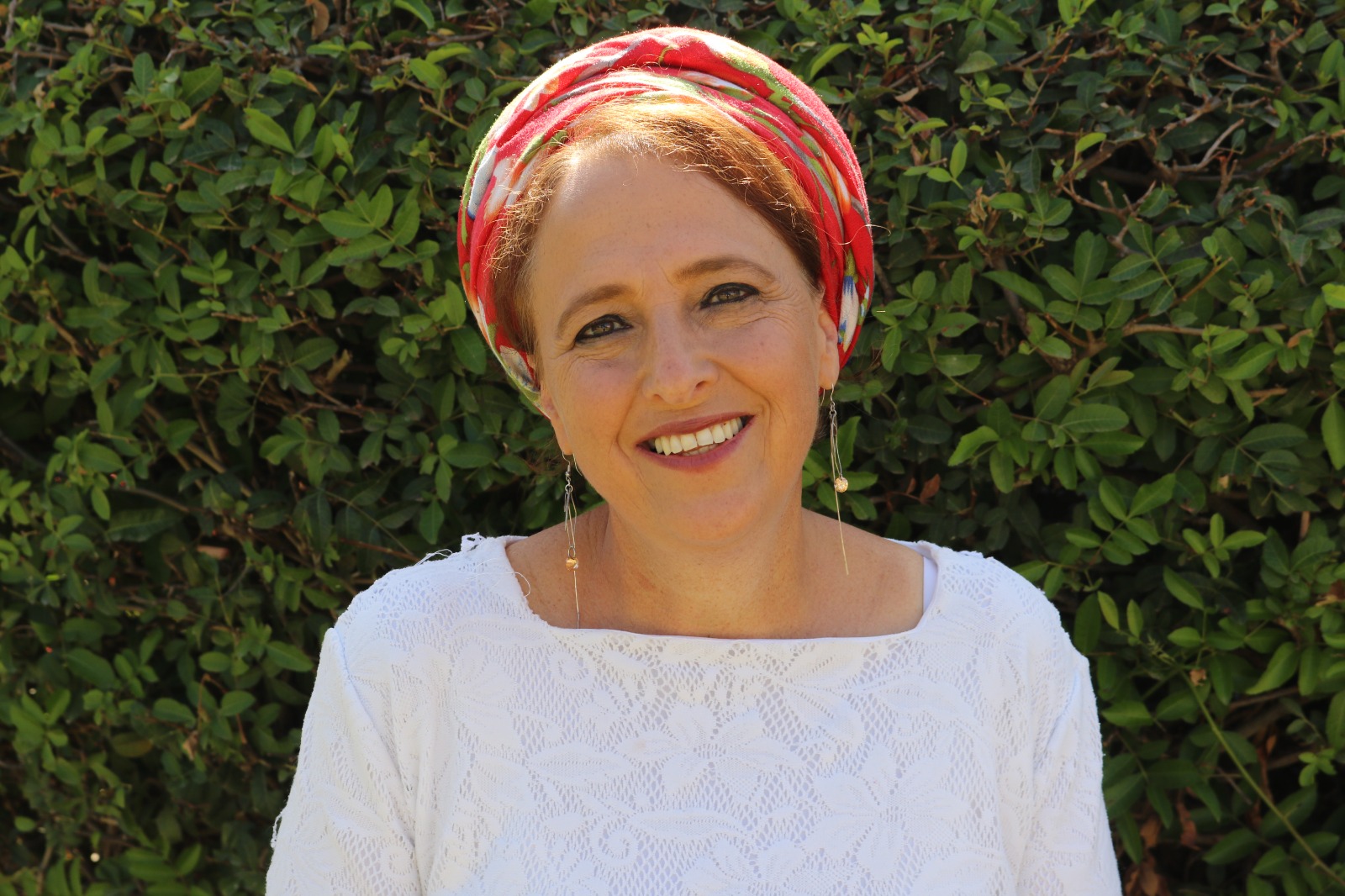
הדף היום מוקדש ע”י אלן סגל לכבוד יום הולדתה של בתה ד”ר חנה שחם-רוזבי. "לכי מחיל אל חיל בפוסט דוקטורט במרכז הלפרין באוניברסיטת בר אילן.”

האם מותר להתעלם ממי שמבקש צדקה? מה אם הם משקרים לגבי המצב שלהם? האם אדם עני צריך להחליף את הבית והכלים היקרים שלו בחפצים פחות יקרים לפני שהוא לוקח צדקה? במה זה תלוי? המשנה והגמרא עוסקות בבנות יתומות ובזכויותיהן לכספים לנדוניה במנכסי האב (מהיורשים). אם בזמן הנישואין נותנים להם נדוניה קטנה והם לא מוחים, האם הם יכולים אחר כך לטעון שמגיע להם יותר? במה זה תלוי? מה הסכום הסטנדרטי שיתומה צריכה לקבל לנדוניה? האם זה אחוז קבוע מהנכסים (עשירית) או שזה תלוי בהערכה (אומדנא) מה לדעתנו היה נותן לה האב – האם היה נדיב או קמצן? האם יש גיל שכבר היא לא תכול לקבל נדוניה? איך שונה גביית מזונות מנדוניה?

כלים

כתובות סח

בִּטְלֵי כֶסֶף אוֹ בִּטְלֵי זָהָב? אָמַר: הַיְינוּ דְּאָמַר רַבִּי אֶלְעָזָר: בּוֹאוּ וְנַחֲזִיק טוֹבָה לָרַמָּאִין, שֶׁאִלְמָלֵא הֵן, הָיִינוּ חוֹטְאִין בְּכׇל יוֹם, שֶׁנֶּאֱמַר: ״וְקָרָא עָלֶיךָ אֶל ה׳ וְהָיָה בְךָ חֵטְא״.

Silver, i.e., white, tablecloths [telei] or gold, i.e., colored, tablecloths? Clearly, then, they are not entitled to charity. Rabbi Ḥanina said: This is what Rabbi Elazar said: Come and let us appreciate the swindlers who ask for charity that they do not need, because were it not for them, who command our attention and receive our charity, we would be sinning every day in failing to properly support the truly poor, as it is stated: “Beware that there be not a base thought in your heart, saying: The seventh year, the year of release, is at hand; and your eye be evil against your needy brother, and you will not give him; and he cry to the Lord against you, and it be sin in you” (Deuteronomy 15:9). Because the swindlers take our money in the name of charity, we have an excuse of sorts for failing to fully meet the needs of the truly poor.

וְתָנֵי רַבִּי חִיָּיא בַּר רַב מִדִּיפְתִּי, רַבִּי יְהוֹשֻׁעַ בֶּן קׇרְחָה אוֹמֵר: כׇּל הַמַּעֲלִים עֵינָיו מִן הַצְּדָקָה — כְּאִילּוּ עוֹבֵד עֲבוֹדָה זָרָה. כְּתִיב הָכָא: ״הִשָּׁמֶר לְךָ פֶּן יִהְיֶה דָבָר עִם לְבָבְךָ בְלִיַּעַל וְגוֹ׳״, וּכְתִיב הָתָם: ״יָצְאוּ אֲנָשִׁים בְּנֵי בְלִיַּעַל״. מָה לְהַלָּן עֲבוֹדָה זָרָה, אַף כָּאן עֲבוֹדָה זָרָה.

And Rabbi Ḥiyya bar Rav of Difti taught: Rabbi Yehoshua ben Korḥa says: With regard to anyone who averts his eyes from the obligation to give charity, it is as if he engages in idol worship. It is written here concerning charity: “Beware that there be not a base [beliya’al] thought in your heart…and you will not give him” (Deuteronomy 15:9), and it is written there concerning idolatry: “Certain base [beliya’al] fellows have gone out” (Deuteronomy 13:14). Just as there, in the latter verse, the word “base [beliya’al]” is referring to idol worship, so too here, this expression indicates a sin on the scale of idol worship.

תָּנוּ רַבָּנַן: הַמְסַמֵּא אֶת עֵינוֹ וְהַמַּצְבֶּה אֶת בִּטְנוֹ, וְהַמְקַפֵּחַ אֶת שׁוֹקוֹ — אֵינוֹ נִפְטָר מִן הָעוֹלָם עַד שֶׁיָּבֹא לִידֵי כָךְ. הַמְקַבֵּל צְדָקָה וְאֵין צָרִיךְ לְכָךְ — סוֹפוֹ אֵינוֹ נִפְטָר מִן הָעוֹלָם עַד שֶׁיָּבֹא לִידֵי כָךְ.

The Gemara cites a baraita relating to swindlers who collect charity. The Sages taught: One who falsely blinds his eye, and one who bloats his stomach as if he were sick, and one who falsely crushes [mekape’aḥ] his leg, in order to benefit dishonestly from charity, will not depart from the world before he comes to this same plight, and he will truly suffer from the ailment that he feigned. More generally, one who receives charity and does not need it, his end will be that he will not depart from the world before he comes to this state of actually needing charity.

תְּנַן הָתָם: אֵין מְחַיְּיבִין אוֹתוֹ לִמְכּוֹר אֶת בֵּיתוֹ וְאֶת כְּלֵי תַשְׁמִישׁוֹ. וְלָא? וְהָתַנְיָא: הָיָה מִשְׁתַּמֵּשׁ בִּכְלֵי זָהָב — יִשְׁתַּמֵּשׁ בִּכְלֵי כֶסֶף, בִּכְלֵי כֶסֶף — יִשְׁתַּמֵּשׁ בִּכְלֵי נְחוֹשֶׁת!

§ We learned in a mishna elsewhere (Pe’a 8:8): Who is entitled to receive charity? Whoever has less than two hundred dinars. However, the administrators of the charities do not require him to sell his house and his accessories to reach the threshold of two hundred dinars. For the purposes of charity, his wealth is calculated based on cash alone. The Gemara asks: And do we not insist that he sell property? But isn’t it taught in a baraita: If he was accustomed to use gold wares, he should now use silver wares. If he was accustomed to use silver wares, he should now use copper wares. This indicates that he is required to sell at least some of his possessions.

אָמַר רַב זְבִיד לָא קַשְׁיָא: הָא — בְּמִטָּה וְשׁוּלְחָן, הָא — בְּכוֹסוֹת וּקְעָרוֹת. מַאי שְׁנָא כּוֹסוֹת וּקְעָרוֹת דְּלָא — דְּאָמַר: מְאִיסִי לִי. מִטָּה וְשׁוּלְחָן נָמֵי, אָמַר: לָא מְקַבַּל עִילָּוַאי. אָמַר רָבָא בְּרֵיהּ דְּרַבָּה: בְּמַחֲרֵישָׁה דְכַסְפָּא.

Rav Zevid said: This is not difficult. This source, which requires him to sell wares and lower his standard of living, speaks of a bed and a table, and that source, which does not require him to sell his accessories, speaks of his cups and plates. The Gemara asks: What is different about cups and plates, that he is not required to sell them? It is because he says: The cheaper ones are disgusting to me, and I cannot eat with them. The Gemara asks further: If so, with regard to a bed and a table he may also say: I do not accept these lesser wares upon myself, as they are uncomfortable for me. What is the difference between the furnishings and the dishes? Rava, son of Rabba, said: There is no difference; he need not sell furnishings either. The baraita requiring him to sell his property speaks of a silver comb on his table or another comparable novelty or decorative item. Such articles must be sold, but necessities, even luxurious or high quality ones, need not be sold.

רַב פָּפָּא אָמַר, לָא קַשְׁיָא: כָּאן — קוֹדֶם שֶׁיָּבֹא לִידֵי גִיבּוּי. כָּאן — לְאַחַר שֶׁיָּבֹא לִידֵי גִיבּוּי.

The Gemara offers an alternative resolution to the contradiction concerning the requirement to sell property. Rav Pappa said: This is not difficult. Here, the source that does not require him to sell property describes circumstances before he comes to the point of collecting charity. There, the source that requires him to sell property addresses a case that may arise after he comes to the point of collecting charity. If he has more than two hundred dinars and nevertheless collects charity, the court will reclaim from him the charity he has collected. In the event that he does not have enough cash to pay, he is required to sell his property of any type and downgrade to lesser items.

מַתְנִי׳ יְתוֹמָה שֶׁהִשִּׂיאַתָּה אִמָּהּ אוֹ אַחֶיהָ מִדַּעְתָּהּ, וְכָתְבוּ לָהּ בְּמֵאָה אוֹ בַּחֲמִשִּׁים זוּז — יְכוֹלָה הִיא מִשֶּׁתַּגְדִּיל לְהוֹצִיא מִיָּדָן מַה שֶּׁרָאוּי לְהִנָּתֵן לָהּ.

MISHNA: With regard to a minor orphan girl whose mother or brothers married her off, even with her consent to a small dowry, she retains her rights to a proper dowry. And thus, if they wrote for her a dowry of one hundred or of fifty dinars, she may, upon reaching majority, exact from her mother, or brothers, or their respective estates the sum of money that is fit to be given to her as a dowry, which is one-tenth of the family’s estate. Even if she agreed to forgo part of this sum as a minor, she may collect it as an adult.

רַבִּי יְהוּדָה אוֹמֵר: אִם הִשִּׂיא אֶת הַבַּת הָרִאשׁוֹנָה — יִנָּתֵן לַשְּׁנִיָּה כְּדֶרֶךְ שֶׁנָּתַן לָרִאשׁוֹנָה. וַחֲכָמִים אוֹמְרִים: פְּעָמִים שֶׁאָדָם עָנִי וְהֶעֱשִׁיר, אוֹ עָשִׁיר וְהֶעֱנִי. אֶלָּא שָׁמִין אֶת הַנְּכָסִים וְנוֹתְנִין לָהּ.

Rabbi Yehuda says: If the father married off the first daughter before he died, a dowry should be given to the second daughter in the same manner that he gave one to the first daughter. And the Rabbis say: There is no ready standard, since sometimes a person is poor and then becomes wealthy, or a person is wealthy and then becomes poor, so a family’s allowance for dowries is subject to change. Rather, the court appraises the property and gives her the appropriate sum.

גְּמָ׳ אָמַר שְׁמוּאֵל: לְפַרְנָסָה — שָׁמִין בָּאָב. מֵתִיבִי: הַבָּנוֹת נִיזּוֹנוֹת וּמִתְפַּרְנְסוֹת מִנִּכְסֵי אֲבִיהֶן. כֵּיצַד? אֵין אוֹמְרִים אִילּוּ אָבִיהָ קַיָּים, כָּךְ וְכָךְ הָיָה נוֹתֵן לָהּ. אֶלָּא שָׁמִין אֶת הַנְּכָסִים וְנוֹתְנִין לַהּ. מַאי לָאו: פַּרְנָסַת הַבַּעַל? אָמַר רַב נַחְמָן בַּר יִצְחָק: לֹא, בְּפַרְנָסַת עַצְמָהּ.

GEMARA: Shmuel said: With respect to her support in the form of the dowry, the court evaluates what she should be given based on the circumstances of the father and gives her the amount that he would have given. The Gemara raises an objection: We have learned: The daughters are sustained and supported from the property of their father. How so? We do not speculate on the basis of his social standing and his previous experience and say: If her father were still alive, he would give her such and such amount. Rather, the court appraises the total worth of the property and gives her a portion of it, without a subjective estimate based on the father. The Gemara analyzes this baraita: What, is it not that the word support is referring to support for the husband, which is the dowry? The Gemara responds: Rav Naḥman bar Yitzḥak said: No, it is referring to her own support and the food she receives. That allowance is calculated without considering the father’s practices, but the question of the dowry is still unresolved.

הָא נִיזּוֹנוֹת וּמִתְפַּרְנְסוֹת קָתָנֵי, מַאי לָאו: אַחַת — פַּרְנָסַת הַבַּעַל, וְאַחַת — פַּרְנָסַת עַצְמָהּ?! לָא, אִידִי וְאִידִי בְּפַרְנָסַת עַצְמָהּ, וְלָא קַשְׁיָא: הָא — בַּאֲכִילָה וּבִשְׁתִיָּה, וְהָא — בִּלְבוּשָׁא וְכִיסּוּיָא.

The Gemara asks: But the cited source teaches: They are sustained and supported, which indicates two separate allowances. What, is it not that one term is referring to support for the husband in the form of the dowry and one term is referring to her own support? The Gemara answers: No, this one and that one both refer to her own support for her personal needs. And the use of two terms is not difficult, because this term, sustained, is referring to allowance for eating and drinking, and that term, supported, is referring to clothing and other covering.

תְּנַן, וַחֲכָמִים אוֹמְרִים: פְּעָמִים שֶׁאָדָם עָנִי וְהֶעֱשִׁיר אוֹ עָשִׁיר וְהֶעֱנִי, אֶלָּא שָׁמִין הַנְּכָסִים וְנוֹתְנִין לָהּ. מַאי ״עָנִי״, וּמַאי ״עָשִׁיר״? אִי נֵימָא ״עָנִי״ — עָנִי בִּנְכָסִים, ״עָשִׁיר״ — עָשִׁיר בִּנְכָסִים, מִכְּלָל דְּתַנָּא קַמָּא סָבַר אֲפִילּוּ עָשִׁיר וְהֶעֱנִי כִּדְמֵעִיקָּרָא יָהֲבִינַן לַהּ — הָא לֵית לֵיהּ?

We learned in the mishna: And the Rabbis say: Sometimes a person is poor and becomes wealthy, or a person is wealthy and becomes poor, and a family’s allowance for dowries is subject to change. Rather, the court appraises the property and gives her the appropriate sum. The Gemara analyzes this opinion: What is meant by the term poor, and what is meant by the term wealthy? If we say that poor is referring to one who is poor in property, and wealthy is referring to one who is wealthy in property, if so, by inference it seems that the first tanna holds that even if the father was wealthy and then became poor, we give the second daughter a dowry that is like the dowry that he provided originally to the first daughter. But how could we assign such a sum when he does not have enough in the estate?

אֶלָּא לָאו ״עָנִי״ — עָנִי בְּדַעַת, ״עָשִׁיר״ — עָשִׁיר בְּדַעַת, וְקָתָנֵי: שָׁמִין אֶת הַנְּכָסִים וְנוֹתְנִין לָהּ, אַלְמָא לָא אָזְלִינַן בָּתַר אוּמְדָּנָא, וּתְיוּבְתָּא דִּשְׁמוּאֵל! הוּא דְּאָמַר כְּרַבִּי יְהוּדָה. דִּתְנַן, רַבִּי יְהוּדָה אוֹמֵר: אִם הִשִּׂיא בַּת הָרִאשׁוֹנָה — יִנָּתֵן לַשְּׁנִיָּה כְּדֶרֶךְ שֶׁנָּתַן לָרִאשׁוֹנָה.

Rather, is it not that poor means poor in mindset, i.e., he spends his money thriftily as though he were poor, and that wealthy means wealthy in mindset, i.e., he spends money liberally as though he were wealthy? And nevertheless the mishna teaches that even if the father changes his approach to spending, the court appraises the property and gives the dowry to her. Apparently, then, we do not follow the assessment of the father’s intentions but rather give a fixed sum, and this is a conclusive refutation of the opinion of Shmuel. The Gemara dismisses the refutation: Shmuel has said his opinion in accordance with the opinion of Rabbi Yehuda, as we learned in the mishna: Rabbi Yehuda says: If the father married off the first daughter, a dowry should be given to the second in the same manner that he gave to the first. According to this opinion, the court does assess the father’s tendencies in determining the dowry for the second daughter.

וְנֵימָא: הֲלָכָה כְּרַבִּי יְהוּדָה! אִי אָמַר הֲלָכָה כְּרַבִּי יְהוּדָה, הֲוָה אָמֵינָא דַּוְקָא הִשִּׂיאָהּ, דְּגַלִּי דַּעְתֵּיהּ. אֲבָל לֹא הִשִּׂיאָהּ — לָא! קָא מַשְׁמַע לַן טַעְמָא דְּרַבִּי יְהוּדָה דְּאָזְלִינַן בָּתַר אוּמְדָּנָא, לָא שְׁנָא הִשִּׂיאָהּ וְלָא שְׁנָא לֹא הִשִּׂיאָהּ.

The Gemara asks: And let Shmuel say explicitly that the halakha is in accordance with the opinion of Rabbi Yehuda. Why did he not do so? The Gemara responds: If he had said that the halakha is in accordance with the opinion of Rabbi Yehuda, I would have said that this is specifically when he marries off the first daughter, as he revealed his mind concerning the proper sum of a dowry, but if he did not marry her off before he died, then the court does not assess his disposition to determine the proper amount. Since, however, Shmuel did not merely say that he accepts the opinion of Rabbi Yehuda, he teaches us that the reason behind Rabbi Yehuda’s opinion is that we follow the assessment of what the father would have done. It is no different if he married a daughter off, and it is no different if he did not marry one off.

וְהַאי דְּקָתָנֵי ״הִשִּׂיאָהּ״ — לְהוֹדִיעֲךָ כֹּחָן דְּרַבָּנַן, דְּאַף עַל גַּב דְּהִשִּׂיאָהּ וְגַלִּי דַּעְתֵּיהּ, לָא אָזְלִינַן בָּתַר אוּמְדָּנָא.

And that which the mishna teaches in Rabbi Yehuda’s opinion: He married off the first daughter, this is to convey to you the far-reaching nature of the dissenting opinion of the Rabbis, who hold that although the father married the first daughter off and revealed his mind with respect to dowries, we still do not follow an assessment of how much the father would have given to the second daughter.

אֲמַר לֵיהּ רָבָא לְרַב חִסְדָּא: דָּרְשִׁינַן מִשְּׁמָךְ הֲלָכָה כְּרַבִּי יְהוּדָה. אֲמַר לֵיהּ: יְהֵא רַעֲוָא כֹּל כִּי הָנֵי מִילֵּי מְעַלְּיָיתָא תִּדְרְשׁוּ מִשְּׁמַאי.

Rava said to Rav Ḥisda: We teach in your name that the halakha is in accordance with the opinion of Rabbi Yehuda in this matter. He said to him: May it be God’s will that you will teach in my name all proper statements such as this. Rav Ḥisda agreed with the quote attributed to him.

וּמִי אָמַר רָבָא הָכִי? וְהָתַנְיָא, רַבִּי אוֹמֵר: בַּת הַנִּיזּוֹנֶת מִן הָאַחִין — נוֹטֶלֶת עִישּׂוּר נְכָסִים. וְאָמַר רָבָא: הִלְכְתָא כְּרַבִּי! לָא קַשְׁיָא הָא — דַּאֲמֵידְנֵיהּ, הָא — דְּלָא אֲמֵידְנֵיהּ.

The Gemara asks: And did Rava actually say this, that the halakha follows Rabbi Yehuda? But isn’t it taught in a baraita: Rabbi Yehuda HaNasi says: With regard to an orphan daughter who is sustained from the inheritance held by her brothers, she takes one-tenth of the estate for her dowry. And Rava said with regard to that baraita: The halakha is in accordance with the opinion of Rabbi Yehuda HaNasi. Evidently, Rava rejects Rabbi Yehuda’s opinion concerning approximating the father’s intent. The Gemara answers: This is not difficult. In this instance, Rava adopts Rabbi Yehuda’s opinion because we assessed the father and understood his mindset. In that instance, Rava rules that she should be given one-tenth because we did not assess the father and his mindset could not be determined.

הָכִי נָמֵי מִסְתַּבְּרָא, דְּאָמַר רַב אַדָּא בַּר אַהֲבָה: מַעֲשֶׂה וְנָתַן לָהּ רַבִּי אֶחָד מִשְּׁנֵים עָשָׂר בַּנְּכָסִים! קַשְׁיָין אַהֲדָדֵי. אֶלָּא לָאו שְׁמַע מִינַּהּ: הָא — דַּאֲמֵידְנֵיהּ, הָא — דְּלָא אֲמֵידְנֵיהּ. שְׁמַע מִינַּהּ.

The Gemara notes: So too, it is reasonable, as Rav Adda bar Ahava said: There was an incident, and Rabbi Yehuda HaNasi gave an orphan one-twelfth of her late father’s property for her dowry. Ostensibly, these amoraic statements are difficult, as they contradict each other. Which portion of the estate did Rabbi Yehuda HaNasi determine should be given for a dowry, one-tenth or one-twelfth? Rather, isn’t it correct to conclude from the discrepancy that the respective circumstances were different? In this ruling, in which Rabbi Yehuda HaNasi gave one-twelfth, it was because we assessed the father, and we knew that to be his intention. In that ruling, he ruled that she should receive the standard one-tenth because we didn’t assess the father and could not determine his intentions. The Gemara accepts the proof: Conclude from this that the matter does depend on the ability to properly assess the father’s intent.

גּוּפָא, אָמַר רַבִּי: בַּת הַנִּיזּוֹנֶת מִן הָאַחִין נוֹטֶלֶת עִישּׂוּר נְכָסִים. אָמְרוּ לוֹ לְרַבִּי: לִדְבָרֶיךָ, מִי שֶׁיֵּשׁ לוֹ עֶשֶׂר בָּנוֹת וּבֵן, אֵין לוֹ לַבֵּן בִּמְקוֹם בָּנוֹת כְּלוּם!

§ The Gemara returns to discuss the matter itself. Rabbi Yehuda HaNasi said: With regard to an orphan daughter who is sustained from the inheritance held by her brothers, she takes one-tenth of the estate for her dowry. They said to Rabbi Yehuda HaNasi: According to your opinion, in the case of one who has ten daughters and a son, the son does not have anything where there are daughters, as each daughter receives one-tenth of the estate. What becomes of the son’s biblically mandated inheritance?

אָמַר לָהֶן, כָּךְ אֲנִי אוֹמֵר: רִאשׁוֹנָה נוֹטֶלֶת עִישּׂוּר נְכָסִים, שְׁנִיָּה — בַּמֶּה שֶׁשִּׁיְּירָה, וּשְׁלִישִׁית — בַּמֶּה שֶׁשִּׁיְּירָה. וְחוֹזְרוֹת וְחוֹלְקוֹת בְּשָׁוֶה.

Rabbi Yehuda HaNasi said to them: This is what I say: The first daughter to marry takes one-tenth of the estate; the second takes one-tenth of what the first left, rather than one-tenth of the original estate; and the third takes one-tenth of what the second left; and then they later redistribute the portions equally, so that each daughter receives the same amount. In this way, the son retains a portion of the inheritance.

כׇּל חֲדָא וַחֲדָא דְּנַפְשַׁהּ שָׁקְלָה? הָכִי קָאָמַר: אִם בָּאוּ כּוּלָּם לְהִנָּשֵׂא כְּאַחַת חוֹלְקוֹת בְּשָׁוֶה.

The Gemara asks: Why should they divide the portions equally? Since each and every daughter, in turn, takes her own dowry, each one receives that which she rightfully deserves. It is unreasonable to demand of them to redivide the dowries later. The Gemara answers: This is what Rabbi Yehuda HaNasi said, i.e., meant: If they all come to be married at the same time, then they divide the portions equally. If, however, they marry at different times, then each daughter receives the appropriate percentage of the estate at the time of her marriage.

מְסַיַּיע לֵיהּ לְרַב מַתְנָה. דְּאָמַר רַב מַתְנָה: אִם בָּאוּ לְהִנָּשֵׂא כּוּלָּם כְּאַחַת — נוֹטְלוֹת עִישּׂוּר אֶחָד. עִישּׂוּר אֶחָד סָלְקָא דַּעְתָּךְ? אֶלָּא: נוֹטְלוֹת עִישּׂוּר כְּאֶחָד.

This conclusion supports the opinion of Rav Mattana, as Rav Mattana said: If they all come to be married at one time, they take one-tenth. The Gemara clarifies: Does it enter your mind that all the daughters should share just one-tenth of the property? Rather, Rav Mattana means that they each take one-tenth in one uniform measure, as in normal circumstances each one successively takes one-tenth of whatever property remains. However, because all the weddings take place within a short time span, the dowries are redistributed immediately after the weddings, so that they are all of equal value.

תָּנוּ רַבָּנַן: הַבָּנוֹת בֵּין בָּגְרוּ עַד שֶׁלֹּא נִישְּׂאוּ וּבֵין נִישְּׂאוּ עַד שֶׁלֹּא בָּגְרוּ — אִיבְּדוּ מְזוֹנוֹתֵיהֶן וְלֹא אִיבְּדוּ פַּרְנָסָתָן, דִּבְרֵי רַבִּי. רַבִּי שִׁמְעוֹן בֶּן אֶלְעָזָר אוֹמֵר: אַף אִיבְּדוּ פַּרְנָסָתָן. כֵּיצַד הֵן עוֹשׂוֹת? שׂוֹכְרוֹת לָהֶן בְּעָלִים, וּמוֹצִיאִין לָהֶן פַּרְנָסָתָן.

§ The Sages taught in a baraita: With regard to the daughters, whether they matured before they were married or were married before they matured, they lost their sustenance. Sustenance is provided from the inheritance only for single daughters who have not yet matured. However, they did not lose their support, i.e., their allotted provisions for a dowry, upon maturing. This is the statement of Rabbi Yehuda HaNasi. Rabbi Shimon ben Elazar says: They lost even their support. If they matured before marrying, they lost their chance to collect their dowries from the estate. What do they do to avoid losing the dowries? They have no alternative other than to marry before maturing. They hire themselves husbands, i.e., they take pains to be sure that they are married, and then they appropriate their support, i.e., dowries, for themselves.

אָמַר רַב נַחְמָן, אָמַר לִי הוּנָא: הִלְכְתָא כְּרַבִּי. אֵיתִיבֵיהּ רָבָא לְרַב נַחְמָן: יְתוֹמָה שֶׁהִשִּׂיאַתָּה אִמָּהּ אוֹ אַחֶיהָ מִדַּעְתָּהּ, וְכָתְבוּ לָהּ בְּמֵאָה אוֹ בַּחֲמִשִּׁים זוּז, יְכוֹלָה הִיא מִשֶּׁתַּגְדִּיל לְהוֹצִיא מִיָּדָם מַה שֶּׁרָאוּי לְהִנָּתֵן לָהּ. טַעְמָא דִּקְטַנָּה, הָא גְּדוֹלָה, וִיתְּרָה!

Rav Naḥman said: Rav Huna told me that the halakha is in accordance with the opinion of Rabbi Yehuda HaNasi, and orphans may collect their dowries from the estate even when they marry after maturing. Rava raised an objection to Rav Naḥman from the mishna: With regard to an orphan girl whose mother or brothers married her off with her consent and wrote for her a dowry of one hundred or of fifty dinars, she may, upon reaching majority, exact from them that which is fit to be given to her for her dowry. The Gemara infers: The reason that she may collect the balance of the dowry is that she married as a minor girl, but if she married as an adult woman, evidently she forgoes the balance. This would appear to follow the opinion of Rabbi Shimon ben Elazar, who says that her rights to inherit the dowry are terminated when she matures, against the statement of Rav Naḥman.

לָא קַשְׁיָא: הָא — דְּמַחַאי, הָא — דְּלָא מַחַאי.

The Gemara answers: This is not difficult; Rabbi Yehuda HaNasi distinguishes between two instances of mature brides. In this case, because she protests, she may still collect the rest of her dowry. In that case, because she does not protest, she implicitly waives the balance of the dowry.

הָכִי נָמֵי מִסְתַּבְּרָא, דְּאִם כֵּן, קַשְׁיָא דְּרַבִּי אַדְּרַבִּי. דְּתַנְיָא, רַבִּי אוֹמֵר: בַּת הַנִּיזּוֹנֶת מִן הָאַחִין — נוֹטֶלֶת עִישּׂוּר נְכָסִים. נִיזּוֹנֶת — אִין, שֶׁאֵינָהּ נִיזּוֹנֶת — לָא.

The Gemara notes: This, too, stands to reason, since if indeed Rabbi Yehuda HaNasi fails to differentiate between when she does and does not protest, it is difficult: One statement of Rabbi Yehuda HaNasi contradicts another statement of Rabbi Yehuda HaNasi, as it is taught in a baraita: Rabbi Yehuda HaNasi says: An orphan daughter who is sustained by the brothers takes one-tenth of the estate for her dowry. The Gemara infers: If she is sustained when she is a minor, then yes, she receives inheritance for a dowry; if she is not sustained because she has reached majority, then no, she does not receive a dowry from the estate. Ostensibly, Rabbi Yehuda HaNasi teaches that once she matures, she may not take one-tenth of the estate, which directly contradicts the first statement cited in his name.

אֶלָּא לָאו שְׁמַע מִינַּהּ: הָא — דְּמַחַאי, הָא — דְּלָא מַחַאי. שְׁמַע מִינַּהּ.

The Gemara proposes a resolution to the contradiction: Rather, is it not correct to conclude from this that this ruling applies when she protests and that ruling applies when she does not protest? The Gemara confirms: Conclude from this that this is the resolution. If she matures before marrying, she collects the full dowry only if she insists upon it.

אֲמַר לֵיהּ רָבִינָא לְרָבָא: אֲמַר לַן רַב אַדָּא בַּר אַהֲבָה מִשְּׁמָךְ: בָּגְרָה — אֵינָהּ צְרִיכָה לְמַחוֹת, נִישֵּׂאת — אֵינָהּ צְרִיכָה לְמַחוֹת. בָּגְרָה וְנִישֵּׂאת — צְרִיכָה לְמַחוֹת.

Ravina said to Rava: Rav Adda bar Ahava said to us in your name: If she matured, she does not need to actively protest in order to receive her one-tenth of the estate. Similarly, if she became married, she does not need to protest. If she both matured and became married, then she needs to protest in order to receive her one-tenth.

מִי אָמַר רָבָא הָכִי? וְהָא אֵיתִיבֵיהּ רָבָא לְרַב נַחְמָן יְתוֹמָה, וְשַׁנִּי לֵיהּ: הָא — דְּמַחַי, הָא — דְּלָא מַחַי! לָא קַשְׁיָא: הָא — דְּקָא מִיתַּזְנָא מִינַּיְיהוּ. הָא — דְּלָא קָא מִיתַּזְנָא מִינַּיְיהוּ.

The Gemara asks: Did Rava actually say this? But Rava raised an objection to Rav Naḥman earlier concerning an orphan who was married, and Rav Naḥman answered him that this ruling applies when she protested, and that other ruling applies when she did not protest. Evidently, then, she forfeits her share if she does not protest. The Gemara answers: It is not difficult. This ruling applies when she is sustained by them even after marriage, and consequently she is embarrassed to protest. In this case, silence does not indicate that she forgoes the dowry. That ruling, insisting that she voice a claim, applies when she is not sustained by them, and she has no reason not to protest.

אָמַר רַב הוּנָא אָמַר רַבִּי: פַּרְנָסָה אֵינָהּ כִּתְנַאי כְּתוּבָּה. מַאי ״אֵינָהּ כִּתְנַאי כְּתוּבָּה״? אִי נֵימָא: דְּאִילּוּ פַּרְנָסָה — טָרְפָא מִמְּשַׁעְבְּדִי, וּתְנַאי כְּתוּבָּה — לָא טָרְפָא מִמְּשַׁעְבְּדִי, מַאי קָא מַשְׁמַע לַן? הָא מַעֲשִׂים בְּכׇל יוֹם מוֹצִיאִין לְפַרְנָסָה, וְאֵין מוֹצִיאִין לִמְזוֹנוֹת.

§ Rav Huna said that Rabbi Yehuda HaNasi said: Support is not treated like a stipulation in the marriage contract. The Gemara asks: What is meant by: Is not like a stipulation in the marriage contract? If we say that he is teaching: Whereas, with regard to support, she may seize her debt even from liened property that has been sold, and with regard to a stipulation in the marriage contract, she may not seize her debt from liened property that has been sold, what is he teaching us? But incidents that occur daily are proof enough that the court does appropriate money from liened property for paying support but does not appropriate for sustenance. He does not need to teach us that distinction.

וְאֶלָּא, דְּאִילּוּ פַּרְנָסָה גָּבְיָא נָמֵי מִמִּטַּלְטְלִי, וּתְנַאי כְּתוּבָּה מִמְּקַרְקְעֵי גָּבְיָא, מִמִּטַּלְטְלִי לָא גָּבְיָא.

But rather, there may be another explanation of Rav Huna’s statement: Whereas with regard to support, she may also collect it from movable property of the estate, with regard to a stipulation in the marriage contract, she may collect for it only from real estate, but from movable property she may not collect for it.

לְרַבִּי אִידֵּי וְאִידֵּי מִיגְבָּא גָּבְיָא, דְּתַנְיָא: אֶחָד נְכָסִים שֶׁיֵּשׁ לָהֶן אַחְרָיוּת וְאֶחָד נְכָסִים שֶׁאֵין לָהֶן אַחְרָיוּת — מוֹצִיאִין לִמְזוֹן הָאִשָּׁה וְלַבָּנוֹת, דִּבְרֵי רַבִּי.

The Gemara objects that this explanation is untenable: According to Rabbi Yehuda HaNasi, from both this and that type of property, she may certainly collect for it, as it is taught in a baraita: Whether with respect to property that has a guarantee behind it, assuring that the seller will compensate the buyer if the property is repossessed, i.e., real estate, or whether with respect to property that does not have a guarantee, i.e., movable objects, the court appropriates the funds necessary for the sustenance of the wife and the daughters. This is the statement of Rabbi Yehuda HaNasi. Since sustenance is a stipulation in the marriage contract, this approach does not explain how a stipulation is unlike support.

אֶלָּא מַאי ״פַּרְנָסָה אֵינָהּ כִּתְנַאי כְּתוּבָּה״ — לְכִדְתַנְיָא: הָאוֹמֵר ״אַל יִזּוֹנוּ בְּנוֹתָיו מִנְּכָסָיו״ — אֵין שׁוֹמְעִין לוֹ. ״אַל יִתְפַּרְנְסוּ בְּנוֹתָיו מִנְּכָסָיו״ — שׁוֹמְעִין לוֹ, שֶׁהַפַּרְנָסָה אֵינָהּ כִּתְנַאי כְּתוּבָּה.

Rather, what is the meaning of the statement: Support is not treated like a stipulation in the marriage contract? This statement has implications with regard to that which is taught in a baraita: In the case of one who says in his will that his daughters should not be sustained from his estate, one does not listen to him, as it is not his prerogative to abrogate this obligation. But if he says that his daughters should not be supported from his estate, one does listen to him, as the legal status of the dowry is not like that of a stipulation in the marriage contract. The responsibility to provide support is an ordinance that falls upon the father or his inheritors, and they may choose to reject the responsibility.

כלים

העמקה

רוצה להבין מה באמת קורה מתחת לפני השטח של הסוגיה?
שיעורים, פודקאסטים והרחבות של מיטב המורות שלנו יפתחו לך עוד זוויות וכיווני חשיבה.

לשיעורי עוד על הדף באנגלית, לחצי כאן

חדשה בלימוד הגמרא?

זה הדף הראשון שלך? איזו התרגשות עצומה! יש לנו בדיוק את התכנים והכלים שיעזרו לך לעשות את הצעדים הראשונים ללמידה בקצב וברמה שלך, כך תוכלי להרגיש בנוח גם בתוך הסוגיות המורכבות ומאתגרות.

פסיפס הלומדות שלנו

גלי את קהילת הלומדות שלנו, מגוון נשים, רקעים וסיפורים. כולן חלק מתנועה ומסע מרגש ועוצמתי.

אמא שלי למדה איתי ש”ס משנה, והתחילה ללמוד דף יומי. אני החלטתי שאני רוצה ללמוד גם. בהתחלה למדתי איתה, אח”כ הצטרפתי ללימוד דף יומי שהרב דני וינט מעביר לנוער בנים בעתניאל. במסכת עירובין עוד חברה הצטרפה אלי וכשהתחלנו פסחים הרב דני פתח לנו שעור דף יומי לבנות. מאז אנחנו לומדות איתו קבוע כל יום את הדף היומי (ובשבת אבא שלי מחליף אותו). אני נהנית מהלימוד, הוא מאתגר ומעניין

Renana Hellman
רננה הלמן

עתניאל, ישראל

My explorations into Gemara started a few days into the present cycle. I binged learnt and become addicted. I’m fascinated by the rich "tapestry” of intertwined themes, connections between Masechtot, conversations between generations of Rabbanim and learners past and present all over the world. My life has acquired a golden thread, linking generations with our amazing heritage.
Thank you.

Susan Kasdan
סוזן כשדן

חשמונאים, Israel

בתחילת הסבב הנוכחי של לימוד הדף היומי, נחשפתי לחגיגות המרגשות באירועי הסיום ברחבי העולם. והבטחתי לעצמי שבקרוב אצטרף גם למעגל הלומדות. הסבב התחיל כאשר הייתי בתחילת דרכי בתוכנית קרן אריאל להכשרת יועצות הלכה של נשמ”ת. לא הצלחתי להוסיף את ההתחייבות לדף היומי על הלימוד האינטנסיבי של תוכנית היועצות. בבוקר למחרת המבחן הסופי בנשמ”ת, התחלתי את לימוד הדף במסכת סוכה ומאז לא הפסקתי.

Hana Shaham-Rozby (Dr.)
חנה שחם-רוזבי (ד”ר)

קרית גת, ישראל

ראיתי את הסיום הגדול בבנייני האומה וכל כך התרשמתי ורציתי לקחת חלק.. אבל לקח לי עוד כשנה וחצי )באמצע מסיכת שבת להצטרף..
הלימוד חשוב לי מאוד.. אני תמיד במרדף אחרי הדף וגונבת כל פעם חצי דף כשהילדים עסוקים ומשלימה אח”כ אחרי שכולם הלכו לישון..

Olga Mizrahi
אולגה מזרחי

ירושלים, ישראל

התחלתי ללמוד בשנת המדרשה במגדל עוז, בינתיים נהנית מאוד מהלימוד ומהגמרא, מעניין ומשמח מאוד!
משתדלת להצליח לעקוב כל יום, לפעמים משלימה קצת בהמשך השבוע.. מרגישה שיש עוגן מקובע ביום שלי והוא משמח מאוד!

Uriah Kesner
אוריה קסנר

חיפה , ישראל

התחלתי ללמוד דף יומי שהתחילו מסכת כתובות, לפני 7 שנים, במסגרת קבוצת לימוד שהתפרקה די מהר, ומשם המשכתי לבד בתמיכת האיש שלי. נעזרתי בגמרת שטיינזלץ ובשיעורים מוקלטים.
הסביבה מאד תומכת ואני מקבלת המון מילים טובות לאורך כל הדרך. מאז הסיום הגדול יש תחושה שאני חלק מדבר גדול יותר.
אני לומדת בשיטת ה”7 דפים בשבוע” של הרבנית תרצה קלמן – כלומר, לא נורא אם לא הצלחת ללמוד כל יום, העיקר שגמרת ארבעה דפים בשבוע

Rachel Goldstein
רחל גולדשטיין

עתניאל, ישראל

התחלתי בסיום הש”ס, יצאתי באורות. נשברתי פעמיים, ובשתיהם הרבנית מישל עודדה להמשיך איפה שכולם בסבב ולהשלים כשאוכל, וכך עשיתי וכיום השלמתי הכל. מדהים אותי שאני לומדת כל יום קצת, אפילו בחדר הלידה, בבידוד או בחו”ל. לאט לאט יותר נינוחה בסוגיות. לא כולם מבינים את הרצון, בפרט כפמניסטית. חשה סיפוק גדול להכיר את המושגים וצורת החשיבה. החלום זה להמשיך ולהתמיד ובמקביל ללמוד איך מהסוגיות נוצרה והתפתחה ההלכה.

Weingarten Sherrington Foundation
קרן וינגרטן שרינגטון

מודיעין, ישראל

התחלתי ללמוד בסבב הנוכחי לפני כשנתיים .הסביבה מתפעלת ותומכת מאוד. אני משתדלת ללמוד מכל ההסכתים הנוספים שיש באתר הדרן. אני עורכת כל סיום מסכת שיעור בביתי לכ20 נשים שמחכות בקוצר רוח למפגשים האלו.

Yael Asher
יעל אשר

יהוד, ישראל

התחלתי ללמוד דף יומי כאשר קיבלתי במייל ממכון שטיינזלץ את הדפים הראשונים של מסכת ברכות במייל. קודם לא ידעתי איך לקרוא אותם עד שנתתי להם להדריך אותי. הסביבה שלי לא מודעת לעניין כי אני לא מדברת על כך בפומבי. למדתי מהדפים דברים חדשים, כמו הקשר בין המבנה של בית המקדש והמשכן לגופו של האדם (יומא מה, ע”א) והקשר שלו למשפט מפורסם שמופיע בספר ההינדי "בהגוד-גיתא”. מתברר שזה רעיון כלל עולמי ולא רק יהודי

Elena Arenburg
אלנה ארנבורג

נשר, ישראל

לצערי גדלתי בדור שבו לימוד גמרא לנשים לא היה דבר שבשגרה ושנים שאני חולמת להשלים את הפער הזה.. עד שלפני מספר שבועות, כמעט במקרה, נתקלתי במודעת פרסומת הקוראת להצטרף ללימוד מסכת תענית. כשקראתי את המודעה הרגשתי שהיא כאילו נכתבה עבורי – "תמיד חלמת ללמוד גמרא ולא ידעת איך להתחיל”, "בואי להתנסות במסכת קצרה וקלה” (רק היה חסר שהמודעה תיפתח במילים "מיכי שלום”..). קפצתי למים ו- ב”ה אני בדרך להגשמת החלום:)

Micah Kadosh
מיכי קדוש

מורשת, ישראל

הייתי לפני שנתיים בסיום הדרן נשים בבנייני האומה והחלטתי להתחיל. אפילו רק כמה דפים, אולי רק פרק, אולי רק מסכת… בינתיים סיימתי רבע שס ותכף את כל סדר מועד בה.
הסביבה תומכת ומפרגנת. אני בת יחידה עם ארבעה אחים שכולם לומדים דף יומי. מדי פעם אנחנו עושים סיומים יחד באירועים משפחתיים. ממש מרגש. מסכת שבת סיימנו כולנו יחד עם אבא שלנו!
אני שומעת כל יום פודקאסט בהליכה או בנסיעה ואחכ לומדת את הגמרא.

Edna Gross
עדנה גרוס

מרכז שפירא, ישראל

ראיתי את הסיום הגדול בבנייני האומה וכל כך התרשמתי ורציתי לקחת חלק.. אבל לקח לי עוד כשנה וחצי )באמצע מסיכת שבת להצטרף..
הלימוד חשוב לי מאוד.. אני תמיד במרדף אחרי הדף וגונבת כל פעם חצי דף כשהילדים עסוקים ומשלימה אח”כ אחרי שכולם הלכו לישון..

Olga Mizrahi
אולגה מזרחי

ירושלים, ישראל

בסוף הסבב הקודם ראיתי את השמחה הגדולה שבסיום הלימוד, בעלי סיים כבר בפעם השלישית וכמובן הסיום הנשי בבנייני האומה וחשבתי שאולי זו הזדמנות עבורי למשהו חדש.
למרות שאני שונה בסביבה שלי, מי ששומע על הלימוד שלי מפרגן מאוד.
אני מנסה ללמוד קצת בכל יום, גם אם לא את כל הדף ובסך הכל אני בדרך כלל עומדת בקצב.
הלימוד מעניק המון משמעות ליום יום ועושה סדר בלמוד תורה, שתמיד היה (ועדיין) שאיפה. אבל אין כמו קביעות

Racheli-Mendelson
רחלי מנדלסון

טל מנשה, ישראל

אחי, שלומד דף יומי ממסכת ברכות, חיפש חברותא ללימוד מסכת ראש השנה והציע לי. החברותא היתה מאתגרת טכנית ורוב הזמן נעשתה דרך הטלפון, כך שבסיום המסכת נפרדו דרכינו. אחי חזר ללמוד לבד, אבל אני כבר נכבשתי בקסם הגמרא ושכנעתי את האיש שלי להצטרף אלי למסכת ביצה. מאז המשכנו הלאה, ועכשיו אנחנו מתרגשים לקראתו של סדר נשים!

Shulamit Saban
שולמית סבן

נוקדים, ישראל

סיום השס לנשים נתן לי מוטביציה להתחיל ללמוד דף יומי. עד אז למדתי גמרא בשבתות ועשיתי כמה סיומים. אבל לימוד יומיומי זה שונה לגמרי ופתאום כל דבר שקורה בחיים מתקשר לדף היומי.

Fogel Foundation
קרן פוגל

רתמים, ישראל

הצטרפתי ללומדות בתחילת מסכת תענית. ההתרגשות שלי ושל המשפחה היתה גדולה מאוד, והיא הולכת וגוברת עם כל סיום שאני זוכה לו. במשך שנים רבות רציתי להצטרף ומשום מה זה לא קרה… ב”ה מצאתי לפני מספר חודשים פרסום של הדרן, ומיד הצטרפתי והתאהבתי. הדף היומי שינה את חיי ממש והפך כל יום- ליום של תורה. מודה לכן מקרב ליבי ומאחלת לכולנו לימוד פורה מתוך אהבת התורה ולומדיה.

Noa Rosen
נעה רוזן

חיספין רמת הגולן, ישראל

רבנית מישל הציתה אש התלמוד בלבבות בביניני האומה ואני נדלקתי. היא פתחה פתח ותמכה במתחילות כמוני ואפשרה לנו להתקדם בצעדים נכונים וטובים. הקימה מערך שלם שמסובב את הלומדות בסביבה תומכת וכך נכנסתי למסלול לימוד מעשיר שאין כמוה. הדרן יצר קהילה גדולה וחזקה שמאפשרת התקדמות מכל נקודת מוצא. יש דיבוק לומדות שמחזק את ההתמדה של כולנו. כל פניה ושאלה נענית בזריזות ויסודיות. תודה גם למגי על כל העזרה.

Sarah Aber
שרה אבר

נתניה, ישראל

התחלתי ללמוד לפני 4.5 שנים, כשהודיה חברה שלי פתחה קבוצת ווטסאפ ללימוד דף יומי בתחילת מסכת סנהדרין. מאז לימוד הדף נכנס לתוך היום-יום שלי והפך לאחד ממגדירי הזהות שלי ממש.

Rosenberg Foundation
קרן רוזנברג

ירושלים, ישראל

My explorations into Gemara started a few days into the present cycle. I binged learnt and become addicted. I’m fascinated by the rich "tapestry” of intertwined themes, connections between Masechtot, conversations between generations of Rabbanim and learners past and present all over the world. My life has acquired a golden thread, linking generations with our amazing heritage.
Thank you.

Susan Kasdan
סוזן כשדן

חשמונאים, Israel

התחלתי ללמוד דף יומי שהתחילו מסכת כתובות, לפני 7 שנים, במסגרת קבוצת לימוד שהתפרקה די מהר, ומשם המשכתי לבד בתמיכת האיש שלי. נעזרתי בגמרת שטיינזלץ ובשיעורים מוקלטים.
הסביבה מאד תומכת ואני מקבלת המון מילים טובות לאורך כל הדרך. מאז הסיום הגדול יש תחושה שאני חלק מדבר גדול יותר.
אני לומדת בשיטת ה”7 דפים בשבוע” של הרבנית תרצה קלמן – כלומר, לא נורא אם לא הצלחת ללמוד כל יום, העיקר שגמרת ארבעה דפים בשבוע

Rachel Goldstein
רחל גולדשטיין

עתניאל, ישראל

כתובות סח

בִּטְלֵי כֶסֶף אוֹ בִּטְלֵי זָהָב? אָמַר: הַיְינוּ דְּאָמַר רַבִּי אֶלְעָזָר: בּוֹאוּ וְנַחֲזִיק טוֹבָה לָרַמָּאִין, שֶׁאִלְמָלֵא הֵן, הָיִינוּ חוֹטְאִין בְּכׇל יוֹם, שֶׁנֶּאֱמַר: ״וְקָרָא עָלֶיךָ אֶל ה׳ וְהָיָה בְךָ חֵטְא״.

Silver, i.e., white, tablecloths [telei] or gold, i.e., colored, tablecloths? Clearly, then, they are not entitled to charity. Rabbi Ḥanina said: This is what Rabbi Elazar said: Come and let us appreciate the swindlers who ask for charity that they do not need, because were it not for them, who command our attention and receive our charity, we would be sinning every day in failing to properly support the truly poor, as it is stated: “Beware that there be not a base thought in your heart, saying: The seventh year, the year of release, is at hand; and your eye be evil against your needy brother, and you will not give him; and he cry to the Lord against you, and it be sin in you” (Deuteronomy 15:9). Because the swindlers take our money in the name of charity, we have an excuse of sorts for failing to fully meet the needs of the truly poor.

וְתָנֵי רַבִּי חִיָּיא בַּר רַב מִדִּיפְתִּי, רַבִּי יְהוֹשֻׁעַ בֶּן קׇרְחָה אוֹמֵר: כׇּל הַמַּעֲלִים עֵינָיו מִן הַצְּדָקָה — כְּאִילּוּ עוֹבֵד עֲבוֹדָה זָרָה. כְּתִיב הָכָא: ״הִשָּׁמֶר לְךָ פֶּן יִהְיֶה דָבָר עִם לְבָבְךָ בְלִיַּעַל וְגוֹ׳״, וּכְתִיב הָתָם: ״יָצְאוּ אֲנָשִׁים בְּנֵי בְלִיַּעַל״. מָה לְהַלָּן עֲבוֹדָה זָרָה, אַף כָּאן עֲבוֹדָה זָרָה.

And Rabbi Ḥiyya bar Rav of Difti taught: Rabbi Yehoshua ben Korḥa says: With regard to anyone who averts his eyes from the obligation to give charity, it is as if he engages in idol worship. It is written here concerning charity: “Beware that there be not a base [beliya’al] thought in your heart…and you will not give him” (Deuteronomy 15:9), and it is written there concerning idolatry: “Certain base [beliya’al] fellows have gone out” (Deuteronomy 13:14). Just as there, in the latter verse, the word “base [beliya’al]” is referring to idol worship, so too here, this expression indicates a sin on the scale of idol worship.

תָּנוּ רַבָּנַן: הַמְסַמֵּא אֶת עֵינוֹ וְהַמַּצְבֶּה אֶת בִּטְנוֹ, וְהַמְקַפֵּחַ אֶת שׁוֹקוֹ — אֵינוֹ נִפְטָר מִן הָעוֹלָם עַד שֶׁיָּבֹא לִידֵי כָךְ. הַמְקַבֵּל צְדָקָה וְאֵין צָרִיךְ לְכָךְ — סוֹפוֹ אֵינוֹ נִפְטָר מִן הָעוֹלָם עַד שֶׁיָּבֹא לִידֵי כָךְ.

The Gemara cites a baraita relating to swindlers who collect charity. The Sages taught: One who falsely blinds his eye, and one who bloats his stomach as if he were sick, and one who falsely crushes [mekape’aḥ] his leg, in order to benefit dishonestly from charity, will not depart from the world before he comes to this same plight, and he will truly suffer from the ailment that he feigned. More generally, one who receives charity and does not need it, his end will be that he will not depart from the world before he comes to this state of actually needing charity.

תְּנַן הָתָם: אֵין מְחַיְּיבִין אוֹתוֹ לִמְכּוֹר אֶת בֵּיתוֹ וְאֶת כְּלֵי תַשְׁמִישׁוֹ. וְלָא? וְהָתַנְיָא: הָיָה מִשְׁתַּמֵּשׁ בִּכְלֵי זָהָב — יִשְׁתַּמֵּשׁ בִּכְלֵי כֶסֶף, בִּכְלֵי כֶסֶף — יִשְׁתַּמֵּשׁ בִּכְלֵי נְחוֹשֶׁת!

§ We learned in a mishna elsewhere (Pe’a 8:8): Who is entitled to receive charity? Whoever has less than two hundred dinars. However, the administrators of the charities do not require him to sell his house and his accessories to reach the threshold of two hundred dinars. For the purposes of charity, his wealth is calculated based on cash alone. The Gemara asks: And do we not insist that he sell property? But isn’t it taught in a baraita: If he was accustomed to use gold wares, he should now use silver wares. If he was accustomed to use silver wares, he should now use copper wares. This indicates that he is required to sell at least some of his possessions.

אָמַר רַב זְבִיד לָא קַשְׁיָא: הָא — בְּמִטָּה וְשׁוּלְחָן, הָא — בְּכוֹסוֹת וּקְעָרוֹת. מַאי שְׁנָא כּוֹסוֹת וּקְעָרוֹת דְּלָא — דְּאָמַר: מְאִיסִי לִי. מִטָּה וְשׁוּלְחָן נָמֵי, אָמַר: לָא מְקַבַּל עִילָּוַאי. אָמַר רָבָא בְּרֵיהּ דְּרַבָּה: בְּמַחֲרֵישָׁה דְכַסְפָּא.

Rav Zevid said: This is not difficult. This source, which requires him to sell wares and lower his standard of living, speaks of a bed and a table, and that source, which does not require him to sell his accessories, speaks of his cups and plates. The Gemara asks: What is different about cups and plates, that he is not required to sell them? It is because he says: The cheaper ones are disgusting to me, and I cannot eat with them. The Gemara asks further: If so, with regard to a bed and a table he may also say: I do not accept these lesser wares upon myself, as they are uncomfortable for me. What is the difference between the furnishings and the dishes? Rava, son of Rabba, said: There is no difference; he need not sell furnishings either. The baraita requiring him to sell his property speaks of a silver comb on his table or another comparable novelty or decorative item. Such articles must be sold, but necessities, even luxurious or high quality ones, need not be sold.

רַב פָּפָּא אָמַר, לָא קַשְׁיָא: כָּאן — קוֹדֶם שֶׁיָּבֹא לִידֵי גִיבּוּי. כָּאן — לְאַחַר שֶׁיָּבֹא לִידֵי גִיבּוּי.

The Gemara offers an alternative resolution to the contradiction concerning the requirement to sell property. Rav Pappa said: This is not difficult. Here, the source that does not require him to sell property describes circumstances before he comes to the point of collecting charity. There, the source that requires him to sell property addresses a case that may arise after he comes to the point of collecting charity. If he has more than two hundred dinars and nevertheless collects charity, the court will reclaim from him the charity he has collected. In the event that he does not have enough cash to pay, he is required to sell his property of any type and downgrade to lesser items.

מַתְנִי׳ יְתוֹמָה שֶׁהִשִּׂיאַתָּה אִמָּהּ אוֹ אַחֶיהָ מִדַּעְתָּהּ, וְכָתְבוּ לָהּ בְּמֵאָה אוֹ בַּחֲמִשִּׁים זוּז — יְכוֹלָה הִיא מִשֶּׁתַּגְדִּיל לְהוֹצִיא מִיָּדָן מַה שֶּׁרָאוּי לְהִנָּתֵן לָהּ.

MISHNA: With regard to a minor orphan girl whose mother or brothers married her off, even with her consent to a small dowry, she retains her rights to a proper dowry. And thus, if they wrote for her a dowry of one hundred or of fifty dinars, she may, upon reaching majority, exact from her mother, or brothers, or their respective estates the sum of money that is fit to be given to her as a dowry, which is one-tenth of the family’s estate. Even if she agreed to forgo part of this sum as a minor, she may collect it as an adult.

רַבִּי יְהוּדָה אוֹמֵר: אִם הִשִּׂיא אֶת הַבַּת הָרִאשׁוֹנָה — יִנָּתֵן לַשְּׁנִיָּה כְּדֶרֶךְ שֶׁנָּתַן לָרִאשׁוֹנָה. וַחֲכָמִים אוֹמְרִים: פְּעָמִים שֶׁאָדָם עָנִי וְהֶעֱשִׁיר, אוֹ עָשִׁיר וְהֶעֱנִי. אֶלָּא שָׁמִין אֶת הַנְּכָסִים וְנוֹתְנִין לָהּ.

Rabbi Yehuda says: If the father married off the first daughter before he died, a dowry should be given to the second daughter in the same manner that he gave one to the first daughter. And the Rabbis say: There is no ready standard, since sometimes a person is poor and then becomes wealthy, or a person is wealthy and then becomes poor, so a family’s allowance for dowries is subject to change. Rather, the court appraises the property and gives her the appropriate sum.

גְּמָ׳ אָמַר שְׁמוּאֵל: לְפַרְנָסָה — שָׁמִין בָּאָב. מֵתִיבִי: הַבָּנוֹת נִיזּוֹנוֹת וּמִתְפַּרְנְסוֹת מִנִּכְסֵי אֲבִיהֶן. כֵּיצַד? אֵין אוֹמְרִים אִילּוּ אָבִיהָ קַיָּים, כָּךְ וְכָךְ הָיָה נוֹתֵן לָהּ. אֶלָּא שָׁמִין אֶת הַנְּכָסִים וְנוֹתְנִין לַהּ. מַאי לָאו: פַּרְנָסַת הַבַּעַל? אָמַר רַב נַחְמָן בַּר יִצְחָק: לֹא, בְּפַרְנָסַת עַצְמָהּ.

GEMARA: Shmuel said: With respect to her support in the form of the dowry, the court evaluates what she should be given based on the circumstances of the father and gives her the amount that he would have given. The Gemara raises an objection: We have learned: The daughters are sustained and supported from the property of their father. How so? We do not speculate on the basis of his social standing and his previous experience and say: If her father were still alive, he would give her such and such amount. Rather, the court appraises the total worth of the property and gives her a portion of it, without a subjective estimate based on the father. The Gemara analyzes this baraita: What, is it not that the word support is referring to support for the husband, which is the dowry? The Gemara responds: Rav Naḥman bar Yitzḥak said: No, it is referring to her own support and the food she receives. That allowance is calculated without considering the father’s practices, but the question of the dowry is still unresolved.

הָא נִיזּוֹנוֹת וּמִתְפַּרְנְסוֹת קָתָנֵי, מַאי לָאו: אַחַת — פַּרְנָסַת הַבַּעַל, וְאַחַת — פַּרְנָסַת עַצְמָהּ?! לָא, אִידִי וְאִידִי בְּפַרְנָסַת עַצְמָהּ, וְלָא קַשְׁיָא: הָא — בַּאֲכִילָה וּבִשְׁתִיָּה, וְהָא — בִּלְבוּשָׁא וְכִיסּוּיָא.

The Gemara asks: But the cited source teaches: They are sustained and supported, which indicates two separate allowances. What, is it not that one term is referring to support for the husband in the form of the dowry and one term is referring to her own support? The Gemara answers: No, this one and that one both refer to her own support for her personal needs. And the use of two terms is not difficult, because this term, sustained, is referring to allowance for eating and drinking, and that term, supported, is referring to clothing and other covering.

תְּנַן, וַחֲכָמִים אוֹמְרִים: פְּעָמִים שֶׁאָדָם עָנִי וְהֶעֱשִׁיר אוֹ עָשִׁיר וְהֶעֱנִי, אֶלָּא שָׁמִין הַנְּכָסִים וְנוֹתְנִין לָהּ. מַאי ״עָנִי״, וּמַאי ״עָשִׁיר״? אִי נֵימָא ״עָנִי״ — עָנִי בִּנְכָסִים, ״עָשִׁיר״ — עָשִׁיר בִּנְכָסִים, מִכְּלָל דְּתַנָּא קַמָּא סָבַר אֲפִילּוּ עָשִׁיר וְהֶעֱנִי כִּדְמֵעִיקָּרָא יָהֲבִינַן לַהּ — הָא לֵית לֵיהּ?

We learned in the mishna: And the Rabbis say: Sometimes a person is poor and becomes wealthy, or a person is wealthy and becomes poor, and a family’s allowance for dowries is subject to change. Rather, the court appraises the property and gives her the appropriate sum. The Gemara analyzes this opinion: What is meant by the term poor, and what is meant by the term wealthy? If we say that poor is referring to one who is poor in property, and wealthy is referring to one who is wealthy in property, if so, by inference it seems that the first tanna holds that even if the father was wealthy and then became poor, we give the second daughter a dowry that is like the dowry that he provided originally to the first daughter. But how could we assign such a sum when he does not have enough in the estate?

אֶלָּא לָאו ״עָנִי״ — עָנִי בְּדַעַת, ״עָשִׁיר״ — עָשִׁיר בְּדַעַת, וְקָתָנֵי: שָׁמִין אֶת הַנְּכָסִים וְנוֹתְנִין לָהּ, אַלְמָא לָא אָזְלִינַן בָּתַר אוּמְדָּנָא, וּתְיוּבְתָּא דִּשְׁמוּאֵל! הוּא דְּאָמַר כְּרַבִּי יְהוּדָה. דִּתְנַן, רַבִּי יְהוּדָה אוֹמֵר: אִם הִשִּׂיא בַּת הָרִאשׁוֹנָה — יִנָּתֵן לַשְּׁנִיָּה כְּדֶרֶךְ שֶׁנָּתַן לָרִאשׁוֹנָה.

Rather, is it not that poor means poor in mindset, i.e., he spends his money thriftily as though he were poor, and that wealthy means wealthy in mindset, i.e., he spends money liberally as though he were wealthy? And nevertheless the mishna teaches that even if the father changes his approach to spending, the court appraises the property and gives the dowry to her. Apparently, then, we do not follow the assessment of the father’s intentions but rather give a fixed sum, and this is a conclusive refutation of the opinion of Shmuel. The Gemara dismisses the refutation: Shmuel has said his opinion in accordance with the opinion of Rabbi Yehuda, as we learned in the mishna: Rabbi Yehuda says: If the father married off the first daughter, a dowry should be given to the second in the same manner that he gave to the first. According to this opinion, the court does assess the father’s tendencies in determining the dowry for the second daughter.

וְנֵימָא: הֲלָכָה כְּרַבִּי יְהוּדָה! אִי אָמַר הֲלָכָה כְּרַבִּי יְהוּדָה, הֲוָה אָמֵינָא דַּוְקָא הִשִּׂיאָהּ, דְּגַלִּי דַּעְתֵּיהּ. אֲבָל לֹא הִשִּׂיאָהּ — לָא! קָא מַשְׁמַע לַן טַעְמָא דְּרַבִּי יְהוּדָה דְּאָזְלִינַן בָּתַר אוּמְדָּנָא, לָא שְׁנָא הִשִּׂיאָהּ וְלָא שְׁנָא לֹא הִשִּׂיאָהּ.

The Gemara asks: And let Shmuel say explicitly that the halakha is in accordance with the opinion of Rabbi Yehuda. Why did he not do so? The Gemara responds: If he had said that the halakha is in accordance with the opinion of Rabbi Yehuda, I would have said that this is specifically when he marries off the first daughter, as he revealed his mind concerning the proper sum of a dowry, but if he did not marry her off before he died, then the court does not assess his disposition to determine the proper amount. Since, however, Shmuel did not merely say that he accepts the opinion of Rabbi Yehuda, he teaches us that the reason behind Rabbi Yehuda’s opinion is that we follow the assessment of what the father would have done. It is no different if he married a daughter off, and it is no different if he did not marry one off.

וְהַאי דְּקָתָנֵי ״הִשִּׂיאָהּ״ — לְהוֹדִיעֲךָ כֹּחָן דְּרַבָּנַן, דְּאַף עַל גַּב דְּהִשִּׂיאָהּ וְגַלִּי דַּעְתֵּיהּ, לָא אָזְלִינַן בָּתַר אוּמְדָּנָא.

And that which the mishna teaches in Rabbi Yehuda’s opinion: He married off the first daughter, this is to convey to you the far-reaching nature of the dissenting opinion of the Rabbis, who hold that although the father married the first daughter off and revealed his mind with respect to dowries, we still do not follow an assessment of how much the father would have given to the second daughter.

אֲמַר לֵיהּ רָבָא לְרַב חִסְדָּא: דָּרְשִׁינַן מִשְּׁמָךְ הֲלָכָה כְּרַבִּי יְהוּדָה. אֲמַר לֵיהּ: יְהֵא רַעֲוָא כֹּל כִּי הָנֵי מִילֵּי מְעַלְּיָיתָא תִּדְרְשׁוּ מִשְּׁמַאי.

Rava said to Rav Ḥisda: We teach in your name that the halakha is in accordance with the opinion of Rabbi Yehuda in this matter. He said to him: May it be God’s will that you will teach in my name all proper statements such as this. Rav Ḥisda agreed with the quote attributed to him.

וּמִי אָמַר רָבָא הָכִי? וְהָתַנְיָא, רַבִּי אוֹמֵר: בַּת הַנִּיזּוֹנֶת מִן הָאַחִין — נוֹטֶלֶת עִישּׂוּר נְכָסִים. וְאָמַר רָבָא: הִלְכְתָא כְּרַבִּי! לָא קַשְׁיָא הָא — דַּאֲמֵידְנֵיהּ, הָא — דְּלָא אֲמֵידְנֵיהּ.

The Gemara asks: And did Rava actually say this, that the halakha follows Rabbi Yehuda? But isn’t it taught in a baraita: Rabbi Yehuda HaNasi says: With regard to an orphan daughter who is sustained from the inheritance held by her brothers, she takes one-tenth of the estate for her dowry. And Rava said with regard to that baraita: The halakha is in accordance with the opinion of Rabbi Yehuda HaNasi. Evidently, Rava rejects Rabbi Yehuda’s opinion concerning approximating the father’s intent. The Gemara answers: This is not difficult. In this instance, Rava adopts Rabbi Yehuda’s opinion because we assessed the father and understood his mindset. In that instance, Rava rules that she should be given one-tenth because we did not assess the father and his mindset could not be determined.

הָכִי נָמֵי מִסְתַּבְּרָא, דְּאָמַר רַב אַדָּא בַּר אַהֲבָה: מַעֲשֶׂה וְנָתַן לָהּ רַבִּי אֶחָד מִשְּׁנֵים עָשָׂר בַּנְּכָסִים! קַשְׁיָין אַהֲדָדֵי. אֶלָּא לָאו שְׁמַע מִינַּהּ: הָא — דַּאֲמֵידְנֵיהּ, הָא — דְּלָא אֲמֵידְנֵיהּ. שְׁמַע מִינַּהּ.

The Gemara notes: So too, it is reasonable, as Rav Adda bar Ahava said: There was an incident, and Rabbi Yehuda HaNasi gave an orphan one-twelfth of her late father’s property for her dowry. Ostensibly, these amoraic statements are difficult, as they contradict each other. Which portion of the estate did Rabbi Yehuda HaNasi determine should be given for a dowry, one-tenth or one-twelfth? Rather, isn’t it correct to conclude from the discrepancy that the respective circumstances were different? In this ruling, in which Rabbi Yehuda HaNasi gave one-twelfth, it was because we assessed the father, and we knew that to be his intention. In that ruling, he ruled that she should receive the standard one-tenth because we didn’t assess the father and could not determine his intentions. The Gemara accepts the proof: Conclude from this that the matter does depend on the ability to properly assess the father’s intent.

גּוּפָא, אָמַר רַבִּי: בַּת הַנִּיזּוֹנֶת מִן הָאַחִין נוֹטֶלֶת עִישּׂוּר נְכָסִים. אָמְרוּ לוֹ לְרַבִּי: לִדְבָרֶיךָ, מִי שֶׁיֵּשׁ לוֹ עֶשֶׂר בָּנוֹת וּבֵן, אֵין לוֹ לַבֵּן בִּמְקוֹם בָּנוֹת כְּלוּם!

§ The Gemara returns to discuss the matter itself. Rabbi Yehuda HaNasi said: With regard to an orphan daughter who is sustained from the inheritance held by her brothers, she takes one-tenth of the estate for her dowry. They said to Rabbi Yehuda HaNasi: According to your opinion, in the case of one who has ten daughters and a son, the son does not have anything where there are daughters, as each daughter receives one-tenth of the estate. What becomes of the son’s biblically mandated inheritance?

אָמַר לָהֶן, כָּךְ אֲנִי אוֹמֵר: רִאשׁוֹנָה נוֹטֶלֶת עִישּׂוּר נְכָסִים, שְׁנִיָּה — בַּמֶּה שֶׁשִּׁיְּירָה, וּשְׁלִישִׁית — בַּמֶּה שֶׁשִּׁיְּירָה. וְחוֹזְרוֹת וְחוֹלְקוֹת בְּשָׁוֶה.

Rabbi Yehuda HaNasi said to them: This is what I say: The first daughter to marry takes one-tenth of the estate; the second takes one-tenth of what the first left, rather than one-tenth of the original estate; and the third takes one-tenth of what the second left; and then they later redistribute the portions equally, so that each daughter receives the same amount. In this way, the son retains a portion of the inheritance.

כׇּל חֲדָא וַחֲדָא דְּנַפְשַׁהּ שָׁקְלָה? הָכִי קָאָמַר: אִם בָּאוּ כּוּלָּם לְהִנָּשֵׂא כְּאַחַת חוֹלְקוֹת בְּשָׁוֶה.

The Gemara asks: Why should they divide the portions equally? Since each and every daughter, in turn, takes her own dowry, each one receives that which she rightfully deserves. It is unreasonable to demand of them to redivide the dowries later. The Gemara answers: This is what Rabbi Yehuda HaNasi said, i.e., meant: If they all come to be married at the same time, then they divide the portions equally. If, however, they marry at different times, then each daughter receives the appropriate percentage of the estate at the time of her marriage.

מְסַיַּיע לֵיהּ לְרַב מַתְנָה. דְּאָמַר רַב מַתְנָה: אִם בָּאוּ לְהִנָּשֵׂא כּוּלָּם כְּאַחַת — נוֹטְלוֹת עִישּׂוּר אֶחָד. עִישּׂוּר אֶחָד סָלְקָא דַּעְתָּךְ? אֶלָּא: נוֹטְלוֹת עִישּׂוּר כְּאֶחָד.

This conclusion supports the opinion of Rav Mattana, as Rav Mattana said: If they all come to be married at one time, they take one-tenth. The Gemara clarifies: Does it enter your mind that all the daughters should share just one-tenth of the property? Rather, Rav Mattana means that they each take one-tenth in one uniform measure, as in normal circumstances each one successively takes one-tenth of whatever property remains. However, because all the weddings take place within a short time span, the dowries are redistributed immediately after the weddings, so that they are all of equal value.

תָּנוּ רַבָּנַן: הַבָּנוֹת בֵּין בָּגְרוּ עַד שֶׁלֹּא נִישְּׂאוּ וּבֵין נִישְּׂאוּ עַד שֶׁלֹּא בָּגְרוּ — אִיבְּדוּ מְזוֹנוֹתֵיהֶן וְלֹא אִיבְּדוּ פַּרְנָסָתָן, דִּבְרֵי רַבִּי. רַבִּי שִׁמְעוֹן בֶּן אֶלְעָזָר אוֹמֵר: אַף אִיבְּדוּ פַּרְנָסָתָן. כֵּיצַד הֵן עוֹשׂוֹת? שׂוֹכְרוֹת לָהֶן בְּעָלִים, וּמוֹצִיאִין לָהֶן פַּרְנָסָתָן.

§ The Sages taught in a baraita: With regard to the daughters, whether they matured before they were married or were married before they matured, they lost their sustenance. Sustenance is provided from the inheritance only for single daughters who have not yet matured. However, they did not lose their support, i.e., their allotted provisions for a dowry, upon maturing. This is the statement of Rabbi Yehuda HaNasi. Rabbi Shimon ben Elazar says: They lost even their support. If they matured before marrying, they lost their chance to collect their dowries from the estate. What do they do to avoid losing the dowries? They have no alternative other than to marry before maturing. They hire themselves husbands, i.e., they take pains to be sure that they are married, and then they appropriate their support, i.e., dowries, for themselves.

אָמַר רַב נַחְמָן, אָמַר לִי הוּנָא: הִלְכְתָא כְּרַבִּי. אֵיתִיבֵיהּ רָבָא לְרַב נַחְמָן: יְתוֹמָה שֶׁהִשִּׂיאַתָּה אִמָּהּ אוֹ אַחֶיהָ מִדַּעְתָּהּ, וְכָתְבוּ לָהּ בְּמֵאָה אוֹ בַּחֲמִשִּׁים זוּז, יְכוֹלָה הִיא מִשֶּׁתַּגְדִּיל לְהוֹצִיא מִיָּדָם מַה שֶּׁרָאוּי לְהִנָּתֵן לָהּ. טַעְמָא דִּקְטַנָּה, הָא גְּדוֹלָה, וִיתְּרָה!

Rav Naḥman said: Rav Huna told me that the halakha is in accordance with the opinion of Rabbi Yehuda HaNasi, and orphans may collect their dowries from the estate even when they marry after maturing. Rava raised an objection to Rav Naḥman from the mishna: With regard to an orphan girl whose mother or brothers married her off with her consent and wrote for her a dowry of one hundred or of fifty dinars, she may, upon reaching majority, exact from them that which is fit to be given to her for her dowry. The Gemara infers: The reason that she may collect the balance of the dowry is that she married as a minor girl, but if she married as an adult woman, evidently she forgoes the balance. This would appear to follow the opinion of Rabbi Shimon ben Elazar, who says that her rights to inherit the dowry are terminated when she matures, against the statement of Rav Naḥman.

לָא קַשְׁיָא: הָא — דְּמַחַאי, הָא — דְּלָא מַחַאי.

The Gemara answers: This is not difficult; Rabbi Yehuda HaNasi distinguishes between two instances of mature brides. In this case, because she protests, she may still collect the rest of her dowry. In that case, because she does not protest, she implicitly waives the balance of the dowry.

הָכִי נָמֵי מִסְתַּבְּרָא, דְּאִם כֵּן, קַשְׁיָא דְּרַבִּי אַדְּרַבִּי. דְּתַנְיָא, רַבִּי אוֹמֵר: בַּת הַנִּיזּוֹנֶת מִן הָאַחִין — נוֹטֶלֶת עִישּׂוּר נְכָסִים. נִיזּוֹנֶת — אִין, שֶׁאֵינָהּ נִיזּוֹנֶת — לָא.

The Gemara notes: This, too, stands to reason, since if indeed Rabbi Yehuda HaNasi fails to differentiate between when she does and does not protest, it is difficult: One statement of Rabbi Yehuda HaNasi contradicts another statement of Rabbi Yehuda HaNasi, as it is taught in a baraita: Rabbi Yehuda HaNasi says: An orphan daughter who is sustained by the brothers takes one-tenth of the estate for her dowry. The Gemara infers: If she is sustained when she is a minor, then yes, she receives inheritance for a dowry; if she is not sustained because she has reached majority, then no, she does not receive a dowry from the estate. Ostensibly, Rabbi Yehuda HaNasi teaches that once she matures, she may not take one-tenth of the estate, which directly contradicts the first statement cited in his name.

אֶלָּא לָאו שְׁמַע מִינַּהּ: הָא — דְּמַחַאי, הָא — דְּלָא מַחַאי. שְׁמַע מִינַּהּ.

The Gemara proposes a resolution to the contradiction: Rather, is it not correct to conclude from this that this ruling applies when she protests and that ruling applies when she does not protest? The Gemara confirms: Conclude from this that this is the resolution. If she matures before marrying, she collects the full dowry only if she insists upon it.

אֲמַר לֵיהּ רָבִינָא לְרָבָא: אֲמַר לַן רַב אַדָּא בַּר אַהֲבָה מִשְּׁמָךְ: בָּגְרָה — אֵינָהּ צְרִיכָה לְמַחוֹת, נִישֵּׂאת — אֵינָהּ צְרִיכָה לְמַחוֹת. בָּגְרָה וְנִישֵּׂאת — צְרִיכָה לְמַחוֹת.

Ravina said to Rava: Rav Adda bar Ahava said to us in your name: If she matured, she does not need to actively protest in order to receive her one-tenth of the estate. Similarly, if she became married, she does not need to protest. If she both matured and became married, then she needs to protest in order to receive her one-tenth.

מִי אָמַר רָבָא הָכִי? וְהָא אֵיתִיבֵיהּ רָבָא לְרַב נַחְמָן יְתוֹמָה, וְשַׁנִּי לֵיהּ: הָא — דְּמַחַי, הָא — דְּלָא מַחַי! לָא קַשְׁיָא: הָא — דְּקָא מִיתַּזְנָא מִינַּיְיהוּ. הָא — דְּלָא קָא מִיתַּזְנָא מִינַּיְיהוּ.

The Gemara asks: Did Rava actually say this? But Rava raised an objection to Rav Naḥman earlier concerning an orphan who was married, and Rav Naḥman answered him that this ruling applies when she protested, and that other ruling applies when she did not protest. Evidently, then, she forfeits her share if she does not protest. The Gemara answers: It is not difficult. This ruling applies when she is sustained by them even after marriage, and consequently she is embarrassed to protest. In this case, silence does not indicate that she forgoes the dowry. That ruling, insisting that she voice a claim, applies when she is not sustained by them, and she has no reason not to protest.

אָמַר רַב הוּנָא אָמַר רַבִּי: פַּרְנָסָה אֵינָהּ כִּתְנַאי כְּתוּבָּה. מַאי ״אֵינָהּ כִּתְנַאי כְּתוּבָּה״? אִי נֵימָא: דְּאִילּוּ פַּרְנָסָה — טָרְפָא מִמְּשַׁעְבְּדִי, וּתְנַאי כְּתוּבָּה — לָא טָרְפָא מִמְּשַׁעְבְּדִי, מַאי קָא מַשְׁמַע לַן? הָא מַעֲשִׂים בְּכׇל יוֹם מוֹצִיאִין לְפַרְנָסָה, וְאֵין מוֹצִיאִין לִמְזוֹנוֹת.

§ Rav Huna said that Rabbi Yehuda HaNasi said: Support is not treated like a stipulation in the marriage contract. The Gemara asks: What is meant by: Is not like a stipulation in the marriage contract? If we say that he is teaching: Whereas, with regard to support, she may seize her debt even from liened property that has been sold, and with regard to a stipulation in the marriage contract, she may not seize her debt from liened property that has been sold, what is he teaching us? But incidents that occur daily are proof enough that the court does appropriate money from liened property for paying support but does not appropriate for sustenance. He does not need to teach us that distinction.

וְאֶלָּא, דְּאִילּוּ פַּרְנָסָה גָּבְיָא נָמֵי מִמִּטַּלְטְלִי, וּתְנַאי כְּתוּבָּה מִמְּקַרְקְעֵי גָּבְיָא, מִמִּטַּלְטְלִי לָא גָּבְיָא.

But rather, there may be another explanation of Rav Huna’s statement: Whereas with regard to support, she may also collect it from movable property of the estate, with regard to a stipulation in the marriage contract, she may collect for it only from real estate, but from movable property she may not collect for it.

לְרַבִּי אִידֵּי וְאִידֵּי מִיגְבָּא גָּבְיָא, דְּתַנְיָא: אֶחָד נְכָסִים שֶׁיֵּשׁ לָהֶן אַחְרָיוּת וְאֶחָד נְכָסִים שֶׁאֵין לָהֶן אַחְרָיוּת — מוֹצִיאִין לִמְזוֹן הָאִשָּׁה וְלַבָּנוֹת, דִּבְרֵי רַבִּי.

The Gemara objects that this explanation is untenable: According to Rabbi Yehuda HaNasi, from both this and that type of property, she may certainly collect for it, as it is taught in a baraita: Whether with respect to property that has a guarantee behind it, assuring that the seller will compensate the buyer if the property is repossessed, i.e., real estate, or whether with respect to property that does not have a guarantee, i.e., movable objects, the court appropriates the funds necessary for the sustenance of the wife and the daughters. This is the statement of Rabbi Yehuda HaNasi. Since sustenance is a stipulation in the marriage contract, this approach does not explain how a stipulation is unlike support.

אֶלָּא מַאי ״פַּרְנָסָה אֵינָהּ כִּתְנַאי כְּתוּבָּה״ — לְכִדְתַנְיָא: הָאוֹמֵר ״אַל יִזּוֹנוּ בְּנוֹתָיו מִנְּכָסָיו״ — אֵין שׁוֹמְעִין לוֹ. ״אַל יִתְפַּרְנְסוּ בְּנוֹתָיו מִנְּכָסָיו״ — שׁוֹמְעִין לוֹ, שֶׁהַפַּרְנָסָה אֵינָהּ כִּתְנַאי כְּתוּבָּה.

Rather, what is the meaning of the statement: Support is not treated like a stipulation in the marriage contract? This statement has implications with regard to that which is taught in a baraita: In the case of one who says in his will that his daughters should not be sustained from his estate, one does not listen to him, as it is not his prerogative to abrogate this obligation. But if he says that his daughters should not be supported from his estate, one does listen to him, as the legal status of the dowry is not like that of a stipulation in the marriage contract. The responsibility to provide support is an ordinance that falls upon the father or his inheritors, and they may choose to reject the responsibility.

רוצה לעקוב אחרי התכנים ולהמשיך ללמוד?

ביצירת חשבון עוד היום ניתן לעקוב אחרי ההתקדמות שלך, לסמן מה למדת, ולעקוב אחרי השיעורים שמעניינים אותך.

לנקות את כל הפריטים מהרשימה?

פעולה זו תסיר את כל הפריטים בחלק זה כולל ההתקדמות וההיסטוריה. שימי לב: לא ניתן לשחזר פעולה זו.

ביטול
מחיקה

האם את/ה בטוח/ה שברצונך למחוק פריט זה?

תאבד/י את כל ההתקדמות או ההיסטוריה הקשורות לפריט זה.

ביטול
מחיקה