







מסופר על אישה שהעבירה את רכושה לבתה כדי שבעלה לא יזכה בזכויות על הפירות. כשהנישואים הסתיימו, היא רצתה את רכושה בחזרה. האם הבת הייתה צריכה להחזיר את הרכוש לאם? האם הדין יהיה זהה אם היא הייתה נותנת אותו במתנה למישהו שאינו בתה? במה זה תלוי? אם האשה מקבלת כסף או חפצים ונכנסת איתם לנישואין, היא צריכה למכור אותם ולקנות קרקע כדי שתשמור על הקרן והבעל יוכל לקבל את הפירות. יש ויכוח לגבי מעמד הפירות המחוברים לקרקע בזמן הנישואין – האם הם נחשבים כפירות וניתנים לבעל או כקרן וצריך לקנות בשוויים קרקע. הגמרא דנה בכל מיני סוגים של דברים – האם הם נחשבים כפירות או כקרן. למי משלמים תשלומי כפל אם נגנב ולד של בהמת מלוג? איך זה מתקשר למחלוקת שיש בין תנא קמא לחננינ לגבי הסטטוס של ולד שפחת מלוג וולד בהמת מלוג? יש פירות שהיא יכולה לדרוש שהוא ימכור להם אותם בסוף הנישואין כי הם נחשבים לשבח בית אביה. מה צריך לעשות אם יש שפחות או עבדים זקנים או זיתים או גפנים ישנים שעוד מעט יתייבשו? האם הבעל מקבל הוצאות שלו חזרה? במה זה תלוי?
הלימוד השבוע מוקדש ע”י טינה לם לרפואת מעין ליאורה בת שלומית פייגא
רוצה להקדיש שיעור?

כלים
הלימוד השבוע מוקדש ע”י טינה לם לרפואת מעין ליאורה בת שלומית פייגא
כתובות עט
אֲתַאי לְקַמֵּיהּ דְּרַב נַחְמָן, קַרְעֵיהּ רַב נַחְמָן לִשְׁטָרָא. אֲזַל רַב עָנָן לְקַמֵּיהּ דְּמָר עוּקְבָא, אֲמַר לֵיהּ: חֲזִי מָר נַחְמָן חַקְלָאָה הֵיכִי מְקָרַע שְׁטָרֵי דְאִינָשֵׁי. אֲמַר לֵיהּ: אֵימָא לִי אִיזִי, גּוּפָא דְעוֹבָדָא הֵיכִי הֲוָה?
The mother came before Rav Naḥman for judgment. Rav Naḥman tore the document, accepting her claim that she did not intend to transfer ownership of her property. Rav Anan went before Mar Ukva, the Exilarch, and said to him: Let the Master observe Naḥman the farmer, how he tears people’s documents. Rav Anan was upset that Rav Naḥman destroyed a legitimate document. Mar Ukva said to him: Tell me, please, what was the actual incident?
אֲמַר לֵיהּ: הָכִי וְהָכִי הֲוָה. אֲמַר לֵיהּ: שְׁטַר מַבְרַחַת קָא אָמְרַתְּ? הָכִי אָמַר רַב חֲנִילַאי בַּר אִידִי אָמַר שְׁמוּאֵל: מוֹרֶה הוֹרָאָה אֲנִי: אִם יָבֹא שְׁטַר מַבְרַחַת לְיָדִי — אֶקְרָעֶנּוּ.
Rav Anan said to Mar Ukva: This and that transpired; i.e., he apprised him of all the details. Mar Ukva said to him: Are you saying it was a document of evasion? This is what Rav Ḥanilai bar Idi said that Shmuel said: I am an authority who issues rulings and have issued the following directive: If a document of evasion comes to my hand, I will tear it, as it is clear that it was not intended for the actual transfer of property but merely to distance it from someone else.
אֲמַר לֵיהּ רָבָא לְרַב נַחְמָן: טַעְמָא מַאי? דְּלָא שָׁבֵיק אִינִישׁ נַפְשֵׁיהּ וְיָהֵיב לְאַחֲרִינֵי. הָנֵי מִילֵּי לְאַחֲרִינֵי, אֲבָל לִבְרַתַּהּ יָהֲיבָא! אֲפִילּוּ הָכִי: בִּמְקוֹם בְּרַתַּהּ, נַפְשָׁהּ עֲדִיפָא לַהּ.
After seeing Rav Naḥman tear the document, Rava said to Rav Naḥman: What is the reason for your actions? Is it that you assume that it was not a wholehearted gift because a person does not abandon his own interests and give a gift to others? That applies only when it is given to others who are strangers, but to her daughter a mother would give property wholeheartedly. Rav Naḥman replied: Even so, where her interests clash with those of her daughter, her own interests are preferable to her, and therefore she did not intend to waive her rights.
מֵיתִיבִי: הָרוֹצָה שֶׁתַּבְרִיחַ נְכָסֶיהָ מִבַּעְלָהּ, כֵּיצַד הִיא עוֹשָׂה? כּוֹתֶבֶת שְׁטַר פַּסִּים לַאֲחֵרִים, דִּבְרֵי רַבָּן שִׁמְעוֹן בֶּן גַּמְלִיאֵל.
The Gemara raises an objection: With regard to one who seeks to distance her property from her husband, how does she proceed? She writes in a document of agreement that her property should be given to others, who agree not to acquire the property. This document prevents her husband from gaining access to her property. This is the statement of Rabban Shimon ben Gamliel.
וַחֲכָמִים אוֹמְרִים: רָצָה — מְצַחֵק בָּהּ. עַד שֶׁתִּכְתּוֹב לוֹ מֵהַיּוֹם וְלִכְשֶׁאֶרְצֶה.
And the Rabbis say: This solution is flawed, because if the recipient wishes, he can deceive her and retain the property by virtue of the valid document in his possession. That possibility cannot be avoided until she writes to him in the document that the gift is granted from today and the gift is in effect only while I still wish to give it. In that case, if the one to whom she gave the gift comes to take possession of it, she can say that she no longer wants to give the gift and can thereby invalidate the document.
טַעְמָא דְּכָתְבָה לֵיהּ הָכִי, הָא לָא כָּתְבָה לֵיהּ הָכִי — קְנַנְהִי לוֹקֵחַ!
The Gemara infers: The reason she can ultimately retain her property is due to the fact that she wrote this to him; but if she did not write this to him, the purchaser has acquired it. This indicates that a document of evasion is legally valid.
אָמַר רַבִּי זֵירָא, לָא קַשְׁיָא: הָא — בְּכוּלַּהּ, הָא — בְּמִקְצָתַהּ.
Rabbi Zeira said: This is not difficult, as this, the ruling that the document of evasion is void, is in a case where the document was written about all of the property, as clearly a person does not give away all his property as a gift and leave himself with nothing. Conversely, that ruling that the document is not canceled is in a case where the document was written about only part of the property, and therefore a clause must be added ensuring that the recipient cannot retain possession of the gift.
וְאִי לָא קְנַנְהִי לוֹקֵחַ — נִיקְנִינְהוּ בַּעַל! אָמַר אַבָּיֵי: עֲשָׂאוּם כִּנְכָסִים שֶׁאֵין יְדוּעִין לַבַּעַל, וְאַלִּיבָּא דְּרַבִּי שִׁמְעוֹן.
The Gemara raises a difficulty: And in the case where the document is invalid because all of the property was included, if the purchaser does not acquire the property, the husband should acquire it. Abaye said: The Sages rendered this property given as a gift like property that is unknown to the husband, and this is in accordance with the opinion of Rabbi Shimon in the mishna that if she sold such property after her marriage, the sale is valid. Therefore, the husband does not have access to the property.
מַתְנִי׳ נָפְלוּ לָהּ כְּסָפִים — יִלָּקַח בָּהֶן קַרְקַע, וְהוּא אוֹכֵל פֵּירוֹת. פֵּירוֹת הַתְּלוּשִׁין מִן הַקַּרְקַע — יִלָּקַח בָּהֶן קַרְקַע, וְהוּא אוֹכֵל פֵּירוֹת.
MISHNA: If money was bequeathed to a woman as an inheritance while she was married, land is acquired with it, and the husband consumes the produce of the land while the principal remains hers. If she inherited produce that is detached from the ground, it is considered like money; therefore, land is acquired with it and he consumes the produce of the land.
[פֵּירוֹת] הַמְחוּבָּרִים בַּקַּרְקַע? אָמַר רַבִּי מֵאִיר: שָׁמִין אוֹתָהּ כַּמָּה הִיא יָפָה בְּפֵירוֹת וְכַמָּה הִיא יָפָה בְּלֹא פֵּירוֹת, וּמוֹתַר — יִלָּקַח בָּהֶן קַרְקַע, וְהוּא אוֹכֵל פֵּירוֹת. וַחֲכָמִים אוֹמְרִים: הַמְחוּבָּרִים לַקַּרְקַע — שֶׁלּוֹ, וְהַתְּלוּשִׁין מִן הַקַּרְקַע — שֶׁלָּהּ, וְיִלָּקַח בָּהֶן קַרְקַע, וְהוּא אוֹכֵל פֵּירוֹת.
With regard to produce that is attached to the ground, Rabbi Meir says: One evaluates how much the land is worth with the produce, and how much it is worth without the produce, and the difference between these sums is the surplus value that belongs to the woman. Land is then acquired with the surplus and he consumes the produce. And the Rabbis say: That which is attached to the ground is his, as he is entitled to the produce from her property and he may therefore eat from it. And that which is detached from the ground is hers, like all other money she brings to the marriage, and land is acquired with it and he consumes the produce.
רַבִּי שִׁמְעוֹן אוֹמֵר: מְקוֹם שֶׁיִּפָּה כֹּחוֹ בִּכְנִיסָתָהּ — הוֹרַע כֹּחוֹ בִּיצִיאָתָהּ. מְקוֹם שֶׁהוֹרַע כֹּחוֹ בִּכְנִיסָתָהּ — יִפָּה כֹּחוֹ בִּיצִיאָתָהּ. כֵּיצַד? פֵּירוֹת הַמְחוּבָּרִים לַקַּרְקַע, בִּכְנִיסָתָהּ — שֶׁלּוֹ, וּבִיצִיאָתָהּ — שֶׁלָּהּ. וְהַתְּלוּשִׁין מִן הַקַּרְקַע, בִּכְנִיסָתָהּ — שֶׁלָּהּ, וּבִיצִיאָתָהּ — שֶׁלּוֹ.
Rabbi Shimon says: In a case where his right is superior upon her entrance to the marriage, his right is inferior upon her exit if he divorces her. Conversely, in a case where his right is inferior upon her entrance, his right is superior upon her exit. How so? With regard to produce that is attached to the ground, if she married while owning such produce, upon her entrance it is his, in accordance with the opinion of the Rabbis, and upon her exit, when he divorces her, it is hers, as it is considered part of her property. But in the case of produce that is detached from the ground, upon her entrance it is hers, and if such produce is detached before their divorce, upon her exit it is his, as he was already entitled to all the produce of her property.
גְּמָ׳ פְּשִׁיטָא: אַרְעָא וּבָתֵּי — אַרְעָא. בָּתֵּי וְדִיקְלֵי — בָּתֵּי. דִּיקְלֵי וְאִילָנֵי — דִּיקְלֵי. אִילָנֵי וְגוּפְנֵי — אִילָנֵי.
GEMARA: The Gemara observes that in the cases in the mishna where land is bought with the money, it is obvious that if one spouse proposes acquiring land and the other proposes buying houses, they must buy land, because it is a more secure purchase. If the decision is between houses and palm trees, they should acquire houses. If the decision is between palm trees or other types of trees, they should buy palm trees. If the decision is between regular trees or grapevines, they should purchase trees. The principle is that they acquire that which lasts longer and will not deteriorate over time.
אִבָּא, זַרְדְּתָא, וּפִירָא דְכַוְורֵי, אָמְרִי לַהּ פֵּירָא וְאָמְרִי לַהּ קַרְנָא. כְּלָלָא דְּמִילְּתָא: גִּזְעוֹ מַחְלִיף — פֵּירָא, אֵין גִּזְעוֹ מַחְלִיף — קַרְנָא.
If the wife inherited a forest [abba] of hawthorn [zeradeta] trees, whose produce is inferior, or a fishpond, their status is a matter of dispute: Some say they are considered like produce, and some say they are like the principal, as they do not replenish themselves but eventually wear out. The principle of the matter is as follows: Any tree or plant whose trunk renews itself and grows again after it is cut is considered produce, whereas any tree or plant whose trunk does not renew itself is considered part of the principal.
אָמַר רַבִּי זֵירָא אָמַר רַבִּי אוֹשַׁעְיָא אָמַר רַבִּי יַנַּאי, וְאָמְרִי לַהּ, אָמַר רַבִּי אַבָּא אָמַר רַבִּי אוֹשַׁעְיָא אָמַר רַבִּי יַנַּאי: הַגּוֹנֵב
Rabbi Zeira said that Rabbi Oshaya said that Rabbi Yannai said, and some say Rabbi Abba said that Rabbi Oshaya said that Rabbi Yannai said: One who steals
וְלַד בֶּהֱמַת מְלוֹג — מְשַׁלֵּם תַּשְׁלוּמֵי כֶפֶל לָאִשָּׁה.
the offspring of an animal of a woman’s usufruct property must pay payment of double the principal to the woman. Apparently this ruling is based on the assumption that the offspring is not treated as the produce of her property but as the principal, which belongs to the woman.
כְּמַאן? לָא כְּרַבָּנַן וְלָא כַּחֲנַנְיָה! דְּתַנְיָא: וְלַד בֶּהֱמַת מְלוֹג לְבַעַל, וְלַד שִׁפְחַת מְלוֹג לָאִשָּׁה, וַחֲנַנְיָה בֶּן אֲחִי יֹאשִׁיָּה אָמַר: עָשׂוּ וְלַד שִׁפְחַת מְלוֹג כִּוְלַד בֶּהֱמַת מְלוֹג.
The Gemara asks: In accordance with whose opinion was this halakha stated? It is not in accordance with the opinion of the Rabbis, and not in accordance with that of Ḥananya. The Gemara explains the dispute alluded to here: As it is taught in a baraita: The offspring of a usufruct animal belongs to the husband, whereas the child of a usufruct maidservant belongs to the wife. And Ḥananya, son of Yoshiya’s brother, said: They made the status of the child of a usufruct maidservant like that of the offspring of a usufruct animal, which belongs to the husband. Both opinions in the baraita agree that the offspring of a usufruct animal belongs to the husband. Why, then, must the thief pay the double payment to the woman?
אֲפִילּוּ תֵּימָא דִּבְרֵי הַכֹּל: פֵּירָא תַּקִּינוּ לֵיה רַבָּנַן, פֵּירָא דְפֵירָא לָא תַּקִּינוּ לֵיה רַבָּנַן.
The Gemara answers: You can even say that all agree with Rabbi Yannai’s ruling, as there is a difference between the general use of property and the double payment. This is because the Sages instituted for the husband to consume the produce, but the Sages did not institute for him to consume the produce of the produce. The double payment does not have the status of the offspring itself but of produce resulting from its theft, which is considered the produce of the produce and therefore is given to the woman.
בִּשְׁלָמָא לַחֲנַנְיָה — הַיְינוּ דְּלָא חָיְישִׁינַן לְמִיתָה.
The Gemara asks: Granted, according to Ḥananya, who equates the halakha of a maidservant’s child to that of an animal’s offspring, this is because we are not concerned about the death of the mother. Therefore, the mother is the principal while its offspring is considered the produce.
אֶלָּא רַבָּנַן אִי חָיְישִׁי לְמִיתָה — אֲפִילּוּ וְלַד בֶּהֱמַת מְלוֹג נָמֵי לָא. וְאִי לָא חָיְישִׁי לְמִיתָה — אֲפִילּוּ וְלַד שִׁפְחַת מְלוֹג נָמֵי?
But according to the Rabbis, if they are concerned about the death of the mother, and this is why a maidservant’s child belongs to the wife, even the offspring of a usufruct animal should not have the status of produce either. Rather, it should have the status of principal, because if the usufruct animal dies the woman will be left with nothing. Therefore, the offspring should be viewed as a replacement for its mother. And if they are not concerned about the death of the mother, even the child of a usufruct maidservant should also belong to the husband as the produce of her property. Why, then, do they distinguish between these two cases?
לְעוֹלָם חָיְישִׁי לְמִיתָה, וְשָׁאנֵי בְּהֵמָה דְּאִיכָּא עוֹרָהּ.
The Gemara answers: Actually, the Rabbis are concerned about death, but the halakha of an animal is different, as there is still its hide, which remains after death. Therefore, the principal is not entirely lost even if the animal dies.
אָמַר רַב הוּנָא בַּר חִיָּיא אָמַר שְׁמוּאֵל: הֲלָכָה כַּחֲנַנְיָה. אָמַר רָבָא אָמַר רַב נַחְמָן: אַף עַל גַּב דְּאָמַר שְׁמוּאֵל הֲלָכָה כַּחֲנַנְיָה, מוֹדֶה חֲנַנְיָה שֶׁאִם נִתְגָּרְשָׁה — נוֹתֶנֶת דָּמִים וְנוֹטַלְתָּן, מִפְּנֵי שֶׁבַח בֵּית אָבִיהָ.
Rav Huna bar Ḥiyya said that Shmuel said: The halakha is in accordance with the opinion of Ḥananya that the child of a maidservant belongs to the husband. Rava said that Rav Naḥman said: Although Shmuel said that the halakha is in accordance with the opinion of Ḥananya, Ḥananya concedes that if the woman was divorced, she pays money and takes the children of her maidservants, because they are assets of her paternal family, and it is unfitting for the children of her family’s slaves to belong to someone else.
אָמַר רָבָא אָמַר רַב נַחְמָן: הִכְנִיסָה לוֹ עֵז לַחֲלָבָהּ וְרָחֵל לְגִיזָּתָהּ, וְתַרְנְגוֹלֶת לְבֵיצָתָהּ, וְדֶקֶל לְפֵירוֹתָיו — אוֹכֵל וְהוֹלֵךְ עַד שֶׁתִּכְלֶה הַקֶּרֶן. אָמַר רַב נַחְמָן: עַיִּילָא לֵיהּ גְּלִימָא — פֵּירָא הָוֵי, מִכַּסֵּי בֵּיהּ וְאָזֵיל עַד דְּכָלְיָא.
Rava said that Rav Naḥman said: If she brought in to the marriage for him a goat for its milk, or a sheep for its shearings, or a hen for its eggs, or a palm tree for its produce, the husband continues to consume the produce until the principal is consumed, and there is no concern that the woman will remain with nothing of value. Similarly, Rav Naḥman said: If she brought in for him a cloak as her usufruct property, it is produce, and he may cover himself with it until it is consumed.
כְּמַאן? כִּי הַאי תַּנָּא, דְּתַנְיָא: הַמֶּלַח וְהַחוֹל — הֲרֵי זֶה פֵּירוֹת. פִּיר שֶׁל גׇּפְרִית, מַחְפּוֹרֶת שֶׁל צָרִיף, רַבִּי מֵאִיר אוֹמֵר: קֶרֶן. וַחֲכָמִים אוֹמְרִים: פֵּירוֹת.
The Gemara comments: In accordance with whose opinion is this ruling? It is in accordance with this tanna, as it is taught in a baraita: If a wife’s usufruct property includes a location on the shore from which salt and sand are extracted, this extract is deemed produce. As for a quarry of sulfur or a mine of alum, Rabbi Meir says: These are deemed principal, as the mine contains a finite amount of substance, and the Rabbis say: Extractions from such locations are produce, while the location of the mine is the principal. Rav Naḥman’s ruling that the cloak is deemed produce is in accordance with the opinion of the Rabbis that the extractions are deemed produce.
רַבִּי שִׁמְעוֹן אוֹמֵר מָקוֹם שֶׁיִּפָּה כֹּחוֹ. רַבִּי שִׁמְעוֹן הַיְינוּ תַּנָּא קַמָּא? אָמַר רָבָא: מְחוּבָּרִין בִּשְׁעַת יְצִיאָה אִיכָּא בֵּינַיְיהוּ.
§ The mishna stated that Rabbi Shimon says: In a case where his right is superior upon her entrance, his right is inferior upon her exit if he divorces her. Conversely, in the case where his right is inferior upon her entrance, his right is superior upon her exit. The Gemara asks: The statement of Rabbi Shimon is identical to that of the first tanna, i.e., the Rabbis. Why, then, are both necessary? Rava said: The practical difference between them is the status of produce that was attached at the time of her departure from the marriage. The Rabbis, who did not directly address this issue, maintain that it belongs to him, whereas Rabbi Shimon says it belongs to her.
מַתְנִי׳ נָפְלוּ לָהּ עֲבָדִים וּשְׁפָחוֹת זְקֵנִים — יִמָּכְרוּ, וְיִלָּקַח מֵהֶן קַרְקַע, וְהוּא אוֹכֵל פֵּירוֹת. רַבָּן שִׁמְעוֹן בֶּן גַּמְלִיאֵל אוֹמֵר: לֹא תִּמְכּוֹר, מִפְּנֵי שֶׁהֵן שֶׁבַח בֵּית אָבִיהָ. נָפְלוּ לָהּ זֵיתִים וּגְפָנִים זְקֵנִים — יִמָּכְרוּ, וְיִלָּקַח בָּהֶן קַרְקַע, וְהוּא אוֹכֵל פֵּירוֹת. רַבִּי יְהוּדָה אוֹמֵר: לֹא תִּמְכּוֹר, מִפְּנֵי שֶׁהֵן שֶׁבַח בֵּית אָבִיהָ.
MISHNA: If elderly slaves or maidservants were bequeathed to her, they are sold and land is acquired with them, and the husband consumes the produce of the land. Rabban Shimon ben Gamliel says: She need not sell these slaves and maidservants, because they are assets of her paternal family, and it would be shameful to the family if they were sold to others. Likewise, if old olive trees or grapevines were bequeathed to her, they are sold and land is acquired with them, and he consumes the produce. Rabbi Yehuda says: She need not sell them, because they are assets of her paternal family.
גְּמָ׳ אָמַר רַב כָּהֲנָא אָמַר רַב: מַחְלוֹקֶת שֶׁנָּפְלוּ בְּשָׂדֶה שֶׁלָּהּ, אֲבָל בְּשָׂדֶה שֶׁאֵינָהּ שֶׁלָּהּ — דִּבְרֵי הַכֹּל תִּמְכּוֹר, מִשּׁוּם דְּקָא כָלְיָא קַרְנָא.
GEMARA: Rav Kahana said that Rav said: This dispute concerning olive trees and grapevines is referring to a case when they were bequeathed to her in her field, as they are assets of her paternal family, and therefore Rabbi Yehuda rules that she need not sell them. But if she received them in a field that is not hers, everyone agrees that she must sell them because the principal will be consumed. Since these trees will not yield much produce, they will eventually be uprooted, and transitory property is not included in the category of assets of her paternal family.
מַתְקֵיף לַהּ רַב יוֹסֵף: הֲרֵי עֲבָדִים וּשְׁפָחוֹת, דְּכִי שָׂדֶה שֶׁאֵינָהּ שֶׁלָּהּ דָּמֵי, וּפְלִיגִי! אֶלָּא אִי אִיתְּמַר הָכִי אִיתְּמַר: אָמַר רַב כָּהֲנָא אָמַר רַב: מַחֲלוֹקֶת בְּשָׂדֶה שֶׁאֵינָהּ שֶׁלָּהּ, אֲבָל בְּשָׂדֶה שֶׁלָּהּ — דִּבְרֵי הַכֹּל לֹא תִּמְכּוֹר, מִפְּנֵי שֶׁבַח בֵּית אָבִיהָ.
Rav Yosef objects to this: But elderly slaves and maidservants are considered like a field that is not hers, as nothing will remain of the principal, and yet Rabban Shimon ben Gamliel and the first tanna disagree over this case. The Gemara retracts: Rather, if the above statement of Rav Kahana was stated, it was stated as follows: Rav Kahana said that Rav said: This dispute with regard to olive trees and vines is referring to when they are located in a field that is not hers, but if they are located in her field, everyone agrees that she need not sell them, because they are assets of her paternal family.
מַתְנִי׳ הַמּוֹצִיא הוֹצָאוֹת עַל נִכְסֵי אִשְׁתּוֹ, הוֹצִיא הַרְבֵּה וְאָכַל קִימְעָא, קִימְעָא וְאָכַל הַרְבֵּה — מַה שֶּׁהוֹצִיא הוֹצִיא, וּמַה שֶּׁאָכַל אָכַל. הוֹצִיא וְלֹא אָכַל — יִשָּׁבַע כַּמָּה הוֹצִיא, וְיִטּוֹל.
MISHNA: With regard to one who pays expenditures for his wife’s property in an effort to improve it, if he paid a large amount in expenditures and ate only a small amount of produce before he divorced her, or if he paid a small amount in expenditures and ate a large quantity of produce, that which he spent he has spent, and that which he ate he has eaten. Therefore, none of it need be returned. However, if he paid expenditures for the property and did not eat any part of it, he takes an oath with regard to how much he paid and then takes his expenditures.
גְּמָ׳ וְכַמָּה קִימְעָא? אָמַר רַבִּי אַסִּי: אֲפִילּוּ גְּרוֹגֶרֶת אַחַת, וְהוּא שֶׁאֲכָלָהּ דֶּרֶךְ כָּבוֹד. אָמַר
GEMARA: The Gemara asks: And how much is a small amount? Rabbi Asi said: It is even one dried fig, provided he ate it in a dignified manner befitting the owner of the produce and did not eat it by snatching the produce. It was said

כלים
העמקה
רוצה להבין מה באמת קורה מתחת לפני השטח של הסוגיה?
שיעורים, פודקאסטים והרחבות של מיטב המורות שלנו יפתחו לך עוד זוויות וכיווני חשיבה.



‘עַד הֵנָּה אֵל עֲזָרָנוּ’ – פיוט לסיום מסכת כתובות שחיבר ר’ עמרם עמאר – רות ביתן-כהן








חדשה בלימוד הגמרא?
זה הדף הראשון שלך? איזו התרגשות עצומה! יש לנו בדיוק את התכנים והכלים שיעזרו לך לעשות את הצעדים הראשונים ללמידה בקצב וברמה שלך, כך תוכלי להרגיש בנוח גם בתוך הסוגיות המורכבות ומאתגרות.
פסיפס הלומדות שלנו
גלי את קהילת הלומדות שלנו, מגוון נשים, רקעים וסיפורים. כולן חלק מתנועה ומסע מרגש ועוצמתי.
התחלתי ללמוד דף יומי בסבב הקודם. זכיתי לסיים אותו במעמד המרגש של הדרן. בסבב הראשון ליווה אותי הספק, שאולי לא אצליח לעמוד בקצב ולהתמיד. בסבב השני אני לומדת ברוגע, מתוך אמונה ביכולתי ללמוד ולסיים. בסבב הלימוד הראשון ליוותה אותי חוויה מסויימת של בדידות. הדרן העניקה לי קהילת לימוד ואחוות נשים. החוויה של סיום הש”ס במעמד כה גדול כשנשים שאינן מכירות אותי, שמחות ומתרגשות עבורי , היתה חוויה מרוממת נפש

קיבוץ מגדל עוז, ישראל
התחלתי ללמוד דף יומי אחרי שחזרתי בתשובה ולמדתי במדרשה במגדל עוז. הלימוד טוב ומספק חומר למחשבה על נושאים הלכתיים ”קטנים” ועד לערכים גדולים ביהדות. חשוב לי להכיר את הגמרא לעומק. והצעד הקטן היום הוא ללמוד אותה בבקיאות, בעזרת השם, ומי יודע אולי גם אגיע לעיון בנושאים מעניינים. נושאים בגמרא מתחברים לחגים, לתפילה, ליחסים שבין אדם לחברו ולמקום ולשאר הדברים שמלווים באורח חיים דתי 🙂

מצפה יריחו, ישראל
הייתי לפני שנתיים בסיום הדרן נשים בבנייני האומה והחלטתי להתחיל. אפילו רק כמה דפים, אולי רק פרק, אולי רק מסכת… בינתיים סיימתי רבע שס ותכף את כל סדר מועד בה.
הסביבה תומכת ומפרגנת. אני בת יחידה עם ארבעה אחים שכולם לומדים דף יומי. מדי פעם אנחנו עושים סיומים יחד באירועים משפחתיים. ממש מרגש. מסכת שבת סיימנו כולנו יחד עם אבא שלנו!
אני שומעת כל יום פודקאסט בהליכה או בנסיעה ואחכ לומדת את הגמרא.

מרכז שפירא, ישראל
"
גם אני התחלתי בסבב הנוכחי וב””ה הצלחתי לסיים את רוב המסכתות . בזכות הרבנית מישל משתדלת לפתוח את היום בשיעור הזום בשעה 6:20 .הלימוד הפך להיות חלק משמעותי בחיי ויש ימים בהם אני מצליחה לחזור על הדף עם מלמדים נוספים ששיעוריהם נמצאים במרשתת. שמחה להיות חלק מקהילת לומדות ברחבי העולם. ובמיוחד לשמש דוגמה לנכדותיי שאי””ה יגדלו לדור שלימוד תורה לנשים יהיה משהו שבשגרה. "

נתניה, ישראל
התחלתי בתחילת הסבב, והתמכרתי. זה נותן משמעות נוספת ליומיום ומאוד מחזק לתת לזה מקום בתוך כל שגרת הבית-עבודה השוטפת.
בית שמש, ישראל
אחי, שלומד דף יומי ממסכת ברכות, חיפש חברותא ללימוד מסכת ראש השנה והציע לי. החברותא היתה מאתגרת טכנית ורוב הזמן נעשתה דרך הטלפון, כך שבסיום המסכת נפרדו דרכינו. אחי חזר ללמוד לבד, אבל אני כבר נכבשתי בקסם הגמרא ושכנעתי את האיש שלי להצטרף אלי למסכת ביצה. מאז המשכנו הלאה, ועכשיו אנחנו מתרגשים לקראתו של סדר נשים!

נוקדים, ישראל
התחלתי ללמוד דף יומי באמצע תקופת הקורונה, שאבא שלי סיפר לי על קבוצה של בנות שתיפתח ביישוב שלנו ותלמד דף יומי כל יום. הרבה זמן רציתי להצטרף לזה וזאת הייתה ההזדמנות בשבילי. הצטרפתי במסכת שקלים ובאמצע הייתה הפסקה קצרה. כיום אני כבר לומדת באולפנה ולומדת דף יומי לבד מתוך גמרא של טיינזלץ.

עתניאל, ישראל
לצערי גדלתי בדור שבו לימוד גמרא לנשים לא היה דבר שבשגרה ושנים שאני חולמת להשלים את הפער הזה.. עד שלפני מספר שבועות, כמעט במקרה, נתקלתי במודעת פרסומת הקוראת להצטרף ללימוד מסכת תענית. כשקראתי את המודעה הרגשתי שהיא כאילו נכתבה עבורי – "תמיד חלמת ללמוד גמרא ולא ידעת איך להתחיל”, "בואי להתנסות במסכת קצרה וקלה” (רק היה חסר שהמודעה תיפתח במילים "מיכי שלום”..). קפצתי למים ו- ב”ה אני בדרך להגשמת החלום:)

מורשת, ישראל
התחלתי ללמוד את הדף היומי מעט אחרי שבני הקטן נולד. בהתחלה בשמיעה ולימוד באמצעות השיעור של הרבנית שפרבר. ובהמשך העזתי וקניתי לעצמי גמרא. מאז ממשיכה יום יום ללמוד עצמאית, ולפעמים בעזרת השיעור של הרבנית, כל יום. כל סיום של מסכת מביא לאושר גדול וסיפוק. הילדים בבית נהיו חלק מהלימוד, אני משתפת בסוגיות מעניינות ונהנית לשמוע את דעתם.

מעלה מכמש, ישראל
התחלתי ללמוד דף יומי כאשר קיבלתי במייל ממכון שטיינזלץ את הדפים הראשונים של מסכת ברכות במייל. קודם לא ידעתי איך לקרוא אותם עד שנתתי להם להדריך אותי. הסביבה שלי לא מודעת לעניין כי אני לא מדברת על כך בפומבי. למדתי מהדפים דברים חדשים, כמו הקשר בין המבנה של בית המקדש והמשכן לגופו של האדם (יומא מה, ע”א) והקשר שלו למשפט מפורסם שמופיע בספר ההינדי "בהגוד-גיתא”. מתברר שזה רעיון כלל עולמי ולא רק יהודי

נשר, ישראל
התחלתי ללמוד דף יומי בסבב הקודם. זכיתי לסיים אותו במעמד המרגש של הדרן. בסבב הראשון ליווה אותי הספק, שאולי לא אצליח לעמוד בקצב ולהתמיד. בסבב השני אני לומדת ברוגע, מתוך אמונה ביכולתי ללמוד ולסיים. בסבב הלימוד הראשון ליוותה אותי חוויה מסויימת של בדידות. הדרן העניקה לי קהילת לימוד ואחוות נשים. החוויה של סיום הש”ס במעמד כה גדול כשנשים שאינן מכירות אותי, שמחות ומתרגשות עבורי , היתה חוויה מרוממת נפש
קיבוץ מגדל עוז, ישראל
התחלתי ללמוד לפני 4.5 שנים, כשהודיה חברה שלי פתחה קבוצת ווטסאפ ללימוד דף יומי בתחילת מסכת סנהדרין. מאז לימוד הדף נכנס לתוך היום-יום שלי והפך לאחד ממגדירי הזהות שלי ממש.

ירושלים, ישראל
לפני 15 שנה, אחרי עשרות שנים של "ג’ינגול” בין משפחה לקריירה תובענית בהייטק, הצטרפתי לשיעורי גמרא במתן רעננה. הלימוד המעמיק והייחודי של הרבנית אושרה קורן יחד עם קבוצת הנשים המגוונת הייתה חוויה מאלפת ומעשירה. לפני כשמונה שנים כאשר מחזור הדף היומי הגיע למסכת תענית הצטרפתי כ”חברותא” לבעלי. זו השעה היומית שלנו ביחד כאשר דפי הגמרא משתלבים בחיי היום יום, משפיעים ומושפעים, וכשלא מספיקים תמיד משלימים בשבת

רעננה, ישראל
ראיתי את הסיום הגדול בבנייני האומה וכל כך התרשמתי ורציתי לקחת חלק.. אבל לקח לי עוד כשנה וחצי )באמצע מסיכת שבת להצטרף..
הלימוד חשוב לי מאוד.. אני תמיד במרדף אחרי הדף וגונבת כל פעם חצי דף כשהילדים עסוקים ומשלימה אח”כ אחרי שכולם הלכו לישון..

ירושלים, ישראל
התחלתי מעט לפני תחילת הסבב הנוכחי. אני נהנית מהאתגר של להמשיך להתמיד, מרגעים של "אהה, מפה זה הגיע!” ומהאתגר האינטלקטואלי

לוד, ישראל
התחלתי ללמוד בשנת המדרשה במגדל עוז, בינתיים נהנית מאוד מהלימוד ומהגמרא, מעניין ומשמח מאוד!
משתדלת להצליח לעקוב כל יום, לפעמים משלימה קצת בהמשך השבוע.. מרגישה שיש עוגן מקובע ביום שלי והוא משמח מאוד!

חיפה , ישראל
התחלתי ללמוד בסבב הנוכחי לפני כשנתיים .הסביבה מתפעלת ותומכת מאוד. אני משתדלת ללמוד מכל ההסכתים הנוספים שיש באתר הדרן. אני עורכת כל סיום מסכת שיעור בביתי לכ20 נשים שמחכות בקוצר רוח למפגשים האלו.
יהוד, ישראל
אני לומדת גמרא כעשור במסגרות שונות, ואת הדף היומי התחלתי כשחברה הציעה שאצטרף אליה לסיום בבנייני האומה. מאז אני לומדת עם פודקסט הדרן, משתדלת באופן יומי אך אם לא מספיקה, מדביקה פערים עד ערב שבת. בסבב הזה הלימוד הוא "ממעוף הציפור”, מקשיבה במהירות מוגברת תוך כדי פעילויות כמו בישול או נהיגה, וכך רוכשת היכרות עם הסוגיות ואופן ניתוחם על ידי חז”ל. בע”ה בסבב הבא, ואולי לפני, אצלול לתוכו באופן מעמיק יותר.

רמת גן, ישראל
התחלתי ללמוד דף יומי באמצע תקופת הקורונה, שאבא שלי סיפר לי על קבוצה של בנות שתיפתח ביישוב שלנו ותלמד דף יומי כל יום. הרבה זמן רציתי להצטרף לזה וזאת הייתה ההזדמנות בשבילי. הצטרפתי במסכת שקלים ובאמצע הייתה הפסקה קצרה. כיום אני כבר לומדת באולפנה ולומדת דף יומי לבד מתוך גמרא של טיינזלץ.
עתניאל, ישראל
התחלתי ללמוד דף לפני קצת יותר מ-5 שנים, כשלמדתי רבנות בישיבת מהר”ת בניו יורק. בדיעבד, עד אז, הייתי בלימוד הגמרא שלי כמו מישהו שאוסף חרוזים משרשרת שהתפזרה, פה משהו ושם משהו, ומאז נפתח עולם ומלואו…. הדף נותן לי לימוד בצורה מאורגנת, שיטתית, יום-יומית, ומלמד אותי לא רק ידע אלא את השפה ודרך החשיבה שלנו. לשמחתי, יש לי סביבה תומכת וההרגשה שלי היא כמו בציטוט שבחרתי: הדף משפיע לטובה על כל היום שלי.
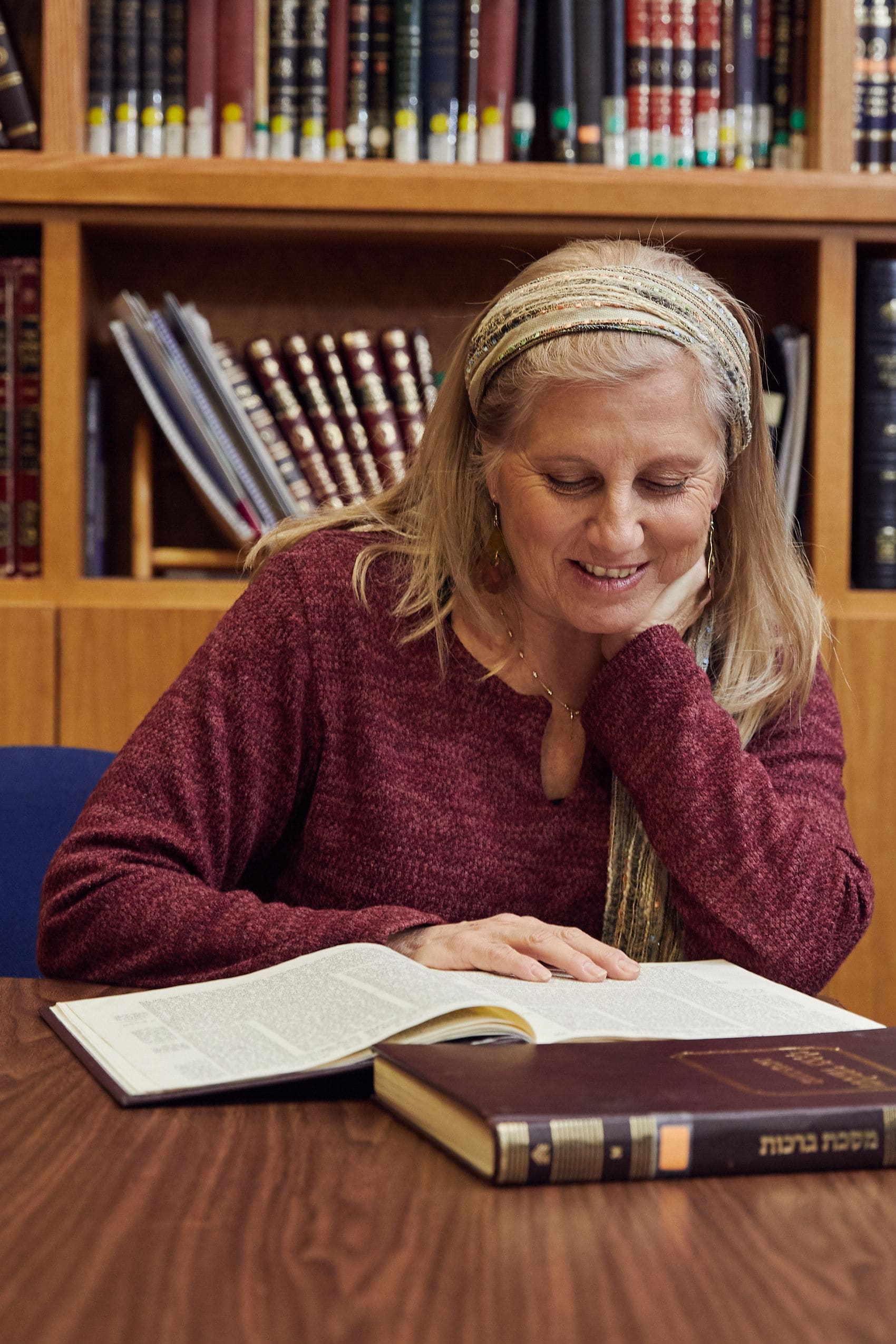
חיפה, ישראל
כתובות עט
אֲתַאי לְקַמֵּיהּ דְּרַב נַחְמָן, קַרְעֵיהּ רַב נַחְמָן לִשְׁטָרָא. אֲזַל רַב עָנָן לְקַמֵּיהּ דְּמָר עוּקְבָא, אֲמַר לֵיהּ: חֲזִי מָר נַחְמָן חַקְלָאָה הֵיכִי מְקָרַע שְׁטָרֵי דְאִינָשֵׁי. אֲמַר לֵיהּ: אֵימָא לִי אִיזִי, גּוּפָא דְעוֹבָדָא הֵיכִי הֲוָה?
The mother came before Rav Naḥman for judgment. Rav Naḥman tore the document, accepting her claim that she did not intend to transfer ownership of her property. Rav Anan went before Mar Ukva, the Exilarch, and said to him: Let the Master observe Naḥman the farmer, how he tears people’s documents. Rav Anan was upset that Rav Naḥman destroyed a legitimate document. Mar Ukva said to him: Tell me, please, what was the actual incident?
אֲמַר לֵיהּ: הָכִי וְהָכִי הֲוָה. אֲמַר לֵיהּ: שְׁטַר מַבְרַחַת קָא אָמְרַתְּ? הָכִי אָמַר רַב חֲנִילַאי בַּר אִידִי אָמַר שְׁמוּאֵל: מוֹרֶה הוֹרָאָה אֲנִי: אִם יָבֹא שְׁטַר מַבְרַחַת לְיָדִי — אֶקְרָעֶנּוּ.
Rav Anan said to Mar Ukva: This and that transpired; i.e., he apprised him of all the details. Mar Ukva said to him: Are you saying it was a document of evasion? This is what Rav Ḥanilai bar Idi said that Shmuel said: I am an authority who issues rulings and have issued the following directive: If a document of evasion comes to my hand, I will tear it, as it is clear that it was not intended for the actual transfer of property but merely to distance it from someone else.
אֲמַר לֵיהּ רָבָא לְרַב נַחְמָן: טַעְמָא מַאי? דְּלָא שָׁבֵיק אִינִישׁ נַפְשֵׁיהּ וְיָהֵיב לְאַחֲרִינֵי. הָנֵי מִילֵּי לְאַחֲרִינֵי, אֲבָל לִבְרַתַּהּ יָהֲיבָא! אֲפִילּוּ הָכִי: בִּמְקוֹם בְּרַתַּהּ, נַפְשָׁהּ עֲדִיפָא לַהּ.
After seeing Rav Naḥman tear the document, Rava said to Rav Naḥman: What is the reason for your actions? Is it that you assume that it was not a wholehearted gift because a person does not abandon his own interests and give a gift to others? That applies only when it is given to others who are strangers, but to her daughter a mother would give property wholeheartedly. Rav Naḥman replied: Even so, where her interests clash with those of her daughter, her own interests are preferable to her, and therefore she did not intend to waive her rights.
מֵיתִיבִי: הָרוֹצָה שֶׁתַּבְרִיחַ נְכָסֶיהָ מִבַּעְלָהּ, כֵּיצַד הִיא עוֹשָׂה? כּוֹתֶבֶת שְׁטַר פַּסִּים לַאֲחֵרִים, דִּבְרֵי רַבָּן שִׁמְעוֹן בֶּן גַּמְלִיאֵל.
The Gemara raises an objection: With regard to one who seeks to distance her property from her husband, how does she proceed? She writes in a document of agreement that her property should be given to others, who agree not to acquire the property. This document prevents her husband from gaining access to her property. This is the statement of Rabban Shimon ben Gamliel.
וַחֲכָמִים אוֹמְרִים: רָצָה — מְצַחֵק בָּהּ. עַד שֶׁתִּכְתּוֹב לוֹ מֵהַיּוֹם וְלִכְשֶׁאֶרְצֶה.
And the Rabbis say: This solution is flawed, because if the recipient wishes, he can deceive her and retain the property by virtue of the valid document in his possession. That possibility cannot be avoided until she writes to him in the document that the gift is granted from today and the gift is in effect only while I still wish to give it. In that case, if the one to whom she gave the gift comes to take possession of it, she can say that she no longer wants to give the gift and can thereby invalidate the document.
טַעְמָא דְּכָתְבָה לֵיהּ הָכִי, הָא לָא כָּתְבָה לֵיהּ הָכִי — קְנַנְהִי לוֹקֵחַ!
The Gemara infers: The reason she can ultimately retain her property is due to the fact that she wrote this to him; but if she did not write this to him, the purchaser has acquired it. This indicates that a document of evasion is legally valid.
אָמַר רַבִּי זֵירָא, לָא קַשְׁיָא: הָא — בְּכוּלַּהּ, הָא — בְּמִקְצָתַהּ.
Rabbi Zeira said: This is not difficult, as this, the ruling that the document of evasion is void, is in a case where the document was written about all of the property, as clearly a person does not give away all his property as a gift and leave himself with nothing. Conversely, that ruling that the document is not canceled is in a case where the document was written about only part of the property, and therefore a clause must be added ensuring that the recipient cannot retain possession of the gift.
וְאִי לָא קְנַנְהִי לוֹקֵחַ — נִיקְנִינְהוּ בַּעַל! אָמַר אַבָּיֵי: עֲשָׂאוּם כִּנְכָסִים שֶׁאֵין יְדוּעִין לַבַּעַל, וְאַלִּיבָּא דְּרַבִּי שִׁמְעוֹן.
The Gemara raises a difficulty: And in the case where the document is invalid because all of the property was included, if the purchaser does not acquire the property, the husband should acquire it. Abaye said: The Sages rendered this property given as a gift like property that is unknown to the husband, and this is in accordance with the opinion of Rabbi Shimon in the mishna that if she sold such property after her marriage, the sale is valid. Therefore, the husband does not have access to the property.
מַתְנִי׳ נָפְלוּ לָהּ כְּסָפִים — יִלָּקַח בָּהֶן קַרְקַע, וְהוּא אוֹכֵל פֵּירוֹת. פֵּירוֹת הַתְּלוּשִׁין מִן הַקַּרְקַע — יִלָּקַח בָּהֶן קַרְקַע, וְהוּא אוֹכֵל פֵּירוֹת.
MISHNA: If money was bequeathed to a woman as an inheritance while she was married, land is acquired with it, and the husband consumes the produce of the land while the principal remains hers. If she inherited produce that is detached from the ground, it is considered like money; therefore, land is acquired with it and he consumes the produce of the land.
[פֵּירוֹת] הַמְחוּבָּרִים בַּקַּרְקַע? אָמַר רַבִּי מֵאִיר: שָׁמִין אוֹתָהּ כַּמָּה הִיא יָפָה בְּפֵירוֹת וְכַמָּה הִיא יָפָה בְּלֹא פֵּירוֹת, וּמוֹתַר — יִלָּקַח בָּהֶן קַרְקַע, וְהוּא אוֹכֵל פֵּירוֹת. וַחֲכָמִים אוֹמְרִים: הַמְחוּבָּרִים לַקַּרְקַע — שֶׁלּוֹ, וְהַתְּלוּשִׁין מִן הַקַּרְקַע — שֶׁלָּהּ, וְיִלָּקַח בָּהֶן קַרְקַע, וְהוּא אוֹכֵל פֵּירוֹת.
With regard to produce that is attached to the ground, Rabbi Meir says: One evaluates how much the land is worth with the produce, and how much it is worth without the produce, and the difference between these sums is the surplus value that belongs to the woman. Land is then acquired with the surplus and he consumes the produce. And the Rabbis say: That which is attached to the ground is his, as he is entitled to the produce from her property and he may therefore eat from it. And that which is detached from the ground is hers, like all other money she brings to the marriage, and land is acquired with it and he consumes the produce.
רַבִּי שִׁמְעוֹן אוֹמֵר: מְקוֹם שֶׁיִּפָּה כֹּחוֹ בִּכְנִיסָתָהּ — הוֹרַע כֹּחוֹ בִּיצִיאָתָהּ. מְקוֹם שֶׁהוֹרַע כֹּחוֹ בִּכְנִיסָתָהּ — יִפָּה כֹּחוֹ בִּיצִיאָתָהּ. כֵּיצַד? פֵּירוֹת הַמְחוּבָּרִים לַקַּרְקַע, בִּכְנִיסָתָהּ — שֶׁלּוֹ, וּבִיצִיאָתָהּ — שֶׁלָּהּ. וְהַתְּלוּשִׁין מִן הַקַּרְקַע, בִּכְנִיסָתָהּ — שֶׁלָּהּ, וּבִיצִיאָתָהּ — שֶׁלּוֹ.
Rabbi Shimon says: In a case where his right is superior upon her entrance to the marriage, his right is inferior upon her exit if he divorces her. Conversely, in a case where his right is inferior upon her entrance, his right is superior upon her exit. How so? With regard to produce that is attached to the ground, if she married while owning such produce, upon her entrance it is his, in accordance with the opinion of the Rabbis, and upon her exit, when he divorces her, it is hers, as it is considered part of her property. But in the case of produce that is detached from the ground, upon her entrance it is hers, and if such produce is detached before their divorce, upon her exit it is his, as he was already entitled to all the produce of her property.
גְּמָ׳ פְּשִׁיטָא: אַרְעָא וּבָתֵּי — אַרְעָא. בָּתֵּי וְדִיקְלֵי — בָּתֵּי. דִּיקְלֵי וְאִילָנֵי — דִּיקְלֵי. אִילָנֵי וְגוּפְנֵי — אִילָנֵי.
GEMARA: The Gemara observes that in the cases in the mishna where land is bought with the money, it is obvious that if one spouse proposes acquiring land and the other proposes buying houses, they must buy land, because it is a more secure purchase. If the decision is between houses and palm trees, they should acquire houses. If the decision is between palm trees or other types of trees, they should buy palm trees. If the decision is between regular trees or grapevines, they should purchase trees. The principle is that they acquire that which lasts longer and will not deteriorate over time.
אִבָּא, זַרְדְּתָא, וּפִירָא דְכַוְורֵי, אָמְרִי לַהּ פֵּירָא וְאָמְרִי לַהּ קַרְנָא. כְּלָלָא דְּמִילְּתָא: גִּזְעוֹ מַחְלִיף — פֵּירָא, אֵין גִּזְעוֹ מַחְלִיף — קַרְנָא.
If the wife inherited a forest [abba] of hawthorn [zeradeta] trees, whose produce is inferior, or a fishpond, their status is a matter of dispute: Some say they are considered like produce, and some say they are like the principal, as they do not replenish themselves but eventually wear out. The principle of the matter is as follows: Any tree or plant whose trunk renews itself and grows again after it is cut is considered produce, whereas any tree or plant whose trunk does not renew itself is considered part of the principal.
אָמַר רַבִּי זֵירָא אָמַר רַבִּי אוֹשַׁעְיָא אָמַר רַבִּי יַנַּאי, וְאָמְרִי לַהּ, אָמַר רַבִּי אַבָּא אָמַר רַבִּי אוֹשַׁעְיָא אָמַר רַבִּי יַנַּאי: הַגּוֹנֵב
Rabbi Zeira said that Rabbi Oshaya said that Rabbi Yannai said, and some say Rabbi Abba said that Rabbi Oshaya said that Rabbi Yannai said: One who steals
וְלַד בֶּהֱמַת מְלוֹג — מְשַׁלֵּם תַּשְׁלוּמֵי כֶפֶל לָאִשָּׁה.
the offspring of an animal of a woman’s usufruct property must pay payment of double the principal to the woman. Apparently this ruling is based on the assumption that the offspring is not treated as the produce of her property but as the principal, which belongs to the woman.
כְּמַאן? לָא כְּרַבָּנַן וְלָא כַּחֲנַנְיָה! דְּתַנְיָא: וְלַד בֶּהֱמַת מְלוֹג לְבַעַל, וְלַד שִׁפְחַת מְלוֹג לָאִשָּׁה, וַחֲנַנְיָה בֶּן אֲחִי יֹאשִׁיָּה אָמַר: עָשׂוּ וְלַד שִׁפְחַת מְלוֹג כִּוְלַד בֶּהֱמַת מְלוֹג.
The Gemara asks: In accordance with whose opinion was this halakha stated? It is not in accordance with the opinion of the Rabbis, and not in accordance with that of Ḥananya. The Gemara explains the dispute alluded to here: As it is taught in a baraita: The offspring of a usufruct animal belongs to the husband, whereas the child of a usufruct maidservant belongs to the wife. And Ḥananya, son of Yoshiya’s brother, said: They made the status of the child of a usufruct maidservant like that of the offspring of a usufruct animal, which belongs to the husband. Both opinions in the baraita agree that the offspring of a usufruct animal belongs to the husband. Why, then, must the thief pay the double payment to the woman?
אֲפִילּוּ תֵּימָא דִּבְרֵי הַכֹּל: פֵּירָא תַּקִּינוּ לֵיה רַבָּנַן, פֵּירָא דְפֵירָא לָא תַּקִּינוּ לֵיה רַבָּנַן.
The Gemara answers: You can even say that all agree with Rabbi Yannai’s ruling, as there is a difference between the general use of property and the double payment. This is because the Sages instituted for the husband to consume the produce, but the Sages did not institute for him to consume the produce of the produce. The double payment does not have the status of the offspring itself but of produce resulting from its theft, which is considered the produce of the produce and therefore is given to the woman.
בִּשְׁלָמָא לַחֲנַנְיָה — הַיְינוּ דְּלָא חָיְישִׁינַן לְמִיתָה.
The Gemara asks: Granted, according to Ḥananya, who equates the halakha of a maidservant’s child to that of an animal’s offspring, this is because we are not concerned about the death of the mother. Therefore, the mother is the principal while its offspring is considered the produce.
אֶלָּא רַבָּנַן אִי חָיְישִׁי לְמִיתָה — אֲפִילּוּ וְלַד בֶּהֱמַת מְלוֹג נָמֵי לָא. וְאִי לָא חָיְישִׁי לְמִיתָה — אֲפִילּוּ וְלַד שִׁפְחַת מְלוֹג נָמֵי?
But according to the Rabbis, if they are concerned about the death of the mother, and this is why a maidservant’s child belongs to the wife, even the offspring of a usufruct animal should not have the status of produce either. Rather, it should have the status of principal, because if the usufruct animal dies the woman will be left with nothing. Therefore, the offspring should be viewed as a replacement for its mother. And if they are not concerned about the death of the mother, even the child of a usufruct maidservant should also belong to the husband as the produce of her property. Why, then, do they distinguish between these two cases?
לְעוֹלָם חָיְישִׁי לְמִיתָה, וְשָׁאנֵי בְּהֵמָה דְּאִיכָּא עוֹרָהּ.
The Gemara answers: Actually, the Rabbis are concerned about death, but the halakha of an animal is different, as there is still its hide, which remains after death. Therefore, the principal is not entirely lost even if the animal dies.
אָמַר רַב הוּנָא בַּר חִיָּיא אָמַר שְׁמוּאֵל: הֲלָכָה כַּחֲנַנְיָה. אָמַר רָבָא אָמַר רַב נַחְמָן: אַף עַל גַּב דְּאָמַר שְׁמוּאֵל הֲלָכָה כַּחֲנַנְיָה, מוֹדֶה חֲנַנְיָה שֶׁאִם נִתְגָּרְשָׁה — נוֹתֶנֶת דָּמִים וְנוֹטַלְתָּן, מִפְּנֵי שֶׁבַח בֵּית אָבִיהָ.
Rav Huna bar Ḥiyya said that Shmuel said: The halakha is in accordance with the opinion of Ḥananya that the child of a maidservant belongs to the husband. Rava said that Rav Naḥman said: Although Shmuel said that the halakha is in accordance with the opinion of Ḥananya, Ḥananya concedes that if the woman was divorced, she pays money and takes the children of her maidservants, because they are assets of her paternal family, and it is unfitting for the children of her family’s slaves to belong to someone else.
אָמַר רָבָא אָמַר רַב נַחְמָן: הִכְנִיסָה לוֹ עֵז לַחֲלָבָהּ וְרָחֵל לְגִיזָּתָהּ, וְתַרְנְגוֹלֶת לְבֵיצָתָהּ, וְדֶקֶל לְפֵירוֹתָיו — אוֹכֵל וְהוֹלֵךְ עַד שֶׁתִּכְלֶה הַקֶּרֶן. אָמַר רַב נַחְמָן: עַיִּילָא לֵיהּ גְּלִימָא — פֵּירָא הָוֵי, מִכַּסֵּי בֵּיהּ וְאָזֵיל עַד דְּכָלְיָא.
Rava said that Rav Naḥman said: If she brought in to the marriage for him a goat for its milk, or a sheep for its shearings, or a hen for its eggs, or a palm tree for its produce, the husband continues to consume the produce until the principal is consumed, and there is no concern that the woman will remain with nothing of value. Similarly, Rav Naḥman said: If she brought in for him a cloak as her usufruct property, it is produce, and he may cover himself with it until it is consumed.
כְּמַאן? כִּי הַאי תַּנָּא, דְּתַנְיָא: הַמֶּלַח וְהַחוֹל — הֲרֵי זֶה פֵּירוֹת. פִּיר שֶׁל גׇּפְרִית, מַחְפּוֹרֶת שֶׁל צָרִיף, רַבִּי מֵאִיר אוֹמֵר: קֶרֶן. וַחֲכָמִים אוֹמְרִים: פֵּירוֹת.
The Gemara comments: In accordance with whose opinion is this ruling? It is in accordance with this tanna, as it is taught in a baraita: If a wife’s usufruct property includes a location on the shore from which salt and sand are extracted, this extract is deemed produce. As for a quarry of sulfur or a mine of alum, Rabbi Meir says: These are deemed principal, as the mine contains a finite amount of substance, and the Rabbis say: Extractions from such locations are produce, while the location of the mine is the principal. Rav Naḥman’s ruling that the cloak is deemed produce is in accordance with the opinion of the Rabbis that the extractions are deemed produce.
רַבִּי שִׁמְעוֹן אוֹמֵר מָקוֹם שֶׁיִּפָּה כֹּחוֹ. רַבִּי שִׁמְעוֹן הַיְינוּ תַּנָּא קַמָּא? אָמַר רָבָא: מְחוּבָּרִין בִּשְׁעַת יְצִיאָה אִיכָּא בֵּינַיְיהוּ.
§ The mishna stated that Rabbi Shimon says: In a case where his right is superior upon her entrance, his right is inferior upon her exit if he divorces her. Conversely, in the case where his right is inferior upon her entrance, his right is superior upon her exit. The Gemara asks: The statement of Rabbi Shimon is identical to that of the first tanna, i.e., the Rabbis. Why, then, are both necessary? Rava said: The practical difference between them is the status of produce that was attached at the time of her departure from the marriage. The Rabbis, who did not directly address this issue, maintain that it belongs to him, whereas Rabbi Shimon says it belongs to her.
מַתְנִי׳ נָפְלוּ לָהּ עֲבָדִים וּשְׁפָחוֹת זְקֵנִים — יִמָּכְרוּ, וְיִלָּקַח מֵהֶן קַרְקַע, וְהוּא אוֹכֵל פֵּירוֹת. רַבָּן שִׁמְעוֹן בֶּן גַּמְלִיאֵל אוֹמֵר: לֹא תִּמְכּוֹר, מִפְּנֵי שֶׁהֵן שֶׁבַח בֵּית אָבִיהָ. נָפְלוּ לָהּ זֵיתִים וּגְפָנִים זְקֵנִים — יִמָּכְרוּ, וְיִלָּקַח בָּהֶן קַרְקַע, וְהוּא אוֹכֵל פֵּירוֹת. רַבִּי יְהוּדָה אוֹמֵר: לֹא תִּמְכּוֹר, מִפְּנֵי שֶׁהֵן שֶׁבַח בֵּית אָבִיהָ.
MISHNA: If elderly slaves or maidservants were bequeathed to her, they are sold and land is acquired with them, and the husband consumes the produce of the land. Rabban Shimon ben Gamliel says: She need not sell these slaves and maidservants, because they are assets of her paternal family, and it would be shameful to the family if they were sold to others. Likewise, if old olive trees or grapevines were bequeathed to her, they are sold and land is acquired with them, and he consumes the produce. Rabbi Yehuda says: She need not sell them, because they are assets of her paternal family.
גְּמָ׳ אָמַר רַב כָּהֲנָא אָמַר רַב: מַחְלוֹקֶת שֶׁנָּפְלוּ בְּשָׂדֶה שֶׁלָּהּ, אֲבָל בְּשָׂדֶה שֶׁאֵינָהּ שֶׁלָּהּ — דִּבְרֵי הַכֹּל תִּמְכּוֹר, מִשּׁוּם דְּקָא כָלְיָא קַרְנָא.
GEMARA: Rav Kahana said that Rav said: This dispute concerning olive trees and grapevines is referring to a case when they were bequeathed to her in her field, as they are assets of her paternal family, and therefore Rabbi Yehuda rules that she need not sell them. But if she received them in a field that is not hers, everyone agrees that she must sell them because the principal will be consumed. Since these trees will not yield much produce, they will eventually be uprooted, and transitory property is not included in the category of assets of her paternal family.
מַתְקֵיף לַהּ רַב יוֹסֵף: הֲרֵי עֲבָדִים וּשְׁפָחוֹת, דְּכִי שָׂדֶה שֶׁאֵינָהּ שֶׁלָּהּ דָּמֵי, וּפְלִיגִי! אֶלָּא אִי אִיתְּמַר הָכִי אִיתְּמַר: אָמַר רַב כָּהֲנָא אָמַר רַב: מַחֲלוֹקֶת בְּשָׂדֶה שֶׁאֵינָהּ שֶׁלָּהּ, אֲבָל בְּשָׂדֶה שֶׁלָּהּ — דִּבְרֵי הַכֹּל לֹא תִּמְכּוֹר, מִפְּנֵי שֶׁבַח בֵּית אָבִיהָ.
Rav Yosef objects to this: But elderly slaves and maidservants are considered like a field that is not hers, as nothing will remain of the principal, and yet Rabban Shimon ben Gamliel and the first tanna disagree over this case. The Gemara retracts: Rather, if the above statement of Rav Kahana was stated, it was stated as follows: Rav Kahana said that Rav said: This dispute with regard to olive trees and vines is referring to when they are located in a field that is not hers, but if they are located in her field, everyone agrees that she need not sell them, because they are assets of her paternal family.
מַתְנִי׳ הַמּוֹצִיא הוֹצָאוֹת עַל נִכְסֵי אִשְׁתּוֹ, הוֹצִיא הַרְבֵּה וְאָכַל קִימְעָא, קִימְעָא וְאָכַל הַרְבֵּה — מַה שֶּׁהוֹצִיא הוֹצִיא, וּמַה שֶּׁאָכַל אָכַל. הוֹצִיא וְלֹא אָכַל — יִשָּׁבַע כַּמָּה הוֹצִיא, וְיִטּוֹל.
MISHNA: With regard to one who pays expenditures for his wife’s property in an effort to improve it, if he paid a large amount in expenditures and ate only a small amount of produce before he divorced her, or if he paid a small amount in expenditures and ate a large quantity of produce, that which he spent he has spent, and that which he ate he has eaten. Therefore, none of it need be returned. However, if he paid expenditures for the property and did not eat any part of it, he takes an oath with regard to how much he paid and then takes his expenditures.
גְּמָ׳ וְכַמָּה קִימְעָא? אָמַר רַבִּי אַסִּי: אֲפִילּוּ גְּרוֹגֶרֶת אַחַת, וְהוּא שֶׁאֲכָלָהּ דֶּרֶךְ כָּבוֹד. אָמַר
GEMARA: The Gemara asks: And how much is a small amount? Rabbi Asi said: It is even one dried fig, provided he ate it in a dignified manner befitting the owner of the produce and did not eat it by snatching the produce. It was said

