חיפוש

כתובות פו

רוצה להקדיש שיעור?

podcast placeholder

0:00
0:00


תקציר

הדף היום מוקדש ע”י קהילת לומדות זום בעברית של הדרן לכבוד דף ה-1000 לסבב זה בש”ס. "לכבוד הרבנית מישל – את מתווה לנו דרך בהנגשת התלמוד ומושגיו, בכח ההתמדה היומיומי, בלימוד נשי שלא מתרגש מקשיים בדרך ,בנחת ובנועם.”

לרב נחמן הייתה קרובת משפחה שאמה מכרה את כתובתה למישהו אחר. לאחר מיתת האם, רב נחמן יעץ לה למחול על תשלום הכתובה כדי שהכסף יישאר בידי אביה והיא בסופו של דבר תירש את הכספים. לאחר מכן, הוא התחרט שייעץ לה שכן חשב שזה לא הולם אדם חושב לתת עצות מסוג זה לקרוביו. אם קונים שטר חוב, מה ניתן לעשות כדי להגן מפני מחילת הנושה על ההלוואה? אם אכן מוותר על ההלוואה, האם הנושה צריך לפצות את מי שרכש את שטר החוב? זה תלוי בשאלה אם סבור כי אדם אחראי לגרימת נזק בעקיפין (דינא דגרמי). אם אדם שמת מותיר בעל חוב ואלמנה שצריכה את הכתובה שלה, ויש כסף וקרקע, הבעל חוב גובה מהכסף והאלמנה מהקרקע. אם יש רק חלקת אדמה אחת ולא מספיקה לשניהם, הבעל חוב מקבל אותה, כדי לא לנעול דלת בפני לווים. נשים אינן זקוקות לאותו סוג של עידוד להתחתן כפי שנשים מעדיפות בדרך כלל להיות נשואות, גם אם זה אומר שהן עלולות להתקשות להשיג את כספי כתובתן. רב פפא שמע שרב חמא אמר בשם רבא שבעל חוב יכול לעמוד על כך שהלווה ימכור את אדמתו בכדי לשלם לו בכסף. אבל זה לא נכון, הסיקו כך באופן שגוי ממשעשה שהיה ששם היו נסיבות ייחודיות. אם מבינים כי החזר הלוואה הוא רק מצווה, כיצד בתי המשפט יכולים לאכוף תשלום? רב פפא הסביר שהדין חמור יותר למי שאינו מקיים מצות עשה מאשר למי שעובר על מצוות לא תעשה. אם נתן גט לאשתו שיהיה תקף בעוד שלושים יום והגט היה בצד של רשות הרבים (ולא ברשות האשה) ביום השלושים, האם הגט תקף? רב ושמואל חולקים על רב נחמן בנושא זה. אילו מקורות מביא כל צד כדי לתמוך בדעתו? אם גבר ממנה את אשתו לעבוד בחנות שלו או לנהל את רכושו, הוא יכול להכריח אותה להישבע בנושאים כספיים מתי שירצה. לדעת רבי אליעזר, הוא יכול אפילו להשביע על הצמר שהיא טווה או על בצקה (כלומר, מלאכות שהיא עושה בבית). באיזה מצב מתייחס רבי אליעזר – למקרה שהיא צריכה להישבע לו על משהו אחר (גלגול שבועה) או אפילו אם לא? המשנה דנה במקרה שבו בעל פוטר את אשתו משבועות ונדרים. מוזכרים ניסוחים שונים שכן כל אחד מהם מכליל מצבים אחרים, כמו אי מתן אפשרות ליורשיו להשביעה או לא להתיר לו להשביע ליורשיה.

כלים

כתובות פו

תֵּיזִיל וְתַיחֲלַהּ לִכְתוּבְּתַהּ דְּאִמַּהּ לְגַבֵּי אֲבוּהּ, וְתֵירְתַהּ מִינֵּיהּ. שְׁמַעָה אֲזַלָה אַחֵילְתַּהּ.

that she should go and forgive her mother’s marriage contract for her father, and she will subsequently inherit the sum of the marriage contract from him? The marriage contract is a document of the debt owed by her father to her mother. The daughter, who has inherited the document from her mother, can forgo her father’s obligation, so rendering nugatory the right of the purchasers. The father then retains the amount owed to the purchasers of the marriage contract, and his daughter will inherit that amount when he dies. The daughter heard this, and went and forgave her father’s obligation in the marriage contract, as recommended by Rav Naḥman.

אֲמַר רַב נַחְמָן: עָשִׂינוּ עַצְמֵינוּ כְּעוֹרְכֵי הַדַּיָּינִין. מֵעִיקָּרָא מַאי סְבַר, וּלְבַסּוֹף מַאי סְבַר? מֵעִיקָּרָא סְבַר: ״וּמִבְּשָׂרְךָ לֹא תִתְעַלָּם״, וּלְבַסּוֹף סָבַר: אָדָם חָשׁוּב שָׁאנֵי.

Rav Naḥman later said in regret: We have made ourselves like advisors of judges. We have acted like lawyers who give practical advice to litigants rather than like independent judges. The Gemara asks: At the outset, what did he hold when he intended the daughter to hear his advice, and ultimately, what did he hold that made him regret his action? The Gemara explains: At the outset, he held that the verse teaches: “And you should not hide yourself from your own flesh” (Isaiah 58:7), and therefore it is correct to give help and advice to relatives. And ultimately he held that in the case of an important person who must be very careful to avoid any impression of having favored his family in judgment, the situation is different.

גּוּפָא, אָמַר שְׁמוּאֵל: הַמּוֹכֵר שְׁטַר חוֹב לַחֲבֵירוֹ, וְחָזַר וּמְחָלוֹ — מָחוּל, וַאֲפִילּוּ יוֹרֵשׁ מוֹחֵל. אָמַר רַב הוּנָא בְּרֵיהּ דְּרַב יְהוֹשֻׁעַ: וְאִי פִּקֵּחַ הוּא, מְקַרְקֵשׁ לֵיהּ זוּזֵי, וְכָתֵב לֵיהּ שְׁטָרָא בִּשְׁמֵיהּ.

Since the Gemara had previously mentioned a halakha stated by Shmuel, it turns its attention to the matter itself. Shmuel said: With regard to one who sells a promissory note to another, and the seller went back and forgave the debtor his debt, it is forgiven, since the debtor essentially had a non-transferable obligation to the creditor alone, and even the creditor’s heir can forgive the debt. Rav Huna, son of Rav Yehoshua, said: And if the purchaser of the document is perspicacious, and is wary of such a ploy, he should jangle [mekarkesh] dinars in the debtor’s ears, i.e., he should pay the debtor or promise him money, and the debtor will write for him a new promissory note in the purchaser’s name, thereby preventing the latter from losing out.

אָמַר אַמֵּימָר: מַאן דְּדָאֵין דִּינָא דִגְרָמֵי — מַגְבֵּי בֵּיהּ דְּמֵי שְׁטָרָא מְעַלְּיָא. מַאן דְּלָא דָּאֵין דִּינָא דְגַרְמֵי, מַגְבֵּי בֵּיהּ דְּמֵי נְיָירָא בְּעָלְמָא.

Ameimar said: One who judges cases of liability for indirect damage and maintains that someone whose actions cause damage is obligated to pay, even if he has not directly harmed another, collects in this case the value of the proper document. Since by forgiving the loan the creditor voided the document and caused the purchaser financial loss, he must compensate the purchaser for the amount recorded in the document. One who does not judge cases of liability for indirect damage collects in this case only the value of the paper on which the document was written.

הֲוָה עוֹבָדָא וְכַפְיֵיהּ רַפְרָם לְרַב אָשֵׁי, וְאַגְבִּי בֵּיהּ כִּי כְשׁוּרָא לְצַלְמֵי.

The Gemara relates that there was an incident like this one, and Rafram pressured Rav Ashi by means of verbal persuasion to render an unequivocal ruling in this matter, and Rav Ashi collected in this case as if he damaged a beam used for crafting a sculpture, i.e., the full value of the debt listed in the promissory note.

אָמַר אַמֵּימָר מִשְּׁמֵיהּ דְּרַב חָמָא: הַאי מַאן דְּאִיכָּא עֲלֵיהּ כְּתוּבַּת אִשָּׁה וּבַעַל חוֹב, וְאִית לֵיהּ אַרְעָא וְאִית לֵיהּ זוּזֵי — לְבַעַל חוֹב מְסַלְּקִינַן לֵיהּ בְּזוּזֵי, לְאִשָּׁה מְסַלְּקִינַן לַהּ בְּאַרְעָא, הַאי כִּי דִינֵיהּ וְהַאי כִּי דִינֵיהּ.

Ameimar said in the name of Rav Ḥama: With regard to one who has incumbent upon himself the obligation of his wife’s marriage contract and also owes money to a creditor, and he possesses land and possesses money, the obligation to the creditor is settled with the payment of money, whereas the debt to the woman of her marriage contract is settled with the payment of land, this one in accordance with his law, and that one in accordance with her law. Since the creditor gave him money, it is fitting that he should receive ready cash in return. The woman, in contrast, did not give him anything but relied upon the lien on his land, so she is therefore given land.

וְאִי לָא אִיכָּא אֶלָּא חַד אַרְעָא וְלָא חַזְיָא אֶלָּא לְחַד — לְבַעַל חוֹב יָהֲבִינַן לֵיהּ, לְאִשָּׁה לָא יָהֲבִינַן לַהּ. מַאי טַעְמָא — יוֹתֵר מִמַּה שֶּׁהָאִישׁ רוֹצֶה לִישָּׂא, אִשָּׁה רוֹצָה לְהִנָּשֵׂא.

And if there is only one plot of land, and it is adequate for the payment of only one debt, we give it to the creditor, and we do not give it to the woman. What is the reason for this? Even more than a man wants to marry, a woman wants to be married. Women do not get married because they wish to receive their marriage contract. It is better to give preference to the creditor so that he will not lose out, so as not to discourage people from lending money.

אֲמַר לֵיהּ רַב פָּפָּא לְרַב חָמָא: וַדַּאי דְּאָמְרִיתוּ מִשְּׁמֵיהּ דְּרָבָא, הַאי מַאן דְּמַסְּקִי בֵּיהּ זוּזֵי, וְאִית לֵיהּ אַרְעָא, וַאֲתָא בַּעַל חוֹב וְקָא תָבַע מִינֵּיהּ, וְאָמַר לֵיהּ: ״זִיל שְׁקוֹל מֵאַרְעָא״, אָמְרִינַן לֵיהּ: ״זִיל זַבֵּין אַתְּ, וְאַיְיתִי הַב לֵיהּ״? אֲמַר לֵיהּ: לָא.

Rav Pappa said to Rav Ḥama: Is it correct that you say in the name of Rava: With regard to one who owes money and has land, and the creditor comes and demands from him his money, and the debtor says to him: Go and take the amount you are owed from the land, we say to him: Go and sell the land yourself and give him money? Rav Ḥama said to him: I did not say this in the name of Rava.

אֵימָא לִי גּוּפָא דְעוֹבָדָא הֵיכִי הֲוָה. אֲמַר לֵיהּ: תּוֹלֶה מְעוֹתָיו בְּגוֹי הֲוָה, הוּא עָשָׂה שֶׁלֹּא כַּהוֹגֶן — לְפִיכָךְ עָשׂוּ בּוֹ שֶׁלֹּא כַּהוֹגֶן.

Rav Pappa replied: Tell me the incident itself, what happened and what exactly occurred that caused this opinion to be attributed to Rava. Rav Ḥama said to him: The debtor was one who attached his money to a gentile. He possessed money, but he claimed that this money belonged to a gentile and therefore could not be demanded from him. This man acted improperly, and consequently, the Sages acted improperly with him by forcing him to sell the land.

אֲמַר לֵיהּ רַב כָּהֲנָא לְרַב פָּפָּא: לְדִידָךְ דְּאָמְרַתְּ פְּרִיעַת בַּעַל חוֹב מִצְוָה, אָמַר: ״לָא נִיחָא לִי דְּאֶיעְבֵּיד מִצְוָה״, מַאי? אֲמַר לֵיהּ, תְּנֵינָא: בַּמֶּה דְּבָרִים אֲמוּרִים — בְּמִצְוַת לֹא תַעֲשֶׂה, אֲבָל בְּמִצְוַת עֲשֵׂה, כְּגוֹן שֶׁאוֹמְרִין לוֹ עֲשֵׂה סוּכָּה וְאֵינוֹ עוֹשֶׂה, לוּלָב וְאֵינוֹ עוֹשֶׂה —

Rav Kahana said to Rav Pappa: According to your opinion, that you say the repayment of a creditor is a mitzva, if the debtor said: It is not amenable to me to perform a mitzva, what would be the halakha? If there is no obligation to repay a loan other than to perform a mitzva, then what happens if someone is not interested in performing the mitzva? He said to him: We already learned this halakha in a baraita: In what case is this statement said, that one is liable to receive forty lashes for committing a transgression? It is said with regard to negative mitzvot. However, with regard to positive mitzvot, for example, if the court says to someone: Perform the mitzva of the sukka, and he does not do so, or: Perform the mitzva of the palm branch, and he does not do so,

מַכִּין אוֹתוֹ עַד שֶׁתֵּצֵא נַפְשׁוֹ.

the court strikes him an unlimited number of times, even until his soul departs, in order to force him to perform the mitzva. The payment of a debt is a positive mitzva, and one who refuses to pay a debt can be compelled to do so in this manner.

בְּעָא מִינֵּיהּ רָמֵי בַּר חָמָא מֵרַב חִסְדָּא: ״הֲרֵי זֶה גִּיטֵּיךְ, וְלֹא תִּתְגָּרְשִׁי בּוֹ אֶלָּא לְאַחַר שְׁלֹשִׁים יוֹם״, וְהָלְכָה וְהִנִּיחַתּוּ בְּצִידֵּי רְשׁוּת הָרַבִּים, מַהוּ?

§ Rami bar Ḥama inquired of Rav Ḥisda: If a man said to his wife: This is your bill of divorce but you are divorced with it only after thirty days, and she took the bill of divorce and went and placed it in the sides of the public domain, i.e., in a place that was open to the public domain but not an actual part of it, and the bill of divorce was still there after thirty days, what is the halakha? Is she divorced?

אֲמַר לֵיהּ: אֵינָהּ מְגוֹרֶשֶׁת, מִדְּרַב וּשְׁמוּאֵל. דְּרַב וּשְׁמוּאֵל דְּאָמְרִי תַּרְוַיְיהוּ, וְהוּא שֶׁצְּבוּרִין וּמוּנָּחִין בִּרְשׁוּת הָרַבִּים, וְצִידֵּי רְשׁוּת הָרַבִּים כִּרְשׁוּת הָרַבִּים דָּמוּ.

Rav Ḥisda said to him: She is not divorced. This halakha is learned from the opinion of Rav and Shmuel, as it is Rav and Shmuel who both say with regard to the mishna: Any of the creditors of a deceased person can seize items of his movable property provided that they are arranged in piles and placed in the public domain, as in that case the heirs of the deceased do not receive it as part of their inheritance. Similarly, the woman will not acquire the bill of divorce after thirty days if it is in that location. Rav Ḥisda adds: And the sides of the public domain are considered like the public domain.

אַדְּרַבָּה, מְגוֹרֶשֶׁת, מִדְּרַב נַחְמָן. דְּאָמַר רַב נַחְמָן אָמַר רַבָּה בַּר אֲבוּהּ: הָאוֹמֵר לַחֲבֵירוֹ: ״מְשׁוֹךְ פָּרָה זוֹ, וְלֹא תִּהְיֶה קְנוּיָה לָךְ עַד לְאַחַר שְׁלֹשִׁים יוֹם״ — קָנָה, וַאֲפִילּוּ עוֹמֶדֶת בַּאֲגַם. מַאי לָאו: הַיְינוּ אֲגַם, וְהַיְינוּ צִידֵּי רְשׁוּת הָרַבִּים? לָא, אֲגַם לְחוּד וְצִידֵּי רְשׁוּת הָרַבִּים לְחוּד.

Rami bar Ḥama responded: On the contrary, she is divorced, in accordance with the opinion of Rav Naḥman, as Rav Naḥman said that Rabba bar Avuh said: With regard to one who says to his friend: Go and pull this cow now and it will be acquired by you only after thirty days, he has acquired the cow. And this is true even if the cow was standing after those thirty days in an ownerless meadow [agam]. Since the acquisition began properly at the start of the thirty-day period, it applies even after the thirty-day period. What, is it not the case that this is the halakha of a meadow and this is also the halakha of the sides of the public domain, as the two places have a similar status? Rav Ḥisda rejects this argument: No, the case of a meadow is discrete, and the case of the sides of the public domain is discrete, as the latter is considered an actual part of the public domain, and an ownerless meadow is not.

אִיכָּא דְאָמְרִי, אֲמַר לֵיהּ: מְגוֹרֶשֶׁת, מִדְּרַב נַחְמָן. וְצִידֵּי רְשׁוּת הָרַבִּים כַּאֲגַם דָּמֵי. אַדְּרַבָּה: אֵינָהּ מְגוֹרֶשֶׁת, מִדְּרַב וּשְׁמוּאֵל. מַאי לָאו: הַיְינוּ ״רְשׁוּת הָרַבִּים״, וְהַיְינוּ ״צִידֵּי רְשׁוּת הָרַבִּים״. לָא, רְשׁוּת הָרַבִּים לְחוֹד, וְצִידֵּי רְשׁוּת הָרַבִּים לְחוֹד.

Some say a different version of the dispute between Rami bar Ḥama and Rav Ḥisda, in which Rav Ḥisda said to Rami bar Ḥama: She is divorced, based on the ruling of Rav Naḥman pertaining to acquiring a cow, and the sides of the public domain are considered like a meadow. In this version, it was Rami bar Ḥama who replied: On the contrary, she is not divorced, as can be learned from the opinion of Rav and Shmuel pertaining to seizing objects in the public domain. What, is it not the case that this is the halakha of the public domain and this is similarly the halakha of the sides of the public domain? Rav Ḥisda responded: No, the public domain is discrete and the sides of the public domain are discrete.

מַתְנִי׳ הַמּוֹשִׁיב אֶת אִשְׁתּוֹ חֶנְווֹנִית, אוֹ שֶׁמִּינָּהּ אַפּוֹטְרוֹפְּיָא — הֲרֵי זֶה מַשְׁבִּיעָהּ כׇּל זְמַן שֶׁיִּרְצֶה. רַבִּי אֱלִיעֶזֶר אוֹמֵר: אֲפִילּוּ עַל פִּילְכָּהּ וְעַל עִיסָּתָהּ.

MISHNA: If there is one who establishes his wife as a storekeeper in his store, or if he appointed her as a steward to handle his property and workers, this one, i.e., the husband, can administer an oath to her, having her state that she did not appropriate any of his possessions, whenever he wants. Rabbi Eliezer says: He can administer an oath even with regard to the products of her spindle and for her dough, which are matters related to the household, and not her function as a storekeeper.

גְּמָ׳ אִיבַּעְיָא לְהוּ: רַבִּי אֱלִיעֶזֶר עַל יְדֵי גִלְגּוּל קָאָמַר — אוֹ לְכַתְּחִלָּה קָאָמַר?

GEMARA: A dilemma was raised before the Sages: When Rabbi Eliezer says that a husband can administer an oath to her with regard to any item, is he saying that this is by means of extension of an oath, i.e., once he administers an oath to her in her capacity as his storekeeper he can extend the oath to cover other matters, or, is he saying that he can administer an oath to her ab initio?

תָּא שְׁמַע, אָמְרוּ לוֹ לְרַבִּי אֱלִיעֶזֶר: אֵין אָדָם דָּר עִם נָחָשׁ בִּכְפִיפָה. אִי אָמְרַתְּ בִּשְׁלָמָא לְכַתְּחִלָּה — שַׁפִּיר. אֶלָּא אִי אָמְרַתְּ עַל יְדֵי גִלְגּוּל, מַאי נָפְקָא לַהּ מִינַּהּ?

The Gemara suggests: Come and hear a solution from a baraita: The Rabbis said to Rabbi Eliezer: A person does not reside in a basket with a snake. A woman is not expected to live with a husband who constantly suspects her of stealing. The Gemara explains: Granted, if you say that Rabbi Eliezer is referring to an oath administered ab initio, the Rabbis spoke well. However, if you say that the husband can administer an oath only by means of an extension of an oath, what difference does it make to her? As she must take an oath with regard to matters that concern the store, it does not cause any greater difficulty for her to take an oath with regard to the household matters.

דְּאָמְרָה לֵיהּ: כֵּיוָן דְּקָדָיְיקַתְּ בָּתְרַאי כּוּלֵּי הַאי — לָא מָצְיָנָא דְּאֵדוּר בַּהֲדָךְ.

The Gemara refutes this argument, as it is possible that she says to him: Since you are so exacting with me, I cannot live with you. Even if there is no additional oath, the sentiment engendered by his demand is grounds for dissatisfaction, and there is no proof that Rabbi Eliezer holds that he can administer an oath to her ab initio.

תָּא שְׁמַע: הֲרֵי שֶׁלֹּא פָּטַר אֶת אִשְׁתּוֹ מִן הַנֶּדֶר וּמִן הַשְּׁבוּעָה, וְהוֹשִׁיבָהּ חֶנְווֹנִית, אוֹ שֶׁמִּינָהּ אַפּוֹטְרוֹפְּיָא — הֲרֵי זֶה מַשְׁבִּיעָהּ כׇּל זְמַן שֶׁיִּרְצֶה. לֹא הוֹשִׁיבָהּ חֶנְווֹנִית, וְלֹא מִינָּהּ אַפּוֹטְרוֹפְּיָא — אֵינוֹ יָכוֹל לְהַשְׁבִּיעָהּ.

The Gemara suggests another proof. Come and hear a proof from a baraita: With regard to one who did not exempt his wife in the marriage contract from a vow and from an oath, and he established her as his storekeeper or appointed her as his steward, he can administer an oath to her whenever he wants. If he did not establish her as his storekeeper or appoint her as his steward, he cannot administer an oath to her.

רַבִּי אֱלִיעֶזֶר אוֹמֵר: אַף עַל פִּי שֶׁלֹּא הוֹשִׁיבָהּ חֶנְווֹנִית, וְלֹא מִינָּהּ אַפּוֹטְרוֹפְּיָא — הֲרֵי זֶה מַשְׁבִּיעָהּ כׇּל זְמַן שֶׁיִּרְצֶה, שֶׁאֵין לְךָ אִשָּׁה שֶׁלֹּא נַעֲשֵׂית אַפּוֹטְרוֹפְּיָא שָׁעָה אַחַת בְּחַיֵּי בַּעְלָהּ עַל פִּילְכָּהּ וְעַל עִיסָּתָהּ. אָמְרוּ לוֹ: אֵין אָדָם דָּר עִם נָחָשׁ בִּכְפִיפָה. שְׁמַע מִינָּהּ לְכַתְּחִלָּה שְׁמַע מִינָּהּ.

The baraita continues: Rabbi Eliezer says: Although he did not establish her as his storekeeper or appoint her as his steward, he can administer an oath to her whenever he wants, as you have no wife who did not become a steward for one hour in her husband’s lifetime at least for her spindle and for her dough. The Rabbis said to him: A person does not reside in a basket with a snake. One can conclude from this that according to Rabbi Eliezer a husband can administer an oath to his wife with regard to her conduct, even ab initio. The Gemara concludes: Conclude from it that it is so.

מַתְנִי׳ כָּתַב לָהּ ״נֶדֶר וּשְׁבוּעָה אֵין לִי עָלַיִךְ״ — אֵין יָכוֹל לְהַשְׁבִּיעָהּ, אֲבָל מַשְׁבִּיעַ הוּא אֶת יוֹרְשֶׁיהָ, וְאֶת הַבָּאִים בִּרְשׁוּתָהּ.

MISHNA: If one wrote to his wife in the marriage contract: I do not have the right to administer a vow or an oath upon you, he cannot administer an oath to her. However, he can administer an oath to her heirs, and to those who come on her authority, either as her representatives or because they purchased her marriage contract.

״נֶדֶר וּשְׁבוּעָה אֵין לִי עָלַיִךְ וְעַל יוֹרְשַׁיִךְ וְעַל הַבָּאִים בְּרִשּׁוּתֶיךָ״ — אֵינוֹ יָכוֹל לְהַשְׁבִּיעָהּ, לֹא הִיא, וְלֹא יוֹרְשֶׁיהָ, וְלֹא אֶת הַבָּאִים בִּרְשׁוּתָהּ. אֲבָל יוֹרְשָׁיו מַשְׁבִּיעִין אוֹתָהּ וְאֶת יוֹרְשֶׁיהָ, וְאֶת הַבָּאִים בִּרְשׁוּתָהּ.

If the husband wrote: I do not have the right to administer a vow or an oath upon you, or upon your heirs, or upon those who come on your authority, he cannot administer an oath to her; not to her, nor her heirs, nor those who come on her authority. But the husband’s heirs can administer an oath to her, and to her heirs, and to those who come on her authority.

״נֶדֶר וּשְׁבוּעָה אֵין לִי, וְלֹא לְיוֹרְשַׁי, וְלֹא לַבָּאִים בִּרְשׁוּתִי עָלַיִךְ, וְעַל יוֹרְשַׁיִךְ, וְעַל הַבָּאִים בִּרְשׁוּתִיךְ״ — אֵינוֹ יָכוֹל לְהַשְׁבִּיעָהּ, לֹא הוּא וְלֹא יוֹרְשָׁיו וְלֹא הַבָּאִים בִּרְשׁוּתוֹ, לֹא אוֹתָהּ וְלֹא יוֹרְשֶׁיהָ, וְלֹא הַבָּאִים בִּרְשׁוּתָהּ.

If he wrote: Neither I, nor my heirs, nor those who come on my authority have the right to administer a vow or an oath upon you, or upon your heirs, or upon those who come on your authority, he cannot administer an oath to her or to them; not he, nor his heirs, nor those who come on his authority may administer an oath, not to her, nor to her heirs, nor to those who come on her authority.

הָלְכָה מִקֶּבֶר בַּעְלָהּ לְבֵית אָבִיהָ, אוֹ שֶׁחָזְרָה לְבֵית חָמִיהָ וְלֹא נַעֲשֵׂית אַפּוֹטְרוֹפְּיָא — אֵין הַיּוֹרְשִׁין מַשְׁבִּיעִין אוֹתָהּ. וְאִם נַעֲשֵׂית אַפּוֹטְרוֹפְּיָא — הַיּוֹרְשִׁין מַשְׁבִּיעִין אוֹתָהּ עַל הֶעָתִיד לָבֹא, וְאֵין מַשְׁבִּיעִין אוֹתָהּ עַל מַה שֶּׁעָבַר.

If a woman who was exempted from an oath by her husband went from her husband’s grave, immediately after her husband’s death, to her father’s house, without handling her late husband’s property, or in a case where she returned to her father-in-law’s house and did not become a steward over the property at all throughout this period, then the heirs cannot administer an oath to her with regard to her actions in their father’s lifetime, as the husband exempted her from an oath to the heirs. And if she became a steward, the heirs may administer an oath to her about the future, i.e., anything she did with the property after the death of her husband, but they cannot administer an oath to her with regard to what took place in the past, during her husband’s lifetime.

גְּמָ׳ שְׁבוּעָה מַאי עֲבִידְתֵּהּ? אָמַר רַב יְהוּדָה אָמַר רַב:

GEMARA: The Gemara asks: What is the purpose of an oath? What oath can he administer to her that caused him to add this condition to her marriage contract? Rav Yehuda said that Rav said:

כלים

העמקה

רוצה להבין מה באמת קורה מתחת לפני השטח של הסוגיה?
שיעורים, פודקאסטים והרחבות של מיטב המורות שלנו יפתחו לך עוד זוויות וכיווני חשיבה.

לשיעורי עוד על הדף באנגלית, לחצי כאן

חדשה בלימוד הגמרא?

זה הדף הראשון שלך? איזו התרגשות עצומה! יש לנו בדיוק את התכנים והכלים שיעזרו לך לעשות את הצעדים הראשונים ללמידה בקצב וברמה שלך, כך תוכלי להרגיש בנוח גם בתוך הסוגיות המורכבות ומאתגרות.

פסיפס הלומדות שלנו

גלי את קהילת הלומדות שלנו, מגוון נשים, רקעים וסיפורים. כולן חלק מתנועה ומסע מרגש ועוצמתי.

בתחילת הסבב הנוכחי הצטברו אצלי תחושות שאני לא מבינה מספיק מהי ההלכה אותה אני מקיימת בכל יום. כמו כן, כאמא לבנות רציתי לתת להן מודל נשי של לימוד תורה
שתי הסיבות האלו הובילו אותי להתחיל ללמוד. נתקלתי בתגובות מפרגנות וסקרניות איך אישה לומדת גמרא..
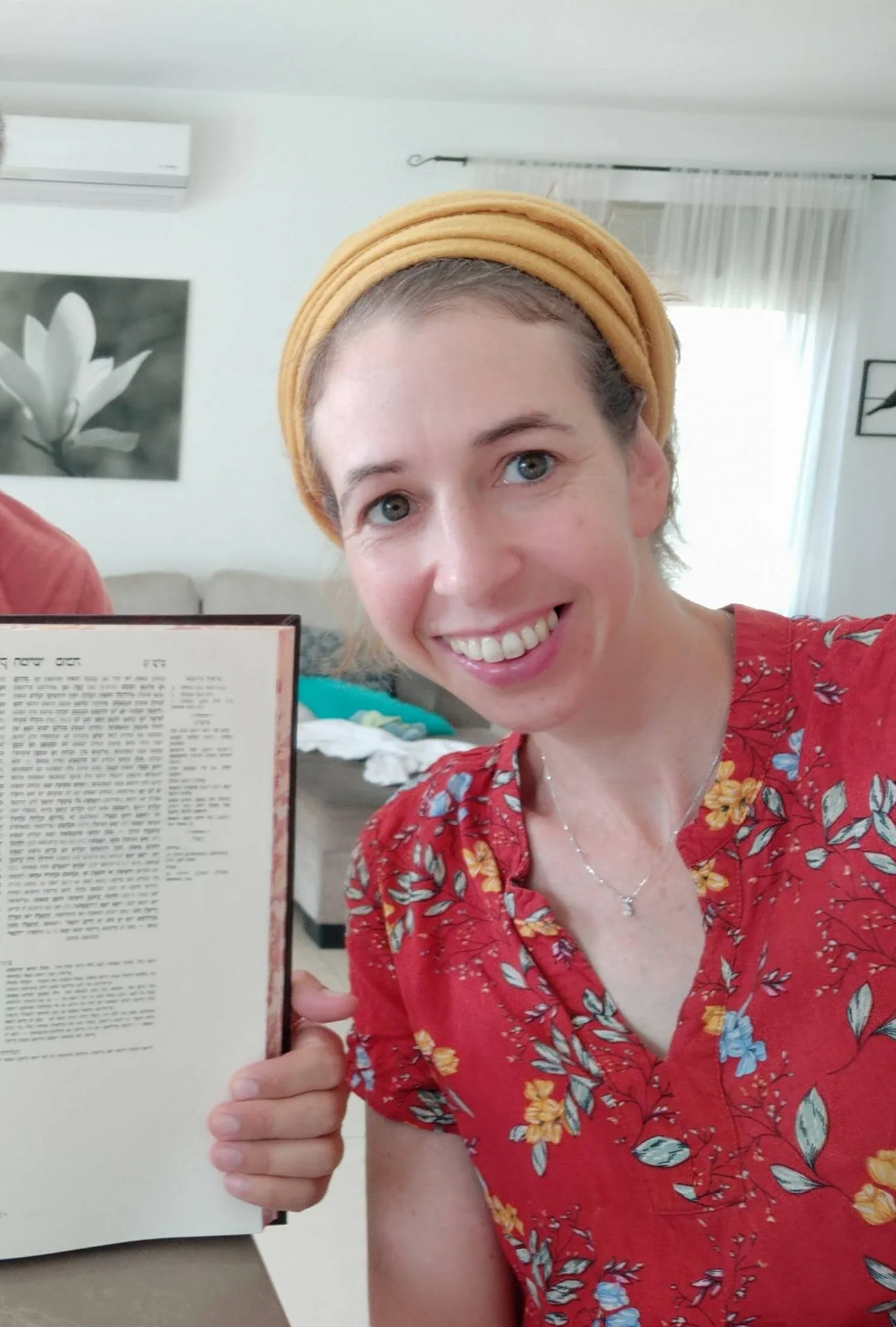
כמו שרואים בתמונה אני ממשיכה ללמוד גם היום ואפילו במחלקת יולדות אחרי לידת ביתי השלישית.

Noa Shiloh
נועה שילה

רבבה, ישראל

בתחילת הסבב הנוכחי של לימוד הדף היומי, נחשפתי לחגיגות המרגשות באירועי הסיום ברחבי העולם. והבטחתי לעצמי שבקרוב אצטרף גם למעגל הלומדות. הסבב התחיל כאשר הייתי בתחילת דרכי בתוכנית קרן אריאל להכשרת יועצות הלכה של נשמ”ת. לא הצלחתי להוסיף את ההתחייבות לדף היומי על הלימוד האינטנסיבי של תוכנית היועצות. בבוקר למחרת המבחן הסופי בנשמ”ת, התחלתי את לימוד הדף במסכת סוכה ומאז לא הפסקתי.

Hana Shaham-Rozby (Dr.)
חנה שחם-רוזבי (ד”ר)

קרית גת, ישראל

בסוף הסבב הקודם ראיתי את השמחה הגדולה שבסיום הלימוד, בעלי סיים כבר בפעם השלישית וכמובן הסיום הנשי בבנייני האומה וחשבתי שאולי זו הזדמנות עבורי למשהו חדש.
למרות שאני שונה בסביבה שלי, מי ששומע על הלימוד שלי מפרגן מאוד.
אני מנסה ללמוד קצת בכל יום, גם אם לא את כל הדף ובסך הכל אני בדרך כלל עומדת בקצב.
הלימוד מעניק המון משמעות ליום יום ועושה סדר בלמוד תורה, שתמיד היה (ועדיין) שאיפה. אבל אין כמו קביעות

Racheli-Mendelson
רחלי מנדלסון

טל מנשה, ישראל

התחלתי ללמוד בשנת המדרשה במגדל עוז, בינתיים נהנית מאוד מהלימוד ומהגמרא, מעניין ומשמח מאוד!
משתדלת להצליח לעקוב כל יום, לפעמים משלימה קצת בהמשך השבוע.. מרגישה שיש עוגן מקובע ביום שלי והוא משמח מאוד!

Uriah Kesner
אוריה קסנר

חיפה , ישראל

ראיתי את הסיום הגדול בבנייני האומה וכל כך התרשמתי ורציתי לקחת חלק.. אבל לקח לי עוד כשנה וחצי )באמצע מסיכת שבת להצטרף..
הלימוד חשוב לי מאוד.. אני תמיד במרדף אחרי הדף וגונבת כל פעם חצי דף כשהילדים עסוקים ומשלימה אח”כ אחרי שכולם הלכו לישון..

Olga Mizrahi
אולגה מזרחי

ירושלים, ישראל

התחלתי ללמוד דף יומי בסבב הקודם. זכיתי לסיים אותו במעמד המרגש של הדרן. בסבב הראשון ליווה אותי הספק, שאולי לא אצליח לעמוד בקצב ולהתמיד. בסבב השני אני לומדת ברוגע, מתוך אמונה ביכולתי ללמוד ולסיים. בסבב הלימוד הראשון ליוותה אותי חוויה מסויימת של בדידות. הדרן העניקה לי קהילת לימוד ואחוות נשים. החוויה של סיום הש”ס במעמד כה גדול כשנשים שאינן מכירות אותי, שמחות ומתרגשות עבורי , היתה חוויה מרוממת נפש

Ilanit Weil
אילנית ווייל

קיבוץ מגדל עוז, ישראל

רציתי לקבל ידע בתחום שהרגשתי שהוא גדול וחשוב אך נעלם ממני. הלימוד מעניק אתגר וסיפוק ומעמיק את תחושת השייכות שלי לתורה וליהדות

Ruth Agiv
רות עגיב

עלי זהב – לשם, ישראל

התחלתי מחוג במסכת קידושין שהעבירה הרבנית רייסנר במסגרת בית המדרש כלנה בגבעת שמואל; לאחר מכן התחיל סבב הדף היומי אז הצטרפתי. לסביבה לקח זמן לעכל אבל היום כולם תומכים ומשתתפים איתי. הלימוד לעתים מעניין ומעשיר ולעתים קשה ואף הזוי… אך אני ממשיכה קדימה. הוא משפיע על היומיום שלי קודם כל במרדף אחרי הדף, וגם במושגים הרבים שלמדתי ובידע שהועשרתי בו, חלקו ממש מעשי

Abigail Chrissy
אביגיל כריסי

ראש העין, ישראל

התחלתי לפני 8 שנים במדרשה. לאחרונה סיימתי מסכת תענית בלמידה עצמית ועכשיו לקראת סיום מסכת מגילה.

Daniela Baruchim
דניאלה ברוכים

רעננה, ישראל

התחלתי ללמוד בעידוד שתי חברות אתן למדתי בעבר את הפרק היומי במסגרת 929.
בבית מתלהבים מאוד ובשבת אני לומדת את הדף עם בעלי שזה מפתיע ומשמח מאוד! לימוד הדף הוא חלק בלתי נפרד מהיום שלי. לומדת בצהריים ומחכה לזמן הזה מידי יום…

Miriam Wengerover
מרים ונגרובר

אפרת, ישראל

"
גם אני התחלתי בסבב הנוכחי וב””ה הצלחתי לסיים את רוב המסכתות . בזכות הרבנית מישל משתדלת לפתוח את היום בשיעור הזום בשעה 6:20 .הלימוד הפך להיות חלק משמעותי בחיי ויש ימים בהם אני מצליחה לחזור על הדף עם מלמדים נוספים ששיעוריהם נמצאים במרשתת. שמחה להיות חלק מקהילת לומדות ברחבי העולם. ובמיוחד לשמש דוגמה לנכדותיי שאי””ה יגדלו לדור שלימוד תורה לנשים יהיה משהו שבשגרה. "

Ronit Shavit
רונית שביט

נתניה, ישראל

התחלתי להשתתף בשיעור נשים פעם בשבוע, תכננתי ללמוד רק דפים בודדים, לא האמנתי שאצליח יותר מכך.
לאט לאט נשאבתי פנימה לעולם הלימוד .משתדלת ללמוד כל בוקר ומתחילה את היום בתחושה של מלאות ומתוך התכווננות נכונה יותר.
הלימוד של הדף היומי ממלא אותי בתחושה של חיבור עמוק לעם היהודי ולכל הלומדים בעבר ובהווה.

Neely Hayon
נילי חיון

אפרת, ישראל

למדתי גמרא מכיתה ז- ט ב Maimonides School ואחרי העליה שלי בגיל 14 לימוד הגמרא, שלא היה כל כך מקובל בימים אלה, היה די ספוראדי. אחרי "ההתגלות” בבנייני האומה התחלתי ללמוד בעיקר בדרך הביתה למדתי מפוקקטסים שונים. לאט לאט ראיתי שאני תמיד חוזרת לרבנית מישל פרבר. באיזה שהוא שלב התחלתי ללמוד בזום בשעה 7:10 .
היום "אין מצב” שאני אתחיל את היום שלי ללא לימוד עם הרבנית מישל עם כוס הקפה שלי!!

selfie-scaled
דבי גביר

חשמונאים, ישראל

אני לומדת גמרא כעשור במסגרות שונות, ואת הדף היומי התחלתי כשחברה הציעה שאצטרף אליה לסיום בבנייני האומה. מאז אני לומדת עם פודקסט הדרן, משתדלת באופן יומי אך אם לא מספיקה, מדביקה פערים עד ערב שבת. בסבב הזה הלימוד הוא "ממעוף הציפור”, מקשיבה במהירות מוגברת תוך כדי פעילויות כמו בישול או נהיגה, וכך רוכשת היכרות עם הסוגיות ואופן ניתוחם על ידי חז”ל. בע”ה בסבב הבא, ואולי לפני, אצלול לתוכו באופן מעמיק יותר.

Yael Bir
יעל ביר

רמת גן, ישראל

My explorations into Gemara started a few days into the present cycle. I binged learnt and become addicted. I’m fascinated by the rich "tapestry” of intertwined themes, connections between Masechtot, conversations between generations of Rabbanim and learners past and present all over the world. My life has acquired a golden thread, linking generations with our amazing heritage.
Thank you.

Susan Kasdan
סוזן כשדן

חשמונאים, Israel

הצטרפתי ללומדות בתחילת מסכת תענית. ההתרגשות שלי ושל המשפחה היתה גדולה מאוד, והיא הולכת וגוברת עם כל סיום שאני זוכה לו. במשך שנים רבות רציתי להצטרף ומשום מה זה לא קרה… ב”ה מצאתי לפני מספר חודשים פרסום של הדרן, ומיד הצטרפתי והתאהבתי. הדף היומי שינה את חיי ממש והפך כל יום- ליום של תורה. מודה לכן מקרב ליבי ומאחלת לכולנו לימוד פורה מתוך אהבת התורה ולומדיה.

Noa Rosen
נעה רוזן

חיספין רמת הגולן, ישראל

כבר סיפרתי בסיום של מועד קטן.
הלימוד מאוד משפיעה על היום שלי כי אני לומדת עם רבנית מישל על הבוקר בזום. זה נותן טון לכל היום – בסיס למחשבות שלי .זה זכות גדול להתחיל את היום בלימוד ובתפילה. תודה רבה !

שרה-ברלוביץ
שרה ברלוביץ

ירושלים, ישראל

התחלתי ללמוד בעידוד שתי חברות אתן למדתי בעבר את הפרק היומי במסגרת 929.
בבית מתלהבים מאוד ובשבת אני לומדת את הדף עם בעלי שזה מפתיע ומשמח מאוד! לימוד הדף הוא חלק בלתי נפרד מהיום שלי. לומדת בצהריים ומחכה לזמן הזה מידי יום…

Miriam Wengerover
מרים ונגרובר

אפרת, ישראל

באירוע של הדרן בנייני האומה. בהשראתה של אמי שלי שסיימה את הש”ס בסבב הקודם ובעידוד מאיר , אישי, וילדיי וחברותיי ללימוד במכון למנהיגות הלכתית של רשת אור תורה סטון ומורתיי הרבנית ענת נובוסלסקי והרבנית דבורה עברון, ראש המכון למנהיגות הלכתית.
הלימוד מעשיר את יומי, מחזיר אותי גם למסכתות שכבר סיימתי וידוע שאינו דומה מי ששונה פרקו מאה לשונה פרקו מאה ואחת במיוחד מרתקים אותי החיבורים בין המסכתות

Roit Kalech
רוית קלך

מודיעין, ישראל

A life-changing journey started with a Chanukah family tiyul to Zippori, home of the Sanhedrin 2 years ago and continued with the Syum in Binanei Hauma where I was awed by the energy of 3000 women dedicated to learning daf Yomi. Opening my morning daily with a fresh daf, I am excited with the new insights I find enriching my life and opening new and deeper horizons for me.

Becky Goldstein
בקי גולדשטיין

Elazar gush etzion, Israel

כתובות פו

תֵּיזִיל וְתַיחֲלַהּ לִכְתוּבְּתַהּ דְּאִמַּהּ לְגַבֵּי אֲבוּהּ, וְתֵירְתַהּ מִינֵּיהּ. שְׁמַעָה אֲזַלָה אַחֵילְתַּהּ.

that she should go and forgive her mother’s marriage contract for her father, and she will subsequently inherit the sum of the marriage contract from him? The marriage contract is a document of the debt owed by her father to her mother. The daughter, who has inherited the document from her mother, can forgo her father’s obligation, so rendering nugatory the right of the purchasers. The father then retains the amount owed to the purchasers of the marriage contract, and his daughter will inherit that amount when he dies. The daughter heard this, and went and forgave her father’s obligation in the marriage contract, as recommended by Rav Naḥman.

אֲמַר רַב נַחְמָן: עָשִׂינוּ עַצְמֵינוּ כְּעוֹרְכֵי הַדַּיָּינִין. מֵעִיקָּרָא מַאי סְבַר, וּלְבַסּוֹף מַאי סְבַר? מֵעִיקָּרָא סְבַר: ״וּמִבְּשָׂרְךָ לֹא תִתְעַלָּם״, וּלְבַסּוֹף סָבַר: אָדָם חָשׁוּב שָׁאנֵי.

Rav Naḥman later said in regret: We have made ourselves like advisors of judges. We have acted like lawyers who give practical advice to litigants rather than like independent judges. The Gemara asks: At the outset, what did he hold when he intended the daughter to hear his advice, and ultimately, what did he hold that made him regret his action? The Gemara explains: At the outset, he held that the verse teaches: “And you should not hide yourself from your own flesh” (Isaiah 58:7), and therefore it is correct to give help and advice to relatives. And ultimately he held that in the case of an important person who must be very careful to avoid any impression of having favored his family in judgment, the situation is different.

גּוּפָא, אָמַר שְׁמוּאֵל: הַמּוֹכֵר שְׁטַר חוֹב לַחֲבֵירוֹ, וְחָזַר וּמְחָלוֹ — מָחוּל, וַאֲפִילּוּ יוֹרֵשׁ מוֹחֵל. אָמַר רַב הוּנָא בְּרֵיהּ דְּרַב יְהוֹשֻׁעַ: וְאִי פִּקֵּחַ הוּא, מְקַרְקֵשׁ לֵיהּ זוּזֵי, וְכָתֵב לֵיהּ שְׁטָרָא בִּשְׁמֵיהּ.

Since the Gemara had previously mentioned a halakha stated by Shmuel, it turns its attention to the matter itself. Shmuel said: With regard to one who sells a promissory note to another, and the seller went back and forgave the debtor his debt, it is forgiven, since the debtor essentially had a non-transferable obligation to the creditor alone, and even the creditor’s heir can forgive the debt. Rav Huna, son of Rav Yehoshua, said: And if the purchaser of the document is perspicacious, and is wary of such a ploy, he should jangle [mekarkesh] dinars in the debtor’s ears, i.e., he should pay the debtor or promise him money, and the debtor will write for him a new promissory note in the purchaser’s name, thereby preventing the latter from losing out.

אָמַר אַמֵּימָר: מַאן דְּדָאֵין דִּינָא דִגְרָמֵי — מַגְבֵּי בֵּיהּ דְּמֵי שְׁטָרָא מְעַלְּיָא. מַאן דְּלָא דָּאֵין דִּינָא דְגַרְמֵי, מַגְבֵּי בֵּיהּ דְּמֵי נְיָירָא בְּעָלְמָא.

Ameimar said: One who judges cases of liability for indirect damage and maintains that someone whose actions cause damage is obligated to pay, even if he has not directly harmed another, collects in this case the value of the proper document. Since by forgiving the loan the creditor voided the document and caused the purchaser financial loss, he must compensate the purchaser for the amount recorded in the document. One who does not judge cases of liability for indirect damage collects in this case only the value of the paper on which the document was written.

הֲוָה עוֹבָדָא וְכַפְיֵיהּ רַפְרָם לְרַב אָשֵׁי, וְאַגְבִּי בֵּיהּ כִּי כְשׁוּרָא לְצַלְמֵי.

The Gemara relates that there was an incident like this one, and Rafram pressured Rav Ashi by means of verbal persuasion to render an unequivocal ruling in this matter, and Rav Ashi collected in this case as if he damaged a beam used for crafting a sculpture, i.e., the full value of the debt listed in the promissory note.

אָמַר אַמֵּימָר מִשְּׁמֵיהּ דְּרַב חָמָא: הַאי מַאן דְּאִיכָּא עֲלֵיהּ כְּתוּבַּת אִשָּׁה וּבַעַל חוֹב, וְאִית לֵיהּ אַרְעָא וְאִית לֵיהּ זוּזֵי — לְבַעַל חוֹב מְסַלְּקִינַן לֵיהּ בְּזוּזֵי, לְאִשָּׁה מְסַלְּקִינַן לַהּ בְּאַרְעָא, הַאי כִּי דִינֵיהּ וְהַאי כִּי דִינֵיהּ.

Ameimar said in the name of Rav Ḥama: With regard to one who has incumbent upon himself the obligation of his wife’s marriage contract and also owes money to a creditor, and he possesses land and possesses money, the obligation to the creditor is settled with the payment of money, whereas the debt to the woman of her marriage contract is settled with the payment of land, this one in accordance with his law, and that one in accordance with her law. Since the creditor gave him money, it is fitting that he should receive ready cash in return. The woman, in contrast, did not give him anything but relied upon the lien on his land, so she is therefore given land.

וְאִי לָא אִיכָּא אֶלָּא חַד אַרְעָא וְלָא חַזְיָא אֶלָּא לְחַד — לְבַעַל חוֹב יָהֲבִינַן לֵיהּ, לְאִשָּׁה לָא יָהֲבִינַן לַהּ. מַאי טַעְמָא — יוֹתֵר מִמַּה שֶּׁהָאִישׁ רוֹצֶה לִישָּׂא, אִשָּׁה רוֹצָה לְהִנָּשֵׂא.

And if there is only one plot of land, and it is adequate for the payment of only one debt, we give it to the creditor, and we do not give it to the woman. What is the reason for this? Even more than a man wants to marry, a woman wants to be married. Women do not get married because they wish to receive their marriage contract. It is better to give preference to the creditor so that he will not lose out, so as not to discourage people from lending money.

אֲמַר לֵיהּ רַב פָּפָּא לְרַב חָמָא: וַדַּאי דְּאָמְרִיתוּ מִשְּׁמֵיהּ דְּרָבָא, הַאי מַאן דְּמַסְּקִי בֵּיהּ זוּזֵי, וְאִית לֵיהּ אַרְעָא, וַאֲתָא בַּעַל חוֹב וְקָא תָבַע מִינֵּיהּ, וְאָמַר לֵיהּ: ״זִיל שְׁקוֹל מֵאַרְעָא״, אָמְרִינַן לֵיהּ: ״זִיל זַבֵּין אַתְּ, וְאַיְיתִי הַב לֵיהּ״? אֲמַר לֵיהּ: לָא.

Rav Pappa said to Rav Ḥama: Is it correct that you say in the name of Rava: With regard to one who owes money and has land, and the creditor comes and demands from him his money, and the debtor says to him: Go and take the amount you are owed from the land, we say to him: Go and sell the land yourself and give him money? Rav Ḥama said to him: I did not say this in the name of Rava.

אֵימָא לִי גּוּפָא דְעוֹבָדָא הֵיכִי הֲוָה. אֲמַר לֵיהּ: תּוֹלֶה מְעוֹתָיו בְּגוֹי הֲוָה, הוּא עָשָׂה שֶׁלֹּא כַּהוֹגֶן — לְפִיכָךְ עָשׂוּ בּוֹ שֶׁלֹּא כַּהוֹגֶן.

Rav Pappa replied: Tell me the incident itself, what happened and what exactly occurred that caused this opinion to be attributed to Rava. Rav Ḥama said to him: The debtor was one who attached his money to a gentile. He possessed money, but he claimed that this money belonged to a gentile and therefore could not be demanded from him. This man acted improperly, and consequently, the Sages acted improperly with him by forcing him to sell the land.

אֲמַר לֵיהּ רַב כָּהֲנָא לְרַב פָּפָּא: לְדִידָךְ דְּאָמְרַתְּ פְּרִיעַת בַּעַל חוֹב מִצְוָה, אָמַר: ״לָא נִיחָא לִי דְּאֶיעְבֵּיד מִצְוָה״, מַאי? אֲמַר לֵיהּ, תְּנֵינָא: בַּמֶּה דְּבָרִים אֲמוּרִים — בְּמִצְוַת לֹא תַעֲשֶׂה, אֲבָל בְּמִצְוַת עֲשֵׂה, כְּגוֹן שֶׁאוֹמְרִין לוֹ עֲשֵׂה סוּכָּה וְאֵינוֹ עוֹשֶׂה, לוּלָב וְאֵינוֹ עוֹשֶׂה —

Rav Kahana said to Rav Pappa: According to your opinion, that you say the repayment of a creditor is a mitzva, if the debtor said: It is not amenable to me to perform a mitzva, what would be the halakha? If there is no obligation to repay a loan other than to perform a mitzva, then what happens if someone is not interested in performing the mitzva? He said to him: We already learned this halakha in a baraita: In what case is this statement said, that one is liable to receive forty lashes for committing a transgression? It is said with regard to negative mitzvot. However, with regard to positive mitzvot, for example, if the court says to someone: Perform the mitzva of the sukka, and he does not do so, or: Perform the mitzva of the palm branch, and he does not do so,

מַכִּין אוֹתוֹ עַד שֶׁתֵּצֵא נַפְשׁוֹ.

the court strikes him an unlimited number of times, even until his soul departs, in order to force him to perform the mitzva. The payment of a debt is a positive mitzva, and one who refuses to pay a debt can be compelled to do so in this manner.

בְּעָא מִינֵּיהּ רָמֵי בַּר חָמָא מֵרַב חִסְדָּא: ״הֲרֵי זֶה גִּיטֵּיךְ, וְלֹא תִּתְגָּרְשִׁי בּוֹ אֶלָּא לְאַחַר שְׁלֹשִׁים יוֹם״, וְהָלְכָה וְהִנִּיחַתּוּ בְּצִידֵּי רְשׁוּת הָרַבִּים, מַהוּ?

§ Rami bar Ḥama inquired of Rav Ḥisda: If a man said to his wife: This is your bill of divorce but you are divorced with it only after thirty days, and she took the bill of divorce and went and placed it in the sides of the public domain, i.e., in a place that was open to the public domain but not an actual part of it, and the bill of divorce was still there after thirty days, what is the halakha? Is she divorced?

אֲמַר לֵיהּ: אֵינָהּ מְגוֹרֶשֶׁת, מִדְּרַב וּשְׁמוּאֵל. דְּרַב וּשְׁמוּאֵל דְּאָמְרִי תַּרְוַיְיהוּ, וְהוּא שֶׁצְּבוּרִין וּמוּנָּחִין בִּרְשׁוּת הָרַבִּים, וְצִידֵּי רְשׁוּת הָרַבִּים כִּרְשׁוּת הָרַבִּים דָּמוּ.

Rav Ḥisda said to him: She is not divorced. This halakha is learned from the opinion of Rav and Shmuel, as it is Rav and Shmuel who both say with regard to the mishna: Any of the creditors of a deceased person can seize items of his movable property provided that they are arranged in piles and placed in the public domain, as in that case the heirs of the deceased do not receive it as part of their inheritance. Similarly, the woman will not acquire the bill of divorce after thirty days if it is in that location. Rav Ḥisda adds: And the sides of the public domain are considered like the public domain.

אַדְּרַבָּה, מְגוֹרֶשֶׁת, מִדְּרַב נַחְמָן. דְּאָמַר רַב נַחְמָן אָמַר רַבָּה בַּר אֲבוּהּ: הָאוֹמֵר לַחֲבֵירוֹ: ״מְשׁוֹךְ פָּרָה זוֹ, וְלֹא תִּהְיֶה קְנוּיָה לָךְ עַד לְאַחַר שְׁלֹשִׁים יוֹם״ — קָנָה, וַאֲפִילּוּ עוֹמֶדֶת בַּאֲגַם. מַאי לָאו: הַיְינוּ אֲגַם, וְהַיְינוּ צִידֵּי רְשׁוּת הָרַבִּים? לָא, אֲגַם לְחוּד וְצִידֵּי רְשׁוּת הָרַבִּים לְחוּד.

Rami bar Ḥama responded: On the contrary, she is divorced, in accordance with the opinion of Rav Naḥman, as Rav Naḥman said that Rabba bar Avuh said: With regard to one who says to his friend: Go and pull this cow now and it will be acquired by you only after thirty days, he has acquired the cow. And this is true even if the cow was standing after those thirty days in an ownerless meadow [agam]. Since the acquisition began properly at the start of the thirty-day period, it applies even after the thirty-day period. What, is it not the case that this is the halakha of a meadow and this is also the halakha of the sides of the public domain, as the two places have a similar status? Rav Ḥisda rejects this argument: No, the case of a meadow is discrete, and the case of the sides of the public domain is discrete, as the latter is considered an actual part of the public domain, and an ownerless meadow is not.

אִיכָּא דְאָמְרִי, אֲמַר לֵיהּ: מְגוֹרֶשֶׁת, מִדְּרַב נַחְמָן. וְצִידֵּי רְשׁוּת הָרַבִּים כַּאֲגַם דָּמֵי. אַדְּרַבָּה: אֵינָהּ מְגוֹרֶשֶׁת, מִדְּרַב וּשְׁמוּאֵל. מַאי לָאו: הַיְינוּ ״רְשׁוּת הָרַבִּים״, וְהַיְינוּ ״צִידֵּי רְשׁוּת הָרַבִּים״. לָא, רְשׁוּת הָרַבִּים לְחוֹד, וְצִידֵּי רְשׁוּת הָרַבִּים לְחוֹד.

Some say a different version of the dispute between Rami bar Ḥama and Rav Ḥisda, in which Rav Ḥisda said to Rami bar Ḥama: She is divorced, based on the ruling of Rav Naḥman pertaining to acquiring a cow, and the sides of the public domain are considered like a meadow. In this version, it was Rami bar Ḥama who replied: On the contrary, she is not divorced, as can be learned from the opinion of Rav and Shmuel pertaining to seizing objects in the public domain. What, is it not the case that this is the halakha of the public domain and this is similarly the halakha of the sides of the public domain? Rav Ḥisda responded: No, the public domain is discrete and the sides of the public domain are discrete.

מַתְנִי׳ הַמּוֹשִׁיב אֶת אִשְׁתּוֹ חֶנְווֹנִית, אוֹ שֶׁמִּינָּהּ אַפּוֹטְרוֹפְּיָא — הֲרֵי זֶה מַשְׁבִּיעָהּ כׇּל זְמַן שֶׁיִּרְצֶה. רַבִּי אֱלִיעֶזֶר אוֹמֵר: אֲפִילּוּ עַל פִּילְכָּהּ וְעַל עִיסָּתָהּ.

MISHNA: If there is one who establishes his wife as a storekeeper in his store, or if he appointed her as a steward to handle his property and workers, this one, i.e., the husband, can administer an oath to her, having her state that she did not appropriate any of his possessions, whenever he wants. Rabbi Eliezer says: He can administer an oath even with regard to the products of her spindle and for her dough, which are matters related to the household, and not her function as a storekeeper.

גְּמָ׳ אִיבַּעְיָא לְהוּ: רַבִּי אֱלִיעֶזֶר עַל יְדֵי גִלְגּוּל קָאָמַר — אוֹ לְכַתְּחִלָּה קָאָמַר?

GEMARA: A dilemma was raised before the Sages: When Rabbi Eliezer says that a husband can administer an oath to her with regard to any item, is he saying that this is by means of extension of an oath, i.e., once he administers an oath to her in her capacity as his storekeeper he can extend the oath to cover other matters, or, is he saying that he can administer an oath to her ab initio?

תָּא שְׁמַע, אָמְרוּ לוֹ לְרַבִּי אֱלִיעֶזֶר: אֵין אָדָם דָּר עִם נָחָשׁ בִּכְפִיפָה. אִי אָמְרַתְּ בִּשְׁלָמָא לְכַתְּחִלָּה — שַׁפִּיר. אֶלָּא אִי אָמְרַתְּ עַל יְדֵי גִלְגּוּל, מַאי נָפְקָא לַהּ מִינַּהּ?

The Gemara suggests: Come and hear a solution from a baraita: The Rabbis said to Rabbi Eliezer: A person does not reside in a basket with a snake. A woman is not expected to live with a husband who constantly suspects her of stealing. The Gemara explains: Granted, if you say that Rabbi Eliezer is referring to an oath administered ab initio, the Rabbis spoke well. However, if you say that the husband can administer an oath only by means of an extension of an oath, what difference does it make to her? As she must take an oath with regard to matters that concern the store, it does not cause any greater difficulty for her to take an oath with regard to the household matters.

דְּאָמְרָה לֵיהּ: כֵּיוָן דְּקָדָיְיקַתְּ בָּתְרַאי כּוּלֵּי הַאי — לָא מָצְיָנָא דְּאֵדוּר בַּהֲדָךְ.

The Gemara refutes this argument, as it is possible that she says to him: Since you are so exacting with me, I cannot live with you. Even if there is no additional oath, the sentiment engendered by his demand is grounds for dissatisfaction, and there is no proof that Rabbi Eliezer holds that he can administer an oath to her ab initio.

תָּא שְׁמַע: הֲרֵי שֶׁלֹּא פָּטַר אֶת אִשְׁתּוֹ מִן הַנֶּדֶר וּמִן הַשְּׁבוּעָה, וְהוֹשִׁיבָהּ חֶנְווֹנִית, אוֹ שֶׁמִּינָהּ אַפּוֹטְרוֹפְּיָא — הֲרֵי זֶה מַשְׁבִּיעָהּ כׇּל זְמַן שֶׁיִּרְצֶה. לֹא הוֹשִׁיבָהּ חֶנְווֹנִית, וְלֹא מִינָּהּ אַפּוֹטְרוֹפְּיָא — אֵינוֹ יָכוֹל לְהַשְׁבִּיעָהּ.

The Gemara suggests another proof. Come and hear a proof from a baraita: With regard to one who did not exempt his wife in the marriage contract from a vow and from an oath, and he established her as his storekeeper or appointed her as his steward, he can administer an oath to her whenever he wants. If he did not establish her as his storekeeper or appoint her as his steward, he cannot administer an oath to her.

רַבִּי אֱלִיעֶזֶר אוֹמֵר: אַף עַל פִּי שֶׁלֹּא הוֹשִׁיבָהּ חֶנְווֹנִית, וְלֹא מִינָּהּ אַפּוֹטְרוֹפְּיָא — הֲרֵי זֶה מַשְׁבִּיעָהּ כׇּל זְמַן שֶׁיִּרְצֶה, שֶׁאֵין לְךָ אִשָּׁה שֶׁלֹּא נַעֲשֵׂית אַפּוֹטְרוֹפְּיָא שָׁעָה אַחַת בְּחַיֵּי בַּעְלָהּ עַל פִּילְכָּהּ וְעַל עִיסָּתָהּ. אָמְרוּ לוֹ: אֵין אָדָם דָּר עִם נָחָשׁ בִּכְפִיפָה. שְׁמַע מִינָּהּ לְכַתְּחִלָּה שְׁמַע מִינָּהּ.

The baraita continues: Rabbi Eliezer says: Although he did not establish her as his storekeeper or appoint her as his steward, he can administer an oath to her whenever he wants, as you have no wife who did not become a steward for one hour in her husband’s lifetime at least for her spindle and for her dough. The Rabbis said to him: A person does not reside in a basket with a snake. One can conclude from this that according to Rabbi Eliezer a husband can administer an oath to his wife with regard to her conduct, even ab initio. The Gemara concludes: Conclude from it that it is so.

מַתְנִי׳ כָּתַב לָהּ ״נֶדֶר וּשְׁבוּעָה אֵין לִי עָלַיִךְ״ — אֵין יָכוֹל לְהַשְׁבִּיעָהּ, אֲבָל מַשְׁבִּיעַ הוּא אֶת יוֹרְשֶׁיהָ, וְאֶת הַבָּאִים בִּרְשׁוּתָהּ.

MISHNA: If one wrote to his wife in the marriage contract: I do not have the right to administer a vow or an oath upon you, he cannot administer an oath to her. However, he can administer an oath to her heirs, and to those who come on her authority, either as her representatives or because they purchased her marriage contract.

״נֶדֶר וּשְׁבוּעָה אֵין לִי עָלַיִךְ וְעַל יוֹרְשַׁיִךְ וְעַל הַבָּאִים בְּרִשּׁוּתֶיךָ״ — אֵינוֹ יָכוֹל לְהַשְׁבִּיעָהּ, לֹא הִיא, וְלֹא יוֹרְשֶׁיהָ, וְלֹא אֶת הַבָּאִים בִּרְשׁוּתָהּ. אֲבָל יוֹרְשָׁיו מַשְׁבִּיעִין אוֹתָהּ וְאֶת יוֹרְשֶׁיהָ, וְאֶת הַבָּאִים בִּרְשׁוּתָהּ.

If the husband wrote: I do not have the right to administer a vow or an oath upon you, or upon your heirs, or upon those who come on your authority, he cannot administer an oath to her; not to her, nor her heirs, nor those who come on her authority. But the husband’s heirs can administer an oath to her, and to her heirs, and to those who come on her authority.

״נֶדֶר וּשְׁבוּעָה אֵין לִי, וְלֹא לְיוֹרְשַׁי, וְלֹא לַבָּאִים בִּרְשׁוּתִי עָלַיִךְ, וְעַל יוֹרְשַׁיִךְ, וְעַל הַבָּאִים בִּרְשׁוּתִיךְ״ — אֵינוֹ יָכוֹל לְהַשְׁבִּיעָהּ, לֹא הוּא וְלֹא יוֹרְשָׁיו וְלֹא הַבָּאִים בִּרְשׁוּתוֹ, לֹא אוֹתָהּ וְלֹא יוֹרְשֶׁיהָ, וְלֹא הַבָּאִים בִּרְשׁוּתָהּ.

If he wrote: Neither I, nor my heirs, nor those who come on my authority have the right to administer a vow or an oath upon you, or upon your heirs, or upon those who come on your authority, he cannot administer an oath to her or to them; not he, nor his heirs, nor those who come on his authority may administer an oath, not to her, nor to her heirs, nor to those who come on her authority.

הָלְכָה מִקֶּבֶר בַּעְלָהּ לְבֵית אָבִיהָ, אוֹ שֶׁחָזְרָה לְבֵית חָמִיהָ וְלֹא נַעֲשֵׂית אַפּוֹטְרוֹפְּיָא — אֵין הַיּוֹרְשִׁין מַשְׁבִּיעִין אוֹתָהּ. וְאִם נַעֲשֵׂית אַפּוֹטְרוֹפְּיָא — הַיּוֹרְשִׁין מַשְׁבִּיעִין אוֹתָהּ עַל הֶעָתִיד לָבֹא, וְאֵין מַשְׁבִּיעִין אוֹתָהּ עַל מַה שֶּׁעָבַר.

If a woman who was exempted from an oath by her husband went from her husband’s grave, immediately after her husband’s death, to her father’s house, without handling her late husband’s property, or in a case where she returned to her father-in-law’s house and did not become a steward over the property at all throughout this period, then the heirs cannot administer an oath to her with regard to her actions in their father’s lifetime, as the husband exempted her from an oath to the heirs. And if she became a steward, the heirs may administer an oath to her about the future, i.e., anything she did with the property after the death of her husband, but they cannot administer an oath to her with regard to what took place in the past, during her husband’s lifetime.

גְּמָ׳ שְׁבוּעָה מַאי עֲבִידְתֵּהּ? אָמַר רַב יְהוּדָה אָמַר רַב:

GEMARA: The Gemara asks: What is the purpose of an oath? What oath can he administer to her that caused him to add this condition to her marriage contract? Rav Yehuda said that Rav said:

רוצה לעקוב אחרי התכנים ולהמשיך ללמוד?

ביצירת חשבון עוד היום ניתן לעקוב אחרי ההתקדמות שלך, לסמן מה למדת, ולעקוב אחרי השיעורים שמעניינים אותך.

לנקות את כל הפריטים מהרשימה?

פעולה זו תסיר את כל הפריטים בחלק זה כולל ההתקדמות וההיסטוריה. שימי לב: לא ניתן לשחזר פעולה זו.
ביטול
מחיקה

האם את/ה בטוח/ה שברצונך למחוק פריט זה?

תאבד/י את כל ההתקדמות או ההיסטוריה הקשורות לפריט זה.

ביטול
מחיקה