חיפוש

כתובות פז

רוצה להקדיש שיעור?

podcast placeholder

0:00
0:00


תקציר

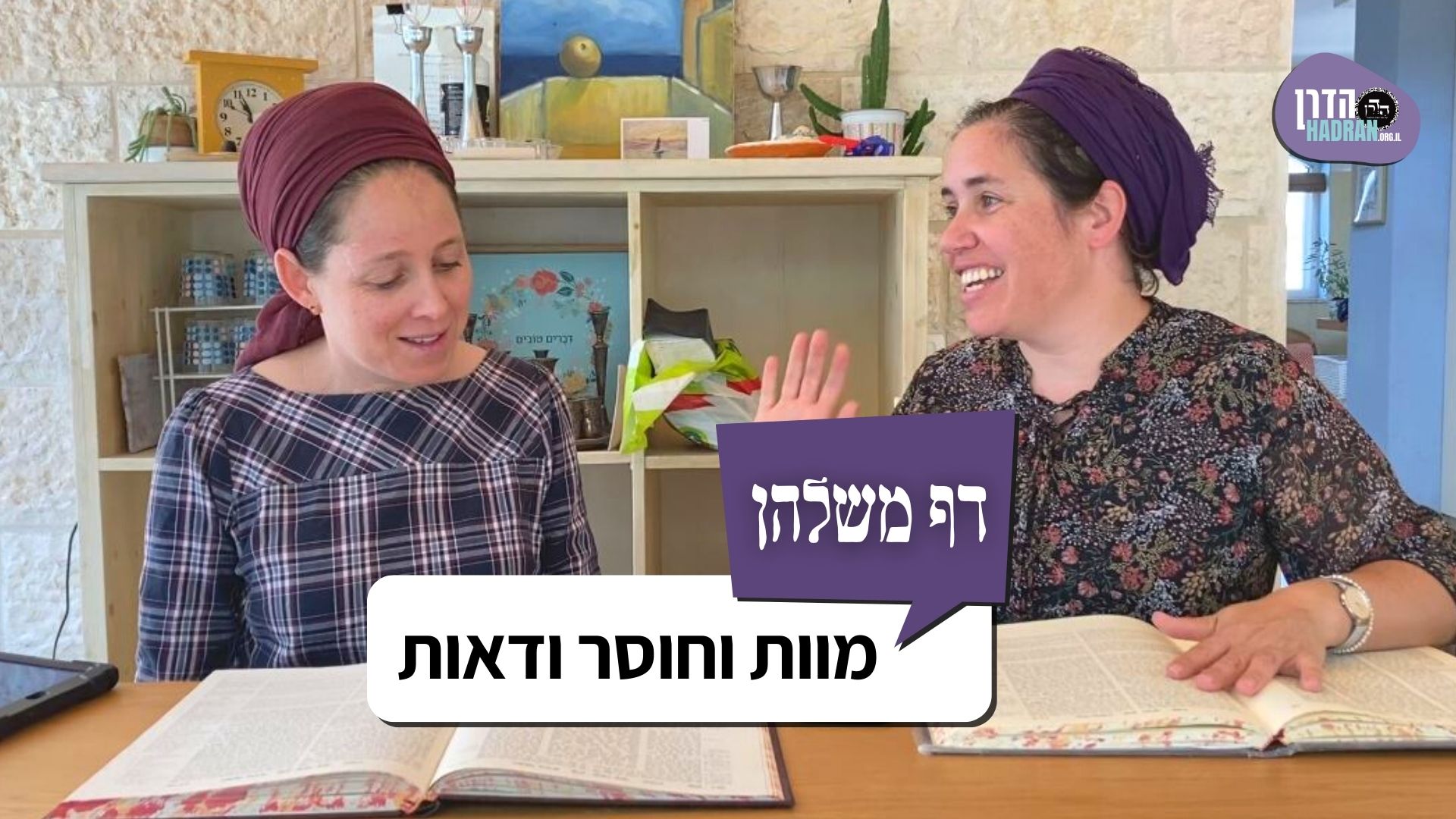
המשנה דנה במקרה שבו בעל פטר את אשתו משבועה ומנדר. באיזה סוג של שבועה מדובר? מובאות שתי דעות. גרסתו של רב אשי היא שאחת הדעות התייחסה למקרה אחר במשנה. ישנן ארבע דעות שונות אילו לשונות פוטרות אותה מנדרים/שבועות לו, איזה פוטרות אותה מנדרים/שבועות ליורשים ואיזה לא פוטרות אותה כלל. באילו מקרים אשה צריכה להישבע כדי לקבל את כספי הכתובה שלה. האם אלו שבועות מדאורייתא או שבועות מדרבנן?

כלים

כתובות פז

עַל אַפּוֹטְרוֹפְּיָא שֶׁנַּעֲשֵׂית בְּחַיֵּי בַעְלָהּ. רַב נַחְמָן אָמַר רַבָּה בַּר אֲבוּהּ: עַל הַפּוֹגֶמֶת כְּתוּבָּתָהּ.

It is referring to a woman who became a steward during her husband’s lifetime, as it was common for a man to leave his wife in charge of his property while exempting her from taking an oath. Rav Naḥman said that Rabba bar Avuh said: It is referring to a woman who claims that she received partial payment of her marriage contract, who must take an oath that she received no more than the amount she admits to. The mishna is referring to a husband who exempted his wife from this oath.

אֲזַל רַב מָרְדֳּכַי, אַמְרַהּ לִשְׁמַעְתָּא קַמֵּיהּ דְּרַב אָשֵׁי: בִּשְׁלָמָא לְמַאן דְּאָמַר עַל הַפּוֹגֶמֶת כְּתוּבָּתָהּ — דְּמַסְּקָא אַדַּעְתַּהּ: דִּלְמָא מִצְטָרְכִי לִי זוּזֵי וְשָׁקֵילְנָא מִכְּתוּבְּתַאי, וְאָמְרָה לֵיהּ: כְּתוֹב לִי דְּלָא מַשְׁבְּעַתְּ לִי. אֶלָּא לְמַאן דְּאָמַר עַל אַפּוֹטְרוֹפְּיָא שֶׁנַּעֲשֵׂית בְּחַיֵּי בַעְלָהּ, אִיהִי מִי הֲוָת יָדְעָה דְּמוֹתֵיב לַהּ אַפּוֹטְרוֹפְּיָא, דְּאָמְרָה לֵיהּ: ״כְּתוֹב לִי דְּלָא מַשְׁבְּעַתְּ לִי״?

Rav Mordekhai went and said this halakha before Rav Ashi and asked him the following question: Granted, according to the one who says that it is referring to a woman who claims that she received partial payment of her marriage contract, it makes sense that it enters her mind that this might happen, as she thinks: Perhaps I will require money, and I will take what I need from my marriage contract up front. And she therefore says to him before their marriage: Write for me that you will not administer an oath to me when I come to collect the rest of my marriage contract. However, according to the one who says that it is referring to a woman who became a steward during her husband’s lifetime, did she know beforehand that her husband would establish her as a steward, to know to say to him: Write for me that you will not administer an oath to me?

אֲמַר לֵיהּ: אַתּוּן, אַהָא מַתְנִיתוּ לַהּ, אֲנַן אַהָא מַתְנֵינַן לַהּ: הָלְכָה מִקֶּבֶר בַּעְלָהּ לְבֵית אָבִיהָ, אוֹ שֶׁחָזְרָה לְבֵית חָמִיהָ וְלֹא נַעֲשֵׂית אַפּוֹטְרוֹפְּיָא — אֵין הַיּוֹרְשִׁין מַשְׁבִּיעִין אוֹתָהּ. וְאִם נַעֲשֵׂית אַפּוֹטְרוֹפְּיָא — יוֹרְשִׁין מַשְׁבִּיעִין אוֹתָהּ עַל הֶעָתִיד לָבֹא, וְאֵין מַשְׁבִּיעִין אוֹתָהּ עַל שֶׁעָבַר.

Rav Ashi said to him: You teach this halakha of Rav Yehuda with regard to that part of the mishna, and therefore you find it difficult. We, however, teach it with regard to this part of the mishna: If she went from her husband’s grave to her father’s house without handling her late husband’s property, or in a case where she returned to her father-in-law’s house and did not become a steward over the property at all throughout this period, then the heirs cannot administer an oath to her with regard to her actions in their father’s lifetime, as the husband exempted her from an oath to the heirs. And if she became a steward, the heirs may administer an oath to her about the future, i.e., anything she did with the property after the death of her husband, but they cannot administer an oath to her with regard to what took place in the past, during her husband’s lifetime.

שֶׁעָבַר מַאי עֲבִידְתֵּיהּ? אָמַר רַב יְהוּדָה אָמַר רַב: עַל אַפּוֹטְרוֹפְּיָא שֶׁנַּעֲשֵׂית בְּחַיֵּי הַבַּעַל,

It was with regard to this statement that the Gemara asked: What is the purpose of mentioning the past? What oath would they have wanted her to take with regard to the past? And it was in response to this question that Rav Yehuda said that Rav said: It is referring to a woman who became a steward during her husband’s lifetime.

אֲבָל בֵּין מִיתָה לִקְבוּרָה מַשְׁבְּעִינַן לַהּ. וְרַב מַתְנָא אָמַר: אֲפִילּוּ בֵּין מִיתָה לִקְבוּרָה לָא מַשְׁבְּעִינַן לַהּ, דְּאָמְרִי נְהַרְדָּעֵי: לִכְרָגָא וְלִמְזוֹנֵי וְלִקְבוּרָה — מְזַבְּנִינַן בְּלָא אַכְרָזְתָּא.

The Gemara presents a dispute as to what is considered the past, first continuing the quote from Rav Yehuda: But they can administer an oath to her with regard to her conduct between her husband’s death and his burial. And Rav Mattana said: Even concerning her actions between her husband’s death and his burial, they cannot administer an oath to her, as the Sages of Neharde’a say: For the purpose of paying head tax [karga], and for payment to provide for children’s sustenance, and for burial, we sell property inherited by orphans without an announcement. In these urgent matters, the court is not particular about a possible loss incurred by the heirs. Similarly, a woman need not take an oath with regard to how she conducted her affairs for her husband’s funeral, because in such a time of stress she cannot manage her accounts in a precise manner.

אָמַר רַבָּה אָמַר רַבִּי חִיָּיא: ״דְּלָא נֶדֶר וּדְלָא שְׁבוּעָה״ — הוּא אֵינוֹ יָכוֹל לְהַשְׁבִּיעָהּ, אֲבָל יוֹרְשִׁין מַשְׁבִּיעִין אוֹתָהּ. ״נְקִי נֶדֶר נְקִי שְׁבוּעָה״ — בֵּין הוּא וּבֵין יוֹרְשִׁין אֵין מַשְׁבִּיעִין אוֹתָהּ. הָכִי קָאָמַר לַהּ: מְנַקְּיַתְּ מִשְּׁבוּעֲתָא.

§ Rabba said that Rabbi Ḥiyya said: If a husband wrote: Not a vow and not an oath, this means that he cannot administer an oath to her, but his heirs can administer an oath to her. If he wrote: She is clear, i.e., exempt, from a vow and clear from an oath, neither he nor his heirs can administer an oath to her. This is because in effect this is what he is saying to her: You are clear from the oath, no matter who seeks to administer it to you.

וְרַב יוֹסֵף אָמַר רַבִּי חִיָּיא: ״דְּלָא נֶדֶר וּדְלָא שְׁבוּעָה״ — הוּא אֵינוֹ יָכוֹל לְהַשְׁבִּיעָהּ, אֲבָל יוֹרְשִׁין מַשְׁבִּיעִין אוֹתָהּ. ״נְקִי נֶדֶר נְקִי שְׁבוּעָה״ — בֵּין הוּא וּבֵין יוֹרְשִׁין מַשְׁבִּיעִין אוֹתָהּ. הָכִי קָאָמַר לַהּ: נַקַּי נַפְשִׁךְ בִּשְׁבוּעֲתָא.

But Rav Yosef said that Rabbi Ḥiyya said the opposite ruling with regard to the second clause: If he wrote: Not a vow and not an oath, he cannot administer an oath to her, but his heirs can administer an oath to her. If he wrote: She is clear from a vow and clear from an oath, either he or his heirs can administer an oath to her. This is because in effect this is what he is saying to her: Clear yourself from any suspicion by means of an oath.

שְׁלַח רַבִּי זַכַּאי לְמָר עוּקְבָא: בֵּין ״דְּלָא שְׁבוּעָה״, בֵּין ״דִּנְקִי שְׁבוּעָה״, בֵּין ״דְּלָא נֶדֶר״ וּבֵין ״דִּנְקִי נֶדֶר״ — ״בְּנִכְסַי״ הוּא אֵינוֹ יָכוֹל לְהַשְׁבִּיעָהּ, אֲבָל יוֹרְשִׁין מַשְׁבִּיעִין אוֹתָהּ. מִנִּכְסַיָּא אִילֵּין — בֵּין הוּא וּבֵין יוֹרְשָׁיו אֵין מַשְׁבִּיעִין אוֹתָהּ.

Rabbi Zakkai sent the following ruling to Mar Ukva from Eretz Yisrael: Whether he wrote: Not an oath, or whether he wrote: Clear from an oath, and whether he wrote: Not a vow, or whether he wrote: Clear from a vow, if he added the phrase: With regard to my property, he cannot administer an oath to her, but his heirs can administer an oath to her. However, if he added the phrase: From these properties, neither he nor his heirs can administer an oath to her.

אָמַר רַב נַחְמָן אָמַר שְׁמוּאֵל מִשּׁוּם אַבָּא שָׁאוּל בֶּן אִימָּא מִרְיָם: בֵּין ״דְּלָא שְׁבוּעָה״, בֵּין ״דִּנְקִי שְׁבוּעָה״, בֵּין ״דְּלָא נֶדֶר״, וּבֵין ״דִּנְקִי נֶדֶר״, בֵּין ״מִנִּכְסַי״, וּבֵין ״מִנִּכְסַיָּא אִילֵּין״ — בֵּין הוּא וּבֵין יוֹרְשָׁיו אֵין מַשְׁבִּיעִין אוֹתָהּ. אֲבָל מָה אֶעֱשֶׂה שֶׁהֲרֵי אָמְרוּ חֲכָמִים: הַבָּא לִיפָּרַע מִנִּכְסֵי יְתוֹמִים לֹא יִפָּרַע אֶלָּא בִּשְׁבוּעָה.

Rav Naḥman said that Shmuel said in the name of Abba Shaul ben Imma Miriam: Whether he wrote: Not an oath, or whether he wrote: Clear from an oath, and whether he wrote: Not a vow, or whether he wrote: Clear from a vow, and whether he added: From my property, or whether he added: From these properties, neither he nor his heirs can administer an oath to her according to the letter of the law. However, what can I do, as the Sages said that one who comes to collect a debt from the property of orphans may collect it only by means of an oath? Therefore, she is compelled to take an oath in any case involving a claim from the orphans.

וְאִיכָּא דְּאָמְרִי לַהּ, מַתְנִיתָא אַבָּא שָׁאוּל בֶּן אִימָּא מִרְיָם אָמַר: בֵּין ״דְּלָא שְׁבוּעָה״, בֵּין ״דִּנְקִי שְׁבוּעָה״, בֵּין ״דְּלָא נֶדֶר״, וּבֵין ״נְקִי נֶדֶר״, בֵּין ״מִנִּכְסֵי״, וּבֵין ״מִנִּכְסַיָּא אִילֵּין״ — בֵּין הוּא וּבֵין יוֹרְשָׁיו אֵין מַשְׁבִּיעִין אוֹתָהּ, אֲבָל מָה אֶעֱשֶׂה שֶׁהֲרֵי אָמְרוּ חֲכָמִים: הַבָּא לִיפָּרַע מִנִּכְסֵי יְתוֹמִים לֹא יִפָּרַע אֶלָּא בִּשְׁבוּעָה. אָמַר רַב נַחְמָן אָמַר שְׁמוּאֵל: הֲלָכָה כְּבֶן אִימָּא מִרְיָם.

And some say this halakha in the form of a baraita, not as a quote from an amora: Abba Shaul ben Imma Miriam said: Whether he wrote: Not an oath, or whether he wrote: Clear from an oath, and whether he wrote: Not a vow, or whether he wrote: Clear from a vow, and whether he added: From my property, or whether he added: From these properties, neither he nor his heirs can administer an oath to her according to the letter of the law. However, what can I do, as the Sages said that one who comes to collect a debt from the property of orphans may collect it only by means of an oath? The Gemara comments: Rav Naḥman said that Shmuel said: The practical halakha is in accordance with the opinion of ben Imma Miriam.

מַתְנִי׳ הַפּוֹגֶמֶת כְּתוּבָּתָהּ — לֹא תִּפָּרַע אֶלָּא בִּשְׁבוּעָה. עֵד אֶחָד מְעִידָהּ שֶׁהִיא פְּרוּעָה — לֹא תִּפָּרַע אֶלָּא בִּשְׁבוּעָה. מִנִּכְסֵי יְתוֹמִים, וּמִנְּכָסִים מְשׁוּעְבָּדִים, וְשֶׁלֹּא בְּפָנָיו — לֹא תִּפָּרַע אֶלָּא בִּשְׁבוּעָה.

MISHNA: A woman who vitiates her marriage contract by acknowledging that she has received partial payment can collect the rest of her marriage contract only by means of an oath. Similarly, if one witness testifies that her marriage contract is paid, she can collect it only by means of an oath. In any case where she seeks to claim her marriage contract from the property of orphans, or from liened property that has been sold to a third party, or when not in her husband’s presence, she can collect it only by means of an oath.

הַפּוֹגֶמֶת כְּתוּבָּתָהּ כֵּיצַד? הָיְתָה כְּתוּבָּתָהּ אֶלֶף זוּז, וְאָמַר לָהּ: הִתְקַבַּלְתְּ כְּתוּבָּתִיךְ, וְהִיא אוֹמֶרֶת: לֹא הִתְקַבַּלְתִּי אֶלָּא מָנֶה — לֹא תִּפָּרַע אֶלָּא בִּשְׁבוּעָה.

The mishna elaborates: With regard to a woman who vitiates her marriage contract, how so, how does this situation arise? If her marriage contract was a thousand dinars, and her husband said to her: You already received your marriage contract, and she says: I received only one hundred dinars, she has made a partial admission and can collect her marriage contract only by means of an oath.

עֵד אֶחָד מְעִידָהּ שֶׁהִיא פְּרוּעָה, כֵּיצַד? הָיְתָה כְּתוּבָּתָהּ אֶלֶף זוּז, וְאָמַר לָהּ: הִתְקַבַּלְתְּ כְּתוּבָּתִיךְ, וְהִיא אוֹמֶרֶת: לֹא הִתְקַבַּלְתִּי, וְעֵד אֶחָד מְעִידָהּ שֶׁהִיא פְּרוּעָה — לֹא תִּפָּרַע אֶלָּא בִּשְׁבוּעָה.

If one witness testifies that her marriage contract is paid, how so? If her marriage contract was a thousand dinars, and her husband said to her: You already received your marriage contract, and she says: I did not receive payment, and one witness testifies about the marriage contract that it is paid, she can collect it only by means of an oath.

מִנְּכָסִים מְשׁוּעְבָּדִים כֵּיצַד? מָכַר נְכָסָיו לַאֲחֵרִים וְהִיא נִפְרַעַת מִן הַלָּקוֹחוֹת — לֹא תִּפָּרַע אֶלָּא בִּשְׁבוּעָה.

From liened property, how so? If while they were married the husband sold his property to others, and she comes to collect her marriage contract from the purchasers, she can collect it only by means of an oath. She may seize property from the purchasers because her husband’s obligation undertaken in the marriage contract predates his obligation in the document of sale.

מִנִּכְסֵי יְתוֹמִים כֵּיצַד? מֵת וְהִנִּיחַ נְכָסָיו לִיתוֹמִים, וְהִיא נִפְרַעַת מִן הַיְּתוֹמִים — לֹא תִּפָּרַע אֶלָּא בִּשְׁבוּעָה.

From the property of orphans, how so? If the husband died and left his property to orphans, and she comes to collect her marriage contract from the orphans, she can collect it only by means of an oath.

וְשֶׁלֹּא בְּפָנָיו כֵּיצַד? הָלַךְ לוֹ לִמְדִינַת הַיָּם, וְהִיא נִפְרַעַת שֶׁלֹּא בְּפָנָיו — אֵינָהּ נִפְרַעַת אֶלָּא בִּשְׁבוּעָה.

Or when not in his presence, how so? If he went to a country overseas and sent her a bill of divorce, so that she collects her marriage contract when not in his presence, she can collect it only by means of an oath.

רַבִּי שִׁמְעוֹן אוֹמֵר: כׇּל זְמַן שֶׁהִיא תּוֹבַעַת כְּתוּבָּתָהּ — הַיּוֹרְשִׁין מַשְׁבִּיעִין אוֹתָהּ, וְאִם אֵינָהּ תּוֹבַעַת כְּתוּבָּתָהּ — אֵין הַיּוֹרְשִׁין מַשְׁבִּיעִין אוֹתָהּ.

Rabbi Shimon says: Whenever she claims payment of her marriage contract, the heirs administer an oath to her. And if she does not claim payment of her marriage contract, the heirs do not administer an oath to her.

גְּמָ׳ סָבַר רָמֵי בַּר חָמָא לְמֵימַר שְׁבוּעָה דְּאוֹרָיְיתָא — דְּקָא טָעֵין מָאתַיִם וְקָא מוֹדֵה לֵיהּ בְּמֵאָה, הָוְיָא לֵיהּ הוֹדָאָה בְּמִקְצָת הַטַּעֲנָה, וְכׇל הַמּוֹדֶה בְּמִקְצָת הַטַּעֲנָה — יִשָּׁבַע.

GEMARA: Rami bar Ḥama thought to say that the oath of a woman who vitiates her marriage contract is an oath required by Torah law, which is the oath of one who makes a partial admission, as the husband claims that he paid her two hundred and she concedes to him with regard to one hundred. This is a partial admission of the claim, and the principle is that whoever admits to part of a claim must take an oath according to Torah law to receive the remaining amount.

אָמַר רָבָא: שְׁתֵּי תְשׁוּבוֹת בַּדָּבָר: חֲדָא — דְּכׇל הַנִּשְׁבָּעִין שֶׁבַּתּוֹרָה נִשְׁבָּעִין וְלֹא מְשַׁלְּמִין, וְהִיא נִשְׁבַּעַת וְנוֹטֶלֶת. וְעוֹד: אֵין נִשְׁבָּעִין עַל כְּפִירַת שִׁעְבּוּד קַרְקָעוֹת.

Rava said: There are two answers in the matter, in refutation of your argument: One response is that anyone who is obligated to take an oath that is enumerated in the Torah takes an oath and does not pay. By Torah law, one takes an oath only to exempt himself from payment, and in this case she takes an oath and takes her money. And furthermore, there is a principle that one does not take an oath with regard to a denial of a lien on land. The oaths of the Torah apply only to moveable property, not land. This means that if a claim involves a lien on land of any form, the oath of a partial admission does not apply, and a marriage contract includes a lien on land.

אֶלָּא אָמַר רָבָא: מִדְּרַבָּנַן, דְּפָרַע — דָּיֵיק, דְּמִיפְּרַע — לָא דָּיֵיק, וּרְמוֹ רַבָּנַן שְׁבוּעָה עֲלַהּ כִּי הֵיכִי דְּתִידּוֹק.

Rather, Rava said: This oath is by rabbinic law. It was instituted because the one who pays is precise and recalls that he paid his debt, whereas the one who was paid is not precise. When the husband claims to have paid her, he remembers clearly what happened, and therefore the Sages imposed the obligation of an oath upon her, so that she should be precise and remember exactly what occurred.

אִיבַּעְיָא לְהוּ: פּוֹגֶמֶת כְּתוּבָּתָהּ בְּעֵדִים, מַהוּ? אִם אִיתָא דְּפָרְעָה — בְּעֵדִים הֲוָה פָּרַע לַהּ, אוֹ דִלְמָא אִיתְרְמוֹיֵי אִיתְרְמִי לֵיהּ?

§ A dilemma was raised before the Sages: In a case where a woman vitiates her marriage contract by accepting partial payment in the presence of witnesses, what is the halakha? Do we say that if it is so that he has paid her the rest of the marriage contract, he would have paid her in the presence of witnesses, and since he has no such witnesses, this is proof that she never received the rest of the money, and she is exempt from an oath? Or perhaps he simply happened to have witnesses for part of the payment, and he gave her the rest without witnesses, and she must take an oath with regard to the remainder of the sum?

תָּא שְׁמַע: כׇּל הַנִּשְׁבָּעִין שֶׁבַּתּוֹרָה נִשְׁבָּעִין וְלֹא מְשַׁלְּמִין. וְאֵלּוּ נִשְׁבָּעִין וְנוֹטְלִין: הַשָּׂכִיר, וְהַנִּגְזָל, וְהַנֶּחְבָּל, וְשֶׁכְּנֶגְדּוֹ חָשׁוּד עַל הַשְּׁבוּעָה, וְחֶנְוָנִי עַל פִּנְקָסוֹ, וְהַפּוֹגֵם שְׁטָרוֹ שֶׁלֹּא בְּעֵדִים. שֶׁלֹּא בְּעֵדִים — אִין, בְּעֵדִים — לָא!

The Gemara suggests: Come and hear proof from a mishna (Shevuot 44b): Anyone who is obligated to take an oath that is enumerated in the Torah takes an oath and does not pay. And these take an oath and take their payment: The hired worker who demands his wages from his employer; and one who was robbed; and one who was injured, who claims compensation from the one who caused him damage; and if the one opposing him, the other litigant in a case, was supposed to take an oath but he is suspected with regard to oaths; and a storekeeper who makes a claim on the basis of what is written in his notebook [pinkaso]; and one who receives partial payment of his document not in the presence of witnesses. Conclude from this last clause that if one received partial payment of a document not in the presence of witnesses, then yes, he is obligated to take an oath, but if he received the payment in the presence of witnesses, then no, he is not obligated to take an oath.

לָא מִיבַּעְיָא קָאָמַר: לָא מִיבַּעְיָא בְּעֵדִים — דְּוַדַּאי צְרִיכָה שְׁבוּעָה, אֲבָל שֶׁלֹּא בְּעֵדִים, אֵימָא תֶּיהְוֵי כְּמֵשִׁיב אֲבֵידָה וְתִשְׁקוֹל בְּלֹא שְׁבוּעָה, קָא מַשְׁמַע לַן.

The Gemara refutes this argument: The mishna is speaking utilizing the style of: It is not necessary: It is not necessary to state that if part of the marriage contract was paid in the presence of witnesses, she certainly requires an oath. However, if a partial payment was made not in the presence of witnesses, one might say that her partial admission should be like one who restores lost property. Since there are no witnesses that the husband paid anything, when she concedes to part of the claim it is as though she has restored to him a lost item. And she should therefore take the rest of the money without an oath, in accordance with the halakha that one who returns lost property does not have to take an oath that he did not appropriate part of what he found for himself. The tanna therefore teaches us that even in this case an oath is required.

אִיבַּעְיָא לְהוּ: הַפּוֹגֶמֶת כְּתוּבָּתָהּ פָּחוֹת פָּחוֹת מִשָּׁוֶה פְּרוּטָה, מַהוּ? מִי אָמְרִינַן: כֵּיוָן דְּקָא דָיְיקָא כּוּלֵּי הַאי, קוּשְׁטָא קָא אַמְרַהּ, אוֹ דִלְמָא אִיעָרוֹמֵי קָא מִעָרְמָא? תֵּיקוּ.

A dilemma was raised before the Sages: With regard to a woman who vitiates her marriage contract and details with precision every sum of money that she received, specifying not only large sums of money but also sums so small that they amounted to less than the value of a peruta, what is the halakha? Do we say that since she is precise to such an extent she must be telling the truth, or perhaps she is deceiving us? This question shall stand unresolved.

אִיבַּעְיָא לְהוּ: פּוֹחֶתֶת כְּתוּבָּתָהּ, מַהוּ? מִי אָמְרִינַן הַיְינוּ פּוֹגֶמֶת, אוֹ דִלְמָא: פּוֹגֶמֶת מוֹדְיָא בְּמִקְצָת, הָא לָא קָא מוֹדְיָא בְּמִקְצָת.

Another dilemma was raised before the Sages: In the case of a woman who reduces her marriage contract by saying that its sum was less than the usual amount, or less than the figure specified in the document, what is the halakha? Do we say that this is like the case of a woman who vitiates her marriage contract, and the halakha is the same in both instances? Or perhaps there is a difference between the two cases because a woman who vitiates her marriage contract admits to part of the claim, whereas this one does not admit to part of the claim. Here, she claims that she has received nothing at all, but that she is owed less than what was initially thought.

תָּא שְׁמַע: פּוֹחֶתֶת — תִּפָּרַע שֶׁלֹּא בִּשְׁבוּעָה. כֵּיצַד? הָיְתָה כְּתוּבָּתָהּ אֶלֶף זוּז, וְאָמַר לָהּ ״הִתְקַבַּלְתְּ כְּתוּבָּתִיךְ״, וְהִיא אוֹמֶרֶת ״לֹא הִתְקַבַּלְתִּי, וְאֵינָהּ אֶלָּא מָנֶה״ — נִפְרַעַת שֶׁלֹּא בִּשְׁבוּעָה.

The Gemara suggests: Come and hear a resolution from a baraita: One who reduces her marriage contract can collect it without an oath. How so? If her marriage contract was a thousand dinars, and her husband said to her: You have received your marriage contract, and she says: I have not received my marriage contract, but it is only one hundred dinars, she may collect it without an oath.

בְּמַאי גָּבְיָא? בְּהַאי שְׁטָרָא? הַאי שְׁטָרָא חַסְפָּא בְּעָלְמָא הוּא! אָמַר רָבָא בְּרֵיהּ דְּרַבָּה: בְּאוֹמֶרֶת ״אֲמָנָה הָיְתָה לִי בֵּינִי לְבֵינוֹ״.

The Gemara asks: If her claim is accepted, with what does she in fact collect payment? With this marriage contract document? This document is merely a shard of earthenware, as she herself admits that the document is not a valid document because it records a fictitious sum. Rava, son of Rabba, said: It is referring to one who says: There was an agreement of trust between him and me that although the marriage contract records a large sum, I will claim only part of it, but the document itself is genuine.

עֵד אֶחָד מְעִידָהּ שֶׁהִיא פְּרוּעָה. סְבַר רָמֵי בַּר חָמָא לְמֵימַר שְׁבוּעָה דְּאוֹרָיְיתָא, דִּכְתִיב: ״לֹא יָקוּם עֵד אֶחָד בְּאִישׁ לְכׇל עָוֹן וּלְכׇל חַטָּאת״. לְכׇל עָוֹן וּלְכׇל חַטָּאת הוּא דְּאֵינוֹ קָם, אֲבָל קָם הוּא לִשְׁבוּעָה. וְאָמַר מָר: כׇּל מָקוֹם שֶׁהַשְּׁנַיִם מְחַיְּיבִין אוֹתוֹ מָמוֹן — אֶחָד מְחַיְּיבוֹ שְׁבוּעָה.

§ The mishna teaches that if one witness testifies that the marriage contract was paid she must take an oath. Rami bar Ḥama thought to say that this is an oath required by Torah law, as it is written: “One witness shall not rise up against a man for any iniquity, or for any sin” (Deuteronomy 19:15). From here it is inferred: It is for any iniquity or for any sin that he may not rise up, i.e., the testimony of one witness is not enough for these purposes, but he may rise up for an oath. And the Master said: In any place, i.e., situation, where two witnesses are able to deem one liable to pay money, the testimony of one witness obligates him to take an oath.

אָמַר רָבָא, שְׁתֵּי תְּשׁוּבוֹת בַּדָּבָר. חֲדָא: דְּכׇל הַנִּשְׁבָּעִין שֶׁבַּתּוֹרָה נִשְׁבָּעִין וְלֹא מְשַׁלְּמִין, וְהִיא נִשְׁבַּעַת וְנוֹטֶלֶת. וְעוֹד: אֵין נִשְׁבָּעִין עַל כְּפִירַת שִׁיעְבּוּד קַרְקָעוֹת.

Rava said: There are two answers in the matter, in refutation of your argument: One response is that anyone who is obligated to take an oath that is enumerated in the Torah takes an oath and does not pay. By Torah law, one takes an oath only to exempt himself from payment, and in this case she takes an oath and takes her money. And furthermore, there is a principle that one does not take an oath with regard to a denial of a lien on land.

אֶלָּא אָמַר רָבָא: מִדְּרַבָּנַן, כְּדֵי לְהָפִיס דַּעְתּוֹ שֶׁל בַּעַל.

Rather, Rava said: That oath was instituted by rabbinic law, in order to put the husband’s mind at ease. Since a witness contradicts her claim, the Sages imposed an oath upon her so that the husband would be sure that he is not giving away his money for no reason.

אָמַר רַב פָּפָּא:

Rav Pappa said:

כלים

העמקה

רוצה להבין מה באמת קורה מתחת לפני השטח של הסוגיה?
שיעורים, פודקאסטים והרחבות של מיטב המורות שלנו יפתחו לך עוד זוויות וכיווני חשיבה.

לשיעורי עוד על הדף באנגלית, לחצי כאן

חדשה בלימוד הגמרא?

זה הדף הראשון שלך? איזו התרגשות עצומה! יש לנו בדיוק את התכנים והכלים שיעזרו לך לעשות את הצעדים הראשונים ללמידה בקצב וברמה שלך, כך תוכלי להרגיש בנוח גם בתוך הסוגיות המורכבות ומאתגרות.

פסיפס הלומדות שלנו

גלי את קהילת הלומדות שלנו, מגוון נשים, רקעים וסיפורים. כולן חלק מתנועה ומסע מרגש ועוצמתי.

התחלתי ללמוד דף לפני קצת יותר מ-5 שנים, כשלמדתי רבנות בישיבת מהר”ת בניו יורק. בדיעבד, עד אז, הייתי בלימוד הגמרא שלי כמו מישהו שאוסף חרוזים משרשרת שהתפזרה, פה משהו ושם משהו, ומאז נפתח עולם ומלואו…. הדף נותן לי לימוד בצורה מאורגנת, שיטתית, יום-יומית, ומלמד אותי לא רק ידע אלא את השפה ודרך החשיבה שלנו. לשמחתי, יש לי סביבה תומכת וההרגשה שלי היא כמו בציטוט שבחרתי: הדף משפיע לטובה על כל היום שלי.

Michal Kahana
מיכל כהנא

חיפה, ישראל

בתחילת הסבב הנוכחי של לימוד הדף היומי, נחשפתי לחגיגות המרגשות באירועי הסיום ברחבי העולם. והבטחתי לעצמי שבקרוב אצטרף גם למעגל הלומדות. הסבב התחיל כאשר הייתי בתחילת דרכי בתוכנית קרן אריאל להכשרת יועצות הלכה של נשמ”ת. לא הצלחתי להוסיף את ההתחייבות לדף היומי על הלימוד האינטנסיבי של תוכנית היועצות. בבוקר למחרת המבחן הסופי בנשמ”ת, התחלתי את לימוד הדף במסכת סוכה ומאז לא הפסקתי.

Hana Shaham-Rozby (Dr.)
חנה שחם-רוזבי (ד”ר)

קרית גת, ישראל

התחלתי ללמוד לפני כשנתיים בשאיפה לסיים לראשונה מסכת אחת במהלך חופשת הלידה.
אחרי מסכת אחת כבר היה קשה להפסיק…

Noa Gallant
נעה גלנט

ירוחם, ישראל

התחלתי ללמוד בסבב הנוכחי לפני כשנתיים .הסביבה מתפעלת ותומכת מאוד. אני משתדלת ללמוד מכל ההסכתים הנוספים שיש באתר הדרן. אני עורכת כל סיום מסכת שיעור בביתי לכ20 נשים שמחכות בקוצר רוח למפגשים האלו.

Yael Asher
יעל אשר

יהוד, ישראל

התחלתי ללמוד דף יומי כאשר קיבלתי במייל ממכון שטיינזלץ את הדפים הראשונים של מסכת ברכות במייל. קודם לא ידעתי איך לקרוא אותם עד שנתתי להם להדריך אותי. הסביבה שלי לא מודעת לעניין כי אני לא מדברת על כך בפומבי. למדתי מהדפים דברים חדשים, כמו הקשר בין המבנה של בית המקדש והמשכן לגופו של האדם (יומא מה, ע”א) והקשר שלו למשפט מפורסם שמופיע בספר ההינדי "בהגוד-גיתא”. מתברר שזה רעיון כלל עולמי ולא רק יהודי

Elena Arenburg
אלנה ארנבורג

נשר, ישראל

A friend in the SF Bay Area said in Dec 2019 that she might start listening on her morning drive to work. I mentioned to my husband and we decided to try the Daf when it began in Jan 2020 as part of our preparing to make Aliyah in the summer.

Hana Piotrkovsky
חנה פיוטרקובסקי

ירושלים, Israel

התחלתי ללמוד גמרא בבית הספר בגיל צעיר והתאהבתי. המשכתי בכך כל חיי ואף היייתי מורה לגמרא בבית הספר שקד בשדה אליהו (בית הספר בו למדתי בילדותי)בתחילת מחזור דף יומי הנוכחי החלטתי להצטרף ובע”ה מקווה להתמיד ולהמשיך. אני אוהבת את המפגש עם הדף את "דרישות השלום ” שמקבלת מקשרים עם דפים אחרים שלמדתי את הסנכרון שמתחולל בין התכנים.

Ariela Bigman
אריאלה ביגמן

מעלה גלבוע, ישראל

התחלתי בתחילת הסבב, והתמכרתי. זה נותן משמעות נוספת ליומיום ומאוד מחזק לתת לזה מקום בתוך כל שגרת הבית-עבודה השוטפת.

Reut Abrahami
רעות אברהמי

בית שמש, ישראל

התחלתי ללמוד בשנת המדרשה במגדל עוז, בינתיים נהנית מאוד מהלימוד ומהגמרא, מעניין ומשמח מאוד!
משתדלת להצליח לעקוב כל יום, לפעמים משלימה קצת בהמשך השבוע.. מרגישה שיש עוגן מקובע ביום שלי והוא משמח מאוד!

Uriah Kesner
אוריה קסנר

חיפה , ישראל

אמא שלי למדה איתי ש”ס משנה, והתחילה ללמוד דף יומי. אני החלטתי שאני רוצה ללמוד גם. בהתחלה למדתי איתה, אח”כ הצטרפתי ללימוד דף יומי שהרב דני וינט מעביר לנוער בנים בעתניאל. במסכת עירובין עוד חברה הצטרפה אלי וכשהתחלנו פסחים הרב דני פתח לנו שעור דף יומי לבנות. מאז אנחנו לומדות איתו קבוע כל יום את הדף היומי (ובשבת אבא שלי מחליף אותו). אני נהנית מהלימוד, הוא מאתגר ומעניין

Renana Hellman
רננה הלמן

עתניאל, ישראל

התחלתי ללמוד דף יומי לפני שנתיים, עם מסכת שבת. בהתחלה ההתמדה היתה קשה אבל בזכות הקורונה והסגרים הצלחתי להדביק את הפערים בשבתות הארוכות, לסיים את מסכת שבת ולהמשיך עם המסכתות הבאות. עכשיו אני מסיימת בהתרגשות רבה את מסכת חגיגה וסדר מועד ומחכה לסדר הבא!

Ilana-Shachnowitz
אילנה שכנוביץ

מודיעין, ישראל

לפני 15 שנה, אחרי עשרות שנים של "ג’ינגול” בין משפחה לקריירה תובענית בהייטק, הצטרפתי לשיעורי גמרא במתן רעננה. הלימוד המעמיק והייחודי של הרבנית אושרה קורן יחד עם קבוצת הנשים המגוונת הייתה חוויה מאלפת ומעשירה. לפני כשמונה שנים כאשר מחזור הדף היומי הגיע למסכת תענית הצטרפתי כ”חברותא” לבעלי. זו השעה היומית שלנו ביחד כאשר דפי הגמרא משתלבים בחיי היום יום, משפיעים ומושפעים, וכשלא מספיקים תמיד משלימים בשבת

Yodi Askoff
יודי אסקוף

רעננה, ישראל

"
גם אני התחלתי בסבב הנוכחי וב””ה הצלחתי לסיים את רוב המסכתות . בזכות הרבנית מישל משתדלת לפתוח את היום בשיעור הזום בשעה 6:20 .הלימוד הפך להיות חלק משמעותי בחיי ויש ימים בהם אני מצליחה לחזור על הדף עם מלמדים נוספים ששיעוריהם נמצאים במרשתת. שמחה להיות חלק מקהילת לומדות ברחבי העולם. ובמיוחד לשמש דוגמה לנכדותיי שאי””ה יגדלו לדור שלימוד תורה לנשים יהיה משהו שבשגרה. "

Ronit Shavit
רונית שביט

נתניה, ישראל

"התחלתי ללמוד דף יומי במחזור הזה, בח’ בטבת תש””ף. לקחתי על עצמי את הלימוד כדי ליצור תחום של התמדה יומיומית בחיים, והצטרפתי לקבוצת הלומדים בבית הכנסת בכפר אדומים. המשפחה והסביבה מתפעלים ותומכים.
בלימוד שלי אני מתפעלת בעיקר מכך שכדי ללמוד גמרא יש לדעת ולהכיר את כל הגמרא. זו מעין צבת בצבת עשויה שהיא עצומה בהיקפה.”

Sarah Fox
שרה פוּקס

כפר אדומים, ישראל

התחלתי ללמוד בעידוד שתי חברות אתן למדתי בעבר את הפרק היומי במסגרת 929.
בבית מתלהבים מאוד ובשבת אני לומדת את הדף עם בעלי שזה מפתיע ומשמח מאוד! לימוד הדף הוא חלק בלתי נפרד מהיום שלי. לומדת בצהריים ומחכה לזמן הזה מידי יום…

Miriam Wengerover
מרים ונגרובר

אפרת, ישראל

התחלתי ללמוד דף יומי אחרי שחזרתי בתשובה ולמדתי במדרשה במגדל עוז. הלימוד טוב ומספק חומר למחשבה על נושאים הלכתיים ”קטנים” ועד לערכים גדולים ביהדות. חשוב לי להכיר את הגמרא לעומק. והצעד הקטן היום הוא ללמוד אותה בבקיאות, בעזרת השם, ומי יודע אולי גם אגיע לעיון בנושאים מעניינים. נושאים בגמרא מתחברים לחגים, לתפילה, ליחסים שבין אדם לחברו ולמקום ולשאר הדברים שמלווים באורח חיים דתי 🙂

Gaia Divo
גאיה דיבו

מצפה יריחו, ישראל

התחלתי ללמוד דף יומי שהתחילו מסכת כתובות, לפני 7 שנים, במסגרת קבוצת לימוד שהתפרקה די מהר, ומשם המשכתי לבד בתמיכת האיש שלי. נעזרתי בגמרת שטיינזלץ ובשיעורים מוקלטים.
הסביבה מאד תומכת ואני מקבלת המון מילים טובות לאורך כל הדרך. מאז הסיום הגדול יש תחושה שאני חלק מדבר גדול יותר.
אני לומדת בשיטת ה”7 דפים בשבוע” של הרבנית תרצה קלמן – כלומר, לא נורא אם לא הצלחת ללמוד כל יום, העיקר שגמרת ארבעה דפים בשבוע

Rachel Goldstein
רחל גולדשטיין

עתניאל, ישראל

התחלתי ללמוד דף יומי באמצע תקופת הקורונה, שאבא שלי סיפר לי על קבוצה של בנות שתיפתח ביישוב שלנו ותלמד דף יומי כל יום. הרבה זמן רציתי להצטרף לזה וזאת הייתה ההזדמנות בשבילי. הצטרפתי במסכת שקלים ובאמצע הייתה הפסקה קצרה. כיום אני כבר לומדת באולפנה ולומדת דף יומי לבד מתוך גמרא של טיינזלץ.

Saturdays in Raleigh
שבות בראלי

עתניאל, ישראל

A friend in the SF Bay Area said in Dec 2019 that she might start listening on her morning drive to work. I mentioned to my husband and we decided to try the Daf when it began in Jan 2020 as part of our preparing to make Aliyah in the summer.

Hana Piotrkovsky
חנה פיוטרקובסקי

ירושלים, Israel

התחלתי מחוג במסכת קידושין שהעבירה הרבנית רייסנר במסגרת בית המדרש כלנה בגבעת שמואל; לאחר מכן התחיל סבב הדף היומי אז הצטרפתי. לסביבה לקח זמן לעכל אבל היום כולם תומכים ומשתתפים איתי. הלימוד לעתים מעניין ומעשיר ולעתים קשה ואף הזוי… אך אני ממשיכה קדימה. הוא משפיע על היומיום שלי קודם כל במרדף אחרי הדף, וגם במושגים הרבים שלמדתי ובידע שהועשרתי בו, חלקו ממש מעשי

Abigail Chrissy
אביגיל כריסי

ראש העין, ישראל

כתובות פז

עַל אַפּוֹטְרוֹפְּיָא שֶׁנַּעֲשֵׂית בְּחַיֵּי בַעְלָהּ. רַב נַחְמָן אָמַר רַבָּה בַּר אֲבוּהּ: עַל הַפּוֹגֶמֶת כְּתוּבָּתָהּ.

It is referring to a woman who became a steward during her husband’s lifetime, as it was common for a man to leave his wife in charge of his property while exempting her from taking an oath. Rav Naḥman said that Rabba bar Avuh said: It is referring to a woman who claims that she received partial payment of her marriage contract, who must take an oath that she received no more than the amount she admits to. The mishna is referring to a husband who exempted his wife from this oath.

אֲזַל רַב מָרְדֳּכַי, אַמְרַהּ לִשְׁמַעְתָּא קַמֵּיהּ דְּרַב אָשֵׁי: בִּשְׁלָמָא לְמַאן דְּאָמַר עַל הַפּוֹגֶמֶת כְּתוּבָּתָהּ — דְּמַסְּקָא אַדַּעְתַּהּ: דִּלְמָא מִצְטָרְכִי לִי זוּזֵי וְשָׁקֵילְנָא מִכְּתוּבְּתַאי, וְאָמְרָה לֵיהּ: כְּתוֹב לִי דְּלָא מַשְׁבְּעַתְּ לִי. אֶלָּא לְמַאן דְּאָמַר עַל אַפּוֹטְרוֹפְּיָא שֶׁנַּעֲשֵׂית בְּחַיֵּי בַעְלָהּ, אִיהִי מִי הֲוָת יָדְעָה דְּמוֹתֵיב לַהּ אַפּוֹטְרוֹפְּיָא, דְּאָמְרָה לֵיהּ: ״כְּתוֹב לִי דְּלָא מַשְׁבְּעַתְּ לִי״?

Rav Mordekhai went and said this halakha before Rav Ashi and asked him the following question: Granted, according to the one who says that it is referring to a woman who claims that she received partial payment of her marriage contract, it makes sense that it enters her mind that this might happen, as she thinks: Perhaps I will require money, and I will take what I need from my marriage contract up front. And she therefore says to him before their marriage: Write for me that you will not administer an oath to me when I come to collect the rest of my marriage contract. However, according to the one who says that it is referring to a woman who became a steward during her husband’s lifetime, did she know beforehand that her husband would establish her as a steward, to know to say to him: Write for me that you will not administer an oath to me?

אֲמַר לֵיהּ: אַתּוּן, אַהָא מַתְנִיתוּ לַהּ, אֲנַן אַהָא מַתְנֵינַן לַהּ: הָלְכָה מִקֶּבֶר בַּעְלָהּ לְבֵית אָבִיהָ, אוֹ שֶׁחָזְרָה לְבֵית חָמִיהָ וְלֹא נַעֲשֵׂית אַפּוֹטְרוֹפְּיָא — אֵין הַיּוֹרְשִׁין מַשְׁבִּיעִין אוֹתָהּ. וְאִם נַעֲשֵׂית אַפּוֹטְרוֹפְּיָא — יוֹרְשִׁין מַשְׁבִּיעִין אוֹתָהּ עַל הֶעָתִיד לָבֹא, וְאֵין מַשְׁבִּיעִין אוֹתָהּ עַל שֶׁעָבַר.

Rav Ashi said to him: You teach this halakha of Rav Yehuda with regard to that part of the mishna, and therefore you find it difficult. We, however, teach it with regard to this part of the mishna: If she went from her husband’s grave to her father’s house without handling her late husband’s property, or in a case where she returned to her father-in-law’s house and did not become a steward over the property at all throughout this period, then the heirs cannot administer an oath to her with regard to her actions in their father’s lifetime, as the husband exempted her from an oath to the heirs. And if she became a steward, the heirs may administer an oath to her about the future, i.e., anything she did with the property after the death of her husband, but they cannot administer an oath to her with regard to what took place in the past, during her husband’s lifetime.

שֶׁעָבַר מַאי עֲבִידְתֵּיהּ? אָמַר רַב יְהוּדָה אָמַר רַב: עַל אַפּוֹטְרוֹפְּיָא שֶׁנַּעֲשֵׂית בְּחַיֵּי הַבַּעַל,

It was with regard to this statement that the Gemara asked: What is the purpose of mentioning the past? What oath would they have wanted her to take with regard to the past? And it was in response to this question that Rav Yehuda said that Rav said: It is referring to a woman who became a steward during her husband’s lifetime.

אֲבָל בֵּין מִיתָה לִקְבוּרָה מַשְׁבְּעִינַן לַהּ. וְרַב מַתְנָא אָמַר: אֲפִילּוּ בֵּין מִיתָה לִקְבוּרָה לָא מַשְׁבְּעִינַן לַהּ, דְּאָמְרִי נְהַרְדָּעֵי: לִכְרָגָא וְלִמְזוֹנֵי וְלִקְבוּרָה — מְזַבְּנִינַן בְּלָא אַכְרָזְתָּא.

The Gemara presents a dispute as to what is considered the past, first continuing the quote from Rav Yehuda: But they can administer an oath to her with regard to her conduct between her husband’s death and his burial. And Rav Mattana said: Even concerning her actions between her husband’s death and his burial, they cannot administer an oath to her, as the Sages of Neharde’a say: For the purpose of paying head tax [karga], and for payment to provide for children’s sustenance, and for burial, we sell property inherited by orphans without an announcement. In these urgent matters, the court is not particular about a possible loss incurred by the heirs. Similarly, a woman need not take an oath with regard to how she conducted her affairs for her husband’s funeral, because in such a time of stress she cannot manage her accounts in a precise manner.

אָמַר רַבָּה אָמַר רַבִּי חִיָּיא: ״דְּלָא נֶדֶר וּדְלָא שְׁבוּעָה״ — הוּא אֵינוֹ יָכוֹל לְהַשְׁבִּיעָהּ, אֲבָל יוֹרְשִׁין מַשְׁבִּיעִין אוֹתָהּ. ״נְקִי נֶדֶר נְקִי שְׁבוּעָה״ — בֵּין הוּא וּבֵין יוֹרְשִׁין אֵין מַשְׁבִּיעִין אוֹתָהּ. הָכִי קָאָמַר לַהּ: מְנַקְּיַתְּ מִשְּׁבוּעֲתָא.

§ Rabba said that Rabbi Ḥiyya said: If a husband wrote: Not a vow and not an oath, this means that he cannot administer an oath to her, but his heirs can administer an oath to her. If he wrote: She is clear, i.e., exempt, from a vow and clear from an oath, neither he nor his heirs can administer an oath to her. This is because in effect this is what he is saying to her: You are clear from the oath, no matter who seeks to administer it to you.

וְרַב יוֹסֵף אָמַר רַבִּי חִיָּיא: ״דְּלָא נֶדֶר וּדְלָא שְׁבוּעָה״ — הוּא אֵינוֹ יָכוֹל לְהַשְׁבִּיעָהּ, אֲבָל יוֹרְשִׁין מַשְׁבִּיעִין אוֹתָהּ. ״נְקִי נֶדֶר נְקִי שְׁבוּעָה״ — בֵּין הוּא וּבֵין יוֹרְשִׁין מַשְׁבִּיעִין אוֹתָהּ. הָכִי קָאָמַר לַהּ: נַקַּי נַפְשִׁךְ בִּשְׁבוּעֲתָא.

But Rav Yosef said that Rabbi Ḥiyya said the opposite ruling with regard to the second clause: If he wrote: Not a vow and not an oath, he cannot administer an oath to her, but his heirs can administer an oath to her. If he wrote: She is clear from a vow and clear from an oath, either he or his heirs can administer an oath to her. This is because in effect this is what he is saying to her: Clear yourself from any suspicion by means of an oath.

שְׁלַח רַבִּי זַכַּאי לְמָר עוּקְבָא: בֵּין ״דְּלָא שְׁבוּעָה״, בֵּין ״דִּנְקִי שְׁבוּעָה״, בֵּין ״דְּלָא נֶדֶר״ וּבֵין ״דִּנְקִי נֶדֶר״ — ״בְּנִכְסַי״ הוּא אֵינוֹ יָכוֹל לְהַשְׁבִּיעָהּ, אֲבָל יוֹרְשִׁין מַשְׁבִּיעִין אוֹתָהּ. מִנִּכְסַיָּא אִילֵּין — בֵּין הוּא וּבֵין יוֹרְשָׁיו אֵין מַשְׁבִּיעִין אוֹתָהּ.

Rabbi Zakkai sent the following ruling to Mar Ukva from Eretz Yisrael: Whether he wrote: Not an oath, or whether he wrote: Clear from an oath, and whether he wrote: Not a vow, or whether he wrote: Clear from a vow, if he added the phrase: With regard to my property, he cannot administer an oath to her, but his heirs can administer an oath to her. However, if he added the phrase: From these properties, neither he nor his heirs can administer an oath to her.

אָמַר רַב נַחְמָן אָמַר שְׁמוּאֵל מִשּׁוּם אַבָּא שָׁאוּל בֶּן אִימָּא מִרְיָם: בֵּין ״דְּלָא שְׁבוּעָה״, בֵּין ״דִּנְקִי שְׁבוּעָה״, בֵּין ״דְּלָא נֶדֶר״, וּבֵין ״דִּנְקִי נֶדֶר״, בֵּין ״מִנִּכְסַי״, וּבֵין ״מִנִּכְסַיָּא אִילֵּין״ — בֵּין הוּא וּבֵין יוֹרְשָׁיו אֵין מַשְׁבִּיעִין אוֹתָהּ. אֲבָל מָה אֶעֱשֶׂה שֶׁהֲרֵי אָמְרוּ חֲכָמִים: הַבָּא לִיפָּרַע מִנִּכְסֵי יְתוֹמִים לֹא יִפָּרַע אֶלָּא בִּשְׁבוּעָה.

Rav Naḥman said that Shmuel said in the name of Abba Shaul ben Imma Miriam: Whether he wrote: Not an oath, or whether he wrote: Clear from an oath, and whether he wrote: Not a vow, or whether he wrote: Clear from a vow, and whether he added: From my property, or whether he added: From these properties, neither he nor his heirs can administer an oath to her according to the letter of the law. However, what can I do, as the Sages said that one who comes to collect a debt from the property of orphans may collect it only by means of an oath? Therefore, she is compelled to take an oath in any case involving a claim from the orphans.

וְאִיכָּא דְּאָמְרִי לַהּ, מַתְנִיתָא אַבָּא שָׁאוּל בֶּן אִימָּא מִרְיָם אָמַר: בֵּין ״דְּלָא שְׁבוּעָה״, בֵּין ״דִּנְקִי שְׁבוּעָה״, בֵּין ״דְּלָא נֶדֶר״, וּבֵין ״נְקִי נֶדֶר״, בֵּין ״מִנִּכְסֵי״, וּבֵין ״מִנִּכְסַיָּא אִילֵּין״ — בֵּין הוּא וּבֵין יוֹרְשָׁיו אֵין מַשְׁבִּיעִין אוֹתָהּ, אֲבָל מָה אֶעֱשֶׂה שֶׁהֲרֵי אָמְרוּ חֲכָמִים: הַבָּא לִיפָּרַע מִנִּכְסֵי יְתוֹמִים לֹא יִפָּרַע אֶלָּא בִּשְׁבוּעָה. אָמַר רַב נַחְמָן אָמַר שְׁמוּאֵל: הֲלָכָה כְּבֶן אִימָּא מִרְיָם.

And some say this halakha in the form of a baraita, not as a quote from an amora: Abba Shaul ben Imma Miriam said: Whether he wrote: Not an oath, or whether he wrote: Clear from an oath, and whether he wrote: Not a vow, or whether he wrote: Clear from a vow, and whether he added: From my property, or whether he added: From these properties, neither he nor his heirs can administer an oath to her according to the letter of the law. However, what can I do, as the Sages said that one who comes to collect a debt from the property of orphans may collect it only by means of an oath? The Gemara comments: Rav Naḥman said that Shmuel said: The practical halakha is in accordance with the opinion of ben Imma Miriam.

מַתְנִי׳ הַפּוֹגֶמֶת כְּתוּבָּתָהּ — לֹא תִּפָּרַע אֶלָּא בִּשְׁבוּעָה. עֵד אֶחָד מְעִידָהּ שֶׁהִיא פְּרוּעָה — לֹא תִּפָּרַע אֶלָּא בִּשְׁבוּעָה. מִנִּכְסֵי יְתוֹמִים, וּמִנְּכָסִים מְשׁוּעְבָּדִים, וְשֶׁלֹּא בְּפָנָיו — לֹא תִּפָּרַע אֶלָּא בִּשְׁבוּעָה.

MISHNA: A woman who vitiates her marriage contract by acknowledging that she has received partial payment can collect the rest of her marriage contract only by means of an oath. Similarly, if one witness testifies that her marriage contract is paid, she can collect it only by means of an oath. In any case where she seeks to claim her marriage contract from the property of orphans, or from liened property that has been sold to a third party, or when not in her husband’s presence, she can collect it only by means of an oath.

הַפּוֹגֶמֶת כְּתוּבָּתָהּ כֵּיצַד? הָיְתָה כְּתוּבָּתָהּ אֶלֶף זוּז, וְאָמַר לָהּ: הִתְקַבַּלְתְּ כְּתוּבָּתִיךְ, וְהִיא אוֹמֶרֶת: לֹא הִתְקַבַּלְתִּי אֶלָּא מָנֶה — לֹא תִּפָּרַע אֶלָּא בִּשְׁבוּעָה.

The mishna elaborates: With regard to a woman who vitiates her marriage contract, how so, how does this situation arise? If her marriage contract was a thousand dinars, and her husband said to her: You already received your marriage contract, and she says: I received only one hundred dinars, she has made a partial admission and can collect her marriage contract only by means of an oath.

עֵד אֶחָד מְעִידָהּ שֶׁהִיא פְּרוּעָה, כֵּיצַד? הָיְתָה כְּתוּבָּתָהּ אֶלֶף זוּז, וְאָמַר לָהּ: הִתְקַבַּלְתְּ כְּתוּבָּתִיךְ, וְהִיא אוֹמֶרֶת: לֹא הִתְקַבַּלְתִּי, וְעֵד אֶחָד מְעִידָהּ שֶׁהִיא פְּרוּעָה — לֹא תִּפָּרַע אֶלָּא בִּשְׁבוּעָה.

If one witness testifies that her marriage contract is paid, how so? If her marriage contract was a thousand dinars, and her husband said to her: You already received your marriage contract, and she says: I did not receive payment, and one witness testifies about the marriage contract that it is paid, she can collect it only by means of an oath.

מִנְּכָסִים מְשׁוּעְבָּדִים כֵּיצַד? מָכַר נְכָסָיו לַאֲחֵרִים וְהִיא נִפְרַעַת מִן הַלָּקוֹחוֹת — לֹא תִּפָּרַע אֶלָּא בִּשְׁבוּעָה.

From liened property, how so? If while they were married the husband sold his property to others, and she comes to collect her marriage contract from the purchasers, she can collect it only by means of an oath. She may seize property from the purchasers because her husband’s obligation undertaken in the marriage contract predates his obligation in the document of sale.

מִנִּכְסֵי יְתוֹמִים כֵּיצַד? מֵת וְהִנִּיחַ נְכָסָיו לִיתוֹמִים, וְהִיא נִפְרַעַת מִן הַיְּתוֹמִים — לֹא תִּפָּרַע אֶלָּא בִּשְׁבוּעָה.

From the property of orphans, how so? If the husband died and left his property to orphans, and she comes to collect her marriage contract from the orphans, she can collect it only by means of an oath.

וְשֶׁלֹּא בְּפָנָיו כֵּיצַד? הָלַךְ לוֹ לִמְדִינַת הַיָּם, וְהִיא נִפְרַעַת שֶׁלֹּא בְּפָנָיו — אֵינָהּ נִפְרַעַת אֶלָּא בִּשְׁבוּעָה.

Or when not in his presence, how so? If he went to a country overseas and sent her a bill of divorce, so that she collects her marriage contract when not in his presence, she can collect it only by means of an oath.

רַבִּי שִׁמְעוֹן אוֹמֵר: כׇּל זְמַן שֶׁהִיא תּוֹבַעַת כְּתוּבָּתָהּ — הַיּוֹרְשִׁין מַשְׁבִּיעִין אוֹתָהּ, וְאִם אֵינָהּ תּוֹבַעַת כְּתוּבָּתָהּ — אֵין הַיּוֹרְשִׁין מַשְׁבִּיעִין אוֹתָהּ.

Rabbi Shimon says: Whenever she claims payment of her marriage contract, the heirs administer an oath to her. And if she does not claim payment of her marriage contract, the heirs do not administer an oath to her.

גְּמָ׳ סָבַר רָמֵי בַּר חָמָא לְמֵימַר שְׁבוּעָה דְּאוֹרָיְיתָא — דְּקָא טָעֵין מָאתַיִם וְקָא מוֹדֵה לֵיהּ בְּמֵאָה, הָוְיָא לֵיהּ הוֹדָאָה בְּמִקְצָת הַטַּעֲנָה, וְכׇל הַמּוֹדֶה בְּמִקְצָת הַטַּעֲנָה — יִשָּׁבַע.

GEMARA: Rami bar Ḥama thought to say that the oath of a woman who vitiates her marriage contract is an oath required by Torah law, which is the oath of one who makes a partial admission, as the husband claims that he paid her two hundred and she concedes to him with regard to one hundred. This is a partial admission of the claim, and the principle is that whoever admits to part of a claim must take an oath according to Torah law to receive the remaining amount.

אָמַר רָבָא: שְׁתֵּי תְשׁוּבוֹת בַּדָּבָר: חֲדָא — דְּכׇל הַנִּשְׁבָּעִין שֶׁבַּתּוֹרָה נִשְׁבָּעִין וְלֹא מְשַׁלְּמִין, וְהִיא נִשְׁבַּעַת וְנוֹטֶלֶת. וְעוֹד: אֵין נִשְׁבָּעִין עַל כְּפִירַת שִׁעְבּוּד קַרְקָעוֹת.

Rava said: There are two answers in the matter, in refutation of your argument: One response is that anyone who is obligated to take an oath that is enumerated in the Torah takes an oath and does not pay. By Torah law, one takes an oath only to exempt himself from payment, and in this case she takes an oath and takes her money. And furthermore, there is a principle that one does not take an oath with regard to a denial of a lien on land. The oaths of the Torah apply only to moveable property, not land. This means that if a claim involves a lien on land of any form, the oath of a partial admission does not apply, and a marriage contract includes a lien on land.

אֶלָּא אָמַר רָבָא: מִדְּרַבָּנַן, דְּפָרַע — דָּיֵיק, דְּמִיפְּרַע — לָא דָּיֵיק, וּרְמוֹ רַבָּנַן שְׁבוּעָה עֲלַהּ כִּי הֵיכִי דְּתִידּוֹק.

Rather, Rava said: This oath is by rabbinic law. It was instituted because the one who pays is precise and recalls that he paid his debt, whereas the one who was paid is not precise. When the husband claims to have paid her, he remembers clearly what happened, and therefore the Sages imposed the obligation of an oath upon her, so that she should be precise and remember exactly what occurred.

אִיבַּעְיָא לְהוּ: פּוֹגֶמֶת כְּתוּבָּתָהּ בְּעֵדִים, מַהוּ? אִם אִיתָא דְּפָרְעָה — בְּעֵדִים הֲוָה פָּרַע לַהּ, אוֹ דִלְמָא אִיתְרְמוֹיֵי אִיתְרְמִי לֵיהּ?

§ A dilemma was raised before the Sages: In a case where a woman vitiates her marriage contract by accepting partial payment in the presence of witnesses, what is the halakha? Do we say that if it is so that he has paid her the rest of the marriage contract, he would have paid her in the presence of witnesses, and since he has no such witnesses, this is proof that she never received the rest of the money, and she is exempt from an oath? Or perhaps he simply happened to have witnesses for part of the payment, and he gave her the rest without witnesses, and she must take an oath with regard to the remainder of the sum?

תָּא שְׁמַע: כׇּל הַנִּשְׁבָּעִין שֶׁבַּתּוֹרָה נִשְׁבָּעִין וְלֹא מְשַׁלְּמִין. וְאֵלּוּ נִשְׁבָּעִין וְנוֹטְלִין: הַשָּׂכִיר, וְהַנִּגְזָל, וְהַנֶּחְבָּל, וְשֶׁכְּנֶגְדּוֹ חָשׁוּד עַל הַשְּׁבוּעָה, וְחֶנְוָנִי עַל פִּנְקָסוֹ, וְהַפּוֹגֵם שְׁטָרוֹ שֶׁלֹּא בְּעֵדִים. שֶׁלֹּא בְּעֵדִים — אִין, בְּעֵדִים — לָא!

The Gemara suggests: Come and hear proof from a mishna (Shevuot 44b): Anyone who is obligated to take an oath that is enumerated in the Torah takes an oath and does not pay. And these take an oath and take their payment: The hired worker who demands his wages from his employer; and one who was robbed; and one who was injured, who claims compensation from the one who caused him damage; and if the one opposing him, the other litigant in a case, was supposed to take an oath but he is suspected with regard to oaths; and a storekeeper who makes a claim on the basis of what is written in his notebook [pinkaso]; and one who receives partial payment of his document not in the presence of witnesses. Conclude from this last clause that if one received partial payment of a document not in the presence of witnesses, then yes, he is obligated to take an oath, but if he received the payment in the presence of witnesses, then no, he is not obligated to take an oath.

לָא מִיבַּעְיָא קָאָמַר: לָא מִיבַּעְיָא בְּעֵדִים — דְּוַדַּאי צְרִיכָה שְׁבוּעָה, אֲבָל שֶׁלֹּא בְּעֵדִים, אֵימָא תֶּיהְוֵי כְּמֵשִׁיב אֲבֵידָה וְתִשְׁקוֹל בְּלֹא שְׁבוּעָה, קָא מַשְׁמַע לַן.

The Gemara refutes this argument: The mishna is speaking utilizing the style of: It is not necessary: It is not necessary to state that if part of the marriage contract was paid in the presence of witnesses, she certainly requires an oath. However, if a partial payment was made not in the presence of witnesses, one might say that her partial admission should be like one who restores lost property. Since there are no witnesses that the husband paid anything, when she concedes to part of the claim it is as though she has restored to him a lost item. And she should therefore take the rest of the money without an oath, in accordance with the halakha that one who returns lost property does not have to take an oath that he did not appropriate part of what he found for himself. The tanna therefore teaches us that even in this case an oath is required.

אִיבַּעְיָא לְהוּ: הַפּוֹגֶמֶת כְּתוּבָּתָהּ פָּחוֹת פָּחוֹת מִשָּׁוֶה פְּרוּטָה, מַהוּ? מִי אָמְרִינַן: כֵּיוָן דְּקָא דָיְיקָא כּוּלֵּי הַאי, קוּשְׁטָא קָא אַמְרַהּ, אוֹ דִלְמָא אִיעָרוֹמֵי קָא מִעָרְמָא? תֵּיקוּ.

A dilemma was raised before the Sages: With regard to a woman who vitiates her marriage contract and details with precision every sum of money that she received, specifying not only large sums of money but also sums so small that they amounted to less than the value of a peruta, what is the halakha? Do we say that since she is precise to such an extent she must be telling the truth, or perhaps she is deceiving us? This question shall stand unresolved.

אִיבַּעְיָא לְהוּ: פּוֹחֶתֶת כְּתוּבָּתָהּ, מַהוּ? מִי אָמְרִינַן הַיְינוּ פּוֹגֶמֶת, אוֹ דִלְמָא: פּוֹגֶמֶת מוֹדְיָא בְּמִקְצָת, הָא לָא קָא מוֹדְיָא בְּמִקְצָת.

Another dilemma was raised before the Sages: In the case of a woman who reduces her marriage contract by saying that its sum was less than the usual amount, or less than the figure specified in the document, what is the halakha? Do we say that this is like the case of a woman who vitiates her marriage contract, and the halakha is the same in both instances? Or perhaps there is a difference between the two cases because a woman who vitiates her marriage contract admits to part of the claim, whereas this one does not admit to part of the claim. Here, she claims that she has received nothing at all, but that she is owed less than what was initially thought.

תָּא שְׁמַע: פּוֹחֶתֶת — תִּפָּרַע שֶׁלֹּא בִּשְׁבוּעָה. כֵּיצַד? הָיְתָה כְּתוּבָּתָהּ אֶלֶף זוּז, וְאָמַר לָהּ ״הִתְקַבַּלְתְּ כְּתוּבָּתִיךְ״, וְהִיא אוֹמֶרֶת ״לֹא הִתְקַבַּלְתִּי, וְאֵינָהּ אֶלָּא מָנֶה״ — נִפְרַעַת שֶׁלֹּא בִּשְׁבוּעָה.

The Gemara suggests: Come and hear a resolution from a baraita: One who reduces her marriage contract can collect it without an oath. How so? If her marriage contract was a thousand dinars, and her husband said to her: You have received your marriage contract, and she says: I have not received my marriage contract, but it is only one hundred dinars, she may collect it without an oath.

בְּמַאי גָּבְיָא? בְּהַאי שְׁטָרָא? הַאי שְׁטָרָא חַסְפָּא בְּעָלְמָא הוּא! אָמַר רָבָא בְּרֵיהּ דְּרַבָּה: בְּאוֹמֶרֶת ״אֲמָנָה הָיְתָה לִי בֵּינִי לְבֵינוֹ״.

The Gemara asks: If her claim is accepted, with what does she in fact collect payment? With this marriage contract document? This document is merely a shard of earthenware, as she herself admits that the document is not a valid document because it records a fictitious sum. Rava, son of Rabba, said: It is referring to one who says: There was an agreement of trust between him and me that although the marriage contract records a large sum, I will claim only part of it, but the document itself is genuine.

עֵד אֶחָד מְעִידָהּ שֶׁהִיא פְּרוּעָה. סְבַר רָמֵי בַּר חָמָא לְמֵימַר שְׁבוּעָה דְּאוֹרָיְיתָא, דִּכְתִיב: ״לֹא יָקוּם עֵד אֶחָד בְּאִישׁ לְכׇל עָוֹן וּלְכׇל חַטָּאת״. לְכׇל עָוֹן וּלְכׇל חַטָּאת הוּא דְּאֵינוֹ קָם, אֲבָל קָם הוּא לִשְׁבוּעָה. וְאָמַר מָר: כׇּל מָקוֹם שֶׁהַשְּׁנַיִם מְחַיְּיבִין אוֹתוֹ מָמוֹן — אֶחָד מְחַיְּיבוֹ שְׁבוּעָה.

§ The mishna teaches that if one witness testifies that the marriage contract was paid she must take an oath. Rami bar Ḥama thought to say that this is an oath required by Torah law, as it is written: “One witness shall not rise up against a man for any iniquity, or for any sin” (Deuteronomy 19:15). From here it is inferred: It is for any iniquity or for any sin that he may not rise up, i.e., the testimony of one witness is not enough for these purposes, but he may rise up for an oath. And the Master said: In any place, i.e., situation, where two witnesses are able to deem one liable to pay money, the testimony of one witness obligates him to take an oath.

אָמַר רָבָא, שְׁתֵּי תְּשׁוּבוֹת בַּדָּבָר. חֲדָא: דְּכׇל הַנִּשְׁבָּעִין שֶׁבַּתּוֹרָה נִשְׁבָּעִין וְלֹא מְשַׁלְּמִין, וְהִיא נִשְׁבַּעַת וְנוֹטֶלֶת. וְעוֹד: אֵין נִשְׁבָּעִין עַל כְּפִירַת שִׁיעְבּוּד קַרְקָעוֹת.

Rava said: There are two answers in the matter, in refutation of your argument: One response is that anyone who is obligated to take an oath that is enumerated in the Torah takes an oath and does not pay. By Torah law, one takes an oath only to exempt himself from payment, and in this case she takes an oath and takes her money. And furthermore, there is a principle that one does not take an oath with regard to a denial of a lien on land.

אֶלָּא אָמַר רָבָא: מִדְּרַבָּנַן, כְּדֵי לְהָפִיס דַּעְתּוֹ שֶׁל בַּעַל.

Rather, Rava said: That oath was instituted by rabbinic law, in order to put the husband’s mind at ease. Since a witness contradicts her claim, the Sages imposed an oath upon her so that the husband would be sure that he is not giving away his money for no reason.

אָמַר רַב פָּפָּא:

Rav Pappa said:

רוצה לעקוב אחרי התכנים ולהמשיך ללמוד?

ביצירת חשבון עוד היום ניתן לעקוב אחרי ההתקדמות שלך, לסמן מה למדת, ולעקוב אחרי השיעורים שמעניינים אותך.

לנקות את כל הפריטים מהרשימה?

פעולה זו תסיר את כל הפריטים בחלק זה כולל ההתקדמות וההיסטוריה. שימי לב: לא ניתן לשחזר פעולה זו.

ביטול
מחיקה

האם את/ה בטוח/ה שברצונך למחוק פריט זה?

תאבד/י את כל ההתקדמות או ההיסטוריה הקשורות לפריט זה.

ביטול
מחיקה