חיפוש

כתובות צה

רוצה להקדיש שיעור?

podcast placeholder

0:00
0:00


תקציר

הדף היום מוקדש ע”י דבורה ספינר לע”נ אמה וחמותה. 

המשנה דנה במצב שבו גבר נשוי לשתי נשים ומוכר את רכושו. אם האשה הראשונה אמרה לקונה שהיא מוותרת על זכויותיה בנכס בגין גביית הכתובה, האישה השנייה יכולה לגבות אותה מהקונה, אז האישה הראשונה יכולה לגבות אותה מהאשה השנייה כי שיש לה דין קדימה בכתובה, ואז הקונה יכול לדרוש את זה מהאשה השנייה (כי שהיא ויתרה על זכויותיה כלפיו) ואז האשה הראשונה יכולה לקחת את הנכס עבור כתובתה וזה יכול להמשיך כך עד ששלושתם יגיעו לפשרה. ראשית, הגמרא מפקפקת בלשון ששימשה את האשה הראשונה כדי לוותר על זכויותיה שכן אותה לשון מופיעה בדיון לגבי שותפים ואותה לשון אינה יעילה. לאחר שפתרה זאת, מעלה הגמרא סתירה ממשנה בגיטין נה: שבה אישה יכולה לטעון שהיא ויתרה על זכויותיה בקרקע רק כדי לפייס את בעלה. מובאות שלוש הסברים אפשריים. לא ניתן לגבות מנכסים משועבדים כאשר יש רכוש בידי החייב שממנו אפשר (נכסים בני חורים). אבל מה אם הרכוש הזה התקלקל? האם התשובה לשאלה זו יכולה להימצא בדעתו של רבי מאיר בברייתא שהובאה בדיון הקודם לגבי אשה שוויתרה על זכויותיה לקונה השני אך לא לראשון? רב נחמן בר יצחק ורבא דוחים כל אחד השוואה זו באופנים שונים. רב יימר מנסה להביא תשובה ממצב אחר לכאורה דומה שבו בתי המשפט קובעים באופן כללי שניתן לגבות את הקרקע מקונים מאוחרים יותר, אך גם השוואתו נדחית. בסופו של דבר, הגמרא פשוט פוסקת שאפשר לעשות לגבות משדה משועבד כשהנכסים בני חורים התקלקלו. הם מצטטים שני פסקי דין של אביי לגבי אישה שקיבלה מתנה ממישהו שאמר "המתנה הזו היא בשבילך וכשתמות היא תעבור למישהו אחר (אדם פלוני)”. במקרה אחד, הבעל יורש את זה ולא איש פלוני ובמקרה השני, האדם פלוני יורש. מה ההבדל בין המקרים? נראה שהמקרה השני נוגד את משנתנו. כיצד ניתן להסביר זאת?


כלים

כתובות צה

טִירְפָא מֵאִיָּיר וְאֵילָךְ. אֲמַר לֵיהּ: יָכְלִי לְמֵימַר לָךְ: אַתְּ בַּר חַד בְּנִיסָן אַתְּ.

a document of authorization to repossess liened property of the seller from anyone who purchased property from him from the first of the month of Iyyar and on. Rav Yosef said to him: A purchaser can say to you: Your deed is from the first of Nisan, so that the field that you purchased is rightfully yours and it is the other man, whose deed was dated on the fifth of Nisan, who took it illegally. Therefore, you should take possession of that field rather than repossessing other property.

מַאי תַּקַּנְתֵּיהּ? נִכְתְּבוּ הַרְשָׁאָה לַהֲדָדֵי.

The Gemara asks: If so, what is his remedy? The Gemara answers: Let the deed holders write a document of authorization to each other. If the individual whose deed was written on the fifth of Nisan authorizes the other individual to repossess property on his behalf, then he will be able to repossess property sold after the end of Nisan, because regardless of when his deed was written and whose deed was written first, he now has the right to repossess liened property.

מַתְנִי׳ מִי שֶׁהָיָה נָשׂוּי שְׁתֵּי נָשִׁים וּמָכַר אֶת שָׂדֵהוּ, וְכָתְבָה רִאשׁוֹנָה לַלּוֹקֵחַ ״דִּין וּדְבָרִים אֵין לִי עִמָּךְ״ — הַשְּׁנִיָּה מוֹצִיאָה מֵהַלּוֹקֵחַ, וְרִאשׁוֹנָה מִן הַשְּׁנִיָּה, וְהַלּוֹקֵחַ מִן הָרִאשׁוֹנָה. וְחוֹזְרוֹת חֲלִילָה, עַד שֶׁיַּעֲשׂוּ פְּשָׁרָה בֵּינֵיהֶם. וְכֵן בַּעַל חוֹב, וְכֵן אִשָּׁה בַּעֲלַת חוֹב.

MISHNA: In a case of one who was married to two women and sold his field, and the wife whom he married first wrote to the purchaser: I do not have any legal dealings or involvement with you, then the second wife, who did not relinquish her claim to repossess this property, may appropriate the field from the purchaser as payment of her marriage contract. This is because the property was liened for the payment of her marriage contract before it was sold to this purchaser. Then, the first wife can appropriate the field from the second as payment for her marriage contract, since her marriage contract predates that of the second wife. The purchaser can then appropriate the field from the first wife, due to the fact that she relinquished her rights vis-à-vis the purchaser. They continue to do so according to this cycle [ḥalila] until they agree on a compromise between them. And so too, with regard to a creditor, and so too, with regard to a female creditor.

גְּמָ׳ וְכִי כָּתְבָה לֵיהּ מַאי הָוֵי? וְהָתַנְיָא: הָאוֹמֵר לַחֲבֵירוֹ ״דִּין וּדְבָרִים אֵין לִי עַל שָׂדֶה זוֹ״, וְ״אֵין לִי עֵסֶק בָּהּ״, וְ״יָדַי מְסוּלָּקֹת הֵימֶנָּה״ — לֹא אָמַר כְּלוּם. הָכָא בְּמַאי עָסְקִינַן — בְּשֶׁקָּנוּ מִיָּדָהּ.

GEMARA: The Gemara asks: And if the first wife wrote this to him, what of it? Isn’t it taught in a baraita: One who says to another, e.g., if a field is jointly owned and one partner says to the other: I have no legal dealings or involvement with regard to this field, or: I have no connection to it, or: I have withdrawn from it, has said nothing, as such declarations have no legal validity. The Gemara answers: With what are we dealing here? It is a case where he acquired it from her possession by performing an act of acquisition in order to validate her relinquishing the field, in which case her statement is legally valid.

וְכִי קָנוּ מִיָּדָהּ מַאי הָוֵי? תֵּימָא: נַחַת רוּחַ עָשִׂיתִי לְבַעְלִי. מִי לָא תְּנַן: לָקַח מִן הָאִישׁ וְחָזַר וְלָקַח מִן הָאִשָּׁה — מִקָּחוֹ בָּטֵל. אַלְמָא: יְכוֹלָה הִיא שֶׁתֹּאמַר נַחַת רוּחַ עָשִׂיתִי לְבַעְלִי.

The Gemara asks: And if they acquired it from her, what of it? Let the woman say afterward: I did it only to please my husband, as I saw that he wished to sell the field and I did not want to quarrel with him, but I did not mean it seriously. Didn’t we learn in a mishna (Gittin 55b): If one purchased property from a man, even if he later went back and purchased rights to that property from the man’s wife, the transaction is nullified? Apparently, the wife can say: I did it only to please my husband but did not mean it, and that claim is accepted.

אָמַר רַבִּי זֵירָא אָמַר רַב חִסְדָּא, לָא קַשְׁיָא: הָא רַבִּי מֵאִיר, הָא רַבִּי יְהוּדָה.

Rabbi Zeira said that Rav Ḥisda said: This is not difficult: This mishna here is in accordance with the opinion of Rabbi Meir, and that mishna in tractate Gittin is in accordance with the opinion of Rabbi Yehuda.

דְּתַנְיָא: כָּתַב לָרִאשׁוֹן וְלֹא חָתְמָה לוֹ, לַשֵּׁנִי וְחָתְמָה לוֹ — אִיבְּדָה כְּתוּבָּתָהּ, דִּבְרֵי רַבִּי מֵאִיר.

As it is taught in a baraita: In a case where a husband wrote a bill of sale to one purchaser, but his wife did not sign it for him because she did not agree to the sale, and later he sold a different property to a second purchaser, and this time his wife signed the bill of sale for him, the halakha is that she has lost the settlement promised to her in her marriage contract in the event that the husband is left without property from which she can collect; this is the statement of Rabbi Meir. According to Rabbi Meir, not only is the wife unable to sue the second purchaser after she signed his deed, but she cannot sue the first buyer either since he can say to her: When I purchased the field, I left you a field from which you could have collected, and you brought this loss upon yourself.

רַבִּי יְהוּדָה אוֹמֵר, יְכוֹלָה הִיא שֶׁתֹּאמַר: ״נַחַת רוּחַ עָשִׂיתִי לְבַעְלִי, אַתֶּם מַה לָּכֶם עָלַי״?

Rabbi Yehuda says that she can say: I did it only to please my husband but did not mean to ratify the second sale either; and you, what claim do you have against me?

וְרַבִּי, סָתֵם לַהּ הָכָא כְּרַבִּי מֵאִיר וְסָתֵם לַהּ הָתָם כְּרַבִּי יְהוּדָה?!

The Gemara asks: Is it possible that Rabbi Yehuda HaNasi, the redactor of the Mishna, presented the unattributed mishna here in accordance with the opinion of Rabbi Meir and presented the unattributed mishna there in accordance with the opinion of Rabbi Yehuda? Such a dichotomy is unlikely.

אָמַר רַב פָּפָּא: בִּגְרוּשָׁה, וְדִבְרֵי הַכֹּל.

Rav Pappa offered another answer to the question and said: The mishna here is referring to a divorcée who wrote a note to the purchaser relinquishing her rights to the field after her divorce, and everyone agrees that her statement is binding, as she cannot claim to have acted in order to please her husband.

רַב אָשֵׁי אָמַר: כּוּלַּהּ רַבִּי מֵאִיר הִיא, וְעַד כָּאן לָא קָאָמַר רַבִּי מֵאִיר הָתָם, אֶלָּא בִּשְׁנֵי לָקוֹחוֹת, דְּאָמְרִי לַהּ: אִי אִיתָא דְּנַחַת רוּחַ עֲבַדְתְּ — לְקַמָּא אִיבְּעִי לָךְ לְמִיעְבַּד. אֲבָל בְּלוֹקֵחַ אֶחָד, אֲפִילּוּ רַבִּי מֵאִיר מוֹדֶה. וּמַתְנִיתִין דִּכְתַב לֵיהּ לְאַחֵר.

Rav Ashi said: It is all in accordance with the opinion of Rabbi Meir, and Rabbi Meir states his opinion there only in a case where the husband sold property to two different purchasers, as they can say to her: If it is true that you acted only in order to please your husband, you should have done so with regard to the first purchaser and not just the second. However, in a case where there is only one purchaser, even Rabbi Meir concedes that she can claim to have acted only out of the desire to please her husband. And the mishna here is referring to a case where the husband previously wrote a bill of sale to another purchaser and the wife did not ratify the sale, and the second time he sold a property she did ratify the sale. Consequently, even Rabbi Meir concedes that the woman cannot claim that she acted only in order to please her husband.

תְּנַן הָתָם: אֵין נִפְרָעִין מִנְּכָסִים מְשׁוּעְבָּדִים בִּמְקוֹם שֶׁיֵּשׁ נְכָסִים בְּנֵי חוֹרִין, וַאֲפִילּוּ הֵן זִיבּוּרִית. אִיבַּעְיָא לְהוּ: אִישְׁתְּדוּף בְּנֵי חָרֵי, מַהוּ דְּלִיטְרוֹף מִמְּשַׁעְבְּדִי?

§ We learned in a mishna elsewhere (Gittin 48b): One does not collect a debt from liened property that has been sold to a third party where there is unsold property available, even if the unsold property is of inferior quality. A dilemma was raised before the Sages: If the unsold property became blighted and is no longer of sufficient value to pay off the debt, what is the halakha? Would the creditor be allowed to repossess liened property that has been sold to a third party?

תָּא שְׁמַע: כָּתַב לָרִאשׁוֹן וְלֹא חָתְמָה לוֹ, לַשֵּׁנִי וְחָתְמָה לוֹ — אִיבְּדָה כְּתוּבָּתָהּ, דִּבְרֵי רַבִּי מֵאִיר.

Come and hear a solution to this dilemma based upon the following baraita: In a case where a husband wrote a bill of sale to one purchaser, but his wife did not sign it for him, and later he sold a different property to a second purchaser and his wife signed the bill of sale for him, the halakha is that she has lost the settlement specified in her marriage contract in the event that the husband is left without property from which she can collect; this is the statement of Rabbi Meir.

וְאִי סָלְקָא דַּעְתָּךְ אִישְׁתְּדוּף בְּנֵי חָרֵי טָרֵיף מִמְּשַׁעְבְּדִי, נְהִי דְּאִיבְּדָה כְּתוּבָּתָהּ מִשֵּׁנִי — מֵרִאשׁוֹן מִיהָא תִּיגְבֵּי.

Now, if it should enter your mind that in a case where the unsold property became blighted the creditor would be able to repossess liened property, then even though she lost her ability to collect her marriage contract from the second purchaser, she should at least be able to collect from the first purchaser, because she never relinquished her right to the property he purchased. Although there was unsold property left at the time that the first purchase was made, that property is inaccessible to her because she relinquished her right to it. Consequently, her inability to repossess property from the first purchaser indicates that it is not possible to repossess liened property in the event that unsold property is blighted.

אָמַר רַב נַחְמָן בַּר יִצְחָק: מַאי ״אִיבְּדָה״ — אִיבְּדָה מִשֵּׁנִי.

Rav Naḥman bar Yitzḥak said: It is possible to explain that what Rabbi Meir meant when he said: She has lost her marriage contract, is that she has lost her rights from the second purchaser alone, but not from the first.

אָמַר רָבָא: שְׁתֵּי תְּשׁוּבוֹת בַּדָּבָר, חֲדָא: דְּ״אִיבְּדָה״ לִגְמָרֵי מַשְׁמַע. וְעוֹד, תַּנְיָא: לָוָה מִן הָאֶחָד וּמָכַר נְכָסָיו לִשְׁנַיִם, וְכָתַב בַּעַל חוֹב לְלוֹקֵחַ שֵׁנִי: ״דִּין וּדְבָרִים אֵין לִי עִמָּךְ״ — אֵין לוֹ עַל לוֹקֵחַ רִאשׁוֹן כְּלוּם. מִפְּנֵי שֶׁיָּכוֹל לוֹמַר: הִנַּחְתִּי לְךָ מָקוֹם לִגְבּוֹת הֵימֶנּוּ.

Rava said: There are two responses with which your statement can be rejected. One is that the expression: She has lost, indicates that she has lost her rights entirely, even with regard to the first purchaser. And furthermore, it is explicitly taught in a baraita: If an individual borrowed from one creditor and sold his property to two purchasers and the creditor wrote a note to the second purchaser saying: I do not have any legal dealings or involvement with you, he has no claims toward the first purchaser either. This is because the first purchaser is able to say to the creditor: I left you a place from where to collect your debt, since when I purchased the land, unsold property still remained in the debtor’s possession, and therefore you have no claims against me.

הָתָם אִיהוּ דְּאַפְסֵיד נַפְשֵׁיהּ בְּיָדַיִם.

The Gemara rejects the attempt to solve the dilemma with regard to collecting from liened property when the unsold property was blighted: There, in the case of a woman or man who wrote to the second purchaser: I do not have any legal dealings or involvement with you, it is he who causes a loss to himself by his own direct action of signing away his rights. It cannot be proven what the halakha would be in the case of a blighted field, where the reason he cannot make use of the field is not due to his own action.

אֲמַר לֵיהּ רַב יֵימַר לְרַב אָשֵׁי:

Rav Yeimar said to Rav Ashi:

וְהָא מַעֲשִׂים בְּכׇל יוֹם, דְּהָהוּא גַּבְרָא דְּמַישְׁכֵּן לֵיהּ פַּרְדֵּיסָא לְחַבְרֵיהּ לַעֲשַׂר שְׁנִין, וְקַשׁ לַחֲמֵשׁ שְׁנִין, וַאֲתָא לְקַמַּיְיהוּ דְּרַבָּנַן וּכְתַבוּ לֵיהּ טִירְפָא!

But it is a daily occurrence that courts permit creditors to collect from liened property in cases where the unsold property became ruined, as in the case of a certain man who mortgaged his orchard [pardeisa] to another person for ten years, thereby allowing the latter to consume the produce as payment of the loan that the owner of the orchard owed him. After five years the orchard grew old and no longer produced as it once did. The creditor came before the Sages to argue his claim, and they wrote him a document of authorization to repossess liened property from those who purchased land from the debtor after the giving of the loan. This proves that if unsold property becomes unproductive, a creditor may collect his debt from liened property.

הָתָם נָמֵי, אִינְהוּ הוּא דְּאַפְסִידוּ אַנַּפְשַׁיְיהוּ, כֵּיוָן דַּהֲווֹ יָדְעִי דְּפַרְדֵּיסָא עָבֵיד דְּקִישׁ, לָא אִיבְּעִי לְהוּ לְמִיזְבַּן.

The Gemara answers: There too, it was they, the purchasers, who brought this loss upon themselves since they know that an orchard tends to age. Therefore, they should not have purchased the land from the debtor because they should have realized that there was a chance that he would be unable to pay off his debt with the fruits of the orchard, and the creditor would repossess the land they were purchasing.

וְהִלְכְתָא: אִישְׁתְּדוּף בְּנֵי חָרֵי — טָרְפָא מִמְּשַׁעְבְּדִי.

The Gemara concludes: And the halakha is that if unsold property became blighted, the creditor may repossess liened property that has been sold to a third party.

אָמַר אַבָּיֵי: ״נְכָסַי לִיךְ וְאַחֲרַיִךְ לִפְלוֹנִי״, וְעָמְדָה וְנִיסֵּת — בַּעַל לוֹקֵחַ הָוֵי, וְאֵין לְ״אַחֲרַיִךְ״ בִּמְקוֹם בַּעַל כְּלוּם.

Abaye said: If a man said to an unmarried woman: My property is hereby bequeathed to you, and after you die it will pass to so-and-so, and the woman went and married someone and then died, her husband takes possession of the property and is considered a purchaser, i.e., it is as if the woman sold him the property. And the individual that the man had designated to receive the property after you, i.e., after the woman, receives nothing in a case where there is a husband. This is because during the time that the property belongs to the woman it is hers completely, and all transactions she performs are considered valid. Consequently, her husband, who is considered a purchaser, may keep the property after her death.

כְּמַאן — כִּי הַאי תַּנָּא, דְּתַנְיָא: ״נְכָסַי לִיךְ וְאַחֲרַיִךְ לִפְלוֹנִי״, יָרַד הָרִאשׁוֹן וּמָכַר — הַשֵּׁנִי מוֹצִיא מִיַּד הַלָּקוֹחוֹת, דִּבְרֵי רַבִּי. רַבָּן שִׁמְעוֹן בֶּן גַּמְלִיאֵל אוֹמֵר: אֵין לַשֵּׁנִי אֶלָּא מַה שֶּׁשִּׁיֵּיר רִאשׁוֹן.

The Gemara asks: In accordance with whose opinion did Abaye rule? The Gemara answers: In accordance with the opinion of this tanna, as it is taught in a baraita that if one says: My property is hereby bequeathed to you, and after you die it will pass to so-and-so, and the first beneficiary entered, i.e., took possession of the field, and sold it, the second beneficiary has the right to repossess that property from the purchasers upon the death of the first beneficiary. This is the statement of Rabbi Yehuda HaNasi, who holds that the first beneficiary had the right to use the property, but not to permanently transfer it to someone else. Rabban Shimon ben Gamliel says: The second beneficiary has a claim only to that which the first beneficiary left in his possession and did not transfer to anyone else. Abaye ruled in accordance with the opinion of Rabban Shimon ben Gamliel.

וּמִי אָמַר אַבָּיֵי הָכִי? וְהָאָמַר אַבָּיֵי: אֵיזֶהוּ רָשָׁע עָרוּם — זֶה הַמַּשִּׂיא עֵצָה לִמְכּוֹר בִּנְכָסִים כְּרַבָּן שִׁמְעוֹן בֶּן גַּמְלִיאֵל!

The Gemara asks: And did Abaye actually say so? Didn’t Abaye himself say: Who is a wily, wicked person? One who gives his fellow advice to sell his property in accordance with the ruling of Rabban Shimon ben Gamliel in order to prevent the second beneficiary from taking possession of the property.

מִי קָאָמַר תִּינָּשֵׂא? ״נִשֵּׂאת״ קָאָמַר.

The Gemara answers: Did he say that the woman should be advised to marry in order to deprive the second beneficiary? He said his ruling with regard to a case where the woman married because it is the way of the world that a woman gets married. She did not do this in order to deprive the second heir of his property; it is merely a consequence of the fact that she did get married that her properties ended up in her husband’s possession.

וְאָמַר אַבָּיֵי: ״נְכָסַי לִיךְ וְאַחֲרַיִךְ לִפְלוֹנִי״ וּמָכְרָה וָמֵתָה — הַבַּעַל מוֹצִיא מִיַּד הַלָּקוֹחוֹת, וְ״אַחֲרַיִךְ״ מִיַּד בַּעַל, וְלוֹקֵחַ מִיַּד ״אַחֲרַיִךְ״. וּמוֹקְמִינַן לְכוּלְּהוּ בִּידָא דְלוֹקֵחַ.

The Gemara presents another statement of Abaye with regard to this subject: And Abaye said: If one says to a married woman: My property is hereby bequeathed to you, and after you die it will pass to so-and-so, and she sold the property and subsequently died, the husband can repossess the property from the purchasers. Because he himself is considered a purchaser, he is the first purchaser in line, and is therefore entitled to repossess property from other purchasers. And the individual originally designated to receive the property after you, i.e., after the woman, can repossess the property from the possession of the husband since he had the right to receive the property after the woman. And then the purchaser may repossess it from the possession of the individual designated to receive it after you, since he purchased it from the first beneficiary, i.e., the woman. Finally, the property is established in the possession of the purchaser.

מַאי שְׁנָא מֵהָא דִּתְנַן: וְחוֹזְרוֹת חֲלִילָה עַד שֶׁיַּעֲשׂוּ פְּשָׁרָה בֵּינֵיהֶן? הָתָם אִית לְהוּ פְּסֵידָא לְכוּלְּהוּ, הָכָא לוֹקֵחַ הוּא דְּאִית לֵיהּ פְּסֵידָא.

The Gemara asks: In what way is this case different from that which we learned in the mishna: They continue to do so according to this cycle until they agree on a compromise between them? The Gemara answers: There, in the case of the mishna, they all stand to incur a loss, as the purchasers paid money for their property and the woman has a monetary claim to collect her marriage settlement. Here, it is only the purchaser who stands to incur a loss, as he paid for the property, while the others received it as a gift.

אֲזַל רַפְרָם אֲמַר לִשְׁמַעְתָּא קַמֵּיהּ דְּרַב אָשֵׁי. מִי אָמַר אַבָּיֵי הָכִי? וְהָאָמַר אַבָּיֵי: ״נְכָסַי לִיךְ וְאַחֲרַיִךְ לִפְלוֹנִי״, עָמְדָה וְנִיסֵּת — בַּעַל לוֹקֵחַ הָוֵי, וְאֵין לְ״אַחֲרַיִךְ״ בִּמְקוֹם בַּעַל כְּלוּם.

Rafram went and stated this halakha before Rav Ashi and then asked him: Did Abaye actually say this? Didn’t Abaye say: If a man said to a woman: My property is hereby bequeathed to you, and after you die it will pass to so-and-so, and the woman went and married someone, her husband is considered a purchaser, and the individual that the man had designated to receive the property after you, i.e., after the woman, receives nothing in a case where there is a husband. If the husband is considered to be a purchaser, why, according to Abaye’s second ruling, does the later purchaser receive the property?

אֲמַר לֵיהּ: הָתָם דְּאָמַר לַהּ כְּשֶׁהִיא פְּנוּיָה, הָכָא דְּאָמַר לַהּ כְּשֶׁהִיא נְשׂוּאָה. מַאי קָאָמַר לַהּ — ״אַחֲרַיִךְ״ לִיקְנֵי, בַּעַל לָא לִיקְנֵי.

Rav Ashi said to him: There, in the case where the husband acquires exclusive rights to the property, it is where the original owner spoke to the woman while she was still unmarried, while here, in the latter case, he spoke to her when she was already married. What he is saying to her by making this statement even though she is already married and her husband is her heir, is that the individual designated to receive the property after you shall acquire the property, and your husband shall not acquire it. Consequently, the husband does not attain rights to this property.

וְכֵן בַּעַל חוֹב. תָּנָא: וְכֵן בַּעַל חוֹב וּשְׁנֵי לָקוֹחוֹת.

§ The mishna taught: And so too, with regard to a creditor, and so too, with regard to a female creditor. The Gemara explains this phrase based upon what was taught in a baraita: And so too, in a case where one owes one hundred dinars to a creditor and he sells property worth fifty dinars each to two purchasers. If the creditor waives his right to repossess the property from the second purchaser, he can still repossess the property from the first purchaser. The first purchaser can then repossess from the second purchaser, the creditor can repossess that property from the first purchaser, and the second purchaser can reclaim it from the creditor. This cycle continues until they reach a compromise.

וְכֵן אִשָּׁה בַּעֲלַת חוֹב וּשְׁנֵי לָקוֹחוֹת.

And so too, in the case of a female creditor, i.e., a woman who seeks to collect her marriage contract from her husband’s estate, and two purchasers who purchased his property from him.


הֲדַרַן עֲלָךְ מִי שֶׁהָיָה נָשׂוּי

אַלְמָנָה נִיזּוֹנֶת מִנִּכְסֵי יְתוֹמִים — מַעֲשֵׂה יָדֶיהָ שֶׁלָּהֶן, וְאֵין חַיָּיבִין בִּקְבוּרָתָהּ. יוֹרְשֶׁיהָ יוֹרְשֵׁי כְתוּבָּתָהּ חַיָּיבִין בִּקְבוּרָתָהּ.

MISHNA: A widow is sustained from the property of orphans. Her earnings belong to them, and they are not obligated to see to her burial. Her heirs, who inherit her marriage contract, are obligated to see to her burial.

גְּמָ׳ אִיבַּעְיָא לְהוּ: ״נִיזּוֹנֶת״ תְּנַן אוֹ ״הַנִּיזּוֹנֶת״ תְּנַן? נִיזּוֹנֶת תְּנַן, וּכְאַנְשֵׁי גָלִיל, וְלָא סַגִּי דְּלָא יָהֲבִי לַהּ,

GEMARA: A dilemma was raised before the Sages: Did we learn in the mishna: A widow is sustained, or did we learn in the mishna: A widow who is sustained? There is a difference between the two versions. If we learned in the mishna: A widow is sustained, that means that every widow is sustained by her husband’s heirs. And the mishna is in accordance with the custom of the people of Galilee, who write a clause in the marriage contract stipulating that it is the widow’s right to remain in her husband’s house after his death and to be supported from his estate as long as she does not remarry. And it is impossible for the heirs not to give her sustenance.

אוֹ דִלְמָא ״הַנִּיזּוֹנֶת״ תְּנַן, וּכְאַנְשֵׁי יְהוּדָה, וְאִי בָּעוּ לָא יָהֲבִי לַהּ.

Or perhaps, we learned in the mishna: A widow who is sustained, meaning that not all widows are sustained by their husbands’ heirs. And the mishna is in accordance with the custom of the people of Judea, who write a clause in the marriage contract stipulating that it is the widow’s right to remain in her husband’s house and be sustained by the heirs until they pay her marriage contract. And if they so desire, they can pay her marriage contract and then they need not give her sustenance any longer.

כלים

העמקה

רוצה להבין מה באמת קורה מתחת לפני השטח של הסוגיה?
שיעורים, פודקאסטים והרחבות של מיטב המורות שלנו יפתחו לך עוד זוויות וכיווני חשיבה.

לשיעורי עוד על הדף באנגלית, לחצי כאן

חדשה בלימוד הגמרא?

זה הדף הראשון שלך? איזו התרגשות עצומה! יש לנו בדיוק את התכנים והכלים שיעזרו לך לעשות את הצעדים הראשונים ללמידה בקצב וברמה שלך, כך תוכלי להרגיש בנוח גם בתוך הסוגיות המורכבות ומאתגרות.

פסיפס הלומדות שלנו

גלי את קהילת הלומדות שלנו, מגוון נשים, רקעים וסיפורים. כולן חלק מתנועה ומסע מרגש ועוצמתי.

התחלתי ללמוד לפני כשנתיים בשאיפה לסיים לראשונה מסכת אחת במהלך חופשת הלידה.
אחרי מסכת אחת כבר היה קשה להפסיק…

Noa Gallant
נעה גלנט

ירוחם, ישראל

התחלתי בסיום הש”ס, יצאתי באורות. נשברתי פעמיים, ובשתיהם הרבנית מישל עודדה להמשיך איפה שכולם בסבב ולהשלים כשאוכל, וכך עשיתי וכיום השלמתי הכל. מדהים אותי שאני לומדת כל יום קצת, אפילו בחדר הלידה, בבידוד או בחו”ל. לאט לאט יותר נינוחה בסוגיות. לא כולם מבינים את הרצון, בפרט כפמניסטית. חשה סיפוק גדול להכיר את המושגים וצורת החשיבה. החלום זה להמשיך ולהתמיד ובמקביל ללמוד איך מהסוגיות נוצרה והתפתחה ההלכה.

Weingarten Sherrington Foundation
קרן וינגרטן שרינגטון

מודיעין, ישראל

התחלתי ללמוד דף יומי ממסכת נידה כי זה היה חומר הלימוד שלי אז. לאחר הסיום הגדול בבנייני האומה החלטתי להמשיך. וב”ה מאז עם הפסקות קטנות של קורונה ולידה אני משתדלת להמשיך ולהיות חלק.

זה משפיע מאוד על היום יום שלי ועל אף שאני עסוקה בלימודי הלכה ותורה כל יום, זאת המסגרת הקבועה והמחייבת ביותר שיש לי.

Moriah Taesan Michaeli
מוריה תעסן מיכאלי

גבעת הראל, ישראל

התחלתי ללמוד את הדף היומי מעט אחרי שבני הקטן נולד. בהתחלה בשמיעה ולימוד באמצעות השיעור של הרבנית שפרבר. ובהמשך העזתי וקניתי לעצמי גמרא. מאז ממשיכה יום יום ללמוד עצמאית, ולפעמים בעזרת השיעור של הרבנית, כל יום. כל סיום של מסכת מביא לאושר גדול וסיפוק. הילדים בבית נהיו חלק מהלימוד, אני משתפת בסוגיות מעניינות ונהנית לשמוע את דעתם.

Eliraz Blau
אלירז בלאו

מעלה מכמש, ישראל

התחלתי ללמוד דף יומי בסבב הקודם. זכיתי לסיים אותו במעמד המרגש של הדרן. בסבב הראשון ליווה אותי הספק, שאולי לא אצליח לעמוד בקצב ולהתמיד. בסבב השני אני לומדת ברוגע, מתוך אמונה ביכולתי ללמוד ולסיים. בסבב הלימוד הראשון ליוותה אותי חוויה מסויימת של בדידות. הדרן העניקה לי קהילת לימוד ואחוות נשים. החוויה של סיום הש”ס במעמד כה גדול כשנשים שאינן מכירות אותי, שמחות ומתרגשות עבורי , היתה חוויה מרוממת נפש

Ilanit Weil
אילנית ווייל

קיבוץ מגדל עוז, ישראל

התחלתי ללמוד גמרא בבית הספר בגיל צעיר והתאהבתי. המשכתי בכך כל חיי ואף היייתי מורה לגמרא בבית הספר שקד בשדה אליהו (בית הספר בו למדתי בילדותי)בתחילת מחזור דף יומי הנוכחי החלטתי להצטרף ובע”ה מקווה להתמיד ולהמשיך. אני אוהבת את המפגש עם הדף את "דרישות השלום ” שמקבלת מקשרים עם דפים אחרים שלמדתי את הסנכרון שמתחולל בין התכנים.

Ariela Bigman
אריאלה ביגמן

מעלה גלבוע, ישראל

התחלתי ללמוד דף יומי באמצע תקופת הקורונה, שאבא שלי סיפר לי על קבוצה של בנות שתיפתח ביישוב שלנו ותלמד דף יומי כל יום. הרבה זמן רציתי להצטרף לזה וזאת הייתה ההזדמנות בשבילי. הצטרפתי במסכת שקלים ובאמצע הייתה הפסקה קצרה. כיום אני כבר לומדת באולפנה ולומדת דף יומי לבד מתוך גמרא של טיינזלץ.

Saturdays in Raleigh
שבות בראלי

עתניאל, ישראל

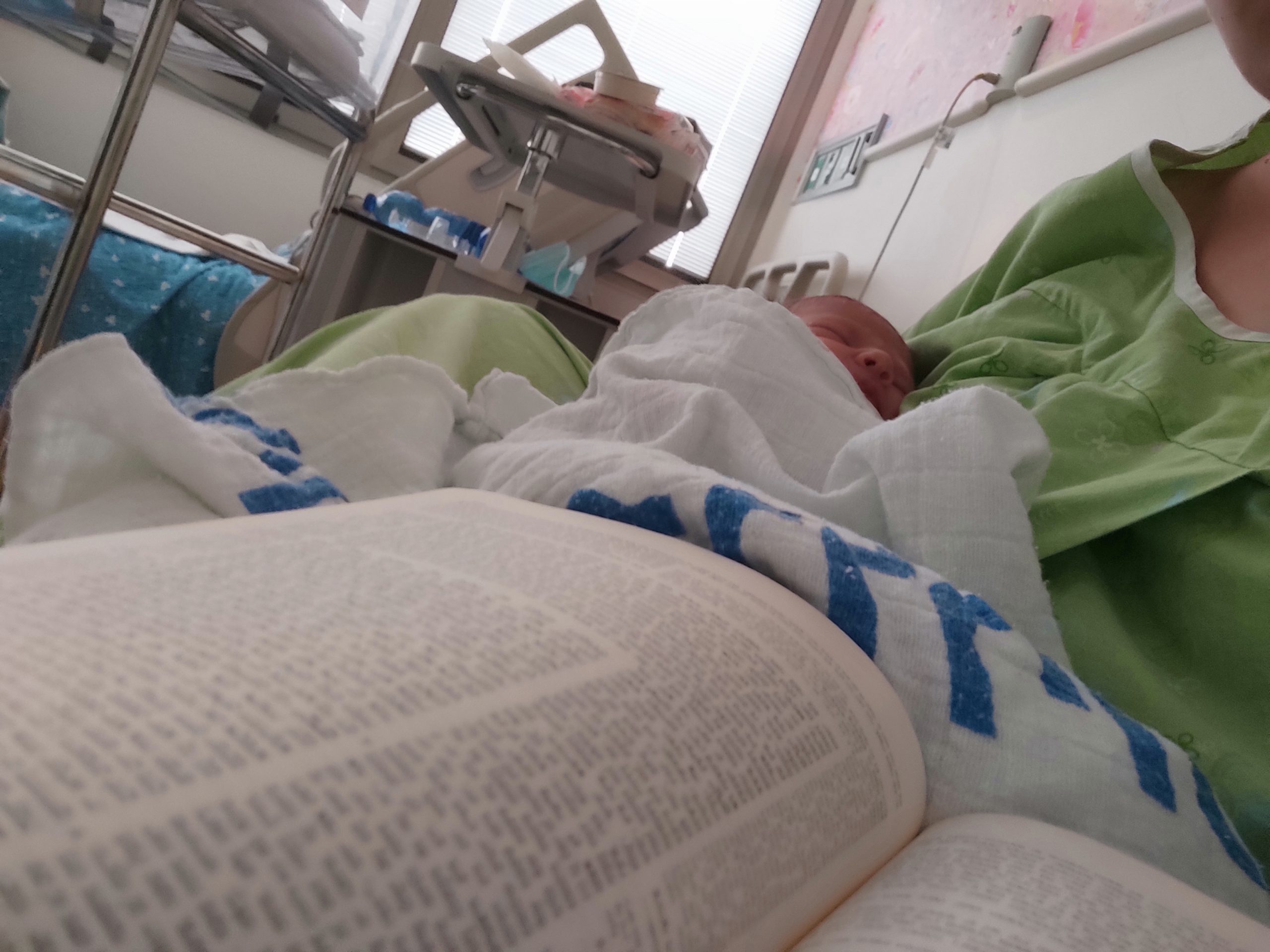
בתחילת הסבב הנוכחי הצטברו אצלי תחושות שאני לא מבינה מספיק מהי ההלכה אותה אני מקיימת בכל יום. כמו כן, כאמא לבנות רציתי לתת להן מודל נשי של לימוד תורה
שתי הסיבות האלו הובילו אותי להתחיל ללמוד. נתקלתי בתגובות מפרגנות וסקרניות איך אישה לומדת גמרא..
כמו שרואים בתמונה אני ממשיכה ללמוד גם היום ואפילו במחלקת יולדות אחרי לידת ביתי השלישית.

Noa Shiloh
נועה שילה

רבבה, ישראל

אחרי שראיתי את הסיום הנשי של הדף היומי בבנייני האומה זה ריגש אותי ועורר בי את הרצון להצטרף. לא למדתי גמרא קודם לכן בכלל, אז הכל היה לי חדש, ולכן אני לומדת בעיקר מהשיעורים פה בהדרן, בשוטנשטיין או בחוברות ושיננתם.

Rebecca Schloss
רבקה שלוס

בית שמש, ישראל

התחלתי כשהייתי בחופש, עם הפרסומים על תחילת המחזור, הסביבה קיבלה את זה כמשהו מתמיד ומשמעותי ובהערכה, הלימוד זה עוגן יציב ביום יום, יש שבועות יותר ויש שפחות אבל זה משהו שנמצא שם אמין ובעל משמעות בחיים שלי….

Adi Diamant
עדי דיאמנט

גמזו, ישראל

התחלתי ללמוד דף יומי אחרי שחזרתי בתשובה ולמדתי במדרשה במגדל עוז. הלימוד טוב ומספק חומר למחשבה על נושאים הלכתיים ”קטנים” ועד לערכים גדולים ביהדות. חשוב לי להכיר את הגמרא לעומק. והצעד הקטן היום הוא ללמוד אותה בבקיאות, בעזרת השם, ומי יודע אולי גם אגיע לעיון בנושאים מעניינים. נושאים בגמרא מתחברים לחגים, לתפילה, ליחסים שבין אדם לחברו ולמקום ולשאר הדברים שמלווים באורח חיים דתי 🙂

Gaia Divo
גאיה דיבו

מצפה יריחו, ישראל

התחלתי ללמוד בסבב הנוכחי לפני כשנתיים .הסביבה מתפעלת ותומכת מאוד. אני משתדלת ללמוד מכל ההסכתים הנוספים שיש באתר הדרן. אני עורכת כל סיום מסכת שיעור בביתי לכ20 נשים שמחכות בקוצר רוח למפגשים האלו.

Yael Asher
יעל אשר

יהוד, ישראל

. לא תמיד נהניתי מלימוד גמרא כילדה.,בל כהתבגרתי התחלתי לאהוב את זה שוב. התחלתי ללמוד מסכת סוטה בדף היומי לפני כחמש עשרה שנה ואז הפסקתי.הגעתי לסיום הגדול של הדרן לפני שנתיים וזה נתן לי השראה. והתחלתי ללמוד למשך כמה ימים ואז היתה לי פריצת דיסק והפסקתי…עד אלול השנה. אז התחלתי עם מסכת ביצה וב”ה אני מצליחה לעמוד בקצב. המשפחה מאוד תומכת בי ויש כמה שגם לומדים את זה במקביל. אני אוהבת שיש עוגן כל יום.

Rebecca Darshan
רבקה דרשן

בית שמש, ישראל

התחלתי כשהייתי בחופש, עם הפרסומים על תחילת המחזור, הסביבה קיבלה את זה כמשהו מתמיד ומשמעותי ובהערכה, הלימוד זה עוגן יציב ביום יום, יש שבועות יותר ויש שפחות אבל זה משהו שנמצא שם אמין ובעל משמעות בחיים שלי….

Adi Diamant
עדי דיאמנט

גמזו, ישראל

My explorations into Gemara started a few days into the present cycle. I binged learnt and become addicted. I’m fascinated by the rich "tapestry” of intertwined themes, connections between Masechtot, conversations between generations of Rabbanim and learners past and present all over the world. My life has acquired a golden thread, linking generations with our amazing heritage.
Thank you.

Susan Kasdan
סוזן כשדן

חשמונאים, Israel

הצטרפתי ללומדות בתחילת מסכת תענית. ההתרגשות שלי ושל המשפחה היתה גדולה מאוד, והיא הולכת וגוברת עם כל סיום שאני זוכה לו. במשך שנים רבות רציתי להצטרף ומשום מה זה לא קרה… ב”ה מצאתי לפני מספר חודשים פרסום של הדרן, ומיד הצטרפתי והתאהבתי. הדף היומי שינה את חיי ממש והפך כל יום- ליום של תורה. מודה לכן מקרב ליבי ומאחלת לכולנו לימוד פורה מתוך אהבת התורה ולומדיה.

Noa Rosen
נעה רוזן

חיספין רמת הגולן, ישראל

התחלתי ללמוד לפני 4.5 שנים, כשהודיה חברה שלי פתחה קבוצת ווטסאפ ללימוד דף יומי בתחילת מסכת סנהדרין. מאז לימוד הדף נכנס לתוך היום-יום שלי והפך לאחד ממגדירי הזהות שלי ממש.

Rosenberg Foundation
קרן רוזנברג

ירושלים, ישראל

התחלתי מעט לפני תחילת הסבב הנוכחי. אני נהנית מהאתגר של להמשיך להתמיד, מרגעים של "אהה, מפה זה הגיע!” ומהאתגר האינטלקטואלי

Eilat-Chen and Deller
אילת-חן ודלר

לוד, ישראל

התחלתי ללמוד לפני כשנתיים בשאיפה לסיים לראשונה מסכת אחת במהלך חופשת הלידה.
אחרי מסכת אחת כבר היה קשה להפסיק…

Noa Gallant
נעה גלנט

ירוחם, ישראל

התחלתי ללמוד בשנת המדרשה במגדל עוז, בינתיים נהנית מאוד מהלימוד ומהגמרא, מעניין ומשמח מאוד!
משתדלת להצליח לעקוב כל יום, לפעמים משלימה קצת בהמשך השבוע.. מרגישה שיש עוגן מקובע ביום שלי והוא משמח מאוד!

Uriah Kesner
אוריה קסנר

חיפה , ישראל

כתובות צה

טִירְפָא מֵאִיָּיר וְאֵילָךְ. אֲמַר לֵיהּ: יָכְלִי לְמֵימַר לָךְ: אַתְּ בַּר חַד בְּנִיסָן אַתְּ.

a document of authorization to repossess liened property of the seller from anyone who purchased property from him from the first of the month of Iyyar and on. Rav Yosef said to him: A purchaser can say to you: Your deed is from the first of Nisan, so that the field that you purchased is rightfully yours and it is the other man, whose deed was dated on the fifth of Nisan, who took it illegally. Therefore, you should take possession of that field rather than repossessing other property.

מַאי תַּקַּנְתֵּיהּ? נִכְתְּבוּ הַרְשָׁאָה לַהֲדָדֵי.

The Gemara asks: If so, what is his remedy? The Gemara answers: Let the deed holders write a document of authorization to each other. If the individual whose deed was written on the fifth of Nisan authorizes the other individual to repossess property on his behalf, then he will be able to repossess property sold after the end of Nisan, because regardless of when his deed was written and whose deed was written first, he now has the right to repossess liened property.

מַתְנִי׳ מִי שֶׁהָיָה נָשׂוּי שְׁתֵּי נָשִׁים וּמָכַר אֶת שָׂדֵהוּ, וְכָתְבָה רִאשׁוֹנָה לַלּוֹקֵחַ ״דִּין וּדְבָרִים אֵין לִי עִמָּךְ״ — הַשְּׁנִיָּה מוֹצִיאָה מֵהַלּוֹקֵחַ, וְרִאשׁוֹנָה מִן הַשְּׁנִיָּה, וְהַלּוֹקֵחַ מִן הָרִאשׁוֹנָה. וְחוֹזְרוֹת חֲלִילָה, עַד שֶׁיַּעֲשׂוּ פְּשָׁרָה בֵּינֵיהֶם. וְכֵן בַּעַל חוֹב, וְכֵן אִשָּׁה בַּעֲלַת חוֹב.

MISHNA: In a case of one who was married to two women and sold his field, and the wife whom he married first wrote to the purchaser: I do not have any legal dealings or involvement with you, then the second wife, who did not relinquish her claim to repossess this property, may appropriate the field from the purchaser as payment of her marriage contract. This is because the property was liened for the payment of her marriage contract before it was sold to this purchaser. Then, the first wife can appropriate the field from the second as payment for her marriage contract, since her marriage contract predates that of the second wife. The purchaser can then appropriate the field from the first wife, due to the fact that she relinquished her rights vis-à-vis the purchaser. They continue to do so according to this cycle [ḥalila] until they agree on a compromise between them. And so too, with regard to a creditor, and so too, with regard to a female creditor.

גְּמָ׳ וְכִי כָּתְבָה לֵיהּ מַאי הָוֵי? וְהָתַנְיָא: הָאוֹמֵר לַחֲבֵירוֹ ״דִּין וּדְבָרִים אֵין לִי עַל שָׂדֶה זוֹ״, וְ״אֵין לִי עֵסֶק בָּהּ״, וְ״יָדַי מְסוּלָּקֹת הֵימֶנָּה״ — לֹא אָמַר כְּלוּם. הָכָא בְּמַאי עָסְקִינַן — בְּשֶׁקָּנוּ מִיָּדָהּ.

GEMARA: The Gemara asks: And if the first wife wrote this to him, what of it? Isn’t it taught in a baraita: One who says to another, e.g., if a field is jointly owned and one partner says to the other: I have no legal dealings or involvement with regard to this field, or: I have no connection to it, or: I have withdrawn from it, has said nothing, as such declarations have no legal validity. The Gemara answers: With what are we dealing here? It is a case where he acquired it from her possession by performing an act of acquisition in order to validate her relinquishing the field, in which case her statement is legally valid.

וְכִי קָנוּ מִיָּדָהּ מַאי הָוֵי? תֵּימָא: נַחַת רוּחַ עָשִׂיתִי לְבַעְלִי. מִי לָא תְּנַן: לָקַח מִן הָאִישׁ וְחָזַר וְלָקַח מִן הָאִשָּׁה — מִקָּחוֹ בָּטֵל. אַלְמָא: יְכוֹלָה הִיא שֶׁתֹּאמַר נַחַת רוּחַ עָשִׂיתִי לְבַעְלִי.

The Gemara asks: And if they acquired it from her, what of it? Let the woman say afterward: I did it only to please my husband, as I saw that he wished to sell the field and I did not want to quarrel with him, but I did not mean it seriously. Didn’t we learn in a mishna (Gittin 55b): If one purchased property from a man, even if he later went back and purchased rights to that property from the man’s wife, the transaction is nullified? Apparently, the wife can say: I did it only to please my husband but did not mean it, and that claim is accepted.

אָמַר רַבִּי זֵירָא אָמַר רַב חִסְדָּא, לָא קַשְׁיָא: הָא רַבִּי מֵאִיר, הָא רַבִּי יְהוּדָה.

Rabbi Zeira said that Rav Ḥisda said: This is not difficult: This mishna here is in accordance with the opinion of Rabbi Meir, and that mishna in tractate Gittin is in accordance with the opinion of Rabbi Yehuda.

דְּתַנְיָא: כָּתַב לָרִאשׁוֹן וְלֹא חָתְמָה לוֹ, לַשֵּׁנִי וְחָתְמָה לוֹ — אִיבְּדָה כְּתוּבָּתָהּ, דִּבְרֵי רַבִּי מֵאִיר.

As it is taught in a baraita: In a case where a husband wrote a bill of sale to one purchaser, but his wife did not sign it for him because she did not agree to the sale, and later he sold a different property to a second purchaser, and this time his wife signed the bill of sale for him, the halakha is that she has lost the settlement promised to her in her marriage contract in the event that the husband is left without property from which she can collect; this is the statement of Rabbi Meir. According to Rabbi Meir, not only is the wife unable to sue the second purchaser after she signed his deed, but she cannot sue the first buyer either since he can say to her: When I purchased the field, I left you a field from which you could have collected, and you brought this loss upon yourself.

רַבִּי יְהוּדָה אוֹמֵר, יְכוֹלָה הִיא שֶׁתֹּאמַר: ״נַחַת רוּחַ עָשִׂיתִי לְבַעְלִי, אַתֶּם מַה לָּכֶם עָלַי״?

Rabbi Yehuda says that she can say: I did it only to please my husband but did not mean to ratify the second sale either; and you, what claim do you have against me?

וְרַבִּי, סָתֵם לַהּ הָכָא כְּרַבִּי מֵאִיר וְסָתֵם לַהּ הָתָם כְּרַבִּי יְהוּדָה?!

The Gemara asks: Is it possible that Rabbi Yehuda HaNasi, the redactor of the Mishna, presented the unattributed mishna here in accordance with the opinion of Rabbi Meir and presented the unattributed mishna there in accordance with the opinion of Rabbi Yehuda? Such a dichotomy is unlikely.

אָמַר רַב פָּפָּא: בִּגְרוּשָׁה, וְדִבְרֵי הַכֹּל.

Rav Pappa offered another answer to the question and said: The mishna here is referring to a divorcée who wrote a note to the purchaser relinquishing her rights to the field after her divorce, and everyone agrees that her statement is binding, as she cannot claim to have acted in order to please her husband.

רַב אָשֵׁי אָמַר: כּוּלַּהּ רַבִּי מֵאִיר הִיא, וְעַד כָּאן לָא קָאָמַר רַבִּי מֵאִיר הָתָם, אֶלָּא בִּשְׁנֵי לָקוֹחוֹת, דְּאָמְרִי לַהּ: אִי אִיתָא דְּנַחַת רוּחַ עֲבַדְתְּ — לְקַמָּא אִיבְּעִי לָךְ לְמִיעְבַּד. אֲבָל בְּלוֹקֵחַ אֶחָד, אֲפִילּוּ רַבִּי מֵאִיר מוֹדֶה. וּמַתְנִיתִין דִּכְתַב לֵיהּ לְאַחֵר.

Rav Ashi said: It is all in accordance with the opinion of Rabbi Meir, and Rabbi Meir states his opinion there only in a case where the husband sold property to two different purchasers, as they can say to her: If it is true that you acted only in order to please your husband, you should have done so with regard to the first purchaser and not just the second. However, in a case where there is only one purchaser, even Rabbi Meir concedes that she can claim to have acted only out of the desire to please her husband. And the mishna here is referring to a case where the husband previously wrote a bill of sale to another purchaser and the wife did not ratify the sale, and the second time he sold a property she did ratify the sale. Consequently, even Rabbi Meir concedes that the woman cannot claim that she acted only in order to please her husband.

תְּנַן הָתָם: אֵין נִפְרָעִין מִנְּכָסִים מְשׁוּעְבָּדִים בִּמְקוֹם שֶׁיֵּשׁ נְכָסִים בְּנֵי חוֹרִין, וַאֲפִילּוּ הֵן זִיבּוּרִית. אִיבַּעְיָא לְהוּ: אִישְׁתְּדוּף בְּנֵי חָרֵי, מַהוּ דְּלִיטְרוֹף מִמְּשַׁעְבְּדִי?

§ We learned in a mishna elsewhere (Gittin 48b): One does not collect a debt from liened property that has been sold to a third party where there is unsold property available, even if the unsold property is of inferior quality. A dilemma was raised before the Sages: If the unsold property became blighted and is no longer of sufficient value to pay off the debt, what is the halakha? Would the creditor be allowed to repossess liened property that has been sold to a third party?

תָּא שְׁמַע: כָּתַב לָרִאשׁוֹן וְלֹא חָתְמָה לוֹ, לַשֵּׁנִי וְחָתְמָה לוֹ — אִיבְּדָה כְּתוּבָּתָהּ, דִּבְרֵי רַבִּי מֵאִיר.

Come and hear a solution to this dilemma based upon the following baraita: In a case where a husband wrote a bill of sale to one purchaser, but his wife did not sign it for him, and later he sold a different property to a second purchaser and his wife signed the bill of sale for him, the halakha is that she has lost the settlement specified in her marriage contract in the event that the husband is left without property from which she can collect; this is the statement of Rabbi Meir.

וְאִי סָלְקָא דַּעְתָּךְ אִישְׁתְּדוּף בְּנֵי חָרֵי טָרֵיף מִמְּשַׁעְבְּדִי, נְהִי דְּאִיבְּדָה כְּתוּבָּתָהּ מִשֵּׁנִי — מֵרִאשׁוֹן מִיהָא תִּיגְבֵּי.

Now, if it should enter your mind that in a case where the unsold property became blighted the creditor would be able to repossess liened property, then even though she lost her ability to collect her marriage contract from the second purchaser, she should at least be able to collect from the first purchaser, because she never relinquished her right to the property he purchased. Although there was unsold property left at the time that the first purchase was made, that property is inaccessible to her because she relinquished her right to it. Consequently, her inability to repossess property from the first purchaser indicates that it is not possible to repossess liened property in the event that unsold property is blighted.

אָמַר רַב נַחְמָן בַּר יִצְחָק: מַאי ״אִיבְּדָה״ — אִיבְּדָה מִשֵּׁנִי.

Rav Naḥman bar Yitzḥak said: It is possible to explain that what Rabbi Meir meant when he said: She has lost her marriage contract, is that she has lost her rights from the second purchaser alone, but not from the first.

אָמַר רָבָא: שְׁתֵּי תְּשׁוּבוֹת בַּדָּבָר, חֲדָא: דְּ״אִיבְּדָה״ לִגְמָרֵי מַשְׁמַע. וְעוֹד, תַּנְיָא: לָוָה מִן הָאֶחָד וּמָכַר נְכָסָיו לִשְׁנַיִם, וְכָתַב בַּעַל חוֹב לְלוֹקֵחַ שֵׁנִי: ״דִּין וּדְבָרִים אֵין לִי עִמָּךְ״ — אֵין לוֹ עַל לוֹקֵחַ רִאשׁוֹן כְּלוּם. מִפְּנֵי שֶׁיָּכוֹל לוֹמַר: הִנַּחְתִּי לְךָ מָקוֹם לִגְבּוֹת הֵימֶנּוּ.

Rava said: There are two responses with which your statement can be rejected. One is that the expression: She has lost, indicates that she has lost her rights entirely, even with regard to the first purchaser. And furthermore, it is explicitly taught in a baraita: If an individual borrowed from one creditor and sold his property to two purchasers and the creditor wrote a note to the second purchaser saying: I do not have any legal dealings or involvement with you, he has no claims toward the first purchaser either. This is because the first purchaser is able to say to the creditor: I left you a place from where to collect your debt, since when I purchased the land, unsold property still remained in the debtor’s possession, and therefore you have no claims against me.

הָתָם אִיהוּ דְּאַפְסֵיד נַפְשֵׁיהּ בְּיָדַיִם.

The Gemara rejects the attempt to solve the dilemma with regard to collecting from liened property when the unsold property was blighted: There, in the case of a woman or man who wrote to the second purchaser: I do not have any legal dealings or involvement with you, it is he who causes a loss to himself by his own direct action of signing away his rights. It cannot be proven what the halakha would be in the case of a blighted field, where the reason he cannot make use of the field is not due to his own action.

אֲמַר לֵיהּ רַב יֵימַר לְרַב אָשֵׁי:

Rav Yeimar said to Rav Ashi:

וְהָא מַעֲשִׂים בְּכׇל יוֹם, דְּהָהוּא גַּבְרָא דְּמַישְׁכֵּן לֵיהּ פַּרְדֵּיסָא לְחַבְרֵיהּ לַעֲשַׂר שְׁנִין, וְקַשׁ לַחֲמֵשׁ שְׁנִין, וַאֲתָא לְקַמַּיְיהוּ דְּרַבָּנַן וּכְתַבוּ לֵיהּ טִירְפָא!

But it is a daily occurrence that courts permit creditors to collect from liened property in cases where the unsold property became ruined, as in the case of a certain man who mortgaged his orchard [pardeisa] to another person for ten years, thereby allowing the latter to consume the produce as payment of the loan that the owner of the orchard owed him. After five years the orchard grew old and no longer produced as it once did. The creditor came before the Sages to argue his claim, and they wrote him a document of authorization to repossess liened property from those who purchased land from the debtor after the giving of the loan. This proves that if unsold property becomes unproductive, a creditor may collect his debt from liened property.

הָתָם נָמֵי, אִינְהוּ הוּא דְּאַפְסִידוּ אַנַּפְשַׁיְיהוּ, כֵּיוָן דַּהֲווֹ יָדְעִי דְּפַרְדֵּיסָא עָבֵיד דְּקִישׁ, לָא אִיבְּעִי לְהוּ לְמִיזְבַּן.

The Gemara answers: There too, it was they, the purchasers, who brought this loss upon themselves since they know that an orchard tends to age. Therefore, they should not have purchased the land from the debtor because they should have realized that there was a chance that he would be unable to pay off his debt with the fruits of the orchard, and the creditor would repossess the land they were purchasing.

וְהִלְכְתָא: אִישְׁתְּדוּף בְּנֵי חָרֵי — טָרְפָא מִמְּשַׁעְבְּדִי.

The Gemara concludes: And the halakha is that if unsold property became blighted, the creditor may repossess liened property that has been sold to a third party.

אָמַר אַבָּיֵי: ״נְכָסַי לִיךְ וְאַחֲרַיִךְ לִפְלוֹנִי״, וְעָמְדָה וְנִיסֵּת — בַּעַל לוֹקֵחַ הָוֵי, וְאֵין לְ״אַחֲרַיִךְ״ בִּמְקוֹם בַּעַל כְּלוּם.

Abaye said: If a man said to an unmarried woman: My property is hereby bequeathed to you, and after you die it will pass to so-and-so, and the woman went and married someone and then died, her husband takes possession of the property and is considered a purchaser, i.e., it is as if the woman sold him the property. And the individual that the man had designated to receive the property after you, i.e., after the woman, receives nothing in a case where there is a husband. This is because during the time that the property belongs to the woman it is hers completely, and all transactions she performs are considered valid. Consequently, her husband, who is considered a purchaser, may keep the property after her death.

כְּמַאן — כִּי הַאי תַּנָּא, דְּתַנְיָא: ״נְכָסַי לִיךְ וְאַחֲרַיִךְ לִפְלוֹנִי״, יָרַד הָרִאשׁוֹן וּמָכַר — הַשֵּׁנִי מוֹצִיא מִיַּד הַלָּקוֹחוֹת, דִּבְרֵי רַבִּי. רַבָּן שִׁמְעוֹן בֶּן גַּמְלִיאֵל אוֹמֵר: אֵין לַשֵּׁנִי אֶלָּא מַה שֶּׁשִּׁיֵּיר רִאשׁוֹן.

The Gemara asks: In accordance with whose opinion did Abaye rule? The Gemara answers: In accordance with the opinion of this tanna, as it is taught in a baraita that if one says: My property is hereby bequeathed to you, and after you die it will pass to so-and-so, and the first beneficiary entered, i.e., took possession of the field, and sold it, the second beneficiary has the right to repossess that property from the purchasers upon the death of the first beneficiary. This is the statement of Rabbi Yehuda HaNasi, who holds that the first beneficiary had the right to use the property, but not to permanently transfer it to someone else. Rabban Shimon ben Gamliel says: The second beneficiary has a claim only to that which the first beneficiary left in his possession and did not transfer to anyone else. Abaye ruled in accordance with the opinion of Rabban Shimon ben Gamliel.

וּמִי אָמַר אַבָּיֵי הָכִי? וְהָאָמַר אַבָּיֵי: אֵיזֶהוּ רָשָׁע עָרוּם — זֶה הַמַּשִּׂיא עֵצָה לִמְכּוֹר בִּנְכָסִים כְּרַבָּן שִׁמְעוֹן בֶּן גַּמְלִיאֵל!

The Gemara asks: And did Abaye actually say so? Didn’t Abaye himself say: Who is a wily, wicked person? One who gives his fellow advice to sell his property in accordance with the ruling of Rabban Shimon ben Gamliel in order to prevent the second beneficiary from taking possession of the property.

מִי קָאָמַר תִּינָּשֵׂא? ״נִשֵּׂאת״ קָאָמַר.

The Gemara answers: Did he say that the woman should be advised to marry in order to deprive the second beneficiary? He said his ruling with regard to a case where the woman married because it is the way of the world that a woman gets married. She did not do this in order to deprive the second heir of his property; it is merely a consequence of the fact that she did get married that her properties ended up in her husband’s possession.

וְאָמַר אַבָּיֵי: ״נְכָסַי לִיךְ וְאַחֲרַיִךְ לִפְלוֹנִי״ וּמָכְרָה וָמֵתָה — הַבַּעַל מוֹצִיא מִיַּד הַלָּקוֹחוֹת, וְ״אַחֲרַיִךְ״ מִיַּד בַּעַל, וְלוֹקֵחַ מִיַּד ״אַחֲרַיִךְ״. וּמוֹקְמִינַן לְכוּלְּהוּ בִּידָא דְלוֹקֵחַ.

The Gemara presents another statement of Abaye with regard to this subject: And Abaye said: If one says to a married woman: My property is hereby bequeathed to you, and after you die it will pass to so-and-so, and she sold the property and subsequently died, the husband can repossess the property from the purchasers. Because he himself is considered a purchaser, he is the first purchaser in line, and is therefore entitled to repossess property from other purchasers. And the individual originally designated to receive the property after you, i.e., after the woman, can repossess the property from the possession of the husband since he had the right to receive the property after the woman. And then the purchaser may repossess it from the possession of the individual designated to receive it after you, since he purchased it from the first beneficiary, i.e., the woman. Finally, the property is established in the possession of the purchaser.

מַאי שְׁנָא מֵהָא דִּתְנַן: וְחוֹזְרוֹת חֲלִילָה עַד שֶׁיַּעֲשׂוּ פְּשָׁרָה בֵּינֵיהֶן? הָתָם אִית לְהוּ פְּסֵידָא לְכוּלְּהוּ, הָכָא לוֹקֵחַ הוּא דְּאִית לֵיהּ פְּסֵידָא.

The Gemara asks: In what way is this case different from that which we learned in the mishna: They continue to do so according to this cycle until they agree on a compromise between them? The Gemara answers: There, in the case of the mishna, they all stand to incur a loss, as the purchasers paid money for their property and the woman has a monetary claim to collect her marriage settlement. Here, it is only the purchaser who stands to incur a loss, as he paid for the property, while the others received it as a gift.

אֲזַל רַפְרָם אֲמַר לִשְׁמַעְתָּא קַמֵּיהּ דְּרַב אָשֵׁי. מִי אָמַר אַבָּיֵי הָכִי? וְהָאָמַר אַבָּיֵי: ״נְכָסַי לִיךְ וְאַחֲרַיִךְ לִפְלוֹנִי״, עָמְדָה וְנִיסֵּת — בַּעַל לוֹקֵחַ הָוֵי, וְאֵין לְ״אַחֲרַיִךְ״ בִּמְקוֹם בַּעַל כְּלוּם.

Rafram went and stated this halakha before Rav Ashi and then asked him: Did Abaye actually say this? Didn’t Abaye say: If a man said to a woman: My property is hereby bequeathed to you, and after you die it will pass to so-and-so, and the woman went and married someone, her husband is considered a purchaser, and the individual that the man had designated to receive the property after you, i.e., after the woman, receives nothing in a case where there is a husband. If the husband is considered to be a purchaser, why, according to Abaye’s second ruling, does the later purchaser receive the property?

אֲמַר לֵיהּ: הָתָם דְּאָמַר לַהּ כְּשֶׁהִיא פְּנוּיָה, הָכָא דְּאָמַר לַהּ כְּשֶׁהִיא נְשׂוּאָה. מַאי קָאָמַר לַהּ — ״אַחֲרַיִךְ״ לִיקְנֵי, בַּעַל לָא לִיקְנֵי.

Rav Ashi said to him: There, in the case where the husband acquires exclusive rights to the property, it is where the original owner spoke to the woman while she was still unmarried, while here, in the latter case, he spoke to her when she was already married. What he is saying to her by making this statement even though she is already married and her husband is her heir, is that the individual designated to receive the property after you shall acquire the property, and your husband shall not acquire it. Consequently, the husband does not attain rights to this property.

וְכֵן בַּעַל חוֹב. תָּנָא: וְכֵן בַּעַל חוֹב וּשְׁנֵי לָקוֹחוֹת.

§ The mishna taught: And so too, with regard to a creditor, and so too, with regard to a female creditor. The Gemara explains this phrase based upon what was taught in a baraita: And so too, in a case where one owes one hundred dinars to a creditor and he sells property worth fifty dinars each to two purchasers. If the creditor waives his right to repossess the property from the second purchaser, he can still repossess the property from the first purchaser. The first purchaser can then repossess from the second purchaser, the creditor can repossess that property from the first purchaser, and the second purchaser can reclaim it from the creditor. This cycle continues until they reach a compromise.

וְכֵן אִשָּׁה בַּעֲלַת חוֹב וּשְׁנֵי לָקוֹחוֹת.

And so too, in the case of a female creditor, i.e., a woman who seeks to collect her marriage contract from her husband’s estate, and two purchasers who purchased his property from him.

הֲדַרַן עֲלָךְ מִי שֶׁהָיָה נָשׂוּי

אַלְמָנָה נִיזּוֹנֶת מִנִּכְסֵי יְתוֹמִים — מַעֲשֵׂה יָדֶיהָ שֶׁלָּהֶן, וְאֵין חַיָּיבִין בִּקְבוּרָתָהּ. יוֹרְשֶׁיהָ יוֹרְשֵׁי כְתוּבָּתָהּ חַיָּיבִין בִּקְבוּרָתָהּ.

MISHNA: A widow is sustained from the property of orphans. Her earnings belong to them, and they are not obligated to see to her burial. Her heirs, who inherit her marriage contract, are obligated to see to her burial.

גְּמָ׳ אִיבַּעְיָא לְהוּ: ״נִיזּוֹנֶת״ תְּנַן אוֹ ״הַנִּיזּוֹנֶת״ תְּנַן? נִיזּוֹנֶת תְּנַן, וּכְאַנְשֵׁי גָלִיל, וְלָא סַגִּי דְּלָא יָהֲבִי לַהּ,

GEMARA: A dilemma was raised before the Sages: Did we learn in the mishna: A widow is sustained, or did we learn in the mishna: A widow who is sustained? There is a difference between the two versions. If we learned in the mishna: A widow is sustained, that means that every widow is sustained by her husband’s heirs. And the mishna is in accordance with the custom of the people of Galilee, who write a clause in the marriage contract stipulating that it is the widow’s right to remain in her husband’s house after his death and to be supported from his estate as long as she does not remarry. And it is impossible for the heirs not to give her sustenance.

אוֹ דִלְמָא ״הַנִּיזּוֹנֶת״ תְּנַן, וּכְאַנְשֵׁי יְהוּדָה, וְאִי בָּעוּ לָא יָהֲבִי לַהּ.

Or perhaps, we learned in the mishna: A widow who is sustained, meaning that not all widows are sustained by their husbands’ heirs. And the mishna is in accordance with the custom of the people of Judea, who write a clause in the marriage contract stipulating that it is the widow’s right to remain in her husband’s house and be sustained by the heirs until they pay her marriage contract. And if they so desire, they can pay her marriage contract and then they need not give her sustenance any longer.

רוצה לעקוב אחרי התכנים ולהמשיך ללמוד?

ביצירת חשבון עוד היום ניתן לעקוב אחרי ההתקדמות שלך, לסמן מה למדת, ולעקוב אחרי השיעורים שמעניינים אותך.

לנקות את כל הפריטים מהרשימה?

פעולה זו תסיר את כל הפריטים בחלק זה כולל ההתקדמות וההיסטוריה. שימי לב: לא ניתן לשחזר פעולה זו.

ביטול
מחיקה

האם את/ה בטוח/ה שברצונך למחוק פריט זה?

תאבד/י את כל ההתקדמות או ההיסטוריה הקשורות לפריט זה.

ביטול
מחיקה