







נשאלת שאלה לגבי נוסח המשנה. האם כתוב "אלמנה ניזונת” שמשמע כל האלמנות זוכות לפרנסת היתומים (כפי שהיה נהוג בגליל) או "אלמנה הניזונת”… (כפי שהיה נהוג ביהודה שכן היתומה יכלה להתעקש שהיא תפסיק לקחת תשלומי מזונות והם יכלו לשלם את הכתובה ולסיים את הקשר ביניהם). הגמרא מנסה להוכיח זאת מתוך אמירה של שמואל לגבי משנתנו. עם זאת, ההוכחה אינה חד משמעית. איזה מלאכות חייבת האישה לעשות ליתומים – האם זהה למלאכות שאישה עושה לבעלה? למרות שהיא לא יכולה לגבות מזונות ממטלטלין, מה אם היא גבתה ממטלטלין, האם גבייתה תקפה או האם בית הדין יכול להוציא ממנה מה שגבתה שלא כדין? האם זה אותו דין לגבי כתובה? לאחר שעובר זמן מסוים והיא לא דרשה תשלומי מזונות, היא לא יכולה עוד לגבות אותם. אחרי כמה זמן ובמה זה תלוי? רבי יוחנן שאל על מקרה שבו יש מחלוקת בין האלמנה לבין היתומים אם נתנו לה כסף למזונות או לא, על מי להביא ראייה? מובא ברייתא להוכיח שחובת ההוכחה היא על היתומים. רב שימי בר אשי מביא תוספתא בניסיון להראות שבנושא הזה יש מחלוקת תנאים. אולם הגמרא דוחה את הסברו לויכוח ומביאה שני הסברים חלופיים.
הלימוד השבוע מוקדש לזכות ולשלום הַיְימׇנוֹט אֱמוּנָה בַּת באנצ’י (קָסָאוּ) בת 11 שנעלמה במקום מגוריה בצפת, לפני שנתיים, ביום ט”ז אדר תשפ”ד (25.2.24), ולא נודעו עקבותיה.
הלימוד השבוע מוקדש למען ביטחון המדינה, החיילים והאזרחים, ולמען חירותו של העם האיראני. שנזכה בקרוב שיתקיים בנו הפסוק: "לַיְּהוּדִים הָיְתָה אוֹרָה וְשִׂמְחָה וְשָׂשֹׂן וִיקָר”.
הלימוד השבוע מוקדש לזכות וְלִשְׁלוֹם הָיימָנוֹט אֱמוּנָה בַּת באנצ’י (קָסָאוּ), בת 11 שנעלמה במקום מגוריה בצפת, לפני שנתיים, ביום ט”ז אדר תשפ״ד (25.2.24), ולא נודעו עקבותיה. אנו מתפללים שֶׁתִּמָּצֵא וְתוּשַׁב לביתה במהרה!
רוצה להקדיש שיעור?

כלים
הלימוד השבוע מוקדש לזכות ולשלום הַיְימׇנוֹט אֱמוּנָה בַּת באנצ’י (קָסָאוּ) בת 11 שנעלמה במקום מגוריה בצפת, לפני שנתיים, ביום ט”ז אדר תשפ”ד (25.2.24), ולא נודעו עקבותיה.
הלימוד השבוע מוקדש למען ביטחון המדינה, החיילים והאזרחים, ולמען חירותו של העם האיראני. שנזכה בקרוב שיתקיים בנו הפסוק: "לַיְּהוּדִים הָיְתָה אוֹרָה וְשִׂמְחָה וְשָׂשֹׂן וִיקָר”.
הלימוד השבוע מוקדש לזכות וְלִשְׁלוֹם הָיימָנוֹט אֱמוּנָה בַּת באנצ’י (קָסָאוּ), בת 11 שנעלמה במקום מגוריה בצפת, לפני שנתיים, ביום ט”ז אדר תשפ״ד (25.2.24), ולא נודעו עקבותיה. אנו מתפללים שֶׁתִּמָּצֵא וְתוּשַׁב לביתה במהרה!
כתובות צו
תָּא שְׁמַע, אָמַר רַבִּי זֵירָא אָמַר שְׁמוּאֵל: מְצִיאַת אַלְמָנָה לְעַצְמָהּ. אִי אָמְרַתְּ בִּשְׁלָמָא ״הַנִּיזּוֹנֶת״ תְּנַן — שַׁפִּיר. אֶלָּא אִי אָמְרַתְּ ״נִיזּוֹנֶת״ תְּנַן, נִיהְווֹ כְּבַעַל: מָה בַּעַל מְצִיאַת אִשָּׁה לְבַעְלָהּ, הָכָא נָמֵי מְצִיאַת אִשָּׁה לַיּוֹרְשִׁים!
The Gemara suggests: Come and hear a proof from that which Rabbi Zeira said that Shmuel said: Any lost article found by the widow she acquires for herself. Granted, if you say that we learned in the mishna: A widow who is sustained, Shmuel’s principle is well understood. Then, according to the mishna, there are cases where a widow is supported by her husband’s heirs and other cases where she is not. Shmuel is referring to a case where the heirs do not sustain her, and therefore any earnings and articles that she may find belong to her. However, if you say that we learned in the mishna: A widow is sustained by the heirs in place of her husband, then let the heirs be like the husband in every sense. Just as in the case of the husband, any lost article found by the wife belongs to the husband, here too, any lost article found by the widowed wife should belong to the heirs.
לְעוֹלָם אֵימָא לָךְ: ״נִיזּוֹנֶת״ תְּנַן: טַעְמָא מַאי אֲמוּר רַבָּנַן מְצִיאַת אִשָּׁה לְבַעְלָהּ — דְּלָא תֶּיהְוֵי לַהּ אֵיבָה. הָנֵי — תֶּיהְוֵי לְהוּ אֵיבָה.
The Gemara rejects this proof: Actually, I will say to you that we learned in the mishna: A widow is sustained, and this does not contradict Shmuel’s statement. What is the reason that the Sages said that any lost article found by the wife belongs to her husband? It is so that she should not be subject to her husband’s enmity. The Sages were concerned that if the husband saw that his wife had come into possession of money and did not know the source of that money, they would quarrel. However, these heirs, let them have enmity toward the widow.
אָמַר רַבִּי יוֹסֵי בַּר חֲנִינָא: כׇּל מְלָאכוֹת שֶׁהָאִשָּׁה עוֹשָׂה לְבַעְלָהּ, אַלְמָנָה עוֹשָׂה לַיּוֹרְשִׁים, חוּץ מִמְּזִיגַת הַכּוֹס וְהַצָּעַת הַמִּטָּה וְהַרְחָצַת פָּנָיו יָדָיו וְרַגְלָיו.
Rabbi Yosei bar Ḥanina said: All tasks that a wife performs for her husband, a widow performs for the husband’s heirs, except for filling his cup; and making his bed; and washing his face, hands, and feet, which are expressions of affection that a woman performs specifically for her husband.
אָמַר רַבִּי יְהוֹשֻׁעַ בֶּן לֵוִי: כׇּל מְלָאכוֹת שֶׁהָעֶבֶד עוֹשֶׂה לְרַבּוֹ — תַּלְמִיד עוֹשֶׂה לְרַבּוֹ, חוּץ מֵהַתָּרַת (לוֹ) מִנְעָל.
Rabbi Yehoshua ben Levi said: All tasks that a Canaanite slave performs for his master, a student performs for his teacher, except for untying his shoe, a demeaning act that was typically performed by slaves and would not be appropriate for a student to do.
אָמַר רָבָא: לָא אֲמַרַן אֶלָּא בִּמְקוֹם שֶׁאֵין מַכִּירִין אוֹתוֹ, אֲבָל בִּמְקוֹם שֶׁמַּכִּירִין אוֹתוֹ לֵית לַן בַּהּ. אָמַר רַב אָשֵׁי: וּבִמְקוֹם שֶׁאֵין מַכִּירִין אוֹתוֹ נָמֵי, לָא אֲמַרַן אֶלָּא דְּלָא מַנַּח תְּפִלִּין, אֲבָל מַנַּח תְּפִלִּין — לֵית לַן בַּהּ.
Rava said: We said this only if the teacher and the student are in a place where people are not familiar with the student and he could be mistaken for a slave. However, in a place where people are familiar with the student, we have no problem with it as everyone knows that he is not a slave. Rav Ashi said: And in a place where people are not familiar with the student, we said this halakha only if he is not donning phylacteries, but if he is donning phylacteries, we have no problem with it. A slave does not don phylacteries, and since this student is donning phylacteries, even if he unties his teacher’s shoes he will not be mistaken for a slave.
אָמַר רַבִּי חִיָּיא בַּר אַבָּא אָמַר רַבִּי יוֹחָנָן: כׇּל הַמּוֹנֵעַ תַּלְמִידוֹ מִלְּשַׁמְּשׁוֹ — כְּאִילּוּ מוֹנֵעַ מִמֶּנּוּ חֶסֶד, שֶׁנֶּאֱמַר: ״לַמָּס מֵרֵעֵהוּ חָסֶד״. רַב נַחְמָן בַּר יִצְחָק אוֹמֵר: אַף פּוֹרֵק מִמֶּנּוּ יִרְאַת שָׁמַיִם, שֶׁנֶּאֱמַר: ״וְיִרְאַת שַׁדַּי יַעֲזוֹב״.
Rabbi Ḥiyya bar Abba said that Rabbi Yoḥanan said: Anyone who prevents his student from serving him, it is as if he withheld from him kindness, as it is stated: “To him that is ready to faint [lamas], from his friend kindness is due” (Job 6:14). Rabbi Yoḥanan interprets this to mean that one who prevents [memis] another from performing acts on his behalf, prevents him from performing the mitzva of kindness. Rav Naḥman bar Yitzḥak says: He even removes from the student the fear of Heaven, as it is stated in the continuation of the verse: “Even to one who forsakes the fear of the Almighty.”
אָמַר רַבִּי אֶלְעָזָר: אַלְמָנָה שֶׁתָּפְסָה מִטַּלְטְלִין בִּמְזוֹנוֹתֶיהָ — מַה שֶּׁתָּפְסָה תָּפְסָה. תַּנְיָא נָמֵי הָכִי: אַלְמָנָה שֶׁתָּפְסָה מִטַּלְטְלִין בִּמְזוֹנוֹתֶיהָ — מַה שֶּׁתָּפְסָה תָּפְסָה.
Rabbi Elazar said: In the case of a widow who seized movable property for her sustenance, that which she seized, she seized and it remains in her possession. That halakha is also taught in a baraita: A widow who seized movable property to provide for her sustenance, that which she seized, she seized.
וְכֵן כִּי אֲתָא רַב דִּימִי, אָמַר: מַעֲשֶׂה בְּכַלָּתוֹ שֶׁל רַבִּי שַׁבְּתַי שֶׁתָּפְסָה דִּסַקַּיָּא מְלֵאָה מָעוֹת, וְלֹא הָיָה כֹּחַ בְּיַד חֲכָמִים לְהוֹצִיא מִיָּדָהּ.
And likewise, when Rav Dimi came from Eretz Yisrael he said: There was an incident involving Rabbi Shabbtai’s daughter-in-law, who seized a saddlebag [diskayya] full of coins for her sustenance, and the Sages did not have the authority to remove it from her possession.
אָמַר רָבִינָא: וְלָא אֲמַרַן אֶלָּא לִמְזוֹנֵי, אֲבָל לִכְתוּבָּה — מַפְּקִינַן מִינַּהּ.
Ravina said: We said the halakha that we do not remove from her possession that which she seized only in a case where she seized the assets for her sustenance. However, if she seized the assets as payment of her marriage contract, we remove it from her.
מַתְקֵיף לַהּ מָר בַּר רַב אָשֵׁי: מַאי שְׁנָא לִכְתוּבָּה, דְּמִמְּקַרְקְעֵי וְלָא מִמִּטַּלְטְלִי? מְזוֹנוֹת נָמֵי מִמְּקַרְקְעֵי וְלָא מִמִּטַּלְטְלִי! אֶלָּא לִמְזוֹנֵי — מַאי דְּתָפְסָה תָּפְסָה, הָכִי נָמֵי לִכְתוּבָּה!
Mar bar Rav Ashi objects to this: What is different about seizing assets as payment of her marriage contract, that they are removed from her possession? If it is that a marriage contract is paid only from real estate and not from movable property, there is a rabbinic enactment that sustenance is also paid only from real estate and not from movable property. Rather, just as you say that if she seizes assets for her sustenance, that which she seized, she seized, so too, her seizure is effective if she does so as payment of her marriage contract.
אֲמַר לֵיהּ רַב יִצְחָק בַּר נַפְתָּלִי לְרָבִינָא: הָכִי אָמְרִינַן מִשְּׁמֵיהּ דְּרָבָא כְּווֹתָיךְ.
Rav Yitzḥak bar Naftali said to Ravina: We say this halakha in the name of Rava, in accordance with your teaching that if she seized movable property as payment of her marriage contract, it is removed from her possession.
אָמַר רַבִּי יוֹחָנָן מִשְּׁמֵיהּ דְּרַבִּי יוֹסֵי בֶּן זִימְרָא: אַלְמָנָה שֶׁשָּׁהֲתָה שְׁתַּיִם וְשָׁלֹשׁ שָׁנִים וְלֹא תָּבְעָה מְזוֹנוֹת — אִיבְּדָה מְזוֹנוֹת.
Rabbi Yoḥanan said in the name of Rabbi Yosei ben Zimra: A widow who waited two or three years after her husband’s death and did not demand sustenance from the heirs has forfeited the right to receive sustenance from them. Since she did not demand her sustenance, it is assumed that she must have forgone this right.
הַשְׁתָּא שְׁתַּיִם — אִיבְּדָה, שָׁלֹשׁ מִיבַּעְיָא?! לָא קַשְׁיָא: כָּאן בַּעֲנִיָּה, כָּאן בַּעֲשִׁירָה.
The Gemara discusses the language of Rabbi Yosei ben Zimra’s statement: Now that it was stated that after two years she forfeited her rights to receive sustenance, is it necessary to state that she also forfeited her rights after three years? The Gemara answers: This is not difficult. Here, the first statement is referring to a poor woman for which two years is a long time. If she does not demand sustenance for two years, it is clear that she has forgiven the heirs this obligation. There, the second statement is referring to a rich woman who can support herself for two years. It is only clear after three years that she forgave the obligation.
אִי נָמֵי: כָּאן בִּפְרוּצָה, כָּאן בִּצְנוּעָה.
Alternatively, here it is referring to an unabashed woman, who is not ashamed to demand her rights from the heirs. If she does not demand sustenance within two years, it is assumed that she has forgone this right. There, it is referring to a modest woman, who is embarrassed to demand sustenance from the heirs and who waits until the third year to claim this right.
אָמַר רָבָא: לָא אֲמַרַן אֶלָּא לְמַפְרֵעַ, אֲבָל לְהַבָּא יֵשׁ לָהּ.
Rava said: We said this halakha only retroactively; the widow cannot demand to be reimbursed for the past years in which she paid for her own sustenance. However, from here onward, once she demands sustenance she has the right to receive it from the heirs.
בָּעֵי רַבִּי יוֹחָנָן: יְתוֹמִים אוֹמְרִים נָתַנְנוּ, וְהִיא אוֹמֶרֶת לֹא נָטַלְתִּי, עַל מִי לְהָבִיא רְאָיָה?
Rabbi Yoḥanan raises a dilemma: If the orphans say: We gave her sustenance, and she says: I took none, upon whom is it incumbent to bring proof to support his argument?
נִכְסֵי בְּחֶזְקַת יַתְמֵי קָיְימִי וְעַל אַלְמָנָה לְהָבִיא רְאָיָה, אוֹ דִלְמָא נִכְסֵי בְּחֶזְקַת אַלְמָנָה קָיְימִי, וְעַל הַיְּתוֹמִים לְהָבִיא רְאָיָה.
The Gemara presents the different options: Does one say that the property is in the possession of the orphans and it is incumbent upon the widow to bring proof of her claim, in accordance with the principle that the burden of proof rests on the claimant? Or, perhaps one says that the property is in the widow’s possession given that it has a lien attached to it by virtue of her marriage contract, and it is incumbent upon the orphans to bring proof of their claim.
תָּא שְׁמַע, דְּתָנֵי לֵוִי: אַלְמָנָה, כׇּל זְמַן שֶׁלֹּא נִיסֵּת — עַל הַיְּתוֹמִים לְהָבִיא רְאָיָה. נִיסֵּת — עָלֶיהָ לְהָבִיא רְאָיָה.
Come and hear proof from a baraita that Levi taught: In the case of a widow, as long as she has not married again, it is incumbent upon the orphans to bring proof that they provided sustenance for her. Once she has married and comes to demand the sustenance that she was supposed to receive in the past, it is incumbent upon her to bring proof that she never received anything.
אָמַר רַב שִׁימִי בַּר אָשֵׁי, כְּתַנָּאֵי: מוֹכֶרֶת, וְכוֹתֶבֶת: ״אֵלּוּ לִמְזוֹנוֹת מָכַרְתִּי״ וְ״אֵלּוּ לִכְתוּבָּה מָכַרְתִּי״, דִּבְרֵי רַבִּי יְהוּדָה. רַבִּי יוֹסֵי אוֹמֵר: מוֹכֶרֶת וְכוֹתֶבֶת סְתָם, וְכֵן כֹּחָהּ יָפֶה.
Rav Shimi bar Ashi said: Rabbi Yoḥanan’s question is subject to a dispute between tanna’im in the following baraita: A widow sells parts of her deceased husband’s property and writes: These I sold for my sustenance and these I sold as payment for my marriage contract; this is the statement of Rabbi Yehuda. Rabbi Yosei says: She sells and writes how much she sold without specification of the purpose for which it was sold. And so her power to support herself is enhanced, as she will be able to decide if what she took was payment for her marriage contract or if it was for her sustenance, based on the status of other claims to her husband’s property.
מַאי לָאו בְּהָא קָמִיפַּלְגִי, לְרַבִּי יְהוּדָה דְּאָמַר בָּעֵי לְפָרוֹשֵׁי, סָבַר: נִכְסֵי בְּחֶזְקַת יַתְמֵי קָיְימִי, וְעַל הָאַלְמָנָה לְהָבִיא רְאָיָה. וְרַבִּי יוֹסֵי סָבַר: לָא בָּעֵי לְפָרוֹשֵׁי, נִכְסֵי בְּחֶזְקַת אַלְמָנָה קָיְימִי, וְעַל הַיְּתוֹמִים לְהָבִיא רְאָיָה.
What, is it not that they disagree with regard to this question? According to Rabbi Yehuda, who said that she is required to specify the purpose for which it was sold, it is implied that he holds that the property is in the possession of the orphans, and it is incumbent upon the widow to provide proof. This is why she needs to write precisely for what purpose the property was sold. And Rabbi Yosei holds that she does not need to specify the purpose for which it was sold because the property is in the widow’s possession, and it is incumbent upon the orphans to provide proof.
מִמַּאי? דִּלְמָא דְּכוּלֵּי עָלְמָא נִכְסֵי בְּחֶזְקַת אַלְמָנָה קָיְימִי, וְעַל הַיְּתוֹמִים לְהָבִיא רְאָיָה, וְרַבִּי יְהוּדָה עֵצָה טוֹבָה קָא מַשְׁמַע לַן — דְּלָא לִיקְרוֹ לַהּ רַעַבְתָנוּתָא.
The Gemara rejects this proof: From where do you arrive at this conclusion? Perhaps everyone agrees that the property is in the widow’s possession and it is incumbent upon the orphans to provide proof. And Rabbi Yehuda simply teaches us a measure of good advice, so that they will not call her a glutton if they think that she spends excessively on her sustenance. He therefore advises her to specify the purpose for which everything was sold so that she can prove that she did not spend excessively on her sustenance.
דְּאִי לָא תֵּימָא הָכִי, הָא דְּבָעֵי רַבִּי יוֹחָנָן, תִּפְשׁוֹט לֵיהּ מִמַּתְנִיתִין: מוֹכֶרֶת לִמְזוֹנוֹת שֶׁלֹּא בְּבֵית דִּין, וְכוֹתֶבֶת: ״אֵלּוּ לִמְזוֹנוֹת מָכַרְתִּי״! אֶלָּא מִמַּתְנִיתִין לֵיכָּא לְמִשְׁמַע מִינַּהּ, דְּעֵצָה טוֹבָה קָא מַשְׁמַע לַן. הָכִי נָמֵי עֵצָה טוֹבָה קָא מַשְׁמַע לַן.
As, if you do not say so, then with regard to the dilemma raised by Rabbi Yoḥanan, why not resolve the dilemma from the mishna that states (97b): A woman sells her husband’s property for her sustenance when not in court, and writes: These I sold for my sustenance? Based on the reasoning used earlier, one could have resolved the question by proving from here that the property is in the possession of the orphans, and it is incumbent upon the widow to bring proof for her claim. Rather, it must be that this halakha cannot be derived from this mishna, as it teaches us only good advice to keep the heirs from complaining about her. So too, in the baraita, Rabbi Yehuda teaches us a measure of good advice, not a halakha.
אִי נָמֵי: דְּכוּלֵּי עָלְמָא נִכְסֵי בְּחֶזְקַת יַתְמֵי קָיְימִי, וְהַיְינוּ טַעְמָא דְּרַבִּי יוֹסֵי — כִּדְאַבָּיֵי קַשִּׁישָׁא. דְּאָמַר אַבָּיֵי קַשִּׁישָׁא, מָשָׁל דְּרַבִּי יוֹסֵי לְמָה הַדָּבָר דּוֹמֶה? לִשְׁכִיב מְרַע שֶׁאָמַר ״תְּנוּ מָאתַיִם זוּז לִפְלוֹנִי בַּעַל חוֹבִי״, רָצָה — בְּחוֹבוֹ נוֹטְלָן, רָצָה — בְּמַתָּנָה נוֹטְלָן.
Alternatively, one can say the opposite: Everyone agrees that the property is in the possession of the orphans, and this is the reasoning of Rabbi Yosei, as explained by Abaye the Elder, as Abaye the Elder said a parable to illustrate the opinion of Rabbi Yosei: To what is this matter comparable? To a person on his deathbed who said: Give two hundred dinars to so-and-so, my creditor. Because the word give is usually used in the context of a gift, the creditor can decide: If he desires, he takes the money as payment of the debt owed to him. This gives the creditor the advantage of being able to collect his debt from liened properties that were sold to a third party. Or, if he so desires, he takes the money as a gift.

כלים
העמקה
רוצה להבין מה באמת קורה מתחת לפני השטח של הסוגיה?
שיעורים, פודקאסטים והרחבות של מיטב המורות שלנו יפתחו לך עוד זוויות וכיווני חשיבה.




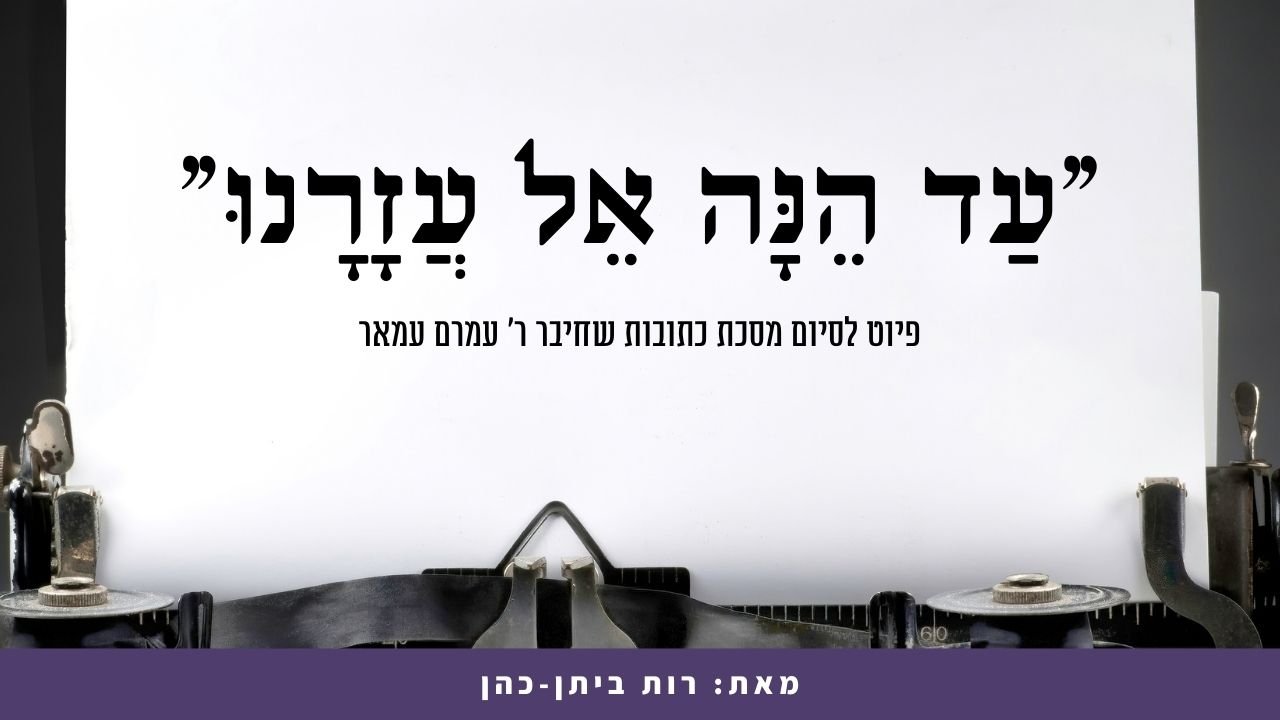
‘עַד הֵנָּה אֵל עֲזָרָנוּ’ – פיוט לסיום מסכת כתובות שחיבר ר’ עמרם עמאר – רות ביתן-כהן








חדשה בלימוד הגמרא?
זה הדף הראשון שלך? איזו התרגשות עצומה! יש לנו בדיוק את התכנים והכלים שיעזרו לך לעשות את הצעדים הראשונים ללמידה בקצב וברמה שלך, כך תוכלי להרגיש בנוח גם בתוך הסוגיות המורכבות ומאתגרות.
פסיפס הלומדות שלנו
גלי את קהילת הלומדות שלנו, מגוון נשים, רקעים וסיפורים. כולן חלק מתנועה ומסע מרגש ועוצמתי.
רציתי לקבל ידע בתחום שהרגשתי שהוא גדול וחשוב אך נעלם ממני. הלימוד מעניק אתגר וסיפוק ומעמיק את תחושת השייכות שלי לתורה וליהדות

עלי זהב – לשם, ישראל
התחלתי ללמוד בסבב הנוכחי לפני כשנתיים .הסביבה מתפעלת ותומכת מאוד. אני משתדלת ללמוד מכל ההסכתים הנוספים שיש באתר הדרן. אני עורכת כל סיום מסכת שיעור בביתי לכ20 נשים שמחכות בקוצר רוח למפגשים האלו.

יהוד, ישראל
התחלתי ללמוד דף יומי שהתחילו מסכת כתובות, לפני 7 שנים, במסגרת קבוצת לימוד שהתפרקה די מהר, ומשם המשכתי לבד בתמיכת האיש שלי. נעזרתי בגמרת שטיינזלץ ובשיעורים מוקלטים.
הסביבה מאד תומכת ואני מקבלת המון מילים טובות לאורך כל הדרך. מאז הסיום הגדול יש תחושה שאני חלק מדבר גדול יותר.
אני לומדת בשיטת ה”7 דפים בשבוע” של הרבנית תרצה קלמן – כלומר, לא נורא אם לא הצלחת ללמוד כל יום, העיקר שגמרת ארבעה דפים בשבוע

עתניאל, ישראל
התחלתי ללמוד בעידוד שתי חברות אתן למדתי בעבר את הפרק היומי במסגרת 929.
בבית מתלהבים מאוד ובשבת אני לומדת את הדף עם בעלי שזה מפתיע ומשמח מאוד! לימוד הדף הוא חלק בלתי נפרד מהיום שלי. לומדת בצהריים ומחכה לזמן הזה מידי יום…

אפרת, ישראל
לפני 15 שנה, אחרי עשרות שנים של "ג’ינגול” בין משפחה לקריירה תובענית בהייטק, הצטרפתי לשיעורי גמרא במתן רעננה. הלימוד המעמיק והייחודי של הרבנית אושרה קורן יחד עם קבוצת הנשים המגוונת הייתה חוויה מאלפת ומעשירה. לפני כשמונה שנים כאשר מחזור הדף היומי הגיע למסכת תענית הצטרפתי כ”חברותא” לבעלי. זו השעה היומית שלנו ביחד כאשר דפי הגמרא משתלבים בחיי היום יום, משפיעים ומושפעים, וכשלא מספיקים תמיד משלימים בשבת

רעננה, ישראל
כבר סיפרתי בסיום של מועד קטן.
הלימוד מאוד משפיעה על היום שלי כי אני לומדת עם רבנית מישל על הבוקר בזום. זה נותן טון לכל היום – בסיס למחשבות שלי .זה זכות גדול להתחיל את היום בלימוד ובתפילה. תודה רבה !

ירושלים, ישראל
באירוע של הדרן בנייני האומה. בהשראתה של אמי שלי שסיימה את הש”ס בסבב הקודם ובעידוד מאיר , אישי, וילדיי וחברותיי ללימוד במכון למנהיגות הלכתית של רשת אור תורה סטון ומורתיי הרבנית ענת נובוסלסקי והרבנית דבורה עברון, ראש המכון למנהיגות הלכתית.
הלימוד מעשיר את יומי, מחזיר אותי גם למסכתות שכבר סיימתי וידוע שאינו דומה מי ששונה פרקו מאה לשונה פרקו מאה ואחת במיוחד מרתקים אותי החיבורים בין המסכתות

מודיעין, ישראל
התחלתי ללמוד דף לפני קצת יותר מ-5 שנים, כשלמדתי רבנות בישיבת מהר”ת בניו יורק. בדיעבד, עד אז, הייתי בלימוד הגמרא שלי כמו מישהו שאוסף חרוזים משרשרת שהתפזרה, פה משהו ושם משהו, ומאז נפתח עולם ומלואו…. הדף נותן לי לימוד בצורה מאורגנת, שיטתית, יום-יומית, ומלמד אותי לא רק ידע אלא את השפה ודרך החשיבה שלנו. לשמחתי, יש לי סביבה תומכת וההרגשה שלי היא כמו בציטוט שבחרתי: הדף משפיע לטובה על כל היום שלי.
חיפה, ישראל
רבנית מישל הציתה אש התלמוד בלבבות בביניני האומה ואני נדלקתי. היא פתחה פתח ותמכה במתחילות כמוני ואפשרה לנו להתקדם בצעדים נכונים וטובים. הקימה מערך שלם שמסובב את הלומדות בסביבה תומכת וכך נכנסתי למסלול לימוד מעשיר שאין כמוה. הדרן יצר קהילה גדולה וחזקה שמאפשרת התקדמות מכל נקודת מוצא. יש דיבוק לומדות שמחזק את ההתמדה של כולנו. כל פניה ושאלה נענית בזריזות ויסודיות. תודה גם למגי על כל העזרה.

נתניה, ישראל
התחלתי כשהייתי בחופש, עם הפרסומים על תחילת המחזור, הסביבה קיבלה את זה כמשהו מתמיד ומשמעותי ובהערכה, הלימוד זה עוגן יציב ביום יום, יש שבועות יותר ויש שפחות אבל זה משהו שנמצא שם אמין ובעל משמעות בחיים שלי….

גמזו, ישראל
התחלתי ללמוד גמרא בבית הספר בגיל צעיר והתאהבתי. המשכתי בכך כל חיי ואף היייתי מורה לגמרא בבית הספר שקד בשדה אליהו (בית הספר בו למדתי בילדותי)בתחילת מחזור דף יומי הנוכחי החלטתי להצטרף ובע”ה מקווה להתמיד ולהמשיך. אני אוהבת את המפגש עם הדף את "דרישות השלום ” שמקבלת מקשרים עם דפים אחרים שלמדתי את הסנכרון שמתחולל בין התכנים.

מעלה גלבוע, ישראל
התחלתי כשהייתי בחופש, עם הפרסומים על תחילת המחזור, הסביבה קיבלה את זה כמשהו מתמיד ומשמעותי ובהערכה, הלימוד זה עוגן יציב ביום יום, יש שבועות יותר ויש שפחות אבל זה משהו שנמצא שם אמין ובעל משמעות בחיים שלי….
גמזו, ישראל
התחלתי לפני 8 שנים במדרשה. לאחרונה סיימתי מסכת תענית בלמידה עצמית ועכשיו לקראת סיום מסכת מגילה.

רעננה, ישראל
סיום השס לנשים נתן לי מוטביציה להתחיל ללמוד דף יומי. עד אז למדתי גמרא בשבתות ועשיתי כמה סיומים. אבל לימוד יומיומי זה שונה לגמרי ופתאום כל דבר שקורה בחיים מתקשר לדף היומי.

רתמים, ישראל
התחלתי ללמוד בסבב הנוכחי לפני כשנתיים .הסביבה מתפעלת ותומכת מאוד. אני משתדלת ללמוד מכל ההסכתים הנוספים שיש באתר הדרן. אני עורכת כל סיום מסכת שיעור בביתי לכ20 נשים שמחכות בקוצר רוח למפגשים האלו.
יהוד, ישראל
A friend in the SF Bay Area said in Dec 2019 that she might start listening on her morning drive to work. I mentioned to my husband and we decided to try the Daf when it began in Jan 2020 as part of our preparing to make Aliyah in the summer.

ירושלים, Israel
לפני 15 שנה, אחרי עשרות שנים של "ג’ינגול” בין משפחה לקריירה תובענית בהייטק, הצטרפתי לשיעורי גמרא במתן רעננה. הלימוד המעמיק והייחודי של הרבנית אושרה קורן יחד עם קבוצת הנשים המגוונת הייתה חוויה מאלפת ומעשירה. לפני כשמונה שנים כאשר מחזור הדף היומי הגיע למסכת תענית הצטרפתי כ”חברותא” לבעלי. זו השעה היומית שלנו ביחד כאשר דפי הגמרא משתלבים בחיי היום יום, משפיעים ומושפעים, וכשלא מספיקים תמיד משלימים בשבת
רעננה, ישראל
אני לומדת גמרא כעשור במסגרות שונות, ואת הדף היומי התחלתי כשחברה הציעה שאצטרף אליה לסיום בבנייני האומה. מאז אני לומדת עם פודקסט הדרן, משתדלת באופן יומי אך אם לא מספיקה, מדביקה פערים עד ערב שבת. בסבב הזה הלימוד הוא "ממעוף הציפור”, מקשיבה במהירות מוגברת תוך כדי פעילויות כמו בישול או נהיגה, וכך רוכשת היכרות עם הסוגיות ואופן ניתוחם על ידי חז”ל. בע”ה בסבב הבא, ואולי לפני, אצלול לתוכו באופן מעמיק יותר.

רמת גן, ישראל
התחלתי בסיום הש”ס, יצאתי באורות. נשברתי פעמיים, ובשתיהם הרבנית מישל עודדה להמשיך איפה שכולם בסבב ולהשלים כשאוכל, וכך עשיתי וכיום השלמתי הכל. מדהים אותי שאני לומדת כל יום קצת, אפילו בחדר הלידה, בבידוד או בחו”ל. לאט לאט יותר נינוחה בסוגיות. לא כולם מבינים את הרצון, בפרט כפמניסטית. חשה סיפוק גדול להכיר את המושגים וצורת החשיבה. החלום זה להמשיך ולהתמיד ובמקביל ללמוד איך מהסוגיות נוצרה והתפתחה ההלכה.

מודיעין, ישראל
רבנית מישל הציתה אש התלמוד בלבבות בביניני האומה ואני נדלקתי. היא פתחה פתח ותמכה במתחילות כמוני ואפשרה לנו להתקדם בצעדים נכונים וטובים. הקימה מערך שלם שמסובב את הלומדות בסביבה תומכת וכך נכנסתי למסלול לימוד מעשיר שאין כמוה. הדרן יצר קהילה גדולה וחזקה שמאפשרת התקדמות מכל נקודת מוצא. יש דיבוק לומדות שמחזק את ההתמדה של כולנו. כל פניה ושאלה נענית בזריזות ויסודיות. תודה גם למגי על כל העזרה.
נתניה, ישראל
כתובות צו
תָּא שְׁמַע, אָמַר רַבִּי זֵירָא אָמַר שְׁמוּאֵל: מְצִיאַת אַלְמָנָה לְעַצְמָהּ. אִי אָמְרַתְּ בִּשְׁלָמָא ״הַנִּיזּוֹנֶת״ תְּנַן — שַׁפִּיר. אֶלָּא אִי אָמְרַתְּ ״נִיזּוֹנֶת״ תְּנַן, נִיהְווֹ כְּבַעַל: מָה בַּעַל מְצִיאַת אִשָּׁה לְבַעְלָהּ, הָכָא נָמֵי מְצִיאַת אִשָּׁה לַיּוֹרְשִׁים!
The Gemara suggests: Come and hear a proof from that which Rabbi Zeira said that Shmuel said: Any lost article found by the widow she acquires for herself. Granted, if you say that we learned in the mishna: A widow who is sustained, Shmuel’s principle is well understood. Then, according to the mishna, there are cases where a widow is supported by her husband’s heirs and other cases where she is not. Shmuel is referring to a case where the heirs do not sustain her, and therefore any earnings and articles that she may find belong to her. However, if you say that we learned in the mishna: A widow is sustained by the heirs in place of her husband, then let the heirs be like the husband in every sense. Just as in the case of the husband, any lost article found by the wife belongs to the husband, here too, any lost article found by the widowed wife should belong to the heirs.
לְעוֹלָם אֵימָא לָךְ: ״נִיזּוֹנֶת״ תְּנַן: טַעְמָא מַאי אֲמוּר רַבָּנַן מְצִיאַת אִשָּׁה לְבַעְלָהּ — דְּלָא תֶּיהְוֵי לַהּ אֵיבָה. הָנֵי — תֶּיהְוֵי לְהוּ אֵיבָה.
The Gemara rejects this proof: Actually, I will say to you that we learned in the mishna: A widow is sustained, and this does not contradict Shmuel’s statement. What is the reason that the Sages said that any lost article found by the wife belongs to her husband? It is so that she should not be subject to her husband’s enmity. The Sages were concerned that if the husband saw that his wife had come into possession of money and did not know the source of that money, they would quarrel. However, these heirs, let them have enmity toward the widow.
אָמַר רַבִּי יוֹסֵי בַּר חֲנִינָא: כׇּל מְלָאכוֹת שֶׁהָאִשָּׁה עוֹשָׂה לְבַעְלָהּ, אַלְמָנָה עוֹשָׂה לַיּוֹרְשִׁים, חוּץ מִמְּזִיגַת הַכּוֹס וְהַצָּעַת הַמִּטָּה וְהַרְחָצַת פָּנָיו יָדָיו וְרַגְלָיו.
Rabbi Yosei bar Ḥanina said: All tasks that a wife performs for her husband, a widow performs for the husband’s heirs, except for filling his cup; and making his bed; and washing his face, hands, and feet, which are expressions of affection that a woman performs specifically for her husband.
אָמַר רַבִּי יְהוֹשֻׁעַ בֶּן לֵוִי: כׇּל מְלָאכוֹת שֶׁהָעֶבֶד עוֹשֶׂה לְרַבּוֹ — תַּלְמִיד עוֹשֶׂה לְרַבּוֹ, חוּץ מֵהַתָּרַת (לוֹ) מִנְעָל.
Rabbi Yehoshua ben Levi said: All tasks that a Canaanite slave performs for his master, a student performs for his teacher, except for untying his shoe, a demeaning act that was typically performed by slaves and would not be appropriate for a student to do.
אָמַר רָבָא: לָא אֲמַרַן אֶלָּא בִּמְקוֹם שֶׁאֵין מַכִּירִין אוֹתוֹ, אֲבָל בִּמְקוֹם שֶׁמַּכִּירִין אוֹתוֹ לֵית לַן בַּהּ. אָמַר רַב אָשֵׁי: וּבִמְקוֹם שֶׁאֵין מַכִּירִין אוֹתוֹ נָמֵי, לָא אֲמַרַן אֶלָּא דְּלָא מַנַּח תְּפִלִּין, אֲבָל מַנַּח תְּפִלִּין — לֵית לַן בַּהּ.
Rava said: We said this only if the teacher and the student are in a place where people are not familiar with the student and he could be mistaken for a slave. However, in a place where people are familiar with the student, we have no problem with it as everyone knows that he is not a slave. Rav Ashi said: And in a place where people are not familiar with the student, we said this halakha only if he is not donning phylacteries, but if he is donning phylacteries, we have no problem with it. A slave does not don phylacteries, and since this student is donning phylacteries, even if he unties his teacher’s shoes he will not be mistaken for a slave.
אָמַר רַבִּי חִיָּיא בַּר אַבָּא אָמַר רַבִּי יוֹחָנָן: כׇּל הַמּוֹנֵעַ תַּלְמִידוֹ מִלְּשַׁמְּשׁוֹ — כְּאִילּוּ מוֹנֵעַ מִמֶּנּוּ חֶסֶד, שֶׁנֶּאֱמַר: ״לַמָּס מֵרֵעֵהוּ חָסֶד״. רַב נַחְמָן בַּר יִצְחָק אוֹמֵר: אַף פּוֹרֵק מִמֶּנּוּ יִרְאַת שָׁמַיִם, שֶׁנֶּאֱמַר: ״וְיִרְאַת שַׁדַּי יַעֲזוֹב״.
Rabbi Ḥiyya bar Abba said that Rabbi Yoḥanan said: Anyone who prevents his student from serving him, it is as if he withheld from him kindness, as it is stated: “To him that is ready to faint [lamas], from his friend kindness is due” (Job 6:14). Rabbi Yoḥanan interprets this to mean that one who prevents [memis] another from performing acts on his behalf, prevents him from performing the mitzva of kindness. Rav Naḥman bar Yitzḥak says: He even removes from the student the fear of Heaven, as it is stated in the continuation of the verse: “Even to one who forsakes the fear of the Almighty.”
אָמַר רַבִּי אֶלְעָזָר: אַלְמָנָה שֶׁתָּפְסָה מִטַּלְטְלִין בִּמְזוֹנוֹתֶיהָ — מַה שֶּׁתָּפְסָה תָּפְסָה. תַּנְיָא נָמֵי הָכִי: אַלְמָנָה שֶׁתָּפְסָה מִטַּלְטְלִין בִּמְזוֹנוֹתֶיהָ — מַה שֶּׁתָּפְסָה תָּפְסָה.
Rabbi Elazar said: In the case of a widow who seized movable property for her sustenance, that which she seized, she seized and it remains in her possession. That halakha is also taught in a baraita: A widow who seized movable property to provide for her sustenance, that which she seized, she seized.
וְכֵן כִּי אֲתָא רַב דִּימִי, אָמַר: מַעֲשֶׂה בְּכַלָּתוֹ שֶׁל רַבִּי שַׁבְּתַי שֶׁתָּפְסָה דִּסַקַּיָּא מְלֵאָה מָעוֹת, וְלֹא הָיָה כֹּחַ בְּיַד חֲכָמִים לְהוֹצִיא מִיָּדָהּ.
And likewise, when Rav Dimi came from Eretz Yisrael he said: There was an incident involving Rabbi Shabbtai’s daughter-in-law, who seized a saddlebag [diskayya] full of coins for her sustenance, and the Sages did not have the authority to remove it from her possession.
אָמַר רָבִינָא: וְלָא אֲמַרַן אֶלָּא לִמְזוֹנֵי, אֲבָל לִכְתוּבָּה — מַפְּקִינַן מִינַּהּ.
Ravina said: We said the halakha that we do not remove from her possession that which she seized only in a case where she seized the assets for her sustenance. However, if she seized the assets as payment of her marriage contract, we remove it from her.
מַתְקֵיף לַהּ מָר בַּר רַב אָשֵׁי: מַאי שְׁנָא לִכְתוּבָּה, דְּמִמְּקַרְקְעֵי וְלָא מִמִּטַּלְטְלִי? מְזוֹנוֹת נָמֵי מִמְּקַרְקְעֵי וְלָא מִמִּטַּלְטְלִי! אֶלָּא לִמְזוֹנֵי — מַאי דְּתָפְסָה תָּפְסָה, הָכִי נָמֵי לִכְתוּבָּה!
Mar bar Rav Ashi objects to this: What is different about seizing assets as payment of her marriage contract, that they are removed from her possession? If it is that a marriage contract is paid only from real estate and not from movable property, there is a rabbinic enactment that sustenance is also paid only from real estate and not from movable property. Rather, just as you say that if she seizes assets for her sustenance, that which she seized, she seized, so too, her seizure is effective if she does so as payment of her marriage contract.
אֲמַר לֵיהּ רַב יִצְחָק בַּר נַפְתָּלִי לְרָבִינָא: הָכִי אָמְרִינַן מִשְּׁמֵיהּ דְּרָבָא כְּווֹתָיךְ.
Rav Yitzḥak bar Naftali said to Ravina: We say this halakha in the name of Rava, in accordance with your teaching that if she seized movable property as payment of her marriage contract, it is removed from her possession.
אָמַר רַבִּי יוֹחָנָן מִשְּׁמֵיהּ דְּרַבִּי יוֹסֵי בֶּן זִימְרָא: אַלְמָנָה שֶׁשָּׁהֲתָה שְׁתַּיִם וְשָׁלֹשׁ שָׁנִים וְלֹא תָּבְעָה מְזוֹנוֹת — אִיבְּדָה מְזוֹנוֹת.
Rabbi Yoḥanan said in the name of Rabbi Yosei ben Zimra: A widow who waited two or three years after her husband’s death and did not demand sustenance from the heirs has forfeited the right to receive sustenance from them. Since she did not demand her sustenance, it is assumed that she must have forgone this right.
הַשְׁתָּא שְׁתַּיִם — אִיבְּדָה, שָׁלֹשׁ מִיבַּעְיָא?! לָא קַשְׁיָא: כָּאן בַּעֲנִיָּה, כָּאן בַּעֲשִׁירָה.
The Gemara discusses the language of Rabbi Yosei ben Zimra’s statement: Now that it was stated that after two years she forfeited her rights to receive sustenance, is it necessary to state that she also forfeited her rights after three years? The Gemara answers: This is not difficult. Here, the first statement is referring to a poor woman for which two years is a long time. If she does not demand sustenance for two years, it is clear that she has forgiven the heirs this obligation. There, the second statement is referring to a rich woman who can support herself for two years. It is only clear after three years that she forgave the obligation.
אִי נָמֵי: כָּאן בִּפְרוּצָה, כָּאן בִּצְנוּעָה.
Alternatively, here it is referring to an unabashed woman, who is not ashamed to demand her rights from the heirs. If she does not demand sustenance within two years, it is assumed that she has forgone this right. There, it is referring to a modest woman, who is embarrassed to demand sustenance from the heirs and who waits until the third year to claim this right.
אָמַר רָבָא: לָא אֲמַרַן אֶלָּא לְמַפְרֵעַ, אֲבָל לְהַבָּא יֵשׁ לָהּ.
Rava said: We said this halakha only retroactively; the widow cannot demand to be reimbursed for the past years in which she paid for her own sustenance. However, from here onward, once she demands sustenance she has the right to receive it from the heirs.
בָּעֵי רַבִּי יוֹחָנָן: יְתוֹמִים אוֹמְרִים נָתַנְנוּ, וְהִיא אוֹמֶרֶת לֹא נָטַלְתִּי, עַל מִי לְהָבִיא רְאָיָה?
Rabbi Yoḥanan raises a dilemma: If the orphans say: We gave her sustenance, and she says: I took none, upon whom is it incumbent to bring proof to support his argument?
נִכְסֵי בְּחֶזְקַת יַתְמֵי קָיְימִי וְעַל אַלְמָנָה לְהָבִיא רְאָיָה, אוֹ דִלְמָא נִכְסֵי בְּחֶזְקַת אַלְמָנָה קָיְימִי, וְעַל הַיְּתוֹמִים לְהָבִיא רְאָיָה.
The Gemara presents the different options: Does one say that the property is in the possession of the orphans and it is incumbent upon the widow to bring proof of her claim, in accordance with the principle that the burden of proof rests on the claimant? Or, perhaps one says that the property is in the widow’s possession given that it has a lien attached to it by virtue of her marriage contract, and it is incumbent upon the orphans to bring proof of their claim.
תָּא שְׁמַע, דְּתָנֵי לֵוִי: אַלְמָנָה, כׇּל זְמַן שֶׁלֹּא נִיסֵּת — עַל הַיְּתוֹמִים לְהָבִיא רְאָיָה. נִיסֵּת — עָלֶיהָ לְהָבִיא רְאָיָה.
Come and hear proof from a baraita that Levi taught: In the case of a widow, as long as she has not married again, it is incumbent upon the orphans to bring proof that they provided sustenance for her. Once she has married and comes to demand the sustenance that she was supposed to receive in the past, it is incumbent upon her to bring proof that she never received anything.
אָמַר רַב שִׁימִי בַּר אָשֵׁי, כְּתַנָּאֵי: מוֹכֶרֶת, וְכוֹתֶבֶת: ״אֵלּוּ לִמְזוֹנוֹת מָכַרְתִּי״ וְ״אֵלּוּ לִכְתוּבָּה מָכַרְתִּי״, דִּבְרֵי רַבִּי יְהוּדָה. רַבִּי יוֹסֵי אוֹמֵר: מוֹכֶרֶת וְכוֹתֶבֶת סְתָם, וְכֵן כֹּחָהּ יָפֶה.
Rav Shimi bar Ashi said: Rabbi Yoḥanan’s question is subject to a dispute between tanna’im in the following baraita: A widow sells parts of her deceased husband’s property and writes: These I sold for my sustenance and these I sold as payment for my marriage contract; this is the statement of Rabbi Yehuda. Rabbi Yosei says: She sells and writes how much she sold without specification of the purpose for which it was sold. And so her power to support herself is enhanced, as she will be able to decide if what she took was payment for her marriage contract or if it was for her sustenance, based on the status of other claims to her husband’s property.
מַאי לָאו בְּהָא קָמִיפַּלְגִי, לְרַבִּי יְהוּדָה דְּאָמַר בָּעֵי לְפָרוֹשֵׁי, סָבַר: נִכְסֵי בְּחֶזְקַת יַתְמֵי קָיְימִי, וְעַל הָאַלְמָנָה לְהָבִיא רְאָיָה. וְרַבִּי יוֹסֵי סָבַר: לָא בָּעֵי לְפָרוֹשֵׁי, נִכְסֵי בְּחֶזְקַת אַלְמָנָה קָיְימִי, וְעַל הַיְּתוֹמִים לְהָבִיא רְאָיָה.
What, is it not that they disagree with regard to this question? According to Rabbi Yehuda, who said that she is required to specify the purpose for which it was sold, it is implied that he holds that the property is in the possession of the orphans, and it is incumbent upon the widow to provide proof. This is why she needs to write precisely for what purpose the property was sold. And Rabbi Yosei holds that she does not need to specify the purpose for which it was sold because the property is in the widow’s possession, and it is incumbent upon the orphans to provide proof.
מִמַּאי? דִּלְמָא דְּכוּלֵּי עָלְמָא נִכְסֵי בְּחֶזְקַת אַלְמָנָה קָיְימִי, וְעַל הַיְּתוֹמִים לְהָבִיא רְאָיָה, וְרַבִּי יְהוּדָה עֵצָה טוֹבָה קָא מַשְׁמַע לַן — דְּלָא לִיקְרוֹ לַהּ רַעַבְתָנוּתָא.
The Gemara rejects this proof: From where do you arrive at this conclusion? Perhaps everyone agrees that the property is in the widow’s possession and it is incumbent upon the orphans to provide proof. And Rabbi Yehuda simply teaches us a measure of good advice, so that they will not call her a glutton if they think that she spends excessively on her sustenance. He therefore advises her to specify the purpose for which everything was sold so that she can prove that she did not spend excessively on her sustenance.
דְּאִי לָא תֵּימָא הָכִי, הָא דְּבָעֵי רַבִּי יוֹחָנָן, תִּפְשׁוֹט לֵיהּ מִמַּתְנִיתִין: מוֹכֶרֶת לִמְזוֹנוֹת שֶׁלֹּא בְּבֵית דִּין, וְכוֹתֶבֶת: ״אֵלּוּ לִמְזוֹנוֹת מָכַרְתִּי״! אֶלָּא מִמַּתְנִיתִין לֵיכָּא לְמִשְׁמַע מִינַּהּ, דְּעֵצָה טוֹבָה קָא מַשְׁמַע לַן. הָכִי נָמֵי עֵצָה טוֹבָה קָא מַשְׁמַע לַן.
As, if you do not say so, then with regard to the dilemma raised by Rabbi Yoḥanan, why not resolve the dilemma from the mishna that states (97b): A woman sells her husband’s property for her sustenance when not in court, and writes: These I sold for my sustenance? Based on the reasoning used earlier, one could have resolved the question by proving from here that the property is in the possession of the orphans, and it is incumbent upon the widow to bring proof for her claim. Rather, it must be that this halakha cannot be derived from this mishna, as it teaches us only good advice to keep the heirs from complaining about her. So too, in the baraita, Rabbi Yehuda teaches us a measure of good advice, not a halakha.
אִי נָמֵי: דְּכוּלֵּי עָלְמָא נִכְסֵי בְּחֶזְקַת יַתְמֵי קָיְימִי, וְהַיְינוּ טַעְמָא דְּרַבִּי יוֹסֵי — כִּדְאַבָּיֵי קַשִּׁישָׁא. דְּאָמַר אַבָּיֵי קַשִּׁישָׁא, מָשָׁל דְּרַבִּי יוֹסֵי לְמָה הַדָּבָר דּוֹמֶה? לִשְׁכִיב מְרַע שֶׁאָמַר ״תְּנוּ מָאתַיִם זוּז לִפְלוֹנִי בַּעַל חוֹבִי״, רָצָה — בְּחוֹבוֹ נוֹטְלָן, רָצָה — בְּמַתָּנָה נוֹטְלָן.
Alternatively, one can say the opposite: Everyone agrees that the property is in the possession of the orphans, and this is the reasoning of Rabbi Yosei, as explained by Abaye the Elder, as Abaye the Elder said a parable to illustrate the opinion of Rabbi Yosei: To what is this matter comparable? To a person on his deathbed who said: Give two hundred dinars to so-and-so, my creditor. Because the word give is usually used in the context of a gift, the creditor can decide: If he desires, he takes the money as payment of the debt owed to him. This gives the creditor the advantage of being able to collect his debt from liened properties that were sold to a third party. Or, if he so desires, he takes the money as a gift.

