






הלימוד החודש מוקדש ע”י מרכי גלזר לע”נ רחל אביבה בת דבורה חנה
רוצה להקדיש שיעור?

תקציר

רבי אמי פוסק שאדם חייב אם הניח שאור על עיסת מנחה והניח לה להתחמץ מאליה, בדיוק כפי שחייבים על "מעשה שבת” של בישול באופן דומה. הגמרא מקשה על כך ומציינת את פסיקתו של רבי יוחנן, לפיה בשבת המניח בשר על גבי גחלים פטור בדרך כלל, אלא אם כן הפך בבשר באופן אקטיבי. רבא מסביר שההשוואה של רבי אמי מלמדת שחייבים על התוצאה גם ללא התערבות נוספת, בתנאי שהחימוץ הגיע לשיעור מינימלי מסוים.
הגמרא מעמיקה בדברי רבי יוחנן בנוגע להיפוך הבשר וקובעת את פרטי המקרה: מדובר במצב שבו הבשר לא היה מתבשל משני צדדיו בשיעור המינימלי של מאכל בן דרוסאי (שליש בישול) לולא הפכו אותו. רבא מוסיף שאם חלק מהבשר כשיעור גרוגרת התבשל במלואו מצד אחד, במקום אחד, השוחט יהיה חייב. מובאת משנה כדי להעלות קושי או לתמוך בדברי רבא ממשנה העוסקת בבנייה בשבת (קיימות שתי גרסאות שונות), אך הקושי או הסיוע נדחים.
ברייתא לומדת מהפסוק בויקרא (ב, יא) שאיסור חימוץ חל על המנחה כולה, ולא רק על הקומץ המוקטר על המזבח. עם זאת, היא לומדת גם שהאיסור חל רק על קרבן כשר ולא על קרבן פסול. הדבר מוביל לשתי שאלות שנותרו ללא הכרעה: רב פפא שואל על אדם שחימץ עיסה, הוציא אותה אל מחוץ לעזרה ואז הוסיף וחימץ אותה – האם הוא חייב על שלב החימוץ השני, או שמא הוצאתה אל מחוץ לעזרה לאחר שכבר החמיצה כלל לא נחשבת כפסול (כיוון שהייתה פסולה להקרבה ממילא)? רב מרי שואל האם אדם חייב על חימוץ מנחה שכבר נמצאת בראש המזבח, או שמא פעולת ההקרבה נחשבת כבר כשלמה באותו שלב.
הגמרא דנה אילו מנחות נוספים נכללים באיסור חימוץ. לפי גרסה מתוקנת של הטקסט, רבי יוסי הגלילי סובר שהפסוק כולל את לחם הפנים, בעוד שרבי עקיבא סובר שהוא כולל את מנחת הנסכים המלווה את הזבחים. מחלוקת זו תלויה בשאלה האם כלי מדידה של יבש מקדשים את תוכנם (ובכך חימוץ בתוכם יצור פסול). הדבר קשור למחלוקת דומה בין רבי יאשיה ורבי יונתן בנוגע להבדלים בין קידוש כלי שרת של לח (נוזלים) לכלי שרת של יבש במקדש.
התורה אוסרת להקטיר שאור או דבש, אך לומדת מאותו פסוק (ויקרא ב, יא) שגם שיירים של קורבנות שונים, שחלק מהם כבר הוקטר על המזבח, אסור להעלותם על המזבח. רבי יוחנן ורבי אלעזר נחלקו האם אדם חייב על העלאת חומרים אסורים אלו על כבש המזבח.
כלים
הלימוד החודש מוקדש ע”י מרכי גלזר לע”נ רחל אביבה בת דבורה חנה
הדף היום מוקדש ע”י דיאן קושר לכבוד הבת מצווה של נכדתה, כתריאל.
מנחות נז
אָמַר רַבִּי יוֹחָנָן: הִנִּיחַ בָּשָׂר עַל גַּבֵּי גֶּחָלִים – הִיפֵּךְ בּוֹ חַיָּיב, לֹא הִיפֵּךְ בּוֹ פָּטוּר.
that Rabbi Yoḥanan says: In the case of one who placed meat on top of coals on Shabbat, if he subsequently turned over the meat to its other side, so that both sides were roasted, he is liable for cooking on Shabbat. But if he did not turn over the meat he is exempt, as the meat is considered cooked only if both sides were roasted. If so, the same should apply to one who places leaven on the dough of a meal offering: He should be liable only if he turns the dough over. This contradicts the ruling of Rabbi Ami.
אָמַר רָבָא: מַאי ״חַיָּיב״ נָמֵי דְּקָאָמַר? כְּמַעֲשֵׂה צָלִי שֶׁל שַׁבָּת.
Rava said: What does Rabbi Yoḥanan, as well, mean when he says: He is liable to receive lashes for it, similar to performing a prohibited action on Shabbat? He means that one who places leaven on the dough of a meal offering, even if he does not turn it over, is similar to one who performs a prohibited action of roasting on Shabbat, meaning that he is similar to one who turned over the roasting food on the coals.
גּוּפָא, אָמַר רַבָּה בַּר בַּר חָנָה, אָמַר רַבִּי יוֹחָנָן: הִנִּיחַ בָּשָׂר עַל גַּבֵּי גֶּחָלִים, הִיפֵּךְ בּוֹ – חַיָּיב, לֹא הִיפֵּךְ בּוֹ – פָּטוּר. הֵיכִי דָמֵי? אִילֵּימָא דְּאִי לָא הִיפֵּךְ בֵּיהּ לָא בְּשִׁיל – פְּשִׁיטָא! אֶלָּא דְּאִי לָא מְהַפֵּיךְ לֵיהּ נָמֵי הֲוָה בְּשִׁיל, אַמַּאי לָא מִיחַיַּיב?
§ The Gemara discusses the matter itself. Rabba bar bar Ḥana says that Rabbi Yoḥanan says: In the case of one who placed meat on top of coals on Shabbat, if he subsequently turned over the meat he is liable for cooking on Shabbat, and if he did not turn over the meat he is exempt. The Gemara asks: What are the circumstances of this case? If we say that this was a situation where if he does not turn over the meat it would not cook, then it is obvious that if he does not turn it over he is exempt. Rather, it must be referring to a case where even if he does not turn over the meat it would nevertheless cook. But if so, why isn’t he liable for merely placing the meat on the coals, despite the fact that he did not turn it over?
לָא צְרִיכָא, דְּאִי לָא הַפֵּיךְ בֵּיהּ – הֲוָה בְּשִׁיל מִצַּד אֶחָד כְּמַאֲכָל בֶּן דְּרוֹסַאי, וְכִי מְהַפֵּיךְ בֵּיהּ – בְּשִׁיל מִשְּׁנֵי צְדָדִין כְּמַאֲכָל בֶּן דְּרוֹסַאי, וְקָא מַשְׁמַע לַן דְּכֹל מִצַּד אֶחָד כְּמַאֲכָל בֶּן דְּרוֹסַאי – לָא כְּלוּם הוּא.
The Gemara answers: No, it is necessary to state this halakha in a case where if he does not turn over the meat it would cook on one side only partially, roughly one-third of the ordinary process of cooking, like the food of ben Derosai. And now that he turns it over, it cooks on both sides like the food of ben Derosai. And Rabbi Yoḥanan teaches us that any meat roasted on only one side like the food of ben Derosai is nothing, i.e., this is not a violation of the prohibited labor of cooking on Shabbat. If it was roasted on both sides like the food of ben Derosai this is classified as cooking, and he is liable for cooking on Shabbat.
אָמַר רָבָא: וְאִם נִצְלָה בּוֹ כִּגְרוֹגֶרֶת מִצַּד אֶחָד בִּמְקוֹם אֶחָד – חַיָּיב. אֲמַר לֵיהּ רָבִינָא לְרַב אָשֵׁי: בִּמְקוֹם אֶחָד – אִין, בִּשְׁנַיִם אוֹ שְׁלֹשָׁה מְקוֹמוֹת – לָא? וְהָתְנַן: הַקּוֹדֵחַ כׇּל שֶׁהוּא – חַיָּיב!
The Gemara continues to discuss the case of meat roasted on one side on Shabbat. Rava says: And if a quantity of that meat equivalent in volume to a fig-bulk was fully roasted on one side of the meat and the roasted area was in one spot on the piece of meat, while the rest of the meat remained raw, he is liable for cooking on Shabbat. Ravina said to Rav Ashi: It can be inferred from Rava’s statement that if the fig-bulk of meat that was roasted was in one spot, yes, he is liable, whereas if the amount of the fig-bulk was distributed over two or three separate spots he is not liable. But didn’t we learn in a mishna (Shabbat 102b): One who drills a hole of any size is liable for the labor of building or the labor of striking a blow with a hammer to complete the production process of a vessel?
הֵיכִי דָּמֵי? אִילֵּימָא בְּמָקוֹם אֶחָד, כׇּל שֶׁהוּא לְמַאי חֲזֵי? אֶלָּא לָאו בִּשְׁנַיִם אוֹ שְׁלֹשָׁה מְקוֹמוֹת, דַּחֲזוֹ לְצֵירוּף? לָא, לְעוֹלָם בְּמָקוֹם אֶחָד, דַּחֲזוּ לְבָבָא דְּאַקְלִידָא.
The Gemara analyzes that mishna: What are the circumstances? If we say that the mishna is referring to one who drills a hole in one spot alone, why is he liable? For what purpose is a hole of any size, which includes a very small hole, fit to be used? Rather, is it not referring to one who drills holes in two or three different spots, and the reason he is liable is that these holes are fit to be joined? Builders who require a large hole will often start by drilling a few small holes which they later enlarge and join together. By the same logic, if the meat was roasted in a few spots he should be liable, as these can join together. The Gemara answers: No; actually the mishna is referring to one who drills in only one spot, as one can say that the hole is fit as an entrance [levava] for the placement of the tooth of a key [aklida], which is very small.
וְאִיכָּא דְּאָמְרִי, אָמַר רָבָא: אֲפִילּוּ בִּשְׁנַיִם וּשְׁלֹשָׁה מְקוֹמוֹת. אֲמַר לֵיהּ רָבִינָא לְרַב אָשֵׁי: אַף אֲנַן נָמֵי תְּנֵינָא – הַקּוֹדֵחַ כׇּל שֶׁהוּא חַיָּיב. הֵיכִי דָמֵי? אִילֵּימָא בְּמָקוֹם אֶחָד – כׇּל שֶׁהוּא לְמַאי חֲזֵי? אֶלָּא לָאו בִּשְׁנַיִם וּשְׁלֹשָׁה מְקוֹמוֹת, דַּחֲזֵי לְצֵירוּף? לָא, לְעוֹלָם בְּמָקוֹם אֶחָד, דַּחֲזוּ לְבָבָא דְּאַקְלִידָא.
And there are those who say there is a different version of this discussion: Rava says: Even if the fig-bulk of the meat that was fully roasted on only one side was distributed over two or three separate spots, he is liable for cooking on Shabbat. Ravina said to Rav Ashi: We learn this halakha in the mishna as well: One who drills a hole of any size is liable. What are the circumstances? If we say that the hole is in one spot alone, why is he liable? For what purpose is a hole of any size fit to be used? Rather, is it not referring to one who drills holes in two or three different spots, and the reason he is liable is that these holes are fit to be joined? Similarly, in the case discussed by Rava, one is liable for the cooking of the meat in a few different spots which can join together. The Gemara answers: No; actually the mishna is referring to one who drills in only one spot, as one can say that it is fit as an entrance for the placement of the tooth of a key.
תָּנוּ רַבָּנַן: אִילּוּ נֶאֱמַר ״אֲשֶׁר תַּקְרִיבוּ לַה׳ לֹא תֵעָשֶׂה חָמֵץ״, הָיִיתִי אוֹמֵר אֵין לִי בְּלֹא תֵעָשֶׂה חָמֵץ אֶלָּא קוֹמֶץ בִּלְבָד.
§ The Gemara returns to discussing the prohibition against leavening a meal offering. The Sages taught in a baraita: Concerning the deep-pan meal offering, the verse states: “No meal offering that you shall bring to the Lord shall be made with leaven; for any leaven, and any honey, you shall not burn any of it as an offering made by fire to the Lord” (Leviticus 2:11). The term “meal offering” is apparently superfluous, and therefore the baraita explains: If the verse had stated only: Nothing that you shall bring to the Lord shall be made with leaven, I would say: I have derived only that the handful removed from the meal offering for burning on the altar alone is included in the prohibition: “Shall not be made with leaven,” as only the handful is burned on the altar.
מִנְחָה מִנַּיִן? תַּלְמוּד לוֹמַר ״מִנְחָה״. שְׁאָר מְנָחוֹת מִנַּיִן? תַּלְמוּד לוֹמַר ״כׇּל הַמִּנְחָה״.
From where is it derived that one is liable for the leavening of a meal offering whose handful has not yet been removed? The verse states: “Meal offering,” to teach that the prohibition includes a meal offering before the removal of its handful. The Gemara asks: Since this verse is stated in the context of the deep-pan meal offering, from where is it derived that one is liable for leavening the other meal offerings, which are not mentioned in this passage? Therefore, the verse states the inclusive phrase: “No meal offering,” to apply this halakha to other meal offerings.
״אֲשֶׁר תַּקְרִיבוּ לַה׳״ – כְּשֵׁרָה, וְלֹא פְּסוּלָה. מִכָּאן אָמְרוּ: הַמְחַמֵּיץ אֶת הַכְּשֵׁירָה – חַיָּיב, וְאֶת הַפְּסוּלָה – פָּטוּר.
The baraita continues to expound the verse. The phrase: “That you shall bring to the Lord,” indicates that this prohibition applies only to a fit meal offering, but not to a disqualified meal offering, e.g., a meal offering that was taken outside the Temple or that was rendered ritually impure. From here the Sages stated that one who leavens a fit meal offering is liable to receive lashes, but one who leavens a disqualified meal offering is exempt.
בָּעֵי רַב פָּפָּא: חִימְּצָהּ וְיָצָאת, וְחָזַר וְחִימְּצָהּ – מַהוּ? כֵּיוָן דְּיָצָאת אִיפְּסִילָה לַהּ בְּיוֹצֵא, וְכִי הָדַר מְחַמֵּיץ לַהּ – לָא מִיחַיַּיב עֲלַהּ מִשּׁוּם מְחַמֵּיץ אַחֵר מְחַמֵּיץ.
With regard to the ruling that the prohibition against leavening does not apply to a disqualified meal offering, Rav Pappa raises a dilemma: If one leavened a meal offering when it was fit, and subsequently someone removed the meal offering and it emerged from the Temple courtyard and was thereby disqualified, and he again leavened it, what is the halakha? Is he liable for the second leavening as well? The Gemara explains the possibilities: Does one say that since it emerged it is disqualified in accordance with the status of a sacred item that emerges from its permitted area, and therefore when he again leavens it he is not liable for it due to the prohibition against leavening a meal offering after one who already leavened it?
אוֹ דִילְמָא, כֵּיוָן דְּחִימְּצָהּ, פְּסוּל יוֹצֵא לָא מַהֲנֵי בַּיהּ, וְכִי הֲדַר מְחַמֵּיץ לַהּ – מִיחַיַּיב עֲלַהּ מִשּׁוּם מְחַמֵּיץ אַחֵר מְחַמֵּיץ? תֵּיקוּ.
Or perhaps, since one already leavened the meal offering, from this point forward the disqualification of a sacred item that emerges from its permitted area is ineffective with regard to removing it from the prohibition against leavening, as the prohibition against emerging from the Temple itself applies only to a fit meal offering. And therefore, when he again leavens it he is liable for it due to the prohibition against leavening a meal offering after one who already leavened it. No answer was found, and the Gemara states that the dilemma shall stand unresolved.
בָּעֵי רַב מָרִי: חִימְּצָהּ בְּרֹאשׁוֹ שֶׁל מִזְבֵּחַ, מַהוּ? ״אֲשֶׁר תַּקְרִיבוּ״ אָמַר רַחֲמָנָא, וְהָא אַקְרְבַהּ,
Rav Mari raises another dilemma concerning the leavening of a meal offering. If a priest leavened a meal offering while standing at the top of the altar, what is the halakha? The Gemara clarifies the possibilities: The Merciful One states in the Torah: “No meal offering that you shall bring to the Lord shall be made with leaven” (Leviticus 2:11), which indicates that this prohibition applies only to a meal offering that has not yet been brought to the Lord, i.e., to the altar. And therefore, as this meal offering has already been brought to the top of the altar, even though it has not yet been burned, perhaps it is not included in the prohibition.
אוֹ דִלְמָא מְחוּסַּר הַקְטָרָה כִּמְחוּסַּר מַעֲשֶׂה דָּמֵי? תֵּיקוּ.
Or perhaps any offering whose burning has not yet been performed is considered like one whose action of sacrifice has not yet been performed, despite the fact that it has already been brought to the top of the altar. If so, this meal offering is included in the prohibition against leavening. No answer was found, and the Gemara states that the dilemma shall stand unresolved.
וְהַשְׁתָּא דְּנָפְקָא לֵיהּ מִ״כׇּל הַמִּנְחָה״, ״אֲשֶׁר תַּקְרִיבוּ (לַה׳)״ לְמָה לִי? מִיבְּעֵי לֵיהּ לְכִדְתַנְיָא: ״אֲשֶׁר תַּקְרִיבוּ״ – לְרַבּוֹת מִנְחַת נְסָכִים לְחִימּוּץ, דִּבְרֵי רַבִּי יוֹסֵי הַגְּלִילִי. רַבִּי עֲקִיבָא אוֹמֵר: לְרַבּוֹת לֶחֶם הַפָּנִים לְחִימּוּץ.
The Gemara asks: And now that the tanna of the baraita derives from the phrase: “No meal offering,” that the prohibition includes even a meal offering before the removal of its handful, why do I need the phrase: “That you shall bring,” in the same verse? The Gemara answers: It is necessary for that which is taught in a baraita: The verse states: “That you shall bring,” in order to include the meal offering brought with the libations that accompany certain animal offerings such as burnt offerings, peace offerings, and the sin offerings and guilt offerings of a leper in the prohibition against leavening. Unlike the standard meal offerings, from which a handful is removed, these are entirely burned upon the altar, and the additional derivation is necessary to include them in the prohibition against leavening. This is the statement of Rabbi Yosei HaGelili. Rabbi Akiva says: This phrase serves to include the shewbread in the prohibition against leavening.
מִנְחַת נְסָכִים? מֵי פֵירוֹת הֵם!
The Gemara clarifies these opinions: With regard to the opinion of Rabbi Yosei HaGelili, the Gemara asks: How is it possible to leaven the meal offering brought with libations? This type of meal offering is kneaded only with olive oil, which is a type of fruit juice,
וּמֵי פֵירוֹת אֵין מַחְמִיצִין? אָמַר רֵישׁ לָקִישׁ: אוֹמֵר הָיָה רַבִּי יוֹסֵי הַגְּלִילִי, מִנְחַת נְסָכִים מְגַבְּלָהּ בְּמַיִם וּכְשֵׁרָה.
and there is a principle that fruit juices do not leaven dough. Reish Lakish says that Rabbi Yosei HaGelili would say: Even though the oil of the meal offering brought with libations is plentiful, sometimes one might also knead a meal offering with some water, if he considers it necessary to add it, and it is fit. If so, it is possible for this meal offering to leaven due to the water, and therefore the verse: “That you shall bring,” teaches that the prohibition against leavening also applies to this type of meal offering.
לֶחֶם הַפָּנִים מִדַּת יָבֵשׁ הִיא, וּשְׁמַעְנָא לֵיהּ לְרַבִּי עֲקִיבָא דְּאָמַר: מִדַּת יָבֵשׁ לֹא נִתְקַדְּשָׁה.
The Gemara asks: With regard to Rabbi Akiva’s opinion, the vessel into which a tenth of an ephah of flour for baking the shewbread is placed in is a measuring vessel for dry items, and we have heard that Rabbi Akiva said: The measuring vessels for dry items were not consecrated as service vessels. This means the shewbread becomes consecrated only when it is placed on the Table in the Sanctuary, after it has been baked. If so, at this stage, the prohibition against leavening is not relevant.
שְׁלַח רַבִּי רְאוּבֵן מִשְּׁמֵיהּ דְּרַבִּי יוֹחָנָן: כָּךְ הִיא הַצָּעָה שֶׁל מִשְׁנָה, וְאֵיפוֹךְ – ״אֲשֶׁר תַּקְרִיבוּ״ לְרַבּוֹת לֶחֶם הַפָּנִים לְחִימּוּץ, דִּבְרֵי רַבִּי יוֹסֵי הַגְּלִילִי. רַבִּי עֲקִיבָא אוֹמֵר: לְרַבּוֹת מִנְחַת נְסָכִים לְחִימּוּץ.
In answer to this question, the Gemara states that Rabbi Reuven sent a letter from Eretz Yisrael to Babylonia, in which he cited a statement in the name of Rabbi Yoḥanan: This is the correct version [hetze’ah] of this baraita, and one should reverse the names of the Sages in it: The phrase “that you shall bring” serves to include the shewbread in the prohibition against leavening; this is the statement of Rabbi Yosei HaGelili. Rabbi Akiva says: This phrase serves to include the meal offering brought with libations in the prohibition against leavening. Consequently, there is no contradiction between Rabbi Akiva’s statement here and his statement with regard to measuring vessels for dry items.
וְאַזְדָּא רַבִּי יוֹחָנָן לְטַעְמֵיהּ, דְּאָמַר רַבִּי יוֹחָנָן: רַבִּי יוֹסֵי הַגְּלִילִי וְאֶחָד מִתַּלְמִידֵי רַבִּי יִשְׁמָעֵאל אָמְרוּ דָּבָר אֶחָד, וּמַנּוּ רַבִּי יֹאשִׁיָּה.
The Gemara comments: And Rabbi Yoḥanan, who holds that Rabbi Yosei HaGelili is the one who maintains that the measuring vessels for dry items were consecrated, follows [ve’azda] his line of reasoning stated elsewhere. As Rabbi Yoḥanan says: Rabbi Yosei HaGelili and one of the students of Rabbi Yishmael both said the same thing. And who is that student of Rabbi Yishmael? It is Rabbi Yoshiya.
דְּתַנְיָא, ״וַיִּמְשָׁחֵם וַיְקַדֵּשׁ אֹתָם״. רַבִּי יֹאשִׁיָּה אוֹמֵר: מִדַּת הַלַּח נִמְשַׁח בֵּין מִבִּפְנִים בֵּין מִבַּחוּץ, מִדַּת יָבֵשׁ נִמְשְׁחוּ מִבִּפְנִים וְאֵין נִמְשְׁחוּ מִבַּחוּץ.
As it is taught in a baraita: The verse states with regard to the consecration of the Tabernacle and its vessels before their inauguration: “And it came to pass on the day that Moses had made an end of setting up the Tabernacle, and had anointed it and sanctified it, and all its vessels, and the altar and all its vessels, and had anointed them and sanctified them” (Numbers 7:1). Rabbi Yoshiya says: The measuring vessels for liquid items, e.g., oil, and wine for libations, were anointed and thereby consecrated both on the inside and on the outside. The measuring vessels for dry items, such as the flour for meal offerings, were anointed and consecrated only on the inside, but were not anointed on the outside.
רַבִּי יוֹנָתָן אוֹמֵר: מִדַּת הַלַּח נִמְשְׁחוּ מִבִּפְנִים, וְאֵין נִמְשְׁחוּ מִבַּחוּץ, מִדּוֹת יָבֵשׁ לֹא נִמְשְׁחוּ כׇּל עִיקָּר. תֵּדַע לְךָ שֶׁהֲרֵי אֵין מְקַדְּשׁוֹת, דִּכְתִיב ״מִמּוֹשְׁבֹתֵיכֶם תָּבִיאּוּ לֶחֶם תְּנוּפָה שְׁתַּיִם שְׁנֵי עֶשְׂרֹנִים סֹלֶת תִּהְיֶינָה חָמֵץ תֵּאָפֶינָה בִּכּוּרִים לַה׳״. אֵימָתַי הֵן ״לַה׳״? לְאַחַר שֶׁנֶּאֱפוּ.
Rabbi Yonatan says: The measuring vessels for liquid items were anointed on the inside and were not anointed on the outside, whereas the measuring vessels for dry items were not anointed at all. Rabbi Yonatan cites a proof for his opinion: You can know that the measuring vessels for dry items were not consecrated at all, because it is taught that these vessels do not consecrate items placed inside them. As it is written: “You shall bring out of your dwellings two wave-loaves of two tenth-parts of a ephah. They shall be of fine flour; they shall be baked with leaven, for first produce to the Lord” (Leviticus 23:17). When are they considered consecrated to the Lord? Only after they are baked with leaven. This demonstrates that when the flour is placed into the tenth of an ephah measuring vessel the meal offering is not yet consecrated.
בְּמַאי קָא מִיפַּלְגִי? ״בְּאֹתָם״. רַבִּי יֹאשִׁיָּה סָבַר ״אֹתָם״ לְמַעוֹטֵי מִדַּת יָבֵשׁ בַּחוּץ, וְרַבִּי יוֹנָתָן סָבַר מִדַּת יָבֵשׁ חוֹל הוּא, וְלָא אִצְטְרִיךְ קְרָא לְמַעוֹטֵי, כִּי אִיצְטְרִיךְ קְרָא לְמַעוֹטֵי מִדַּת לַח מִבַּחוּץ.
The Gemara asks: With regard to what principle do Rabbi Yoshiya and Rabbi Yonatan disagree? They disagree with regard to the interpretation of the word “them” in the phrase: “And sanctified them” (Numbers 7:1). Both tanna’im agree that the term “them” serves to exclude something from the anointing and consecration, but they disagree over what is excluded. Rabbi Yoshiya maintains that “them” serves to exclude the consecration of the measuring vessels for dry items on the outside, i.e., only the inside of the vessels is consecrated. And Rabbi Yonatan maintains that the measuring vessels for dry items are non-sacred, i.e., not consecrated at all, and therefore it is not necessary for the verse to exclude them. Where it was necessary for the verse to exclude something, it was with regard to measuring vessels used for liquid items, to teach that they are consecrated only on the inside but not on the outside.
לֵימָא נָמֵי רַבִּי עֲקִיבָא וְאֶחָד מִתַּלְמִידֵי רַבִּי יִשְׁמָעֵאל אָמְרוּ דָּבָר אֶחָד, וּמַנּוּ? רַבִּי יוֹנָתָן, מִשּׁוּם דְּלָא שָׁווּ בְּמִדַּת לַח לַהֲדָדֵי.
The Gemara asks: Since the dispute between Rabbi Yoshiya and Rabbi Yonatan concerns the halakha of measuring vessels for dry items, let Rabbi Yoḥanan say also, as he did with regard to Rabbi Yosei HaGelili and Rabbi Yoshiya: Rabbi Akiva and one of the students of Rabbi Yishmael both said the same thing, and who is that student? Rabbi Yonatan. The Gemara explains: Rabbi Yoḥanan did not say this due to the fact that their opinions are not the same with regard to measuring vessels used for liquid items: Rabbi Akiva maintains that these vessels are consecrated both on the inside and on the outside, whereas Rabbi Yonatan rules that they are consecrated only on the inside.
אֲמַר לֵיהּ רַב פָּפָּא לְאַבָּיֵי: וְהָא אִיכָּא בִּיסָא, דְּלַח הוּא. אֲמַר לֵיהּ: כְּגוֹן שֶׁלָּשׁ עַל גַּבֵּי קַטְבֻלְיָא.
Rav Pappa said to Abaye: How can it be suggested, according to the opinion that the measuring vessels for dry items were not consecrated, that the shewbread is consecrated only when it is placed on the Table? But before that there is the stage in which the dough is placed into the receptacle [bisa] in which it is kneaded. Since this vessel is used for liquid items, the dough should be consecrated at that point. Abaye said to Rav Pappa: This is referring to a case where he kneaded the dough on top of a flat leather spread [katavliyya], which does not sanctify the dough.
אִי הָכִי, דְּקָאָמַר לֵיהּ רַבִּי יוֹנָתָן: תֵּדַע לְךָ שֶׁהֲרֵי אֵינָהּ מְקַדֶּשֶׁת, לֵימָא לֵיהּ: כְּגוֹן דְּכַיְילָא בְּעִשָּׂרוֹן דְּחוֹל.
The Gemara asks: If so, with regard to that which Rabbi Yonatan said to Rabbi Yoshiya as proof of his opinion, that you can know that it is so, as it is taught that these vessels do not consecrate items placed inside them, let Rabbi Yoshiya say to him in refutation of his claim: This is referring to a case where he measured the flour for the two loaves in a vessel used for measuring a tenth of an ephah, but it was a vessel that was non-sacred, and it is for this reason that the loaves are not consecrated.
הָכִי הַשְׁתָּא? בִּשְׁלָמָא בִּיסָא – לָא כְּתַב רַחֲמָנָא דְּלֶעֱבֵיד בִּיסָא לְמֵילַשׁ בֵּיהּ, כִּי לָשׁ לַהּ עַל גַּבֵּי קַטְבֻלְיָא – לֵית לַן בַּהּ. אֶלָּא עִשָּׂרוֹן, כֵּיוָן דְּאָמַר רַחֲמָנָא: עֲבֵיד עִשָּׂרוֹן וּכְיֵיל בֵּיהּ – שָׁבֵיק עִשָּׂרוֹן דְּקוֹדֶשׁ וְכָיֵיל בְּעִשָּׂרוֹן דְּחוֹל?!
The Gemara responds: How can these cases be compared? Granted, one can say that the shewbread was kneaded on a leather spread rather than in a receptacle, as the Merciful One does not write in the Torah that one should specifically use a receptacle to knead the shewbread. Therefore, when one kneads the dough of a meal offering on top of a leather spread, we have no problem with it. But in the case of the two loaves whose flour was measured in a vessel used for measuring a tenth of an ephah, since the Merciful One states explicitly to use a vessel of a tenth of an ephah and measure with it, can it be suggested that the one preparing the meal offering should leave aside the consecrated vessel for a tenth of an ephah and measure with a non-sacred vessel for a tenth of an ephah?
תָּנוּ רַבָּנַן: מִנַּיִן לְמַעֲלֶה מִבְּשַׂר חַטָּאת, וּמִבְּשַׂר אָשָׁם, וּמִבְּשַׂר קׇדְשֵׁי הַקֳּדָשִׁים, וּמִקֳּדָשִׁים קַלִּים, וּמִמּוֹתַר הָעוֹמֶר, וּמִמּוֹתַר שְׁתֵּי הַלֶּחֶם, וּמִלֶּחֶם הַפָּנִים, וּמִשְּׁיָרֵי מְנָחוֹת, שֶׁהוּא בְּלֹא תַעֲשֶׂה?
§ The Sages taught in a baraita: From where is it derived that one who offers up outside the Temple courtyard a portion of the meat of a sin offering, or a portion of the meat of a guilt offering, or a portion of the meat of offerings of the most sacred order, or a portion of the meat of offerings of lesser sanctity, or a portion of the surplus of the omer offering, or a portion of the leftover of the two loaves, i.e., the public offering on Shavuot of two loaves from the new wheat, or the shewbread, or the remainder of meal offerings, that in all these cases he violates a prohibition, although these items are not meant to be sacrificed on the altar?
תַּלְמוּד לוֹמַר: ״כִּי כׇל שְׂאֹר וְכׇל דְּבַשׁ לֹא תַקְטִירוּ מִמֶּנּוּ אִשֶּׁה לַה׳״, כֹּל שֶׁהוּא מִמֶּנּוּ לָאִישִּׁים הֲרֵי הוּא בְּבַל תַּקְטִירוּ.
The baraita answers: The verse states: “For any leaven, and any honey, you shall not burn any of it as an offering made by fire to the Lord” (Leviticus 2:11). The extra term “of it” teaches that any item that has already had some part of it burned in the fire on the altar is included in the prohibition: Do not burn, stated in that verse explicitly with regard to honey and leaven.
וּשְׁתֵּי הַלֶּחֶם וְלֶחֶם הַפָּנִים, יֵשׁ מֵהֶן לָאִישִּׁים? וְהָתַנְיָא: יָצְאוּ שְׁתֵּי הַלֶּחֶם וְלֶחֶם הַפָּנִים שֶׁאֵין מֵהֶם לָאִישִּׁים!
The Gemara asks: And with regard to the two loaves and the shewbread, is there some part of them burned in the fire? But isn’t it taught in a baraita: A portion of every offering is sacrificed on the altar, except for the two loaves and the shewbread, as no part of them is burned in the fire?
אָמַר רַב שֵׁשֶׁת: אֵין מִגּוּפוֹ לָאִישִּׁים.
Rav Sheshet said: Although no part of the two loaves or the shewbread themselves is burned in the fire, nevertheless, they are included in the prohibition against offering them up to the altar, since they are not viewed as independent entities but rather as parts of larger offerings. The two loaves accompany the sheep sacrificed as burnt offerings on Shavuot, and are permitted for consumption only once those sheep have been burned on the altar. Similarly, the shewbread is permitted for consumption only after the bowls of frankincense that were on the Table with it have been burned on the altar.
אִיתְּמַר: הַמַּעֲלֶה מִכּוּלָּם עַל גַּבֵּי הַכֶּבֶשׁ, רַבִּי יוֹחָנָן אָמַר: חַיָּיב, רַבִּי אֶלְעָזָר אָמַר: פָּטוּר.
§ The Gemara discusses the prohibition against offering up on the altar parts of offerings after their sacrificial portions have already been burned. It was stated: With regard to one who brings up any part of any of the items listed in the baraita onto the ramp leading to the altar, but not to the altar itself, Rabbi Yoḥanan says he is liable and Rabbi Elazar says he is exempt.
רַבִּי יוֹחָנָן אָמַר חַיָּיב, דְּתַנְיָא: ״הַמִּזְבֵּחַ״ – אֵין לִי אֶלָּא מִזְבֵּחַ, כֶּבֶשׁ מִנַּיִן? תַּלְמוּד לוֹמַר ״וְאֶל הַמִּזְבֵּחַ לֹא יַעֲלוּ לְרָצוֹן״.
The Gemara elaborates. Rabbi Yoḥanan says he is liable, as it is taught in a baraita: After the verse: “As any leaven and any honey, you shall not burn any of it as an offering made by fire to the Lord,” the next verse states: “As an offering of first fruits you may bring them to the Lord, but they shall not come up to the altar for a pleasing aroma” (Leviticus 2:12). I have derived only that this halakha applies to an item that is brought on the altar. From where is it derived that the same applies if it is brought to the ramp of the altar? The verse states: “But they shall not come up to the altar for a pleasing aroma,” to be accepted, and the ramp is the means to ascend to the altar.
וְרַבִּי אֶלְעָזָר אָמַר פָּטוּר, מַאי טַעְמָא? דְּאָמַר קְרָא: ״שְׂאֹר וּדְבַשׁ … קׇרְבַּן רֵאשִׁית תַּקְרִיבוּ אֹתָם״.
And what is the reason that Rabbi Elazar says that one who brings up parts to the ramp is exempt? As the verse states: “For any leaven, and any honey, you shall not burn any of it as an offering made by fire to the Lord. As an offering of first produce you may bring them to the Lord, but they shall not come up to the altar for a pleasing aroma” (Leviticus 2:11–12).
״אוֹתָם״ – הוּא דְּרַבִּי לְךָ כֶּבֶשׁ כְּמִזְבֵּחַ, אֲבָל מִידֵּי אַחֲרִינָא – לָא.
The Gemara explains: The term “them” indicates that this halakha applies only to those offerings that come from leaven or honey and which are called: “An offering of first produce.” This category consists of first fruits, which are brought from dates and other sweet fruit and which are called: “The choicest first fruits of your land” (Exodus 23:19), and the two loaves, which are leaven and are the first meal offerings brought from the new crop each year. In other words, it is with regard to this category that the verse amplifies for you the halakha that the ramp of the altar is considered like the altar itself. But with regard to other items, e.g., the meat of sin offerings and guilt offerings, the ramp of the altar is not treated like the altar itself.

כלים
העמקה
רוצה להבין מה באמת קורה מתחת לפני השטח של הסוגיה?
שיעורים, פודקאסטים והרחבות של מיטב המורות שלנו יפתחו לך עוד זוויות וכיווני חשיבה.

חציצה בהנפת המנחה: בין פתרון מציאותי לפתרון למדני – גפת עם הרבנית חנה גודינגר (דרייפוס)
חדשה בלימוד הגמרא?
זה הדף הראשון שלך? איזו התרגשות עצומה! יש לנו בדיוק את התכנים והכלים שיעזרו לך לעשות את הצעדים הראשונים ללמידה בקצב וברמה שלך, כך תוכלי להרגיש בנוח גם בתוך הסוגיות המורכבות ומאתגרות.
פסיפס הלומדות שלנו
גלי את קהילת הלומדות שלנו, מגוון נשים, רקעים וסיפורים. כולן חלק מתנועה ומסע מרגש ועוצמתי.
התחלתי ללמוד דף יומי שהתחילו מסכת כתובות, לפני 7 שנים, במסגרת קבוצת לימוד שהתפרקה די מהר, ומשם המשכתי לבד בתמיכת האיש שלי. נעזרתי בגמרת שטיינזלץ ובשיעורים מוקלטים.
הסביבה מאד תומכת ואני מקבלת המון מילים טובות לאורך כל הדרך. מאז הסיום הגדול יש תחושה שאני חלק מדבר גדול יותר.
אני לומדת בשיטת ה”7 דפים בשבוע” של הרבנית תרצה קלמן – כלומר, לא נורא אם לא הצלחת ללמוד כל יום, העיקר שגמרת ארבעה דפים בשבוע

עתניאל, ישראל
התחלתי ללמוד בעידוד שתי חברות אתן למדתי בעבר את הפרק היומי במסגרת 929.
בבית מתלהבים מאוד ובשבת אני לומדת את הדף עם בעלי שזה מפתיע ומשמח מאוד! לימוד הדף הוא חלק בלתי נפרד מהיום שלי. לומדת בצהריים ומחכה לזמן הזה מידי יום…

אפרת, ישראל
A friend in the SF Bay Area said in Dec 2019 that she might start listening on her morning drive to work. I mentioned to my husband and we decided to try the Daf when it began in Jan 2020 as part of our preparing to make Aliyah in the summer.
ירושלים, Israel
התחלתי ללמוד בסבב הנוכחי לפני כשנתיים .הסביבה מתפעלת ותומכת מאוד. אני משתדלת ללמוד מכל ההסכתים הנוספים שיש באתר הדרן. אני עורכת כל סיום מסכת שיעור בביתי לכ20 נשים שמחכות בקוצר רוח למפגשים האלו.
יהוד, ישראל
"
גם אני התחלתי בסבב הנוכחי וב””ה הצלחתי לסיים את רוב המסכתות . בזכות הרבנית מישל משתדלת לפתוח את היום בשיעור הזום בשעה 6:20 .הלימוד הפך להיות חלק משמעותי בחיי ויש ימים בהם אני מצליחה לחזור על הדף עם מלמדים נוספים ששיעוריהם נמצאים במרשתת. שמחה להיות חלק מקהילת לומדות ברחבי העולם. ובמיוחד לשמש דוגמה לנכדותיי שאי””ה יגדלו לדור שלימוד תורה לנשים יהיה משהו שבשגרה. "

נתניה, ישראל
לצערי גדלתי בדור שבו לימוד גמרא לנשים לא היה דבר שבשגרה ושנים שאני חולמת להשלים את הפער הזה.. עד שלפני מספר שבועות, כמעט במקרה, נתקלתי במודעת פרסומת הקוראת להצטרף ללימוד מסכת תענית. כשקראתי את המודעה הרגשתי שהיא כאילו נכתבה עבורי – "תמיד חלמת ללמוד גמרא ולא ידעת איך להתחיל”, "בואי להתנסות במסכת קצרה וקלה” (רק היה חסר שהמודעה תיפתח במילים "מיכי שלום”..). קפצתי למים ו- ב”ה אני בדרך להגשמת החלום:)

מורשת, ישראל
סיום השס לנשים נתן לי מוטביציה להתחיל ללמוד דף יומי. עד אז למדתי גמרא בשבתות ועשיתי כמה סיומים. אבל לימוד יומיומי זה שונה לגמרי ופתאום כל דבר שקורה בחיים מתקשר לדף היומי.
רתמים, ישראל
התחלתי ללמוד דף יומי כאשר קיבלתי במייל ממכון שטיינזלץ את הדפים הראשונים של מסכת ברכות במייל. קודם לא ידעתי איך לקרוא אותם עד שנתתי להם להדריך אותי. הסביבה שלי לא מודעת לעניין כי אני לא מדברת על כך בפומבי. למדתי מהדפים דברים חדשים, כמו הקשר בין המבנה של בית המקדש והמשכן לגופו של האדם (יומא מה, ע”א) והקשר שלו למשפט מפורסם שמופיע בספר ההינדי "בהגוד-גיתא”. מתברר שזה רעיון כלל עולמי ולא רק יהודי

נשר, ישראל
בסוף הסבב הקודם ראיתי את השמחה הגדולה שבסיום הלימוד, בעלי סיים כבר בפעם השלישית וכמובן הסיום הנשי בבנייני האומה וחשבתי שאולי זו הזדמנות עבורי למשהו חדש.
למרות שאני שונה בסביבה שלי, מי ששומע על הלימוד שלי מפרגן מאוד.
אני מנסה ללמוד קצת בכל יום, גם אם לא את כל הדף ובסך הכל אני בדרך כלל עומדת בקצב.
הלימוד מעניק המון משמעות ליום יום ועושה סדר בלמוד תורה, שתמיד היה (ועדיין) שאיפה. אבל אין כמו קביעות

טל מנשה, ישראל
בתחילת הסבב הנוכחי הצטברו אצלי תחושות שאני לא מבינה מספיק מהי ההלכה אותה אני מקיימת בכל יום. כמו כן, כאמא לבנות רציתי לתת להן מודל נשי של לימוד תורה
שתי הסיבות האלו הובילו אותי להתחיל ללמוד. נתקלתי בתגובות מפרגנות וסקרניות איך אישה לומדת גמרא..
כמו שרואים בתמונה אני ממשיכה ללמוד גם היום ואפילו במחלקת יולדות אחרי לידת ביתי השלישית.
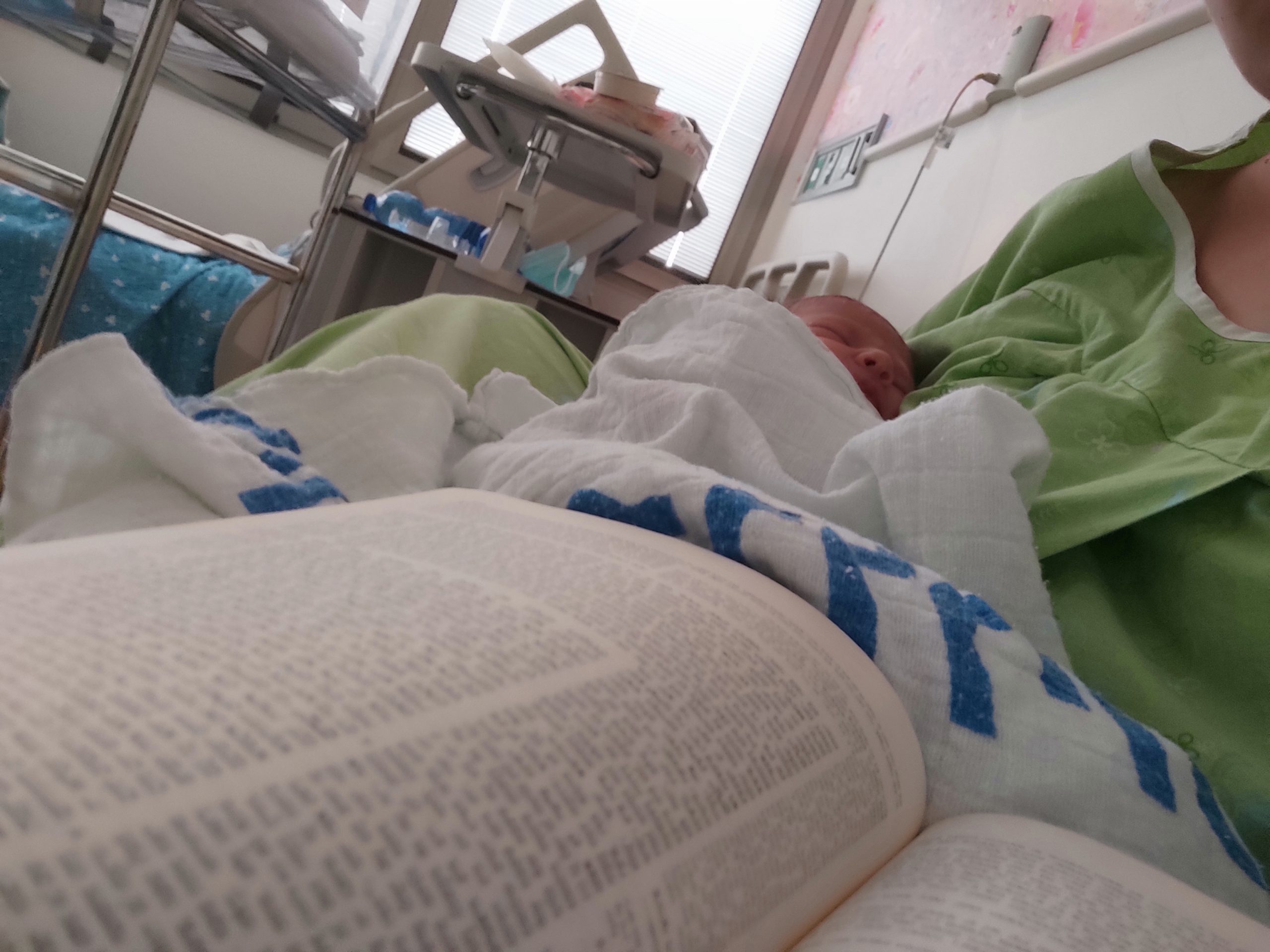
רבבה, ישראל
אמא שלי למדה איתי ש”ס משנה, והתחילה ללמוד דף יומי. אני החלטתי שאני רוצה ללמוד גם. בהתחלה למדתי איתה, אח”כ הצטרפתי ללימוד דף יומי שהרב דני וינט מעביר לנוער בנים בעתניאל. במסכת עירובין עוד חברה הצטרפה אלי וכשהתחלנו פסחים הרב דני פתח לנו שעור דף יומי לבנות. מאז אנחנו לומדות איתו קבוע כל יום את הדף היומי (ובשבת אבא שלי מחליף אותו). אני נהנית מהלימוד, הוא מאתגר ומעניין

עתניאל, ישראל
My explorations into Gemara started a few days into the present cycle. I binged learnt and become addicted. I’m fascinated by the rich "tapestry” of intertwined themes, connections between Masechtot, conversations between generations of Rabbanim and learners past and present all over the world. My life has acquired a golden thread, linking generations with our amazing heritage.
Thank you.

חשמונאים, Israel
בתחילת הסבב הנוכחי הצטברו אצלי תחושות שאני לא מבינה מספיק מהי ההלכה אותה אני מקיימת בכל יום. כמו כן, כאמא לבנות רציתי לתת להן מודל נשי של לימוד תורה
שתי הסיבות האלו הובילו אותי להתחיל ללמוד. נתקלתי בתגובות מפרגנות וסקרניות איך אישה לומדת גמרא..
כמו שרואים בתמונה אני ממשיכה ללמוד גם היום ואפילו במחלקת יולדות אחרי לידת ביתי השלישית.
רבבה, ישראל
התחלתי מחוג במסכת קידושין שהעבירה הרבנית רייסנר במסגרת בית המדרש כלנה בגבעת שמואל; לאחר מכן התחיל סבב הדף היומי אז הצטרפתי. לסביבה לקח זמן לעכל אבל היום כולם תומכים ומשתתפים איתי. הלימוד לעתים מעניין ומעשיר ולעתים קשה ואף הזוי… אך אני ממשיכה קדימה. הוא משפיע על היומיום שלי קודם כל במרדף אחרי הדף, וגם במושגים הרבים שלמדתי ובידע שהועשרתי בו, חלקו ממש מעשי

ראש העין, ישראל
התחלתי ללמוד בשנת המדרשה במגדל עוז, בינתיים נהנית מאוד מהלימוד ומהגמרא, מעניין ומשמח מאוד!
משתדלת להצליח לעקוב כל יום, לפעמים משלימה קצת בהמשך השבוע.. מרגישה שיש עוגן מקובע ביום שלי והוא משמח מאוד!

חיפה , ישראל
התחלתי ללמוד דף יומי לפני שנתיים, עם מסכת שבת. בהתחלה ההתמדה היתה קשה אבל בזכות הקורונה והסגרים הצלחתי להדביק את הפערים בשבתות הארוכות, לסיים את מסכת שבת ולהמשיך עם המסכתות הבאות. עכשיו אני מסיימת בהתרגשות רבה את מסכת חגיגה וסדר מועד ומחכה לסדר הבא!

מודיעין, ישראל
התחלתי בסיום הש”ס, יצאתי באורות. נשברתי פעמיים, ובשתיהם הרבנית מישל עודדה להמשיך איפה שכולם בסבב ולהשלים כשאוכל, וכך עשיתי וכיום השלמתי הכל. מדהים אותי שאני לומדת כל יום קצת, אפילו בחדר הלידה, בבידוד או בחו”ל. לאט לאט יותר נינוחה בסוגיות. לא כולם מבינים את הרצון, בפרט כפמניסטית. חשה סיפוק גדול להכיר את המושגים וצורת החשיבה. החלום זה להמשיך ולהתמיד ובמקביל ללמוד איך מהסוגיות נוצרה והתפתחה ההלכה.

מודיעין, ישראל
"
גם אני התחלתי בסבב הנוכחי וב””ה הצלחתי לסיים את רוב המסכתות . בזכות הרבנית מישל משתדלת לפתוח את היום בשיעור הזום בשעה 6:20 .הלימוד הפך להיות חלק משמעותי בחיי ויש ימים בהם אני מצליחה לחזור על הדף עם מלמדים נוספים ששיעוריהם נמצאים במרשתת. שמחה להיות חלק מקהילת לומדות ברחבי העולם. ובמיוחד לשמש דוגמה לנכדותיי שאי””ה יגדלו לדור שלימוד תורה לנשים יהיה משהו שבשגרה. "
נתניה, ישראל
בסוף הסבב הקודם ראיתי את השמחה הגדולה שבסיום הלימוד, בעלי סיים כבר בפעם השלישית וכמובן הסיום הנשי בבנייני האומה וחשבתי שאולי זו הזדמנות עבורי למשהו חדש.
למרות שאני שונה בסביבה שלי, מי ששומע על הלימוד שלי מפרגן מאוד.
אני מנסה ללמוד קצת בכל יום, גם אם לא את כל הדף ובסך הכל אני בדרך כלל עומדת בקצב.
הלימוד מעניק המון משמעות ליום יום ועושה סדר בלמוד תורה, שתמיד היה (ועדיין) שאיפה. אבל אין כמו קביעות
טל מנשה, ישראל
התחלתי ללמוד גמרא בבית הספר בגיל צעיר והתאהבתי. המשכתי בכך כל חיי ואף היייתי מורה לגמרא בבית הספר שקד בשדה אליהו (בית הספר בו למדתי בילדותי)בתחילת מחזור דף יומי הנוכחי החלטתי להצטרף ובע”ה מקווה להתמיד ולהמשיך. אני אוהבת את המפגש עם הדף את "דרישות השלום ” שמקבלת מקשרים עם דפים אחרים שלמדתי את הסנכרון שמתחולל בין התכנים.

מעלה גלבוע, ישראל
מנחות נז
אָמַר רַבִּי יוֹחָנָן: הִנִּיחַ בָּשָׂר עַל גַּבֵּי גֶּחָלִים – הִיפֵּךְ בּוֹ חַיָּיב, לֹא הִיפֵּךְ בּוֹ פָּטוּר.
that Rabbi Yoḥanan says: In the case of one who placed meat on top of coals on Shabbat, if he subsequently turned over the meat to its other side, so that both sides were roasted, he is liable for cooking on Shabbat. But if he did not turn over the meat he is exempt, as the meat is considered cooked only if both sides were roasted. If so, the same should apply to one who places leaven on the dough of a meal offering: He should be liable only if he turns the dough over. This contradicts the ruling of Rabbi Ami.
אָמַר רָבָא: מַאי ״חַיָּיב״ נָמֵי דְּקָאָמַר? כְּמַעֲשֵׂה צָלִי שֶׁל שַׁבָּת.
Rava said: What does Rabbi Yoḥanan, as well, mean when he says: He is liable to receive lashes for it, similar to performing a prohibited action on Shabbat? He means that one who places leaven on the dough of a meal offering, even if he does not turn it over, is similar to one who performs a prohibited action of roasting on Shabbat, meaning that he is similar to one who turned over the roasting food on the coals.
גּוּפָא, אָמַר רַבָּה בַּר בַּר חָנָה, אָמַר רַבִּי יוֹחָנָן: הִנִּיחַ בָּשָׂר עַל גַּבֵּי גֶּחָלִים, הִיפֵּךְ בּוֹ – חַיָּיב, לֹא הִיפֵּךְ בּוֹ – פָּטוּר. הֵיכִי דָמֵי? אִילֵּימָא דְּאִי לָא הִיפֵּךְ בֵּיהּ לָא בְּשִׁיל – פְּשִׁיטָא! אֶלָּא דְּאִי לָא מְהַפֵּיךְ לֵיהּ נָמֵי הֲוָה בְּשִׁיל, אַמַּאי לָא מִיחַיַּיב?
§ The Gemara discusses the matter itself. Rabba bar bar Ḥana says that Rabbi Yoḥanan says: In the case of one who placed meat on top of coals on Shabbat, if he subsequently turned over the meat he is liable for cooking on Shabbat, and if he did not turn over the meat he is exempt. The Gemara asks: What are the circumstances of this case? If we say that this was a situation where if he does not turn over the meat it would not cook, then it is obvious that if he does not turn it over he is exempt. Rather, it must be referring to a case where even if he does not turn over the meat it would nevertheless cook. But if so, why isn’t he liable for merely placing the meat on the coals, despite the fact that he did not turn it over?
לָא צְרִיכָא, דְּאִי לָא הַפֵּיךְ בֵּיהּ – הֲוָה בְּשִׁיל מִצַּד אֶחָד כְּמַאֲכָל בֶּן דְּרוֹסַאי, וְכִי מְהַפֵּיךְ בֵּיהּ – בְּשִׁיל מִשְּׁנֵי צְדָדִין כְּמַאֲכָל בֶּן דְּרוֹסַאי, וְקָא מַשְׁמַע לַן דְּכֹל מִצַּד אֶחָד כְּמַאֲכָל בֶּן דְּרוֹסַאי – לָא כְּלוּם הוּא.
The Gemara answers: No, it is necessary to state this halakha in a case where if he does not turn over the meat it would cook on one side only partially, roughly one-third of the ordinary process of cooking, like the food of ben Derosai. And now that he turns it over, it cooks on both sides like the food of ben Derosai. And Rabbi Yoḥanan teaches us that any meat roasted on only one side like the food of ben Derosai is nothing, i.e., this is not a violation of the prohibited labor of cooking on Shabbat. If it was roasted on both sides like the food of ben Derosai this is classified as cooking, and he is liable for cooking on Shabbat.
אָמַר רָבָא: וְאִם נִצְלָה בּוֹ כִּגְרוֹגֶרֶת מִצַּד אֶחָד בִּמְקוֹם אֶחָד – חַיָּיב. אֲמַר לֵיהּ רָבִינָא לְרַב אָשֵׁי: בִּמְקוֹם אֶחָד – אִין, בִּשְׁנַיִם אוֹ שְׁלֹשָׁה מְקוֹמוֹת – לָא? וְהָתְנַן: הַקּוֹדֵחַ כׇּל שֶׁהוּא – חַיָּיב!
The Gemara continues to discuss the case of meat roasted on one side on Shabbat. Rava says: And if a quantity of that meat equivalent in volume to a fig-bulk was fully roasted on one side of the meat and the roasted area was in one spot on the piece of meat, while the rest of the meat remained raw, he is liable for cooking on Shabbat. Ravina said to Rav Ashi: It can be inferred from Rava’s statement that if the fig-bulk of meat that was roasted was in one spot, yes, he is liable, whereas if the amount of the fig-bulk was distributed over two or three separate spots he is not liable. But didn’t we learn in a mishna (Shabbat 102b): One who drills a hole of any size is liable for the labor of building or the labor of striking a blow with a hammer to complete the production process of a vessel?
הֵיכִי דָּמֵי? אִילֵּימָא בְּמָקוֹם אֶחָד, כׇּל שֶׁהוּא לְמַאי חֲזֵי? אֶלָּא לָאו בִּשְׁנַיִם אוֹ שְׁלֹשָׁה מְקוֹמוֹת, דַּחֲזוֹ לְצֵירוּף? לָא, לְעוֹלָם בְּמָקוֹם אֶחָד, דַּחֲזוּ לְבָבָא דְּאַקְלִידָא.
The Gemara analyzes that mishna: What are the circumstances? If we say that the mishna is referring to one who drills a hole in one spot alone, why is he liable? For what purpose is a hole of any size, which includes a very small hole, fit to be used? Rather, is it not referring to one who drills holes in two or three different spots, and the reason he is liable is that these holes are fit to be joined? Builders who require a large hole will often start by drilling a few small holes which they later enlarge and join together. By the same logic, if the meat was roasted in a few spots he should be liable, as these can join together. The Gemara answers: No; actually the mishna is referring to one who drills in only one spot, as one can say that the hole is fit as an entrance [levava] for the placement of the tooth of a key [aklida], which is very small.
וְאִיכָּא דְּאָמְרִי, אָמַר רָבָא: אֲפִילּוּ בִּשְׁנַיִם וּשְׁלֹשָׁה מְקוֹמוֹת. אֲמַר לֵיהּ רָבִינָא לְרַב אָשֵׁי: אַף אֲנַן נָמֵי תְּנֵינָא – הַקּוֹדֵחַ כׇּל שֶׁהוּא חַיָּיב. הֵיכִי דָמֵי? אִילֵּימָא בְּמָקוֹם אֶחָד – כׇּל שֶׁהוּא לְמַאי חֲזֵי? אֶלָּא לָאו בִּשְׁנַיִם וּשְׁלֹשָׁה מְקוֹמוֹת, דַּחֲזֵי לְצֵירוּף? לָא, לְעוֹלָם בְּמָקוֹם אֶחָד, דַּחֲזוּ לְבָבָא דְּאַקְלִידָא.
And there are those who say there is a different version of this discussion: Rava says: Even if the fig-bulk of the meat that was fully roasted on only one side was distributed over two or three separate spots, he is liable for cooking on Shabbat. Ravina said to Rav Ashi: We learn this halakha in the mishna as well: One who drills a hole of any size is liable. What are the circumstances? If we say that the hole is in one spot alone, why is he liable? For what purpose is a hole of any size fit to be used? Rather, is it not referring to one who drills holes in two or three different spots, and the reason he is liable is that these holes are fit to be joined? Similarly, in the case discussed by Rava, one is liable for the cooking of the meat in a few different spots which can join together. The Gemara answers: No; actually the mishna is referring to one who drills in only one spot, as one can say that it is fit as an entrance for the placement of the tooth of a key.
תָּנוּ רַבָּנַן: אִילּוּ נֶאֱמַר ״אֲשֶׁר תַּקְרִיבוּ לַה׳ לֹא תֵעָשֶׂה חָמֵץ״, הָיִיתִי אוֹמֵר אֵין לִי בְּלֹא תֵעָשֶׂה חָמֵץ אֶלָּא קוֹמֶץ בִּלְבָד.
§ The Gemara returns to discussing the prohibition against leavening a meal offering. The Sages taught in a baraita: Concerning the deep-pan meal offering, the verse states: “No meal offering that you shall bring to the Lord shall be made with leaven; for any leaven, and any honey, you shall not burn any of it as an offering made by fire to the Lord” (Leviticus 2:11). The term “meal offering” is apparently superfluous, and therefore the baraita explains: If the verse had stated only: Nothing that you shall bring to the Lord shall be made with leaven, I would say: I have derived only that the handful removed from the meal offering for burning on the altar alone is included in the prohibition: “Shall not be made with leaven,” as only the handful is burned on the altar.
מִנְחָה מִנַּיִן? תַּלְמוּד לוֹמַר ״מִנְחָה״. שְׁאָר מְנָחוֹת מִנַּיִן? תַּלְמוּד לוֹמַר ״כׇּל הַמִּנְחָה״.
From where is it derived that one is liable for the leavening of a meal offering whose handful has not yet been removed? The verse states: “Meal offering,” to teach that the prohibition includes a meal offering before the removal of its handful. The Gemara asks: Since this verse is stated in the context of the deep-pan meal offering, from where is it derived that one is liable for leavening the other meal offerings, which are not mentioned in this passage? Therefore, the verse states the inclusive phrase: “No meal offering,” to apply this halakha to other meal offerings.
״אֲשֶׁר תַּקְרִיבוּ לַה׳״ – כְּשֵׁרָה, וְלֹא פְּסוּלָה. מִכָּאן אָמְרוּ: הַמְחַמֵּיץ אֶת הַכְּשֵׁירָה – חַיָּיב, וְאֶת הַפְּסוּלָה – פָּטוּר.
The baraita continues to expound the verse. The phrase: “That you shall bring to the Lord,” indicates that this prohibition applies only to a fit meal offering, but not to a disqualified meal offering, e.g., a meal offering that was taken outside the Temple or that was rendered ritually impure. From here the Sages stated that one who leavens a fit meal offering is liable to receive lashes, but one who leavens a disqualified meal offering is exempt.
בָּעֵי רַב פָּפָּא: חִימְּצָהּ וְיָצָאת, וְחָזַר וְחִימְּצָהּ – מַהוּ? כֵּיוָן דְּיָצָאת אִיפְּסִילָה לַהּ בְּיוֹצֵא, וְכִי הָדַר מְחַמֵּיץ לַהּ – לָא מִיחַיַּיב עֲלַהּ מִשּׁוּם מְחַמֵּיץ אַחֵר מְחַמֵּיץ.
With regard to the ruling that the prohibition against leavening does not apply to a disqualified meal offering, Rav Pappa raises a dilemma: If one leavened a meal offering when it was fit, and subsequently someone removed the meal offering and it emerged from the Temple courtyard and was thereby disqualified, and he again leavened it, what is the halakha? Is he liable for the second leavening as well? The Gemara explains the possibilities: Does one say that since it emerged it is disqualified in accordance with the status of a sacred item that emerges from its permitted area, and therefore when he again leavens it he is not liable for it due to the prohibition against leavening a meal offering after one who already leavened it?
אוֹ דִילְמָא, כֵּיוָן דְּחִימְּצָהּ, פְּסוּל יוֹצֵא לָא מַהֲנֵי בַּיהּ, וְכִי הֲדַר מְחַמֵּיץ לַהּ – מִיחַיַּיב עֲלַהּ מִשּׁוּם מְחַמֵּיץ אַחֵר מְחַמֵּיץ? תֵּיקוּ.
Or perhaps, since one already leavened the meal offering, from this point forward the disqualification of a sacred item that emerges from its permitted area is ineffective with regard to removing it from the prohibition against leavening, as the prohibition against emerging from the Temple itself applies only to a fit meal offering. And therefore, when he again leavens it he is liable for it due to the prohibition against leavening a meal offering after one who already leavened it. No answer was found, and the Gemara states that the dilemma shall stand unresolved.
בָּעֵי רַב מָרִי: חִימְּצָהּ בְּרֹאשׁוֹ שֶׁל מִזְבֵּחַ, מַהוּ? ״אֲשֶׁר תַּקְרִיבוּ״ אָמַר רַחֲמָנָא, וְהָא אַקְרְבַהּ,
Rav Mari raises another dilemma concerning the leavening of a meal offering. If a priest leavened a meal offering while standing at the top of the altar, what is the halakha? The Gemara clarifies the possibilities: The Merciful One states in the Torah: “No meal offering that you shall bring to the Lord shall be made with leaven” (Leviticus 2:11), which indicates that this prohibition applies only to a meal offering that has not yet been brought to the Lord, i.e., to the altar. And therefore, as this meal offering has already been brought to the top of the altar, even though it has not yet been burned, perhaps it is not included in the prohibition.
אוֹ דִלְמָא מְחוּסַּר הַקְטָרָה כִּמְחוּסַּר מַעֲשֶׂה דָּמֵי? תֵּיקוּ.
Or perhaps any offering whose burning has not yet been performed is considered like one whose action of sacrifice has not yet been performed, despite the fact that it has already been brought to the top of the altar. If so, this meal offering is included in the prohibition against leavening. No answer was found, and the Gemara states that the dilemma shall stand unresolved.
וְהַשְׁתָּא דְּנָפְקָא לֵיהּ מִ״כׇּל הַמִּנְחָה״, ״אֲשֶׁר תַּקְרִיבוּ (לַה׳)״ לְמָה לִי? מִיבְּעֵי לֵיהּ לְכִדְתַנְיָא: ״אֲשֶׁר תַּקְרִיבוּ״ – לְרַבּוֹת מִנְחַת נְסָכִים לְחִימּוּץ, דִּבְרֵי רַבִּי יוֹסֵי הַגְּלִילִי. רַבִּי עֲקִיבָא אוֹמֵר: לְרַבּוֹת לֶחֶם הַפָּנִים לְחִימּוּץ.
The Gemara asks: And now that the tanna of the baraita derives from the phrase: “No meal offering,” that the prohibition includes even a meal offering before the removal of its handful, why do I need the phrase: “That you shall bring,” in the same verse? The Gemara answers: It is necessary for that which is taught in a baraita: The verse states: “That you shall bring,” in order to include the meal offering brought with the libations that accompany certain animal offerings such as burnt offerings, peace offerings, and the sin offerings and guilt offerings of a leper in the prohibition against leavening. Unlike the standard meal offerings, from which a handful is removed, these are entirely burned upon the altar, and the additional derivation is necessary to include them in the prohibition against leavening. This is the statement of Rabbi Yosei HaGelili. Rabbi Akiva says: This phrase serves to include the shewbread in the prohibition against leavening.
מִנְחַת נְסָכִים? מֵי פֵירוֹת הֵם!
The Gemara clarifies these opinions: With regard to the opinion of Rabbi Yosei HaGelili, the Gemara asks: How is it possible to leaven the meal offering brought with libations? This type of meal offering is kneaded only with olive oil, which is a type of fruit juice,
וּמֵי פֵירוֹת אֵין מַחְמִיצִין? אָמַר רֵישׁ לָקִישׁ: אוֹמֵר הָיָה רַבִּי יוֹסֵי הַגְּלִילִי, מִנְחַת נְסָכִים מְגַבְּלָהּ בְּמַיִם וּכְשֵׁרָה.
and there is a principle that fruit juices do not leaven dough. Reish Lakish says that Rabbi Yosei HaGelili would say: Even though the oil of the meal offering brought with libations is plentiful, sometimes one might also knead a meal offering with some water, if he considers it necessary to add it, and it is fit. If so, it is possible for this meal offering to leaven due to the water, and therefore the verse: “That you shall bring,” teaches that the prohibition against leavening also applies to this type of meal offering.
לֶחֶם הַפָּנִים מִדַּת יָבֵשׁ הִיא, וּשְׁמַעְנָא לֵיהּ לְרַבִּי עֲקִיבָא דְּאָמַר: מִדַּת יָבֵשׁ לֹא נִתְקַדְּשָׁה.
The Gemara asks: With regard to Rabbi Akiva’s opinion, the vessel into which a tenth of an ephah of flour for baking the shewbread is placed in is a measuring vessel for dry items, and we have heard that Rabbi Akiva said: The measuring vessels for dry items were not consecrated as service vessels. This means the shewbread becomes consecrated only when it is placed on the Table in the Sanctuary, after it has been baked. If so, at this stage, the prohibition against leavening is not relevant.
שְׁלַח רַבִּי רְאוּבֵן מִשְּׁמֵיהּ דְּרַבִּי יוֹחָנָן: כָּךְ הִיא הַצָּעָה שֶׁל מִשְׁנָה, וְאֵיפוֹךְ – ״אֲשֶׁר תַּקְרִיבוּ״ לְרַבּוֹת לֶחֶם הַפָּנִים לְחִימּוּץ, דִּבְרֵי רַבִּי יוֹסֵי הַגְּלִילִי. רַבִּי עֲקִיבָא אוֹמֵר: לְרַבּוֹת מִנְחַת נְסָכִים לְחִימּוּץ.
In answer to this question, the Gemara states that Rabbi Reuven sent a letter from Eretz Yisrael to Babylonia, in which he cited a statement in the name of Rabbi Yoḥanan: This is the correct version [hetze’ah] of this baraita, and one should reverse the names of the Sages in it: The phrase “that you shall bring” serves to include the shewbread in the prohibition against leavening; this is the statement of Rabbi Yosei HaGelili. Rabbi Akiva says: This phrase serves to include the meal offering brought with libations in the prohibition against leavening. Consequently, there is no contradiction between Rabbi Akiva’s statement here and his statement with regard to measuring vessels for dry items.
וְאַזְדָּא רַבִּי יוֹחָנָן לְטַעְמֵיהּ, דְּאָמַר רַבִּי יוֹחָנָן: רַבִּי יוֹסֵי הַגְּלִילִי וְאֶחָד מִתַּלְמִידֵי רַבִּי יִשְׁמָעֵאל אָמְרוּ דָּבָר אֶחָד, וּמַנּוּ רַבִּי יֹאשִׁיָּה.
The Gemara comments: And Rabbi Yoḥanan, who holds that Rabbi Yosei HaGelili is the one who maintains that the measuring vessels for dry items were consecrated, follows [ve’azda] his line of reasoning stated elsewhere. As Rabbi Yoḥanan says: Rabbi Yosei HaGelili and one of the students of Rabbi Yishmael both said the same thing. And who is that student of Rabbi Yishmael? It is Rabbi Yoshiya.
דְּתַנְיָא, ״וַיִּמְשָׁחֵם וַיְקַדֵּשׁ אֹתָם״. רַבִּי יֹאשִׁיָּה אוֹמֵר: מִדַּת הַלַּח נִמְשַׁח בֵּין מִבִּפְנִים בֵּין מִבַּחוּץ, מִדַּת יָבֵשׁ נִמְשְׁחוּ מִבִּפְנִים וְאֵין נִמְשְׁחוּ מִבַּחוּץ.
As it is taught in a baraita: The verse states with regard to the consecration of the Tabernacle and its vessels before their inauguration: “And it came to pass on the day that Moses had made an end of setting up the Tabernacle, and had anointed it and sanctified it, and all its vessels, and the altar and all its vessels, and had anointed them and sanctified them” (Numbers 7:1). Rabbi Yoshiya says: The measuring vessels for liquid items, e.g., oil, and wine for libations, were anointed and thereby consecrated both on the inside and on the outside. The measuring vessels for dry items, such as the flour for meal offerings, were anointed and consecrated only on the inside, but were not anointed on the outside.
רַבִּי יוֹנָתָן אוֹמֵר: מִדַּת הַלַּח נִמְשְׁחוּ מִבִּפְנִים, וְאֵין נִמְשְׁחוּ מִבַּחוּץ, מִדּוֹת יָבֵשׁ לֹא נִמְשְׁחוּ כׇּל עִיקָּר. תֵּדַע לְךָ שֶׁהֲרֵי אֵין מְקַדְּשׁוֹת, דִּכְתִיב ״מִמּוֹשְׁבֹתֵיכֶם תָּבִיאּוּ לֶחֶם תְּנוּפָה שְׁתַּיִם שְׁנֵי עֶשְׂרֹנִים סֹלֶת תִּהְיֶינָה חָמֵץ תֵּאָפֶינָה בִּכּוּרִים לַה׳״. אֵימָתַי הֵן ״לַה׳״? לְאַחַר שֶׁנֶּאֱפוּ.
Rabbi Yonatan says: The measuring vessels for liquid items were anointed on the inside and were not anointed on the outside, whereas the measuring vessels for dry items were not anointed at all. Rabbi Yonatan cites a proof for his opinion: You can know that the measuring vessels for dry items were not consecrated at all, because it is taught that these vessels do not consecrate items placed inside them. As it is written: “You shall bring out of your dwellings two wave-loaves of two tenth-parts of a ephah. They shall be of fine flour; they shall be baked with leaven, for first produce to the Lord” (Leviticus 23:17). When are they considered consecrated to the Lord? Only after they are baked with leaven. This demonstrates that when the flour is placed into the tenth of an ephah measuring vessel the meal offering is not yet consecrated.
בְּמַאי קָא מִיפַּלְגִי? ״בְּאֹתָם״. רַבִּי יֹאשִׁיָּה סָבַר ״אֹתָם״ לְמַעוֹטֵי מִדַּת יָבֵשׁ בַּחוּץ, וְרַבִּי יוֹנָתָן סָבַר מִדַּת יָבֵשׁ חוֹל הוּא, וְלָא אִצְטְרִיךְ קְרָא לְמַעוֹטֵי, כִּי אִיצְטְרִיךְ קְרָא לְמַעוֹטֵי מִדַּת לַח מִבַּחוּץ.
The Gemara asks: With regard to what principle do Rabbi Yoshiya and Rabbi Yonatan disagree? They disagree with regard to the interpretation of the word “them” in the phrase: “And sanctified them” (Numbers 7:1). Both tanna’im agree that the term “them” serves to exclude something from the anointing and consecration, but they disagree over what is excluded. Rabbi Yoshiya maintains that “them” serves to exclude the consecration of the measuring vessels for dry items on the outside, i.e., only the inside of the vessels is consecrated. And Rabbi Yonatan maintains that the measuring vessels for dry items are non-sacred, i.e., not consecrated at all, and therefore it is not necessary for the verse to exclude them. Where it was necessary for the verse to exclude something, it was with regard to measuring vessels used for liquid items, to teach that they are consecrated only on the inside but not on the outside.
לֵימָא נָמֵי רַבִּי עֲקִיבָא וְאֶחָד מִתַּלְמִידֵי רַבִּי יִשְׁמָעֵאל אָמְרוּ דָּבָר אֶחָד, וּמַנּוּ? רַבִּי יוֹנָתָן, מִשּׁוּם דְּלָא שָׁווּ בְּמִדַּת לַח לַהֲדָדֵי.
The Gemara asks: Since the dispute between Rabbi Yoshiya and Rabbi Yonatan concerns the halakha of measuring vessels for dry items, let Rabbi Yoḥanan say also, as he did with regard to Rabbi Yosei HaGelili and Rabbi Yoshiya: Rabbi Akiva and one of the students of Rabbi Yishmael both said the same thing, and who is that student? Rabbi Yonatan. The Gemara explains: Rabbi Yoḥanan did not say this due to the fact that their opinions are not the same with regard to measuring vessels used for liquid items: Rabbi Akiva maintains that these vessels are consecrated both on the inside and on the outside, whereas Rabbi Yonatan rules that they are consecrated only on the inside.
אֲמַר לֵיהּ רַב פָּפָּא לְאַבָּיֵי: וְהָא אִיכָּא בִּיסָא, דְּלַח הוּא. אֲמַר לֵיהּ: כְּגוֹן שֶׁלָּשׁ עַל גַּבֵּי קַטְבֻלְיָא.
Rav Pappa said to Abaye: How can it be suggested, according to the opinion that the measuring vessels for dry items were not consecrated, that the shewbread is consecrated only when it is placed on the Table? But before that there is the stage in which the dough is placed into the receptacle [bisa] in which it is kneaded. Since this vessel is used for liquid items, the dough should be consecrated at that point. Abaye said to Rav Pappa: This is referring to a case where he kneaded the dough on top of a flat leather spread [katavliyya], which does not sanctify the dough.
אִי הָכִי, דְּקָאָמַר לֵיהּ רַבִּי יוֹנָתָן: תֵּדַע לְךָ שֶׁהֲרֵי אֵינָהּ מְקַדֶּשֶׁת, לֵימָא לֵיהּ: כְּגוֹן דְּכַיְילָא בְּעִשָּׂרוֹן דְּחוֹל.
The Gemara asks: If so, with regard to that which Rabbi Yonatan said to Rabbi Yoshiya as proof of his opinion, that you can know that it is so, as it is taught that these vessels do not consecrate items placed inside them, let Rabbi Yoshiya say to him in refutation of his claim: This is referring to a case where he measured the flour for the two loaves in a vessel used for measuring a tenth of an ephah, but it was a vessel that was non-sacred, and it is for this reason that the loaves are not consecrated.
הָכִי הַשְׁתָּא? בִּשְׁלָמָא בִּיסָא – לָא כְּתַב רַחֲמָנָא דְּלֶעֱבֵיד בִּיסָא לְמֵילַשׁ בֵּיהּ, כִּי לָשׁ לַהּ עַל גַּבֵּי קַטְבֻלְיָא – לֵית לַן בַּהּ. אֶלָּא עִשָּׂרוֹן, כֵּיוָן דְּאָמַר רַחֲמָנָא: עֲבֵיד עִשָּׂרוֹן וּכְיֵיל בֵּיהּ – שָׁבֵיק עִשָּׂרוֹן דְּקוֹדֶשׁ וְכָיֵיל בְּעִשָּׂרוֹן דְּחוֹל?!
The Gemara responds: How can these cases be compared? Granted, one can say that the shewbread was kneaded on a leather spread rather than in a receptacle, as the Merciful One does not write in the Torah that one should specifically use a receptacle to knead the shewbread. Therefore, when one kneads the dough of a meal offering on top of a leather spread, we have no problem with it. But in the case of the two loaves whose flour was measured in a vessel used for measuring a tenth of an ephah, since the Merciful One states explicitly to use a vessel of a tenth of an ephah and measure with it, can it be suggested that the one preparing the meal offering should leave aside the consecrated vessel for a tenth of an ephah and measure with a non-sacred vessel for a tenth of an ephah?
תָּנוּ רַבָּנַן: מִנַּיִן לְמַעֲלֶה מִבְּשַׂר חַטָּאת, וּמִבְּשַׂר אָשָׁם, וּמִבְּשַׂר קׇדְשֵׁי הַקֳּדָשִׁים, וּמִקֳּדָשִׁים קַלִּים, וּמִמּוֹתַר הָעוֹמֶר, וּמִמּוֹתַר שְׁתֵּי הַלֶּחֶם, וּמִלֶּחֶם הַפָּנִים, וּמִשְּׁיָרֵי מְנָחוֹת, שֶׁהוּא בְּלֹא תַעֲשֶׂה?
§ The Sages taught in a baraita: From where is it derived that one who offers up outside the Temple courtyard a portion of the meat of a sin offering, or a portion of the meat of a guilt offering, or a portion of the meat of offerings of the most sacred order, or a portion of the meat of offerings of lesser sanctity, or a portion of the surplus of the omer offering, or a portion of the leftover of the two loaves, i.e., the public offering on Shavuot of two loaves from the new wheat, or the shewbread, or the remainder of meal offerings, that in all these cases he violates a prohibition, although these items are not meant to be sacrificed on the altar?
תַּלְמוּד לוֹמַר: ״כִּי כׇל שְׂאֹר וְכׇל דְּבַשׁ לֹא תַקְטִירוּ מִמֶּנּוּ אִשֶּׁה לַה׳״, כֹּל שֶׁהוּא מִמֶּנּוּ לָאִישִּׁים הֲרֵי הוּא בְּבַל תַּקְטִירוּ.
The baraita answers: The verse states: “For any leaven, and any honey, you shall not burn any of it as an offering made by fire to the Lord” (Leviticus 2:11). The extra term “of it” teaches that any item that has already had some part of it burned in the fire on the altar is included in the prohibition: Do not burn, stated in that verse explicitly with regard to honey and leaven.
וּשְׁתֵּי הַלֶּחֶם וְלֶחֶם הַפָּנִים, יֵשׁ מֵהֶן לָאִישִּׁים? וְהָתַנְיָא: יָצְאוּ שְׁתֵּי הַלֶּחֶם וְלֶחֶם הַפָּנִים שֶׁאֵין מֵהֶם לָאִישִּׁים!
The Gemara asks: And with regard to the two loaves and the shewbread, is there some part of them burned in the fire? But isn’t it taught in a baraita: A portion of every offering is sacrificed on the altar, except for the two loaves and the shewbread, as no part of them is burned in the fire?
אָמַר רַב שֵׁשֶׁת: אֵין מִגּוּפוֹ לָאִישִּׁים.
Rav Sheshet said: Although no part of the two loaves or the shewbread themselves is burned in the fire, nevertheless, they are included in the prohibition against offering them up to the altar, since they are not viewed as independent entities but rather as parts of larger offerings. The two loaves accompany the sheep sacrificed as burnt offerings on Shavuot, and are permitted for consumption only once those sheep have been burned on the altar. Similarly, the shewbread is permitted for consumption only after the bowls of frankincense that were on the Table with it have been burned on the altar.
אִיתְּמַר: הַמַּעֲלֶה מִכּוּלָּם עַל גַּבֵּי הַכֶּבֶשׁ, רַבִּי יוֹחָנָן אָמַר: חַיָּיב, רַבִּי אֶלְעָזָר אָמַר: פָּטוּר.
§ The Gemara discusses the prohibition against offering up on the altar parts of offerings after their sacrificial portions have already been burned. It was stated: With regard to one who brings up any part of any of the items listed in the baraita onto the ramp leading to the altar, but not to the altar itself, Rabbi Yoḥanan says he is liable and Rabbi Elazar says he is exempt.
רַבִּי יוֹחָנָן אָמַר חַיָּיב, דְּתַנְיָא: ״הַמִּזְבֵּחַ״ – אֵין לִי אֶלָּא מִזְבֵּחַ, כֶּבֶשׁ מִנַּיִן? תַּלְמוּד לוֹמַר ״וְאֶל הַמִּזְבֵּחַ לֹא יַעֲלוּ לְרָצוֹן״.
The Gemara elaborates. Rabbi Yoḥanan says he is liable, as it is taught in a baraita: After the verse: “As any leaven and any honey, you shall not burn any of it as an offering made by fire to the Lord,” the next verse states: “As an offering of first fruits you may bring them to the Lord, but they shall not come up to the altar for a pleasing aroma” (Leviticus 2:12). I have derived only that this halakha applies to an item that is brought on the altar. From where is it derived that the same applies if it is brought to the ramp of the altar? The verse states: “But they shall not come up to the altar for a pleasing aroma,” to be accepted, and the ramp is the means to ascend to the altar.
וְרַבִּי אֶלְעָזָר אָמַר פָּטוּר, מַאי טַעְמָא? דְּאָמַר קְרָא: ״שְׂאֹר וּדְבַשׁ … קׇרְבַּן רֵאשִׁית תַּקְרִיבוּ אֹתָם״.
And what is the reason that Rabbi Elazar says that one who brings up parts to the ramp is exempt? As the verse states: “For any leaven, and any honey, you shall not burn any of it as an offering made by fire to the Lord. As an offering of first produce you may bring them to the Lord, but they shall not come up to the altar for a pleasing aroma” (Leviticus 2:11–12).
״אוֹתָם״ – הוּא דְּרַבִּי לְךָ כֶּבֶשׁ כְּמִזְבֵּחַ, אֲבָל מִידֵּי אַחֲרִינָא – לָא.
The Gemara explains: The term “them” indicates that this halakha applies only to those offerings that come from leaven or honey and which are called: “An offering of first produce.” This category consists of first fruits, which are brought from dates and other sweet fruit and which are called: “The choicest first fruits of your land” (Exodus 23:19), and the two loaves, which are leaven and are the first meal offerings brought from the new crop each year. In other words, it is with regard to this category that the verse amplifies for you the halakha that the ramp of the altar is considered like the altar itself. But with regard to other items, e.g., the meat of sin offerings and guilt offerings, the ramp of the altar is not treated like the altar itself.

