חיפוש

מועד קטן כד

רוצה להקדיש שיעור?

podcast placeholder

0:00
0:00


תקציר


שמואל סבר שאין דיני אבלות בשבת. חכמים אמרו כי שמואל קבע כי אבל המקיים יחסי מין דינו במוות מידי ה’. רב פפא מטיל זאת בספק מכיוון שזה רק אסור אבל אין עונש מוות ושנאמר על ידי ר’ יוחנן ולא שמואל. הוא מתקן אותם באומרו ששמואל אמר שמי שמסתפר ואינו קורע את בגדיו, דינו עונש מוות כפי שניתן להסיק מפסוקי התורה כאשר נדב ואביהוא מתו. בנו של רב פפא מצטט את מסכת אבל רבתי המספרת את סיפורו של אבל שקיים יחסי מין והוא מת וחזירים גררו את גופו. אילו נוהגי אבלות ניתן לקיים בשבת ואילו לא? מבחינים בין פרטי לציבורי. רב ושמואל מתווכחים מה נחשב פרטי ומה ציבורי. שמואל גם קבע כי קריעת בגדים מתבצעת בשעת חימום – סמוך לפטירת המת – ולא מאוחר יותר. אם כן, מדוע קרע שמואל שתים עשרה בגדים שונים כאשר רב נפטר? ור’ יוחנן קרע שלוש עשרה בגדים כשמת ר’ חנינא. מהם החריגים הנוספים לכלל? האם מותר לתקן את הבגדים שקרעו? בשבת מחליפים את הבגדים הקרועים או מזיזים את הקרע לאחור. רבא אומר שאפשר ללבוש את הבגד הקרוע בדרכו הקבועה בביתו בשבת. רב יוסף כיסה את ראשו בביתו כדרך האבלים. שני אלו נחשבים לקיום נוהגי אבלות בפרטי המותר בשבת. לדעת הרב גידל בר מנשיא, שמואל פסק כרבן גמליאל במשנה שקבע שכל החגים לרבות ראש השנה ויום הכיפורים מבטלים את השבעה. יש אומרים שפסיקתו נאמרה לגבי קבורת ילדים. אם תינוק מת, מהם דיני קבורה ומהן הגילאים השונים שבהם הדין משתנה? איך הדין משתנה? כמה אנשים צריכים לקבור את התינוק? תינוק מתחת לגיל 30 יום מחזיקים אותו ביד, מעל 30 יום מכניסים לארון קבורה קטן, מעל שנה בארון רגיל, ולפי רבי עקיבא רק אם הילד בן שנתיים או בעל גוף בגודל ילד בן שנתיים. בן שלושים יום עושים שורה וברכת אבלים ויש שבעה. יש ויכוח באיזה שלב מצטרפת הקהילה להלוויה והילד נספד. על אותו ויכוח העביר הרב גידל את פסק הדין של שמואל. אם ישב יום אחד של שבעה לפני חג השבועות, כאשר מסתיים שבועות, נחשב האבל ביום י”ד לשלושים כיוון שהחג נחשב כשבעה ימים. כך גם לגבי ראש השנה. אם ישב שבעה יום אחד לפני חג סוכות, לאחר שמיני עצרת, זה נחשב ל-21 שכן שמיני עצרת מוסיף עוד 7. קריעה, גילוי כתף לאחר קריעה וסעודה הבראה מיועדות רק לאבלים ולא לאחרים.

כלים

מועד קטן כד

בְּעָא מִינֵּיהּ רַבִּי יוֹחָנָן מִשְּׁמוּאֵל: יֵשׁ אֲבֵילוּת בְּשַׁבָּת אוֹ אֵין אֲבֵילוּת בְּשַׁבָּת? אֲמַר לֵיהּ: אֵין אֲבֵילוּת בְּשַׁבָּת.

Rabbi Yoḥanan asked of Shmuel: Is there some mourning on Shabbat or is there no mourning on Shabbat at all? He said to him: There is no mourning on Shabbat at all.

יָתְבִי רַבָּנַן קַמֵּיהּ דְּרַב פָּפָּא וְקָאָמְרִי מִשְּׁמֵיהּ דִּשְׁמוּאֵל: אָבֵל שֶׁשִּׁימֵּשׁ מִטָּתוֹ בִּימֵי אֶבְלוֹ — חַיָּיב מִיתָה. אֲמַר לֵיהּ רַב פָּפָּא: אָסוּר אִתְּמַר, וּמִשְּׁמֵיהּ דְּרַבִּי יוֹחָנָן אִתְּמַר,

The Sages sat before Rav Pappa and said in the name of Shmuel: A mourner who engaged in sexual relations during his days of mourning is liable to receive the death penalty at the hand of Heaven. Rav Pappa said to them: It was said that sexual relations are prohibited, but not that the offender is guilty of a capital crime. And the ruling was said in the name of Rabbi Yoḥanan, and not in the name of Shmuel.

וְאִי שְׁמִיעָא לְכוּ מִשְּׁמֵיהּ דִּשְׁמוּאֵל, הָכִי שְׁמִיעַ לְכוּ: אָמַר רַב תַּחְלִיפָא בַּר אֲבִימִי אָמַר שְׁמוּאֵל: אָבֵל שֶׁלֹּא פֵּרַע וְשֶׁלֹּא פֵּירַם — חַיָּיב מִיתָה, שֶׁנֶּאֱמַר: ״רָאשֵׁיכֶם אַל תִּפְרָעוּ וּבִגְדֵיכֶם לֹא תִפְרוֹמוּ וְלֹא תָמוּתוּ וְגוֹ׳״, הָא אַחֵר שֶׁלֹּא פֵּרַע וְשֶׁלֹּא פֵּירַם — חַיָּיב מִיתָה.

And if you heard a statement on this issue in the name of Shmuel, then you heard as follows: Rav Taḥlifa bar Avimi said that Shmuel said: A mourner who did not let his hair grow wild and did not rend his garments is liable to receive the death penalty at the hand of Heaven, as it is stated following the deaths of Nadab and Abihu concerning the surviving sons of Aaron: “Let not the hair of your heads go loose, neither rend your clothes, that you not die” (Leviticus 10:6). They were instructed not to mourn, so as not to interfere with the dedication of the Tabernacle. From here it may be deduced that any other mourner who did not let his hair grow wild or rend his clothes is liable to receive the death penalty.

אָמַר רַפְרָם בַּר פָּפָּא, תָּנָא בְּאֵבֶל רַבָּתִי: אָבֵל אָסוּר לְשַׁמֵּשׁ מִטָּתוֹ בִּימֵי אֶבְלוֹ, וּמַעֲשֶׂה בְּאֶחָד שֶׁשִּׁימֵּשׁ מִטָּתוֹ בִּימֵי אֶבְלוֹ, וְשָׁמְטוּ חֲזִירִים אֶת גְּוִיָּיתוֹ.

Rafram bar Pappa said: A Sage taught in Evel Rabbati, a separate tractate devoted to the halakhot of mourning: A mourner is prohibited from engaging in sexual relations during his days of mourning. There was an incident with one who engaged in sexual relations during his days of mourning and he was punished, for after his death pigs dragged away his corpse.

אָמַר שְׁמוּאֵל: פַּחַ״ז חוֹבָה, נֶתֶ״ר רְשׁוּת.

Shmuel offered a mnemonic device with regard to the observance of mourning rites on Shabbat, and said: Peh, ḥet, zayin are obligatory. These letters combine to create a mnemonic standing for: Uncovering the head [periat rosh], reversing the torn garment [ḥazarat kera], and standing the bed upright [zekifat hamitta]. However, nun, tav, reish, which stand for: Wearing shoes [ne’ilat hasandal], marital relations [tashmish hamitta], and hand washing [reḥitzat yadayim], are optional.

פְּרִיעַת הָרֹאשׁ, חֲזָרַת קֶרַע לַאֲחוֹרָיו, זְקִיפַת הַמִּטָּה — חוֹבָה. נְעִילַת הַסַּנְדָּל, תַּשְׁמִישׁ הַמִּטָּה, רְחִיצַת יָדַיִם וְרַגְלַיִם בְּחַמִּין עַרְבִית — רְשׁוּת. וְרַב אָמַר: אַף פְּרִיעַת הָרֹאשׁ רְשׁוּת.

This is explained: Uncovering the head, i.e., removing the head covering usually worn by a mourner; reversing the tear to the back, so that it will not be visible; and standing the bed upright in the usual position, so that it is not overturned, are all obligatory for the mourner to uphold in honor of Shabbat. However, wearing shoes, engaging in sexual relations, and washing one’s hands and feet in hot water in the evening are optional activities on Shabbat. If a mourner wishes to refrain from them he may do so. And Rav said: Uncovering the head is also an optional activity.

וּשְׁמוּאֵל, מַאי שְׁנָא נְעִילַת הַסַּנְדָּל דִּרְשׁוּת — דְּלָאו כּוּלֵּי עָלְמָא עֲבִידִי דְּסָיְימִי מְסָאנַיְיהוּ. פְּרִיעַת הָרֹאשׁ נָמֵי, לָאו כּוּלֵּי עָלְמָא עֲבִידִי דִּמְגַלּוּ רֵישַׁיְיהוּ!

The Gemara asks: According to Shmuel, what is different about wearing shoes that it is optional? His reasoning presumably is that not everyone wears shoes at all times, and therefore not wearing shoes will not be perceived by others as a sign of mourning. If so, the same thing may be said about uncovering the head also, i.e., not everyone uncovers his head at all times, as some people always walk around with their heads wrapped. This, too, should not be seen as a clear display of mourning, and therefore uncovering one’s head should also be treated as optional.

שְׁמוּאֵל לְטַעְמֵיהּ, דְּאָמַר שְׁמוּאֵל: כׇּל קֶרַע שֶׁאֵינוֹ בִּשְׁעַת חִימּוּם — אֵינוֹ קֶרַע. וְכׇל עֲטִיפָה שֶׁאֵינָהּ כַּעֲטִיפַת יִשְׁמְעֵאלִים — אֵינָהּ עֲטִיפָה. מַחְוֵי רַב נַחְמָן עַד גּוּבֵּי דְּדִיקְנָא.

The Gemara answers: Shmuel conforms to his standard line of reasoning, for Shmuel said: Any rending of garments that is not done at the time of the most intense grief, i.e., the time of death, is not considered proper rending of garments. And any wrapping of the head that is not done in the manner of the wrapping of the Ishmaelites, who wrap their heads on all sides, is not considered proper wrapping. Since Shmuel requires that a mourner wrap his head in this special manner, one who acts in this way on Shabbat openly displays his mourning, as people do not ordinarily wrap their heads in this manner. What is this wrapping? Rav Naḥman demonstrated the procedure by covering up his face to the sides of the beard, leaving only the center of his face exposed.

אָמַר רַבִּי יַעֲקֹב אָמַר רַבִּי יוֹחָנָן: לֹא שָׁנוּ אֶלָּא שֶׁאֵין לוֹ מִנְעָלִים בְּרַגְלָיו, אֲבָל יֵשׁ לוֹ מִנְעָלִים בְּרַגְלָיו — מִנְעָלָיו מוֹכִיחִין עָלָיו.

Rabbi Ya’akov said that Rabbi Yoḥanan said: They taught that a mourner is required to remove his head covering on Shabbat only when he has no shoes on his feet, so that he not appear too obviously to be in mourning. But if he has shoes on his feet, then his shoes prove that he is not observing the rites of mourning on Shabbat.

כׇּל קֶרַע שֶׁאֵינוֹ בִּשְׁעַת חִימּוּם אֵינוֹ קֶרַע — וְהָא אֲמַרוּ לֵיהּ לִשְׁמוּאֵל: נָח נַפְשֵׁיהּ דְּרַב, קְרַע עֲלֵיהּ תְּרֵיסַר מָנֵי. אֲמַר: אֲזַל גַּבְרָא דַּהֲוָה מִסְתְּפֵינָא מִינֵּיהּ. אֲמַר לֵיהּ לְרַבִּי יוֹחָנָן: נָח נַפְשֵׁיהּ דְּרַבִּי חֲנִינָא. קְרַע עֲלֵיהּ תְּלֵיסַר אִצְטְלֵי מֵלָתָא. אֲמַר: אֲזַל גַּבְרָא דַּהֲוָה מִסְתְּפֵינָא מִינֵּיהּ!

The Gemara returns to Shmuel’s statement that any rending of garments that is not done at the time of most intense grief and pain is not considered proper rending of garments. The Gemara poses a question: But when they said to Shmuel that Rav had passed away, he rent twelve garments on account of him, and said: The man of whom I was in fear, owing to his great learning, has gone and died. Similarly, when they told Rabbi Yoḥanan that Rabbi Ḥanina had passed away, he rent thirteen expensive wool [mileta] garments [itztelei] on account of him, and said: The man of whom I was in fear has gone. When each of these Sages received the news that their distinguished colleague had died, it was no longer the time of the most intense grief, i.e., the time of death, and yet they rent their garments.

שָׁאנֵי רַבָּנַן, דְּכֵיוָן דְּכֹל שַׁעְתָּא מַדְכְּרִי שְׁמַעְתַּיְיהוּ — כִּשְׁעַת חִימּוּם דָּמֵי.

The Gemara answers: The Sages are different. Since their teachings are mentioned all the time, every time they are mentioned is like the time of most intense grief, as the pain over their death is once again renewed.

אֲמַר לֵיהּ רָבִין בַּר אַדָּא לְרָבָא: אָמַר תַּלְמִידְךָ רַב עַמְרָם, תַּנְיָא: אָבֵל, כׇּל שִׁבְעָה קוֹרְעוֹ לְפָנָיו, וְאִם בָּא לְהַחֲלִיף — מַחְלִיף וְקוֹרֵעַ. בְּשַׁבָּת, קוֹרְעוֹ לַאֲחוֹרָיו, וְאִם בָּא לְהַחֲלִיף — מַחְלִיף וְאֵינוֹ קוֹרֵעַ!

Ravin bar Adda said to Rava: Your student, Rav Amram, said that it is taught in a baraita as follows: For all seven days of mourning, a mourner must keep the tear in his garment before him so that it will be seen. And if he comes to change clothing, he changes and rends the new garment. On Shabbat, he turns the tear to his back, and if he comes to change clothing, he changes but does not tear the second garment. From here it seems that there is an obligation to rend garments during the entire week of mourning, not only at the most intense moment of grief.

כִּי תַּנְיָא הָהִיא, בִּכְבוֹד אָבִיו וְאִמּוֹ.

The Gemara answers: When that baraita is taught, it is referring to the specific case of rending one’s garment in honor of his father or mother. Owing to the special honor due to one’s parents, it is inappropriate for the child to wear a garment that is not torn. Consequently, if he changes clothing, he must tear the new garment, even if it is no longer the most intense time of grief.

אוֹתָן קְרָעִין מִתְאַחִין, אוֹ אֵין מִתְאַחִין? פְּלִיגִי בַּהּ אֲבוּהּ דְּרַב אוֹשַׁעְיָא וּבַר קַפָּרָא. חַד אָמַר: אֵין מִתְאַחִין, וְחַד אָמַר: מִתְאַחִין.

The Gemara asks: Those additional tears that are made in honor of one’s father or mother, may they be properly mended at the end of the son’s period of mourning, or may they not be properly mended, like the tear made for one’s father or mother at the most intense moment of grief? The Gemara answers: They disagree about this issue, the father of Rav Oshaya and bar Kappara. One said: They may not be mended, and one said: They may be mended.

תִּסְתַּיֵּים דַּאֲבוּהּ דְּרַב אוֹשַׁעְיָא דְּאָמַר אֵין מִתְאַחִין. דְּאָמַר רַב אוֹשַׁעְיָא: אֵין מִתְאַחִין, מִמַּאן שְׁמִיעַ לֵיהּ — לָאו מֵאֲבוּהּ? לָא, מִבַּר קַפָּרָא רַבֵּיהּ שְׁמִיעַ לֵיהּ.

The Gemara comments: Conclude that it was Rav Oshaya’s father who said that such rents may not be properly mended, for Rav Oshaya said: Such rents may not be properly mended. From whom did he hear this halakha? Was it not from his father? The Gemara rejects this argument: No, this cannot be offered as a proof, as perhaps he heard it from bar Kappara, who was his teacher.

אָמַר רָבָא: אָבֵל מְטַיֵּיל בְּאוּנְקְלִי בְּתוֹךְ בֵּיתוֹ. אַבָּיֵי אַשְׁכְּחֵיהּ לְרַב יוֹסֵף דִּפְרִיס לֵיהּ סוּדָרָא אַרֵישֵׁיהּ וְאָזֵיל וְאָתֵי בְּבֵיתֵיהּ. אֲמַר לֵיהּ: לָאו סָבַר לַהּ מָר אֵין אֲבֵילוּת בְּשַׁבָּת? אֲמַר לֵיהּ, הָכִי אָמַר רַבִּי יוֹחָנָן: דְּבָרִים שֶׁבְּצִינְעָא — נוֹהֵג.

§ Rava said: A mourner may walk about his house in a torn robe [unkali] on Shabbat, since he is not doing so in public. It was related that Abaye found Rav Yosef walking back and forth in his house on Shabbat when he was in mourning with a scarf spread over his head in the manner of mourning. He said to him: Master, do you not maintain that there is no mourning on Shabbat? He said to him: This is what Rabbi Yoḥanan said: Matters that are in private apply, and so when one is in his house he must observe the rites of mourning even on Shabbat.

רַבִּי אֱלִיעֶזֶר אוֹמֵר: מִשֶּׁחָרַב בֵּית הַמִּקְדָּשׁ עֲצֶרֶת כַּשַּׁבָּת וְכוּ׳. אָמַר רַב גִּידֵּל בַּר מְנַשְּׁיָא אָמַר שְׁמוּאֵל: הֲלָכָה כְּרַבָּן גַּמְלִיאֵל.

§ The mishna taught: Rabbi Eliezer says: Since the Temple was destroyed, Shavuot is like Shabbat with regard to mourning. Rabban Gamliel says: Even Rosh HaShana and Yom Kippur are considered like Festivals. The Gemara comments that Rav Giddel bar Menashya said that Shmuel said: The halakha is in accordance with the opinion of Rabban Gamliel.

וְאִיכָּא דְּמַתְנֵי לְהָא דְּרַב גִּידֵּל בַּר מְנַשְּׁיָא אַהָא: כׇּל שְׁלֹשִׁים יוֹם, תִּינוֹק יוֹצֵא בַּחֵיק, וְנִקְבָּר בְּאִשָּׁה אַחַת וּשְׁנֵי אֲנָשִׁים. אֲבָל לֹא בְּאִישׁ אֶחָד וּשְׁתֵּי נָשִׁים.

And some teach this ruling of Rav Giddel bar Menashya as referring to the following case: It is taught in a baraita: Within the first thirty days after birth, an infant that dies is taken out for burial in one’s bosom, that is to say, he is carried to his grave in one’s arms, not in a coffin. And he is buried by one woman and two men, there being no need for a quorum of ten men. But he should not be taken out by one man and two women, because it is prohibited for one man to seclude himself with two women.

אַבָּא שָׁאוּל אוֹמֵר: אַף בְּאִישׁ אֶחָד וּשְׁתֵּי נָשִׁים. וְאֵין עוֹמְדִין עָלָיו בְּשׁוּרָה. וְאֵין אוֹמְרִים עָלָיו בִּרְכַּת אֲבֵלִים וְתַנְחוּמֵי אֲבֵלִים.

Abba Shaul says: The infant may be taken out even by one man and two women, for there is no concern with regard to seclusion in a time of mourning. And for such an infant, people do not stand in a line to offer their condolences to the mourners, as is ordinarily done after a burial; nor do others recite over him the mourners’ blessing, which is recited in the courtyard of the graveyard after the burial; nor is the usual formula for the consolation of mourners recited during the seven days of mourning.

בֶּן שְׁלֹשִׁים יוֹצֵא בִּדְלוֹסְקָמָא. רַבִּי יְהוּדָה אוֹמֵר: לֹא דְּלוֹסְקָמָא הַנִּיטֶּלֶת בַּכָּתֵף, אֶלָּא הַנִּיטֶּלֶת בָּאֲגַפַּיִים. וְעוֹמְדִין עָלָיו בְּשׁוּרָה, וְאוֹמְרִים עָלָיו בִּרְכַּת אֲבֵלִים וְתַנְחוּמֵי אֲבֵלִים.

A thirty-day-old infant that dies is taken out for burial in a coffin [deluskema]. Rabbi Yehuda says: Not in a small coffin that is carried on one’s shoulder, but rather in a coffin that is carried in the arms of two people. And for such an infant, people stand in a line to offer their condolences to the mourners. And others recite the mourners’ blessing at the cemetery. And people recite the consolation of mourners during the week of mourning.

בֶּן שְׁנֵים עָשָׂר חֹדֶשׁ יוֹצֵא בְּמִטָּה. רַבִּי עֲקִיבָא אוֹמֵר: הוּא בֶּן שָׁנָה וְאֵבָרָיו כְּבֶן שְׁתַּיִם, הוּא בֶּן שְׁתַּיִם וְאֵבָרָיו כְּבֶן שָׁנָה — יוֹצֵא בְּמִטָּה.

A twelve-month-old infant is taken out for burial on a bier, just as an adult is. Rabbi Akiva says: This halakha applies if the infant that dies is one year old and his limbs are like those of a two year old, so that he looks older, or if he is two years old and his limbs are like those of a one-year-old. Only then he is taken out on a bier.

רַבִּי שִׁמְעוֹן בֶּן אֶלְעָזָר אוֹמֵר: הַיּוֹצֵא בְּמִטָּה — רַבִּים מַצְהִיבִין עָלָיו. אֵינוֹ יוֹצֵא בְּמִטָּה — אֵין רַבִּים מַצְהִיבִין עָלָיו. רַבִּי אֶלְעָזָר בֶּן עֲזַרְיָה אוֹמֵר: נִיכָּר לָרַבִּים — רַבִּים מִתְעַסְּקִים עִמּוֹ, אֵינוֹ נִיכָּר לָרַבִּים — אֵין רַבִּים מִתְעַסְּקִים עִמּוֹ.

Rabbi Shimon ben Elazar says: For one that is taken out on a bier, the public should grieve [matzhivin]. For one that is not taken out on a bier, the public need not grieve. Rabbi Elazar ben Azarya says: The halakha is as follows: If the infant was known to the public, because he regularly left the house and many people knew him, the public must occupy themselves with him and participate in his burial. If he was not known to the public, the public need not occupy themselves with him.

וּמָה הֵן בְּהֶסְפֵּד? רַבִּי מֵאִיר בְּשֵׁם רַבִּי יִשְׁמָעֵאל אוֹמֵר: עֲנִיִּים — בְּנֵי שָׁלֹשׁ, עֲשִׁירִים — בְּנֵי חָמֵשׁ. רַבִּי יְהוּדָה אוֹמֵר מִשְּׁמוֹ: עֲנִיִּים — בְּנֵי חָמֵשׁ, עֲשִׁירִים — בְּנֵי שֵׁשׁ, וּבְנֵי זְקֵנִים — כִּבְנֵי עֲנִיִּים.

And what is the status of deceased infants with regard to eulogy? Rabbi Meir said in the name of Rabbi Yishmael: The children of the poor are eulogized from the age of three, whereas the children of the wealthy are eulogized from the age of five. This is because a child is the sole source of joy for the poor, and so the pain and grief of the poor over the death of a child is greater than that of the wealthy. Rabbi Yehuda said in the name of Rabbi Yishmael: The children of the poor are eulogized from the age of five, whereas the children of the wealthy are eulogized from the age of six. And the children of the elderly are treated like the children of the poor, for the death of a child is particularly painful for an older person.

אָמַר רַב גִּידֵּל בַּר מְנַשְּׁיָא אָמַר רַב: הֲלָכָה כְּרַבִּי יְהוּדָה שֶׁאָמַר מִשּׁוּם רַבִּי יִשְׁמָעֵאל.

Rav Giddel bar Menashya said that Rav said: The halakha is in accordance with the opinion of Rabbi Yehuda, who stated it in the name of Rabbi Yishmael.

דָּרֵשׁ רַבִּי עֲנָנִי בַּר שָׂשׂוֹן אַפִּיתְחָא דְּבֵי נְשִׂיאָה: יוֹם אֶחָד לִפְנֵי עֲצֶרֶת וַעֲצֶרֶת — הֲרֵי כָּאן אַרְבָּעָה עָשָׂר. שְׁמַע רַבִּי אַמֵּי וְאִיקְּפַד, אֲמַר: אַטּוּ דִּידֵיהּ הִיא? דְּרַבִּי אֶלְעָזָר אָמַר רַבִּי אוֹשַׁעְיָא הִיא!

Rabbi Anani bar Sason taught at the entrance to the house of the Nasi: If one suffered the loss of a close relative shortly before the festival of Shavuot, his one day of mourning before Shavuot and Shavuot itself together count as fourteen days. The day before the Festival counts as seven full days of mourning because the Festival interrupts the seven-day period of mourning, and the Festival itself is counted as a seven-day Festival. Even though it is a one-day Festival, it is counted as seven days because it has the same halakha as the other Festivals. After Shavuot, then, only sixteen days are left to complete the thirty-day mourning period. Rabbi Ami heard this and became angry with him. He said: Is that to say that it is his own opinion? It is the opinion that Rabbi Elazar said that Rabbi Oshaya said.

דְּרַשׁ רַבִּי יִצְחָק נַפָּחָא אַקִּילְעָא דְּרֵישׁ גָּלוּתָא: יוֹם אֶחָד לִפְנֵי עֲצֶרֶת וַעֲצֶרֶת — הֲרֵי כָּאן אַרְבָּעָה עָשָׂר. שְׁמַע רַב שֵׁשֶׁת אִיקְּפַד, אָמַר: אַטּוּ דִּידֵיהּ הִיא? דְּרַבִּי אֶלְעָזָר אָמַר רַבִּי אוֹשַׁעְיָא הִיא!

Similarly Rabbi Yitzḥak Nappaḥa taught in the pavilion [kila] of the Exilarch: If one’s relative died shortly before the festival of Shavuot, his one day of mourning before Shavuot and Shavuot itself count as fourteen days. Rav Sheshet heard and became angry. He said: Is that to say that it is his own opinion? It is the opinion that Rabbi Elazar said that Rabbi Oshaya said.

דְּאָמַר רַבִּי אֶלְעָזָר אָמַר רַבִּי אוֹשַׁעְיָא: מִנַּיִן לָעֲצֶרֶת שֶׁיֵּשׁ לָהּ תַּשְׁלוּמִין כׇּל שִׁבְעָה — שֶׁנֶּאֱמַר: ״בְּחַג הַמַּצּוֹת וּבְחַג הַשָּׁבוּעוֹת״, מָה חַג הַמַּצּוֹת יֵשׁ לָהּ תַּשְׁלוּמִין כׇּל שִׁבְעָה — אַף חַג הַשָּׁבוּעוֹת יֵשׁ לָהּ תַּשְׁלוּמִין כׇּל שִׁבְעָה.

In both of these cases, a Sage presented an opinion as their own, without attributing it to the original Sage who stated it, for Rabbi Elazar said that Rabbi Oshaya said: From where is it derived that the Shavuot offerings have redress all seven subsequent days? That is to say, if someone failed to bring the Festival offering on the Festival itself, he has six more days to bring it. As it is stated: “Three times a year shall all your males appear before the Lord your God in the place that He shall choose; on the festival of Passover, and on the festival of Shavuot, and on the festival of Sukkot” (Deuteronomy 16:16). Just as the offerings of the festival of Passover have redress all seven days, as Passover is seven days long, so too the offerings of the festival of Shavuot have redress all seven days, during the week following Shavuot. From this we learn that Shavuot is treated like a seven-day Festival for all halakhic purposes.

אַדְבְּרֵיהּ רַב פָּפָּא לְרַב אַוְיָא סָבָא וּדְרַשׁ: יוֹם אֶחָד לִפְנֵי רֹאשׁ הַשָּׁנָה וְרֹאשׁ הַשָּׁנָה — הֲרֵי כָּאן אַרְבָּעָה עָשָׂר. אָמַר רָבִינָא, הִלְכָּךְ: יוֹם אֶחָד לִפְנֵי הֶחָג, וְחַג, וּשְׁמִינִי שֶׁלּוֹ — הֲרֵי כָּאן עֶשְׂרִים וְאֶחָד יוֹם.

Rav Pappa granted permission to Rav Avya the Elder to speak and he taught the following in public: If one’s relative died shortly before Rosh HaShana, his one day of mourning before Rosh HaShana and Rosh HaShana itself together count as fourteen days, because Rosh HaShana is treated like a seven-day Festival. Ravina said: Therefore, if one’s relative died shortly before Sukkot, his one day of mourning before the Festival of Sukkot, and the Festival of Sukkot itself, which is seven days, and its Eighth day of Assembly, which is considered to be a separate Festival, count as twenty-one days, and he must observe only nine more days of mourning to complete the thirty-day period of mourning.

רָבִינָא אִיקְּלַע לְסוּרָא דִפְרָת, אֲמַר לֵיהּ רַב חֲבִיבָא מִסּוּרָא דִפְרָת לְרָבִינָא: אָמַר מָר, יוֹם אֶחָד לִפְנֵי רֹאשׁ הַשָּׁנָה וְרֹאשׁ הַשָּׁנָה — הֲרֵי כָּאן אַרְבָּעָה עָשָׂר? אֲמַר לֵיהּ: אֲנָא, מִסְתַּבְּרָא כְּרַבָּן גַּמְלִיאֵל הוּא דְּאָמֵינָא.

It was related that Ravina happened to come to the city of Sura on the Euphrates River. Rav Ḥaviva from Sura on the Euphrates said to Ravina: Did the Master say that one day of mourning before Rosh HaShana and Rosh HaShana itself count as fourteen days? He said to him: I said that it stands to reason that this is so according to Rabban Gamliel, who maintains that Rosh HaShana is treated like a pilgrim Festival. But I did not rule in accordance with this opinion.

מַתְנִי׳ אֵין קוֹרְעִין וְלֹא חוֹלְצִין וְאֵין מַבְרִין אֶלָּא קְרוֹבָיו שֶׁל מֵת, וְאֵין מַבְרִין אֶלָּא עַל מִטָּה זְקוּפָה.

MISHNA: Mourners do not rend their garments during the intermediate days of a Festival and do not remove their garments from their shoulders. And others do not provide them with a meal [mavrin] after the burial, except for close relatives of the deceased. And the consolers provide the first meal after the burial only while the mourner is sitting on an upright bed, and not on one that is overturned.

כלים

העמקה

רוצה להבין מה באמת קורה מתחת לפני השטח של הסוגיה?
שיעורים, פודקאסטים והרחבות של מיטב המורות שלנו יפתחו לך עוד זוויות וכיווני חשיבה.

לשיעורי עוד על הדף באנגלית, לחצי כאן

חדשה בלימוד הגמרא?

זה הדף הראשון שלך? איזו התרגשות עצומה! יש לנו בדיוק את התכנים והכלים שיעזרו לך לעשות את הצעדים הראשונים ללמידה בקצב וברמה שלך, כך תוכלי להרגיש בנוח גם בתוך הסוגיות המורכבות ומאתגרות.

פסיפס הלומדות שלנו

גלי את קהילת הלומדות שלנו, מגוון נשים, רקעים וסיפורים. כולן חלק מתנועה ומסע מרגש ועוצמתי.

בתחילת הסבב הנוכחי הצטברו אצלי תחושות שאני לא מבינה מספיק מהי ההלכה אותה אני מקיימת בכל יום. כמו כן, כאמא לבנות רציתי לתת להן מודל נשי של לימוד תורה
שתי הסיבות האלו הובילו אותי להתחיל ללמוד. נתקלתי בתגובות מפרגנות וסקרניות איך אישה לומדת גמרא..
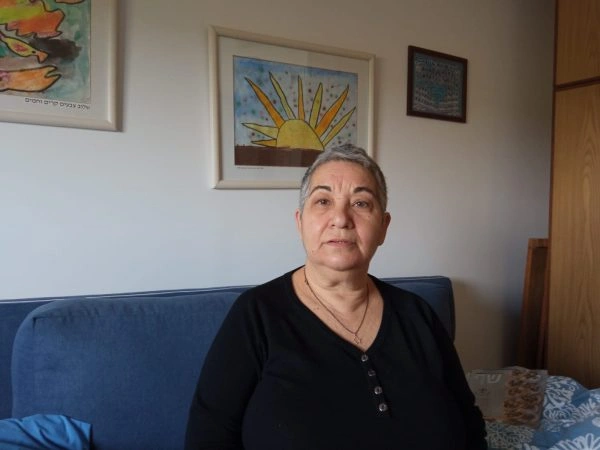
כמו שרואים בתמונה אני ממשיכה ללמוד גם היום ואפילו במחלקת יולדות אחרי לידת ביתי השלישית.

Noa Shiloh
נועה שילה

רבבה, ישראל

התחלתי ללמוד דף יומי בתחילת מסכת ברכות, עוד לא ידעתי כלום. נחשפתי לסיום הש״ס, ובעצם להתחלה מחדש בתקשורת, הפתיע אותי לטובה שהיה מקום לעיסוק בתורה.
את המסכתות הראשונות למדתי, אבל לא סיימתי (חוץ מעירובין איכשהו). השנה כשהגעתי למדרשה, נכנסתי ללופ, ואני מצליחה להיות חלק, סיימתי עם החברותא שלי את כל המסכתות הקצרות, גם כשהיינו חולות קורונה ובבידודים, למדנו לבד, העיקר לא לצבור פער, ומחכות ליבמות 🙂

Eden Yeshuron
עדן ישורון

מזכרת בתיה, ישראל

התחלתי ללמוד דף יומי אחרי שחזרתי בתשובה ולמדתי במדרשה במגדל עוז. הלימוד טוב ומספק חומר למחשבה על נושאים הלכתיים ”קטנים” ועד לערכים גדולים ביהדות. חשוב לי להכיר את הגמרא לעומק. והצעד הקטן היום הוא ללמוד אותה בבקיאות, בעזרת השם, ומי יודע אולי גם אגיע לעיון בנושאים מעניינים. נושאים בגמרא מתחברים לחגים, לתפילה, ליחסים שבין אדם לחברו ולמקום ולשאר הדברים שמלווים באורח חיים דתי 🙂

Gaia Divo
גאיה דיבו

מצפה יריחו, ישראל

אני לומדת גמרא כעשור במסגרות שונות, ואת הדף היומי התחלתי כשחברה הציעה שאצטרף אליה לסיום בבנייני האומה. מאז אני לומדת עם פודקסט הדרן, משתדלת באופן יומי אך אם לא מספיקה, מדביקה פערים עד ערב שבת. בסבב הזה הלימוד הוא "ממעוף הציפור”, מקשיבה במהירות מוגברת תוך כדי פעילויות כמו בישול או נהיגה, וכך רוכשת היכרות עם הסוגיות ואופן ניתוחם על ידי חז”ל. בע”ה בסבב הבא, ואולי לפני, אצלול לתוכו באופן מעמיק יותר.

Yael Bir
יעל ביר

רמת גן, ישראל

הייתי לפני שנתיים בסיום הדרן נשים בבנייני האומה והחלטתי להתחיל. אפילו רק כמה דפים, אולי רק פרק, אולי רק מסכת… בינתיים סיימתי רבע שס ותכף את כל סדר מועד בה.
הסביבה תומכת ומפרגנת. אני בת יחידה עם ארבעה אחים שכולם לומדים דף יומי. מדי פעם אנחנו עושים סיומים יחד באירועים משפחתיים. ממש מרגש. מסכת שבת סיימנו כולנו יחד עם אבא שלנו!
אני שומעת כל יום פודקאסט בהליכה או בנסיעה ואחכ לומדת את הגמרא.

Edna Gross
עדנה גרוס

מרכז שפירא, ישראל

התחלתי בתחילת הסבב, והתמכרתי. זה נותן משמעות נוספת ליומיום ומאוד מחזק לתת לזה מקום בתוך כל שגרת הבית-עבודה השוטפת.

Reut Abrahami
רעות אברהמי

בית שמש, ישראל

התחלתי מחוג במסכת קידושין שהעבירה הרבנית רייסנר במסגרת בית המדרש כלנה בגבעת שמואל; לאחר מכן התחיל סבב הדף היומי אז הצטרפתי. לסביבה לקח זמן לעכל אבל היום כולם תומכים ומשתתפים איתי. הלימוד לעתים מעניין ומעשיר ולעתים קשה ואף הזוי… אך אני ממשיכה קדימה. הוא משפיע על היומיום שלי קודם כל במרדף אחרי הדף, וגם במושגים הרבים שלמדתי ובידע שהועשרתי בו, חלקו ממש מעשי

Abigail Chrissy
אביגיל כריסי

ראש העין, ישראל

התחלתי ללמוד דף יומי לפני שנתיים, עם מסכת שבת. בהתחלה ההתמדה היתה קשה אבל בזכות הקורונה והסגרים הצלחתי להדביק את הפערים בשבתות הארוכות, לסיים את מסכת שבת ולהמשיך עם המסכתות הבאות. עכשיו אני מסיימת בהתרגשות רבה את מסכת חגיגה וסדר מועד ומחכה לסדר הבא!

Ilana-Shachnowitz
אילנה שכנוביץ

מודיעין, ישראל

התחלתי ללמוד בעידוד שתי חברות אתן למדתי בעבר את הפרק היומי במסגרת 929.
בבית מתלהבים מאוד ובשבת אני לומדת את הדף עם בעלי שזה מפתיע ומשמח מאוד! לימוד הדף הוא חלק בלתי נפרד מהיום שלי. לומדת בצהריים ומחכה לזמן הזה מידי יום…

Miriam Wengerover
מרים ונגרובר

אפרת, ישראל

התחלתי להשתתף בשיעור נשים פעם בשבוע, תכננתי ללמוד רק דפים בודדים, לא האמנתי שאצליח יותר מכך.
לאט לאט נשאבתי פנימה לעולם הלימוד .משתדלת ללמוד כל בוקר ומתחילה את היום בתחושה של מלאות ומתוך התכווננות נכונה יותר.
הלימוד של הדף היומי ממלא אותי בתחושה של חיבור עמוק לעם היהודי ולכל הלומדים בעבר ובהווה.

Neely Hayon
נילי חיון

אפרת, ישראל

באירוע של הדרן בנייני האומה. בהשראתה של אמי שלי שסיימה את הש”ס בסבב הקודם ובעידוד מאיר , אישי, וילדיי וחברותיי ללימוד במכון למנהיגות הלכתית של רשת אור תורה סטון ומורתיי הרבנית ענת נובוסלסקי והרבנית דבורה עברון, ראש המכון למנהיגות הלכתית.
הלימוד מעשיר את יומי, מחזיר אותי גם למסכתות שכבר סיימתי וידוע שאינו דומה מי ששונה פרקו מאה לשונה פרקו מאה ואחת במיוחד מרתקים אותי החיבורים בין המסכתות

Roit Kalech
רוית קלך

מודיעין, ישראל

אני לומדת גמרא כעשור במסגרות שונות, ואת הדף היומי התחלתי כשחברה הציעה שאצטרף אליה לסיום בבנייני האומה. מאז אני לומדת עם פודקסט הדרן, משתדלת באופן יומי אך אם לא מספיקה, מדביקה פערים עד ערב שבת. בסבב הזה הלימוד הוא "ממעוף הציפור”, מקשיבה במהירות מוגברת תוך כדי פעילויות כמו בישול או נהיגה, וכך רוכשת היכרות עם הסוגיות ואופן ניתוחם על ידי חז”ל. בע”ה בסבב הבא, ואולי לפני, אצלול לתוכו באופן מעמיק יותר.

Yael Bir
יעל ביר

רמת גן, ישראל

A friend in the SF Bay Area said in Dec 2019 that she might start listening on her morning drive to work. I mentioned to my husband and we decided to try the Daf when it began in Jan 2020 as part of our preparing to make Aliyah in the summer.

Hana Piotrkovsky
חנה פיוטרקובסקי

ירושלים, Israel

My explorations into Gemara started a few days into the present cycle. I binged learnt and become addicted. I’m fascinated by the rich "tapestry” of intertwined themes, connections between Masechtot, conversations between generations of Rabbanim and learners past and present all over the world. My life has acquired a golden thread, linking generations with our amazing heritage.
Thank you.

Susan Kasdan
סוזן כשדן

חשמונאים, Israel

התחלתי מחוג במסכת קידושין שהעבירה הרבנית רייסנר במסגרת בית המדרש כלנה בגבעת שמואל; לאחר מכן התחיל סבב הדף היומי אז הצטרפתי. לסביבה לקח זמן לעכל אבל היום כולם תומכים ומשתתפים איתי. הלימוד לעתים מעניין ומעשיר ולעתים קשה ואף הזוי… אך אני ממשיכה קדימה. הוא משפיע על היומיום שלי קודם כל במרדף אחרי הדף, וגם במושגים הרבים שלמדתי ובידע שהועשרתי בו, חלקו ממש מעשי

Abigail Chrissy
אביגיל כריסי

ראש העין, ישראל

סיום השס לנשים נתן לי מוטביציה להתחיל ללמוד דף יומי. עד אז למדתי גמרא בשבתות ועשיתי כמה סיומים. אבל לימוד יומיומי זה שונה לגמרי ופתאום כל דבר שקורה בחיים מתקשר לדף היומי.

Fogel Foundation
קרן פוגל

רתמים, ישראל

התחלתי ללמוד דף יומי באמצע תקופת הקורונה, שאבא שלי סיפר לי על קבוצה של בנות שתיפתח ביישוב שלנו ותלמד דף יומי כל יום. הרבה זמן רציתי להצטרף לזה וזאת הייתה ההזדמנות בשבילי. הצטרפתי במסכת שקלים ובאמצע הייתה הפסקה קצרה. כיום אני כבר לומדת באולפנה ולומדת דף יומי לבד מתוך גמרא של טיינזלץ.

Saturdays in Raleigh
שבות בראלי

עתניאל, ישראל

התחלתי ללמוד דף יומי כאשר קיבלתי במייל ממכון שטיינזלץ את הדפים הראשונים של מסכת ברכות במייל. קודם לא ידעתי איך לקרוא אותם עד שנתתי להם להדריך אותי. הסביבה שלי לא מודעת לעניין כי אני לא מדברת על כך בפומבי. למדתי מהדפים דברים חדשים, כמו הקשר בין המבנה של בית המקדש והמשכן לגופו של האדם (יומא מה, ע”א) והקשר שלו למשפט מפורסם שמופיע בספר ההינדי "בהגוד-גיתא”. מתברר שזה רעיון כלל עולמי ולא רק יהודי

Elena Arenburg
אלנה ארנבורג

נשר, ישראל

התחלתי ללמוד דף יומי בסבב הקודם. זכיתי לסיים אותו במעמד המרגש של הדרן. בסבב הראשון ליווה אותי הספק, שאולי לא אצליח לעמוד בקצב ולהתמיד. בסבב השני אני לומדת ברוגע, מתוך אמונה ביכולתי ללמוד ולסיים. בסבב הלימוד הראשון ליוותה אותי חוויה מסויימת של בדידות. הדרן העניקה לי קהילת לימוד ואחוות נשים. החוויה של סיום הש”ס במעמד כה גדול כשנשים שאינן מכירות אותי, שמחות ומתרגשות עבורי , היתה חוויה מרוממת נפש

Ilanit Weil
אילנית ווייל

קיבוץ מגדל עוז, ישראל

. לא תמיד נהניתי מלימוד גמרא כילדה.,בל כהתבגרתי התחלתי לאהוב את זה שוב. התחלתי ללמוד מסכת סוטה בדף היומי לפני כחמש עשרה שנה ואז הפסקתי.הגעתי לסיום הגדול של הדרן לפני שנתיים וזה נתן לי השראה. והתחלתי ללמוד למשך כמה ימים ואז היתה לי פריצת דיסק והפסקתי…עד אלול השנה. אז התחלתי עם מסכת ביצה וב”ה אני מצליחה לעמוד בקצב. המשפחה מאוד תומכת בי ויש כמה שגם לומדים את זה במקביל. אני אוהבת שיש עוגן כל יום.

Rebecca Darshan
רבקה דרשן

בית שמש, ישראל

מועד קטן כד

בְּעָא מִינֵּיהּ רַבִּי יוֹחָנָן מִשְּׁמוּאֵל: יֵשׁ אֲבֵילוּת בְּשַׁבָּת אוֹ אֵין אֲבֵילוּת בְּשַׁבָּת? אֲמַר לֵיהּ: אֵין אֲבֵילוּת בְּשַׁבָּת.

Rabbi Yoḥanan asked of Shmuel: Is there some mourning on Shabbat or is there no mourning on Shabbat at all? He said to him: There is no mourning on Shabbat at all.

יָתְבִי רַבָּנַן קַמֵּיהּ דְּרַב פָּפָּא וְקָאָמְרִי מִשְּׁמֵיהּ דִּשְׁמוּאֵל: אָבֵל שֶׁשִּׁימֵּשׁ מִטָּתוֹ בִּימֵי אֶבְלוֹ — חַיָּיב מִיתָה. אֲמַר לֵיהּ רַב פָּפָּא: אָסוּר אִתְּמַר, וּמִשְּׁמֵיהּ דְּרַבִּי יוֹחָנָן אִתְּמַר,

The Sages sat before Rav Pappa and said in the name of Shmuel: A mourner who engaged in sexual relations during his days of mourning is liable to receive the death penalty at the hand of Heaven. Rav Pappa said to them: It was said that sexual relations are prohibited, but not that the offender is guilty of a capital crime. And the ruling was said in the name of Rabbi Yoḥanan, and not in the name of Shmuel.

וְאִי שְׁמִיעָא לְכוּ מִשְּׁמֵיהּ דִּשְׁמוּאֵל, הָכִי שְׁמִיעַ לְכוּ: אָמַר רַב תַּחְלִיפָא בַּר אֲבִימִי אָמַר שְׁמוּאֵל: אָבֵל שֶׁלֹּא פֵּרַע וְשֶׁלֹּא פֵּירַם — חַיָּיב מִיתָה, שֶׁנֶּאֱמַר: ״רָאשֵׁיכֶם אַל תִּפְרָעוּ וּבִגְדֵיכֶם לֹא תִפְרוֹמוּ וְלֹא תָמוּתוּ וְגוֹ׳״, הָא אַחֵר שֶׁלֹּא פֵּרַע וְשֶׁלֹּא פֵּירַם — חַיָּיב מִיתָה.

And if you heard a statement on this issue in the name of Shmuel, then you heard as follows: Rav Taḥlifa bar Avimi said that Shmuel said: A mourner who did not let his hair grow wild and did not rend his garments is liable to receive the death penalty at the hand of Heaven, as it is stated following the deaths of Nadab and Abihu concerning the surviving sons of Aaron: “Let not the hair of your heads go loose, neither rend your clothes, that you not die” (Leviticus 10:6). They were instructed not to mourn, so as not to interfere with the dedication of the Tabernacle. From here it may be deduced that any other mourner who did not let his hair grow wild or rend his clothes is liable to receive the death penalty.

אָמַר רַפְרָם בַּר פָּפָּא, תָּנָא בְּאֵבֶל רַבָּתִי: אָבֵל אָסוּר לְשַׁמֵּשׁ מִטָּתוֹ בִּימֵי אֶבְלוֹ, וּמַעֲשֶׂה בְּאֶחָד שֶׁשִּׁימֵּשׁ מִטָּתוֹ בִּימֵי אֶבְלוֹ, וְשָׁמְטוּ חֲזִירִים אֶת גְּוִיָּיתוֹ.

Rafram bar Pappa said: A Sage taught in Evel Rabbati, a separate tractate devoted to the halakhot of mourning: A mourner is prohibited from engaging in sexual relations during his days of mourning. There was an incident with one who engaged in sexual relations during his days of mourning and he was punished, for after his death pigs dragged away his corpse.

אָמַר שְׁמוּאֵל: פַּחַ״ז חוֹבָה, נֶתֶ״ר רְשׁוּת.

Shmuel offered a mnemonic device with regard to the observance of mourning rites on Shabbat, and said: Peh, ḥet, zayin are obligatory. These letters combine to create a mnemonic standing for: Uncovering the head [periat rosh], reversing the torn garment [ḥazarat kera], and standing the bed upright [zekifat hamitta]. However, nun, tav, reish, which stand for: Wearing shoes [ne’ilat hasandal], marital relations [tashmish hamitta], and hand washing [reḥitzat yadayim], are optional.

פְּרִיעַת הָרֹאשׁ, חֲזָרַת קֶרַע לַאֲחוֹרָיו, זְקִיפַת הַמִּטָּה — חוֹבָה. נְעִילַת הַסַּנְדָּל, תַּשְׁמִישׁ הַמִּטָּה, רְחִיצַת יָדַיִם וְרַגְלַיִם בְּחַמִּין עַרְבִית — רְשׁוּת. וְרַב אָמַר: אַף פְּרִיעַת הָרֹאשׁ רְשׁוּת.

This is explained: Uncovering the head, i.e., removing the head covering usually worn by a mourner; reversing the tear to the back, so that it will not be visible; and standing the bed upright in the usual position, so that it is not overturned, are all obligatory for the mourner to uphold in honor of Shabbat. However, wearing shoes, engaging in sexual relations, and washing one’s hands and feet in hot water in the evening are optional activities on Shabbat. If a mourner wishes to refrain from them he may do so. And Rav said: Uncovering the head is also an optional activity.

וּשְׁמוּאֵל, מַאי שְׁנָא נְעִילַת הַסַּנְדָּל דִּרְשׁוּת — דְּלָאו כּוּלֵּי עָלְמָא עֲבִידִי דְּסָיְימִי מְסָאנַיְיהוּ. פְּרִיעַת הָרֹאשׁ נָמֵי, לָאו כּוּלֵּי עָלְמָא עֲבִידִי דִּמְגַלּוּ רֵישַׁיְיהוּ!

The Gemara asks: According to Shmuel, what is different about wearing shoes that it is optional? His reasoning presumably is that not everyone wears shoes at all times, and therefore not wearing shoes will not be perceived by others as a sign of mourning. If so, the same thing may be said about uncovering the head also, i.e., not everyone uncovers his head at all times, as some people always walk around with their heads wrapped. This, too, should not be seen as a clear display of mourning, and therefore uncovering one’s head should also be treated as optional.

שְׁמוּאֵל לְטַעְמֵיהּ, דְּאָמַר שְׁמוּאֵל: כׇּל קֶרַע שֶׁאֵינוֹ בִּשְׁעַת חִימּוּם — אֵינוֹ קֶרַע. וְכׇל עֲטִיפָה שֶׁאֵינָהּ כַּעֲטִיפַת יִשְׁמְעֵאלִים — אֵינָהּ עֲטִיפָה. מַחְוֵי רַב נַחְמָן עַד גּוּבֵּי דְּדִיקְנָא.

The Gemara answers: Shmuel conforms to his standard line of reasoning, for Shmuel said: Any rending of garments that is not done at the time of the most intense grief, i.e., the time of death, is not considered proper rending of garments. And any wrapping of the head that is not done in the manner of the wrapping of the Ishmaelites, who wrap their heads on all sides, is not considered proper wrapping. Since Shmuel requires that a mourner wrap his head in this special manner, one who acts in this way on Shabbat openly displays his mourning, as people do not ordinarily wrap their heads in this manner. What is this wrapping? Rav Naḥman demonstrated the procedure by covering up his face to the sides of the beard, leaving only the center of his face exposed.

אָמַר רַבִּי יַעֲקֹב אָמַר רַבִּי יוֹחָנָן: לֹא שָׁנוּ אֶלָּא שֶׁאֵין לוֹ מִנְעָלִים בְּרַגְלָיו, אֲבָל יֵשׁ לוֹ מִנְעָלִים בְּרַגְלָיו — מִנְעָלָיו מוֹכִיחִין עָלָיו.

Rabbi Ya’akov said that Rabbi Yoḥanan said: They taught that a mourner is required to remove his head covering on Shabbat only when he has no shoes on his feet, so that he not appear too obviously to be in mourning. But if he has shoes on his feet, then his shoes prove that he is not observing the rites of mourning on Shabbat.

כׇּל קֶרַע שֶׁאֵינוֹ בִּשְׁעַת חִימּוּם אֵינוֹ קֶרַע — וְהָא אֲמַרוּ לֵיהּ לִשְׁמוּאֵל: נָח נַפְשֵׁיהּ דְּרַב, קְרַע עֲלֵיהּ תְּרֵיסַר מָנֵי. אֲמַר: אֲזַל גַּבְרָא דַּהֲוָה מִסְתְּפֵינָא מִינֵּיהּ. אֲמַר לֵיהּ לְרַבִּי יוֹחָנָן: נָח נַפְשֵׁיהּ דְּרַבִּי חֲנִינָא. קְרַע עֲלֵיהּ תְּלֵיסַר אִצְטְלֵי מֵלָתָא. אֲמַר: אֲזַל גַּבְרָא דַּהֲוָה מִסְתְּפֵינָא מִינֵּיהּ!

The Gemara returns to Shmuel’s statement that any rending of garments that is not done at the time of most intense grief and pain is not considered proper rending of garments. The Gemara poses a question: But when they said to Shmuel that Rav had passed away, he rent twelve garments on account of him, and said: The man of whom I was in fear, owing to his great learning, has gone and died. Similarly, when they told Rabbi Yoḥanan that Rabbi Ḥanina had passed away, he rent thirteen expensive wool [mileta] garments [itztelei] on account of him, and said: The man of whom I was in fear has gone. When each of these Sages received the news that their distinguished colleague had died, it was no longer the time of the most intense grief, i.e., the time of death, and yet they rent their garments.

שָׁאנֵי רַבָּנַן, דְּכֵיוָן דְּכֹל שַׁעְתָּא מַדְכְּרִי שְׁמַעְתַּיְיהוּ — כִּשְׁעַת חִימּוּם דָּמֵי.

The Gemara answers: The Sages are different. Since their teachings are mentioned all the time, every time they are mentioned is like the time of most intense grief, as the pain over their death is once again renewed.

אֲמַר לֵיהּ רָבִין בַּר אַדָּא לְרָבָא: אָמַר תַּלְמִידְךָ רַב עַמְרָם, תַּנְיָא: אָבֵל, כׇּל שִׁבְעָה קוֹרְעוֹ לְפָנָיו, וְאִם בָּא לְהַחֲלִיף — מַחְלִיף וְקוֹרֵעַ. בְּשַׁבָּת, קוֹרְעוֹ לַאֲחוֹרָיו, וְאִם בָּא לְהַחֲלִיף — מַחְלִיף וְאֵינוֹ קוֹרֵעַ!

Ravin bar Adda said to Rava: Your student, Rav Amram, said that it is taught in a baraita as follows: For all seven days of mourning, a mourner must keep the tear in his garment before him so that it will be seen. And if he comes to change clothing, he changes and rends the new garment. On Shabbat, he turns the tear to his back, and if he comes to change clothing, he changes but does not tear the second garment. From here it seems that there is an obligation to rend garments during the entire week of mourning, not only at the most intense moment of grief.

כִּי תַּנְיָא הָהִיא, בִּכְבוֹד אָבִיו וְאִמּוֹ.

The Gemara answers: When that baraita is taught, it is referring to the specific case of rending one’s garment in honor of his father or mother. Owing to the special honor due to one’s parents, it is inappropriate for the child to wear a garment that is not torn. Consequently, if he changes clothing, he must tear the new garment, even if it is no longer the most intense time of grief.

אוֹתָן קְרָעִין מִתְאַחִין, אוֹ אֵין מִתְאַחִין? פְּלִיגִי בַּהּ אֲבוּהּ דְּרַב אוֹשַׁעְיָא וּבַר קַפָּרָא. חַד אָמַר: אֵין מִתְאַחִין, וְחַד אָמַר: מִתְאַחִין.

The Gemara asks: Those additional tears that are made in honor of one’s father or mother, may they be properly mended at the end of the son’s period of mourning, or may they not be properly mended, like the tear made for one’s father or mother at the most intense moment of grief? The Gemara answers: They disagree about this issue, the father of Rav Oshaya and bar Kappara. One said: They may not be mended, and one said: They may be mended.

תִּסְתַּיֵּים דַּאֲבוּהּ דְּרַב אוֹשַׁעְיָא דְּאָמַר אֵין מִתְאַחִין. דְּאָמַר רַב אוֹשַׁעְיָא: אֵין מִתְאַחִין, מִמַּאן שְׁמִיעַ לֵיהּ — לָאו מֵאֲבוּהּ? לָא, מִבַּר קַפָּרָא רַבֵּיהּ שְׁמִיעַ לֵיהּ.

The Gemara comments: Conclude that it was Rav Oshaya’s father who said that such rents may not be properly mended, for Rav Oshaya said: Such rents may not be properly mended. From whom did he hear this halakha? Was it not from his father? The Gemara rejects this argument: No, this cannot be offered as a proof, as perhaps he heard it from bar Kappara, who was his teacher.

אָמַר רָבָא: אָבֵל מְטַיֵּיל בְּאוּנְקְלִי בְּתוֹךְ בֵּיתוֹ. אַבָּיֵי אַשְׁכְּחֵיהּ לְרַב יוֹסֵף דִּפְרִיס לֵיהּ סוּדָרָא אַרֵישֵׁיהּ וְאָזֵיל וְאָתֵי בְּבֵיתֵיהּ. אֲמַר לֵיהּ: לָאו סָבַר לַהּ מָר אֵין אֲבֵילוּת בְּשַׁבָּת? אֲמַר לֵיהּ, הָכִי אָמַר רַבִּי יוֹחָנָן: דְּבָרִים שֶׁבְּצִינְעָא — נוֹהֵג.

§ Rava said: A mourner may walk about his house in a torn robe [unkali] on Shabbat, since he is not doing so in public. It was related that Abaye found Rav Yosef walking back and forth in his house on Shabbat when he was in mourning with a scarf spread over his head in the manner of mourning. He said to him: Master, do you not maintain that there is no mourning on Shabbat? He said to him: This is what Rabbi Yoḥanan said: Matters that are in private apply, and so when one is in his house he must observe the rites of mourning even on Shabbat.

רַבִּי אֱלִיעֶזֶר אוֹמֵר: מִשֶּׁחָרַב בֵּית הַמִּקְדָּשׁ עֲצֶרֶת כַּשַּׁבָּת וְכוּ׳. אָמַר רַב גִּידֵּל בַּר מְנַשְּׁיָא אָמַר שְׁמוּאֵל: הֲלָכָה כְּרַבָּן גַּמְלִיאֵל.

§ The mishna taught: Rabbi Eliezer says: Since the Temple was destroyed, Shavuot is like Shabbat with regard to mourning. Rabban Gamliel says: Even Rosh HaShana and Yom Kippur are considered like Festivals. The Gemara comments that Rav Giddel bar Menashya said that Shmuel said: The halakha is in accordance with the opinion of Rabban Gamliel.

וְאִיכָּא דְּמַתְנֵי לְהָא דְּרַב גִּידֵּל בַּר מְנַשְּׁיָא אַהָא: כׇּל שְׁלֹשִׁים יוֹם, תִּינוֹק יוֹצֵא בַּחֵיק, וְנִקְבָּר בְּאִשָּׁה אַחַת וּשְׁנֵי אֲנָשִׁים. אֲבָל לֹא בְּאִישׁ אֶחָד וּשְׁתֵּי נָשִׁים.

And some teach this ruling of Rav Giddel bar Menashya as referring to the following case: It is taught in a baraita: Within the first thirty days after birth, an infant that dies is taken out for burial in one’s bosom, that is to say, he is carried to his grave in one’s arms, not in a coffin. And he is buried by one woman and two men, there being no need for a quorum of ten men. But he should not be taken out by one man and two women, because it is prohibited for one man to seclude himself with two women.

אַבָּא שָׁאוּל אוֹמֵר: אַף בְּאִישׁ אֶחָד וּשְׁתֵּי נָשִׁים. וְאֵין עוֹמְדִין עָלָיו בְּשׁוּרָה. וְאֵין אוֹמְרִים עָלָיו בִּרְכַּת אֲבֵלִים וְתַנְחוּמֵי אֲבֵלִים.

Abba Shaul says: The infant may be taken out even by one man and two women, for there is no concern with regard to seclusion in a time of mourning. And for such an infant, people do not stand in a line to offer their condolences to the mourners, as is ordinarily done after a burial; nor do others recite over him the mourners’ blessing, which is recited in the courtyard of the graveyard after the burial; nor is the usual formula for the consolation of mourners recited during the seven days of mourning.

בֶּן שְׁלֹשִׁים יוֹצֵא בִּדְלוֹסְקָמָא. רַבִּי יְהוּדָה אוֹמֵר: לֹא דְּלוֹסְקָמָא הַנִּיטֶּלֶת בַּכָּתֵף, אֶלָּא הַנִּיטֶּלֶת בָּאֲגַפַּיִים. וְעוֹמְדִין עָלָיו בְּשׁוּרָה, וְאוֹמְרִים עָלָיו בִּרְכַּת אֲבֵלִים וְתַנְחוּמֵי אֲבֵלִים.

A thirty-day-old infant that dies is taken out for burial in a coffin [deluskema]. Rabbi Yehuda says: Not in a small coffin that is carried on one’s shoulder, but rather in a coffin that is carried in the arms of two people. And for such an infant, people stand in a line to offer their condolences to the mourners. And others recite the mourners’ blessing at the cemetery. And people recite the consolation of mourners during the week of mourning.

בֶּן שְׁנֵים עָשָׂר חֹדֶשׁ יוֹצֵא בְּמִטָּה. רַבִּי עֲקִיבָא אוֹמֵר: הוּא בֶּן שָׁנָה וְאֵבָרָיו כְּבֶן שְׁתַּיִם, הוּא בֶּן שְׁתַּיִם וְאֵבָרָיו כְּבֶן שָׁנָה — יוֹצֵא בְּמִטָּה.

A twelve-month-old infant is taken out for burial on a bier, just as an adult is. Rabbi Akiva says: This halakha applies if the infant that dies is one year old and his limbs are like those of a two year old, so that he looks older, or if he is two years old and his limbs are like those of a one-year-old. Only then he is taken out on a bier.

רַבִּי שִׁמְעוֹן בֶּן אֶלְעָזָר אוֹמֵר: הַיּוֹצֵא בְּמִטָּה — רַבִּים מַצְהִיבִין עָלָיו. אֵינוֹ יוֹצֵא בְּמִטָּה — אֵין רַבִּים מַצְהִיבִין עָלָיו. רַבִּי אֶלְעָזָר בֶּן עֲזַרְיָה אוֹמֵר: נִיכָּר לָרַבִּים — רַבִּים מִתְעַסְּקִים עִמּוֹ, אֵינוֹ נִיכָּר לָרַבִּים — אֵין רַבִּים מִתְעַסְּקִים עִמּוֹ.

Rabbi Shimon ben Elazar says: For one that is taken out on a bier, the public should grieve [matzhivin]. For one that is not taken out on a bier, the public need not grieve. Rabbi Elazar ben Azarya says: The halakha is as follows: If the infant was known to the public, because he regularly left the house and many people knew him, the public must occupy themselves with him and participate in his burial. If he was not known to the public, the public need not occupy themselves with him.

וּמָה הֵן בְּהֶסְפֵּד? רַבִּי מֵאִיר בְּשֵׁם רַבִּי יִשְׁמָעֵאל אוֹמֵר: עֲנִיִּים — בְּנֵי שָׁלֹשׁ, עֲשִׁירִים — בְּנֵי חָמֵשׁ. רַבִּי יְהוּדָה אוֹמֵר מִשְּׁמוֹ: עֲנִיִּים — בְּנֵי חָמֵשׁ, עֲשִׁירִים — בְּנֵי שֵׁשׁ, וּבְנֵי זְקֵנִים — כִּבְנֵי עֲנִיִּים.

And what is the status of deceased infants with regard to eulogy? Rabbi Meir said in the name of Rabbi Yishmael: The children of the poor are eulogized from the age of three, whereas the children of the wealthy are eulogized from the age of five. This is because a child is the sole source of joy for the poor, and so the pain and grief of the poor over the death of a child is greater than that of the wealthy. Rabbi Yehuda said in the name of Rabbi Yishmael: The children of the poor are eulogized from the age of five, whereas the children of the wealthy are eulogized from the age of six. And the children of the elderly are treated like the children of the poor, for the death of a child is particularly painful for an older person.

אָמַר רַב גִּידֵּל בַּר מְנַשְּׁיָא אָמַר רַב: הֲלָכָה כְּרַבִּי יְהוּדָה שֶׁאָמַר מִשּׁוּם רַבִּי יִשְׁמָעֵאל.

Rav Giddel bar Menashya said that Rav said: The halakha is in accordance with the opinion of Rabbi Yehuda, who stated it in the name of Rabbi Yishmael.

דָּרֵשׁ רַבִּי עֲנָנִי בַּר שָׂשׂוֹן אַפִּיתְחָא דְּבֵי נְשִׂיאָה: יוֹם אֶחָד לִפְנֵי עֲצֶרֶת וַעֲצֶרֶת — הֲרֵי כָּאן אַרְבָּעָה עָשָׂר. שְׁמַע רַבִּי אַמֵּי וְאִיקְּפַד, אֲמַר: אַטּוּ דִּידֵיהּ הִיא? דְּרַבִּי אֶלְעָזָר אָמַר רַבִּי אוֹשַׁעְיָא הִיא!

Rabbi Anani bar Sason taught at the entrance to the house of the Nasi: If one suffered the loss of a close relative shortly before the festival of Shavuot, his one day of mourning before Shavuot and Shavuot itself together count as fourteen days. The day before the Festival counts as seven full days of mourning because the Festival interrupts the seven-day period of mourning, and the Festival itself is counted as a seven-day Festival. Even though it is a one-day Festival, it is counted as seven days because it has the same halakha as the other Festivals. After Shavuot, then, only sixteen days are left to complete the thirty-day mourning period. Rabbi Ami heard this and became angry with him. He said: Is that to say that it is his own opinion? It is the opinion that Rabbi Elazar said that Rabbi Oshaya said.

דְּרַשׁ רַבִּי יִצְחָק נַפָּחָא אַקִּילְעָא דְּרֵישׁ גָּלוּתָא: יוֹם אֶחָד לִפְנֵי עֲצֶרֶת וַעֲצֶרֶת — הֲרֵי כָּאן אַרְבָּעָה עָשָׂר. שְׁמַע רַב שֵׁשֶׁת אִיקְּפַד, אָמַר: אַטּוּ דִּידֵיהּ הִיא? דְּרַבִּי אֶלְעָזָר אָמַר רַבִּי אוֹשַׁעְיָא הִיא!

Similarly Rabbi Yitzḥak Nappaḥa taught in the pavilion [kila] of the Exilarch: If one’s relative died shortly before the festival of Shavuot, his one day of mourning before Shavuot and Shavuot itself count as fourteen days. Rav Sheshet heard and became angry. He said: Is that to say that it is his own opinion? It is the opinion that Rabbi Elazar said that Rabbi Oshaya said.

דְּאָמַר רַבִּי אֶלְעָזָר אָמַר רַבִּי אוֹשַׁעְיָא: מִנַּיִן לָעֲצֶרֶת שֶׁיֵּשׁ לָהּ תַּשְׁלוּמִין כׇּל שִׁבְעָה — שֶׁנֶּאֱמַר: ״בְּחַג הַמַּצּוֹת וּבְחַג הַשָּׁבוּעוֹת״, מָה חַג הַמַּצּוֹת יֵשׁ לָהּ תַּשְׁלוּמִין כׇּל שִׁבְעָה — אַף חַג הַשָּׁבוּעוֹת יֵשׁ לָהּ תַּשְׁלוּמִין כׇּל שִׁבְעָה.

In both of these cases, a Sage presented an opinion as their own, without attributing it to the original Sage who stated it, for Rabbi Elazar said that Rabbi Oshaya said: From where is it derived that the Shavuot offerings have redress all seven subsequent days? That is to say, if someone failed to bring the Festival offering on the Festival itself, he has six more days to bring it. As it is stated: “Three times a year shall all your males appear before the Lord your God in the place that He shall choose; on the festival of Passover, and on the festival of Shavuot, and on the festival of Sukkot” (Deuteronomy 16:16). Just as the offerings of the festival of Passover have redress all seven days, as Passover is seven days long, so too the offerings of the festival of Shavuot have redress all seven days, during the week following Shavuot. From this we learn that Shavuot is treated like a seven-day Festival for all halakhic purposes.

אַדְבְּרֵיהּ רַב פָּפָּא לְרַב אַוְיָא סָבָא וּדְרַשׁ: יוֹם אֶחָד לִפְנֵי רֹאשׁ הַשָּׁנָה וְרֹאשׁ הַשָּׁנָה — הֲרֵי כָּאן אַרְבָּעָה עָשָׂר. אָמַר רָבִינָא, הִלְכָּךְ: יוֹם אֶחָד לִפְנֵי הֶחָג, וְחַג, וּשְׁמִינִי שֶׁלּוֹ — הֲרֵי כָּאן עֶשְׂרִים וְאֶחָד יוֹם.

Rav Pappa granted permission to Rav Avya the Elder to speak and he taught the following in public: If one’s relative died shortly before Rosh HaShana, his one day of mourning before Rosh HaShana and Rosh HaShana itself together count as fourteen days, because Rosh HaShana is treated like a seven-day Festival. Ravina said: Therefore, if one’s relative died shortly before Sukkot, his one day of mourning before the Festival of Sukkot, and the Festival of Sukkot itself, which is seven days, and its Eighth day of Assembly, which is considered to be a separate Festival, count as twenty-one days, and he must observe only nine more days of mourning to complete the thirty-day period of mourning.

רָבִינָא אִיקְּלַע לְסוּרָא דִפְרָת, אֲמַר לֵיהּ רַב חֲבִיבָא מִסּוּרָא דִפְרָת לְרָבִינָא: אָמַר מָר, יוֹם אֶחָד לִפְנֵי רֹאשׁ הַשָּׁנָה וְרֹאשׁ הַשָּׁנָה — הֲרֵי כָּאן אַרְבָּעָה עָשָׂר? אֲמַר לֵיהּ: אֲנָא, מִסְתַּבְּרָא כְּרַבָּן גַּמְלִיאֵל הוּא דְּאָמֵינָא.

It was related that Ravina happened to come to the city of Sura on the Euphrates River. Rav Ḥaviva from Sura on the Euphrates said to Ravina: Did the Master say that one day of mourning before Rosh HaShana and Rosh HaShana itself count as fourteen days? He said to him: I said that it stands to reason that this is so according to Rabban Gamliel, who maintains that Rosh HaShana is treated like a pilgrim Festival. But I did not rule in accordance with this opinion.

מַתְנִי׳ אֵין קוֹרְעִין וְלֹא חוֹלְצִין וְאֵין מַבְרִין אֶלָּא קְרוֹבָיו שֶׁל מֵת, וְאֵין מַבְרִין אֶלָּא עַל מִטָּה זְקוּפָה.

MISHNA: Mourners do not rend their garments during the intermediate days of a Festival and do not remove their garments from their shoulders. And others do not provide them with a meal [mavrin] after the burial, except for close relatives of the deceased. And the consolers provide the first meal after the burial only while the mourner is sitting on an upright bed, and not on one that is overturned.

רוצה לעקוב אחרי התכנים ולהמשיך ללמוד?

ביצירת חשבון עוד היום ניתן לעקוב אחרי ההתקדמות שלך, לסמן מה למדת, ולעקוב אחרי השיעורים שמעניינים אותך.

לנקות את כל הפריטים מהרשימה?

פעולה זו תסיר את כל הפריטים בחלק זה כולל ההתקדמות וההיסטוריה. שימי לב: לא ניתן לשחזר פעולה זו.

ביטול
מחיקה

האם את/ה בטוח/ה שברצונך למחוק פריט זה?

תאבד/י את כל ההתקדמות או ההיסטוריה הקשורות לפריט זה.

ביטול
מחיקה