חיפוש

נדרים מט

רוצה להקדיש שיעור?

podcast placeholder

0:00
0:00


תקציר

הדף היום מוקדש לרפואת אברהם פינחס בן יפה.

אם מישהו נודר מדבר ‘מבושל’, מה כלול? מה לגבי ‘תבשיל’ ‘מעשה קדירה’? במה הדבר תלוי? אביי קובע שכל מה שמבושל ואוכלים עם פת היה נקרא תבשיל. מביאים ברייתא לחזק דבריו ושם מופיע שקרא (דלעת) בריא לחולים. הגמרא מביאה סיפור עם ר’ ירמיה כשהיה חולה ששם כתוב שקרא לא בריא לחולים. הגמרא מביאה שלושה תירוצים. לבבליים היו מנהגי אכילה שונים והיו אוכלים דייסא עבה עם לחם. משם הגמרא מעמיקה בכל מיני מנהגי אכילה – כגון האם כדאי לאכול דייסא באצבעות? יש שיחה בין שני רבנים שאכלו מקערה אחת – אחד עם אצבעותיו והשני עם מזלג וכל אחד כעס על השני. יש שלושה סיפורים עם ר’ יהודה שמישהו שאל אותו למה פניו אדומים ובריאים? לכל אחד ענה משהו אחר. ר’ יהודה ור’ שמעון סחבו דברים לבית המדרש כדי לשבת עליהם ואמרו "גדולה מלאכה שמכבדת את בעליה.” לר’ יהודה היה גלימא אחד שגם הוא וגם אשתו השתמשו בו.

נדרים מט

הַנּוֹדֵר מִן הַמְבוּשָּׁל — מוּתָּר בְּצָלִי וּבְשָׁלוּק. אָמַר: ״קֻוֽנָּם תַּבְשִׁיל שֶׁאֵינִי טוֹעֵם״ — אָסוּר בְּמַעֲשֵׂה קְדֵרָה רַךְ, וּמוּתָּר בְּעָבֶה, וּמוּתָּר בְּבֵיצָה טוֹרְמוֹטָא וּבַדַּלַּעַת הָרְמוּצָה. הַנּוֹדֵר מִמַּעֲשֵׂה קְדֵרָה — אֵין אָסוּר אֶלָּא מִמַּעֲשֵׂה רְתַחְתָּה, אָמַר: ״קֻוֽנָּם הַיּוֹרֵד לִקְדֵרָה שֶׁאֵינִי טוֹעֵם — אָסוּר בְּכׇל הַמִּתְבַּשְּׁלִין בִּקְדֵרָה.

MISHNA: In the case of one who vows that cooked foods are forbidden to him, he is permitted to eat roasted and boiled foods, as they are not defined as cooked. If one said: Cooked food is konam for me, and for that reason I will not taste it, he is prohibited from tasting a loose cooked food but is permitted to taste a thick one, which people do not generally refer to as a cooked food. And he is likewise permitted to eat a turemuta egg and the remutza gourd, as they are not considered cooked foods either. In the case of one who vows that food cooked in a dish is forbidden to him, he is prohibited from deriving benefit only from food that is cooked by boiling it in a dish. However, if one said: That which enters into a dish is konam for me, and for that reason I will not taste it, he is prohibited from tasting anything cooked in a dish.

גְּמָ׳ תַּנְיָא: רַבִּי יֹאשִׁיָּה אוֹסֵר, וְאַף עַל פִּי שֶׁאֵין רְאָיָה לְדָבָר — זֵכֶר לַדָּבָר, שֶׁנֶּאֱמַר: ״וַיְבַשְּׁלוּ אֶת הַפֶּסַח בָּאֵשׁ כַּמִּשְׁפָּט״.

GEMARA: It is taught in a baraita: In the case of one who vowed that cooked foods are forbidden to him, Rabbi Yoshiya maintains that he is prohibited from eating roasted foods. And although there is no biblical proof of the matter, there is an allusion to the matter, as it is stated: “And they cooked the Paschal offering with fire according to the ordinance” (II Chronicles 35:13). Since the Paschal offering must be roasted, it is evident that roasting can also be referred to as cooking.

לֵימָא בְּהָא קָמִיפַּלְגִי, דְּרַבִּי יֹאשִׁיָּה סָבַר: הַלֵּךְ אַחַר לְשׁוֹן תּוֹרָה, וְתַנָּא דִילַן סָבַר: בִּנְדָרִים הַלֵּךְ אַחַר לְשׁוֹן בְּנֵי אָדָם?

The Gemara suggests: Let us say that they disagree with regard to this following principle, that Rabbi Yoshiya holds that one should follow the language of the Torah, and our tanna holds that with regard to vows one should follow the language of people.

לָא, דְּכוּלֵּי עָלְמָא בִּנְדָרִים הַלֵּךְ אַחַר לְשׁוֹן בְּנֵי אָדָם, מָר כִּי אַתְרֵיהּ וּמָר כִּי אַתְרֵיהּ. בְּאַתְרָא דְּתַנָּא דִילַן — לְצָלִי קָרוּ לֵיהּ צָלִי, וְלִמְבוּשָּׁל קָרוּ לֵיהּ מְבוּשָּׁל. בְּאַתְרָא דְּרַבִּי יֹאשִׁיָּה — אֲפִילּוּ צָלִי קָרוּ מְבוּשָּׁל.

The Gemara refutes this suggestion: No, it is possible that everyone agrees that with regard to vows one should follow the language of people. Rather, this Sage stated his opinion in accordance with the language of his locale, and this Sage stated his opinion in accordance with the language of his locale. In the locale of our tanna, roasted food is called roasted and cooked food is called cooked, and in the locale of Rabbi Yoshiya even roasted food is called cooked.

וְהָא קְרָא נָסֵיב לַהּ! אַסְמַכְתָּא בְּעָלְמָא.

The Gemara raises a difficulty: But doesn’t Rabbi Yoshiya cite a verse as proof for his opinion, which shows that his opinion is not based on the vernacular? The Gemara answers: The verse is cited as a mere support for his opinion, as implied by his statement that the verse is only an allusion, not a full proof.

קֻוֽנָּם תַּבְשִׁיל כּוּ׳. וְהָא מִתַּבְשִׁיל נְדַר!

It is stated in the mishna that one who said: A cooked food is konam for me and for that reason I will not taste it, he is prohibited from tasting a loose cooked food but is permitted to taste a thick one. The Gemara asks: Why is he permitted to eat it? But didn’t he vow that a cooked food, which includes one that is thick, is forbidden to him?

אָמַר אַבָּיֵי: הַאי תַּנָּא כֹּל מִידֵּי דְּמִתְאֲכֵל בֵּיהּ רִיפְתָּא — תַּבְשִׁיל קָרוּ לֵיהּ. וְהָתַנְיָא: הַנּוֹדֵר מִן הַתַּבְשִׁיל — אָסוּר בְּכׇל מִינֵי תַּבְשִׁיל, וְאָסוּר בְּצָלִי וּבְשָׁלוּק וּבִמְבוּשָּׁל, וְאָסוּר בְּהִיטְרִיּוֹת רַכּוֹת שֶׁהַחוֹלִין אוֹכְלִין בָּהֶן פִּיתָּן.

Abaye said: This tanna maintains that anything with which bread is eaten is called a cooked food, whereas a thick dish is eaten without bread. And it is taught likewise in a baraita: One who vows that a cooked food is forbidden to him is prohibited from eating all types of cooked foods, and he is therefore prohibited from eating roasted, boiled, and cooked foods. And he is also prohibited from eating soft gourds [hiteriyyot], with which the sick eat their bread. This indicates that a cooked food is one eaten with bread.

אִינִי?! וְהָא רַבִּי יִרְמְיָה חֲלַשׁ, עַל לְגַבֵּיהּ הָהוּא אָסְיָא לְאַסּוֹיֵהּ, חֲזָא קַרָא דְּמַחֵת בְּבֵיתֵיהּ, שַׁבְקֵיהּ וּנְפַק. אֲמַר: מַלְאַךְ מוֹתָא אִית לֵיהּ לְדֵין בְּבֵיתֵיהּ, וַאֲנָא אֵיעוּל לְאַסָּאָה יָתֵיהּ?!

The Gemara asks: Is that so, that the sick eat gourds? But Rabbi Yirmeya fell ill, and a certain doctor came to him to heal him. He saw a gourd that was placed in his house, and he left Rabbi Yirmeya and exited the house and said: This person has an angel of death, a gourd, in his house, and I will enter to heal him? This incident teaches that gourds are detrimental for the sick.

לָא קַשְׁיָא: הָא — בְּרַכִּיכֵי, הָא — בְּאַשּׁוּנֵי. רָבָא בַּר עוּלָּא אָמַר: הָא — בְּקַרָא גּוּפֵיהּ, וְהָא — בְּגַוֵּויהּ דִּקְרָא. דְּאָמַר רַב יְהוּדָה: לוּלִיבָּא דְקַרָא בְּסִילְקָא, לוּלִיבָּא דְכִיתָּנָא בְּכוּתָּחָא. וְדָבָר זֶה אָסוּר לְאוֹמְרוֹ בִּפְנֵי עַם הָאָרֶץ.

The Gemara responds: This is not difficult. This baraita is referring to soft gourds, which are beneficial to the sick, and this incident is referring to hard ones, which are detrimental. Rava bar Ulla said a different answer: This incident is referring to the gourd itself, which is detrimental, and this baraita is referring to the innards [luliva] of the gourd, as Rav Yehuda said: The innards of the gourd are best eaten with chard; the innards of flax seeds are best eaten with kuteḥa, a dip made from bread crumbs and sour milk. And one may not say this matter in the presence of an ignoramus, so that ignoramuses do not uproot flax for consumption of its seeds.

רָבָא אָמַר: מַאן חוֹלִין — רַבָּנַן. רָבָא לְטַעְמֵיהּ, דְּאָמַר רָבָא:

Rava said a different response: Who are the sick mentioned in the baraita, for whom a gourd is beneficial? They are the Sages, who are weakened by their toil in the study of Torah and their abstention from worldly pleasures, although they are not actually sick. Therefore, there is no contradiction. Gourds are harmful for people who are actually sick. The Gemara comments: Rava conforms to his standard line of reasoning, as Rava said:

כְּמַאן מְצַלִּינַן עַל קְצִירֵי וְעַל מְרִיעֵי [כְּמַאן — כְּרַבִּי יוֹסֵי]. מִדְּאָמַר קְצִירֵי וּמְרִיעֵי, שְׁמַע מִינַּהּ: קְצִירֵי — קְצִירֵי מַמָּשׁ, מְרִיעֵי — רַבָּנַן.

In accordance with whose opinion do we pray every day for the sick and for the suffering? In accordance with whose opinion? In accordance with the opinion of Rabbi Yosei, who holds that one is judged every day, not only on Rosh HaShana, and therefore it is appropriate to pray for people every day. From the fact that he said: The sick and the suffering, one can learn from his statement that the term: The sick, is referring to actual sick people, while the term: The suffering, is referring to the Sages, who typically are physically frail.

וּמוּתָּר בְּעָבָה. מַתְנִיתִין דְּלָא כְּבַבְלָאֵי, דְּאָמַר רַבִּי זֵירָא: בַּבְלָאֵי טַפְשָׁאֵי, דְּאָכְלִי לַחְמָא בְּלַחְמָא.

§ It is stated in the mishna that one who vowed that loose cooked food is forbidden to him is permitted to taste a thick cooked food. The Gemara comments: The mishna is not in accordance with the custom of the Babylonians, as Rabbi Zeira said: Babylonians are foolish, as they eat bread with bread. They eat thick porridge with their bread, which is essentially eating one kind of bread with another. According to their custom, one who vows that cooked foods are forbidden to him is prohibited from eating even a thick cooked food.

אָמַר רַב חִסְדָּא: דִּמְשַׁאֵיל לְהוֹן לְהָלֵין נַקְדָּנֵי דְּהוּצַל: הָדֵין דַּיְיסָא, הֵיכֵין מְעַלֵּי לְמֵיכְלַהּ? דְּחִיטֵּי — בְּלַחְמָא דְחִיטֵּי, וְדִשְׂעָרֵי — בְּלַחְמָא דִשְׂעָרֵי, אוֹ דִּלְמָא: דְּחִיטֵּי — בְּדִשְׂעָרֵי, וְדִשְׂעָרֵי — בִּדְחִיטֵּי?

In that context, Rav Ḥisda said that those fastidious residents of Huzal, Babylonia were asked: How is it best to eat this porridge? Should wheat porridge be eaten with wheat bread and barley porridge with barley bread, or perhaps wheat porridge should be eaten with barley bread and barley porridge with wheat bread?

רָבָא אַכְלֵיהּ בַּחֲסִיסֵי. רַבָּה בַּר רַב הוּנָא אַשְׁכְּחֵיהּ לְרַב הוּנָא דְּקָאָכֵיל דַּיְיסָא בְּאֶצְבְּעָתֵיהּ. אֲמַר לֵיהּ: אַמַּאי קָאָכֵיל מָר בִּידֵיהּ? אֲמַר לֵיהּ: הָכִי אָמַר רַב: דַּיְיסָא בְּאֶצְבְּעָתָא בְּסִים, וְכֹל דְּכֵן בְּתַרְתֵּין, וְכֹל דְּכֵן בִּתְלָת.

The Gemara relates: Rava would eat his bread with ḥasisei, a porridge made of toasted barley grains. Rabba, son of Rav Huna, found Rav Huna eating porridge with his fingers. He said to him: Why is the Master eating with his hands? Rav Huna said to him: This is what Rav said: Porridge eaten with a finger is tasty, and all the more so if it is eaten with two fingers, and all the more so with three. It is more enjoyable to eat porridge with your hands.

אֲמַר לֵיהּ רַב לְחִיָּיא בְּרֵיהּ, וְכֵן אֲמַר לֵיהּ רַב הוּנָא לְרַבָּה בְּרֵיהּ: מְזַמְּנִים לָךְ לְמֵיכַל דַּיְיסָא עַד פַּרְסָה. לְמֵיכַל בִּישְׂרָא דְתוֹרָא עַד תְּלָתָא פַּרְסִין. אֲמַר לֵיהּ רַב לְחִיָּיא בְּרֵיהּ, וְכֵן אֲמַר לֵיהּ רַב הוּנָא לְרַבָּה בְּרֵיהּ: כֹּל מִידַּעַם לָא תִּפְלוֹט קַמֵּיהּ רַבָּךְ, לְבַר מִן קַרָא וְדַיְיסָא, שֶׁהֵן דּוֹמִין לִפְתִילְתָּא שֶׁל אֲבָר, וַאֲפִילּוּ קַמֵּי שַׁבּוּר מַלְכָּא פְּלוֹט.

Rav said to his son Ḥiyya, and Rav Huna similarly said to his son Rabba: If you are invited to eat porridge, for such a meal you should travel up to the distance of a parasang [parsa]. If you are invited to eat ox meat, you should travel up to three parasangs. Rav said to his son Ḥiyya, and Rav Huna similarly said to his son Rabba: You should not spit out anything before your teacher, as this is disrespectful, apart from gourd and porridge, as they are like a burning lead wick in the intestines when they cannot be digested, and therefore spit them out even before King Shapur, due to the danger involved.

רַבִּי יוֹסֵי וְרַבִּי יְהוּדָה, חַד אָכֵיל דַּיְיסָא בְּאֶצְבְּעָתֵיהּ וְחַד אָכֵיל בְּהוּצָא. אֲמַר לֵיהּ דְּאָכֵיל בְּהוּצָא לִדְאָכֵיל בְּאֶצְבְּעָתֵיהּ: עַד מָתַי אַתָּה מַאֲכִילֵנִי צוֹאָתְךָ! אֲמַר לֵיהּ דְּאָכֵיל בְּאֶצְבְּעָתֵיהּ לִדְאָכֵיל בְּהוּצָא: עַד מָתַי אַתָּה מַאֲכִילֵנִי רוּקְּךָ!

The Gemara relates more incidents: Rabbi Yosei and Rabbi Yehuda dined together. One of them ate porridge with his fingers, and the other one ate with a fork [hutza]. The one who was eating with a fork said to the one who was eating with his fingers: For how long will you keep feeding me your filth? Must I keep eating off of your dirty fingernails? The one who was eating with his fingers said to the one who was eating with a fork: For how long will you keep feeding me your spittle, as you eat with a fork which you then put back in the common bowl.

רַבִּי יְהוּדָה וְרַבִּי שִׁמְעוֹן אַיְיתוֹ לְקַמַּיְיהוּ בְּלוּסְפִיין. רַבִּי יְהוּדָה אֲכַל, רַבִּי שִׁמְעוֹן לָא אֲכַל. אֲמַר לֵיהּ רַבִּי יְהוּדָה: מַאי טַעְמָא לָא אָכֵיל מָר? אֲמַר לֵיהּ רַבִּי שִׁמְעוֹן: אֵלּוּ אֵין יוֹצְאִין מִבְּנֵי מֵעַיִם כׇּל עִיקָּר. אֲמַר לֵיהּ רַבִּי יְהוּדָה: כׇּל שֶׁכֵּן שֶׁנִּסְמוֹךְ עֲלֵיהֶן לְמָחָר.

Belospayin, a type of figs, were brought before Rabbi Yehuda and Rabbi Shimon. Rabbi Yehuda ate them, but Rabbi Shimon did not eat them. Rabbi Yehuda said to him: What is the reason that the Master is not eating? Rabbi Shimon said to him: These do not leave the intestines at all. They remain undigested. Rabbi Yehuda said to him: If so, all the more that one can rely on them to feel full tomorrow.

רַבִּי יְהוּדָה הֲוָה יָתֵיב קַמֵּיהּ דְּרַבִּי טַרְפוֹן. אֲמַר לֵיהּ רַבִּי טַרְפוֹן: הַיּוֹם פָּנֶיךָ צְהוּבִּין. אֲמַר לֵיהּ: אֶמֶשׁ יָצְאוּ עֲבָדֶיךָ לַשָּׂדֶה, וְהֵבִיאוּ לָנוּ תְּרָדִין, וַאֲכַלְנוּם בְּלֹא מֶלַח. וְאִם אֲכַלְנוּם בְּמֶלַח — כׇּל שֶׁכֵּן שֶׁהָיוּ פָּנֵינוּ צְהוּבִּין.

Rabbi Yehuda was sitting before Rabbi Tarfon. Rabbi Tarfon said to him: Your face today is ruddy, i.e., a rosy, healthy color. Rabbi Yehuda said to him: Last night your servants, i.e., we students, went out to the field, and beets were brought to us, and we ate them without salt. This is the reason for our healthy complexion. And had we eaten them with salt, all the more so would our faces have been ruddy.

אֲמַרָה הָהִיא מַטְרוֹנִיתָא לְרַבִּי יְהוּדָה: מוֹרֶה וְרָוֵי? אֲמַר לַהּ: הֵימָנוּתָא בִּידָא דְּהָהִיא אִיתְּתָא, אִי טָעֵימְנָא אֶלָּא קִידּוּשָׁא וְאַבְדָּלְתָּא וְאַרְבְּעָה כָּסֵי דְפִסְחָא, וְחוֹגְרַנִי צִידְעַי מִן הַפֶּסַח עַד הָעֲצֶרֶת, אֶלָּא: ״חׇכְמַת אָדָם תָּאִיר פָּנָיו״.

The Gemara cites related incidents: A certain gentile lady [matronita] said to Rabbi Yehuda, whose face was ruddy: How can one teach the Jews and be a drunk at the same time? He said to her: I place my integrity in the hands of this woman and should no longer be deemed credible if I ever taste any wine except for that of kiddush, havdala, and the four cups of Passover. And after I drink those four cups I tie my temples from Passover to Shavuot, as wine gives me a headache. Rather, my complexion is explained by the verse “A man’s wisdom makes his face to shine” (Ecclesiastes 8:1).

אֲמַר לֵיהּ הָהוּא מִינָא לְרַבִּי יְהוּדָה: פָּנֶיךָ דּוֹמִין אִי כְּמַלְוֵי רִבִּית אִי כִּמְגַדְּלֵי חֲזִירִין. אֲמַר לֵיהּ: בִּיהוּדָאֵי תַּרְוַיְיהוּ אֲסִירָן. אֶלָּא — עֶשְׂרִים וְאַרְבָּעָה בֵּית הַכִּסֵּא אִית לִי מִן בֵּיתָא עַד בֵּי מִדְרְשָׁא, וְכׇל שָׁעָה וְשָׁעָה אֲנִי נִכְנָס לְכׇל אֶחָד וְאֶחָד.

A certain heretic said to Rabbi Yehuda: Your face is similar either to usurers or to pig breeders. These people would earn a good living without expending much energy, which gave them plump, healthy complexions. Rabbi Yehuda said to him: Both of these occupations are prohibited to Jews. Rather, my face is ruddy because I have twenty-four bathrooms on the way from my home to the study hall, and all the time I enter each and every one of them. He did not suffer from constipation, which had a beneficial effect on his complexion.

רַבִּי יְהוּדָה כַּד אָזֵיל לְבֵי מִדְרְשָׁא שָׁקֵיל גּוּלְפָּא עַל כַּתְפֵּיהּ, אָמַר: גְּדוֹלָה מְלָאכָה שֶׁמְּכַבֶּדֶת אֶת בְּעָלֶיהָ. רַבִּי שִׁמְעוֹן שָׁקֵיל צַנָּא עַל כַּתְפֵּיהּ, אָמַר: גְּדוֹלָה מְלָאכָה שֶׁמְּכַבֶּדֶת אֶת בְּעָלֶיהָ.

§ The Gemara relates: When Rabbi Yehuda would go to the study hall he would carry a pitcher [gulefa] on his shoulder to sit on, saying: Labor is great, as it brings honor to the laborer who performs it. It brought him honor by enabling him to avoid sitting on the floor of the study hall. Similarly, Rabbi Shimon would carry a basket on his shoulder, saying: Labor is great, as it brings honor to the laborer who performs it.

דְּבֵיתְהוּ דְּרַבִּי יְהוּדָה נְפַקַת, נְקַטַת עַמְרָא, עֲבַדָה גְּלִימָא דְּהוּטְבֵי. כַּד נְפַקַת לְשׁוּקָא מִיכַּסְּיָא בֵּיהּ, וְכַד נָפֵיק רַבִּי יְהוּדָה לְצַלּוֹיֵי הֲוָה מִכַּסֵּי וּמְצַלֵּי. וְכַד מִיכַּסֵּי בֵּיהּ הֲוָה מְבָרַךְ ״בָּרוּךְ שֶׁעָטַנִי מְעִיל״.

The Gemara further relates: Rabbi Yehuda’s wife went out to the market, collected wool, and made a thick [hutevei] cloak. When she would go out to the market she would cover herself with it, and when Rabbi Yehuda would go out to pray he would cover himself with the cloak and pray. And when he would cover himself with it he would recite the blessing: Blessed is He who wrapped me in a coat, as he took much pleasure in it.

זִימְנָא חֲדָא גְּזַר רַבָּן שִׁמְעוֹן בֶּן גַּמְלִיאֵל תַּעֲנִיתָא, רַבִּי יְהוּדָה לָא אֲתָא לְבֵי תַעֲנִיתָא. אָמְרִין לֵיהּ: לָא אִית לֵיהּ כִּסּוּיָא. שַׁדַּר לֵיהּ גְּלִימָא וְלָא קַבֵּיל.

On one occasion Rabban Shimon ben Gamliel, the Nasi, decreed a fast. Rabbi Yehuda did not come to the house of the fast, where everyone gathered. The people said to Rabban Shimon ben Gamliel: Rabbi Yehuda does not have a dignified garment to cover himself with, and therefore he shies away from public events. Rabban Shimon ben Gamliel sent him a cloak of his own, but Rabbi Yehuda did not accept this gift.

העמקה

רוצה להבין מה באמת קורה מתחת לפני השטח של הסוגיה?
שיעורים, פודקאסטים והרחבות של מיטב המורות שלנו יפתחו לך עוד זוויות וכיווני חשיבה.

לשיעורי עוד על הדף באנגלית, לחצי כאן

חדשה בלימוד הגמרא?

זה הדף הראשון שלך? איזו התרגשות עצומה! יש לנו בדיוק את התכנים והכלים שיעזרו לך לעשות את הצעדים הראשונים ללמידה בקצב וברמה שלך, כך תוכלי להרגיש בנוח גם בתוך הסוגיות המורכבות ומאתגרות.

פסיפס הלומדות שלנו

גלי את קהילת הלומדות שלנו, מגוון נשים, רקעים וסיפורים. כולן חלק מתנועה ומסע מרגש ועוצמתי.

התחלתי ללמוד דף לפני קצת יותר מ-5 שנים, כשלמדתי רבנות בישיבת מהר”ת בניו יורק. בדיעבד, עד אז, הייתי בלימוד הגמרא שלי כמו מישהו שאוסף חרוזים משרשרת שהתפזרה, פה משהו ושם משהו, ומאז נפתח עולם ומלואו…. הדף נותן לי לימוד בצורה מאורגנת, שיטתית, יום-יומית, ומלמד אותי לא רק ידע אלא את השפה ודרך החשיבה שלנו. לשמחתי, יש לי סביבה תומכת וההרגשה שלי היא כמו בציטוט שבחרתי: הדף משפיע לטובה על כל היום שלי.

Michal Kahana
מיכל כהנא

חיפה, ישראל

"התחלתי ללמוד דף יומי במחזור הזה, בח’ בטבת תש””ף. לקחתי על עצמי את הלימוד כדי ליצור תחום של התמדה יומיומית בחיים, והצטרפתי לקבוצת הלומדים בבית הכנסת בכפר אדומים. המשפחה והסביבה מתפעלים ותומכים.
בלימוד שלי אני מתפעלת בעיקר מכך שכדי ללמוד גמרא יש לדעת ולהכיר את כל הגמרא. זו מעין צבת בצבת עשויה שהיא עצומה בהיקפה.”

Sarah Fox
שרה פוּקס

כפר אדומים, ישראל

התחלתי מחוג במסכת קידושין שהעבירה הרבנית רייסנר במסגרת בית המדרש כלנה בגבעת שמואל; לאחר מכן התחיל סבב הדף היומי אז הצטרפתי. לסביבה לקח זמן לעכל אבל היום כולם תומכים ומשתתפים איתי. הלימוד לעתים מעניין ומעשיר ולעתים קשה ואף הזוי… אך אני ממשיכה קדימה. הוא משפיע על היומיום שלי קודם כל במרדף אחרי הדף, וגם במושגים הרבים שלמדתי ובידע שהועשרתי בו, חלקו ממש מעשי

Abigail Chrissy
אביגיל כריסי

ראש העין, ישראל

התחלתי ללמוד דף יומי בסבב הקודם. זכיתי לסיים אותו במעמד המרגש של הדרן. בסבב הראשון ליווה אותי הספק, שאולי לא אצליח לעמוד בקצב ולהתמיד. בסבב השני אני לומדת ברוגע, מתוך אמונה ביכולתי ללמוד ולסיים. בסבב הלימוד הראשון ליוותה אותי חוויה מסויימת של בדידות. הדרן העניקה לי קהילת לימוד ואחוות נשים. החוויה של סיום הש”ס במעמד כה גדול כשנשים שאינן מכירות אותי, שמחות ומתרגשות עבורי , היתה חוויה מרוממת נפש

Ilanit Weil
אילנית ווייל

קיבוץ מגדל עוז, ישראל

התחלתי ללמוד דף יומי כאשר קיבלתי במייל ממכון שטיינזלץ את הדפים הראשונים של מסכת ברכות במייל. קודם לא ידעתי איך לקרוא אותם עד שנתתי להם להדריך אותי. הסביבה שלי לא מודעת לעניין כי אני לא מדברת על כך בפומבי. למדתי מהדפים דברים חדשים, כמו הקשר בין המבנה של בית המקדש והמשכן לגופו של האדם (יומא מה, ע”א) והקשר שלו למשפט מפורסם שמופיע בספר ההינדי "בהגוד-גיתא”. מתברר שזה רעיון כלל עולמי ולא רק יהודי

Elena Arenburg
אלנה ארנבורג

נשר, ישראל

A life-changing journey started with a Chanukah family tiyul to Zippori, home of the Sanhedrin 2 years ago and continued with the Syum in Binanei Hauma where I was awed by the energy of 3000 women dedicated to learning daf Yomi. Opening my morning daily with a fresh daf, I am excited with the new insights I find enriching my life and opening new and deeper horizons for me.

Becky Goldstein
בקי גולדשטיין

Elazar gush etzion, Israel

התחלתי לפני כמה שנים אבל רק בסבב הזה זכיתי ללמוד יום יום ולסיים מסכתות

Sigal Tel
סיגל טל

רעננה, ישראל

בסוף הסבב הקודם ראיתי את השמחה הגדולה שבסיום הלימוד, בעלי סיים כבר בפעם השלישית וכמובן הסיום הנשי בבנייני האומה וחשבתי שאולי זו הזדמנות עבורי למשהו חדש.
למרות שאני שונה בסביבה שלי, מי ששומע על הלימוד שלי מפרגן מאוד.
אני מנסה ללמוד קצת בכל יום, גם אם לא את כל הדף ובסך הכל אני בדרך כלל עומדת בקצב.
הלימוד מעניק המון משמעות ליום יום ועושה סדר בלמוד תורה, שתמיד היה (ועדיין) שאיפה. אבל אין כמו קביעות

Racheli-Mendelson
רחלי מנדלסון

טל מנשה, ישראל

התחלתי ללמוד דף יומי ממסכת נידה כי זה היה חומר הלימוד שלי אז. לאחר הסיום הגדול בבנייני האומה החלטתי להמשיך. וב”ה מאז עם הפסקות קטנות של קורונה ולידה אני משתדלת להמשיך ולהיות חלק.

זה משפיע מאוד על היום יום שלי ועל אף שאני עסוקה בלימודי הלכה ותורה כל יום, זאת המסגרת הקבועה והמחייבת ביותר שיש לי.

Moriah Taesan Michaeli
מוריה תעסן מיכאלי

גבעת הראל, ישראל

הייתי לפני שנתיים בסיום הדרן נשים בבנייני האומה והחלטתי להתחיל. אפילו רק כמה דפים, אולי רק פרק, אולי רק מסכת… בינתיים סיימתי רבע שס ותכף את כל סדר מועד בה.
הסביבה תומכת ומפרגנת. אני בת יחידה עם ארבעה אחים שכולם לומדים דף יומי. מדי פעם אנחנו עושים סיומים יחד באירועים משפחתיים. ממש מרגש. מסכת שבת סיימנו כולנו יחד עם אבא שלנו!
אני שומעת כל יום פודקאסט בהליכה או בנסיעה ואחכ לומדת את הגמרא.

Edna Gross
עדנה גרוס

מרכז שפירא, ישראל

התחלתי בתחילת הסבב, והתמכרתי. זה נותן משמעות נוספת ליומיום ומאוד מחזק לתת לזה מקום בתוך כל שגרת הבית-עבודה השוטפת.

Reut Abrahami
רעות אברהמי

בית שמש, ישראל

"התחלתי ללמוד דף יומי במחזור הזה, בח’ בטבת תש””ף. לקחתי על עצמי את הלימוד כדי ליצור תחום של התמדה יומיומית בחיים, והצטרפתי לקבוצת הלומדים בבית הכנסת בכפר אדומים. המשפחה והסביבה מתפעלים ותומכים.
בלימוד שלי אני מתפעלת בעיקר מכך שכדי ללמוד גמרא יש לדעת ולהכיר את כל הגמרא. זו מעין צבת בצבת עשויה שהיא עצומה בהיקפה.”

Sarah Fox
שרה פוּקס

כפר אדומים, ישראל

הייתי לפני שנתיים בסיום הדרן נשים בבנייני האומה והחלטתי להתחיל. אפילו רק כמה דפים, אולי רק פרק, אולי רק מסכת… בינתיים סיימתי רבע שס ותכף את כל סדר מועד בה.
הסביבה תומכת ומפרגנת. אני בת יחידה עם ארבעה אחים שכולם לומדים דף יומי. מדי פעם אנחנו עושים סיומים יחד באירועים משפחתיים. ממש מרגש. מסכת שבת סיימנו כולנו יחד עם אבא שלנו!
אני שומעת כל יום פודקאסט בהליכה או בנסיעה ואחכ לומדת את הגמרא.

Edna Gross
עדנה גרוס

מרכז שפירא, ישראל

התחלתי מחוג במסכת קידושין שהעבירה הרבנית רייסנר במסגרת בית המדרש כלנה בגבעת שמואל; לאחר מכן התחיל סבב הדף היומי אז הצטרפתי. לסביבה לקח זמן לעכל אבל היום כולם תומכים ומשתתפים איתי. הלימוד לעתים מעניין ומעשיר ולעתים קשה ואף הזוי… אך אני ממשיכה קדימה. הוא משפיע על היומיום שלי קודם כל במרדף אחרי הדף, וגם במושגים הרבים שלמדתי ובידע שהועשרתי בו, חלקו ממש מעשי

Abigail Chrissy
אביגיל כריסי

ראש העין, ישראל

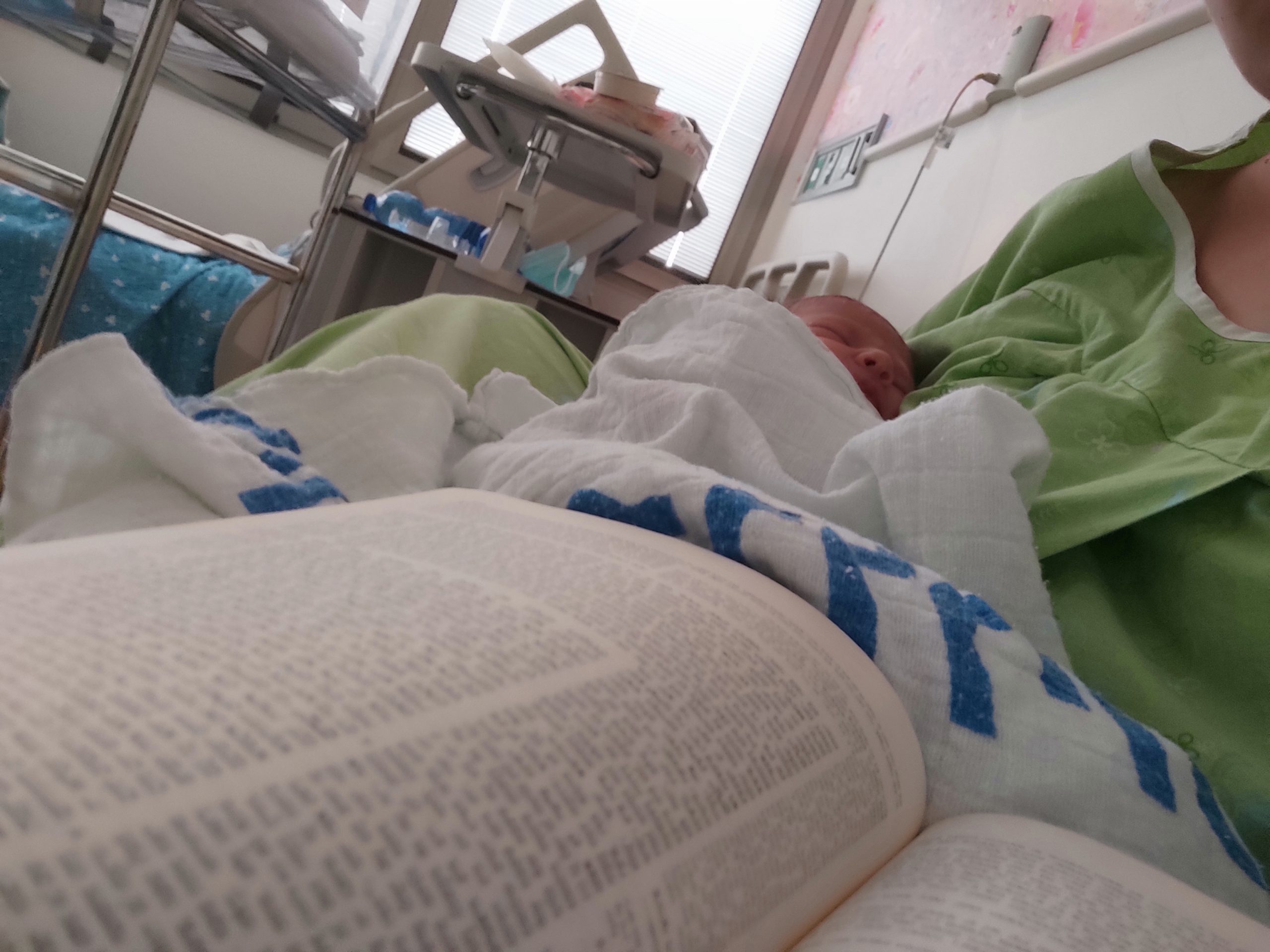
בתחילת הסבב הנוכחי הצטברו אצלי תחושות שאני לא מבינה מספיק מהי ההלכה אותה אני מקיימת בכל יום. כמו כן, כאמא לבנות רציתי לתת להן מודל נשי של לימוד תורה
שתי הסיבות האלו הובילו אותי להתחיל ללמוד. נתקלתי בתגובות מפרגנות וסקרניות איך אישה לומדת גמרא..
כמו שרואים בתמונה אני ממשיכה ללמוד גם היום ואפילו במחלקת יולדות אחרי לידת ביתי השלישית.

Noa Shiloh
נועה שילה

רבבה, ישראל

לפני 15 שנה, אחרי עשרות שנים של "ג’ינגול” בין משפחה לקריירה תובענית בהייטק, הצטרפתי לשיעורי גמרא במתן רעננה. הלימוד המעמיק והייחודי של הרבנית אושרה קורן יחד עם קבוצת הנשים המגוונת הייתה חוויה מאלפת ומעשירה. לפני כשמונה שנים כאשר מחזור הדף היומי הגיע למסכת תענית הצטרפתי כ”חברותא” לבעלי. זו השעה היומית שלנו ביחד כאשר דפי הגמרא משתלבים בחיי היום יום, משפיעים ומושפעים, וכשלא מספיקים תמיד משלימים בשבת

Yodi Askoff
יודי אסקוף

רעננה, ישראל

למדתי גמרא מכיתה ז- ט ב Maimonides School ואחרי העליה שלי בגיל 14 לימוד הגמרא, שלא היה כל כך מקובל בימים אלה, היה די ספוראדי. אחרי "ההתגלות” בבנייני האומה התחלתי ללמוד בעיקר בדרך הביתה למדתי מפוקקטסים שונים. לאט לאט ראיתי שאני תמיד חוזרת לרבנית מישל פרבר. באיזה שהוא שלב התחלתי ללמוד בזום בשעה 7:10 .
היום "אין מצב” שאני אתחיל את היום שלי ללא לימוד עם הרבנית מישל עם כוס הקפה שלי!!

selfie-scaled
דבי גביר

חשמונאים, ישראל

ראיתי את הסיום הגדול בבנייני האומה וכל כך התרשמתי ורציתי לקחת חלק.. אבל לקח לי עוד כשנה וחצי )באמצע מסיכת שבת להצטרף..
הלימוד חשוב לי מאוד.. אני תמיד במרדף אחרי הדף וגונבת כל פעם חצי דף כשהילדים עסוקים ומשלימה אח”כ אחרי שכולם הלכו לישון..

Olga Mizrahi
אולגה מזרחי

ירושלים, ישראל

התחלתי ללמוד גמרא בבית הספר בגיל צעיר והתאהבתי. המשכתי בכך כל חיי ואף היייתי מורה לגמרא בבית הספר שקד בשדה אליהו (בית הספר בו למדתי בילדותי)בתחילת מחזור דף יומי הנוכחי החלטתי להצטרף ובע”ה מקווה להתמיד ולהמשיך. אני אוהבת את המפגש עם הדף את "דרישות השלום ” שמקבלת מקשרים עם דפים אחרים שלמדתי את הסנכרון שמתחולל בין התכנים.

Ariela Bigman
אריאלה ביגמן

מעלה גלבוע, ישראל

סיום השס לנשים נתן לי מוטביציה להתחיל ללמוד דף יומי. עד אז למדתי גמרא בשבתות ועשיתי כמה סיומים. אבל לימוד יומיומי זה שונה לגמרי ופתאום כל דבר שקורה בחיים מתקשר לדף היומי.

Fogel Foundation
קרן פוגל

רתמים, ישראל

נדרים מט

הַנּוֹדֵר מִן הַמְבוּשָּׁל — מוּתָּר בְּצָלִי וּבְשָׁלוּק. אָמַר: ״קֻוֽנָּם תַּבְשִׁיל שֶׁאֵינִי טוֹעֵם״ — אָסוּר בְּמַעֲשֵׂה קְדֵרָה רַךְ, וּמוּתָּר בְּעָבֶה, וּמוּתָּר בְּבֵיצָה טוֹרְמוֹטָא וּבַדַּלַּעַת הָרְמוּצָה. הַנּוֹדֵר מִמַּעֲשֵׂה קְדֵרָה — אֵין אָסוּר אֶלָּא מִמַּעֲשֵׂה רְתַחְתָּה, אָמַר: ״קֻוֽנָּם הַיּוֹרֵד לִקְדֵרָה שֶׁאֵינִי טוֹעֵם — אָסוּר בְּכׇל הַמִּתְבַּשְּׁלִין בִּקְדֵרָה.

MISHNA: In the case of one who vows that cooked foods are forbidden to him, he is permitted to eat roasted and boiled foods, as they are not defined as cooked. If one said: Cooked food is konam for me, and for that reason I will not taste it, he is prohibited from tasting a loose cooked food but is permitted to taste a thick one, which people do not generally refer to as a cooked food. And he is likewise permitted to eat a turemuta egg and the remutza gourd, as they are not considered cooked foods either. In the case of one who vows that food cooked in a dish is forbidden to him, he is prohibited from deriving benefit only from food that is cooked by boiling it in a dish. However, if one said: That which enters into a dish is konam for me, and for that reason I will not taste it, he is prohibited from tasting anything cooked in a dish.

גְּמָ׳ תַּנְיָא: רַבִּי יֹאשִׁיָּה אוֹסֵר, וְאַף עַל פִּי שֶׁאֵין רְאָיָה לְדָבָר — זֵכֶר לַדָּבָר, שֶׁנֶּאֱמַר: ״וַיְבַשְּׁלוּ אֶת הַפֶּסַח בָּאֵשׁ כַּמִּשְׁפָּט״.

GEMARA: It is taught in a baraita: In the case of one who vowed that cooked foods are forbidden to him, Rabbi Yoshiya maintains that he is prohibited from eating roasted foods. And although there is no biblical proof of the matter, there is an allusion to the matter, as it is stated: “And they cooked the Paschal offering with fire according to the ordinance” (II Chronicles 35:13). Since the Paschal offering must be roasted, it is evident that roasting can also be referred to as cooking.

לֵימָא בְּהָא קָמִיפַּלְגִי, דְּרַבִּי יֹאשִׁיָּה סָבַר: הַלֵּךְ אַחַר לְשׁוֹן תּוֹרָה, וְתַנָּא דִילַן סָבַר: בִּנְדָרִים הַלֵּךְ אַחַר לְשׁוֹן בְּנֵי אָדָם?

The Gemara suggests: Let us say that they disagree with regard to this following principle, that Rabbi Yoshiya holds that one should follow the language of the Torah, and our tanna holds that with regard to vows one should follow the language of people.

לָא, דְּכוּלֵּי עָלְמָא בִּנְדָרִים הַלֵּךְ אַחַר לְשׁוֹן בְּנֵי אָדָם, מָר כִּי אַתְרֵיהּ וּמָר כִּי אַתְרֵיהּ. בְּאַתְרָא דְּתַנָּא דִילַן — לְצָלִי קָרוּ לֵיהּ צָלִי, וְלִמְבוּשָּׁל קָרוּ לֵיהּ מְבוּשָּׁל. בְּאַתְרָא דְּרַבִּי יֹאשִׁיָּה — אֲפִילּוּ צָלִי קָרוּ מְבוּשָּׁל.

The Gemara refutes this suggestion: No, it is possible that everyone agrees that with regard to vows one should follow the language of people. Rather, this Sage stated his opinion in accordance with the language of his locale, and this Sage stated his opinion in accordance with the language of his locale. In the locale of our tanna, roasted food is called roasted and cooked food is called cooked, and in the locale of Rabbi Yoshiya even roasted food is called cooked.

וְהָא קְרָא נָסֵיב לַהּ! אַסְמַכְתָּא בְּעָלְמָא.

The Gemara raises a difficulty: But doesn’t Rabbi Yoshiya cite a verse as proof for his opinion, which shows that his opinion is not based on the vernacular? The Gemara answers: The verse is cited as a mere support for his opinion, as implied by his statement that the verse is only an allusion, not a full proof.

קֻוֽנָּם תַּבְשִׁיל כּוּ׳. וְהָא מִתַּבְשִׁיל נְדַר!

It is stated in the mishna that one who said: A cooked food is konam for me and for that reason I will not taste it, he is prohibited from tasting a loose cooked food but is permitted to taste a thick one. The Gemara asks: Why is he permitted to eat it? But didn’t he vow that a cooked food, which includes one that is thick, is forbidden to him?

אָמַר אַבָּיֵי: הַאי תַּנָּא כֹּל מִידֵּי דְּמִתְאֲכֵל בֵּיהּ רִיפְתָּא — תַּבְשִׁיל קָרוּ לֵיהּ. וְהָתַנְיָא: הַנּוֹדֵר מִן הַתַּבְשִׁיל — אָסוּר בְּכׇל מִינֵי תַּבְשִׁיל, וְאָסוּר בְּצָלִי וּבְשָׁלוּק וּבִמְבוּשָּׁל, וְאָסוּר בְּהִיטְרִיּוֹת רַכּוֹת שֶׁהַחוֹלִין אוֹכְלִין בָּהֶן פִּיתָּן.

Abaye said: This tanna maintains that anything with which bread is eaten is called a cooked food, whereas a thick dish is eaten without bread. And it is taught likewise in a baraita: One who vows that a cooked food is forbidden to him is prohibited from eating all types of cooked foods, and he is therefore prohibited from eating roasted, boiled, and cooked foods. And he is also prohibited from eating soft gourds [hiteriyyot], with which the sick eat their bread. This indicates that a cooked food is one eaten with bread.

אִינִי?! וְהָא רַבִּי יִרְמְיָה חֲלַשׁ, עַל לְגַבֵּיהּ הָהוּא אָסְיָא לְאַסּוֹיֵהּ, חֲזָא קַרָא דְּמַחֵת בְּבֵיתֵיהּ, שַׁבְקֵיהּ וּנְפַק. אֲמַר: מַלְאַךְ מוֹתָא אִית לֵיהּ לְדֵין בְּבֵיתֵיהּ, וַאֲנָא אֵיעוּל לְאַסָּאָה יָתֵיהּ?!

The Gemara asks: Is that so, that the sick eat gourds? But Rabbi Yirmeya fell ill, and a certain doctor came to him to heal him. He saw a gourd that was placed in his house, and he left Rabbi Yirmeya and exited the house and said: This person has an angel of death, a gourd, in his house, and I will enter to heal him? This incident teaches that gourds are detrimental for the sick.

לָא קַשְׁיָא: הָא — בְּרַכִּיכֵי, הָא — בְּאַשּׁוּנֵי. רָבָא בַּר עוּלָּא אָמַר: הָא — בְּקַרָא גּוּפֵיהּ, וְהָא — בְּגַוֵּויהּ דִּקְרָא. דְּאָמַר רַב יְהוּדָה: לוּלִיבָּא דְקַרָא בְּסִילְקָא, לוּלִיבָּא דְכִיתָּנָא בְּכוּתָּחָא. וְדָבָר זֶה אָסוּר לְאוֹמְרוֹ בִּפְנֵי עַם הָאָרֶץ.

The Gemara responds: This is not difficult. This baraita is referring to soft gourds, which are beneficial to the sick, and this incident is referring to hard ones, which are detrimental. Rava bar Ulla said a different answer: This incident is referring to the gourd itself, which is detrimental, and this baraita is referring to the innards [luliva] of the gourd, as Rav Yehuda said: The innards of the gourd are best eaten with chard; the innards of flax seeds are best eaten with kuteḥa, a dip made from bread crumbs and sour milk. And one may not say this matter in the presence of an ignoramus, so that ignoramuses do not uproot flax for consumption of its seeds.

רָבָא אָמַר: מַאן חוֹלִין — רַבָּנַן. רָבָא לְטַעְמֵיהּ, דְּאָמַר רָבָא:

Rava said a different response: Who are the sick mentioned in the baraita, for whom a gourd is beneficial? They are the Sages, who are weakened by their toil in the study of Torah and their abstention from worldly pleasures, although they are not actually sick. Therefore, there is no contradiction. Gourds are harmful for people who are actually sick. The Gemara comments: Rava conforms to his standard line of reasoning, as Rava said:

כְּמַאן מְצַלִּינַן עַל קְצִירֵי וְעַל מְרִיעֵי [כְּמַאן — כְּרַבִּי יוֹסֵי]. מִדְּאָמַר קְצִירֵי וּמְרִיעֵי, שְׁמַע מִינַּהּ: קְצִירֵי — קְצִירֵי מַמָּשׁ, מְרִיעֵי — רַבָּנַן.

In accordance with whose opinion do we pray every day for the sick and for the suffering? In accordance with whose opinion? In accordance with the opinion of Rabbi Yosei, who holds that one is judged every day, not only on Rosh HaShana, and therefore it is appropriate to pray for people every day. From the fact that he said: The sick and the suffering, one can learn from his statement that the term: The sick, is referring to actual sick people, while the term: The suffering, is referring to the Sages, who typically are physically frail.

וּמוּתָּר בְּעָבָה. מַתְנִיתִין דְּלָא כְּבַבְלָאֵי, דְּאָמַר רַבִּי זֵירָא: בַּבְלָאֵי טַפְשָׁאֵי, דְּאָכְלִי לַחְמָא בְּלַחְמָא.

§ It is stated in the mishna that one who vowed that loose cooked food is forbidden to him is permitted to taste a thick cooked food. The Gemara comments: The mishna is not in accordance with the custom of the Babylonians, as Rabbi Zeira said: Babylonians are foolish, as they eat bread with bread. They eat thick porridge with their bread, which is essentially eating one kind of bread with another. According to their custom, one who vows that cooked foods are forbidden to him is prohibited from eating even a thick cooked food.

אָמַר רַב חִסְדָּא: דִּמְשַׁאֵיל לְהוֹן לְהָלֵין נַקְדָּנֵי דְּהוּצַל: הָדֵין דַּיְיסָא, הֵיכֵין מְעַלֵּי לְמֵיכְלַהּ? דְּחִיטֵּי — בְּלַחְמָא דְחִיטֵּי, וְדִשְׂעָרֵי — בְּלַחְמָא דִשְׂעָרֵי, אוֹ דִּלְמָא: דְּחִיטֵּי — בְּדִשְׂעָרֵי, וְדִשְׂעָרֵי — בִּדְחִיטֵּי?

In that context, Rav Ḥisda said that those fastidious residents of Huzal, Babylonia were asked: How is it best to eat this porridge? Should wheat porridge be eaten with wheat bread and barley porridge with barley bread, or perhaps wheat porridge should be eaten with barley bread and barley porridge with wheat bread?

רָבָא אַכְלֵיהּ בַּחֲסִיסֵי. רַבָּה בַּר רַב הוּנָא אַשְׁכְּחֵיהּ לְרַב הוּנָא דְּקָאָכֵיל דַּיְיסָא בְּאֶצְבְּעָתֵיהּ. אֲמַר לֵיהּ: אַמַּאי קָאָכֵיל מָר בִּידֵיהּ? אֲמַר לֵיהּ: הָכִי אָמַר רַב: דַּיְיסָא בְּאֶצְבְּעָתָא בְּסִים, וְכֹל דְּכֵן בְּתַרְתֵּין, וְכֹל דְּכֵן בִּתְלָת.

The Gemara relates: Rava would eat his bread with ḥasisei, a porridge made of toasted barley grains. Rabba, son of Rav Huna, found Rav Huna eating porridge with his fingers. He said to him: Why is the Master eating with his hands? Rav Huna said to him: This is what Rav said: Porridge eaten with a finger is tasty, and all the more so if it is eaten with two fingers, and all the more so with three. It is more enjoyable to eat porridge with your hands.

אֲמַר לֵיהּ רַב לְחִיָּיא בְּרֵיהּ, וְכֵן אֲמַר לֵיהּ רַב הוּנָא לְרַבָּה בְּרֵיהּ: מְזַמְּנִים לָךְ לְמֵיכַל דַּיְיסָא עַד פַּרְסָה. לְמֵיכַל בִּישְׂרָא דְתוֹרָא עַד תְּלָתָא פַּרְסִין. אֲמַר לֵיהּ רַב לְחִיָּיא בְּרֵיהּ, וְכֵן אֲמַר לֵיהּ רַב הוּנָא לְרַבָּה בְּרֵיהּ: כֹּל מִידַּעַם לָא תִּפְלוֹט קַמֵּיהּ רַבָּךְ, לְבַר מִן קַרָא וְדַיְיסָא, שֶׁהֵן דּוֹמִין לִפְתִילְתָּא שֶׁל אֲבָר, וַאֲפִילּוּ קַמֵּי שַׁבּוּר מַלְכָּא פְּלוֹט.

Rav said to his son Ḥiyya, and Rav Huna similarly said to his son Rabba: If you are invited to eat porridge, for such a meal you should travel up to the distance of a parasang [parsa]. If you are invited to eat ox meat, you should travel up to three parasangs. Rav said to his son Ḥiyya, and Rav Huna similarly said to his son Rabba: You should not spit out anything before your teacher, as this is disrespectful, apart from gourd and porridge, as they are like a burning lead wick in the intestines when they cannot be digested, and therefore spit them out even before King Shapur, due to the danger involved.

רַבִּי יוֹסֵי וְרַבִּי יְהוּדָה, חַד אָכֵיל דַּיְיסָא בְּאֶצְבְּעָתֵיהּ וְחַד אָכֵיל בְּהוּצָא. אֲמַר לֵיהּ דְּאָכֵיל בְּהוּצָא לִדְאָכֵיל בְּאֶצְבְּעָתֵיהּ: עַד מָתַי אַתָּה מַאֲכִילֵנִי צוֹאָתְךָ! אֲמַר לֵיהּ דְּאָכֵיל בְּאֶצְבְּעָתֵיהּ לִדְאָכֵיל בְּהוּצָא: עַד מָתַי אַתָּה מַאֲכִילֵנִי רוּקְּךָ!

The Gemara relates more incidents: Rabbi Yosei and Rabbi Yehuda dined together. One of them ate porridge with his fingers, and the other one ate with a fork [hutza]. The one who was eating with a fork said to the one who was eating with his fingers: For how long will you keep feeding me your filth? Must I keep eating off of your dirty fingernails? The one who was eating with his fingers said to the one who was eating with a fork: For how long will you keep feeding me your spittle, as you eat with a fork which you then put back in the common bowl.

רַבִּי יְהוּדָה וְרַבִּי שִׁמְעוֹן אַיְיתוֹ לְקַמַּיְיהוּ בְּלוּסְפִיין. רַבִּי יְהוּדָה אֲכַל, רַבִּי שִׁמְעוֹן לָא אֲכַל. אֲמַר לֵיהּ רַבִּי יְהוּדָה: מַאי טַעְמָא לָא אָכֵיל מָר? אֲמַר לֵיהּ רַבִּי שִׁמְעוֹן: אֵלּוּ אֵין יוֹצְאִין מִבְּנֵי מֵעַיִם כׇּל עִיקָּר. אֲמַר לֵיהּ רַבִּי יְהוּדָה: כׇּל שֶׁכֵּן שֶׁנִּסְמוֹךְ עֲלֵיהֶן לְמָחָר.

Belospayin, a type of figs, were brought before Rabbi Yehuda and Rabbi Shimon. Rabbi Yehuda ate them, but Rabbi Shimon did not eat them. Rabbi Yehuda said to him: What is the reason that the Master is not eating? Rabbi Shimon said to him: These do not leave the intestines at all. They remain undigested. Rabbi Yehuda said to him: If so, all the more that one can rely on them to feel full tomorrow.

רַבִּי יְהוּדָה הֲוָה יָתֵיב קַמֵּיהּ דְּרַבִּי טַרְפוֹן. אֲמַר לֵיהּ רַבִּי טַרְפוֹן: הַיּוֹם פָּנֶיךָ צְהוּבִּין. אֲמַר לֵיהּ: אֶמֶשׁ יָצְאוּ עֲבָדֶיךָ לַשָּׂדֶה, וְהֵבִיאוּ לָנוּ תְּרָדִין, וַאֲכַלְנוּם בְּלֹא מֶלַח. וְאִם אֲכַלְנוּם בְּמֶלַח — כׇּל שֶׁכֵּן שֶׁהָיוּ פָּנֵינוּ צְהוּבִּין.

Rabbi Yehuda was sitting before Rabbi Tarfon. Rabbi Tarfon said to him: Your face today is ruddy, i.e., a rosy, healthy color. Rabbi Yehuda said to him: Last night your servants, i.e., we students, went out to the field, and beets were brought to us, and we ate them without salt. This is the reason for our healthy complexion. And had we eaten them with salt, all the more so would our faces have been ruddy.

אֲמַרָה הָהִיא מַטְרוֹנִיתָא לְרַבִּי יְהוּדָה: מוֹרֶה וְרָוֵי? אֲמַר לַהּ: הֵימָנוּתָא בִּידָא דְּהָהִיא אִיתְּתָא, אִי טָעֵימְנָא אֶלָּא קִידּוּשָׁא וְאַבְדָּלְתָּא וְאַרְבְּעָה כָּסֵי דְפִסְחָא, וְחוֹגְרַנִי צִידְעַי מִן הַפֶּסַח עַד הָעֲצֶרֶת, אֶלָּא: ״חׇכְמַת אָדָם תָּאִיר פָּנָיו״.

The Gemara cites related incidents: A certain gentile lady [matronita] said to Rabbi Yehuda, whose face was ruddy: How can one teach the Jews and be a drunk at the same time? He said to her: I place my integrity in the hands of this woman and should no longer be deemed credible if I ever taste any wine except for that of kiddush, havdala, and the four cups of Passover. And after I drink those four cups I tie my temples from Passover to Shavuot, as wine gives me a headache. Rather, my complexion is explained by the verse “A man’s wisdom makes his face to shine” (Ecclesiastes 8:1).

אֲמַר לֵיהּ הָהוּא מִינָא לְרַבִּי יְהוּדָה: פָּנֶיךָ דּוֹמִין אִי כְּמַלְוֵי רִבִּית אִי כִּמְגַדְּלֵי חֲזִירִין. אֲמַר לֵיהּ: בִּיהוּדָאֵי תַּרְוַיְיהוּ אֲסִירָן. אֶלָּא — עֶשְׂרִים וְאַרְבָּעָה בֵּית הַכִּסֵּא אִית לִי מִן בֵּיתָא עַד בֵּי מִדְרְשָׁא, וְכׇל שָׁעָה וְשָׁעָה אֲנִי נִכְנָס לְכׇל אֶחָד וְאֶחָד.

A certain heretic said to Rabbi Yehuda: Your face is similar either to usurers or to pig breeders. These people would earn a good living without expending much energy, which gave them plump, healthy complexions. Rabbi Yehuda said to him: Both of these occupations are prohibited to Jews. Rather, my face is ruddy because I have twenty-four bathrooms on the way from my home to the study hall, and all the time I enter each and every one of them. He did not suffer from constipation, which had a beneficial effect on his complexion.

רַבִּי יְהוּדָה כַּד אָזֵיל לְבֵי מִדְרְשָׁא שָׁקֵיל גּוּלְפָּא עַל כַּתְפֵּיהּ, אָמַר: גְּדוֹלָה מְלָאכָה שֶׁמְּכַבֶּדֶת אֶת בְּעָלֶיהָ. רַבִּי שִׁמְעוֹן שָׁקֵיל צַנָּא עַל כַּתְפֵּיהּ, אָמַר: גְּדוֹלָה מְלָאכָה שֶׁמְּכַבֶּדֶת אֶת בְּעָלֶיהָ.

§ The Gemara relates: When Rabbi Yehuda would go to the study hall he would carry a pitcher [gulefa] on his shoulder to sit on, saying: Labor is great, as it brings honor to the laborer who performs it. It brought him honor by enabling him to avoid sitting on the floor of the study hall. Similarly, Rabbi Shimon would carry a basket on his shoulder, saying: Labor is great, as it brings honor to the laborer who performs it.

דְּבֵיתְהוּ דְּרַבִּי יְהוּדָה נְפַקַת, נְקַטַת עַמְרָא, עֲבַדָה גְּלִימָא דְּהוּטְבֵי. כַּד נְפַקַת לְשׁוּקָא מִיכַּסְּיָא בֵּיהּ, וְכַד נָפֵיק רַבִּי יְהוּדָה לְצַלּוֹיֵי הֲוָה מִכַּסֵּי וּמְצַלֵּי. וְכַד מִיכַּסֵּי בֵּיהּ הֲוָה מְבָרַךְ ״בָּרוּךְ שֶׁעָטַנִי מְעִיל״.

The Gemara further relates: Rabbi Yehuda’s wife went out to the market, collected wool, and made a thick [hutevei] cloak. When she would go out to the market she would cover herself with it, and when Rabbi Yehuda would go out to pray he would cover himself with the cloak and pray. And when he would cover himself with it he would recite the blessing: Blessed is He who wrapped me in a coat, as he took much pleasure in it.

זִימְנָא חֲדָא גְּזַר רַבָּן שִׁמְעוֹן בֶּן גַּמְלִיאֵל תַּעֲנִיתָא, רַבִּי יְהוּדָה לָא אֲתָא לְבֵי תַעֲנִיתָא. אָמְרִין לֵיהּ: לָא אִית לֵיהּ כִּסּוּיָא. שַׁדַּר לֵיהּ גְּלִימָא וְלָא קַבֵּיל.

On one occasion Rabban Shimon ben Gamliel, the Nasi, decreed a fast. Rabbi Yehuda did not come to the house of the fast, where everyone gathered. The people said to Rabban Shimon ben Gamliel: Rabbi Yehuda does not have a dignified garment to cover himself with, and therefore he shies away from public events. Rabban Shimon ben Gamliel sent him a cloak of his own, but Rabbi Yehuda did not accept this gift.

רוצה לעקוב אחרי התכנים ולהמשיך ללמוד?

ביצירת חשבון עוד היום ניתן לעקוב אחרי ההתקדמות שלך, לסמן מה למדת, ולעקוב אחרי השיעורים שמעניינים אותך.

לנקות את כל הפריטים מהרשימה?

פעולה זו תסיר את כל הפריטים בחלק זה כולל ההתקדמות וההיסטוריה. שימי לב: לא ניתן לשחזר פעולה זו.

ביטול
מחיקה

האם את/ה בטוח/ה שברצונך למחוק פריט זה?

תאבד/י את כל ההתקדמות או ההיסטוריה הקשורות לפריט זה.

ביטול
מחיקה