







יש שלוש הבנות שונות בדברי ר’ מאיר שמפלת במין בהמה חיה ועוף, דינה כטמאה לידה. האם אשה יכולה להוליד דבר שדומה לבהמה? מה אם בהמה יולדת דבר שדומה לאדם? באיזה מקרים חולקים חכמים ורבי מאיר – האם זה כשרוב הפנים נראים כמו אדם או מקצת מהפנים? האם זה תלוי איזה חלקים?
הלימוד החודש מוקדש ע”י מרכי גלזר לע”נ רחל אביבה בת דבורה חנה
רוצה להקדיש שיעור?
English
עברית

0:00
0:00
0:00
0:00
כלים
הלימוד החודש מוקדש ע”י מרכי גלזר לע”נ רחל אביבה בת דבורה חנה
נדה כג
וְיָלְפִינַן מוּפְנָה מִשְּׁנֵי צְדָדִין. וּלְהָכִי אַפְנְיֵהּ רַחֲמָנָא לִבְהֵמָה מִשְּׁנֵי צְדָדִין, כִּי הֵיכִי דְּלָא נִגְמַר מִן מוּפְנָה מִצַּד אֶחָד.
and derive the halakha from the analogy that is free on both sides. And it is for this reason that the Merciful One rendered the verbal analogy between animal and man free on both sides, so that one would not derive the halakha from the verbal analogy between sea monster and man, which is free on only one side.
רַב אַחָא בְּרֵיהּ דְּרָבָא מַתְנֵי לַהּ מִשְּׁמֵיהּ דְּרַבִּי אֶלְעָזָר לְקוּלָּא: כׇּל גְּזֵרָה שָׁוָה שֶׁאֵינָהּ מוּפְנָה כׇּל עִיקָּר — לְמֵדִין וּמְשִׁיבִין, מוּפְנָה מִצַּד אֶחָד — לְרַבִּי יִשְׁמָעֵאל לְמֵדִין וְאֵין מְשִׁיבִין, לְרַבָּנַן לְמֵדִין וּמְשִׁיבִין, מוּפְנָה מִשְּׁנֵי צְדָדִין — דִּבְרֵי הַכֹּל לְמֵדִין וְאֵין מְשִׁיבִין.
Rav Aḥa, son of Rava, teaches in the name of Rabbi Elazar a more lenient version of the aforementioned principle of exegesis of verbal analogy: With regard to any verbal analogy that is not free at all, one can derive halakhot from it, but one can also refute it logically. If the verbal analogy is free on one side, according to Rabbi Yishmael one can derive halakhot from it, and one cannot refute it. According to the Rabbis, one can derive halakhot from it, but one can also refute it. If the verbal analogy is free on both sides, everyone agrees that one can derive halakhot from it and one cannot refute it.
וּלְרַבָּנַן, מַאי אִיכָּא בֵּין מוּפְנָה מִצַּד אֶחָד לְשֶׁאֵינָהּ מוּפְנָה כׇּל עִיקָּר?
The Gemara asks: But if so, according to the Rabbis, what difference is there between a verbal analogy that is free on one side and one that is not free at all? In both cases, the Rabbis hold that one can derive halakhot from such a verbal analogy but one can also refute it.
נָפְקָא מִינַּהּ הֵיכָא דְּמַשְׁכַּחַתְּ לַהּ מוּפְנָה מִצַּד אֶחָד, וְשֶׁאֵינָהּ מוּפְנָה כׇּל עִיקָּר, וְלָאו לְהַאי אִית לֵיהּ פִּירְכָא, וְלָאו לְהַאי אִית לֵיהּ פִּירְכָא — שָׁבְקִינַן שֶׁאֵינָהּ מוּפְנָה כׇּל עִיקָּר, וְגָמְרִינַן מִמּוּפְנָה מִצַּד אֶחָד.
The Gemara answers: The difference is in a case where you find two mutually exclusive verbal analogies, one that is free on one side and one that is not free at all, and neither does this one have a logical refutation nor does that one have a logical refutation. In such a case, we disregard the analogy that is not free at all, and we derive the halakha from the one that is free on one side.
וְהָכָא, מַאי פִּירְכָא אִיכָּא? מִשּׁוּם דְּאִיכָּא לְמִיפְרַךְ: מָה לְאָדָם, שֶׁכֵּן מִטַּמֵּא מֵחַיִּים.
The Gemara asks: And here, with regard to the verbal analogy between man and sea monster, which was rejected because it is free on only one side, what logical refutation is there on account of which this verbal analogy is rejected? The Gemara answers: The verbal analogy between man and sea monster is rejected because it can be refuted as follows: What is unique about man? Man is unique in that a person can become impure while he is alive, unlike an animal, which can become impure only after it dies, or a sea monster, which cannot become impure at all.
וְכֵן אָמַר רַבִּי חִיָּיא בַּר אַבָּא אָמַר רַבִּי יוֹחָנָן: הַיְינוּ טַעְמָא דְּרַבִּי מֵאִיר — הוֹאִיל וְנֶאֶמְרָה בּוֹ ״יְצִירָה״ כְּאָדָם.
And likewise, Rabbi Ḥiyya bar Abba said that Rabbi Yoḥanan said: This is the reason for the opinion of Rabbi Meir, that a woman who discharges an item similar to a domesticated animal, an undomesticated animal, or a bird is impure: It is because formation is stated with regard to the creation of these animals, just as it is stated with regard to the creation of man.
אֲמַר לֵיהּ רַבִּי אַמֵּי: אֶלָּא מֵעַתָּה הַמַּפֶּלֶת דְּמוּת הַר — אִמּוֹ טְמֵאָה לֵידָה, שֶׁנֶּאֱמַר ״כִּי הִנֵּה יוֹצֵר הָרִים וּבוֹרֵא רוּחַ״? אֲמַר לֵיהּ: הַר מִי קָא מַפְּלָה? אֶבֶן הִיא דְּקָא מַפְּלָה, הָהוּא ״גּוּשׁ״ אִיקְּרִי.
Rabbi Ami said to him: If that is so, then in the case of a woman who discharges an item that has the shape of a mountain, its mother should be impure with the impurity of a woman after childbirth, as it is stated with regard to the creation of mountains: “For He Who forms the mountains and creates the wind” (Amos 4:13). Rabbi Ḥiyya bar Abba said to him: Does she discharge a mountain? The discharged item cannot possibly be that large. It is an item with the form of a stone that she discharges, and that is called a clod, not a mountain.
אֶלָּא מֵעַתָּה הַמַּפֶּלֶת רוּחַ — תְּהֵא אִמּוֹ טְמֵאָה לֵידָה, הוֹאִיל וְנֶאֶמְרָה בּוֹ ״בְּרִיאָה״ כְּאָדָם, דִּכְתִיב ״וּבוֹרֵא רוּחַ״? וְכִי תֵימָא לֹא מוּפְנֶה, מִדַּהֲוָה לֵיהּ לְמִכְתַּב ״יוֹצֵר הָרִים וְרוּחַ״, וּכְתִיב ״וּבוֹרֵא רוּחַ״, שְׁמַע מִינַּהּ לְאַפְנוֹיֵי!
Rabbi Ami further inquired: If that is so, in the case of a woman who discharges an item having an amorphous form [ruaḥ], its mother should be impure with the impurity of a woman after childbirth, since creation is stated with regard to it, just as it is stated with regard to man, as it is written: “And creates the wind [ruaḥ].” And if you would say that no verbal analogy can be drawn here, because the verse is not free, i.e., it is not superfluous, as it is necessary to recount the creation of the wind, that is not so. Rabbi Ami explains: From the fact that the verse could have written: Who forms the mountains and the wind, and instead it is written: “Who forms the mountains and creates the wind,” conclude from it that the superfluous word “creates” serves to render it free for drawing a verbal analogy between ruaḥ and man.
אֲמַר לֵיהּ: דָּנִין דִבְרֵי תוֹרָה מִדִּבְרֵי תוֹרָה, וְאֵין דָּנִין דִבְרֵי תוֹרָה מִדִּבְרֵי קַבָּלָה.
Rabbi Ḥiyya bar Abba said to Rabbi Ami: One derives matters that are stated in the Torah from matters that are stated in the Torah, i.e., from verses in the Torah, but one does not derive matters that are stated in the Torah from the words of the tradition, i.e., verses in the Prophets or the Writings, such as the verse in Amos.
(אָמַר) רַבָּה בַּר בַּר חַנָּה, אָמַר רַבִּי יוֹחָנָן: הַיְינוּ טַעְמָא דְּרַבִּי מֵאִיר — הוֹאִיל וְעֵינֵיהֶם דּוֹמוֹת כְּשֶׁל אָדָם.
§ Rabba bar bar Ḥana said that Rabbi Yoḥanan said: This is the reason for the opinion of Rabbi Meir: Since the eyes of these animals are similar to those of a human, a woman who discharges an item of that type is impure.
אֶלָּא מֵעַתָּה, הַמַּפֶּלֶת דְּמוּת נָחָשׁ תְּהֵא אִמּוֹ טְמֵאָה לֵידָה, הוֹאִיל וְגַלְגַּל עֵינוֹ עָגוֹלה כְּשֶׁל אָדָם! וְכִי תֵימָא הָכִי נָמֵי, לִיתְנֵי נָחָשׁ!
The Gemara objects: If that is so, then in the case of a woman who discharges an item that has the form of a snake, its mother should likewise be impure with the impurity of a woman after childbirth, since the pupil of a snake is round, like that of a human. And if you would say that indeed, this is the halakha, then let the mishna teach this case of a woman who discharges an item that has the form of a snake among the other cases where the woman discharges an item of an unusual form.
אִי תְּנָא נָחָשׁ, הֲוָה אָמֵינָא: בְּנָחָשׁ הוּא דִּפְלִיגִי רַבָּנַן עֲלֵיהּ דְּרַבִּי מֵאִיר, דְּלָא כְּתִיב בֵּיהּ ״יְצִירָה״, אֲבָל בְּהֵמָה וְחַיָּה — לָא פְּלִיגִי, דִּכְתִיבָא (ביה) [בְּיהוּ] ״יְצִירָה״.
The Gemara explains: If the mishna had taught the case of a snake, I would say that it is only in the case of a woman who discharges an item having the form of a snake that the Rabbis disagree with Rabbi Meir and rule that the woman is not impure, as a term of formation is not written with regard to the creation of the snake. But with regard to a woman who discharges an item having the form of a domesticated animal or an undomesticated animal, they do not disagree with Rabbi Meir, as the concept of formation is written with regard to them.
וְהָא גַּבֵּי מוּמִין קָתָנֵי לַהּ: אֶת שֶׁגַּלְגַּל עֵינוֹ עָגוֹל כְּשֶׁל אָדָם! לָא קַשְׁיָא — הָא בְּאוּכָּמָא, הָא בְּצִירְיָא.
The Gemara raises a difficulty: But with regard to the halakhot of blemishes that render the slaughter of a firstborn animal permitted, it is taught in a mishna (Bekhorot 40a) that an animal whose pupil is round like that of a human is considered blemished. Evidently, the eyes of animals are dissimilar to those of humans. The Gemara answers that it is not difficult; this statement, that the eyes of animals are similar to those of humans, is referring to the pupil, and that statement, that the eyes of animals are not similar to those of humans, is referring to the entire eyeball in the socket.
רַבִּי יַנַּאי אָמַר: הַיְינוּ טַעְמָא דְּרַבִּי מֵאִיר — הוֹאִיל וְעֵינֵיהֶם הוֹלְכוֹת לִפְנֵיהֶם כְּשֶׁל אָדָם. וַהֲרֵי עוֹף, דְּאֵין עֵינָיו הוֹלְכוֹת לְפָנָיו, וְקָאָמַר רַבִּי מֵאִיר דְּטָמֵא! אָמַר אַבָּיֵי: בְּקַרְיָא וְקִיפוֹפָא, וּבִשְׁאָר עוֹפוֹת — לָא.
§ Rabbi Yannai said: This is the reason for the opinion of Rabbi Meir: It is because the eyes of these animals are fixed in the front of their heads like those of a human, unlike the eyes of birds and snakes, a woman who discharges an item of that kind is impure. The Gemara raises a difficulty: But there is the case of a woman who discharges an item similar to a bird, whose eyes are not fixed in the front of its head, and nevertheless Rabbi Meir says that the woman is impure. This apparently contradicts Rabbi Yannai’s explanation. Abaye said: Rabbi Meir is referring to the little owl [bekarya] and the great owl [vekifofa], whose eyes are fixed in the front of their heads, but in the case of a woman who discharges any of the other species of birds, Rabbi Meir does not deem her impure.
מֵיתִיבִי: רַבִּי חֲנִינָא בֶּן אַנְטִיגְנוֹס אוֹמֵר: נִרְאִין דִּבְרֵי רַבִּי מֵאִיר בִּבְהֵמָה וְחַיָּה, וְדִבְרֵי חֲכָמִים בְּעוֹפוֹת.
The Gemara raises an objection to this answer from a baraita: Rabbi Ḥanina ben Antigonus says: The statement of Rabbi Meir seems correct in the case of a woman who discharges the form of a domesticated animal or an undomesticated animal, and the statement of the Rabbis seems correct in the case of birds.
מַאי עוֹפוֹת? אִילֵּימָא בְּקַרְיָא וְקִיפוֹפָא, מַאי שְׁנָא בְּהֵמָה וְחַיָּה דְּעֵינֵיהֶן הוֹלְכוֹת לִפְנֵיהֶן כְּשֶׁל אָדָם? קַרְיָא וְקִיפוֹפָא נָמֵי!
The Gemara asks: To what birds is Rabbi Ḥanina ben Antigonus referring? If we say he is referring to the little owl and the great owl, what is the difference between this case and the cases of a domesticated animal or an undomesticated animal, with regard to which Rabbi Ḥanina ben Antigonus accepts the opinion of Rabbi Meir? If the key factor is that their eyes are fixed in the front of their heads like those of a human, Rabbi Ḥanina ben Antigonus should accept the opinion of Rabbi Meir in the case of a little owl or a great owl as well, as their eyes are also fixed in the front of their heads.
אֶלָּא פְּשִׁיטָא בִּשְׁאָר עוֹפוֹת. מִכְּלָל דְּרַבִּי מֵאִיר פְּלִיג בִּשְׁאָר עוֹפוֹת!
Rather, it is obvious that when Rabbi Ḥanina ben Antigonus says that he does not accept the opinion of Rabbi Meir, he is referring to the other species of birds. From the fact that it is necessary for Rabbi Ḥanina ben Antigonus to reject Rabbi Meir’s opinion in those cases, it may be concluded that Rabbi Meir himself disagrees with the Rabbis with regard to the other species of birds as well, despite the fact that their eyes are not fixed in the front of their heads.
חַסּוֹרֵי מִיחַסְּרָא וְהָכִי קָתָנֵי: רַבִּי חֲנִינָא בֶּן אַנְטִיגְנוֹס אוֹמֵר — נִרְאִין דִּבְרֵי רַבִּי מֵאִיר בִּבְהֵמָה וְחַיָּה, וְהוּא הַדִּין לְקַרְיָא וְקִיפוֹפָא, וְדִבְרֵי חֲכָמִים בִּשְׁאָר עוֹפוֹת, שֶׁאַף רַבִּי מֵאִיר לֹא נֶחְלַק עִמָּהֶם אֶלָּא בְּקַרְיָא וְקִיפוֹפָא, אֲבָל בִּשְׁאָר עוֹפוֹת — מוֹדֵי לְהוּ.
The Gemara explains that the baraita is incomplete, and this is what it is teaching: Rabbi Ḥanina ben Antigonus says: The statement of Rabbi Meir seems correct in the case of a domesticated animal or an undomesticated animal, and the same is true with regard to a little owl or a great owl. And the statement of the Rabbis appears correct even to Rabbi Meir with regard to the other species of birds. The reason is that even Rabbi Meir agrees that if a woman discharges an item that has the form of one of the other species of birds, she is not impure, i.e., he disagrees with them only with regard to a little owl or a great owl, but he concedes to their opinion with regard to the other species of birds.
וְהָתַנְיָא: אָמַר רַבִּי אֶלְעָזָר בְּרַבִּי צָדוֹק: הַמַּפֶּלֶת מִין בְּהֵמָה וְחַיָּה, לְדִבְרֵי רַבִּי מֵאִיר — וָלָד, וּלְדִבְרֵי חֲכָמִים — אֵינוֹ וָלָד. בְּעוֹפוֹת — תִּיבָּדֵק.
The Gemara cites proof for Abaye’s claim that Rabbi Meir differentiates between an owl and other species of birds, as it is taught in a baraita that Rabbi Elazar, son of Rabbi Tzadok, says: In the case of a woman who discharges an item that has the form of a type of domesticated animal or undomesticated animal, according to the statement of Rabbi Meir it has the halakhic status of a full-fledged offspring, and according to the statement of the Rabbis, it does not have the status of a full-fledged offspring. In the case of a woman who discharges an item that has the form of birds, it must be examined.
לְמַאן תִּיבָּדֵק? לָאו לְדִבְרֵי רַבִּי מֵאִיר, דְּאָמַר: קַרְיָא וְקִיפוֹפָא — אִין, שְׁאָר עוֹפוֹת — לָא?
The Gemara asks: According to whom must it be examined? Is this not referring to the statement of Rabbi Meir, who said that if a woman discharges an item that has the form of a little owl or a great owl, yes, she is impure, but if she discharges an item that has the form of other birds, she is not impure? Consequently, the item must be examined to determine what type of bird it resembles.
אָמַר רַב אַחָא בְּרֵיהּ דְּרַב אִיקָא: לָא, תִּיבָּדֵק לְרַבָּנַן, דְּאָמְרִי: קַרְיָא וְקִיפוֹפָא — אִין, שְׁאָר עוֹפוֹת — לָא.
Rav Aḥa, son of Rav Ika, said: No, this baraita does not prove that Rabbi Meir differentiates between owls and other species of birds, as perhaps the statement that the discharged item must be examined applies according to the Rabbis, as they say that if a woman discharges an item that has the form of a little owl or a great owl, yes, she is impure, but if a woman discharges an item that has the form of other birds, she is not impure.
וּמַאי שְׁנָא קַרְיָא וְקִיפוֹפָא מִבְּהֵמָה וְחַיָּה? הוֹאִיל וְיֵשׁ לָהֶן לְסָתוֹת כְּאָדָם.
The Gemara asks: But if the Rabbis hold that a woman who discharges an item similar to a land animal is not impure, why would they hold that if she discharges an item that has the form of owls she is impure? What is the difference between a little owl and a great owl on the one hand, and a domesticated animal and an undomesticated animal on the other? The Gemara answers: Since owls have cheeks like those of a human, therefore a woman who discharges an item similar to an owl is impure, whereas if she discharges an item that has the form of a land animal she is pure, despite the fact that their eyes are fixed in the front of their heads.
בְּעָא מִינֵּיהּ רַבִּי יִרְמְיָה מֵרַבִּי זֵירָא: לְרַבִּי מֵאִיר דְּאָמַר בְּהֵמָה בִּמְעֵי אִשָּׁה וָלָד מְעַלְּיָא הוּא, קִבֵּל בָּהּ אָבִיהָ קִידּוּשִׁין מַהוּ? לְמַאי נָפְקָא מִינַּהּ? לְאִיתְּסוֹרֵי בַּאֲחוֹתָהּ.
§ Rabbi Yirmeya asked Rabbi Zeira: According to Rabbi Meir, who said that an animal in the womb of a woman is considered a full-fledged offspring, what is the halakha in a case where it is a female, and her father accepted betrothal for her, i.e., he married her off by accepting betrothal money from a man, or a document of betrothal? Is such a betrothal valid? Rabbi Yirmeya elaborated: What practical difference is there whether it is valid? The difference is with regard to whether it is prohibited for the man to marry her sister. If the betrothal is valid, it is prohibited for the husband to marry her sister, as one may not marry his wife’s sister.
לְמֵימְרָא דְּחָיֵי? וְהָאָמַר רַב יְהוּדָה אָמַר רַב: לֹא אֲמָרָהּ רַבִּי מֵאִיר אֶלָּא הוֹאִיל וּבְמִינוֹ מִתְקַיֵּים! אָמַר רַב אַחָא בַּר יַעֲקֹב: עַד כָּאן הֱבִיאוֹ רַבִּי יִרְמְיָה לְרַבִּי זֵירָא לִידֵי גִּיחוּךְ, וְלֹא גִּחֵיךְ.
The Gemara asks: Is this to say that such an offspring can live? This factor is important, as a man is prohibited from marrying his wife’s sister only during his wife’s lifetime. But doesn’t Rav Yehuda say that Rav says: Rabbi Meir said that a woman who discharges an item that has the form of an animal is impure only since there are other animals of its type that can live, i.e., there are animals similar to the discharged item that do survive, but not that creature itself. Rav Aḥa bar Ya’akov says: Rabbi Yirmeya tried this hard to cause Rabbi Zeira to laugh, but he did not laugh. In other words, Rabbi Yirmeya was not asking his question seriously.
גּוּפָא, אָמַר רַב יְהוּדָה אָמַר רַב: לֹא אֲמָרָהּ רַבִּי מֵאִיר אֶלָּא הוֹאִיל וּבְמִינוֹ מִתְקַיֵּים. אָמַר רַב יִרְמְיָה מִדִּפְתִּי:
The Gemara discusses the matter itself. Rav Yehuda says that Rav says: Rabbi Meir said that a woman who discharges an item that has the form of an animal is impure only since there are animals of its type that can live. Rav Yirmeya of Difti says:
אַף אֲנַן נָמֵי תְּנֵינָא: הַמַּפֶּלֶת כְּמִין בְּהֵמָה חַיָּה וְעוֹף — וָלָד מְעַלְּיָא הוּא, דִּבְרֵי רַבִּי מֵאִיר. וַחֲכָמִים אוֹמְרִים: עַד שֶׁיְּהֵא בּוֹ מִצּוּרַת אָדָם.
We, too, learn in a mishna (Bekhorot 46a) that the fetus of a woman that has the form of an animal cannot survive: In the case of a woman who had previously discharged a fetus with the appearance similar to that of a domesticated animal, an undomesticated animal, or bird before giving birth to any children, and subsequently she gives birth to a son, the son is considered a firstborn with regard to the halakhot of inheritance, but he does not require redemption, as the fetus is considered a full-fledged offspring in that regard. This is the statement of Rabbi Meir. And the Rabbis say: The son is not exempted from the requirement of redemption from a priest unless it follows the birth of a fetus that takes the form of a person; otherwise, it is not considered the offspring that “opens the womb” (Exodus 13:2), and the son requires redemption as a firstborn.
וְהַמַּפֶּלֶת סַנְדָּל, אוֹ שִׁלְיָא, אוֹ שָׁפִיר מְרוּקָּם, וְהַיּוֹצֵא מְחוּתָּךְ — הַבָּא אַחֲרָיו בְּכוֹר לְנַחֲלָה, וְאֵינוֹ בְּכוֹר לְכֹהֵן. וְאִי סָלְקָא דַעְתָּךְ דְּחָיֵי, הַבָּא אַחֲרָיו בְּכוֹר לְנַחֲלָה מִי הָוֵי?
And in the case of a woman who discharges a fetus in the form of a sandal fish, or from whom an afterbirth or a gestational sac in which tissue developed emerged, or who delivered a fetus that emerged in pieces, the son that follows them is considered a firstborn with regard to inheritance but is not a firstborn with regard to redemption from a priest. The Gemara explains the proof: And if it enters your mind that a fetus that has the form of an animal can survive, is the son that follows it a firstborn with regard to inheritance?
אָמַר רָבָא: לְעוֹלָם דְּחָיֵי, וְשָׁאנֵי הָתָם, דְּאָמַר קְרָא: ״רֵאשִׁית אוֹנוֹ״ — מִי שֶׁלִּבּוֹ דָּוֶה עָלָיו, יָצָא זֶה שֶׁאֵין לִבּוֹ דָּוֶה עָלָיו.
Rava said, in rejection of this proof: Actually, it is possible that a fetus shaped like an animal can survive; but it is different there, with regard to inheritance. The son that follows such a fetus has the status of a firstborn, as the verse states with regard to the inheritance of a firstborn: “By giving him a double portion of all that he has; for he is the first fruits of his strength [ono]; the right of the firstborn is his” (Deuteronomy 21:17). It is derived from the verse that the status of a firstborn applies only to a son over whose death a father would mourn. The word ono is interpreted homiletically based on its similarity to the word onen, acute mourner. This offspring that has the form of an animal is therefore excluded, as its father would not mourn over its death.
בְּעָא מִינֵּיהּ רַב אַדָּא בַּר אַהֲבָה מֵאַבָּיֵי: לְרַבִּי מֵאִיר, דְּאָמַר בְּהֵמָה בִּמְעֵי אִשָּׁה וָלָד מְעַלְּיָא הוּא — אָדָם בִּמְעֵי בְהֵמָה מַאי? לְמַאי נָפְקָא מִינֵּיהּ? לְאִשְׁתְּרוֹיֵי בַּאֲכִילָה.
§ Rav Adda bar Ahava asked Abaye: According to Rabbi Meir, who said that an item that is similar to an animal in the womb of a woman is considered a full-fledged offspring, what is the halakha with regard to a human fetus in the womb of an animal? The Gemara explains: What is the practical difference of this inquiry? The difference is with regard to permitting the fetus in consumption. A full-fledged fetus found inside its slaughtered mother is permitted to be eaten, despite the fact that it was not slaughtered itself.
וְתִפְשׁוֹט לֵיהּ מֵהָא דְּרַבִּי יוֹחָנָן, דְּאָמַר רַבִּי יוֹחָנָן: הַשּׁוֹחֵט אֶת הַבְּהֵמָה וּמָצָא בָּהּ דְּמוּת יוֹנָה — אֲסוּרָה בַּאֲכִילָה!
The Gemara suggests: But one can resolve the dilemma from that statement of Rabbi Yoḥanan, as Rabbi Yoḥanan said: In the case of one who slaughters an animal and finds in it an item that has the form of a pigeon, the pigeon is prohibited for consumption. Evidently, the ritual slaughter of a pregnant animal renders its fetus permitted to be eaten only if the fetus is of the same species as the mother. Accordingly, if the fetus has the form of a human, it is prohibited for consumption.
הָכִי הַשְׁתָּא? הָתָם — לָא פְּרָסוֹת אִיכָּא, וְלָא פַּרְסָה אִיכָּא; הָכָא — נְהִי דִּפְרָסוֹת לֵיכָּא, פַּרְסָה מִיהָא אִיכָּא.
The Gemara rejects this suggestion: How can these cases be compared? There, with regard to a pigeon fetus, there are no split hooves, and there is not even a hoof at all. Since a pigeon is completely different from the slaughtered animal, the fetus is forbidden. By contrast, here, in the case of a human fetus, although there are no split hooves, there is at least a hoof, i.e., solid feet. Therefore, it is possible that the human fetus is permitted for consumption, and the dilemma remains unresolved.
וַחֲכָמִים אוֹמְרִים: כֹּל שֶׁאֵין בּוֹ כּוּ׳. אָמַר רַב יִרְמְיָה בַּר אַבָּא אָמַר רַב: הַכֹּל מוֹדִים: גּוּפוֹ תַּיִישׁ וּפָנָיו אָדָם — אָדָם, גּוּפוֹ אָדָם וּפָנָיו תַּיִישׁ — וְלֹא כְלוּם.
§ The mishna teaches: And the Rabbis say: Any discharged entity that is not of human form does not render the woman impure. Rav Yirmeya bar Abba says that Rav says: All concede that if a woman discharged an entity whose body is that of a goat and whose face is that of a human, it is considered a human offspring, i.e., even the Rabbis rule that the woman is impure in this case. Likewise, if its body is that of a human and its face is that of a goat, Rabbi Meir concedes that it is nothing, and the woman is pure.
לֹא נֶחְלְקוּ אֶלָּא שֶׁפָּנָיו אָדָם, וְנִבְרָא בְּעַיִן אַחַת כִּבְהֵמָה. שֶׁרַבִּי מֵאִיר אוֹמֵר מִצּוּרַת אָדָם, וַחֲכָמִים אוֹמְרִים כֹּל צוּרַת אָדָם.
They disagree only in a case where its face is that of a human, but it was created with one human eye and one eye like that of an animal. As Rabbi Meir says that if the offspring has part of the form of a human face, even if one eye is not like that of a human, it is considered a human offspring, and the woman is impure. And the Rabbis say that it must have the entire form of a human face to be considered a human offspring, and otherwise the woman is not impure.
(אָמַר לוֹ) [אֲמַרוּ לֵיהּ רַבָּנַן] לְרַב יִרְמְיָה בַּר אַבָּא: וְהָא אִיפְּכָא תַּנְיָא, רַבִּי מֵאִיר אוֹמֵר: ״כֹּל צוּרַת״, וַחֲכָמִים אוֹמְרִים: ״מִצּוּרַת״! אֲמַר לְהוּ: אִי תַּנְיָא — תַּנְיָא.
One of the Sages said to Rav Yirmeya bar Abba: But isn’t the opposite taught in a baraita: Rabbi Meir says that a woman who discharged is impure if the fetus has any part of the form of a human face, and the Rabbis say that the woman is impure only if the fetus has a recognizable part of the form of a human face, e.g., half of a human face? According to this baraita, Rabbi Meir does not even require that a significant part of it must look human. In his opinion, even if it has only one human eye or one human cheek and the rest of the face is like that of an animal, the woman is impure. Rav Yirmeya bar Abba said to the Sages: If this baraita is taught, it is taught, and I cannot take issue with it. I have my tradition from Rav, and you should rule in accordance with the baraita that you received.
אָמַר רַבִּי יִרְמְיָה בַּר אַבָּא, אָמַר רַבִּי יוֹחָנָן: מֵצַח, וְהַגְּבִינִים, וְהָעֵינַיִם, וְהַלְּסָתוֹת, וְגַבּוֹת הַזָּקָן — עַד שֶׁיְּהוּ כּוּלָּם כְּאֶחָת. רָבָא אָמַר חַסָּא: מֵצַח, וְהַגָּבִין, וְהָעַיִן, וְהַלֶּסֶת, וְגַבַּת הַזָּקָן — עַד שֶׁיְּהוּ כּוּלָּם כְּאֶחָת.
Rabbi Yirmeya bar Abba says that Rabbi Yoḥanan says: A woman who discharges an entity is impure only if the entire face of the fetus has a human form. This includes its forehead, and the eyebrows, and the eyes, and the cheeks, and its chin. The woman is not impure unless these facial features all as one have the human form. Rava says that Ḥasa says: It is sufficient for the fetus to have the appearance of a human on one side of its face; its forehead, and one eyebrow, and one eye, and one cheek, and its chin are enough. The woman is not impure unless these facial features all as one have the human form.
וְלָא פְלִיגִי: הָא כְּמַאן דְּאָמַר ״כֹּל צוּרַת״, הָא כְּמַאן דְּאָמַר ״מִצּוּרַת״.
And Rabbi Yoḥanan and Ḥasa do not disagree about whether the halakha is in accordance with the opinion of Rabbi Meir or that of the Rabbis, as they both accept the opinion of the Rabbis. The difference between them is that this amora, Rabbi Yoḥanan, holds like the one who says that the Rabbis require the entire form of the face to be human, and that amora, Ḥasa, holds like the one who says that the Rabbis require only a recognizable part of the form of a human face.
מֵיתִיבִי: צוּרַת פָּנִים שֶׁאָמְרוּ — אֲפִילּוּ פַּרְצוּף אֶחָד מִן הַפַּרְצוּפִין, חוּץ מִן הָאוֹזֶן. לְמֵימְרָא דְּמֵחַד נָמֵי סַגִּי?
Ḥasa evidently interprets the version of the Rabbis’ statement that only part of a human face is required as referring to half of a human face. The Gemara raises an objection to this interpretation from a baraita: The miscarriage of a fetus with the form of a human face, which the Rabbis said renders the woman impure, includes even one of the facial features, apart from the ear. Apparently, that is to say that even if the fetus has only one facial feature of a human, this is also sufficient to render the woman impure.
אֲמַר אַבָּיֵי: כִּי תַּנְיָא הַהִיא לְעַכֵּב תַּנְיָא, וּכְמַאן דְּאָמַר כֹּל צוּרַת, וְאִיבָּעֵית אֵימָא: לְעוֹלָם כְּמַאן דְּאָמַר מִצּוּרַת, וּמַאי ״אֶחָד״ — אֶחָד אֶחָד.
Abaye says: When that baraita is taught, it is taught with regard to the halakha of rendering all of the facial features indispensable for the fetus to be defined as human, except for the ear. And this ruling is in accordance with the one who says that the Rabbis require that the entire form of the face must be human. And if you wish, say that actually this ruling is in accordance with the one who says that the Rabbis require only a recognizable part of the form of a human face. And what is the meaning of the claim that it is sufficient for the fetus to have one facial feature of a human? It means one of each facial feature of which a human has two, i.e., one eye, one eyebrow, and so on.
אָמַר רָבָא: נִבְרָא בְּעַיִן אַחַת וּבְיָרֵךְ אֶחָד — מִן הַצַּד, אִמּוֹ טְמֵאָה; בָּאֶמְצַע, אִמּוֹ טְהוֹרָה.
Rava says: In a case where a fetus was created with one eye or with one thigh, if the eye is located to the side on the middle of the face, or the thigh is located at the side of the hip, where a human eye or thigh is normally located, the fetus is considered human, and its mother is impure. If it appears in the middle of the face or hip, the fetus is not considered human, and its mother is pure.
אָמַר רָבָא: וִשְׁטוֹ נָקוּב — אִמּוֹ טְמֵאָה, וִשְׁטוֹ אָטוּם — אִמּוֹ טְהוֹרָה.
Rava says: If its esophagus is punctured, although the fetus is considered a tereifa, i.e., one that has a wound that will cause it to die within twelve months, its mother is impure. But if its esophagus is sealed, i.e., it is closed at one end, it does not have the status of a human fetus, and therefore its mother is pure.
תָּנוּ רַבָּנַן: הַמַּפֶּלֶת גּוּף אָטוּם — אֵין אִמּוֹ טְמֵאָה לֵידָה. וְאֵיזֶהוּ גּוּף אָטוּם? רַבִּי אוֹמֵר: כְּדֵי שֶׁיִּנָּטֵל מִן הַחַי וְיָמוּת.
§ The Sages taught in a baraita: In the case of a woman who discharges a fetus that has a sealed body, its mother is not impure with the impurity of a woman after childbirth. And what is a sealed body? Rabbi Yehuda HaNasi says: It is a body which is lacking a limb that when removed from a living person would cause him to die.
וְכַמָּה יִנָּטֵל מִן הַחַי וְיָמוּת? רַבִּי זַכַּאי אוֹמֵר:
And how much of the lower part of a person’s body when removed from a living person would cause him to die, because one cannot survive such a wound? Rabbi Zakkai says:
לעקוב 
כלים
העמקה
רוצה להבין מה באמת קורה מתחת לפני השטח של הסוגיה?
שיעורים, פודקאסטים והרחבות של מיטב המורות שלנו יפתחו לך עוד זוויות וכיווני חשיבה.







סיום מסכת הוריות וסדר נזיקין של הדרן- תשובה בסוגיות נזיקין
08.10.2025 | ט״ז בתשרי תשפ״ו

חדשה בלימוד הגמרא?
זה הדף הראשון שלך? איזו התרגשות עצומה! יש לנו בדיוק את התכנים והכלים שיעזרו לך לעשות את הצעדים הראשונים ללמידה בקצב וברמה שלך, כך תוכלי להרגיש בנוח גם בתוך הסוגיות המורכבות ומאתגרות.
פסיפס הלומדות שלנו
גלי את קהילת הלומדות שלנו, מגוון נשים, רקעים וסיפורים. כולן חלק מתנועה ומסע מרגש ועוצמתי.
התחלתי ללמוד דף יומי שהתחילו מסכת כתובות, לפני 7 שנים, במסגרת קבוצת לימוד שהתפרקה די מהר, ומשם המשכתי לבד בתמיכת האיש שלי. נעזרתי בגמרת שטיינזלץ ובשיעורים מוקלטים.
הסביבה מאד תומכת ואני מקבלת המון מילים טובות לאורך כל הדרך. מאז הסיום הגדול יש תחושה שאני חלק מדבר גדול יותר.
אני לומדת בשיטת ה”7 דפים בשבוע” של הרבנית תרצה קלמן – כלומר, לא נורא אם לא הצלחת ללמוד כל יום, העיקר שגמרת ארבעה דפים בשבוע

רחל גולדשטיין
עתניאל, ישראל
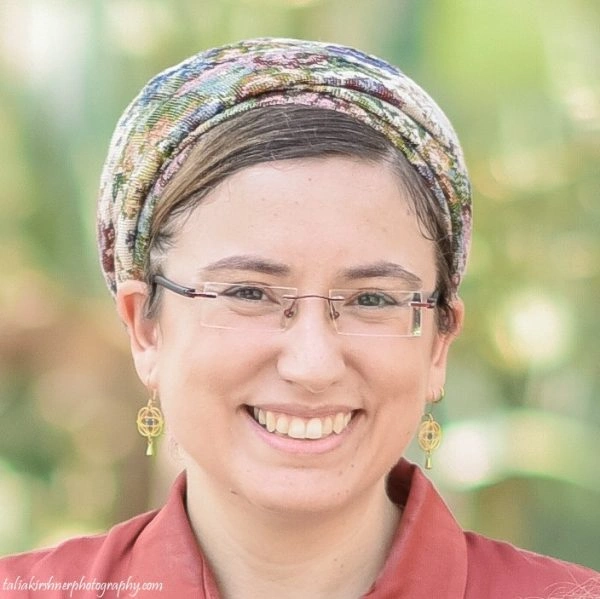
בתחילת הסבב הנוכחי של לימוד הדף היומי, נחשפתי לחגיגות המרגשות באירועי הסיום ברחבי העולם. והבטחתי לעצמי שבקרוב אצטרף גם למעגל הלומדות. הסבב התחיל כאשר הייתי בתחילת דרכי בתוכנית קרן אריאל להכשרת יועצות הלכה של נשמ”ת. לא הצלחתי להוסיף את ההתחייבות לדף היומי על הלימוד האינטנסיבי של תוכנית היועצות. בבוקר למחרת המבחן הסופי בנשמ”ת, התחלתי את לימוד הדף במסכת סוכה ומאז לא הפסקתי.
חנה שחם-רוזבי (ד”ר)
קרית גת, ישראל
התחלתי מחוג במסכת קידושין שהעבירה הרבנית רייסנר במסגרת בית המדרש כלנה בגבעת שמואל; לאחר מכן התחיל סבב הדף היומי אז הצטרפתי. לסביבה לקח זמן לעכל אבל היום כולם תומכים ומשתתפים איתי. הלימוד לעתים מעניין ומעשיר ולעתים קשה ואף הזוי… אך אני ממשיכה קדימה. הוא משפיע על היומיום שלי קודם כל במרדף אחרי הדף, וגם במושגים הרבים שלמדתי ובידע שהועשרתי בו, חלקו ממש מעשי

אביגיל כריסי
ראש העין, ישראל
התחלתי ללמוד דף יומי ממסכת נידה כי זה היה חומר הלימוד שלי אז. לאחר הסיום הגדול בבנייני האומה החלטתי להמשיך. וב”ה מאז עם הפסקות קטנות של קורונה ולידה אני משתדלת להמשיך ולהיות חלק.
זה משפיע מאוד על היום יום שלי ועל אף שאני עסוקה בלימודי הלכה ותורה כל יום, זאת המסגרת הקבועה והמחייבת ביותר שיש לי.

מוריה תעסן מיכאלי
גבעת הראל, ישראל
ראיתי את הסיום הגדול בבנייני האומה וכל כך התרשמתי ורציתי לקחת חלק.. אבל לקח לי עוד כשנה וחצי )באמצע מסיכת שבת להצטרף..
הלימוד חשוב לי מאוד.. אני תמיד במרדף אחרי הדף וגונבת כל פעם חצי דף כשהילדים עסוקים ומשלימה אח”כ אחרי שכולם הלכו לישון..

אולגה מזרחי
ירושלים, ישראל
התחלתי ללמוד בעידוד שתי חברות אתן למדתי בעבר את הפרק היומי במסגרת 929.
בבית מתלהבים מאוד ובשבת אני לומדת את הדף עם בעלי שזה מפתיע ומשמח מאוד! לימוד הדף הוא חלק בלתי נפרד מהיום שלי. לומדת בצהריים ומחכה לזמן הזה מידי יום…

מרים ונגרובר
אפרת, ישראל
התחלתי ללמוד גמרא בבית הספר בגיל צעיר והתאהבתי. המשכתי בכך כל חיי ואף היייתי מורה לגמרא בבית הספר שקד בשדה אליהו (בית הספר בו למדתי בילדותי)בתחילת מחזור דף יומי הנוכחי החלטתי להצטרף ובע”ה מקווה להתמיד ולהמשיך. אני אוהבת את המפגש עם הדף את "דרישות השלום ” שמקבלת מקשרים עם דפים אחרים שלמדתי את הסנכרון שמתחולל בין התכנים.

אריאלה ביגמן
מעלה גלבוע, ישראל
שמעתי על הסיום הענק של הדף היומי ע”י נשים בבנייני האומה. רציתי גם.
החלטתי להצטרף. התחלתי ושיכנעתי את בעלי ועוד שתי חברות להצטרף. עכשיו יש לי לימוד משותף איתו בשבת ומפגש חודשי איתן בנושא (והתכתבויות תדירות על דברים מיוחדים שקראנו). הצטרפנו לקבוצות שונות בווטסאפ. אנחנו ממש נהנות. אני שומעת את השיעור מידי יום (בד”כ מהרב יוני גוטמן) וקוראת ומצטרפת לסיומים של הדרן. גם מקפידה על דף משלהן (ונהנית מאד).
ליאת סיטרון
אפרת, ישראל
My explorations into Gemara started a few days into the present cycle. I binged learnt and become addicted. I’m fascinated by the rich "tapestry” of intertwined themes, connections between Masechtot, conversations between generations of Rabbanim and learners past and present all over the world. My life has acquired a golden thread, linking generations with our amazing heritage.
Thank you.

סוזן כשדן
חשמונאים, Israel
רציתי לקבל ידע בתחום שהרגשתי שהוא גדול וחשוב אך נעלם ממני. הלימוד מעניק אתגר וסיפוק ומעמיק את תחושת השייכות שלי לתורה וליהדות
רות עגיב
עלי זהב – לשם, ישראל
"
גם אני התחלתי בסבב הנוכחי וב””ה הצלחתי לסיים את רוב המסכתות . בזכות הרבנית מישל משתדלת לפתוח את היום בשיעור הזום בשעה 6:20 .הלימוד הפך להיות חלק משמעותי בחיי ויש ימים בהם אני מצליחה לחזור על הדף עם מלמדים נוספים ששיעוריהם נמצאים במרשתת. שמחה להיות חלק מקהילת לומדות ברחבי העולם. ובמיוחד לשמש דוגמה לנכדותיי שאי””ה יגדלו לדור שלימוד תורה לנשים יהיה משהו שבשגרה. "

רונית שביט
נתניה, ישראל
כבר סיפרתי בסיום של מועד קטן.
הלימוד מאוד משפיעה על היום שלי כי אני לומדת עם רבנית מישל על הבוקר בזום. זה נותן טון לכל היום – בסיס למחשבות שלי .זה זכות גדול להתחיל את היום בלימוד ובתפילה. תודה רבה !

שרה ברלוביץ
ירושלים, ישראל
הייתי לפני שנתיים בסיום הדרן נשים בבנייני האומה והחלטתי להתחיל. אפילו רק כמה דפים, אולי רק פרק, אולי רק מסכת… בינתיים סיימתי רבע שס ותכף את כל סדר מועד בה.
הסביבה תומכת ומפרגנת. אני בת יחידה עם ארבעה אחים שכולם לומדים דף יומי. מדי פעם אנחנו עושים סיומים יחד באירועים משפחתיים. ממש מרגש. מסכת שבת סיימנו כולנו יחד עם אבא שלנו!
אני שומעת כל יום פודקאסט בהליכה או בנסיעה ואחכ לומדת את הגמרא.
עדנה גרוס
מרכז שפירא, ישראל
התחלתי ללמוד לפני 4.5 שנים, כשהודיה חברה שלי פתחה קבוצת ווטסאפ ללימוד דף יומי בתחילת מסכת סנהדרין. מאז לימוד הדף נכנס לתוך היום-יום שלי והפך לאחד ממגדירי הזהות שלי ממש.

קרן רוזנברג
ירושלים, ישראל
בתחילת הסבב הנוכחי של לימוד הדף היומי, נחשפתי לחגיגות המרגשות באירועי הסיום ברחבי העולם. והבטחתי לעצמי שבקרוב אצטרף גם למעגל הלומדות. הסבב התחיל כאשר הייתי בתחילת דרכי בתוכנית קרן אריאל להכשרת יועצות הלכה של נשמ”ת. לא הצלחתי להוסיף את ההתחייבות לדף היומי על הלימוד האינטנסיבי של תוכנית היועצות. בבוקר למחרת המבחן הסופי בנשמ”ת, התחלתי את לימוד הדף במסכת סוכה ומאז לא הפסקתי.
חנה שחם-רוזבי (ד”ר)
קרית גת, ישראל
סיום השס לנשים נתן לי מוטביציה להתחיל ללמוד דף יומי. עד אז למדתי גמרא בשבתות ועשיתי כמה סיומים. אבל לימוד יומיומי זה שונה לגמרי ופתאום כל דבר שקורה בחיים מתקשר לדף היומי.

קרן פוגל
רתמים, ישראל
התחלתי בתחילת הסבב, והתמכרתי. זה נותן משמעות נוספת ליומיום ומאוד מחזק לתת לזה מקום בתוך כל שגרת הבית-עבודה השוטפת.
רעות אברהמי
בית שמש, ישראל
אני לומדת גמרא כעשור במסגרות שונות, ואת הדף היומי התחלתי כשחברה הציעה שאצטרף אליה לסיום בבנייני האומה. מאז אני לומדת עם פודקסט הדרן, משתדלת באופן יומי אך אם לא מספיקה, מדביקה פערים עד ערב שבת. בסבב הזה הלימוד הוא "ממעוף הציפור”, מקשיבה במהירות מוגברת תוך כדי פעילויות כמו בישול או נהיגה, וכך רוכשת היכרות עם הסוגיות ואופן ניתוחם על ידי חז”ל. בע”ה בסבב הבא, ואולי לפני, אצלול לתוכו באופן מעמיק יותר.
יעל ביר
רמת גן, ישראל
התחלתי ללמוד לפני כשנתיים בשאיפה לסיים לראשונה מסכת אחת במהלך חופשת הלידה.
אחרי מסכת אחת כבר היה קשה להפסיק…

נעה גלנט
ירוחם, ישראל
התחלתי ללמוד דף לפני קצת יותר מ-5 שנים, כשלמדתי רבנות בישיבת מהר”ת בניו יורק. בדיעבד, עד אז, הייתי בלימוד הגמרא שלי כמו מישהו שאוסף חרוזים משרשרת שהתפזרה, פה משהו ושם משהו, ומאז נפתח עולם ומלואו…. הדף נותן לי לימוד בצורה מאורגנת, שיטתית, יום-יומית, ומלמד אותי לא רק ידע אלא את השפה ודרך החשיבה שלנו. לשמחתי, יש לי סביבה תומכת וההרגשה שלי היא כמו בציטוט שבחרתי: הדף משפיע לטובה על כל היום שלי.
מיכל כהנא
חיפה, ישראל
נדה כג
וְיָלְפִינַן מוּפְנָה מִשְּׁנֵי צְדָדִין. וּלְהָכִי אַפְנְיֵהּ רַחֲמָנָא לִבְהֵמָה מִשְּׁנֵי צְדָדִין, כִּי הֵיכִי דְּלָא נִגְמַר מִן מוּפְנָה מִצַּד אֶחָד.
and derive the halakha from the analogy that is free on both sides. And it is for this reason that the Merciful One rendered the verbal analogy between animal and man free on both sides, so that one would not derive the halakha from the verbal analogy between sea monster and man, which is free on only one side.
רַב אַחָא בְּרֵיהּ דְּרָבָא מַתְנֵי לַהּ מִשְּׁמֵיהּ דְּרַבִּי אֶלְעָזָר לְקוּלָּא: כׇּל גְּזֵרָה שָׁוָה שֶׁאֵינָהּ מוּפְנָה כׇּל עִיקָּר — לְמֵדִין וּמְשִׁיבִין, מוּפְנָה מִצַּד אֶחָד — לְרַבִּי יִשְׁמָעֵאל לְמֵדִין וְאֵין מְשִׁיבִין, לְרַבָּנַן לְמֵדִין וּמְשִׁיבִין, מוּפְנָה מִשְּׁנֵי צְדָדִין — דִּבְרֵי הַכֹּל לְמֵדִין וְאֵין מְשִׁיבִין.
Rav Aḥa, son of Rava, teaches in the name of Rabbi Elazar a more lenient version of the aforementioned principle of exegesis of verbal analogy: With regard to any verbal analogy that is not free at all, one can derive halakhot from it, but one can also refute it logically. If the verbal analogy is free on one side, according to Rabbi Yishmael one can derive halakhot from it, and one cannot refute it. According to the Rabbis, one can derive halakhot from it, but one can also refute it. If the verbal analogy is free on both sides, everyone agrees that one can derive halakhot from it and one cannot refute it.
וּלְרַבָּנַן, מַאי אִיכָּא בֵּין מוּפְנָה מִצַּד אֶחָד לְשֶׁאֵינָהּ מוּפְנָה כׇּל עִיקָּר?
The Gemara asks: But if so, according to the Rabbis, what difference is there between a verbal analogy that is free on one side and one that is not free at all? In both cases, the Rabbis hold that one can derive halakhot from such a verbal analogy but one can also refute it.
נָפְקָא מִינַּהּ הֵיכָא דְּמַשְׁכַּחַתְּ לַהּ מוּפְנָה מִצַּד אֶחָד, וְשֶׁאֵינָהּ מוּפְנָה כׇּל עִיקָּר, וְלָאו לְהַאי אִית לֵיהּ פִּירְכָא, וְלָאו לְהַאי אִית לֵיהּ פִּירְכָא — שָׁבְקִינַן שֶׁאֵינָהּ מוּפְנָה כׇּל עִיקָּר, וְגָמְרִינַן מִמּוּפְנָה מִצַּד אֶחָד.
The Gemara answers: The difference is in a case where you find two mutually exclusive verbal analogies, one that is free on one side and one that is not free at all, and neither does this one have a logical refutation nor does that one have a logical refutation. In such a case, we disregard the analogy that is not free at all, and we derive the halakha from the one that is free on one side.
וְהָכָא, מַאי פִּירְכָא אִיכָּא? מִשּׁוּם דְּאִיכָּא לְמִיפְרַךְ: מָה לְאָדָם, שֶׁכֵּן מִטַּמֵּא מֵחַיִּים.
The Gemara asks: And here, with regard to the verbal analogy between man and sea monster, which was rejected because it is free on only one side, what logical refutation is there on account of which this verbal analogy is rejected? The Gemara answers: The verbal analogy between man and sea monster is rejected because it can be refuted as follows: What is unique about man? Man is unique in that a person can become impure while he is alive, unlike an animal, which can become impure only after it dies, or a sea monster, which cannot become impure at all.
וְכֵן אָמַר רַבִּי חִיָּיא בַּר אַבָּא אָמַר רַבִּי יוֹחָנָן: הַיְינוּ טַעְמָא דְּרַבִּי מֵאִיר — הוֹאִיל וְנֶאֶמְרָה בּוֹ ״יְצִירָה״ כְּאָדָם.
And likewise, Rabbi Ḥiyya bar Abba said that Rabbi Yoḥanan said: This is the reason for the opinion of Rabbi Meir, that a woman who discharges an item similar to a domesticated animal, an undomesticated animal, or a bird is impure: It is because formation is stated with regard to the creation of these animals, just as it is stated with regard to the creation of man.
אֲמַר לֵיהּ רַבִּי אַמֵּי: אֶלָּא מֵעַתָּה הַמַּפֶּלֶת דְּמוּת הַר — אִמּוֹ טְמֵאָה לֵידָה, שֶׁנֶּאֱמַר ״כִּי הִנֵּה יוֹצֵר הָרִים וּבוֹרֵא רוּחַ״? אֲמַר לֵיהּ: הַר מִי קָא מַפְּלָה? אֶבֶן הִיא דְּקָא מַפְּלָה, הָהוּא ״גּוּשׁ״ אִיקְּרִי.
Rabbi Ami said to him: If that is so, then in the case of a woman who discharges an item that has the shape of a mountain, its mother should be impure with the impurity of a woman after childbirth, as it is stated with regard to the creation of mountains: “For He Who forms the mountains and creates the wind” (Amos 4:13). Rabbi Ḥiyya bar Abba said to him: Does she discharge a mountain? The discharged item cannot possibly be that large. It is an item with the form of a stone that she discharges, and that is called a clod, not a mountain.
אֶלָּא מֵעַתָּה הַמַּפֶּלֶת רוּחַ — תְּהֵא אִמּוֹ טְמֵאָה לֵידָה, הוֹאִיל וְנֶאֶמְרָה בּוֹ ״בְּרִיאָה״ כְּאָדָם, דִּכְתִיב ״וּבוֹרֵא רוּחַ״? וְכִי תֵימָא לֹא מוּפְנֶה, מִדַּהֲוָה לֵיהּ לְמִכְתַּב ״יוֹצֵר הָרִים וְרוּחַ״, וּכְתִיב ״וּבוֹרֵא רוּחַ״, שְׁמַע מִינַּהּ לְאַפְנוֹיֵי!
Rabbi Ami further inquired: If that is so, in the case of a woman who discharges an item having an amorphous form [ruaḥ], its mother should be impure with the impurity of a woman after childbirth, since creation is stated with regard to it, just as it is stated with regard to man, as it is written: “And creates the wind [ruaḥ].” And if you would say that no verbal analogy can be drawn here, because the verse is not free, i.e., it is not superfluous, as it is necessary to recount the creation of the wind, that is not so. Rabbi Ami explains: From the fact that the verse could have written: Who forms the mountains and the wind, and instead it is written: “Who forms the mountains and creates the wind,” conclude from it that the superfluous word “creates” serves to render it free for drawing a verbal analogy between ruaḥ and man.
אֲמַר לֵיהּ: דָּנִין דִבְרֵי תוֹרָה מִדִּבְרֵי תוֹרָה, וְאֵין דָּנִין דִבְרֵי תוֹרָה מִדִּבְרֵי קַבָּלָה.
Rabbi Ḥiyya bar Abba said to Rabbi Ami: One derives matters that are stated in the Torah from matters that are stated in the Torah, i.e., from verses in the Torah, but one does not derive matters that are stated in the Torah from the words of the tradition, i.e., verses in the Prophets or the Writings, such as the verse in Amos.
(אָמַר) רַבָּה בַּר בַּר חַנָּה, אָמַר רַבִּי יוֹחָנָן: הַיְינוּ טַעְמָא דְּרַבִּי מֵאִיר — הוֹאִיל וְעֵינֵיהֶם דּוֹמוֹת כְּשֶׁל אָדָם.
§ Rabba bar bar Ḥana said that Rabbi Yoḥanan said: This is the reason for the opinion of Rabbi Meir: Since the eyes of these animals are similar to those of a human, a woman who discharges an item of that type is impure.
אֶלָּא מֵעַתָּה, הַמַּפֶּלֶת דְּמוּת נָחָשׁ תְּהֵא אִמּוֹ טְמֵאָה לֵידָה, הוֹאִיל וְגַלְגַּל עֵינוֹ עָגוֹלה כְּשֶׁל אָדָם! וְכִי תֵימָא הָכִי נָמֵי, לִיתְנֵי נָחָשׁ!
The Gemara objects: If that is so, then in the case of a woman who discharges an item that has the form of a snake, its mother should likewise be impure with the impurity of a woman after childbirth, since the pupil of a snake is round, like that of a human. And if you would say that indeed, this is the halakha, then let the mishna teach this case of a woman who discharges an item that has the form of a snake among the other cases where the woman discharges an item of an unusual form.
אִי תְּנָא נָחָשׁ, הֲוָה אָמֵינָא: בְּנָחָשׁ הוּא דִּפְלִיגִי רַבָּנַן עֲלֵיהּ דְּרַבִּי מֵאִיר, דְּלָא כְּתִיב בֵּיהּ ״יְצִירָה״, אֲבָל בְּהֵמָה וְחַיָּה — לָא פְּלִיגִי, דִּכְתִיבָא (ביה) [בְּיהוּ] ״יְצִירָה״.
The Gemara explains: If the mishna had taught the case of a snake, I would say that it is only in the case of a woman who discharges an item having the form of a snake that the Rabbis disagree with Rabbi Meir and rule that the woman is not impure, as a term of formation is not written with regard to the creation of the snake. But with regard to a woman who discharges an item having the form of a domesticated animal or an undomesticated animal, they do not disagree with Rabbi Meir, as the concept of formation is written with regard to them.
וְהָא גַּבֵּי מוּמִין קָתָנֵי לַהּ: אֶת שֶׁגַּלְגַּל עֵינוֹ עָגוֹל כְּשֶׁל אָדָם! לָא קַשְׁיָא — הָא בְּאוּכָּמָא, הָא בְּצִירְיָא.
The Gemara raises a difficulty: But with regard to the halakhot of blemishes that render the slaughter of a firstborn animal permitted, it is taught in a mishna (Bekhorot 40a) that an animal whose pupil is round like that of a human is considered blemished. Evidently, the eyes of animals are dissimilar to those of humans. The Gemara answers that it is not difficult; this statement, that the eyes of animals are similar to those of humans, is referring to the pupil, and that statement, that the eyes of animals are not similar to those of humans, is referring to the entire eyeball in the socket.
רַבִּי יַנַּאי אָמַר: הַיְינוּ טַעְמָא דְּרַבִּי מֵאִיר — הוֹאִיל וְעֵינֵיהֶם הוֹלְכוֹת לִפְנֵיהֶם כְּשֶׁל אָדָם. וַהֲרֵי עוֹף, דְּאֵין עֵינָיו הוֹלְכוֹת לְפָנָיו, וְקָאָמַר רַבִּי מֵאִיר דְּטָמֵא! אָמַר אַבָּיֵי: בְּקַרְיָא וְקִיפוֹפָא, וּבִשְׁאָר עוֹפוֹת — לָא.
§ Rabbi Yannai said: This is the reason for the opinion of Rabbi Meir: It is because the eyes of these animals are fixed in the front of their heads like those of a human, unlike the eyes of birds and snakes, a woman who discharges an item of that kind is impure. The Gemara raises a difficulty: But there is the case of a woman who discharges an item similar to a bird, whose eyes are not fixed in the front of its head, and nevertheless Rabbi Meir says that the woman is impure. This apparently contradicts Rabbi Yannai’s explanation. Abaye said: Rabbi Meir is referring to the little owl [bekarya] and the great owl [vekifofa], whose eyes are fixed in the front of their heads, but in the case of a woman who discharges any of the other species of birds, Rabbi Meir does not deem her impure.
מֵיתִיבִי: רַבִּי חֲנִינָא בֶּן אַנְטִיגְנוֹס אוֹמֵר: נִרְאִין דִּבְרֵי רַבִּי מֵאִיר בִּבְהֵמָה וְחַיָּה, וְדִבְרֵי חֲכָמִים בְּעוֹפוֹת.
The Gemara raises an objection to this answer from a baraita: Rabbi Ḥanina ben Antigonus says: The statement of Rabbi Meir seems correct in the case of a woman who discharges the form of a domesticated animal or an undomesticated animal, and the statement of the Rabbis seems correct in the case of birds.
מַאי עוֹפוֹת? אִילֵּימָא בְּקַרְיָא וְקִיפוֹפָא, מַאי שְׁנָא בְּהֵמָה וְחַיָּה דְּעֵינֵיהֶן הוֹלְכוֹת לִפְנֵיהֶן כְּשֶׁל אָדָם? קַרְיָא וְקִיפוֹפָא נָמֵי!
The Gemara asks: To what birds is Rabbi Ḥanina ben Antigonus referring? If we say he is referring to the little owl and the great owl, what is the difference between this case and the cases of a domesticated animal or an undomesticated animal, with regard to which Rabbi Ḥanina ben Antigonus accepts the opinion of Rabbi Meir? If the key factor is that their eyes are fixed in the front of their heads like those of a human, Rabbi Ḥanina ben Antigonus should accept the opinion of Rabbi Meir in the case of a little owl or a great owl as well, as their eyes are also fixed in the front of their heads.
אֶלָּא פְּשִׁיטָא בִּשְׁאָר עוֹפוֹת. מִכְּלָל דְּרַבִּי מֵאִיר פְּלִיג בִּשְׁאָר עוֹפוֹת!
Rather, it is obvious that when Rabbi Ḥanina ben Antigonus says that he does not accept the opinion of Rabbi Meir, he is referring to the other species of birds. From the fact that it is necessary for Rabbi Ḥanina ben Antigonus to reject Rabbi Meir’s opinion in those cases, it may be concluded that Rabbi Meir himself disagrees with the Rabbis with regard to the other species of birds as well, despite the fact that their eyes are not fixed in the front of their heads.
חַסּוֹרֵי מִיחַסְּרָא וְהָכִי קָתָנֵי: רַבִּי חֲנִינָא בֶּן אַנְטִיגְנוֹס אוֹמֵר — נִרְאִין דִּבְרֵי רַבִּי מֵאִיר בִּבְהֵמָה וְחַיָּה, וְהוּא הַדִּין לְקַרְיָא וְקִיפוֹפָא, וְדִבְרֵי חֲכָמִים בִּשְׁאָר עוֹפוֹת, שֶׁאַף רַבִּי מֵאִיר לֹא נֶחְלַק עִמָּהֶם אֶלָּא בְּקַרְיָא וְקִיפוֹפָא, אֲבָל בִּשְׁאָר עוֹפוֹת — מוֹדֵי לְהוּ.
The Gemara explains that the baraita is incomplete, and this is what it is teaching: Rabbi Ḥanina ben Antigonus says: The statement of Rabbi Meir seems correct in the case of a domesticated animal or an undomesticated animal, and the same is true with regard to a little owl or a great owl. And the statement of the Rabbis appears correct even to Rabbi Meir with regard to the other species of birds. The reason is that even Rabbi Meir agrees that if a woman discharges an item that has the form of one of the other species of birds, she is not impure, i.e., he disagrees with them only with regard to a little owl or a great owl, but he concedes to their opinion with regard to the other species of birds.
וְהָתַנְיָא: אָמַר רַבִּי אֶלְעָזָר בְּרַבִּי צָדוֹק: הַמַּפֶּלֶת מִין בְּהֵמָה וְחַיָּה, לְדִבְרֵי רַבִּי מֵאִיר — וָלָד, וּלְדִבְרֵי חֲכָמִים — אֵינוֹ וָלָד. בְּעוֹפוֹת — תִּיבָּדֵק.
The Gemara cites proof for Abaye’s claim that Rabbi Meir differentiates between an owl and other species of birds, as it is taught in a baraita that Rabbi Elazar, son of Rabbi Tzadok, says: In the case of a woman who discharges an item that has the form of a type of domesticated animal or undomesticated animal, according to the statement of Rabbi Meir it has the halakhic status of a full-fledged offspring, and according to the statement of the Rabbis, it does not have the status of a full-fledged offspring. In the case of a woman who discharges an item that has the form of birds, it must be examined.
לְמַאן תִּיבָּדֵק? לָאו לְדִבְרֵי רַבִּי מֵאִיר, דְּאָמַר: קַרְיָא וְקִיפוֹפָא — אִין, שְׁאָר עוֹפוֹת — לָא?
The Gemara asks: According to whom must it be examined? Is this not referring to the statement of Rabbi Meir, who said that if a woman discharges an item that has the form of a little owl or a great owl, yes, she is impure, but if she discharges an item that has the form of other birds, she is not impure? Consequently, the item must be examined to determine what type of bird it resembles.
אָמַר רַב אַחָא בְּרֵיהּ דְּרַב אִיקָא: לָא, תִּיבָּדֵק לְרַבָּנַן, דְּאָמְרִי: קַרְיָא וְקִיפוֹפָא — אִין, שְׁאָר עוֹפוֹת — לָא.
Rav Aḥa, son of Rav Ika, said: No, this baraita does not prove that Rabbi Meir differentiates between owls and other species of birds, as perhaps the statement that the discharged item must be examined applies according to the Rabbis, as they say that if a woman discharges an item that has the form of a little owl or a great owl, yes, she is impure, but if a woman discharges an item that has the form of other birds, she is not impure.
וּמַאי שְׁנָא קַרְיָא וְקִיפוֹפָא מִבְּהֵמָה וְחַיָּה? הוֹאִיל וְיֵשׁ לָהֶן לְסָתוֹת כְּאָדָם.
The Gemara asks: But if the Rabbis hold that a woman who discharges an item similar to a land animal is not impure, why would they hold that if she discharges an item that has the form of owls she is impure? What is the difference between a little owl and a great owl on the one hand, and a domesticated animal and an undomesticated animal on the other? The Gemara answers: Since owls have cheeks like those of a human, therefore a woman who discharges an item similar to an owl is impure, whereas if she discharges an item that has the form of a land animal she is pure, despite the fact that their eyes are fixed in the front of their heads.
בְּעָא מִינֵּיהּ רַבִּי יִרְמְיָה מֵרַבִּי זֵירָא: לְרַבִּי מֵאִיר דְּאָמַר בְּהֵמָה בִּמְעֵי אִשָּׁה וָלָד מְעַלְּיָא הוּא, קִבֵּל בָּהּ אָבִיהָ קִידּוּשִׁין מַהוּ? לְמַאי נָפְקָא מִינַּהּ? לְאִיתְּסוֹרֵי בַּאֲחוֹתָהּ.
§ Rabbi Yirmeya asked Rabbi Zeira: According to Rabbi Meir, who said that an animal in the womb of a woman is considered a full-fledged offspring, what is the halakha in a case where it is a female, and her father accepted betrothal for her, i.e., he married her off by accepting betrothal money from a man, or a document of betrothal? Is such a betrothal valid? Rabbi Yirmeya elaborated: What practical difference is there whether it is valid? The difference is with regard to whether it is prohibited for the man to marry her sister. If the betrothal is valid, it is prohibited for the husband to marry her sister, as one may not marry his wife’s sister.
לְמֵימְרָא דְּחָיֵי? וְהָאָמַר רַב יְהוּדָה אָמַר רַב: לֹא אֲמָרָהּ רַבִּי מֵאִיר אֶלָּא הוֹאִיל וּבְמִינוֹ מִתְקַיֵּים! אָמַר רַב אַחָא בַּר יַעֲקֹב: עַד כָּאן הֱבִיאוֹ רַבִּי יִרְמְיָה לְרַבִּי זֵירָא לִידֵי גִּיחוּךְ, וְלֹא גִּחֵיךְ.
The Gemara asks: Is this to say that such an offspring can live? This factor is important, as a man is prohibited from marrying his wife’s sister only during his wife’s lifetime. But doesn’t Rav Yehuda say that Rav says: Rabbi Meir said that a woman who discharges an item that has the form of an animal is impure only since there are other animals of its type that can live, i.e., there are animals similar to the discharged item that do survive, but not that creature itself. Rav Aḥa bar Ya’akov says: Rabbi Yirmeya tried this hard to cause Rabbi Zeira to laugh, but he did not laugh. In other words, Rabbi Yirmeya was not asking his question seriously.
גּוּפָא, אָמַר רַב יְהוּדָה אָמַר רַב: לֹא אֲמָרָהּ רַבִּי מֵאִיר אֶלָּא הוֹאִיל וּבְמִינוֹ מִתְקַיֵּים. אָמַר רַב יִרְמְיָה מִדִּפְתִּי:
The Gemara discusses the matter itself. Rav Yehuda says that Rav says: Rabbi Meir said that a woman who discharges an item that has the form of an animal is impure only since there are animals of its type that can live. Rav Yirmeya of Difti says:
אַף אֲנַן נָמֵי תְּנֵינָא: הַמַּפֶּלֶת כְּמִין בְּהֵמָה חַיָּה וְעוֹף — וָלָד מְעַלְּיָא הוּא, דִּבְרֵי רַבִּי מֵאִיר. וַחֲכָמִים אוֹמְרִים: עַד שֶׁיְּהֵא בּוֹ מִצּוּרַת אָדָם.
We, too, learn in a mishna (Bekhorot 46a) that the fetus of a woman that has the form of an animal cannot survive: In the case of a woman who had previously discharged a fetus with the appearance similar to that of a domesticated animal, an undomesticated animal, or bird before giving birth to any children, and subsequently she gives birth to a son, the son is considered a firstborn with regard to the halakhot of inheritance, but he does not require redemption, as the fetus is considered a full-fledged offspring in that regard. This is the statement of Rabbi Meir. And the Rabbis say: The son is not exempted from the requirement of redemption from a priest unless it follows the birth of a fetus that takes the form of a person; otherwise, it is not considered the offspring that “opens the womb” (Exodus 13:2), and the son requires redemption as a firstborn.
וְהַמַּפֶּלֶת סַנְדָּל, אוֹ שִׁלְיָא, אוֹ שָׁפִיר מְרוּקָּם, וְהַיּוֹצֵא מְחוּתָּךְ — הַבָּא אַחֲרָיו בְּכוֹר לְנַחֲלָה, וְאֵינוֹ בְּכוֹר לְכֹהֵן. וְאִי סָלְקָא דַעְתָּךְ דְּחָיֵי, הַבָּא אַחֲרָיו בְּכוֹר לְנַחֲלָה מִי הָוֵי?
And in the case of a woman who discharges a fetus in the form of a sandal fish, or from whom an afterbirth or a gestational sac in which tissue developed emerged, or who delivered a fetus that emerged in pieces, the son that follows them is considered a firstborn with regard to inheritance but is not a firstborn with regard to redemption from a priest. The Gemara explains the proof: And if it enters your mind that a fetus that has the form of an animal can survive, is the son that follows it a firstborn with regard to inheritance?
אָמַר רָבָא: לְעוֹלָם דְּחָיֵי, וְשָׁאנֵי הָתָם, דְּאָמַר קְרָא: ״רֵאשִׁית אוֹנוֹ״ — מִי שֶׁלִּבּוֹ דָּוֶה עָלָיו, יָצָא זֶה שֶׁאֵין לִבּוֹ דָּוֶה עָלָיו.
Rava said, in rejection of this proof: Actually, it is possible that a fetus shaped like an animal can survive; but it is different there, with regard to inheritance. The son that follows such a fetus has the status of a firstborn, as the verse states with regard to the inheritance of a firstborn: “By giving him a double portion of all that he has; for he is the first fruits of his strength [ono]; the right of the firstborn is his” (Deuteronomy 21:17). It is derived from the verse that the status of a firstborn applies only to a son over whose death a father would mourn. The word ono is interpreted homiletically based on its similarity to the word onen, acute mourner. This offspring that has the form of an animal is therefore excluded, as its father would not mourn over its death.
בְּעָא מִינֵּיהּ רַב אַדָּא בַּר אַהֲבָה מֵאַבָּיֵי: לְרַבִּי מֵאִיר, דְּאָמַר בְּהֵמָה בִּמְעֵי אִשָּׁה וָלָד מְעַלְּיָא הוּא — אָדָם בִּמְעֵי בְהֵמָה מַאי? לְמַאי נָפְקָא מִינֵּיהּ? לְאִשְׁתְּרוֹיֵי בַּאֲכִילָה.
§ Rav Adda bar Ahava asked Abaye: According to Rabbi Meir, who said that an item that is similar to an animal in the womb of a woman is considered a full-fledged offspring, what is the halakha with regard to a human fetus in the womb of an animal? The Gemara explains: What is the practical difference of this inquiry? The difference is with regard to permitting the fetus in consumption. A full-fledged fetus found inside its slaughtered mother is permitted to be eaten, despite the fact that it was not slaughtered itself.
וְתִפְשׁוֹט לֵיהּ מֵהָא דְּרַבִּי יוֹחָנָן, דְּאָמַר רַבִּי יוֹחָנָן: הַשּׁוֹחֵט אֶת הַבְּהֵמָה וּמָצָא בָּהּ דְּמוּת יוֹנָה — אֲסוּרָה בַּאֲכִילָה!
The Gemara suggests: But one can resolve the dilemma from that statement of Rabbi Yoḥanan, as Rabbi Yoḥanan said: In the case of one who slaughters an animal and finds in it an item that has the form of a pigeon, the pigeon is prohibited for consumption. Evidently, the ritual slaughter of a pregnant animal renders its fetus permitted to be eaten only if the fetus is of the same species as the mother. Accordingly, if the fetus has the form of a human, it is prohibited for consumption.
הָכִי הַשְׁתָּא? הָתָם — לָא פְּרָסוֹת אִיכָּא, וְלָא פַּרְסָה אִיכָּא; הָכָא — נְהִי דִּפְרָסוֹת לֵיכָּא, פַּרְסָה מִיהָא אִיכָּא.
The Gemara rejects this suggestion: How can these cases be compared? There, with regard to a pigeon fetus, there are no split hooves, and there is not even a hoof at all. Since a pigeon is completely different from the slaughtered animal, the fetus is forbidden. By contrast, here, in the case of a human fetus, although there are no split hooves, there is at least a hoof, i.e., solid feet. Therefore, it is possible that the human fetus is permitted for consumption, and the dilemma remains unresolved.
וַחֲכָמִים אוֹמְרִים: כֹּל שֶׁאֵין בּוֹ כּוּ׳. אָמַר רַב יִרְמְיָה בַּר אַבָּא אָמַר רַב: הַכֹּל מוֹדִים: גּוּפוֹ תַּיִישׁ וּפָנָיו אָדָם — אָדָם, גּוּפוֹ אָדָם וּפָנָיו תַּיִישׁ — וְלֹא כְלוּם.
§ The mishna teaches: And the Rabbis say: Any discharged entity that is not of human form does not render the woman impure. Rav Yirmeya bar Abba says that Rav says: All concede that if a woman discharged an entity whose body is that of a goat and whose face is that of a human, it is considered a human offspring, i.e., even the Rabbis rule that the woman is impure in this case. Likewise, if its body is that of a human and its face is that of a goat, Rabbi Meir concedes that it is nothing, and the woman is pure.
לֹא נֶחְלְקוּ אֶלָּא שֶׁפָּנָיו אָדָם, וְנִבְרָא בְּעַיִן אַחַת כִּבְהֵמָה. שֶׁרַבִּי מֵאִיר אוֹמֵר מִצּוּרַת אָדָם, וַחֲכָמִים אוֹמְרִים כֹּל צוּרַת אָדָם.
They disagree only in a case where its face is that of a human, but it was created with one human eye and one eye like that of an animal. As Rabbi Meir says that if the offspring has part of the form of a human face, even if one eye is not like that of a human, it is considered a human offspring, and the woman is impure. And the Rabbis say that it must have the entire form of a human face to be considered a human offspring, and otherwise the woman is not impure.
(אָמַר לוֹ) [אֲמַרוּ לֵיהּ רַבָּנַן] לְרַב יִרְמְיָה בַּר אַבָּא: וְהָא אִיפְּכָא תַּנְיָא, רַבִּי מֵאִיר אוֹמֵר: ״כֹּל צוּרַת״, וַחֲכָמִים אוֹמְרִים: ״מִצּוּרַת״! אֲמַר לְהוּ: אִי תַּנְיָא — תַּנְיָא.
One of the Sages said to Rav Yirmeya bar Abba: But isn’t the opposite taught in a baraita: Rabbi Meir says that a woman who discharged is impure if the fetus has any part of the form of a human face, and the Rabbis say that the woman is impure only if the fetus has a recognizable part of the form of a human face, e.g., half of a human face? According to this baraita, Rabbi Meir does not even require that a significant part of it must look human. In his opinion, even if it has only one human eye or one human cheek and the rest of the face is like that of an animal, the woman is impure. Rav Yirmeya bar Abba said to the Sages: If this baraita is taught, it is taught, and I cannot take issue with it. I have my tradition from Rav, and you should rule in accordance with the baraita that you received.
אָמַר רַבִּי יִרְמְיָה בַּר אַבָּא, אָמַר רַבִּי יוֹחָנָן: מֵצַח, וְהַגְּבִינִים, וְהָעֵינַיִם, וְהַלְּסָתוֹת, וְגַבּוֹת הַזָּקָן — עַד שֶׁיְּהוּ כּוּלָּם כְּאֶחָת. רָבָא אָמַר חַסָּא: מֵצַח, וְהַגָּבִין, וְהָעַיִן, וְהַלֶּסֶת, וְגַבַּת הַזָּקָן — עַד שֶׁיְּהוּ כּוּלָּם כְּאֶחָת.
Rabbi Yirmeya bar Abba says that Rabbi Yoḥanan says: A woman who discharges an entity is impure only if the entire face of the fetus has a human form. This includes its forehead, and the eyebrows, and the eyes, and the cheeks, and its chin. The woman is not impure unless these facial features all as one have the human form. Rava says that Ḥasa says: It is sufficient for the fetus to have the appearance of a human on one side of its face; its forehead, and one eyebrow, and one eye, and one cheek, and its chin are enough. The woman is not impure unless these facial features all as one have the human form.
וְלָא פְלִיגִי: הָא כְּמַאן דְּאָמַר ״כֹּל צוּרַת״, הָא כְּמַאן דְּאָמַר ״מִצּוּרַת״.
And Rabbi Yoḥanan and Ḥasa do not disagree about whether the halakha is in accordance with the opinion of Rabbi Meir or that of the Rabbis, as they both accept the opinion of the Rabbis. The difference between them is that this amora, Rabbi Yoḥanan, holds like the one who says that the Rabbis require the entire form of the face to be human, and that amora, Ḥasa, holds like the one who says that the Rabbis require only a recognizable part of the form of a human face.
מֵיתִיבִי: צוּרַת פָּנִים שֶׁאָמְרוּ — אֲפִילּוּ פַּרְצוּף אֶחָד מִן הַפַּרְצוּפִין, חוּץ מִן הָאוֹזֶן. לְמֵימְרָא דְּמֵחַד נָמֵי סַגִּי?
Ḥasa evidently interprets the version of the Rabbis’ statement that only part of a human face is required as referring to half of a human face. The Gemara raises an objection to this interpretation from a baraita: The miscarriage of a fetus with the form of a human face, which the Rabbis said renders the woman impure, includes even one of the facial features, apart from the ear. Apparently, that is to say that even if the fetus has only one facial feature of a human, this is also sufficient to render the woman impure.
אֲמַר אַבָּיֵי: כִּי תַּנְיָא הַהִיא לְעַכֵּב תַּנְיָא, וּכְמַאן דְּאָמַר כֹּל צוּרַת, וְאִיבָּעֵית אֵימָא: לְעוֹלָם כְּמַאן דְּאָמַר מִצּוּרַת, וּמַאי ״אֶחָד״ — אֶחָד אֶחָד.
Abaye says: When that baraita is taught, it is taught with regard to the halakha of rendering all of the facial features indispensable for the fetus to be defined as human, except for the ear. And this ruling is in accordance with the one who says that the Rabbis require that the entire form of the face must be human. And if you wish, say that actually this ruling is in accordance with the one who says that the Rabbis require only a recognizable part of the form of a human face. And what is the meaning of the claim that it is sufficient for the fetus to have one facial feature of a human? It means one of each facial feature of which a human has two, i.e., one eye, one eyebrow, and so on.
אָמַר רָבָא: נִבְרָא בְּעַיִן אַחַת וּבְיָרֵךְ אֶחָד — מִן הַצַּד, אִמּוֹ טְמֵאָה; בָּאֶמְצַע, אִמּוֹ טְהוֹרָה.
Rava says: In a case where a fetus was created with one eye or with one thigh, if the eye is located to the side on the middle of the face, or the thigh is located at the side of the hip, where a human eye or thigh is normally located, the fetus is considered human, and its mother is impure. If it appears in the middle of the face or hip, the fetus is not considered human, and its mother is pure.
אָמַר רָבָא: וִשְׁטוֹ נָקוּב — אִמּוֹ טְמֵאָה, וִשְׁטוֹ אָטוּם — אִמּוֹ טְהוֹרָה.
Rava says: If its esophagus is punctured, although the fetus is considered a tereifa, i.e., one that has a wound that will cause it to die within twelve months, its mother is impure. But if its esophagus is sealed, i.e., it is closed at one end, it does not have the status of a human fetus, and therefore its mother is pure.
תָּנוּ רַבָּנַן: הַמַּפֶּלֶת גּוּף אָטוּם — אֵין אִמּוֹ טְמֵאָה לֵידָה. וְאֵיזֶהוּ גּוּף אָטוּם? רַבִּי אוֹמֵר: כְּדֵי שֶׁיִּנָּטֵל מִן הַחַי וְיָמוּת.
§ The Sages taught in a baraita: In the case of a woman who discharges a fetus that has a sealed body, its mother is not impure with the impurity of a woman after childbirth. And what is a sealed body? Rabbi Yehuda HaNasi says: It is a body which is lacking a limb that when removed from a living person would cause him to die.
וְכַמָּה יִנָּטֵל מִן הַחַי וְיָמוּת? רַבִּי זַכַּאי אוֹמֵר:
And how much of the lower part of a person’s body when removed from a living person would cause him to die, because one cannot survive such a wound? Rabbi Zakkai says:
לעקוב

