







מה הדין לגבי מת שנתבלבל צורתו – האם מטמא או לא? המפלת צורת יד או רגל מה עושה עם דמי טומאת לידה ולגבי דם טוהר? האם זה כמו המפלת ולא יודעת אם הפילה זכר או נקבה? מפלת טומטום ואנדרוגונוס – מה הדין? רב דיבר על מקרה שטומטום או אנדרוגינוס ראו לובן או אודם יוצא מהגוף (או שניהם) ולא יודעים אם הם נחשבים גבר והלובן הוא זב או אם אשה והאודם הוא דם נידה – מה הדין לגבי ביאת מקדש ופסילת תרומה? מאיפה הוא דורש הלכה זו? הגמרא מנסה להביא ברייתא לחזק דבריו וגם דן בדרשה שלו לאור פסוקים דומים אחרים ששם לא דורשים ככה.
הלימוד החודש מוקדש ע”י מרכי גלזר לע”נ רחל אביבה בת דבורה חנה
רוצה להקדיש שיעור?
English
עברית

0:00
0:00
0:00
0:00
כלים
הלימוד החודש מוקדש ע”י מרכי גלזר לע”נ רחל אביבה בת דבורה חנה
נדה כח
וְטִהֲרוּ לוֹ פְּתָחִים קְטַנִּים. וְקָא דָיְיקַתְּ מִינַּהּ: טַעְמָא דְּשִׁלְדּוֹ קַיֶּימֶת, הָא לָאו הָכִי טָהוֹר.
But they deemed pure all items that were under the small openings to the house, i.e., those whose width was less than four handbreadths. And you infer from this statement that the reason the large openings are impure in such a case is that the form of the corpse still exists; but otherwise, i.e., if the corpse was deformed, then even the large openings are pure.
אַדְּרַבָּה, דּוֹק מִינַּהּ לְהַאי גִּיסָא: שִׁלְדּוֹ קַיֶּימֶת הוּא דְּטִהֲרוּ לוֹ פְּתָחִים קְטַנִּים, הָא לָאו הָכִי — פְּתָחִים קְטַנִּים נָמֵי טְמֵאִין, דְּכֹל חַד וְחַד חֲזֵי לְאַפּוֹקֵי חַד חַד אֵבֶר!
The Gemara explains why one cannot infer from here that a deformed corpse does not impart impurity to other items that are under the same roof: On the contrary, one can infer from this statement in the opposite manner: It is only because the form of the corpse still exists that the Sages deemed pure the small openings of the house; but otherwise, the small openings are also impure, as each and every one of them is fit for taking out the corpse through them, each limb one by one. Consequently, no proof can be derived from this statement in support of the opinion of Reish Lakish.
אֲמַר לֵיהּ רָבִינָא לְרַב אָשֵׁי: רַבִּי יוֹחָנָן דְּאָמַר כְּמַאן? כְּרַבִּי אֱלִיעֶזֶר, דִּתְנַן: אֵפֶר שְׂרוּפִין, רַבִּי אֱלִיעֶזֶר אוֹמֵר: שִׁיעוּרָן בְּרוֹבַע.
Ravina said to Rav Ashi: In accordance with whose opinion did Rabbi Yoḥanan say that a deformed corpse imparts impurity to items that are under the same roof? It is in accordance with the opinion of Rabbi Eliezer, as we learned in a mishna (Oholot 2:2): With regard to the ashes of burned corpses that are not mixed with other types of ashes or dirt, Rabbi Eliezer says that its measure for imparting impurity to items that are under the same roof is a quarter of a kav. Clearly, Rabbi Eliezer maintains that a deformed corpse imparts impurity to items that are under the same roof.
הֵיכִי דָמֵי מֵת שֶׁנִּשְׂרַף וְשִׁלְדּוֹ קַיֶּימֶת? אָמַר אַבָּיֵי: כְּגוֹן שֶׁשְּׂרָפוֹ עַל גַּבֵּי קַטְבֻלְיָא. רָבָא אָמַר: כְּגוֹן שֶׁשְּׂרָפוֹ עַל גַּבֵּי אַפּוּדְרִים. רָבִינָא אָמַר: כְּגוֹן דְּאִיחֲרַךְ אִחֲרוֹכֵי.
The Gemara asks: What are the circumstances of this case of a corpse that was burned but its form still exists? How is this possible? Abaye says: It is possible in a case where one burned the corpse on top of a hard leather spread [katavla], which does not burn, and therefore the corpse retains its shape even after it is burned. Rava says: It is possible in a case where one burned the corpse on top of a marble slate [apoderim]. Ravina says: It is possible in a case where the corpse was charred without being reduced to ashes.
תָּנוּ רַבָּנַן: הַמַּפֶּלֶת יָד חֲתוּכָה וְרֶגֶל חֲתוּכָה — אִמּוֹ טְמֵאָה לֵידָה, וְאֵין חוֹשְׁשִׁין שֶׁמָּא מִגּוּף אָטוּם בָּאוּ.
§ The Sages taught in a baraita: In the case of a woman who discharges a shaped hand, i.e., its fingers are discernible, or a shaped foot, its mother is impure with the impurity of a woman after childbirth, as the hand or foot certainly came from a full-fledged fetus. And we are not concerned that perhaps they came from a fetus with a sealed, i.e., deficient, body, in which case the miscarriage does not have the status of childbirth with regard to ritual impurity. The reason is that most pregnant women give birth to a fully formed fetus, and therefore it is presumed that the hand or foot came from a whole fetus that was squashed during childbirth.
רַב חִסְדָּא וְרַבָּה בַּר רַב הוּנָא דְּאָמְרִי תַרְוַיְיהוּ: אֵין נוֹתְנִין לָהּ יְמֵי טוֹהַר. מַאי טַעְמָא? אֵימָא הִרְחִיקָה לֵידָתָהּ.
Rav Ḥisda and Rabba bar Rav Huna both say: Although the woman observes the period of impurity of a woman after childbirth, we do not give her the days of purity following the period of impurity. What is the reason? Although it is presumed that the discharged limbs came from a full-fledged fetus, it is unknown whether or when the woman discharged the rest of the fetus, and the principle is that a woman who discharges observes her periods of impurity and purity when the majority of the limbs of the fetus emerge. Therefore, one can say that perhaps her childbirth was distant, i.e., the woman discharged the majority of the limbs of the fetus long before she discharged this hand or foot, and consequently her period of purity has already ended.
מֵתִיב רַב יוֹסֵף: הַמַּפֶּלֶת וְאֵין יָדוּעַ מָה הִפִּילָה תֵּשֵׁב לְזָכָר וְלִנְקֵבָה, וְאִי סָלְקָא דַעְתָּךְ כֹּל כְּהַאי גַּוְונָא אֵימָא הִרְחִיקָה לֵידָתָהּ, לִתְנֵי וּלְנִדָּה!
Rav Yosef raises an objection from a mishna (29a): In the case of a woman who discharges and it is not known what sex fetus she discharged, she shall observe the strictures of a woman who gave birth both to a male and to a female. And if it enters your mind that in any case like this one should say that perhaps the woman’s childbirth was distant, let the mishna teach that the woman shall observe the strictures of a woman who gave birth to both a male and a female, and also observes the strictures of a menstruating woman. Since it is possible that the item she discharged was a limb from a fetus the majority of which she discharged a long time beforehand, then she must forgo the period of purity observed by a woman who gave birth, and treat any blood that emerges during this period like the blood of a menstruating woman.
אָמַר אַבָּיֵי: אִי תְּנָא לְנִדָּה, הֲוָה אָמֵינָא מְבִיאָה קׇרְבָּן וְאֵינוֹ נֶאֱכָל, קָא מַשְׁמַע לַן דְּנֶאֱכָל.
Abaye says in response: If the mishna had taught that the woman observes the strictures of a menstruating woman, I would say that as her status as a woman after childbirth is uncertain, since she observes the strictures of a menstruating woman with regard to any blood that emerges, she brings an offering like any woman after childbirth, but it is not eaten by the priests. It might be thought that perhaps the woman did not give birth at all and is not obligated to bring the offering, and therefore her bird sin offering cannot be eaten. By omitting the halakha that the woman observes the strictures of a menstruating woman, the mishna teaches us that her offering is eaten. This indicates that she certainly discharged an offspring; the uncertainty is only about when she discharged it.
אָמַר רַב הוּנָא: הוֹצִיא עוּבָּר אֶת יָדוֹ וְהֶחְזִירָהּ — אִמּוֹ טְמֵאָה לֵידָה, שֶׁנֶּאֱמַר: ״וַיְהִי בְלִדְתָּהּ וַיִּתֶּן יָד״.
§ Rav Huna says: If a fetus extended its hand out of the womb and then returned it, its mother is impure with the impurity of a woman after childbirth. This is considered childbirth, as it is stated with regard to Tamar, Judah’s daughter-in-law: “And it happened when she gave birth that one put out a hand…and it happened that as he drew back his hand, his brother came out” (Genesis 38:28–29). Evidently, the fetus extending out its hand was considered childbirth, despite the fact that it subsequently drew back the hand.
מֵתִיב רַב יְהוּדָה: הוֹצִיא עוּבָּר אֶת יָדוֹ — אֵין אִמּוֹ חוֹשֶׁשֶׁת לְכׇל דָּבָר! אָמַר רַב נַחְמָן: לְדִידִי מִיפָּרְשָׁא לִי מִינֵּיהּ דְּרַב הוּנָא, לָחוֹשׁ חוֹשֶׁשֶׁת, יְמֵי טוֹהַר לָא יָהֲבִינַן לַהּ עַד דְּנָפֵיק רוּבֵּיהּ.
Rav Yehuda raises an objection from a baraita: If a fetus extended its hand out of the womb, its mother need not be concerned that she is considered a woman after childbirth with regard to any matter. Rav Naḥman says in response: The meaning of this statement was explained to me personally by Rav Huna himself: With regard to being concerned that she has the status of a woman after childbirth, the woman must be concerned, i.e., she must observe the strictures of a woman after childbirth. But we do not give her a period of days of purity like any woman after childbirth, until most of the fetus emerges.
וְהָא אֵין ״אִמּוֹ חוֹשֶׁשֶׁת לְכׇל דָּבָר״ קָאָמַר! אָמַר אַבָּיֵי: אֵינָהּ חוֹשֶׁשֶׁת לְכׇל דָּבָר מִדְּאוֹרָיְיתָא, אֲבָל מִדְּרַבָּנַן חוֹשֶׁשֶׁת. וְהָא קְרָא קָאָמַר? מִדְּרַבָּנַן, וּקְרָא אַסְמַכְתָּא בְּעָלְמָא.
The Gemara asks: But doesn’t the baraita say that its mother need not be concerned that she is considered a woman after childbirth with regard to any matter? Abaye says: The baraita means that the woman need not be concerned with regard to any matter by Torah law; but by rabbinic law she must be concerned, i.e., she is required to observe the strictures of a woman after childbirth. The Gemara asks: But doesn’t Rav Huna cite a verse as proof for his statement that if a fetus extended its hand out it is considered childbirth? The Gemara answers: This halakha applies by rabbinic law, and the verse is cited as mere support for it, i.e., it is not an actual source.
מַתְנִי’ הַמַּפֶּלֶת טוּמְטוּם וְאַנְדְּרוֹגִינוֹס — תֵּשֵׁב לְזָכָר וְלִנְקֵבָה.
MISHNA: A woman who discharges or gives birth to a tumtum, whose sexual organs are obscured, or to a hermaphrodite [ve’androginos], who has both male and female sexual organs, shall observe the strictures of a woman who gave birth both to a male and to a female. She is impure for fourteen days like a woman who gave birth to a female, but blood that she sees thereafter is pure only until forty days after birth, like for a woman who gave birth to a male.
טוּמְטוּם וְזָכָר, אַנְדְּרוֹגִינוֹס וְזָכָר — תֵּשֵׁב לְזָכָר וְלִנְקֵבָה; טוּמְטוּם וּנְקֵבָה, אַנְדְּרוֹגִינוֹס וּנְקֵבָה — תֵּשֵׁב לִנְקֵבָה בִּלְבָד.
In a case where she gave birth to twins, if they are a tumtum and a male, or a hermaphrodite and a male, she observes the strictures of a woman who gave birth both to a male and to a female. But if the twins are a tumtum and a female, or a hermaphrodite and a female, she shall observe the periods of purity and impurity established by the Torah for a woman who gives birth to a female alone. Regardless of the status of the tumtum and the hermaphrodite, the woman’s seven days of impurity and her succeeding thirty-three days of purity are subsumed in the fourteen days of impurity and sixty-six days of purity for a female.
יָצָא מְחוּתָּךְ, אוֹ מְסוֹרָס — מִשֶּׁיֵּצֵא רוּבּוֹ הֲרֵי הוּא כְּיָלוּד. יָצָא כְּדַרְכּוֹ — עַד שֶׁיֵּצֵא רוֹב רֹאשׁוֹ. וְאֵיזֶהוּ רוֹב רֹאשׁוֹ? מִשֶּׁיֵּצֵא פַּדַּחְתּוֹ.
If the fetus emerged in pieces, or if it emerged reversed, i.e., feetfirst rather than headfirst, when most of its limbs emerge, its status is like that of a child born, with regard to the impurity of a woman after childbirth. If the fetus emerged in the usual manner, headfirst, it is not considered born until most of its head emerges. And what is considered most of its head? It is from when its forehead emerges.
גְּמָ’ הַשְׁתָּא טוּמְטוּם לְחוֹדֵיהּ וְאַנְדְּרוֹגִינוֹס לְחוֹדֵיהּ (אמר) [אָמְרַתְּ] תֵּשֵׁב לְזָכָר וְלִנְקֵבָה, טוּמְטוּם וְזָכָר, אַנְדְּרוֹגִינוֹס וְזָכָר מִיבַּעְיָא?
GEMARA: The Gemara asks: Now that with regard to a woman who gives birth to a tumtum alone, or a hermaphrodite alone, the mishna states that she shall observe the strictures of a woman who gave birth both to a male and to a female, as the sex of the offspring is uncertain, is it necessary for the mishna to rule that if a woman gives birth to twins, a tumtum and a male, or a hermaphrodite and a male, she shall observe the strictures of a woman who gave birth to both a male and a female?
אִיצְטְרִיךְ, מַהוּ דְּתֵימָא, הוֹאִיל וְאָמַר רַבִּי יִצְחָק: אִשָּׁה מַזְרַעַת תְּחִלָּה — יוֹלֶדֶת זָכָר, אִישׁ מַזְרִיעַ תְּחִלָּה — יוֹלֶדֶת נְקֵבָה, אֵימָא מִדְּהַאי זָכָר — הַאי נָמֵי זָכָר? קָא מַשְׁמַע לַן. אֵימָא: שְׁנֵיהֶם הִזְרִיעוּ בְּבַת אַחַת, זוֹ זָכָר וְזֶה נְקֵבָה.
The Gemara answers: It was necessary for the mishna to state this halakha, lest you say that since Rabbi Yitzḥak says that the sex of a fetus is determined at the moment of conception, in that if the woman emits seed first she gives birth to a male, and if the man emits seed first she gives birth to a female, therefore one might say that since this offspring that was born with the tumtum or hermaphrodite is male, that tumtum or hermaphrodite is also male. Consequently, the mishna teaches us that the woman shall observe the strictures of a woman who gave birth to a female as well, as one can say that perhaps both the man and the woman emitted seed at the same time, which would mean that this offspring is male and that tumtum or hermaphrodite is female.
אָמַר רַב נַחְמָן אָמַר רַב: טוּמְטוּם וְאַנְדְּרוֹגִינוֹס שֶׁרָאוּ לוֹבֶן אוֹ אוֹדֶם — אֵין חַיָּיבִין עַל בִּיאַת מִקְדָּשׁ, וְאֵין שׂוֹרְפִין עֲלֵיהֶם אֶת הַתְּרוּמָה.
§ Rav Naḥman says that Rav says: In the case of a tumtum and a hermaphrodite who saw a white gonorrhea-like discharge [ziva], for which a man is impure, or who emitted a red discharge that had the appearance of menstrual blood, for which a woman is impure, if they entered the Temple they are not liable for entering the Temple in a state of impurity, as perhaps they are pure, in accordance with their true sex. And if they touched teruma after such a discharge, one does not burn the teruma due to their contact, as although impure teruma must be burned, the impurity in this case is uncertain.
רָאוּ לוֹבֶן וְאוֹדֶם כְּאֶחָד — אֵין חַיָּיבִין עַל בִּיאַת מִקְדָּשׁ, אֲבָל שׂוֹרְפִין עֲלֵיהֶם אֶת הַתְּרוּמָה, שֶׁנֶּאֱמַר ״מִזָּכָר וְעַד נְקֵבָה
If a tumtum and a hermaphrodite saw white ziva and red blood as one, i.e., they emitted both ziva and blood and are therefore impure regardless of their sex, they are still not liable for entering the Temple, but one does burn teruma due to their contact. The reason they are not liable for entering the Temple, despite the fact that they are definitely impure, is that it is stated: “Both male and female
תְּשַׁלֵּחוּ״ — זָכָר וַדַּאי נְקֵבָה וַדָּאִית, וְלֹא טוּמְטוּם וְאַנְדְּרוֹגִינוֹס.
you shall send out, out of the camp you shall send them, so that they not impurify their camp, in the midst of which I dwell” (Numbers 5:3). It is derived from the verse that only a definite male or a definite female is liable for entering the Temple in a state of impurity, but not a tumtum or a hermaphrodite.
לֵימָא מְסַיַּיע לֵיהּ: טוּמְטוּם וְאַנְדְּרוֹגִינוֹס שֶׁרָאוּ לוֹבֶן אוֹ אוֹדֶם — אֵין חַיָּיבִין עַל בִּיאַת מִקְדָּשׁ, וְאֵין שׂוֹרְפִין עֲלֵיהֶם אֶת הַתְּרוּמָה. רָאוּ לוֹבֶן וְאוֹדֶם כְּאַחַת — אֵין חַיָּיבִין עַל בִּיאַת מִקְדָּשׁ, אֲבָל שׂוֹרְפִין עֲלֵיהֶם אֶת הַתְּרוּמָה.
The Gemara suggests: Let us say that the following baraita supports the opinion of Rav: In the case of a tumtum and a hermaphrodite who saw white ziva or red blood, they are not liable for entering the Temple in a state of impurity, and if they touch teruma, one does not burn the teruma due to their contact. If they saw white ziva and red blood as one, i.e., they emitted both ziva and blood, they are still not liable for entering the Temple, but one burns teruma due to their contact.
מַאי טַעְמָא, לָאו מִשּׁוּם שֶׁנֶּאֱמַר ״מִזָּכָר וְעַד נְקֵבָה תְּשַׁלֵּחוּ״, זָכָר וַדַּאי, נְקֵבָה וַדָּאִית, וְלֹא טוּמְטוּם וְאַנְדְּרוֹגִינוֹס? אָמַר עוּלָּא: לָא, הָא מַנִּי? רַבִּי אֱלִיעֶזֶר הִיא.
The Gemara reasons: What is the reason that they are not liable for entering the Temple despite the fact that they are definitely impure? Is it not because it is stated in the verse: “Both male and female you shall send out,” from which it is derived that only a definite male or a definite female could be liable for entering the Temple in a state of impurity, but not a tumtum or a hermaphrodite? Ulla says: No, Rav’s opinion cannot be proved from this baraita, as in accordance with whose opinion is this baraita? It is in accordance with the opinion of Rabbi Eliezer.
דִּתְנַן, רַבִּי אֱלִיעֶזֶר אוֹמֵר: הַ״שֶּׁרֶץ… וְנֶעְלַם מִמֶּנּוּ״ — עַל הֶעְלֵם שֶׁרֶץ הוּא חַיָּיב, וְאֵינוֹ חַיָּיב עַל הֶעְלֵם מִקְדָּשׁ.
As we learned in a mishna (Shevuot 14b) that Rabbi Eliezer says: With regard to the sliding-scale offering the verse states: “Or if a person touches any impure thing…or the carcass of a non-kosher creeping animal, and it is hidden from him” (Leviticus 5:2). A precise reading of this verse indicates that if one has a lapse of awareness that he contracted ritual impurity by touching a carcass of a creeping animal, he is liable to bring a sliding-scale offering for defiling the Temple or the sacrificial food, but he is not liable to bring such an offering for a lapse of awareness that he is entering the Temple or partaking of sacrificial food.
רַבִּי עֲקִיבָא אוֹמֵר: ״וְנֶעְלַם מִמֶּנּוּ וְהוּא טָמֵא״ — עַל הֶעְלֵם טוּמְאָה הוּא חַיָּיב, וְאֵינוֹ חַיָּיב עַל הֶעְלֵם מִקְדָּשׁ.
Rabbi Akiva says that it is derived from the phrase: “And it is hidden from him, so that he is impure” (Leviticus 5:2), that for a lapse of awareness that one had contracted ritual impurity, he is liable to bring a sliding-scale offering, but he is not liable to bring an offering for a lapse of awareness that he is entering the Temple or partaking of sacrificial food.
וְאָמְרִינַן: מַאי בֵּינַיְיהוּ? וְאָמַר חִזְקִיָּה: שֶׁרֶץ וּנְבֵלָה אִיכָּא בֵּינַיְיהוּ, דְּרַבִּי אֱלִיעֶזֶר סָבַר: בָּעֵינַן עַד דְּיָדַע אִי בְּשֶׁרֶץ אִיטַּמִּי אִי בִּנְבֵילָה אִיטַּמִּי, וְרַבִּי עֲקִיבָא סָבַר: לָא בָּעֵינַן.
And we say with regard to this mishna: What is the difference between the opinions of Rabbi Eliezer and Rabbi Akiva? They are apparently stating the same halakha. And Ḥizkiyya says: There is a practical difference between them in a case where one initially knew that he had contracted ritual impurity, but he did not know whether the impurity was contracted from a carcass of a creeping animal or from the carcass of an unslaughtered animal. As Rabbi Eliezer holds that for one to be liable to bring an offering, we require that he initially know whether he contracted impurity from a carcass of a creeping animal or whether he contracted impurity from an unslaughtered animal carcass, and if he never knew this, he does not bring an offering. And Rabbi Akiva holds that for him to be liable to bring an offering, we do not require that he know this detail, since he knows in general terms that he contracted impurity.
לָאו אָמַר רַבִּי אֱלִיעֶזֶר הָתָם בָּעֵינַן דְּיָדַע אִי בְּשֶׁרֶץ אִיטַּמִּי, אִי בִּנְבֵלָה אִיטַּמִּי; הָכָא נָמֵי בָּעֵינַן דְּיָדַע אִי בְּלוֹבֶן אִיטַּמִּי, אִי בְּאוֹדֶם אִיטַּמִּי.
The Gemara infers: Doesn’t Rabbi Eliezer say there, in that mishna, that we require one to bring an offering for entering the Temple in a state of impurity only if he knew initially whether he contracted impurity from a carcass of a creeping animal or whether he contracted impurity from an unslaughtered animal carcass? Here, too, with regard to a hermaphrodite or a tumtum who emitted both ziva and blood, they are not obligated to bring an offering according to Rabbi Eliezer, as we require one to bring an offering only if he knew whether he became impure due to the white ziva he emitted or whether he became impure due to the red blood he emitted.
אֲבָל לְרַבִּי עֲקִיבָא, דְּאָמַר מִשּׁוּם טוּמְאָה מִיחַיַּיב, הָכָא נָמֵי מִשּׁוּם טוּמְאָה מִיחַיַּיב.
But according to Rabbi Akiva, who said that one is obligated to bring an offering due to his initial knowledge of his impurity even if he did not know the exact cause of his impurity, here too, in the case of a hermaphrodite or a tumtum who emitted both ziva and blood, he is obligated to bring an offering due to his initial knowledge of his impurity, despite the fact that he does not know whether he is impure due to the blood or the ziva.
וְרַב, מַאי שְׁנָא בִּיאַת מִקְדָּשׁ דְּלָא, דִּכְתִיב: ״מִזָּכָר וְעַד נְקֵבָה תְּשַׁלֵּחוּ״ — זָכָר וַדַּאי, נְקֵבָה וַדָּאִית, וְלֹא טוּמְטוּם וְאַנְדְּרוֹגִינוֹס.
The Gemara asks: And according to Rav, who holds that an impure tumtum or hermaphrodite is not liable for entering the Temple but that any teruma that he touches is burned, what is different with regard to entering the Temple, for which he is not liable? The reason it is different is that it is written: “Both male and female you shall send out,” from which it is derived that a definite male or a definite female is liable for entering the Temple in a state of impurity, but not a tumtum or a hermaphrodite.
אִי הָכִי, תְּרוּמָה נָמֵי לָא נִשְׂרוֹף, דִּכְתִיב: ״וְהַזָּב אֶת זוֹבוֹ לַזָּכָר וְלַנְּקֵבָה״ — זָכָר וַדַּאי, נְקֵבָה וַדָּאִית, וְלֹא טוּמְטוּם וְאַנְדְּרוֹגִינוֹס!
If so, we should not burn teruma that he touches either, as it is written in a verse dealing with these types of impurity: “This is the law of the zav, and of one from whom the flow of semen emerges, so that he is thereby impure; and of her that is sick with her menstrual status, and they who have an issue, whether a male or a female” (Leviticus 15:32–33). It can similarly be derived from this verse that these types of impurity apply only to a definite male or a definite female, but not to a tumtum or a hermaphrodite.
הַהוּא מִבָּעֵי לֵיהּ לְכִדְרַבִּי יִצְחָק, דְּאָמַר רַבִּי יִצְחָק: ״לַזָּכָר״ — לְרַבּוֹת אֶת הַמְּצוֹרָע לְמַעְיְנוֹתָיו, ״וְלִנְקֵבָה״ — לְרַבּוֹת אֶת הַמְצוֹרַעַת לְמַעְיְנוֹתֶיהָ.
The Gemara answers: That verse is necessary for the halakha of Rabbi Yitzḥak, as Rabbi Yitzḥak said: The term “whether a male” serves to include a male leper as a primary source of impurity with regard to the sources of his bodily emissions. In other words, the various emissions of a leper, e.g., his saliva and urine, have the status of a primary source of impurity, and therefore they transmit impurity to a person or utensil that touches them. And the term “or a female” serves to include a female as a primary source of impurity with regard to the sources of her bodily emissions.
הַאי נָמֵי מִבְּעֵי לֵיהּ, בְּמִי שֶׁיֵּשׁ לוֹ טׇהֳרָה בַּמִּקְוֶה — פְּרָט לִכְלִי חֶרֶס, דִּבְרֵי רַבִּי יוֹסֵי!
The Gemara raises a difficulty: This verse: “Both male and female you shall send out” (Numbers 5:3), from which Rav derives that the prohibition against an impure person entering the Temple does not apply to one whose sex is uncertain, is also necessary for another halakha. That halakha is that the obligation to remove from the Temple any impure person or item applies only to one that has the option of attaining ritual purity by immersing in a ritual bath; this excludes an impure earthenware vessel, which cannot be purified by immersing it in a ritual bath. This is the statement of Rabbi Yosei. Consequently, Rav’s halakha cannot be derived from that verse.
אִם כֵּן, נִכְתּוֹב רַחֲמָנָא ״אָדָם״.
The Gemara answers: If so, that the verse serves to teach Rabbi Yosei’s halakha alone, let the Merciful One write: Any person you shall send out, as this would also exclude earthenware vessels. Rav’s halakha is derived from the fact that the wording of the verse is: “Both male and female.”
וְכִי תֵימָא, אִי כְּתַב רַחֲמָנָא ״אָדָם״ הֲוָה אָמֵינָא כְּלֵי מַתָּכוֹת לָא, מִ״כֹּל טָמֵא לָנָפֶשׁ״ נָפְקָא! ״זָכָר״ וּ״נְקֵבָה״ לְמָה לִי? לְכִדְרַב.
And if you would say in response that if the Merciful One had written: Any person you shall send out, I would say that impure metal vessels need not be removed from the Temple either, as they are not included in the term: Any person, this is not correct. The Gemara elaborates: The halakha that impure metal vessels must be removed from the Temple is derived from the previous verse: “That they put out of the camp every leper, and every one that has an issue, and whatever is impure by the dead” (Numbers 5:2). Therefore, why do I need the verse to write: “Both male and female you shall send out,” instead of simply stating: Any person you shall send out? Clearly, the phrase: “Both male and female,” is necessary for the halakha of Rav.
וְאֵימָא, כּוּלֵּיהּ לְכִדְרַב הוּא דַּאֲתָא? אִם כֵּן, נִכְתּוֹב ״זָכָר וּנְקֵבָה״! מַאי ״מִזָּכָר וְעַד נְקֵבָה״? עַד כׇּל דָּבָר שֶׁיֵּשׁ לוֹ טׇהֳרָה בַּמִּקְוֶה.
The Gemara asks: But if so, one can say that the entire phrase comes for Rav’s halakha, and not the halakha of Rabbi Yosei. The Gemara answers: If so, let the verse write: Male and female. What is the meaning of the phrase: “Both male and female”? The verse is referring to any ritually impure item that has the same halakha that applies to both males and females, i.e., it can attain purity by being immersed in a ritual bath; this excludes earthenware vessels.
אִי הָכִי, כִּי אִיטַּמִּי בִּשְׁאָר טוּמְאוֹת, לָא לִישַׁלְּחוּ? אָמַר קְרָא ״מִזָּכָר״ — מִטּוּמְאָה הַפּוֹרֶשֶׁת מִן הַזָּכָר.
With regard to Rav’s halakha that the prohibition of entering the Temple in a state of ritual impurity does not apply to one who is a tumtum or a hermaphrodite, the Gemara asks: If so, then even when they become impure with other types of impurity, in addition to the impurity of a zav or a menstruating woman, a tumtum and a hermaphrodite should likewise not be sent out of the Temple, as the passage from which a tumtum and a hermaphrodite are excluded is also referring to other types of impurity: “That they put out of the camp every leper, and every one that has an issue, and whatever is impure by the dead” (Numbers 5:2). The Gemara answers: The next verse states: “Both male,” which is referring to impurity caused by a substance that is emitted from the male organ, i.e., ziva.
וְכֹל הֵיכָא דִּכְתִיב ״מִזָּכָר עַד נְקֵבָה״ לְמַעוֹטֵי טוּמְטוּם וְאַנְדְּרוֹגִינוֹס הוּא דַּאֲתָא? וְהָא גַּבֵּי עֲרָכִין דִּכְתִיב ״הַזָּכָר״.
The Gemara raises a difficulty with regard to Rav’s derivation: And is it correct that anywhere that the phrase “both male and female” is written in the Torah, this comes to exclude a tumtum and a hermaphrodite? But isn’t a similar expression stated with regard to valuations, as it is written: “For the male…fifty shekels of silver, after the shekel of the Sanctuary. And if she is a female, then your valuation shall be thirty shekels” (Leviticus 27:3–4).
וְתַנְיָא: ״הַזָּכָר״ — וְלֹא טוּמְטוּם וְאַנְדְּרוֹגִינוֹס. יָכוֹל לֹא יְהֵא בְּעֵרֶךְ אִישׁ, אֲבָל יְהֵא בְּעֵרֶךְ אִשָּׁה? תַּלְמוּד לוֹמַר: ״הַזָּכָר… וְאִם נְקֵבָה״ — זָכָר וַדַּאי, נְקֵבָה וַדָּאִית, וְלֹא טוּמְטוּם וְאַנְדְּרוֹגִינוֹס.
And it is taught in a baraita that it is derived from the term “the male”: But not a tumtum or a hermaphrodite. One might have thought that a tumtum or a hermaphrodite shall not be valuated according to the valuation of a man, which is fifty shekels, but shall be valuated according to the valuation of a woman, which is thirty shekels. Therefore, the verse states: “The male,” and the following verse states: “And if she is a female,” indicating that these halakhot apply only to a definite male or a definite female, but not to a tumtum or a hermaphrodite.
טַעְמָא דִּכְתִיב ״הַזָּכָר… וְאִם נְקֵבָה״, הָא מִ״זָּכָר״ וּ״נְקֵבָה״ לָא מְמַעֵט. הַהוּא מִבָּעֵי לֵיהּ
The Gemara explains the difficulty: The reason a tumtum and a hermaphrodite are excluded is that it is written: “The male…and if she is a female,” which indicates that if the verse had written: Male and female, without the superfluous words “the” and “if,” it would not have been derived that the verse excludes a tumtum and a hermaphrodite. This apparently contradicts the opinion of Rav, who excludes a tumtum and a hermaphrodite from the prohibition of entering the Temple in a state of impurity merely due to the phrase: “Male and female” (Numbers 5:3). The Gemara answers: In that verse with regard to valuations, the words “male” and “female” are themselves necessary
לעקוב 
כלים
העמקה
רוצה להבין מה באמת קורה מתחת לפני השטח של הסוגיה?
שיעורים, פודקאסטים והרחבות של מיטב המורות שלנו יפתחו לך עוד זוויות וכיווני חשיבה.


יום כיפור מכפר – דף משלהן 72: על אילו עברות יום הכיפורים מכפר?
04.07.2021 | כ״ד בתמוז תשפ״א







חזרה שבועה למקומה: מתוך שאינו יכול להישבע משלם – סוגיה בקטנה עם הרבנית ד”ר מירב (טובול) כהנא
19.06.2025 | כ״ג בסיון תשפ״ה



מה ההבדל בין שבועה בפה ושבועה בלב? – דף משלהן עם הרבניות שירה וחמוטל
25.05.2025 | כ״ז באייר תשפ״ה

חדשה בלימוד הגמרא?
זה הדף הראשון שלך? איזו התרגשות עצומה! יש לנו בדיוק את התכנים והכלים שיעזרו לך לעשות את הצעדים הראשונים ללמידה בקצב וברמה שלך, כך תוכלי להרגיש בנוח גם בתוך הסוגיות המורכבות ומאתגרות.
פסיפס הלומדות שלנו
גלי את קהילת הלומדות שלנו, מגוון נשים, רקעים וסיפורים. כולן חלק מתנועה ומסע מרגש ועוצמתי.
לצערי גדלתי בדור שבו לימוד גמרא לנשים לא היה דבר שבשגרה ושנים שאני חולמת להשלים את הפער הזה.. עד שלפני מספר שבועות, כמעט במקרה, נתקלתי במודעת פרסומת הקוראת להצטרף ללימוד מסכת תענית. כשקראתי את המודעה הרגשתי שהיא כאילו נכתבה עבורי – "תמיד חלמת ללמוד גמרא ולא ידעת איך להתחיל”, "בואי להתנסות במסכת קצרה וקלה” (רק היה חסר שהמודעה תיפתח במילים "מיכי שלום”..). קפצתי למים ו- ב”ה אני בדרך להגשמת החלום:)

מיכי קדוש
מורשת, ישראל
התחלתי ללמוד דף יומי בסבב הקודם. זכיתי לסיים אותו במעמד המרגש של הדרן. בסבב הראשון ליווה אותי הספק, שאולי לא אצליח לעמוד בקצב ולהתמיד. בסבב השני אני לומדת ברוגע, מתוך אמונה ביכולתי ללמוד ולסיים. בסבב הלימוד הראשון ליוותה אותי חוויה מסויימת של בדידות. הדרן העניקה לי קהילת לימוד ואחוות נשים. החוויה של סיום הש”ס במעמד כה גדול כשנשים שאינן מכירות אותי, שמחות ומתרגשות עבורי , היתה חוויה מרוממת נפש

אילנית ווייל
קיבוץ מגדל עוז, ישראל
בסוף הסבב הקודם ראיתי את השמחה הגדולה שבסיום הלימוד, בעלי סיים כבר בפעם השלישית וכמובן הסיום הנשי בבנייני האומה וחשבתי שאולי זו הזדמנות עבורי למשהו חדש.
למרות שאני שונה בסביבה שלי, מי ששומע על הלימוד שלי מפרגן מאוד.
אני מנסה ללמוד קצת בכל יום, גם אם לא את כל הדף ובסך הכל אני בדרך כלל עומדת בקצב.
הלימוד מעניק המון משמעות ליום יום ועושה סדר בלמוד תורה, שתמיד היה (ועדיין) שאיפה. אבל אין כמו קביעות

רחלי מנדלסון
טל מנשה, ישראל
התחלתי ללמוד בשנת המדרשה במגדל עוז, בינתיים נהנית מאוד מהלימוד ומהגמרא, מעניין ומשמח מאוד!
משתדלת להצליח לעקוב כל יום, לפעמים משלימה קצת בהמשך השבוע.. מרגישה שיש עוגן מקובע ביום שלי והוא משמח מאוד!

אוריה קסנר
חיפה , ישראל
התחלתי ללמוד דף יומי ממסכת נידה כי זה היה חומר הלימוד שלי אז. לאחר הסיום הגדול בבנייני האומה החלטתי להמשיך. וב”ה מאז עם הפסקות קטנות של קורונה ולידה אני משתדלת להמשיך ולהיות חלק.
זה משפיע מאוד על היום יום שלי ועל אף שאני עסוקה בלימודי הלכה ותורה כל יום, זאת המסגרת הקבועה והמחייבת ביותר שיש לי.

מוריה תעסן מיכאלי
גבעת הראל, ישראל
התחלתי לפני כמה שנים אבל רק בסבב הזה זכיתי ללמוד יום יום ולסיים מסכתות

סיגל טל
רעננה, ישראל
התחלתי ללמוד דף יומי לפני שנתיים, עם מסכת שבת. בהתחלה ההתמדה היתה קשה אבל בזכות הקורונה והסגרים הצלחתי להדביק את הפערים בשבתות הארוכות, לסיים את מסכת שבת ולהמשיך עם המסכתות הבאות. עכשיו אני מסיימת בהתרגשות רבה את מסכת חגיגה וסדר מועד ומחכה לסדר הבא!

אילנה שכנוביץ
מודיעין, ישראל
התחלתי כשהייתי בחופש, עם הפרסומים על תחילת המחזור, הסביבה קיבלה את זה כמשהו מתמיד ומשמעותי ובהערכה, הלימוד זה עוגן יציב ביום יום, יש שבועות יותר ויש שפחות אבל זה משהו שנמצא שם אמין ובעל משמעות בחיים שלי….

עדי דיאמנט
גמזו, ישראל
רבנית מישל הציתה אש התלמוד בלבבות בביניני האומה ואני נדלקתי. היא פתחה פתח ותמכה במתחילות כמוני ואפשרה לנו להתקדם בצעדים נכונים וטובים. הקימה מערך שלם שמסובב את הלומדות בסביבה תומכת וכך נכנסתי למסלול לימוד מעשיר שאין כמוה. הדרן יצר קהילה גדולה וחזקה שמאפשרת התקדמות מכל נקודת מוצא. יש דיבוק לומדות שמחזק את ההתמדה של כולנו. כל פניה ושאלה נענית בזריזות ויסודיות. תודה גם למגי על כל העזרה.
שרה אבר
נתניה, ישראל
התחלתי ללמוד לפני כשנתיים בשאיפה לסיים לראשונה מסכת אחת במהלך חופשת הלידה.
אחרי מסכת אחת כבר היה קשה להפסיק…

נעה גלנט
ירוחם, ישראל
אני לומדת גמרא כעשור במסגרות שונות, ואת הדף היומי התחלתי כשחברה הציעה שאצטרף אליה לסיום בבנייני האומה. מאז אני לומדת עם פודקסט הדרן, משתדלת באופן יומי אך אם לא מספיקה, מדביקה פערים עד ערב שבת. בסבב הזה הלימוד הוא "ממעוף הציפור”, מקשיבה במהירות מוגברת תוך כדי פעילויות כמו בישול או נהיגה, וכך רוכשת היכרות עם הסוגיות ואופן ניתוחם על ידי חז”ל. בע”ה בסבב הבא, ואולי לפני, אצלול לתוכו באופן מעמיק יותר.

יעל ביר
רמת גן, ישראל
סיום השס לנשים נתן לי מוטביציה להתחיל ללמוד דף יומי. עד אז למדתי גמרא בשבתות ועשיתי כמה סיומים. אבל לימוד יומיומי זה שונה לגמרי ופתאום כל דבר שקורה בחיים מתקשר לדף היומי.

קרן פוגל
רתמים, ישראל
התחלתי כשהייתי בחופש, עם הפרסומים על תחילת המחזור, הסביבה קיבלה את זה כמשהו מתמיד ומשמעותי ובהערכה, הלימוד זה עוגן יציב ביום יום, יש שבועות יותר ויש שפחות אבל זה משהו שנמצא שם אמין ובעל משמעות בחיים שלי….
עדי דיאמנט
גמזו, ישראל
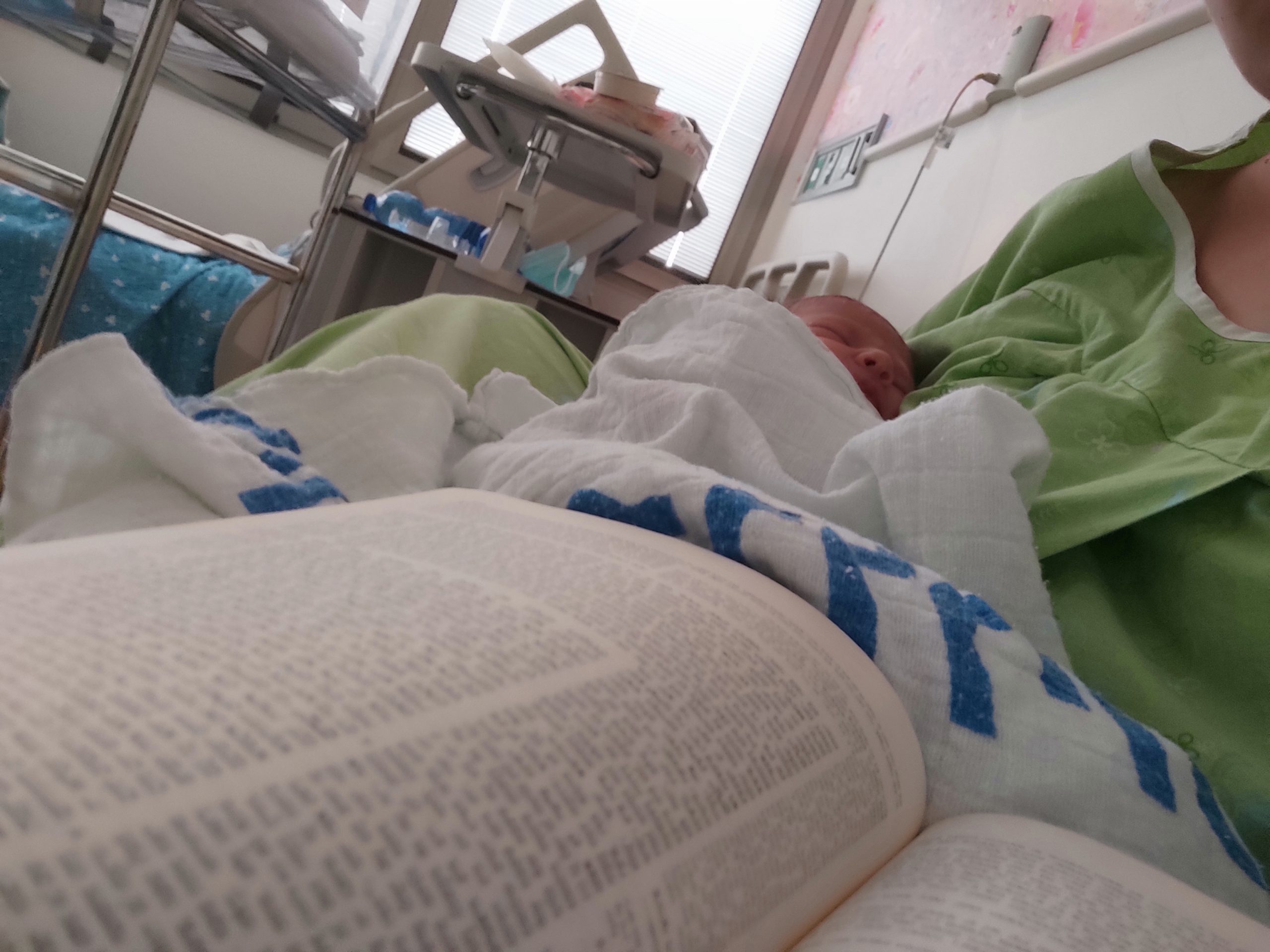
בתחילת הסבב הנוכחי הצטברו אצלי תחושות שאני לא מבינה מספיק מהי ההלכה אותה אני מקיימת בכל יום. כמו כן, כאמא לבנות רציתי לתת להן מודל נשי של לימוד תורה
שתי הסיבות האלו הובילו אותי להתחיל ללמוד. נתקלתי בתגובות מפרגנות וסקרניות איך אישה לומדת גמרא..
כמו שרואים בתמונה אני ממשיכה ללמוד גם היום ואפילו במחלקת יולדות אחרי לידת ביתי השלישית.
נועה שילה
רבבה, ישראל
התחלתי ללמוד בסבב הנוכחי לפני כשנתיים .הסביבה מתפעלת ותומכת מאוד. אני משתדלת ללמוד מכל ההסכתים הנוספים שיש באתר הדרן. אני עורכת כל סיום מסכת שיעור בביתי לכ20 נשים שמחכות בקוצר רוח למפגשים האלו.

יעל אשר
יהוד, ישראל
התחלתי מחוג במסכת קידושין שהעבירה הרבנית רייסנר במסגרת בית המדרש כלנה בגבעת שמואל; לאחר מכן התחיל סבב הדף היומי אז הצטרפתי. לסביבה לקח זמן לעכל אבל היום כולם תומכים ומשתתפים איתי. הלימוד לעתים מעניין ומעשיר ולעתים קשה ואף הזוי… אך אני ממשיכה קדימה. הוא משפיע על היומיום שלי קודם כל במרדף אחרי הדף, וגם במושגים הרבים שלמדתי ובידע שהועשרתי בו, חלקו ממש מעשי

אביגיל כריסי
ראש העין, ישראל
כבר סיפרתי בסיום של מועד קטן.
הלימוד מאוד משפיעה על היום שלי כי אני לומדת עם רבנית מישל על הבוקר בזום. זה נותן טון לכל היום – בסיס למחשבות שלי .זה זכות גדול להתחיל את היום בלימוד ובתפילה. תודה רבה !

שרה ברלוביץ
ירושלים, ישראל
התחלתי ללמוד דף לפני קצת יותר מ-5 שנים, כשלמדתי רבנות בישיבת מהר”ת בניו יורק. בדיעבד, עד אז, הייתי בלימוד הגמרא שלי כמו מישהו שאוסף חרוזים משרשרת שהתפזרה, פה משהו ושם משהו, ומאז נפתח עולם ומלואו…. הדף נותן לי לימוד בצורה מאורגנת, שיטתית, יום-יומית, ומלמד אותי לא רק ידע אלא את השפה ודרך החשיבה שלנו. לשמחתי, יש לי סביבה תומכת וההרגשה שלי היא כמו בציטוט שבחרתי: הדף משפיע לטובה על כל היום שלי.

מיכל כהנא
חיפה, ישראל
אחי, שלומד דף יומי ממסכת ברכות, חיפש חברותא ללימוד מסכת ראש השנה והציע לי. החברותא היתה מאתגרת טכנית ורוב הזמן נעשתה דרך הטלפון, כך שבסיום המסכת נפרדו דרכינו. אחי חזר ללמוד לבד, אבל אני כבר נכבשתי בקסם הגמרא ושכנעתי את האיש שלי להצטרף אלי למסכת ביצה. מאז המשכנו הלאה, ועכשיו אנחנו מתרגשים לקראתו של סדר נשים!

שולמית סבן
נוקדים, ישראל
התחלתי ללמוד דף יומי ממסכת נידה כי זה היה חומר הלימוד שלי אז. לאחר הסיום הגדול בבנייני האומה החלטתי להמשיך. וב”ה מאז עם הפסקות קטנות של קורונה ולידה אני משתדלת להמשיך ולהיות חלק.
זה משפיע מאוד על היום יום שלי ועל אף שאני עסוקה בלימודי הלכה ותורה כל יום, זאת המסגרת הקבועה והמחייבת ביותר שיש לי.
מוריה תעסן מיכאלי
גבעת הראל, ישראל
נדה כח
וְטִהֲרוּ לוֹ פְּתָחִים קְטַנִּים. וְקָא דָיְיקַתְּ מִינַּהּ: טַעְמָא דְּשִׁלְדּוֹ קַיֶּימֶת, הָא לָאו הָכִי טָהוֹר.
But they deemed pure all items that were under the small openings to the house, i.e., those whose width was less than four handbreadths. And you infer from this statement that the reason the large openings are impure in such a case is that the form of the corpse still exists; but otherwise, i.e., if the corpse was deformed, then even the large openings are pure.
אַדְּרַבָּה, דּוֹק מִינַּהּ לְהַאי גִּיסָא: שִׁלְדּוֹ קַיֶּימֶת הוּא דְּטִהֲרוּ לוֹ פְּתָחִים קְטַנִּים, הָא לָאו הָכִי — פְּתָחִים קְטַנִּים נָמֵי טְמֵאִין, דְּכֹל חַד וְחַד חֲזֵי לְאַפּוֹקֵי חַד חַד אֵבֶר!
The Gemara explains why one cannot infer from here that a deformed corpse does not impart impurity to other items that are under the same roof: On the contrary, one can infer from this statement in the opposite manner: It is only because the form of the corpse still exists that the Sages deemed pure the small openings of the house; but otherwise, the small openings are also impure, as each and every one of them is fit for taking out the corpse through them, each limb one by one. Consequently, no proof can be derived from this statement in support of the opinion of Reish Lakish.
אֲמַר לֵיהּ רָבִינָא לְרַב אָשֵׁי: רַבִּי יוֹחָנָן דְּאָמַר כְּמַאן? כְּרַבִּי אֱלִיעֶזֶר, דִּתְנַן: אֵפֶר שְׂרוּפִין, רַבִּי אֱלִיעֶזֶר אוֹמֵר: שִׁיעוּרָן בְּרוֹבַע.
Ravina said to Rav Ashi: In accordance with whose opinion did Rabbi Yoḥanan say that a deformed corpse imparts impurity to items that are under the same roof? It is in accordance with the opinion of Rabbi Eliezer, as we learned in a mishna (Oholot 2:2): With regard to the ashes of burned corpses that are not mixed with other types of ashes or dirt, Rabbi Eliezer says that its measure for imparting impurity to items that are under the same roof is a quarter of a kav. Clearly, Rabbi Eliezer maintains that a deformed corpse imparts impurity to items that are under the same roof.
הֵיכִי דָמֵי מֵת שֶׁנִּשְׂרַף וְשִׁלְדּוֹ קַיֶּימֶת? אָמַר אַבָּיֵי: כְּגוֹן שֶׁשְּׂרָפוֹ עַל גַּבֵּי קַטְבֻלְיָא. רָבָא אָמַר: כְּגוֹן שֶׁשְּׂרָפוֹ עַל גַּבֵּי אַפּוּדְרִים. רָבִינָא אָמַר: כְּגוֹן דְּאִיחֲרַךְ אִחֲרוֹכֵי.
The Gemara asks: What are the circumstances of this case of a corpse that was burned but its form still exists? How is this possible? Abaye says: It is possible in a case where one burned the corpse on top of a hard leather spread [katavla], which does not burn, and therefore the corpse retains its shape even after it is burned. Rava says: It is possible in a case where one burned the corpse on top of a marble slate [apoderim]. Ravina says: It is possible in a case where the corpse was charred without being reduced to ashes.
תָּנוּ רַבָּנַן: הַמַּפֶּלֶת יָד חֲתוּכָה וְרֶגֶל חֲתוּכָה — אִמּוֹ טְמֵאָה לֵידָה, וְאֵין חוֹשְׁשִׁין שֶׁמָּא מִגּוּף אָטוּם בָּאוּ.
§ The Sages taught in a baraita: In the case of a woman who discharges a shaped hand, i.e., its fingers are discernible, or a shaped foot, its mother is impure with the impurity of a woman after childbirth, as the hand or foot certainly came from a full-fledged fetus. And we are not concerned that perhaps they came from a fetus with a sealed, i.e., deficient, body, in which case the miscarriage does not have the status of childbirth with regard to ritual impurity. The reason is that most pregnant women give birth to a fully formed fetus, and therefore it is presumed that the hand or foot came from a whole fetus that was squashed during childbirth.
רַב חִסְדָּא וְרַבָּה בַּר רַב הוּנָא דְּאָמְרִי תַרְוַיְיהוּ: אֵין נוֹתְנִין לָהּ יְמֵי טוֹהַר. מַאי טַעְמָא? אֵימָא הִרְחִיקָה לֵידָתָהּ.
Rav Ḥisda and Rabba bar Rav Huna both say: Although the woman observes the period of impurity of a woman after childbirth, we do not give her the days of purity following the period of impurity. What is the reason? Although it is presumed that the discharged limbs came from a full-fledged fetus, it is unknown whether or when the woman discharged the rest of the fetus, and the principle is that a woman who discharges observes her periods of impurity and purity when the majority of the limbs of the fetus emerge. Therefore, one can say that perhaps her childbirth was distant, i.e., the woman discharged the majority of the limbs of the fetus long before she discharged this hand or foot, and consequently her period of purity has already ended.
מֵתִיב רַב יוֹסֵף: הַמַּפֶּלֶת וְאֵין יָדוּעַ מָה הִפִּילָה תֵּשֵׁב לְזָכָר וְלִנְקֵבָה, וְאִי סָלְקָא דַעְתָּךְ כֹּל כְּהַאי גַּוְונָא אֵימָא הִרְחִיקָה לֵידָתָהּ, לִתְנֵי וּלְנִדָּה!
Rav Yosef raises an objection from a mishna (29a): In the case of a woman who discharges and it is not known what sex fetus she discharged, she shall observe the strictures of a woman who gave birth both to a male and to a female. And if it enters your mind that in any case like this one should say that perhaps the woman’s childbirth was distant, let the mishna teach that the woman shall observe the strictures of a woman who gave birth to both a male and a female, and also observes the strictures of a menstruating woman. Since it is possible that the item she discharged was a limb from a fetus the majority of which she discharged a long time beforehand, then she must forgo the period of purity observed by a woman who gave birth, and treat any blood that emerges during this period like the blood of a menstruating woman.
אָמַר אַבָּיֵי: אִי תְּנָא לְנִדָּה, הֲוָה אָמֵינָא מְבִיאָה קׇרְבָּן וְאֵינוֹ נֶאֱכָל, קָא מַשְׁמַע לַן דְּנֶאֱכָל.
Abaye says in response: If the mishna had taught that the woman observes the strictures of a menstruating woman, I would say that as her status as a woman after childbirth is uncertain, since she observes the strictures of a menstruating woman with regard to any blood that emerges, she brings an offering like any woman after childbirth, but it is not eaten by the priests. It might be thought that perhaps the woman did not give birth at all and is not obligated to bring the offering, and therefore her bird sin offering cannot be eaten. By omitting the halakha that the woman observes the strictures of a menstruating woman, the mishna teaches us that her offering is eaten. This indicates that she certainly discharged an offspring; the uncertainty is only about when she discharged it.
אָמַר רַב הוּנָא: הוֹצִיא עוּבָּר אֶת יָדוֹ וְהֶחְזִירָהּ — אִמּוֹ טְמֵאָה לֵידָה, שֶׁנֶּאֱמַר: ״וַיְהִי בְלִדְתָּהּ וַיִּתֶּן יָד״.
§ Rav Huna says: If a fetus extended its hand out of the womb and then returned it, its mother is impure with the impurity of a woman after childbirth. This is considered childbirth, as it is stated with regard to Tamar, Judah’s daughter-in-law: “And it happened when she gave birth that one put out a hand…and it happened that as he drew back his hand, his brother came out” (Genesis 38:28–29). Evidently, the fetus extending out its hand was considered childbirth, despite the fact that it subsequently drew back the hand.
מֵתִיב רַב יְהוּדָה: הוֹצִיא עוּבָּר אֶת יָדוֹ — אֵין אִמּוֹ חוֹשֶׁשֶׁת לְכׇל דָּבָר! אָמַר רַב נַחְמָן: לְדִידִי מִיפָּרְשָׁא לִי מִינֵּיהּ דְּרַב הוּנָא, לָחוֹשׁ חוֹשֶׁשֶׁת, יְמֵי טוֹהַר לָא יָהֲבִינַן לַהּ עַד דְּנָפֵיק רוּבֵּיהּ.
Rav Yehuda raises an objection from a baraita: If a fetus extended its hand out of the womb, its mother need not be concerned that she is considered a woman after childbirth with regard to any matter. Rav Naḥman says in response: The meaning of this statement was explained to me personally by Rav Huna himself: With regard to being concerned that she has the status of a woman after childbirth, the woman must be concerned, i.e., she must observe the strictures of a woman after childbirth. But we do not give her a period of days of purity like any woman after childbirth, until most of the fetus emerges.
וְהָא אֵין ״אִמּוֹ חוֹשֶׁשֶׁת לְכׇל דָּבָר״ קָאָמַר! אָמַר אַבָּיֵי: אֵינָהּ חוֹשֶׁשֶׁת לְכׇל דָּבָר מִדְּאוֹרָיְיתָא, אֲבָל מִדְּרַבָּנַן חוֹשֶׁשֶׁת. וְהָא קְרָא קָאָמַר? מִדְּרַבָּנַן, וּקְרָא אַסְמַכְתָּא בְּעָלְמָא.
The Gemara asks: But doesn’t the baraita say that its mother need not be concerned that she is considered a woman after childbirth with regard to any matter? Abaye says: The baraita means that the woman need not be concerned with regard to any matter by Torah law; but by rabbinic law she must be concerned, i.e., she is required to observe the strictures of a woman after childbirth. The Gemara asks: But doesn’t Rav Huna cite a verse as proof for his statement that if a fetus extended its hand out it is considered childbirth? The Gemara answers: This halakha applies by rabbinic law, and the verse is cited as mere support for it, i.e., it is not an actual source.
מַתְנִי’ הַמַּפֶּלֶת טוּמְטוּם וְאַנְדְּרוֹגִינוֹס — תֵּשֵׁב לְזָכָר וְלִנְקֵבָה.
MISHNA: A woman who discharges or gives birth to a tumtum, whose sexual organs are obscured, or to a hermaphrodite [ve’androginos], who has both male and female sexual organs, shall observe the strictures of a woman who gave birth both to a male and to a female. She is impure for fourteen days like a woman who gave birth to a female, but blood that she sees thereafter is pure only until forty days after birth, like for a woman who gave birth to a male.
טוּמְטוּם וְזָכָר, אַנְדְּרוֹגִינוֹס וְזָכָר — תֵּשֵׁב לְזָכָר וְלִנְקֵבָה; טוּמְטוּם וּנְקֵבָה, אַנְדְּרוֹגִינוֹס וּנְקֵבָה — תֵּשֵׁב לִנְקֵבָה בִּלְבָד.
In a case where she gave birth to twins, if they are a tumtum and a male, or a hermaphrodite and a male, she observes the strictures of a woman who gave birth both to a male and to a female. But if the twins are a tumtum and a female, or a hermaphrodite and a female, she shall observe the periods of purity and impurity established by the Torah for a woman who gives birth to a female alone. Regardless of the status of the tumtum and the hermaphrodite, the woman’s seven days of impurity and her succeeding thirty-three days of purity are subsumed in the fourteen days of impurity and sixty-six days of purity for a female.
יָצָא מְחוּתָּךְ, אוֹ מְסוֹרָס — מִשֶּׁיֵּצֵא רוּבּוֹ הֲרֵי הוּא כְּיָלוּד. יָצָא כְּדַרְכּוֹ — עַד שֶׁיֵּצֵא רוֹב רֹאשׁוֹ. וְאֵיזֶהוּ רוֹב רֹאשׁוֹ? מִשֶּׁיֵּצֵא פַּדַּחְתּוֹ.
If the fetus emerged in pieces, or if it emerged reversed, i.e., feetfirst rather than headfirst, when most of its limbs emerge, its status is like that of a child born, with regard to the impurity of a woman after childbirth. If the fetus emerged in the usual manner, headfirst, it is not considered born until most of its head emerges. And what is considered most of its head? It is from when its forehead emerges.
גְּמָ’ הַשְׁתָּא טוּמְטוּם לְחוֹדֵיהּ וְאַנְדְּרוֹגִינוֹס לְחוֹדֵיהּ (אמר) [אָמְרַתְּ] תֵּשֵׁב לְזָכָר וְלִנְקֵבָה, טוּמְטוּם וְזָכָר, אַנְדְּרוֹגִינוֹס וְזָכָר מִיבַּעְיָא?
GEMARA: The Gemara asks: Now that with regard to a woman who gives birth to a tumtum alone, or a hermaphrodite alone, the mishna states that she shall observe the strictures of a woman who gave birth both to a male and to a female, as the sex of the offspring is uncertain, is it necessary for the mishna to rule that if a woman gives birth to twins, a tumtum and a male, or a hermaphrodite and a male, she shall observe the strictures of a woman who gave birth to both a male and a female?
אִיצְטְרִיךְ, מַהוּ דְּתֵימָא, הוֹאִיל וְאָמַר רַבִּי יִצְחָק: אִשָּׁה מַזְרַעַת תְּחִלָּה — יוֹלֶדֶת זָכָר, אִישׁ מַזְרִיעַ תְּחִלָּה — יוֹלֶדֶת נְקֵבָה, אֵימָא מִדְּהַאי זָכָר — הַאי נָמֵי זָכָר? קָא מַשְׁמַע לַן. אֵימָא: שְׁנֵיהֶם הִזְרִיעוּ בְּבַת אַחַת, זוֹ זָכָר וְזֶה נְקֵבָה.
The Gemara answers: It was necessary for the mishna to state this halakha, lest you say that since Rabbi Yitzḥak says that the sex of a fetus is determined at the moment of conception, in that if the woman emits seed first she gives birth to a male, and if the man emits seed first she gives birth to a female, therefore one might say that since this offspring that was born with the tumtum or hermaphrodite is male, that tumtum or hermaphrodite is also male. Consequently, the mishna teaches us that the woman shall observe the strictures of a woman who gave birth to a female as well, as one can say that perhaps both the man and the woman emitted seed at the same time, which would mean that this offspring is male and that tumtum or hermaphrodite is female.
אָמַר רַב נַחְמָן אָמַר רַב: טוּמְטוּם וְאַנְדְּרוֹגִינוֹס שֶׁרָאוּ לוֹבֶן אוֹ אוֹדֶם — אֵין חַיָּיבִין עַל בִּיאַת מִקְדָּשׁ, וְאֵין שׂוֹרְפִין עֲלֵיהֶם אֶת הַתְּרוּמָה.
§ Rav Naḥman says that Rav says: In the case of a tumtum and a hermaphrodite who saw a white gonorrhea-like discharge [ziva], for which a man is impure, or who emitted a red discharge that had the appearance of menstrual blood, for which a woman is impure, if they entered the Temple they are not liable for entering the Temple in a state of impurity, as perhaps they are pure, in accordance with their true sex. And if they touched teruma after such a discharge, one does not burn the teruma due to their contact, as although impure teruma must be burned, the impurity in this case is uncertain.
רָאוּ לוֹבֶן וְאוֹדֶם כְּאֶחָד — אֵין חַיָּיבִין עַל בִּיאַת מִקְדָּשׁ, אֲבָל שׂוֹרְפִין עֲלֵיהֶם אֶת הַתְּרוּמָה, שֶׁנֶּאֱמַר ״מִזָּכָר וְעַד נְקֵבָה
If a tumtum and a hermaphrodite saw white ziva and red blood as one, i.e., they emitted both ziva and blood and are therefore impure regardless of their sex, they are still not liable for entering the Temple, but one does burn teruma due to their contact. The reason they are not liable for entering the Temple, despite the fact that they are definitely impure, is that it is stated: “Both male and female
תְּשַׁלֵּחוּ״ — זָכָר וַדַּאי נְקֵבָה וַדָּאִית, וְלֹא טוּמְטוּם וְאַנְדְּרוֹגִינוֹס.
you shall send out, out of the camp you shall send them, so that they not impurify their camp, in the midst of which I dwell” (Numbers 5:3). It is derived from the verse that only a definite male or a definite female is liable for entering the Temple in a state of impurity, but not a tumtum or a hermaphrodite.
לֵימָא מְסַיַּיע לֵיהּ: טוּמְטוּם וְאַנְדְּרוֹגִינוֹס שֶׁרָאוּ לוֹבֶן אוֹ אוֹדֶם — אֵין חַיָּיבִין עַל בִּיאַת מִקְדָּשׁ, וְאֵין שׂוֹרְפִין עֲלֵיהֶם אֶת הַתְּרוּמָה. רָאוּ לוֹבֶן וְאוֹדֶם כְּאַחַת — אֵין חַיָּיבִין עַל בִּיאַת מִקְדָּשׁ, אֲבָל שׂוֹרְפִין עֲלֵיהֶם אֶת הַתְּרוּמָה.
The Gemara suggests: Let us say that the following baraita supports the opinion of Rav: In the case of a tumtum and a hermaphrodite who saw white ziva or red blood, they are not liable for entering the Temple in a state of impurity, and if they touch teruma, one does not burn the teruma due to their contact. If they saw white ziva and red blood as one, i.e., they emitted both ziva and blood, they are still not liable for entering the Temple, but one burns teruma due to their contact.
מַאי טַעְמָא, לָאו מִשּׁוּם שֶׁנֶּאֱמַר ״מִזָּכָר וְעַד נְקֵבָה תְּשַׁלֵּחוּ״, זָכָר וַדַּאי, נְקֵבָה וַדָּאִית, וְלֹא טוּמְטוּם וְאַנְדְּרוֹגִינוֹס? אָמַר עוּלָּא: לָא, הָא מַנִּי? רַבִּי אֱלִיעֶזֶר הִיא.
The Gemara reasons: What is the reason that they are not liable for entering the Temple despite the fact that they are definitely impure? Is it not because it is stated in the verse: “Both male and female you shall send out,” from which it is derived that only a definite male or a definite female could be liable for entering the Temple in a state of impurity, but not a tumtum or a hermaphrodite? Ulla says: No, Rav’s opinion cannot be proved from this baraita, as in accordance with whose opinion is this baraita? It is in accordance with the opinion of Rabbi Eliezer.
דִּתְנַן, רַבִּי אֱלִיעֶזֶר אוֹמֵר: הַ״שֶּׁרֶץ… וְנֶעְלַם מִמֶּנּוּ״ — עַל הֶעְלֵם שֶׁרֶץ הוּא חַיָּיב, וְאֵינוֹ חַיָּיב עַל הֶעְלֵם מִקְדָּשׁ.
As we learned in a mishna (Shevuot 14b) that Rabbi Eliezer says: With regard to the sliding-scale offering the verse states: “Or if a person touches any impure thing…or the carcass of a non-kosher creeping animal, and it is hidden from him” (Leviticus 5:2). A precise reading of this verse indicates that if one has a lapse of awareness that he contracted ritual impurity by touching a carcass of a creeping animal, he is liable to bring a sliding-scale offering for defiling the Temple or the sacrificial food, but he is not liable to bring such an offering for a lapse of awareness that he is entering the Temple or partaking of sacrificial food.
רַבִּי עֲקִיבָא אוֹמֵר: ״וְנֶעְלַם מִמֶּנּוּ וְהוּא טָמֵא״ — עַל הֶעְלֵם טוּמְאָה הוּא חַיָּיב, וְאֵינוֹ חַיָּיב עַל הֶעְלֵם מִקְדָּשׁ.
Rabbi Akiva says that it is derived from the phrase: “And it is hidden from him, so that he is impure” (Leviticus 5:2), that for a lapse of awareness that one had contracted ritual impurity, he is liable to bring a sliding-scale offering, but he is not liable to bring an offering for a lapse of awareness that he is entering the Temple or partaking of sacrificial food.
וְאָמְרִינַן: מַאי בֵּינַיְיהוּ? וְאָמַר חִזְקִיָּה: שֶׁרֶץ וּנְבֵלָה אִיכָּא בֵּינַיְיהוּ, דְּרַבִּי אֱלִיעֶזֶר סָבַר: בָּעֵינַן עַד דְּיָדַע אִי בְּשֶׁרֶץ אִיטַּמִּי אִי בִּנְבֵילָה אִיטַּמִּי, וְרַבִּי עֲקִיבָא סָבַר: לָא בָּעֵינַן.
And we say with regard to this mishna: What is the difference between the opinions of Rabbi Eliezer and Rabbi Akiva? They are apparently stating the same halakha. And Ḥizkiyya says: There is a practical difference between them in a case where one initially knew that he had contracted ritual impurity, but he did not know whether the impurity was contracted from a carcass of a creeping animal or from the carcass of an unslaughtered animal. As Rabbi Eliezer holds that for one to be liable to bring an offering, we require that he initially know whether he contracted impurity from a carcass of a creeping animal or whether he contracted impurity from an unslaughtered animal carcass, and if he never knew this, he does not bring an offering. And Rabbi Akiva holds that for him to be liable to bring an offering, we do not require that he know this detail, since he knows in general terms that he contracted impurity.
לָאו אָמַר רַבִּי אֱלִיעֶזֶר הָתָם בָּעֵינַן דְּיָדַע אִי בְּשֶׁרֶץ אִיטַּמִּי, אִי בִּנְבֵלָה אִיטַּמִּי; הָכָא נָמֵי בָּעֵינַן דְּיָדַע אִי בְּלוֹבֶן אִיטַּמִּי, אִי בְּאוֹדֶם אִיטַּמִּי.
The Gemara infers: Doesn’t Rabbi Eliezer say there, in that mishna, that we require one to bring an offering for entering the Temple in a state of impurity only if he knew initially whether he contracted impurity from a carcass of a creeping animal or whether he contracted impurity from an unslaughtered animal carcass? Here, too, with regard to a hermaphrodite or a tumtum who emitted both ziva and blood, they are not obligated to bring an offering according to Rabbi Eliezer, as we require one to bring an offering only if he knew whether he became impure due to the white ziva he emitted or whether he became impure due to the red blood he emitted.
אֲבָל לְרַבִּי עֲקִיבָא, דְּאָמַר מִשּׁוּם טוּמְאָה מִיחַיַּיב, הָכָא נָמֵי מִשּׁוּם טוּמְאָה מִיחַיַּיב.
But according to Rabbi Akiva, who said that one is obligated to bring an offering due to his initial knowledge of his impurity even if he did not know the exact cause of his impurity, here too, in the case of a hermaphrodite or a tumtum who emitted both ziva and blood, he is obligated to bring an offering due to his initial knowledge of his impurity, despite the fact that he does not know whether he is impure due to the blood or the ziva.
וְרַב, מַאי שְׁנָא בִּיאַת מִקְדָּשׁ דְּלָא, דִּכְתִיב: ״מִזָּכָר וְעַד נְקֵבָה תְּשַׁלֵּחוּ״ — זָכָר וַדַּאי, נְקֵבָה וַדָּאִית, וְלֹא טוּמְטוּם וְאַנְדְּרוֹגִינוֹס.
The Gemara asks: And according to Rav, who holds that an impure tumtum or hermaphrodite is not liable for entering the Temple but that any teruma that he touches is burned, what is different with regard to entering the Temple, for which he is not liable? The reason it is different is that it is written: “Both male and female you shall send out,” from which it is derived that a definite male or a definite female is liable for entering the Temple in a state of impurity, but not a tumtum or a hermaphrodite.
אִי הָכִי, תְּרוּמָה נָמֵי לָא נִשְׂרוֹף, דִּכְתִיב: ״וְהַזָּב אֶת זוֹבוֹ לַזָּכָר וְלַנְּקֵבָה״ — זָכָר וַדַּאי, נְקֵבָה וַדָּאִית, וְלֹא טוּמְטוּם וְאַנְדְּרוֹגִינוֹס!
If so, we should not burn teruma that he touches either, as it is written in a verse dealing with these types of impurity: “This is the law of the zav, and of one from whom the flow of semen emerges, so that he is thereby impure; and of her that is sick with her menstrual status, and they who have an issue, whether a male or a female” (Leviticus 15:32–33). It can similarly be derived from this verse that these types of impurity apply only to a definite male or a definite female, but not to a tumtum or a hermaphrodite.
הַהוּא מִבָּעֵי לֵיהּ לְכִדְרַבִּי יִצְחָק, דְּאָמַר רַבִּי יִצְחָק: ״לַזָּכָר״ — לְרַבּוֹת אֶת הַמְּצוֹרָע לְמַעְיְנוֹתָיו, ״וְלִנְקֵבָה״ — לְרַבּוֹת אֶת הַמְצוֹרַעַת לְמַעְיְנוֹתֶיהָ.
The Gemara answers: That verse is necessary for the halakha of Rabbi Yitzḥak, as Rabbi Yitzḥak said: The term “whether a male” serves to include a male leper as a primary source of impurity with regard to the sources of his bodily emissions. In other words, the various emissions of a leper, e.g., his saliva and urine, have the status of a primary source of impurity, and therefore they transmit impurity to a person or utensil that touches them. And the term “or a female” serves to include a female as a primary source of impurity with regard to the sources of her bodily emissions.
הַאי נָמֵי מִבְּעֵי לֵיהּ, בְּמִי שֶׁיֵּשׁ לוֹ טׇהֳרָה בַּמִּקְוֶה — פְּרָט לִכְלִי חֶרֶס, דִּבְרֵי רַבִּי יוֹסֵי!
The Gemara raises a difficulty: This verse: “Both male and female you shall send out” (Numbers 5:3), from which Rav derives that the prohibition against an impure person entering the Temple does not apply to one whose sex is uncertain, is also necessary for another halakha. That halakha is that the obligation to remove from the Temple any impure person or item applies only to one that has the option of attaining ritual purity by immersing in a ritual bath; this excludes an impure earthenware vessel, which cannot be purified by immersing it in a ritual bath. This is the statement of Rabbi Yosei. Consequently, Rav’s halakha cannot be derived from that verse.
אִם כֵּן, נִכְתּוֹב רַחֲמָנָא ״אָדָם״.
The Gemara answers: If so, that the verse serves to teach Rabbi Yosei’s halakha alone, let the Merciful One write: Any person you shall send out, as this would also exclude earthenware vessels. Rav’s halakha is derived from the fact that the wording of the verse is: “Both male and female.”
וְכִי תֵימָא, אִי כְּתַב רַחֲמָנָא ״אָדָם״ הֲוָה אָמֵינָא כְּלֵי מַתָּכוֹת לָא, מִ״כֹּל טָמֵא לָנָפֶשׁ״ נָפְקָא! ״זָכָר״ וּ״נְקֵבָה״ לְמָה לִי? לְכִדְרַב.
And if you would say in response that if the Merciful One had written: Any person you shall send out, I would say that impure metal vessels need not be removed from the Temple either, as they are not included in the term: Any person, this is not correct. The Gemara elaborates: The halakha that impure metal vessels must be removed from the Temple is derived from the previous verse: “That they put out of the camp every leper, and every one that has an issue, and whatever is impure by the dead” (Numbers 5:2). Therefore, why do I need the verse to write: “Both male and female you shall send out,” instead of simply stating: Any person you shall send out? Clearly, the phrase: “Both male and female,” is necessary for the halakha of Rav.
וְאֵימָא, כּוּלֵּיהּ לְכִדְרַב הוּא דַּאֲתָא? אִם כֵּן, נִכְתּוֹב ״זָכָר וּנְקֵבָה״! מַאי ״מִזָּכָר וְעַד נְקֵבָה״? עַד כׇּל דָּבָר שֶׁיֵּשׁ לוֹ טׇהֳרָה בַּמִּקְוֶה.
The Gemara asks: But if so, one can say that the entire phrase comes for Rav’s halakha, and not the halakha of Rabbi Yosei. The Gemara answers: If so, let the verse write: Male and female. What is the meaning of the phrase: “Both male and female”? The verse is referring to any ritually impure item that has the same halakha that applies to both males and females, i.e., it can attain purity by being immersed in a ritual bath; this excludes earthenware vessels.
אִי הָכִי, כִּי אִיטַּמִּי בִּשְׁאָר טוּמְאוֹת, לָא לִישַׁלְּחוּ? אָמַר קְרָא ״מִזָּכָר״ — מִטּוּמְאָה הַפּוֹרֶשֶׁת מִן הַזָּכָר.
With regard to Rav’s halakha that the prohibition of entering the Temple in a state of ritual impurity does not apply to one who is a tumtum or a hermaphrodite, the Gemara asks: If so, then even when they become impure with other types of impurity, in addition to the impurity of a zav or a menstruating woman, a tumtum and a hermaphrodite should likewise not be sent out of the Temple, as the passage from which a tumtum and a hermaphrodite are excluded is also referring to other types of impurity: “That they put out of the camp every leper, and every one that has an issue, and whatever is impure by the dead” (Numbers 5:2). The Gemara answers: The next verse states: “Both male,” which is referring to impurity caused by a substance that is emitted from the male organ, i.e., ziva.
וְכֹל הֵיכָא דִּכְתִיב ״מִזָּכָר עַד נְקֵבָה״ לְמַעוֹטֵי טוּמְטוּם וְאַנְדְּרוֹגִינוֹס הוּא דַּאֲתָא? וְהָא גַּבֵּי עֲרָכִין דִּכְתִיב ״הַזָּכָר״.
The Gemara raises a difficulty with regard to Rav’s derivation: And is it correct that anywhere that the phrase “both male and female” is written in the Torah, this comes to exclude a tumtum and a hermaphrodite? But isn’t a similar expression stated with regard to valuations, as it is written: “For the male…fifty shekels of silver, after the shekel of the Sanctuary. And if she is a female, then your valuation shall be thirty shekels” (Leviticus 27:3–4).
וְתַנְיָא: ״הַזָּכָר״ — וְלֹא טוּמְטוּם וְאַנְדְּרוֹגִינוֹס. יָכוֹל לֹא יְהֵא בְּעֵרֶךְ אִישׁ, אֲבָל יְהֵא בְּעֵרֶךְ אִשָּׁה? תַּלְמוּד לוֹמַר: ״הַזָּכָר… וְאִם נְקֵבָה״ — זָכָר וַדַּאי, נְקֵבָה וַדָּאִית, וְלֹא טוּמְטוּם וְאַנְדְּרוֹגִינוֹס.
And it is taught in a baraita that it is derived from the term “the male”: But not a tumtum or a hermaphrodite. One might have thought that a tumtum or a hermaphrodite shall not be valuated according to the valuation of a man, which is fifty shekels, but shall be valuated according to the valuation of a woman, which is thirty shekels. Therefore, the verse states: “The male,” and the following verse states: “And if she is a female,” indicating that these halakhot apply only to a definite male or a definite female, but not to a tumtum or a hermaphrodite.
טַעְמָא דִּכְתִיב ״הַזָּכָר… וְאִם נְקֵבָה״, הָא מִ״זָּכָר״ וּ״נְקֵבָה״ לָא מְמַעֵט. הַהוּא מִבָּעֵי לֵיהּ
The Gemara explains the difficulty: The reason a tumtum and a hermaphrodite are excluded is that it is written: “The male…and if she is a female,” which indicates that if the verse had written: Male and female, without the superfluous words “the” and “if,” it would not have been derived that the verse excludes a tumtum and a hermaphrodite. This apparently contradicts the opinion of Rav, who excludes a tumtum and a hermaphrodite from the prohibition of entering the Temple in a state of impurity merely due to the phrase: “Male and female” (Numbers 5:3). The Gemara answers: In that verse with regard to valuations, the words “male” and “female” are themselves necessary
לעקוב

