







הגמרא מביאה הרבה מאמרים לגבי יצירת הוולד, הריון של אשה, הקשר בין קיום יחסי מין ללידה, השגחת הקב”ה ביצירת הוולד ועוד.
הלימוד החודש מוקדש ע”י מרכי גלזר לע”נ רחל אביבה בת דבורה חנה.
לימוד החודש מוקדש ע”י מרכי גלזר לע”נ רחל אביבה בת דבורה חנה
רוצה להקדיש שיעור?
English
עברית

0:00
0:00
0:00
0:00
כלים
הלימוד החודש מוקדש ע”י מרכי גלזר לע”נ רחל אביבה בת דבורה חנה.
לימוד החודש מוקדש ע”י מרכי גלזר לע”נ רחל אביבה בת דבורה חנה
נדה לא
מַאי קְרָא? ״מִמְּעֵי אִמִּי אַתָּה גוֹזִי״. מַאי מַשְׁמַע דְּהַאי ״גּוֹזִי״ לִישָּׁנָא דְּאִשְׁתְּבוֹעֵי הוּא? דִּכְתִיב: ״גׇּזִּי נִזְרֵךְ וְהַשְׁלִיכִי״.
What is the verse from which it is derived that a fetus is administered an oath on the day of its birth? “Upon You I have relied from birth; You are He Who took me out [gozi] of my mother’s womb” (Psalms 71:6). From where may it be inferred that this word: “Gozi,” is a term of administering an oath? As it is written: “Cut off [gozi] your hair and cast it away” (Jeremiah 7:29), which is interpreted as a reference to the vow of a nazirite, who must cut off his hair at the end of his term of naziriteship.
וְאָמַר רַבִּי אֶלְעָזָר: לְמָה וָלָד דּוֹמֶה בִּמְעֵי אִמּוֹ? לֶאֱגוֹז מוּנָּח בְּסֵפֶל שֶׁל מַיִם, אָדָם נוֹתֵן אֶצְבָּעוֹ עָלָיו — שׁוֹקֵעַ לְכָאן וּלְכָאן.
And Rabbi Elazar says: To what is a fetus in its mother’s womb comparable? It is comparable to a nut placed in a basin full of water, floating on top of the water. If a person puts his finger on top of the nut, it sinks either in this direction or in that direction.
תָּנוּ רַבָּנַן: שְׁלֹשָׁה חֳדָשִׁים הָרִאשׁוֹנִים — וָלָד דָּר בְּמָדוֹר הַתַּחְתּוֹן, אֶמְצָעִיִּים — וָלָד דָּר בְּמָדוֹר הָאֶמְצָעִי, אַחֲרוֹנִים — וָלָד דָּר בְּמָדוֹר הָעֶלְיוֹן, וְכֵיוָן שֶׁהִגִּיעַ זְמַנּוֹ לָצֵאת — מִתְהַפֵּךְ וְיוֹצֵא, וְזֶהוּ ״חֶבְלֵי אִשָּׁה״.
§ The Sages taught in a baraita: During the first three months of pregnancy, the fetus resides in the lower compartment of the womb; in the middle three months, the fetus resides in the middle compartment; and during the last three months of pregnancy the fetus resides in the upper compartment. And once its time to emerge arrives, it turns upside down and emerges; and this is what causes labor pains.
וְהַיְינוּ דִּתְנַן: חֶבְלֵי (שֶׁל) נְקֵבָה מְרוּבִּין מִשֶּׁל זָכָר.
With regard to the assertion that labor pains are caused by the fetus turning upside down, the Gemara notes: And this is the explanation for that which we learned in a baraita: The labor pains experienced by a woman who gives birth to a female are greater than those experienced by a woman who gives birth to a male. The Gemara will explain this below.
וְאָמַר רַבִּי אֶלְעָזָר: מַאי קְרָא? ״אֲשֶׁר עֻשֵּׂיתִי בַסֵּתֶר רֻקַּמְתִּי בְּתַחְתִּיּוֹת אָרֶץ״. ״דַּרְתִּי״ לֹא נֶאֱמַר, אֶלָּא ״רֻקַּמְתִּי״.
And Rabbi Elazar says: What is the verse from which it is derived that a fetus initially resides in the lower part of the womb? “When I was made in secret, and I was woven together in the lowest parts of the earth” (Psalms 139:15). Since it is not stated: I resided in the lowest parts of the earth, but rather: “I was woven together in the lowest parts of the earth,” this teaches that during the initial stage of a fetus’s development, when it is woven together, its location is in the lower compartment of the womb.
מַאי שְׁנָא חֶבְלֵי נְקֵבָה מְרוּבִּין מִשֶּׁל זָכָר? זֶה בָּא כְּדֶרֶךְ תַּשְׁמִישׁוֹ, וְזֶה בָּא כְּדֶרֶךְ תַּשְׁמִישׁוֹ, זוֹ הוֹפֶכֶת פָּנֶיהָ, וְזֶה אֵין הוֹפֵךְ פָּנָיו.
The Gemara asks: What is different about the labor pains experienced by a woman who gives birth to a female, that they are greater than those experienced by a woman who gives birth to a male? The Gemara answers: This one, a male fetus, emerges in the manner in which it engages in intercourse. Just as a male engages in intercourse facing downward, so too, it is born while facing down. And that one, a female fetus, emerges in the manner in which it engages in intercourse, i.e., facing upward. Consequently, that one, a female fetus, turns its face around before it is born, but this one, a male fetus, does not turn its face around before it is born.
תָּנוּ רַבָּנַן: שְׁלֹשָׁה חֳדָשִׁים הָרִאשׁוֹנִים — תַּשְׁמִישׁ קָשֶׁה לָאִשָּׁה, וְגַם קָשֶׁה לַוָּלָד. אֶמְצָעִיִּים — קָשֶׁה לָאִשָּׁה וְיָפֶה לַוָּלָד. אַחֲרוֹנִים — יָפֶה לְאִשָּׁה וְיָפֶה לַוָּלָד, שֶׁמִּתּוֹךְ כָּךְ נִמְצָא הַוָּלָד מְלוּבָּן וּמְזוֹרָז.
§ The Sages taught in a baraita: During the first three months of pregnancy, sexual intercourse is difficult and harmful for the woman and is also difficult for the offspring. During the middle three months, intercourse is difficult for the woman but is beneficial for the offspring. During the last three months, sexual intercourse is beneficial for the woman and beneficial for the offspring; as a result of it the offspring is found to be strong and fair skinned.
תָּנָא: הַמְשַׁמֵּשׁ מִטָּתוֹ לְיוֹם תִּשְׁעִים — כְּאִילּוּ שׁוֹפֵךְ דָּמִים. מְנָא יָדַע? אֶלָּא אָמַר אַבָּיֵי: מְשַׁמֵּשׁ וְהוֹלֵךְ, וְ״שׁוֹמֵר פְּתָאיִם ה׳״.
The Sages taught in a baraita: With regard to one who engages in intercourse with his wife on the ninetieth day of her pregnancy, it is as though he spills her blood. The Gemara asks: How does one know that it is the ninetieth day of her pregnancy? Rather, Abaye says: One should go ahead and engage in intercourse with his wife even if it might be the ninetieth day, and rely on God to prevent any ensuing harm, as the verse states: “The Lord preserves the simple” (Psalms 116:6).
תָּנוּ רַבָּנַן: שְׁלֹשָׁה שׁוּתָּפִין יֵשׁ בָּאָדָם — הַקָּדוֹשׁ בָּרוּךְ הוּא, וְאָבִיו, וְאִמּוֹ. אָבִיו מַזְרִיעַ הַלּוֹבֶן, שֶׁמִּמֶּנּוּ עֲצָמוֹת, וְגִידִים, וְצִפׇּרְנַיִם, וּמוֹחַ שֶׁבְּרֹאשׁוֹ, וְלוֹבֶן שֶׁבָּעַיִן. אִמּוֹ מַזְרַעַת אוֹדֶם, שֶׁמִּמֶּנּוּ עוֹר, וּבָשָׂר, וּשְׂעָרוֹת, וְשָׁחוֹר שֶׁבָּעַיִן. וְהַקָּדוֹשׁ בָּרוּךְ הוּא נוֹתֵן בּוֹ רוּחַ, וּנְשָׁמָה, וּקְלַסְתֵּר פָּנִים, וּרְאִיַּית הָעַיִן, וּשְׁמִיעַת הָאוֹזֶן, וְדִבּוּר פֶּה, וְהִלּוּךְ רַגְלַיִם, וּבִינָה, וְהַשְׂכֵּל.
§ The Sages taught: There are three partners in the creation of a person: The Holy One, Blessed be He, and his father, and his mother. His father emits the white seed, from which the following body parts are formed: The bones, the sinews, the nails, the brain that is in its head, and the white of the eye. His mother emits red seed, from which are formed the skin, the flesh, the hair, and the black of the eye. And the Holy One, Blessed be He, inserts into him a spirit, a soul, his countenance [ukelaster], eyesight, hearing of the ear, the capability of speech of the mouth, the capability of walking with the legs, understanding, and wisdom.
וְכֵיוָן שֶׁהִגִּיעַ זְמַנּוֹ לְהִפָּטֵר מִן הָעוֹלָם, הַקָּדוֹשׁ בָּרוּךְ הוּא נוֹטֵל חֶלְקוֹ וְחֵלֶק אָבִיו וְאִמּוֹ, מַנִּיחַ לִפְנֵיהֶם. אָמַר רַב פָּפָּא: הַיְינוּ דְּאָמְרִי אִינָשֵׁי ״פּוּץ מִלְחָא וּשְׁדִי בִּשְׂרָא לְכַלְבָּא״.
And when a person’s time to depart from the world arrives, the Holy One, Blessed be He, retrieves His part, and He leaves the part of the person’s father and mother before them. Rav Pappa said: This is in accordance with the adage that people say: Remove the salt from a piece of meat, and you may then toss the meat to a dog, as it has become worthless.
דָּרֵשׁ רַב חִינָּנָא בַּר פָּפָּא: מַאי דִכְתִיב ״עוֹשֶׂה גְּדוֹלוֹת עַד אֵין חֵקֶר וְנִפְלָאוֹת עַד אֵין מִסְפָּר״? בֹּא וּרְאֵה שֶׁלֹּא כְּמִדַּת הַקָּדוֹשׁ בָּרוּךְ הוּא מִדַּת בָּשָׂר וָדָם. מִדַּת בָּשָׂר וָדָם, נוֹתֵן חֵפֶץ בְּחֵמֶת צְרוּרָה וּפִיהָ לְמַעְלָה — סָפֵק מִשְׁתַּמֵּר, סְפֵק אֵין מִשְׁתַּמֵּר. וְאִילּוּ הַקָּדוֹשׁ בָּרוּךְ הוּא, צָר הָעוּבָּר בִּמְעֵי אִשָּׁה פְּתוּחָה וּפִיהָ לְמַטָּה, וּמִשְׁתַּמֵּר.
§ Rav Ḥinnana bar Pappa taught: What is the meaning of that which is written: “Who does great deeds beyond comprehension, wondrous deeds without number” (Job 9:10)? Come and see that the attribute of flesh and blood is unlike the attribute of the Holy One, Blessed be He. The attribute of flesh and blood is that if one puts an article in a flask, even if the flask is tied and its opening faces upward, it is uncertain whether the item is preserved from getting lost, and it is uncertain whether it is not preserved from being lost. But the Holy One, Blessed be He, forms the fetus in a woman’s open womb, and its opening faces downward, and yet the fetus is preserved.
דָּבָר אַחֵר: אָדָם נוֹתֵן חֲפָצָיו לְכַף מֹאזְנַיִם, כׇּל זְמַן שֶׁמַּכְבִּיד יוֹרֵד לְמַטָּה, וְאִילּוּ הַקָּדוֹשׁ בָּרוּךְ הוּא, כׇּל זְמַן שֶׁמַּכְבִּיד הַוָּלָד עוֹלֶה לְמַעְלָה.
Another matter that demonstrates the difference between the attributes of God and the attributes of people is that when a person places his articles on a scale to be measured, the heavier the item is, the more it descends. But when the Holy One, Blessed be He, forms a fetus, the heavier the offspring gets, the more it ascends upward in the womb.
דָּרֵשׁ רַבִּי יוֹסֵי הַגְּלִילִי: מַאי דִכְתִיב ״אוֹדְךָ (ה׳) עַל כִּי נוֹרָאוֹת נִפְלֵיתִי נִפְלָאִים מַעֲשֶׂיךָ וְנַפְשִׁי יוֹדַעַת מְאֹד״? בֹּא וּרְאֵה שֶׁלֹּא כְּמִדַּת הַקָּדוֹשׁ בָּרוּךְ הוּא מִדַּת בָּשָׂר וָדָם. מִדַּת בָּשָׂר וָדָם, אָדָם נוֹתֵן זֵרְעוֹנִים בַּעֲרוּגָה כׇּל (אַחַת וְאַחַת) [אֶחָד וְאֶחָד] עוֹלֶה בְּמִינוֹ, וְאִילּוּ הַקָּדוֹשׁ בָּרוּךְ הוּא צָר הָעוּבָּר בִּמְעֵי אִשָּׁה, וְכוּלָּם עוֹלִין לְמִין אֶחָד.
Rabbi Yosei HaGelili taught: What is the meaning of that which is written: “I will give thanks to You, for I am fearfully and wonderfully made; wonderful are Your works, and that my soul knows very well” (Psalms 139:14)? Come and see that the attribute of flesh and blood is unlike the attribute of the Holy One, Blessed be He. The attribute of flesh and blood is that when a person plants seeds of different species in one garden bed, each and every one of the seeds emerges as a grown plant according to its species. But the Holy One, Blessed be He, forms the fetus in a woman’s womb, and all of the seeds, i.e., those of both the father and the mother, emerge when the offspring is formed as one sex.
דָּבָר אַחֵר: צַבָּע נוֹתֵן סַמָּנִין לַיּוֹרָה — כּוּלָּן עוֹלִין לְצֶבַע אֶחָד, וְאִילּוּ הַקָּדוֹשׁ בָּרוּךְ הוּא צָר הָעוּבָּר בִּמְעֵי אִשָּׁה, כׇּל (אַחַת וְאַחַת) [אֶחָד וְאֶחָד] עוֹלֶה לְמִינוֹ.
Alternatively, when a dyer puts herbs in a cauldron [leyora], they all emerge as one color of dye, whereas the Holy One, Blessed be He, forms the fetus in a woman’s womb, and each and every one of the seeds emerges as its own type. In other words, the seed of the father form distinct elements, such as the white of the eye, and the seed of the mother forms other elements, such as the black of the eye, as explained above.
דָּרֵשׁ רַב יוֹסֵף: מַאי דִכְתִיב ״אוֹדְךָ ה׳ כִּי אָנַפְתָּ בִּי יָשׁוֹב אַפְּךָ וּתְנַחֲמֵנִי״, בַּמֶּה הַכָּתוּב מְדַבֵּר?
Rav Yosef taught: What is the meaning of that which is written: “And on that day you shall say: I will give thanks to You, Lord, for You were angry with me; Your anger is turned away, and You comfort me” (Isaiah 12:1)? With regard to what matter is the verse speaking?
בִּשְׁנֵי בְּנֵי אָדָם שֶׁיָּצְאוּ לִסְחוֹרָה. יָשַׁב לוֹ קוֹץ לְאֶחָד מֵהֶן, הִתְחִיל מְחָרֵף וּמְגַדֵּף. לְיָמִים שָׁמַע שֶׁטָּבְעָה סְפִינָתוֹ שֶׁל חֲבֵירוֹ בַּיָּם, הִתְחִיל מוֹדֶה וּמְשַׁבֵּחַ. לְכָךְ נֶאֱמַר: ״יָשׁוֹב אַפְּךָ וּתְנַחֲמֵנִי״.
It is referring, for example, to two people who left their homes to go on a business trip. A thorn penetrated the body of one of them, and he was consequently unable to go with his colleague. He started blaspheming and cursing in frustration. After a period of time, he heard that the ship of the other person had sunk in the sea, and realized that the thorn had saved him from death. He then started thanking God and praising Him for his delivery due to the slight pain caused to him by the thorn. This is the meaning of the statement: I will give thanks to You, Lord, for You were angry with me. Therefore, it is stated at the end of the verse: “Your anger is turned away, and You comfort me.”
וְהַיְינוּ דְּאָמַר רַבִּי אֶלְעָזָר: מַאי דִכְתִיב ״עוֹשֶׂה נִפְלָאוֹת (גְּדוֹלוֹת) לְבַדּוֹ וּבָרוּךְ שֵׁם כְּבוֹדוֹ לְעוֹלָם״? אֲפִילּוּ בַּעַל הַנֵּס אֵינוֹ מַכִּיר בְּנִסּוֹ.
And this statement is identical to that which Rabbi Elazar said: What is the meaning of that which is written: “Blessed be the Lord God, the God of Israel, Who does wondrous things alone; and blessed be His glorious name forever” (Psalms 72:18–19)? What does it mean that God “does wondrous things alone”? It means that even the one for whom the miracle was performed does not recognize the miracle that was performed for him.
דָּרֵישׁ רַבִּי חֲנִינָא בַּר פָּפָּא: מַאי דִכְתִיב ״אׇרְחִי וְרִבְעִי זֵרִיתָ וְכׇל דְּרָכַי הִסְכַּנְתָּה״? מְלַמֵּד שֶׁלֹּא נוֹצַר אָדָם מִן כׇּל הַטִּפָּה, אֶלָּא מִן הַבָּרוּר שֶׁבָּהּ. תָּנָא דְּבֵי רַבִּי יִשְׁמָעֵאל: מָשָׁל לְאָדָם שֶׁזּוֹרֶה בְּבֵית הַגְּרָנוֹת, נוֹטֵל אֶת הָאוֹכֶל וּמַנִּיחַ אֶת הַפְּסוֹלֶת.
Rabbi Ḥanina bar Pappa taught: What is the meaning of that which is written: “You measure [zerita] my going about [orḥi] and my lying down [riv’i], and are acquainted with all my ways” (Psalms 139:3)? This verse teaches that a person is not created from the entire drop of semen, but from its clear part. Zerita can mean to winnow, while orḥi and riv’i can both be explained as references to sexual intercourse. Therefore the verse is interpreted homiletically as saying that God separates the procreative part of the semen from the rest. The school of Rabbi Yishmael taught a parable: This matter is comparable to a person who winnows grain in the granary; he takes the food and leaves the waste.
כִּדְרַבִּי אֲבָהוּ, דְּרַבִּי אֲבָהוּ רָמֵי: כְּתִיב ״וַתַּזְרֵנִי חַיִל״, וּכְתִיב ״הָאֵל הַמְאַזְּרֵנִי חָיִל״. אָמַר דָּוִד לִפְנֵי הַקָּדוֹשׁ בָּרוּךְ הוּא: רִבּוֹנוֹ שֶׁל עוֹלָם, זֵירִיתַנִי וְזֵרַזְתַּנִי.
This is in accordance with a statement of Rabbi Abbahu, as Rabbi Abbahu raises a contradiction: It is written in one of King David’s psalms: “For You have girded me [vatazreni] with strength for battle” (II Samuel 22:40), without the letter alef in vatazreni; and it is written in another psalm: “Who girds me [hame’azreni] with strength” (Psalms 18:33), with an alef in hame’azreini. What is the difference between these two expressions? David said before the Holy One, Blessed be He: Master of the Universe, You selected me [zeiritani], i.e., You separated between the procreative part and the rest of the semen in order to create me, and You have girded me [zeraztani] with strength.
דָּרֵשׁ רַבִּי אֲבָהוּ: מַאי דִכְתִיב ״מִי מָנָה עֲפַר יַעֲקֹב וּמִסְפָּר אֶת רוֹבַע יִשְׂרָאֵל״? מְלַמֵּד שֶׁהַקָּדוֹשׁ בָּרוּךְ הוּא יוֹשֵׁב וְסוֹפֵר אֶת רְבִיעִיּוֹתֵיהֶם שֶׁל יִשְׂרָאֵל, מָתַי תָּבֹא טִיפָּה שֶׁהַצַּדִּיק נוֹצָר הֵימֶנָּה.
Rabbi Abbahu taught: What is the meaning of that which is written in Balaam’s blessing: “Who has counted the dust of Jacob, or numbered the stock [rova] of Israel” (Numbers 23:10)? The verse teaches that the Holy One, Blessed be He, sits and counts the times that the Jewish people engage in intercourse [revi’iyyoteihem], anticipating the time when the drop from which the righteous person will be created will arrive.
וְעַל דָּבָר זֶה נִסְמֵית עֵינוֹ שֶׁל בִּלְעָם הָרָשָׁע, אָמַר: מִי שֶׁהוּא טָהוֹר וְקָדוֹשׁ, וּמְשָׁרְתָיו טְהוֹרִים וּקְדוֹשִׁים, יָצִיץ בְּדָבָר זֶה?! מִיָּד נִסְמֵית עֵינוֹ, דִּכְתִיב: ״נְאֻם הַגֶּבֶר שְׁתוּם הָעָיִן״.
And it was due to this matter that the eye of wicked Balaam went blind. He said: Should God, who is pure and holy, and whose ministers are pure and holy, peek at this matter? Immediately his eye was blinded as a divine punishment, as it is written: “The saying of the man whose eye is shut” (Numbers 24:3).
וְהַיְינוּ דְּאָמַר רַבִּי יוֹחָנָן: מַאי דִכְתִיב ״וַיִּשְׁכַּב עִמָּהּ בַּלַּיְלָה הוּא״? מְלַמֵּד שֶׁהַקָּדוֹשׁ בָּרוּךְ הוּא סִיֵּיעַ בְּאוֹתוֹ מַעֲשֶׂה, שֶׁנֶּאֱמַר: ״יִשָּׂשׂכָר חֲמוֹר גָּרֶם״ — חֲמוֹר גָּרַם לוֹ לְיִשָּׂשׂכָר.
And this statement is the same as that which Rabbi Yoḥanan said: What is the meaning of that which is written, with regard to Leah’s conceiving Issachar: “And he lay with her that night” (Genesis 30:16)? The verse teaches that the Holy One, Blessed be He, contributed to that act. The manner in which God contributed to this act is derived from another verse, as it is stated: “Issachar is a large-boned [garem] donkey” (Genesis 49:14). This teaches that God directed Jacob’s donkey toward Leah’s tent so that he would engage in intercourse with her, thereby causing [garam] Leah’s conceiving Issachar.
אָמַר רַבִּי יִצְחָק, אָמַר רַבִּי אַמֵּי: אִשָּׁה מַזְרַעַת תְּחִילָּה — יוֹלֶדֶת זָכָר, אִישׁ מַזְרִיעַ תְּחִילָּה — יוֹלֶדֶת נְקֵבָה, שֶׁנֶּאֱמַר: ״אִשָּׁה כִּי תַזְרִיעַ וְיָלְדָה זָכָר״.
§ Rabbi Yitzḥak says that Rabbi Ami says: The sex of a fetus is determined at the moment of conception. If the woman emits seed first, she gives birth to a male, and if the man emits seed first, she gives birth to a female, as it is stated: “If a woman bears seed and gives birth to a male” (Leviticus 12:2).
תָּנוּ רַבָּנַן: בָּרִאשׁוֹנָה הָיוּ אוֹמְרִים — אִשָּׁה מַזְרַעַת תְּחִילָּה יוֹלֶדֶת זָכָר, אִישׁ מַזְרִיעַ תְּחִלָּה יוֹלֶדֶת נְקֵבָה, וְלֹא פֵּירְשׁוּ חֲכָמִים אֶת הַדָּבָר, עַד שֶׁבָּא רַבִּי צָדוֹק וּפֵירְשׁוֹ: ״אֵלֶּה בְּנֵי לֵאָה אֲשֶׁר יָלְדָה לְיַעֲקֹב בְּפַדַּן אֲרָם וְאֵת דִּינָה בִתּוֹ״ — תָּלָה הַזְּכָרִים בַּנְּקֵבוֹת וּנְקֵבוֹת בַּזְּכָרִים.
The Sages taught: At first, people would say that if the woman emits seed first she gives birth to a male, and if the man emits seed first, she gives birth to a female. But the Sages did not explain from which verse this matter is derived, until Rabbi Tzadok came and explained that it is derived from the following verse: “These are the sons of Leah, whom she bore to Jacob in Paddan Aram, with his daughter Dinah” (Genesis 46:15). From the fact that the verse attributes the males to the females, as the males are called: The sons of Leah, and it attributes the females to the males,in that Dinah is called: His daughter, it is derived that if the woman emits seed first she gives birth to a male, whereas if the man emits seed first, she bears a female.
״וַיִּהְיוּ בְנֵי אוּלָם אֲנָשִׁים גִּבּוֹרֵי חַיִל דּוֹרְכֵי קֶשֶׁת וּמַרְבִּים בָּנִים וּבְנֵי בָנִים״ — וְכִי בְּיָדוֹ שֶׁל אָדָם לְהַרְבּוֹת בָּנִים וּבְנֵי בָּנִים? אֶלָּא מִתּוֹךְ
This statement is also derived from the following verse: “And the sons of Ulam were mighty men of valor, archers, and had many sons and sons’ sons” (I Chronicles 8:40). Is it in a person’s power to have many sons and sons’ sons? Rather, because
שֶׁמְּשַׁהִין עַצְמָן בַּבֶּטֶן כְּדֵי שֶׁיַּזְרִיעוּ נְשׁוֹתֵיהֶן תְּחִלָּה, שֶׁיְּהוּ בְּנֵיהֶם זְכָרִים — מַעֲלֶה עֲלֵיהֶן הַכָּתוּב כְּאִילּוּ הֵם מַרְבִּים בָּנִים וּבְנֵי בָּנִים. וְהַיְינוּ דְּאָמַר רַב קַטִּינָא: יָכוֹלְנִי לַעֲשׂוֹת כׇּל בָּנַי זְכָרִים. אָמַר רָבָא: הָרוֹצֶה לַעֲשׂוֹת כׇּל בָּנָיו זְכָרִים — יִבְעוֹל וְיִשְׁנֶה.
they delay while in their wives’ abdomen, initially refraining from emitting semen so that their wives will emit seed first, in order that their children will be male, the verse ascribes them credit as though they have many sons and sons’ sons. And this statement is the same as that which Rav Ketina said: I could have made all of my children males, by refraining from emitting seed until my wife emitted seed first. Rava says another method through which one can cause his children to be males: One who wishes to make all of his children males should engage in intercourse with his wife and repeat the act.
וְאָמַר רַבִּי יִצְחָק, אָמַר רַבִּי אַמֵּי: אֵין אִשָּׁה מִתְעַבֶּרֶת אֶלָּא סָמוּךְ לְוִסְתָּהּ, שֶׁנֶּאֱמַר ״הֵן בְּעוֹוֹן חוֹלָלְתִּי״.
§ And Rabbi Yitzḥak says that Rabbi Ami says: A woman becomes pregnant only by engaging in intercourse close to the onset of her menstrual cycle, as it is stated: “Behold, I was brought forth in iniquity” (Psalms 51:7). This iniquity is referring to intercourse close to the woman’s menstrual cycle, when intercourse is prohibited. Accordingly, David is saying that his mother presumably conceived him at this time.
וְרַבִּי יוֹחָנָן אָמַר: סָמוּךְ (לטבילה) [לִטְבִילָתָהּ], שֶׁנֶּאֱמַר: ״וּבְחֵטְא יֶחֱמַתְנִי אַמֵּי״.
And Rabbi Yoḥanan says: A woman becomes pregnant only by engaging in intercourse near the time of her immersion in a ritual bath, through which she is purified from her status as a menstruating woman, as it is stated in the continuation of the same verse: “And in sin [uvḥet] did my mother conceive me” (Psalms 51:7).
מַאי מַשְׁמַע דְּהַאי ״חֵטְא״ לִישָּׁנָא דְּדַכּוֹיֵי הוּא? דִּכְתִיב ״וְחִטֵּא אֶת הַבַּיִת״, וּמְתַרְגְּמִינַן ״וִידַכֵּי יָת בֵּיתָא״. וְאִי בָּעֵית אֵימָא מֵהָכָא: ״תְּחַטְּאֵנִי בְּאֵזוֹב וְאֶטְהָר״.
The Gemara explains this derivation: From where may it be inferred that this term “ḥet” is a reference to purity? The Gemara answers: As it is written with regard to leprosy of houses: “Veḥittei the house” (Leviticus 14:52), and we translate the verse into Aramaic as: And he shall purify the house. And if you wish, say that the interpretation is derived from here: “Purge me [teḥatte’eni] with hyssop, and I shall be pure” (Psalms 51:9). Evidently, the root ḥet, tet, alef refers to purification.
וְאָמַר רַבִּי יִצְחָק, אָמַר רַבִּי אַמֵּי: כֵּיוָן שֶׁבָּא זָכָר בָּעוֹלָם — בָּא שָׁלוֹם בָּעוֹלָם, שֶׁנֶּאֱמַר ״שִׁלְחוּ כַר מוֹשֵׁל אֶרֶץ״. ״זָכָר״ — זֶה כַּר.
§ And Rabbi Yitzḥak says that Rabbi Ami says: When a male comes into the world, i.e., when a male baby is born, peace comes to the world, as it is stated: “Send the lambs [khar] for the ruler of the land” (Isaiah 16:1). This khar, or kar, a gift one sends the ruler, contributes to the stability of the government and peace, and the word male [zakhar] can be interpreted homiletically as an abbreviation of: This is a kar [zeh kar].
וְאָמַר רַבִּי יִצְחָק דְּבֵי רַבִּי אַמֵּי: בָּא זָכָר בָּעוֹלָם — בָּא כִּכָּרוֹ בְּיָדוֹ, ״זָכָר״ — זֶה כַּר, דִּכְתִיב: ״וַיִּכְרֶה לָהֶם כֵּרָה גְדוֹלָה״.
And Rabbi Yitzḥak from the school of Rabbi Ami says: When a male comes into the world, his loaf of bread, i.e., his sustenance, comes into his possession. In other words, a male can provide for himself. This is based on the aforementioned interpretation of the word male [zakhar] as an abbreviation of: This is a kar [zeh kar], and the term kar refers to sustenance, as it is written: “And he prepared great provision [kera] for them” (II Kings 6:23).
נְקֵבָה — אֵין עִמָּהּ כְּלוּם, נְקֵבָה — נְקִיָּיה בָּאָה, עַד דְּאָמְרָה: ״מְזוֹנֵי״ — לָא יָהֲבִי לַהּ, דִּכְתִיב: ״נׇקְבָה שְׂכָרְךָ עָלַי וְאֶתֵּנָה״.
By contrast, when a female comes into the world, nothing, i.e., no sustenance, comes with her. This is derived from the homiletic interpretation of the word female [nekeva] as an abbreviation of the phrase: She comes clean [nekiya ba’a], i.e., empty. Furthermore, until she says: Give me sustenance, people do not give her, as it is written in Laban’s request of Jacob: “Appoint me [nokva] your wages, and I will give it” (Genesis 30:28). Laban used the word nokva, similar to nekeva, when he said that he would pay Jacob only if he explicitly demanded his wages.
שָׁאֲלוּ תַּלְמִידָיו אֶת רַבִּי שִׁמְעוֹן בֶּן יוֹחַי: מִפְּנֵי מָה אָמְרָה תּוֹרָה יוֹלֶדֶת מְבִיאָה קׇרְבָּן? אָמַר לָהֶן: בְּשָׁעָה שֶׁכּוֹרַעַת לֵילֵד, קוֹפֶצֶת וְנִשְׁבַּעַת שֶׁלֹּא תִּזָּקֵק לְבַעְלָהּ, לְפִיכָךְ אָמְרָה תּוֹרָה תָּבִיא קׇרְבָּן.
The students of Rabbi Shimon ben Yoḥai asked him: For what reason does the Torah say that a woman after childbirth brings an offering? He said to them: At the time that a woman crouches to give birth, her pain is so great that she impulsively takes an oath that she will not engage in intercourse with her husband ever again, so that she will never again experience this pain. Therefore, the Torah says that she must bring an offering for violating her oath and continuing to engage in intercourse with her husband.
מַתְקֵיף לַהּ רַב יוֹסֵף: וְהָא מְזִידָה הִיא, וּבַחֲרָטָה תַּלְיָא מִילְּתָא! וְעוֹד — קׇרְבַּן שְׁבוּעָה (בעי) [בָּעֲיָא] אֵיתוֹיֵי!
Rav Yosef objects to this answer: But isn’t the woman an intentional violator of her oath? And if she wishes that her oath be dissolved, so that she may engage in intercourse with her husband, the matter depends on her regret of her oath. One is obligated to bring an offering for violating an oath of an utterance only if his transgression is unwitting. And furthermore, if the purpose of the offering that a woman brings after childbirth is to atone for violating an oath, then she should be required to bring a female lamb or goat as an offering, which is the requirement of one who violated an oath, rather than the bird offering brought by a woman after childbirth.
וּמִפְּנֵי מָה אָמְרָה תּוֹרָה זָכָר לְשִׁבְעָה וּנְקֵבָה לְאַרְבָּעָה עָשָׂר? זָכָר, שֶׁהַכֹּל שְׂמֵחִים בּוֹ — מִתְחָרֶטֶת לְשִׁבְעָה. נְקֵבָה, שֶׁהַכֹּל עֲצֵבִים בָּהּ — מִתְחָרֶטֶת לְאַרְבָּעָה עָשָׂר.
And the students of Rabbi Shimon ben Yoḥai further inquired of him: For what reason does the Torah say that a woman who gives birth to a male is ritually impure for seven days, but a woman who gives birth to a female is impure for fourteen days? Rabbi Shimon ben Yoḥai answered them: When a woman gives birth to a male, over which everyone is happy, she regrets her oath, that she will never again engage in intercourse with her husband, already seven days after giving birth. By contrast, after giving birth to a female, over which everyone is unhappy, she regrets her oath only fourteen days after giving birth.
וּמִפְּנֵי מָה אָמְרָה תּוֹרָה מִילָה לִשְׁמוֹנָה? שֶׁלֹּא יְהוּ כּוּלָּם שְׂמֵחִים וְאָבִיו וְאִמּוֹ עֲצֵבִים.
And the students further asked him: For what reason does the Torah say that circumcision is performed only on the eighth day of the baby’s life, and not beforehand? He answered them: It is so that there will not be a situation where everyone is happy at the circumcision ceremony but the father and mother of the infant are unhappy, as they are still prohibited from engaging in intercourse.
תַּנְיָא, הָיָה רַבִּי מֵאִיר אוֹמֵר: מִפְּנֵי מָה אָמְרָה תּוֹרָה נִדָּה לְשִׁבְעָה? מִפְּנֵי שֶׁרָגִיל בָּהּ וְקָץ בָּהּ. אָמְרָה תּוֹרָה: ״תְּהֵא טְמֵאָה שִׁבְעָה יָמִים״, כְּדֵי שֶׁתְּהֵא חֲבִיבָה עַל בַּעְלָהּ כִּשְׁעַת כְּנִיסָתָהּ לַחוּפָּה.
It is taught in a baraita that Rabbi Meir would say: For what reason does the Torah say that a menstruating woman is prohibited from engaging in intercourse with her husband for seven days? It is because if a woman were permitted to engage in intercourse with her husband all the time, her husband would be too accustomed to her, and would eventually be repulsed by her. Therefore, the Torah says that a menstruating woman shall be ritually impure for seven days, during which she is prohibited from engaging in intercourse with her husband, so that when she becomes pure again she will be dear to her husband as at the time when she entered the wedding canopy with him.
שָׁאֲלוּ תַּלְמִידָיו אֶת רַבִּי דּוֹסְתַּאי בְּרַבִּי יַנַּאי: מִפְּנֵי מָה אִישׁ מְחַזֵּר עַל אִשָּׁה, וְאֵין אִשָּׁה מְחַזֶּרֶת עַל אִישׁ? מָשָׁל לְאָדָם (שאבד) [שֶׁאָבְדָה] לוֹ אֲבֵידָה — מִי מְחַזֵּר עַל מִי? בַּעַל אֲבֵידָה מְחַזֵּר עַל אֲבֵידָתוֹ.
§ The students of Rabbi Dostai, son of Rabbi Yannai, asked him: For what reason is it the norm that a man pursues a woman for marriage, but a woman does not pursue a man? Rabbi Dostai answered them by citing a parable of a person who lost an item. Who searches for what? Certainly the owner of the lost item searches for his item; the item does not search for its owner. Since the first woman was created from the body of the first man, the man seeks that which he has lost.
וּמִפְּנֵי מָה אִישׁ פָּנָיו לְמַטָּה, וְאִשָּׁה פָּנֶיהָ לְמַעְלָה כְּלַפֵּי הָאִישׁ? זֶה מִמְּקוֹם שֶׁנִּבְרָא, וְזוֹ מִמְּקוֹם שֶׁנִּבְרֵאת.
And the students of Rabbi Dostai further asked him: For what reason does a man engage in intercourse facing down, and a woman engage in intercourse facing up toward the man? Rabbi Dostai answered them: This man faces the place from which he was created, i.e., the earth, and that woman faces the place from which she was created, namely man.
וּמִפְּנֵי מָה הָאִישׁ מְקַבֵּל פִּיּוּס, וְאֵין אִשָּׁה מְקַבֶּלֶת פִּיּוּס? זֶה מִמְּקוֹם שֶׁנִּבְרָא, וְזוֹ מִמְּקוֹם שֶׁנִּבְרֵאת.
And the students also inquired: For what reason is a man who is angry likely to accept appeasement, but a woman is not as likely to accept appeasement? Rabbi Dostai answered them: It is because this man behaves like the place from which he was created, i.e., the earth, which yields to pressure, and that woman behaves like the place from which she was created, i.e., from bone, which cannot be molded easily.
מִפְּנֵי מָה אִשָּׁה קוֹלָהּ עָרֵב, וְאֵין אִישׁ קוֹלוֹ עָרֵב? זֶה מִמְּקוֹם שֶׁנִּבְרָא, וְזוֹ מִמְּקוֹם שֶׁנִּבְרֵאת, שֶׁנֶּאֱמַר: ״כִּי קוֹלֵךְ עָרֵב וּמַרְאֵךְ נָאוֶה״.
The students continued to ask Rabbi Dostai: For what reason is a woman’s voice pleasant, but a man’s voice is not pleasant? He answered: This man is similar to the place from which he was created, the earth, which does not issue a sound when it is struck, and that woman is similar to the place from which she was created, a bone, which makes a sound when it is struck. The proof that a woman’s voice is pleasant is that it is stated in Song of Songs that the man says to his beloved: “For sweet is your voice, and your countenance is beautiful” (Song of Songs 2:14).
הֲדַרַן עֲלָךְ הַמַּפֶּלֶת חֲתִיכָה.
מַתְנִי’ בְּנוֹת כּוּתִים נִדּוֹת מֵעֲרִיסָתָן, וְהַכּוּתִים מְטַמְּאִים מִשְׁכָּב תַּחְתּוֹן כָּעֶלְיוֹן, מִפְּנֵי שֶׁהֵן בּוֹעֲלֵי נִדּוֹת,
MISHNA: Samaritan girls are considered menstruating women from the time they lie in their cradle. And the Samaritan men impart ritual impurity to the lower bedding like the upper bedding, i.e., all layers of bedding beneath them are impure, and their status is like the bedding above a man who experiences a gonorrhea-like discharge [zav]: The status of both levels of bedding is that of first-degree ritual impurity, which can impart impurity to food and drink. This is due to the fact that Samaritan men are considered men who engage in intercourse with menstruating women.
וְהֵן יוֹשְׁבוֹת עַל כׇּל דָּם וָדָם.
And they are considered men who engage in intercourse with menstruating women because Samaritan women observe the seven-day menstrual period of ritual impurity for each and every emission of blood, even for blood that does not render them impure. Accordingly, if a Samaritan woman has an emission of impure blood during the seven-day period, she will nevertheless continue counting seven days from the first emission. It is therefore possible that the Samaritan men will engage in intercourse with their wives while they are still halakhically considered menstruating women, as the seven-day period of impurity should have been counted from the emission of the impure blood.
וְאֵין חַיָּיבִין עֲלֵיהֶן עַל בִּיאַת מִקְדָּשׁ, וְאֵין שׂוֹרְפִין עֲלֵיהֶם אֶת הַתְּרוּמָה, מִפְּנֵי שֶׁטּוּמְאָתָן סָפֵק.
But one who enters the Temple while wearing those garments upon which a Samaritan had lain is not liable to bring an offering for entering the Temple in a status of impurity, nor does one burn teruma that came into contact with those garments, because their impurity is uncertain.
גְּמָ’ הֵיכִי דָּמֵי? אִי דְּקָא חָזְיָין — אֲפִילּוּ דִּידַן נָמֵי, וְאִי דְּלָא קָחָזְיָין — דִּידְהוּ נָמֵי לָא.
GEMARA: The mishna teaches that Samaritan girls are considered menstruating women from the time they lie in their cradle. The Gemara asks: What are the circumstances of this statement? If the mishna is referring to girls who already see menstrual blood, then even our own, i.e., Jewish girls, are also considered menstruating women under such circumstances. And if it is referring to girls who do not yet see menstrual blood, then their girls, i.e., those of the Samaritans, should also not have the status of menstruating women.
אָמַר רָבָא בְּרֵיהּ דְּרַב אַחָא בַּר רַב הוּנָא אָמַר רַב שֵׁשֶׁת: הָכָא בְמַאי עָסְקִינַן? בִּסְתָמָא, דְּכֵיוָן דְּאִיכָּא מִיעוּטָא דְּחָזְיָין — חָיְישִׁינַן. וּמַאן תַּנָּא דְּחָיֵישׁ לְמִיעוּטָא?
Rava, son of Rav Aḥa bar Rav Huna, says that Rav Sheshet says: Here we are dealing with an unspecified case, i.e., it is unknown whether these girls have experienced their first menstrual period. Since there is a minority of girls who see menstrual blood, we are concerned with regard to each Samaritan girl that she might be from this minority. The Gemara asks: And who is the tanna who taught that one must be concerned for the minority?
לעקוב 
כלים
העמקה
רוצה להבין מה באמת קורה מתחת לפני השטח של הסוגיה?
שיעורים, פודקאסטים והרחבות של מיטב המורות שלנו יפתחו לך עוד זוויות וכיווני חשיבה.


חזרה שבועה למקומה: מתוך שאינו יכול להישבע משלם – סוגיה בקטנה עם הרבנית ד”ר מירב (טובול) כהנא
19.06.2025 | כ״ג בסיון תשפ״ה










מעשה שהיה: אגדתא ברוח זכרון – סוגיות נבחרות (אייר שיעור א)
03.05.2022 | ב׳ באייר תשפ״ב
חדשה בלימוד הגמרא?
זה הדף הראשון שלך? איזו התרגשות עצומה! יש לנו בדיוק את התכנים והכלים שיעזרו לך לעשות את הצעדים הראשונים ללמידה בקצב וברמה שלך, כך תוכלי להרגיש בנוח גם בתוך הסוגיות המורכבות ומאתגרות.
פסיפס הלומדות שלנו
גלי את קהילת הלומדות שלנו, מגוון נשים, רקעים וסיפורים. כולן חלק מתנועה ומסע מרגש ועוצמתי.
בתחילת הסבב הנוכחי הצטברו אצלי תחושות שאני לא מבינה מספיק מהי ההלכה אותה אני מקיימת בכל יום. כמו כן, כאמא לבנות רציתי לתת להן מודל נשי של לימוד תורה
שתי הסיבות האלו הובילו אותי להתחיל ללמוד. נתקלתי בתגובות מפרגנות וסקרניות איך אישה לומדת גמרא..
כמו שרואים בתמונה אני ממשיכה ללמוד גם היום ואפילו במחלקת יולדות אחרי לידת ביתי השלישית.

נועה שילה
רבבה, ישראל
באירוע של הדרן בנייני האומה. בהשראתה של אמי שלי שסיימה את הש”ס בסבב הקודם ובעידוד מאיר , אישי, וילדיי וחברותיי ללימוד במכון למנהיגות הלכתית של רשת אור תורה סטון ומורתיי הרבנית ענת נובוסלסקי והרבנית דבורה עברון, ראש המכון למנהיגות הלכתית.
הלימוד מעשיר את יומי, מחזיר אותי גם למסכתות שכבר סיימתי וידוע שאינו דומה מי ששונה פרקו מאה לשונה פרקו מאה ואחת במיוחד מרתקים אותי החיבורים בין המסכתות

רוית קלך
מודיעין, ישראל
אני לומדת גמרא כעשור במסגרות שונות, ואת הדף היומי התחלתי כשחברה הציעה שאצטרף אליה לסיום בבנייני האומה. מאז אני לומדת עם פודקסט הדרן, משתדלת באופן יומי אך אם לא מספיקה, מדביקה פערים עד ערב שבת. בסבב הזה הלימוד הוא "ממעוף הציפור”, מקשיבה במהירות מוגברת תוך כדי פעילויות כמו בישול או נהיגה, וכך רוכשת היכרות עם הסוגיות ואופן ניתוחם על ידי חז”ל. בע”ה בסבב הבא, ואולי לפני, אצלול לתוכו באופן מעמיק יותר.

יעל ביר
רמת גן, ישראל
התחלתי ללמוד בסבב הנוכחי לפני כשנתיים .הסביבה מתפעלת ותומכת מאוד. אני משתדלת ללמוד מכל ההסכתים הנוספים שיש באתר הדרן. אני עורכת כל סיום מסכת שיעור בביתי לכ20 נשים שמחכות בקוצר רוח למפגשים האלו.

יעל אשר
יהוד, ישראל
. לא תמיד נהניתי מלימוד גמרא כילדה.,בל כהתבגרתי התחלתי לאהוב את זה שוב. התחלתי ללמוד מסכת סוטה בדף היומי לפני כחמש עשרה שנה ואז הפסקתי.הגעתי לסיום הגדול של הדרן לפני שנתיים וזה נתן לי השראה. והתחלתי ללמוד למשך כמה ימים ואז היתה לי פריצת דיסק והפסקתי…עד אלול השנה. אז התחלתי עם מסכת ביצה וב”ה אני מצליחה לעמוד בקצב. המשפחה מאוד תומכת בי ויש כמה שגם לומדים את זה במקביל. אני אוהבת שיש עוגן כל יום.

רבקה דרשן
בית שמש, ישראל
התחלתי ללמוד בשנת המדרשה במגדל עוז, בינתיים נהנית מאוד מהלימוד ומהגמרא, מעניין ומשמח מאוד!
משתדלת להצליח לעקוב כל יום, לפעמים משלימה קצת בהמשך השבוע.. מרגישה שיש עוגן מקובע ביום שלי והוא משמח מאוד!

אוריה קסנר
חיפה , ישראל
רבנית מישל הציתה אש התלמוד בלבבות בביניני האומה ואני נדלקתי. היא פתחה פתח ותמכה במתחילות כמוני ואפשרה לנו להתקדם בצעדים נכונים וטובים. הקימה מערך שלם שמסובב את הלומדות בסביבה תומכת וכך נכנסתי למסלול לימוד מעשיר שאין כמוה. הדרן יצר קהילה גדולה וחזקה שמאפשרת התקדמות מכל נקודת מוצא. יש דיבוק לומדות שמחזק את ההתמדה של כולנו. כל פניה ושאלה נענית בזריזות ויסודיות. תודה גם למגי על כל העזרה.

שרה אבר
נתניה, ישראל
ראיתי את הסיום הגדול בבנייני האומה וכל כך התרשמתי ורציתי לקחת חלק.. אבל לקח לי עוד כשנה וחצי )באמצע מסיכת שבת להצטרף..
הלימוד חשוב לי מאוד.. אני תמיד במרדף אחרי הדף וגונבת כל פעם חצי דף כשהילדים עסוקים ומשלימה אח”כ אחרי שכולם הלכו לישון..

אולגה מזרחי
ירושלים, ישראל
התחלתי ללמוד בעידוד שתי חברות אתן למדתי בעבר את הפרק היומי במסגרת 929.
בבית מתלהבים מאוד ובשבת אני לומדת את הדף עם בעלי שזה מפתיע ומשמח מאוד! לימוד הדף הוא חלק בלתי נפרד מהיום שלי. לומדת בצהריים ומחכה לזמן הזה מידי יום…

מרים ונגרובר
אפרת, ישראל
התחלתי ללמוד דף יומי לפני שנתיים, עם מסכת שבת. בהתחלה ההתמדה היתה קשה אבל בזכות הקורונה והסגרים הצלחתי להדביק את הפערים בשבתות הארוכות, לסיים את מסכת שבת ולהמשיך עם המסכתות הבאות. עכשיו אני מסיימת בהתרגשות רבה את מסכת חגיגה וסדר מועד ומחכה לסדר הבא!

אילנה שכנוביץ
מודיעין, ישראל
התחלתי מחוג במסכת קידושין שהעבירה הרבנית רייסנר במסגרת בית המדרש כלנה בגבעת שמואל; לאחר מכן התחיל סבב הדף היומי אז הצטרפתי. לסביבה לקח זמן לעכל אבל היום כולם תומכים ומשתתפים איתי. הלימוד לעתים מעניין ומעשיר ולעתים קשה ואף הזוי… אך אני ממשיכה קדימה. הוא משפיע על היומיום שלי קודם כל במרדף אחרי הדף, וגם במושגים הרבים שלמדתי ובידע שהועשרתי בו, חלקו ממש מעשי

אביגיל כריסי
ראש העין, ישראל
אמא שלי למדה איתי ש”ס משנה, והתחילה ללמוד דף יומי. אני החלטתי שאני רוצה ללמוד גם. בהתחלה למדתי איתה, אח”כ הצטרפתי ללימוד דף יומי שהרב דני וינט מעביר לנוער בנים בעתניאל. במסכת עירובין עוד חברה הצטרפה אלי וכשהתחלנו פסחים הרב דני פתח לנו שעור דף יומי לבנות. מאז אנחנו לומדות איתו קבוע כל יום את הדף היומי (ובשבת אבא שלי מחליף אותו). אני נהנית מהלימוד, הוא מאתגר ומעניין

רננה הלמן
עתניאל, ישראל
התחלתי ללמוד דף יומי באמצע תקופת הקורונה, שאבא שלי סיפר לי על קבוצה של בנות שתיפתח ביישוב שלנו ותלמד דף יומי כל יום. הרבה זמן רציתי להצטרף לזה וזאת הייתה ההזדמנות בשבילי. הצטרפתי במסכת שקלים ובאמצע הייתה הפסקה קצרה. כיום אני כבר לומדת באולפנה ולומדת דף יומי לבד מתוך גמרא של טיינזלץ.

שבות בראלי
עתניאל, ישראל
למדתי גמרא מכיתה ז- ט ב Maimonides School ואחרי העליה שלי בגיל 14 לימוד הגמרא, שלא היה כל כך מקובל בימים אלה, היה די ספוראדי. אחרי "ההתגלות” בבנייני האומה התחלתי ללמוד בעיקר בדרך הביתה למדתי מפוקקטסים שונים. לאט לאט ראיתי שאני תמיד חוזרת לרבנית מישל פרבר. באיזה שהוא שלב התחלתי ללמוד בזום בשעה 7:10 .
היום "אין מצב” שאני אתחיל את היום שלי ללא לימוד עם הרבנית מישל עם כוס הקפה שלי!!
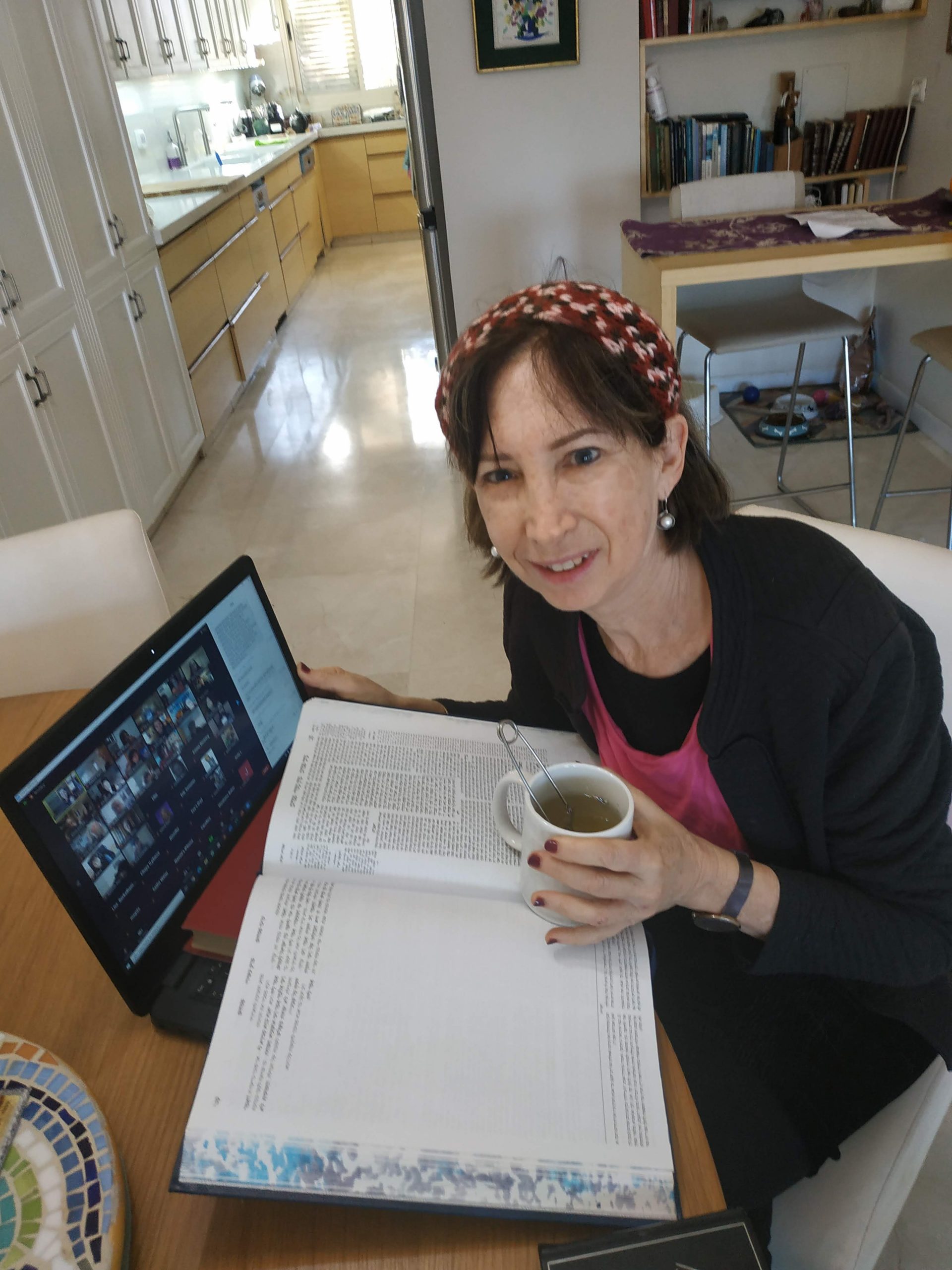
דבי גביר
חשמונאים, ישראל
אחי, שלומד דף יומי ממסכת ברכות, חיפש חברותא ללימוד מסכת ראש השנה והציע לי. החברותא היתה מאתגרת טכנית ורוב הזמן נעשתה דרך הטלפון, כך שבסיום המסכת נפרדו דרכינו. אחי חזר ללמוד לבד, אבל אני כבר נכבשתי בקסם הגמרא ושכנעתי את האיש שלי להצטרף אלי למסכת ביצה. מאז המשכנו הלאה, ועכשיו אנחנו מתרגשים לקראתו של סדר נשים!

שולמית סבן
נוקדים, ישראל
התחלתי ללמוד דף יומי ממסכת נידה כי זה היה חומר הלימוד שלי אז. לאחר הסיום הגדול בבנייני האומה החלטתי להמשיך. וב”ה מאז עם הפסקות קטנות של קורונה ולידה אני משתדלת להמשיך ולהיות חלק.
זה משפיע מאוד על היום יום שלי ועל אף שאני עסוקה בלימודי הלכה ותורה כל יום, זאת המסגרת הקבועה והמחייבת ביותר שיש לי.

מוריה תעסן מיכאלי
גבעת הראל, ישראל
התחלתי ללמוד דף יומי בתחילת מסכת ברכות, עוד לא ידעתי כלום. נחשפתי לסיום הש״ס, ובעצם להתחלה מחדש בתקשורת, הפתיע אותי לטובה שהיה מקום לעיסוק בתורה.
את המסכתות הראשונות למדתי, אבל לא סיימתי (חוץ מעירובין איכשהו). השנה כשהגעתי למדרשה, נכנסתי ללופ, ואני מצליחה להיות חלק, סיימתי עם החברותא שלי את כל המסכתות הקצרות, גם כשהיינו חולות קורונה ובבידודים, למדנו לבד, העיקר לא לצבור פער, ומחכות ליבמות 🙂

עדן ישורון
מזכרת בתיה, ישראל
הצטרפתי ללומדות בתחילת מסכת תענית. ההתרגשות שלי ושל המשפחה היתה גדולה מאוד, והיא הולכת וגוברת עם כל סיום שאני זוכה לו. במשך שנים רבות רציתי להצטרף ומשום מה זה לא קרה… ב”ה מצאתי לפני מספר חודשים פרסום של הדרן, ומיד הצטרפתי והתאהבתי. הדף היומי שינה את חיי ממש והפך כל יום- ליום של תורה. מודה לכן מקרב ליבי ומאחלת לכולנו לימוד פורה מתוך אהבת התורה ולומדיה.

נעה רוזן
חיספין רמת הגולן, ישראל
"
גם אני התחלתי בסבב הנוכחי וב””ה הצלחתי לסיים את רוב המסכתות . בזכות הרבנית מישל משתדלת לפתוח את היום בשיעור הזום בשעה 6:20 .הלימוד הפך להיות חלק משמעותי בחיי ויש ימים בהם אני מצליחה לחזור על הדף עם מלמדים נוספים ששיעוריהם נמצאים במרשתת. שמחה להיות חלק מקהילת לומדות ברחבי העולם. ובמיוחד לשמש דוגמה לנכדותיי שאי””ה יגדלו לדור שלימוד תורה לנשים יהיה משהו שבשגרה. "

רונית שביט
נתניה, ישראל
בתחילת הסבב הנוכחי של לימוד הדף היומי, נחשפתי לחגיגות המרגשות באירועי הסיום ברחבי העולם. והבטחתי לעצמי שבקרוב אצטרף גם למעגל הלומדות. הסבב התחיל כאשר הייתי בתחילת דרכי בתוכנית קרן אריאל להכשרת יועצות הלכה של נשמ”ת. לא הצלחתי להוסיף את ההתחייבות לדף היומי על הלימוד האינטנסיבי של תוכנית היועצות. בבוקר למחרת המבחן הסופי בנשמ”ת, התחלתי את לימוד הדף במסכת סוכה ומאז לא הפסקתי.

חנה שחם-רוזבי (ד”ר)
קרית גת, ישראל
נדה לא
מַאי קְרָא? ״מִמְּעֵי אִמִּי אַתָּה גוֹזִי״. מַאי מַשְׁמַע דְּהַאי ״גּוֹזִי״ לִישָּׁנָא דְּאִשְׁתְּבוֹעֵי הוּא? דִּכְתִיב: ״גׇּזִּי נִזְרֵךְ וְהַשְׁלִיכִי״.
What is the verse from which it is derived that a fetus is administered an oath on the day of its birth? “Upon You I have relied from birth; You are He Who took me out [gozi] of my mother’s womb” (Psalms 71:6). From where may it be inferred that this word: “Gozi,” is a term of administering an oath? As it is written: “Cut off [gozi] your hair and cast it away” (Jeremiah 7:29), which is interpreted as a reference to the vow of a nazirite, who must cut off his hair at the end of his term of naziriteship.
וְאָמַר רַבִּי אֶלְעָזָר: לְמָה וָלָד דּוֹמֶה בִּמְעֵי אִמּוֹ? לֶאֱגוֹז מוּנָּח בְּסֵפֶל שֶׁל מַיִם, אָדָם נוֹתֵן אֶצְבָּעוֹ עָלָיו — שׁוֹקֵעַ לְכָאן וּלְכָאן.
And Rabbi Elazar says: To what is a fetus in its mother’s womb comparable? It is comparable to a nut placed in a basin full of water, floating on top of the water. If a person puts his finger on top of the nut, it sinks either in this direction or in that direction.
תָּנוּ רַבָּנַן: שְׁלֹשָׁה חֳדָשִׁים הָרִאשׁוֹנִים — וָלָד דָּר בְּמָדוֹר הַתַּחְתּוֹן, אֶמְצָעִיִּים — וָלָד דָּר בְּמָדוֹר הָאֶמְצָעִי, אַחֲרוֹנִים — וָלָד דָּר בְּמָדוֹר הָעֶלְיוֹן, וְכֵיוָן שֶׁהִגִּיעַ זְמַנּוֹ לָצֵאת — מִתְהַפֵּךְ וְיוֹצֵא, וְזֶהוּ ״חֶבְלֵי אִשָּׁה״.
§ The Sages taught in a baraita: During the first three months of pregnancy, the fetus resides in the lower compartment of the womb; in the middle three months, the fetus resides in the middle compartment; and during the last three months of pregnancy the fetus resides in the upper compartment. And once its time to emerge arrives, it turns upside down and emerges; and this is what causes labor pains.
וְהַיְינוּ דִּתְנַן: חֶבְלֵי (שֶׁל) נְקֵבָה מְרוּבִּין מִשֶּׁל זָכָר.
With regard to the assertion that labor pains are caused by the fetus turning upside down, the Gemara notes: And this is the explanation for that which we learned in a baraita: The labor pains experienced by a woman who gives birth to a female are greater than those experienced by a woman who gives birth to a male. The Gemara will explain this below.
וְאָמַר רַבִּי אֶלְעָזָר: מַאי קְרָא? ״אֲשֶׁר עֻשֵּׂיתִי בַסֵּתֶר רֻקַּמְתִּי בְּתַחְתִּיּוֹת אָרֶץ״. ״דַּרְתִּי״ לֹא נֶאֱמַר, אֶלָּא ״רֻקַּמְתִּי״.
And Rabbi Elazar says: What is the verse from which it is derived that a fetus initially resides in the lower part of the womb? “When I was made in secret, and I was woven together in the lowest parts of the earth” (Psalms 139:15). Since it is not stated: I resided in the lowest parts of the earth, but rather: “I was woven together in the lowest parts of the earth,” this teaches that during the initial stage of a fetus’s development, when it is woven together, its location is in the lower compartment of the womb.
מַאי שְׁנָא חֶבְלֵי נְקֵבָה מְרוּבִּין מִשֶּׁל זָכָר? זֶה בָּא כְּדֶרֶךְ תַּשְׁמִישׁוֹ, וְזֶה בָּא כְּדֶרֶךְ תַּשְׁמִישׁוֹ, זוֹ הוֹפֶכֶת פָּנֶיהָ, וְזֶה אֵין הוֹפֵךְ פָּנָיו.
The Gemara asks: What is different about the labor pains experienced by a woman who gives birth to a female, that they are greater than those experienced by a woman who gives birth to a male? The Gemara answers: This one, a male fetus, emerges in the manner in which it engages in intercourse. Just as a male engages in intercourse facing downward, so too, it is born while facing down. And that one, a female fetus, emerges in the manner in which it engages in intercourse, i.e., facing upward. Consequently, that one, a female fetus, turns its face around before it is born, but this one, a male fetus, does not turn its face around before it is born.
תָּנוּ רַבָּנַן: שְׁלֹשָׁה חֳדָשִׁים הָרִאשׁוֹנִים — תַּשְׁמִישׁ קָשֶׁה לָאִשָּׁה, וְגַם קָשֶׁה לַוָּלָד. אֶמְצָעִיִּים — קָשֶׁה לָאִשָּׁה וְיָפֶה לַוָּלָד. אַחֲרוֹנִים — יָפֶה לְאִשָּׁה וְיָפֶה לַוָּלָד, שֶׁמִּתּוֹךְ כָּךְ נִמְצָא הַוָּלָד מְלוּבָּן וּמְזוֹרָז.
§ The Sages taught in a baraita: During the first three months of pregnancy, sexual intercourse is difficult and harmful for the woman and is also difficult for the offspring. During the middle three months, intercourse is difficult for the woman but is beneficial for the offspring. During the last three months, sexual intercourse is beneficial for the woman and beneficial for the offspring; as a result of it the offspring is found to be strong and fair skinned.
תָּנָא: הַמְשַׁמֵּשׁ מִטָּתוֹ לְיוֹם תִּשְׁעִים — כְּאִילּוּ שׁוֹפֵךְ דָּמִים. מְנָא יָדַע? אֶלָּא אָמַר אַבָּיֵי: מְשַׁמֵּשׁ וְהוֹלֵךְ, וְ״שׁוֹמֵר פְּתָאיִם ה׳״.
The Sages taught in a baraita: With regard to one who engages in intercourse with his wife on the ninetieth day of her pregnancy, it is as though he spills her blood. The Gemara asks: How does one know that it is the ninetieth day of her pregnancy? Rather, Abaye says: One should go ahead and engage in intercourse with his wife even if it might be the ninetieth day, and rely on God to prevent any ensuing harm, as the verse states: “The Lord preserves the simple” (Psalms 116:6).
תָּנוּ רַבָּנַן: שְׁלֹשָׁה שׁוּתָּפִין יֵשׁ בָּאָדָם — הַקָּדוֹשׁ בָּרוּךְ הוּא, וְאָבִיו, וְאִמּוֹ. אָבִיו מַזְרִיעַ הַלּוֹבֶן, שֶׁמִּמֶּנּוּ עֲצָמוֹת, וְגִידִים, וְצִפׇּרְנַיִם, וּמוֹחַ שֶׁבְּרֹאשׁוֹ, וְלוֹבֶן שֶׁבָּעַיִן. אִמּוֹ מַזְרַעַת אוֹדֶם, שֶׁמִּמֶּנּוּ עוֹר, וּבָשָׂר, וּשְׂעָרוֹת, וְשָׁחוֹר שֶׁבָּעַיִן. וְהַקָּדוֹשׁ בָּרוּךְ הוּא נוֹתֵן בּוֹ רוּחַ, וּנְשָׁמָה, וּקְלַסְתֵּר פָּנִים, וּרְאִיַּית הָעַיִן, וּשְׁמִיעַת הָאוֹזֶן, וְדִבּוּר פֶּה, וְהִלּוּךְ רַגְלַיִם, וּבִינָה, וְהַשְׂכֵּל.
§ The Sages taught: There are three partners in the creation of a person: The Holy One, Blessed be He, and his father, and his mother. His father emits the white seed, from which the following body parts are formed: The bones, the sinews, the nails, the brain that is in its head, and the white of the eye. His mother emits red seed, from which are formed the skin, the flesh, the hair, and the black of the eye. And the Holy One, Blessed be He, inserts into him a spirit, a soul, his countenance [ukelaster], eyesight, hearing of the ear, the capability of speech of the mouth, the capability of walking with the legs, understanding, and wisdom.
וְכֵיוָן שֶׁהִגִּיעַ זְמַנּוֹ לְהִפָּטֵר מִן הָעוֹלָם, הַקָּדוֹשׁ בָּרוּךְ הוּא נוֹטֵל חֶלְקוֹ וְחֵלֶק אָבִיו וְאִמּוֹ, מַנִּיחַ לִפְנֵיהֶם. אָמַר רַב פָּפָּא: הַיְינוּ דְּאָמְרִי אִינָשֵׁי ״פּוּץ מִלְחָא וּשְׁדִי בִּשְׂרָא לְכַלְבָּא״.
And when a person’s time to depart from the world arrives, the Holy One, Blessed be He, retrieves His part, and He leaves the part of the person’s father and mother before them. Rav Pappa said: This is in accordance with the adage that people say: Remove the salt from a piece of meat, and you may then toss the meat to a dog, as it has become worthless.
דָּרֵשׁ רַב חִינָּנָא בַּר פָּפָּא: מַאי דִכְתִיב ״עוֹשֶׂה גְּדוֹלוֹת עַד אֵין חֵקֶר וְנִפְלָאוֹת עַד אֵין מִסְפָּר״? בֹּא וּרְאֵה שֶׁלֹּא כְּמִדַּת הַקָּדוֹשׁ בָּרוּךְ הוּא מִדַּת בָּשָׂר וָדָם. מִדַּת בָּשָׂר וָדָם, נוֹתֵן חֵפֶץ בְּחֵמֶת צְרוּרָה וּפִיהָ לְמַעְלָה — סָפֵק מִשְׁתַּמֵּר, סְפֵק אֵין מִשְׁתַּמֵּר. וְאִילּוּ הַקָּדוֹשׁ בָּרוּךְ הוּא, צָר הָעוּבָּר בִּמְעֵי אִשָּׁה פְּתוּחָה וּפִיהָ לְמַטָּה, וּמִשְׁתַּמֵּר.
§ Rav Ḥinnana bar Pappa taught: What is the meaning of that which is written: “Who does great deeds beyond comprehension, wondrous deeds without number” (Job 9:10)? Come and see that the attribute of flesh and blood is unlike the attribute of the Holy One, Blessed be He. The attribute of flesh and blood is that if one puts an article in a flask, even if the flask is tied and its opening faces upward, it is uncertain whether the item is preserved from getting lost, and it is uncertain whether it is not preserved from being lost. But the Holy One, Blessed be He, forms the fetus in a woman’s open womb, and its opening faces downward, and yet the fetus is preserved.
דָּבָר אַחֵר: אָדָם נוֹתֵן חֲפָצָיו לְכַף מֹאזְנַיִם, כׇּל זְמַן שֶׁמַּכְבִּיד יוֹרֵד לְמַטָּה, וְאִילּוּ הַקָּדוֹשׁ בָּרוּךְ הוּא, כׇּל זְמַן שֶׁמַּכְבִּיד הַוָּלָד עוֹלֶה לְמַעְלָה.
Another matter that demonstrates the difference between the attributes of God and the attributes of people is that when a person places his articles on a scale to be measured, the heavier the item is, the more it descends. But when the Holy One, Blessed be He, forms a fetus, the heavier the offspring gets, the more it ascends upward in the womb.
דָּרֵשׁ רַבִּי יוֹסֵי הַגְּלִילִי: מַאי דִכְתִיב ״אוֹדְךָ (ה׳) עַל כִּי נוֹרָאוֹת נִפְלֵיתִי נִפְלָאִים מַעֲשֶׂיךָ וְנַפְשִׁי יוֹדַעַת מְאֹד״? בֹּא וּרְאֵה שֶׁלֹּא כְּמִדַּת הַקָּדוֹשׁ בָּרוּךְ הוּא מִדַּת בָּשָׂר וָדָם. מִדַּת בָּשָׂר וָדָם, אָדָם נוֹתֵן זֵרְעוֹנִים בַּעֲרוּגָה כׇּל (אַחַת וְאַחַת) [אֶחָד וְאֶחָד] עוֹלֶה בְּמִינוֹ, וְאִילּוּ הַקָּדוֹשׁ בָּרוּךְ הוּא צָר הָעוּבָּר בִּמְעֵי אִשָּׁה, וְכוּלָּם עוֹלִין לְמִין אֶחָד.
Rabbi Yosei HaGelili taught: What is the meaning of that which is written: “I will give thanks to You, for I am fearfully and wonderfully made; wonderful are Your works, and that my soul knows very well” (Psalms 139:14)? Come and see that the attribute of flesh and blood is unlike the attribute of the Holy One, Blessed be He. The attribute of flesh and blood is that when a person plants seeds of different species in one garden bed, each and every one of the seeds emerges as a grown plant according to its species. But the Holy One, Blessed be He, forms the fetus in a woman’s womb, and all of the seeds, i.e., those of both the father and the mother, emerge when the offspring is formed as one sex.
דָּבָר אַחֵר: צַבָּע נוֹתֵן סַמָּנִין לַיּוֹרָה — כּוּלָּן עוֹלִין לְצֶבַע אֶחָד, וְאִילּוּ הַקָּדוֹשׁ בָּרוּךְ הוּא צָר הָעוּבָּר בִּמְעֵי אִשָּׁה, כׇּל (אַחַת וְאַחַת) [אֶחָד וְאֶחָד] עוֹלֶה לְמִינוֹ.
Alternatively, when a dyer puts herbs in a cauldron [leyora], they all emerge as one color of dye, whereas the Holy One, Blessed be He, forms the fetus in a woman’s womb, and each and every one of the seeds emerges as its own type. In other words, the seed of the father form distinct elements, such as the white of the eye, and the seed of the mother forms other elements, such as the black of the eye, as explained above.
דָּרֵשׁ רַב יוֹסֵף: מַאי דִכְתִיב ״אוֹדְךָ ה׳ כִּי אָנַפְתָּ בִּי יָשׁוֹב אַפְּךָ וּתְנַחֲמֵנִי״, בַּמֶּה הַכָּתוּב מְדַבֵּר?
Rav Yosef taught: What is the meaning of that which is written: “And on that day you shall say: I will give thanks to You, Lord, for You were angry with me; Your anger is turned away, and You comfort me” (Isaiah 12:1)? With regard to what matter is the verse speaking?
בִּשְׁנֵי בְּנֵי אָדָם שֶׁיָּצְאוּ לִסְחוֹרָה. יָשַׁב לוֹ קוֹץ לְאֶחָד מֵהֶן, הִתְחִיל מְחָרֵף וּמְגַדֵּף. לְיָמִים שָׁמַע שֶׁטָּבְעָה סְפִינָתוֹ שֶׁל חֲבֵירוֹ בַּיָּם, הִתְחִיל מוֹדֶה וּמְשַׁבֵּחַ. לְכָךְ נֶאֱמַר: ״יָשׁוֹב אַפְּךָ וּתְנַחֲמֵנִי״.
It is referring, for example, to two people who left their homes to go on a business trip. A thorn penetrated the body of one of them, and he was consequently unable to go with his colleague. He started blaspheming and cursing in frustration. After a period of time, he heard that the ship of the other person had sunk in the sea, and realized that the thorn had saved him from death. He then started thanking God and praising Him for his delivery due to the slight pain caused to him by the thorn. This is the meaning of the statement: I will give thanks to You, Lord, for You were angry with me. Therefore, it is stated at the end of the verse: “Your anger is turned away, and You comfort me.”
וְהַיְינוּ דְּאָמַר רַבִּי אֶלְעָזָר: מַאי דִכְתִיב ״עוֹשֶׂה נִפְלָאוֹת (גְּדוֹלוֹת) לְבַדּוֹ וּבָרוּךְ שֵׁם כְּבוֹדוֹ לְעוֹלָם״? אֲפִילּוּ בַּעַל הַנֵּס אֵינוֹ מַכִּיר בְּנִסּוֹ.
And this statement is identical to that which Rabbi Elazar said: What is the meaning of that which is written: “Blessed be the Lord God, the God of Israel, Who does wondrous things alone; and blessed be His glorious name forever” (Psalms 72:18–19)? What does it mean that God “does wondrous things alone”? It means that even the one for whom the miracle was performed does not recognize the miracle that was performed for him.
דָּרֵישׁ רַבִּי חֲנִינָא בַּר פָּפָּא: מַאי דִכְתִיב ״אׇרְחִי וְרִבְעִי זֵרִיתָ וְכׇל דְּרָכַי הִסְכַּנְתָּה״? מְלַמֵּד שֶׁלֹּא נוֹצַר אָדָם מִן כׇּל הַטִּפָּה, אֶלָּא מִן הַבָּרוּר שֶׁבָּהּ. תָּנָא דְּבֵי רַבִּי יִשְׁמָעֵאל: מָשָׁל לְאָדָם שֶׁזּוֹרֶה בְּבֵית הַגְּרָנוֹת, נוֹטֵל אֶת הָאוֹכֶל וּמַנִּיחַ אֶת הַפְּסוֹלֶת.
Rabbi Ḥanina bar Pappa taught: What is the meaning of that which is written: “You measure [zerita] my going about [orḥi] and my lying down [riv’i], and are acquainted with all my ways” (Psalms 139:3)? This verse teaches that a person is not created from the entire drop of semen, but from its clear part. Zerita can mean to winnow, while orḥi and riv’i can both be explained as references to sexual intercourse. Therefore the verse is interpreted homiletically as saying that God separates the procreative part of the semen from the rest. The school of Rabbi Yishmael taught a parable: This matter is comparable to a person who winnows grain in the granary; he takes the food and leaves the waste.
כִּדְרַבִּי אֲבָהוּ, דְּרַבִּי אֲבָהוּ רָמֵי: כְּתִיב ״וַתַּזְרֵנִי חַיִל״, וּכְתִיב ״הָאֵל הַמְאַזְּרֵנִי חָיִל״. אָמַר דָּוִד לִפְנֵי הַקָּדוֹשׁ בָּרוּךְ הוּא: רִבּוֹנוֹ שֶׁל עוֹלָם, זֵירִיתַנִי וְזֵרַזְתַּנִי.
This is in accordance with a statement of Rabbi Abbahu, as Rabbi Abbahu raises a contradiction: It is written in one of King David’s psalms: “For You have girded me [vatazreni] with strength for battle” (II Samuel 22:40), without the letter alef in vatazreni; and it is written in another psalm: “Who girds me [hame’azreni] with strength” (Psalms 18:33), with an alef in hame’azreini. What is the difference between these two expressions? David said before the Holy One, Blessed be He: Master of the Universe, You selected me [zeiritani], i.e., You separated between the procreative part and the rest of the semen in order to create me, and You have girded me [zeraztani] with strength.
דָּרֵשׁ רַבִּי אֲבָהוּ: מַאי דִכְתִיב ״מִי מָנָה עֲפַר יַעֲקֹב וּמִסְפָּר אֶת רוֹבַע יִשְׂרָאֵל״? מְלַמֵּד שֶׁהַקָּדוֹשׁ בָּרוּךְ הוּא יוֹשֵׁב וְסוֹפֵר אֶת רְבִיעִיּוֹתֵיהֶם שֶׁל יִשְׂרָאֵל, מָתַי תָּבֹא טִיפָּה שֶׁהַצַּדִּיק נוֹצָר הֵימֶנָּה.
Rabbi Abbahu taught: What is the meaning of that which is written in Balaam’s blessing: “Who has counted the dust of Jacob, or numbered the stock [rova] of Israel” (Numbers 23:10)? The verse teaches that the Holy One, Blessed be He, sits and counts the times that the Jewish people engage in intercourse [revi’iyyoteihem], anticipating the time when the drop from which the righteous person will be created will arrive.
וְעַל דָּבָר זֶה נִסְמֵית עֵינוֹ שֶׁל בִּלְעָם הָרָשָׁע, אָמַר: מִי שֶׁהוּא טָהוֹר וְקָדוֹשׁ, וּמְשָׁרְתָיו טְהוֹרִים וּקְדוֹשִׁים, יָצִיץ בְּדָבָר זֶה?! מִיָּד נִסְמֵית עֵינוֹ, דִּכְתִיב: ״נְאֻם הַגֶּבֶר שְׁתוּם הָעָיִן״.
And it was due to this matter that the eye of wicked Balaam went blind. He said: Should God, who is pure and holy, and whose ministers are pure and holy, peek at this matter? Immediately his eye was blinded as a divine punishment, as it is written: “The saying of the man whose eye is shut” (Numbers 24:3).
וְהַיְינוּ דְּאָמַר רַבִּי יוֹחָנָן: מַאי דִכְתִיב ״וַיִּשְׁכַּב עִמָּהּ בַּלַּיְלָה הוּא״? מְלַמֵּד שֶׁהַקָּדוֹשׁ בָּרוּךְ הוּא סִיֵּיעַ בְּאוֹתוֹ מַעֲשֶׂה, שֶׁנֶּאֱמַר: ״יִשָּׂשׂכָר חֲמוֹר גָּרֶם״ — חֲמוֹר גָּרַם לוֹ לְיִשָּׂשׂכָר.
And this statement is the same as that which Rabbi Yoḥanan said: What is the meaning of that which is written, with regard to Leah’s conceiving Issachar: “And he lay with her that night” (Genesis 30:16)? The verse teaches that the Holy One, Blessed be He, contributed to that act. The manner in which God contributed to this act is derived from another verse, as it is stated: “Issachar is a large-boned [garem] donkey” (Genesis 49:14). This teaches that God directed Jacob’s donkey toward Leah’s tent so that he would engage in intercourse with her, thereby causing [garam] Leah’s conceiving Issachar.
אָמַר רַבִּי יִצְחָק, אָמַר רַבִּי אַמֵּי: אִשָּׁה מַזְרַעַת תְּחִילָּה — יוֹלֶדֶת זָכָר, אִישׁ מַזְרִיעַ תְּחִילָּה — יוֹלֶדֶת נְקֵבָה, שֶׁנֶּאֱמַר: ״אִשָּׁה כִּי תַזְרִיעַ וְיָלְדָה זָכָר״.
§ Rabbi Yitzḥak says that Rabbi Ami says: The sex of a fetus is determined at the moment of conception. If the woman emits seed first, she gives birth to a male, and if the man emits seed first, she gives birth to a female, as it is stated: “If a woman bears seed and gives birth to a male” (Leviticus 12:2).
תָּנוּ רַבָּנַן: בָּרִאשׁוֹנָה הָיוּ אוֹמְרִים — אִשָּׁה מַזְרַעַת תְּחִילָּה יוֹלֶדֶת זָכָר, אִישׁ מַזְרִיעַ תְּחִלָּה יוֹלֶדֶת נְקֵבָה, וְלֹא פֵּירְשׁוּ חֲכָמִים אֶת הַדָּבָר, עַד שֶׁבָּא רַבִּי צָדוֹק וּפֵירְשׁוֹ: ״אֵלֶּה בְּנֵי לֵאָה אֲשֶׁר יָלְדָה לְיַעֲקֹב בְּפַדַּן אֲרָם וְאֵת דִּינָה בִתּוֹ״ — תָּלָה הַזְּכָרִים בַּנְּקֵבוֹת וּנְקֵבוֹת בַּזְּכָרִים.
The Sages taught: At first, people would say that if the woman emits seed first she gives birth to a male, and if the man emits seed first, she gives birth to a female. But the Sages did not explain from which verse this matter is derived, until Rabbi Tzadok came and explained that it is derived from the following verse: “These are the sons of Leah, whom she bore to Jacob in Paddan Aram, with his daughter Dinah” (Genesis 46:15). From the fact that the verse attributes the males to the females, as the males are called: The sons of Leah, and it attributes the females to the males,in that Dinah is called: His daughter, it is derived that if the woman emits seed first she gives birth to a male, whereas if the man emits seed first, she bears a female.
״וַיִּהְיוּ בְנֵי אוּלָם אֲנָשִׁים גִּבּוֹרֵי חַיִל דּוֹרְכֵי קֶשֶׁת וּמַרְבִּים בָּנִים וּבְנֵי בָנִים״ — וְכִי בְּיָדוֹ שֶׁל אָדָם לְהַרְבּוֹת בָּנִים וּבְנֵי בָּנִים? אֶלָּא מִתּוֹךְ
This statement is also derived from the following verse: “And the sons of Ulam were mighty men of valor, archers, and had many sons and sons’ sons” (I Chronicles 8:40). Is it in a person’s power to have many sons and sons’ sons? Rather, because
שֶׁמְּשַׁהִין עַצְמָן בַּבֶּטֶן כְּדֵי שֶׁיַּזְרִיעוּ נְשׁוֹתֵיהֶן תְּחִלָּה, שֶׁיְּהוּ בְּנֵיהֶם זְכָרִים — מַעֲלֶה עֲלֵיהֶן הַכָּתוּב כְּאִילּוּ הֵם מַרְבִּים בָּנִים וּבְנֵי בָּנִים. וְהַיְינוּ דְּאָמַר רַב קַטִּינָא: יָכוֹלְנִי לַעֲשׂוֹת כׇּל בָּנַי זְכָרִים. אָמַר רָבָא: הָרוֹצֶה לַעֲשׂוֹת כׇּל בָּנָיו זְכָרִים — יִבְעוֹל וְיִשְׁנֶה.
they delay while in their wives’ abdomen, initially refraining from emitting semen so that their wives will emit seed first, in order that their children will be male, the verse ascribes them credit as though they have many sons and sons’ sons. And this statement is the same as that which Rav Ketina said: I could have made all of my children males, by refraining from emitting seed until my wife emitted seed first. Rava says another method through which one can cause his children to be males: One who wishes to make all of his children males should engage in intercourse with his wife and repeat the act.
וְאָמַר רַבִּי יִצְחָק, אָמַר רַבִּי אַמֵּי: אֵין אִשָּׁה מִתְעַבֶּרֶת אֶלָּא סָמוּךְ לְוִסְתָּהּ, שֶׁנֶּאֱמַר ״הֵן בְּעוֹוֹן חוֹלָלְתִּי״.
§ And Rabbi Yitzḥak says that Rabbi Ami says: A woman becomes pregnant only by engaging in intercourse close to the onset of her menstrual cycle, as it is stated: “Behold, I was brought forth in iniquity” (Psalms 51:7). This iniquity is referring to intercourse close to the woman’s menstrual cycle, when intercourse is prohibited. Accordingly, David is saying that his mother presumably conceived him at this time.
וְרַבִּי יוֹחָנָן אָמַר: סָמוּךְ (לטבילה) [לִטְבִילָתָהּ], שֶׁנֶּאֱמַר: ״וּבְחֵטְא יֶחֱמַתְנִי אַמֵּי״.
And Rabbi Yoḥanan says: A woman becomes pregnant only by engaging in intercourse near the time of her immersion in a ritual bath, through which she is purified from her status as a menstruating woman, as it is stated in the continuation of the same verse: “And in sin [uvḥet] did my mother conceive me” (Psalms 51:7).
מַאי מַשְׁמַע דְּהַאי ״חֵטְא״ לִישָּׁנָא דְּדַכּוֹיֵי הוּא? דִּכְתִיב ״וְחִטֵּא אֶת הַבַּיִת״, וּמְתַרְגְּמִינַן ״וִידַכֵּי יָת בֵּיתָא״. וְאִי בָּעֵית אֵימָא מֵהָכָא: ״תְּחַטְּאֵנִי בְּאֵזוֹב וְאֶטְהָר״.
The Gemara explains this derivation: From where may it be inferred that this term “ḥet” is a reference to purity? The Gemara answers: As it is written with regard to leprosy of houses: “Veḥittei the house” (Leviticus 14:52), and we translate the verse into Aramaic as: And he shall purify the house. And if you wish, say that the interpretation is derived from here: “Purge me [teḥatte’eni] with hyssop, and I shall be pure” (Psalms 51:9). Evidently, the root ḥet, tet, alef refers to purification.
וְאָמַר רַבִּי יִצְחָק, אָמַר רַבִּי אַמֵּי: כֵּיוָן שֶׁבָּא זָכָר בָּעוֹלָם — בָּא שָׁלוֹם בָּעוֹלָם, שֶׁנֶּאֱמַר ״שִׁלְחוּ כַר מוֹשֵׁל אֶרֶץ״. ״זָכָר״ — זֶה כַּר.
§ And Rabbi Yitzḥak says that Rabbi Ami says: When a male comes into the world, i.e., when a male baby is born, peace comes to the world, as it is stated: “Send the lambs [khar] for the ruler of the land” (Isaiah 16:1). This khar, or kar, a gift one sends the ruler, contributes to the stability of the government and peace, and the word male [zakhar] can be interpreted homiletically as an abbreviation of: This is a kar [zeh kar].
וְאָמַר רַבִּי יִצְחָק דְּבֵי רַבִּי אַמֵּי: בָּא זָכָר בָּעוֹלָם — בָּא כִּכָּרוֹ בְּיָדוֹ, ״זָכָר״ — זֶה כַּר, דִּכְתִיב: ״וַיִּכְרֶה לָהֶם כֵּרָה גְדוֹלָה״.
And Rabbi Yitzḥak from the school of Rabbi Ami says: When a male comes into the world, his loaf of bread, i.e., his sustenance, comes into his possession. In other words, a male can provide for himself. This is based on the aforementioned interpretation of the word male [zakhar] as an abbreviation of: This is a kar [zeh kar], and the term kar refers to sustenance, as it is written: “And he prepared great provision [kera] for them” (II Kings 6:23).
נְקֵבָה — אֵין עִמָּהּ כְּלוּם, נְקֵבָה — נְקִיָּיה בָּאָה, עַד דְּאָמְרָה: ״מְזוֹנֵי״ — לָא יָהֲבִי לַהּ, דִּכְתִיב: ״נׇקְבָה שְׂכָרְךָ עָלַי וְאֶתֵּנָה״.
By contrast, when a female comes into the world, nothing, i.e., no sustenance, comes with her. This is derived from the homiletic interpretation of the word female [nekeva] as an abbreviation of the phrase: She comes clean [nekiya ba’a], i.e., empty. Furthermore, until she says: Give me sustenance, people do not give her, as it is written in Laban’s request of Jacob: “Appoint me [nokva] your wages, and I will give it” (Genesis 30:28). Laban used the word nokva, similar to nekeva, when he said that he would pay Jacob only if he explicitly demanded his wages.
שָׁאֲלוּ תַּלְמִידָיו אֶת רַבִּי שִׁמְעוֹן בֶּן יוֹחַי: מִפְּנֵי מָה אָמְרָה תּוֹרָה יוֹלֶדֶת מְבִיאָה קׇרְבָּן? אָמַר לָהֶן: בְּשָׁעָה שֶׁכּוֹרַעַת לֵילֵד, קוֹפֶצֶת וְנִשְׁבַּעַת שֶׁלֹּא תִּזָּקֵק לְבַעְלָהּ, לְפִיכָךְ אָמְרָה תּוֹרָה תָּבִיא קׇרְבָּן.
The students of Rabbi Shimon ben Yoḥai asked him: For what reason does the Torah say that a woman after childbirth brings an offering? He said to them: At the time that a woman crouches to give birth, her pain is so great that she impulsively takes an oath that she will not engage in intercourse with her husband ever again, so that she will never again experience this pain. Therefore, the Torah says that she must bring an offering for violating her oath and continuing to engage in intercourse with her husband.
מַתְקֵיף לַהּ רַב יוֹסֵף: וְהָא מְזִידָה הִיא, וּבַחֲרָטָה תַּלְיָא מִילְּתָא! וְעוֹד — קׇרְבַּן שְׁבוּעָה (בעי) [בָּעֲיָא] אֵיתוֹיֵי!
Rav Yosef objects to this answer: But isn’t the woman an intentional violator of her oath? And if she wishes that her oath be dissolved, so that she may engage in intercourse with her husband, the matter depends on her regret of her oath. One is obligated to bring an offering for violating an oath of an utterance only if his transgression is unwitting. And furthermore, if the purpose of the offering that a woman brings after childbirth is to atone for violating an oath, then she should be required to bring a female lamb or goat as an offering, which is the requirement of one who violated an oath, rather than the bird offering brought by a woman after childbirth.
וּמִפְּנֵי מָה אָמְרָה תּוֹרָה זָכָר לְשִׁבְעָה וּנְקֵבָה לְאַרְבָּעָה עָשָׂר? זָכָר, שֶׁהַכֹּל שְׂמֵחִים בּוֹ — מִתְחָרֶטֶת לְשִׁבְעָה. נְקֵבָה, שֶׁהַכֹּל עֲצֵבִים בָּהּ — מִתְחָרֶטֶת לְאַרְבָּעָה עָשָׂר.
And the students of Rabbi Shimon ben Yoḥai further inquired of him: For what reason does the Torah say that a woman who gives birth to a male is ritually impure for seven days, but a woman who gives birth to a female is impure for fourteen days? Rabbi Shimon ben Yoḥai answered them: When a woman gives birth to a male, over which everyone is happy, she regrets her oath, that she will never again engage in intercourse with her husband, already seven days after giving birth. By contrast, after giving birth to a female, over which everyone is unhappy, she regrets her oath only fourteen days after giving birth.
וּמִפְּנֵי מָה אָמְרָה תּוֹרָה מִילָה לִשְׁמוֹנָה? שֶׁלֹּא יְהוּ כּוּלָּם שְׂמֵחִים וְאָבִיו וְאִמּוֹ עֲצֵבִים.
And the students further asked him: For what reason does the Torah say that circumcision is performed only on the eighth day of the baby’s life, and not beforehand? He answered them: It is so that there will not be a situation where everyone is happy at the circumcision ceremony but the father and mother of the infant are unhappy, as they are still prohibited from engaging in intercourse.
תַּנְיָא, הָיָה רַבִּי מֵאִיר אוֹמֵר: מִפְּנֵי מָה אָמְרָה תּוֹרָה נִדָּה לְשִׁבְעָה? מִפְּנֵי שֶׁרָגִיל בָּהּ וְקָץ בָּהּ. אָמְרָה תּוֹרָה: ״תְּהֵא טְמֵאָה שִׁבְעָה יָמִים״, כְּדֵי שֶׁתְּהֵא חֲבִיבָה עַל בַּעְלָהּ כִּשְׁעַת כְּנִיסָתָהּ לַחוּפָּה.
It is taught in a baraita that Rabbi Meir would say: For what reason does the Torah say that a menstruating woman is prohibited from engaging in intercourse with her husband for seven days? It is because if a woman were permitted to engage in intercourse with her husband all the time, her husband would be too accustomed to her, and would eventually be repulsed by her. Therefore, the Torah says that a menstruating woman shall be ritually impure for seven days, during which she is prohibited from engaging in intercourse with her husband, so that when she becomes pure again she will be dear to her husband as at the time when she entered the wedding canopy with him.
שָׁאֲלוּ תַּלְמִידָיו אֶת רַבִּי דּוֹסְתַּאי בְּרַבִּי יַנַּאי: מִפְּנֵי מָה אִישׁ מְחַזֵּר עַל אִשָּׁה, וְאֵין אִשָּׁה מְחַזֶּרֶת עַל אִישׁ? מָשָׁל לְאָדָם (שאבד) [שֶׁאָבְדָה] לוֹ אֲבֵידָה — מִי מְחַזֵּר עַל מִי? בַּעַל אֲבֵידָה מְחַזֵּר עַל אֲבֵידָתוֹ.
§ The students of Rabbi Dostai, son of Rabbi Yannai, asked him: For what reason is it the norm that a man pursues a woman for marriage, but a woman does not pursue a man? Rabbi Dostai answered them by citing a parable of a person who lost an item. Who searches for what? Certainly the owner of the lost item searches for his item; the item does not search for its owner. Since the first woman was created from the body of the first man, the man seeks that which he has lost.
וּמִפְּנֵי מָה אִישׁ פָּנָיו לְמַטָּה, וְאִשָּׁה פָּנֶיהָ לְמַעְלָה כְּלַפֵּי הָאִישׁ? זֶה מִמְּקוֹם שֶׁנִּבְרָא, וְזוֹ מִמְּקוֹם שֶׁנִּבְרֵאת.
And the students of Rabbi Dostai further asked him: For what reason does a man engage in intercourse facing down, and a woman engage in intercourse facing up toward the man? Rabbi Dostai answered them: This man faces the place from which he was created, i.e., the earth, and that woman faces the place from which she was created, namely man.
וּמִפְּנֵי מָה הָאִישׁ מְקַבֵּל פִּיּוּס, וְאֵין אִשָּׁה מְקַבֶּלֶת פִּיּוּס? זֶה מִמְּקוֹם שֶׁנִּבְרָא, וְזוֹ מִמְּקוֹם שֶׁנִּבְרֵאת.
And the students also inquired: For what reason is a man who is angry likely to accept appeasement, but a woman is not as likely to accept appeasement? Rabbi Dostai answered them: It is because this man behaves like the place from which he was created, i.e., the earth, which yields to pressure, and that woman behaves like the place from which she was created, i.e., from bone, which cannot be molded easily.
מִפְּנֵי מָה אִשָּׁה קוֹלָהּ עָרֵב, וְאֵין אִישׁ קוֹלוֹ עָרֵב? זֶה מִמְּקוֹם שֶׁנִּבְרָא, וְזוֹ מִמְּקוֹם שֶׁנִּבְרֵאת, שֶׁנֶּאֱמַר: ״כִּי קוֹלֵךְ עָרֵב וּמַרְאֵךְ נָאוֶה״.
The students continued to ask Rabbi Dostai: For what reason is a woman’s voice pleasant, but a man’s voice is not pleasant? He answered: This man is similar to the place from which he was created, the earth, which does not issue a sound when it is struck, and that woman is similar to the place from which she was created, a bone, which makes a sound when it is struck. The proof that a woman’s voice is pleasant is that it is stated in Song of Songs that the man says to his beloved: “For sweet is your voice, and your countenance is beautiful” (Song of Songs 2:14).
הֲדַרַן עֲלָךְ הַמַּפֶּלֶת חֲתִיכָה.
מַתְנִי’ בְּנוֹת כּוּתִים נִדּוֹת מֵעֲרִיסָתָן, וְהַכּוּתִים מְטַמְּאִים מִשְׁכָּב תַּחְתּוֹן כָּעֶלְיוֹן, מִפְּנֵי שֶׁהֵן בּוֹעֲלֵי נִדּוֹת,
MISHNA: Samaritan girls are considered menstruating women from the time they lie in their cradle. And the Samaritan men impart ritual impurity to the lower bedding like the upper bedding, i.e., all layers of bedding beneath them are impure, and their status is like the bedding above a man who experiences a gonorrhea-like discharge [zav]: The status of both levels of bedding is that of first-degree ritual impurity, which can impart impurity to food and drink. This is due to the fact that Samaritan men are considered men who engage in intercourse with menstruating women.
וְהֵן יוֹשְׁבוֹת עַל כׇּל דָּם וָדָם.
And they are considered men who engage in intercourse with menstruating women because Samaritan women observe the seven-day menstrual period of ritual impurity for each and every emission of blood, even for blood that does not render them impure. Accordingly, if a Samaritan woman has an emission of impure blood during the seven-day period, she will nevertheless continue counting seven days from the first emission. It is therefore possible that the Samaritan men will engage in intercourse with their wives while they are still halakhically considered menstruating women, as the seven-day period of impurity should have been counted from the emission of the impure blood.
וְאֵין חַיָּיבִין עֲלֵיהֶן עַל בִּיאַת מִקְדָּשׁ, וְאֵין שׂוֹרְפִין עֲלֵיהֶם אֶת הַתְּרוּמָה, מִפְּנֵי שֶׁטּוּמְאָתָן סָפֵק.
But one who enters the Temple while wearing those garments upon which a Samaritan had lain is not liable to bring an offering for entering the Temple in a status of impurity, nor does one burn teruma that came into contact with those garments, because their impurity is uncertain.
גְּמָ’ הֵיכִי דָּמֵי? אִי דְּקָא חָזְיָין — אֲפִילּוּ דִּידַן נָמֵי, וְאִי דְּלָא קָחָזְיָין — דִּידְהוּ נָמֵי לָא.
GEMARA: The mishna teaches that Samaritan girls are considered menstruating women from the time they lie in their cradle. The Gemara asks: What are the circumstances of this statement? If the mishna is referring to girls who already see menstrual blood, then even our own, i.e., Jewish girls, are also considered menstruating women under such circumstances. And if it is referring to girls who do not yet see menstrual blood, then their girls, i.e., those of the Samaritans, should also not have the status of menstruating women.
אָמַר רָבָא בְּרֵיהּ דְּרַב אַחָא בַּר רַב הוּנָא אָמַר רַב שֵׁשֶׁת: הָכָא בְמַאי עָסְקִינַן? בִּסְתָמָא, דְּכֵיוָן דְּאִיכָּא מִיעוּטָא דְּחָזְיָין — חָיְישִׁינַן. וּמַאן תַּנָּא דְּחָיֵישׁ לְמִיעוּטָא?
Rava, son of Rav Aḥa bar Rav Huna, says that Rav Sheshet says: Here we are dealing with an unspecified case, i.e., it is unknown whether these girls have experienced their first menstrual period. Since there is a minority of girls who see menstrual blood, we are concerned with regard to each Samaritan girl that she might be from this minority. The Gemara asks: And who is the tanna who taught that one must be concerned for the minority?
לעקוב

