







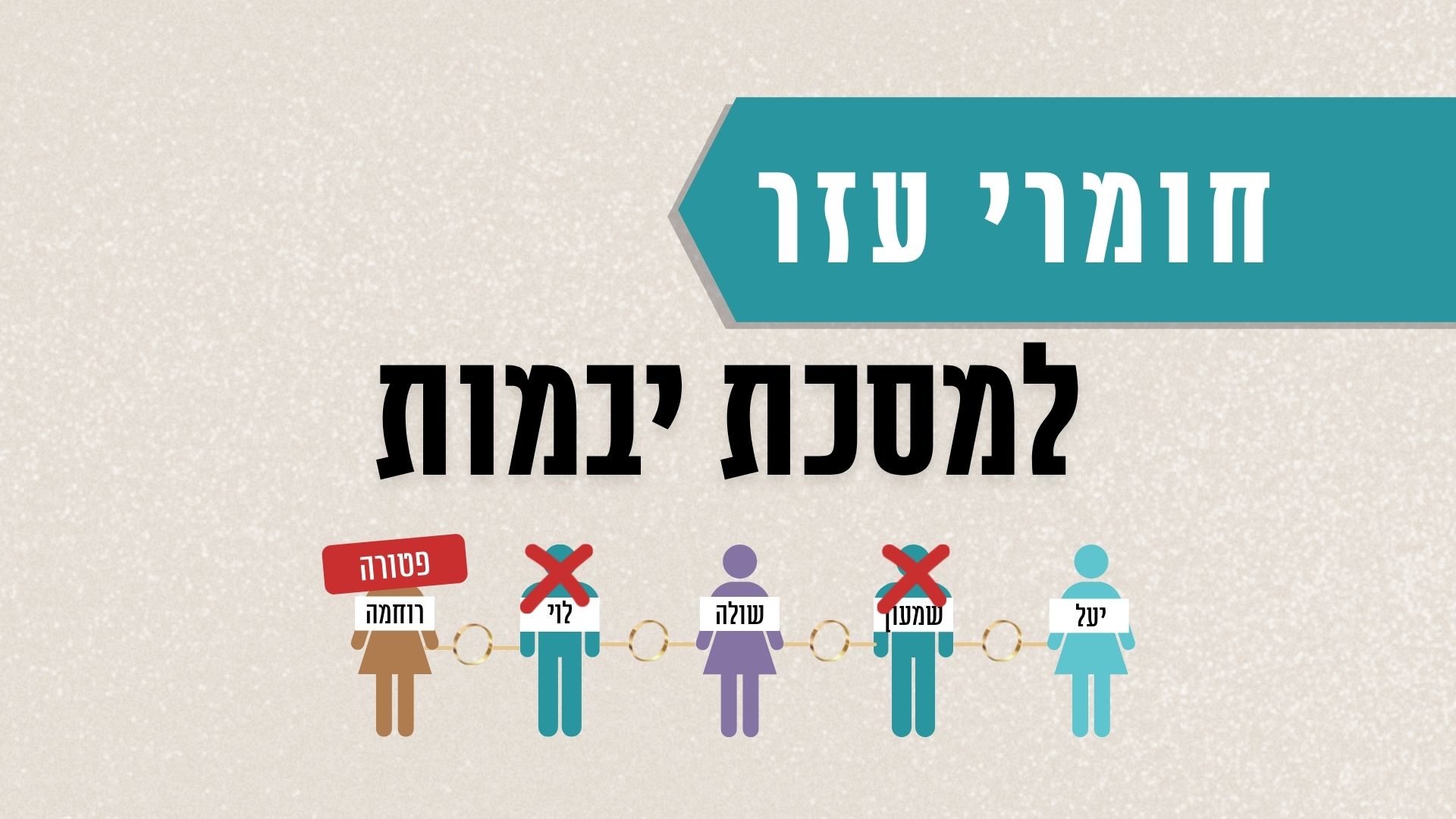
בעקבות המשנה הקודמת שעסקה בצמיחת שדיים ושערות בילדה – האם אפשר שאחד יבוא בלי השני, המשנה מביאה כמה מקרים שונים שבהם אם יש דבר אחד בהכרח יש את השני אבל אם יש את הדבר השני, לא בהכרח יש את הדבר הראשון. הנושאים הם: כלים עם נקב שמשקים יכולים להיכנס ולצאת ממנו, אבר (אצבע יתירה) שיש בו עצם וציפורן, כלים שראויים לטומאת מדרס של זב וגם לטמאת מת, ודיינים שכשרים לדון דיני ממונות ודיני נפשות.
לימוד החודש מוקדש ע”י מרכי גלזר לע”נ רחל אביבה בת דבורה חנה
רוצה להקדיש שיעור?

0:00
0:00
כלים
לימוד החודש מוקדש ע”י מרכי גלזר לע”נ רחל אביבה בת דבורה חנה
נדה מט
וְאִיבָּעֵית אֵימָא: רַבִּי שִׁמְעוֹן, וּלְאַחַר הַפֶּרֶק, וְלֵית לֵיהּ חֲזָקָה דְּרָבָא.
And if you wish, say instead that the tanna who taught this ruling was Rabbi Shimon, and the baraita is referring to an examination conducted after the age of majority. And Rabbi Shimon does not accept the presumption of Rava that a girl of this age has already developed signs indicating puberty.
מִפְּנֵי שֶׁאָמְרוּ אֶפְשָׁר כּוּ׳. הָא תּוּ לְמָה לִי? הָא תָּנָא לֵיהּ רֵישָׁא!
§ The mishna teaches that according to the Rabbis a young woman who apparently developed the upper sign before the lower sign has reached majority, and therefore if her childless husband died she either performs ḥalitza or enters into levirate marriage with her husband’s brother. This ruling is due to the fact that the Sages said: It is possible for the lower sign of puberty to appear before the upper sign, but it is impossible for the upper sign to appear before the lower sign. The Gemara asks: Why do I need this additional repetition of this point? It was already taught in the first clause that it is impossible for the upper sign to appear without the lower sign having already appeared.
וְכִי תֵּימָא, מִשּׁוּם דְּקָא בָעֵי לְמִסְתְּמַהּ כְּרַבָּנַן — פְּשִׁיטָא! יָחִיד וְרַבִּים — הֲלָכָה כְּרַבִּים.
And if you would say that it is repeated because the tanna wants to teach an unattributed mishna in accordance with the opinion of the Rabbis, in order to establish that the halakha follows their opinion in their dispute with Rabbi Meir, that cannot be the case. The Gemara explains why this suggestion is incorrect: This is obvious, as there is a principle that in a dispute between an individual Sage and a majority of other Sages, the halakha is always decided in accordance with the opinion of the majority.
מַהוּ דְּתֵימָא: מִסְתַּבְּרָא טַעְמָא דְּרַבִּי מֵאִיר, דְּקָא מְסַיַּיע לֵיהּ קְרָאֵי, קָא מַשְׁמַע לַן. וְאִיבָּעֵית אֵימָא: מִשּׁוּם דְּקָא בָּעֵי לְמִתְנֵי ״כַּיּוֹצֵא בוֹ״.
The Gemara answers: It is necessary for the tanna to state that the halakha is in accordance with the opinion of the Rabbis despite the fact that they are the majority, lest you say that the rationale for the opinion of Rabbi Meir is more reasonable. One might have thought this, as the verses cited above support it: “Your breasts were fashioned, and your hair was grown,” and: “When they from Egypt bruised your breasts for the sprouting forth of your young womanhood.” Therefore, the mishna teaches us that the halakha is in accordance with the opinion of the Rabbis. And if you wish, say instead that the tanna repeated the claim that the upper sign cannot precede the lower one because he wants to teach a case in the next mishna which is similar to this one, i.e., this summary provides a transition to the halakha brought in the following mishna.
מַתְנִי’ כַּיּוֹצֵא בוֹ, כׇּל כְּלִי חֶרֶס שֶׁהוּא מַכְנִיס — מוֹצִיא, וְיֵשׁ שֶׁמּוֹצִיא וְאֵינוֹ מַכְנִיס.
MISHNA: Similar to the order of the appearance of the signs of puberty in a girl, where it is impossible for the upper sign to appear before the lower sign, there is an analogous principle with regard to the mutual dependency of two items: Any earthenware vessel with a hole that enables entry of liquid into the vessel certainly enables exit of liquid through that hole, and it thereby ceases to be a vessel fit for sanctification of the waters mixed with the ashes of the red heifer. And there are holes that enable exit of liquids from the earthenware vessels but do not enable entry of liquids from outside the vessel, and therefore it remains a vessel.
כׇּל אֵבֶר שֶׁיֵּשׁ בּוֹ צִפּוֹרֶן — יֵשׁ בּוֹ עֶצֶם, וְיֵשׁ שֶׁיֵּשׁ בּוֹ עֶצֶם וְאֵין בּוֹ צִפּוֹרֶן.
Likewise, in any limb of the body where there is a nail, there is certainly a bone in it as well. If it is the limb of a corpse, it transmits ritual impurity through contact, movement, and in a tent, even if its size is less than that of an olive-bulk. And there are limbs in which there is a bone but yet there is not a nail in it. That limb does not transmit impurity in a tent if its size is less than that of an olive-bulk.
כׇּל הַמִּטַּמֵּא מִדְרָס — מִטַּמֵּא טְמֵא מֵת, וְיֵשׁ שֶׁמִּטַּמֵּא טְמֵא מֵת — וְאֵינוֹ מִטַּמֵּא מִדְרָס.
Similarly, any item that becomes ritually impure with impurity of a zav imparted by treading, e.g., a vessel designated for sitting, becomes ritually impure with impurity imparted by a corpse. And there are vessels that become ritually impure with impurity imparted by a corpse but do not become ritually impure with impurity of a zav imparted by treading.
גְּמָ’ מַכְנִיס — פָּסוּל לְמֵי חַטָּאת, וּפָסוּל מִשּׁוּם גִּסְטְרָא. מוֹצִיא — כָּשֵׁר לְמֵי חַטָּאת, וּפָסוּל מִשּׁוּם גִּסְטְרָא.
GEMARA: The mishna teaches that any earthenware vessel with a hole that enables entry of liquid into the vessel certainly enables exit of liquid through that hole, whereas there are holes that enable exit of liquids but do not enable entry. The Gemara explains the halakhic significance of this distinction. A vessel that contains a hole that is large enough to enable liquid to enter is no longer considered a vessel and is therefore unfit to contain the water of purification. And it is also disqualified as a shard [gastera] of a vessel. A shard still has some utility and is therefore susceptible to ritual impurity. By contrast, an earthenware vessel that contains a small hole that enables only the exit of liquids is fit for the water of purification, but is disqualified as a shard of a vessel.
אָמַר רַב אַסִּי, שׁוֹנִין: כְּלֵי חֶרֶס שִׁיעוּרוֹ בְּכוֹנֵס מַשְׁקֶה, וְלֹא אָמְרוּ מוֹצִיא מַשְׁקֶה אֶלָּא לְעִנְיַן גִּסְטְרָא בִּלְבַד. מַאי טַעְמָא? אָמַר מָר זוּטְרָא בְּרֵיהּ דְּרַב נַחְמָן: לְפִי שֶׁאֵין אוֹמְרִים ״הָבֵא גִּסְטְרָא לְגִסְטְרָא״.
Rav Asi says that they teach the following halakha: In the case of an earthenware vessel, its measure of a hole that renders it no longer ritually impure is one that is large enough to enable liquid to enter it. And they said that the measure of a small hole is that which enables the exit of liquids only with regard to a shard. The Gemara inquires: What is the reason for this? Mar Zutra, son of Rav Naḥman, said: It is because people do not say: Bring another shard to seal the leak of a shard; rather, they throw it out immediately. A shard is used as a plate beneath a perforated earthenware vessel. If the shard itself is also perforated and leaks, it is no longer of any use.
תָּנוּ רַבָּנַן: כֵּיצַד בּוֹדְקִין כְּלִי חֶרֶס לֵידַע אִם נִיקַּב בְּכוֹנֵס מַשְׁקֶה אִם לָאו? יָבִיא עֲרֵיבָה מְלֵאָה מַיִם, וְנוֹתֵן קְדֵרָה לְתוֹכָהּ. אִם כְּנָסָהּ — בְּיָדוּעַ שֶׁכּוֹנֵס מַשְׁקֶה, וְאִם לָאו — בְּיָדוּעַ שֶׁמּוֹצִיא מַשְׁקֶה.
§ On the topic of holes in earthenware vessels, the Sages taught in a baraita: How does one test a broken earthenware vessel to know if it was pierced with a hole that enables liquid to enter it or not? One brings a tub filled with water and places the broken pot into it. If the water from the tub enters the pot, it is known that the pot contains a hole that enables liquid to enter. And if the water does not enter the pot, it is known that the vessel contains only a small hole that merely enables the exit of liquids.
רַבִּי יְהוּדָה אוֹמֵר: כּוֹפֵף אׇזְנֵי קְדֵרָה לְתוֹכָהּ וּמֵצִיף עָלֶיהָ מַיִם, וְאִם כּוֹנֵס — בְּיָדוּעַ שֶׁכּוֹנֵס מַשְׁקֶה, וְאִם לָאו — בְּיָדוּעַ שֶׁמּוֹצִיא מַשְׁקֶה.
Rabbi Yehuda says that the method for determining whether an earthenware vessel contains a hole that allows liquid to enter is as follows: One takes the handles of the pot and turns it over,placing it upside down in an empty tub, and he then covers the pot with water. If water enters the pot, it is known that it contains a hole that enables liquid to enter, and if the water does not enter the pot, it is known that the vessel contains a small hole that enables only the exit of liquids.
אוֹ שׁוֹפְתָהּ עַל גַּבֵּי הָאוּר, אִם הָאוּר מַעֲמִידָהּ — בְּיָדוּעַ שֶׁמּוֹצִיא מַשְׁקֶה, וְאִם לָאו — בְּיָדוּעַ שֶׁמַּכְנִיס מַשְׁקֶה.
Or one can determine the size of the hole by the following method: One places the pot, with liquid in it, on the fire. If the fire holds the liquid back and does not allow it to exit the vessel, then it is known that the vessel contains a small hole that enables only the exit of liquids. And if the fire does not hold the liquid back and does not prevent it from exiting the vessel, then it is known that it contains a hole that enables liquid to enter.
רַבִּי יוֹסֵי אוֹמֵר: אַף לֹא שׁוֹפְתָהּ עַל גַּבֵּי הָאוּר, מִפְּנֵי שֶׁהָאוּר מַעֲמִידָהּ, אֶלָּא שׁוֹפְתָהּ עַל גַּבֵּי הָרֶמֶץ. אִם רֶמֶץ מַעֲמִידָהּ — בְּיָדוּעַ שֶׁמּוֹצִיא מַשְׁקֶה, וְאִם לָאו — בְּיָדוּעַ שֶׁכּוֹנֵס מַשְׁקֶה. הָיָה טוֹרֵד טִיפָּה אַחַר טִיפָּה — בְּיָדוּעַ שֶׁכּוֹנֵס מַשְׁקֶה.
Rabbi Yosei says: One should not place the pot with liquid in it on the fire. This is not a reliable test for determining the size of the hole, as it is possible that the hole is actually large enough to enable liquid to enter, but nevertheless the fire prevents the liquid from exiting. Rather, one places the pot with liquid in it on hot ash. If the hot ash holds the liquid back and does not allow it to exit the vessel, then it is known that the vessel contains a small hole that enables only the exit of liquids. But if the hot ash does not hold the liquid back and does not prevent it from exiting the vessel, it is known that it contains a hole that enables liquid to enter. Another manner of testing is to fill the vessel with liquid. If it drips one drop after another drop, it is known that it contains a hole that enables liquid to enter.
מַאי אִיכָּא בֵּין תַּנָּא קַמָּא לְרַבִּי יְהוּדָה? אָמַר עוּלָּא: כִּינּוּס עַל יְדֵי הַדְּחָק אִיכָּא בֵינַיְיהוּ.
The Gemara asks: What difference is there between the method of testing stated by the first tanna, placing the vessel in a tub of water, and that of Rabbi Yehuda, placing the vessel upside down into the tub and then covering it with water? Ulla said: The difference between their opinions is whether liquid that enters through a hole with difficulty, i.e., as the result of force, is considered entering. According to Rabbi Yehuda, placing the vessel directly into a tub of water constitutes the use of force to a certain degree, and he maintains that if water enters the vessel in such a case, this does not count as liquid entering the vessel. Therefore, he rejects the testing method of the first tanna.
כׇּל אֵבֶר שֶׁיֵּשׁ בּוֹ צִפּוֹרֶן וְכוּ׳. יֵשׁ בּוֹ צִפּוֹרֶן — מְטַמֵּא בְּמַגָּע וּבְמַשָּׂא וּבְאֹהֶל; יֵשׁ בּוֹ עֶצֶם וְאֵין בּוֹ צִפּוֹרֶן — מְטַמֵּא בְּמַגָּע וּבְמַשָּׂא וְאֵינוֹ מְטַמֵּא בְּאֹהֶל.
§ The mishna teaches: In any limb of the body where there is a nail, there is certainly a bone in it as well. But it is possible for there to be limbs that contain a bone without a nail. The Gemara explains the halakhic significance of this distinction. A limb in which there is a nail and which therefore certainly contains a bone has the status of a full-fledged limb. Therefore, it transmits impurity through contact, movement, and in a tent, even if its size is less than that of an olive-bulk. By contrast, if there is a bone in the limb but there is no nail, it transmits impurity through contact and movement even if its size is less than that of an olive-bulk, but it does not transmit impurity in a tent unless its size is that of an olive-bulk.
אָמַר רַב חִסְדָּא: דָּבָר זֶה רַבֵּינוּ הַגָּדוֹל אֲמָרוֹ, הַמָּקוֹם יִהְיֶה בְּעֶזְרוֹ. אֶצְבַּע יְתֵרָה שֶׁיֵּשׁ בּוֹ עֶצֶם וְאֵין בּוֹ צִפּוֹרֶן — מְטַמֵּא בְּמַגָּע וּבְמַשָּׂא, וְאֵינוֹ מְטַמֵּא בְּאֹהֶל.
Rav Ḥisda says: The following matter was stated by our great rabbi, Rav, may the Omnipresent come to his assistance. An extra finger on one’s hand in which there is a bone but there is no nail transmits impurity through contact and movement even if its size is less than that of an olive-bulk, but it does not transmit impurity in a tent.
אָמַר רַבָּה בַּר בַּר חַנָּה אָמַר רַבִּי יוֹחָנָן: וּכְשֶׁאֵינָהּ נִסְפֶּרֶת עַל גַּב הַיָּד.
Rabba bar bar Ḥana says that Rabbi Yoḥanan said: And this is the halakha, that it must contain both bone and a nail for it to be considered a limb, only in a case where this finger cannot be counted along the back of the hand, i.e., the extra finger is not aligned with the others. But if it is aligned with the other fingers then it is considered like any other limb and imparts impurity in a tent, whether or not it contains a nail.
כׇּל הַמְטַמֵּא מִדְרָס וְכוּ׳. כֹּל דַּחֲזֵי לְמִדְרָס — מִטַּמֵּא טְמֵא מֵת.
§ The mishna further teaches: Similarly, any item that becomes ritually impure with impurity of a zav imparted by treading becomes ritually impure with impurity imparted by a corpse. The Gemara explains that this means that any item that is fit to become impure with the impurity of a zav imparted by treading is fit to become ritually impure with impurity imparted by a corpse.
וְיֵשׁ שֶׁמִּטַּמֵּא טְמֵא מֵת וְאֵין מִטַּמֵּא מִדְרָס. לְאֵתוֹיֵי מַאי? לְאֵתוֹיֵי סְאָה וְתַרְקַב.
The mishna continues: And there are vessels that become ritually impure with impurity imparted by a corpse but do not become ritually impure with impurity of a zav imparted by treading. The Gemara asks: What is added by this statement? The Gemara answers: This serves to add a measuring vessel, e.g., the measure of a se’a or a half-se’a [vetarkav].
דְּתַנְיָא: ״וְהַיּוֹשֵׁב עַל הַכְּלִי״, יָכוֹל כָּפָה סְאָה וְיָשַׁב עָלֶיהָ, אוֹ תַּרְקַב וְיָשַׁב עָלָיו, יְהֵא טָמֵא?
As it is taught in a baraita: The verse states with regard to the impurity of the treading of a zav: “And he who sits on any object whereon the zav sits shall wash his clothes and bathe himself in water, and is impure until the evening” (Leviticus 15:6). One might have thought that if a zav turned over a vessel used to measure a se’a and sat on it, or if he turned over a vessel used to measure a half-se’a and sat on it, that vessel should be rendered impure as a seat upon which a zav sat.
תַּלְמוּד לוֹמַר ״אֲשֶׁר יֵשֵׁב עָלָיו הַזָּב״ — מִי שֶׁמְיוּחָד לִישִׁיבָה, יָצָא זֶה שֶׁאוֹמְרִים לוֹ: עֲמוֹד וְנַעֲשֶׂה מְלַאכְתֵּנוּ.
Therefore, the verse states: “And he who sits on any object whereon the zav sits” (Leviticus 15:6). The wording of the verse indicates that it is speaking of an object that is designated for sitting, i.e., upon which people generally sit, excluding such a vessel, with regard to which we say to someone sitting on it: Stand up and allow us to use it to do our work, i.e., to measure. This is not defined as a vessel used for sitting, as it serves another function.
מַתְנִי’ כׇּל הָרָאוּי לָדוּן דִּינֵי נְפָשׁוֹת — רָאוּי לָדוּן דִּינֵי מָמוֹנוֹת, וְיֵשׁ שֶׁרָאוּי לָדוּן דִּינֵי מָמוֹנוֹת וְאֵינוֹ רָאוּי לָדוּן דִּינֵי נְפָשׁוֹת.
MISHNA: Any person who is fit to adjudicate cases of capital law is fit to adjudicate cases of monetary law, and there are those who are fit to adjudicate cases of monetary law but are unfit to adjudicate cases of capital law.
גְּמָ’ אָמַר רַב יְהוּדָה: לְאֵתוֹיֵי מַמְזֵר.
GEMARA: Rav Yehuda said: The statement of the mishna that some are fit to adjudicate cases of monetary law but are unfit to adjudicate cases of capital law serves to add the case of a mamzer. Although he may not adjudicate cases of capital law, nevertheless he may adjudicate cases of monetary law.
תְּנֵינָא חֲדָא זִימְנָא: הַכֹּל כְּשֵׁרִין לָדוּן דִּינֵי מָמוֹנוֹת, וְאֵין הַכֹּל כְּשֵׁרִין לָדוּן דִּינֵי נְפָשׁוֹת. וְהָוֵינַן בַּהּ, לְאֵתוֹיֵי מַאי? וְאָמַר רַב יְהוּדָה: לְאֵתוֹיֵי מַמְזֵר. חֲדָא לְאֵתוֹיֵי גֵּר, וַחֲדָא לְאֵתוֹיֵי מַמְזֵר.
The Gemara asks: Why is it necessary to teach this here? We already learned this on another occasion, in a mishna (Sanhedrin 32a): All are fit to judge cases of monetary law, but not all are fit to judge cases of capital law. And we discussed it, and asked what is added by the phrase: All are fit to judge. And Rav Yehuda said in response that this serves to add the case of a mamzer. The Gemara answers: One mishna serves to add the case of a convert, and one other mishna serves to add the case of a mamzer.
וּצְרִיכִי, דְּאִי אַשְׁמְעִינַן גֵּר — מִשּׁוּם דְּרָאוּי לָבֹא בַּקָּהָל, אֲבָל מַמְזֵר דְּאֵין רָאוּי לָבֹא בַּקָּהָל, אֵימָא לָא.
The Gemara explains: And both additions are necessary. As, if the mishnayot had taught us only that a convert is fit to judge cases of monetary law, one might have said that the halakha is lenient in the case of a convert because he is fit to enter into the congregation, i.e., marry a Jewish woman. But with regard to a mamzer, who is unfit to enter into the congregation, one might say that he is not fit to judge cases of monetary law.
וְאִי אַשְׁמְעִינַן מַמְזֵר — מִשּׁוּם דְּקָאָתֵי מִטִּפָּה כְּשֵׁרָה, אֲבָל גֵּר דְּקָאָתֵי מִטִּפָּה פְּסוּלָה — אֵימָא לָא, צְרִיכָא.
And if the mishnayot had taught us only that a mamzer is fit to judge cases of monetary law, one might have said that the halakha is lenient in the case of a mamzer because he comes from a fit drop of semen, i.e., his father is Jewish. But with regard to a convert, who comes from an unfit drop, as he was born a gentile, one might say that he is not fit to judge cases of monetary law. Therefore, it is necessary to teach the halakhot of both a convert and a mamzer.
מַתְנִי’ כׇּל הַכָּשֵׁר לָדוּן — כָּשֵׁר לְהָעִיד, וְיֵשׁ שֶׁכָּשֵׁר לְהָעִיד וְאֵינוֹ כָּשֵׁר לָדוּן.
MISHNA: Any person who is fit to adjudicate a case and serve as a judge is fit to testify as a witness, and there are those who are fit to testify but are not fit to adjudicate.
גְּמָ’ לְאֵתוֹיֵי מַאי? אָמַר רַבִּי יוֹחָנָן: לְאֵתוֹיֵי סוֹמֵא בְּאַחַת מֵעֵינָיו. וּמַנִּי?
GEMARA: The Gemara asks: What is added by this statement, that some people are fit to testify but not to adjudicate? Rabbi Yoḥanan said: This serves to add one who is blind in one of his eyes. And in accordance with whose opinion is this ruling?
לעקוב 
כלים
העמקה
רוצה להבין מה באמת קורה מתחת לפני השטח של הסוגיה?
שיעורים, פודקאסטים והרחבות של מיטב המורות שלנו יפתחו לך עוד זוויות וכיווני חשיבה.












חדשה בלימוד הגמרא?
זה הדף הראשון שלך? איזו התרגשות עצומה! יש לנו בדיוק את התכנים והכלים שיעזרו לך לעשות את הצעדים הראשונים ללמידה בקצב וברמה שלך, כך תוכלי להרגיש בנוח גם בתוך הסוגיות המורכבות ומאתגרות.
פסיפס הלומדות שלנו
גלי את קהילת הלומדות שלנו, מגוון נשים, רקעים וסיפורים. כולן חלק מתנועה ומסע מרגש ועוצמתי.
התחלתי להשתתף בשיעור נשים פעם בשבוע, תכננתי ללמוד רק דפים בודדים, לא האמנתי שאצליח יותר מכך.
לאט לאט נשאבתי פנימה לעולם הלימוד .משתדלת ללמוד כל בוקר ומתחילה את היום בתחושה של מלאות ומתוך התכווננות נכונה יותר.
הלימוד של הדף היומי ממלא אותי בתחושה של חיבור עמוק לעם היהודי ולכל הלומדים בעבר ובהווה.

נילי חיון
אפרת, ישראל
התחלתי כשהייתי בחופש, עם הפרסומים על תחילת המחזור, הסביבה קיבלה את זה כמשהו מתמיד ומשמעותי ובהערכה, הלימוד זה עוגן יציב ביום יום, יש שבועות יותר ויש שפחות אבל זה משהו שנמצא שם אמין ובעל משמעות בחיים שלי….

עדי דיאמנט
גמזו, ישראל
אני לומדת גמרא כעשור במסגרות שונות, ואת הדף היומי התחלתי כשחברה הציעה שאצטרף אליה לסיום בבנייני האומה. מאז אני לומדת עם פודקסט הדרן, משתדלת באופן יומי אך אם לא מספיקה, מדביקה פערים עד ערב שבת. בסבב הזה הלימוד הוא "ממעוף הציפור”, מקשיבה במהירות מוגברת תוך כדי פעילויות כמו בישול או נהיגה, וכך רוכשת היכרות עם הסוגיות ואופן ניתוחם על ידי חז”ל. בע”ה בסבב הבא, ואולי לפני, אצלול לתוכו באופן מעמיק יותר.

יעל ביר
רמת גן, ישראל
באירוע של הדרן בנייני האומה. בהשראתה של אמי שלי שסיימה את הש”ס בסבב הקודם ובעידוד מאיר , אישי, וילדיי וחברותיי ללימוד במכון למנהיגות הלכתית של רשת אור תורה סטון ומורתיי הרבנית ענת נובוסלסקי והרבנית דבורה עברון, ראש המכון למנהיגות הלכתית.
הלימוד מעשיר את יומי, מחזיר אותי גם למסכתות שכבר סיימתי וידוע שאינו דומה מי ששונה פרקו מאה לשונה פרקו מאה ואחת במיוחד מרתקים אותי החיבורים בין המסכתות

רוית קלך
מודיעין, ישראל
A life-changing journey started with a Chanukah family tiyul to Zippori, home of the Sanhedrin 2 years ago and continued with the Syum in Binanei Hauma where I was awed by the energy of 3000 women dedicated to learning daf Yomi. Opening my morning daily with a fresh daf, I am excited with the new insights I find enriching my life and opening new and deeper horizons for me.

בקי גולדשטיין
Elazar gush etzion, Israel
התחלתי ללמוד דף יומי שהתחילו מסכת כתובות, לפני 7 שנים, במסגרת קבוצת לימוד שהתפרקה די מהר, ומשם המשכתי לבד בתמיכת האיש שלי. נעזרתי בגמרת שטיינזלץ ובשיעורים מוקלטים.
הסביבה מאד תומכת ואני מקבלת המון מילים טובות לאורך כל הדרך. מאז הסיום הגדול יש תחושה שאני חלק מדבר גדול יותר.
אני לומדת בשיטת ה”7 דפים בשבוע” של הרבנית תרצה קלמן – כלומר, לא נורא אם לא הצלחת ללמוד כל יום, העיקר שגמרת ארבעה דפים בשבוע

רחל גולדשטיין
עתניאל, ישראל
אמא שלי למדה איתי ש”ס משנה, והתחילה ללמוד דף יומי. אני החלטתי שאני רוצה ללמוד גם. בהתחלה למדתי איתה, אח”כ הצטרפתי ללימוד דף יומי שהרב דני וינט מעביר לנוער בנים בעתניאל. במסכת עירובין עוד חברה הצטרפה אלי וכשהתחלנו פסחים הרב דני פתח לנו שעור דף יומי לבנות. מאז אנחנו לומדות איתו קבוע כל יום את הדף היומי (ובשבת אבא שלי מחליף אותו). אני נהנית מהלימוד, הוא מאתגר ומעניין

רננה הלמן
עתניאל, ישראל
התחלתי ללמוד דף לפני קצת יותר מ-5 שנים, כשלמדתי רבנות בישיבת מהר”ת בניו יורק. בדיעבד, עד אז, הייתי בלימוד הגמרא שלי כמו מישהו שאוסף חרוזים משרשרת שהתפזרה, פה משהו ושם משהו, ומאז נפתח עולם ומלואו…. הדף נותן לי לימוד בצורה מאורגנת, שיטתית, יום-יומית, ומלמד אותי לא רק ידע אלא את השפה ודרך החשיבה שלנו. לשמחתי, יש לי סביבה תומכת וההרגשה שלי היא כמו בציטוט שבחרתי: הדף משפיע לטובה על כל היום שלי.

מיכל כהנא
חיפה, ישראל
ראיתי את הסיום הגדול בבנייני האומה וכל כך התרשמתי ורציתי לקחת חלק.. אבל לקח לי עוד כשנה וחצי )באמצע מסיכת שבת להצטרף..
הלימוד חשוב לי מאוד.. אני תמיד במרדף אחרי הדף וגונבת כל פעם חצי דף כשהילדים עסוקים ומשלימה אח”כ אחרי שכולם הלכו לישון..

אולגה מזרחי
ירושלים, ישראל
My explorations into Gemara started a few days into the present cycle. I binged learnt and become addicted. I’m fascinated by the rich "tapestry” of intertwined themes, connections between Masechtot, conversations between generations of Rabbanim and learners past and present all over the world. My life has acquired a golden thread, linking generations with our amazing heritage.
Thank you.

סוזן כשדן
חשמונאים, Israel
באירוע של הדרן בנייני האומה. בהשראתה של אמי שלי שסיימה את הש”ס בסבב הקודם ובעידוד מאיר , אישי, וילדיי וחברותיי ללימוד במכון למנהיגות הלכתית של רשת אור תורה סטון ומורתיי הרבנית ענת נובוסלסקי והרבנית דבורה עברון, ראש המכון למנהיגות הלכתית.
הלימוד מעשיר את יומי, מחזיר אותי גם למסכתות שכבר סיימתי וידוע שאינו דומה מי ששונה פרקו מאה לשונה פרקו מאה ואחת במיוחד מרתקים אותי החיבורים בין המסכתות
רוית קלך
מודיעין, ישראל
התחלתי מחוג במסכת קידושין שהעבירה הרבנית רייסנר במסגרת בית המדרש כלנה בגבעת שמואל; לאחר מכן התחיל סבב הדף היומי אז הצטרפתי. לסביבה לקח זמן לעכל אבל היום כולם תומכים ומשתתפים איתי. הלימוד לעתים מעניין ומעשיר ולעתים קשה ואף הזוי… אך אני ממשיכה קדימה. הוא משפיע על היומיום שלי קודם כל במרדף אחרי הדף, וגם במושגים הרבים שלמדתי ובידע שהועשרתי בו, חלקו ממש מעשי

אביגיל כריסי
ראש העין, ישראל
התחלתי ללמוד דף לפני קצת יותר מ-5 שנים, כשלמדתי רבנות בישיבת מהר”ת בניו יורק. בדיעבד, עד אז, הייתי בלימוד הגמרא שלי כמו מישהו שאוסף חרוזים משרשרת שהתפזרה, פה משהו ושם משהו, ומאז נפתח עולם ומלואו…. הדף נותן לי לימוד בצורה מאורגנת, שיטתית, יום-יומית, ומלמד אותי לא רק ידע אלא את השפה ודרך החשיבה שלנו. לשמחתי, יש לי סביבה תומכת וההרגשה שלי היא כמו בציטוט שבחרתי: הדף משפיע לטובה על כל היום שלי.
מיכל כהנא
חיפה, ישראל
בתחילת הסבב הנוכחי של לימוד הדף היומי, נחשפתי לחגיגות המרגשות באירועי הסיום ברחבי העולם. והבטחתי לעצמי שבקרוב אצטרף גם למעגל הלומדות. הסבב התחיל כאשר הייתי בתחילת דרכי בתוכנית קרן אריאל להכשרת יועצות הלכה של נשמ”ת. לא הצלחתי להוסיף את ההתחייבות לדף היומי על הלימוד האינטנסיבי של תוכנית היועצות. בבוקר למחרת המבחן הסופי בנשמ”ת, התחלתי את לימוד הדף במסכת סוכה ומאז לא הפסקתי.

חנה שחם-רוזבי (ד”ר)
קרית גת, ישראל
בתחילת הסבב הנוכחי הצטברו אצלי תחושות שאני לא מבינה מספיק מהי ההלכה אותה אני מקיימת בכל יום. כמו כן, כאמא לבנות רציתי לתת להן מודל נשי של לימוד תורה
שתי הסיבות האלו הובילו אותי להתחיל ללמוד. נתקלתי בתגובות מפרגנות וסקרניות איך אישה לומדת גמרא..
כמו שרואים בתמונה אני ממשיכה ללמוד גם היום ואפילו במחלקת יולדות אחרי לידת ביתי השלישית.

נועה שילה
רבבה, ישראל
A friend in the SF Bay Area said in Dec 2019 that she might start listening on her morning drive to work. I mentioned to my husband and we decided to try the Daf when it began in Jan 2020 as part of our preparing to make Aliyah in the summer.
חנה פיוטרקובסקי
ירושלים, Israel
הצטרפתי ללומדות בתחילת מסכת תענית. ההתרגשות שלי ושל המשפחה היתה גדולה מאוד, והיא הולכת וגוברת עם כל סיום שאני זוכה לו. במשך שנים רבות רציתי להצטרף ומשום מה זה לא קרה… ב”ה מצאתי לפני מספר חודשים פרסום של הדרן, ומיד הצטרפתי והתאהבתי. הדף היומי שינה את חיי ממש והפך כל יום- ליום של תורה. מודה לכן מקרב ליבי ומאחלת לכולנו לימוד פורה מתוך אהבת התורה ולומדיה.

נעה רוזן
חיספין רמת הגולן, ישראל
התחלתי ללמוד בעידוד שתי חברות אתן למדתי בעבר את הפרק היומי במסגרת 929.
בבית מתלהבים מאוד ובשבת אני לומדת את הדף עם בעלי שזה מפתיע ומשמח מאוד! לימוד הדף הוא חלק בלתי נפרד מהיום שלי. לומדת בצהריים ומחכה לזמן הזה מידי יום…

מרים ונגרובר
אפרת, ישראל
My explorations into Gemara started a few days into the present cycle. I binged learnt and become addicted. I’m fascinated by the rich "tapestry” of intertwined themes, connections between Masechtot, conversations between generations of Rabbanim and learners past and present all over the world. My life has acquired a golden thread, linking generations with our amazing heritage.
Thank you.
סוזן כשדן
חשמונאים, Israel
אמא שלי למדה איתי ש”ס משנה, והתחילה ללמוד דף יומי. אני החלטתי שאני רוצה ללמוד גם. בהתחלה למדתי איתה, אח”כ הצטרפתי ללימוד דף יומי שהרב דני וינט מעביר לנוער בנים בעתניאל. במסכת עירובין עוד חברה הצטרפה אלי וכשהתחלנו פסחים הרב דני פתח לנו שעור דף יומי לבנות. מאז אנחנו לומדות איתו קבוע כל יום את הדף היומי (ובשבת אבא שלי מחליף אותו). אני נהנית מהלימוד, הוא מאתגר ומעניין
רננה הלמן
עתניאל, ישראל
נדה מט
וְאִיבָּעֵית אֵימָא: רַבִּי שִׁמְעוֹן, וּלְאַחַר הַפֶּרֶק, וְלֵית לֵיהּ חֲזָקָה דְּרָבָא.
And if you wish, say instead that the tanna who taught this ruling was Rabbi Shimon, and the baraita is referring to an examination conducted after the age of majority. And Rabbi Shimon does not accept the presumption of Rava that a girl of this age has already developed signs indicating puberty.
מִפְּנֵי שֶׁאָמְרוּ אֶפְשָׁר כּוּ׳. הָא תּוּ לְמָה לִי? הָא תָּנָא לֵיהּ רֵישָׁא!
§ The mishna teaches that according to the Rabbis a young woman who apparently developed the upper sign before the lower sign has reached majority, and therefore if her childless husband died she either performs ḥalitza or enters into levirate marriage with her husband’s brother. This ruling is due to the fact that the Sages said: It is possible for the lower sign of puberty to appear before the upper sign, but it is impossible for the upper sign to appear before the lower sign. The Gemara asks: Why do I need this additional repetition of this point? It was already taught in the first clause that it is impossible for the upper sign to appear without the lower sign having already appeared.
וְכִי תֵּימָא, מִשּׁוּם דְּקָא בָעֵי לְמִסְתְּמַהּ כְּרַבָּנַן — פְּשִׁיטָא! יָחִיד וְרַבִּים — הֲלָכָה כְּרַבִּים.
And if you would say that it is repeated because the tanna wants to teach an unattributed mishna in accordance with the opinion of the Rabbis, in order to establish that the halakha follows their opinion in their dispute with Rabbi Meir, that cannot be the case. The Gemara explains why this suggestion is incorrect: This is obvious, as there is a principle that in a dispute between an individual Sage and a majority of other Sages, the halakha is always decided in accordance with the opinion of the majority.
מַהוּ דְּתֵימָא: מִסְתַּבְּרָא טַעְמָא דְּרַבִּי מֵאִיר, דְּקָא מְסַיַּיע לֵיהּ קְרָאֵי, קָא מַשְׁמַע לַן. וְאִיבָּעֵית אֵימָא: מִשּׁוּם דְּקָא בָּעֵי לְמִתְנֵי ״כַּיּוֹצֵא בוֹ״.
The Gemara answers: It is necessary for the tanna to state that the halakha is in accordance with the opinion of the Rabbis despite the fact that they are the majority, lest you say that the rationale for the opinion of Rabbi Meir is more reasonable. One might have thought this, as the verses cited above support it: “Your breasts were fashioned, and your hair was grown,” and: “When they from Egypt bruised your breasts for the sprouting forth of your young womanhood.” Therefore, the mishna teaches us that the halakha is in accordance with the opinion of the Rabbis. And if you wish, say instead that the tanna repeated the claim that the upper sign cannot precede the lower one because he wants to teach a case in the next mishna which is similar to this one, i.e., this summary provides a transition to the halakha brought in the following mishna.
מַתְנִי’ כַּיּוֹצֵא בוֹ, כׇּל כְּלִי חֶרֶס שֶׁהוּא מַכְנִיס — מוֹצִיא, וְיֵשׁ שֶׁמּוֹצִיא וְאֵינוֹ מַכְנִיס.
MISHNA: Similar to the order of the appearance of the signs of puberty in a girl, where it is impossible for the upper sign to appear before the lower sign, there is an analogous principle with regard to the mutual dependency of two items: Any earthenware vessel with a hole that enables entry of liquid into the vessel certainly enables exit of liquid through that hole, and it thereby ceases to be a vessel fit for sanctification of the waters mixed with the ashes of the red heifer. And there are holes that enable exit of liquids from the earthenware vessels but do not enable entry of liquids from outside the vessel, and therefore it remains a vessel.
כׇּל אֵבֶר שֶׁיֵּשׁ בּוֹ צִפּוֹרֶן — יֵשׁ בּוֹ עֶצֶם, וְיֵשׁ שֶׁיֵּשׁ בּוֹ עֶצֶם וְאֵין בּוֹ צִפּוֹרֶן.
Likewise, in any limb of the body where there is a nail, there is certainly a bone in it as well. If it is the limb of a corpse, it transmits ritual impurity through contact, movement, and in a tent, even if its size is less than that of an olive-bulk. And there are limbs in which there is a bone but yet there is not a nail in it. That limb does not transmit impurity in a tent if its size is less than that of an olive-bulk.
כׇּל הַמִּטַּמֵּא מִדְרָס — מִטַּמֵּא טְמֵא מֵת, וְיֵשׁ שֶׁמִּטַּמֵּא טְמֵא מֵת — וְאֵינוֹ מִטַּמֵּא מִדְרָס.
Similarly, any item that becomes ritually impure with impurity of a zav imparted by treading, e.g., a vessel designated for sitting, becomes ritually impure with impurity imparted by a corpse. And there are vessels that become ritually impure with impurity imparted by a corpse but do not become ritually impure with impurity of a zav imparted by treading.
גְּמָ’ מַכְנִיס — פָּסוּל לְמֵי חַטָּאת, וּפָסוּל מִשּׁוּם גִּסְטְרָא. מוֹצִיא — כָּשֵׁר לְמֵי חַטָּאת, וּפָסוּל מִשּׁוּם גִּסְטְרָא.
GEMARA: The mishna teaches that any earthenware vessel with a hole that enables entry of liquid into the vessel certainly enables exit of liquid through that hole, whereas there are holes that enable exit of liquids but do not enable entry. The Gemara explains the halakhic significance of this distinction. A vessel that contains a hole that is large enough to enable liquid to enter is no longer considered a vessel and is therefore unfit to contain the water of purification. And it is also disqualified as a shard [gastera] of a vessel. A shard still has some utility and is therefore susceptible to ritual impurity. By contrast, an earthenware vessel that contains a small hole that enables only the exit of liquids is fit for the water of purification, but is disqualified as a shard of a vessel.
אָמַר רַב אַסִּי, שׁוֹנִין: כְּלֵי חֶרֶס שִׁיעוּרוֹ בְּכוֹנֵס מַשְׁקֶה, וְלֹא אָמְרוּ מוֹצִיא מַשְׁקֶה אֶלָּא לְעִנְיַן גִּסְטְרָא בִּלְבַד. מַאי טַעְמָא? אָמַר מָר זוּטְרָא בְּרֵיהּ דְּרַב נַחְמָן: לְפִי שֶׁאֵין אוֹמְרִים ״הָבֵא גִּסְטְרָא לְגִסְטְרָא״.
Rav Asi says that they teach the following halakha: In the case of an earthenware vessel, its measure of a hole that renders it no longer ritually impure is one that is large enough to enable liquid to enter it. And they said that the measure of a small hole is that which enables the exit of liquids only with regard to a shard. The Gemara inquires: What is the reason for this? Mar Zutra, son of Rav Naḥman, said: It is because people do not say: Bring another shard to seal the leak of a shard; rather, they throw it out immediately. A shard is used as a plate beneath a perforated earthenware vessel. If the shard itself is also perforated and leaks, it is no longer of any use.
תָּנוּ רַבָּנַן: כֵּיצַד בּוֹדְקִין כְּלִי חֶרֶס לֵידַע אִם נִיקַּב בְּכוֹנֵס מַשְׁקֶה אִם לָאו? יָבִיא עֲרֵיבָה מְלֵאָה מַיִם, וְנוֹתֵן קְדֵרָה לְתוֹכָהּ. אִם כְּנָסָהּ — בְּיָדוּעַ שֶׁכּוֹנֵס מַשְׁקֶה, וְאִם לָאו — בְּיָדוּעַ שֶׁמּוֹצִיא מַשְׁקֶה.
§ On the topic of holes in earthenware vessels, the Sages taught in a baraita: How does one test a broken earthenware vessel to know if it was pierced with a hole that enables liquid to enter it or not? One brings a tub filled with water and places the broken pot into it. If the water from the tub enters the pot, it is known that the pot contains a hole that enables liquid to enter. And if the water does not enter the pot, it is known that the vessel contains only a small hole that merely enables the exit of liquids.
רַבִּי יְהוּדָה אוֹמֵר: כּוֹפֵף אׇזְנֵי קְדֵרָה לְתוֹכָהּ וּמֵצִיף עָלֶיהָ מַיִם, וְאִם כּוֹנֵס — בְּיָדוּעַ שֶׁכּוֹנֵס מַשְׁקֶה, וְאִם לָאו — בְּיָדוּעַ שֶׁמּוֹצִיא מַשְׁקֶה.
Rabbi Yehuda says that the method for determining whether an earthenware vessel contains a hole that allows liquid to enter is as follows: One takes the handles of the pot and turns it over,placing it upside down in an empty tub, and he then covers the pot with water. If water enters the pot, it is known that it contains a hole that enables liquid to enter, and if the water does not enter the pot, it is known that the vessel contains a small hole that enables only the exit of liquids.
אוֹ שׁוֹפְתָהּ עַל גַּבֵּי הָאוּר, אִם הָאוּר מַעֲמִידָהּ — בְּיָדוּעַ שֶׁמּוֹצִיא מַשְׁקֶה, וְאִם לָאו — בְּיָדוּעַ שֶׁמַּכְנִיס מַשְׁקֶה.
Or one can determine the size of the hole by the following method: One places the pot, with liquid in it, on the fire. If the fire holds the liquid back and does not allow it to exit the vessel, then it is known that the vessel contains a small hole that enables only the exit of liquids. And if the fire does not hold the liquid back and does not prevent it from exiting the vessel, then it is known that it contains a hole that enables liquid to enter.
רַבִּי יוֹסֵי אוֹמֵר: אַף לֹא שׁוֹפְתָהּ עַל גַּבֵּי הָאוּר, מִפְּנֵי שֶׁהָאוּר מַעֲמִידָהּ, אֶלָּא שׁוֹפְתָהּ עַל גַּבֵּי הָרֶמֶץ. אִם רֶמֶץ מַעֲמִידָהּ — בְּיָדוּעַ שֶׁמּוֹצִיא מַשְׁקֶה, וְאִם לָאו — בְּיָדוּעַ שֶׁכּוֹנֵס מַשְׁקֶה. הָיָה טוֹרֵד טִיפָּה אַחַר טִיפָּה — בְּיָדוּעַ שֶׁכּוֹנֵס מַשְׁקֶה.
Rabbi Yosei says: One should not place the pot with liquid in it on the fire. This is not a reliable test for determining the size of the hole, as it is possible that the hole is actually large enough to enable liquid to enter, but nevertheless the fire prevents the liquid from exiting. Rather, one places the pot with liquid in it on hot ash. If the hot ash holds the liquid back and does not allow it to exit the vessel, then it is known that the vessel contains a small hole that enables only the exit of liquids. But if the hot ash does not hold the liquid back and does not prevent it from exiting the vessel, it is known that it contains a hole that enables liquid to enter. Another manner of testing is to fill the vessel with liquid. If it drips one drop after another drop, it is known that it contains a hole that enables liquid to enter.
מַאי אִיכָּא בֵּין תַּנָּא קַמָּא לְרַבִּי יְהוּדָה? אָמַר עוּלָּא: כִּינּוּס עַל יְדֵי הַדְּחָק אִיכָּא בֵינַיְיהוּ.
The Gemara asks: What difference is there between the method of testing stated by the first tanna, placing the vessel in a tub of water, and that of Rabbi Yehuda, placing the vessel upside down into the tub and then covering it with water? Ulla said: The difference between their opinions is whether liquid that enters through a hole with difficulty, i.e., as the result of force, is considered entering. According to Rabbi Yehuda, placing the vessel directly into a tub of water constitutes the use of force to a certain degree, and he maintains that if water enters the vessel in such a case, this does not count as liquid entering the vessel. Therefore, he rejects the testing method of the first tanna.
כׇּל אֵבֶר שֶׁיֵּשׁ בּוֹ צִפּוֹרֶן וְכוּ׳. יֵשׁ בּוֹ צִפּוֹרֶן — מְטַמֵּא בְּמַגָּע וּבְמַשָּׂא וּבְאֹהֶל; יֵשׁ בּוֹ עֶצֶם וְאֵין בּוֹ צִפּוֹרֶן — מְטַמֵּא בְּמַגָּע וּבְמַשָּׂא וְאֵינוֹ מְטַמֵּא בְּאֹהֶל.
§ The mishna teaches: In any limb of the body where there is a nail, there is certainly a bone in it as well. But it is possible for there to be limbs that contain a bone without a nail. The Gemara explains the halakhic significance of this distinction. A limb in which there is a nail and which therefore certainly contains a bone has the status of a full-fledged limb. Therefore, it transmits impurity through contact, movement, and in a tent, even if its size is less than that of an olive-bulk. By contrast, if there is a bone in the limb but there is no nail, it transmits impurity through contact and movement even if its size is less than that of an olive-bulk, but it does not transmit impurity in a tent unless its size is that of an olive-bulk.
אָמַר רַב חִסְדָּא: דָּבָר זֶה רַבֵּינוּ הַגָּדוֹל אֲמָרוֹ, הַמָּקוֹם יִהְיֶה בְּעֶזְרוֹ. אֶצְבַּע יְתֵרָה שֶׁיֵּשׁ בּוֹ עֶצֶם וְאֵין בּוֹ צִפּוֹרֶן — מְטַמֵּא בְּמַגָּע וּבְמַשָּׂא, וְאֵינוֹ מְטַמֵּא בְּאֹהֶל.
Rav Ḥisda says: The following matter was stated by our great rabbi, Rav, may the Omnipresent come to his assistance. An extra finger on one’s hand in which there is a bone but there is no nail transmits impurity through contact and movement even if its size is less than that of an olive-bulk, but it does not transmit impurity in a tent.
אָמַר רַבָּה בַּר בַּר חַנָּה אָמַר רַבִּי יוֹחָנָן: וּכְשֶׁאֵינָהּ נִסְפֶּרֶת עַל גַּב הַיָּד.
Rabba bar bar Ḥana says that Rabbi Yoḥanan said: And this is the halakha, that it must contain both bone and a nail for it to be considered a limb, only in a case where this finger cannot be counted along the back of the hand, i.e., the extra finger is not aligned with the others. But if it is aligned with the other fingers then it is considered like any other limb and imparts impurity in a tent, whether or not it contains a nail.
כׇּל הַמְטַמֵּא מִדְרָס וְכוּ׳. כֹּל דַּחֲזֵי לְמִדְרָס — מִטַּמֵּא טְמֵא מֵת.
§ The mishna further teaches: Similarly, any item that becomes ritually impure with impurity of a zav imparted by treading becomes ritually impure with impurity imparted by a corpse. The Gemara explains that this means that any item that is fit to become impure with the impurity of a zav imparted by treading is fit to become ritually impure with impurity imparted by a corpse.
וְיֵשׁ שֶׁמִּטַּמֵּא טְמֵא מֵת וְאֵין מִטַּמֵּא מִדְרָס. לְאֵתוֹיֵי מַאי? לְאֵתוֹיֵי סְאָה וְתַרְקַב.
The mishna continues: And there are vessels that become ritually impure with impurity imparted by a corpse but do not become ritually impure with impurity of a zav imparted by treading. The Gemara asks: What is added by this statement? The Gemara answers: This serves to add a measuring vessel, e.g., the measure of a se’a or a half-se’a [vetarkav].
דְּתַנְיָא: ״וְהַיּוֹשֵׁב עַל הַכְּלִי״, יָכוֹל כָּפָה סְאָה וְיָשַׁב עָלֶיהָ, אוֹ תַּרְקַב וְיָשַׁב עָלָיו, יְהֵא טָמֵא?
As it is taught in a baraita: The verse states with regard to the impurity of the treading of a zav: “And he who sits on any object whereon the zav sits shall wash his clothes and bathe himself in water, and is impure until the evening” (Leviticus 15:6). One might have thought that if a zav turned over a vessel used to measure a se’a and sat on it, or if he turned over a vessel used to measure a half-se’a and sat on it, that vessel should be rendered impure as a seat upon which a zav sat.
תַּלְמוּד לוֹמַר ״אֲשֶׁר יֵשֵׁב עָלָיו הַזָּב״ — מִי שֶׁמְיוּחָד לִישִׁיבָה, יָצָא זֶה שֶׁאוֹמְרִים לוֹ: עֲמוֹד וְנַעֲשֶׂה מְלַאכְתֵּנוּ.
Therefore, the verse states: “And he who sits on any object whereon the zav sits” (Leviticus 15:6). The wording of the verse indicates that it is speaking of an object that is designated for sitting, i.e., upon which people generally sit, excluding such a vessel, with regard to which we say to someone sitting on it: Stand up and allow us to use it to do our work, i.e., to measure. This is not defined as a vessel used for sitting, as it serves another function.
מַתְנִי’ כׇּל הָרָאוּי לָדוּן דִּינֵי נְפָשׁוֹת — רָאוּי לָדוּן דִּינֵי מָמוֹנוֹת, וְיֵשׁ שֶׁרָאוּי לָדוּן דִּינֵי מָמוֹנוֹת וְאֵינוֹ רָאוּי לָדוּן דִּינֵי נְפָשׁוֹת.
MISHNA: Any person who is fit to adjudicate cases of capital law is fit to adjudicate cases of monetary law, and there are those who are fit to adjudicate cases of monetary law but are unfit to adjudicate cases of capital law.
גְּמָ’ אָמַר רַב יְהוּדָה: לְאֵתוֹיֵי מַמְזֵר.
GEMARA: Rav Yehuda said: The statement of the mishna that some are fit to adjudicate cases of monetary law but are unfit to adjudicate cases of capital law serves to add the case of a mamzer. Although he may not adjudicate cases of capital law, nevertheless he may adjudicate cases of monetary law.
תְּנֵינָא חֲדָא זִימְנָא: הַכֹּל כְּשֵׁרִין לָדוּן דִּינֵי מָמוֹנוֹת, וְאֵין הַכֹּל כְּשֵׁרִין לָדוּן דִּינֵי נְפָשׁוֹת. וְהָוֵינַן בַּהּ, לְאֵתוֹיֵי מַאי? וְאָמַר רַב יְהוּדָה: לְאֵתוֹיֵי מַמְזֵר. חֲדָא לְאֵתוֹיֵי גֵּר, וַחֲדָא לְאֵתוֹיֵי מַמְזֵר.
The Gemara asks: Why is it necessary to teach this here? We already learned this on another occasion, in a mishna (Sanhedrin 32a): All are fit to judge cases of monetary law, but not all are fit to judge cases of capital law. And we discussed it, and asked what is added by the phrase: All are fit to judge. And Rav Yehuda said in response that this serves to add the case of a mamzer. The Gemara answers: One mishna serves to add the case of a convert, and one other mishna serves to add the case of a mamzer.
וּצְרִיכִי, דְּאִי אַשְׁמְעִינַן גֵּר — מִשּׁוּם דְּרָאוּי לָבֹא בַּקָּהָל, אֲבָל מַמְזֵר דְּאֵין רָאוּי לָבֹא בַּקָּהָל, אֵימָא לָא.
The Gemara explains: And both additions are necessary. As, if the mishnayot had taught us only that a convert is fit to judge cases of monetary law, one might have said that the halakha is lenient in the case of a convert because he is fit to enter into the congregation, i.e., marry a Jewish woman. But with regard to a mamzer, who is unfit to enter into the congregation, one might say that he is not fit to judge cases of monetary law.
וְאִי אַשְׁמְעִינַן מַמְזֵר — מִשּׁוּם דְּקָאָתֵי מִטִּפָּה כְּשֵׁרָה, אֲבָל גֵּר דְּקָאָתֵי מִטִּפָּה פְּסוּלָה — אֵימָא לָא, צְרִיכָא.
And if the mishnayot had taught us only that a mamzer is fit to judge cases of monetary law, one might have said that the halakha is lenient in the case of a mamzer because he comes from a fit drop of semen, i.e., his father is Jewish. But with regard to a convert, who comes from an unfit drop, as he was born a gentile, one might say that he is not fit to judge cases of monetary law. Therefore, it is necessary to teach the halakhot of both a convert and a mamzer.
מַתְנִי’ כׇּל הַכָּשֵׁר לָדוּן — כָּשֵׁר לְהָעִיד, וְיֵשׁ שֶׁכָּשֵׁר לְהָעִיד וְאֵינוֹ כָּשֵׁר לָדוּן.
MISHNA: Any person who is fit to adjudicate a case and serve as a judge is fit to testify as a witness, and there are those who are fit to testify but are not fit to adjudicate.
גְּמָ’ לְאֵתוֹיֵי מַאי? אָמַר רַבִּי יוֹחָנָן: לְאֵתוֹיֵי סוֹמֵא בְּאַחַת מֵעֵינָיו. וּמַנִּי?
GEMARA: The Gemara asks: What is added by this statement, that some people are fit to testify but not to adjudicate? Rabbi Yoḥanan said: This serves to add one who is blind in one of his eyes. And in accordance with whose opinion is this ruling?
לעקוב

