







שלוש נשים במיטה אחת – תלוי איפה ישנו ואיפה מוצאים את הדם. למה לא אמרו כך במשנה הקודמת כשדיברו על שלוש נשים במיטה אחת? המשנה מביאה מקרה דומה – שלושה גלים של אבנים ומת תחת אחד מהם ולא יודעים איזה. האם המקרים באמת שוים? מה אם בודקים ולא מוצאים שום בשר מת מתחת לכל הגלים – האם אפשר להניח שעורב בא ואכלו? האם אפשר לסמוך על כך שאנשים בודקים בצורה יסודית? הגמרא מביאה סיפורים שבהם מצאו מת במקום שהיה קשה למצוא. במקרה אחד מצאו בור מלא עצמות והם מניחים שזה בא מישמעאל שהרג את גדליה ואנשיו לאחר חרבן בית ראשון. איך מתייחסים לשמועות על אחרים – אם שומעים שמישהו רצח והוא מבקש מקלט, האם אפשר להגן עליו? מסופר על עוג שסיפר לאברהם שנשבה לוט, אברהם נכנס למלחמה כי למרות שסיפר לו “לשון הרע” הוא חשש לדבריו והגן על עצמו. מה קורה אם היה בגד עם כתם ולא מוצאים? או היה בו שעטנז ולא מוצאים? האם נשים יכולים/כדאי להם ללבוש בגדים צבעוניים והאם אפשר להגיד שהם אינם מטמאים משום נדה?
הלימוד השבוע מקודש ע”י רינה ספטי גולדשטיין ומרק גולדשטיין לע”נ מו ספטי.
רוצה להקדיש שיעור?

כלים
הלימוד השבוע מקודש ע”י רינה ספטי גולדשטיין ומרק גולדשטיין לע”נ מו ספטי.
נדה סא
כְּאִילּוּ הֵן רְאוּיוֹת.
as though they were fit, and all three are impure, because the blood must have originated from one of them.
מַתְנִי’ שָׁלֹשׁ נָשִׁים שֶׁהָיוּ יְשֵׁנוֹת בְּמִטָּה אַחַת, וְנִמְצָא דָּם תַּחַת הָאֶמְצָעִית — כּוּלָּן טְמֵאוֹת. תַּחַת הַפְּנִימִית — שְׁתַּיִם הַפְּנִימִיּוֹת טְמֵאוֹת, וְהַחִיצוֹנָה טְהוֹרָה. תַּחַת הַחִיצוֹנָה — שְׁתַּיִם הַחִיצוֹנוֹת טְמֵאוֹת, וְהַפְּנִימִית טְהוֹרָה.
MISHNA: In a case of three women who were sleeping in one bed that was located adjacent to a wall, and blood was discovered beneath the middle woman, all of them are ritually impure. If the blood was discovered beneath the woman on the inside, closest to the wall, the two innermost women are ritually impure and the woman on the outside is ritually pure. If the blood was discovered beneath the woman on the outside, farthest from the wall, the two outermost women are ritually impure and the woman on the inside is ritually pure.
אֵימָתַי? בִּזְמַן שֶׁעָבְרוּ דֶּרֶךְ מַרְגְּלוֹת הַמִּטָּה, אֲבָל אִם עָבְרוּ דֶּרֶךְ עָלֶיהָ — כּוּלָּן טְמֵאוֹת. בָּדְקָה אַחַת מֵהֶן וְנִמְצֵאת טְהוֹרָה — הִיא טְהוֹרָה, וּשְׁתַּיִם טְמֵאוֹת. בָּדְקוּ שְׁתַּיִם וּמָצְאוּ טְהוֹרוֹת — הֵן טְהוֹרוֹת, וּשְׁלִישִׁית טְמֵאָה. שְׁלָשְׁתָּן וּמָצְאוּ טְהוֹרוֹת — כּוּלָּן טְמֵאוֹת.
When is that the ruling? It is when they passed into their positions on the bed via the foot of the bed; but if they passed into their positions on the bed via the side of the bed, over the place where the blood was discovered, all of them are ritually impure. If immediately after the blood was discovered, one of them examined herself and she was found to be ritually pure, she is pure and the other two are impure. If two of them examined themselves and found that they were ritually pure, they are pure and the third is impure. If all three of them examined themselves and found that they were ritually pure, all of them are ritually impure, as the blood must have originated from one of them.
לְמָה הַדָּבָר דוֹמֶה? לְגַל טָמֵא שֶׁנִּתְעָרֵב בֵּין שְׁנֵי גַּלִּים טְהוֹרִים, וּבָדְקוּ אֶחָד מֵהֶן וּמָצְאוּ טָהוֹר — הוּא טָהוֹר, וּשְׁנַיִם טְמֵאִים. שְׁנַיִם וּמָצְאוּ טְהוֹרִין — הֵם טְהוֹרִין, וּשְׁלִישִׁי טָמֵא.
To what case is this matter comparable? It is similar to the case of a ritually impure pile of stones with an olive-bulk of a corpse beneath it, where this pile was intermingled with two ritually pure piles, and they examined one of them and found it pure. That pile is pure and the other two are impure. If they examined two of them and found them ritually pure, they are ritually pure and the third is impure.
שְׁלָשְׁתָּן, וּמָצְאוּ טְהוֹרִין — כּוּלָּן טְמֵאִים, דִּבְרֵי רַבִּי מֵאִיר. שֶׁרַבִּי מֵאִיר אוֹמֵר: כׇּל דָּבָר שֶׁהוּא בְּחֶזְקַת טוּמְאָה — לְעוֹלָם הוּא בְּטוּמְאָתוֹ, עַד שֶׁיִּוָּדַע לְךָ טוּמְאָה הֵיכָן הִיא.
If they examined all three of them and found them ritually pure, all of them are impure; this is the statement of Rabbi Meir, as Rabbi Meir would say: With regard to any item that has the presumptive status of ritual impurity, it forever remains in its state of ritual impurity, even if one examined the relevant area or item and the source of impurity was not found, until it becomes known to you where the ritual impurity is. The assumption is that the impurity was not found because the examination was not conducted properly.
וַחֲכָמִים אוֹמְרִים: בּוֹדֵק עַד שֶׁמַּגִּיעַ לְסֶלַע אוֹ לִבְתוּלָה.
And the Rabbis say: One continues searching the relevant area until he reaches bedrock or virgin soil, beneath which there is certainly no ritual impurity. If no ritual impurity is found at that stage, presumably an animal dragged the olive-bulk of the corpse from beneath the pile, and the pile of rocks is pure.
גְּמָ’ מַאי שְׁנָא רֵישָׁא דְּלָא מְפַלֵּיג, וּמַאי שְׁנָא סֵיפָא דְּקָמְפַלֵּיג? אָמַר רַבִּי אַמֵּי: בִּמְשׁוּלָּבוֹת.
GEMARA: The previous mishna taught that if blood is found beneath one of three women lying together on a bed, they are all ritually impure. By contrast, the mishna here distinguishes based on the precise location where the blood was found. The Gemara asks: What is different in the first clause, i.e., the previous mishna, which did not distinguish on the basis of where the blood was found, and what is different in the latter clause, i.e., this mishna, which does distinguish in that manner? Rabbi Ami said that the previous mishna is referring to a case where the women were lying intertwined, and therefore it is impossible to distinguish between the woman on the inside and the woman on the outside.
בָּדְקָה אַחַת [וְכוּ׳]. לְמָה לֵיהּ לְמִתְנֵי ״לְמָה זֶה דּוֹמֶה״?
§ The mishna teaches: If immediately after the blood was discovered, one of them examined herself and she was found to be ritually pure, she is pure and the other two are impure. If two of them examined themselves and found that they were ritually pure, they are pure and the third is impure. If all three of them examined themselves and found that they were ritually pure, all of them are ritually impure. The mishna proceeds to compare this case to that of a pile of stones beneath which there is an olive-bulk of a corpse. The Gemara asks: Why does the tanna need to teach: To what case is this matter comparable? The ruling of the mishna is clear enough without this analogy.
הָכִי קָאָמַר לְהוּ רַבִּי מֵאִיר לְרַבָּנַן: מַאי שְׁנָא בְּדָם דְּלָא פְּלִיגִיתוּ, וּמַאי שְׁנָא בְּגַל דִּפְלִיגִיתוּ?
The Gemara explains that this is what Rabbi Meir is saying to the Rabbis: What is different with regard to the case of blood, where you do not disagree with me, as you concede that all three women are impure, and what is different with regard to the case of the pile of stones, where you disagree with me and maintain that all three piles of stones can be ritually pure if they are examined?
וְרַבָּנַן, בִּשְׁלָמָא הָתָם — אֵימָא עוֹרֵב נְטָלָהּ, אֶלָּא הָכָא — הַאי דָּם מֵהֵיכָא אֲתָא?
And the Rabbis would counter that the two cases are different. Granted, there, with regard to the piles of stones, one could say that a raven or some other animal took away the olive-bulk of the corpse, so there is a reason to deem all the piles pure. But here, in the case of the three women and the blood, from where did this blood come? It must have come from one of them. Therefore, at least one of the women must be ritually impure, and one cannot say that all three are pure.
תַּנְיָא, אָמַר רַבִּי מֵאִיר: מַעֲשֶׂה בְּשִׁקְמָה שֶׁל כְּפַר סָבָא, שֶׁהָיוּ מַחֲזִיקִין בָּהּ טוּמְאָה, וּבָדְקוּ וְלֹא מָצְאוּ. לְיָמִים נָשְׁבָה בּוֹ הָרוּחַ וַעֲקָרַתּוּ, וְנִמְצָא גּוּלְגּוֹלֶת שֶׁל מֵת תְּחוּבָה לוֹ בְּעִיקָּרוֹ. אָמְרוּ לוֹ: מִשָּׁם רְאָיָה? אֵימַר לֹא בָּדְקוּ כׇּל צָרְכּוֹ.
The Gemara discusses other cases involving possible mistakes in examinations. It is taught in a baraita: Rabbi Meir said that there was an incident involving a sycamore tree in Kefar Sava, with regard to which they had a presumption of ritual impurity, i.e., a presumption that there was a corpse buried beneath it. And they examined by digging in that place and did not find any corpse. Some days later, the wind blew at it and uprooted the sycamore tree, and they found a skull from a corpse stuck in its roots. This apparently indicates that in general one cannot rely upon an examination. The Sages said to Rabbi Meir: Do you seek to bring a proof from there? One can say that they did not examine as much as was necessary.
תַּנְיָא, אָמַר רַבִּי יוֹסֵי: מַעֲשֶׂה בִּמְעָרָה שֶׁל שִׁיחִין, שֶׁהָיוּ מַחְזִיקִין בָּהּ טוּמְאָה, וּבָדְקוּ עַד שֶׁהִגִּיעוּ לְקַרְקַע שֶׁהָיְתָה חֲלָקָה כְּצִפּוֹרֶן, וְלֹא מָצְאוּ. לְיָמִים נִכְנְסוּ בָּהּ פּוֹעֲלִים מִפְּנֵי הַגְּשָׁמִים, וְנִתְּזוּ בְּקַרְדּוּמּוֹתֵיהֶן, וּמָצְאוּ מַכְתֶּשֶׁת מְלֵאָה עֲצָמוֹת. אָמְרוּ לוֹ: מִשָּׁם רְאָיָה? אֵימַר לֹא בָּדְקוּ כָּל צָרְכּוֹ.
The Gemara cites another case. It is taught in a baraita: Rabbi Yosei said that there was an incident involving a cave in Shiḥin with regard to which they had a presumption of ritual impurity of a corpse. And they examined by digging inside the cave until they reached ground that was as smooth as a fingernail, and they did not find any corpse. Some days later workers entered the cave because they sought shelter from the rain. And they dug with their shovels and found a mortar full of bones. Once again, this indicates that one cannot rely upon an examination. The Sages said to Rabbi Yosei: Do you bring a proof from there? One can say they did not examine as much as was necessary.
תַּנְיָא, אַבָּא שָׁאוּל אוֹמֵר: מַעֲשֶׂה בְּסֶלַע בֵּית חוֹרוֹן, שֶׁהָיוּ מַחֲזִיקִין בָּהּ טוּמְאָה, וְלֹא יָכְלוּ חֲכָמִים לִבְדּוֹק מִפְּנֵי שֶׁהָיְתָה מְרוּבָּה. וְהָיָה שָׁם זָקֵן אֶחָד, וְרַבִּי יְהוֹשֻׁעַ בֶּן חֲנַנְיָא שְׁמוֹ. אָמַר לָהֶן: הָבִיאוּ לִי סְדִינִים! הֵבִיאוּ לוֹ סְדִינִים, וּשְׁרָאָן בְּמַיִם, וּפְרָסָן עֲלֵיהֶם. מְקוֹם טׇהֳרָה — יָבֵשׁ, מְקוֹם טוּמְאָה — לַח, וּבָדְקוּ וּמָצְאוּ בּוֹר גָּדוֹל מָלֵא עֲצָמוֹת.
The Gemara cites yet another relevant case. It is taught in a baraita: Abba Shaul says that there was an incident involving bedrock in Beit Ḥoron, with regard to which they had a presumption of ritual impurity of a corpse. And the Sages were unable to examine it because the area of the bedrock was too large. And there was one old man there, and his name was Rabbi Yehoshua ben Ḥananya. He said to them: Bring me sheets. They brought him sheets and he soaked them in water and spread them over the bedrock. In every place of ritual purity the ground remained dry, and in every place of ritual impurity the ground became moist. They understood that it was not entirely bedrock, as the area where the ground was wet was actually soft earth. And they examined there by digging and found a large pit filled with bones.
תָּנָא: הוּא הַבּוֹר שֶׁמִּילֵּא יִשְׁמָעֵאל בֶּן נְתַנְיָה חֲלָלִים, דִּכְתִיב: ״וְהַבּוֹר אֲשֶׁר הִשְׁלִיךְ שָׁם יִשְׁמָעֵאל אֵת כׇּל פִּגְרֵי אֲנָשִׁים אֲשֶׁר הִכָּה בְּיַד גְּדַלְיָה״.
It is taught: That pit that they found is the pit that Ishmael, son of Nethaniah, filled with corpses, as it is written: “Now the pit where Ishmael cast all the dead bodies of the men whom he had slain by the side of Gedaliah was that which Asa the king had made for fear of Baasa king of Israel; the same Ishmael, son of Nethaniah, filled with them that were slain” (Jeremiah 41:9).
וְכִי גְדַלְיָה הֲרָגָן? וַהֲלֹא יִשְׁמָעֵאל הֲרָגָן! אֶלָּא מִתּוֹךְ שֶׁהָיָה לוֹ לָחוֹשׁ לַעֲצַת יוֹחָנָן בֶּן קָרֵחַ, וְלֹא חַשׁ — מַעֲלֶה עָלָיו הַכָּתוּב כְּאִילּוּ הֲרָגָן.
The Gemara analyzes that verse: And did Gedaliah kill them? But didn’t Ishmael kill them? Gedaliah was one of those killed by Ishmael and his men (see Jeremiah 41:2). The Gemara answers: Rather, since Gedaliah should have been concerned and cautious based on the advice of Johanan, son of Kareah, who warned him that Ishmael was conspiring to kill him and even offered to go and kill Ishmael in a preemptive strike (see Jeremiah 40:13–16), but Gedaliah was not concerned and he refused to listen to Johanan’s advice, saying that he did not want to listen to malicious speech, the verse ascribes him blame as though he himself killed them.
אָמַר רָבָא: הַאי לִישָּׁנָא בִּישָׁא, אַף עַל פִּי דִּלְקַבּוֹלֵי לָא מִבְּעֵי — מֵיחָשׁ לֵיהּ מִבְּעֵי.
§ In relation to the above comment that Gedaliah was killed after not heeding the warning of Johanan, the Gemara clarifies what is permitted when receiving such a warning. Rava said: With regard to this prohibition against listening to malicious speech, even though one should not accept the malicious speech as true, one is nevertheless required to be concerned about the harm that might result from ignoring it.
הָנְהוּ בְּנֵי גָּלִילָא דִּנְפַק עֲלַיְיהוּ קָלָא דִּקְטוּל נַפְשָׁא, אֲתוֹ לְקַמֵּיהּ דְּרַבִּי טַרְפוֹן, אֲמַרוּ לֵיהּ: לַטְמְרִינַן מָר! אֲמַר לְהוּ: הֵיכִי נַעֲבֵיד? אִי לָא אַטְמְרִינְכוּ — חָזוּ יָתַיְיכוּ, אַטְמְרִינְכוּ — הָא אֲמוּר רַבָּנַן: הַאי לִישָּׁנָא בִּישָׁא, אַף עַל גַּב דִּלְקַבּוֹלֵי לָא מִבְּעֵי — מֵיחָשׁ לֵיהּ מִבְּעֵי. זִילוּ אַתּוּן, טַמַּרוּ נַפְשַׁיְיכוּ.
The Gemara cites examples of people who were concerned about malicious speech. There were these people of the Galilee about whom a rumor emerged that they had killed someone. They came before Rabbi Tarfon and said to him: Will the Master hide us? Rabbi Tarfon said to them: What should we do? If I do not hide you, your pursuers will see you and kill you. If I do hide you, this too is problematic, as didn’t the Rabbis say: With regard to this prohibition against listening to malicious speech, even though one should not accept the malicious speech as true, one is required to be concerned about the harm that might result from ignoring it? Therefore, you must go and hide yourselves.
״וַיֹּאמֶר ה׳ אֶל מֹשֶׁה אַל תִּירָא״ — מִכְּדֵי סִיחוֹן וְעוֹג אַחֵי הֲווֹ, דְּאָמַר מָר: סִיחוֹן וְעוֹג בְּנֵי אֲחִיָּה בַּר שַׁמְחֲזַאי הֲווֹ, מַאי שְׁנָא מֵעוֹג דְּקָמִסְתְּפֵי, וּמַאי שְׁנָא מִסִּיחוֹן דְּלָא קָמִסְתְּפֵי?
The Gemara cites another case of a report that caused concern. Before the battle against Og, king of Bashan, it is stated: “And the Lord said to Moses: Do not fear him; for I have delivered him into your hand, and all his people, and his land; and you shall do to him as you did to Sihon king of the Amorites, who dwelt at Heshbon” (Numbers 21:34). The Gemara asks: Now, Sihon and Og were brothers, as the Master said: Sihon and Og were sons of Ahijah, son of Shamhazai. In what way is Sihon different from Og, that God found it necessary to warn Moses not to be afraid of Og, and in what way is Og different from Sihon, that there was no need for a warning not to be afraid of Sihon?
אָמַר רַבִּי יוֹחָנָן, אָמַר רַבִּי שִׁמְעוֹן בֶּן יוֹחַי: מִתְּשׁוּבָתוֹ שֶׁל אוֹתוֹ צַדִּיק אַתָּה יוֹדֵעַ מָה הָיָה בְּלִבּוֹ, אָמַר: שֶׁמָּא תַּעֲמוֹד לוֹ זְכוּת שֶׁל אַבְרָהָם אָבִינוּ.
Rabbi Yoḥanan says that Rabbi Shimon ben Yoḥai says: From the answer that God gave to that righteous one, Moses, you know what was in his heart, i.e., what gave Moses cause to fear. Moses said to himself: Perhaps the merit of our forefather Abraham will stand for Og and save him. Og was the one who told Abraham that Lot had been taken captive by the four kings, enabling Abraham to rescue Lot.
שֶׁנֶּאֱמַר: ״וַיָּבֹא הַפָּלִיט וַיַּגֵּד לְאַבְרָם הָעִבְרִי״, וְאָמַר רַבִּי יוֹחָנָן: זֶה עוֹג, שֶׁפָּלַט מִדּוֹר הַמַּבּוּל.
The Gemara cites the source of this claim. As it is stated: “And there came one that was saved, and told Abram the Hebrew, now he dwelt by the terebinths of Mamre the Amorite, brother of Eshkol, and brother of Aner; and these were confederate with Abram. And when Abram heard that his brother was taken captive, he led forth his trained men, born in his house, three hundred and eighteen, and pursued as far as Dan” (Genesis 14:13–14). And Rabbi Yoḥanan said that the term “one that was saved” is referring to Og, who was saved from the punishment of the generation of the flood. For this reason, Moses was more afraid of Og.
תָּנוּ רַבָּנַן: בֶּגֶד שֶׁאָבַד בּוֹ כֶּתֶם, מַעֲבִיר עָלָיו שִׁבְעָה סַמְמָנִין וּמְבַטְּלוֹ. רַבִּי שִׁמְעוֹן בֶּן אֶלְעָזָר אוֹמֵר:
§ The Gemara cites another instance in which an impure item was lost, similar to the case discussed above involving the pile of stones. The Sages taught in a baraita: Menstrual blood is itself a source of impurity. With regard to a garment in which a blood stain was lost, i.e., it is difficult to determine if the blood is still on the garment, one applies to it, i.e., scrubs it with, seven abrasive substances that are known to remove blood stains, and thereby nullifies the blood stain, so that the garment is pure. Rabbi Shimon ben Elazar says:
בּוֹדְקוֹ שְׁכוּנוֹת שְׁכוּנוֹת.
He examines it section by section, as by examining each part of the garment separately he will discover any remaining blood stain.
אָבְדָה בּוֹ שִׁכְבַת זֶרַע, חָדָשׁ — בּוֹדְקוֹ בְּמַחַט, שָׁחוּק — בּוֹדְקוֹ בַּחַמָּה. תָּנָא: אֵין ״שְׁכוּנָה״ פְּחוּתָה מִשְּׁלֹשׁ אֶצְבָּעוֹת.
In the case of a garment in which a seminal emission, which is also ritually impure, was lost, i.e., it is not known where on the garment the semen is, if the garment is new, one examines it by sticking a needle into every part of it. In this manner he will feel if the semen is in the garment. If the garment is worn out, one examines it by holding it up to the sun, as the sun’s rays will not pass through the stained part of the garment. It was taught in a baraita: The section mentioned need not be less than three fingerbreadths by three fingerbreadths in area.
תָּנוּ רַבָּנַן: בֶּגֶד שֶׁאָבַד בּוֹ כִּלְאַיִם — הֲרֵי זֶה לֹא יִמְכְּרֶנּוּ לְגוֹי, וְלֹא יַעֲשֶׂנּוּ מַרְדַּעַת לַחֲמוֹר, אֲבָל עוֹשֶׂה מִמֶּנּוּ תַּכְרִיכִין לְמֵת. אָמַר רַב יוֹסֵף: זֹאת אוֹמֶרֶת — מִצְוֹת בְּטֵלוֹת לֶעָתִיד לָבֹא.
The Gemara cites another case of a garment in which something was lost. The Sages taught in a baraita: With regard to a garment in which diverse kinds, a prohibited mixture of wool and linen, was lost, i.e., it is a wool garment into which a linen thread was sewn or vice versa and it is not known where on the garment the thread is located, one may not sell it to a gentile and one may not even fashion it into a saddlecloth for a donkey. This is prohibited lest one remove a piece of the garment and sew it onto his own clothing. But one may fashion it into a shroud for a corpse, as there is no concern that one might remove it from the dead. Rav Yosef said: That is to say that the mitzvot will be nullified in the future. If this were not the case, then when the dead are resurrected they will be deriving benefit from the garment of diverse kinds in which they were buried.
אֲמַר לֵיהּ אַבָּיֵי, וְאִי תֵימָא רַב דִּימִי: וְהָא אָמַר רַבִּי מָנִי אֲמַר רַבִּי יַנַּאי, לֹא שָׁנוּ אֶלָּא לְסׇפְדוֹ, אֲבָל לְקוֹבְרוֹ אָסוּר. אֲמַר לֵיהּ: לָאו אִיתְּמַר עֲלַהּ, אָמַר רַבִּי יוֹחָנָן: אֲפִילּוּ לְקוֹבְרוֹ.
Abaye said to Rav Yosef, and some say that Rav Dimi said to Rav Yosef: But didn’t Rabbi Mani say that Rabbi Yannai said: They taught that it is permitted to place a corpse in a shroud of diverse kinds only in order to eulogize him, but it is prohibited to bury him in a shroud of diverse kinds? Rav Yosef said to him: Wasn’t it stated with regard to that matter that Rabbi Yoḥanan says: It is even permitted to bury him in a shroud of diverse kinds?
וְרַבִּי יוֹחָנָן לְטַעְמֵיהּ, דְּאָמַר רַבִּי יוֹחָנָן: מַאי דִכְתִיב ״בַּמֵּתִים חׇפְשִׁי״? כֵּיוָן שֶׁמֵּת אָדָם נַעֲשָׂה חׇפְשִׁי מִן הַמִּצְוֹת.
And Rabbi Yoḥanan conforms to his standard line of reasoning in this regard, as Rabbi Yoḥanan said: What is the meaning of that which is written: “Set apart [ḥofshi] among the dead, like the slain that lie in the grave, whom You remember no more” (Psalms 88:6)? Once a person dies, he becomes free [ḥofshi] from the mitzvot.
אָמַר רַפְרָם בַּר פָּפָּא, אָמַר רַב חִסְדָּא: בֶּגֶד שֶׁאָבַד בּוֹ כִּלְאַיִם — צוֹבְעוֹ, וּמוּתָּר. אֲמַר לֵיהּ רָבָא לְרַפְרָם בַּר פָּפָּא: מְנָא לֵיהּ לְסָבָא הָא?
§ Rafram bar Pappa says that Rav Ḥisda says: With regard to a garment in which diverse kinds was lost, one may dye it, and it is permitted to wear the garment, as wool and linen absorb dye differently, and therefore it will be easy to notice the location of the other kind of thread and remove it. Rava said to Rafram bar Pappa: From where does the Elder, i.e., Rav Ḥisda, derive this halakha?
אֲמַר לֵיהּ: מַתְנִיתִין הִיא, דִּתְנַן: בּוֹדֵק עַד שֶׁמַּגִּיעַ לְסֶלַע, וְאִי לֵיכָּא — אֵימַר עוֹרֵב נְטָלָהּ. הָכִי נָמֵי: עַמְרָא וְכִיתָּנָא בַּהֲדָדֵי לָא סָלֵיק לְהוּ צִבְעָא, וְכֵיוָן דְּלָא יְדִיעַ — אֵימַר מִנְתָּר נְתַר.
Rafram bar Pappa said to him: It is derived from the mishna, as we learned: With regard to a pile of stones that was known to have an item of ritual impurity buried beneath it, one continues searching beneath each of these piles until he reaches bedrock. And if the impure item is not there, i.e., if he found nothing, one can say that a raven or some other animal took it. So too here, wool and flax, i.e., linen, do not absorb the dye in the same manner. And since he dyed the garment and he does not know of any mixture of linen and wool within it, as the entire garment absorbed the dye in the same way, one must say that that thread has fallen out, and therefore it is permitted to wear the garment.
אָמַר רַב אַחָא בְּרֵיהּ דְּרַב יֵיבָא מִשְּׁמֵיהּ דְּמָר זוּטְרָא: הַאי מַאן דִּרְמֵי חוּטָא דְּכִיתָּנָא בִּגְלִימָיה דְּעַמְרָא וְנַתְּקֵיהּ, וְלָא יָדַע אִי נְתִיק אִי לָא נְתִיק — שַׁפִּיר דָּמֵי.
Rav Aḥa, son of Rav Yeiva, said in the name of Mar Zutra: In a case of one who put a thread of flax in a cloak of wool and it fell out, but he does not know whether it all fell out or whether it did not all fall out, it is permitted to wear the cloak.
מַאי טַעְמָא? מִדְּאוֹרָיְיתָא ״שַׁעַטְנֵז״ כְּתִיב — עַד שֶׁיִּהְיֶה שׁוּעַ, טְוִוי, וְנוּז. וְרַבָּנַן הוּא דִּגְזַרוּ בֵּיהּ, וְכֵיוָן דְּלָא יָדַע אִי נַתְּקֵיהּ — שְׁרֵי.
The Gemara asks: What is the reason that the halakha is lenient in this case of uncertainty? By Torah law, it is written: “Diverse kinds [sha’atnez]” (Deuteronomy 22:11), and this is interpreted as an acronym indicating that the halakha of diverse kinds does not apply unless the item is combed smooth [shua], spun [tavui] as a thread, and woven [nuz]. Without these characteristics, the combination is not considered diverse kinds by Torah law. And it is the Sages who decreed that diverse kinds that are merely attached to each other are prohibited, despite the fact that they are not combed and spun together. And in this case, since he does not know if it all fell out it is permitted, as the halakha is lenient with regard to uncertainties involving prohibitions that are by rabbinic law.
מַתְקֵיף לַהּ רַב אָשֵׁי: אֵימַר אוֹ שׁוּעַ אוֹ טְוִוי אוֹ נוּז! וְהִלְכְתָא כְּמָר זוּטְרָא, מִדְּאַפְּקִינְהוּ רַחֲמָנָא בַּחֲדָא לִישָּׁנָא.
Rav Ashi objects to this leniency. One can say that by Torah law it is prohibited if the linen and wool are either combed, or spun, or woven. Perhaps the word sha’atnez does not limit the prohibition to a combination of all three activities, but to any one of them. The Gemara concludes: And the halakha is in accordance with the opinion of Mar Zutra, from the fact that the Merciful One expresses the prohibition in the Torah in one word, sha’atnez. Therefore, the term means all three characteristics together.
תָּנוּ רַבָּנַן: בֶּגֶד צָבוּעַ מְטַמֵּא מִשּׁוּם כֶּתֶם. רַבִּי נָתָן בַּר יוֹסֵף אוֹמֵר: אֵינוֹ מְטַמֵּא מִשּׁוּם כֶּתֶם, שֶׁלֹּא תִּקְּנוּ בִּגְדֵי צִבְעוֹנִין לְאִשָּׁה אֶלָּא לְהָקֵל עַל כִּתְמֵיהֶן.
§ The Sages taught in a baraita: A colored garment renders a woman impure due to blood stains if she sees a blood stain on it. Rabbi Natan bar Yosef says: If she sees a blood stain on the colored garment she is not impure due to a blood stain, as the Sages enacted that women wear colored garments, and this decree was made only in order to be lenient with regard to their blood stains, i.e., so that they do not become impure.
תִּקְּנוּ? מַאי תַּקְּנִינְהוּ? אֶלָּא, שֶׁלֹּא הוּתְּרוּ בִּגְדֵי צִבְעוֹנִין לְאִשָּׁה אֶלָּא לְהָקֵל עַל כִּתְמֵיהֶן. ״הוּתְּרוּ״ — מִכְּלָל דַּאֲסִירִי!
The Gemara questions Rabbi Natan bar Yosef’s use of the word: Enacted. The Sages enacted? What was their enactment? Rather, Rabbi Natan bar Yosef said the reason that the Sages permitted colored garments to women was only in order to be lenient with regard to her blood stains. The Gemara raises an objection: From the statement that the Sages permitted colored garments one can conclude by inference they were previously prohibited. But was there a time when it was not permitted for women to wear colored garments?
אִין, דִּתְנַן: בַּפּוּלְמוּס שֶׁל אַסְפַּסְיָנוּס גָּזְרוּ עַל עַטְרוֹת חֲתָנִים וְעַל הָאִירוּס, בִּקְּשׁוּ לִגְזוֹר עַל בִּגְדֵי צִבְעוֹנִין. אָמְרִי: הָא עֲדִיפָא, כְּדֵי לְהָקֵל עַל כִּתְמֵיהֶן.
The Gemara answers: Yes, as we learned in a mishna (Sota 49a): In the war [bapulmus] of Vespasian they decreed upon the crowns of bridegrooms, i.e., that bridegrooms may no longer wear crowns, and upon the drum [ha’irus], i.e., they also banned the playing of drums. They also sought to decree with regard to colored garments, i.e., that women may not wear such garments, but they said: This is preferable, that women should wear colored garments, in order to be lenient with regard to their blood stains, as a blood stain found on a colored garment does not render a woman ritually impure.
מַתְנִי’ שִׁבְעָה סַמָּנִין מַעֲבִירִין עַל הַכֶּתֶם: רוֹק תָּפֵל, וּמֵי גְרִיסִין, וּמֵי רַגְלַיִם, וְנֶתֶר, וּבוֹרִית,
MISHNA: There are seven substances that one applies to the stain on a garment to ascertain whether it is a blood stain or a dye, as these seven substances remove the blood. They are: Tasteless saliva, and liquid from split beans, and urine, and natron, and borit,

כלים
העמקה
רוצה להבין מה באמת קורה מתחת לפני השטח של הסוגיה?
שיעורים, פודקאסטים והרחבות של מיטב המורות שלנו יפתחו לך עוד זוויות וכיווני חשיבה.











יום כיפור מכפר – דף משלהן 72: על אילו עברות יום הכיפורים מכפר?









מעשה שהיה: אגדתא ברוח זכרון – סוגיות נבחרות (אייר שיעור א)
חדשה בלימוד הגמרא?
זה הדף הראשון שלך? איזו התרגשות עצומה! יש לנו בדיוק את התכנים והכלים שיעזרו לך לעשות את הצעדים הראשונים ללמידה בקצב וברמה שלך, כך תוכלי להרגיש בנוח גם בתוך הסוגיות המורכבות ומאתגרות.
פסיפס הלומדות שלנו
גלי את קהילת הלומדות שלנו, מגוון נשים, רקעים וסיפורים. כולן חלק מתנועה ומסע מרגש ועוצמתי.
הצטרפתי ללומדות בתחילת מסכת תענית. ההתרגשות שלי ושל המשפחה היתה גדולה מאוד, והיא הולכת וגוברת עם כל סיום שאני זוכה לו. במשך שנים רבות רציתי להצטרף ומשום מה זה לא קרה… ב”ה מצאתי לפני מספר חודשים פרסום של הדרן, ומיד הצטרפתי והתאהבתי. הדף היומי שינה את חיי ממש והפך כל יום- ליום של תורה. מודה לכן מקרב ליבי ומאחלת לכולנו לימוד פורה מתוך אהבת התורה ולומדיה.

חיספין רמת הגולן, ישראל
רציתי לקבל ידע בתחום שהרגשתי שהוא גדול וחשוב אך נעלם ממני. הלימוד מעניק אתגר וסיפוק ומעמיק את תחושת השייכות שלי לתורה וליהדות
עלי זהב – לשם, ישראל
A friend in the SF Bay Area said in Dec 2019 that she might start listening on her morning drive to work. I mentioned to my husband and we decided to try the Daf when it began in Jan 2020 as part of our preparing to make Aliyah in the summer.

ירושלים, Israel
לצערי גדלתי בדור שבו לימוד גמרא לנשים לא היה דבר שבשגרה ושנים שאני חולמת להשלים את הפער הזה.. עד שלפני מספר שבועות, כמעט במקרה, נתקלתי במודעת פרסומת הקוראת להצטרף ללימוד מסכת תענית. כשקראתי את המודעה הרגשתי שהיא כאילו נכתבה עבורי – "תמיד חלמת ללמוד גמרא ולא ידעת איך להתחיל”, "בואי להתנסות במסכת קצרה וקלה” (רק היה חסר שהמודעה תיפתח במילים "מיכי שלום”..). קפצתי למים ו- ב”ה אני בדרך להגשמת החלום:)

מורשת, ישראל
בסוף הסבב הקודם ראיתי את השמחה הגדולה שבסיום הלימוד, בעלי סיים כבר בפעם השלישית וכמובן הסיום הנשי בבנייני האומה וחשבתי שאולי זו הזדמנות עבורי למשהו חדש.
למרות שאני שונה בסביבה שלי, מי ששומע על הלימוד שלי מפרגן מאוד.
אני מנסה ללמוד קצת בכל יום, גם אם לא את כל הדף ובסך הכל אני בדרך כלל עומדת בקצב.
הלימוד מעניק המון משמעות ליום יום ועושה סדר בלמוד תורה, שתמיד היה (ועדיין) שאיפה. אבל אין כמו קביעות

טל מנשה, ישראל
התחלתי ללמוד בסבב הנוכחי לפני כשנתיים .הסביבה מתפעלת ותומכת מאוד. אני משתדלת ללמוד מכל ההסכתים הנוספים שיש באתר הדרן. אני עורכת כל סיום מסכת שיעור בביתי לכ20 נשים שמחכות בקוצר רוח למפגשים האלו.
יהוד, ישראל
התחלתי ללמוד דף יומי אחרי שחזרתי בתשובה ולמדתי במדרשה במגדל עוז. הלימוד טוב ומספק חומר למחשבה על נושאים הלכתיים ”קטנים” ועד לערכים גדולים ביהדות. חשוב לי להכיר את הגמרא לעומק. והצעד הקטן היום הוא ללמוד אותה בבקיאות, בעזרת השם, ומי יודע אולי גם אגיע לעיון בנושאים מעניינים. נושאים בגמרא מתחברים לחגים, לתפילה, ליחסים שבין אדם לחברו ולמקום ולשאר הדברים שמלווים באורח חיים דתי 🙂

מצפה יריחו, ישראל
הייתי לפני שנתיים בסיום הדרן נשים בבנייני האומה והחלטתי להתחיל. אפילו רק כמה דפים, אולי רק פרק, אולי רק מסכת… בינתיים סיימתי רבע שס ותכף את כל סדר מועד בה.
הסביבה תומכת ומפרגנת. אני בת יחידה עם ארבעה אחים שכולם לומדים דף יומי. מדי פעם אנחנו עושים סיומים יחד באירועים משפחתיים. ממש מרגש. מסכת שבת סיימנו כולנו יחד עם אבא שלנו!
אני שומעת כל יום פודקאסט בהליכה או בנסיעה ואחכ לומדת את הגמרא.

מרכז שפירא, ישראל
אחרי שראיתי את הסיום הנשי של הדף היומי בבנייני האומה זה ריגש אותי ועורר בי את הרצון להצטרף. לא למדתי גמרא קודם לכן בכלל, אז הכל היה לי חדש, ולכן אני לומדת בעיקר מהשיעורים פה בהדרן, בשוטנשטיין או בחוברות ושיננתם.

בית שמש, ישראל
בתחילת הסבב הנוכחי הצטברו אצלי תחושות שאני לא מבינה מספיק מהי ההלכה אותה אני מקיימת בכל יום. כמו כן, כאמא לבנות רציתי לתת להן מודל נשי של לימוד תורה
שתי הסיבות האלו הובילו אותי להתחיל ללמוד. נתקלתי בתגובות מפרגנות וסקרניות איך אישה לומדת גמרא..
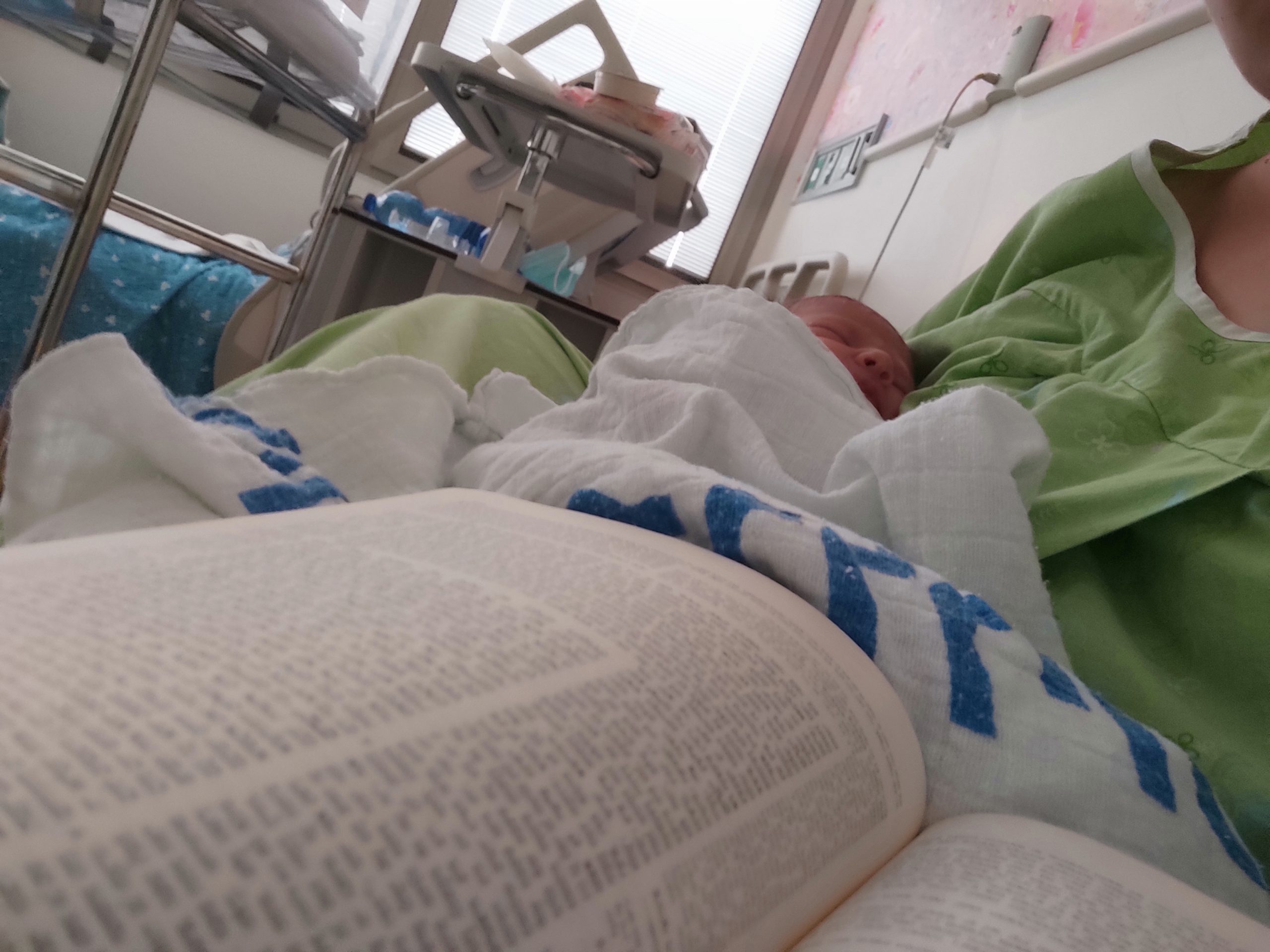
כמו שרואים בתמונה אני ממשיכה ללמוד גם היום ואפילו במחלקת יולדות אחרי לידת ביתי השלישית.
רבבה, ישראל
הצטרפתי ללומדות בתחילת מסכת תענית. ההתרגשות שלי ושל המשפחה היתה גדולה מאוד, והיא הולכת וגוברת עם כל סיום שאני זוכה לו. במשך שנים רבות רציתי להצטרף ומשום מה זה לא קרה… ב”ה מצאתי לפני מספר חודשים פרסום של הדרן, ומיד הצטרפתי והתאהבתי. הדף היומי שינה את חיי ממש והפך כל יום- ליום של תורה. מודה לכן מקרב ליבי ומאחלת לכולנו לימוד פורה מתוך אהבת התורה ולומדיה.
חיספין רמת הגולן, ישראל
התחלתי ללמוד בשנת המדרשה במגדל עוז, בינתיים נהנית מאוד מהלימוד ומהגמרא, מעניין ומשמח מאוד!
משתדלת להצליח לעקוב כל יום, לפעמים משלימה קצת בהמשך השבוע.. מרגישה שיש עוגן מקובע ביום שלי והוא משמח מאוד!

חיפה , ישראל
התחלתי ללמוד גמרא בבית הספר בגיל צעיר והתאהבתי. המשכתי בכך כל חיי ואף היייתי מורה לגמרא בבית הספר שקד בשדה אליהו (בית הספר בו למדתי בילדותי)בתחילת מחזור דף יומי הנוכחי החלטתי להצטרף ובע”ה מקווה להתמיד ולהמשיך. אני אוהבת את המפגש עם הדף את "דרישות השלום ” שמקבלת מקשרים עם דפים אחרים שלמדתי את הסנכרון שמתחולל בין התכנים.

מעלה גלבוע, ישראל
התחלתי ללמוד דף יומי בסבב הקודם. זכיתי לסיים אותו במעמד המרגש של הדרן. בסבב הראשון ליווה אותי הספק, שאולי לא אצליח לעמוד בקצב ולהתמיד. בסבב השני אני לומדת ברוגע, מתוך אמונה ביכולתי ללמוד ולסיים. בסבב הלימוד הראשון ליוותה אותי חוויה מסויימת של בדידות. הדרן העניקה לי קהילת לימוד ואחוות נשים. החוויה של סיום הש”ס במעמד כה גדול כשנשים שאינן מכירות אותי, שמחות ומתרגשות עבורי , היתה חוויה מרוממת נפש

קיבוץ מגדל עוז, ישראל
התחלתי ללמוד לפני כשנתיים בשאיפה לסיים לראשונה מסכת אחת במהלך חופשת הלידה.
אחרי מסכת אחת כבר היה קשה להפסיק…

ירוחם, ישראל
My explorations into Gemara started a few days into the present cycle. I binged learnt and become addicted. I’m fascinated by the rich "tapestry” of intertwined themes, connections between Masechtot, conversations between generations of Rabbanim and learners past and present all over the world. My life has acquired a golden thread, linking generations with our amazing heritage.
Thank you.

חשמונאים, Israel
התחלתי כשהייתי בחופש, עם הפרסומים על תחילת המחזור, הסביבה קיבלה את זה כמשהו מתמיד ומשמעותי ובהערכה, הלימוד זה עוגן יציב ביום יום, יש שבועות יותר ויש שפחות אבל זה משהו שנמצא שם אמין ובעל משמעות בחיים שלי….

גמזו, ישראל
התחלתי ללמוד בעידוד שתי חברות אתן למדתי בעבר את הפרק היומי במסגרת 929.
בבית מתלהבים מאוד ובשבת אני לומדת את הדף עם בעלי שזה מפתיע ומשמח מאוד! לימוד הדף הוא חלק בלתי נפרד מהיום שלי. לומדת בצהריים ומחכה לזמן הזה מידי יום…

אפרת, ישראל
התחלתי מחוג במסכת קידושין שהעבירה הרבנית רייסנר במסגרת בית המדרש כלנה בגבעת שמואל; לאחר מכן התחיל סבב הדף היומי אז הצטרפתי. לסביבה לקח זמן לעכל אבל היום כולם תומכים ומשתתפים איתי. הלימוד לעתים מעניין ומעשיר ולעתים קשה ואף הזוי… אך אני ממשיכה קדימה. הוא משפיע על היומיום שלי קודם כל במרדף אחרי הדף, וגם במושגים הרבים שלמדתי ובידע שהועשרתי בו, חלקו ממש מעשי

ראש העין, ישראל
התחלתי ללמוד לפני 4.5 שנים, כשהודיה חברה שלי פתחה קבוצת ווטסאפ ללימוד דף יומי בתחילת מסכת סנהדרין. מאז לימוד הדף נכנס לתוך היום-יום שלי והפך לאחד ממגדירי הזהות שלי ממש.

ירושלים, ישראל
נדה סא
כְּאִילּוּ הֵן רְאוּיוֹת.
as though they were fit, and all three are impure, because the blood must have originated from one of them.
מַתְנִי’ שָׁלֹשׁ נָשִׁים שֶׁהָיוּ יְשֵׁנוֹת בְּמִטָּה אַחַת, וְנִמְצָא דָּם תַּחַת הָאֶמְצָעִית — כּוּלָּן טְמֵאוֹת. תַּחַת הַפְּנִימִית — שְׁתַּיִם הַפְּנִימִיּוֹת טְמֵאוֹת, וְהַחִיצוֹנָה טְהוֹרָה. תַּחַת הַחִיצוֹנָה — שְׁתַּיִם הַחִיצוֹנוֹת טְמֵאוֹת, וְהַפְּנִימִית טְהוֹרָה.
MISHNA: In a case of three women who were sleeping in one bed that was located adjacent to a wall, and blood was discovered beneath the middle woman, all of them are ritually impure. If the blood was discovered beneath the woman on the inside, closest to the wall, the two innermost women are ritually impure and the woman on the outside is ritually pure. If the blood was discovered beneath the woman on the outside, farthest from the wall, the two outermost women are ritually impure and the woman on the inside is ritually pure.
אֵימָתַי? בִּזְמַן שֶׁעָבְרוּ דֶּרֶךְ מַרְגְּלוֹת הַמִּטָּה, אֲבָל אִם עָבְרוּ דֶּרֶךְ עָלֶיהָ — כּוּלָּן טְמֵאוֹת. בָּדְקָה אַחַת מֵהֶן וְנִמְצֵאת טְהוֹרָה — הִיא טְהוֹרָה, וּשְׁתַּיִם טְמֵאוֹת. בָּדְקוּ שְׁתַּיִם וּמָצְאוּ טְהוֹרוֹת — הֵן טְהוֹרוֹת, וּשְׁלִישִׁית טְמֵאָה. שְׁלָשְׁתָּן וּמָצְאוּ טְהוֹרוֹת — כּוּלָּן טְמֵאוֹת.
When is that the ruling? It is when they passed into their positions on the bed via the foot of the bed; but if they passed into their positions on the bed via the side of the bed, over the place where the blood was discovered, all of them are ritually impure. If immediately after the blood was discovered, one of them examined herself and she was found to be ritually pure, she is pure and the other two are impure. If two of them examined themselves and found that they were ritually pure, they are pure and the third is impure. If all three of them examined themselves and found that they were ritually pure, all of them are ritually impure, as the blood must have originated from one of them.
לְמָה הַדָּבָר דוֹמֶה? לְגַל טָמֵא שֶׁנִּתְעָרֵב בֵּין שְׁנֵי גַּלִּים טְהוֹרִים, וּבָדְקוּ אֶחָד מֵהֶן וּמָצְאוּ טָהוֹר — הוּא טָהוֹר, וּשְׁנַיִם טְמֵאִים. שְׁנַיִם וּמָצְאוּ טְהוֹרִין — הֵם טְהוֹרִין, וּשְׁלִישִׁי טָמֵא.
To what case is this matter comparable? It is similar to the case of a ritually impure pile of stones with an olive-bulk of a corpse beneath it, where this pile was intermingled with two ritually pure piles, and they examined one of them and found it pure. That pile is pure and the other two are impure. If they examined two of them and found them ritually pure, they are ritually pure and the third is impure.
שְׁלָשְׁתָּן, וּמָצְאוּ טְהוֹרִין — כּוּלָּן טְמֵאִים, דִּבְרֵי רַבִּי מֵאִיר. שֶׁרַבִּי מֵאִיר אוֹמֵר: כׇּל דָּבָר שֶׁהוּא בְּחֶזְקַת טוּמְאָה — לְעוֹלָם הוּא בְּטוּמְאָתוֹ, עַד שֶׁיִּוָּדַע לְךָ טוּמְאָה הֵיכָן הִיא.
If they examined all three of them and found them ritually pure, all of them are impure; this is the statement of Rabbi Meir, as Rabbi Meir would say: With regard to any item that has the presumptive status of ritual impurity, it forever remains in its state of ritual impurity, even if one examined the relevant area or item and the source of impurity was not found, until it becomes known to you where the ritual impurity is. The assumption is that the impurity was not found because the examination was not conducted properly.
וַחֲכָמִים אוֹמְרִים: בּוֹדֵק עַד שֶׁמַּגִּיעַ לְסֶלַע אוֹ לִבְתוּלָה.
And the Rabbis say: One continues searching the relevant area until he reaches bedrock or virgin soil, beneath which there is certainly no ritual impurity. If no ritual impurity is found at that stage, presumably an animal dragged the olive-bulk of the corpse from beneath the pile, and the pile of rocks is pure.
גְּמָ’ מַאי שְׁנָא רֵישָׁא דְּלָא מְפַלֵּיג, וּמַאי שְׁנָא סֵיפָא דְּקָמְפַלֵּיג? אָמַר רַבִּי אַמֵּי: בִּמְשׁוּלָּבוֹת.
GEMARA: The previous mishna taught that if blood is found beneath one of three women lying together on a bed, they are all ritually impure. By contrast, the mishna here distinguishes based on the precise location where the blood was found. The Gemara asks: What is different in the first clause, i.e., the previous mishna, which did not distinguish on the basis of where the blood was found, and what is different in the latter clause, i.e., this mishna, which does distinguish in that manner? Rabbi Ami said that the previous mishna is referring to a case where the women were lying intertwined, and therefore it is impossible to distinguish between the woman on the inside and the woman on the outside.
בָּדְקָה אַחַת [וְכוּ׳]. לְמָה לֵיהּ לְמִתְנֵי ״לְמָה זֶה דּוֹמֶה״?
§ The mishna teaches: If immediately after the blood was discovered, one of them examined herself and she was found to be ritually pure, she is pure and the other two are impure. If two of them examined themselves and found that they were ritually pure, they are pure and the third is impure. If all three of them examined themselves and found that they were ritually pure, all of them are ritually impure. The mishna proceeds to compare this case to that of a pile of stones beneath which there is an olive-bulk of a corpse. The Gemara asks: Why does the tanna need to teach: To what case is this matter comparable? The ruling of the mishna is clear enough without this analogy.
הָכִי קָאָמַר לְהוּ רַבִּי מֵאִיר לְרַבָּנַן: מַאי שְׁנָא בְּדָם דְּלָא פְּלִיגִיתוּ, וּמַאי שְׁנָא בְּגַל דִּפְלִיגִיתוּ?
The Gemara explains that this is what Rabbi Meir is saying to the Rabbis: What is different with regard to the case of blood, where you do not disagree with me, as you concede that all three women are impure, and what is different with regard to the case of the pile of stones, where you disagree with me and maintain that all three piles of stones can be ritually pure if they are examined?
וְרַבָּנַן, בִּשְׁלָמָא הָתָם — אֵימָא עוֹרֵב נְטָלָהּ, אֶלָּא הָכָא — הַאי דָּם מֵהֵיכָא אֲתָא?
And the Rabbis would counter that the two cases are different. Granted, there, with regard to the piles of stones, one could say that a raven or some other animal took away the olive-bulk of the corpse, so there is a reason to deem all the piles pure. But here, in the case of the three women and the blood, from where did this blood come? It must have come from one of them. Therefore, at least one of the women must be ritually impure, and one cannot say that all three are pure.
תַּנְיָא, אָמַר רַבִּי מֵאִיר: מַעֲשֶׂה בְּשִׁקְמָה שֶׁל כְּפַר סָבָא, שֶׁהָיוּ מַחֲזִיקִין בָּהּ טוּמְאָה, וּבָדְקוּ וְלֹא מָצְאוּ. לְיָמִים נָשְׁבָה בּוֹ הָרוּחַ וַעֲקָרַתּוּ, וְנִמְצָא גּוּלְגּוֹלֶת שֶׁל מֵת תְּחוּבָה לוֹ בְּעִיקָּרוֹ. אָמְרוּ לוֹ: מִשָּׁם רְאָיָה? אֵימַר לֹא בָּדְקוּ כׇּל צָרְכּוֹ.
The Gemara discusses other cases involving possible mistakes in examinations. It is taught in a baraita: Rabbi Meir said that there was an incident involving a sycamore tree in Kefar Sava, with regard to which they had a presumption of ritual impurity, i.e., a presumption that there was a corpse buried beneath it. And they examined by digging in that place and did not find any corpse. Some days later, the wind blew at it and uprooted the sycamore tree, and they found a skull from a corpse stuck in its roots. This apparently indicates that in general one cannot rely upon an examination. The Sages said to Rabbi Meir: Do you seek to bring a proof from there? One can say that they did not examine as much as was necessary.
תַּנְיָא, אָמַר רַבִּי יוֹסֵי: מַעֲשֶׂה בִּמְעָרָה שֶׁל שִׁיחִין, שֶׁהָיוּ מַחְזִיקִין בָּהּ טוּמְאָה, וּבָדְקוּ עַד שֶׁהִגִּיעוּ לְקַרְקַע שֶׁהָיְתָה חֲלָקָה כְּצִפּוֹרֶן, וְלֹא מָצְאוּ. לְיָמִים נִכְנְסוּ בָּהּ פּוֹעֲלִים מִפְּנֵי הַגְּשָׁמִים, וְנִתְּזוּ בְּקַרְדּוּמּוֹתֵיהֶן, וּמָצְאוּ מַכְתֶּשֶׁת מְלֵאָה עֲצָמוֹת. אָמְרוּ לוֹ: מִשָּׁם רְאָיָה? אֵימַר לֹא בָּדְקוּ כָּל צָרְכּוֹ.
The Gemara cites another case. It is taught in a baraita: Rabbi Yosei said that there was an incident involving a cave in Shiḥin with regard to which they had a presumption of ritual impurity of a corpse. And they examined by digging inside the cave until they reached ground that was as smooth as a fingernail, and they did not find any corpse. Some days later workers entered the cave because they sought shelter from the rain. And they dug with their shovels and found a mortar full of bones. Once again, this indicates that one cannot rely upon an examination. The Sages said to Rabbi Yosei: Do you bring a proof from there? One can say they did not examine as much as was necessary.
תַּנְיָא, אַבָּא שָׁאוּל אוֹמֵר: מַעֲשֶׂה בְּסֶלַע בֵּית חוֹרוֹן, שֶׁהָיוּ מַחֲזִיקִין בָּהּ טוּמְאָה, וְלֹא יָכְלוּ חֲכָמִים לִבְדּוֹק מִפְּנֵי שֶׁהָיְתָה מְרוּבָּה. וְהָיָה שָׁם זָקֵן אֶחָד, וְרַבִּי יְהוֹשֻׁעַ בֶּן חֲנַנְיָא שְׁמוֹ. אָמַר לָהֶן: הָבִיאוּ לִי סְדִינִים! הֵבִיאוּ לוֹ סְדִינִים, וּשְׁרָאָן בְּמַיִם, וּפְרָסָן עֲלֵיהֶם. מְקוֹם טׇהֳרָה — יָבֵשׁ, מְקוֹם טוּמְאָה — לַח, וּבָדְקוּ וּמָצְאוּ בּוֹר גָּדוֹל מָלֵא עֲצָמוֹת.
The Gemara cites yet another relevant case. It is taught in a baraita: Abba Shaul says that there was an incident involving bedrock in Beit Ḥoron, with regard to which they had a presumption of ritual impurity of a corpse. And the Sages were unable to examine it because the area of the bedrock was too large. And there was one old man there, and his name was Rabbi Yehoshua ben Ḥananya. He said to them: Bring me sheets. They brought him sheets and he soaked them in water and spread them over the bedrock. In every place of ritual purity the ground remained dry, and in every place of ritual impurity the ground became moist. They understood that it was not entirely bedrock, as the area where the ground was wet was actually soft earth. And they examined there by digging and found a large pit filled with bones.
תָּנָא: הוּא הַבּוֹר שֶׁמִּילֵּא יִשְׁמָעֵאל בֶּן נְתַנְיָה חֲלָלִים, דִּכְתִיב: ״וְהַבּוֹר אֲשֶׁר הִשְׁלִיךְ שָׁם יִשְׁמָעֵאל אֵת כׇּל פִּגְרֵי אֲנָשִׁים אֲשֶׁר הִכָּה בְּיַד גְּדַלְיָה״.
It is taught: That pit that they found is the pit that Ishmael, son of Nethaniah, filled with corpses, as it is written: “Now the pit where Ishmael cast all the dead bodies of the men whom he had slain by the side of Gedaliah was that which Asa the king had made for fear of Baasa king of Israel; the same Ishmael, son of Nethaniah, filled with them that were slain” (Jeremiah 41:9).
וְכִי גְדַלְיָה הֲרָגָן? וַהֲלֹא יִשְׁמָעֵאל הֲרָגָן! אֶלָּא מִתּוֹךְ שֶׁהָיָה לוֹ לָחוֹשׁ לַעֲצַת יוֹחָנָן בֶּן קָרֵחַ, וְלֹא חַשׁ — מַעֲלֶה עָלָיו הַכָּתוּב כְּאִילּוּ הֲרָגָן.
The Gemara analyzes that verse: And did Gedaliah kill them? But didn’t Ishmael kill them? Gedaliah was one of those killed by Ishmael and his men (see Jeremiah 41:2). The Gemara answers: Rather, since Gedaliah should have been concerned and cautious based on the advice of Johanan, son of Kareah, who warned him that Ishmael was conspiring to kill him and even offered to go and kill Ishmael in a preemptive strike (see Jeremiah 40:13–16), but Gedaliah was not concerned and he refused to listen to Johanan’s advice, saying that he did not want to listen to malicious speech, the verse ascribes him blame as though he himself killed them.
אָמַר רָבָא: הַאי לִישָּׁנָא בִּישָׁא, אַף עַל פִּי דִּלְקַבּוֹלֵי לָא מִבְּעֵי — מֵיחָשׁ לֵיהּ מִבְּעֵי.
§ In relation to the above comment that Gedaliah was killed after not heeding the warning of Johanan, the Gemara clarifies what is permitted when receiving such a warning. Rava said: With regard to this prohibition against listening to malicious speech, even though one should not accept the malicious speech as true, one is nevertheless required to be concerned about the harm that might result from ignoring it.
הָנְהוּ בְּנֵי גָּלִילָא דִּנְפַק עֲלַיְיהוּ קָלָא דִּקְטוּל נַפְשָׁא, אֲתוֹ לְקַמֵּיהּ דְּרַבִּי טַרְפוֹן, אֲמַרוּ לֵיהּ: לַטְמְרִינַן מָר! אֲמַר לְהוּ: הֵיכִי נַעֲבֵיד? אִי לָא אַטְמְרִינְכוּ — חָזוּ יָתַיְיכוּ, אַטְמְרִינְכוּ — הָא אֲמוּר רַבָּנַן: הַאי לִישָּׁנָא בִּישָׁא, אַף עַל גַּב דִּלְקַבּוֹלֵי לָא מִבְּעֵי — מֵיחָשׁ לֵיהּ מִבְּעֵי. זִילוּ אַתּוּן, טַמַּרוּ נַפְשַׁיְיכוּ.
The Gemara cites examples of people who were concerned about malicious speech. There were these people of the Galilee about whom a rumor emerged that they had killed someone. They came before Rabbi Tarfon and said to him: Will the Master hide us? Rabbi Tarfon said to them: What should we do? If I do not hide you, your pursuers will see you and kill you. If I do hide you, this too is problematic, as didn’t the Rabbis say: With regard to this prohibition against listening to malicious speech, even though one should not accept the malicious speech as true, one is required to be concerned about the harm that might result from ignoring it? Therefore, you must go and hide yourselves.
״וַיֹּאמֶר ה׳ אֶל מֹשֶׁה אַל תִּירָא״ — מִכְּדֵי סִיחוֹן וְעוֹג אַחֵי הֲווֹ, דְּאָמַר מָר: סִיחוֹן וְעוֹג בְּנֵי אֲחִיָּה בַּר שַׁמְחֲזַאי הֲווֹ, מַאי שְׁנָא מֵעוֹג דְּקָמִסְתְּפֵי, וּמַאי שְׁנָא מִסִּיחוֹן דְּלָא קָמִסְתְּפֵי?
The Gemara cites another case of a report that caused concern. Before the battle against Og, king of Bashan, it is stated: “And the Lord said to Moses: Do not fear him; for I have delivered him into your hand, and all his people, and his land; and you shall do to him as you did to Sihon king of the Amorites, who dwelt at Heshbon” (Numbers 21:34). The Gemara asks: Now, Sihon and Og were brothers, as the Master said: Sihon and Og were sons of Ahijah, son of Shamhazai. In what way is Sihon different from Og, that God found it necessary to warn Moses not to be afraid of Og, and in what way is Og different from Sihon, that there was no need for a warning not to be afraid of Sihon?
אָמַר רַבִּי יוֹחָנָן, אָמַר רַבִּי שִׁמְעוֹן בֶּן יוֹחַי: מִתְּשׁוּבָתוֹ שֶׁל אוֹתוֹ צַדִּיק אַתָּה יוֹדֵעַ מָה הָיָה בְּלִבּוֹ, אָמַר: שֶׁמָּא תַּעֲמוֹד לוֹ זְכוּת שֶׁל אַבְרָהָם אָבִינוּ.
Rabbi Yoḥanan says that Rabbi Shimon ben Yoḥai says: From the answer that God gave to that righteous one, Moses, you know what was in his heart, i.e., what gave Moses cause to fear. Moses said to himself: Perhaps the merit of our forefather Abraham will stand for Og and save him. Og was the one who told Abraham that Lot had been taken captive by the four kings, enabling Abraham to rescue Lot.
שֶׁנֶּאֱמַר: ״וַיָּבֹא הַפָּלִיט וַיַּגֵּד לְאַבְרָם הָעִבְרִי״, וְאָמַר רַבִּי יוֹחָנָן: זֶה עוֹג, שֶׁפָּלַט מִדּוֹר הַמַּבּוּל.
The Gemara cites the source of this claim. As it is stated: “And there came one that was saved, and told Abram the Hebrew, now he dwelt by the terebinths of Mamre the Amorite, brother of Eshkol, and brother of Aner; and these were confederate with Abram. And when Abram heard that his brother was taken captive, he led forth his trained men, born in his house, three hundred and eighteen, and pursued as far as Dan” (Genesis 14:13–14). And Rabbi Yoḥanan said that the term “one that was saved” is referring to Og, who was saved from the punishment of the generation of the flood. For this reason, Moses was more afraid of Og.
תָּנוּ רַבָּנַן: בֶּגֶד שֶׁאָבַד בּוֹ כֶּתֶם, מַעֲבִיר עָלָיו שִׁבְעָה סַמְמָנִין וּמְבַטְּלוֹ. רַבִּי שִׁמְעוֹן בֶּן אֶלְעָזָר אוֹמֵר:
§ The Gemara cites another instance in which an impure item was lost, similar to the case discussed above involving the pile of stones. The Sages taught in a baraita: Menstrual blood is itself a source of impurity. With regard to a garment in which a blood stain was lost, i.e., it is difficult to determine if the blood is still on the garment, one applies to it, i.e., scrubs it with, seven abrasive substances that are known to remove blood stains, and thereby nullifies the blood stain, so that the garment is pure. Rabbi Shimon ben Elazar says:
בּוֹדְקוֹ שְׁכוּנוֹת שְׁכוּנוֹת.
He examines it section by section, as by examining each part of the garment separately he will discover any remaining blood stain.
אָבְדָה בּוֹ שִׁכְבַת זֶרַע, חָדָשׁ — בּוֹדְקוֹ בְּמַחַט, שָׁחוּק — בּוֹדְקוֹ בַּחַמָּה. תָּנָא: אֵין ״שְׁכוּנָה״ פְּחוּתָה מִשְּׁלֹשׁ אֶצְבָּעוֹת.
In the case of a garment in which a seminal emission, which is also ritually impure, was lost, i.e., it is not known where on the garment the semen is, if the garment is new, one examines it by sticking a needle into every part of it. In this manner he will feel if the semen is in the garment. If the garment is worn out, one examines it by holding it up to the sun, as the sun’s rays will not pass through the stained part of the garment. It was taught in a baraita: The section mentioned need not be less than three fingerbreadths by three fingerbreadths in area.
תָּנוּ רַבָּנַן: בֶּגֶד שֶׁאָבַד בּוֹ כִּלְאַיִם — הֲרֵי זֶה לֹא יִמְכְּרֶנּוּ לְגוֹי, וְלֹא יַעֲשֶׂנּוּ מַרְדַּעַת לַחֲמוֹר, אֲבָל עוֹשֶׂה מִמֶּנּוּ תַּכְרִיכִין לְמֵת. אָמַר רַב יוֹסֵף: זֹאת אוֹמֶרֶת — מִצְוֹת בְּטֵלוֹת לֶעָתִיד לָבֹא.
The Gemara cites another case of a garment in which something was lost. The Sages taught in a baraita: With regard to a garment in which diverse kinds, a prohibited mixture of wool and linen, was lost, i.e., it is a wool garment into which a linen thread was sewn or vice versa and it is not known where on the garment the thread is located, one may not sell it to a gentile and one may not even fashion it into a saddlecloth for a donkey. This is prohibited lest one remove a piece of the garment and sew it onto his own clothing. But one may fashion it into a shroud for a corpse, as there is no concern that one might remove it from the dead. Rav Yosef said: That is to say that the mitzvot will be nullified in the future. If this were not the case, then when the dead are resurrected they will be deriving benefit from the garment of diverse kinds in which they were buried.
אֲמַר לֵיהּ אַבָּיֵי, וְאִי תֵימָא רַב דִּימִי: וְהָא אָמַר רַבִּי מָנִי אֲמַר רַבִּי יַנַּאי, לֹא שָׁנוּ אֶלָּא לְסׇפְדוֹ, אֲבָל לְקוֹבְרוֹ אָסוּר. אֲמַר לֵיהּ: לָאו אִיתְּמַר עֲלַהּ, אָמַר רַבִּי יוֹחָנָן: אֲפִילּוּ לְקוֹבְרוֹ.
Abaye said to Rav Yosef, and some say that Rav Dimi said to Rav Yosef: But didn’t Rabbi Mani say that Rabbi Yannai said: They taught that it is permitted to place a corpse in a shroud of diverse kinds only in order to eulogize him, but it is prohibited to bury him in a shroud of diverse kinds? Rav Yosef said to him: Wasn’t it stated with regard to that matter that Rabbi Yoḥanan says: It is even permitted to bury him in a shroud of diverse kinds?
וְרַבִּי יוֹחָנָן לְטַעְמֵיהּ, דְּאָמַר רַבִּי יוֹחָנָן: מַאי דִכְתִיב ״בַּמֵּתִים חׇפְשִׁי״? כֵּיוָן שֶׁמֵּת אָדָם נַעֲשָׂה חׇפְשִׁי מִן הַמִּצְוֹת.
And Rabbi Yoḥanan conforms to his standard line of reasoning in this regard, as Rabbi Yoḥanan said: What is the meaning of that which is written: “Set apart [ḥofshi] among the dead, like the slain that lie in the grave, whom You remember no more” (Psalms 88:6)? Once a person dies, he becomes free [ḥofshi] from the mitzvot.
אָמַר רַפְרָם בַּר פָּפָּא, אָמַר רַב חִסְדָּא: בֶּגֶד שֶׁאָבַד בּוֹ כִּלְאַיִם — צוֹבְעוֹ, וּמוּתָּר. אֲמַר לֵיהּ רָבָא לְרַפְרָם בַּר פָּפָּא: מְנָא לֵיהּ לְסָבָא הָא?
§ Rafram bar Pappa says that Rav Ḥisda says: With regard to a garment in which diverse kinds was lost, one may dye it, and it is permitted to wear the garment, as wool and linen absorb dye differently, and therefore it will be easy to notice the location of the other kind of thread and remove it. Rava said to Rafram bar Pappa: From where does the Elder, i.e., Rav Ḥisda, derive this halakha?
אֲמַר לֵיהּ: מַתְנִיתִין הִיא, דִּתְנַן: בּוֹדֵק עַד שֶׁמַּגִּיעַ לְסֶלַע, וְאִי לֵיכָּא — אֵימַר עוֹרֵב נְטָלָהּ. הָכִי נָמֵי: עַמְרָא וְכִיתָּנָא בַּהֲדָדֵי לָא סָלֵיק לְהוּ צִבְעָא, וְכֵיוָן דְּלָא יְדִיעַ — אֵימַר מִנְתָּר נְתַר.
Rafram bar Pappa said to him: It is derived from the mishna, as we learned: With regard to a pile of stones that was known to have an item of ritual impurity buried beneath it, one continues searching beneath each of these piles until he reaches bedrock. And if the impure item is not there, i.e., if he found nothing, one can say that a raven or some other animal took it. So too here, wool and flax, i.e., linen, do not absorb the dye in the same manner. And since he dyed the garment and he does not know of any mixture of linen and wool within it, as the entire garment absorbed the dye in the same way, one must say that that thread has fallen out, and therefore it is permitted to wear the garment.
אָמַר רַב אַחָא בְּרֵיהּ דְּרַב יֵיבָא מִשְּׁמֵיהּ דְּמָר זוּטְרָא: הַאי מַאן דִּרְמֵי חוּטָא דְּכִיתָּנָא בִּגְלִימָיה דְּעַמְרָא וְנַתְּקֵיהּ, וְלָא יָדַע אִי נְתִיק אִי לָא נְתִיק — שַׁפִּיר דָּמֵי.
Rav Aḥa, son of Rav Yeiva, said in the name of Mar Zutra: In a case of one who put a thread of flax in a cloak of wool and it fell out, but he does not know whether it all fell out or whether it did not all fall out, it is permitted to wear the cloak.
מַאי טַעְמָא? מִדְּאוֹרָיְיתָא ״שַׁעַטְנֵז״ כְּתִיב — עַד שֶׁיִּהְיֶה שׁוּעַ, טְוִוי, וְנוּז. וְרַבָּנַן הוּא דִּגְזַרוּ בֵּיהּ, וְכֵיוָן דְּלָא יָדַע אִי נַתְּקֵיהּ — שְׁרֵי.
The Gemara asks: What is the reason that the halakha is lenient in this case of uncertainty? By Torah law, it is written: “Diverse kinds [sha’atnez]” (Deuteronomy 22:11), and this is interpreted as an acronym indicating that the halakha of diverse kinds does not apply unless the item is combed smooth [shua], spun [tavui] as a thread, and woven [nuz]. Without these characteristics, the combination is not considered diverse kinds by Torah law. And it is the Sages who decreed that diverse kinds that are merely attached to each other are prohibited, despite the fact that they are not combed and spun together. And in this case, since he does not know if it all fell out it is permitted, as the halakha is lenient with regard to uncertainties involving prohibitions that are by rabbinic law.
מַתְקֵיף לַהּ רַב אָשֵׁי: אֵימַר אוֹ שׁוּעַ אוֹ טְוִוי אוֹ נוּז! וְהִלְכְתָא כְּמָר זוּטְרָא, מִדְּאַפְּקִינְהוּ רַחֲמָנָא בַּחֲדָא לִישָּׁנָא.
Rav Ashi objects to this leniency. One can say that by Torah law it is prohibited if the linen and wool are either combed, or spun, or woven. Perhaps the word sha’atnez does not limit the prohibition to a combination of all three activities, but to any one of them. The Gemara concludes: And the halakha is in accordance with the opinion of Mar Zutra, from the fact that the Merciful One expresses the prohibition in the Torah in one word, sha’atnez. Therefore, the term means all three characteristics together.
תָּנוּ רַבָּנַן: בֶּגֶד צָבוּעַ מְטַמֵּא מִשּׁוּם כֶּתֶם. רַבִּי נָתָן בַּר יוֹסֵף אוֹמֵר: אֵינוֹ מְטַמֵּא מִשּׁוּם כֶּתֶם, שֶׁלֹּא תִּקְּנוּ בִּגְדֵי צִבְעוֹנִין לְאִשָּׁה אֶלָּא לְהָקֵל עַל כִּתְמֵיהֶן.
§ The Sages taught in a baraita: A colored garment renders a woman impure due to blood stains if she sees a blood stain on it. Rabbi Natan bar Yosef says: If she sees a blood stain on the colored garment she is not impure due to a blood stain, as the Sages enacted that women wear colored garments, and this decree was made only in order to be lenient with regard to their blood stains, i.e., so that they do not become impure.
תִּקְּנוּ? מַאי תַּקְּנִינְהוּ? אֶלָּא, שֶׁלֹּא הוּתְּרוּ בִּגְדֵי צִבְעוֹנִין לְאִשָּׁה אֶלָּא לְהָקֵל עַל כִּתְמֵיהֶן. ״הוּתְּרוּ״ — מִכְּלָל דַּאֲסִירִי!
The Gemara questions Rabbi Natan bar Yosef’s use of the word: Enacted. The Sages enacted? What was their enactment? Rather, Rabbi Natan bar Yosef said the reason that the Sages permitted colored garments to women was only in order to be lenient with regard to her blood stains. The Gemara raises an objection: From the statement that the Sages permitted colored garments one can conclude by inference they were previously prohibited. But was there a time when it was not permitted for women to wear colored garments?
אִין, דִּתְנַן: בַּפּוּלְמוּס שֶׁל אַסְפַּסְיָנוּס גָּזְרוּ עַל עַטְרוֹת חֲתָנִים וְעַל הָאִירוּס, בִּקְּשׁוּ לִגְזוֹר עַל בִּגְדֵי צִבְעוֹנִין. אָמְרִי: הָא עֲדִיפָא, כְּדֵי לְהָקֵל עַל כִּתְמֵיהֶן.
The Gemara answers: Yes, as we learned in a mishna (Sota 49a): In the war [bapulmus] of Vespasian they decreed upon the crowns of bridegrooms, i.e., that bridegrooms may no longer wear crowns, and upon the drum [ha’irus], i.e., they also banned the playing of drums. They also sought to decree with regard to colored garments, i.e., that women may not wear such garments, but they said: This is preferable, that women should wear colored garments, in order to be lenient with regard to their blood stains, as a blood stain found on a colored garment does not render a woman ritually impure.
מַתְנִי’ שִׁבְעָה סַמָּנִין מַעֲבִירִין עַל הַכֶּתֶם: רוֹק תָּפֵל, וּמֵי גְרִיסִין, וּמֵי רַגְלַיִם, וְנֶתֶר, וּבוֹרִית,
MISHNA: There are seven substances that one applies to the stain on a garment to ascertain whether it is a blood stain or a dye, as these seven substances remove the blood. They are: Tasteless saliva, and liquid from split beans, and urine, and natron, and borit,

