חיפוש

ראש השנה יג

רוצה להקדיש שיעור?

podcast placeholder

0:00
0:00


תקציר

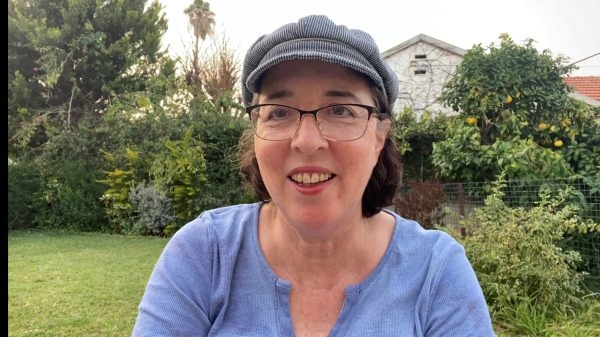
השיעור היום מוקדש ע”י דבי גביר לזכר אביה היקר, יוסף גינדזברג במלאת 3 שנים לפטירתו בי”ז בחשוון. "בין שאר תכונותיו הייחודיות, אבא אהב לשון ובמיוחד את השפה העברית. הוא פיתח מומחיות בשימוש בשפה ככלי חשוב המשרת את קריאת התורה ואמירת התפילה. אין לי ספק שהוא היה שמח דעת שהארמית שלי משתפרת מיום ליום בזכות לימוד הדף היומי עם הרבנית מישל פרבר והחברתות הנפלאות שלי! יהי זכרו ברוך.” ומוקדש ע”י סילביה סימונס לעילוי נשמת סבתה רחל וואהל (רחל לאה בת אברהם מרדכי). ומוקדש באנונימיות לזכרו של הרב שך, אלעזר מנחם מן בן עזריאל. 

מאיפה אנחנו דורשים שהשנה למעשר תבואה, ענבים וזיתים נקבעת על סמך מתי הגיעו לשליש מצמיחתם? רבי ירמיה שואל כיצד הרבנים יכולים לדעת בדיוק מתי פרי הגיע לשליש. ר’ זירא מתעצבן עליו ומתעקש שהרבנים יכולים לדייק במידותיהם. ר’ ירמיה מקבל את תשובתו של ר’ זירא ומביא דוגמה מקצירת השעורים לקרבן העומר בשנה הראשונה בכניסת בני ישראל לארץ ישראל ומוכיח משם שוודאי ידעו איך לדייק בכדי למצוא את השעורים שלא הגיעו לשליש גדולתם כשנכנסו לארץ כשהם היו בבעלות נכרים. עם זאת, ההוכחה שלו נדחית שכן יתכן שהשעורים היו רבע או חמישית מגדלתם ואז אין להוכיח כלום לגבי היכולת להבחין בין שליש לקצת לפני שליש. ההוכחה שהובאה קודם לכן לגבי התבואה, הענבים והזיתים שהתאריך הקובע הוא כאשר הגיעו לשליש מהגידול שלהם, נדחית ומובאת הוכחה אחרת. משנה משביעית ב:ז קובעת שאורז, דוחן ופריטים אחרים נחשבים ליבול שמיטה אם השתרשו במהלך שנת השמיטה. עם זאת, נראה שזה לא תואם את מה שלמדנו שעצים קובעים לפי חנטה, דגנים, ענבים וזיתים כשהם מגיעים לשליש, וירקות לפי לקיטה. זמן ההשתרשות הוא דין דרבנן כדי למנוע סיטואציה שמישהו תורם מן החדש על הישן או מן הישן על החדש (מפירות משני שנים שונים). מדוע הם לא יכולים להשתמש בפתרון אחר – לערבב את הכל יחד ולקחת תרומות ומעשרות מהתערובת וסביר שיהיו כמה אחוזים מהתוצרת החדש וחלק מהישן, כמו שר’ שמעון שזורי הציע (בילה). ר’ יצחק מביא פסיקה של שמואל כר’ שמעון שזורי ופסיקה שלו שאין דין בילה חוץ מנוזלים. שני דברים אלו סותרים זה את זה. מביאים דין שלישי של שמואל שפותר את הסתירה – שגמר פרי זה מה שקובע. בהמשך, הגמרא תסביר איך זה פותר את הסתירה.


כלים

ראש השנה יג

וְדִלְמָא לָא עָיֵיל כְּלָל, וְקָאָמַר רַחֲמָנָא תְּשַׁמֵּט וְתֵיזִיל עַד חַג הַסּוּכּוֹת!

But perhaps the verse is referring to produce that did not grow at all during the seventh year, and nevertheless, the Merciful One states in the Torah that all the halakhot of the Sabbatical Year continue to apply until the festival of Sukkot of the eighth year.

לָא סָלְקָא דַּעְתָּךְ, דִּכְתִיב: ״וְחַג הָאָסִיף בְּצֵאת הַשָּׁנָה״, מַאי ״אָסִיף״? אִילֵּימָא: חַג הַבָּא בִּזְמַן אֲסִיפָה — הָכְתִיב: ״בְּאׇסְפְּךָ״.

The Gemara answers: It should not enter your mind to say this, as it is written: “And the festival of gathering, which is at the end of the year, when you have gathered in your labors out of the field” (Exodus 23:16). What is the meaning of “gathering”? If we say that it means: A Festival that comes at the time of gathering the crops, isn’t it already written: “When you have gathered in your labors”? There is no need to repeat this a second time.

אֶלָּא מַאי ״אָסִיף״ — קָצִיר. וְקִים לְהוּ לְרַבָּנַן דְּכׇל תְּבוּאָה שֶׁנִּקְצְרָה בֶּחָג, בְּיָדוּעַ שֶׁהֵבִיאָה שְׁלִישׁ לִפְנֵי רֹאשׁ הַשָּׁנָה, וְקָא קָרֵי לַהּ ״בְּצֵאת הַשָּׁנָה״.

Rather, what is meant here by “gathering”? It means harvesting. And the Sages have an accepted tradition that any grain that reaches full growth so that it is harvested on the festival of Sukkot is known to have reached one-third of its growth before Rosh HaShana, and the Torah calls that period of the year until Sukkot “at the end of the year,” thereby indicating that it is still subject to the halakhot governing the previous year.

אֲמַר לֵיהּ רַבִּי יִרְמְיָה לְרַבִּי זֵירָא: וְקִים לְהוּ לְרַבָּנַן בֵּין שְׁלִישׁ לְפָחוֹת מִשְּׁלִישׁ? אֲמַר לֵיהּ: לָאו אָמֵינָא לָךְ לָא תַּפֵּיק נַפְשָׁךְ לְבַר מֵהִלְכְתָא? כׇּל מִדּוֹת חֲכָמִים — כֵּן הוּא.

§ Rabbi Yirmeya said to Rabbi Zeira: And are the Sages able to discern precisely between produce that reached one-third of its growth and produce that reached less than one-third of its growth? Rabbi Zeira said to him: Do I not always tell you that you must not take yourself out of the bounds of the halakha? All the measures of the Sages are like this; they are precise and exact.

אַרְבָּעִים סְאָה הוּא טוֹבֵל, בְּאַרְבָּעִים סְאָה חָסֵר קוּרְטוֹב — אֵינוֹ יָכוֹל לִטְבּוֹל בָּהֶן. כְּבֵיצָה מְטַמֵּא טוּמְאַת אוֹכָלִין, כְּבֵיצָה חָסֵר שׁוּמְשׁוּם — אֵינוֹ מְטַמֵּא טוּמְאַת אוֹכָלִין.

For example, one who immerses himself in a ritual bath containing forty se’a of water is rendered pure, but in forty se’a less the tiny amount of a kortov, he cannot immerse and become pure in them. Similarly, an egg-bulk of impure food can render other food ritually impure, but an egg-bulk less even the tiny amount of a sesame seed does not render food ritually impure.

שְׁלֹשָׁה עַל שְׁלֹשָׁה — מִטַּמֵּא מִדְרָס, שְׁלֹשָׁה עַל שְׁלֹשָׁה חָסֵר נִימָא אַחַת — אֵינוֹ מִטַּמֵּא מִדְרָס.

So too, a piece of cloth three by three handbreadths in size is susceptible to ritual impurity imparted by treading, but a piece of cloth three by three handbreadths less one hair [nima] is not susceptible to ritual impurity imparted by treading.

הֲדַר אָמַר רַבִּי יִרְמְיָה: לָאו מִילְּתָא הִיא דַּאֲמַרִי. דִּבְעוֹ מִינֵּיהּ חַבְרַיָּיא מֵרַב כָּהֲנָא: עוֹמֶר שֶׁהִקְרִיבוּ יִשְׂרָאֵל בִּכְנִיסָתָן לָאָרֶץ, מֵהֵיכָן הִקְרִיבוּהוּ? אִם תֹּאמַר דְּעָיֵיל בְּיַד גּוֹי, ״קְצִירְכֶם״ אָמַר רַחֲמָנָא — וְלֹא קְצִיר גּוֹי.

Rabbi Yirmeya then said: What I said is nothing, and my question had no basis, as it can be demonstrated that the Sages know how to determine that produce has reached one-third of its growth. As Rav Kahana was once asked by the other colleagues of the academy as follows: With regard to the omer offering that the Jewish people brought when they first entered Eretz Yisrael in the days of Joshua, from where did they bring it? If you say that this omer offering was brought from grain that grew in the possession of a gentile, there is a difficulty, as the Merciful One states in the Torah: “You shall bring an omer of the first fruits of your harvest to the priest” (Leviticus 23:10), from which it can be derived that it must be your harvest, grown in the possession of a Jew, and not the harvest of a gentile.

מִמַּאי דְּאַקְרִיבוּ, דִּלְמָא לָא אַקְרִיבוּ! לָא סָלְקָא דַּעְתָּךְ, דִּכְתִיב: ״וַיֹּאכְלוּ מֵעֲבוּר הָאָרֶץ מִמׇּחֳרַת הַפֶּסַח״. מִמָּחֳרַת הַפֶּסַח — אֲכוּל, מֵעִיקָּרָא — לָא אֲכוּל. דְּאַקְרִיבוּ עוֹמֶר וַהֲדַר אָכְלִי. מֵהֵיכָן הִקְרִיבוּ?

The Gemara first questions the assumption of Rav Kahana’s colleagues: From where is it known that the Jewish people actually brought an omer offering that year? Perhaps they did not offer it at all. The Gemara rejects this argument: It should not enter your mind to say this, as it is written: “And they did eat of the produce of the land on the next day after Passover” (Joshua 5:11), which teaches: Only on the next day after Passover did they eat from the new grain, but initially they did not eat from it. Why? It is because they first brought the omer offering on the sixteenth of Nisan as is required, and only afterward did they eat from the new grain. Therefore the question remains: From where did they bring the omer offering?

אָמַר לָהֶן: כׇּל שֶׁלֹּא הֵבִיא שְׁלִישׁ בְּיַד גּוֹי.

Rav Kahana said to them: Anything that came into the possession of a Jew and did not reach one-third of its growth in the possession of a gentile is fit to be harvested for the sake of the omer offering.

וְדִלְמָא עָיֵיל וְלָא קִים לְהוּ? אֶלָּא קִים לְהוּ — הָכָא נָמֵי קִים לְהוּ.

Rabbi Yirmeya concludes his proof: But there, too, one might ask: Perhaps the grain had in fact already reached one-third of its growth, but they could not discern with certainty between grain that had reached one-third of its growth and grain that had not. Rather, you must say that they were able to discern with certainty. Here, too, you can say that the Sages can discern with certainty between produce that has reached one-third of its growth before Rosh HaShana and produce that has not.

וְדִלְמָא לָא עָיֵיל כְּלָל, אֲבָל הֵיכָא דְּעָיֵיל רִיבְעָא — בֵּין שְׁלִישׁ לְפָחוֹת מִשְּׁלִישׁ לָא קִים לְהוּ!

The Gemara asks: This is not absolute proof, as perhaps the Jewish people brought the omer offering from grain that did not grow at all before they conquered the land, and the distinction was evident to all. But where produce reached one quarter of its growth, the Sages cannot discern with certainty the difference between one-third and less than one-third.

לָא סָלְקָא דַּעְתָּךְ, דִּכְתִיב: ״וְהָעָם עָלוּ מִן הַיַּרְדֵּן בֶּעָשׂוֹר לַחֹדֶשׁ״, וְאִי סָלְקָא דַעְתָּךְ דְּלָא עָיֵיל כְּלָל — בְּחַמְשָׁה יוֹמֵי מִי קָא מָלְיָא?

The Gemara answers: It should not enter your mind to say this, as it is written: “And the people came up from the Jordan on the tenth day of the first month” (Joshua 4:19). And if it enters your mind to say that the grain had not grown at all before the Jewish people entered the land, could it have reached full growth in just five days?

אֶלָּא מַאי, דְּעָיֵיל רִבְעָא אוֹ דַנְקָא? אַכַּתִּי בְּחַמְשָׁה יוֹמֵי מִי קָא מָלְיָא! אֶלָּא מַאי אִית לָךְ לְמֵימַר: ״אֶרֶץ צְבִי״ כְּתִיב בַּהּ — הָכָא נָמֵי: ״אֶרֶץ צְבִי״ כְּתִיב בַּהּ.

The Gemara rejects this argument: Rather, what can one say? That the grain had reached one quarter or one-sixth [danka] of its growth before the Jewish people conquered the land? This too is difficult, as one can still ask: Could the grain have reached full growth in just five days? Rather, what have you to say? One could say that with regard to Eretz Yisrael it is written: “The land of the deer” (Daniel 11:41), implying that the grain of Eretz Yisrael ripens with the swiftness of a deer. Here, too, one can say that “the land of the deer” is written with regard to Eretz Yisrael and applies to the ripening of the grain, so that it can ripen in just a few days.

מַתְקֵיף לַהּ רַבִּי חֲנִינָא: וּמִי מָצֵית אָמְרַתְּ דְּהַאי ״אָסִיף״ קָצִיר הוּא? וְהָכְתִיב: ״בְּאׇסְפְּךָ מִגׇּרְנְךָ וּמִיִּקְבֶךָ״, וְאָמַר מָר: בִּפְסוֹלֶת גּוֹרֶן וְיֶקֶב הַכָּתוּב מְדַבֵּר!

§ Rabbi Ḥanina strongly objects to the proof brought from the verse in Exodus cited above, which refers to Sukkot as the festival of gathering: How can you say that this “gathering” means harvesting? But isn’t it written: “You shall observe the festival of Sukkot seven days, after you have gathered in from your threshing floor and from your winepress” (Deuteronomy 16:13), and the Master said about this: The verse speaks here of the waste of the threshing floor and the winepress, which is used to make the roof of the sukka. If so, the gathering mentioned with regard to the festival of Sukkot is referring not to harvesting but to gathering straw from the threshing floor.

אָמַר רַבִּי זֵירָא: הָא מִילְּתָא הֲוַאי בִּידַן, וַאֲתָא רַבִּי חֲנִינָא שְׁדָא בַּיהּ נַרְגָּא.

Rabbi Zeira said about this: This matter was in our hands, i.e., I thought that we had solid proof that the years for produce follow the first third of its growth, but Rabbi Ḥanina came and cast an axe upon it, cutting it down, as Rabbi Ḥanina’s objection has totally nullified the proof.

אֶלָּא מְנָלַן? כִּדְתַנְיָא, רַבִּי יוֹנָתָן בֶּן יוֹסֵף אוֹמֵר: ״וְעָשָׂת אֶת הַתְּבוּאָה לִשְׁלֹשׁ הַשָּׁנִים״,

The Gemara asks: Rather, from where do we derive that the years for produce follow the first third of its growth? The Gemara answers: As it is taught in a baraita that Rabbi Yonatan ben Yosef says: The verse states: “And it shall bring forth fruit for the three years” (Leviticus 25:21);

אַל תִּקְרֵי ״לִשְׁלֹשׁ״, אֶלָּא ״לִשְׁלִישׁ״.

do not read it as “for three [lishelosh]” but as: For one-third [lishelish]. And learn from here that the year for tithes is determined by the date on which the produce reaches one-third of its growth.

וְהָא מִיבְּעֵי לֵיהּ לְגוּפֵיהּ! כְּתִיב קְרָא אַחֲרִינָא: ״וּזְרַעְתֶּם אֵת הַשָּׁנָה הַשְּׁמִינִית וַאֲכַלְתֶּם מִן הַתְּבוּאָה יָשָׁן עַד הַשָּׁנָה הַתְּשִׁיעִית״.

The Gemara raises a difficulty: But the phrase is necessary for the meaning of the verse itself, to teach that the sixth year will be blessed so that it yields three years’ worth of produce. The Gemara answers: It is written in another verse: “And you shall sow the eighth year, and eat yet of old produce until the ninth year” (Leviticus 25:22), so that the latter verse teaches about the three years’ worth of produce, and the first verse is available to derive the halakha with regard to one-third growth.

תְּנַן הָתָם: הָאוֹרֶז וְהַדּוֹחַן וְהַפְּרָגִין וְהַשּׁוּמְשְׁמִין שֶׁהִשְׁרִישׁוּ לִפְנֵי רֹאשׁ הַשָּׁנָה מִתְעַשְּׂרִין לְשֶׁעָבַר, וּמוּתָּרִין בַּשְּׁבִיעִית. וְאִם לָאו — אֲסוּרִין בַּשְּׁבִיעִית, וּמִתְעַשְּׂרִין לְשָׁנָה הַבָּאָה.

§ We learned in a mishna there: Rice, millet, poppy, and sesame that took root before Rosh HaShana are tithed in accordance with the outgoing year, meaning that second tithe is set aside in the first, second, fourth, and fifth years of the Sabbatical cycle, and poor man’s tithe is set aside in the third and sixth years, and they are permitted even if the following year is a Sabbatical Year. If they did not take root before Rosh HaShana, they are prohibited if it is the Sabbatical Year, and in ordinary years they are tithed in accordance with the incoming year.

אָמַר רַבָּה, אֲמוּר רַבָּנַן: אִילָן בָּתַר חֲנָטָה, תְּבוּאָה וְזֵיתִים בָּתַר שְׁלִישׁ, יָרָק בָּתַר לְקִיטָה. הָנֵי כְּמַאן שַׁוִּינְהוּ רַבָּנַן?

Rabba said: Say that the Sages said that the tithe year of a tree follows the time of the formation of its fruit, that of grain and olives follows the time that they reach one-third of their growth, and that of vegetables follows the time of their picking. The question may therefore be raised: With regard to these crops, i.e., rice, millet, poppy, and sesame, to what did the Sages equate them? Their tithe year is determined neither by their formation, nor by the time when they reach one-third of their growth, nor by their picking.

הֲדַר אָמַר רַבָּה: מִתּוֹךְ שֶׁעֲשׂוּיִין פְּרָכִין פְּרָכִין, אָזְלִי רַבָּנַן בָּתַר הַשְׁרָשָׁה.

Rabba then said: The reason for their uniqueness with regard to tithing is that since these crops do not ripen all at once, but rather, they ripen and are gathered little by little over an extended period of time, if their year were to follow the time of their picking, people might set aside tithes from that which was picked before Rosh HaShana for that which was picked after Rosh HaShana. Therefore, the Sages decreed that their tithe year follows the time of their taking root, which is the same for the entire field.

אֲמַר לֵיהּ אַבָּיֵי: וְיִצְבּוֹר גּוֹרְנוֹ לְתוֹכוֹ, וְנִמְצָא תּוֹרֵם מִן הֶחָדָשׁ שֶׁבּוֹ עַל הֶחָדָשׁ שֶׁבּוֹ, מִן הַיָּשָׁן שֶׁבּוֹ עַל הַיָּשָׁן שֶׁבּוֹ!

Abaye said to him: Why should they have made such a decree? There is a better alternative: Let one pile the entire stock onto his threshing floor, into the middle of it, mix the stock together well, and then set aside teruma and tithes, and consequently it will turn out that he has set aside teruma and tithes from the new crop in the mixture for the new crop in it, and from the old crop in the mixture for the old crop in it.

מִי לָא תַּנְיָא, רַבִּי יוֹסֵי בֶּן כִּיפָּר אָמַר מִשּׁוּם רַבִּי שִׁמְעוֹן שֵׁזוּרִי: פּוֹל הַמִּצְרִי שֶׁזְּרָעוֹ לְזֶרַע, מִקְצָתוֹ הִשְׁרִישׁ לִפְנֵי רֹאשׁ הַשָּׁנָה, וּמִקְצָתוֹ הִשְׁרִישׁ לְאַחַר רֹאשׁ הַשָּׁנָה — אֵין תּוֹרְמִין וּמְעַשְּׂרִין מִזֶּה עַל זֶה, לְפִי שֶׁאֵין תּוֹרְמִין וּמְעַשְּׂרִין לֹא מִן הֶחָדָשׁ עַל הַיָּשָׁן וְלֹא מִן הַיָּשָׁן עַל הֶחָדָשׁ.

Abaye continued: Isn’t it taught in a baraita: Rabbi Yosei ben Keifar said in the name of Rabbi Shimon Shezuri: If the cowpea plant was planted for seed, not to be eaten as a vegetable but for the seeds, the beans themselves, either for eating or planting, and some took root already before Rosh HaShana, while some took root only after Rosh HaShana, one may not set aside teruma or tithes from this for that, as one may not set aside teruma or tithes from the new crop for the old or from the old crop for the new.

כֵּיצַד הוּא עוֹשֶׂה — צוֹבֵר גּוֹרְנוֹ לְתוֹכוֹ, וְנִמְצָא תּוֹרֵם וּמְעַשֵּׂר מִן הֶחָדָשׁ שֶׁבּוֹ עַל הֶחָדָשׁ שֶׁבּוֹ, וּמִן הַיָּשָׁן שֶׁבּוֹ עַל הַיָּשָׁן שֶׁבּוֹ.

How, then, should one act so that he not err and set aside teruma and tithes incorrectly? He should pile the entire stock onto his threshing floor, into the middle of it, mix the stock together well, and then set aside teruma and tithes, and consequently it will turn out that he has set aside teruma and tithes from the new crop in the mixture for the new crop in it, and from the old crop in the mixture for the old crop in it. Why not do the same for rice, millet, poppy, and sesame?

אֲמַר לֵיהּ: רַבִּי שִׁמְעוֹן שֵׁזוּרִי קָאָמְרַתְּ? רַבִּי שִׁמְעוֹן שֵׁזוּרִי סָבַר יֵשׁ בִּילָּה.

Rabba said to Abaye: You are speaking of the opinion of Rabbi Shimon Shezuri? You cannot raise an objection from what he says, as Rabbi Shimon Shezuri holds that there is mixing. He assumes that the old and new were thoroughly mixed, so that the teruma and tithes set aside from the mixture have the same proportions of old and new crops as did the original crops.

וְרַבָּנַן סָבְרִי אֵין בִּילָּה.

But the Sages hold that there is no mixing; they do not assume that the old and new became thoroughly and evenly mixed. Therefore, piling the entire stock, mixing it together, and then setting aside teruma and tithes will not ensure that they are set aside correctly.

אָמַר רַבִּי יִצְחָק בַּר נַחְמָנִי אָמַר שְׁמוּאֵל: הֲלָכָה כְּרַבִּי יוֹסֵי בֶּן כִּיפָּר שֶׁאָמַר מִשּׁוּם רַבִּי שִׁמְעוֹן שֵׁזוּרִי. מַתְקֵיף לַהּ רַבִּי זֵירָא: וּמִי אָמַר שְׁמוּאֵל הָכִי? וְהָאָמַר שְׁמוּאֵל: לַכֹּל אֵין בִּילָּה, חוּץ מִיַּיִן וָשֶׁמֶן!

Rabbi Yitzḥak bar Naḥmani said that Shmuel said: The halakha is in accordance with the statement of Rabbi Yosei ben Keifar that he said in the name of Rabbi Shimon Shezuri. Rabbi Zeira strongly objects to this: And did Shmuel actually say this? But didn’t Shmuel say: There is no mixing for anything except for wine, oil, and other liquids? In the case of liquids he holds that everything is entirely mixed together, but not in the case of solids. How, then, could he have ruled in accordance with the opinion of Rabbi Shimon Shezuri?

אִשְׁתְּמִיטְתֵּיהּ הָא דְּאָמַר שְׁמוּאֵל: הַכֹּל הוֹלֵךְ אַחַר גְּמַר פֶּרִי.

The Gemara answers: Rabbi Zeira forgot that which Shmuel said: In all cases, the tithe year follows the time of the full ripening of the produce. Therefore, all of the cowpea seeds may be tithed together, whether the plants from which they grew took root before or after Rosh HaShana. This is not due to Rabbi Shimon Shezuri’s rationale that there is mixing, but because all of the beans reach full ripening at the same time, and consequently, they are all considered produce of the incoming year.

כלים

העמקה

רוצה להבין מה באמת קורה מתחת לפני השטח של הסוגיה?
שיעורים, פודקאסטים והרחבות של מיטב המורות שלנו יפתחו לך עוד זוויות וכיווני חשיבה.

לשיעורי עוד על הדף באנגלית, לחצי כאן

חדשה בלימוד הגמרא?

זה הדף הראשון שלך? איזו התרגשות עצומה! יש לנו בדיוק את התכנים והכלים שיעזרו לך לעשות את הצעדים הראשונים ללמידה בקצב וברמה שלך, כך תוכלי להרגיש בנוח גם בתוך הסוגיות המורכבות ומאתגרות.

פסיפס הלומדות שלנו

גלי את קהילת הלומדות שלנו, מגוון נשים, רקעים וסיפורים. כולן חלק מתנועה ומסע מרגש ועוצמתי.

התחלתי ללמוד לפני 4.5 שנים, כשהודיה חברה שלי פתחה קבוצת ווטסאפ ללימוד דף יומי בתחילת מסכת סנהדרין. מאז לימוד הדף נכנס לתוך היום-יום שלי והפך לאחד ממגדירי הזהות שלי ממש.

Rosenberg Foundation
קרן רוזנברג

ירושלים, ישראל

בתחילת הסבב הנוכחי הצטברו אצלי תחושות שאני לא מבינה מספיק מהי ההלכה אותה אני מקיימת בכל יום. כמו כן, כאמא לבנות רציתי לתת להן מודל נשי של לימוד תורה
שתי הסיבות האלו הובילו אותי להתחיל ללמוד. נתקלתי בתגובות מפרגנות וסקרניות איך אישה לומדת גמרא..
כמו שרואים בתמונה אני ממשיכה ללמוד גם היום ואפילו במחלקת יולדות אחרי לידת ביתי השלישית.

Noa Shiloh
נועה שילה

רבבה, ישראל

רבנית מישל הציתה אש התלמוד בלבבות בביניני האומה ואני נדלקתי. היא פתחה פתח ותמכה במתחילות כמוני ואפשרה לנו להתקדם בצעדים נכונים וטובים. הקימה מערך שלם שמסובב את הלומדות בסביבה תומכת וכך נכנסתי למסלול לימוד מעשיר שאין כמוה. הדרן יצר קהילה גדולה וחזקה שמאפשרת התקדמות מכל נקודת מוצא. יש דיבוק לומדות שמחזק את ההתמדה של כולנו. כל פניה ושאלה נענית בזריזות ויסודיות. תודה גם למגי על כל העזרה.

Sarah Aber
שרה אבר

נתניה, ישראל

אמא שלי למדה איתי ש”ס משנה, והתחילה ללמוד דף יומי. אני החלטתי שאני רוצה ללמוד גם. בהתחלה למדתי איתה, אח”כ הצטרפתי ללימוד דף יומי שהרב דני וינט מעביר לנוער בנים בעתניאל. במסכת עירובין עוד חברה הצטרפה אלי וכשהתחלנו פסחים הרב דני פתח לנו שעור דף יומי לבנות. מאז אנחנו לומדות איתו קבוע כל יום את הדף היומי (ובשבת אבא שלי מחליף אותו). אני נהנית מהלימוד, הוא מאתגר ומעניין

Renana Hellman
רננה הלמן

עתניאל, ישראל

התחלתי בתחילת הסבב, והתמכרתי. זה נותן משמעות נוספת ליומיום ומאוד מחזק לתת לזה מקום בתוך כל שגרת הבית-עבודה השוטפת.

Reut Abrahami
רעות אברהמי

בית שמש, ישראל

"התחלתי ללמוד דף יומי במחזור הזה, בח’ בטבת תש””ף. לקחתי על עצמי את הלימוד כדי ליצור תחום של התמדה יומיומית בחיים, והצטרפתי לקבוצת הלומדים בבית הכנסת בכפר אדומים. המשפחה והסביבה מתפעלים ותומכים.
בלימוד שלי אני מתפעלת בעיקר מכך שכדי ללמוד גמרא יש לדעת ולהכיר את כל הגמרא. זו מעין צבת בצבת עשויה שהיא עצומה בהיקפה.”

Sarah Fox
שרה פוּקס

כפר אדומים, ישראל

התחלתי ללמוד גמרא בבית הספר בגיל צעיר והתאהבתי. המשכתי בכך כל חיי ואף היייתי מורה לגמרא בבית הספר שקד בשדה אליהו (בית הספר בו למדתי בילדותי)בתחילת מחזור דף יומי הנוכחי החלטתי להצטרף ובע”ה מקווה להתמיד ולהמשיך. אני אוהבת את המפגש עם הדף את "דרישות השלום ” שמקבלת מקשרים עם דפים אחרים שלמדתי את הסנכרון שמתחולל בין התכנים.

Ariela Bigman
אריאלה ביגמן

מעלה גלבוע, ישראל

My explorations into Gemara started a few days into the present cycle. I binged learnt and become addicted. I’m fascinated by the rich "tapestry” of intertwined themes, connections between Masechtot, conversations between generations of Rabbanim and learners past and present all over the world. My life has acquired a golden thread, linking generations with our amazing heritage.
Thank you.

Susan Kasdan
סוזן כשדן

חשמונאים, Israel

התחלתי מחוג במסכת קידושין שהעבירה הרבנית רייסנר במסגרת בית המדרש כלנה בגבעת שמואל; לאחר מכן התחיל סבב הדף היומי אז הצטרפתי. לסביבה לקח זמן לעכל אבל היום כולם תומכים ומשתתפים איתי. הלימוד לעתים מעניין ומעשיר ולעתים קשה ואף הזוי… אך אני ממשיכה קדימה. הוא משפיע על היומיום שלי קודם כל במרדף אחרי הדף, וגם במושגים הרבים שלמדתי ובידע שהועשרתי בו, חלקו ממש מעשי

Abigail Chrissy
אביגיל כריסי

ראש העין, ישראל

התחלתי מעט לפני תחילת הסבב הנוכחי. אני נהנית מהאתגר של להמשיך להתמיד, מרגעים של "אהה, מפה זה הגיע!” ומהאתגר האינטלקטואלי

Eilat-Chen and Deller
אילת-חן ודלר

לוד, ישראל

. לא תמיד נהניתי מלימוד גמרא כילדה.,בל כהתבגרתי התחלתי לאהוב את זה שוב. התחלתי ללמוד מסכת סוטה בדף היומי לפני כחמש עשרה שנה ואז הפסקתי.הגעתי לסיום הגדול של הדרן לפני שנתיים וזה נתן לי השראה. והתחלתי ללמוד למשך כמה ימים ואז היתה לי פריצת דיסק והפסקתי…עד אלול השנה. אז התחלתי עם מסכת ביצה וב”ה אני מצליחה לעמוד בקצב. המשפחה מאוד תומכת בי ויש כמה שגם לומדים את זה במקביל. אני אוהבת שיש עוגן כל יום.

Rebecca Darshan
רבקה דרשן

בית שמש, ישראל

התחלתי ללמוד דף יומי בתחילת מסכת ברכות, עוד לא ידעתי כלום. נחשפתי לסיום הש״ס, ובעצם להתחלה מחדש בתקשורת, הפתיע אותי לטובה שהיה מקום לעיסוק בתורה.
את המסכתות הראשונות למדתי, אבל לא סיימתי (חוץ מעירובין איכשהו). השנה כשהגעתי למדרשה, נכנסתי ללופ, ואני מצליחה להיות חלק, סיימתי עם החברותא שלי את כל המסכתות הקצרות, גם כשהיינו חולות קורונה ובבידודים, למדנו לבד, העיקר לא לצבור פער, ומחכות ליבמות 🙂

Eden Yeshuron
עדן ישורון

מזכרת בתיה, ישראל

התחלתי ללמוד בשנת המדרשה במגדל עוז, בינתיים נהנית מאוד מהלימוד ומהגמרא, מעניין ומשמח מאוד!
משתדלת להצליח לעקוב כל יום, לפעמים משלימה קצת בהמשך השבוע.. מרגישה שיש עוגן מקובע ביום שלי והוא משמח מאוד!

Uriah Kesner
אוריה קסנר

חיפה , ישראל

התחלתי ללמוד דף יומי ממסכת נידה כי זה היה חומר הלימוד שלי אז. לאחר הסיום הגדול בבנייני האומה החלטתי להמשיך. וב”ה מאז עם הפסקות קטנות של קורונה ולידה אני משתדלת להמשיך ולהיות חלק.

זה משפיע מאוד על היום יום שלי ועל אף שאני עסוקה בלימודי הלכה ותורה כל יום, זאת המסגרת הקבועה והמחייבת ביותר שיש לי.

Moriah Taesan Michaeli
מוריה תעסן מיכאלי

גבעת הראל, ישראל

A friend in the SF Bay Area said in Dec 2019 that she might start listening on her morning drive to work. I mentioned to my husband and we decided to try the Daf when it began in Jan 2020 as part of our preparing to make Aliyah in the summer.

Hana Piotrkovsky
חנה פיוטרקובסקי

ירושלים, Israel

התחלתי ללמוד לפני 4.5 שנים, כשהודיה חברה שלי פתחה קבוצת ווטסאפ ללימוד דף יומי בתחילת מסכת סנהדרין. מאז לימוד הדף נכנס לתוך היום-יום שלי והפך לאחד ממגדירי הזהות שלי ממש.

Rosenberg Foundation
קרן רוזנברג

ירושלים, ישראל

למדתי גמרא מכיתה ז- ט ב Maimonides School ואחרי העליה שלי בגיל 14 לימוד הגמרא, שלא היה כל כך מקובל בימים אלה, היה די ספוראדי. אחרי "ההתגלות” בבנייני האומה התחלתי ללמוד בעיקר בדרך הביתה למדתי מפוקקטסים שונים. לאט לאט ראיתי שאני תמיד חוזרת לרבנית מישל פרבר. באיזה שהוא שלב התחלתי ללמוד בזום בשעה 7:10 .
היום "אין מצב” שאני אתחיל את היום שלי ללא לימוד עם הרבנית מישל עם כוס הקפה שלי!!

selfie-scaled
דבי גביר

חשמונאים, ישראל

ראיתי את הסיום הגדול בבנייני האומה וכל כך התרשמתי ורציתי לקחת חלק.. אבל לקח לי עוד כשנה וחצי )באמצע מסיכת שבת להצטרף..
הלימוד חשוב לי מאוד.. אני תמיד במרדף אחרי הדף וגונבת כל פעם חצי דף כשהילדים עסוקים ומשלימה אח”כ אחרי שכולם הלכו לישון..

Olga Mizrahi
אולגה מזרחי

ירושלים, ישראל

התחלתי ללמוד בסבב הנוכחי לפני כשנתיים .הסביבה מתפעלת ותומכת מאוד. אני משתדלת ללמוד מכל ההסכתים הנוספים שיש באתר הדרן. אני עורכת כל סיום מסכת שיעור בביתי לכ20 נשים שמחכות בקוצר רוח למפגשים האלו.

Yael Asher
יעל אשר

יהוד, ישראל

רציתי לקבל ידע בתחום שהרגשתי שהוא גדול וחשוב אך נעלם ממני. הלימוד מעניק אתגר וסיפוק ומעמיק את תחושת השייכות שלי לתורה וליהדות

Ruth Agiv
רות עגיב

עלי זהב – לשם, ישראל

ראש השנה יג

וְדִלְמָא לָא עָיֵיל כְּלָל, וְקָאָמַר רַחֲמָנָא תְּשַׁמֵּט וְתֵיזִיל עַד חַג הַסּוּכּוֹת!

But perhaps the verse is referring to produce that did not grow at all during the seventh year, and nevertheless, the Merciful One states in the Torah that all the halakhot of the Sabbatical Year continue to apply until the festival of Sukkot of the eighth year.

לָא סָלְקָא דַּעְתָּךְ, דִּכְתִיב: ״וְחַג הָאָסִיף בְּצֵאת הַשָּׁנָה״, מַאי ״אָסִיף״? אִילֵּימָא: חַג הַבָּא בִּזְמַן אֲסִיפָה — הָכְתִיב: ״בְּאׇסְפְּךָ״.

The Gemara answers: It should not enter your mind to say this, as it is written: “And the festival of gathering, which is at the end of the year, when you have gathered in your labors out of the field” (Exodus 23:16). What is the meaning of “gathering”? If we say that it means: A Festival that comes at the time of gathering the crops, isn’t it already written: “When you have gathered in your labors”? There is no need to repeat this a second time.

אֶלָּא מַאי ״אָסִיף״ — קָצִיר. וְקִים לְהוּ לְרַבָּנַן דְּכׇל תְּבוּאָה שֶׁנִּקְצְרָה בֶּחָג, בְּיָדוּעַ שֶׁהֵבִיאָה שְׁלִישׁ לִפְנֵי רֹאשׁ הַשָּׁנָה, וְקָא קָרֵי לַהּ ״בְּצֵאת הַשָּׁנָה״.

Rather, what is meant here by “gathering”? It means harvesting. And the Sages have an accepted tradition that any grain that reaches full growth so that it is harvested on the festival of Sukkot is known to have reached one-third of its growth before Rosh HaShana, and the Torah calls that period of the year until Sukkot “at the end of the year,” thereby indicating that it is still subject to the halakhot governing the previous year.

אֲמַר לֵיהּ רַבִּי יִרְמְיָה לְרַבִּי זֵירָא: וְקִים לְהוּ לְרַבָּנַן בֵּין שְׁלִישׁ לְפָחוֹת מִשְּׁלִישׁ? אֲמַר לֵיהּ: לָאו אָמֵינָא לָךְ לָא תַּפֵּיק נַפְשָׁךְ לְבַר מֵהִלְכְתָא? כׇּל מִדּוֹת חֲכָמִים — כֵּן הוּא.

§ Rabbi Yirmeya said to Rabbi Zeira: And are the Sages able to discern precisely between produce that reached one-third of its growth and produce that reached less than one-third of its growth? Rabbi Zeira said to him: Do I not always tell you that you must not take yourself out of the bounds of the halakha? All the measures of the Sages are like this; they are precise and exact.

אַרְבָּעִים סְאָה הוּא טוֹבֵל, בְּאַרְבָּעִים סְאָה חָסֵר קוּרְטוֹב — אֵינוֹ יָכוֹל לִטְבּוֹל בָּהֶן. כְּבֵיצָה מְטַמֵּא טוּמְאַת אוֹכָלִין, כְּבֵיצָה חָסֵר שׁוּמְשׁוּם — אֵינוֹ מְטַמֵּא טוּמְאַת אוֹכָלִין.

For example, one who immerses himself in a ritual bath containing forty se’a of water is rendered pure, but in forty se’a less the tiny amount of a kortov, he cannot immerse and become pure in them. Similarly, an egg-bulk of impure food can render other food ritually impure, but an egg-bulk less even the tiny amount of a sesame seed does not render food ritually impure.

שְׁלֹשָׁה עַל שְׁלֹשָׁה — מִטַּמֵּא מִדְרָס, שְׁלֹשָׁה עַל שְׁלֹשָׁה חָסֵר נִימָא אַחַת — אֵינוֹ מִטַּמֵּא מִדְרָס.

So too, a piece of cloth three by three handbreadths in size is susceptible to ritual impurity imparted by treading, but a piece of cloth three by three handbreadths less one hair [nima] is not susceptible to ritual impurity imparted by treading.

הֲדַר אָמַר רַבִּי יִרְמְיָה: לָאו מִילְּתָא הִיא דַּאֲמַרִי. דִּבְעוֹ מִינֵּיהּ חַבְרַיָּיא מֵרַב כָּהֲנָא: עוֹמֶר שֶׁהִקְרִיבוּ יִשְׂרָאֵל בִּכְנִיסָתָן לָאָרֶץ, מֵהֵיכָן הִקְרִיבוּהוּ? אִם תֹּאמַר דְּעָיֵיל בְּיַד גּוֹי, ״קְצִירְכֶם״ אָמַר רַחֲמָנָא — וְלֹא קְצִיר גּוֹי.

Rabbi Yirmeya then said: What I said is nothing, and my question had no basis, as it can be demonstrated that the Sages know how to determine that produce has reached one-third of its growth. As Rav Kahana was once asked by the other colleagues of the academy as follows: With regard to the omer offering that the Jewish people brought when they first entered Eretz Yisrael in the days of Joshua, from where did they bring it? If you say that this omer offering was brought from grain that grew in the possession of a gentile, there is a difficulty, as the Merciful One states in the Torah: “You shall bring an omer of the first fruits of your harvest to the priest” (Leviticus 23:10), from which it can be derived that it must be your harvest, grown in the possession of a Jew, and not the harvest of a gentile.

מִמַּאי דְּאַקְרִיבוּ, דִּלְמָא לָא אַקְרִיבוּ! לָא סָלְקָא דַּעְתָּךְ, דִּכְתִיב: ״וַיֹּאכְלוּ מֵעֲבוּר הָאָרֶץ מִמׇּחֳרַת הַפֶּסַח״. מִמָּחֳרַת הַפֶּסַח — אֲכוּל, מֵעִיקָּרָא — לָא אֲכוּל. דְּאַקְרִיבוּ עוֹמֶר וַהֲדַר אָכְלִי. מֵהֵיכָן הִקְרִיבוּ?

The Gemara first questions the assumption of Rav Kahana’s colleagues: From where is it known that the Jewish people actually brought an omer offering that year? Perhaps they did not offer it at all. The Gemara rejects this argument: It should not enter your mind to say this, as it is written: “And they did eat of the produce of the land on the next day after Passover” (Joshua 5:11), which teaches: Only on the next day after Passover did they eat from the new grain, but initially they did not eat from it. Why? It is because they first brought the omer offering on the sixteenth of Nisan as is required, and only afterward did they eat from the new grain. Therefore the question remains: From where did they bring the omer offering?

אָמַר לָהֶן: כׇּל שֶׁלֹּא הֵבִיא שְׁלִישׁ בְּיַד גּוֹי.

Rav Kahana said to them: Anything that came into the possession of a Jew and did not reach one-third of its growth in the possession of a gentile is fit to be harvested for the sake of the omer offering.

וְדִלְמָא עָיֵיל וְלָא קִים לְהוּ? אֶלָּא קִים לְהוּ — הָכָא נָמֵי קִים לְהוּ.

Rabbi Yirmeya concludes his proof: But there, too, one might ask: Perhaps the grain had in fact already reached one-third of its growth, but they could not discern with certainty between grain that had reached one-third of its growth and grain that had not. Rather, you must say that they were able to discern with certainty. Here, too, you can say that the Sages can discern with certainty between produce that has reached one-third of its growth before Rosh HaShana and produce that has not.

וְדִלְמָא לָא עָיֵיל כְּלָל, אֲבָל הֵיכָא דְּעָיֵיל רִיבְעָא — בֵּין שְׁלִישׁ לְפָחוֹת מִשְּׁלִישׁ לָא קִים לְהוּ!

The Gemara asks: This is not absolute proof, as perhaps the Jewish people brought the omer offering from grain that did not grow at all before they conquered the land, and the distinction was evident to all. But where produce reached one quarter of its growth, the Sages cannot discern with certainty the difference between one-third and less than one-third.

לָא סָלְקָא דַּעְתָּךְ, דִּכְתִיב: ״וְהָעָם עָלוּ מִן הַיַּרְדֵּן בֶּעָשׂוֹר לַחֹדֶשׁ״, וְאִי סָלְקָא דַעְתָּךְ דְּלָא עָיֵיל כְּלָל — בְּחַמְשָׁה יוֹמֵי מִי קָא מָלְיָא?

The Gemara answers: It should not enter your mind to say this, as it is written: “And the people came up from the Jordan on the tenth day of the first month” (Joshua 4:19). And if it enters your mind to say that the grain had not grown at all before the Jewish people entered the land, could it have reached full growth in just five days?

אֶלָּא מַאי, דְּעָיֵיל רִבְעָא אוֹ דַנְקָא? אַכַּתִּי בְּחַמְשָׁה יוֹמֵי מִי קָא מָלְיָא! אֶלָּא מַאי אִית לָךְ לְמֵימַר: ״אֶרֶץ צְבִי״ כְּתִיב בַּהּ — הָכָא נָמֵי: ״אֶרֶץ צְבִי״ כְּתִיב בַּהּ.

The Gemara rejects this argument: Rather, what can one say? That the grain had reached one quarter or one-sixth [danka] of its growth before the Jewish people conquered the land? This too is difficult, as one can still ask: Could the grain have reached full growth in just five days? Rather, what have you to say? One could say that with regard to Eretz Yisrael it is written: “The land of the deer” (Daniel 11:41), implying that the grain of Eretz Yisrael ripens with the swiftness of a deer. Here, too, one can say that “the land of the deer” is written with regard to Eretz Yisrael and applies to the ripening of the grain, so that it can ripen in just a few days.

מַתְקֵיף לַהּ רַבִּי חֲנִינָא: וּמִי מָצֵית אָמְרַתְּ דְּהַאי ״אָסִיף״ קָצִיר הוּא? וְהָכְתִיב: ״בְּאׇסְפְּךָ מִגׇּרְנְךָ וּמִיִּקְבֶךָ״, וְאָמַר מָר: בִּפְסוֹלֶת גּוֹרֶן וְיֶקֶב הַכָּתוּב מְדַבֵּר!

§ Rabbi Ḥanina strongly objects to the proof brought from the verse in Exodus cited above, which refers to Sukkot as the festival of gathering: How can you say that this “gathering” means harvesting? But isn’t it written: “You shall observe the festival of Sukkot seven days, after you have gathered in from your threshing floor and from your winepress” (Deuteronomy 16:13), and the Master said about this: The verse speaks here of the waste of the threshing floor and the winepress, which is used to make the roof of the sukka. If so, the gathering mentioned with regard to the festival of Sukkot is referring not to harvesting but to gathering straw from the threshing floor.

אָמַר רַבִּי זֵירָא: הָא מִילְּתָא הֲוַאי בִּידַן, וַאֲתָא רַבִּי חֲנִינָא שְׁדָא בַּיהּ נַרְגָּא.

Rabbi Zeira said about this: This matter was in our hands, i.e., I thought that we had solid proof that the years for produce follow the first third of its growth, but Rabbi Ḥanina came and cast an axe upon it, cutting it down, as Rabbi Ḥanina’s objection has totally nullified the proof.

אֶלָּא מְנָלַן? כִּדְתַנְיָא, רַבִּי יוֹנָתָן בֶּן יוֹסֵף אוֹמֵר: ״וְעָשָׂת אֶת הַתְּבוּאָה לִשְׁלֹשׁ הַשָּׁנִים״,

The Gemara asks: Rather, from where do we derive that the years for produce follow the first third of its growth? The Gemara answers: As it is taught in a baraita that Rabbi Yonatan ben Yosef says: The verse states: “And it shall bring forth fruit for the three years” (Leviticus 25:21);

אַל תִּקְרֵי ״לִשְׁלֹשׁ״, אֶלָּא ״לִשְׁלִישׁ״.

do not read it as “for three [lishelosh]” but as: For one-third [lishelish]. And learn from here that the year for tithes is determined by the date on which the produce reaches one-third of its growth.

וְהָא מִיבְּעֵי לֵיהּ לְגוּפֵיהּ! כְּתִיב קְרָא אַחֲרִינָא: ״וּזְרַעְתֶּם אֵת הַשָּׁנָה הַשְּׁמִינִית וַאֲכַלְתֶּם מִן הַתְּבוּאָה יָשָׁן עַד הַשָּׁנָה הַתְּשִׁיעִית״.

The Gemara raises a difficulty: But the phrase is necessary for the meaning of the verse itself, to teach that the sixth year will be blessed so that it yields three years’ worth of produce. The Gemara answers: It is written in another verse: “And you shall sow the eighth year, and eat yet of old produce until the ninth year” (Leviticus 25:22), so that the latter verse teaches about the three years’ worth of produce, and the first verse is available to derive the halakha with regard to one-third growth.

תְּנַן הָתָם: הָאוֹרֶז וְהַדּוֹחַן וְהַפְּרָגִין וְהַשּׁוּמְשְׁמִין שֶׁהִשְׁרִישׁוּ לִפְנֵי רֹאשׁ הַשָּׁנָה מִתְעַשְּׂרִין לְשֶׁעָבַר, וּמוּתָּרִין בַּשְּׁבִיעִית. וְאִם לָאו — אֲסוּרִין בַּשְּׁבִיעִית, וּמִתְעַשְּׂרִין לְשָׁנָה הַבָּאָה.

§ We learned in a mishna there: Rice, millet, poppy, and sesame that took root before Rosh HaShana are tithed in accordance with the outgoing year, meaning that second tithe is set aside in the first, second, fourth, and fifth years of the Sabbatical cycle, and poor man’s tithe is set aside in the third and sixth years, and they are permitted even if the following year is a Sabbatical Year. If they did not take root before Rosh HaShana, they are prohibited if it is the Sabbatical Year, and in ordinary years they are tithed in accordance with the incoming year.

אָמַר רַבָּה, אֲמוּר רַבָּנַן: אִילָן בָּתַר חֲנָטָה, תְּבוּאָה וְזֵיתִים בָּתַר שְׁלִישׁ, יָרָק בָּתַר לְקִיטָה. הָנֵי כְּמַאן שַׁוִּינְהוּ רַבָּנַן?

Rabba said: Say that the Sages said that the tithe year of a tree follows the time of the formation of its fruit, that of grain and olives follows the time that they reach one-third of their growth, and that of vegetables follows the time of their picking. The question may therefore be raised: With regard to these crops, i.e., rice, millet, poppy, and sesame, to what did the Sages equate them? Their tithe year is determined neither by their formation, nor by the time when they reach one-third of their growth, nor by their picking.

הֲדַר אָמַר רַבָּה: מִתּוֹךְ שֶׁעֲשׂוּיִין פְּרָכִין פְּרָכִין, אָזְלִי רַבָּנַן בָּתַר הַשְׁרָשָׁה.

Rabba then said: The reason for their uniqueness with regard to tithing is that since these crops do not ripen all at once, but rather, they ripen and are gathered little by little over an extended period of time, if their year were to follow the time of their picking, people might set aside tithes from that which was picked before Rosh HaShana for that which was picked after Rosh HaShana. Therefore, the Sages decreed that their tithe year follows the time of their taking root, which is the same for the entire field.

אֲמַר לֵיהּ אַבָּיֵי: וְיִצְבּוֹר גּוֹרְנוֹ לְתוֹכוֹ, וְנִמְצָא תּוֹרֵם מִן הֶחָדָשׁ שֶׁבּוֹ עַל הֶחָדָשׁ שֶׁבּוֹ, מִן הַיָּשָׁן שֶׁבּוֹ עַל הַיָּשָׁן שֶׁבּוֹ!

Abaye said to him: Why should they have made such a decree? There is a better alternative: Let one pile the entire stock onto his threshing floor, into the middle of it, mix the stock together well, and then set aside teruma and tithes, and consequently it will turn out that he has set aside teruma and tithes from the new crop in the mixture for the new crop in it, and from the old crop in the mixture for the old crop in it.

מִי לָא תַּנְיָא, רַבִּי יוֹסֵי בֶּן כִּיפָּר אָמַר מִשּׁוּם רַבִּי שִׁמְעוֹן שֵׁזוּרִי: פּוֹל הַמִּצְרִי שֶׁזְּרָעוֹ לְזֶרַע, מִקְצָתוֹ הִשְׁרִישׁ לִפְנֵי רֹאשׁ הַשָּׁנָה, וּמִקְצָתוֹ הִשְׁרִישׁ לְאַחַר רֹאשׁ הַשָּׁנָה — אֵין תּוֹרְמִין וּמְעַשְּׂרִין מִזֶּה עַל זֶה, לְפִי שֶׁאֵין תּוֹרְמִין וּמְעַשְּׂרִין לֹא מִן הֶחָדָשׁ עַל הַיָּשָׁן וְלֹא מִן הַיָּשָׁן עַל הֶחָדָשׁ.

Abaye continued: Isn’t it taught in a baraita: Rabbi Yosei ben Keifar said in the name of Rabbi Shimon Shezuri: If the cowpea plant was planted for seed, not to be eaten as a vegetable but for the seeds, the beans themselves, either for eating or planting, and some took root already before Rosh HaShana, while some took root only after Rosh HaShana, one may not set aside teruma or tithes from this for that, as one may not set aside teruma or tithes from the new crop for the old or from the old crop for the new.

כֵּיצַד הוּא עוֹשֶׂה — צוֹבֵר גּוֹרְנוֹ לְתוֹכוֹ, וְנִמְצָא תּוֹרֵם וּמְעַשֵּׂר מִן הֶחָדָשׁ שֶׁבּוֹ עַל הֶחָדָשׁ שֶׁבּוֹ, וּמִן הַיָּשָׁן שֶׁבּוֹ עַל הַיָּשָׁן שֶׁבּוֹ.

How, then, should one act so that he not err and set aside teruma and tithes incorrectly? He should pile the entire stock onto his threshing floor, into the middle of it, mix the stock together well, and then set aside teruma and tithes, and consequently it will turn out that he has set aside teruma and tithes from the new crop in the mixture for the new crop in it, and from the old crop in the mixture for the old crop in it. Why not do the same for rice, millet, poppy, and sesame?

אֲמַר לֵיהּ: רַבִּי שִׁמְעוֹן שֵׁזוּרִי קָאָמְרַתְּ? רַבִּי שִׁמְעוֹן שֵׁזוּרִי סָבַר יֵשׁ בִּילָּה.

Rabba said to Abaye: You are speaking of the opinion of Rabbi Shimon Shezuri? You cannot raise an objection from what he says, as Rabbi Shimon Shezuri holds that there is mixing. He assumes that the old and new were thoroughly mixed, so that the teruma and tithes set aside from the mixture have the same proportions of old and new crops as did the original crops.

וְרַבָּנַן סָבְרִי אֵין בִּילָּה.

But the Sages hold that there is no mixing; they do not assume that the old and new became thoroughly and evenly mixed. Therefore, piling the entire stock, mixing it together, and then setting aside teruma and tithes will not ensure that they are set aside correctly.

אָמַר רַבִּי יִצְחָק בַּר נַחְמָנִי אָמַר שְׁמוּאֵל: הֲלָכָה כְּרַבִּי יוֹסֵי בֶּן כִּיפָּר שֶׁאָמַר מִשּׁוּם רַבִּי שִׁמְעוֹן שֵׁזוּרִי. מַתְקֵיף לַהּ רַבִּי זֵירָא: וּמִי אָמַר שְׁמוּאֵל הָכִי? וְהָאָמַר שְׁמוּאֵל: לַכֹּל אֵין בִּילָּה, חוּץ מִיַּיִן וָשֶׁמֶן!

Rabbi Yitzḥak bar Naḥmani said that Shmuel said: The halakha is in accordance with the statement of Rabbi Yosei ben Keifar that he said in the name of Rabbi Shimon Shezuri. Rabbi Zeira strongly objects to this: And did Shmuel actually say this? But didn’t Shmuel say: There is no mixing for anything except for wine, oil, and other liquids? In the case of liquids he holds that everything is entirely mixed together, but not in the case of solids. How, then, could he have ruled in accordance with the opinion of Rabbi Shimon Shezuri?

אִשְׁתְּמִיטְתֵּיהּ הָא דְּאָמַר שְׁמוּאֵל: הַכֹּל הוֹלֵךְ אַחַר גְּמַר פֶּרִי.

The Gemara answers: Rabbi Zeira forgot that which Shmuel said: In all cases, the tithe year follows the time of the full ripening of the produce. Therefore, all of the cowpea seeds may be tithed together, whether the plants from which they grew took root before or after Rosh HaShana. This is not due to Rabbi Shimon Shezuri’s rationale that there is mixing, but because all of the beans reach full ripening at the same time, and consequently, they are all considered produce of the incoming year.

רוצה לעקוב אחרי התכנים ולהמשיך ללמוד?

ביצירת חשבון עוד היום ניתן לעקוב אחרי ההתקדמות שלך, לסמן מה למדת, ולעקוב אחרי השיעורים שמעניינים אותך.
לנקות את כל הפריטים מהרשימה?

פעולה זו תסיר את כל הפריטים בחלק זה כולל ההתקדמות וההיסטוריה. שימי לב: לא ניתן לשחזר פעולה זו.

ביטול
מחיקה

האם את/ה בטוח/ה שברצונך למחוק פריט זה?

תאבד/י את כל ההתקדמות או ההיסטוריה הקשורות לפריט זה.

ביטול
מחיקה