חיפוש

שבת קכא

רוצה להקדיש שיעור?

podcast placeholder

0:00
0:00


תקציר

השיעור היום נתרם על ידי ד״ר רובין זייגר ופרופ׳ יונתן בן עזרא לזכר נשמת חנה זייגר ז״ל, אמא של רובין. 

האם ר׳ יוסי באמת סובר שטבילה בזמנה מצוה? אם יש שריפה ונכרי בא, האם מותר לומר לו משהו כגון לכבות או האם צריך לומר לו לא לכבות? מה לגבי קטן? הגנרא דנה בדיני אמירה לעכו״ם. האם בית הדין חייב להפריש קטן מלעשות עבירה? לאיזה צרכים מותר לטלטל כלי ולכסות משהו? על הנר שלא תגיע האש לקורות הבית, על צואה בגלל שמאוס וכל עקרב שלא תישך. למה כתוב שמותר לשים כלי על צואה – הרי מותר לטלטל הצואה עצמה כי מיועד לאכילת כלב או כי מאוס. האם מותר להרוג מזיקים בשבת? ואם כן, על פי איזו שיטה או לפי כולם? האם מותר רק לפי תומו?

כלים

שבת קכא

טְבִילָה בִּזְמַנָּהּ לָאו מִצְוָה וּמַהְדְּרִינַן, וְרַבִּי יוֹסֵי סָבַר טְבִילָה בִּזְמַנָּהּ מִצְוָה וְלָא מַהְדְּרִינַן.

that performing immersion at its designated time is not a mitzva, and we seek a reed to wrap around God’s name even if it means postponing immersion to the next day, and Rabbi Yosei holds that immersion at its designated time is a mitzva, and therefore we do not seek a reed, since immersion cannot be postponed.

וְסָבַר רַבִּי יוֹסֵי טְבִילָה בִּזְמַנָּהּ מִצְוָה? וְהָתַנְיָא: הַזָּב וְהַזָּבָה, הַמְצוֹרָע וְהַמְצוֹרֶעֶת, בּוֹעֵל נִדָּה וּטְמֵא מֵת, טְבִילָתָן בַּיּוֹם. נִדָּה וְיוֹלֶדֶת — טְבִילָתָן בַּלַּיְלָה. בַּעַל קֶרִי — טוֹבֵל וְהוֹלֵךְ כׇּל הַיּוֹם כּוּלּוֹ. רַבִּי יוֹסֵי אוֹמֵר: מִן הַמִּנְחָה וּלְמַעְלָה אֵינוֹ צָרִיךְ לִטְבּוֹל! הַהִיא, רַבִּי יוֹסֵי בְּרַבִּי יְהוּדָה הִיא, דְּאָמַר: דַּיָּיהּ טְבִילָה בָּאַחֲרוֹנָה.

The Gemara asks: And does Rabbi Yosei hold that immersion at its designated time is a mitzva? Wasn’t it taught in a baraita: With regard to a zav and a zava, a male and female leper, one who has relations with a menstruating woman, and a person impure with impurity imparted by a corpse, their immersion is during the day. They immerse at the designated time even on Yom Kippur, when bathing is prohibited. A menstruating woman and a woman after childbirth immerse at night. A man who has had a seminal emission immerses at any point during the entire day after the emission. Rabbi Yosei says: From the time that he recited the afternoon prayer and on he does not immerse. Since he already recited the afternoon prayer, he waits until after Yom Kippur to immerse, and then recites the evening prayer in a state of purity. Apparently, Rabbi Yosei holds that immersion at the designated time is not a mitzva. The Gemara rejects this: In that baraita the reference is not to the Rabbi Yosei most commonly cited in tannaitic literature without a patronymic, Rabbi Yosei ben Ḥalafta, but it is to Rabbi Yosei, son of Rabbi Yehuda, who said: Her latest immersion is sufficient. A woman who is uncertain with regard to the correct time for her immersion need not immerse multiple times. She may postpone her immersion until a time when she will be certain to fulfill her obligation, even though it might not be immersion at the designated time.

מַתְנִי׳ גּוֹי שֶׁבָּא לְכַבּוֹת — אֵין אוֹמְרִים לוֹ ״כַּבֵּה״ וְ״אַל תְּכַבֶּה״, מִפְּנֵי שֶׁאֵין שְׁבִיתָתוֹ עֲלֵיהֶן. אֲבָל קָטָן שֶׁבָּא לְכַבּוֹת — אֵין שׁוֹמְעִין לוֹ, מִפְּנֵי שֶׁשְּׁבִיתָתוֹ עֲלֵיהֶן.

MISHNA: If a gentile comes to extinguish a Jew’s fire on Shabbat, one may not say to him: Extinguish, and: Do not extinguish, because responsibility for his rest is not incumbent upon the Jew. However, if a Jewish child comes to extinguish a fire on Shabbat, they do not listen to him and allow him to extinguish it, even though he is not yet obligated in mitzva observance, because responsibility for his rest is incumbent upon the Jew.

גְּמָ׳ אָמַר רַבִּי אַמֵּי: בִּדְלֵיקָה הִתִּירוּ לוֹמַר ״כׇּל הַמְכַבֶּה אֵינוֹ מַפְסִיד״. נֵימָא מְסַיַּיע לֵיהּ: גּוֹי שֶׁבָּא לְכַבּוֹת — אֵין אוֹמְרִים לוֹ ״כַּבֵּה״ וְ״אַל תְּכַבֶּה״ מִפְּנֵי שֶׁאֵין שְׁבִיתָתוֹ עֲלֵיהֶן. ״כַּבֵּה״ הוּא דְּלָא אָמְרִינַן לֵיהּ, הָא ״כׇּל הַמְכַבֶּה אֵינוֹ מַפְסִיד״ — אָמְרִינַן לֵיהּ. אֵימָא סֵיפָא, ״אַל תְּכַבֶּה״ לָא אָמְרִינַן לֵיהּ, וְ״כׇל הַמְכַבֶּה אֵינוֹ מַפְסִיד״ נָמֵי לָא אָמְרִינַן לֵיהּ. אֶלָּא מֵהָא לֵיכָּא לְמִשְׁמַע מִינַּהּ.

GEMARA: Rabbi Ami said: During a fire, the Sages permitted to say in the presence of gentiles: Anyone who extinguishes the fire will not lose, so that the gentiles will come and extinguish the fire; it is only prohibited to tell gentiles to do so explicitly. The Gemara suggests: Let us say that the mishna supports his statement: If a gentile comes to extinguish a Jew’s fire on Shabbat, one may not say to him: Extinguish, and: Do not extinguish, because responsibility for his rest is not incumbent upon the Jew. It can be inferred from the language of the mishna: It is a direct command, e.g., extinguish, that we may not say to him; however, anyone who extinguishes will not lose, we may tell him, which supports Rabbi Ami’s statement. The Gemara rejects this. Say the latter clause of the mishna: Do not extinguish, we do not tell him. It can be inferred that neither do we say to him: Anyone who extinguishes will not lose. Rather, nothing can be inferred from this mishna.

תָּנוּ רַבָּנַן: מַעֲשֶׂה וְנָפְלָה דְּלֵיקָה בַּחֲצֵירוֹ שֶׁל יוֹסֵף בֶּן סִימַאי בְּשִׁיחִין, וּבָאוּ אַנְשֵׁי גִּיסְטְרָא שֶׁל צִיפּוֹרִי לְכַבּוֹת, מִפְּנֵי שֶׁאַפִּטְרוֹפּוֹס שֶׁל מֶלֶךְ הָיָה, וְלֹא הִנִּיחָן מִפְּנֵי כְּבוֹד הַשַּׁבָּת, וְנַעֲשָׂה לוֹ נֵס וְיָרְדוּ גְּשָׁמִים וְכִיבּוּ. לָעֶרֶב שִׁיגֵּר לְכׇל אֶחָד מֵהֶן שְׁתֵּי סְלָעִין, וְלָאִפַּרְכוֹס שֶׁבָּהֶן — חֲמִשִּׁים. וּכְשֶׁשָּׁמְעוּ חֲכָמִים בְּדָבָר, אָמְרוּ: לֹא הָיָה צָרִיךְ לְכָךְ, שֶׁהֲרֵי שָׁנִינוּ: גּוֹי שֶׁבָּא לְכַבּוֹת — אֵין אוֹמְרִים לוֹ ״כַּבֵּה״ וְ״אַל תְּכַבֶּה״.

The Sages taught in a baraita: There was an incident that a fire ignited on Shabbat in the courtyard of Yosef ben Simai in a place called Shiḥin. And men came from the fortress [gistera] of Tzippori to extinguish the fire, because he was a steward [apotropos] of the king and they wanted to help him. However, Yosef ben Simai would not allow them to extinguish the fire in deference to Shabbat; and a miracle transpired for him and rain fell and extinguished the fire. That evening after Shabbat he sent two sela to each one of the soldiers who came to his aid, and fifty to their commander [iparkhos]. And when the Sages heard about this, they said: He need not have prevented them from extinguishing the fire, as we learned in the mishna: If a gentile comes to extinguish a Jew’s fire on Shabbat, one may not say to him: Extinguish, and: Do not extinguish, because responsibility for his rest is not incumbent upon the Jew; rather, the gentile may do as he pleases.

אֲבָל קָטָן שֶׁבָּא לְכַבּוֹת אֵין שׁוֹמְעִין לוֹ מִפְּנֵי שֶׁשְּׁבִיתָתוֹ עֲלֵיהֶן. שָׁמְעַתְּ מִינַּהּ קָטָן אוֹכֵל נְבֵלוֹת, בֵּית דִּין מְצֻוִּוין עָלָיו לְהַפְרִישׁוֹ. אָמַר רַבִּי יוֹחָנָן: בְּקָטָן הָעוֹשֶׂה לְדַעַת אָבִיו. דִּכְווֹתַהּ גַּבֵּי גּוֹי, דְּקָא עָבֵיד לְדַעְתֵּיהּ דְּיִשְׂרָאֵל — מִי שְׁרֵי?! גּוֹי לְדַעְתֵּיהּ דְּנַפְשֵׁיהּ עָבֵיד.

We learned in the mishna: However, if a Jewish child comes to extinguish a fire on Shabbat, they do not listen to him and allow him to extinguish it, even though he is not yet obligated in mitzva observance, because responsibility for his rest is incumbent upon the Jew. The Gemara seeks to conclude: Learn from this that a child who eats meat from unslaughtered animals or violates other prohibitions, the court is commanded to prevent him from eating it. This mishna would resolve a dilemma that arose regarding that issue. The Gemara rejects this suggestion: Rabbi Yoḥanan said: This mishna is referring to a child who is acting with the intention of fulfilling his father’s will, and therefore one is obligated to prevent him from doing so. However, if a child sins of his own volition, one is not obligated to prevent him from doing so. The Gemara asks: If so, the case with regard to a gentile in the mishna must be interpreted in a similar manner as referring to a case where he is acting with the intention to fulfill the will of a Jew. Is that permitted? It is prohibited to derive benefit from an action performed by a gentile for a Jew on Shabbat. The Gemara responds: This is not the case; the gentile is acting of his own volition. Because he is paid for extinguishing the fire he is not doing so in order to help the Jew.

מַתְנִי׳ כּוֹפִין קְעָרָה עַל גַּבֵּי הַנֵּר בִּשְׁבִיל שֶׁלֹּא תֶּאֱחוֹז בַּקּוֹרָה, וְעַל צוֹאָה שֶׁל קָטָן, וְעַל עַקְרָב שֶׁלֹּא תִּישָּׁךְ. אָמַר רַבִּי יְהוּדָה: מַעֲשֶׂה בָּא לִפְנֵי רַבָּן יוֹחָנָן בֶּן זַכַּאי בַּעֲרָב, וְאָמַר: חוֹשְׁשַׁנִי לוֹ מֵחַטָּאת.

MISHNA: One may overturn a bowl on top of a lamp so that fire will not take hold in the ceiling beam on Shabbat. And similarly, one may overturn a bowl on top of a child’s feces inside the house so he will not touch it and dirty himself, and on top of a scorpion so that it will not bite. Rabbi Yehuda said: An incident came before Rabban Yoḥanan ben Zakkai in his village of Arav, where a person covered a scorpion on Shabbat, and Rabban Yoḥanan said: I am concerned that he is liable to bring a sin-offering because he might have violated a Torah prohibition.

גְּמָ׳ רַב יְהוּדָה וְרַב יִרְמְיָה בַּר אַבָּא וְרַב חָנָן בַּר רָבָא אִיקְּלַעוּ לְבֵי אָבִין דְּמִן נְשִׁיקְיָא. לְרַב יְהוּדָה וְרַב יִרְמְיָה בַּר אַבָּא

GEMARA: The Gemara relates: Rav Yehuda and Rav Yirmeya bar Abba and Rav Ḥanan bar Rava happened to come to the house of Avin from a place called Nashikiya. For Rav Yehuda and Rav Yirmeya bar Abba,

אַיְיתוֹ לְהוּ פּוּרְיָיתָא, לְרַב חָנָן בַּר רָבָא לָא אַיְיתוֹ לֵיהּ. אַשְׁכְּחֵיהּ מַתְנֵי לֵיהּ לִבְרֵיהּ: וְעַל צוֹאָה שֶׁל קָטָן מִפְּנֵי קָטָן. אֲמַר לֵיהּ: אָבִין שָׁטְיָא מַתְנֵי שְׁטוּתָא לִבְנֵיהּ, וַהֲלֹא הִיא עַצְמָהּ מוּכֶנֶת לִכְלָבִים! וְכִי תֵּימָא דְּלָא חַזְיָא לֵיהּ מֵאֶתְמוֹל — וְהָתַנְיָא: נְהָרוֹת הַמּוֹשְׁכִין וּמַעֲיָינוֹת הַנּוֹבְעִין — הֲרֵי הֵן כְּרַגְלֵי כׇּל אָדָם.

they brought beds for them to sit on, whereas for Rav Ḥanan bar Rava, they did not bring one for him. Rav Ḥanan was insulted and got angry at his host. He found Rabbi Avin teaching his son the mishna and saying: And one may place a bowl on top of the feces of a child due to the child so that he will not touch it and dirty himself. Rav Ḥanan said to him: Avin the fool is teaching his son folly; aren’t the feces themselves prepared as food for dogs? An object that is fit for consumption by a dog may be carried, so why need one cover the feces if he can remove them? And if you say these feces were not prepared for that use from yesterday, that would not prohibit moving them. Wasn’t it taught in a baraita: With regard to rivers that flow and springs that gush, they do not have specific Shabbat boundaries, but they may be used anywhere and their boundaries are like the feet of all people who draw from them. Even though the water was not within the boundaries when Shabbat began, since the nature of flowing water is to move from place to place, it is as if they were prepared for this purpose. So too, here, since a child will relieve himself in any place, it is as if it was prepared from before Shabbat.

וְאֶלָּא הֵיכִי אַתְנְיֵיהּ? אֵימָא: עַל צוֹאָה שֶׁל תַּרְנְגוֹלִים מִפְּנֵי קָטָן.

Rabbi Avin asked: And how, then, should I teach it to him? Rav Ḥanan answered: Say, one may place a bowl on top of chicken feces due to a child.

וְתִיפּוֹק לֵיהּ דְּהָוֵי גְּרָף שֶׁל רְעִי! וְכִי תֵּימָא: גְּרָף שֶׁל רְעִי אַגַּב מָנָא — אִין, אִיהוּ גּוּפֵיהּ — לָא, וְהָא הָהוּא עַכְבָּר דְּאִישְׁתְּכַח בְּאִיסְפַּרְמָקֵי דְּרַב אָשֵׁי, וַאֲמַר לְהוּ: נִקְטוּהּ בְּצוּצִיתֵיהּ וְאַפְּקוּהּ! בְּאַשְׁפָּה. וְקָטָן בְּאַשְׁפָּה מַאי בָּעֵי לֵיהּ? בְּחָצֵר. חָצֵר נָמֵי, גְּרָף שֶׁל רְעִי הוּא! בְּאַשְׁפָּה שֶׁבְּחָצֵר.

The Gemara asks: And derive that it is permitted to remove the feces because it is like a chamber pot of feces, which may be moved out of the room because it is disgusting. And if you say that a chamber pot of feces together with the vessel, yes, it may be moved; but feces itself, no, it may not be moved. What about that mouse that was found among the spices [isperamaki] of Rav Ashi, and he said to his servants: Take it by its tail and remove it? Apparently, a disgusting object may be moved even without a vessel. Rather, we must say that the feces were in the garbage dump, and since the feces were not before the household members it was only permitted to conceal them, not to move them. The Gemara asks: And what is a child doing in the garbage dump in the public domain? It is not adjacent to the house; how would the child get there? The Gemara answers that the feces were not in the garbage dump but were in the courtyard. The Gemara rejects this: In the courtyard, it is also considered a chamber pot of feces and may be moved. Rather, it is referring to a garbage dump that is in the courtyard, to which the child sometimes has access. Feces in a place designated for garbage are no more disgusting than their surroundings, and therefore it is prohibited to move the feces.

וְעַל עַקְרָב שֶׁלֹּא תִּישָּׁךְ. אָמַר רַבִּי יְהוֹשֻׁעַ בֶּן לֵוִי: כׇּל הַמַּזִּיקִין נֶהֱרָגִין בְּשַׁבָּת. מֵתִיב רַב יוֹסֵף: חֲמִשָּׁה נֶהֱרָגִין בְּשַׁבָּת, וְאֵלּוּ הֵן: זְבוּב שֶׁבְּאֶרֶץ מִצְרַיִם, וְצִירְעָה שֶׁבְּנִינְוֵה, וְעַקְרָב שֶׁבְּחַדְיָיב, וְנָחָשׁ שֶׁבְּאֶרֶץ יִשְׂרָאֵל, וְכֶלֶב שׁוֹטֶה בְּכׇל מָקוֹם. מַנִּי? אִילֵימָא רַבִּי יְהוּדָה — הָא אָמַר: מְלָאכָה שֶׁאֵינָהּ צְרִיכָה לְגוּפָהּ חַיָּיב עָלֶיהָ. אֶלָּא לָאו רַבִּי שִׁמְעוֹן, וְהָנֵי הוּא דְּשָׁרֵי, אַחֲרִינֵי — לָא!

And we also learned in the mishna that one may cover a scorpion with a bowl on Shabbat so that it will not bite. Rabbi Yehoshua ben Levi said: All harmful creatures are killed on Shabbat. Rav Yosef raised an objection to this from the following baraita: Five creatures may be killed even on Shabbat, and they are: The poisonous fly that is in the land of Egypt, and the hornet that is in Ninveh, and the scorpion that is in Ḥadyab, and the snake that is in Eretz Yisrael, and a mad dog in any place. The Gemara clarifies this: In accordance with whose opinion is this baraita? If you say it is in accordance with the opinion of Rabbi Yehuda, didn’t he say that one is liable for a prohibited labor that is not needed for its own sake, and it is therefore prohibited to kill even these creatures? Rather, is it not in accordance with the opinion of Rabbi Shimon, and these are those creatures that it is permitted to kill; others, no, it is not permitted to kill?

אָמַר רַבִּי יִרְמְיָה: וּמַאן נֵימָא לַן דְּהָא מְתָרַצְתָּא הִיא? דִּילְמָא מְשַׁבַּשְׁתָּא הִיא? אָמַר רַב יוֹסֵף: אֲנָא מַתְנֵינָא לַהּ, וְאוֹתֵיבְנָא לַהּ, וַאֲנָא מְתָרֵיצְנָא לַהּ: בְּרָצִין אַחֲרָיו, וְדִבְרֵי הַכֹּל.

Rabbi Yirmeya said: And who will say to us that this baraita is accurate? Perhaps it is corrupted, and an objection cannot be raised from it. Rav Yosef said: I taught the baraita and raised an objection from it, and I will answer it as follows: Rabbi Yehoshua ben Levi permitted killing all harmful creatures on Shabbat when they are running after him; as in that case the danger is real, and therefore it is permitted to kill them according to all opinions.

תָּנֵי תַּנָּא קַמֵּיהּ דְּרָבָא בַּר רַב הוּנָא: הַהוֹרֵג נְחָשִׁים וְעַקְרַבִּים בְּשַׁבָּת — אֵין רוּחַ חֲסִידִים נוֹחָה הֵימֶנּוּ. אֲמַר לֵיהּ: וְאוֹתָן חֲסִידִים אֵין רוּחַ חֲכָמִים נוֹחָה מֵהֶם. וּפְלִיגָא דְּרַב הוּנָא. דְּרַב הוּנָא חַזְיֵיהּ לְהָהוּא גַּבְרָא דְּקָא קָטֵיל זִיבּוּרָא, אֲמַר לֵיהּ: שַׁלֵּימְתִּינְהוּ לְכוּלְּהוּ?

The tanna who recited tannaitic literature before Rava bar Rav Huna taught a baraita: One who kills snakes and scorpions on Shabbat, the spirit of the pious is not pleased with him. Rava bar Rav Huna said to him: And with regard to those pious, the spirit of the Sages is not pleased with them, as snakes and scorpions harm people. The Gemara comments: And this statement disagrees with the opinion of Rav Huna, for Rav Huna saw a person killing a hornet on Shabbat and said to him: Have you finished killing all the hornets? This indicates that he was not pleased with him.

תָּנוּ רַבָּנַן: נִזְדַּמְּנוּ לוֹ נְחָשִׁים וְעַקְרַבִּים, הֲרָגָן — בְּיָדוּעַ שֶׁנִּזְדַּמְּנוּ לוֹ לְהוֹרְגָן. לֹא הֲרָגָן — בְּיָדוּעַ שֶׁנִּזְדַּמְּנוּ לְהוֹרְגוֹ וְנַעֲשָׂה לוֹ נֵס מִן הַשָּׁמַיִם. אָמַר עוּלָּא וְאִיתֵּימָא רַבָּה בַּר בַּר חָנָה אָמַר רַבִּי יוֹחָנָן: בְּנִישּׁוֹפִין בּוֹ.

The Sages taught in a baraita: One who snakes and scorpions happened before him, if he killed them, it is clear that they happened before him in order for him to kill them. If he did not kill them it is clear that they happened before him in order for them to kill him, but a miracle from heaven transpired for him and he was saved. Ulla said, and some say it was Rabba bar bar Ḥana who said that Rabbi Yoḥanan said: This is referring to when they were touching and brushing up against him (Rabbeinu Ḥananel), as in that case if they cause him no harm, it is surely a miracle that saved him.

אָמַר רַבִּי אַבָּא בַּר כָּהֲנָא: פַּעַם אַחַת נָפַל אֶחָד בְּבֵית הַמִּדְרָשׁ, וְעָמַד נִיוְתִּי אֶחָד וַהֲרָגוֹ. אָמַר רַבִּי: פָּגַע בּוֹ כַּיּוֹצֵא בּוֹ!

Rabbi Abba bar Kahana said: One time, a snake fell into the study hall on Shabbat, and a Nabatean [Nivati] stood and killed it. Rabbi Yehuda HaNasi said: One of its type killed it.

אִיבַּעְיָא לְהוּ: ״פָּגַע בּוֹ כַּיּוֹצֵא בּוֹ״ דְּשַׁפִּיר עֲבַד, אוֹ לָא? תָּא שְׁמַע, דְּרַבִּי אַבָּא בְּרֵיהּ דְּרַבִּי חִיָּיא בַּר אַבָּא וְרַבִּי זֵירָא הֲווֹ יָתְבִי אַקִּילְעָא דְּבֵי רַבִּי יַנַּאי. נְפַק מִילְּתָא מִבֵּינַיְיהוּ, בְּעוֹ מִינֵּיהּ מֵרַבִּי יַנַּאי: מַהוּ לַהֲרוֹג נְחָשִׁים וְעַקְרַבִּים בְּשַׁבָּת? אֲמַר לְהוּ: צִירְעָה אֲנִי הוֹרֵג, נָחָשׁ וְעַקְרָב — לֹא כׇּל שֶׁכֵּן?! דִילְמָא לְפִי תּוּמּוֹ. דַּאֲמַר רַב יְהוּדָה: רוֹק דּוֹרְסוֹ לְפִי תּוּמּוֹ. וְאָמַר רַב שֵׁשֶׁת: נָחָשׁ דּוֹרְסוֹ לְפִי תּוּמּוֹ. וְאָמַר רַב קַטִּינָא: עַקְרָב דּוֹרְסוֹ לְפִי תּוּמּוֹ.

A dilemma was raised before the Sages: When Rabbi Yehuda HaNasi said: One of its type killed it, did he mean that he acted properly or not? Come and hear a resolution to this dilemma from that which was related about Rabbi Abba, son of Rabbi Ḥiyya bar Abba, and Rabbi Zeira, who were sitting in the courtyard of Rabbi Yannai’s house. A matter emerged from among them, and they raised a dilemma before Rabbi Yannai: What is the ruling with regard to killing snakes and scorpions on Shabbat? He said to them: I would kill a hornet, all the more so would I kill a snake or a scorpion, as they are more dangerous and it is permitted to kill them. The Gemara rejects this: There is no conclusive proof from this, as perhaps it is only permitted when one steps on it innocently as he is walking, so that it does not appear to others that he intended to step on it. As Rav Yehuda said: With regard to spittle on Shabbat, one may trample it innocently and need not be concerned about the prohibitions of smoothing or leveling holes. And Rav Sheshet said: With regard to a snake, one may trample it innocently. And Rav Ketina said: With regard to a scorpion, one may trample it innocently.

אַבָּא בַּר מָרְתָא דְּהוּא אַבָּא בַּר מִנְיוֹמֵי הֲווֹ מַסְּקִי בֵּיהּ דְּבֵי רֵישׁ גָּלוּתָא זוּזֵי. אַיְיתְיוּהּ, קָא מְצַעֲרִי לֵיהּ. הֲוָה שְׁדֵי רוּקָּא. אֲמַר לְהוּ רֵישׁ גָּלוּתָא: אַיְיתוֹ מָאנָא סְחִיפוּ עִלָּוֵיהּ, אֲמַר לְהוּ: לָא צְרִיכִיתוּ, הָכִי אָמַר רַבִּי יְהוּדָה: רוֹק דּוֹרְסוֹ לְפִי תּוּמּוֹ. אֲמַר לְהוּ: צוּרְבָּא מֵרַבָּנַן הוּא, שִׁבְקוּהּ.

The Gemara relates: Abba bar Marta, who is Abba bar Manyomi, owed money to members of the Exilarch’s household. They brought him to the house of the Exilarch on Shabbat and they tormented him to force him to pay. There was spittle there. The Exilarch said to the members of his household: Bring me a vessel and place it over the spittle so that people will not step on it. Abba bar Manyomi said to them: You need not do so, as Rav Yehuda said as follows: With regard to spittle, one may trample it innocently. The Exilarch said to the members of his household: He is a Torah scholar, leave him alone.

אָמַר רַבִּי אַבָּא בַּר כָּהֲנָא אָמַר רַבִּי חֲנִינָא: פָּמוֹטוֹת שֶׁל בֵּית רַבִּי מוּתָּר לְטַלְטְלָן בְּשַׁבָּת, אֲמַר לֵיהּ רַבִּי זֵירָא: בְּנִיטָּלִין בְּיָדוֹ אַחַת, אוֹ בִּשְׁתֵּי יָדַיִם?

Apropos Rabbi Abba bar Kahana, the Gemara cites additional statements of his. Rabbi Abba bar Kahana said that Rabbi Ḥanina said: With regard to the candlesticks of the house of Rabbi Yehuda HaNasi, it is permitted to move them on Shabbat. It was not clear what the nature of these candlesticks was, and Rabbi Zeira said to him: Is this referring to candlesticks that are small, which are moved with one hand, or even to those that are moved with two hands?

כלים

העמקה

רוצה להבין מה באמת קורה מתחת לפני השטח של הסוגיה?
שיעורים, פודקאסטים והרחבות של מיטב המורות שלנו יפתחו לך עוד זוויות וכיווני חשיבה.

לשיעורי עוד על הדף באנגלית, לחצי כאן

חדשה בלימוד הגמרא?

זה הדף הראשון שלך? איזו התרגשות עצומה! יש לנו בדיוק את התכנים והכלים שיעזרו לך לעשות את הצעדים הראשונים ללמידה בקצב וברמה שלך, כך תוכלי להרגיש בנוח גם בתוך הסוגיות המורכבות ומאתגרות.

פסיפס הלומדות שלנו

גלי את קהילת הלומדות שלנו, מגוון נשים, רקעים וסיפורים. כולן חלק מתנועה ומסע מרגש ועוצמתי.

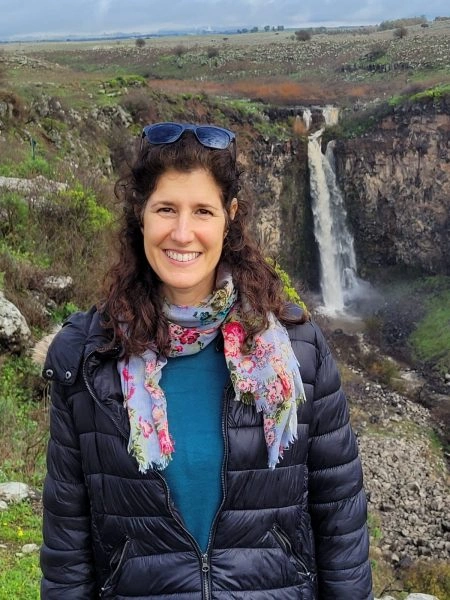
התחלתי ללמוד דף יומי ממסכת נידה כי זה היה חומר הלימוד שלי אז. לאחר הסיום הגדול בבנייני האומה החלטתי להמשיך. וב”ה מאז עם הפסקות קטנות של קורונה ולידה אני משתדלת להמשיך ולהיות חלק.

זה משפיע מאוד על היום יום שלי ועל אף שאני עסוקה בלימודי הלכה ותורה כל יום, זאת המסגרת הקבועה והמחייבת ביותר שיש לי.

Moriah Taesan Michaeli
מוריה תעסן מיכאלי

גבעת הראל, ישראל

לצערי גדלתי בדור שבו לימוד גמרא לנשים לא היה דבר שבשגרה ושנים שאני חולמת להשלים את הפער הזה.. עד שלפני מספר שבועות, כמעט במקרה, נתקלתי במודעת פרסומת הקוראת להצטרף ללימוד מסכת תענית. כשקראתי את המודעה הרגשתי שהיא כאילו נכתבה עבורי – "תמיד חלמת ללמוד גמרא ולא ידעת איך להתחיל”, "בואי להתנסות במסכת קצרה וקלה” (רק היה חסר שהמודעה תיפתח במילים "מיכי שלום”..). קפצתי למים ו- ב”ה אני בדרך להגשמת החלום:)

Micah Kadosh
מיכי קדוש

מורשת, ישראל

התחלתי מחוג במסכת קידושין שהעבירה הרבנית רייסנר במסגרת בית המדרש כלנה בגבעת שמואל; לאחר מכן התחיל סבב הדף היומי אז הצטרפתי. לסביבה לקח זמן לעכל אבל היום כולם תומכים ומשתתפים איתי. הלימוד לעתים מעניין ומעשיר ולעתים קשה ואף הזוי… אך אני ממשיכה קדימה. הוא משפיע על היומיום שלי קודם כל במרדף אחרי הדף, וגם במושגים הרבים שלמדתי ובידע שהועשרתי בו, חלקו ממש מעשי

Abigail Chrissy
אביגיל כריסי

ראש העין, ישראל

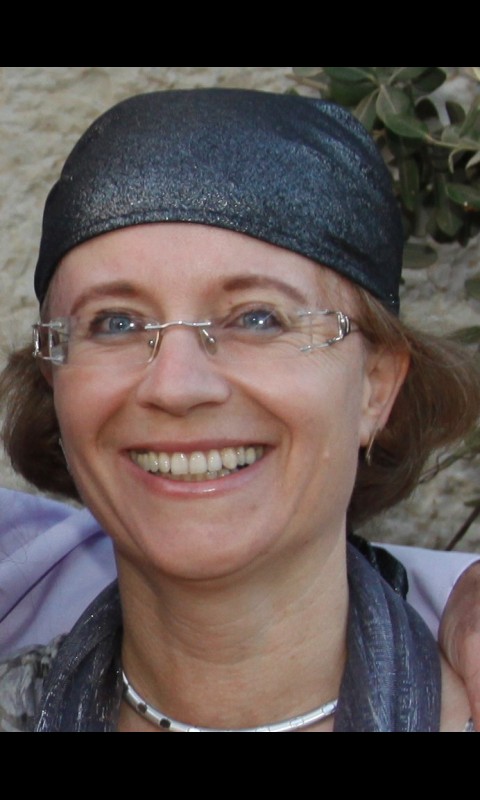
התחלתי ללמוד בסבב הנוכחי לפני כשנתיים .הסביבה מתפעלת ותומכת מאוד. אני משתדלת ללמוד מכל ההסכתים הנוספים שיש באתר הדרן. אני עורכת כל סיום מסכת שיעור בביתי לכ20 נשים שמחכות בקוצר רוח למפגשים האלו.

Yael Asher
יעל אשר

יהוד, ישראל

אמא שלי למדה איתי ש”ס משנה, והתחילה ללמוד דף יומי. אני החלטתי שאני רוצה ללמוד גם. בהתחלה למדתי איתה, אח”כ הצטרפתי ללימוד דף יומי שהרב דני וינט מעביר לנוער בנים בעתניאל. במסכת עירובין עוד חברה הצטרפה אלי וכשהתחלנו פסחים הרב דני פתח לנו שעור דף יומי לבנות. מאז אנחנו לומדות איתו קבוע כל יום את הדף היומי (ובשבת אבא שלי מחליף אותו). אני נהנית מהלימוד, הוא מאתגר ומעניין

Renana Hellman
רננה הלמן

עתניאל, ישראל

My explorations into Gemara started a few days into the present cycle. I binged learnt and become addicted. I’m fascinated by the rich "tapestry” of intertwined themes, connections between Masechtot, conversations between generations of Rabbanim and learners past and present all over the world. My life has acquired a golden thread, linking generations with our amazing heritage.
Thank you.

Susan Kasdan
סוזן כשדן

חשמונאים, Israel

בתחילת הסבב הנוכחי של לימוד הדף היומי, נחשפתי לחגיגות המרגשות באירועי הסיום ברחבי העולם. והבטחתי לעצמי שבקרוב אצטרף גם למעגל הלומדות. הסבב התחיל כאשר הייתי בתחילת דרכי בתוכנית קרן אריאל להכשרת יועצות הלכה של נשמ”ת. לא הצלחתי להוסיף את ההתחייבות לדף היומי על הלימוד האינטנסיבי של תוכנית היועצות. בבוקר למחרת המבחן הסופי בנשמ”ת, התחלתי את לימוד הדף במסכת סוכה ומאז לא הפסקתי.

Hana Shaham-Rozby (Dr.)
חנה שחם-רוזבי (ד”ר)

קרית גת, ישראל

שמעתי על הסיום הענק של הדף היומי ע”י נשים בבנייני האומה. רציתי גם.
החלטתי להצטרף. התחלתי ושיכנעתי את בעלי ועוד שתי חברות להצטרף. עכשיו יש לי לימוד משותף איתו בשבת ומפגש חודשי איתן בנושא (והתכתבויות תדירות על דברים מיוחדים שקראנו). הצטרפנו לקבוצות שונות בווטסאפ. אנחנו ממש נהנות. אני שומעת את השיעור מידי יום (בד”כ מהרב יוני גוטמן) וקוראת ומצטרפת לסיומים של הדרן. גם מקפידה על דף משלהן (ונהנית מאד).

Liat Citron
ליאת סיטרון

אפרת, ישראל

התחלתי בסיום הש”ס, יצאתי באורות. נשברתי פעמיים, ובשתיהם הרבנית מישל עודדה להמשיך איפה שכולם בסבב ולהשלים כשאוכל, וכך עשיתי וכיום השלמתי הכל. מדהים אותי שאני לומדת כל יום קצת, אפילו בחדר הלידה, בבידוד או בחו”ל. לאט לאט יותר נינוחה בסוגיות. לא כולם מבינים את הרצון, בפרט כפמניסטית. חשה סיפוק גדול להכיר את המושגים וצורת החשיבה. החלום זה להמשיך ולהתמיד ובמקביל ללמוד איך מהסוגיות נוצרה והתפתחה ההלכה.

Weingarten Sherrington Foundation
קרן וינגרטן שרינגטון

מודיעין, ישראל

התחלתי ללמוד את הדף היומי מעט אחרי שבני הקטן נולד. בהתחלה בשמיעה ולימוד באמצעות השיעור של הרבנית שפרבר. ובהמשך העזתי וקניתי לעצמי גמרא. מאז ממשיכה יום יום ללמוד עצמאית, ולפעמים בעזרת השיעור של הרבנית, כל יום. כל סיום של מסכת מביא לאושר גדול וסיפוק. הילדים בבית נהיו חלק מהלימוד, אני משתפת בסוגיות מעניינות ונהנית לשמוע את דעתם.

Eliraz Blau
אלירז בלאו

מעלה מכמש, ישראל

ראיתי את הסיום הגדול בבנייני האומה וכל כך התרשמתי ורציתי לקחת חלק.. אבל לקח לי עוד כשנה וחצי )באמצע מסיכת שבת להצטרף..
הלימוד חשוב לי מאוד.. אני תמיד במרדף אחרי הדף וגונבת כל פעם חצי דף כשהילדים עסוקים ומשלימה אח”כ אחרי שכולם הלכו לישון..

Olga Mizrahi
אולגה מזרחי

ירושלים, ישראל

התחלתי ללמוד דף יומי שהתחילו מסכת כתובות, לפני 7 שנים, במסגרת קבוצת לימוד שהתפרקה די מהר, ומשם המשכתי לבד בתמיכת האיש שלי. נעזרתי בגמרת שטיינזלץ ובשיעורים מוקלטים.
הסביבה מאד תומכת ואני מקבלת המון מילים טובות לאורך כל הדרך. מאז הסיום הגדול יש תחושה שאני חלק מדבר גדול יותר.
אני לומדת בשיטת ה”7 דפים בשבוע” של הרבנית תרצה קלמן – כלומר, לא נורא אם לא הצלחת ללמוד כל יום, העיקר שגמרת ארבעה דפים בשבוע

Rachel Goldstein
רחל גולדשטיין

עתניאל, ישראל

לצערי גדלתי בדור שבו לימוד גמרא לנשים לא היה דבר שבשגרה ושנים שאני חולמת להשלים את הפער הזה.. עד שלפני מספר שבועות, כמעט במקרה, נתקלתי במודעת פרסומת הקוראת להצטרף ללימוד מסכת תענית. כשקראתי את המודעה הרגשתי שהיא כאילו נכתבה עבורי – "תמיד חלמת ללמוד גמרא ולא ידעת איך להתחיל”, "בואי להתנסות במסכת קצרה וקלה” (רק היה חסר שהמודעה תיפתח במילים "מיכי שלום”..). קפצתי למים ו- ב”ה אני בדרך להגשמת החלום:)

Micah Kadosh
מיכי קדוש

מורשת, ישראל

התחלתי מחוג במסכת קידושין שהעבירה הרבנית רייסנר במסגרת בית המדרש כלנה בגבעת שמואל; לאחר מכן התחיל סבב הדף היומי אז הצטרפתי. לסביבה לקח זמן לעכל אבל היום כולם תומכים ומשתתפים איתי. הלימוד לעתים מעניין ומעשיר ולעתים קשה ואף הזוי… אך אני ממשיכה קדימה. הוא משפיע על היומיום שלי קודם כל במרדף אחרי הדף, וגם במושגים הרבים שלמדתי ובידע שהועשרתי בו, חלקו ממש מעשי

Abigail Chrissy
אביגיל כריסי

ראש העין, ישראל

"
גם אני התחלתי בסבב הנוכחי וב””ה הצלחתי לסיים את רוב המסכתות . בזכות הרבנית מישל משתדלת לפתוח את היום בשיעור הזום בשעה 6:20 .הלימוד הפך להיות חלק משמעותי בחיי ויש ימים בהם אני מצליחה לחזור על הדף עם מלמדים נוספים ששיעוריהם נמצאים במרשתת. שמחה להיות חלק מקהילת לומדות ברחבי העולם. ובמיוחד לשמש דוגמה לנכדותיי שאי””ה יגדלו לדור שלימוד תורה לנשים יהיה משהו שבשגרה. "

Ronit Shavit
רונית שביט

נתניה, ישראל

התחלתי ללמוד בשנת המדרשה במגדל עוז, בינתיים נהנית מאוד מהלימוד ומהגמרא, מעניין ומשמח מאוד!
משתדלת להצליח לעקוב כל יום, לפעמים משלימה קצת בהמשך השבוע.. מרגישה שיש עוגן מקובע ביום שלי והוא משמח מאוד!

Uriah Kesner
אוריה קסנר

חיפה , ישראל

התחלתי ללמוד גמרא בבית הספר בגיל צעיר והתאהבתי. המשכתי בכך כל חיי ואף היייתי מורה לגמרא בבית הספר שקד בשדה אליהו (בית הספר בו למדתי בילדותי)בתחילת מחזור דף יומי הנוכחי החלטתי להצטרף ובע”ה מקווה להתמיד ולהמשיך. אני אוהבת את המפגש עם הדף את "דרישות השלום ” שמקבלת מקשרים עם דפים אחרים שלמדתי את הסנכרון שמתחולל בין התכנים.

Ariela Bigman
אריאלה ביגמן

מעלה גלבוע, ישראל

הצטרפתי ללומדות בתחילת מסכת תענית. ההתרגשות שלי ושל המשפחה היתה גדולה מאוד, והיא הולכת וגוברת עם כל סיום שאני זוכה לו. במשך שנים רבות רציתי להצטרף ומשום מה זה לא קרה… ב”ה מצאתי לפני מספר חודשים פרסום של הדרן, ומיד הצטרפתי והתאהבתי. הדף היומי שינה את חיי ממש והפך כל יום- ליום של תורה. מודה לכן מקרב ליבי ומאחלת לכולנו לימוד פורה מתוך אהבת התורה ולומדיה.

Noa Rosen
נעה רוזן

חיספין רמת הגולן, ישראל

אני לומדת גמרא כעשור במסגרות שונות, ואת הדף היומי התחלתי כשחברה הציעה שאצטרף אליה לסיום בבנייני האומה. מאז אני לומדת עם פודקסט הדרן, משתדלת באופן יומי אך אם לא מספיקה, מדביקה פערים עד ערב שבת. בסבב הזה הלימוד הוא "ממעוף הציפור”, מקשיבה במהירות מוגברת תוך כדי פעילויות כמו בישול או נהיגה, וכך רוכשת היכרות עם הסוגיות ואופן ניתוחם על ידי חז”ל. בע”ה בסבב הבא, ואולי לפני, אצלול לתוכו באופן מעמיק יותר.

Yael Bir
יעל ביר

רמת גן, ישראל

התחלתי כשהייתי בחופש, עם הפרסומים על תחילת המחזור, הסביבה קיבלה את זה כמשהו מתמיד ומשמעותי ובהערכה, הלימוד זה עוגן יציב ביום יום, יש שבועות יותר ויש שפחות אבל זה משהו שנמצא שם אמין ובעל משמעות בחיים שלי….

Adi Diamant
עדי דיאמנט

גמזו, ישראל

שבת קכא

טְבִילָה בִּזְמַנָּהּ לָאו מִצְוָה וּמַהְדְּרִינַן, וְרַבִּי יוֹסֵי סָבַר טְבִילָה בִּזְמַנָּהּ מִצְוָה וְלָא מַהְדְּרִינַן.

that performing immersion at its designated time is not a mitzva, and we seek a reed to wrap around God’s name even if it means postponing immersion to the next day, and Rabbi Yosei holds that immersion at its designated time is a mitzva, and therefore we do not seek a reed, since immersion cannot be postponed.

וְסָבַר רַבִּי יוֹסֵי טְבִילָה בִּזְמַנָּהּ מִצְוָה? וְהָתַנְיָא: הַזָּב וְהַזָּבָה, הַמְצוֹרָע וְהַמְצוֹרֶעֶת, בּוֹעֵל נִדָּה וּטְמֵא מֵת, טְבִילָתָן בַּיּוֹם. נִדָּה וְיוֹלֶדֶת — טְבִילָתָן בַּלַּיְלָה. בַּעַל קֶרִי — טוֹבֵל וְהוֹלֵךְ כׇּל הַיּוֹם כּוּלּוֹ. רַבִּי יוֹסֵי אוֹמֵר: מִן הַמִּנְחָה וּלְמַעְלָה אֵינוֹ צָרִיךְ לִטְבּוֹל! הַהִיא, רַבִּי יוֹסֵי בְּרַבִּי יְהוּדָה הִיא, דְּאָמַר: דַּיָּיהּ טְבִילָה בָּאַחֲרוֹנָה.

The Gemara asks: And does Rabbi Yosei hold that immersion at its designated time is a mitzva? Wasn’t it taught in a baraita: With regard to a zav and a zava, a male and female leper, one who has relations with a menstruating woman, and a person impure with impurity imparted by a corpse, their immersion is during the day. They immerse at the designated time even on Yom Kippur, when bathing is prohibited. A menstruating woman and a woman after childbirth immerse at night. A man who has had a seminal emission immerses at any point during the entire day after the emission. Rabbi Yosei says: From the time that he recited the afternoon prayer and on he does not immerse. Since he already recited the afternoon prayer, he waits until after Yom Kippur to immerse, and then recites the evening prayer in a state of purity. Apparently, Rabbi Yosei holds that immersion at the designated time is not a mitzva. The Gemara rejects this: In that baraita the reference is not to the Rabbi Yosei most commonly cited in tannaitic literature without a patronymic, Rabbi Yosei ben Ḥalafta, but it is to Rabbi Yosei, son of Rabbi Yehuda, who said: Her latest immersion is sufficient. A woman who is uncertain with regard to the correct time for her immersion need not immerse multiple times. She may postpone her immersion until a time when she will be certain to fulfill her obligation, even though it might not be immersion at the designated time.

מַתְנִי׳ גּוֹי שֶׁבָּא לְכַבּוֹת — אֵין אוֹמְרִים לוֹ ״כַּבֵּה״ וְ״אַל תְּכַבֶּה״, מִפְּנֵי שֶׁאֵין שְׁבִיתָתוֹ עֲלֵיהֶן. אֲבָל קָטָן שֶׁבָּא לְכַבּוֹת — אֵין שׁוֹמְעִין לוֹ, מִפְּנֵי שֶׁשְּׁבִיתָתוֹ עֲלֵיהֶן.

MISHNA: If a gentile comes to extinguish a Jew’s fire on Shabbat, one may not say to him: Extinguish, and: Do not extinguish, because responsibility for his rest is not incumbent upon the Jew. However, if a Jewish child comes to extinguish a fire on Shabbat, they do not listen to him and allow him to extinguish it, even though he is not yet obligated in mitzva observance, because responsibility for his rest is incumbent upon the Jew.

גְּמָ׳ אָמַר רַבִּי אַמֵּי: בִּדְלֵיקָה הִתִּירוּ לוֹמַר ״כׇּל הַמְכַבֶּה אֵינוֹ מַפְסִיד״. נֵימָא מְסַיַּיע לֵיהּ: גּוֹי שֶׁבָּא לְכַבּוֹת — אֵין אוֹמְרִים לוֹ ״כַּבֵּה״ וְ״אַל תְּכַבֶּה״ מִפְּנֵי שֶׁאֵין שְׁבִיתָתוֹ עֲלֵיהֶן. ״כַּבֵּה״ הוּא דְּלָא אָמְרִינַן לֵיהּ, הָא ״כׇּל הַמְכַבֶּה אֵינוֹ מַפְסִיד״ — אָמְרִינַן לֵיהּ. אֵימָא סֵיפָא, ״אַל תְּכַבֶּה״ לָא אָמְרִינַן לֵיהּ, וְ״כׇל הַמְכַבֶּה אֵינוֹ מַפְסִיד״ נָמֵי לָא אָמְרִינַן לֵיהּ. אֶלָּא מֵהָא לֵיכָּא לְמִשְׁמַע מִינַּהּ.

GEMARA: Rabbi Ami said: During a fire, the Sages permitted to say in the presence of gentiles: Anyone who extinguishes the fire will not lose, so that the gentiles will come and extinguish the fire; it is only prohibited to tell gentiles to do so explicitly. The Gemara suggests: Let us say that the mishna supports his statement: If a gentile comes to extinguish a Jew’s fire on Shabbat, one may not say to him: Extinguish, and: Do not extinguish, because responsibility for his rest is not incumbent upon the Jew. It can be inferred from the language of the mishna: It is a direct command, e.g., extinguish, that we may not say to him; however, anyone who extinguishes will not lose, we may tell him, which supports Rabbi Ami’s statement. The Gemara rejects this. Say the latter clause of the mishna: Do not extinguish, we do not tell him. It can be inferred that neither do we say to him: Anyone who extinguishes will not lose. Rather, nothing can be inferred from this mishna.

תָּנוּ רַבָּנַן: מַעֲשֶׂה וְנָפְלָה דְּלֵיקָה בַּחֲצֵירוֹ שֶׁל יוֹסֵף בֶּן סִימַאי בְּשִׁיחִין, וּבָאוּ אַנְשֵׁי גִּיסְטְרָא שֶׁל צִיפּוֹרִי לְכַבּוֹת, מִפְּנֵי שֶׁאַפִּטְרוֹפּוֹס שֶׁל מֶלֶךְ הָיָה, וְלֹא הִנִּיחָן מִפְּנֵי כְּבוֹד הַשַּׁבָּת, וְנַעֲשָׂה לוֹ נֵס וְיָרְדוּ גְּשָׁמִים וְכִיבּוּ. לָעֶרֶב שִׁיגֵּר לְכׇל אֶחָד מֵהֶן שְׁתֵּי סְלָעִין, וְלָאִפַּרְכוֹס שֶׁבָּהֶן — חֲמִשִּׁים. וּכְשֶׁשָּׁמְעוּ חֲכָמִים בְּדָבָר, אָמְרוּ: לֹא הָיָה צָרִיךְ לְכָךְ, שֶׁהֲרֵי שָׁנִינוּ: גּוֹי שֶׁבָּא לְכַבּוֹת — אֵין אוֹמְרִים לוֹ ״כַּבֵּה״ וְ״אַל תְּכַבֶּה״.

The Sages taught in a baraita: There was an incident that a fire ignited on Shabbat in the courtyard of Yosef ben Simai in a place called Shiḥin. And men came from the fortress [gistera] of Tzippori to extinguish the fire, because he was a steward [apotropos] of the king and they wanted to help him. However, Yosef ben Simai would not allow them to extinguish the fire in deference to Shabbat; and a miracle transpired for him and rain fell and extinguished the fire. That evening after Shabbat he sent two sela to each one of the soldiers who came to his aid, and fifty to their commander [iparkhos]. And when the Sages heard about this, they said: He need not have prevented them from extinguishing the fire, as we learned in the mishna: If a gentile comes to extinguish a Jew’s fire on Shabbat, one may not say to him: Extinguish, and: Do not extinguish, because responsibility for his rest is not incumbent upon the Jew; rather, the gentile may do as he pleases.

אֲבָל קָטָן שֶׁבָּא לְכַבּוֹת אֵין שׁוֹמְעִין לוֹ מִפְּנֵי שֶׁשְּׁבִיתָתוֹ עֲלֵיהֶן. שָׁמְעַתְּ מִינַּהּ קָטָן אוֹכֵל נְבֵלוֹת, בֵּית דִּין מְצֻוִּוין עָלָיו לְהַפְרִישׁוֹ. אָמַר רַבִּי יוֹחָנָן: בְּקָטָן הָעוֹשֶׂה לְדַעַת אָבִיו. דִּכְווֹתַהּ גַּבֵּי גּוֹי, דְּקָא עָבֵיד לְדַעְתֵּיהּ דְּיִשְׂרָאֵל — מִי שְׁרֵי?! גּוֹי לְדַעְתֵּיהּ דְּנַפְשֵׁיהּ עָבֵיד.

We learned in the mishna: However, if a Jewish child comes to extinguish a fire on Shabbat, they do not listen to him and allow him to extinguish it, even though he is not yet obligated in mitzva observance, because responsibility for his rest is incumbent upon the Jew. The Gemara seeks to conclude: Learn from this that a child who eats meat from unslaughtered animals or violates other prohibitions, the court is commanded to prevent him from eating it. This mishna would resolve a dilemma that arose regarding that issue. The Gemara rejects this suggestion: Rabbi Yoḥanan said: This mishna is referring to a child who is acting with the intention of fulfilling his father’s will, and therefore one is obligated to prevent him from doing so. However, if a child sins of his own volition, one is not obligated to prevent him from doing so. The Gemara asks: If so, the case with regard to a gentile in the mishna must be interpreted in a similar manner as referring to a case where he is acting with the intention to fulfill the will of a Jew. Is that permitted? It is prohibited to derive benefit from an action performed by a gentile for a Jew on Shabbat. The Gemara responds: This is not the case; the gentile is acting of his own volition. Because he is paid for extinguishing the fire he is not doing so in order to help the Jew.

מַתְנִי׳ כּוֹפִין קְעָרָה עַל גַּבֵּי הַנֵּר בִּשְׁבִיל שֶׁלֹּא תֶּאֱחוֹז בַּקּוֹרָה, וְעַל צוֹאָה שֶׁל קָטָן, וְעַל עַקְרָב שֶׁלֹּא תִּישָּׁךְ. אָמַר רַבִּי יְהוּדָה: מַעֲשֶׂה בָּא לִפְנֵי רַבָּן יוֹחָנָן בֶּן זַכַּאי בַּעֲרָב, וְאָמַר: חוֹשְׁשַׁנִי לוֹ מֵחַטָּאת.

MISHNA: One may overturn a bowl on top of a lamp so that fire will not take hold in the ceiling beam on Shabbat. And similarly, one may overturn a bowl on top of a child’s feces inside the house so he will not touch it and dirty himself, and on top of a scorpion so that it will not bite. Rabbi Yehuda said: An incident came before Rabban Yoḥanan ben Zakkai in his village of Arav, where a person covered a scorpion on Shabbat, and Rabban Yoḥanan said: I am concerned that he is liable to bring a sin-offering because he might have violated a Torah prohibition.

גְּמָ׳ רַב יְהוּדָה וְרַב יִרְמְיָה בַּר אַבָּא וְרַב חָנָן בַּר רָבָא אִיקְּלַעוּ לְבֵי אָבִין דְּמִן נְשִׁיקְיָא. לְרַב יְהוּדָה וְרַב יִרְמְיָה בַּר אַבָּא

GEMARA: The Gemara relates: Rav Yehuda and Rav Yirmeya bar Abba and Rav Ḥanan bar Rava happened to come to the house of Avin from a place called Nashikiya. For Rav Yehuda and Rav Yirmeya bar Abba,

אַיְיתוֹ לְהוּ פּוּרְיָיתָא, לְרַב חָנָן בַּר רָבָא לָא אַיְיתוֹ לֵיהּ. אַשְׁכְּחֵיהּ מַתְנֵי לֵיהּ לִבְרֵיהּ: וְעַל צוֹאָה שֶׁל קָטָן מִפְּנֵי קָטָן. אֲמַר לֵיהּ: אָבִין שָׁטְיָא מַתְנֵי שְׁטוּתָא לִבְנֵיהּ, וַהֲלֹא הִיא עַצְמָהּ מוּכֶנֶת לִכְלָבִים! וְכִי תֵּימָא דְּלָא חַזְיָא לֵיהּ מֵאֶתְמוֹל — וְהָתַנְיָא: נְהָרוֹת הַמּוֹשְׁכִין וּמַעֲיָינוֹת הַנּוֹבְעִין — הֲרֵי הֵן כְּרַגְלֵי כׇּל אָדָם.

they brought beds for them to sit on, whereas for Rav Ḥanan bar Rava, they did not bring one for him. Rav Ḥanan was insulted and got angry at his host. He found Rabbi Avin teaching his son the mishna and saying: And one may place a bowl on top of the feces of a child due to the child so that he will not touch it and dirty himself. Rav Ḥanan said to him: Avin the fool is teaching his son folly; aren’t the feces themselves prepared as food for dogs? An object that is fit for consumption by a dog may be carried, so why need one cover the feces if he can remove them? And if you say these feces were not prepared for that use from yesterday, that would not prohibit moving them. Wasn’t it taught in a baraita: With regard to rivers that flow and springs that gush, they do not have specific Shabbat boundaries, but they may be used anywhere and their boundaries are like the feet of all people who draw from them. Even though the water was not within the boundaries when Shabbat began, since the nature of flowing water is to move from place to place, it is as if they were prepared for this purpose. So too, here, since a child will relieve himself in any place, it is as if it was prepared from before Shabbat.

וְאֶלָּא הֵיכִי אַתְנְיֵיהּ? אֵימָא: עַל צוֹאָה שֶׁל תַּרְנְגוֹלִים מִפְּנֵי קָטָן.

Rabbi Avin asked: And how, then, should I teach it to him? Rav Ḥanan answered: Say, one may place a bowl on top of chicken feces due to a child.

וְתִיפּוֹק לֵיהּ דְּהָוֵי גְּרָף שֶׁל רְעִי! וְכִי תֵּימָא: גְּרָף שֶׁל רְעִי אַגַּב מָנָא — אִין, אִיהוּ גּוּפֵיהּ — לָא, וְהָא הָהוּא עַכְבָּר דְּאִישְׁתְּכַח בְּאִיסְפַּרְמָקֵי דְּרַב אָשֵׁי, וַאֲמַר לְהוּ: נִקְטוּהּ בְּצוּצִיתֵיהּ וְאַפְּקוּהּ! בְּאַשְׁפָּה. וְקָטָן בְּאַשְׁפָּה מַאי בָּעֵי לֵיהּ? בְּחָצֵר. חָצֵר נָמֵי, גְּרָף שֶׁל רְעִי הוּא! בְּאַשְׁפָּה שֶׁבְּחָצֵר.

The Gemara asks: And derive that it is permitted to remove the feces because it is like a chamber pot of feces, which may be moved out of the room because it is disgusting. And if you say that a chamber pot of feces together with the vessel, yes, it may be moved; but feces itself, no, it may not be moved. What about that mouse that was found among the spices [isperamaki] of Rav Ashi, and he said to his servants: Take it by its tail and remove it? Apparently, a disgusting object may be moved even without a vessel. Rather, we must say that the feces were in the garbage dump, and since the feces were not before the household members it was only permitted to conceal them, not to move them. The Gemara asks: And what is a child doing in the garbage dump in the public domain? It is not adjacent to the house; how would the child get there? The Gemara answers that the feces were not in the garbage dump but were in the courtyard. The Gemara rejects this: In the courtyard, it is also considered a chamber pot of feces and may be moved. Rather, it is referring to a garbage dump that is in the courtyard, to which the child sometimes has access. Feces in a place designated for garbage are no more disgusting than their surroundings, and therefore it is prohibited to move the feces.

וְעַל עַקְרָב שֶׁלֹּא תִּישָּׁךְ. אָמַר רַבִּי יְהוֹשֻׁעַ בֶּן לֵוִי: כׇּל הַמַּזִּיקִין נֶהֱרָגִין בְּשַׁבָּת. מֵתִיב רַב יוֹסֵף: חֲמִשָּׁה נֶהֱרָגִין בְּשַׁבָּת, וְאֵלּוּ הֵן: זְבוּב שֶׁבְּאֶרֶץ מִצְרַיִם, וְצִירְעָה שֶׁבְּנִינְוֵה, וְעַקְרָב שֶׁבְּחַדְיָיב, וְנָחָשׁ שֶׁבְּאֶרֶץ יִשְׂרָאֵל, וְכֶלֶב שׁוֹטֶה בְּכׇל מָקוֹם. מַנִּי? אִילֵימָא רַבִּי יְהוּדָה — הָא אָמַר: מְלָאכָה שֶׁאֵינָהּ צְרִיכָה לְגוּפָהּ חַיָּיב עָלֶיהָ. אֶלָּא לָאו רַבִּי שִׁמְעוֹן, וְהָנֵי הוּא דְּשָׁרֵי, אַחֲרִינֵי — לָא!

And we also learned in the mishna that one may cover a scorpion with a bowl on Shabbat so that it will not bite. Rabbi Yehoshua ben Levi said: All harmful creatures are killed on Shabbat. Rav Yosef raised an objection to this from the following baraita: Five creatures may be killed even on Shabbat, and they are: The poisonous fly that is in the land of Egypt, and the hornet that is in Ninveh, and the scorpion that is in Ḥadyab, and the snake that is in Eretz Yisrael, and a mad dog in any place. The Gemara clarifies this: In accordance with whose opinion is this baraita? If you say it is in accordance with the opinion of Rabbi Yehuda, didn’t he say that one is liable for a prohibited labor that is not needed for its own sake, and it is therefore prohibited to kill even these creatures? Rather, is it not in accordance with the opinion of Rabbi Shimon, and these are those creatures that it is permitted to kill; others, no, it is not permitted to kill?

אָמַר רַבִּי יִרְמְיָה: וּמַאן נֵימָא לַן דְּהָא מְתָרַצְתָּא הִיא? דִּילְמָא מְשַׁבַּשְׁתָּא הִיא? אָמַר רַב יוֹסֵף: אֲנָא מַתְנֵינָא לַהּ, וְאוֹתֵיבְנָא לַהּ, וַאֲנָא מְתָרֵיצְנָא לַהּ: בְּרָצִין אַחֲרָיו, וְדִבְרֵי הַכֹּל.

Rabbi Yirmeya said: And who will say to us that this baraita is accurate? Perhaps it is corrupted, and an objection cannot be raised from it. Rav Yosef said: I taught the baraita and raised an objection from it, and I will answer it as follows: Rabbi Yehoshua ben Levi permitted killing all harmful creatures on Shabbat when they are running after him; as in that case the danger is real, and therefore it is permitted to kill them according to all opinions.

תָּנֵי תַּנָּא קַמֵּיהּ דְּרָבָא בַּר רַב הוּנָא: הַהוֹרֵג נְחָשִׁים וְעַקְרַבִּים בְּשַׁבָּת — אֵין רוּחַ חֲסִידִים נוֹחָה הֵימֶנּוּ. אֲמַר לֵיהּ: וְאוֹתָן חֲסִידִים אֵין רוּחַ חֲכָמִים נוֹחָה מֵהֶם. וּפְלִיגָא דְּרַב הוּנָא. דְּרַב הוּנָא חַזְיֵיהּ לְהָהוּא גַּבְרָא דְּקָא קָטֵיל זִיבּוּרָא, אֲמַר לֵיהּ: שַׁלֵּימְתִּינְהוּ לְכוּלְּהוּ?

The tanna who recited tannaitic literature before Rava bar Rav Huna taught a baraita: One who kills snakes and scorpions on Shabbat, the spirit of the pious is not pleased with him. Rava bar Rav Huna said to him: And with regard to those pious, the spirit of the Sages is not pleased with them, as snakes and scorpions harm people. The Gemara comments: And this statement disagrees with the opinion of Rav Huna, for Rav Huna saw a person killing a hornet on Shabbat and said to him: Have you finished killing all the hornets? This indicates that he was not pleased with him.

תָּנוּ רַבָּנַן: נִזְדַּמְּנוּ לוֹ נְחָשִׁים וְעַקְרַבִּים, הֲרָגָן — בְּיָדוּעַ שֶׁנִּזְדַּמְּנוּ לוֹ לְהוֹרְגָן. לֹא הֲרָגָן — בְּיָדוּעַ שֶׁנִּזְדַּמְּנוּ לְהוֹרְגוֹ וְנַעֲשָׂה לוֹ נֵס מִן הַשָּׁמַיִם. אָמַר עוּלָּא וְאִיתֵּימָא רַבָּה בַּר בַּר חָנָה אָמַר רַבִּי יוֹחָנָן: בְּנִישּׁוֹפִין בּוֹ.

The Sages taught in a baraita: One who snakes and scorpions happened before him, if he killed them, it is clear that they happened before him in order for him to kill them. If he did not kill them it is clear that they happened before him in order for them to kill him, but a miracle from heaven transpired for him and he was saved. Ulla said, and some say it was Rabba bar bar Ḥana who said that Rabbi Yoḥanan said: This is referring to when they were touching and brushing up against him (Rabbeinu Ḥananel), as in that case if they cause him no harm, it is surely a miracle that saved him.

אָמַר רַבִּי אַבָּא בַּר כָּהֲנָא: פַּעַם אַחַת נָפַל אֶחָד בְּבֵית הַמִּדְרָשׁ, וְעָמַד נִיוְתִּי אֶחָד וַהֲרָגוֹ. אָמַר רַבִּי: פָּגַע בּוֹ כַּיּוֹצֵא בּוֹ!

Rabbi Abba bar Kahana said: One time, a snake fell into the study hall on Shabbat, and a Nabatean [Nivati] stood and killed it. Rabbi Yehuda HaNasi said: One of its type killed it.

אִיבַּעְיָא לְהוּ: ״פָּגַע בּוֹ כַּיּוֹצֵא בּוֹ״ דְּשַׁפִּיר עֲבַד, אוֹ לָא? תָּא שְׁמַע, דְּרַבִּי אַבָּא בְּרֵיהּ דְּרַבִּי חִיָּיא בַּר אַבָּא וְרַבִּי זֵירָא הֲווֹ יָתְבִי אַקִּילְעָא דְּבֵי רַבִּי יַנַּאי. נְפַק מִילְּתָא מִבֵּינַיְיהוּ, בְּעוֹ מִינֵּיהּ מֵרַבִּי יַנַּאי: מַהוּ לַהֲרוֹג נְחָשִׁים וְעַקְרַבִּים בְּשַׁבָּת? אֲמַר לְהוּ: צִירְעָה אֲנִי הוֹרֵג, נָחָשׁ וְעַקְרָב — לֹא כׇּל שֶׁכֵּן?! דִילְמָא לְפִי תּוּמּוֹ. דַּאֲמַר רַב יְהוּדָה: רוֹק דּוֹרְסוֹ לְפִי תּוּמּוֹ. וְאָמַר רַב שֵׁשֶׁת: נָחָשׁ דּוֹרְסוֹ לְפִי תּוּמּוֹ. וְאָמַר רַב קַטִּינָא: עַקְרָב דּוֹרְסוֹ לְפִי תּוּמּוֹ.

A dilemma was raised before the Sages: When Rabbi Yehuda HaNasi said: One of its type killed it, did he mean that he acted properly or not? Come and hear a resolution to this dilemma from that which was related about Rabbi Abba, son of Rabbi Ḥiyya bar Abba, and Rabbi Zeira, who were sitting in the courtyard of Rabbi Yannai’s house. A matter emerged from among them, and they raised a dilemma before Rabbi Yannai: What is the ruling with regard to killing snakes and scorpions on Shabbat? He said to them: I would kill a hornet, all the more so would I kill a snake or a scorpion, as they are more dangerous and it is permitted to kill them. The Gemara rejects this: There is no conclusive proof from this, as perhaps it is only permitted when one steps on it innocently as he is walking, so that it does not appear to others that he intended to step on it. As Rav Yehuda said: With regard to spittle on Shabbat, one may trample it innocently and need not be concerned about the prohibitions of smoothing or leveling holes. And Rav Sheshet said: With regard to a snake, one may trample it innocently. And Rav Ketina said: With regard to a scorpion, one may trample it innocently.

אַבָּא בַּר מָרְתָא דְּהוּא אַבָּא בַּר מִנְיוֹמֵי הֲווֹ מַסְּקִי בֵּיהּ דְּבֵי רֵישׁ גָּלוּתָא זוּזֵי. אַיְיתְיוּהּ, קָא מְצַעֲרִי לֵיהּ. הֲוָה שְׁדֵי רוּקָּא. אֲמַר לְהוּ רֵישׁ גָּלוּתָא: אַיְיתוֹ מָאנָא סְחִיפוּ עִלָּוֵיהּ, אֲמַר לְהוּ: לָא צְרִיכִיתוּ, הָכִי אָמַר רַבִּי יְהוּדָה: רוֹק דּוֹרְסוֹ לְפִי תּוּמּוֹ. אֲמַר לְהוּ: צוּרְבָּא מֵרַבָּנַן הוּא, שִׁבְקוּהּ.

The Gemara relates: Abba bar Marta, who is Abba bar Manyomi, owed money to members of the Exilarch’s household. They brought him to the house of the Exilarch on Shabbat and they tormented him to force him to pay. There was spittle there. The Exilarch said to the members of his household: Bring me a vessel and place it over the spittle so that people will not step on it. Abba bar Manyomi said to them: You need not do so, as Rav Yehuda said as follows: With regard to spittle, one may trample it innocently. The Exilarch said to the members of his household: He is a Torah scholar, leave him alone.

אָמַר רַבִּי אַבָּא בַּר כָּהֲנָא אָמַר רַבִּי חֲנִינָא: פָּמוֹטוֹת שֶׁל בֵּית רַבִּי מוּתָּר לְטַלְטְלָן בְּשַׁבָּת, אֲמַר לֵיהּ רַבִּי זֵירָא: בְּנִיטָּלִין בְּיָדוֹ אַחַת, אוֹ בִּשְׁתֵּי יָדַיִם?

Apropos Rabbi Abba bar Kahana, the Gemara cites additional statements of his. Rabbi Abba bar Kahana said that Rabbi Ḥanina said: With regard to the candlesticks of the house of Rabbi Yehuda HaNasi, it is permitted to move them on Shabbat. It was not clear what the nature of these candlesticks was, and Rabbi Zeira said to him: Is this referring to candlesticks that are small, which are moved with one hand, or even to those that are moved with two hands?

רוצה לעקוב אחרי התכנים ולהמשיך ללמוד?

ביצירת חשבון עוד היום ניתן לעקוב אחרי ההתקדמות שלך, לסמן מה למדת, ולעקוב אחרי השיעורים שמעניינים אותך.

לנקות את כל הפריטים מהרשימה?

פעולה זו תסיר את כל הפריטים בחלק זה כולל ההתקדמות וההיסטוריה. שימי לב: לא ניתן לשחזר פעולה זו.

ביטול
מחיקה

האם את/ה בטוח/ה שברצונך למחוק פריט זה?

תאבד/י את כל ההתקדמות או ההיסטוריה הקשורות לפריט זה.

ביטול
מחיקה