







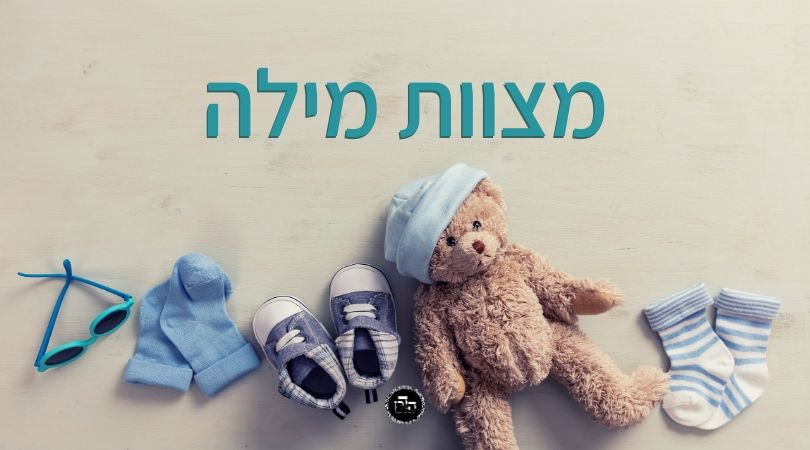
איזה דברים אפשר לעשות כטיפול לתינוק לאחר ברית מילה בשבת? האומנת של אביי סיפרה לאביי הרבה דברים שקשורים לטיפול בתינוקות במצבים שונים – חלקם קשורים לברית מילה וחלקם לא. האם אפשר לרחוץ קטן עם מים חמים בשבת לפני ואחרי מילה? לכמה ימים? האם מותר בדרך רגילה או לא? האם מותר עם מים שהוחמו בשבת או רק אם הוחמו מערב שבת?
הלימוד החודש מוקדש ע”י מרכי גלזר לע”נ רחל אביבה בת דבורה חנה
רוצה להקדיש שיעור?

0:00
0:00
כלים
הלימוד החודש מוקדש ע”י מרכי גלזר לע”נ רחל אביבה בת דבורה חנה
שבת קלד
חַסְפָּנִיתָא. מַאי תַּקַּנְתֵּיהּ — לִימְשֵׁי טוּבָא בְּמַיָּא דְסִילְקָא.
sores on his flesh. What is his remedy? Let him wash extensively in beet water, in which beets have been boiled.
לֹא שָׁחַק מֵעֶרֶב שַׁבָּת. תָּנוּ רַבָּנַן: דְּבָרִים שֶׁאֵין עוֹשִׂין לַמִּילָה בְּשַׁבָּת — עוֹשִׂין לָהּ בְּיוֹם טוֹב. שׁוֹחֲקִין לָהּ כַּמּוֹן, וְטוֹרְפִין לָהּ יַיִן וָשֶׁמֶן.
We learned in the mishna: If one did not grind the cumin from Shabbat eve, he chews it with his teeth and places it on the place of circumcision as a salve. The Sages taught: There are actions that may not be performed in preparation for a circumcision on Shabbat but may be performed in preparation for it on a Festival. For example: One grinds cumin for it, and one mixes wine and oil for it.
אֲמַר לֵיהּ אַבָּיֵי לְרַב יוֹסֵף: מַאי שְׁנָא כַּמּוֹן בְּיוֹם טוֹב — דַּחֲזֵי לִקְדֵרָה, יַיִן וָשֶׁמֶן חֲזֵי נָמֵי בְּשַׁבָּת לְחוֹלֶה, דְּתַנְיָא: אֵין טוֹרְפִין יַיִן וָשֶׁמֶן לַחוֹלֶה בְּשַׁבָּת. אָמַר רַבִּי שִׁמְעוֹן בֶּן אֶלְעָזָר מִשּׁוּם רַבִּי מֵאִיר: אַף טוֹרְפִין יַיִן וָשֶׁמֶן.
Abaye said to Rav Yosef: What is different about cumin that makes it permissible to grind it on a Festival? The fact that it is suitable for use to spice a pot, in cooking. Based on that explanation, mixed wine and oil are also suitable for use on Shabbat for a sick person, as it was taught in a baraita: One may not mix wine and oil for a sick person on Shabbat. Rabbi Shimon ben Elazar said in the name of Rabbi Meir: One may even mix wine and oil on Shabbat.
אָמַר רַבִּי שִׁמְעוֹן בֶּן אֶלְעָזָר: פַּעַם אַחַת חָשׁ רַבִּי מֵאִיר בְּמֵעָיו, וּבִקַּשְׁנוּ לִטְרוֹף לוֹ יַיִן וָשֶׁמֶן וְלֹא הִנִּיחָנוּ. אָמַרְנוּ לוֹ: דְּבָרֶיךָ יִבְטְלוּ בְּחַיֶּיךָ?! אָמַר לָנוּ: אַף עַל פִּי שֶׁאֲנִי אוֹמֵר כָּךְ וַחֲבֵירַי אוֹמְרִים כָּךְ — מִיָּמַי לֹא מְלָאַנִי לִבִּי לַעֲבוֹר עַל דִּבְרֵי חֲבֵירַי. הוּא נִיהוּ דְּמַחְמִיר אַנַּפְשֵׁיהּ, אֲבָל לְכוּלֵּי עָלְמָא — שְׁרֵי!
Rabbi Shimon ben Elazar said: It happened on one occasion that Rabbi Meir had intestinal pain on Shabbat, and we sought to mix wine and oil for him as treatment and he did not let us do so. We said to him: Will your statement be negated in your lifetime? You permit mixing these ingredients for a sick person. He said to us: Even though I say this and my colleagues say that, and I do not retract my statement, still, in all my days I have never been so presumptuous as to violate the statements of my colleagues and act in accordance with my opinion. Apparently, it was he who was stringent with regard to himself, but for everyone it is permitted.
הָתָם — לָא בָּעֵי לִיכָּא, הָכָא בָּעֵי לִיכָּא. הָכָא נָמֵי נֶיעְבֵּיד וְלָא לֵילֵךְ! הַיְינוּ דְּקָתָנֵי: נוֹתֵן זֶה בִּפְנֵי עַצְמוֹ וְזֶה בִּפְנֵי עַצְמוֹ.
The Gemara answers that there is a distinction between the cases: There, for medicinal purposes, it need not be beaten, whereas here, for circumcision, it must be beaten. The Gemara asks: Here too, let us prepare the mixture but not beat it. The Gemara answers: That is in fact the custom, and that is what the mishna teaches: He places this by itself and that by itself, meaning that he may mix the wine and oil, but he may not beat them.
תָּנוּ רַבָּנַן: אֵין מְסַנְּנִין אֶת הַחַרְדָּל בִּמְסַנֶּנֶת שֶׁלּוֹ, וְאֵין מְמַתְּקִין אוֹתוֹ בְּגַחֶלֶת. אֲמַר לֵיהּ אַבָּיֵי לְרַב יוֹסֵף: מַאי שְׁנָא מֵהָא דִּתְנַן: נוֹתְנִים בֵּיצָה בִּמְסַנֶּנֶת שֶׁל חַרְדָּל?
The Sages taught with regard to labor on a Festival: One may not strain mustard in its strainer, and one may not sweeten it with coal. Abaye said to Rav Yosef: In what way is this different from that which we learned in a mishna: One may place an egg in a mustard strainer on Shabbat?
אֲמַר לֵיהּ: הָתָם — לָא מִיחְזֵי כְּבוֹרֵר, הָכָא — מִיחְזֵי כְּבוֹרֵר.
Rav Yosef said to him: There is a distinction between the cases, that there, in the case of the egg, the act does not appear like selecting, whereas here, in the case of the mustard, the act appears like selecting. Straining an egg does not actually separate it into its component parts. Straining mustard does.
וְאֵין מְמַתְּקִין אוֹתוֹ בְּגַחֶלֶת. וְהָתַנְיָא: מְמַתְּקִין אוֹתוֹ בְּגַחֶלֶת! לָא קַשְׁיָא: כָּאן בְּגַחֶלֶת שֶׁל מַתֶּכֶת, כָּאן בְּגַחֶלֶת שֶׁל עֵץ.
We learned that one may not sweeten the mustard with coal. The Gemara asks: Wasn’t it taught in a baraita: One may sweeten it with coal. The Gemara answers: This is not difficult, as there is a distinction: There, where it is permitted, it is referring to the case of a metal coal, as extinguishing metal coals is not prohibited by Torah law, whereas here, where it is prohibited, it is referring to the case of a wooden coal.
אֲמַר לֵיהּ אַבָּיֵי לְרַב יוֹסֵף: מַאי שְׁנָא מִבִּישְׂרָא אַגּוּמְרֵי! אֲמַר לֵיהּ: הָתָם לָא אֶפְשָׁר, הָכָא אֶפְשָׁר.
Abaye said to Rav Yosef: In what way is mustard placed on coals, which is prohibited, different from meat placed on coals, which is permitted even if the coals are extinguished by the blood dripping from the meat? Rav Yosef said to Abaye: The two cases are not similar, as there, with regard to meat, it is not possible to accomplish this in any other way, but here, with regard to mustard, it is possible to accomplish this in another way.
אֲמַר לֵיהּ אַבָּיֵי לְרַב יוֹסֵף: מַהוּ לְגַבֵּן? אֲמַר לֵיהּ: אָסוּר. מַאי שְׁנָא מִלִּישָׁה? אֲמַר לֵיהּ: הָתָם לָא אֶפְשָׁר, הָכָא אֶפְשָׁר.
Abaye said to Rav Yosef: What is the halakha with regard to whether it is permissible to curdle cheese on a Festival? He said to him: It is prohibited. Abaye asked: In what way is this different from kneading dough, which is permitted on a Festival? Rav Yosef said to him: There, with regard to dough, it is not possible to bake bread before a Festival, as day-old bread is inferior to fresh bread. Therefore, kneading dough to bake bread on a Festival is permitted. Here, with regard to cheese, it is possible to curdle cheese before a Festival and it will not deteriorate in any way.
וְהָא אָמְרִי נְהַרְדָּעֵי: גְּבִינָה בַּת יוֹמָא מְעַלְּיָא! הָכִי קָאָמְרִי: דַּאֲפִילּוּ גְּבִינָה בַּת יוֹמָא מְעַלְּיָא.
Abaye challenged this distinction: Didn’t the Sages of Neharde’a say that one-day-old cheese is excellent? Curdling cheese on a Festival should be permitted? Rav Yosef responded: This is what they are saying: Even one-day-old cheese is excellent; however, cheese that aged longer is better. Therefore, they did not permit curdling cheese on a Festival, as it is not necessary for the Festival.
אֵין עוֹשִׂין לָהּ חָלוּק כּוּ׳. אָמַר אַבָּיֵי, אֲמַרָה לִי אֵם: הַאי חָלוּק דְּיָנוֹקָא, לַפְּכֵיהּ לְסִיטְרֵיהּ לְעִילַּאי, דִּילְמָא מִידְּבִיק גִּרְדָּא מִינֵּיהּ, וְאָתֵי לִידֵי כְּרוּת שׇׁפְכָה. אִימֵּיהּ דְּאַבָּיֵי עָבְדָא כִּיסְתָּא לְפַלְגָא. אָמַר אַבָּיֵי: הַאי יָנוֹקָא דְּלֵית לֵיהּ חָלוּק — לַיְיתֵי בְּלִיתָא דְּאִית לֵיהּ שִׂיפְתָּא, וְלִיכְרְכֵיהּ לְשִׂיפְתָּא לְתַתַּאי, וְעָיֵיף לֵיהּ לְעִילַּאי.
We learned in the mishna: And on Shabbat one may not make a pouch to place over the circumcision as a bandage ab initio. Abaye said: My mother, actually his foster mother who was the nursemaid who raised him, told me: With regard to that pouch, placed as a bandage over the circumcision of a baby, let one place it on the upper side with the threads below, lest a thread from it stick to the place of circumcision and cause the baby to become one with a severed urethra. The Gemara relates that Abaye’s mother would make a pouch that covered half the place of circumcision so that it would not be damaged through contact with the threads emerging from the edge of the pouch. Abaye said: If this baby does not have a pouch to put on the place of the circumcision, let one bring a worn-out garment with a hem, and wrap the hem under, and fold the garment over, so that the threads from the worn-out garment will not adhere to the wound.
וְאָמַר אַבָּיֵי, אֲמַרָה לִי אֵם: הַאי יָנוֹקָא דְּלָא יְדִיעַ מַפַּקְתֵּיהּ, לְשַׁיְיפֵיהּ מִישְׁחָא וְלוֹקְמֵיהּ לַהֲדֵי יוֹמָא, וְהֵיכָא דְּזִיג — לִיקְרְעֵיהּ בִּשְׂעָרְתָּא שְׁתִי וָעֵרֶב. אֲבָל בִּכְלִי מַתָּכוֹת — לָא, מִשּׁוּם דְּזָרֵיף. וְאָמַר אַבָּיֵי, אֲמַרָה לִי אֵם: הַאי יָנוֹקָא דְּלָא מָיֵיץ, מֵיקַר [הוּא] דְּקָר פּוּמֵּיהּ. מַאי תַּקַּנְתֵּיהּ? לַיְתוֹ כָּסָא גּוּמְרֵי, וְלַינְקְטֵיהּ לֵיהּ לַהֲדֵי פּוּמֵּיהּ, דְּחָיֵים פּוּמֵּיהּ וּמָיֵיץ. וְאָמַר אַבָּיֵי, אֲמַרָה לִי אֵם: הַאי יָנוֹקָא דְּלָא מִנַּשְׁתֵּים — לִינְפְּפֵיהּ בְּנָפְווֹתָא וּמִנַּשְׁתֵּים.
And Abaye also said: My mother told me: In the case of a baby the location of whose exit, i.e., anus, is unknown, as it is obscured by skin, let one rub it with oil and stand it before the light of the day. And where it appears transparent, let one tear it with a barley grain widthwise and lengthwise. However, one may not tear it with a metal implement because it causes infection and swelling. And Abaye said that my mother told me: If a baby refuses to nurse, that is because its mouth is cold and it is unable to nurse. What is his remedy? They should bring a cup of coals and place it near his mouth, so that his mouth will warm and he will nurse. And Abaye said that my mother told me: A baby that does not urinate, let one place him in a sieve and shake him, and he will urinate.
וְאָמַר אַבָּיֵי, אֲמַרָה לִי אֵם: הַאי יָנוֹקָא דְּלָא מְעַוֵּי — לַיְתוֹ סִילְתָּא דְאִימֵּיהּ וְלִישְׁרְקֵיהּ עִילָּוֵיהּ, וּמְעַוֵּי. וְאָמַר אַבָּיֵי, אֲמַרָה לִי אֵם: הַאי יָנוֹקָא דְּקַטִּין, לַיְיתוֹ לְסִילְתָּא דְאִימֵּיהּ, וְלִישְׁרְקֵיהּ עִילָּוֵיהּ מִקּוּטְנָא לְאוּלְמָא. וְאִי אַלִּים — מֵאוּלְמָא לְקוּטְנָא. וְאָמַר אַבָּיֵי, אֲמַרָה לִי אֵם: הַאי יָנוֹקָא דְּסוּמָּק — דְּאַכַּתִּי לָא אִיבְּלַע בֵּיהּ דְּמֵיהּ — לִיתָּרְחוּ לֵיהּ עַד דְּמִיבְּלַע בֵּיהּ דְּמֵיהּ, וְלִימְהֲלוּהּ. דְּיָרוֹק, דְּאַכַּתִּי לָא נְפַל בֵּיהּ דְּמֵיהּ — לִיתָּרְחוּ עַד דְּנָפֵל בֵּיהּ דְּמֵיהּ, וְלִימְהֲלוּהּ.
And Abaye said: My nurse told me: If a baby is not breathing, let them bring his mother’s placenta and place the placenta on him, and the baby will breathe. And Abaye said that my mother told me: If a baby is too small, let them bring his mother’s placenta and rub the baby with it from the narrow end to the wide end of the placenta. And if the baby is strong, i.e., too large, let them rub the baby from the wide end of the placenta to the narrow end. And Abaye said that my mother told me: If a baby is red, that is because the blood has not yet been absorbed in him. In that case, let them wait until his blood is absorbed and then circumcise him. Likewise, if a baby is pale and his blood has not yet entered him, let them wait until his blood enters him and then circumcise him.
דְּתַנְיָא, אָמַר רַבִּי נָתָן: פַּעַם אַחַת הָלַכְתִּי לִכְרַכֵּי הַיָּם, וּבָאת אִשָּׁה אַחַת לְפָנַי שֶׁמָּלָה בְּנָהּ רִאשׁוֹן וָמֵת, שֵׁנִי וָמֵת, שְׁלִישִׁי, הֱבִיאַתּוּ לְפָנַי, רְאִיתִיו שֶׁהוּא אָדוֹם. אָמַרְתִּי לָהּ: הַמְתִּינִי לוֹ עַד שֶׁיִּבָּלַע בּוֹ דָּמוֹ, הִמְתִּינָה לוֹ עַד שֶׁנִּבְלַע בּוֹ דָּמוֹ, וּמָלָה אוֹתוֹ וְחָיָה, וְהָיוּ קוֹרִין אוֹתוֹ ״נָתָן הַבַּבְלִי״ עַל שְׁמִי.
As it was taught in a baraita, Rabbi Natan said: On one occasion, I went to the coastal cities, and one woman came before me who circumcised her first son and he died, and she circumcised her second son and he died, and since she feared circumcising the third due to concern that he might die as well, she brought him before me. I saw that he was red. I said to her: Wait until his blood is absorbed into him. She waited until his blood was absorbed into him and then circumcised him, and he lived. And they would call him Natan the Babylonian after my name.
שׁוּב פַּעַם אַחַת הָלַכְתִּי לִמְדִינַת קַפּוֹטְקְיָא, וּבָאת אִשָּׁה אַחַת לְפָנַי שֶׁמָּלָה בְּנָהּ רִאשׁוֹן וָמֵת, שֵׁנִי וָמֵת, שְׁלִישִׁי הֱבִיאַתּוּ לְפָנַי, רְאִיתִיו שֶׁהוּא יָרוֹק. הֵצַצְתִּי בּוֹ וְלֹא רָאִיתִי בּוֹ דַּם בְּרִית. אָמַרְתִּי לָהּ: הַמְתִּינִי לוֹ עַד שֶׁיִּפּוֹל בּוֹ דָּמוֹ, וְהִמְתִּינָה לוֹ וּמָלָה אוֹתוֹ וְחָיָה, וְהָיוּ קוֹרִין שְׁמוֹ ״נָתָן הַבַּבְלִי״ עַל שְׁמִי.
Rabbi Natan further related: On another occasion I went to the state of Cappadocia, and a woman came before me who circumcised her first son and he died, and she circumcised her second son and he died. Since she feared circumcising the third due to concern that he might die as well, she brought him before me. I saw that he was pale. I looked at him and I could not see in him the blood of the covenant, i.e., he had a blood deficiency. I said to her: Wait until blood enters him. And she waited and then circumcised him, and he lived. And they would call his name Natan the Babylonian after my name.
מַתְנִי׳ מַרְחִיצִין אֶת הַקָּטָן בֵּין לִפְנֵי הַמִּילָה וּבֵין לְאַחַר הַמִּילָה, וּמְזַלְּפִין עָלָיו בַּיָּד, אֲבָל לֹא בִּכְלִי. רַבִּי אֶלְעָזָר בֶּן עֲזַרְיָה אוֹמֵר: מַרְחִיצִין אֶת הַקָּטָן בַּיּוֹם הַשְּׁלִישִׁי שֶׁחָל לִהְיוֹת בְּשַׁבָּת, שֶׁנֶּאֱמַר: ״וַיְהִי בַיּוֹם הַשְּׁלִישִׁי בִּהְיוֹתָם כּוֹאֲבִים״.
MISHNA: One may wash the baby on Shabbat, both before the circumcision and after the circumcision. And one may sprinkle hot water on him by hand but not with a vessel, in order to depart from the usual manner in which this is done. Rabbi Elazar ben Azarya says: One may wash the baby on the third day following his circumcision, even if that third day occurs on Shabbat. On the third day following circumcision, the baby is considered to be in danger, as it is stated with regard to the men of Shekhem, who were circumcised: “And it came to pass on the third day, when they were in pain” (Genesis 34:25). This teaches us that on the third day the pain of circumcision poses a danger.
סָפֵק וְאַנְדְּרוֹגִינוֹס — אֵין מְחַלְּלִין עָלָיו אֶת הַשַּׁבָּת. וְרַבִּי יְהוּדָה מַתִּיר בְּאַנְדְּרוֹגִינוֹס.
If there is uncertainty whether or not to circumcise a baby, and likewise in the case of a hermaphrodite [androginos] baby, who possesses both male and female genitals, one does not desecrate Shabbat to perform the circumcision, since it is not certain that the circumcision is required. And Rabbi Yehuda permits doing so for a hermaphrodite baby.
גְּמָ׳ וְהָא אָמְרַתְּ רֵישָׁא מַרְחִיצִין!
GEMARA: The Gemara questions the mishna’s statement that one may sprinkle hot water on the baby only by hand: Didn’t you say in the first clause of the mishna that one may wash him? If it is permissible to wash the baby, it is certainly permitted to sprinkle water on him with a vessel.
רַב יְהוּדָה וְרַבָּה בַּר אֲבוּהּ דְאָמְרִי תַּרְוַיְיהוּ ״כֵּיצַד״ תָּנֵי: מַרְחִיצִין אֶת הַקָּטָן בֵּין לִפְנֵי מִילָה בֵּין לְאַחַר מִילָה. כֵּיצַד? — מְזַלְּפִין עָלָיו בַּיָּד אֲבָל לֹא בִּכְלִי.
It was Rav Yehuda and Rabba bar Avuh who both said that this mishna is taught employing the style known as: How. In this style, the latter clause clarifies the former. It should be understood as follows: One may wash the baby both before circumcision and after circumcision. How may one wash him? One sprinkles water on him by hand, but not with a vessel.
אָמַר רָבָא: וְהָא ״מַרְחִיצִין״ קָתָנֵי! אֶלָּא אָמַר רָבָא, הָכִי קָתָנֵי: מַרְחִיצִין אֶת הַקָּטָן בֵּין מִלִּפְנֵי מִילָה בֵּין לְאַחַר הַמִּילָה, בַּיּוֹם הָרִאשׁוֹן — כְּדַרְכּוֹ, וּבַיּוֹם הַשְּׁלִישִׁי שֶׁחָל לִהְיוֹת בְּשַׁבָּת — מְזַלְּפִין עָלָיו בַּיָּד, אֲבָל לֹא בִּכְלִי. רַבִּי אֶלְעָזָר בֶּן עֲזַרְיָה אוֹמֵר: מַרְחִיצִין אֶת הַקָּטָן בַּיּוֹם הַשְּׁלִישִׁי שֶׁחָל לִהְיוֹת בְּשַׁבָּת, שֶׁנֶּאֱמַר: ״וַיְהִי בַיּוֹם הַשְּׁלִישִׁי בִּהְיוֹתָם כּוֹאֲבִים״.
Rava said: Doesn’t it teach the phrase one may wash, and washing is not sprinkling. Rather, Rava said that this is what the mishna is teaching: One may wash the baby, both before circumcision and after circumcision. On the first day, one may wash him in his usual manner. However, on the third day following his circumcision, if that third day occurs on Shabbat, one may sprinkle water on him only by hand, but not with a vessel, and one may certainly not wash him. Rabbi Elazar ben Azarya says: One may even wash the baby on the third day following his circumcision, if that third day occurs on Shabbat, because the baby is considered to be in a state of danger, as it is stated: “And it came to pass on the third day, when they were in pain.”
תַּנְיָא כְּווֹתֵיהּ דְּרָבָא: מַרְחִיצִין הַקָּטָן בֵּין לִפְנֵי מִילָה בֵּין לְאַחַר מִילָה, בְּיוֹם הָרִאשׁוֹן — כְּדַרְכּוֹ, וּבַיּוֹם הַשְּׁלִישִׁי שֶׁחָל לִהְיוֹת בְּשַׁבָּת — מְזַלְּפִין עָלָיו בַּיָּד. רַבִּי אֶלְעָזָר בֶּן עֲזַרְיָה אוֹמֵר: מַרְחִיצִין אֶת הַקָּטָן בַּיּוֹם הַשְּׁלִישִׁי שֶׁחָל לִהְיוֹת בְּשַׁבָּת. וְאַף עַל פִּי שֶׁאֵין רְאָיָה לַדָּבָר זֵכֶר לַדָּבָר, שֶׁנֶּאֱמַר: ״וַיְהִי בַיּוֹם הַשְּׁלִישִׁי בִּהְיוֹתָם כּוֹאֲבִים״.
A baraita was taught in accordance with the opinion of Rava: One may wash the baby, both before circumcision and after circumcision. On the first day, the baby is washed in its usual manner; and on the third day that occurs on Shabbat, one sprinkles water on him by hand but not with a vessel, and one may not wash him. Rabbi Elazar ben Azarya says: One may even wash the baby on the third day that occurs on Shabbat. And although there is no absolute proof for this matter, there is an allusion to this matter, as it is stated: “And it came to pass on the third day, when they were in pain.”
וּכְשֶׁהֵן מְזַלְּפִין — אֵין מְזַלְּפִין לֹא בְּכוֹס וְלֹא בִּקְעָרָה וְלֹא בִּכְלִי, אֶלָּא בַּיָּד. אֲתָאן לְתַנָּא קַמָּא.
The baraita continues: And when one sprinkles water, he may not sprinkle it with a cup or with a bowl or with any other vessel; rather, he does so by hand. The Gemara comments: We have arrived at the opinion of the first tanna, as this clarification of how the sprinkling was performed is not in accordance with the opinion of Rabbi Elazar ben Azarya. Rather, it is an elaboration of the statement of the first tanna.
מַאי ״אַף עַל פִּי שֶׁאֵין רְאָיָה לַדָּבָר זֵכֶר לַדָּבָר״? מִשּׁוּם דְּגָדוֹל לָא סָלֵיק בִּישְׂרֵיהּ הַיָּיא, קָטָן סָלֵיק (בֵּיהּ) בִּישְׂרֵיהּ הַיָּיא.
The Gemara comments: What is the meaning of the baraita’s statement: And although there is no absolute proof for this matter, there is an allusion to this matter? Why does the baraita refer to it as a mere allusion when it appears to offer absolute proof that the pain of circumcision is significant on the third day? The Gemara answers: Indeed, it is not a complete proof, because an adult’s flesh does not heal immediately, but a child’s flesh heals immediately. Perhaps a baby is not considered to be in danger on the third day.
הָהוּא דַּאֲתָא לְקַמֵּיהּ דְּרָבָא, אוֹרִי לֵיהּ כִּשְׁמַעְתֵּיהּ. אִיחֲלַשׁ רָבָא, אָמַר: אֲנָא בַּהֲדֵי תַּרְגּוּמָא דְסָבֵי לְמָה לִי.
The Gemara relates: A certain person came before Rava to ask a question with regard to washing a baby after circumcision. Rava ruled in accordance with its halakhic ruling, that everyone agrees that it is permitted to wash the baby on the first day. Afterward, Rava became ill. He said: Why did I involve myself in the opinions of the Elders? The Sages of the previous generation, Rav Yehuda and Rabba bar Avuh, articulated the halakha in a different, more stringent manner. Rava felt that his illness was divine punishment for taking their opinions lightly.
אֲמַרוּ לֵיהּ רַבָּנַן לְרָבָא: וְהָתַנְיָא כְּווֹתֵיהּ דְּמָר? אֲמַר לְהוּ: מַתְנִיתִין כְּווֹתַיְיהוּ דַּיְקָא.
The Sages said to Rava: Wasn’t it taught in the baraita in accordance with the opinion of the Master, so why are you concerned with regard to your ruling, which is correct? Rava said to them: The language of the mishna is precise according to their opinion.
מִמַּאי — מִדְּקָאָמַר רַבִּי אֶלְעָזָר בֶּן עֲזַרְיָה אוֹמֵר: מַרְחִיצִין אֶת הַקָּטָן בְּיוֹם הַשְּׁלִישִׁי שֶׁחָל לִהְיוֹת בְּשַׁבָּת. אִי אָמְרַתְּ בִּשְׁלָמָא תַּנָּא קַמָּא ״מְזַלְּפִין״ קָאָמַר — הַיְינוּ דְּקָאֲמַר לֵיהּ רַבִּי אֶלְעָזָר בֶּן עֲזַרְיָה ״מַרְחִיצִין״. אֶלָּא אִי אָמְרַתְּ תַּנָּא קַמָּא מַרְחִיצִין בְּיוֹם הָרִאשׁוֹן קָאָמַר, וּמְזַלְּפִין בְּיוֹם הַשְּׁלִישִׁי, הַאי רַבִּי אֶלְעָזָר בֶּן עֲזַרְיָה אוֹמֵר מַרְחִיצִין — ״אַף מַרְחִיצִין״ מִיבְּעֵי לֵיהּ?
From where can this be concluded? From the fact that it is stated: Rabbi Elazar ben Azarya says: One may wash the baby on the third day that occurs on Shabbat. Granted, if you say that the first tanna is saying only that one may sprinkle, but prohibited washing the baby even on the first day, that explains what Rabbi Elazar ben Azarya said to him in response: One may wash. However, if you say that the first tanna is saying one may wash on the first day and one may sprinkle on the third day, this statement: Rabbi Elazar ben Azarya says that one may wash, is imprecise. Rather, he should have said that one may even wash on the third day. Rabbi Elazar ben Azarya is not disputing whether it is ever permitted to wash the baby, as the first tanna also agrees that it is permitted on the first day; the dispute is whether or not that leniency extends to the third day as well. Since a precise reading of the mishna supports the opinion of Rav Yehuda and Rabba bar Avuh, the baraita supporting Rava’s opinion is not sufficiently authoritative to supplant that understanding.
כִּי אֲתָא רַב דִּימִי אָמַר רַבִּי אֶלְעָזָר: הֲלָכָה כְּרַבִּי אֶלְעָזָר בֶּן עֲזַרְיָה.
When Rav Dimi came from Eretz Yisrael to Babylonia, he said that Rabbi Elazar said: The halakha is in accordance with the opinion of Rabbi Elazar ben Azarya.
הֲווֹ בַּהּ בְּמַעְרְבָא: הַרְחָצַת כׇּל גּוּפוֹ אוֹ הַרְחָצַת מִילָה?
They discussed the following question in the West, in Eretz Yisrael: Is this referring to washing the entire body of the baby, or to washing the place of the circumcision?
אֲמַר לְהוּ הַהוּא מֵרַבָּנַן, וְרַבִּי יַעֲקֹב שְׁמֵיהּ: מִסְתַּבְּרָא הַרְחָצַת כׇּל גּוּפוֹ, דְּאִי סָלְקָא דַּעְתָּךְ הַרְחָצַת מִילָה, מִי גָּרַע מֵחַמִּין עַל גַּבֵּי מַכָּה, דְּאָמַר רַב: אֵין מוֹנְעִין חַמִּין וָשֶׁמֶן מֵעַל גַּבֵּי מַכָּה בְּשַׁבָּת!
One of the Sages, named Rabbi Ya’akov, said to them: It stands to reason that it is referring to washing his entire body, as if it should enter your mind that the dispute is with regard to washing the place of the circumcision, is this washing any worse than placing hot water on a wound? Rav said: One does not prevent placing hot water and oil on a wound on Shabbat. Therefore, it should certainly be permissible to wash the place of the circumcision.
מַתְקֵיף לַהּ רַב יוֹסֵף: וְלָא שָׁנֵי לָךְ בֵּין חַמִּין שֶׁהוּחַמּוּ בְּשַׁבָּת לְחַמִּין שֶׁהוּחַמּוּ מֵעֶרֶב שַׁבָּת?
Rav Yosef strongly objects to this proof: And is there no difference for you between hot water heated on Shabbat and hot water heated on Shabbat eve? Placing hot water heated on Shabbat eve on a wound violates only the rabbinic decree prohibiting healing; whereas heating hot water on Shabbat violates a Torah prohibition.
מַתְקֵיף לַהּ רַב דִּימִי: וּמִמַּאי דְּהָכָא בְּחַמִּין שֶׁהוּחַמּוּ בְּשַׁבָּת פְּלִיגִי? דִילְמָא בְּחַמִּין שֶׁהוּחַמּוּ בְּעֶרֶב שַׁבָּת פְּלִיגִי?! אָמַר אַבָּיֵי: אֲנָא בְּעַאי דֶּאֱישַׁנֵּי לֵיהּ, וּקְדַם וְשַׁנִּי לֵיהּ רַב יוֹסֵף: מִפְּנֵי שֶׁסַּכָּנָה הוּא לוֹ.
Rav Dimi strongly objects to Rav Yosef’s point: And from where do you know that here it is with regard to hot water heated on Shabbat that they disagree? Perhaps it is with regard to hot water heated on Shabbat eve that they disagree. Abaye said: I wanted to answer him, but Rav Yosef answered him first: The dispute is certainly with regard to heating water on Shabbat, because failure to do so poses a danger for the baby.
אִיתְּמַר נָמֵי, כִּי אֲתָא רָבִין אָמַר רַבִּי אֲבָהוּ אָמַר רַבִּי אֶלְעָזָר, וְאָמְרִי לַהּ אָמַר רַבִּי אֲבָהוּ אָמַר רַבִּי יוֹחָנָן: הֲלָכָה כְּרַבִּי אֶלְעָזָר בֶּן עֲזַרְיָה בֵּין בְּחַמִּין שֶׁהוּחַמּוּ בְּשַׁבָּת, בֵּין בְּחַמִּין שֶׁהוּחַמּוּ מֵעֶרֶב שַׁבָּת, בֵּין הַרְחָצַת כׇּל גּוּפוֹ, בֵּין הַרְחָצַת מִילָה, מִפְּנֵי שֶׁסַּכָּנָה הִיא לוֹ.
It was also stated that when Ravin came to Babylonia from Eretz Yisrael, he said that Rabbi Abbahu said that Rabbi Elazar said, and others say that Rabbi Abbahu said that Rabbi Yoḥanan said: The halakha is in accordance with the opinion of Rabbi Elazar ben Azarya, both with regard to hot water heated on Shabbat and with regard to hot water heated on Shabbat eve; both with regard to washing the entire body and with regard to washing the place of the circumcision alone, because failure to do so poses a danger for the baby.
גּוּפָא. אָמַר רַב: אֵין מוֹנְעִין חַמִּין וָשֶׁמֶן מֵעַל גַּבֵּי מַכָּה בְּשַׁבָּת. וּשְׁמוּאֵל אָמַר: נוֹתֵן חוּץ לַמַּכָּה, וְשׁוֹתֵת וְיוֹרֵד לַמַּכָּה.
Rav’s statement with regard to the treatment of a wound on Shabbat was mentioned in passing. The Gemara proceeds to discuss the matter itself. Rav said: One does not prevent placing hot water and oil on a wound on Shabbat. And Shmuel said: It is prohibited to place hot water or oil directly onto the wound, because it appears to be medical treatment. Rather, one places the hot water or the oil outside the wound, above it, and it flows and descends to the wound itself.
מֵיתִיבִי: אֵין נוֹתְנִין שֶׁמֶן וְחַמִּין עַל גַּבֵּי מוֹךְ לִיתֵּן עַל גַּבֵּי מַכָּה בַּשַּׁבָּת! הָתָם מִשּׁוּם סְחִיטָה.
The Gemara raises an objection from that which was taught in a baraita: One may not place oil or hot water on soft material to place it on a wound on Shabbat. This supports the opinion of Shmuel, who prohibits performing actions that appear to be medical treatment. However, that ruling contradicts the opinion of Rav. The Gemara answers: There, the baraita prohibited placing oil or hot water on a rag, not because it appears to be medical treatment; rather, it is prohibited due to concern that one might perform the prohibited labor of squeezing.
תָּא שְׁמַע: אֵין נוֹתְנִין חַמִּין וָשֶׁמֶן עַל גַּבֵּי מוֹךְ, שֶׁעַל גַּבֵּי מַכָּה בַּשַּׁבָּת. הָתָם נָמֵי מִשּׁוּם סְחִיטָה.
The Gemara cites an additional proof. Come and hear that which was taught in a similar baraita: One may not place oil or hot water on soft material that is on a wound on Shabbat. This baraita supports the opinion of Shmuel. The Gemara answers: There too, it is prohibited due to concern for squeezing.
תַּנְיָא כְּווֹתֵיהּ דִּשְׁמוּאֵל: אֵין נוֹתְנִין חַמִּין וָשֶׁמֶן עַל גַּבֵּי מַכָּה בַּשַּׁבָּת, אֲבָל נוֹתְנִין חוּץ לַמַּכָּה וְשׁוֹתֵת וְיוֹרֵד לַמַּכָּה.
A baraita was taught explicitly in accordance with the opinion of Shmuel: One may not place oil or hot water on a wound on Shabbat; however, one may place it outside the wound so it flows and descends to the wound.
תָּנוּ רַבָּנַן: נוֹתְנִין עַל גַּבֵּי הַמַּכָּה מוֹךְ יָבֵשׁ וּסְפוֹג יָבֵשׁ, אֲבָל לֹא גֶּמִי יָבֵשׁ וְלֹא כְּתִיתִין יְבֵשִׁין. קַשְׁיָא כְּתִיתִין אַכְּתִיתִין! לָא קַשְׁיָא: הָא בְּחַדְתֵי, הָא בְּעַתִּיקֵי. אָמַר אַבָּיֵי: שְׁמַע מִינַּהּ הָנֵי כְּתִיתִין מַסּוּ.
The Sages taught another baraita: One may place a dry compress and a dry sponge on a wound, but not a dry reed and not dry rags. The Gemara comments: This is difficult, as the first statement with regard to rags, i.e., a dry compress which is a type of rag, contradicts the second statement with regard to rags, as the baraita first permitted placing rags on a wound and then prohibited doing so. The Gemara answers: This is not difficult. This statement, which prohibits placing rags on a wound, is referring to new rags, which heal the wound; that statement, which permits placing rags on a wound, is referring to old rags, which are not effective in healing. Abaye said: Conclude from this that these rags heal, which is useful information with regard to the treatment of wounds.
סָפֵק וְאַנְדְּרוֹגִינוֹס כּוּ׳. תָּנוּ רַבָּנַן: ״עׇרְלָתוֹ״ — עׇרְלָתוֹ וַדַּאי דּוֹחֶה אֶת הַשַּׁבָּת,
We learned in the mishna: If there is uncertainty whether or not to circumcise a baby, and likewise in the case of a hermaphrodite baby, one does not desecrate Shabbat to perform the circumcision of a hermaphrodite, even on the eighth day following the birth. The Sages taught in a baraita: The verse states: “And on the eighth day the flesh of his foreskin shall be circumcised” (Leviticus 12:3), and they interpreted the verse: “His foreskin” indicates that only the circumcision of his halakhically certain foreskin overrides Shabbat,
לעקוב 
כלים
העמקה
רוצה להבין מה באמת קורה מתחת לפני השטח של הסוגיה?
שיעורים, פודקאסטים והרחבות של מיטב המורות שלנו יפתחו לך עוד זוויות וכיווני חשיבה.


יולדת – ומחללים עליה את השבת – סוגיות נבחרות (טבת שיעור ב)
16.12.2021 | י״ב בטבת תשפ״ב


גזרות חכמים – מדוע לאסור את המותר? מה המחיר? ואיך מתמודדים? – גפ”ת 23
06.08.2020 | ט״ז באב תש״פ
ענוותנותו של רבי זכריה בן אבקולס
31.07.2020 | י׳ באב תש״פ






חדשה בלימוד הגמרא?
זה הדף הראשון שלך? איזו התרגשות עצומה! יש לנו בדיוק את התכנים והכלים שיעזרו לך לעשות את הצעדים הראשונים ללמידה בקצב וברמה שלך, כך תוכלי להרגיש בנוח גם בתוך הסוגיות המורכבות ומאתגרות.
פסיפס הלומדות שלנו
גלי את קהילת הלומדות שלנו, מגוון נשים, רקעים וסיפורים. כולן חלק מתנועה ומסע מרגש ועוצמתי.
התחלתי ללמוד דף יומי כאשר קיבלתי במייל ממכון שטיינזלץ את הדפים הראשונים של מסכת ברכות במייל. קודם לא ידעתי איך לקרוא אותם עד שנתתי להם להדריך אותי. הסביבה שלי לא מודעת לעניין כי אני לא מדברת על כך בפומבי. למדתי מהדפים דברים חדשים, כמו הקשר בין המבנה של בית המקדש והמשכן לגופו של האדם (יומא מה, ע”א) והקשר שלו למשפט מפורסם שמופיע בספר ההינדי "בהגוד-גיתא”. מתברר שזה רעיון כלל עולמי ולא רק יהודי
אלנה ארנבורג
נשר, ישראל
באירוע של הדרן בנייני האומה. בהשראתה של אמי שלי שסיימה את הש”ס בסבב הקודם ובעידוד מאיר , אישי, וילדיי וחברותיי ללימוד במכון למנהיגות הלכתית של רשת אור תורה סטון ומורתיי הרבנית ענת נובוסלסקי והרבנית דבורה עברון, ראש המכון למנהיגות הלכתית.
הלימוד מעשיר את יומי, מחזיר אותי גם למסכתות שכבר סיימתי וידוע שאינו דומה מי ששונה פרקו מאה לשונה פרקו מאה ואחת במיוחד מרתקים אותי החיבורים בין המסכתות
רוית קלך
מודיעין, ישראל
התחלתי בתחילת הסבב, והתמכרתי. זה נותן משמעות נוספת ליומיום ומאוד מחזק לתת לזה מקום בתוך כל שגרת הבית-עבודה השוטפת.

רעות אברהמי
בית שמש, ישראל
התחלתי ללמוד לפני כשנתיים בשאיפה לסיים לראשונה מסכת אחת במהלך חופשת הלידה.
אחרי מסכת אחת כבר היה קשה להפסיק…
נעה גלנט
ירוחם, ישראל
כבר סיפרתי בסיום של מועד קטן.
הלימוד מאוד משפיעה על היום שלי כי אני לומדת עם רבנית מישל על הבוקר בזום. זה נותן טון לכל היום – בסיס למחשבות שלי .זה זכות גדול להתחיל את היום בלימוד ובתפילה. תודה רבה !
שרה ברלוביץ
ירושלים, ישראל
התחלתי ללמוד דף יומי בתחילת מסכת ברכות, עוד לא ידעתי כלום. נחשפתי לסיום הש״ס, ובעצם להתחלה מחדש בתקשורת, הפתיע אותי לטובה שהיה מקום לעיסוק בתורה.
את המסכתות הראשונות למדתי, אבל לא סיימתי (חוץ מעירובין איכשהו). השנה כשהגעתי למדרשה, נכנסתי ללופ, ואני מצליחה להיות חלק, סיימתי עם החברותא שלי את כל המסכתות הקצרות, גם כשהיינו חולות קורונה ובבידודים, למדנו לבד, העיקר לא לצבור פער, ומחכות ליבמות 🙂

עדן ישורון
מזכרת בתיה, ישראל
למדתי גמרא מכיתה ז- ט ב Maimonides School ואחרי העליה שלי בגיל 14 לימוד הגמרא, שלא היה כל כך מקובל בימים אלה, היה די ספוראדי. אחרי "ההתגלות” בבנייני האומה התחלתי ללמוד בעיקר בדרך הביתה למדתי מפוקקטסים שונים. לאט לאט ראיתי שאני תמיד חוזרת לרבנית מישל פרבר. באיזה שהוא שלב התחלתי ללמוד בזום בשעה 7:10 .
היום "אין מצב” שאני אתחיל את היום שלי ללא לימוד עם הרבנית מישל עם כוס הקפה שלי!!
דבי גביר
חשמונאים, ישראל
A friend in the SF Bay Area said in Dec 2019 that she might start listening on her morning drive to work. I mentioned to my husband and we decided to try the Daf when it began in Jan 2020 as part of our preparing to make Aliyah in the summer.

חנה פיוטרקובסקי
ירושלים, Israel
התחלתי ללמוד דף יומי באמצע תקופת הקורונה, שאבא שלי סיפר לי על קבוצה של בנות שתיפתח ביישוב שלנו ותלמד דף יומי כל יום. הרבה זמן רציתי להצטרף לזה וזאת הייתה ההזדמנות בשבילי. הצטרפתי במסכת שקלים ובאמצע הייתה הפסקה קצרה. כיום אני כבר לומדת באולפנה ולומדת דף יומי לבד מתוך גמרא של טיינזלץ.
שבות בראלי
עתניאל, ישראל
התחלתי לפני כמה שנים אבל רק בסבב הזה זכיתי ללמוד יום יום ולסיים מסכתות

סיגל טל
רעננה, ישראל
באירוע של הדרן בנייני האומה. בהשראתה של אמי שלי שסיימה את הש”ס בסבב הקודם ובעידוד מאיר , אישי, וילדיי וחברותיי ללימוד במכון למנהיגות הלכתית של רשת אור תורה סטון ומורתיי הרבנית ענת נובוסלסקי והרבנית דבורה עברון, ראש המכון למנהיגות הלכתית.
הלימוד מעשיר את יומי, מחזיר אותי גם למסכתות שכבר סיימתי וידוע שאינו דומה מי ששונה פרקו מאה לשונה פרקו מאה ואחת במיוחד מרתקים אותי החיבורים בין המסכתות
רוית קלך
מודיעין, ישראל
אמא שלי למדה איתי ש”ס משנה, והתחילה ללמוד דף יומי. אני החלטתי שאני רוצה ללמוד גם. בהתחלה למדתי איתה, אח”כ הצטרפתי ללימוד דף יומי שהרב דני וינט מעביר לנוער בנים בעתניאל. במסכת עירובין עוד חברה הצטרפה אלי וכשהתחלנו פסחים הרב דני פתח לנו שעור דף יומי לבנות. מאז אנחנו לומדות איתו קבוע כל יום את הדף היומי (ובשבת אבא שלי מחליף אותו). אני נהנית מהלימוד, הוא מאתגר ומעניין

רננה הלמן
עתניאל, ישראל
התחלתי בסיום הש”ס, יצאתי באורות. נשברתי פעמיים, ובשתיהם הרבנית מישל עודדה להמשיך איפה שכולם בסבב ולהשלים כשאוכל, וכך עשיתי וכיום השלמתי הכל. מדהים אותי שאני לומדת כל יום קצת, אפילו בחדר הלידה, בבידוד או בחו”ל. לאט לאט יותר נינוחה בסוגיות. לא כולם מבינים את הרצון, בפרט כפמניסטית. חשה סיפוק גדול להכיר את המושגים וצורת החשיבה. החלום זה להמשיך ולהתמיד ובמקביל ללמוד איך מהסוגיות נוצרה והתפתחה ההלכה.

קרן וינגרטן שרינגטון
מודיעין, ישראל
בתחילת הסבב הנוכחי הצטברו אצלי תחושות שאני לא מבינה מספיק מהי ההלכה אותה אני מקיימת בכל יום. כמו כן, כאמא לבנות רציתי לתת להן מודל נשי של לימוד תורה
שתי הסיבות האלו הובילו אותי להתחיל ללמוד. נתקלתי בתגובות מפרגנות וסקרניות איך אישה לומדת גמרא..
כמו שרואים בתמונה אני ממשיכה ללמוד גם היום ואפילו במחלקת יולדות אחרי לידת ביתי השלישית.

נועה שילה
רבבה, ישראל
התחלתי ללמוד גמרא בבית הספר בגיל צעיר והתאהבתי. המשכתי בכך כל חיי ואף היייתי מורה לגמרא בבית הספר שקד בשדה אליהו (בית הספר בו למדתי בילדותי)בתחילת מחזור דף יומי הנוכחי החלטתי להצטרף ובע”ה מקווה להתמיד ולהמשיך. אני אוהבת את המפגש עם הדף את "דרישות השלום ” שמקבלת מקשרים עם דפים אחרים שלמדתי את הסנכרון שמתחולל בין התכנים.
אריאלה ביגמן
מעלה גלבוע, ישראל
בסוף הסבב הקודם ראיתי את השמחה הגדולה שבסיום הלימוד, בעלי סיים כבר בפעם השלישית וכמובן הסיום הנשי בבנייני האומה וחשבתי שאולי זו הזדמנות עבורי למשהו חדש.
למרות שאני שונה בסביבה שלי, מי ששומע על הלימוד שלי מפרגן מאוד.
אני מנסה ללמוד קצת בכל יום, גם אם לא את כל הדף ובסך הכל אני בדרך כלל עומדת בקצב.
הלימוד מעניק המון משמעות ליום יום ועושה סדר בלמוד תורה, שתמיד היה (ועדיין) שאיפה. אבל אין כמו קביעות

רחלי מנדלסון
טל מנשה, ישראל
התחלתי כשהייתי בחופש, עם הפרסומים על תחילת המחזור, הסביבה קיבלה את זה כמשהו מתמיד ומשמעותי ובהערכה, הלימוד זה עוגן יציב ביום יום, יש שבועות יותר ויש שפחות אבל זה משהו שנמצא שם אמין ובעל משמעות בחיים שלי….
עדי דיאמנט
גמזו, ישראל
התחלתי ללמוד את הדף היומי מעט אחרי שבני הקטן נולד. בהתחלה בשמיעה ולימוד באמצעות השיעור של הרבנית שפרבר. ובהמשך העזתי וקניתי לעצמי גמרא. מאז ממשיכה יום יום ללמוד עצמאית, ולפעמים בעזרת השיעור של הרבנית, כל יום. כל סיום של מסכת מביא לאושר גדול וסיפוק. הילדים בבית נהיו חלק מהלימוד, אני משתפת בסוגיות מעניינות ונהנית לשמוע את דעתם.
אלירז בלאו
מעלה מכמש, ישראל
התחלתי ללמוד דף יומי בסבב הקודם. זכיתי לסיים אותו במעמד המרגש של הדרן. בסבב הראשון ליווה אותי הספק, שאולי לא אצליח לעמוד בקצב ולהתמיד. בסבב השני אני לומדת ברוגע, מתוך אמונה ביכולתי ללמוד ולסיים. בסבב הלימוד הראשון ליוותה אותי חוויה מסויימת של בדידות. הדרן העניקה לי קהילת לימוד ואחוות נשים. החוויה של סיום הש”ס במעמד כה גדול כשנשים שאינן מכירות אותי, שמחות ומתרגשות עבורי , היתה חוויה מרוממת נפש
אילנית ווייל
קיבוץ מגדל עוז, ישראל
אחרי שראיתי את הסיום הנשי של הדף היומי בבנייני האומה זה ריגש אותי ועורר בי את הרצון להצטרף. לא למדתי גמרא קודם לכן בכלל, אז הכל היה לי חדש, ולכן אני לומדת בעיקר מהשיעורים פה בהדרן, בשוטנשטיין או בחוברות ושיננתם.

רבקה שלוס
בית שמש, ישראל
שבת קלד
חַסְפָּנִיתָא. מַאי תַּקַּנְתֵּיהּ — לִימְשֵׁי טוּבָא בְּמַיָּא דְסִילְקָא.
sores on his flesh. What is his remedy? Let him wash extensively in beet water, in which beets have been boiled.
לֹא שָׁחַק מֵעֶרֶב שַׁבָּת. תָּנוּ רַבָּנַן: דְּבָרִים שֶׁאֵין עוֹשִׂין לַמִּילָה בְּשַׁבָּת — עוֹשִׂין לָהּ בְּיוֹם טוֹב. שׁוֹחֲקִין לָהּ כַּמּוֹן, וְטוֹרְפִין לָהּ יַיִן וָשֶׁמֶן.
We learned in the mishna: If one did not grind the cumin from Shabbat eve, he chews it with his teeth and places it on the place of circumcision as a salve. The Sages taught: There are actions that may not be performed in preparation for a circumcision on Shabbat but may be performed in preparation for it on a Festival. For example: One grinds cumin for it, and one mixes wine and oil for it.
אֲמַר לֵיהּ אַבָּיֵי לְרַב יוֹסֵף: מַאי שְׁנָא כַּמּוֹן בְּיוֹם טוֹב — דַּחֲזֵי לִקְדֵרָה, יַיִן וָשֶׁמֶן חֲזֵי נָמֵי בְּשַׁבָּת לְחוֹלֶה, דְּתַנְיָא: אֵין טוֹרְפִין יַיִן וָשֶׁמֶן לַחוֹלֶה בְּשַׁבָּת. אָמַר רַבִּי שִׁמְעוֹן בֶּן אֶלְעָזָר מִשּׁוּם רַבִּי מֵאִיר: אַף טוֹרְפִין יַיִן וָשֶׁמֶן.
Abaye said to Rav Yosef: What is different about cumin that makes it permissible to grind it on a Festival? The fact that it is suitable for use to spice a pot, in cooking. Based on that explanation, mixed wine and oil are also suitable for use on Shabbat for a sick person, as it was taught in a baraita: One may not mix wine and oil for a sick person on Shabbat. Rabbi Shimon ben Elazar said in the name of Rabbi Meir: One may even mix wine and oil on Shabbat.
אָמַר רַבִּי שִׁמְעוֹן בֶּן אֶלְעָזָר: פַּעַם אַחַת חָשׁ רַבִּי מֵאִיר בְּמֵעָיו, וּבִקַּשְׁנוּ לִטְרוֹף לוֹ יַיִן וָשֶׁמֶן וְלֹא הִנִּיחָנוּ. אָמַרְנוּ לוֹ: דְּבָרֶיךָ יִבְטְלוּ בְּחַיֶּיךָ?! אָמַר לָנוּ: אַף עַל פִּי שֶׁאֲנִי אוֹמֵר כָּךְ וַחֲבֵירַי אוֹמְרִים כָּךְ — מִיָּמַי לֹא מְלָאַנִי לִבִּי לַעֲבוֹר עַל דִּבְרֵי חֲבֵירַי. הוּא נִיהוּ דְּמַחְמִיר אַנַּפְשֵׁיהּ, אֲבָל לְכוּלֵּי עָלְמָא — שְׁרֵי!
Rabbi Shimon ben Elazar said: It happened on one occasion that Rabbi Meir had intestinal pain on Shabbat, and we sought to mix wine and oil for him as treatment and he did not let us do so. We said to him: Will your statement be negated in your lifetime? You permit mixing these ingredients for a sick person. He said to us: Even though I say this and my colleagues say that, and I do not retract my statement, still, in all my days I have never been so presumptuous as to violate the statements of my colleagues and act in accordance with my opinion. Apparently, it was he who was stringent with regard to himself, but for everyone it is permitted.
הָתָם — לָא בָּעֵי לִיכָּא, הָכָא בָּעֵי לִיכָּא. הָכָא נָמֵי נֶיעְבֵּיד וְלָא לֵילֵךְ! הַיְינוּ דְּקָתָנֵי: נוֹתֵן זֶה בִּפְנֵי עַצְמוֹ וְזֶה בִּפְנֵי עַצְמוֹ.
The Gemara answers that there is a distinction between the cases: There, for medicinal purposes, it need not be beaten, whereas here, for circumcision, it must be beaten. The Gemara asks: Here too, let us prepare the mixture but not beat it. The Gemara answers: That is in fact the custom, and that is what the mishna teaches: He places this by itself and that by itself, meaning that he may mix the wine and oil, but he may not beat them.
תָּנוּ רַבָּנַן: אֵין מְסַנְּנִין אֶת הַחַרְדָּל בִּמְסַנֶּנֶת שֶׁלּוֹ, וְאֵין מְמַתְּקִין אוֹתוֹ בְּגַחֶלֶת. אֲמַר לֵיהּ אַבָּיֵי לְרַב יוֹסֵף: מַאי שְׁנָא מֵהָא דִּתְנַן: נוֹתְנִים בֵּיצָה בִּמְסַנֶּנֶת שֶׁל חַרְדָּל?
The Sages taught with regard to labor on a Festival: One may not strain mustard in its strainer, and one may not sweeten it with coal. Abaye said to Rav Yosef: In what way is this different from that which we learned in a mishna: One may place an egg in a mustard strainer on Shabbat?
אֲמַר לֵיהּ: הָתָם — לָא מִיחְזֵי כְּבוֹרֵר, הָכָא — מִיחְזֵי כְּבוֹרֵר.
Rav Yosef said to him: There is a distinction between the cases, that there, in the case of the egg, the act does not appear like selecting, whereas here, in the case of the mustard, the act appears like selecting. Straining an egg does not actually separate it into its component parts. Straining mustard does.
וְאֵין מְמַתְּקִין אוֹתוֹ בְּגַחֶלֶת. וְהָתַנְיָא: מְמַתְּקִין אוֹתוֹ בְּגַחֶלֶת! לָא קַשְׁיָא: כָּאן בְּגַחֶלֶת שֶׁל מַתֶּכֶת, כָּאן בְּגַחֶלֶת שֶׁל עֵץ.
We learned that one may not sweeten the mustard with coal. The Gemara asks: Wasn’t it taught in a baraita: One may sweeten it with coal. The Gemara answers: This is not difficult, as there is a distinction: There, where it is permitted, it is referring to the case of a metal coal, as extinguishing metal coals is not prohibited by Torah law, whereas here, where it is prohibited, it is referring to the case of a wooden coal.
אֲמַר לֵיהּ אַבָּיֵי לְרַב יוֹסֵף: מַאי שְׁנָא מִבִּישְׂרָא אַגּוּמְרֵי! אֲמַר לֵיהּ: הָתָם לָא אֶפְשָׁר, הָכָא אֶפְשָׁר.
Abaye said to Rav Yosef: In what way is mustard placed on coals, which is prohibited, different from meat placed on coals, which is permitted even if the coals are extinguished by the blood dripping from the meat? Rav Yosef said to Abaye: The two cases are not similar, as there, with regard to meat, it is not possible to accomplish this in any other way, but here, with regard to mustard, it is possible to accomplish this in another way.
אֲמַר לֵיהּ אַבָּיֵי לְרַב יוֹסֵף: מַהוּ לְגַבֵּן? אֲמַר לֵיהּ: אָסוּר. מַאי שְׁנָא מִלִּישָׁה? אֲמַר לֵיהּ: הָתָם לָא אֶפְשָׁר, הָכָא אֶפְשָׁר.
Abaye said to Rav Yosef: What is the halakha with regard to whether it is permissible to curdle cheese on a Festival? He said to him: It is prohibited. Abaye asked: In what way is this different from kneading dough, which is permitted on a Festival? Rav Yosef said to him: There, with regard to dough, it is not possible to bake bread before a Festival, as day-old bread is inferior to fresh bread. Therefore, kneading dough to bake bread on a Festival is permitted. Here, with regard to cheese, it is possible to curdle cheese before a Festival and it will not deteriorate in any way.
וְהָא אָמְרִי נְהַרְדָּעֵי: גְּבִינָה בַּת יוֹמָא מְעַלְּיָא! הָכִי קָאָמְרִי: דַּאֲפִילּוּ גְּבִינָה בַּת יוֹמָא מְעַלְּיָא.
Abaye challenged this distinction: Didn’t the Sages of Neharde’a say that one-day-old cheese is excellent? Curdling cheese on a Festival should be permitted? Rav Yosef responded: This is what they are saying: Even one-day-old cheese is excellent; however, cheese that aged longer is better. Therefore, they did not permit curdling cheese on a Festival, as it is not necessary for the Festival.
אֵין עוֹשִׂין לָהּ חָלוּק כּוּ׳. אָמַר אַבָּיֵי, אֲמַרָה לִי אֵם: הַאי חָלוּק דְּיָנוֹקָא, לַפְּכֵיהּ לְסִיטְרֵיהּ לְעִילַּאי, דִּילְמָא מִידְּבִיק גִּרְדָּא מִינֵּיהּ, וְאָתֵי לִידֵי כְּרוּת שׇׁפְכָה. אִימֵּיהּ דְּאַבָּיֵי עָבְדָא כִּיסְתָּא לְפַלְגָא. אָמַר אַבָּיֵי: הַאי יָנוֹקָא דְּלֵית לֵיהּ חָלוּק — לַיְיתֵי בְּלִיתָא דְּאִית לֵיהּ שִׂיפְתָּא, וְלִיכְרְכֵיהּ לְשִׂיפְתָּא לְתַתַּאי, וְעָיֵיף לֵיהּ לְעִילַּאי.
We learned in the mishna: And on Shabbat one may not make a pouch to place over the circumcision as a bandage ab initio. Abaye said: My mother, actually his foster mother who was the nursemaid who raised him, told me: With regard to that pouch, placed as a bandage over the circumcision of a baby, let one place it on the upper side with the threads below, lest a thread from it stick to the place of circumcision and cause the baby to become one with a severed urethra. The Gemara relates that Abaye’s mother would make a pouch that covered half the place of circumcision so that it would not be damaged through contact with the threads emerging from the edge of the pouch. Abaye said: If this baby does not have a pouch to put on the place of the circumcision, let one bring a worn-out garment with a hem, and wrap the hem under, and fold the garment over, so that the threads from the worn-out garment will not adhere to the wound.
וְאָמַר אַבָּיֵי, אֲמַרָה לִי אֵם: הַאי יָנוֹקָא דְּלָא יְדִיעַ מַפַּקְתֵּיהּ, לְשַׁיְיפֵיהּ מִישְׁחָא וְלוֹקְמֵיהּ לַהֲדֵי יוֹמָא, וְהֵיכָא דְּזִיג — לִיקְרְעֵיהּ בִּשְׂעָרְתָּא שְׁתִי וָעֵרֶב. אֲבָל בִּכְלִי מַתָּכוֹת — לָא, מִשּׁוּם דְּזָרֵיף. וְאָמַר אַבָּיֵי, אֲמַרָה לִי אֵם: הַאי יָנוֹקָא דְּלָא מָיֵיץ, מֵיקַר [הוּא] דְּקָר פּוּמֵּיהּ. מַאי תַּקַּנְתֵּיהּ? לַיְתוֹ כָּסָא גּוּמְרֵי, וְלַינְקְטֵיהּ לֵיהּ לַהֲדֵי פּוּמֵּיהּ, דְּחָיֵים פּוּמֵּיהּ וּמָיֵיץ. וְאָמַר אַבָּיֵי, אֲמַרָה לִי אֵם: הַאי יָנוֹקָא דְּלָא מִנַּשְׁתֵּים — לִינְפְּפֵיהּ בְּנָפְווֹתָא וּמִנַּשְׁתֵּים.
And Abaye also said: My mother told me: In the case of a baby the location of whose exit, i.e., anus, is unknown, as it is obscured by skin, let one rub it with oil and stand it before the light of the day. And where it appears transparent, let one tear it with a barley grain widthwise and lengthwise. However, one may not tear it with a metal implement because it causes infection and swelling. And Abaye said that my mother told me: If a baby refuses to nurse, that is because its mouth is cold and it is unable to nurse. What is his remedy? They should bring a cup of coals and place it near his mouth, so that his mouth will warm and he will nurse. And Abaye said that my mother told me: A baby that does not urinate, let one place him in a sieve and shake him, and he will urinate.
וְאָמַר אַבָּיֵי, אֲמַרָה לִי אֵם: הַאי יָנוֹקָא דְּלָא מְעַוֵּי — לַיְתוֹ סִילְתָּא דְאִימֵּיהּ וְלִישְׁרְקֵיהּ עִילָּוֵיהּ, וּמְעַוֵּי. וְאָמַר אַבָּיֵי, אֲמַרָה לִי אֵם: הַאי יָנוֹקָא דְּקַטִּין, לַיְיתוֹ לְסִילְתָּא דְאִימֵּיהּ, וְלִישְׁרְקֵיהּ עִילָּוֵיהּ מִקּוּטְנָא לְאוּלְמָא. וְאִי אַלִּים — מֵאוּלְמָא לְקוּטְנָא. וְאָמַר אַבָּיֵי, אֲמַרָה לִי אֵם: הַאי יָנוֹקָא דְּסוּמָּק — דְּאַכַּתִּי לָא אִיבְּלַע בֵּיהּ דְּמֵיהּ — לִיתָּרְחוּ לֵיהּ עַד דְּמִיבְּלַע בֵּיהּ דְּמֵיהּ, וְלִימְהֲלוּהּ. דְּיָרוֹק, דְּאַכַּתִּי לָא נְפַל בֵּיהּ דְּמֵיהּ — לִיתָּרְחוּ עַד דְּנָפֵל בֵּיהּ דְּמֵיהּ, וְלִימְהֲלוּהּ.
And Abaye said: My nurse told me: If a baby is not breathing, let them bring his mother’s placenta and place the placenta on him, and the baby will breathe. And Abaye said that my mother told me: If a baby is too small, let them bring his mother’s placenta and rub the baby with it from the narrow end to the wide end of the placenta. And if the baby is strong, i.e., too large, let them rub the baby from the wide end of the placenta to the narrow end. And Abaye said that my mother told me: If a baby is red, that is because the blood has not yet been absorbed in him. In that case, let them wait until his blood is absorbed and then circumcise him. Likewise, if a baby is pale and his blood has not yet entered him, let them wait until his blood enters him and then circumcise him.
דְּתַנְיָא, אָמַר רַבִּי נָתָן: פַּעַם אַחַת הָלַכְתִּי לִכְרַכֵּי הַיָּם, וּבָאת אִשָּׁה אַחַת לְפָנַי שֶׁמָּלָה בְּנָהּ רִאשׁוֹן וָמֵת, שֵׁנִי וָמֵת, שְׁלִישִׁי, הֱבִיאַתּוּ לְפָנַי, רְאִיתִיו שֶׁהוּא אָדוֹם. אָמַרְתִּי לָהּ: הַמְתִּינִי לוֹ עַד שֶׁיִּבָּלַע בּוֹ דָּמוֹ, הִמְתִּינָה לוֹ עַד שֶׁנִּבְלַע בּוֹ דָּמוֹ, וּמָלָה אוֹתוֹ וְחָיָה, וְהָיוּ קוֹרִין אוֹתוֹ ״נָתָן הַבַּבְלִי״ עַל שְׁמִי.
As it was taught in a baraita, Rabbi Natan said: On one occasion, I went to the coastal cities, and one woman came before me who circumcised her first son and he died, and she circumcised her second son and he died, and since she feared circumcising the third due to concern that he might die as well, she brought him before me. I saw that he was red. I said to her: Wait until his blood is absorbed into him. She waited until his blood was absorbed into him and then circumcised him, and he lived. And they would call him Natan the Babylonian after my name.
שׁוּב פַּעַם אַחַת הָלַכְתִּי לִמְדִינַת קַפּוֹטְקְיָא, וּבָאת אִשָּׁה אַחַת לְפָנַי שֶׁמָּלָה בְּנָהּ רִאשׁוֹן וָמֵת, שֵׁנִי וָמֵת, שְׁלִישִׁי הֱבִיאַתּוּ לְפָנַי, רְאִיתִיו שֶׁהוּא יָרוֹק. הֵצַצְתִּי בּוֹ וְלֹא רָאִיתִי בּוֹ דַּם בְּרִית. אָמַרְתִּי לָהּ: הַמְתִּינִי לוֹ עַד שֶׁיִּפּוֹל בּוֹ דָּמוֹ, וְהִמְתִּינָה לוֹ וּמָלָה אוֹתוֹ וְחָיָה, וְהָיוּ קוֹרִין שְׁמוֹ ״נָתָן הַבַּבְלִי״ עַל שְׁמִי.
Rabbi Natan further related: On another occasion I went to the state of Cappadocia, and a woman came before me who circumcised her first son and he died, and she circumcised her second son and he died. Since she feared circumcising the third due to concern that he might die as well, she brought him before me. I saw that he was pale. I looked at him and I could not see in him the blood of the covenant, i.e., he had a blood deficiency. I said to her: Wait until blood enters him. And she waited and then circumcised him, and he lived. And they would call his name Natan the Babylonian after my name.
מַתְנִי׳ מַרְחִיצִין אֶת הַקָּטָן בֵּין לִפְנֵי הַמִּילָה וּבֵין לְאַחַר הַמִּילָה, וּמְזַלְּפִין עָלָיו בַּיָּד, אֲבָל לֹא בִּכְלִי. רַבִּי אֶלְעָזָר בֶּן עֲזַרְיָה אוֹמֵר: מַרְחִיצִין אֶת הַקָּטָן בַּיּוֹם הַשְּׁלִישִׁי שֶׁחָל לִהְיוֹת בְּשַׁבָּת, שֶׁנֶּאֱמַר: ״וַיְהִי בַיּוֹם הַשְּׁלִישִׁי בִּהְיוֹתָם כּוֹאֲבִים״.
MISHNA: One may wash the baby on Shabbat, both before the circumcision and after the circumcision. And one may sprinkle hot water on him by hand but not with a vessel, in order to depart from the usual manner in which this is done. Rabbi Elazar ben Azarya says: One may wash the baby on the third day following his circumcision, even if that third day occurs on Shabbat. On the third day following circumcision, the baby is considered to be in danger, as it is stated with regard to the men of Shekhem, who were circumcised: “And it came to pass on the third day, when they were in pain” (Genesis 34:25). This teaches us that on the third day the pain of circumcision poses a danger.
סָפֵק וְאַנְדְּרוֹגִינוֹס — אֵין מְחַלְּלִין עָלָיו אֶת הַשַּׁבָּת. וְרַבִּי יְהוּדָה מַתִּיר בְּאַנְדְּרוֹגִינוֹס.
If there is uncertainty whether or not to circumcise a baby, and likewise in the case of a hermaphrodite [androginos] baby, who possesses both male and female genitals, one does not desecrate Shabbat to perform the circumcision, since it is not certain that the circumcision is required. And Rabbi Yehuda permits doing so for a hermaphrodite baby.
גְּמָ׳ וְהָא אָמְרַתְּ רֵישָׁא מַרְחִיצִין!
GEMARA: The Gemara questions the mishna’s statement that one may sprinkle hot water on the baby only by hand: Didn’t you say in the first clause of the mishna that one may wash him? If it is permissible to wash the baby, it is certainly permitted to sprinkle water on him with a vessel.
רַב יְהוּדָה וְרַבָּה בַּר אֲבוּהּ דְאָמְרִי תַּרְוַיְיהוּ ״כֵּיצַד״ תָּנֵי: מַרְחִיצִין אֶת הַקָּטָן בֵּין לִפְנֵי מִילָה בֵּין לְאַחַר מִילָה. כֵּיצַד? — מְזַלְּפִין עָלָיו בַּיָּד אֲבָל לֹא בִּכְלִי.
It was Rav Yehuda and Rabba bar Avuh who both said that this mishna is taught employing the style known as: How. In this style, the latter clause clarifies the former. It should be understood as follows: One may wash the baby both before circumcision and after circumcision. How may one wash him? One sprinkles water on him by hand, but not with a vessel.
אָמַר רָבָא: וְהָא ״מַרְחִיצִין״ קָתָנֵי! אֶלָּא אָמַר רָבָא, הָכִי קָתָנֵי: מַרְחִיצִין אֶת הַקָּטָן בֵּין מִלִּפְנֵי מִילָה בֵּין לְאַחַר הַמִּילָה, בַּיּוֹם הָרִאשׁוֹן — כְּדַרְכּוֹ, וּבַיּוֹם הַשְּׁלִישִׁי שֶׁחָל לִהְיוֹת בְּשַׁבָּת — מְזַלְּפִין עָלָיו בַּיָּד, אֲבָל לֹא בִּכְלִי. רַבִּי אֶלְעָזָר בֶּן עֲזַרְיָה אוֹמֵר: מַרְחִיצִין אֶת הַקָּטָן בַּיּוֹם הַשְּׁלִישִׁי שֶׁחָל לִהְיוֹת בְּשַׁבָּת, שֶׁנֶּאֱמַר: ״וַיְהִי בַיּוֹם הַשְּׁלִישִׁי בִּהְיוֹתָם כּוֹאֲבִים״.
Rava said: Doesn’t it teach the phrase one may wash, and washing is not sprinkling. Rather, Rava said that this is what the mishna is teaching: One may wash the baby, both before circumcision and after circumcision. On the first day, one may wash him in his usual manner. However, on the third day following his circumcision, if that third day occurs on Shabbat, one may sprinkle water on him only by hand, but not with a vessel, and one may certainly not wash him. Rabbi Elazar ben Azarya says: One may even wash the baby on the third day following his circumcision, if that third day occurs on Shabbat, because the baby is considered to be in a state of danger, as it is stated: “And it came to pass on the third day, when they were in pain.”
תַּנְיָא כְּווֹתֵיהּ דְּרָבָא: מַרְחִיצִין הַקָּטָן בֵּין לִפְנֵי מִילָה בֵּין לְאַחַר מִילָה, בְּיוֹם הָרִאשׁוֹן — כְּדַרְכּוֹ, וּבַיּוֹם הַשְּׁלִישִׁי שֶׁחָל לִהְיוֹת בְּשַׁבָּת — מְזַלְּפִין עָלָיו בַּיָּד. רַבִּי אֶלְעָזָר בֶּן עֲזַרְיָה אוֹמֵר: מַרְחִיצִין אֶת הַקָּטָן בַּיּוֹם הַשְּׁלִישִׁי שֶׁחָל לִהְיוֹת בְּשַׁבָּת. וְאַף עַל פִּי שֶׁאֵין רְאָיָה לַדָּבָר זֵכֶר לַדָּבָר, שֶׁנֶּאֱמַר: ״וַיְהִי בַיּוֹם הַשְּׁלִישִׁי בִּהְיוֹתָם כּוֹאֲבִים״.
A baraita was taught in accordance with the opinion of Rava: One may wash the baby, both before circumcision and after circumcision. On the first day, the baby is washed in its usual manner; and on the third day that occurs on Shabbat, one sprinkles water on him by hand but not with a vessel, and one may not wash him. Rabbi Elazar ben Azarya says: One may even wash the baby on the third day that occurs on Shabbat. And although there is no absolute proof for this matter, there is an allusion to this matter, as it is stated: “And it came to pass on the third day, when they were in pain.”
וּכְשֶׁהֵן מְזַלְּפִין — אֵין מְזַלְּפִין לֹא בְּכוֹס וְלֹא בִּקְעָרָה וְלֹא בִּכְלִי, אֶלָּא בַּיָּד. אֲתָאן לְתַנָּא קַמָּא.
The baraita continues: And when one sprinkles water, he may not sprinkle it with a cup or with a bowl or with any other vessel; rather, he does so by hand. The Gemara comments: We have arrived at the opinion of the first tanna, as this clarification of how the sprinkling was performed is not in accordance with the opinion of Rabbi Elazar ben Azarya. Rather, it is an elaboration of the statement of the first tanna.
מַאי ״אַף עַל פִּי שֶׁאֵין רְאָיָה לַדָּבָר זֵכֶר לַדָּבָר״? מִשּׁוּם דְּגָדוֹל לָא סָלֵיק בִּישְׂרֵיהּ הַיָּיא, קָטָן סָלֵיק (בֵּיהּ) בִּישְׂרֵיהּ הַיָּיא.
The Gemara comments: What is the meaning of the baraita’s statement: And although there is no absolute proof for this matter, there is an allusion to this matter? Why does the baraita refer to it as a mere allusion when it appears to offer absolute proof that the pain of circumcision is significant on the third day? The Gemara answers: Indeed, it is not a complete proof, because an adult’s flesh does not heal immediately, but a child’s flesh heals immediately. Perhaps a baby is not considered to be in danger on the third day.
הָהוּא דַּאֲתָא לְקַמֵּיהּ דְּרָבָא, אוֹרִי לֵיהּ כִּשְׁמַעְתֵּיהּ. אִיחֲלַשׁ רָבָא, אָמַר: אֲנָא בַּהֲדֵי תַּרְגּוּמָא דְסָבֵי לְמָה לִי.
The Gemara relates: A certain person came before Rava to ask a question with regard to washing a baby after circumcision. Rava ruled in accordance with its halakhic ruling, that everyone agrees that it is permitted to wash the baby on the first day. Afterward, Rava became ill. He said: Why did I involve myself in the opinions of the Elders? The Sages of the previous generation, Rav Yehuda and Rabba bar Avuh, articulated the halakha in a different, more stringent manner. Rava felt that his illness was divine punishment for taking their opinions lightly.
אֲמַרוּ לֵיהּ רַבָּנַן לְרָבָא: וְהָתַנְיָא כְּווֹתֵיהּ דְּמָר? אֲמַר לְהוּ: מַתְנִיתִין כְּווֹתַיְיהוּ דַּיְקָא.
The Sages said to Rava: Wasn’t it taught in the baraita in accordance with the opinion of the Master, so why are you concerned with regard to your ruling, which is correct? Rava said to them: The language of the mishna is precise according to their opinion.
מִמַּאי — מִדְּקָאָמַר רַבִּי אֶלְעָזָר בֶּן עֲזַרְיָה אוֹמֵר: מַרְחִיצִין אֶת הַקָּטָן בְּיוֹם הַשְּׁלִישִׁי שֶׁחָל לִהְיוֹת בְּשַׁבָּת. אִי אָמְרַתְּ בִּשְׁלָמָא תַּנָּא קַמָּא ״מְזַלְּפִין״ קָאָמַר — הַיְינוּ דְּקָאֲמַר לֵיהּ רַבִּי אֶלְעָזָר בֶּן עֲזַרְיָה ״מַרְחִיצִין״. אֶלָּא אִי אָמְרַתְּ תַּנָּא קַמָּא מַרְחִיצִין בְּיוֹם הָרִאשׁוֹן קָאָמַר, וּמְזַלְּפִין בְּיוֹם הַשְּׁלִישִׁי, הַאי רַבִּי אֶלְעָזָר בֶּן עֲזַרְיָה אוֹמֵר מַרְחִיצִין — ״אַף מַרְחִיצִין״ מִיבְּעֵי לֵיהּ?
From where can this be concluded? From the fact that it is stated: Rabbi Elazar ben Azarya says: One may wash the baby on the third day that occurs on Shabbat. Granted, if you say that the first tanna is saying only that one may sprinkle, but prohibited washing the baby even on the first day, that explains what Rabbi Elazar ben Azarya said to him in response: One may wash. However, if you say that the first tanna is saying one may wash on the first day and one may sprinkle on the third day, this statement: Rabbi Elazar ben Azarya says that one may wash, is imprecise. Rather, he should have said that one may even wash on the third day. Rabbi Elazar ben Azarya is not disputing whether it is ever permitted to wash the baby, as the first tanna also agrees that it is permitted on the first day; the dispute is whether or not that leniency extends to the third day as well. Since a precise reading of the mishna supports the opinion of Rav Yehuda and Rabba bar Avuh, the baraita supporting Rava’s opinion is not sufficiently authoritative to supplant that understanding.
כִּי אֲתָא רַב דִּימִי אָמַר רַבִּי אֶלְעָזָר: הֲלָכָה כְּרַבִּי אֶלְעָזָר בֶּן עֲזַרְיָה.
When Rav Dimi came from Eretz Yisrael to Babylonia, he said that Rabbi Elazar said: The halakha is in accordance with the opinion of Rabbi Elazar ben Azarya.
הֲווֹ בַּהּ בְּמַעְרְבָא: הַרְחָצַת כׇּל גּוּפוֹ אוֹ הַרְחָצַת מִילָה?
They discussed the following question in the West, in Eretz Yisrael: Is this referring to washing the entire body of the baby, or to washing the place of the circumcision?
אֲמַר לְהוּ הַהוּא מֵרַבָּנַן, וְרַבִּי יַעֲקֹב שְׁמֵיהּ: מִסְתַּבְּרָא הַרְחָצַת כׇּל גּוּפוֹ, דְּאִי סָלְקָא דַּעְתָּךְ הַרְחָצַת מִילָה, מִי גָּרַע מֵחַמִּין עַל גַּבֵּי מַכָּה, דְּאָמַר רַב: אֵין מוֹנְעִין חַמִּין וָשֶׁמֶן מֵעַל גַּבֵּי מַכָּה בְּשַׁבָּת!
One of the Sages, named Rabbi Ya’akov, said to them: It stands to reason that it is referring to washing his entire body, as if it should enter your mind that the dispute is with regard to washing the place of the circumcision, is this washing any worse than placing hot water on a wound? Rav said: One does not prevent placing hot water and oil on a wound on Shabbat. Therefore, it should certainly be permissible to wash the place of the circumcision.
מַתְקֵיף לַהּ רַב יוֹסֵף: וְלָא שָׁנֵי לָךְ בֵּין חַמִּין שֶׁהוּחַמּוּ בְּשַׁבָּת לְחַמִּין שֶׁהוּחַמּוּ מֵעֶרֶב שַׁבָּת?
Rav Yosef strongly objects to this proof: And is there no difference for you between hot water heated on Shabbat and hot water heated on Shabbat eve? Placing hot water heated on Shabbat eve on a wound violates only the rabbinic decree prohibiting healing; whereas heating hot water on Shabbat violates a Torah prohibition.
מַתְקֵיף לַהּ רַב דִּימִי: וּמִמַּאי דְּהָכָא בְּחַמִּין שֶׁהוּחַמּוּ בְּשַׁבָּת פְּלִיגִי? דִילְמָא בְּחַמִּין שֶׁהוּחַמּוּ בְּעֶרֶב שַׁבָּת פְּלִיגִי?! אָמַר אַבָּיֵי: אֲנָא בְּעַאי דֶּאֱישַׁנֵּי לֵיהּ, וּקְדַם וְשַׁנִּי לֵיהּ רַב יוֹסֵף: מִפְּנֵי שֶׁסַּכָּנָה הוּא לוֹ.
Rav Dimi strongly objects to Rav Yosef’s point: And from where do you know that here it is with regard to hot water heated on Shabbat that they disagree? Perhaps it is with regard to hot water heated on Shabbat eve that they disagree. Abaye said: I wanted to answer him, but Rav Yosef answered him first: The dispute is certainly with regard to heating water on Shabbat, because failure to do so poses a danger for the baby.
אִיתְּמַר נָמֵי, כִּי אֲתָא רָבִין אָמַר רַבִּי אֲבָהוּ אָמַר רַבִּי אֶלְעָזָר, וְאָמְרִי לַהּ אָמַר רַבִּי אֲבָהוּ אָמַר רַבִּי יוֹחָנָן: הֲלָכָה כְּרַבִּי אֶלְעָזָר בֶּן עֲזַרְיָה בֵּין בְּחַמִּין שֶׁהוּחַמּוּ בְּשַׁבָּת, בֵּין בְּחַמִּין שֶׁהוּחַמּוּ מֵעֶרֶב שַׁבָּת, בֵּין הַרְחָצַת כׇּל גּוּפוֹ, בֵּין הַרְחָצַת מִילָה, מִפְּנֵי שֶׁסַּכָּנָה הִיא לוֹ.
It was also stated that when Ravin came to Babylonia from Eretz Yisrael, he said that Rabbi Abbahu said that Rabbi Elazar said, and others say that Rabbi Abbahu said that Rabbi Yoḥanan said: The halakha is in accordance with the opinion of Rabbi Elazar ben Azarya, both with regard to hot water heated on Shabbat and with regard to hot water heated on Shabbat eve; both with regard to washing the entire body and with regard to washing the place of the circumcision alone, because failure to do so poses a danger for the baby.
גּוּפָא. אָמַר רַב: אֵין מוֹנְעִין חַמִּין וָשֶׁמֶן מֵעַל גַּבֵּי מַכָּה בְּשַׁבָּת. וּשְׁמוּאֵל אָמַר: נוֹתֵן חוּץ לַמַּכָּה, וְשׁוֹתֵת וְיוֹרֵד לַמַּכָּה.
Rav’s statement with regard to the treatment of a wound on Shabbat was mentioned in passing. The Gemara proceeds to discuss the matter itself. Rav said: One does not prevent placing hot water and oil on a wound on Shabbat. And Shmuel said: It is prohibited to place hot water or oil directly onto the wound, because it appears to be medical treatment. Rather, one places the hot water or the oil outside the wound, above it, and it flows and descends to the wound itself.
מֵיתִיבִי: אֵין נוֹתְנִין שֶׁמֶן וְחַמִּין עַל גַּבֵּי מוֹךְ לִיתֵּן עַל גַּבֵּי מַכָּה בַּשַּׁבָּת! הָתָם מִשּׁוּם סְחִיטָה.
The Gemara raises an objection from that which was taught in a baraita: One may not place oil or hot water on soft material to place it on a wound on Shabbat. This supports the opinion of Shmuel, who prohibits performing actions that appear to be medical treatment. However, that ruling contradicts the opinion of Rav. The Gemara answers: There, the baraita prohibited placing oil or hot water on a rag, not because it appears to be medical treatment; rather, it is prohibited due to concern that one might perform the prohibited labor of squeezing.
תָּא שְׁמַע: אֵין נוֹתְנִין חַמִּין וָשֶׁמֶן עַל גַּבֵּי מוֹךְ, שֶׁעַל גַּבֵּי מַכָּה בַּשַּׁבָּת. הָתָם נָמֵי מִשּׁוּם סְחִיטָה.
The Gemara cites an additional proof. Come and hear that which was taught in a similar baraita: One may not place oil or hot water on soft material that is on a wound on Shabbat. This baraita supports the opinion of Shmuel. The Gemara answers: There too, it is prohibited due to concern for squeezing.
תַּנְיָא כְּווֹתֵיהּ דִּשְׁמוּאֵל: אֵין נוֹתְנִין חַמִּין וָשֶׁמֶן עַל גַּבֵּי מַכָּה בַּשַּׁבָּת, אֲבָל נוֹתְנִין חוּץ לַמַּכָּה וְשׁוֹתֵת וְיוֹרֵד לַמַּכָּה.
A baraita was taught explicitly in accordance with the opinion of Shmuel: One may not place oil or hot water on a wound on Shabbat; however, one may place it outside the wound so it flows and descends to the wound.
תָּנוּ רַבָּנַן: נוֹתְנִין עַל גַּבֵּי הַמַּכָּה מוֹךְ יָבֵשׁ וּסְפוֹג יָבֵשׁ, אֲבָל לֹא גֶּמִי יָבֵשׁ וְלֹא כְּתִיתִין יְבֵשִׁין. קַשְׁיָא כְּתִיתִין אַכְּתִיתִין! לָא קַשְׁיָא: הָא בְּחַדְתֵי, הָא בְּעַתִּיקֵי. אָמַר אַבָּיֵי: שְׁמַע מִינַּהּ הָנֵי כְּתִיתִין מַסּוּ.
The Sages taught another baraita: One may place a dry compress and a dry sponge on a wound, but not a dry reed and not dry rags. The Gemara comments: This is difficult, as the first statement with regard to rags, i.e., a dry compress which is a type of rag, contradicts the second statement with regard to rags, as the baraita first permitted placing rags on a wound and then prohibited doing so. The Gemara answers: This is not difficult. This statement, which prohibits placing rags on a wound, is referring to new rags, which heal the wound; that statement, which permits placing rags on a wound, is referring to old rags, which are not effective in healing. Abaye said: Conclude from this that these rags heal, which is useful information with regard to the treatment of wounds.
סָפֵק וְאַנְדְּרוֹגִינוֹס כּוּ׳. תָּנוּ רַבָּנַן: ״עׇרְלָתוֹ״ — עׇרְלָתוֹ וַדַּאי דּוֹחֶה אֶת הַשַּׁבָּת,
We learned in the mishna: If there is uncertainty whether or not to circumcise a baby, and likewise in the case of a hermaphrodite baby, one does not desecrate Shabbat to perform the circumcision of a hermaphrodite, even on the eighth day following the birth. The Sages taught in a baraita: The verse states: “And on the eighth day the flesh of his foreskin shall be circumcised” (Leviticus 12:3), and they interpreted the verse: “His foreskin” indicates that only the circumcision of his halakhically certain foreskin overrides Shabbat,
לעקוב

