חיפוש

שבת קלט

רוצה להקדיש שיעור?

podcast placeholder

0:00
0:00


תקציר

השיעור היום מוקדש על ידי מרק גולדשטיין לכבוד רינה ספטי גולדשטיין, אשתו ל38 שנה וחברותא דף יומי שלו. 

הגמרא מספרת על הבעייה במנהיגים מושחתים ושחצנים. בני בשכר שואלים כמה שאלות לגבי בניית כליה בשבת, איסור כלאים בכשותא וקבורה ביום טוב ונענים לשלילה לגבי כולם על ידי רב מנשיא למרות שבעקרון מותרים כי הוא חשש בגלל שאינם בני תורה. אי אפשר להגיד לילד לזרוע כלאים למרות שהוא לא חייב במצוות כי יש חשש שכשיגדל שיחשוב שמותר. בגמרא מביאה דעות שמתירות בכל שנושאים ששאלו את רב מנשיא. הגמרא מביאה מקרים ששם אפשר לעשות הערמה כגון לתלות את המשמרת לשים שם רימונים ואחר כך יוכל להכניס את היין. רב אשי אומר שזה בתנאי שהוא באמת שם רימונים קודם. רב אשי מקשה עליו ממקרה אחר של הערמה שלא צריך להראות שעושים לצורך מותר. באיזה סיטואציות אפשר לעשות הערמה? והאם ההלכה שונה אצל תלמיד חכם ואחרים? אפשר לסנן מים צלולים או יין צלול בדרכים מסויימות. מסבירים איך במשפחת רב פפא סיננו את השכר.

כלים

שבת קלט

הֲלָכָה בְּרוּרָה וּמִשְׁנָה בְּרוּרָה בִּמְקוֹם אֶחָד.

clear halakha and clear teaching together, but rather there will be disputes among the Sages.

תַּנְיָא, רַבִּי יוֹסֵי בֶּן אֱלִישָׁע אוֹמֵר: אִם רָאִיתָ דּוֹר שֶׁצָּרוֹת רַבּוֹת בָּאוֹת עָלָיו — צֵא וּבְדוֹק בְּדַיָּינֵי יִשְׂרָאֵל. שֶׁכׇּל פּוּרְעָנוּת שֶׁבָּאָה לְעוֹלָם לֹא בָּאָה אֶלָּא בִּשְׁבִיל דַּיָּינֵי יִשְׂרָאֵל, שֶׁנֶּאֱמַר: ״שִׁמְעוּ נָא זֹאת רָאשֵׁי בֵּית יַעֲקֹב וּקְצִינֵי בֵּית יִשְׂרָאֵל הַמְתַעֲבִים מִשְׁפָּט וְאֵת כׇּל הַיְשָׁרָה יְעַקֵּשׁוּ. בּוֹנֶה צִיּוֹן בְּדָמִים וִירוּשָׁלִַים בְּעַוְלָה. רָאשֶׁיהָ בְּשׁוֹחַד יִשְׁפּוֹטוּ וְכֹהֲנֶיהָ בִּמְחִיר יוֹרוּ וּנְבִיאֶיהָ בְּכֶסֶף יִקְסוֹמוּ וְעַל ה׳ יִשָּׁעֵנוּ וְגוֹ׳״.

It was taught in a baraita that Rabbi Yosei ben Elisha says: If you see a generation that many troubles are befalling it, go and examine the judges of Israel. Perhaps their sins are the cause, as any calamity that comes to the world comes due to the judges of Israel acting corruptly, as it is stated: “Please hear this, heads of the house of Jacob, and officers of the house of Israel, who abhor justice and pervert all equity, who build up Zion with blood, and Jerusalem with iniquity. Their heads they judge for bribes, and their priests teach for hire, and their prophets divine for money; yet they lean upon the Lord, saying: Is not the Lord in our midst? No evil shall befall us” (Micah 3:9–11).

רְשָׁעִים הֵן, אֶלָּא שֶׁתָּלוּ בִּטְחוֹנָם בְּמִי שֶׁאָמַר וְהָיָה הָעוֹלָם. לְפִיכָךְ, מֵבִיא הַקָּדוֹשׁ בָּרוּךְ הוּא עֲלֵיהֶן שָׁלֹשׁ פּוּרְעָנִיּוֹת כְּנֶגֶד שָׁלֹשׁ עֲבֵירוֹת שֶׁבְּיָדָם, שֶׁנֶּאֱמַר: ״לָכֵן בִּגְלַלְכֶם צִיּוֹן שָׂדֶה תֵחָרֵשׁ וִירוּשָׁלִַים עִיִּין תִּהְיֶה וְהַר הַבַּיִת לְבָמוֹת יָעַר״.

The Gemara comments: They are wicked, but they placed their trust in the One Who spoke and the world came into being, the Almighty. Therefore, the Holy One, Blessed be He, brings upon them three calamities corresponding to the three transgressions for which they are responsible, as it is stated in the following verse: “Therefore, because of you, Zion shall be plowed as a field, and Jerusalem shall become heaps, and the Temple Mount as the high places of a forest” (Micah 3:12).

וְאֵין הַקָּדוֹשׁ בָּרוּךְ הוּא מַשְׁרֶה שְׁכִינָתוֹ עַל יִשְׂרָאֵל עַד שֶׁיִּכְלוּ שׁוֹפְטִים וְשׁוֹטְרִים רָעִים מִיִּשְׂרָאֵל, שֶׁנֶּאֱמַר: ״וְאָשִׁיבָה יָדִי עָלַיִךְ וְאֶצְרוֹף כַּבּוֹר סִיגָיִךְ וְאָסִירָה כׇּל בְּדִילָיִךְ. וְאָשִׁיבָה שׁוֹפְטַיִךְ כְּבָרִאשׁוֹנָה וְיוֹעֲצַיִךְ כְּבַתְּחִלָּה וְגוֹ׳״.

And the Holy One, Blessed be He, will not rest His Divine Presence on the Jewish people until evil judges and officers shall be eliminated from the Jewish people, as it is stated: “And I will turn My hand upon you, and I will purge away your dross as with lye, and I will remove all your alloy. And I will restore your judges as at first, and your counselors as at the beginning; afterward you shall be called the city of righteousness, a faithful city” (Isaiah 1:25–26).

אָמַר עוּלָּא: אֵין יְרוּשָׁלָיִם נִפְדֵּית אֶלָּא בִּצְדָקָה, שֶׁנֶּאֱמַר: ״צִיּוֹן בְּמִשְׁפָּט תִּפָּדֶה וְשָׁבֶיהָ בִּצְדָקָה״.

Ulla said: Jerusalem will be redeemed only through righteousness, as it is stated: “Zion will be redeemed with justice and those who return to her with righteousness” (Isaiah 1:27).

אָמַר רַב פָּפָּא: אִי בָּטְלִי יְהִירֵי — בָּטְלִי אַמְגּוּשֵׁי. אִי בָּטְלִי דַּיָּינֵי — בָּטְלִי גְּזִירְפָּטֵי.

Rav Pappa said: If the arrogant will cease to exist, the Persian fire priests will cease to exist as well. If the deceitful judges will cease to exist, the royal officers [gazirpatei] and taskmasters will cease to exist.

אִי בָּטְלִי יְהִירֵי בָּטְלִי אַמְגּוּשֵׁי — דִּכְתִיב: ״וְאֶצְרוֹף כַּבּוֹר סִיגָיִךְ״.

He explains: If the arrogant will cease, the Persian fire priests will cease, as it is written: “And I will purge away your dross [sigayikh] as with lye, and I will remove all your alloy [bedilayikh].” This teaches that when the conceited and haughty [sigim] are purged, the priests of fire, who are separated [muvdalim] from the fear of God, will also cease.

אִי בָּטְלִי דַּיָּינֵי בָּטְלִי גְּזִירְפָּטֵי — דִּכְתִיב: ״הֵסִיר ה׳ מִשְׁפָּטַיִךְ פִּנָּה אוֹיְבֵךְ״.

He said: If the deceitful judges cease, the royal officers and taskmasters will cease, as it is written: “The Lord has removed your judgment, cast out your enemy” (Zephaniah 3:15).

אָמַר רַבִּי מַלַּאי מִשּׁוּם רַבִּי אֶלְעָזָר בְּרַבִּי שִׁמְעוֹן: מַאי דִּכְתִיב ״שָׁבַר ה׳ מַטֵּה רְשָׁעִים שֵׁבֶט מוֹשְׁלִים״. ״שָׁבַר ה׳ מַטֵּה רְשָׁעִים״ — אֵלּוּ הַדַּיָּינִין שֶׁנַּעֲשׂוּ מַקֵּל לְחַזָּנֵיהֶם. ״שֵׁבֶט מוֹשְׁלִים״ — אֵלּוּ תַּלְמִידֵי חֲכָמִים שֶׁבְּמִשְׁפְּחוֹת הַדַּיָּינִין. מָר זוּטְרָא אָמַר: אֵלּוּ תַּלְמִידֵי חֲכָמִים שֶׁמְלַמְּדִים הִלְכוֹת צִיבּוּר לְדַיָּינֵי בּוּר.

Rabbi Mallai said in the name of Rabbi Elazar, son of Rabbi Shimon: What is the meaning of that which is written: “The Lord has broken the staff of the wicked, the rod of the rulers” (Isaiah 14:5)? He explains: “The Lord has broken the staff of the wicked”; these are the judges who have become staffs for their attendants. The attendants abuse people, and the judges provide the attendants with legal backing and moral support. “The rod of the rulers”; these are the Torah scholars who are members of the families of the judges. These Torah scholars assist their relatives, the judges, conceal their faults. Mar Zutra said: These are the Torah scholars who teach communal halakhot to ignorant judges. They teach ignorant judges just enough Torah and modes of conduct to prevent the people from realizing how ignorant they are, enabling them to maintain their positions.

אָמַר רַבִּי אֱלִיעֶזֶר בֶּן מַלַּאי מִשּׁוּם רֵישׁ לָקִישׁ: מַאי דִּכְתִיב ״כִּי כַפֵּיכֶם נְגֹאֲלוּ בַדָּם וְאֶצְבְּעוֹתֵיכֶם בֶּעָוֹן, שִׂפְתוֹתֵיכֶם דִּבְּרוּ שֶׁקֶר לְשׁוֹנְכֶם עַוְלָה תֶהְגֶּה״.

Rabbi Eliezer ben Mallai said in the name of Reish Lakish: What is the meaning of that which is written: “For your hands are defiled with blood, and your fingers with iniquity; your lips have spoken lies, your tongue utters wickedness” (Isaiah 59:3)?

״כִּי כַפֵּיכֶם נְגוֹאֲלוּ בַדָּם״ — אֵלּוּ הַדַּיָּינִין. ״וְאֶצְבְּעוֹתֵיכֶם בְּעָוֹן״ — אֵלּוּ סוֹפְרֵי הַדַּיָּינִין. ״שִׂפְתוֹתֵיכֶם דְּבָרוֹ שֶׁקֶר״ — אֵלּוּ עוֹרְכֵי הַדַּיָּינִין. ״לְשׁוֹנְכֶם עַוְלָה תֶּהְגֶּה״ — אֵלּוּ בַּעֲלִי דִּינִין.

He explains: “For your hands are defiled with blood”; these are the judges who take bribes in their hands. “And your fingers with iniquity”; these are the scribes of the judges, who write falsehood with their fingers. “Your lips have spoken lies”; these are the legal advisors. “Your tongue utters wickedness”; these are the litigants themselves.

וְאָמַר רַבִּי מַלַּאי מִשּׁוּם רַבִּי יִצְחָק מַגְדְּלָאָה: מִיּוֹם שֶׁפֵּירַשׁ יוֹסֵף מֵאֶחָיו לֹא טָעַם טַעַם יַיִן, דִּכְתִיב: ״וּלְקׇדְקֹד נְזִיר אֶחָיו״.

And Rabbi Mallai said in the name of Rabbi Yitzḥak from Migdal: From the day that Joseph took leave from his brothers, he did not sample a taste of wine, as it is written: “They shall be on the head of Joseph, and on the crown of the head of he who was separated [nezir] from his brothers” (Genesis 49:26). The language of the verse alludes to the fact that Joseph conducted himself like a nazirite and abstained from wine.

רַבִּי יוֹסֵי בְּרַבִּי חֲנִינָא אָמַר: אַף הֵן לֹא טָעֲמוּ טַעַם יַיִן, דִּכְתִיב: ״וַיִּשְׁתּוּ וַיִּשְׁכְּרוּ עִמּוֹ״, מִכְּלָל דְּעַד הָאִידָּנָא לָא הֲוָה שִׁיכְרוּת. וְאִידַּךְ, שִׁיכְרוּת הוּא דְּלָא הֲוָה, שְׁתִיָּהּ מִיהָא הֲוָה.

Rabbi Yosei, son of Rabbi Ḥanina, said: Joseph’s brothers too did not sample the taste of wine during the intervening period, due to their remorse, as it is written: “And they drank and became drunk with him” (Genesis 43:34). By inference: Until now there was no drunkenness, as they abstained from drinking. And the other Sage, Rabbi Mallai, holds: It was drunkenness of which there was none; however, there was drinking on the part of the brothers during the intervening years.

וַאֲמַר רַבִּי מַלַּאי: בִּשְׂכַר ״וְרָאֲךָ וְשָׂמַח בְּלִבּוֹ״, זָכָה לְחֹשֶׁן הַמִּשְׁפָּט עַל לִבּוֹ.

And Rabbi Mallai said: It is stated in the verse: “And the anger of the Lord was kindled against Moses, and He said: Is there not Aaron your brother the Levite, I know that he can surely speak, and also behold, he is coming out to greet you, and he will see you and be glad in his heart” (Exodus 4:14). Rabbi Mallai taught that as reward for Aaron’s lack of jealousy at seeing his brother Moses rise to greatness, as it is stated: “And he will see you and be glad in his heart,” he merited to become the High Priest, and for the breastplate of judgment to rest on his heart.

שְׁלַחוּ לֵיהּ בְּנֵי בָּשְׁכָּר לְלֵוִי: כִּילָּה מַהוּ? כְּשׁוּתָא בְּכַרְמָא מַהוּ? מֵת בְּיוֹם טוֹב מַהוּ?

The Gemara returns to the laws of a canopy. The inhabitants of the town of Bashkar sent to Levi: What is the halakha with regard to spreading a canopy on Shabbat? Additionally, what is the halakha with regard to hops in a vineyard? Do they constitute a prohibited mixture of diverse kinds? Finally, what is the halakha with regard to one who died on a Festival? How can the people attend to his burial?

אַדְּאָזֵיל נָח נַפְשֵׁיהּ דְּלֵוִי. אָמַר שְׁמוּאֵל לְרַב מְנַשְּׁיָא: אִי חַכִּימַתְּ, שְׁלַח לְהוּ. שְׁלַח לְהוּ: כִּילָּה — חָזַרְנוּ עַל כׇּל צִידֵּי כִּילָּה וְלֹא מָצִינוּ לָהּ צַד הֶיתֵּר.

As the messenger was going with the question, Levi died. Shmuel said to Rav Menashya: If you are wise and able to respond, send them answers to their questions. He sent them: With regard to a canopy, we reviewed all aspects of the matter of the canopy, and we did not find any permissible aspect.

וְלִישְׁלַח לְהוּ כִּדְרָמֵי בַּר יְחֶזְקֵאל! לְפִי שֶׁאֵינָן בְּנֵי תוֹרָה.

The Gemara asks: And let him send them that it can be permitted in accordance with the opinion of Rami bar Yeḥezkel. The Gemara answers: He did not want to reveal that leniency to them, because they are not well versed in Torah, and they would not distinguish between permitted and prohibited methods of spreading the canopy.

כְּשׁוּתָא בְּכַרְמָא — עִירְבּוּבָא. וְלִישְׁלַח לְהוּ כִּדְרַבִּי טַרְפוֹן? דְּתַנְיָא: כְּשׁוּת, רַבִּי טַרְפוֹן אוֹמֵר: אֵין כִּלְאַיִם בַּכֶּרֶם. וַחֲכָמִים אוֹמְרִים: כִּלְאַיִם בַּכֶּרֶם. וְקַיְימָא לַן: כׇּל הַמֵּיקֵל בָּאָרֶץ, הֲלָכָה כְּמוֹתוֹ בְּחוּץ לָאָרֶץ! לְפִי שֶׁאֵינָן בְּנֵי תוֹרָה.

He also told them: Hops in a vineyard are a forbidden mixture of diverse kinds. The Gemara asks: And let him send them the message that it is permitted in accordance with the opinion of Rabbi Tarfon, as it was taught in the Tosefta: With regard to hops, Rabbi Tarfon says: They do not constitute a prohibited mixture of food crops in a vineyard, and the Rabbis say: They constitute a forbidden mixture of food crops in a vineyard. And we maintain that anyone who is lenient with regard to the halakhot of diverse kinds in Eretz Yisrael, even if the halakha is not ruled in accordance with his opinion, the halakha is ruled in accordance with his opinion outside of Eretz Yisrael, where the halakhot of diverse kinds apply only by rabbinic law. The Gemara explains: He did not reveal this leniency to them, because they were not well versed in Torah.

מַכְרִיז רַב: הַאי מַאן דְּבָעֵי לְמִיזְרַע כְּשׁוּתָא בְּכַרְמָא — לִיזְרַע. רַב עַמְרָם חֲסִידָא מְנַגֵּיד עִילָּוֵיהּ.

With regard to the matter of hops in a vineyard, the Gemara relates that Rav would announce: One who seeks to sow hops in a vineyard, let him sow. In contrast, Rav Amram Ḥasida would administer lashes for sowing hops in a vineyard.

רַב מְשַׁרְשְׁיָא יָהֵיב לֵיהּ פְּרוּטָה לְתִינוֹק גּוֹי וְזָרַע לֵיהּ. וְלִיתֵּן לֵיהּ לְתִינוֹק יִשְׂרָאֵל! אָתֵי לְמִיסְרַךְ: וְלִיתֵּן לֵיהּ לְגָדוֹל גּוֹי! אָתֵי לְאִיחַלּוֹפֵי בְּיִשְׂרָאֵל.

The Gemara relates that Rav Mesharshiya would give a peruta to a gentile child, and the child would sow hops for him. The Gemara asks: And let him give the peruta to a Jewish child, who is also not obligated in mitzva observance. The Gemara answers: He may come to continue this habit and violate the prohibition as an adult. The Gemara asks: And let him give the peruta to an adult gentile. The Gemara answers: He may come to confuse him with a Jew.

מֵת — שְׁלַח לְהוּ: מֵת לֹא יִתְעַסְּקוּ בּוֹ לֹא יְהוּדָאִין וְלֹא אַרְמָאִין, לֹא בְּיוֹם טוֹב רִאשׁוֹן וְלֹא בְּיוֹם טוֹב שֵׁנִי.

With regard to a person who died on a Festival, he sent them in response: If a person died on a Festival, neither Jews nor Arameans, i.e., gentiles, should attend to his burial, neither on the first day of a Festival, nor on the second day of a Festival observed in the Diaspora.

אִינִי?! וְהָאָמַר רַבִּי יְהוּדָה בַּר שִׁילַת אָמַר רַבִּי אַסִּי: עוֹבָדָא הֲוָה בְּבֵי כְנִישְׁתָּא דְּמָעוֹן בְּיוֹם טוֹב הַסָּמוּךְ לַשַּׁבָּת,

The Gemara asks: Is that so? Didn’t Rabbi Yehuda bar Sheilat say that Rabbi Asi said: There was an incident in the synagogue of the settlement of Maon on a Festival adjacent to Shabbat. A person died,

וְלָא יָדַעְנָא אִי מִלְּפָנֶיהָ אִי מִלְּאַחֲרֶיהָ, וַאֲתוֹ לְקַמֵּיהּ דְּרַבִּי יוֹחָנָן, וַאֲמַר לְהוּ: יִתְעַסְּקוּן בֵּיהּ עַמְמִין.

and I do not know whether the Festival occurred before Shabbat or after Shabbat. And they came before Rabbi Yoḥanan, and he said to them: Let gentiles attend to his burial.

וְאָמַר רָבָא: מֵת בְּיוֹם טוֹב רִאשׁוֹן יִתְעַסְּקוּ בּוֹ עַמְמִין, בְּיוֹם טוֹב שֵׁנִי — יִתְעַסְּקוּ בּוֹ יִשְׂרָאֵל, וַאֲפִילּוּ בְּיוֹם טוֹב שֵׁנִי שֶׁל רֹאשׁ הַשָּׁנָה. מַה שֶּׁאֵין כֵּן בְּבֵיצָה. לְפִי שֶׁאֵינָן בְּנֵי תוֹרָה.

And likewise, Rava said: If a person died on the first day of a Festival, gentiles may attend to his burial; on the second day of a Festival observed in the Diaspora, Jews may attend to his burial. And this is the halakha even on the second day of the festival of Rosh HaShana, which is not so with regard to an egg. With regard to an egg laid on the Festival, the two days of Rosh HaShana are considered one long day that cannot be disconnected. Therefore, in contrast to other two-day Festivals in the Diaspora, use of an egg laid on the first day of Rosh HaShana is prohibited on the second day. However, in deference to the dead, the Sages were lenient with regard to burial on the second day of Rosh HaShana. Why then did Rav Menashya prohibit the inhabitants of Bashkar from attending to the burial on a Festival? The Gemara answers: Because they were not well versed in Torah.

אָמַר רַבִּי אָבִין בַּר רַב הוּנָא אָמַר רַב חָמָא בַּר גּוּרְיָא: מִתְעַטֵּף אָדָם בְּכִילָּה וּבְכִסְכָּסֶיהָ וְיוֹצֵא לִרְשׁוּת הָרַבִּים בְּשַׁבָּת, וְאֵינוֹ חוֹשֵׁשׁ.

Rabbi Avin bar Rav Huna said that Rav Ḥama bar Gureya said: A person may wrap himself in a canopy and in its straps and go out to the public domain on Shabbat, and he need not be concerned about violating the prohibited act of carrying out a burden.

מַאי שְׁנָא מִדְּרַב הוּנָא, דְּאָמַר רַב הוּנָא אָמַר רַב: הַיּוֹצֵא בְּטַלִּית שֶׁאֵינָהּ מְצוּיֶּיצֶת כְּהִילְכָתָהּ בְּשַׁבָּת — חַיָּיב חַטָּאת! צִיצִית לְגַבֵּי טַלִּית — חֲשִׁיבִי, וְלָא בָּטְלִי. הָנֵי לָא חֲשִׁיבִי, וּבָטְלִי.

The Gemara asks: In what way is the halakha with regard to the straps different from that which Rav Huna said? As Rav Huna said that Rav said: One who goes out unwittingly to the public domain on Shabbat with a four-cornered garment that does not have the requisite ritual fringes attached is liable to bring a sin-offering, because the remaining fringes are not an integral part of the garment. Since they do not fulfill the mitzva, they are considered a burden that may not be carried into the public domain on Shabbat. The Gemara answers: There is a distinction between the cases. Ritual fringes are significant relative to a garment and are not negated. They are considered an independent entity that may not be carried out into the public domain. These straps of a canopy are not significant and are negated.

אָמַר רַבָּה בַּר רַב הוּנָא: מַעֲרִים אָדָם עַל הַמְשַׁמֶּרֶת בְּיוֹם טוֹב לִתְלוֹת בָּהּ רִמּוֹנִים, וְתוֹלֶה בָּהּ שְׁמָרִים. אָמַר רַב אָשֵׁי: וְהוּא דְּתָלָה בָּהּ רִמּוֹנִים.

Rabba bar Rav Huna said: According to the Rabbis, who prohibit suspending a strainer on a Festival, a person may nevertheless employ artifice and circumvent the prohibition against suspending a strainer by taking it on a Festival and suspending it for the purpose of pomegranates in it, which is permitted. Once the strainer is suspended, he may suspend it in order to filter sediment from the wine, as even the Rabbis hold that on a Festival it is permitted to do this straining through a strainer that is already suspended. Rav Ashi said: And this is only permitted provided that he actually suspended pomegranates in it before using it to strain wine. It must be obvious to all that he used the strainer in a permitted manner.

מַאי שְׁנָא מֵהָא דְּתַנְיָא: מְטִילִין שֵׁכָר בַּמּוֹעֵד לְצוֹרֶךְ הַמּוֹעֵד, שֶׁלֹּא לְצוֹרֶךְ הַמּוֹעֵד — אָסוּר, אֶחָד שֵׁכַר תְּמָרִים וְאֶחָד שֵׁכַר שְׂעוֹרִים. אַף עַל פִּי שֶׁיֵּשׁ לָהֶן יָשָׁן — מַעֲרִים וְשׁוֹתֶה מִן הֶחָדָשׁ!

The Gemara asks: In what way is that halakha different from that which was taught in a baraita: One may begin brewing beer during the intermediate days of a Festival for the purpose of using it on the Festival. If it is not for the purpose of the Festival, it is prohibited. This is the halakha both with regard to date beer and with regard to barley beer. And even though they have old beer, one may employ artifice and say that he wishes to drink from the new, and that he is making beer on the intermediate days of the Festival for that purpose. Apparently, it is permitted to employ artifice even without actively demonstrating that one is performing the action for a permitted purpose. This contradicts the opinion of Rav Ashi.

הָתָם לָא מוֹכְחָא מִילְּתָא, הָכָא מוֹכְחָא מִילְּתָא.

The Gemara answers: There, with regard to beer, the matter is not evident. When people see someone starting to brew beer, they have no way of knowing whether or not he has beer at home, and consequently, whether or not the action itself is prohibited in that case. However, here, with regard to a strainer, the matter is evident, as people see him suspending a strainer for wine, which is prohibited.

אֲמַרוּ לֵיהּ רַבָּנַן לְרַב אָשֵׁי: חֲזִי מָר הַאי צוּרְבָּא מֵרַבָּנַן וְרַב הוּנָא בֶּן רַבִּי חִיּוֹן שְׁמֵיהּ, וְאָמְרִי לַהּ רַב הוּנָא בְּרַבִּי חִלְווֹן שְׁמֵיהּ, דְּשָׁקֵל בְּרָא דְתוּמָא וּמַנַּח בְּבַרְזָא דְּדַנָּא, וְאָמַר: לְאַצְּנוֹעֵיהּ קָמִיכַּוֵינָא. וְאָזֵיל וְנָאֵים בְּמַבָּרָא, וְעָבַר לְהַךְ גִּיסָא וְסָיַיר פִּירֵי, וְאָמַר: אֲנָא לְמֵינַם קָמִיכַּוֵינָא!

On the topic of artifice, the Gemara relates that the Rabbis said to Rav Ashi: Master, observe this Torah scholar, and Rav Huna ben Rabbi Ḥayon is his name, and some say that his name is Rav Huna, son of Rabbi Ḥalvan, who took a slice of garlic and placed it in the spout of a barrel, and said: I intend to store it. He thereby stopped the spout on Shabbat. And similarly, he went and slept in a ferry on the river, and the ferryman sailed the ferry across the river, and he thereby crossed to the other side and inspected the fruit of his vineyard. He said: I intend to sleep. In this way, he crosses the river by boat on Shabbat, which is a prohibited activity.

אֲמַר לְהוּ: הַעֲרָמָה קָאָמְרַתְּ? הַעֲרָמָה בִּדְרַבָּנַן הִיא, וְצוּרְבָּא מֵרַבָּנַן לָא אָתֵי לְמִיעְבַּד לְכַתְּחִילָּה.

Rav Ashi said to them: Are you speaking of artifice? This is artifice employed to circumvent a rabbinic prohibition, and a Torah scholar will not come to perform the action ab initio without artifice. Therefore, there is no reason to prohibit him from doing so.

מַתְנִי׳ נוֹתְנִין מַיִם עַל גַּבֵּי הַשְּׁמָרִים בִּשְׁבִיל שֶׁיִּצּוֹלּוּ. וּמְסַנְּנִין אֶת הַיַּיִן בְּסוּדָרִין וּבִכְפִיפָה מִצְרִית.

MISHNA: One may pour water over sediment that is in a strainer on Shabbat so that it will become clear and clean. And similarly, one may filter wine through cloths and through an Egyptian basket made from palm leaves. Since these liquids are drinkable even without filtering, doing so does not violate the prohibition of selecting.

וְנוֹתְנִין בֵּיצָה בִּמְסַנֶּנֶת שֶׁל חַרְדָּל, וְעוֹשִׂין אֵנוֹמֵלִין בְּשַׁבָּת. רַבִּי יְהוּדָה אוֹמֵר: בַּשַּׁבָּת בְּכוֹס, בְּיוֹם טוֹב — בְּלָגִין, וּבַמּוֹעֵד — בְּחָבִית. רַבִּי צָדוֹק אוֹמֵר הַכֹּל לְפִי הָאוֹרְחִין.

And likewise, one may place an egg in a mustard strainer in order to separate the yolk from the egg-white, and one may prepare anumlin, a wine-based drink, on Shabbat. Rabbi Yehuda says: On Shabbat one may only make anumlin in a small cup; on a Festival, in a larger vessel; and on the intermediate days of a Festival, one may even prepare it in a barrel. Rabbi Tzadok says: There is no objective principle; rather, it is all according to the number of guests; if they are numerous, one may prepare a larger quantity of anumlin.

גְּמָ׳ אָמַר זְעֵירִי: נוֹתֵן אָדָם יַיִן צָלוּל וּמַיִם צְלוּלִין לְתוֹךְ הַמְשַׁמֶּרֶת בְּשַׁבָּת וְאֵינוֹ חוֹשֵׁשׁ, אֲבָל עֲכוּרִין — לָא.

GEMARA: Ze’iri said: A person may place clear wine and clear water into a strainer on Shabbat, and he need not be concerned over the prohibition of selecting, as the wine is drinkable even without this filtering. However, doing so with murky liquids, no, one may not strain them.

מֵיתִיבִי, רַבָּן שִׁמְעוֹן בֶּן גַּמְלִיאֵל אוֹמֵר: טוֹרֵד אָדָם חָבִית שֶׁל יַיִן יֵינָהּ וּשְׁמָרֶיהָ, וְנוֹתֵן לְתוֹךְ הַמְשַׁמֶּרֶת בַּשַּׁבָּת וְאֵינוֹ חוֹשֵׁשׁ! תַּרְגְּמַהּ זְעֵירִי: בֵּין הַגִּיתּוֹת שָׁנוּ.

The Gemara raises an objection from a baraita: Rabban Shimon ben Gamliel says: A person may stir a barrel of wine, mixing its wine and its sediment, and place it in a strainer on Shabbat, and he need not be concerned. Apparently, it is permitted to place even murky wine in a strainer. Ze’iri explained that baraita and resolved the difficulty: That was taught with regard to wine between the presses, when the wine has yet to ferment and will remain murky even after filtering.

מְסַנְּנִין אֶת הַיַּיִן בְּסוּדָרִין. אָמַר רַב שִׁימִי בַּר חִיָּיא: וּבִלְבַד שֶׁלֹּא יַעֲשֶׂה גּוּמָּא.

We learned in the mishna: One may filter wine through cloths on Shabbat. Rav Shimi bar Ḥiyya said: This is permitted provided one does not make an indentation in the cloth, making it into a receptacle, as one must diverge from the usual, weekday manner of performing this activity.

וּבִכְפִיפָה מִצְרִית. אָמַר רַב חִיָּיא בַּר אָשֵׁי אָמַר רַב: וּבִלְבַד שֶׁלֹּא יַגְבִּיהַּ מִקַּרְקָעִיתוֹ שֶׁל כְּלִי טֶפַח.

We also learned in the mishna: And it is permitted to filter wine on Shabbat through an Egyptian basket. Rav Ḥiyya bar Ashi said that Rav said the following caveat to that statement: It is permitted provided one does not lift the basket a handbreadth from the bottom of the lower vessel. This ensures that one performs the activity in an atypical manner (Rabbeinu Yona).

אָמַר רַב: הַאי פְּרוֹנְקָא, אַפַּלְגֵיהּ דְכוּבָּא — שְׁרֵי, אַכּוּלֵּיהּ כּוּבָּא — אֲסִיר.

Rav said: It is permitted to place this cover that has holes for filtering over half a barrel, but it is prohibited to spread it over the entire barrel, in order that it not appear as though one is using it as a filter (Rabbeinu Ḥananel).

אָמַר רַב פָּפָּא: לָא נִיהַדַּק אִינִישׁ צִינְיָיתָא בְּפוּמֵּיהּ דְּכוּזַנְתָּא (דְּחָבִיתָא), מִשּׁוּם דְּמֶיחְזֵי כִּמְשַׁמֶּרֶת.

Rav Pappa said: A person may not attach a bundle of straw to the mouth of a barrel’s spigot, because it appears like a strainer.

דְּבֵי רַב פָּפָּא שָׁאפוּ שִׁיכְרָא מִמָּנָא לְמָנָא. אֲמַר לֵיהּ רַב אַחָא מִדִּיפְתִּי לְרָבִינָא: הָאִיכָּא נִיצוֹצוֹת! נִיצוֹצוֹת לְבֵי רַב פָּפָּא לָא חֲשִׁיבִי.

The Gemara relates: The members of Rav Pappa’s household would carefully pour beer from one vessel to another so that the dregs from one vessel would not pass to the other. Rav Aḥa from Difti said to Ravina: But there are the final drops, which remain when one pours the beer into another vessel. When pouring the final drops from the dregs left in the vessel, one is in violation of the prohibition of selecting. He replied: In Rav Pappa’s house they would leave the final drops in the first vessel together with the dregs. They would not attempt to separate them, as the last drops were not significant to the household of Rav Pappa, because beer was always readily available in his house.

וְנוֹתְנִין בֵּיצָה בִּמְסַנֶּנֶת. תָּנֵי יַעֲקֹב קָרְחָה:

And we further learned in the mishna: One may place an egg in a mustard strainer on Shabbat in order to separate the yolk from the egg-white. The Sage, Ya’akov Korḥa, taught a reason for this:

כלים

העמקה

רוצה להבין מה באמת קורה מתחת לפני השטח של הסוגיה?
שיעורים, פודקאסטים והרחבות של מיטב המורות שלנו יפתחו לך עוד זוויות וכיווני חשיבה.

לשיעורי עוד על הדף באנגלית, לחצי כאן

חדשה בלימוד הגמרא?

זה הדף הראשון שלך? איזו התרגשות עצומה! יש לנו בדיוק את התכנים והכלים שיעזרו לך לעשות את הצעדים הראשונים ללמידה בקצב וברמה שלך, כך תוכלי להרגיש בנוח גם בתוך הסוגיות המורכבות ומאתגרות.

פסיפס הלומדות שלנו

גלי את קהילת הלומדות שלנו, מגוון נשים, רקעים וסיפורים. כולן חלק מתנועה ומסע מרגש ועוצמתי.

התחלתי ללמוד בסבב הנוכחי לפני כשנתיים .הסביבה מתפעלת ותומכת מאוד. אני משתדלת ללמוד מכל ההסכתים הנוספים שיש באתר הדרן. אני עורכת כל סיום מסכת שיעור בביתי לכ20 נשים שמחכות בקוצר רוח למפגשים האלו.

Yael Asher
יעל אשר

יהוד, ישראל

אני לומדת גמרא כעשור במסגרות שונות, ואת הדף היומי התחלתי כשחברה הציעה שאצטרף אליה לסיום בבנייני האומה. מאז אני לומדת עם פודקסט הדרן, משתדלת באופן יומי אך אם לא מספיקה, מדביקה פערים עד ערב שבת. בסבב הזה הלימוד הוא "ממעוף הציפור”, מקשיבה במהירות מוגברת תוך כדי פעילויות כמו בישול או נהיגה, וכך רוכשת היכרות עם הסוגיות ואופן ניתוחם על ידי חז”ל. בע”ה בסבב הבא, ואולי לפני, אצלול לתוכו באופן מעמיק יותר.

Yael Bir
יעל ביר

רמת גן, ישראל

התחלתי כשהייתי בחופש, עם הפרסומים על תחילת המחזור, הסביבה קיבלה את זה כמשהו מתמיד ומשמעותי ובהערכה, הלימוד זה עוגן יציב ביום יום, יש שבועות יותר ויש שפחות אבל זה משהו שנמצא שם אמין ובעל משמעות בחיים שלי….

Adi Diamant
עדי דיאמנט

גמזו, ישראל

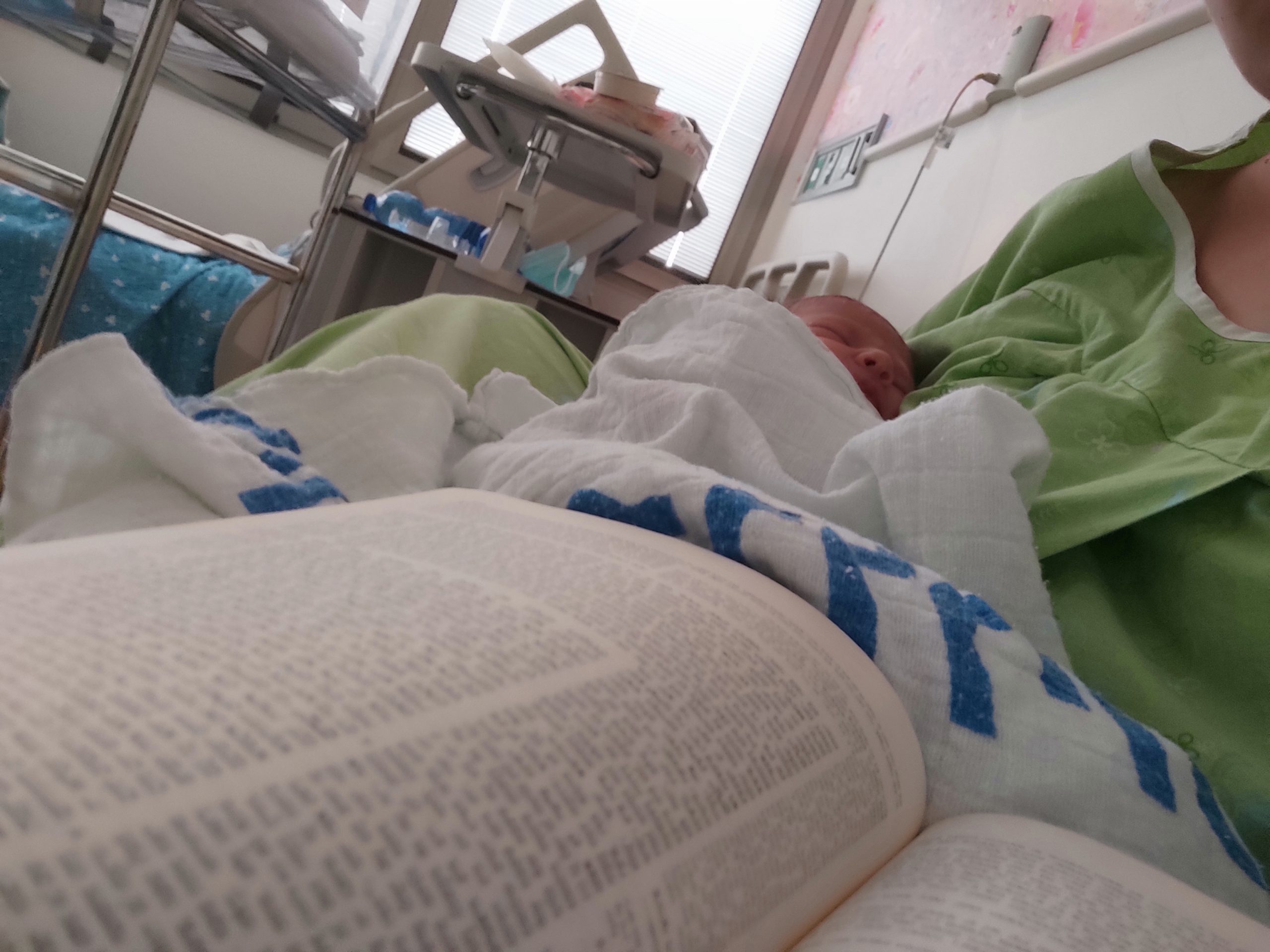
בתחילת הסבב הנוכחי הצטברו אצלי תחושות שאני לא מבינה מספיק מהי ההלכה אותה אני מקיימת בכל יום. כמו כן, כאמא לבנות רציתי לתת להן מודל נשי של לימוד תורה
שתי הסיבות האלו הובילו אותי להתחיל ללמוד. נתקלתי בתגובות מפרגנות וסקרניות איך אישה לומדת גמרא..
כמו שרואים בתמונה אני ממשיכה ללמוד גם היום ואפילו במחלקת יולדות אחרי לידת ביתי השלישית.

Noa Shiloh
נועה שילה

רבבה, ישראל

התחלתי ללמוד גמרא בבית הספר בגיל צעיר והתאהבתי. המשכתי בכך כל חיי ואף היייתי מורה לגמרא בבית הספר שקד בשדה אליהו (בית הספר בו למדתי בילדותי)בתחילת מחזור דף יומי הנוכחי החלטתי להצטרף ובע”ה מקווה להתמיד ולהמשיך. אני אוהבת את המפגש עם הדף את "דרישות השלום ” שמקבלת מקשרים עם דפים אחרים שלמדתי את הסנכרון שמתחולל בין התכנים.

Ariela Bigman
אריאלה ביגמן

מעלה גלבוע, ישראל

אחרי שראיתי את הסיום הנשי של הדף היומי בבנייני האומה זה ריגש אותי ועורר בי את הרצון להצטרף. לא למדתי גמרא קודם לכן בכלל, אז הכל היה לי חדש, ולכן אני לומדת בעיקר מהשיעורים פה בהדרן, בשוטנשטיין או בחוברות ושיננתם.

Rebecca Schloss
רבקה שלוס

בית שמש, ישראל

התחלתי ללמוד לפני כשנתיים בשאיפה לסיים לראשונה מסכת אחת במהלך חופשת הלידה.
אחרי מסכת אחת כבר היה קשה להפסיק…

Noa Gallant
נעה גלנט

ירוחם, ישראל

התחלתי ללמוד דף לפני קצת יותר מ-5 שנים, כשלמדתי רבנות בישיבת מהר”ת בניו יורק. בדיעבד, עד אז, הייתי בלימוד הגמרא שלי כמו מישהו שאוסף חרוזים משרשרת שהתפזרה, פה משהו ושם משהו, ומאז נפתח עולם ומלואו…. הדף נותן לי לימוד בצורה מאורגנת, שיטתית, יום-יומית, ומלמד אותי לא רק ידע אלא את השפה ודרך החשיבה שלנו. לשמחתי, יש לי סביבה תומכת וההרגשה שלי היא כמו בציטוט שבחרתי: הדף משפיע לטובה על כל היום שלי.

Michal Kahana
מיכל כהנא

חיפה, ישראל

התחלתי ללמוד בשנת המדרשה במגדל עוז, בינתיים נהנית מאוד מהלימוד ומהגמרא, מעניין ומשמח מאוד!
משתדלת להצליח לעקוב כל יום, לפעמים משלימה קצת בהמשך השבוע.. מרגישה שיש עוגן מקובע ביום שלי והוא משמח מאוד!

Uriah Kesner
אוריה קסנר

חיפה , ישראל

"התחלתי ללמוד דף יומי במחזור הזה, בח’ בטבת תש””ף. לקחתי על עצמי את הלימוד כדי ליצור תחום של התמדה יומיומית בחיים, והצטרפתי לקבוצת הלומדים בבית הכנסת בכפר אדומים. המשפחה והסביבה מתפעלים ותומכים.
בלימוד שלי אני מתפעלת בעיקר מכך שכדי ללמוד גמרא יש לדעת ולהכיר את כל הגמרא. זו מעין צבת בצבת עשויה שהיא עצומה בהיקפה.”

Sarah Fox
שרה פוּקס

כפר אדומים, ישראל

הצטרפתי ללומדות בתחילת מסכת תענית. ההתרגשות שלי ושל המשפחה היתה גדולה מאוד, והיא הולכת וגוברת עם כל סיום שאני זוכה לו. במשך שנים רבות רציתי להצטרף ומשום מה זה לא קרה… ב”ה מצאתי לפני מספר חודשים פרסום של הדרן, ומיד הצטרפתי והתאהבתי. הדף היומי שינה את חיי ממש והפך כל יום- ליום של תורה. מודה לכן מקרב ליבי ומאחלת לכולנו לימוד פורה מתוך אהבת התורה ולומדיה.

Noa Rosen
נעה רוזן

חיספין רמת הגולן, ישראל

התחלתי ללמוד דף יומי אחרי שחזרתי בתשובה ולמדתי במדרשה במגדל עוז. הלימוד טוב ומספק חומר למחשבה על נושאים הלכתיים ”קטנים” ועד לערכים גדולים ביהדות. חשוב לי להכיר את הגמרא לעומק. והצעד הקטן היום הוא ללמוד אותה בבקיאות, בעזרת השם, ומי יודע אולי גם אגיע לעיון בנושאים מעניינים. נושאים בגמרא מתחברים לחגים, לתפילה, ליחסים שבין אדם לחברו ולמקום ולשאר הדברים שמלווים באורח חיים דתי 🙂

Gaia Divo
גאיה דיבו

מצפה יריחו, ישראל

התחלתי בתחילת הסבב, והתמכרתי. זה נותן משמעות נוספת ליומיום ומאוד מחזק לתת לזה מקום בתוך כל שגרת הבית-עבודה השוטפת.

Reut Abrahami
רעות אברהמי

בית שמש, ישראל

בתחילת הסבב הנוכחי של לימוד הדף היומי, נחשפתי לחגיגות המרגשות באירועי הסיום ברחבי העולם. והבטחתי לעצמי שבקרוב אצטרף גם למעגל הלומדות. הסבב התחיל כאשר הייתי בתחילת דרכי בתוכנית קרן אריאל להכשרת יועצות הלכה של נשמ”ת. לא הצלחתי להוסיף את ההתחייבות לדף היומי על הלימוד האינטנסיבי של תוכנית היועצות. בבוקר למחרת המבחן הסופי בנשמ”ת, התחלתי את לימוד הדף במסכת סוכה ומאז לא הפסקתי.

Hana Shaham-Rozby (Dr.)
חנה שחם-רוזבי (ד”ר)

קרית גת, ישראל

התחלתי ללמוד בשנת המדרשה במגדל עוז, בינתיים נהנית מאוד מהלימוד ומהגמרא, מעניין ומשמח מאוד!
משתדלת להצליח לעקוב כל יום, לפעמים משלימה קצת בהמשך השבוע.. מרגישה שיש עוגן מקובע ביום שלי והוא משמח מאוד!

Uriah Kesner
אוריה קסנר

חיפה , ישראל

רבנית מישל הציתה אש התלמוד בלבבות בביניני האומה ואני נדלקתי. היא פתחה פתח ותמכה במתחילות כמוני ואפשרה לנו להתקדם בצעדים נכונים וטובים. הקימה מערך שלם שמסובב את הלומדות בסביבה תומכת וכך נכנסתי למסלול לימוד מעשיר שאין כמוה. הדרן יצר קהילה גדולה וחזקה שמאפשרת התקדמות מכל נקודת מוצא. יש דיבוק לומדות שמחזק את ההתמדה של כולנו. כל פניה ושאלה נענית בזריזות ויסודיות. תודה גם למגי על כל העזרה.

Sarah Aber
שרה אבר

נתניה, ישראל

התחלתי ללמוד דף יומי לפני שנתיים, עם מסכת שבת. בהתחלה ההתמדה היתה קשה אבל בזכות הקורונה והסגרים הצלחתי להדביק את הפערים בשבתות הארוכות, לסיים את מסכת שבת ולהמשיך עם המסכתות הבאות. עכשיו אני מסיימת בהתרגשות רבה את מסכת חגיגה וסדר מועד ומחכה לסדר הבא!

Ilana-Shachnowitz
אילנה שכנוביץ

מודיעין, ישראל

התחלתי בסיום הש”ס, יצאתי באורות. נשברתי פעמיים, ובשתיהם הרבנית מישל עודדה להמשיך איפה שכולם בסבב ולהשלים כשאוכל, וכך עשיתי וכיום השלמתי הכל. מדהים אותי שאני לומדת כל יום קצת, אפילו בחדר הלידה, בבידוד או בחו”ל. לאט לאט יותר נינוחה בסוגיות. לא כולם מבינים את הרצון, בפרט כפמניסטית. חשה סיפוק גדול להכיר את המושגים וצורת החשיבה. החלום זה להמשיך ולהתמיד ובמקביל ללמוד איך מהסוגיות נוצרה והתפתחה ההלכה.

Weingarten Sherrington Foundation
קרן וינגרטן שרינגטון

מודיעין, ישראל

התחלתי ללמוד לפני 4.5 שנים, כשהודיה חברה שלי פתחה קבוצת ווטסאפ ללימוד דף יומי בתחילת מסכת סנהדרין. מאז לימוד הדף נכנס לתוך היום-יום שלי והפך לאחד ממגדירי הזהות שלי ממש.

Rosenberg Foundation
קרן רוזנברג

ירושלים, ישראל

התחלתי ללמוד דף יומי בתחילת מסכת ברכות, עוד לא ידעתי כלום. נחשפתי לסיום הש״ס, ובעצם להתחלה מחדש בתקשורת, הפתיע אותי לטובה שהיה מקום לעיסוק בתורה.
את המסכתות הראשונות למדתי, אבל לא סיימתי (חוץ מעירובין איכשהו). השנה כשהגעתי למדרשה, נכנסתי ללופ, ואני מצליחה להיות חלק, סיימתי עם החברותא שלי את כל המסכתות הקצרות, גם כשהיינו חולות קורונה ובבידודים, למדנו לבד, העיקר לא לצבור פער, ומחכות ליבמות 🙂

Eden Yeshuron
עדן ישורון

מזכרת בתיה, ישראל

שבת קלט

הֲלָכָה בְּרוּרָה וּמִשְׁנָה בְּרוּרָה בִּמְקוֹם אֶחָד.

clear halakha and clear teaching together, but rather there will be disputes among the Sages.

תַּנְיָא, רַבִּי יוֹסֵי בֶּן אֱלִישָׁע אוֹמֵר: אִם רָאִיתָ דּוֹר שֶׁצָּרוֹת רַבּוֹת בָּאוֹת עָלָיו — צֵא וּבְדוֹק בְּדַיָּינֵי יִשְׂרָאֵל. שֶׁכׇּל פּוּרְעָנוּת שֶׁבָּאָה לְעוֹלָם לֹא בָּאָה אֶלָּא בִּשְׁבִיל דַּיָּינֵי יִשְׂרָאֵל, שֶׁנֶּאֱמַר: ״שִׁמְעוּ נָא זֹאת רָאשֵׁי בֵּית יַעֲקֹב וּקְצִינֵי בֵּית יִשְׂרָאֵל הַמְתַעֲבִים מִשְׁפָּט וְאֵת כׇּל הַיְשָׁרָה יְעַקֵּשׁוּ. בּוֹנֶה צִיּוֹן בְּדָמִים וִירוּשָׁלִַים בְּעַוְלָה. רָאשֶׁיהָ בְּשׁוֹחַד יִשְׁפּוֹטוּ וְכֹהֲנֶיהָ בִּמְחִיר יוֹרוּ וּנְבִיאֶיהָ בְּכֶסֶף יִקְסוֹמוּ וְעַל ה׳ יִשָּׁעֵנוּ וְגוֹ׳״.

It was taught in a baraita that Rabbi Yosei ben Elisha says: If you see a generation that many troubles are befalling it, go and examine the judges of Israel. Perhaps their sins are the cause, as any calamity that comes to the world comes due to the judges of Israel acting corruptly, as it is stated: “Please hear this, heads of the house of Jacob, and officers of the house of Israel, who abhor justice and pervert all equity, who build up Zion with blood, and Jerusalem with iniquity. Their heads they judge for bribes, and their priests teach for hire, and their prophets divine for money; yet they lean upon the Lord, saying: Is not the Lord in our midst? No evil shall befall us” (Micah 3:9–11).

רְשָׁעִים הֵן, אֶלָּא שֶׁתָּלוּ בִּטְחוֹנָם בְּמִי שֶׁאָמַר וְהָיָה הָעוֹלָם. לְפִיכָךְ, מֵבִיא הַקָּדוֹשׁ בָּרוּךְ הוּא עֲלֵיהֶן שָׁלֹשׁ פּוּרְעָנִיּוֹת כְּנֶגֶד שָׁלֹשׁ עֲבֵירוֹת שֶׁבְּיָדָם, שֶׁנֶּאֱמַר: ״לָכֵן בִּגְלַלְכֶם צִיּוֹן שָׂדֶה תֵחָרֵשׁ וִירוּשָׁלִַים עִיִּין תִּהְיֶה וְהַר הַבַּיִת לְבָמוֹת יָעַר״.

The Gemara comments: They are wicked, but they placed their trust in the One Who spoke and the world came into being, the Almighty. Therefore, the Holy One, Blessed be He, brings upon them three calamities corresponding to the three transgressions for which they are responsible, as it is stated in the following verse: “Therefore, because of you, Zion shall be plowed as a field, and Jerusalem shall become heaps, and the Temple Mount as the high places of a forest” (Micah 3:12).

וְאֵין הַקָּדוֹשׁ בָּרוּךְ הוּא מַשְׁרֶה שְׁכִינָתוֹ עַל יִשְׂרָאֵל עַד שֶׁיִּכְלוּ שׁוֹפְטִים וְשׁוֹטְרִים רָעִים מִיִּשְׂרָאֵל, שֶׁנֶּאֱמַר: ״וְאָשִׁיבָה יָדִי עָלַיִךְ וְאֶצְרוֹף כַּבּוֹר סִיגָיִךְ וְאָסִירָה כׇּל בְּדִילָיִךְ. וְאָשִׁיבָה שׁוֹפְטַיִךְ כְּבָרִאשׁוֹנָה וְיוֹעֲצַיִךְ כְּבַתְּחִלָּה וְגוֹ׳״.

And the Holy One, Blessed be He, will not rest His Divine Presence on the Jewish people until evil judges and officers shall be eliminated from the Jewish people, as it is stated: “And I will turn My hand upon you, and I will purge away your dross as with lye, and I will remove all your alloy. And I will restore your judges as at first, and your counselors as at the beginning; afterward you shall be called the city of righteousness, a faithful city” (Isaiah 1:25–26).

אָמַר עוּלָּא: אֵין יְרוּשָׁלָיִם נִפְדֵּית אֶלָּא בִּצְדָקָה, שֶׁנֶּאֱמַר: ״צִיּוֹן בְּמִשְׁפָּט תִּפָּדֶה וְשָׁבֶיהָ בִּצְדָקָה״.

Ulla said: Jerusalem will be redeemed only through righteousness, as it is stated: “Zion will be redeemed with justice and those who return to her with righteousness” (Isaiah 1:27).

אָמַר רַב פָּפָּא: אִי בָּטְלִי יְהִירֵי — בָּטְלִי אַמְגּוּשֵׁי. אִי בָּטְלִי דַּיָּינֵי — בָּטְלִי גְּזִירְפָּטֵי.

Rav Pappa said: If the arrogant will cease to exist, the Persian fire priests will cease to exist as well. If the deceitful judges will cease to exist, the royal officers [gazirpatei] and taskmasters will cease to exist.

אִי בָּטְלִי יְהִירֵי בָּטְלִי אַמְגּוּשֵׁי — דִּכְתִיב: ״וְאֶצְרוֹף כַּבּוֹר סִיגָיִךְ״.

He explains: If the arrogant will cease, the Persian fire priests will cease, as it is written: “And I will purge away your dross [sigayikh] as with lye, and I will remove all your alloy [bedilayikh].” This teaches that when the conceited and haughty [sigim] are purged, the priests of fire, who are separated [muvdalim] from the fear of God, will also cease.

אִי בָּטְלִי דַּיָּינֵי בָּטְלִי גְּזִירְפָּטֵי — דִּכְתִיב: ״הֵסִיר ה׳ מִשְׁפָּטַיִךְ פִּנָּה אוֹיְבֵךְ״.

He said: If the deceitful judges cease, the royal officers and taskmasters will cease, as it is written: “The Lord has removed your judgment, cast out your enemy” (Zephaniah 3:15).

אָמַר רַבִּי מַלַּאי מִשּׁוּם רַבִּי אֶלְעָזָר בְּרַבִּי שִׁמְעוֹן: מַאי דִּכְתִיב ״שָׁבַר ה׳ מַטֵּה רְשָׁעִים שֵׁבֶט מוֹשְׁלִים״. ״שָׁבַר ה׳ מַטֵּה רְשָׁעִים״ — אֵלּוּ הַדַּיָּינִין שֶׁנַּעֲשׂוּ מַקֵּל לְחַזָּנֵיהֶם. ״שֵׁבֶט מוֹשְׁלִים״ — אֵלּוּ תַּלְמִידֵי חֲכָמִים שֶׁבְּמִשְׁפְּחוֹת הַדַּיָּינִין. מָר זוּטְרָא אָמַר: אֵלּוּ תַּלְמִידֵי חֲכָמִים שֶׁמְלַמְּדִים הִלְכוֹת צִיבּוּר לְדַיָּינֵי בּוּר.

Rabbi Mallai said in the name of Rabbi Elazar, son of Rabbi Shimon: What is the meaning of that which is written: “The Lord has broken the staff of the wicked, the rod of the rulers” (Isaiah 14:5)? He explains: “The Lord has broken the staff of the wicked”; these are the judges who have become staffs for their attendants. The attendants abuse people, and the judges provide the attendants with legal backing and moral support. “The rod of the rulers”; these are the Torah scholars who are members of the families of the judges. These Torah scholars assist their relatives, the judges, conceal their faults. Mar Zutra said: These are the Torah scholars who teach communal halakhot to ignorant judges. They teach ignorant judges just enough Torah and modes of conduct to prevent the people from realizing how ignorant they are, enabling them to maintain their positions.

אָמַר רַבִּי אֱלִיעֶזֶר בֶּן מַלַּאי מִשּׁוּם רֵישׁ לָקִישׁ: מַאי דִּכְתִיב ״כִּי כַפֵּיכֶם נְגֹאֲלוּ בַדָּם וְאֶצְבְּעוֹתֵיכֶם בֶּעָוֹן, שִׂפְתוֹתֵיכֶם דִּבְּרוּ שֶׁקֶר לְשׁוֹנְכֶם עַוְלָה תֶהְגֶּה״.

Rabbi Eliezer ben Mallai said in the name of Reish Lakish: What is the meaning of that which is written: “For your hands are defiled with blood, and your fingers with iniquity; your lips have spoken lies, your tongue utters wickedness” (Isaiah 59:3)?

״כִּי כַפֵּיכֶם נְגוֹאֲלוּ בַדָּם״ — אֵלּוּ הַדַּיָּינִין. ״וְאֶצְבְּעוֹתֵיכֶם בְּעָוֹן״ — אֵלּוּ סוֹפְרֵי הַדַּיָּינִין. ״שִׂפְתוֹתֵיכֶם דְּבָרוֹ שֶׁקֶר״ — אֵלּוּ עוֹרְכֵי הַדַּיָּינִין. ״לְשׁוֹנְכֶם עַוְלָה תֶּהְגֶּה״ — אֵלּוּ בַּעֲלִי דִּינִין.

He explains: “For your hands are defiled with blood”; these are the judges who take bribes in their hands. “And your fingers with iniquity”; these are the scribes of the judges, who write falsehood with their fingers. “Your lips have spoken lies”; these are the legal advisors. “Your tongue utters wickedness”; these are the litigants themselves.

וְאָמַר רַבִּי מַלַּאי מִשּׁוּם רַבִּי יִצְחָק מַגְדְּלָאָה: מִיּוֹם שֶׁפֵּירַשׁ יוֹסֵף מֵאֶחָיו לֹא טָעַם טַעַם יַיִן, דִּכְתִיב: ״וּלְקׇדְקֹד נְזִיר אֶחָיו״.

And Rabbi Mallai said in the name of Rabbi Yitzḥak from Migdal: From the day that Joseph took leave from his brothers, he did not sample a taste of wine, as it is written: “They shall be on the head of Joseph, and on the crown of the head of he who was separated [nezir] from his brothers” (Genesis 49:26). The language of the verse alludes to the fact that Joseph conducted himself like a nazirite and abstained from wine.

רַבִּי יוֹסֵי בְּרַבִּי חֲנִינָא אָמַר: אַף הֵן לֹא טָעֲמוּ טַעַם יַיִן, דִּכְתִיב: ״וַיִּשְׁתּוּ וַיִּשְׁכְּרוּ עִמּוֹ״, מִכְּלָל דְּעַד הָאִידָּנָא לָא הֲוָה שִׁיכְרוּת. וְאִידַּךְ, שִׁיכְרוּת הוּא דְּלָא הֲוָה, שְׁתִיָּהּ מִיהָא הֲוָה.

Rabbi Yosei, son of Rabbi Ḥanina, said: Joseph’s brothers too did not sample the taste of wine during the intervening period, due to their remorse, as it is written: “And they drank and became drunk with him” (Genesis 43:34). By inference: Until now there was no drunkenness, as they abstained from drinking. And the other Sage, Rabbi Mallai, holds: It was drunkenness of which there was none; however, there was drinking on the part of the brothers during the intervening years.

וַאֲמַר רַבִּי מַלַּאי: בִּשְׂכַר ״וְרָאֲךָ וְשָׂמַח בְּלִבּוֹ״, זָכָה לְחֹשֶׁן הַמִּשְׁפָּט עַל לִבּוֹ.

And Rabbi Mallai said: It is stated in the verse: “And the anger of the Lord was kindled against Moses, and He said: Is there not Aaron your brother the Levite, I know that he can surely speak, and also behold, he is coming out to greet you, and he will see you and be glad in his heart” (Exodus 4:14). Rabbi Mallai taught that as reward for Aaron’s lack of jealousy at seeing his brother Moses rise to greatness, as it is stated: “And he will see you and be glad in his heart,” he merited to become the High Priest, and for the breastplate of judgment to rest on his heart.

שְׁלַחוּ לֵיהּ בְּנֵי בָּשְׁכָּר לְלֵוִי: כִּילָּה מַהוּ? כְּשׁוּתָא בְּכַרְמָא מַהוּ? מֵת בְּיוֹם טוֹב מַהוּ?

The Gemara returns to the laws of a canopy. The inhabitants of the town of Bashkar sent to Levi: What is the halakha with regard to spreading a canopy on Shabbat? Additionally, what is the halakha with regard to hops in a vineyard? Do they constitute a prohibited mixture of diverse kinds? Finally, what is the halakha with regard to one who died on a Festival? How can the people attend to his burial?

אַדְּאָזֵיל נָח נַפְשֵׁיהּ דְּלֵוִי. אָמַר שְׁמוּאֵל לְרַב מְנַשְּׁיָא: אִי חַכִּימַתְּ, שְׁלַח לְהוּ. שְׁלַח לְהוּ: כִּילָּה — חָזַרְנוּ עַל כׇּל צִידֵּי כִּילָּה וְלֹא מָצִינוּ לָהּ צַד הֶיתֵּר.

As the messenger was going with the question, Levi died. Shmuel said to Rav Menashya: If you are wise and able to respond, send them answers to their questions. He sent them: With regard to a canopy, we reviewed all aspects of the matter of the canopy, and we did not find any permissible aspect.

וְלִישְׁלַח לְהוּ כִּדְרָמֵי בַּר יְחֶזְקֵאל! לְפִי שֶׁאֵינָן בְּנֵי תוֹרָה.

The Gemara asks: And let him send them that it can be permitted in accordance with the opinion of Rami bar Yeḥezkel. The Gemara answers: He did not want to reveal that leniency to them, because they are not well versed in Torah, and they would not distinguish between permitted and prohibited methods of spreading the canopy.

כְּשׁוּתָא בְּכַרְמָא — עִירְבּוּבָא. וְלִישְׁלַח לְהוּ כִּדְרַבִּי טַרְפוֹן? דְּתַנְיָא: כְּשׁוּת, רַבִּי טַרְפוֹן אוֹמֵר: אֵין כִּלְאַיִם בַּכֶּרֶם. וַחֲכָמִים אוֹמְרִים: כִּלְאַיִם בַּכֶּרֶם. וְקַיְימָא לַן: כׇּל הַמֵּיקֵל בָּאָרֶץ, הֲלָכָה כְּמוֹתוֹ בְּחוּץ לָאָרֶץ! לְפִי שֶׁאֵינָן בְּנֵי תוֹרָה.

He also told them: Hops in a vineyard are a forbidden mixture of diverse kinds. The Gemara asks: And let him send them the message that it is permitted in accordance with the opinion of Rabbi Tarfon, as it was taught in the Tosefta: With regard to hops, Rabbi Tarfon says: They do not constitute a prohibited mixture of food crops in a vineyard, and the Rabbis say: They constitute a forbidden mixture of food crops in a vineyard. And we maintain that anyone who is lenient with regard to the halakhot of diverse kinds in Eretz Yisrael, even if the halakha is not ruled in accordance with his opinion, the halakha is ruled in accordance with his opinion outside of Eretz Yisrael, where the halakhot of diverse kinds apply only by rabbinic law. The Gemara explains: He did not reveal this leniency to them, because they were not well versed in Torah.

מַכְרִיז רַב: הַאי מַאן דְּבָעֵי לְמִיזְרַע כְּשׁוּתָא בְּכַרְמָא — לִיזְרַע. רַב עַמְרָם חֲסִידָא מְנַגֵּיד עִילָּוֵיהּ.

With regard to the matter of hops in a vineyard, the Gemara relates that Rav would announce: One who seeks to sow hops in a vineyard, let him sow. In contrast, Rav Amram Ḥasida would administer lashes for sowing hops in a vineyard.

רַב מְשַׁרְשְׁיָא יָהֵיב לֵיהּ פְּרוּטָה לְתִינוֹק גּוֹי וְזָרַע לֵיהּ. וְלִיתֵּן לֵיהּ לְתִינוֹק יִשְׂרָאֵל! אָתֵי לְמִיסְרַךְ: וְלִיתֵּן לֵיהּ לְגָדוֹל גּוֹי! אָתֵי לְאִיחַלּוֹפֵי בְּיִשְׂרָאֵל.

The Gemara relates that Rav Mesharshiya would give a peruta to a gentile child, and the child would sow hops for him. The Gemara asks: And let him give the peruta to a Jewish child, who is also not obligated in mitzva observance. The Gemara answers: He may come to continue this habit and violate the prohibition as an adult. The Gemara asks: And let him give the peruta to an adult gentile. The Gemara answers: He may come to confuse him with a Jew.

מֵת — שְׁלַח לְהוּ: מֵת לֹא יִתְעַסְּקוּ בּוֹ לֹא יְהוּדָאִין וְלֹא אַרְמָאִין, לֹא בְּיוֹם טוֹב רִאשׁוֹן וְלֹא בְּיוֹם טוֹב שֵׁנִי.

With regard to a person who died on a Festival, he sent them in response: If a person died on a Festival, neither Jews nor Arameans, i.e., gentiles, should attend to his burial, neither on the first day of a Festival, nor on the second day of a Festival observed in the Diaspora.

אִינִי?! וְהָאָמַר רַבִּי יְהוּדָה בַּר שִׁילַת אָמַר רַבִּי אַסִּי: עוֹבָדָא הֲוָה בְּבֵי כְנִישְׁתָּא דְּמָעוֹן בְּיוֹם טוֹב הַסָּמוּךְ לַשַּׁבָּת,

The Gemara asks: Is that so? Didn’t Rabbi Yehuda bar Sheilat say that Rabbi Asi said: There was an incident in the synagogue of the settlement of Maon on a Festival adjacent to Shabbat. A person died,

וְלָא יָדַעְנָא אִי מִלְּפָנֶיהָ אִי מִלְּאַחֲרֶיהָ, וַאֲתוֹ לְקַמֵּיהּ דְּרַבִּי יוֹחָנָן, וַאֲמַר לְהוּ: יִתְעַסְּקוּן בֵּיהּ עַמְמִין.

and I do not know whether the Festival occurred before Shabbat or after Shabbat. And they came before Rabbi Yoḥanan, and he said to them: Let gentiles attend to his burial.

וְאָמַר רָבָא: מֵת בְּיוֹם טוֹב רִאשׁוֹן יִתְעַסְּקוּ בּוֹ עַמְמִין, בְּיוֹם טוֹב שֵׁנִי — יִתְעַסְּקוּ בּוֹ יִשְׂרָאֵל, וַאֲפִילּוּ בְּיוֹם טוֹב שֵׁנִי שֶׁל רֹאשׁ הַשָּׁנָה. מַה שֶּׁאֵין כֵּן בְּבֵיצָה. לְפִי שֶׁאֵינָן בְּנֵי תוֹרָה.

And likewise, Rava said: If a person died on the first day of a Festival, gentiles may attend to his burial; on the second day of a Festival observed in the Diaspora, Jews may attend to his burial. And this is the halakha even on the second day of the festival of Rosh HaShana, which is not so with regard to an egg. With regard to an egg laid on the Festival, the two days of Rosh HaShana are considered one long day that cannot be disconnected. Therefore, in contrast to other two-day Festivals in the Diaspora, use of an egg laid on the first day of Rosh HaShana is prohibited on the second day. However, in deference to the dead, the Sages were lenient with regard to burial on the second day of Rosh HaShana. Why then did Rav Menashya prohibit the inhabitants of Bashkar from attending to the burial on a Festival? The Gemara answers: Because they were not well versed in Torah.

אָמַר רַבִּי אָבִין בַּר רַב הוּנָא אָמַר רַב חָמָא בַּר גּוּרְיָא: מִתְעַטֵּף אָדָם בְּכִילָּה וּבְכִסְכָּסֶיהָ וְיוֹצֵא לִרְשׁוּת הָרַבִּים בְּשַׁבָּת, וְאֵינוֹ חוֹשֵׁשׁ.

Rabbi Avin bar Rav Huna said that Rav Ḥama bar Gureya said: A person may wrap himself in a canopy and in its straps and go out to the public domain on Shabbat, and he need not be concerned about violating the prohibited act of carrying out a burden.

מַאי שְׁנָא מִדְּרַב הוּנָא, דְּאָמַר רַב הוּנָא אָמַר רַב: הַיּוֹצֵא בְּטַלִּית שֶׁאֵינָהּ מְצוּיֶּיצֶת כְּהִילְכָתָהּ בְּשַׁבָּת — חַיָּיב חַטָּאת! צִיצִית לְגַבֵּי טַלִּית — חֲשִׁיבִי, וְלָא בָּטְלִי. הָנֵי לָא חֲשִׁיבִי, וּבָטְלִי.

The Gemara asks: In what way is the halakha with regard to the straps different from that which Rav Huna said? As Rav Huna said that Rav said: One who goes out unwittingly to the public domain on Shabbat with a four-cornered garment that does not have the requisite ritual fringes attached is liable to bring a sin-offering, because the remaining fringes are not an integral part of the garment. Since they do not fulfill the mitzva, they are considered a burden that may not be carried into the public domain on Shabbat. The Gemara answers: There is a distinction between the cases. Ritual fringes are significant relative to a garment and are not negated. They are considered an independent entity that may not be carried out into the public domain. These straps of a canopy are not significant and are negated.

אָמַר רַבָּה בַּר רַב הוּנָא: מַעֲרִים אָדָם עַל הַמְשַׁמֶּרֶת בְּיוֹם טוֹב לִתְלוֹת בָּהּ רִמּוֹנִים, וְתוֹלֶה בָּהּ שְׁמָרִים. אָמַר רַב אָשֵׁי: וְהוּא דְּתָלָה בָּהּ רִמּוֹנִים.

Rabba bar Rav Huna said: According to the Rabbis, who prohibit suspending a strainer on a Festival, a person may nevertheless employ artifice and circumvent the prohibition against suspending a strainer by taking it on a Festival and suspending it for the purpose of pomegranates in it, which is permitted. Once the strainer is suspended, he may suspend it in order to filter sediment from the wine, as even the Rabbis hold that on a Festival it is permitted to do this straining through a strainer that is already suspended. Rav Ashi said: And this is only permitted provided that he actually suspended pomegranates in it before using it to strain wine. It must be obvious to all that he used the strainer in a permitted manner.

מַאי שְׁנָא מֵהָא דְּתַנְיָא: מְטִילִין שֵׁכָר בַּמּוֹעֵד לְצוֹרֶךְ הַמּוֹעֵד, שֶׁלֹּא לְצוֹרֶךְ הַמּוֹעֵד — אָסוּר, אֶחָד שֵׁכַר תְּמָרִים וְאֶחָד שֵׁכַר שְׂעוֹרִים. אַף עַל פִּי שֶׁיֵּשׁ לָהֶן יָשָׁן — מַעֲרִים וְשׁוֹתֶה מִן הֶחָדָשׁ!

The Gemara asks: In what way is that halakha different from that which was taught in a baraita: One may begin brewing beer during the intermediate days of a Festival for the purpose of using it on the Festival. If it is not for the purpose of the Festival, it is prohibited. This is the halakha both with regard to date beer and with regard to barley beer. And even though they have old beer, one may employ artifice and say that he wishes to drink from the new, and that he is making beer on the intermediate days of the Festival for that purpose. Apparently, it is permitted to employ artifice even without actively demonstrating that one is performing the action for a permitted purpose. This contradicts the opinion of Rav Ashi.

הָתָם לָא מוֹכְחָא מִילְּתָא, הָכָא מוֹכְחָא מִילְּתָא.

The Gemara answers: There, with regard to beer, the matter is not evident. When people see someone starting to brew beer, they have no way of knowing whether or not he has beer at home, and consequently, whether or not the action itself is prohibited in that case. However, here, with regard to a strainer, the matter is evident, as people see him suspending a strainer for wine, which is prohibited.

אֲמַרוּ לֵיהּ רַבָּנַן לְרַב אָשֵׁי: חֲזִי מָר הַאי צוּרְבָּא מֵרַבָּנַן וְרַב הוּנָא בֶּן רַבִּי חִיּוֹן שְׁמֵיהּ, וְאָמְרִי לַהּ רַב הוּנָא בְּרַבִּי חִלְווֹן שְׁמֵיהּ, דְּשָׁקֵל בְּרָא דְתוּמָא וּמַנַּח בְּבַרְזָא דְּדַנָּא, וְאָמַר: לְאַצְּנוֹעֵיהּ קָמִיכַּוֵינָא. וְאָזֵיל וְנָאֵים בְּמַבָּרָא, וְעָבַר לְהַךְ גִּיסָא וְסָיַיר פִּירֵי, וְאָמַר: אֲנָא לְמֵינַם קָמִיכַּוֵינָא!

On the topic of artifice, the Gemara relates that the Rabbis said to Rav Ashi: Master, observe this Torah scholar, and Rav Huna ben Rabbi Ḥayon is his name, and some say that his name is Rav Huna, son of Rabbi Ḥalvan, who took a slice of garlic and placed it in the spout of a barrel, and said: I intend to store it. He thereby stopped the spout on Shabbat. And similarly, he went and slept in a ferry on the river, and the ferryman sailed the ferry across the river, and he thereby crossed to the other side and inspected the fruit of his vineyard. He said: I intend to sleep. In this way, he crosses the river by boat on Shabbat, which is a prohibited activity.

אֲמַר לְהוּ: הַעֲרָמָה קָאָמְרַתְּ? הַעֲרָמָה בִּדְרַבָּנַן הִיא, וְצוּרְבָּא מֵרַבָּנַן לָא אָתֵי לְמִיעְבַּד לְכַתְּחִילָּה.

Rav Ashi said to them: Are you speaking of artifice? This is artifice employed to circumvent a rabbinic prohibition, and a Torah scholar will not come to perform the action ab initio without artifice. Therefore, there is no reason to prohibit him from doing so.

מַתְנִי׳ נוֹתְנִין מַיִם עַל גַּבֵּי הַשְּׁמָרִים בִּשְׁבִיל שֶׁיִּצּוֹלּוּ. וּמְסַנְּנִין אֶת הַיַּיִן בְּסוּדָרִין וּבִכְפִיפָה מִצְרִית.

MISHNA: One may pour water over sediment that is in a strainer on Shabbat so that it will become clear and clean. And similarly, one may filter wine through cloths and through an Egyptian basket made from palm leaves. Since these liquids are drinkable even without filtering, doing so does not violate the prohibition of selecting.

וְנוֹתְנִין בֵּיצָה בִּמְסַנֶּנֶת שֶׁל חַרְדָּל, וְעוֹשִׂין אֵנוֹמֵלִין בְּשַׁבָּת. רַבִּי יְהוּדָה אוֹמֵר: בַּשַּׁבָּת בְּכוֹס, בְּיוֹם טוֹב — בְּלָגִין, וּבַמּוֹעֵד — בְּחָבִית. רַבִּי צָדוֹק אוֹמֵר הַכֹּל לְפִי הָאוֹרְחִין.

And likewise, one may place an egg in a mustard strainer in order to separate the yolk from the egg-white, and one may prepare anumlin, a wine-based drink, on Shabbat. Rabbi Yehuda says: On Shabbat one may only make anumlin in a small cup; on a Festival, in a larger vessel; and on the intermediate days of a Festival, one may even prepare it in a barrel. Rabbi Tzadok says: There is no objective principle; rather, it is all according to the number of guests; if they are numerous, one may prepare a larger quantity of anumlin.

גְּמָ׳ אָמַר זְעֵירִי: נוֹתֵן אָדָם יַיִן צָלוּל וּמַיִם צְלוּלִין לְתוֹךְ הַמְשַׁמֶּרֶת בְּשַׁבָּת וְאֵינוֹ חוֹשֵׁשׁ, אֲבָל עֲכוּרִין — לָא.

GEMARA: Ze’iri said: A person may place clear wine and clear water into a strainer on Shabbat, and he need not be concerned over the prohibition of selecting, as the wine is drinkable even without this filtering. However, doing so with murky liquids, no, one may not strain them.

מֵיתִיבִי, רַבָּן שִׁמְעוֹן בֶּן גַּמְלִיאֵל אוֹמֵר: טוֹרֵד אָדָם חָבִית שֶׁל יַיִן יֵינָהּ וּשְׁמָרֶיהָ, וְנוֹתֵן לְתוֹךְ הַמְשַׁמֶּרֶת בַּשַּׁבָּת וְאֵינוֹ חוֹשֵׁשׁ! תַּרְגְּמַהּ זְעֵירִי: בֵּין הַגִּיתּוֹת שָׁנוּ.

The Gemara raises an objection from a baraita: Rabban Shimon ben Gamliel says: A person may stir a barrel of wine, mixing its wine and its sediment, and place it in a strainer on Shabbat, and he need not be concerned. Apparently, it is permitted to place even murky wine in a strainer. Ze’iri explained that baraita and resolved the difficulty: That was taught with regard to wine between the presses, when the wine has yet to ferment and will remain murky even after filtering.

מְסַנְּנִין אֶת הַיַּיִן בְּסוּדָרִין. אָמַר רַב שִׁימִי בַּר חִיָּיא: וּבִלְבַד שֶׁלֹּא יַעֲשֶׂה גּוּמָּא.

We learned in the mishna: One may filter wine through cloths on Shabbat. Rav Shimi bar Ḥiyya said: This is permitted provided one does not make an indentation in the cloth, making it into a receptacle, as one must diverge from the usual, weekday manner of performing this activity.

וּבִכְפִיפָה מִצְרִית. אָמַר רַב חִיָּיא בַּר אָשֵׁי אָמַר רַב: וּבִלְבַד שֶׁלֹּא יַגְבִּיהַּ מִקַּרְקָעִיתוֹ שֶׁל כְּלִי טֶפַח.

We also learned in the mishna: And it is permitted to filter wine on Shabbat through an Egyptian basket. Rav Ḥiyya bar Ashi said that Rav said the following caveat to that statement: It is permitted provided one does not lift the basket a handbreadth from the bottom of the lower vessel. This ensures that one performs the activity in an atypical manner (Rabbeinu Yona).

אָמַר רַב: הַאי פְּרוֹנְקָא, אַפַּלְגֵיהּ דְכוּבָּא — שְׁרֵי, אַכּוּלֵּיהּ כּוּבָּא — אֲסִיר.

Rav said: It is permitted to place this cover that has holes for filtering over half a barrel, but it is prohibited to spread it over the entire barrel, in order that it not appear as though one is using it as a filter (Rabbeinu Ḥananel).

אָמַר רַב פָּפָּא: לָא נִיהַדַּק אִינִישׁ צִינְיָיתָא בְּפוּמֵּיהּ דְּכוּזַנְתָּא (דְּחָבִיתָא), מִשּׁוּם דְּמֶיחְזֵי כִּמְשַׁמֶּרֶת.

Rav Pappa said: A person may not attach a bundle of straw to the mouth of a barrel’s spigot, because it appears like a strainer.

דְּבֵי רַב פָּפָּא שָׁאפוּ שִׁיכְרָא מִמָּנָא לְמָנָא. אֲמַר לֵיהּ רַב אַחָא מִדִּיפְתִּי לְרָבִינָא: הָאִיכָּא נִיצוֹצוֹת! נִיצוֹצוֹת לְבֵי רַב פָּפָּא לָא חֲשִׁיבִי.

The Gemara relates: The members of Rav Pappa’s household would carefully pour beer from one vessel to another so that the dregs from one vessel would not pass to the other. Rav Aḥa from Difti said to Ravina: But there are the final drops, which remain when one pours the beer into another vessel. When pouring the final drops from the dregs left in the vessel, one is in violation of the prohibition of selecting. He replied: In Rav Pappa’s house they would leave the final drops in the first vessel together with the dregs. They would not attempt to separate them, as the last drops were not significant to the household of Rav Pappa, because beer was always readily available in his house.

וְנוֹתְנִין בֵּיצָה בִּמְסַנֶּנֶת. תָּנֵי יַעֲקֹב קָרְחָה:

And we further learned in the mishna: One may place an egg in a mustard strainer on Shabbat in order to separate the yolk from the egg-white. The Sage, Ya’akov Korḥa, taught a reason for this:

רוצה לעקוב אחרי התכנים ולהמשיך ללמוד?

ביצירת חשבון עוד היום ניתן לעקוב אחרי ההתקדמות שלך, לסמן מה למדת, ולעקוב אחרי השיעורים שמעניינים אותך.

לנקות את כל הפריטים מהרשימה?

פעולה זו תסיר את כל הפריטים בחלק זה כולל ההתקדמות וההיסטוריה. שימי לב: לא ניתן לשחזר פעולה זו.

ביטול
מחיקה

האם את/ה בטוח/ה שברצונך למחוק פריט זה?

תאבד/י את כל ההתקדמות או ההיסטוריה הקשורות לפריט זה.

ביטול
מחיקה