







הגמרא דורשת פסוקים מספר קהלת שמתארים הידרדרות גוף האדם כשמזקדנים. מה קורה לנפש האדם לאחר מוות? איפה הולכים נשמות הצדיקים, רשעים ובינוניים?
הלימוד החודש מוקדש ע”י מרכי גלזר לע”נ רחל אביבה בת דבורה חנה
רוצה להקדיש שיעור?

0:00
0:00
כלים
הלימוד החודש מוקדש ע”י מרכי גלזר לע”נ רחל אביבה בת דבורה חנה
שבת קנב
וְשֶׁל בֵּית הַכִּסֵּא — רָעוֹת. שֶׁל סַם וְשֶׁל שְׂחוֹק וְשֶׁל פֵּירוֹת — יָפוֹת.
and from pain in the bathroom are bad for the eyes. Tears that come from medicinal drugs, and from laughter, and from sharp produce are good for the eyes.
״בַּיּוֹם שֶׁיָּזוּעוּ שׁוֹמְרֵי הַבַּיִת וְהִתְעַוְּתוּ וְגוֹ׳״. ״בַּיּוֹם שֶׁיָּזוּעוּ שׁוֹמְרֵי הַבַּיִת״ — אֵלּוּ הַכְּסָלִים וְהַצְּלָעוֹת. ״וְהִתְעַוְּתוּ אַנְשֵׁי הֶחָיִל״ — אֵלּוּ שׁוֹקַיִם. ״וּבָטְלוּ הַטּוֹחֲנוֹת״ — אֵלּוּ שִׁינַּיִם. ״וְחָשְׁכוּ הָרוֹאוֹת בַּאֲרוּבּוֹת״ — אֵלּוּ עֵינַיִם.
The Gemara continues to interpret verses from the Book of Ecclesiastes. The verse states: “On the day when the keepers of the house shall tremble, and the strong men shall bow themselves, and the grinders cease because they are few, and those that look out the windows shall be dimmed” (Ecclesiastes 12:3). “On the day when the keepers of the house shall tremble”; this is referring to the flanks and ribs that surround and protect a person’s internal organs. “And the strong men shall bow themselves”; these are the thighs, which support a person’s strength. “And the grinders cease”; these are the teeth, which decay and fall out. “And those that look out the windows shall be dimmed”; these are the eyes, which become dimmer.
אֲמַר לֵיהּ קֵיסָר לְרַבִּי יְהוֹשֻׁעַ בֶּן חֲנַנְיָה: מַאי טַעְמָא לָא אָתֵית לְבֵי אֲבִידָן? אֲמַר לֵיהּ: טוּר תְּלַג סַחְרָנוֹהִי גְּלִידִין. כַּלְבוֹהִי לָא נָבְחִין. טָחֲנוֹהִי לָא טָחֲנִין. בֵּי רַב אָמְרִי: אַדְּלָא אַבֵּידְנָא, בָּחֵישְׁנָא.
The Gemara relates: The Roman emperor said to Rabbi Yehoshua ben Ḥananya: What is the reason you did not come to the House of Avidan? This was a place in which dialogues and debates were conducted. Rabbi Yehoshua ben Ḥananya said to him enigmatically: The snowy mountain is surrounded with ice, meaning that his hair had turned white; his dogs do not bark, meaning that his voice could no longer be heard; his grinders have ceased grinding, meaning that his teeth had fallen out. In the school of Rav they say that he added: I am searching for that which I have not lost, because an old man walks bent over and appears to be searching for something.
תַּנְיָא, רַבִּי יוֹסֵי בַּר קִיסְמָא אוֹמֵר: טָבָא תְּרֵי מִתְּלָת. וַוי לַהּ לַחֲדָא דְּאָזְלָא וְלָא אָתְיָא. מַאי הִיא? אָמַר רַב חִסְדָּא: יַנְקוּתָא. כִּי אֲתָא רַב דִּימִי אָמַר: יַנְקוּתָא — כְּלִילָא דְּוַורְדָּא, סָבוּתָא — כְּלִילָא דְחִילְפָא. תָּנָא מִשְּׁמֵיהּ דְּרַבִּי מֵאִיר: דּוֹק בְּכַכֵּי וְתַשְׁכַּח בְּנִיגְרֵי, שֶׁנֶּאֱמַר: ״וַנִּשְׂבַּע לֶחֶם וַנִּהְיֶה טוֹבִים וְרָעָה לֹא רָאִינוּ״. אֲמַר לֵיהּ שְׁמוּאֵל לְרַב יְהוּדָה: שִׁינָּנָא, שְׁרֵי שַׂקָּיךָ וְעַיֵּיל לַחְמָךְ. עַד אַרְבְּעִין שְׁנִין — מֵיכְלָא מְעַלֵּי, מִכָּאן וְאֵילָךְ — מִשְׁתְּיָא מְעַלֵּי.
It was taught in a baraita that Rabbi Yosei bar Kisma says: The two feet of one’s youth are better than the three of old age, when one walks with a cane. Woe to the one who goes and does not come back. What is this referring to? Rav Ḥisda said: Youth. Similarly, when Rav Dimi came from Eretz Yisrael to Babylonia he said: Youth is a crown of roses; old age is a crown of thorns. The Sage taught in the name of Rabbi Meir: Grind food with your teeth and you will find in your feet the strength to carry your body, as it is stated: “For we were sated with our bread and were well, and saw no evil” (Jeremiah 44:17). Shmuel said to Rav Yehuda: Large-toothed one; untie your sack, that is, your mouth, and insert your food. Until the age of forty years, food is beneficial; from here and on, drinking is beneficial.
אֲמַר לֵיהּ הָהוּא גּוֹזָאָה לְרַבִּי יְהוֹשֻׁעַ בֶּן קׇרְחָה: מֵהָכָא לְקַרְחִינָא כַּמָּה הָוֵי? אֲמַר לֵיהּ: כְּמֵהָכָא לְגוֹזַנְיָא. אֲמַר לֵיהּ: בַּרְחָא קַרְחָא בְּאַרְבְּעָה. אֲמַר לֵיהּ: עִיקְרָא שְׁלִיפָא בִּתְמָנְיָא.
Having quoted some aphorisms of the Sages, the Gemara relates the following conversation: A certain eunuch who was an apostate said the following to Rabbi Yehoshua ben Korḥa as a provocation: How far is it from here to Karḥina? The provocateur’s intention was to hint to the fact that Rabbi Yehoshua ben Korḥa was bald [kere’aḥ]. He said to him: It is the same as the distance from here to the mountains of Gozen, hinting at the eunuch’s castration, which in Aramaic is goza (Rav Ya’akov Emden). The apostate said to him: A bald buck is sold for four dinar. He said to him: A castrated goat [ikkara shelifa] is sold for eight.
חַזְיֵיהּ דְּלָא סָיֵים מְסָאנֵיהּ, אֲמַר לֵיהּ: דְּעַל סוּס — מֶלֶךְ, דְּעַל חֲמוֹר — בֶּן חוֹרִין, וּדְמַנְעָלֵי בְּרִיגְלוֹהִי — בַּר אִינִישׁ. דְּלָא הָא וְלָא הָא — דַּחֲפִיר וּקְבִיר טָב מִינֵּיהּ. אֲמַר לֵיהּ: גּוֹזָא גּוֹזָא, תְּלָת אֲמַרְתְּ לִי, תְּלָת שָׁמְעַתְּ: הַדְרַת פָּנִים — זָקָן, שִׂמְחַת לֵב — אִשָּׁה, ״נַחֲלַת ה׳ — בָּנִים״. בָּרוּךְ הַמָּקוֹם שֶׁמְּנָעֲךָ מִכּוּלָּם. אֲמַר לֵיהּ: קָרְחָא מְצַוֵּי?! אֲמַר לֵיהּ: עִיקְרָא שְׁלִיפָא תּוֹכֵחָה!
The apostate saw that Rabbi Yehoshua ben Korḥa was not wearing shoes. He said to him: One who rides on a horse is a king. One who rides on a donkey is a free man. And one who wears shoes is at least a human being. One who does neither this nor that, someone who is buried in the earth is better than him. He said to him: Eunuch, eunuch, you said to me three things, and now hear three things: The glory of a face is the beard, the joy of the heart is a wife, and “the portion of the Lord is children” (Psalms 127:3); blessed is the Omnipresent who has denied you all of them, for a eunuch does not have a beard, a wife or children. He said to him: Does a bald man quarrel? He said to him: Does a castrated male goat speak words of rebuke?
אֲמַר לֵיהּ רַבִּי לְרַבִּי שִׁמְעוֹן בֶּן חֲלַפְתָּא: מִפְּנֵי מָה לֹא הִקְבַּלְנוּ פָּנֶיךָ בָּרֶגֶל, כְּדֶרֶךְ שֶׁהִקְבִּילוּ אֲבוֹתַי לַאֲבוֹתֶיךָ? אֲמַר לֵיהּ: סְלָעִים נַעֲשׂוּ גְּבוֹהִים, קְרוֹבִים נַעֲשׂוּ רְחוֹקִים, מִשְׁתַּיִם נַעֲשׂוּ שָׁלֹשׁ, מֵשִׂים שָׁלוֹם בַּבַּיִת בָּטַל.
The Gemara again addresses old age: Rabbi Yehuda HaNasi said to Rabbi Shimon ben Ḥalafta: For what reason did we not greet you during the Festival the way that my fathers greeted your fathers? This was a polite way of asking Rabbi Shimon ben Ḥalafta why he had not come to visit Rabbi Yehuda HaNasi. He said to him: Because I have grown old, and the rocks on the road have become tall, and destinations that are near have become far away, and my two feet have been made into three with the addition of a cane, and that which brings peace to the house, namely, the sexual drive which motivates a couple to make peace, is no more.
״וְסֻגְּרוּ דְלָתַיִם בַּשּׁוּק וְגוֹ׳״ — אֵלּוּ נְקָבָיו שֶׁל אָדָם. ״בִּשְׁפַל קוֹל הַטַּחֲנָה״ — בִּשְׁבִיל קוּרְקְבָן שֶׁאֵינוֹ טוֹחֵן. ״וְיָקוּם לְקוֹל הַצִּפּוֹר״ — שֶׁאֲפִילּוּ צִפּוֹר מְנַעַרְתּוֹ מִשְּׁנָתוֹ. ״וְיִשַּׁחוּ כׇּל בְּנוֹת הַשִּׁיר״ — שֶׁאֲפִילּוּ קוֹל שָׁרִים וְשָׁרוֹת דּוֹמוֹת עָלָיו כְּשִׂיחָה.
The Gemara continues to expound the verses of the final chapter of Ecclesiastes. The verse states: “And the doors shall be shut in the marketplace when the sound of the grinding is low, and one shall start up at the voice of a bird, and all the daughters of music shall be brought low” (Ecclesiastes 12:4). The Sages expounded: “And the doors shall be shut in the marketplace”; these are a person’s orifices, which cease to function normally. The interpretation continues: “When the sound of the grinding is low”; because the stomach is not grinding and digesting one’s food. “And one shall start up at the voice of a bird”; because one is unable to sleep deeply such that even a bird will wake him from his sleep. “And all the daughters of music shall be brought low”; this means that even the voices of male and female singers will seem to him like mere conversation, and he will no longer derive pleasure from song.
וְאַף בַּרְזִילַּי הַגִּלְעָדִי אָמַר לְדָוִד: ״בֶּן שְׁמֹנִים שָׁנָה אָנֹכִי הַיּוֹם הַאֵדַע בֵּין טוֹב לְרָע״ — מִכָּאן שֶׁדַּעְתָּן שֶׁל זְקֵנִים מִשְׁתַּנּוֹת. ״אִם יִטְעַם עַבְדְּךָ אֶת אֲשֶׁר אוֹכַל וְאֶת אֲשֶׁר אֶשְׁתֶּה״ — מִכָּאן שֶׁשִּׂפְתוֹתֵיהֶן שֶׁל זְקֵנִים מִתְרַפְּטוֹת. ״אִם אֶשְׁמַע עוֹד בְּקוֹל שָׁרִים וְשָׁרוֹת״ — מִכָּאן שֶׁאׇזְנֵיהֶם שֶׁל זְקֵנִים מִתְכַּבְּדוֹת.
And even Barzilai the Gileadite said to David: “Today I am eighty years old, can I discern between good and bad? Can your servant taste what I eat or what I drink? Can I hear any more the voice of singing men and singing women?” (II Samuel 19:36). The Gemara explains: “Can I discern between good and bad”; from here we derive that the minds of the elderly change and they no longer discern properly. “Can your servant taste what I eat or what I drink”; from here we derive that the lips of the elderly crack and wither. “Can I hear any more the voice of singing men and singing women”; from here we derive that the ears of the elderly become heavy.
אָמַר רַב: בַּרְזִילַּי הַגִּלְעָדִי שַׁקָּרָא הֲוָה. דְּהַהִיא אַמְּתָא דַּהֲוַאי בֵּי רַבִּי בַּת תִּשְׁעִין וְתַרְתֵּין שְׁנִין, וַהֲוָת טָעֲמָא קִידְרָא. רָבָא אָמַר: בַּרְזִילַּי הַגִּלְעָדִי שָׁטוּף בְּזִמָּה הֲוָה, וְכׇל הַשָּׁטוּף בְּזִמָּה — זִקְנָה קוֹפֶצֶת עָלָיו. תַּנְיָא, רַבִּי יִשְׁמָעֵאל בְּרַבִּי יוֹסֵי אוֹמֵר: תַּלְמִידֵי חֲכָמִים כׇּל זְמַן שֶׁמַּזְקִינִין — חָכְמָה נִתּוֹסֶפֶת בָּהֶם, שֶׁנֶּאֱמַר: ״בִּישִׁישִׁים חׇכְמָה וְאוֹרֶךְ יָמִים תְּבוּנָה״. וְעַמֵּי הָאָרֶץ כׇּל זְמַן שֶׁמַּזְקִינִין — טִפְּשׁוּת נִתּוֹסֶפֶת בָּהֶן, שֶׁנֶּאֱמַר: ״מֵסִיר שָׂפָה לְנֶאֱמָנִים וְטַעַם זְקֵנִים יִקָּח״.
Rav said: Barzilai the Gileadite was a liar and he merely wanted to avoid joining David upon his return to Jerusalem, for an eighty-year old man is not usually this debilitated. For there was a particular maidservant in the house of Rabbi Yehuda HaNasi who was ninety-two years old, and she would taste the food that was cooking in the pots. Rava said: Barzilai was speaking the truth, but Barzilai the Gileadite was steeped in promiscuity, and anyone who is steeped in promiscuity is overtaken by old age before his time. It was taught in a baraita that Rabbi Yishmael, son of Rabbi Yosei, says: As Torah scholars grow older, wisdom is increased in them, as it is stated: “With aged men is wisdom; and length of days brings understanding” (Job 12:12). And as ignoramuses grow older, foolishness is increased in them, as it is stated: “He removes the speech of men of trust and takes away the understanding of the aged” (Job 12:20).
״גַּם מִגָּבוֹהַּ יִירָאוּ״ — שֶׁאֲפִילּוּ גַּבְשׁוּשִׁית קְטַנָּה דּוֹמָה עָלָיו כְּהָרֵי הָרִים. ״וְחַתְחַתִּים בַּדֶּרֶךְ״ — בְּשָׁעָה שֶׁמְּהַלֵּךְ בַּדֶּרֶךְ נַעֲשׂוּ לוֹ תְּוָהִים. ״וְיָנֵאץ הַשָּׁקֵד״ — זוֹ קְלִיבוֹסֶת. ״וְיִסְתַּבֵּל הֶחָגָב״ — אֵלּוּ עֲגָבוֹת. ״וְתָפֵר הָאֲבִיּוֹנָה״ — זוֹ חֶמְדָּה.
The Gemara continues interpreting verses from Ecclesiastes. The verse states: “Also when they shall be afraid of that which is high and terrors shall be on the road, and the almond tree shall blossom, and the grasshopper shall drag itself along, and the caper berry shall fail, for a person goes to his eternal home, and the mourners circle the marketplace” (Ecclesiastes 12:5). The Gemara explains: “Also when they shall be afraid of that which is high”; this means that even a small knoll on the road seems to him, the elderly, like the highest of mountains. “And terrors shall be on the road”; this means that while he is walking on the road he will have terrors, i.e., he will fear falling or otherwise suffering injury. “And the almond tree shall blossom”; this is the hip bone that protrudes from the skin of an elderly person. “And the grasshopper [ḥagav] shall drag itself along [yistabbel]”; by replacing the letter ḥet of ḥagav with an ayin, this can be understood as referring to the buttocks [agavot] which become heavy [sevel]. “And the caper berry shall fail”; this is sexual desire that ceases.
רַב כָּהֲנָא הֲוָה פָּסֵיק סִידְרָא קַמֵּיהּ דְּרַב. כִּי מְטָא לְהַאי קְרָא, נְגֵיד וְאִתְּנַח. אֲמַר, שְׁמַע מִינַּהּ בְּטֵל לֵיהּ חֶמְדֵּיהּ דְּרַב. אָמַר רַב כָּהֲנָא, מַאי דִּכְתִיב: ״כִּי הוּא אָמַר וַיֶּהִי״ — זוֹ אִשָּׁה. ״הוּא צִוָּה וַיַּעֲמוֹד״ — אֵלּוּ בָּנִים. תָּנָא: אִשָּׁה חֵמֶת מָלֵא צוֹאָה, וּפִיהָ מָלֵא דָּם — וְהַכֹּל רָצִין אַחֲרֶיהָ.
The Gemara relates that Rav Kahana was reading biblical verses before Rav. When he got to this verse, Rav sighed. Rav Kahana said: We can derive from this that Rav’s desire has ceased. Rav Kahana also said: What is the meaning of that which is written: “For He spoke and it was, He commanded and it stood” (Psalms 33:9)? He understands this to mean that God created man with desires that push him to do things he would not do if he acted purely on the judgment of his intellect, and Rav Kahana therefore interprets the verse in the following manner: “For He spoke and it was”; this is a woman that a man marries. “He commanded and it stood”; these are the children who one works hard to raise. A tanna taught in a baraita: A woman is essentially a flask full of feces, a reference to the digestive system, and her mouth is full of blood, a euphemistic reference to menstruation, yet men are not deterred and they all run after her with desire.
״כִּי הוֹלֵךְ הָאָדָם אֶל בֵּית עוֹלָמוֹ״, אָמַר רַבִּי יִצְחָק: מְלַמֵּד שֶׁכׇּל צַדִּיק וְצַדִּיק נוֹתְנִין לוֹ מָדוֹר לְפִי כְּבוֹדוֹ. מָשָׁל לְמֶלֶךְ שֶׁנִּכְנָס הוּא וַעֲבָדָיו לָעִיר, כְּשֶׁהֵן נִכְנָסִין — כּוּלָּן בְּשַׁעַר אֶחָד נִכְנָסִין, כְּשֶׁהֵן לָנִין — כׇּל אֶחָד וְאֶחָד נוֹתְנִין לוֹ מָדוֹר לְפִי כְּבוֹדוֹ.
The Gemara interprets the continuation of the verse cited above: “For a person goes to his eternal home” (Ecclesiastes 12:5). Rabbi Yitzḥak said: This teaches that each and every righteous person is given a dwelling place in the World-to-Come in accordance with his honor. The Gemara offers a parable in which a king enters a city along with his servants. When they enter, they all enter through a single gate; however, when they sleep, each one is given a dwelling place in accordance with his honor. So too, although everyone dies, not everyone receives the same reward in the World-to-Come.
וְאָמַר רַבִּי יִצְחָק, מַאי דִּכְתִיב: ״כִּי הַיַּלְדוּת וְהַשַּׁחֲרוּת הָבֶל״ — דְּבָרִים שֶׁאָדָם עוֹשֶׂה בְּיַלְדוּתוֹ מַשְׁחִירִים פָּנָיו לְעֵת זִקְנָתוֹ.
And Rabbi Yitzḥak said: What is the meaning of that which is written: “For childhood and youth [shaḥarut] are vanity” (Ecclesiastes 11:10)? Sinful things that a person does in his youth darken [mashḥirim] his face with shame as he grows old (Rabbi Yoshiya Pinto).
וְאָמַר רַבִּי יִצְחָק: קָשָׁה רִימָּה לַמֵּת כְּמַחַט בַּבָּשָׂר הַחַי, שֶׁנֶּאֱמַר: ״אַךְ בְּשָׂרוֹ עָלָיו יִכְאָב״. אָמַר רַב חִסְדָּא: נַפְשׁוֹ שֶׁל אָדָם מִתְאַבֶּלֶת עָלָיו כׇּל שִׁבְעָה, שֶׁנֶּאֱמַר: ״וְנַפְשׁוֹ עָלָיו תֶּאֱבָל״, וּכְתִיב: ״וַיַּעַשׂ לְאָבִיו אֵבֶל שִׁבְעַת יָמִים״.
And Rabbi Yitzḥak said: The maggots that eat the flesh of the deceased are as painful to the dead as a needle in the flesh of the living, as it says with regard to the dead: “But his flesh is in pain for him, and his soul mourns over him” (Job 14:22). Rav Ḥisda said: A person’s soul mourns for him during all seven days of mourning following his death, as it is stated: And his soul mourns over him,” and it is also written: “And he mourned his father seven days” (Genesis 50:10).
אָמַר רַב יְהוּדָה: מֵת שֶׁאֵין לוֹ מְנַחֲמִין — הוֹלְכִין עֲשָׂרָה בְּנֵי אָדָם וְיוֹשְׁבִין בִּמְקוֹמוֹ. הָהוּא דִּשְׁכֵיב בְּשִׁבָבוּתֵיהּ דְּרַב יְהוּדָה, לֹא הָיוּ לוֹ מְנַחֲמִין,
Rav Yehuda said: In the case of a deceased person who has no comforters, i.e., he has nobody to mourn for him, ten people should go and sit in his place and accept condolences. The Gemara relates the story of a certain person who died in Rav Yehuda’s neighborhood and who did not have any comforters, i.e., mourners;
כׇּל יוֹמָא הֲוָה דָּבַר רַב יְהוּדָה בֵּי עַשְׂרָה, וְיָתְבִי בְּדוּכְתֵּיהּ. לְאַחַר שִׁבְעָה יָמִים אִיתְחֲזִי לֵיהּ בְּחֶילְמֵיהּ דְּרַב יְהוּדָה, וַאֲמַר לֵיהּ: תָּנוּחַ דַּעְתְּךָ שֶׁהִנַּחְתָּ אֶת דַּעְתִּי.
every day of the seven-day mourning period, Rav Yehuda would take ten people and they would sit in his place, in the house of the deceased. After seven days had passed the deceased appeared to Rav Yehuda in his dream and said to him: Put your mind to rest, for you have put my mind to rest.
אָמַר רַבִּי אֲבָהוּ: כׇּל שֶׁאוֹמְרִים בִּפְנֵי הַמֵּת, יוֹדֵעַ, עַד שֶׁיִּסָּתֵם הַגּוֹלֵל. פְּלִיגִי בַּהּ רַבִּי חִיָּיא וְרַבִּי שִׁמְעוֹן בְּרַבִּי. חַד אָמַר: עַד שֶׁיִּסָּתֵם הַגּוֹלֵל, וְחַד אָמַר: עַד שֶׁיִּתְעַכֵּל הַבָּשָׂר.
Rabbi Abbahu said: Everything people say before the deceased, he knows, until the tomb is sealed with the top-stone. Rabbi Ḥiyya and Rabbi Shimon, son of Rabbi Yehuda HaNasi, disagreed with regard to the meaning of this statement. One of them said that the deceased is aware until the tomb is sealed with the top-stone, which is referring to the covering of the grave (Tosafot). And one of them said that it is until the flesh decomposes.
מַאן דְּאָמַר עַד שֶׁיִּתְעַכֵּל הַבָּשָׂר, דִּכְתִיב: ״אַךְ בְּשָׂרוֹ עָלָיו יִכְאָב וְנַפְשׁוֹ עָלָיו תֶּאֱבָל״. מַאן דְּאָמַר עַד שֶׁיִּסָּתֵם הַגּוֹלֵל, דִּכְתִיב: ״וְיָשׁוֹב הֶעָפָר עַל הָאָרֶץ כְּשֶׁהָיָה וְגוֹ׳״.
The one who said that it is until the flesh decomposes can support his position based on that which is written in the following verse: “But his flesh grieves for him, and his soul mourns over him” (Job 14:22). This indicates that the deceased is aware of the pain of his flesh in the grave. The one who said that the deceased is aware only until the tomb is sealed with the top-stone can support his view based on that which is written in a different verse: “And the dust returns to the earth as it was, and the spirit returns to God who gave it” (Ecclesiastes 12:7). This indicates that when the body returns to the earth, the spirit also returns to its place and is no longer aware of what is happening to the body.
תָּנוּ רַבָּנַן: ״וְהָרוּחַ תָּשׁוּב אֶל הָאֱלֹהִים אֲשֶׁר נְתָנָהּ״ — תְּנָהּ לוֹ כְּמוֹ שֶׁנְּתָנָהּ לְךָ, בְּטׇהֳרָה — אַף אַתָּה בְּטָהֳרָה. מָשָׁל לְמֶלֶךְ בָּשָׂר וָדָם שֶׁחָלַק בִּגְדֵי מַלְכוּת לַעֲבָדָיו. פִּקְחִין שֶׁבָּהֶן, קִיפְּלוּם וְהִנִּיחוּם בְּקוּפְסָא. טִפְּשִׁים שֶׁבָּהֶן, הָלְכוּ וְעָשׂוּ בָּהֶן מְלָאכָה. לְיָמִים בִּיקֵּשׁ הַמֶּלֶךְ אֶת כֵּלָיו, פִּקְחִין שֶׁבָּהֶן הֶחֱזִירוּם לוֹ כְּשֶׁהֵן מְגוֹהָצִין, טִפְּשִׁין שֶׁבָּהֶן הֶחֱזִירוּם לוֹ כְּשֶׁהֵן מְלוּכְלָכִין. שָׂמֵחַ הַמֶּלֶךְ לִקְרַאת פִּקְחִין, וְכָעַס לִקְרַאת טִפְּשִׁין.
The Sages taught with regard to the verse: “And the spirit returns to God who gave it” (Ecclesiastes 12:7) that the words: Who gave it, mean: As it was given. In other words, give it to Him as He gave it to you; just as He gave it to you in purity, you too should return it to God in purity. The Gemara cites a parable of a king of flesh and blood who distributed royal garments to his servants. The wise ones folded them and placed them in a box [kufsa] to protect them, whereas the foolish ones went and worked in them. After a period of time the king requested that his garments be returned to him. The wise ones returned them to him pressed, as they were when the servants received them, and the foolish ones returned them dirty. The king was happy to greet the wise ones and angry to greet the foolish ones.
עַל פִּקְחִין אָמַר: יִנָּתְנוּ כֵּלַי לָאוֹצָר, וְהֵם יֵלְכוּ לְבָתֵּיהֶם לְשָׁלוֹם. וְעַל טִפְּשִׁין אָמַר: כֵּלַי יִנָּתְנוּ לְכוֹבֵס, וְהֵן יֵחָבְשׁוּ בְּבֵית הָאֲסוּרִים.
With regard to the wise ones he said: My garments shall be given back to the storehouse, and let them go to their homes in peace. And with regard to the foolish ones he said: My garments shall be given to the launderer, and they, the fools, will be locked up in prison as a punishment for degrading the king’s garments for their own purposes.
אַף הַקָּדוֹשׁ בָּרוּךְ הוּא, עַל גּוּפָן שֶׁל צַדִּיקִים אוֹמֵר: ״יָבֹא שָׁלוֹם יָנוּחוּ עַל מִשְׁכְּבוֹתָם״, וְעַל נִשְׁמָתָן הוּא אוֹמֵר: ״וְהָיְתָה נֶפֶשׁ אֲדוֹנִי צְרוּרָה בִּצְרוֹר הַחַיִּים״. עַל גּוּפָן שֶׁל רְשָׁעִים הוּא אוֹמֵר: ״אֵין שָׁלוֹם אָמַר ה׳ לָרְשָׁעִים״, וְעַל נִשְׁמָתָן הוּא אוֹמֵר: ״וְאֵת נֶפֶשׁ אוֹיְבֶיךָ יְקַלְּעֶנָּה בְּתוֹךְ כַּף הַקָּלַע״.
The Holy One, Blessed be He, also acts in this way. With regard to the bodies of the righteous, which are likened to the royal garments that are well kept, it states: “He enters into peace, they rest on their beds each one that walks in his uprightness” (Isaiah 57:2). And with regard to their souls, it states: “And the soul of my lord shall be bound in the bundle of life with the Lord your God” (I Samuel 25:29). And conversely, with regard to the bodies of the wicked, it states: “There is no peace, says the Lord, for the wicked” (Isaiah 57:21), and with regard to their souls, it states: “And the souls of your enemies He shall sling out in the hollow of a sling” (I Samuel 25:29).
תַּנְיָא, רַבִּי אֱלִיעֶזֶר אוֹמֵר: נִשְׁמָתָן שֶׁל צַדִּיקִים גְּנוּזוֹת תַּחַת כִּסֵּא הַכָּבוֹד, שֶׁנֶּאֱמַר: ״וְהָיְתָה נֶפֶשׁ אֲדֹנִי צְרוּרָה בִּצְרוֹר הַחַיִּים״. וְשֶׁל רְשָׁעִים זוֹמְמוֹת וְהוֹלְכוֹת, [וּמַלְאָךְ אֶחָד עוֹמֵד בְּסוֹף הָעוֹלָם, וּמַלְאָךְ אַחֵר עוֹמֵד בְּסוֹף הָעוֹלָם, וּמְקַלְּעִין נִשְׁמָתָן זֶה לָזֶה,] שֶׁנֶּאֱמַר: ״וְאֵת נֶפֶשׁ אוֹיְבֶיךָ יְקַלְּעֶנָּה בְּתוֹךְ כַּף הַקָּלַע״.
It was taught in a baraita that Rabbi Eliezer says: The souls of the righteous are stored beneath the Throne of Glory, as it is stated: “And the soul of my lord shall be bound in the bundle of life” (I Samuel 25:29). And the souls of the wicked are continuously tied up, and one angel stands at one end of the world and another angel stands at the other end of the world and they sling the souls of the wicked back and forth to one another, as it is stated: “And the souls of your enemies He shall sling out in the hollow of a sling” (I Samuel 25:29).
אֲמַר לֵיהּ רַבָּה לְרַב נַחְמָן: שֶׁל בֵּינוֹנִים מַאי? אֲמַר לֵיהּ: אִיכּוֹ שָׁכֵיבְנָא, לָא אֲמַרִי לְכוּ הַאי מִילְּתָא, הָכִי אָמַר שְׁמוּאֵל: אֵלּוּ וָאֵלּוּ לְדוּמָה נִמְסָרִין. הַלָּלוּ, יֵשׁ לָהֶן מָנוֹחַ. הַלָּלוּ, אֵין לָהֶן מָנוֹחַ. אָמַר (לֵיהּ) רַב מָרִי: עֲתִידִי צַדִּיקֵי דְּהָווּ עַפְרָא, דִּכְתִיב: ״וְיָשׁוֹב הֶעָפָר עַל הָאָרֶץ כְּשֶׁהָיָה״.
Rabba said to Rav Naḥman: What happens to the souls of middling people, who are neither righteous nor wicked? Rav Naḥman said to him: It is good that you asked me this question, for even if I were dead I would not have been able to tell you that. As Shmuel said as follows: These and those, the souls of the wicked and of the middling people, are handed over to Duma, the angel in charge of spirits. But these, the souls of the middling people, have rest, and these, the souls of the wicked, do not have rest. Rav Mari said: Even the bodies of the righteous will not be preserved and will become dust, as it is written: “And the dust returns to the earth as it was” (Ecclesiastes 12:7).
הָנְהוּ קָפוֹלָאֵי דַּהֲווֹ קָפְלִי בְּאַרְעָא דְּרַב נַחְמָן. נְחַר בְּהוּ רַב אַחַאי בַּר יֹאשִׁיָּה. אֲתוֹ וַאֲמַרוּ לֵיהּ לְרַב נַחְמָן: נְחַר בַּן גַּבְרָא. אֲתָא וַאֲמַר לֵיהּ: מַאן נִיהוּ מָר? אֲמַר לֵיהּ: אֲנָא אַחַאי בַּר יֹאשִׁיָּה. אֲמַר לֵיהּ: וְלָאו אָמַר רַב מָרִי: עֲתִידִי צַדִּיקֵי דְּהָווּ עַפְרָא? אֲמַר לֵיהּ: וּמַנִּי מָרִי דְּלָא יָדַעְנָא לֵיהּ? אֲמַר לֵיהּ: וְהָא קְרָא כְּתִיב: ״וְיָשׁוֹב הֶעָפָר עַל הָאָרֶץ כְּשֶׁהָיָה״!
The Gemara cites a related story: The diggers who were digging in Rav Naḥman’s land came upon a grave, and Rav Aḥai bar Yoshiya, who was buried there, rebuked them. They came and said to Rav Naḥman: A deceased person just rebuked us. Rav Naḥman came and said to the person buried there: Who is the Master, i.e., who are you? He said to him: I am Aḥai bar Yoshiya. Rav Naḥman said to him: How has your body been preserved? Didn’t Rav Mari say that the righteous will turn to dust? Rav Aḥai said to him: And who is Mari, whom I do not know? Why should I be concerned about what he says? Rav Naḥman said to him: Even without Rav Mari’s statement, there is an explicit verse which is written: “And the dust will return to the earth as it was” (Ecclesiastes 12:7).
אֲמַר לֵיהּ: דְּאַקְרְיָיךְ קֹהֶלֶת, לָא אַקְרְיָיךְ מִשְׁלֵי, דִּכְתִיב: ״וּרְקַב עֲצָמוֹת קִנְאָה״. כָּל מִי שֶׁיֵּשׁ לוֹ קִנְאָה בְּלִבּוֹ — עַצְמוֹתָיו מַרְקִיבִים, כֹּל שֶׁאֵין לוֹ קִנְאָה בְּלִבּוֹ — אֵין עַצְמוֹתָיו מַרְקִיבִים.
Rav Aḥai said to him: Whoever taught you the book of Ecclesiastes did not teach you the book of Proverbs, for it is written in Proverbs: “A tranquil heart is the life of the flesh, but envy is the rotting of the bones” (Proverbs 14:30). This means that anyone who has envy in his heart during his lifetime, his bones rot in the grave, and anyone who does not have envy in his heart, his bones do not rot.
גַּשְּׁשֵׁיהּ, חַזְיֵיהּ דְּאִית בֵּיהּ מְשָׁשָׁא. אֲמַר לֵיהּ: לֵיקוּם מָר לְגַוֵּויהּ דְּבֵיתָא. אֲמַר לֵיהּ: גַּלֵּית אַדַּעְתָּךְ דַּאֲפִילּוּ נְבִיאֵי לָא קְרֵית, דִּכְתִיב: ״וִידַעְתֶּם כִּי אֲנִי ה׳ בְּפִתְחִי אֶת קִבְרוֹתֵיכֶם״.
Rav Naḥman touched him and saw that he had substance. Rav Naḥman said to him: Let the Master arise and come into my house. Rav Aḥai said to him: You have revealed that you have not even studied Prophets, and it is not just the Writings of which you are ignorant, for it is written: “And you shall know that I am the Lord when I open up your graves and lift you up from your graves, My nation” (Ezekiel 37:13). As long as the dead have not been instructed to leave their graves, leaving of their own accord is prohibited.
אֲמַר לֵיהּ, וְהָכְתִיב: ״כִּי עָפָר אַתָּה וְאֶל עָפָר תָּשׁוּב״! אֲמַר לֵיהּ: הָהוּא שָׁעָה אַחַת קוֹדֶם תְּחִיַּית הַמֵּתִים.
Rav Naḥman once again asked Rav Aḥai about the preservation of the flesh, and he said: But it is written: “For you are dust and you shall return to dust” (Genesis 3:19), so why has your body not turned into dust? He said to him: That verse applies to the righteous only one hour before the resurrection of the dead, so that they, too, may be created anew (Maharsha).
אֲמַר לֵיהּ הָהוּא מִינָא לְרַבִּי אֲבָהוּ: אָמְרִיתוּ נִשְׁמָתָן שֶׁל צַדִּיקִים גְּנוּזוֹת תַּחַת כִּסֵּא הַכָּבוֹד. אוֹבָא טַמְיָא, הֵיכָא אַסְּקֵיהּ לִשְׁמוּאֵל בִּנְגִידָא? אֲמַר לֵיהּ: הָתָם בְּתוֹךְ שְׁנֵים עָשָׂר חֹדֶשׁ הֲוָה, דְּתַנְיָא: כׇּל שְׁנֵים עָשָׂר חֹדֶשׁ גּוּפוֹ קַיָּים, וְנִשְׁמָתוֹ עוֹלָה וְיוֹרֶדֶת. לְאַחַר שְׁנֵים עָשָׂר חֹדֶשׁ הַגּוּף בָּטֵל
A certain apostate once said to Rabbi Abbahu: You say that the souls of the righteous are stored beneath the Throne of Glory, but if so, how did the oracle woman raise up Samuel using necromancy if his soul was no longer in this world? Rabbi Abbahu said to him: There, it was within twelve months of his death, as it was taught in a baraita: For a full twelve months a deceased person’s body remains and his soul ascends and descends, such that it is sometimes in this world with its body. After twelve months, the body ceases to exist
לעקוב 
כלים
העמקה
רוצה להבין מה באמת קורה מתחת לפני השטח של הסוגיה?
שיעורים, פודקאסטים והרחבות של מיטב המורות שלנו יפתחו לך עוד זוויות וכיווני חשיבה.



יולדת – ומחללים עליה את השבת – סוגיות נבחרות (טבת שיעור ב)
16.12.2021 | י״ב בטבת תשפ״ב





גזרות חכמים – מדוע לאסור את המותר? מה המחיר? ואיך מתמודדים? – גפ”ת 23
06.08.2020 | ט״ז באב תש״פ


ענוותנותו של רבי זכריה בן אבקולס
31.07.2020 | י׳ באב תש״פ








חדשה בלימוד הגמרא?
זה הדף הראשון שלך? איזו התרגשות עצומה! יש לנו בדיוק את התכנים והכלים שיעזרו לך לעשות את הצעדים הראשונים ללמידה בקצב וברמה שלך, כך תוכלי להרגיש בנוח גם בתוך הסוגיות המורכבות ומאתגרות.
פסיפס הלומדות שלנו
גלי את קהילת הלומדות שלנו, מגוון נשים, רקעים וסיפורים. כולן חלק מתנועה ומסע מרגש ועוצמתי.
A life-changing journey started with a Chanukah family tiyul to Zippori, home of the Sanhedrin 2 years ago and continued with the Syum in Binanei Hauma where I was awed by the energy of 3000 women dedicated to learning daf Yomi. Opening my morning daily with a fresh daf, I am excited with the new insights I find enriching my life and opening new and deeper horizons for me.

בקי גולדשטיין
Elazar gush etzion, Israel
התחלתי ללמוד דף יומי כאשר קיבלתי במייל ממכון שטיינזלץ את הדפים הראשונים של מסכת ברכות במייל. קודם לא ידעתי איך לקרוא אותם עד שנתתי להם להדריך אותי. הסביבה שלי לא מודעת לעניין כי אני לא מדברת על כך בפומבי. למדתי מהדפים דברים חדשים, כמו הקשר בין המבנה של בית המקדש והמשכן לגופו של האדם (יומא מה, ע”א) והקשר שלו למשפט מפורסם שמופיע בספר ההינדי "בהגוד-גיתא”. מתברר שזה רעיון כלל עולמי ולא רק יהודי

אלנה ארנבורג
נשר, ישראל
התחלתי מחוג במסכת קידושין שהעבירה הרבנית רייסנר במסגרת בית המדרש כלנה בגבעת שמואל; לאחר מכן התחיל סבב הדף היומי אז הצטרפתי. לסביבה לקח זמן לעכל אבל היום כולם תומכים ומשתתפים איתי. הלימוד לעתים מעניין ומעשיר ולעתים קשה ואף הזוי… אך אני ממשיכה קדימה. הוא משפיע על היומיום שלי קודם כל במרדף אחרי הדף, וגם במושגים הרבים שלמדתי ובידע שהועשרתי בו, חלקו ממש מעשי

אביגיל כריסי
ראש העין, ישראל
התחלתי לפני כמה שנים אבל רק בסבב הזה זכיתי ללמוד יום יום ולסיים מסכתות

סיגל טל
רעננה, ישראל
התחלתי ללמוד דף יומי ממסכת נידה כי זה היה חומר הלימוד שלי אז. לאחר הסיום הגדול בבנייני האומה החלטתי להמשיך. וב”ה מאז עם הפסקות קטנות של קורונה ולידה אני משתדלת להמשיך ולהיות חלק.
זה משפיע מאוד על היום יום שלי ועל אף שאני עסוקה בלימודי הלכה ותורה כל יום, זאת המסגרת הקבועה והמחייבת ביותר שיש לי.

מוריה תעסן מיכאלי
גבעת הראל, ישראל
. לא תמיד נהניתי מלימוד גמרא כילדה.,בל כהתבגרתי התחלתי לאהוב את זה שוב. התחלתי ללמוד מסכת סוטה בדף היומי לפני כחמש עשרה שנה ואז הפסקתי.הגעתי לסיום הגדול של הדרן לפני שנתיים וזה נתן לי השראה. והתחלתי ללמוד למשך כמה ימים ואז היתה לי פריצת דיסק והפסקתי…עד אלול השנה. אז התחלתי עם מסכת ביצה וב”ה אני מצליחה לעמוד בקצב. המשפחה מאוד תומכת בי ויש כמה שגם לומדים את זה במקביל. אני אוהבת שיש עוגן כל יום.

רבקה דרשן
בית שמש, ישראל
לפני 15 שנה, אחרי עשרות שנים של "ג’ינגול” בין משפחה לקריירה תובענית בהייטק, הצטרפתי לשיעורי גמרא במתן רעננה. הלימוד המעמיק והייחודי של הרבנית אושרה קורן יחד עם קבוצת הנשים המגוונת הייתה חוויה מאלפת ומעשירה. לפני כשמונה שנים כאשר מחזור הדף היומי הגיע למסכת תענית הצטרפתי כ”חברותא” לבעלי. זו השעה היומית שלנו ביחד כאשר דפי הגמרא משתלבים בחיי היום יום, משפיעים ומושפעים, וכשלא מספיקים תמיד משלימים בשבת

יודי אסקוף
רעננה, ישראל
רציתי לקבל ידע בתחום שהרגשתי שהוא גדול וחשוב אך נעלם ממני. הלימוד מעניק אתגר וסיפוק ומעמיק את תחושת השייכות שלי לתורה וליהדות
רות עגיב
עלי זהב – לשם, ישראל
"התחלתי ללמוד דף יומי במחזור הזה, בח’ בטבת תש””ף. לקחתי על עצמי את הלימוד כדי ליצור תחום של התמדה יומיומית בחיים, והצטרפתי לקבוצת הלומדים בבית הכנסת בכפר אדומים. המשפחה והסביבה מתפעלים ותומכים.
בלימוד שלי אני מתפעלת בעיקר מכך שכדי ללמוד גמרא יש לדעת ולהכיר את כל הגמרא. זו מעין צבת בצבת עשויה שהיא עצומה בהיקפה.”

שרה פוּקס
כפר אדומים, ישראל
בתחילת הסבב הנוכחי הצטברו אצלי תחושות שאני לא מבינה מספיק מהי ההלכה אותה אני מקיימת בכל יום. כמו כן, כאמא לבנות רציתי לתת להן מודל נשי של לימוד תורה
שתי הסיבות האלו הובילו אותי להתחיל ללמוד. נתקלתי בתגובות מפרגנות וסקרניות איך אישה לומדת גמרא..
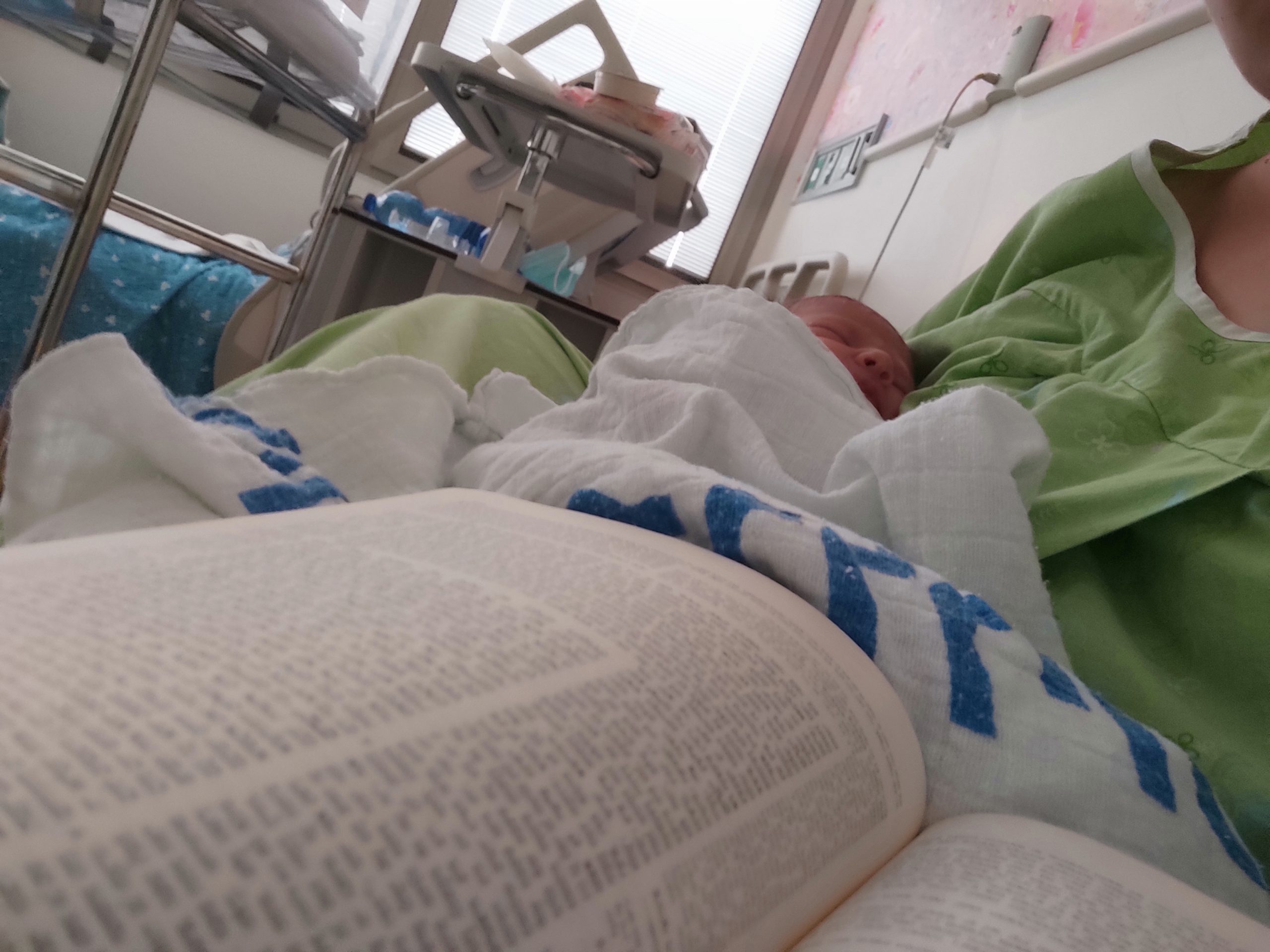
כמו שרואים בתמונה אני ממשיכה ללמוד גם היום ואפילו במחלקת יולדות אחרי לידת ביתי השלישית.
נועה שילה
רבבה, ישראל
ראיתי את הסיום הגדול בבנייני האומה וכל כך התרשמתי ורציתי לקחת חלק.. אבל לקח לי עוד כשנה וחצי )באמצע מסיכת שבת להצטרף..
הלימוד חשוב לי מאוד.. אני תמיד במרדף אחרי הדף וגונבת כל פעם חצי דף כשהילדים עסוקים ומשלימה אח”כ אחרי שכולם הלכו לישון..

אולגה מזרחי
ירושלים, ישראל
My explorations into Gemara started a few days into the present cycle. I binged learnt and become addicted. I’m fascinated by the rich "tapestry” of intertwined themes, connections between Masechtot, conversations between generations of Rabbanim and learners past and present all over the world. My life has acquired a golden thread, linking generations with our amazing heritage.
Thank you.

סוזן כשדן
חשמונאים, Israel
התחלתי בסיום הש”ס, יצאתי באורות. נשברתי פעמיים, ובשתיהם הרבנית מישל עודדה להמשיך איפה שכולם בסבב ולהשלים כשאוכל, וכך עשיתי וכיום השלמתי הכל. מדהים אותי שאני לומדת כל יום קצת, אפילו בחדר הלידה, בבידוד או בחו”ל. לאט לאט יותר נינוחה בסוגיות. לא כולם מבינים את הרצון, בפרט כפמניסטית. חשה סיפוק גדול להכיר את המושגים וצורת החשיבה. החלום זה להמשיך ולהתמיד ובמקביל ללמוד איך מהסוגיות נוצרה והתפתחה ההלכה.

קרן וינגרטן שרינגטון
מודיעין, ישראל
התחלתי ללמוד דף לפני קצת יותר מ-5 שנים, כשלמדתי רבנות בישיבת מהר”ת בניו יורק. בדיעבד, עד אז, הייתי בלימוד הגמרא שלי כמו מישהו שאוסף חרוזים משרשרת שהתפזרה, פה משהו ושם משהו, ומאז נפתח עולם ומלואו…. הדף נותן לי לימוד בצורה מאורגנת, שיטתית, יום-יומית, ומלמד אותי לא רק ידע אלא את השפה ודרך החשיבה שלנו. לשמחתי, יש לי סביבה תומכת וההרגשה שלי היא כמו בציטוט שבחרתי: הדף משפיע לטובה על כל היום שלי.

מיכל כהנא
חיפה, ישראל
אחי, שלומד דף יומי ממסכת ברכות, חיפש חברותא ללימוד מסכת ראש השנה והציע לי. החברותא היתה מאתגרת טכנית ורוב הזמן נעשתה דרך הטלפון, כך שבסיום המסכת נפרדו דרכינו. אחי חזר ללמוד לבד, אבל אני כבר נכבשתי בקסם הגמרא ושכנעתי את האיש שלי להצטרף אלי למסכת ביצה. מאז המשכנו הלאה, ועכשיו אנחנו מתרגשים לקראתו של סדר נשים!

שולמית סבן
נוקדים, ישראל
באירוע של הדרן בנייני האומה. בהשראתה של אמי שלי שסיימה את הש”ס בסבב הקודם ובעידוד מאיר , אישי, וילדיי וחברותיי ללימוד במכון למנהיגות הלכתית של רשת אור תורה סטון ומורתיי הרבנית ענת נובוסלסקי והרבנית דבורה עברון, ראש המכון למנהיגות הלכתית.
הלימוד מעשיר את יומי, מחזיר אותי גם למסכתות שכבר סיימתי וידוע שאינו דומה מי ששונה פרקו מאה לשונה פרקו מאה ואחת במיוחד מרתקים אותי החיבורים בין המסכתות

רוית קלך
מודיעין, ישראל
התחלתי ללמוד דף יומי בסבב הקודם. זכיתי לסיים אותו במעמד המרגש של הדרן. בסבב הראשון ליווה אותי הספק, שאולי לא אצליח לעמוד בקצב ולהתמיד. בסבב השני אני לומדת ברוגע, מתוך אמונה ביכולתי ללמוד ולסיים. בסבב הלימוד הראשון ליוותה אותי חוויה מסויימת של בדידות. הדרן העניקה לי קהילת לימוד ואחוות נשים. החוויה של סיום הש”ס במעמד כה גדול כשנשים שאינן מכירות אותי, שמחות ומתרגשות עבורי , היתה חוויה מרוממת נפש

אילנית ווייל
קיבוץ מגדל עוז, ישראל
אני לומדת גמרא כעשור במסגרות שונות, ואת הדף היומי התחלתי כשחברה הציעה שאצטרף אליה לסיום בבנייני האומה. מאז אני לומדת עם פודקסט הדרן, משתדלת באופן יומי אך אם לא מספיקה, מדביקה פערים עד ערב שבת. בסבב הזה הלימוד הוא "ממעוף הציפור”, מקשיבה במהירות מוגברת תוך כדי פעילויות כמו בישול או נהיגה, וכך רוכשת היכרות עם הסוגיות ואופן ניתוחם על ידי חז”ל. בע”ה בסבב הבא, ואולי לפני, אצלול לתוכו באופן מעמיק יותר.

יעל ביר
רמת גן, ישראל
"התחלתי ללמוד דף יומי במחזור הזה, בח’ בטבת תש””ף. לקחתי על עצמי את הלימוד כדי ליצור תחום של התמדה יומיומית בחיים, והצטרפתי לקבוצת הלומדים בבית הכנסת בכפר אדומים. המשפחה והסביבה מתפעלים ותומכים.
בלימוד שלי אני מתפעלת בעיקר מכך שכדי ללמוד גמרא יש לדעת ולהכיר את כל הגמרא. זו מעין צבת בצבת עשויה שהיא עצומה בהיקפה.”
שרה פוּקס
כפר אדומים, ישראל
לצערי גדלתי בדור שבו לימוד גמרא לנשים לא היה דבר שבשגרה ושנים שאני חולמת להשלים את הפער הזה.. עד שלפני מספר שבועות, כמעט במקרה, נתקלתי במודעת פרסומת הקוראת להצטרף ללימוד מסכת תענית. כשקראתי את המודעה הרגשתי שהיא כאילו נכתבה עבורי – "תמיד חלמת ללמוד גמרא ולא ידעת איך להתחיל”, "בואי להתנסות במסכת קצרה וקלה” (רק היה חסר שהמודעה תיפתח במילים "מיכי שלום”..). קפצתי למים ו- ב”ה אני בדרך להגשמת החלום:)

מיכי קדוש
מורשת, ישראל
שבת קנב
וְשֶׁל בֵּית הַכִּסֵּא — רָעוֹת. שֶׁל סַם וְשֶׁל שְׂחוֹק וְשֶׁל פֵּירוֹת — יָפוֹת.
and from pain in the bathroom are bad for the eyes. Tears that come from medicinal drugs, and from laughter, and from sharp produce are good for the eyes.
״בַּיּוֹם שֶׁיָּזוּעוּ שׁוֹמְרֵי הַבַּיִת וְהִתְעַוְּתוּ וְגוֹ׳״. ״בַּיּוֹם שֶׁיָּזוּעוּ שׁוֹמְרֵי הַבַּיִת״ — אֵלּוּ הַכְּסָלִים וְהַצְּלָעוֹת. ״וְהִתְעַוְּתוּ אַנְשֵׁי הֶחָיִל״ — אֵלּוּ שׁוֹקַיִם. ״וּבָטְלוּ הַטּוֹחֲנוֹת״ — אֵלּוּ שִׁינַּיִם. ״וְחָשְׁכוּ הָרוֹאוֹת בַּאֲרוּבּוֹת״ — אֵלּוּ עֵינַיִם.
The Gemara continues to interpret verses from the Book of Ecclesiastes. The verse states: “On the day when the keepers of the house shall tremble, and the strong men shall bow themselves, and the grinders cease because they are few, and those that look out the windows shall be dimmed” (Ecclesiastes 12:3). “On the day when the keepers of the house shall tremble”; this is referring to the flanks and ribs that surround and protect a person’s internal organs. “And the strong men shall bow themselves”; these are the thighs, which support a person’s strength. “And the grinders cease”; these are the teeth, which decay and fall out. “And those that look out the windows shall be dimmed”; these are the eyes, which become dimmer.
אֲמַר לֵיהּ קֵיסָר לְרַבִּי יְהוֹשֻׁעַ בֶּן חֲנַנְיָה: מַאי טַעְמָא לָא אָתֵית לְבֵי אֲבִידָן? אֲמַר לֵיהּ: טוּר תְּלַג סַחְרָנוֹהִי גְּלִידִין. כַּלְבוֹהִי לָא נָבְחִין. טָחֲנוֹהִי לָא טָחֲנִין. בֵּי רַב אָמְרִי: אַדְּלָא אַבֵּידְנָא, בָּחֵישְׁנָא.
The Gemara relates: The Roman emperor said to Rabbi Yehoshua ben Ḥananya: What is the reason you did not come to the House of Avidan? This was a place in which dialogues and debates were conducted. Rabbi Yehoshua ben Ḥananya said to him enigmatically: The snowy mountain is surrounded with ice, meaning that his hair had turned white; his dogs do not bark, meaning that his voice could no longer be heard; his grinders have ceased grinding, meaning that his teeth had fallen out. In the school of Rav they say that he added: I am searching for that which I have not lost, because an old man walks bent over and appears to be searching for something.
תַּנְיָא, רַבִּי יוֹסֵי בַּר קִיסְמָא אוֹמֵר: טָבָא תְּרֵי מִתְּלָת. וַוי לַהּ לַחֲדָא דְּאָזְלָא וְלָא אָתְיָא. מַאי הִיא? אָמַר רַב חִסְדָּא: יַנְקוּתָא. כִּי אֲתָא רַב דִּימִי אָמַר: יַנְקוּתָא — כְּלִילָא דְּוַורְדָּא, סָבוּתָא — כְּלִילָא דְחִילְפָא. תָּנָא מִשְּׁמֵיהּ דְּרַבִּי מֵאִיר: דּוֹק בְּכַכֵּי וְתַשְׁכַּח בְּנִיגְרֵי, שֶׁנֶּאֱמַר: ״וַנִּשְׂבַּע לֶחֶם וַנִּהְיֶה טוֹבִים וְרָעָה לֹא רָאִינוּ״. אֲמַר לֵיהּ שְׁמוּאֵל לְרַב יְהוּדָה: שִׁינָּנָא, שְׁרֵי שַׂקָּיךָ וְעַיֵּיל לַחְמָךְ. עַד אַרְבְּעִין שְׁנִין — מֵיכְלָא מְעַלֵּי, מִכָּאן וְאֵילָךְ — מִשְׁתְּיָא מְעַלֵּי.
It was taught in a baraita that Rabbi Yosei bar Kisma says: The two feet of one’s youth are better than the three of old age, when one walks with a cane. Woe to the one who goes and does not come back. What is this referring to? Rav Ḥisda said: Youth. Similarly, when Rav Dimi came from Eretz Yisrael to Babylonia he said: Youth is a crown of roses; old age is a crown of thorns. The Sage taught in the name of Rabbi Meir: Grind food with your teeth and you will find in your feet the strength to carry your body, as it is stated: “For we were sated with our bread and were well, and saw no evil” (Jeremiah 44:17). Shmuel said to Rav Yehuda: Large-toothed one; untie your sack, that is, your mouth, and insert your food. Until the age of forty years, food is beneficial; from here and on, drinking is beneficial.
אֲמַר לֵיהּ הָהוּא גּוֹזָאָה לְרַבִּי יְהוֹשֻׁעַ בֶּן קׇרְחָה: מֵהָכָא לְקַרְחִינָא כַּמָּה הָוֵי? אֲמַר לֵיהּ: כְּמֵהָכָא לְגוֹזַנְיָא. אֲמַר לֵיהּ: בַּרְחָא קַרְחָא בְּאַרְבְּעָה. אֲמַר לֵיהּ: עִיקְרָא שְׁלִיפָא בִּתְמָנְיָא.
Having quoted some aphorisms of the Sages, the Gemara relates the following conversation: A certain eunuch who was an apostate said the following to Rabbi Yehoshua ben Korḥa as a provocation: How far is it from here to Karḥina? The provocateur’s intention was to hint to the fact that Rabbi Yehoshua ben Korḥa was bald [kere’aḥ]. He said to him: It is the same as the distance from here to the mountains of Gozen, hinting at the eunuch’s castration, which in Aramaic is goza (Rav Ya’akov Emden). The apostate said to him: A bald buck is sold for four dinar. He said to him: A castrated goat [ikkara shelifa] is sold for eight.
חַזְיֵיהּ דְּלָא סָיֵים מְסָאנֵיהּ, אֲמַר לֵיהּ: דְּעַל סוּס — מֶלֶךְ, דְּעַל חֲמוֹר — בֶּן חוֹרִין, וּדְמַנְעָלֵי בְּרִיגְלוֹהִי — בַּר אִינִישׁ. דְּלָא הָא וְלָא הָא — דַּחֲפִיר וּקְבִיר טָב מִינֵּיהּ. אֲמַר לֵיהּ: גּוֹזָא גּוֹזָא, תְּלָת אֲמַרְתְּ לִי, תְּלָת שָׁמְעַתְּ: הַדְרַת פָּנִים — זָקָן, שִׂמְחַת לֵב — אִשָּׁה, ״נַחֲלַת ה׳ — בָּנִים״. בָּרוּךְ הַמָּקוֹם שֶׁמְּנָעֲךָ מִכּוּלָּם. אֲמַר לֵיהּ: קָרְחָא מְצַוֵּי?! אֲמַר לֵיהּ: עִיקְרָא שְׁלִיפָא תּוֹכֵחָה!
The apostate saw that Rabbi Yehoshua ben Korḥa was not wearing shoes. He said to him: One who rides on a horse is a king. One who rides on a donkey is a free man. And one who wears shoes is at least a human being. One who does neither this nor that, someone who is buried in the earth is better than him. He said to him: Eunuch, eunuch, you said to me three things, and now hear three things: The glory of a face is the beard, the joy of the heart is a wife, and “the portion of the Lord is children” (Psalms 127:3); blessed is the Omnipresent who has denied you all of them, for a eunuch does not have a beard, a wife or children. He said to him: Does a bald man quarrel? He said to him: Does a castrated male goat speak words of rebuke?
אֲמַר לֵיהּ רַבִּי לְרַבִּי שִׁמְעוֹן בֶּן חֲלַפְתָּא: מִפְּנֵי מָה לֹא הִקְבַּלְנוּ פָּנֶיךָ בָּרֶגֶל, כְּדֶרֶךְ שֶׁהִקְבִּילוּ אֲבוֹתַי לַאֲבוֹתֶיךָ? אֲמַר לֵיהּ: סְלָעִים נַעֲשׂוּ גְּבוֹהִים, קְרוֹבִים נַעֲשׂוּ רְחוֹקִים, מִשְׁתַּיִם נַעֲשׂוּ שָׁלֹשׁ, מֵשִׂים שָׁלוֹם בַּבַּיִת בָּטַל.
The Gemara again addresses old age: Rabbi Yehuda HaNasi said to Rabbi Shimon ben Ḥalafta: For what reason did we not greet you during the Festival the way that my fathers greeted your fathers? This was a polite way of asking Rabbi Shimon ben Ḥalafta why he had not come to visit Rabbi Yehuda HaNasi. He said to him: Because I have grown old, and the rocks on the road have become tall, and destinations that are near have become far away, and my two feet have been made into three with the addition of a cane, and that which brings peace to the house, namely, the sexual drive which motivates a couple to make peace, is no more.
״וְסֻגְּרוּ דְלָתַיִם בַּשּׁוּק וְגוֹ׳״ — אֵלּוּ נְקָבָיו שֶׁל אָדָם. ״בִּשְׁפַל קוֹל הַטַּחֲנָה״ — בִּשְׁבִיל קוּרְקְבָן שֶׁאֵינוֹ טוֹחֵן. ״וְיָקוּם לְקוֹל הַצִּפּוֹר״ — שֶׁאֲפִילּוּ צִפּוֹר מְנַעַרְתּוֹ מִשְּׁנָתוֹ. ״וְיִשַּׁחוּ כׇּל בְּנוֹת הַשִּׁיר״ — שֶׁאֲפִילּוּ קוֹל שָׁרִים וְשָׁרוֹת דּוֹמוֹת עָלָיו כְּשִׂיחָה.
The Gemara continues to expound the verses of the final chapter of Ecclesiastes. The verse states: “And the doors shall be shut in the marketplace when the sound of the grinding is low, and one shall start up at the voice of a bird, and all the daughters of music shall be brought low” (Ecclesiastes 12:4). The Sages expounded: “And the doors shall be shut in the marketplace”; these are a person’s orifices, which cease to function normally. The interpretation continues: “When the sound of the grinding is low”; because the stomach is not grinding and digesting one’s food. “And one shall start up at the voice of a bird”; because one is unable to sleep deeply such that even a bird will wake him from his sleep. “And all the daughters of music shall be brought low”; this means that even the voices of male and female singers will seem to him like mere conversation, and he will no longer derive pleasure from song.
וְאַף בַּרְזִילַּי הַגִּלְעָדִי אָמַר לְדָוִד: ״בֶּן שְׁמֹנִים שָׁנָה אָנֹכִי הַיּוֹם הַאֵדַע בֵּין טוֹב לְרָע״ — מִכָּאן שֶׁדַּעְתָּן שֶׁל זְקֵנִים מִשְׁתַּנּוֹת. ״אִם יִטְעַם עַבְדְּךָ אֶת אֲשֶׁר אוֹכַל וְאֶת אֲשֶׁר אֶשְׁתֶּה״ — מִכָּאן שֶׁשִּׂפְתוֹתֵיהֶן שֶׁל זְקֵנִים מִתְרַפְּטוֹת. ״אִם אֶשְׁמַע עוֹד בְּקוֹל שָׁרִים וְשָׁרוֹת״ — מִכָּאן שֶׁאׇזְנֵיהֶם שֶׁל זְקֵנִים מִתְכַּבְּדוֹת.
And even Barzilai the Gileadite said to David: “Today I am eighty years old, can I discern between good and bad? Can your servant taste what I eat or what I drink? Can I hear any more the voice of singing men and singing women?” (II Samuel 19:36). The Gemara explains: “Can I discern between good and bad”; from here we derive that the minds of the elderly change and they no longer discern properly. “Can your servant taste what I eat or what I drink”; from here we derive that the lips of the elderly crack and wither. “Can I hear any more the voice of singing men and singing women”; from here we derive that the ears of the elderly become heavy.
אָמַר רַב: בַּרְזִילַּי הַגִּלְעָדִי שַׁקָּרָא הֲוָה. דְּהַהִיא אַמְּתָא דַּהֲוַאי בֵּי רַבִּי בַּת תִּשְׁעִין וְתַרְתֵּין שְׁנִין, וַהֲוָת טָעֲמָא קִידְרָא. רָבָא אָמַר: בַּרְזִילַּי הַגִּלְעָדִי שָׁטוּף בְּזִמָּה הֲוָה, וְכׇל הַשָּׁטוּף בְּזִמָּה — זִקְנָה קוֹפֶצֶת עָלָיו. תַּנְיָא, רַבִּי יִשְׁמָעֵאל בְּרַבִּי יוֹסֵי אוֹמֵר: תַּלְמִידֵי חֲכָמִים כׇּל זְמַן שֶׁמַּזְקִינִין — חָכְמָה נִתּוֹסֶפֶת בָּהֶם, שֶׁנֶּאֱמַר: ״בִּישִׁישִׁים חׇכְמָה וְאוֹרֶךְ יָמִים תְּבוּנָה״. וְעַמֵּי הָאָרֶץ כׇּל זְמַן שֶׁמַּזְקִינִין — טִפְּשׁוּת נִתּוֹסֶפֶת בָּהֶן, שֶׁנֶּאֱמַר: ״מֵסִיר שָׂפָה לְנֶאֱמָנִים וְטַעַם זְקֵנִים יִקָּח״.
Rav said: Barzilai the Gileadite was a liar and he merely wanted to avoid joining David upon his return to Jerusalem, for an eighty-year old man is not usually this debilitated. For there was a particular maidservant in the house of Rabbi Yehuda HaNasi who was ninety-two years old, and she would taste the food that was cooking in the pots. Rava said: Barzilai was speaking the truth, but Barzilai the Gileadite was steeped in promiscuity, and anyone who is steeped in promiscuity is overtaken by old age before his time. It was taught in a baraita that Rabbi Yishmael, son of Rabbi Yosei, says: As Torah scholars grow older, wisdom is increased in them, as it is stated: “With aged men is wisdom; and length of days brings understanding” (Job 12:12). And as ignoramuses grow older, foolishness is increased in them, as it is stated: “He removes the speech of men of trust and takes away the understanding of the aged” (Job 12:20).
״גַּם מִגָּבוֹהַּ יִירָאוּ״ — שֶׁאֲפִילּוּ גַּבְשׁוּשִׁית קְטַנָּה דּוֹמָה עָלָיו כְּהָרֵי הָרִים. ״וְחַתְחַתִּים בַּדֶּרֶךְ״ — בְּשָׁעָה שֶׁמְּהַלֵּךְ בַּדֶּרֶךְ נַעֲשׂוּ לוֹ תְּוָהִים. ״וְיָנֵאץ הַשָּׁקֵד״ — זוֹ קְלִיבוֹסֶת. ״וְיִסְתַּבֵּל הֶחָגָב״ — אֵלּוּ עֲגָבוֹת. ״וְתָפֵר הָאֲבִיּוֹנָה״ — זוֹ חֶמְדָּה.
The Gemara continues interpreting verses from Ecclesiastes. The verse states: “Also when they shall be afraid of that which is high and terrors shall be on the road, and the almond tree shall blossom, and the grasshopper shall drag itself along, and the caper berry shall fail, for a person goes to his eternal home, and the mourners circle the marketplace” (Ecclesiastes 12:5). The Gemara explains: “Also when they shall be afraid of that which is high”; this means that even a small knoll on the road seems to him, the elderly, like the highest of mountains. “And terrors shall be on the road”; this means that while he is walking on the road he will have terrors, i.e., he will fear falling or otherwise suffering injury. “And the almond tree shall blossom”; this is the hip bone that protrudes from the skin of an elderly person. “And the grasshopper [ḥagav] shall drag itself along [yistabbel]”; by replacing the letter ḥet of ḥagav with an ayin, this can be understood as referring to the buttocks [agavot] which become heavy [sevel]. “And the caper berry shall fail”; this is sexual desire that ceases.
רַב כָּהֲנָא הֲוָה פָּסֵיק סִידְרָא קַמֵּיהּ דְּרַב. כִּי מְטָא לְהַאי קְרָא, נְגֵיד וְאִתְּנַח. אֲמַר, שְׁמַע מִינַּהּ בְּטֵל לֵיהּ חֶמְדֵּיהּ דְּרַב. אָמַר רַב כָּהֲנָא, מַאי דִּכְתִיב: ״כִּי הוּא אָמַר וַיֶּהִי״ — זוֹ אִשָּׁה. ״הוּא צִוָּה וַיַּעֲמוֹד״ — אֵלּוּ בָּנִים. תָּנָא: אִשָּׁה חֵמֶת מָלֵא צוֹאָה, וּפִיהָ מָלֵא דָּם — וְהַכֹּל רָצִין אַחֲרֶיהָ.
The Gemara relates that Rav Kahana was reading biblical verses before Rav. When he got to this verse, Rav sighed. Rav Kahana said: We can derive from this that Rav’s desire has ceased. Rav Kahana also said: What is the meaning of that which is written: “For He spoke and it was, He commanded and it stood” (Psalms 33:9)? He understands this to mean that God created man with desires that push him to do things he would not do if he acted purely on the judgment of his intellect, and Rav Kahana therefore interprets the verse in the following manner: “For He spoke and it was”; this is a woman that a man marries. “He commanded and it stood”; these are the children who one works hard to raise. A tanna taught in a baraita: A woman is essentially a flask full of feces, a reference to the digestive system, and her mouth is full of blood, a euphemistic reference to menstruation, yet men are not deterred and they all run after her with desire.
״כִּי הוֹלֵךְ הָאָדָם אֶל בֵּית עוֹלָמוֹ״, אָמַר רַבִּי יִצְחָק: מְלַמֵּד שֶׁכׇּל צַדִּיק וְצַדִּיק נוֹתְנִין לוֹ מָדוֹר לְפִי כְּבוֹדוֹ. מָשָׁל לְמֶלֶךְ שֶׁנִּכְנָס הוּא וַעֲבָדָיו לָעִיר, כְּשֶׁהֵן נִכְנָסִין — כּוּלָּן בְּשַׁעַר אֶחָד נִכְנָסִין, כְּשֶׁהֵן לָנִין — כׇּל אֶחָד וְאֶחָד נוֹתְנִין לוֹ מָדוֹר לְפִי כְּבוֹדוֹ.
The Gemara interprets the continuation of the verse cited above: “For a person goes to his eternal home” (Ecclesiastes 12:5). Rabbi Yitzḥak said: This teaches that each and every righteous person is given a dwelling place in the World-to-Come in accordance with his honor. The Gemara offers a parable in which a king enters a city along with his servants. When they enter, they all enter through a single gate; however, when they sleep, each one is given a dwelling place in accordance with his honor. So too, although everyone dies, not everyone receives the same reward in the World-to-Come.
וְאָמַר רַבִּי יִצְחָק, מַאי דִּכְתִיב: ״כִּי הַיַּלְדוּת וְהַשַּׁחֲרוּת הָבֶל״ — דְּבָרִים שֶׁאָדָם עוֹשֶׂה בְּיַלְדוּתוֹ מַשְׁחִירִים פָּנָיו לְעֵת זִקְנָתוֹ.
And Rabbi Yitzḥak said: What is the meaning of that which is written: “For childhood and youth [shaḥarut] are vanity” (Ecclesiastes 11:10)? Sinful things that a person does in his youth darken [mashḥirim] his face with shame as he grows old (Rabbi Yoshiya Pinto).
וְאָמַר רַבִּי יִצְחָק: קָשָׁה רִימָּה לַמֵּת כְּמַחַט בַּבָּשָׂר הַחַי, שֶׁנֶּאֱמַר: ״אַךְ בְּשָׂרוֹ עָלָיו יִכְאָב״. אָמַר רַב חִסְדָּא: נַפְשׁוֹ שֶׁל אָדָם מִתְאַבֶּלֶת עָלָיו כׇּל שִׁבְעָה, שֶׁנֶּאֱמַר: ״וְנַפְשׁוֹ עָלָיו תֶּאֱבָל״, וּכְתִיב: ״וַיַּעַשׂ לְאָבִיו אֵבֶל שִׁבְעַת יָמִים״.
And Rabbi Yitzḥak said: The maggots that eat the flesh of the deceased are as painful to the dead as a needle in the flesh of the living, as it says with regard to the dead: “But his flesh is in pain for him, and his soul mourns over him” (Job 14:22). Rav Ḥisda said: A person’s soul mourns for him during all seven days of mourning following his death, as it is stated: And his soul mourns over him,” and it is also written: “And he mourned his father seven days” (Genesis 50:10).
אָמַר רַב יְהוּדָה: מֵת שֶׁאֵין לוֹ מְנַחֲמִין — הוֹלְכִין עֲשָׂרָה בְּנֵי אָדָם וְיוֹשְׁבִין בִּמְקוֹמוֹ. הָהוּא דִּשְׁכֵיב בְּשִׁבָבוּתֵיהּ דְּרַב יְהוּדָה, לֹא הָיוּ לוֹ מְנַחֲמִין,
Rav Yehuda said: In the case of a deceased person who has no comforters, i.e., he has nobody to mourn for him, ten people should go and sit in his place and accept condolences. The Gemara relates the story of a certain person who died in Rav Yehuda’s neighborhood and who did not have any comforters, i.e., mourners;
כׇּל יוֹמָא הֲוָה דָּבַר רַב יְהוּדָה בֵּי עַשְׂרָה, וְיָתְבִי בְּדוּכְתֵּיהּ. לְאַחַר שִׁבְעָה יָמִים אִיתְחֲזִי לֵיהּ בְּחֶילְמֵיהּ דְּרַב יְהוּדָה, וַאֲמַר לֵיהּ: תָּנוּחַ דַּעְתְּךָ שֶׁהִנַּחְתָּ אֶת דַּעְתִּי.
every day of the seven-day mourning period, Rav Yehuda would take ten people and they would sit in his place, in the house of the deceased. After seven days had passed the deceased appeared to Rav Yehuda in his dream and said to him: Put your mind to rest, for you have put my mind to rest.
אָמַר רַבִּי אֲבָהוּ: כׇּל שֶׁאוֹמְרִים בִּפְנֵי הַמֵּת, יוֹדֵעַ, עַד שֶׁיִּסָּתֵם הַגּוֹלֵל. פְּלִיגִי בַּהּ רַבִּי חִיָּיא וְרַבִּי שִׁמְעוֹן בְּרַבִּי. חַד אָמַר: עַד שֶׁיִּסָּתֵם הַגּוֹלֵל, וְחַד אָמַר: עַד שֶׁיִּתְעַכֵּל הַבָּשָׂר.
Rabbi Abbahu said: Everything people say before the deceased, he knows, until the tomb is sealed with the top-stone. Rabbi Ḥiyya and Rabbi Shimon, son of Rabbi Yehuda HaNasi, disagreed with regard to the meaning of this statement. One of them said that the deceased is aware until the tomb is sealed with the top-stone, which is referring to the covering of the grave (Tosafot). And one of them said that it is until the flesh decomposes.
מַאן דְּאָמַר עַד שֶׁיִּתְעַכֵּל הַבָּשָׂר, דִּכְתִיב: ״אַךְ בְּשָׂרוֹ עָלָיו יִכְאָב וְנַפְשׁוֹ עָלָיו תֶּאֱבָל״. מַאן דְּאָמַר עַד שֶׁיִּסָּתֵם הַגּוֹלֵל, דִּכְתִיב: ״וְיָשׁוֹב הֶעָפָר עַל הָאָרֶץ כְּשֶׁהָיָה וְגוֹ׳״.
The one who said that it is until the flesh decomposes can support his position based on that which is written in the following verse: “But his flesh grieves for him, and his soul mourns over him” (Job 14:22). This indicates that the deceased is aware of the pain of his flesh in the grave. The one who said that the deceased is aware only until the tomb is sealed with the top-stone can support his view based on that which is written in a different verse: “And the dust returns to the earth as it was, and the spirit returns to God who gave it” (Ecclesiastes 12:7). This indicates that when the body returns to the earth, the spirit also returns to its place and is no longer aware of what is happening to the body.
תָּנוּ רַבָּנַן: ״וְהָרוּחַ תָּשׁוּב אֶל הָאֱלֹהִים אֲשֶׁר נְתָנָהּ״ — תְּנָהּ לוֹ כְּמוֹ שֶׁנְּתָנָהּ לְךָ, בְּטׇהֳרָה — אַף אַתָּה בְּטָהֳרָה. מָשָׁל לְמֶלֶךְ בָּשָׂר וָדָם שֶׁחָלַק בִּגְדֵי מַלְכוּת לַעֲבָדָיו. פִּקְחִין שֶׁבָּהֶן, קִיפְּלוּם וְהִנִּיחוּם בְּקוּפְסָא. טִפְּשִׁים שֶׁבָּהֶן, הָלְכוּ וְעָשׂוּ בָּהֶן מְלָאכָה. לְיָמִים בִּיקֵּשׁ הַמֶּלֶךְ אֶת כֵּלָיו, פִּקְחִין שֶׁבָּהֶן הֶחֱזִירוּם לוֹ כְּשֶׁהֵן מְגוֹהָצִין, טִפְּשִׁין שֶׁבָּהֶן הֶחֱזִירוּם לוֹ כְּשֶׁהֵן מְלוּכְלָכִין. שָׂמֵחַ הַמֶּלֶךְ לִקְרַאת פִּקְחִין, וְכָעַס לִקְרַאת טִפְּשִׁין.
The Sages taught with regard to the verse: “And the spirit returns to God who gave it” (Ecclesiastes 12:7) that the words: Who gave it, mean: As it was given. In other words, give it to Him as He gave it to you; just as He gave it to you in purity, you too should return it to God in purity. The Gemara cites a parable of a king of flesh and blood who distributed royal garments to his servants. The wise ones folded them and placed them in a box [kufsa] to protect them, whereas the foolish ones went and worked in them. After a period of time the king requested that his garments be returned to him. The wise ones returned them to him pressed, as they were when the servants received them, and the foolish ones returned them dirty. The king was happy to greet the wise ones and angry to greet the foolish ones.
עַל פִּקְחִין אָמַר: יִנָּתְנוּ כֵּלַי לָאוֹצָר, וְהֵם יֵלְכוּ לְבָתֵּיהֶם לְשָׁלוֹם. וְעַל טִפְּשִׁין אָמַר: כֵּלַי יִנָּתְנוּ לְכוֹבֵס, וְהֵן יֵחָבְשׁוּ בְּבֵית הָאֲסוּרִים.
With regard to the wise ones he said: My garments shall be given back to the storehouse, and let them go to their homes in peace. And with regard to the foolish ones he said: My garments shall be given to the launderer, and they, the fools, will be locked up in prison as a punishment for degrading the king’s garments for their own purposes.
אַף הַקָּדוֹשׁ בָּרוּךְ הוּא, עַל גּוּפָן שֶׁל צַדִּיקִים אוֹמֵר: ״יָבֹא שָׁלוֹם יָנוּחוּ עַל מִשְׁכְּבוֹתָם״, וְעַל נִשְׁמָתָן הוּא אוֹמֵר: ״וְהָיְתָה נֶפֶשׁ אֲדוֹנִי צְרוּרָה בִּצְרוֹר הַחַיִּים״. עַל גּוּפָן שֶׁל רְשָׁעִים הוּא אוֹמֵר: ״אֵין שָׁלוֹם אָמַר ה׳ לָרְשָׁעִים״, וְעַל נִשְׁמָתָן הוּא אוֹמֵר: ״וְאֵת נֶפֶשׁ אוֹיְבֶיךָ יְקַלְּעֶנָּה בְּתוֹךְ כַּף הַקָּלַע״.
The Holy One, Blessed be He, also acts in this way. With regard to the bodies of the righteous, which are likened to the royal garments that are well kept, it states: “He enters into peace, they rest on their beds each one that walks in his uprightness” (Isaiah 57:2). And with regard to their souls, it states: “And the soul of my lord shall be bound in the bundle of life with the Lord your God” (I Samuel 25:29). And conversely, with regard to the bodies of the wicked, it states: “There is no peace, says the Lord, for the wicked” (Isaiah 57:21), and with regard to their souls, it states: “And the souls of your enemies He shall sling out in the hollow of a sling” (I Samuel 25:29).
תַּנְיָא, רַבִּי אֱלִיעֶזֶר אוֹמֵר: נִשְׁמָתָן שֶׁל צַדִּיקִים גְּנוּזוֹת תַּחַת כִּסֵּא הַכָּבוֹד, שֶׁנֶּאֱמַר: ״וְהָיְתָה נֶפֶשׁ אֲדֹנִי צְרוּרָה בִּצְרוֹר הַחַיִּים״. וְשֶׁל רְשָׁעִים זוֹמְמוֹת וְהוֹלְכוֹת, [וּמַלְאָךְ אֶחָד עוֹמֵד בְּסוֹף הָעוֹלָם, וּמַלְאָךְ אַחֵר עוֹמֵד בְּסוֹף הָעוֹלָם, וּמְקַלְּעִין נִשְׁמָתָן זֶה לָזֶה,] שֶׁנֶּאֱמַר: ״וְאֵת נֶפֶשׁ אוֹיְבֶיךָ יְקַלְּעֶנָּה בְּתוֹךְ כַּף הַקָּלַע״.
It was taught in a baraita that Rabbi Eliezer says: The souls of the righteous are stored beneath the Throne of Glory, as it is stated: “And the soul of my lord shall be bound in the bundle of life” (I Samuel 25:29). And the souls of the wicked are continuously tied up, and one angel stands at one end of the world and another angel stands at the other end of the world and they sling the souls of the wicked back and forth to one another, as it is stated: “And the souls of your enemies He shall sling out in the hollow of a sling” (I Samuel 25:29).
אֲמַר לֵיהּ רַבָּה לְרַב נַחְמָן: שֶׁל בֵּינוֹנִים מַאי? אֲמַר לֵיהּ: אִיכּוֹ שָׁכֵיבְנָא, לָא אֲמַרִי לְכוּ הַאי מִילְּתָא, הָכִי אָמַר שְׁמוּאֵל: אֵלּוּ וָאֵלּוּ לְדוּמָה נִמְסָרִין. הַלָּלוּ, יֵשׁ לָהֶן מָנוֹחַ. הַלָּלוּ, אֵין לָהֶן מָנוֹחַ. אָמַר (לֵיהּ) רַב מָרִי: עֲתִידִי צַדִּיקֵי דְּהָווּ עַפְרָא, דִּכְתִיב: ״וְיָשׁוֹב הֶעָפָר עַל הָאָרֶץ כְּשֶׁהָיָה״.
Rabba said to Rav Naḥman: What happens to the souls of middling people, who are neither righteous nor wicked? Rav Naḥman said to him: It is good that you asked me this question, for even if I were dead I would not have been able to tell you that. As Shmuel said as follows: These and those, the souls of the wicked and of the middling people, are handed over to Duma, the angel in charge of spirits. But these, the souls of the middling people, have rest, and these, the souls of the wicked, do not have rest. Rav Mari said: Even the bodies of the righteous will not be preserved and will become dust, as it is written: “And the dust returns to the earth as it was” (Ecclesiastes 12:7).
הָנְהוּ קָפוֹלָאֵי דַּהֲווֹ קָפְלִי בְּאַרְעָא דְּרַב נַחְמָן. נְחַר בְּהוּ רַב אַחַאי בַּר יֹאשִׁיָּה. אֲתוֹ וַאֲמַרוּ לֵיהּ לְרַב נַחְמָן: נְחַר בַּן גַּבְרָא. אֲתָא וַאֲמַר לֵיהּ: מַאן נִיהוּ מָר? אֲמַר לֵיהּ: אֲנָא אַחַאי בַּר יֹאשִׁיָּה. אֲמַר לֵיהּ: וְלָאו אָמַר רַב מָרִי: עֲתִידִי צַדִּיקֵי דְּהָווּ עַפְרָא? אֲמַר לֵיהּ: וּמַנִּי מָרִי דְּלָא יָדַעְנָא לֵיהּ? אֲמַר לֵיהּ: וְהָא קְרָא כְּתִיב: ״וְיָשׁוֹב הֶעָפָר עַל הָאָרֶץ כְּשֶׁהָיָה״!
The Gemara cites a related story: The diggers who were digging in Rav Naḥman’s land came upon a grave, and Rav Aḥai bar Yoshiya, who was buried there, rebuked them. They came and said to Rav Naḥman: A deceased person just rebuked us. Rav Naḥman came and said to the person buried there: Who is the Master, i.e., who are you? He said to him: I am Aḥai bar Yoshiya. Rav Naḥman said to him: How has your body been preserved? Didn’t Rav Mari say that the righteous will turn to dust? Rav Aḥai said to him: And who is Mari, whom I do not know? Why should I be concerned about what he says? Rav Naḥman said to him: Even without Rav Mari’s statement, there is an explicit verse which is written: “And the dust will return to the earth as it was” (Ecclesiastes 12:7).
אֲמַר לֵיהּ: דְּאַקְרְיָיךְ קֹהֶלֶת, לָא אַקְרְיָיךְ מִשְׁלֵי, דִּכְתִיב: ״וּרְקַב עֲצָמוֹת קִנְאָה״. כָּל מִי שֶׁיֵּשׁ לוֹ קִנְאָה בְּלִבּוֹ — עַצְמוֹתָיו מַרְקִיבִים, כֹּל שֶׁאֵין לוֹ קִנְאָה בְּלִבּוֹ — אֵין עַצְמוֹתָיו מַרְקִיבִים.
Rav Aḥai said to him: Whoever taught you the book of Ecclesiastes did not teach you the book of Proverbs, for it is written in Proverbs: “A tranquil heart is the life of the flesh, but envy is the rotting of the bones” (Proverbs 14:30). This means that anyone who has envy in his heart during his lifetime, his bones rot in the grave, and anyone who does not have envy in his heart, his bones do not rot.
גַּשְּׁשֵׁיהּ, חַזְיֵיהּ דְּאִית בֵּיהּ מְשָׁשָׁא. אֲמַר לֵיהּ: לֵיקוּם מָר לְגַוֵּויהּ דְּבֵיתָא. אֲמַר לֵיהּ: גַּלֵּית אַדַּעְתָּךְ דַּאֲפִילּוּ נְבִיאֵי לָא קְרֵית, דִּכְתִיב: ״וִידַעְתֶּם כִּי אֲנִי ה׳ בְּפִתְחִי אֶת קִבְרוֹתֵיכֶם״.
Rav Naḥman touched him and saw that he had substance. Rav Naḥman said to him: Let the Master arise and come into my house. Rav Aḥai said to him: You have revealed that you have not even studied Prophets, and it is not just the Writings of which you are ignorant, for it is written: “And you shall know that I am the Lord when I open up your graves and lift you up from your graves, My nation” (Ezekiel 37:13). As long as the dead have not been instructed to leave their graves, leaving of their own accord is prohibited.
אֲמַר לֵיהּ, וְהָכְתִיב: ״כִּי עָפָר אַתָּה וְאֶל עָפָר תָּשׁוּב״! אֲמַר לֵיהּ: הָהוּא שָׁעָה אַחַת קוֹדֶם תְּחִיַּית הַמֵּתִים.
Rav Naḥman once again asked Rav Aḥai about the preservation of the flesh, and he said: But it is written: “For you are dust and you shall return to dust” (Genesis 3:19), so why has your body not turned into dust? He said to him: That verse applies to the righteous only one hour before the resurrection of the dead, so that they, too, may be created anew (Maharsha).
אֲמַר לֵיהּ הָהוּא מִינָא לְרַבִּי אֲבָהוּ: אָמְרִיתוּ נִשְׁמָתָן שֶׁל צַדִּיקִים גְּנוּזוֹת תַּחַת כִּסֵּא הַכָּבוֹד. אוֹבָא טַמְיָא, הֵיכָא אַסְּקֵיהּ לִשְׁמוּאֵל בִּנְגִידָא? אֲמַר לֵיהּ: הָתָם בְּתוֹךְ שְׁנֵים עָשָׂר חֹדֶשׁ הֲוָה, דְּתַנְיָא: כׇּל שְׁנֵים עָשָׂר חֹדֶשׁ גּוּפוֹ קַיָּים, וְנִשְׁמָתוֹ עוֹלָה וְיוֹרֶדֶת. לְאַחַר שְׁנֵים עָשָׂר חֹדֶשׁ הַגּוּף בָּטֵל
A certain apostate once said to Rabbi Abbahu: You say that the souls of the righteous are stored beneath the Throne of Glory, but if so, how did the oracle woman raise up Samuel using necromancy if his soul was no longer in this world? Rabbi Abbahu said to him: There, it was within twelve months of his death, as it was taught in a baraita: For a full twelve months a deceased person’s body remains and his soul ascends and descends, such that it is sometimes in this world with its body. After twelve months, the body ceases to exist
לעקוב

