







הרבנים מביאים דברים שאפשר לסכך בהם את הסוכה כי אינם מקבלים טומאה. למרות שלא מסככים בחבילות, יש ענפים שאגודים באופן טבעי ולא על ידי אנשים ולכן אפשר לסכך בהם. אגד של חפץ אחד גם לא נחשב אגד. מה לגבי אגד של שני דברים? יש מחלוקת תנאים בנושא. הגמרא דנה גם בסוגים שונים של דברים שאגודים. האם אפשר לסכך עם מרור? רבי אבא ורב מנשיא חולקים במה אמר רב הונא בקשר לדין ידות בבוצר לגת וקוצר לסכך שבשניהם אין ממש צורך ליד ולכן אולי זה לא מקבל טומאה כמו יד של פרי.
הלימוד החודש מוקדש ע”י מרכי גלזר לע”נ רחל אביבה בת דבורה חנה
רוצה להקדיש שיעור?

0:00
0:00
כלים
הלימוד החודש מוקדש ע”י מרכי גלזר לע”נ רחל אביבה בת דבורה חנה
סוכה יג
דְּסָרֵי רֵיחַיְיהוּ — שָׁבֵיק לְהוּ וְנָפֵיק.
their odor grows offensive over time, one abandons the sukka and exits. It is inappropriate to establish a sukka in which it is impossible to remain.
אָמַר רַב חָנָן בַּר רָבָא: הָנֵי הִיזְמֵי וְהִיגֵי מְסַכְּכִין בְּהוּ. אַבָּיֵי אָמַר: בְּהִיזְמֵי — מְסַכְּכִינַן, בְּהִיגֵי — לָא מְסַכְּכִינַן. מַאי טַעְמָא — כֵּיוָן דְּנָתְרִי טַרְפַיְיהוּ, שָׁבֵיק לַהּ וְנָפֵיק.
Similarly, Rav Ḥanan bar Rava said: With regard to these thorns and shrubs, one may roof the sukka with them. Abaye said: With thorns, one may roof his sukka; with shrubs, one may not roof his sukka. What is the reason for this distinction? Since their leaves fall over time and they are apt to fall into the food and disturb those in the sukka, one abandons the sukka and exits.
אָמַר רַב גִּידֵּל אָמַר רַב: הַאי אַפָּקוּתָא דְּדִיקְלָא מְסַכְּכִין בְּהוּ. אַף עַל גַּב דַּאֲגִידִי, אֶגֶד בִּידֵי שָׁמַיִם לָא שְׁמֵיהּ אֶגֶד. אַף עַל גַּב דַּהֲדַר אָגֵיד לְהוּ, אֶיגֶד בְּחַד לָא שְׁמֵיהּ אֶגֶד.
Rav Giddel said that Rav said: With regard to this offshoot of the trunk of the palm tree, from which several branches emerge; one may roof the sukka with it. Although the branches are naturally bound, a binding at the hand of Heaven is not considered a binding. Furthermore, although one then binds the branches together at the end removed from the trunk, where they grow apart into separate branches, and roofs with them, the sukka is fit, since if one binds a bundle that is already bound into one unit it is not considered a binding.
אָמַר רַב חִסְדָּא אָמַר רָבִינָא בַּר שֵׁילָא: הָנֵי דּוּקְרֵי דְקָנֵי מְסַכְּכִין בְּהוּ. אַף עַל גַּב דַּאֲגִידִי נִינְהוּ — אֶגֶד בִּידֵי שָׁמַיִם לָא שְׁמֵיהּ אֶגֶד. אַף עַל גַּב דַּהֲדַר אָגֵיד לְהוּ — אֶיגֶד בְּחַד לָא שְׁמֵיהּ אֶגֶד.
Likewise, Rav Ḥisda said that Ravina bar Sheila said: With regard to these offshoots of reeds, one may roof the sukka with them. Although the branches are naturally bound, a binding at the hand of Heaven is not considered a binding. Furthermore, although one then binds the reeds together at the other end, the sukka is fit, since if one binds a bundle that is already bound into one unit it is not considered a binding.
תַּנְיָא נָמֵי הָכִי: קָנִים וְדוּקְרָנִין מְסַכְּכִין בָּהֶן. קָנִים פְּשִׁיטָא! אֵימָא: קָנִים שֶׁל דּוּקְרָנִין מְסַכְּכִין בָּהֶן.
The Gemara notes that this opinion is also taught in a baraita: With regard to reeds and spades, one may roof a sukka with them. The Gemara asks: The fact that one may roof his sukka with reeds is obvious. After all, they meet all the criteria of fit roofing. Rather, say: With regard to these offshoots of reeds, one may roof the sukka with them.
וְאָמַר רַב חִסְדָּא אָמַר רָבִינָא בַּר שֵׁילָא: הָנֵי מְרָרְיָתָא דְאַגְמָא — אָדָם יוֹצֵא בָּהֶן יְדֵי חוֹבָתוֹ בַּפֶּסַח.
§ Apropos the above halakha, the Gemara cites another statement that Rav Ḥisda said that Ravina bar Sheila said: With these bitter herbs of a marsh, a person fulfills his obligation on Passover.
מֵיתִיבִי: אֵזוֹב, וְלֹא אֵזוֹב יוֹן, וְלֹא אֵזוֹב כּוֹחֳלִי, וְלֹא אֵזוֹב מִדְבָּרִי, וְלֹא אֵזוֹב רוֹמִי, וְלֹא אֵזוֹב שֶׁיֵּשׁ לוֹ שֵׁם לְוַוי.
The Gemara raises an objection to his opinion. With regard to every mitzva that requires use of hyssop, one takes standard hyssop and neither a hyssop that grows in Greece, nor stibium hyssop, nor desert hyssop, nor Roman hyssop, nor any other kind of hyssop whose name is accompanied by a modifier. The same should hold true for the mitzva of bitter herbs; bitter herbs of the marsh, whose name is accompanied by a modifier, are not the bitter herbs mentioned in the Torah.
אָמַר אַבָּיֵי: כֹּל שֶׁנִּשְׁתַּנָּה שְׁמוֹ קוֹדֶם מַתַּן תּוֹרָה, וּבָאתָה תּוֹרָה וְהִקְפִּידָה עָלָיו — בְּיָדוּעַ שֶׁיֵּשׁ לוֹ שֵׁם לְוַוי. וְהָנֵי לֹא נִשְׁתַּנָּה שְׁמַיְיהוּ קוֹדֶם מַתַּן תּוֹרָה כְּלָל.
Abaye said in response: There is a distinction between the cases. Every species whose name was differentiated prior to the giving of the Torah, i.e., the distinction between its different subspecies predated the Revelation at Sinai, and the Torah then came and was particular about one specific subspecies, it is known that the species has other subspecies identified with a modifier that are unfit for use in fulfilling the mitzva. And these bitter herbs, their names were not differentiated prior to the giving of the Torah at all; all the subspecies were known simply as bitter herbs. Therefore, when the Torah requires bitter herbs, one may fulfill the mitzva with all subspecies of bitter herbs.
רָבָא אָמַר: הָנֵי — מְרָרְיָתָא סְתָמָא שְׁמַיְיהוּ, וְהַאי דְּקָרֵי לְהוּ מְרָרְיָתָא דְאַגְמָא — מִשּׁוּם דְּמִשְׁתְּכַח בְּאַגְמָא.
Rava said a different explanation. Actually, the name of this plant is merely bitter herbs without a modifier. And the fact that one calls them bitter herbs of the marsh is because they are typically found in the marsh. Therefore, there is no reason that they may not be used to fulfill the mitzva on Passover.
אָמַר רַב חִסְדָּא: אֶיגֶד בְּחַד — לָא שְׁמֵיהּ אֶגֶד. שָׁלֹשׁ — שְׁמֵיהּ אֶגֶד. שְׁנַיִם — מַחְלוֹקֶת רַבִּי יוֹסֵי וְרַבָּנַן. דִּתְנַן: מִצְוַת אֵזוֹב, שְׁלֹשָׁה קְלָחִים וּבָהֶן שְׁלֹשָׁה גִבְעוֹלִין. רַבִּי יוֹסֵי אוֹמֵר: מִצְוַת אֵזוֹב שְׁלֹשָׁה גִּבְעוֹלִין, וּשְׁיָרָיו שְׁנַיִם, וְגַרְדּוּמָּיו כׇּל שֶׁהוּא.
§ Rav Ḥisda said: If one bound one item, even if he did so with a knot, it is not considered a binding. If one bound three items together, everyone agrees that it is considered a binding. If one bound two items, it is the subject of a dispute between Rabbi Yosei and the Rabbis, as we learned in a mishna: With regard to all matters that involve the mitzva of hyssop, the requirement is to have three stalks with their roots, and on them three stems, one on each stalk. Rabbi Yosei says: The mitzva of hyssop fundamentally requires three stems. If the bundle of hyssop was rendered incomplete, its remnants are fit for use with two stems. If all the stems broke, the hyssop is fit for use, as long as the stumps of its central stem remain any size.
קָא סָלְקָא דַּעְתִּין מִדִּשְׁיָרָיו שְׁנַיִם, תְּחִילָּתוֹ נָמֵי שְׁנַיִם, וְהַאי דְּקָתָנֵי שְׁלֹשָׁה — לְמִצְוָה. וּמִדְּרַבִּי יוֹסֵי שְׁלֹשָׁה לְמִצְוָה, לְרַבָּנַן שְׁלֹשָׁה לְעַכֵּב.
It enters our minds to say: From the fact that Rabbi Yosei said that for the bundle of hyssop to be fit for the mitzva after the fact its remnants are two, apparently its origins were also two stalks. And the fact that the mishna teaches that the binding includes three plants, that is the requirement for the mitzva to be performed ab initio. And from the fact that Rabbi Yosei requires three plants only for the mitzva to be performed ab initio, conclude that the Rabbis, who disagree with him, hold that failure to include three stalks in the bundle renders it unfit for the mitzva. Apparently, the Rabbis and Rabbi Yosei dispute whether it is two or three items that are necessary to be considered a binding.
וְהָתַנְיָא, רַבִּי יוֹסֵי אוֹמֵר: אֵזוֹב תְּחִילָּתוֹ שְׁנַיִם וּשְׁיָרָיו אֶחָד פָּסוּל, וְאֵינוֹ כָּשֵׁר עַד שֶׁיְּהֵא תְּחִילָּתוֹ שְׁלֹשָׁה וּשְׁיָרָיו שְׁנַיִם! אֵיפוֹךְ: לְרַבִּי יוֹסֵי שְׁלֹשָׁה לְעַכֵּב, לְרַבָּנַן שְׁלֹשָׁה לְמִצְוָה.
The Gemara questions that understanding of the dispute. But wasn’t it taught in a baraita that Rabbi Yosei said: With regard to the hyssop bundle, if its origins were two stalks and its remnants are one, it is unfit. And it is fit only when its origins were three and its remnants are two. Rather, reverse the opinions in the mishna: According to Rabbi Yosei, failure to include three stalks in the bundle renders it unfit for the mitzva; according to the Rabbis, three is the requirement for the mitzva to be performed ab initio.
וְהָתַנְיָא: אֵזוֹב תְּחִילָּתוֹ שְׁנַיִם וּשְׁיָרָיו אֶחָד — כָּשֵׁר, וְאֵינוֹ פָּסוּל עַד שֶׁיְּהֵא תְּחִלָּתוֹ וּשְׁיָרָיו אֶחָד.
The Gemara cites a baraita supporting this understanding. And this was taught in a baraita: With regard to the hyssop bundle, if its origins were two stalks and its remnants are one, it is fit. And it is unfit only when its origins and its remnants are one. Clearly, this is the opinion of the Rabbis.
שְׁיָרָיו אֶחָד פָּסוּל? הָא אָמְרַתְּ שְׁיָרָיו אֶחָד כָּשֵׁר!
The Gemara questions the end of the baraita: If its remnants are one, it is unfit? Didn’t you say in the first clause of the baraita that if its remnants are one it is fit?
אֶלָּא אֵימָא: עַד שֶׁתְּהֵא תְּחִלָּתוֹ כִּשְׁיָרָיו אֶחָד.
Rather, emend the baraita and say: It is unfit only when its origins, like its remnants, are one.
דָּרֵשׁ מָרִימָר: הָנֵי אִיסּוּרְיָיתָא דְסוּרָא — מְסַכְּכִין בְּהוּ. אַף עַל גַּב דַּאֲגִדָן — לְמִנְיָנָא בְּעָלְמָא הוּא דַּאֲגִדָן.
Mareimar taught: With regard to these bundles of reeds from Sura that are bound for sale, one may roof the sukka with them. Although the seller bound them, he bound them merely to ascertain the number more readily, and they will not remain bound.
אָמַר רַבִּי אַבָּא: הָנֵי צְרִיפֵי דְאוּרְבָּנֵי, כֵּיוָן שֶׁהוּתְּרָה רָאשֵׁי מַעֲדַנִּים שֶׁלָּהֶן — כְּשֵׁרִין. וְהָא אֲגִידִי מִתַּתַּאי! אֲמַר רַב פָּפָּא: דְּשָׁרֵי לְהוּ.
Rabbi Abba said: With regard to these huts made of willow branches, once their upper ties holding them together are undone, they are fit roofing. The Gemara asks: But aren’t they still tied from below? Rav Pappa said: Rabbi Abba is referring to a case where he unties them from below as well.
(וְאָמַר) רַב הוּנָא בְּרֵיהּ דְּרַב יְהוֹשֻׁעַ: אֲפִילּוּ תֵּימָא דְּלָא שָׁרֵי לְהוּ, כׇּל אֶגֶד שֶׁאֵינוֹ עָשׂוּי לְטַלְטְלוֹ — לָא שְׁמֵיהּ אֶגֶד.
Rav Huna, son of Rav Yehoshua, said: Even if you say that Rabbi Abba is referring to a case where one does not untie them from below, they are fit for sukka roofing, as any binding that is not destined to be moved is not considered a binding. Since these huts are untied from above, were one to attempt to move them, they would fall apart.
אָמַר רַבִּי אַבָּא אָמַר שְׁמוּאֵל: יְרָקוֹת שֶׁאָמְרוּ חֲכָמִים אָדָם יוֹצֵא בָּהֶן יְדֵי חוֹבָתוֹ בַּפֶּסַח, מְבִיאִין אֶת הַטּוּמְאָה, וְאֵין חוֹצְצִין בִּפְנֵי הַטּוּמְאָה, וּפוֹסְלִין בַּסּוּכָּה מִשּׁוּם אֲוִיר. מַאי טַעְמָא — כֵּיוָן דִּלְכִי יָבְשִׁי פָּרְכִי וְנָפְלִי, כְּמַאן דְּלֵיתַנְהוּ דָּמֵי.
§ Rabbi Abba said that Shmuel said: With regard to vegetables about which the Sages said: One fulfills his obligation to eat bitter herbs on Passover, if they are spread over a source of ritual impurity imparted by a corpse, they transmit ritual impurity, and the impurity spreads to objects beneath them. And, nevertheless, the Sages decreed that they do not serve as a barrier before the spread of ritual impurity. The impurity breaches roofing made of these vegetables and rises upward, as if there were no covering over it. If one roofs a sukka with these vegetables, it is as if they were not there at all, and they render a sukka unfit due to the unfitness of airspace. Just as three handbreadths of airspace in the roofing renders a sukka unfit, so too, three handbreadths of these vegetables in the roofing renders a sukka unfit. What is the reason for this halakha? Since when they dry they crumble and fall, even while fresh, they are as one that is not there.
וְאָמַר רַבִּי אַבָּא אָמַר רַב הוּנָא: הַבּוֹצֵר לַגַּת — אֵין לוֹ יָדוֹת.
Apropos the statements of Rabbi Abba, the Gemara cites another. Rabbi Abba said that Rav Huna said: In the case of one who harvests bunches of grapes for the winepress, these bunches do not have handles. The stems, which connect the grapes to the clusters, are not required for the production of wine. Therefore, their legal status is not that of a handle in terms of ritual impurity; they are merely waste. Consequently, if these stems come into contact with a source of ritual impurity, they do not become impure and they do not transmit impurity to the attached grapes.
וְרַב מְנַשְּׁיָא בַּר גַּדָּא אָמַר רַב הוּנָא: הַקּוֹצֵר לִסְכָךְ — אֵין לוֹ יָדוֹת.
And Rav Menashya bar Gadda said that Rav Huna said: In the case of one who harvests grain for roofing a sukka, the grain has no handles. The legal status of the straw is not that of a handle for the grain. Since his interest is roofing his sukka, he wants only the straw, which is fit roofing, and not the grain, which is unfit. Therefore, in this context, the straw does not facilitate moving the grain.
מַאן דְּאָמַר קוֹצֵר, כׇּל שֶׁכֵּן בּוֹצֵר — דְּלָא נִיחָא לֵיהּ, דְּלָא נִימְצְיֵיהּ לְחַמְרֵיהּ. מַאן דְּאָמַר בּוֹצֵר שֶׁאֵין לוֹ יָדוֹת, אֲבָל קוֹצֵר יֵשׁ לוֹ יָדוֹת — דְּנִיחָא לֵיהּ דְּלִיסַכֵּךְ בְּהוּ, כִּי הֵיכִי דְּלָא לִיבַּדְּרָן.
The Gemara notes: The one who said that in the case of one who harvests grain, the straw is not a handle, all the more so would he say so in the case of one who harvests grapes, since the stems are not suitable for his needs. Stems are not wanted in the winepress, so that they will not absorb wine. By contrast, the one who said in the case of one who harvests grapes that it has no handles, he said so only in that case; however, in the case of one who harvests grain, he would say that it has handles, since the grain attached to the straw is suitable for his needs. He can roof the sukka with them and weigh down the straw, so that it does not scatter in the wind.
נֵימָא דְּרַב מְנַשְּׁיָא בַּר גַּדָּא תַּנָּאֵי הִיא? דְּתַנְיָא: סוֹכֵי תְאֵנִים וּבָהֶן תְּאֵנִים, פַּרְכִּילִין וּבָהֶן עֲנָבִים, קַשִּׁין וּבָהֶן שִׁבֳּלִים, מַכְבֵּדוֹת וּבָהֶן תְּמָרִים, כּוּלָּן, אִם פְּסוֹלֶת מְרוּבָּה עַל הָאוֹכָלִין — כְּשֵׁרָה, וְאִם לָאו — פְּסוּלָה. אֲחֵרִים אוֹמְרִים: עַד שֶׁיְּהוּ קַשִּׁין מְרוּבִּין עַל הַיָּדוֹת וְעַל הָאוֹכָלִין.
The Gemara suggests: Let us say that the statement of Rav Menashya bar Gadda is subject to a dispute between tanna’im, as it is taught in a baraita: Fig branches, and there are figs on them; vines, and there are grapes on them; straw, and there are stalks of grain on them; palm branches, and there are dates on them, with regard to them all, if the amount of waste is greater than the amount of the food, a sukka roofed with them is fit. And if not, the sukka is unfit. Aḥerim say: The sukka is unfit until the amount of straw is greater than the combined amount of the handbreadth of the handles attached to the food that is susceptible to ritual impurity and the food.
מַאי לָאו, בְּהָא קָא מִיפַּלְגִי: דְּמָר סָבַר יֵשׁ לָהֶן יָדוֹת, וּמַר סָבַר אֵין לָהֶן יָדוֹת!
The Gemara continues: What, is it not that they disagree with regard to this: That one Sage, Aḥerim, who said that the straw must be greater than the handles as well, holds that the produce designated for roofing have handles; and one Sage, the first tanna, who disagrees, holds that they do not have handles?
לְרַבִּי אַבָּא — וַדַּאי תַּנָּאֵי הִיא. לְרַב מְנַשְּׁיָא בַּר גַּדָּא מִי לֵימָא תַּנָּאֵי הִיא? אָמַר לָךְ רַב מְנַשְּׁיָא: דְּכוּלֵּי עָלְמָא סָבְרִי הַקּוֹצֵר לִסְכָךְ אֵין לוֹ יָדוֹת. וְהָכָא בְּמַאי עָסְקִינַן — כְּגוֹן שֶׁקְּוצָצָן לַאֲכִילָה, וְנִמְלַךְ עֲלֵיהֶן לְסִיכּוּךְ.
The Gemara notes: According to the opinion of Rabbi Abba, who says that grape clusters harvested for the winepress do not have handles, but grain harvested for roofing does, it is certainly a dispute between tanna’im. Clearly, he holds in accordance with the opinion of Aḥerim, who hold that grain harvested for roofing has handles. However, according to the opinion of Rav Menashya bar Gadda, who says that grain harvested for roofing does not have handles, shall we say that it is a dispute between tanna’im, and that he holds in accordance with the first tanna of the baraita? Rav Menashya could have said to you that everyone agrees: With regard to one who harvests grain for roofing, the grain does not have handles. And here in the baraita, with what are we dealing? It is a case where one initially cut the stalks for food, and reconsidered his plan for them, and decided to use them for roofing. Since initially, as food, the grain had handles, its status does not change despite his change of intent.
אִי קְוצָצָן לַאֲכִילָה, מַאי טַעְמַיְיהוּ דְּרַבָּנַן? וְכִי תֵּימָא קָסָבְרִי רַבָּנַן כֵּיוָן דְּנִמְלַךְ עֲלֵיהֶן לְסִיכּוּךְ, בָּטְלָה לֵיהּ מַחְשַׁבְתּוֹ. וּמִי בָּטְלָה לֵיהּ מַחְשָׁבָה בְּהָכִי? וְהָתְנַן: כׇּל הַכֵּלִים
The Gemara asks: If he cut them for food, what is the rationale for the opinion of the Rabbis that the grain has no handles? As a rule, grain has handles. And if you say that the Rabbis hold that once he reconsidered his plan for them and decided to use them for roofing, his initial intent was negated and their legal status is like any other inedible roofing, and they consequently have no handles, the Gemara asks: And was his initial intent negated in that manner? Didn’t we learn in a mishna: All vessels
לעקוב 
כלים
העמקה
רוצה להבין מה באמת קורה מתחת לפני השטח של הסוגיה?
שיעורים, פודקאסטים והרחבות של מיטב המורות שלנו יפתחו לך עוד זוויות וכיווני חשיבה.
סיום מסכת סוכה עם רחלי שפרכר פרנקל – סוכה – בית – מקדש
01.09.2021 | כ״ד באלול תשפ״א
סיום מסכת סוכה עם מוריה תעסן מיכאלי – ברכת שהחיינו והשמחה במצוות
01.09.2021 | כ״ד באלול תשפ״א









"גפ”ת 65 סוכה: "בטלה דעתו של אדם – מתי ייחודיות דעת האדם מקבלת מקום?
22.07.2021 | י״ג באב תשפ״א

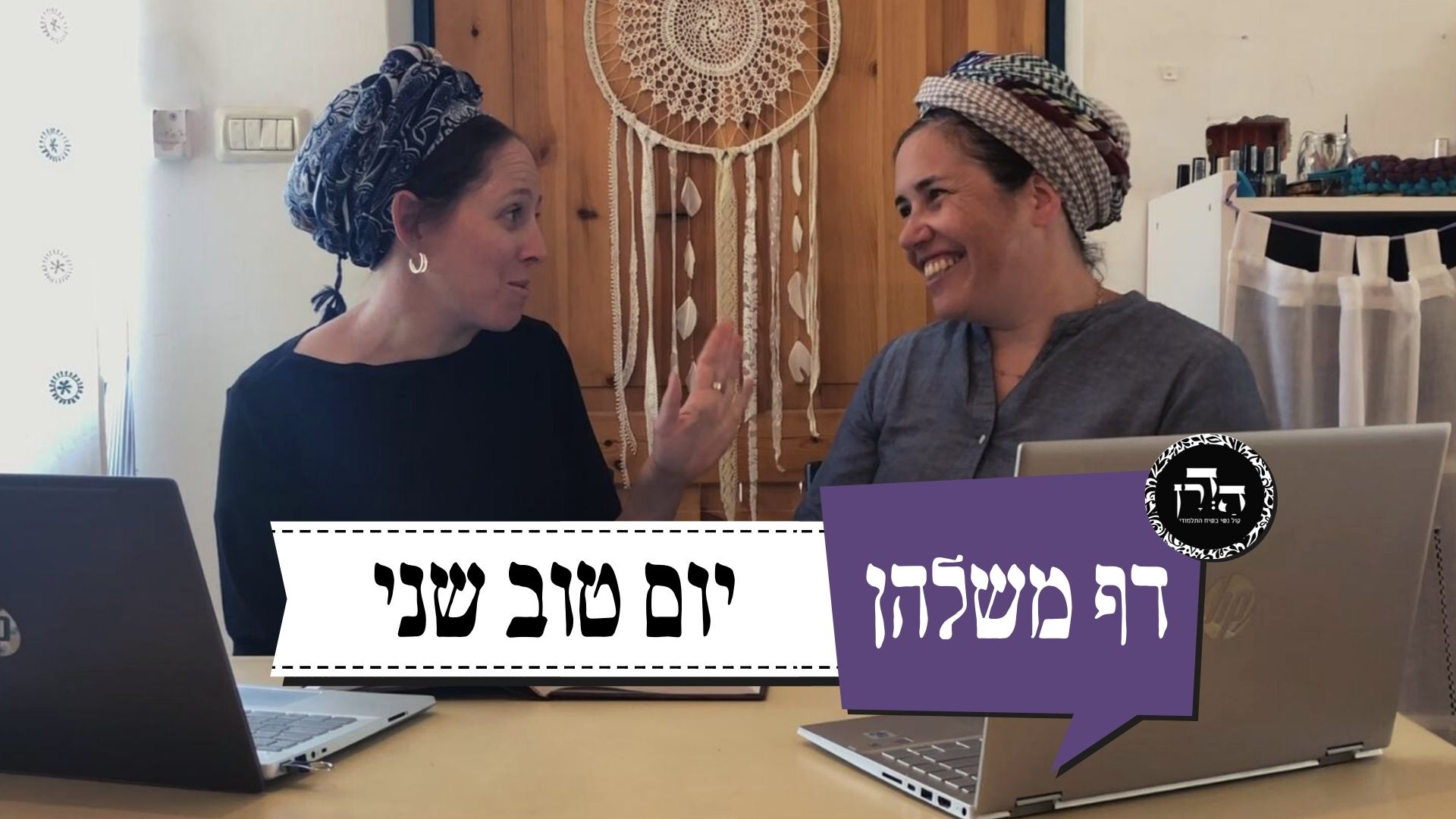
דף משלהן 74 – חמוטל ושירה עוסקות בדין "תעשה ולא מן העשוי” (סוכה יא)
20.07.2021 | י״א באב תשפ״א

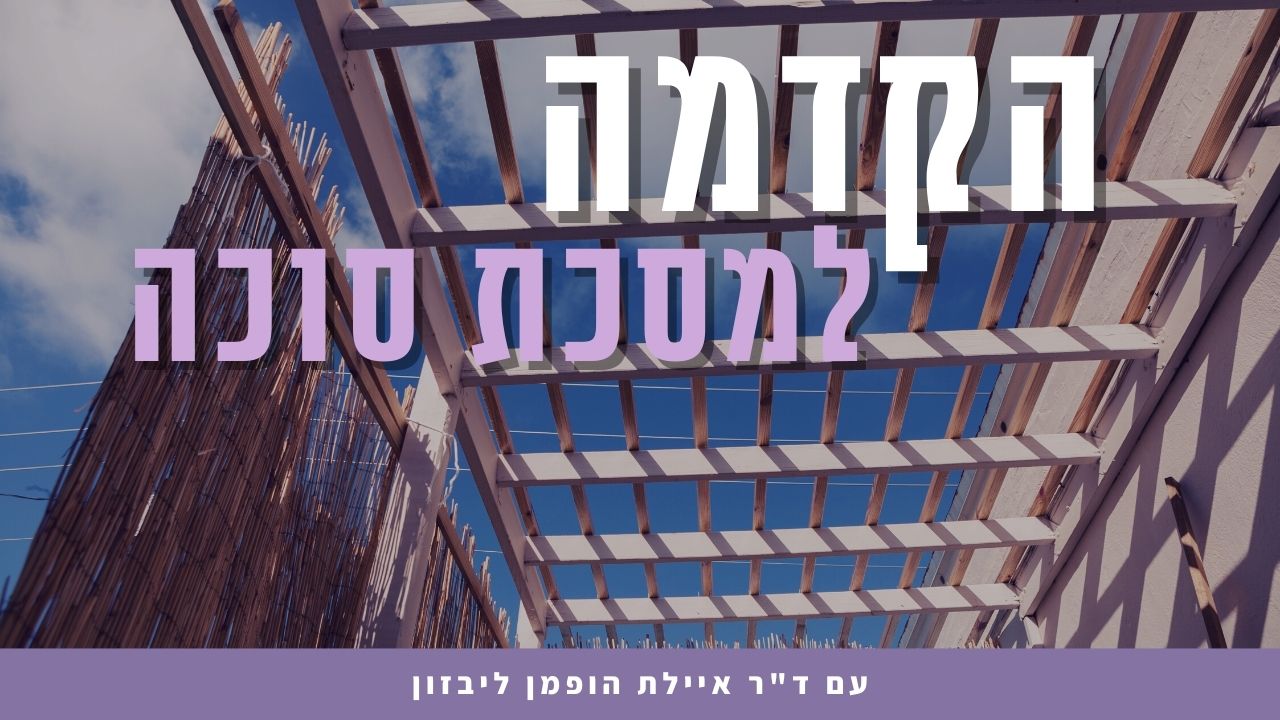

מתי מברכים שהחיינו? האם יש מצווה מיוחדת בבניית הסוכה? – דף משלהן 73
12.07.2021 | ג׳ באב תשפ״א
חדשה בלימוד הגמרא?
זה הדף הראשון שלך? איזו התרגשות עצומה! יש לנו בדיוק את התכנים והכלים שיעזרו לך לעשות את הצעדים הראשונים ללמידה בקצב וברמה שלך, כך תוכלי להרגיש בנוח גם בתוך הסוגיות המורכבות ומאתגרות.
פסיפס הלומדות שלנו
גלי את קהילת הלומדות שלנו, מגוון נשים, רקעים וסיפורים. כולן חלק מתנועה ומסע מרגש ועוצמתי.
"
גם אני התחלתי בסבב הנוכחי וב””ה הצלחתי לסיים את רוב המסכתות . בזכות הרבנית מישל משתדלת לפתוח את היום בשיעור הזום בשעה 6:20 .הלימוד הפך להיות חלק משמעותי בחיי ויש ימים בהם אני מצליחה לחזור על הדף עם מלמדים נוספים ששיעוריהם נמצאים במרשתת. שמחה להיות חלק מקהילת לומדות ברחבי העולם. ובמיוחד לשמש דוגמה לנכדותיי שאי””ה יגדלו לדור שלימוד תורה לנשים יהיה משהו שבשגרה. "

רונית שביט
נתניה, ישראל
התחלתי ללמוד את הדף היומי מעט אחרי שבני הקטן נולד. בהתחלה בשמיעה ולימוד באמצעות השיעור של הרבנית שפרבר. ובהמשך העזתי וקניתי לעצמי גמרא. מאז ממשיכה יום יום ללמוד עצמאית, ולפעמים בעזרת השיעור של הרבנית, כל יום. כל סיום של מסכת מביא לאושר גדול וסיפוק. הילדים בבית נהיו חלק מהלימוד, אני משתפת בסוגיות מעניינות ונהנית לשמוע את דעתם.

אלירז בלאו
מעלה מכמש, ישראל
התחלתי מחוג במסכת קידושין שהעבירה הרבנית רייסנר במסגרת בית המדרש כלנה בגבעת שמואל; לאחר מכן התחיל סבב הדף היומי אז הצטרפתי. לסביבה לקח זמן לעכל אבל היום כולם תומכים ומשתתפים איתי. הלימוד לעתים מעניין ומעשיר ולעתים קשה ואף הזוי… אך אני ממשיכה קדימה. הוא משפיע על היומיום שלי קודם כל במרדף אחרי הדף, וגם במושגים הרבים שלמדתי ובידע שהועשרתי בו, חלקו ממש מעשי

אביגיל כריסי
ראש העין, ישראל
התחלתי ללמוד בעידוד שתי חברות אתן למדתי בעבר את הפרק היומי במסגרת 929.
בבית מתלהבים מאוד ובשבת אני לומדת את הדף עם בעלי שזה מפתיע ומשמח מאוד! לימוד הדף הוא חלק בלתי נפרד מהיום שלי. לומדת בצהריים ומחכה לזמן הזה מידי יום…

מרים ונגרובר
אפרת, ישראל
התחלתי לפני 8 שנים במדרשה. לאחרונה סיימתי מסכת תענית בלמידה עצמית ועכשיו לקראת סיום מסכת מגילה.

דניאלה ברוכים
רעננה, ישראל
A life-changing journey started with a Chanukah family tiyul to Zippori, home of the Sanhedrin 2 years ago and continued with the Syum in Binanei Hauma where I was awed by the energy of 3000 women dedicated to learning daf Yomi. Opening my morning daily with a fresh daf, I am excited with the new insights I find enriching my life and opening new and deeper horizons for me.

בקי גולדשטיין
Elazar gush etzion, Israel
התחלתי ללמוד לפני כשנתיים בשאיפה לסיים לראשונה מסכת אחת במהלך חופשת הלידה.
אחרי מסכת אחת כבר היה קשה להפסיק…
נעה גלנט
ירוחם, ישראל
התחלתי מעט לפני תחילת הסבב הנוכחי. אני נהנית מהאתגר של להמשיך להתמיד, מרגעים של "אהה, מפה זה הגיע!” ומהאתגר האינטלקטואלי

אילת-חן ודלר
לוד, ישראל
התחלתי לפני כמה שנים אבל רק בסבב הזה זכיתי ללמוד יום יום ולסיים מסכתות

סיגל טל
רעננה, ישראל
בתחילת הסבב הנוכחי של לימוד הדף היומי, נחשפתי לחגיגות המרגשות באירועי הסיום ברחבי העולם. והבטחתי לעצמי שבקרוב אצטרף גם למעגל הלומדות. הסבב התחיל כאשר הייתי בתחילת דרכי בתוכנית קרן אריאל להכשרת יועצות הלכה של נשמ”ת. לא הצלחתי להוסיף את ההתחייבות לדף היומי על הלימוד האינטנסיבי של תוכנית היועצות. בבוקר למחרת המבחן הסופי בנשמ”ת, התחלתי את לימוד הדף במסכת סוכה ומאז לא הפסקתי.

חנה שחם-רוזבי (ד”ר)
קרית גת, ישראל
באירוע של הדרן בנייני האומה. בהשראתה של אמי שלי שסיימה את הש”ס בסבב הקודם ובעידוד מאיר , אישי, וילדיי וחברותיי ללימוד במכון למנהיגות הלכתית של רשת אור תורה סטון ומורתיי הרבנית ענת נובוסלסקי והרבנית דבורה עברון, ראש המכון למנהיגות הלכתית.
הלימוד מעשיר את יומי, מחזיר אותי גם למסכתות שכבר סיימתי וידוע שאינו דומה מי ששונה פרקו מאה לשונה פרקו מאה ואחת במיוחד מרתקים אותי החיבורים בין המסכתות

רוית קלך
מודיעין, ישראל
התחלתי מחוג במסכת קידושין שהעבירה הרבנית רייסנר במסגרת בית המדרש כלנה בגבעת שמואל; לאחר מכן התחיל סבב הדף היומי אז הצטרפתי. לסביבה לקח זמן לעכל אבל היום כולם תומכים ומשתתפים איתי. הלימוד לעתים מעניין ומעשיר ולעתים קשה ואף הזוי… אך אני ממשיכה קדימה. הוא משפיע על היומיום שלי קודם כל במרדף אחרי הדף, וגם במושגים הרבים שלמדתי ובידע שהועשרתי בו, חלקו ממש מעשי
אביגיל כריסי
ראש העין, ישראל
A friend in the SF Bay Area said in Dec 2019 that she might start listening on her morning drive to work. I mentioned to my husband and we decided to try the Daf when it began in Jan 2020 as part of our preparing to make Aliyah in the summer.

חנה פיוטרקובסקי
ירושלים, Israel
התחלתי ללמוד דף יומי אחרי שחזרתי בתשובה ולמדתי במדרשה במגדל עוז. הלימוד טוב ומספק חומר למחשבה על נושאים הלכתיים ”קטנים” ועד לערכים גדולים ביהדות. חשוב לי להכיר את הגמרא לעומק. והצעד הקטן היום הוא ללמוד אותה בבקיאות, בעזרת השם, ומי יודע אולי גם אגיע לעיון בנושאים מעניינים. נושאים בגמרא מתחברים לחגים, לתפילה, ליחסים שבין אדם לחברו ולמקום ולשאר הדברים שמלווים באורח חיים דתי 🙂

גאיה דיבו
מצפה יריחו, ישראל
התחלתי בסיום הש”ס, יצאתי באורות. נשברתי פעמיים, ובשתיהם הרבנית מישל עודדה להמשיך איפה שכולם בסבב ולהשלים כשאוכל, וכך עשיתי וכיום השלמתי הכל. מדהים אותי שאני לומדת כל יום קצת, אפילו בחדר הלידה, בבידוד או בחו”ל. לאט לאט יותר נינוחה בסוגיות. לא כולם מבינים את הרצון, בפרט כפמניסטית. חשה סיפוק גדול להכיר את המושגים וצורת החשיבה. החלום זה להמשיך ולהתמיד ובמקביל ללמוד איך מהסוגיות נוצרה והתפתחה ההלכה.

קרן וינגרטן שרינגטון
מודיעין, ישראל
בתחילת הסבב הנוכחי של לימוד הדף היומי, נחשפתי לחגיגות המרגשות באירועי הסיום ברחבי העולם. והבטחתי לעצמי שבקרוב אצטרף גם למעגל הלומדות. הסבב התחיל כאשר הייתי בתחילת דרכי בתוכנית קרן אריאל להכשרת יועצות הלכה של נשמ”ת. לא הצלחתי להוסיף את ההתחייבות לדף היומי על הלימוד האינטנסיבי של תוכנית היועצות. בבוקר למחרת המבחן הסופי בנשמ”ת, התחלתי את לימוד הדף במסכת סוכה ומאז לא הפסקתי.
חנה שחם-רוזבי (ד”ר)
קרית גת, ישראל
הייתי לפני שנתיים בסיום הדרן נשים בבנייני האומה והחלטתי להתחיל. אפילו רק כמה דפים, אולי רק פרק, אולי רק מסכת… בינתיים סיימתי רבע שס ותכף את כל סדר מועד בה.
הסביבה תומכת ומפרגנת. אני בת יחידה עם ארבעה אחים שכולם לומדים דף יומי. מדי פעם אנחנו עושים סיומים יחד באירועים משפחתיים. ממש מרגש. מסכת שבת סיימנו כולנו יחד עם אבא שלנו!
אני שומעת כל יום פודקאסט בהליכה או בנסיעה ואחכ לומדת את הגמרא.

עדנה גרוס
מרכז שפירא, ישראל
התחלתי מעט לפני תחילת הסבב הנוכחי. אני נהנית מהאתגר של להמשיך להתמיד, מרגעים של "אהה, מפה זה הגיע!” ומהאתגר האינטלקטואלי
אילת-חן ודלר
לוד, ישראל
רציתי לקבל ידע בתחום שהרגשתי שהוא גדול וחשוב אך נעלם ממני. הלימוד מעניק אתגר וסיפוק ומעמיק את תחושת השייכות שלי לתורה וליהדות

רות עגיב
עלי זהב – לשם, ישראל
התחלתי ללמוד דף יומי שהתחילו מסכת כתובות, לפני 7 שנים, במסגרת קבוצת לימוד שהתפרקה די מהר, ומשם המשכתי לבד בתמיכת האיש שלי. נעזרתי בגמרת שטיינזלץ ובשיעורים מוקלטים.
הסביבה מאד תומכת ואני מקבלת המון מילים טובות לאורך כל הדרך. מאז הסיום הגדול יש תחושה שאני חלק מדבר גדול יותר.
אני לומדת בשיטת ה”7 דפים בשבוע” של הרבנית תרצה קלמן – כלומר, לא נורא אם לא הצלחת ללמוד כל יום, העיקר שגמרת ארבעה דפים בשבוע

רחל גולדשטיין
עתניאל, ישראל
סוכה יג
דְּסָרֵי רֵיחַיְיהוּ — שָׁבֵיק לְהוּ וְנָפֵיק.
their odor grows offensive over time, one abandons the sukka and exits. It is inappropriate to establish a sukka in which it is impossible to remain.
אָמַר רַב חָנָן בַּר רָבָא: הָנֵי הִיזְמֵי וְהִיגֵי מְסַכְּכִין בְּהוּ. אַבָּיֵי אָמַר: בְּהִיזְמֵי — מְסַכְּכִינַן, בְּהִיגֵי — לָא מְסַכְּכִינַן. מַאי טַעְמָא — כֵּיוָן דְּנָתְרִי טַרְפַיְיהוּ, שָׁבֵיק לַהּ וְנָפֵיק.
Similarly, Rav Ḥanan bar Rava said: With regard to these thorns and shrubs, one may roof the sukka with them. Abaye said: With thorns, one may roof his sukka; with shrubs, one may not roof his sukka. What is the reason for this distinction? Since their leaves fall over time and they are apt to fall into the food and disturb those in the sukka, one abandons the sukka and exits.
אָמַר רַב גִּידֵּל אָמַר רַב: הַאי אַפָּקוּתָא דְּדִיקְלָא מְסַכְּכִין בְּהוּ. אַף עַל גַּב דַּאֲגִידִי, אֶגֶד בִּידֵי שָׁמַיִם לָא שְׁמֵיהּ אֶגֶד. אַף עַל גַּב דַּהֲדַר אָגֵיד לְהוּ, אֶיגֶד בְּחַד לָא שְׁמֵיהּ אֶגֶד.
Rav Giddel said that Rav said: With regard to this offshoot of the trunk of the palm tree, from which several branches emerge; one may roof the sukka with it. Although the branches are naturally bound, a binding at the hand of Heaven is not considered a binding. Furthermore, although one then binds the branches together at the end removed from the trunk, where they grow apart into separate branches, and roofs with them, the sukka is fit, since if one binds a bundle that is already bound into one unit it is not considered a binding.
אָמַר רַב חִסְדָּא אָמַר רָבִינָא בַּר שֵׁילָא: הָנֵי דּוּקְרֵי דְקָנֵי מְסַכְּכִין בְּהוּ. אַף עַל גַּב דַּאֲגִידִי נִינְהוּ — אֶגֶד בִּידֵי שָׁמַיִם לָא שְׁמֵיהּ אֶגֶד. אַף עַל גַּב דַּהֲדַר אָגֵיד לְהוּ — אֶיגֶד בְּחַד לָא שְׁמֵיהּ אֶגֶד.
Likewise, Rav Ḥisda said that Ravina bar Sheila said: With regard to these offshoots of reeds, one may roof the sukka with them. Although the branches are naturally bound, a binding at the hand of Heaven is not considered a binding. Furthermore, although one then binds the reeds together at the other end, the sukka is fit, since if one binds a bundle that is already bound into one unit it is not considered a binding.
תַּנְיָא נָמֵי הָכִי: קָנִים וְדוּקְרָנִין מְסַכְּכִין בָּהֶן. קָנִים פְּשִׁיטָא! אֵימָא: קָנִים שֶׁל דּוּקְרָנִין מְסַכְּכִין בָּהֶן.
The Gemara notes that this opinion is also taught in a baraita: With regard to reeds and spades, one may roof a sukka with them. The Gemara asks: The fact that one may roof his sukka with reeds is obvious. After all, they meet all the criteria of fit roofing. Rather, say: With regard to these offshoots of reeds, one may roof the sukka with them.
וְאָמַר רַב חִסְדָּא אָמַר רָבִינָא בַּר שֵׁילָא: הָנֵי מְרָרְיָתָא דְאַגְמָא — אָדָם יוֹצֵא בָּהֶן יְדֵי חוֹבָתוֹ בַּפֶּסַח.
§ Apropos the above halakha, the Gemara cites another statement that Rav Ḥisda said that Ravina bar Sheila said: With these bitter herbs of a marsh, a person fulfills his obligation on Passover.
מֵיתִיבִי: אֵזוֹב, וְלֹא אֵזוֹב יוֹן, וְלֹא אֵזוֹב כּוֹחֳלִי, וְלֹא אֵזוֹב מִדְבָּרִי, וְלֹא אֵזוֹב רוֹמִי, וְלֹא אֵזוֹב שֶׁיֵּשׁ לוֹ שֵׁם לְוַוי.
The Gemara raises an objection to his opinion. With regard to every mitzva that requires use of hyssop, one takes standard hyssop and neither a hyssop that grows in Greece, nor stibium hyssop, nor desert hyssop, nor Roman hyssop, nor any other kind of hyssop whose name is accompanied by a modifier. The same should hold true for the mitzva of bitter herbs; bitter herbs of the marsh, whose name is accompanied by a modifier, are not the bitter herbs mentioned in the Torah.
אָמַר אַבָּיֵי: כֹּל שֶׁנִּשְׁתַּנָּה שְׁמוֹ קוֹדֶם מַתַּן תּוֹרָה, וּבָאתָה תּוֹרָה וְהִקְפִּידָה עָלָיו — בְּיָדוּעַ שֶׁיֵּשׁ לוֹ שֵׁם לְוַוי. וְהָנֵי לֹא נִשְׁתַּנָּה שְׁמַיְיהוּ קוֹדֶם מַתַּן תּוֹרָה כְּלָל.
Abaye said in response: There is a distinction between the cases. Every species whose name was differentiated prior to the giving of the Torah, i.e., the distinction between its different subspecies predated the Revelation at Sinai, and the Torah then came and was particular about one specific subspecies, it is known that the species has other subspecies identified with a modifier that are unfit for use in fulfilling the mitzva. And these bitter herbs, their names were not differentiated prior to the giving of the Torah at all; all the subspecies were known simply as bitter herbs. Therefore, when the Torah requires bitter herbs, one may fulfill the mitzva with all subspecies of bitter herbs.
רָבָא אָמַר: הָנֵי — מְרָרְיָתָא סְתָמָא שְׁמַיְיהוּ, וְהַאי דְּקָרֵי לְהוּ מְרָרְיָתָא דְאַגְמָא — מִשּׁוּם דְּמִשְׁתְּכַח בְּאַגְמָא.
Rava said a different explanation. Actually, the name of this plant is merely bitter herbs without a modifier. And the fact that one calls them bitter herbs of the marsh is because they are typically found in the marsh. Therefore, there is no reason that they may not be used to fulfill the mitzva on Passover.
אָמַר רַב חִסְדָּא: אֶיגֶד בְּחַד — לָא שְׁמֵיהּ אֶגֶד. שָׁלֹשׁ — שְׁמֵיהּ אֶגֶד. שְׁנַיִם — מַחְלוֹקֶת רַבִּי יוֹסֵי וְרַבָּנַן. דִּתְנַן: מִצְוַת אֵזוֹב, שְׁלֹשָׁה קְלָחִים וּבָהֶן שְׁלֹשָׁה גִבְעוֹלִין. רַבִּי יוֹסֵי אוֹמֵר: מִצְוַת אֵזוֹב שְׁלֹשָׁה גִּבְעוֹלִין, וּשְׁיָרָיו שְׁנַיִם, וְגַרְדּוּמָּיו כׇּל שֶׁהוּא.
§ Rav Ḥisda said: If one bound one item, even if he did so with a knot, it is not considered a binding. If one bound three items together, everyone agrees that it is considered a binding. If one bound two items, it is the subject of a dispute between Rabbi Yosei and the Rabbis, as we learned in a mishna: With regard to all matters that involve the mitzva of hyssop, the requirement is to have three stalks with their roots, and on them three stems, one on each stalk. Rabbi Yosei says: The mitzva of hyssop fundamentally requires three stems. If the bundle of hyssop was rendered incomplete, its remnants are fit for use with two stems. If all the stems broke, the hyssop is fit for use, as long as the stumps of its central stem remain any size.
קָא סָלְקָא דַּעְתִּין מִדִּשְׁיָרָיו שְׁנַיִם, תְּחִילָּתוֹ נָמֵי שְׁנַיִם, וְהַאי דְּקָתָנֵי שְׁלֹשָׁה — לְמִצְוָה. וּמִדְּרַבִּי יוֹסֵי שְׁלֹשָׁה לְמִצְוָה, לְרַבָּנַן שְׁלֹשָׁה לְעַכֵּב.
It enters our minds to say: From the fact that Rabbi Yosei said that for the bundle of hyssop to be fit for the mitzva after the fact its remnants are two, apparently its origins were also two stalks. And the fact that the mishna teaches that the binding includes three plants, that is the requirement for the mitzva to be performed ab initio. And from the fact that Rabbi Yosei requires three plants only for the mitzva to be performed ab initio, conclude that the Rabbis, who disagree with him, hold that failure to include three stalks in the bundle renders it unfit for the mitzva. Apparently, the Rabbis and Rabbi Yosei dispute whether it is two or three items that are necessary to be considered a binding.
וְהָתַנְיָא, רַבִּי יוֹסֵי אוֹמֵר: אֵזוֹב תְּחִילָּתוֹ שְׁנַיִם וּשְׁיָרָיו אֶחָד פָּסוּל, וְאֵינוֹ כָּשֵׁר עַד שֶׁיְּהֵא תְּחִילָּתוֹ שְׁלֹשָׁה וּשְׁיָרָיו שְׁנַיִם! אֵיפוֹךְ: לְרַבִּי יוֹסֵי שְׁלֹשָׁה לְעַכֵּב, לְרַבָּנַן שְׁלֹשָׁה לְמִצְוָה.
The Gemara questions that understanding of the dispute. But wasn’t it taught in a baraita that Rabbi Yosei said: With regard to the hyssop bundle, if its origins were two stalks and its remnants are one, it is unfit. And it is fit only when its origins were three and its remnants are two. Rather, reverse the opinions in the mishna: According to Rabbi Yosei, failure to include three stalks in the bundle renders it unfit for the mitzva; according to the Rabbis, three is the requirement for the mitzva to be performed ab initio.
וְהָתַנְיָא: אֵזוֹב תְּחִילָּתוֹ שְׁנַיִם וּשְׁיָרָיו אֶחָד — כָּשֵׁר, וְאֵינוֹ פָּסוּל עַד שֶׁיְּהֵא תְּחִלָּתוֹ וּשְׁיָרָיו אֶחָד.
The Gemara cites a baraita supporting this understanding. And this was taught in a baraita: With regard to the hyssop bundle, if its origins were two stalks and its remnants are one, it is fit. And it is unfit only when its origins and its remnants are one. Clearly, this is the opinion of the Rabbis.
שְׁיָרָיו אֶחָד פָּסוּל? הָא אָמְרַתְּ שְׁיָרָיו אֶחָד כָּשֵׁר!
The Gemara questions the end of the baraita: If its remnants are one, it is unfit? Didn’t you say in the first clause of the baraita that if its remnants are one it is fit?
אֶלָּא אֵימָא: עַד שֶׁתְּהֵא תְּחִלָּתוֹ כִּשְׁיָרָיו אֶחָד.
Rather, emend the baraita and say: It is unfit only when its origins, like its remnants, are one.
דָּרֵשׁ מָרִימָר: הָנֵי אִיסּוּרְיָיתָא דְסוּרָא — מְסַכְּכִין בְּהוּ. אַף עַל גַּב דַּאֲגִדָן — לְמִנְיָנָא בְּעָלְמָא הוּא דַּאֲגִדָן.
Mareimar taught: With regard to these bundles of reeds from Sura that are bound for sale, one may roof the sukka with them. Although the seller bound them, he bound them merely to ascertain the number more readily, and they will not remain bound.
אָמַר רַבִּי אַבָּא: הָנֵי צְרִיפֵי דְאוּרְבָּנֵי, כֵּיוָן שֶׁהוּתְּרָה רָאשֵׁי מַעֲדַנִּים שֶׁלָּהֶן — כְּשֵׁרִין. וְהָא אֲגִידִי מִתַּתַּאי! אֲמַר רַב פָּפָּא: דְּשָׁרֵי לְהוּ.
Rabbi Abba said: With regard to these huts made of willow branches, once their upper ties holding them together are undone, they are fit roofing. The Gemara asks: But aren’t they still tied from below? Rav Pappa said: Rabbi Abba is referring to a case where he unties them from below as well.
(וְאָמַר) רַב הוּנָא בְּרֵיהּ דְּרַב יְהוֹשֻׁעַ: אֲפִילּוּ תֵּימָא דְּלָא שָׁרֵי לְהוּ, כׇּל אֶגֶד שֶׁאֵינוֹ עָשׂוּי לְטַלְטְלוֹ — לָא שְׁמֵיהּ אֶגֶד.
Rav Huna, son of Rav Yehoshua, said: Even if you say that Rabbi Abba is referring to a case where one does not untie them from below, they are fit for sukka roofing, as any binding that is not destined to be moved is not considered a binding. Since these huts are untied from above, were one to attempt to move them, they would fall apart.
אָמַר רַבִּי אַבָּא אָמַר שְׁמוּאֵל: יְרָקוֹת שֶׁאָמְרוּ חֲכָמִים אָדָם יוֹצֵא בָּהֶן יְדֵי חוֹבָתוֹ בַּפֶּסַח, מְבִיאִין אֶת הַטּוּמְאָה, וְאֵין חוֹצְצִין בִּפְנֵי הַטּוּמְאָה, וּפוֹסְלִין בַּסּוּכָּה מִשּׁוּם אֲוִיר. מַאי טַעְמָא — כֵּיוָן דִּלְכִי יָבְשִׁי פָּרְכִי וְנָפְלִי, כְּמַאן דְּלֵיתַנְהוּ דָּמֵי.
§ Rabbi Abba said that Shmuel said: With regard to vegetables about which the Sages said: One fulfills his obligation to eat bitter herbs on Passover, if they are spread over a source of ritual impurity imparted by a corpse, they transmit ritual impurity, and the impurity spreads to objects beneath them. And, nevertheless, the Sages decreed that they do not serve as a barrier before the spread of ritual impurity. The impurity breaches roofing made of these vegetables and rises upward, as if there were no covering over it. If one roofs a sukka with these vegetables, it is as if they were not there at all, and they render a sukka unfit due to the unfitness of airspace. Just as three handbreadths of airspace in the roofing renders a sukka unfit, so too, three handbreadths of these vegetables in the roofing renders a sukka unfit. What is the reason for this halakha? Since when they dry they crumble and fall, even while fresh, they are as one that is not there.
וְאָמַר רַבִּי אַבָּא אָמַר רַב הוּנָא: הַבּוֹצֵר לַגַּת — אֵין לוֹ יָדוֹת.
Apropos the statements of Rabbi Abba, the Gemara cites another. Rabbi Abba said that Rav Huna said: In the case of one who harvests bunches of grapes for the winepress, these bunches do not have handles. The stems, which connect the grapes to the clusters, are not required for the production of wine. Therefore, their legal status is not that of a handle in terms of ritual impurity; they are merely waste. Consequently, if these stems come into contact with a source of ritual impurity, they do not become impure and they do not transmit impurity to the attached grapes.
וְרַב מְנַשְּׁיָא בַּר גַּדָּא אָמַר רַב הוּנָא: הַקּוֹצֵר לִסְכָךְ — אֵין לוֹ יָדוֹת.
And Rav Menashya bar Gadda said that Rav Huna said: In the case of one who harvests grain for roofing a sukka, the grain has no handles. The legal status of the straw is not that of a handle for the grain. Since his interest is roofing his sukka, he wants only the straw, which is fit roofing, and not the grain, which is unfit. Therefore, in this context, the straw does not facilitate moving the grain.
מַאן דְּאָמַר קוֹצֵר, כׇּל שֶׁכֵּן בּוֹצֵר — דְּלָא נִיחָא לֵיהּ, דְּלָא נִימְצְיֵיהּ לְחַמְרֵיהּ. מַאן דְּאָמַר בּוֹצֵר שֶׁאֵין לוֹ יָדוֹת, אֲבָל קוֹצֵר יֵשׁ לוֹ יָדוֹת — דְּנִיחָא לֵיהּ דְּלִיסַכֵּךְ בְּהוּ, כִּי הֵיכִי דְּלָא לִיבַּדְּרָן.
The Gemara notes: The one who said that in the case of one who harvests grain, the straw is not a handle, all the more so would he say so in the case of one who harvests grapes, since the stems are not suitable for his needs. Stems are not wanted in the winepress, so that they will not absorb wine. By contrast, the one who said in the case of one who harvests grapes that it has no handles, he said so only in that case; however, in the case of one who harvests grain, he would say that it has handles, since the grain attached to the straw is suitable for his needs. He can roof the sukka with them and weigh down the straw, so that it does not scatter in the wind.
נֵימָא דְּרַב מְנַשְּׁיָא בַּר גַּדָּא תַּנָּאֵי הִיא? דְּתַנְיָא: סוֹכֵי תְאֵנִים וּבָהֶן תְּאֵנִים, פַּרְכִּילִין וּבָהֶן עֲנָבִים, קַשִּׁין וּבָהֶן שִׁבֳּלִים, מַכְבֵּדוֹת וּבָהֶן תְּמָרִים, כּוּלָּן, אִם פְּסוֹלֶת מְרוּבָּה עַל הָאוֹכָלִין — כְּשֵׁרָה, וְאִם לָאו — פְּסוּלָה. אֲחֵרִים אוֹמְרִים: עַד שֶׁיְּהוּ קַשִּׁין מְרוּבִּין עַל הַיָּדוֹת וְעַל הָאוֹכָלִין.
The Gemara suggests: Let us say that the statement of Rav Menashya bar Gadda is subject to a dispute between tanna’im, as it is taught in a baraita: Fig branches, and there are figs on them; vines, and there are grapes on them; straw, and there are stalks of grain on them; palm branches, and there are dates on them, with regard to them all, if the amount of waste is greater than the amount of the food, a sukka roofed with them is fit. And if not, the sukka is unfit. Aḥerim say: The sukka is unfit until the amount of straw is greater than the combined amount of the handbreadth of the handles attached to the food that is susceptible to ritual impurity and the food.
מַאי לָאו, בְּהָא קָא מִיפַּלְגִי: דְּמָר סָבַר יֵשׁ לָהֶן יָדוֹת, וּמַר סָבַר אֵין לָהֶן יָדוֹת!
The Gemara continues: What, is it not that they disagree with regard to this: That one Sage, Aḥerim, who said that the straw must be greater than the handles as well, holds that the produce designated for roofing have handles; and one Sage, the first tanna, who disagrees, holds that they do not have handles?
לְרַבִּי אַבָּא — וַדַּאי תַּנָּאֵי הִיא. לְרַב מְנַשְּׁיָא בַּר גַּדָּא מִי לֵימָא תַּנָּאֵי הִיא? אָמַר לָךְ רַב מְנַשְּׁיָא: דְּכוּלֵּי עָלְמָא סָבְרִי הַקּוֹצֵר לִסְכָךְ אֵין לוֹ יָדוֹת. וְהָכָא בְּמַאי עָסְקִינַן — כְּגוֹן שֶׁקְּוצָצָן לַאֲכִילָה, וְנִמְלַךְ עֲלֵיהֶן לְסִיכּוּךְ.
The Gemara notes: According to the opinion of Rabbi Abba, who says that grape clusters harvested for the winepress do not have handles, but grain harvested for roofing does, it is certainly a dispute between tanna’im. Clearly, he holds in accordance with the opinion of Aḥerim, who hold that grain harvested for roofing has handles. However, according to the opinion of Rav Menashya bar Gadda, who says that grain harvested for roofing does not have handles, shall we say that it is a dispute between tanna’im, and that he holds in accordance with the first tanna of the baraita? Rav Menashya could have said to you that everyone agrees: With regard to one who harvests grain for roofing, the grain does not have handles. And here in the baraita, with what are we dealing? It is a case where one initially cut the stalks for food, and reconsidered his plan for them, and decided to use them for roofing. Since initially, as food, the grain had handles, its status does not change despite his change of intent.
אִי קְוצָצָן לַאֲכִילָה, מַאי טַעְמַיְיהוּ דְּרַבָּנַן? וְכִי תֵּימָא קָסָבְרִי רַבָּנַן כֵּיוָן דְּנִמְלַךְ עֲלֵיהֶן לְסִיכּוּךְ, בָּטְלָה לֵיהּ מַחְשַׁבְתּוֹ. וּמִי בָּטְלָה לֵיהּ מַחְשָׁבָה בְּהָכִי? וְהָתְנַן: כׇּל הַכֵּלִים
The Gemara asks: If he cut them for food, what is the rationale for the opinion of the Rabbis that the grain has no handles? As a rule, grain has handles. And if you say that the Rabbis hold that once he reconsidered his plan for them and decided to use them for roofing, his initial intent was negated and their legal status is like any other inedible roofing, and they consequently have no handles, the Gemara asks: And was his initial intent negated in that manner? Didn’t we learn in a mishna: All vessels
לעקוב

