






רוצה להקדיש שיעור?

תקציר

לאחר שהגמרא מנסה להביא מקורות להוכיח אם סכך פסול פוסל בארבע אמות או בארבעה טפחים, היא מביאה מחלוקת האם יש לבוד רק ליד הדופן או גם באמצע סוכה. מהי ההוכחה של כל דעה? אם יש אכסדדרה בחצר, האם אפשר לומר פי תקרה יורד וסותם ועל פי זה אפשר להכשיר סוכה בחצר? אביי ורבא חולקים בנושא. האם זה אותה מחלוקת שיש בין רב ושמאול באכסדרה בבקעה לעניין מחיצות לשבת?
כלים
סוכה יח
וּמוֹדֶה רַבִּי מֵאִיר שֶׁאִם יֵשׁ בֵּין נֶסֶר לְנֶסֶר כִּמְלֹא נֶסֶר — שֶׁמַּנִּיחַ פְּסָל בֵּינֵיהֶם וּכְשֵׁרָה.
And Rabbi Meir concedes that if there is between one board and another board a gap the complete width of a board, then one places fit roofing from the waste of the threshing floor and the winepress, and the sukka is fit.
בִּשְׁלָמָא לְמַאן דְּאָמַר בֵּין בָּאֶמְצַע בֵּין מִן הַצַּד בְּאַרְבַּע אַמּוֹת — מִשּׁוּם הָכִי כְּשֵׁרָה. אֶלָּא לְמַאן דְּאָמַר בָּאֶמְצַע בְּאַרְבָּעָה, אַמַּאי כְּשֵׁרָה?
The Gemara clarifies: Granted, according to the one who said: Both along the side and in the center a sukka is rendered unfit with a measure of four cubits of unfit roofing, it is due to that reason that the sukka under discussion is fit, as none of the boards is four cubits wide. However, according to the one who said that a sukka is rendered unfit with a measure of four handbreadths of unfit roofing in the center, why is the sukka fit? Each board is capable on its own of rendering the sukka unfit.
אָמַר רַב הוּנָא בְּרֵיהּ דְּרַב יְהוֹשֻׁעַ: הָכָא בְּסוּכָּה דְּלָא הָוְיָא אֶלָּא שְׁמֹנֶה מְצוּמְצָמוֹת עָסְקִינַן, וְיָהֵיב נֶסֶר וּפְסָל וְנֶסֶר וּפְסָל וְנֶסֶר וּפְסָל מֵהַאי גִּיסָא, וְנֶסֶר וּפְסָל וְנֶסֶר וּפְסָל וְנֶסֶר וּפְסָל מֵהַאי גִּיסָא,
Rav Huna, son of Rav Yehoshua, said: Here, we are dealing with a sukka that is exactly eight cubits, i.e., forty-eight handbreadths, wide, and one began placing the roofing from the side. And he places a four-handbreadth board and then four handbreadths of waste, and another board and waste, and a board and waste, from this side, so that the total measure of roofing from that side is twenty-four handbreadths. And then a beam and waste, a beam and waste, and a beam and waste, from that side, so that the total measure of roofing from that side is twenty-four handbreadths.
דְּהָווּ לְהוּ שְׁנֵי פְסָלִין בָּאֶמְצַע, וְאִיכָּא הֶכְשֵׁר סוּכָּה בָּאֶמְצַע.
The result is that the sukka has two four-handbreadth stretches of waste in the middle of the sukka, totaling eight handbreadths. In that case, there is the minimum measure of fit roofing required for fitness of a sukka in the middle, and everyone agrees that the unfit roofing in the rest of the sukka cannot render it unfit. Since the unfit roofing measures less than four cubits on either side, the sukka is fit both according to the principle of curved wall and according to the opinion that unfit roofing renders the sukka unfit with four cubits.
אָמַר אַבָּיֵי: אֲוִיר שְׁלֹשָׁה בְּסוּכָּה גְּדוֹלָה וּמִיעֲטוֹ, בֵּין בְּקָנִים בֵּין בְּשַׁפּוּדִין — הָוֵי מִיעוּט. בְּסוּכָּה קְטַנָּה, בְּקָנִים — הָוֵי מִיעוּט, בְּשַׁפּוּדִין — לָא הָוֵי מִיעוּט.
§ Abaye said: If there is space measuring three handbreadths in a large sukka, which is defined as one larger than seven by seven handbreadths, and one diminished the space, whether he did so with branches, fit for roofing, or whether he did so with metal skewers, unfit roofing, it is an effective diminution, as there is neither sufficient space nor sufficient unfit roofing to render the sukka unfit. However, in a small sukka, if one diminished the space with branches it is an effective diminution; if he diminished the space with skewers, it is not an effective diminution and the sukka is unfit. The three handbreadths of skewers, while insufficient to render the sukka unfit, diminish the fit area of the sukka to the point that the measure that remains does not constitute a fit sukka.
וְהָנֵי מִילֵּי מִן הַצַּד. אֲבָל בָּאֶמְצַע — פְּלִיגִי בַּהּ רַב אַחָא וְרָבִינָא, חַד אָמַר: יֵשׁ לָבוּד בָּאֶמְצַע, וְחַד אָמַר: אֵין לָבוּד בָּאֶמְצַע.
The Gemara notes: And this applies only if the space is along the side of the sukka, in which case the principle of lavud applies. However, if the space is in the center of the sukka, Rav Aḥa and Ravina disagree with regard to the ruling. One said: The principle of lavud is applied even in the center of the sukka. And one said: The principle of lavud is not applied in the center of the sukka. Even if one diminished the space, the two sides of the roofing are not considered joined.
מַאי טַעְמֵיהּ דְּמַאן דְּאָמַר יֵשׁ לָבוּד בָּאֶמְצַע — דְּתַנְיָא: קוֹרָה הַיּוֹצְאָה מִכּוֹתֶל זֶה וְאֵינָהּ נוֹגַעַת בְּכוֹתֶל אַחֵר, וְכֵן שְׁתֵּי קוֹרוֹת, אַחַת יוֹצְאָה מִכּוֹתֶל זֶה וְאַחַת יוֹצְאָה מִכּוֹתֶל אַחֵר וְאֵינָן נוֹגְעוֹת זוֹ בָּזוֹ — פָּחוֹת מִשְּׁלֹשָׁה, אֵינוֹ צָרִיךְ לְהָבִיא קוֹרָה אַחֶרֶת. שְׁלֹשָׁה — צָרִיךְ לְהָבִיא קוֹרָה אַחֶרֶת.
The Gemara explains: What is the rationale for the opinion of the one who said: The principle of lavud is applied even in the center of the sukka? It is as it is taught in the Tosefta: With regard to a cross beam of the merging of alleyways that projects from this wall of an alleyway but does not touch the other opposite wall, and similarly, with regard to two cross beams, one projecting from this wall and one projecting from the other opposite wall and they do not touch each other, if there is a gap of less than three handbreadths between the beam and the wall or between the two beams respectively, one need not bring another cross beam to render the alleyway fit for one to carry within it, as they are considered joined based on the principle of lavud. However, if there is a gap of three handbreadths, one must bring another cross beam. Apparently, the principle of lavud is applied even in the center.
וְאִידַּךְ — שָׁאנֵי קוֹרוֹת דְּרַבָּנַן.
The Gemara asks: And the other Sage, who holds that lavud does not apply in the center, how would he explain the Tosefta? The Gemara clarifies that he would say that beams are different because the prohibition against carrying in an alleyway is a decree by rabbinic law, and it is a rabbinic ordinance that beams may be placed at the entrance to the alleyway to permit carrying therein, the Sages were lenient. Therefore, proof cannot be cited from the case of the beams with regard to other situations.
מַאי טַעְמָא דְּמַאן דְּאָמַר אֵין לָבוּד בָּאֶמְצַע — דִּתְנַן: אֲרוּבָּה שֶׁבַּבַּיִת וּבָהּ פּוֹתֵחַ טֶפַח, טוּמְאָה בַּבַּיִת — כּוּלּוֹ טָמֵא, מַה שֶּׁכְּנֶגֶד אֲרוּבָּה — טָהוֹר. טוּמְאָה כְּנֶגֶד אֲרוּבָּה — כָּל הַבַּיִת כּוּלּוֹ טָהוֹר.
What is the reason for the opinion of the one who said: The principle of lavud does not apply in the center? It is as we learned in a mishna: In the case of a skylight in the roof of a house whose opening is one square handbreadth, if there is a source of ritual impurity imparted by a corpse inside the house, all the objects in the entire house become ritually impure, as the legal status of the roof is that of a tent over a corpse. However, the objects that are directly opposite the skylight are ritually pure, as the roof does not cover that part of the house. If the source of ritual impurity is itself situated aligned with the skylight, all the objects in the entire house are ritually pure, as there is no roof over the source of impurity.
אֵין בָּאֲרוּבָּה פּוֹתֵחַ טֶפַח, טוּמְאָה בַּבַּיִת — כְּנֶגֶד אֲרוּבָּה, טָהוֹר. טוּמְאָה כְּנֶגֶד אֲרוּבָּה — כָּל הַבַּיִת כּוּלּוֹ טָהוֹר.
If the skylight does not have an opening of a square handbreadth and there is ritual impurity in the house, the objects opposite the skylight remain ritually pure. If the source of ritual impurity is aligned with the skylight, the objects in the entire house are ritually pure. Apparently, the principle of lavud is not applied in the center; if it were, all the objects in the house would become ritually impure regardless of the location of the source of impurity. The opening of the skylight should be considered closed, as the distance between the two sides of its opening is less than three handbreadths.
וְאִידַּךְ? שָׁאנֵי הִלְכוֹת טוּמְאָה דְּהָכִי גְּמִירִי לְהוּ.
The Gemara asks: And the other Sage, who holds that lavud applies in the center, how would he explain the mishna? The Gemara answers: The halakhot of ritual impurity are different, as that is the way they learned them through tradition. The halakhot of tents and ritual impurity are halakhot transmitted to Moses from Sinai. Therefore, their details are unique, and other areas of halakha cannot be derived from them.
דָּרֵשׁ רַבִּי יְהוּדָה בַּר אִלְעַאי: בַּיִת שֶׁנִּפְחַת וְסִיכֵּךְ עַל גַּבָּיו — כְּשֵׁרָה. אָמַר לְפָנָיו רַבִּי יִשְׁמָעֵאל בְּרַבִּי יוֹסֵי: רַבִּי, פָּרֵישׁ, כָּךְ פֵּירַשׁ אַבָּא: אַרְבַּע אַמּוֹת פְּסוּלָה, פָּחוֹת מֵאַרְבַּע אַמּוֹת כְּשֵׁרָה.
§ Rabbi Yehuda bar Elai taught: A house that was breached and one roofed over it is a fit sukka. Rabbi Yishmael, son of Rabbi Yosei, said to him: My teacher, explain your opinion. Rabbi Yehuda bar Elai said that this is how my father explained it: If the ceiling between the wall and the breach is four cubits long, the sukka is unfit. If it is less than four cubits, the sukka is fit.
דָּרֵשׁ רַבִּי יְהוּדָה בַּר אִלְעַאי: אַבְרוּמָא שַׁרְיָא. אֲמַר לְפָנָיו רַבִּי יִשְׁמָעֵאל בְּרַבִּי יוֹסֵי: רַבִּי, פָּרֵישׁ, כָּךְ אָמַר אַבָּא: שֶׁל מָקוֹם פְּלוֹנִי — אֲסוּרָה, שֶׁל מָקוֹם פְּלוֹנִי — מוּתֶּרֶת.
Rabbi Yehuda bar Elai taught: With regard to the abramis [avroma], it is permitted to eat it, despite the fact that it is a very small fish that is typically caught in a net with many similar, non-kosher, fish, and it is difficult to distinguish between them. Rabbi Yishmael, son of Rabbi Yosei, said to him: My teacher, explain your opinion. Rabbi Yehuda bar Elai said that this is how my father explained it: The abramis found in the rivers of place so-and-so, where there are also non-kosher fish, is prohibited; however, the abramis of a different place so-and-so, where there are no non-kosher fish, is permitted.
כִּי הָא דְּאָמַר אַבָּיֵי: הַאי צַחַנְתָּא דְּבָב נַהֲרָא שַׁרְיָא. מַאי טַעְמָא? אִילֵּימָא מִשּׁוּם דִּרְדִיפִי מַיָּא, וְהַאי דָּג טָמֵא כֵּיוָן דְּלֵית לֵיהּ חוּט הַשִּׁדְרָה לָא מָצֵי קָאֵים — וְהָא קָא חָזֵינַן דְּקָאֵי!
The Gemara notes that this is similar to that which Abaye said: These small fish [tzaḥanta] of the Bav River are permitted. The Gemara asks: What is the reason that Abaye unequivocally permitted eating these fish and was not concerned about the potential presence of non-kosher fish among them? If we say that it is due to the fact that the water flows rapidly, and these non-kosher fish, since they do not have a spinal cord, are not able to exist in that water, as the current carries the non-kosher fish out of the Bav River, and consequently all the remaining fish are kosher, that is not the case. Don’t we see that non-kosher fish exist in rivers with strong currents?
אֶלָּא מִשּׁוּם דִּמְלִיחִי מַיָּא, וְהַאי דָּג טָמֵא, כֵּיוָן דְּלֵית לֵיהּ קִילְפֵי לָא מָצֵי קָאֵי — וְהָא קָא חָזֵינַן דְּקָאֵי! אֶלָּא: מִשּׁוּם דְּלָא מְרַבֵּה טִינַיְיהוּ דָּג טָמֵא. אֲמַר רָבִינָא: וְהָאִידָּנָא, דְּשָׁפְכִי נְהַר אֵיתָן וּנְהַר גַּמְדָּא לְהָתָם, אֲסִירָא.
Rather, perhaps Abaye permitted it because the water is salty, and these non-kosher fish are not able to exist in that water because they do not have scales. This, too, is not the case, as don’t we see that non-kosher fish exist in salty water? Rather, Abaye permitted the small fish in the Bav River because the mud in that river is not suited for non-kosher fish to reproduce. The conditions in the river render it an unproductive habitat for non-kosher fish. Ravina said: And today, since the government built canals between the rivers, and the Eitan River and the Gamda River spill into the Bav, it is prohibited to eat the small fish without thorough inspection.
אִתְּמַר: סִיכֵּךְ עַל גַּבֵּי אַכְסַדְרָה שֶׁיֵּשׁ לָהּ פַּצִּימִין — כְּשֵׁרָה. שֶׁאֵין לָהּ פַּצִּימִין, אַבָּיֵי אָמַר: כְּשֵׁרָה, וְרָבָא אָמַר: פְּסוּלָה. אַבָּיֵי אָמַר כְּשֵׁרָה —
§ It was stated that the amora’im disagree: If one roofed a portico that has posts on its open side, the sukka is fit. If one roofed a portico that does not have posts on its open side, Abaye said: The sukka is fit, and Rava said: The sukka is unfit. The Gemara elaborates: Abaye said: The sukka is fit,
אָמְרִינַן פִּי תִקְרָה יוֹרֵד וְסוֹתֵם. רָבָא אָמַר פְּסוּלָה — לָא אָמְרִינַן פִּי תִקְרָה יוֹרֵד וְסוֹתֵם.
as we say that the edge of the roof descends and seals the opening. The edge of the roof itself is considered as though it were a small partition that extends downward and forms a wall. Rava said: This sukka is unfit, as we do not say that the edge of the roof descends and seals.
אֲמַר לֵיהּ רָבָא: אַבָּיֵי, לְדִידָךְ דְּאָמְרַתְּ פִּי תִקְרָה יוֹרֵד וְסוֹתֵם, אֲפִילּוּ הִפְחִית דּוֹפֶן אֶמְצָעִי! אֲמַר לֵיהּ: מוֹדֵינָא לָךְ בְּהָהִיא, דְּהָוֵה לֵיהּ כְּמָבוֹי הַמְפוּלָּשׁ.
Rava said to Abaye: According to you, who said: The edge of the roof descends and seals the opening like a wall, then in a case where the roofing of the sukka consists of straight beams, even if one removed the middle wall, leaving the sukka with only two parallel walls, the sukka would nevertheless be fit. Since the edge of the roof descends and seals, the legal status of that sukka is the same as one that has walls on all sides. Abaye said to him: I concede to you that in that particular case the principle: The edge of the roof descends and seals, does not apply, as it is considered like an open alleyway, through which the multitudes pass on two opposite sides. In other cases, the principle applies.
לֵימָא אַבָּיֵי וְרָבָא בִּפְלוּגְתָּא דְּרַב וּשְׁמוּאֵל קָמִיפַּלְגִי. דְּאִתְּמַר: אַכְסַדְרָה בְּבִקְעָה, רַב אָמַר: מוּתָּר לְטַלְטֵל בְּכוּלּוֹ, דְּאָמְרִינַן פִּי תִּקְרָה יוֹרֵד וְסוֹתֵם. וּשְׁמוּאֵל אָמַר: אֵין מְטַלְטְלִין בָּהּ אֶלָּא בְּאַרְבַּע אַמּוֹת, דְּלָא אָמְרִינַן פִּי תִקְרָה יוֹרֵד וְסוֹתֵם.
The Gemara suggests: Let us say that Abaye and Rava disagree with regard to the same issue that was the subject in the dispute of Rav and Shmuel; they are merely elaborating on a fundamental dispute between other amora’im. As it was stated: Amora’im disagree with regard to a portico, which has a roof and no walls or incomplete walls, located in a field, which is a karmelit. Rav said: It is permitted to move an object throughout the entire portico, as we say that the edge of the roof descends and seals the opening, rendering the portico a private domain, as it is effectively surrounded by partitions. And Shmuel said: One may move an object in the portico only within four cubits, as we do not say that the edge of the roof descends and seals the opening. Therefore, the portico’s legal status is that of the surrounding field. Ostensibly, the basis of the dispute between Abaye and Rava is identical to the basis of the dispute between Rav and Shmuel.
אַלִּיבָּא דִּשְׁמוּאֵל, כּוּלֵּי עָלְמָא לָא פְּלִיגִי.
The Gemara rejects this comparison and says: According to the opinion of Shmuel, everyone, even Abaye, agrees that one does not apply the principle: The edge of the roof descends and seals, to the case of a sukka.

כלים
העמקה
רוצה להבין מה באמת קורה מתחת לפני השטח של הסוגיה?
שיעורים, פודקאסטים והרחבות של מיטב המורות שלנו יפתחו לך עוד זוויות וכיווני חשיבה.

חדשה בלימוד הגמרא?
זה הדף הראשון שלך? איזו התרגשות עצומה! יש לנו בדיוק את התכנים והכלים שיעזרו לך לעשות את הצעדים הראשונים ללמידה בקצב וברמה שלך, כך תוכלי להרגיש בנוח גם בתוך הסוגיות המורכבות ומאתגרות.
פסיפס הלומדות שלנו
גלי את קהילת הלומדות שלנו, מגוון נשים, רקעים וסיפורים. כולן חלק מתנועה ומסע מרגש ועוצמתי.
התחלתי ללמוד דף יומי באמצע תקופת הקורונה, שאבא שלי סיפר לי על קבוצה של בנות שתיפתח ביישוב שלנו ותלמד דף יומי כל יום. הרבה זמן רציתי להצטרף לזה וזאת הייתה ההזדמנות בשבילי. הצטרפתי במסכת שקלים ובאמצע הייתה הפסקה קצרה. כיום אני כבר לומדת באולפנה ולומדת דף יומי לבד מתוך גמרא של טיינזלץ.

עתניאל, ישראל
התחלתי להשתתף בשיעור נשים פעם בשבוע, תכננתי ללמוד רק דפים בודדים, לא האמנתי שאצליח יותר מכך.
לאט לאט נשאבתי פנימה לעולם הלימוד .משתדלת ללמוד כל בוקר ומתחילה את היום בתחושה של מלאות ומתוך התכווננות נכונה יותר.
הלימוד של הדף היומי ממלא אותי בתחושה של חיבור עמוק לעם היהודי ולכל הלומדים בעבר ובהווה.

אפרת, ישראל
התחלתי בסיום הש”ס, יצאתי באורות. נשברתי פעמיים, ובשתיהם הרבנית מישל עודדה להמשיך איפה שכולם בסבב ולהשלים כשאוכל, וכך עשיתי וכיום השלמתי הכל. מדהים אותי שאני לומדת כל יום קצת, אפילו בחדר הלידה, בבידוד או בחו”ל. לאט לאט יותר נינוחה בסוגיות. לא כולם מבינים את הרצון, בפרט כפמניסטית. חשה סיפוק גדול להכיר את המושגים וצורת החשיבה. החלום זה להמשיך ולהתמיד ובמקביל ללמוד איך מהסוגיות נוצרה והתפתחה ההלכה.

מודיעין, ישראל
התחלתי ללמוד בשנת המדרשה במגדל עוז, בינתיים נהנית מאוד מהלימוד ומהגמרא, מעניין ומשמח מאוד!
משתדלת להצליח לעקוב כל יום, לפעמים משלימה קצת בהמשך השבוע.. מרגישה שיש עוגן מקובע ביום שלי והוא משמח מאוד!

חיפה , ישראל
אחי, שלומד דף יומי ממסכת ברכות, חיפש חברותא ללימוד מסכת ראש השנה והציע לי. החברותא היתה מאתגרת טכנית ורוב הזמן נעשתה דרך הטלפון, כך שבסיום המסכת נפרדו דרכינו. אחי חזר ללמוד לבד, אבל אני כבר נכבשתי בקסם הגמרא ושכנעתי את האיש שלי להצטרף אלי למסכת ביצה. מאז המשכנו הלאה, ועכשיו אנחנו מתרגשים לקראתו של סדר נשים!

נוקדים, ישראל
שמעתי על הסיום הענק של הדף היומי ע”י נשים בבנייני האומה. רציתי גם.
החלטתי להצטרף. התחלתי ושיכנעתי את בעלי ועוד שתי חברות להצטרף. עכשיו יש לי לימוד משותף איתו בשבת ומפגש חודשי איתן בנושא (והתכתבויות תדירות על דברים מיוחדים שקראנו). הצטרפנו לקבוצות שונות בווטסאפ. אנחנו ממש נהנות. אני שומעת את השיעור מידי יום (בד”כ מהרב יוני גוטמן) וקוראת ומצטרפת לסיומים של הדרן. גם מקפידה על דף משלהן (ונהנית מאד).

אפרת, ישראל
לפני 15 שנה, אחרי עשרות שנים של "ג’ינגול” בין משפחה לקריירה תובענית בהייטק, הצטרפתי לשיעורי גמרא במתן רעננה. הלימוד המעמיק והייחודי של הרבנית אושרה קורן יחד עם קבוצת הנשים המגוונת הייתה חוויה מאלפת ומעשירה. לפני כשמונה שנים כאשר מחזור הדף היומי הגיע למסכת תענית הצטרפתי כ”חברותא” לבעלי. זו השעה היומית שלנו ביחד כאשר דפי הגמרא משתלבים בחיי היום יום, משפיעים ומושפעים, וכשלא מספיקים תמיד משלימים בשבת

רעננה, ישראל
התחלתי מחוג במסכת קידושין שהעבירה הרבנית רייסנר במסגרת בית המדרש כלנה בגבעת שמואל; לאחר מכן התחיל סבב הדף היומי אז הצטרפתי. לסביבה לקח זמן לעכל אבל היום כולם תומכים ומשתתפים איתי. הלימוד לעתים מעניין ומעשיר ולעתים קשה ואף הזוי… אך אני ממשיכה קדימה. הוא משפיע על היומיום שלי קודם כל במרדף אחרי הדף, וגם במושגים הרבים שלמדתי ובידע שהועשרתי בו, חלקו ממש מעשי

ראש העין, ישראל
התחלתי ללמוד גמרא בבית הספר בגיל צעיר והתאהבתי. המשכתי בכך כל חיי ואף היייתי מורה לגמרא בבית הספר שקד בשדה אליהו (בית הספר בו למדתי בילדותי)בתחילת מחזור דף יומי הנוכחי החלטתי להצטרף ובע”ה מקווה להתמיד ולהמשיך. אני אוהבת את המפגש עם הדף את "דרישות השלום ” שמקבלת מקשרים עם דפים אחרים שלמדתי את הסנכרון שמתחולל בין התכנים.

מעלה גלבוע, ישראל
כבר סיפרתי בסיום של מועד קטן.
הלימוד מאוד משפיעה על היום שלי כי אני לומדת עם רבנית מישל על הבוקר בזום. זה נותן טון לכל היום – בסיס למחשבות שלי .זה זכות גדול להתחיל את היום בלימוד ובתפילה. תודה רבה !

ירושלים, ישראל
A life-changing journey started with a Chanukah family tiyul to Zippori, home of the Sanhedrin 2 years ago and continued with the Syum in Binanei Hauma where I was awed by the energy of 3000 women dedicated to learning daf Yomi. Opening my morning daily with a fresh daf, I am excited with the new insights I find enriching my life and opening new and deeper horizons for me.

Elazar gush etzion, Israel
התחלתי ללמוד דף יומי כאשר קיבלתי במייל ממכון שטיינזלץ את הדפים הראשונים של מסכת ברכות במייל. קודם לא ידעתי איך לקרוא אותם עד שנתתי להם להדריך אותי. הסביבה שלי לא מודעת לעניין כי אני לא מדברת על כך בפומבי. למדתי מהדפים דברים חדשים, כמו הקשר בין המבנה של בית המקדש והמשכן לגופו של האדם (יומא מה, ע”א) והקשר שלו למשפט מפורסם שמופיע בספר ההינדי "בהגוד-גיתא”. מתברר שזה רעיון כלל עולמי ולא רק יהודי

נשר, ישראל
התחלתי ללמוד את הדף היומי מעט אחרי שבני הקטן נולד. בהתחלה בשמיעה ולימוד באמצעות השיעור של הרבנית שפרבר. ובהמשך העזתי וקניתי לעצמי גמרא. מאז ממשיכה יום יום ללמוד עצמאית, ולפעמים בעזרת השיעור של הרבנית, כל יום. כל סיום של מסכת מביא לאושר גדול וסיפוק. הילדים בבית נהיו חלק מהלימוד, אני משתפת בסוגיות מעניינות ונהנית לשמוע את דעתם.

מעלה מכמש, ישראל
בסוף הסבב הקודם ראיתי את השמחה הגדולה שבסיום הלימוד, בעלי סיים כבר בפעם השלישית וכמובן הסיום הנשי בבנייני האומה וחשבתי שאולי זו הזדמנות עבורי למשהו חדש.
למרות שאני שונה בסביבה שלי, מי ששומע על הלימוד שלי מפרגן מאוד.
אני מנסה ללמוד קצת בכל יום, גם אם לא את כל הדף ובסך הכל אני בדרך כלל עומדת בקצב.
הלימוד מעניק המון משמעות ליום יום ועושה סדר בלמוד תורה, שתמיד היה (ועדיין) שאיפה. אבל אין כמו קביעות

טל מנשה, ישראל
My explorations into Gemara started a few days into the present cycle. I binged learnt and become addicted. I’m fascinated by the rich "tapestry” of intertwined themes, connections between Masechtot, conversations between generations of Rabbanim and learners past and present all over the world. My life has acquired a golden thread, linking generations with our amazing heritage.
Thank you.

חשמונאים, Israel
התחלתי לפני 8 שנים במדרשה. לאחרונה סיימתי מסכת תענית בלמידה עצמית ועכשיו לקראת סיום מסכת מגילה.

רעננה, ישראל
התחלתי לפני כמה שנים אבל רק בסבב הזה זכיתי ללמוד יום יום ולסיים מסכתות
רעננה, ישראל
שמעתי על הסיום הענק של הדף היומי ע”י נשים בבנייני האומה. רציתי גם.
החלטתי להצטרף. התחלתי ושיכנעתי את בעלי ועוד שתי חברות להצטרף. עכשיו יש לי לימוד משותף איתו בשבת ומפגש חודשי איתן בנושא (והתכתבויות תדירות על דברים מיוחדים שקראנו). הצטרפנו לקבוצות שונות בווטסאפ. אנחנו ממש נהנות. אני שומעת את השיעור מידי יום (בד”כ מהרב יוני גוטמן) וקוראת ומצטרפת לסיומים של הדרן. גם מקפידה על דף משלהן (ונהנית מאד).
אפרת, ישראל
למדתי גמרא מכיתה ז- ט ב Maimonides School ואחרי העליה שלי בגיל 14 לימוד הגמרא, שלא היה כל כך מקובל בימים אלה, היה די ספוראדי. אחרי "ההתגלות” בבנייני האומה התחלתי ללמוד בעיקר בדרך הביתה למדתי מפוקקטסים שונים. לאט לאט ראיתי שאני תמיד חוזרת לרבנית מישל פרבר. באיזה שהוא שלב התחלתי ללמוד בזום בשעה 7:10 .
היום "אין מצב” שאני אתחיל את היום שלי ללא לימוד עם הרבנית מישל עם כוס הקפה שלי!!
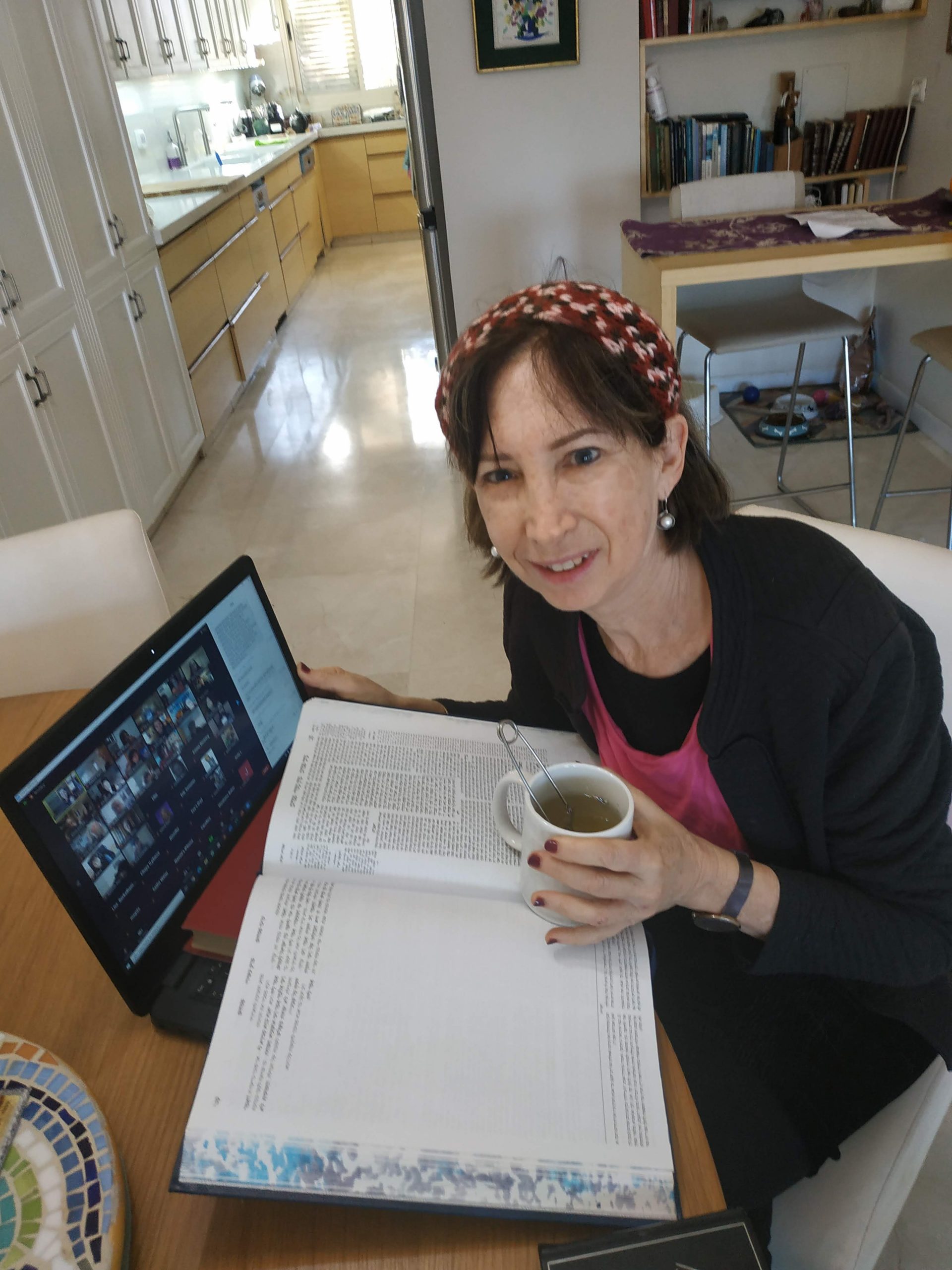
חשמונאים, ישראל
התחלתי ללמוד דף יומי אחרי שחזרתי בתשובה ולמדתי במדרשה במגדל עוז. הלימוד טוב ומספק חומר למחשבה על נושאים הלכתיים ”קטנים” ועד לערכים גדולים ביהדות. חשוב לי להכיר את הגמרא לעומק. והצעד הקטן היום הוא ללמוד אותה בבקיאות, בעזרת השם, ומי יודע אולי גם אגיע לעיון בנושאים מעניינים. נושאים בגמרא מתחברים לחגים, לתפילה, ליחסים שבין אדם לחברו ולמקום ולשאר הדברים שמלווים באורח חיים דתי 🙂

מצפה יריחו, ישראל
סוכה יח
וּמוֹדֶה רַבִּי מֵאִיר שֶׁאִם יֵשׁ בֵּין נֶסֶר לְנֶסֶר כִּמְלֹא נֶסֶר — שֶׁמַּנִּיחַ פְּסָל בֵּינֵיהֶם וּכְשֵׁרָה.
And Rabbi Meir concedes that if there is between one board and another board a gap the complete width of a board, then one places fit roofing from the waste of the threshing floor and the winepress, and the sukka is fit.
בִּשְׁלָמָא לְמַאן דְּאָמַר בֵּין בָּאֶמְצַע בֵּין מִן הַצַּד בְּאַרְבַּע אַמּוֹת — מִשּׁוּם הָכִי כְּשֵׁרָה. אֶלָּא לְמַאן דְּאָמַר בָּאֶמְצַע בְּאַרְבָּעָה, אַמַּאי כְּשֵׁרָה?
The Gemara clarifies: Granted, according to the one who said: Both along the side and in the center a sukka is rendered unfit with a measure of four cubits of unfit roofing, it is due to that reason that the sukka under discussion is fit, as none of the boards is four cubits wide. However, according to the one who said that a sukka is rendered unfit with a measure of four handbreadths of unfit roofing in the center, why is the sukka fit? Each board is capable on its own of rendering the sukka unfit.
אָמַר רַב הוּנָא בְּרֵיהּ דְּרַב יְהוֹשֻׁעַ: הָכָא בְּסוּכָּה דְּלָא הָוְיָא אֶלָּא שְׁמֹנֶה מְצוּמְצָמוֹת עָסְקִינַן, וְיָהֵיב נֶסֶר וּפְסָל וְנֶסֶר וּפְסָל וְנֶסֶר וּפְסָל מֵהַאי גִּיסָא, וְנֶסֶר וּפְסָל וְנֶסֶר וּפְסָל וְנֶסֶר וּפְסָל מֵהַאי גִּיסָא,
Rav Huna, son of Rav Yehoshua, said: Here, we are dealing with a sukka that is exactly eight cubits, i.e., forty-eight handbreadths, wide, and one began placing the roofing from the side. And he places a four-handbreadth board and then four handbreadths of waste, and another board and waste, and a board and waste, from this side, so that the total measure of roofing from that side is twenty-four handbreadths. And then a beam and waste, a beam and waste, and a beam and waste, from that side, so that the total measure of roofing from that side is twenty-four handbreadths.
דְּהָווּ לְהוּ שְׁנֵי פְסָלִין בָּאֶמְצַע, וְאִיכָּא הֶכְשֵׁר סוּכָּה בָּאֶמְצַע.
The result is that the sukka has two four-handbreadth stretches of waste in the middle of the sukka, totaling eight handbreadths. In that case, there is the minimum measure of fit roofing required for fitness of a sukka in the middle, and everyone agrees that the unfit roofing in the rest of the sukka cannot render it unfit. Since the unfit roofing measures less than four cubits on either side, the sukka is fit both according to the principle of curved wall and according to the opinion that unfit roofing renders the sukka unfit with four cubits.
אָמַר אַבָּיֵי: אֲוִיר שְׁלֹשָׁה בְּסוּכָּה גְּדוֹלָה וּמִיעֲטוֹ, בֵּין בְּקָנִים בֵּין בְּשַׁפּוּדִין — הָוֵי מִיעוּט. בְּסוּכָּה קְטַנָּה, בְּקָנִים — הָוֵי מִיעוּט, בְּשַׁפּוּדִין — לָא הָוֵי מִיעוּט.
§ Abaye said: If there is space measuring three handbreadths in a large sukka, which is defined as one larger than seven by seven handbreadths, and one diminished the space, whether he did so with branches, fit for roofing, or whether he did so with metal skewers, unfit roofing, it is an effective diminution, as there is neither sufficient space nor sufficient unfit roofing to render the sukka unfit. However, in a small sukka, if one diminished the space with branches it is an effective diminution; if he diminished the space with skewers, it is not an effective diminution and the sukka is unfit. The three handbreadths of skewers, while insufficient to render the sukka unfit, diminish the fit area of the sukka to the point that the measure that remains does not constitute a fit sukka.
וְהָנֵי מִילֵּי מִן הַצַּד. אֲבָל בָּאֶמְצַע — פְּלִיגִי בַּהּ רַב אַחָא וְרָבִינָא, חַד אָמַר: יֵשׁ לָבוּד בָּאֶמְצַע, וְחַד אָמַר: אֵין לָבוּד בָּאֶמְצַע.
The Gemara notes: And this applies only if the space is along the side of the sukka, in which case the principle of lavud applies. However, if the space is in the center of the sukka, Rav Aḥa and Ravina disagree with regard to the ruling. One said: The principle of lavud is applied even in the center of the sukka. And one said: The principle of lavud is not applied in the center of the sukka. Even if one diminished the space, the two sides of the roofing are not considered joined.
מַאי טַעְמֵיהּ דְּמַאן דְּאָמַר יֵשׁ לָבוּד בָּאֶמְצַע — דְּתַנְיָא: קוֹרָה הַיּוֹצְאָה מִכּוֹתֶל זֶה וְאֵינָהּ נוֹגַעַת בְּכוֹתֶל אַחֵר, וְכֵן שְׁתֵּי קוֹרוֹת, אַחַת יוֹצְאָה מִכּוֹתֶל זֶה וְאַחַת יוֹצְאָה מִכּוֹתֶל אַחֵר וְאֵינָן נוֹגְעוֹת זוֹ בָּזוֹ — פָּחוֹת מִשְּׁלֹשָׁה, אֵינוֹ צָרִיךְ לְהָבִיא קוֹרָה אַחֶרֶת. שְׁלֹשָׁה — צָרִיךְ לְהָבִיא קוֹרָה אַחֶרֶת.
The Gemara explains: What is the rationale for the opinion of the one who said: The principle of lavud is applied even in the center of the sukka? It is as it is taught in the Tosefta: With regard to a cross beam of the merging of alleyways that projects from this wall of an alleyway but does not touch the other opposite wall, and similarly, with regard to two cross beams, one projecting from this wall and one projecting from the other opposite wall and they do not touch each other, if there is a gap of less than three handbreadths between the beam and the wall or between the two beams respectively, one need not bring another cross beam to render the alleyway fit for one to carry within it, as they are considered joined based on the principle of lavud. However, if there is a gap of three handbreadths, one must bring another cross beam. Apparently, the principle of lavud is applied even in the center.
וְאִידַּךְ — שָׁאנֵי קוֹרוֹת דְּרַבָּנַן.
The Gemara asks: And the other Sage, who holds that lavud does not apply in the center, how would he explain the Tosefta? The Gemara clarifies that he would say that beams are different because the prohibition against carrying in an alleyway is a decree by rabbinic law, and it is a rabbinic ordinance that beams may be placed at the entrance to the alleyway to permit carrying therein, the Sages were lenient. Therefore, proof cannot be cited from the case of the beams with regard to other situations.
מַאי טַעְמָא דְּמַאן דְּאָמַר אֵין לָבוּד בָּאֶמְצַע — דִּתְנַן: אֲרוּבָּה שֶׁבַּבַּיִת וּבָהּ פּוֹתֵחַ טֶפַח, טוּמְאָה בַּבַּיִת — כּוּלּוֹ טָמֵא, מַה שֶּׁכְּנֶגֶד אֲרוּבָּה — טָהוֹר. טוּמְאָה כְּנֶגֶד אֲרוּבָּה — כָּל הַבַּיִת כּוּלּוֹ טָהוֹר.
What is the reason for the opinion of the one who said: The principle of lavud does not apply in the center? It is as we learned in a mishna: In the case of a skylight in the roof of a house whose opening is one square handbreadth, if there is a source of ritual impurity imparted by a corpse inside the house, all the objects in the entire house become ritually impure, as the legal status of the roof is that of a tent over a corpse. However, the objects that are directly opposite the skylight are ritually pure, as the roof does not cover that part of the house. If the source of ritual impurity is itself situated aligned with the skylight, all the objects in the entire house are ritually pure, as there is no roof over the source of impurity.
אֵין בָּאֲרוּבָּה פּוֹתֵחַ טֶפַח, טוּמְאָה בַּבַּיִת — כְּנֶגֶד אֲרוּבָּה, טָהוֹר. טוּמְאָה כְּנֶגֶד אֲרוּבָּה — כָּל הַבַּיִת כּוּלּוֹ טָהוֹר.
If the skylight does not have an opening of a square handbreadth and there is ritual impurity in the house, the objects opposite the skylight remain ritually pure. If the source of ritual impurity is aligned with the skylight, the objects in the entire house are ritually pure. Apparently, the principle of lavud is not applied in the center; if it were, all the objects in the house would become ritually impure regardless of the location of the source of impurity. The opening of the skylight should be considered closed, as the distance between the two sides of its opening is less than three handbreadths.
וְאִידַּךְ? שָׁאנֵי הִלְכוֹת טוּמְאָה דְּהָכִי גְּמִירִי לְהוּ.
The Gemara asks: And the other Sage, who holds that lavud applies in the center, how would he explain the mishna? The Gemara answers: The halakhot of ritual impurity are different, as that is the way they learned them through tradition. The halakhot of tents and ritual impurity are halakhot transmitted to Moses from Sinai. Therefore, their details are unique, and other areas of halakha cannot be derived from them.
דָּרֵשׁ רַבִּי יְהוּדָה בַּר אִלְעַאי: בַּיִת שֶׁנִּפְחַת וְסִיכֵּךְ עַל גַּבָּיו — כְּשֵׁרָה. אָמַר לְפָנָיו רַבִּי יִשְׁמָעֵאל בְּרַבִּי יוֹסֵי: רַבִּי, פָּרֵישׁ, כָּךְ פֵּירַשׁ אַבָּא: אַרְבַּע אַמּוֹת פְּסוּלָה, פָּחוֹת מֵאַרְבַּע אַמּוֹת כְּשֵׁרָה.
§ Rabbi Yehuda bar Elai taught: A house that was breached and one roofed over it is a fit sukka. Rabbi Yishmael, son of Rabbi Yosei, said to him: My teacher, explain your opinion. Rabbi Yehuda bar Elai said that this is how my father explained it: If the ceiling between the wall and the breach is four cubits long, the sukka is unfit. If it is less than four cubits, the sukka is fit.
דָּרֵשׁ רַבִּי יְהוּדָה בַּר אִלְעַאי: אַבְרוּמָא שַׁרְיָא. אֲמַר לְפָנָיו רַבִּי יִשְׁמָעֵאל בְּרַבִּי יוֹסֵי: רַבִּי, פָּרֵישׁ, כָּךְ אָמַר אַבָּא: שֶׁל מָקוֹם פְּלוֹנִי — אֲסוּרָה, שֶׁל מָקוֹם פְּלוֹנִי — מוּתֶּרֶת.
Rabbi Yehuda bar Elai taught: With regard to the abramis [avroma], it is permitted to eat it, despite the fact that it is a very small fish that is typically caught in a net with many similar, non-kosher, fish, and it is difficult to distinguish between them. Rabbi Yishmael, son of Rabbi Yosei, said to him: My teacher, explain your opinion. Rabbi Yehuda bar Elai said that this is how my father explained it: The abramis found in the rivers of place so-and-so, where there are also non-kosher fish, is prohibited; however, the abramis of a different place so-and-so, where there are no non-kosher fish, is permitted.
כִּי הָא דְּאָמַר אַבָּיֵי: הַאי צַחַנְתָּא דְּבָב נַהֲרָא שַׁרְיָא. מַאי טַעְמָא? אִילֵּימָא מִשּׁוּם דִּרְדִיפִי מַיָּא, וְהַאי דָּג טָמֵא כֵּיוָן דְּלֵית לֵיהּ חוּט הַשִּׁדְרָה לָא מָצֵי קָאֵים — וְהָא קָא חָזֵינַן דְּקָאֵי!
The Gemara notes that this is similar to that which Abaye said: These small fish [tzaḥanta] of the Bav River are permitted. The Gemara asks: What is the reason that Abaye unequivocally permitted eating these fish and was not concerned about the potential presence of non-kosher fish among them? If we say that it is due to the fact that the water flows rapidly, and these non-kosher fish, since they do not have a spinal cord, are not able to exist in that water, as the current carries the non-kosher fish out of the Bav River, and consequently all the remaining fish are kosher, that is not the case. Don’t we see that non-kosher fish exist in rivers with strong currents?
אֶלָּא מִשּׁוּם דִּמְלִיחִי מַיָּא, וְהַאי דָּג טָמֵא, כֵּיוָן דְּלֵית לֵיהּ קִילְפֵי לָא מָצֵי קָאֵי — וְהָא קָא חָזֵינַן דְּקָאֵי! אֶלָּא: מִשּׁוּם דְּלָא מְרַבֵּה טִינַיְיהוּ דָּג טָמֵא. אֲמַר רָבִינָא: וְהָאִידָּנָא, דְּשָׁפְכִי נְהַר אֵיתָן וּנְהַר גַּמְדָּא לְהָתָם, אֲסִירָא.
Rather, perhaps Abaye permitted it because the water is salty, and these non-kosher fish are not able to exist in that water because they do not have scales. This, too, is not the case, as don’t we see that non-kosher fish exist in salty water? Rather, Abaye permitted the small fish in the Bav River because the mud in that river is not suited for non-kosher fish to reproduce. The conditions in the river render it an unproductive habitat for non-kosher fish. Ravina said: And today, since the government built canals between the rivers, and the Eitan River and the Gamda River spill into the Bav, it is prohibited to eat the small fish without thorough inspection.
אִתְּמַר: סִיכֵּךְ עַל גַּבֵּי אַכְסַדְרָה שֶׁיֵּשׁ לָהּ פַּצִּימִין — כְּשֵׁרָה. שֶׁאֵין לָהּ פַּצִּימִין, אַבָּיֵי אָמַר: כְּשֵׁרָה, וְרָבָא אָמַר: פְּסוּלָה. אַבָּיֵי אָמַר כְּשֵׁרָה —
§ It was stated that the amora’im disagree: If one roofed a portico that has posts on its open side, the sukka is fit. If one roofed a portico that does not have posts on its open side, Abaye said: The sukka is fit, and Rava said: The sukka is unfit. The Gemara elaborates: Abaye said: The sukka is fit,
אָמְרִינַן פִּי תִקְרָה יוֹרֵד וְסוֹתֵם. רָבָא אָמַר פְּסוּלָה — לָא אָמְרִינַן פִּי תִקְרָה יוֹרֵד וְסוֹתֵם.
as we say that the edge of the roof descends and seals the opening. The edge of the roof itself is considered as though it were a small partition that extends downward and forms a wall. Rava said: This sukka is unfit, as we do not say that the edge of the roof descends and seals.
אֲמַר לֵיהּ רָבָא: אַבָּיֵי, לְדִידָךְ דְּאָמְרַתְּ פִּי תִקְרָה יוֹרֵד וְסוֹתֵם, אֲפִילּוּ הִפְחִית דּוֹפֶן אֶמְצָעִי! אֲמַר לֵיהּ: מוֹדֵינָא לָךְ בְּהָהִיא, דְּהָוֵה לֵיהּ כְּמָבוֹי הַמְפוּלָּשׁ.
Rava said to Abaye: According to you, who said: The edge of the roof descends and seals the opening like a wall, then in a case where the roofing of the sukka consists of straight beams, even if one removed the middle wall, leaving the sukka with only two parallel walls, the sukka would nevertheless be fit. Since the edge of the roof descends and seals, the legal status of that sukka is the same as one that has walls on all sides. Abaye said to him: I concede to you that in that particular case the principle: The edge of the roof descends and seals, does not apply, as it is considered like an open alleyway, through which the multitudes pass on two opposite sides. In other cases, the principle applies.
לֵימָא אַבָּיֵי וְרָבָא בִּפְלוּגְתָּא דְּרַב וּשְׁמוּאֵל קָמִיפַּלְגִי. דְּאִתְּמַר: אַכְסַדְרָה בְּבִקְעָה, רַב אָמַר: מוּתָּר לְטַלְטֵל בְּכוּלּוֹ, דְּאָמְרִינַן פִּי תִּקְרָה יוֹרֵד וְסוֹתֵם. וּשְׁמוּאֵל אָמַר: אֵין מְטַלְטְלִין בָּהּ אֶלָּא בְּאַרְבַּע אַמּוֹת, דְּלָא אָמְרִינַן פִּי תִקְרָה יוֹרֵד וְסוֹתֵם.
The Gemara suggests: Let us say that Abaye and Rava disagree with regard to the same issue that was the subject in the dispute of Rav and Shmuel; they are merely elaborating on a fundamental dispute between other amora’im. As it was stated: Amora’im disagree with regard to a portico, which has a roof and no walls or incomplete walls, located in a field, which is a karmelit. Rav said: It is permitted to move an object throughout the entire portico, as we say that the edge of the roof descends and seals the opening, rendering the portico a private domain, as it is effectively surrounded by partitions. And Shmuel said: One may move an object in the portico only within four cubits, as we do not say that the edge of the roof descends and seals the opening. Therefore, the portico’s legal status is that of the surrounding field. Ostensibly, the basis of the dispute between Abaye and Rava is identical to the basis of the dispute between Rav and Shmuel.
אַלִּיבָּא דִּשְׁמוּאֵל, כּוּלֵּי עָלְמָא לָא פְּלִיגִי.
The Gemara rejects this comparison and says: According to the opinion of Shmuel, everyone, even Abaye, agrees that one does not apply the principle: The edge of the roof descends and seals, to the case of a sukka.

