







מה עושים לגבי מצוות סוכה בחוץ לארץ בשמיני ספק שביעי? האם יושבים בסוכה ולא מברכים או יושבים ומברכים או לא יושבים בכלל? הגמרא מביאה מחלוקת בין ר’ יוחנן ורב ויש שתי גירסאות שונות בהבנת המחלוקת – על מה בדיוק המחלוקת. הגמרא קובעת שיושבים בסוכה ולא מברכים. ר’ יוחנן אומר שמברכים שהחיינו בשמיני עצרת אבל לא בשביעי של פסח – למה? במה שונה שמיני עצרת משאר חג סוכות ולמה זה לא דומה לשביעי של פסח שאין בו חיוב מצה כמו שיש בלילה הראשונה? איזה הוכחות מהפסוקים מובאים בכדי להוכיח ששמיני עצרת חג בפני עצמו? הגמרא מנסה להביא הוכחה מברייתא שאומרים שהחיינו בשמני עצרת אבל ההוכחה נדחית. בברייתא זו ר’ יהודה אומר שיש הרבה דינים שבהם שמיני עצרת שונה משאר חג סוכות. הגמרא דנה בשיטת ר’ יהודה לעניין לינה ומקשה עליו מברייתא אחרת שלכאורה נראית שר’ יהודה התנא של הברייתא. בסוף עונים שזה יכול להיות ר’ אליעזר בן יעקב ולא ר’ יהודה. בסוף אומרים שיש מחלוקת האם אומרים שהחיינו ביום השמיני או לא אבל קובעים להלכה שכן.
הלימוד השבוע מוקדש לזכות ולשלום הַיְימׇנוֹט אֱמוּנָה בַּת באנצ’י (קָסָאוּ) בת 11 שנעלמה במקום מגוריה בצפת, לפני שנתיים, ביום ט”ז אדר תשפ”ד (25.2.24), ולא נודעו עקבותיה.
הלימוד השבוע מוקדש למען ביטחון המדינה, החיילים והאזרחים, ולמען חירותו של העם האיראני. שנזכה בקרוב שיתקיים בנו הפסוק: "לַיְּהוּדִים הָיְתָה אוֹרָה וְשִׂמְחָה וְשָׂשֹׂן וִיקָר”.
הלימוד השבוע מוקדש לזכות וְלִשְׁלוֹם הָיימָנוֹט אֱמוּנָה בַּת באנצ’י (קָסָאוּ), בת 11 שנעלמה במקום מגוריה בצפת, לפני שנתיים, ביום ט”ז אדר תשפ״ד (25.2.24), ולא נודעו עקבותיה. אנו מתפללים שֶׁתִּמָּצֵא וְתוּשַׁב לביתה במהרה!
רוצה להקדיש שיעור?

כלים
הלימוד השבוע מוקדש לזכות ולשלום הַיְימׇנוֹט אֱמוּנָה בַּת באנצ’י (קָסָאוּ) בת 11 שנעלמה במקום מגוריה בצפת, לפני שנתיים, ביום ט”ז אדר תשפ”ד (25.2.24), ולא נודעו עקבותיה.
הלימוד השבוע מוקדש למען ביטחון המדינה, החיילים והאזרחים, ולמען חירותו של העם האיראני. שנזכה בקרוב שיתקיים בנו הפסוק: "לַיְּהוּדִים הָיְתָה אוֹרָה וְשִׂמְחָה וְשָׂשֹׂן וִיקָר”.
הלימוד השבוע מוקדש לזכות וְלִשְׁלוֹם הָיימָנוֹט אֱמוּנָה בַּת באנצ’י (קָסָאוּ), בת 11 שנעלמה במקום מגוריה בצפת, לפני שנתיים, ביום ט”ז אדר תשפ״ד (25.2.24), ולא נודעו עקבותיה. אנו מתפללים שֶׁתִּמָּצֵא וְתוּשַׁב לביתה במהרה!
סוכה מז
לְבָרוֹכֵי. לְמַאן דְּאָמַר שְׁבִיעִי לְסוּכָּה — בָּרוֹכֵי נָמֵי מְבָרְכִינַן, לְמַאן דְּאָמַר שְׁמִינִי לָזֶה וְלָזֶה — בָּרוֹכֵי לָא מְבָרְכִינַן. אָמַר רַב יוֹסֵף: נְקוֹט דְּרַבִּי יוֹחָנָן בְּיָדְךָ, דְּרַב הוּנָא בַּר בִּיזְנָא וְכׇל גְּדוֹלֵי הַדּוֹר אִיקְּלַעוּ בְּסוּכָּה בִּשְׁמִינִי סְפֵק שְׁבִיעִי. מֵיתַב הֲווֹ יָתְבִי, בָּרוֹכֵי לָא בָּרִיכוּ.
with regard to whether or not to recite the blessing over residing in the sukka. According to the one who says that the status of the eighth day is like that of the seventh day with regard to the mitzva of sukka, we also recite the blessing: To reside in the sukka. However, according to the one who says that its status is like that of the eighth day both with regard to this and to that, we do not recite the blessing. Rav Yosef said: Take the statement of Rabbi Yoḥanan that on the eighth day outside Eretz Yisrael one does not recite the blessing: To reside in the sukka, in your hand, i.e., adopt it as your practice. As Rav Huna bar Bizna and all the prominent scholars of the generation happened to visit a sukka on the eighth day, with regard to which there was uncertainty that it might be the seventh day, and they were sitting in the sukka, but they did not recite the blessing.
וְדִלְמָא סְבִירָא לְהוּ כְּמַאן דְּאָמַר: כֵּיוָן שֶׁבֵּירַךְ יוֹם טוֹב רִאשׁוֹן שׁוּב אֵינוֹ מְבָרֵךְ? גְּמִירִי דְּמֵאֲפָר אֲתוֹ.
The Gemara suggests: And perhaps the reason they did not recite a blessing is that they hold in accordance with the opinion of the one who said: Once he recited the blessing on the first Festival day he does not recite it again on the subsequent days, and not because it was the eighth day. The Gemara answers: That is not the reason that they did not recite the blessing, as the Sages learned through tradition that these Sages were coming from the fields, where they had been herding their flocks, and that was the first time during the Festival that they sat in a sukka.
אִיכָּא דְּאָמְרִי: בָּרוֹכֵי — כּוּלֵּי עָלְמָא לָא פְּלִיגִי דְּלָא מְבָרְכִינַן. כִּי פְּלִיגִי, לְמֵיתַב. לְמַאן דְּאָמַר שִׁבְעָה לְסוּכָּה — מֵיתַב יָתְבִינַן, וּלְמַאן דְּאָמַר שְׁמִינִי לָזֶה וְלָזֶה — מֵיתַב נָמֵי לָא יָתְבִינַן. אָמַר רַב יוֹסֵף: נְקוֹט דְּרַבִּי יוֹחָנָן בִּידָךְ, דְּמָרָא דִשְׁמַעְתָּא מַנִּי — רַב יְהוּדָה בְּרֵיהּ דְּרַב שְׁמוּאֵל בַּר שִׁילַת, וּבִשְׁמִינִי סְפֵק שְׁבִיעִי לְבַר מִסּוּכָּה יָתֵיב. וְהִלְכְתָא: מֵיתַב יָתְבִינַן, בָּרוֹכֵי לָא מְבָרְכִינַן.
Some say a different version of the dispute: Everyone agrees that we do not recite the blessing; when they disagree it is with regard to whether to reside in the sukka. According to the one who says that the status of the eighth day is like that of the seventh day with regard to the mitzva of sukka, we reside in the sukka. However, according to the one who says that its status is like that of the eighth day both with regard to this and to that, neither do we reside in the sukka. Rav Yosef said: Take the statement of Rabbi Yoḥanan in your hand, as who is the Master responsible for dissemination of the halakha? It is Rav Yehuda, son of Rav Shmuel bar Sheilat, and on the eighth day, with regard to which there is uncertainty that it might be the seventh day, he himself resides outside of the sukka. The Gemara concludes: And the halakha is that we reside in the sukka on the eighth day, with regard to which there is uncertainty that it might be the seventh day, but we do not recite the blessing.
אָמַר רַבִּי יוֹחָנָן: אוֹמְרִים זְמַן בִּשְׁמִינִי שֶׁל חַג, וְאֵין אוֹמְרִים זְמַן בִּשְׁבִיעִי שֶׁל פֶּסַח.
§ Rabbi Yoḥanan said that one recites the blessing: Who has given us life, sustained us, and brought us to this time, on the eighth day of the Festival, as the eighth day is a Festival distinct from Sukkot, and one does not recite the blessing of time on the seventh day of Passover because it is not a Festival distinct from Passover.
וְאָמַר רַבִּי לֵוִי בַּר חָמָא וְאִיתֵּימָא רַבִּי חָמָא בַּר חֲנִינָא: תֵּדַע, שֶׁהֲרֵי חָלוּק בִּשְׁלֹשָׁה דְּבָרִים: בְּסוּכָּה, וְלוּלָב, וְנִיסּוּךְ הַמַּיִם. וּלְרַבִּי יְהוּדָה דְּאָמַר: בַּלּוֹג הָיָה מְנַסֵּךְ כׇּל שְׁמוֹנָה, הֲרֵי חָלוּק בִּשְׁנֵי דְּבָרִים.
And Rabbi Levi bar Ḥama said, and some say it was Rabbi Ḥama bar Ḥanina who said: Know that the eighth day of Sukkot is a Festival in and of itself and therefore requires its own blessing, as it is distinct from the seven days of Sukkot with regard to three matters: With regard to sukka, as one is not obligated to sit in the sukka on the eighth day; and with regard to lulav, as one is not obligated to take the four species on the eighth day; and with regard to the water libation, as one does not pour the water libation on the altar on the eighth day. The Gemara notes: And according to Rabbi Yehuda, who said: With a vessel measuring one log the priest pours the water libation all eight days, including the eighth day, the eighth day is nevertheless distinct from the rest of the Festival with regard to the other two matters.
אִי הָכִי, שְׁבִיעִי שֶׁל פֶּסַח נָמֵי: הֲרֵי חָלוּק בַּאֲכִילַת מַצָּה! דְּאָמַר מָר: לַיְלָה רִאשׁוֹנָה — חוֹבָה, מִכָּאן וְאֵילָךְ רְשׁוּת. הָכִי הַשְׁתָּא?! הָתָם — מִלַּיְלָה חָלוּק, מִיּוֹם אֵינוֹ חָלוּק. הָכָא — אֲפִילּוּ מִיּוֹם נָמֵי חָלוּק.
The Gemara asks: If so, the seventh day of Passover should be considered distinct as well, as it is distinct from the first day in terms of the obligation of eating matza, as the Master said: On the first night of Passover, it is an obligation to eat matza. From that point onward, it is optional; if one chooses, he eats matza, and if he chooses not to eat matza, he need not, provided that he does not eat leavened foods. The Gemara retorts: How can these cases be compared? There, in the case of Passover, the halakha of the seventh day is distinct from the first night; however, it is not distinct from the first day, as on the first day there is no obligation to eat matza. Here, in the case of Sukkot, the eighth day of the Festival is distinct even from the first day.
רָבִינָא אָמַר: זֶה חָלוּק מִשֶּׁלְּפָנָיו, וְזֶה חָלוּק מִשֶּׁלִּפְנֵי פָנָיו.
Ravina said a different reason for the distinction between the two Festivals: This, the eighth day of Sukkot, is distinct in terms of its halakhot, even from the day just before it, the seventh day. However, that, the seventh day of Passover, is distinct in terms of its halakhot, only from a day previous to the day before, i.e., the first day alone. There is no distinction between the sixth and seventh days.
(אָמַר רַב פָּפָּא): הָכָא כְּתִיב ״פַּר״, הָתָם כְּתִיב ״פָּרִים״.
Rav Pappa said another reason why the eighth day of Sukkot is considered a distinct Festival. Here, with regard to the additional offering sacrificed on the Eighth Day of Assembly, it is written: “And you shall present a burnt-offering, an offering made by fire, of a sweet savor unto the Lord: One bull” (Numbers 29:36). There, with regard to the additional offering sacrificed on the first day of Sukkot, it is written: “And you shall present a burnt-offering, an offering made by fire, of a sweet savor unto the Lord: Thirteen bulls” (Numbers 29:13), and on each subsequent day one bull fewer is sacrificed: Twelve on the second day, eleven on the third day, and so on, until seven are sacrificed on the seventh day. Were the eighth day part of the festival of Sukkot, the additional offering on that day should have included six bulls. The fact that it includes only one bull indicates that it is a distinct Festival.
רַב נַחְמָן בַּר יִצְחָק אָמַר, הָכָא כְּתִיב: ״בַּיּוֹם״, הָתָם כְּתִיב: ״וּבַיּוֹם״.
Rav Naḥman bar Yitzḥak said: Here, it is written: “On the eighth day you shall have a solemn assembly; you shall do no manner of servile labor” (Numbers 29:35). This indicates that this day is distinct from the others, as there, with regard to the other days of Sukkot, it is written: And on the day, indicating that each of the days from the second through the seventh are all continuations of the first day.
רַב אָשֵׁי אָמַר, הָכָא כְּתִיב: ״כַּמִּשְׁפָּט״, הָתָם כְּתִיב: ״כְּמִשְׁפָּטָם״.
Rav Ashi said: Here, with regard to the eighth day, it is written: “Their meal-offering and their libations, for the bull, for the ram, and for the lambs, shall be according to their number, as per the regulation” (Numbers 29:37). However, there, with regard to the seventh day, it is written: “And their meal-offering and their libations, for the bulls, and for the rams, and for the lambs, according to their number, as per their regulation” (Numbers 29:33). The Gemara understands the use of the plural pronoun: Their, to indicate that the offerings sacrificed on all seven days are related.
לֵימָא מְסַיַּיע לֵיהּ: הַפָּרִים הָאֵילִים וְהַכְּבָשִׂים, מְעַכְּבִין זֶה אֶת זֶה. וְרַבִּי יְהוּדָה אוֹמֵר: פָּרִים אֵין מְעַכְּבִין זֶה אֶת זֶה, שֶׁהֲרֵי מִתְמַעֲטִין וְהוֹלְכִין.
The Gemara asks: Let us say that the following supports the opinion of Rabbi Yoḥanan that one recites the blessing of time on the eighth day. Failure to bring either the bulls, or the rams, or the sheep on the Festival prevents fulfillment of one’s obligation with the other animals, as they are considered one offering. Rabbi Yehuda says: Failure to bring the bulls does not prevent fulfillment of one’s obligation with the other animals, since they decrease progressively each day. The Torah displays flexibility with regard to the bulls. Therefore, apparently, even if they are not brought at all one fulfills his obligation with the others.
אָמְרוּ לוֹ: וַהֲלֹא כּוּלָּן מִתְמַעֲטִין וְהוֹלְכִין בַּשְּׁמִינִי! אָמַר לָהֶן: שְׁמִינִי רֶגֶל בִּפְנֵי עַצְמוֹ הוּא. שֶׁכְּשֵׁם שֶׁשִּׁבְעַת יְמֵי הַחַג טְעוּנִין קׇרְבָּן וְשִׁיר וּבְרָכָה וְלִינָה, אַף שְׁמִינִי טָעוּן קׇרְבָּן וְשִׁיר וּבְרָכָה וְלִינָה.
The Sages said to Rabbi Yehuda: But don’t the numbers of all the animals eventually decrease on the eighth day, as on the other days two rams and fourteen sheep are sacrificed and on the eighth day it is one ram and seven sheep? Rabbi Yehuda said to them: The Eighth Day of Assembly is a Festival in and of itself. As just as the seven days of the festival of Sukkot require an offering, and a song sung by the Levites, and a blessing unique to the festival of Sukkot, and there is a mitzva of staying overnight in Jerusalem after the first Festival day, so too, the eighth day requires an offering, and a song sung by the Levites, and a blessing unique to the Eighth Day of Assembly, and there is a mitzva of staying overnight in Jerusalem at its conclusion.
מַאי לָאו, זְמַן? לֹא, בִּרְכַּת הַמָּזוֹן וּתְפִלָּה.
What, is it not that the blessing mentioned is the blessing of time, in support of the opinion of Rabbi Yoḥanan? The Gemara rejects this possibility: No, the blessing here is Grace after Meals and the Amida prayer, where mention is made of the Eighth Day of Assembly and not of Sukkot. Therefore, there is no support for the opinion of Rabbi Yoḥanan that one recites the blessing of time on the Eighth Day of Assembly.
הָכִי נָמֵי מִסְתַּבְּרָא, דְּאִי סָלְקָא דַעְתָּךְ זְמַן — זְמַן כׇּל שִׁבְעָה מִי אִיכָּא? הָא לָא קַשְׁיָא: דְּאִי לָא בָּרֵיךְ הָאִידָּנָא — מְבָרֵךְ לִמְחַר, אוֹ לְיוֹמָא אַחֲרִינָא.
The Gemara says: So too, it is reasonable that this is the proper understanding of the baraita, as should it enter your mind that the baraita is referring to the blessing of time, is there a blessing of time all seven days of Sukkot? One recites the blessing only on the first day. The Gemara responds: This is not difficult, and that is no proof that the baraita is not referring to the blessing of time, as the baraita could mean that if one did not recite the blessing today, on the first day, he recites the blessing on the next day or on another day of the Festival. Under those circumstances the blessing of time may be recited on any of the seven days.
מִכׇּל מָקוֹם כּוֹס בָּעֵינַן! לֵימָא מְסַיַּיע לֵיהּ לְרַב נַחְמָן, דְּאָמַר רַב נַחְמָן: זְמַן אוֹמְרוֹ אֲפִילּוּ בַּשּׁוּק. דְּאִי אָמְרַתְּ בָּעֵינַן כּוֹס — כּוֹס כֹּל יוֹמָא מִי אִיכָּא? דִּלְמָא דְּאִיקְּלַע לֵיהּ כּוֹס.
The Gemara asks: How could one recite the blessing of time on each of the days of Sukkot if in any case we require the blessing to be recited over a cup of wine, and not everyone has access to wine during the intermediate days of the Festival? From the fact that the Gemara does not consider this factor, let us say that this baraita supports the opinion of Rav Naḥman, as Rav Naḥman said: One recites the blessing of time even in the marketplace, without wine, as, if you say that we require a cup of wine in order to recite the blessing of time, is there a cup of wine available every day that would enable one to recite the blessing during the intermediate days of the Festival? The Gemara rejects this proof: Perhaps the baraita is referring to a case where a cup of wine happened to become available to him. The baraita is not describing the preferred method of reciting the blessing but merely a possibility.
וְסָבַר רַבִּי יְהוּדָה שְׁמִינִי טָעוּן לִינָה? וְהָא תַּנְיָא, רַבִּי יְהוּדָה אוֹמֵר: מִנַּיִן לְפֶסַח שֵׁנִי שֶׁאֵינוֹ טָעוּן לִינָה — שֶׁנֶּאֱמַר: ״וּפָנִיתָ בַבֹּקֶר וְהָלַכְתָּ לְאֹהָלֶיךָ״, וּכְתִיב: ״שֵׁשֶׁת יָמִים תֹּאכַל מַצּוֹת״. אֶת שֶׁטָּעוּן שִׁשָּׁה — טָעוּן לִינָה, אֶת שֶׁאֵינוֹ טָעוּן שִׁשָּׁה — אֵינוֹ טָעוּן לִינָה. לְמַעוֹטֵי מַאי? לָאו לְמַעוֹטֵי נָמֵי שְׁמִינִי שֶׁל חַג?
The Gemara asks: And does Rabbi Yehuda really hold that the Eighth Day of Assembly requires one to stay overnight at its conclusion? But wasn’t it taught in a baraita that Rabbi Yehuda says: From where is it derived that the second Pesaḥ, when the Paschal lamb is brought by those who were impure and unable to sacrifice it on the first Pesaḥ, does not require staying overnight at its conclusion? As it is stated with regard to the first Pesaḥ: “And you shall turn in the morning and go unto your tents” (Deuteronomy 16:7), and immediately thereafter it is written: “Six days you shall eat matzot” (Deuteronomy 16:8). From the juxtaposition of these two verses Rabbi Yehuda derives the following: That which requires observance of the six subsequent days requires staying overnight; that which does not require observance of the six subsequent days does not require staying overnight. What does this juxtaposition come to exclude? Is it not to exclude the eighth day of the Festival, as it is not followed by the observance of six days?
לָא, לְמַעוֹטֵי פֶּסַח שֵׁנִי דִּכְווֹתֵיהּ. הָכִי נָמֵי מִסְתַּבְּרָא, דִּתְנַן: הַבִּיכּוּרִים טְעוּנִין קׇרְבָּן וְשִׁיר וּתְנוּפָה וְלִינָה. מַאן שָׁמְעַתְּ לֵיהּ דְּאָמַר תְּנוּפָה — רַבִּי יְהוּדָה, וְקָאָמַר: טָעוּן לִינָה.
The Gemara rejects this: No, it comes to exclude the second Pesaḥ, which is similar to the first Pesaḥ in terms of its offering, and it teaches that since it is not followed by the observance of six days there is no obligation to stay overnight. The Gemara says: So too, it is reasonable to say that Rabbi Yehuda is excluding the second Pesaḥ, as we learned in a mishna: The first fruits require a peace-offering to be brought with them, a song unique to the occasion, sung by the Levites, waving, and staying overnight. Whom did you hear who said that first fruits require waving? It is Rabbi Yehuda, and the mishna is saying that first fruits require staying overnight. Apparently, Rabbi Yehuda excludes only the second Pesaḥ from the requirement of staying overnight.
דְּתַנְיָא, רַבִּי יְהוּדָה אוֹמֵר: ״וְהִנַּחְתּוֹ״ — זוֹ תְּנוּפָה. אַתָּה אוֹמֵר זוֹ תְּנוּפָה, אוֹ אֵינוֹ אֶלָּא הַנָּחָה מַמָּשׁ. כְּשֶׁהוּא אוֹמֵר ״וְהִנִּיחוֹ״, הֲרֵי הַנָּחָה אָמוּר. הָא מָה אֲנִי מְקַיֵּים ״וְהִנַּחְתּוֹ״ — זוֹ תְּנוּפָה.
Rabbi Yehuda holds that first fruits require waving, as it was taught in a baraita: Rabbi Yehuda says that it is stated with regard to first fruits: “And you shall set it down before the Lord your God,” (Deuteronomy 26:10), and this is referring to waving before the altar the basket containing the first fruits. Do you say that this is referring to waving, or perhaps it is referring only to actually setting it down adjacent to the altar? When the Torah says: “And the priest shall take the basket from your hand and set it down before the altar of the Lord your God” (Deuteronomy 26:4), setting it down is already stated. How, then, do I establish the meaning of the verse: “And you shall set it down”? This is referring to waving.
וְדִלְמָא רַבִּי אֱלִיעֶזֶר בֶּן יַעֲקֹב הִיא, דְּתַנְיָא: ״וְלָקַח הַכֹּהֵן הַטֶּנֶא מִיָּדֶךָ״ — לִימֵּד עַל הַבִּיכּוּרִים שֶׁטְּעוּנִין תְּנוּפָה, דִּבְרֵי רַבִּי אֱלִיעֶזֶר בֶּן יַעֲקֹב.
The Gemara asks: And perhaps the baraita that requires one to stay overnight when bringing first fruits to Jerusalem is not in accordance with Rabbi Yehuda’s opinion. Rather, it is in accordance with the opinion of Rabbi Eliezer ben Ya’akov, who also holds that first fruits require waving. As it was taught in a baraita that it is written: “And the priest shall take the basket from your hand” (Deuteronomy 26:4), which taught concerning first fruits that they require waving. This is the statement of Rabbi Eliezer ben Ya’akov.
מַאי טַעְמָא דְּרַבִּי אֱלִיעֶזֶר בֶּן יַעֲקֹב? אָתְיָא ״יָד״ ״יָד״ מִשְּׁלָמִים, כְּתִיב הָכָא: ״וְלָקַח הַכֹּהֵן הַטֶּנֶא מִיָּדֶךָ״, וּכְתִיב הָתָם: ״יָדָיו תְּבִיאֶינָה אֵת אִשֵּׁי ה׳״.
The Gemara asks: What is the rationale for the opinion of Rabbi Eliezer ben Ya’akov? How does he derive the waving of the first fruits from this verse? The Gemara answers: This is derived by means of a verbal analogy between the term “hand” written with regard to first fruits and the term “hand” written with regard to a peace-offering. It is written here, with regard to first fruits: “And the priest shall take the basket from your hand,” and it is written there, with regard to a peace-offering: “His own hands shall bring the offerings of the Lord made by fire; the fat with the breast shall he bring, that the breast may be waved before the Lord” (Leviticus 7:30).
מָה כָּאן — כֹּהֵן, אַף לְהַלָּן — כֹּהֵן. וּמָה לְהַלָּן — בְּעָלִים, אַף כָּאן — בְּעָלִים. הָא כֵּיצַד? כֹּהֵן מַנִּיחַ יָדוֹ תַּחַת יָד בְּעָלִים וּמֵנִיף.
In addition, one can derive by means of the verbal analogy that just as here, with regard to first fruits, a priest performs the waving, so too, with regard to a peace-offering, a priest performs the waving. And just as there, with regard to a peace-offering, the owner performs the waving, so too here, with regard to first fruits, the owner performs the waving. How so? How can both the priest and the owner perform the waving? The owner places his hands beneath the peace-offering or under the first fruits, and the priest places his hand under the hand of the owner and waves it together with him. In any event, Rabbi Eliezer ben Ya’akov requires waving of the first fruits. Therefore, it is possible that the baraita is stated in accordance with the opinion of Rabbi Eliezer ben Ya’akov and no conclusive proof can be cited with regard to the opinion of Rabbi Yehuda.
מַאי הָוֵי עֲלַהּ? רַב נַחְמָן אָמַר: אוֹמְרִים זְמַן בִּשְׁמִינִי שֶׁל חַג, וְרַב שֵׁשֶׁת אָמַר: אֵין אוֹמְרִים זְמַן בִּשְׁמִינִי שֶׁל חַג. וְהִלְכְתָא: אוֹמְרִים זְמַן בִּשְׁמִינִי שֶׁל חַג.
What halakhic conclusion was reached concerning the blessing of time? Rav Naḥman said: One recites the blessing of time on the eighth day of the festival of Sukkot. And Rav Sheshet said: One does not recite the blessing of time on the eighth day of the Festival. The Gemara concludes: And the halakha is that one recites the blessing of time on the eighth day of the Festival.
תַּנְיָא כְּווֹתֵיהּ דְּרַב נַחְמָן: שְׁמִינִי
The Gemara notes: It was taught in a baraita in accordance with the opinion of Rav Naḥman: The eighth day

כלים
העמקה
רוצה להבין מה באמת קורה מתחת לפני השטח של הסוגיה?
שיעורים, פודקאסטים והרחבות של מיטב המורות שלנו יפתחו לך עוד זוויות וכיווני חשיבה.
סיום מסכת סוכה עם רחלי שפרכר פרנקל – סוכה – בית – מקדש
סיום מסכת סוכה עם מוריה תעסן מיכאלי – ברכת שהחיינו והשמחה במצוות










"גפ”ת 65 סוכה: "בטלה דעתו של אדם – מתי ייחודיות דעת האדם מקבלת מקום?

דף משלהן 74 – חמוטל ושירה עוסקות בדין "תעשה ולא מן העשוי” (סוכה יא)


מתי מברכים שהחיינו? האם יש מצווה מיוחדת בבניית הסוכה? – דף משלהן 73
חדשה בלימוד הגמרא?
זה הדף הראשון שלך? איזו התרגשות עצומה! יש לנו בדיוק את התכנים והכלים שיעזרו לך לעשות את הצעדים הראשונים ללמידה בקצב וברמה שלך, כך תוכלי להרגיש בנוח גם בתוך הסוגיות המורכבות ומאתגרות.
פסיפס הלומדות שלנו
גלי את קהילת הלומדות שלנו, מגוון נשים, רקעים וסיפורים. כולן חלק מתנועה ומסע מרגש ועוצמתי.
רבנית מישל הציתה אש התלמוד בלבבות בביניני האומה ואני נדלקתי. היא פתחה פתח ותמכה במתחילות כמוני ואפשרה לנו להתקדם בצעדים נכונים וטובים. הקימה מערך שלם שמסובב את הלומדות בסביבה תומכת וכך נכנסתי למסלול לימוד מעשיר שאין כמוה. הדרן יצר קהילה גדולה וחזקה שמאפשרת התקדמות מכל נקודת מוצא. יש דיבוק לומדות שמחזק את ההתמדה של כולנו. כל פניה ושאלה נענית בזריזות ויסודיות. תודה גם למגי על כל העזרה.

נתניה, ישראל
"התחלתי ללמוד דף יומי במחזור הזה, בח’ בטבת תש””ף. לקחתי על עצמי את הלימוד כדי ליצור תחום של התמדה יומיומית בחיים, והצטרפתי לקבוצת הלומדים בבית הכנסת בכפר אדומים. המשפחה והסביבה מתפעלים ותומכים.
בלימוד שלי אני מתפעלת בעיקר מכך שכדי ללמוד גמרא יש לדעת ולהכיר את כל הגמרא. זו מעין צבת בצבת עשויה שהיא עצומה בהיקפה.”

כפר אדומים, ישראל
התחלתי לפני 8 שנים במדרשה. לאחרונה סיימתי מסכת תענית בלמידה עצמית ועכשיו לקראת סיום מסכת מגילה.

רעננה, ישראל
התחלתי בסיום הש”ס, יצאתי באורות. נשברתי פעמיים, ובשתיהם הרבנית מישל עודדה להמשיך איפה שכולם בסבב ולהשלים כשאוכל, וכך עשיתי וכיום השלמתי הכל. מדהים אותי שאני לומדת כל יום קצת, אפילו בחדר הלידה, בבידוד או בחו”ל. לאט לאט יותר נינוחה בסוגיות. לא כולם מבינים את הרצון, בפרט כפמניסטית. חשה סיפוק גדול להכיר את המושגים וצורת החשיבה. החלום זה להמשיך ולהתמיד ובמקביל ללמוד איך מהסוגיות נוצרה והתפתחה ההלכה.

מודיעין, ישראל
בתחילת הסבב הנוכחי הצטברו אצלי תחושות שאני לא מבינה מספיק מהי ההלכה אותה אני מקיימת בכל יום. כמו כן, כאמא לבנות רציתי לתת להן מודל נשי של לימוד תורה
שתי הסיבות האלו הובילו אותי להתחיל ללמוד. נתקלתי בתגובות מפרגנות וסקרניות איך אישה לומדת גמרא..
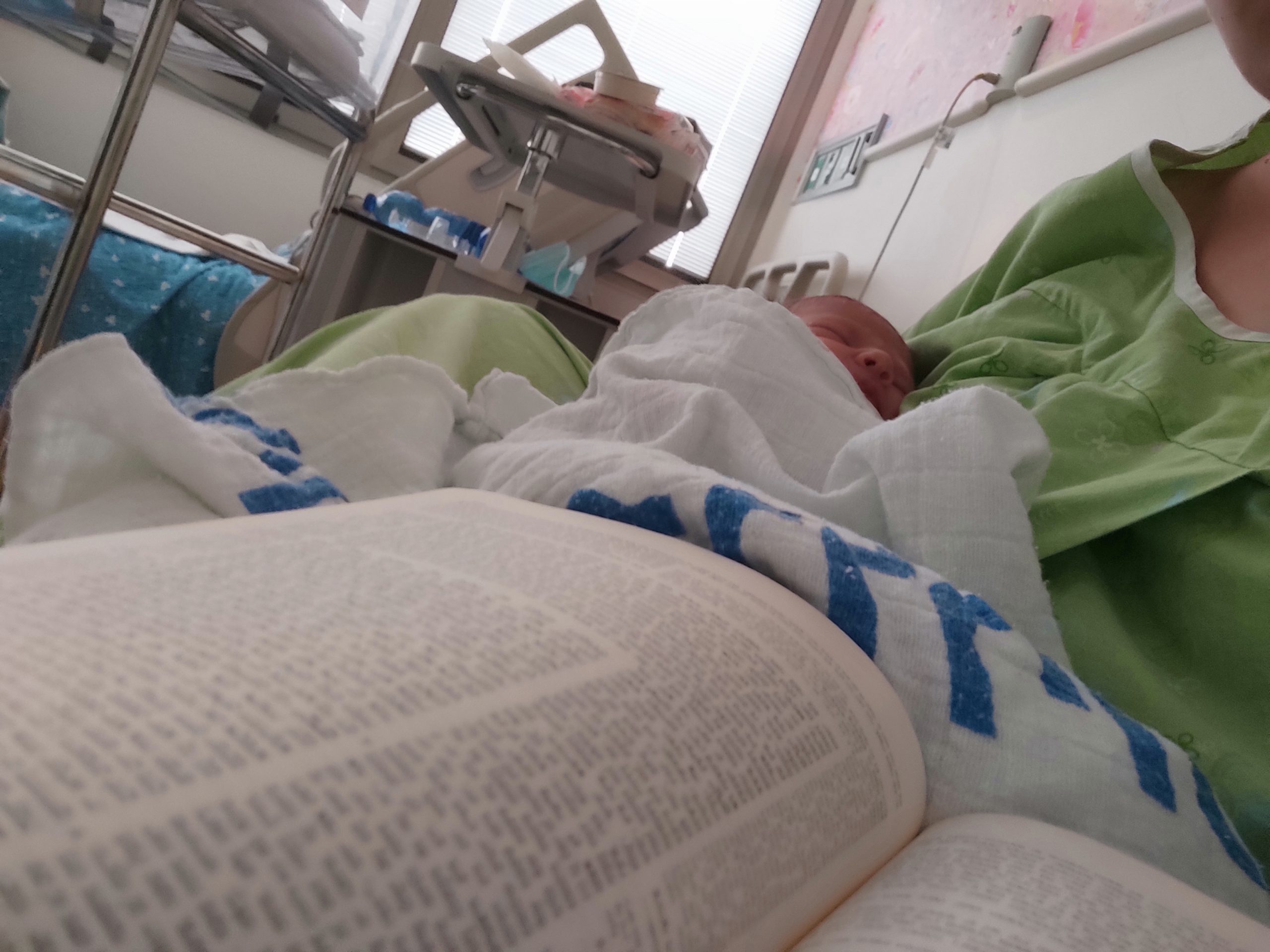
כמו שרואים בתמונה אני ממשיכה ללמוד גם היום ואפילו במחלקת יולדות אחרי לידת ביתי השלישית.
רבבה, ישראל
הייתי לפני שנתיים בסיום הדרן נשים בבנייני האומה והחלטתי להתחיל. אפילו רק כמה דפים, אולי רק פרק, אולי רק מסכת… בינתיים סיימתי רבע שס ותכף את כל סדר מועד בה.
הסביבה תומכת ומפרגנת. אני בת יחידה עם ארבעה אחים שכולם לומדים דף יומי. מדי פעם אנחנו עושים סיומים יחד באירועים משפחתיים. ממש מרגש. מסכת שבת סיימנו כולנו יחד עם אבא שלנו!
אני שומעת כל יום פודקאסט בהליכה או בנסיעה ואחכ לומדת את הגמרא.

מרכז שפירא, ישראל
באירוע של הדרן בנייני האומה. בהשראתה של אמי שלי שסיימה את הש”ס בסבב הקודם ובעידוד מאיר , אישי, וילדיי וחברותיי ללימוד במכון למנהיגות הלכתית של רשת אור תורה סטון ומורתיי הרבנית ענת נובוסלסקי והרבנית דבורה עברון, ראש המכון למנהיגות הלכתית.
הלימוד מעשיר את יומי, מחזיר אותי גם למסכתות שכבר סיימתי וידוע שאינו דומה מי ששונה פרקו מאה לשונה פרקו מאה ואחת במיוחד מרתקים אותי החיבורים בין המסכתות

מודיעין, ישראל
רציתי לקבל ידע בתחום שהרגשתי שהוא גדול וחשוב אך נעלם ממני. הלימוד מעניק אתגר וסיפוק ומעמיק את תחושת השייכות שלי לתורה וליהדות

עלי זהב – לשם, ישראל
התחלתי ללמוד לפני 4.5 שנים, כשהודיה חברה שלי פתחה קבוצת ווטסאפ ללימוד דף יומי בתחילת מסכת סנהדרין. מאז לימוד הדף נכנס לתוך היום-יום שלי והפך לאחד ממגדירי הזהות שלי ממש.

ירושלים, ישראל
אחי, שלומד דף יומי ממסכת ברכות, חיפש חברותא ללימוד מסכת ראש השנה והציע לי. החברותא היתה מאתגרת טכנית ורוב הזמן נעשתה דרך הטלפון, כך שבסיום המסכת נפרדו דרכינו. אחי חזר ללמוד לבד, אבל אני כבר נכבשתי בקסם הגמרא ושכנעתי את האיש שלי להצטרף אלי למסכת ביצה. מאז המשכנו הלאה, ועכשיו אנחנו מתרגשים לקראתו של סדר נשים!

נוקדים, ישראל
התחלתי בסיום הש”ס, יצאתי באורות. נשברתי פעמיים, ובשתיהם הרבנית מישל עודדה להמשיך איפה שכולם בסבב ולהשלים כשאוכל, וכך עשיתי וכיום השלמתי הכל. מדהים אותי שאני לומדת כל יום קצת, אפילו בחדר הלידה, בבידוד או בחו”ל. לאט לאט יותר נינוחה בסוגיות. לא כולם מבינים את הרצון, בפרט כפמניסטית. חשה סיפוק גדול להכיר את המושגים וצורת החשיבה. החלום זה להמשיך ולהתמיד ובמקביל ללמוד איך מהסוגיות נוצרה והתפתחה ההלכה.
מודיעין, ישראל
התחלתי כשהייתי בחופש, עם הפרסומים על תחילת המחזור, הסביבה קיבלה את זה כמשהו מתמיד ומשמעותי ובהערכה, הלימוד זה עוגן יציב ביום יום, יש שבועות יותר ויש שפחות אבל זה משהו שנמצא שם אמין ובעל משמעות בחיים שלי….
גמזו, ישראל
"
גם אני התחלתי בסבב הנוכחי וב””ה הצלחתי לסיים את רוב המסכתות . בזכות הרבנית מישל משתדלת לפתוח את היום בשיעור הזום בשעה 6:20 .הלימוד הפך להיות חלק משמעותי בחיי ויש ימים בהם אני מצליחה לחזור על הדף עם מלמדים נוספים ששיעוריהם נמצאים במרשתת. שמחה להיות חלק מקהילת לומדות ברחבי העולם. ובמיוחד לשמש דוגמה לנכדותיי שאי””ה יגדלו לדור שלימוד תורה לנשים יהיה משהו שבשגרה. "

נתניה, ישראל
התחלתי ללמוד לפני 4.5 שנים, כשהודיה חברה שלי פתחה קבוצת ווטסאפ ללימוד דף יומי בתחילת מסכת סנהדרין. מאז לימוד הדף נכנס לתוך היום-יום שלי והפך לאחד ממגדירי הזהות שלי ממש.
ירושלים, ישראל
בסוף הסבב הקודם ראיתי את השמחה הגדולה שבסיום הלימוד, בעלי סיים כבר בפעם השלישית וכמובן הסיום הנשי בבנייני האומה וחשבתי שאולי זו הזדמנות עבורי למשהו חדש.
למרות שאני שונה בסביבה שלי, מי ששומע על הלימוד שלי מפרגן מאוד.
אני מנסה ללמוד קצת בכל יום, גם אם לא את כל הדף ובסך הכל אני בדרך כלל עומדת בקצב.
הלימוד מעניק המון משמעות ליום יום ועושה סדר בלמוד תורה, שתמיד היה (ועדיין) שאיפה. אבל אין כמו קביעות

טל מנשה, ישראל
הצטרפתי ללומדות בתחילת מסכת תענית. ההתרגשות שלי ושל המשפחה היתה גדולה מאוד, והיא הולכת וגוברת עם כל סיום שאני זוכה לו. במשך שנים רבות רציתי להצטרף ומשום מה זה לא קרה… ב”ה מצאתי לפני מספר חודשים פרסום של הדרן, ומיד הצטרפתי והתאהבתי. הדף היומי שינה את חיי ממש והפך כל יום- ליום של תורה. מודה לכן מקרב ליבי ומאחלת לכולנו לימוד פורה מתוך אהבת התורה ולומדיה.

חיספין רמת הגולן, ישראל
התחלתי מעט לפני תחילת הסבב הנוכחי. אני נהנית מהאתגר של להמשיך להתמיד, מרגעים של "אהה, מפה זה הגיע!” ומהאתגר האינטלקטואלי

לוד, ישראל
שמעתי על הסיום הענק של הדף היומי ע”י נשים בבנייני האומה. רציתי גם.
החלטתי להצטרף. התחלתי ושיכנעתי את בעלי ועוד שתי חברות להצטרף. עכשיו יש לי לימוד משותף איתו בשבת ומפגש חודשי איתן בנושא (והתכתבויות תדירות על דברים מיוחדים שקראנו). הצטרפנו לקבוצות שונות בווטסאפ. אנחנו ממש נהנות. אני שומעת את השיעור מידי יום (בד”כ מהרב יוני גוטמן) וקוראת ומצטרפת לסיומים של הדרן. גם מקפידה על דף משלהן (ונהנית מאד).

אפרת, ישראל
לפני 15 שנה, אחרי עשרות שנים של "ג’ינגול” בין משפחה לקריירה תובענית בהייטק, הצטרפתי לשיעורי גמרא במתן רעננה. הלימוד המעמיק והייחודי של הרבנית אושרה קורן יחד עם קבוצת הנשים המגוונת הייתה חוויה מאלפת ומעשירה. לפני כשמונה שנים כאשר מחזור הדף היומי הגיע למסכת תענית הצטרפתי כ”חברותא” לבעלי. זו השעה היומית שלנו ביחד כאשר דפי הגמרא משתלבים בחיי היום יום, משפיעים ומושפעים, וכשלא מספיקים תמיד משלימים בשבת

רעננה, ישראל
התחלתי ללמוד לפני כשנתיים בשאיפה לסיים לראשונה מסכת אחת במהלך חופשת הלידה.
אחרי מסכת אחת כבר היה קשה להפסיק…

ירוחם, ישראל
סוכה מז
לְבָרוֹכֵי. לְמַאן דְּאָמַר שְׁבִיעִי לְסוּכָּה — בָּרוֹכֵי נָמֵי מְבָרְכִינַן, לְמַאן דְּאָמַר שְׁמִינִי לָזֶה וְלָזֶה — בָּרוֹכֵי לָא מְבָרְכִינַן. אָמַר רַב יוֹסֵף: נְקוֹט דְּרַבִּי יוֹחָנָן בְּיָדְךָ, דְּרַב הוּנָא בַּר בִּיזְנָא וְכׇל גְּדוֹלֵי הַדּוֹר אִיקְּלַעוּ בְּסוּכָּה בִּשְׁמִינִי סְפֵק שְׁבִיעִי. מֵיתַב הֲווֹ יָתְבִי, בָּרוֹכֵי לָא בָּרִיכוּ.
with regard to whether or not to recite the blessing over residing in the sukka. According to the one who says that the status of the eighth day is like that of the seventh day with regard to the mitzva of sukka, we also recite the blessing: To reside in the sukka. However, according to the one who says that its status is like that of the eighth day both with regard to this and to that, we do not recite the blessing. Rav Yosef said: Take the statement of Rabbi Yoḥanan that on the eighth day outside Eretz Yisrael one does not recite the blessing: To reside in the sukka, in your hand, i.e., adopt it as your practice. As Rav Huna bar Bizna and all the prominent scholars of the generation happened to visit a sukka on the eighth day, with regard to which there was uncertainty that it might be the seventh day, and they were sitting in the sukka, but they did not recite the blessing.
וְדִלְמָא סְבִירָא לְהוּ כְּמַאן דְּאָמַר: כֵּיוָן שֶׁבֵּירַךְ יוֹם טוֹב רִאשׁוֹן שׁוּב אֵינוֹ מְבָרֵךְ? גְּמִירִי דְּמֵאֲפָר אֲתוֹ.
The Gemara suggests: And perhaps the reason they did not recite a blessing is that they hold in accordance with the opinion of the one who said: Once he recited the blessing on the first Festival day he does not recite it again on the subsequent days, and not because it was the eighth day. The Gemara answers: That is not the reason that they did not recite the blessing, as the Sages learned through tradition that these Sages were coming from the fields, where they had been herding their flocks, and that was the first time during the Festival that they sat in a sukka.
אִיכָּא דְּאָמְרִי: בָּרוֹכֵי — כּוּלֵּי עָלְמָא לָא פְּלִיגִי דְּלָא מְבָרְכִינַן. כִּי פְּלִיגִי, לְמֵיתַב. לְמַאן דְּאָמַר שִׁבְעָה לְסוּכָּה — מֵיתַב יָתְבִינַן, וּלְמַאן דְּאָמַר שְׁמִינִי לָזֶה וְלָזֶה — מֵיתַב נָמֵי לָא יָתְבִינַן. אָמַר רַב יוֹסֵף: נְקוֹט דְּרַבִּי יוֹחָנָן בִּידָךְ, דְּמָרָא דִשְׁמַעְתָּא מַנִּי — רַב יְהוּדָה בְּרֵיהּ דְּרַב שְׁמוּאֵל בַּר שִׁילַת, וּבִשְׁמִינִי סְפֵק שְׁבִיעִי לְבַר מִסּוּכָּה יָתֵיב. וְהִלְכְתָא: מֵיתַב יָתְבִינַן, בָּרוֹכֵי לָא מְבָרְכִינַן.
Some say a different version of the dispute: Everyone agrees that we do not recite the blessing; when they disagree it is with regard to whether to reside in the sukka. According to the one who says that the status of the eighth day is like that of the seventh day with regard to the mitzva of sukka, we reside in the sukka. However, according to the one who says that its status is like that of the eighth day both with regard to this and to that, neither do we reside in the sukka. Rav Yosef said: Take the statement of Rabbi Yoḥanan in your hand, as who is the Master responsible for dissemination of the halakha? It is Rav Yehuda, son of Rav Shmuel bar Sheilat, and on the eighth day, with regard to which there is uncertainty that it might be the seventh day, he himself resides outside of the sukka. The Gemara concludes: And the halakha is that we reside in the sukka on the eighth day, with regard to which there is uncertainty that it might be the seventh day, but we do not recite the blessing.
אָמַר רַבִּי יוֹחָנָן: אוֹמְרִים זְמַן בִּשְׁמִינִי שֶׁל חַג, וְאֵין אוֹמְרִים זְמַן בִּשְׁבִיעִי שֶׁל פֶּסַח.
§ Rabbi Yoḥanan said that one recites the blessing: Who has given us life, sustained us, and brought us to this time, on the eighth day of the Festival, as the eighth day is a Festival distinct from Sukkot, and one does not recite the blessing of time on the seventh day of Passover because it is not a Festival distinct from Passover.
וְאָמַר רַבִּי לֵוִי בַּר חָמָא וְאִיתֵּימָא רַבִּי חָמָא בַּר חֲנִינָא: תֵּדַע, שֶׁהֲרֵי חָלוּק בִּשְׁלֹשָׁה דְּבָרִים: בְּסוּכָּה, וְלוּלָב, וְנִיסּוּךְ הַמַּיִם. וּלְרַבִּי יְהוּדָה דְּאָמַר: בַּלּוֹג הָיָה מְנַסֵּךְ כׇּל שְׁמוֹנָה, הֲרֵי חָלוּק בִּשְׁנֵי דְּבָרִים.
And Rabbi Levi bar Ḥama said, and some say it was Rabbi Ḥama bar Ḥanina who said: Know that the eighth day of Sukkot is a Festival in and of itself and therefore requires its own blessing, as it is distinct from the seven days of Sukkot with regard to three matters: With regard to sukka, as one is not obligated to sit in the sukka on the eighth day; and with regard to lulav, as one is not obligated to take the four species on the eighth day; and with regard to the water libation, as one does not pour the water libation on the altar on the eighth day. The Gemara notes: And according to Rabbi Yehuda, who said: With a vessel measuring one log the priest pours the water libation all eight days, including the eighth day, the eighth day is nevertheless distinct from the rest of the Festival with regard to the other two matters.
אִי הָכִי, שְׁבִיעִי שֶׁל פֶּסַח נָמֵי: הֲרֵי חָלוּק בַּאֲכִילַת מַצָּה! דְּאָמַר מָר: לַיְלָה רִאשׁוֹנָה — חוֹבָה, מִכָּאן וְאֵילָךְ רְשׁוּת. הָכִי הַשְׁתָּא?! הָתָם — מִלַּיְלָה חָלוּק, מִיּוֹם אֵינוֹ חָלוּק. הָכָא — אֲפִילּוּ מִיּוֹם נָמֵי חָלוּק.
The Gemara asks: If so, the seventh day of Passover should be considered distinct as well, as it is distinct from the first day in terms of the obligation of eating matza, as the Master said: On the first night of Passover, it is an obligation to eat matza. From that point onward, it is optional; if one chooses, he eats matza, and if he chooses not to eat matza, he need not, provided that he does not eat leavened foods. The Gemara retorts: How can these cases be compared? There, in the case of Passover, the halakha of the seventh day is distinct from the first night; however, it is not distinct from the first day, as on the first day there is no obligation to eat matza. Here, in the case of Sukkot, the eighth day of the Festival is distinct even from the first day.
רָבִינָא אָמַר: זֶה חָלוּק מִשֶּׁלְּפָנָיו, וְזֶה חָלוּק מִשֶּׁלִּפְנֵי פָנָיו.
Ravina said a different reason for the distinction between the two Festivals: This, the eighth day of Sukkot, is distinct in terms of its halakhot, even from the day just before it, the seventh day. However, that, the seventh day of Passover, is distinct in terms of its halakhot, only from a day previous to the day before, i.e., the first day alone. There is no distinction between the sixth and seventh days.
(אָמַר רַב פָּפָּא): הָכָא כְּתִיב ״פַּר״, הָתָם כְּתִיב ״פָּרִים״.
Rav Pappa said another reason why the eighth day of Sukkot is considered a distinct Festival. Here, with regard to the additional offering sacrificed on the Eighth Day of Assembly, it is written: “And you shall present a burnt-offering, an offering made by fire, of a sweet savor unto the Lord: One bull” (Numbers 29:36). There, with regard to the additional offering sacrificed on the first day of Sukkot, it is written: “And you shall present a burnt-offering, an offering made by fire, of a sweet savor unto the Lord: Thirteen bulls” (Numbers 29:13), and on each subsequent day one bull fewer is sacrificed: Twelve on the second day, eleven on the third day, and so on, until seven are sacrificed on the seventh day. Were the eighth day part of the festival of Sukkot, the additional offering on that day should have included six bulls. The fact that it includes only one bull indicates that it is a distinct Festival.
רַב נַחְמָן בַּר יִצְחָק אָמַר, הָכָא כְּתִיב: ״בַּיּוֹם״, הָתָם כְּתִיב: ״וּבַיּוֹם״.
Rav Naḥman bar Yitzḥak said: Here, it is written: “On the eighth day you shall have a solemn assembly; you shall do no manner of servile labor” (Numbers 29:35). This indicates that this day is distinct from the others, as there, with regard to the other days of Sukkot, it is written: And on the day, indicating that each of the days from the second through the seventh are all continuations of the first day.
רַב אָשֵׁי אָמַר, הָכָא כְּתִיב: ״כַּמִּשְׁפָּט״, הָתָם כְּתִיב: ״כְּמִשְׁפָּטָם״.
Rav Ashi said: Here, with regard to the eighth day, it is written: “Their meal-offering and their libations, for the bull, for the ram, and for the lambs, shall be according to their number, as per the regulation” (Numbers 29:37). However, there, with regard to the seventh day, it is written: “And their meal-offering and their libations, for the bulls, and for the rams, and for the lambs, according to their number, as per their regulation” (Numbers 29:33). The Gemara understands the use of the plural pronoun: Their, to indicate that the offerings sacrificed on all seven days are related.
לֵימָא מְסַיַּיע לֵיהּ: הַפָּרִים הָאֵילִים וְהַכְּבָשִׂים, מְעַכְּבִין זֶה אֶת זֶה. וְרַבִּי יְהוּדָה אוֹמֵר: פָּרִים אֵין מְעַכְּבִין זֶה אֶת זֶה, שֶׁהֲרֵי מִתְמַעֲטִין וְהוֹלְכִין.
The Gemara asks: Let us say that the following supports the opinion of Rabbi Yoḥanan that one recites the blessing of time on the eighth day. Failure to bring either the bulls, or the rams, or the sheep on the Festival prevents fulfillment of one’s obligation with the other animals, as they are considered one offering. Rabbi Yehuda says: Failure to bring the bulls does not prevent fulfillment of one’s obligation with the other animals, since they decrease progressively each day. The Torah displays flexibility with regard to the bulls. Therefore, apparently, even if they are not brought at all one fulfills his obligation with the others.
אָמְרוּ לוֹ: וַהֲלֹא כּוּלָּן מִתְמַעֲטִין וְהוֹלְכִין בַּשְּׁמִינִי! אָמַר לָהֶן: שְׁמִינִי רֶגֶל בִּפְנֵי עַצְמוֹ הוּא. שֶׁכְּשֵׁם שֶׁשִּׁבְעַת יְמֵי הַחַג טְעוּנִין קׇרְבָּן וְשִׁיר וּבְרָכָה וְלִינָה, אַף שְׁמִינִי טָעוּן קׇרְבָּן וְשִׁיר וּבְרָכָה וְלִינָה.
The Sages said to Rabbi Yehuda: But don’t the numbers of all the animals eventually decrease on the eighth day, as on the other days two rams and fourteen sheep are sacrificed and on the eighth day it is one ram and seven sheep? Rabbi Yehuda said to them: The Eighth Day of Assembly is a Festival in and of itself. As just as the seven days of the festival of Sukkot require an offering, and a song sung by the Levites, and a blessing unique to the festival of Sukkot, and there is a mitzva of staying overnight in Jerusalem after the first Festival day, so too, the eighth day requires an offering, and a song sung by the Levites, and a blessing unique to the Eighth Day of Assembly, and there is a mitzva of staying overnight in Jerusalem at its conclusion.
מַאי לָאו, זְמַן? לֹא, בִּרְכַּת הַמָּזוֹן וּתְפִלָּה.
What, is it not that the blessing mentioned is the blessing of time, in support of the opinion of Rabbi Yoḥanan? The Gemara rejects this possibility: No, the blessing here is Grace after Meals and the Amida prayer, where mention is made of the Eighth Day of Assembly and not of Sukkot. Therefore, there is no support for the opinion of Rabbi Yoḥanan that one recites the blessing of time on the Eighth Day of Assembly.
הָכִי נָמֵי מִסְתַּבְּרָא, דְּאִי סָלְקָא דַעְתָּךְ זְמַן — זְמַן כׇּל שִׁבְעָה מִי אִיכָּא? הָא לָא קַשְׁיָא: דְּאִי לָא בָּרֵיךְ הָאִידָּנָא — מְבָרֵךְ לִמְחַר, אוֹ לְיוֹמָא אַחֲרִינָא.
The Gemara says: So too, it is reasonable that this is the proper understanding of the baraita, as should it enter your mind that the baraita is referring to the blessing of time, is there a blessing of time all seven days of Sukkot? One recites the blessing only on the first day. The Gemara responds: This is not difficult, and that is no proof that the baraita is not referring to the blessing of time, as the baraita could mean that if one did not recite the blessing today, on the first day, he recites the blessing on the next day or on another day of the Festival. Under those circumstances the blessing of time may be recited on any of the seven days.
מִכׇּל מָקוֹם כּוֹס בָּעֵינַן! לֵימָא מְסַיַּיע לֵיהּ לְרַב נַחְמָן, דְּאָמַר רַב נַחְמָן: זְמַן אוֹמְרוֹ אֲפִילּוּ בַּשּׁוּק. דְּאִי אָמְרַתְּ בָּעֵינַן כּוֹס — כּוֹס כֹּל יוֹמָא מִי אִיכָּא? דִּלְמָא דְּאִיקְּלַע לֵיהּ כּוֹס.
The Gemara asks: How could one recite the blessing of time on each of the days of Sukkot if in any case we require the blessing to be recited over a cup of wine, and not everyone has access to wine during the intermediate days of the Festival? From the fact that the Gemara does not consider this factor, let us say that this baraita supports the opinion of Rav Naḥman, as Rav Naḥman said: One recites the blessing of time even in the marketplace, without wine, as, if you say that we require a cup of wine in order to recite the blessing of time, is there a cup of wine available every day that would enable one to recite the blessing during the intermediate days of the Festival? The Gemara rejects this proof: Perhaps the baraita is referring to a case where a cup of wine happened to become available to him. The baraita is not describing the preferred method of reciting the blessing but merely a possibility.
וְסָבַר רַבִּי יְהוּדָה שְׁמִינִי טָעוּן לִינָה? וְהָא תַּנְיָא, רַבִּי יְהוּדָה אוֹמֵר: מִנַּיִן לְפֶסַח שֵׁנִי שֶׁאֵינוֹ טָעוּן לִינָה — שֶׁנֶּאֱמַר: ״וּפָנִיתָ בַבֹּקֶר וְהָלַכְתָּ לְאֹהָלֶיךָ״, וּכְתִיב: ״שֵׁשֶׁת יָמִים תֹּאכַל מַצּוֹת״. אֶת שֶׁטָּעוּן שִׁשָּׁה — טָעוּן לִינָה, אֶת שֶׁאֵינוֹ טָעוּן שִׁשָּׁה — אֵינוֹ טָעוּן לִינָה. לְמַעוֹטֵי מַאי? לָאו לְמַעוֹטֵי נָמֵי שְׁמִינִי שֶׁל חַג?
The Gemara asks: And does Rabbi Yehuda really hold that the Eighth Day of Assembly requires one to stay overnight at its conclusion? But wasn’t it taught in a baraita that Rabbi Yehuda says: From where is it derived that the second Pesaḥ, when the Paschal lamb is brought by those who were impure and unable to sacrifice it on the first Pesaḥ, does not require staying overnight at its conclusion? As it is stated with regard to the first Pesaḥ: “And you shall turn in the morning and go unto your tents” (Deuteronomy 16:7), and immediately thereafter it is written: “Six days you shall eat matzot” (Deuteronomy 16:8). From the juxtaposition of these two verses Rabbi Yehuda derives the following: That which requires observance of the six subsequent days requires staying overnight; that which does not require observance of the six subsequent days does not require staying overnight. What does this juxtaposition come to exclude? Is it not to exclude the eighth day of the Festival, as it is not followed by the observance of six days?
לָא, לְמַעוֹטֵי פֶּסַח שֵׁנִי דִּכְווֹתֵיהּ. הָכִי נָמֵי מִסְתַּבְּרָא, דִּתְנַן: הַבִּיכּוּרִים טְעוּנִין קׇרְבָּן וְשִׁיר וּתְנוּפָה וְלִינָה. מַאן שָׁמְעַתְּ לֵיהּ דְּאָמַר תְּנוּפָה — רַבִּי יְהוּדָה, וְקָאָמַר: טָעוּן לִינָה.
The Gemara rejects this: No, it comes to exclude the second Pesaḥ, which is similar to the first Pesaḥ in terms of its offering, and it teaches that since it is not followed by the observance of six days there is no obligation to stay overnight. The Gemara says: So too, it is reasonable to say that Rabbi Yehuda is excluding the second Pesaḥ, as we learned in a mishna: The first fruits require a peace-offering to be brought with them, a song unique to the occasion, sung by the Levites, waving, and staying overnight. Whom did you hear who said that first fruits require waving? It is Rabbi Yehuda, and the mishna is saying that first fruits require staying overnight. Apparently, Rabbi Yehuda excludes only the second Pesaḥ from the requirement of staying overnight.
דְּתַנְיָא, רַבִּי יְהוּדָה אוֹמֵר: ״וְהִנַּחְתּוֹ״ — זוֹ תְּנוּפָה. אַתָּה אוֹמֵר זוֹ תְּנוּפָה, אוֹ אֵינוֹ אֶלָּא הַנָּחָה מַמָּשׁ. כְּשֶׁהוּא אוֹמֵר ״וְהִנִּיחוֹ״, הֲרֵי הַנָּחָה אָמוּר. הָא מָה אֲנִי מְקַיֵּים ״וְהִנַּחְתּוֹ״ — זוֹ תְּנוּפָה.
Rabbi Yehuda holds that first fruits require waving, as it was taught in a baraita: Rabbi Yehuda says that it is stated with regard to first fruits: “And you shall set it down before the Lord your God,” (Deuteronomy 26:10), and this is referring to waving before the altar the basket containing the first fruits. Do you say that this is referring to waving, or perhaps it is referring only to actually setting it down adjacent to the altar? When the Torah says: “And the priest shall take the basket from your hand and set it down before the altar of the Lord your God” (Deuteronomy 26:4), setting it down is already stated. How, then, do I establish the meaning of the verse: “And you shall set it down”? This is referring to waving.
וְדִלְמָא רַבִּי אֱלִיעֶזֶר בֶּן יַעֲקֹב הִיא, דְּתַנְיָא: ״וְלָקַח הַכֹּהֵן הַטֶּנֶא מִיָּדֶךָ״ — לִימֵּד עַל הַבִּיכּוּרִים שֶׁטְּעוּנִין תְּנוּפָה, דִּבְרֵי רַבִּי אֱלִיעֶזֶר בֶּן יַעֲקֹב.
The Gemara asks: And perhaps the baraita that requires one to stay overnight when bringing first fruits to Jerusalem is not in accordance with Rabbi Yehuda’s opinion. Rather, it is in accordance with the opinion of Rabbi Eliezer ben Ya’akov, who also holds that first fruits require waving. As it was taught in a baraita that it is written: “And the priest shall take the basket from your hand” (Deuteronomy 26:4), which taught concerning first fruits that they require waving. This is the statement of Rabbi Eliezer ben Ya’akov.
מַאי טַעְמָא דְּרַבִּי אֱלִיעֶזֶר בֶּן יַעֲקֹב? אָתְיָא ״יָד״ ״יָד״ מִשְּׁלָמִים, כְּתִיב הָכָא: ״וְלָקַח הַכֹּהֵן הַטֶּנֶא מִיָּדֶךָ״, וּכְתִיב הָתָם: ״יָדָיו תְּבִיאֶינָה אֵת אִשֵּׁי ה׳״.
The Gemara asks: What is the rationale for the opinion of Rabbi Eliezer ben Ya’akov? How does he derive the waving of the first fruits from this verse? The Gemara answers: This is derived by means of a verbal analogy between the term “hand” written with regard to first fruits and the term “hand” written with regard to a peace-offering. It is written here, with regard to first fruits: “And the priest shall take the basket from your hand,” and it is written there, with regard to a peace-offering: “His own hands shall bring the offerings of the Lord made by fire; the fat with the breast shall he bring, that the breast may be waved before the Lord” (Leviticus 7:30).
מָה כָּאן — כֹּהֵן, אַף לְהַלָּן — כֹּהֵן. וּמָה לְהַלָּן — בְּעָלִים, אַף כָּאן — בְּעָלִים. הָא כֵּיצַד? כֹּהֵן מַנִּיחַ יָדוֹ תַּחַת יָד בְּעָלִים וּמֵנִיף.
In addition, one can derive by means of the verbal analogy that just as here, with regard to first fruits, a priest performs the waving, so too, with regard to a peace-offering, a priest performs the waving. And just as there, with regard to a peace-offering, the owner performs the waving, so too here, with regard to first fruits, the owner performs the waving. How so? How can both the priest and the owner perform the waving? The owner places his hands beneath the peace-offering or under the first fruits, and the priest places his hand under the hand of the owner and waves it together with him. In any event, Rabbi Eliezer ben Ya’akov requires waving of the first fruits. Therefore, it is possible that the baraita is stated in accordance with the opinion of Rabbi Eliezer ben Ya’akov and no conclusive proof can be cited with regard to the opinion of Rabbi Yehuda.
מַאי הָוֵי עֲלַהּ? רַב נַחְמָן אָמַר: אוֹמְרִים זְמַן בִּשְׁמִינִי שֶׁל חַג, וְרַב שֵׁשֶׁת אָמַר: אֵין אוֹמְרִים זְמַן בִּשְׁמִינִי שֶׁל חַג. וְהִלְכְתָא: אוֹמְרִים זְמַן בִּשְׁמִינִי שֶׁל חַג.
What halakhic conclusion was reached concerning the blessing of time? Rav Naḥman said: One recites the blessing of time on the eighth day of the festival of Sukkot. And Rav Sheshet said: One does not recite the blessing of time on the eighth day of the Festival. The Gemara concludes: And the halakha is that one recites the blessing of time on the eighth day of the Festival.
תַּנְיָא כְּווֹתֵיהּ דְּרַב נַחְמָן: שְׁמִינִי
The Gemara notes: It was taught in a baraita in accordance with the opinion of Rav Naḥman: The eighth day

