חיפוש

יבמות מה

רוצה להקדיש שיעור?

podcast placeholder

0:00
0:00


תקציר

הדף היום מוקדש על ידי דבורה הופמן-וויד "בהוקרת תודה לאמי בת ה-90, ג’רלדין הופמן, שילדה אותי היום לפני 69 שנים.”

מה מעמדו של ילד שנולד לאב לא יהודי או לעבד כנעני ולאם יהודייה? האם הילד ממזר? האם הילד אינו ממזר, אלא פסול מלהתחתן עם כהן? יש דעות שונות לגבי הנושא הזה. ר’ יוחנן אמר שכולם מודים שהולד ממזר – למי הוא התכוון בדבריו "הכל מודים”? בהתחלה חושבים שזה ר’ שמעון התמיני אבל מעלים קושי נגד דעה זו, ורב יוסף מסביר שמדובר ברבי יהודה הנשיא. הובא מקרה עם שבויה שהייתה בהריון. רבי אמי רצה להכריז על הילד כממזר על פי דעתם של רבי יוחנן, רבי אלעזר ורבי חנינא, אך רב יוסף השיב נגדו שאם אתה פוסק כך בגלל שיש הרבה רבנים שפוסקים ככה, אני אביא לך רשימה ארוכה יותר של רבנים שלא סוברים ככה – רב ושמואל בבבל ורבי יהושע בן לוי ובר קפרא בישראל. רב יוסף מסביר שיש לפסוק להחמיר משום שר’ יהודה הנשיא סובר ככה. ר’ יהושע בן לוי שהתיר את הולד מדין ממזר, פסל אותה לכהונה – למד מקל וחומר מאלמנה. אביי מקשה על רב יוסף ומביא מסורת אחרת בדברי ר’ יהודה הנשיא שבה הוא התיר את הולד. למרות שרב התיר גם, אדם מסוים (שנולד מאב שאינו יהודי בא לפני רב ולאחר ששמע את פסק דינו המתיר, ביקש לשאת את בתו של רב, ורב לא הסכים לכך. על כך נמתחה ביקורת על רב שכן לא היה מוכן לפעול על פי דבריו, אולם רב עמד חזק והסביר מדוע אינו מוכן. רב התעצבן על מי ששאל אותו את השאלה וגרם למותו. חצי עבד/חצי בן חורין שיש לו ילד עם אישה יהודייה, מה מעמדו של הילד? שאלה זו נשאלה לרבא והוא ענה שהילד אינו ממזר. רב יוסף הטיל ספק בכך שקבע שזה חייב להתבסס על רב יהודה שפוסק שילד של עבד ואישה יהודיה לא ממזר, אבל רב יהודה אמר במקום אחר שלילד של חצי עבד/חצי בן חורין אין תקנה (כלומר הילד הוא ממזר). איך אפשר לפתור את הסתירה? עבד/אינו יהודי מקיים יחסים עם אישה נשואה, האם מתייחסים אליה כאשת איש (כלומר, האם הולד ממזר) או שאין עניין של אשת איש ביחסים עם אינו יהודה/עבד? זה נושא לוויכוח בין רבנים שונים. רבא התיר לרב מרי בן רחל שאביו היה אינו יהודי (שאחר כך התגייר) להיות פקיד בבבל כיוון שהוא ראה בו יהודי לחלוטין בעקבות האם. אשה לא יהודיה הוטבלה במקווה על ידי עבדו של רבי חייא בר אמי לצורך נידה, אבל רב יוסף אמר שזה יכול לחשב גם לגיורה. מובאים עוד כמה מקרים דומים.

יבמות מה

מֵחַיָּיבֵי לָאוִין דְּתָפְסִי בְּהוּ קִדּוּשִׁין, אֲבָל הָכָא, גּוֹי וְעֶבֶד, כֵּיוָן דְּלָא תָּפְסִי בְּהוּ קִדּוּשִׁין — כְּחַיָּיבֵי כָּרֵיתוֹת דְּמֵי.

to forbidden relations for which one is liable for violation of a prohibition concerning which a betrothal between the couple would take effect. However, here, with regard to a gentile and a slave, since their betrothal of a Jewish woman would not take effect, a union with them is comparable to forbidden relations for which one is liable to receive karet, and therefore the offspring of such a union will be a mamzer.

מֵיתִיבִי: גּוֹי וְעֶבֶד הַבָּא עַל בַּת יִשְׂרָאֵל — הַוָּלָד מַמְזֵר. רַבִּי שִׁמְעוֹן בֶּן יְהוּדָה אוֹמֵר: אֵין מַמְזֵר אֶלָּא מִמִּי שֶׁאִיסּוּרוֹ אִיסּוּר עֶרְוָה וְעָנוּשׁ כָּרֵת.

The Gemara raises an objection from a baraita: In the case of a gentile or a slave who engaged in intercourse with a Jewish woman, the offspring born from such a union is a mamzer. Rabbi Shimon ben Yehuda says: The offspring is a mamzer only if born from relations with one who is forbidden by a prohibition of forbidden relations that are punishable by karet. It is apparent from the baraita that one who holds, as does Shimon HaTimni, that only the offspring from forbidden relations for which one is liable to receive karet is a mamzer, nevertheless holds that the offspring of a slave or gentile and a Jewish woman is not a mamzer.

אֶלָּא אָמַר רַב יוֹסֵף: מַאן ״הַכֹּל מוֹדִים״ — רַבִּי, אַף עַל גַּב דְּרַבִּי אוֹמֵר: אֵין הַדְּבָרִים הַלָּלוּ אֲמוּרִים אֶלָּא לְדִבְרֵי רַבִּי עֲקִיבָא, שֶׁהָיָה עוֹשֶׂה חֲלוּצָה כְּעֶרְוָה, וְלֵיהּ לָא סְבִירָא לֵיהּ, בְּגוֹי וְעֶבֶד מוֹדֶה. דְּכִי אֲתָא רַב דִּימִי, אָמַר רַב יִצְחָק בַּר אֲבוּדִימִי מִשּׁוּם רַבֵּינוּ: גּוֹי וְעֶבֶד הַבָּא עַל בַּת יִשְׂרָאֵל — הַוָּלָד מַמְזֵר.

Rather, Rav Yosef said: Who is included by saying: All agree? It is Rabbi Yehuda HaNasi, as although Rabbi Yehuda HaNasi says in a baraita (52b) concerning the mishna (50a–51b) that states that a levirate betrothal between a yavam and a yevama with whom he had already performed ḥalitza is ineffective: This statement was said only according to the statement of Rabbi Akiva, as he would consider a ḥalutza like a forbidden relative such that if the yavam betrothed her it would not take effect. And although Rabbi Yehuda HaNasi himself does not hold accordingly with regard to that issue, with regard to the offspring of a union with a gentile or a slave he concedes that the offspring is a mamzer. As, when Rav Dimi came from Eretz Yisrael, he said that Rav Yitzḥak bar Avudimi said in the name of our Master, i.e., Rabbi Yehuda HaNasi: With regard to a gentile or a slave who engaged in intercourse with a Jewish woman, the offspring is a mamzer.

רַבִּי אַחָא שַׂר הַבִּירָה וְרַבִּי תַּנְחוּם בְּרֵיהּ דְּרַבִּי חִיָּיא אִישׁ כְּפַר עַכּוֹ פְּרוּק הָנְהוּ שְׁבוּיָיתָא דַּאֲתוֹ מֵאַרְמוֹן לִטְבֶרְיָא. הֲוָה חֲדָא דְּאִעַבַּרָא מִגּוֹי, וַאֲתוֹ לְקַמֵּיהּ דְּרַבִּי אַמֵּי, אֲמַר לְהוּ: רַבִּי יוֹחָנָן וְרַבִּי אֶלְעָזָר וְרַבִּי חֲנִינָא דְּאָמְרִי: גּוֹי וְעֶבֶד הַבָּא עַל בַּת יִשְׂרָאֵל — הַוָּלָד מַמְזֵר.

The Gemara cites a related incident: Rabbi Aḥa, lord of the capital, and Rabbi Tanḥum, son of Rabbi Ḥiyya, the man of Akko village, redeemed those captives who came from Armon to Tiberias. One of them had been impregnated by a gentile, and they came before Rabbi Ami to ask what the offspring’s status would be when born. He said to them that Rabbi Yoḥanan and Rabbi Elazar and Rabbi Ḥanina all say: With regard to a gentile or a slave who engaged in intercourse with a Jewish woman, the offspring is a mamzer.

אָמַר רַב יוֹסֵף: רְבוּתָא לְמִחְשַׁב גַּבְרֵי?! הָא רַב וּשְׁמוּאֵל בְּבָבֶל, וְרַבִּי יְהוֹשֻׁעַ בֶּן לֵוִי וּבַר קַפָּרָא בְּאֶרֶץ יִשְׂרָאֵל, וְאָמְרִי לַהּ חַלּוֹפֵי בַּר קַפָּרָא וְעַיֹּילֵי זִקְנֵי דָרוֹם, דְּאָמְרִי: גּוֹי וְעֶבֶד הַבָּא עַל בַּת יִשְׂרָאֵל הַוָּלָד כָּשֵׁר!

Upon hearing this, Rav Yosef said: Is it so great to enumerate men? The fact that several great Sages held this opinion does not prove that their opinion is the accepted halakha. But there are Rav and Shmuel in Babylonia, and Rabbi Yehoshua ben Levi and bar Kappara in Eretz Yisrael, and some say to remove bar Kappara from this list and insert instead the Elders of the South, who all say: With regard to a gentile or a slave who engaged in intercourse with a Jewish woman, the lineage of the offspring is unflawed, and he or she may marry into the congregation of Israel.

אֶלָּא אָמַר רַב יוֹסֵף: רַבִּי הִיא. דְּכִי אֲתָא רַב דִּימִי אָמַר רַבִּי יִצְחָק בַּר אֲבוּדִימִי: מִשּׁוּם רַבֵּינוּ אָמְרוּ: גּוֹי וְעֶבֶד הַבָּא עַל בַּת יִשְׂרָאֵל — הַוָּלָד מַמְזֵר.

Rather, Rav Yosef said the halakha is in fact that the offspring is a mamzer because this is Rabbi Yehuda HaNasi’s opinion, as when Rav Dimi came from Eretz Yisrael he said that Rav Yitzḥak bar Avudimi said in the name of our Master, i.e., Rabbi Yehuda HaNasi, that they say: With regard to a gentile or a slave who engaged in intercourse with a Jewish woman, the offspring is a mamzer.

רַבִּי יְהוֹשֻׁעַ בֶּן לֵוִי אוֹמֵר: הַוָּלָד מְקוּלְקָל. לְמַאן? אִילֵימָא לַקָּהָל — הָא אָמַר רַבִּי יְהוֹשֻׁעַ: הַוָּלָד כָּשֵׁר! אֶלָּא לִכְהוּנָּה, דְּכוּלְּהוּ אָמוֹרָאֵי דְּמַכְשְׁרִי — מוֹדוּ שֶׁהַוָּלָד פָּגוּם לִכְהוּנָּה.

Rabbi Yehoshua ben Levi says: The lineage of the offspring is sullied, and if the child is a girl she is restricted in whom she may marry. The Gemara asks: To whom is she prohibited from marrying? If we say it is to the congregation of Israel, but didn’t Rabbi Yehoshua himself say that the lineage of the offspring is unflawed and he or she may marry into the congregation of Israel? Rather, the offspring is prohibited to marry into the priesthood, as all of the amora’im who render the offspring fit to enter the congregation of Israel agree that the offspring has flawed lineage and is forbidden to marry into the priesthood.

מִקַּל וְחוֹמֶר מֵאַלְמָנָה: מָה אַלְמָנָה לְכֹהֵן גָּדוֹל, שֶׁאֵין אִיסּוּרָהּ שָׁוֶה בַּכֹּל — בְּנָהּ פָּגוּם, זוֹ שֶׁאִיסּוּרָהּ שָׁוֶה בַּכֹּל — אֵינוֹ דִּין שֶׁבְּנָהּ פָּגוּם.

This is derived from an a fortiori inference from the halakha of a widow, as follows: Just as in the case of a widow who is married to a High Priest, where the prohibition that pertains to her is not equally applicable to all Jews, i.e., only a High Priest is prohibited from marrying a widow, and nevertheless her child from that union will have flawed lineage, then so too with regard to this woman who engaged in relations with a gentile or slave, where the prohibition that pertains to her is equally applicable to all Jews, isn’t it logical that her child from that union will have flawed lineage?

מָה לְאַלְמָנָה לְכֹהֵן גָּדוֹל שֶׁכֵּן הִיא עַצְמָהּ מִתְחַלֶּלֶת! הָכָא נָמֵי, כֵּיוָן שֶׁנִּבְעֲלָה — פְּסָלָהּ.

And if one would say that the logic of this a fortiori inference could be refuted by claiming that what is true with regard to a widow who is married to a High Priest, where her union with him is what makes her herself disqualified from subsequently marrying any priest and, if she is the daughter of a priest, from eating teruma, is not true with regard to the prohibition against a Jewish woman engaging in relations with a gentile or a slave. This is not correct, because here, too, once he has engaged in intercourse with her, he thereby renders her unfit to marry into the priesthood.

דְּאָמַר רַבִּי יוֹחָנָן מִשּׁוּם רַבִּי שִׁמְעוֹן: מִנַּיִן לְגוֹי וְעֶבֶד הַבָּא עַל הַכֹּהֶנֶת וְעַל הַלְּוִיָּה וְעַל הַיִּשְׂרְאֵלִית שֶׁפְּסָלוּהָ — שֶׁנֶּאֱמַר: ״וּבַת כֹּהֵן כִּי תִהְיֶה אַלְמָנָה וּגְרוּשָׁה״, מִי שֶׁיֵּשׁ לוֹ אַלְמְנוּת וְגֵירוּשִׁין בָּהּ, יָצְאוּ גּוֹי וְעֶבֶד שֶׁאֵין לָהֶם אַלְמְנוּת וְגֵירוּשִׁין בָּהּ.

As Rabbi Yoḥanan said in the name of Rabbi Shimon: From where is it derived with regard to a gentile or a slave who engaged in intercourse with a daughter of a priest or with a female Levite or with a female Israelite that they thereby render her unfit to marry into the priesthood? As it is stated: “But a priest’s daughter when she will become a widow, or a divorcée, and have no child, she returns to her father’s house as in her youth” (Leviticus 22:13). The verse indicates that she returns to her father’s house and enjoys the rights of the priesthood only in a case where she engaged in intercourse with one to whom widowhood and divorce can apply, i.e., one with whom her marriage would be valid and would be broken only through death or divorce. Excluded from this is a union with a gentile or a slave, to whom neither widowhood nor divorce can apply, as no marriage bond can be formed with them.

אֲמַר לֵיהּ אַבָּיֵי: מַאי חָזֵית דְּסָמְכַתְּ אַדְּרַב דִּימִי — סְמוֹךְ אַדְּרָבִין! דְּכִי אֲתָא רָבִין, אָמַר: רַבִּי נָתָן וְרַבִּי יְהוּדָה הַנָּשִׂיא מוֹרוּ בַּהּ לְהֶיתֵּירָא. וּמַאן רַבִּי יְהוּדָה הַנָּשִׂיא — רַבִּי.

Abaye said to Rav Yosef: What did you see that you rely upon Rav Dimi and his tradition that Rabbi Yehuda HaNasi holds that the offspring of a gentile or a slave and a Jewish woman is a mamzer? Rely instead upon Ravin, as when Ravin came from Eretz Yisrael he said that Rabbi Natan and Rabbi Yehuda HaNasi both rule that the offspring is permitted to marry into the congregation of Israel. And who is the Rabbi Yehuda HaNasi referred to in Ravin’s report? It is the one who is simply referred to as Rabbi, the redactor of the Mishna, whose opinion is accepted as the halakha.

וְאַף רַב מוֹרֵה בַּהּ [לְ]הֶיתֵּירָא. דְּהָהוּא דַּאֲתָא לְקַמֵּיהּ דְּרַב, אֲמַר לֵיהּ: גּוֹי וְעֶבֶד הַבָּא עַל בַּת יִשְׂרָאֵל, מַהוּ?

The Gemara notes: And even Rav rules that the offspring is permitted, as is evident from an incident involving a certain individual who came before Rav and said to him: With regard to the offspring of a gentile or a slave who engaged in intercourse with a Jewish woman, what is its halakhic status?

אָמַר לֵיהּ: הַוָּלָד כָּשֵׁר. אֲמַר לֵיהּ: הַב לִי בְּרַתָּךְ. לָא יָהֵיבְנָא לָךְ.

Rav said to him: The lineage of the offspring is unflawed. The individual who asked the question was himself such a child, and he said to Rav: If so, give me your daughter in marriage. He said to him: I will not give her to you.

אָמַר שִׁימִי בַּר חִיָּיא לְרַב, אָמְרִי אִינָשֵׁי: גַּמְלָא בְּמָדַי אַקַּבָּא רָקְדָא. הָא קַבָּא, וְהָא גַּמְלָא, וְהָא מָדַי — וְלָא רָקְדָא!

Shimi bar Ḥiyya, Rav’s grandson, said to Rav: People often say that a camel in Medes can dance upon a small space that holds only a single kav of produce. However, clearly that is an exaggeration, since if one would go to Medes one could demonstrate that this is a space that holds a kav, and this is a camel, and this is Medes, and yet the camel is not dancing, i.e., the truth of a statement becomes apparent when it is put to the test. So too, it would appear that you do not truly believe in your ruling because when put to the test, you are unwilling to rely on it.

אֲמַר לֵיהּ: אִי נִיהְוֵי כִּיהוֹשֻׁעַ בִּן נוּן — לָא יָהֵיבְנָא לֵיהּ בְּרַתִּי. אָמַר לֵיהּ: אִי הֲוָה כִּיהוֹשֻׁעַ בִּן נוּן, אִי מָר לָא יָהֵיב לֵיהּ — אַחֲרִינֵי יָהֲבִי לֵיהּ, הַאי אִי מָר לָא יָהֵיב לֵיהּ — אַחֲרִינֵי לָא יָהֲבִי לֵיהּ.

He said to him: Even if he were as great as Joshua, son of Nun, I would not give him my daughter in marriage. My refusal to give her to him in marriage is not that I do not stand by my ruling; it is for other reasons. He said to him: If he were as great as Joshua, son of Nun, then even if the Master would not give him his daughter, others would still give him their daughters. However, with regard to this man, if the Master does not give him his daughter, others will not give him their daughters either out of fear of damaging the family lineage. Nevertheless, Rav remained unwilling to give his daughter to that individual.

לָא הֲוָה קָאָזֵיל מִקַּמֵּיהּ. יְהֵיב בֵּיהּ עֵינֵיהּ וּשְׁכֵיב.

That individual would not go from standing before Rav and continued to plead with him. Rav placed his eyes upon him and he died.

וְאַף רַב מַתְנָה מוֹרֵה בַּהּ לְהֶיתֵּירָא, וְאַף רַב יְהוּדָה מוֹרֵה בַּהּ לְהֶיתֵּירָא. דְּכִי אֲתָא לְקַמֵּיהּ דְּרַב יְהוּדָה, אֲמַר לֵיהּ: זִיל אִיטַּמַּר, אוֹ נְסֵיב בַּת מִינָּךְ. וְכִי אֲתָא לְקַמֵּיהּ דְּרָבָא, אֲמַר לֵיהּ: אוֹ גְּלִי, אוֹ נְסֵיב בַּת מִינָּךְ.

The Gemara adds: And even Rav Mattana rules that the offspring is permitted, and even Rav Yehuda rules that the offspring is permitted, as is evident from the fact that when a child of a gentile or slave and a Jewish woman came before Rav Yehuda, he said to him: Go and conceal your paternal lineage so that people will not refrain from giving you their daughters in marriage, as it is permitted for you to marry into the congregation of Israel, or otherwise, marry a woman of your own kind, i.e., a woman of similar lineage. And similarly, when such a person came before Rava, he said to him: Either go into exile to a place where your lineage is unknown, so that others will give you their daughters in marriage, or marry a woman of your own kind.

שְׁלַחוּ לֵיהּ בְּנֵי בֵּי מִיכְסֵי לְרַבָּה: מִי שֶׁחֶצְיוֹ עֶבֶד וְחֶצְיוֹ בֶּן חוֹרִין הַבָּא עַל בַּת יִשְׂרָאֵל, מַהוּ? אֲמַר לְהוּ: הַשְׁתָּא עֶבֶד כּוּלּוֹ, אָמְרִינַן כָּשֵׁר — חֶצְיוֹ מִיבַּעְיָא?

The residents of Bei Mikhsei sent the following question to Rabba: With regard to the offspring of one who is a half-slave half-freeman, who engaged in intercourse with a Jewish woman, what is its halakhic status? He said to them: Now that with regard to the offspring of a full slave we say that his lineage is unflawed, is it necessary to ask about a half-slave?

אָמַר רַב יוֹסֵף: מָרָא דִשְׁמַעְתָּא

Rav Yosef said: The Master who is responsible for dissemination of this halakha that the offspring of a slave and a Jewish woman is not a mamzer,

מַנּוּ — רַב יְהוּדָה. וְהָא אָמַר רַב יְהוּדָה: מִי שֶׁחֶצְיוֹ עֶבֶד וְחֶצְיוֹ בֶּן חוֹרִין הַבָּא עַל בַּת יִשְׂרָאֵל — אוֹתוֹ וָלָד אֵין לוֹ תַּקָּנָה!

who is he? He is Rav Yehuda, as the Gemara cited above. But didn’t Rav Yehuda himself say: With regard to one who is a half-slave half-freeman who engaged in intercourse with a Jewish woman, that offspring of that union has no recourse to be able to marry? It is apparent, then, that even one who permits the offspring of a slave to marry into the congregation of Israel does not permit the offspring of a half-slave to do so, contrary to Rava’s assertion.

כִּי אִיתְּמַר דְּרַב יְהוּדָה, כְּגוֹן דְּקַדֵּישׁ בַּת יִשְׂרָאֵל, דְּנִמְצָא צַד עַבְדוּת שֶׁבּוֹ מִשְׁתַּמֵּשׁ בְּאֵשֶׁת אִישׁ.

The Gemara resolves the difficulty: When this ruling of Rav Yehuda was stated, it was referring to a case where the half-slave betrothed a Jewish woman. Since a slave’s betrothal does not take effect, the result of that betrothal is that the woman is married to only the free half of the half-slave half-freeman, such that it emerges that when he has relations with her, the slave side of him is engaging in relations with a married woman to whom that side of him is not married, and so the offspring of that union is a mamzer.

וְהָאָמְרִי נְהַרְדָּעֵי מִשְּׁמֵיהּ דְּרַבִּי יַעֲקֹב: לְדִבְרֵי הַפּוֹסֵל — פּוֹסֵל אֲפִילּוּ בִּפְנוּיָה, לְדִבְרֵי הַמַּכְשִׁיר — מַכְשִׁיר אֲפִילּוּ בְּאֵשֶׁת אִישׁ.

The Gemara raises an objection: But didn’t the Sages of Neharde’a say in the name of Rabbi Ya’akov: According to the statement of the one who renders the child of a gentile or slave and a Jewish woman unfit to marry into the congregation of Israel, he renders the child unfit even when the mother is an unmarried woman. And according to the statement of the one who renders the child fit, he renders the child fit even when the mother is a married woman.

וּשְׁנֵיהֶם לֹא לְמָדוּהָ אֶלָּא מֵאֵשֶׁת אָב. מַאן דְּפָסֵיל סָבַר: מָה אֵשֶׁת אָב דְּלָא תָּפְסִי בַּהּ קִדּוּשִׁין [הַוָּלָד מַמְזֵר], אַף כֹּל דְּלָא תָּפְסִי בַּהּ קִדּוּשִׁין — הַוָּלָד מַמְזֵר.

And both of them derived their opinions only from the halakha of one’s father’s wife, as follows: The one who renders the child unfit holds that just as with regard to one’s father’s wife, one’s betrothal of her does not take effect even after she is widowed or divorced, and so the offspring of such a union is a mamzer, so too, with regard to any one for whom betrothal of her does not take effect, including a gentile or a slave, the offspring is a mamzer.

וּמַאן דְּמַכְשַׁר סָבַר: מָה אֵשֶׁת אָב, דִּלְדִידֵיהּ לָא תָּפְסִי בַּהּ קִדּוּשִׁין, לְאַחֲרִינֵי תָּפְסִי בַּהּ קִדּוּשִׁין, לְאַפּוֹקֵי גּוֹי וְעֶבֶד דְּלָא תָּפְסִי בְּהוּ קִדּוּשִׁין כְּלָל.

And the one who renders the child fit holds that the derivation from the halakha of one’s father’s wife is more limited, and it is derived that the offspring is a mamzer only in a case just like one’s father’s wife, in that although his betrothal of her does not take effect, with someone else his betrothal of her does take effect. This is to the exclusion of a gentile and a slave, for whom betrothal of any Jewish woman does not take effect at all, and so the offspring of such a union will not be a mamzer. It is apparent from this statement of the Sages of Neharde’a that according to the lenient opinion, the offspring of a slave is never a mamzer, irrespective of the marital status of the Jewish woman. Therefore, the Gemara’s resolution is undermined.

אֶלָּא: כִּי אִיתְּמַר דְּרַב יְהוּדָה, כְּגוֹן שֶׁבָּא עַל אֵשֶׁת אִישׁ, וְנִמְצָא צַד חֵירוּת שֶׁבּוֹ מִשְׁתַּמֵּשׁ בְּאֵשֶׁת אִישׁ.

The Gemara offers a different resolution: Rather, when this statement of Rav Yehuda was stated, it was referring to a case where the half-slave half-freeman engaged in intercourse with a married woman who was married to someone else, and it therefore emerges that although the woman’s union with the slave side of him will not render the offspring a mamzer, the free side of him is engaging in relations with a married woman to whom he is not married, and due to that side of him the offspring is a mamzer.

אָמַר רָבִינָא, אָמַר לִי רַב גַּזָּא: אִיקְּלַע רַבִּי יוֹסֵי בַּר אָבִין לְאַתְרִין וַהֲוָה עוֹבָדָא בִּפְנוּיָה, וְאַכְשַׁר. בְּאֵשֶׁת אִישׁ, וּפְסַיל. אָמַר רַב שֵׁשֶׁת: לְדִידִי אָמַר לִי רַב גַּזָּא: לָא רַבִּי יוֹסֵי בַּר אָבִין הֲוָה אֶלָּא רַבִּי יוֹסֵי בְּרַבִּי זְבִידָא הֲוָה, וְאַכְשַׁר בֵּין בִּפְנוּיָה בֵּין בְּאֵשֶׁת אִישׁ. אֲמַר לֵיהּ רַב אַחָא בְּרֵיהּ דְּרַבָּה לְרָבִינָא: אִיקְּלַע אַמֵּימָר לְאַתְרִין וְאַכְשַׁר בֵּין בִּפְנוּיָה בֵּין בְּאֵשֶׁת אִישׁ.

Ravina said: Rav Gazza said to me that Rabbi Yosei bar Avin once happened to come to our place, and there was an incident involving an unmarried woman who had engaged in intercourse with a slave, and Rabbi Yosei bar Avin rendered her offspring fit to marry into the congregation of Israel. And there was another incident involving a married woman who had engaged in intercourse with a slave, and he rendered her offspring unfit to marry into the congregation of Israel by ruling the offspring was a mamzeret. Rav Sheshet said: Rav Gazza told me that it was not Rabbi Yosei bar Avin; rather, it was Rabbi Yosei, son of Rabbi Zevida, and he rendered the offspring fit both in the case of an unmarried woman and in the case of a married woman. Rav Aḥa, son of Rabba, said to Ravina: Ameimar once happened to come to our place and rendered the offspring fit both in the case of an unmarried woman and in the case of a married woman.

וְהִלְכְתָא: גּוֹי וְעֶבֶד הַבָּא עַל בַּת יִשְׂרָאֵל — הַוָּלָד כָּשֵׁר, בֵּין בִּפְנוּיָה בֵּין בְּאֵשֶׁת אִישׁ.

The Gemara concludes: And the halakha is that with regard to a gentile or slave who engaged in intercourse with a Jewish woman, the lineage of the offspring is unflawed, whether she was an unmarried or a married woman.

רָבָא אַכְשְׁרֵיהּ לְרַב מָרִי בַּר רָחֵל וּמַנְּיֵיהּ בְּפוּרְסֵי דְּבָבֶל, וְאַף עַל גַּב דְּאָמַר מָר: ״שׂוֹם תָּשִׂים עָלֶיךָ מֶלֶךְ״ — כׇּל מְשִׂימוֹת שֶׁאַתָּה מֵשִׂים אַל יְהוּ אֶלָּא מִקֶּרֶב אַחֶיךָ, הַאי, כֵּיוָן דְּאִמּוֹ מִיִּשְׂרָאֵל — ״מִקֶּרֶב אַחֶיךָ״ קָרֵינַן בֵּיהּ.

The Gemara cites a related halakha: Rava ruled that Rav Mari bar Raḥel, who was the son of a gentile father and a Jewish mother, was fit to marry into the congregation of Israel, and furthermore he appointed him as one of the officials [pursei] of Babylonia. And although the Master said that from the verse, “You shall place a king over you whom the Lord your God shall chose; from among your brethren shall you place a king over you” (Deuteronomy 17:15) it is derived that not only with regard to the kingship but also with regard to all positions of authority that you appoint, the incumbents may be selected only from among your brethren who share your Jewish lineage. Nevertheless, with regard to this one, i.e., Rav Mari bar Raḥel, since his mother is of Jewish lineage, we call him “from among your brethren,” and so he is eligible.

עַבְדֵּיהּ דְּרַבִּי חִיָּיא בַּר אַמֵּי אַטְבְּלַהּ לְהָהִיא גּוֹיָה לְשֵׁם אִנְתְּתָא. אָמַר רַב יוֹסֵף: יָכֵילְנָא לְאַכְשׁוֹרֵי בַּהּ וּבִבְרַתַּהּ.

§ A gentile slave purchased by a Jew must be circumcised and then immersed in a ritual bath. By being immersed for the sake of slavery, he takes on the status of a full slave, which, among other things, obligates him to keep certain mitzvot. However, if the slave, or any gentile, is immersed for the sake of conversion, he then becomes a full Jew and fully obligated in mitzvot like any other Jew.
The Gemara considers the result of different intentions accompanying an immersion: Rabbi Ḥiyya bar Ami’s slave immersed a certain gentile woman for the sake of having intimate relations, i.e., to purify her from her menstrual impurity. Rav Yosef said: I am able to render both her and her daughter fit to marry into the congregation of Israel.

בַּהּ, כִּדְרַב אַסִּי. דְּאָמַר רַב אַסִּי, מִי לָא טְבַלָה לְנִדּוּתַהּ?

With regard to her, I can render her fit in accordance with the opinion of Rav Asi, as Rav Asi said concerning a woman whose status as a convert was unclear but who lived as a part of the Jewish people and acted like all other Jewish women: Didn’t she immerse for the sake of purifying herself from her menstruation? Therefore, even if the original immersion was invalid, her intention in subsequent immersions was sufficient to be considered for the sake of conversion, since ultimately she immersed as an expression of her commitment to Judaism. She is therefore fully Jewish.

בִּבְרַתַּהּ, גּוֹי וְעֶבֶד הַבָּא עַל בַּת יִשְׂרָאֵל — הַוָּלָד כָּשֵׁר.

And with regard to her daughter, she is the daughter of a gentile or slave who engaged in intercourse with a Jewish woman, and the halakha is that the lineage of the offspring is unflawed.

הַהוּא דַּהֲווֹ קָרוּ לֵיהּ ״בַּר אַרְמָיְיתָא״, אֲמַר רַב אַסִּי: מִי לָא טְבַלָה לְנִדּוּתַהּ? הָהוּא דַּהֲווֹ קָרוּ לֵיהּ ״בַּר אַרְמָאָה״. אֲמַר רַבִּי יְהוֹשֻׁעַ בֶּן לֵוִי: מִי לָא טְבַל לְקִרְיוֹ?

The Gemara details the circumstances of Rav Asi’s ruling: There was a certain man whom people would call: Son of the Aramean woman, as they cast aspersions on the validity of his mother’s conversion. With regard to that case, Rav Asi said: Didn’t she immerse for the sake of purifying herself from her menstruation? A similar incident is recounted: There was a certain man whom people would call: Son of an Aramean man, as they cast aspersions on the validity of his father’s conversion. Rabbi Yehoshua ben Levi said: Didn’t he immerse for the sake of purifying himself from his seminal emission? That intention is sufficient to consider the immersion an immersion for the sake of conversion.

אָמַר רַב חָמָא בַּר גּוּרְיָא אָמַר רַב: הַלּוֹקֵחַ עֶבֶד מִן הַגּוֹי, וְקָדַם וְטָבַל לְשֵׁם בֶּן חוֹרִין, קָנָה עַצְמוֹ בֶּן חוֹרִין. מַאי טַעְמָא —

Rav Ḥama bar Gurya said that Rav said: In the case of a Jew who purchased a slave from a gentile, and before he managed to immerse him for the sake of slavery the slave preempted him and immersed for the sake of conversion to render himself a freeman, he thereby acquired himself and becomes a freeman, i.e., his immersion effects a full conversion and he is no longer a slave. What is the reason for this halakha?

העמקה

רוצה להבין מה באמת קורה מתחת לפני השטח של הסוגיה?
שיעורים, פודקאסטים והרחבות של מיטב המורות שלנו יפתחו לך עוד זוויות וכיווני חשיבה.

לשיעורי עוד על הדף באנגלית, לחצי כאן

חדשה בלימוד הגמרא?

זה הדף הראשון שלך? איזו התרגשות עצומה! יש לנו בדיוק את התכנים והכלים שיעזרו לך לעשות את הצעדים הראשונים ללמידה בקצב וברמה שלך, כך תוכלי להרגיש בנוח גם בתוך הסוגיות המורכבות ומאתגרות.

פסיפס הלומדות שלנו

גלי את קהילת הלומדות שלנו, מגוון נשים, רקעים וסיפורים. כולן חלק מתנועה ומסע מרגש ועוצמתי.

"
גם אני התחלתי בסבב הנוכחי וב””ה הצלחתי לסיים את רוב המסכתות . בזכות הרבנית מישל משתדלת לפתוח את היום בשיעור הזום בשעה 6:20 .הלימוד הפך להיות חלק משמעותי בחיי ויש ימים בהם אני מצליחה לחזור על הדף עם מלמדים נוספים ששיעוריהם נמצאים במרשתת. שמחה להיות חלק מקהילת לומדות ברחבי העולם. ובמיוחד לשמש דוגמה לנכדותיי שאי””ה יגדלו לדור שלימוד תורה לנשים יהיה משהו שבשגרה. "

Ronit Shavit
רונית שביט

נתניה, ישראל

למדתי גמרא מכיתה ז- ט ב Maimonides School ואחרי העליה שלי בגיל 14 לימוד הגמרא, שלא היה כל כך מקובל בימים אלה, היה די ספוראדי. אחרי "ההתגלות” בבנייני האומה התחלתי ללמוד בעיקר בדרך הביתה למדתי מפוקקטסים שונים. לאט לאט ראיתי שאני תמיד חוזרת לרבנית מישל פרבר. באיזה שהוא שלב התחלתי ללמוד בזום בשעה 7:10 .
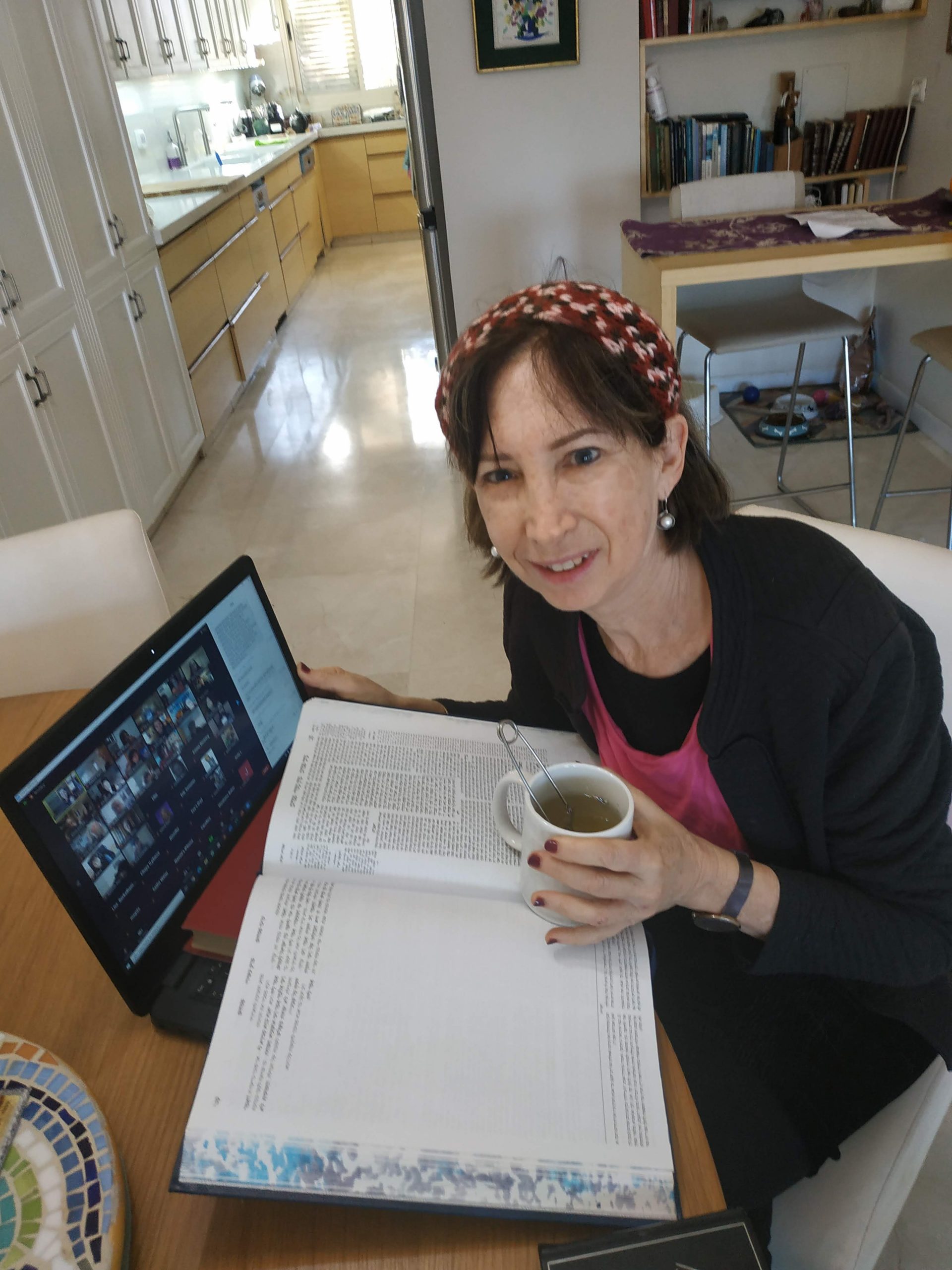
היום "אין מצב” שאני אתחיל את היום שלי ללא לימוד עם הרבנית מישל עם כוס הקפה שלי!!

selfie-scaled
דבי גביר

חשמונאים, ישראל

רבנית מישל הציתה אש התלמוד בלבבות בביניני האומה ואני נדלקתי. היא פתחה פתח ותמכה במתחילות כמוני ואפשרה לנו להתקדם בצעדים נכונים וטובים. הקימה מערך שלם שמסובב את הלומדות בסביבה תומכת וכך נכנסתי למסלול לימוד מעשיר שאין כמוה. הדרן יצר קהילה גדולה וחזקה שמאפשרת התקדמות מכל נקודת מוצא. יש דיבוק לומדות שמחזק את ההתמדה של כולנו. כל פניה ושאלה נענית בזריזות ויסודיות. תודה גם למגי על כל העזרה.

Sarah Aber
שרה אבר

נתניה, ישראל

התחלתי ללמוד את הדף היומי מעט אחרי שבני הקטן נולד. בהתחלה בשמיעה ולימוד באמצעות השיעור של הרבנית שפרבר. ובהמשך העזתי וקניתי לעצמי גמרא. מאז ממשיכה יום יום ללמוד עצמאית, ולפעמים בעזרת השיעור של הרבנית, כל יום. כל סיום של מסכת מביא לאושר גדול וסיפוק. הילדים בבית נהיו חלק מהלימוד, אני משתפת בסוגיות מעניינות ונהנית לשמוע את דעתם.

Eliraz Blau
אלירז בלאו

מעלה מכמש, ישראל

My explorations into Gemara started a few days into the present cycle. I binged learnt and become addicted. I’m fascinated by the rich "tapestry” of intertwined themes, connections between Masechtot, conversations between generations of Rabbanim and learners past and present all over the world. My life has acquired a golden thread, linking generations with our amazing heritage.
Thank you.

Susan Kasdan
סוזן כשדן

חשמונאים, Israel

אמא שלי למדה איתי ש”ס משנה, והתחילה ללמוד דף יומי. אני החלטתי שאני רוצה ללמוד גם. בהתחלה למדתי איתה, אח”כ הצטרפתי ללימוד דף יומי שהרב דני וינט מעביר לנוער בנים בעתניאל. במסכת עירובין עוד חברה הצטרפה אלי וכשהתחלנו פסחים הרב דני פתח לנו שעור דף יומי לבנות. מאז אנחנו לומדות איתו קבוע כל יום את הדף היומי (ובשבת אבא שלי מחליף אותו). אני נהנית מהלימוד, הוא מאתגר ומעניין

Renana Hellman
רננה הלמן

עתניאל, ישראל

שמעתי על הסיום הענק של הדף היומי ע”י נשים בבנייני האומה. רציתי גם.
החלטתי להצטרף. התחלתי ושיכנעתי את בעלי ועוד שתי חברות להצטרף. עכשיו יש לי לימוד משותף איתו בשבת ומפגש חודשי איתן בנושא (והתכתבויות תדירות על דברים מיוחדים שקראנו). הצטרפנו לקבוצות שונות בווטסאפ. אנחנו ממש נהנות. אני שומעת את השיעור מידי יום (בד”כ מהרב יוני גוטמן) וקוראת ומצטרפת לסיומים של הדרן. גם מקפידה על דף משלהן (ונהנית מאד).

Liat Citron
ליאת סיטרון

אפרת, ישראל

התחלתי בתחילת הסבב, והתמכרתי. זה נותן משמעות נוספת ליומיום ומאוד מחזק לתת לזה מקום בתוך כל שגרת הבית-עבודה השוטפת.

Reut Abrahami
רעות אברהמי

בית שמש, ישראל

התחלתי ללמוד בשנת המדרשה במגדל עוז, בינתיים נהנית מאוד מהלימוד ומהגמרא, מעניין ומשמח מאוד!
משתדלת להצליח לעקוב כל יום, לפעמים משלימה קצת בהמשך השבוע.. מרגישה שיש עוגן מקובע ביום שלי והוא משמח מאוד!

Uriah Kesner
אוריה קסנר

חיפה , ישראל

. לא תמיד נהניתי מלימוד גמרא כילדה.,בל כהתבגרתי התחלתי לאהוב את זה שוב. התחלתי ללמוד מסכת סוטה בדף היומי לפני כחמש עשרה שנה ואז הפסקתי.הגעתי לסיום הגדול של הדרן לפני שנתיים וזה נתן לי השראה. והתחלתי ללמוד למשך כמה ימים ואז היתה לי פריצת דיסק והפסקתי…עד אלול השנה. אז התחלתי עם מסכת ביצה וב”ה אני מצליחה לעמוד בקצב. המשפחה מאוד תומכת בי ויש כמה שגם לומדים את זה במקביל. אני אוהבת שיש עוגן כל יום.

Rebecca Darshan
רבקה דרשן

בית שמש, ישראל

כבר סיפרתי בסיום של מועד קטן.
הלימוד מאוד משפיעה על היום שלי כי אני לומדת עם רבנית מישל על הבוקר בזום. זה נותן טון לכל היום – בסיס למחשבות שלי .זה זכות גדול להתחיל את היום בלימוד ובתפילה. תודה רבה !

שרה-ברלוביץ
שרה ברלוביץ

ירושלים, ישראל

התחלתי ללמוד דף יומי אחרי שחזרתי בתשובה ולמדתי במדרשה במגדל עוז. הלימוד טוב ומספק חומר למחשבה על נושאים הלכתיים ”קטנים” ועד לערכים גדולים ביהדות. חשוב לי להכיר את הגמרא לעומק. והצעד הקטן היום הוא ללמוד אותה בבקיאות, בעזרת השם, ומי יודע אולי גם אגיע לעיון בנושאים מעניינים. נושאים בגמרא מתחברים לחגים, לתפילה, ליחסים שבין אדם לחברו ולמקום ולשאר הדברים שמלווים באורח חיים דתי 🙂

Gaia Divo
גאיה דיבו

מצפה יריחו, ישראל

סיום השס לנשים נתן לי מוטביציה להתחיל ללמוד דף יומי. עד אז למדתי גמרא בשבתות ועשיתי כמה סיומים. אבל לימוד יומיומי זה שונה לגמרי ופתאום כל דבר שקורה בחיים מתקשר לדף היומי.

Fogel Foundation
קרן פוגל

רתמים, ישראל

אחרי שראיתי את הסיום הנשי של הדף היומי בבנייני האומה זה ריגש אותי ועורר בי את הרצון להצטרף. לא למדתי גמרא קודם לכן בכלל, אז הכל היה לי חדש, ולכן אני לומדת בעיקר מהשיעורים פה בהדרן, בשוטנשטיין או בחוברות ושיננתם.

Rebecca Schloss
רבקה שלוס

בית שמש, ישראל

לצערי גדלתי בדור שבו לימוד גמרא לנשים לא היה דבר שבשגרה ושנים שאני חולמת להשלים את הפער הזה.. עד שלפני מספר שבועות, כמעט במקרה, נתקלתי במודעת פרסומת הקוראת להצטרף ללימוד מסכת תענית. כשקראתי את המודעה הרגשתי שהיא כאילו נכתבה עבורי – "תמיד חלמת ללמוד גמרא ולא ידעת איך להתחיל”, "בואי להתנסות במסכת קצרה וקלה” (רק היה חסר שהמודעה תיפתח במילים "מיכי שלום”..). קפצתי למים ו- ב”ה אני בדרך להגשמת החלום:)

Micah Kadosh
מיכי קדוש

מורשת, ישראל

התחלתי לפני כמה שנים אבל רק בסבב הזה זכיתי ללמוד יום יום ולסיים מסכתות

Sigal Tel
סיגל טל

רעננה, ישראל

התחלתי מעט לפני תחילת הסבב הנוכחי. אני נהנית מהאתגר של להמשיך להתמיד, מרגעים של "אהה, מפה זה הגיע!” ומהאתגר האינטלקטואלי

Eilat-Chen and Deller
אילת-חן ודלר

לוד, ישראל

לפני 15 שנה, אחרי עשרות שנים של "ג’ינגול” בין משפחה לקריירה תובענית בהייטק, הצטרפתי לשיעורי גמרא במתן רעננה. הלימוד המעמיק והייחודי של הרבנית אושרה קורן יחד עם קבוצת הנשים המגוונת הייתה חוויה מאלפת ומעשירה. לפני כשמונה שנים כאשר מחזור הדף היומי הגיע למסכת תענית הצטרפתי כ”חברותא” לבעלי. זו השעה היומית שלנו ביחד כאשר דפי הגמרא משתלבים בחיי היום יום, משפיעים ומושפעים, וכשלא מספיקים תמיד משלימים בשבת

Yodi Askoff
יודי אסקוף

רעננה, ישראל

התחלתי ללמוד דף יומי בתחילת מסכת ברכות, עוד לא ידעתי כלום. נחשפתי לסיום הש״ס, ובעצם להתחלה מחדש בתקשורת, הפתיע אותי לטובה שהיה מקום לעיסוק בתורה.
את המסכתות הראשונות למדתי, אבל לא סיימתי (חוץ מעירובין איכשהו). השנה כשהגעתי למדרשה, נכנסתי ללופ, ואני מצליחה להיות חלק, סיימתי עם החברותא שלי את כל המסכתות הקצרות, גם כשהיינו חולות קורונה ובבידודים, למדנו לבד, העיקר לא לצבור פער, ומחכות ליבמות 🙂

Eden Yeshuron
עדן ישורון

מזכרת בתיה, ישראל

התחלתי ללמוד דף יומי בסבב הקודם. זכיתי לסיים אותו במעמד המרגש של הדרן. בסבב הראשון ליווה אותי הספק, שאולי לא אצליח לעמוד בקצב ולהתמיד. בסבב השני אני לומדת ברוגע, מתוך אמונה ביכולתי ללמוד ולסיים. בסבב הלימוד הראשון ליוותה אותי חוויה מסויימת של בדידות. הדרן העניקה לי קהילת לימוד ואחוות נשים. החוויה של סיום הש”ס במעמד כה גדול כשנשים שאינן מכירות אותי, שמחות ומתרגשות עבורי , היתה חוויה מרוממת נפש

Ilanit Weil
אילנית ווייל

קיבוץ מגדל עוז, ישראל

יבמות מה

מֵחַיָּיבֵי לָאוִין דְּתָפְסִי בְּהוּ קִדּוּשִׁין, אֲבָל הָכָא, גּוֹי וְעֶבֶד, כֵּיוָן דְּלָא תָּפְסִי בְּהוּ קִדּוּשִׁין — כְּחַיָּיבֵי כָּרֵיתוֹת דְּמֵי.

to forbidden relations for which one is liable for violation of a prohibition concerning which a betrothal between the couple would take effect. However, here, with regard to a gentile and a slave, since their betrothal of a Jewish woman would not take effect, a union with them is comparable to forbidden relations for which one is liable to receive karet, and therefore the offspring of such a union will be a mamzer.

מֵיתִיבִי: גּוֹי וְעֶבֶד הַבָּא עַל בַּת יִשְׂרָאֵל — הַוָּלָד מַמְזֵר. רַבִּי שִׁמְעוֹן בֶּן יְהוּדָה אוֹמֵר: אֵין מַמְזֵר אֶלָּא מִמִּי שֶׁאִיסּוּרוֹ אִיסּוּר עֶרְוָה וְעָנוּשׁ כָּרֵת.

The Gemara raises an objection from a baraita: In the case of a gentile or a slave who engaged in intercourse with a Jewish woman, the offspring born from such a union is a mamzer. Rabbi Shimon ben Yehuda says: The offspring is a mamzer only if born from relations with one who is forbidden by a prohibition of forbidden relations that are punishable by karet. It is apparent from the baraita that one who holds, as does Shimon HaTimni, that only the offspring from forbidden relations for which one is liable to receive karet is a mamzer, nevertheless holds that the offspring of a slave or gentile and a Jewish woman is not a mamzer.

אֶלָּא אָמַר רַב יוֹסֵף: מַאן ״הַכֹּל מוֹדִים״ — רַבִּי, אַף עַל גַּב דְּרַבִּי אוֹמֵר: אֵין הַדְּבָרִים הַלָּלוּ אֲמוּרִים אֶלָּא לְדִבְרֵי רַבִּי עֲקִיבָא, שֶׁהָיָה עוֹשֶׂה חֲלוּצָה כְּעֶרְוָה, וְלֵיהּ לָא סְבִירָא לֵיהּ, בְּגוֹי וְעֶבֶד מוֹדֶה. דְּכִי אֲתָא רַב דִּימִי, אָמַר רַב יִצְחָק בַּר אֲבוּדִימִי מִשּׁוּם רַבֵּינוּ: גּוֹי וְעֶבֶד הַבָּא עַל בַּת יִשְׂרָאֵל — הַוָּלָד מַמְזֵר.

Rather, Rav Yosef said: Who is included by saying: All agree? It is Rabbi Yehuda HaNasi, as although Rabbi Yehuda HaNasi says in a baraita (52b) concerning the mishna (50a–51b) that states that a levirate betrothal between a yavam and a yevama with whom he had already performed ḥalitza is ineffective: This statement was said only according to the statement of Rabbi Akiva, as he would consider a ḥalutza like a forbidden relative such that if the yavam betrothed her it would not take effect. And although Rabbi Yehuda HaNasi himself does not hold accordingly with regard to that issue, with regard to the offspring of a union with a gentile or a slave he concedes that the offspring is a mamzer. As, when Rav Dimi came from Eretz Yisrael, he said that Rav Yitzḥak bar Avudimi said in the name of our Master, i.e., Rabbi Yehuda HaNasi: With regard to a gentile or a slave who engaged in intercourse with a Jewish woman, the offspring is a mamzer.

רַבִּי אַחָא שַׂר הַבִּירָה וְרַבִּי תַּנְחוּם בְּרֵיהּ דְּרַבִּי חִיָּיא אִישׁ כְּפַר עַכּוֹ פְּרוּק הָנְהוּ שְׁבוּיָיתָא דַּאֲתוֹ מֵאַרְמוֹן לִטְבֶרְיָא. הֲוָה חֲדָא דְּאִעַבַּרָא מִגּוֹי, וַאֲתוֹ לְקַמֵּיהּ דְּרַבִּי אַמֵּי, אֲמַר לְהוּ: רַבִּי יוֹחָנָן וְרַבִּי אֶלְעָזָר וְרַבִּי חֲנִינָא דְּאָמְרִי: גּוֹי וְעֶבֶד הַבָּא עַל בַּת יִשְׂרָאֵל — הַוָּלָד מַמְזֵר.

The Gemara cites a related incident: Rabbi Aḥa, lord of the capital, and Rabbi Tanḥum, son of Rabbi Ḥiyya, the man of Akko village, redeemed those captives who came from Armon to Tiberias. One of them had been impregnated by a gentile, and they came before Rabbi Ami to ask what the offspring’s status would be when born. He said to them that Rabbi Yoḥanan and Rabbi Elazar and Rabbi Ḥanina all say: With regard to a gentile or a slave who engaged in intercourse with a Jewish woman, the offspring is a mamzer.

אָמַר רַב יוֹסֵף: רְבוּתָא לְמִחְשַׁב גַּבְרֵי?! הָא רַב וּשְׁמוּאֵל בְּבָבֶל, וְרַבִּי יְהוֹשֻׁעַ בֶּן לֵוִי וּבַר קַפָּרָא בְּאֶרֶץ יִשְׂרָאֵל, וְאָמְרִי לַהּ חַלּוֹפֵי בַּר קַפָּרָא וְעַיֹּילֵי זִקְנֵי דָרוֹם, דְּאָמְרִי: גּוֹי וְעֶבֶד הַבָּא עַל בַּת יִשְׂרָאֵל הַוָּלָד כָּשֵׁר!

Upon hearing this, Rav Yosef said: Is it so great to enumerate men? The fact that several great Sages held this opinion does not prove that their opinion is the accepted halakha. But there are Rav and Shmuel in Babylonia, and Rabbi Yehoshua ben Levi and bar Kappara in Eretz Yisrael, and some say to remove bar Kappara from this list and insert instead the Elders of the South, who all say: With regard to a gentile or a slave who engaged in intercourse with a Jewish woman, the lineage of the offspring is unflawed, and he or she may marry into the congregation of Israel.

אֶלָּא אָמַר רַב יוֹסֵף: רַבִּי הִיא. דְּכִי אֲתָא רַב דִּימִי אָמַר רַבִּי יִצְחָק בַּר אֲבוּדִימִי: מִשּׁוּם רַבֵּינוּ אָמְרוּ: גּוֹי וְעֶבֶד הַבָּא עַל בַּת יִשְׂרָאֵל — הַוָּלָד מַמְזֵר.

Rather, Rav Yosef said the halakha is in fact that the offspring is a mamzer because this is Rabbi Yehuda HaNasi’s opinion, as when Rav Dimi came from Eretz Yisrael he said that Rav Yitzḥak bar Avudimi said in the name of our Master, i.e., Rabbi Yehuda HaNasi, that they say: With regard to a gentile or a slave who engaged in intercourse with a Jewish woman, the offspring is a mamzer.

רַבִּי יְהוֹשֻׁעַ בֶּן לֵוִי אוֹמֵר: הַוָּלָד מְקוּלְקָל. לְמַאן? אִילֵימָא לַקָּהָל — הָא אָמַר רַבִּי יְהוֹשֻׁעַ: הַוָּלָד כָּשֵׁר! אֶלָּא לִכְהוּנָּה, דְּכוּלְּהוּ אָמוֹרָאֵי דְּמַכְשְׁרִי — מוֹדוּ שֶׁהַוָּלָד פָּגוּם לִכְהוּנָּה.

Rabbi Yehoshua ben Levi says: The lineage of the offspring is sullied, and if the child is a girl she is restricted in whom she may marry. The Gemara asks: To whom is she prohibited from marrying? If we say it is to the congregation of Israel, but didn’t Rabbi Yehoshua himself say that the lineage of the offspring is unflawed and he or she may marry into the congregation of Israel? Rather, the offspring is prohibited to marry into the priesthood, as all of the amora’im who render the offspring fit to enter the congregation of Israel agree that the offspring has flawed lineage and is forbidden to marry into the priesthood.

מִקַּל וְחוֹמֶר מֵאַלְמָנָה: מָה אַלְמָנָה לְכֹהֵן גָּדוֹל, שֶׁאֵין אִיסּוּרָהּ שָׁוֶה בַּכֹּל — בְּנָהּ פָּגוּם, זוֹ שֶׁאִיסּוּרָהּ שָׁוֶה בַּכֹּל — אֵינוֹ דִּין שֶׁבְּנָהּ פָּגוּם.

This is derived from an a fortiori inference from the halakha of a widow, as follows: Just as in the case of a widow who is married to a High Priest, where the prohibition that pertains to her is not equally applicable to all Jews, i.e., only a High Priest is prohibited from marrying a widow, and nevertheless her child from that union will have flawed lineage, then so too with regard to this woman who engaged in relations with a gentile or slave, where the prohibition that pertains to her is equally applicable to all Jews, isn’t it logical that her child from that union will have flawed lineage?

מָה לְאַלְמָנָה לְכֹהֵן גָּדוֹל שֶׁכֵּן הִיא עַצְמָהּ מִתְחַלֶּלֶת! הָכָא נָמֵי, כֵּיוָן שֶׁנִּבְעֲלָה — פְּסָלָהּ.

And if one would say that the logic of this a fortiori inference could be refuted by claiming that what is true with regard to a widow who is married to a High Priest, where her union with him is what makes her herself disqualified from subsequently marrying any priest and, if she is the daughter of a priest, from eating teruma, is not true with regard to the prohibition against a Jewish woman engaging in relations with a gentile or a slave. This is not correct, because here, too, once he has engaged in intercourse with her, he thereby renders her unfit to marry into the priesthood.

דְּאָמַר רַבִּי יוֹחָנָן מִשּׁוּם רַבִּי שִׁמְעוֹן: מִנַּיִן לְגוֹי וְעֶבֶד הַבָּא עַל הַכֹּהֶנֶת וְעַל הַלְּוִיָּה וְעַל הַיִּשְׂרְאֵלִית שֶׁפְּסָלוּהָ — שֶׁנֶּאֱמַר: ״וּבַת כֹּהֵן כִּי תִהְיֶה אַלְמָנָה וּגְרוּשָׁה״, מִי שֶׁיֵּשׁ לוֹ אַלְמְנוּת וְגֵירוּשִׁין בָּהּ, יָצְאוּ גּוֹי וְעֶבֶד שֶׁאֵין לָהֶם אַלְמְנוּת וְגֵירוּשִׁין בָּהּ.

As Rabbi Yoḥanan said in the name of Rabbi Shimon: From where is it derived with regard to a gentile or a slave who engaged in intercourse with a daughter of a priest or with a female Levite or with a female Israelite that they thereby render her unfit to marry into the priesthood? As it is stated: “But a priest’s daughter when she will become a widow, or a divorcée, and have no child, she returns to her father’s house as in her youth” (Leviticus 22:13). The verse indicates that she returns to her father’s house and enjoys the rights of the priesthood only in a case where she engaged in intercourse with one to whom widowhood and divorce can apply, i.e., one with whom her marriage would be valid and would be broken only through death or divorce. Excluded from this is a union with a gentile or a slave, to whom neither widowhood nor divorce can apply, as no marriage bond can be formed with them.

אֲמַר לֵיהּ אַבָּיֵי: מַאי חָזֵית דְּסָמְכַתְּ אַדְּרַב דִּימִי — סְמוֹךְ אַדְּרָבִין! דְּכִי אֲתָא רָבִין, אָמַר: רַבִּי נָתָן וְרַבִּי יְהוּדָה הַנָּשִׂיא מוֹרוּ בַּהּ לְהֶיתֵּירָא. וּמַאן רַבִּי יְהוּדָה הַנָּשִׂיא — רַבִּי.

Abaye said to Rav Yosef: What did you see that you rely upon Rav Dimi and his tradition that Rabbi Yehuda HaNasi holds that the offspring of a gentile or a slave and a Jewish woman is a mamzer? Rely instead upon Ravin, as when Ravin came from Eretz Yisrael he said that Rabbi Natan and Rabbi Yehuda HaNasi both rule that the offspring is permitted to marry into the congregation of Israel. And who is the Rabbi Yehuda HaNasi referred to in Ravin’s report? It is the one who is simply referred to as Rabbi, the redactor of the Mishna, whose opinion is accepted as the halakha.

וְאַף רַב מוֹרֵה בַּהּ [לְ]הֶיתֵּירָא. דְּהָהוּא דַּאֲתָא לְקַמֵּיהּ דְּרַב, אֲמַר לֵיהּ: גּוֹי וְעֶבֶד הַבָּא עַל בַּת יִשְׂרָאֵל, מַהוּ?

The Gemara notes: And even Rav rules that the offspring is permitted, as is evident from an incident involving a certain individual who came before Rav and said to him: With regard to the offspring of a gentile or a slave who engaged in intercourse with a Jewish woman, what is its halakhic status?

אָמַר לֵיהּ: הַוָּלָד כָּשֵׁר. אֲמַר לֵיהּ: הַב לִי בְּרַתָּךְ. לָא יָהֵיבְנָא לָךְ.

Rav said to him: The lineage of the offspring is unflawed. The individual who asked the question was himself such a child, and he said to Rav: If so, give me your daughter in marriage. He said to him: I will not give her to you.

אָמַר שִׁימִי בַּר חִיָּיא לְרַב, אָמְרִי אִינָשֵׁי: גַּמְלָא בְּמָדַי אַקַּבָּא רָקְדָא. הָא קַבָּא, וְהָא גַּמְלָא, וְהָא מָדַי — וְלָא רָקְדָא!

Shimi bar Ḥiyya, Rav’s grandson, said to Rav: People often say that a camel in Medes can dance upon a small space that holds only a single kav of produce. However, clearly that is an exaggeration, since if one would go to Medes one could demonstrate that this is a space that holds a kav, and this is a camel, and this is Medes, and yet the camel is not dancing, i.e., the truth of a statement becomes apparent when it is put to the test. So too, it would appear that you do not truly believe in your ruling because when put to the test, you are unwilling to rely on it.

אֲמַר לֵיהּ: אִי נִיהְוֵי כִּיהוֹשֻׁעַ בִּן נוּן — לָא יָהֵיבְנָא לֵיהּ בְּרַתִּי. אָמַר לֵיהּ: אִי הֲוָה כִּיהוֹשֻׁעַ בִּן נוּן, אִי מָר לָא יָהֵיב לֵיהּ — אַחֲרִינֵי יָהֲבִי לֵיהּ, הַאי אִי מָר לָא יָהֵיב לֵיהּ — אַחֲרִינֵי לָא יָהֲבִי לֵיהּ.

He said to him: Even if he were as great as Joshua, son of Nun, I would not give him my daughter in marriage. My refusal to give her to him in marriage is not that I do not stand by my ruling; it is for other reasons. He said to him: If he were as great as Joshua, son of Nun, then even if the Master would not give him his daughter, others would still give him their daughters. However, with regard to this man, if the Master does not give him his daughter, others will not give him their daughters either out of fear of damaging the family lineage. Nevertheless, Rav remained unwilling to give his daughter to that individual.

לָא הֲוָה קָאָזֵיל מִקַּמֵּיהּ. יְהֵיב בֵּיהּ עֵינֵיהּ וּשְׁכֵיב.

That individual would not go from standing before Rav and continued to plead with him. Rav placed his eyes upon him and he died.

וְאַף רַב מַתְנָה מוֹרֵה בַּהּ לְהֶיתֵּירָא, וְאַף רַב יְהוּדָה מוֹרֵה בַּהּ לְהֶיתֵּירָא. דְּכִי אֲתָא לְקַמֵּיהּ דְּרַב יְהוּדָה, אֲמַר לֵיהּ: זִיל אִיטַּמַּר, אוֹ נְסֵיב בַּת מִינָּךְ. וְכִי אֲתָא לְקַמֵּיהּ דְּרָבָא, אֲמַר לֵיהּ: אוֹ גְּלִי, אוֹ נְסֵיב בַּת מִינָּךְ.

The Gemara adds: And even Rav Mattana rules that the offspring is permitted, and even Rav Yehuda rules that the offspring is permitted, as is evident from the fact that when a child of a gentile or slave and a Jewish woman came before Rav Yehuda, he said to him: Go and conceal your paternal lineage so that people will not refrain from giving you their daughters in marriage, as it is permitted for you to marry into the congregation of Israel, or otherwise, marry a woman of your own kind, i.e., a woman of similar lineage. And similarly, when such a person came before Rava, he said to him: Either go into exile to a place where your lineage is unknown, so that others will give you their daughters in marriage, or marry a woman of your own kind.

שְׁלַחוּ לֵיהּ בְּנֵי בֵּי מִיכְסֵי לְרַבָּה: מִי שֶׁחֶצְיוֹ עֶבֶד וְחֶצְיוֹ בֶּן חוֹרִין הַבָּא עַל בַּת יִשְׂרָאֵל, מַהוּ? אֲמַר לְהוּ: הַשְׁתָּא עֶבֶד כּוּלּוֹ, אָמְרִינַן כָּשֵׁר — חֶצְיוֹ מִיבַּעְיָא?

The residents of Bei Mikhsei sent the following question to Rabba: With regard to the offspring of one who is a half-slave half-freeman, who engaged in intercourse with a Jewish woman, what is its halakhic status? He said to them: Now that with regard to the offspring of a full slave we say that his lineage is unflawed, is it necessary to ask about a half-slave?

אָמַר רַב יוֹסֵף: מָרָא דִשְׁמַעְתָּא

Rav Yosef said: The Master who is responsible for dissemination of this halakha that the offspring of a slave and a Jewish woman is not a mamzer,

מַנּוּ — רַב יְהוּדָה. וְהָא אָמַר רַב יְהוּדָה: מִי שֶׁחֶצְיוֹ עֶבֶד וְחֶצְיוֹ בֶּן חוֹרִין הַבָּא עַל בַּת יִשְׂרָאֵל — אוֹתוֹ וָלָד אֵין לוֹ תַּקָּנָה!

who is he? He is Rav Yehuda, as the Gemara cited above. But didn’t Rav Yehuda himself say: With regard to one who is a half-slave half-freeman who engaged in intercourse with a Jewish woman, that offspring of that union has no recourse to be able to marry? It is apparent, then, that even one who permits the offspring of a slave to marry into the congregation of Israel does not permit the offspring of a half-slave to do so, contrary to Rava’s assertion.

כִּי אִיתְּמַר דְּרַב יְהוּדָה, כְּגוֹן דְּקַדֵּישׁ בַּת יִשְׂרָאֵל, דְּנִמְצָא צַד עַבְדוּת שֶׁבּוֹ מִשְׁתַּמֵּשׁ בְּאֵשֶׁת אִישׁ.

The Gemara resolves the difficulty: When this ruling of Rav Yehuda was stated, it was referring to a case where the half-slave betrothed a Jewish woman. Since a slave’s betrothal does not take effect, the result of that betrothal is that the woman is married to only the free half of the half-slave half-freeman, such that it emerges that when he has relations with her, the slave side of him is engaging in relations with a married woman to whom that side of him is not married, and so the offspring of that union is a mamzer.

וְהָאָמְרִי נְהַרְדָּעֵי מִשְּׁמֵיהּ דְּרַבִּי יַעֲקֹב: לְדִבְרֵי הַפּוֹסֵל — פּוֹסֵל אֲפִילּוּ בִּפְנוּיָה, לְדִבְרֵי הַמַּכְשִׁיר — מַכְשִׁיר אֲפִילּוּ בְּאֵשֶׁת אִישׁ.

The Gemara raises an objection: But didn’t the Sages of Neharde’a say in the name of Rabbi Ya’akov: According to the statement of the one who renders the child of a gentile or slave and a Jewish woman unfit to marry into the congregation of Israel, he renders the child unfit even when the mother is an unmarried woman. And according to the statement of the one who renders the child fit, he renders the child fit even when the mother is a married woman.

וּשְׁנֵיהֶם לֹא לְמָדוּהָ אֶלָּא מֵאֵשֶׁת אָב. מַאן דְּפָסֵיל סָבַר: מָה אֵשֶׁת אָב דְּלָא תָּפְסִי בַּהּ קִדּוּשִׁין [הַוָּלָד מַמְזֵר], אַף כֹּל דְּלָא תָּפְסִי בַּהּ קִדּוּשִׁין — הַוָּלָד מַמְזֵר.

And both of them derived their opinions only from the halakha of one’s father’s wife, as follows: The one who renders the child unfit holds that just as with regard to one’s father’s wife, one’s betrothal of her does not take effect even after she is widowed or divorced, and so the offspring of such a union is a mamzer, so too, with regard to any one for whom betrothal of her does not take effect, including a gentile or a slave, the offspring is a mamzer.

וּמַאן דְּמַכְשַׁר סָבַר: מָה אֵשֶׁת אָב, דִּלְדִידֵיהּ לָא תָּפְסִי בַּהּ קִדּוּשִׁין, לְאַחֲרִינֵי תָּפְסִי בַּהּ קִדּוּשִׁין, לְאַפּוֹקֵי גּוֹי וְעֶבֶד דְּלָא תָּפְסִי בְּהוּ קִדּוּשִׁין כְּלָל.

And the one who renders the child fit holds that the derivation from the halakha of one’s father’s wife is more limited, and it is derived that the offspring is a mamzer only in a case just like one’s father’s wife, in that although his betrothal of her does not take effect, with someone else his betrothal of her does take effect. This is to the exclusion of a gentile and a slave, for whom betrothal of any Jewish woman does not take effect at all, and so the offspring of such a union will not be a mamzer. It is apparent from this statement of the Sages of Neharde’a that according to the lenient opinion, the offspring of a slave is never a mamzer, irrespective of the marital status of the Jewish woman. Therefore, the Gemara’s resolution is undermined.

אֶלָּא: כִּי אִיתְּמַר דְּרַב יְהוּדָה, כְּגוֹן שֶׁבָּא עַל אֵשֶׁת אִישׁ, וְנִמְצָא צַד חֵירוּת שֶׁבּוֹ מִשְׁתַּמֵּשׁ בְּאֵשֶׁת אִישׁ.

The Gemara offers a different resolution: Rather, when this statement of Rav Yehuda was stated, it was referring to a case where the half-slave half-freeman engaged in intercourse with a married woman who was married to someone else, and it therefore emerges that although the woman’s union with the slave side of him will not render the offspring a mamzer, the free side of him is engaging in relations with a married woman to whom he is not married, and due to that side of him the offspring is a mamzer.

אָמַר רָבִינָא, אָמַר לִי רַב גַּזָּא: אִיקְּלַע רַבִּי יוֹסֵי בַּר אָבִין לְאַתְרִין וַהֲוָה עוֹבָדָא בִּפְנוּיָה, וְאַכְשַׁר. בְּאֵשֶׁת אִישׁ, וּפְסַיל. אָמַר רַב שֵׁשֶׁת: לְדִידִי אָמַר לִי רַב גַּזָּא: לָא רַבִּי יוֹסֵי בַּר אָבִין הֲוָה אֶלָּא רַבִּי יוֹסֵי בְּרַבִּי זְבִידָא הֲוָה, וְאַכְשַׁר בֵּין בִּפְנוּיָה בֵּין בְּאֵשֶׁת אִישׁ. אֲמַר לֵיהּ רַב אַחָא בְּרֵיהּ דְּרַבָּה לְרָבִינָא: אִיקְּלַע אַמֵּימָר לְאַתְרִין וְאַכְשַׁר בֵּין בִּפְנוּיָה בֵּין בְּאֵשֶׁת אִישׁ.

Ravina said: Rav Gazza said to me that Rabbi Yosei bar Avin once happened to come to our place, and there was an incident involving an unmarried woman who had engaged in intercourse with a slave, and Rabbi Yosei bar Avin rendered her offspring fit to marry into the congregation of Israel. And there was another incident involving a married woman who had engaged in intercourse with a slave, and he rendered her offspring unfit to marry into the congregation of Israel by ruling the offspring was a mamzeret. Rav Sheshet said: Rav Gazza told me that it was not Rabbi Yosei bar Avin; rather, it was Rabbi Yosei, son of Rabbi Zevida, and he rendered the offspring fit both in the case of an unmarried woman and in the case of a married woman. Rav Aḥa, son of Rabba, said to Ravina: Ameimar once happened to come to our place and rendered the offspring fit both in the case of an unmarried woman and in the case of a married woman.

וְהִלְכְתָא: גּוֹי וְעֶבֶד הַבָּא עַל בַּת יִשְׂרָאֵל — הַוָּלָד כָּשֵׁר, בֵּין בִּפְנוּיָה בֵּין בְּאֵשֶׁת אִישׁ.

The Gemara concludes: And the halakha is that with regard to a gentile or slave who engaged in intercourse with a Jewish woman, the lineage of the offspring is unflawed, whether she was an unmarried or a married woman.

רָבָא אַכְשְׁרֵיהּ לְרַב מָרִי בַּר רָחֵל וּמַנְּיֵיהּ בְּפוּרְסֵי דְּבָבֶל, וְאַף עַל גַּב דְּאָמַר מָר: ״שׂוֹם תָּשִׂים עָלֶיךָ מֶלֶךְ״ — כׇּל מְשִׂימוֹת שֶׁאַתָּה מֵשִׂים אַל יְהוּ אֶלָּא מִקֶּרֶב אַחֶיךָ, הַאי, כֵּיוָן דְּאִמּוֹ מִיִּשְׂרָאֵל — ״מִקֶּרֶב אַחֶיךָ״ קָרֵינַן בֵּיהּ.

The Gemara cites a related halakha: Rava ruled that Rav Mari bar Raḥel, who was the son of a gentile father and a Jewish mother, was fit to marry into the congregation of Israel, and furthermore he appointed him as one of the officials [pursei] of Babylonia. And although the Master said that from the verse, “You shall place a king over you whom the Lord your God shall chose; from among your brethren shall you place a king over you” (Deuteronomy 17:15) it is derived that not only with regard to the kingship but also with regard to all positions of authority that you appoint, the incumbents may be selected only from among your brethren who share your Jewish lineage. Nevertheless, with regard to this one, i.e., Rav Mari bar Raḥel, since his mother is of Jewish lineage, we call him “from among your brethren,” and so he is eligible.

עַבְדֵּיהּ דְּרַבִּי חִיָּיא בַּר אַמֵּי אַטְבְּלַהּ לְהָהִיא גּוֹיָה לְשֵׁם אִנְתְּתָא. אָמַר רַב יוֹסֵף: יָכֵילְנָא לְאַכְשׁוֹרֵי בַּהּ וּבִבְרַתַּהּ.

§ A gentile slave purchased by a Jew must be circumcised and then immersed in a ritual bath. By being immersed for the sake of slavery, he takes on the status of a full slave, which, among other things, obligates him to keep certain mitzvot. However, if the slave, or any gentile, is immersed for the sake of conversion, he then becomes a full Jew and fully obligated in mitzvot like any other Jew.
The Gemara considers the result of different intentions accompanying an immersion: Rabbi Ḥiyya bar Ami’s slave immersed a certain gentile woman for the sake of having intimate relations, i.e., to purify her from her menstrual impurity. Rav Yosef said: I am able to render both her and her daughter fit to marry into the congregation of Israel.

בַּהּ, כִּדְרַב אַסִּי. דְּאָמַר רַב אַסִּי, מִי לָא טְבַלָה לְנִדּוּתַהּ?

With regard to her, I can render her fit in accordance with the opinion of Rav Asi, as Rav Asi said concerning a woman whose status as a convert was unclear but who lived as a part of the Jewish people and acted like all other Jewish women: Didn’t she immerse for the sake of purifying herself from her menstruation? Therefore, even if the original immersion was invalid, her intention in subsequent immersions was sufficient to be considered for the sake of conversion, since ultimately she immersed as an expression of her commitment to Judaism. She is therefore fully Jewish.

בִּבְרַתַּהּ, גּוֹי וְעֶבֶד הַבָּא עַל בַּת יִשְׂרָאֵל — הַוָּלָד כָּשֵׁר.

And with regard to her daughter, she is the daughter of a gentile or slave who engaged in intercourse with a Jewish woman, and the halakha is that the lineage of the offspring is unflawed.

הַהוּא דַּהֲווֹ קָרוּ לֵיהּ ״בַּר אַרְמָיְיתָא״, אֲמַר רַב אַסִּי: מִי לָא טְבַלָה לְנִדּוּתַהּ? הָהוּא דַּהֲווֹ קָרוּ לֵיהּ ״בַּר אַרְמָאָה״. אֲמַר רַבִּי יְהוֹשֻׁעַ בֶּן לֵוִי: מִי לָא טְבַל לְקִרְיוֹ?

The Gemara details the circumstances of Rav Asi’s ruling: There was a certain man whom people would call: Son of the Aramean woman, as they cast aspersions on the validity of his mother’s conversion. With regard to that case, Rav Asi said: Didn’t she immerse for the sake of purifying herself from her menstruation? A similar incident is recounted: There was a certain man whom people would call: Son of an Aramean man, as they cast aspersions on the validity of his father’s conversion. Rabbi Yehoshua ben Levi said: Didn’t he immerse for the sake of purifying himself from his seminal emission? That intention is sufficient to consider the immersion an immersion for the sake of conversion.

אָמַר רַב חָמָא בַּר גּוּרְיָא אָמַר רַב: הַלּוֹקֵחַ עֶבֶד מִן הַגּוֹי, וְקָדַם וְטָבַל לְשֵׁם בֶּן חוֹרִין, קָנָה עַצְמוֹ בֶּן חוֹרִין. מַאי טַעְמָא —

Rav Ḥama bar Gurya said that Rav said: In the case of a Jew who purchased a slave from a gentile, and before he managed to immerse him for the sake of slavery the slave preempted him and immersed for the sake of conversion to render himself a freeman, he thereby acquired himself and becomes a freeman, i.e., his immersion effects a full conversion and he is no longer a slave. What is the reason for this halakha?

רוצה לעקוב אחרי התכנים ולהמשיך ללמוד?

ביצירת חשבון עוד היום ניתן לעקוב אחרי ההתקדמות שלך, לסמן מה למדת, ולעקוב אחרי השיעורים שמעניינים אותך.

לנקות את כל הפריטים מהרשימה?

פעולה זו תסיר את כל הפריטים בחלק זה כולל ההתקדמות וההיסטוריה. שימי לב: לא ניתן לשחזר פעולה זו.

ביטול
מחיקה

האם את/ה בטוח/ה שברצונך למחוק פריט זה?

תאבד/י את כל ההתקדמות או ההיסטוריה הקשורות לפריט זה.

ביטול
מחיקה