חיפוש

יבמות נד

רוצה להקדיש שיעור?

podcast placeholder

0:00
0:00


תקציר


המצגת בפורמט pdf

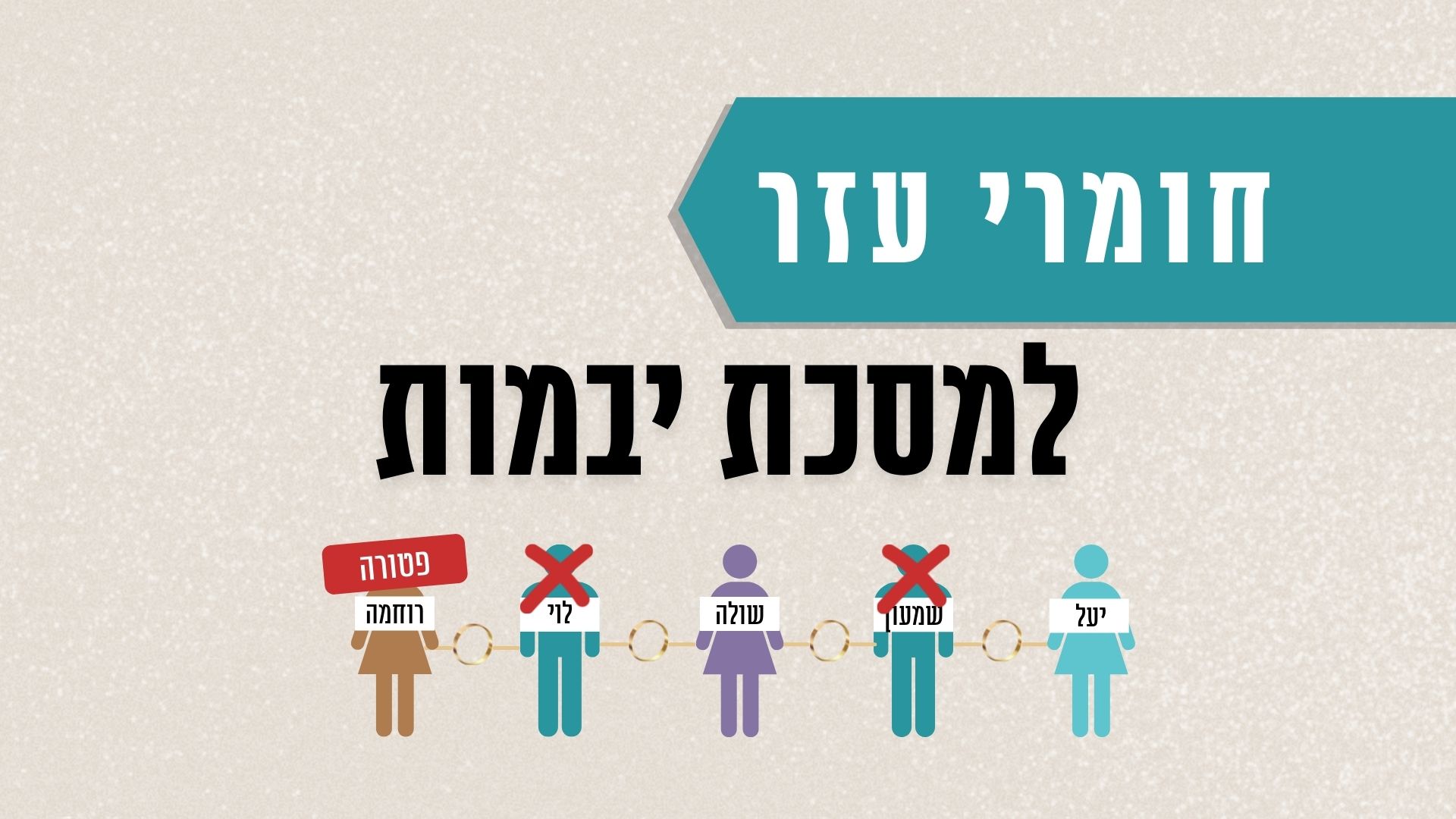
מה המקרה של ייבום המוגדר כאונס (במשנה) שיהיה תקף, שכן ייבום דורש רמה של כוונה? נעשים מספר ניסיונות לענות על שאלה זו, רובם נדחים. מאיזה פסוק נלמד שאפשר לקיים ייבום בין בשוגג בין במזיד בין באונס בין ברצון? הגמרא מקשה שפסוק זה נדרש להלכות אחרות. בסופו של דבר, שאר ההלכות לומדים מפסוקים אחרים. אם עושה אדם רק הערה בימבתו, זה עובד. גם בעריות מתחייבים אפילו על העראה בלבד. מניין לומדים את זה? הגמרא מביאה מספר אפשרויות שמהן ניתן ללמוד הלכה זו אך מתקשה ללמוד מפסוקים במקרים מסויימים לכל שאר המקרים משום הייחודיות בשכל מקרה. רבי יונה בסופו של דבר לומד זאת מנידה, בצירוף פסוק בסוף ויקרא פרק יח המלמד שעושה היקש בין נידה לכל המקרים. לאחר מכן הגמרא חוזרת לתשובות שנדחו (אשת אחיו שמשווים לנידה ואחות אביו ואמו שמזכיר גם העראה) להסביר מה באים אותם פסוקים ללמד.


יבמות נד

יָשֵׁן לֹא קָנָה בִּיבִמְתּוֹ. אֶלָּא בְּנִתְקָע — וְהָא אָמַר רַבָּה: נָפַל מִן הַגָּג וְנִתְקַע — חַיָּיב בְּאַרְבָּעָה דְּבָרִים, וּבִיבִמְתּוֹ לֹא קָנָה.

a sleeping man has not acquired his yevama, as he did not intend to perform the act of intercourse at all? Rather, the mishna was referring to one who was inserted into his yevama by accident. But didn’t Rabba say: One who fell from a roof and was inserted into a woman due to the force of his fall is liable to pay four of the five types of indemnity that must be paid by one who damaged another: Injury, pain, medical costs, and loss of livelihood. However, he is not liable to pay for the shame he caused her, as he did not intend to perform the act, and if she is his yevama, he has not acquired her in this manner.

אֶלָּא כְּגוֹן שֶׁנִּתְכַּוֵּון לְאִשְׁתּוֹ, וּתְקָפַתּוּ יְבִמְתּוֹ, וּבָא עָלֶיהָ. שְׁנֵיהֶם אֲנוּסִים דְּבֵי רַבִּי חִיָּיא הֵיכִי דָּמֵי? כְּגוֹן שֶׁנִּתְכַּוֵּון לְאִשְׁתּוֹ, וּתְקָפוּהוּ גּוֹיִם וְדִבְּקוּם זֶה בָּזֶה, וּבָא עָלֶיהָ.

Rather, it is a case where he intended to have intercourse with his wife and became erect, and his yevama forcefully grabbed hold of him and he had intercourse with her. The Gemara further asks: If so, what are the circumstances of the case when both of them were coerced that was mentioned by the school of Rabbi Ḥiyya? The Gemara answers: It is a case where he intended to have intercourse with his wife, and gentiles grabbed hold of him and pressed him and his yevama against each other, and he thereby had intercourse with her.

מְנָא הָנֵי מִילֵּי? דְּתָנוּ רַבָּנַן: ״יְבָמָהּ יָבֹא עָלֶיהָ״, מִצְוָה. דָּבָר אַחֵר: ״יְבָמָהּ יָבֹא עָלֶיהָ״ — בֵּין בְּשׁוֹגֵג בֵּין בְּמֵזִיד, בֵּין בְּאוֹנֶס בֵּין בְּרָצוֹן.

§ The Gemara inquires as to the source of these halakhot: From where are these matters derived? As the Sages taught with regard to the verse “Her brother-in-law will have intercourse with her” (Deuteronomy 25:5), that this indicates that the act of intercourse in this circumstance is a mitzva, i.e., it is preferable to the alternative, which is ḥalitza. Alternatively, the verse “Her brother-in-law will have intercourse with her,” indicates that it does not matter how he had intercourse with her, whether unwittingly or intentionally, whether due to coercion or willingly.

וְהָא אַפֵּיקְתֵּיהּ לְמִצְוָה? לְמִצְוָה מִ״וְּאִם לֹא יַחְפּוֹץ הָאִישׁ״ נָפְקָא, הָא חָפֵץ — יִבֵּם, וְכִי אֲתָא קְרָא: בֵּין בְּשׁוֹגֵג בֵּין בְּמֵזִיד, בֵּין בְּאוֹנֶס בֵּין בְּרָצוֹן.

The Gemara asks: Didn’t you derive from this phrase that the act of intercourse in this case is a mitzva? How can the same phrase also indicate that it does not matter what the intentions of the two parties were during the act of intercourse? The Gemara answers: The fact that it is a mitzva is derived from the verse: “And if the man does not wish to take his yevama” (Deuteronomy 25:7), which indicates that if he wishes, he performs levirate marriage, which is preferable to ḥalitza. Therefore, when the verse cited above came, it indicated that levirate marriage has occurred whether the parties acted unwittingly or intentionally, whether due to coercion or willingly.

תַּנְיָא אִידַּךְ: ״יְבָמָהּ יָבֹא עָלֶיהָ״, כְּדַרְכָּהּ. ״וּלְקָחָהּ״ — שֶׁלֹּא ״כְּדַרְכָּהּ״. ״וְיִבֵּם״ — בִּיאָה גּוֹמֶרֶת בָּהּ, וְאֵין כֶּסֶף וּשְׁטָר גּוֹמְרִין בָּהּ. ״וְיִבְּמָהּ״ — בְּעַל כׇּרְחָהּ. דָּבָר אַחֵר: ״יְבָמָהּ יָבֹא עָלֶיהָ״, בֵּין בְּשׁוֹגֵג כּוּ׳.

It is taught in another baraita that the phrase: “Her brother-in-law will have intercourse with her” indicates that levirate marriage has been performed if they engage in typical sexual intercourse. The next phrase, “and take her,” includes even atypical, i.e., anal, sexual intercourse. The concluding phrase of the verse, “and consummate the levirate marriage,” indicates that sexual intercourse completes her acquisition, but money and a marriage document do not complete her acquisition to him as his fully betrothed wife, in contrast to the regular halakhot of marriage. By emphasizing “and consummate the levirate marriage with her,” the verse teaches that he acquires her even if he acted against her will. Alternatively: “Her brother-in-law will have intercourse with her” indicates that levirate marriage has occurred whether the parties acted unwittingly or intentionally, whether due to coercion or willingly.

וְהָא אַפֵּיקְתֵּיהּ לִכְדַרְכָּהּ! הָהוּא — מִ״לְּהָקִים לְאָחִיו שֵׁם״ נָפְקָא, בְּמָקוֹם שֶׁמֵּקִים שֵׁם. וְכִי אֲתָא קְרָא, בֵּין בְּשׁוֹגֵג בֵּין בְּמֵזִיד, בֵּין בְּאוֹנֶס בֵּין בְּרָצוֹן.

The Gemara asks: Didn’t you derive from this phrase that levirate marriage has been performed if they engage in typical sexual intercourse? How can it also indicate that it does not matter what the intentions of the two parties were during the act of intercourse? The Gemara answers: That halakha is derived from a different verse: “To establish a name for his brother” (Deuteronomy 25:7), which indicates that intercourse must occur in the place where he establishes a name, i.e., where it can lead to childbirth. Therefore, when the verse cited above came, it indicated that levirate marriage has occurred whether the parties acted unwittingly or intentionally, whether due to coercion or willingly.

גּוּפָא, אָמַר רַב יְהוּדָה: יָשֵׁן — לֹא קָנָה בִּיבִמְתּוֹ, דְּאָמַר קְרָא: ״יְבָמָהּ יָבֹא עָלֶיהָ״, עַד דִּמְכַוֵּין לַהּ לְשֵׁם בִּיאָה. וְהָתַנְיָא: בֵּין עֵר [בֵּין יָשֵׁן! אֵימָא: בֵּין עֵרָה בֵּין יְשֵׁנָה.

§ The Gemara addresses the matter itself cited in the previous discussion. Rav Yehuda said: A sleeping man has not acquired his yevama, as the verse states: “Her brother-in-law will have intercourse with her” (Deuteronomy 25:5), which indicates that he does not acquire her unless he intends to act for the sake of sexual intercourse. Since a sleeping man does not intend to engage in sexual intercourse, he does not acquire his yevama. The Gemara asks: Isn’t it taught in a baraita that one acquires his yevama through sexual intercourse regardless of whether he was awake or asleep? The Gemara answers: Say the baraita in the following emended form: Whether she was awake or asleep. The woman’s awareness is not a necessary component in order to perform levirate marriage.

וְהָתַנְיָא: בֵּין עֵר] הוּא בֵּין יָשֵׁן הוּא, בֵּין עֵרָה הִיא בֵּין יְשֵׁנָה הִיא! הָכָא בְּמַאי עָסְקִינַן — בְּמִתְנַמְנֵם. הֵיכִי דָּמֵי מִתְנַמְנֵם? אָמַר רַב אָשֵׁי: נִים וְלָא נִים תִּיר וְלָא תִּיר, כְּגוֹן דְּקָרוּ לֵיהּ וְעָנֵי, וְלָא יָדַע לְאַהְדּוֹרֵי סְבָרָא, וְכִי מַדְכְּרוּ לֵיהּ מִדְּכַר.

The Gemara asks further: Wasn’t it taught in another baraita that one acquires his yevama through sexual intercourse regardless of whether he was awake or he was asleep and regardless of whether she was awake or she was asleep? The Gemara answers: With what are we dealing here when the baraita says that a sleeping man acquires his yevama? It is referring to a man who is dozing. The Gemara asks: What are the circumstances of dozing? Rav Ashi said: One is asleep but not asleep, awake but not awake, when, if they call him, he will answer, but he is unable to provide a reasonable answer. And when they later inform him of what happened, he remembers it.

גּוּפָא, אָמַר רַבָּה: נָפַל מִן הַגָּג וְנִתְקַע — חַיָּיב בְּאַרְבָּעָה דְּבָרִים, וּבִיבִמְתּוֹ לֹא קָנָה. בְּנֵזֶק, בְּצַעַר, בְּשֶׁבֶת, בְּרִפּוּי. אֲבָל בּוֹשֶׁת לָא מִיחַיַּיב, דְּאָמַר מָר: אֵין חַיָּיב עַל הַבּוֹשֶׁת עַד שֶׁיִּתְכַּוֵּון.

The Gemara returns to the statement of Rabba cited earlier in order to discuss the matter itself that Rabba addressed. Rabba said: One who fell from a roof and was inserted into a woman due to the force of his fall is liable to pay four of the five types of indemnity that must be paid by one who damaged another, and if she is his yevama he has not acquired her in this manner. He is liable to pay for injury, pain, loss of livelihood, and medical costs. However, he is not liable to pay for the shame he caused her, as the Master said: One is not liable to pay for shame unless he intends to humiliate his victim. Consequently, one who fell from a roof accidentally is not liable to pay for the shame he caused the woman.

אָמַר רָבָא: נִתְכַּוֵּון לְהָטִיחַ בַּכּוֹתֶל וְהֵטִיחַ בִּיבִמְתּוֹ — לֹא קָנָה. לְהָטִיחַ בִּבְהֵמָה וְהֵטִיחַ בִּיבָמָה — קָנָה, דְּהָא קָמְכַוֵּין לְשֵׁם בִּיאָה בְּעוֹלָם.

Rava said: If he intended to press his sexual organ into a wall, and he accidentally pressed it into his yevama, he has not acquired her, as he did not intend to engage in an act of sexual intercourse. However, if he intended to press his sexual organ into an animal, and he pressed it into his yevama, he has acquired her, as he at least intended to act for the purpose of sexual intercourse in general, i.e., for some form of sexual intercourse.

אֶחָד הַמְעָרֶה. אָמַר עוּלָּא: מִנַּיִן לְהַעֲרָאָה מִן הַתּוֹרָה, שֶׁנֶּאֱמַר: ״וְאִישׁ אֲשֶׁר יִשְׁכַּב אֶת אִשָּׁה דָּוָה וְגִלָּה אֶת עֶרְוָתָהּ אֶת מְקֹרָהּ הֶעֱרָה״, מִכָּאן לְהַעֲרָאָה מִן הַתּוֹרָה.

§ We learned in the mishna that both one who merely begins the act of intercourse and one who completes it has acquired the yevama through this act. Ulla said: From where is it derived that the initial stage of intercourse is considered an act of sexual intercourse by Torah law? As it is stated: “And if a man shall lie with a woman having her sickness and shall uncover her nakedness, he has made naked [he’era] her fountain” (Leviticus 20:18). The verse is referring to the first stage of intercourse, and from here it is derived that the initial stage of intercourse [ha’ara’a] is considered sexual intercourse by Torah law.

אַשְׁכְּחַן נִדָּה, שְׁאָר עֲרָיוֹת מִנַּיִן? וְכִי תֵּימָא: נֵילַף מִנִּדָּה — מָה לְנִדָּה שֶׁכֵּן מְטַמְּאָה אֶת בּוֹעֲלָהּ!

The Gemara asks: We have found a source for this halakha in the case of a menstruating woman, the subject of the verse cited above. From where is it derived that the initial stage of intercourse is considered sexual intercourse with regard to the rest of those with whom relations are forbidden? And if you say we should derive it from the halakha with regard to a menstruating woman, what comparison can be made to a menstruating woman, concerning whom the halakha is more stringent than others with whom relations are forbidden, in that she causes one who has intercourse with her to become ritually impure?

אֶלָּא אָתְיָא מֵאֵשֶׁת אָח, דִּכְתִיב: ״וְאִישׁ אֲשֶׁר יִקַּח אֶת אֵשֶׁת אָחִיו נִדָּה הִיא״ — וְכִי אֵשֶׁת אָחִיו [לְעוֹלָם] נִדָּה הִיא? אֶלָּא כְּנִדָּה: מָה נִדָּה בְּהַעֲרָאָה — אַף אֵשֶׁת אָח בְּהַעֲרָאָה.

Rather, the halakha in other cases comes from a verse about a brother’s wife, as it is written: “And if a man shall take his brother’s wife, it is impurity [nidda]” (Leviticus 20:21). The word nidda generally refers to a menstruating woman, and so the Gemara asks: Is his brother’s wife always menstruating? Rather, it means that the halakha with regard to her is like that of a menstruating woman: Just as one is liable to receive punishment for violating the prohibition against engaging in sexual intercourse with a menstruating woman through the initial stage of intercourse, so too, one is liable to receive punishment for violating the prohibition against engaging in sexual intercourse with a brother’s wife through the initial stage of intercourse.

מָה לְאֵשֶׁת אָח — שֶׁכֵּן בְּיָדוֹ לְרַבּוֹת, דְּאִי בָּעֵי מְקַדֵּשׁ וְאָזֵיל כִּי אַלְפָּא.

The Gemara asks: What comparison can be made between a brother’s wife and other women with whom relations are forbidden? The prohibition with regard to a brother’s wife is more stringent in that it is within his power to increase the number of women forbidden by this prohibition, as, if he wishes, he can go on betrothing a thousand women, all of whom would be forbidden to his brother. Consequently, the prohibition with regard to a brother’s wife cannot serve as a model for other prohibitions.

אֶלָּא אָתְיָא מֵאֲחוֹת אָב וַאֲחוֹת אֵם, דִּכְתִיב: ״וְעֶרְוַת אֲחוֹת אִמְּךָ וַאֲחוֹת אָבִיךָ לֹא תְגַלֵּה כִּי אֶת שְׁאֵרוֹ הֶעֱרָה״. אִיכָּא לְמִיפְרַךְ: מָה לַאֲחוֹת אָב וַאֲחוֹת אֵם — שֶׁכֵּן אִיסּוּר הַבָּא מֵאֵלָיו.

Rather, the halakha in other cases comes from a verse with regard to a father’s sister and a mother’s sister, as it is written: “And you shall not uncover the nakedness of your mother’s sister nor of your father’s sister; for he has made naked [he’era] his kin” (Leviticus 20:19). The Gemara asks: It is possible to refute this source as follows: What comparison can be made between other women with whom relations are forbidden and a father’s sister and a mother’s sister, which are unique in that they are prohibited due to a prohibition that comes on its own? The prohibition with regard to a father’s sister and a mother’s sister does not stem from marriage, but from the biological fact that she is his father’s or mother’s sister. It is therefore dissimilar to prohibitions that result from marriage.

מֵחֲדָא לָא אָתְיָא, תֵּיתֵי [חֲדָא] מִתַּרְתֵּי. מֵהֵי תֵּיתֵי? תֵּיתֵי מֵאֵשֶׁת אָח וַאֲחוֹת אָב וַאֲחוֹת אֵם — מָה לְהָנָךְ שֶׁכֵּן אֲסוּרִין מִשּׁוּם שְׁאֵר.

The Gemara states: The principle that the initial stage of intercourse is considered sexual intercourse does not come from any one of the sources cited above. Let it come by deriving the halakha in any one other case from the common denominator of two of the sources mentioned above. The Gemara asks: From which two sources could this principle come to be derived? If you say it can come to be derived from the combination of the source with regard to a brother’s wife and the source with regard to a father’s sister and a mother’s sister, what comparison may be drawn from these cases, which are unique in that they are prohibited because they are kin?

אֶלָּא תֵּיתֵי מִנִּדָּה וַאֲחוֹת אָב וַאֲחוֹת אֵם. מָה לְהָנָךְ שֶׁכֵּן אִיסּוּר הַבָּא מֵאֵלָיו. אֶלָּא תֵּיתֵי מִנִּדָּה וְאֵשֶׁת אָח, דְּמַאי פָּרְכַתְּ.

Rather, let it come from the prohibition proscribing a menstruating woman and the prohibition with regard to a father’s sister and a mother’s sister, as a menstruating woman is not prohibited as a family relative. The Gemara raises a difficulty: What comparison may be drawn from these cases, which are each a prohibition that comes of its own accord, as neither one is created through marriage? Rather, let it come from the prohibition proscribing a menstruating woman and the prohibition proscribing a brother’s wife. As, what can you say to refute this teaching? These two cases do not share any unique features that might be cause for stringency.

מַתְקֵיף לַהּ רַב אַחָא בְּרֵיהּ דְּרַב אִיקָא: מָה לְנִדָּה וְאֵשֶׁת אָח, שֶׁכֵּן אֵין לָהֶם הֶיתֵּר בְּחַיֵּי אוֹסְרָן, תֹּאמַר בְּאֵשֶׁת אִישׁ, שֶׁכֵּן יֵשׁ לָהּ הֶיתֵּר בְּחַיֵּי אוֹסְרָהּ!

Rav Aḥa, son of Rav Ika, strongly objects to this: What comparison may be drawn based upon the precedent of a menstruating woman and a brother’s wife, which are stringent in that they cannot be permitted to others for the duration of the existence of the factor that renders them prohibited? A menstruating woman is forbidden as long as she experiences a flow of menstrual blood, while a brother’s wife is forbidden for the duration of the brother’s lifetime. Can you say the same with regard to a married woman, who can become permitted during the lifetime of the one who renders her prohibited, i.e., if her husband divorces her?

אֲמַר לֵיהּ רַב אַחָא מִדִּפְתִּי לְרָבִינָא: אַטּוּ נִדָּה וְאֵשֶׁת אָח בְּחַיֵּי אוֹסְרָן הוּא דְּאֵין לָהֶם הֶיתֵּר, אֲבָל לְאַחַר מִכָּאן יֵשׁ לָהֶם הֶיתֵּר? נִדָּה —

Rav Aḥa of Difti said to Ravina: Is that to say that it is only during the existence of the factor that renders them prohibited that a menstruating woman and a brother’s wife cannot be permitted to others, but afterward, when the prohibiting factor has been resolved, they can be permitted? In the case of a menstruating woman,

בְּיוֹמֵי תַּלְיָא מִילְּתָא. אֵשֶׁת אָח — בְּבָנִים תְּלָא רַחֲמָנָא.

the matter depends upon days, not blood. Although the flow of blood causes her to become impure, she remains impure for a full seven days regardless of whether she continues to experience menstrual bleeding for the duration of that time period. Similarly, in the case of a brother’s wife, the Merciful One makes her forbidden status dependent upon children, as, if she has children she remains forbidden to her husband’s brother even after her husband dies.

אֶלָּא פָּרֵיךְ הָכִי: מָה לְנִדָּה וְאֵשֶׁת אָח שֶׁכֵּן אֵין אוֹסְרָן מַתִּירָן. תֹּאמַר בְּאֵשֶׁת אִישׁ שֶׁאוֹסְרָהּ מַתִּירָהּ!

Rather, the Gemara refutes the derivation in the following manner: What comparison can be drawn from a menstruating woman and a brother’s wife, which are unique in that what renders them prohibited does not render them permitted? Each becomes permitted due to an external factor, i.e., the passing of seven days or the death of her childless husband. Can you say that the halakhot of these cases apply to a married woman, whose prohibited status is different in that the one who renders her prohibited to the rest of the world, i.e., her husband, has the capacity to render her permitted through divorce?

אֶלָּא אָמַר רַבִּי יוֹנָה, וְאִיתֵּימָא רַב הוּנָא בְּרֵיהּ דְּרַב יְהוֹשֻׁעַ, אָמַר קְרָא: ״כִּי כׇּל אֲשֶׁר יַעֲשֶׂה מִכֹּל הַתּוֹעֵבֹת הָאֵלֶּה וְנִכְרְתוּ הַנְּפָשׁוֹת הָעֹשֹׂת״ — הוּקְּשׁוּ כׇּל הָעֲרָיוֹת כּוּלָּן לְנִדָּה: מָה נִדָּה בְּהַעֲרָאָה, אַף כֹּל בְּהַעֲרָאָה.

Rather, the Gemara offers another source for the halakha that the initial stage of intercourse is considered sexual intercourse. Rabbi Yona said, and some say it was Rav Huna, son of Rav Yehoshua: The verse states at the end of the chapter on forbidden relations: “For whoever shall do any of these abominations, the souls that do them shall be cut off” (Leviticus 18:29). All those with whom relations are forbidden are compared to each other in this verse, and therefore also to a menstruating woman, who is mentioned in that chapter. Consequently, just as one is liable to receive punishment for having sexual intercourse with a menstruating woman from the time of the initial stage of intercourse, so too, one violates all prohibitions against engaging in forbidden relations from the time of the initial stage of intercourse.

וְאֶלָּא ״נִדָּה״ דִּכְתִיבָא גַּבֵּי אֵשֶׁת אָח לְמָה לִי? לְכִדְרַב הוּנָא. דְּאָמַר רַב הוּנָא: רֶמֶז לִיבָמָה מִן הַתּוֹרָה מִנַּיִן, מִנַּיִן?! הָא כְּתִיב: ״יְבָמָהּ יָבֹא עָלֶיהָ״! אֶלָּא: רֶמֶז לִיבָמָה שֶׁאֲסוּרָה בְּחַיֵּי בַּעְלָהּ מִנַּיִן?

The Gemara further asks: But if that is the source of this halakha, why do I need the term nidda that is written with regard to a brother’s wife? The Gemara answers that it is needed for that which Rav Huna taught, as Rav Huna said: From where in the Torah is there a hint to the halakha of a yevama? The Gemara expresses surprise: From where? Isn’t it written explicitly in the verse “Her brother-in-law will have intercourse with her” (Deuteronomy 25:5)? Rather, Rav Huna meant to say: From where is there a hint that a yevama is forbidden to her brother-in-law in her husband’s lifetime, even after she is divorced from her husband?

הַאי סְבָרָא הִיא: מִדְּאָמַר רַחֲמָנָא לְאַחַר מִיתַת בַּעְלָהּ שָׁרְיָא, מִכְּלָל דִּבְחַיֵּי בַּעְלָהּ אֲסוּרָה!

The Gemara remains puzzled: No proof is needed for this halakha either, as this is based upon logical reasoning: From the fact that the Merciful One says the woman is permitted to her brother-in-law after her husband’s death it may be inferred that in her husband’s lifetime she is forbidden to him.

וְדִלְמָא: לְאַחַר מִיתַת בַּעְלָהּ מִצְוָה, בְּחַיֵּי בַּעְלָהּ רְשׁוּת? אִי נָמֵי: לְאַחַר מִיתַת בַּעְלָהּ אִין, בְּחַיֵּי בַּעְלָהּ לָא, וְלָאו הַבָּא מִכְּלַל עֲשֵׂה — עֲשֵׂה,

The Gemara refutes this argument: Perhaps after her husband’s death it is a mitzva for her brother-in-law to marry her, whereas during her husband’s lifetime their marriage is optional. Alternatively, perhaps after her husband’s death, yes, she is permitted to him, while during her husband’s lifetime, no, they are not permitted to marry, but there is no punishment of karet if they do. This is because the source of the prohibition is the mitzva for them to marry after the husband’s death, and a prohibition that stems from a positive mitzva has the status of a positive mitzva, but nothing more.

אָמַר קְרָא: ״וְאִישׁ אֲשֶׁר יִקַּח אֶת אֵשֶׁת אָחִיו נִדָּה הִיא״, וְכִי אֵשֶׁת אָחִיו נִדָּה הִיא? אֶלָּא כְּנִדָּה: מָה נִדָּה, אַף עַל פִּי שֶׁיֵּשׁ לָהּ הֶיתֵּר לְאַחַר מִכָּאן — בִּשְׁעַת אִיסּוּרָהּ בְּכָרֵת, אַף אֵשֶׁת אָח [נָמֵי], אַף עַל פִּי שֶׁיֵּשׁ לָהּ הֶיתֵּר לְאַחַר מִכָּאן — בְּחַיֵּי בַּעְלָהּ בְּכָרֵת.

Therefore, the verse states: “And if a man shall take his brother’s wife, it is impurity [nidda]” (Leviticus 20:21). Is his brother’s wife necessarily a menstruating woman [nidda]? Rather, she is like a menstruating woman in the following manner: Just as with regard to a menstruating woman, although she has a permitted stage afterward, at the time that she is forbidden, one who has intercourse with her is liable to receive the punishment of karet, so too, with regard to a brother’s wife, although she has a permitted stage afterward, during her husband’s lifetime marriage to her brother-in-law is punishable by karet.

אֶלָּא: הַעֲרָאָה דִּכְתִיבָא גַּבֵּי אָחוֹת אָב וַאֲחוֹת אֵם, לְמָה לִּי?

The Gemara asks: But if the source of the halakha that the initial stage of intercourse is considered sexual intercourse is as stated above, why do I need this halakha to be indicated by the word he’era (Leviticus 20:19) in the case of a father’s sister and a mother’s sister?

לִכְדִבְעָא מִינֵּיהּ רָבִינָא מֵרָבָא: הַמְעָרֶה בִּזְכוּר מַהוּ? בִּזְכוּר — ״מִשְׁכְּבֵי אִשָּׁה״ כְּתִיבָא!

The Gemara answers that it is needed for the dilemma that Ravina raised before Rava: With regard to one who performs the initial stage of intercourse with another male, what is the halakha? Is it considered to be a forbidden act of homosexual intercourse? The Gemara is puzzled by this dilemma: With regard to a male, it is written explicitly: “You shall not lie with a man as with a woman” (Leviticus 18:22), which indicates that anything considered an act of sexual intercourse with a woman is also considered an act of sexual intercourse with a man.

אֶלָּא: הַמְעָרֶה בִּבְהֵמָה, מַהוּ? אֲמַר לֵיהּ: אִם אֵינוֹ עִנְיָן לְהַעֲרָאָה, דִּכְתִיבָא גַּבֵּי אֲחוֹת אָב וַאֲחוֹת אֵם, דְּאָתְיָא בְּהֶקֵּישָׁא מִדְּרַבִּי יוֹנָה, תְּנֵהוּ עִנְיָן לְהַעֲרָאָה דִבְהֵמָה.

Rather, the word he’era in the case of a father’s sister and a mother’s sister is needed to resolve the following dilemma: With regard to one who performs the initial stage of intercourse with an animal, what is the halakha? Rava said to Ravina: If the word he’era does not refer to the matter of the initial stage of intercourse in the context where it is written, i.e., the prohibition with regard to a father’s sister and a mother’s sister, as this halakha is derived from a comparison based upon the statement of Rabbi Yona, refer it to the matter of the initial stage of intercourse with an animal. The superfluous expression written in the case of a father’s sister and a mother’s sister teaches that the initial stage of intercourse is considered sexual intercourse even with an animal.

מִכְּדֵי בְּהֵמָה חַיָּיבֵי מִיתוֹת בֵּית דִּין הִיא, מַאי טַעְמָא כְּתִיב לְהַעֲרָאָה דִּידַהּ גַּבֵּי חַיָּיבֵי כָּרֵיתוֹת? לִכְתּוֹב גַּבֵּי מִיתַת בֵּית דִּין, וְנֵילַף מִיתַת בֵּית דִּין מִמִּיתַת בֵּית דִּין!

The Gemara asks: Since intercourse with an animal is a prohibition for which one is liable to receive capital punishment from the court, what is the reason that the halakha of the initial stage of intercourse that applies to it is written with regard to the prohibitions proscribing a father’s sister and a mother’s sister, for which one is liable to receive karet? Let the word he’era be written with regard to prohibitions for which one is liable to receive capital punishment from the court, and let us derive the halakha with regard to a prohibition punishable by capital punishment from the court, i.e., the case of bestiality, from another prohibition punishable by capital punishment from the court.

אַיְּידֵי דְּכוּלֵּיהּ קְרָא לִדְרָשָׁא אָתֵי, כְּתִיב בֵּיהּ נָמֵי הָא מִילְּתָא לִדְרָשָׁא.

The Gemara answers: Since the entire verse of a father’s sister and a mother’s sister comes for the purpose of an exposition, as the Gemara is about to explain, this matter, i.e., that the initial stage of intercourse is considered intercourse, is also written for the purpose of an exposition, i.e., to indicate that this principle holds true in a different context, i.e., that of bestiality.

מַאי דְּרָשָׁא? דְּתַנְיָא: ״עֶרְוַת אֲחוֹת אָבִיךָ לֹא תְגַלֵּה״, בֵּין מִן הָאָב, בֵּין מִן הָאֵם. אַתָּה אוֹמֵר בֵּין מִן הָאָב בֵּין מִן הָאֵם, אוֹ אֵינוֹ אֶלָּא מִן הָאָב וְלֹא מִן הָאֵם —

The Gemara asks: What is the exposition that the rest of the verse introduces? As it is taught in a baraita, the verse “You shall not uncover the nakedness of your father’s sister” (Leviticus 18:12) indicates that the prohibition applies whether she is your father’s sister from his father, or from his mother. Do you say that she is forbidden whether she is your father’s sister from his father or from his mother, or perhaps it is only a sister from his father who is forbidden, but not from his mother?

וְדִין הוּא: חַיָּיב כָּאן וְחַיָּיב בַּאֲחוֹתוֹ, מָה אֲחוֹתוֹ — בֵּין מִן הָאָב בֵּין מִן הָאֵם, אַף כָּאן — בֵּין מִן הָאָב בֵּין מִן הָאֵם.

It may be inferred logically from the fact that the Torah rendered him liable here and rendered him liable with his sister: Just as with regard to his sister he is liable to receive punishment whether she is his sister from his father or from his mother, so too here, he is liable whether she is his father’s sister from his father or from his mother.

אוֹ כְּלָךְ לְדֶרֶךְ זוֹ: חַיָּיב כָּאן וְחַיָּיב בְּדוֹדָתוֹ, מָה דּוֹדָתוֹ — מִן הָאָב וְלֹא מִן הָאֵם, אַף כָּאן — מִן הָאָב וְלֹא מִן הָאֵם,

Or perhaps go this way and compare a father’s sister and a mother’s sister to a different halakha: The Torah rendered him liable here and rendered him liable with his aunt, i.e., the wife of his father’s brother: Just as concerning his aunt, he is liable to receive punishment only with regard to the wife of his father’s brother from his father, i.e., the wife of his father’s paternal brother, and not for the wife of his father’s brother from his mother, i.e., the wife of his father’s maternal brother, so too here, he is liable only with regard to a father’s sister or a mother’s sister from their father, i.e., a paternal sister, and not from their mother, a maternal sister.

נִרְאֶה לְמִי דּוֹמֶה? דָּנִין אִיסּוּר הַבָּא מֵאֵלָיו מֵאִיסּוּר הַבָּא מֵאֵלָיו, וְאַל תּוֹכִיחַ דּוֹדָתוֹ, שֶׁאֵין אִיסּוּר הַבָּא מֵאֵלָיו.

The Gemara analyzes these two possibilities: Let us see to which case it is more similar, i.e., which is a better comparison. We should derive the halakha with regard to a prohibition that comes on its own, i.e., a father’s sister and a mother’s sister, from a prohibition that also comes on its own, i.e., a sister, and the halakha with regard to his aunt cannot be used to prove otherwise, as it is not a prohibition that comes on its own, but through marriage.

אוֹ כְּלָךְ לְדֶרֶךְ זֶה: דָּנִין קְרוֹבֵי הָאָב מִקְּרוֹבֵי הָאָב, וְאַל תּוֹכִיחַ אֲחוֹתוֹ שֶׁקְּרוֹבֵי עַצְמוֹ —

The Gemara counters this argument: Or perhaps go this way and claim that we should derive the halakha with regard to the relatives of his father, i.e., his father’s sister, from the halakha with regard to the relatives of his father, i.e., his father’s brother’s wife, and the case of his sister cannot be used to prove otherwise, as she is his own relative. Consequently, there is no conclusive proof based on reasoning alone.

תַּלְמוּד לוֹמַר: ״עֶרְוַת אֲחוֹת אָבִיךָ לֹא תְגַלֵּה״ — בֵּין מִן הָאָב בֵּין מִן הָאֵם. ״עֶרְוַת אֲחוֹת אִמְּךָ לֹא תְגַלֵּה״ — בֵּין מִן הָאָב בֵּין מִן הָאֵם.

Therefore the verse states: “You shall not uncover the nakedness of your father’s sister,” which teaches that this prohibition applies whether she is your father’s sister from his father or from his mother. Similarly, the verse “You shall not uncover the nakedness of your mother’s sister” indicates that the prohibition applies whether she is your mother’s sister from her father or from her mother. These prohibitions are stated twice (Leviticus 18:12–13 and 20:19), and the superfluous verse indicates that the prohibition applies even to the maternal sister of one’s father or mother.

לְמָה לִי לְמִכְתַּב בַּאֲחוֹת אָב, לְמָה לִי לְמִכְתַּב בַּאֲחוֹת אֵם? אָמַר רַבִּי אֲבָהוּ: צְרִיכִי, דְּאִי כְּתַב רַחֲמָנָא בַּאֲחוֹת אָב, שֶׁכֵּן יֵשׁ לָהּ חַיִיס, אֲבָל אֲחוֹת אֵם — אֵימָא לָא.

The Gemara asks: Why do I need the Torah to write this halakha with regard to a father’s sister, and why do I need the Torah to write it again with regard to a mother’s sister? Rabbi Abbahu said: Both verses are necessary. If the Merciful One had written this halakha only with regard to one’s father’s sister, one might say that it is limited to that case, as she has common lineage with her nephew, since lineage goes through one’s father. However, with regard to one’s mother’s sister you might say that she is not prohibited, as she is not considered to share common lineage with him.

וְאִי כְּתַב רַחֲמָנָא בַּאֲחוֹת אֵם — שֶׁכֵּן וַדָּאִית, אֲבָל אֲחוֹת אָב — אֵימָא לָא, צְרִיכָא.

And conversely, if the Merciful One had written this halakha only with regard to one’s mother’s sister, one might say that it is limited to that case, as she is certainly his relative, since one’s biological relationship with his mother is absolutely certain. However, with regard to one’s father’s sister, one might say no, that she is not forbidden, as paternity can never be established beyond doubt. It is therefore necessary for this halakha to be stated in both cases.

וְדוֹדָתוֹ, דִּפְשִׁיטָא לֵיהּ לְתַנָּא דְּמִן הָאָב וְלֹא מִן הָאֵם, מְנָא לֵיהּ?

The Gemara asks: And with regard to his aunt, where it is obvious to the tanna that the prohibition includes only the wife of his father’s brother from his father and not from his mother, from where does he derive this halakha?

אָמַר רָבָא: אָתְיָא ״דּוֹדוֹ״ ״דּוֹדוֹ״. כְּתִיב הָכָא: ״עֶרְוַת דֹּדוֹ גִּלָּה״, וּכְתִיב הָתָם: ״אוֹ דֹדוֹ אוֹ בֶן דֹּדוֹ יִגְאָלֶנּוּ״, מָה לְהַלָּן — מִן הָאָב וְלֹא מִן הָאֵם, אַף כָּאן — מִן הָאָב וְלֹא מִן הָאֵם.

Rava said: It is derived through a verbal analogy between the terms “his uncle” and “his uncle.” It is written here: “He has uncovered his uncle’s nakedness” (Leviticus 20:20), and it is written there, with regard to the redemption of a Jew who has been sold to a gentile: “Either his uncle or his uncle’s son shall redeem him” (Leviticus 25:49). Just as there, in the case of redemption, it must be a relative from the side of his father and not from the side of his mother, so too here, with regard to forbidden relations, the prohibition applies to the wife of his father’s brother from his father, i.e., the wife of his father’s paternal brother, and not from his mother.

וְהָתָם מְנָלַן? אָמַר קְרָא: ״מִמִּשְׁפַּחְתּוֹ יִגְאָלֶנּוּ״, מִשְׁפַּחַת אָב קְרוּיָה מִשְׁפָּחָה, מִשְׁפַּחַת אֵם אֵינָהּ קְרוּיָה מִשְׁפָּחָה.

The Gemara asks: And there, with regard to the halakhot of redemption, from where do we derive that a maternal relative is not included? The verse states: “Or any that is near of kin to him of his family shall redeem him” (Leviticus 25:49), and it is an established principle that only the family of one’s father is called family, while the family of one’s mother is not called family, as lineage is determined based upon one’s father.

וְהָדִתְנַן: אָמְרוּ לוֹ מֵתָה אִשְׁתְּךָ וְנָשָׂא אֲחוֹתָהּ מֵאָבִיהָ, מֵתָה וְנָשָׂא אֲחוֹתָהּ מֵאִמָּהּ, מֵתָה וְנָשָׂא אֲחוֹתָהּ מֵאָבִיהָ, מֵתָה וְנָשָׂא אֲחוֹתָהּ מֵאִמָּהּ —

And with regard to that which we learned in a mishna: If they said to him: Your wife is dead, and he then married her sister from her father. He was subsequently informed that his second wife died, and he married her sister from her mother, i.e., his second wife’s maternal sister. He was then informed that his third wife died, and he married her sister from her father, i.e., his third wife’s paternal sister. He was then informed that his fourth wife died, and he married her sister from her mother, i.e., his fourth wife’s maternal sister. It later became apparent that all these rumors were unfounded and all the women were still alive. Consequently, since one cannot marry his wife’s sister during his wife’s lifetime, some of the marriages are void.

מוּתָּר בָּרִאשׁוֹנָה וּבַשְּׁלִישִׁית וּבַחֲמִישִׁית, וּפוֹטְרוֹת צָרוֹתֵיהֶן. וְאָסוּר בַּשְּׁנִיָּה וּבָרְבִיעִית, וְאֵין בִּיאַת אַחַת מֵהֶן פּוֹטֶרֶת צָרָתָהּ.

The halakha in this case is that it is permitted for him to marry his first, third, and fifth wives, as they are not related to each other. Consequently, these marriages are valid, and these women exempt their rival wives from levirate marriage if they all became subject to levirate marriage and one of them performed levirate marriage or ḥalitza. However, it is prohibited for him to marry his second and fourth wives, as they are both sisters of one of his previous wives, and their marriages are therefore void. Consequently, sexual intercourse between one of them and his brother, if he has died childless, does not exempt her rival wife, i.e., the real wives of the deceased, from levirate marriage.

וְאִם בָּא עַל הַשְּׁנִיָּה לְאַחַר מִיתַת הָרִאשׁוֹנָה, מוּתָּר בַּשְּׁנִיָּה וּבָרְבִיעִית, וּפוֹטְרוֹת צָרוֹתֵיהֶן, וְאָסוּר בַּשְּׁלִישִׁית וּבַחֲמִישִׁית.

And if the first wife indeed died, and he had intercourse with the second woman after the death of the first one, it is permitted for him to marry the second and fourth women, who are not related to each other, and they exempt their rival wives from levirate marriage if they perform levirate marriage or ḥalitza, and it is prohibited for him to marry the third and fifth women, as they are sisters of his previous wives, who are still alive, and consequently these marriages are void.

העמקה

רוצה להבין מה באמת קורה מתחת לפני השטח של הסוגיה?
שיעורים, פודקאסטים והרחבות של מיטב המורות שלנו יפתחו לך עוד זוויות וכיווני חשיבה.

לשיעורי עוד על הדף באנגלית, לחצי כאן

חדשה בלימוד הגמרא?

זה הדף הראשון שלך? איזו התרגשות עצומה! יש לנו בדיוק את התכנים והכלים שיעזרו לך לעשות את הצעדים הראשונים ללמידה בקצב וברמה שלך, כך תוכלי להרגיש בנוח גם בתוך הסוגיות המורכבות ומאתגרות.

פסיפס הלומדות שלנו

גלי את קהילת הלומדות שלנו, מגוון נשים, רקעים וסיפורים. כולן חלק מתנועה ומסע מרגש ועוצמתי.

התחלתי בתחילת הסבב, והתמכרתי. זה נותן משמעות נוספת ליומיום ומאוד מחזק לתת לזה מקום בתוך כל שגרת הבית-עבודה השוטפת.

Reut Abrahami
רעות אברהמי

בית שמש, ישראל

התחלתי להשתתף בשיעור נשים פעם בשבוע, תכננתי ללמוד רק דפים בודדים, לא האמנתי שאצליח יותר מכך.
לאט לאט נשאבתי פנימה לעולם הלימוד .משתדלת ללמוד כל בוקר ומתחילה את היום בתחושה של מלאות ומתוך התכווננות נכונה יותר.
הלימוד של הדף היומי ממלא אותי בתחושה של חיבור עמוק לעם היהודי ולכל הלומדים בעבר ובהווה.

Neely Hayon
נילי חיון

אפרת, ישראל

לפני 15 שנה, אחרי עשרות שנים של "ג’ינגול” בין משפחה לקריירה תובענית בהייטק, הצטרפתי לשיעורי גמרא במתן רעננה. הלימוד המעמיק והייחודי של הרבנית אושרה קורן יחד עם קבוצת הנשים המגוונת הייתה חוויה מאלפת ומעשירה. לפני כשמונה שנים כאשר מחזור הדף היומי הגיע למסכת תענית הצטרפתי כ”חברותא” לבעלי. זו השעה היומית שלנו ביחד כאשר דפי הגמרא משתלבים בחיי היום יום, משפיעים ומושפעים, וכשלא מספיקים תמיד משלימים בשבת

Yodi Askoff
יודי אסקוף

רעננה, ישראל

התחלתי ללמוד דף לפני קצת יותר מ-5 שנים, כשלמדתי רבנות בישיבת מהר”ת בניו יורק. בדיעבד, עד אז, הייתי בלימוד הגמרא שלי כמו מישהו שאוסף חרוזים משרשרת שהתפזרה, פה משהו ושם משהו, ומאז נפתח עולם ומלואו…. הדף נותן לי לימוד בצורה מאורגנת, שיטתית, יום-יומית, ומלמד אותי לא רק ידע אלא את השפה ודרך החשיבה שלנו. לשמחתי, יש לי סביבה תומכת וההרגשה שלי היא כמו בציטוט שבחרתי: הדף משפיע לטובה על כל היום שלי.

Michal Kahana
מיכל כהנא

חיפה, ישראל

התחלתי ללמוד דף יומי בתחילת מסכת ברכות, עוד לא ידעתי כלום. נחשפתי לסיום הש״ס, ובעצם להתחלה מחדש בתקשורת, הפתיע אותי לטובה שהיה מקום לעיסוק בתורה.
את המסכתות הראשונות למדתי, אבל לא סיימתי (חוץ מעירובין איכשהו). השנה כשהגעתי למדרשה, נכנסתי ללופ, ואני מצליחה להיות חלק, סיימתי עם החברותא שלי את כל המסכתות הקצרות, גם כשהיינו חולות קורונה ובבידודים, למדנו לבד, העיקר לא לצבור פער, ומחכות ליבמות 🙂

Eden Yeshuron
עדן ישורון

מזכרת בתיה, ישראל

התחלתי ללמוד גמרא בבית הספר בגיל צעיר והתאהבתי. המשכתי בכך כל חיי ואף היייתי מורה לגמרא בבית הספר שקד בשדה אליהו (בית הספר בו למדתי בילדותי)בתחילת מחזור דף יומי הנוכחי החלטתי להצטרף ובע”ה מקווה להתמיד ולהמשיך. אני אוהבת את המפגש עם הדף את "דרישות השלום ” שמקבלת מקשרים עם דפים אחרים שלמדתי את הסנכרון שמתחולל בין התכנים.

Ariela Bigman
אריאלה ביגמן

מעלה גלבוע, ישראל

התחלתי ללמוד בעידוד שתי חברות אתן למדתי בעבר את הפרק היומי במסגרת 929.
בבית מתלהבים מאוד ובשבת אני לומדת את הדף עם בעלי שזה מפתיע ומשמח מאוד! לימוד הדף הוא חלק בלתי נפרד מהיום שלי. לומדת בצהריים ומחכה לזמן הזה מידי יום…

Miriam Wengerover
מרים ונגרובר

אפרת, ישראל

רציתי לקבל ידע בתחום שהרגשתי שהוא גדול וחשוב אך נעלם ממני. הלימוד מעניק אתגר וסיפוק ומעמיק את תחושת השייכות שלי לתורה וליהדות

Ruth Agiv
רות עגיב

עלי זהב – לשם, ישראל

הייתי לפני שנתיים בסיום הדרן נשים בבנייני האומה והחלטתי להתחיל. אפילו רק כמה דפים, אולי רק פרק, אולי רק מסכת… בינתיים סיימתי רבע שס ותכף את כל סדר מועד בה.
הסביבה תומכת ומפרגנת. אני בת יחידה עם ארבעה אחים שכולם לומדים דף יומי. מדי פעם אנחנו עושים סיומים יחד באירועים משפחתיים. ממש מרגש. מסכת שבת סיימנו כולנו יחד עם אבא שלנו!
אני שומעת כל יום פודקאסט בהליכה או בנסיעה ואחכ לומדת את הגמרא.

Edna Gross
עדנה גרוס

מרכז שפירא, ישראל

התחלתי ללמוד דף יומי כאשר קיבלתי במייל ממכון שטיינזלץ את הדפים הראשונים של מסכת ברכות במייל. קודם לא ידעתי איך לקרוא אותם עד שנתתי להם להדריך אותי. הסביבה שלי לא מודעת לעניין כי אני לא מדברת על כך בפומבי. למדתי מהדפים דברים חדשים, כמו הקשר בין המבנה של בית המקדש והמשכן לגופו של האדם (יומא מה, ע”א) והקשר שלו למשפט מפורסם שמופיע בספר ההינדי "בהגוד-גיתא”. מתברר שזה רעיון כלל עולמי ולא רק יהודי

Elena Arenburg
אלנה ארנבורג

נשר, ישראל

התחלתי ללמוד את הדף היומי מעט אחרי שבני הקטן נולד. בהתחלה בשמיעה ולימוד באמצעות השיעור של הרבנית שפרבר. ובהמשך העזתי וקניתי לעצמי גמרא. מאז ממשיכה יום יום ללמוד עצמאית, ולפעמים בעזרת השיעור של הרבנית, כל יום. כל סיום של מסכת מביא לאושר גדול וסיפוק. הילדים בבית נהיו חלק מהלימוד, אני משתפת בסוגיות מעניינות ונהנית לשמוע את דעתם.

Eliraz Blau
אלירז בלאו

מעלה מכמש, ישראל

התחלתי ללמוד דף יומי באמצע תקופת הקורונה, שאבא שלי סיפר לי על קבוצה של בנות שתיפתח ביישוב שלנו ותלמד דף יומי כל יום. הרבה זמן רציתי להצטרף לזה וזאת הייתה ההזדמנות בשבילי. הצטרפתי במסכת שקלים ובאמצע הייתה הפסקה קצרה. כיום אני כבר לומדת באולפנה ולומדת דף יומי לבד מתוך גמרא של טיינזלץ.

Saturdays in Raleigh
שבות בראלי

עתניאל, ישראל

התחלתי ללמוד דף לפני קצת יותר מ-5 שנים, כשלמדתי רבנות בישיבת מהר”ת בניו יורק. בדיעבד, עד אז, הייתי בלימוד הגמרא שלי כמו מישהו שאוסף חרוזים משרשרת שהתפזרה, פה משהו ושם משהו, ומאז נפתח עולם ומלואו…. הדף נותן לי לימוד בצורה מאורגנת, שיטתית, יום-יומית, ומלמד אותי לא רק ידע אלא את השפה ודרך החשיבה שלנו. לשמחתי, יש לי סביבה תומכת וההרגשה שלי היא כמו בציטוט שבחרתי: הדף משפיע לטובה על כל היום שלי.

Michal Kahana
מיכל כהנא

חיפה, ישראל

התחלתי בסיום הש”ס, יצאתי באורות. נשברתי פעמיים, ובשתיהם הרבנית מישל עודדה להמשיך איפה שכולם בסבב ולהשלים כשאוכל, וכך עשיתי וכיום השלמתי הכל. מדהים אותי שאני לומדת כל יום קצת, אפילו בחדר הלידה, בבידוד או בחו”ל. לאט לאט יותר נינוחה בסוגיות. לא כולם מבינים את הרצון, בפרט כפמניסטית. חשה סיפוק גדול להכיר את המושגים וצורת החשיבה. החלום זה להמשיך ולהתמיד ובמקביל ללמוד איך מהסוגיות נוצרה והתפתחה ההלכה.

Weingarten Sherrington Foundation
קרן וינגרטן שרינגטון

מודיעין, ישראל

בסוף הסבב הקודם ראיתי את השמחה הגדולה שבסיום הלימוד, בעלי סיים כבר בפעם השלישית וכמובן הסיום הנשי בבנייני האומה וחשבתי שאולי זו הזדמנות עבורי למשהו חדש.
למרות שאני שונה בסביבה שלי, מי ששומע על הלימוד שלי מפרגן מאוד.
אני מנסה ללמוד קצת בכל יום, גם אם לא את כל הדף ובסך הכל אני בדרך כלל עומדת בקצב.
הלימוד מעניק המון משמעות ליום יום ועושה סדר בלמוד תורה, שתמיד היה (ועדיין) שאיפה. אבל אין כמו קביעות

Racheli-Mendelson
רחלי מנדלסון

טל מנשה, ישראל

התחלתי ללמוד דף יומי בסבב הקודם. זכיתי לסיים אותו במעמד המרגש של הדרן. בסבב הראשון ליווה אותי הספק, שאולי לא אצליח לעמוד בקצב ולהתמיד. בסבב השני אני לומדת ברוגע, מתוך אמונה ביכולתי ללמוד ולסיים. בסבב הלימוד הראשון ליוותה אותי חוויה מסויימת של בדידות. הדרן העניקה לי קהילת לימוד ואחוות נשים. החוויה של סיום הש”ס במעמד כה גדול כשנשים שאינן מכירות אותי, שמחות ומתרגשות עבורי , היתה חוויה מרוממת נפש

Ilanit Weil
אילנית ווייל

קיבוץ מגדל עוז, ישראל

התחלתי ללמוד דף יומי אחרי שחזרתי בתשובה ולמדתי במדרשה במגדל עוז. הלימוד טוב ומספק חומר למחשבה על נושאים הלכתיים ”קטנים” ועד לערכים גדולים ביהדות. חשוב לי להכיר את הגמרא לעומק. והצעד הקטן היום הוא ללמוד אותה בבקיאות, בעזרת השם, ומי יודע אולי גם אגיע לעיון בנושאים מעניינים. נושאים בגמרא מתחברים לחגים, לתפילה, ליחסים שבין אדם לחברו ולמקום ולשאר הדברים שמלווים באורח חיים דתי 🙂

Gaia Divo
גאיה דיבו

מצפה יריחו, ישראל

התחלתי ללמוד דף יומי שהתחילו מסכת כתובות, לפני 7 שנים, במסגרת קבוצת לימוד שהתפרקה די מהר, ומשם המשכתי לבד בתמיכת האיש שלי. נעזרתי בגמרת שטיינזלץ ובשיעורים מוקלטים.
הסביבה מאד תומכת ואני מקבלת המון מילים טובות לאורך כל הדרך. מאז הסיום הגדול יש תחושה שאני חלק מדבר גדול יותר.
אני לומדת בשיטת ה”7 דפים בשבוע” של הרבנית תרצה קלמן – כלומר, לא נורא אם לא הצלחת ללמוד כל יום, העיקר שגמרת ארבעה דפים בשבוע

Rachel Goldstein
רחל גולדשטיין

עתניאל, ישראל

אחרי שראיתי את הסיום הנשי של הדף היומי בבנייני האומה זה ריגש אותי ועורר בי את הרצון להצטרף. לא למדתי גמרא קודם לכן בכלל, אז הכל היה לי חדש, ולכן אני לומדת בעיקר מהשיעורים פה בהדרן, בשוטנשטיין או בחוברות ושיננתם.

Rebecca Schloss
רבקה שלוס

בית שמש, ישראל

התחלתי לפני 8 שנים במדרשה. לאחרונה סיימתי מסכת תענית בלמידה עצמית ועכשיו לקראת סיום מסכת מגילה.

Daniela Baruchim
דניאלה ברוכים

רעננה, ישראל

יבמות נד

יָשֵׁן לֹא קָנָה בִּיבִמְתּוֹ. אֶלָּא בְּנִתְקָע — וְהָא אָמַר רַבָּה: נָפַל מִן הַגָּג וְנִתְקַע — חַיָּיב בְּאַרְבָּעָה דְּבָרִים, וּבִיבִמְתּוֹ לֹא קָנָה.

a sleeping man has not acquired his yevama, as he did not intend to perform the act of intercourse at all? Rather, the mishna was referring to one who was inserted into his yevama by accident. But didn’t Rabba say: One who fell from a roof and was inserted into a woman due to the force of his fall is liable to pay four of the five types of indemnity that must be paid by one who damaged another: Injury, pain, medical costs, and loss of livelihood. However, he is not liable to pay for the shame he caused her, as he did not intend to perform the act, and if she is his yevama, he has not acquired her in this manner.

אֶלָּא כְּגוֹן שֶׁנִּתְכַּוֵּון לְאִשְׁתּוֹ, וּתְקָפַתּוּ יְבִמְתּוֹ, וּבָא עָלֶיהָ. שְׁנֵיהֶם אֲנוּסִים דְּבֵי רַבִּי חִיָּיא הֵיכִי דָּמֵי? כְּגוֹן שֶׁנִּתְכַּוֵּון לְאִשְׁתּוֹ, וּתְקָפוּהוּ גּוֹיִם וְדִבְּקוּם זֶה בָּזֶה, וּבָא עָלֶיהָ.

Rather, it is a case where he intended to have intercourse with his wife and became erect, and his yevama forcefully grabbed hold of him and he had intercourse with her. The Gemara further asks: If so, what are the circumstances of the case when both of them were coerced that was mentioned by the school of Rabbi Ḥiyya? The Gemara answers: It is a case where he intended to have intercourse with his wife, and gentiles grabbed hold of him and pressed him and his yevama against each other, and he thereby had intercourse with her.

מְנָא הָנֵי מִילֵּי? דְּתָנוּ רַבָּנַן: ״יְבָמָהּ יָבֹא עָלֶיהָ״, מִצְוָה. דָּבָר אַחֵר: ״יְבָמָהּ יָבֹא עָלֶיהָ״ — בֵּין בְּשׁוֹגֵג בֵּין בְּמֵזִיד, בֵּין בְּאוֹנֶס בֵּין בְּרָצוֹן.

§ The Gemara inquires as to the source of these halakhot: From where are these matters derived? As the Sages taught with regard to the verse “Her brother-in-law will have intercourse with her” (Deuteronomy 25:5), that this indicates that the act of intercourse in this circumstance is a mitzva, i.e., it is preferable to the alternative, which is ḥalitza. Alternatively, the verse “Her brother-in-law will have intercourse with her,” indicates that it does not matter how he had intercourse with her, whether unwittingly or intentionally, whether due to coercion or willingly.

וְהָא אַפֵּיקְתֵּיהּ לְמִצְוָה? לְמִצְוָה מִ״וְּאִם לֹא יַחְפּוֹץ הָאִישׁ״ נָפְקָא, הָא חָפֵץ — יִבֵּם, וְכִי אֲתָא קְרָא: בֵּין בְּשׁוֹגֵג בֵּין בְּמֵזִיד, בֵּין בְּאוֹנֶס בֵּין בְּרָצוֹן.

The Gemara asks: Didn’t you derive from this phrase that the act of intercourse in this case is a mitzva? How can the same phrase also indicate that it does not matter what the intentions of the two parties were during the act of intercourse? The Gemara answers: The fact that it is a mitzva is derived from the verse: “And if the man does not wish to take his yevama” (Deuteronomy 25:7), which indicates that if he wishes, he performs levirate marriage, which is preferable to ḥalitza. Therefore, when the verse cited above came, it indicated that levirate marriage has occurred whether the parties acted unwittingly or intentionally, whether due to coercion or willingly.

תַּנְיָא אִידַּךְ: ״יְבָמָהּ יָבֹא עָלֶיהָ״, כְּדַרְכָּהּ. ״וּלְקָחָהּ״ — שֶׁלֹּא ״כְּדַרְכָּהּ״. ״וְיִבֵּם״ — בִּיאָה גּוֹמֶרֶת בָּהּ, וְאֵין כֶּסֶף וּשְׁטָר גּוֹמְרִין בָּהּ. ״וְיִבְּמָהּ״ — בְּעַל כׇּרְחָהּ. דָּבָר אַחֵר: ״יְבָמָהּ יָבֹא עָלֶיהָ״, בֵּין בְּשׁוֹגֵג כּוּ׳.

It is taught in another baraita that the phrase: “Her brother-in-law will have intercourse with her” indicates that levirate marriage has been performed if they engage in typical sexual intercourse. The next phrase, “and take her,” includes even atypical, i.e., anal, sexual intercourse. The concluding phrase of the verse, “and consummate the levirate marriage,” indicates that sexual intercourse completes her acquisition, but money and a marriage document do not complete her acquisition to him as his fully betrothed wife, in contrast to the regular halakhot of marriage. By emphasizing “and consummate the levirate marriage with her,” the verse teaches that he acquires her even if he acted against her will. Alternatively: “Her brother-in-law will have intercourse with her” indicates that levirate marriage has occurred whether the parties acted unwittingly or intentionally, whether due to coercion or willingly.

וְהָא אַפֵּיקְתֵּיהּ לִכְדַרְכָּהּ! הָהוּא — מִ״לְּהָקִים לְאָחִיו שֵׁם״ נָפְקָא, בְּמָקוֹם שֶׁמֵּקִים שֵׁם. וְכִי אֲתָא קְרָא, בֵּין בְּשׁוֹגֵג בֵּין בְּמֵזִיד, בֵּין בְּאוֹנֶס בֵּין בְּרָצוֹן.

The Gemara asks: Didn’t you derive from this phrase that levirate marriage has been performed if they engage in typical sexual intercourse? How can it also indicate that it does not matter what the intentions of the two parties were during the act of intercourse? The Gemara answers: That halakha is derived from a different verse: “To establish a name for his brother” (Deuteronomy 25:7), which indicates that intercourse must occur in the place where he establishes a name, i.e., where it can lead to childbirth. Therefore, when the verse cited above came, it indicated that levirate marriage has occurred whether the parties acted unwittingly or intentionally, whether due to coercion or willingly.

גּוּפָא, אָמַר רַב יְהוּדָה: יָשֵׁן — לֹא קָנָה בִּיבִמְתּוֹ, דְּאָמַר קְרָא: ״יְבָמָהּ יָבֹא עָלֶיהָ״, עַד דִּמְכַוֵּין לַהּ לְשֵׁם בִּיאָה. וְהָתַנְיָא: בֵּין עֵר [בֵּין יָשֵׁן! אֵימָא: בֵּין עֵרָה בֵּין יְשֵׁנָה.

§ The Gemara addresses the matter itself cited in the previous discussion. Rav Yehuda said: A sleeping man has not acquired his yevama, as the verse states: “Her brother-in-law will have intercourse with her” (Deuteronomy 25:5), which indicates that he does not acquire her unless he intends to act for the sake of sexual intercourse. Since a sleeping man does not intend to engage in sexual intercourse, he does not acquire his yevama. The Gemara asks: Isn’t it taught in a baraita that one acquires his yevama through sexual intercourse regardless of whether he was awake or asleep? The Gemara answers: Say the baraita in the following emended form: Whether she was awake or asleep. The woman’s awareness is not a necessary component in order to perform levirate marriage.

וְהָתַנְיָא: בֵּין עֵר] הוּא בֵּין יָשֵׁן הוּא, בֵּין עֵרָה הִיא בֵּין יְשֵׁנָה הִיא! הָכָא בְּמַאי עָסְקִינַן — בְּמִתְנַמְנֵם. הֵיכִי דָּמֵי מִתְנַמְנֵם? אָמַר רַב אָשֵׁי: נִים וְלָא נִים תִּיר וְלָא תִּיר, כְּגוֹן דְּקָרוּ לֵיהּ וְעָנֵי, וְלָא יָדַע לְאַהְדּוֹרֵי סְבָרָא, וְכִי מַדְכְּרוּ לֵיהּ מִדְּכַר.

The Gemara asks further: Wasn’t it taught in another baraita that one acquires his yevama through sexual intercourse regardless of whether he was awake or he was asleep and regardless of whether she was awake or she was asleep? The Gemara answers: With what are we dealing here when the baraita says that a sleeping man acquires his yevama? It is referring to a man who is dozing. The Gemara asks: What are the circumstances of dozing? Rav Ashi said: One is asleep but not asleep, awake but not awake, when, if they call him, he will answer, but he is unable to provide a reasonable answer. And when they later inform him of what happened, he remembers it.

גּוּפָא, אָמַר רַבָּה: נָפַל מִן הַגָּג וְנִתְקַע — חַיָּיב בְּאַרְבָּעָה דְּבָרִים, וּבִיבִמְתּוֹ לֹא קָנָה. בְּנֵזֶק, בְּצַעַר, בְּשֶׁבֶת, בְּרִפּוּי. אֲבָל בּוֹשֶׁת לָא מִיחַיַּיב, דְּאָמַר מָר: אֵין חַיָּיב עַל הַבּוֹשֶׁת עַד שֶׁיִּתְכַּוֵּון.

The Gemara returns to the statement of Rabba cited earlier in order to discuss the matter itself that Rabba addressed. Rabba said: One who fell from a roof and was inserted into a woman due to the force of his fall is liable to pay four of the five types of indemnity that must be paid by one who damaged another, and if she is his yevama he has not acquired her in this manner. He is liable to pay for injury, pain, loss of livelihood, and medical costs. However, he is not liable to pay for the shame he caused her, as the Master said: One is not liable to pay for shame unless he intends to humiliate his victim. Consequently, one who fell from a roof accidentally is not liable to pay for the shame he caused the woman.

אָמַר רָבָא: נִתְכַּוֵּון לְהָטִיחַ בַּכּוֹתֶל וְהֵטִיחַ בִּיבִמְתּוֹ — לֹא קָנָה. לְהָטִיחַ בִּבְהֵמָה וְהֵטִיחַ בִּיבָמָה — קָנָה, דְּהָא קָמְכַוֵּין לְשֵׁם בִּיאָה בְּעוֹלָם.

Rava said: If he intended to press his sexual organ into a wall, and he accidentally pressed it into his yevama, he has not acquired her, as he did not intend to engage in an act of sexual intercourse. However, if he intended to press his sexual organ into an animal, and he pressed it into his yevama, he has acquired her, as he at least intended to act for the purpose of sexual intercourse in general, i.e., for some form of sexual intercourse.

אֶחָד הַמְעָרֶה. אָמַר עוּלָּא: מִנַּיִן לְהַעֲרָאָה מִן הַתּוֹרָה, שֶׁנֶּאֱמַר: ״וְאִישׁ אֲשֶׁר יִשְׁכַּב אֶת אִשָּׁה דָּוָה וְגִלָּה אֶת עֶרְוָתָהּ אֶת מְקֹרָהּ הֶעֱרָה״, מִכָּאן לְהַעֲרָאָה מִן הַתּוֹרָה.

§ We learned in the mishna that both one who merely begins the act of intercourse and one who completes it has acquired the yevama through this act. Ulla said: From where is it derived that the initial stage of intercourse is considered an act of sexual intercourse by Torah law? As it is stated: “And if a man shall lie with a woman having her sickness and shall uncover her nakedness, he has made naked [he’era] her fountain” (Leviticus 20:18). The verse is referring to the first stage of intercourse, and from here it is derived that the initial stage of intercourse [ha’ara’a] is considered sexual intercourse by Torah law.

אַשְׁכְּחַן נִדָּה, שְׁאָר עֲרָיוֹת מִנַּיִן? וְכִי תֵּימָא: נֵילַף מִנִּדָּה — מָה לְנִדָּה שֶׁכֵּן מְטַמְּאָה אֶת בּוֹעֲלָהּ!

The Gemara asks: We have found a source for this halakha in the case of a menstruating woman, the subject of the verse cited above. From where is it derived that the initial stage of intercourse is considered sexual intercourse with regard to the rest of those with whom relations are forbidden? And if you say we should derive it from the halakha with regard to a menstruating woman, what comparison can be made to a menstruating woman, concerning whom the halakha is more stringent than others with whom relations are forbidden, in that she causes one who has intercourse with her to become ritually impure?

אֶלָּא אָתְיָא מֵאֵשֶׁת אָח, דִּכְתִיב: ״וְאִישׁ אֲשֶׁר יִקַּח אֶת אֵשֶׁת אָחִיו נִדָּה הִיא״ — וְכִי אֵשֶׁת אָחִיו [לְעוֹלָם] נִדָּה הִיא? אֶלָּא כְּנִדָּה: מָה נִדָּה בְּהַעֲרָאָה — אַף אֵשֶׁת אָח בְּהַעֲרָאָה.

Rather, the halakha in other cases comes from a verse about a brother’s wife, as it is written: “And if a man shall take his brother’s wife, it is impurity [nidda]” (Leviticus 20:21). The word nidda generally refers to a menstruating woman, and so the Gemara asks: Is his brother’s wife always menstruating? Rather, it means that the halakha with regard to her is like that of a menstruating woman: Just as one is liable to receive punishment for violating the prohibition against engaging in sexual intercourse with a menstruating woman through the initial stage of intercourse, so too, one is liable to receive punishment for violating the prohibition against engaging in sexual intercourse with a brother’s wife through the initial stage of intercourse.

מָה לְאֵשֶׁת אָח — שֶׁכֵּן בְּיָדוֹ לְרַבּוֹת, דְּאִי בָּעֵי מְקַדֵּשׁ וְאָזֵיל כִּי אַלְפָּא.

The Gemara asks: What comparison can be made between a brother’s wife and other women with whom relations are forbidden? The prohibition with regard to a brother’s wife is more stringent in that it is within his power to increase the number of women forbidden by this prohibition, as, if he wishes, he can go on betrothing a thousand women, all of whom would be forbidden to his brother. Consequently, the prohibition with regard to a brother’s wife cannot serve as a model for other prohibitions.

אֶלָּא אָתְיָא מֵאֲחוֹת אָב וַאֲחוֹת אֵם, דִּכְתִיב: ״וְעֶרְוַת אֲחוֹת אִמְּךָ וַאֲחוֹת אָבִיךָ לֹא תְגַלֵּה כִּי אֶת שְׁאֵרוֹ הֶעֱרָה״. אִיכָּא לְמִיפְרַךְ: מָה לַאֲחוֹת אָב וַאֲחוֹת אֵם — שֶׁכֵּן אִיסּוּר הַבָּא מֵאֵלָיו.

Rather, the halakha in other cases comes from a verse with regard to a father’s sister and a mother’s sister, as it is written: “And you shall not uncover the nakedness of your mother’s sister nor of your father’s sister; for he has made naked [he’era] his kin” (Leviticus 20:19). The Gemara asks: It is possible to refute this source as follows: What comparison can be made between other women with whom relations are forbidden and a father’s sister and a mother’s sister, which are unique in that they are prohibited due to a prohibition that comes on its own? The prohibition with regard to a father’s sister and a mother’s sister does not stem from marriage, but from the biological fact that she is his father’s or mother’s sister. It is therefore dissimilar to prohibitions that result from marriage.

מֵחֲדָא לָא אָתְיָא, תֵּיתֵי [חֲדָא] מִתַּרְתֵּי. מֵהֵי תֵּיתֵי? תֵּיתֵי מֵאֵשֶׁת אָח וַאֲחוֹת אָב וַאֲחוֹת אֵם — מָה לְהָנָךְ שֶׁכֵּן אֲסוּרִין מִשּׁוּם שְׁאֵר.

The Gemara states: The principle that the initial stage of intercourse is considered sexual intercourse does not come from any one of the sources cited above. Let it come by deriving the halakha in any one other case from the common denominator of two of the sources mentioned above. The Gemara asks: From which two sources could this principle come to be derived? If you say it can come to be derived from the combination of the source with regard to a brother’s wife and the source with regard to a father’s sister and a mother’s sister, what comparison may be drawn from these cases, which are unique in that they are prohibited because they are kin?

אֶלָּא תֵּיתֵי מִנִּדָּה וַאֲחוֹת אָב וַאֲחוֹת אֵם. מָה לְהָנָךְ שֶׁכֵּן אִיסּוּר הַבָּא מֵאֵלָיו. אֶלָּא תֵּיתֵי מִנִּדָּה וְאֵשֶׁת אָח, דְּמַאי פָּרְכַתְּ.

Rather, let it come from the prohibition proscribing a menstruating woman and the prohibition with regard to a father’s sister and a mother’s sister, as a menstruating woman is not prohibited as a family relative. The Gemara raises a difficulty: What comparison may be drawn from these cases, which are each a prohibition that comes of its own accord, as neither one is created through marriage? Rather, let it come from the prohibition proscribing a menstruating woman and the prohibition proscribing a brother’s wife. As, what can you say to refute this teaching? These two cases do not share any unique features that might be cause for stringency.

מַתְקֵיף לַהּ רַב אַחָא בְּרֵיהּ דְּרַב אִיקָא: מָה לְנִדָּה וְאֵשֶׁת אָח, שֶׁכֵּן אֵין לָהֶם הֶיתֵּר בְּחַיֵּי אוֹסְרָן, תֹּאמַר בְּאֵשֶׁת אִישׁ, שֶׁכֵּן יֵשׁ לָהּ הֶיתֵּר בְּחַיֵּי אוֹסְרָהּ!

Rav Aḥa, son of Rav Ika, strongly objects to this: What comparison may be drawn based upon the precedent of a menstruating woman and a brother’s wife, which are stringent in that they cannot be permitted to others for the duration of the existence of the factor that renders them prohibited? A menstruating woman is forbidden as long as she experiences a flow of menstrual blood, while a brother’s wife is forbidden for the duration of the brother’s lifetime. Can you say the same with regard to a married woman, who can become permitted during the lifetime of the one who renders her prohibited, i.e., if her husband divorces her?

אֲמַר לֵיהּ רַב אַחָא מִדִּפְתִּי לְרָבִינָא: אַטּוּ נִדָּה וְאֵשֶׁת אָח בְּחַיֵּי אוֹסְרָן הוּא דְּאֵין לָהֶם הֶיתֵּר, אֲבָל לְאַחַר מִכָּאן יֵשׁ לָהֶם הֶיתֵּר? נִדָּה —

Rav Aḥa of Difti said to Ravina: Is that to say that it is only during the existence of the factor that renders them prohibited that a menstruating woman and a brother’s wife cannot be permitted to others, but afterward, when the prohibiting factor has been resolved, they can be permitted? In the case of a menstruating woman,

בְּיוֹמֵי תַּלְיָא מִילְּתָא. אֵשֶׁת אָח — בְּבָנִים תְּלָא רַחֲמָנָא.

the matter depends upon days, not blood. Although the flow of blood causes her to become impure, she remains impure for a full seven days regardless of whether she continues to experience menstrual bleeding for the duration of that time period. Similarly, in the case of a brother’s wife, the Merciful One makes her forbidden status dependent upon children, as, if she has children she remains forbidden to her husband’s brother even after her husband dies.

אֶלָּא פָּרֵיךְ הָכִי: מָה לְנִדָּה וְאֵשֶׁת אָח שֶׁכֵּן אֵין אוֹסְרָן מַתִּירָן. תֹּאמַר בְּאֵשֶׁת אִישׁ שֶׁאוֹסְרָהּ מַתִּירָהּ!

Rather, the Gemara refutes the derivation in the following manner: What comparison can be drawn from a menstruating woman and a brother’s wife, which are unique in that what renders them prohibited does not render them permitted? Each becomes permitted due to an external factor, i.e., the passing of seven days or the death of her childless husband. Can you say that the halakhot of these cases apply to a married woman, whose prohibited status is different in that the one who renders her prohibited to the rest of the world, i.e., her husband, has the capacity to render her permitted through divorce?

אֶלָּא אָמַר רַבִּי יוֹנָה, וְאִיתֵּימָא רַב הוּנָא בְּרֵיהּ דְּרַב יְהוֹשֻׁעַ, אָמַר קְרָא: ״כִּי כׇּל אֲשֶׁר יַעֲשֶׂה מִכֹּל הַתּוֹעֵבֹת הָאֵלֶּה וְנִכְרְתוּ הַנְּפָשׁוֹת הָעֹשֹׂת״ — הוּקְּשׁוּ כׇּל הָעֲרָיוֹת כּוּלָּן לְנִדָּה: מָה נִדָּה בְּהַעֲרָאָה, אַף כֹּל בְּהַעֲרָאָה.

Rather, the Gemara offers another source for the halakha that the initial stage of intercourse is considered sexual intercourse. Rabbi Yona said, and some say it was Rav Huna, son of Rav Yehoshua: The verse states at the end of the chapter on forbidden relations: “For whoever shall do any of these abominations, the souls that do them shall be cut off” (Leviticus 18:29). All those with whom relations are forbidden are compared to each other in this verse, and therefore also to a menstruating woman, who is mentioned in that chapter. Consequently, just as one is liable to receive punishment for having sexual intercourse with a menstruating woman from the time of the initial stage of intercourse, so too, one violates all prohibitions against engaging in forbidden relations from the time of the initial stage of intercourse.

וְאֶלָּא ״נִדָּה״ דִּכְתִיבָא גַּבֵּי אֵשֶׁת אָח לְמָה לִי? לְכִדְרַב הוּנָא. דְּאָמַר רַב הוּנָא: רֶמֶז לִיבָמָה מִן הַתּוֹרָה מִנַּיִן, מִנַּיִן?! הָא כְּתִיב: ״יְבָמָהּ יָבֹא עָלֶיהָ״! אֶלָּא: רֶמֶז לִיבָמָה שֶׁאֲסוּרָה בְּחַיֵּי בַּעְלָהּ מִנַּיִן?

The Gemara further asks: But if that is the source of this halakha, why do I need the term nidda that is written with regard to a brother’s wife? The Gemara answers that it is needed for that which Rav Huna taught, as Rav Huna said: From where in the Torah is there a hint to the halakha of a yevama? The Gemara expresses surprise: From where? Isn’t it written explicitly in the verse “Her brother-in-law will have intercourse with her” (Deuteronomy 25:5)? Rather, Rav Huna meant to say: From where is there a hint that a yevama is forbidden to her brother-in-law in her husband’s lifetime, even after she is divorced from her husband?

הַאי סְבָרָא הִיא: מִדְּאָמַר רַחֲמָנָא לְאַחַר מִיתַת בַּעְלָהּ שָׁרְיָא, מִכְּלָל דִּבְחַיֵּי בַּעְלָהּ אֲסוּרָה!

The Gemara remains puzzled: No proof is needed for this halakha either, as this is based upon logical reasoning: From the fact that the Merciful One says the woman is permitted to her brother-in-law after her husband’s death it may be inferred that in her husband’s lifetime she is forbidden to him.

וְדִלְמָא: לְאַחַר מִיתַת בַּעְלָהּ מִצְוָה, בְּחַיֵּי בַּעְלָהּ רְשׁוּת? אִי נָמֵי: לְאַחַר מִיתַת בַּעְלָהּ אִין, בְּחַיֵּי בַּעְלָהּ לָא, וְלָאו הַבָּא מִכְּלַל עֲשֵׂה — עֲשֵׂה,

The Gemara refutes this argument: Perhaps after her husband’s death it is a mitzva for her brother-in-law to marry her, whereas during her husband’s lifetime their marriage is optional. Alternatively, perhaps after her husband’s death, yes, she is permitted to him, while during her husband’s lifetime, no, they are not permitted to marry, but there is no punishment of karet if they do. This is because the source of the prohibition is the mitzva for them to marry after the husband’s death, and a prohibition that stems from a positive mitzva has the status of a positive mitzva, but nothing more.

אָמַר קְרָא: ״וְאִישׁ אֲשֶׁר יִקַּח אֶת אֵשֶׁת אָחִיו נִדָּה הִיא״, וְכִי אֵשֶׁת אָחִיו נִדָּה הִיא? אֶלָּא כְּנִדָּה: מָה נִדָּה, אַף עַל פִּי שֶׁיֵּשׁ לָהּ הֶיתֵּר לְאַחַר מִכָּאן — בִּשְׁעַת אִיסּוּרָהּ בְּכָרֵת, אַף אֵשֶׁת אָח [נָמֵי], אַף עַל פִּי שֶׁיֵּשׁ לָהּ הֶיתֵּר לְאַחַר מִכָּאן — בְּחַיֵּי בַּעְלָהּ בְּכָרֵת.

Therefore, the verse states: “And if a man shall take his brother’s wife, it is impurity [nidda]” (Leviticus 20:21). Is his brother’s wife necessarily a menstruating woman [nidda]? Rather, she is like a menstruating woman in the following manner: Just as with regard to a menstruating woman, although she has a permitted stage afterward, at the time that she is forbidden, one who has intercourse with her is liable to receive the punishment of karet, so too, with regard to a brother’s wife, although she has a permitted stage afterward, during her husband’s lifetime marriage to her brother-in-law is punishable by karet.

אֶלָּא: הַעֲרָאָה דִּכְתִיבָא גַּבֵּי אָחוֹת אָב וַאֲחוֹת אֵם, לְמָה לִּי?

The Gemara asks: But if the source of the halakha that the initial stage of intercourse is considered sexual intercourse is as stated above, why do I need this halakha to be indicated by the word he’era (Leviticus 20:19) in the case of a father’s sister and a mother’s sister?

לִכְדִבְעָא מִינֵּיהּ רָבִינָא מֵרָבָא: הַמְעָרֶה בִּזְכוּר מַהוּ? בִּזְכוּר — ״מִשְׁכְּבֵי אִשָּׁה״ כְּתִיבָא!

The Gemara answers that it is needed for the dilemma that Ravina raised before Rava: With regard to one who performs the initial stage of intercourse with another male, what is the halakha? Is it considered to be a forbidden act of homosexual intercourse? The Gemara is puzzled by this dilemma: With regard to a male, it is written explicitly: “You shall not lie with a man as with a woman” (Leviticus 18:22), which indicates that anything considered an act of sexual intercourse with a woman is also considered an act of sexual intercourse with a man.

אֶלָּא: הַמְעָרֶה בִּבְהֵמָה, מַהוּ? אֲמַר לֵיהּ: אִם אֵינוֹ עִנְיָן לְהַעֲרָאָה, דִּכְתִיבָא גַּבֵּי אֲחוֹת אָב וַאֲחוֹת אֵם, דְּאָתְיָא בְּהֶקֵּישָׁא מִדְּרַבִּי יוֹנָה, תְּנֵהוּ עִנְיָן לְהַעֲרָאָה דִבְהֵמָה.

Rather, the word he’era in the case of a father’s sister and a mother’s sister is needed to resolve the following dilemma: With regard to one who performs the initial stage of intercourse with an animal, what is the halakha? Rava said to Ravina: If the word he’era does not refer to the matter of the initial stage of intercourse in the context where it is written, i.e., the prohibition with regard to a father’s sister and a mother’s sister, as this halakha is derived from a comparison based upon the statement of Rabbi Yona, refer it to the matter of the initial stage of intercourse with an animal. The superfluous expression written in the case of a father’s sister and a mother’s sister teaches that the initial stage of intercourse is considered sexual intercourse even with an animal.

מִכְּדֵי בְּהֵמָה חַיָּיבֵי מִיתוֹת בֵּית דִּין הִיא, מַאי טַעְמָא כְּתִיב לְהַעֲרָאָה דִּידַהּ גַּבֵּי חַיָּיבֵי כָּרֵיתוֹת? לִכְתּוֹב גַּבֵּי מִיתַת בֵּית דִּין, וְנֵילַף מִיתַת בֵּית דִּין מִמִּיתַת בֵּית דִּין!

The Gemara asks: Since intercourse with an animal is a prohibition for which one is liable to receive capital punishment from the court, what is the reason that the halakha of the initial stage of intercourse that applies to it is written with regard to the prohibitions proscribing a father’s sister and a mother’s sister, for which one is liable to receive karet? Let the word he’era be written with regard to prohibitions for which one is liable to receive capital punishment from the court, and let us derive the halakha with regard to a prohibition punishable by capital punishment from the court, i.e., the case of bestiality, from another prohibition punishable by capital punishment from the court.

אַיְּידֵי דְּכוּלֵּיהּ קְרָא לִדְרָשָׁא אָתֵי, כְּתִיב בֵּיהּ נָמֵי הָא מִילְּתָא לִדְרָשָׁא.

The Gemara answers: Since the entire verse of a father’s sister and a mother’s sister comes for the purpose of an exposition, as the Gemara is about to explain, this matter, i.e., that the initial stage of intercourse is considered intercourse, is also written for the purpose of an exposition, i.e., to indicate that this principle holds true in a different context, i.e., that of bestiality.

מַאי דְּרָשָׁא? דְּתַנְיָא: ״עֶרְוַת אֲחוֹת אָבִיךָ לֹא תְגַלֵּה״, בֵּין מִן הָאָב, בֵּין מִן הָאֵם. אַתָּה אוֹמֵר בֵּין מִן הָאָב בֵּין מִן הָאֵם, אוֹ אֵינוֹ אֶלָּא מִן הָאָב וְלֹא מִן הָאֵם —

The Gemara asks: What is the exposition that the rest of the verse introduces? As it is taught in a baraita, the verse “You shall not uncover the nakedness of your father’s sister” (Leviticus 18:12) indicates that the prohibition applies whether she is your father’s sister from his father, or from his mother. Do you say that she is forbidden whether she is your father’s sister from his father or from his mother, or perhaps it is only a sister from his father who is forbidden, but not from his mother?

וְדִין הוּא: חַיָּיב כָּאן וְחַיָּיב בַּאֲחוֹתוֹ, מָה אֲחוֹתוֹ — בֵּין מִן הָאָב בֵּין מִן הָאֵם, אַף כָּאן — בֵּין מִן הָאָב בֵּין מִן הָאֵם.

It may be inferred logically from the fact that the Torah rendered him liable here and rendered him liable with his sister: Just as with regard to his sister he is liable to receive punishment whether she is his sister from his father or from his mother, so too here, he is liable whether she is his father’s sister from his father or from his mother.

אוֹ כְּלָךְ לְדֶרֶךְ זוֹ: חַיָּיב כָּאן וְחַיָּיב בְּדוֹדָתוֹ, מָה דּוֹדָתוֹ — מִן הָאָב וְלֹא מִן הָאֵם, אַף כָּאן — מִן הָאָב וְלֹא מִן הָאֵם,

Or perhaps go this way and compare a father’s sister and a mother’s sister to a different halakha: The Torah rendered him liable here and rendered him liable with his aunt, i.e., the wife of his father’s brother: Just as concerning his aunt, he is liable to receive punishment only with regard to the wife of his father’s brother from his father, i.e., the wife of his father’s paternal brother, and not for the wife of his father’s brother from his mother, i.e., the wife of his father’s maternal brother, so too here, he is liable only with regard to a father’s sister or a mother’s sister from their father, i.e., a paternal sister, and not from their mother, a maternal sister.

נִרְאֶה לְמִי דּוֹמֶה? דָּנִין אִיסּוּר הַבָּא מֵאֵלָיו מֵאִיסּוּר הַבָּא מֵאֵלָיו, וְאַל תּוֹכִיחַ דּוֹדָתוֹ, שֶׁאֵין אִיסּוּר הַבָּא מֵאֵלָיו.

The Gemara analyzes these two possibilities: Let us see to which case it is more similar, i.e., which is a better comparison. We should derive the halakha with regard to a prohibition that comes on its own, i.e., a father’s sister and a mother’s sister, from a prohibition that also comes on its own, i.e., a sister, and the halakha with regard to his aunt cannot be used to prove otherwise, as it is not a prohibition that comes on its own, but through marriage.

אוֹ כְּלָךְ לְדֶרֶךְ זֶה: דָּנִין קְרוֹבֵי הָאָב מִקְּרוֹבֵי הָאָב, וְאַל תּוֹכִיחַ אֲחוֹתוֹ שֶׁקְּרוֹבֵי עַצְמוֹ —

The Gemara counters this argument: Or perhaps go this way and claim that we should derive the halakha with regard to the relatives of his father, i.e., his father’s sister, from the halakha with regard to the relatives of his father, i.e., his father’s brother’s wife, and the case of his sister cannot be used to prove otherwise, as she is his own relative. Consequently, there is no conclusive proof based on reasoning alone.

תַּלְמוּד לוֹמַר: ״עֶרְוַת אֲחוֹת אָבִיךָ לֹא תְגַלֵּה״ — בֵּין מִן הָאָב בֵּין מִן הָאֵם. ״עֶרְוַת אֲחוֹת אִמְּךָ לֹא תְגַלֵּה״ — בֵּין מִן הָאָב בֵּין מִן הָאֵם.

Therefore the verse states: “You shall not uncover the nakedness of your father’s sister,” which teaches that this prohibition applies whether she is your father’s sister from his father or from his mother. Similarly, the verse “You shall not uncover the nakedness of your mother’s sister” indicates that the prohibition applies whether she is your mother’s sister from her father or from her mother. These prohibitions are stated twice (Leviticus 18:12–13 and 20:19), and the superfluous verse indicates that the prohibition applies even to the maternal sister of one’s father or mother.

לְמָה לִי לְמִכְתַּב בַּאֲחוֹת אָב, לְמָה לִי לְמִכְתַּב בַּאֲחוֹת אֵם? אָמַר רַבִּי אֲבָהוּ: צְרִיכִי, דְּאִי כְּתַב רַחֲמָנָא בַּאֲחוֹת אָב, שֶׁכֵּן יֵשׁ לָהּ חַיִיס, אֲבָל אֲחוֹת אֵם — אֵימָא לָא.

The Gemara asks: Why do I need the Torah to write this halakha with regard to a father’s sister, and why do I need the Torah to write it again with regard to a mother’s sister? Rabbi Abbahu said: Both verses are necessary. If the Merciful One had written this halakha only with regard to one’s father’s sister, one might say that it is limited to that case, as she has common lineage with her nephew, since lineage goes through one’s father. However, with regard to one’s mother’s sister you might say that she is not prohibited, as she is not considered to share common lineage with him.

וְאִי כְּתַב רַחֲמָנָא בַּאֲחוֹת אֵם — שֶׁכֵּן וַדָּאִית, אֲבָל אֲחוֹת אָב — אֵימָא לָא, צְרִיכָא.

And conversely, if the Merciful One had written this halakha only with regard to one’s mother’s sister, one might say that it is limited to that case, as she is certainly his relative, since one’s biological relationship with his mother is absolutely certain. However, with regard to one’s father’s sister, one might say no, that she is not forbidden, as paternity can never be established beyond doubt. It is therefore necessary for this halakha to be stated in both cases.

וְדוֹדָתוֹ, דִּפְשִׁיטָא לֵיהּ לְתַנָּא דְּמִן הָאָב וְלֹא מִן הָאֵם, מְנָא לֵיהּ?

The Gemara asks: And with regard to his aunt, where it is obvious to the tanna that the prohibition includes only the wife of his father’s brother from his father and not from his mother, from where does he derive this halakha?

אָמַר רָבָא: אָתְיָא ״דּוֹדוֹ״ ״דּוֹדוֹ״. כְּתִיב הָכָא: ״עֶרְוַת דֹּדוֹ גִּלָּה״, וּכְתִיב הָתָם: ״אוֹ דֹדוֹ אוֹ בֶן דֹּדוֹ יִגְאָלֶנּוּ״, מָה לְהַלָּן — מִן הָאָב וְלֹא מִן הָאֵם, אַף כָּאן — מִן הָאָב וְלֹא מִן הָאֵם.

Rava said: It is derived through a verbal analogy between the terms “his uncle” and “his uncle.” It is written here: “He has uncovered his uncle’s nakedness” (Leviticus 20:20), and it is written there, with regard to the redemption of a Jew who has been sold to a gentile: “Either his uncle or his uncle’s son shall redeem him” (Leviticus 25:49). Just as there, in the case of redemption, it must be a relative from the side of his father and not from the side of his mother, so too here, with regard to forbidden relations, the prohibition applies to the wife of his father’s brother from his father, i.e., the wife of his father’s paternal brother, and not from his mother.

וְהָתָם מְנָלַן? אָמַר קְרָא: ״מִמִּשְׁפַּחְתּוֹ יִגְאָלֶנּוּ״, מִשְׁפַּחַת אָב קְרוּיָה מִשְׁפָּחָה, מִשְׁפַּחַת אֵם אֵינָהּ קְרוּיָה מִשְׁפָּחָה.

The Gemara asks: And there, with regard to the halakhot of redemption, from where do we derive that a maternal relative is not included? The verse states: “Or any that is near of kin to him of his family shall redeem him” (Leviticus 25:49), and it is an established principle that only the family of one’s father is called family, while the family of one’s mother is not called family, as lineage is determined based upon one’s father.

וְהָדִתְנַן: אָמְרוּ לוֹ מֵתָה אִשְׁתְּךָ וְנָשָׂא אֲחוֹתָהּ מֵאָבִיהָ, מֵתָה וְנָשָׂא אֲחוֹתָהּ מֵאִמָּהּ, מֵתָה וְנָשָׂא אֲחוֹתָהּ מֵאָבִיהָ, מֵתָה וְנָשָׂא אֲחוֹתָהּ מֵאִמָּהּ —

And with regard to that which we learned in a mishna: If they said to him: Your wife is dead, and he then married her sister from her father. He was subsequently informed that his second wife died, and he married her sister from her mother, i.e., his second wife’s maternal sister. He was then informed that his third wife died, and he married her sister from her father, i.e., his third wife’s paternal sister. He was then informed that his fourth wife died, and he married her sister from her mother, i.e., his fourth wife’s maternal sister. It later became apparent that all these rumors were unfounded and all the women were still alive. Consequently, since one cannot marry his wife’s sister during his wife’s lifetime, some of the marriages are void.

מוּתָּר בָּרִאשׁוֹנָה וּבַשְּׁלִישִׁית וּבַחֲמִישִׁית, וּפוֹטְרוֹת צָרוֹתֵיהֶן. וְאָסוּר בַּשְּׁנִיָּה וּבָרְבִיעִית, וְאֵין בִּיאַת אַחַת מֵהֶן פּוֹטֶרֶת צָרָתָהּ.

The halakha in this case is that it is permitted for him to marry his first, third, and fifth wives, as they are not related to each other. Consequently, these marriages are valid, and these women exempt their rival wives from levirate marriage if they all became subject to levirate marriage and one of them performed levirate marriage or ḥalitza. However, it is prohibited for him to marry his second and fourth wives, as they are both sisters of one of his previous wives, and their marriages are therefore void. Consequently, sexual intercourse between one of them and his brother, if he has died childless, does not exempt her rival wife, i.e., the real wives of the deceased, from levirate marriage.

וְאִם בָּא עַל הַשְּׁנִיָּה לְאַחַר מִיתַת הָרִאשׁוֹנָה, מוּתָּר בַּשְּׁנִיָּה וּבָרְבִיעִית, וּפוֹטְרוֹת צָרוֹתֵיהֶן, וְאָסוּר בַּשְּׁלִישִׁית וּבַחֲמִישִׁית.

And if the first wife indeed died, and he had intercourse with the second woman after the death of the first one, it is permitted for him to marry the second and fourth women, who are not related to each other, and they exempt their rival wives from levirate marriage if they perform levirate marriage or ḥalitza, and it is prohibited for him to marry the third and fifth women, as they are sisters of his previous wives, who are still alive, and consequently these marriages are void.

רוצה לעקוב אחרי התכנים ולהמשיך ללמוד?

ביצירת חשבון עוד היום ניתן לעקוב אחרי ההתקדמות שלך, לסמן מה למדת, ולעקוב אחרי השיעורים שמעניינים אותך.

לנקות את כל הפריטים מהרשימה?

פעולה זו תסיר את כל הפריטים בחלק זה כולל ההתקדמות וההיסטוריה. שימי לב: לא ניתן לשחזר פעולה זו.

ביטול
מחיקה

האם את/ה בטוח/ה שברצונך למחוק פריט זה?

תאבד/י את כל ההתקדמות או ההיסטוריה הקשורות לפריט זה.

ביטול
מחיקה