חיפוש

יבמות פז

רוצה להקדיש שיעור?

podcast placeholder

0:00
0:00


תקציר

המצגת בפורמט pdf

לימוד השבוע מוקדש ע”י שירה דניאל לזכר נשמת אביה, שלמה יוסף בן חיים שמואל, אשר נפטר ג’ בסיון. "לימוד התורה היה נר לרגליו, והוא הנחילה לי להאיר את דרכי.”

הדף היום מוקדש ע”י משפחת הדרן לכבוד יום הולדתה ה-18 של שירה פוטורניק. את לומדת איתנו כל בוקר ומהווה מקור השראה שכולם. המשיכי ליהנות מהלימוד. 

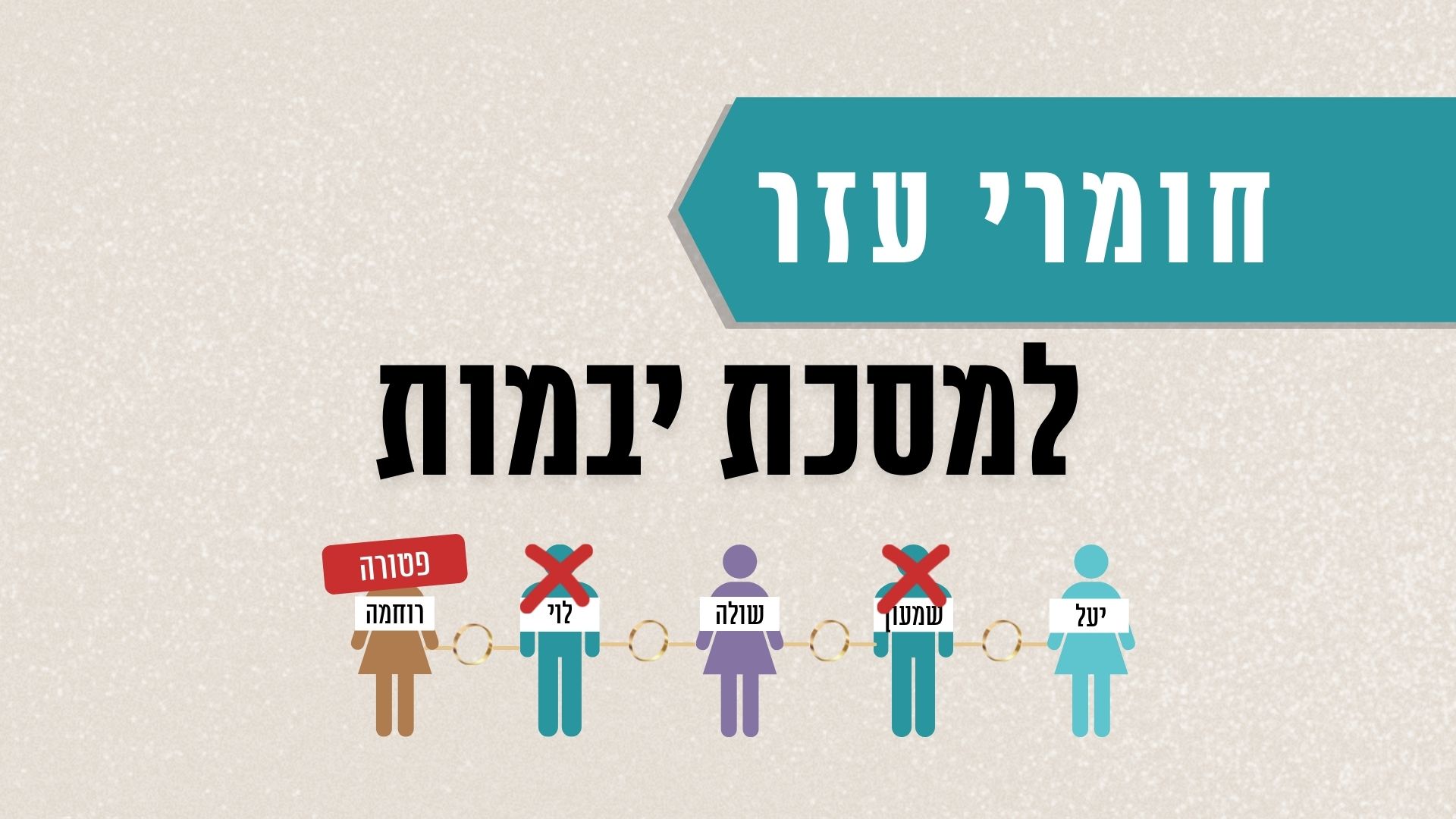
מניין לומדים שיכולה אישה שנישאה לכהן ולאחר מכן נישאה למישהו אחר, לחזור לאכול תרומה בבית בעלה לאחר מות בעלה השני (וכל בנים שהיו לה איתו), בתנאי שיישאר לה ילד מהנישואים עם הכהן? הלכות אלו נלמדות מדיני בת כהן שיכולה לחזור לבית אביה לאכול תרומה. בת כהן אינה יכולה לחזור לאכול את החזה והירך מהקרבן עם שובה לבית אביה. מובאים חמש דרשות שונות המלמדות הלכה זו. אולם אשה שחוזרת לבית בעלה יכולה לאכול את החזה והירך. אמנם יש ויכוח לגבי נקודה זו כי דין זה נלמד מדין של הבת כהן אז איך אפשר שהדין רחב יותר?  בת כהן מעוברת עם מי שאינו כהן או מחכה לייבום אינה יכולה לחזור לבית אביה לאכול תרומה. הלכות אלו נלמדות מפסוקים. מדוע דין אשה הרה אינו מובן מאליו מקל וחומר שנלמד מתוך הלכות ייבום? הקל וחומר נדחה וזה מסביר מדוע היה צורך בפסוק. למה יש פסוק ללמד שבת כהן לא יכולה לחזור אם יש לה ילדים ועוד אחד אם היא בהריון? הגמרא מצעה אפשרויות של קל וחומר שהיו יכולים ללמוד מתרומה לייבום או להיפך – ואז מוכיח מפסוקים למה הדינים אינו שווים ולא נלמד מקל וחומר. אשה שהלך בעלה במדינת היום ומגיעה לה עדות (|מסוגים שונים של עדויות) שהוא מת והתחתנה והולידה ילדים – מה הדין אם מתברר שהוא באמת היה בחיים?


יבמות פז

בַּת כֹּהֵן שֶׁנִּיסֵּת לְיִשְׂרָאֵל — לֹא תֹּאכַל בִּתְרוּמָה. מֵת וְלָהּ הֵימֶנּוּ בֵּן — לֹא תֹּאכַל בִּתְרוּמָה. נִיסֵּת לְלֵוִי — תֹּאכַל בְּמַעֲשֵׂר. מֵת וְלָהּ הֵימֶנּוּ בֵּן — תֹּאכַל בְּמַעֲשֵׂר. נִיסֵּת לְכֹהֵן — תֹּאכַל בִּתְרוּמָה. מֵת וְלָהּ הֵימֶנּוּ בֵּן — תֹּאכַל בִּתְרוּמָה.

The daughter of a priest married to an Israelite may not partake of teruma. If the Israelite died and she has a son from him, she may not partake of teruma as long as that son is alive. If she subsequently married a Levite she may partake of tithe. If he died, and she had a son from him, she may still partake of tithe. If she subsequently married a priest, she may partake of teruma. If the priest died and she had a son from him, she may partake of teruma.

מֵת בְּנָהּ מִכֹּהֵן — לֹא תֹּאכַל בִּתְרוּמָה. מֵת בְּנָהּ מִלֵּוִי — לֹא תֹּאכַל בְּמַעֲשֵׂר. מֵת בְּנָהּ מִיִּשְׂרָאֵל — חוֹזֶרֶת לְבֵית אָבִיהָ, וְעַל זוֹ נֶאֱמַר: ״וְשָׁבָה אֶל בֵּית אָבִיהָ כִּנְעוּרֶיהָ מִלֶּחֶם אָבִיהָ תֹּאכֵל״.

If her son from the priest also died, she may not partake of teruma, but she may partake of tithe, as she has a son from a Levite. If her son from the Levite died, she may no longer partake of tithe. If her son from the Israelite died, she returns to her father’s house and may once again partake of teruma. And with regard to this woman, it is stated: “And she is returned unto her father’s house, as in her youth; she may eat of her father’s bread” (Leviticus 22:13).

גְּמָ׳ מֵת בְּנָהּ מִלֵּוִי — תֹּאכַל בִּתְרוּמָה. דְּהָדְרָא אָכְלָה מִשּׁוּם בְּנָהּ, מְנָלַן? אָמַר רַבִּי אַבָּא אָמַר רַב: ״בַּת״ ״וּבַת״.

GEMARA: We learned in the mishna: If her son from the Levite died she may partake of teruma. The Gemara asks: This halakha with regard to a woman previously married to a priest, who had a child from the priest and was then married to a Levite and separated from him, that she once again may partake due to her son from the priest, from where do we derive it? Rabbi Abba said that Rav said: It states: “But if a priest’s daughter be a widow, or divorced, and have no child, and is returned unto her father’s house, as in her youth” (Leviticus 22:13). The verse could have stated: If a priest’s daughter. Instead, it states: “But if a priest’s daughter,” with an extra word, represented by the single Hebrew letter vav, to include this case.

כְּמַאן, כְּרַבִּי עֲקִיבָא דְּדָרֵישׁ וָוֵי? אֲפִילּוּ תֵּימָא רַבָּנַן, כּוּלֵּהּ ״וּבַת״ קְרָא יַתִּירָא הוּא.

The Gemara asks: In accordance with the opinion of which Sage is this exposition? Is it only in accordance with Rabbi Akiva, who expounds the additional letter vav, representing the word “and,” as an inclusive term? The Gemara refutes this suggestion: It can be understood even if you say it is in accordance with the Rabbis, who do not usually derive halakhot from an additional vav, as in this case the entire phrase: “But if a priest’s daughter,” is superfluous, as the previous verse had already specified that we are dealing with “the daughter of a priest.” Therefore, everyone agrees that in this context the additional letter in the text comes to include the additional case.

תָּנוּ רַבָּנַן: כְּשֶׁהִיא חוֹזֶרֶת — חוֹזֶרֶת לִתְרוּמָה, וְאֵינָהּ חוֹזֶרֶת לְחָזֶה וָשׁוֹק. אָמַר רַב חִסְדָּא אָמַר רָבִינָא בַּר שֵׁילָא: מַאי קְרָא — ״הִיא בִּתְרוּמַת הַקֳּדָשִׁים לֹא תֹאכֵל״, בַּמּוּרָם מִן הַקֳּדָשִׁים לֹא תֹאכֵל. רַב נַחְמָן אָמַר רַבָּה בַּר אֲבוּהּ: ״מִלֶּחֶם״, וְלֹא כׇּל לֶחֶם, פְּרָט לְחָזֶה וָשׁוֹק.

§ The Sages taught: With regard to the daughter of a priest, when she returns to her father’s house after having been married to a non-priest and then separated from her husband, she returns to partaking of teruma but she does not return to partake of the breast and right hind leg of peace-offerings. Rav Ḥisda said that Ravina bar Sheila said: What is the verse that teaches us this halakha? “She may not eat of that which is set apart from the sacred things” (Leviticus 22:12). This verse indicates: From that which is separated from the sacred things, i.e., offerings, and given to a priest, she may not eat. Rav Naḥman said that Rabba bar Avuh said that this halakha comes from a different source: We infer from the words “she may eat of her father’s bread” (Leviticus 22:13), that she may not eat all bread; this comes to exclude the breast and right hind leg.

מַתְקֵיף לַהּ רָמֵי בַּר חָמָא: אֵימָא: פְּרָט לַהֲפָרַת נְדָרִים! אָמַר רָבָא: כְּבָר פַּסְקַהּ תַּנָּא דְּבֵי רַבִּי יִשְׁמָעֵאל, דְּתָנָא דְּבֵי רַבִּי יִשְׁמָעֵאל: ״וְנֵדֶר אַלְמָנָה וּגְרוּשָׁה יָקוּם עָלֶיהָ״, מָה תַּלְמוּד לוֹמַר? וַהֲלֹא מוּצָאָה מִכְּלַל אָב, וּמוּצָאָה מִכְּלַל בַּעַל!

Rami bar Ḥama objects to this: But we can say that the verse comes to exclude nullification of vows. The Torah would consequently be teaching us that even after she “is returned unto her father’s house, as in her youth” (Leviticus 22:13), she does not return to her youth in all ways, as her father may not nullify her vows. Rava said: The connection between her and her father’s house with regard to vows has already been severed, as taught by the school of Rabbi Yishmael, as the school of Rabbi Yishmael taught: “But the vow of a widow, or of a divorcée…shall stand against her” (Numbers 30:10). What is the meaning when the verse states this? She was removed from the category of one who is under the authority of her father when she married, and she has likewise been removed from the category of one who is under the authority of her husband, as she is no longer married to him.

אֶלָּא, הֲרֵי שֶׁמָּסַר הָאָב לִשְׁלוּחֵי הַבַּעַל, אוֹ שֶׁמָּסְרוּ שְׁלוּחֵי הָאָב לִשְׁלוּחֵי הַבַּעַל, וְנִתְאַרְמְלָה אוֹ נִתְגָּרְשָׁה בַּדֶּרֶךְ, הֵיאַךְ אֲנִי קוֹרֵא בָּהּ בֵּית אָבִיהָ שֶׁל זוֹ, אוֹ בֵּית בַּעְלָהּ שֶׁל זוֹ, אֶלָּא לוֹמַר לְךָ: כֵּיוָן שֶׁיָּצְאָה שָׁעָה אַחַת מֵרְשׁוּת הָאָב — שׁוּב אֵינוֹ יָכוֹל לְהָפֵר.

Rather, the verse is referring to a case where the father transferred his daughter to the husband’s agents for the purpose of marriage, and she consequently left her father’s house. Or, it is referring to a case where the father’s agents transferred her to the husband’s agents and she was widowed or divorced on the way, before she arrived at her husband’s house. How shall I consider her? Is she in the house of this one, her father, or is she in the house of that one, her husband? Rather, this comes to tell you: Since she has entirely left her father’s jurisdiction when she was transferred to the husband’s agents, even if for just one moment, her father is no longer able to nullify her vows. We learn from here that a father cannot annul his daughter’s vows after she has been married, and there is no need for an additional verse to teach this halakha.

רַב סָפְרָא אָמַר: ״מִלֶּחֶם אָבִיהָ תֹּאכֵל״, לֶחֶם וְלֹא בָּשָׂר. רַב פָּפָּא אָמַר: ״מִלֶּחֶם אָבִיהָ תֹּאכֵל״, לֶחֶם הַקָּנוּי לְאָבִיהָ, פְּרָט לְחָזֶה וָשׁוֹק — דְּמִשֻּׁלְחַן גָּבוֹהַּ קָא זָכוּ.

Rav Safra said: The halakha that she does not return to her father’s house with regard to the breast and the right hind leg is derived from the verse: “From her father’s bread she may eat,” which indicates that she partakes of the “bread” of teruma but not of the meat of the breast and hind leg. Rav Pappa said a different interpretation: “From her father’s bread she may eat” is referring to bread owned by her father, such as teruma, which is the property of the priest, which excludes the breast and right hind leg, as the priests receive their portion from the table of the Most High. Unlike teruma, the breast and right hind leg do not belong to the priests. Rather, after the offering is sacrificed to God, they eat these portions but are not considered to own them.

וְרָבָא אָמַר: ״וְאֵת חֲזֵה הַתְּנוּפָה וְאֵת שׁוֹק הַתְּרוּמָה תֹּאכְלוּ אַתָּה וּבָנֶיךָ וּבְנוֹתֶיךָ אִתָּךְ״ — בִּזְמַן שֶׁאִתְּךָ.

And Rava said: It states: “And the breast of waving and the hind leg of heaving you shall eat…you, and your sons and your daughters with you” (Leviticus 10:14). This indicates that daughters of priests may eat at a time when they are “with you,” but once they have left the priest’s domain, e.g., by marrying an ordinary Israelite, they may no longer partake of these gifts even if they subsequently return to his household.

אָמַר רַב אַדָּא בַּר אַהֲבָה, תָּנָא: כְּשֶׁהִיא חוֹזֶרֶת לְבֵית אָבִיהָ — חוֹזֶרֶת לִתְרוּמָה, וְאֵינָהּ חוֹזֶרֶת לְחָזֶה וָשׁוֹק. בִּשְׁבִיל בְּנָהּ — חוֹזֶרֶת אַף לְחָזֶה וָשׁוֹק.

Rav Adda bar Ahava said: It was taught: With regard to the daughter of a priest, when she returns to her father’s house, after marrying and separating from her husband without a child, she returns for the purposes of eating teruma, but she does not return for the purposes of eating the breast and right hind leg. By contrast, if an Israelite woman ate on account of her son from a priest, if she later married an Israelite and he died, she returns to partake even of the breast and right hind leg.

אֲזַל רַב מָרְדֳּכַי, אַמְרַהּ לִשְׁמַעְתָּא קַמֵּיהּ דְּרַב אָשֵׁי. אֲמַר: מֵהֵיכָא קָא מִתְרַבְּיָא — מִ״וּבַת״, מִי עֲדִיפָא לַהּ מִינַּהּ? הָתָם כְּתִיבִי מִיעוּטֵי, הָכָא לָא כְּתִיבִי מִיעוּטֵי.

Rav Mordekhai went and stated this halakha before Rav Ashi, who said to him: From where does he include the case of a woman who partakes of teruma on account of her son? From the verse “but if a priest’s daughter” (Leviticus 22:13). Is the Israelite woman preferable to her, the daughter of a priest herself, who does not return to eating the breast and hind leg? The Gemara answers: There, the Torah writes exclusions, as we learned above, which teach us that she does not return in all regards, whereas here it does not write exclusions. Consequently, although the halakha of a woman who has a son from a priest is itself derived from the case of the daughter of a priest returning to her father’s house, she has more abilities than the latter.

בַּת כֹּהֵן שֶׁנִּיסֵּת לְיִשְׂרָאֵל וְכוּ׳. תָּנוּ רַבָּנַן: ״וְשָׁבָה אֶל בֵּית אָבִיהָ״ — פְּרָט לְשׁוֹמֶרֶת יָבָם. ״כִּנְעוּרֶיהָ״ — פְּרָט לִמְעוּבֶּרֶת.

§ The Gemara returns to the mishna. The mishna taught: The daughter of a priest married to an Israelite may not partake of teruma. The Sages taught: “And she is returned unto her father’s house” (Leviticus 22:13); this excludes a widow awaiting her yavam, for she cannot go back to her father’s house as long as she is still waiting for the yavam to perform levirate marriage. “As in her youth”; this excludes a pregnant woman, as her pregnancy has changed her, and she is no longer as she was in her youth.

וַהֲלֹא דִין הוּא: וּמָה בִּמְקוֹם שֶׁלֹּא עָשָׂה וָלָד מִן הָרִאשׁוֹן כְּוָלָד מִן הַשֵּׁנִי לְפוֹטְרָהּ מִן הַיִּיבּוּם — עָשָׂה עוּבָּר כְּיָלוּד,

But could this not be derived through an a fortiori inference, without the need for a special exposition of a verse? If in a place, i.e., a case, where the Torah did not make the halakha pertaining to a child from the first husband like the halakha pertaining to a child from the second husband to exempt her from levirate marriage; this is the case of a woman who married a man, had a son with him, was widowed, remarried, and her second husband died childless. She requires levirate marriage despite the fact that she has a child, as the first husband’s child is irrelevant with regard to her need for levirate marriage for the second husband. Despite this limitation, the Torah made the status of a fetus like that of a child who was born, as a pregnant woman does not perform levirate marriage.

מָקוֹם שֶׁעָשָׂה וָלָד מִן הָרִאשׁוֹן כְּוָלָד מִן הַשֵּׁנִי לְפוֹסְלָהּ מִן הַתְּרוּמָה — אֵינוֹ דִּין שֶׁנַּעֲשֶׂה עוּבָּר כְּיָלוּד?!

If this is so, then in a place where the Torah did make the halakha pertaining to a child from the first husband like the halakha pertaining to a child from the second husband to disqualify her from teruma; this is the case of a daughter of a priest who married an Israelite, had a son with him, was widowed, and afterward married another Israelite, who died childless. She may not partake of teruma on account of her son from the first husband. Is it not, therefore, right that we should make a fetus like a child who was born with regard to teruma, that would prevent her from returning to partake of teruma if she is pregnant? If this reasoning is correct, there is no need for the biblical exposition.

לָא, מָה לִי עָשָׂה עוּבָּר כְּיָלוּד לְעִנְיַן יִיבּוּם, שֶׁהֲרֵי עָשָׂה מֵתִים כְּחַיִּים — נַעֲשֶׂה עוּבָּר כְּיָלוּד לְעִנְיַן תְּרוּמָה, שֶׁלֹּא עָשָׂה מֵתִים כְּחַיִּים?! תַּלְמוּד לוֹמַר: ״כִּנְעוּרֶיהָ״ — פְּרָט לִמְעוּבֶּרֶת.

However, this proof can be refuted: No, what I should say is that the Torah made a fetus like a child who was born with regard to levirate marriage, because with regard to levirate marriage the Torah made the dead like the living: If the woman had a child at the time of her husband’s death she is entirely exempt from levirate marriage, even if her son subsequently died. The deceased child is like a living one in the sense that he continues to exempt his mother from the requirement of levirate marriage. Shall we then make a fetus like a child who was born with regard to teruma, where the Torah did not make the dead like the living? In the case of teruma, as long as the daughter of a priest has a living son from her Israelite husband, she is disqualified from teruma, but if he dies she may partake of teruma again, as we do not consider him like a living son. Consequently, we cannot learn the halakha of teruma from levirate marriage with regard to the status of a fetus. Therefore, the verse states “as in her youth” to exclude a pregnant woman.

וְאִיצְטְרִיךְ לְמִכְתַּב מְעוּבֶּרֶת, וְאִיצְטְרִיךְ לְמִכְתַּב ״וְזֶרַע אֵין לָהּ״. דְּאִי כְּתַב רַחֲמָנָא ״וְזֶרַע אֵין לָהּ״, מֵעִיקָּרָא חַד גּוּפָא וְהַשְׁתָּא תְּרֵי גוּפֵי, אֲבָל מְעוּבֶּרֶת, דְּמֵעִיקָּרָא חַד גּוּפָא וְהַשְׁתָּא חַד גּוּפָא — אֵימָא תֵּיכוֹל, צְרִיכָא. וְאִי כְּתַב רַחֲמָנָא מְעוּבֶּרֶת, דְּמֵעִיקָּרָא גּוּפָא

The Gemara comments: And it was necessary to write this verse that teaches the halakha of a pregnant woman, and it was necessary also to write “and she have no child” (Leviticus 22:13) because had the Merciful One written only: “And she have no child,” I would have said that at the outset she was only one body when she ate teruma, and now, upon her return, there are two bodies, and that is why she is no longer “as in her youth.” But a pregnant woman, who at the outset was one body and now is still one body, one might say that she may partake of teruma until the birth of her son. Consequently, it is necessary for a verse to teach the halakha. And vice-versa, had the Merciful One written the halakha with regard to a pregnant woman, I might have said that this is true only of a pregnant woman because at the outset her body

סְרִיקָא וְהַשְׁתָּא גּוּפָא מַלְיָא. אֲבָל ״זֶרַע אֵין לָהּ״, דְּמֵעִיקָּרָא גּוּפָא סְרִיקָא וְהַשְׁתָּא גּוּפָא סְרִיקָא — אֵימָא לָא, צְרִיכָא.

was empty, and now her body is full with the child, and therefore she is no longer “as in her youth.” But in a situation where “she has no child,” when at the outset her body was empty and now her body is also empty, as she has given birth, you might say that she should not be disqualified. Therefore, it is necessary to write both verses.

[סִימָן: (אָמַר לֵיהּ) לֹא נַעֲשֶׂה מַעֲשֶׂיהָ בְּמִיתָה נַעֲשֶׂה וְלֹא נַעֲשֶׂה בְּוָלָד יִבֻּם וּתְרוּמָה יִבּוּם וּתְרוּמָה — סִימָן].

Parenthetically, the Gemara lists terms signifying the following discussions, to serve as a mnemonic device: Said to him, we should not make, by death, we should make and not make, by a child, yavam and teruma, levirate marriage and teruma. This list of terms, taken from the introductions or key phrases in each of the ensuing discussions, is the mnemonic.

אֲמַר לֵיהּ רַב יְהוּדָה מִדִּאסְקַרְתָּא לְרָבָא: לֹא נַעֲשֶׂה מֵתִים כְּחַיִּים לְעִנְיַן יִבּוּם מִקַּל וְחוֹמֶר: וּמָה בְּמָקוֹם שֶׁעָשָׂה וָלָד מִן הָרִאשׁוֹן כְּוָלָד מִן הַשֵּׁנִי לְפוֹסְלָהּ מִן הַתְּרוּמָה — לֹא עָשָׂה מֵתִים כְּחַיִּים; מָקוֹם שֶׁלֹּא עָשָׂה וָלָד מִן הָרִאשׁוֹן כְּוָלָד מִן הַשֵּׁנִי לְפוֹטְרָהּ מִן הַיִּיבּוּם — אֵינוֹ דִּין שֶׁלֹּא נַעֲשֶׂה מֵתִים כְּחַיִּים?!

Rav Yehuda from De’iskarta said to Rava, in continuation of the discussion of the baraita: Should we not make the halakha concerning dead children like the halakha concerning living children with regard to levirate marriage by an a fortiori inference, and say: And if in a place where the Torah made the halakha with regard to a child from the first husband like the halakha with regard to a child from the second husband, to disqualify her from teruma, for as long as she has a child who is not a priest she is prohibited from partaking of teruma, the Torah nevertheless did not make dead children like living ones; therefore, in a place where the Torah did not make a child from the first husband like a child from the second to exempt her from levirate marriage, is it not right that we should not make the dead like the living? Why, then, is a yevama exempt from levirate marriage if her late husband’s only child dies?

תַּלְמוּד לוֹמַר: ״דְּרָכֶיהָ דַרְכֵי נוֹעַם וְכׇל נְתִיבוֹתֶיהָ שָׁלוֹם״.

The verse states: “Her ways are the ways of pleasantness, and all her paths are peace” (Proverbs 3:17). In other words, since the ways of Torah are those of pleasantness, the Torah would not obligate a woman who has married in the meantime to subsequently perform ḥalitza, as this might demean her in her husband’s eyes.

וְנַעֲשָׂה מֵתִים כְּחַיִּים לְעִנְיַן תְּרוּמָה מִקַּל וְחוֹמֶר: וּמָה בְּמָקוֹם שֶׁלֹּא עָשָׂה וָלָד מִן הָרִאשׁוֹן כְּוָלָד מִן הַשֵּׁנִי לְפוֹטְרָהּ מִן הַיִּיבּוּם — עָשָׂה מֵתִים כְּחַיִּים; מָקוֹם שֶׁעָשָׂה וָלָד מִן הָרִאשׁוֹן כְּוָלָד מִן הַשֵּׁנִי לְפוֹסְלָהּ מִן הַתְּרוּמָה — אֵינוֹ דִּין שֶׁנַּעֲשֶׂה מֵתִים כְּחַיִּים?! תַּלְמוּד לוֹמַר: ״וְזֶרַע אֵין לָהּ״, וְהָא אֵין לָהּ.

The Gemara inquires: And let us make the halakha with regard to dead children like the halakha with regard to living ones with regard to teruma, from an a fortiori inference: And if in a place where the Torah did not make a child from the first husband like a child from the second to exempt her from levirate marriage, it nevertheless made the living like the dead, as a woman whose husband died and left a child is exempt from levirate marriage even if that child subsequently dies; then, in a place where the Torah made a child from the first like a child from the second to disqualify her from teruma, is it not right that we should make the living like the dead? The Gemara responds: Therefore, the verse states “and she have no child, she is returned unto her father’s house, as in her youth” (Leviticus 22:13), and here she does not currently have children.

וְנַעֲשֶׂה וָלָד מִן הָרִאשׁוֹן כְּוָלָד מִן הַשֵּׁנִי לְעִנְיַן יִבּוּם מִקַּל וְחוֹמֶר: וּמָה בְּמָקוֹם שֶׁלֹּא עָשָׂה מֵתִים כְּחַיִּים לְעִנְיַן תְּרוּמָה — עָשָׂה וָלָד מִן הָרִאשׁוֹן כְּוָלָד מִן הַשֵּׁנִי; מָקוֹם שֶׁעָשָׂה מֵתִים כְּחַיִּים לְעִנְיַן יִבּוּם — אֵינוֹ דִּין שֶׁנַּעֲשֶׂה וָלָד מִן הָרִאשׁוֹן כְּוָלָד מִן הַשֵּׁנִי?! תַּלְמוּד לוֹמַר: ״וּבֵן אֵין לוֹ״, וְהָא אֵין לוֹ.

The Gemara further suggests: And let us make her child from the first husband like her child from the second one with regard to levirate marriage, again from an a fortiori inference: And if in a place where the Torah did not make the living like the dead with regard to teruma, it still made a child from the first husband like a child from the second, then in a place where it made the living like the dead, with regard to levirate marriage, is it not right that we should make a child from the first husband like a child from the second, and thereby exempt her from levirate marriage? The Gemara answers: The verse states about levirate marriage: “And he has no child” (Deuteronomy 25:5), and in fact he had none at the time of his death.

וְלֹא נַעֲשֶׂה וָלָד מִן הָרִאשׁוֹן כְּוָלָד מִן הַשֵּׁנִי לִתְרוּמָה מִקַּל וְחוֹמֶר: מָה בִּמְקוֹם שֶׁעָשָׂה מֵתִים כְּחַיִּים לְפוֹטְרָהּ מִן הַיִּיבּוּם — לֹא עָשָׂה וָלָד מִן הָרִאשׁוֹן כְּוָלָד מִן הַשֵּׁנִי; מָקוֹם שֶׁלֹּא עָשָׂה מֵתִים כְּחַיִּים לְעִנְיַן תְּרוּמָה — אֵינוֹ דִּין שֶׁלֹּא נַעֲשֶׂה וָלָד מִן הָרִאשׁוֹן כְּוָלָד מִן הַשֵּׁנִי?! תַּלְמוּד לוֹמַר: ״אֵין לָהּ״, וְהָא יֵשׁ לָהּ.

The Gemara offers another possibility: And should we make a child from the first husband not like a child from the second one with regard to teruma, from an a fortiori inference: If in a place where the Torah made the living like the dead to exempt her from levirate marriage, it still did not make a child from the first husband like a child from the second, then in a place where the Torah did not make the living like the dead, with regard to teruma, is it not right that we should not make the child from the first husband like the child from the second? The Gemara responds: Therefore, the verse states: “And she have no child,” but in fact this woman has children.


הֲדַרַן עֲלָךְ יֵשׁ מוּתָּרוֹת

הָאִשָּׁה שֶׁהָלַךְ בַּעְלָהּ לִמְדִינַת הַיָּם, וּבָאוּ וְאָמְרוּ לָהּ ״מֵת בַּעְלִיךְ״, וְנִיסֵּת, וְאַחַר כָּךְ בָּא בַּעְלָהּ — תֵּצֵא מִזֶּה וּמִזֶּה, וּצְרִיכָה גֵּט מִזֶּה וּמִזֶּה,

MISHNA: With regard to a woman whose husband went overseas, and witnesses came and they said to her: Your husband is dead, and she married another man on the basis of this testimony, and afterward her husband came back from out of the country, she must leave both this man and that one, as they are both forbidden to her. And she requires a bill of divorce from this one and that one.

וְאֵין לָהּ כְּתוּבָּה, וְלֹא פֵּירוֹת, וְלֹא מְזוֹנוֹת, וְלֹא בְּלָאוֹת — לֹא עַל זֶה וְלֹא עַל זֶה. וְאִם נָטְלָה מִזֶּה וּמִזֶּה — תַּחְזִיר.

And furthermore, she has a claim to neither payment of her marriage contract, nor the profits of her property used by either of them, nor sustenance, nor the worn clothes she brought to the marriage. She has rights to these claims neither against this man nor against that one, i.e., she cannot collect these payments from either her first or second husband. And if she took any of these items from this man or from that one, she must return them to him.

וְהַוָּלָד מַמְזֵר מִזֶּה וּמִזֶּה. וְלֹא זֶה וָזֶה מִטַּמֵּא לָהּ, וְלֹא זֶה וָזֶה זַכָּאִים לֹא בִּמְצִיאָתָהּ, וְלֹא בְּמַעֲשֵׂה יָדֶיהָ, וְלֹא בַּהֲפָרַת נְדָרֶיהָ.

And the offspring is a mamzer from this one and from that one. Her child from the second husband is a definite mamzer, as she was never divorced from her first husband, and the Sages decreed that if she returned to her first husband, a child born later from him is also a mamzer. And neither this man nor that man may become impure for her upon her death, if they are priests. And neither this one nor that one is entitled to the rights that stem from the marriage bond: Neither to her found articles, nor to her earnings, nor to the nullification of her vows.

הָיְתָה בַּת יִשְׂרָאֵל — נִפְסְלָה מִן הַכְּהוּנָּה. וּבַת לֵוִי — מִן הַמַּעֲשֵׂר, וּבַת כֹּהֵן — מִן הַתְּרוּמָה. וְאֵין יוֹרְשִׁין שֶׁל זֶה וְיוֹרְשִׁין שֶׁל זֶה יוֹרְשִׁין אֶת כְּתוּבָּתָהּ. וְאִם מֵתוּ — אָחִיו שֶׁל זֶה וְאָחִיו שֶׁל זֶה חוֹלְצִין וְלֹא מְיַיבְּמִין.

If she was a regular Israelite woman, she is disqualified from marrying into the priesthood, as her intercourse with the second husband is considered an act of illicit sexual relations, and the daughter of a Levite is disqualified from partaking of the first tithe, and the daughter of a priest is disqualified from partaking of teruma. And neither the heirs of this man nor the heirs of that one inherit her marriage contract, as she is not considered married to either of them. This clause will be explained in the Gemara. And if they both died childless, the brothers of this one and the brothers of this one must perform ḥalitza and they do not enter into levirate marriage.

רַבִּי יוֹסֵי אוֹמֵר: כְּתוּבָּתָהּ עַל נִכְסֵי בַּעְלָהּ הָרִאשׁוֹן. רַבִּי אֶלְעָזָר אוֹמֵר: הָרִאשׁוֹן זַכַּאי בִּמְצִיאָתָהּ וּבְמַעֲשֵׂה יָדֶיהָ וּבַהֲפָרַת נְדָרֶיהָ. רַבִּי שִׁמְעוֹן אוֹמֵר: בִּיאָתָהּ אוֹ חֲלִיצָתָהּ מֵאָחִיו שֶׁל רִאשׁוֹן פּוֹטֶרֶת צָרָתָהּ. וְאֵין הַוָּלָד מִמֶּנּוּ מַמְזֵר.

Rabbi Yosei disagrees with the first tanna and says that she does receive payment of her marriage contract, and the obligation of her marriage contract is upon the property of her first husband. Rabbi Elazar says: The first husband is entitled to her found articles, to her earnings, and to the nullification of her vows. Since her second marriage was an error, the first husband does not forfeit his rights. Rabbi Shimon says an even more far-reaching ruling: Her sexual relations or her ḥalitza with the brothers of the first husband exempts her rival wife, as it is considered a proper levirate marriage or ḥalitza, and certainly she does not require ḥalitza from the brother of the second husband. And if she returns to her first husband, the child from him is not a mamzer.

וְאִם נִיסַּת שֶׁלֹּא בִּרְשׁוּת — מוּתֶּרֶת לַחְזוֹר לוֹ. נִיסֵּת עַל פִּי בֵּית דִּין — תֵּצֵא, וּפְטוּרָה מִן הַקׇּרְבָּן.

All these halakhot refer to a situation when she married with the permission of the court, after hearing that her husband had died. But if she married without the consent of the court, basing herself entirely on the testimony she heard, and her husband returned, it is permitted for her to return to her first husband. The mishna adds another difference between these two scenarios: If she married by permission of the court, she must leave both of them and she is exempt from bringing the offering, i.e., the sin-offering for her unwitting adultery, as she had the authorization of the court and is therefore considered to have acted under duress.

לֹא נִיסֵּת עַל פִּי בֵּית דִּין — תֵּצֵא, וְחַיֶּיבֶת בְּקׇרְבָּן. יִפָּה כֹּחַ בֵּית דִּין, שֶׁפּוֹטְרָהּ מִן הַקׇּרְבָּן. הוֹרוּהָ בֵּית דִּין לִינָּשֵׂא, וְהָלְכָה וְקִלְקְלָה — חַיֶּיבֶת בְּקׇרְבָּן, שֶׁלֹּא הִתִּירוּהָ אֶלָּא לִינָּשֵׂא.

If, however, she did not marry by permission of the court, she must leave her second husband and is liable to bring an offering for mistakenly having relations with a man forbidden to her. In this regard, the power of the court is greater, as she is exempt from bringing an offering. If the court instructed her to marry on the basis of inaccurate testimony, and she went and ruined herself by engaging in licentious relations outside matrimony, she is liable to bring an offering, as they permitted her only to marry, and not to engage in licentious relations.

גְּמָ׳ מִדְּקָתָנֵי סֵיפָא: נִשֵּׂאת שֶׁלֹּא בִּרְשׁוּת — מוּתֶּרֶת לַחְזוֹר לוֹ, שֶׁלֹּא בִּרְשׁוּת בֵּית דִּין, אֶלָּא בְּעֵדִים. מִכְּלָל דְּרֵישָׁא בִּרְשׁוּת בֵּית דִּין, וּבְעֵד אֶחָד. אַלְמָא עֵד אֶחָד נֶאֱמָן.

GEMARA: From the fact that the latter clause of the mishna teaches: If she married without the consent of the court she is permitted to return to him, this indicates that she did so not by the consent of the court, but rather by witnesses, i.e., as there are two witnesses, she does not require special permission from the court. With this in mind, it may be inferred that the first clause of the mishna, which speaks of one who acted with the consent of the court, is referring to a situation when there was one witness. Apparently, one witness is deemed credible when he testifies about a husband’s death, i.e., the court will permit a wife to marry on the basis of the testimony of a lone witness.

וּתְנַן נָמֵי: הוּחְזְקוּ לִהְיוֹת מַשִּׂיאִין עֵד מִפִּי עֵד, וְאִשָּׁה מִפִּי אִשָּׁה, וְאִשָּׁה מִפִּי עֶבֶד וּמִפִּי שִׁפְחָה. אַלְמָא עֵד אֶחָד מְהֵימַן.

And we also learned in a mishna (122a): They established that they would allow a woman to marry if her husband was reported dead by one witness, based solely on what he learned from the mouth of another witness, i.e., hearsay testimony, and also the testimony of a woman who heard from another woman, and even the testimony of a woman who heard from a slave or from a maidservant. Apparently, one witness is deemed credible in this regard, as whenever hearsay testimony is accepted, the testimony of one witness is also valid.

וּתְנַן נָמֵי: עֵד אֶחָד אוֹמֵר ״אָכַלְתָּ חֵלֶב״, וְהוּא אוֹמֵר ״לֹא אָכַלְתִּי״ — פָּטוּר. טַעְמָא דְּאָמַר ״לֹא אָכַלְתִּי״, הָא אִישְׁתִּיק — מְהֵימַן. אַלְמָא עֵד אֶחָד מְהֵימַן מִדְּאוֹרָיְיתָא.

And we also learned in a mishna (Karetot 11b) that if one witness says to someone: You ate forbidden fat, and the accused says: I did not eat it, the accused is exempt from bringing an offering. The Gemara infers: The reason he is exempt is that the individual in question said: I did not eat it, which indicates that if he had been silent and failed to deny the accusation, the lone witness is deemed credible. Apparently, one witness is deemed credible by Torah law with regard to certain issues.

מְנָא לַן? דְּתַנְיָא: ״אוֹ הוֹדַע אֵלָיו חַטָּאתוֹ״. וְלֹא שֶׁיּוֹדִיעוּהוּ אֲחֵרִים. יָכוֹל אַף עַל פִּי שֶׁאֵינוֹ מַכְחִישׁוֹ יְהֵא פָּטוּר? תַּלְמוּד לוֹמַר: ״אוֹ הוֹדַע אֵלָיו״ — מִכׇּל מָקוֹם.

§ The Gemara asks: From where do we derive this? The Gemara answers: As it is taught in a baraita that the verse states: “Or if his sin be known to him” (Leviticus 4:23, 28). This indicates that he himself must be aware of his sin, and not if it was made known to him by others. In other words, one is not obligated to bring an offering due to the testimony of others, even if they testify that he had transgressed. I might have thought he should be exempt even though he does not contradict the witness’s claim. Therefore, the verse states: If his sin be known to him, which indicates that in any case, however he comes by this knowledge, he is liable.

הֵיכִי דָמֵי? אִילֵּימָא דַּאֲתוֹ תְּרֵי וְלָא קָא מַכְחִישׁ לְהוּ, קְרָא לְמָה לִי? אֶלָּא לָאו — חַד, וְכִי לָא קָא מַכְחִישׁ לֵיהּ — מְהֵימַן, שְׁמַע מִינַּהּ עֵד אֶחָד נֶאֱמָן. וּמִמַּאי דְּמִשּׁוּם דִּמְהֵימַן? דִּלְמָא מִשּׁוּם דְּקָא שָׁתֵיק, וּשְׁתִיקָה כְּהוֹדָאָה דָמְיָא?

The Gemara clarifies this halakha. What are the circumstances? If we say that two witnesses came and informed him and he does not contradict them, why do I need a verse to teach this ruling? After all, the testimony of two witnesses is always accepted. Rather, is it not referring to one witness, and yet if he does not contradict the sole witness, that witness is deemed credible? One can learn from this that one witness is deemed credible with regard to prohibitions. The Gemara refutes this claim: And from where do you infer that the reason is due to the fact that the one witness is deemed credible? Perhaps the accused must bring an offering because he remains silent, as there is a principle that silence is considered like an admission.

תֵּדַע, דְּקָתָנֵי סֵיפָא: אָמְרוּ שְׁנַיִם ״אָכַלְתָּ חֵלֶב״, וְהוּא אוֹמֵר ״לֹא אָכַלְתִּי״ — פָּטוּר. רַבִּי מֵאִיר מְחַיֵּיב. אָמַר רַבִּי מֵאִיר: קַל וָחוֹמֶר, אִם הֱבִיאוּהוּ שְׁנַיִם לִידֵי מִיתָה חֲמוּרָה — לֹא יְבִיאוּהוּ לִידֵי קׇרְבָּן הַקַּל?

And you should know that this is the reason, as the latter clause of that same baraita teaches that if two witnesses said to him: You ate forbidden fat, and he says: I did not eat it, he is exempt, and Rabbi Meir obligates him to bring an offering. Rabbi Meir said that this is an a fortiori inference: If two witnesses can bring him to the severe penalty of death by testifying that he had committed a transgression for which one is liable to receive the death penalty, should they not bring him to the more lenient obligation of an offering?

אָמְרוּ לוֹ: מָה אִם יִרְצֶה לוֹמַר ״מֵזִיד הָיִיתִי״! רֵישָׁא

The Rabbis said to him: There is a difference between the two cases, as with regard to an offering, what is the halakha if he would choose to say: I was an intentional sinner? One who sins intentionally is not liable to bring an offering. Since the accused in the latter clause of the baraita can negate the testimony that would have rendered him liable to bring an offering, he can likewise deny the act itself, whereas if witnesses testify that he performed an action that incurs the death penalty, his denial has no bearing on the case. The Gemara clarifies: In the first clause

העמקה

רוצה להבין מה באמת קורה מתחת לפני השטח של הסוגיה?
שיעורים, פודקאסטים והרחבות של מיטב המורות שלנו יפתחו לך עוד זוויות וכיווני חשיבה.

לשיעורי עוד על הדף באנגלית, לחצי כאן

חדשה בלימוד הגמרא?

זה הדף הראשון שלך? איזו התרגשות עצומה! יש לנו בדיוק את התכנים והכלים שיעזרו לך לעשות את הצעדים הראשונים ללמידה בקצב וברמה שלך, כך תוכלי להרגיש בנוח גם בתוך הסוגיות המורכבות ומאתגרות.

פסיפס הלומדות שלנו

גלי את קהילת הלומדות שלנו, מגוון נשים, רקעים וסיפורים. כולן חלק מתנועה ומסע מרגש ועוצמתי.

. לא תמיד נהניתי מלימוד גמרא כילדה.,בל כהתבגרתי התחלתי לאהוב את זה שוב. התחלתי ללמוד מסכת סוטה בדף היומי לפני כחמש עשרה שנה ואז הפסקתי.הגעתי לסיום הגדול של הדרן לפני שנתיים וזה נתן לי השראה. והתחלתי ללמוד למשך כמה ימים ואז היתה לי פריצת דיסק והפסקתי…עד אלול השנה. אז התחלתי עם מסכת ביצה וב”ה אני מצליחה לעמוד בקצב. המשפחה מאוד תומכת בי ויש כמה שגם לומדים את זה במקביל. אני אוהבת שיש עוגן כל יום.

Rebecca Darshan
רבקה דרשן

בית שמש, ישראל

ראיתי את הסיום הגדול בבנייני האומה וכל כך התרשמתי ורציתי לקחת חלק.. אבל לקח לי עוד כשנה וחצי )באמצע מסיכת שבת להצטרף..
הלימוד חשוב לי מאוד.. אני תמיד במרדף אחרי הדף וגונבת כל פעם חצי דף כשהילדים עסוקים ומשלימה אח”כ אחרי שכולם הלכו לישון..

Olga Mizrahi
אולגה מזרחי

ירושלים, ישראל

למדתי גמרא מכיתה ז- ט ב Maimonides School ואחרי העליה שלי בגיל 14 לימוד הגמרא, שלא היה כל כך מקובל בימים אלה, היה די ספוראדי. אחרי "ההתגלות” בבנייני האומה התחלתי ללמוד בעיקר בדרך הביתה למדתי מפוקקטסים שונים. לאט לאט ראיתי שאני תמיד חוזרת לרבנית מישל פרבר. באיזה שהוא שלב התחלתי ללמוד בזום בשעה 7:10 .
היום "אין מצב” שאני אתחיל את היום שלי ללא לימוד עם הרבנית מישל עם כוס הקפה שלי!!

selfie-scaled
דבי גביר

חשמונאים, ישראל

סיום השס לנשים נתן לי מוטביציה להתחיל ללמוד דף יומי. עד אז למדתי גמרא בשבתות ועשיתי כמה סיומים. אבל לימוד יומיומי זה שונה לגמרי ופתאום כל דבר שקורה בחיים מתקשר לדף היומי.

Fogel Foundation
קרן פוגל

רתמים, ישראל

התחלתי ללמוד לפני 4.5 שנים, כשהודיה חברה שלי פתחה קבוצת ווטסאפ ללימוד דף יומי בתחילת מסכת סנהדרין. מאז לימוד הדף נכנס לתוך היום-יום שלי והפך לאחד ממגדירי הזהות שלי ממש.

Rosenberg Foundation
קרן רוזנברג

ירושלים, ישראל

אחי, שלומד דף יומי ממסכת ברכות, חיפש חברותא ללימוד מסכת ראש השנה והציע לי. החברותא היתה מאתגרת טכנית ורוב הזמן נעשתה דרך הטלפון, כך שבסיום המסכת נפרדו דרכינו. אחי חזר ללמוד לבד, אבל אני כבר נכבשתי בקסם הגמרא ושכנעתי את האיש שלי להצטרף אלי למסכת ביצה. מאז המשכנו הלאה, ועכשיו אנחנו מתרגשים לקראתו של סדר נשים!

Shulamit Saban
שולמית סבן

נוקדים, ישראל

התחלתי ללמוד לפני כשנתיים בשאיפה לסיים לראשונה מסכת אחת במהלך חופשת הלידה.
אחרי מסכת אחת כבר היה קשה להפסיק…

Noa Gallant
נעה גלנט

ירוחם, ישראל

התחלתי ללמוד דף יומי בתחילת מסכת ברכות, עוד לא ידעתי כלום. נחשפתי לסיום הש״ס, ובעצם להתחלה מחדש בתקשורת, הפתיע אותי לטובה שהיה מקום לעיסוק בתורה.
את המסכתות הראשונות למדתי, אבל לא סיימתי (חוץ מעירובין איכשהו). השנה כשהגעתי למדרשה, נכנסתי ללופ, ואני מצליחה להיות חלק, סיימתי עם החברותא שלי את כל המסכתות הקצרות, גם כשהיינו חולות קורונה ובבידודים, למדנו לבד, העיקר לא לצבור פער, ומחכות ליבמות 🙂

Eden Yeshuron
עדן ישורון

מזכרת בתיה, ישראל

לצערי גדלתי בדור שבו לימוד גמרא לנשים לא היה דבר שבשגרה ושנים שאני חולמת להשלים את הפער הזה.. עד שלפני מספר שבועות, כמעט במקרה, נתקלתי במודעת פרסומת הקוראת להצטרף ללימוד מסכת תענית. כשקראתי את המודעה הרגשתי שהיא כאילו נכתבה עבורי – "תמיד חלמת ללמוד גמרא ולא ידעת איך להתחיל”, "בואי להתנסות במסכת קצרה וקלה” (רק היה חסר שהמודעה תיפתח במילים "מיכי שלום”..). קפצתי למים ו- ב”ה אני בדרך להגשמת החלום:)

Micah Kadosh
מיכי קדוש

מורשת, ישראל

התחלתי ללמוד דף יומי לפני שנתיים, עם מסכת שבת. בהתחלה ההתמדה היתה קשה אבל בזכות הקורונה והסגרים הצלחתי להדביק את הפערים בשבתות הארוכות, לסיים את מסכת שבת ולהמשיך עם המסכתות הבאות. עכשיו אני מסיימת בהתרגשות רבה את מסכת חגיגה וסדר מועד ומחכה לסדר הבא!

Ilana-Shachnowitz
אילנה שכנוביץ

מודיעין, ישראל

התחלתי ללמוד דף יומי כאשר קיבלתי במייל ממכון שטיינזלץ את הדפים הראשונים של מסכת ברכות במייל. קודם לא ידעתי איך לקרוא אותם עד שנתתי להם להדריך אותי. הסביבה שלי לא מודעת לעניין כי אני לא מדברת על כך בפומבי. למדתי מהדפים דברים חדשים, כמו הקשר בין המבנה של בית המקדש והמשכן לגופו של האדם (יומא מה, ע”א) והקשר שלו למשפט מפורסם שמופיע בספר ההינדי "בהגוד-גיתא”. מתברר שזה רעיון כלל עולמי ולא רק יהודי

Elena Arenburg
אלנה ארנבורג

נשר, ישראל

התחלתי מעט לפני תחילת הסבב הנוכחי. אני נהנית מהאתגר של להמשיך להתמיד, מרגעים של "אהה, מפה זה הגיע!” ומהאתגר האינטלקטואלי

Eilat-Chen and Deller
אילת-חן ודלר

לוד, ישראל

ראיתי את הסיום הגדול בבנייני האומה וכל כך התרשמתי ורציתי לקחת חלק.. אבל לקח לי עוד כשנה וחצי )באמצע מסיכת שבת להצטרף..
הלימוד חשוב לי מאוד.. אני תמיד במרדף אחרי הדף וגונבת כל פעם חצי דף כשהילדים עסוקים ומשלימה אח”כ אחרי שכולם הלכו לישון..

Olga Mizrahi
אולגה מזרחי

ירושלים, ישראל

התחלתי ללמוד בעידוד שתי חברות אתן למדתי בעבר את הפרק היומי במסגרת 929.
בבית מתלהבים מאוד ובשבת אני לומדת את הדף עם בעלי שזה מפתיע ומשמח מאוד! לימוד הדף הוא חלק בלתי נפרד מהיום שלי. לומדת בצהריים ומחכה לזמן הזה מידי יום…

Miriam Wengerover
מרים ונגרובר

אפרת, ישראל

התחלתי ללמוד דף יומי בסבב הקודם. זכיתי לסיים אותו במעמד המרגש של הדרן. בסבב הראשון ליווה אותי הספק, שאולי לא אצליח לעמוד בקצב ולהתמיד. בסבב השני אני לומדת ברוגע, מתוך אמונה ביכולתי ללמוד ולסיים. בסבב הלימוד הראשון ליוותה אותי חוויה מסויימת של בדידות. הדרן העניקה לי קהילת לימוד ואחוות נשים. החוויה של סיום הש”ס במעמד כה גדול כשנשים שאינן מכירות אותי, שמחות ומתרגשות עבורי , היתה חוויה מרוממת נפש

Ilanit Weil
אילנית ווייל

קיבוץ מגדל עוז, ישראל

התחלתי ללמוד דף יומי באמצע תקופת הקורונה, שאבא שלי סיפר לי על קבוצה של בנות שתיפתח ביישוב שלנו ותלמד דף יומי כל יום. הרבה זמן רציתי להצטרף לזה וזאת הייתה ההזדמנות בשבילי. הצטרפתי במסכת שקלים ובאמצע הייתה הפסקה קצרה. כיום אני כבר לומדת באולפנה ולומדת דף יומי לבד מתוך גמרא של טיינזלץ.

Saturdays in Raleigh
שבות בראלי

עתניאל, ישראל

התחלתי לפני כמה שנים אבל רק בסבב הזה זכיתי ללמוד יום יום ולסיים מסכתות

Sigal Tel
סיגל טל

רעננה, ישראל

הייתי לפני שנתיים בסיום הדרן נשים בבנייני האומה והחלטתי להתחיל. אפילו רק כמה דפים, אולי רק פרק, אולי רק מסכת… בינתיים סיימתי רבע שס ותכף את כל סדר מועד בה.
הסביבה תומכת ומפרגנת. אני בת יחידה עם ארבעה אחים שכולם לומדים דף יומי. מדי פעם אנחנו עושים סיומים יחד באירועים משפחתיים. ממש מרגש. מסכת שבת סיימנו כולנו יחד עם אבא שלנו!
אני שומעת כל יום פודקאסט בהליכה או בנסיעה ואחכ לומדת את הגמרא.

Edna Gross
עדנה גרוס

מרכז שפירא, ישראל

My explorations into Gemara started a few days into the present cycle. I binged learnt and become addicted. I’m fascinated by the rich "tapestry” of intertwined themes, connections between Masechtot, conversations between generations of Rabbanim and learners past and present all over the world. My life has acquired a golden thread, linking generations with our amazing heritage.
Thank you.

Susan Kasdan
סוזן כשדן

חשמונאים, Israel

התחלתי ללמוד דף יומי ממסכת נידה כי זה היה חומר הלימוד שלי אז. לאחר הסיום הגדול בבנייני האומה החלטתי להמשיך. וב”ה מאז עם הפסקות קטנות של קורונה ולידה אני משתדלת להמשיך ולהיות חלק.

זה משפיע מאוד על היום יום שלי ועל אף שאני עסוקה בלימודי הלכה ותורה כל יום, זאת המסגרת הקבועה והמחייבת ביותר שיש לי.

Moriah Taesan Michaeli
מוריה תעסן מיכאלי

גבעת הראל, ישראל

יבמות פז

בַּת כֹּהֵן שֶׁנִּיסֵּת לְיִשְׂרָאֵל — לֹא תֹּאכַל בִּתְרוּמָה. מֵת וְלָהּ הֵימֶנּוּ בֵּן — לֹא תֹּאכַל בִּתְרוּמָה. נִיסֵּת לְלֵוִי — תֹּאכַל בְּמַעֲשֵׂר. מֵת וְלָהּ הֵימֶנּוּ בֵּן — תֹּאכַל בְּמַעֲשֵׂר. נִיסֵּת לְכֹהֵן — תֹּאכַל בִּתְרוּמָה. מֵת וְלָהּ הֵימֶנּוּ בֵּן — תֹּאכַל בִּתְרוּמָה.

The daughter of a priest married to an Israelite may not partake of teruma. If the Israelite died and she has a son from him, she may not partake of teruma as long as that son is alive. If she subsequently married a Levite she may partake of tithe. If he died, and she had a son from him, she may still partake of tithe. If she subsequently married a priest, she may partake of teruma. If the priest died and she had a son from him, she may partake of teruma.

מֵת בְּנָהּ מִכֹּהֵן — לֹא תֹּאכַל בִּתְרוּמָה. מֵת בְּנָהּ מִלֵּוִי — לֹא תֹּאכַל בְּמַעֲשֵׂר. מֵת בְּנָהּ מִיִּשְׂרָאֵל — חוֹזֶרֶת לְבֵית אָבִיהָ, וְעַל זוֹ נֶאֱמַר: ״וְשָׁבָה אֶל בֵּית אָבִיהָ כִּנְעוּרֶיהָ מִלֶּחֶם אָבִיהָ תֹּאכֵל״.

If her son from the priest also died, she may not partake of teruma, but she may partake of tithe, as she has a son from a Levite. If her son from the Levite died, she may no longer partake of tithe. If her son from the Israelite died, she returns to her father’s house and may once again partake of teruma. And with regard to this woman, it is stated: “And she is returned unto her father’s house, as in her youth; she may eat of her father’s bread” (Leviticus 22:13).

גְּמָ׳ מֵת בְּנָהּ מִלֵּוִי — תֹּאכַל בִּתְרוּמָה. דְּהָדְרָא אָכְלָה מִשּׁוּם בְּנָהּ, מְנָלַן? אָמַר רַבִּי אַבָּא אָמַר רַב: ״בַּת״ ״וּבַת״.

GEMARA: We learned in the mishna: If her son from the Levite died she may partake of teruma. The Gemara asks: This halakha with regard to a woman previously married to a priest, who had a child from the priest and was then married to a Levite and separated from him, that she once again may partake due to her son from the priest, from where do we derive it? Rabbi Abba said that Rav said: It states: “But if a priest’s daughter be a widow, or divorced, and have no child, and is returned unto her father’s house, as in her youth” (Leviticus 22:13). The verse could have stated: If a priest’s daughter. Instead, it states: “But if a priest’s daughter,” with an extra word, represented by the single Hebrew letter vav, to include this case.

כְּמַאן, כְּרַבִּי עֲקִיבָא דְּדָרֵישׁ וָוֵי? אֲפִילּוּ תֵּימָא רַבָּנַן, כּוּלֵּהּ ״וּבַת״ קְרָא יַתִּירָא הוּא.

The Gemara asks: In accordance with the opinion of which Sage is this exposition? Is it only in accordance with Rabbi Akiva, who expounds the additional letter vav, representing the word “and,” as an inclusive term? The Gemara refutes this suggestion: It can be understood even if you say it is in accordance with the Rabbis, who do not usually derive halakhot from an additional vav, as in this case the entire phrase: “But if a priest’s daughter,” is superfluous, as the previous verse had already specified that we are dealing with “the daughter of a priest.” Therefore, everyone agrees that in this context the additional letter in the text comes to include the additional case.

תָּנוּ רַבָּנַן: כְּשֶׁהִיא חוֹזֶרֶת — חוֹזֶרֶת לִתְרוּמָה, וְאֵינָהּ חוֹזֶרֶת לְחָזֶה וָשׁוֹק. אָמַר רַב חִסְדָּא אָמַר רָבִינָא בַּר שֵׁילָא: מַאי קְרָא — ״הִיא בִּתְרוּמַת הַקֳּדָשִׁים לֹא תֹאכֵל״, בַּמּוּרָם מִן הַקֳּדָשִׁים לֹא תֹאכֵל. רַב נַחְמָן אָמַר רַבָּה בַּר אֲבוּהּ: ״מִלֶּחֶם״, וְלֹא כׇּל לֶחֶם, פְּרָט לְחָזֶה וָשׁוֹק.

§ The Sages taught: With regard to the daughter of a priest, when she returns to her father’s house after having been married to a non-priest and then separated from her husband, she returns to partaking of teruma but she does not return to partake of the breast and right hind leg of peace-offerings. Rav Ḥisda said that Ravina bar Sheila said: What is the verse that teaches us this halakha? “She may not eat of that which is set apart from the sacred things” (Leviticus 22:12). This verse indicates: From that which is separated from the sacred things, i.e., offerings, and given to a priest, she may not eat. Rav Naḥman said that Rabba bar Avuh said that this halakha comes from a different source: We infer from the words “she may eat of her father’s bread” (Leviticus 22:13), that she may not eat all bread; this comes to exclude the breast and right hind leg.

מַתְקֵיף לַהּ רָמֵי בַּר חָמָא: אֵימָא: פְּרָט לַהֲפָרַת נְדָרִים! אָמַר רָבָא: כְּבָר פַּסְקַהּ תַּנָּא דְּבֵי רַבִּי יִשְׁמָעֵאל, דְּתָנָא דְּבֵי רַבִּי יִשְׁמָעֵאל: ״וְנֵדֶר אַלְמָנָה וּגְרוּשָׁה יָקוּם עָלֶיהָ״, מָה תַּלְמוּד לוֹמַר? וַהֲלֹא מוּצָאָה מִכְּלַל אָב, וּמוּצָאָה מִכְּלַל בַּעַל!

Rami bar Ḥama objects to this: But we can say that the verse comes to exclude nullification of vows. The Torah would consequently be teaching us that even after she “is returned unto her father’s house, as in her youth” (Leviticus 22:13), she does not return to her youth in all ways, as her father may not nullify her vows. Rava said: The connection between her and her father’s house with regard to vows has already been severed, as taught by the school of Rabbi Yishmael, as the school of Rabbi Yishmael taught: “But the vow of a widow, or of a divorcée…shall stand against her” (Numbers 30:10). What is the meaning when the verse states this? She was removed from the category of one who is under the authority of her father when she married, and she has likewise been removed from the category of one who is under the authority of her husband, as she is no longer married to him.

אֶלָּא, הֲרֵי שֶׁמָּסַר הָאָב לִשְׁלוּחֵי הַבַּעַל, אוֹ שֶׁמָּסְרוּ שְׁלוּחֵי הָאָב לִשְׁלוּחֵי הַבַּעַל, וְנִתְאַרְמְלָה אוֹ נִתְגָּרְשָׁה בַּדֶּרֶךְ, הֵיאַךְ אֲנִי קוֹרֵא בָּהּ בֵּית אָבִיהָ שֶׁל זוֹ, אוֹ בֵּית בַּעְלָהּ שֶׁל זוֹ, אֶלָּא לוֹמַר לְךָ: כֵּיוָן שֶׁיָּצְאָה שָׁעָה אַחַת מֵרְשׁוּת הָאָב — שׁוּב אֵינוֹ יָכוֹל לְהָפֵר.

Rather, the verse is referring to a case where the father transferred his daughter to the husband’s agents for the purpose of marriage, and she consequently left her father’s house. Or, it is referring to a case where the father’s agents transferred her to the husband’s agents and she was widowed or divorced on the way, before she arrived at her husband’s house. How shall I consider her? Is she in the house of this one, her father, or is she in the house of that one, her husband? Rather, this comes to tell you: Since she has entirely left her father’s jurisdiction when she was transferred to the husband’s agents, even if for just one moment, her father is no longer able to nullify her vows. We learn from here that a father cannot annul his daughter’s vows after she has been married, and there is no need for an additional verse to teach this halakha.

רַב סָפְרָא אָמַר: ״מִלֶּחֶם אָבִיהָ תֹּאכֵל״, לֶחֶם וְלֹא בָּשָׂר. רַב פָּפָּא אָמַר: ״מִלֶּחֶם אָבִיהָ תֹּאכֵל״, לֶחֶם הַקָּנוּי לְאָבִיהָ, פְּרָט לְחָזֶה וָשׁוֹק — דְּמִשֻּׁלְחַן גָּבוֹהַּ קָא זָכוּ.

Rav Safra said: The halakha that she does not return to her father’s house with regard to the breast and the right hind leg is derived from the verse: “From her father’s bread she may eat,” which indicates that she partakes of the “bread” of teruma but not of the meat of the breast and hind leg. Rav Pappa said a different interpretation: “From her father’s bread she may eat” is referring to bread owned by her father, such as teruma, which is the property of the priest, which excludes the breast and right hind leg, as the priests receive their portion from the table of the Most High. Unlike teruma, the breast and right hind leg do not belong to the priests. Rather, after the offering is sacrificed to God, they eat these portions but are not considered to own them.

וְרָבָא אָמַר: ״וְאֵת חֲזֵה הַתְּנוּפָה וְאֵת שׁוֹק הַתְּרוּמָה תֹּאכְלוּ אַתָּה וּבָנֶיךָ וּבְנוֹתֶיךָ אִתָּךְ״ — בִּזְמַן שֶׁאִתְּךָ.

And Rava said: It states: “And the breast of waving and the hind leg of heaving you shall eat…you, and your sons and your daughters with you” (Leviticus 10:14). This indicates that daughters of priests may eat at a time when they are “with you,” but once they have left the priest’s domain, e.g., by marrying an ordinary Israelite, they may no longer partake of these gifts even if they subsequently return to his household.

אָמַר רַב אַדָּא בַּר אַהֲבָה, תָּנָא: כְּשֶׁהִיא חוֹזֶרֶת לְבֵית אָבִיהָ — חוֹזֶרֶת לִתְרוּמָה, וְאֵינָהּ חוֹזֶרֶת לְחָזֶה וָשׁוֹק. בִּשְׁבִיל בְּנָהּ — חוֹזֶרֶת אַף לְחָזֶה וָשׁוֹק.

Rav Adda bar Ahava said: It was taught: With regard to the daughter of a priest, when she returns to her father’s house, after marrying and separating from her husband without a child, she returns for the purposes of eating teruma, but she does not return for the purposes of eating the breast and right hind leg. By contrast, if an Israelite woman ate on account of her son from a priest, if she later married an Israelite and he died, she returns to partake even of the breast and right hind leg.

אֲזַל רַב מָרְדֳּכַי, אַמְרַהּ לִשְׁמַעְתָּא קַמֵּיהּ דְּרַב אָשֵׁי. אֲמַר: מֵהֵיכָא קָא מִתְרַבְּיָא — מִ״וּבַת״, מִי עֲדִיפָא לַהּ מִינַּהּ? הָתָם כְּתִיבִי מִיעוּטֵי, הָכָא לָא כְּתִיבִי מִיעוּטֵי.

Rav Mordekhai went and stated this halakha before Rav Ashi, who said to him: From where does he include the case of a woman who partakes of teruma on account of her son? From the verse “but if a priest’s daughter” (Leviticus 22:13). Is the Israelite woman preferable to her, the daughter of a priest herself, who does not return to eating the breast and hind leg? The Gemara answers: There, the Torah writes exclusions, as we learned above, which teach us that she does not return in all regards, whereas here it does not write exclusions. Consequently, although the halakha of a woman who has a son from a priest is itself derived from the case of the daughter of a priest returning to her father’s house, she has more abilities than the latter.

בַּת כֹּהֵן שֶׁנִּיסֵּת לְיִשְׂרָאֵל וְכוּ׳. תָּנוּ רַבָּנַן: ״וְשָׁבָה אֶל בֵּית אָבִיהָ״ — פְּרָט לְשׁוֹמֶרֶת יָבָם. ״כִּנְעוּרֶיהָ״ — פְּרָט לִמְעוּבֶּרֶת.

§ The Gemara returns to the mishna. The mishna taught: The daughter of a priest married to an Israelite may not partake of teruma. The Sages taught: “And she is returned unto her father’s house” (Leviticus 22:13); this excludes a widow awaiting her yavam, for she cannot go back to her father’s house as long as she is still waiting for the yavam to perform levirate marriage. “As in her youth”; this excludes a pregnant woman, as her pregnancy has changed her, and she is no longer as she was in her youth.

וַהֲלֹא דִין הוּא: וּמָה בִּמְקוֹם שֶׁלֹּא עָשָׂה וָלָד מִן הָרִאשׁוֹן כְּוָלָד מִן הַשֵּׁנִי לְפוֹטְרָהּ מִן הַיִּיבּוּם — עָשָׂה עוּבָּר כְּיָלוּד,

But could this not be derived through an a fortiori inference, without the need for a special exposition of a verse? If in a place, i.e., a case, where the Torah did not make the halakha pertaining to a child from the first husband like the halakha pertaining to a child from the second husband to exempt her from levirate marriage; this is the case of a woman who married a man, had a son with him, was widowed, remarried, and her second husband died childless. She requires levirate marriage despite the fact that she has a child, as the first husband’s child is irrelevant with regard to her need for levirate marriage for the second husband. Despite this limitation, the Torah made the status of a fetus like that of a child who was born, as a pregnant woman does not perform levirate marriage.

מָקוֹם שֶׁעָשָׂה וָלָד מִן הָרִאשׁוֹן כְּוָלָד מִן הַשֵּׁנִי לְפוֹסְלָהּ מִן הַתְּרוּמָה — אֵינוֹ דִּין שֶׁנַּעֲשֶׂה עוּבָּר כְּיָלוּד?!

If this is so, then in a place where the Torah did make the halakha pertaining to a child from the first husband like the halakha pertaining to a child from the second husband to disqualify her from teruma; this is the case of a daughter of a priest who married an Israelite, had a son with him, was widowed, and afterward married another Israelite, who died childless. She may not partake of teruma on account of her son from the first husband. Is it not, therefore, right that we should make a fetus like a child who was born with regard to teruma, that would prevent her from returning to partake of teruma if she is pregnant? If this reasoning is correct, there is no need for the biblical exposition.

לָא, מָה לִי עָשָׂה עוּבָּר כְּיָלוּד לְעִנְיַן יִיבּוּם, שֶׁהֲרֵי עָשָׂה מֵתִים כְּחַיִּים — נַעֲשֶׂה עוּבָּר כְּיָלוּד לְעִנְיַן תְּרוּמָה, שֶׁלֹּא עָשָׂה מֵתִים כְּחַיִּים?! תַּלְמוּד לוֹמַר: ״כִּנְעוּרֶיהָ״ — פְּרָט לִמְעוּבֶּרֶת.

However, this proof can be refuted: No, what I should say is that the Torah made a fetus like a child who was born with regard to levirate marriage, because with regard to levirate marriage the Torah made the dead like the living: If the woman had a child at the time of her husband’s death she is entirely exempt from levirate marriage, even if her son subsequently died. The deceased child is like a living one in the sense that he continues to exempt his mother from the requirement of levirate marriage. Shall we then make a fetus like a child who was born with regard to teruma, where the Torah did not make the dead like the living? In the case of teruma, as long as the daughter of a priest has a living son from her Israelite husband, she is disqualified from teruma, but if he dies she may partake of teruma again, as we do not consider him like a living son. Consequently, we cannot learn the halakha of teruma from levirate marriage with regard to the status of a fetus. Therefore, the verse states “as in her youth” to exclude a pregnant woman.

וְאִיצְטְרִיךְ לְמִכְתַּב מְעוּבֶּרֶת, וְאִיצְטְרִיךְ לְמִכְתַּב ״וְזֶרַע אֵין לָהּ״. דְּאִי כְּתַב רַחֲמָנָא ״וְזֶרַע אֵין לָהּ״, מֵעִיקָּרָא חַד גּוּפָא וְהַשְׁתָּא תְּרֵי גוּפֵי, אֲבָל מְעוּבֶּרֶת, דְּמֵעִיקָּרָא חַד גּוּפָא וְהַשְׁתָּא חַד גּוּפָא — אֵימָא תֵּיכוֹל, צְרִיכָא. וְאִי כְּתַב רַחֲמָנָא מְעוּבֶּרֶת, דְּמֵעִיקָּרָא גּוּפָא

The Gemara comments: And it was necessary to write this verse that teaches the halakha of a pregnant woman, and it was necessary also to write “and she have no child” (Leviticus 22:13) because had the Merciful One written only: “And she have no child,” I would have said that at the outset she was only one body when she ate teruma, and now, upon her return, there are two bodies, and that is why she is no longer “as in her youth.” But a pregnant woman, who at the outset was one body and now is still one body, one might say that she may partake of teruma until the birth of her son. Consequently, it is necessary for a verse to teach the halakha. And vice-versa, had the Merciful One written the halakha with regard to a pregnant woman, I might have said that this is true only of a pregnant woman because at the outset her body

סְרִיקָא וְהַשְׁתָּא גּוּפָא מַלְיָא. אֲבָל ״זֶרַע אֵין לָהּ״, דְּמֵעִיקָּרָא גּוּפָא סְרִיקָא וְהַשְׁתָּא גּוּפָא סְרִיקָא — אֵימָא לָא, צְרִיכָא.

was empty, and now her body is full with the child, and therefore she is no longer “as in her youth.” But in a situation where “she has no child,” when at the outset her body was empty and now her body is also empty, as she has given birth, you might say that she should not be disqualified. Therefore, it is necessary to write both verses.

[סִימָן: (אָמַר לֵיהּ) לֹא נַעֲשֶׂה מַעֲשֶׂיהָ בְּמִיתָה נַעֲשֶׂה וְלֹא נַעֲשֶׂה בְּוָלָד יִבֻּם וּתְרוּמָה יִבּוּם וּתְרוּמָה — סִימָן].

Parenthetically, the Gemara lists terms signifying the following discussions, to serve as a mnemonic device: Said to him, we should not make, by death, we should make and not make, by a child, yavam and teruma, levirate marriage and teruma. This list of terms, taken from the introductions or key phrases in each of the ensuing discussions, is the mnemonic.

אֲמַר לֵיהּ רַב יְהוּדָה מִדִּאסְקַרְתָּא לְרָבָא: לֹא נַעֲשֶׂה מֵתִים כְּחַיִּים לְעִנְיַן יִבּוּם מִקַּל וְחוֹמֶר: וּמָה בְּמָקוֹם שֶׁעָשָׂה וָלָד מִן הָרִאשׁוֹן כְּוָלָד מִן הַשֵּׁנִי לְפוֹסְלָהּ מִן הַתְּרוּמָה — לֹא עָשָׂה מֵתִים כְּחַיִּים; מָקוֹם שֶׁלֹּא עָשָׂה וָלָד מִן הָרִאשׁוֹן כְּוָלָד מִן הַשֵּׁנִי לְפוֹטְרָהּ מִן הַיִּיבּוּם — אֵינוֹ דִּין שֶׁלֹּא נַעֲשֶׂה מֵתִים כְּחַיִּים?!

Rav Yehuda from De’iskarta said to Rava, in continuation of the discussion of the baraita: Should we not make the halakha concerning dead children like the halakha concerning living children with regard to levirate marriage by an a fortiori inference, and say: And if in a place where the Torah made the halakha with regard to a child from the first husband like the halakha with regard to a child from the second husband, to disqualify her from teruma, for as long as she has a child who is not a priest she is prohibited from partaking of teruma, the Torah nevertheless did not make dead children like living ones; therefore, in a place where the Torah did not make a child from the first husband like a child from the second to exempt her from levirate marriage, is it not right that we should not make the dead like the living? Why, then, is a yevama exempt from levirate marriage if her late husband’s only child dies?

תַּלְמוּד לוֹמַר: ״דְּרָכֶיהָ דַרְכֵי נוֹעַם וְכׇל נְתִיבוֹתֶיהָ שָׁלוֹם״.

The verse states: “Her ways are the ways of pleasantness, and all her paths are peace” (Proverbs 3:17). In other words, since the ways of Torah are those of pleasantness, the Torah would not obligate a woman who has married in the meantime to subsequently perform ḥalitza, as this might demean her in her husband’s eyes.

וְנַעֲשָׂה מֵתִים כְּחַיִּים לְעִנְיַן תְּרוּמָה מִקַּל וְחוֹמֶר: וּמָה בְּמָקוֹם שֶׁלֹּא עָשָׂה וָלָד מִן הָרִאשׁוֹן כְּוָלָד מִן הַשֵּׁנִי לְפוֹטְרָהּ מִן הַיִּיבּוּם — עָשָׂה מֵתִים כְּחַיִּים; מָקוֹם שֶׁעָשָׂה וָלָד מִן הָרִאשׁוֹן כְּוָלָד מִן הַשֵּׁנִי לְפוֹסְלָהּ מִן הַתְּרוּמָה — אֵינוֹ דִּין שֶׁנַּעֲשֶׂה מֵתִים כְּחַיִּים?! תַּלְמוּד לוֹמַר: ״וְזֶרַע אֵין לָהּ״, וְהָא אֵין לָהּ.

The Gemara inquires: And let us make the halakha with regard to dead children like the halakha with regard to living ones with regard to teruma, from an a fortiori inference: And if in a place where the Torah did not make a child from the first husband like a child from the second to exempt her from levirate marriage, it nevertheless made the living like the dead, as a woman whose husband died and left a child is exempt from levirate marriage even if that child subsequently dies; then, in a place where the Torah made a child from the first like a child from the second to disqualify her from teruma, is it not right that we should make the living like the dead? The Gemara responds: Therefore, the verse states “and she have no child, she is returned unto her father’s house, as in her youth” (Leviticus 22:13), and here she does not currently have children.

וְנַעֲשֶׂה וָלָד מִן הָרִאשׁוֹן כְּוָלָד מִן הַשֵּׁנִי לְעִנְיַן יִבּוּם מִקַּל וְחוֹמֶר: וּמָה בְּמָקוֹם שֶׁלֹּא עָשָׂה מֵתִים כְּחַיִּים לְעִנְיַן תְּרוּמָה — עָשָׂה וָלָד מִן הָרִאשׁוֹן כְּוָלָד מִן הַשֵּׁנִי; מָקוֹם שֶׁעָשָׂה מֵתִים כְּחַיִּים לְעִנְיַן יִבּוּם — אֵינוֹ דִּין שֶׁנַּעֲשֶׂה וָלָד מִן הָרִאשׁוֹן כְּוָלָד מִן הַשֵּׁנִי?! תַּלְמוּד לוֹמַר: ״וּבֵן אֵין לוֹ״, וְהָא אֵין לוֹ.

The Gemara further suggests: And let us make her child from the first husband like her child from the second one with regard to levirate marriage, again from an a fortiori inference: And if in a place where the Torah did not make the living like the dead with regard to teruma, it still made a child from the first husband like a child from the second, then in a place where it made the living like the dead, with regard to levirate marriage, is it not right that we should make a child from the first husband like a child from the second, and thereby exempt her from levirate marriage? The Gemara answers: The verse states about levirate marriage: “And he has no child” (Deuteronomy 25:5), and in fact he had none at the time of his death.

וְלֹא נַעֲשֶׂה וָלָד מִן הָרִאשׁוֹן כְּוָלָד מִן הַשֵּׁנִי לִתְרוּמָה מִקַּל וְחוֹמֶר: מָה בִּמְקוֹם שֶׁעָשָׂה מֵתִים כְּחַיִּים לְפוֹטְרָהּ מִן הַיִּיבּוּם — לֹא עָשָׂה וָלָד מִן הָרִאשׁוֹן כְּוָלָד מִן הַשֵּׁנִי; מָקוֹם שֶׁלֹּא עָשָׂה מֵתִים כְּחַיִּים לְעִנְיַן תְּרוּמָה — אֵינוֹ דִּין שֶׁלֹּא נַעֲשֶׂה וָלָד מִן הָרִאשׁוֹן כְּוָלָד מִן הַשֵּׁנִי?! תַּלְמוּד לוֹמַר: ״אֵין לָהּ״, וְהָא יֵשׁ לָהּ.

The Gemara offers another possibility: And should we make a child from the first husband not like a child from the second one with regard to teruma, from an a fortiori inference: If in a place where the Torah made the living like the dead to exempt her from levirate marriage, it still did not make a child from the first husband like a child from the second, then in a place where the Torah did not make the living like the dead, with regard to teruma, is it not right that we should not make the child from the first husband like the child from the second? The Gemara responds: Therefore, the verse states: “And she have no child,” but in fact this woman has children.

הֲדַרַן עֲלָךְ יֵשׁ מוּתָּרוֹת

הָאִשָּׁה שֶׁהָלַךְ בַּעְלָהּ לִמְדִינַת הַיָּם, וּבָאוּ וְאָמְרוּ לָהּ ״מֵת בַּעְלִיךְ״, וְנִיסֵּת, וְאַחַר כָּךְ בָּא בַּעְלָהּ — תֵּצֵא מִזֶּה וּמִזֶּה, וּצְרִיכָה גֵּט מִזֶּה וּמִזֶּה,

MISHNA: With regard to a woman whose husband went overseas, and witnesses came and they said to her: Your husband is dead, and she married another man on the basis of this testimony, and afterward her husband came back from out of the country, she must leave both this man and that one, as they are both forbidden to her. And she requires a bill of divorce from this one and that one.

וְאֵין לָהּ כְּתוּבָּה, וְלֹא פֵּירוֹת, וְלֹא מְזוֹנוֹת, וְלֹא בְּלָאוֹת — לֹא עַל זֶה וְלֹא עַל זֶה. וְאִם נָטְלָה מִזֶּה וּמִזֶּה — תַּחְזִיר.

And furthermore, she has a claim to neither payment of her marriage contract, nor the profits of her property used by either of them, nor sustenance, nor the worn clothes she brought to the marriage. She has rights to these claims neither against this man nor against that one, i.e., she cannot collect these payments from either her first or second husband. And if she took any of these items from this man or from that one, she must return them to him.

וְהַוָּלָד מַמְזֵר מִזֶּה וּמִזֶּה. וְלֹא זֶה וָזֶה מִטַּמֵּא לָהּ, וְלֹא זֶה וָזֶה זַכָּאִים לֹא בִּמְצִיאָתָהּ, וְלֹא בְּמַעֲשֵׂה יָדֶיהָ, וְלֹא בַּהֲפָרַת נְדָרֶיהָ.

And the offspring is a mamzer from this one and from that one. Her child from the second husband is a definite mamzer, as she was never divorced from her first husband, and the Sages decreed that if she returned to her first husband, a child born later from him is also a mamzer. And neither this man nor that man may become impure for her upon her death, if they are priests. And neither this one nor that one is entitled to the rights that stem from the marriage bond: Neither to her found articles, nor to her earnings, nor to the nullification of her vows.

הָיְתָה בַּת יִשְׂרָאֵל — נִפְסְלָה מִן הַכְּהוּנָּה. וּבַת לֵוִי — מִן הַמַּעֲשֵׂר, וּבַת כֹּהֵן — מִן הַתְּרוּמָה. וְאֵין יוֹרְשִׁין שֶׁל זֶה וְיוֹרְשִׁין שֶׁל זֶה יוֹרְשִׁין אֶת כְּתוּבָּתָהּ. וְאִם מֵתוּ — אָחִיו שֶׁל זֶה וְאָחִיו שֶׁל זֶה חוֹלְצִין וְלֹא מְיַיבְּמִין.

If she was a regular Israelite woman, she is disqualified from marrying into the priesthood, as her intercourse with the second husband is considered an act of illicit sexual relations, and the daughter of a Levite is disqualified from partaking of the first tithe, and the daughter of a priest is disqualified from partaking of teruma. And neither the heirs of this man nor the heirs of that one inherit her marriage contract, as she is not considered married to either of them. This clause will be explained in the Gemara. And if they both died childless, the brothers of this one and the brothers of this one must perform ḥalitza and they do not enter into levirate marriage.

רַבִּי יוֹסֵי אוֹמֵר: כְּתוּבָּתָהּ עַל נִכְסֵי בַּעְלָהּ הָרִאשׁוֹן. רַבִּי אֶלְעָזָר אוֹמֵר: הָרִאשׁוֹן זַכַּאי בִּמְצִיאָתָהּ וּבְמַעֲשֵׂה יָדֶיהָ וּבַהֲפָרַת נְדָרֶיהָ. רַבִּי שִׁמְעוֹן אוֹמֵר: בִּיאָתָהּ אוֹ חֲלִיצָתָהּ מֵאָחִיו שֶׁל רִאשׁוֹן פּוֹטֶרֶת צָרָתָהּ. וְאֵין הַוָּלָד מִמֶּנּוּ מַמְזֵר.

Rabbi Yosei disagrees with the first tanna and says that she does receive payment of her marriage contract, and the obligation of her marriage contract is upon the property of her first husband. Rabbi Elazar says: The first husband is entitled to her found articles, to her earnings, and to the nullification of her vows. Since her second marriage was an error, the first husband does not forfeit his rights. Rabbi Shimon says an even more far-reaching ruling: Her sexual relations or her ḥalitza with the brothers of the first husband exempts her rival wife, as it is considered a proper levirate marriage or ḥalitza, and certainly she does not require ḥalitza from the brother of the second husband. And if she returns to her first husband, the child from him is not a mamzer.

וְאִם נִיסַּת שֶׁלֹּא בִּרְשׁוּת — מוּתֶּרֶת לַחְזוֹר לוֹ. נִיסֵּת עַל פִּי בֵּית דִּין — תֵּצֵא, וּפְטוּרָה מִן הַקׇּרְבָּן.

All these halakhot refer to a situation when she married with the permission of the court, after hearing that her husband had died. But if she married without the consent of the court, basing herself entirely on the testimony she heard, and her husband returned, it is permitted for her to return to her first husband. The mishna adds another difference between these two scenarios: If she married by permission of the court, she must leave both of them and she is exempt from bringing the offering, i.e., the sin-offering for her unwitting adultery, as she had the authorization of the court and is therefore considered to have acted under duress.

לֹא נִיסֵּת עַל פִּי בֵּית דִּין — תֵּצֵא, וְחַיֶּיבֶת בְּקׇרְבָּן. יִפָּה כֹּחַ בֵּית דִּין, שֶׁפּוֹטְרָהּ מִן הַקׇּרְבָּן. הוֹרוּהָ בֵּית דִּין לִינָּשֵׂא, וְהָלְכָה וְקִלְקְלָה — חַיֶּיבֶת בְּקׇרְבָּן, שֶׁלֹּא הִתִּירוּהָ אֶלָּא לִינָּשֵׂא.

If, however, she did not marry by permission of the court, she must leave her second husband and is liable to bring an offering for mistakenly having relations with a man forbidden to her. In this regard, the power of the court is greater, as she is exempt from bringing an offering. If the court instructed her to marry on the basis of inaccurate testimony, and she went and ruined herself by engaging in licentious relations outside matrimony, she is liable to bring an offering, as they permitted her only to marry, and not to engage in licentious relations.

גְּמָ׳ מִדְּקָתָנֵי סֵיפָא: נִשֵּׂאת שֶׁלֹּא בִּרְשׁוּת — מוּתֶּרֶת לַחְזוֹר לוֹ, שֶׁלֹּא בִּרְשׁוּת בֵּית דִּין, אֶלָּא בְּעֵדִים. מִכְּלָל דְּרֵישָׁא בִּרְשׁוּת בֵּית דִּין, וּבְעֵד אֶחָד. אַלְמָא עֵד אֶחָד נֶאֱמָן.

GEMARA: From the fact that the latter clause of the mishna teaches: If she married without the consent of the court she is permitted to return to him, this indicates that she did so not by the consent of the court, but rather by witnesses, i.e., as there are two witnesses, she does not require special permission from the court. With this in mind, it may be inferred that the first clause of the mishna, which speaks of one who acted with the consent of the court, is referring to a situation when there was one witness. Apparently, one witness is deemed credible when he testifies about a husband’s death, i.e., the court will permit a wife to marry on the basis of the testimony of a lone witness.

וּתְנַן נָמֵי: הוּחְזְקוּ לִהְיוֹת מַשִּׂיאִין עֵד מִפִּי עֵד, וְאִשָּׁה מִפִּי אִשָּׁה, וְאִשָּׁה מִפִּי עֶבֶד וּמִפִּי שִׁפְחָה. אַלְמָא עֵד אֶחָד מְהֵימַן.

And we also learned in a mishna (122a): They established that they would allow a woman to marry if her husband was reported dead by one witness, based solely on what he learned from the mouth of another witness, i.e., hearsay testimony, and also the testimony of a woman who heard from another woman, and even the testimony of a woman who heard from a slave or from a maidservant. Apparently, one witness is deemed credible in this regard, as whenever hearsay testimony is accepted, the testimony of one witness is also valid.

וּתְנַן נָמֵי: עֵד אֶחָד אוֹמֵר ״אָכַלְתָּ חֵלֶב״, וְהוּא אוֹמֵר ״לֹא אָכַלְתִּי״ — פָּטוּר. טַעְמָא דְּאָמַר ״לֹא אָכַלְתִּי״, הָא אִישְׁתִּיק — מְהֵימַן. אַלְמָא עֵד אֶחָד מְהֵימַן מִדְּאוֹרָיְיתָא.

And we also learned in a mishna (Karetot 11b) that if one witness says to someone: You ate forbidden fat, and the accused says: I did not eat it, the accused is exempt from bringing an offering. The Gemara infers: The reason he is exempt is that the individual in question said: I did not eat it, which indicates that if he had been silent and failed to deny the accusation, the lone witness is deemed credible. Apparently, one witness is deemed credible by Torah law with regard to certain issues.

מְנָא לַן? דְּתַנְיָא: ״אוֹ הוֹדַע אֵלָיו חַטָּאתוֹ״. וְלֹא שֶׁיּוֹדִיעוּהוּ אֲחֵרִים. יָכוֹל אַף עַל פִּי שֶׁאֵינוֹ מַכְחִישׁוֹ יְהֵא פָּטוּר? תַּלְמוּד לוֹמַר: ״אוֹ הוֹדַע אֵלָיו״ — מִכׇּל מָקוֹם.

§ The Gemara asks: From where do we derive this? The Gemara answers: As it is taught in a baraita that the verse states: “Or if his sin be known to him” (Leviticus 4:23, 28). This indicates that he himself must be aware of his sin, and not if it was made known to him by others. In other words, one is not obligated to bring an offering due to the testimony of others, even if they testify that he had transgressed. I might have thought he should be exempt even though he does not contradict the witness’s claim. Therefore, the verse states: If his sin be known to him, which indicates that in any case, however he comes by this knowledge, he is liable.

הֵיכִי דָמֵי? אִילֵּימָא דַּאֲתוֹ תְּרֵי וְלָא קָא מַכְחִישׁ לְהוּ, קְרָא לְמָה לִי? אֶלָּא לָאו — חַד, וְכִי לָא קָא מַכְחִישׁ לֵיהּ — מְהֵימַן, שְׁמַע מִינַּהּ עֵד אֶחָד נֶאֱמָן. וּמִמַּאי דְּמִשּׁוּם דִּמְהֵימַן? דִּלְמָא מִשּׁוּם דְּקָא שָׁתֵיק, וּשְׁתִיקָה כְּהוֹדָאָה דָמְיָא?

The Gemara clarifies this halakha. What are the circumstances? If we say that two witnesses came and informed him and he does not contradict them, why do I need a verse to teach this ruling? After all, the testimony of two witnesses is always accepted. Rather, is it not referring to one witness, and yet if he does not contradict the sole witness, that witness is deemed credible? One can learn from this that one witness is deemed credible with regard to prohibitions. The Gemara refutes this claim: And from where do you infer that the reason is due to the fact that the one witness is deemed credible? Perhaps the accused must bring an offering because he remains silent, as there is a principle that silence is considered like an admission.

תֵּדַע, דְּקָתָנֵי סֵיפָא: אָמְרוּ שְׁנַיִם ״אָכַלְתָּ חֵלֶב״, וְהוּא אוֹמֵר ״לֹא אָכַלְתִּי״ — פָּטוּר. רַבִּי מֵאִיר מְחַיֵּיב. אָמַר רַבִּי מֵאִיר: קַל וָחוֹמֶר, אִם הֱבִיאוּהוּ שְׁנַיִם לִידֵי מִיתָה חֲמוּרָה — לֹא יְבִיאוּהוּ לִידֵי קׇרְבָּן הַקַּל?

And you should know that this is the reason, as the latter clause of that same baraita teaches that if two witnesses said to him: You ate forbidden fat, and he says: I did not eat it, he is exempt, and Rabbi Meir obligates him to bring an offering. Rabbi Meir said that this is an a fortiori inference: If two witnesses can bring him to the severe penalty of death by testifying that he had committed a transgression for which one is liable to receive the death penalty, should they not bring him to the more lenient obligation of an offering?

אָמְרוּ לוֹ: מָה אִם יִרְצֶה לוֹמַר ״מֵזִיד הָיִיתִי״! רֵישָׁא

The Rabbis said to him: There is a difference between the two cases, as with regard to an offering, what is the halakha if he would choose to say: I was an intentional sinner? One who sins intentionally is not liable to bring an offering. Since the accused in the latter clause of the baraita can negate the testimony that would have rendered him liable to bring an offering, he can likewise deny the act itself, whereas if witnesses testify that he performed an action that incurs the death penalty, his denial has no bearing on the case. The Gemara clarifies: In the first clause

רוצה לעקוב אחרי התכנים ולהמשיך ללמוד?

ביצירת חשבון עוד היום ניתן לעקוב אחרי ההתקדמות שלך, לסמן מה למדת, ולעקוב אחרי השיעורים שמעניינים אותך.

לנקות את כל הפריטים מהרשימה?

פעולה זו תסיר את כל הפריטים בחלק זה כולל ההתקדמות וההיסטוריה. שימי לב: לא ניתן לשחזר פעולה זו.

ביטול
מחיקה

האם את/ה בטוח/ה שברצונך למחוק פריט זה?

תאבד/י את כל ההתקדמות או ההיסטוריה הקשורות לפריט זה.

ביטול
מחיקה