






מסכת זבחים
מסכת זבחים מוקדש ע”י אסתר קרמר לע”נ אביה מני גרוס.
הלימוד החודש מוקדש ע”י מרכי גלזר לע”נ רחל אביבה בת דבורה חנה
רוצה להקדיש שיעור?

תקציר

ארבע קושיות הועלו כנגד הסברו של רבא בדעת רבי שמעון – שהוא מתיר קדשים להיפסל רק בדיעבד, אך לא לכתחילה. רוב הקושיות נפתרו, אך לא כולן.
בקושיה הרביעית נדונה אשם מצורע. לאחר מכן מבקשת הגמרא לברר כיצד מביאים את לוג השמן של מצורע במקרה שהקרבנות נתערבו.
כלים
מסכת זבחים
מסכת זבחים מוקדש ע”י אסתר קרמר לע”נ אביה מני גרוס.
הלימוד החודש מוקדש ע”י מרכי גלזר לע”נ רחל אביבה בת דבורה חנה
זבחים עו
וְכוּלָּן רַשָּׁאִין כֹּהֲנִים לְשַׁנּוֹת בַּאֲכִילָתָן – לְאָכְלָן צְלוּיִין שְׁלוּקִין וּמְבוּשָּׁלִין, וְלָתֵת לְתוֹכָן תַּבְלֵי חוּלִּין וְתַבְלֵי תְרוּמָה. דִּבְרֵי רַבִּי יִשְׁמָעֵאל. אֲמַר לֵיהּ: הַנַּח לִתְרוּמַת תַּבְלִין – דְּרַבָּנַן.
And with regard to all of the offerings that are eaten, the priests are permitted to alter the manner of their consumption and eat them as they choose. Therefore, the priests are permitted to eat them roasted, boiled, or cooked, and they are likewise permitted to place non-sacred spices or teruma spices in the cooking pot. This is the statement of Rabbi Yishmael. This indicates that it is permitted to spice offerings with teruma spices ab initio, despite the fact that this reduces the time available to eat the teruma. Rabba said to Abaye: Set aside the halakha of teruma of spices, as this teruma applies by rabbinic law, not by Torah law.
אֵיתִיבֵיהּ: אֵין לוֹקְחִין תְּרוּמָה בְּכֶסֶף מַעֲשֵׂר, מִפְּנֵי שֶׁמְּמַעֵט בַּאֲכִילָתָהּ; וְרַבִּי שִׁמְעוֹן מַתִּיר! אִישְׁתִּיק לֵיהּ.
Abaye raised an objection to Rabba from a mishna (Ma’aser Sheni 3:2): One may not purchase teruma with second tithe money, because he thereby limits the circumstances for the eating of the teruma. Teruma may be eaten in any place and even by an acute mourner, i.e., one whose relative died that same day and has not yet been buried, whereas second tithe and food purchased with second tithe money must be eaten in Jerusalem and is prohibited to an acute mourner. And Rabbi Shimon permits one to purchase teruma with second tithe money. This indicates that Rabbi Shimon allows one to bring teruma to the status of unfitness. Rabba was silent in response to his statement, and did not answer Abaye.
כִּי אֲתָא לְקַמֵּיהּ דְּרַב יוֹסֵף, אֲמַר לֵיהּ: אַמַּאי לָא תּוֹתְבֵיהּ מֵהָא – אֵין מְבַשְּׁלִין יָרָק שֶׁל שְׁבִיעִית בְּשֶׁמֶן שֶׁל תְּרוּמָה, שֶׁלֹּא יָבִיאוּ קָדָשִׁים לְבֵית הַפְּסוּל; וְרַבִּי שִׁמְעוֹן מַתִּיר!
When Abaye came before Rav Yosef and told him of his discussion with Rabba, Rav Yosef said to him: Why didn’t you raise an objection to Rabba from this mishna (Shevi’it 8:7): One may not cook vegetables of the Sabbatical Year in teruma oil, so that one does not bring consecrated food, teruma, to the status of unfitness, as the teruma oil would have to be eaten before the time of the removal of the Sabbatical Year produce; and Rabbi Shimon permits one to cook in this manner. Evidently, Rabbi Shimon allows one to bring teruma to the status of unfitness ab initio.
אֲמַר לֵיהּ אַבָּיֵי: וְלָאו מִי אוֹתְבִיתֵיהּ מֵהָא דְּתַבְלִין, וְאָמַר לִי: הַנַּח לִתְרוּמַת תַּבְלִין דְּרַבָּנַן? הָכָא נָמֵי (תְּרוּמָה) תְּרוּמַת יָרָק דְּרַבָּנַן. אִי הָכִי, אִיפְּכָא מִיבַּעְיָא לֵיהּ לְמִיתְנֵי: יָרָק שֶׁל תְּרוּמָה בְּשֶׁמֶן שֶׁל שְׁבִיעִית!
Abaye said to Rav Yosef: And didn’t I raise an objection to Rabba from that mishna discussing the halakha of teruma spices, and he said to me: Disregard the halakha of teruma of spices, as this teruma applies by rabbinic law. Here too, with regard to vegetables of the Sabbatical Year, he could likewise say that this teruma oil is not olive oil, but oil that is teruma of vegetables, which applies by rabbinic law. Rav Yosef replied: If so, that this mishna is referring to vegetable oil of teruma, it should teach the opposite case, that one may not cook vegetables of teruma in oil of the Sabbatical Year. Since the tanna specifies teruma oil, he must certainly be speaking of teruma by Torah law, i.e., olive oil.
וְלָאו מִי אוֹתְבִיתֵיהּ מִמַּתְנִיתִין דְּמַתִּיר רַבִּי שִׁמְעוֹן, וְאָמַר לִי דְּאִיעָרַב? הָכָא נָמֵי דְּאִיעָרַב.
Abaye then said to Rav Yosef: And didn’t I raise an objection to Rabba from the mishna, in which Rabbi Shimon permits one to bring sacrificial animals to the status of unfitness, and Rabba said to me that Rabbi Shimon’s ruling applies only after the fact, when the guilt offering and peace offering have become intermingled? Here too, he would say that this ruling is after the fact, that when the teruma oil and the vegetables of the Sabbatical Year have become intermingled one may then cook them together, but he does not permit one to cook them together ab initio.
אִי דְּאִיעָרַב, מַאי טַעְמַיְיהוּ דְּרַבָּנַן? מִידֵי דְּהָוֵה אַאָשָׁם וּשְׁלָמִים.
The Gemara asks: If this halakha is referring to a case where the foods have already become intermingled, what is the reason of the Rabbis for prohibiting one to cook them together? The Gemara answers: This is just as it is in the case of the mishna with regard to a guilt offering and a peace offering that became intermingled, that even after the offerings are intermingled, one may not bring the flesh of the peace offering to the status of unfitness.
מִי דָּמֵי?! הָתָם אָשָׁם – אִית לֵיהּ תַּקַּנְתָּא בִּרְעִיָּיה; הָא – לֵית לֵיהּ תַּקַּנְתָּא בִּרְעִיָּיה!
The Gemara raises a difficulty: Are these two cases comparable? There, with regard to the offerings, the situation has a remedy by having the offerings graze until they develop a blemish, at which point the owner brings each offering of each type with the monetary value of the higher-quality animal. By contrast, in this case of teruma oil mixed with vegetables of the Sabbatical Year, the situation has no remedy similar to that of having the offerings graze, and therefore if the Rabbis prohibited the mixture the teruma would go to waste.
הָא לָא דָּמֵי אֶלָּא לַחֲתִיכָה שֶׁבַּחֲתִיכוֹת – כֵּיוָן דְּלֵית תַּקַּנְתָּא, דְּאוֹכֵל כְּחָמוּר שֶׁבָּהֶן.
If one wishes to compare this case of oil and vegetables to an intermingling of sacrificial animals, this is comparable only to the other halakha of the mishna, which addresses a piece of the flesh of an offering of the most sacred order that was intermingled with pieces of the flesh of offerings of lesser sanctity. Here the Rabbis concede that since there is no remedy for the intermingled pieces, the halakha is that they both must be eaten in accordance with the halakha of the more stringent among them, but they are not prohibited.
מַתְקֵיף לַהּ רָבִינָא: מִי דָּמֵי?! חֲתִיכָה שֶׁבַּחֲתִיכוֹת – לֵית לַהּ תַּקַּנְתָּא כְּלָל; הַאי – אִית לֵיהּ תַּקַּנְתָּא בִּסְחִיטָה!
Ravina objects to this comparison: Are these cases comparable? In the case of the piece of sacrificial flesh that is intermingled with the other pieces, it has no remedy at all, whereas this case of teruma oil has a remedy through squeezing the oil from the vegetables. If so, this case of vegetables is in fact comparable to that of an intermingling of a guilt offering and peace offering, which also have a means of remedy, and for this reason the Rabbis prohibited the mixture.
וְרַב יוֹסֵף – הֵיכִי נִסְחוֹט? נִסְחוֹט טוּבָא – קָא מַפְסֵיד בִּשְׁבִיעִית; נִסְחוֹט פּוּרְתָּא – סוֹף סוֹף אִיעָרוֹבֵי מִיעָרַב.
The Gemara asks: And how would Rav Yosef respond to the claim that the Rabbis prohibit this mixture after the fact because there is a remedy available through squeezing it? The Gemara explains that Rav Yosef would respond that squeezing is not in fact a remedy, as how can one squeeze it? If one squeezes the vegetables a lot, he thereby causes a loss of Sabbatical Year produce; if one squeezes the vegetables a little, ultimately the teruma oil and vegetables of the Sabbatical Year will still be intermingled, as this squeezing will be ineffective. If so, Rav Yosef’s contention that in this case the Rabbis would not have prohibited cooking vegetables of the Sabbatical Year in teruma oil remains valid. Consequently, this must be referring to a case where the vegetables and oil have not yet become mixed, which means that this case does prove that Rabbi Shimon permits one to bring sacrificial animals to the status of unfitness ab initio, not only after the fact, as claimed by Rabba.
אֵיתִיבֵיהּ רַבִּי שִׁמְעוֹן אוֹמֵר: לַמׇּחֳרָת מֵבִיא אֲשָׁמוֹ וְלוּגּוֹ עִמּוֹ, וְאוֹמֵר: אִם שֶׁל מְצוֹרָע – הֲרֵי זֶה אֲשָׁמוֹ וְזֶה לוּגּוֹ,
Rav Yosef raised an objection to the opinion of Rabba from a baraita (Tosefta, Nazir 6:1): How should one whose status as a confirmed leper has not been determined bring his guilt offering and log of oil on the eighth day of his purification? Rabbi Shimon says: On the following day, after his seven days of purification, he brings his guilt offering and his log of oil with it, and says the following stipulation: If this offering is one of a leper, i.e., if I am a confirmed leper, this is his, i.e., my, guilt offering and that is his log of oil.
וְאִם לָאו – אָשָׁם זֶה שֶׁל שַׁלְמֵי נְדָבָה. וְאוֹתוֹ אָשָׁם טָעוּן שְׁחִיטָה בַּצָּפוֹן, וּמַתַּן בְּהוֹנוֹת, וּסְמִיכָה, וּנְסָכִים, וּתְנוּפַת חָזֶה וָשׁוֹק,
And if he is not a leper, this animal that is brought for a guilt offering shall be a voluntary peace offering, because their sacrificial rites are equivalent. And that uncertain guilt offering requires slaughter in the north of the Temple courtyard as a guilt offering, and placement of the blood on the right thumb and big toe and right ear of the leper, as described in Leviticus 14:14, and it requires placing hands on the head of the animal, and the accompanying wine libations and waving of the breast and thigh like a peace offering.
וְנֶאֱכָל לְיוֹם וְלַיְלָה! תַּקּוֹנֵי גַּבְרָא שָׁאנֵי.
And lastly, it is eaten by males of the priesthood on the day it is sacrificed and the following night, in the Temple courtyard, like a guilt offering, not for two days and one night in the manner of a peace offering. This indicates that Rabbi Shimon permits one to bring sacrificial animals to the status of unfitness even ab initio, not only when the animals became intermingled. The Gemara answers that the remedy of a man is different from the case discussed by Rabba. Since this person has no way of purifying himself from his leprosy other than by bringing the offering, the concern of reducing the time available for its consumption is disregarded.
הָתִינַח אָשָׁם, לוֹג מַאי אִיכָּא לְמֵימַר? דְּאָמַר: לוֹג זֶה יְהֵא נְדָבָה. וְדִילְמָא לָאו מְצוֹרָע הוּא, וּבָעֵי מִקְמָץ? דְּמִקְּמִיץ.
The Gemara asks a question with regard to the resolution suggested by Rabbi Shimon of bringing the offerings and stating a stipulation. This works out well with regard to the guilt offering, but with regard to the log of oil what can be said? A log of oil does not accompany a peace offering. The Gemara explains that the individual bringing the offering says: If I am not a leper, then this log shall be a gift to the Temple, as one can dedicate oil to the Temple. The Gemara questions this resolution: But perhaps he is not in fact a leper, and if so, it is required that a priest remove a handful of the donated oil and sacrifice a handful of it on the altar before the rest of the oil may be consumed by the priests, as is the halakha with regard to oil brought as an offering. The Gemara explains that this is referring to a case where the priest already removed a handful.
וְדִילְמָא מְצוֹרָע הוּא, וּבָעֵי מַתַּן שֶׁבַע? דְּיָהֵיב.
The Gemara further questions: But perhaps he is in fact a leper, and he requires the placement of seven sprinklings of oil before the Lord (see Leviticus 14:15–16). The Gemara answers that the priest does place these sprinklings.
וְהָא חָסַר לֵיהּ! דְּמַיְיתֵי פּוּרְתָּא וּמְמַלֵּי לֵיהּ; דִּתְנַן: חָסַר הַלּוֹג עַד שֶׁלֹּא יָצַק – יְמַלְּאֶנּוּ.
The Gemara raises a difficulty: How can the priest sprinkle the oil? But it is lacking, as a handful has been removed from the oil, and one sprinkles only from a whole log. The Gemara explains that after the handful is removed the priest brings a little more oil to the container and fills it up to a log. This is as we learned in a mishna (Nega’im 14:10): In a case where the log lacked a full measure, then if it became lacking before the priest poured from it into his palm in order to place it on the right thumb and big toe of the leper, he shall fill it.
וְהָא בָּעֵי הַקְטָרָה! (דְּאַקְטַר) [דְּמַקְטַר] לֵיהּ.
The Gemara poses yet another question: But if he is not a leper, and that log of oil is a gift, that handful removed from the oil requires burning on the altar for the remainder of the oil to be permitted to the priests. The Gemara explains that the priest does in fact burn the handful.
אֵימַת? אִי בָּתַר מַתְּנוֹת שֶׁבַע – הָווּ לְהוּ שִׁירַיִים שֶׁחָסְרוּ בֵּין קְמִיצָה לְהַקְטָרָה, וְאֵין מַקְטִירִין אֶת הַקּוֹמֶץ עֲלֵיהֶן!
The Gemara asks: When does the priest burn the handful? If he does so after the placement of seven sprinklings for the leper’s purification, in such a case the log will be lacking due to the sprinklings. That which remains is akin to the remainder of a meal offering that was lacking between the removal of the handful and the burning, and one may not burn the handful for that remainder. Similar to a gift of oil, in a meal offering a handful is removed from the offering and then sacrificed on the altar. If after the handful is removed but before it is sacrificed some of the remainder of the meal offering is separated, the handful may not be sacrificed. The same should apply if some of the oil was sprinkled after the handful was removed.
אִי קוֹדֶם מַתְּנוֹת שֶׁבַע – כֹּל שֶׁמִּמֶּנּוּ לָאִישִּׁים, הֲרֵי הוּא בְּבַל תַּקְטִירוּ!
If, alternatively, the priest burns the handful before the placement of seven sprinklings, once he has burned the handful he may no longer perform the sprinklings, in accordance with the principle: Whatever is partly burned in the fire on the altar is subject to the prohibition of: You may not make as an offering (see Leviticus 2:11). This principle states that if part of an item, such as the blood of an animal offering or the handful of a meal offering, has been sacrificed, one who sacrifices any other part of it that is not designated for sacrifice has violated a prohibition. The sprinkling of the oil is equivalent to sacrifice in this regard.
אָמַר רַב יְהוּדָה בְּרֵיהּ דְּרַבִּי שִׁמְעוֹן בֶּן פַּזִּי: דְּמַסֵּיק לְהוּ לְשֵׁם עֵצִים. דְּתַנְיָא, רַבִּי אֱלִיעֶזֶר אוֹמֵר: ״לְרֵיחַ נִיחוֹחַ״ אִי אַתָּה מַעֲלֶה, אֲבָל אַתָּה מַעֲלֶה
Rav Yehuda, son of Rabbi Shimon ben Pazi, says that the priest does not sprinkle the oil as a definite rite but stipulates that if the man is not a leper he is sprinkling it in a manner analogous to other items that one burns for the sake of wood, i.e., as fuel for the altar and not as a sacrificial rite. As it is taught in a baraita that Rabbi Eliezer says: The verse states: “No meal offering that you shall bring to the Lord shall be made with leaven; for you shall make no leaven, nor any honey, smoke from it as an offering made by fire to the Lord. As an offering of first fruits you may bring them to the Lord; but they shall not come up for a pleasing aroma on the altar” (Leviticus 2:11–12). This verse indicates that you may not offer up leaven and honey as a pleasing aroma, an offering. But you may offer up leaven and honey and other substances

כלים
העמקה
רוצה להבין מה באמת קורה מתחת לפני השטח של הסוגיה?
שיעורים, פודקאסטים והרחבות של מיטב המורות שלנו יפתחו לך עוד זוויות וכיווני חשיבה.

חדשה בלימוד הגמרא?
זה הדף הראשון שלך? איזו התרגשות עצומה! יש לנו בדיוק את התכנים והכלים שיעזרו לך לעשות את הצעדים הראשונים ללמידה בקצב וברמה שלך, כך תוכלי להרגיש בנוח גם בתוך הסוגיות המורכבות ומאתגרות.
פסיפס הלומדות שלנו
גלי את קהילת הלומדות שלנו, מגוון נשים, רקעים וסיפורים. כולן חלק מתנועה ומסע מרגש ועוצמתי.
התחלתי לפני כמה שנים אבל רק בסבב הזה זכיתי ללמוד יום יום ולסיים מסכתות

רעננה, ישראל
התחלתי להשתתף בשיעור נשים פעם בשבוע, תכננתי ללמוד רק דפים בודדים, לא האמנתי שאצליח יותר מכך.
לאט לאט נשאבתי פנימה לעולם הלימוד .משתדלת ללמוד כל בוקר ומתחילה את היום בתחושה של מלאות ומתוך התכווננות נכונה יותר.
הלימוד של הדף היומי ממלא אותי בתחושה של חיבור עמוק לעם היהודי ולכל הלומדים בעבר ובהווה.

אפרת, ישראל
התחלתי ללמוד דף יומי אחרי שחזרתי בתשובה ולמדתי במדרשה במגדל עוז. הלימוד טוב ומספק חומר למחשבה על נושאים הלכתיים ”קטנים” ועד לערכים גדולים ביהדות. חשוב לי להכיר את הגמרא לעומק. והצעד הקטן היום הוא ללמוד אותה בבקיאות, בעזרת השם, ומי יודע אולי גם אגיע לעיון בנושאים מעניינים. נושאים בגמרא מתחברים לחגים, לתפילה, ליחסים שבין אדם לחברו ולמקום ולשאר הדברים שמלווים באורח חיים דתי 🙂

מצפה יריחו, ישראל
התחלתי ללמוד דף יומי שהתחילו מסכת כתובות, לפני 7 שנים, במסגרת קבוצת לימוד שהתפרקה די מהר, ומשם המשכתי לבד בתמיכת האיש שלי. נעזרתי בגמרת שטיינזלץ ובשיעורים מוקלטים.
הסביבה מאד תומכת ואני מקבלת המון מילים טובות לאורך כל הדרך. מאז הסיום הגדול יש תחושה שאני חלק מדבר גדול יותר.
אני לומדת בשיטת ה”7 דפים בשבוע” של הרבנית תרצה קלמן – כלומר, לא נורא אם לא הצלחת ללמוד כל יום, העיקר שגמרת ארבעה דפים בשבוע

עתניאל, ישראל
התחלתי ללמוד דף יומי בתחילת מסכת ברכות, עוד לא ידעתי כלום. נחשפתי לסיום הש״ס, ובעצם להתחלה מחדש בתקשורת, הפתיע אותי לטובה שהיה מקום לעיסוק בתורה.
את המסכתות הראשונות למדתי, אבל לא סיימתי (חוץ מעירובין איכשהו). השנה כשהגעתי למדרשה, נכנסתי ללופ, ואני מצליחה להיות חלק, סיימתי עם החברותא שלי את כל המסכתות הקצרות, גם כשהיינו חולות קורונה ובבידודים, למדנו לבד, העיקר לא לצבור פער, ומחכות ליבמות 🙂

מזכרת בתיה, ישראל
התחלתי ללמוד בסבב הנוכחי לפני כשנתיים .הסביבה מתפעלת ותומכת מאוד. אני משתדלת ללמוד מכל ההסכתים הנוספים שיש באתר הדרן. אני עורכת כל סיום מסכת שיעור בביתי לכ20 נשים שמחכות בקוצר רוח למפגשים האלו.

יהוד, ישראל
התחלתי ללמוד דף יומי ממסכת נידה כי זה היה חומר הלימוד שלי אז. לאחר הסיום הגדול בבנייני האומה החלטתי להמשיך. וב”ה מאז עם הפסקות קטנות של קורונה ולידה אני משתדלת להמשיך ולהיות חלק.
זה משפיע מאוד על היום יום שלי ועל אף שאני עסוקה בלימודי הלכה ותורה כל יום, זאת המסגרת הקבועה והמחייבת ביותר שיש לי.

גבעת הראל, ישראל
התחלתי ללמוד דף יומי בסבב הקודם. זכיתי לסיים אותו במעמד המרגש של הדרן. בסבב הראשון ליווה אותי הספק, שאולי לא אצליח לעמוד בקצב ולהתמיד. בסבב השני אני לומדת ברוגע, מתוך אמונה ביכולתי ללמוד ולסיים. בסבב הלימוד הראשון ליוותה אותי חוויה מסויימת של בדידות. הדרן העניקה לי קהילת לימוד ואחוות נשים. החוויה של סיום הש”ס במעמד כה גדול כשנשים שאינן מכירות אותי, שמחות ומתרגשות עבורי , היתה חוויה מרוממת נפש

קיבוץ מגדל עוז, ישראל
בתחילת הסבב הנוכחי הצטברו אצלי תחושות שאני לא מבינה מספיק מהי ההלכה אותה אני מקיימת בכל יום. כמו כן, כאמא לבנות רציתי לתת להן מודל נשי של לימוד תורה
שתי הסיבות האלו הובילו אותי להתחיל ללמוד. נתקלתי בתגובות מפרגנות וסקרניות איך אישה לומדת גמרא..
כמו שרואים בתמונה אני ממשיכה ללמוד גם היום ואפילו במחלקת יולדות אחרי לידת ביתי השלישית.
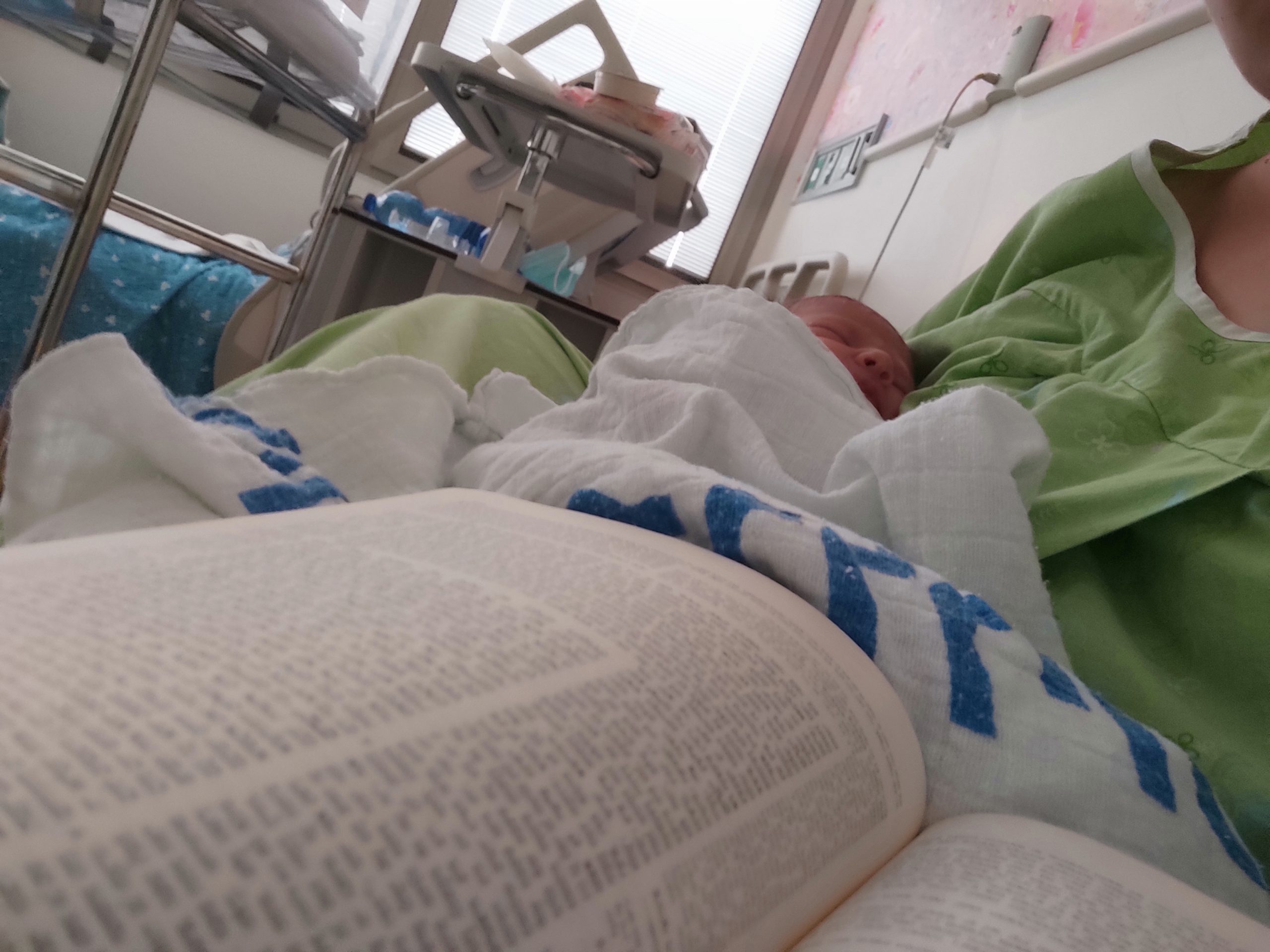
רבבה, ישראל
ראיתי את הסיום הגדול בבנייני האומה וכל כך התרשמתי ורציתי לקחת חלק.. אבל לקח לי עוד כשנה וחצי )באמצע מסיכת שבת להצטרף..
הלימוד חשוב לי מאוד.. אני תמיד במרדף אחרי הדף וגונבת כל פעם חצי דף כשהילדים עסוקים ומשלימה אח”כ אחרי שכולם הלכו לישון..
ירושלים, ישראל
התחלתי ללמוד דף יומי שהתחילו מסכת כתובות, לפני 7 שנים, במסגרת קבוצת לימוד שהתפרקה די מהר, ומשם המשכתי לבד בתמיכת האיש שלי. נעזרתי בגמרת שטיינזלץ ובשיעורים מוקלטים.
הסביבה מאד תומכת ואני מקבלת המון מילים טובות לאורך כל הדרך. מאז הסיום הגדול יש תחושה שאני חלק מדבר גדול יותר.
אני לומדת בשיטת ה”7 דפים בשבוע” של הרבנית תרצה קלמן – כלומר, לא נורא אם לא הצלחת ללמוד כל יום, העיקר שגמרת ארבעה דפים בשבוע
עתניאל, ישראל
למדתי גמרא מכיתה ז- ט ב Maimonides School ואחרי העליה שלי בגיל 14 לימוד הגמרא, שלא היה כל כך מקובל בימים אלה, היה די ספוראדי. אחרי "ההתגלות” בבנייני האומה התחלתי ללמוד בעיקר בדרך הביתה למדתי מפוקקטסים שונים. לאט לאט ראיתי שאני תמיד חוזרת לרבנית מישל פרבר. באיזה שהוא שלב התחלתי ללמוד בזום בשעה 7:10 .
היום "אין מצב” שאני אתחיל את היום שלי ללא לימוד עם הרבנית מישל עם כוס הקפה שלי!!

חשמונאים, ישראל
הצטרפתי ללומדות בתחילת מסכת תענית. ההתרגשות שלי ושל המשפחה היתה גדולה מאוד, והיא הולכת וגוברת עם כל סיום שאני זוכה לו. במשך שנים רבות רציתי להצטרף ומשום מה זה לא קרה… ב”ה מצאתי לפני מספר חודשים פרסום של הדרן, ומיד הצטרפתי והתאהבתי. הדף היומי שינה את חיי ממש והפך כל יום- ליום של תורה. מודה לכן מקרב ליבי ומאחלת לכולנו לימוד פורה מתוך אהבת התורה ולומדיה.

חיספין רמת הגולן, ישראל
בתחילת הסבב הנוכחי של לימוד הדף היומי, נחשפתי לחגיגות המרגשות באירועי הסיום ברחבי העולם. והבטחתי לעצמי שבקרוב אצטרף גם למעגל הלומדות. הסבב התחיל כאשר הייתי בתחילת דרכי בתוכנית קרן אריאל להכשרת יועצות הלכה של נשמ”ת. לא הצלחתי להוסיף את ההתחייבות לדף היומי על הלימוד האינטנסיבי של תוכנית היועצות. בבוקר למחרת המבחן הסופי בנשמ”ת, התחלתי את לימוד הדף במסכת סוכה ומאז לא הפסקתי.

קרית גת, ישראל
התחלתי בתחילת הסבב, והתמכרתי. זה נותן משמעות נוספת ליומיום ומאוד מחזק לתת לזה מקום בתוך כל שגרת הבית-עבודה השוטפת.

בית שמש, ישראל
. לא תמיד נהניתי מלימוד גמרא כילדה.,בל כהתבגרתי התחלתי לאהוב את זה שוב. התחלתי ללמוד מסכת סוטה בדף היומי לפני כחמש עשרה שנה ואז הפסקתי.הגעתי לסיום הגדול של הדרן לפני שנתיים וזה נתן לי השראה. והתחלתי ללמוד למשך כמה ימים ואז היתה לי פריצת דיסק והפסקתי…עד אלול השנה. אז התחלתי עם מסכת ביצה וב”ה אני מצליחה לעמוד בקצב. המשפחה מאוד תומכת בי ויש כמה שגם לומדים את זה במקביל. אני אוהבת שיש עוגן כל יום.

בית שמש, ישראל
התחלתי ללמוד בשנת המדרשה במגדל עוז, בינתיים נהנית מאוד מהלימוד ומהגמרא, מעניין ומשמח מאוד!
משתדלת להצליח לעקוב כל יום, לפעמים משלימה קצת בהמשך השבוע.. מרגישה שיש עוגן מקובע ביום שלי והוא משמח מאוד!

חיפה , ישראל
"התחלתי ללמוד דף יומי במחזור הזה, בח’ בטבת תש””ף. לקחתי על עצמי את הלימוד כדי ליצור תחום של התמדה יומיומית בחיים, והצטרפתי לקבוצת הלומדים בבית הכנסת בכפר אדומים. המשפחה והסביבה מתפעלים ותומכים.
בלימוד שלי אני מתפעלת בעיקר מכך שכדי ללמוד גמרא יש לדעת ולהכיר את כל הגמרא. זו מעין צבת בצבת עשויה שהיא עצומה בהיקפה.”

כפר אדומים, ישראל
הייתי לפני שנתיים בסיום הדרן נשים בבנייני האומה והחלטתי להתחיל. אפילו רק כמה דפים, אולי רק פרק, אולי רק מסכת… בינתיים סיימתי רבע שס ותכף את כל סדר מועד בה.
הסביבה תומכת ומפרגנת. אני בת יחידה עם ארבעה אחים שכולם לומדים דף יומי. מדי פעם אנחנו עושים סיומים יחד באירועים משפחתיים. ממש מרגש. מסכת שבת סיימנו כולנו יחד עם אבא שלנו!
אני שומעת כל יום פודקאסט בהליכה או בנסיעה ואחכ לומדת את הגמרא.

מרכז שפירא, ישראל
"
גם אני התחלתי בסבב הנוכחי וב””ה הצלחתי לסיים את רוב המסכתות . בזכות הרבנית מישל משתדלת לפתוח את היום בשיעור הזום בשעה 6:20 .הלימוד הפך להיות חלק משמעותי בחיי ויש ימים בהם אני מצליחה לחזור על הדף עם מלמדים נוספים ששיעוריהם נמצאים במרשתת. שמחה להיות חלק מקהילת לומדות ברחבי העולם. ובמיוחד לשמש דוגמה לנכדותיי שאי””ה יגדלו לדור שלימוד תורה לנשים יהיה משהו שבשגרה. "

נתניה, ישראל
זבחים עו
וְכוּלָּן רַשָּׁאִין כֹּהֲנִים לְשַׁנּוֹת בַּאֲכִילָתָן – לְאָכְלָן צְלוּיִין שְׁלוּקִין וּמְבוּשָּׁלִין, וְלָתֵת לְתוֹכָן תַּבְלֵי חוּלִּין וְתַבְלֵי תְרוּמָה. דִּבְרֵי רַבִּי יִשְׁמָעֵאל. אֲמַר לֵיהּ: הַנַּח לִתְרוּמַת תַּבְלִין – דְּרַבָּנַן.
And with regard to all of the offerings that are eaten, the priests are permitted to alter the manner of their consumption and eat them as they choose. Therefore, the priests are permitted to eat them roasted, boiled, or cooked, and they are likewise permitted to place non-sacred spices or teruma spices in the cooking pot. This is the statement of Rabbi Yishmael. This indicates that it is permitted to spice offerings with teruma spices ab initio, despite the fact that this reduces the time available to eat the teruma. Rabba said to Abaye: Set aside the halakha of teruma of spices, as this teruma applies by rabbinic law, not by Torah law.
אֵיתִיבֵיהּ: אֵין לוֹקְחִין תְּרוּמָה בְּכֶסֶף מַעֲשֵׂר, מִפְּנֵי שֶׁמְּמַעֵט בַּאֲכִילָתָהּ; וְרַבִּי שִׁמְעוֹן מַתִּיר! אִישְׁתִּיק לֵיהּ.
Abaye raised an objection to Rabba from a mishna (Ma’aser Sheni 3:2): One may not purchase teruma with second tithe money, because he thereby limits the circumstances for the eating of the teruma. Teruma may be eaten in any place and even by an acute mourner, i.e., one whose relative died that same day and has not yet been buried, whereas second tithe and food purchased with second tithe money must be eaten in Jerusalem and is prohibited to an acute mourner. And Rabbi Shimon permits one to purchase teruma with second tithe money. This indicates that Rabbi Shimon allows one to bring teruma to the status of unfitness. Rabba was silent in response to his statement, and did not answer Abaye.
כִּי אֲתָא לְקַמֵּיהּ דְּרַב יוֹסֵף, אֲמַר לֵיהּ: אַמַּאי לָא תּוֹתְבֵיהּ מֵהָא – אֵין מְבַשְּׁלִין יָרָק שֶׁל שְׁבִיעִית בְּשֶׁמֶן שֶׁל תְּרוּמָה, שֶׁלֹּא יָבִיאוּ קָדָשִׁים לְבֵית הַפְּסוּל; וְרַבִּי שִׁמְעוֹן מַתִּיר!
When Abaye came before Rav Yosef and told him of his discussion with Rabba, Rav Yosef said to him: Why didn’t you raise an objection to Rabba from this mishna (Shevi’it 8:7): One may not cook vegetables of the Sabbatical Year in teruma oil, so that one does not bring consecrated food, teruma, to the status of unfitness, as the teruma oil would have to be eaten before the time of the removal of the Sabbatical Year produce; and Rabbi Shimon permits one to cook in this manner. Evidently, Rabbi Shimon allows one to bring teruma to the status of unfitness ab initio.
אֲמַר לֵיהּ אַבָּיֵי: וְלָאו מִי אוֹתְבִיתֵיהּ מֵהָא דְּתַבְלִין, וְאָמַר לִי: הַנַּח לִתְרוּמַת תַּבְלִין דְּרַבָּנַן? הָכָא נָמֵי (תְּרוּמָה) תְּרוּמַת יָרָק דְּרַבָּנַן. אִי הָכִי, אִיפְּכָא מִיבַּעְיָא לֵיהּ לְמִיתְנֵי: יָרָק שֶׁל תְּרוּמָה בְּשֶׁמֶן שֶׁל שְׁבִיעִית!
Abaye said to Rav Yosef: And didn’t I raise an objection to Rabba from that mishna discussing the halakha of teruma spices, and he said to me: Disregard the halakha of teruma of spices, as this teruma applies by rabbinic law. Here too, with regard to vegetables of the Sabbatical Year, he could likewise say that this teruma oil is not olive oil, but oil that is teruma of vegetables, which applies by rabbinic law. Rav Yosef replied: If so, that this mishna is referring to vegetable oil of teruma, it should teach the opposite case, that one may not cook vegetables of teruma in oil of the Sabbatical Year. Since the tanna specifies teruma oil, he must certainly be speaking of teruma by Torah law, i.e., olive oil.
וְלָאו מִי אוֹתְבִיתֵיהּ מִמַּתְנִיתִין דְּמַתִּיר רַבִּי שִׁמְעוֹן, וְאָמַר לִי דְּאִיעָרַב? הָכָא נָמֵי דְּאִיעָרַב.
Abaye then said to Rav Yosef: And didn’t I raise an objection to Rabba from the mishna, in which Rabbi Shimon permits one to bring sacrificial animals to the status of unfitness, and Rabba said to me that Rabbi Shimon’s ruling applies only after the fact, when the guilt offering and peace offering have become intermingled? Here too, he would say that this ruling is after the fact, that when the teruma oil and the vegetables of the Sabbatical Year have become intermingled one may then cook them together, but he does not permit one to cook them together ab initio.
אִי דְּאִיעָרַב, מַאי טַעְמַיְיהוּ דְּרַבָּנַן? מִידֵי דְּהָוֵה אַאָשָׁם וּשְׁלָמִים.
The Gemara asks: If this halakha is referring to a case where the foods have already become intermingled, what is the reason of the Rabbis for prohibiting one to cook them together? The Gemara answers: This is just as it is in the case of the mishna with regard to a guilt offering and a peace offering that became intermingled, that even after the offerings are intermingled, one may not bring the flesh of the peace offering to the status of unfitness.
מִי דָּמֵי?! הָתָם אָשָׁם – אִית לֵיהּ תַּקַּנְתָּא בִּרְעִיָּיה; הָא – לֵית לֵיהּ תַּקַּנְתָּא בִּרְעִיָּיה!
The Gemara raises a difficulty: Are these two cases comparable? There, with regard to the offerings, the situation has a remedy by having the offerings graze until they develop a blemish, at which point the owner brings each offering of each type with the monetary value of the higher-quality animal. By contrast, in this case of teruma oil mixed with vegetables of the Sabbatical Year, the situation has no remedy similar to that of having the offerings graze, and therefore if the Rabbis prohibited the mixture the teruma would go to waste.
הָא לָא דָּמֵי אֶלָּא לַחֲתִיכָה שֶׁבַּחֲתִיכוֹת – כֵּיוָן דְּלֵית תַּקַּנְתָּא, דְּאוֹכֵל כְּחָמוּר שֶׁבָּהֶן.
If one wishes to compare this case of oil and vegetables to an intermingling of sacrificial animals, this is comparable only to the other halakha of the mishna, which addresses a piece of the flesh of an offering of the most sacred order that was intermingled with pieces of the flesh of offerings of lesser sanctity. Here the Rabbis concede that since there is no remedy for the intermingled pieces, the halakha is that they both must be eaten in accordance with the halakha of the more stringent among them, but they are not prohibited.
מַתְקֵיף לַהּ רָבִינָא: מִי דָּמֵי?! חֲתִיכָה שֶׁבַּחֲתִיכוֹת – לֵית לַהּ תַּקַּנְתָּא כְּלָל; הַאי – אִית לֵיהּ תַּקַּנְתָּא בִּסְחִיטָה!
Ravina objects to this comparison: Are these cases comparable? In the case of the piece of sacrificial flesh that is intermingled with the other pieces, it has no remedy at all, whereas this case of teruma oil has a remedy through squeezing the oil from the vegetables. If so, this case of vegetables is in fact comparable to that of an intermingling of a guilt offering and peace offering, which also have a means of remedy, and for this reason the Rabbis prohibited the mixture.
וְרַב יוֹסֵף – הֵיכִי נִסְחוֹט? נִסְחוֹט טוּבָא – קָא מַפְסֵיד בִּשְׁבִיעִית; נִסְחוֹט פּוּרְתָּא – סוֹף סוֹף אִיעָרוֹבֵי מִיעָרַב.
The Gemara asks: And how would Rav Yosef respond to the claim that the Rabbis prohibit this mixture after the fact because there is a remedy available through squeezing it? The Gemara explains that Rav Yosef would respond that squeezing is not in fact a remedy, as how can one squeeze it? If one squeezes the vegetables a lot, he thereby causes a loss of Sabbatical Year produce; if one squeezes the vegetables a little, ultimately the teruma oil and vegetables of the Sabbatical Year will still be intermingled, as this squeezing will be ineffective. If so, Rav Yosef’s contention that in this case the Rabbis would not have prohibited cooking vegetables of the Sabbatical Year in teruma oil remains valid. Consequently, this must be referring to a case where the vegetables and oil have not yet become mixed, which means that this case does prove that Rabbi Shimon permits one to bring sacrificial animals to the status of unfitness ab initio, not only after the fact, as claimed by Rabba.
אֵיתִיבֵיהּ רַבִּי שִׁמְעוֹן אוֹמֵר: לַמׇּחֳרָת מֵבִיא אֲשָׁמוֹ וְלוּגּוֹ עִמּוֹ, וְאוֹמֵר: אִם שֶׁל מְצוֹרָע – הֲרֵי זֶה אֲשָׁמוֹ וְזֶה לוּגּוֹ,
Rav Yosef raised an objection to the opinion of Rabba from a baraita (Tosefta, Nazir 6:1): How should one whose status as a confirmed leper has not been determined bring his guilt offering and log of oil on the eighth day of his purification? Rabbi Shimon says: On the following day, after his seven days of purification, he brings his guilt offering and his log of oil with it, and says the following stipulation: If this offering is one of a leper, i.e., if I am a confirmed leper, this is his, i.e., my, guilt offering and that is his log of oil.
וְאִם לָאו – אָשָׁם זֶה שֶׁל שַׁלְמֵי נְדָבָה. וְאוֹתוֹ אָשָׁם טָעוּן שְׁחִיטָה בַּצָּפוֹן, וּמַתַּן בְּהוֹנוֹת, וּסְמִיכָה, וּנְסָכִים, וּתְנוּפַת חָזֶה וָשׁוֹק,
And if he is not a leper, this animal that is brought for a guilt offering shall be a voluntary peace offering, because their sacrificial rites are equivalent. And that uncertain guilt offering requires slaughter in the north of the Temple courtyard as a guilt offering, and placement of the blood on the right thumb and big toe and right ear of the leper, as described in Leviticus 14:14, and it requires placing hands on the head of the animal, and the accompanying wine libations and waving of the breast and thigh like a peace offering.
וְנֶאֱכָל לְיוֹם וְלַיְלָה! תַּקּוֹנֵי גַּבְרָא שָׁאנֵי.
And lastly, it is eaten by males of the priesthood on the day it is sacrificed and the following night, in the Temple courtyard, like a guilt offering, not for two days and one night in the manner of a peace offering. This indicates that Rabbi Shimon permits one to bring sacrificial animals to the status of unfitness even ab initio, not only when the animals became intermingled. The Gemara answers that the remedy of a man is different from the case discussed by Rabba. Since this person has no way of purifying himself from his leprosy other than by bringing the offering, the concern of reducing the time available for its consumption is disregarded.
הָתִינַח אָשָׁם, לוֹג מַאי אִיכָּא לְמֵימַר? דְּאָמַר: לוֹג זֶה יְהֵא נְדָבָה. וְדִילְמָא לָאו מְצוֹרָע הוּא, וּבָעֵי מִקְמָץ? דְּמִקְּמִיץ.
The Gemara asks a question with regard to the resolution suggested by Rabbi Shimon of bringing the offerings and stating a stipulation. This works out well with regard to the guilt offering, but with regard to the log of oil what can be said? A log of oil does not accompany a peace offering. The Gemara explains that the individual bringing the offering says: If I am not a leper, then this log shall be a gift to the Temple, as one can dedicate oil to the Temple. The Gemara questions this resolution: But perhaps he is not in fact a leper, and if so, it is required that a priest remove a handful of the donated oil and sacrifice a handful of it on the altar before the rest of the oil may be consumed by the priests, as is the halakha with regard to oil brought as an offering. The Gemara explains that this is referring to a case where the priest already removed a handful.
וְדִילְמָא מְצוֹרָע הוּא, וּבָעֵי מַתַּן שֶׁבַע? דְּיָהֵיב.
The Gemara further questions: But perhaps he is in fact a leper, and he requires the placement of seven sprinklings of oil before the Lord (see Leviticus 14:15–16). The Gemara answers that the priest does place these sprinklings.
וְהָא חָסַר לֵיהּ! דְּמַיְיתֵי פּוּרְתָּא וּמְמַלֵּי לֵיהּ; דִּתְנַן: חָסַר הַלּוֹג עַד שֶׁלֹּא יָצַק – יְמַלְּאֶנּוּ.
The Gemara raises a difficulty: How can the priest sprinkle the oil? But it is lacking, as a handful has been removed from the oil, and one sprinkles only from a whole log. The Gemara explains that after the handful is removed the priest brings a little more oil to the container and fills it up to a log. This is as we learned in a mishna (Nega’im 14:10): In a case where the log lacked a full measure, then if it became lacking before the priest poured from it into his palm in order to place it on the right thumb and big toe of the leper, he shall fill it.
וְהָא בָּעֵי הַקְטָרָה! (דְּאַקְטַר) [דְּמַקְטַר] לֵיהּ.
The Gemara poses yet another question: But if he is not a leper, and that log of oil is a gift, that handful removed from the oil requires burning on the altar for the remainder of the oil to be permitted to the priests. The Gemara explains that the priest does in fact burn the handful.
אֵימַת? אִי בָּתַר מַתְּנוֹת שֶׁבַע – הָווּ לְהוּ שִׁירַיִים שֶׁחָסְרוּ בֵּין קְמִיצָה לְהַקְטָרָה, וְאֵין מַקְטִירִין אֶת הַקּוֹמֶץ עֲלֵיהֶן!
The Gemara asks: When does the priest burn the handful? If he does so after the placement of seven sprinklings for the leper’s purification, in such a case the log will be lacking due to the sprinklings. That which remains is akin to the remainder of a meal offering that was lacking between the removal of the handful and the burning, and one may not burn the handful for that remainder. Similar to a gift of oil, in a meal offering a handful is removed from the offering and then sacrificed on the altar. If after the handful is removed but before it is sacrificed some of the remainder of the meal offering is separated, the handful may not be sacrificed. The same should apply if some of the oil was sprinkled after the handful was removed.
אִי קוֹדֶם מַתְּנוֹת שֶׁבַע – כֹּל שֶׁמִּמֶּנּוּ לָאִישִּׁים, הֲרֵי הוּא בְּבַל תַּקְטִירוּ!
If, alternatively, the priest burns the handful before the placement of seven sprinklings, once he has burned the handful he may no longer perform the sprinklings, in accordance with the principle: Whatever is partly burned in the fire on the altar is subject to the prohibition of: You may not make as an offering (see Leviticus 2:11). This principle states that if part of an item, such as the blood of an animal offering or the handful of a meal offering, has been sacrificed, one who sacrifices any other part of it that is not designated for sacrifice has violated a prohibition. The sprinkling of the oil is equivalent to sacrifice in this regard.
אָמַר רַב יְהוּדָה בְּרֵיהּ דְּרַבִּי שִׁמְעוֹן בֶּן פַּזִּי: דְּמַסֵּיק לְהוּ לְשֵׁם עֵצִים. דְּתַנְיָא, רַבִּי אֱלִיעֶזֶר אוֹמֵר: ״לְרֵיחַ נִיחוֹחַ״ אִי אַתָּה מַעֲלֶה, אֲבָל אַתָּה מַעֲלֶה
Rav Yehuda, son of Rabbi Shimon ben Pazi, says that the priest does not sprinkle the oil as a definite rite but stipulates that if the man is not a leper he is sprinkling it in a manner analogous to other items that one burns for the sake of wood, i.e., as fuel for the altar and not as a sacrificial rite. As it is taught in a baraita that Rabbi Eliezer says: The verse states: “No meal offering that you shall bring to the Lord shall be made with leaven; for you shall make no leaven, nor any honey, smoke from it as an offering made by fire to the Lord. As an offering of first fruits you may bring them to the Lord; but they shall not come up for a pleasing aroma on the altar” (Leviticus 2:11–12). This verse indicates that you may not offer up leaven and honey as a pleasing aroma, an offering. But you may offer up leaven and honey and other substances

